Era 2 of 13
Patriarchal Period
- 203 peopleGenesis 12–50 · c. 2100–1800 BC
Dates follow the traditional reckoning from 1 Kings 6:1, which puts the Exodus around 1446 BC. Many scholars date the Exodus to the 13th century BC, which would move these eras later.
Era 2 of 13
Patriarchal Period · Genesis 12–50
The biblical timeline
- Creation to BabelUndated (before Abraham)
- Patriarchal Periodc. 2100–1800 BC
- Egypt and Wildernessc. 1800–1400 BC
- Conquest and Judgesc. 1400–1050 BC
- United Monarchyc. 1050–930 BC
- Divided Monarchyc. 930–586 BC
- Exile and Returnc. 605–430 BC
- Intertestamental Periodc. 430–5 BC
- The Gospelsc. 6 BC – AD 30
- In Jerusalemc. AD 30–35
- In All Judea and Samariac. AD 35–44
- To the Ends of the Earthc. AD 46–95
- Revelationc. AD 95
The story of the Patriarchs
One family is called out of the crowd. God tells Abram to leave country and kindred for a land he will be shown, promising a great nation and blessing for "all the families of the earth" (Genesis 12:1–3). Abram and Sarai go with Lot; the promise is repeated and sealed by covenant (Genesis 15), their names are changed to Abraham and Sarah, and circumcision is given as its sign (Genesis 17:5–15). Along the way come Hagar and Ishmael (Genesis 16), the destruction of Sodom, the rescue of Lot (Genesis 19), and at last the laughter of Isaac, born to a hundred-year-old father (Genesis 21:1–7).
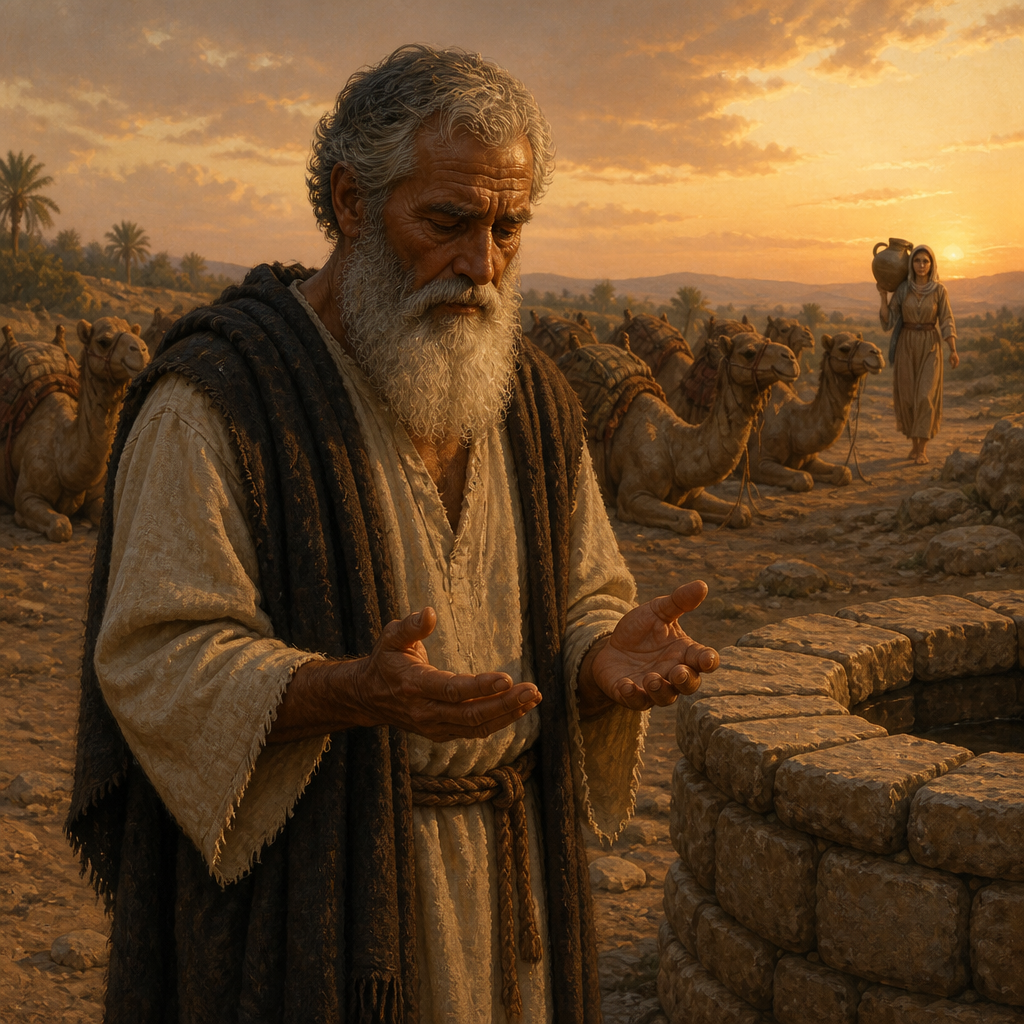
The promise is tested on a mountain in Moriah, where Abraham binds Isaac and God provides the ram instead (Genesis 22:1–14). Isaac's bride Rebekah is found by Abraham's servant at a well in Nahor's city (Genesis 24), and their twins are already struggling before birth: Esau the hunter and Jacob the heel-grabber (Genesis 25:21–26). Jacob buys the birthright with stew and steals the blessing with goatskins (Genesis 27), then flees to Laban in Haran.
At Bethel Jacob sees the ladder and the LORD standing above it (Genesis 28:10–17). Twenty years with Laban bring him Leah and Rachel, Bilhah and Zilpah, and the twelve sons who become the tribes — Reuben, Simeon, Levi, Judah, Dan, Naphtali, Gad, Asher, Issachar, Zebulun, Joseph and Benjamin — along with his daughter Dinah (Genesis 29–30; 35:23–26). Returning home he wrestles until daybreak at the Jabbok and is renamed Israel (Genesis 32:22–32); Esau meets him with an embrace, not an army (Genesis 33:4).
The last quarter of Genesis belongs to Joseph. Sold by his brothers to Ishmaelite traders, he serves Potiphar, is imprisoned on his wife's word, and interprets the dreams of the cupbearer, the baker and finally Pharaoh himself (Genesis 37–41). Made second in Egypt, he stores grain against seven years of famine and meets his brothers again as a stranger. His verdict on the whole affair is the era's summary: "you meant evil against me, but God meant it for good" (Genesis 50:20). Jacob blesses his sons and dies in Egypt, and Joseph's bones wait there for an exodus he will not see (Genesis 50:24–26).
Start here
Key figures of this era
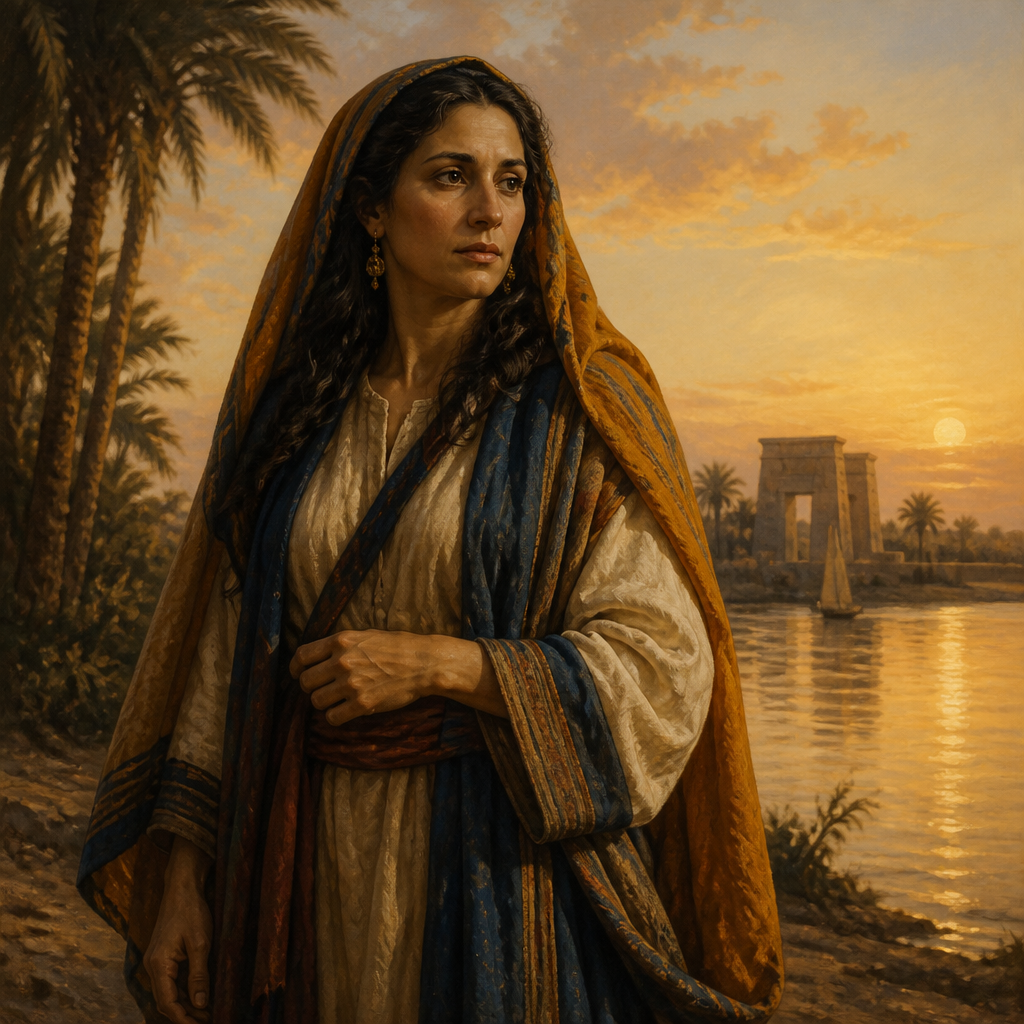
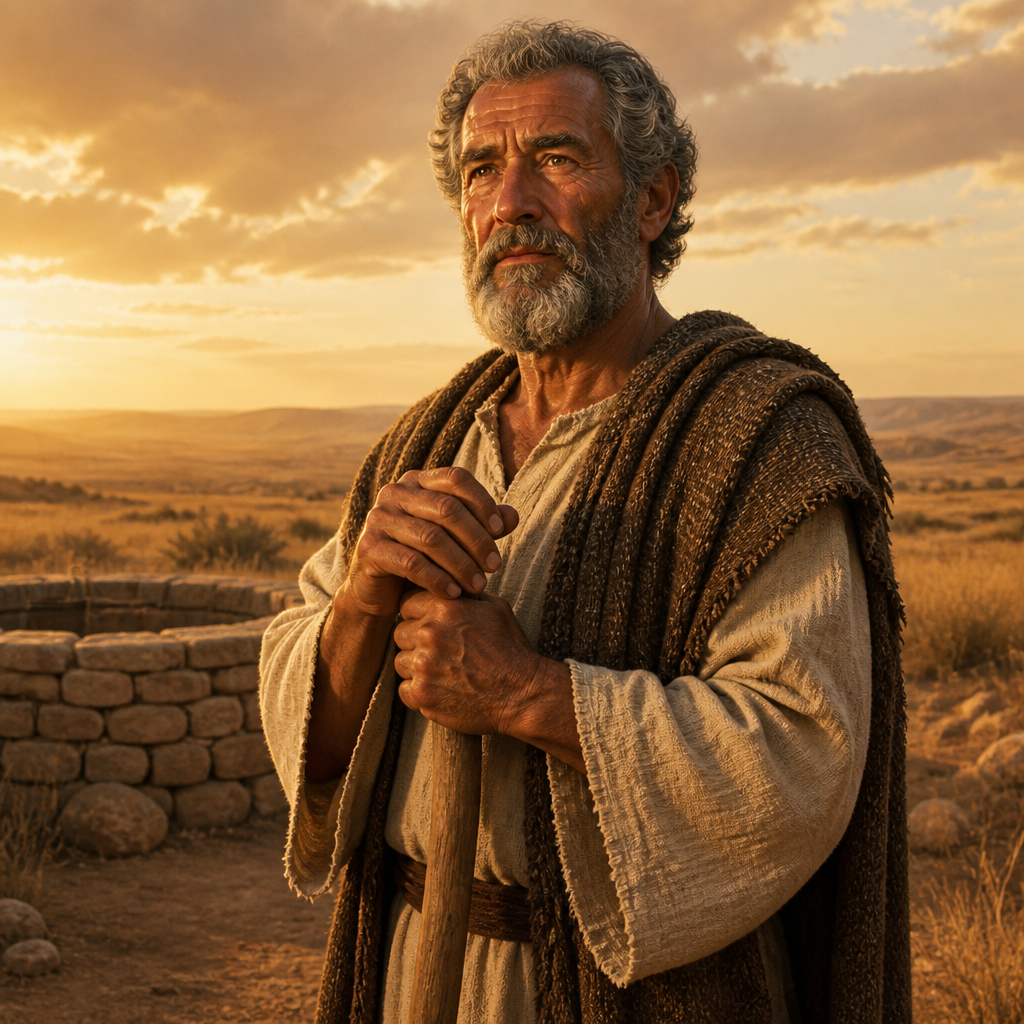
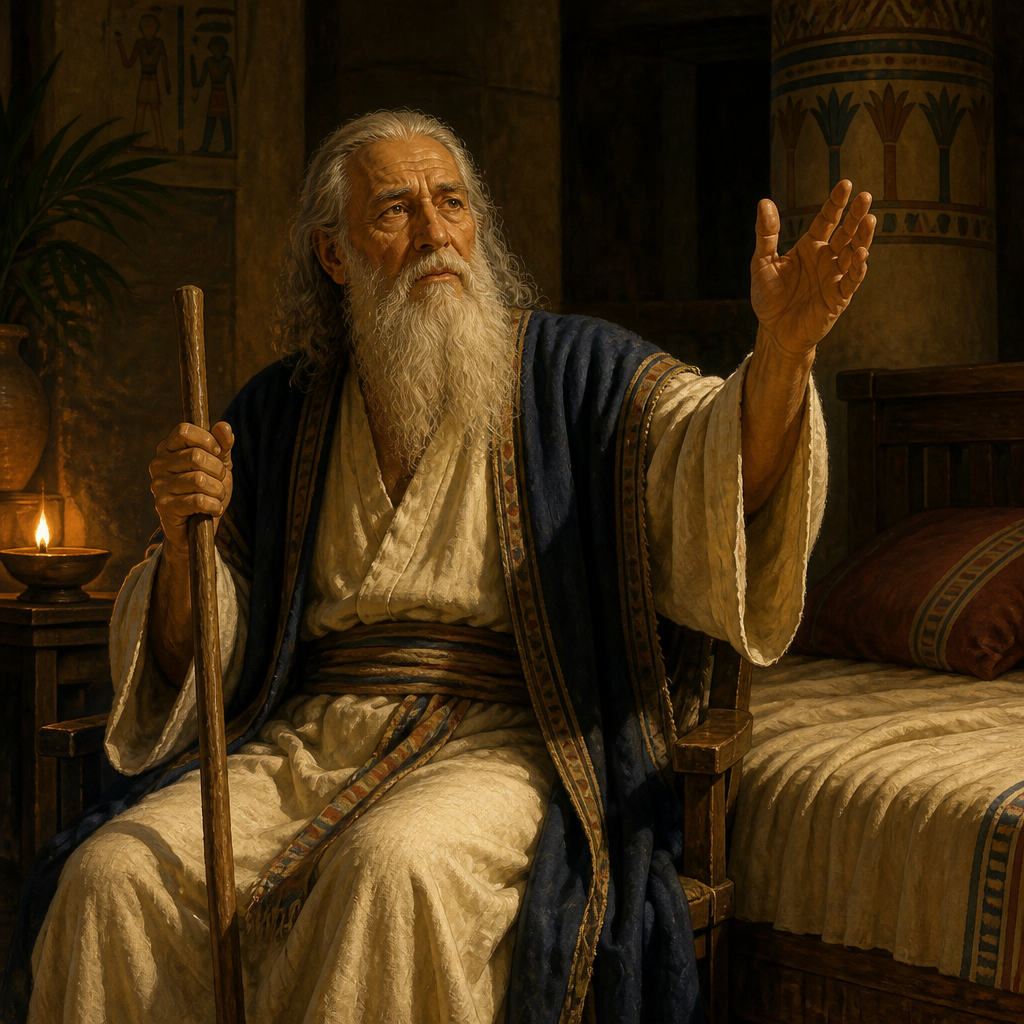
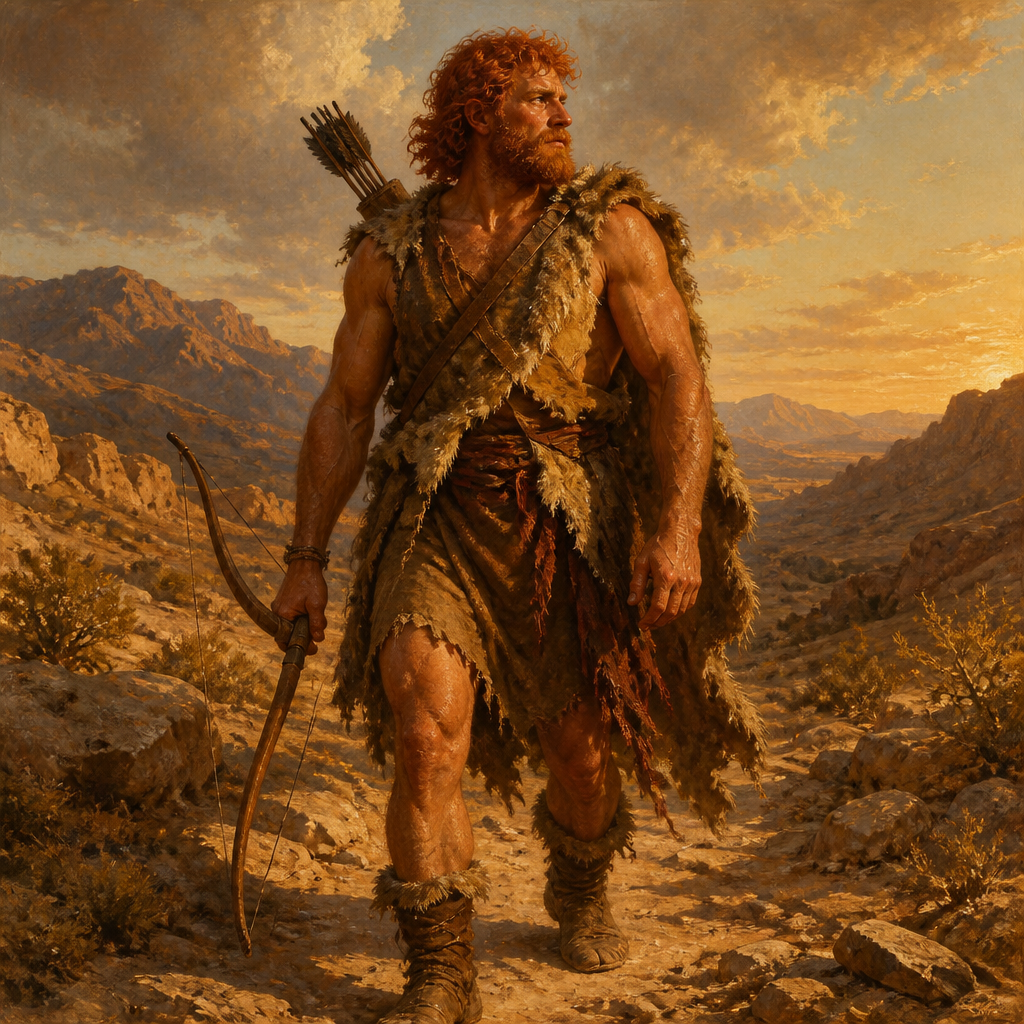
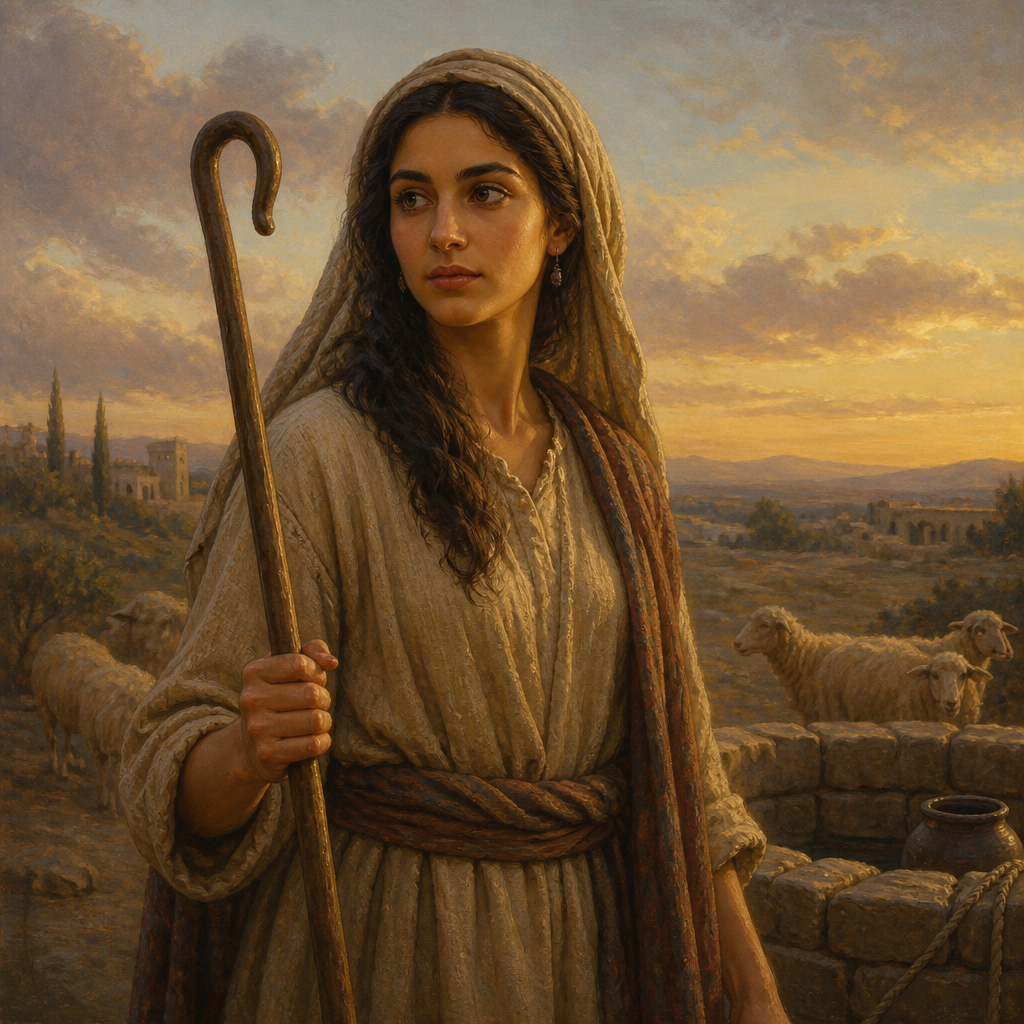
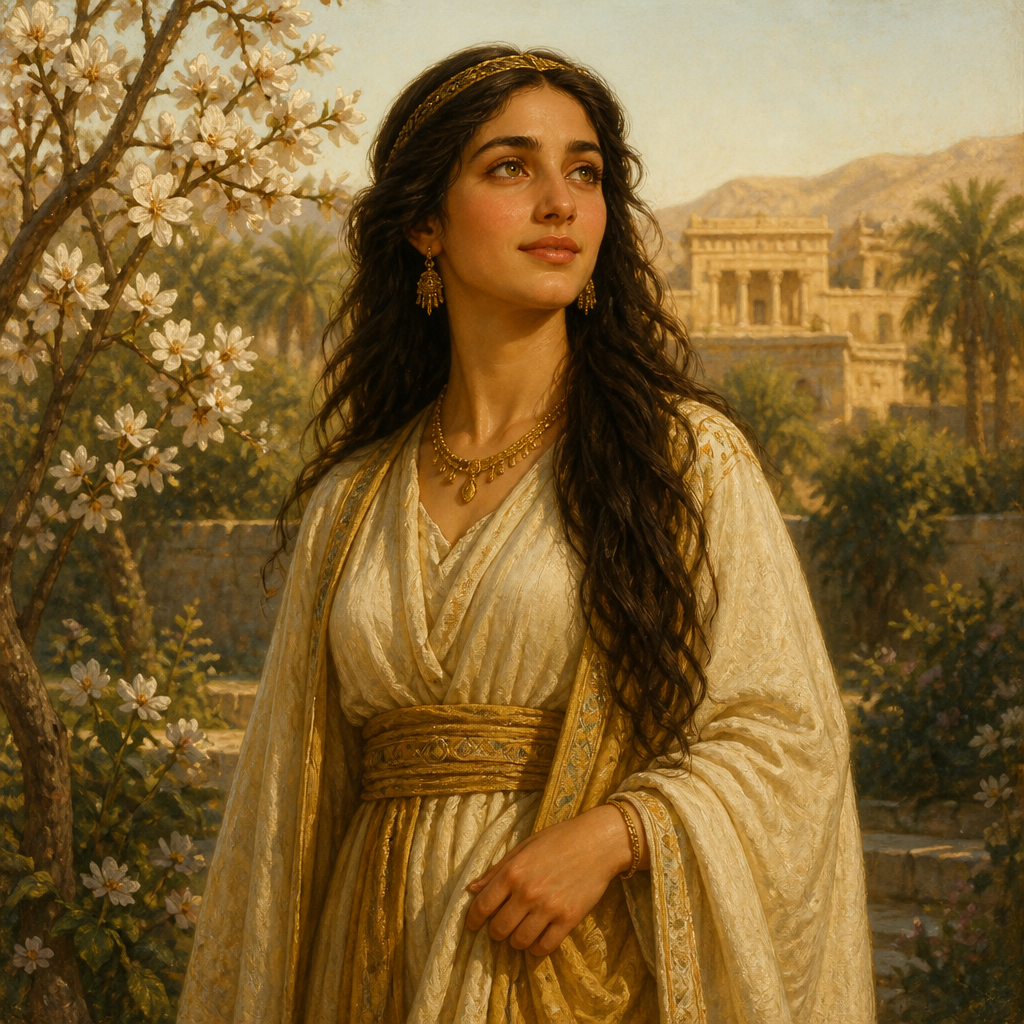
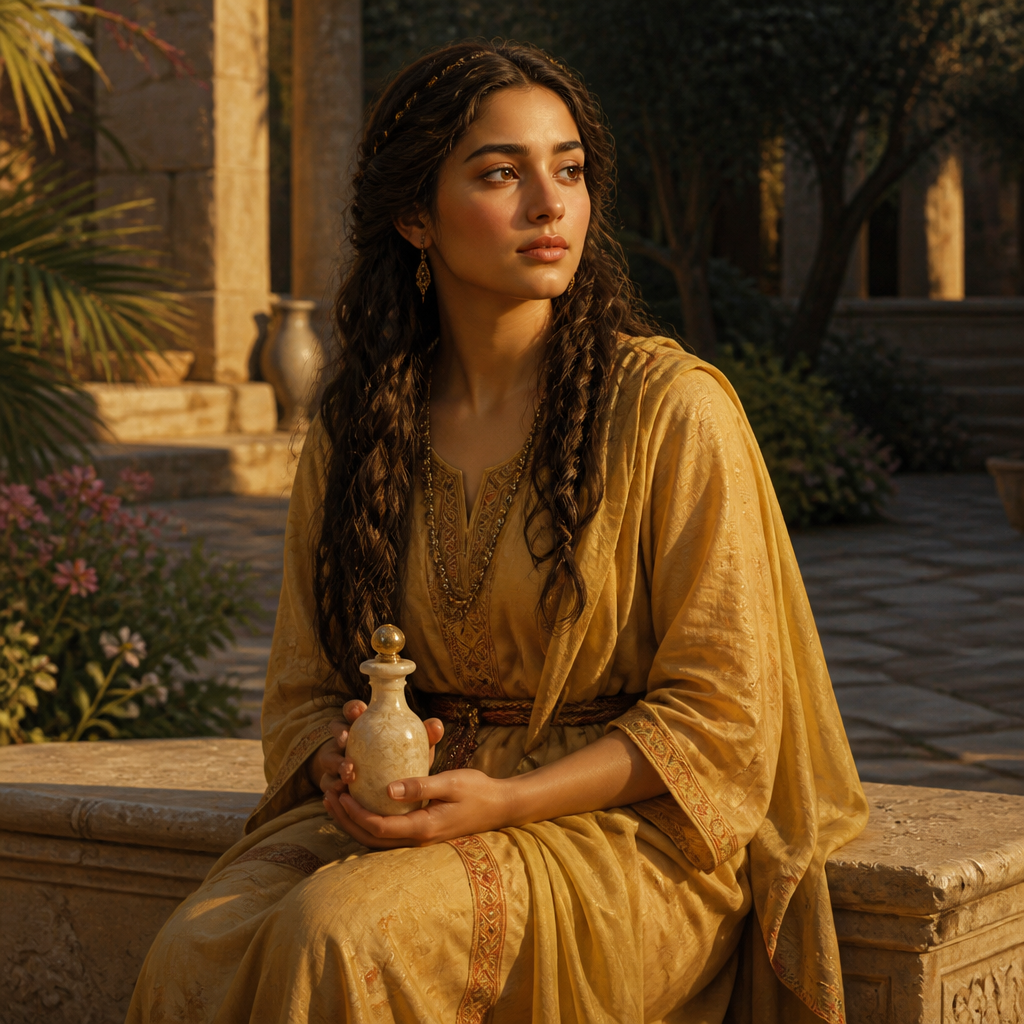
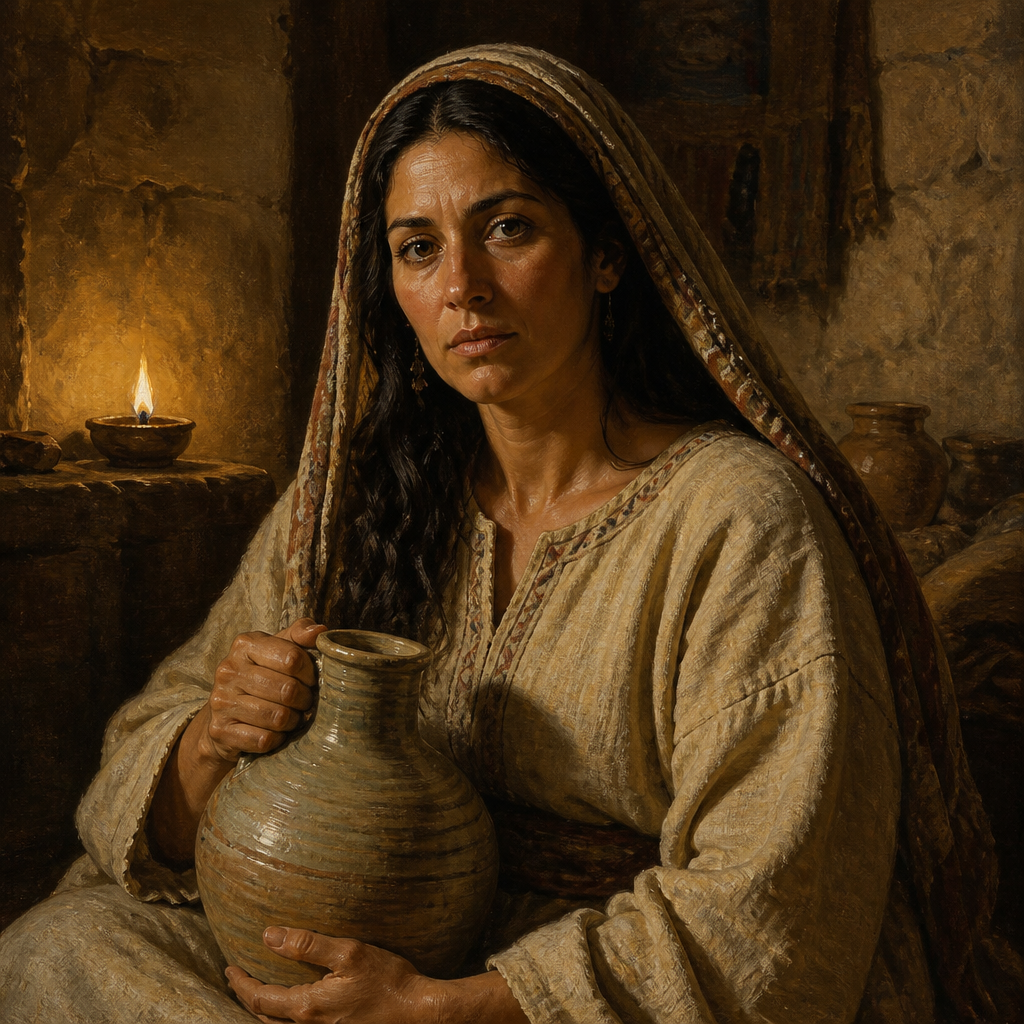
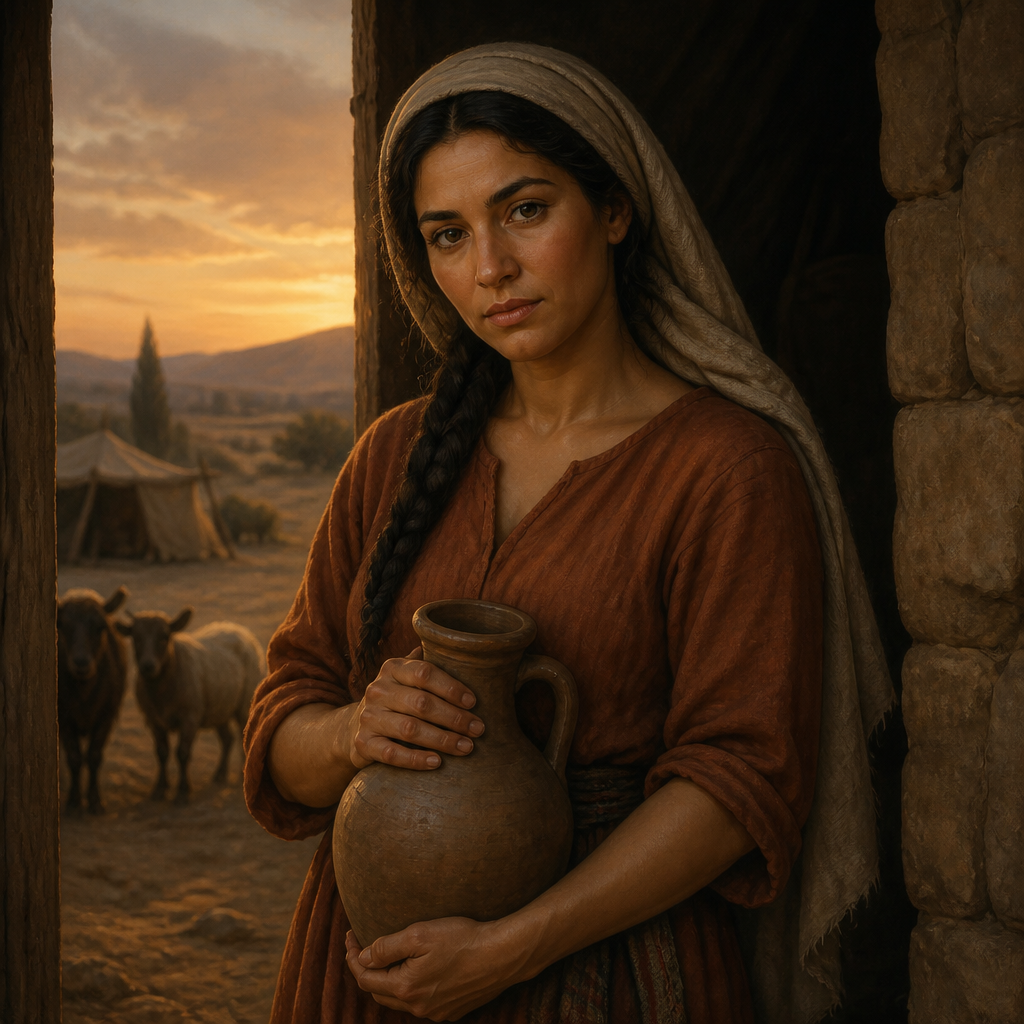
Rachel
Matriarch of Israel and the beloved wife of Jacob who died giving birth to Benjamin
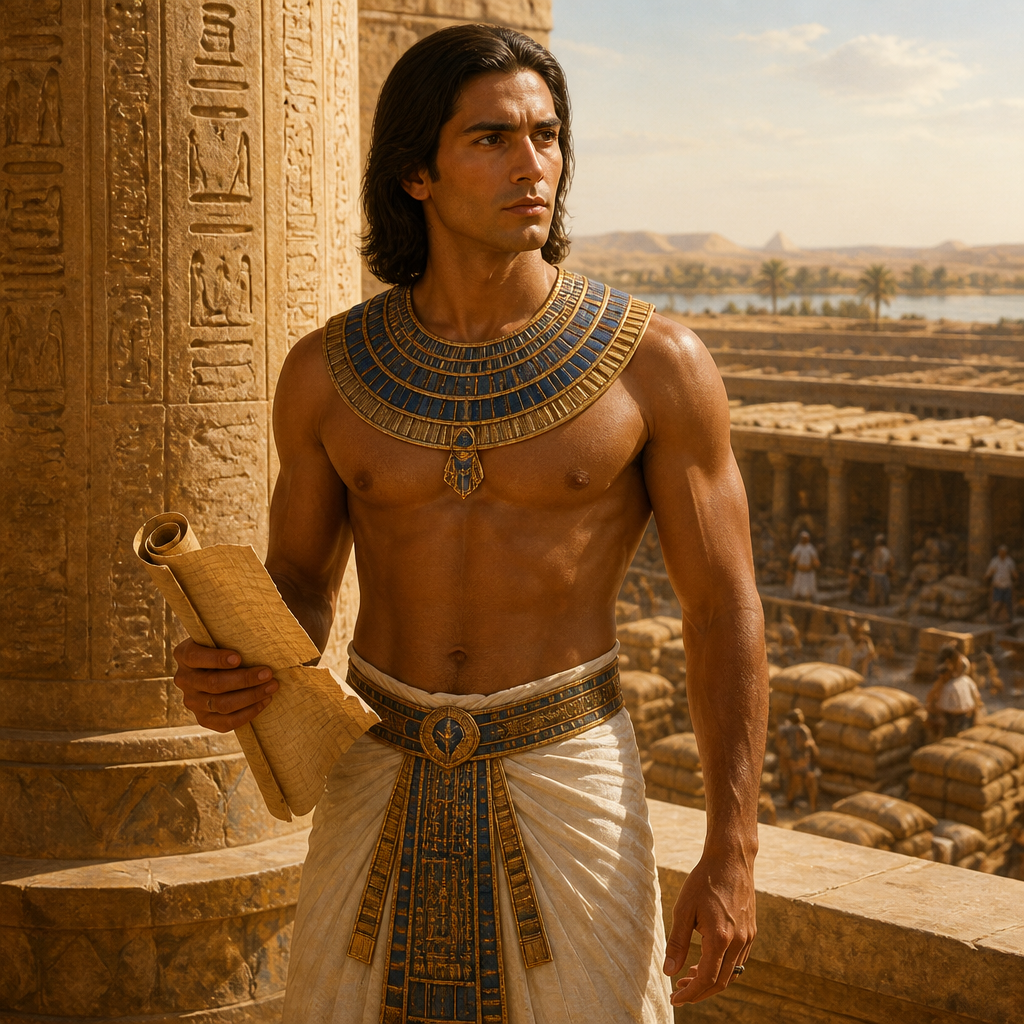
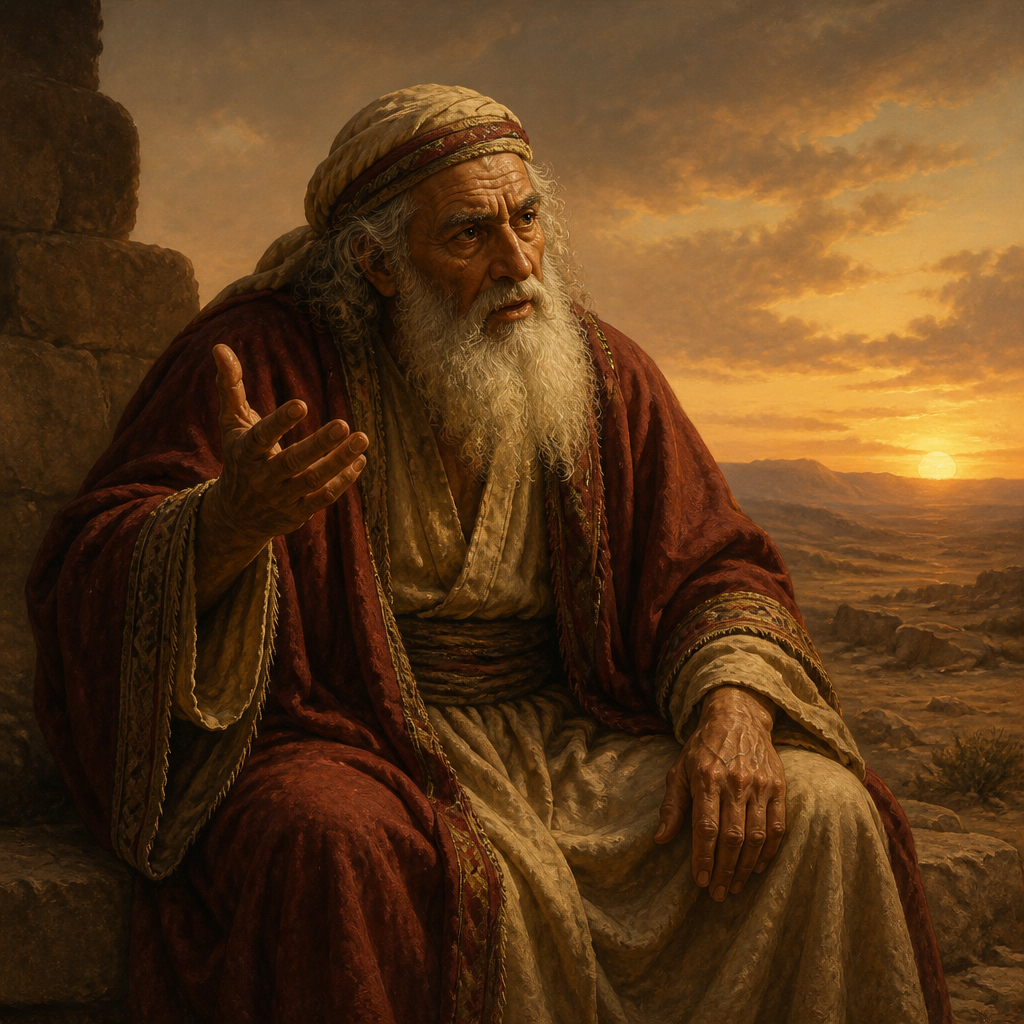
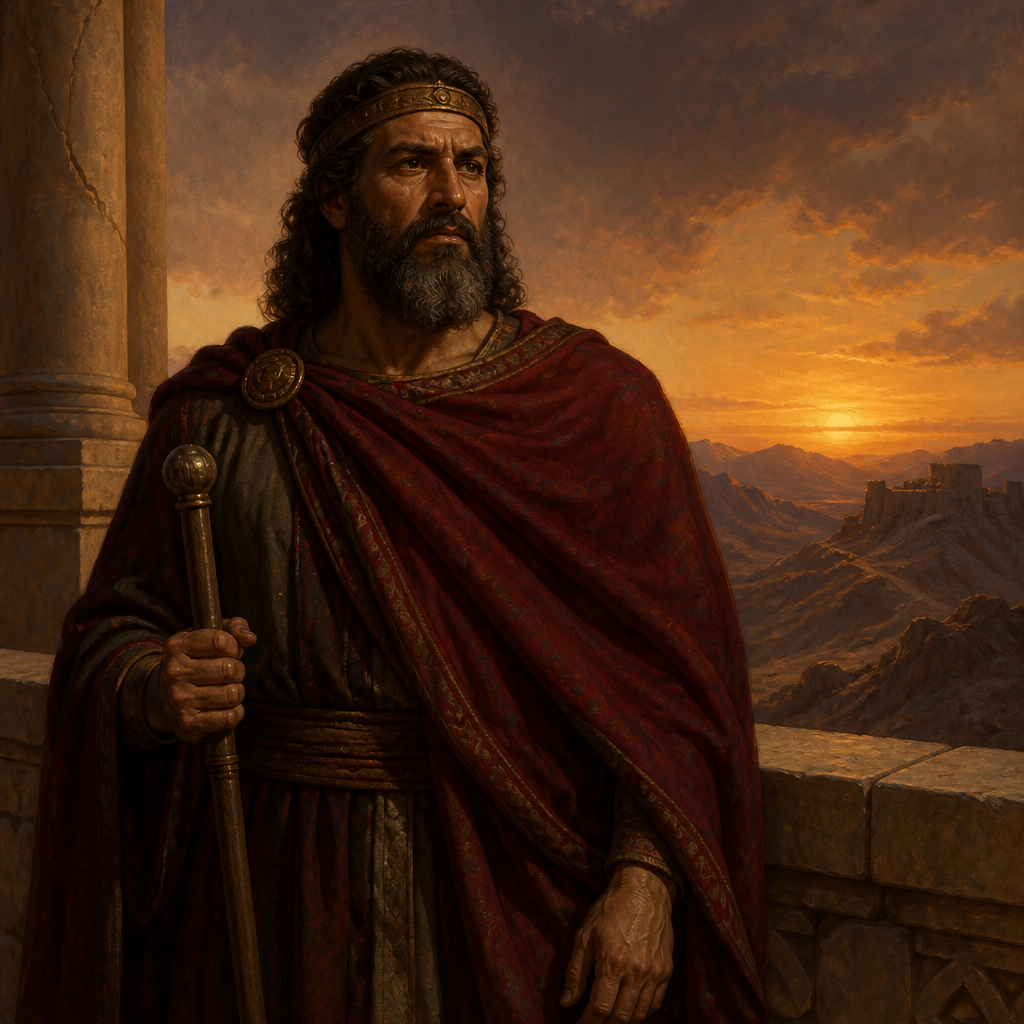
Joseph, Son of Jacob
Patriarch who was sold into slavery and rose to become the second most powerful man in Egypt
Everyone in this era
Grouped by the book where each person first appears.
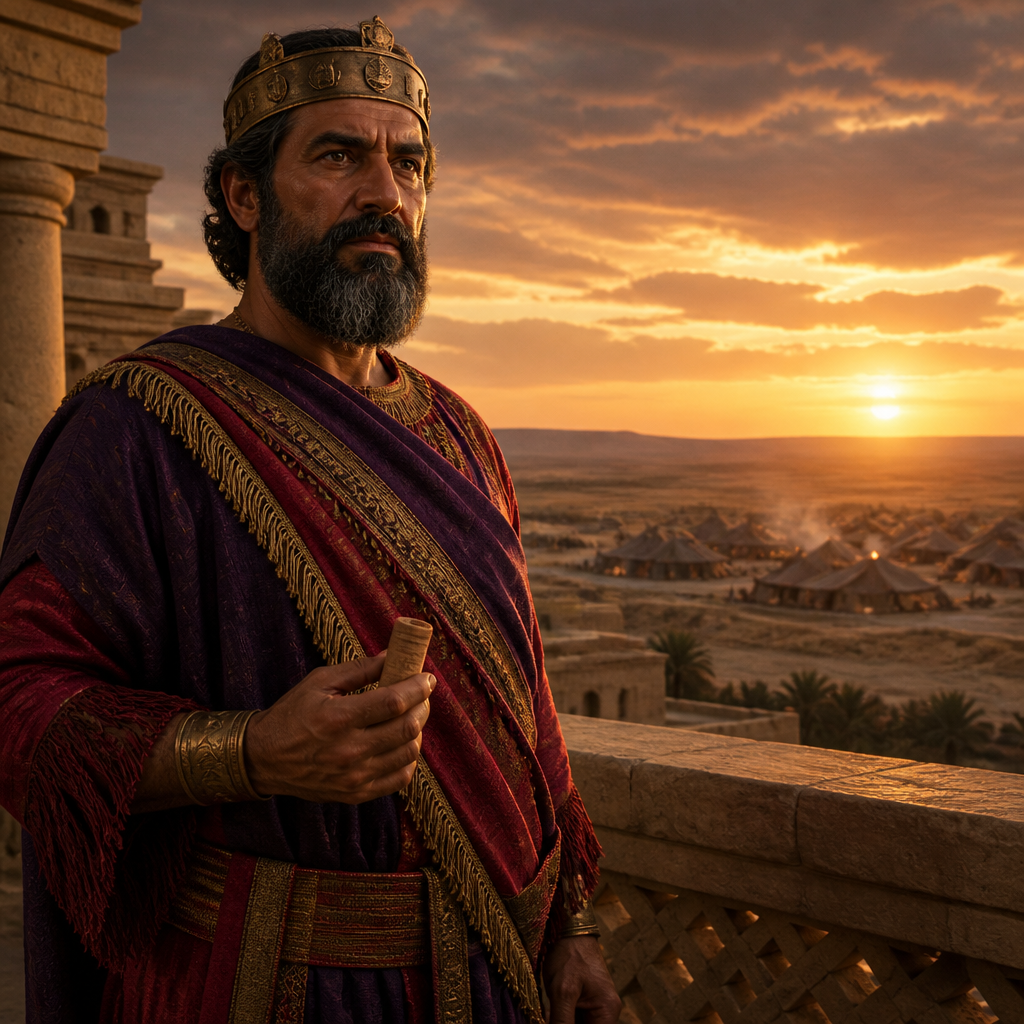
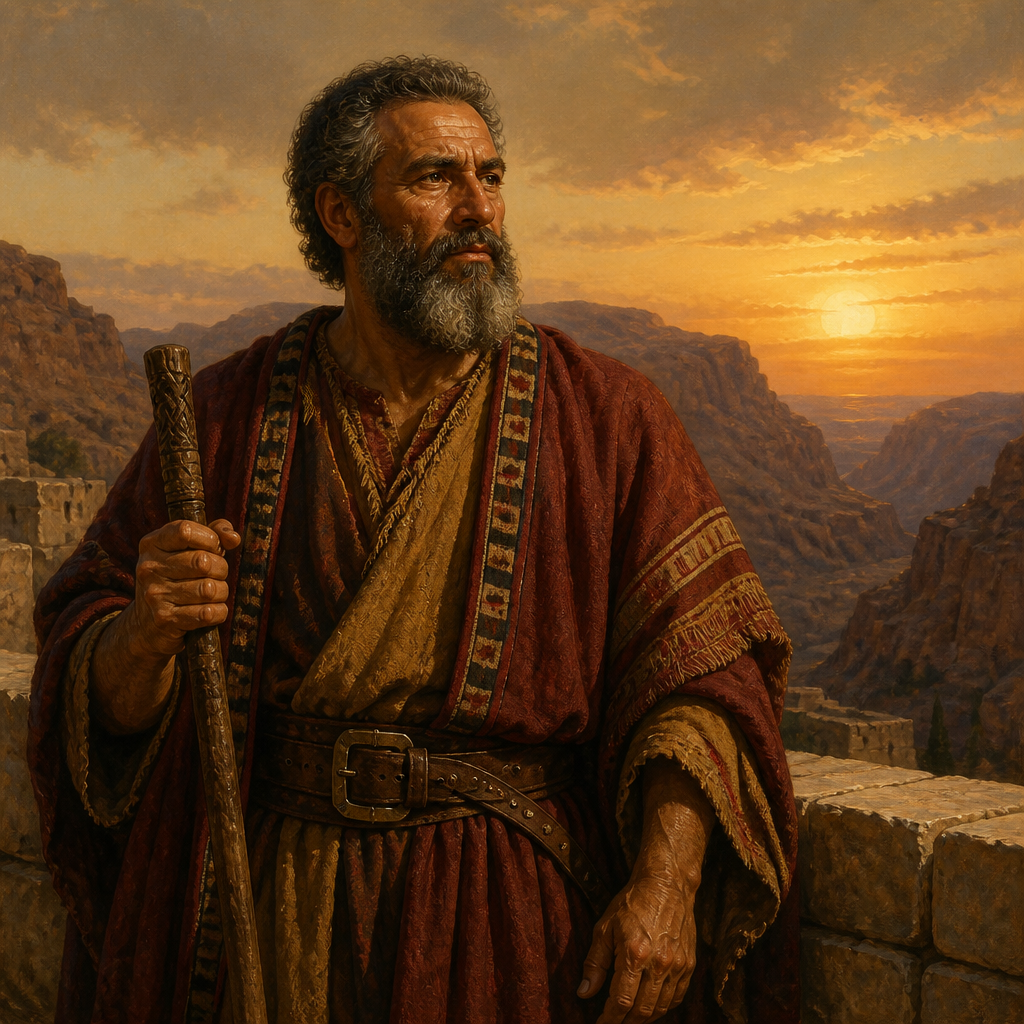
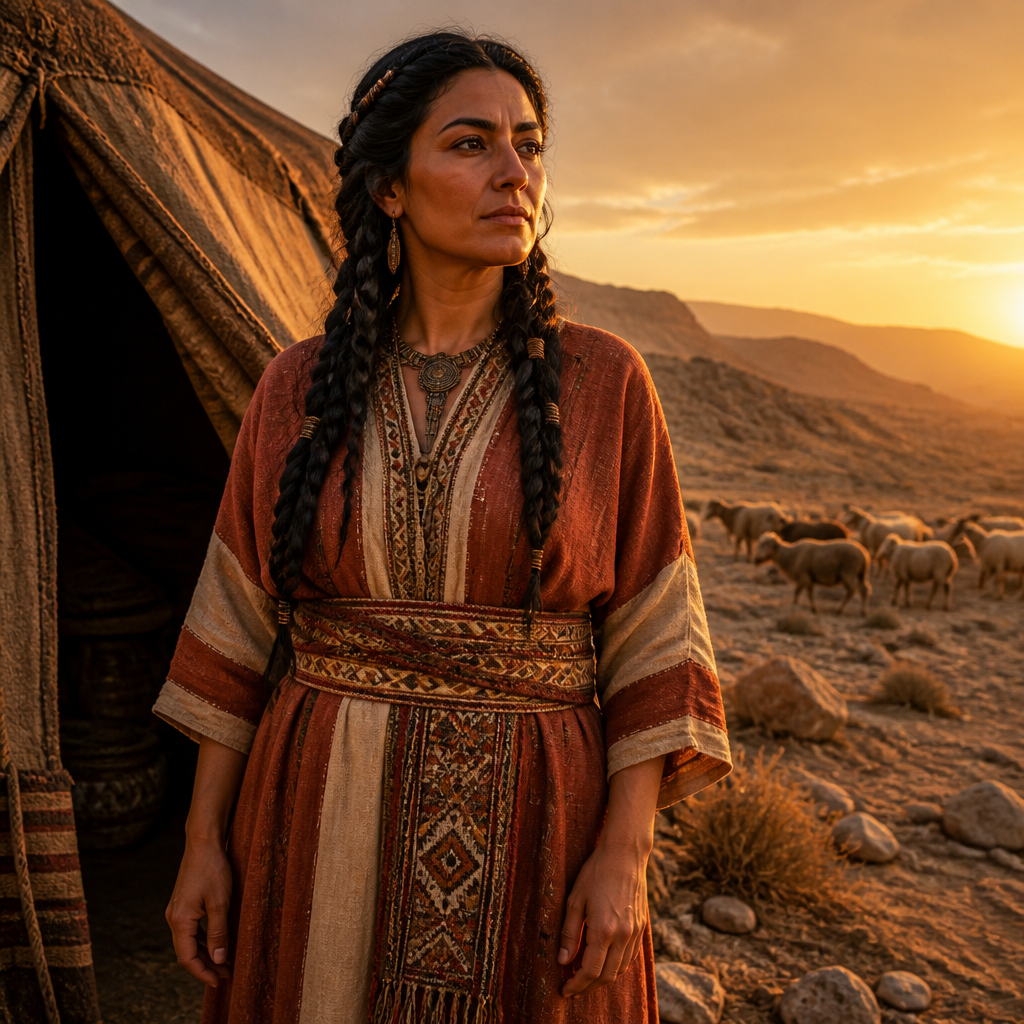
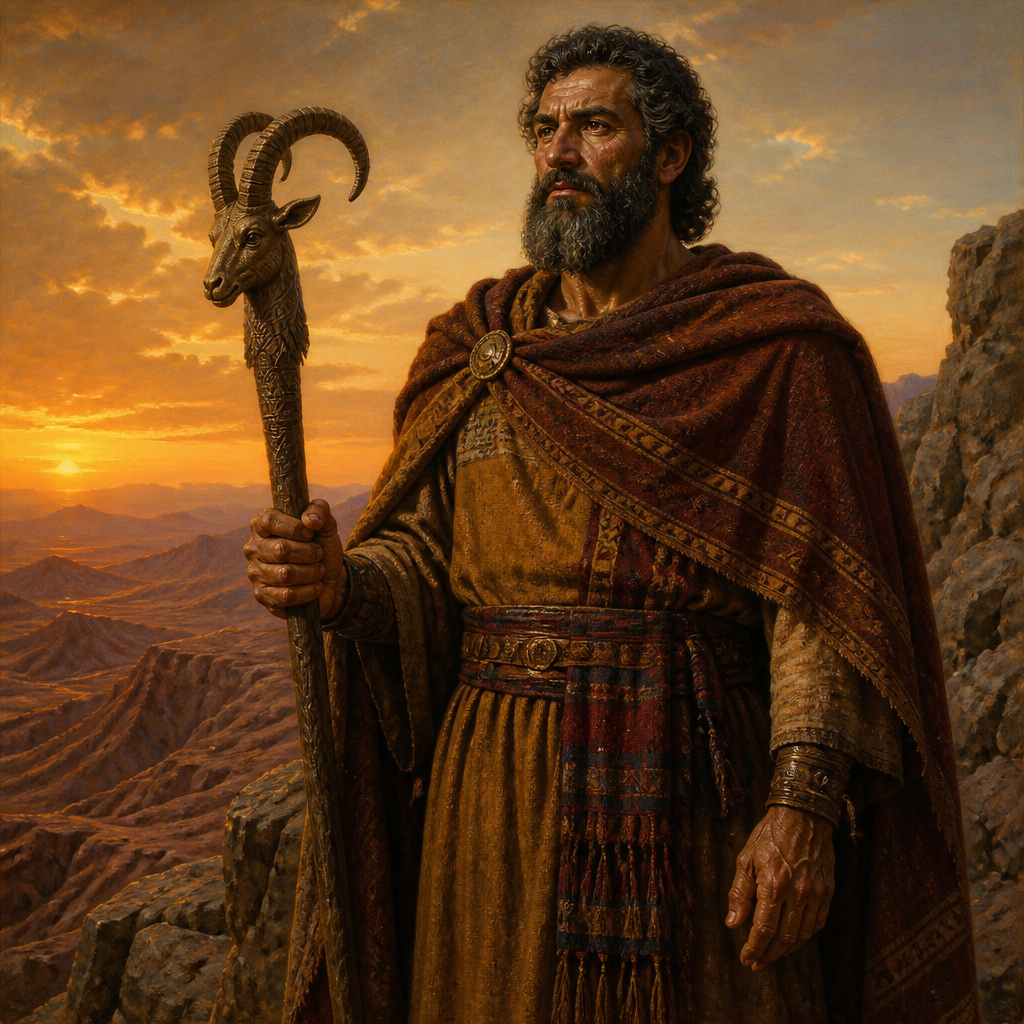
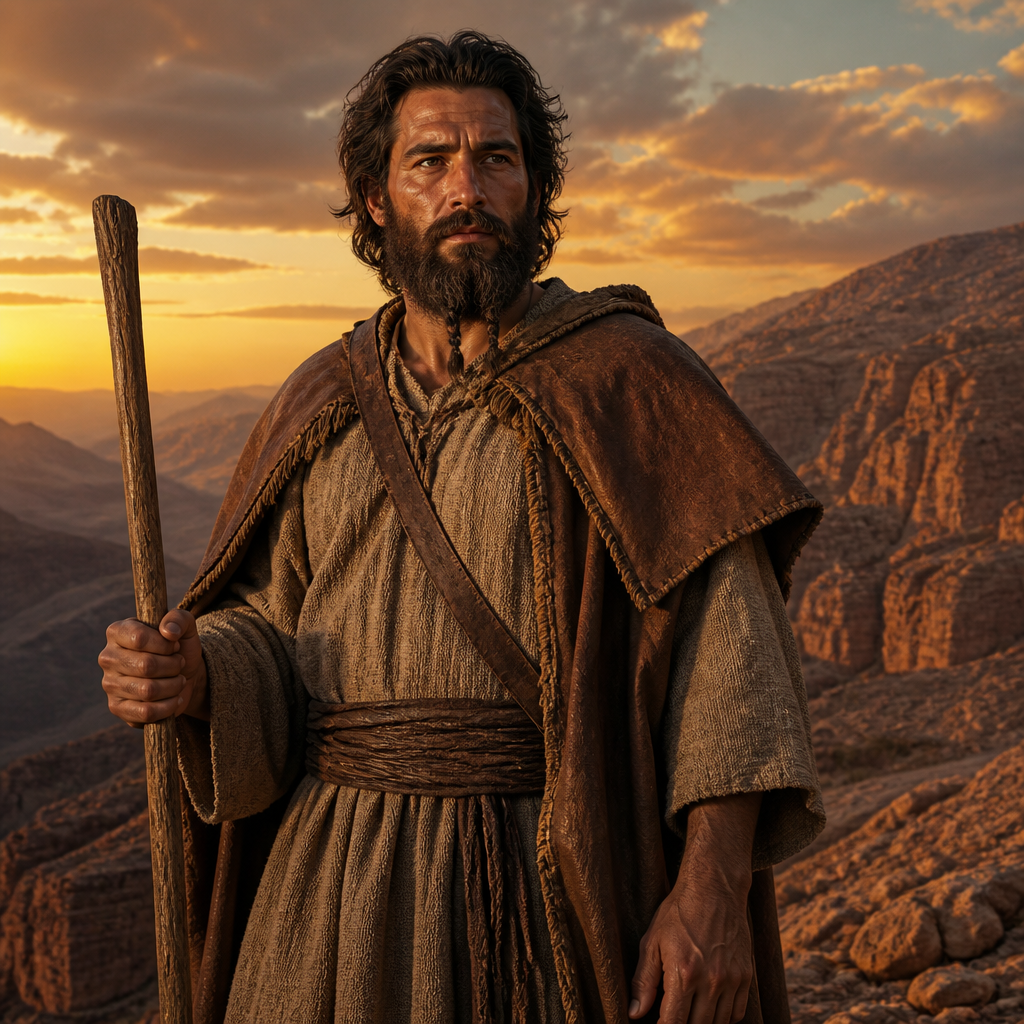
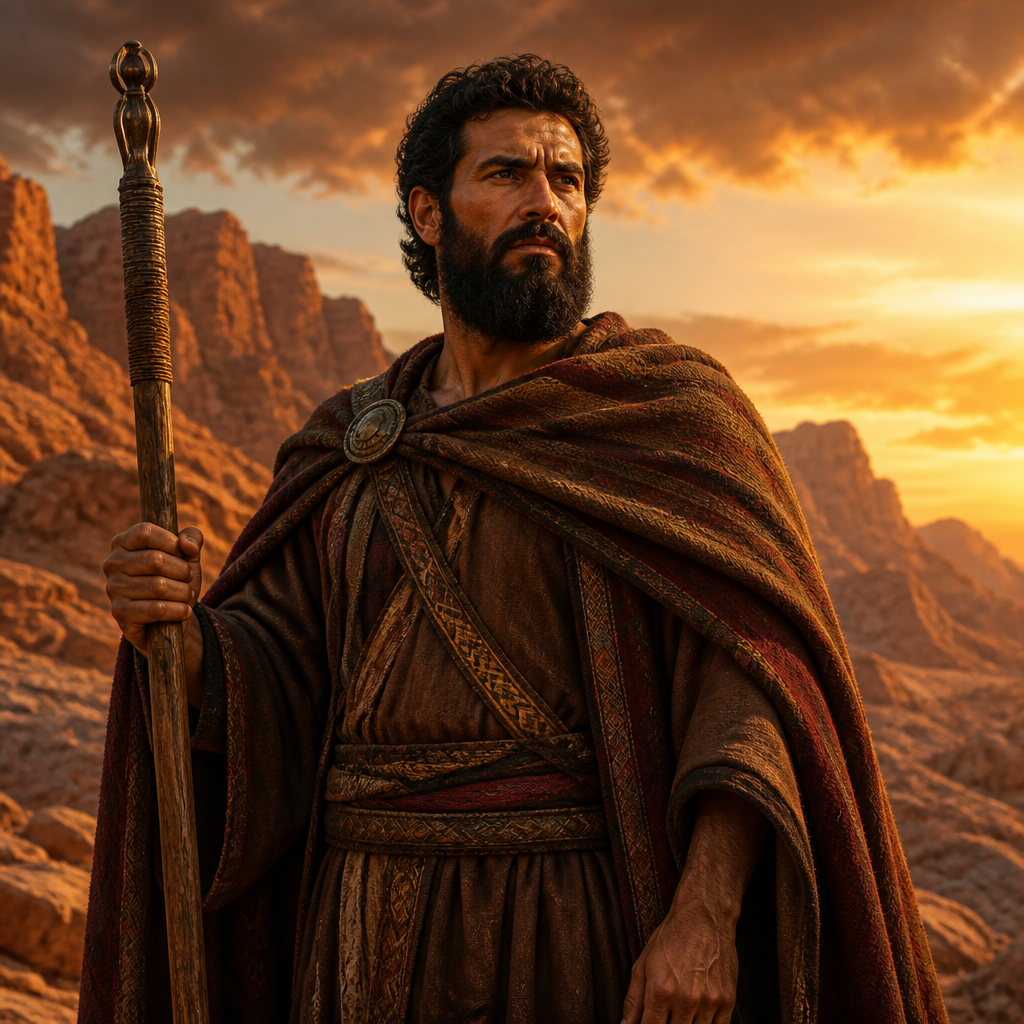
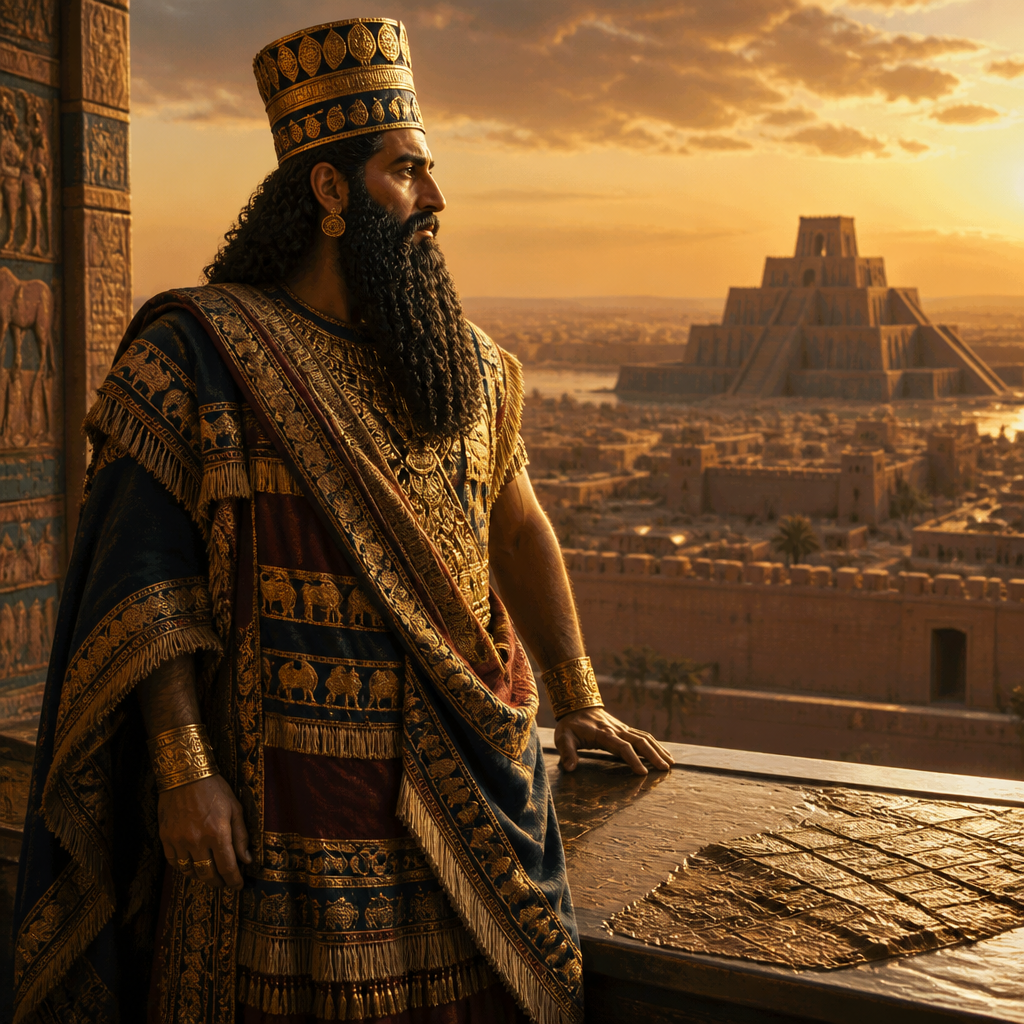
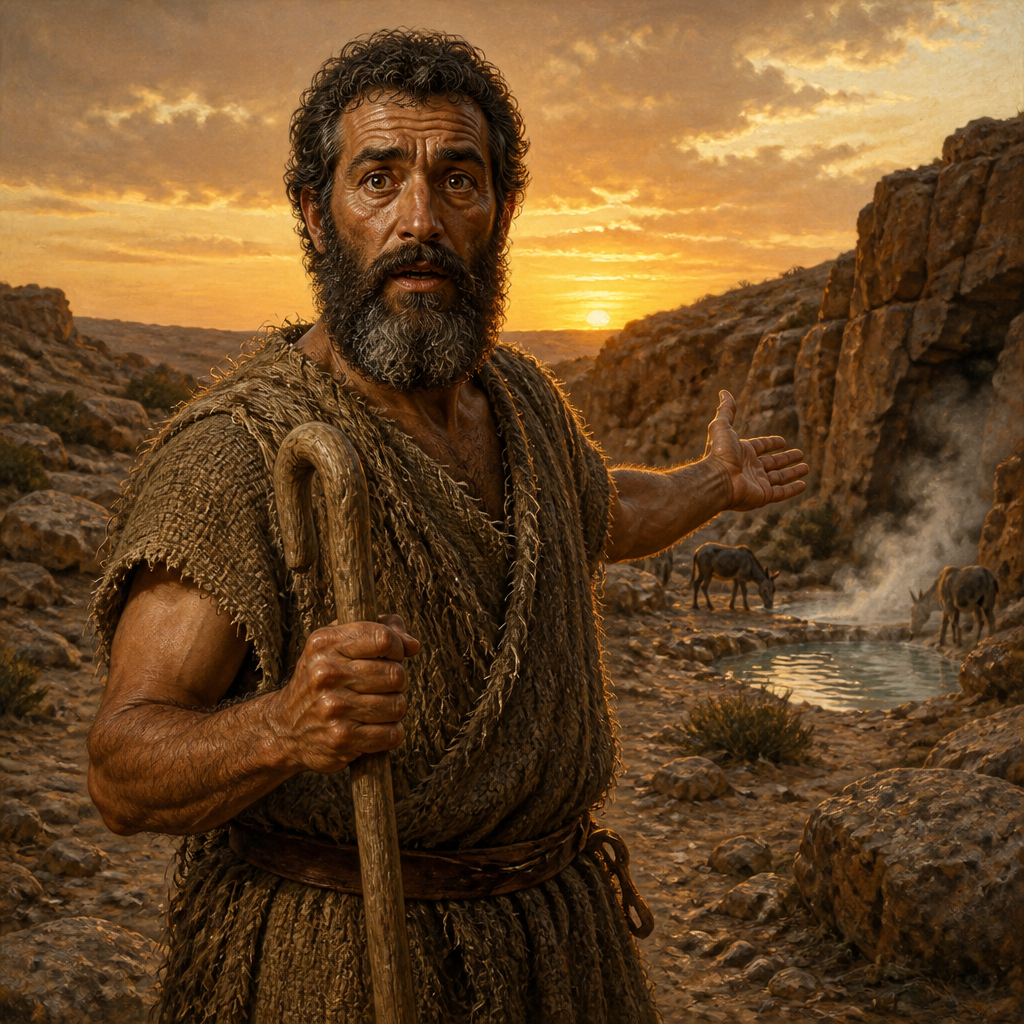
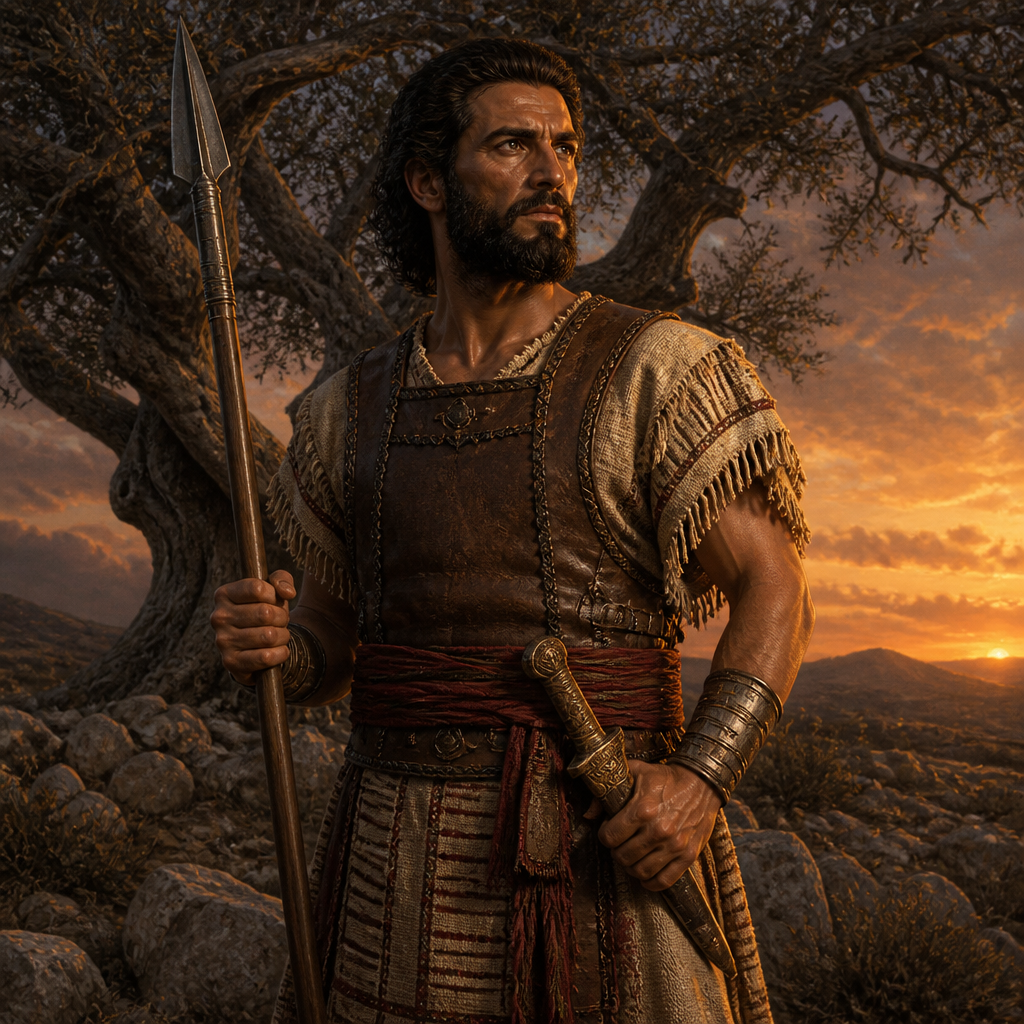
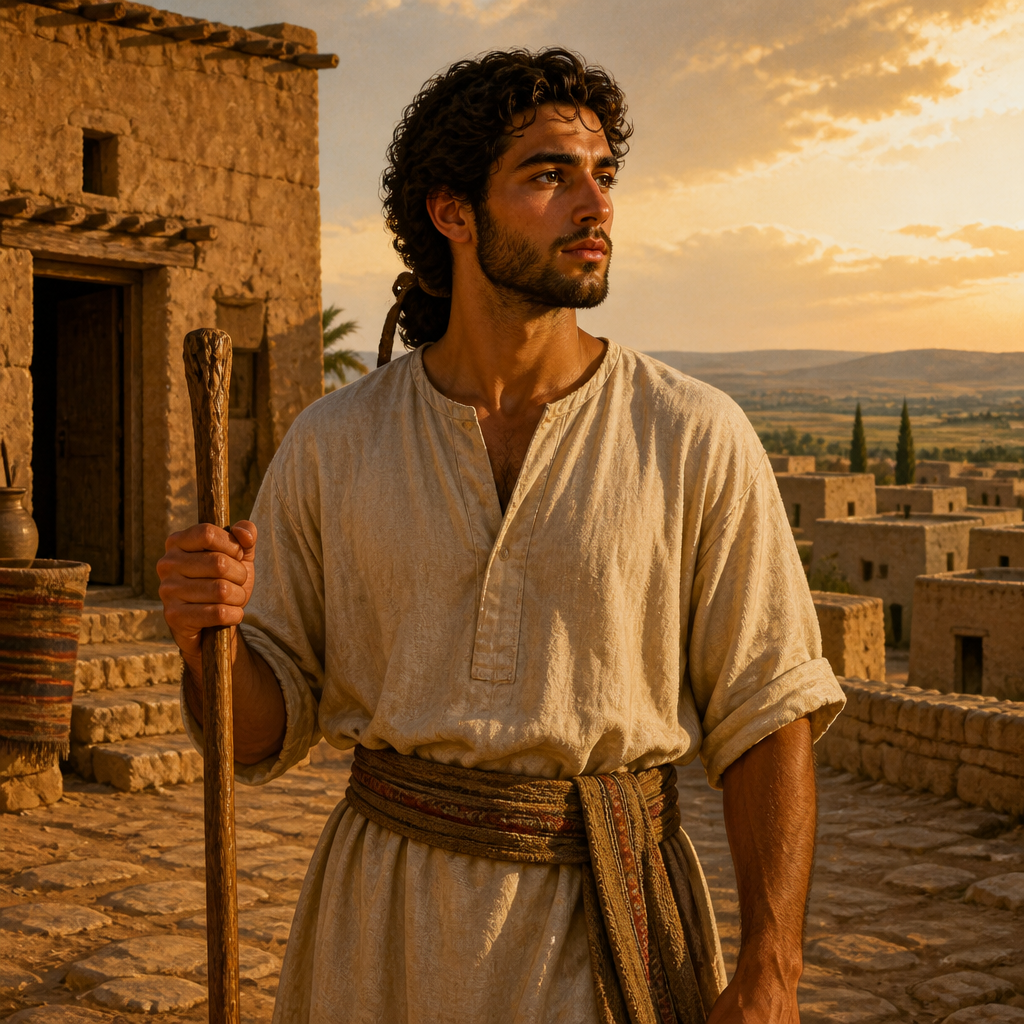
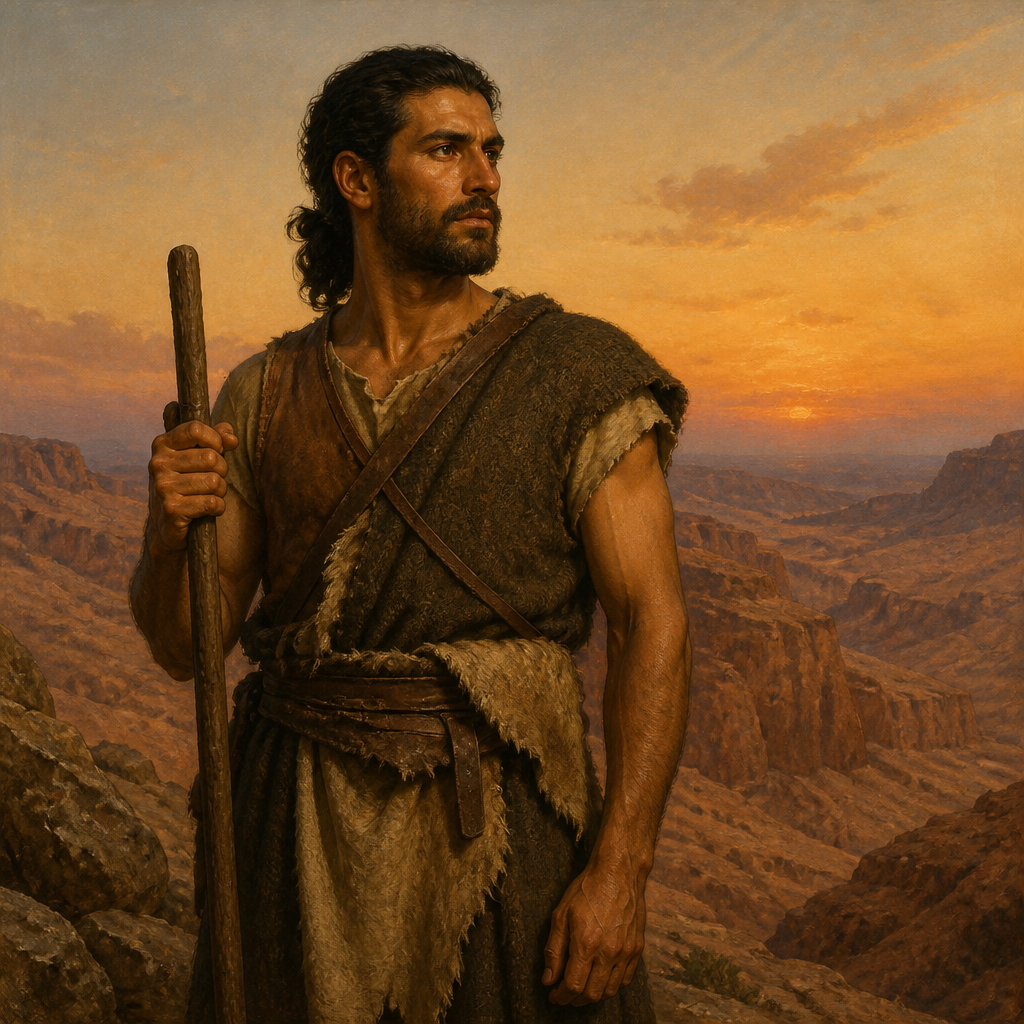
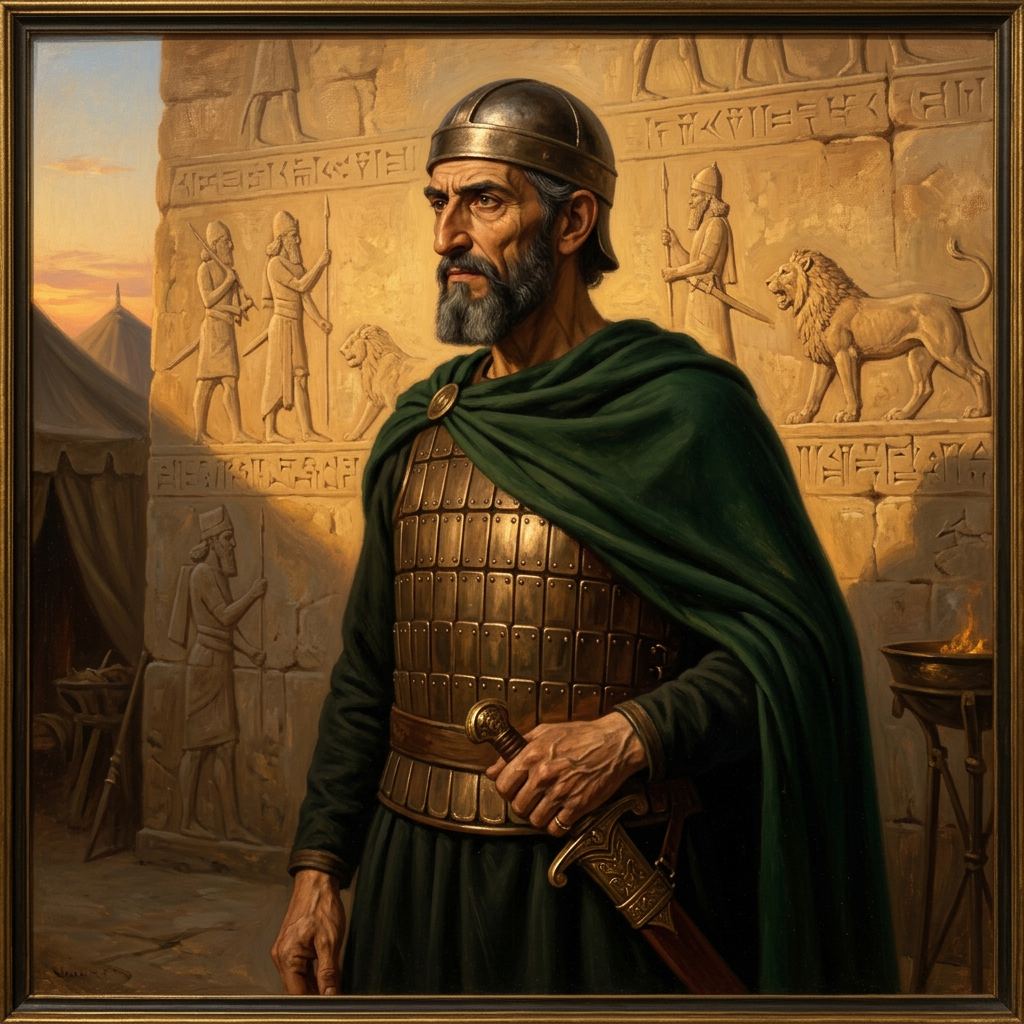
Arioch, King of Ellasar
King of Ellasar and member of Chedorlaomer's coalition defeated by Abraham (Genesis 14)
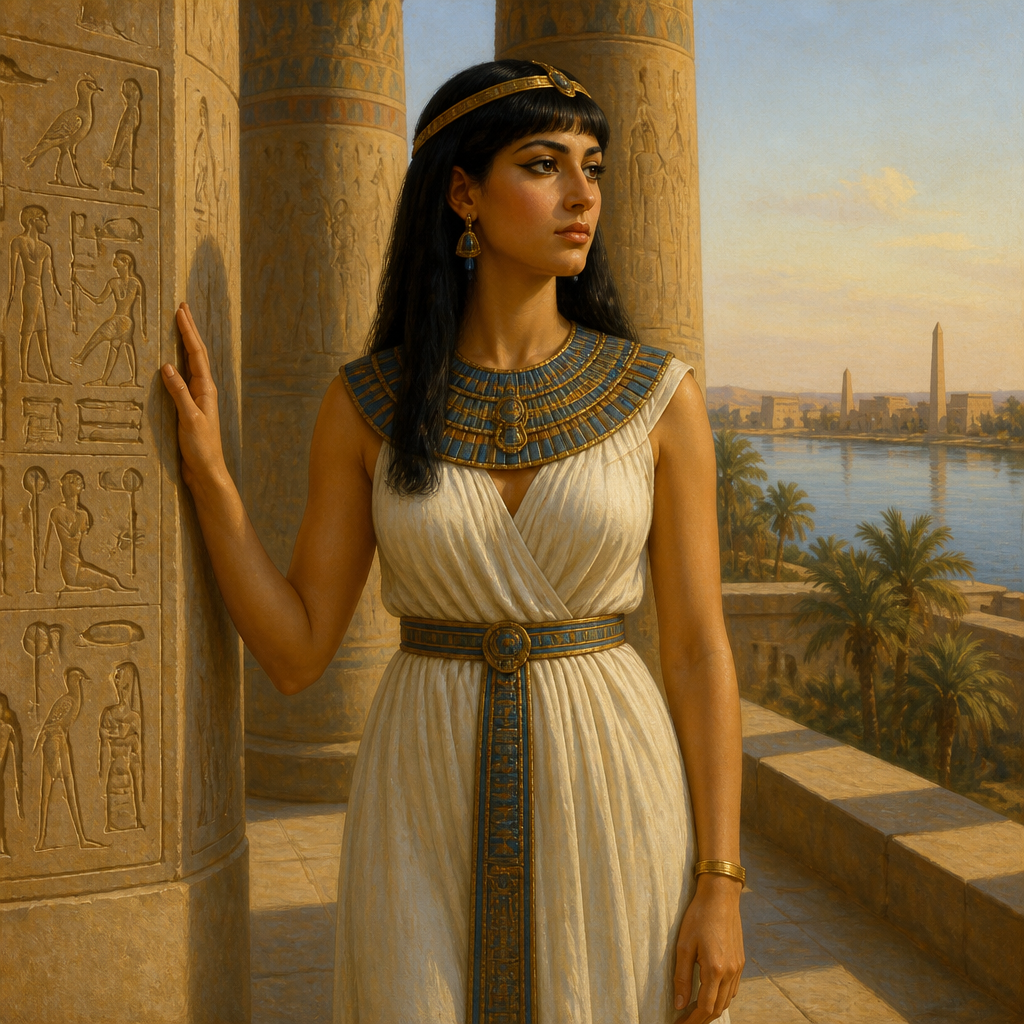
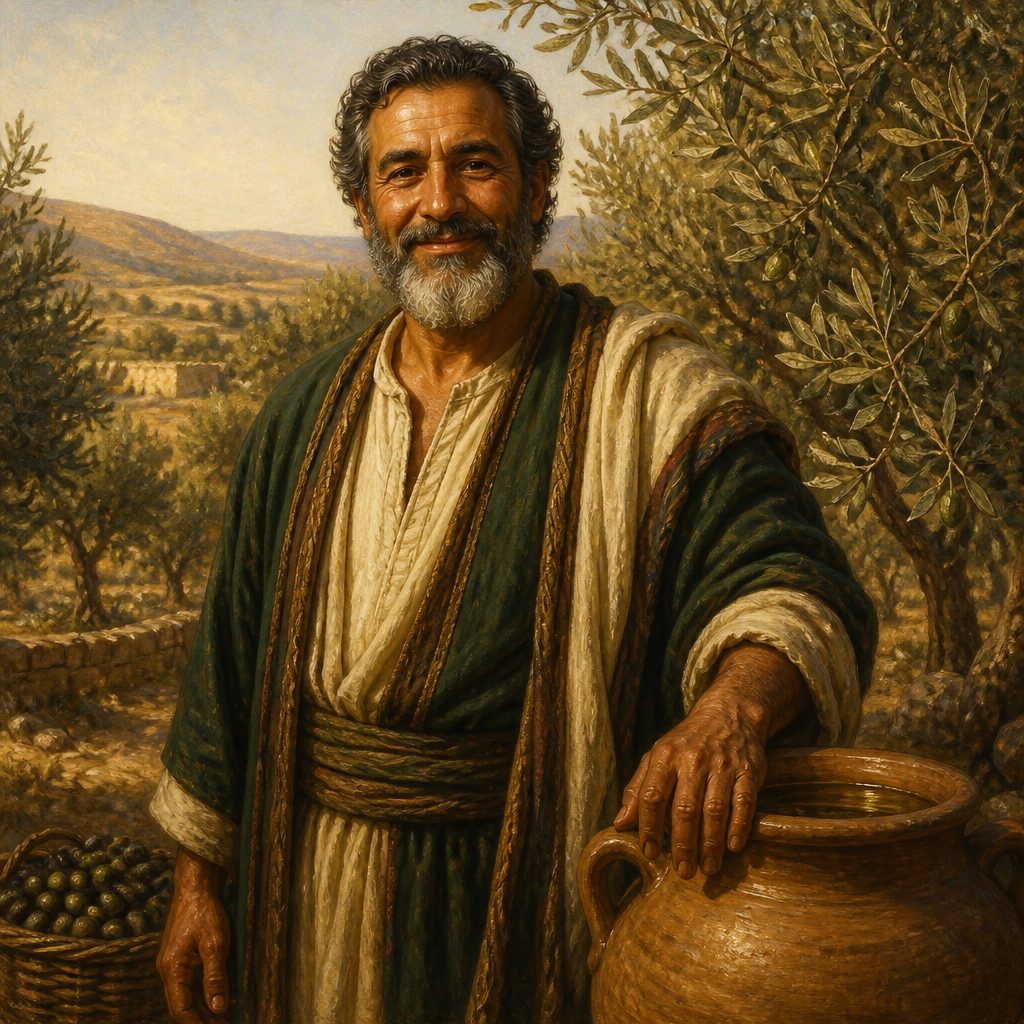
Asher
Patriarch who founded one of the twelve tribes of Israel and was noted for the fertility of his land
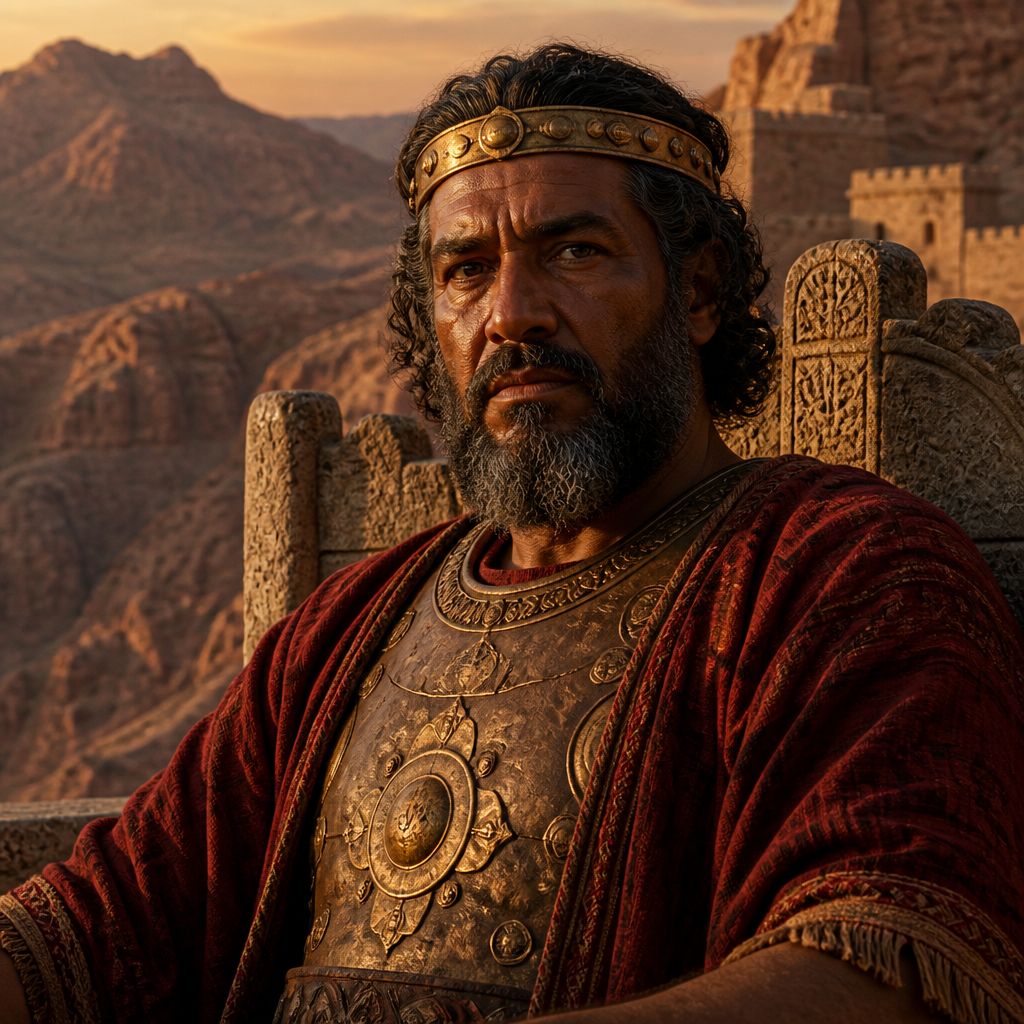
Baal-hanan, King of Edom
Seventh king of Edom mentioned in the early genealogies of Genesis
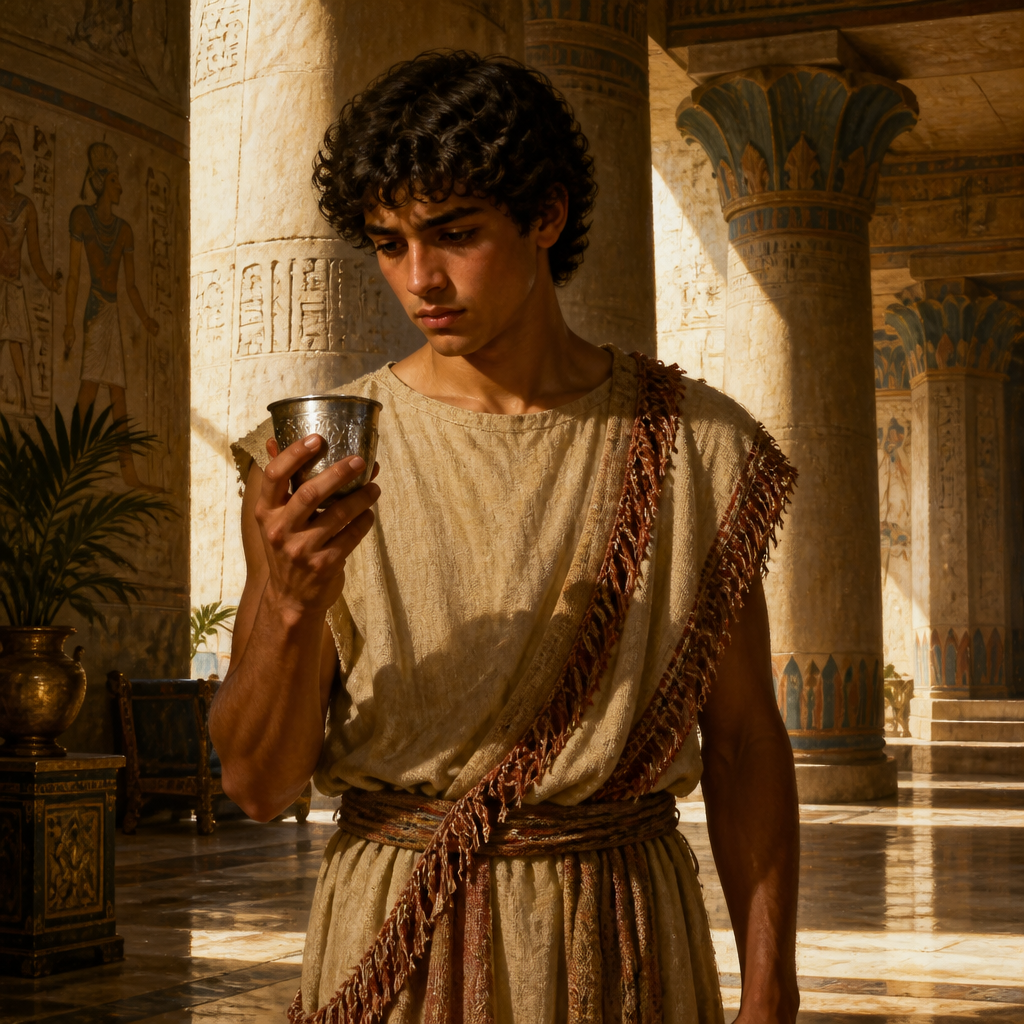
Benjamin, Son of Jacob
Youngest son of Jacob and the full brother of Joseph whose presence in Egypt led to his family's reconciliation
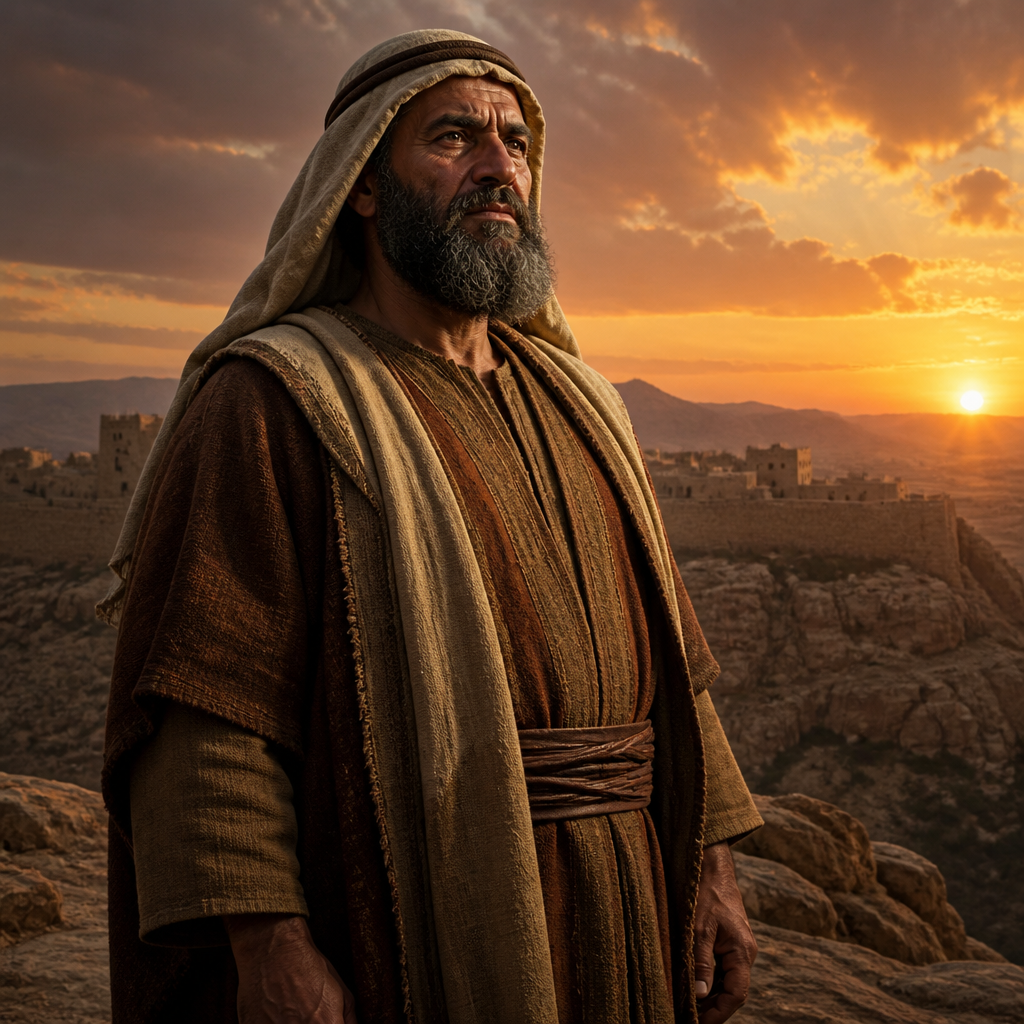

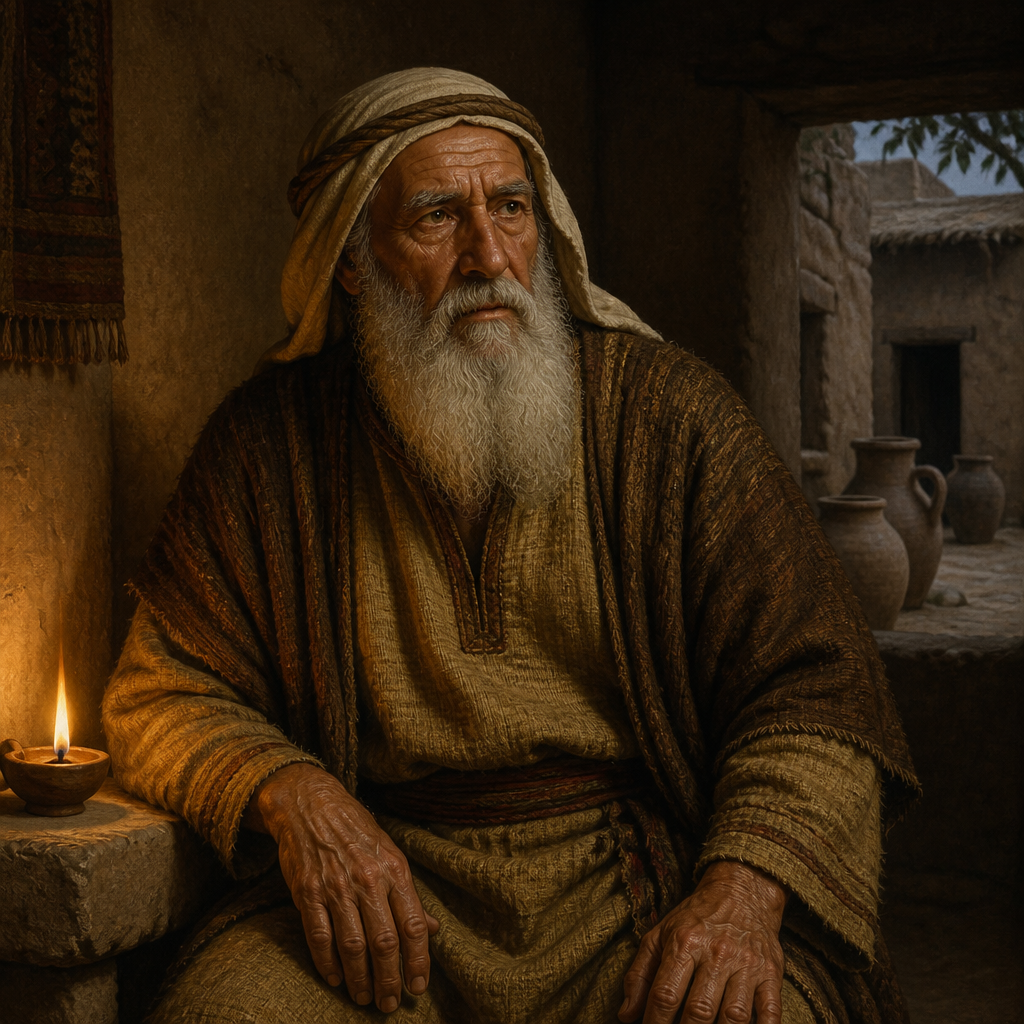
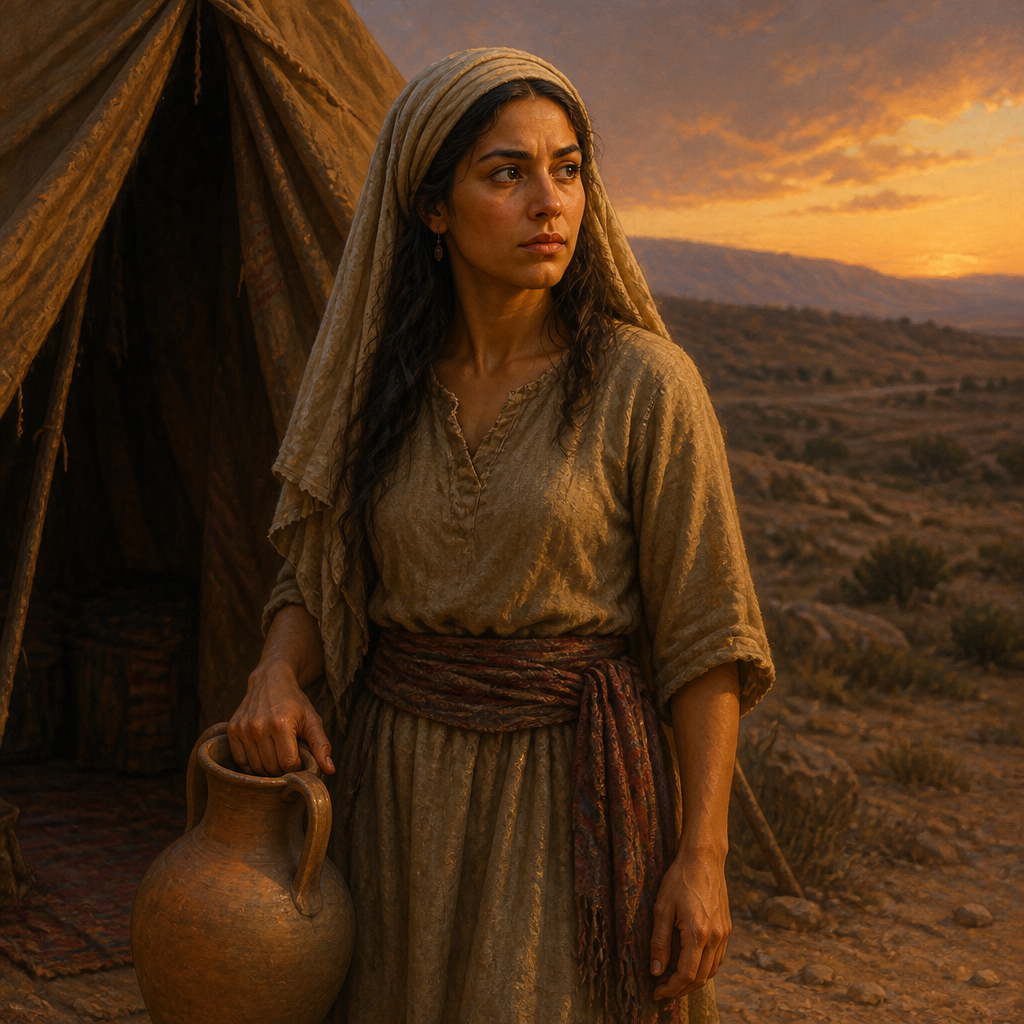
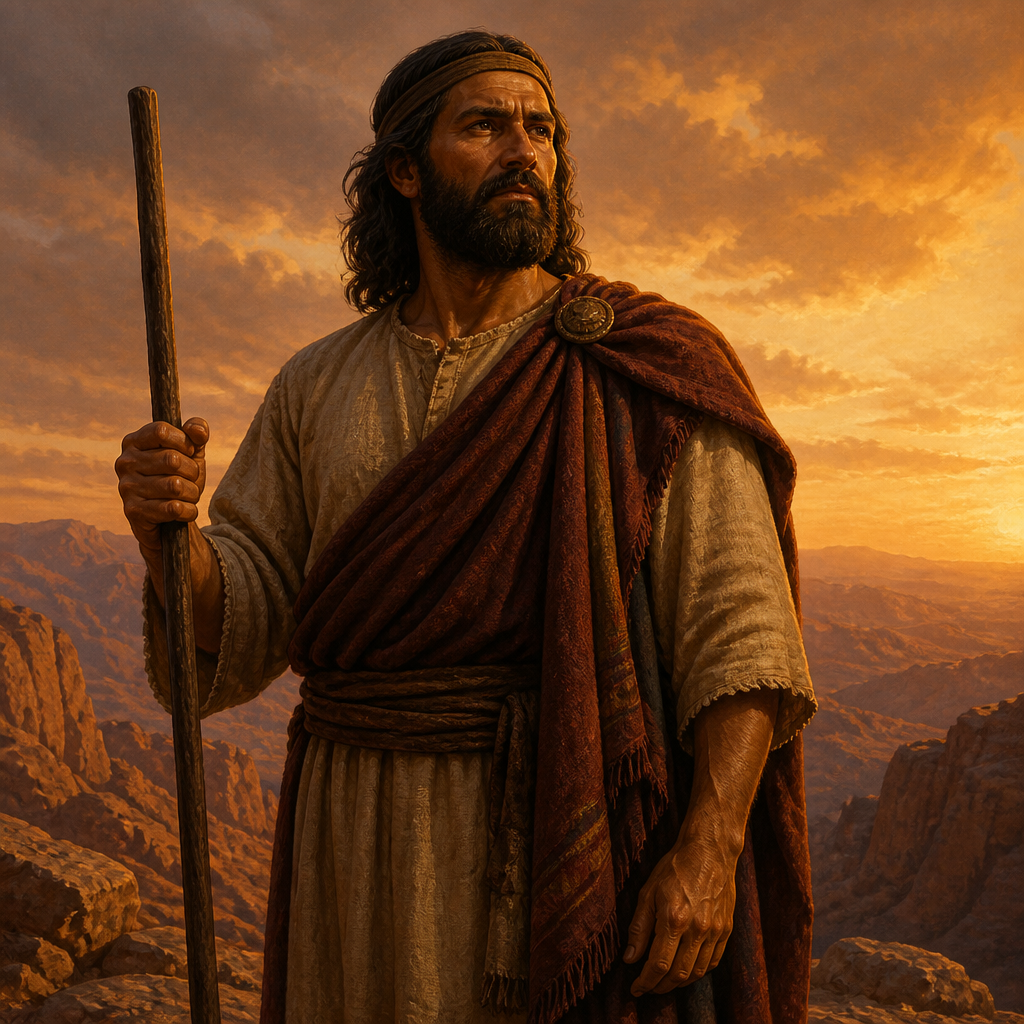
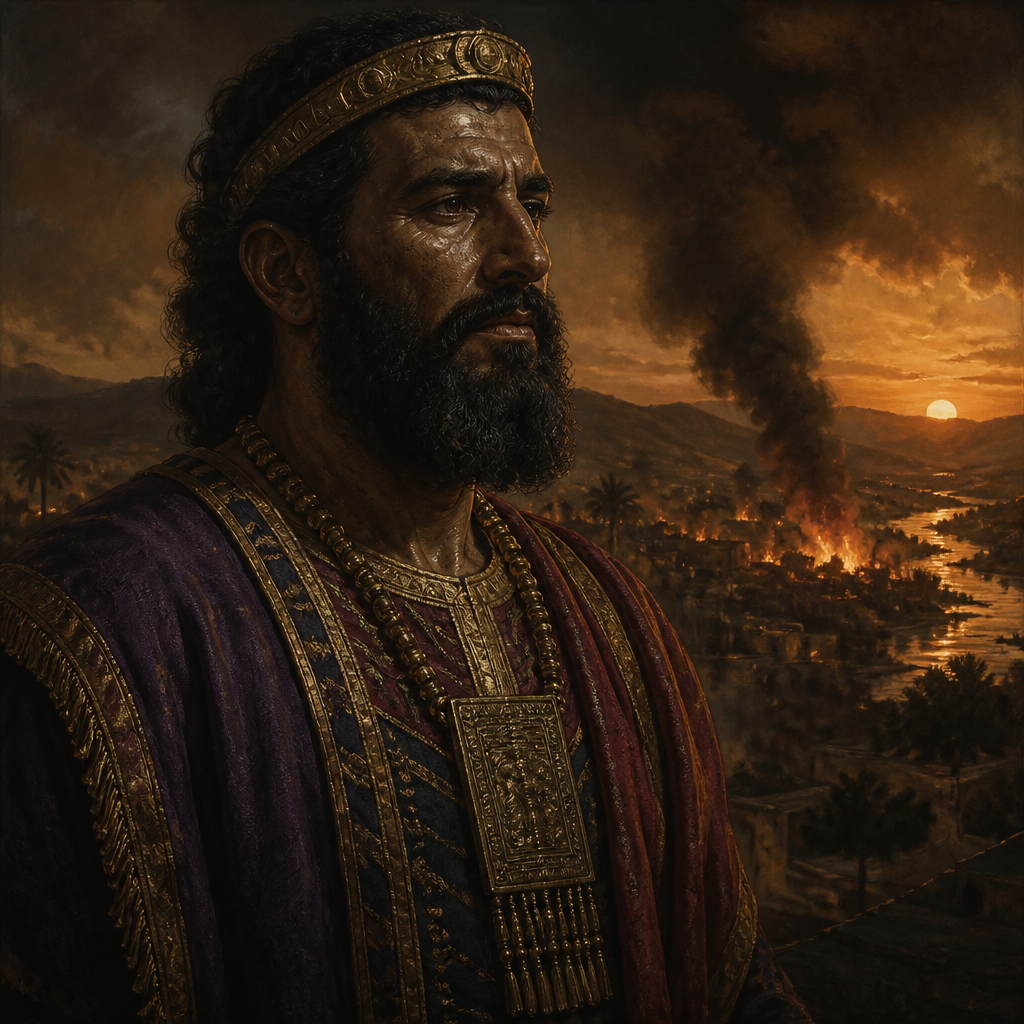
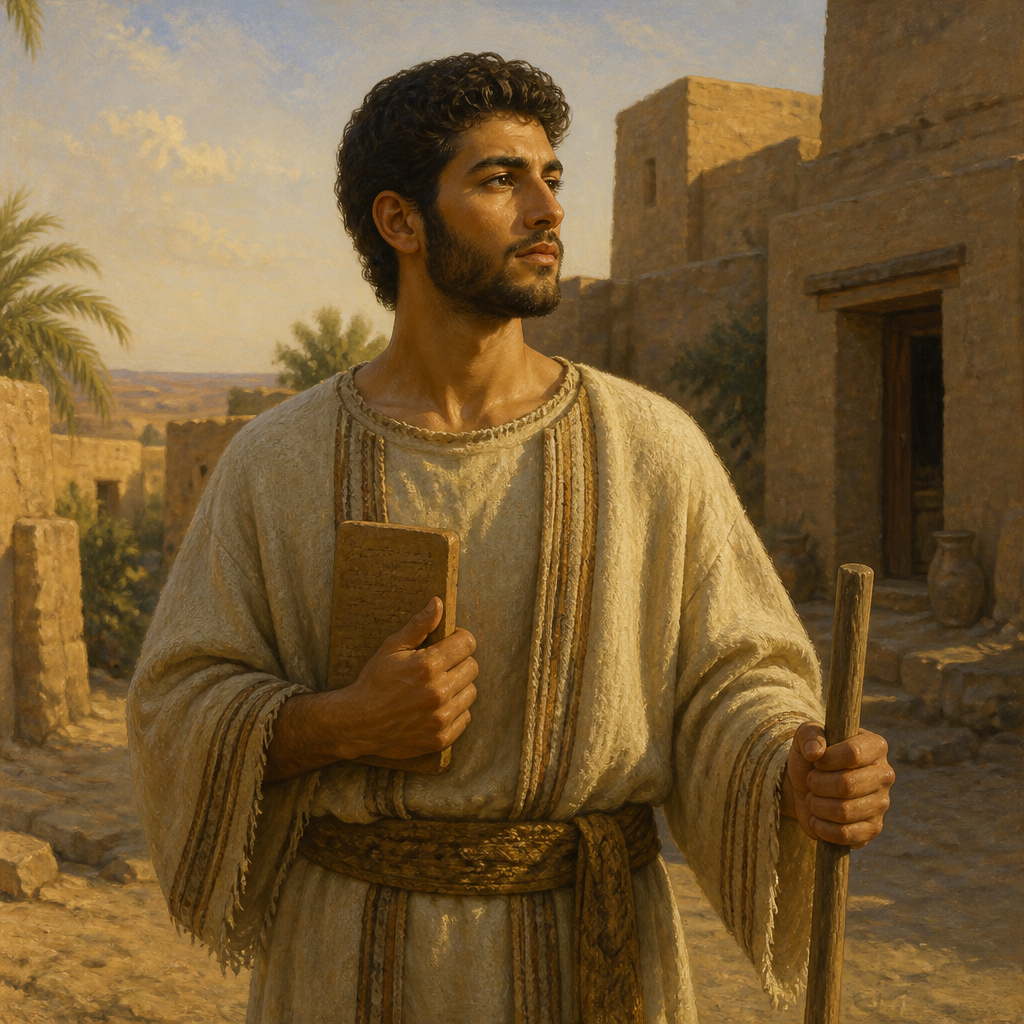
Buz, Son of Nahor
Son of Nahor and nephew of Abraham mentioned in the patriarchal genealogies
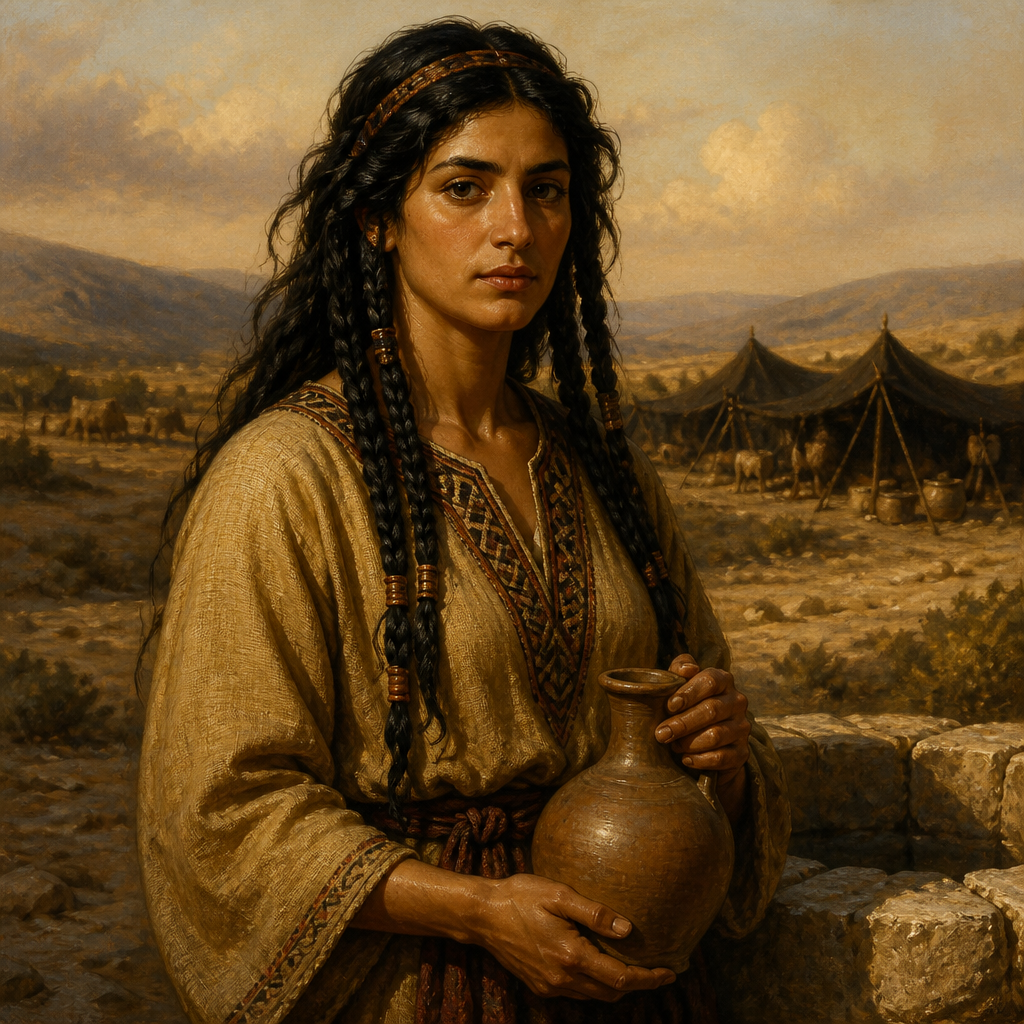
The Canaanite Woman (Wife of Simeon)
Mother of Shaul and partner of Simeon who integrated Canaanite lineage into the tribe of Simeon
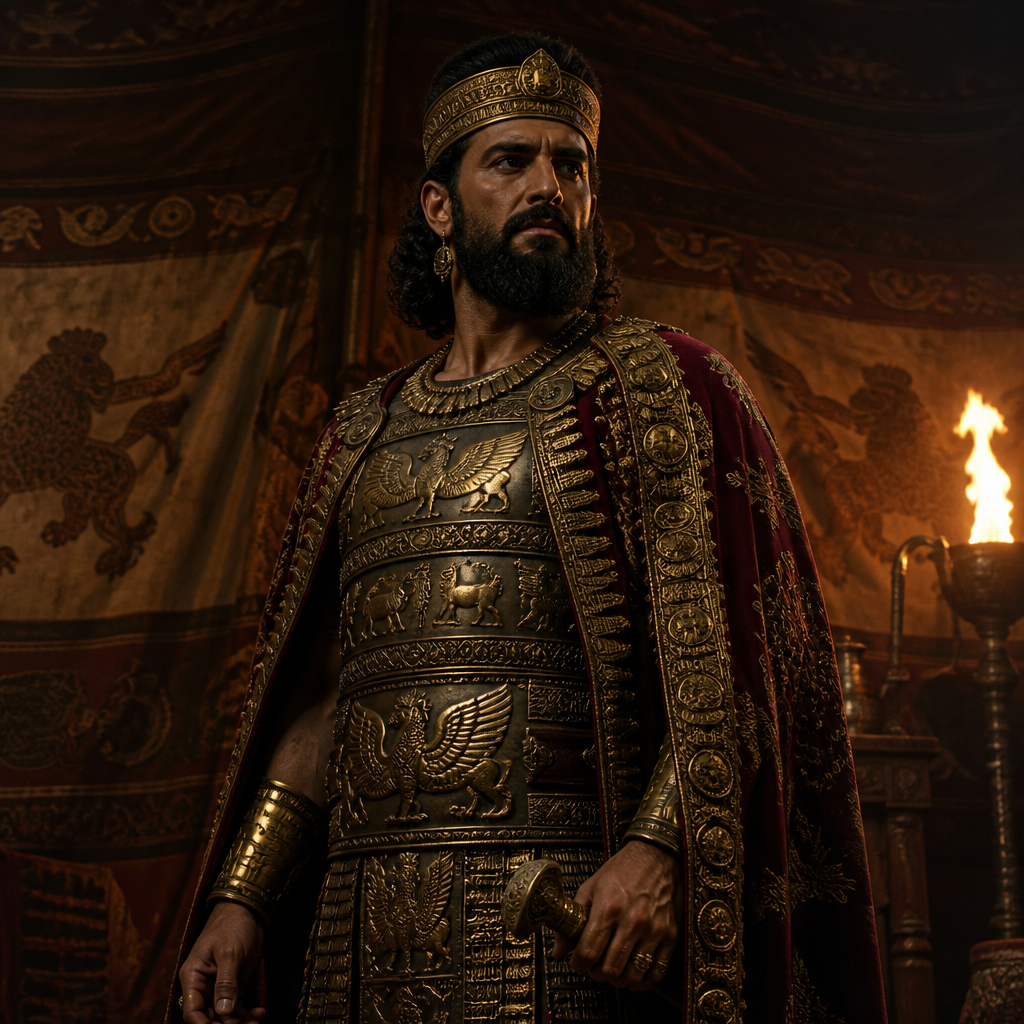
Chedorlaomer
King of Elam who led the four-king coalition that captured Lot and was defeated by Abraham
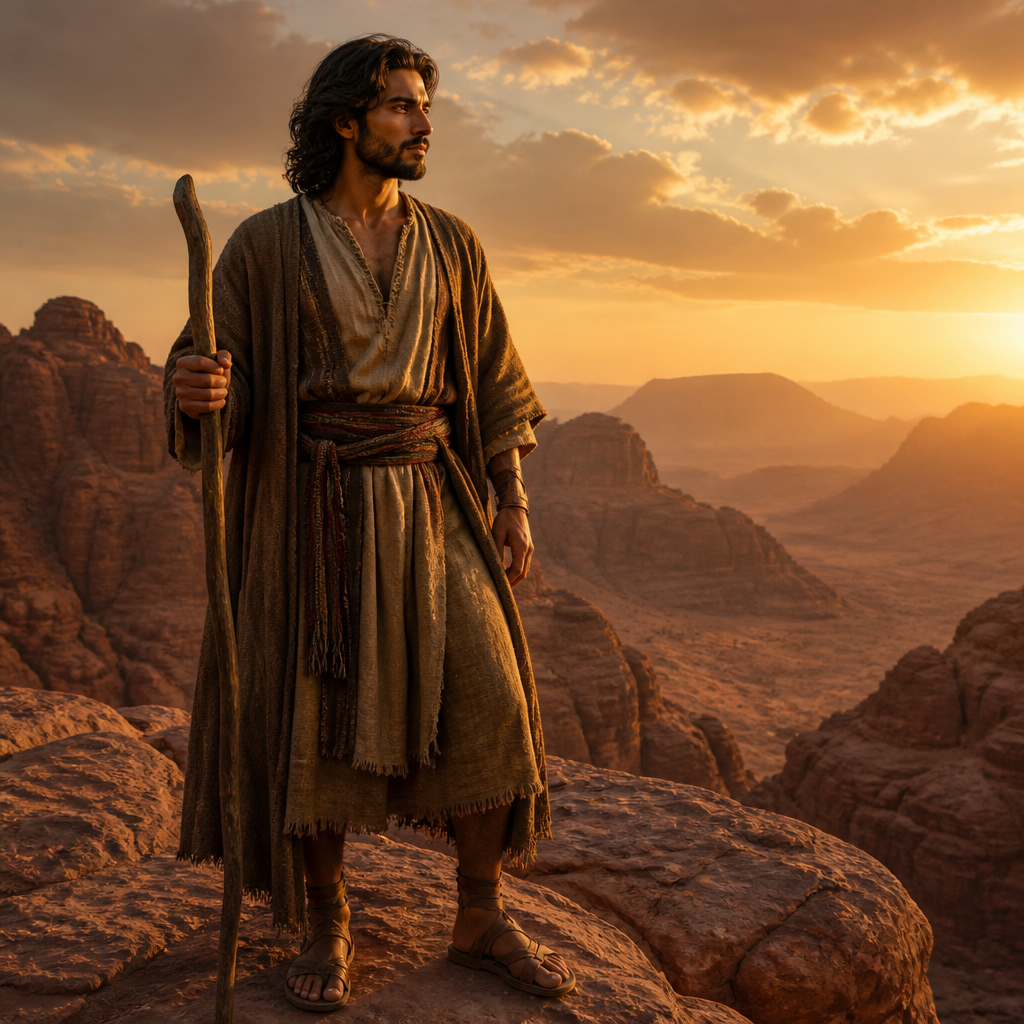
Cheran
Son of Dishon and descendant of Seir the Horite listed in the genealogies of Edom
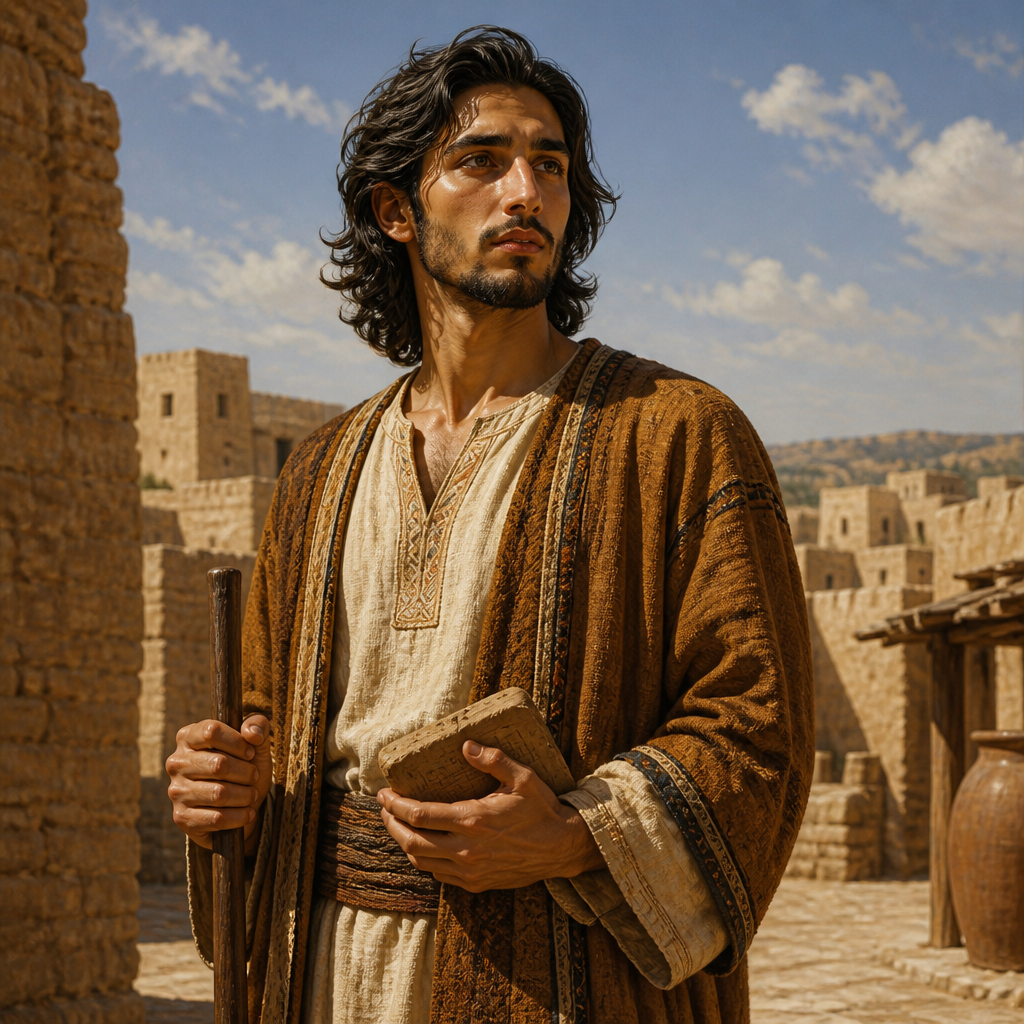
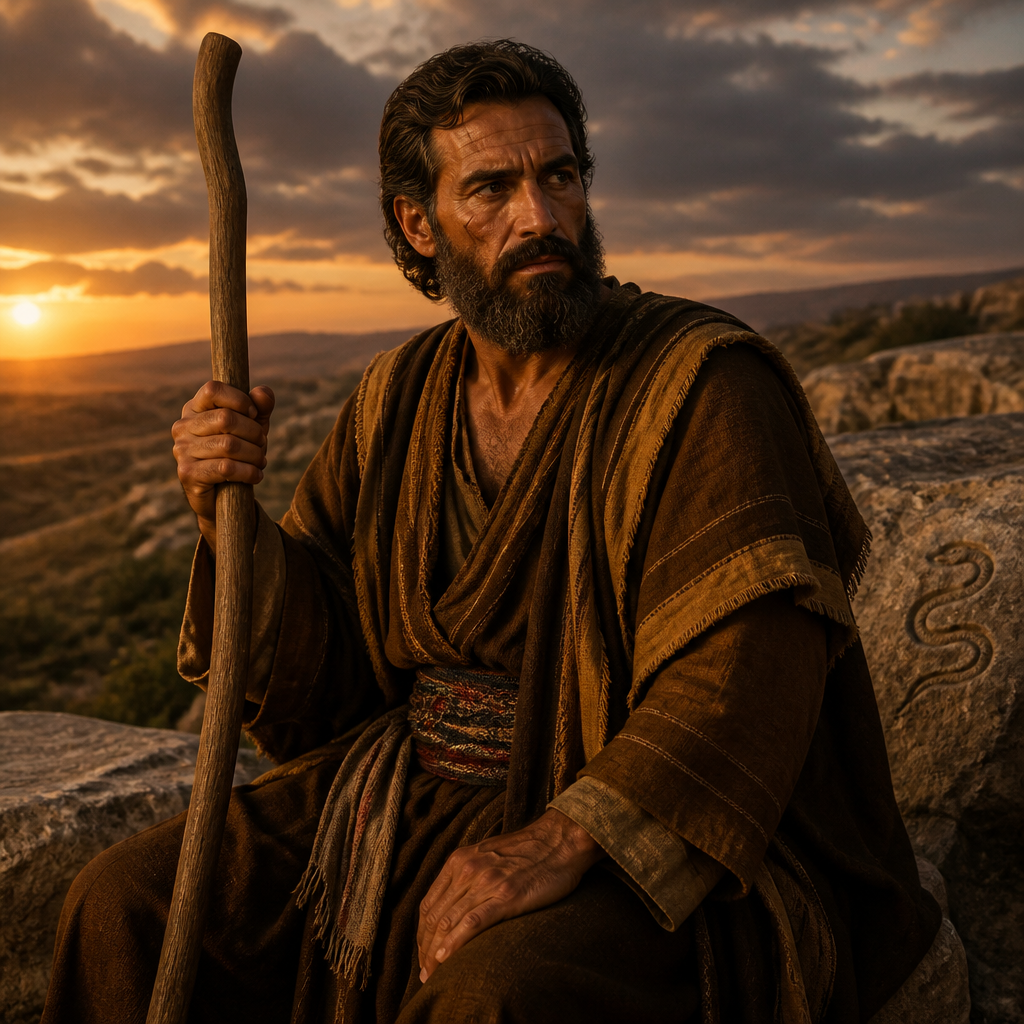
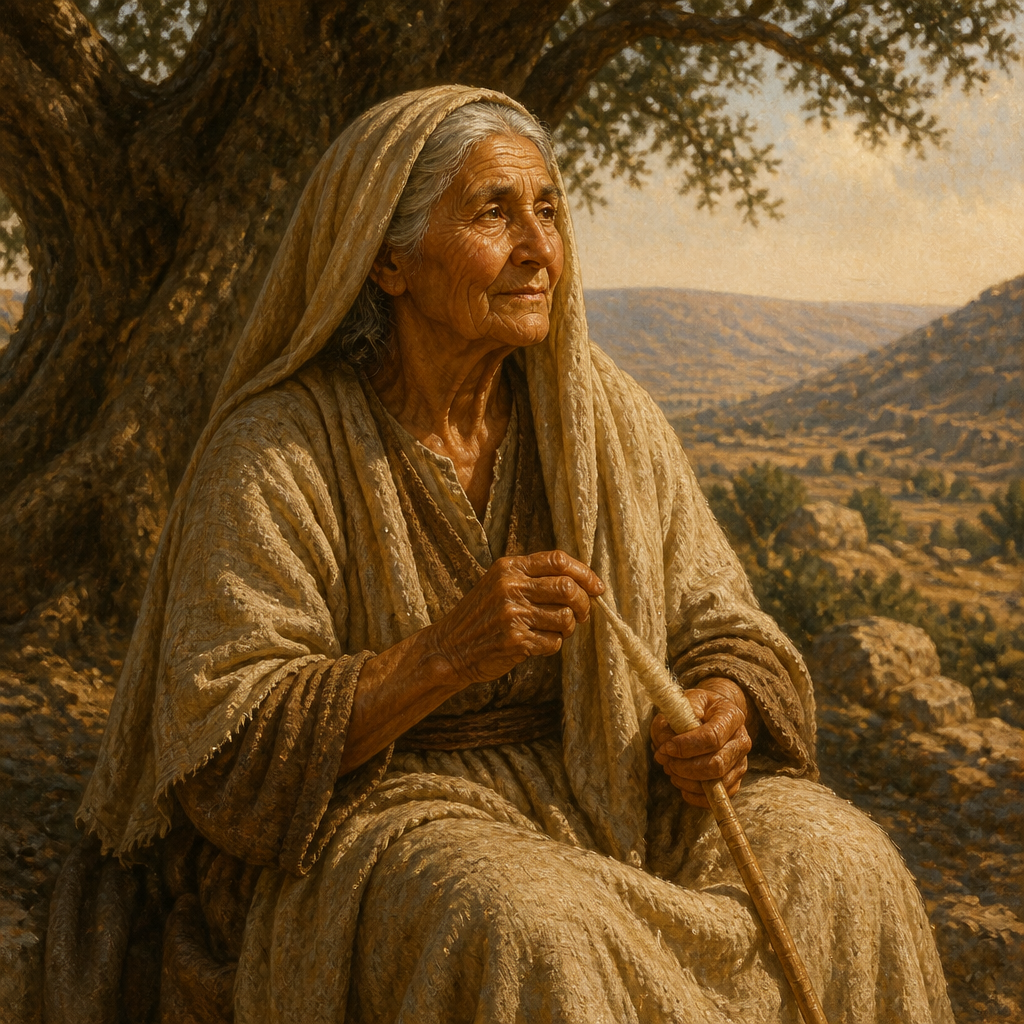
Deborah, Nurse of Rebekah
Nurse of Rebekah whose death was honored by Jacob at the Oak of Weeping
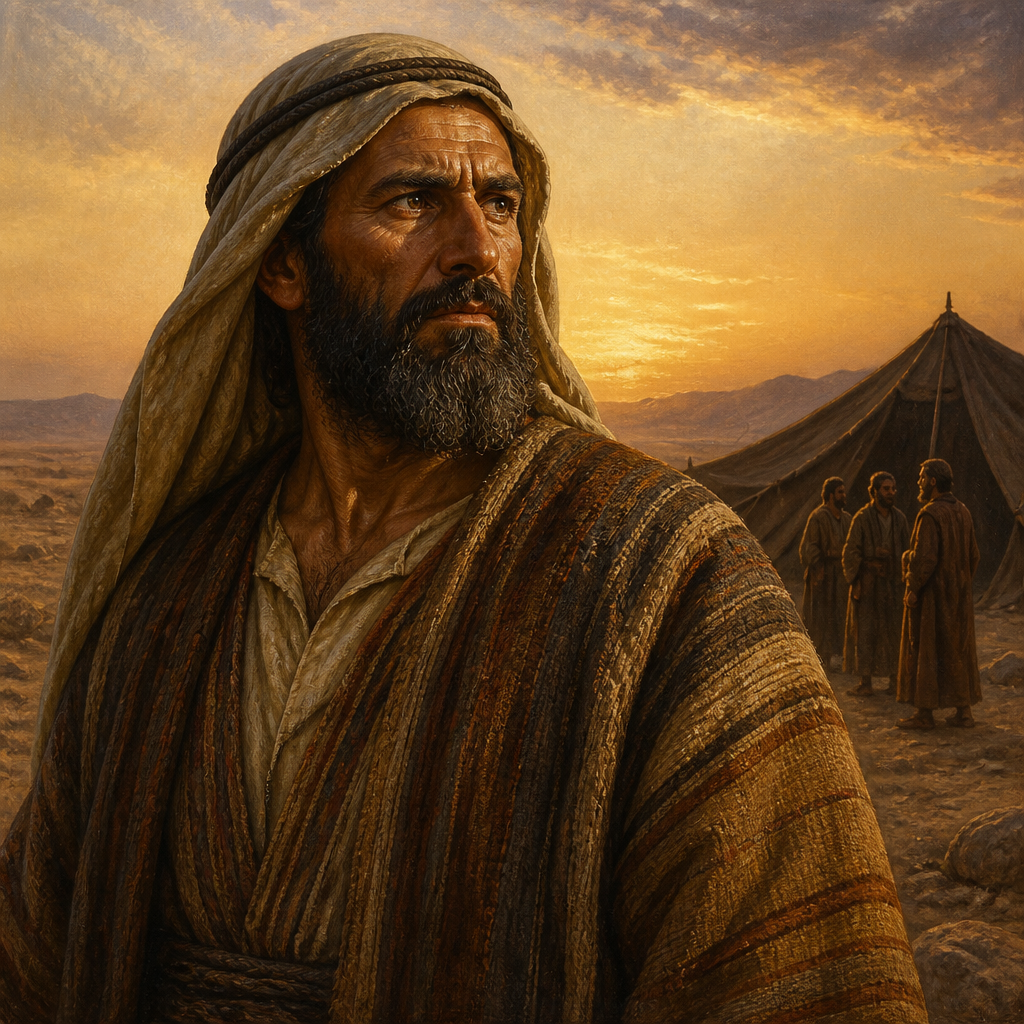
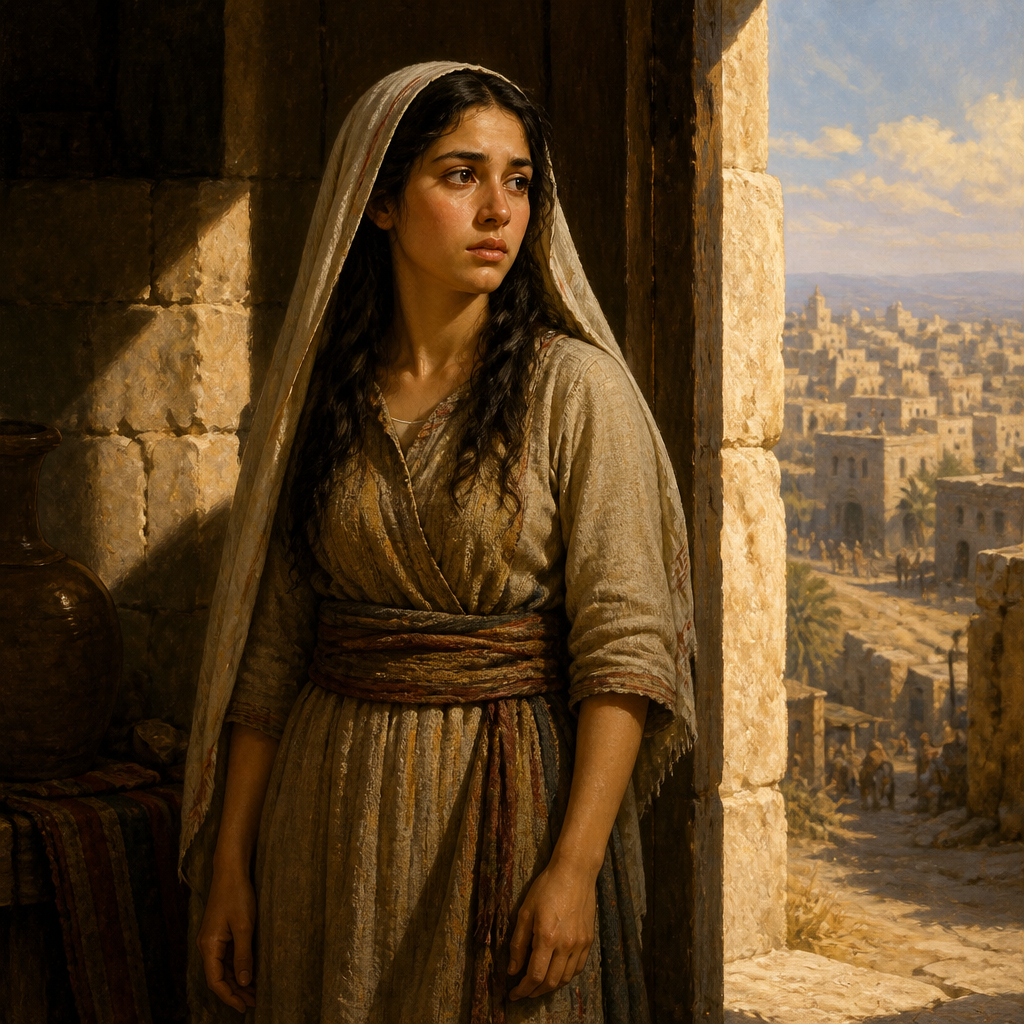
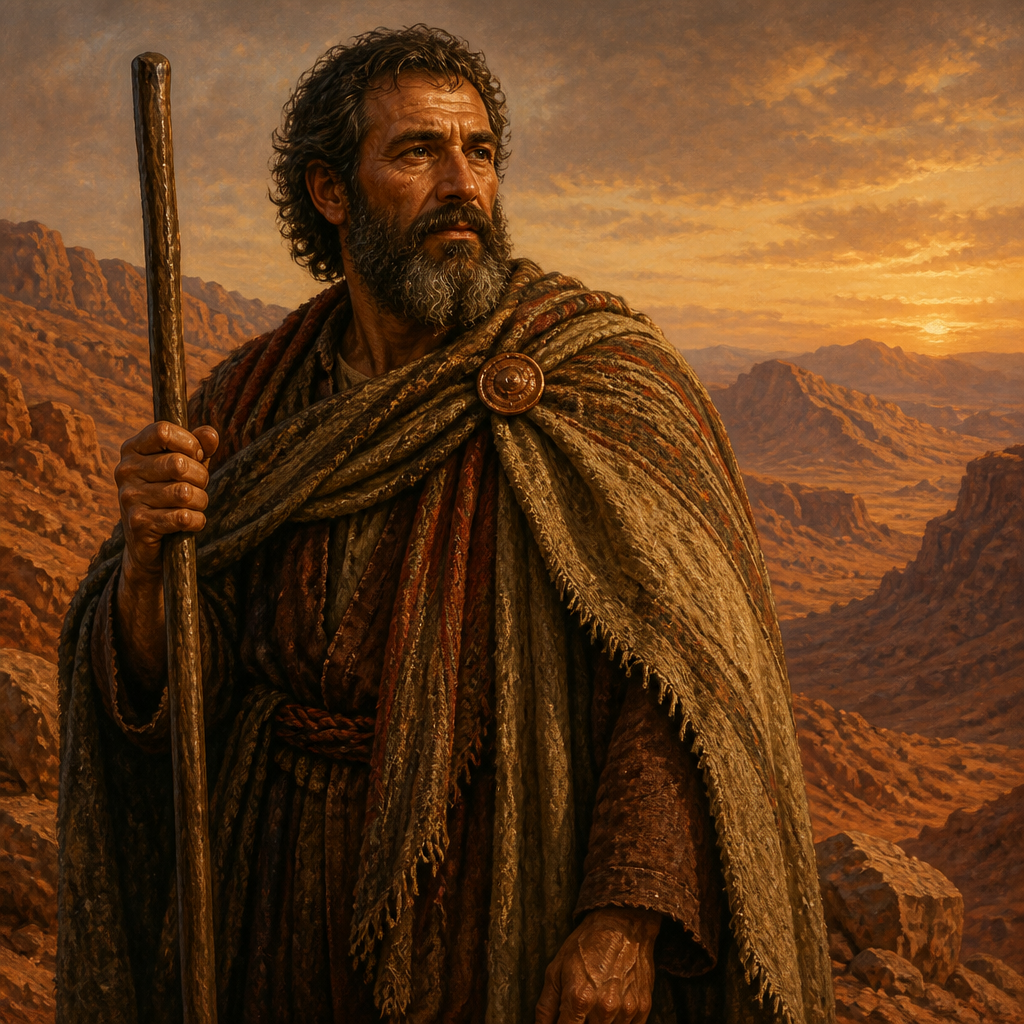
Dishan
Patriarch and chief of the Horites in the land of Seir who was the son of Seir and father of Uz and Aran
Dishon, Son of Seir
Chief of the Horites and son of Seir who governed a division of the land of Edom
Eldaah
Son of Midian and grandson of Abraham who founded a branch of the Midianite people
Eliezer of Damascus
servant from Damascus who was the legal heir of Abram's house before the birth of Isaac


Epher, Son of Midian
Grandson of Abraham and son of Midian who founded a clan of the Midianites
Er, Firstborn of Judah
Judah's firstborn son who was put to death by God for his wickedness
Ezer, Chief of the Horites
Horite chief and son of Seir whose descendants formed a major clan in the land of Edom

Hadad son of Bedad, King of Edom
King of Edom who defeated the Midianites in the country of Moab
Hadad, Husband of Mehetabel
King of Edom who reigned in the city of Pau and was the husband of Mehetabel

Hadad, Son of Ishmael
Son of Ishmael and one of the twelve princes of the Ishmaelite tribes
Hagar
Mother of Ishmael and the first woman to receive a divine revelation in the wilderness
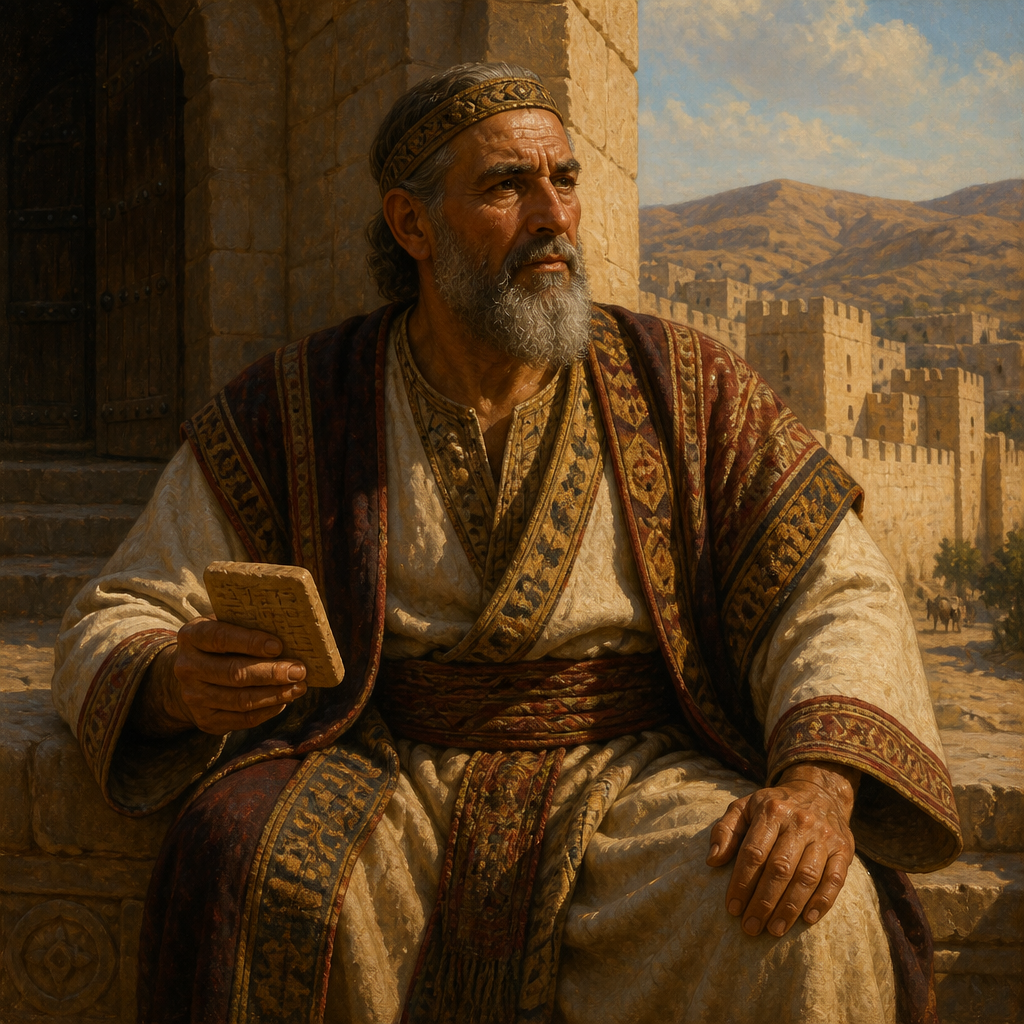

Hanoch, Son of Midian
Grandson of Abraham and one of the five sons of Midian who founded the Midianite clans
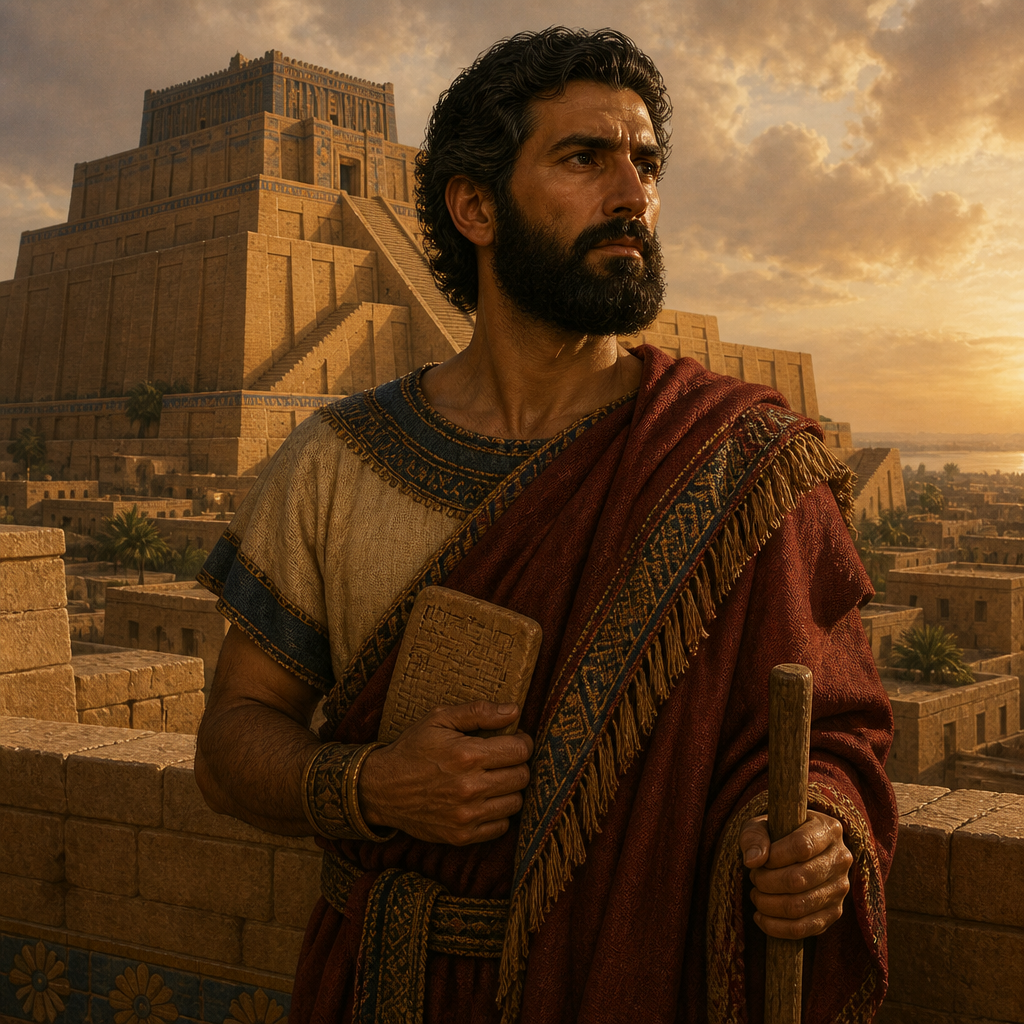

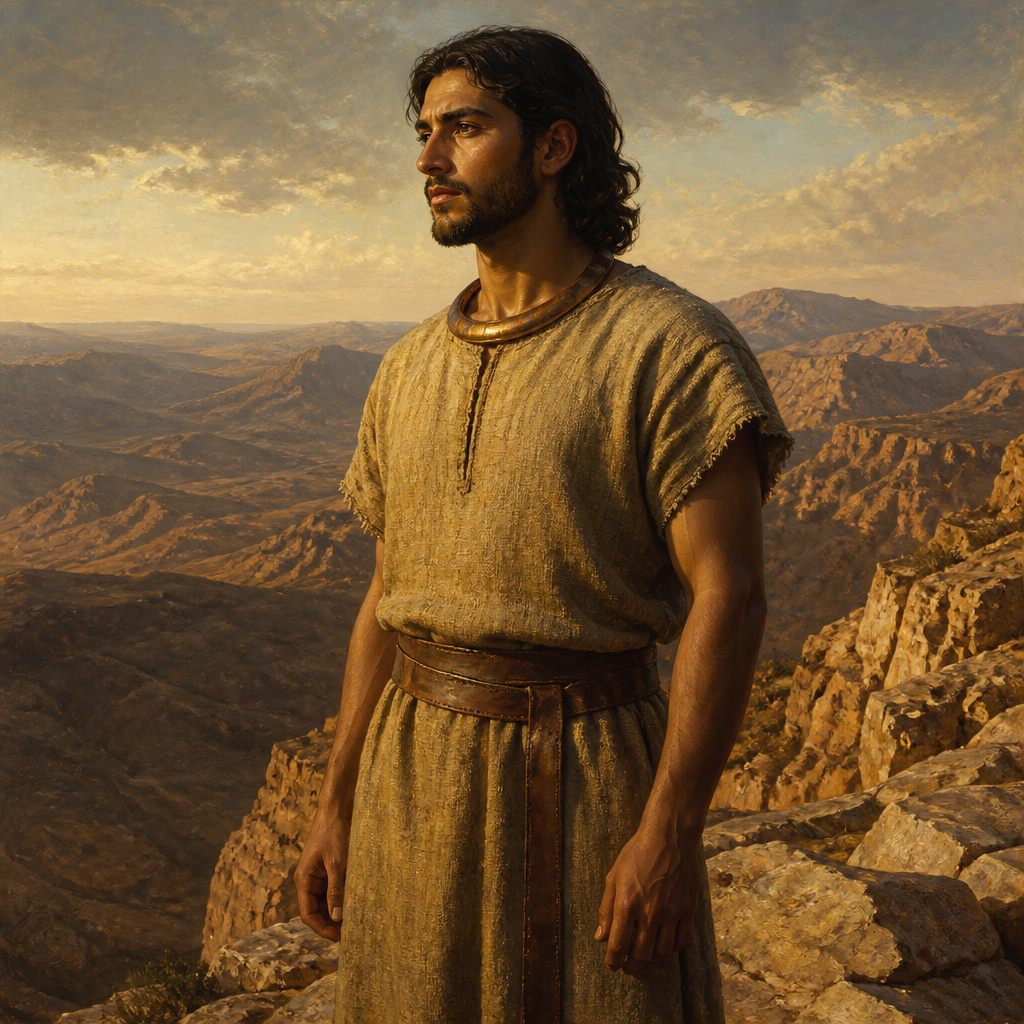
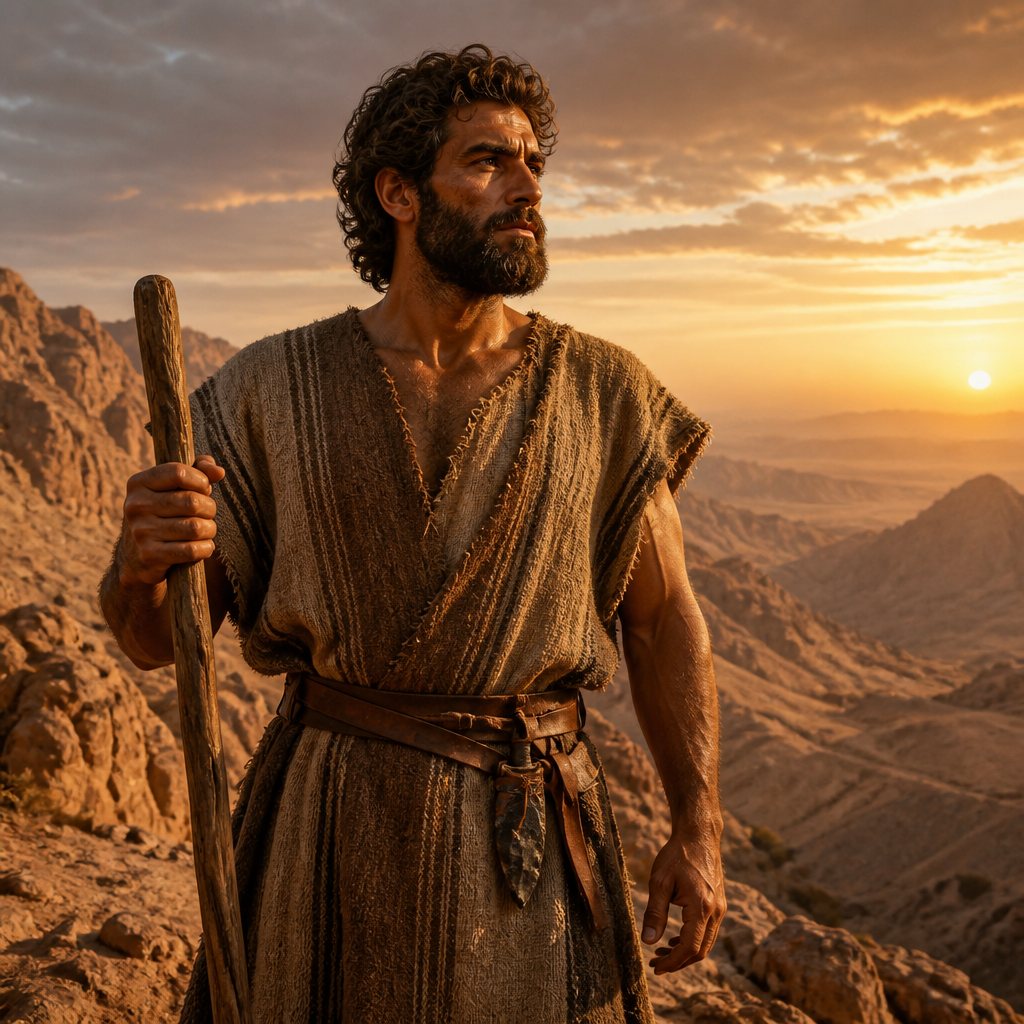
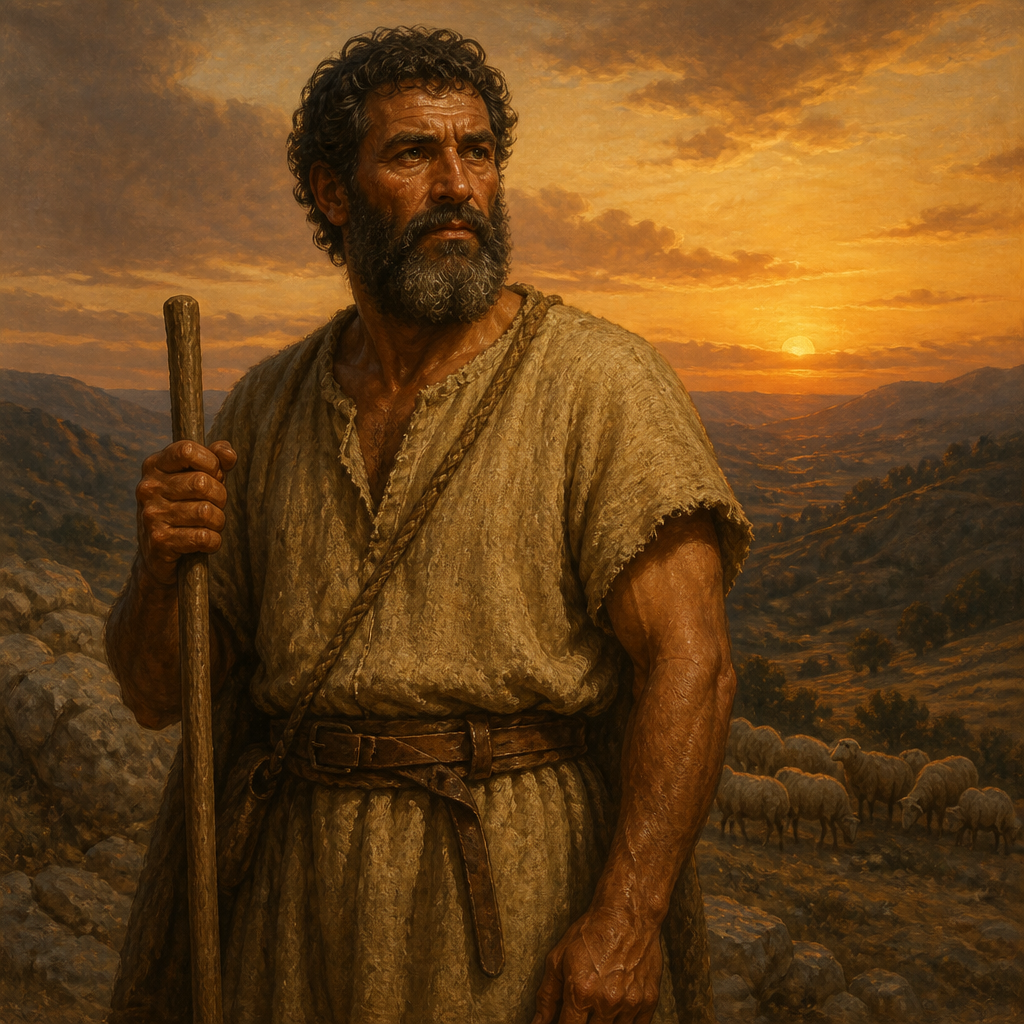
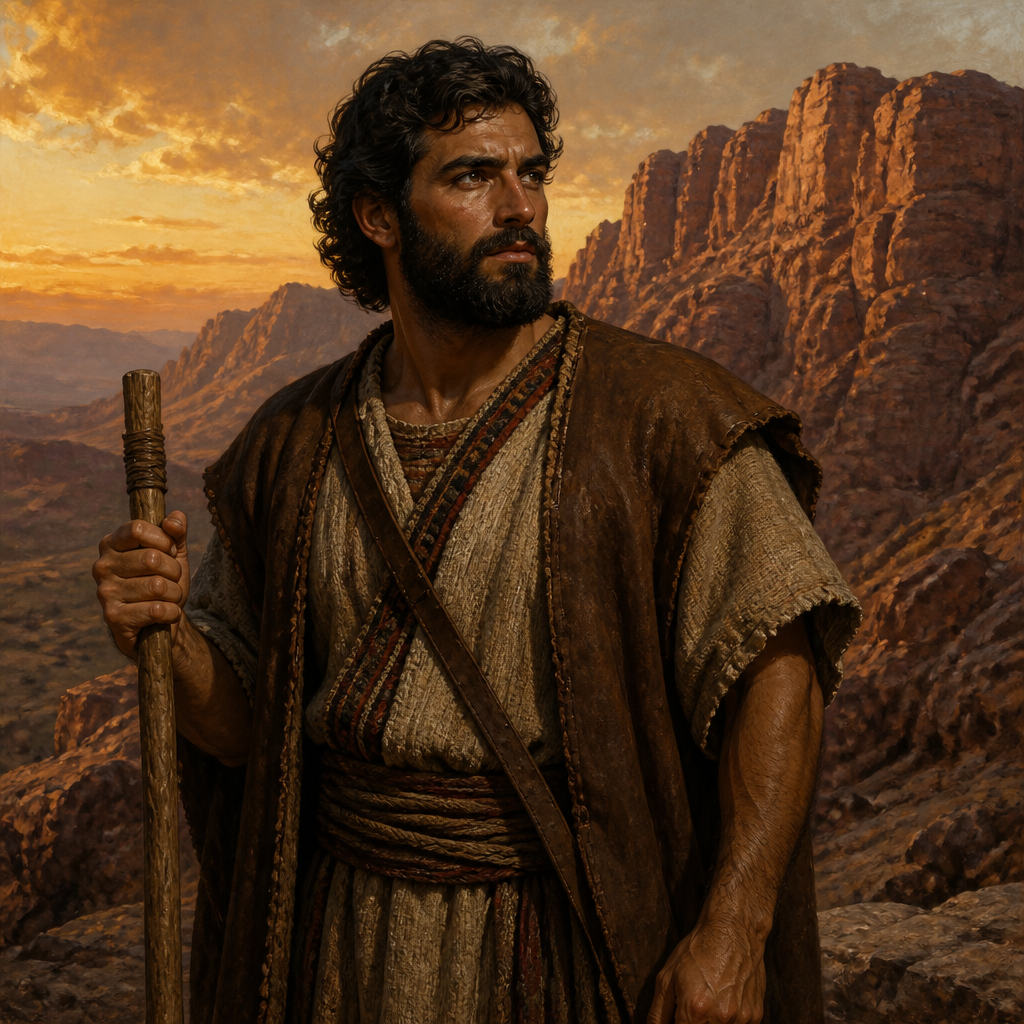
Hori, Son of Lotan
Son of Lotan and descendant of Seir the Horite mentioned in the genealogies of Genesis and Chronicles
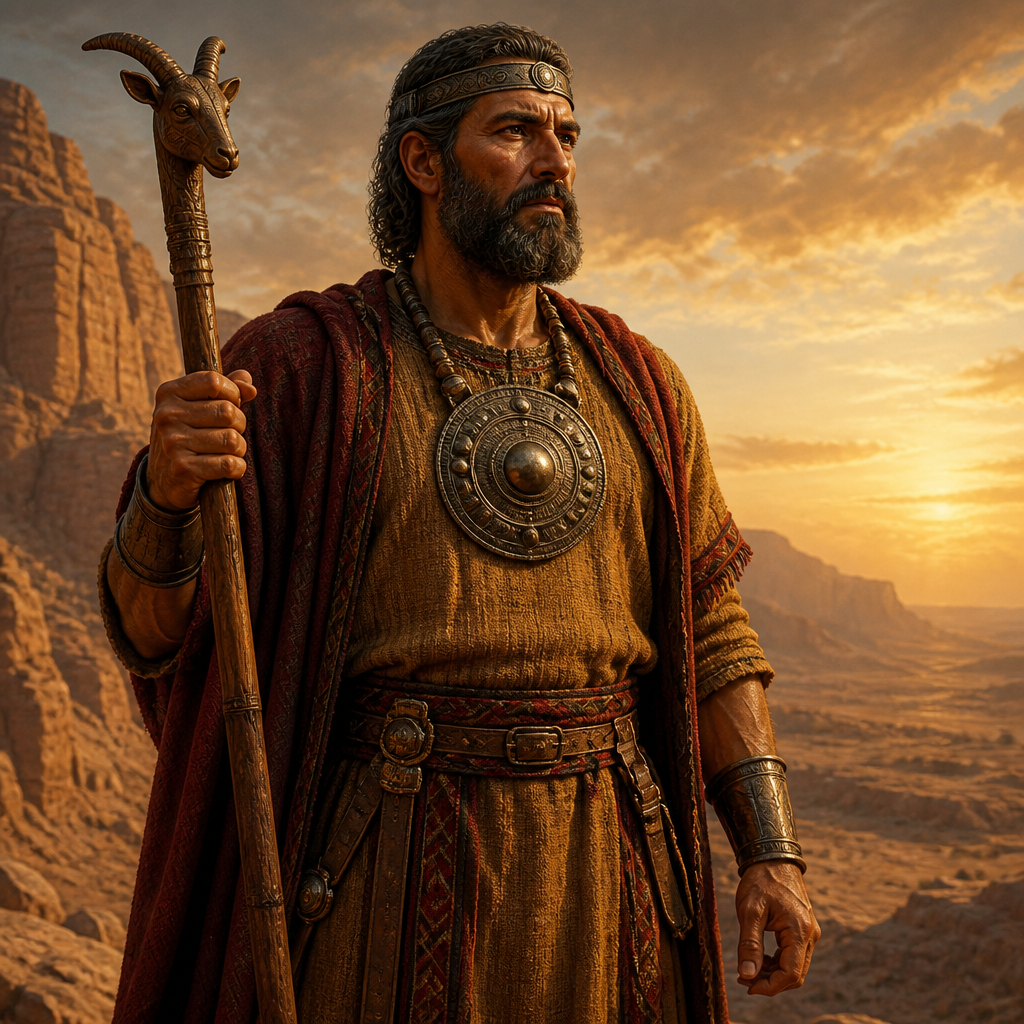
Husham
King of Edom from the land of the Temanites who reigned before the Israelite monarchy

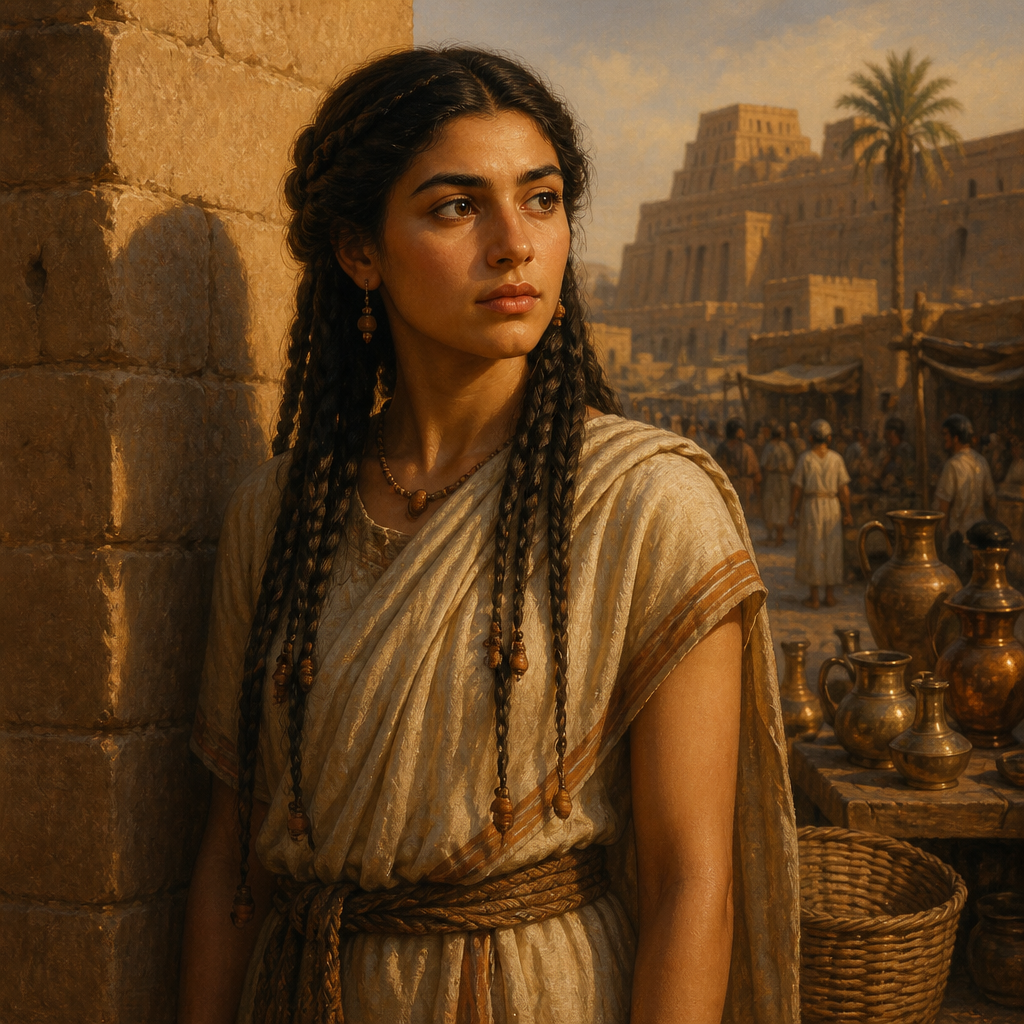

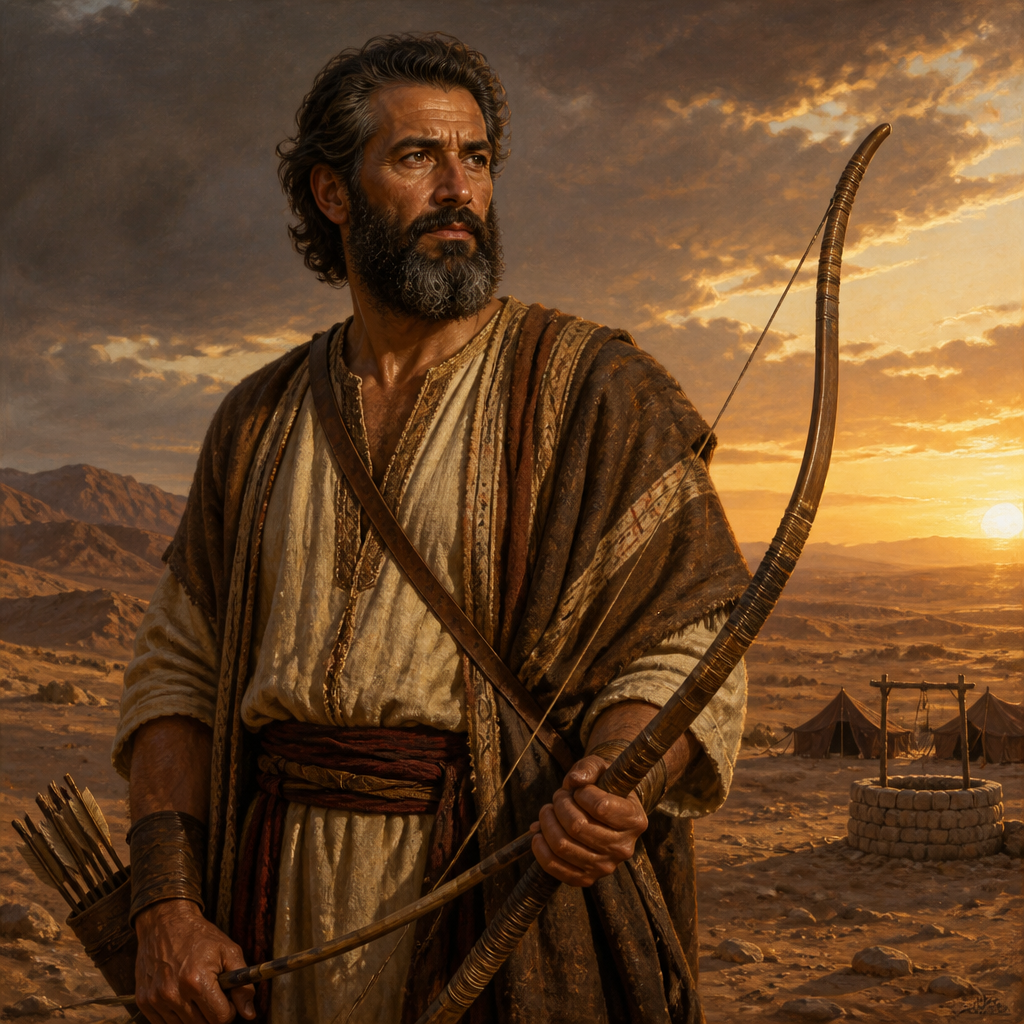
Ishmael, Son of Abraham
Firstborn son of Abraham and the father of twelve princes who became a great nation
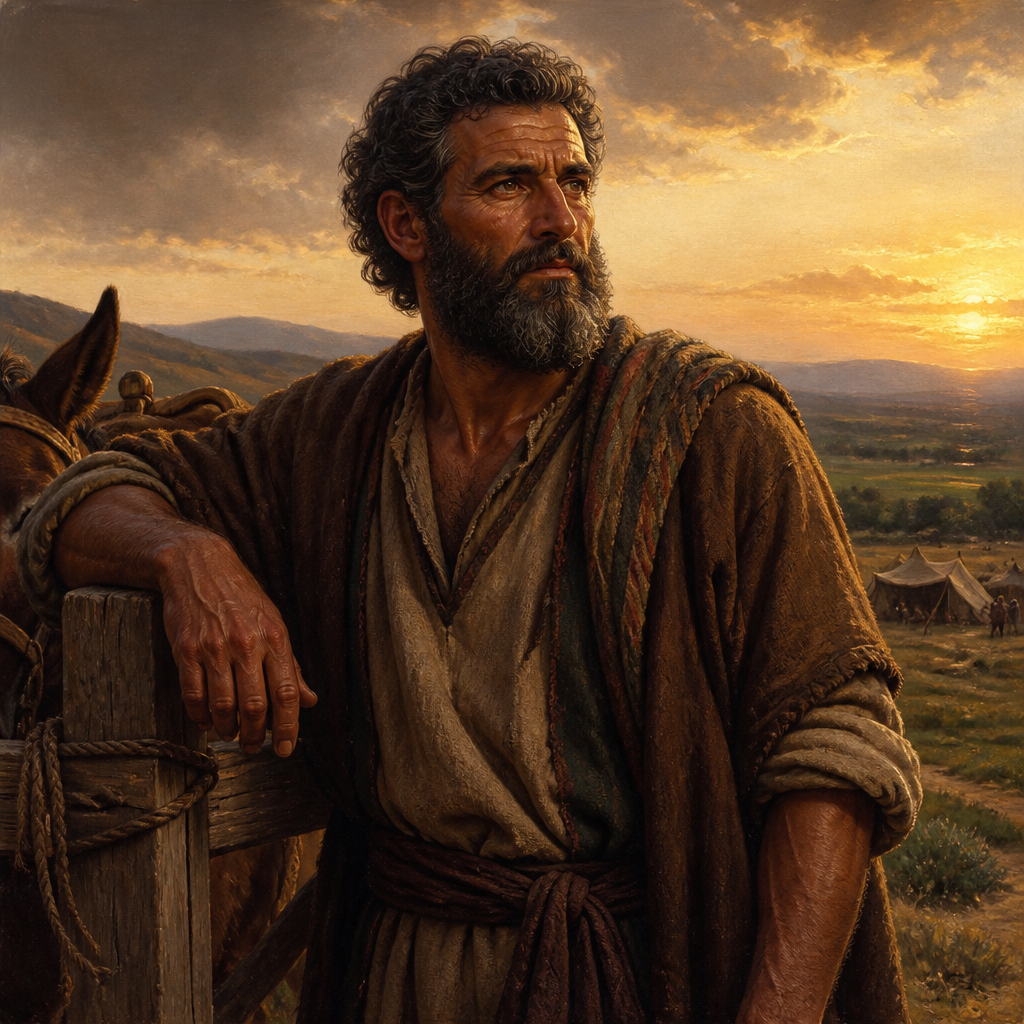
Issachar, Ninth Son of Jacob
Ninth son of Jacob and the progenitor of the Tribe of Issachar

Ithran, Son of Dishon
Horite patriarch and son of Dishon listed in the genealogies of Edom
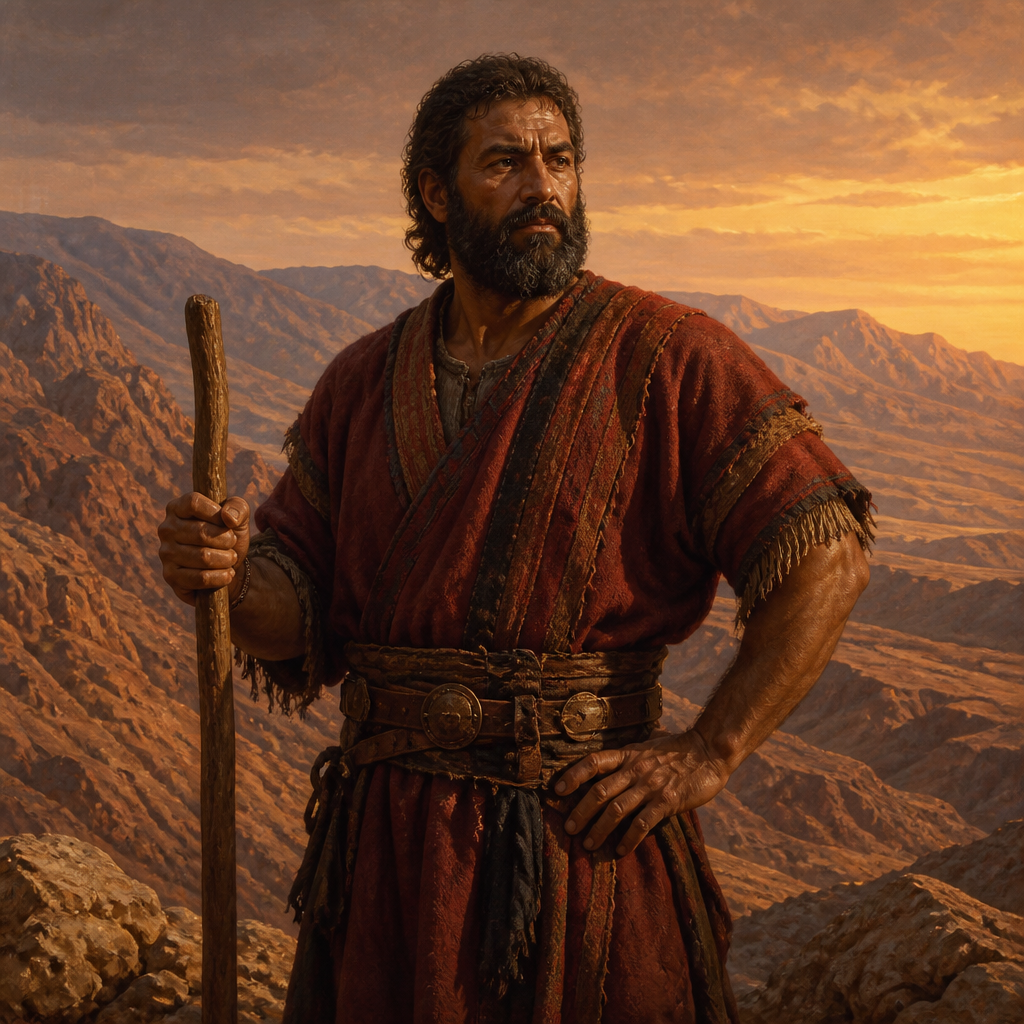


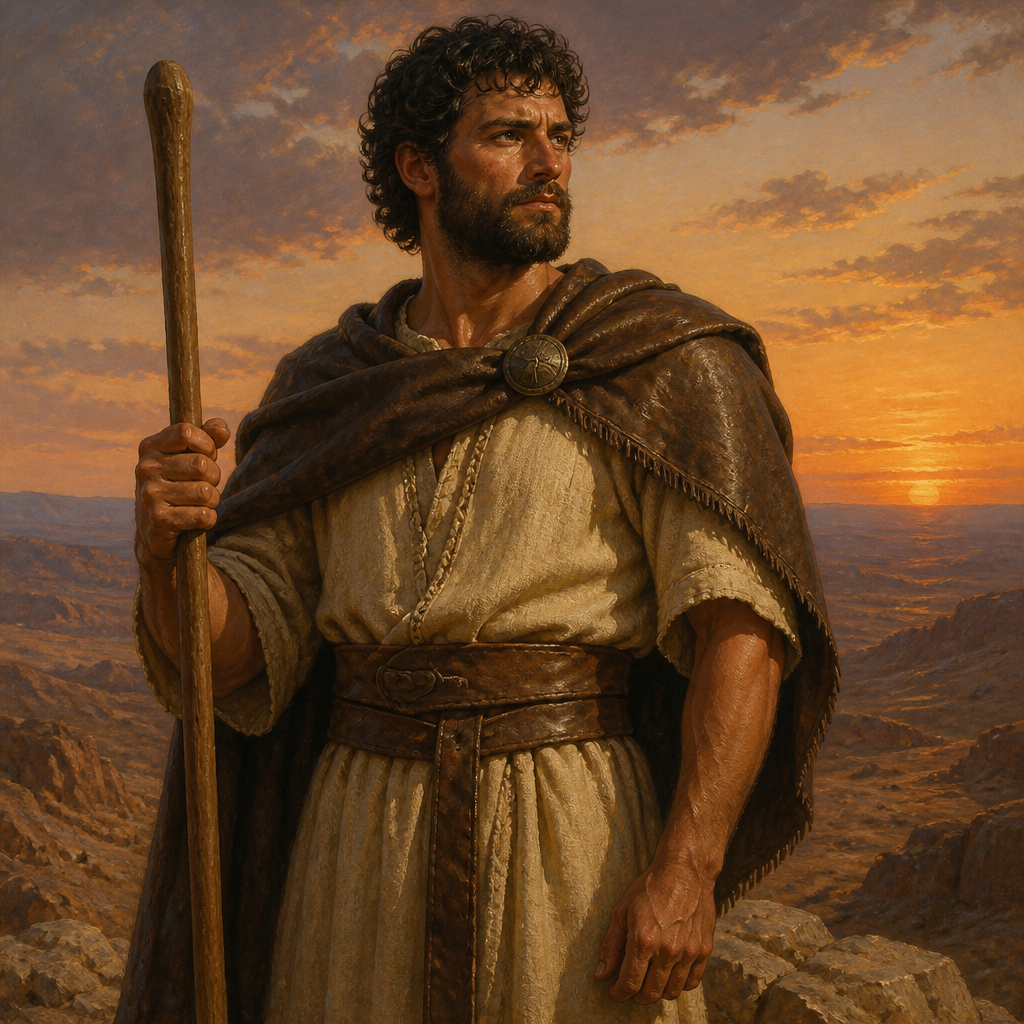

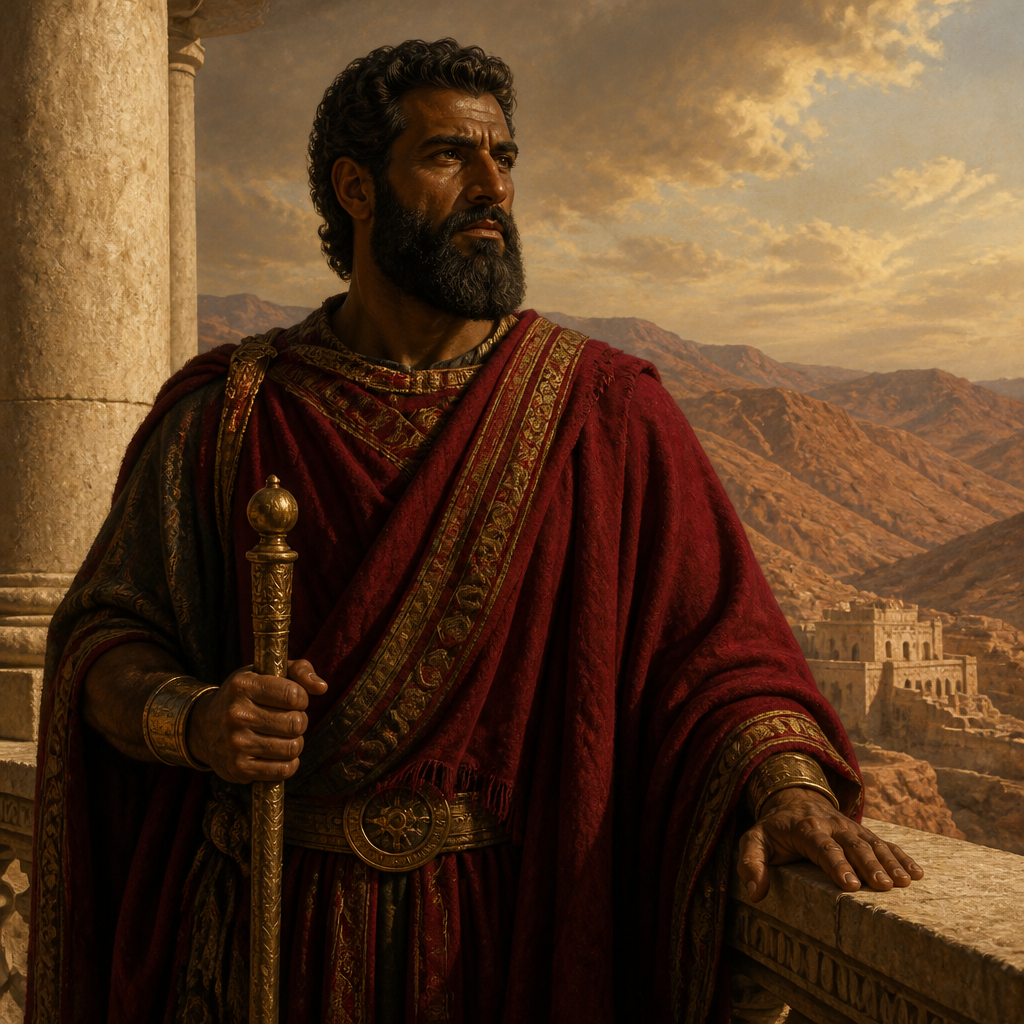
Jobab, King of Edom
King of Edom who reigned in Bozrah before the time of the Israelite monarchy
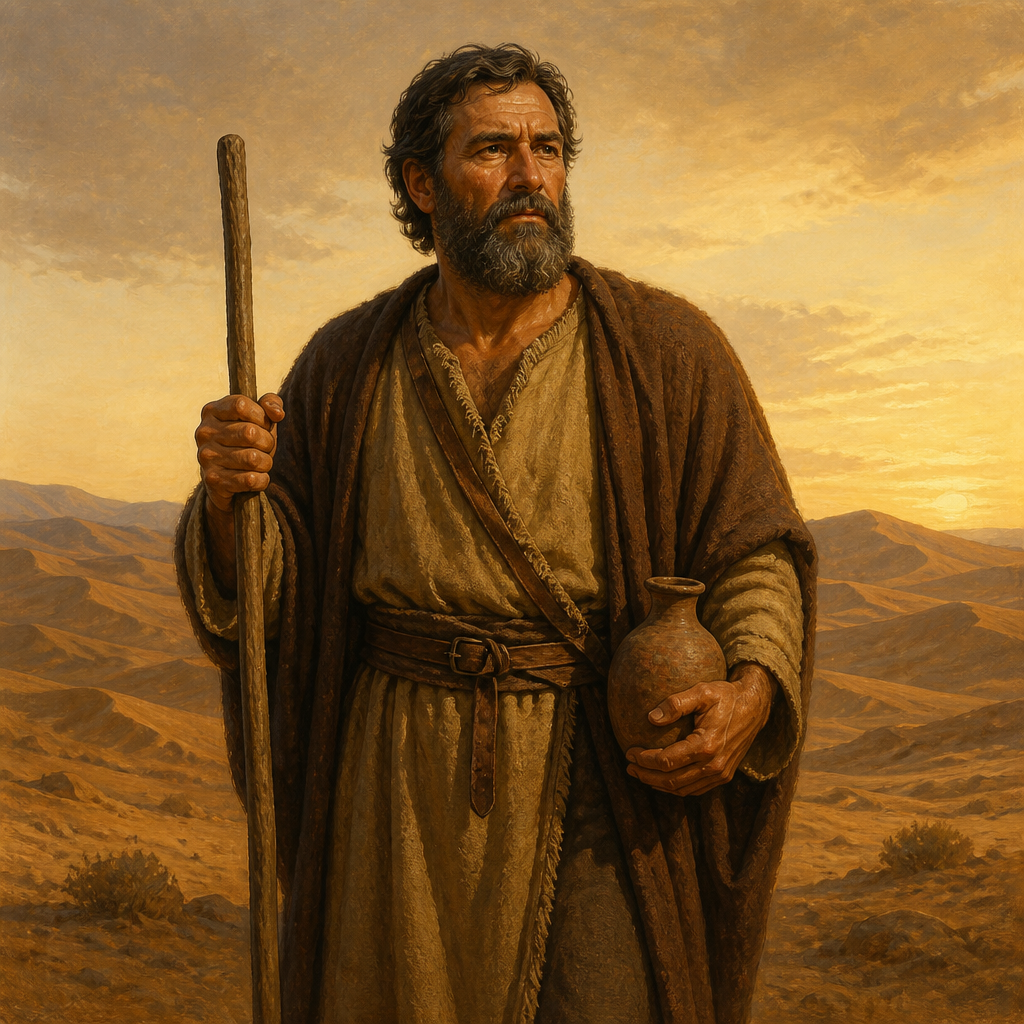
Joseph, Son of Jacob
Patriarch who was sold into slavery and rose to become the second most powerful man in Egypt
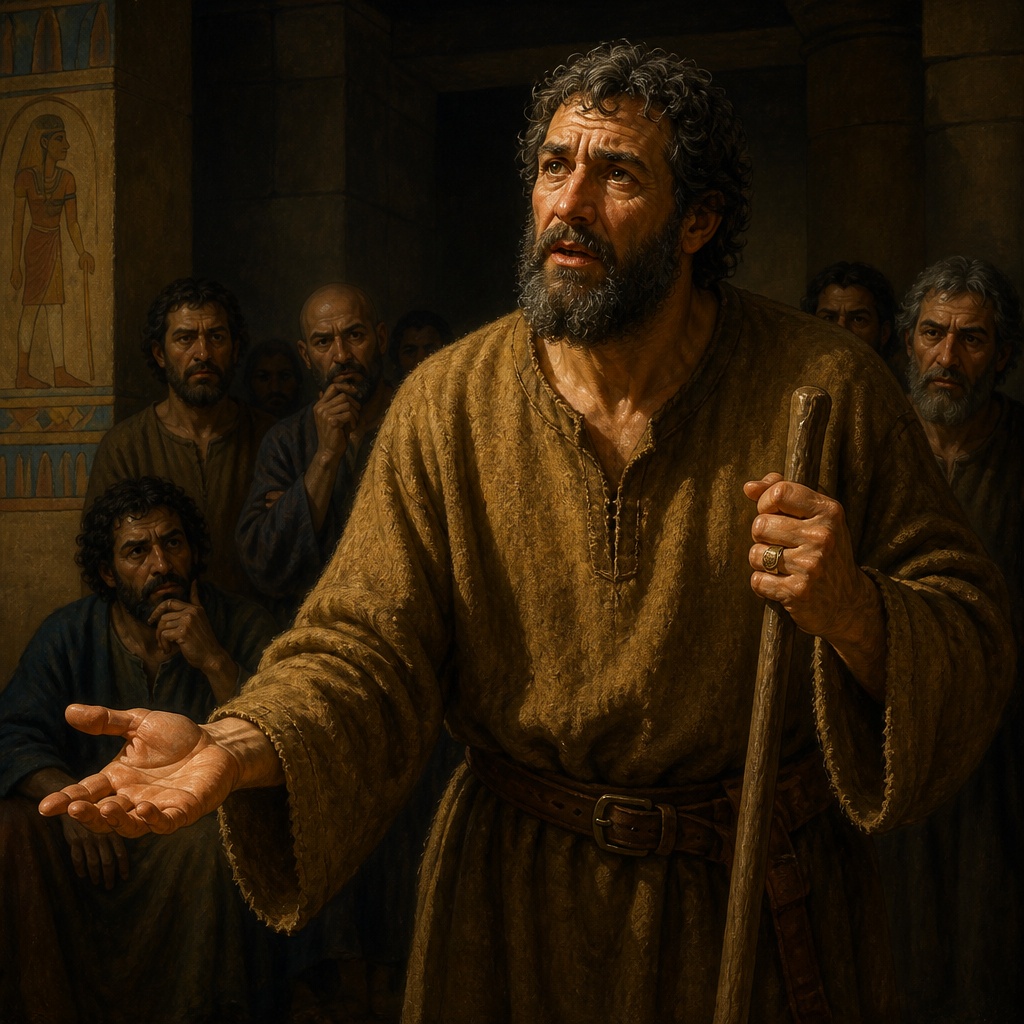
Judah, Son of Jacob
Patriarch who received the blessing of the scepter and whose lineage produced King David and Jesus Christ

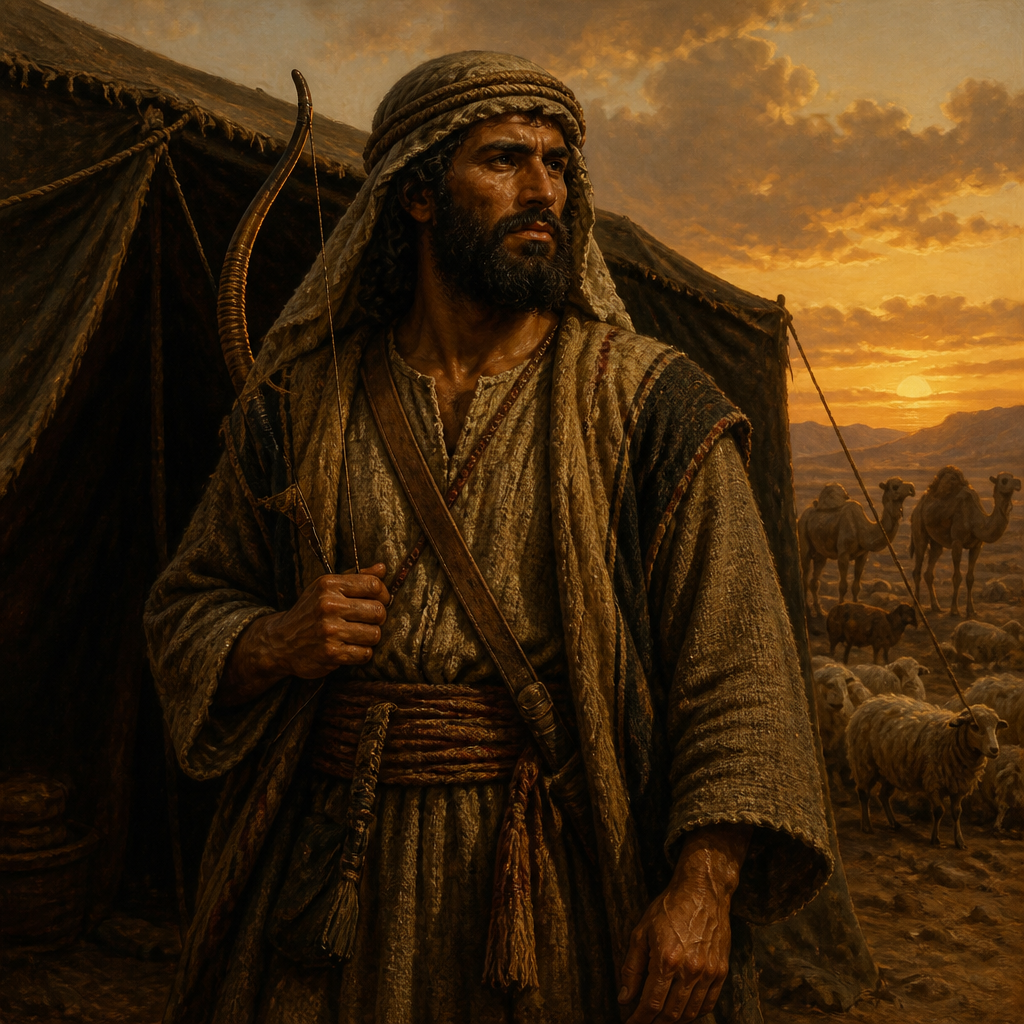
Kedar
Patriarch of a major Arabian nomadic tribe known for their black tents and skilled archers

Kemuel, Son of Nahor
Nephew of Abraham and the father of Aram mentioned in the Genesis genealogies
Kenaz, Son of Eliphaz
Edomite chief and son of Eliphaz who established a prominent clan in the lineage of Esau

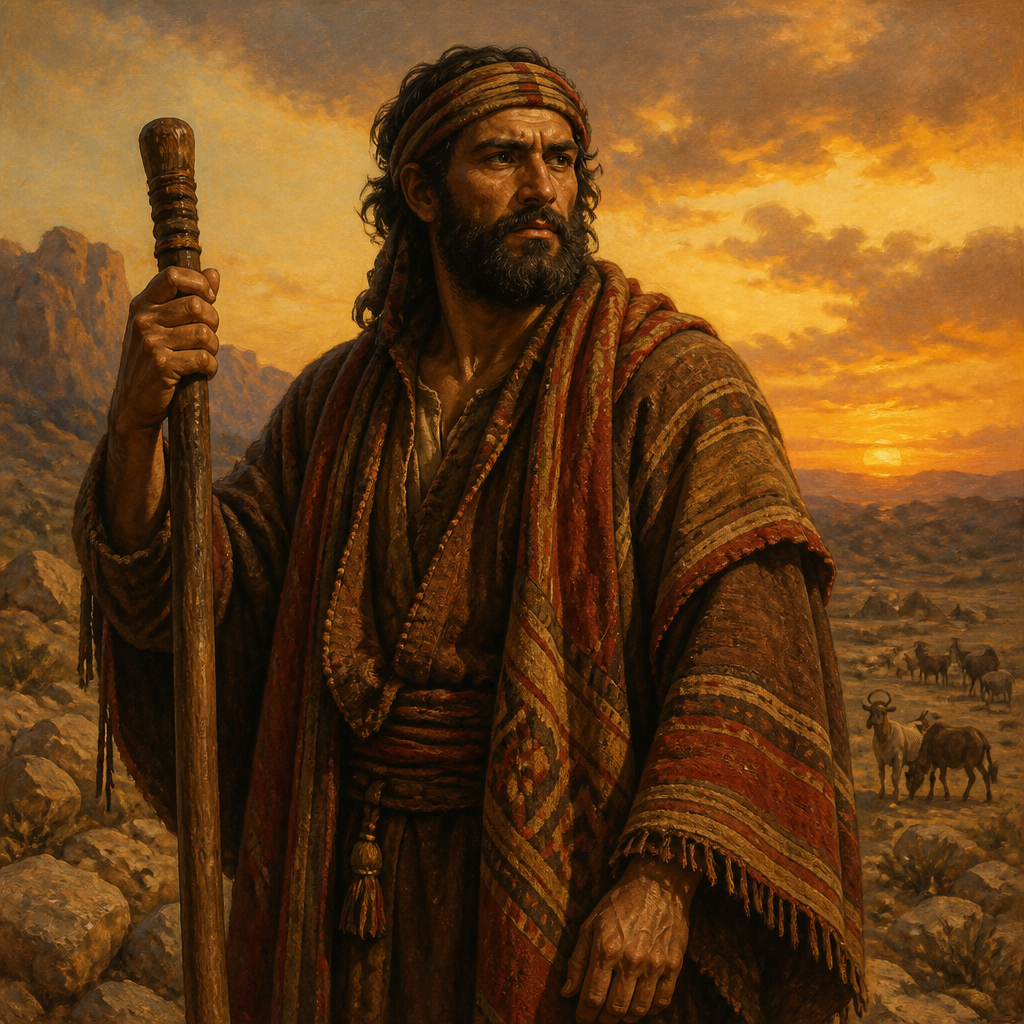
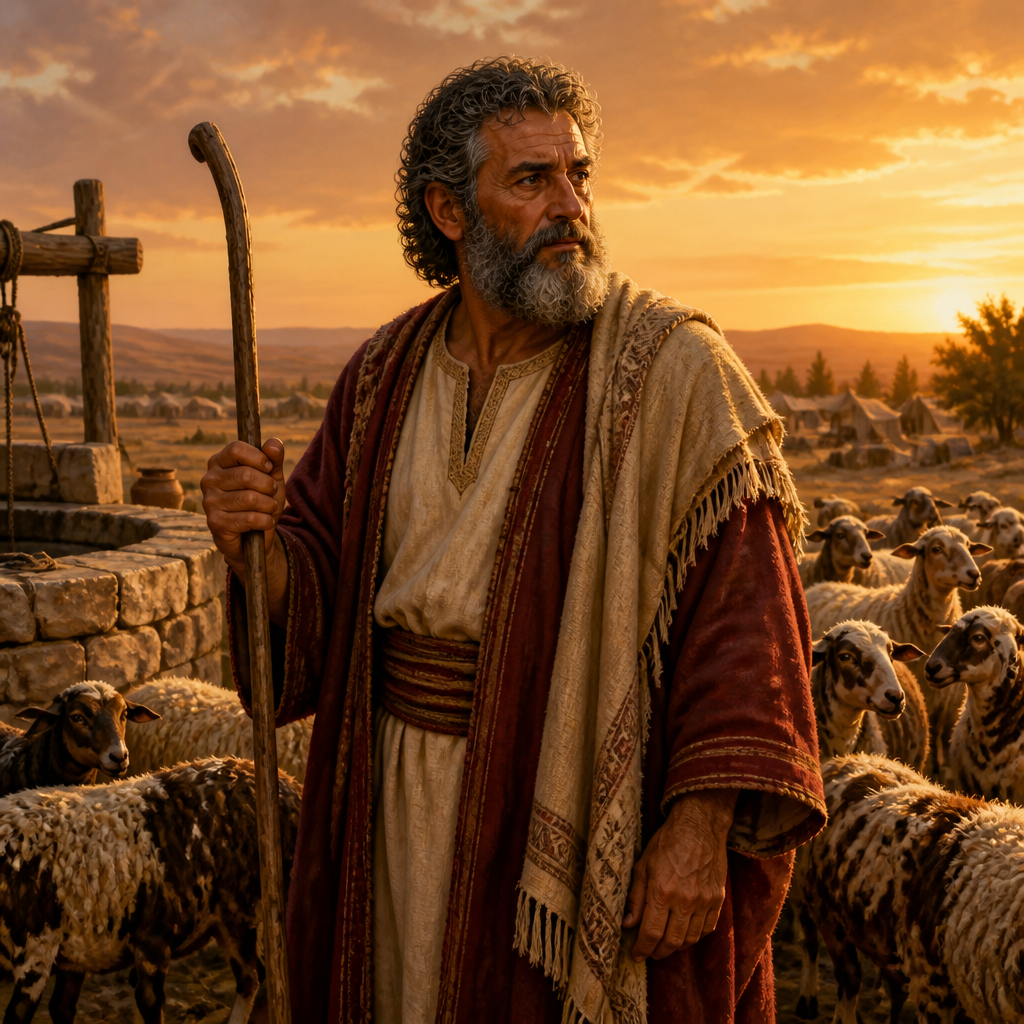
Laban
Uncle and father-in-law of Jacob who famously switched his daughters Leah and Rachel on Jacob's wedding night
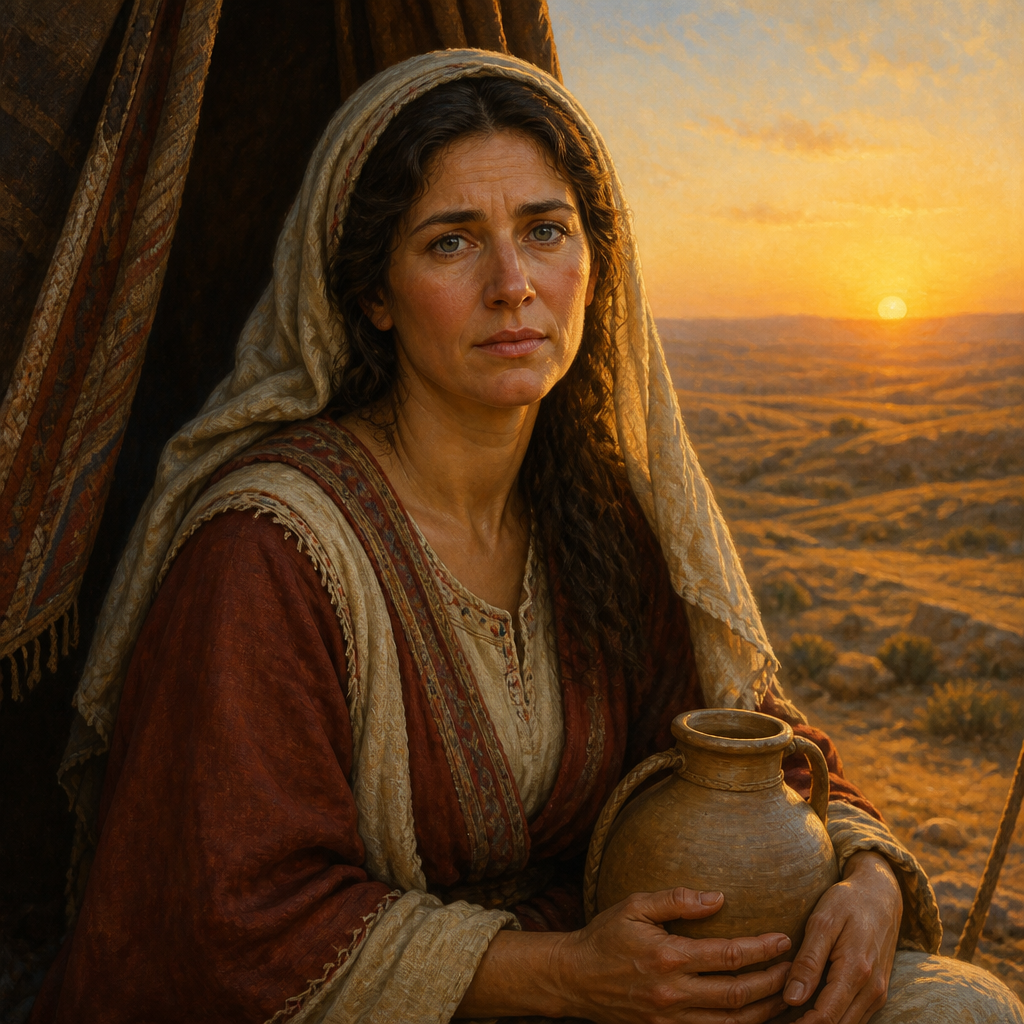
Leah
Matriarch who mothered six of the twelve tribes of Israel including the priestly and royal lines
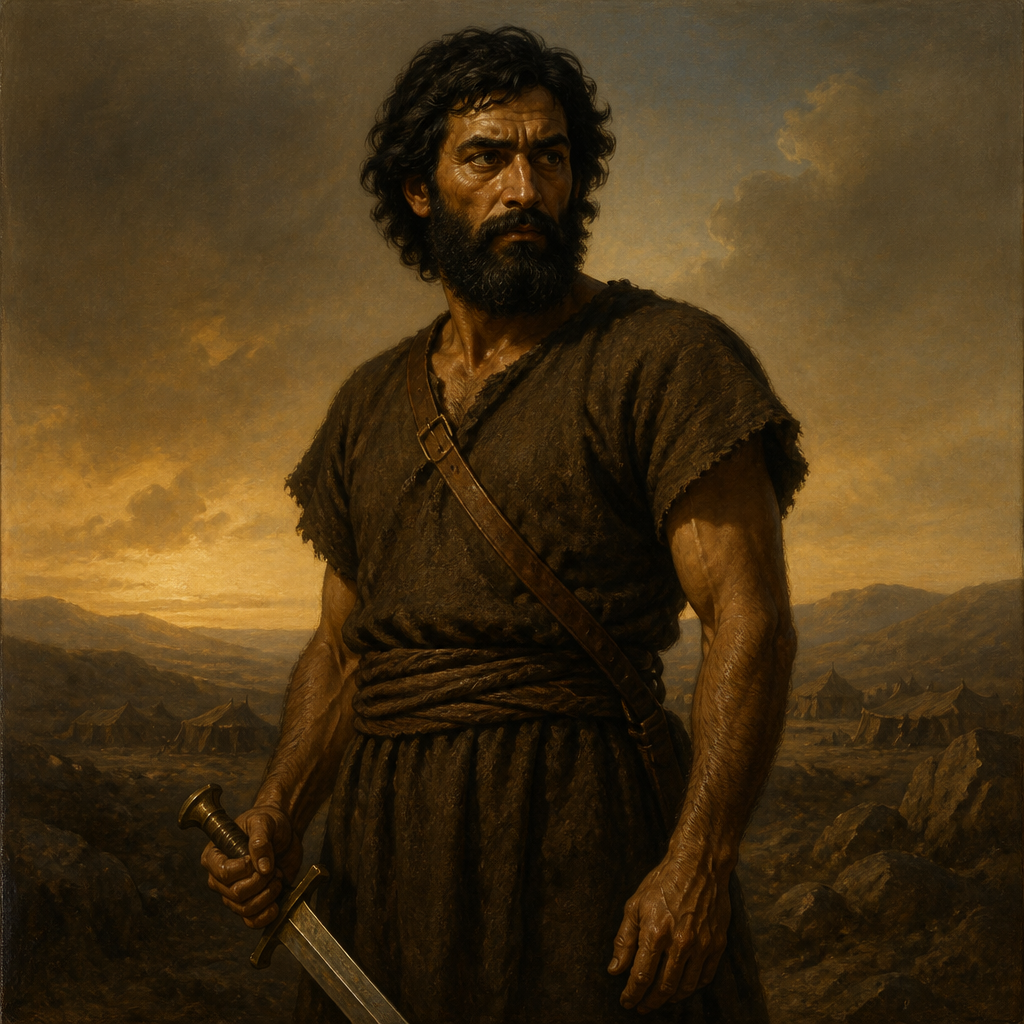
Levi, Son of Jacob
Patriarch of the priestly tribe and participant in the massacre at Shechem
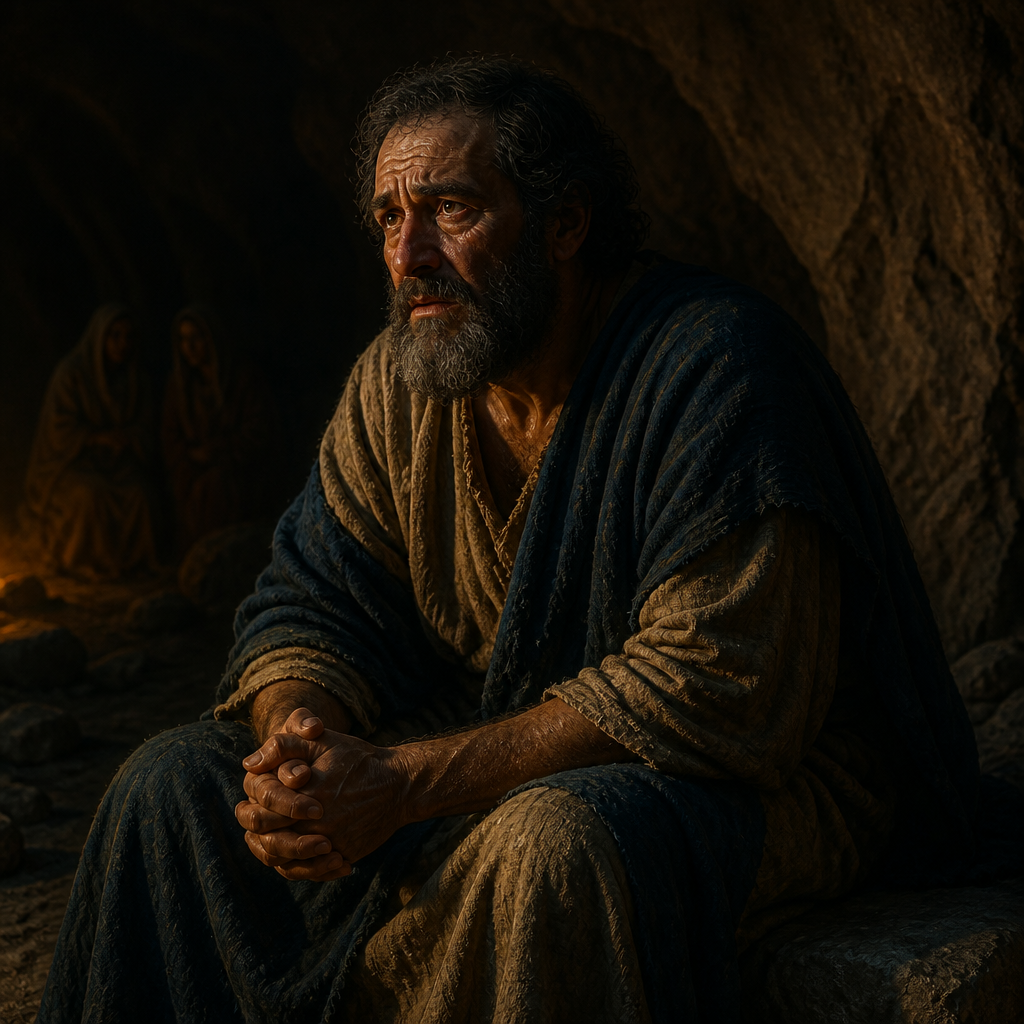
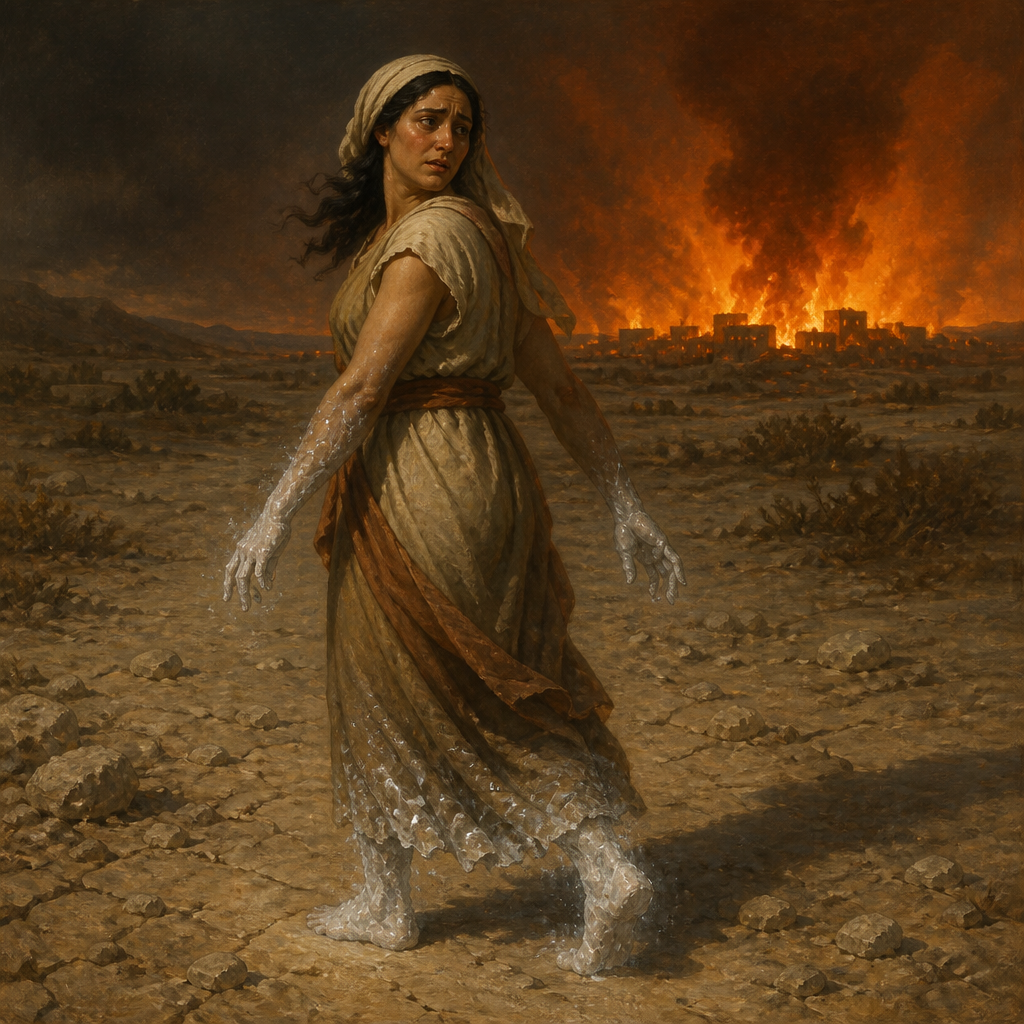
Lot's Wife
Woman who looked back at the destruction of Sodom and became a pillar of salt
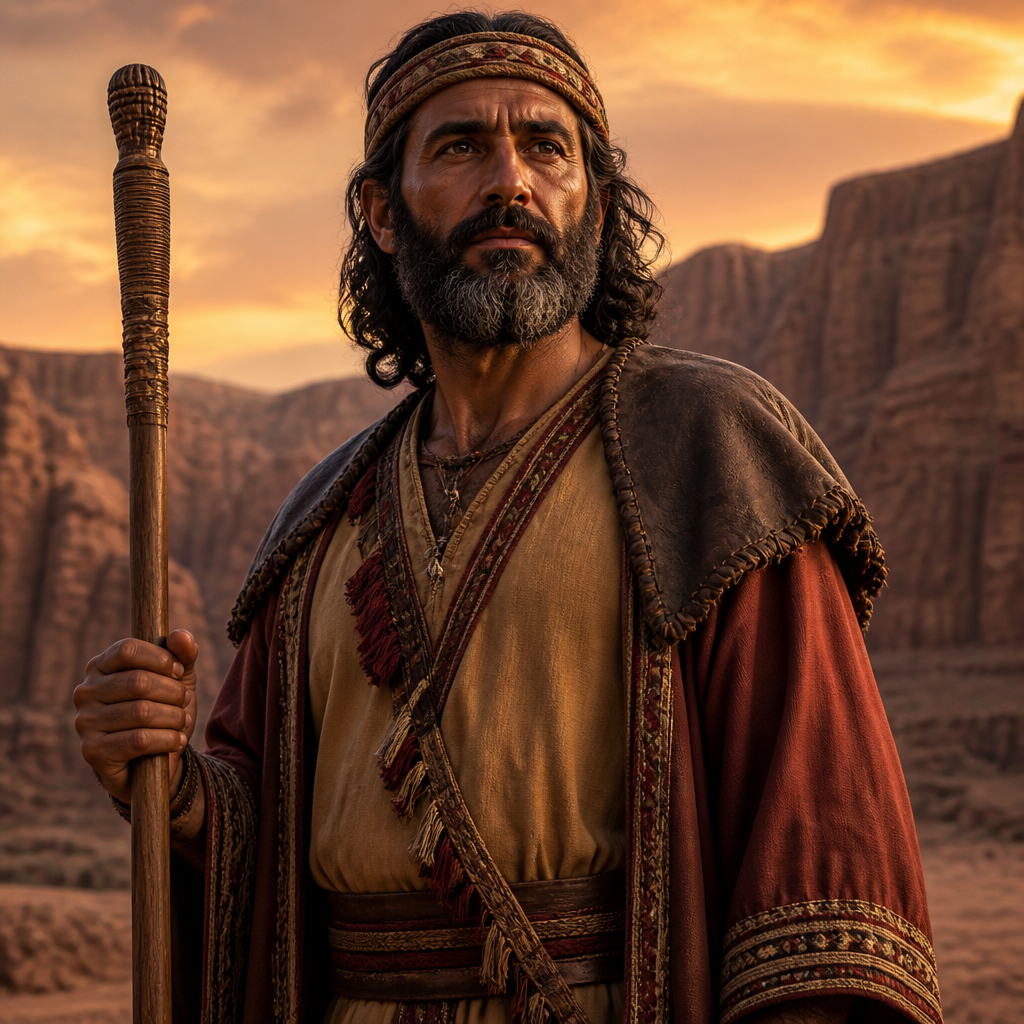


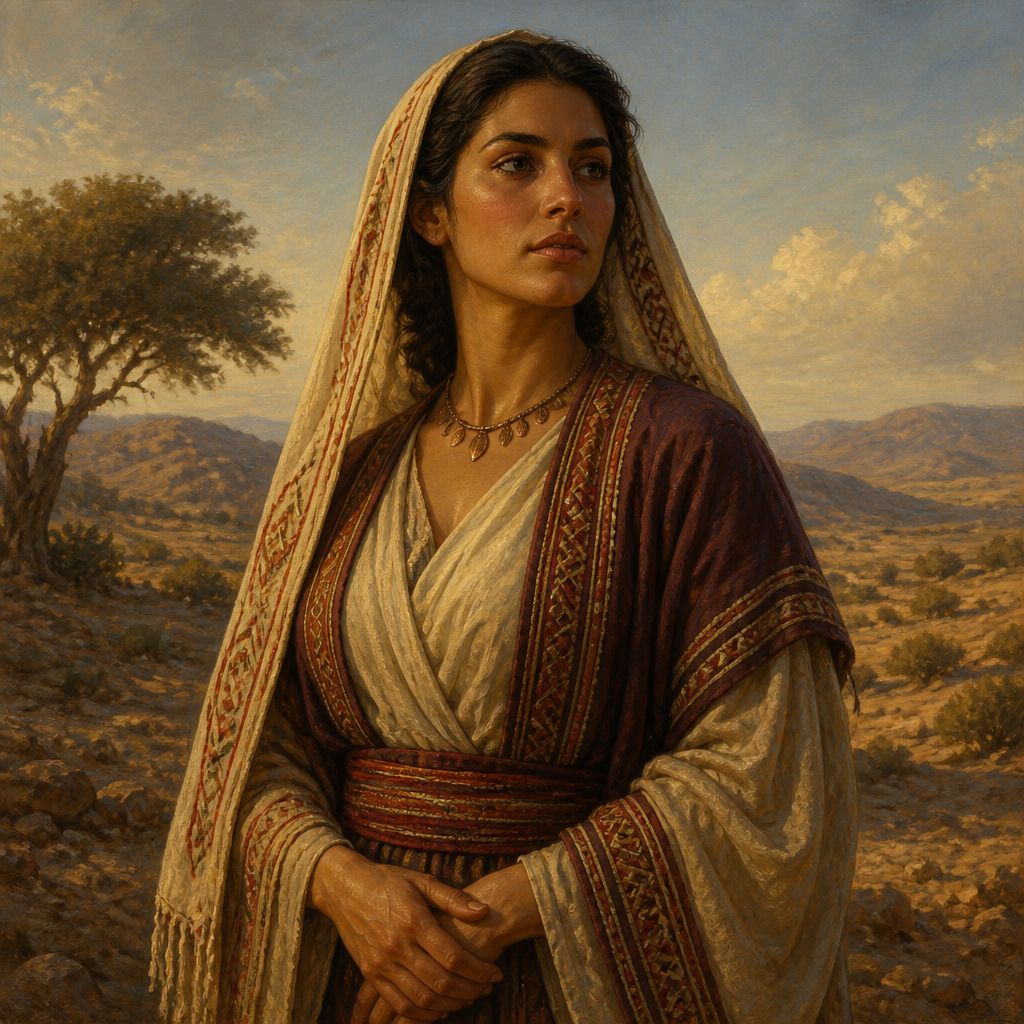
Mahalath, Wife of Esau
Daughter of Ishmael and wife of Esau who sought to bridge the families of Isaac and Ishmael

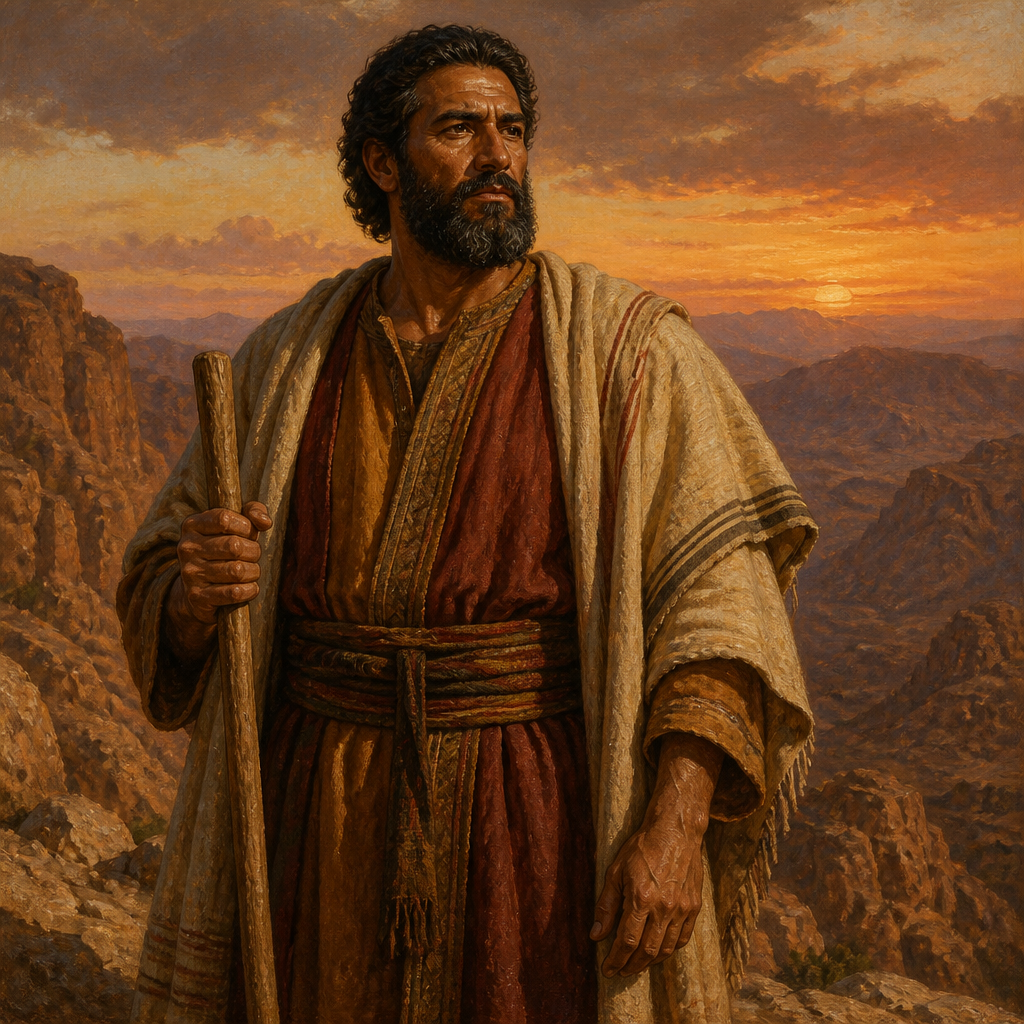
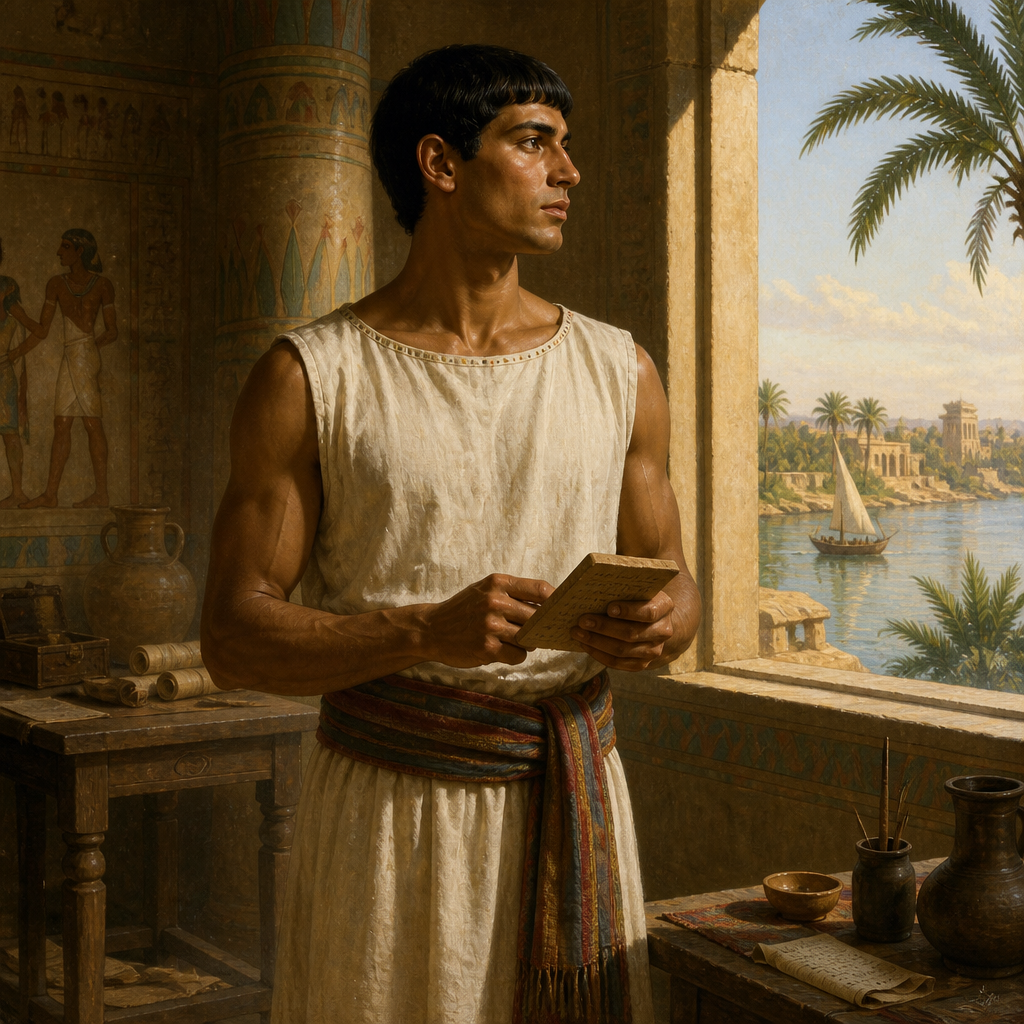
Manasseh, Son of Joseph
Firstborn son of Joseph whose grandfather Jacob crossed his hands to give the younger brother the primary blessing

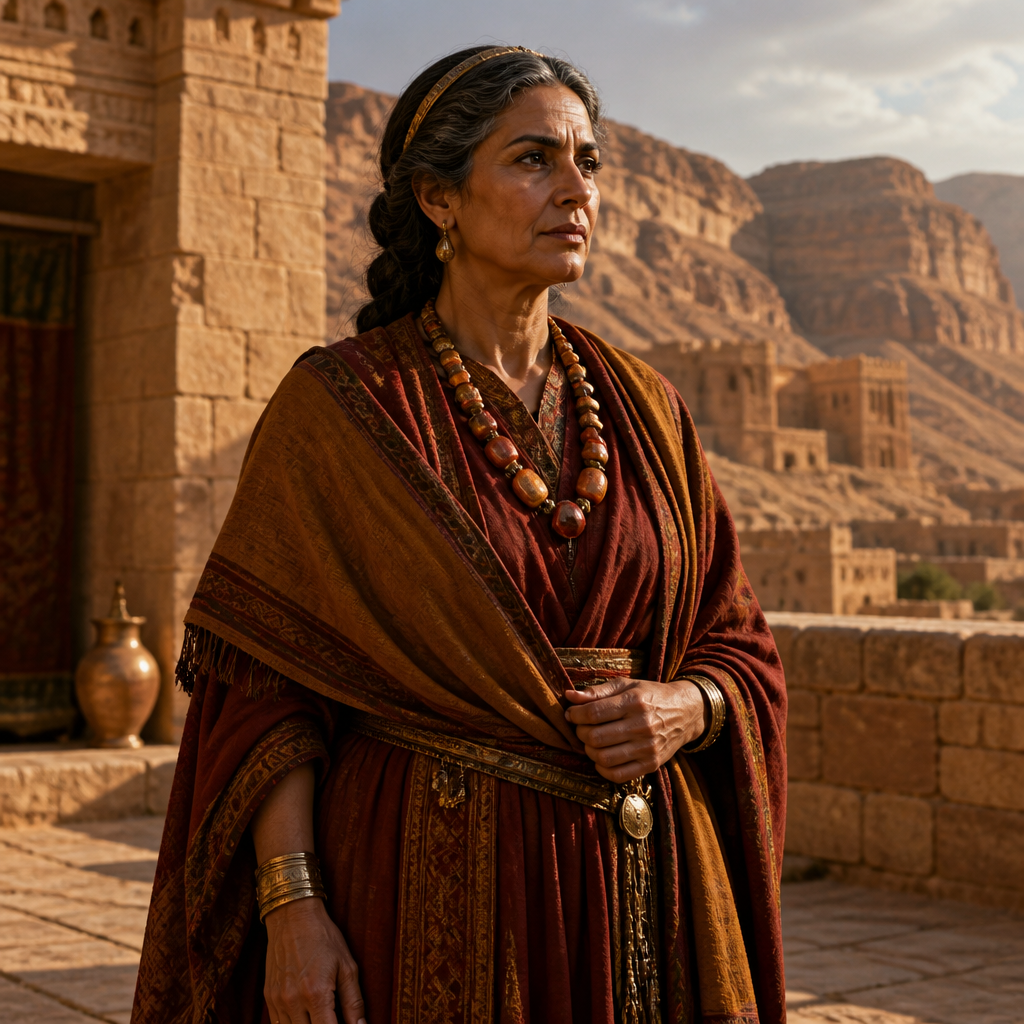

Me-zahab
Edomite patriarch whose name means 'Waters of Gold' and who was the grandfather of Queen Mehetabel

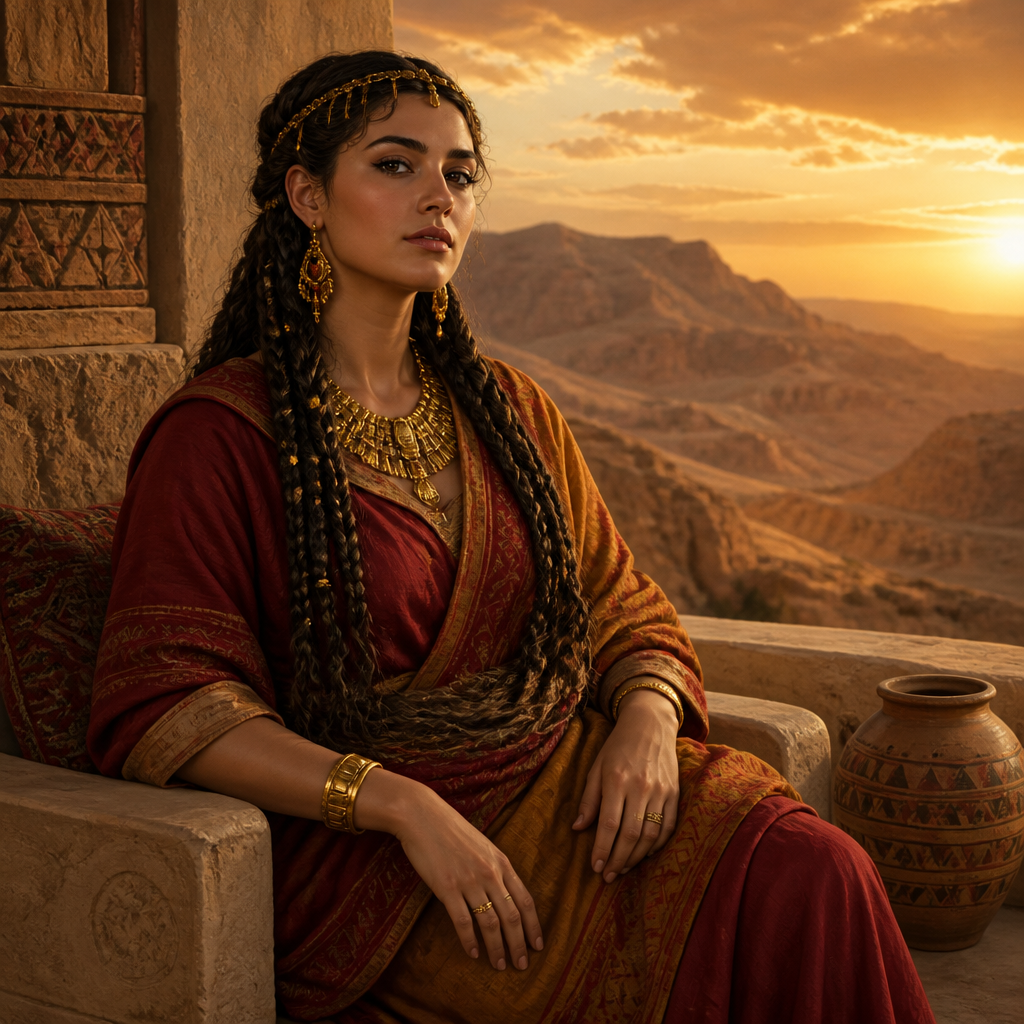
Mehetabel, Queen of Edom
Queen of Edom and wife of King Hadad during the Patriarchal Period
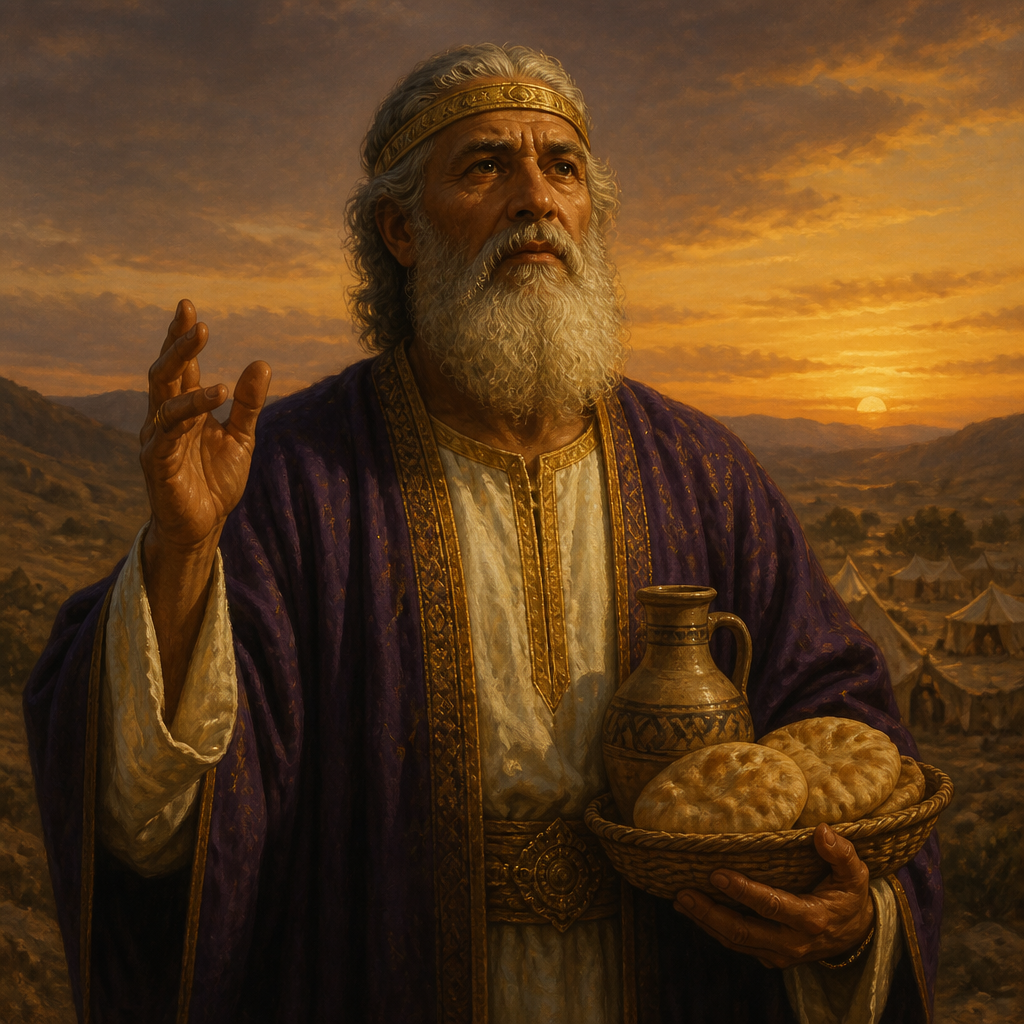

Mibsam, Son of Ishmael
Son of Ishmael and one of the twelve princes of the Ishmaelite tribes

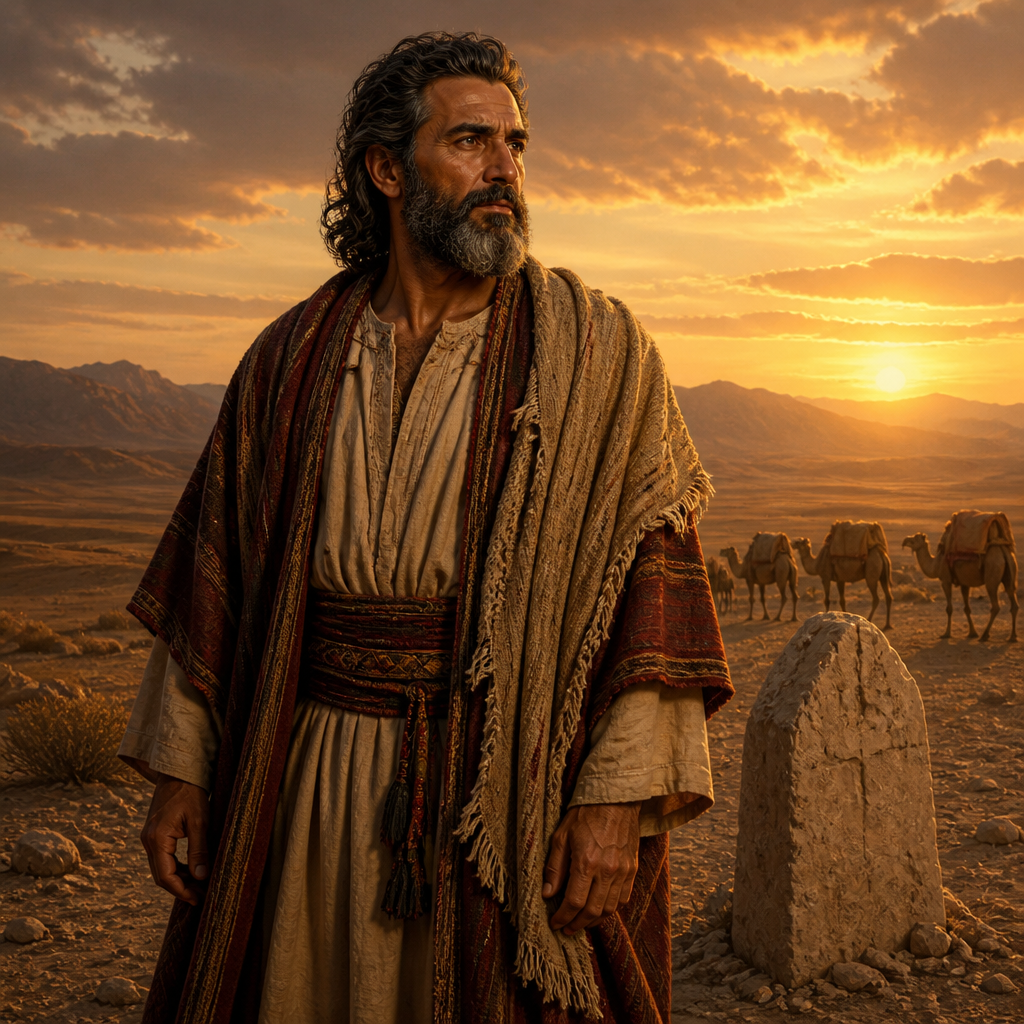
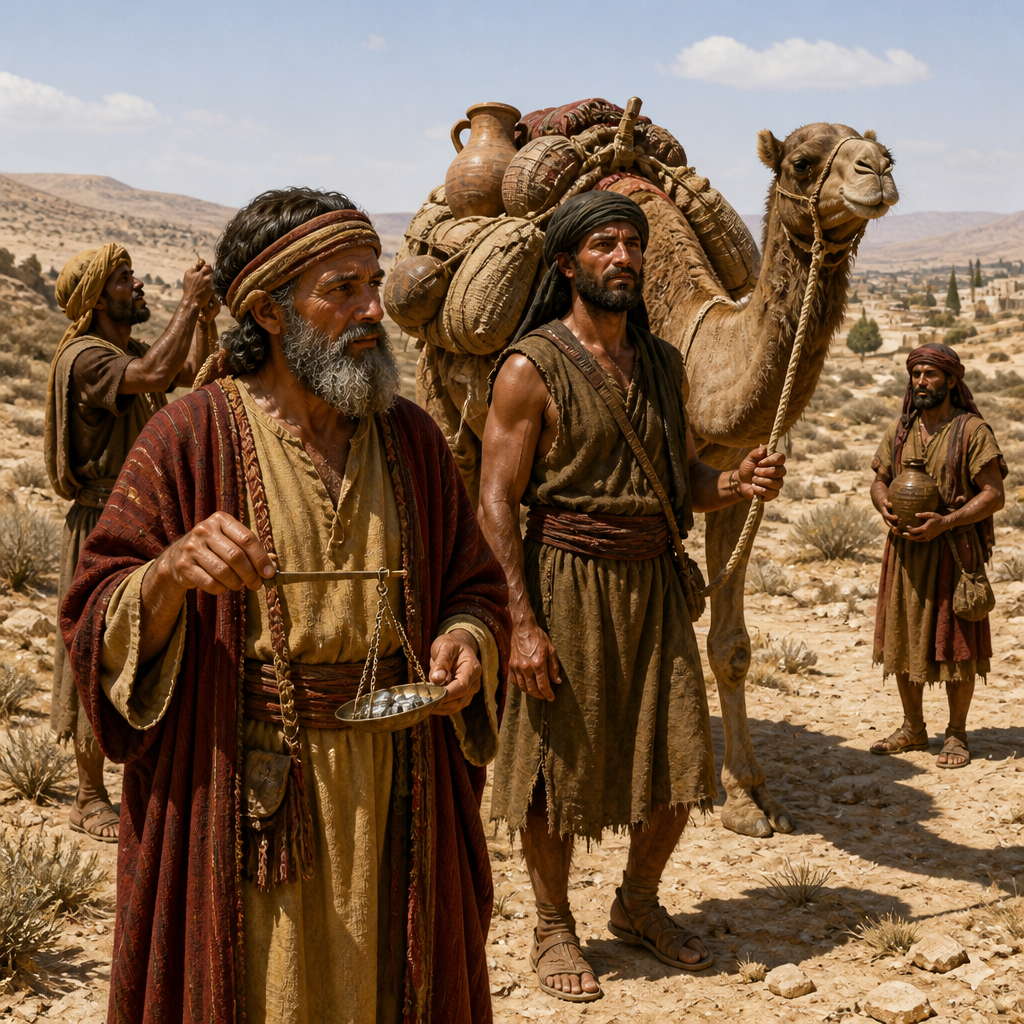
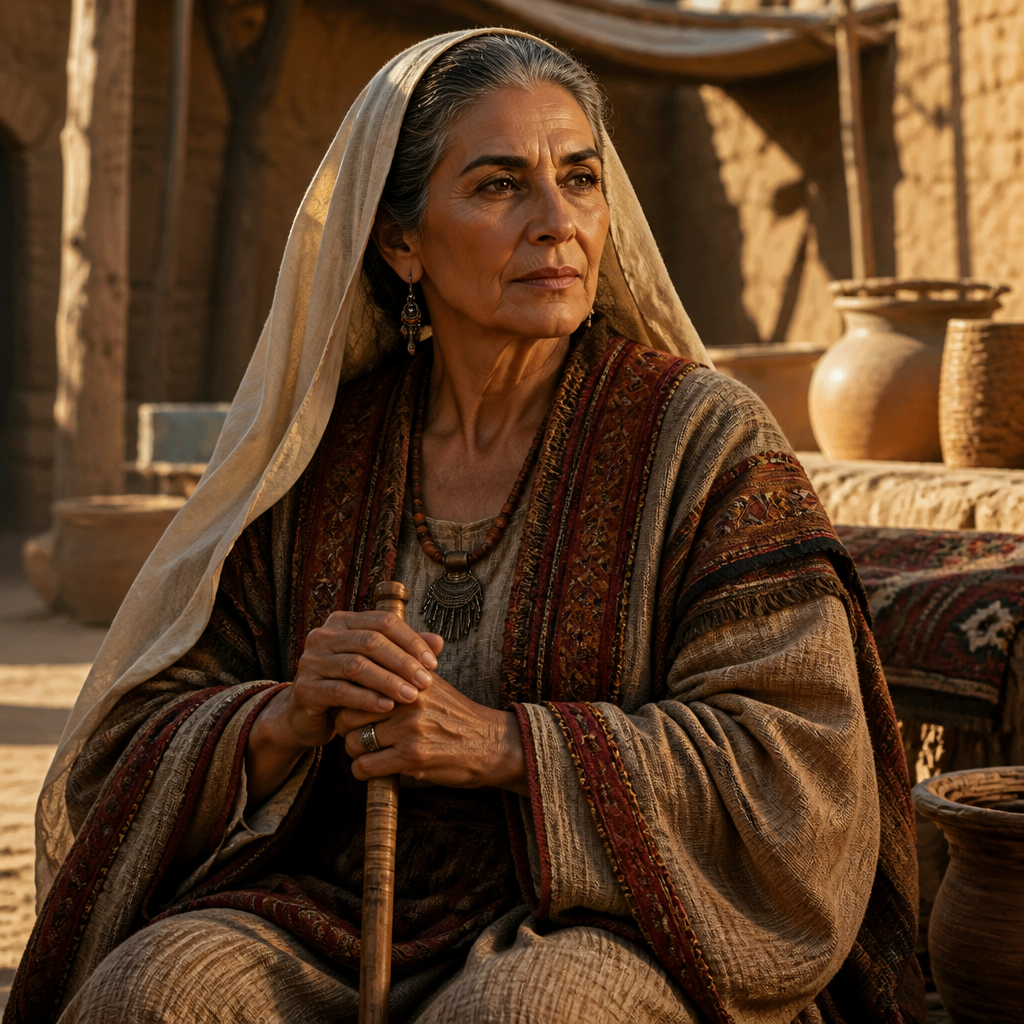
Milcah, Matriarch of Nahor's Line
Matriarch who was the wife of Nahor and grandmother of Rebekah

Mishma, Son of Ishmael
Son of Ishmael and one of the twelve princes of the Ishmaelite tribes
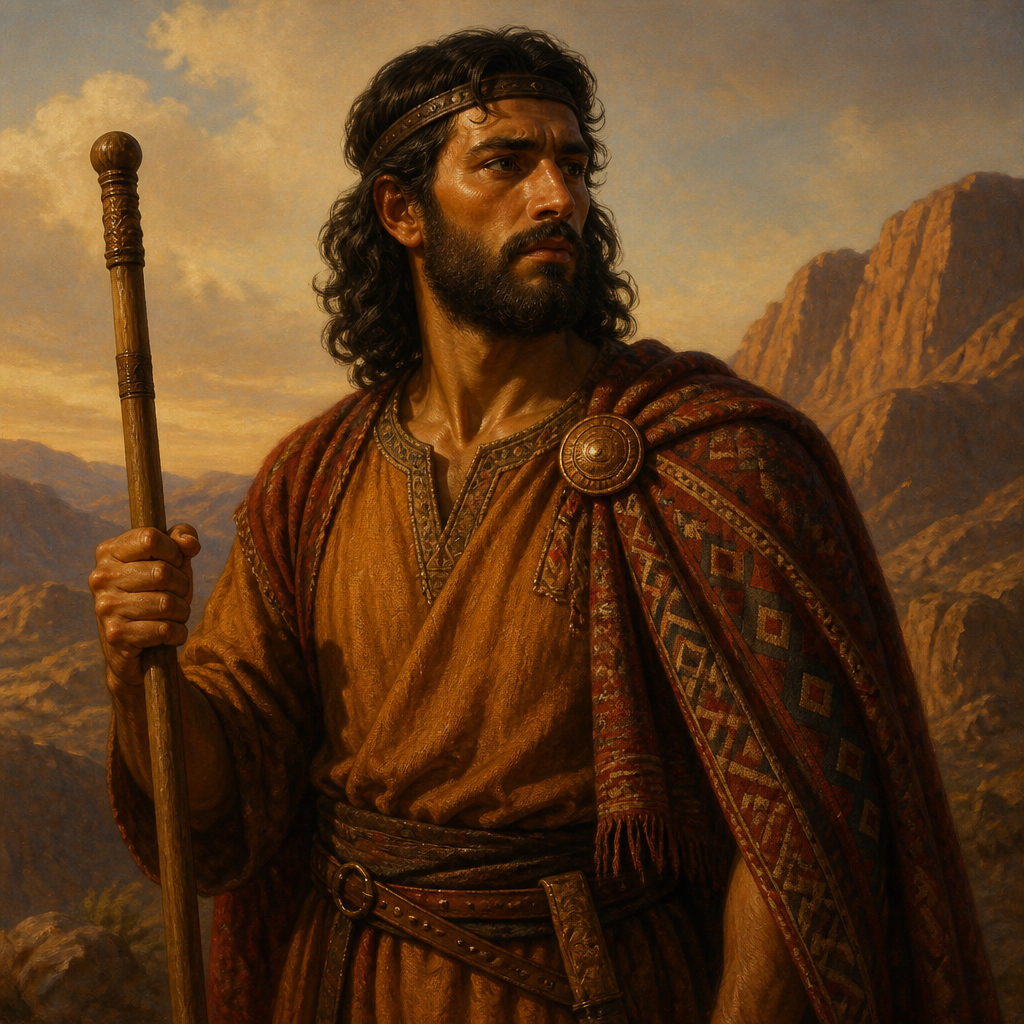
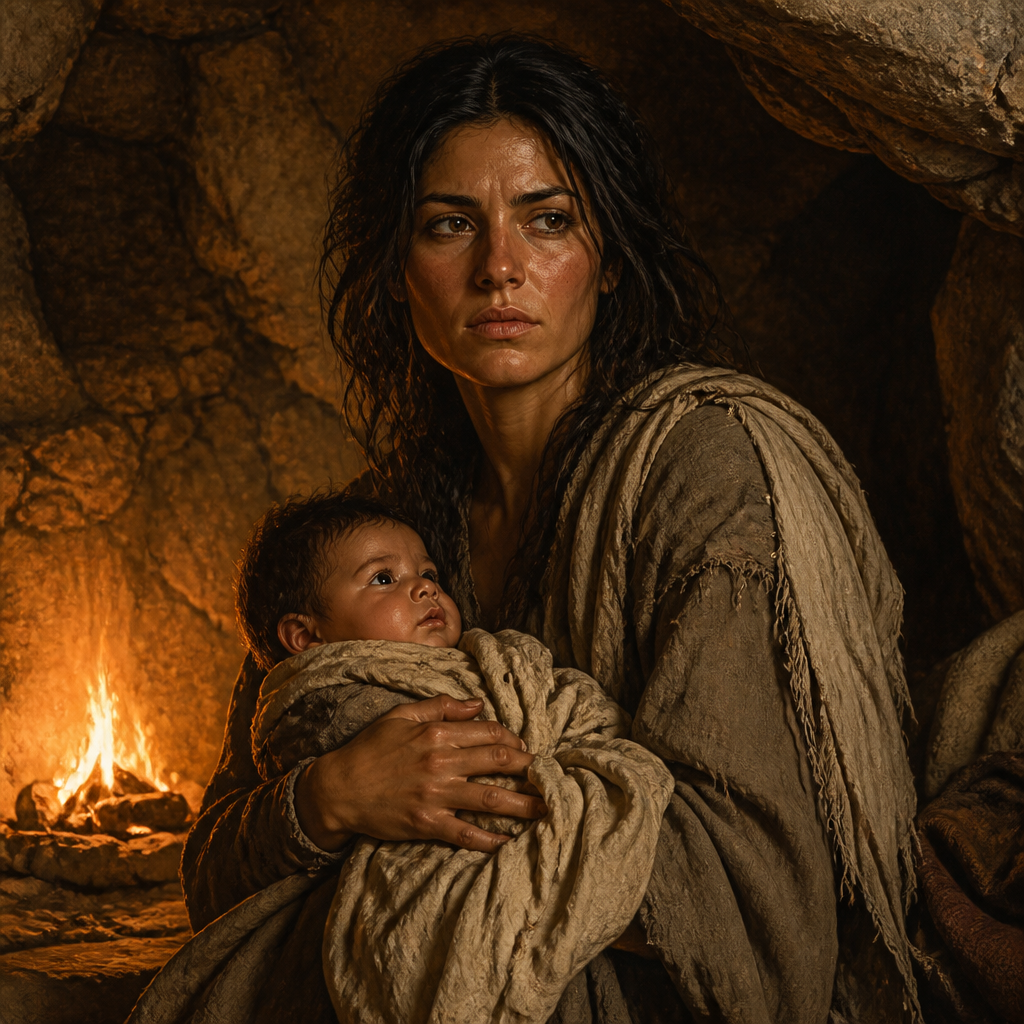
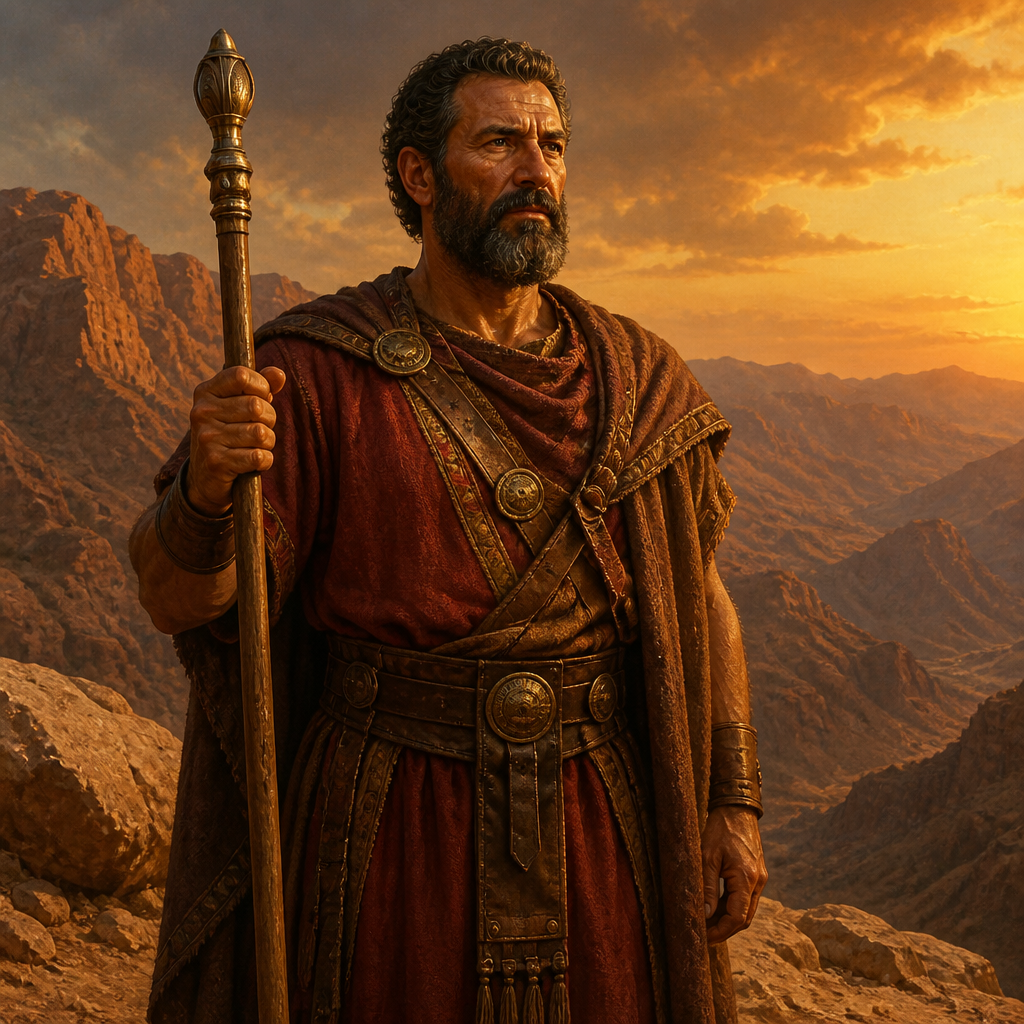
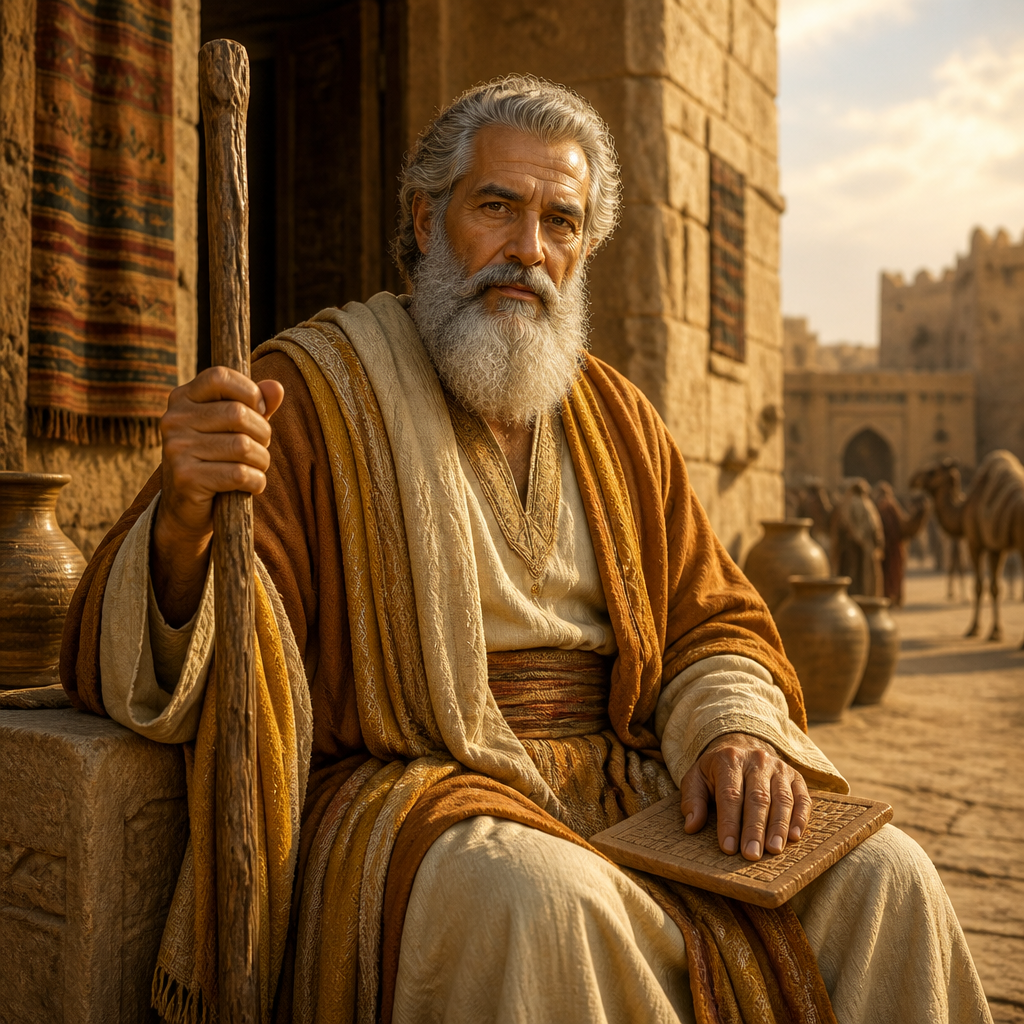
Nahor, Brother of Abraham
Brother of Abraham who stayed in Mesopotamia and fathered twelve sons
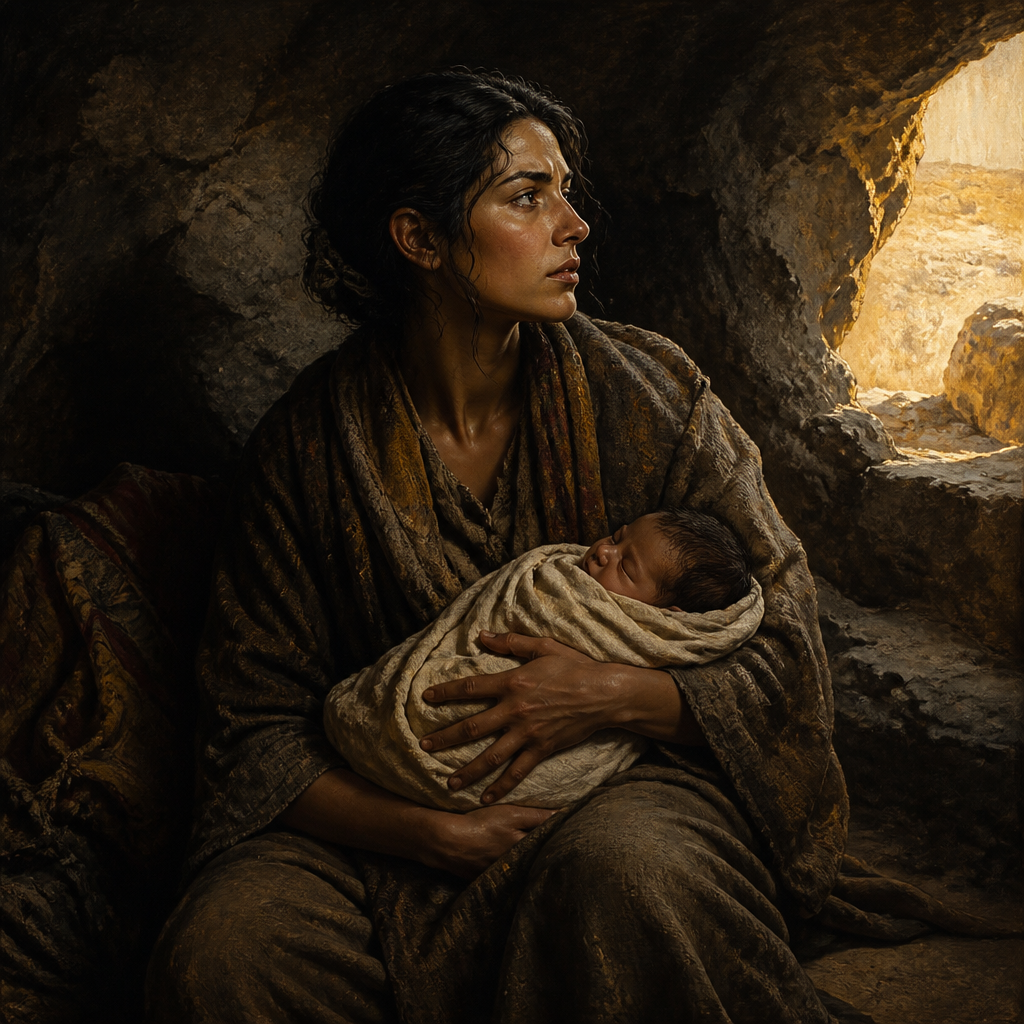
The Older Daughter of Lot
Bore a son, Moab, to her father Lot after the destruction of Sodom (Genesis 19:37)

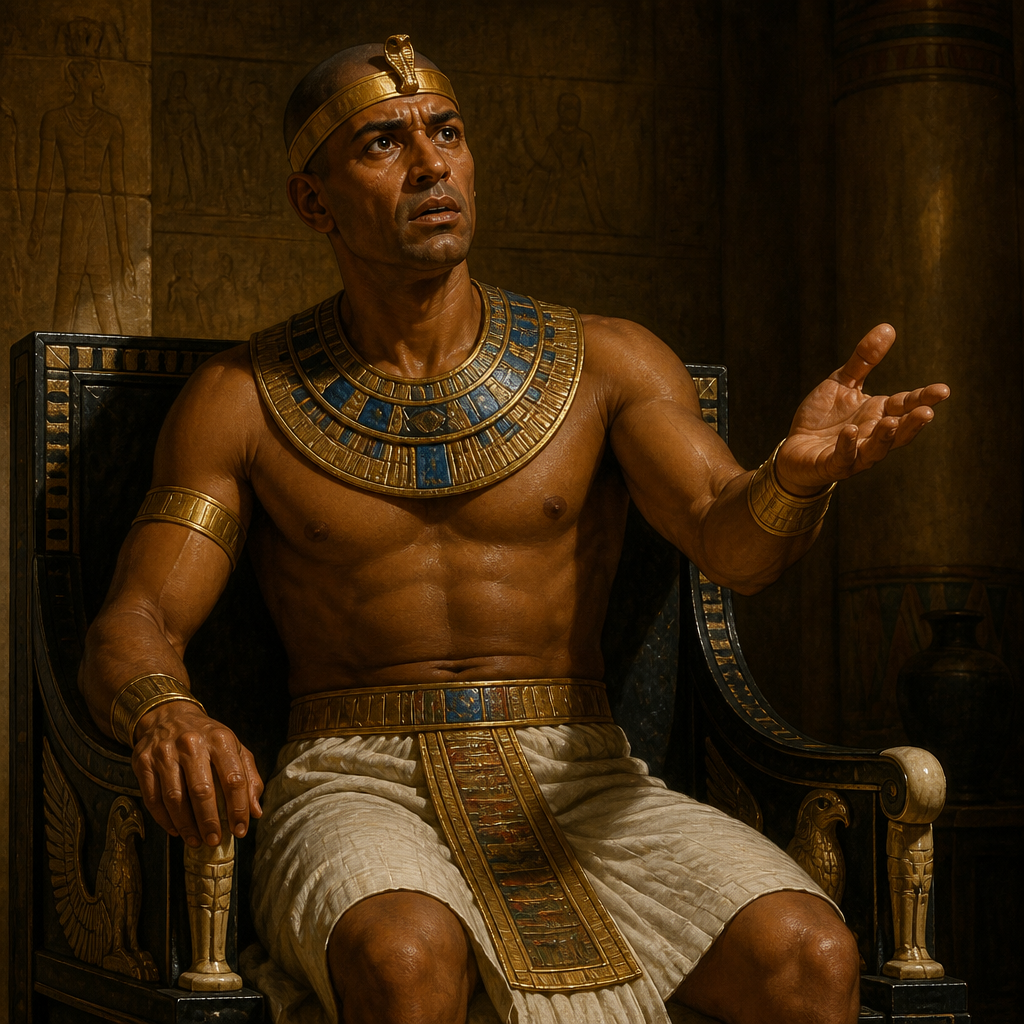
Pharaoh, Contemporary of Abram
Egyptian king who took Sarai into his palace and was subsequently afflicted by divine plagues
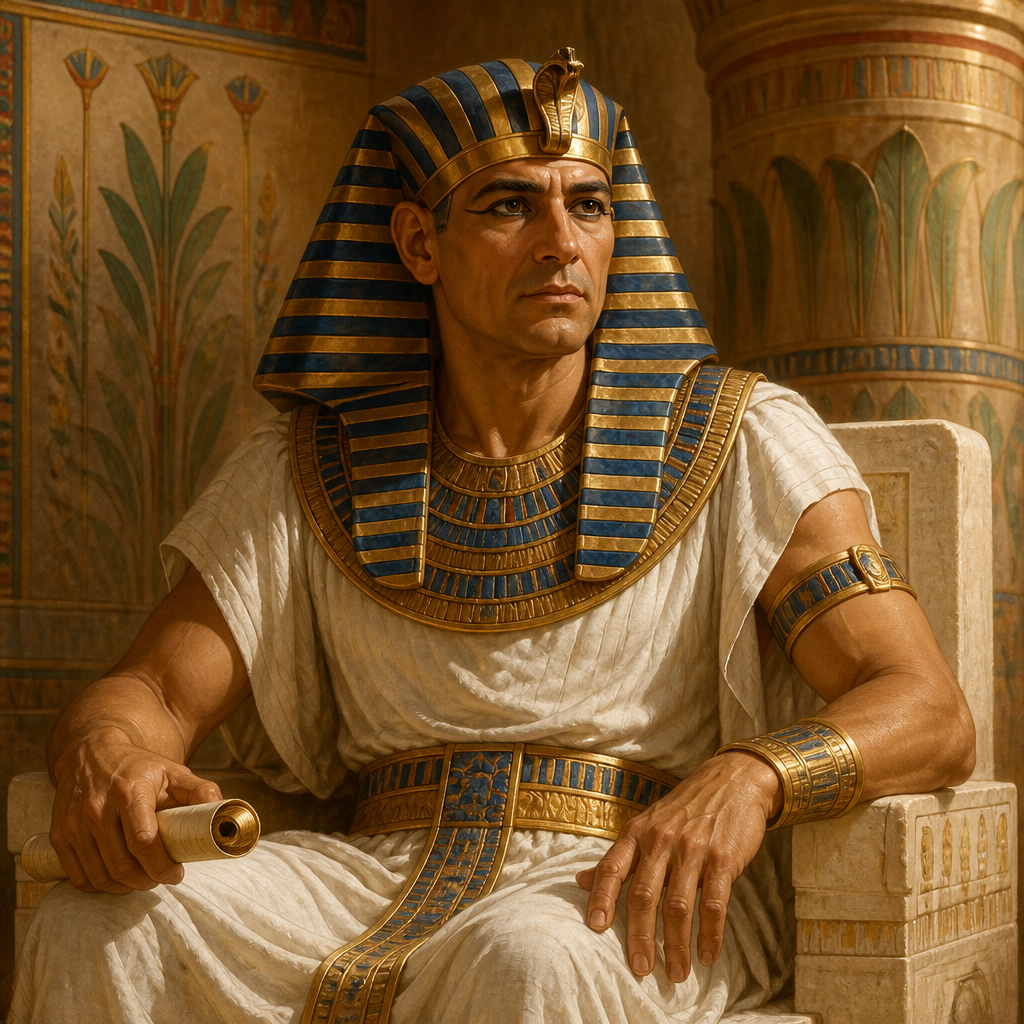
Pharaoh, Patron of Joseph
King of Egypt who promoted Joseph to vizier and invited Jacob's family to settle in Goshen
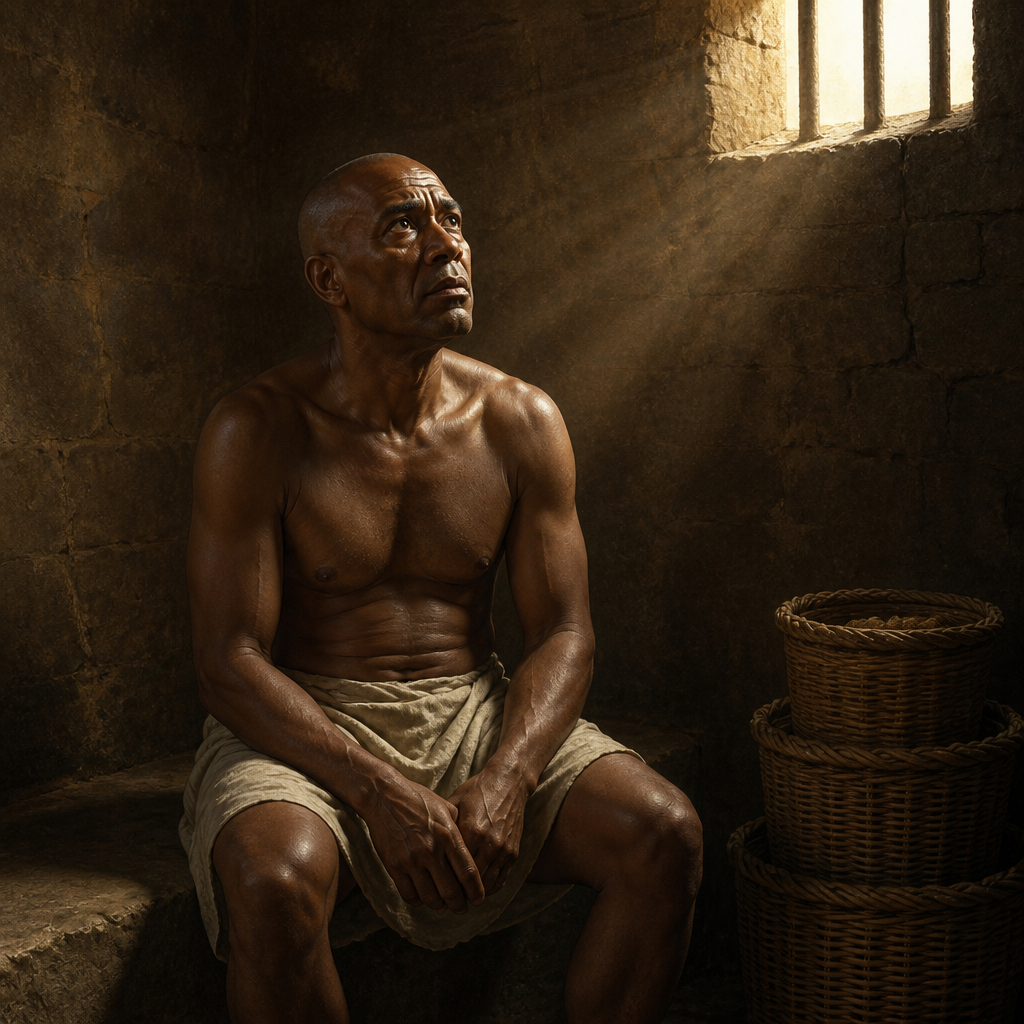
Pharaoh's Chief Baker
Official whose dream was interpreted by Joseph to mean he would be executed by Pharaoh
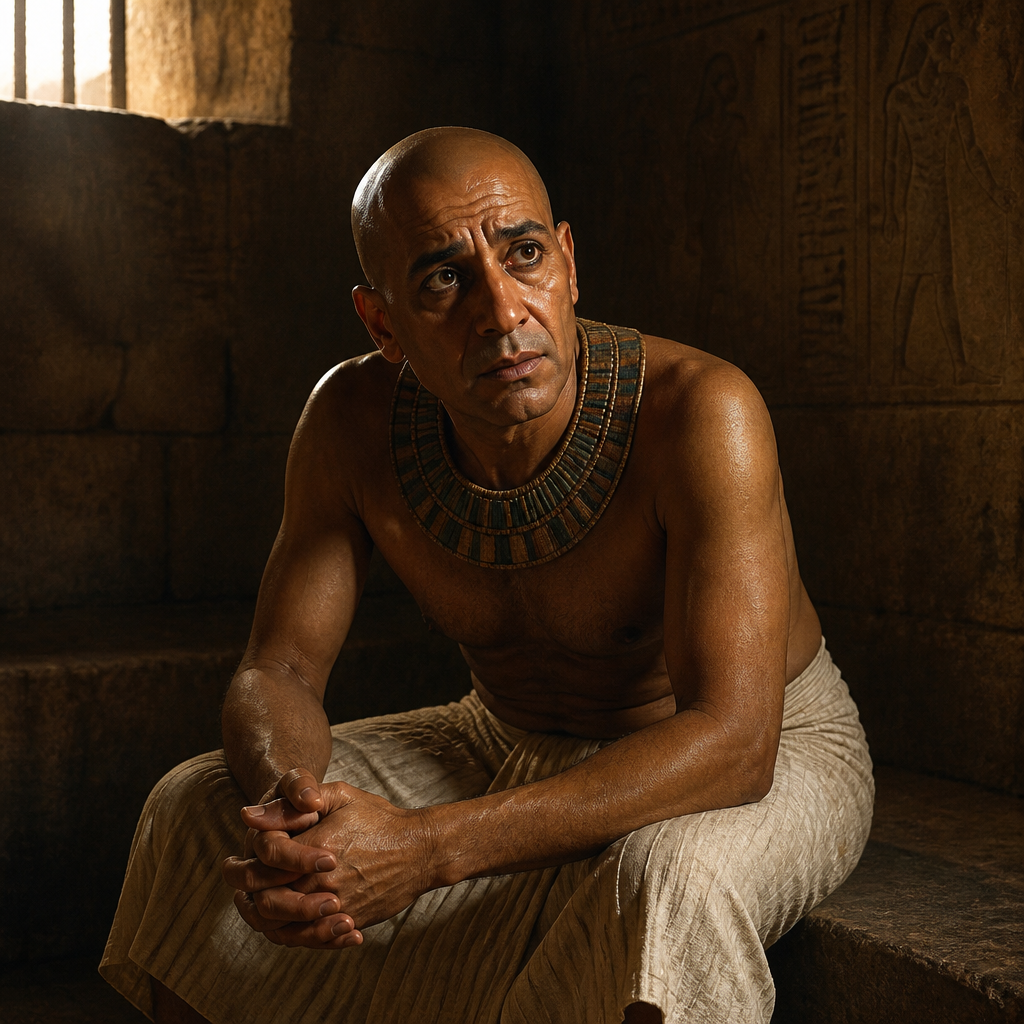
Pharaoh's Chief Cupbearer
Official whose dream Joseph interpreted in prison and who later recommended Joseph to Pharaoh
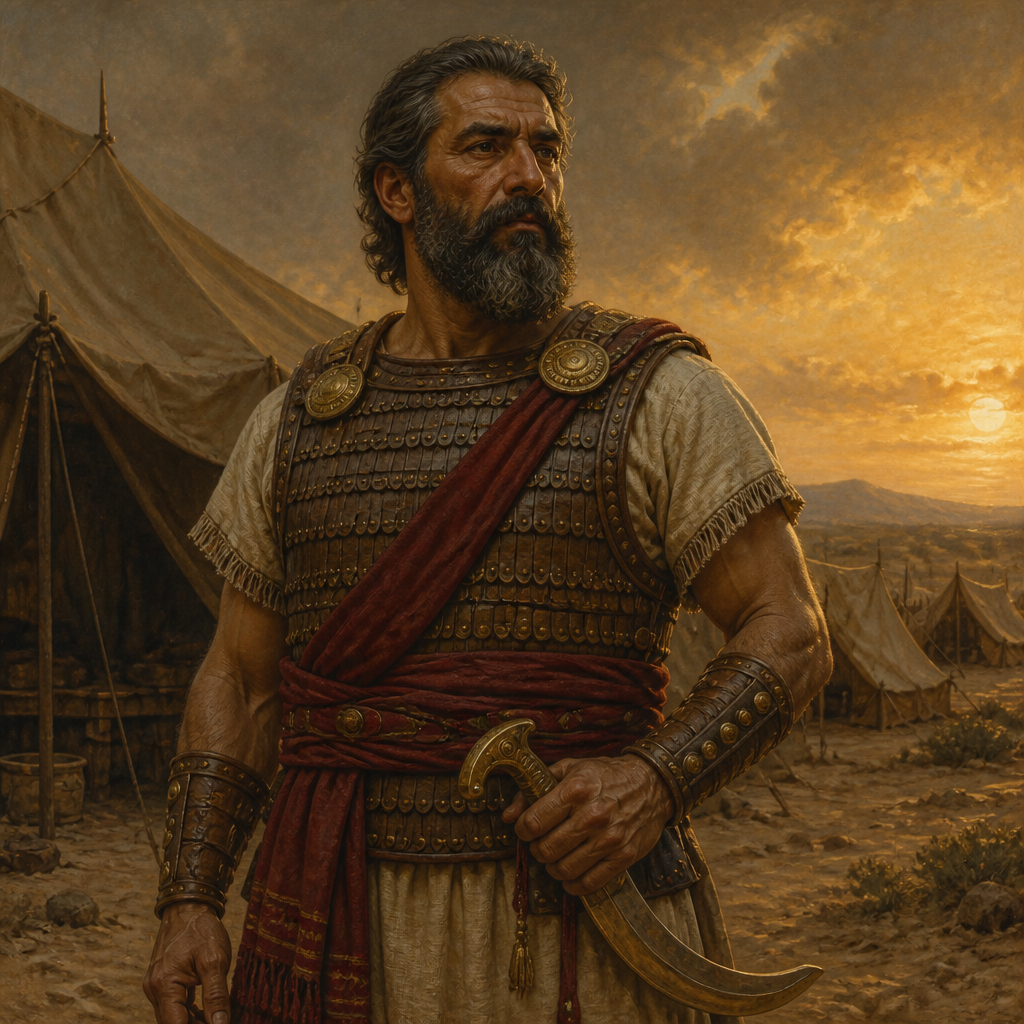
Phicol
Military commander of King Abimelech who witnessed the covenants with Abraham and Isaac

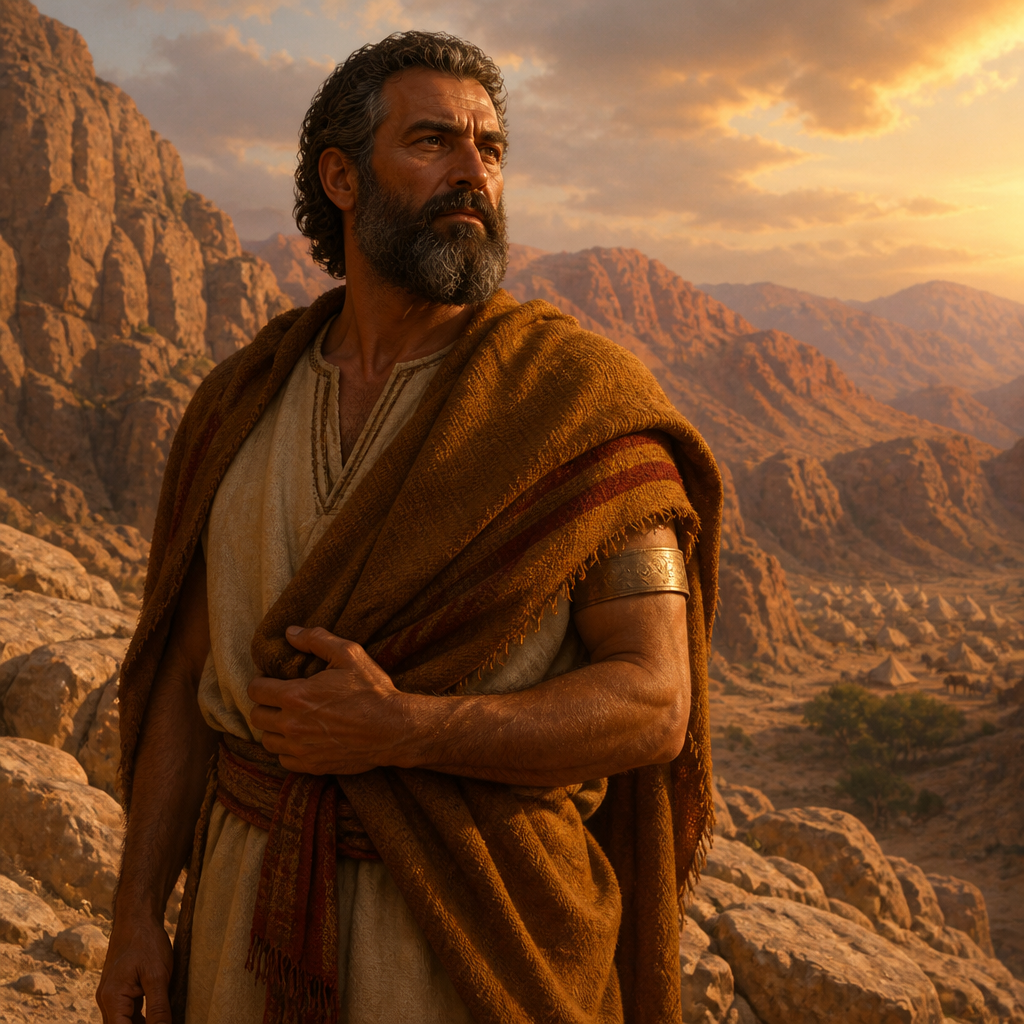
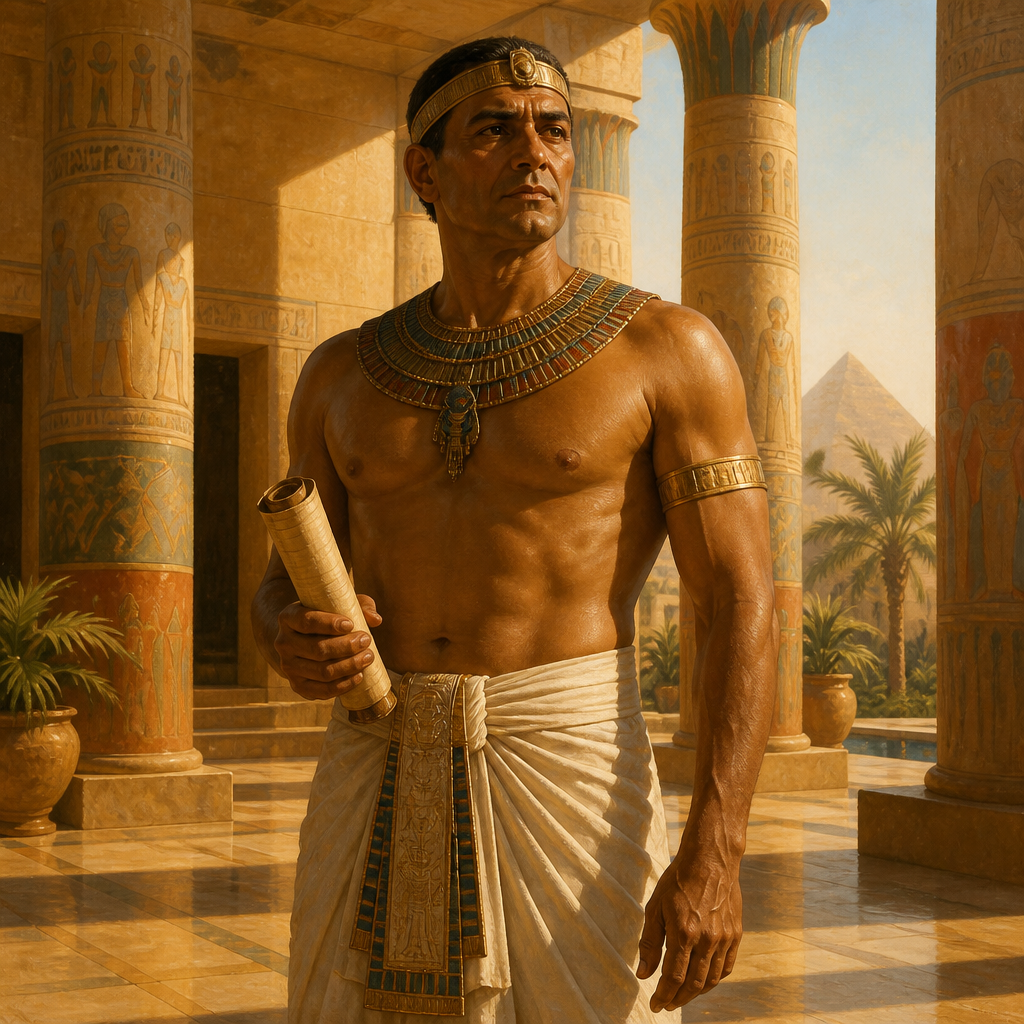
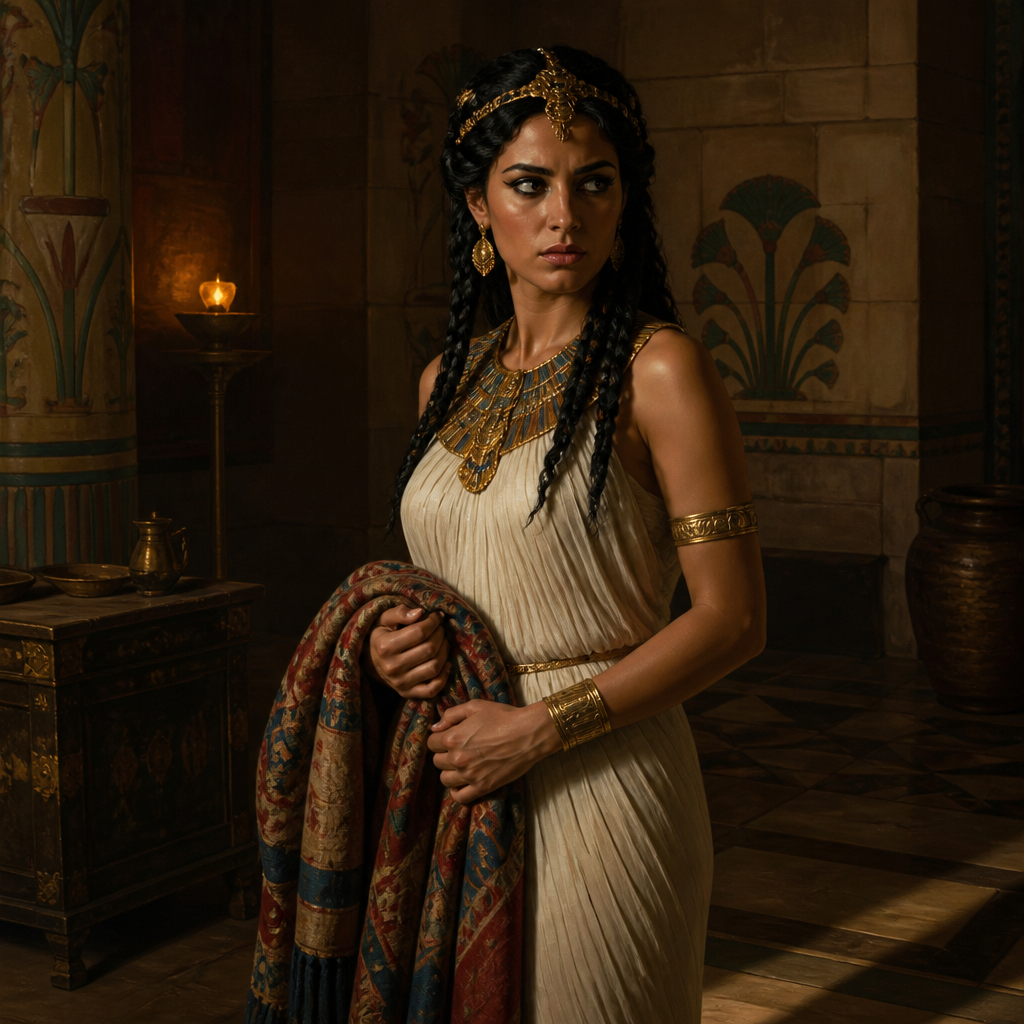
Potiphar's Wife
Egyptian noblewoman who falsely accused Joseph of attempted rape after he refused her advances
Rachel
Matriarch of Israel and the beloved wife of Jacob who died giving birth to Benjamin
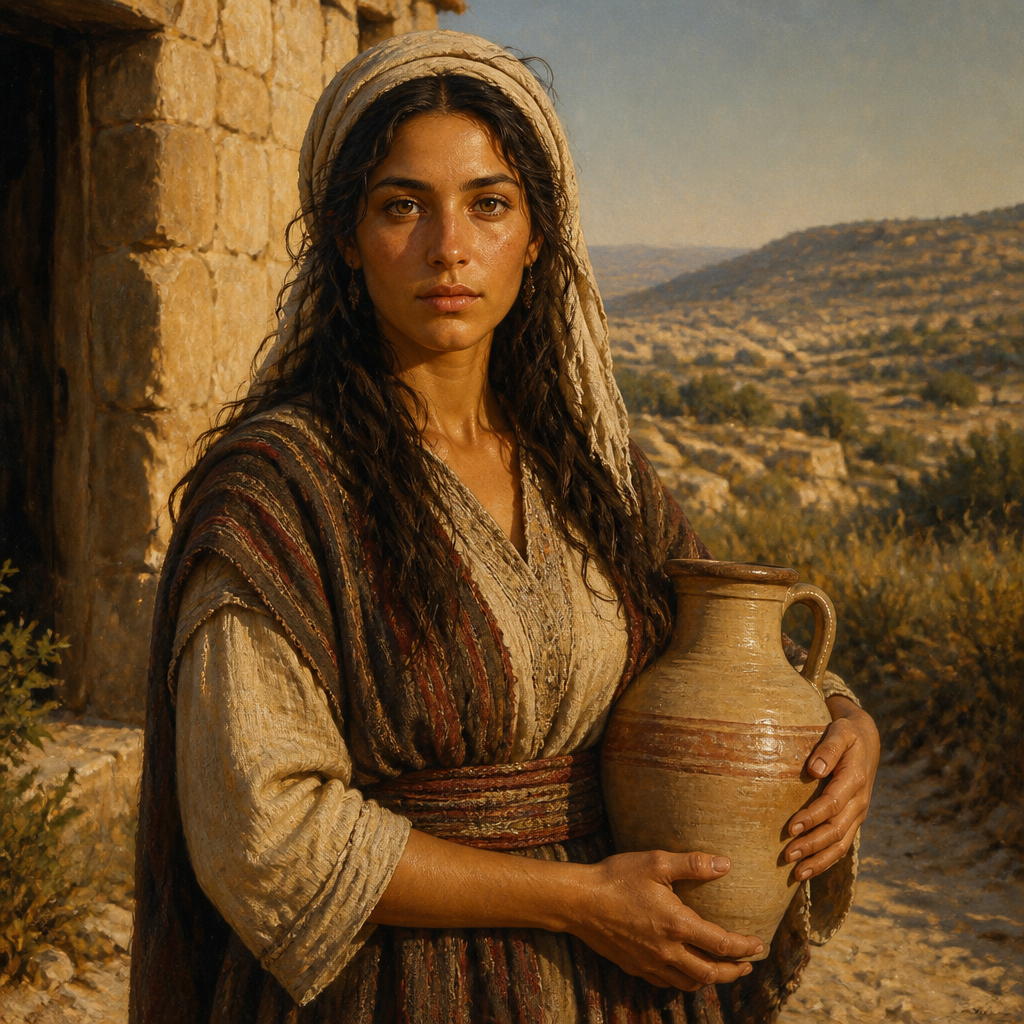
Rebekah
Matriarch of Israel and wife of Isaac who secured the patriarchal blessing for her son Jacob
Reuel, Son of Esau
Patriarch of Edom who fathered four tribal chiefs and was the son of Esau and Mahalath
Shammah, Grandson of Esau
Edomite chief and grandson of Esau who helped establish the tribes of Mount Seir

Shechem, Son of Hamor
Hivite prince whose violation of Dinah led to the massacre of his city by Simeon and Levi


Simeon, Son of Jacob
Patriarch of Israel known for his role in the massacre at Shechem and being held hostage by Joseph in Egypt

Tahash
Son of Nahor and Reumah who is listed in the genealogy of Abraham's extended family
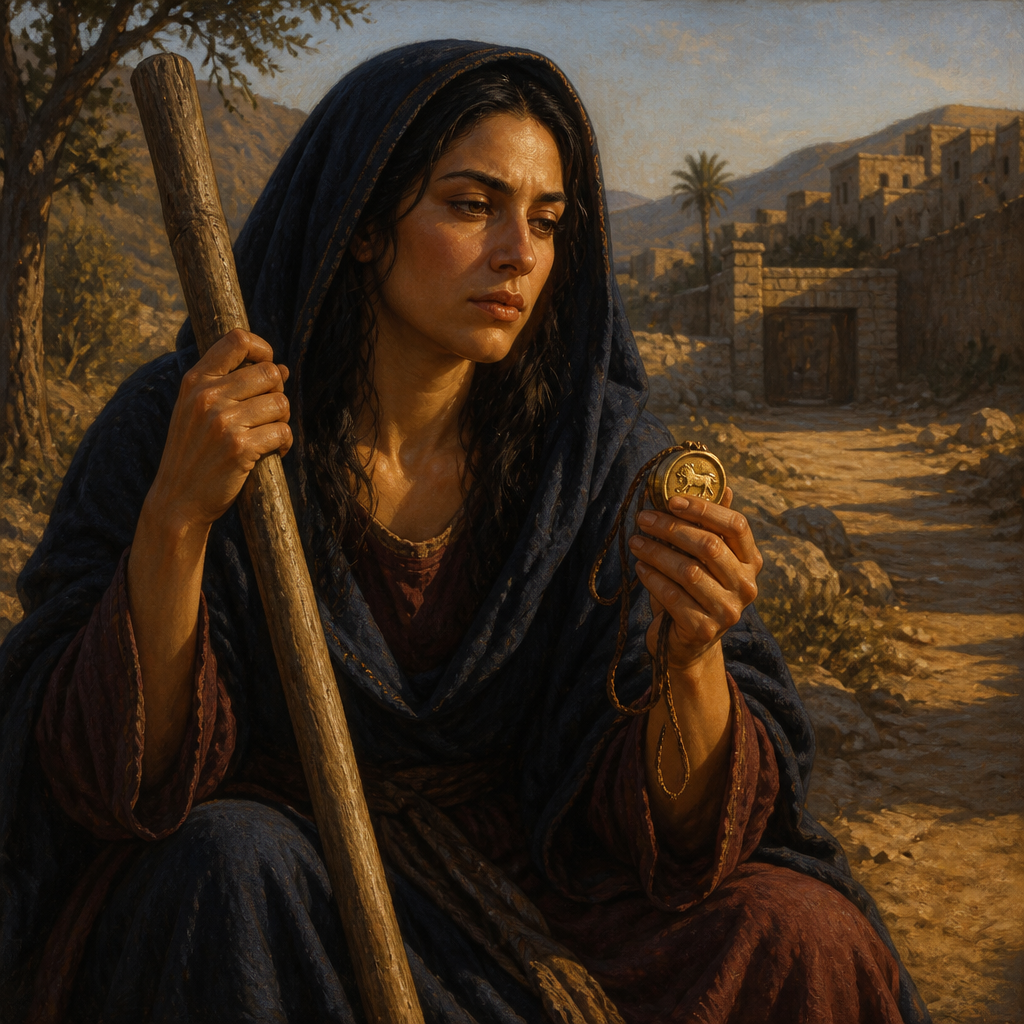
Tamar, Daughter-in-law of Judah
Matriarch who secured the continuation of Judah's lineage through her sons Perez and Zerah

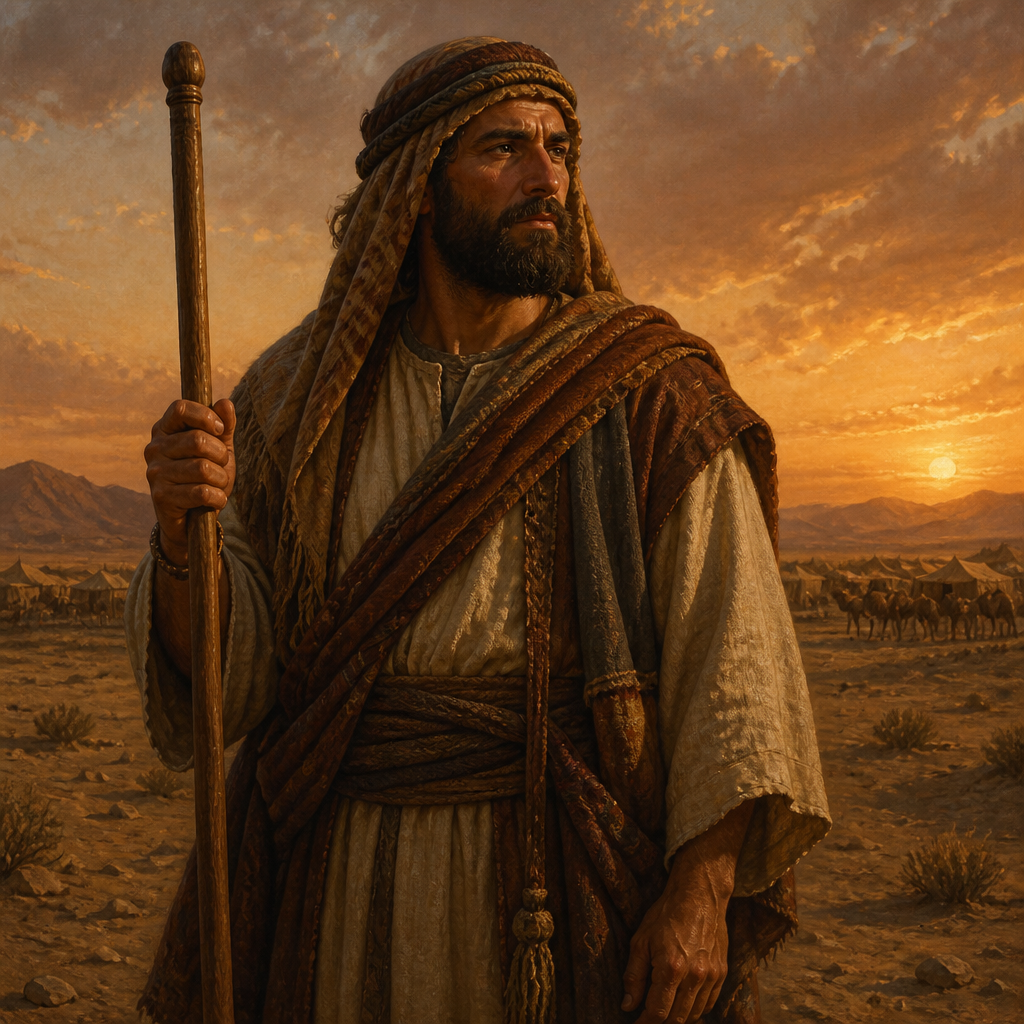
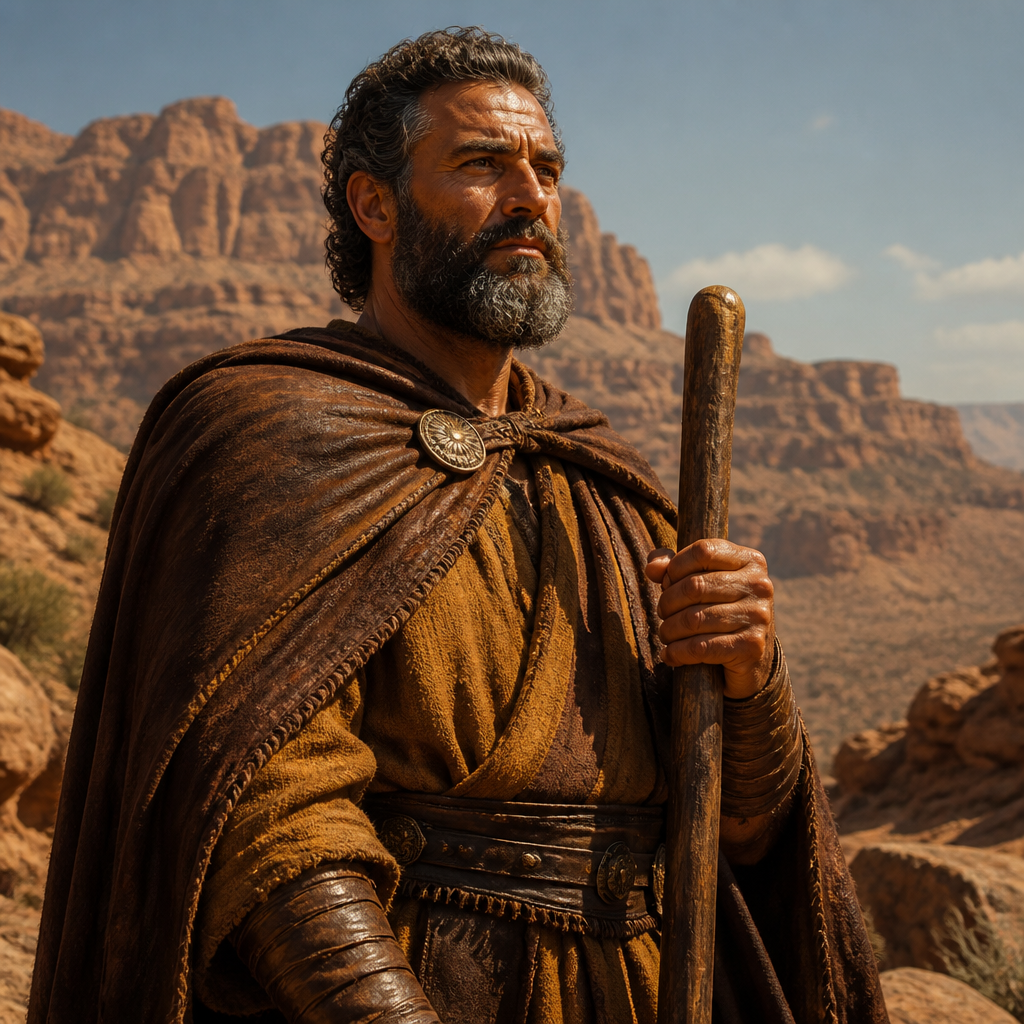
Teman
Grandson of Esau and chief of the Edomites whose name became synonymous with a region of wisdom
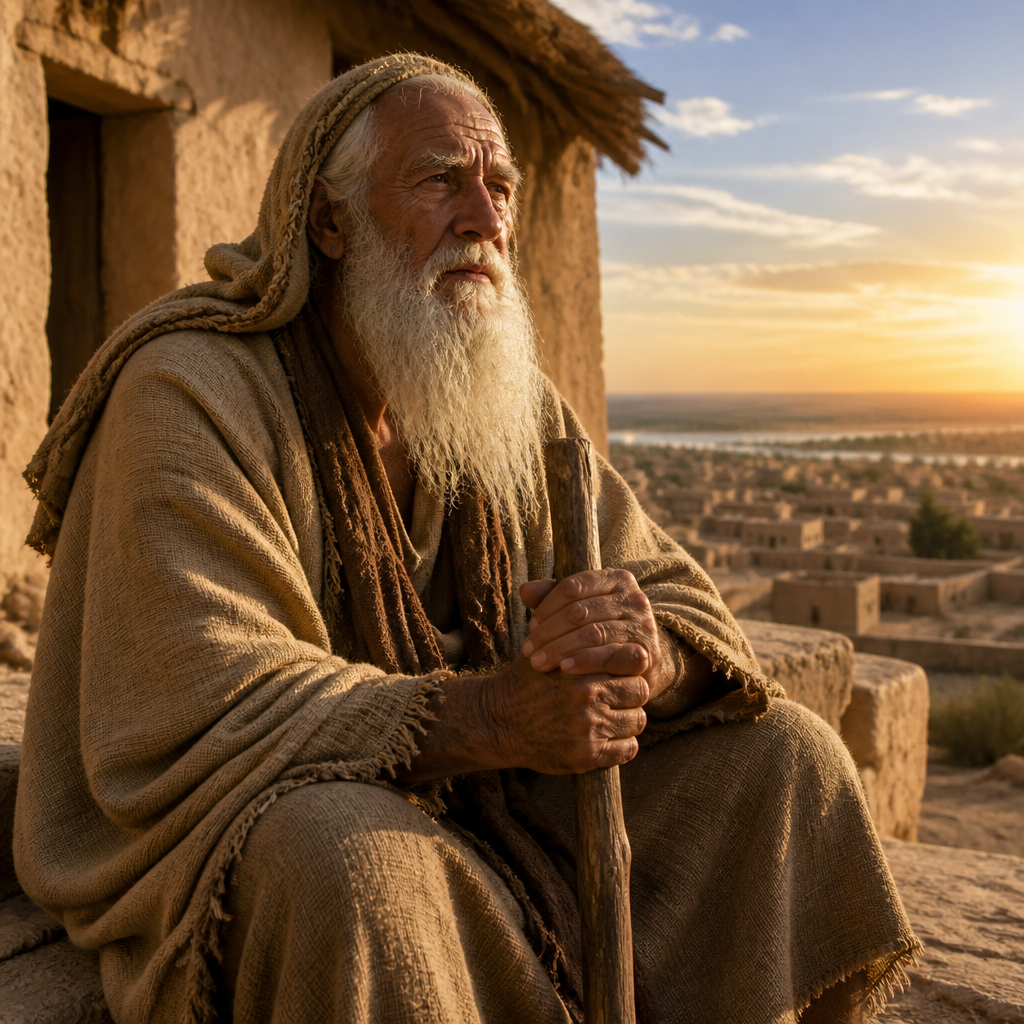

Uz, Son of Dishan
Horite patriarch and son of Dishan mentioned in the genealogies of Seir

The Younger Daughter of Lot
Bore a son, Ben-ammi, to her father Lot after the destruction of Sodom (Genesis 19:38)
Zaavan
Horite chief and son of Ezer mentioned in the genealogies of Genesis and 1 Chronicles
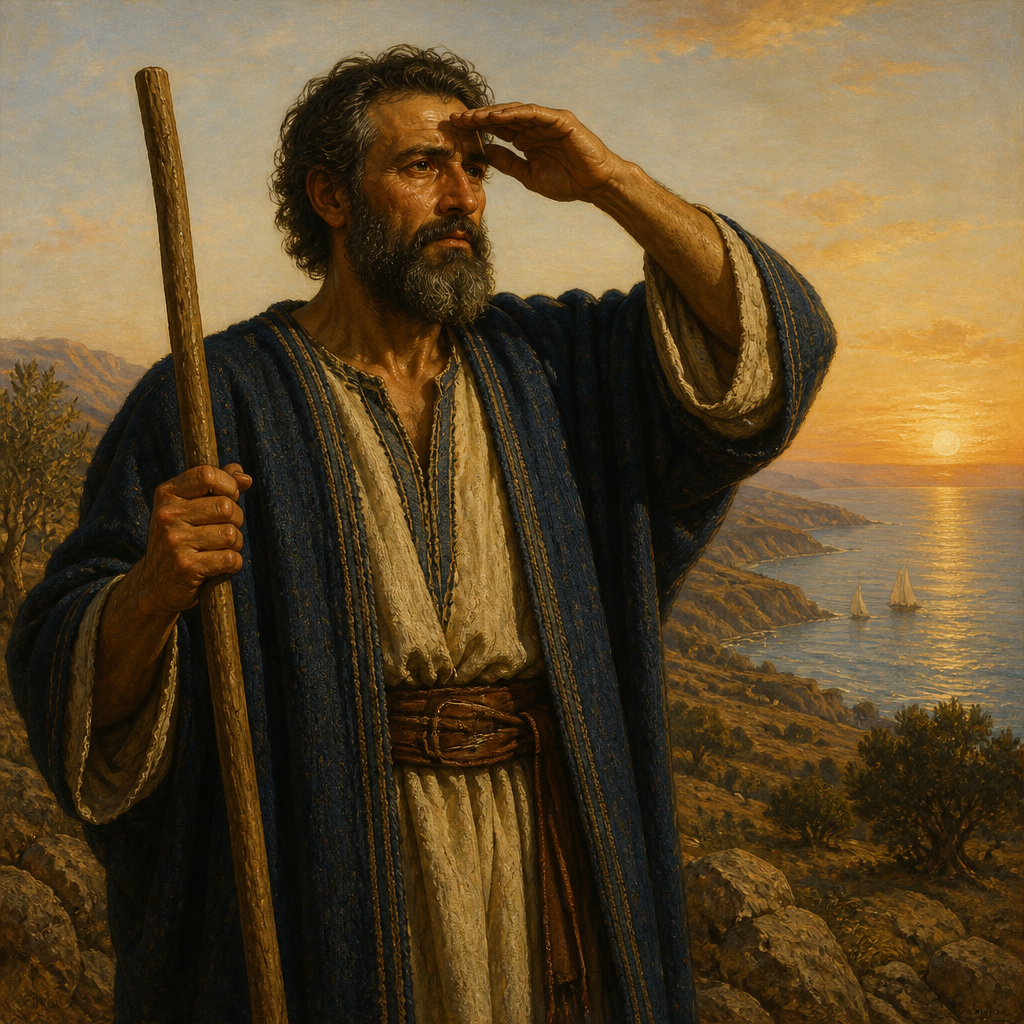
Zebulun
Tenth son of Jacob and founder of the tribe associated with maritime commerce and the region of Galilee
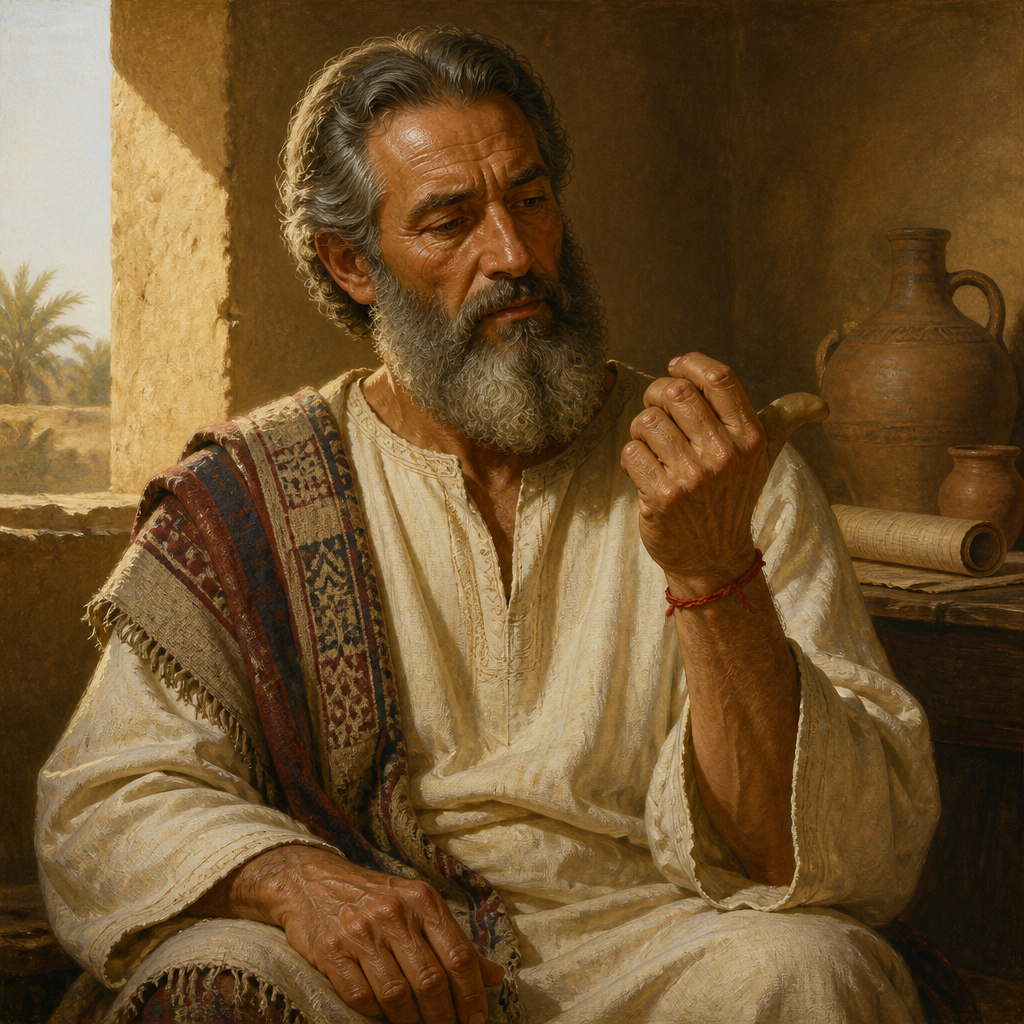
Zerah, Son of Tamar
Son of Judah marked by a scarlet thread at birth who founded the Zerahite clan
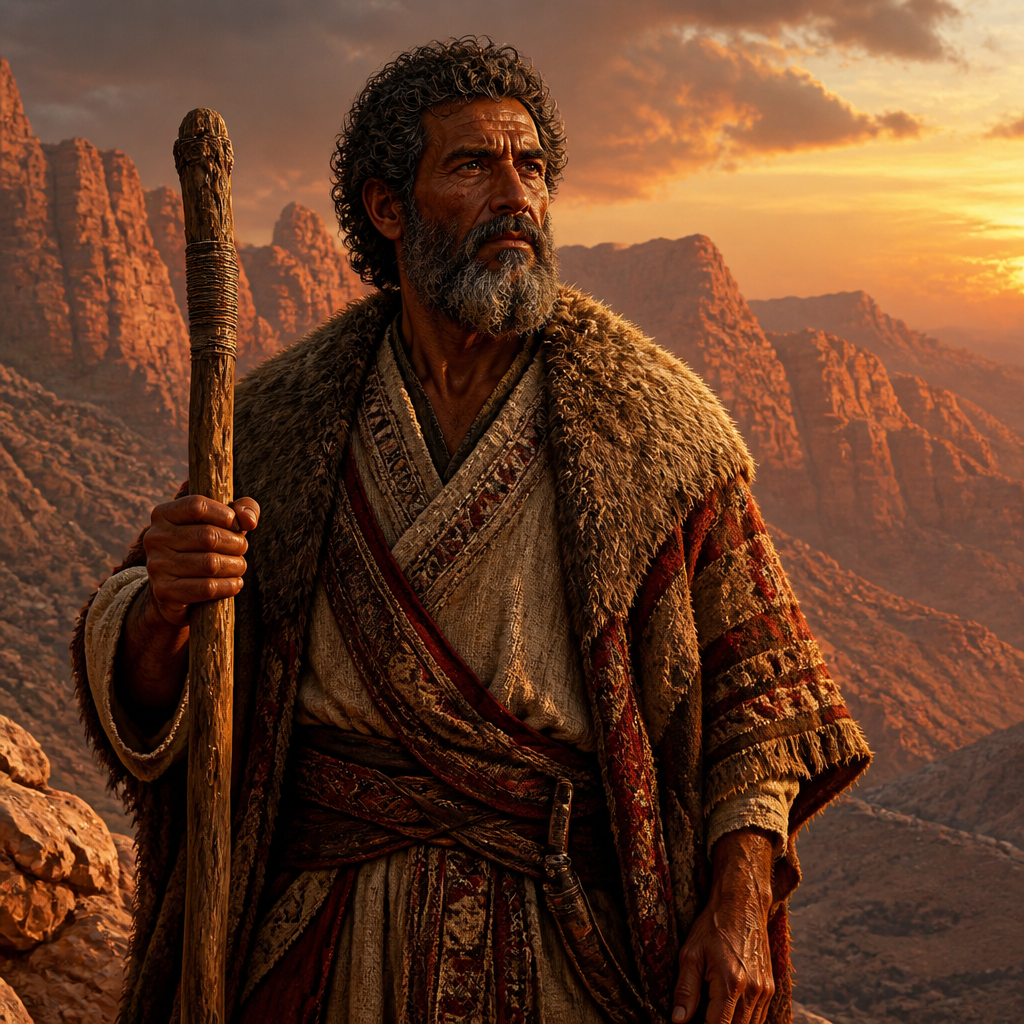


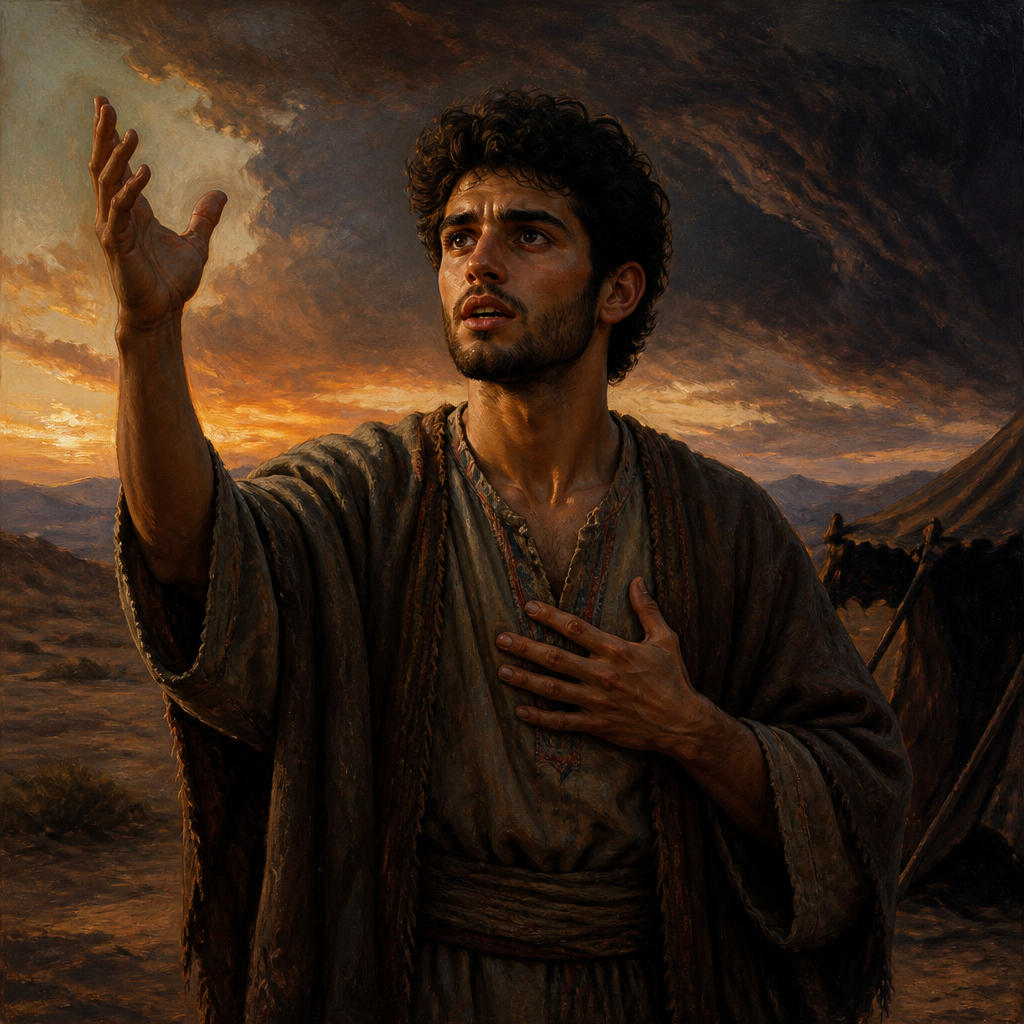
Elihu, Son of Barachel
Young man who defended God's justice in the Book of Job. Called a Buzite, a designation of family origin rather than a people group