Shobal, Son of Seir
Who was Shobal, Son of Seir, in the Bible?
A Horite patriarch and chief who descended from Seir and governed portions of the land of Edom before the rise of the Edomite kings.
This is one of 2 people named Shobal in the Bible. See all 2 →
Shobal was a prominent Horite leader and patriarch during the early settlement of the region later known as Edom. As one of the sons of Seir the Horite, he occupied a position of significant tribal authority, holding the title of 'chief' (Hebrew: 'alluph').
While his historical footprint is primarily genealogical, Shobal represents the pre-Edomite inhabitants of the Transjordan region. The biblical record identifies him not as an ethnic descendant of Abraham or Isaac, but as part of the indigenous Horite population that lived in the land prior to its conquest and assimilation by the descendants of Esau. His inclusion in the record serves to delineate the complex ethnic and political landscape of the ancient Near East during the Patriarchal Period.
Background and Family
Shobal is introduced in the biblical record as one of the seven sons of Seir the Horite (Genesis 36:20). His family context is defined by the geographical and tribal landscape of Mount Seir, a mountainous region located south of the Dead Sea. His brothers—Lotan, Zibeon, Anah, Dishon, Ezer, and Dishan—were all recognized as chiefs of the Horites. He also had a sister named Timna, who eventually became a concubine to Eliphaz, the son of Esau.
The biblical text identifies Shobal as a father of five sons: Alvan, Manahath, Ebal, Shepho, and Onam (Genesis 36:23; 1 Chronicles 1:40). Through these offspring, Shobal's influence extended across multiple family lines, contributing to the broader demographic structure of the Horite people. The preservation of these specific names suggests that the clans descending from Shobal maintained a distinct identity within the region for several generations.
Major Life Events
The scriptural accounts do not provide a narrative biography of Shobal, focusing instead on his status and his descendants. He is specifically designated as a "chief" (alluph), a term used to describe the heads of clans or tribes in the Edomite and Horite systems of governance. This indicates that Shobal was a man of political and military standing, responsible for the welfare and administration of his specific tribal allotment within the land of Seir.
His era is characterized as the period before the sons of Esau fully dominated the region. During Shobal’s lifetime, the Horites were the sovereign inhabitants of the land. The transition of this territory from the Horites to the Edomites is a significant backdrop to Shobal's life, though the specific details of his individual interactions with the burgeoning house of Esau are not recorded.
Relationship to Other Biblical Figures
Shobal’s primary relationship is to his father, Seir, after whom the entire mountain range was named. This connection places Shobal at the very root of the region's history. Furthermore, Shobal’s family was eventually intertwined with the family of Esau (Edom). The biblical genealogy in Genesis 36 highlights the intersection of Shobal's Horite lineage with the Abrahamic line through the marriage and concubinage arrangements that occurred as the Edomites settled among the Horites.
Spiritual Significance
In the context of biblical history, Shobal represents the "nations" that existed alongside the chosen lineage of Israel. His presence in the genealogies of 1 Chronicles 1 serves a structural and theological purpose: it acknowledges the historical reality of the peoples who preceded Israel and their neighbors. By recording Shobal's lineage, the Bible provides a complete account of the human family and the specific providential history of the land that God promised to Isaac’s descendants. Shobal serves as a reminder of the historical depth of the land of Seir and the administrative systems (the chieftainships) that existed before the rise of kings in the ancient world.
Shobal is biblically significant as a representative of the Horite 'chiefs' who governed the land of Seir before the Edomite conquest. His detailed genealogy in Genesis 36 and 1 Chronicles 1 highlights the importance the biblical authors placed on documenting the origins of the neighboring tribes surrounding Israel, providing a historical context for the geopolitical landscape of the Patriarchal Period.
The inclusion of Shobal's sons—Alvan, Manahath, Ebal, Shepho, and Onam—underscores the transition from individual patriarchs to established clans. His existence validates the antiquity of the Horite presence in Mount Seir, grounding the subsequent narratives of Esau's descendants in a real-world setting with established indigenous populations.
Frequently Asked Questions
Who was Shobal's father?
Shobal was the son of Seir the Horite, the eponymous ancestor of the people living in the land of Seir.
What tribe did Shobal belong to?
Shobal belonged to the Horites, an ethnic group that inhabited the region of Mount Seir before the descendants of Esau (the Edomites) took possession of it.
How many sons did Shobal have?
According to Genesis 36:23 and 1 Chronicles 1:40, Shobal had five sons: Alvan, Manahath, Ebal, Shepho, and Onam.
What does the title 'chief' mean in relation to Shobal?
The title 'chief' (Hebrew: alluph) refers to a clan leader or tribal head. It indicates that Shobal held a position of recognized authority over a specific division of the Horite people.
In which books of the Bible is Shobal mentioned?
Shobal is mentioned in the books of Genesis (chapter 36) and 1 Chronicles (chapter 1).
Family & Relationships
Parents
 SeirFatherGenesis 36:20Stated
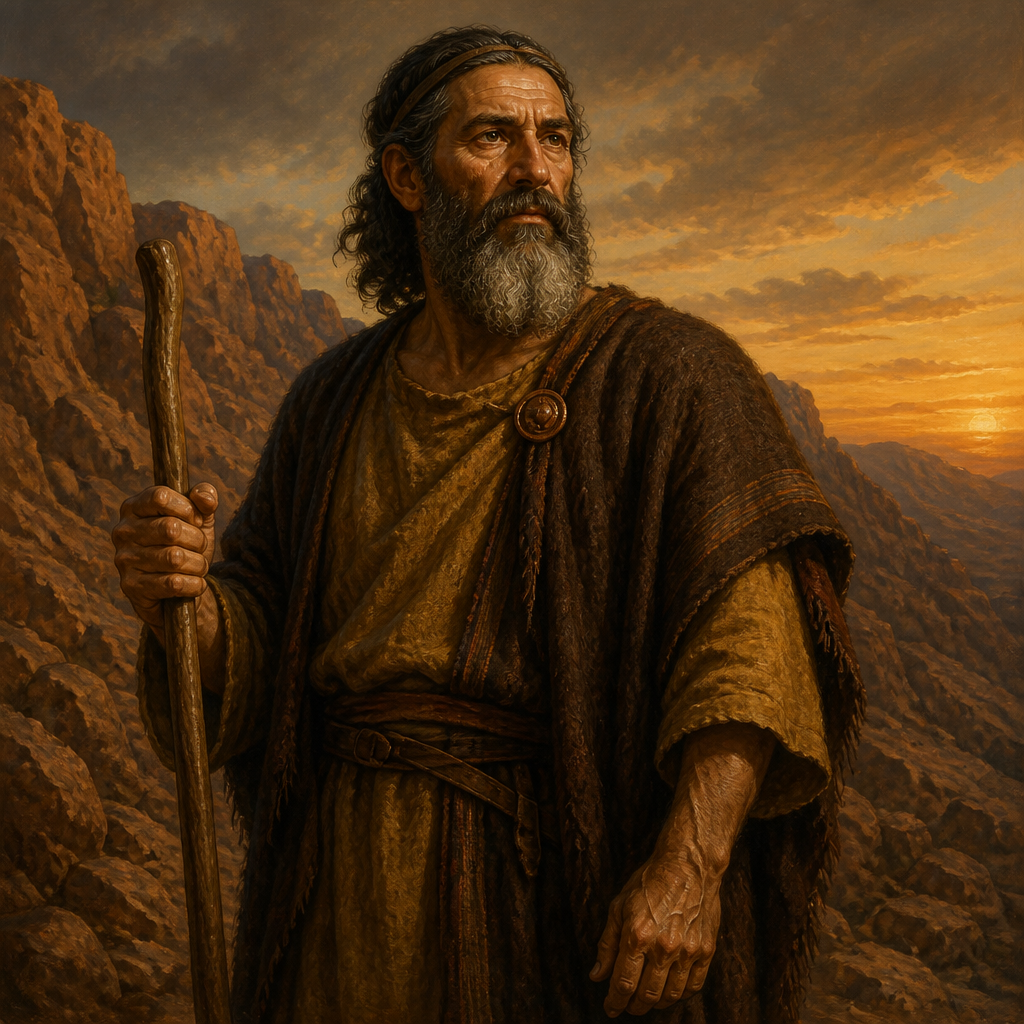 Shobal, Son of SeirThis page
 DishanBrotherGenesis 36:20–21Stated
 Dishon, Son of SeirBrotherGenesis 36:20–21Stated
 Ezer, Chief of the HoritesBrotherGenesis 36:20–21Stated
 LotanBrotherGenesis 36:20Stated
 TimnaSisterGenesis 36:20
Inferred
Reconstructed through Lotan: Genesis 36:22 ties Timna to Lotan; Genesis 36:20 ties Lotan to Shobal. No verse states the brother link between Timna and Shobal directly.Evidence: Genesis 36:20; 1 Chronicles 1:36
 ZibeonBrotherGenesis 36:20Stated
Children
 AlvanSonGenesis 36:23Stated
 EbalSonGenesis 36:23Stated
 ManahathSonGenesis 36:23Stated
 Onam, son of ShobalSonGenesis 36:23Stated
 ShephoSonGenesis 36:23Stated
Connected Figures
Family
Father · Genesis 36:20
Seir was a Horite patriarch whose descendants inhabited the mountainous region of Edom before the arrival of the Israelites and Edomites.
PatriarchsFirst: Genesis 36:2013 versesPatriarch and Chief of the Horites
Son · Genesis 36:23
Alvan was a Horite patriarch and the firstborn son of Shobal, descending from the line of Seir the Horite in the land of Edom.
PatriarchsFirst: Genesis 36:235 versesPatriarchal tribal leader
Son · Genesis 36:23
Ebal was a son of Shobal and a descendant of Seir the Horite, listed within the genealogical records of Edom.
Son · Genesis 36:23
Manahath was a Horite patriarch and the son of Shobal, mentioned in the genealogies of Edom during the Patriarchal Period.
Son · Genesis 36:23
Onam was a descendant of Seir the Horite and a son of Shobal, recognized as a tribal figure within the territory of Edom during the Patriarchal Period.
Son · Genesis 36:23
Shepho was a son of Shobal and a descendant of Seir the Horite, listed among the patriarchal clans of Edom in the genealogies of Genesis and Chronicles.
Brother · Genesis 36:20–21
A Horite chief and patriarch in the land of Edom, the youngest son of Seir and father of Uz and Aran.
PatriarchsFirst: Genesis 36:218 versesChief of the Horites
Brother · Genesis 36:20–21
A Horite clan leader and son of Seir the Horite, Dishon served as a chief in the land of Edom during the Patriarchal Period.
PatriarchsFirst: Genesis 36:218 versesChief of the Horites
Brother · Genesis 36:20–21
Ezer was a Horite chief and son of Seir, recognized as a patriarch and ancestral leader within the land of Edom.
PatriarchsFirst: Genesis 36:217 versesChief of the Horites
Brother · Genesis 36:20
Lotan was the firstborn son of Seir the Horite and a prominent tribal chief in the land of Edom during the Patriarchs.
Sister · Genesis 36:20
An Edomite woman of noble Horite descent who became the mother of Amalek and is listed among the chiefs of Edom.
PatriarchsFirst: Genesis 36:1210 versesChief / Tribal Matriarch
Brother · Genesis 36:20
A Horite patriarch and son of Seir, whose lineage integrated into the Edomite nation through the marriage of his granddaughter Oholibamah to Esau.
PatriarchsFirst: Genesis 36:210 versesChief of the Horites
Categories
Mentions by Book
- Genesis5
- 1 Chronicles2
Scripture References
All 7 indexed verses, in canonical order, from the Berean Standard Bible.
Genesis · 5
- Genesis 36:20
These are the sons of Seir the Horite, who were living in the land: Lotan, Shobal, Zibeon, Anah,
- Genesis 36:21Partial
Dishon, Ezer, and Dishan. They are the chiefs of the Horites, the descendants of Seir in the land of Edom.
Cited as evidence on a family card; added so References, Key Verses and Mentions by Book share one index.
- Genesis 36:22Partial
The sons of Lotan were Hori and Hemam. Timna was Lotan’s sister.
Cited as evidence on a family card; added so References, Key Verses and Mentions by Book share one index.
- Genesis 36:23
These are the sons of Shobal: Alvan, Manahath, Ebal, Shepho, and Onam.
- Genesis 36:29
These are the chiefs of the Horites: Chiefs Lotan, Shobal, Zibeon, Anah,
1 Chronicles · 2
- 1 Chronicles 1:38
The sons of Seir: Lotan, Shobal, Zibeon, Anah, Dishon, Ezer, and Dishan.
- 1 Chronicles 1:40
The sons of Shobal: Alvan, Manahath, Ebal, Shepho, and Onam. The sons of Zibeon: Aiah and Anah.
Others Named Shobal
Compare all 2 bearers →Shobal, Son of Hur1 Chronicles 2:50
A prominent leader of the tribe of Judah and the son of Hur, known as the 'father' or founder of the settlement of Kiriath-jearim.