
People who first appear in the five books of Moses.
The Law is a collection of five books that chronicles the origins of the world and the formation of the nation of Israel. The narrative begins with the survival of Noah, who builds an ark to preserve life during a global flood (Genesis 5:29). The focus then shifts to a single family line starting with Abraham, whom God calls to leave his home to become the father of a new nation (Genesis 17:5). His wife Sarah conceives Isaac in her old age to continue this lineage (Genesis 17:15–19). The text follows the family through Isaac’s son Israel, who wrestles with God and fathers the twelve tribes (Genesis 32:28). Among these sons, Judah receives a blessing of future kingship (Genesis 29:35), while Joseph is sold into slavery but eventually rises to power in Egypt to save his family from famine (Genesis 30:24).
As the family grows into a nation within Egypt, the narrative introduces Moses, a prophet born during a period of oppression who is chosen to lead the people out of bondage (Exodus 2:10). He is opposed by the Pharaoh, who refuses to release the Israelites until a series of plagues devastates his land (Exodus 3:10). During the journey through the wilderness, the text establishes the religious and social structure of the community. Aaron is appointed as the first High Priest to oversee the Tabernacle (Exodus 4:14), supported by his son Eleazar, who eventually succeeds him in the priesthood (Exodus 6:23). The text also records internal conflicts, such as when Korah leads a rebellion against the authority of Moses and is swallowed by the earth (Exodus 6:21).
The final stages of the journey involve military encounters with regional powers. The Israelites defeat Sihon, King of the Amorites, after he refuses them passage through his territory (Numbers 21:21). Fearing the advancing multitude, Balak, King of Moab hires a diviner named Balaam to pronounce a curse on the people, though the text states that the diviner is compelled by God to offer blessings instead (Numbers 22:2–5). Before the nation enters the land promised to their ancestors, Moses appoints Joshua, to serve as his successor and lead the military conquest (Exodus 17:9). The Law concludes with the death of Moses leaving the people on the banks of the Jordan River. This sequence of figures establishes the legal, priestly, and territorial foundations that define the identity of the nation throughout the rest of the biblical record.
Everyone in this list
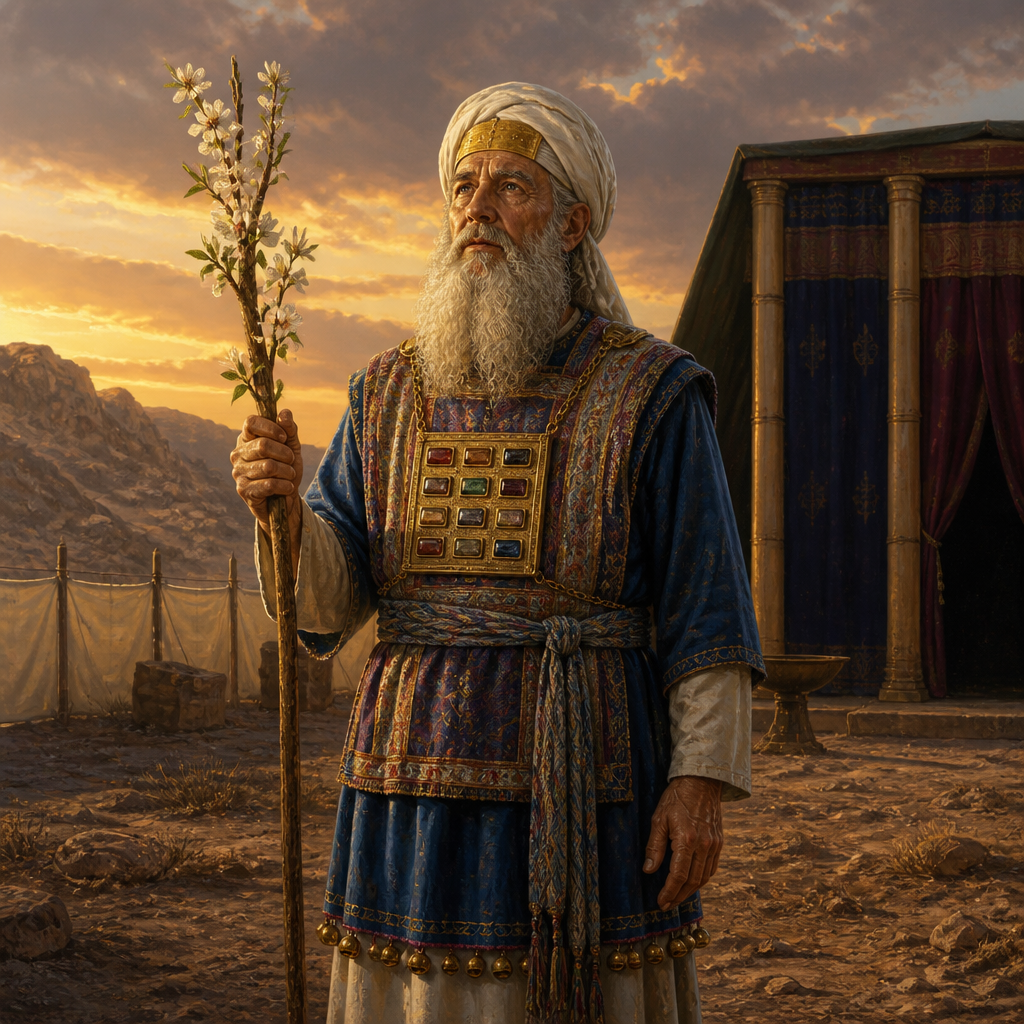
Aaron
First High Priest of Israel who served as the spokesman for Moses during the Exodus
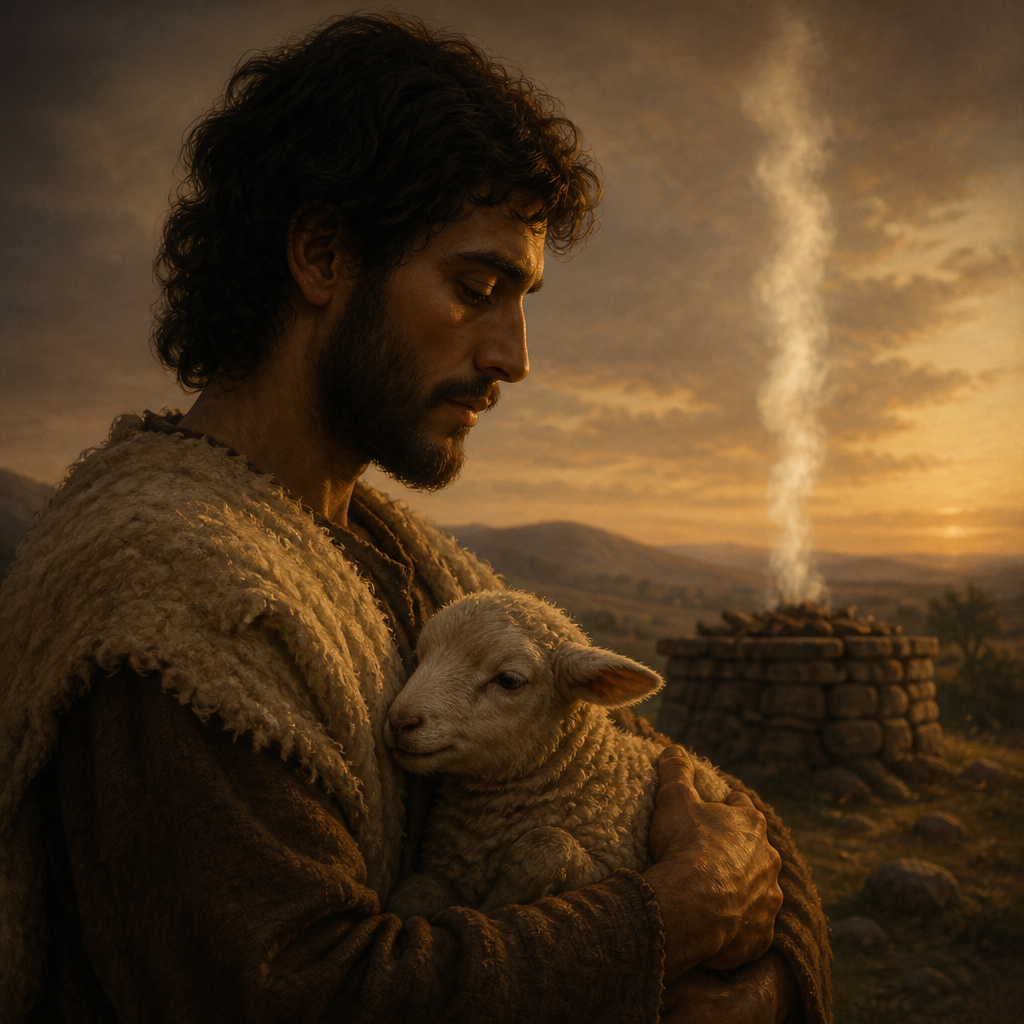
Abel
First martyr and offerer of a more excellent sacrifice than his brother Cain
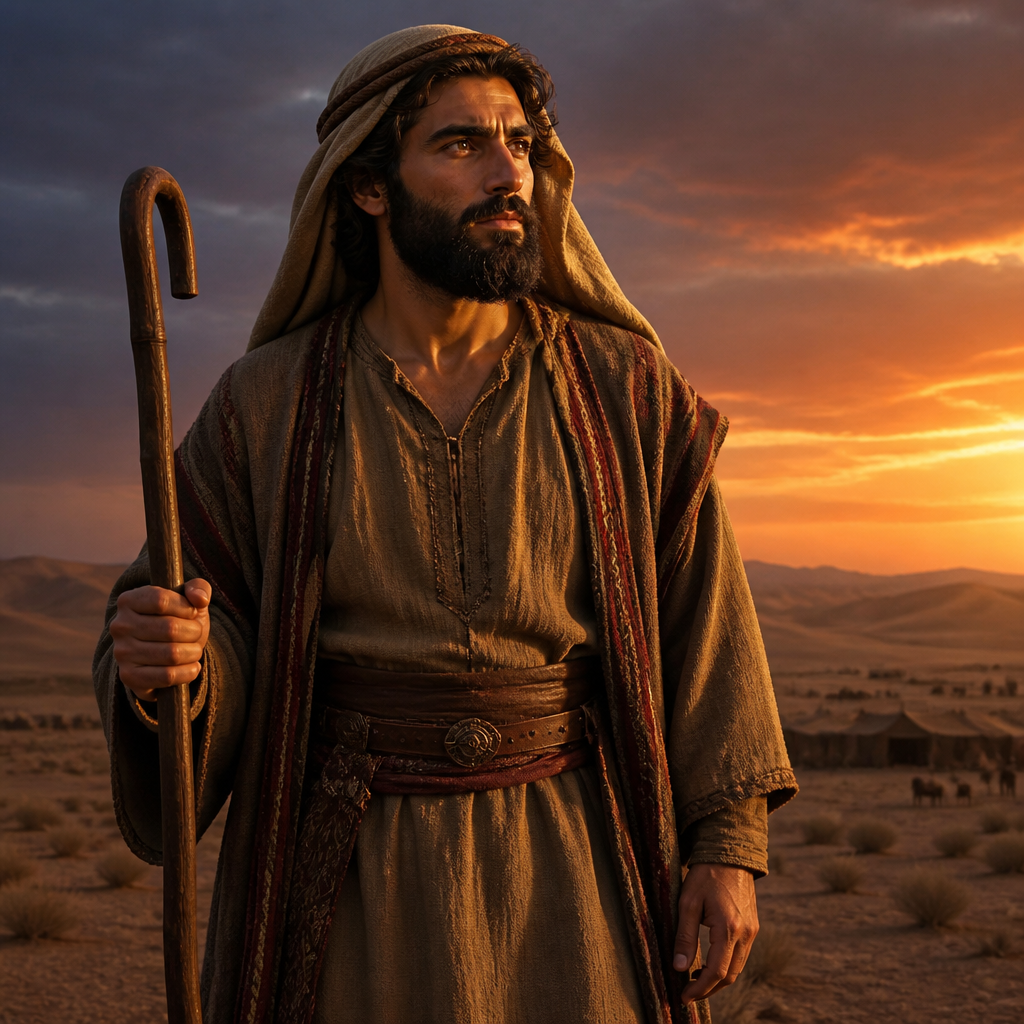
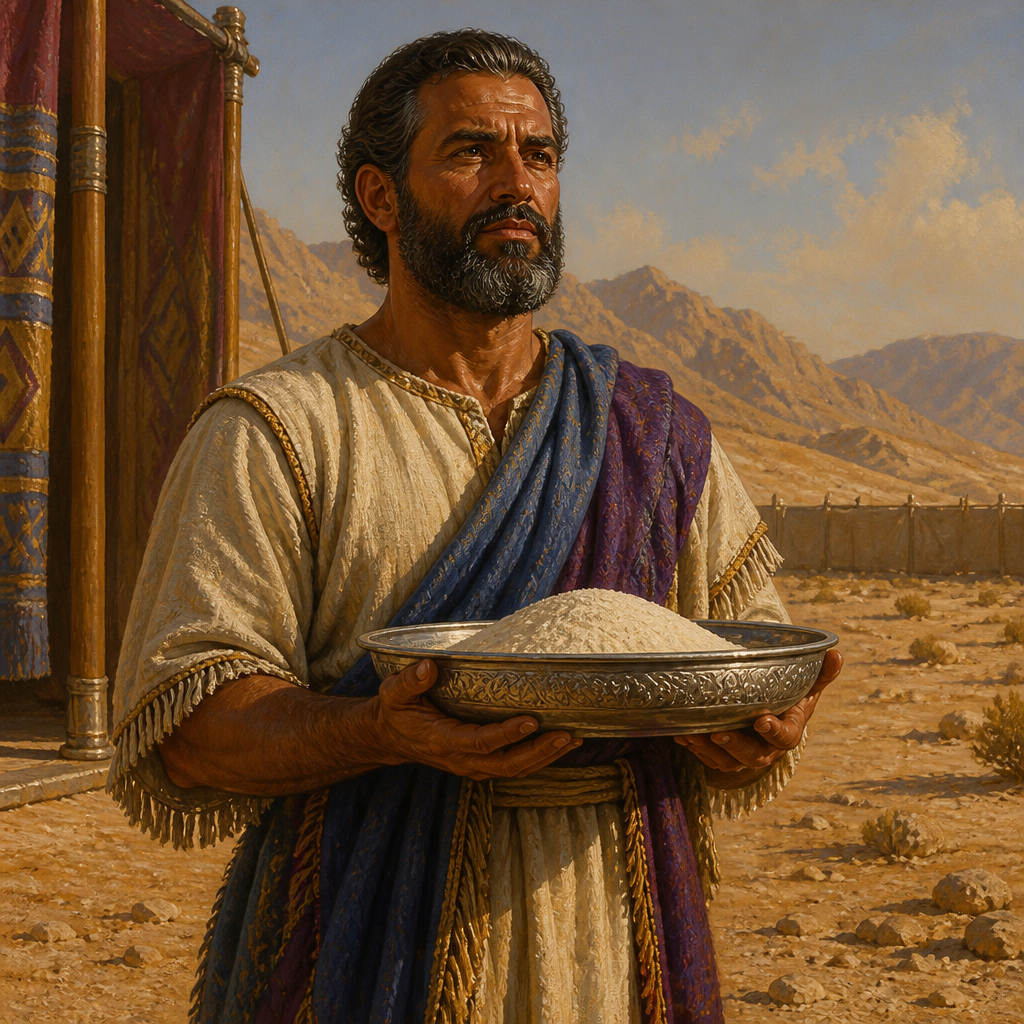
Abidan
Leader of the Benjamites who assisted Moses with the census and Tabernacle dedication
Abihail, Father of Zuriel
Levite father whose son Zuriel led the Merarite families in the wilderness
Abimelech, King of Gerar
King of Gerar who made covenants with Abraham and Isaac
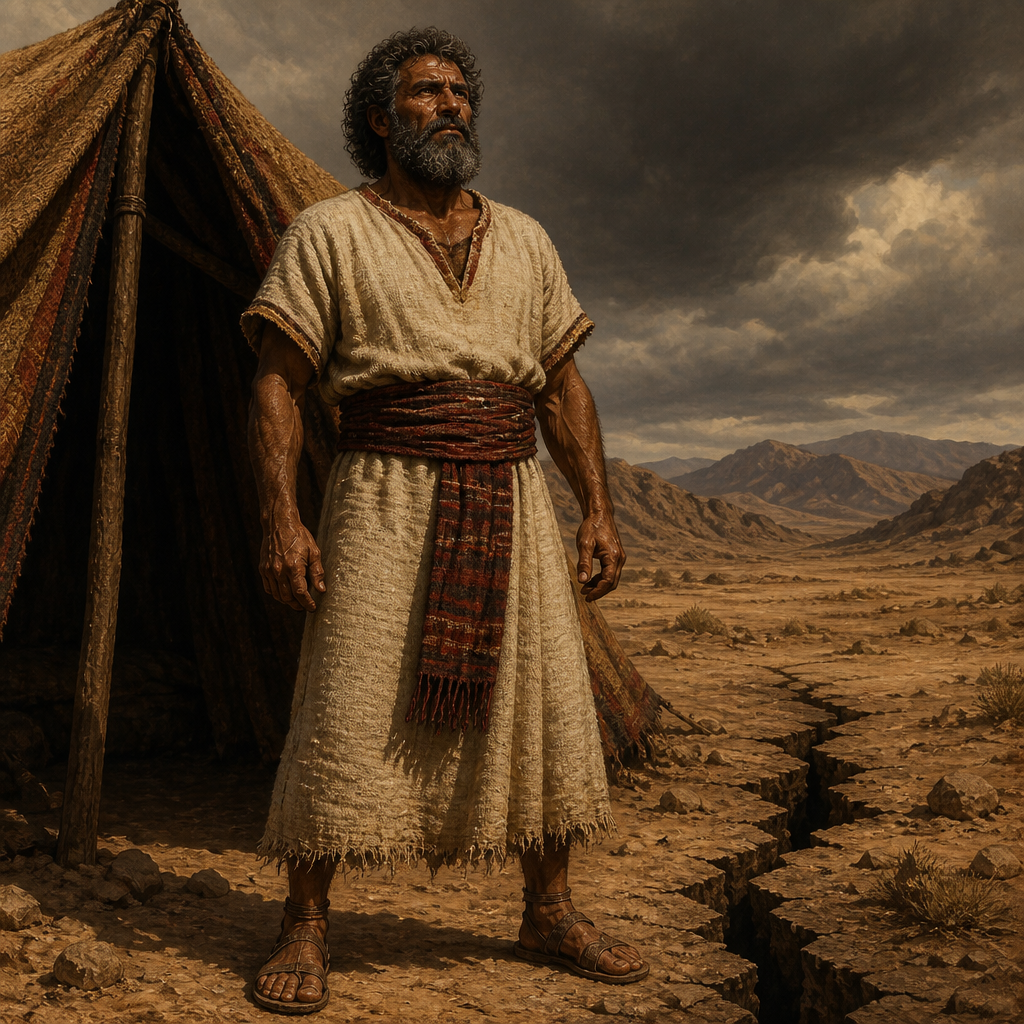
Abiram, Reubenite Rebel in the Wilderness
Reubenite leader who was swallowed by the earth for rebelling against Moses
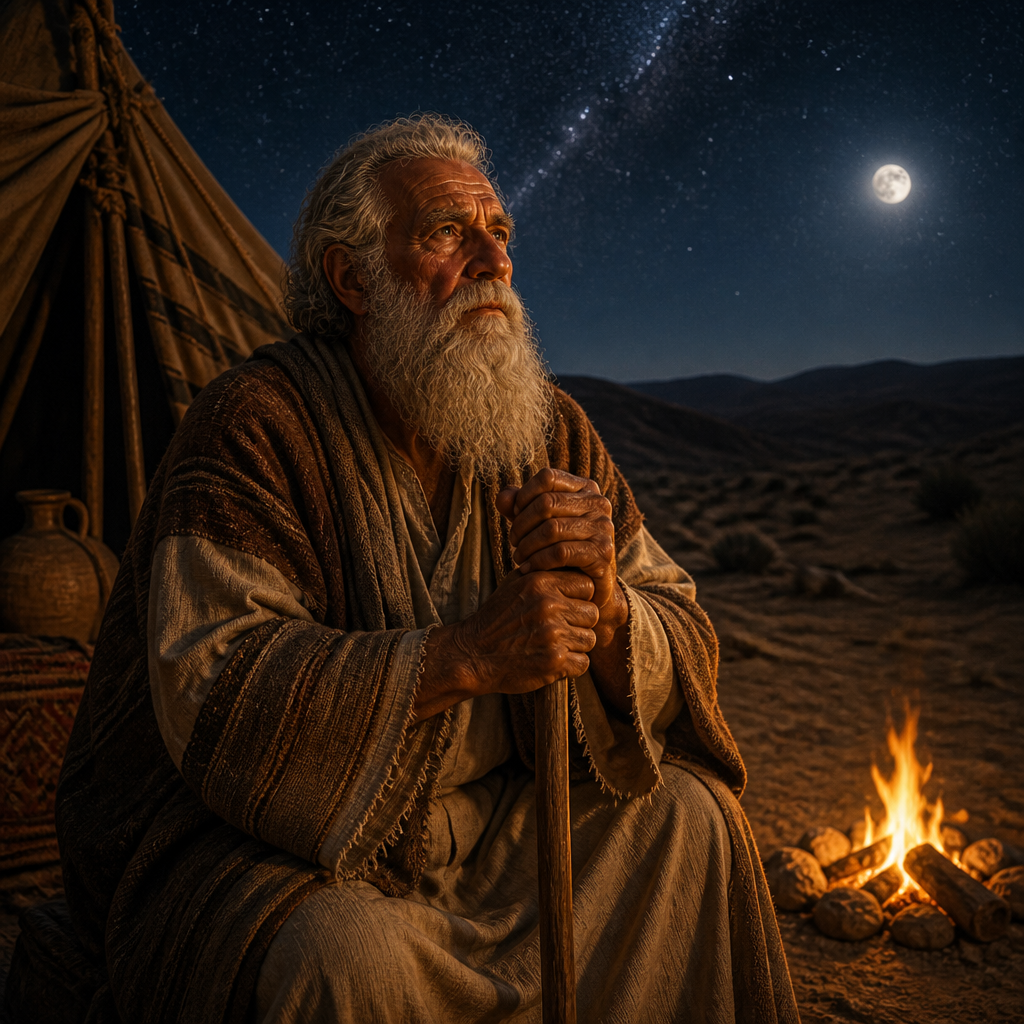
Abraham
Patriarch who is the father of the nation of Israel and an exemplar of faith
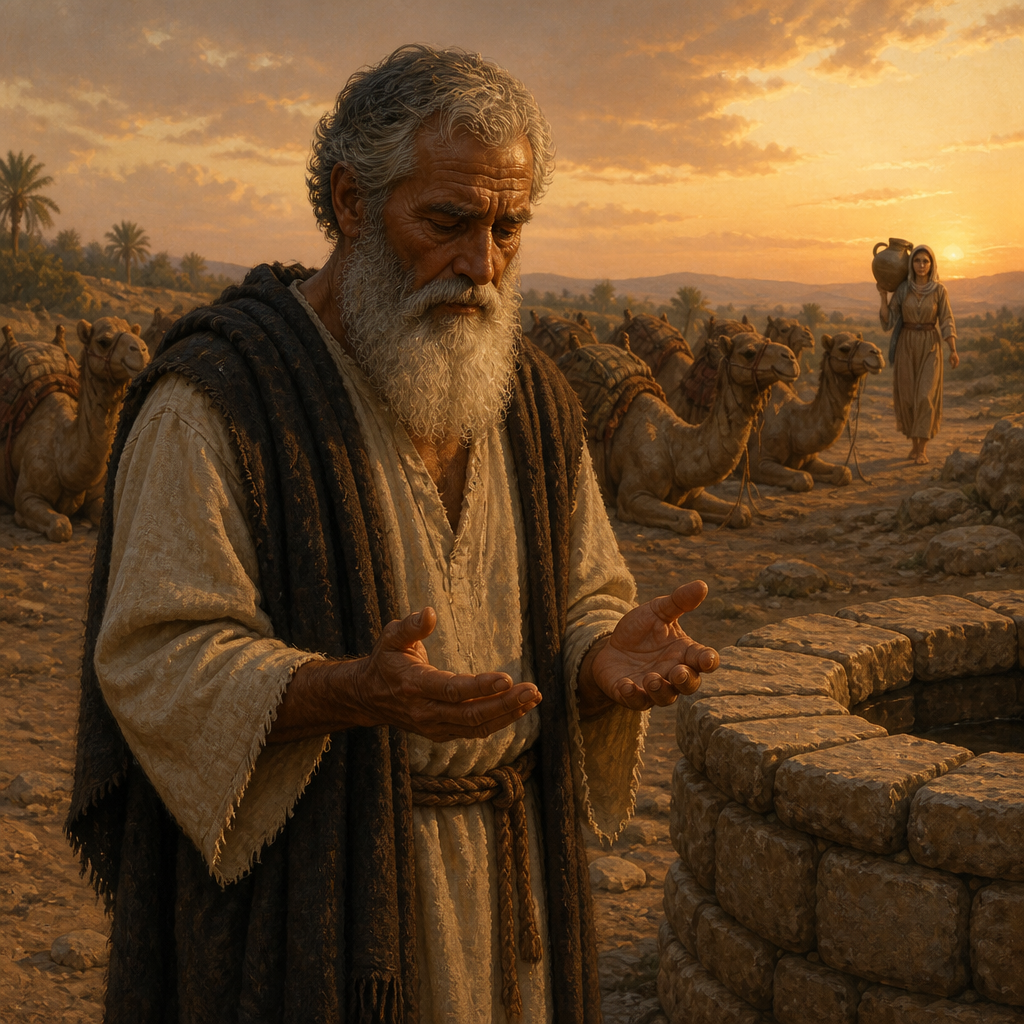
Abraham's Servant Sent for Rebekah
Chief steward who found Rebekah for Isaac
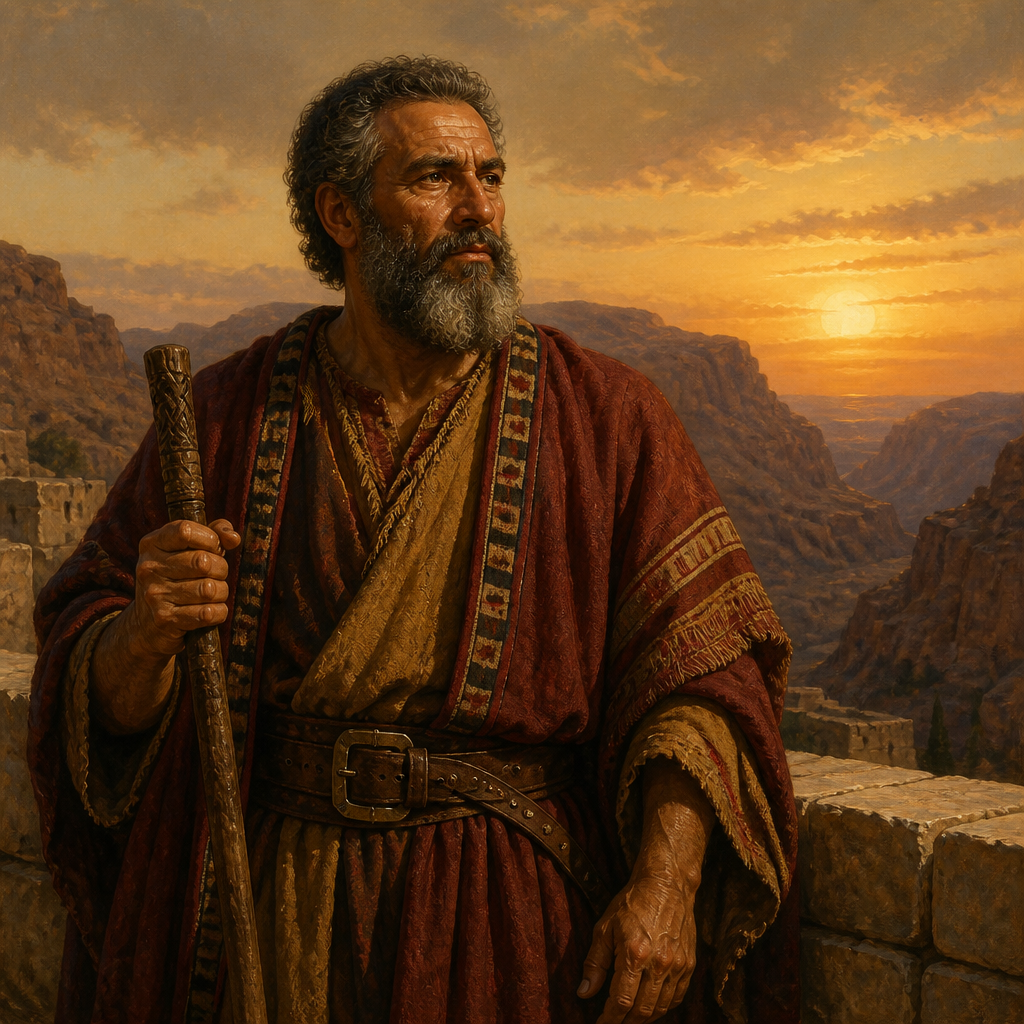
Achbor, Father of Baal-hanan
Edomite patriarch and father of King Baal-hanan
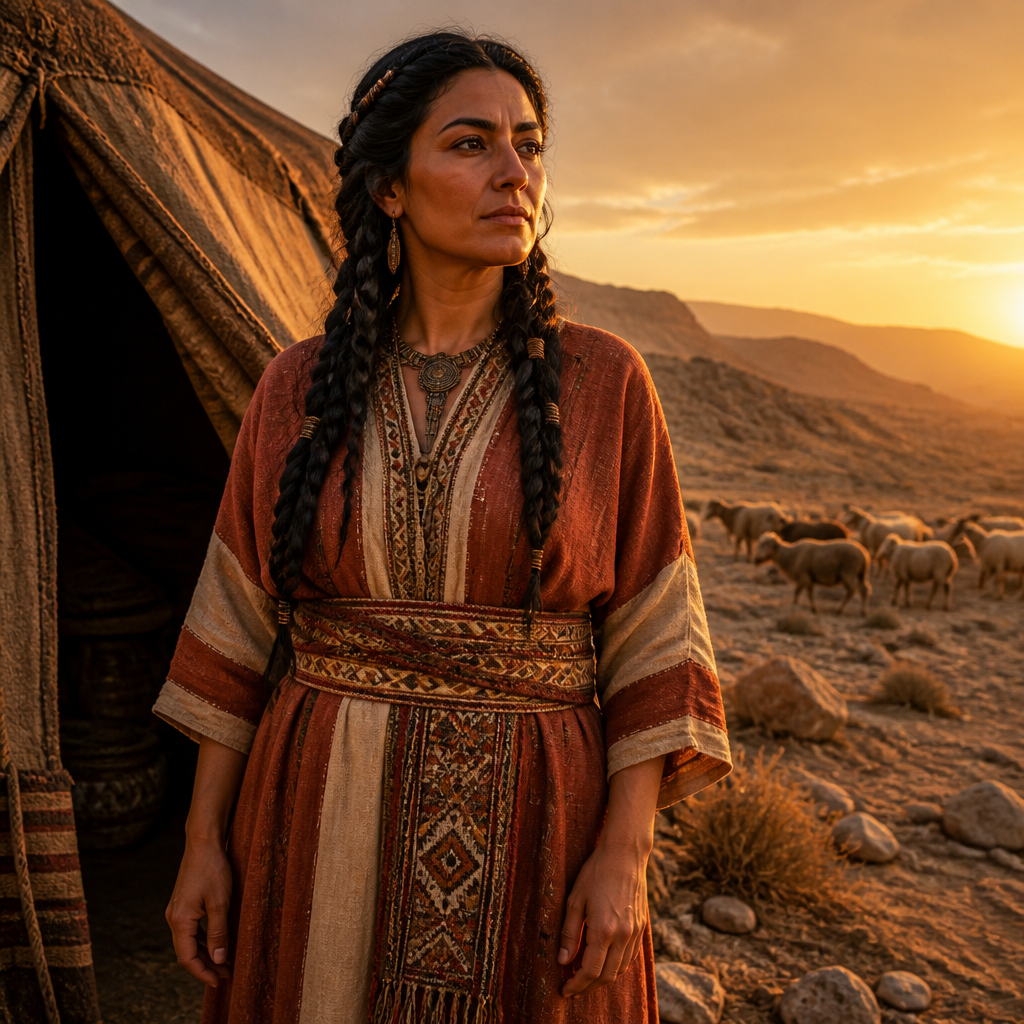
Adah, Wife of Esau
Wife of Esau and mother of his firstborn son Eliphaz
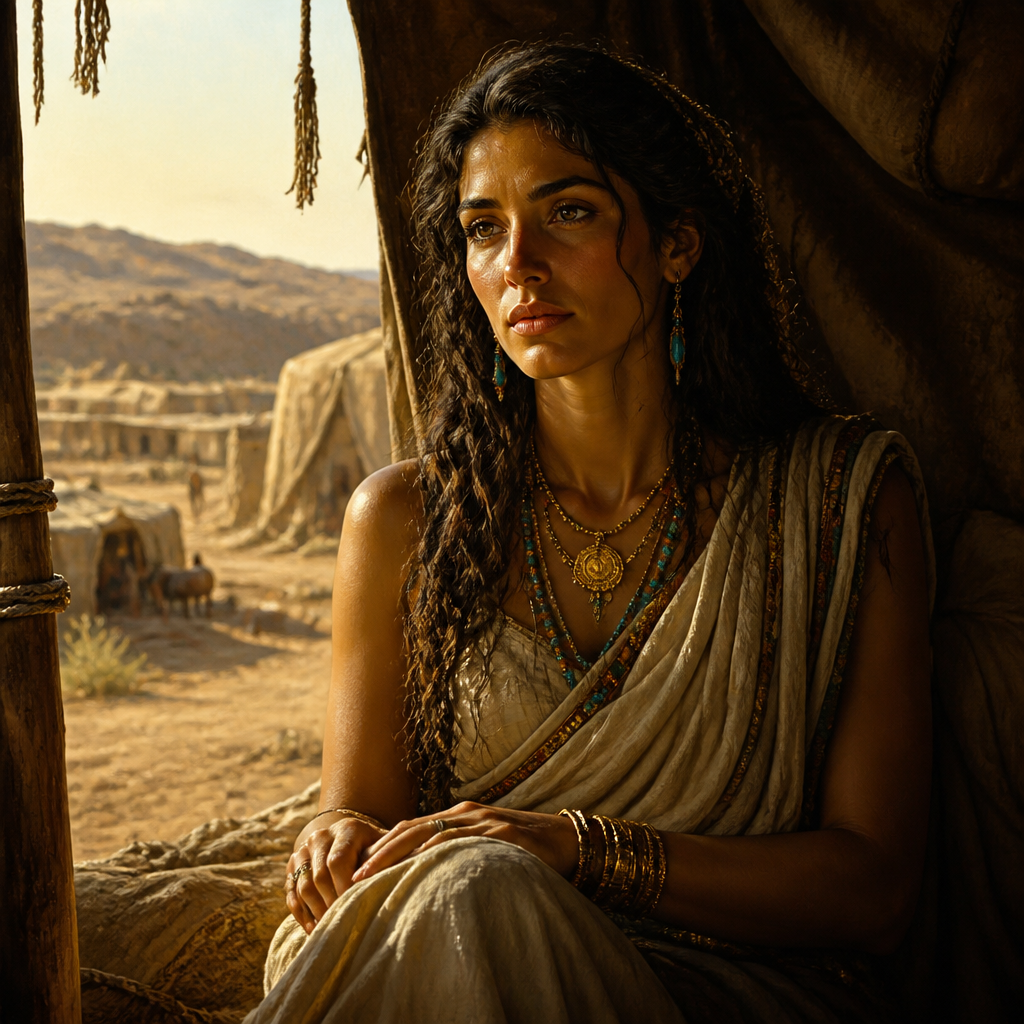
Adah, Wife of Lamech
First woman named after Eve and mother to the founders of nomadism and music
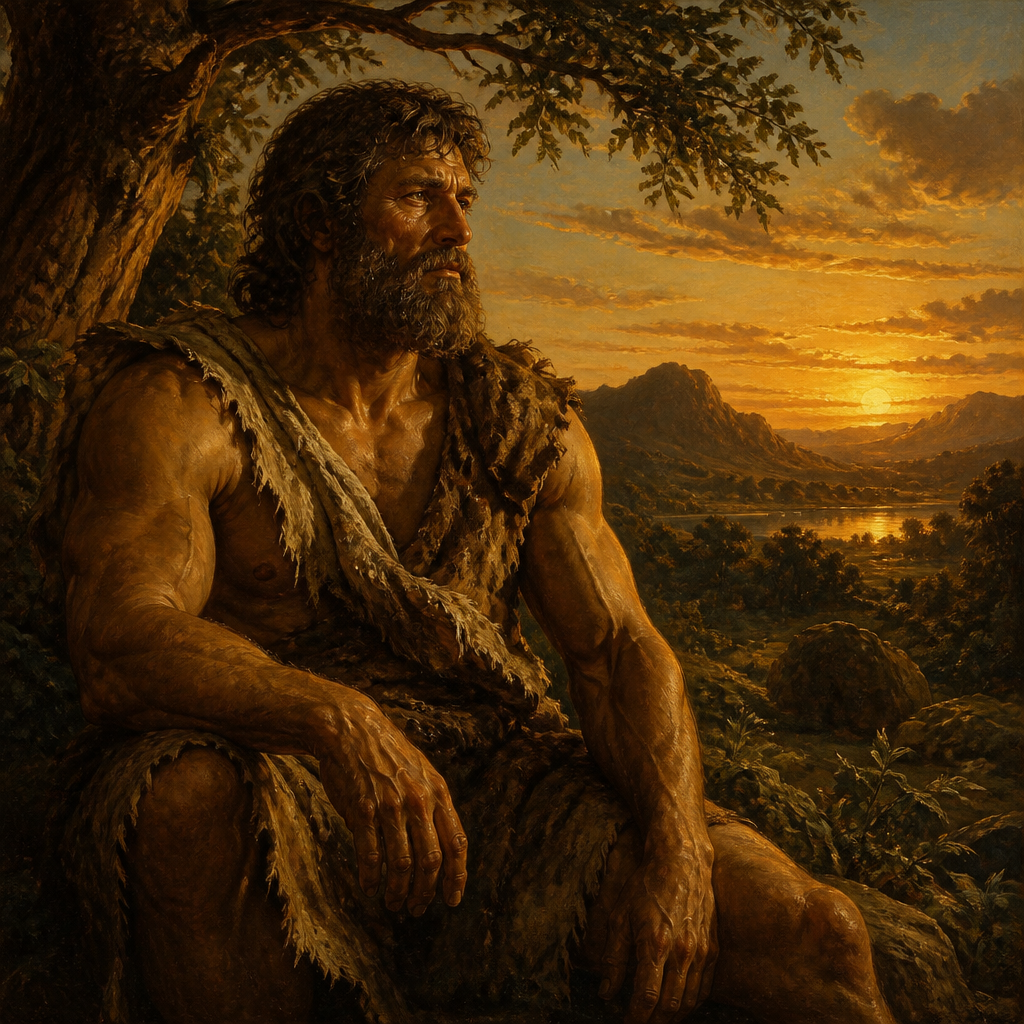
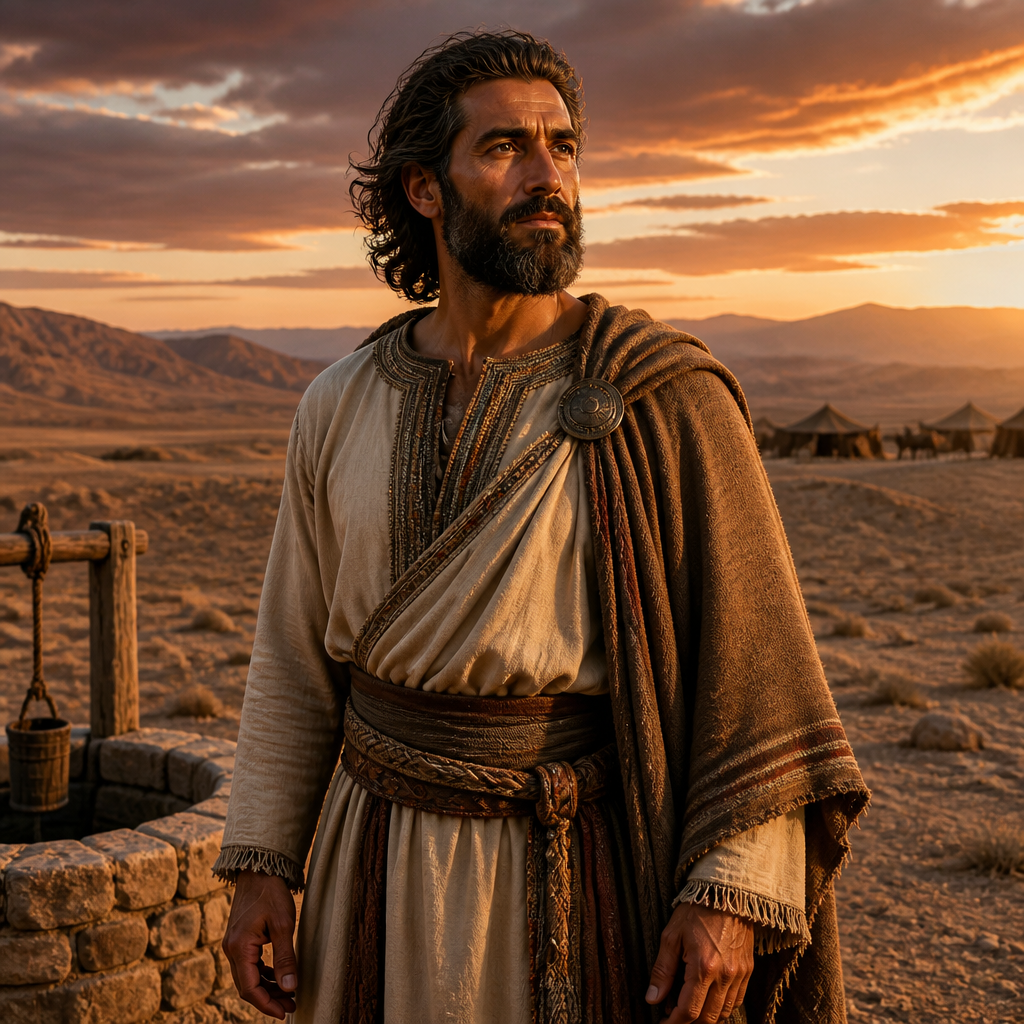
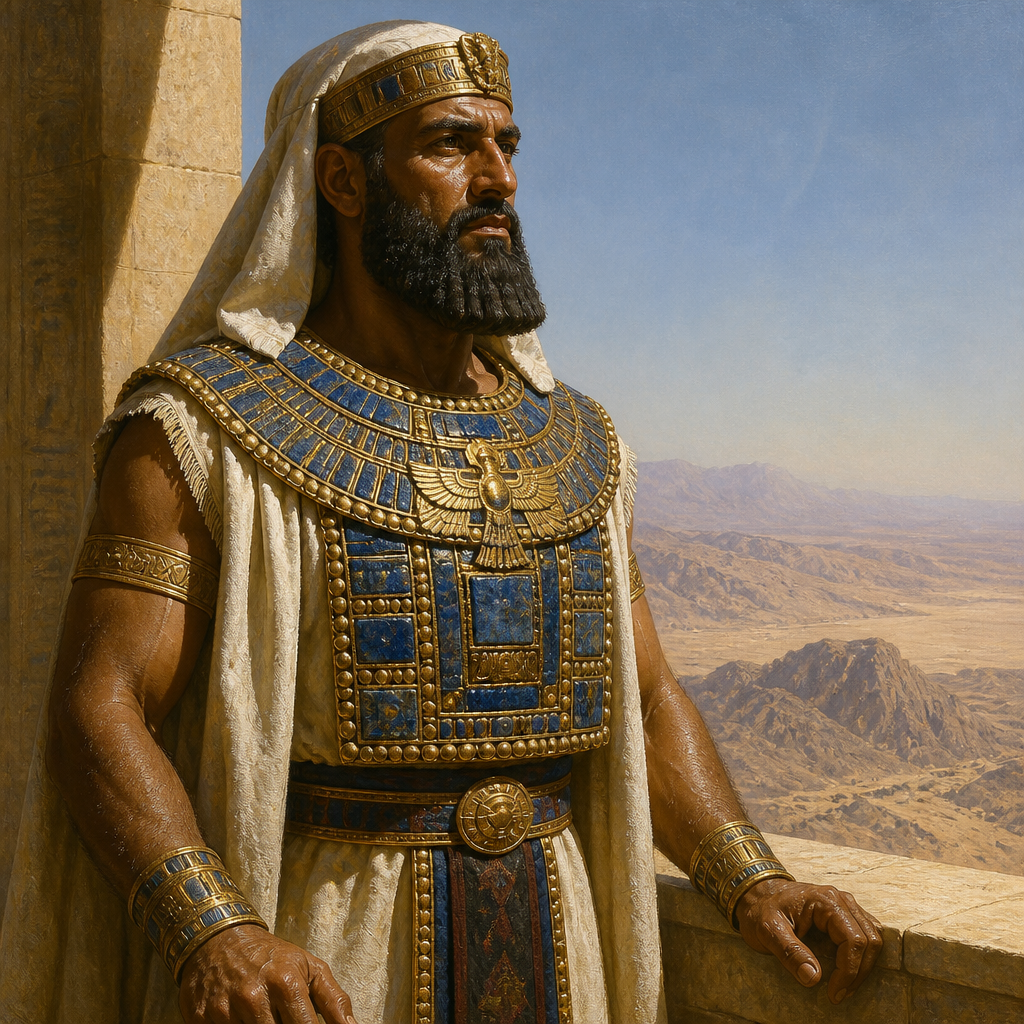
Agag, King of the Wilderness Era
King used as a standard of greatness in Balaam's prophecy
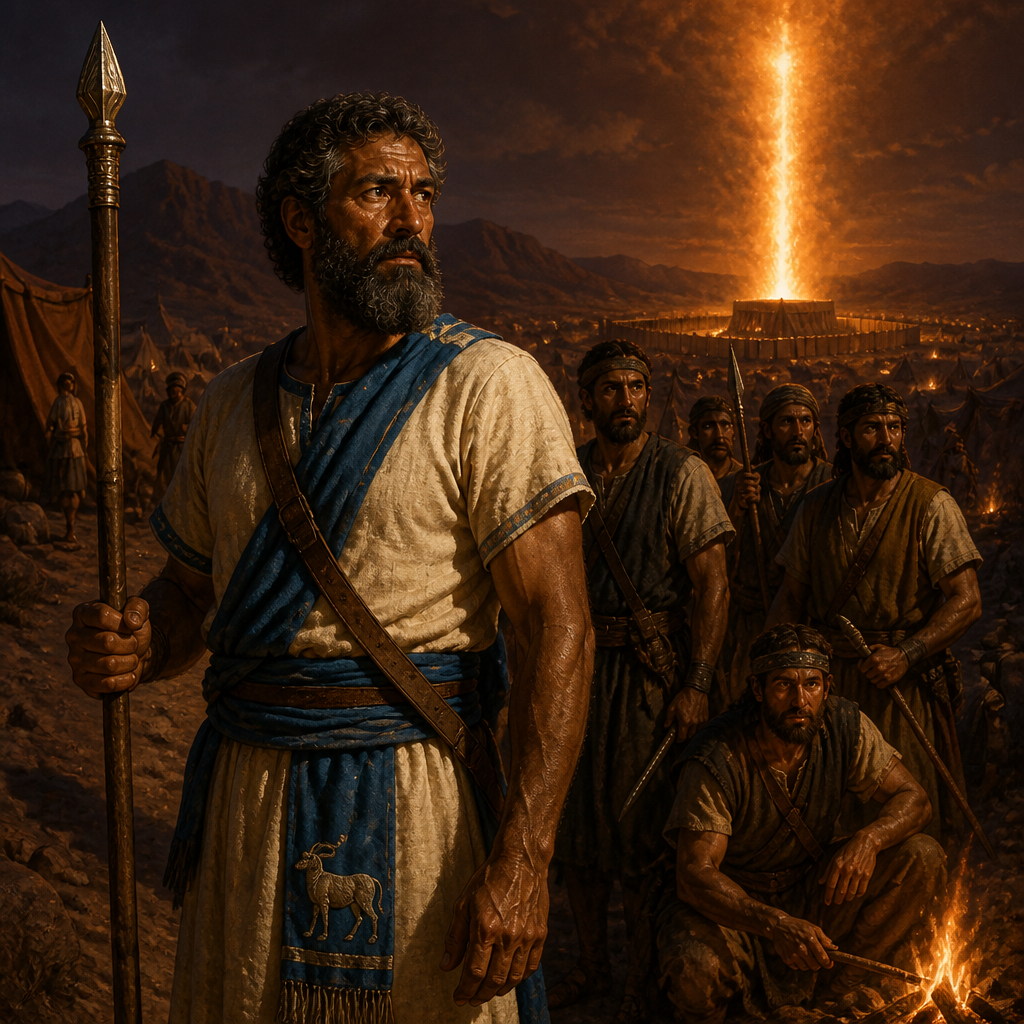
Ahiezer, Prince of the Tribe of Dan
Prince of the tribe of Dan who commanded the rear guard of Israel during the Exodus
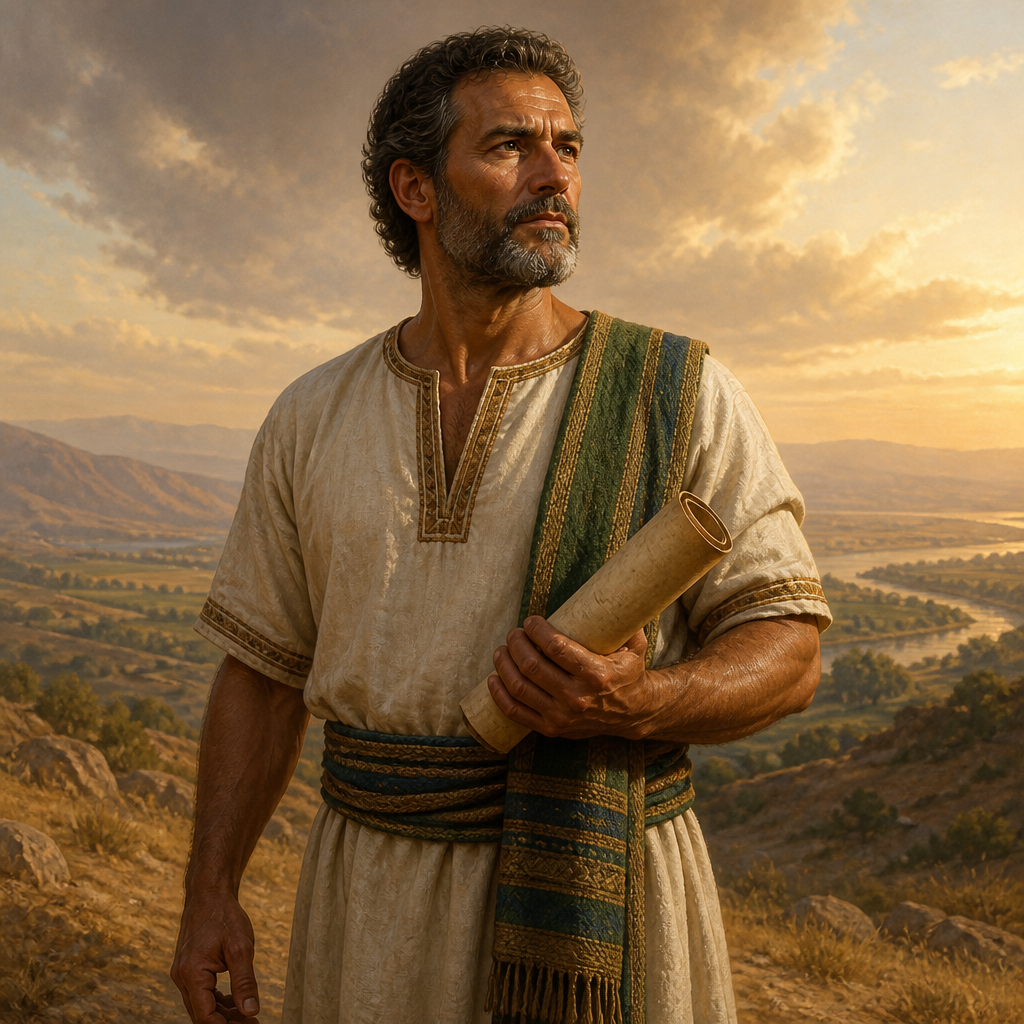
Ahihud, Leader of Asher
Tribal leader of Asher appointed to divide the Promised Land
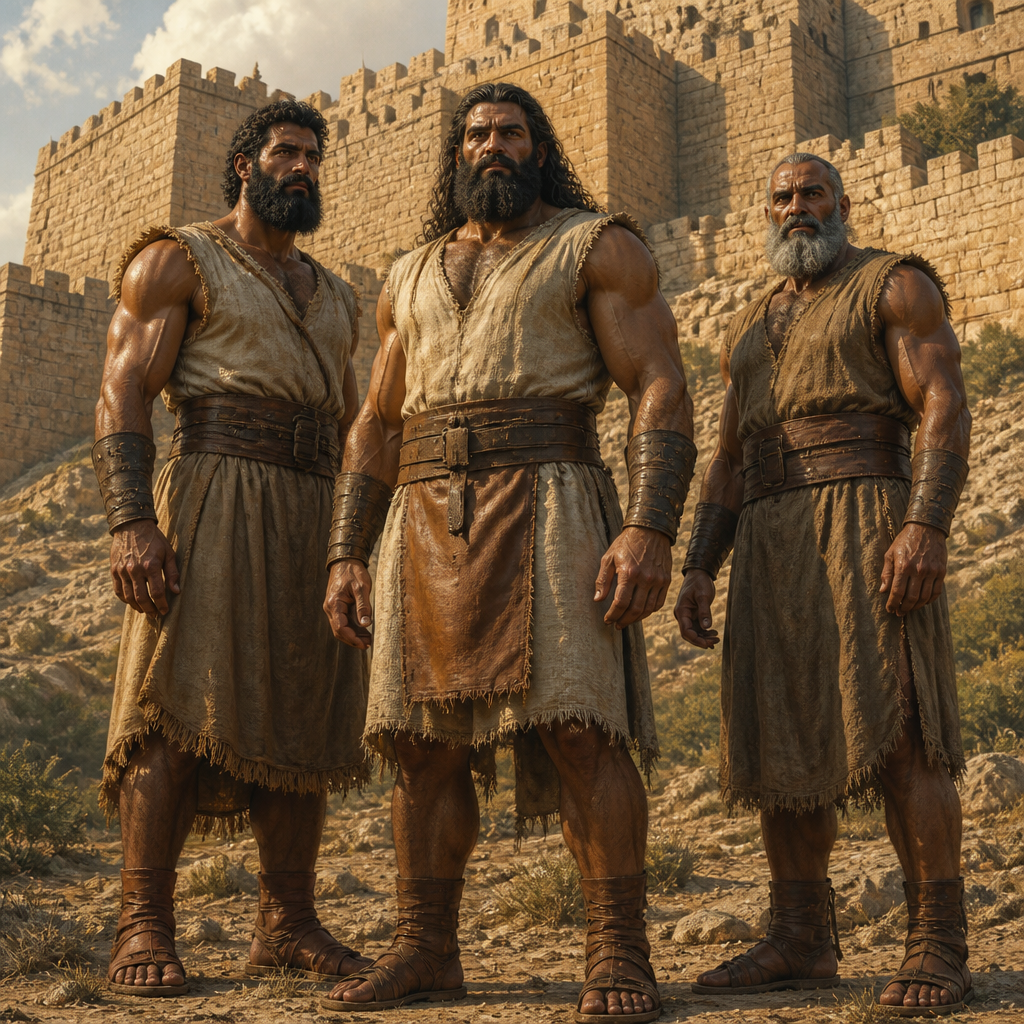
Ahiman, son of Anak
Descendant of Anak who lived in Hebron and was encountered by the twelve spies
Ahira
Leader of the Tribe of Naphtali during the Exodus and wilderness wanderings
Aiah, Son of Zibeon
Son of Zibeon and a member of the Horite genealogy in Genesis
Alvah
Chief of Edom mentioned in the genealogies of Genesis and Chronicles
Ammiel, son of Gemalli
Tribal leader from Dan who served as one of the twelve scouts sent by Moses to explore Canaan
Ammihud, Father of Pedahel
father of Pedahel who was the leader of Naphtali during the division of Canaan
Ammihud, Father of Shemuel
father of Shemuel, the leader appointed to divide the land for the tribe of Simeon
Ammihud, Son of Ladan
Ephraimite father of the tribal leader Elishama during the Exodus
Amminadab, Prince of Judah in the Exodus
Ancestor of King David and Jesus Christ whose daughter married Aaron
Amram, Father of Moses
father of Moses, Aaron, and Miriam who lived 137 years in Egypt
Amraphel
Leader of a Mesopotamian coalition in the Battle of the Siddim Valley
Aram, Grandson of Nahor
Son of Kemuel and grand-nephew of the patriarch Abraham
Aran
Son of Dishan and descendant of Seir the Horite in the genealogies of Edom
Ard, Son of Bela
Patriarch who founded the Ardite clan of the tribe of Benjamin
Ard, Son of Benjamin
Son of Benjamin who migrated to Egypt with Jacob's household
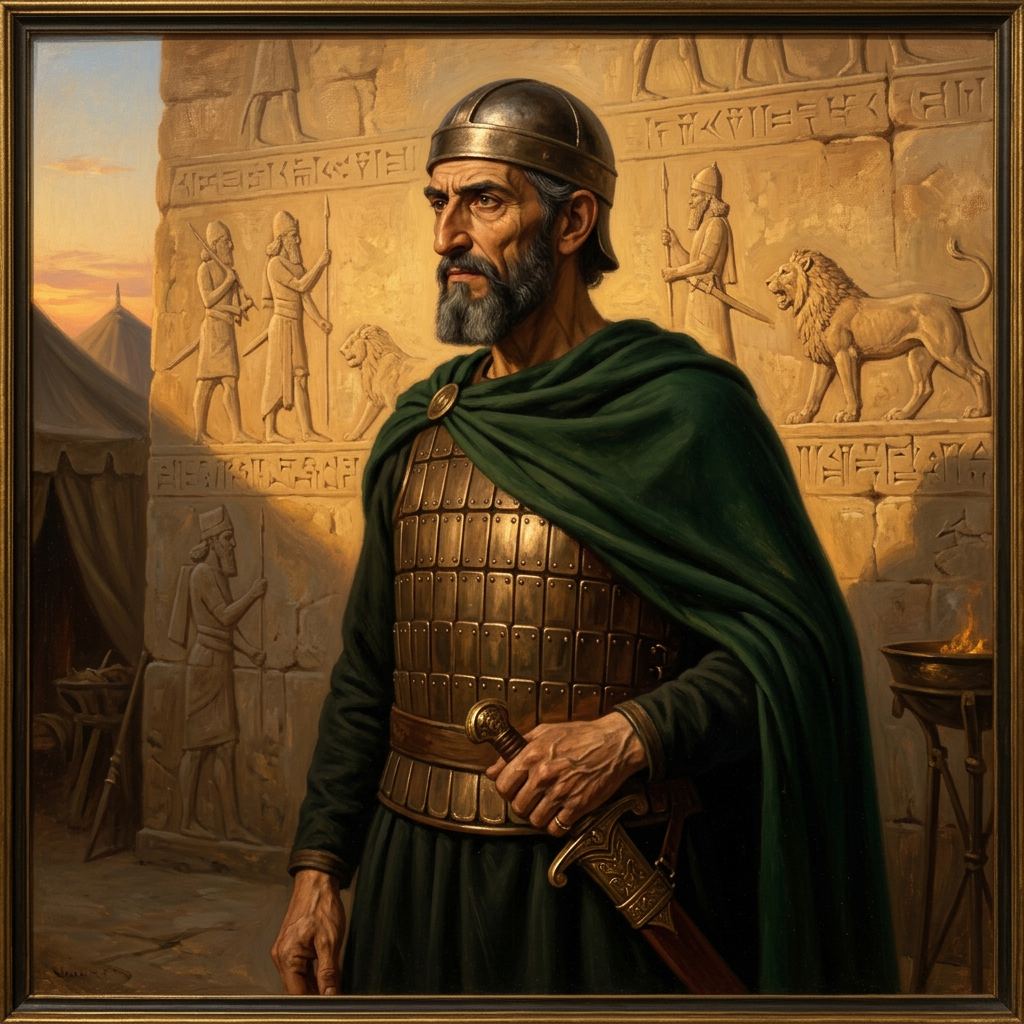
Arioch, King of Ellasar
King of Ellasar and member of Chedorlaomer's coalition defeated by Abraham (Genesis 14)
Asher
Patriarch who founded one of the twelve tribes of Israel and was noted for the fertility of his land
Ashkenaz
Son of Gomer and grandson of Japheth listed in the Table of Nations
Asriel, Son of Gilead
Clan leader and eponymous ancestor of the Asrielites within the tribe of Manasseh
Assir, Son of Korah
Son of Korah and leader of a Korahite clan within the tribe of Levi
Azzan
Father of Paltiel who was the leader of the tribe of Issachar during the division of Canaan
Baal-hanan, King of Edom
Seventh king of Edom mentioned in the early genealogies of Genesis
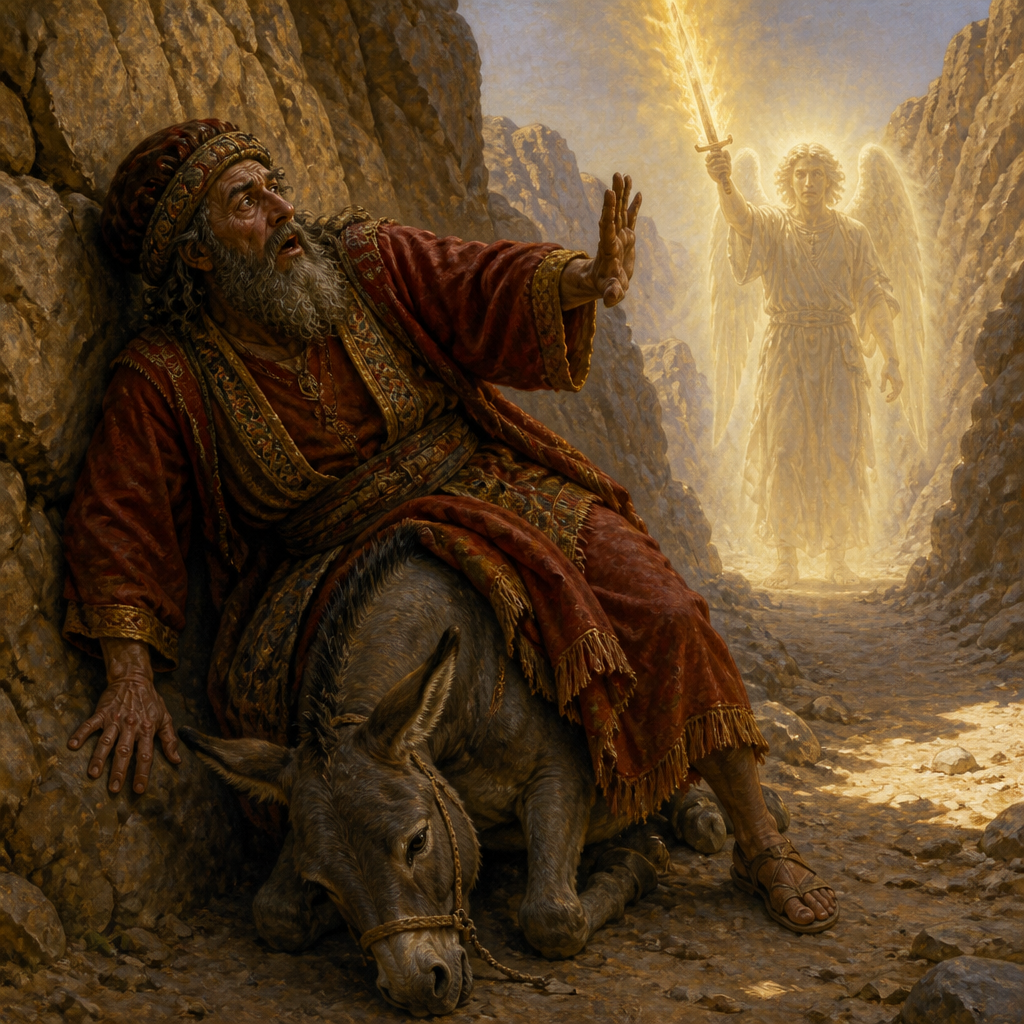
Balaam
Diviner who was hired to curse Israel but blessed them instead
Balak
King of Moab who hired Balaam to curse the Israelites during their wilderness wanderings
Bath-shua
Canaanite wife of Judah and mother of Er, Onan, and Shelah
Becher, Son of Benjamin
son of Benjamin who traveled to Egypt and fathered nine prominent sons
Becher, Son of Ephraim
Son of Ephraim and founder of the Becherite clan
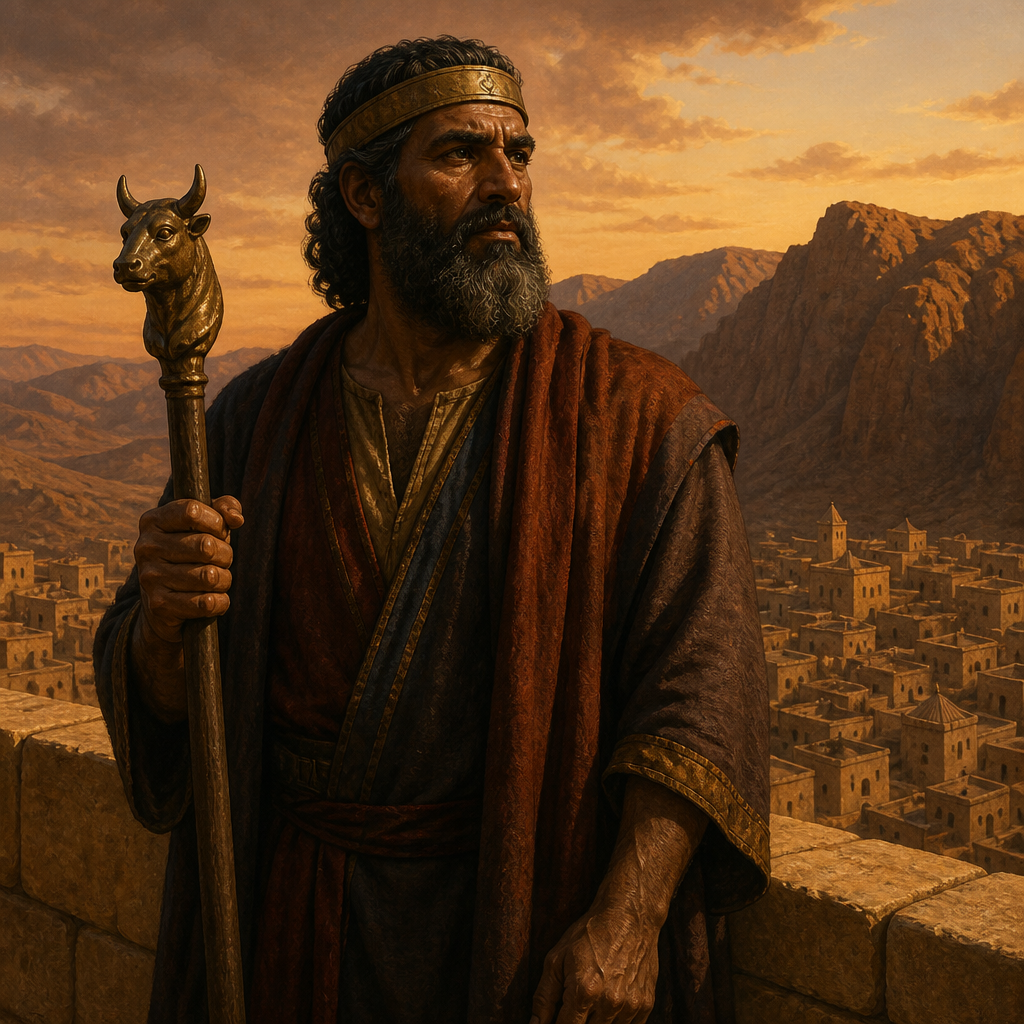
Bela, King of Edom
First king of Edom who reigned in the city of Dinhabah
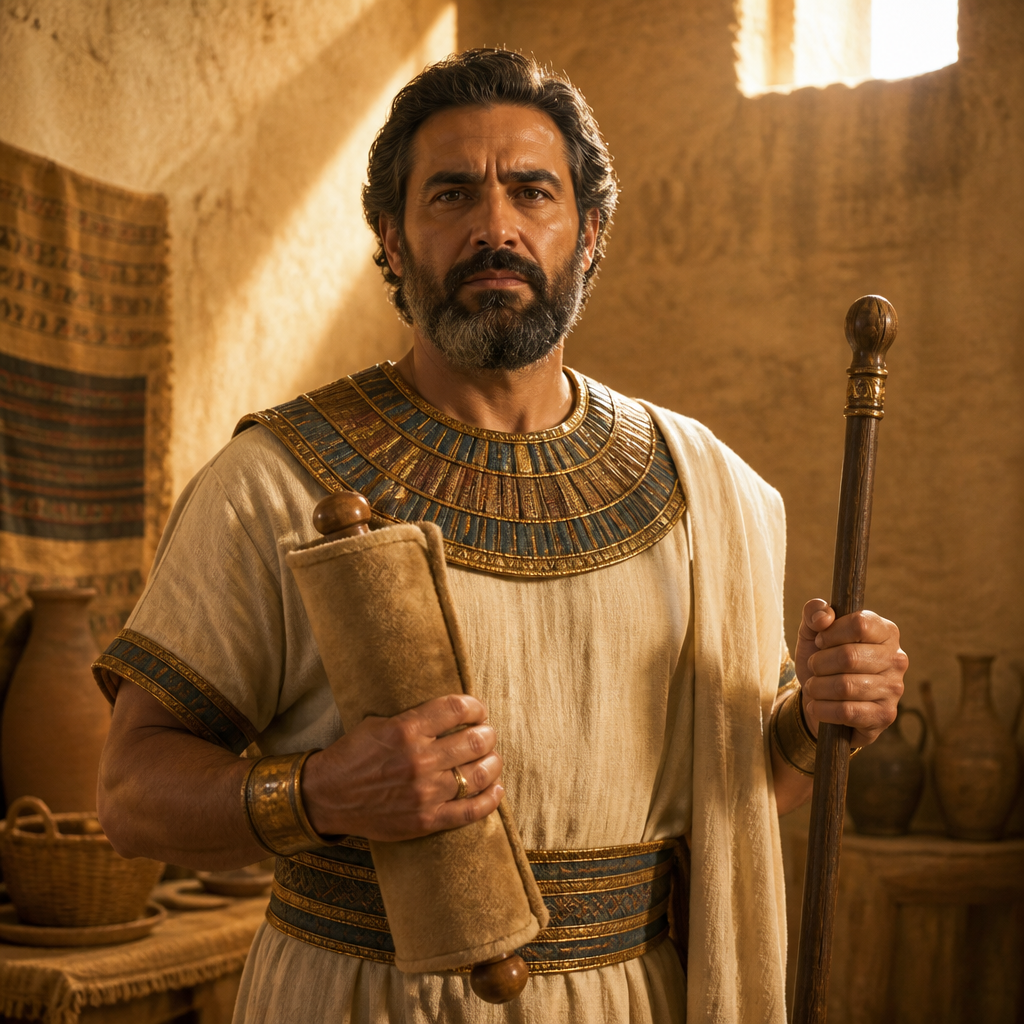
Bela, Son of Benjamin
Firstborn son of Benjamin and founder of the Belaitic clan
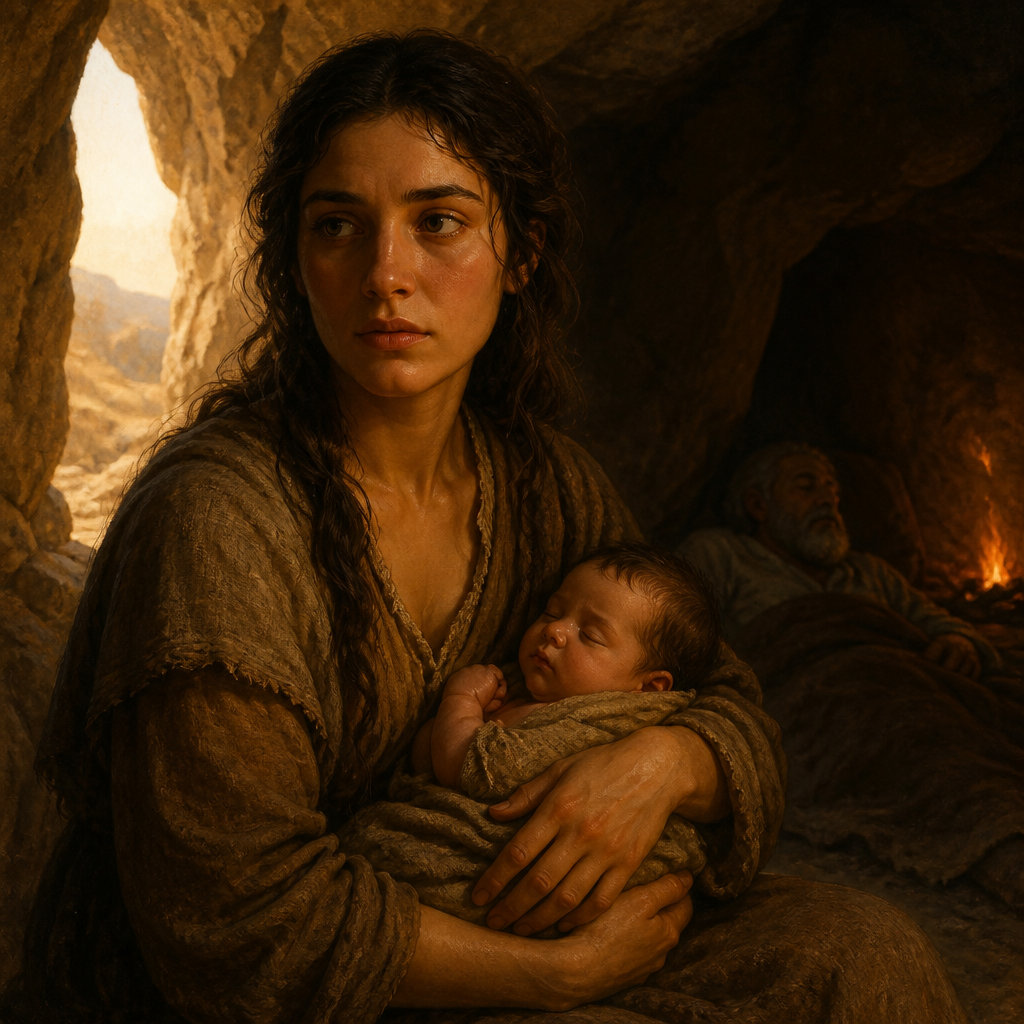
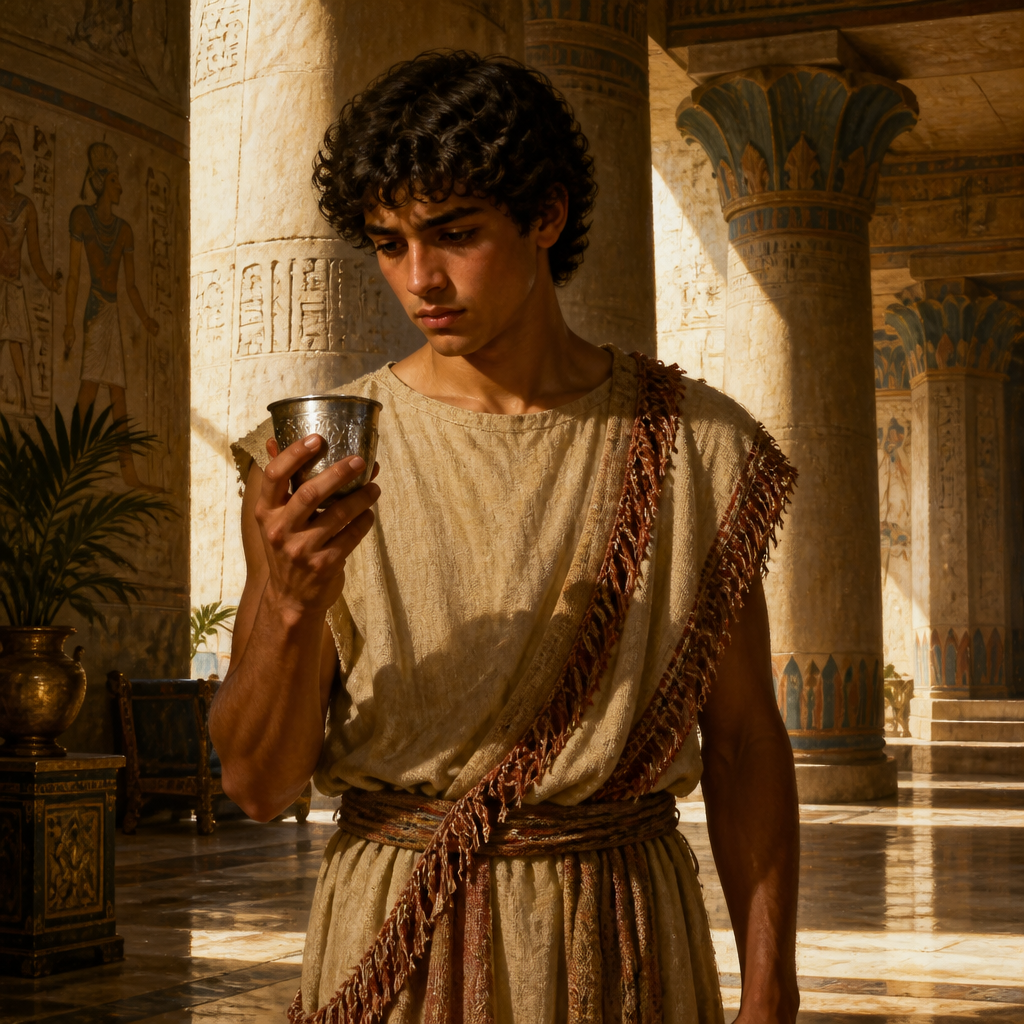
Benjamin, Son of Jacob
Youngest son of Jacob and the full brother of Joseph whose presence in Egypt led to his family's reconciliation
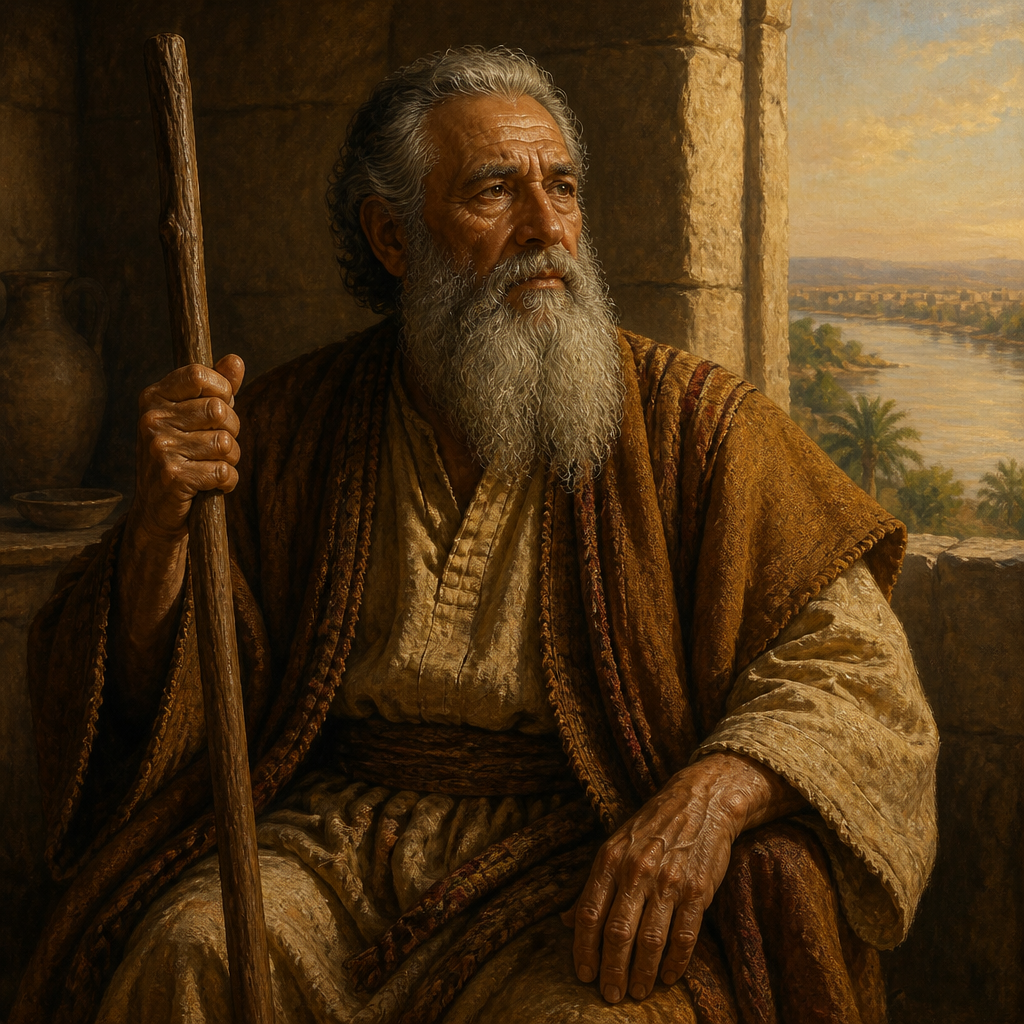
Beor, Father of Balaam
father of the prophet Balaam during the Israelite wilderness journey
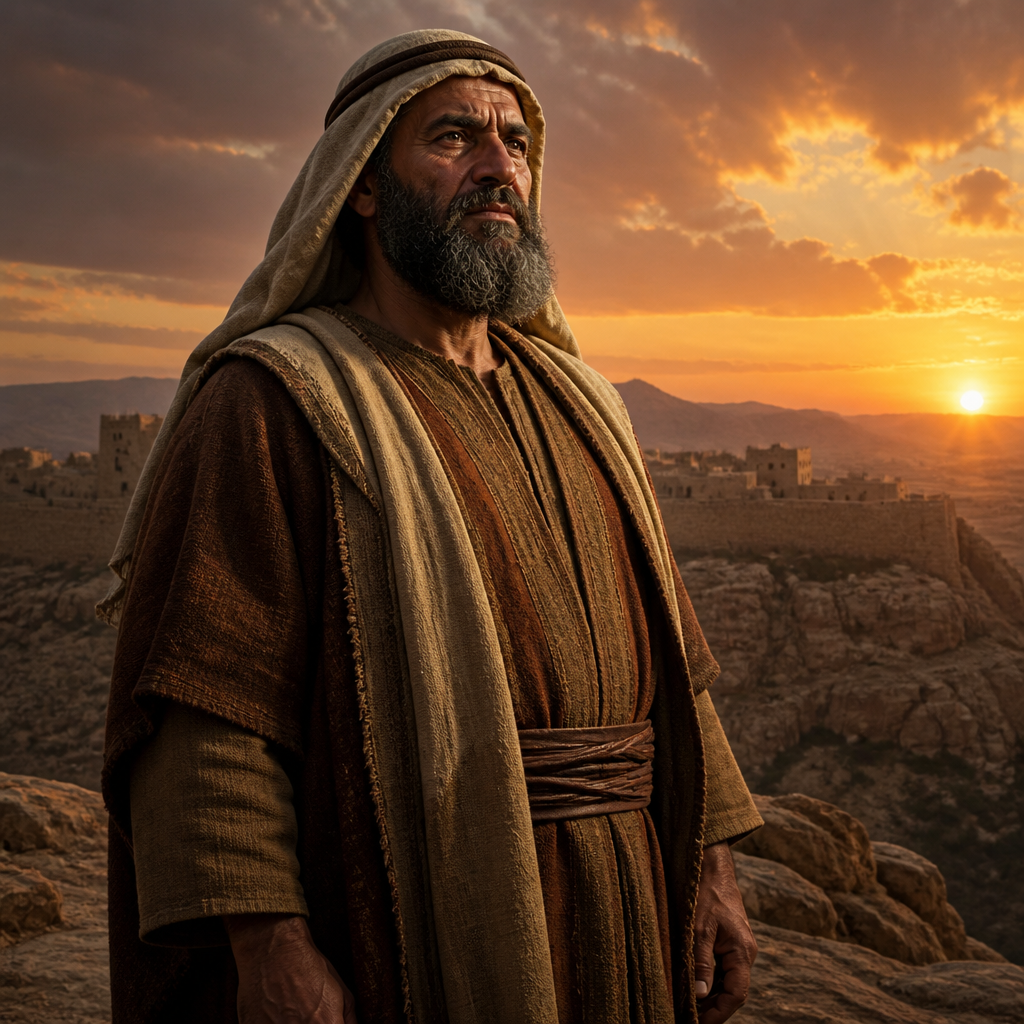
Beor, Father of King Bela
Edomite patriarch and father of Bela, the first king of Edom

Bera
King of Sodom who led the rebellion of the five kings against Chedorlaomer
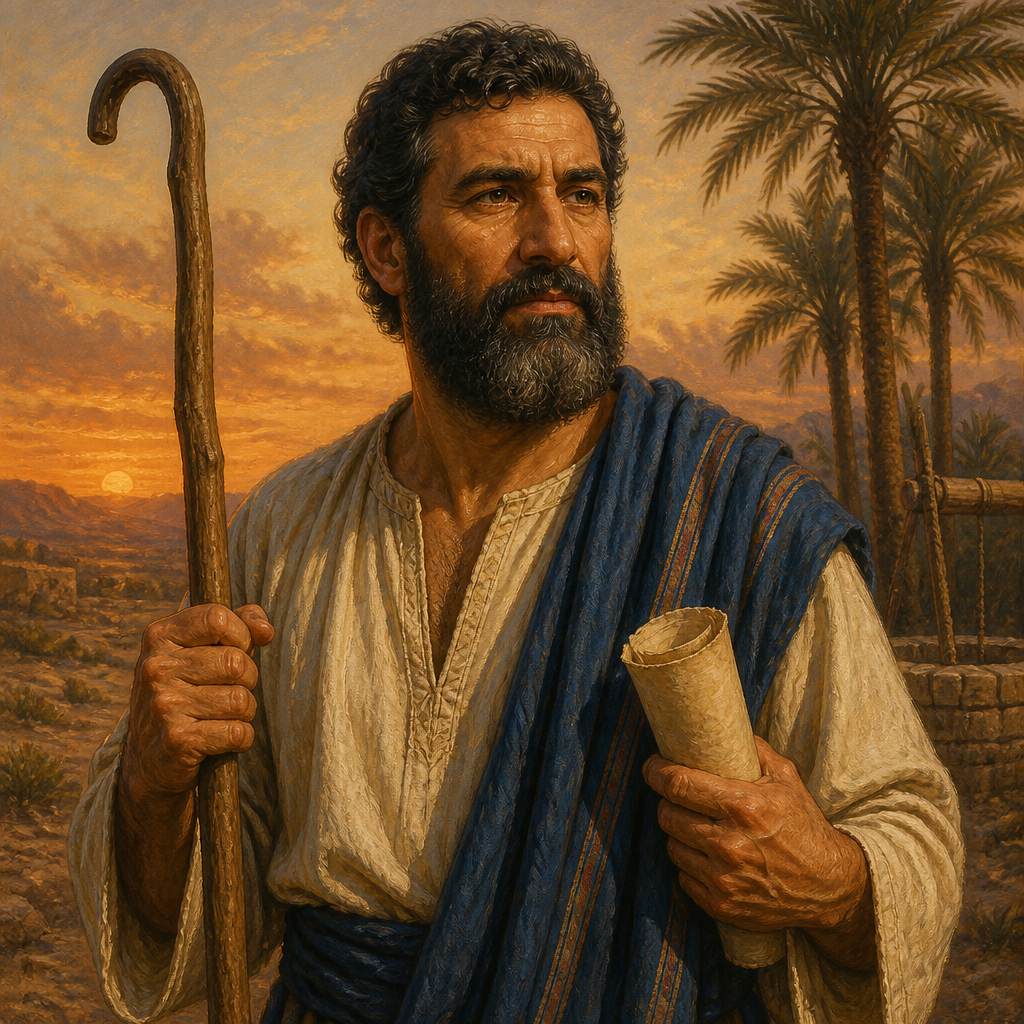
Beriah, Son of Asher
Son of Asher and founder of the Beriite clan during the Egyptian Sojourn
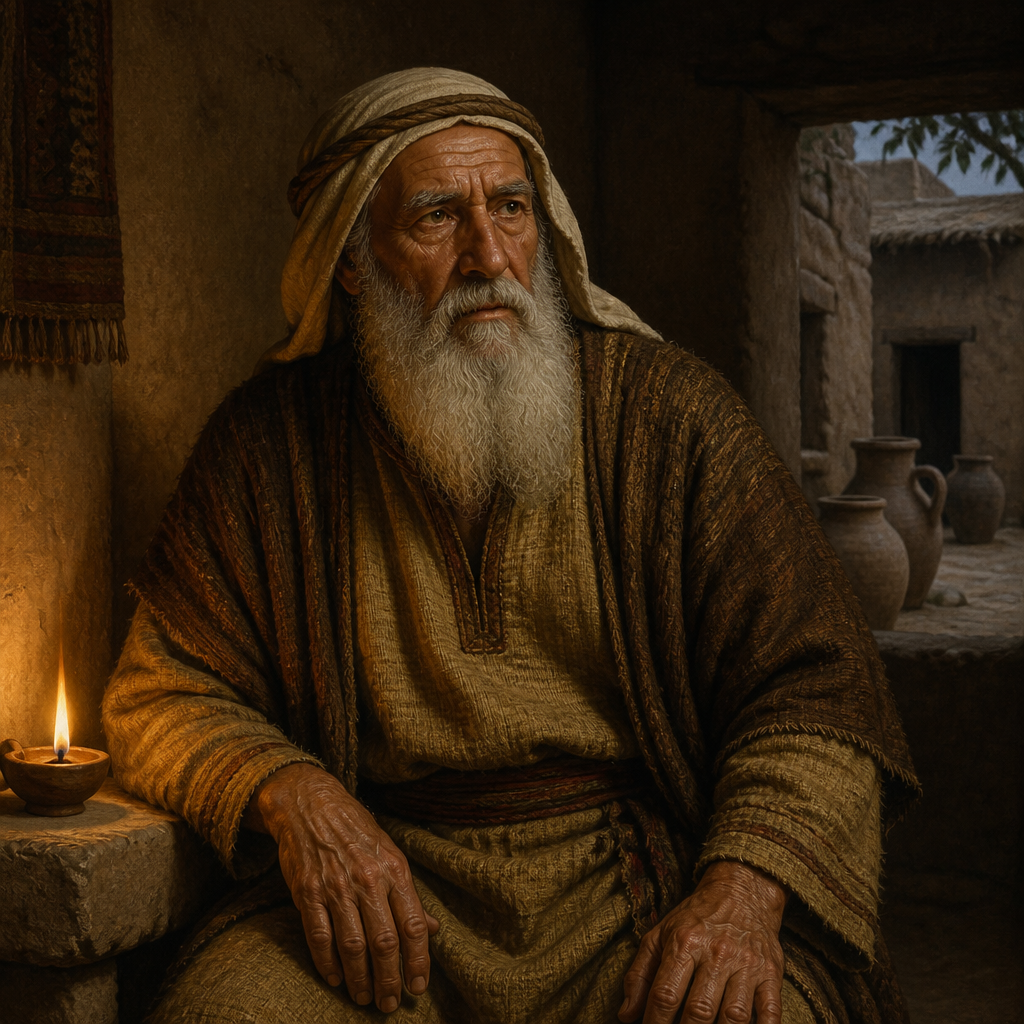
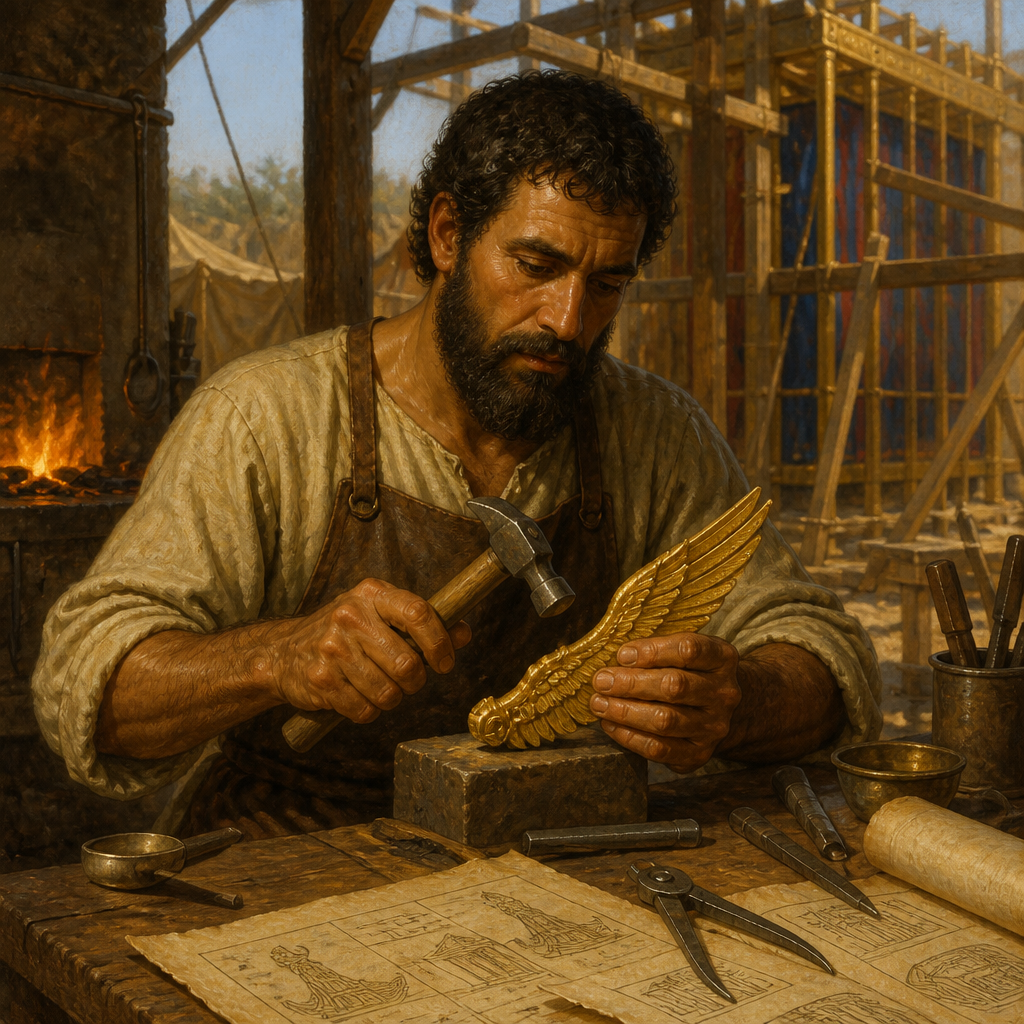
Bezalel, Artisan of the Tabernacle
Craftsman filled with the Spirit of God who built the Ark of the Covenant and the Tabernacle
Bilhan, Son of Ezer
Horite chief and son of Ezer recorded in the genealogies of Edom
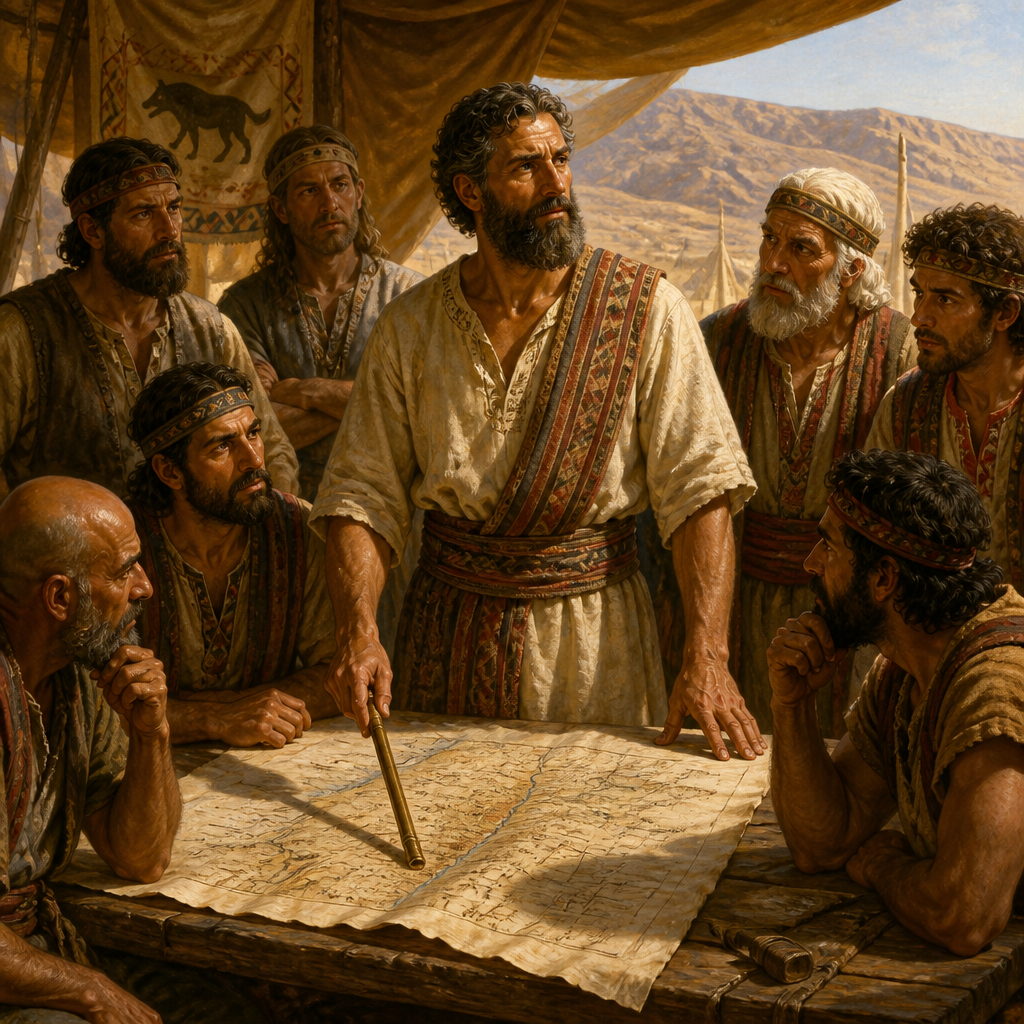
Bukki, Leader from the Tribe of Dan
Tribal leader of Dan chosen to help divide the Promised Land
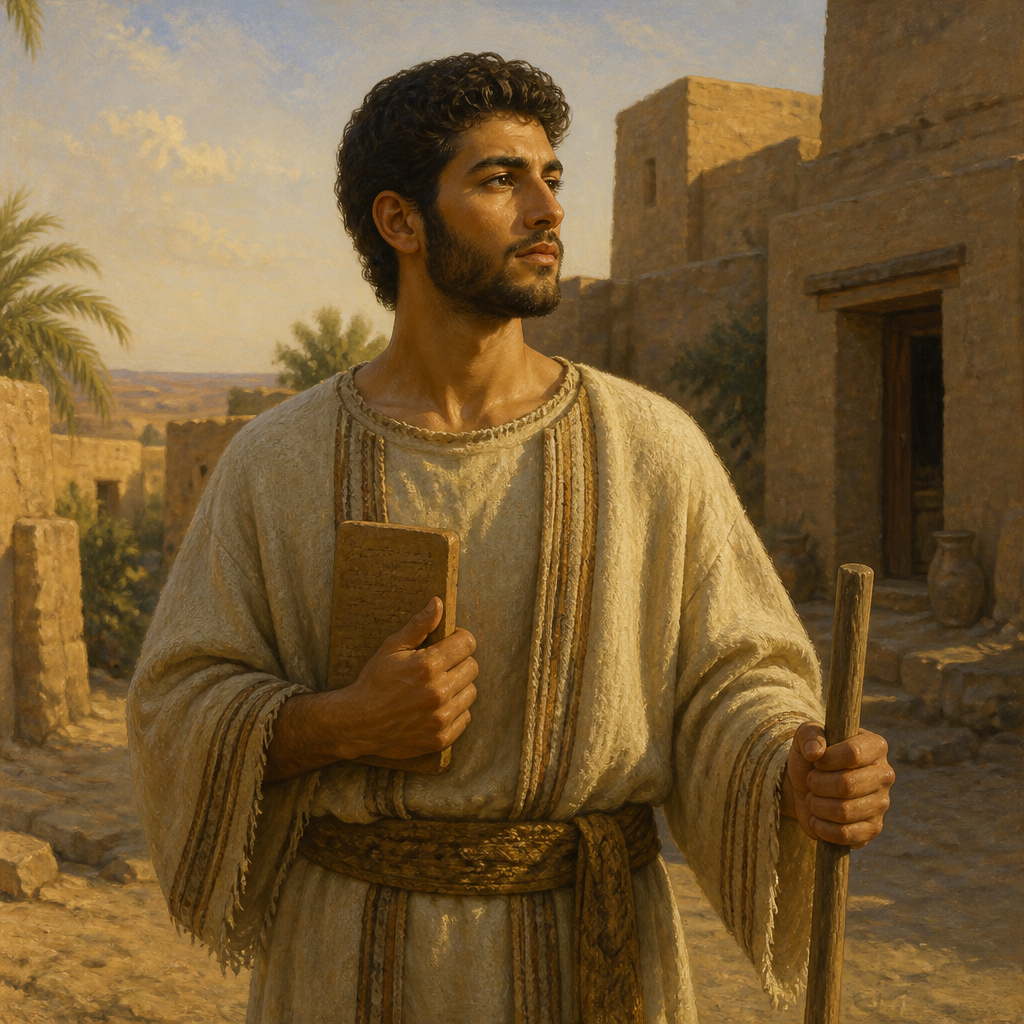
Buz, Son of Nahor
Son of Nahor and nephew of Abraham mentioned in the patriarchal genealogies
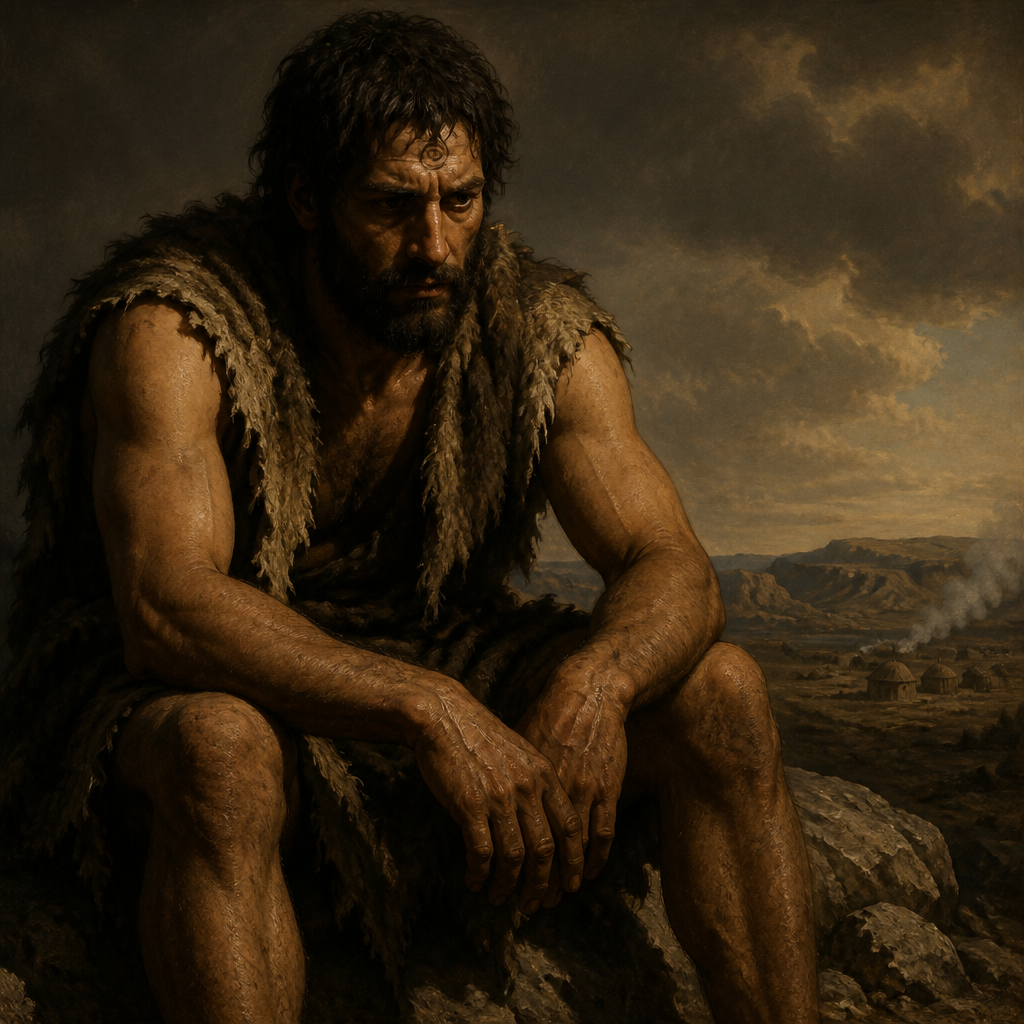
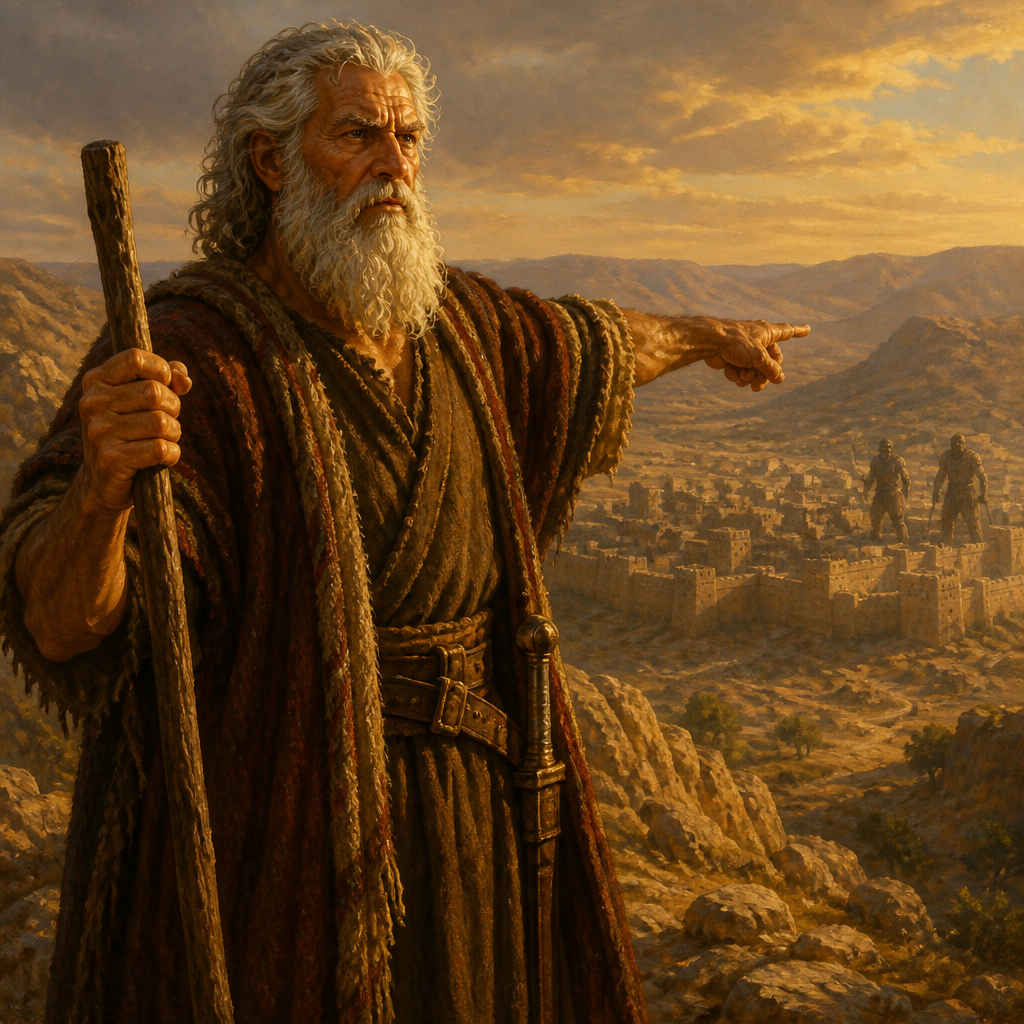
Caleb son of Jephunneh
Spy who gave a faithful report of Canaan and later conquered Hebron
Canaan, Son of Ham
Son of Ham who was cursed by Noah to be a servant to his brothers
The Canaanite Woman (Wife of Simeon)
Mother of Shaul and partner of Simeon who integrated Canaanite lineage into the tribe of Simeon
Carmi, Son of Reuben
son of Reuben and founder of the Carmite clan during the Egyptian Sojourn
Chedorlaomer
King of Elam who led the four-king coalition that captured Lot and was defeated by Abraham
Cheran
Son of Dishon and descendant of Seir the Horite listed in the genealogies of Edom
Chesed
Son of Nahor and nephew of Abraham listed in the genealogies of Genesis
Cozbi
Midianite woman whose death at the hands of Phinehas ended a plague in Israel
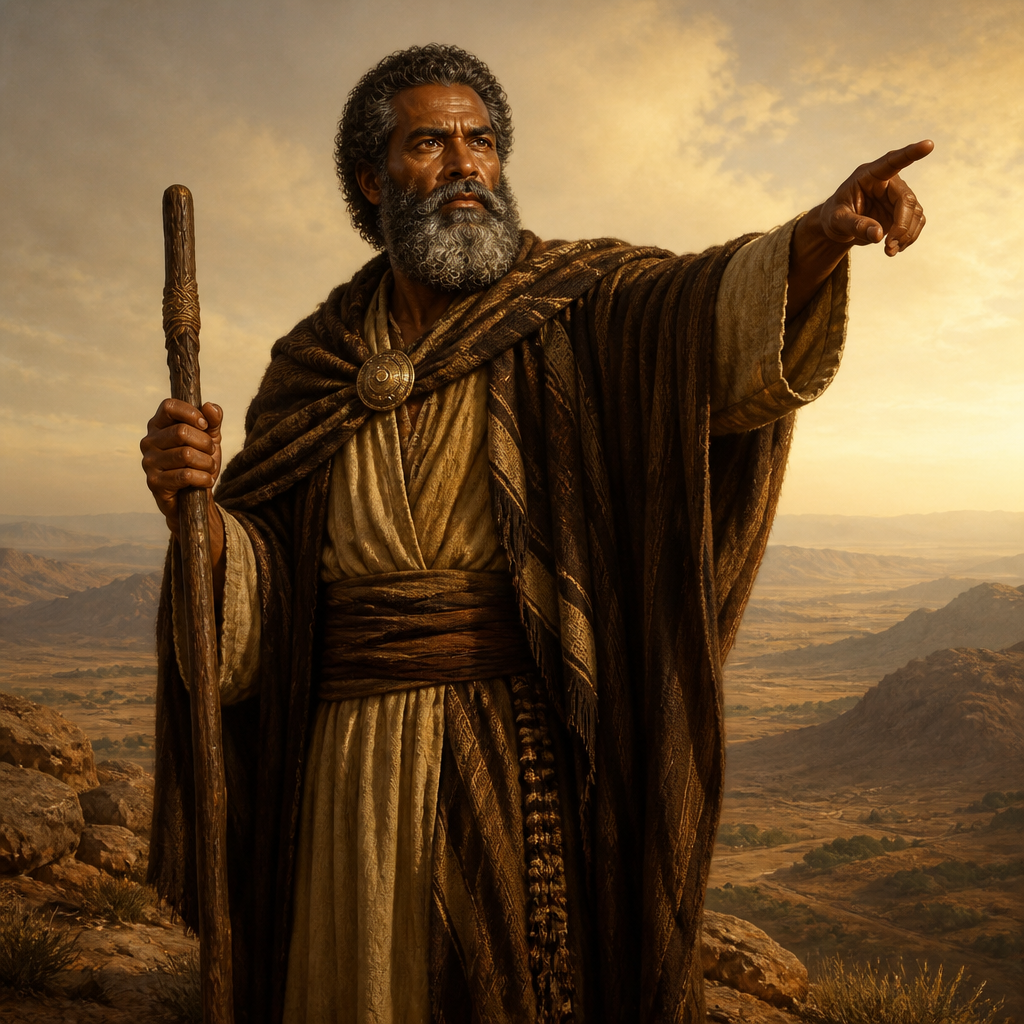
Cush, Son of Ham
Patriarchal ancestor of the Cushite people and father of Nimrod
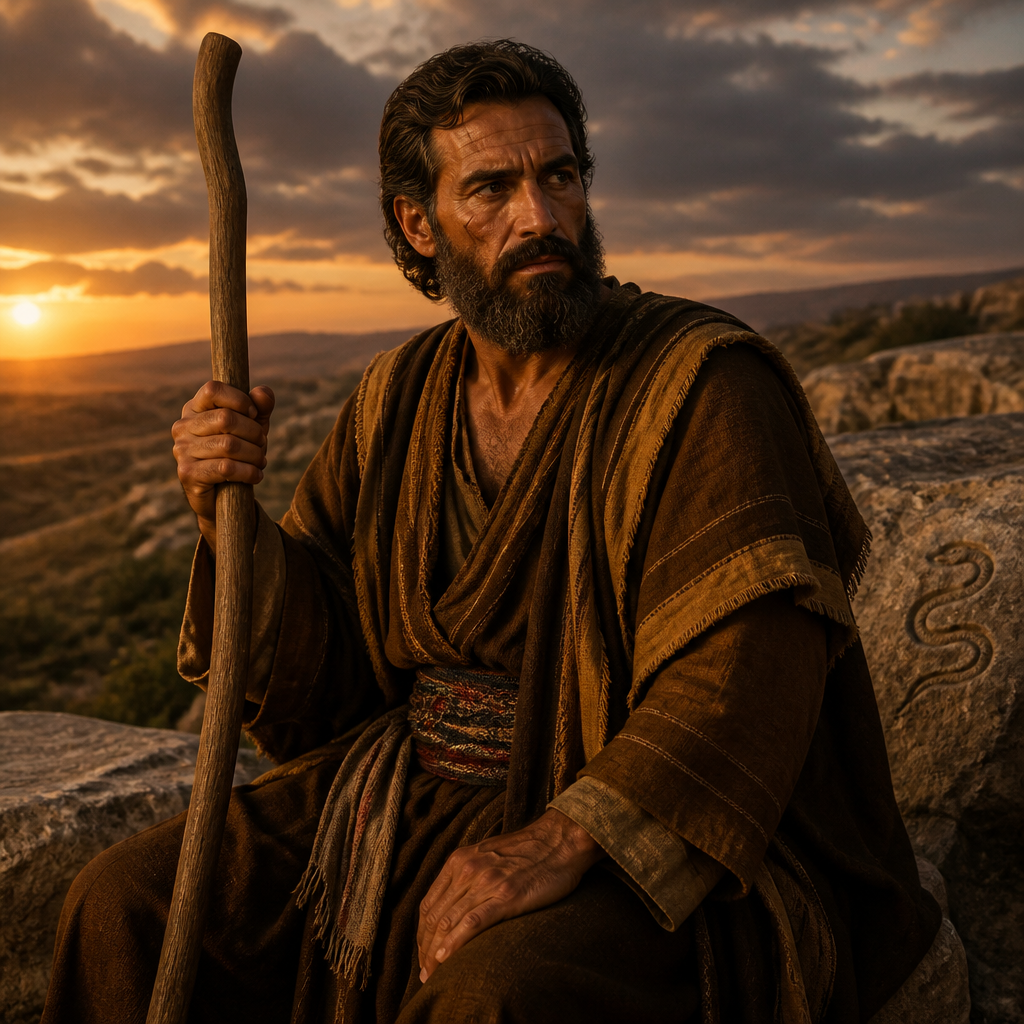
Dan
Patriarch who was the fifth son of Jacob and father of the Tribe of Dan
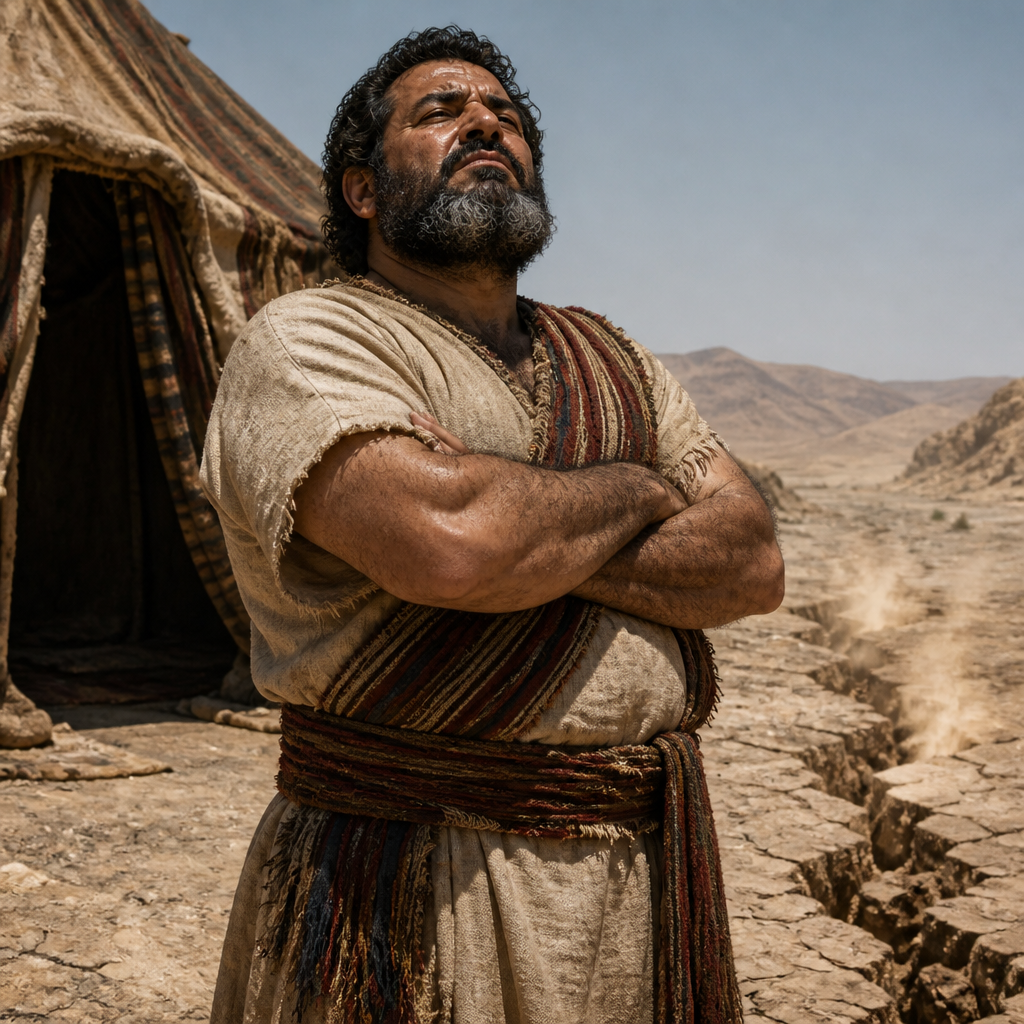
Dathan
Reubenite leader who perished when the earth swallowed him during a rebellion against Moses
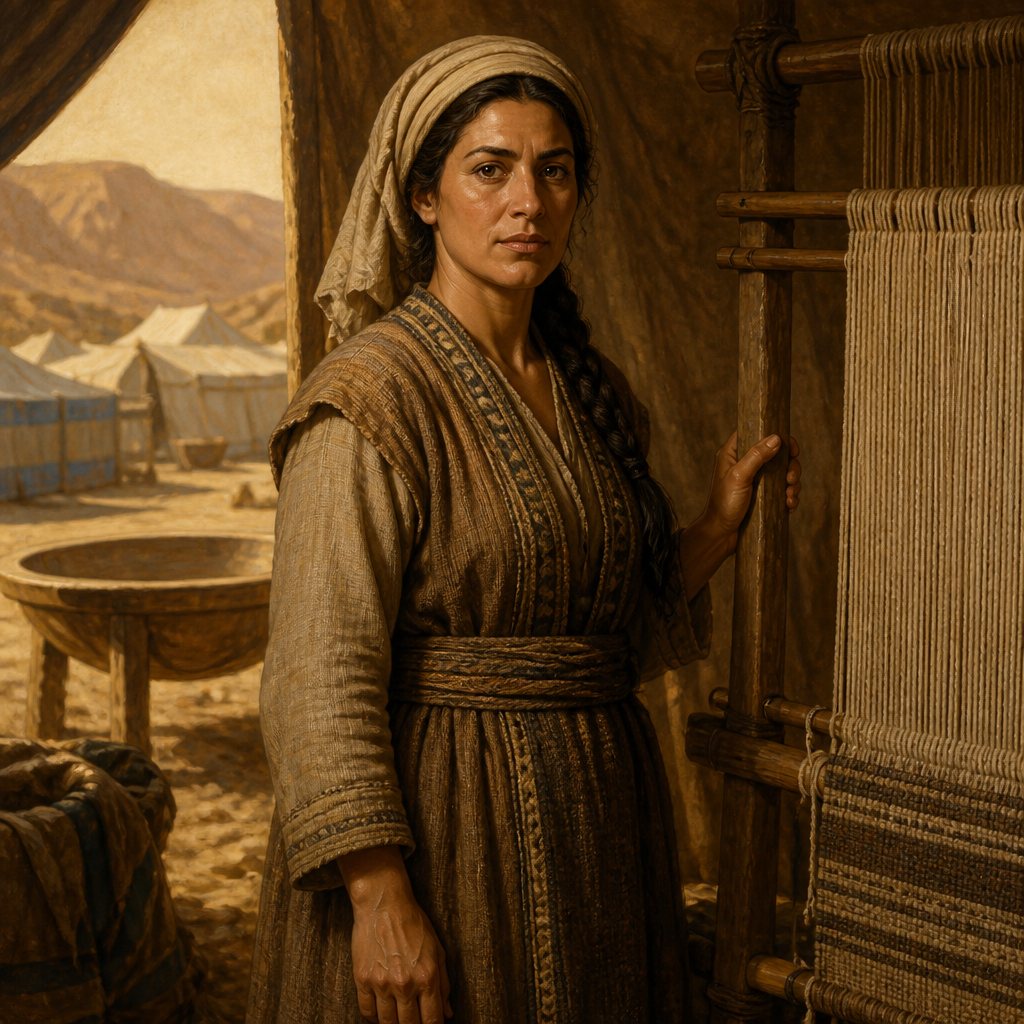
Daughter of Putiel
Mother of the High Priest Phinehas and wife of Eleazar
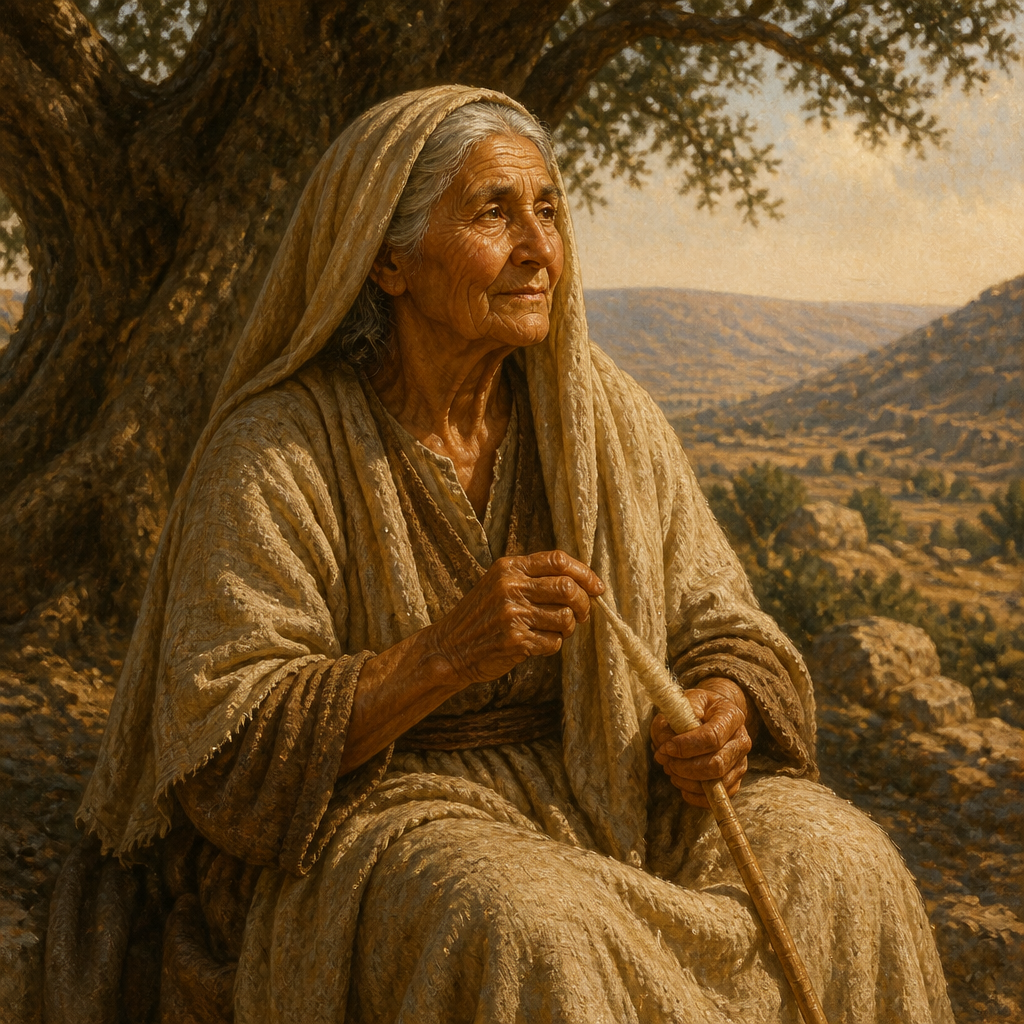
Deborah, Nurse of Rebekah
Nurse of Rebekah whose death was honored by Jacob at the Oak of Weeping
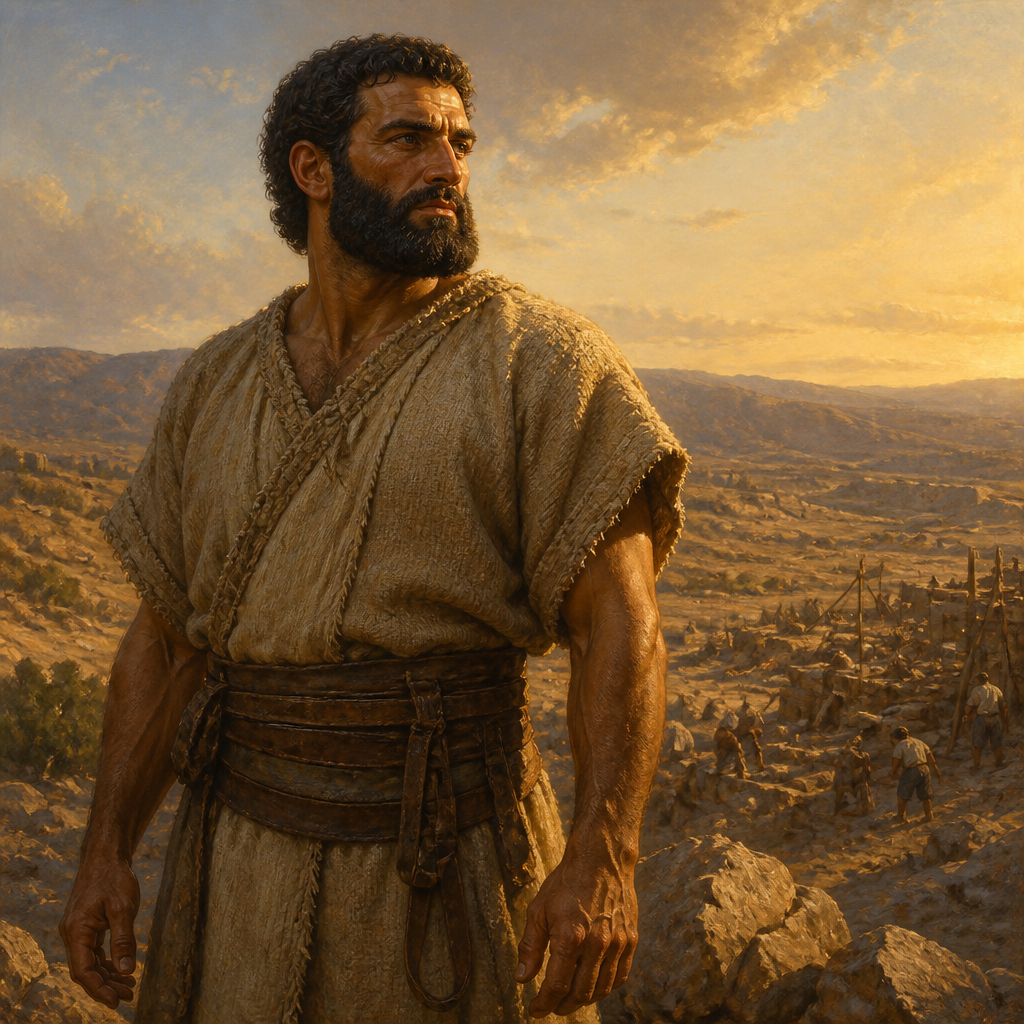
Dedan, Grandson of Cush
grandson of Cush and a patriarchal figure in the Table of Nations
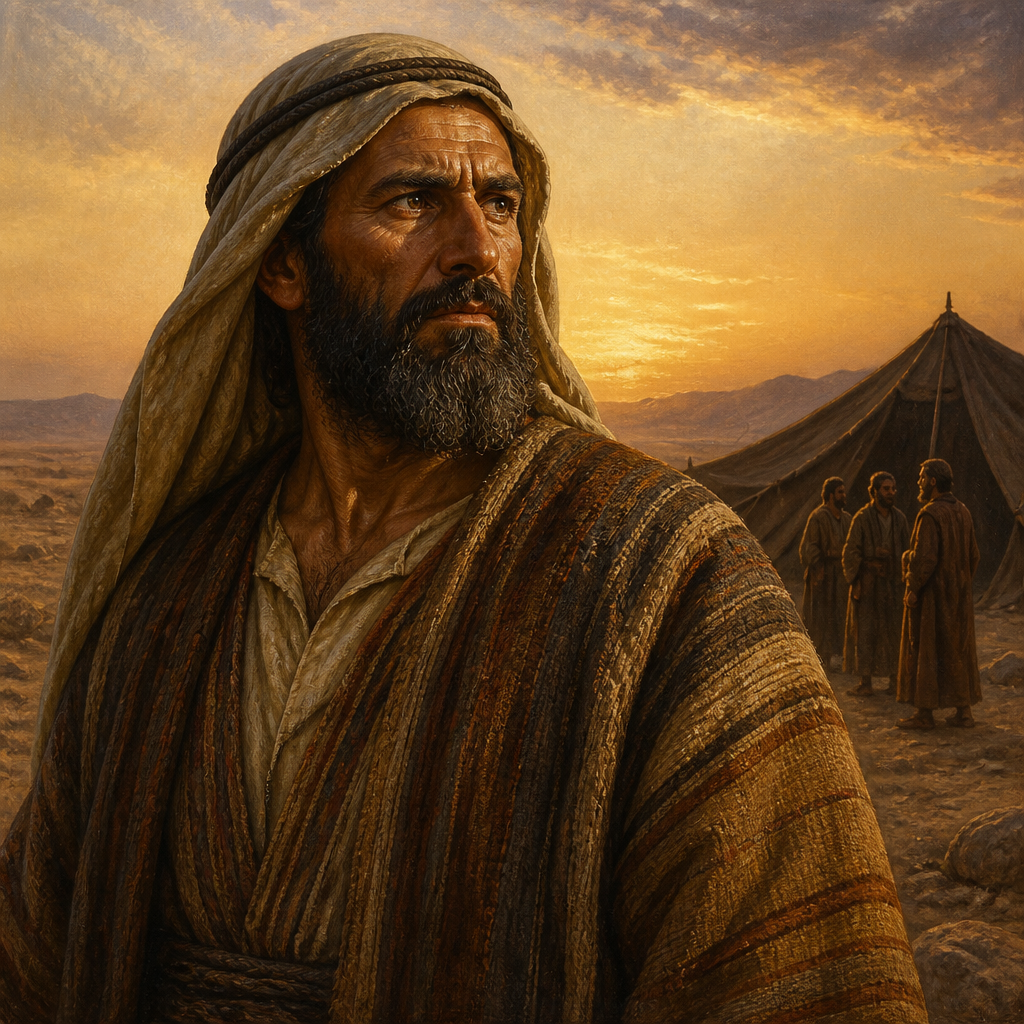
Dedan, Son of Jokshan
Grandson of Abraham through Keturah and ancestor of the Asshurim
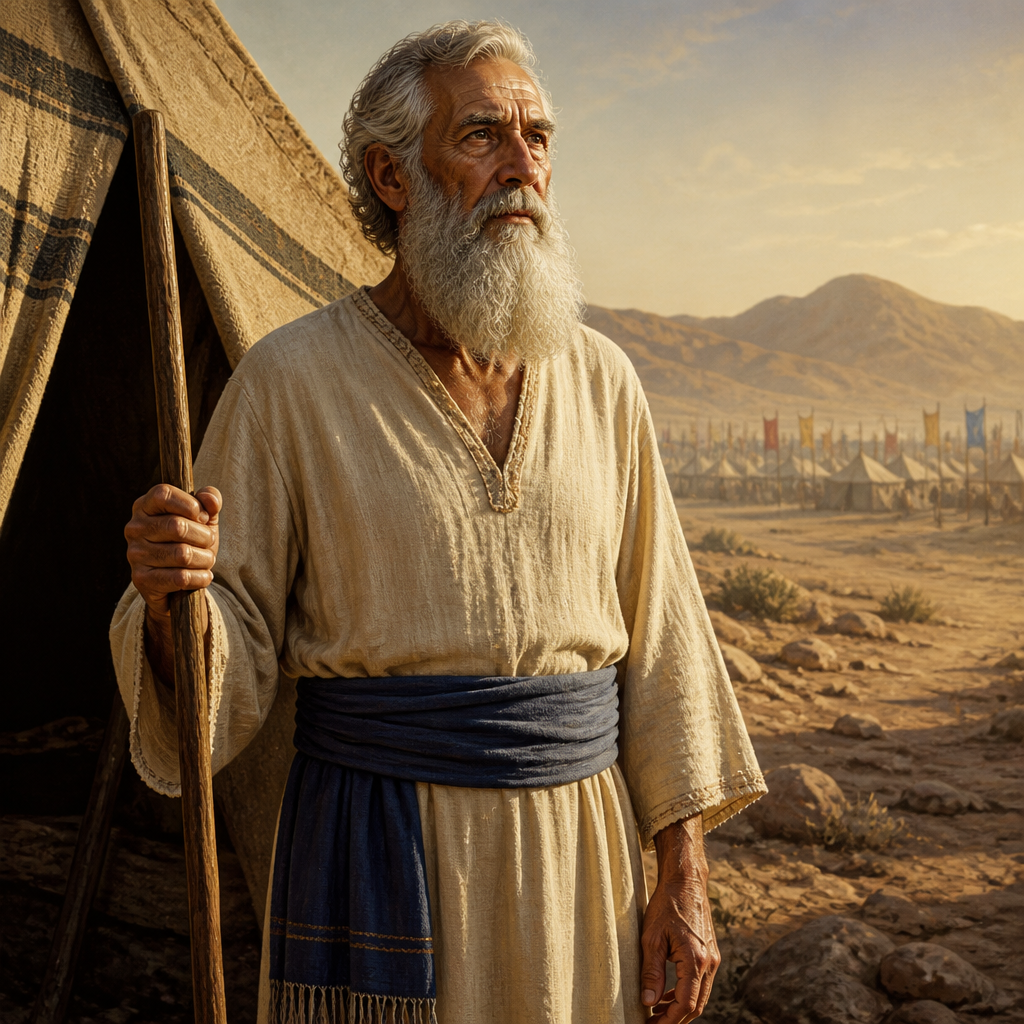
Deuel
Patriarch of the tribe of Gad whose son Eliasaph was a tribal leader during the Exodus
Dibri
Danite patriarch whose grandson was the first person executed for blasphemy in the wilderness
Dinah
Daughter of Jacob whose treatment by Shechem led to a violent conflict
Dishan
Patriarch and chief of the Horites in the land of Seir who was the son of Seir and father of Uz and Aran
Dishon, Son of Seir
Chief of the Horites and son of Seir who governed a division of the land of Edom
Dumah
Son of Ishmael and one of the twelve princes of the Ishmaelite tribes
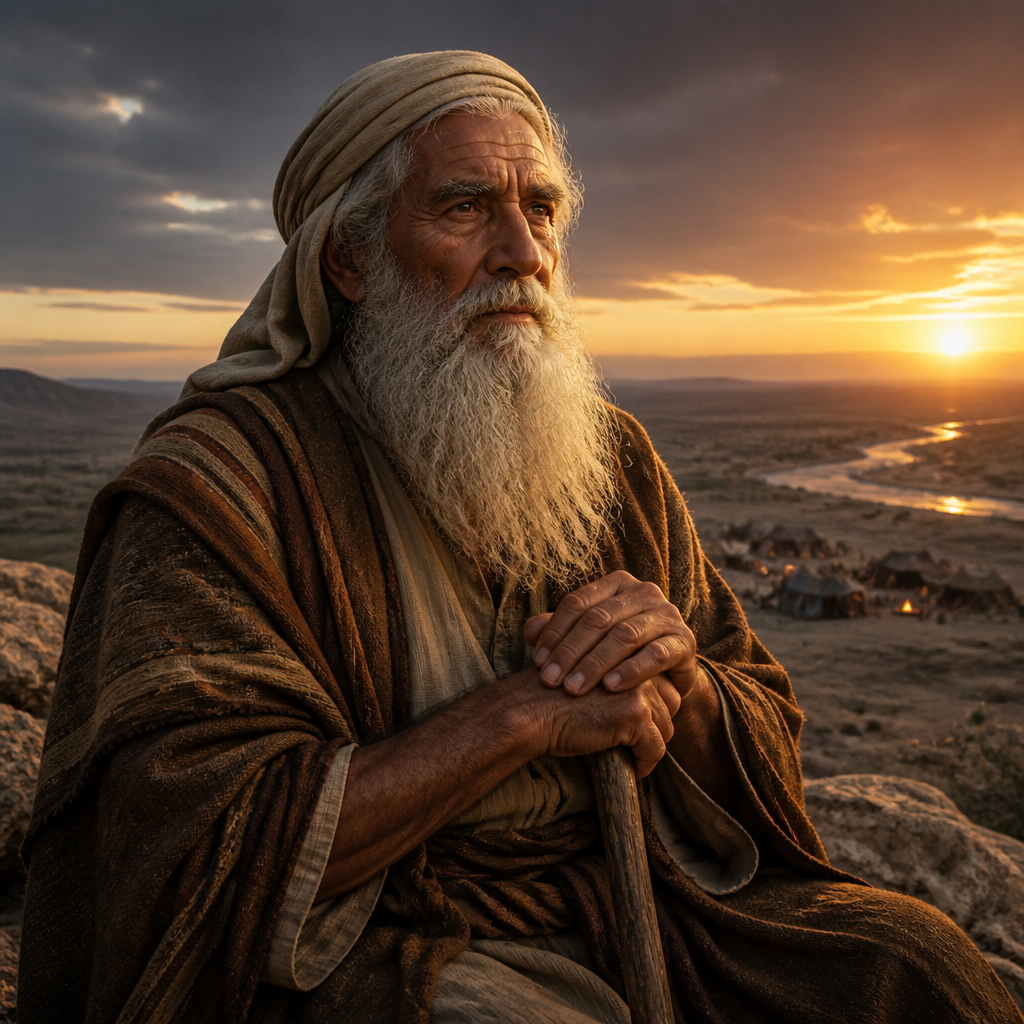
Eber, Son of Shelah
Patriarchal ancestor of the Hebrew people through the line of Shem
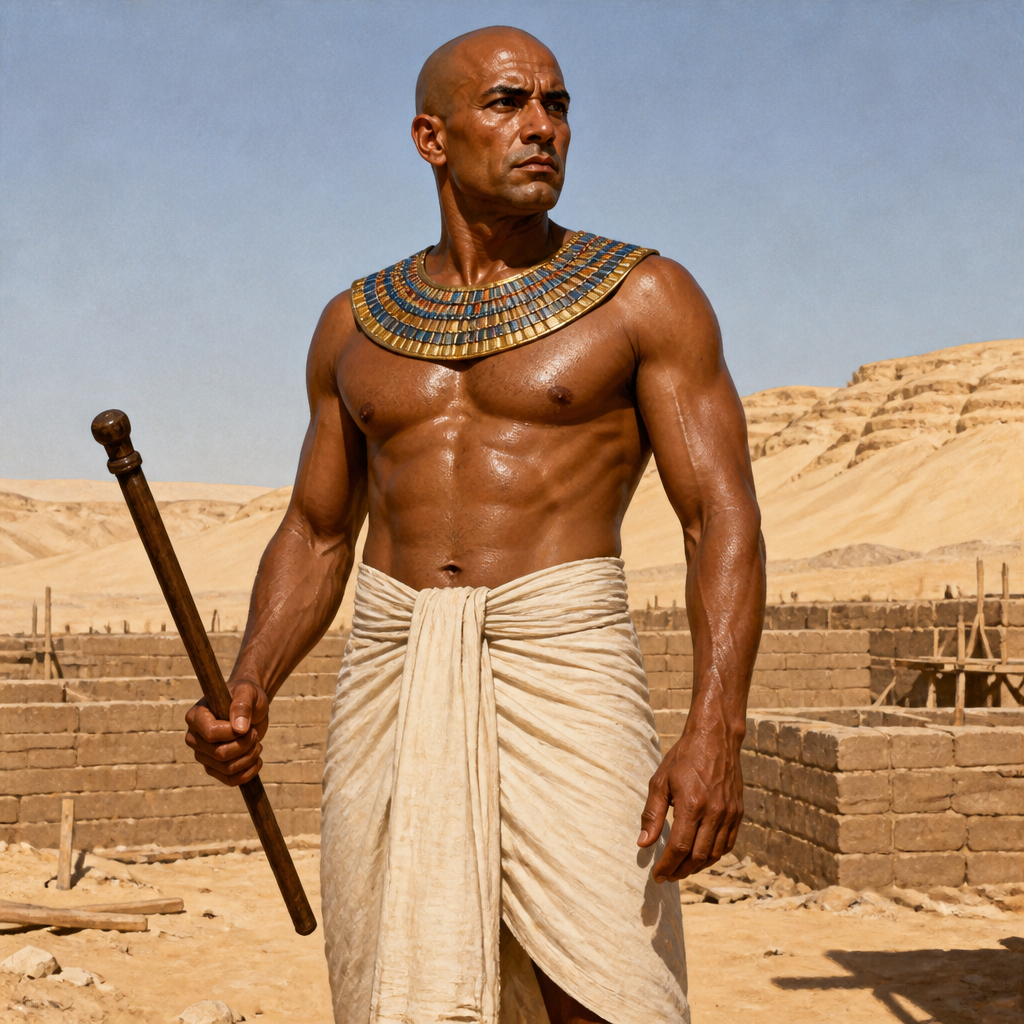
The Egyptian Taskmaster
Egyptian official whose beating of a Hebrew slave led to Moses' first act of intervention
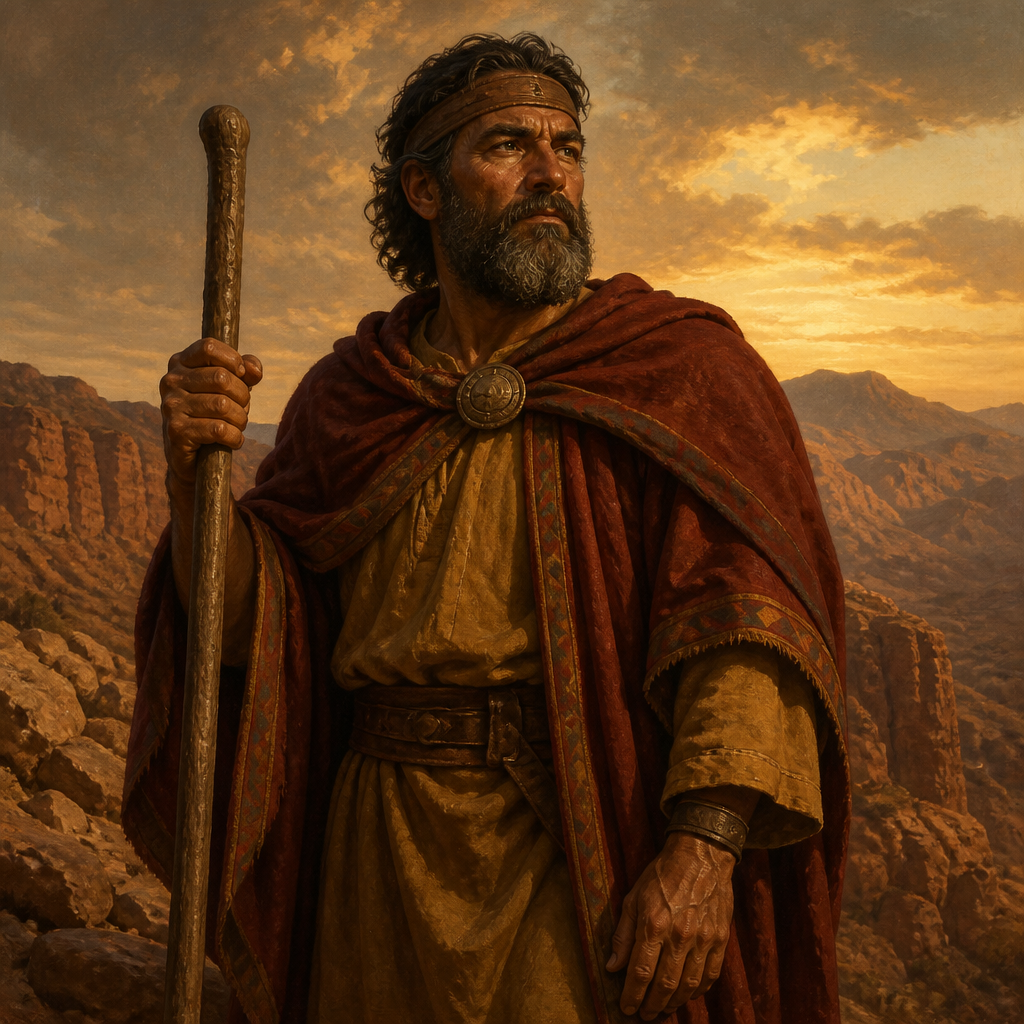
Elah, Chief of Edom
Edomite chief mentioned in the genealogies of Esau
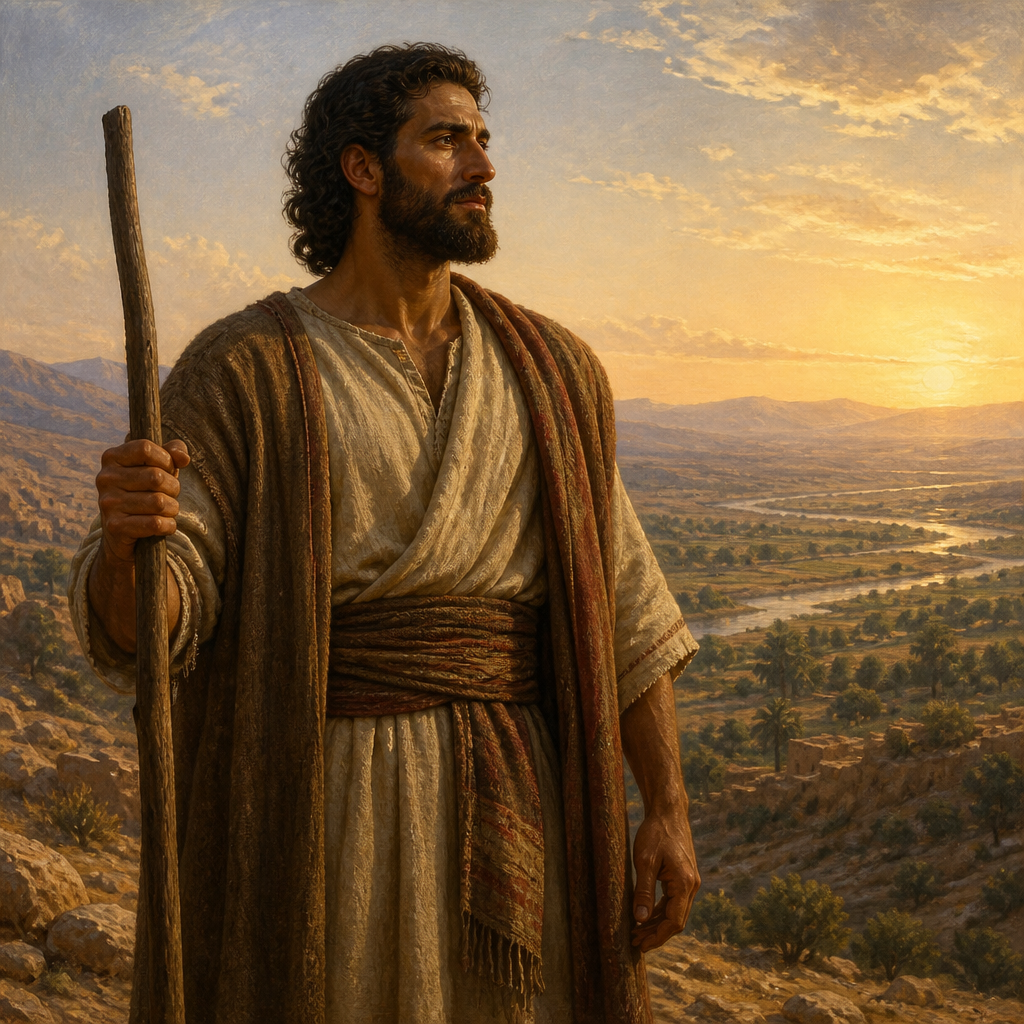
Eldaah
Son of Midian and grandson of Abraham who founded a branch of the Midianite people
Eleazar, Son of Aaron
High Priest who succeeded Aaron and assisted Joshua in dividing the Promised Land
Eli-zaphan, Son of Parnach
Tribal leader of Zebulun appointed to divide the Promised Land
Eliab, Father of Dathan and Abiram
father of the Reubenite rebels Dathan and Abiram
Eliab, Leader of Zebulun
Tribal leader of Zebulun who assisted Moses in the wilderness census and presented offerings for the Tabernacle
Eliasaph son of Deuel, Prince of Gad
Prince of the tribe of Gad who led his division during the Exodus
Eliasaph son of Lael
Levite leader of the Gershonites during the wilderness wanderings
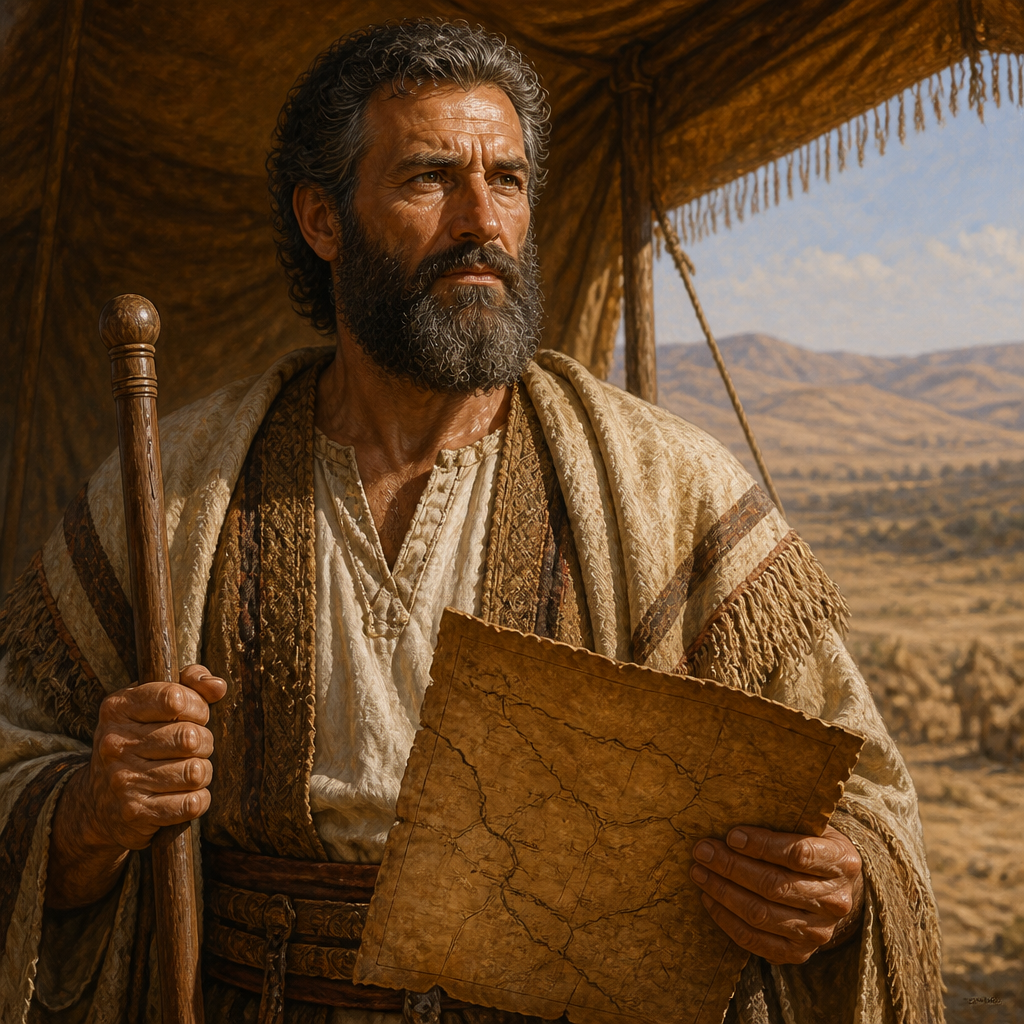
Elidad
Tribal leader of Benjamin who oversaw the division of the Promised Land
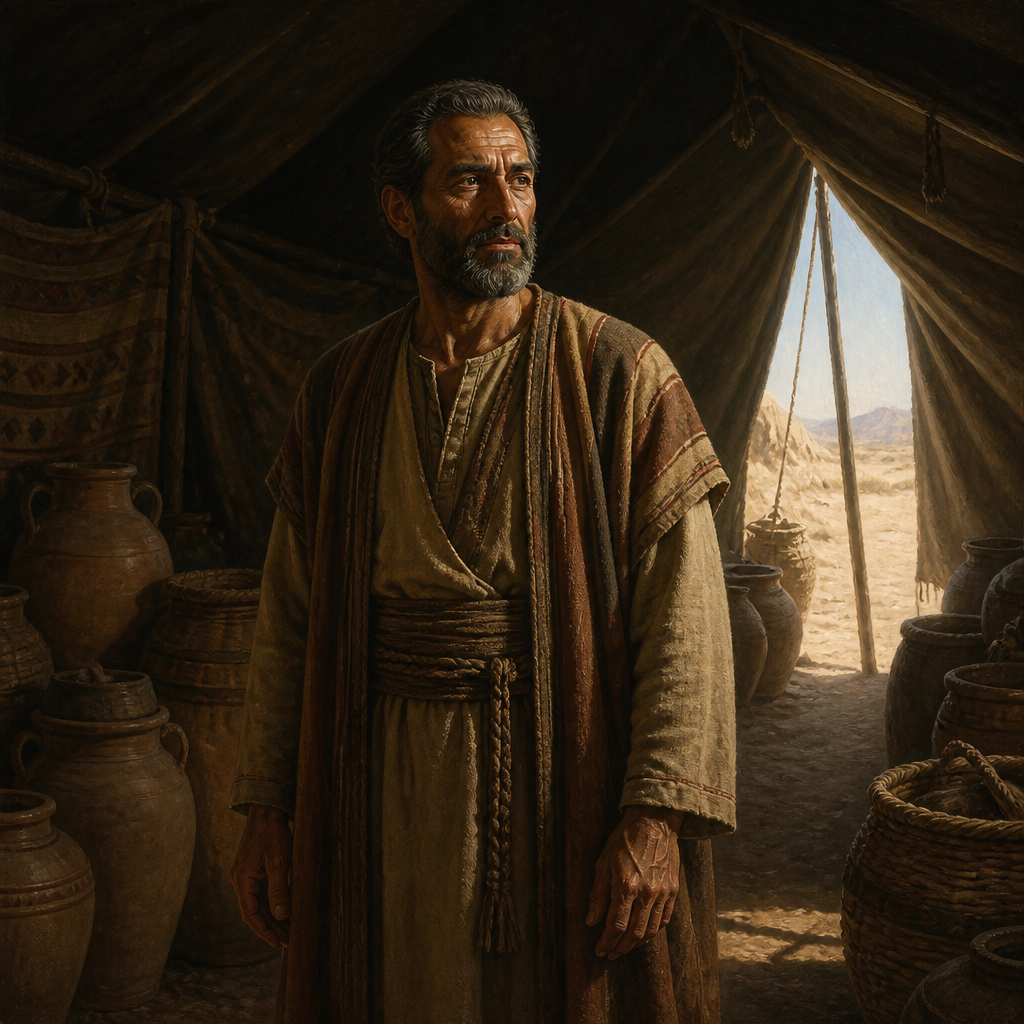
Eliezer of Damascus
servant from Damascus who was the legal heir of Abram's house before the birth of Isaac
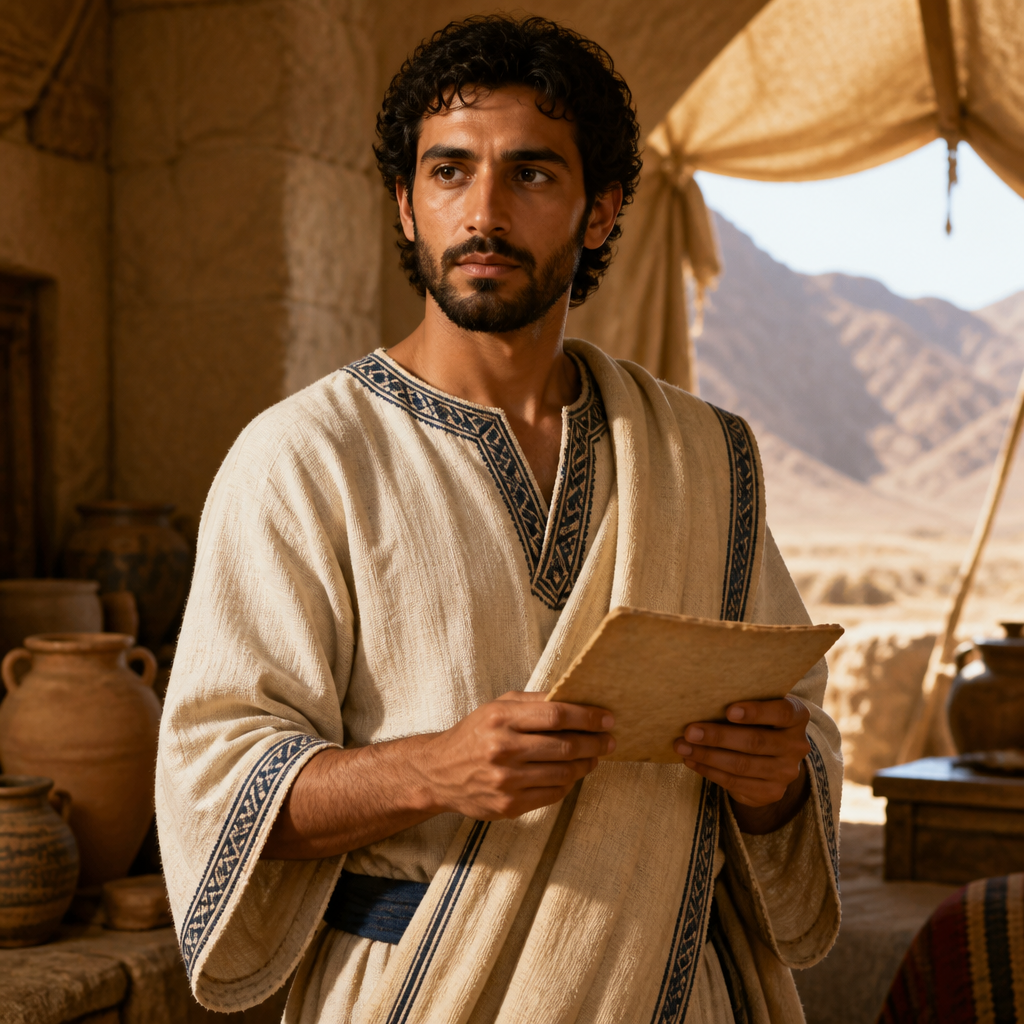
Eliezer, Son of Moses
son of Moses whose name signifies God's help in delivering his father from Pharaoh