
People of Leviticus
Every person who appears in the book of Leviticus, ordered by how often they are mentioned there.
The book of Leviticus contains instructions delivered by God to the People of Leviticus while they are camped at the base of Mount Sinai. The text is primarily a series of speeches directed toward Moses, who acts as the intermediary between the divine and the community (Leviticus 1:1). While much of the book focuses on ritual law, it identifies specific individuals responsible for the inaugural sacrificial system and the maintenance of the Tabernacle.
The narrative arc of the book centers on the family of Aaron, who is consecrated as the first high priest (Leviticus 8:1–12). His sons are central to the early chapters, though their roles vary significantly based on their obedience to the ritual laws. Nadab is the firstborn who is consumed by fire from the Lord for offering unauthorized incense (Leviticus 10:1–2). Abihu is the second son who dies alongside his brother for the same transgression (Leviticus 10:1–2). Following their deaths, Mishael is commanded to carry the bodies away from the sanctuary (Leviticus 10:4). Elizaphan assists his brother in removing the remains to a place outside the camp (Leviticus 10:4–5). The remaining sons, Eleazar, and Ithamar are warned not to mourn their brothers but to continue their priestly duties (Leviticus 10:6–12).
Beyond the priestly line, the book records a specific legal case involving Shelomith, whose son blasphemes the Name during a fight (Leviticus 24:10–11). The text identifies her father as Dibri, of the tribe of Dan providing a rare genealogical marker for a person outside the tribe of Levi (Leviticus 24:11). This incident leads to a divine decree regarding capital punishment and the principle of equal justice for both the native-born and the stranger (Leviticus 24:13–23).
The laws within the book are framed as a continuation of the covenant made with the ancestors of Israel. The text explicitly mentions the historical figures Abraham, Isaac, and Israel to remind the people that their current laws are rooted in the promises made to their forefathers (Leviticus 26:42). By the conclusion of the book, the regulations establish a framework for holiness intended to distinguish the nation from the surrounding peoples as they prepare to move toward the land promised to their ancestors (Leviticus 27:34).
Everyone in this list
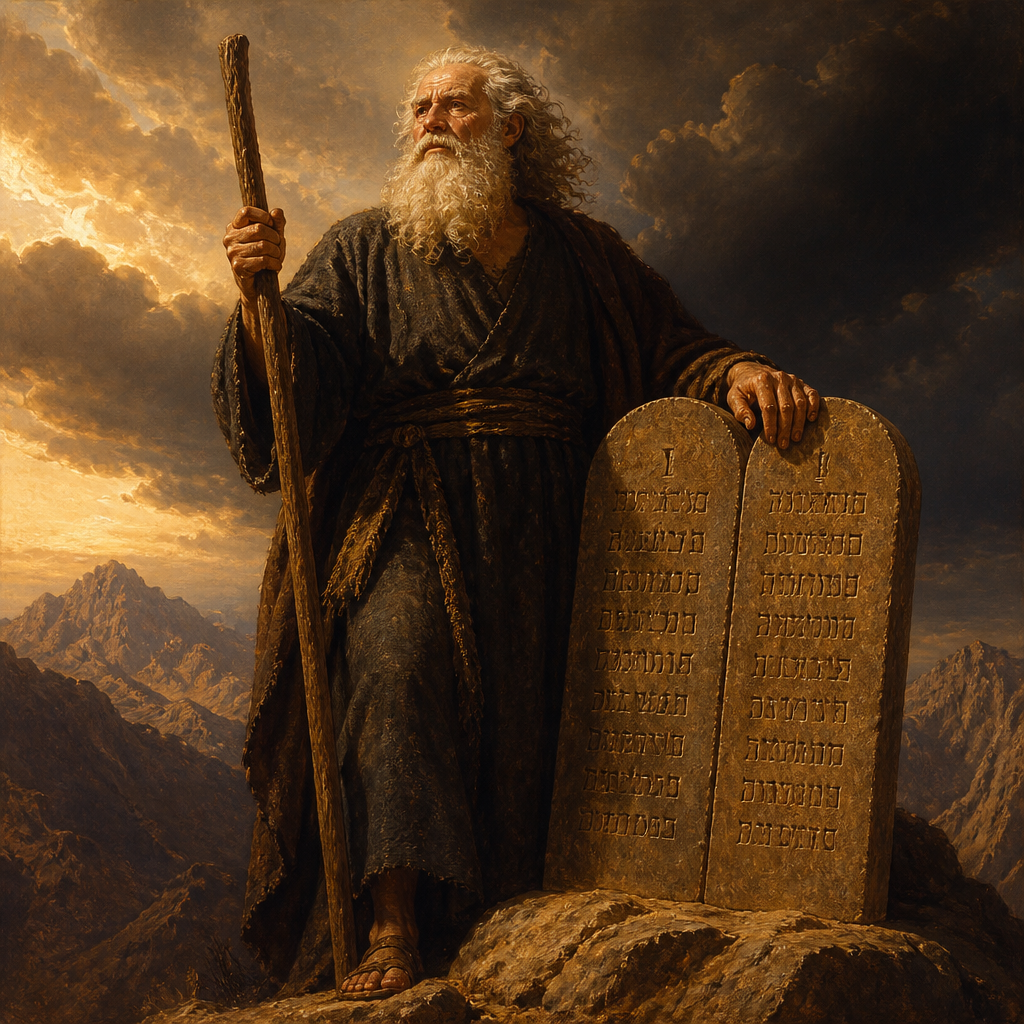
Moses
Prophet who led the Israelites out of Egypt and received the Ten Commandments
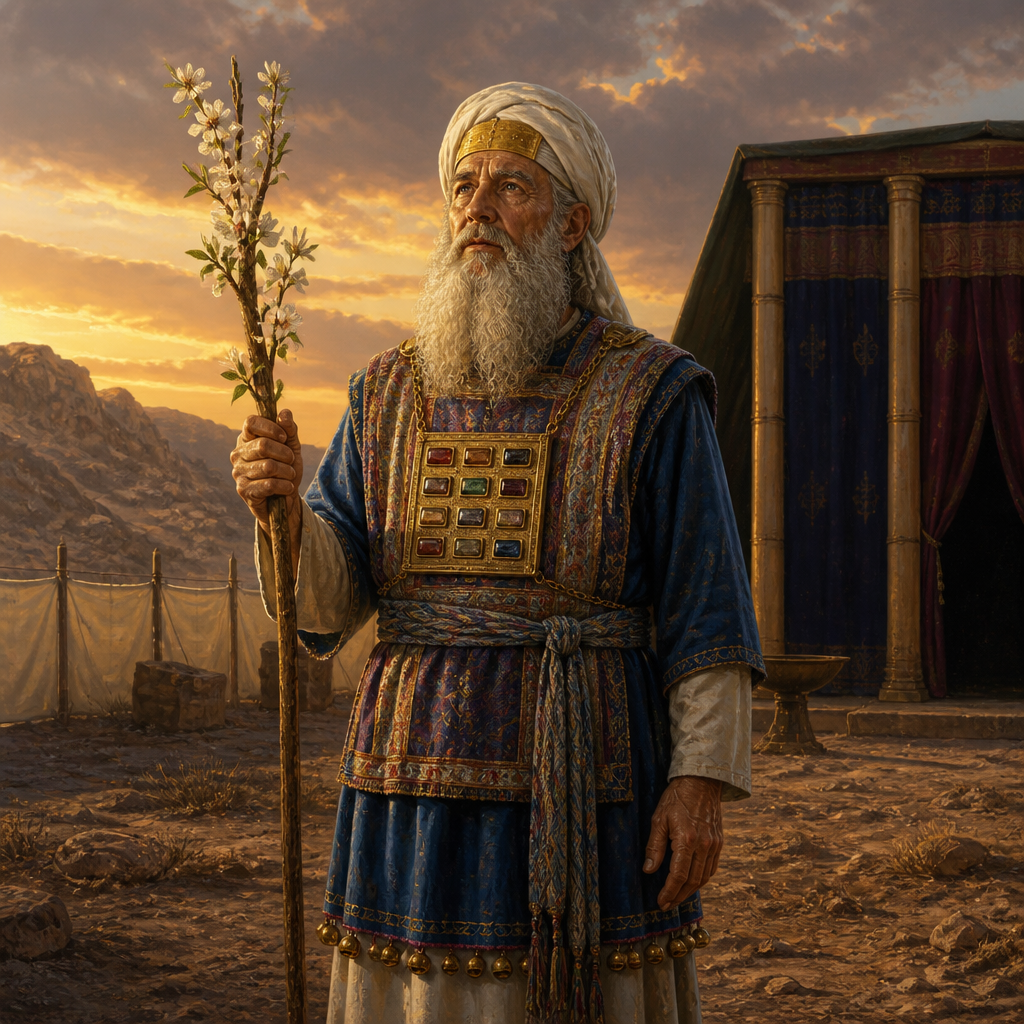
Aaron
First High Priest of Israel who served as the spokesman for Moses during the Exodus
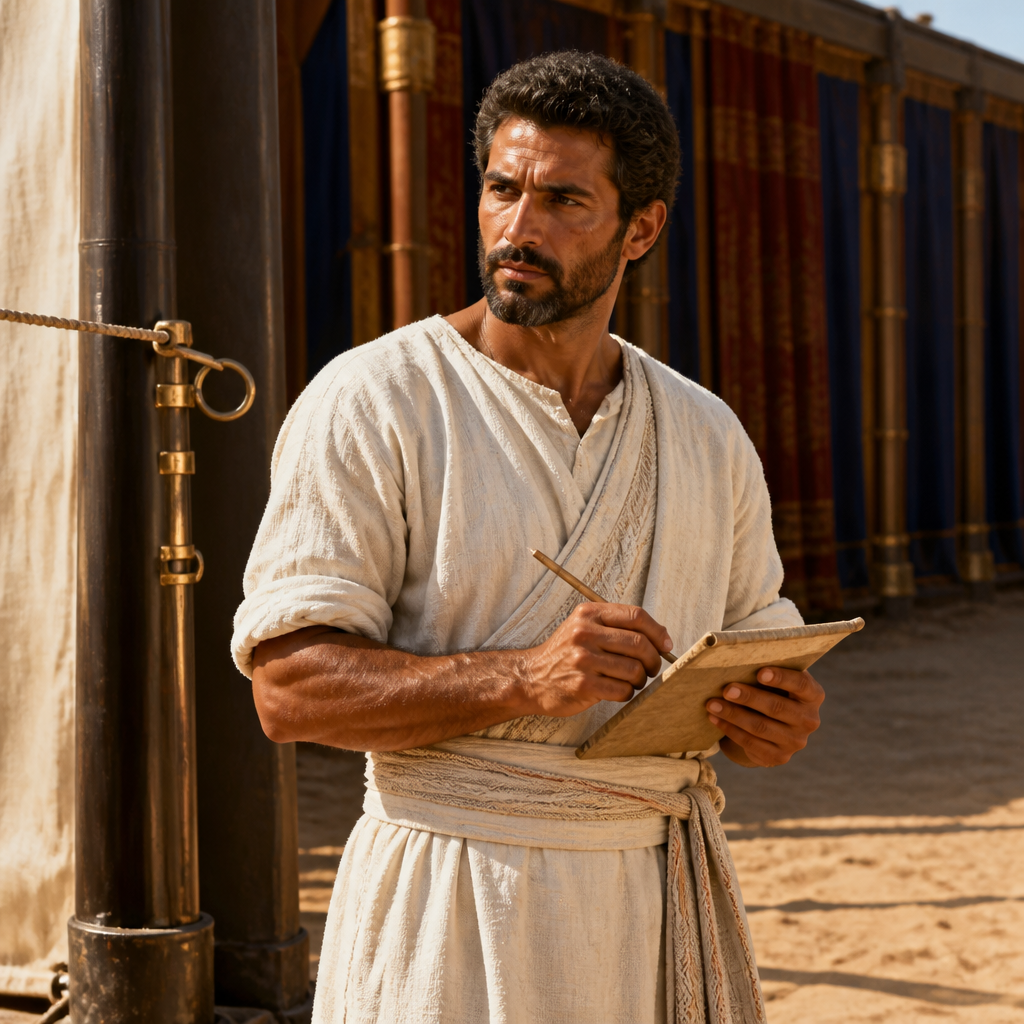
Ithamar
Youngest son of Aaron who supervised the Tabernacle inventory and the Levite clans
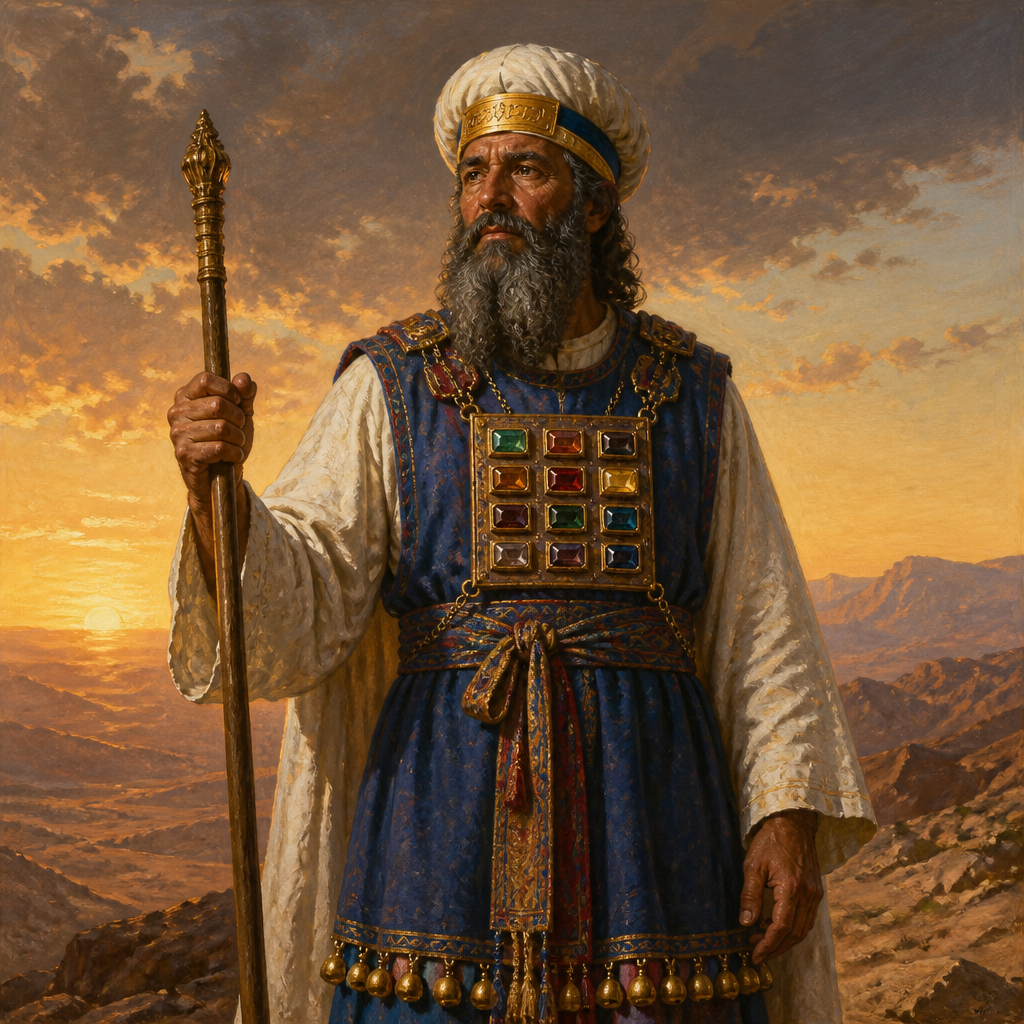
Eleazar, Son of Aaron
High Priest who succeeded Aaron and assisted Joshua in dividing the Promised Land
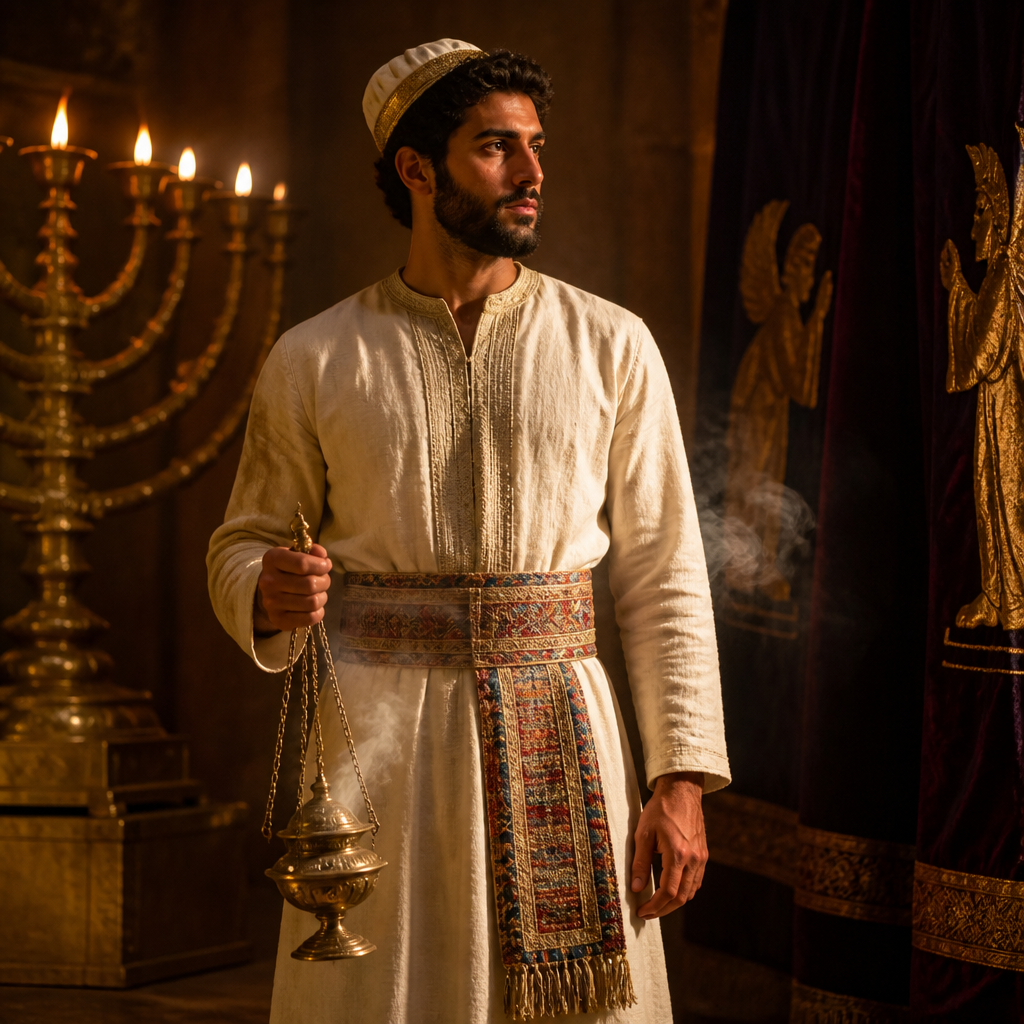
Nadab, Son of Aaron
Firstborn son of Aaron who was killed by divine fire for offering unauthorized incense
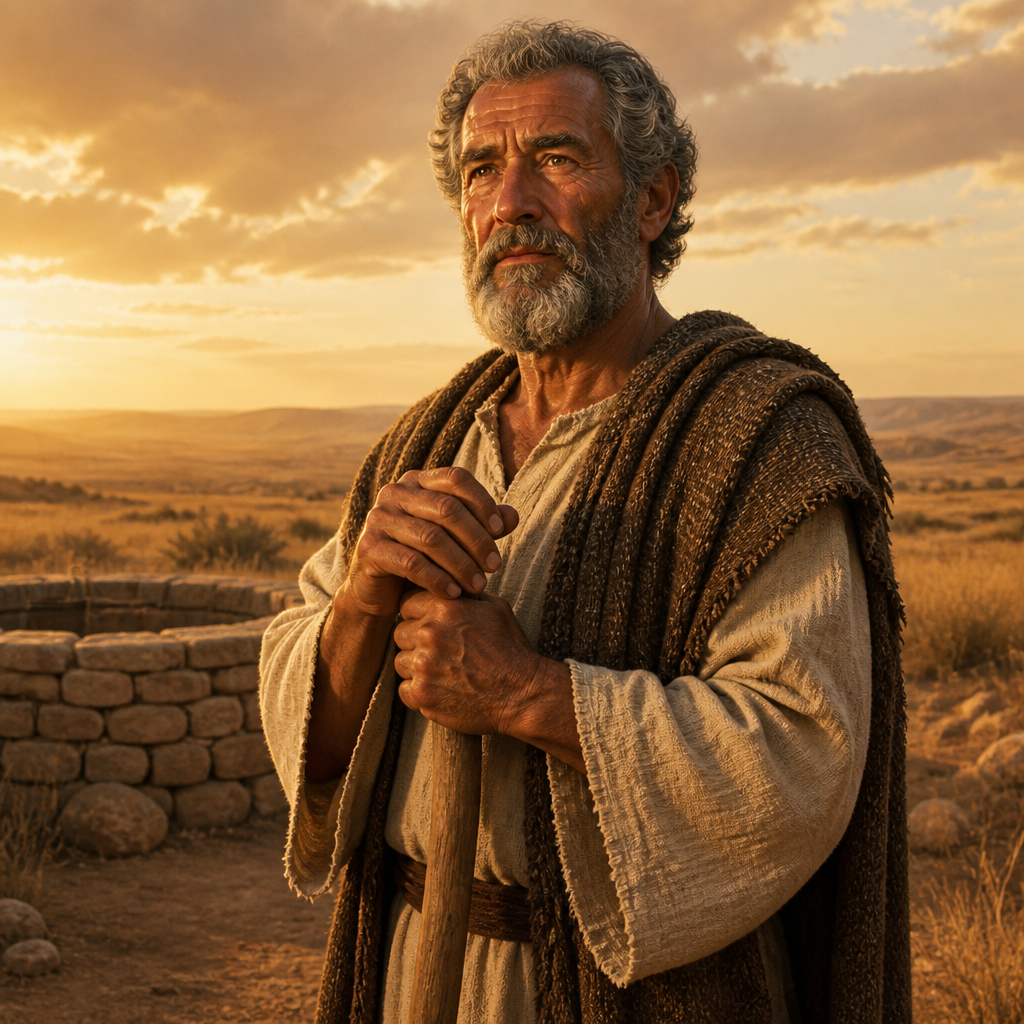
Isaac
Patriarch who was the son of Abraham and the father of Jacob and Esau
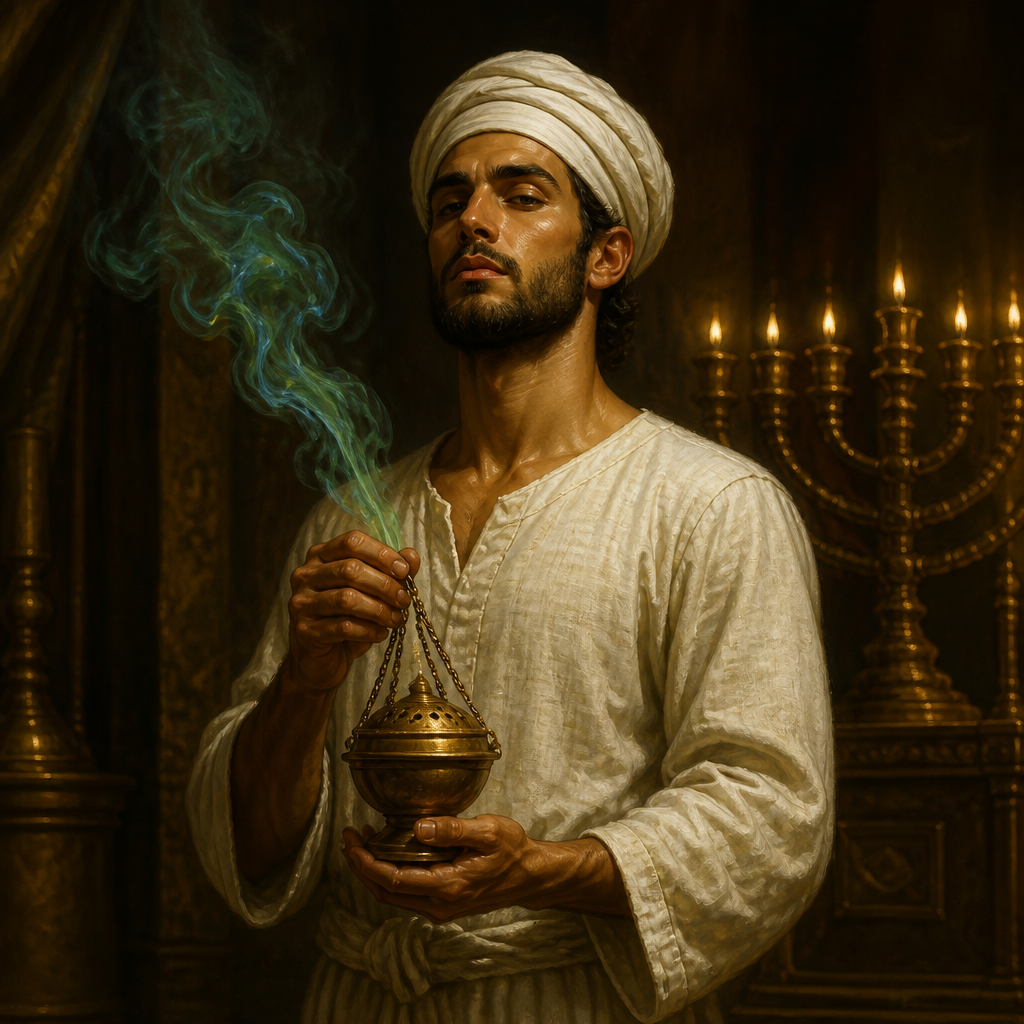
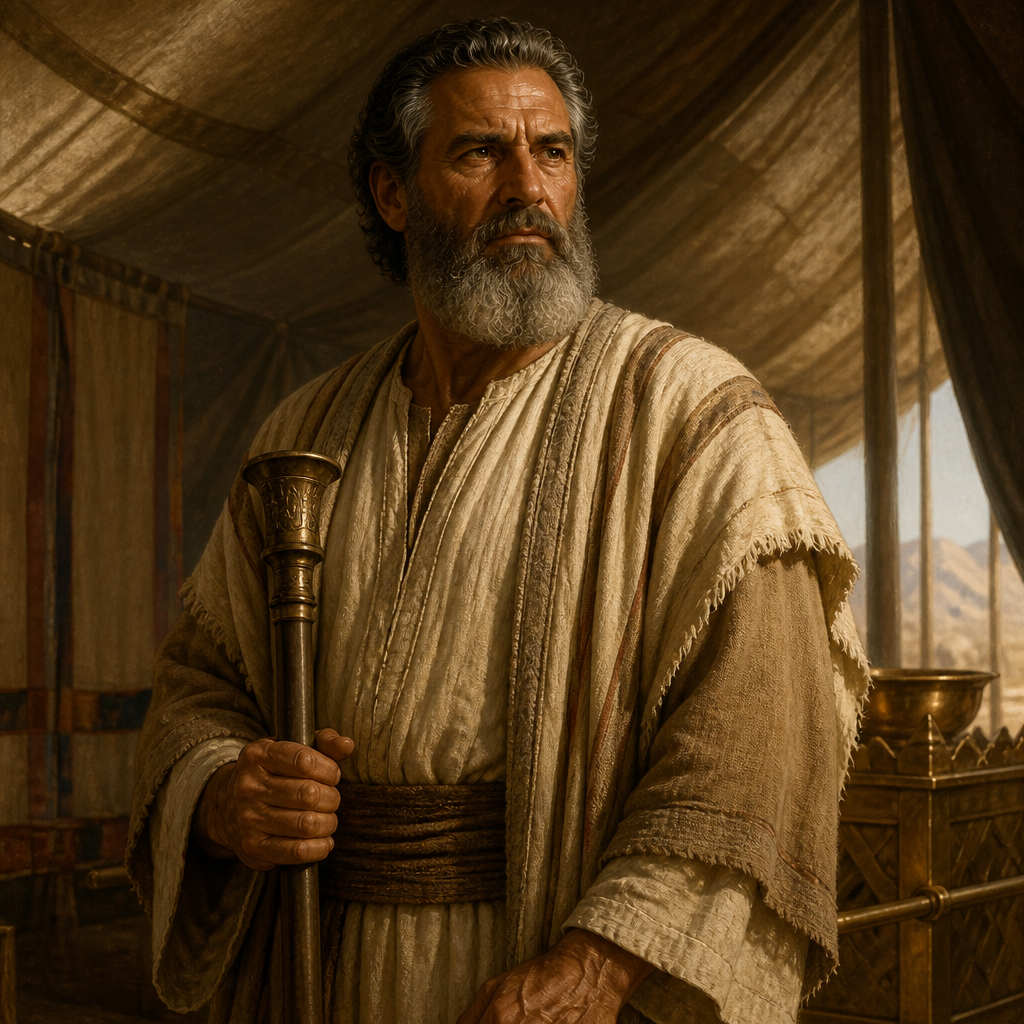
Uzziel, Son of Kohath
Uncle of Moses and Aaron and founder of the Uzzielite clan of Levites
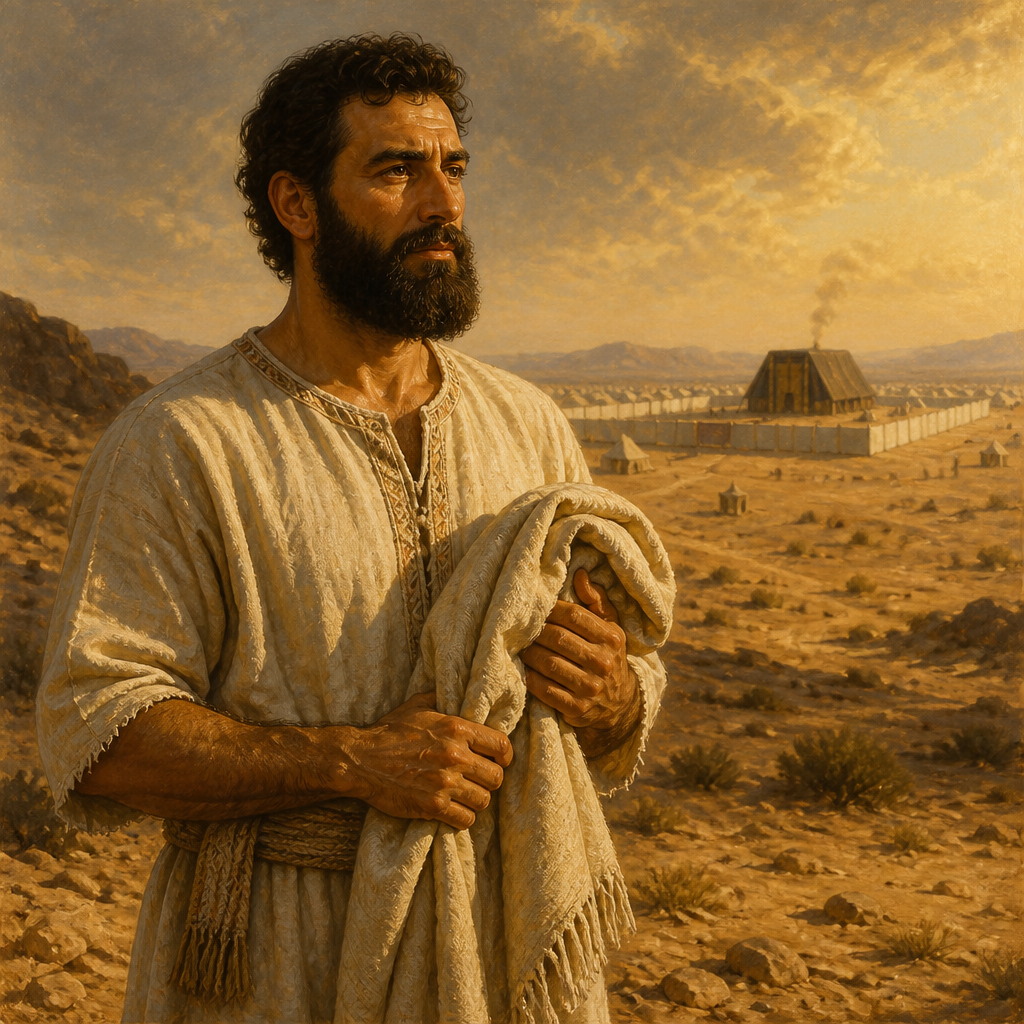
Elizaphan, Son of Uzziel
Levite leader who removed the bodies of Nadab and Abihu from the Tabernacle
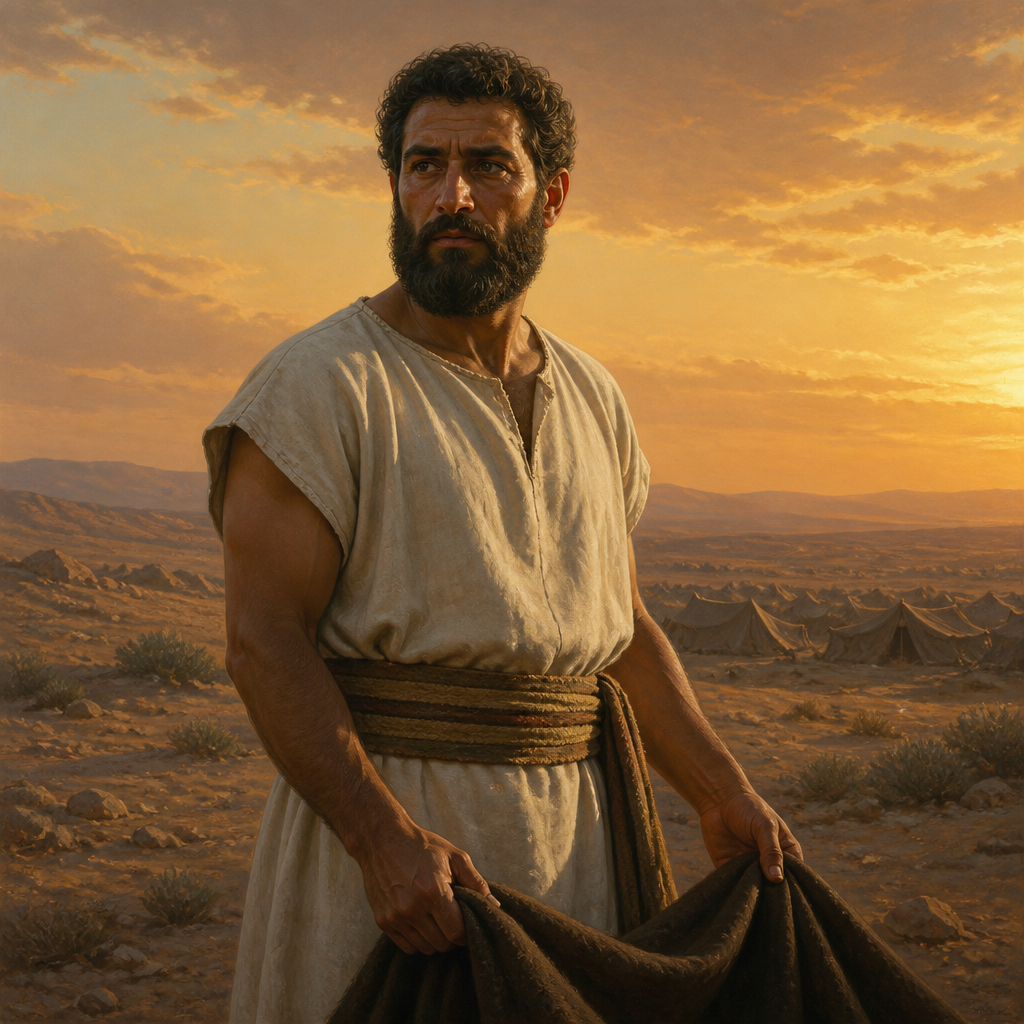
Mishael, Son of Uzziel
Levite cousin of Aaron who removed the bodies of Nadab and Abihu from the sanctuary
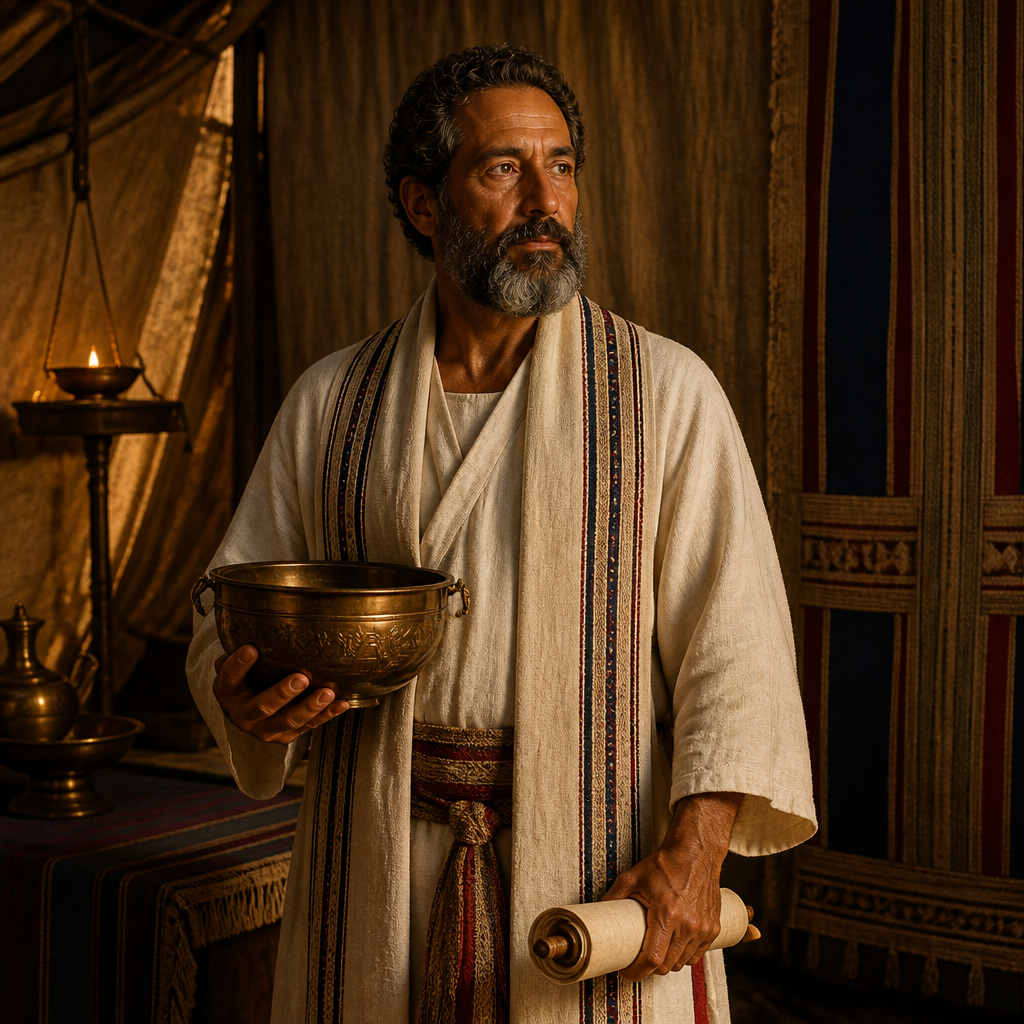
Shelomith, Levite Son of Izhar
Levite leader and first-born son of Izhar who headed a division of the Kohathites
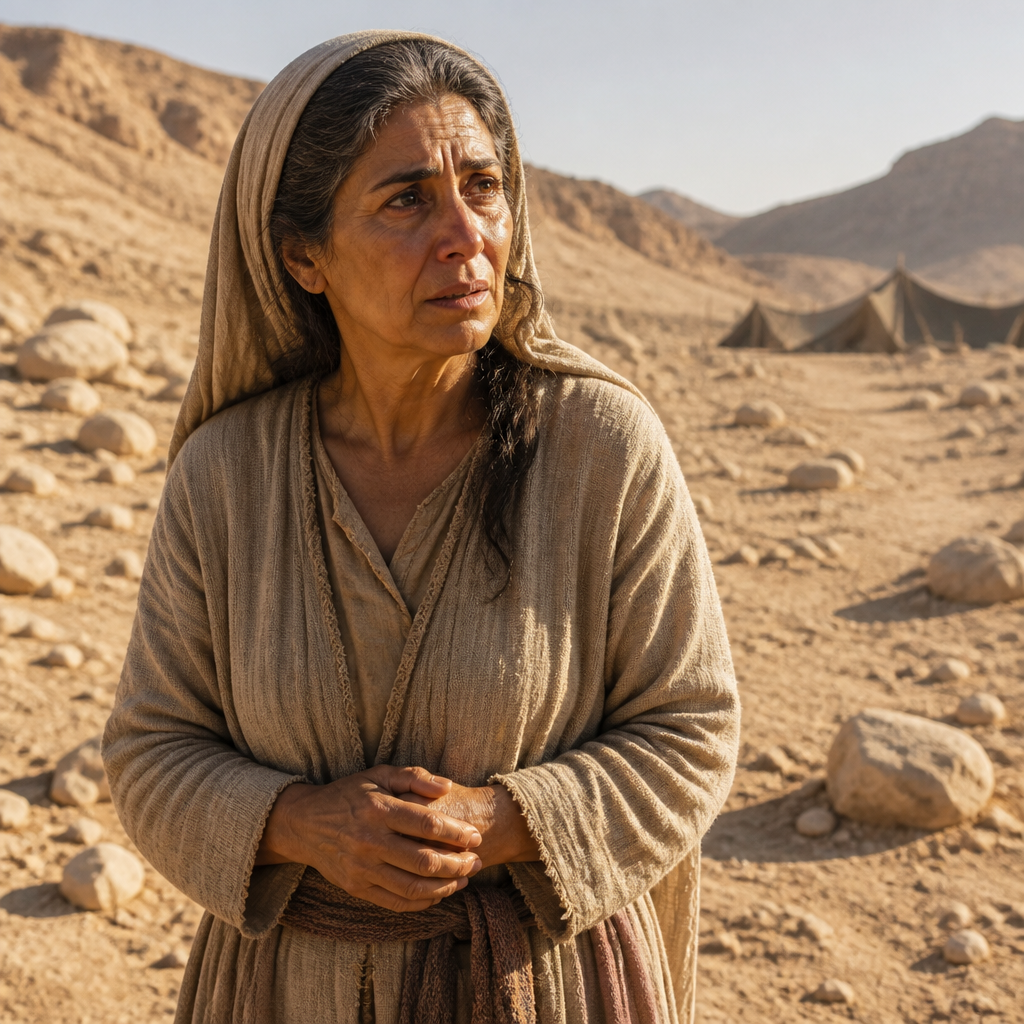
Shelomith, Daughter of Dibri
Mother of the man executed for blasphemy in the wilderness
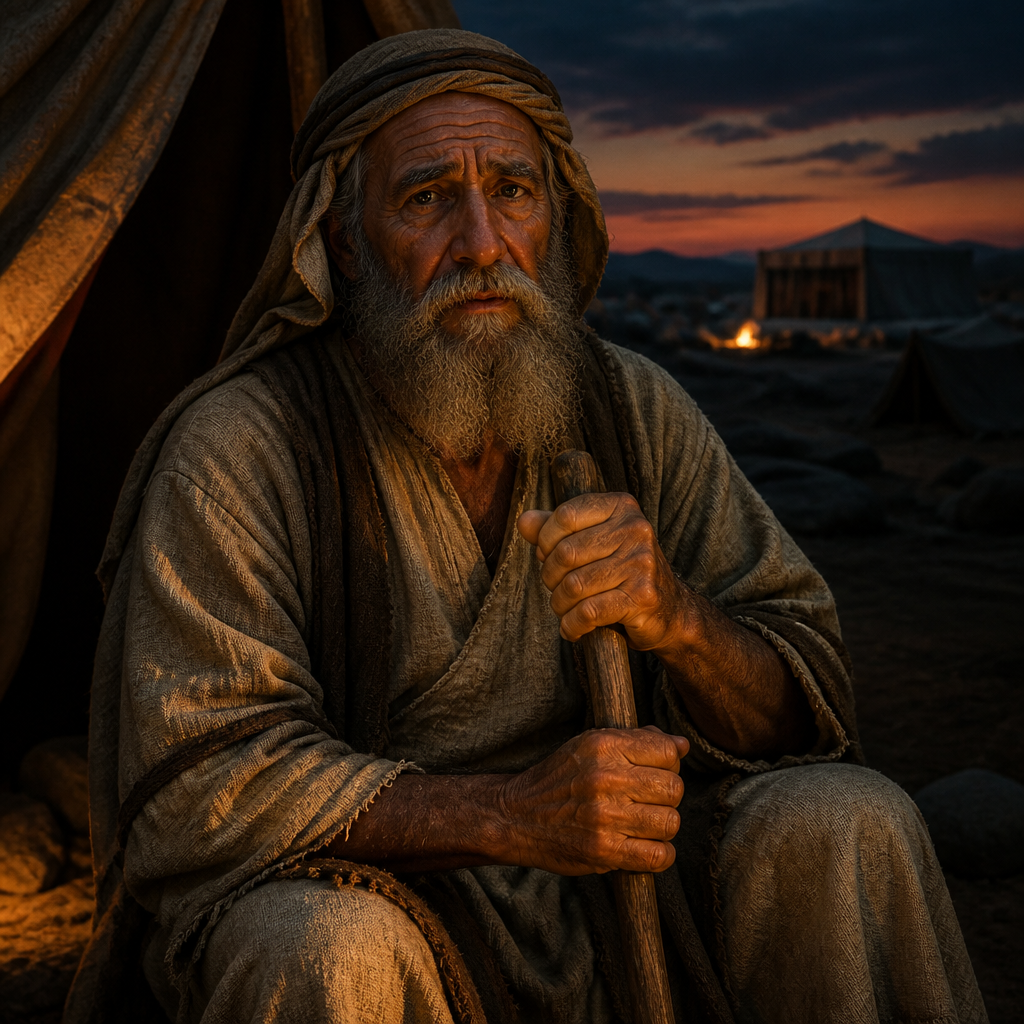
Dibri
Danite patriarch whose grandson was the first person executed for blasphemy in the wilderness
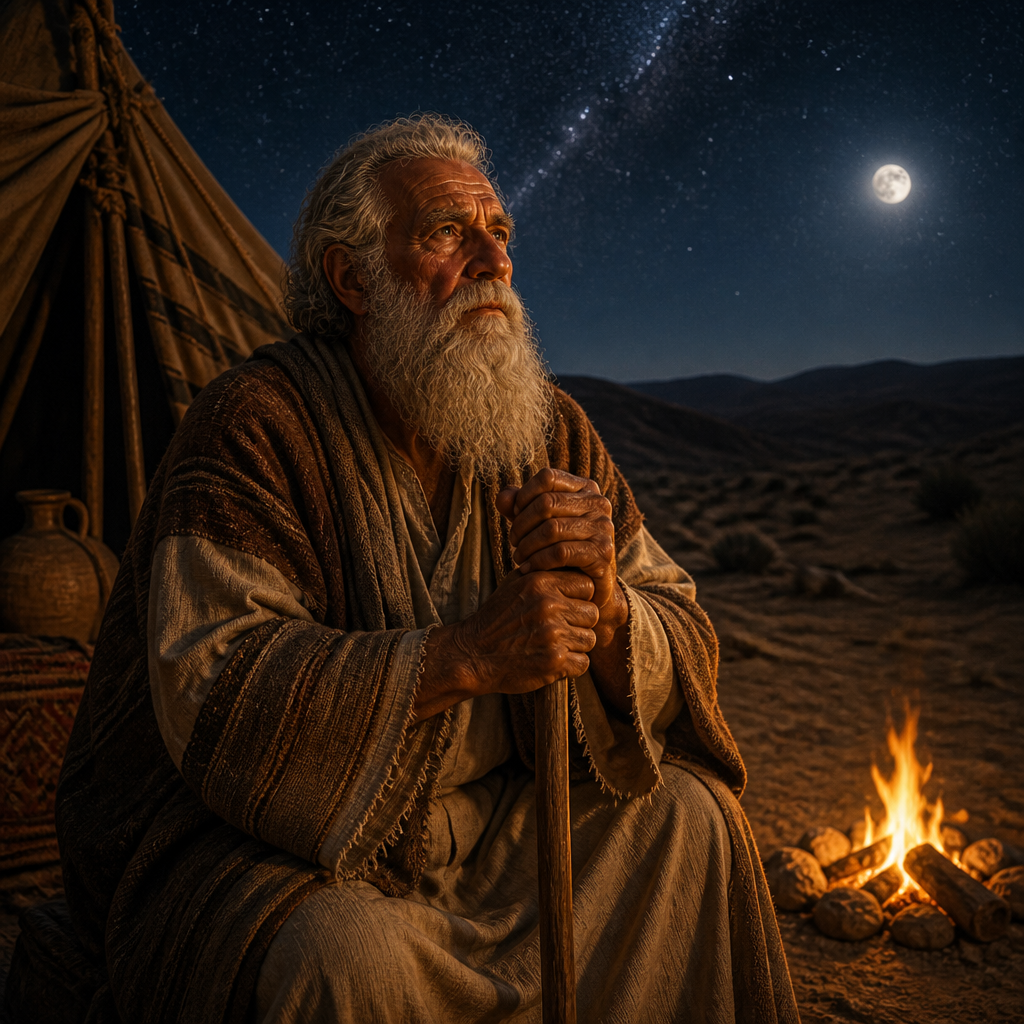
Abraham
Patriarch who is the father of the nation of Israel and an exemplar of faith