Tribe
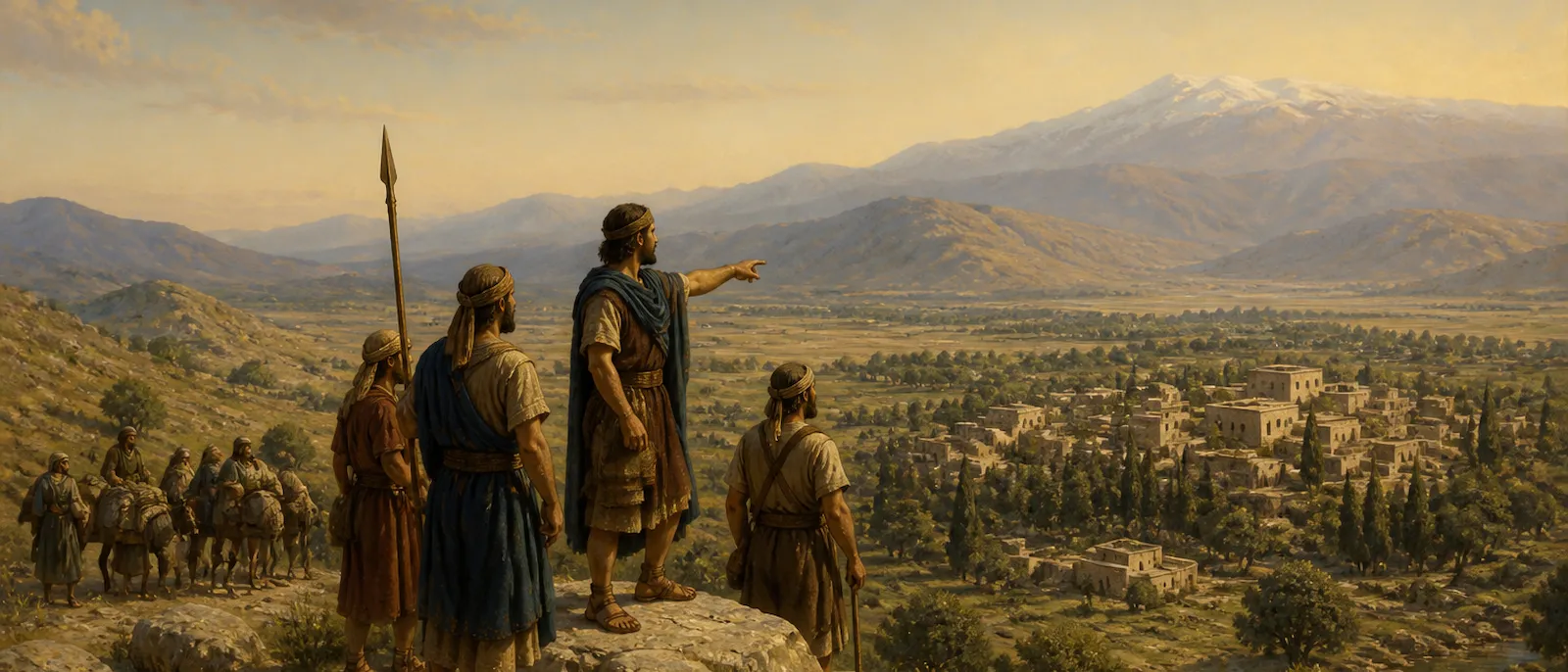
The Tribe of Dan
The tribe descended from Dan, which migrated north to Laish.
Scripture traces this people through Dan.
People of Tribe of Dan
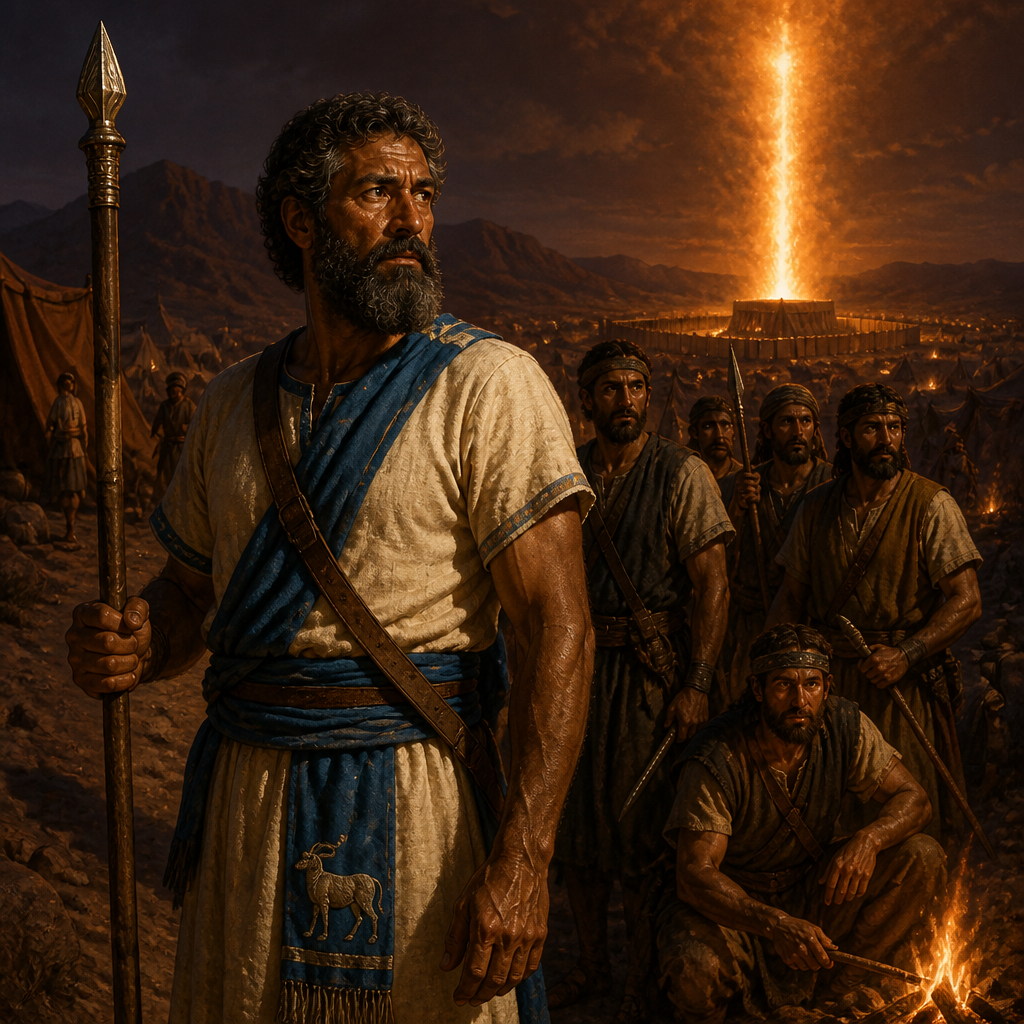
Ahiezer, Prince of the Tribe of Dan
Prince of the tribe of Dan who commanded the rear guard of Israel during the Exodus
Ahiezer son of Ammishaddai was the tribal leader and prince of Dan during the Israelite exodus from Egypt and their subsequent wilderness wanderings.
View profile →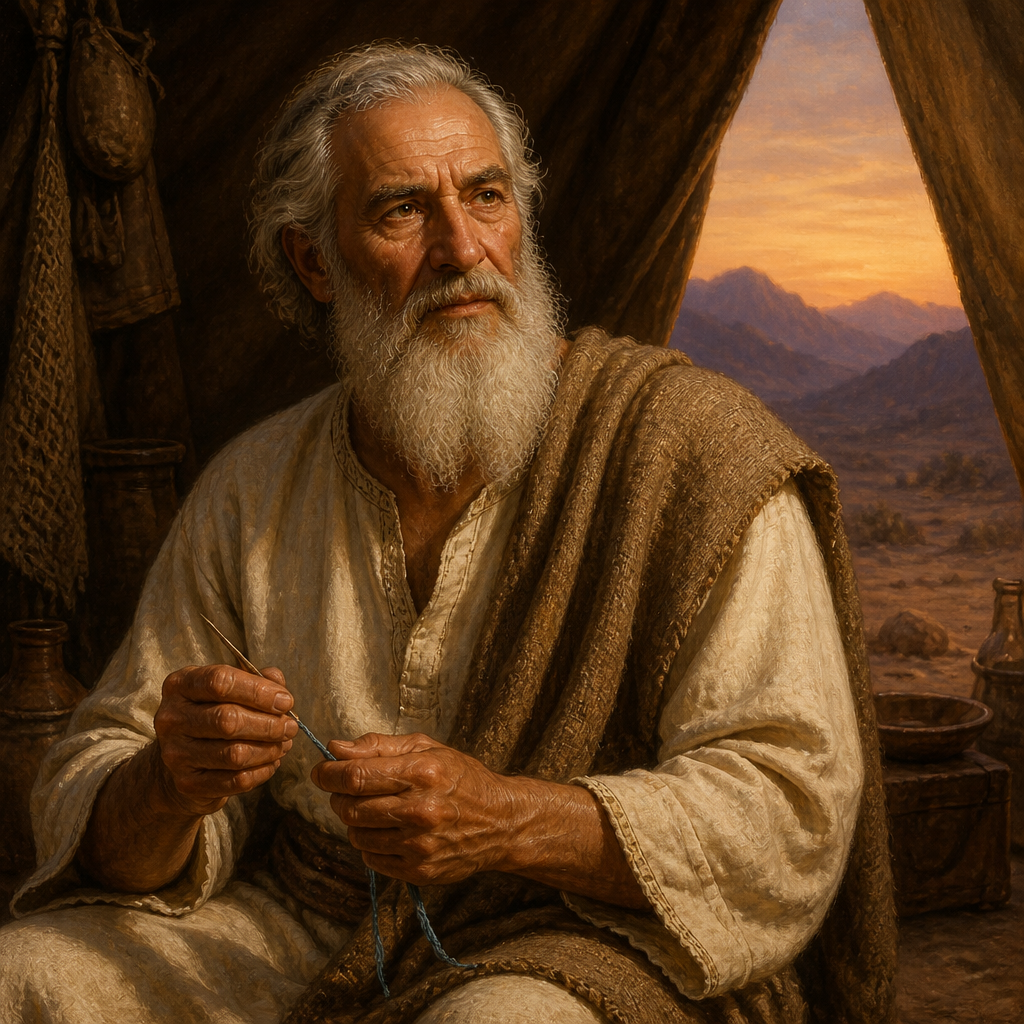
Ahisamach
father of Oholiab the Tabernacle artisan
Ahisamach was a member of the tribe of Dan and the father of Oholiab, a chief artisan chosen by God to construct the Tabernacle.
View profile →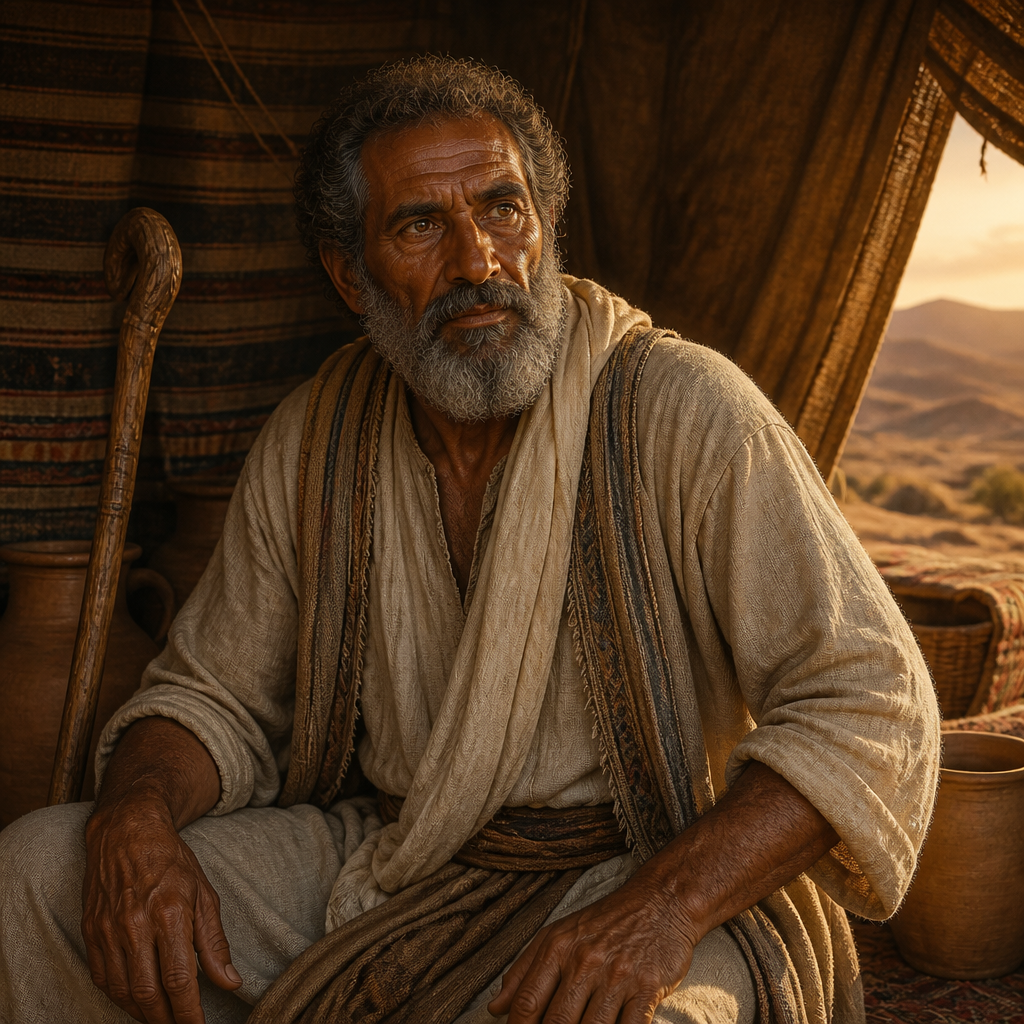
Ammishaddai
Father of Ahiezer the prince of Dan
Ammishaddai was a member of the Tribe of Dan during the Exodus and the father of the tribal prince Ahiezer.
View profile →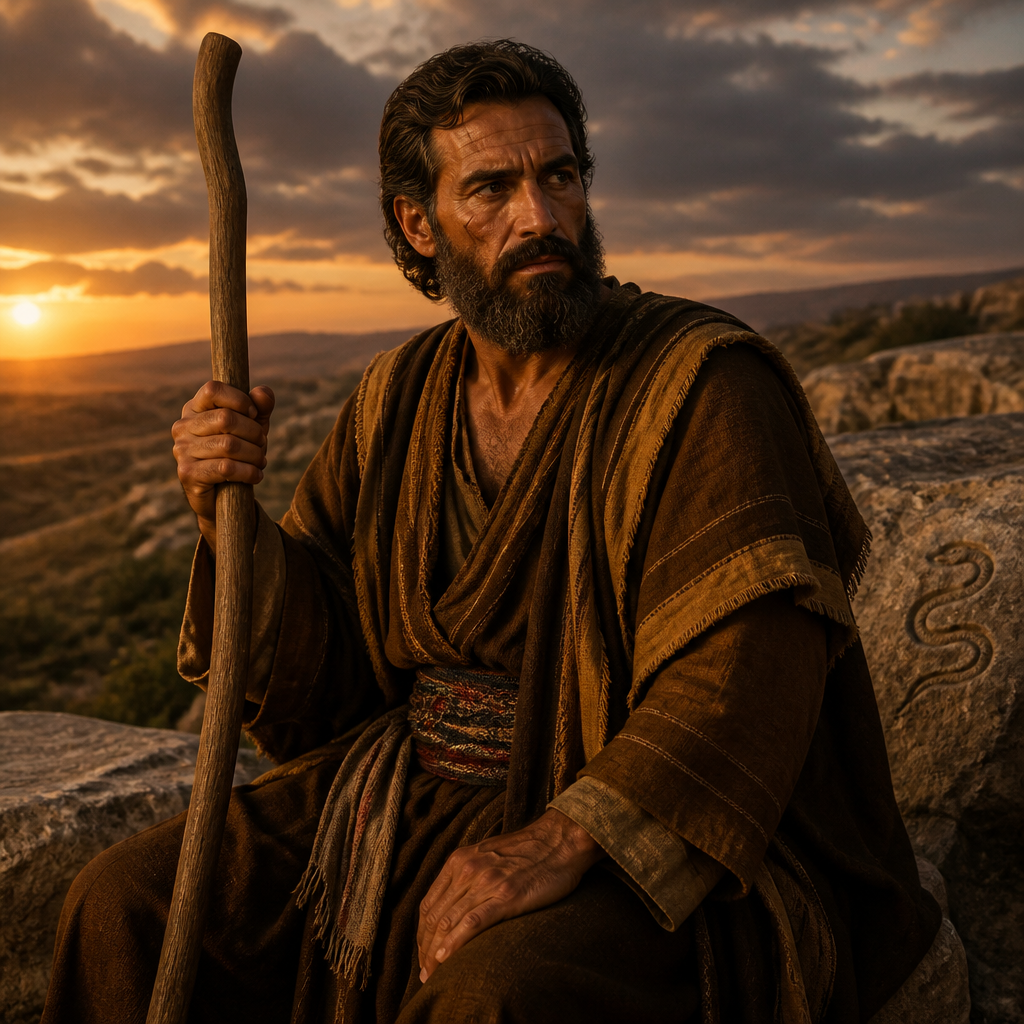
Dan
Patriarch who was the fifth son of Jacob and father of the Tribe of Dan
The fifth son of the patriarch Jacob and the first son born to his concubine Bilhah, serving as the eponymous ancestor of the Tribe of Dan.
View profile →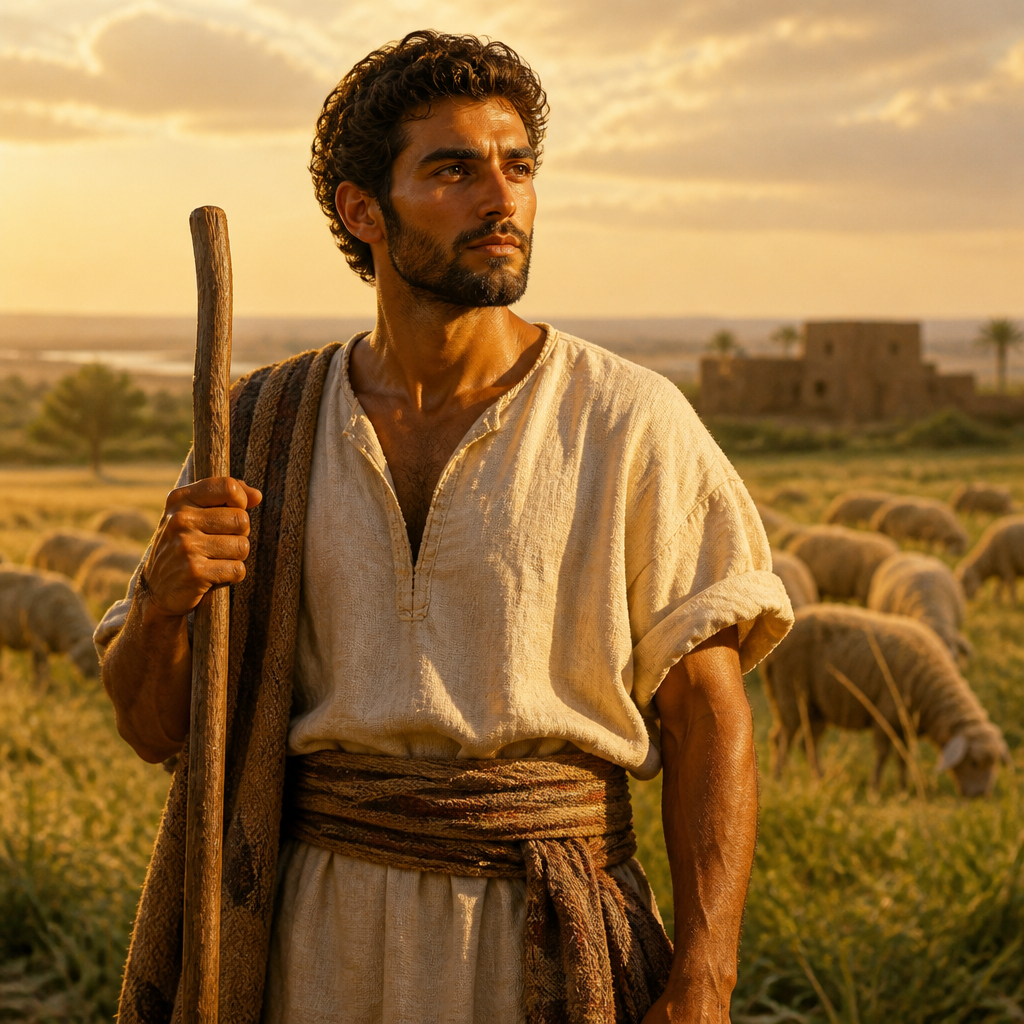
Hushim, Son of Dan
Son of Dan and ancestor of the Shuhamite clan
Hushim was the sole son of the patriarch Dan and the progenitor of the Shuhamite clan during the Egyptian sojourn and Exodus.
View profile →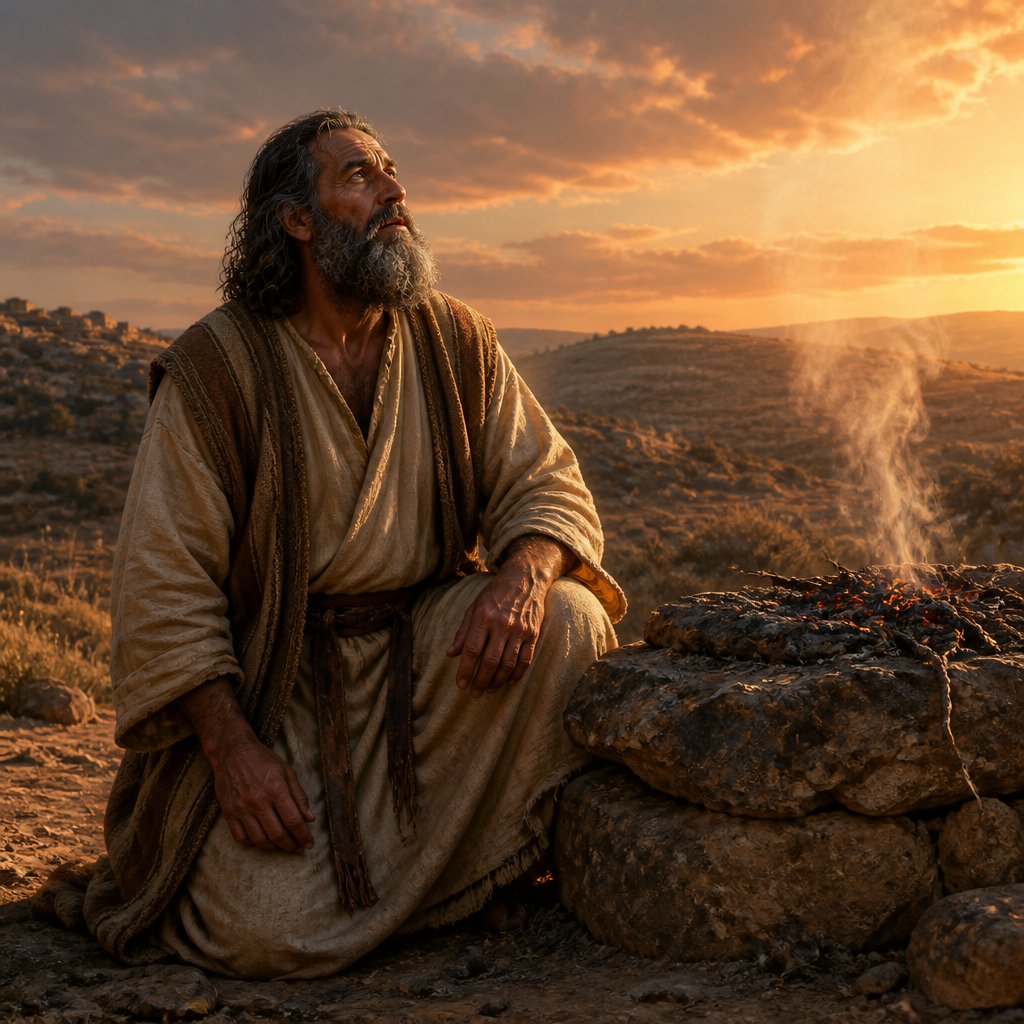
Manoah
father of the judge Samson who received a divine visitation
A man of the tribe of Dan and the father of Samson, who received a divine visitation announcing the birth of a son who would begin to deliver Israel from the Philistines.
View profile →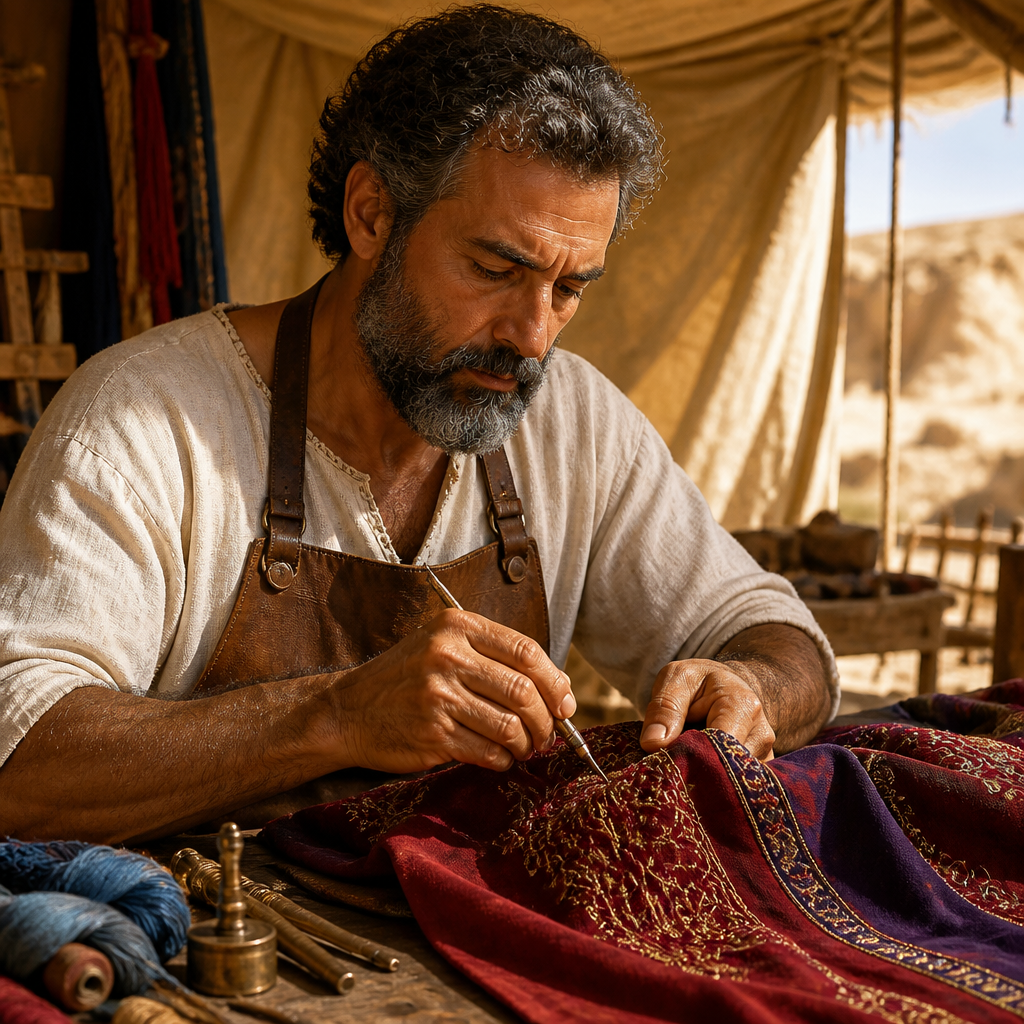
Oholiab
Artisan from the tribe of Dan who assisted Bezalel in constructing the Tabernacle
A skilled artisan from the tribe of Dan appointed by God to help construct the Tabernacle and its sacred furnishings during the Exodus.
View profile →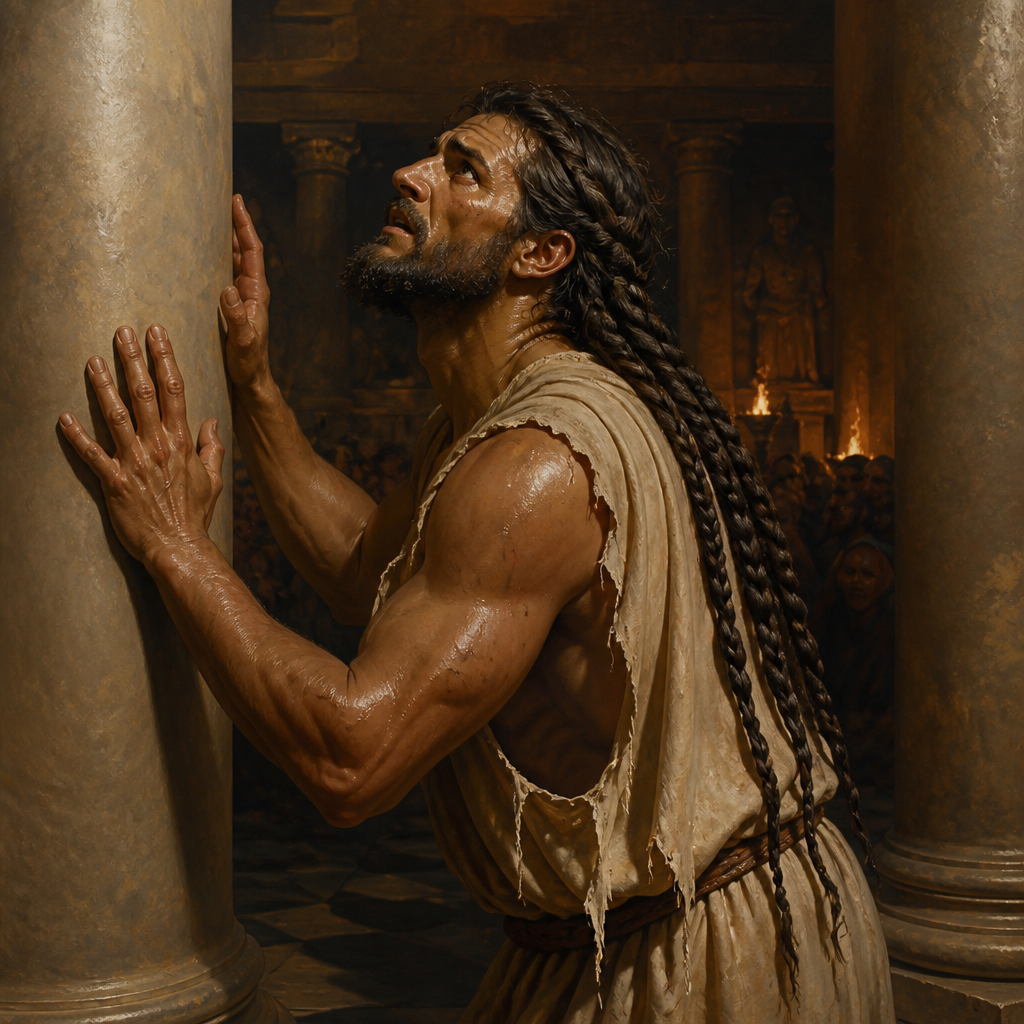
Samson
Judge of Israel who possessed supernatural strength and fought the Philistines
A judge of Israel endowed with supernatural strength by the LORD to initiate the deliverance of his people from Philistine oppression.
View profile →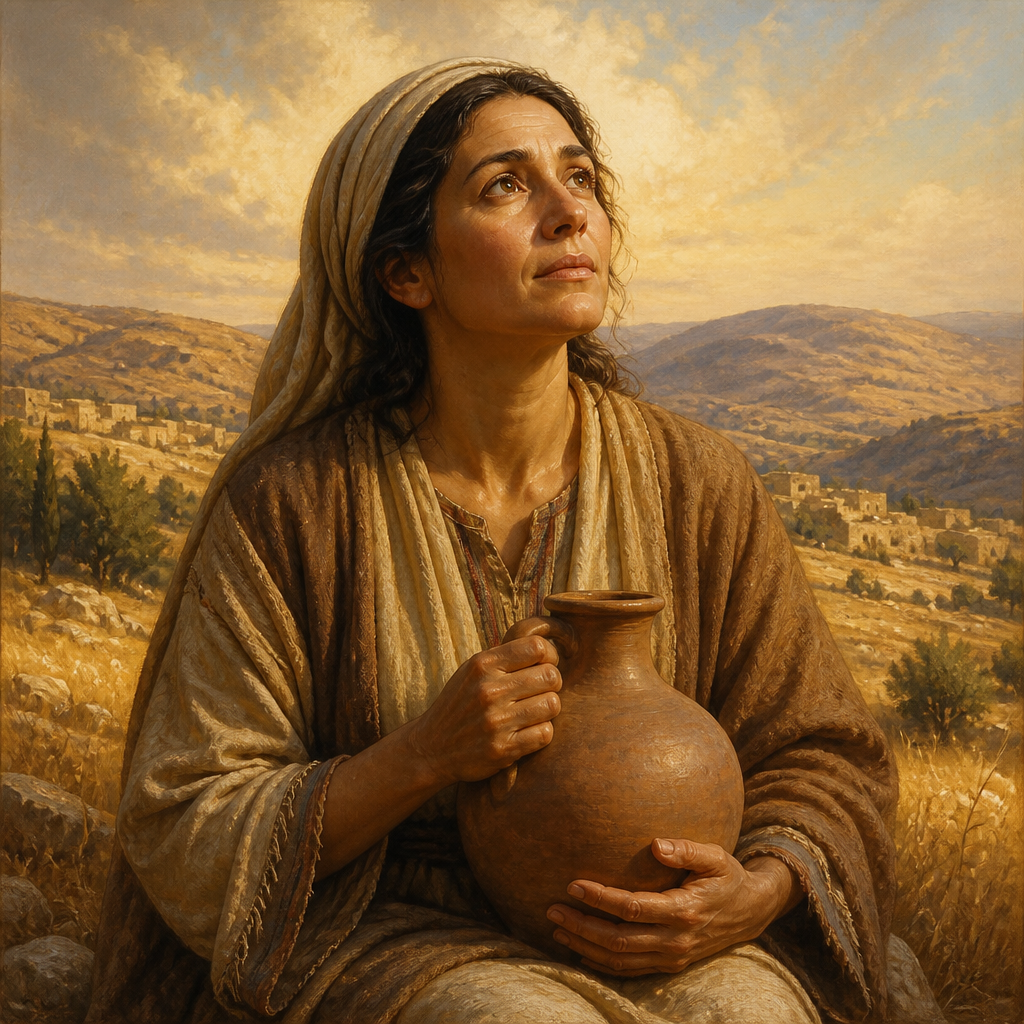
Samson's Mother
Mother of Samson who received the divine promise of his birth and Nazirite calling
The wife of Manoah and mother of Samson, she was an unnamed woman chosen by the Angel of the LORD to bear a child dedicated as a Nazirite for the deliverance of Israel.
View profile →