Era 4 of 13
Conquest and Judges
- 189 peopleJoshua – 1 Samuel 7; Ruth · c. 1400–1050 BC
Dates follow the traditional reckoning from 1 Kings 6:1, which puts the Exodus around 1446 BC. Many scholars date the Exodus to the 13th century BC, which would move these eras later.
Era 4 of 13
Conquest and Judges · Joshua – 1 Samuel 7; Ruth
The biblical timeline
- Creation to BabelUndated (before Abraham)
- Patriarchal Periodc. 2100–1800 BC
- Egypt and Wildernessc. 1800–1400 BC
- Conquest and Judgesc. 1400–1050 BC
- United Monarchyc. 1050–930 BC
- Divided Monarchyc. 930–586 BC
- Exile and Returnc. 605–430 BC
- Intertestamental Periodc. 430–5 BC
- The Gospelsc. 6 BC – AD 30
- In Jerusalemc. AD 30–35
- In All Judea and Samariac. AD 35–44
- To the Ends of the Earthc. AD 46–95
- Revelationc. AD 95
The story of Conquest and Judges
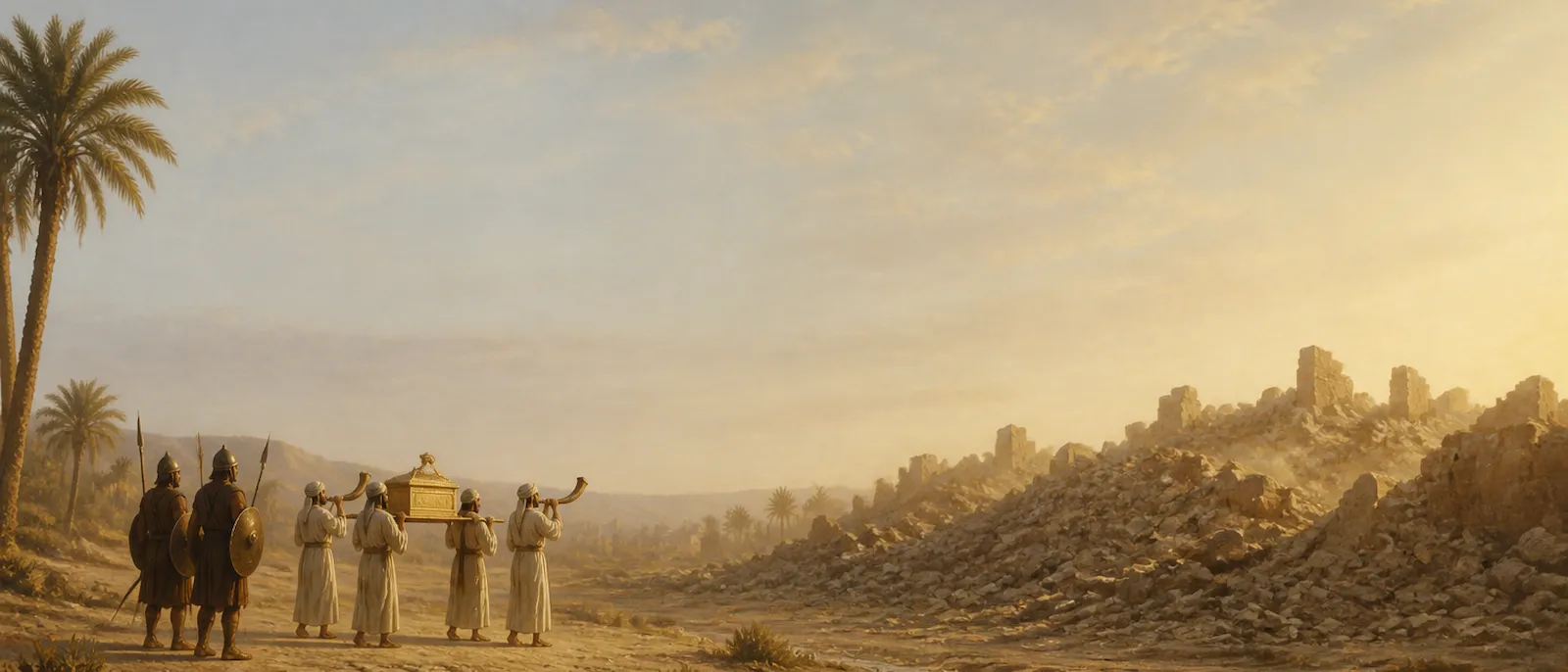
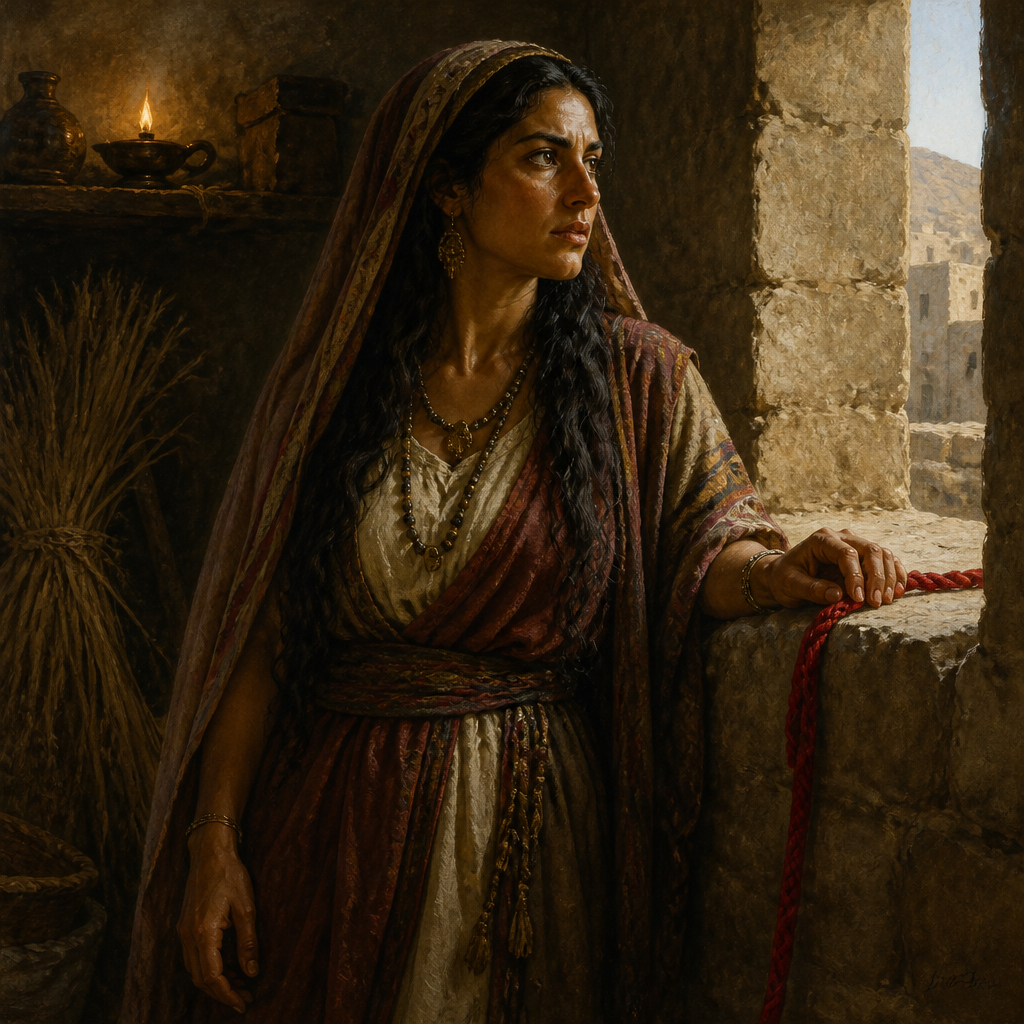
Joshua leads Israel across a stopped Jordan and the stones are piled at Gilgal as a witness (Joshua 3–4). Jericho falls after seven days of marching, and Rahab, who hid the two spies, is spared with her household and grafted into Israel (Joshua 2; 6:22–25). The defeat at Ai exposes Achan's stolen plunder (Joshua 7), the Gibeonites secure a treaty by disguise (Joshua 9), and the land is divided by lot among the tribes, with Caleb claiming Hebron at eighty-five and his daughter Achsah asking for springs of water (Joshua 14–15).
After Joshua's generation dies, the book of Judges runs a cycle that repeats with grim regularity: Israel does evil, an oppressor comes, the people cry out, and God raises a deliverer. Othniel, Ehud with his hidden dagger, and Shamgar open the sequence (Judges 3). Deborah judges under her palm and goes into battle with Barak, and the Canaanite commander Sisera dies at the hand of Jael (Judges 4–5).
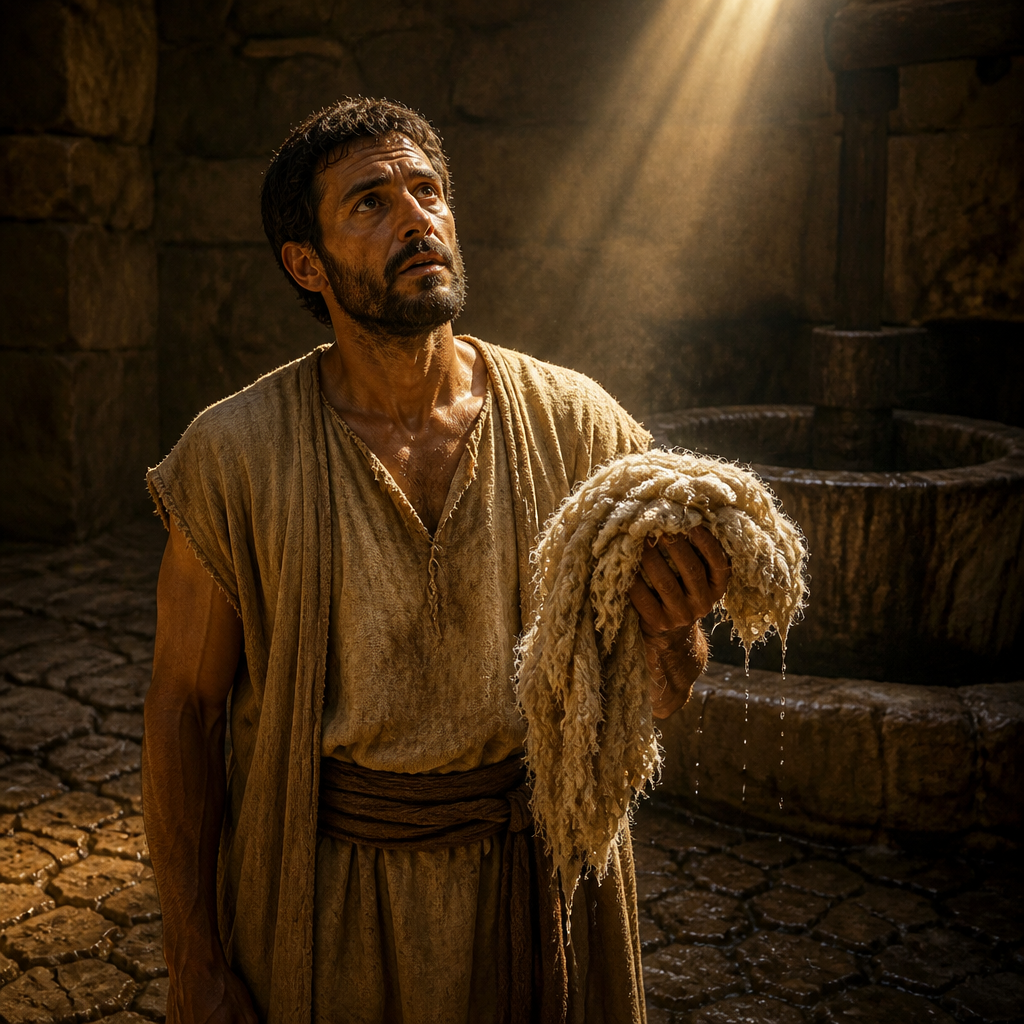
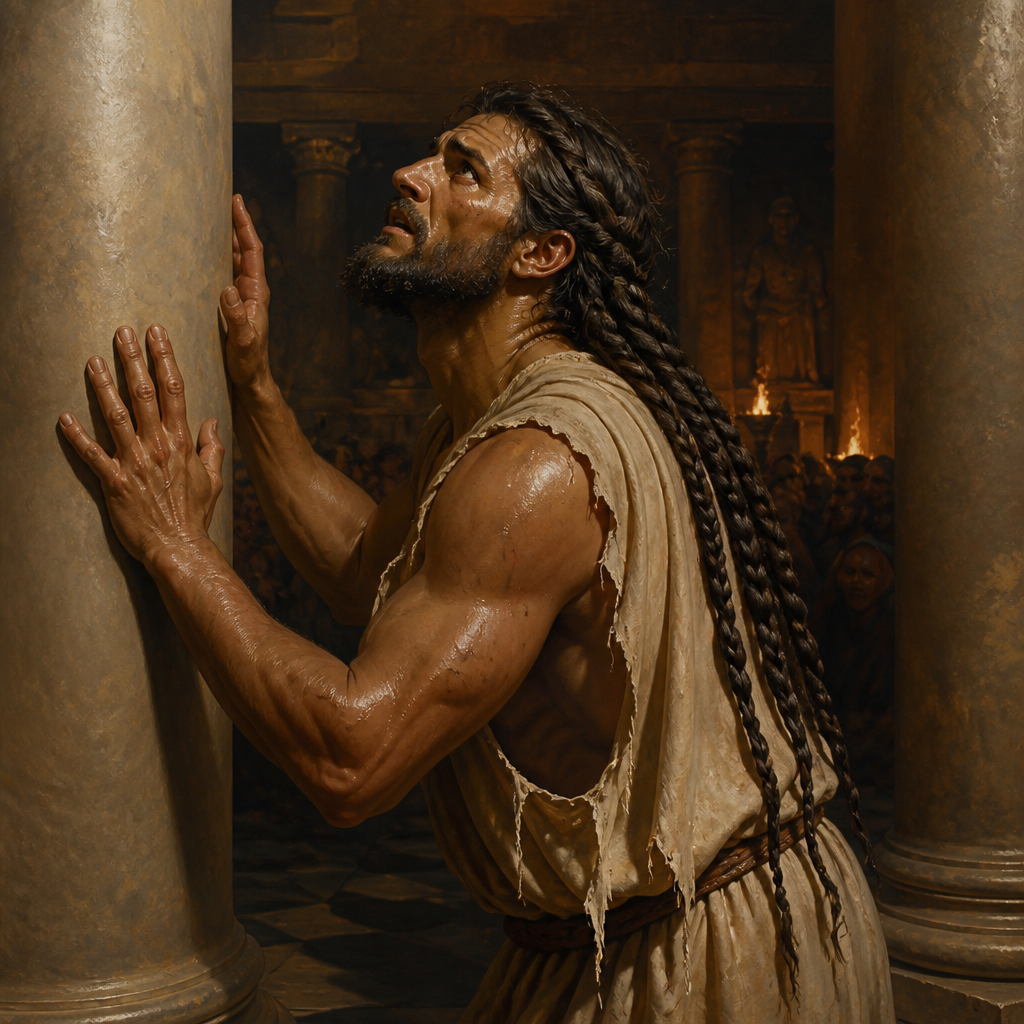
Gideon threshes wheat in a winepress, tests God with a fleece, and routs Midian with three hundred men, torches and trumpets (Judges 6–7); his son Abimelech later murders his brothers and grasps at kingship in Shechem (Judges 9). Jephthah, driven out by his half-brothers, returns to lead Gilead and binds himself with a tragic vow (Judges 11). Samson, a Nazirite from birth, tears down Philistine power and himself along with it, undone by Delilah (Judges 13–16). The book's own diagnosis closes it: "everyone did what was right in his own eyes" (Judges 21:25).
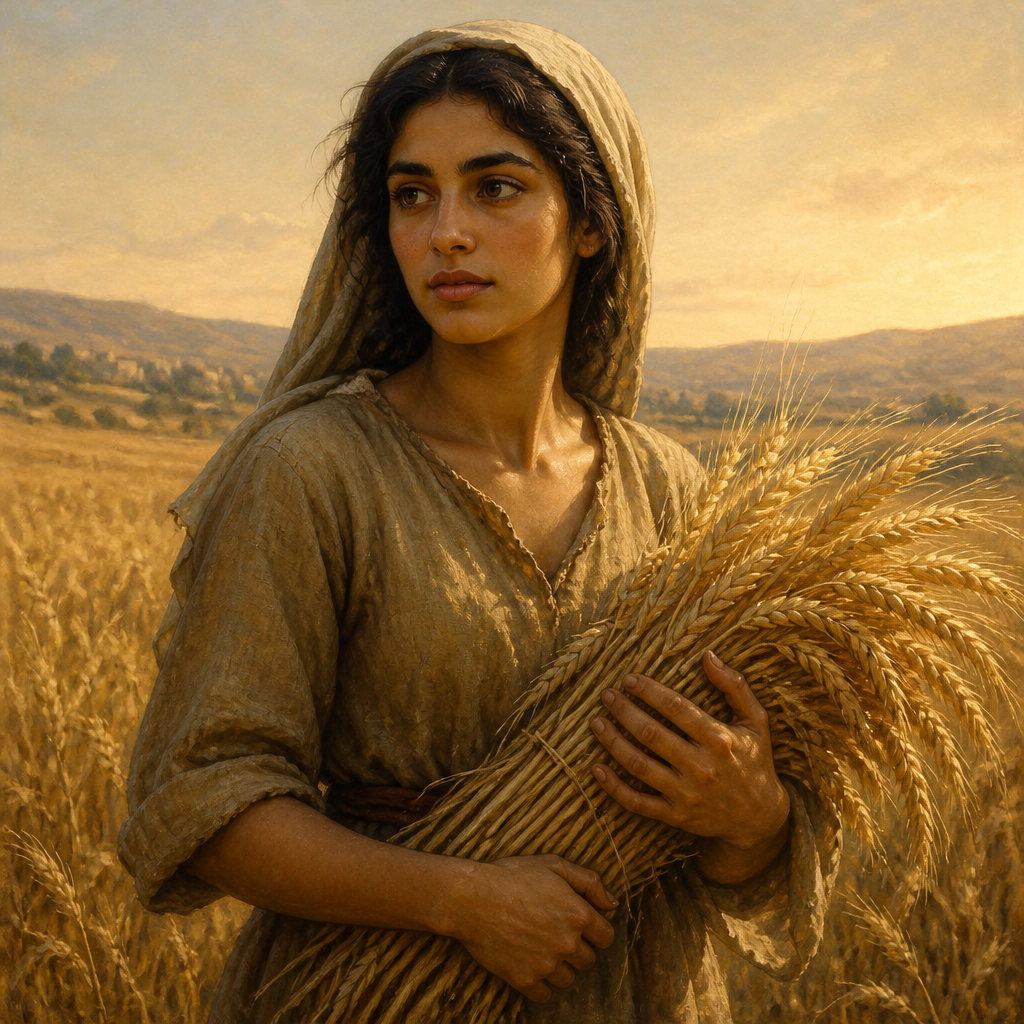
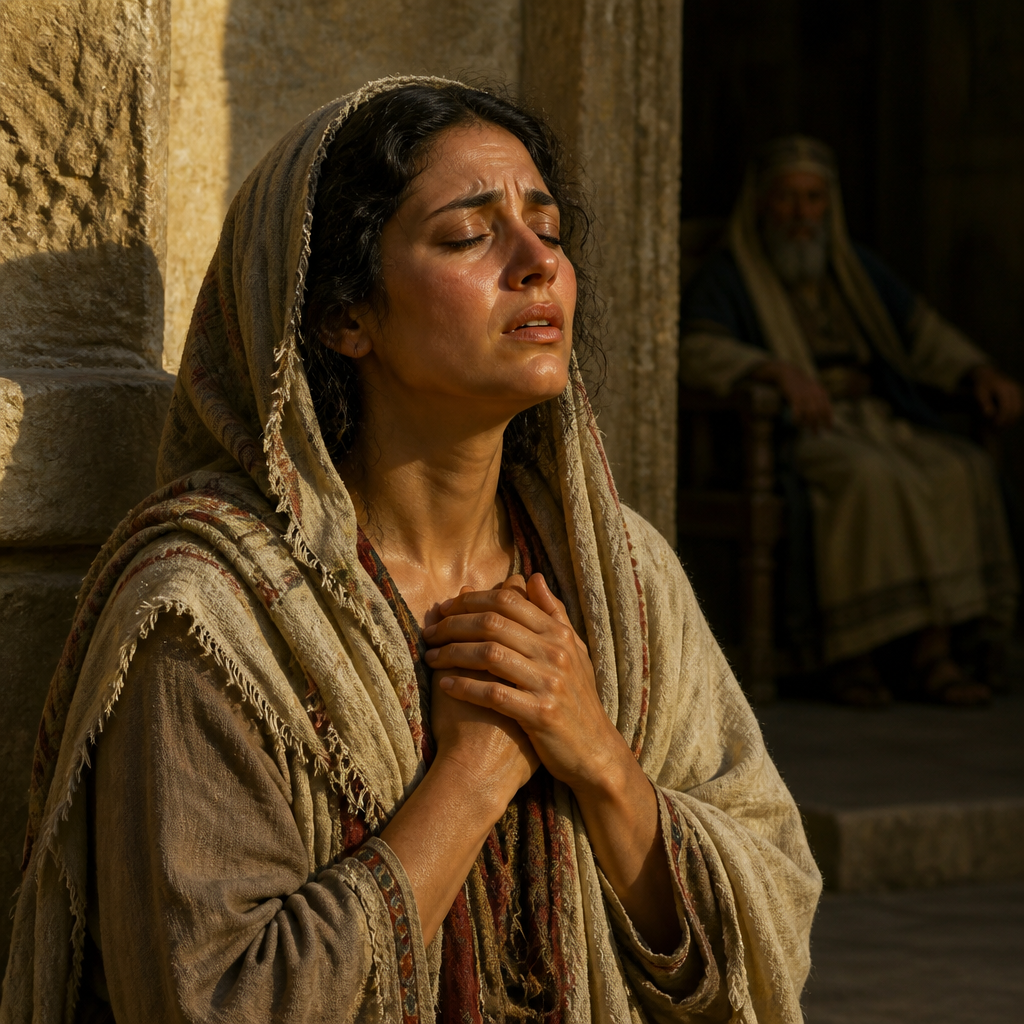
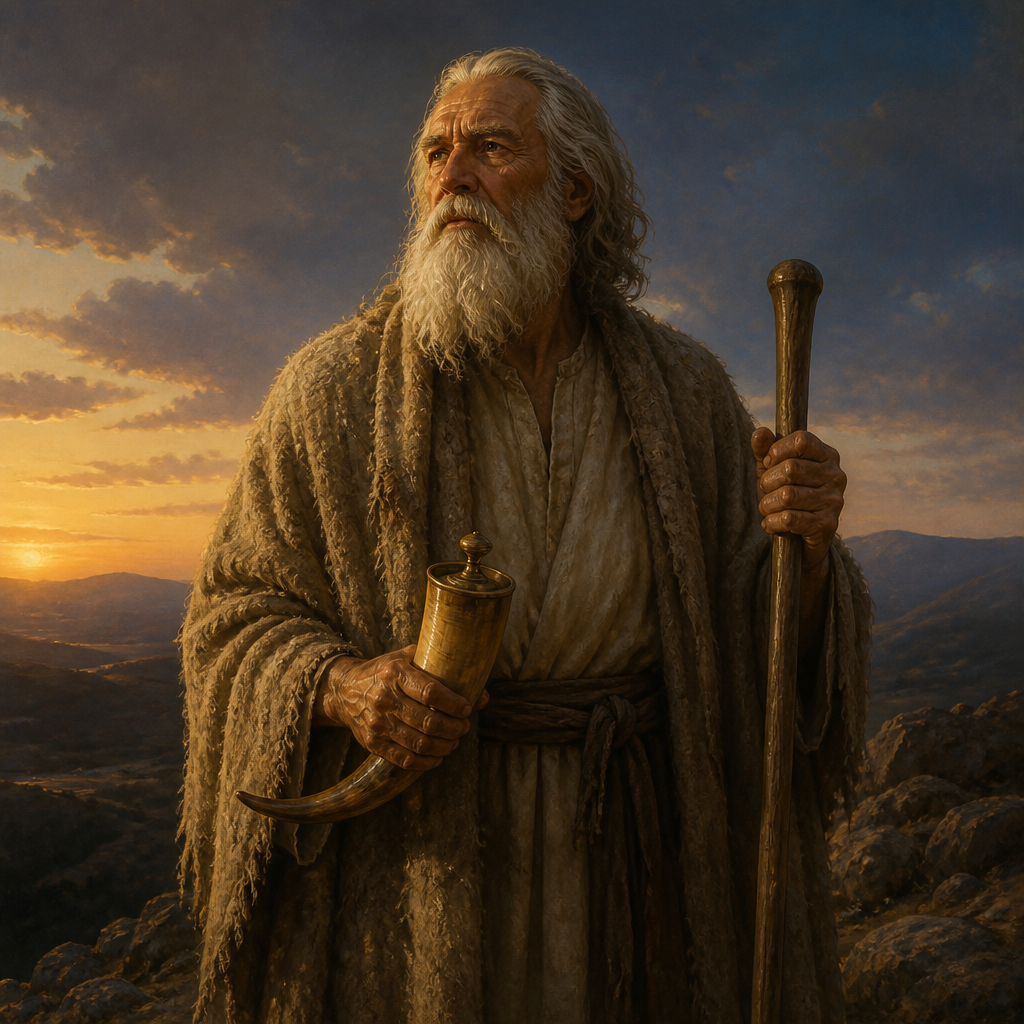
Two quieter stories set in the same days point forward. In Bethlehem, Naomi returns from Moab empty and her daughter-in-law Ruth gleans in the field of Boaz; their son Obed becomes the grandfather of David (Ruth 4:13–22). At Shiloh, Hannah prays for a son and gives him back, and the boy Samuel hears his name called in the night while the house of Eli — with Hophni and Phinehas — collapses under its own corruption (1 Samuel 1–4). Samuel, last of the judges, will anoint the first two kings.
Start here
Key figures of this era

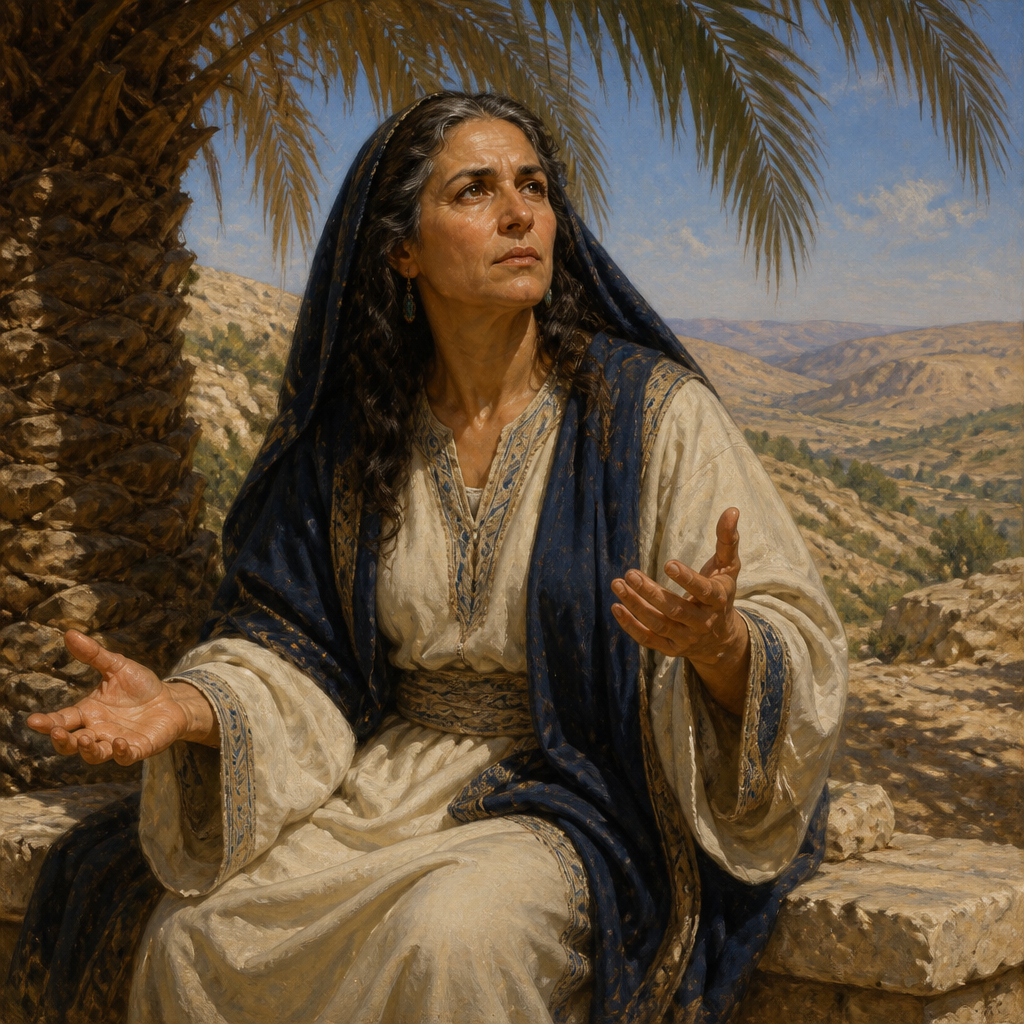
Deborah, Prophetess and Judge of Israel
Prophetess and judge who directed the victory over the Canaanite general Sisera
Everyone in this era
Grouped by the book where each person first appears.
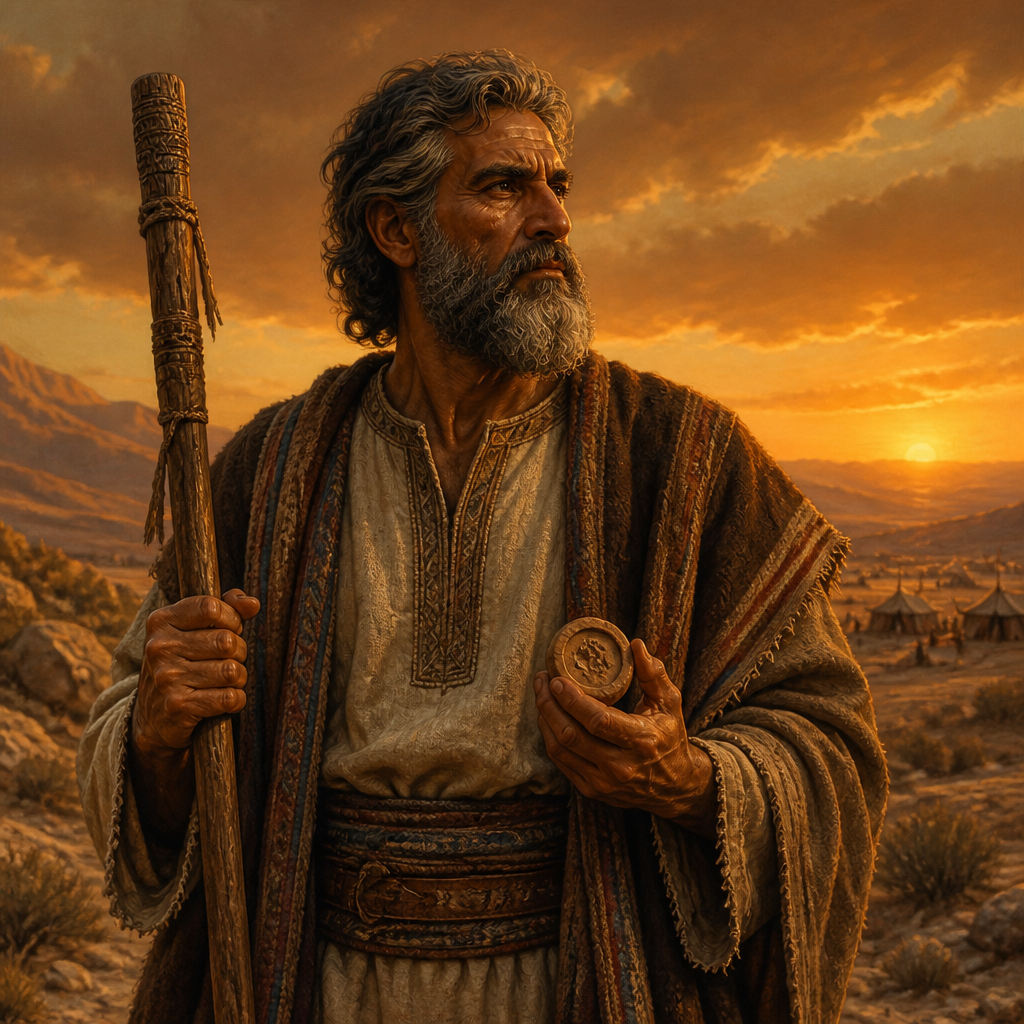
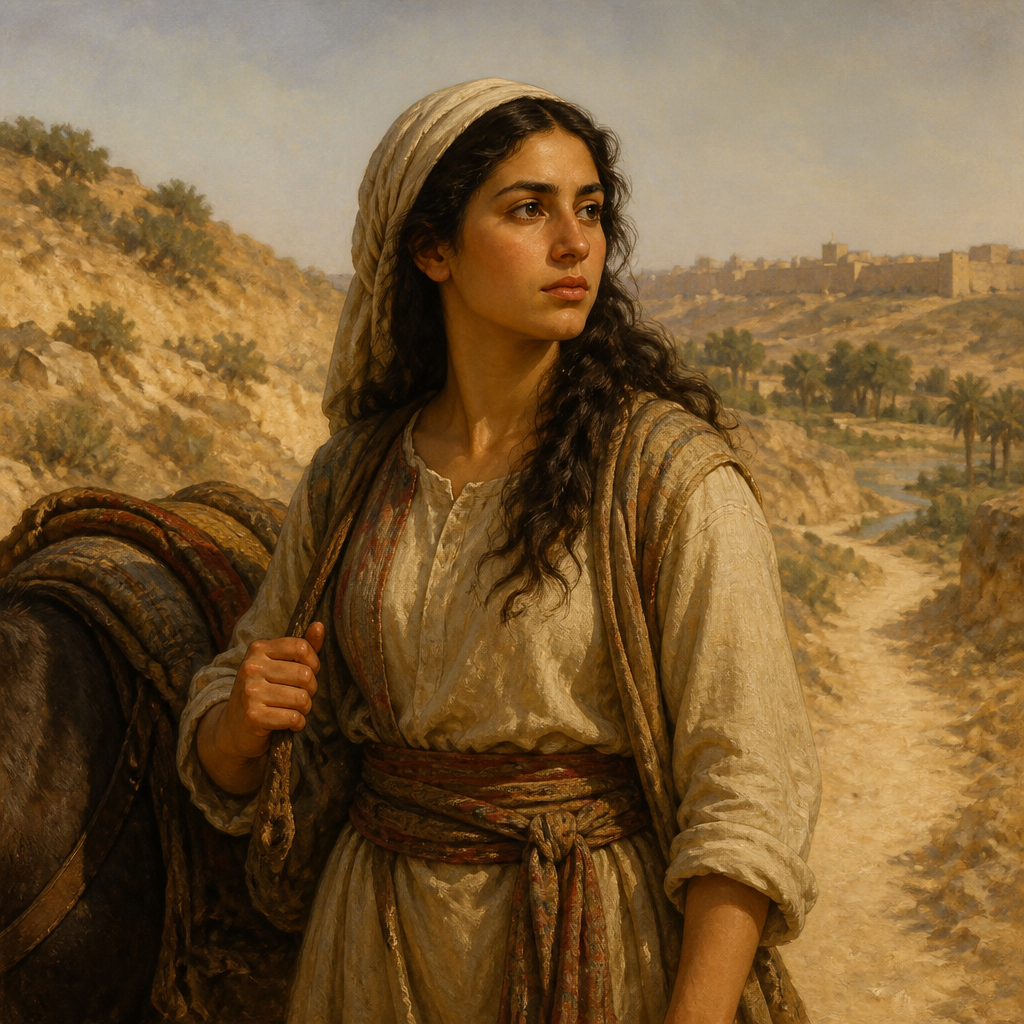
Acsah, Daughter of Caleb
Daughter of Caleb who requested and received springs of water from her father


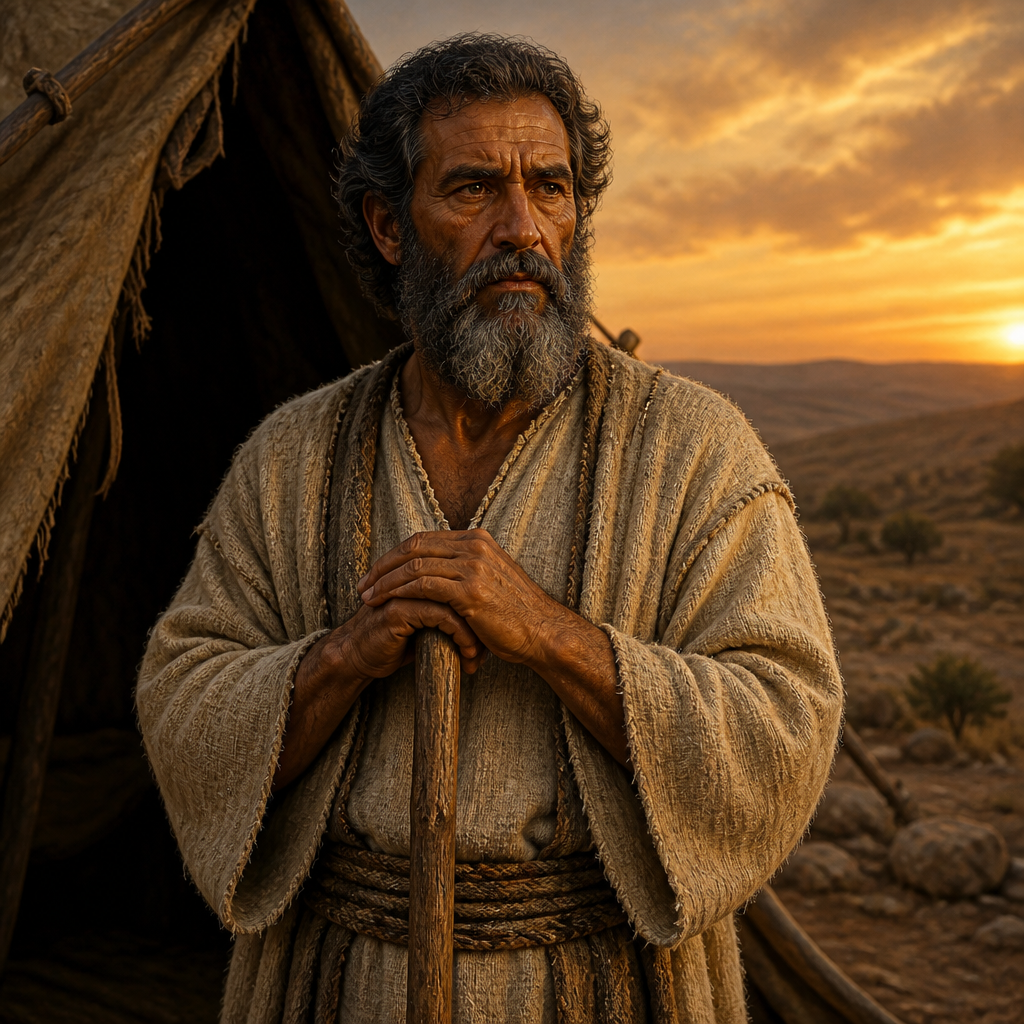
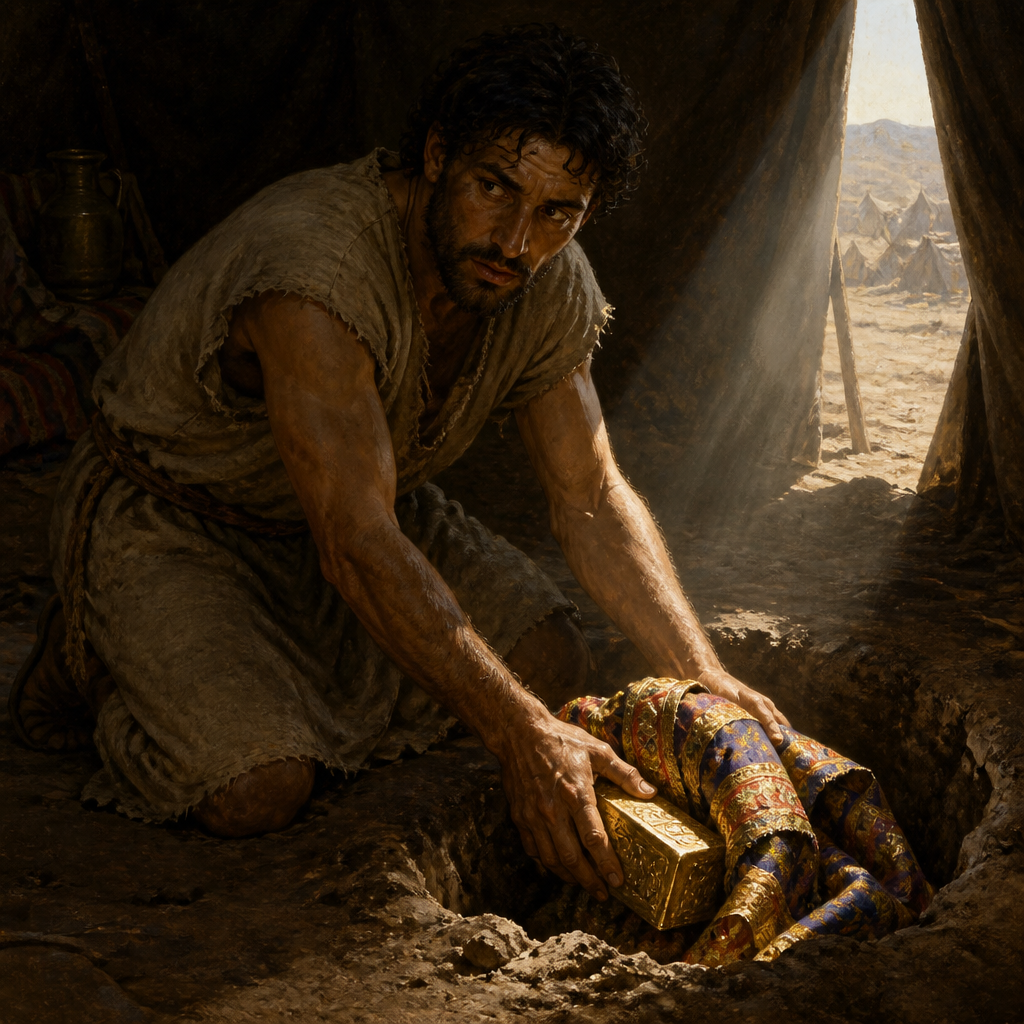
Carmi, Father of Achan
father of Achan who was identified during the inquiry regarding the sin at Jericho



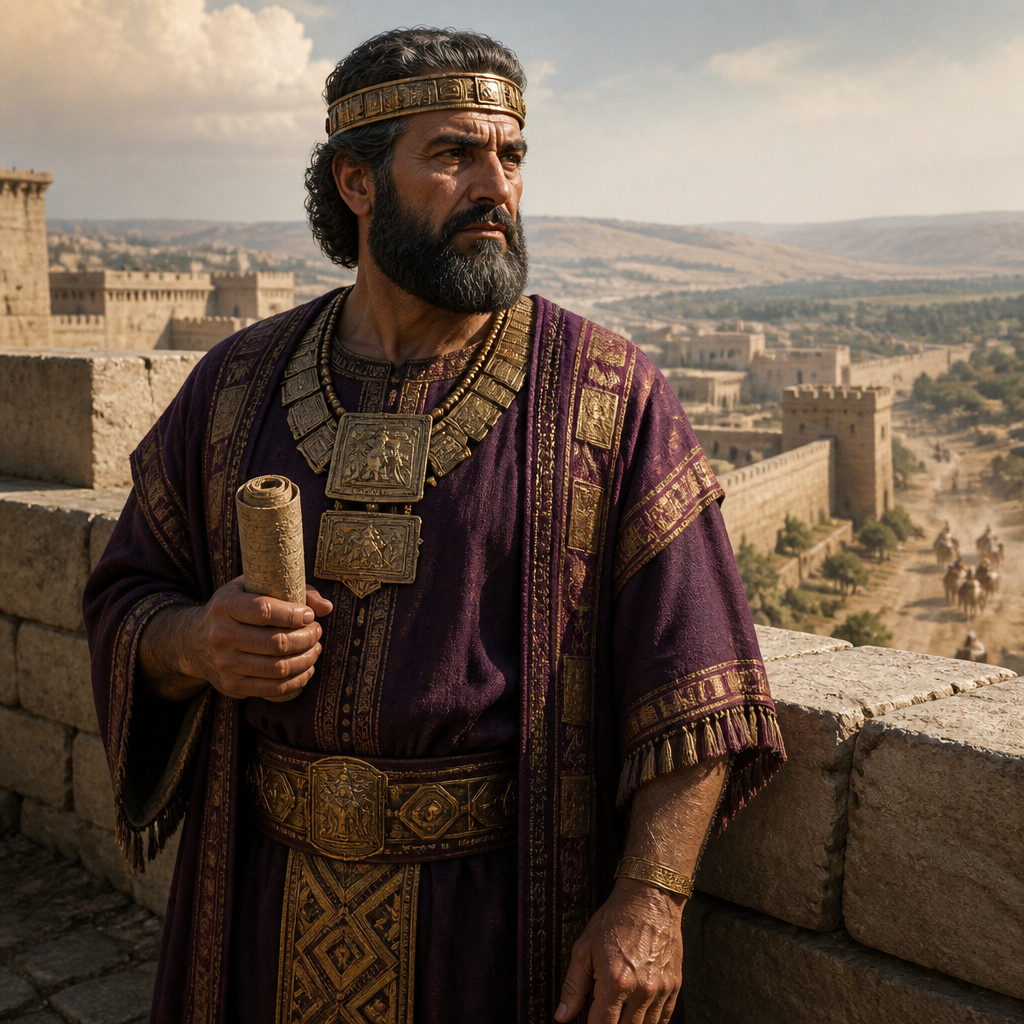
Jabin, King of Hazor during the Conquest
King of Hazor who organized the northern Canaanite coalition against Joshua

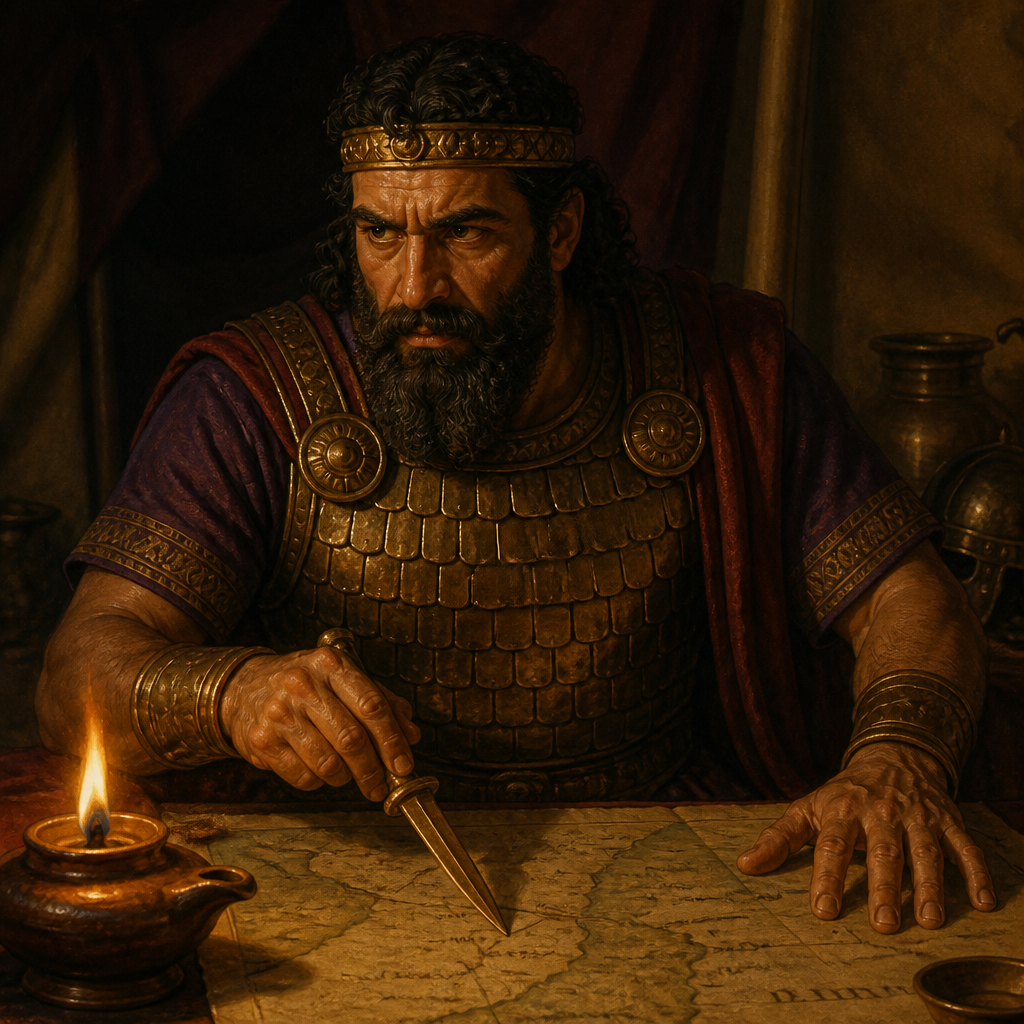
Jobab, King of Madon
Canaanite king of Madon who allied with Jabin of Hazor against Joshua
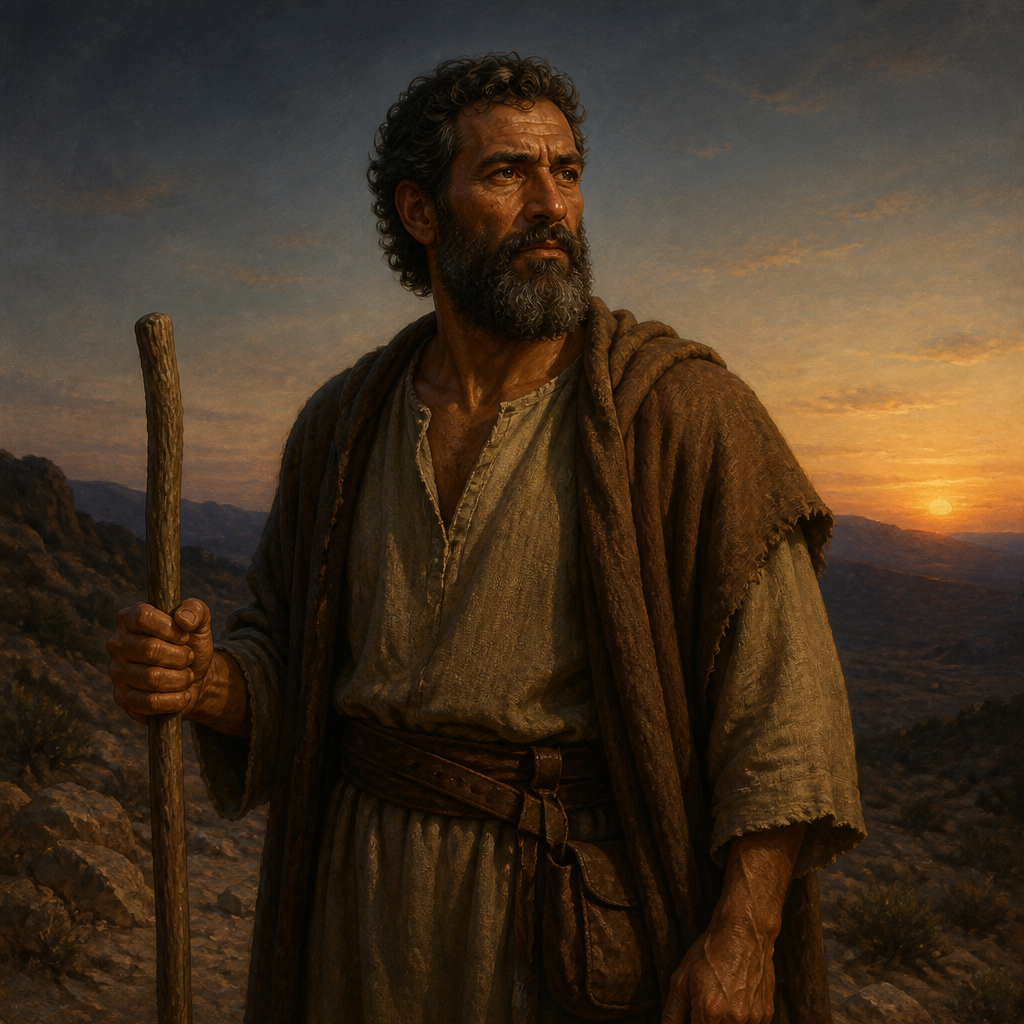

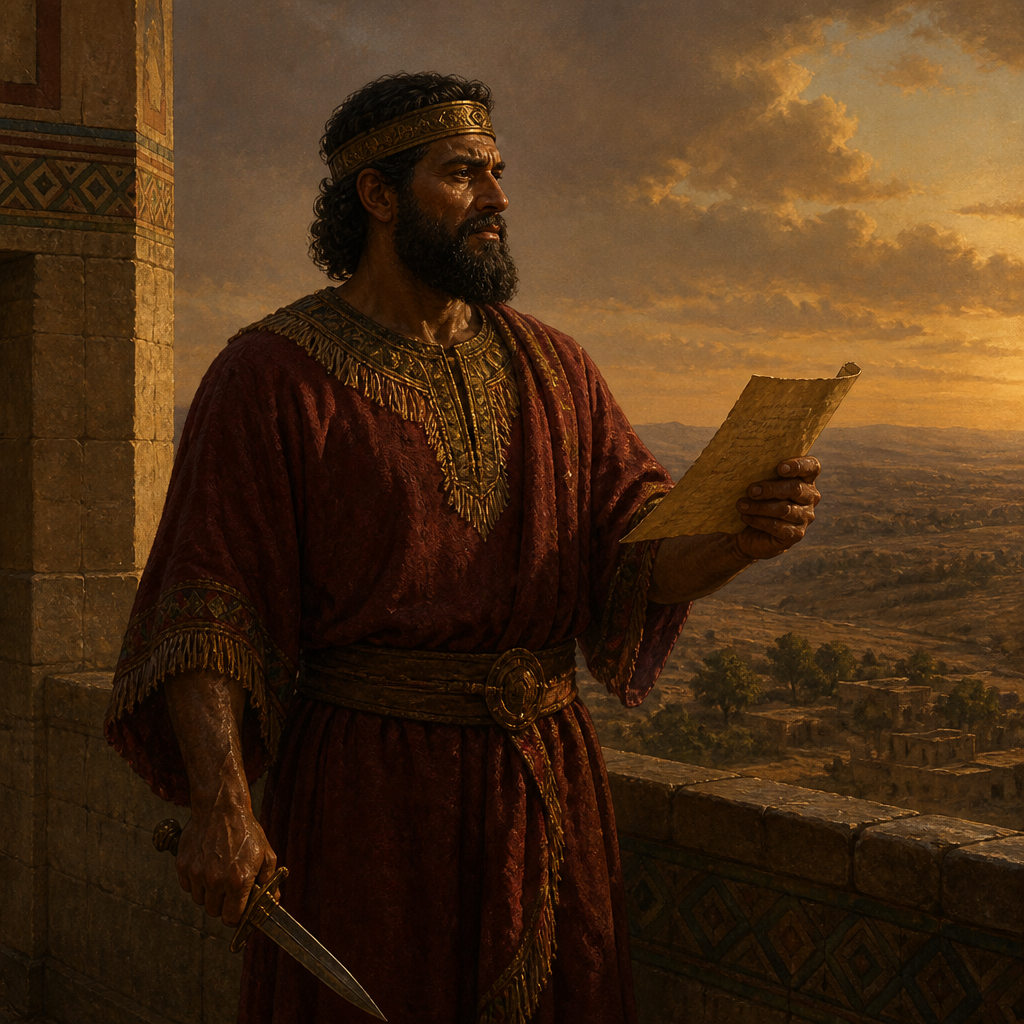
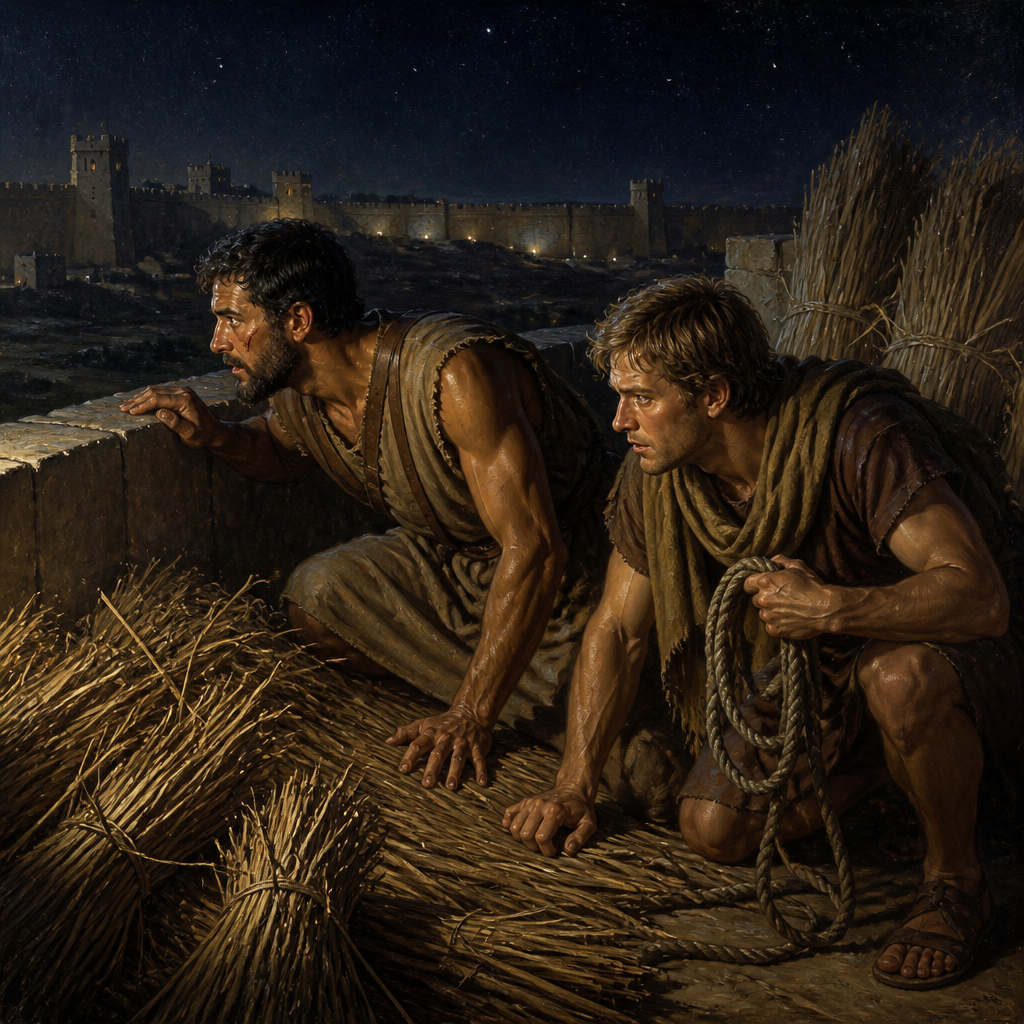
The Two Spies at Jericho
Israelite agents who made a covenant with Rahab before the fall of Jericho
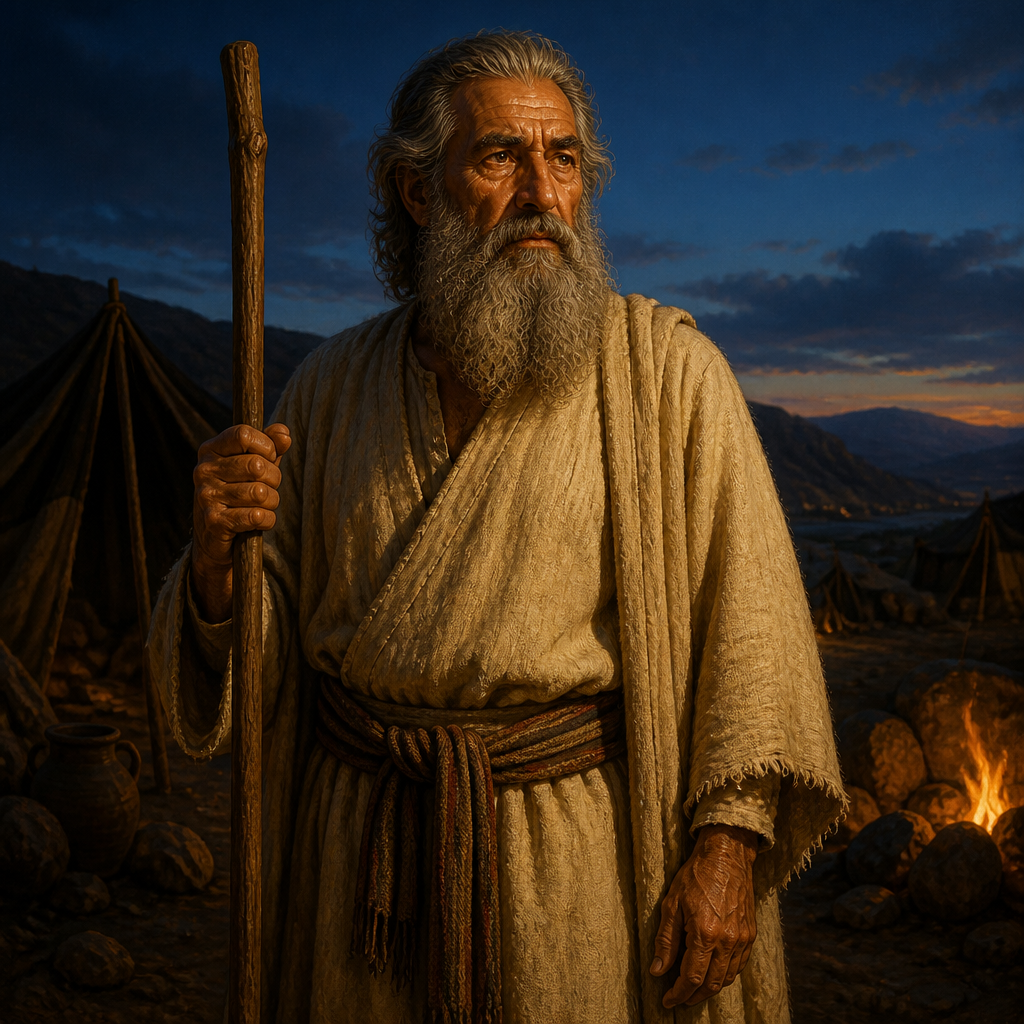
Zabdi, Grandson of Zerah
Patriarch of the tribe of Judah whose family was selected by lot during the investigation of Achan's sin
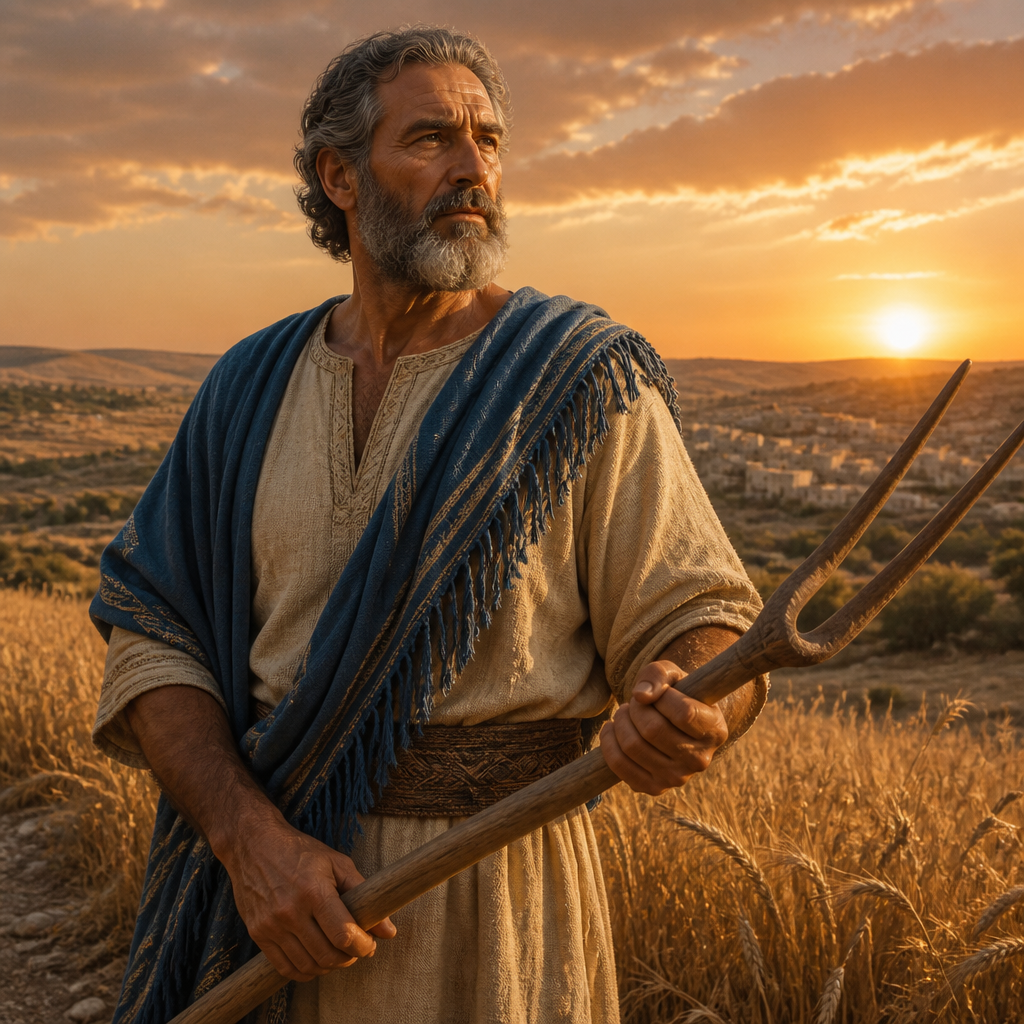
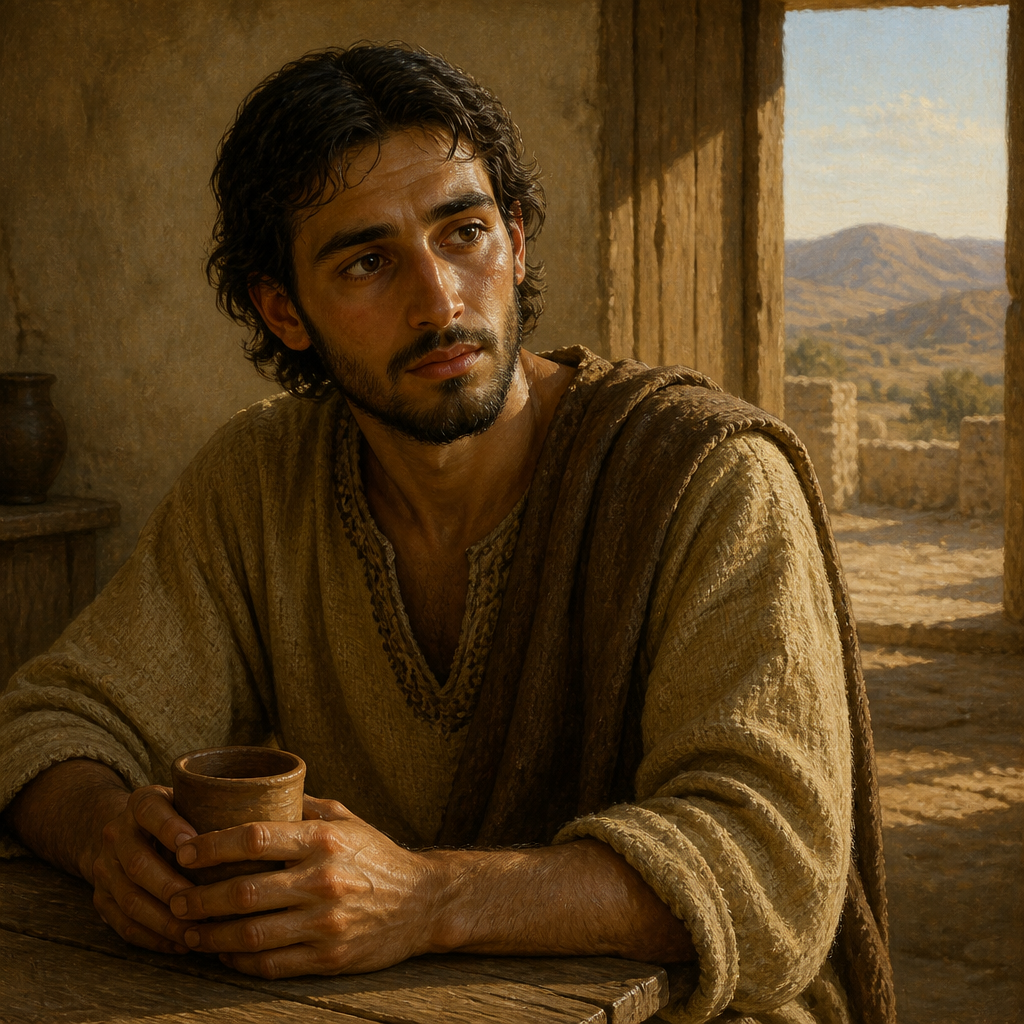
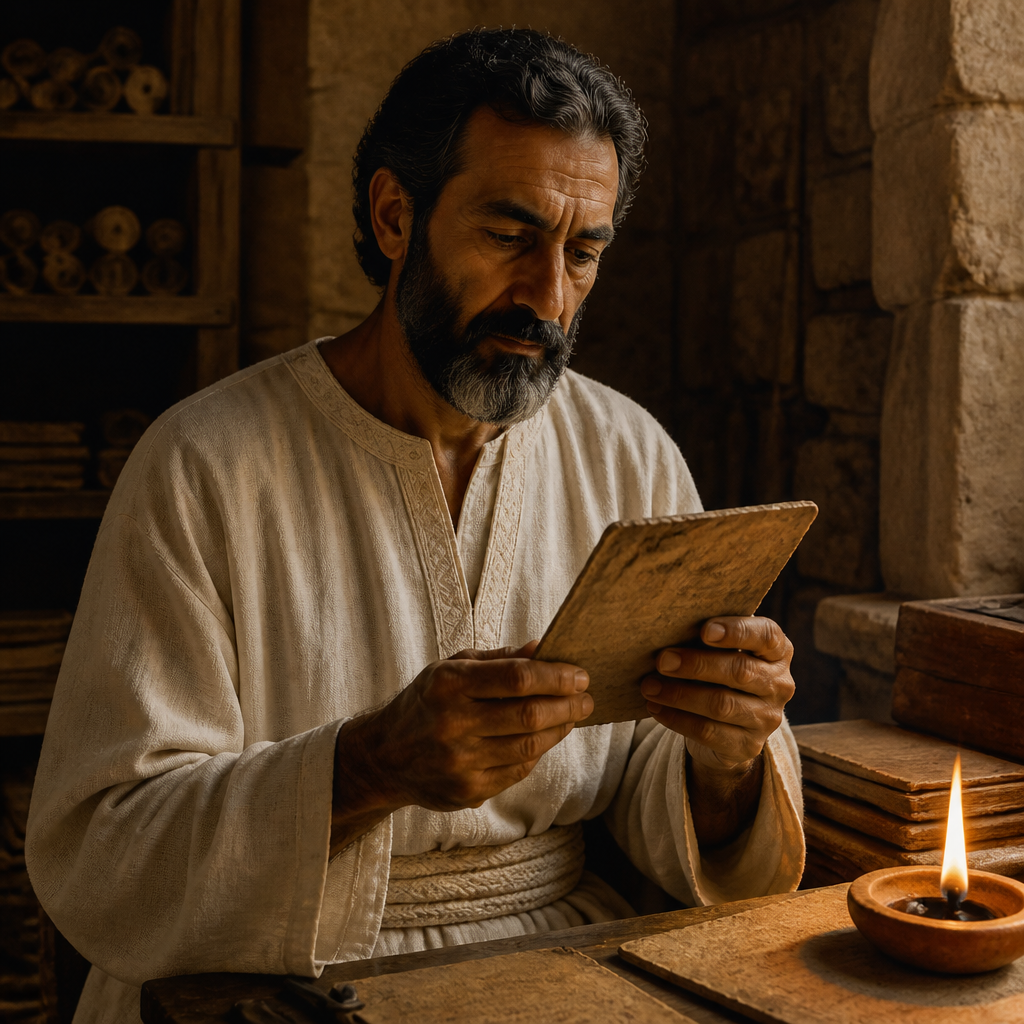
Bukki, Priest in the Line of Eleazar
Levite priest in the direct line of Eleazar and ancestor of Ezra the Scribe
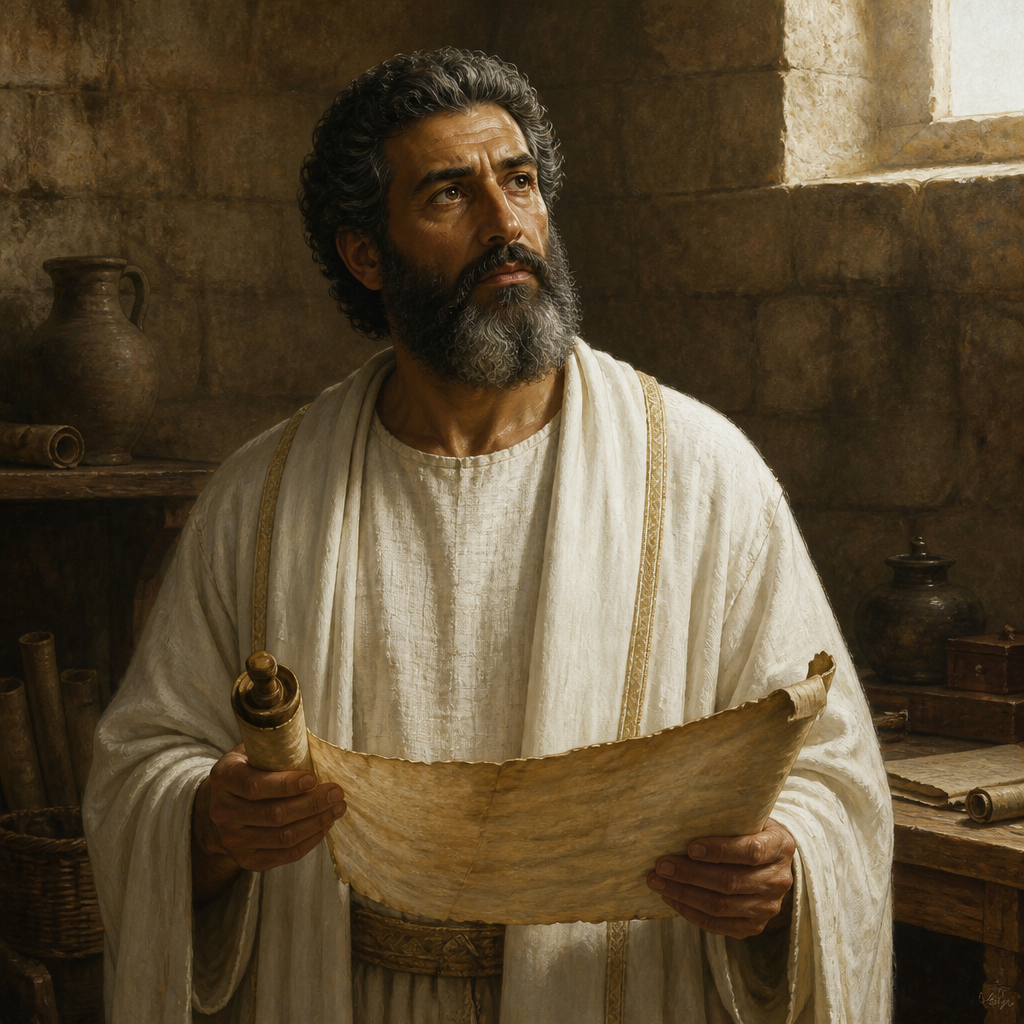
Meraioth
Priest in the line of Eleazar who appears in the high-priestly genealogies of 1 Chronicles, Ezra, and Nehemiah
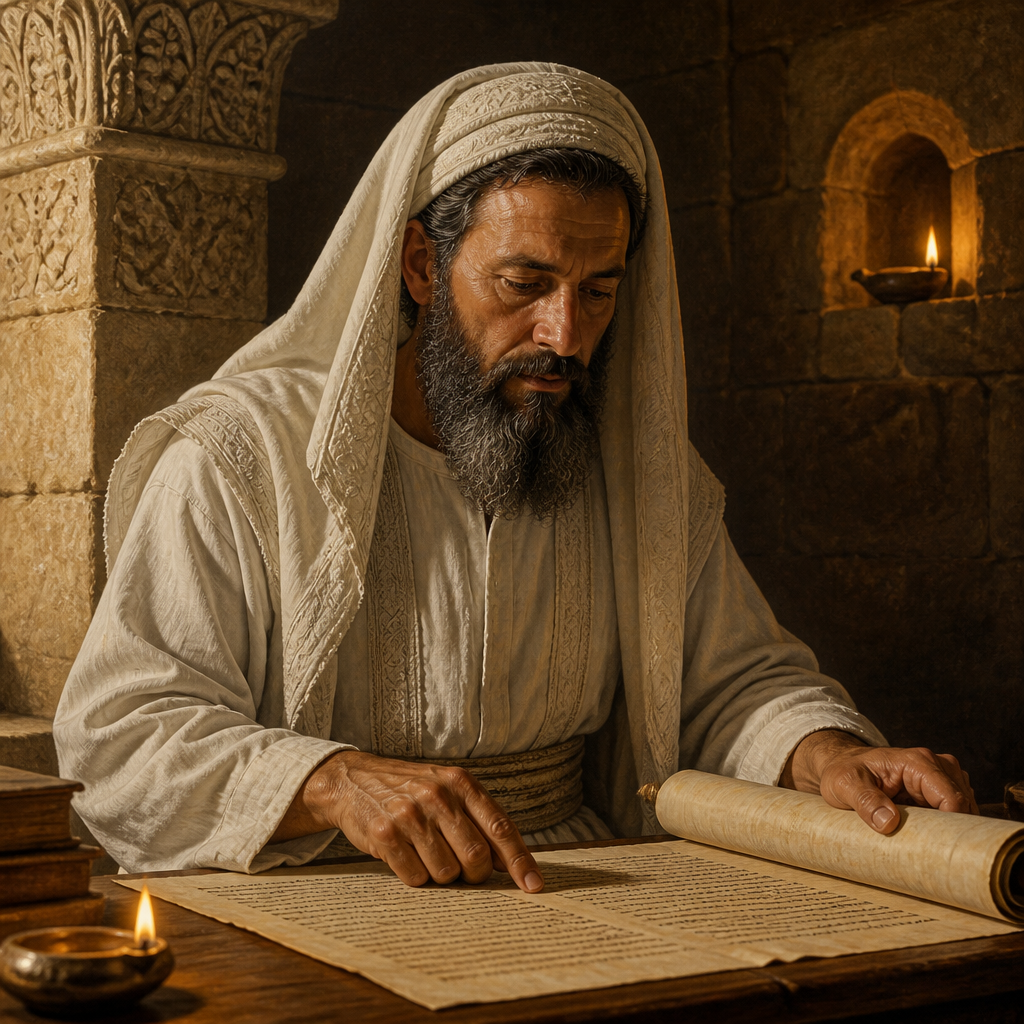
Uzzi, Priest in the Line of Eleazar
Levite priest in the direct ancestral line of the High Priest and Ezra the Scribe
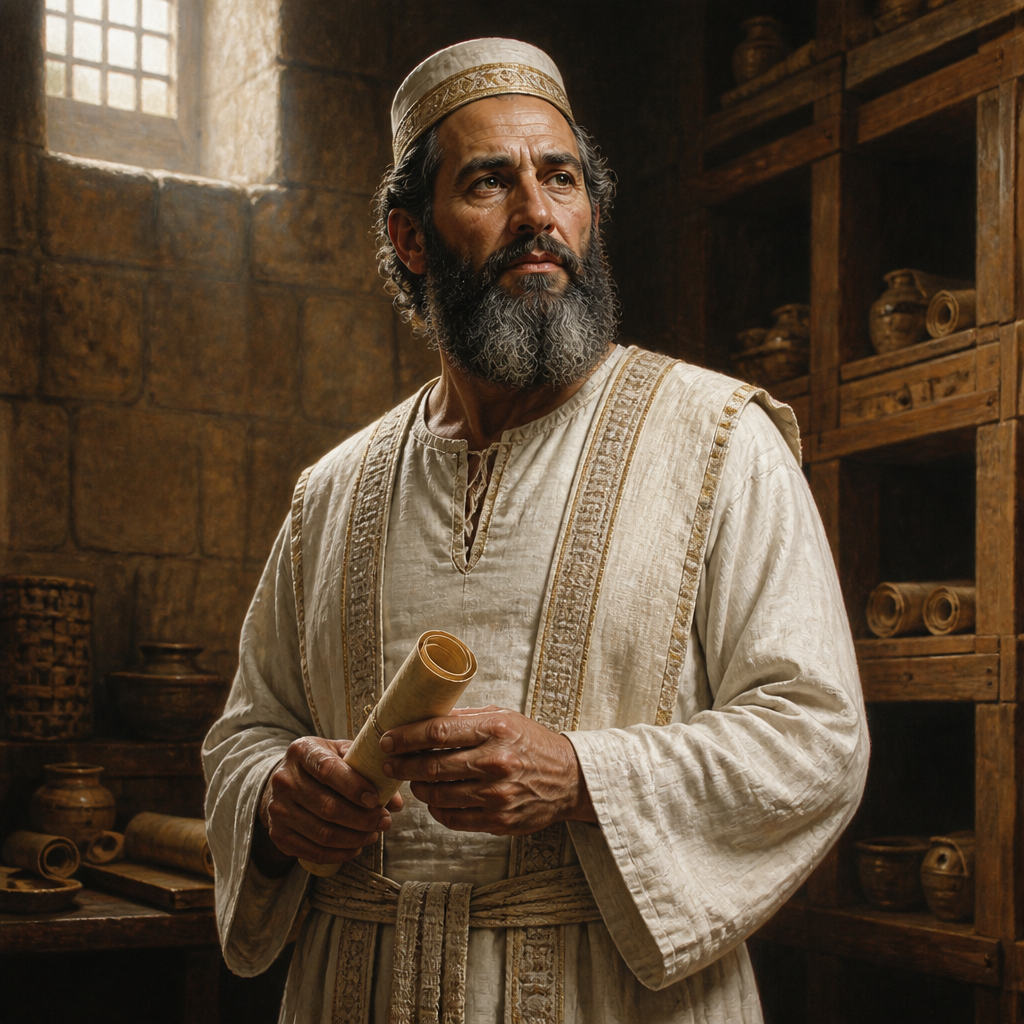
Zerahiah, Priest in the Line of Eleazar
Levite priest in the high priestly line of Eleazar and ancestor of Ezra the Scribe
These names come from genealogies and lists that give no anchor in time. They are placed here by genealogical position, not by a dated event, so they are listed apart from the people the text dates directly.