
Judges of Israel
Who is on this listLeaders the LORD raised up to judge or deliver Israel between Joshua's death and the monarchy (Judges 2:16–19; 1 Samuel 4:18; 7:15–17; 12:11).
Every person in the Bible tagged Judges on Everybody in the Bible.
The Judges of Israel were a series of charismatic leaders who governed the tribes of Israel between the death of Joshua and the establishment of the monarchy. While the term implies a legal function, the text describes these figures primarily as military deliverers raised up by God to rescue the people from foreign oppression (Judges 2:16–18). The office was not hereditary, and the text does not say there was a formal process for selection or a centralized seat of government. Instead, these individuals emerged during periods of national crisis to lead specific tribes or regions against neighboring enemies.
The organization of these leaders follows a recurring cycle of rebellion, oppression, and deliverance. Othniel is identified as the first judge who defeated the king of Mesopotamia to secure forty years of peace (Judges 3:9–11). Ehud later delivered the people by assassinating the king of Moab with a concealed double-edged sword (Judges 3:15–26). Deborah held court under a palm tree and summoned Barak, who is called a commander rather than a judge, to lead ten thousand men down from Mount Tabor against the Canaanite forces in the Kishon valley (Judges 4:4–15); he is kept here because Hebrews 11:32 lists him among the deliverers. Eli judged Israel forty years (1 Samuel 4:18) and Samuel judged Israel all the days of his life (1 Samuel 7:15–17), so both belong on this list; Joshua died before the judges arose (Judges 2:8, 16) and Abimelech was made king at Shechem and ruled rather than judged (Judges 9:6, 22), so neither does. Gideon is noted for reducing his army to three hundred men to defeat the Midianites by using trumpets and jars (Judges 7:19–22). Jephthah was a warrior who defeated the Ammonites after vowing to give the LORD whatever came out of his door to meet him, and his only daughter came out; the text says he did with her according to his vow and that she never married, without saying more (Judges 11:30–39). Samson is depicted as a man of supernatural strength who fought the Philistines alone, eventually destroying their temple (Judges 16:28–30).
Other figures in the record are described with fewer military details, focusing instead on their tenure and families. Tola rose to save Israel after the death of the usurper Abimelech and governed for twenty-three years (Judges 10:1–2). Jair the Gileadite followed him, distinguished by his thirty sons who rode thirty donkeys and ruled thirty towns (Judges 10:3–4). Later judges included Ibzan, who had sixty children, and Elon the Zebulunite, who led for ten years (Judges 12:8–11). Abdon is recorded as having forty sons and thirty grandsons who rode on seventy donkeys (Judges 12:13–14). Shamgar is also mentioned for a singular feat of killing six hundred Philistines with an oxgoad (Judges 3:31).
These leaders represent a transitional era in the biblical narrative. Before this period, Joshua had led a unified conquest, but the era of the judges is characterized by tribal fragmentation and a lack of central authority. The text repeatedly states that during this time there was no king in Israel and every man did what was right in his own eyes (Judges 17:6, 21:25). The failures and successes of these judges set the stage for the eventual demand by the people for a permanent king to lead them.
Timeline of the Judges
In the order Scripture presents them. The years are the ones the text gives, but they can't simply be added up: some judges probably overlapped. Judges 10:7 says the LORD sold Israel into the hands of the Philistines and the Ammonites, the enemies Samson and Jephthah faced. And the closing chapters, Judges 17–21, come from earlier in the period. Phinehas, Aaron's grandson, is still serving in 20:28.
- 1
Othniel
- Enemy
- Cushan-rishathaim, king of Aram-naharaim
- Oppression
- 8 years (Judges 3:8)
- Rest
- 40 years (3:11)
Son of Kenaz, Caleb's younger brother (3:9).
Ref: Judges 3:7–11
- 2
Ehud
A left-handed Benjamite (3:15).
Ref: Judges 3:12–30
- 3
Shamgar
- Enemy
- the Philistines
- Oppression
- no years given
- Rest or Judged
- —
Struck down 600 Philistines with an oxgoad (3:31).
Ref: Judges 3:31; 5:6
- 6
Tola
- Enemy
- —
- Oppression
- —
- Judged
- 23 years (10:2)
A man of Issachar who lived in Shamir in the hill country of Ephraim (10:1).
Ref: Judges 10:1–2
- 7
Jair
- Enemy
- —
- Oppression
- —
- Judged
- 22 years (10:3)
A Gileadite whose thirty sons rode thirty donkeys and had thirty towns (10:4).
Ref: Judges 10:3–5
- 8
Jephthah
A Gileadite (11:1).
Ref: Judges 10:6–12:7
- 9
Ibzan
- Enemy
- —
- Oppression
- —
- Judged
- 7 years (12:9)
From Bethlehem; thirty sons and thirty daughters (12:8–9).
Ref: Judges 12:8–10
- 10
- 11
Abdon
- Enemy
- —
- Oppression
- —
- Judged
- 8 years (12:14)
Son of Hillel, from Pirathon in Ephraim (12:13, 15).
Ref: Judges 12:13–15
- 13
Eli
- Enemy
- —
- Oppression
- —
- Judged
- 40 years (1 Samuel 4:18)
Priest at Shiloh (1 Samuel 1:3, 9).
Ref: 1 Samuel 1–4
- 14
Samuel
- Enemy
- —
- Oppression
- —
- Judged
- all the days of his life (1 Samuel 7:15)
Went on a yearly circuit to Bethel, Gilgal and Mizpah, then returned home to Ramah (7:16–17).
Ref: 1 Samuel 7
Everyone in this list
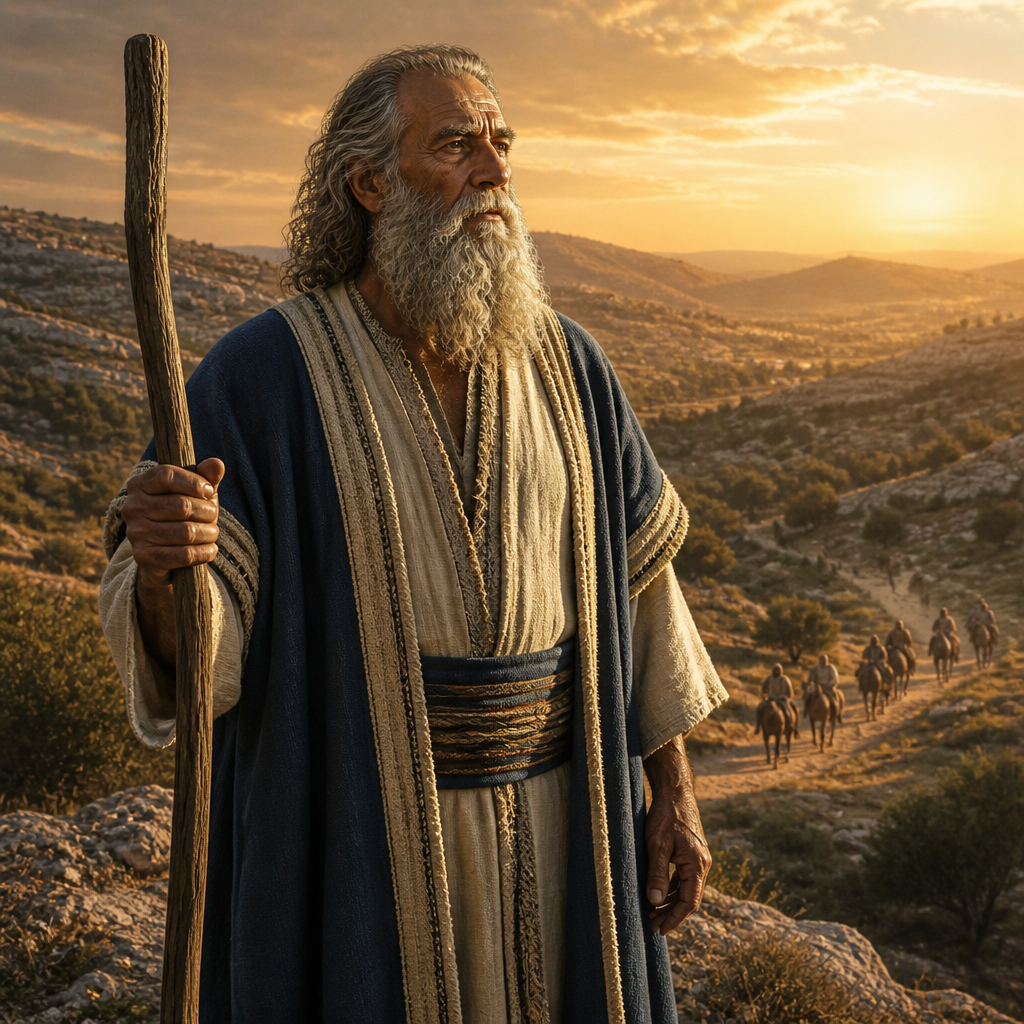
Abdon, Son of Hillel
Judge of Israel from Pirathon who had forty sons and thirty grandsons
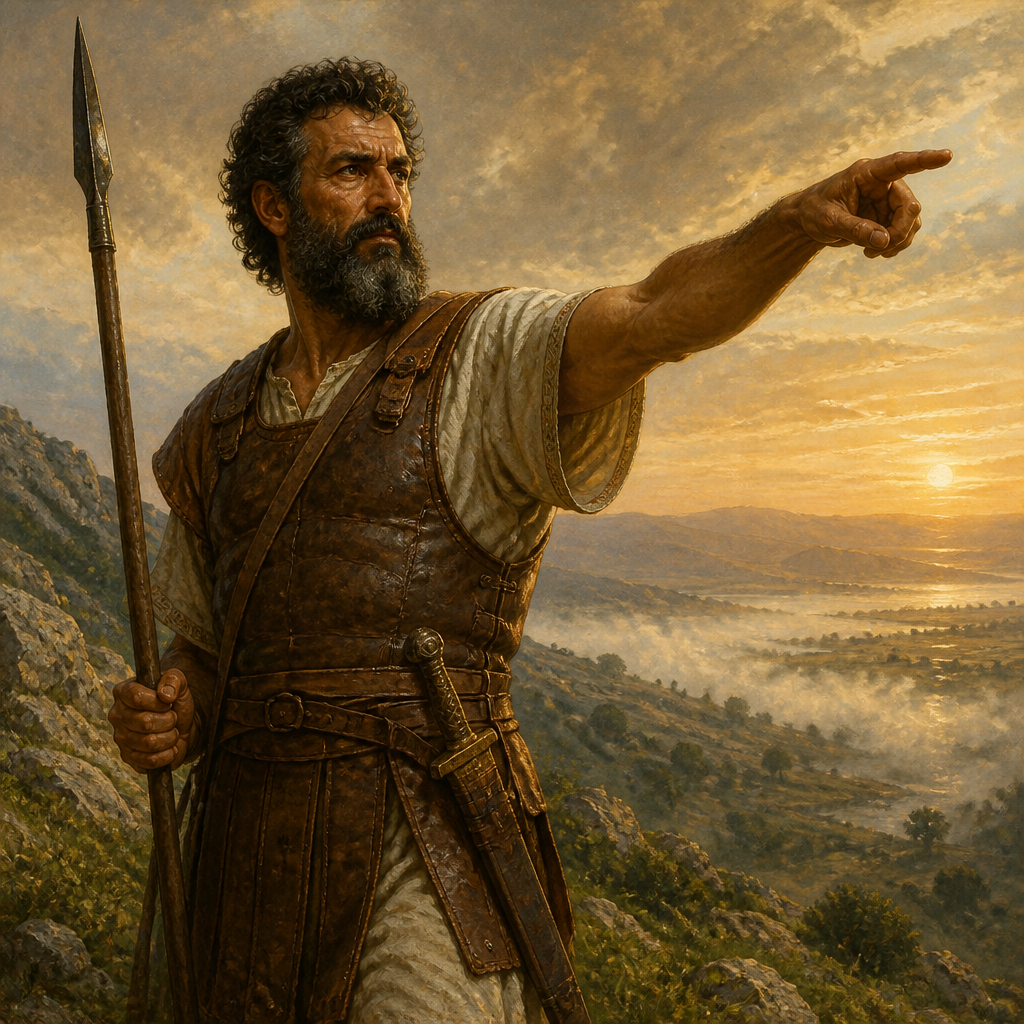
Barak
Commander who led Israel's ten thousand against Sisera and routed him in the Kishon valley (Judges 4:14-15)
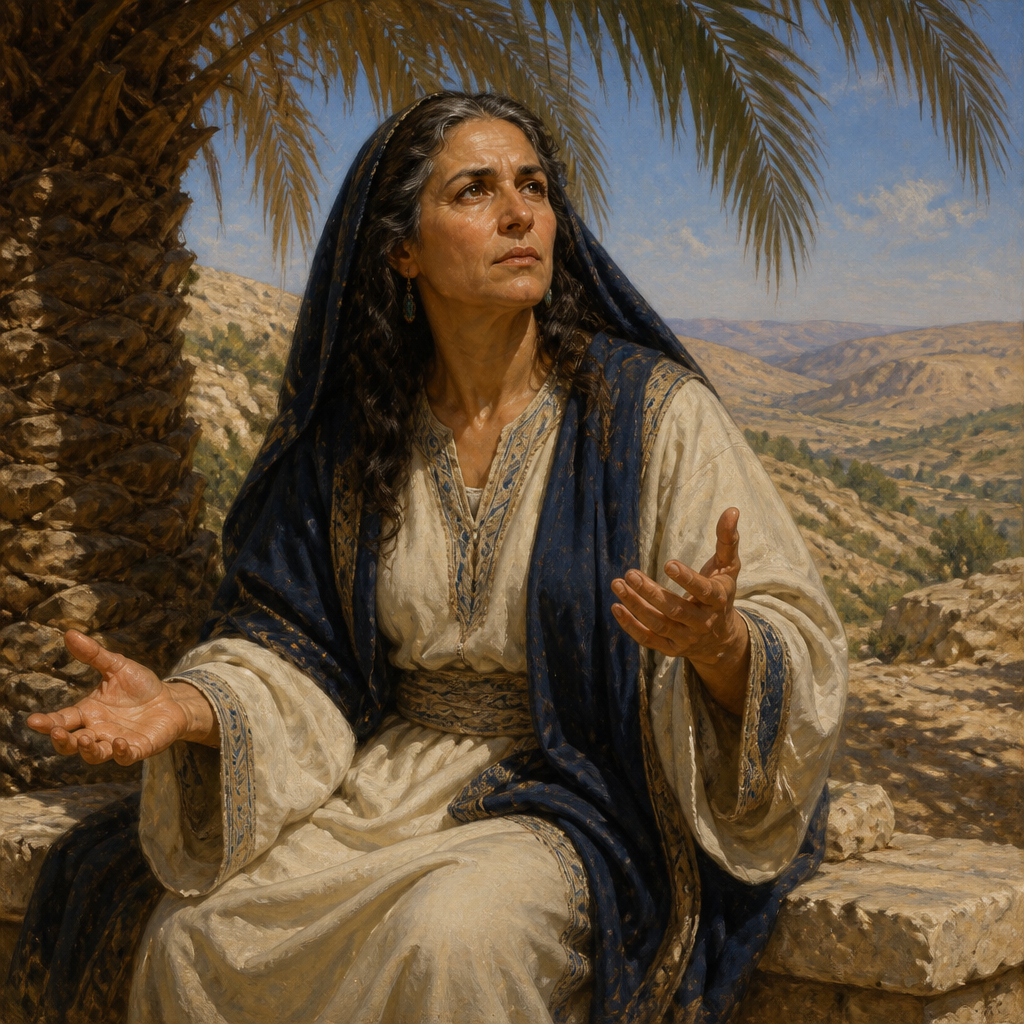
Deborah, Prophetess and Judge of Israel
Prophetess and judge who directed the victory over the Canaanite general Sisera
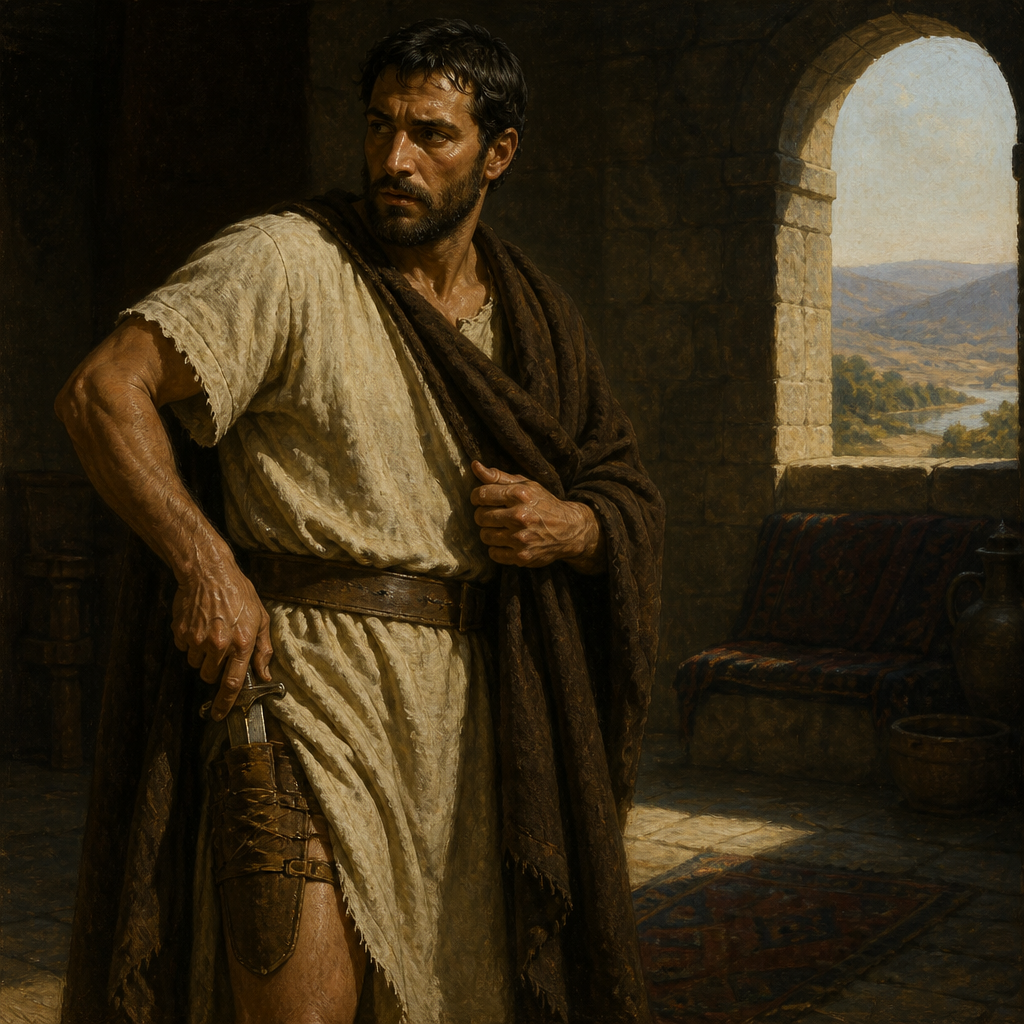
Ehud, Son of Gera
Judge who assassinated King Eglon with a concealed sword to deliver Israel
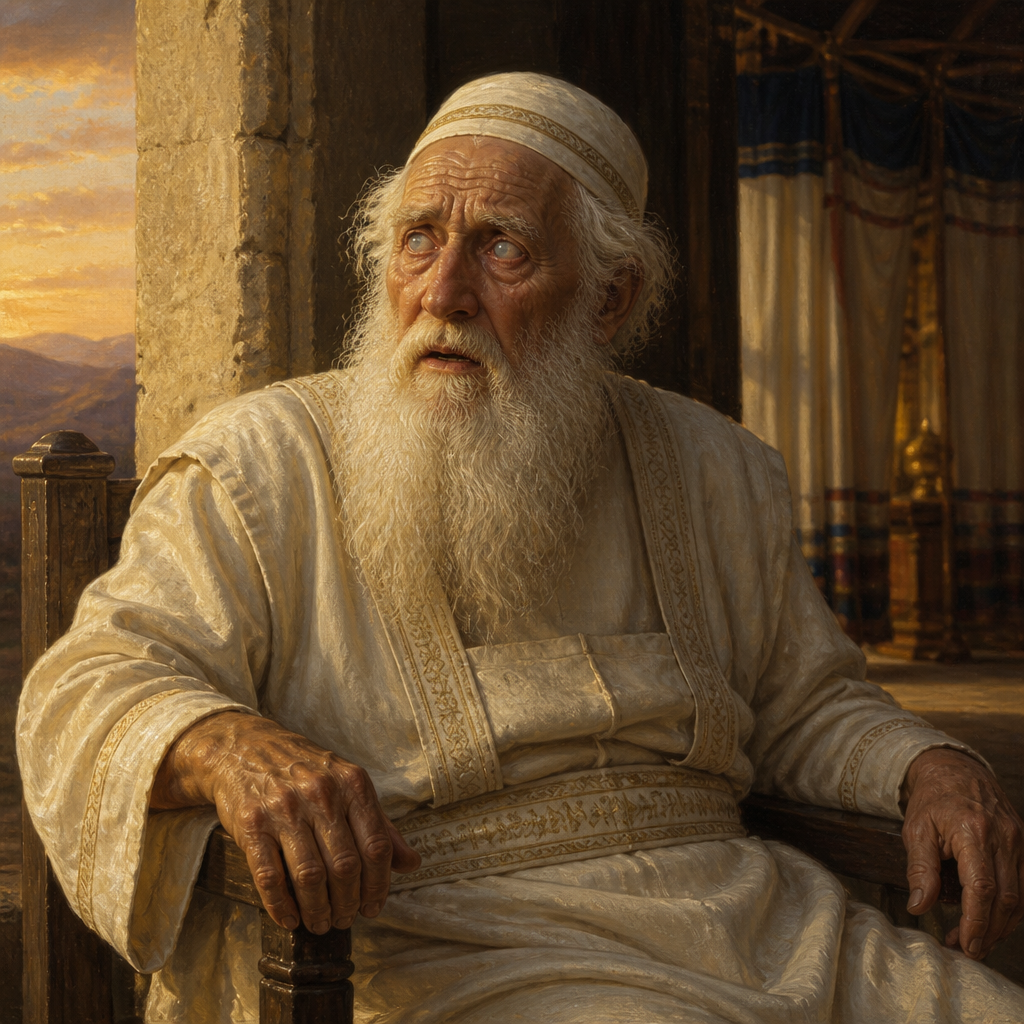
Eli
High Priest at Shiloh who mentored the prophet Samuel and suffered the loss of the Ark of the Covenant
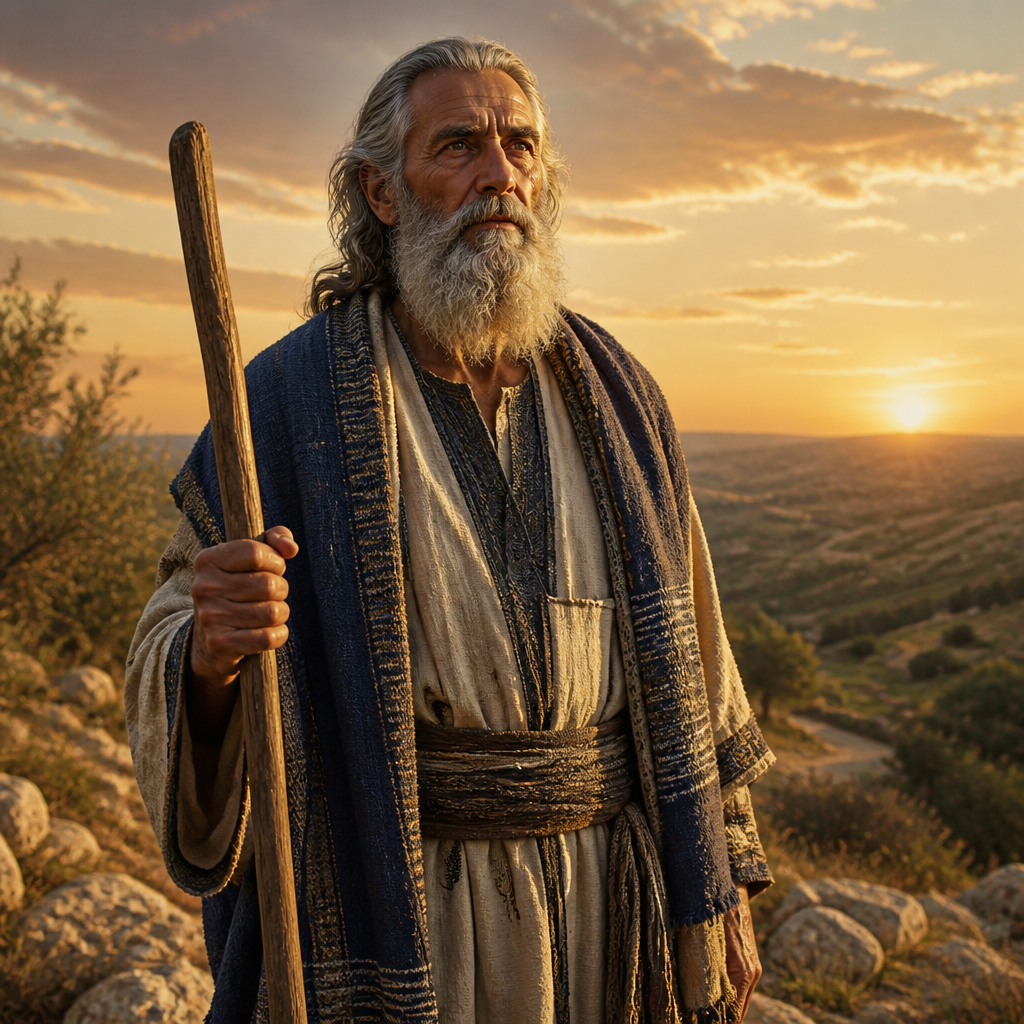
Elon the Zebulunite
Judge from the tribe of Zebulun who led Israel for ten years
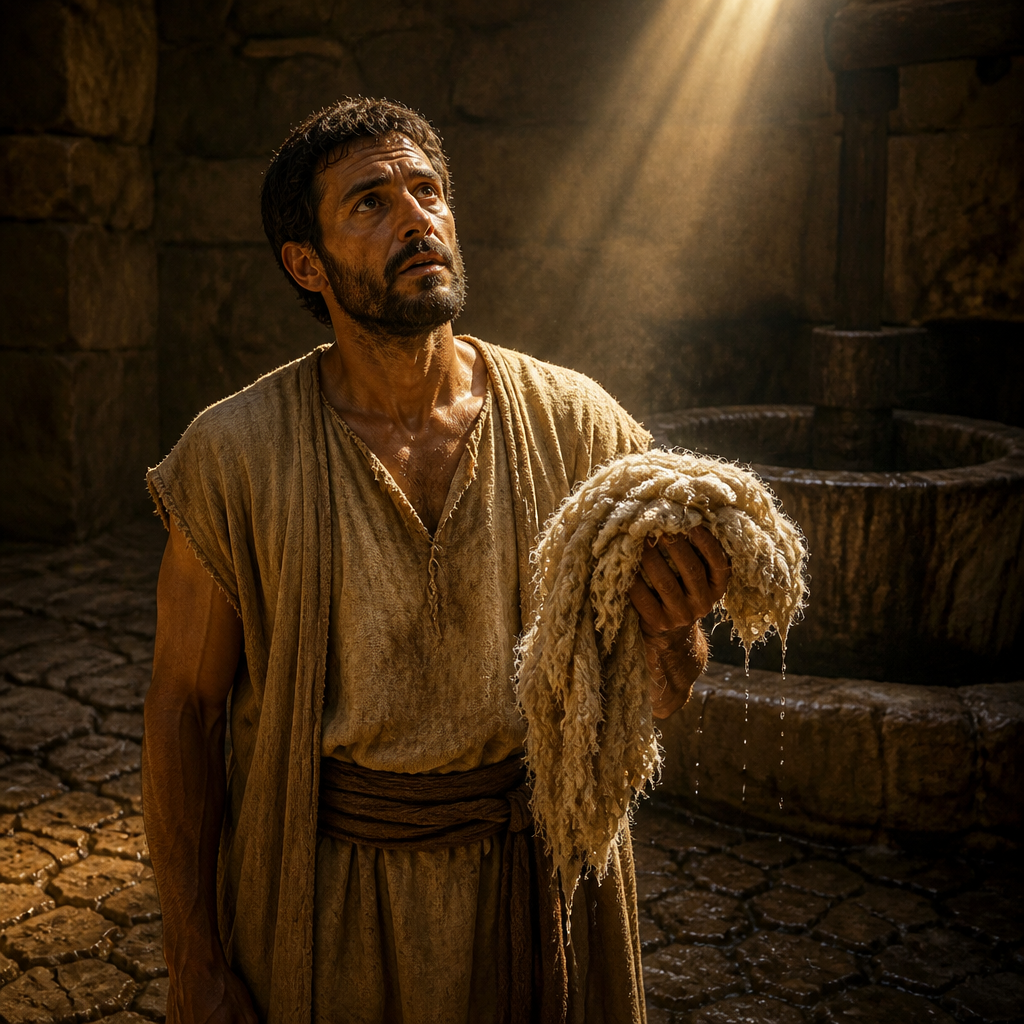
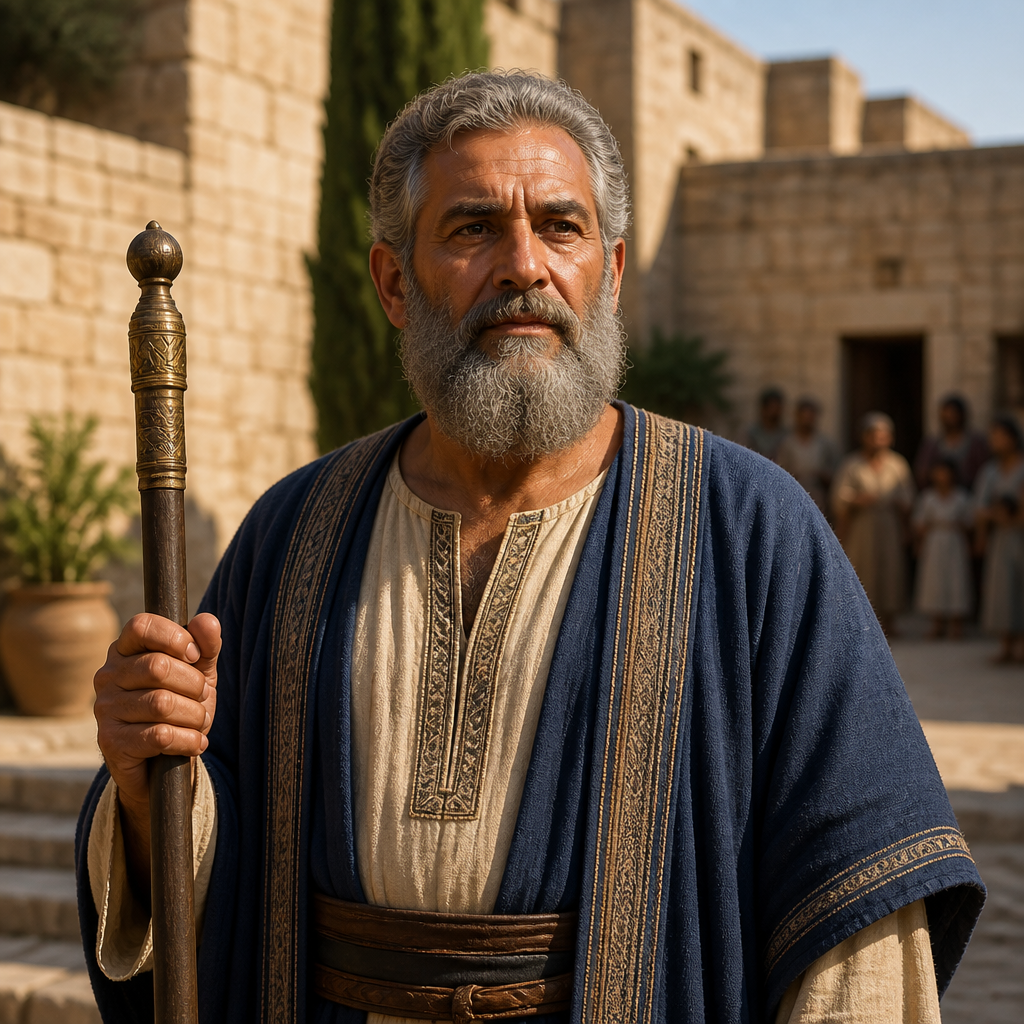
Ibzan
Judge of Israel known for having thirty sons and thirty daughters
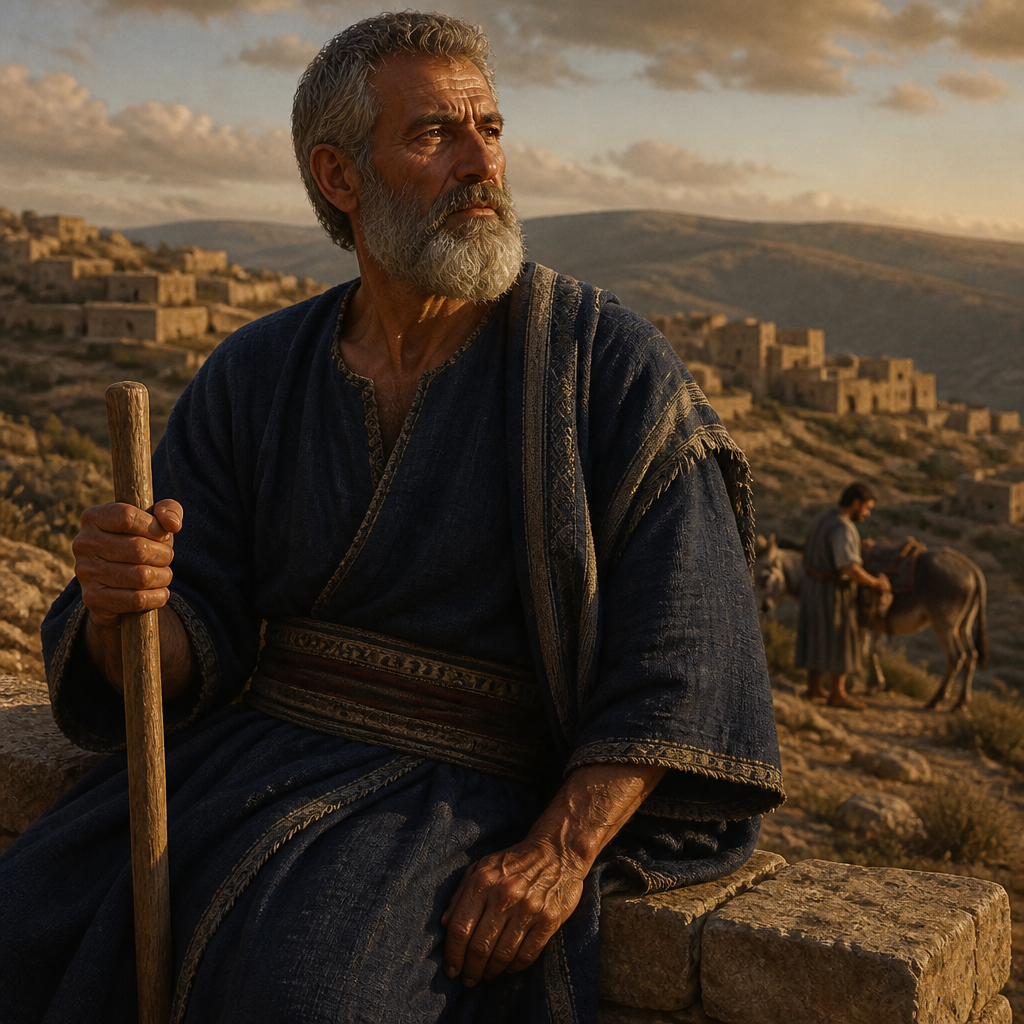
Jair the Gileadite
Judge of Israel who had thirty sons riding thirty donkeys and controlled thirty towns in Gilead
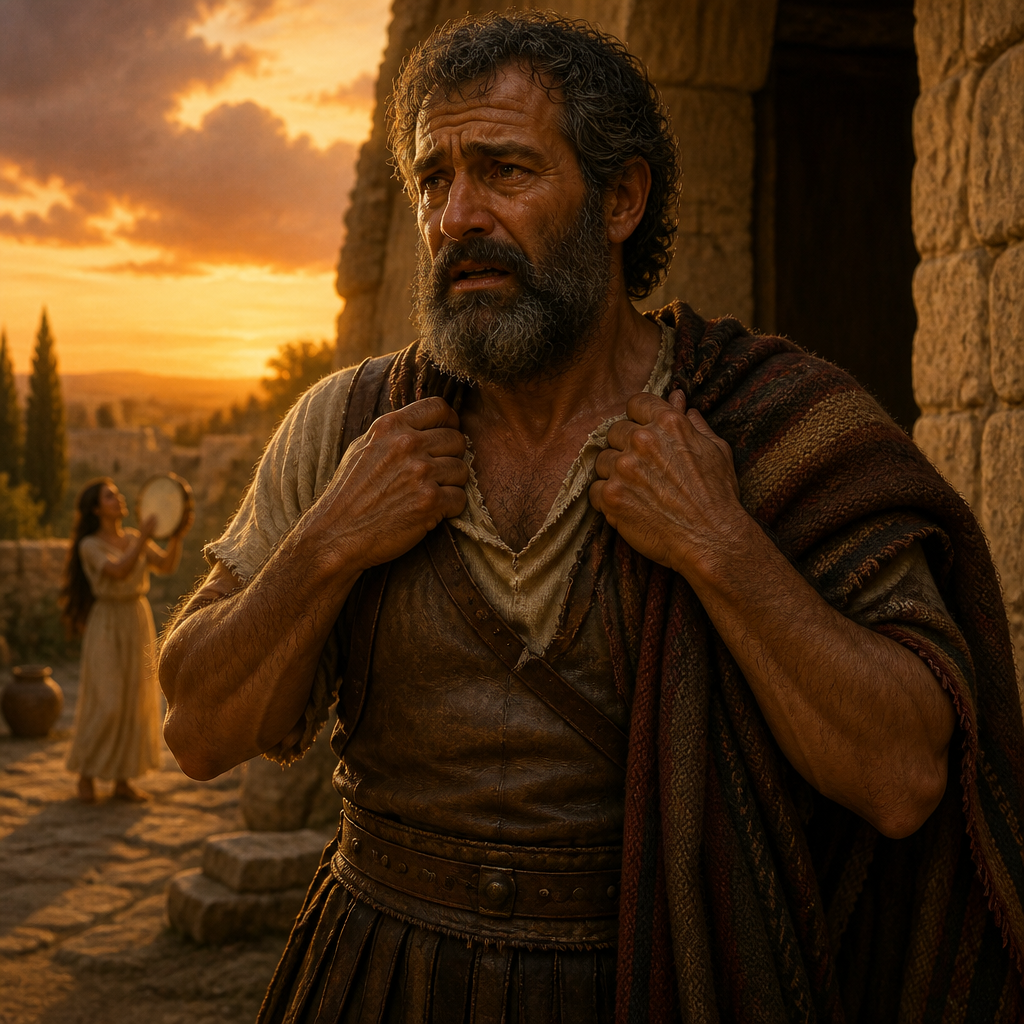
Jephthah
Judge of Israel who defeated the Ammonites and made a tragic vow involving his daughter
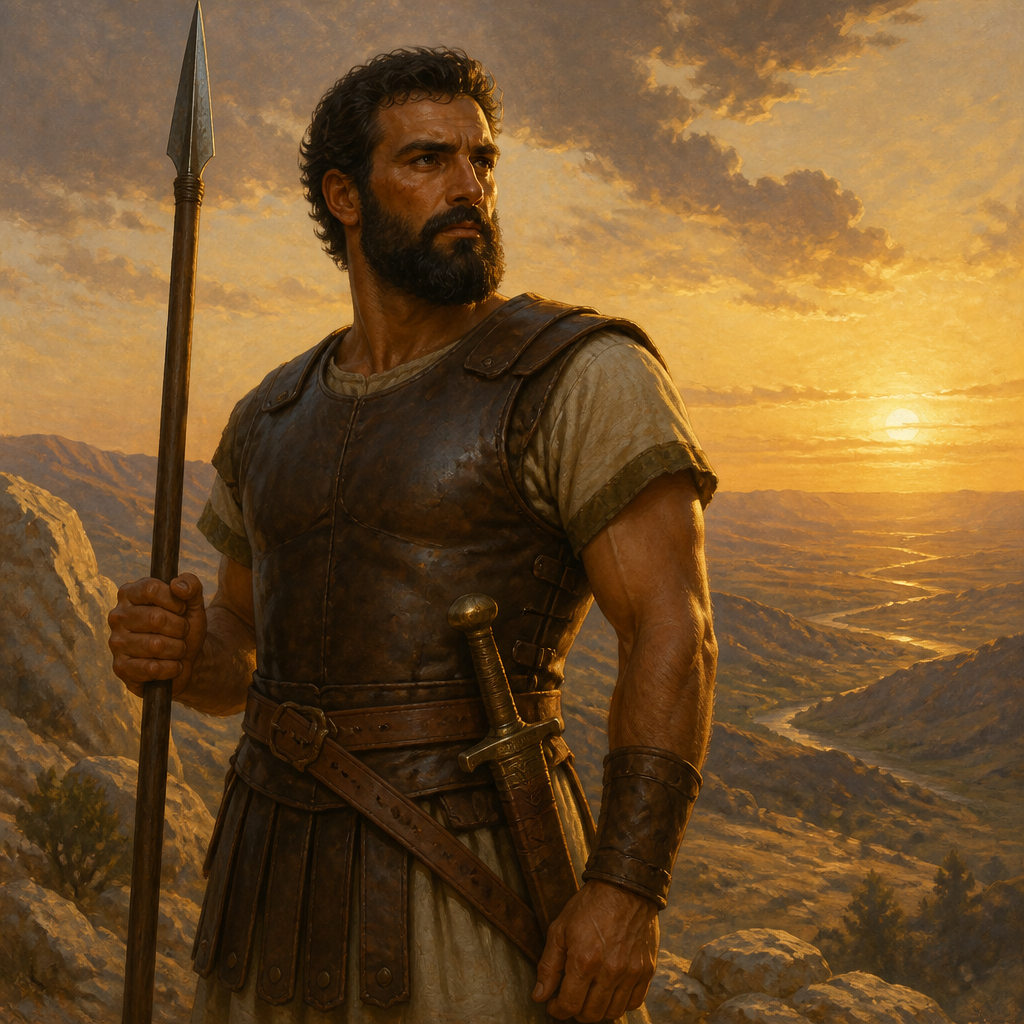
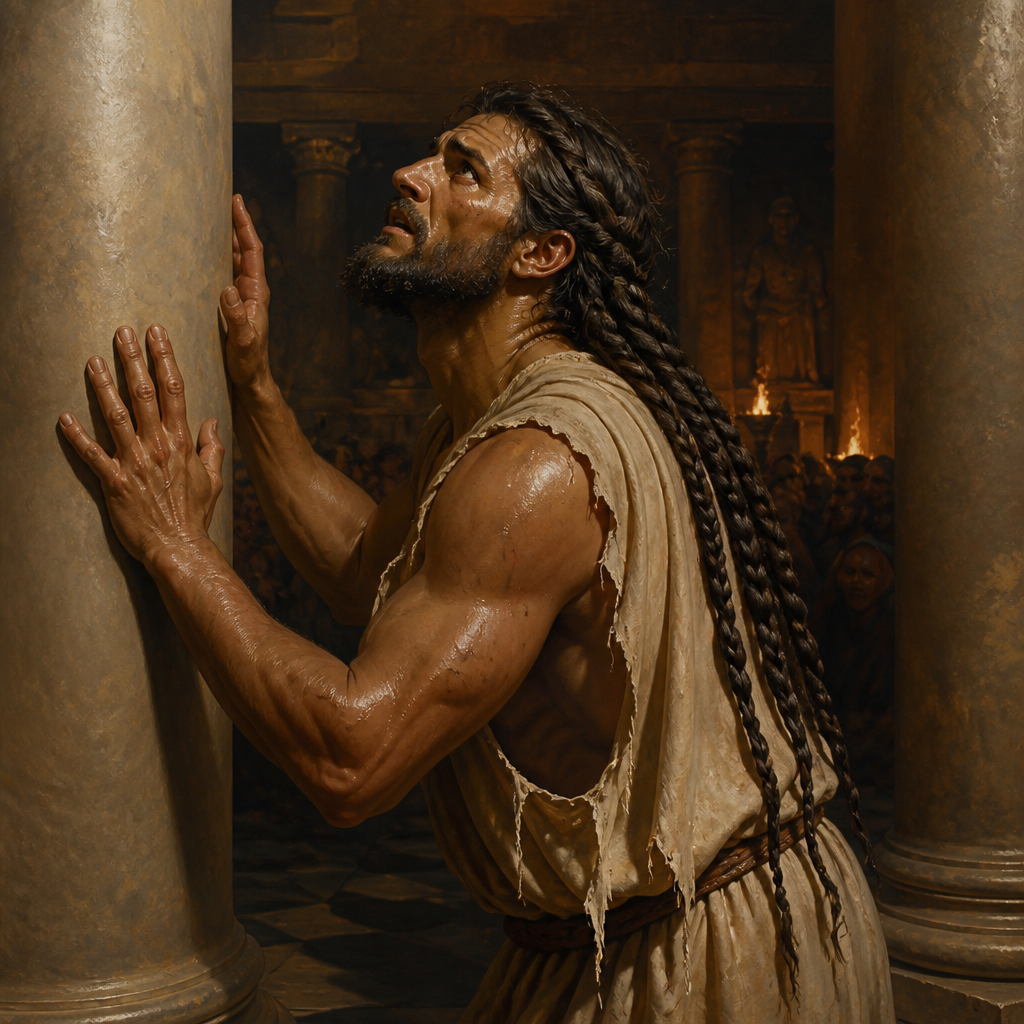
Samson
Judge of Israel who possessed supernatural strength and fought the Philistines
Tola, Judge of Israel
Judge who led Israel for twenty-three years following the death of Abimelech