People of Hebrews
Every person who appears in the book of Hebrews, ordered by how often they are mentioned there.
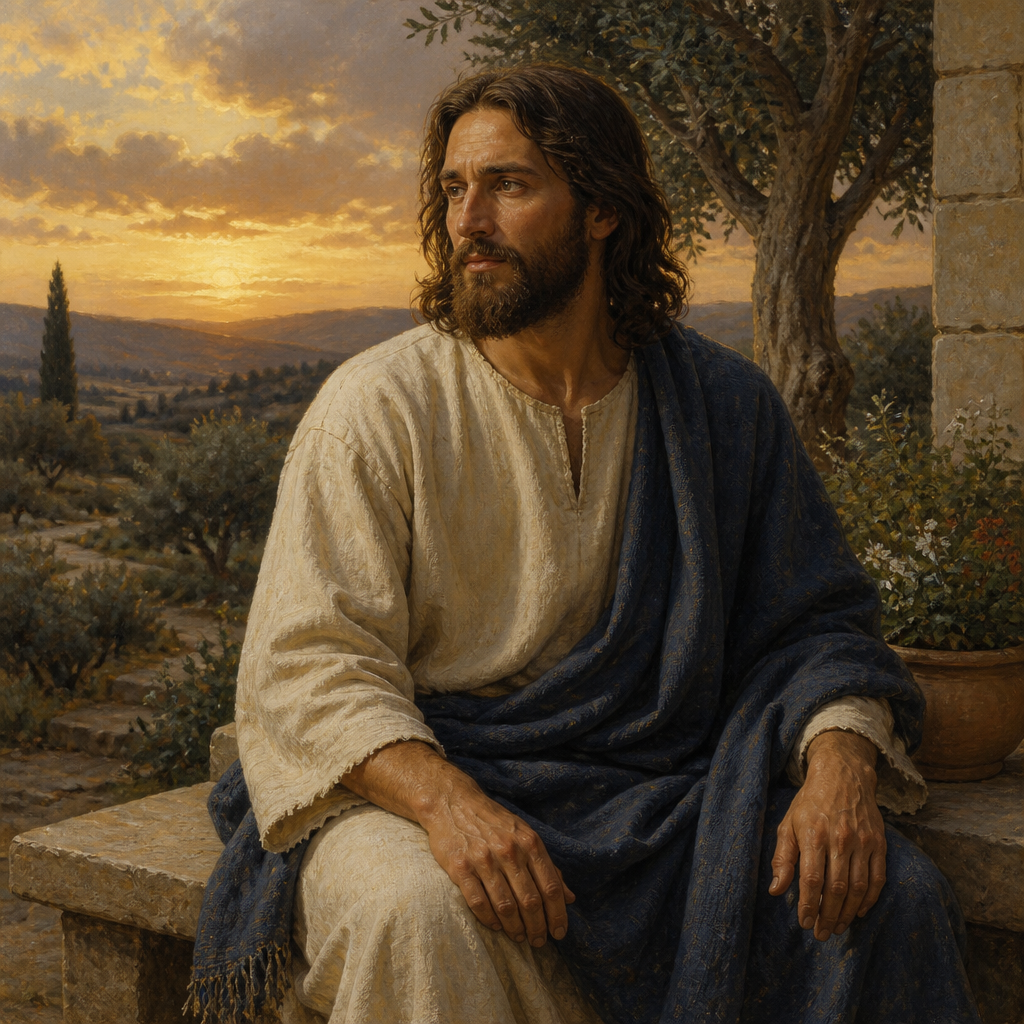
The People of Hebrews are presented as a chronological and thematic lineage that demonstrates the superiority of a new covenant over the old. The text begins by identifying Jesus as the Son through whom God has spoken in these last days, describing him as higher than angels and the pioneer of salvation (Hebrews 1:2–4, 2:10). The author contrasts Jesus with Moses noting that while Moses was a faithful servant in God’s house, Jesus is the son over the house (Hebrews 3:5–6). The narrative introduces Melchizedek, a king and priest without recorded genealogy, to explain how Jesus holds a permanent priesthood that surpasses the order of Aaron (Hebrews 7:1–3, 7:11).
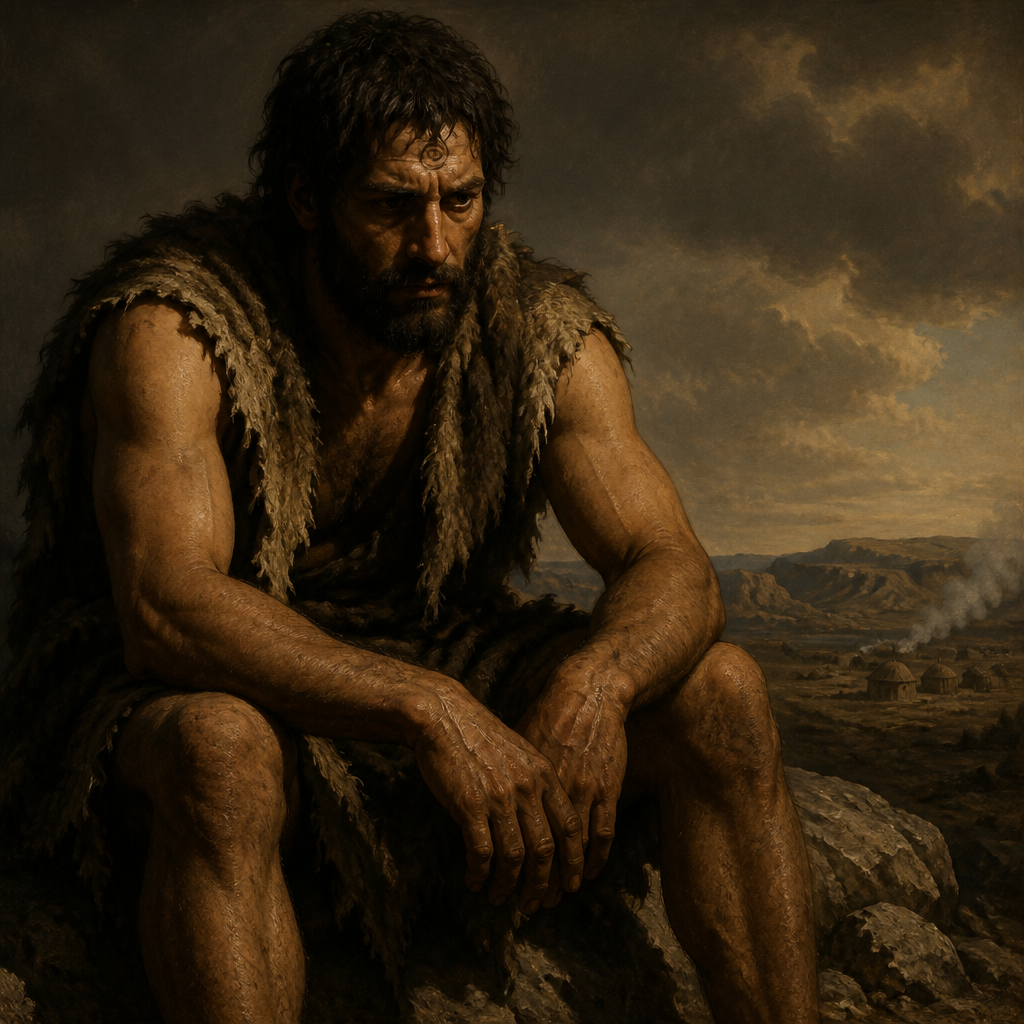
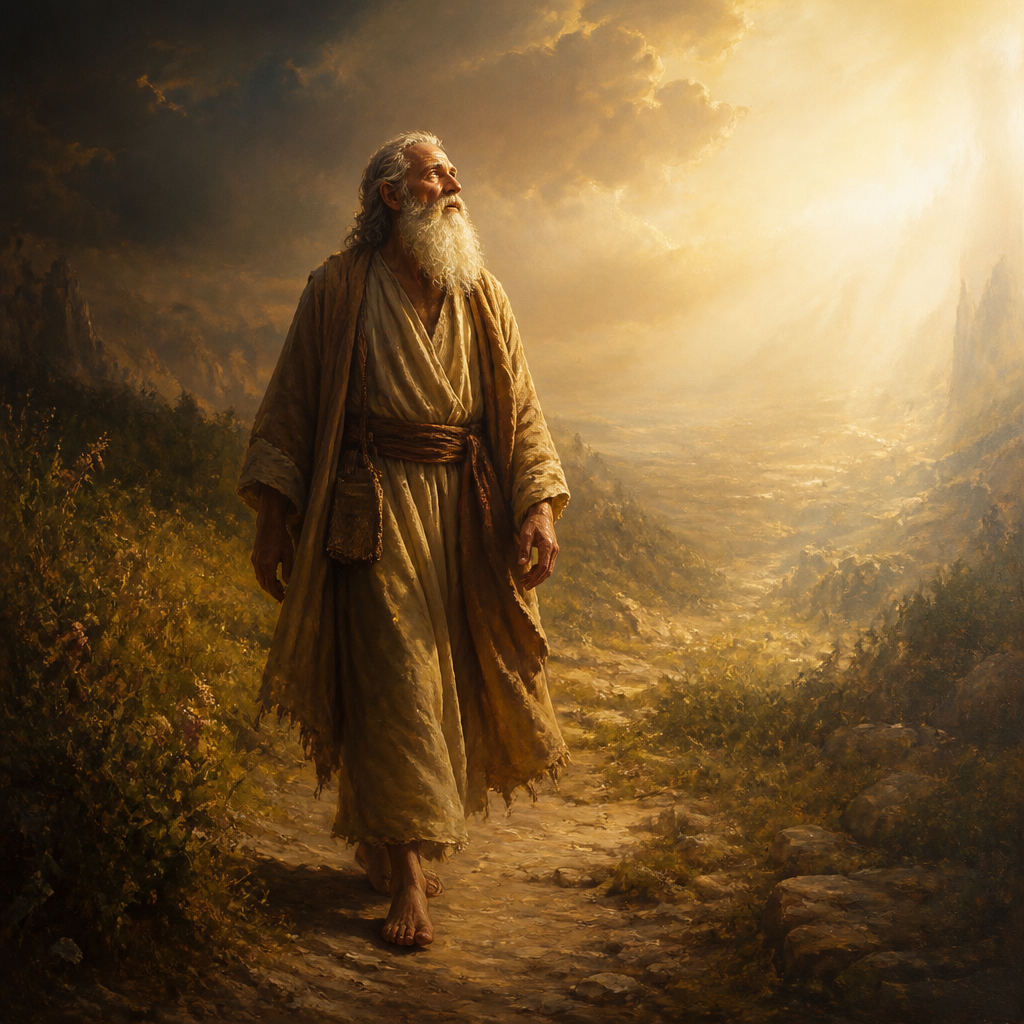
The middle of the book organizes these figures into a history of faith, beginning with Abel, who offered a more acceptable sacrifice than Cain (Hebrews 11:4). Enoch is cited as one who pleased God and was taken up so that he should not see death (Hebrews 11:5). Noah is included for constructing an ark to save his household (Hebrews 11:7). The text places heavy emphasis on Abraham, who obeyed the call to go to a place he was to receive as an inheritance (Hebrews 11:8). Sarah is mentioned for receiving power to conceive even when she was past the age (Hebrews 11:11). The lineage continues through Isaac, who blessed his sons regarding the future, and Israel, who blessed the sons of Joseph (Hebrews 11:20–21).
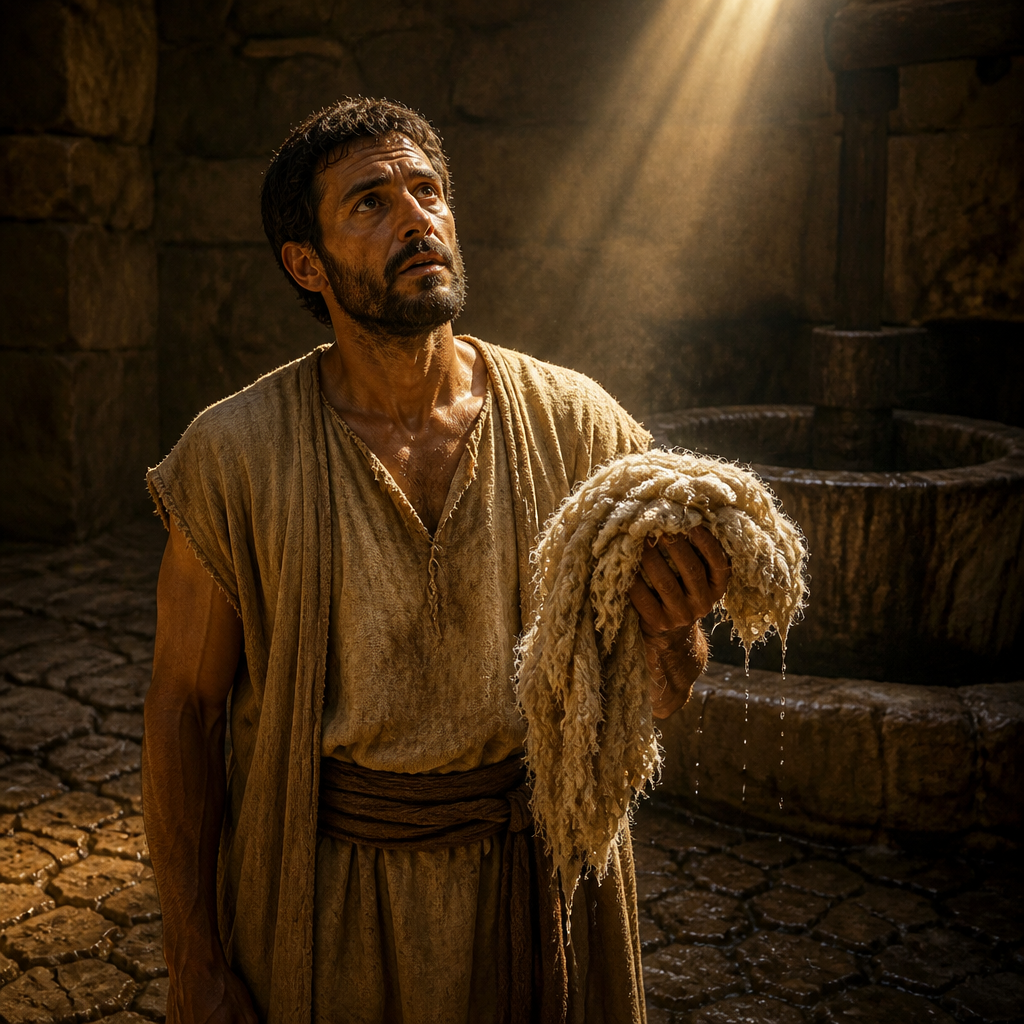
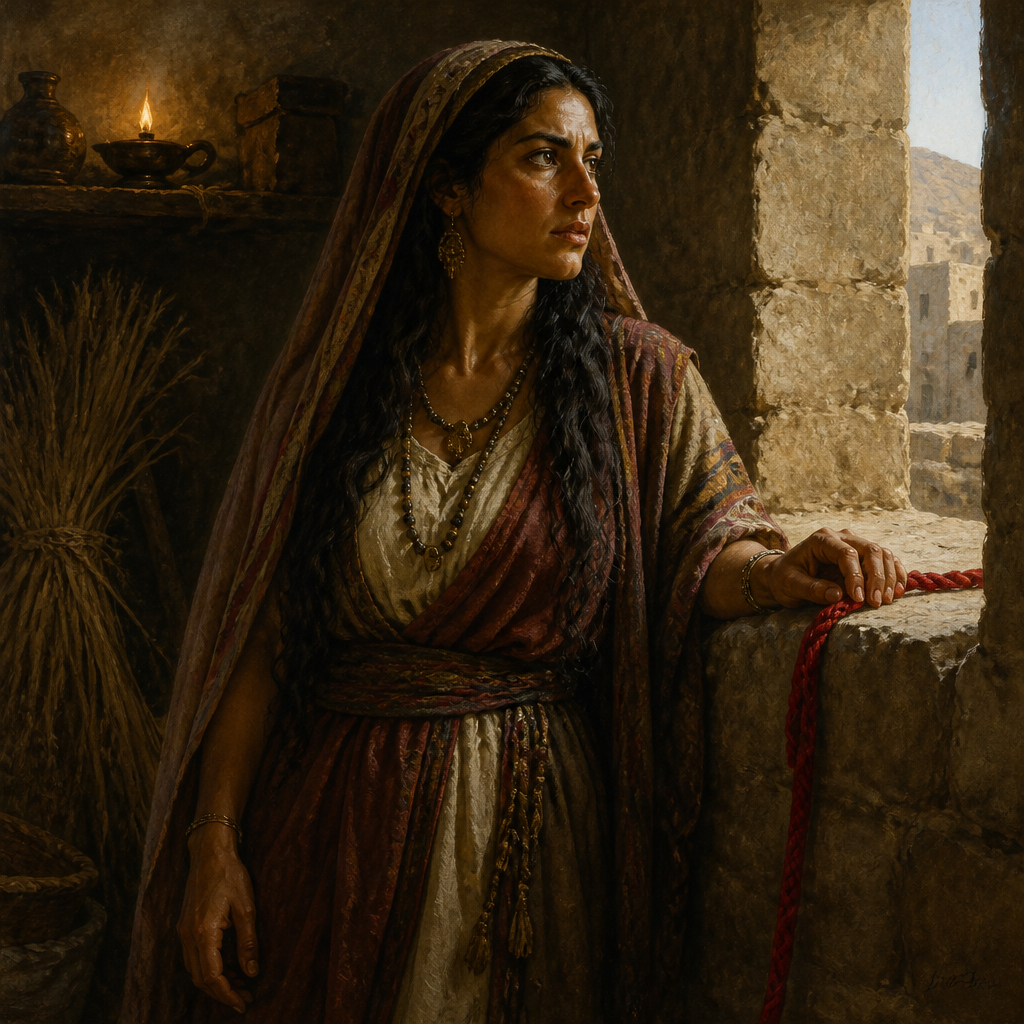
The list of faithful figures expands to include those who led the nation through conflict and transition. Moses is highlighted for choosing to be mistreated with the people of God rather than enjoying the fleeting pleasures of sin in the house of Pharaoh (Hebrews 11:24–25). The text notes that Rahab did not perish with the disobedient because she had given a friendly welcome to the spies (Hebrews 11:31). A summary of leaders follows, naming Gideon, Barak, Samson, Jephthah, David, and Samuel as those who through faith conquered kingdoms and enforced justice (Hebrews 11:32–33). The book concludes with personal greetings, mentioning that Timothy has been released from prison (Hebrews 13:23).
These individuals serve as a "cloud of witnesses" intended to encourage the readers to persevere (Hebrews 12:1). By connecting the patriarchs and judges to the work of Jesus, the text argues that the ancient figures did not receive what was promised in their lifetimes so that they would be made perfect only alongside the current generation (Hebrews 11:39–40). The arc moves from the creation and the first sacrifices to a final exhortation to look toward Jesus as the founder and perfecter of faith (Hebrews 12:2).
Everyone in this list

Jesus
Messiah and central figure of the New Testament whose life, death, and resurrection form the basis of the Christian faith
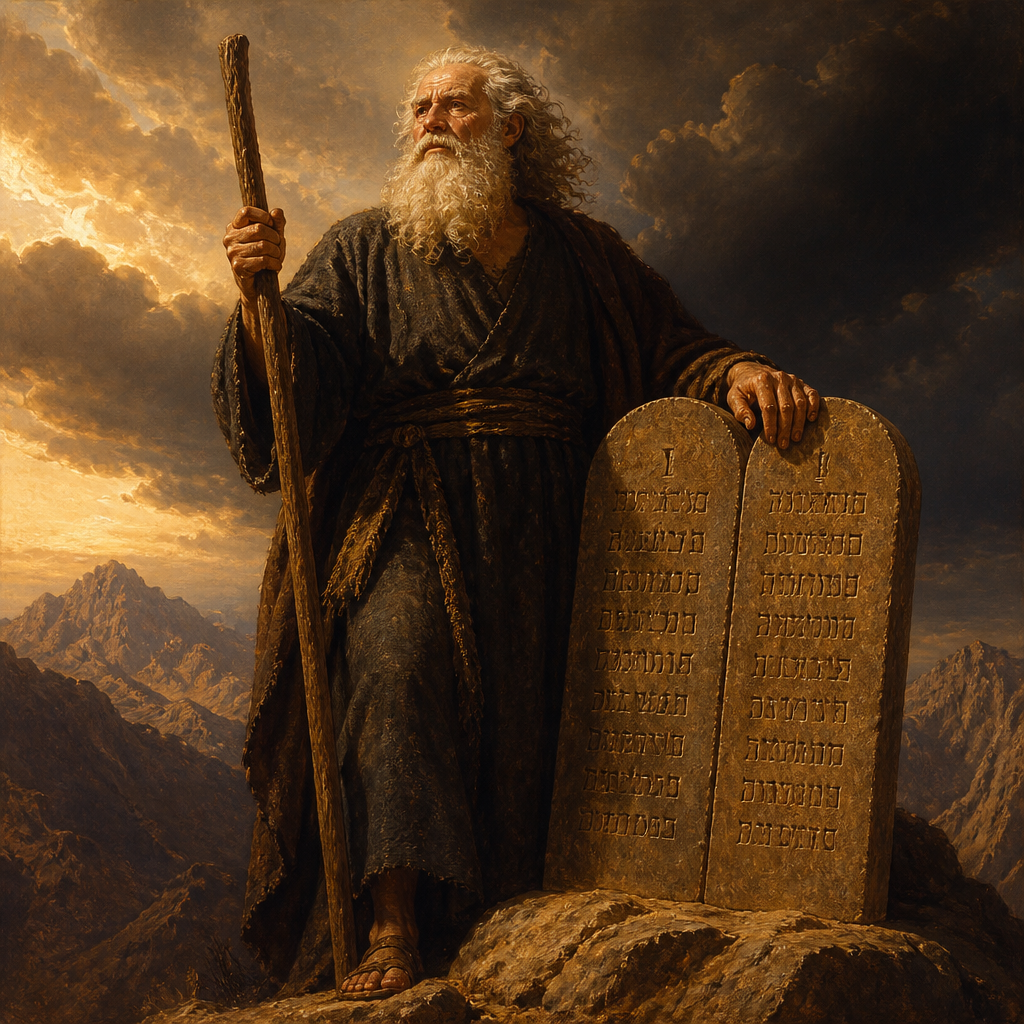
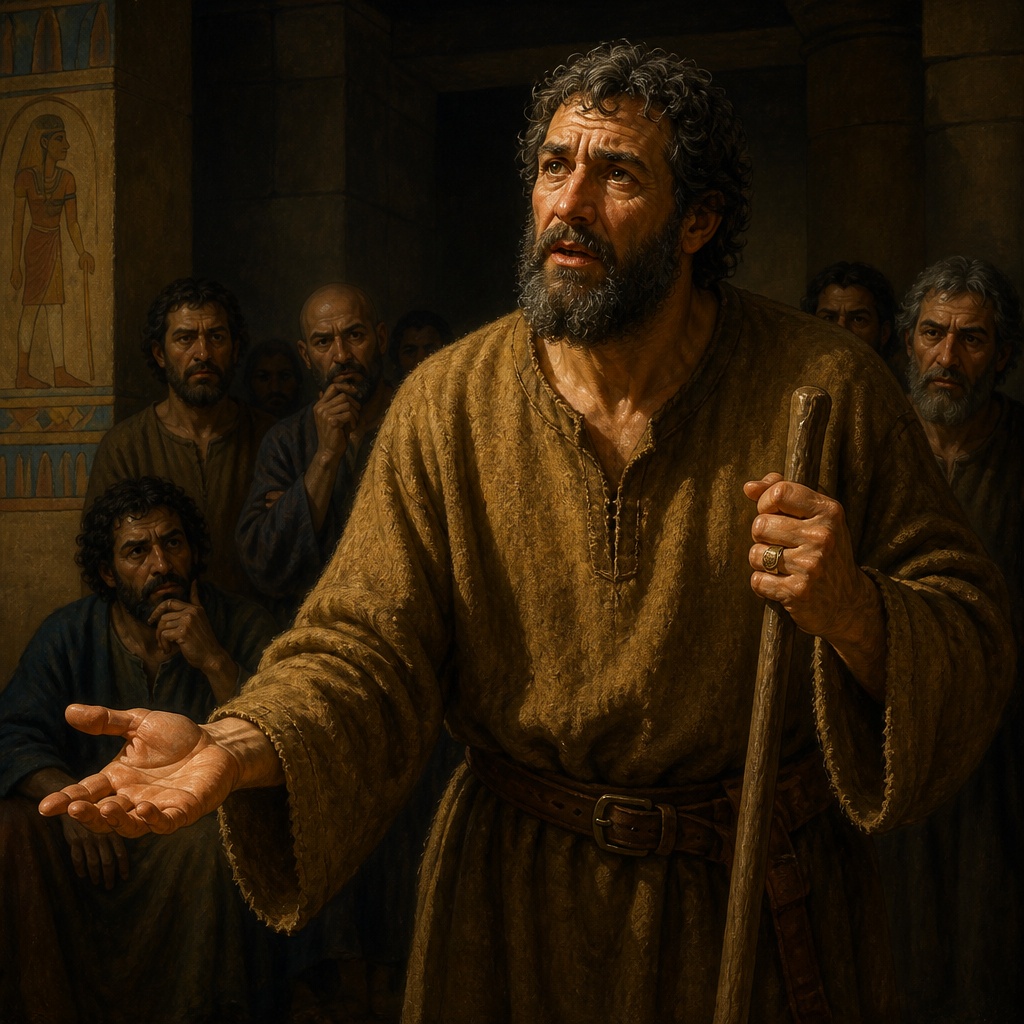
Moses
Prophet who led the Israelites out of Egypt and received the Ten Commandments
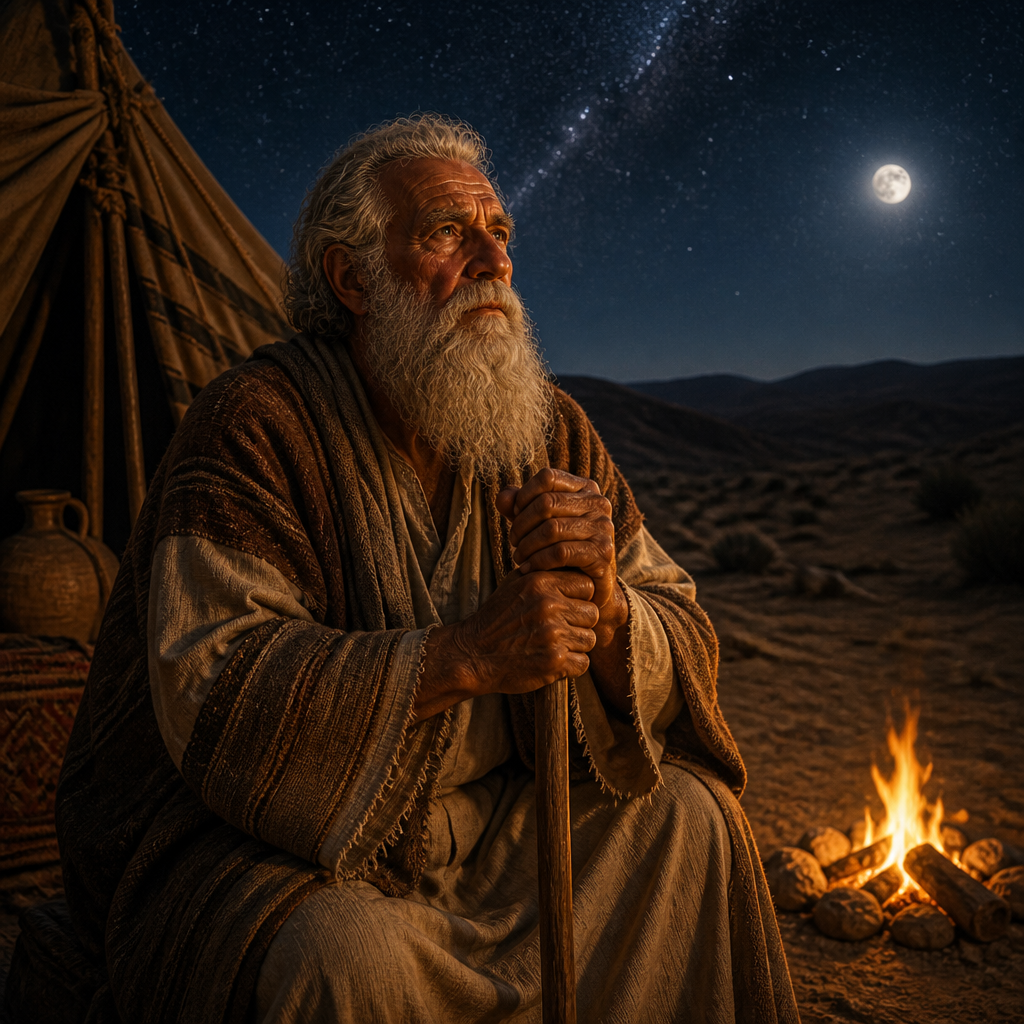
Abraham
Patriarch who is the father of the nation of Israel and an exemplar of faith
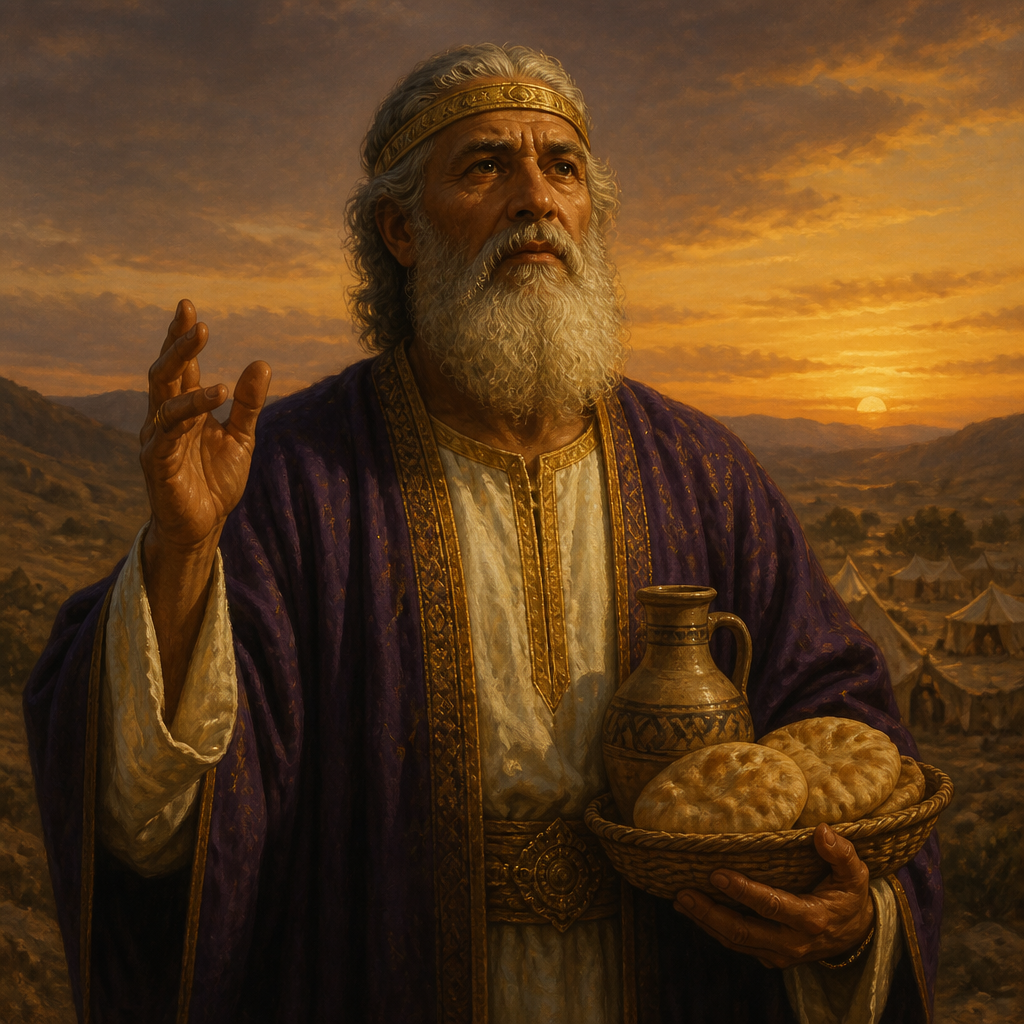
Melchizedek
King of Salem and priest who blessed Abraham and received his tithe
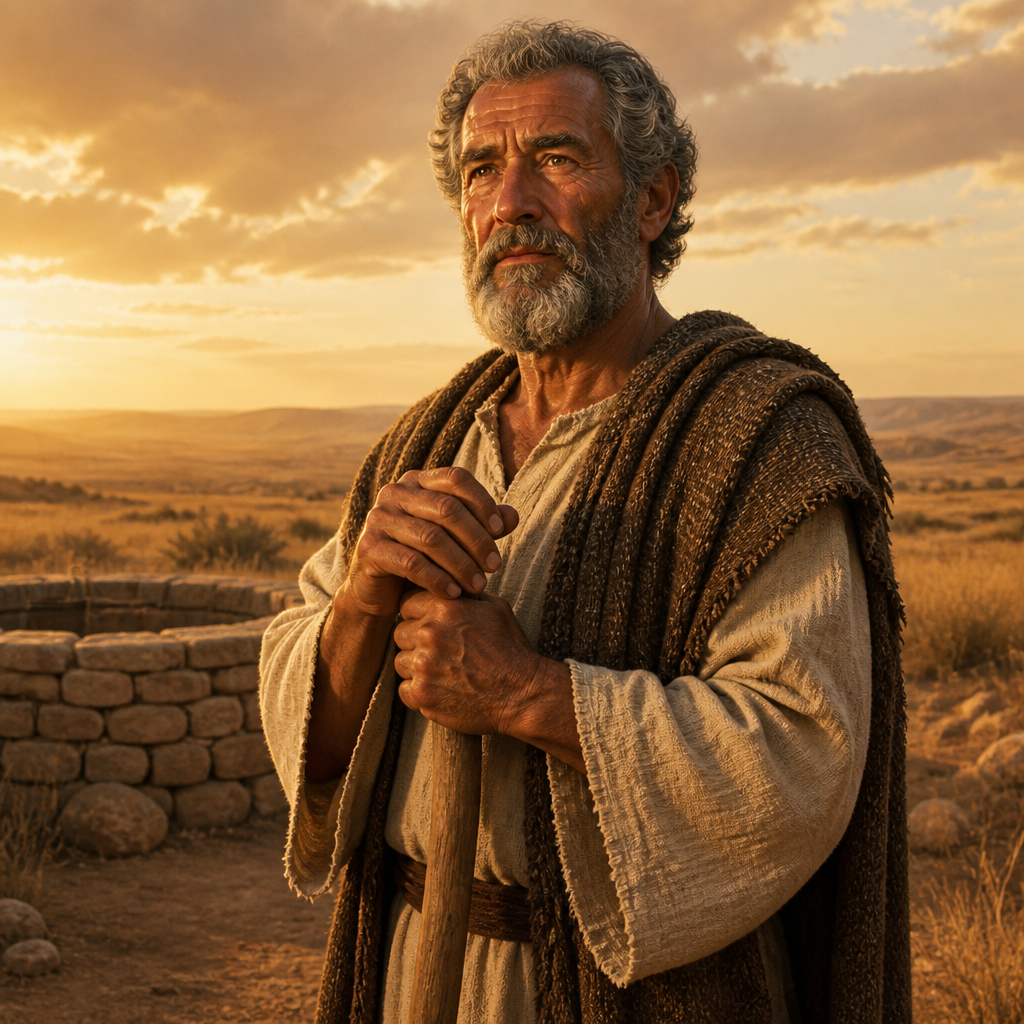
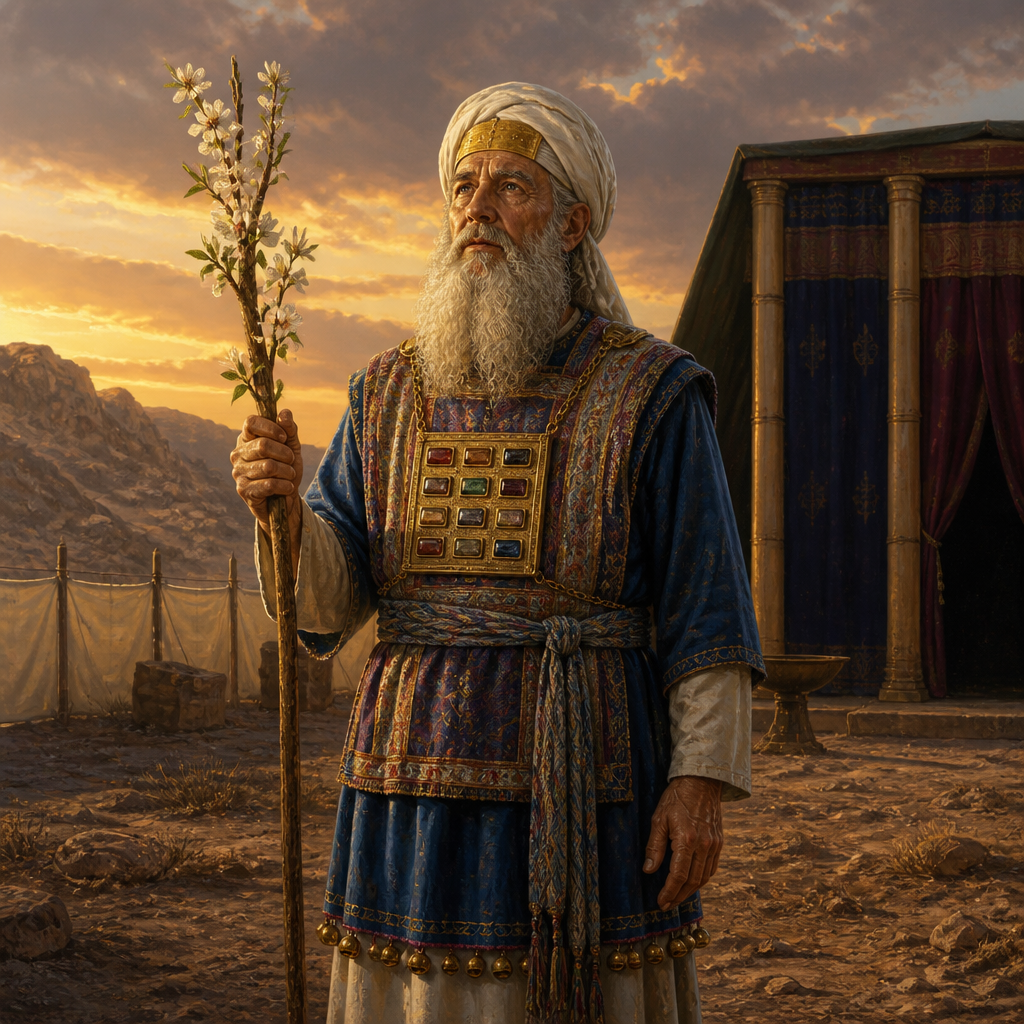
Aaron
First High Priest of Israel who served as the spokesman for Moses during the Exodus
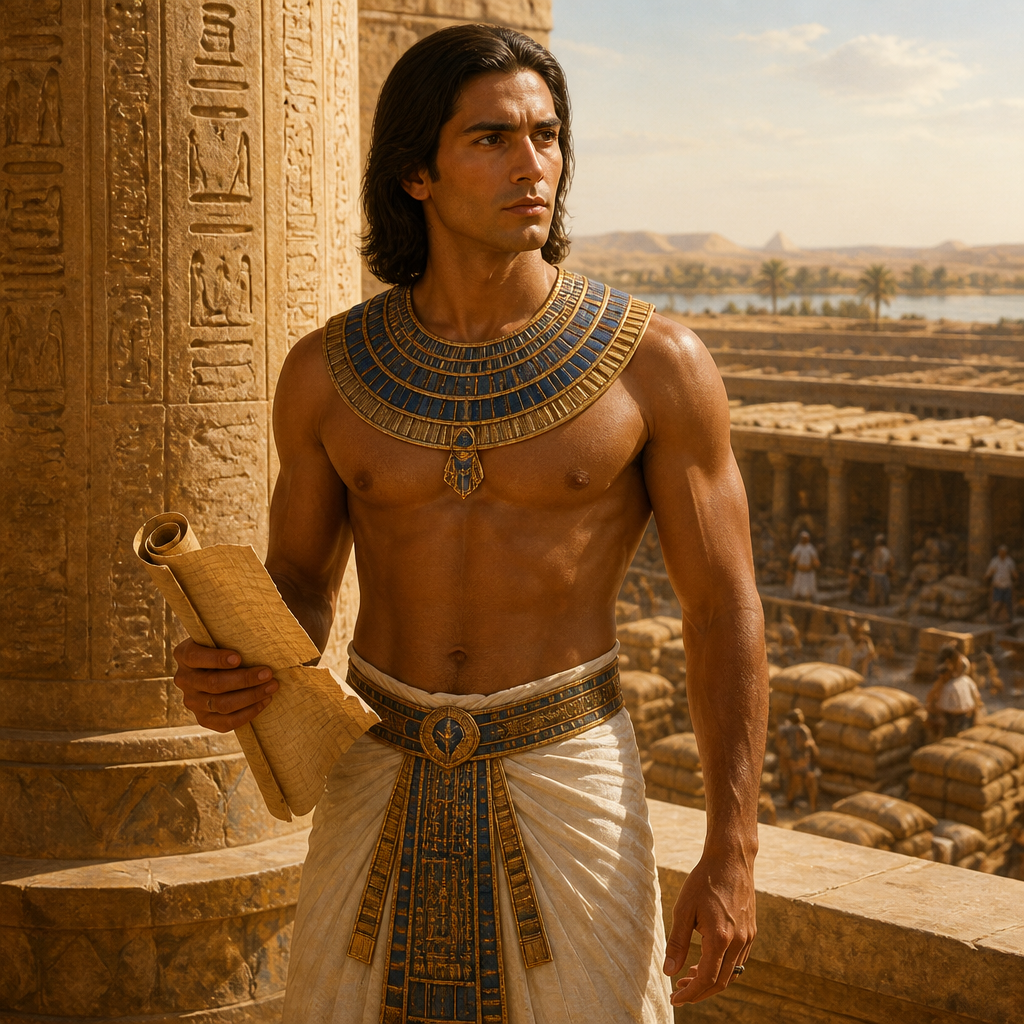
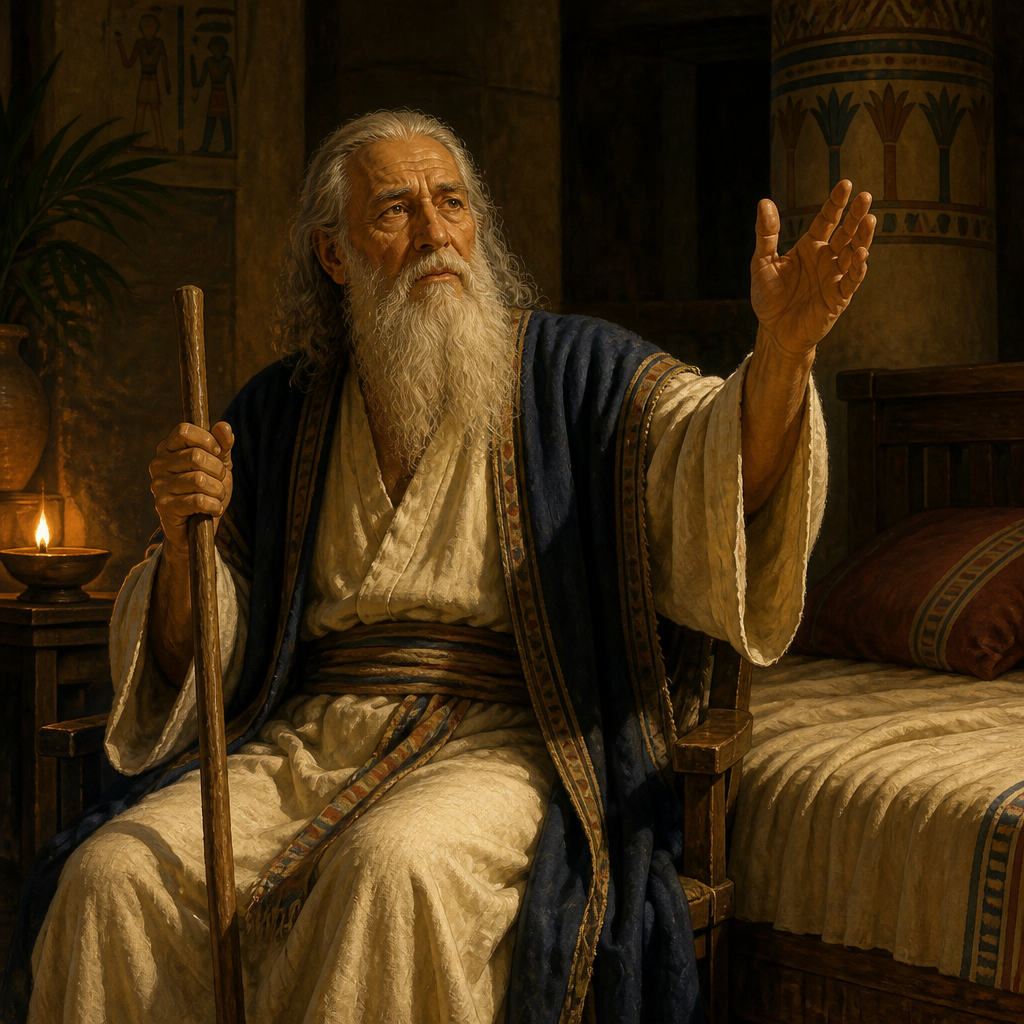
Joseph, Son of Jacob
Patriarch who was sold into slavery and rose to become the second most powerful man in Egypt
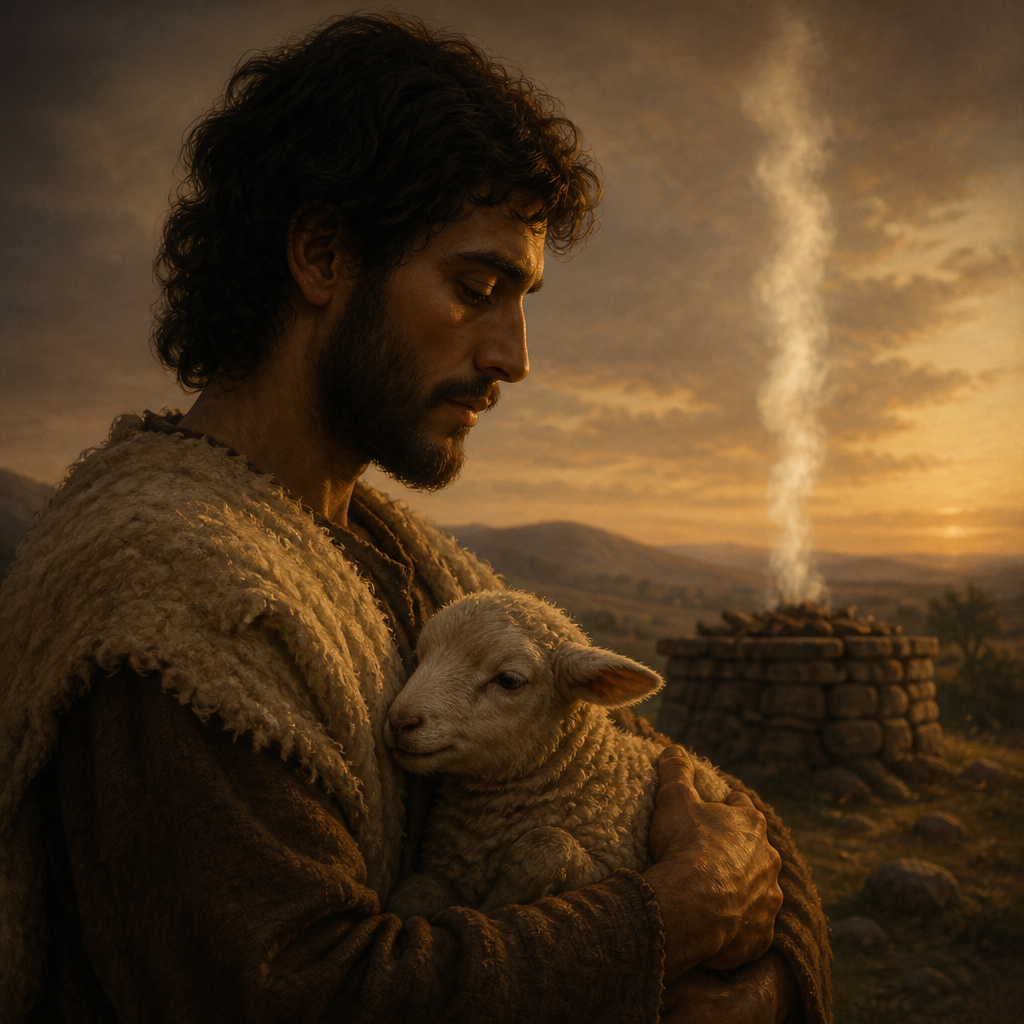
Abel
First martyr and offerer of a more excellent sacrifice than his brother Cain
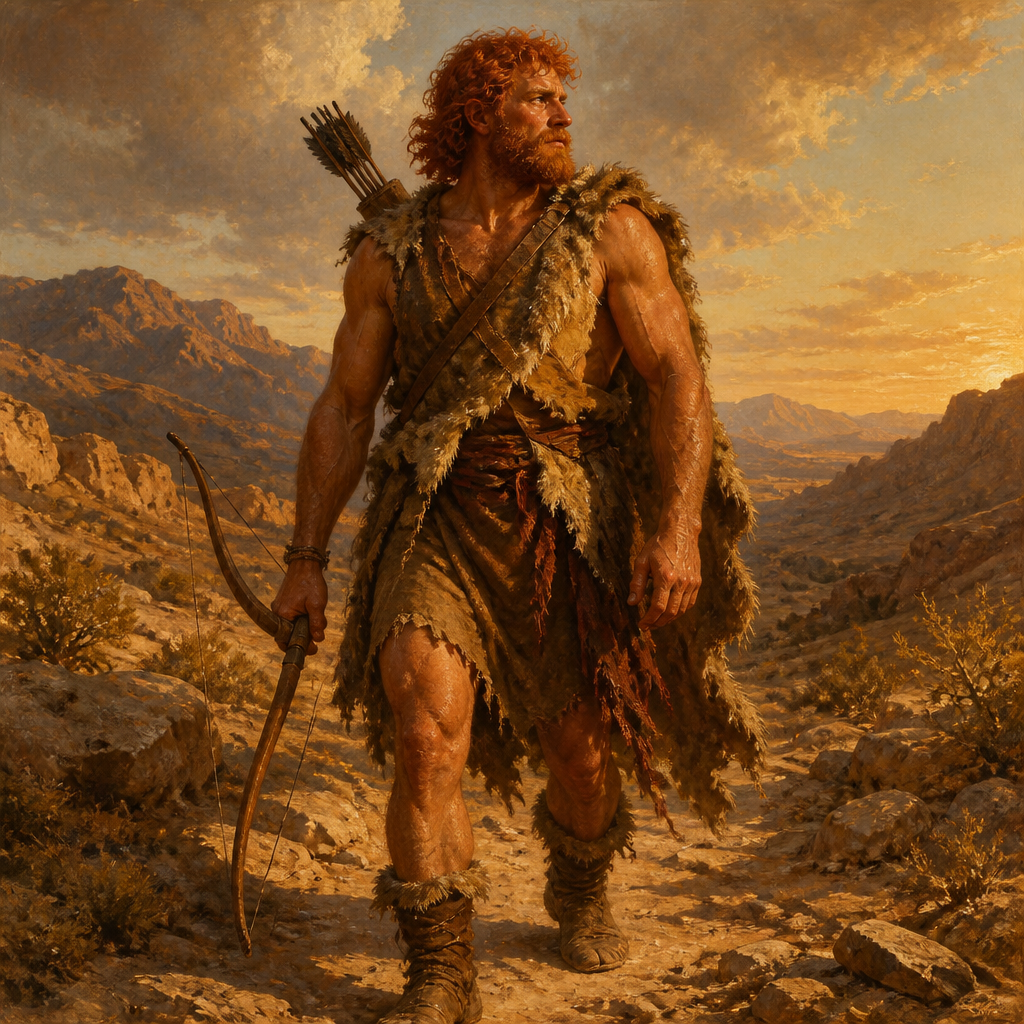
Esau
Patriarch who sold his birthright for lentil stew and founded the nation of Edom
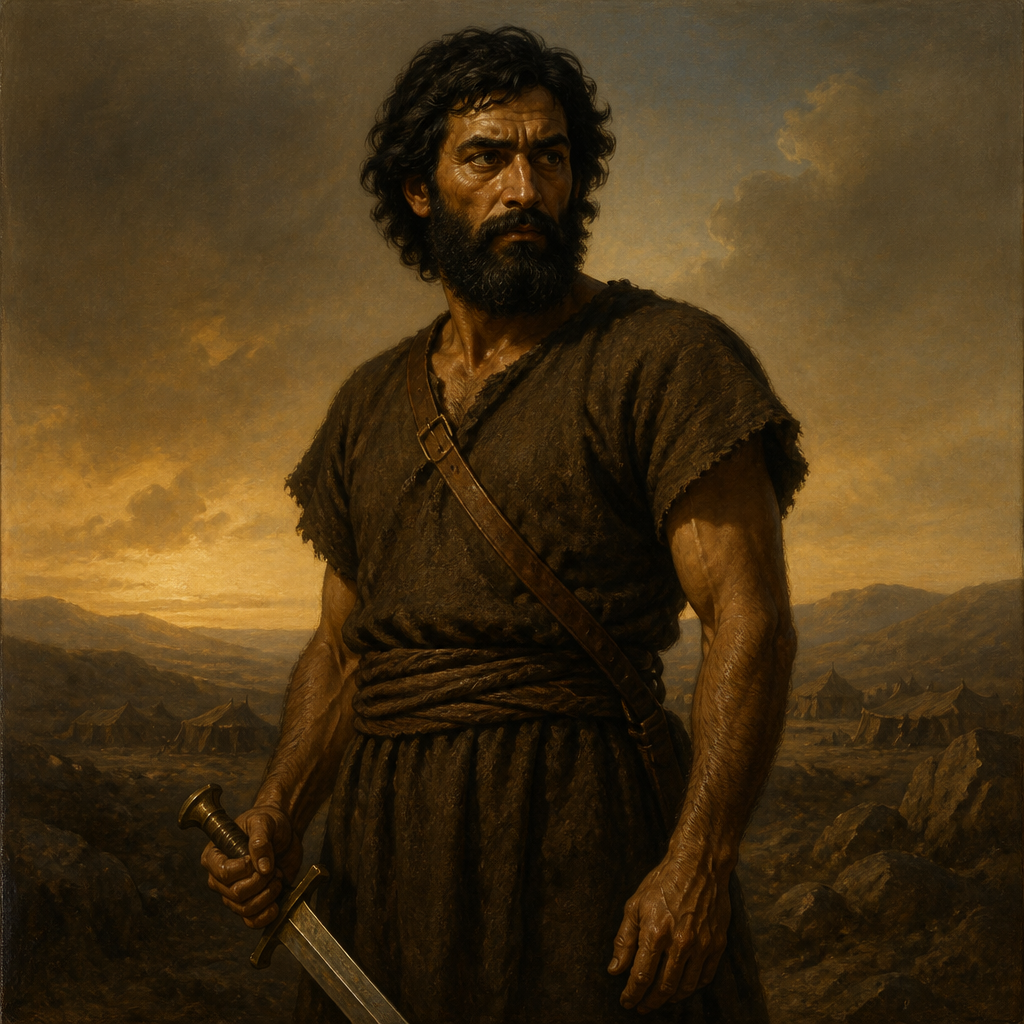
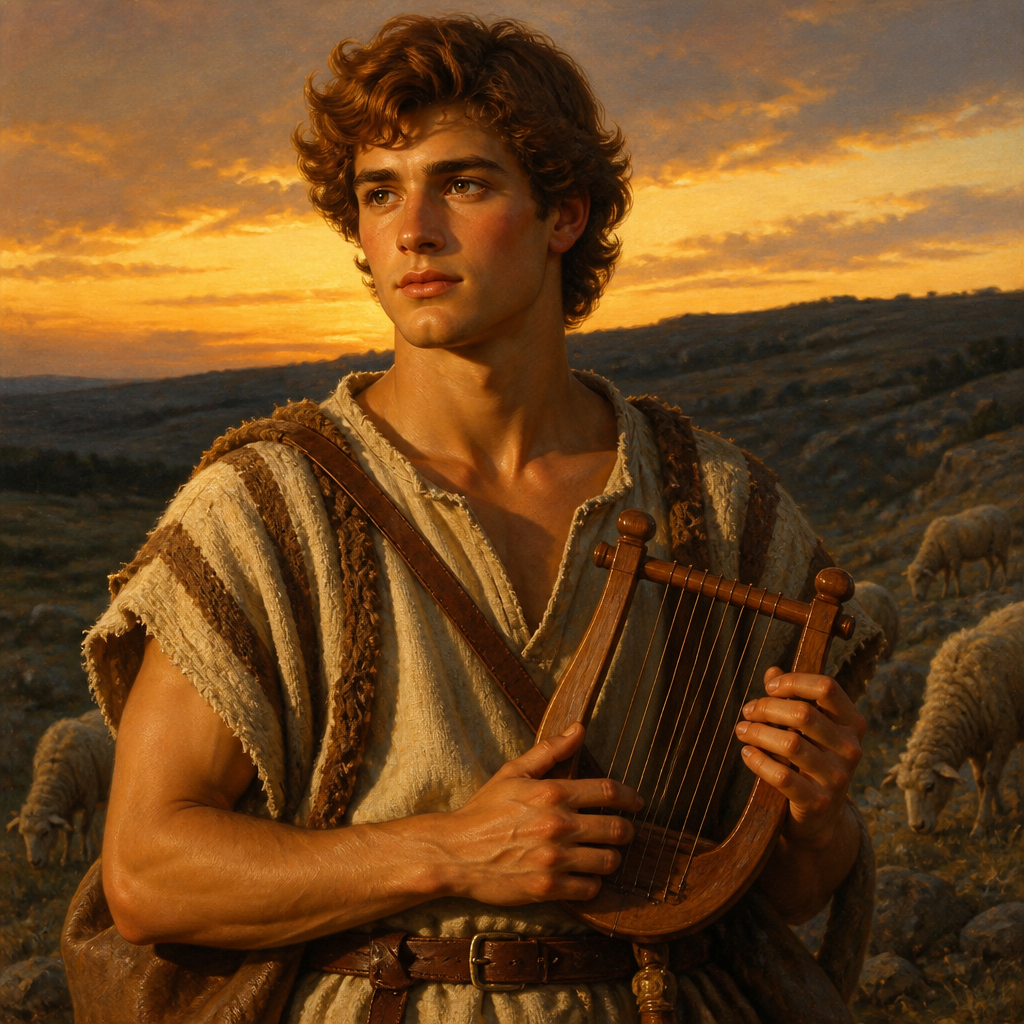
David
King of Israel who defeated Goliath and established the Davidic dynasty
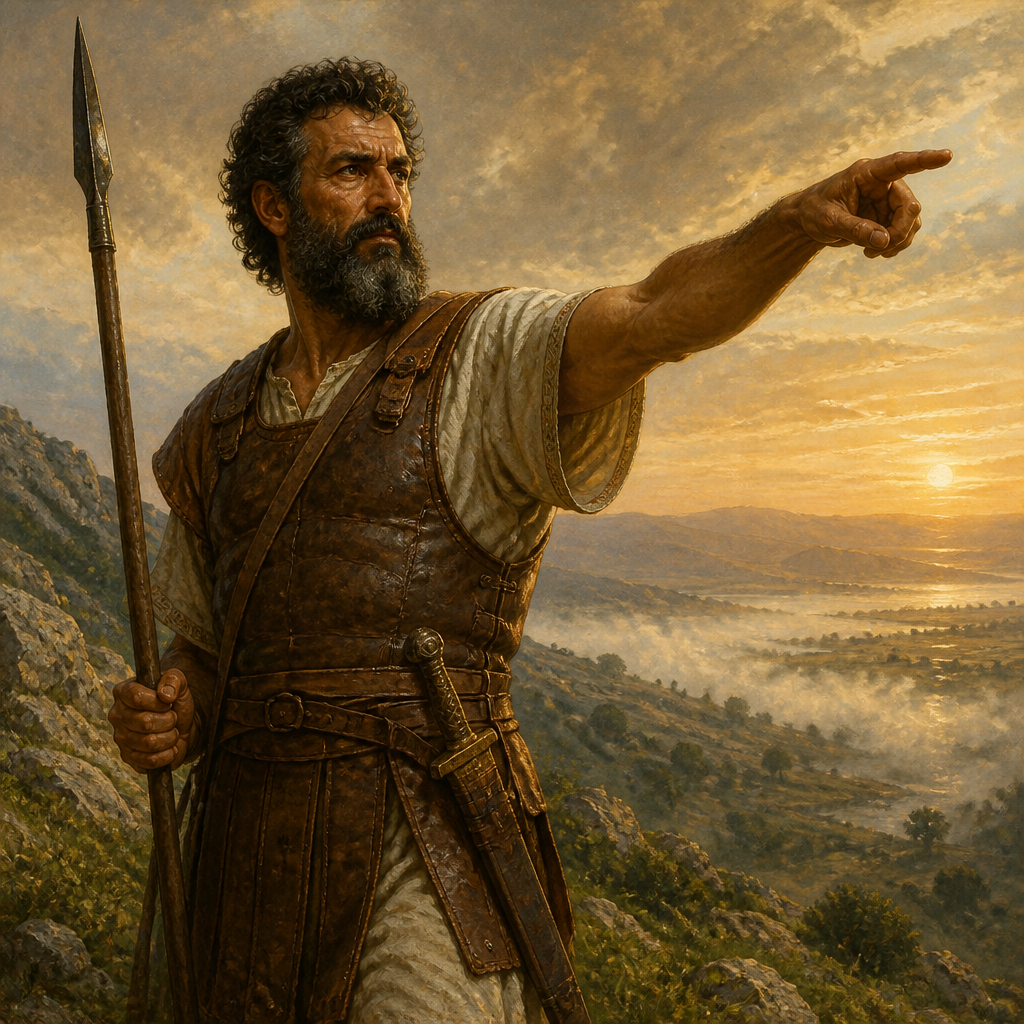
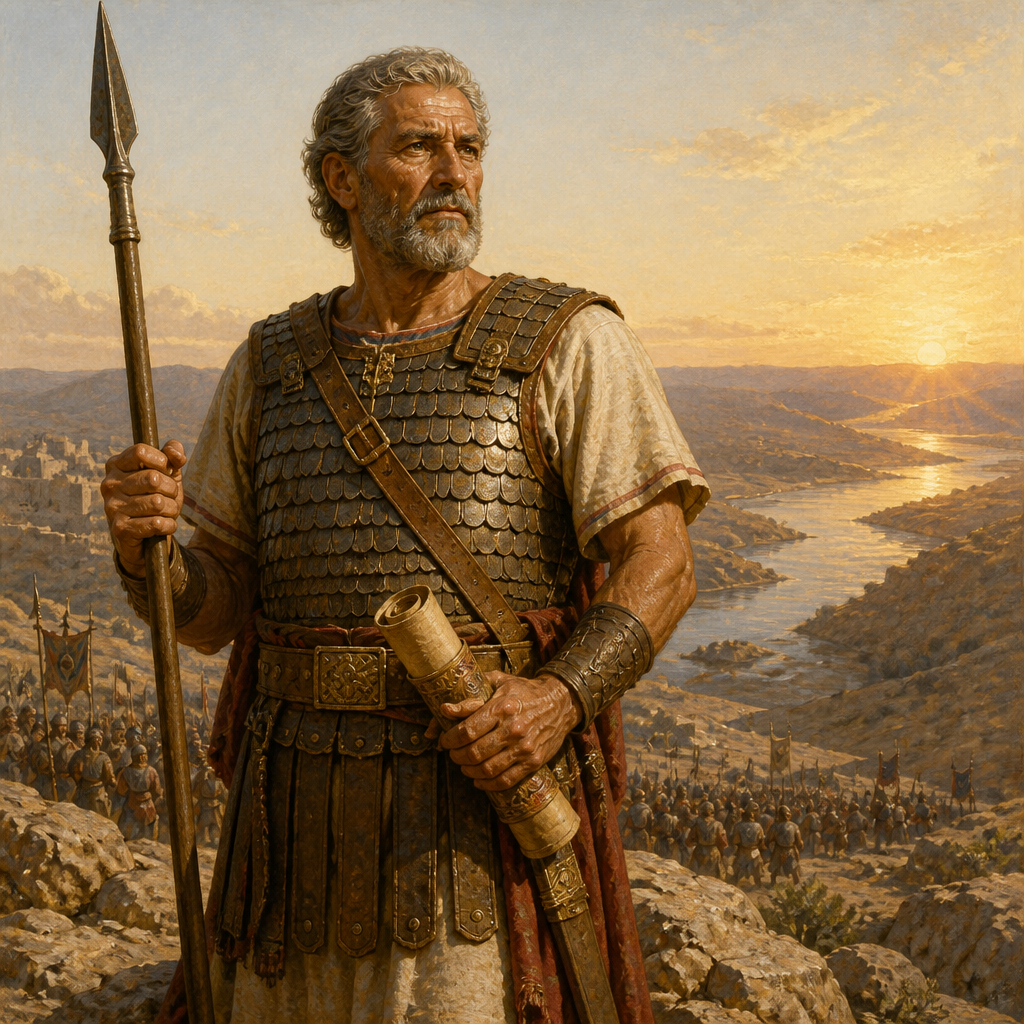
Barak
Commander who led Israel's ten thousand against Sisera and routed him in the Kishon valley (Judges 4:14-15)
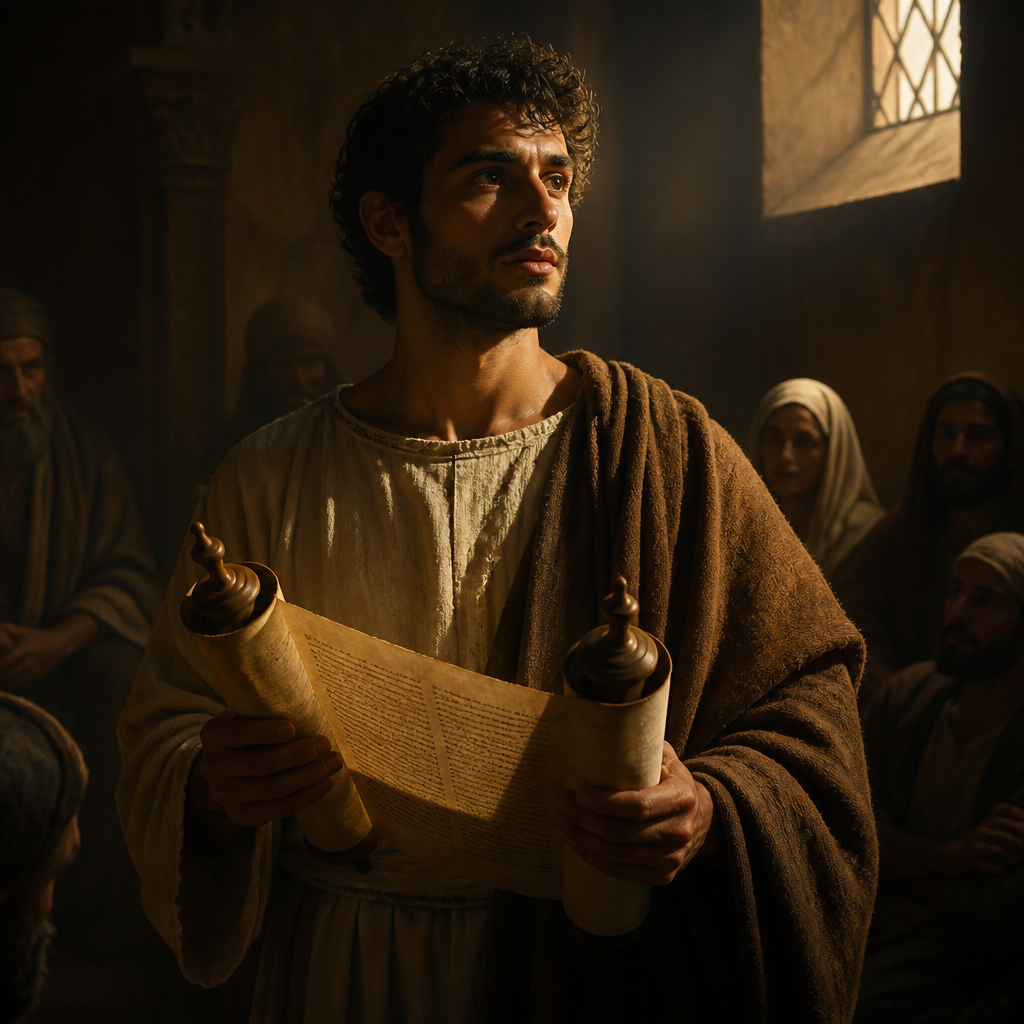
Timothy
Protégé of the Apostle Paul and recipient of the two Pastoral Epistles who led the church in Ephesus

Jephthah
Judge of Israel who defeated the Ammonites and made a tragic vow involving his daughter
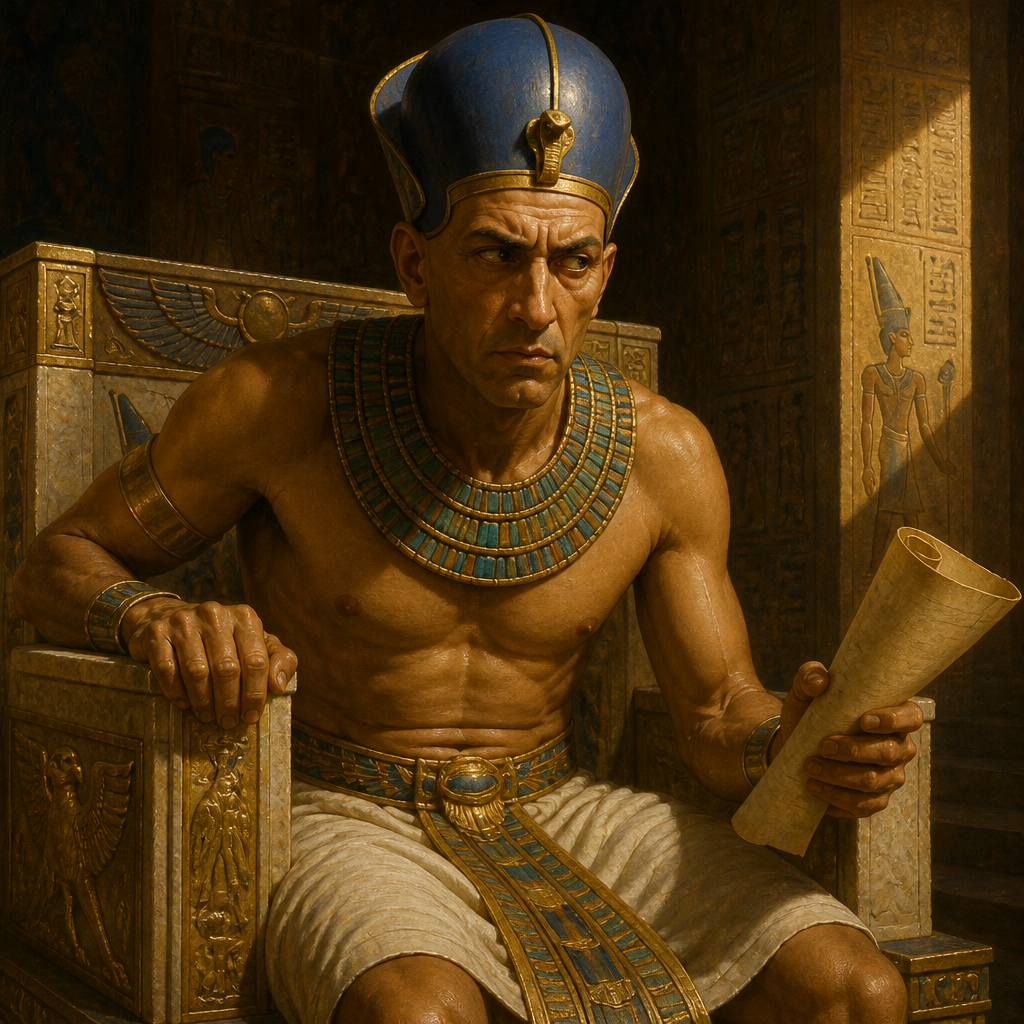
Pharaoh, Oppressor of the Israelites
King of Egypt who enslaved the Israelites and ordered the drowning of Hebrew male infants
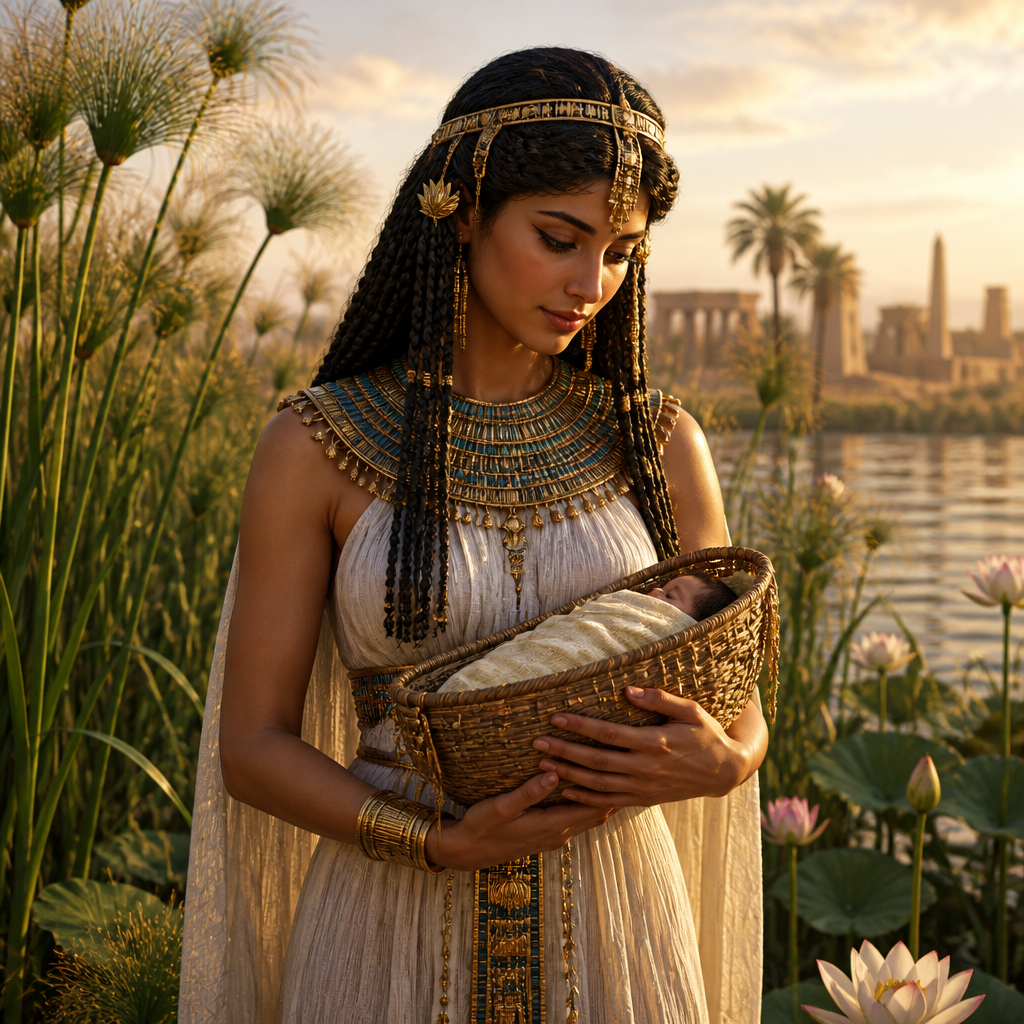
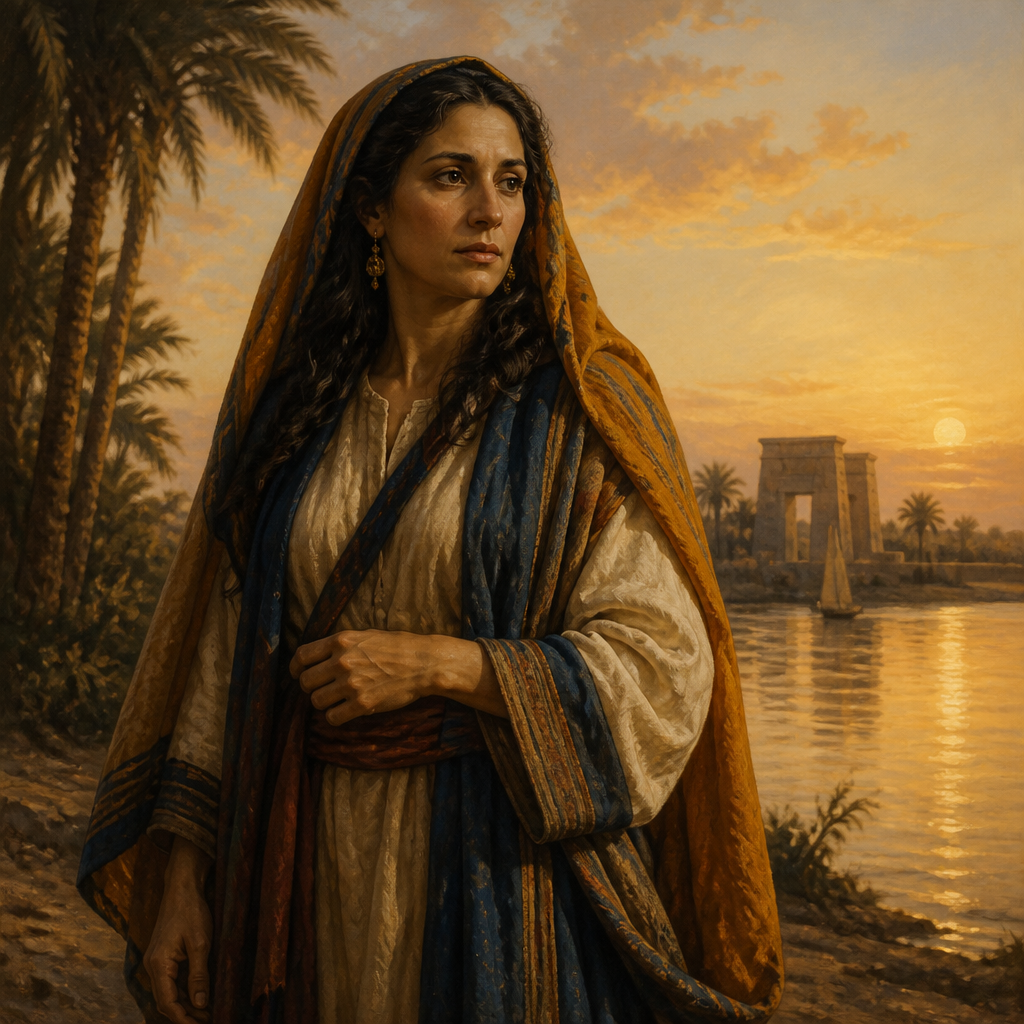
Pharaoh's Daughter Who Rescued Moses
Princess who found Moses in the Nile and raised him as her own son
Joshua, Son of Nun
Successor of Moses who led the Israelites in the conquest of Canaan
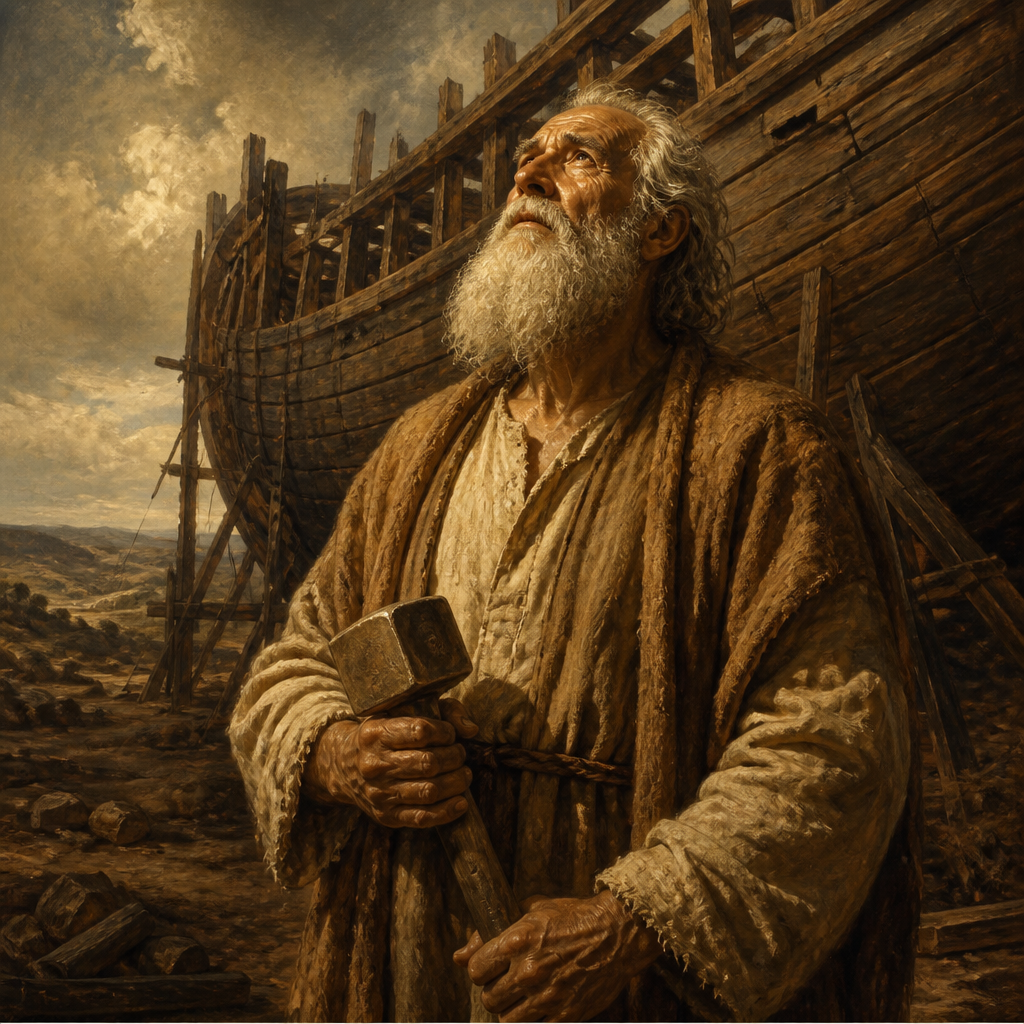
Noah, the Antediluvian Patriarch
Patriarch and ark builder who survived the Great Flood and established the rainbow covenant
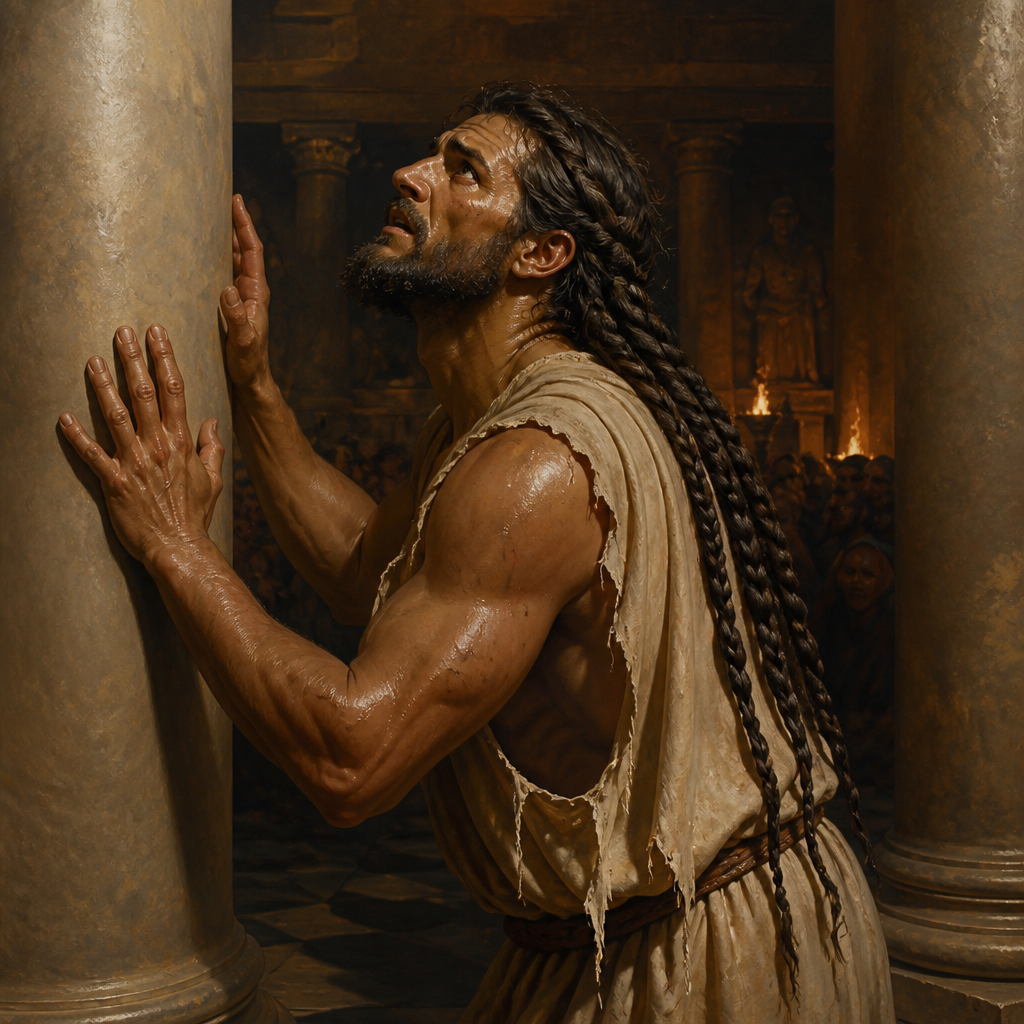
Samson
Judge of Israel who possessed supernatural strength and fought the Philistines