
General Epistles
People who appear in Hebrews, James, 1–2 Peter, 1–3 John, and Jude — including the writers themselves.
The General Epistles are a collection of New Testament letters addressed to a broad audience, including the books of Hebrews, James, 1–2 Peter, 1–3 John, and Jude. These writings identify their authors or associates in their greetings and conclusions, such as Peter, who identifies himself as an apostle of Jesus (1 Peter 1:1), and James, who describes himself as a servant of God (James 1:1). The texts also mention contemporary figures like Timothy, who is noted as having been released from prison (Hebrews 13:23), and Silas, who is identified as a faithful brother assisting in the writing of a letter (1 Peter 5:12). Other figures like Mark are included in closing greetings as a son to the author (1 Peter 5:13).
The content of these letters relies heavily on the history of Israel to provide moral and theological instruction. The book of Hebrews lists numerous figures to illustrate faith, including Abel, who offered a sacrifice that spoke after his death (Hebrews 11:4), and Enoch, who was taken so that he did not see death (Hebrews 11:5). The text mentions Noah, who prepared an ark for the saving of his household (Hebrews 11:7), and Abraham, who obeyed the call to go to a place he would receive as an inheritance (Hebrews 11:8). Sarah is noted for receiving strength to conceive (Hebrews 11:11), while Isaac and Jacob are named as heirs of the same promise (Hebrews 11:9). The text also references Moses, who refused to be called the son of Pharaoh's Daughter Who Rescued Moses (Hebrews 11:24).
These letters frequently use historical examples to warn against disobedience. Jude mentions the rebellion of Korah, as a warning against speaking evil of authorities (Jude 1:11) and cites the error of Balaam, the son of Beor, who loved the wages of unrighteousness (2 Peter 2:15). James points to the patience of Job as a model for suffering (James 5:11) and the prayer of Elijah the Tishbite as a demonstration of the power of a righteous man (James 5:17). Rahab is cited for her hospitality to the messengers (James 2:25), and David and Samuel are listed among those who through faith subdued kingdoms (Hebrews 11:32–33). By referencing figures from Adam to the apostles, these letters present the Christian community as the continuation of a long narrative of faith.
Everyone in this list
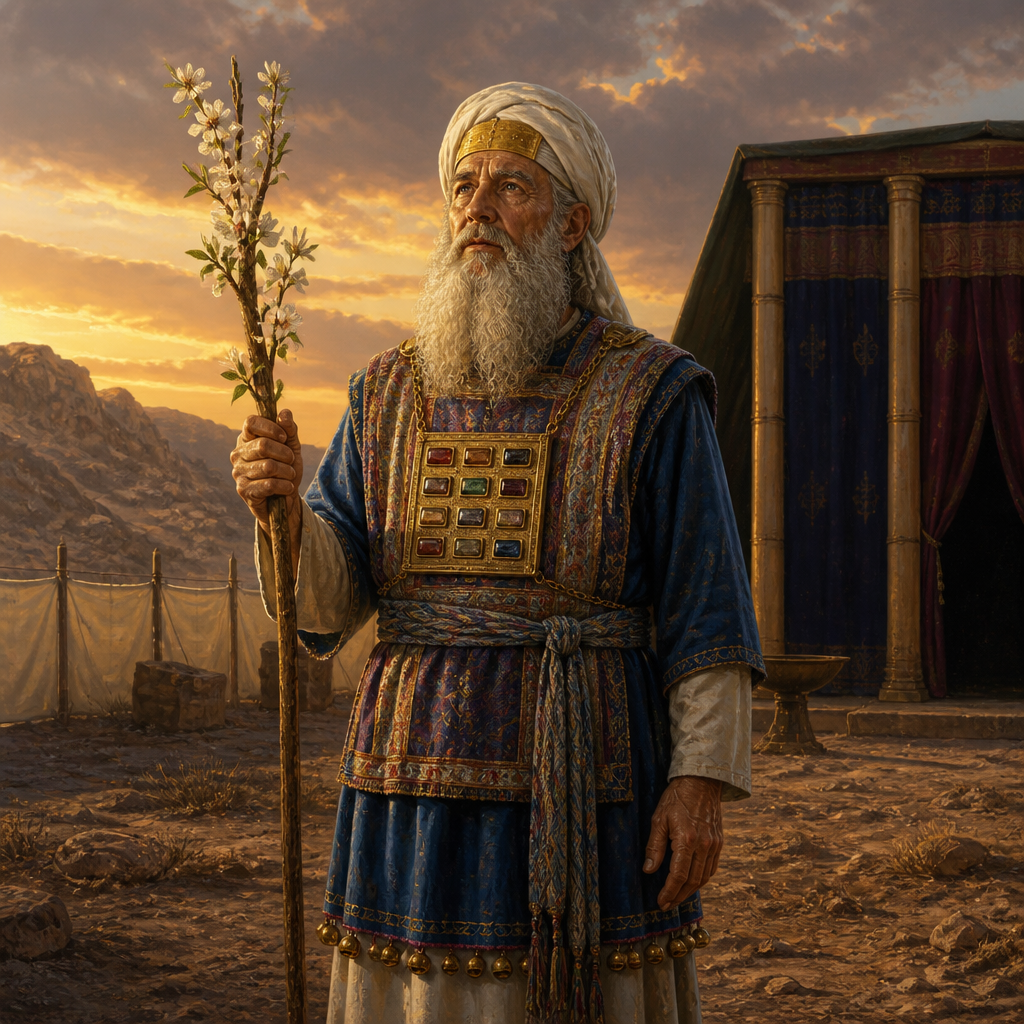
Aaron
First High Priest of Israel who served as the spokesman for Moses during the Exodus
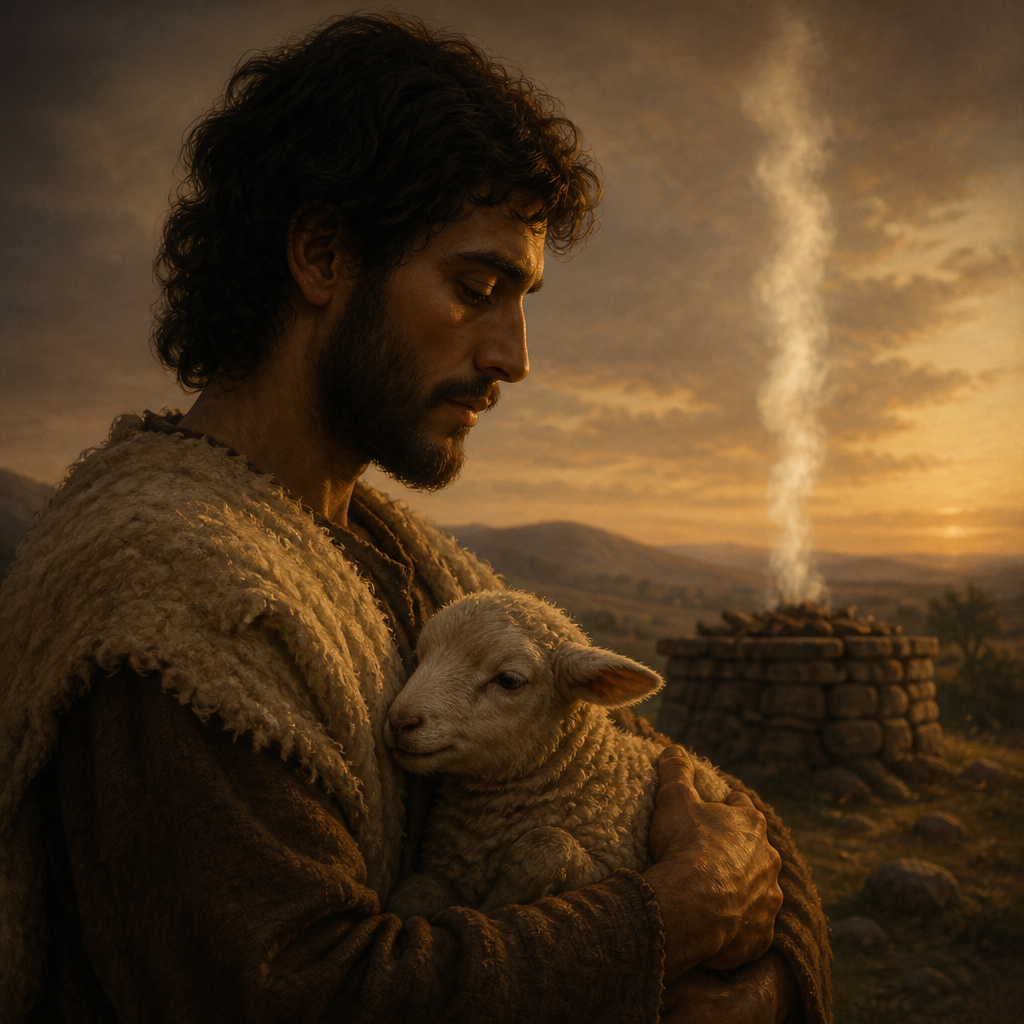
Abel
First martyr and offerer of a more excellent sacrifice than his brother Cain
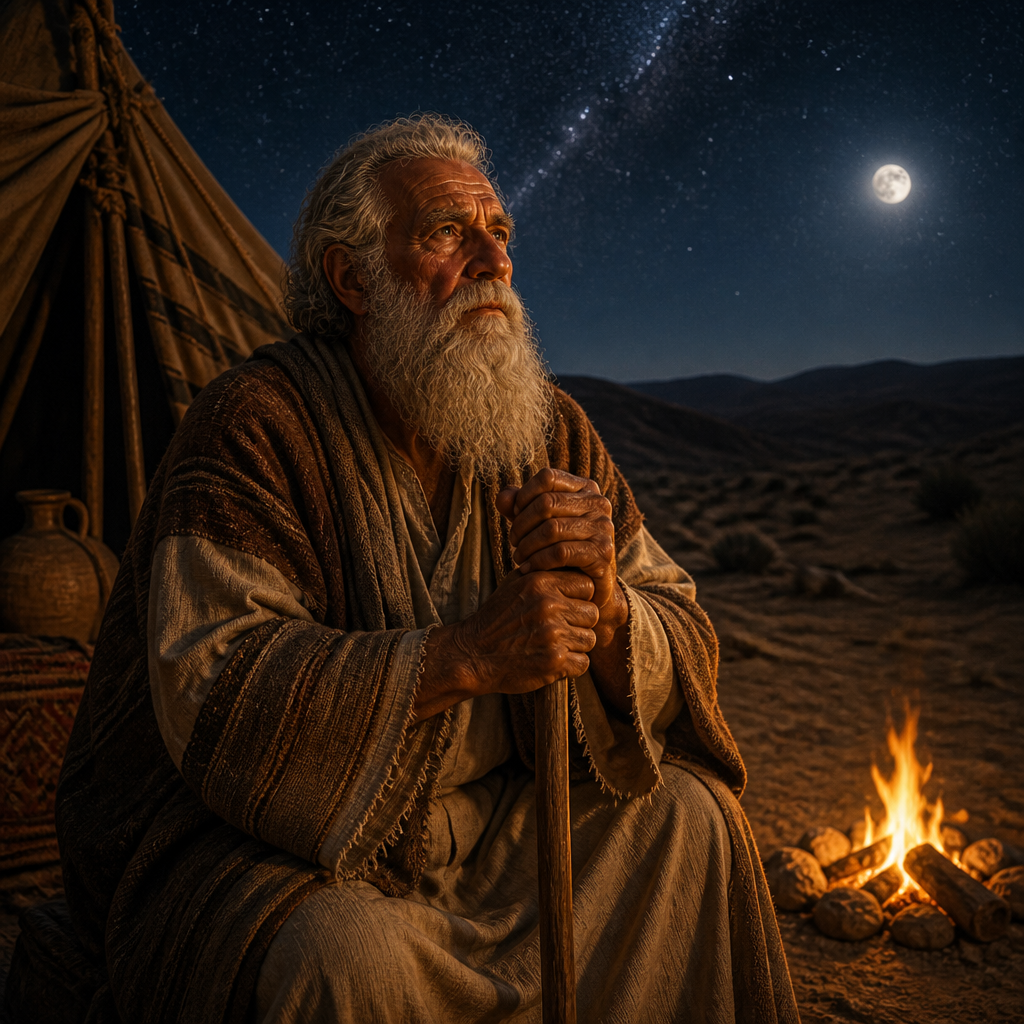
Abraham
Patriarch who is the father of the nation of Israel and an exemplar of faith
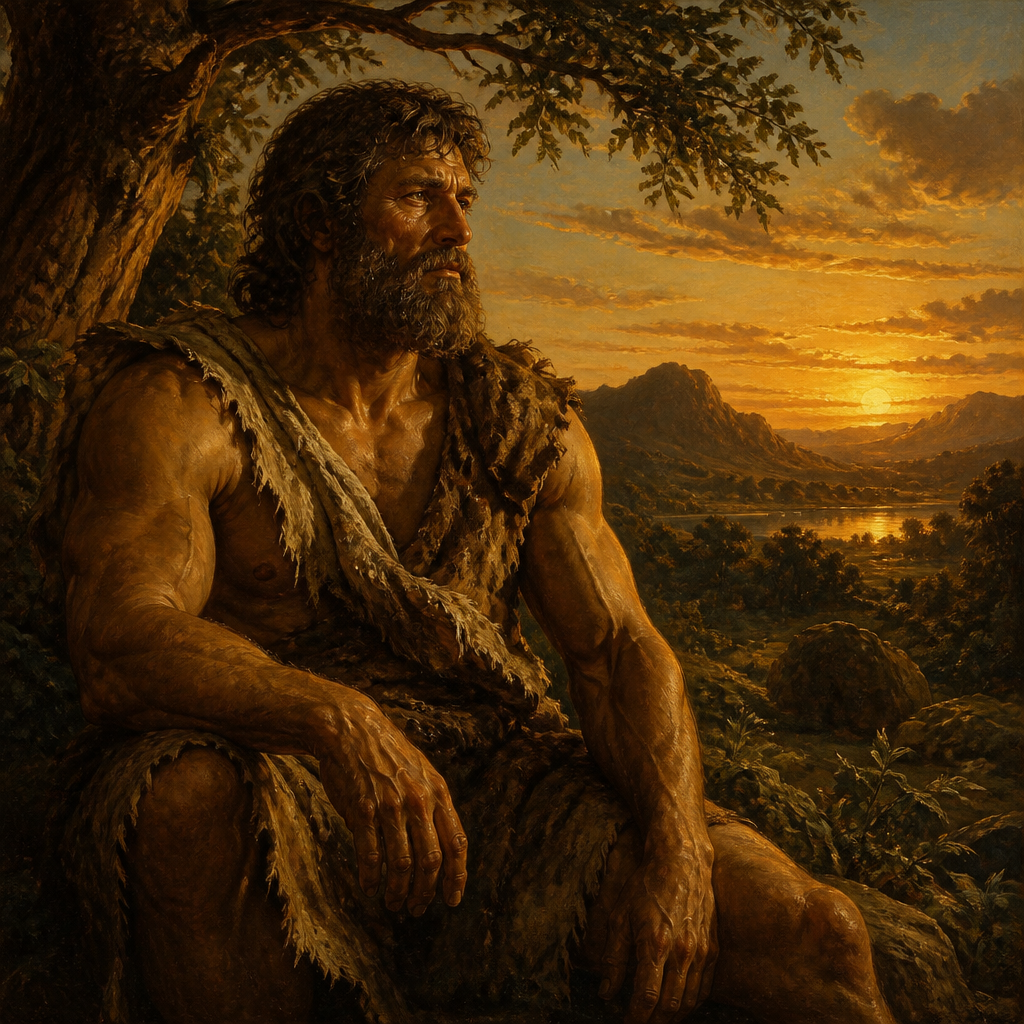
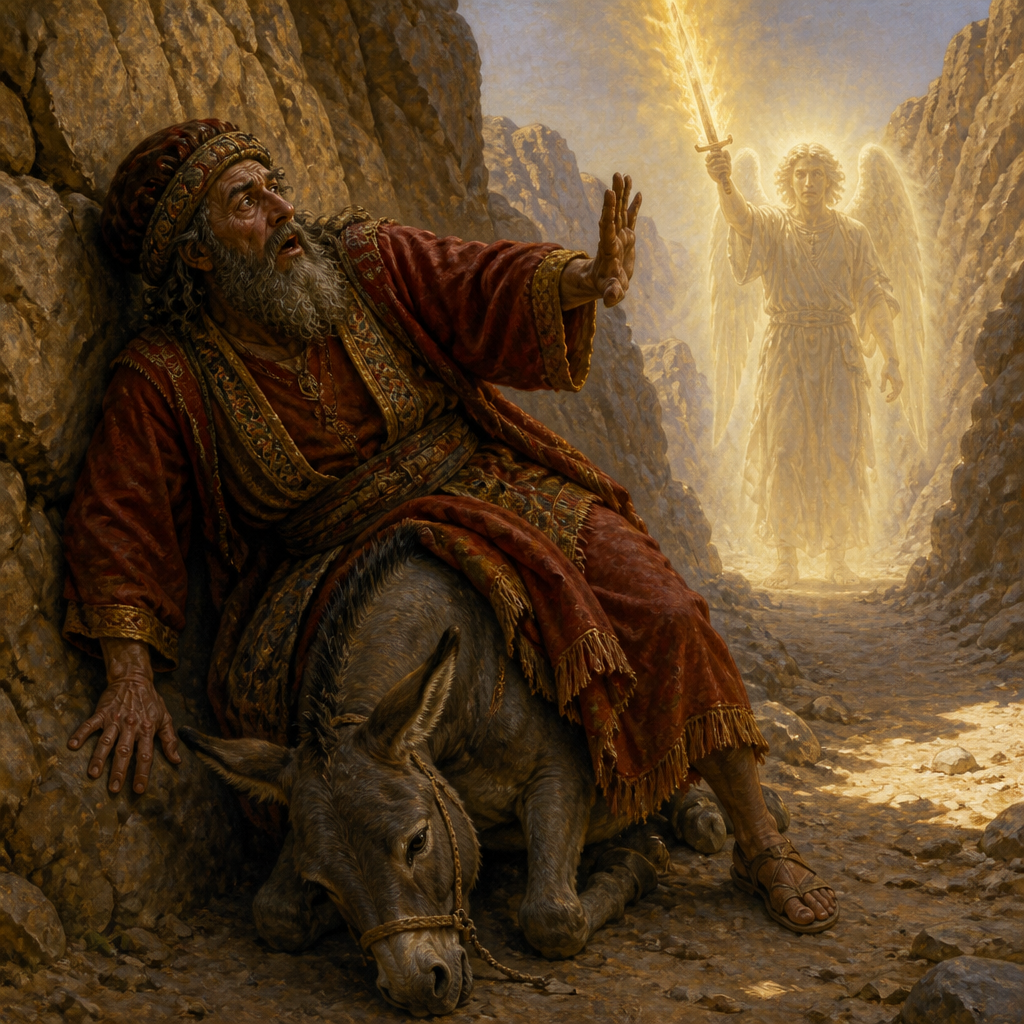
Balaam
Diviner who was hired to curse Israel but blessed them instead
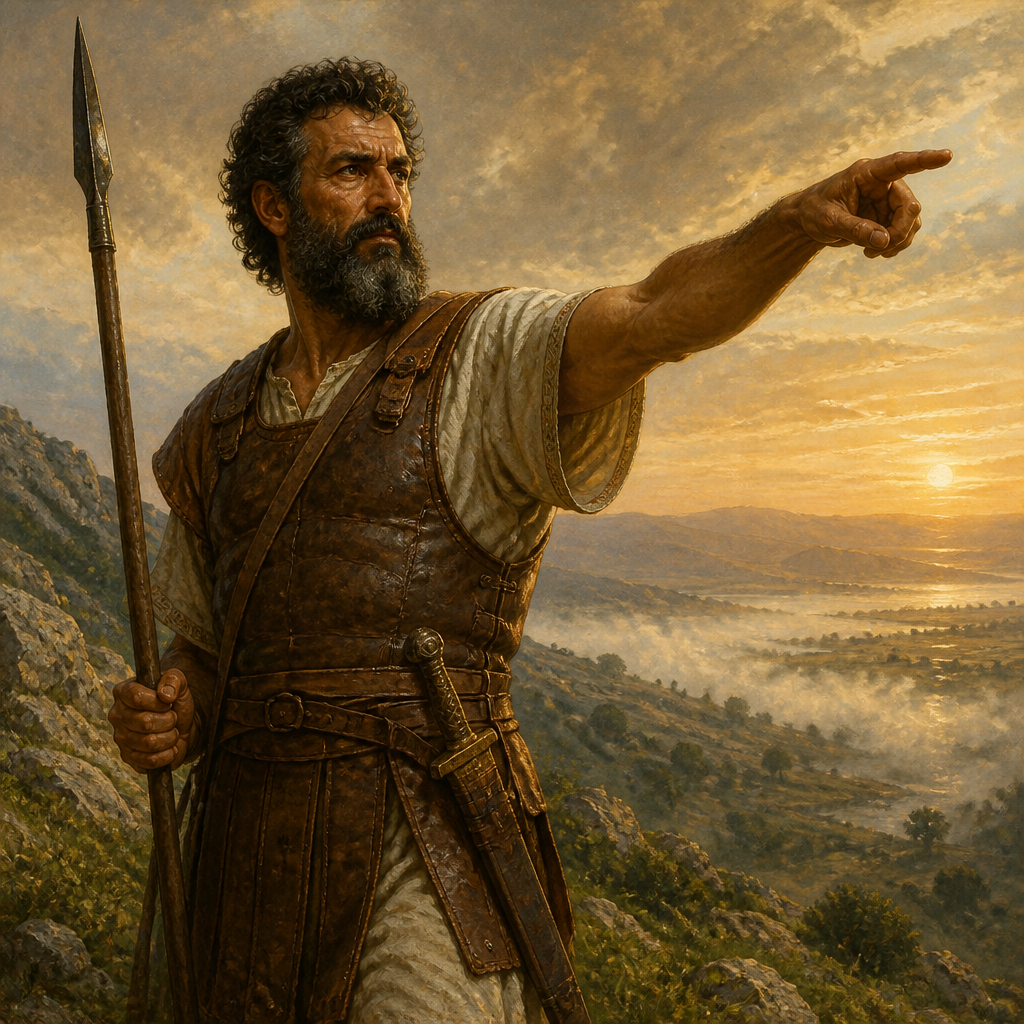
Barak
Commander who led Israel's ten thousand against Sisera and routed him in the Kishon valley (Judges 4:14-15)
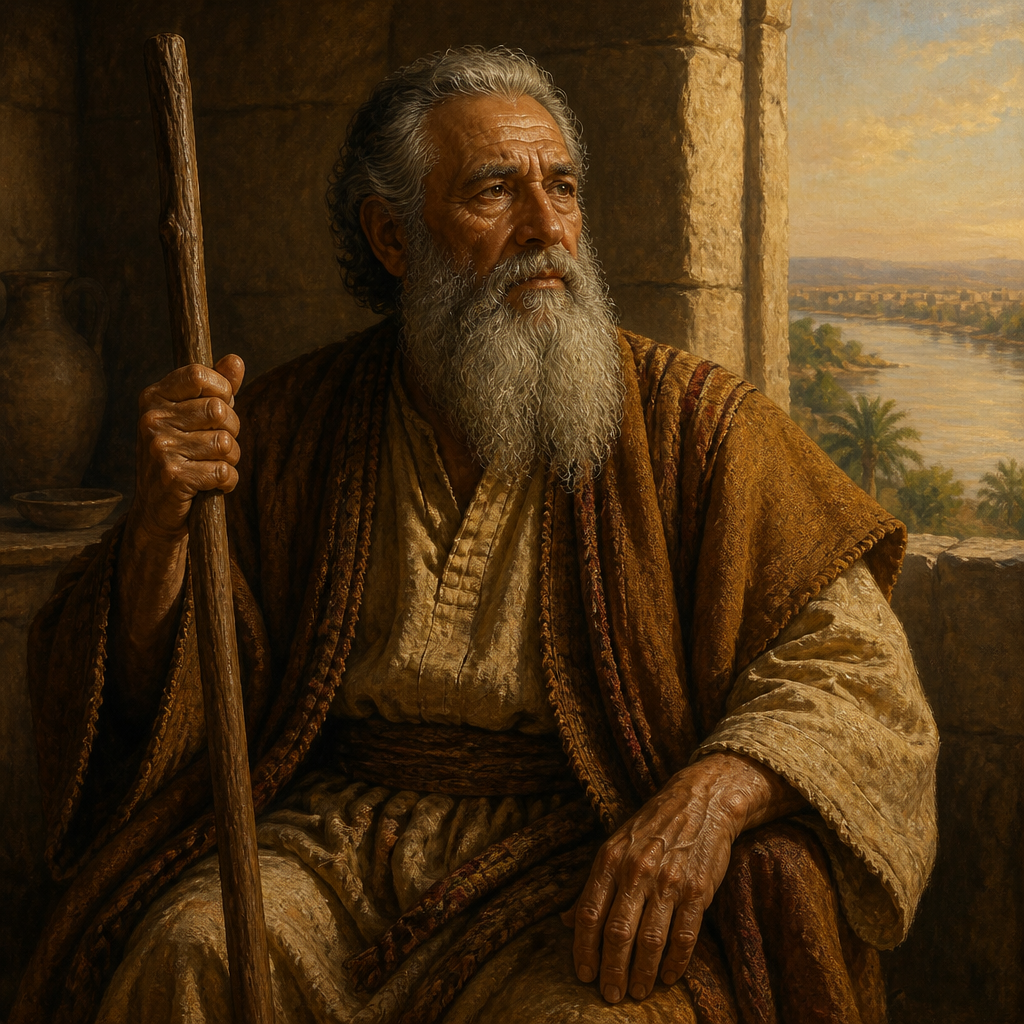
Beor, Father of Balaam
father of the prophet Balaam during the Israelite wilderness journey
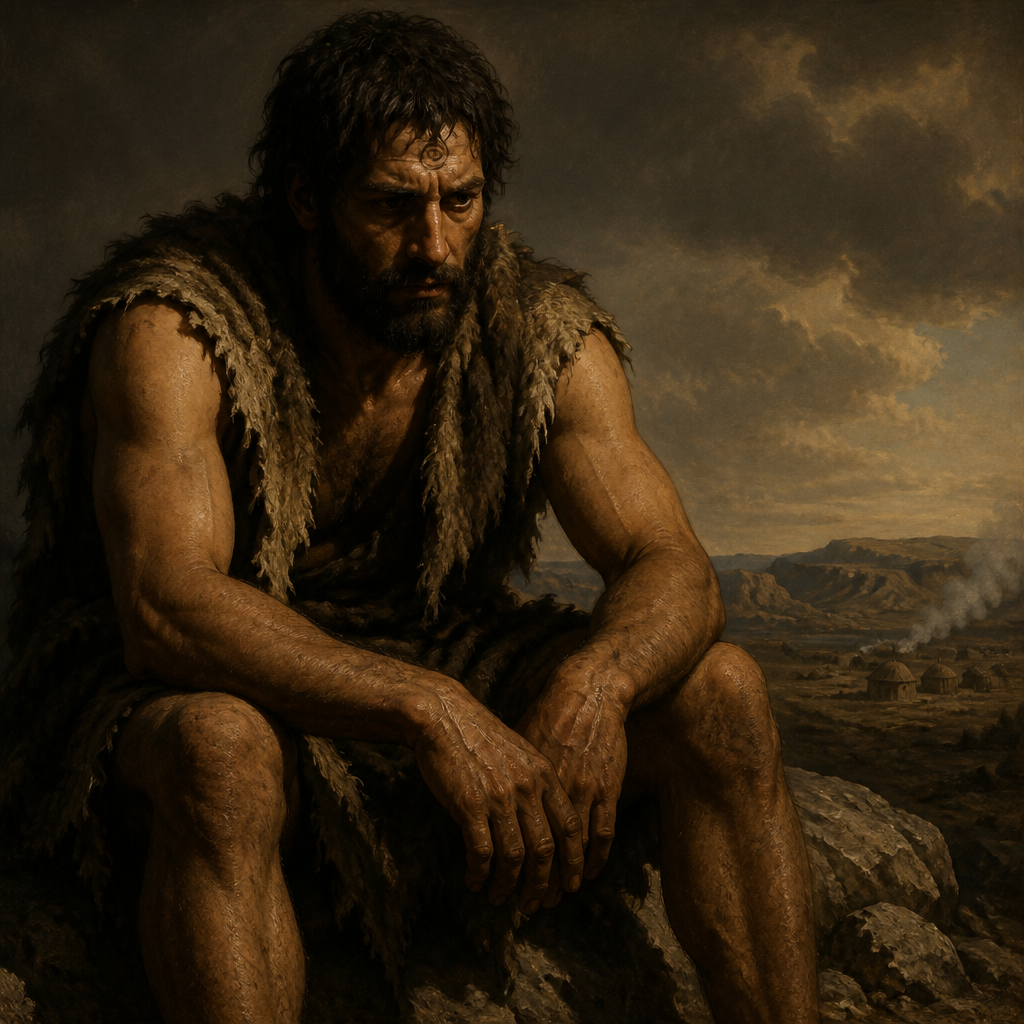
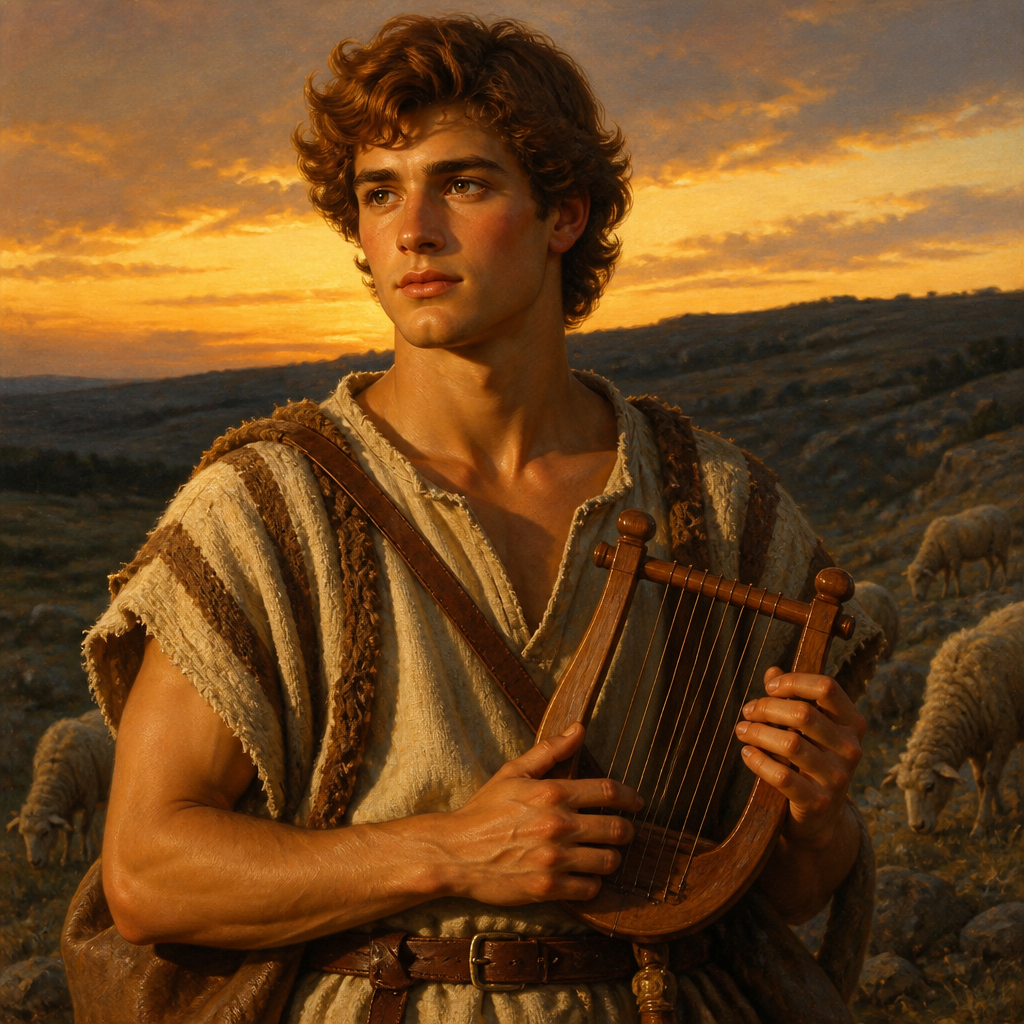
David
King of Israel who defeated Goliath and established the Davidic dynasty
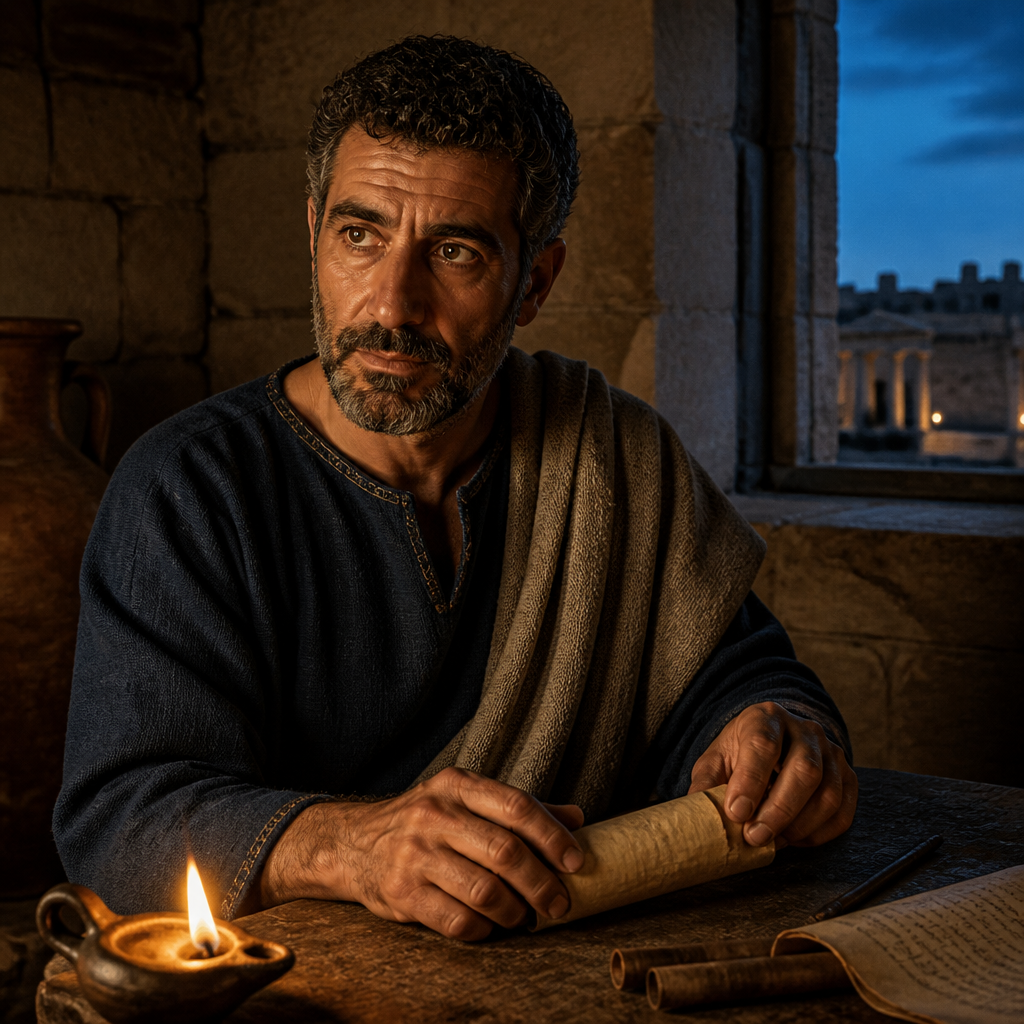
Demetrius
Christian messenger praised by the Apostle John for his integrity and good report
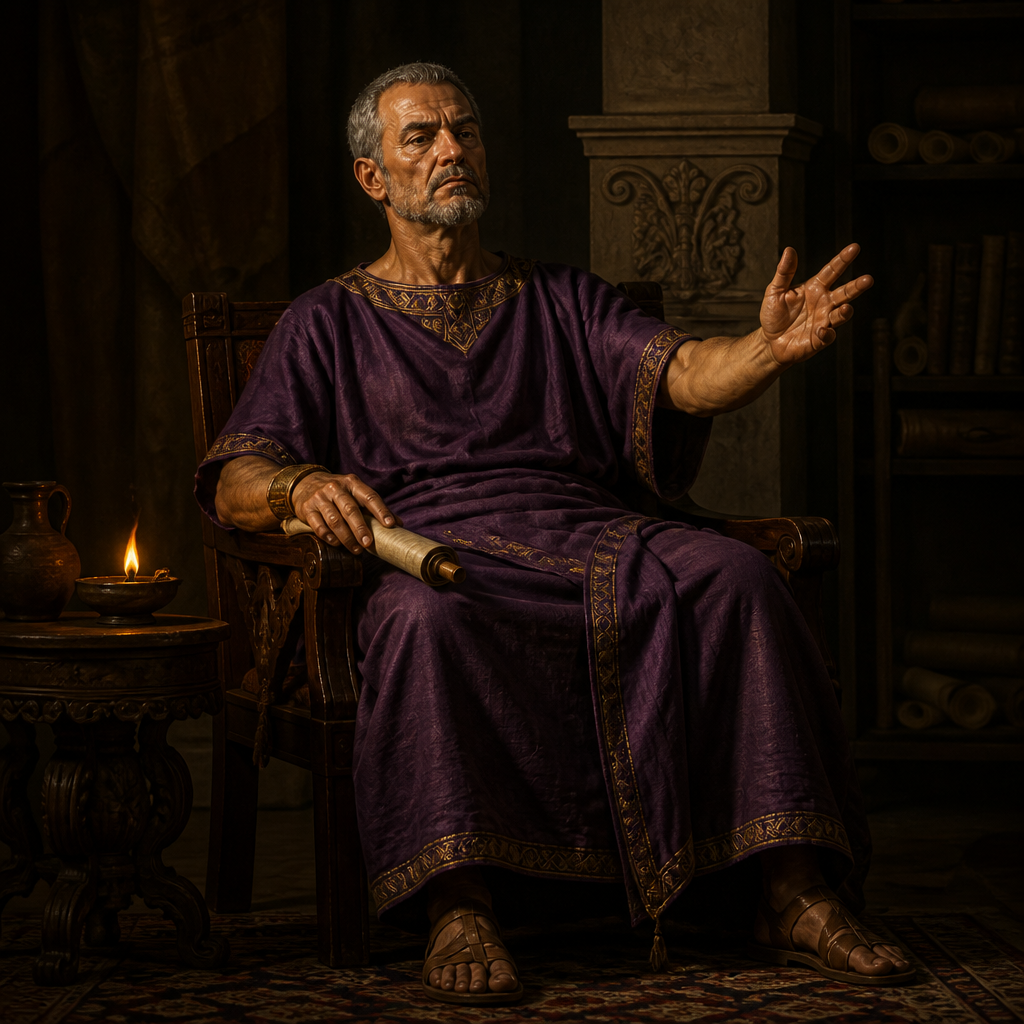
Diotrephes
Local church leader who pridefully rejected the Apostle John's authority and excommunicated faithful believers
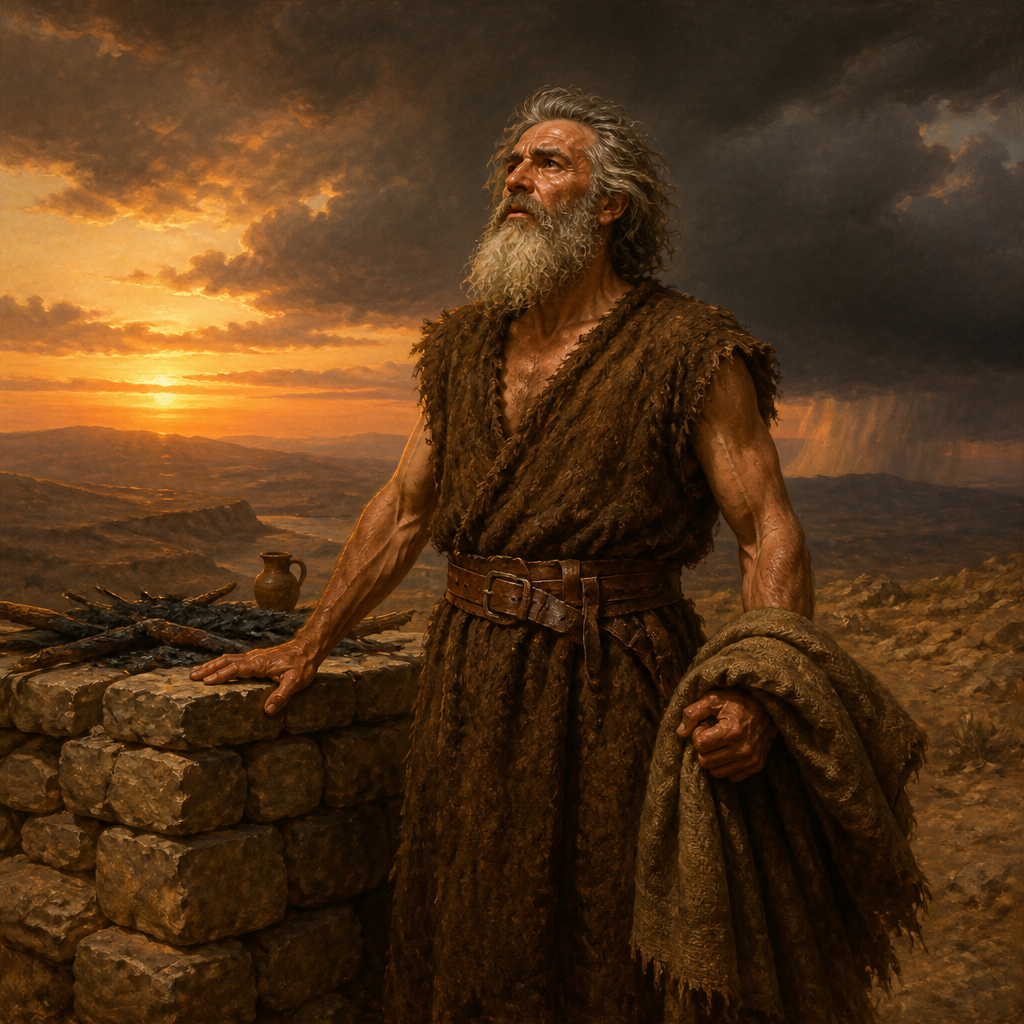
Elijah the Tishbite
Prophet who called down fire from heaven and was taken to heaven in a whirlwind
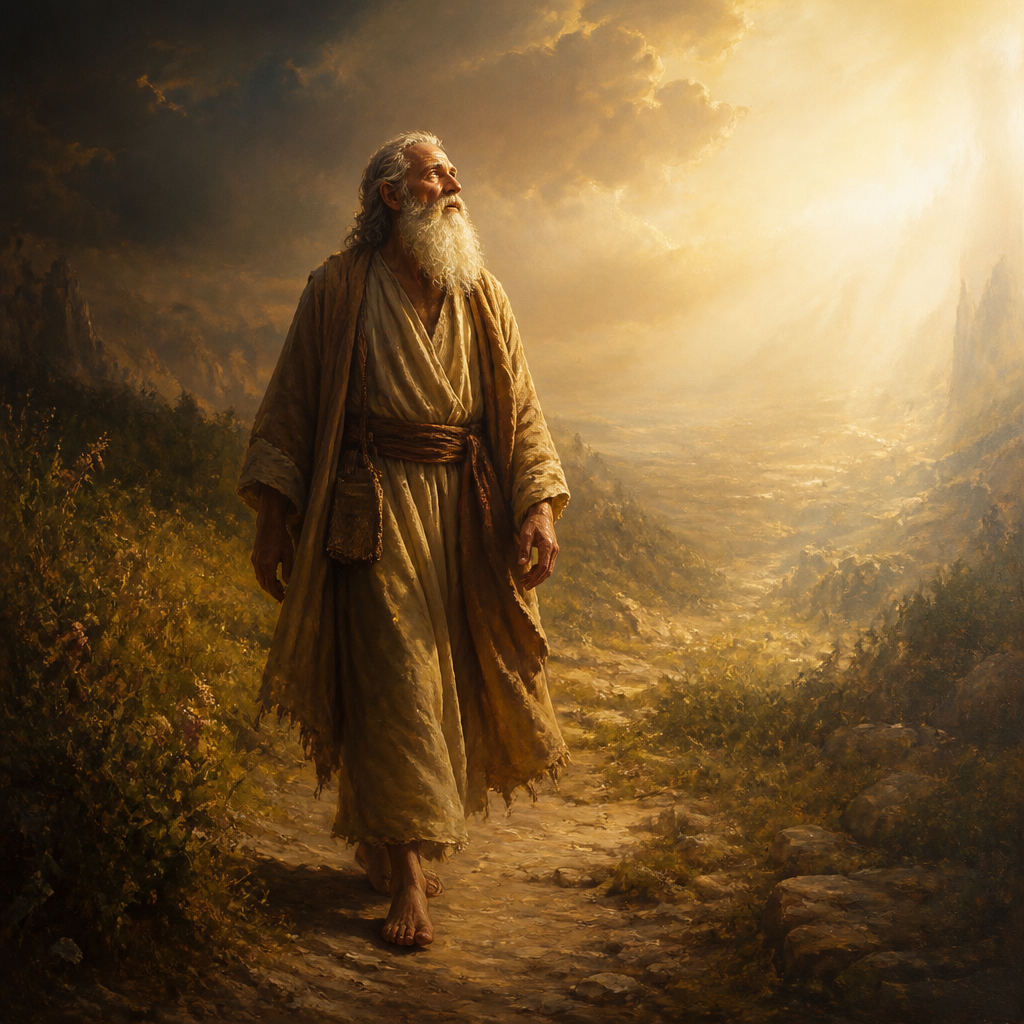
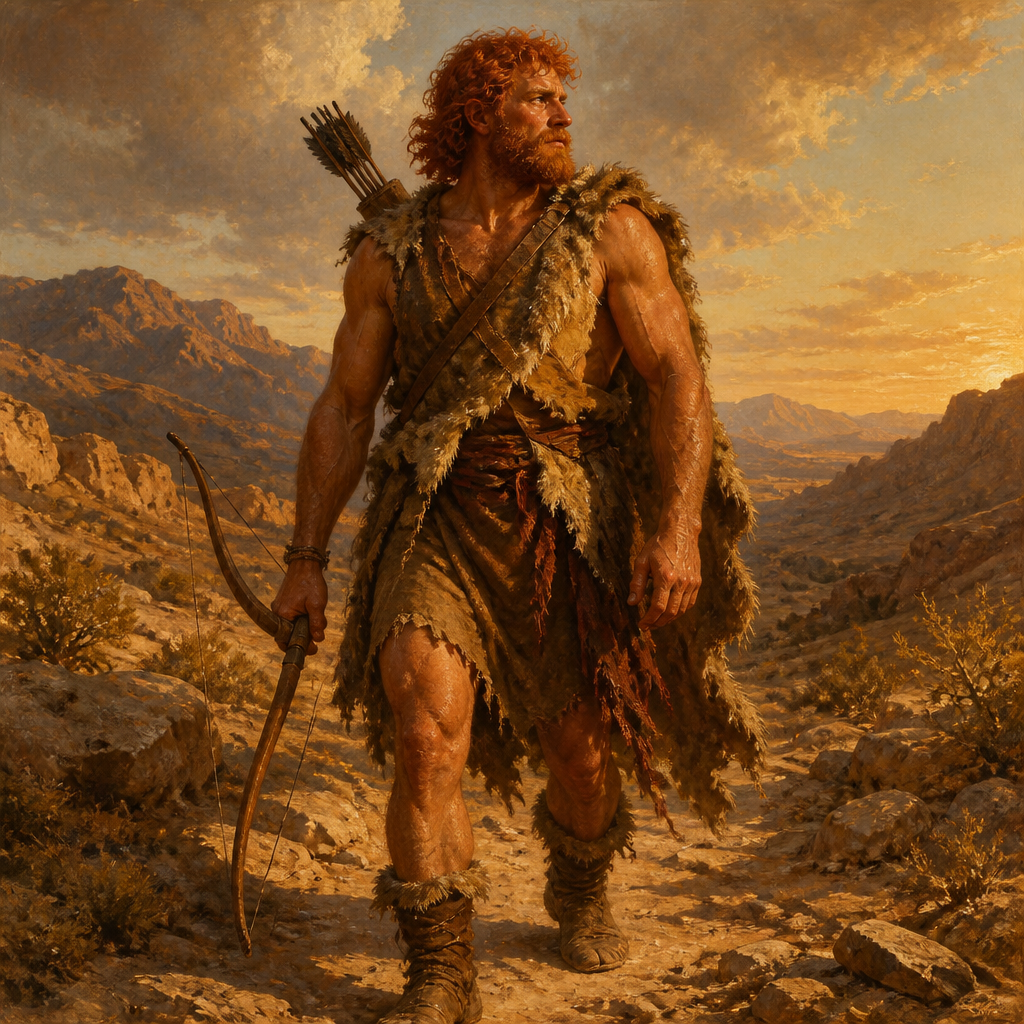
Esau
Patriarch who sold his birthright for lentil stew and founded the nation of Edom
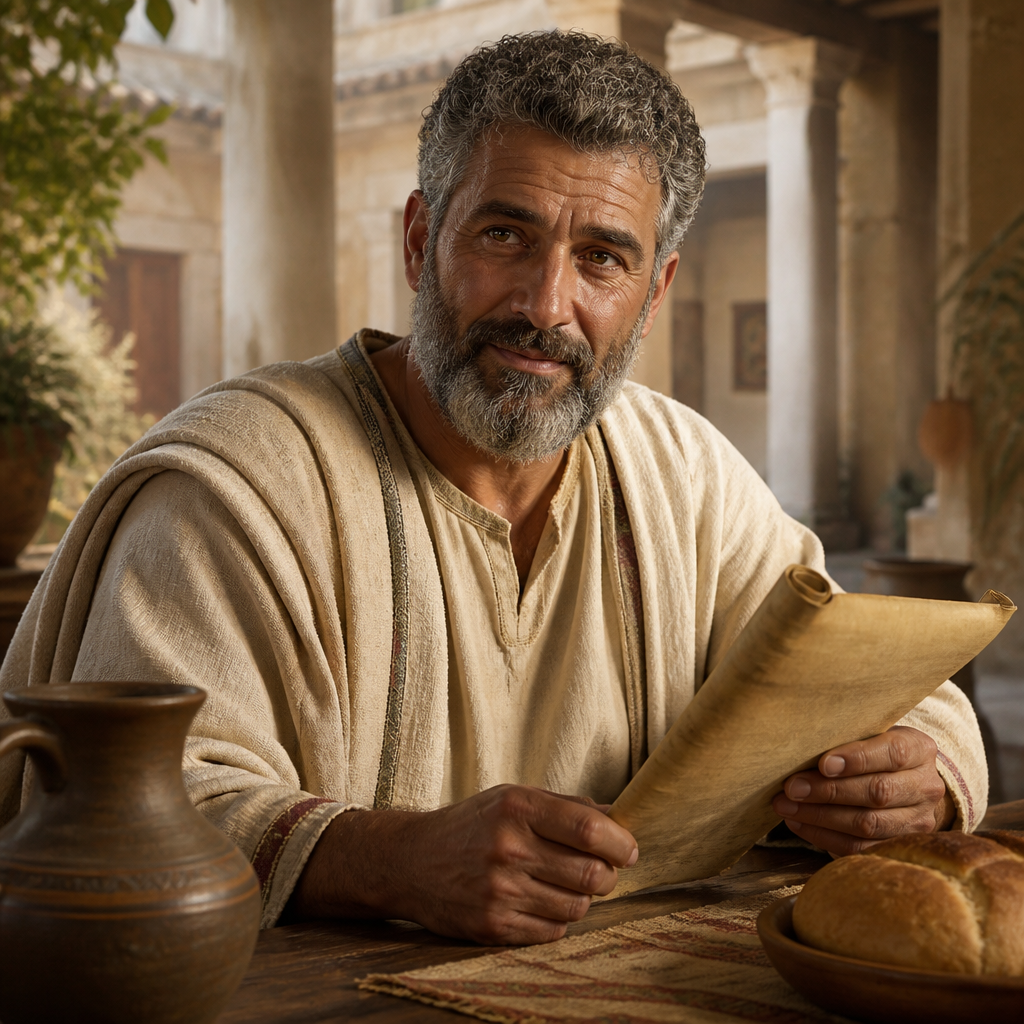
Gaius, Recipient of 3 John
Christian host commended by the Apostle John for his hospitality and faithfulness to the truth
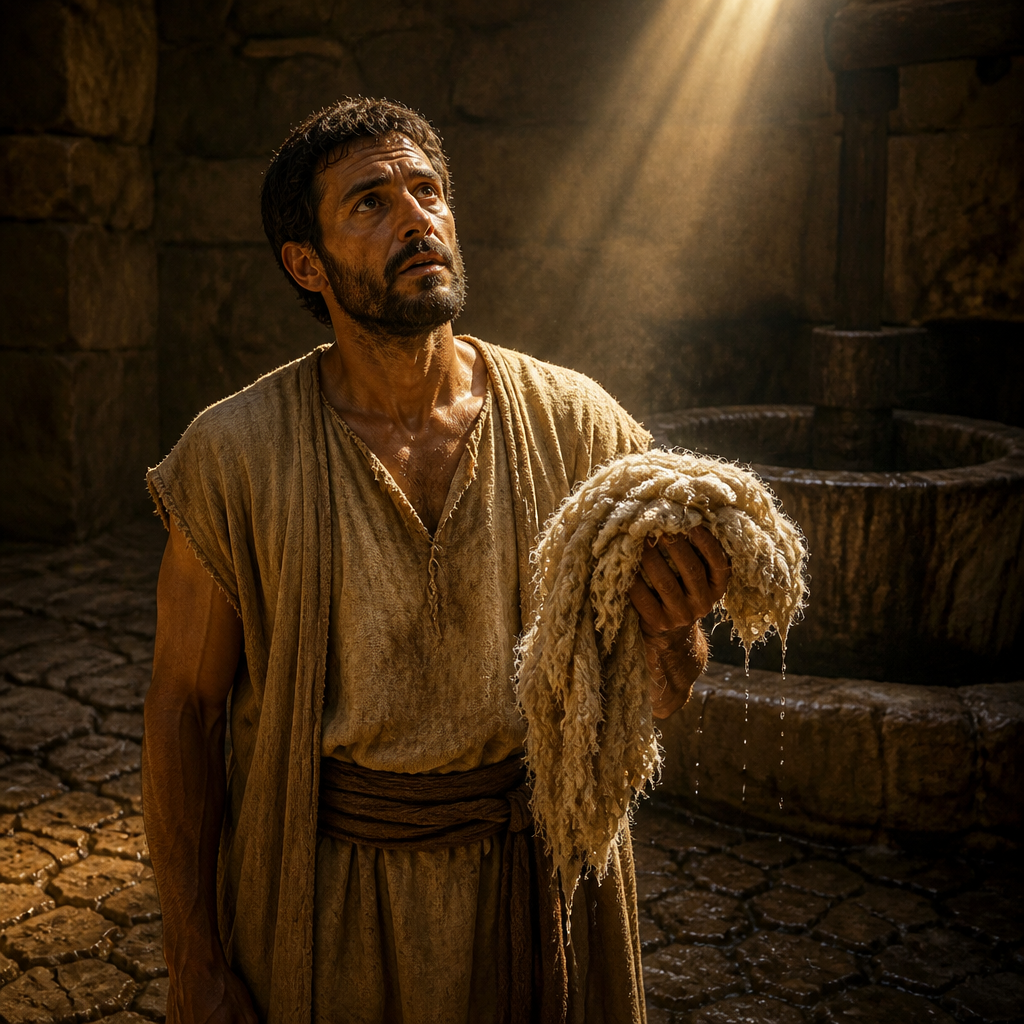
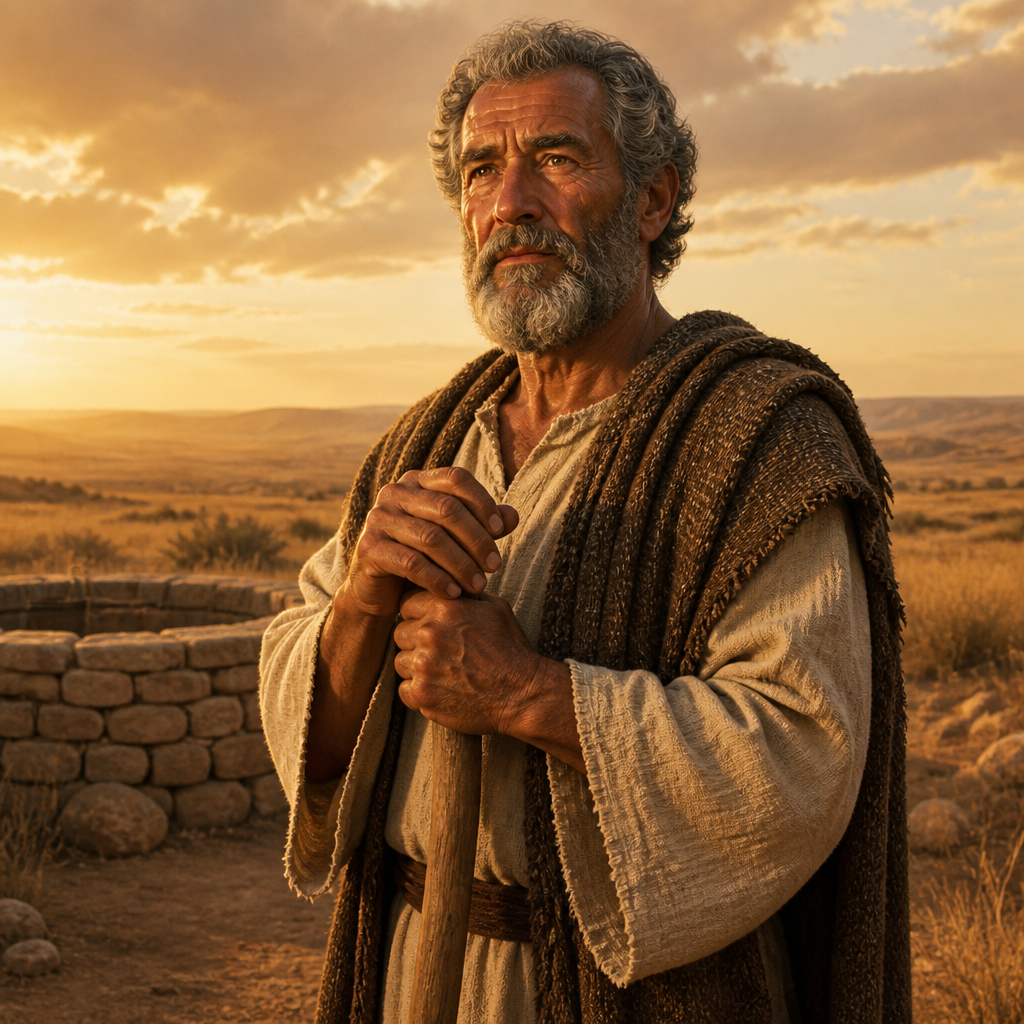
Isaac
Patriarch who was the son of Abraham and the father of Jacob and Esau
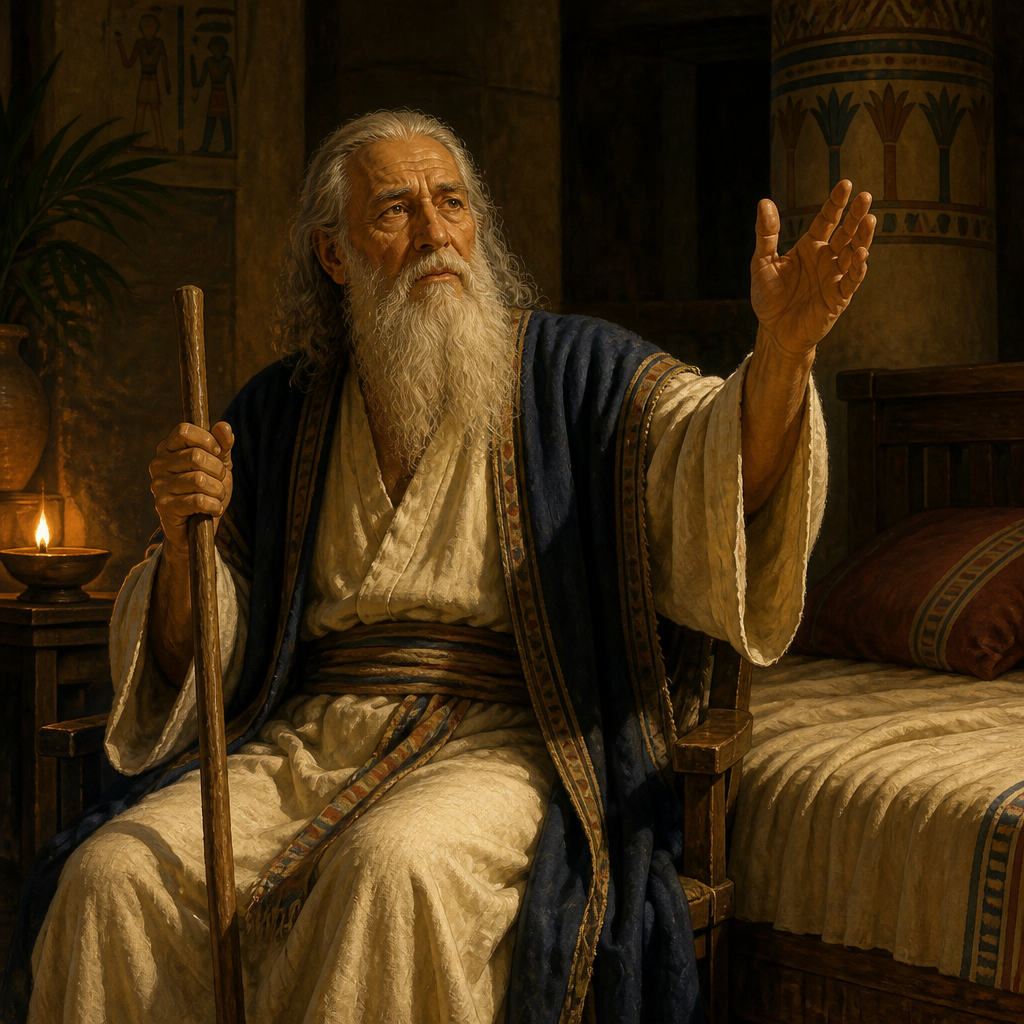
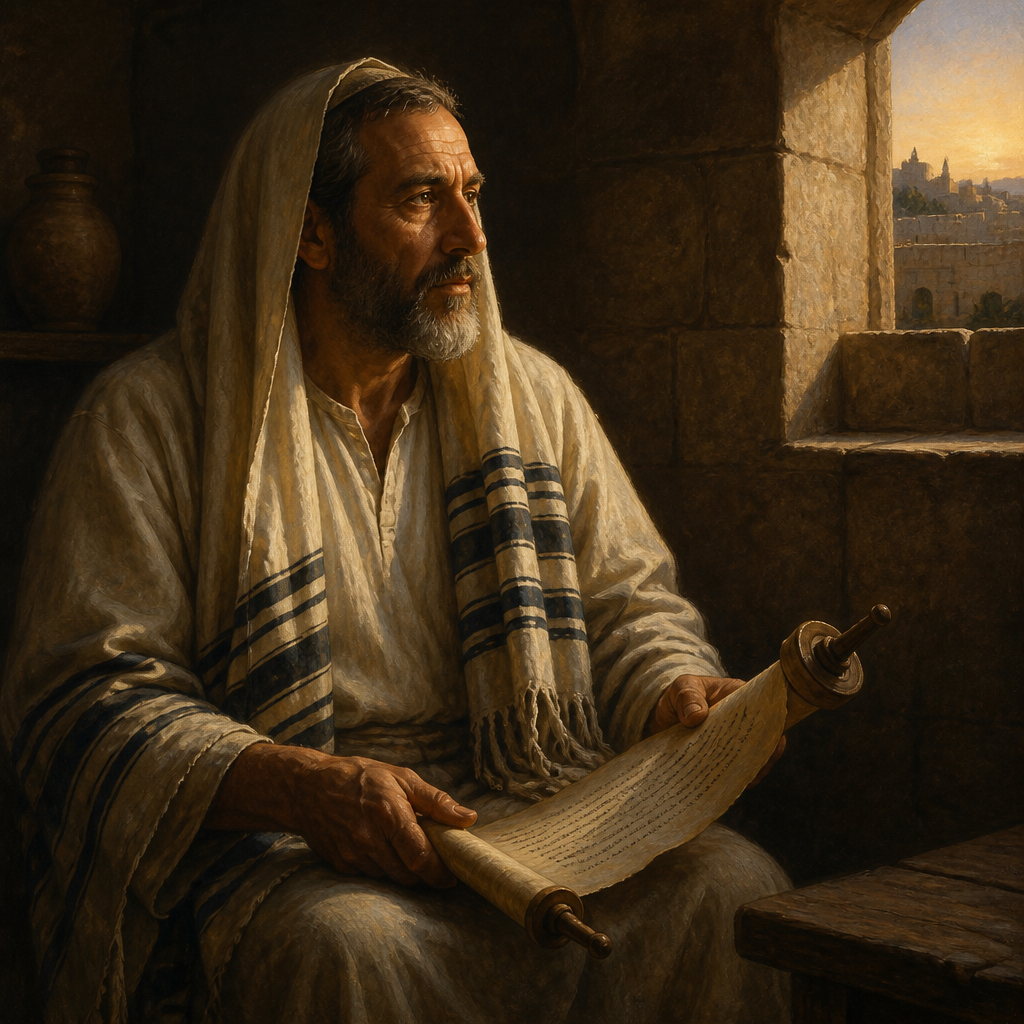
James, Brother of Jesus
Leader of the early Jerusalem church and author of the New Testament Epistle of James
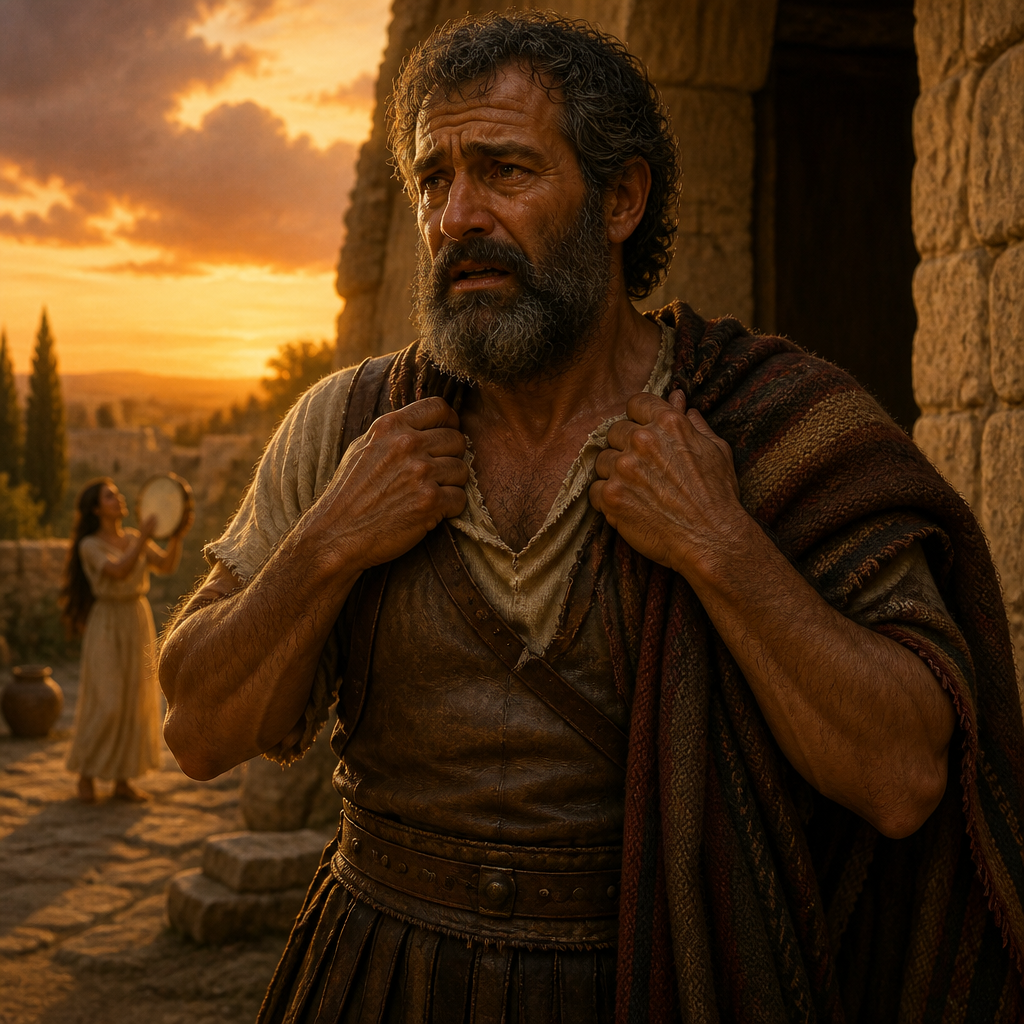
Jephthah
Judge of Israel who defeated the Ammonites and made a tragic vow involving his daughter
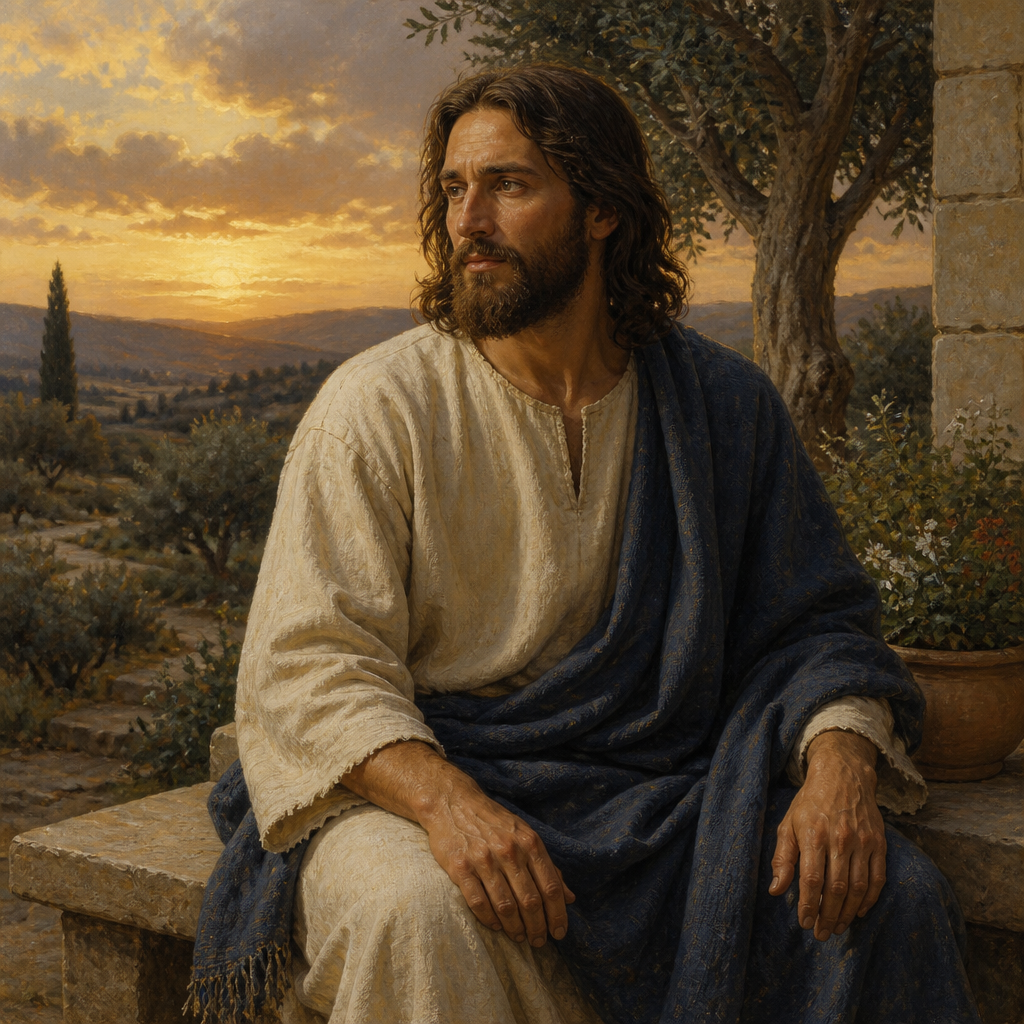
Jesus
Messiah and central figure of the New Testament whose life, death, and resurrection form the basis of the Christian faith
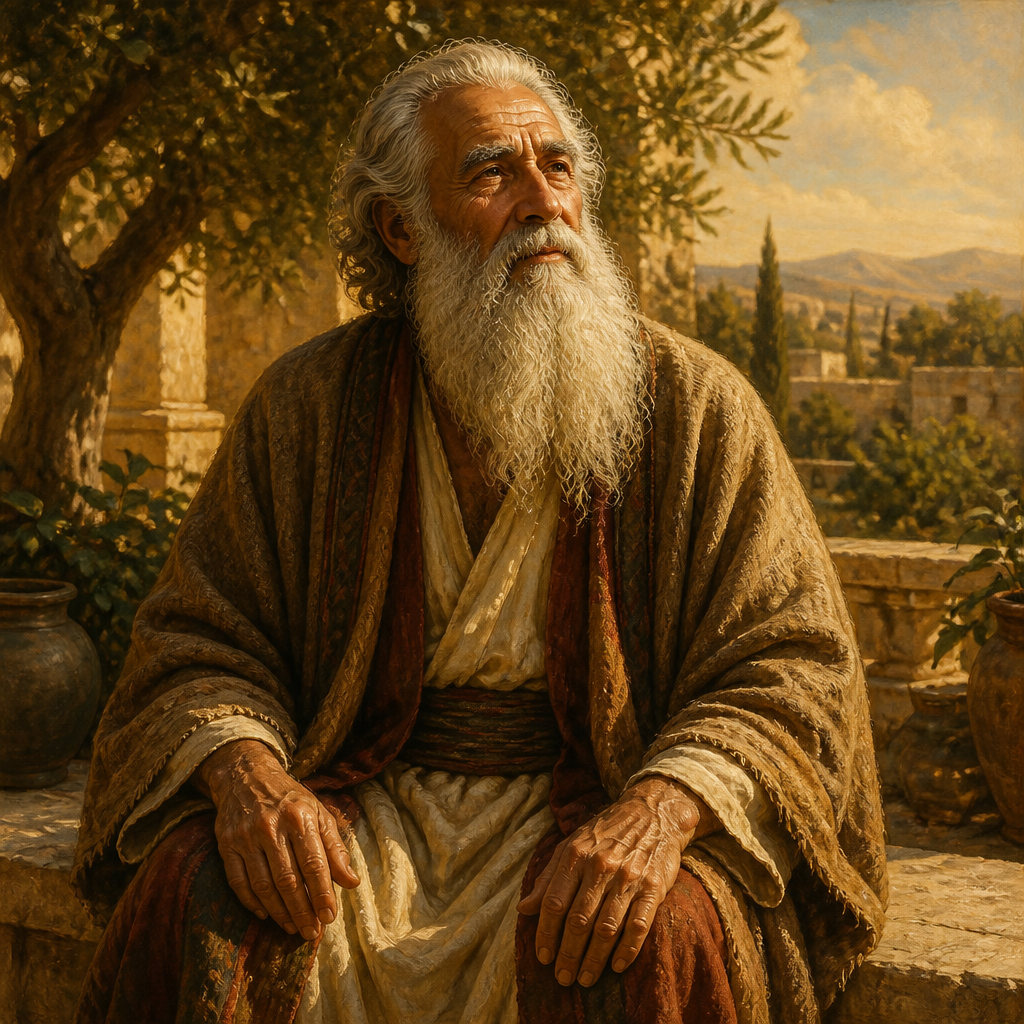
Job
Patriarch who remained faithful to God despite losing his wealth, children, and health
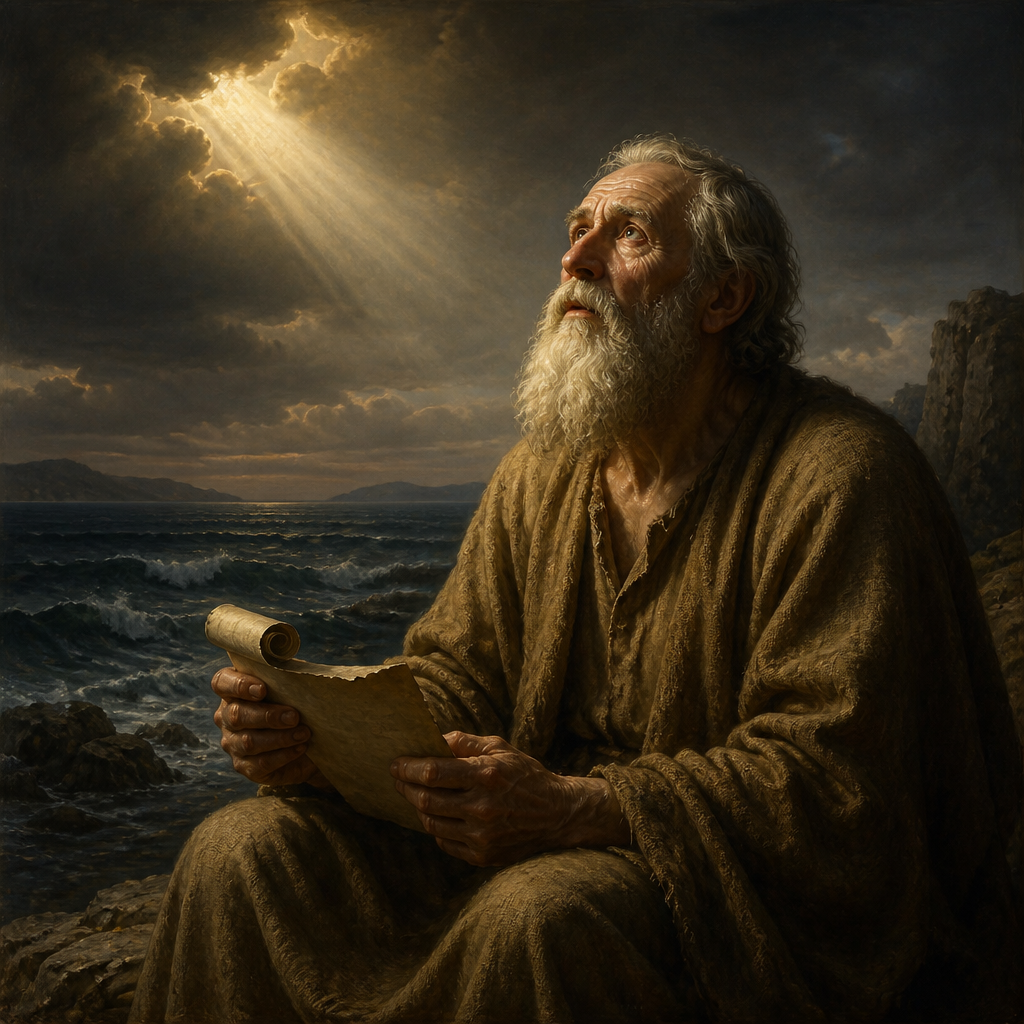
John the Apostle
Apostle and brother of James who received the visions of Revelation
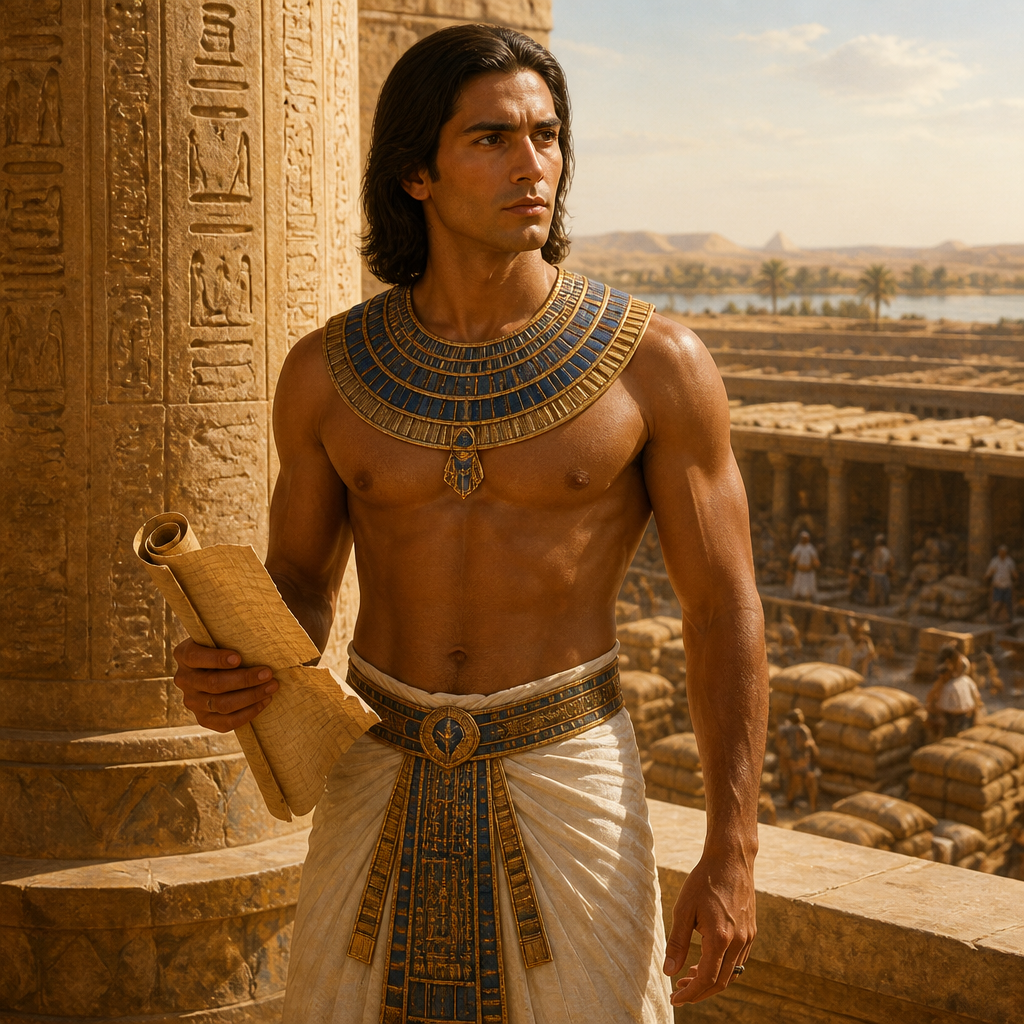
Joseph, Son of Jacob
Patriarch who was sold into slavery and rose to become the second most powerful man in Egypt
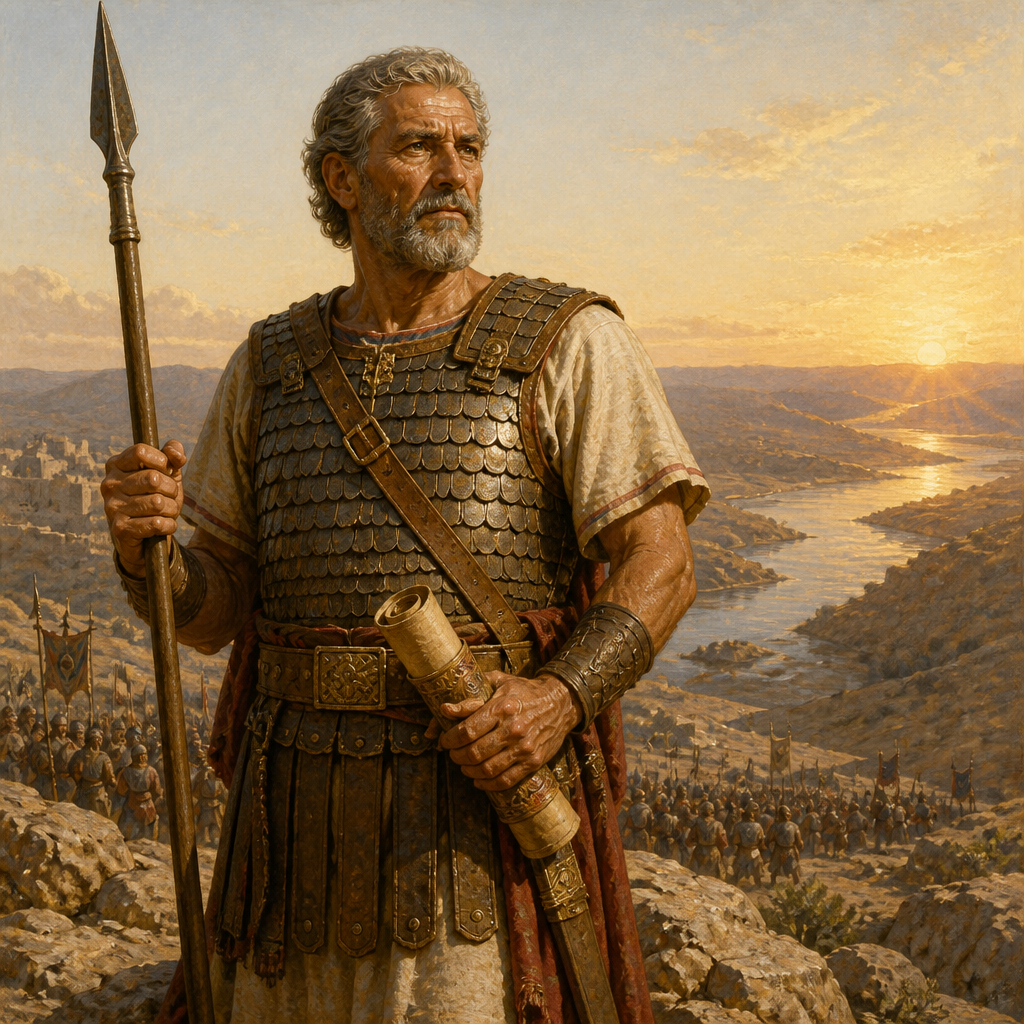
Joshua, Son of Nun
Successor of Moses who led the Israelites in the conquest of Canaan
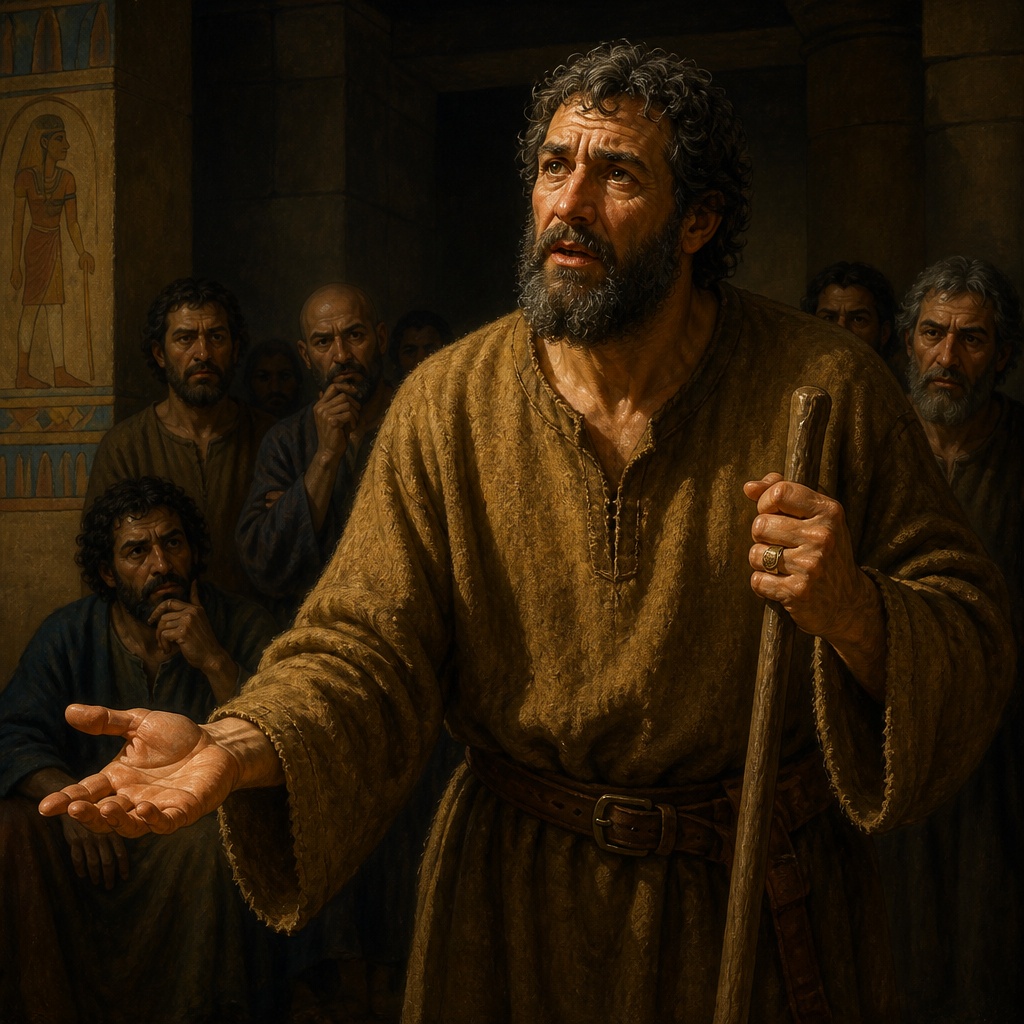
Judah, Son of Jacob
Patriarch who received the blessing of the scepter and whose lineage produced King David and Jesus Christ
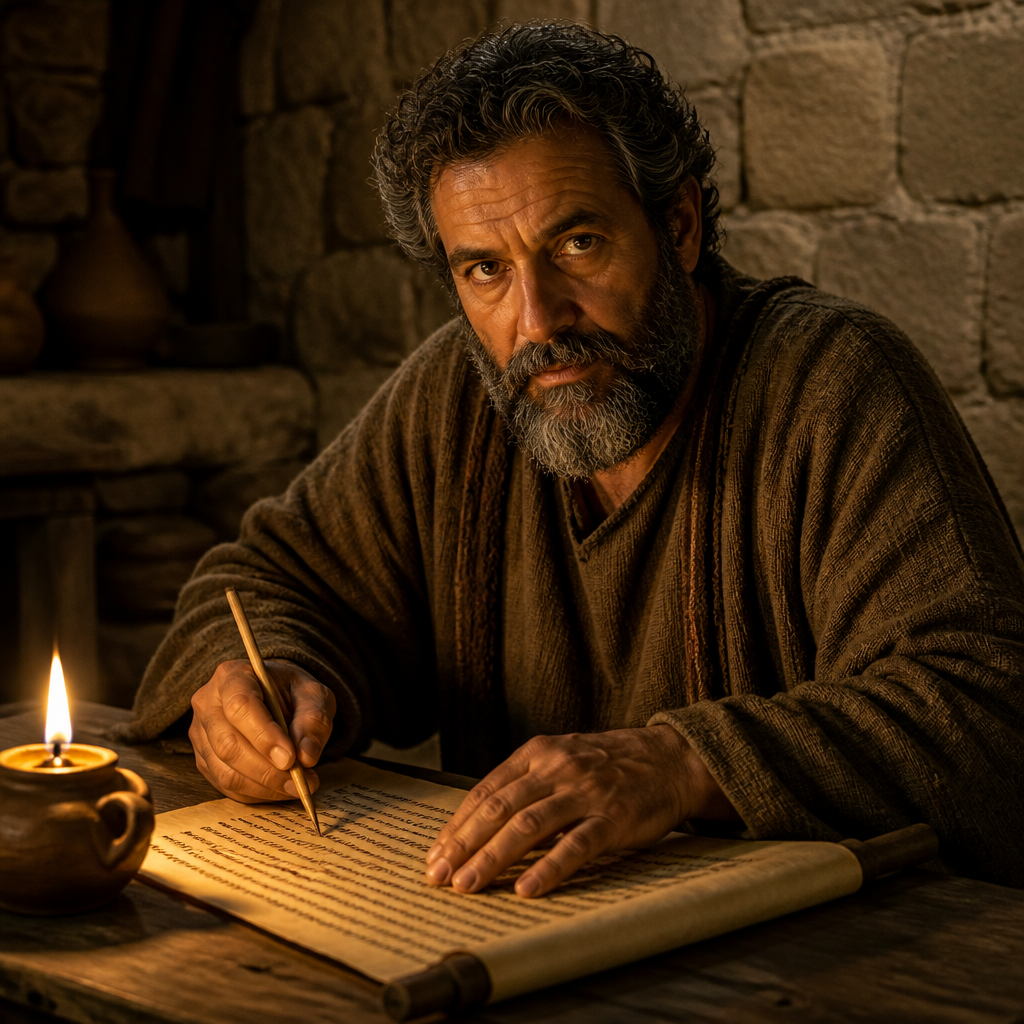
Jude, the Brother of Jesus
Brother of Jesus and author of the New Testament Epistle of Jude
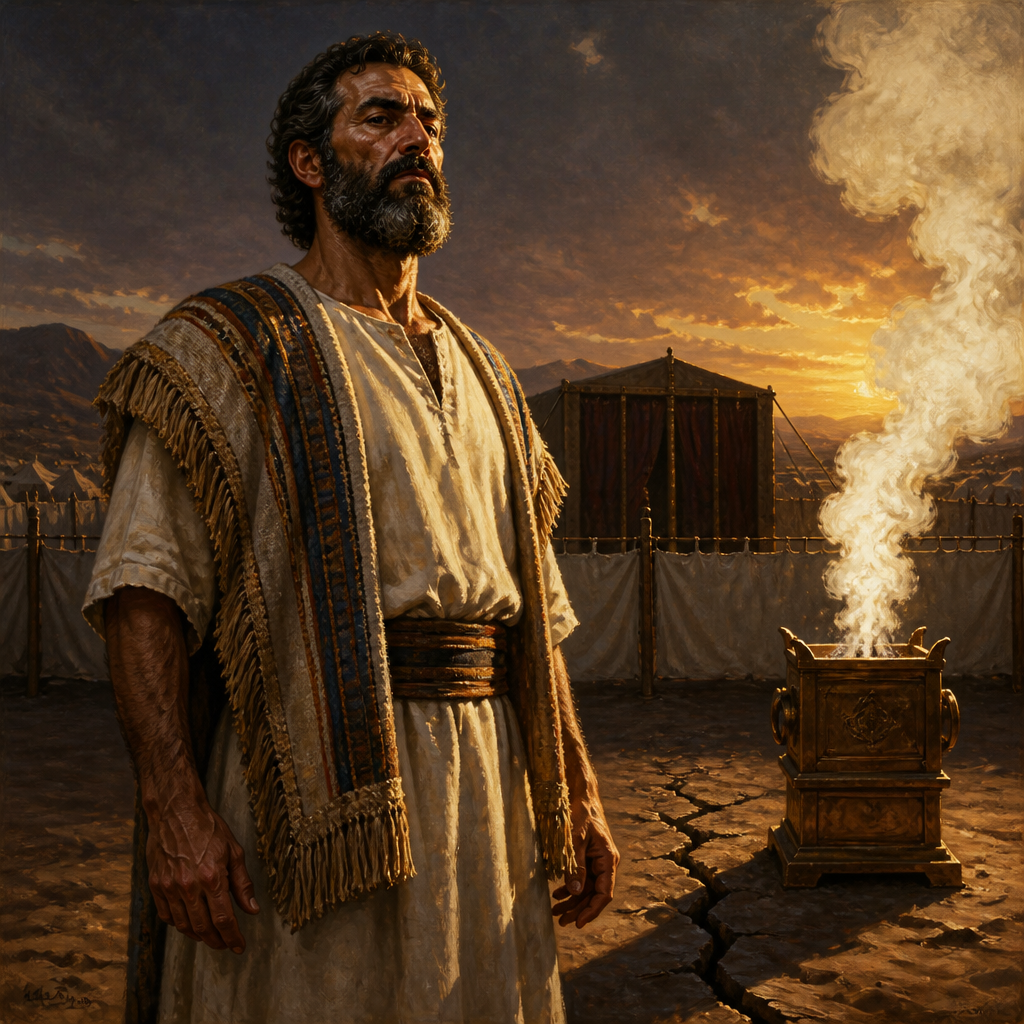
Korah, Levite of the Exodus
Levite who led a rebellion against Moses and Aaron and was swallowed by the earth
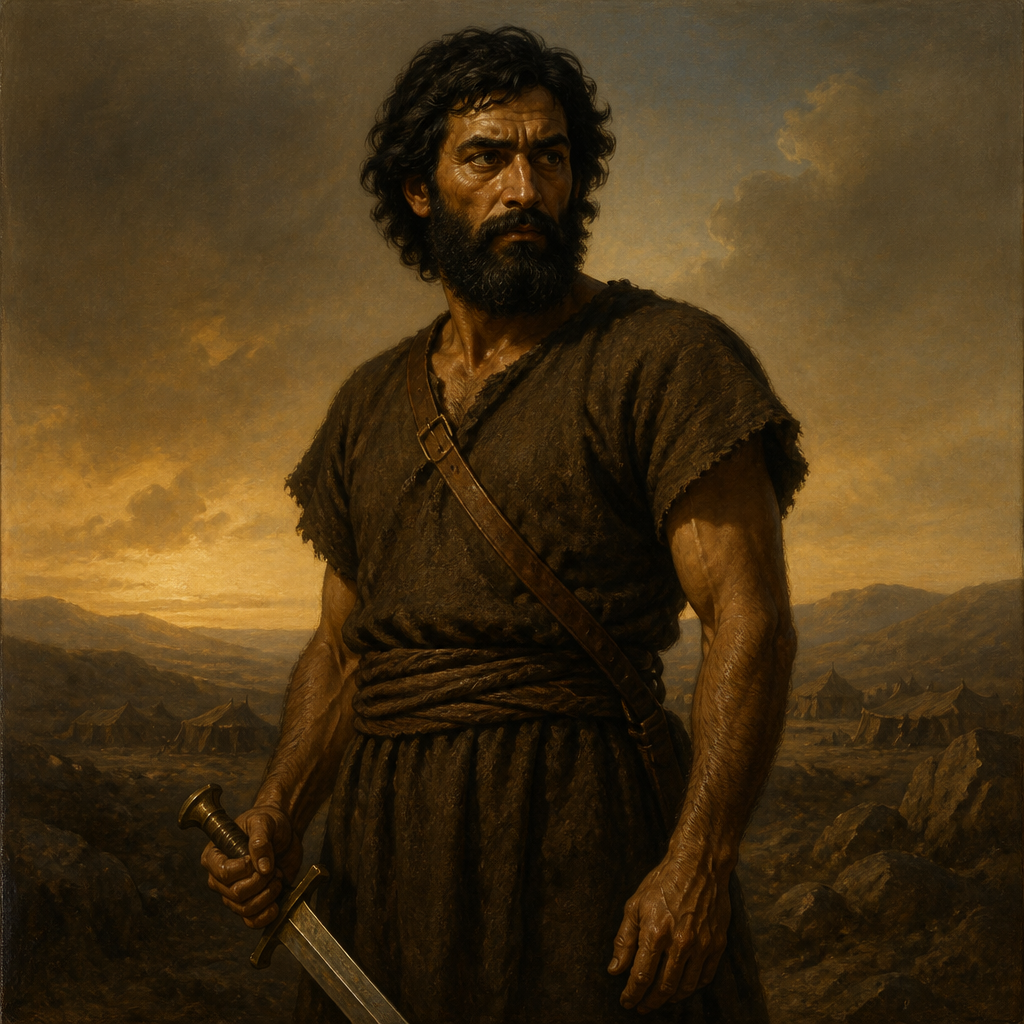
Levi, Son of Jacob
Patriarch of the priestly tribe and participant in the massacre at Shechem
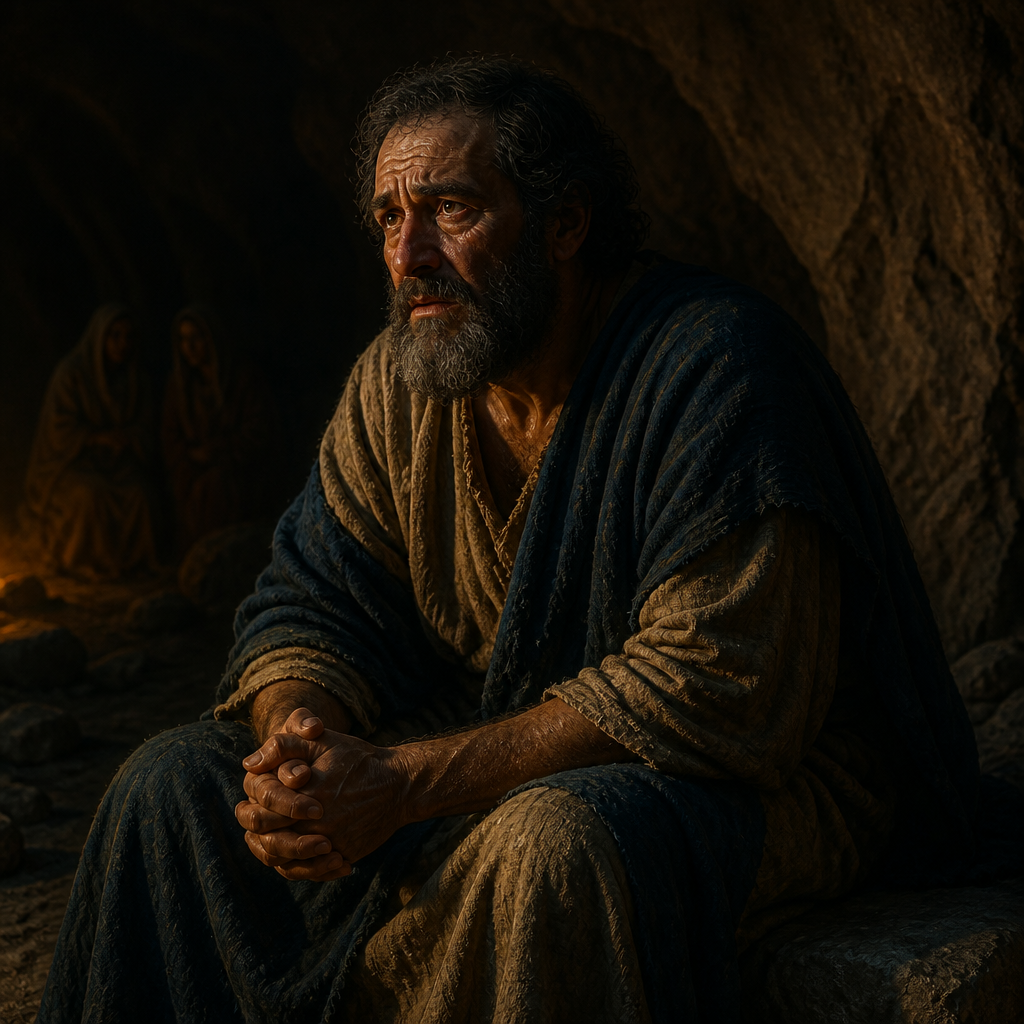
Lot
Nephew of Abraham who escaped the destruction of Sodom and Gomorrah
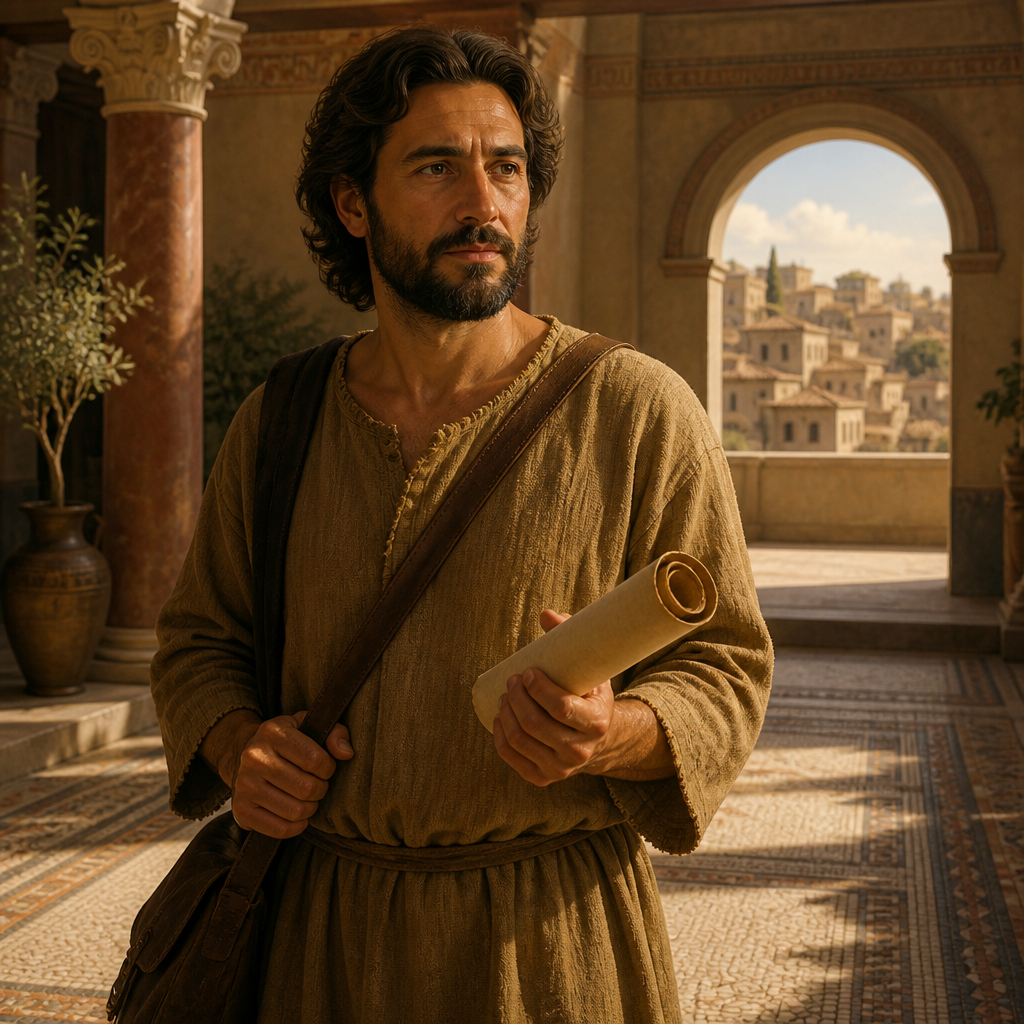
Mark
Missionary companion of Paul and Barnabas whose departure caused a rift between the two leaders
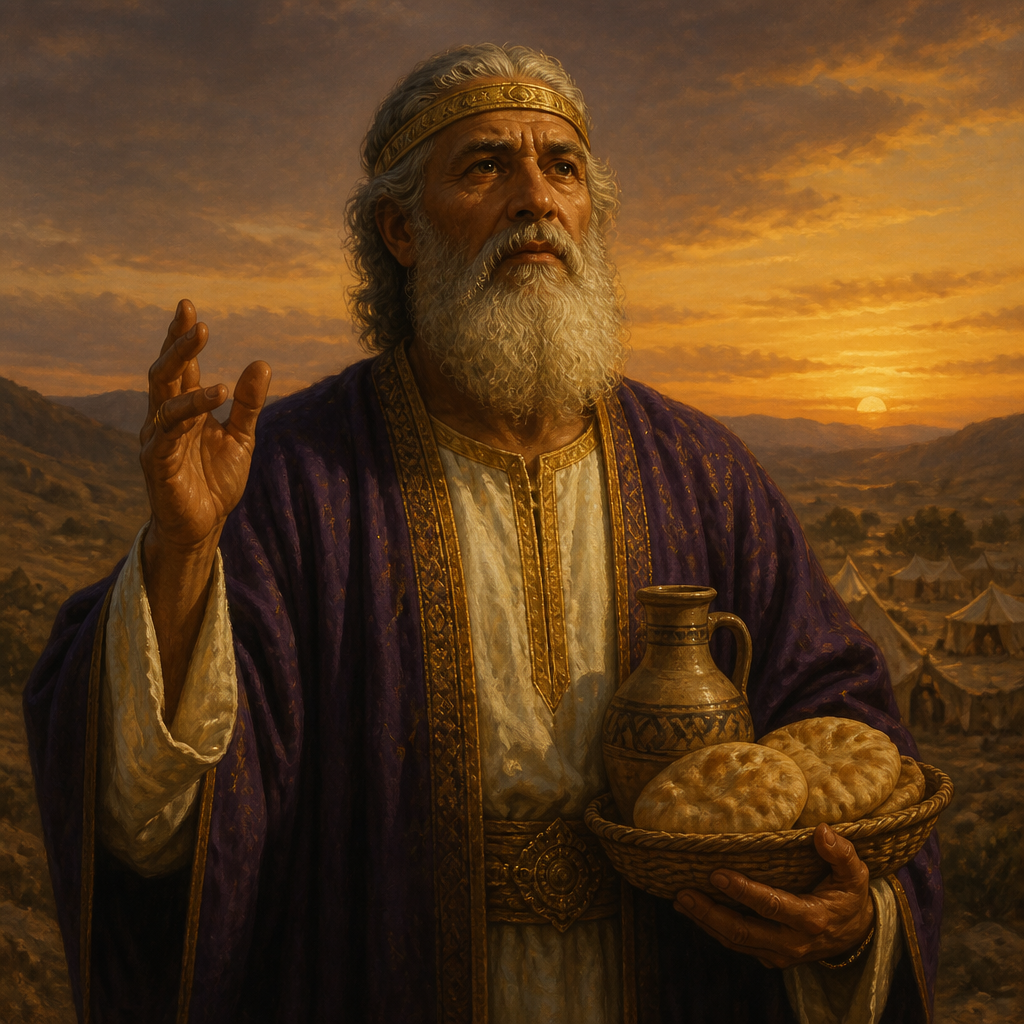
Melchizedek
King of Salem and priest who blessed Abraham and received his tithe
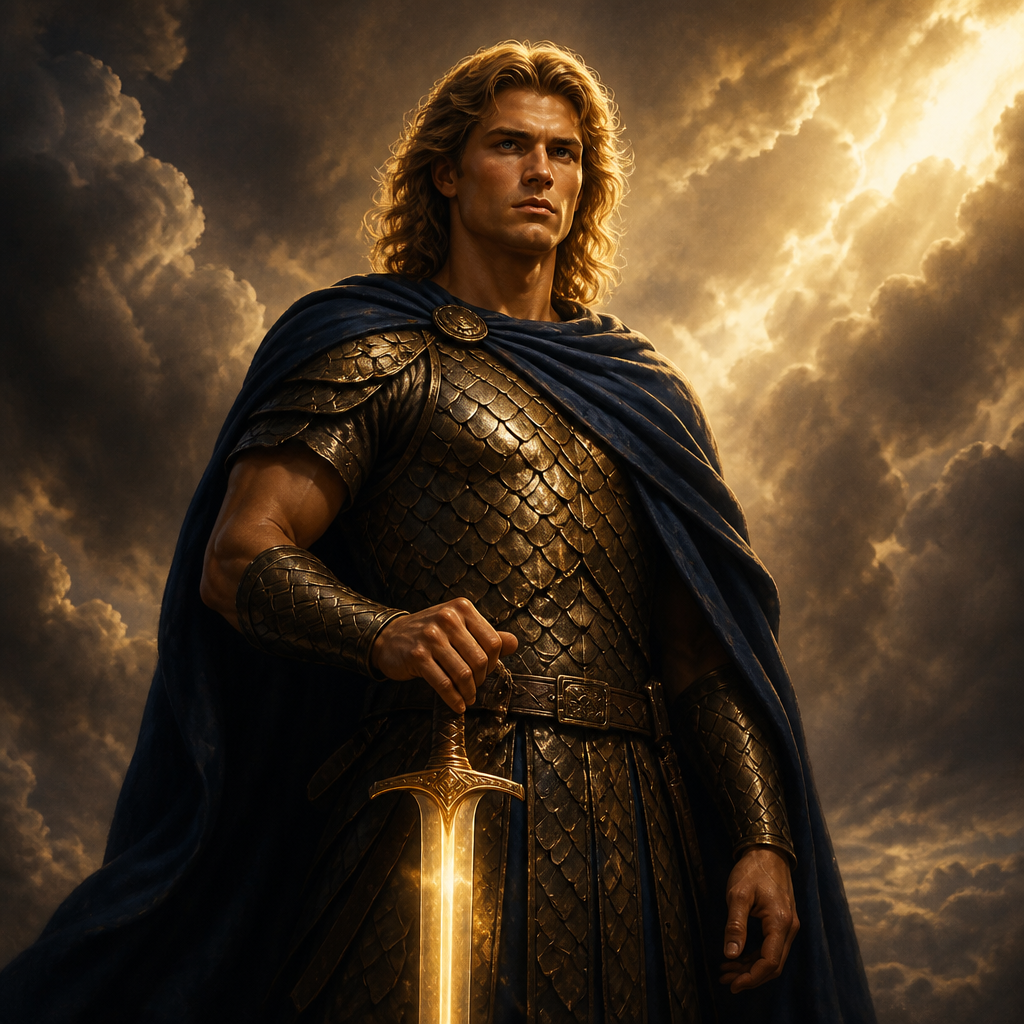
Michael, the Chief Prince
Archangel who leads the heavenly host and protects the people of Israel
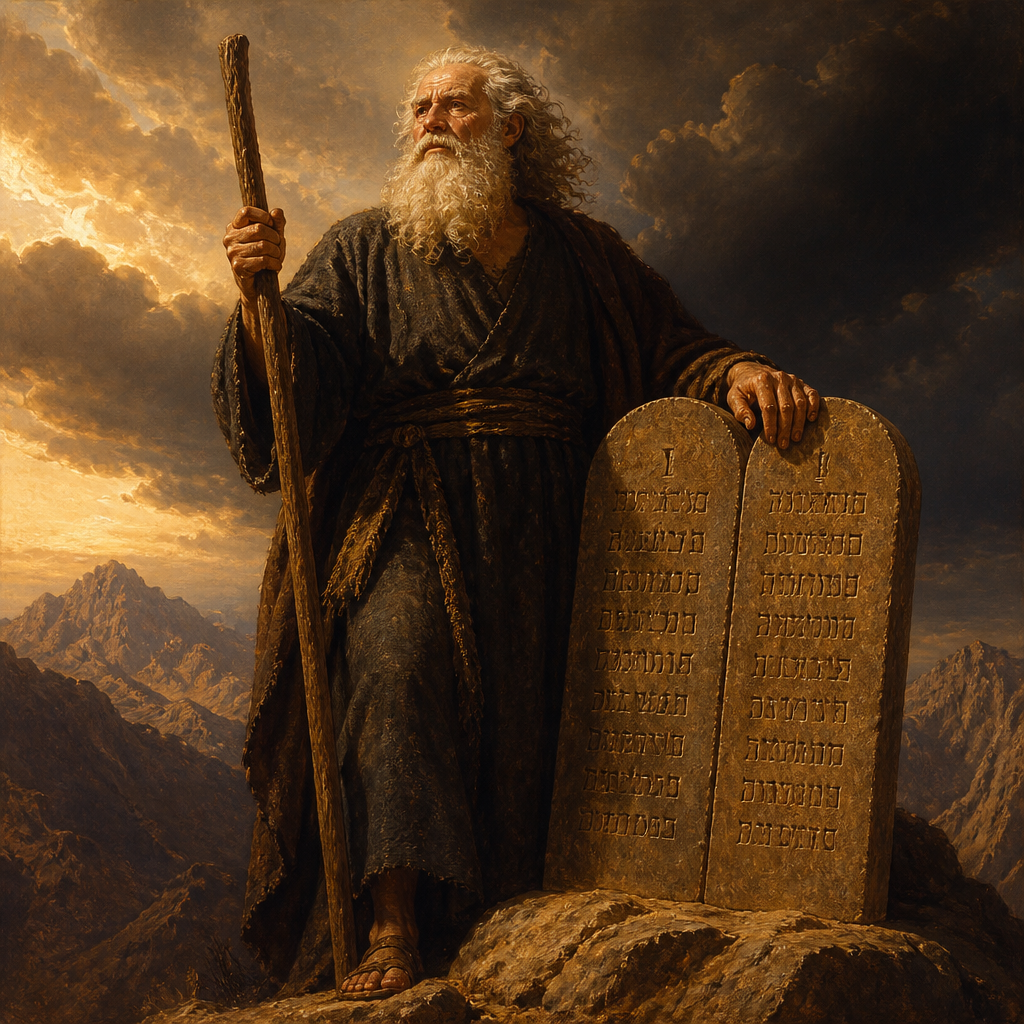
Moses
Prophet who led the Israelites out of Egypt and received the Ten Commandments
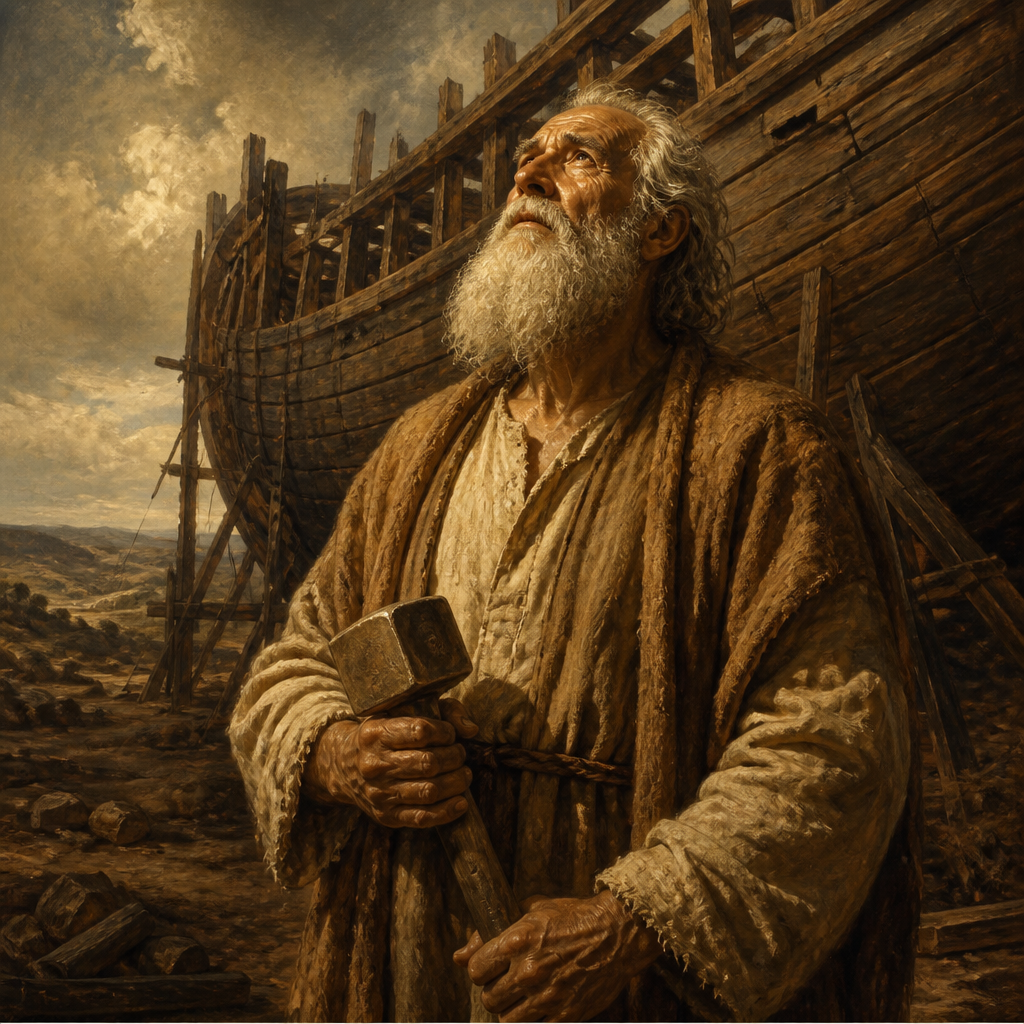
Noah
Patriarch and ark builder who survived the Great Flood and established the rainbow covenant
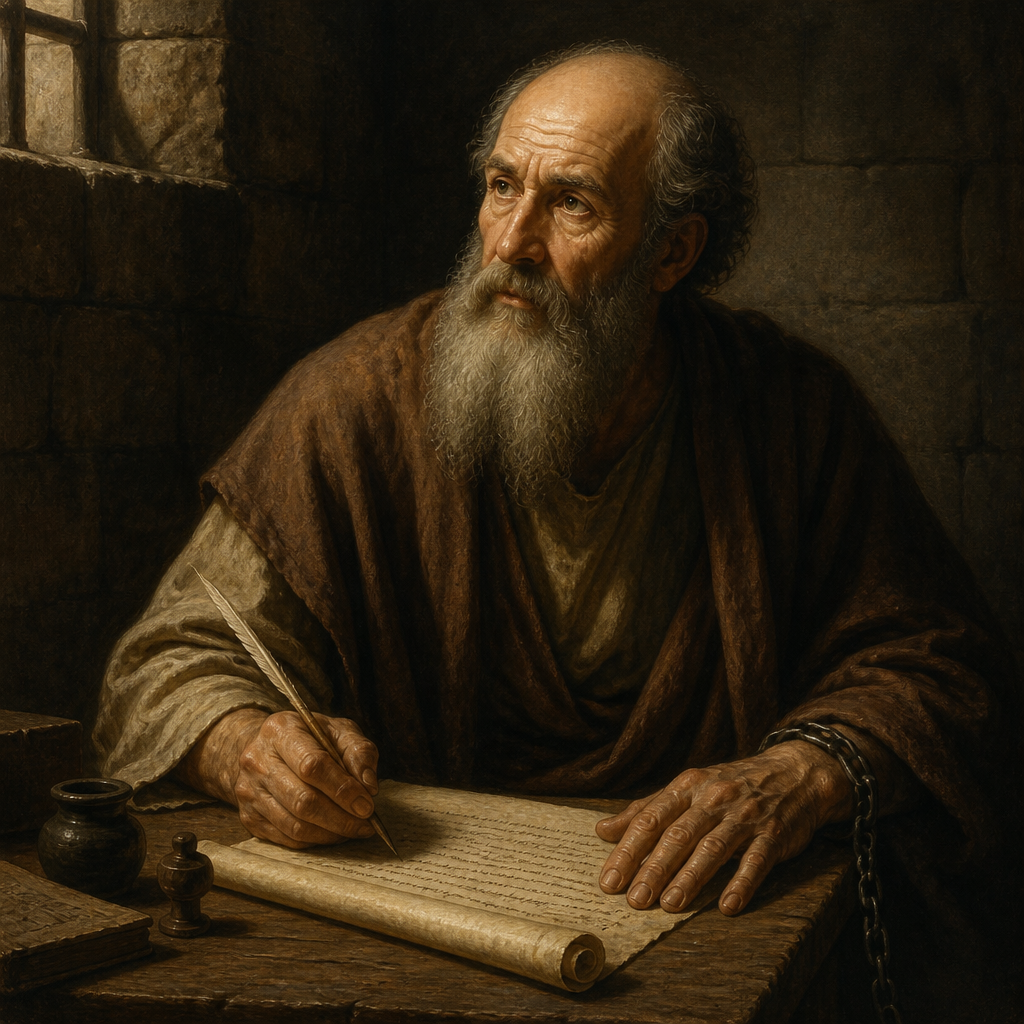
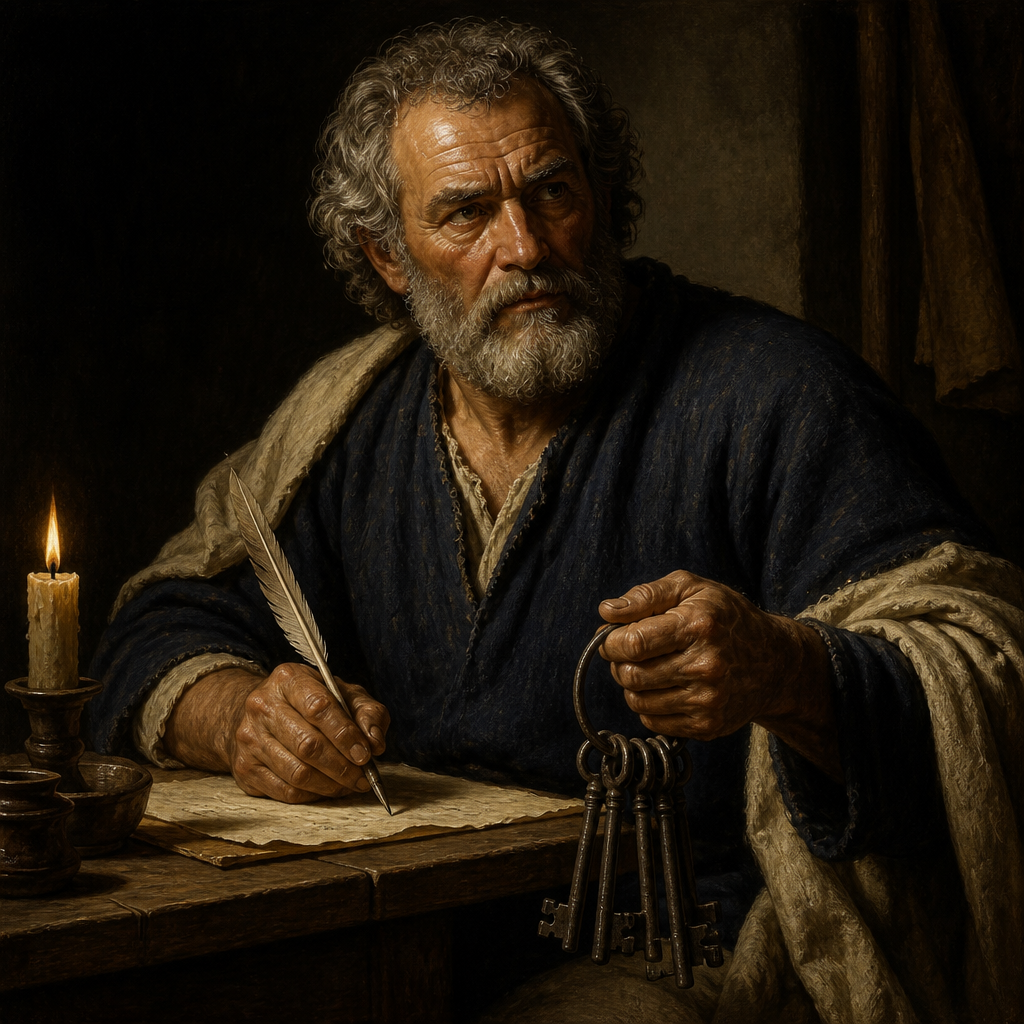
Peter
Apostle who served as the spokesman for the Twelve and the leader of the early Church in Jerusalem
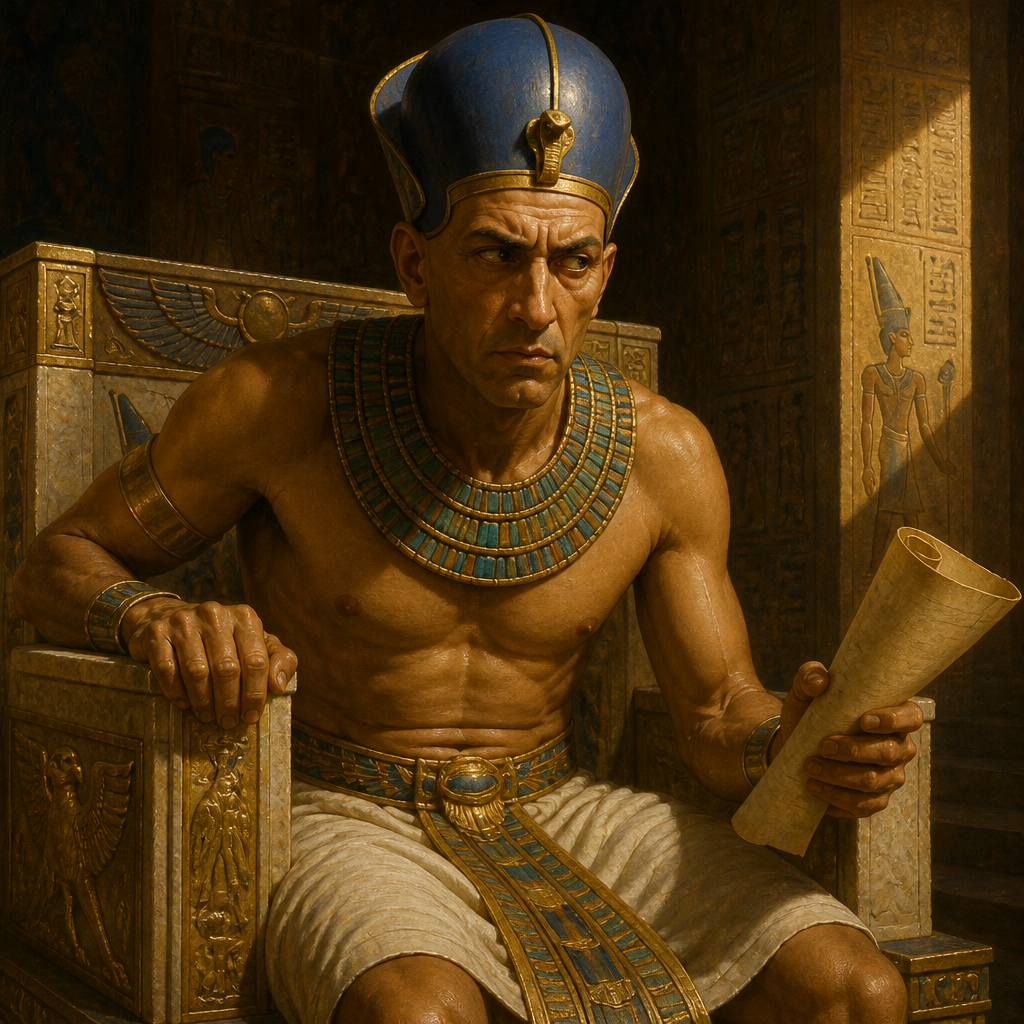
Pharaoh, Oppressor of the Israelites
King of Egypt who enslaved the Israelites and ordered the drowning of Hebrew male infants

Pharaoh's Daughter Who Rescued Moses
Princess who found Moses in the Nile and raised him as her own son
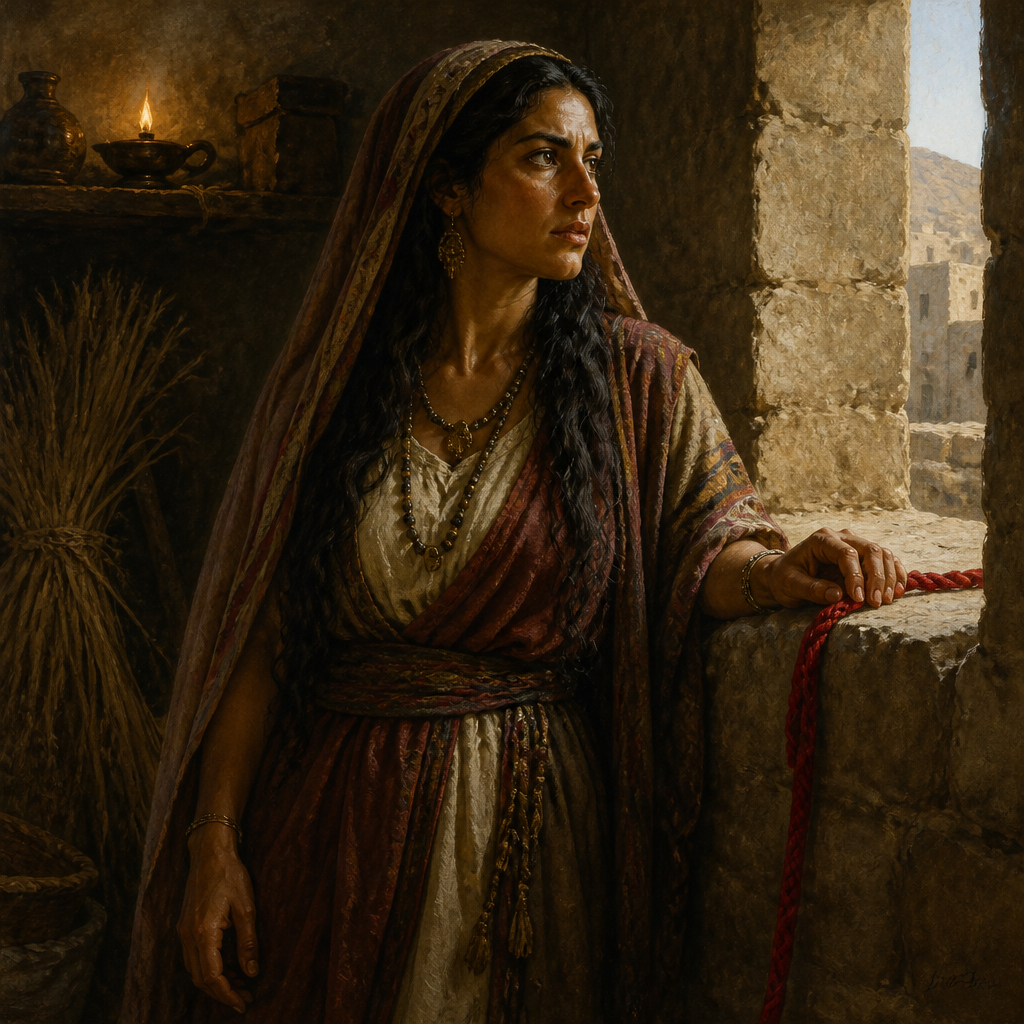
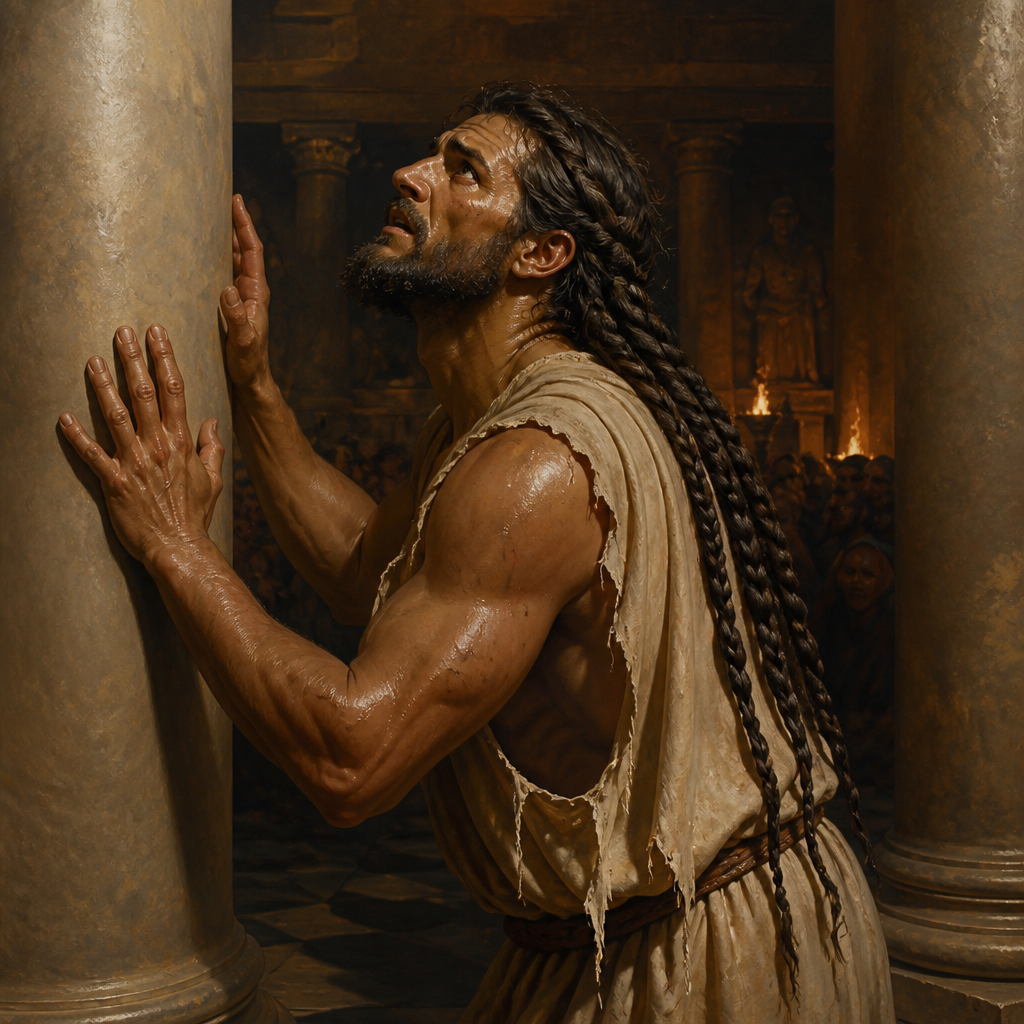
Samson
Judge of Israel who possessed supernatural strength and fought the Philistines
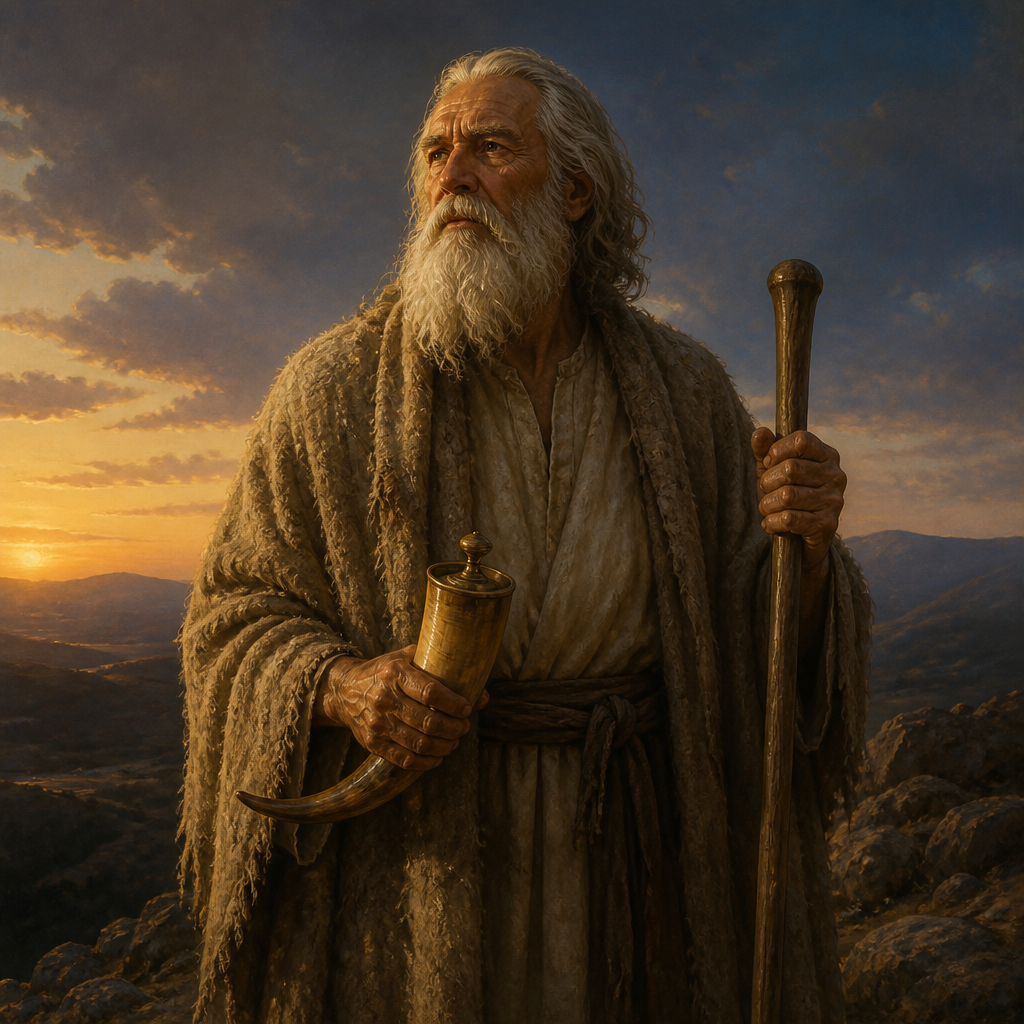
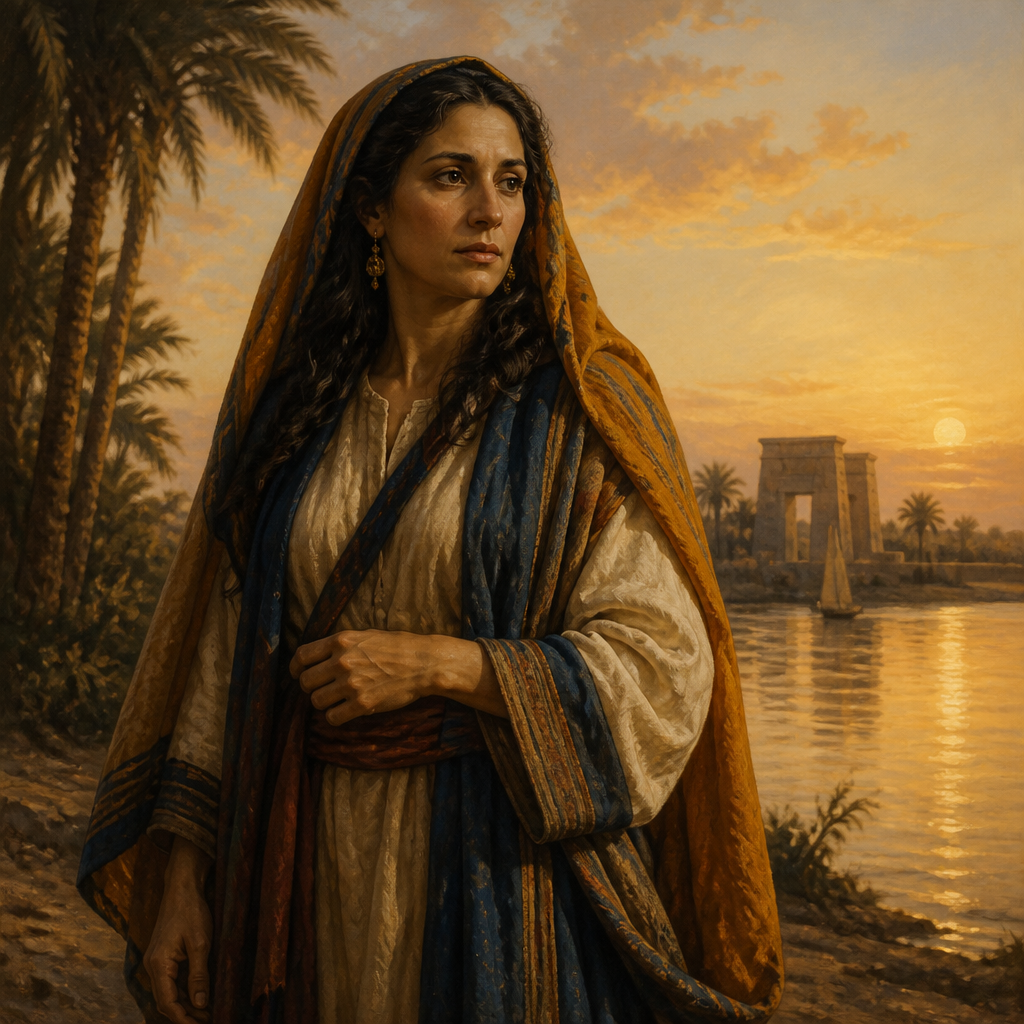
Sarah
Matriarch of Israel and mother of Isaac who conceived in her old age
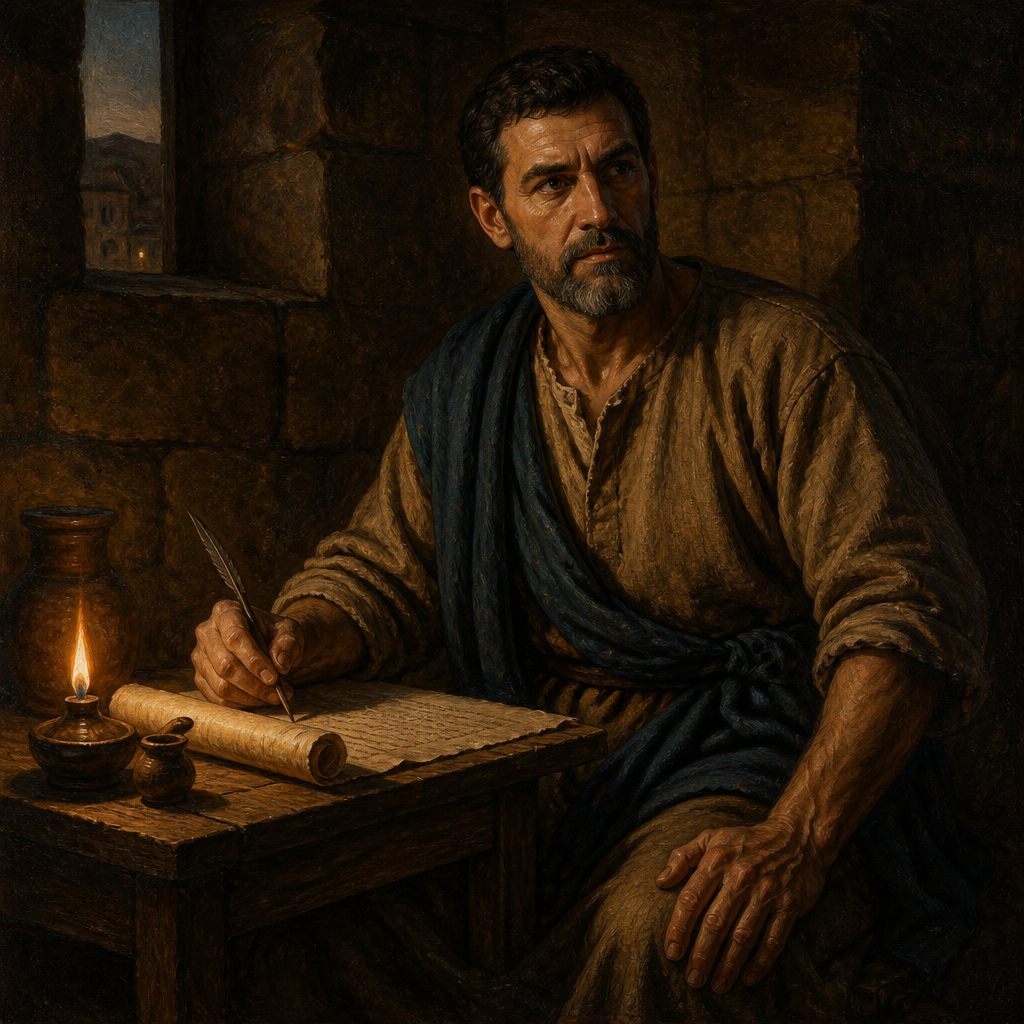
Silas
Prophet and companion of Paul who sang in the Philippian jail
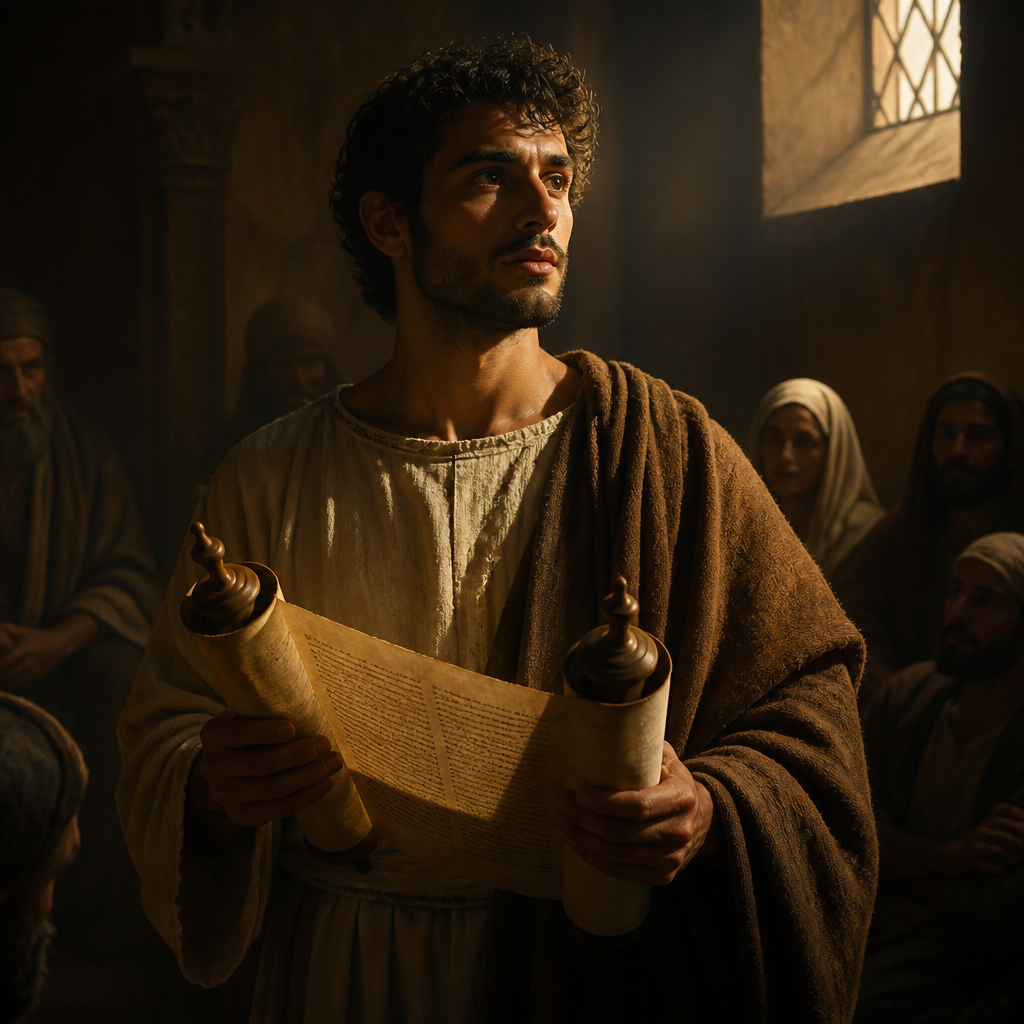
Timothy
Protégé of the Apostle Paul and recipient of the two Pastoral Epistles whom Paul stationed at Ephesus