
Old Testament
- 2,830 peoplefirst introduced Genesis 2:19last introduced Malachi 1:1first introductions in 34 of 39 books
The Old Testament opens with a genealogy problem. Genesis 5 runs from Adam to Noah in ten names, Genesis 11 runs from Shem to Abram in ten more, and from there the text almost never stops counting. Tribes are numbered at Sinai, families are sorted on the plains of Moab, and the whole census apparatus of Numbers 1 and Numbers 26 exists because Scripture treats people as individuals with fathers, allotments and burial places rather than as a crowd.
The story those names carry moves in seven stages, with the years between the Testaments as an eighth. Creation to Babel covers Genesis 1–11, from the first family to the scattering at Babel. The patriarchal period, Genesis 12–50, narrows the whole record to one household: Abraham, Sarah, Isaac, Rebekah, Jacob, Leah, Rachel and the twelve sons whose names become the tribes. Exodus through Deuteronomy hold Egypt and the wilderness, where Moses, Aaron and Miriam lead a people counted twice and buried mostly in the desert. Joshua through Ruth cover the conquest and the judges, a period the text itself sums up in Judges 21:25.
From 1 Samuel 8 the monarchy begins, and with it the densest concentration of named people in the Hebrew Scriptures: Saul, David, Solomon, their officers, their scribes, their armour-bearers and the thirty-seven men listed in 2 Samuel 23. The kingdom divides at 1 Kings 12, and for the next three and a half centuries of divided monarchy the record runs in two columns — the kings of Judah and the kings of Israel in Samaria — with prophets crossing between them. Samaria falls in 2 Kings 17, Jerusalem in 2 Kings 25, and the exile begins.
Return follows. Ezra, Nehemiah, Haggai, Zechariah and Malachi belong to the Persian period, and their books preserve some of the most granular lists in the Bible: the households that came back in Ezra 2, the wall-builders assigned gate by gate in Nehemiah 3, the signatories of the covenant in Nehemiah 10. Daniel is set at the courts of Babylon and then Persia; Esther at the Persian court in Susa.
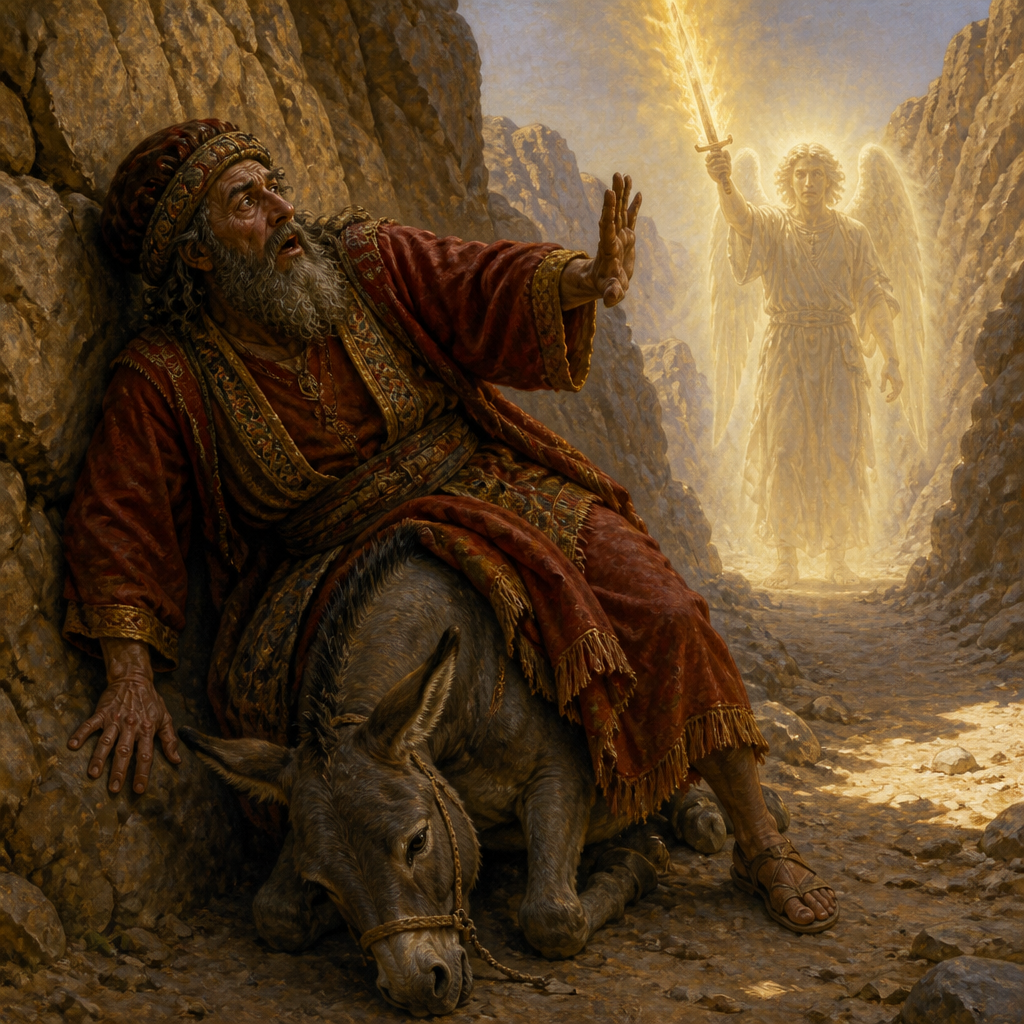
Not everyone in these books is a hero, and not everyone is named. Scripture identifies people by role when it withholds a name — Pharaoh's daughter, the medium of Endor, the wise woman of Tekoa, the Shunammite — and those records are kept here on the same terms as the named, because the text treats them as actors in the story rather than as background. Foreign figures are kept too: Hittite, Egyptian, Moabite, Aramean, Assyrian, Babylonian and Persian names appear throughout, from Melchizedek in Genesis 14 to Cyrus in Ezra 1.
Names repeat, and that is where most confusion starts: more than two dozen men are called Zechariah, more than a dozen Jonathan, and several Jeroboams, Josephs and Zedekiahs stand in different centuries.
8 eras, 2,830 people
The Hebrew Scriptures in seven stages, plus the silent years that follow Malachi.
Creation to Babel
Genesis 1–11
Undated (before Abraham)
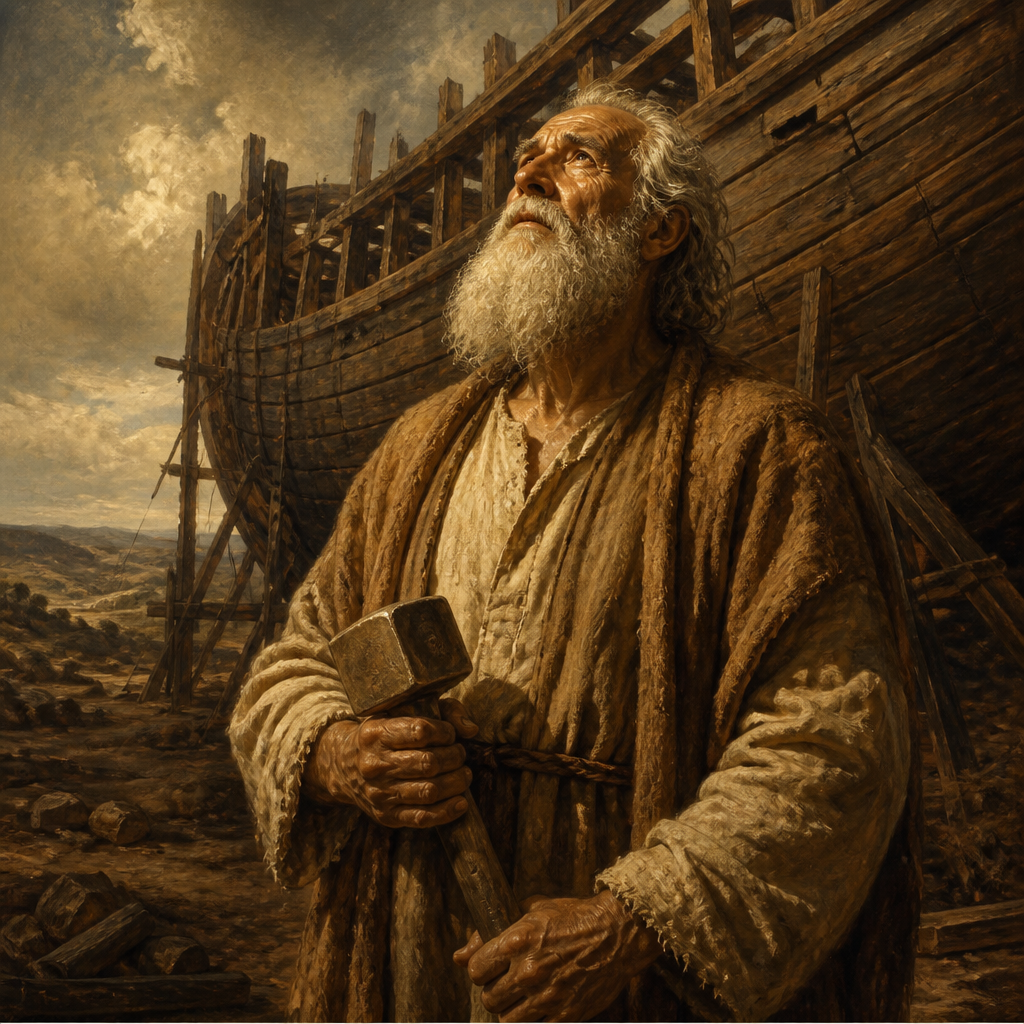
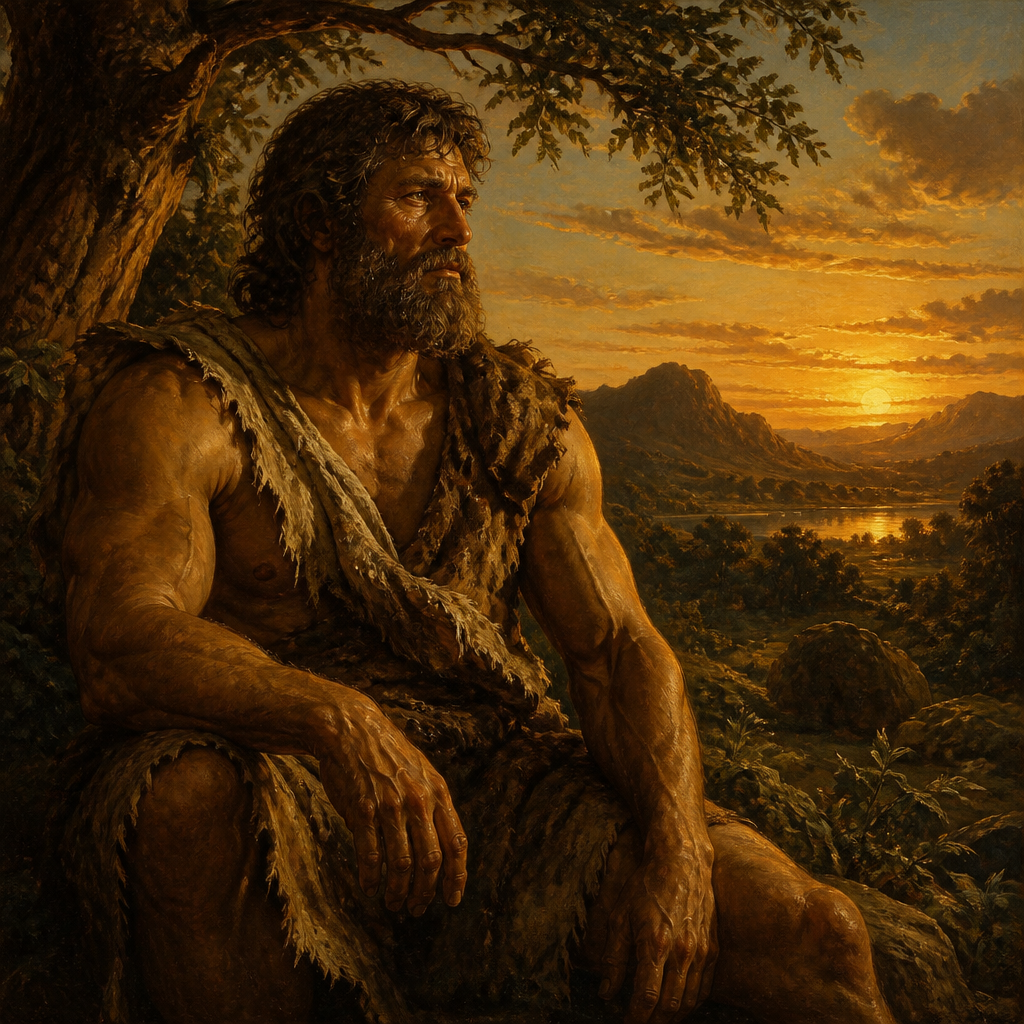
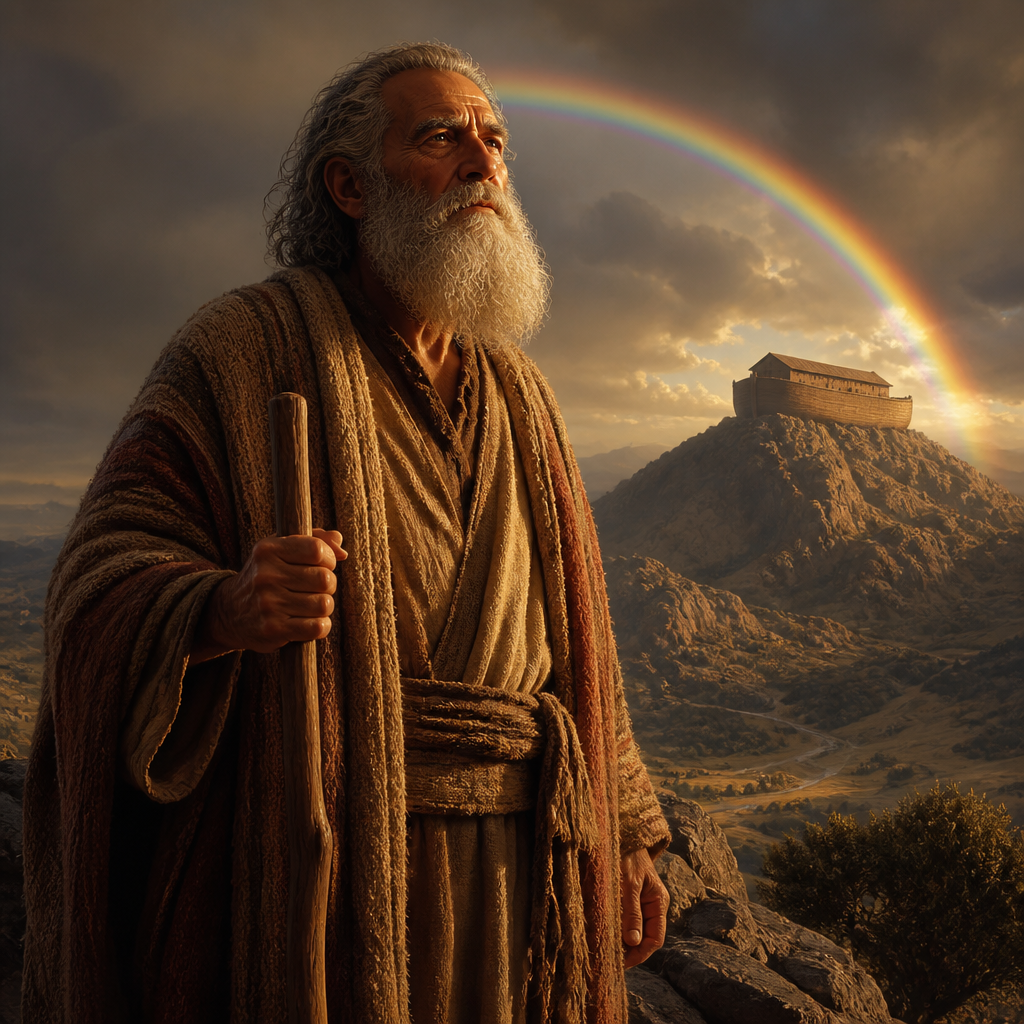
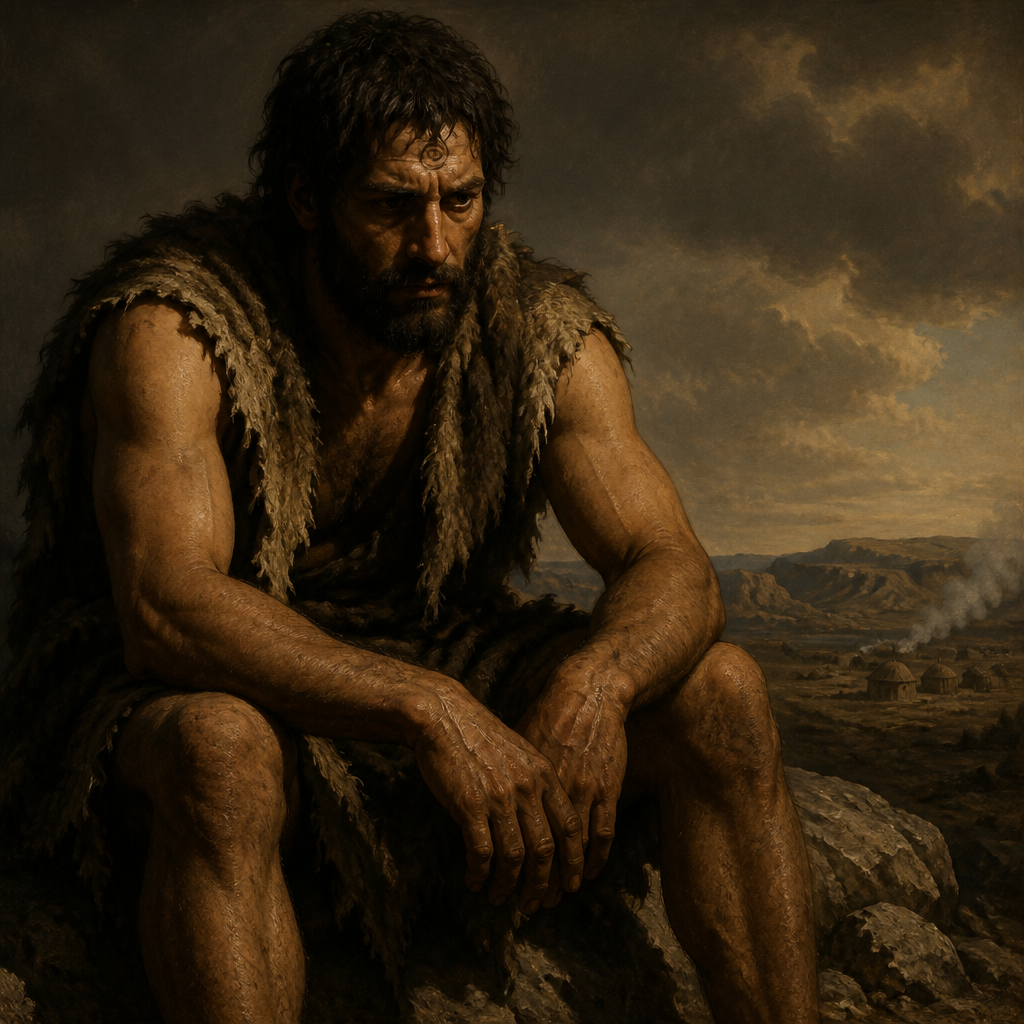
Adam to Babel. The first family, the line of Seth, the eight people aboard the ark, and the seventy nations of Genesis 10 — the whole world in eleven chapters.
Patriarchal Period
Genesis 12–50
c. 2100–1800 BC
One household stands in for the whole story: Abraham and Sarah, Isaac and Rebekah, Jacob with Leah and Rachel, and the twelve sons whose names become the tribes.
Egypt and Wilderness
Exodus–Deuteronomy
c. 1800–1400 BC
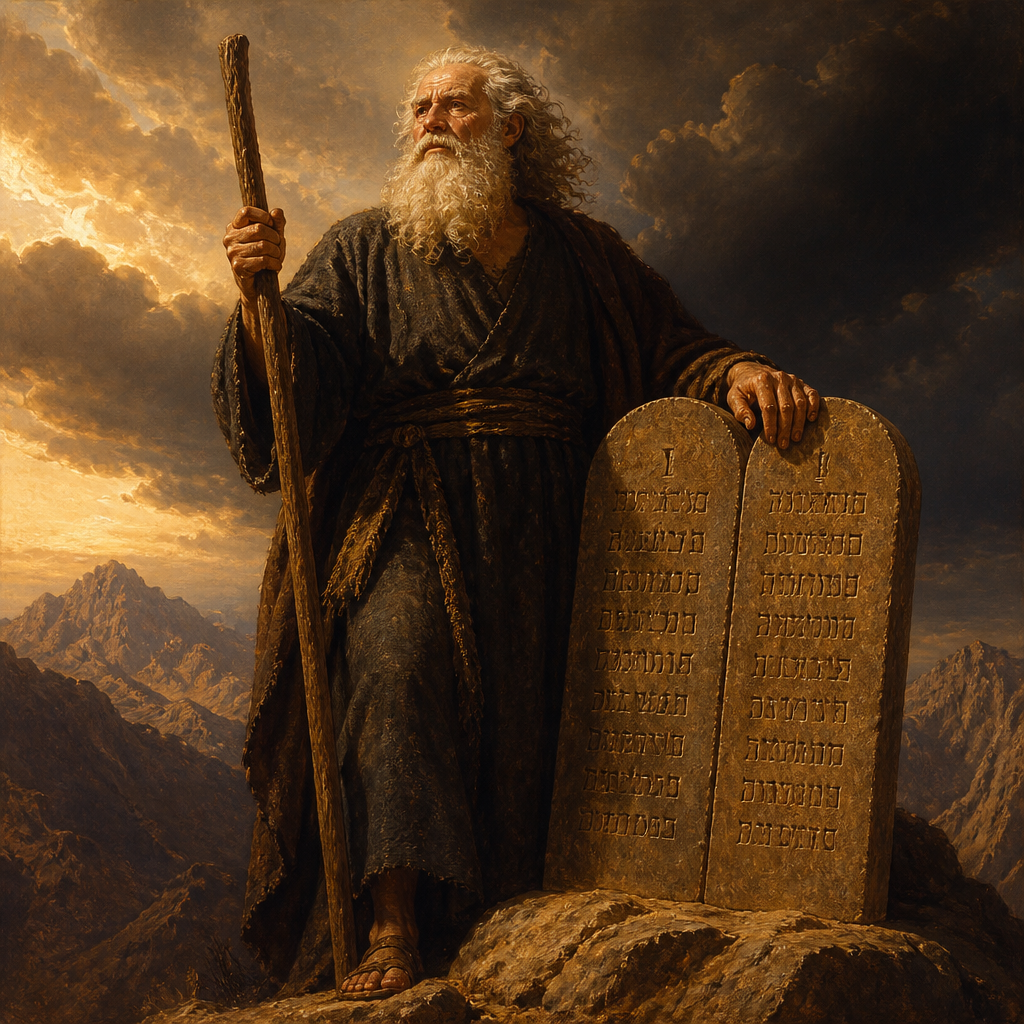
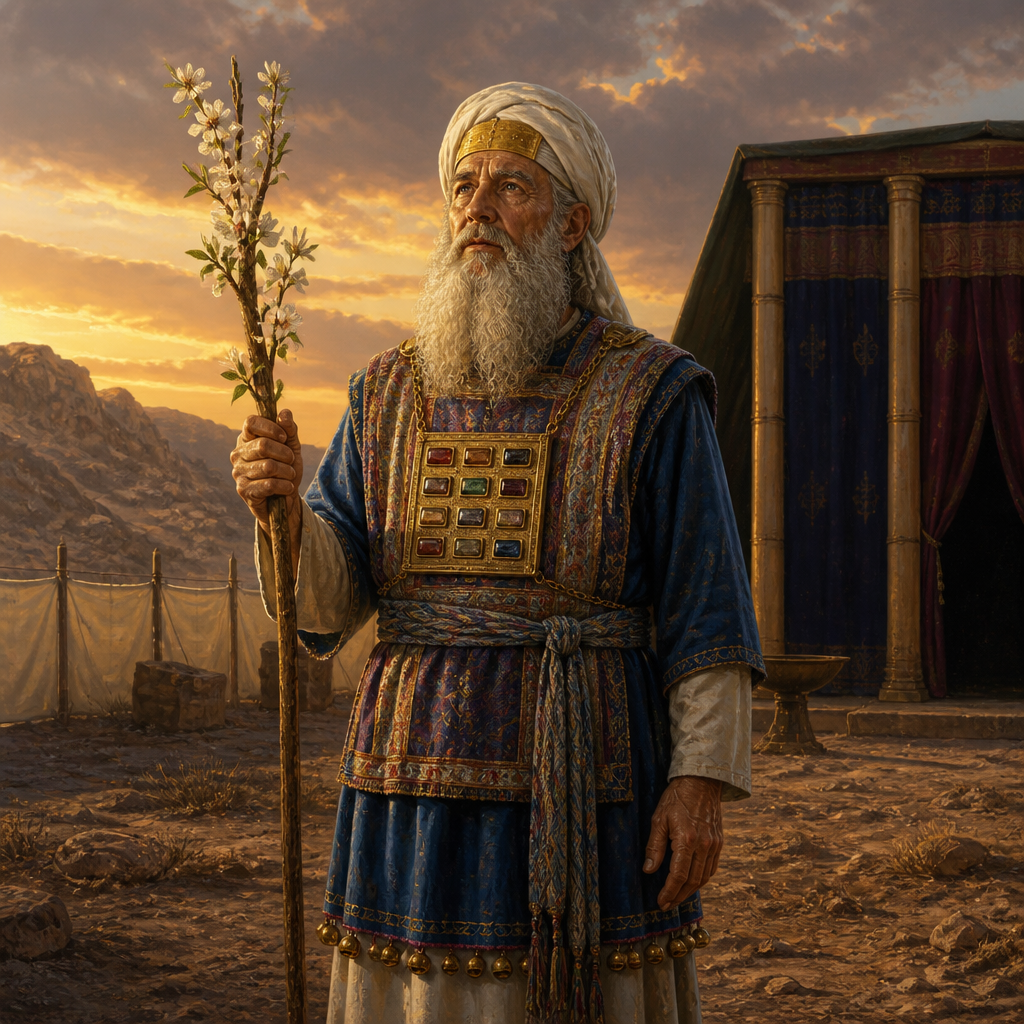
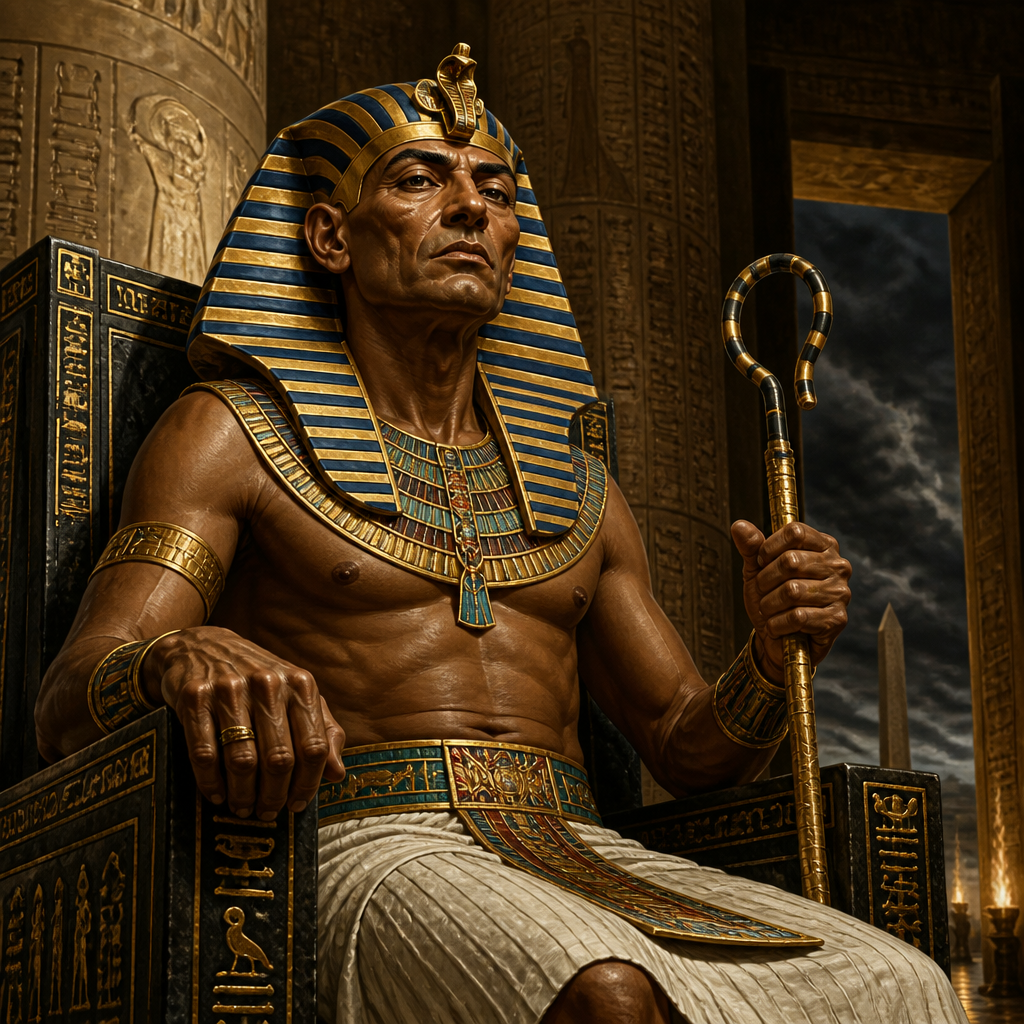
Slavery, plagues and forty years of walking. Moses, Aaron, Miriam, Pharaoh's court, the twelve spies and the households counted twice in Numbers 1 and 26.
Conquest and Judges
Joshua–Ruth · 1 Samuel 1–7
c. 1400–1050 BC
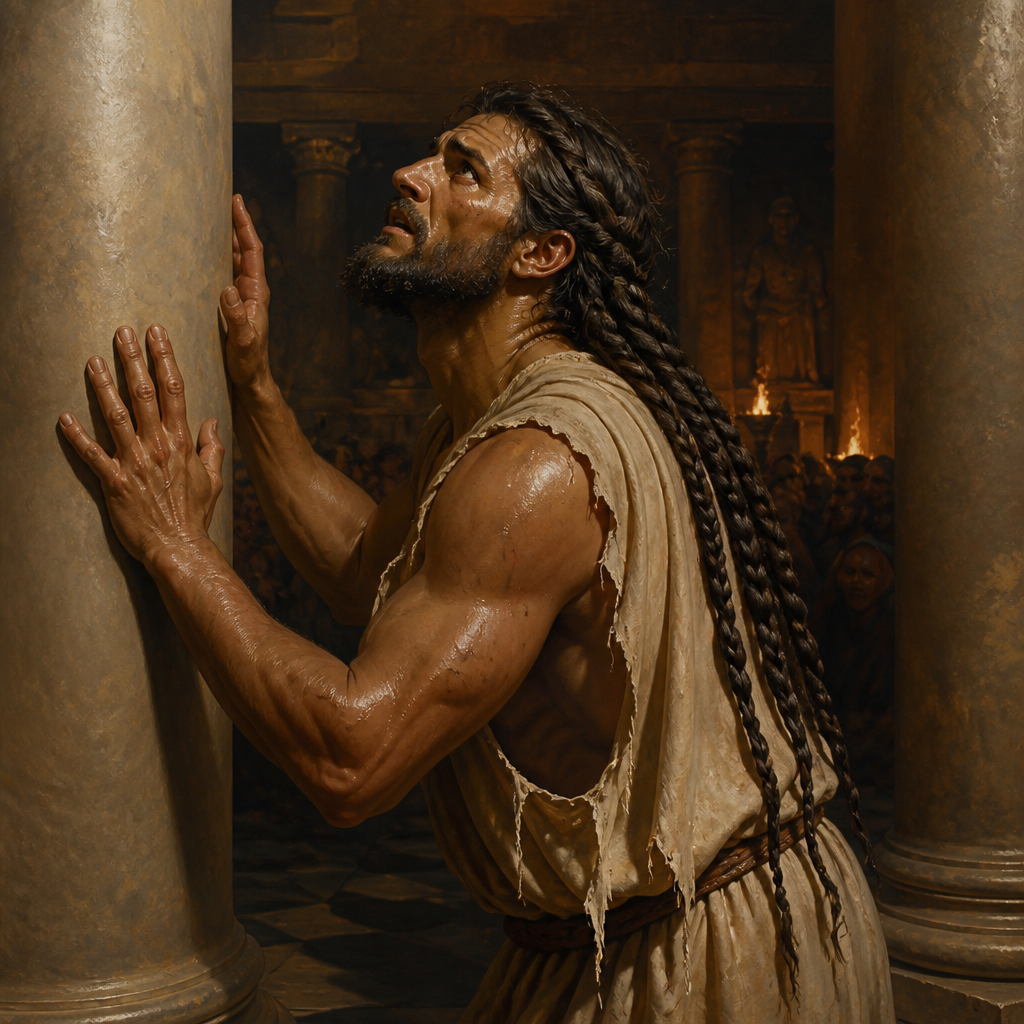
Joshua takes the land, and then nobody governs it. Twelve judges, Deborah and Barak, Gideon, Samson, and the Bethlehem family of Ruth 4 that ends the era.
United Monarchy
1 Samuel 8–1 Kings 11 · 1 Chronicles 10–2 Chronicles 9
c. 1050–930 BC
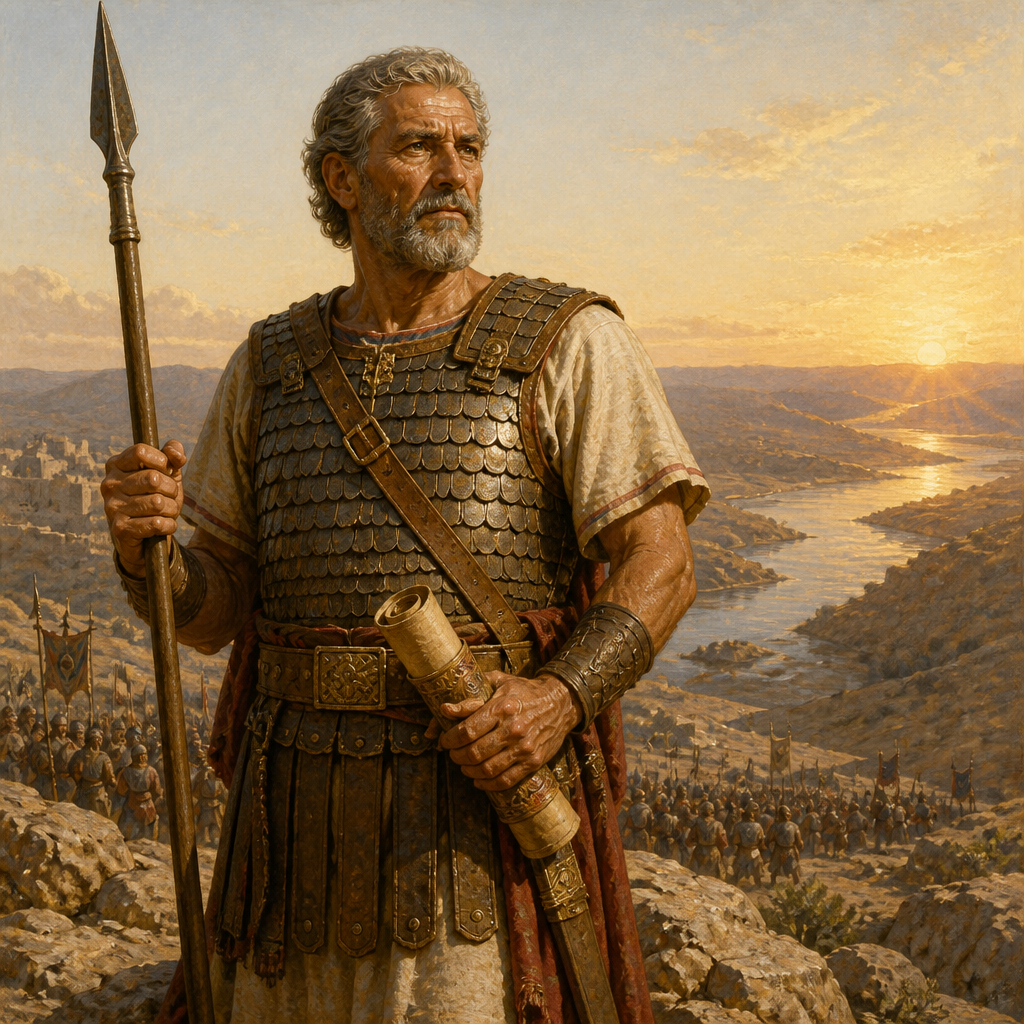
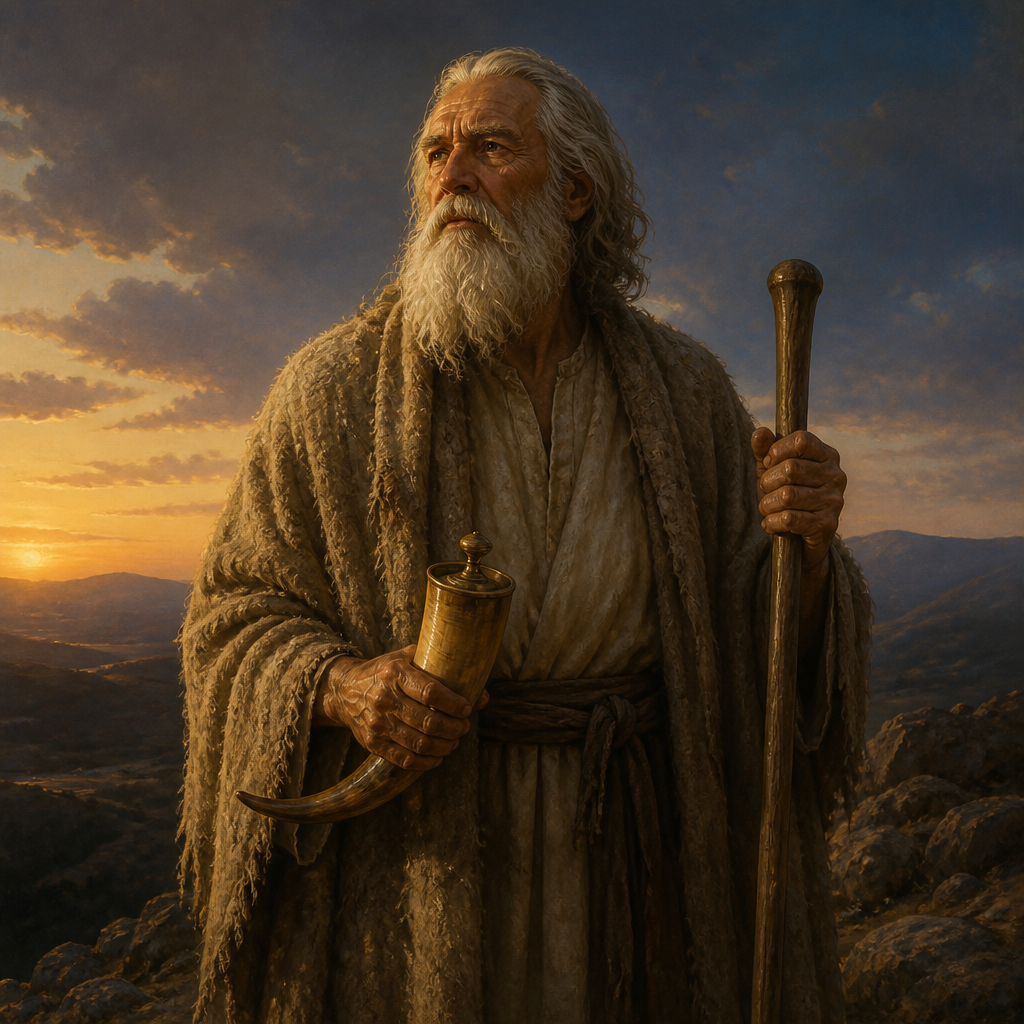
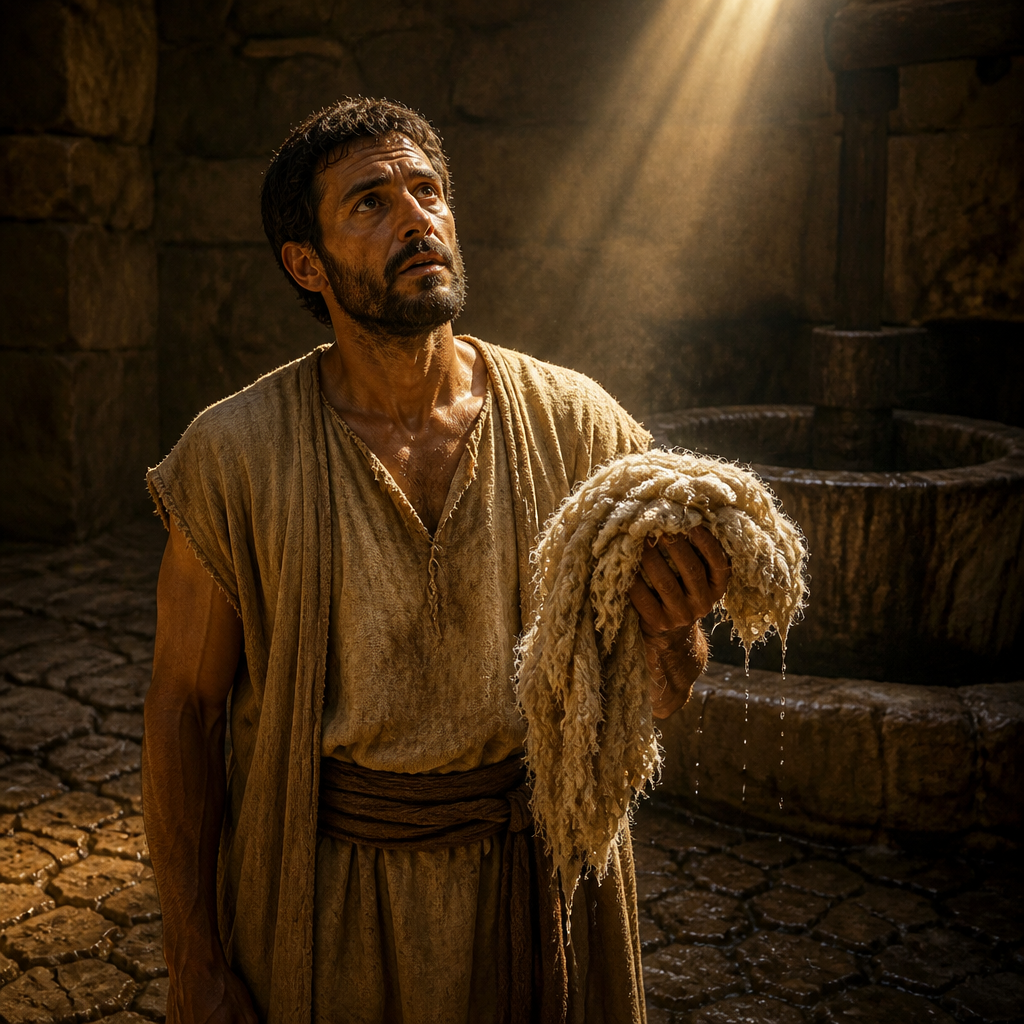
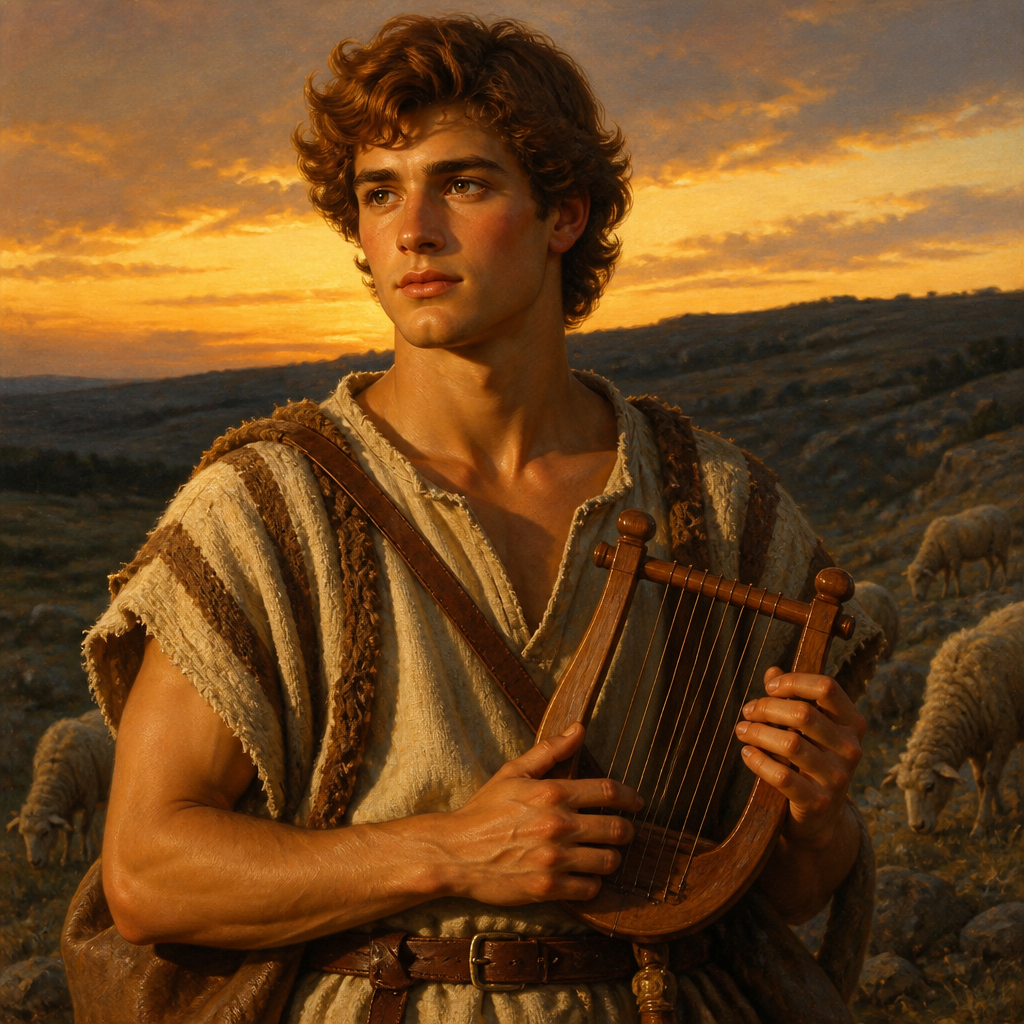
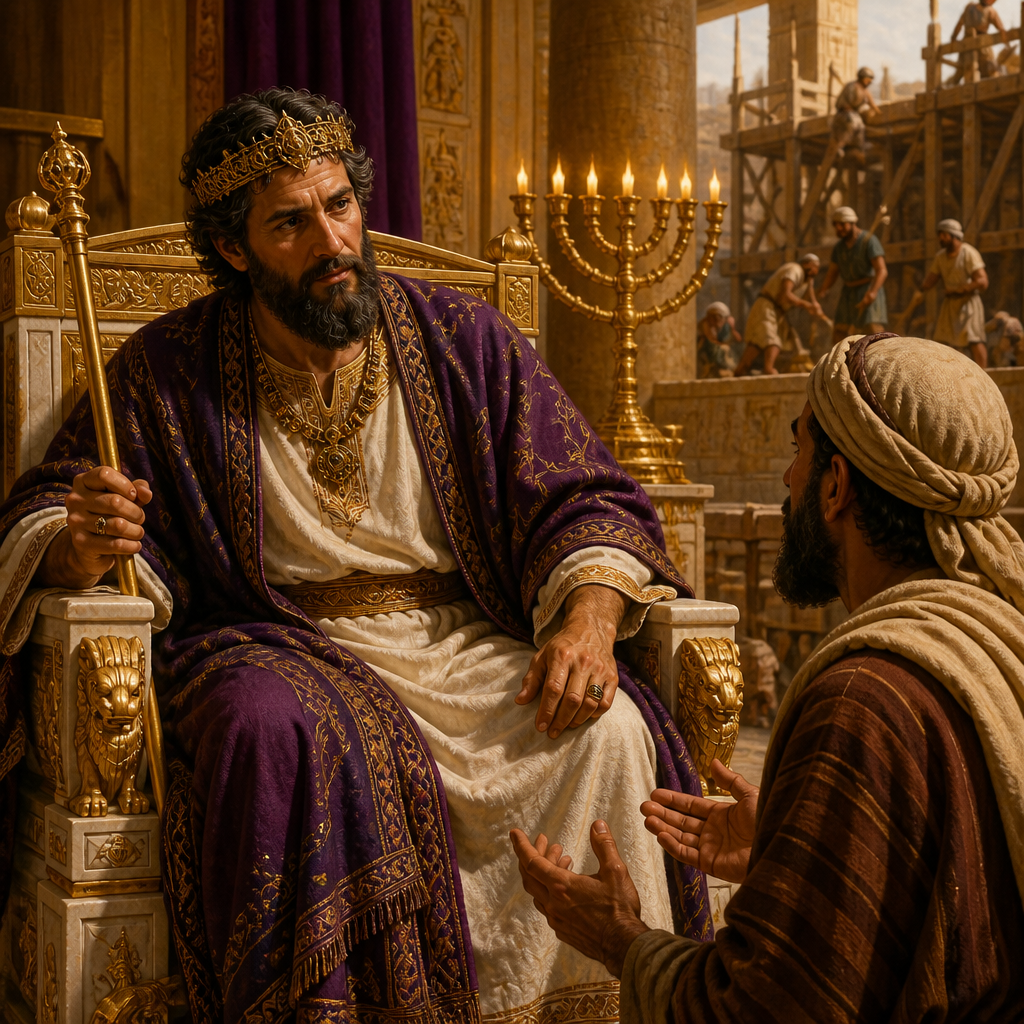
Saul, David and Solomon, plus the administration around them: Samuel, Joab, Nathan, Bathsheba, Zadok, the temple builders and the thirty-seven warriors of 2 Samuel 23.

Divided Monarchy
1 Kings 12–2 Kings 25 · 2 Chronicles 10–36
c. 930–586 BC
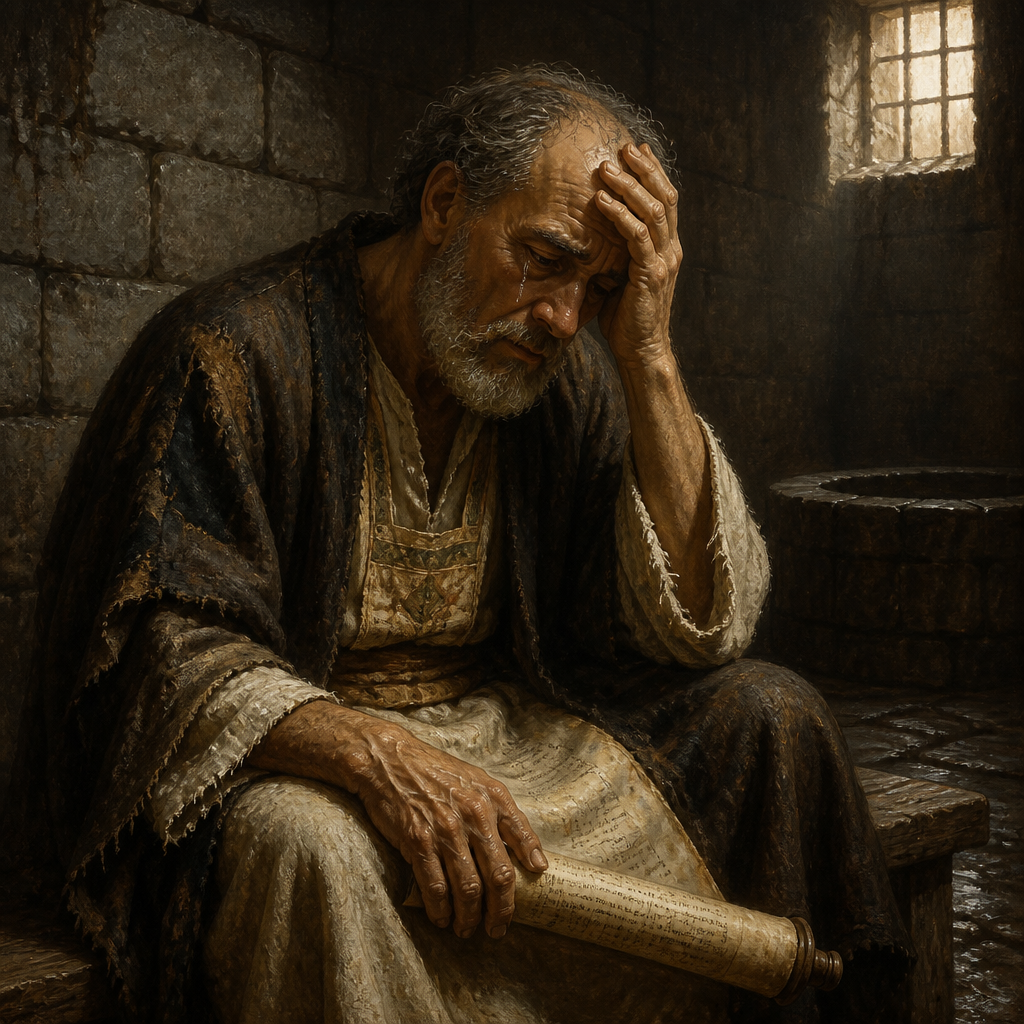
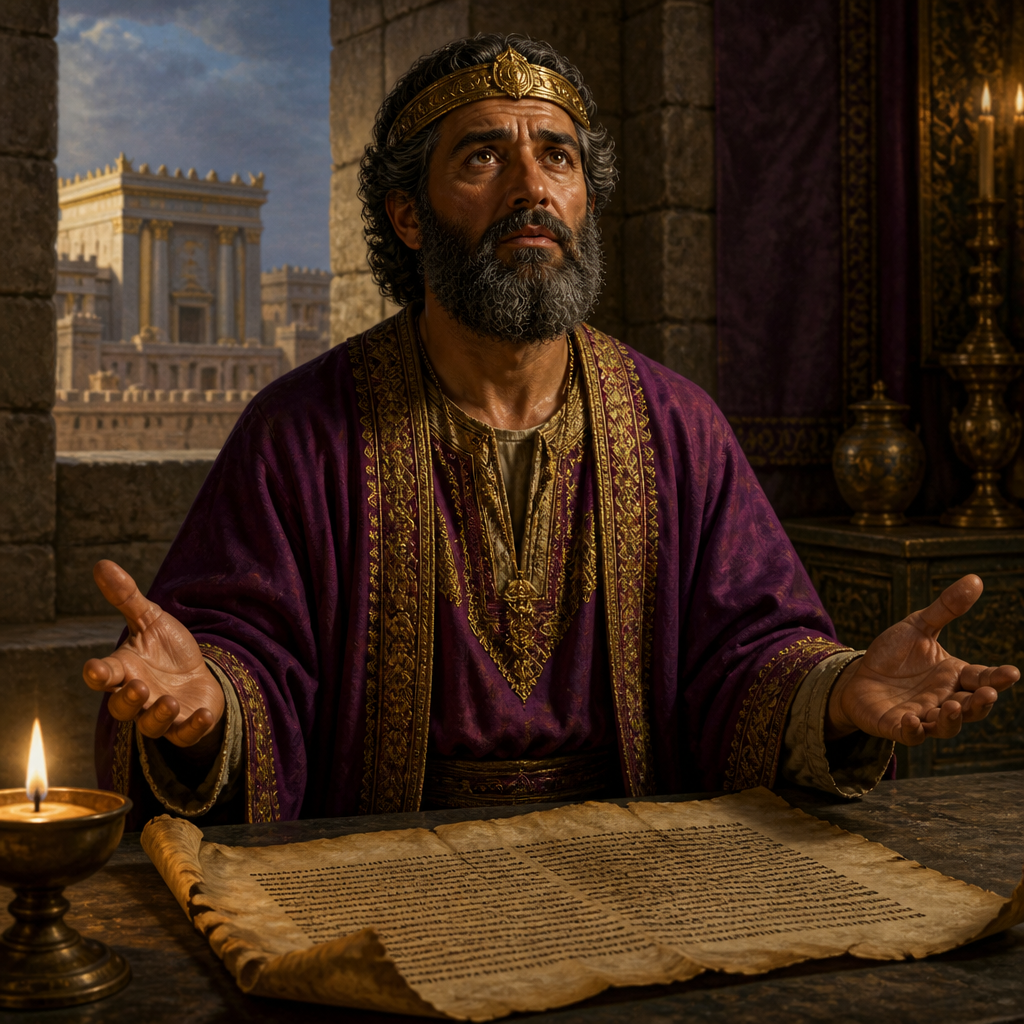
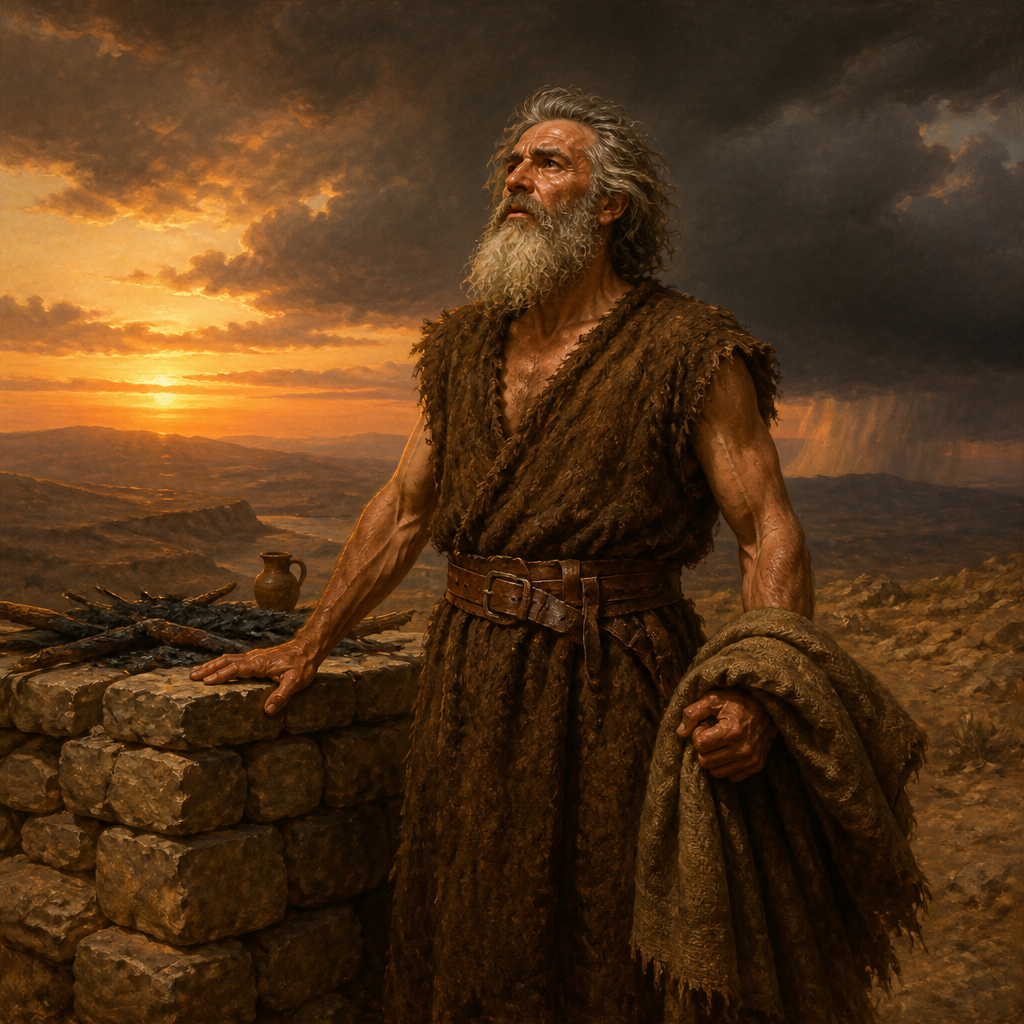
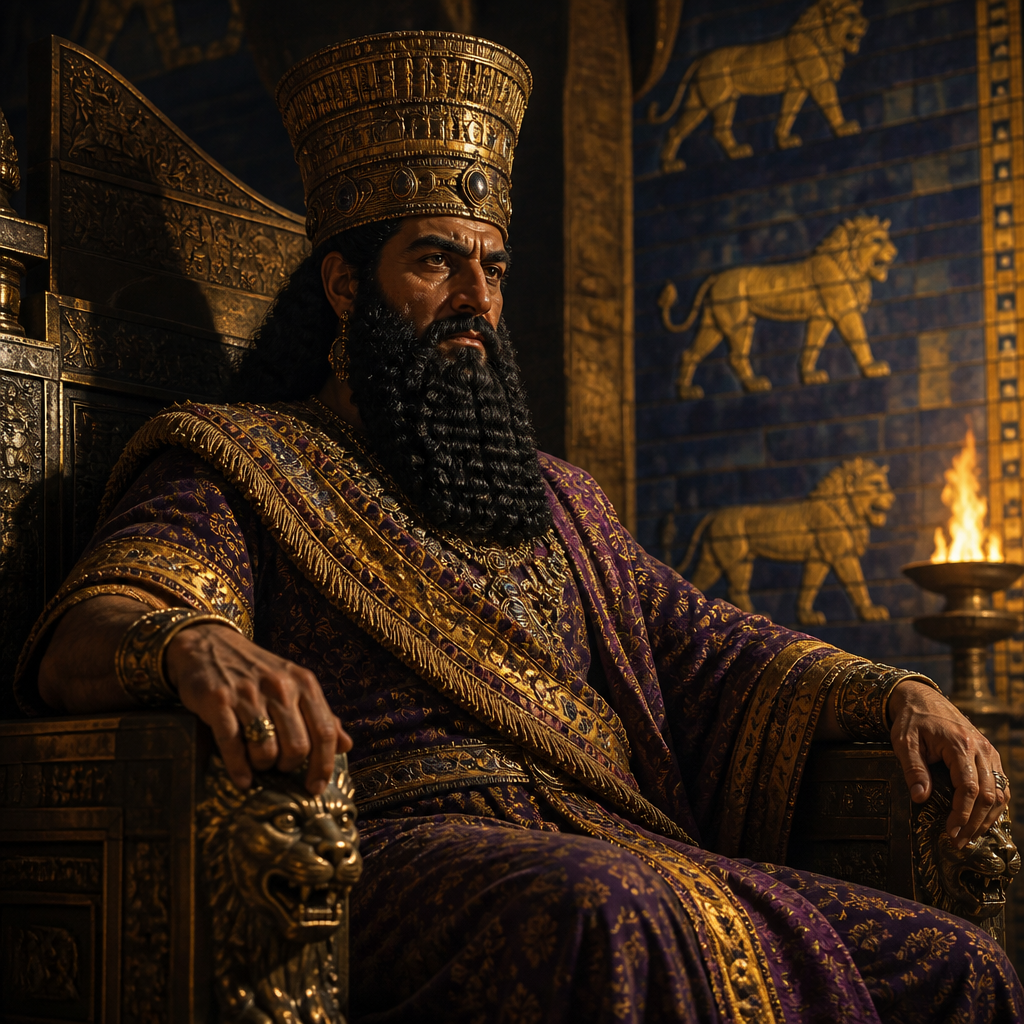
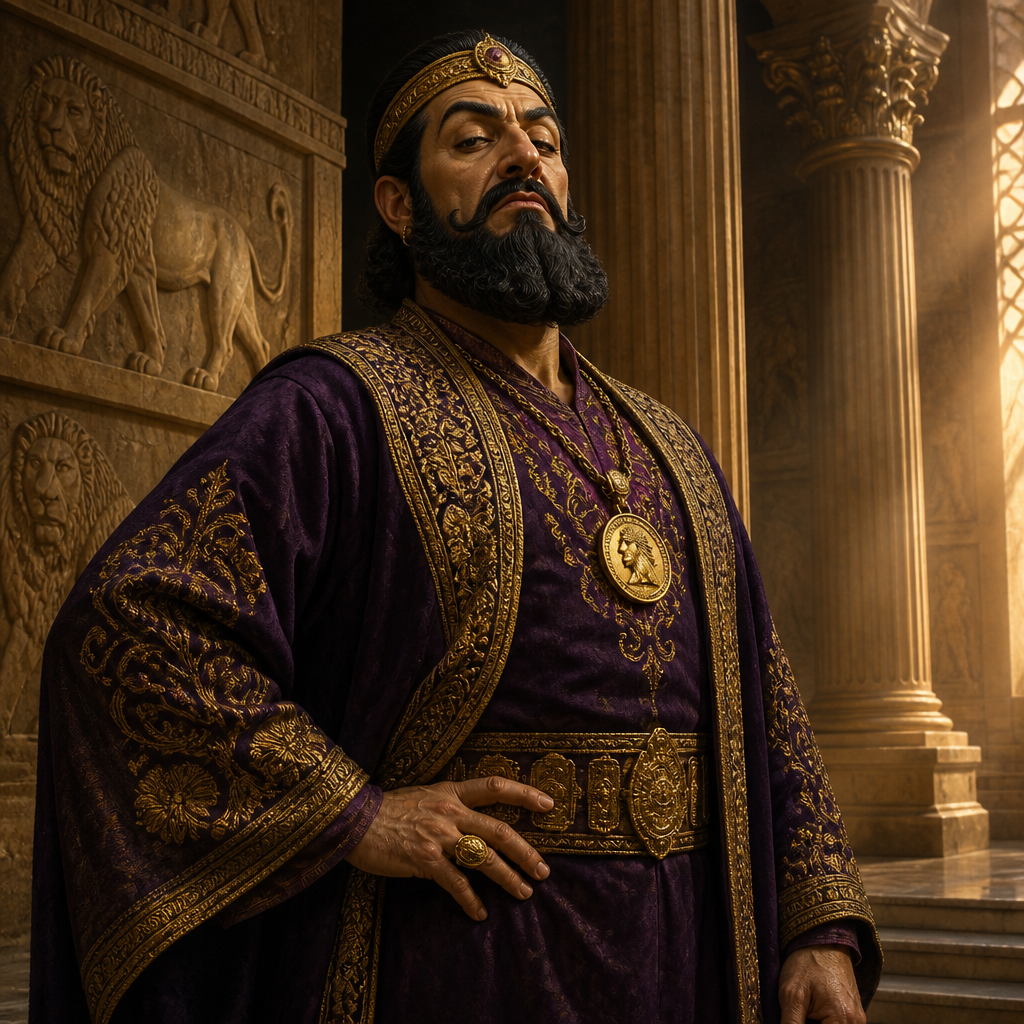
Two kingdoms, two lines of kings. Nineteen kings in Samaria, twenty in Jerusalem, with Elijah, Elisha, Isaiah, Jeremiah and the Assyrian and Babylonian kings who ended them.
Exile and Return
Ezekiel, Daniel · Ezra–Esther · Haggai–Malachi
c. 605–430 BC
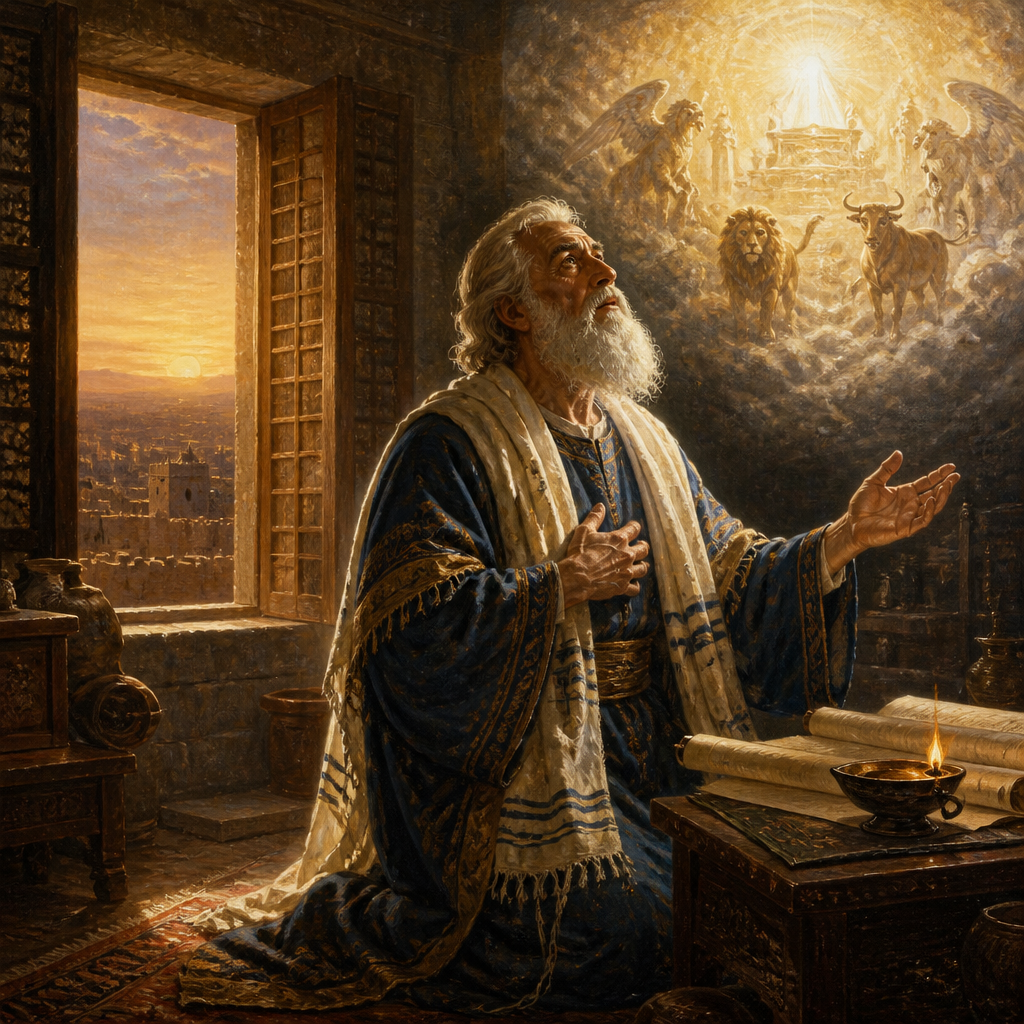
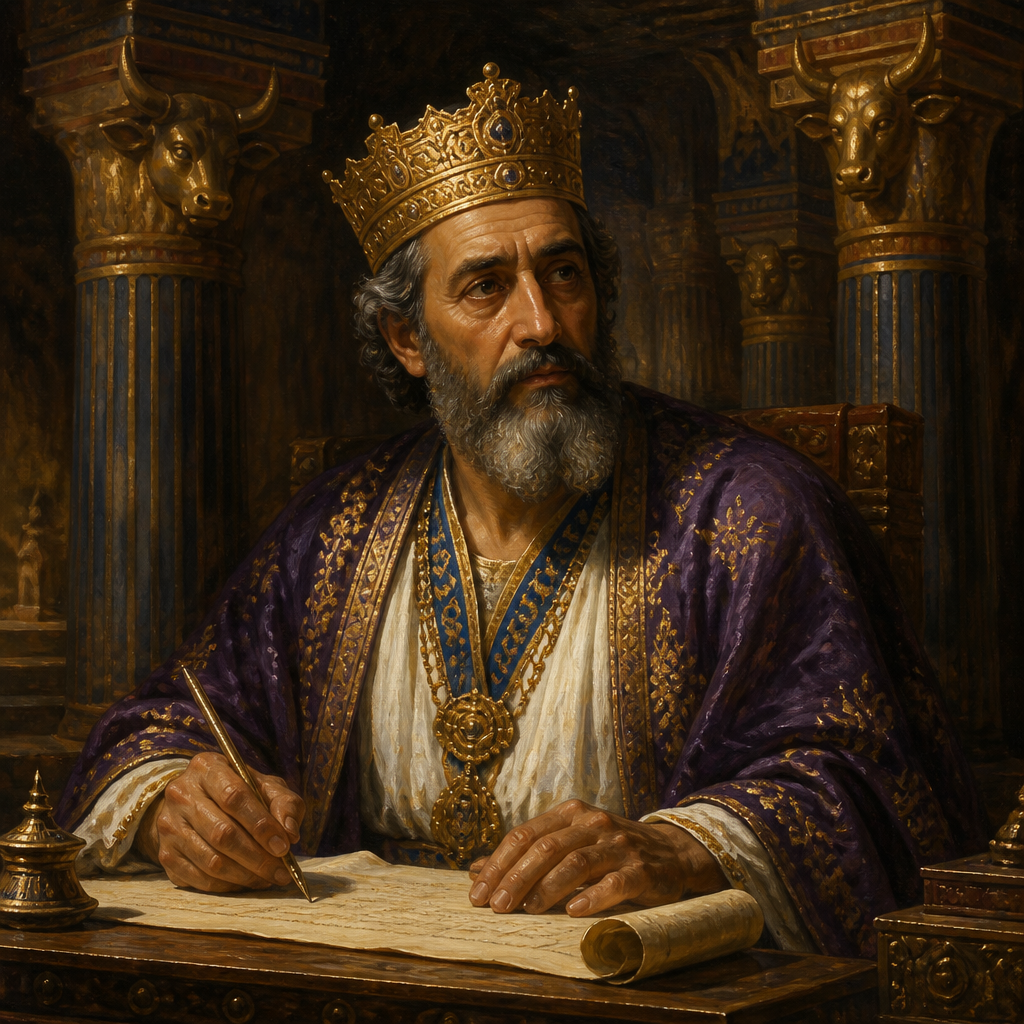
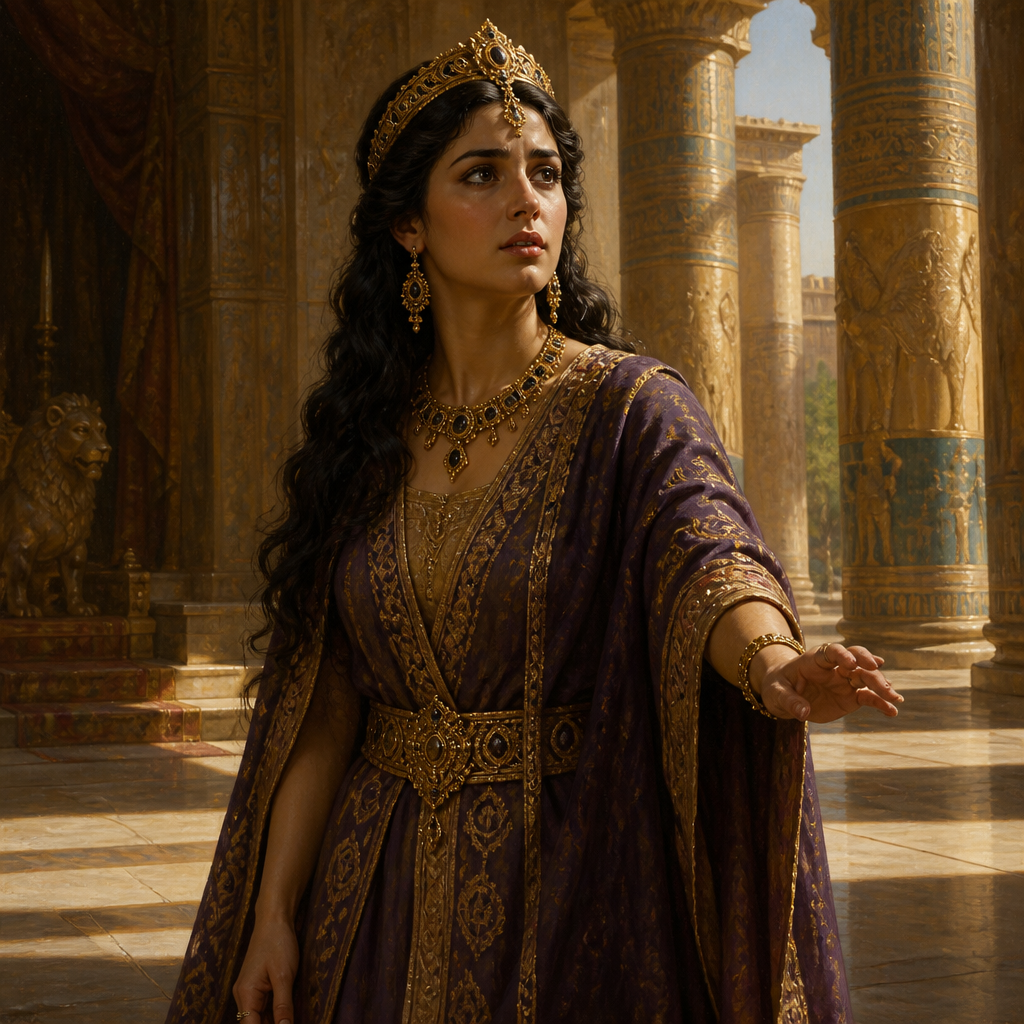
Babylon, Persia, and the road back. Daniel and Ezekiel in exile; Esther at Susa; Zerubbabel, Ezra and Nehemiah rebuilding temple, wall and covenant name by name.
Intertestamental Period
Between Malachi and Matthew
c. 430–5 BC
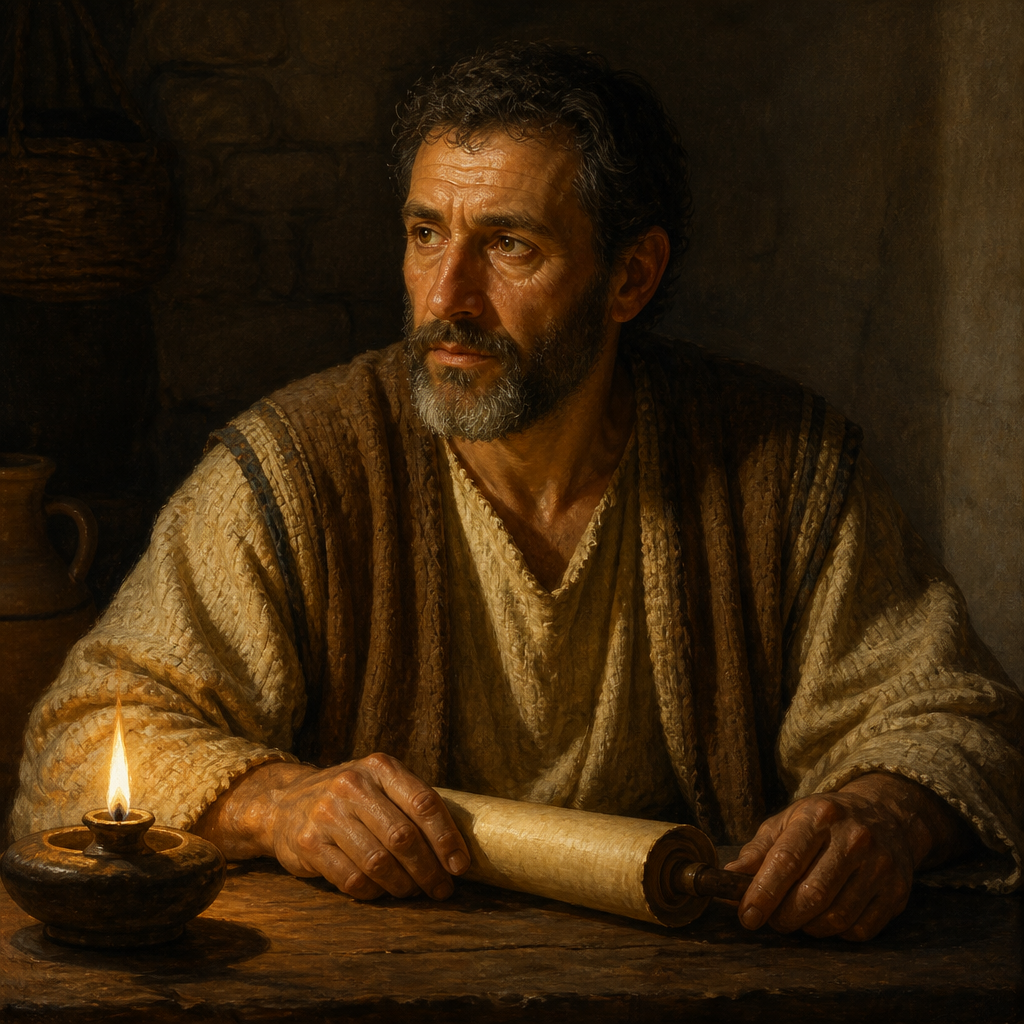
The generations between Malachi and Matthew, where the Bible falls silent but the family lines in Matthew 1 and Luke 3 keep running from the exile to Joseph.
Lists, peoples and rulers
Lists and rosters
- The Table of Nations52
- The 12 Sons of Jacob12
- The Ten Plagues3
- High-Priestly Succession38
- The 12 Spies12
- Korah's Rebellion9
- Judges of Israel15
- Non-Writing Prophets52
- Line of David147
- David's Mighty Men57
- Writing Prophets15
- The Fall of Jerusalem20