Nation
The Assyrians
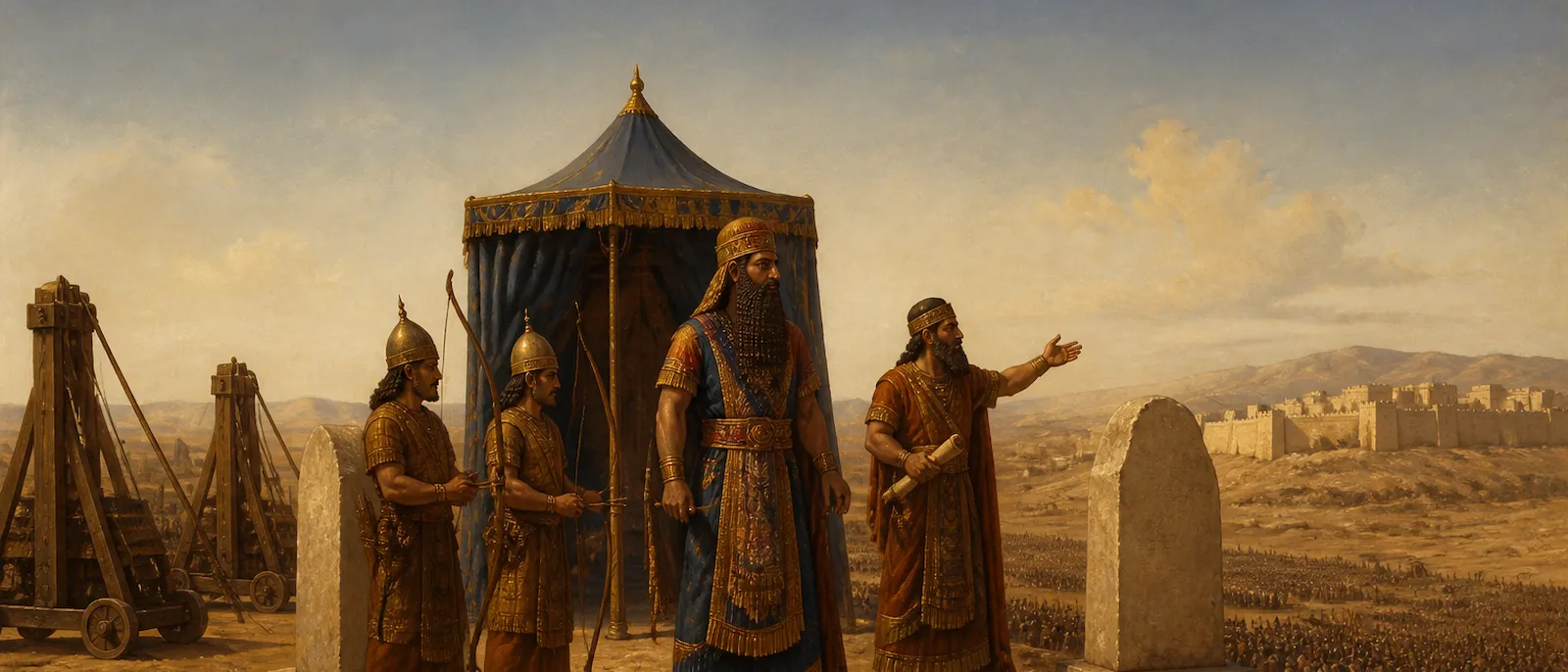
The people of Assyria, whose kings conquered the northern kingdom and threatened Jerusalem.
The Assyrians formed the empire that deported the northern kingdom of Israel and later invaded Judah under Sennacherib.
The people in Scripture
Assyria appears as a major imperial power in Kings, Chronicles, Isaiah, Ezra, and the account of Nineveh. Its rulers and officials act collectively in conquest, deportation, and diplomacy.
Named members
The roster contains people whose existing Nation or gentilic evidence identifies them with Assyria.
People of Assyrians

Adrammelech, Son of Sennacherib
Prince who assassinated his father King Sennacherib
An Assyrian prince of the Divided Monarchy period who, along with his brother Sharezer, assassinated their father, King Sennacherib, while he was worshiping in a temple.
View profile →
Ashurbanipal
Assyrian king who deported foreign peoples to Samaria
An Assyrian king or high-ranking official credited with the deportation and resettlement of various foreign peoples into the cities of Samaria during the period of the exile.
View profile →
Esar-haddon
King of Assyria who succeeded Sennacherib after his assassination
King of Assyria who succeeded his father Sennacherib and participated in the resettlement of foreign peoples into the northern kingdom of Israel.
View profile →
The King of Nineveh
King who led Nineveh in national repentance after Jonah's prophecy
An unnamed ruler of Nineveh who led his people in a mass movement of repentance and fasting following the preaching of the prophet Jonah.
View profile →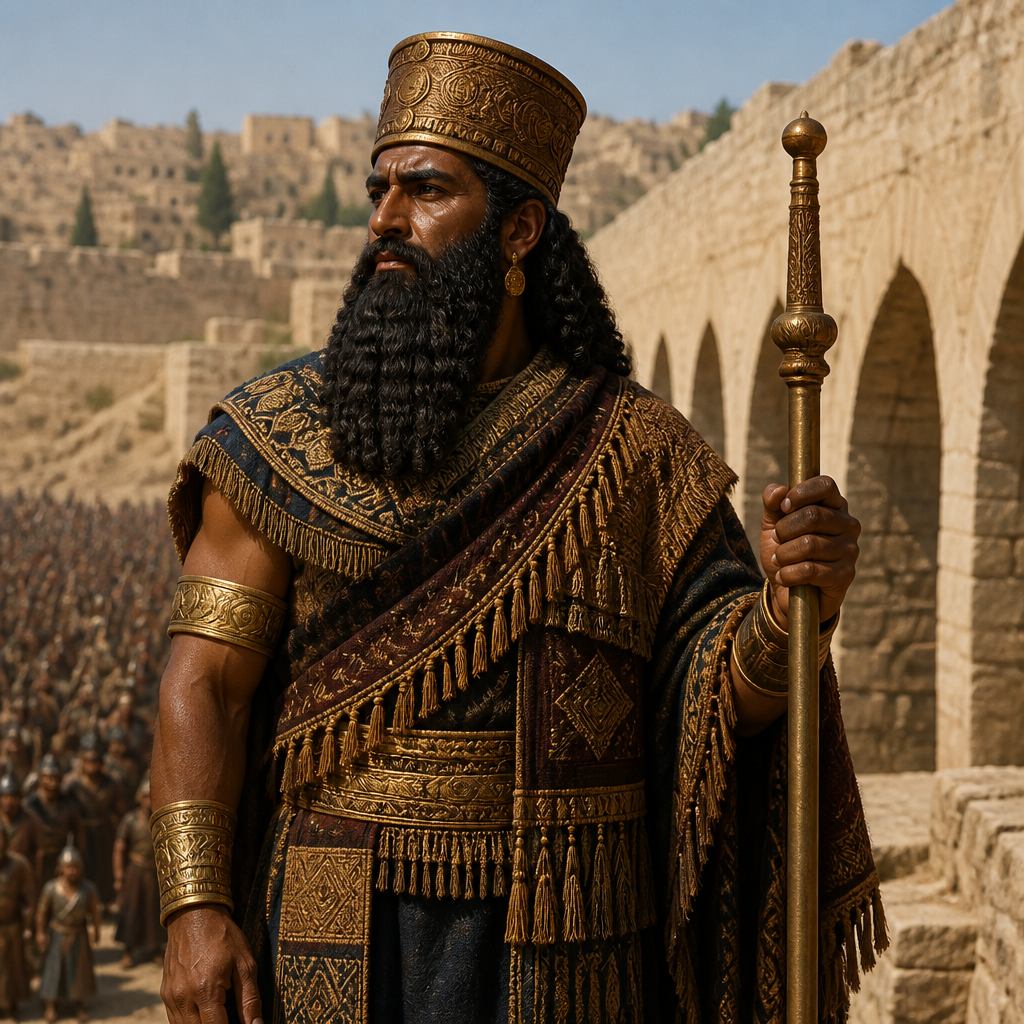
The Rab-saris, Chief Officer of Sennacherib
Assyrian official sent by Sennacherib to demand the surrender of Jerusalem during the reign of Hezekiah
An Assyrian high official and military commander sent by King Sennacherib to intimidate King Hezekiah during the siege of Jerusalem in the 8th century BC.
View profile →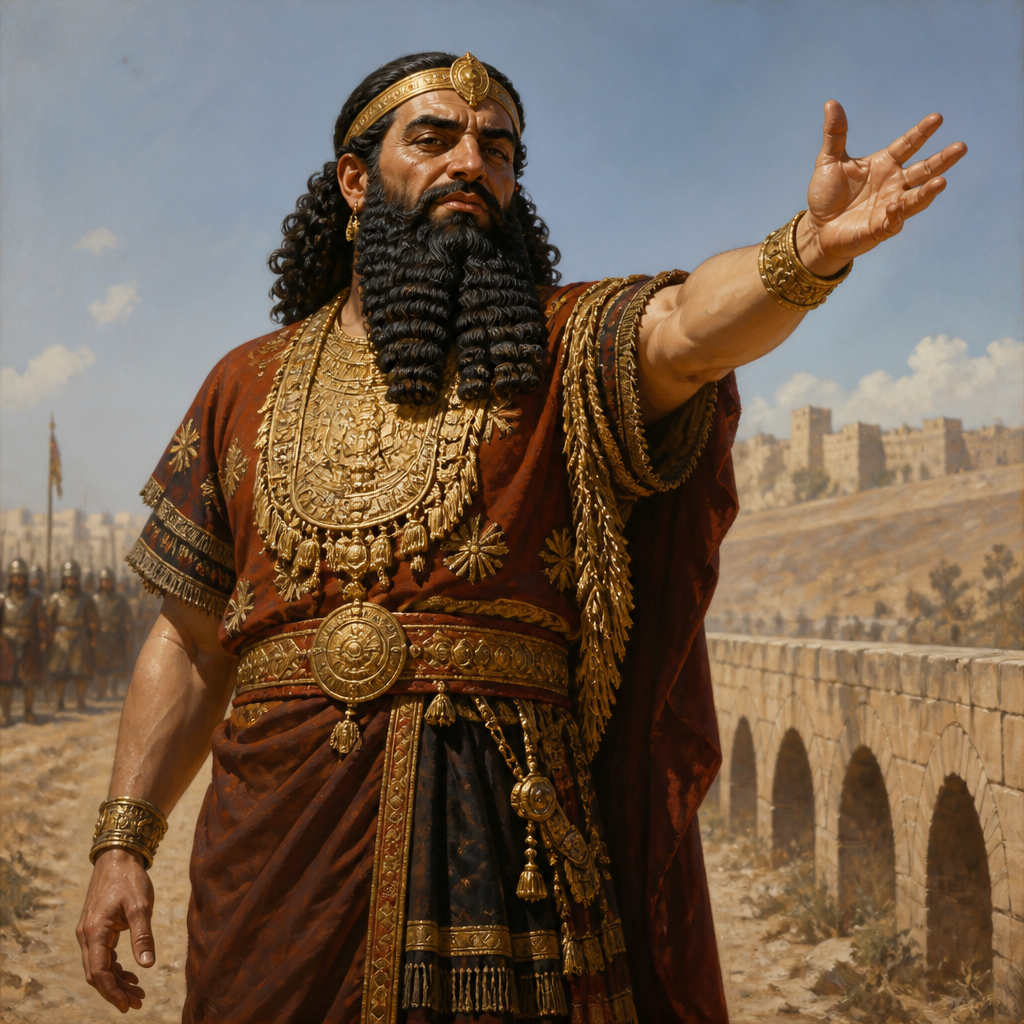
The Rabshakeh
Assyrian official who mocked God and threatened Jerusalem during Hezekiah's reign
The high-ranking Assyrian official and psychological warfare strategist who delivered Sennacherib's ultimatum to King Hezekiah during the siege of Jerusalem.
View profile →
Sennacherib
King of Assyria who invaded Judah and was defeated by divine intervention before Jerusalem
The powerful King of Assyria during the Divided Monarchy who invaded Judah, besieged Jerusalem, and was ultimately assassinated by his own sons.
View profile →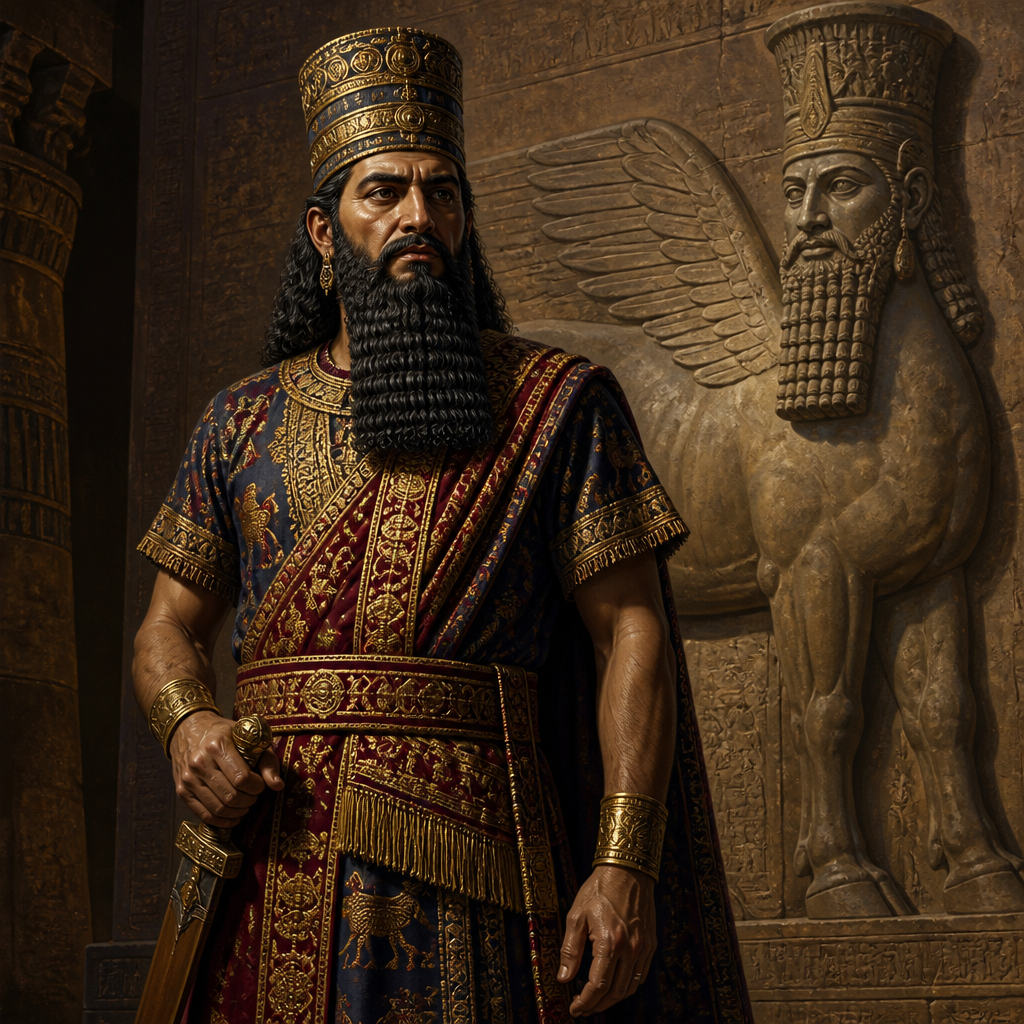
Shalmaneser
King of Assyria who besieged Samaria and ended the Northern Kingdom of Israel
The Assyrian king who subdued King Hoshea of Israel and laid siege to Samaria, leading to the Northern Kingdom's collapse.
View profile →
Sharezer, Son of Sennacherib
Assyrian prince who assassinated his father King Sennacherib
An Assyrian prince during the Divided Monarchy who, alongside his brother Adrammelech, assassinated their father King Sennacherib while he worshiped in the temple of Nisroch.
View profile →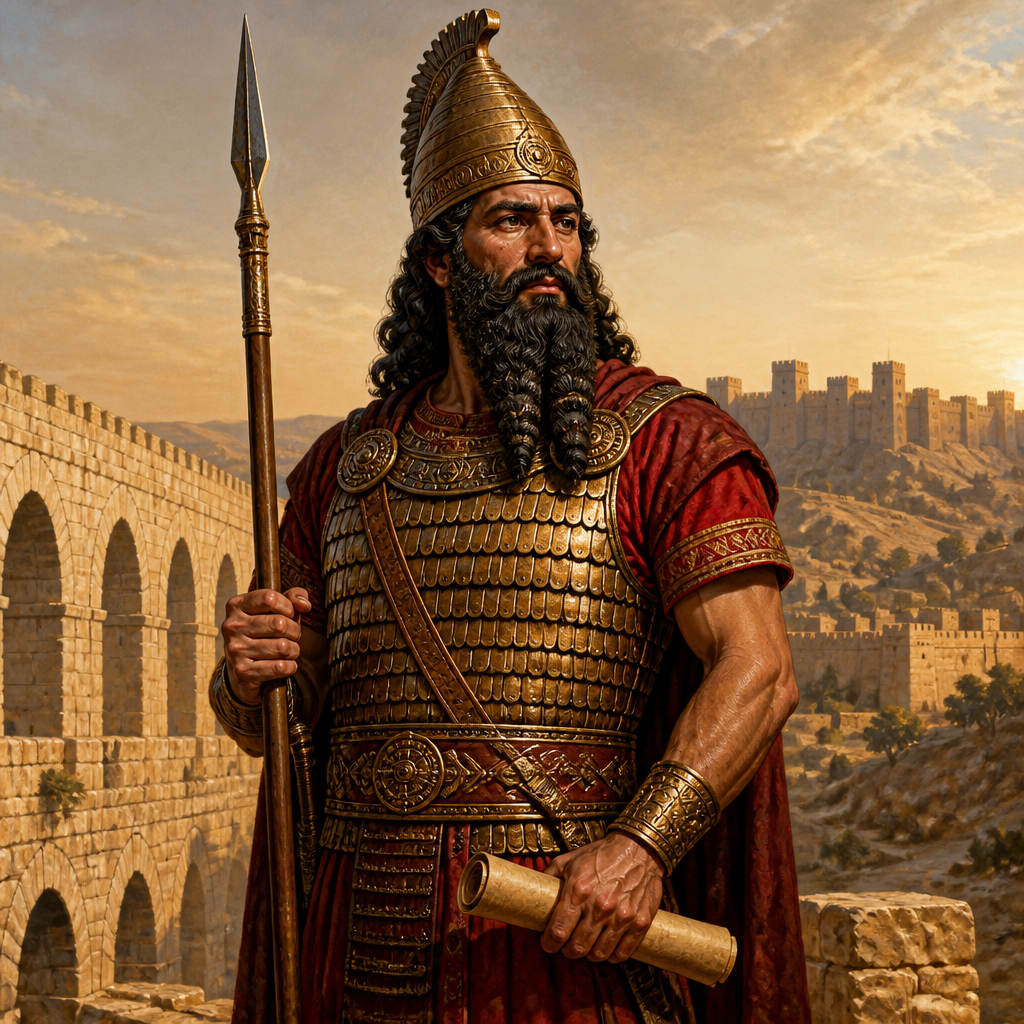
The Tartan, Assyrian Commander-in-Chief
Chief commander of the Assyrian army who led the siege of Ashdod and intimidated Jerusalem during the reign of Hezekiah
A high-ranking Assyrian military official and chief commander who served during the reigns of Sargon II and Sennacherib.
View profile →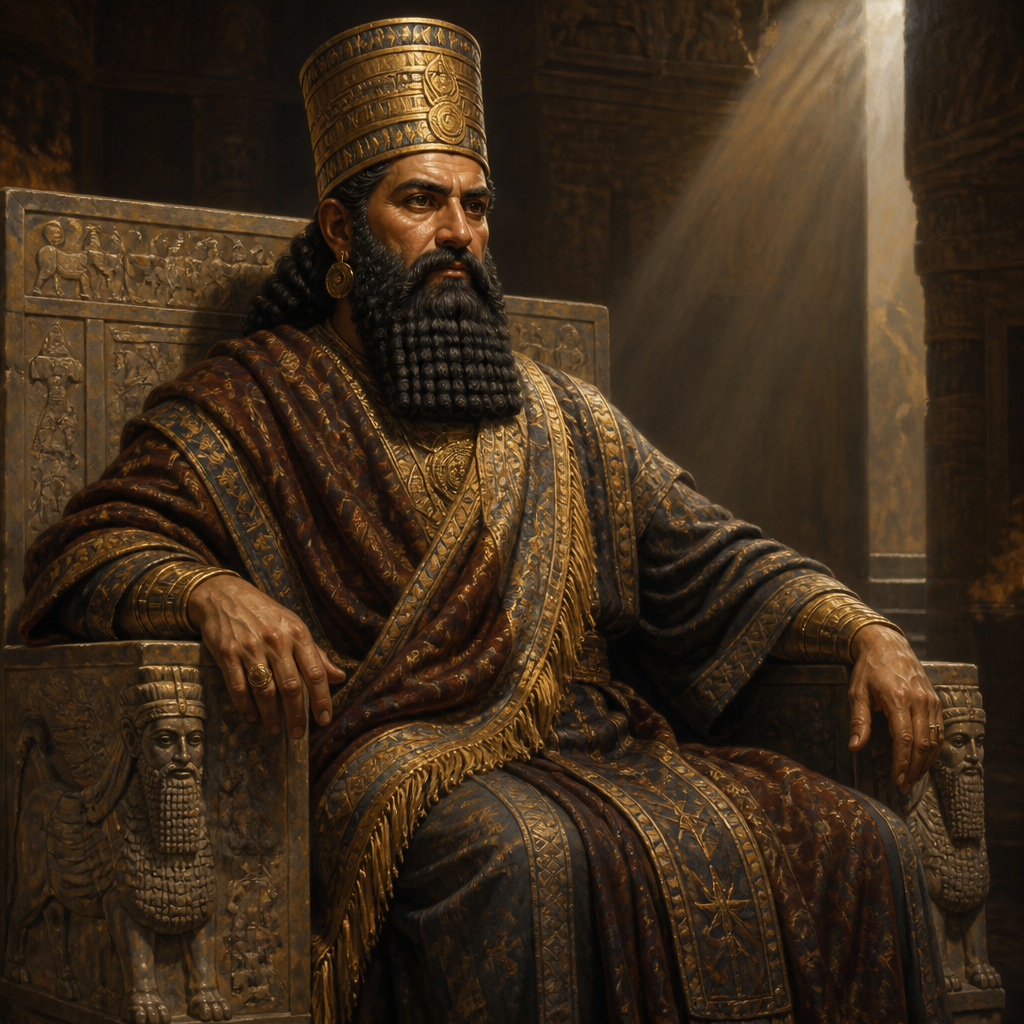
Tiglath-pileser
King of Assyria who initiated the first major deportations of the northern kingdom of Israel
The king of Assyria during the Divided Monarchy whose military campaigns initiated the first major deportations of the northern kingdom of Israel.
View profile →