
The kings, queens, courtiers and provincial officers of the Persian Empire named in Ezra, Nehemiah, Esther and Daniel.
Persia enters Scripture as the power that sends the exiles home. In the first year of Cyrus the LORD stirs up his spirit, and the decree goes out: "Whoever is among you of all his people, may his God be with him, and let him go up to Jerusalem" (Ezra 1:1–3). Isaiah had already named him "my shepherd" and even "his anointed" (Isaiah 44:28; 45:1). The vessels of the house of the LORD are counted out by Mithredath the treasurer to Sheshbazzar (Ezra 1:7–8).
The rebuilding then depends on Persian officials for and against it. Rehum the commander and Shimshai the scribe write to Artaxerxes and get the work stopped (Ezra 4:8–23). Tattenai, governor Beyond the River, and Shethar-bozenai ask by whose decree the temple is being built, and their inquiry to Darius uncovers the original scroll of Cyrus in the archives at Ecbatana, so the empire itself pays for the work (Ezra 5:3–6:12). Later Artaxerxes sends Ezra with authority and treasure (Ezra 7:11–26) and grants Nehemiah leave, letters and timber (Nehemiah 2:1–8).
The court of Xerxes is drawn in more detail than any other in the Old Testament. Memucan advises the removal of Vashti (Esther 1:16–21), Hegai keeps the women and shows favor to Esther (Esther 2:8–9), Shaashgaz keeps the concubines, Bigthan and Teresh plot against the king and are exposed by Mordecai (Esther 2:21–23), and Haman the Agagite rises until Harbona points to the gallows he built for Mordecai (Esther 7:9–10).
Daniel serves the same empire under Darius the Mede, whose satraps trap him with a law that cannot be changed, and who spends a sleepless night before running to the den at dawn (Daniel 6:6–23). The pattern across all these books is consistent: Persian law is inflexible, Persian kings are movable, and both are used to preserve a people.
Everyone in this list

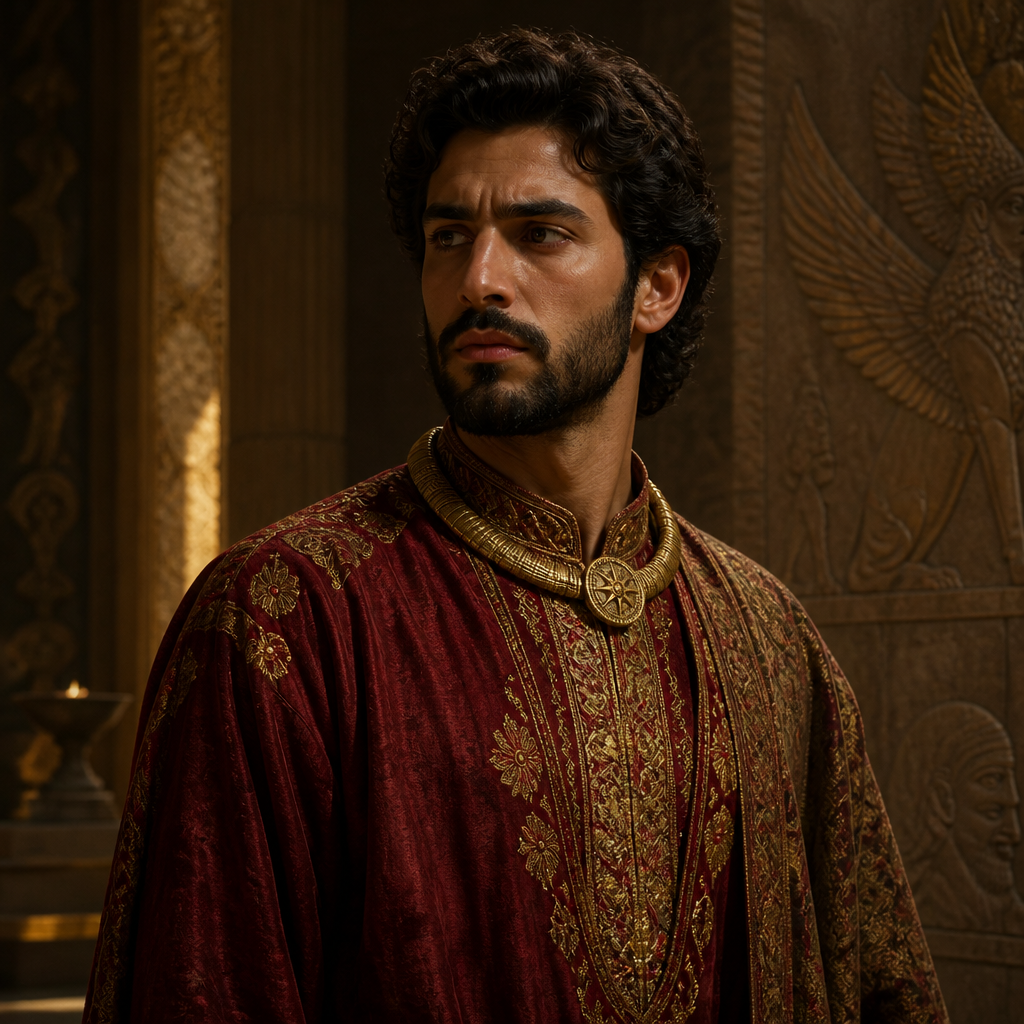

Arisai
Son of Haman who was executed and hanged during the Jewish defense in Susa
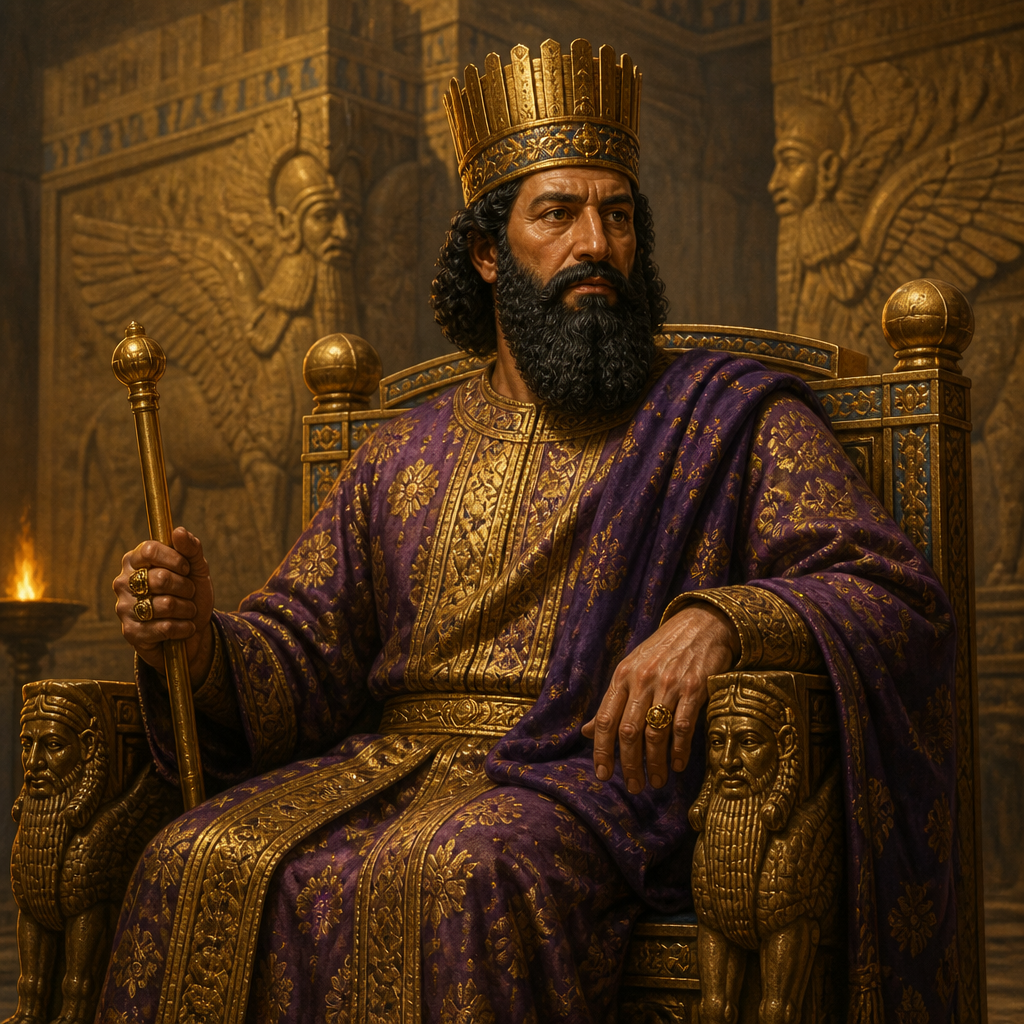
Artaxerxes
King of Persia who issued the decree for Ezra’s return and authorized Nehemiah to rebuild Jerusalem’s walls
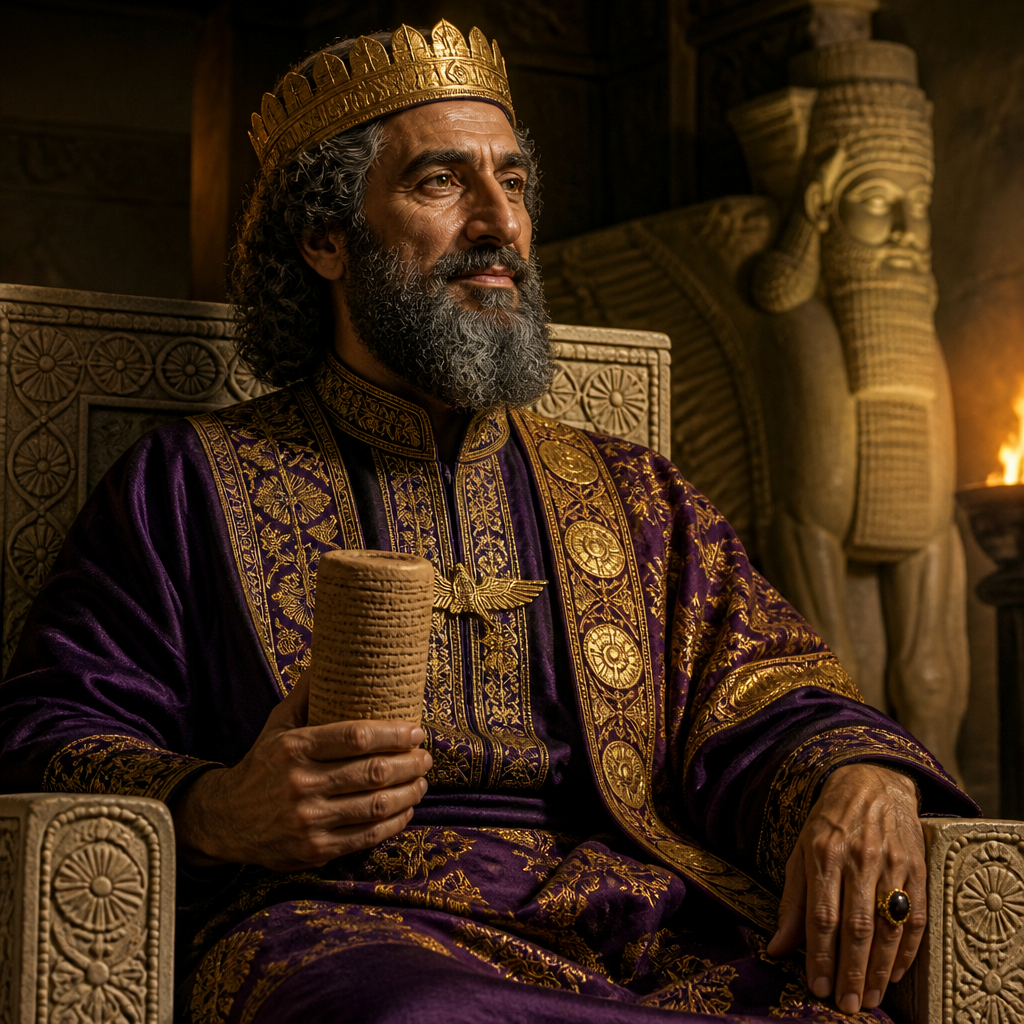
Cyrus
Persian king who issued the decree allowing the Jews to return from exile and rebuild the Temple

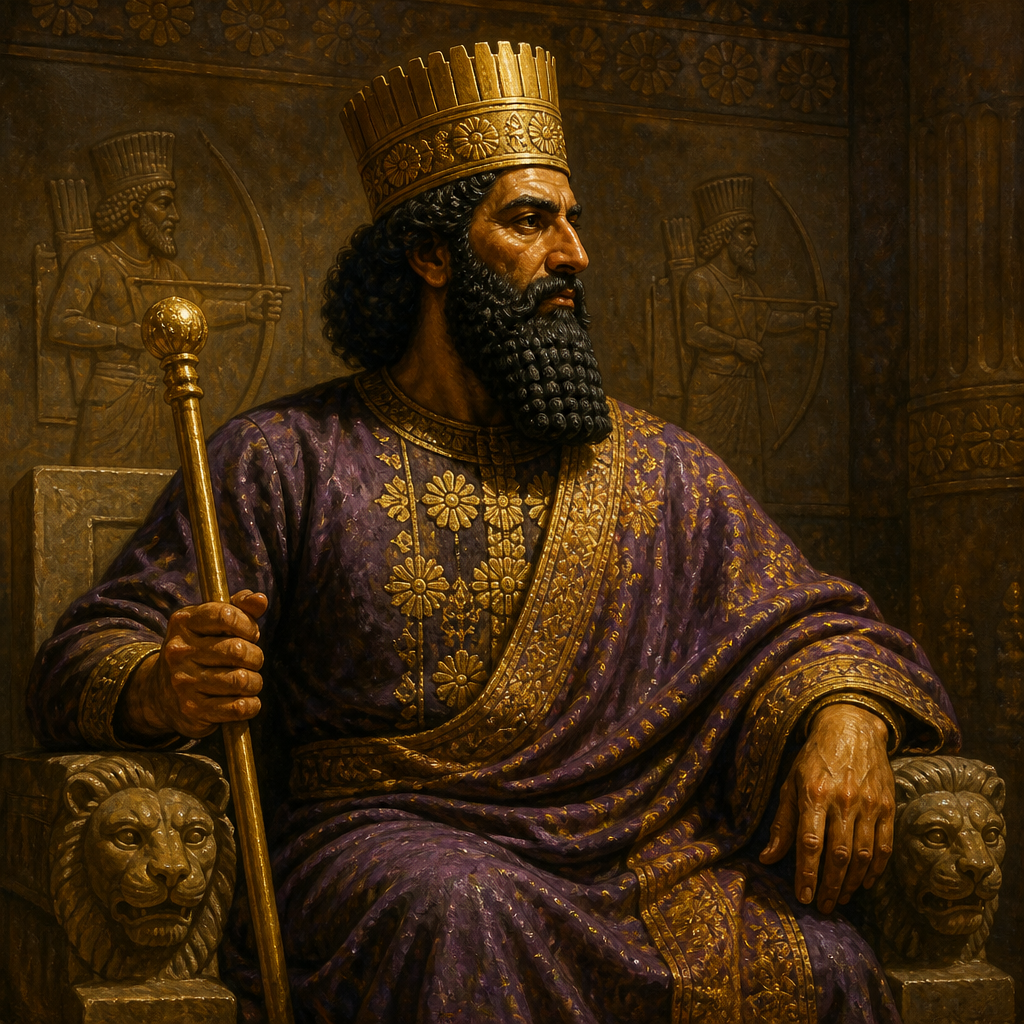
Darius the Persian (Nehemiah 12)
Persian monarch during whose reign the priestly and Levitical genealogies were recorded
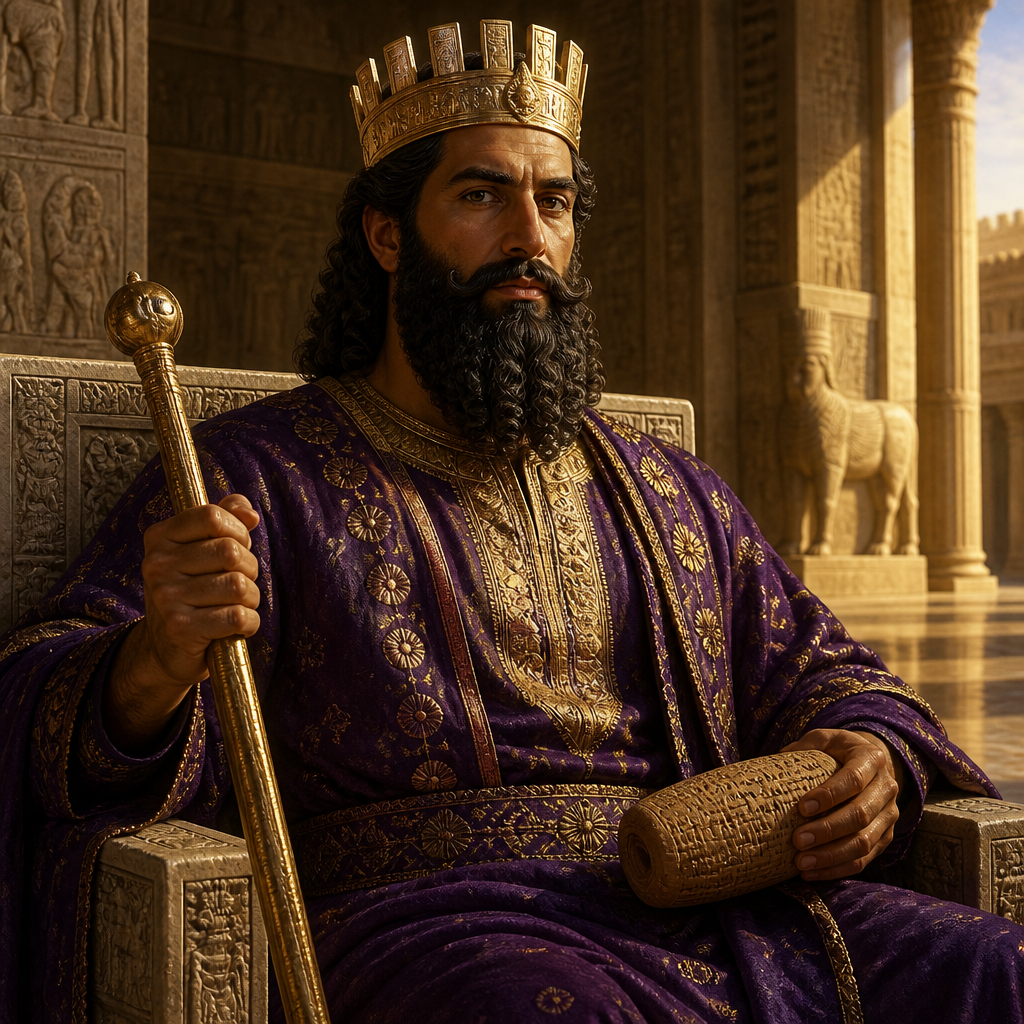
Darius, King of Persia (Ezra 4–6)
King of Persia who decreed the completion of the Second Temple

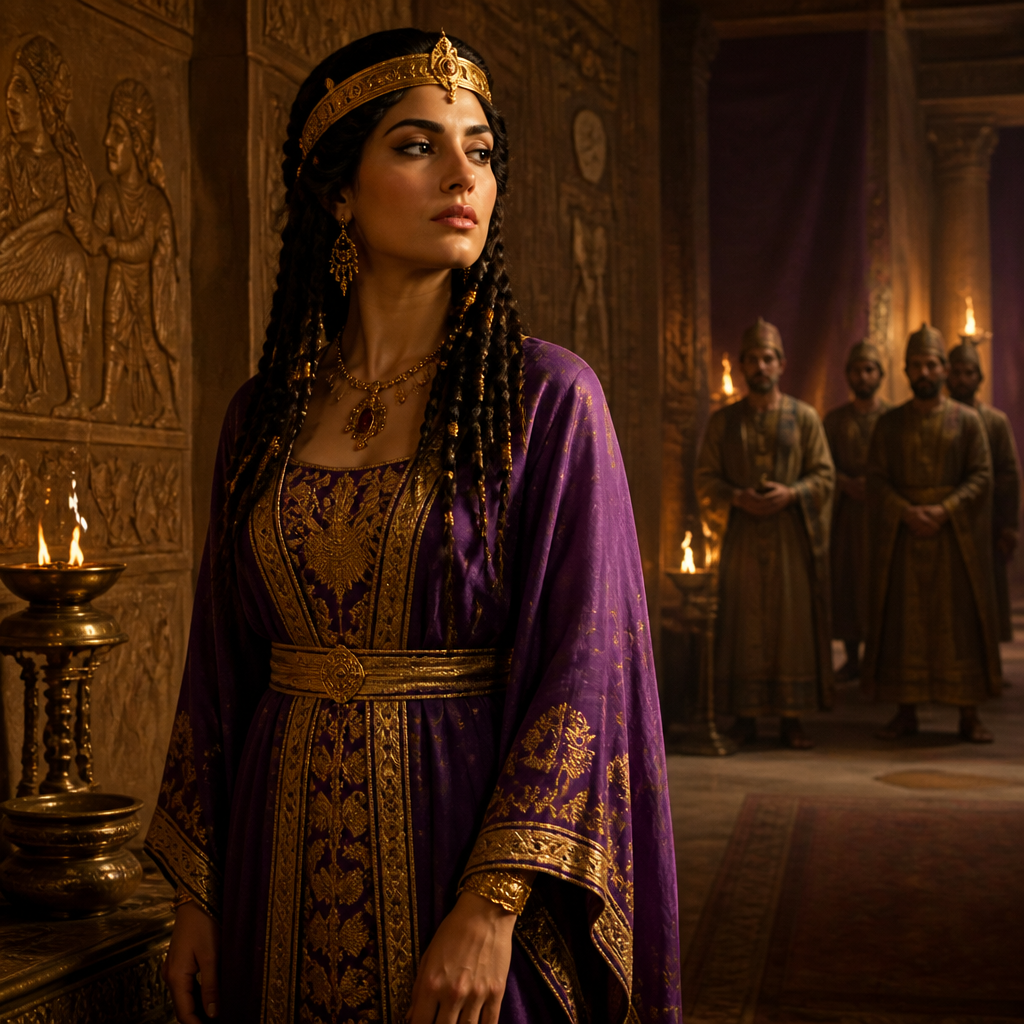
Esther
Jewish queen of Persia who saved her people from Haman's genocidal plot
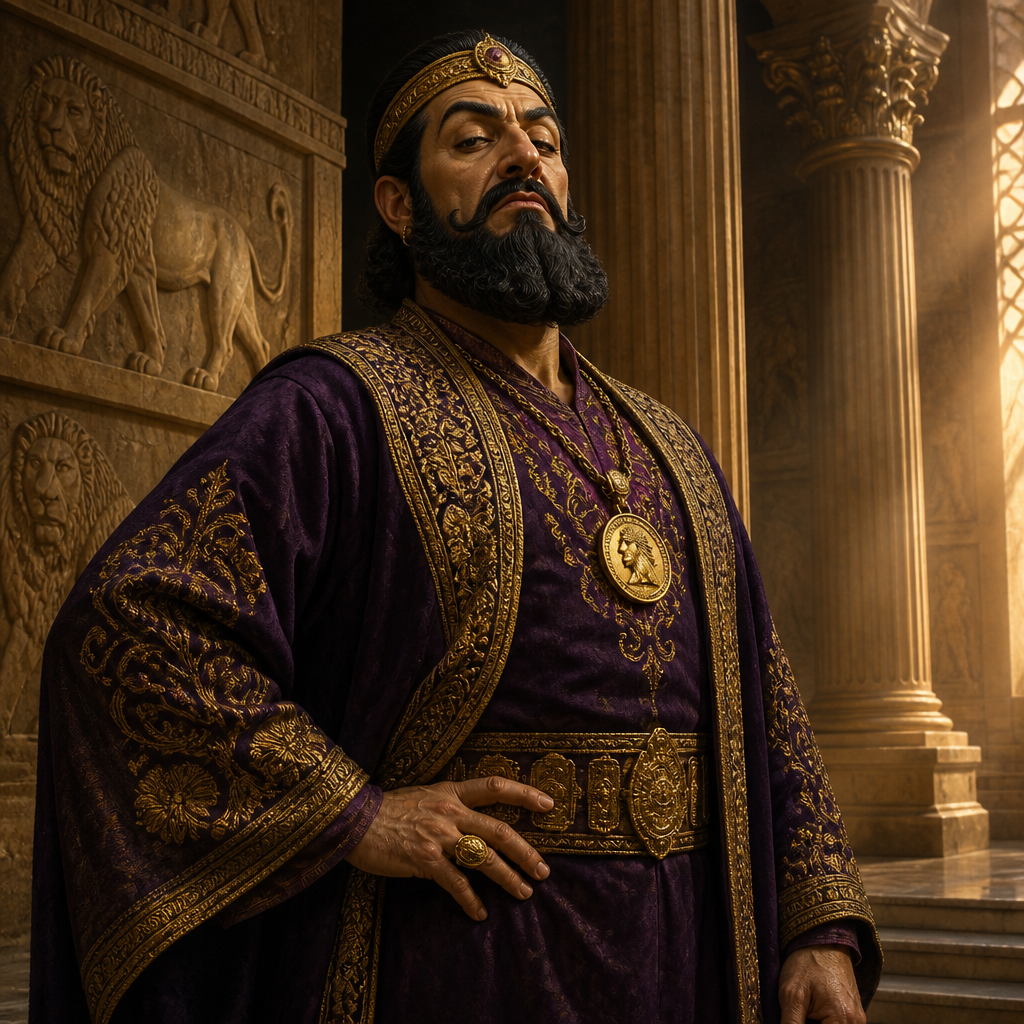
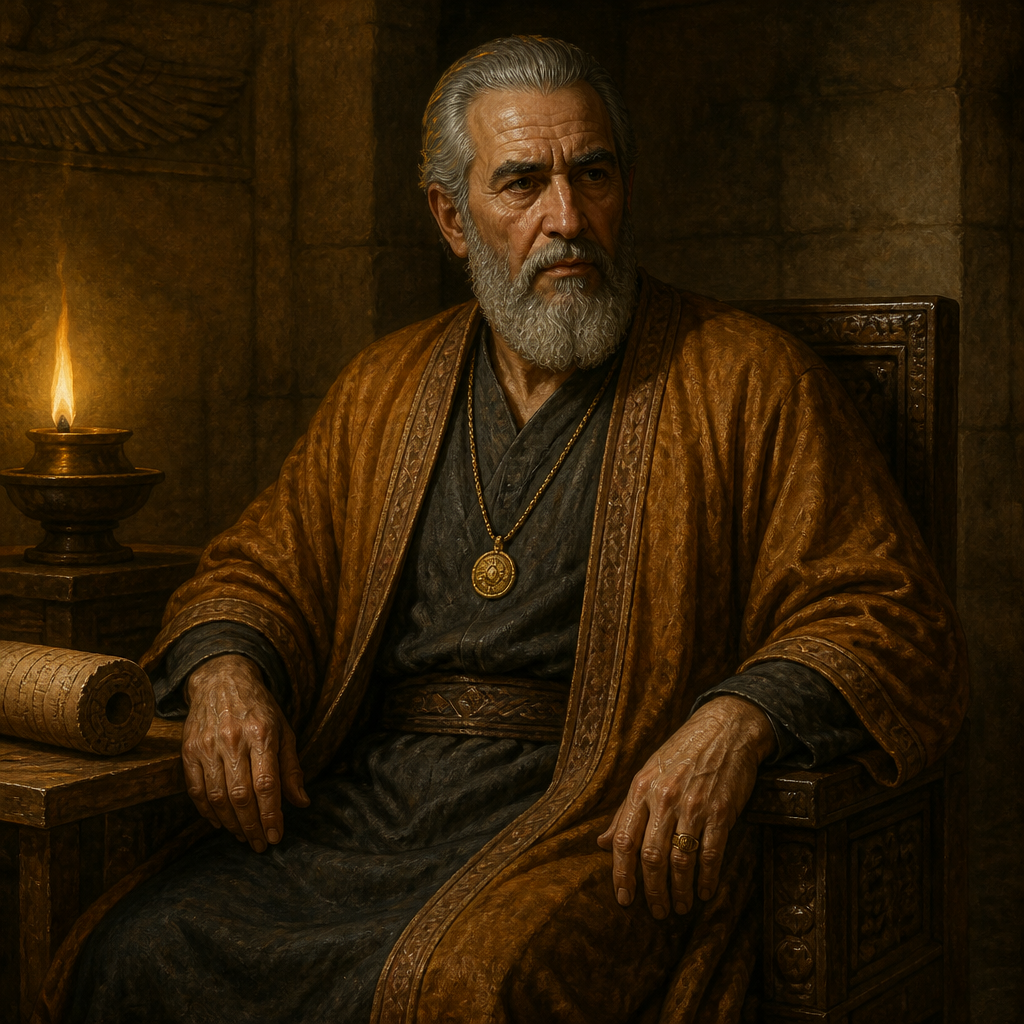
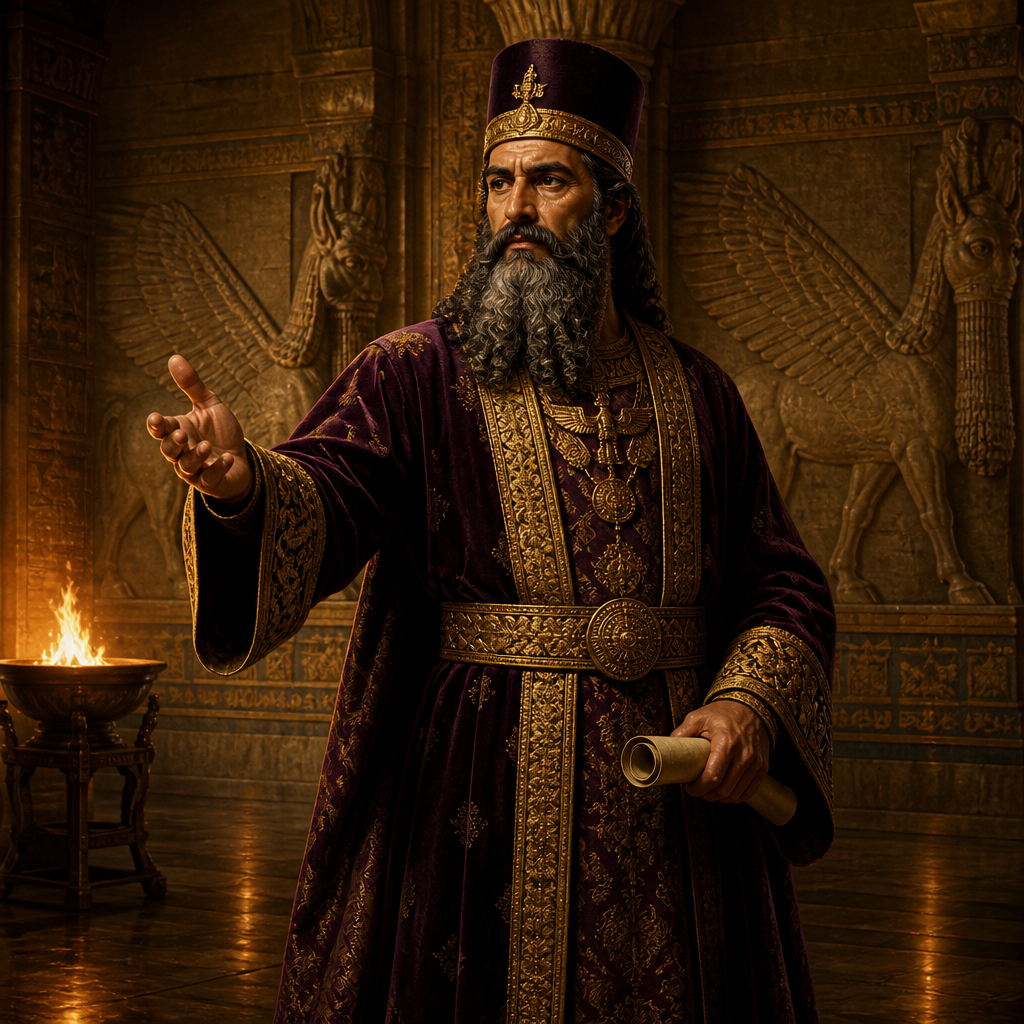
Memucan
Prince of Persia whose counsel led to the deposition of Queen Vashti

Mithredath, Treasurer of Cyrus
Persian treasurer who returned the Temple vessels to Sheshbazzar
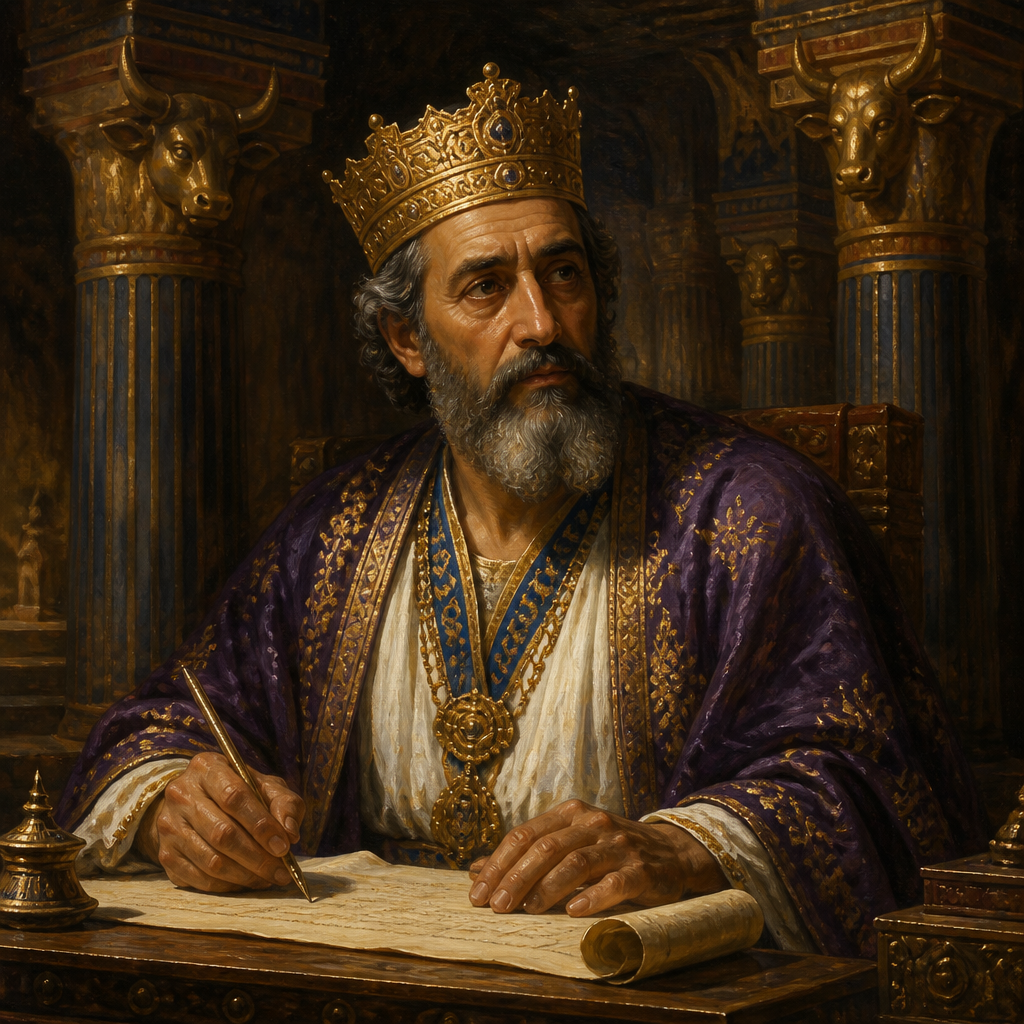
Mordecai, Cousin of Queen Esther
Jewish statesman who saved King Xerxes and rescued the Jews from Haman's plot

Parmashta
Son of Haman who was killed and hanged during the Jewish defense in Susa

Poratha
son of Haman who was killed and hanged during the Jewish defense in Susa
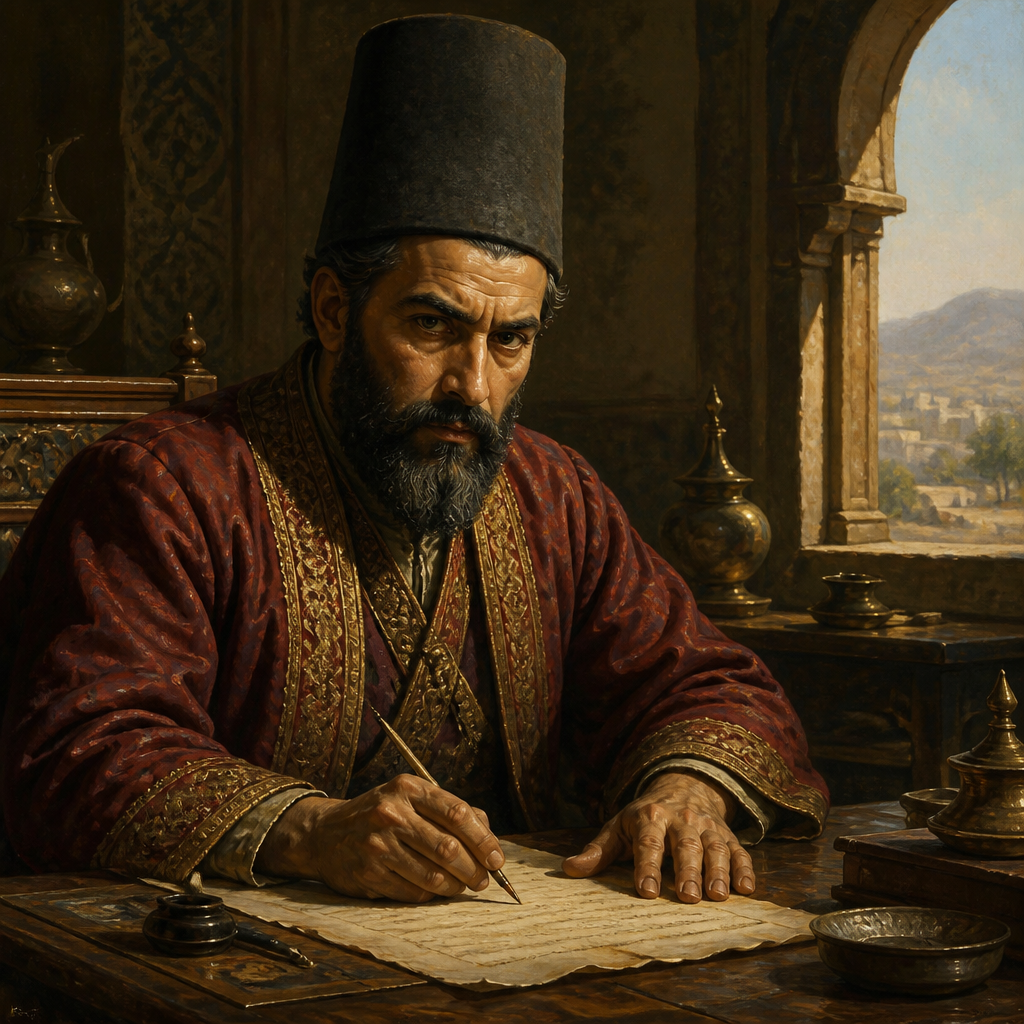
Rehum the Commander
Persian official who wrote a letter to Artaxerxes to stop the rebuilding of Jerusalem
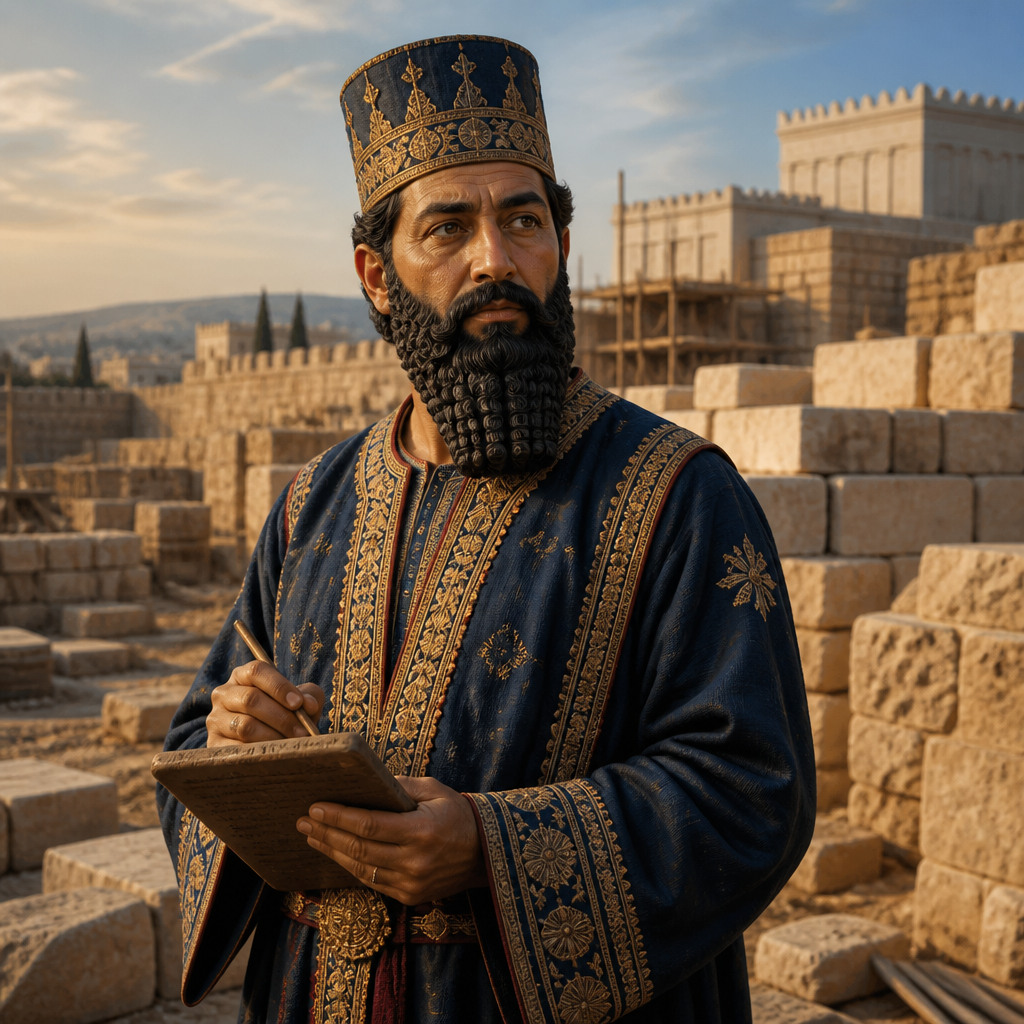
Shethar-bozenai
Persian official who questioned the rebuilding of the Temple in Jerusalem
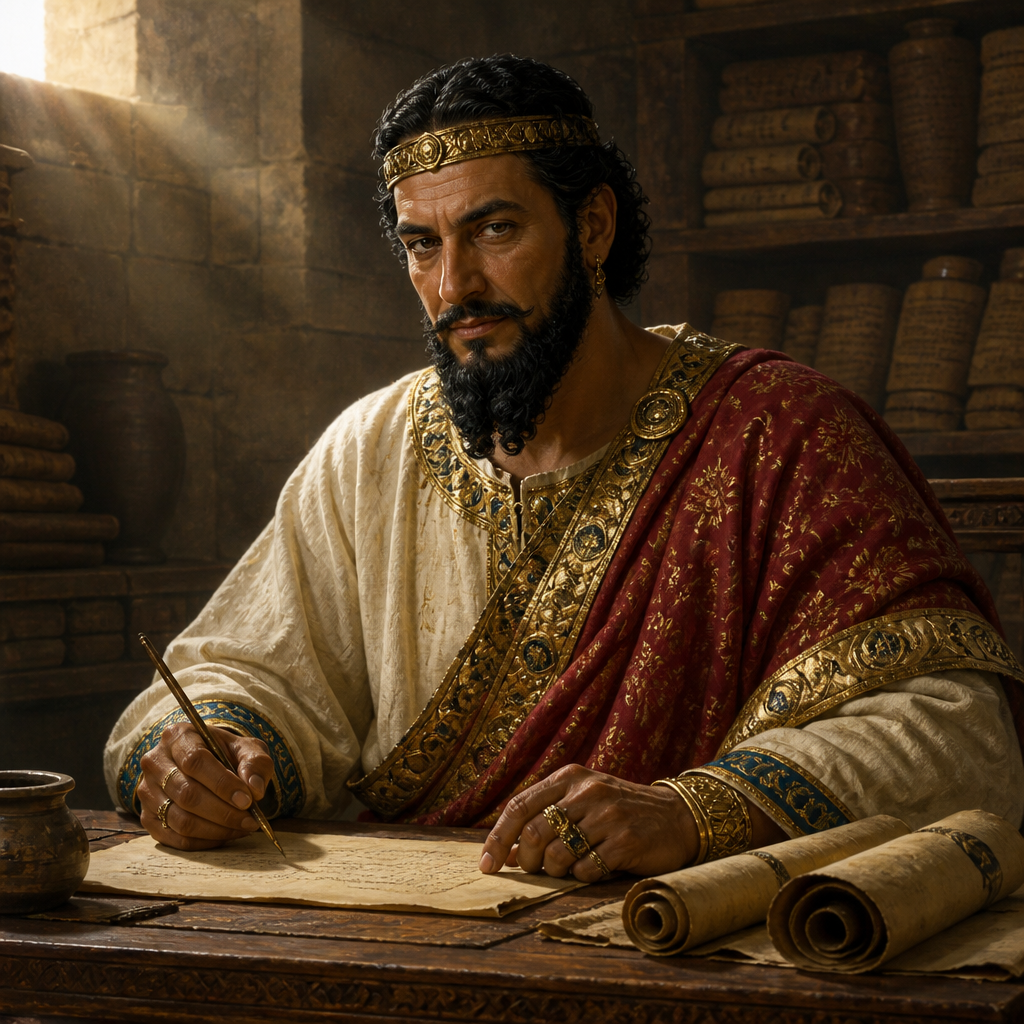
Shimshai
Scribe who co-authored the letter to Artaxerxes to stop the rebuilding of Jerusalem

Vaizatha
Son of Haman who was executed and hanged during the events of Purim
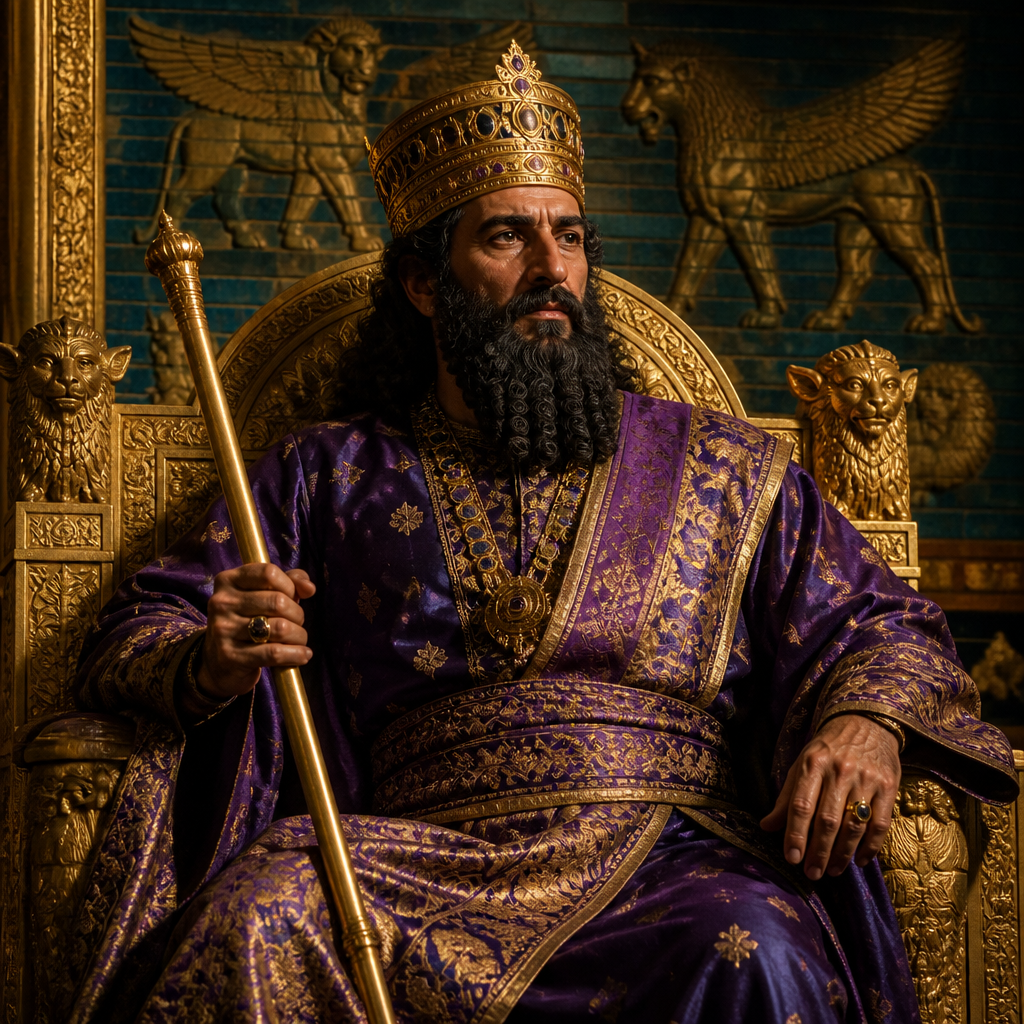
Xerxes
King of Persia who married Esther and authorized the defense of the Jews against Haman's plot