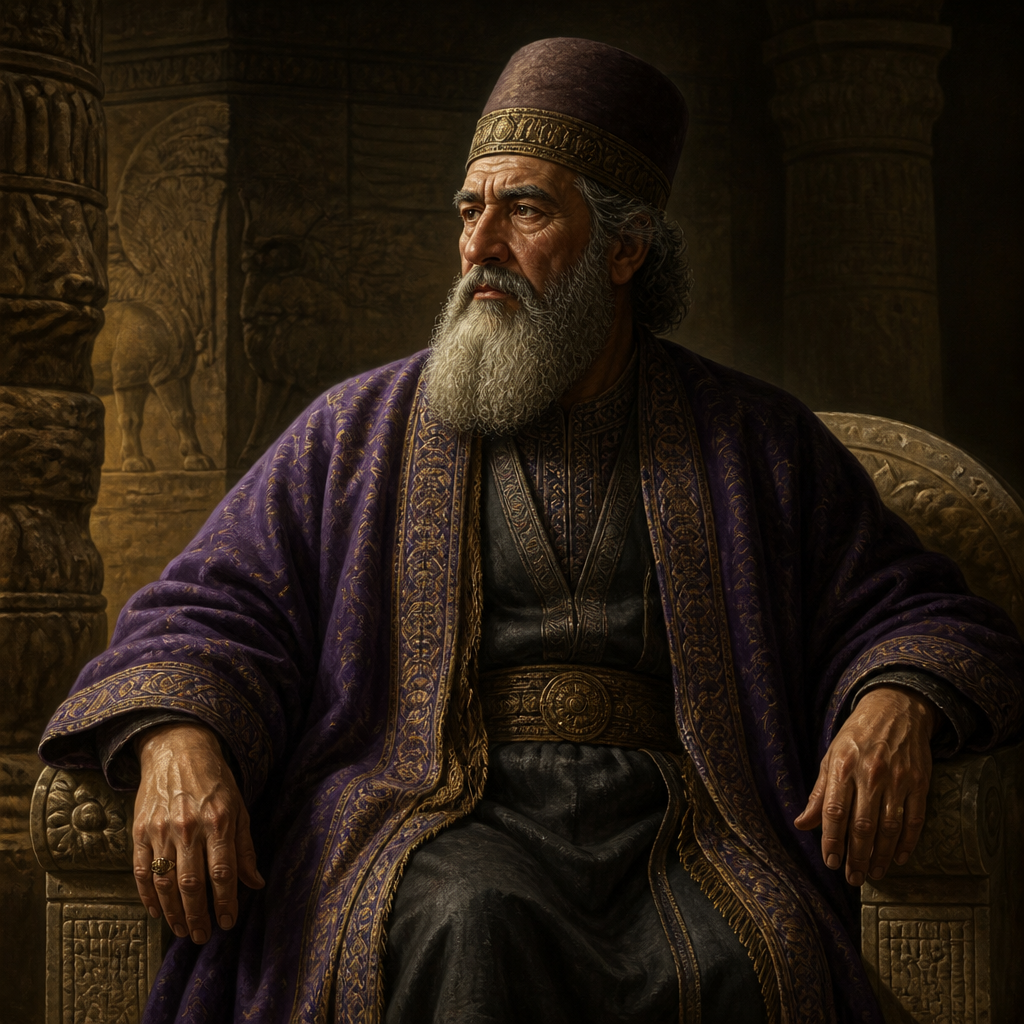
People of Daniel
Every person who appears in the book of Daniel, ordered by how often they are mentioned there.
The book of Daniel follows a group of Judean exiles through the rise and fall of empires, beginning with the capture of Jerusalem by Nebuchadnezzar (Daniel 1:1). The narrative identifies the People of Daniel as members of the royal family and nobility of Judah who were selected for service in the Babylonian court (Daniel 1:3–4). The text opens during the reign of Jehoiakim, the king of Judah who was delivered into the hands of the Babylonians along with vessels from the house of God (Daniel 1:1–2).
The group is organized around Daniel, a prophet who interprets dreams and survives a lions' den (Daniel 1:17, 6:22). He is accompanied by three companions: Hananiah, who refused to worship a golden idol (Daniel 3:12); Mishael, who was renamed Meshach by the chief official (Daniel 1:7); and Azariah, who survived a miraculous fiery furnace (Daniel 3:26). These youths are initially overseen by Ashpenaz, the master of the eunuchs who brought them to Babylon (Daniel 1:3), and Melzar, the steward who permitted them to maintain a specific diet of vegetables and water (Daniel 1:11–16). Later, Arioch, the commander of the king’s guard, facilitates Daniel’s first audience with the king to interpret a forgotten dream (Daniel 2:14–15).
As the narrative shifts between kingdoms, various rulers and officials interact with the Judean exiles. Belshazzar is the king who sees supernatural writing on a wall during a feast (Daniel 5:1–5), and Belshazzar's Queen is the one who suggests that Daniel be summoned to explain the message (Daniel 5:10–12). Under the subsequent reign of Darius the Mede, the Satraps Who Accused Daniel conspire to use the law to have the prophet executed (Daniel 6:4–9). In the final chapters, the text references historical figures like Cyrus, the Persian king who reigned when Daniel received his final visions (Daniel 10:1), and Michael, an angelic figure described as the protector of the people (Daniel 12:1).
The presence of these individuals in the text serves to illustrate the survival of the people of Israel during a period of foreign displacement. Daniel references the writings of Jeremiah, to understand that the desolation of Jerusalem would last seventy years (Daniel 9:2). The book links the fate of the exiles back to the covenantal history of Moses and the patriarchs Judah and Israel (Daniel 9:11–13). By the conclusion of the book, the narrative transitions from the specific court experiences of Daniel and his friends to broad apocalyptic visions concerning the future of these nations and the ultimate deliverance of the people (Daniel 12:1–13).
Everyone in this list
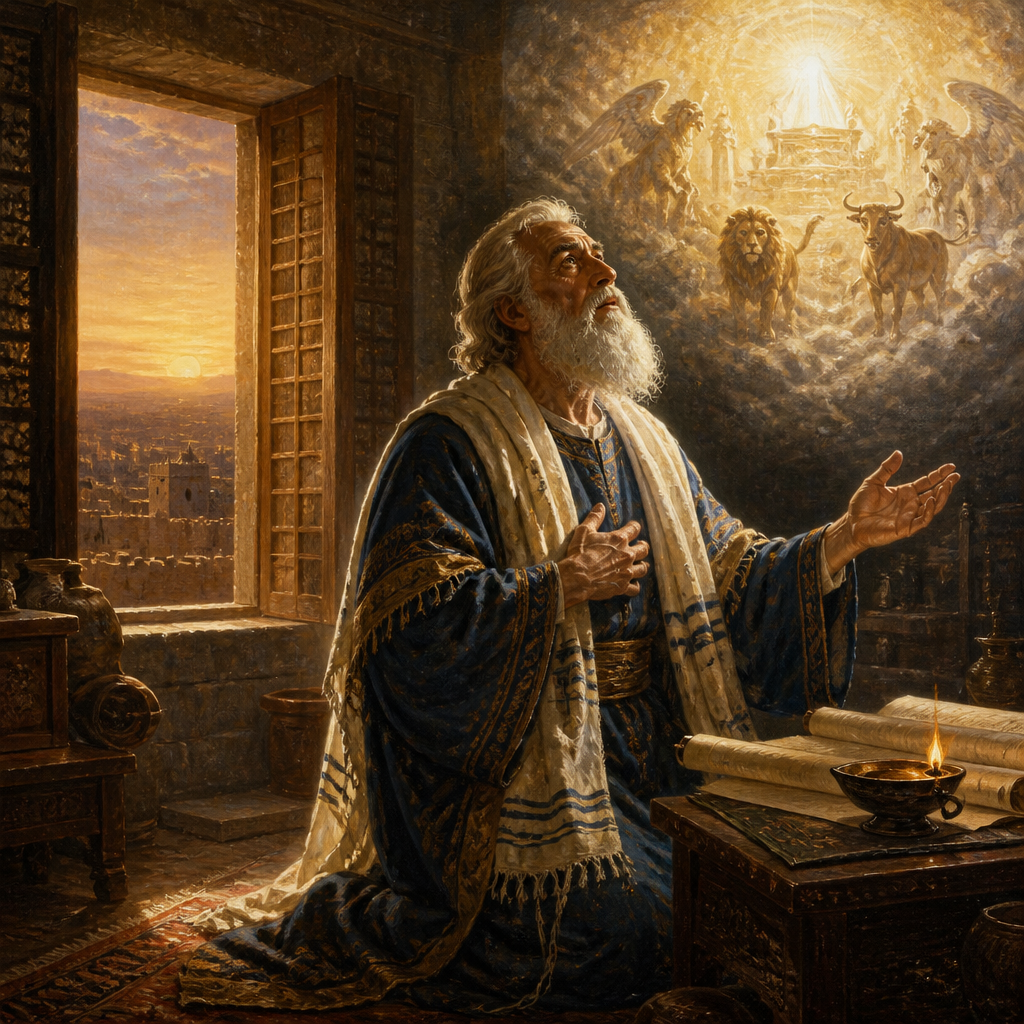
Daniel, Prophet of the Exile
Prophet who survived the lions' den and interpreted the handwriting on the wall
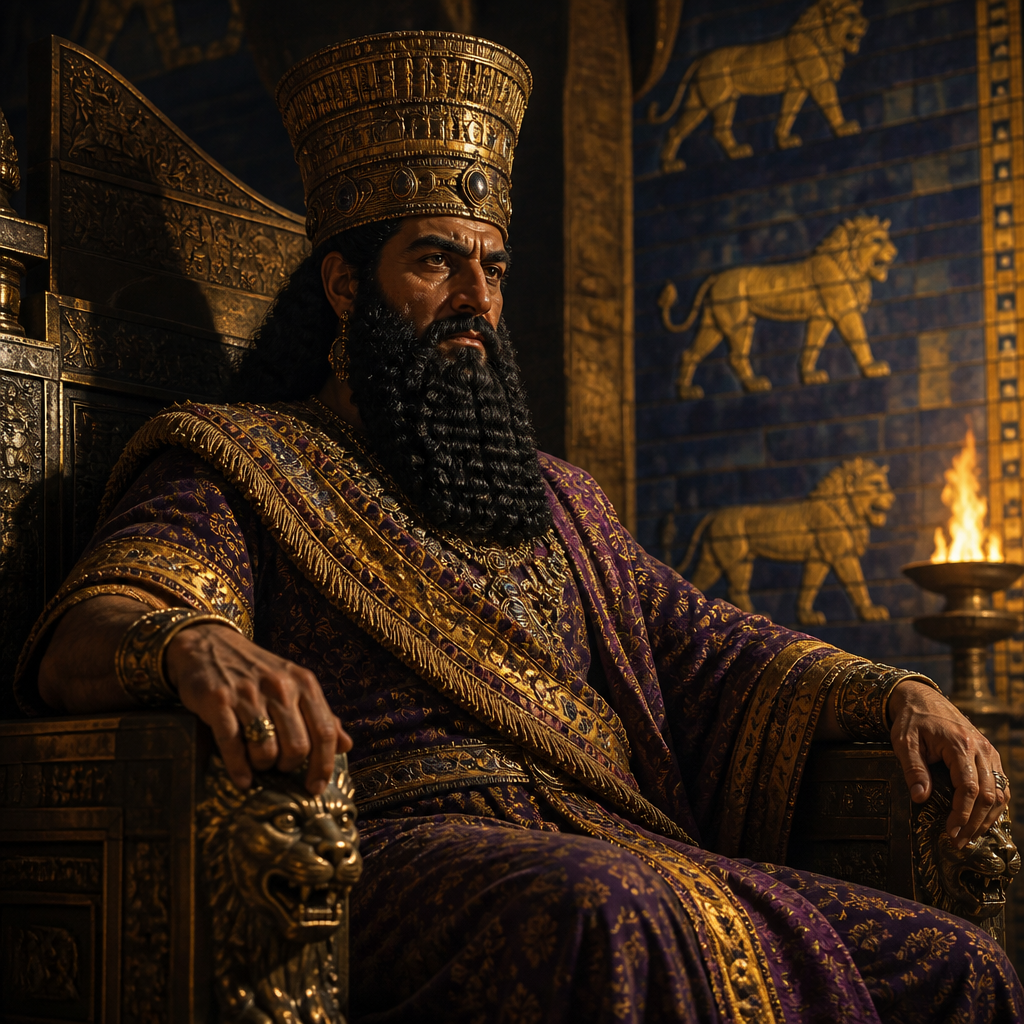
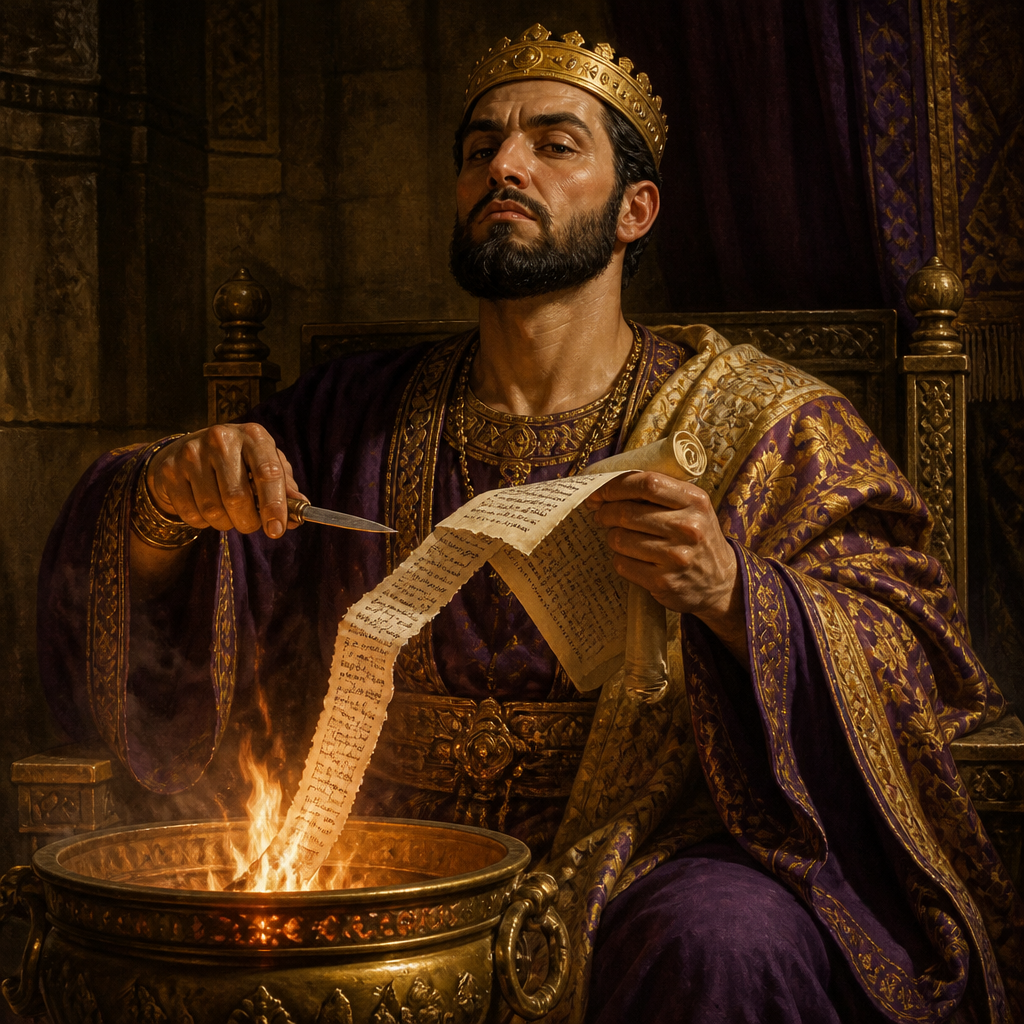
Nebuchadnezzar
King of Babylon who conquered Jerusalem and was humbled by God
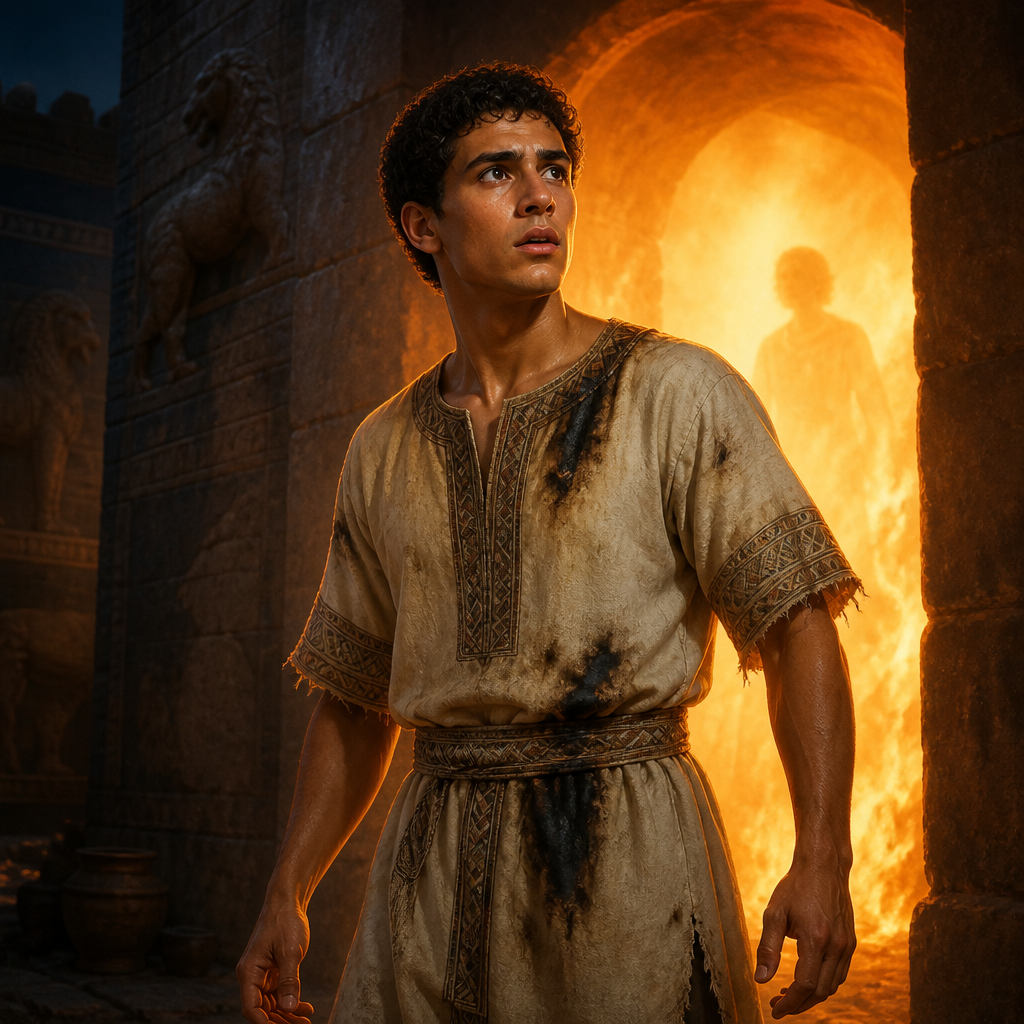
Azariah, Companion of Daniel
Youth who survived the fiery furnace with Shadrach and Meshach
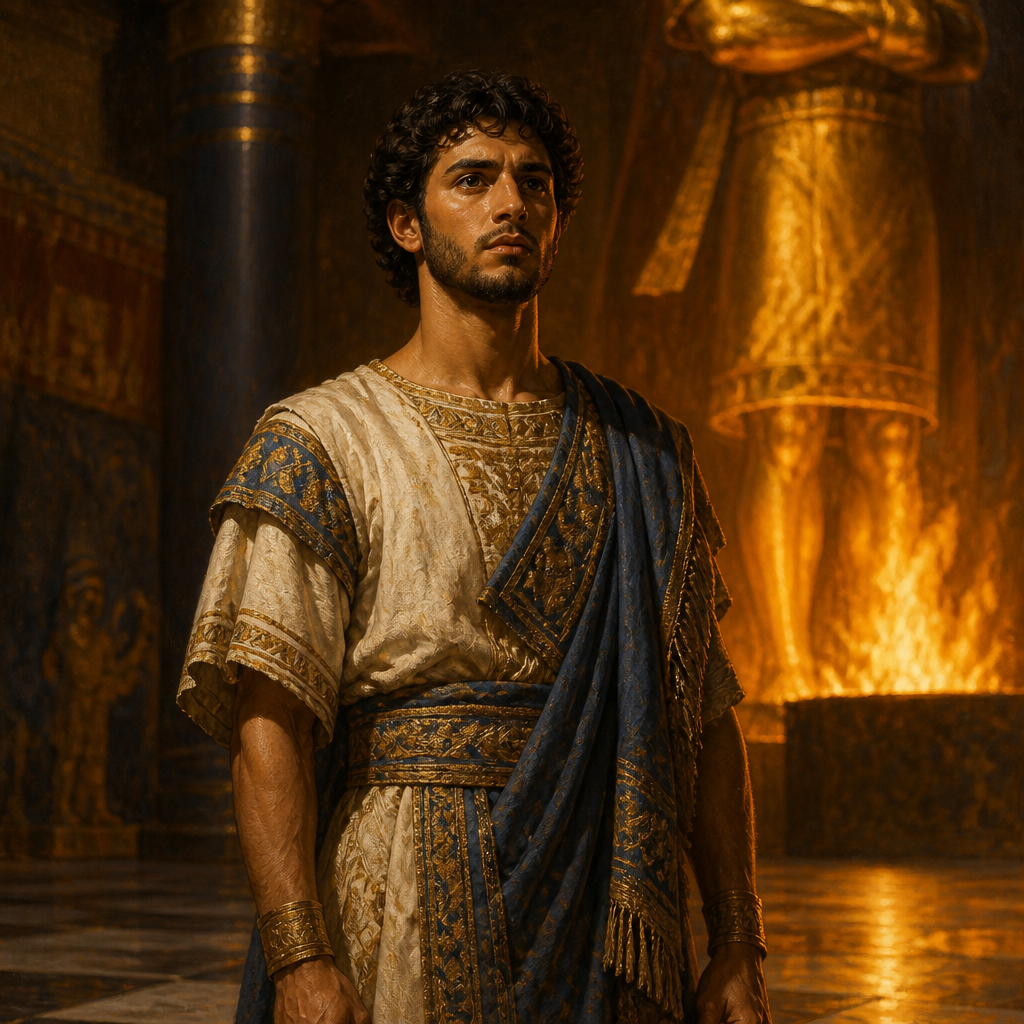
Hananiah, Friend of Daniel
Judean exile who survived being thrown into a fiery furnace for refusing to worship a golden idol

Mishael, Companion of Daniel
Judean noble who was renamed Meshach and miraculously survived the fiery furnace
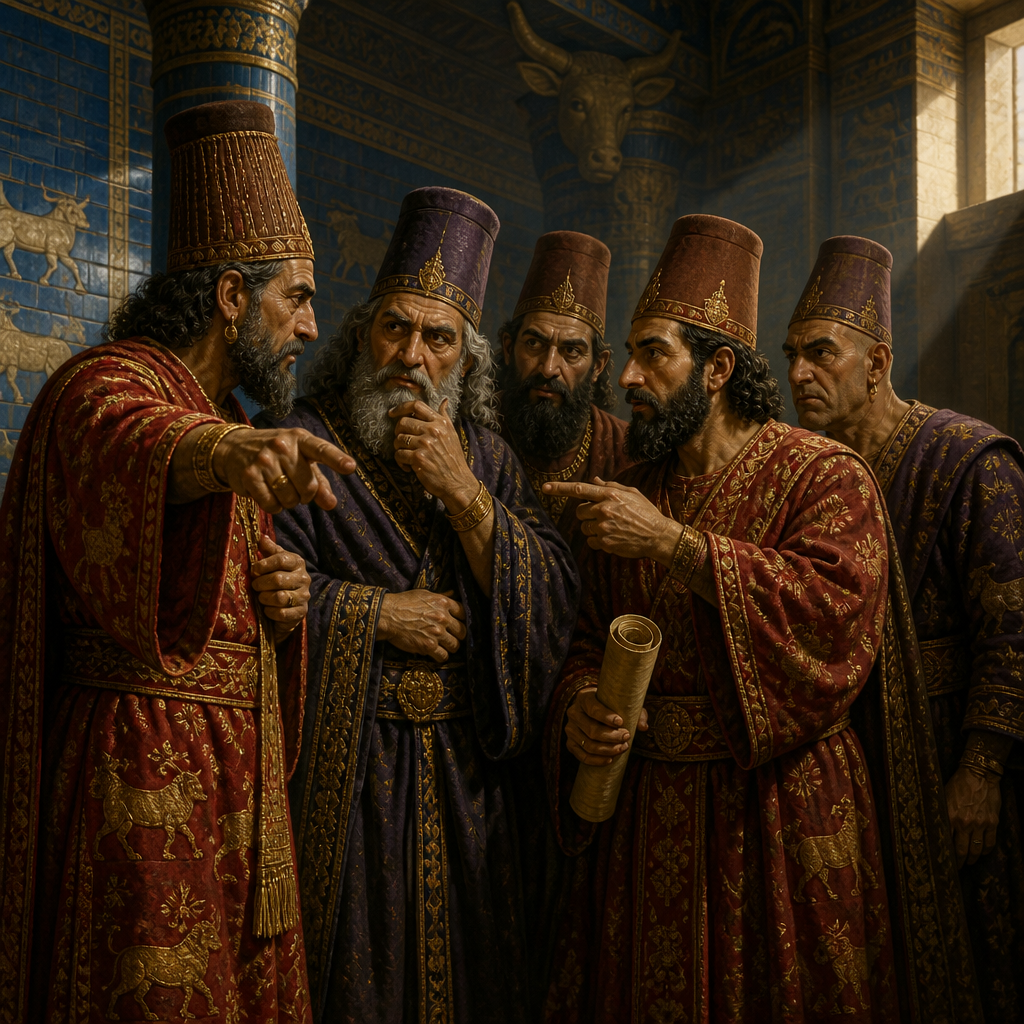
The Satraps Who Accused Daniel
Officials who conspired to have Daniel thrown into the lions' den
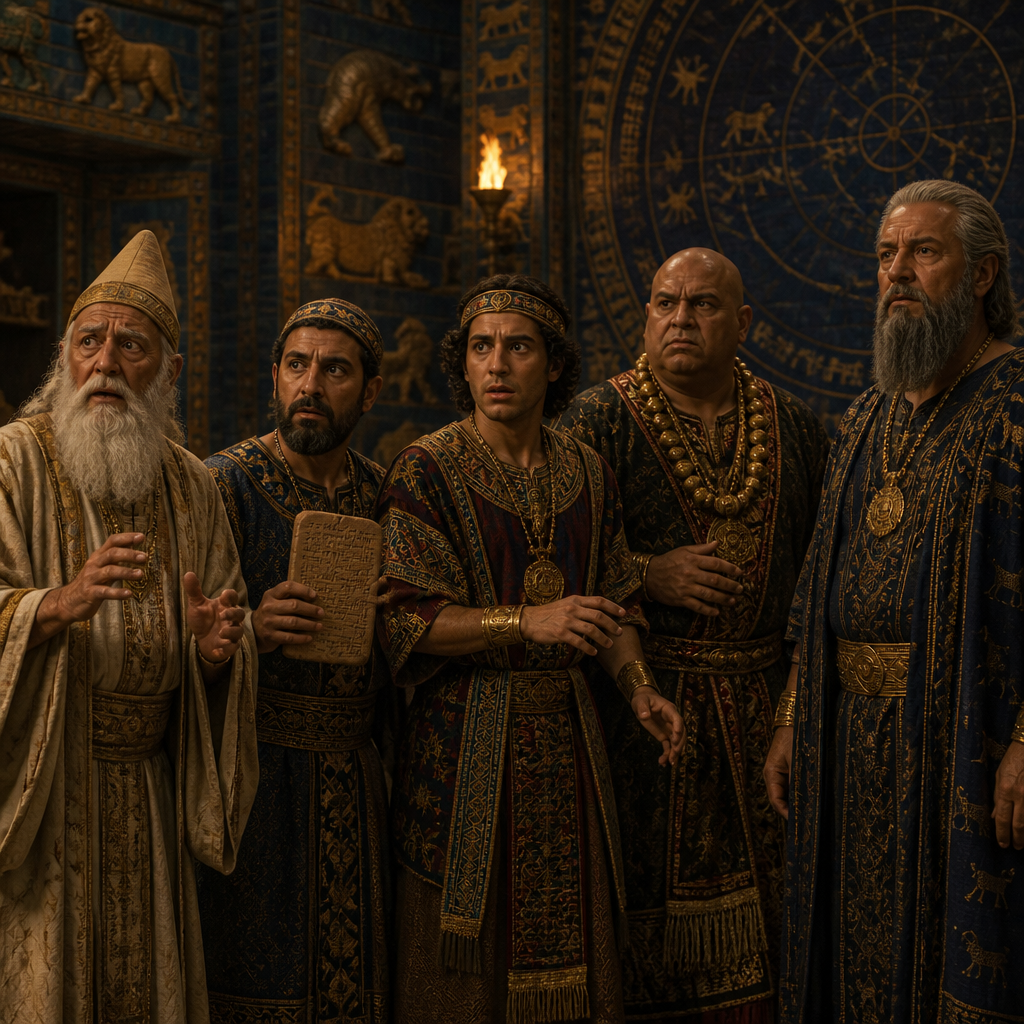
The Wise Men of Babylon
Royal advisors who failed to interpret Nebuchadnezzar's dream
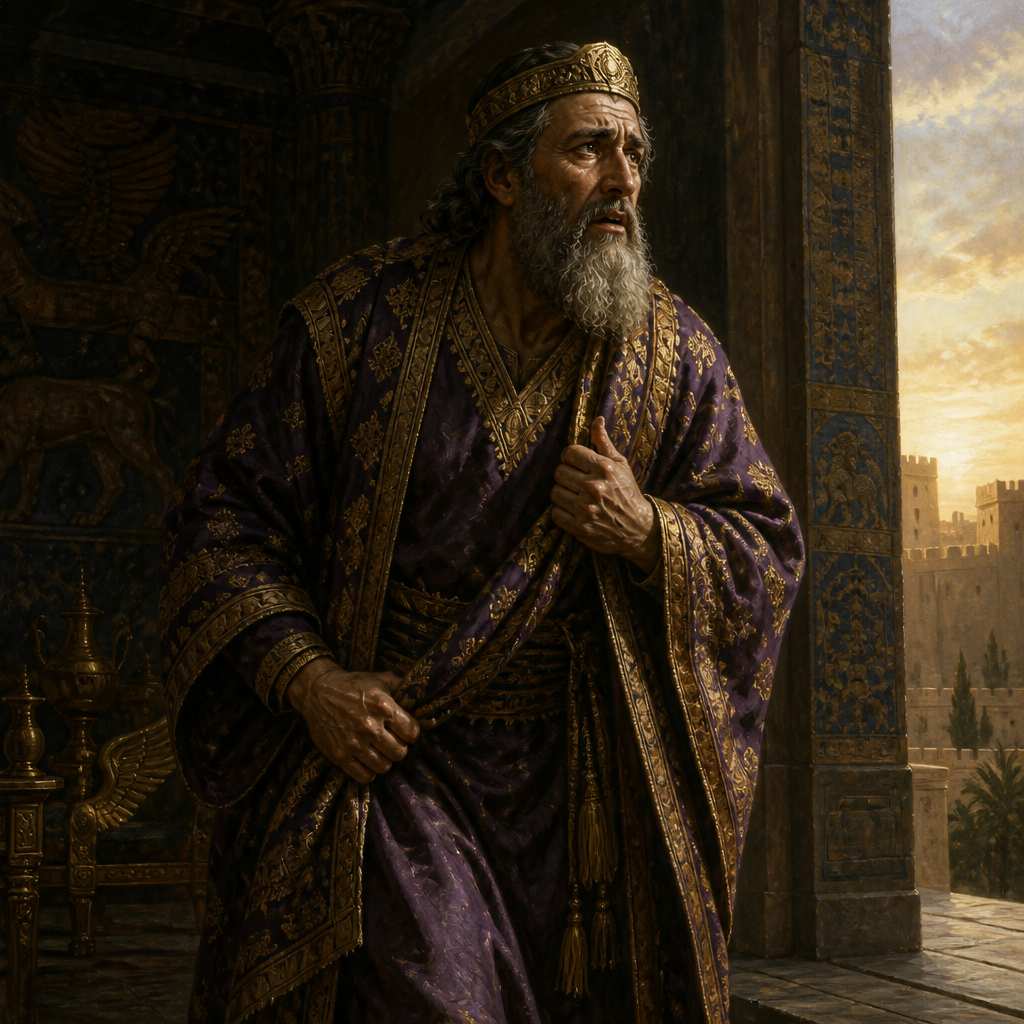
Darius the Mede
King who reluctantly cast Daniel into the lions' den and later praised the living God
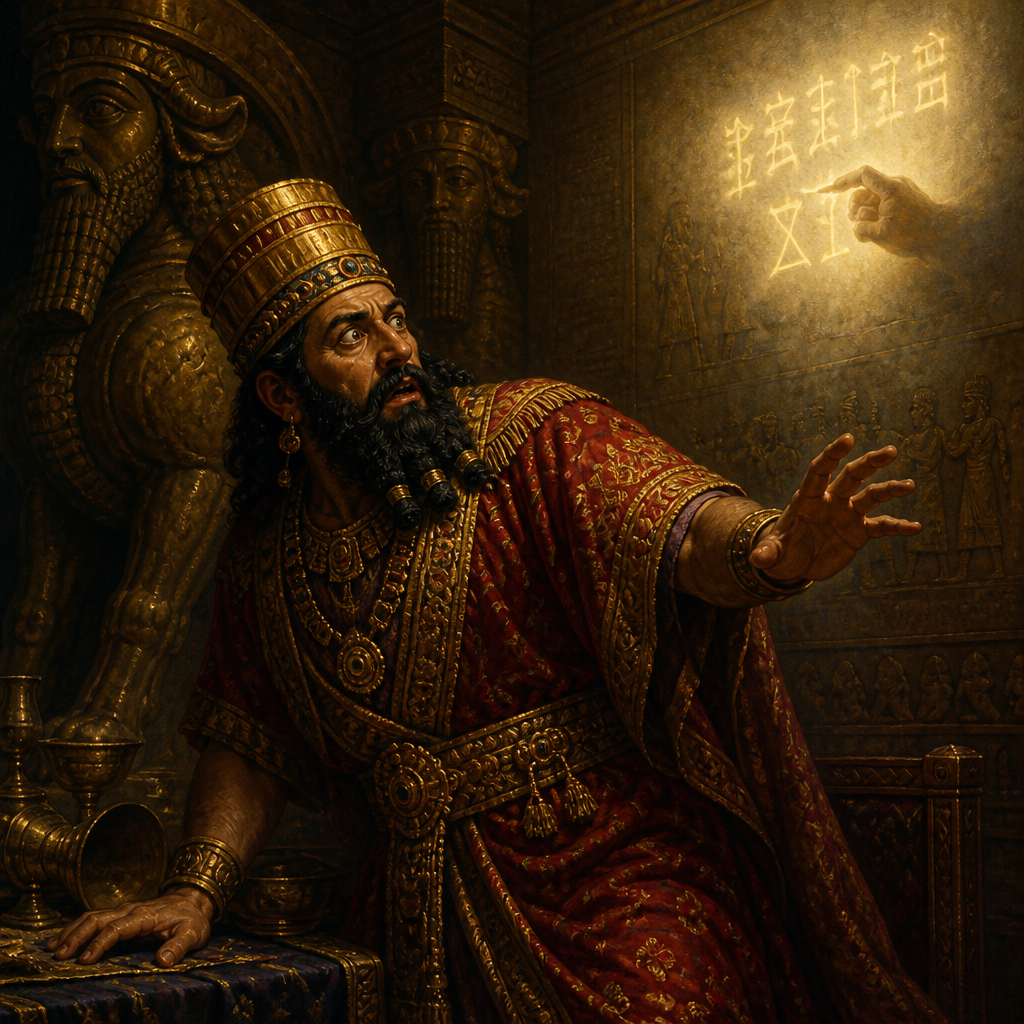
Belshazzar
King of Babylon who saw the supernatural writing on the wall during a sacrilegious feast
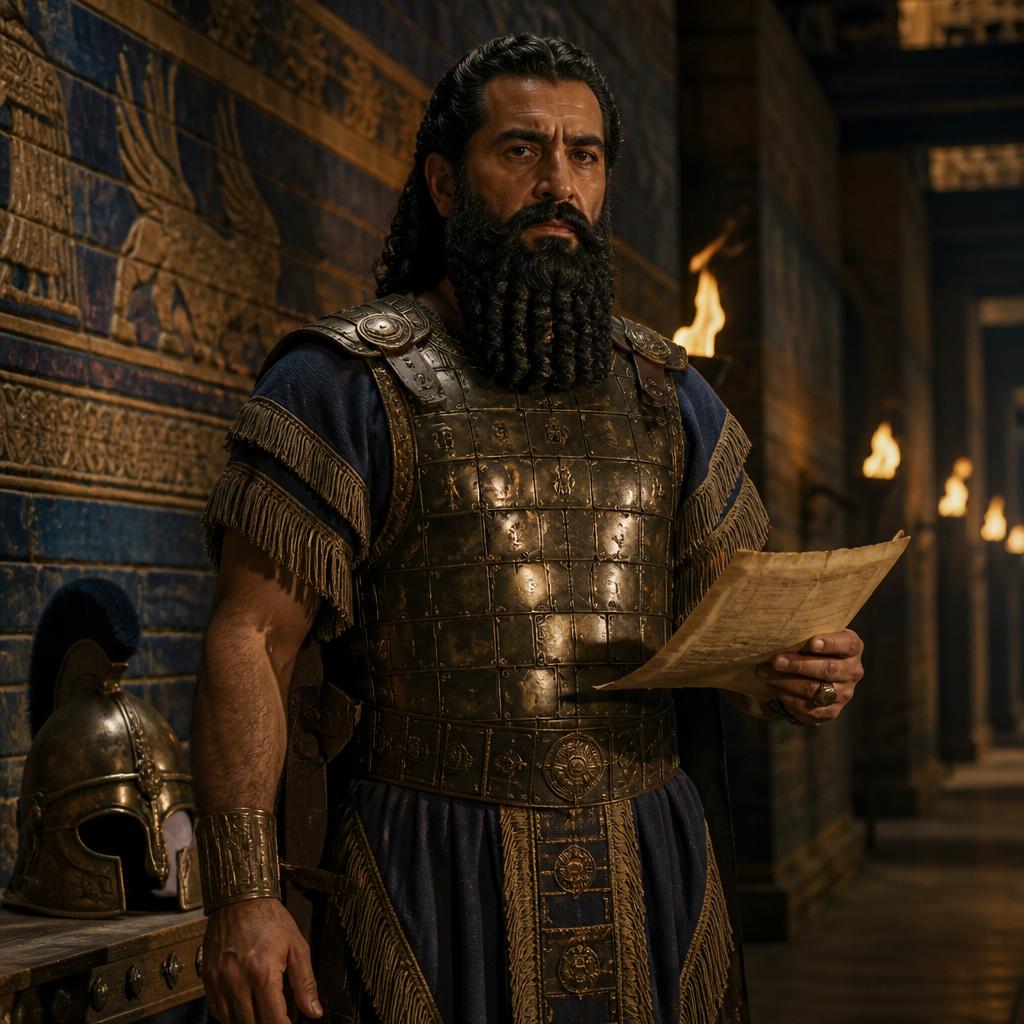
Arioch, Commander of the King’s Guard
Babylonian commander who facilitated Daniel’s interpretation of Nebuchadnezzar’s dream

Michael, the Chief Prince
Archangel who leads the heavenly host and protects the people of Israel

Belshazzar's Queen
Queen who advised King Belshazzar to summon Daniel to interpret the writing on the wall
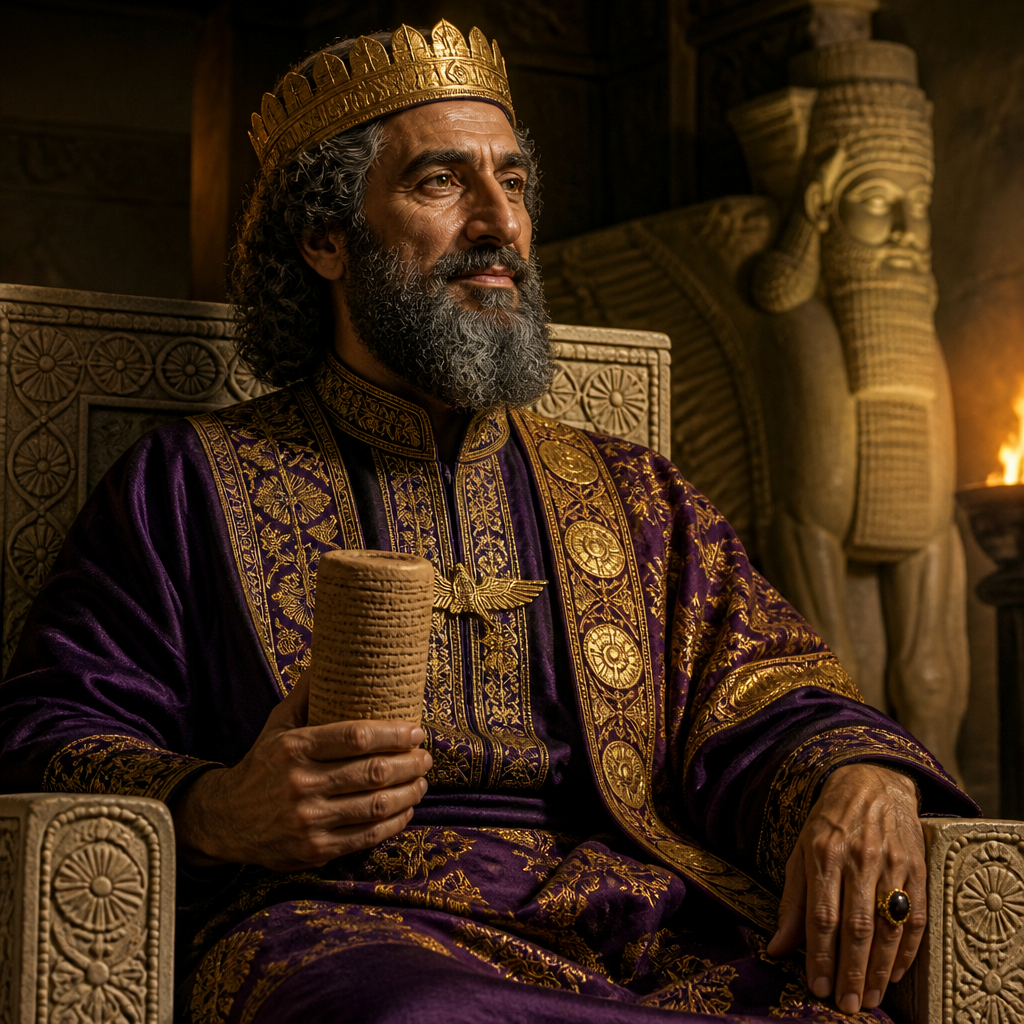
Cyrus
Persian king who issued the decree allowing the Jews to return from exile and rebuild the Temple
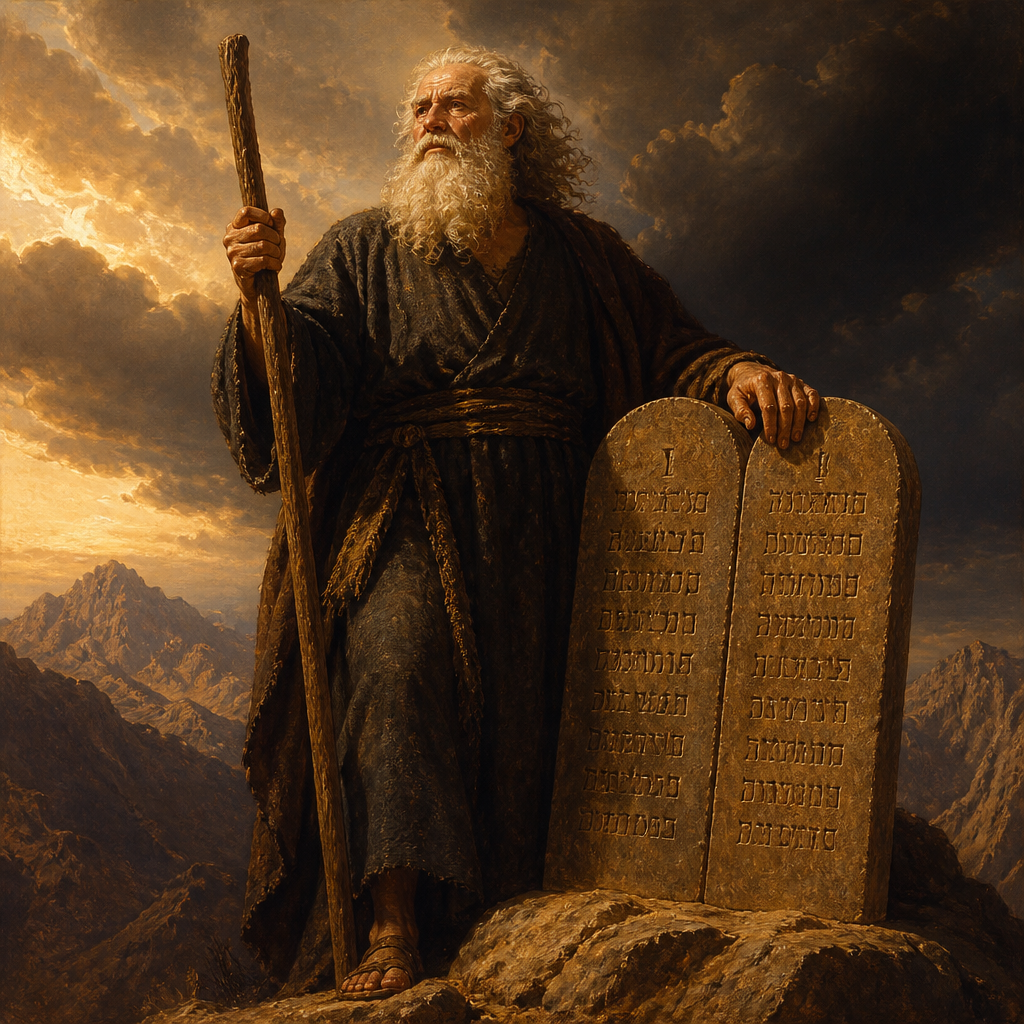
Moses
Prophet who led the Israelites out of Egypt and received the Ten Commandments
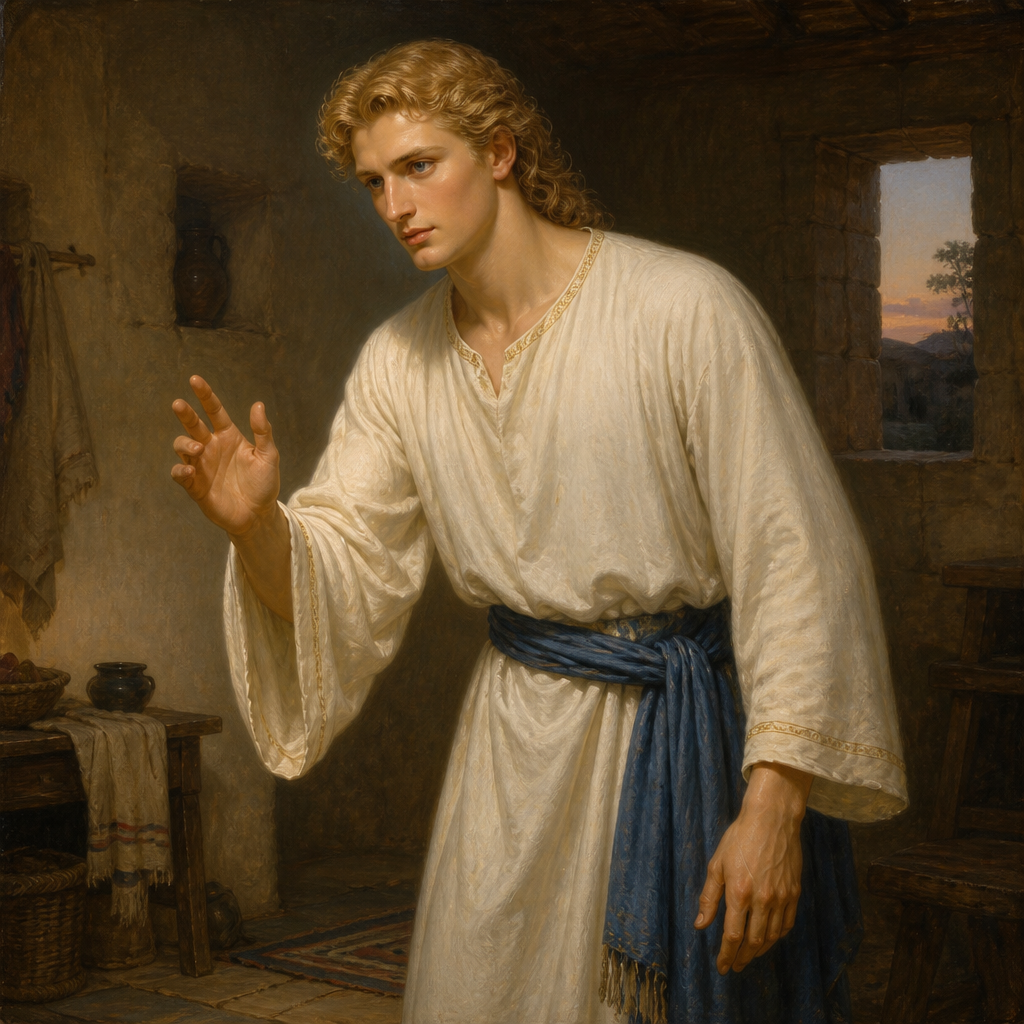
Gabriel
Angelic messenger who announced the births of John the Baptist and Jesus
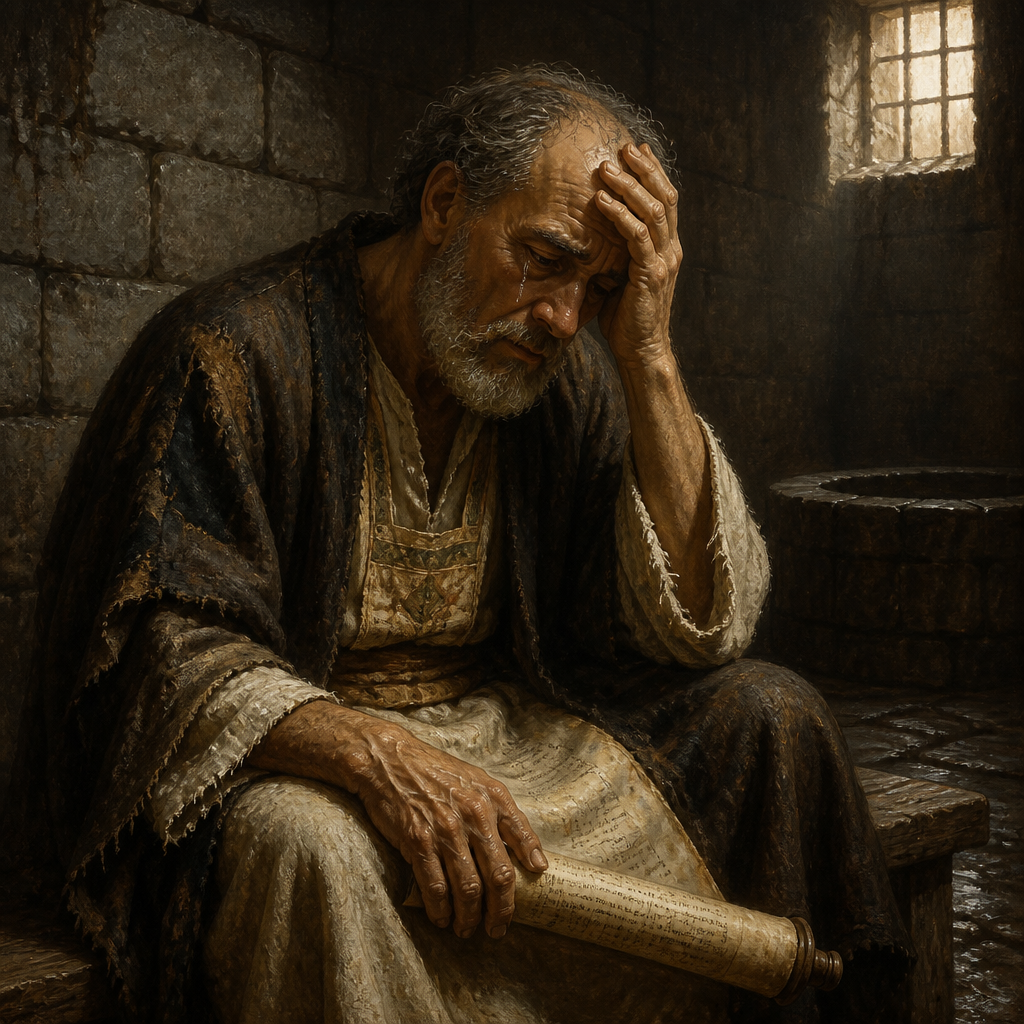
Jeremiah, Son of Hilkiah
Prophet who predicted the seventy-year Babylonian exile and the New Covenant
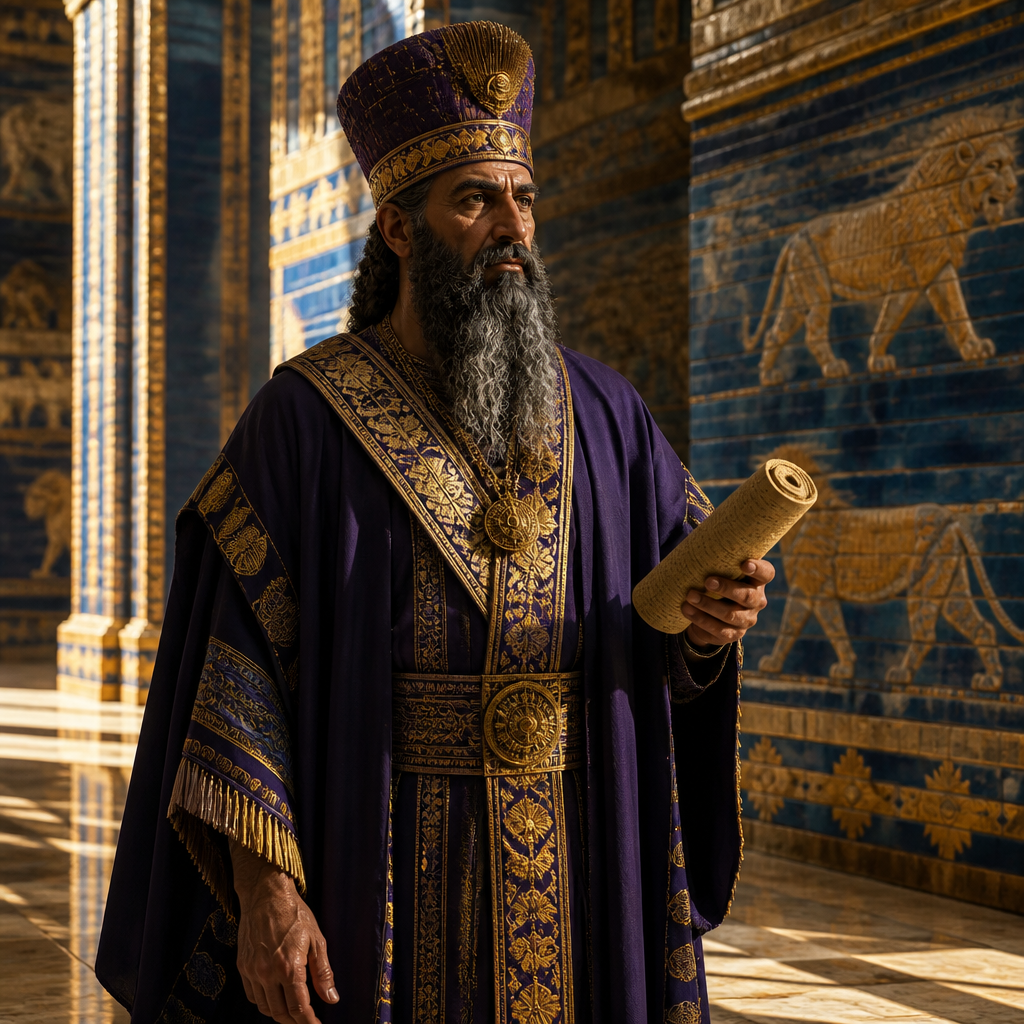
Ashpenaz
Chief court official who selected Daniel and the Hebrew youths for service in Babylon