
Nebuchadnezzar's Court
Daniel 1–4
The narrative of Nebuchadnezzar's Court begins when the Babylonian king besieges Jerusalem and the Lord delivers Jehoiakim king of Judah into his hand (Daniel 1:1–2). Following this victory, Nebuchadnezzar orders his chief official, Ashpenaz, to select handsome and skillful youths from the Judean royal seed to be trained for three years in the language and literature of the Chaldeans (Daniel 1:3–5). Among those chosen are Daniel, Hananiah, Mishael, and Azariah, who are given new Babylonian names to integrate them into the royal service (Daniel 1:6–7). While the text does not say why they were specifically chosen over others, it records their refusal to defile themselves with the king’s rich food and wine.
The daily operations of the court involve various officials who manage these captives. Ashpenaz expresses fear that the youths will look gaunt compared to others, but a steward named Melzar agrees to a ten-day trial where the four Judeans eat only vegetables and drink water (Daniel 1:10–16). When the king later experiences a troubling dream that his own wise men cannot interpret, he commands the execution of all the wise men of Babylon. Arioch, the commander of the king’s guard, prepares to carry out this order until Daniel intervenes to seek an audience with the king (Daniel 2:14–16). After Daniel successfully interprets the dream, Nebuchadnezzar promotes him and his companions to high positions of authority within the province (Daniel 2:48–49).
Conflict arises again when Nebuchadnezzar constructs a massive golden image and demands universal worship. Hananiah, Mishael, and Azariah refuse to bow down, leading the king to cast them into a miraculously overheated furnace (Daniel 3:13–23). The text states they emerge unharmed, prompting the king to acknowledge their God. Later, Nebuchadnezzar experiences a period of madness where he is driven from men to eat grass like an ox, a fate Daniel had previously interpreted from the king's second dream (Daniel 4:25–33). The king is eventually restored to his throne after acknowledging the sovereignty of the Most High.
This account of Nebuchadnezzar's Court establishes the theme of divine sovereignty over earthly empires during the Babylonian exile. It demonstrates how Daniel and his companions maintain their identity and dietary laws while serving in a foreign government. The interactions between the Judean captives and Babylonian officials like Ashpenaz and Arioch show the transition of power from the line of Jehoiakim to the rising global influence of Babylon. Ultimately, the narrative serves to show that even a conqueror as powerful as Nebuchadnezzar is subject to the decrees of the God of Israel (Daniel 4:37).
Everyone in this list
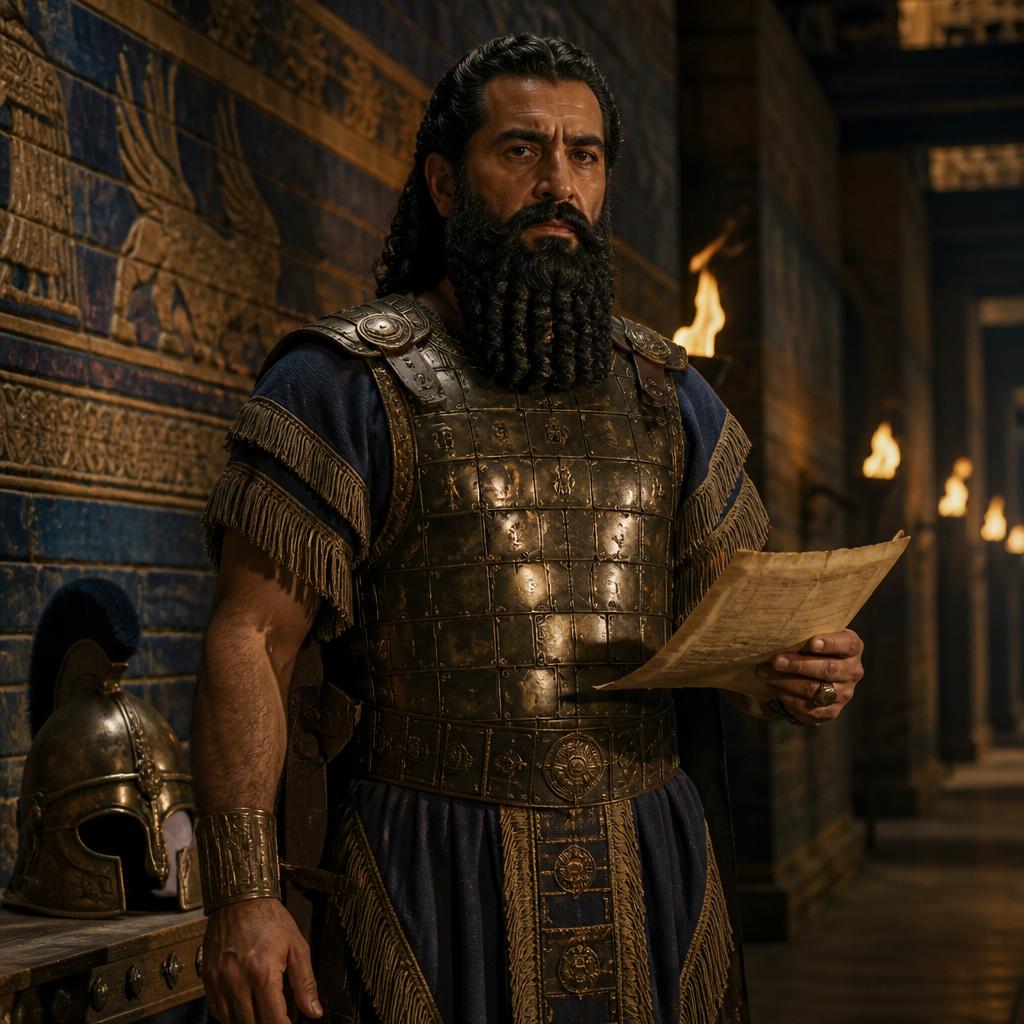
Arioch, Commander of the King’s Guard
Babylonian commander who facilitated Daniel’s interpretation of Nebuchadnezzar’s dream
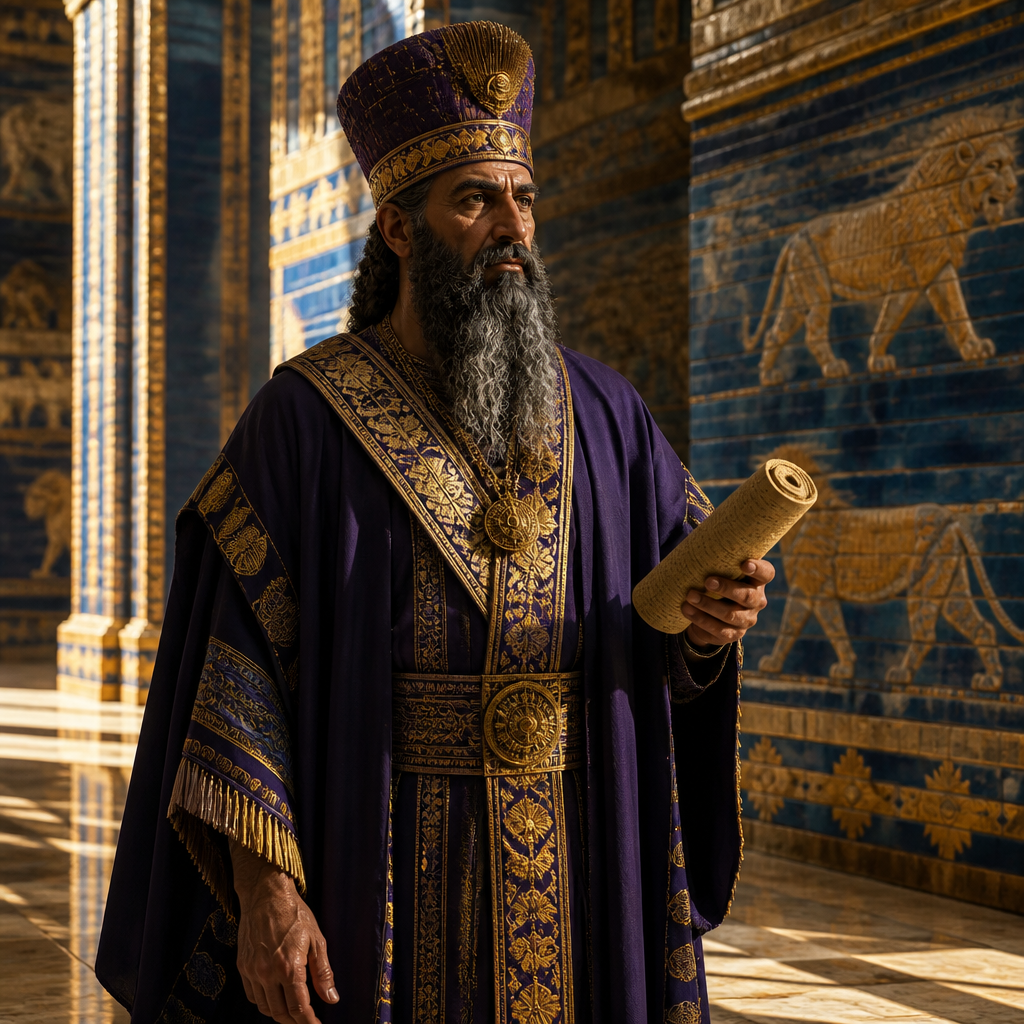
Ashpenaz
Chief court official who selected Daniel and the Hebrew youths for service in Babylon
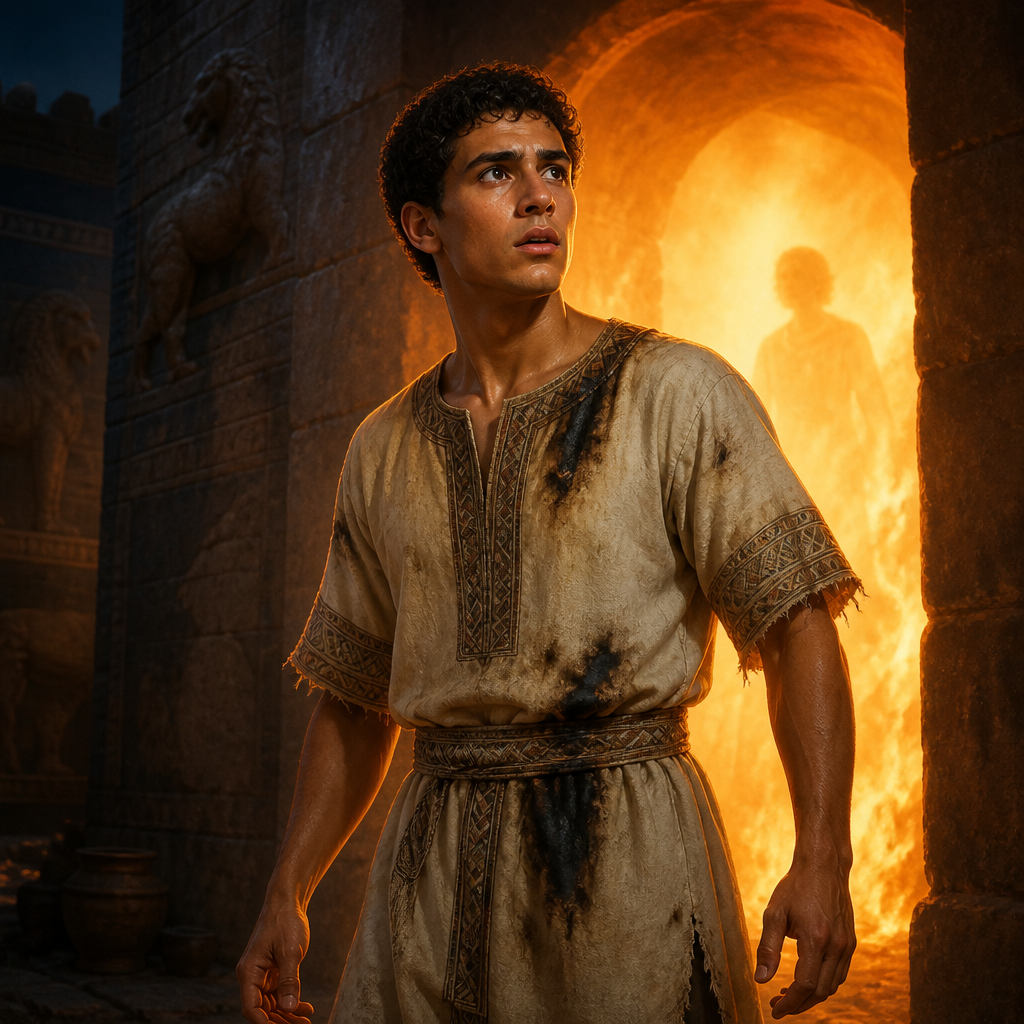
Azariah, Companion of Daniel
Youth who survived the fiery furnace with Shadrach and Meshach
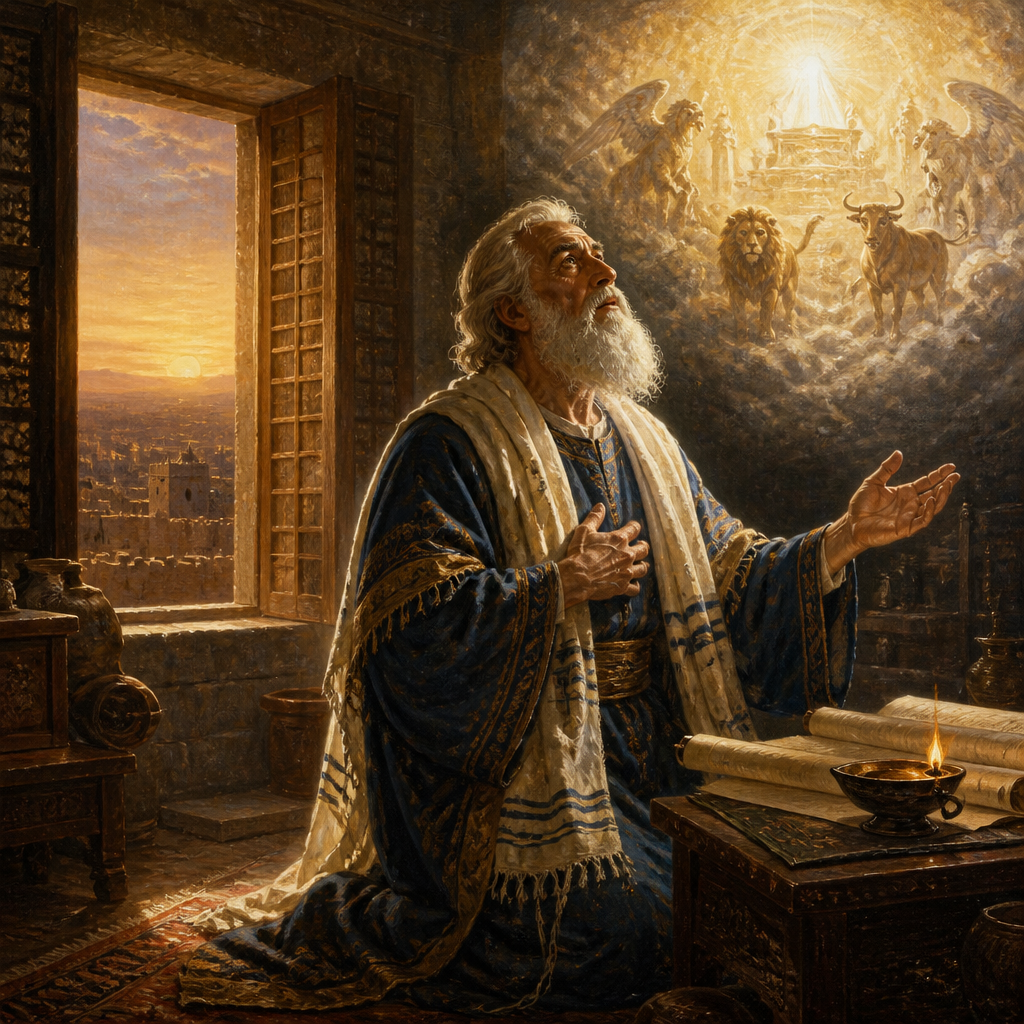
Daniel, Prophet of the Exile
Prophet who survived the lions' den and interpreted the handwriting on the wall
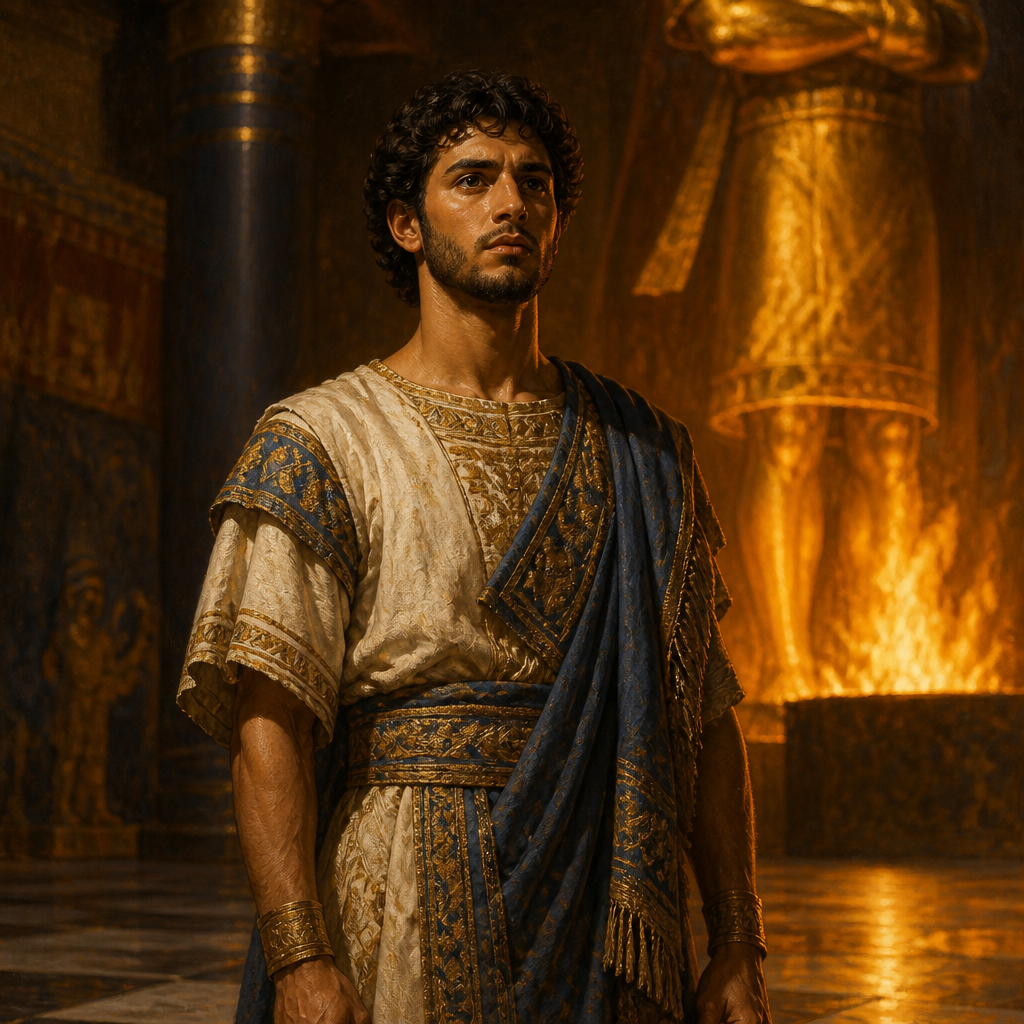
Hananiah, Friend of Daniel
Judean exile who survived being thrown into a fiery furnace for refusing to worship a golden idol


Mishael, Companion of Daniel
Judean noble who was renamed Meshach and miraculously survived the fiery furnace

Nebuchadnezzar
King of Babylon who conquered Jerusalem and was humbled by God