Babylonian Exile
People caught up in the Babylonian captivity, from the last kings of Judah to the exiles and officials of Nebuchadnezzar's court.
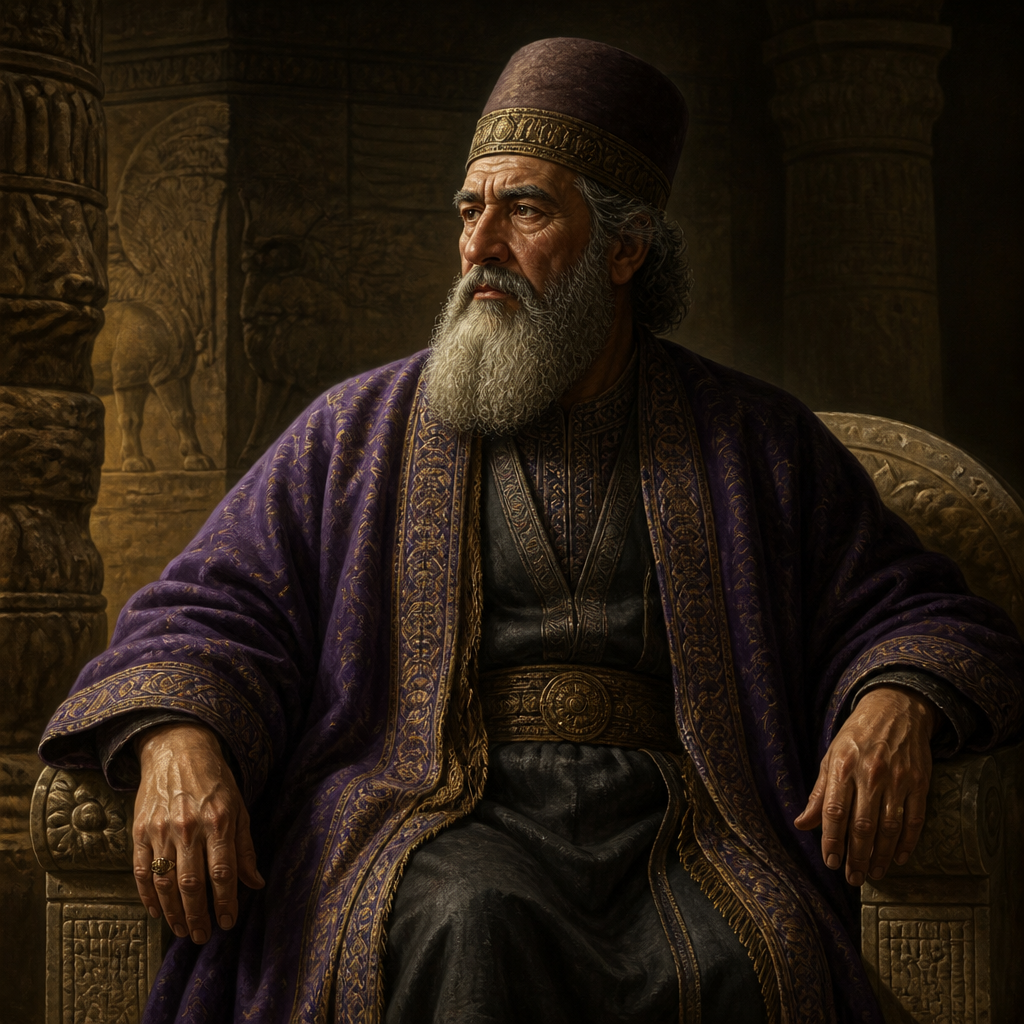
The Babylonian Exile refers to the period of captivity and displacement described in the books of Ezekiel and Daniel following the conquest of Jerusalem. The text depicts this era through the lives of Judean nobles taken to the royal court and the prophetic visions given to those living by the River Chebar. This group includes both the displaced Israelites and the foreign officials who governed them during their residence in a land of idols.
The narrative of the court in Babylon focuses on the survival and elevation of Judean youths who remained faithful to their dietary and religious laws. Daniel is a central figure who interprets royal dreams and survives the lions' den (Daniel 6:16–23). He is accompanied by Hananiah, who is cast into a fiery furnace for refusing to worship a golden image (Daniel 3:13–27), and Mishael, who is renamed Meshach by his captors (Daniel 1:7). Azariah is another companion who miraculously survives the furnace alongside his friends (Daniel 3:19–25). These men interact with Babylonian authorities such as Ashpenaz, the chief official who selects them for service (Daniel 1:3), and Melzar, the steward who allows them to test a diet of vegetables instead of the king’s meat (Daniel 1:11–16).
The prophetic perspective of the exile is provided by Ezekiel, the son of Buzi, who receives visions while among the captives (Ezekiel 1:1–3). His writings detail the corruption of the leadership remaining in Jerusalem, such as Jaazaniah son of Shaphan, who is seen practicing idolatry in the temple (Ezekiel 8:11). The text also mentions Pelatiah son of Benaiah, a leader who dies during one of the prophet's visions (Ezekiel 11:1–13). Ezekiel uses symbolic figures like Oholah and Oholibah to represent the spiritual infidelity of Samaria and Jerusalem (Ezekiel 23:4). In the later years of the exile, the text introduces foreign rulers like Belshazzar, who sees supernatural writing on a wall (Daniel 5:1–5), and Darius the Mede, who issues a decree praising the God of Daniel (Daniel 6:25–27).
The Babylonian Exile serves as the setting for a transition in the biblical story from a sovereign kingdom to a scattered people. It highlights the tension between the earthly power of the Wise Men of Babylon and the spiritual authority of the prophets. The presence of Michael indicates a heavenly dimension to the protection of the exiles during their time of trial (Daniel 10:13). Ultimately, the period defines the survival of the Judean identity and the continued relevance of their laws while living under foreign dominion.
Everyone in this list
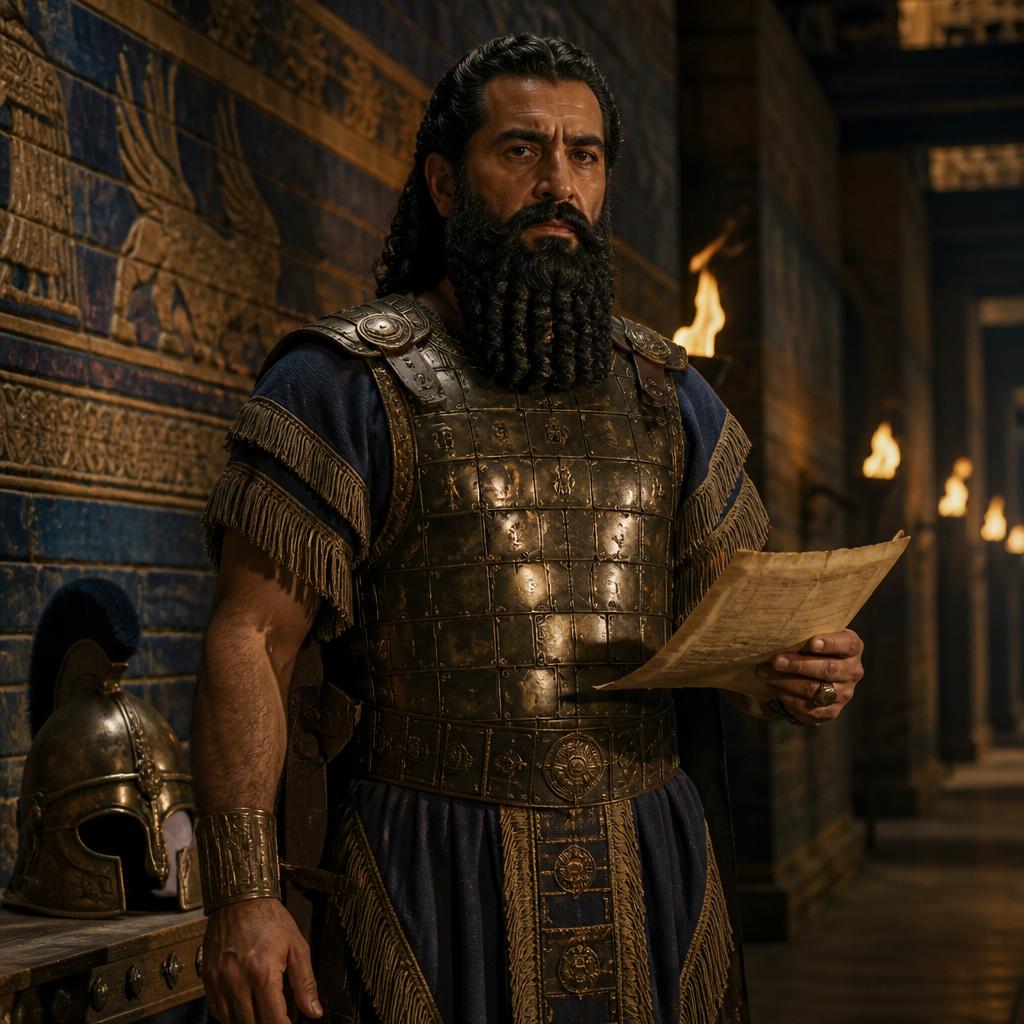
Arioch, Commander of the King’s Guard
Babylonian commander who facilitated Daniel’s interpretation of Nebuchadnezzar’s dream
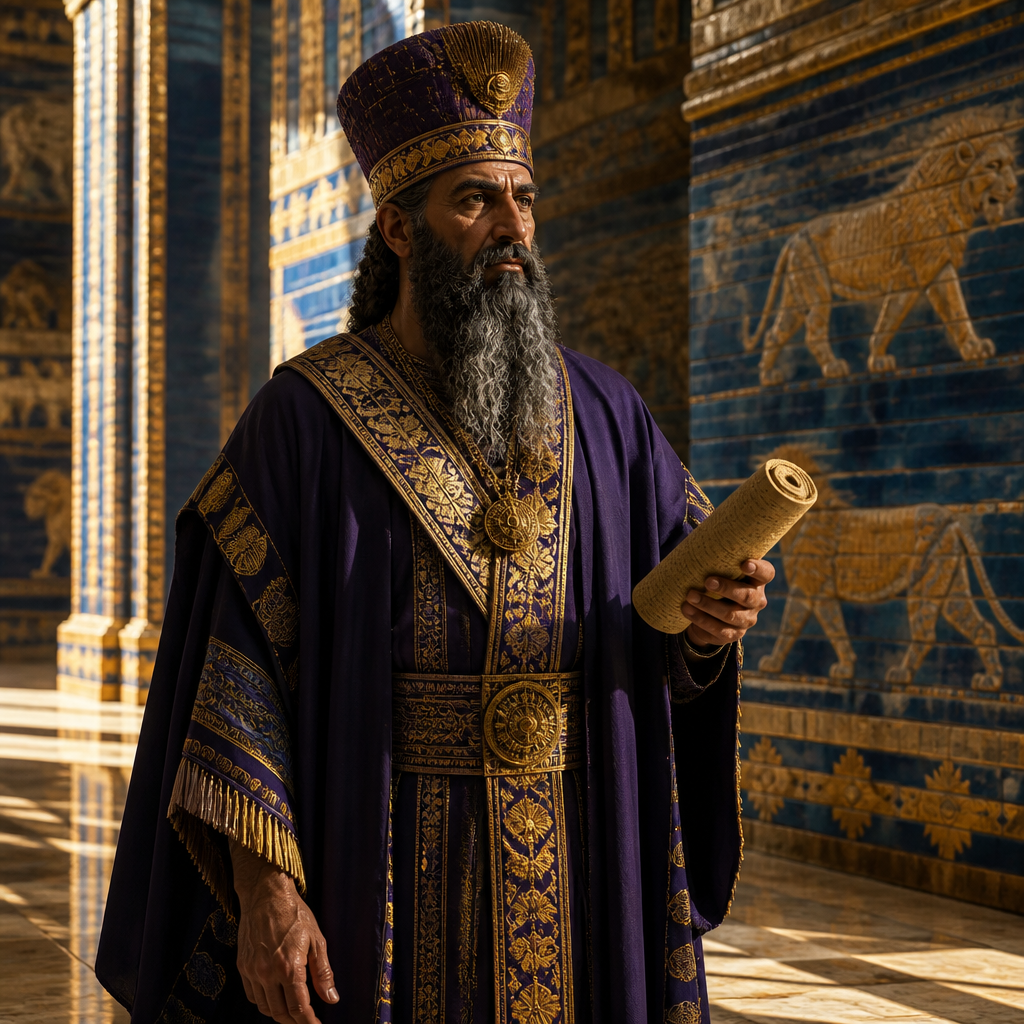
Ashpenaz
Chief court official who selected Daniel and the Hebrew youths for service in Babylon
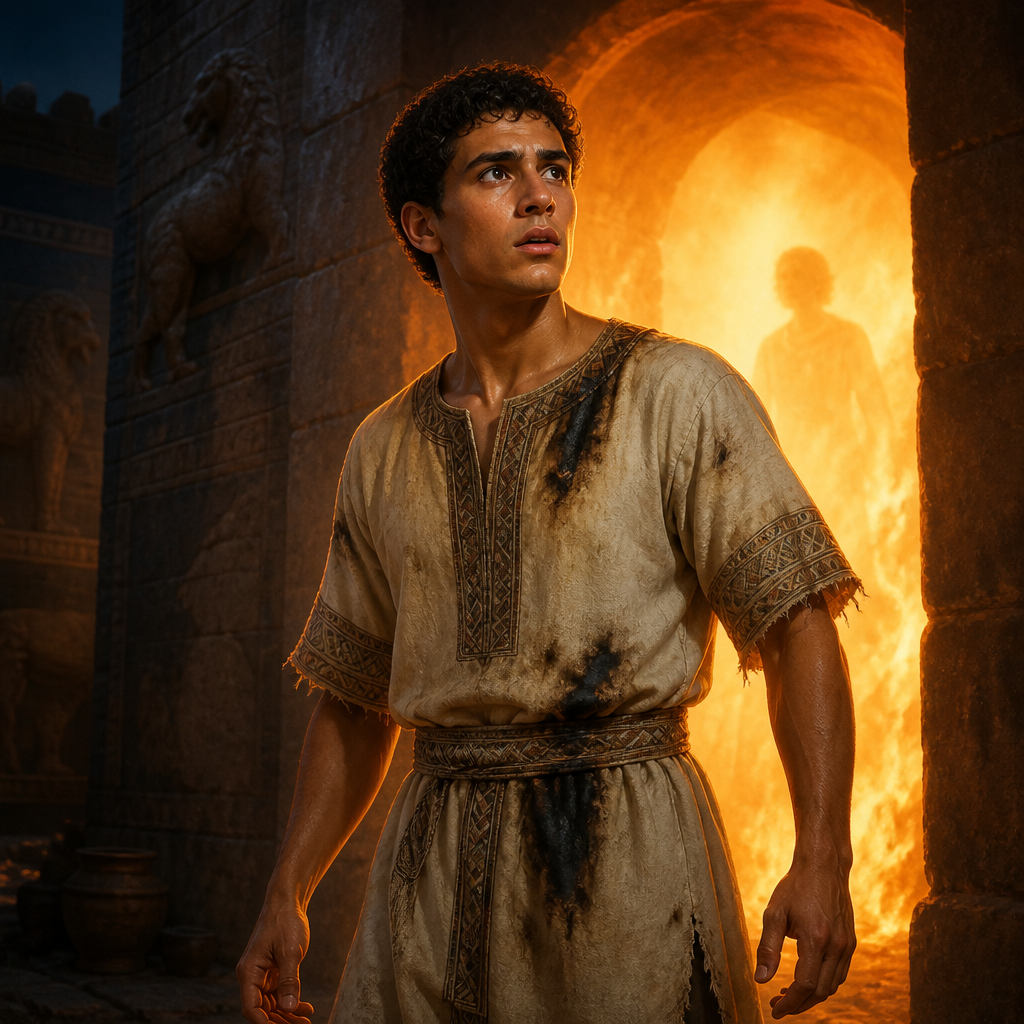
Azariah, Companion of Daniel
Youth who survived the fiery furnace with Shadrach and Meshach
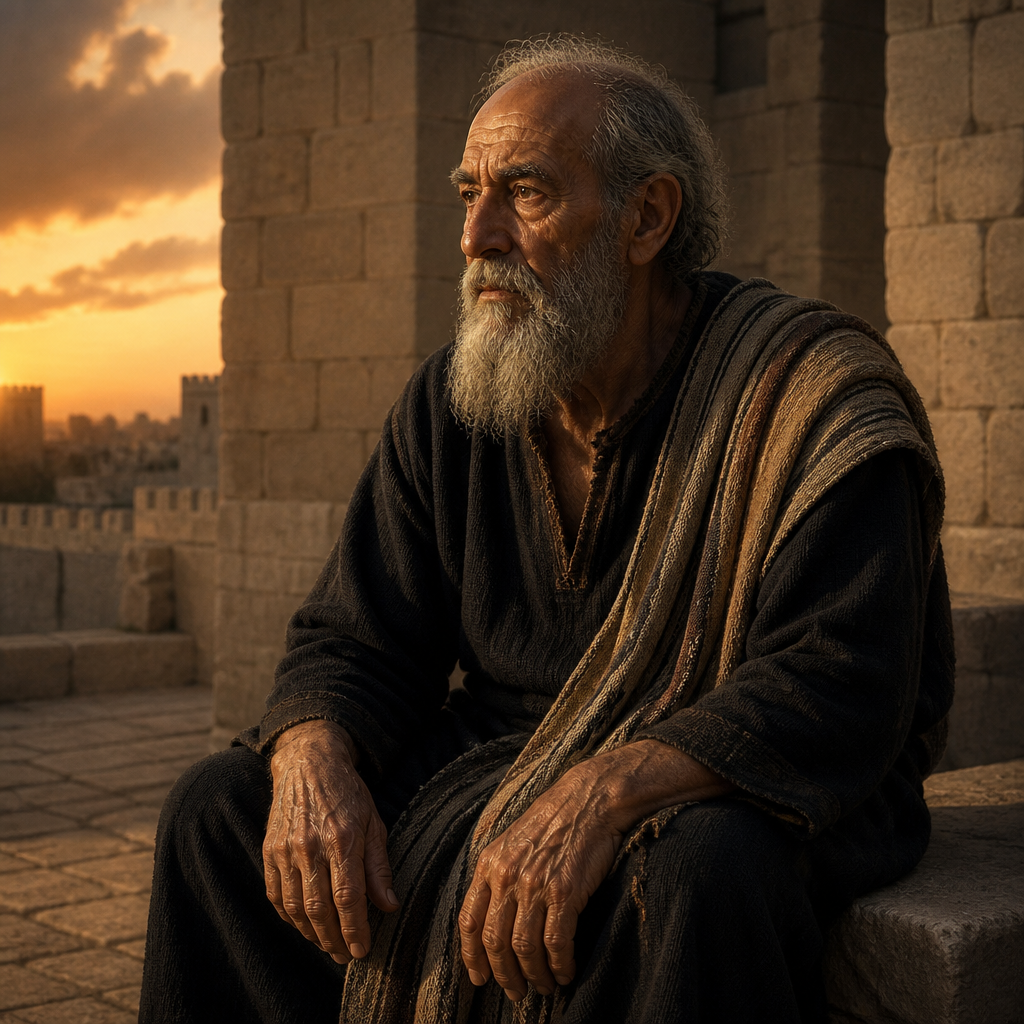
Azzur, Father of Jaazaniah
father of Jaazaniah who was a corrupt leader in Jerusalem during Ezekiel's vision
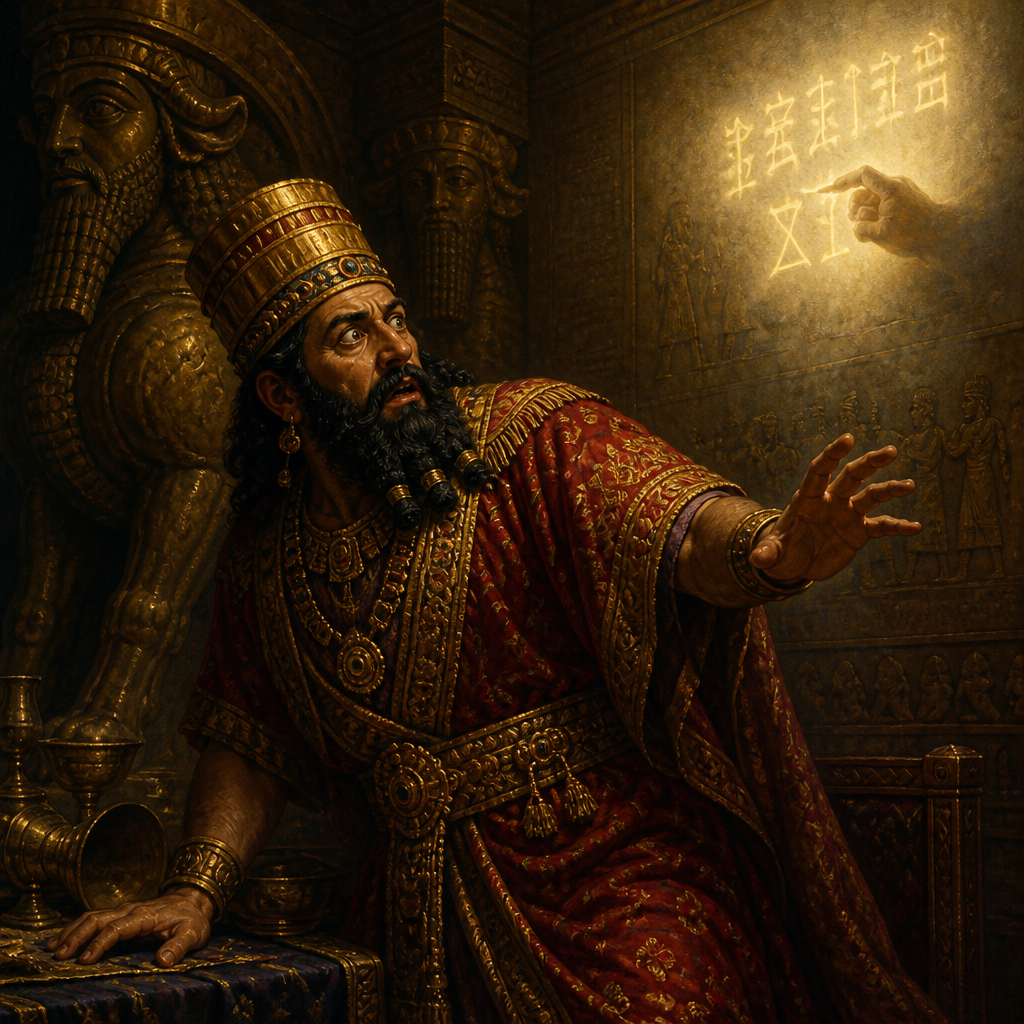
Belshazzar
King of Babylon who saw the supernatural writing on the wall during a sacrilegious feast

Belshazzar's Queen
Queen who advised King Belshazzar to summon Daniel to interpret the writing on the wall
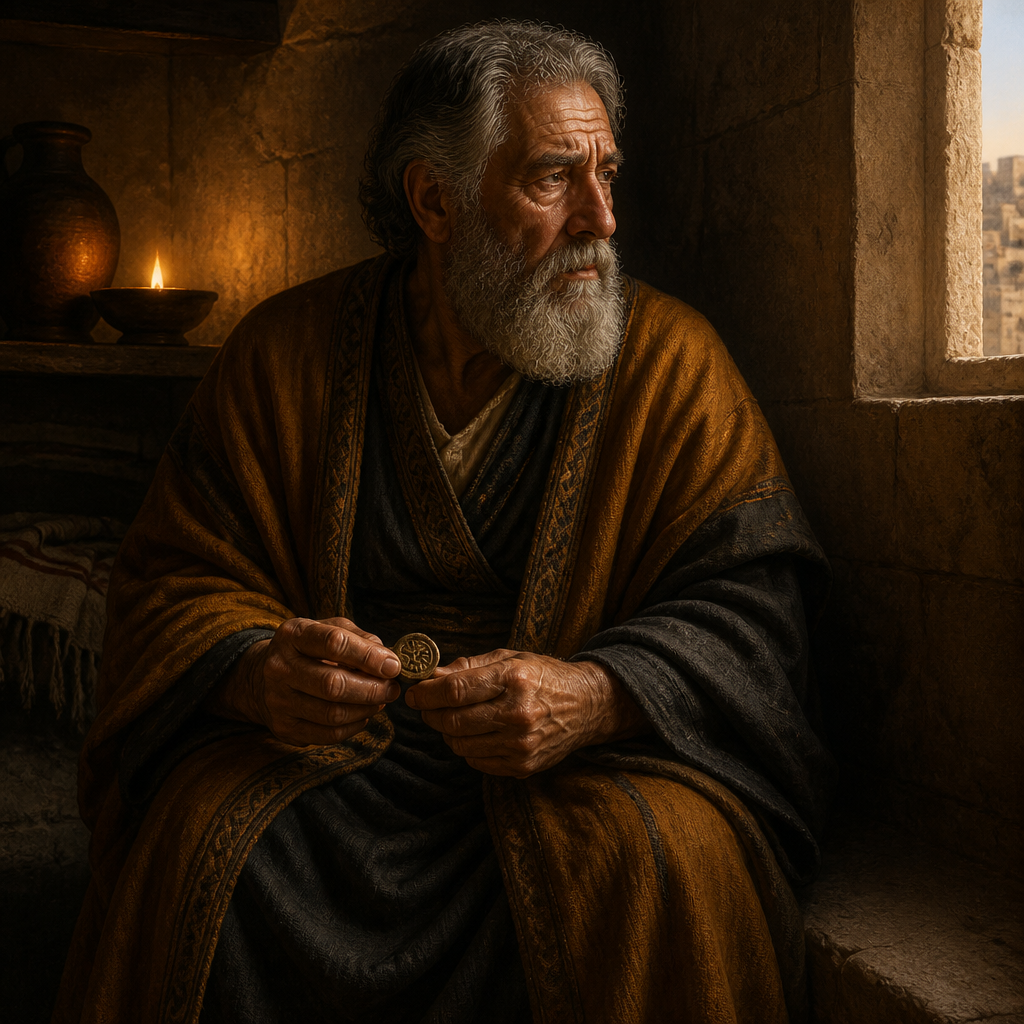
Benaiah, Father of Pelatiah
Father of Pelatiah, a leader of Jerusalem whose death was witnessed by Ezekiel in a vision
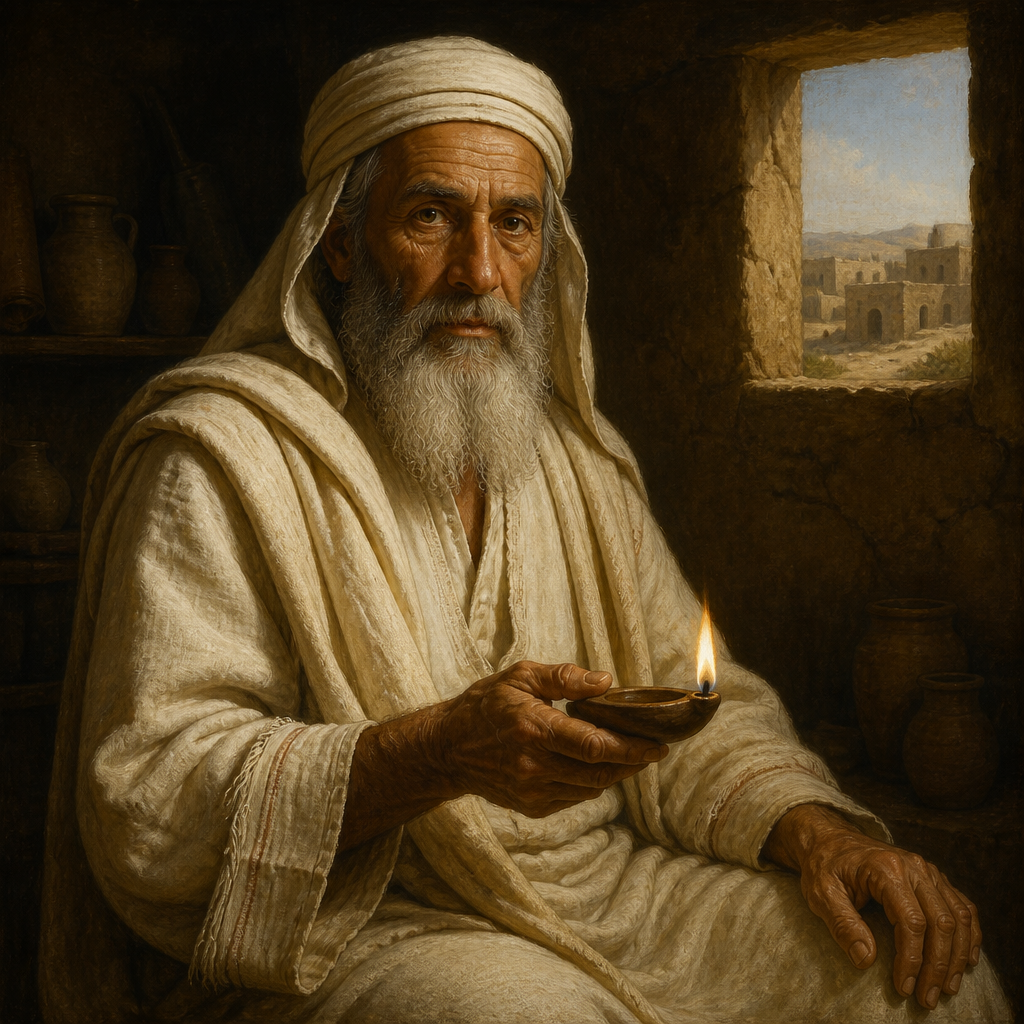
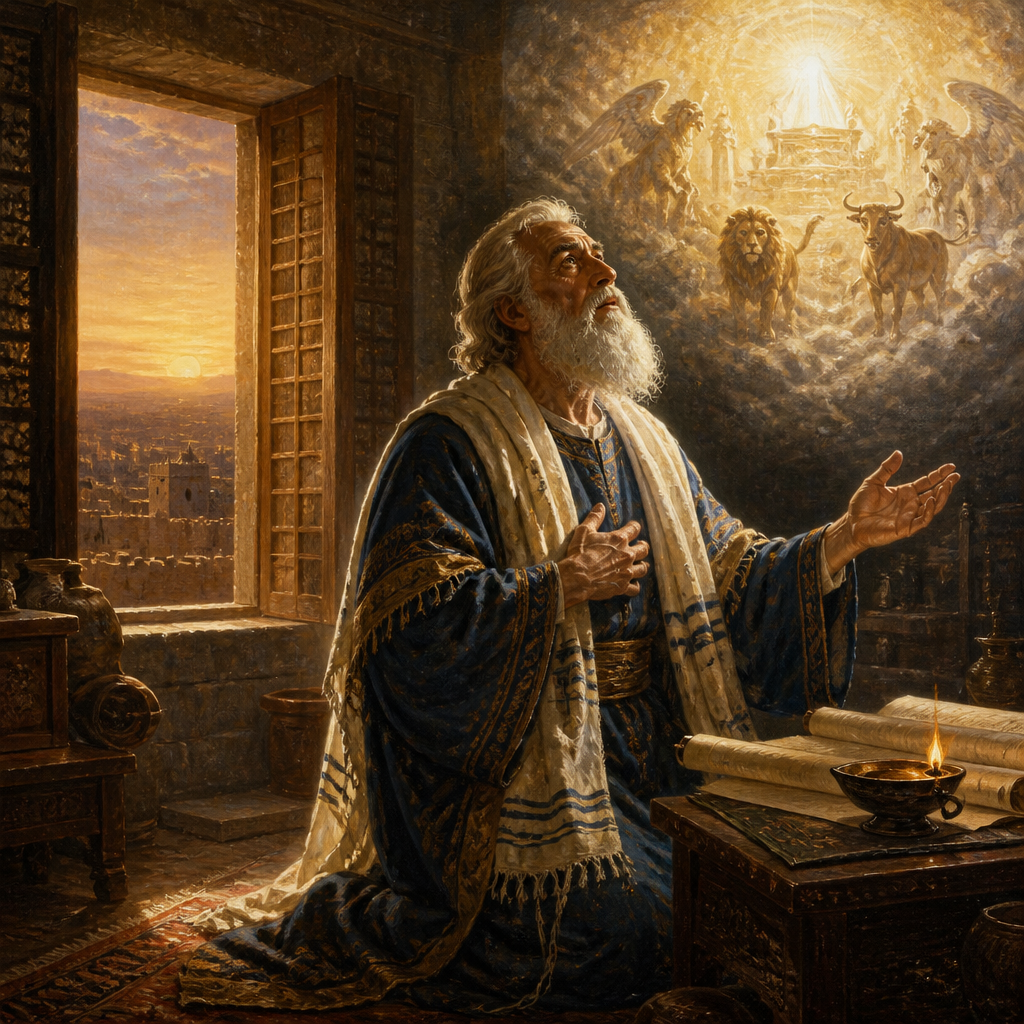
Daniel, Prophet of the Exile
Prophet who survived the lions' den and interpreted the handwriting on the wall

Darius the Mede
King who reluctantly cast Daniel into the lions' den and later praised the living God
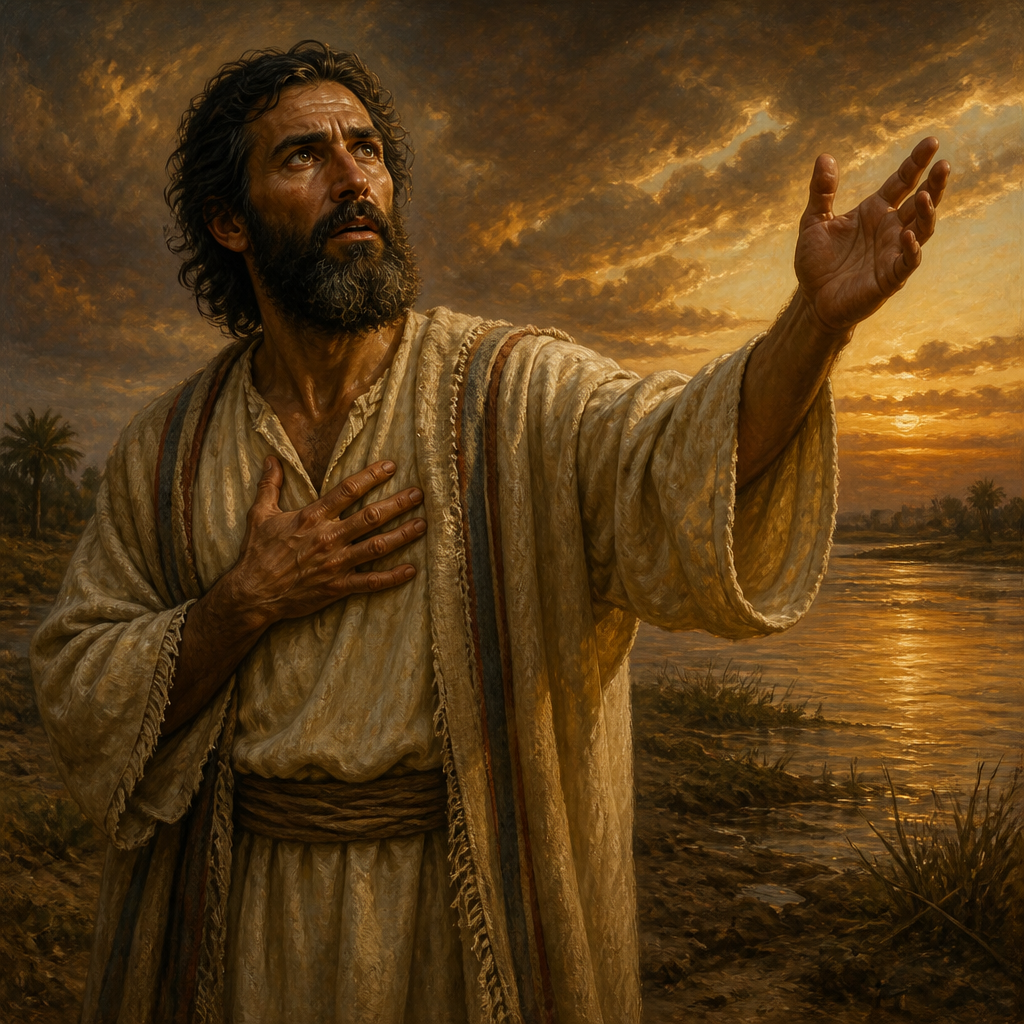
Ezekiel
Prophet who served as a sign to Israel during the Babylonian Exile
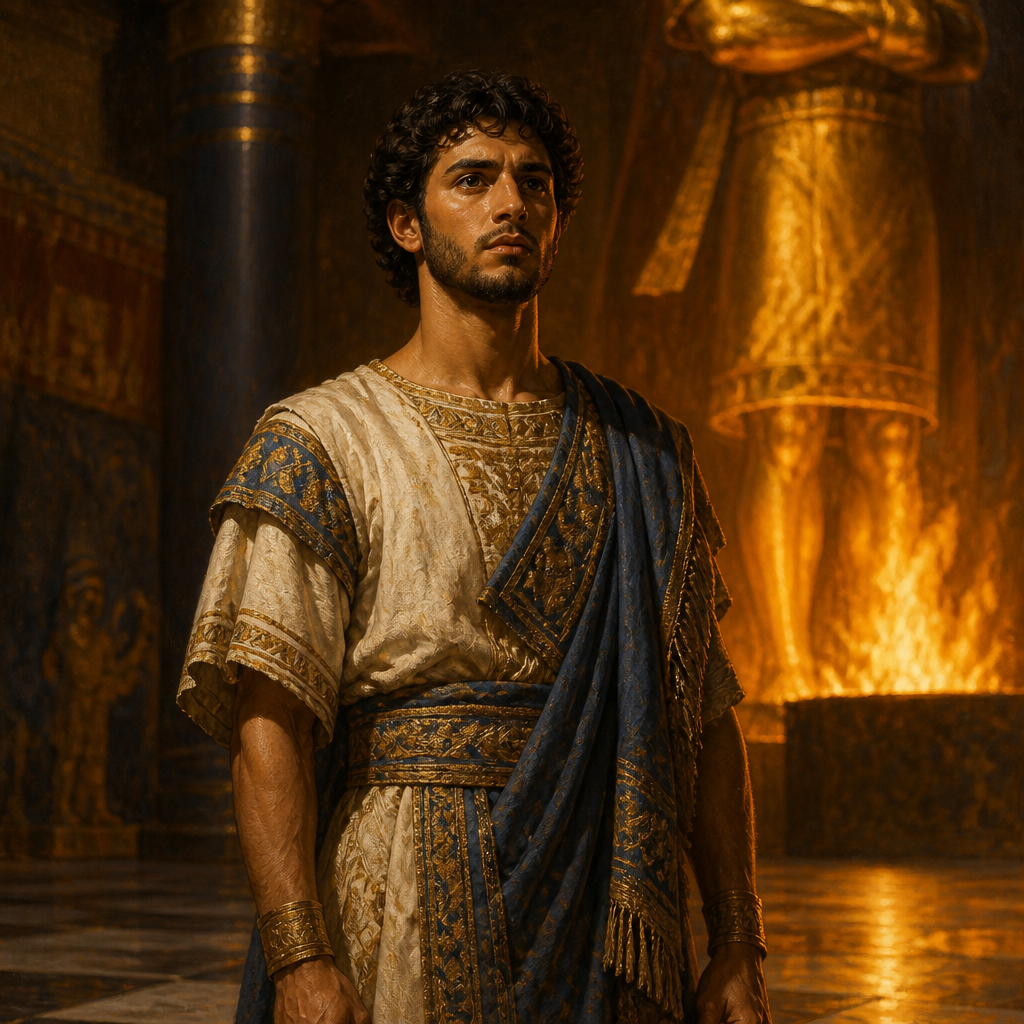
Hananiah, Friend of Daniel
Judean exile who survived being thrown into a fiery furnace for refusing to worship a golden idol
Jaazaniah, Son of Azzur
Leader in Jerusalem who gave wicked counsel during Ezekiel's vision
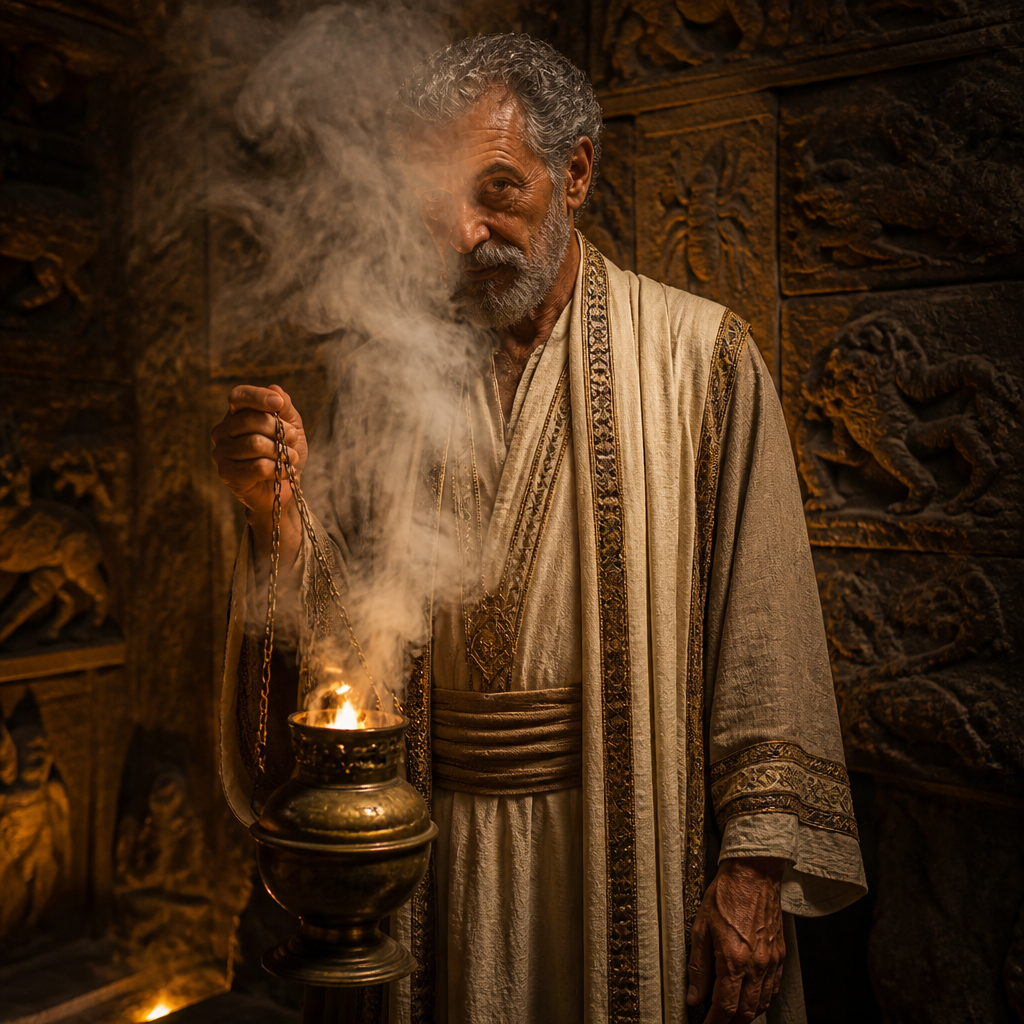
Jaazaniah, Son of Shaphan
Elder of Israel seen by Ezekiel in a vision of Temple idolatry

Michael, the Chief Prince
Archangel who leads the heavenly host and protects the people of Israel

Mishael, Companion of Daniel
Judean noble who was renamed Meshach and miraculously survived the fiery furnace
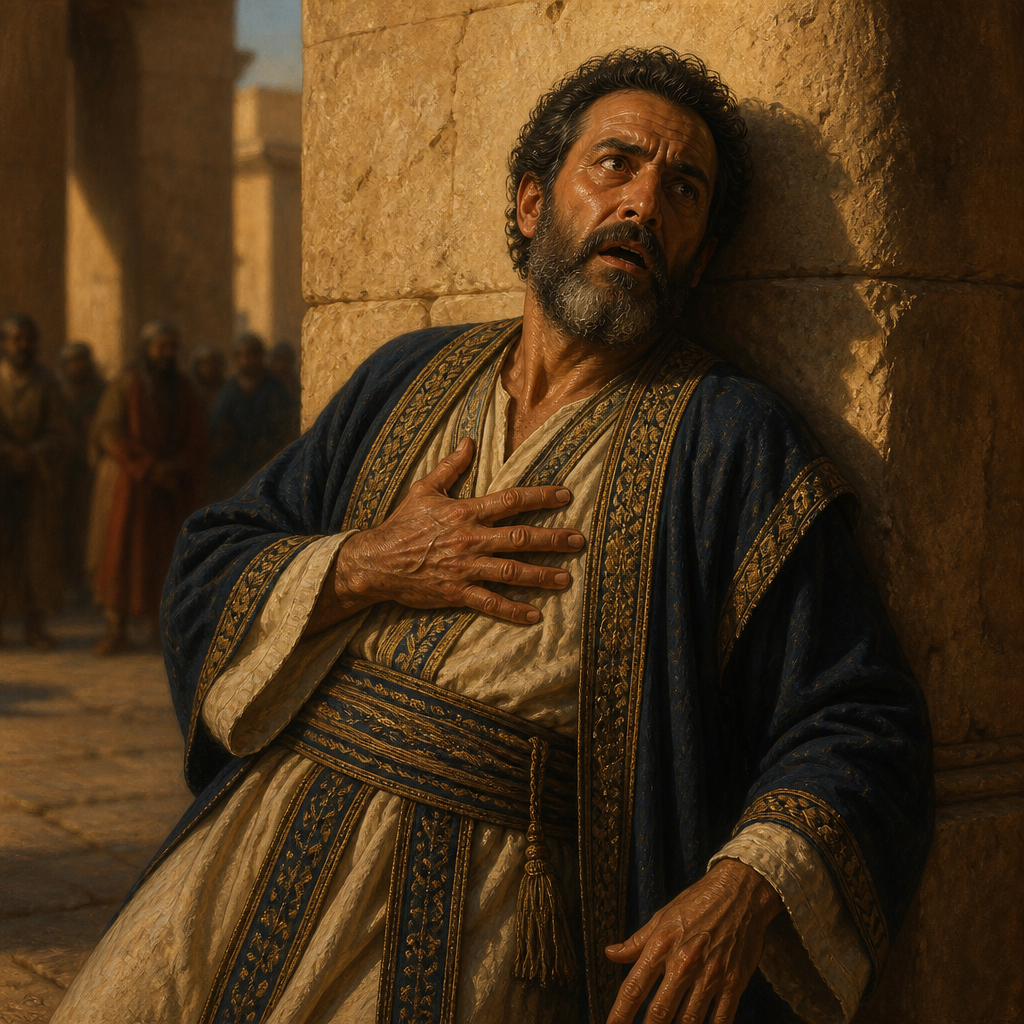
Pelatiah son of Benaiah
Leader of Jerusalem whose sudden death occurred during Ezekiel's prophecy
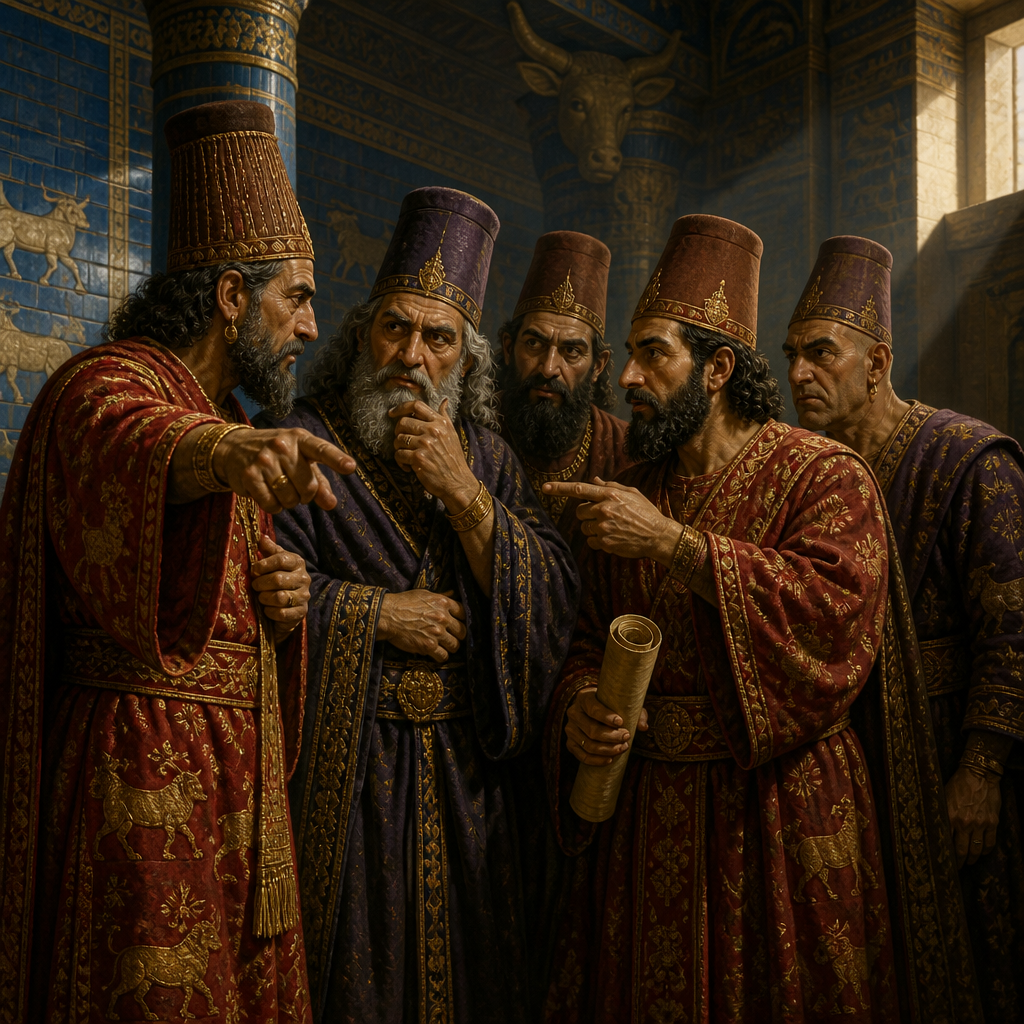
The Satraps Who Accused Daniel
Officials who conspired to have Daniel thrown into the lions' den
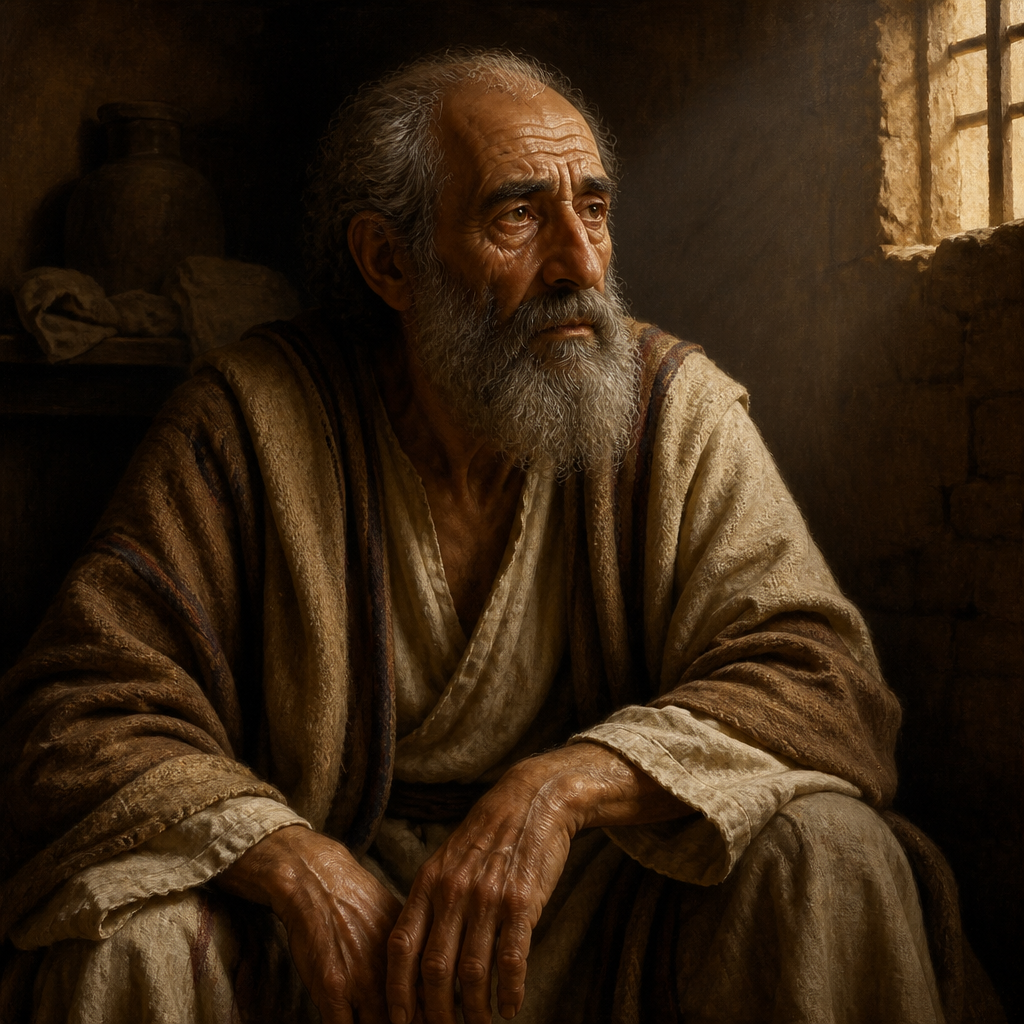
Shaphan, Father of Jaazaniah
father of Jaazaniah who was one of the seventy elders in Ezekiel's vision
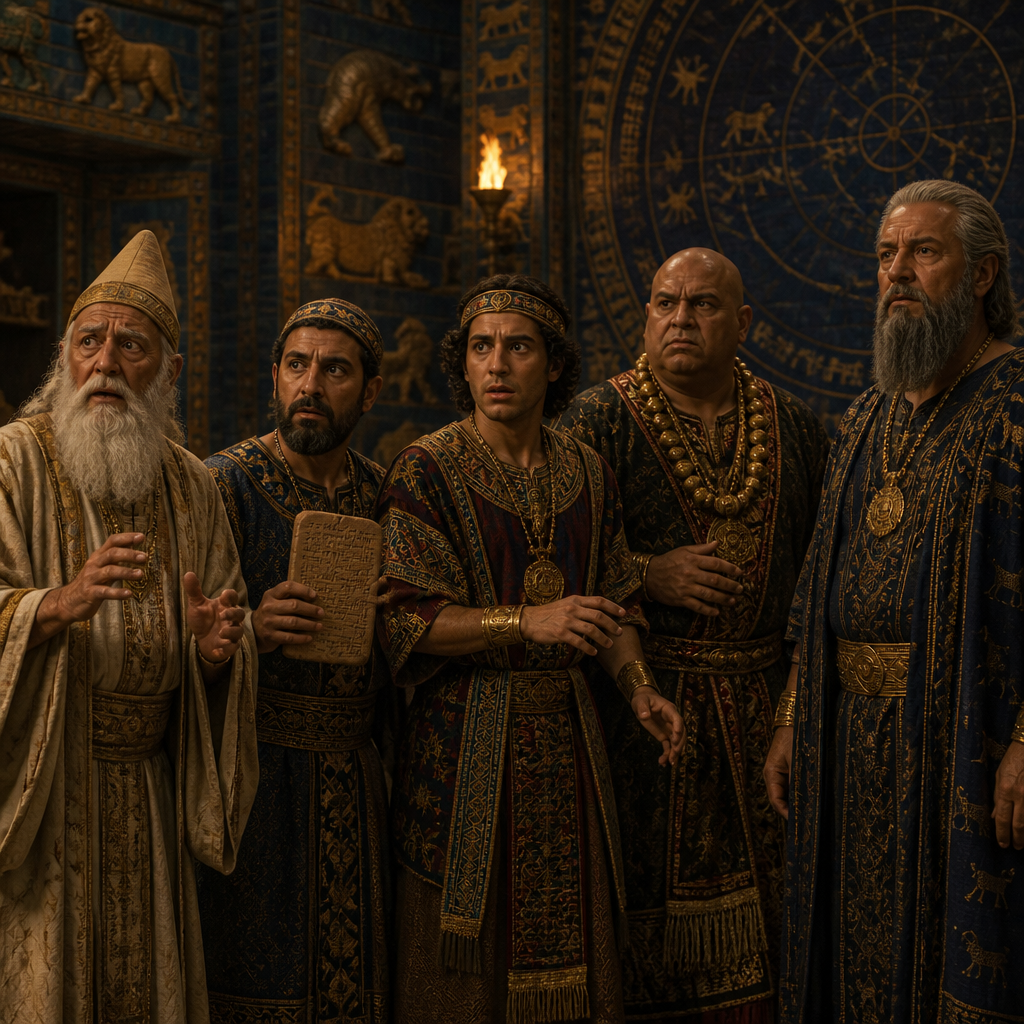
The Wise Men of Babylon
Royal advisors who failed to interpret Nebuchadnezzar's dream