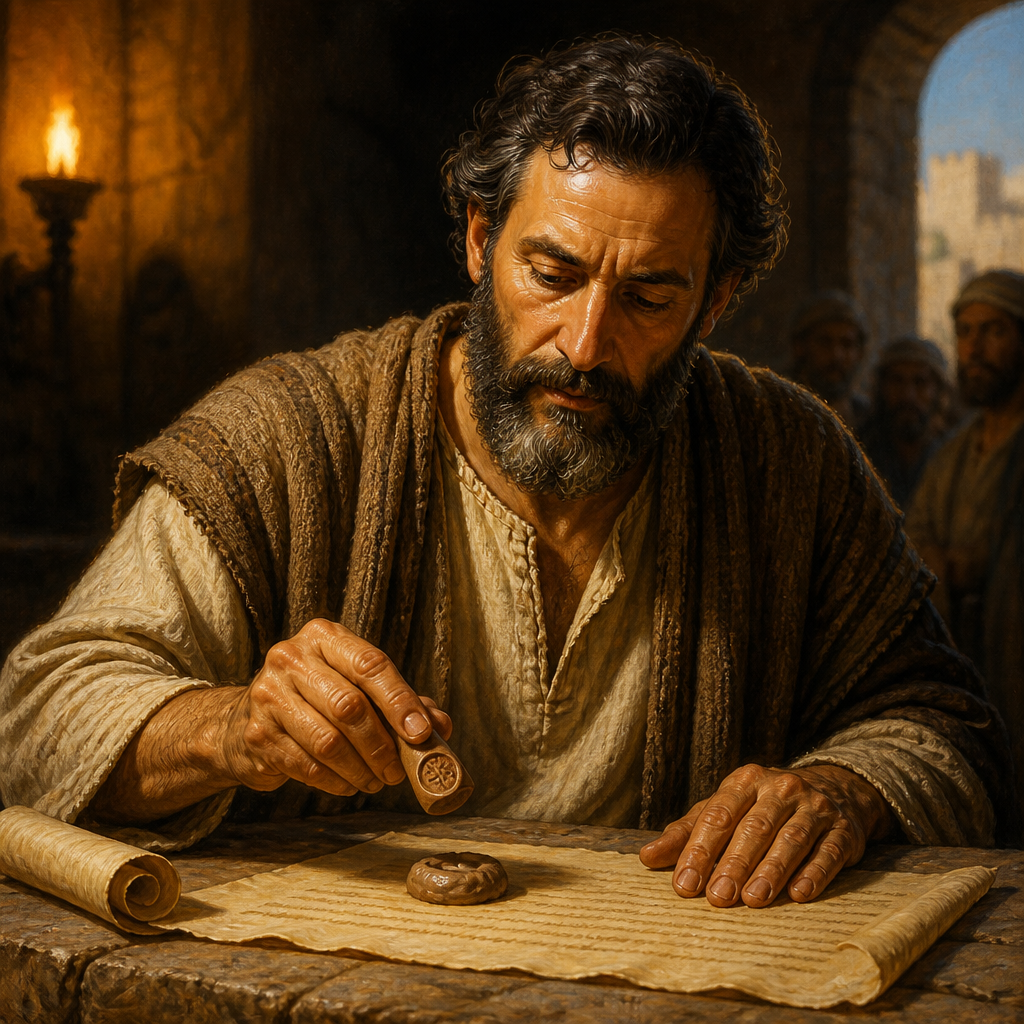
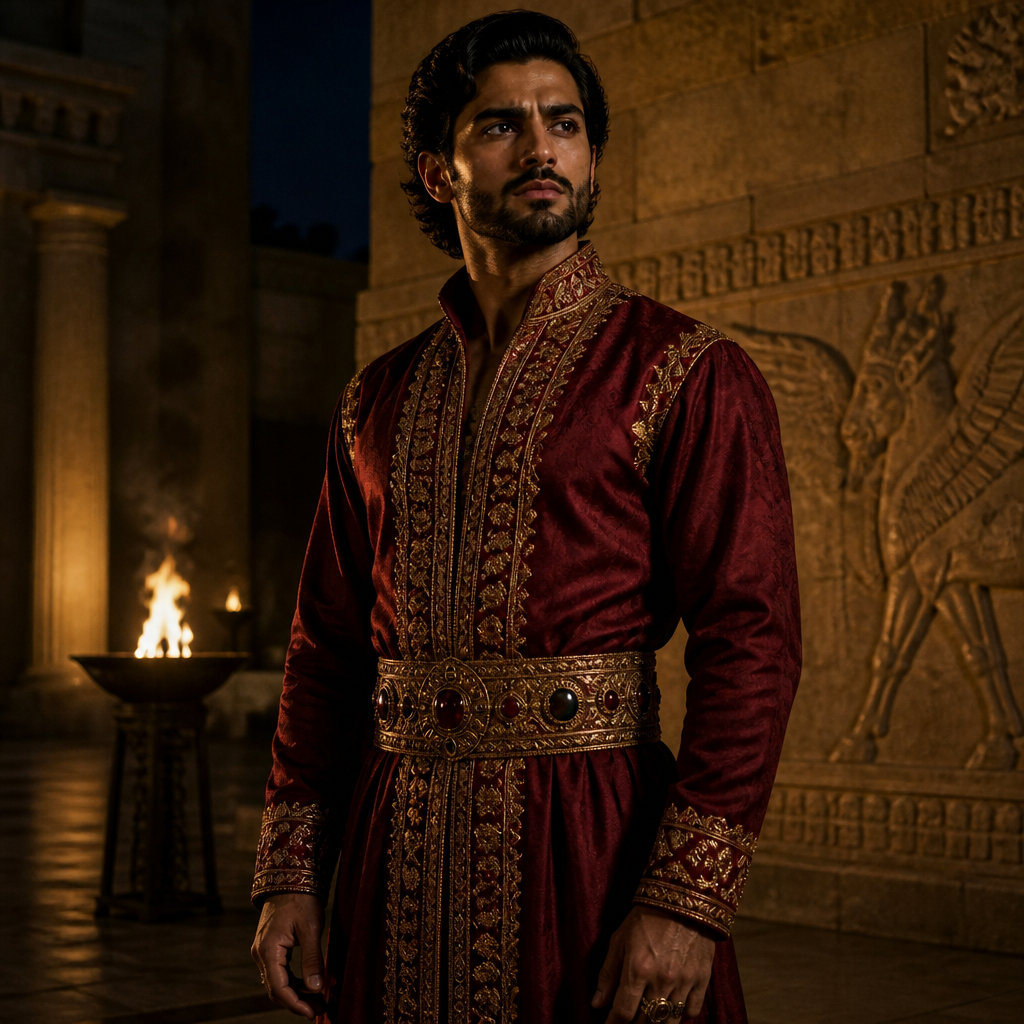
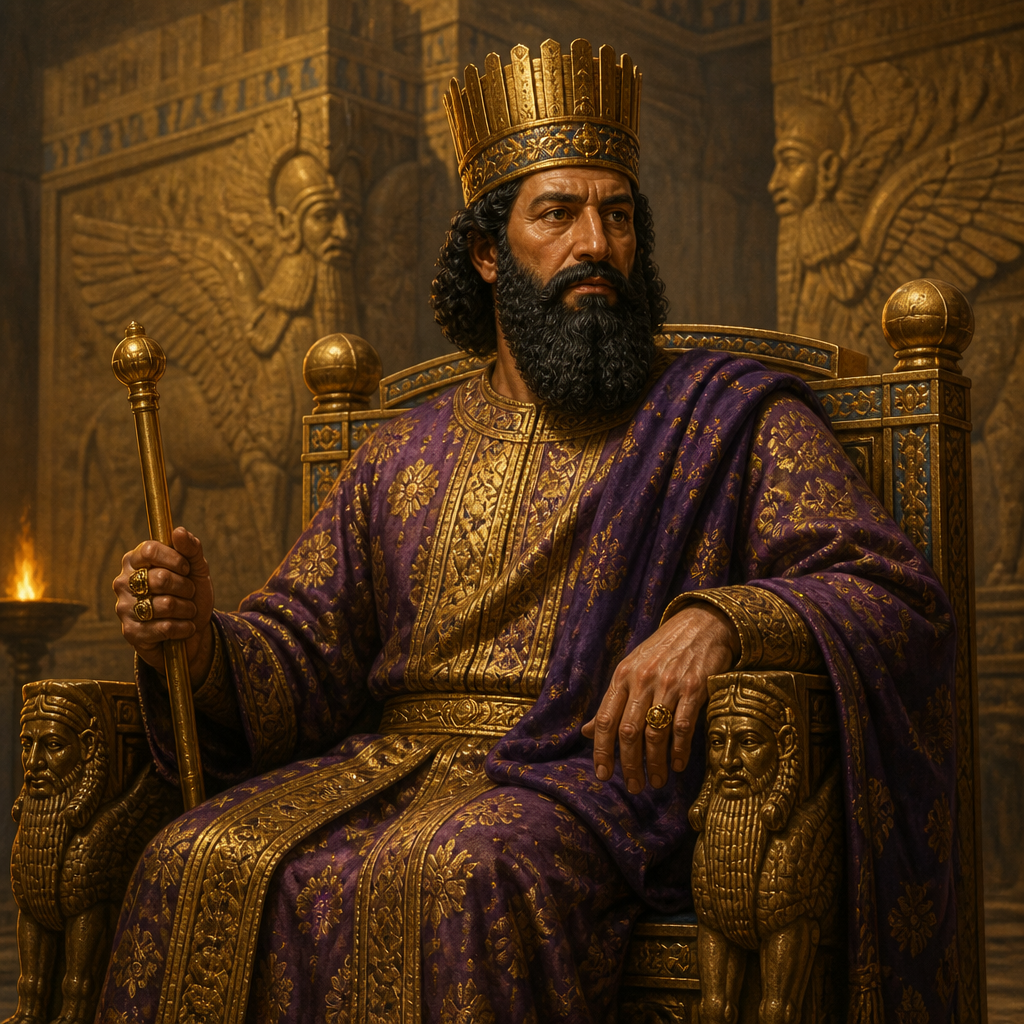
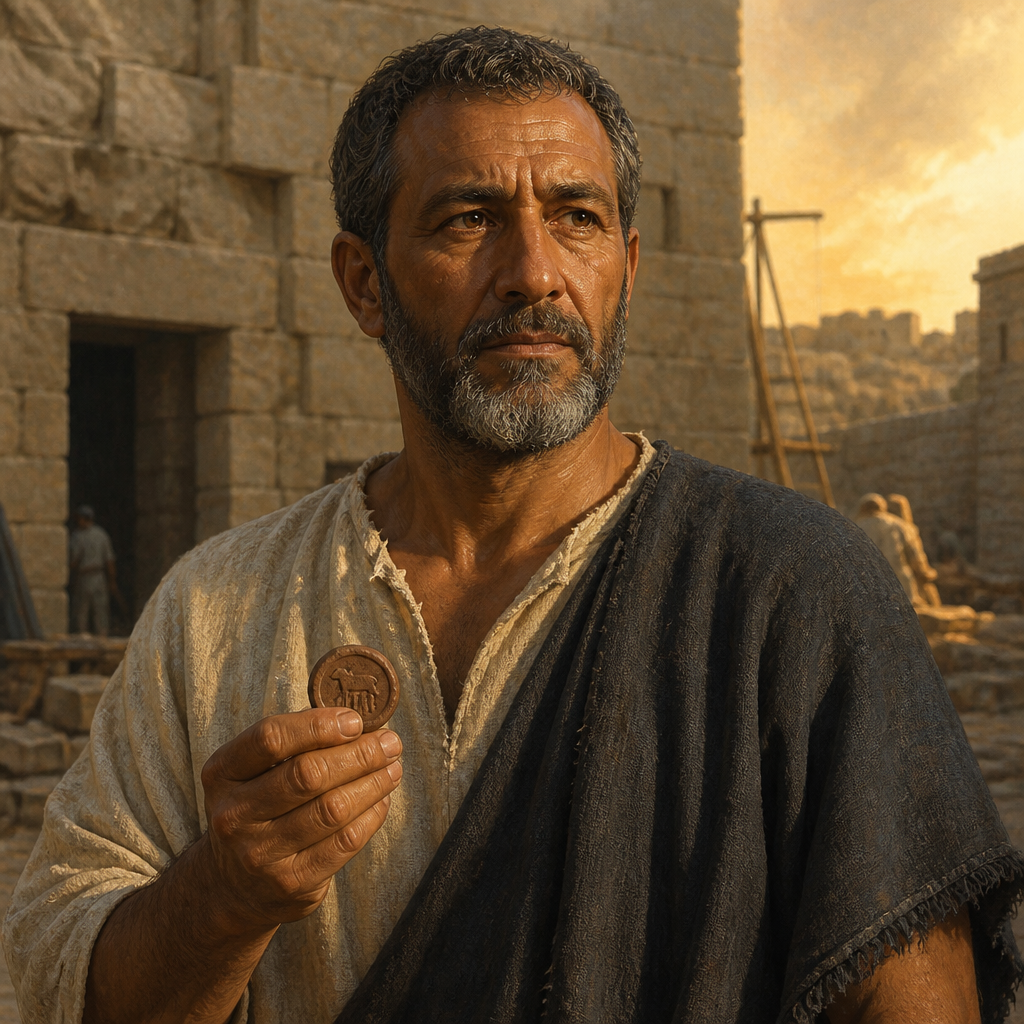
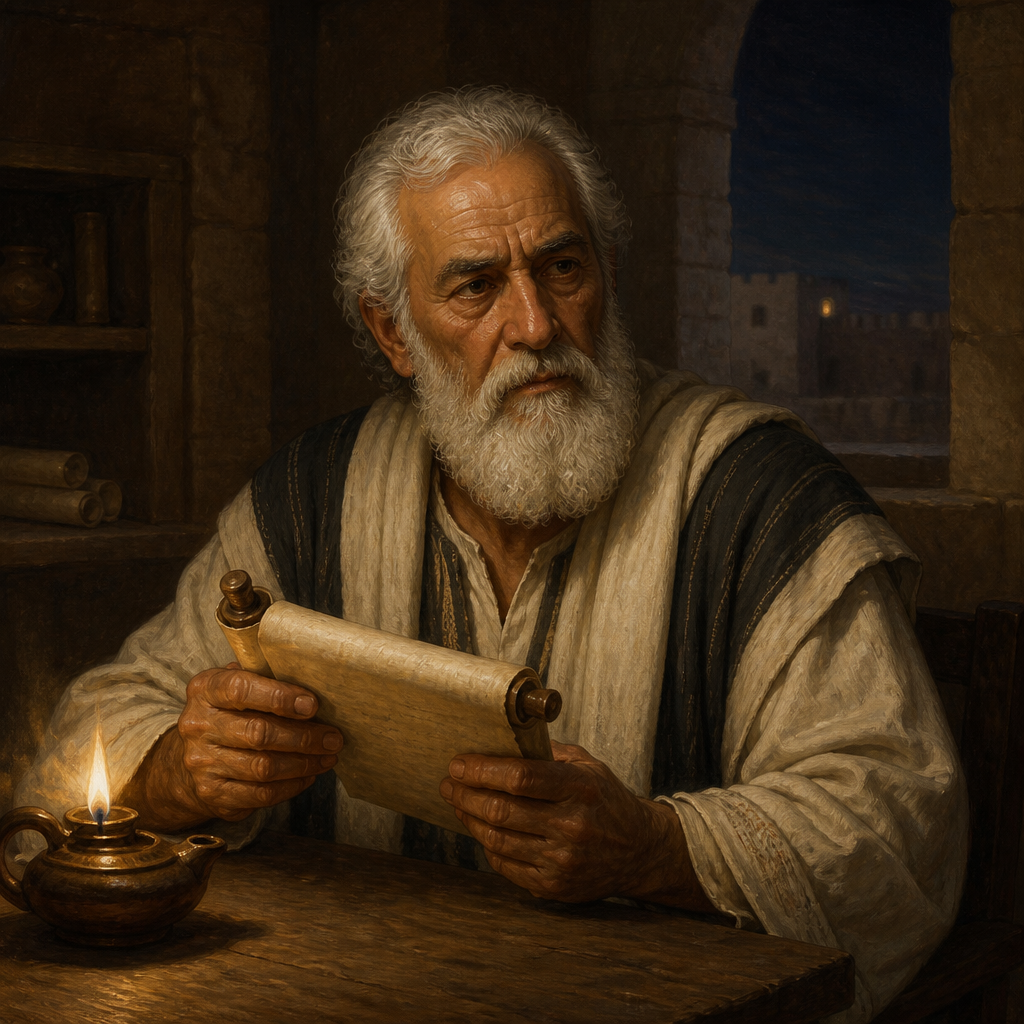
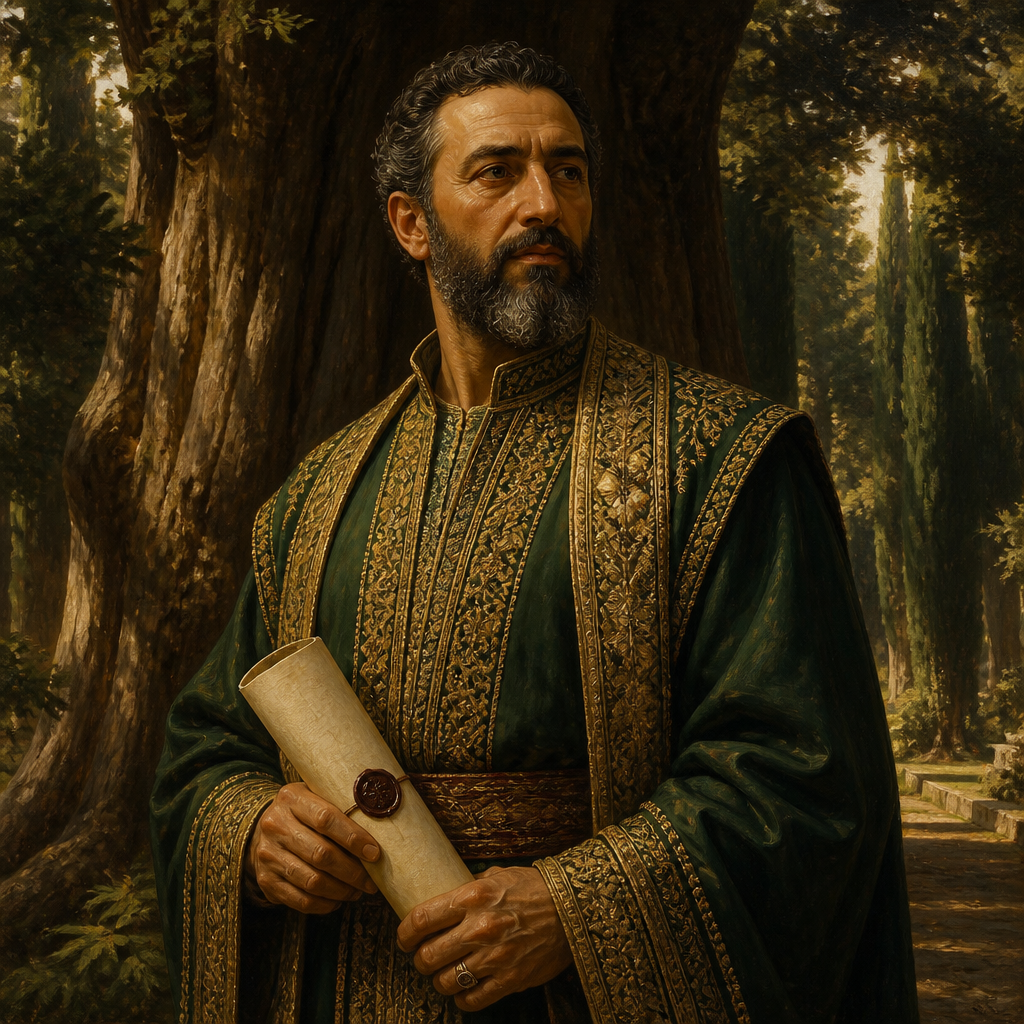
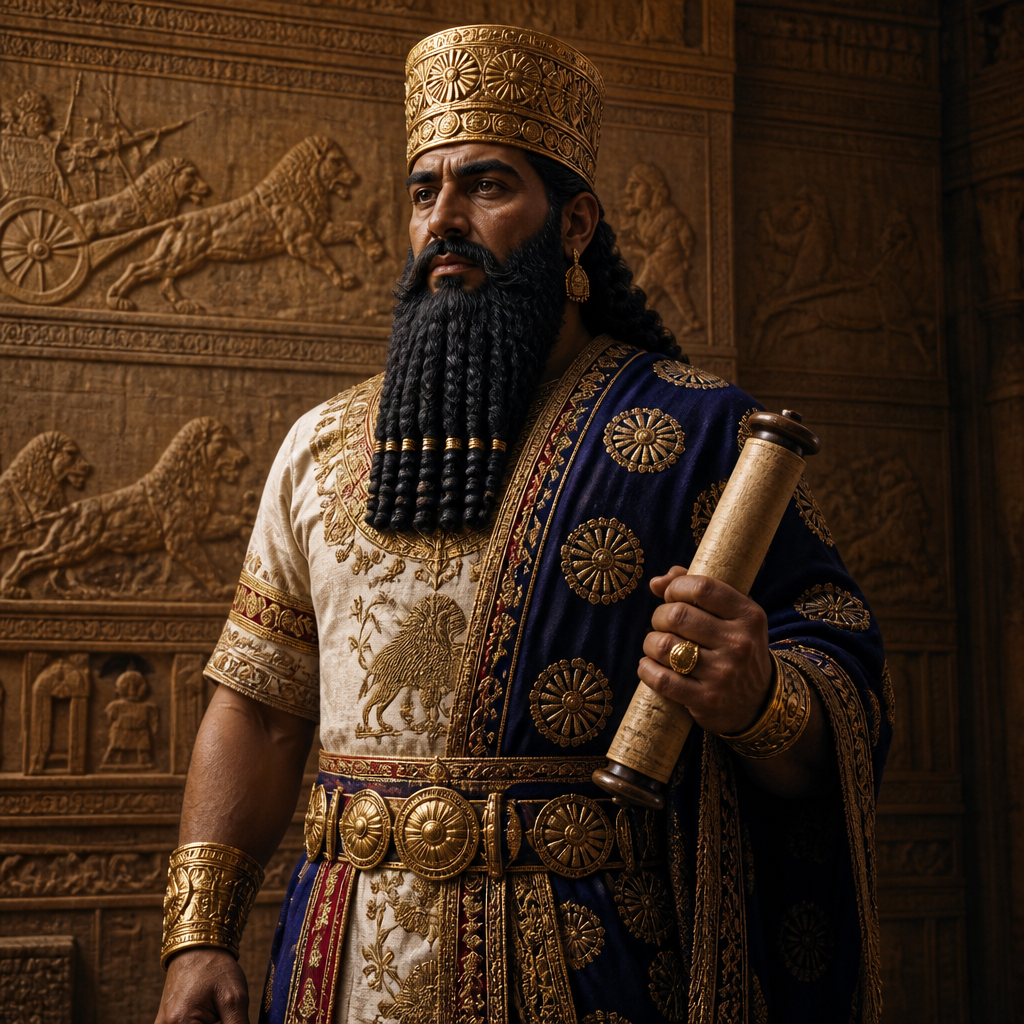
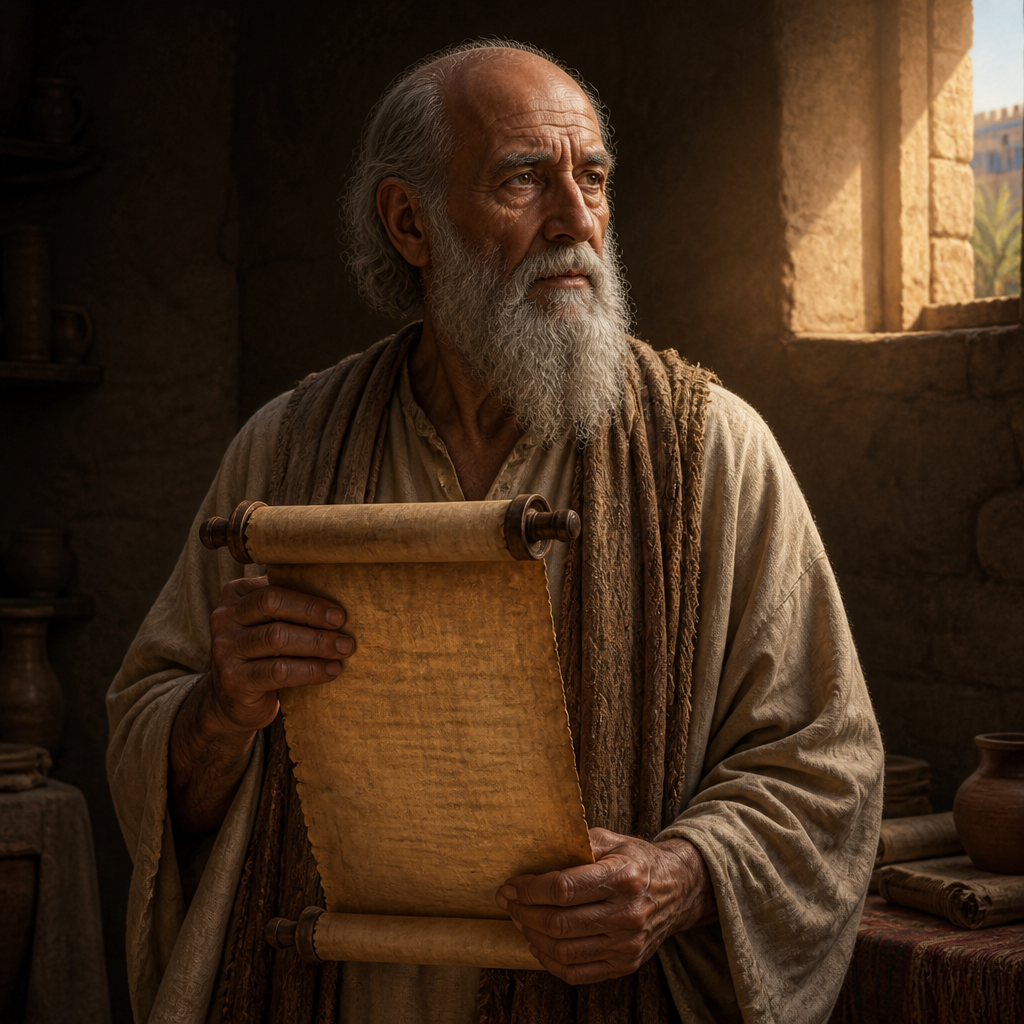
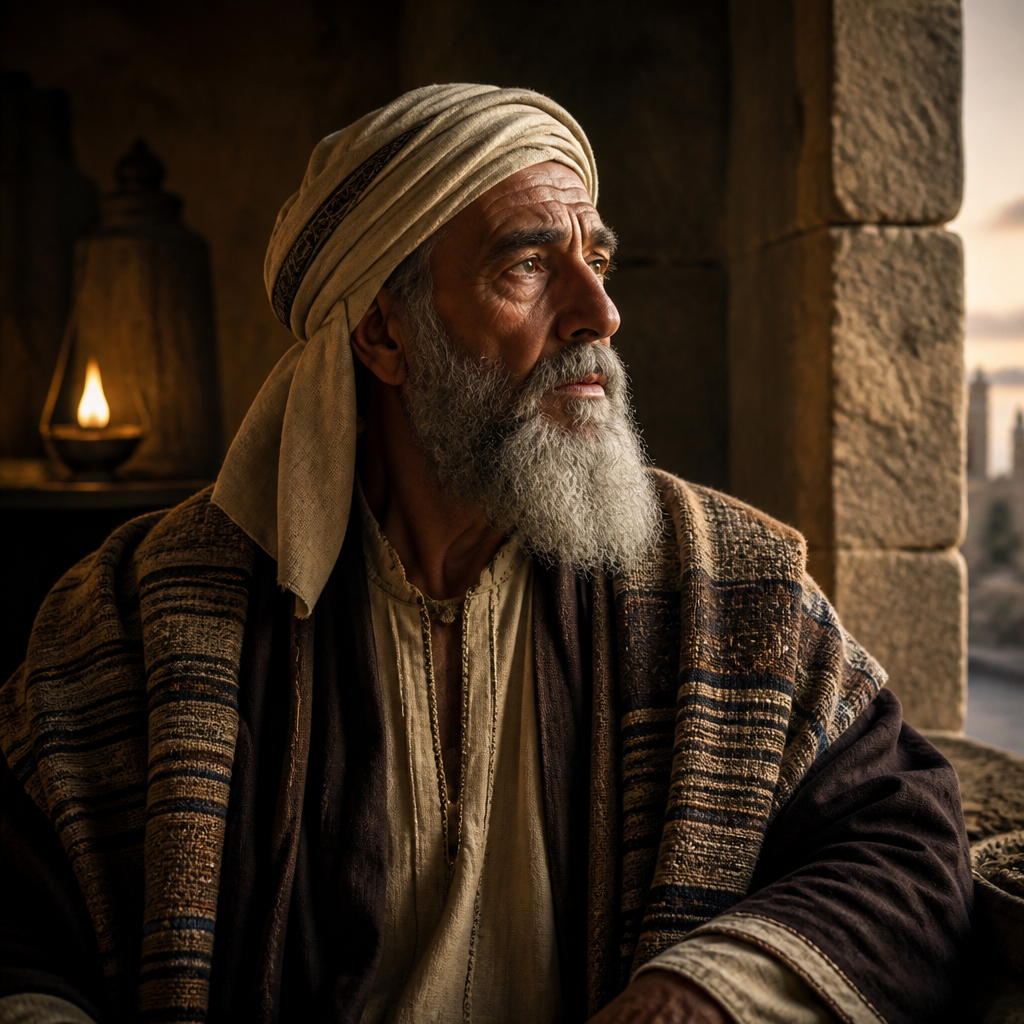
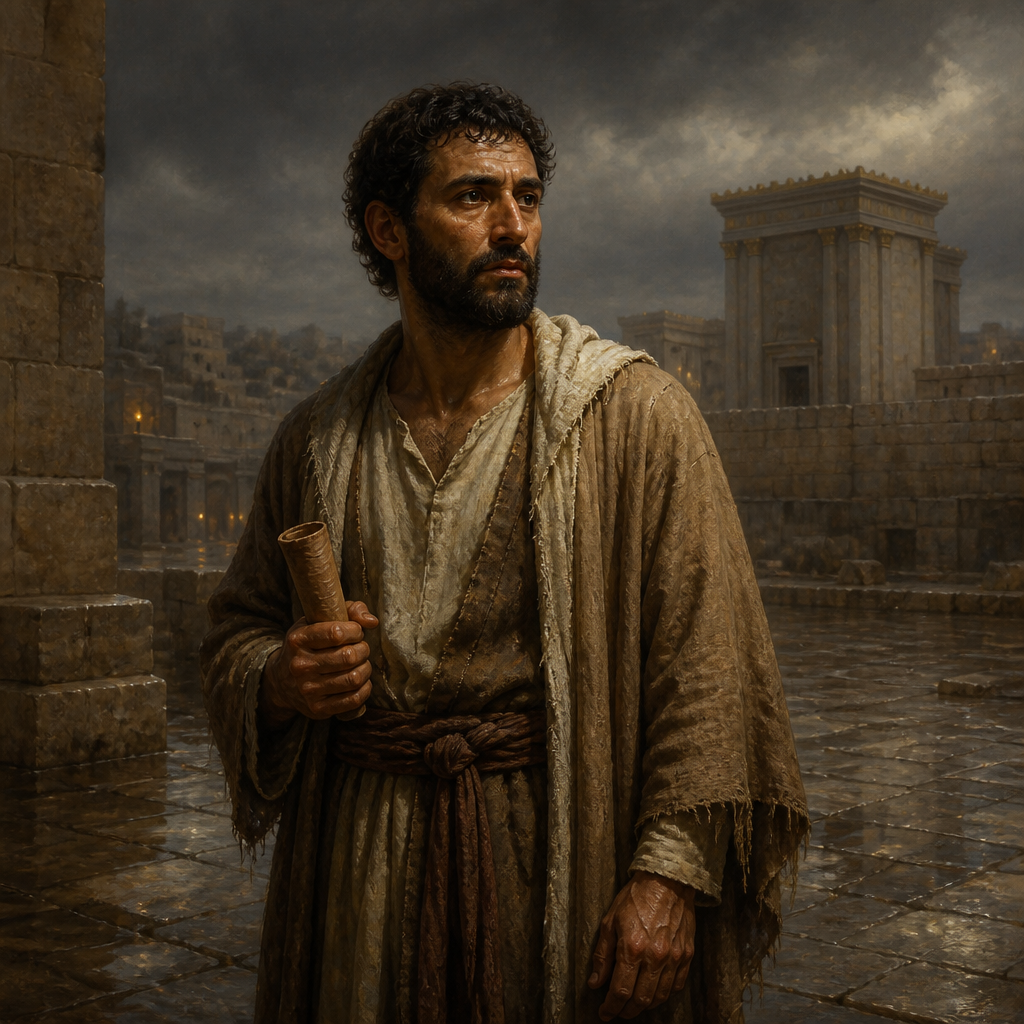
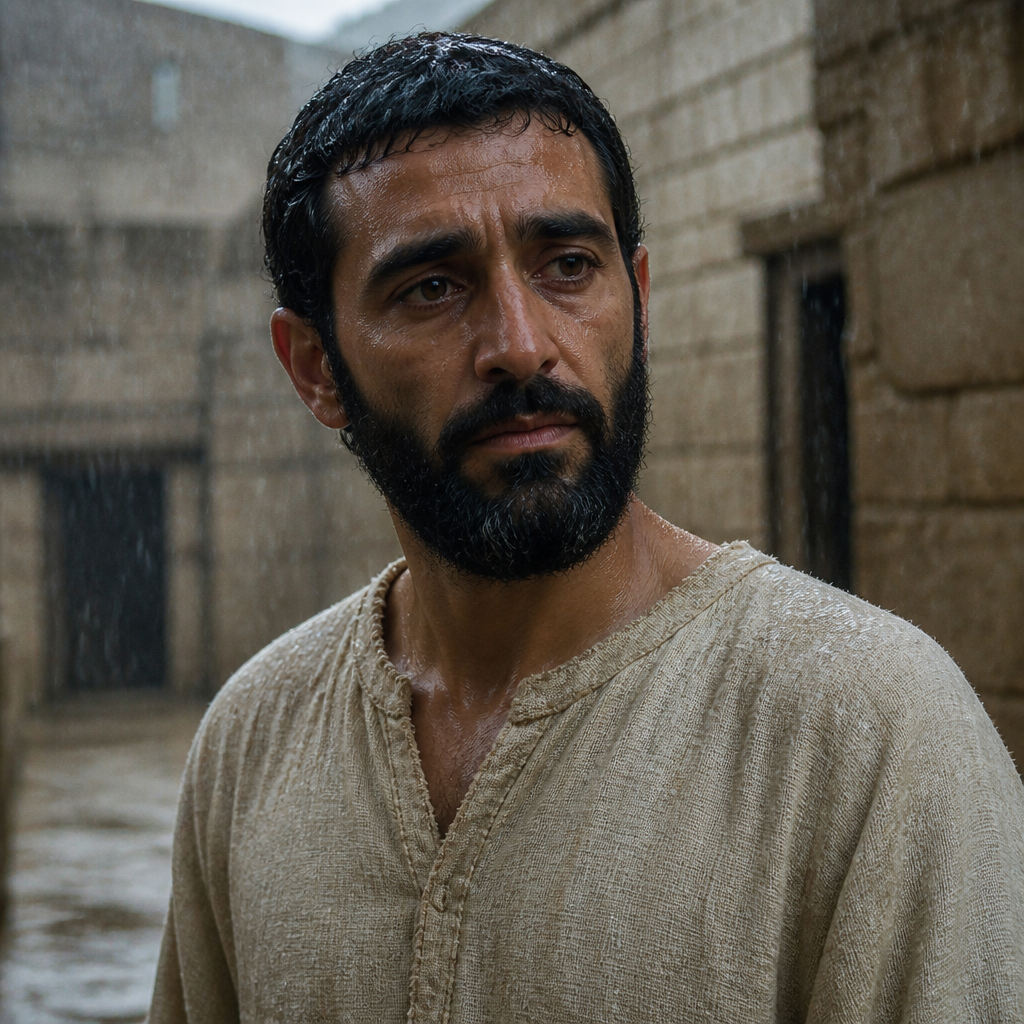
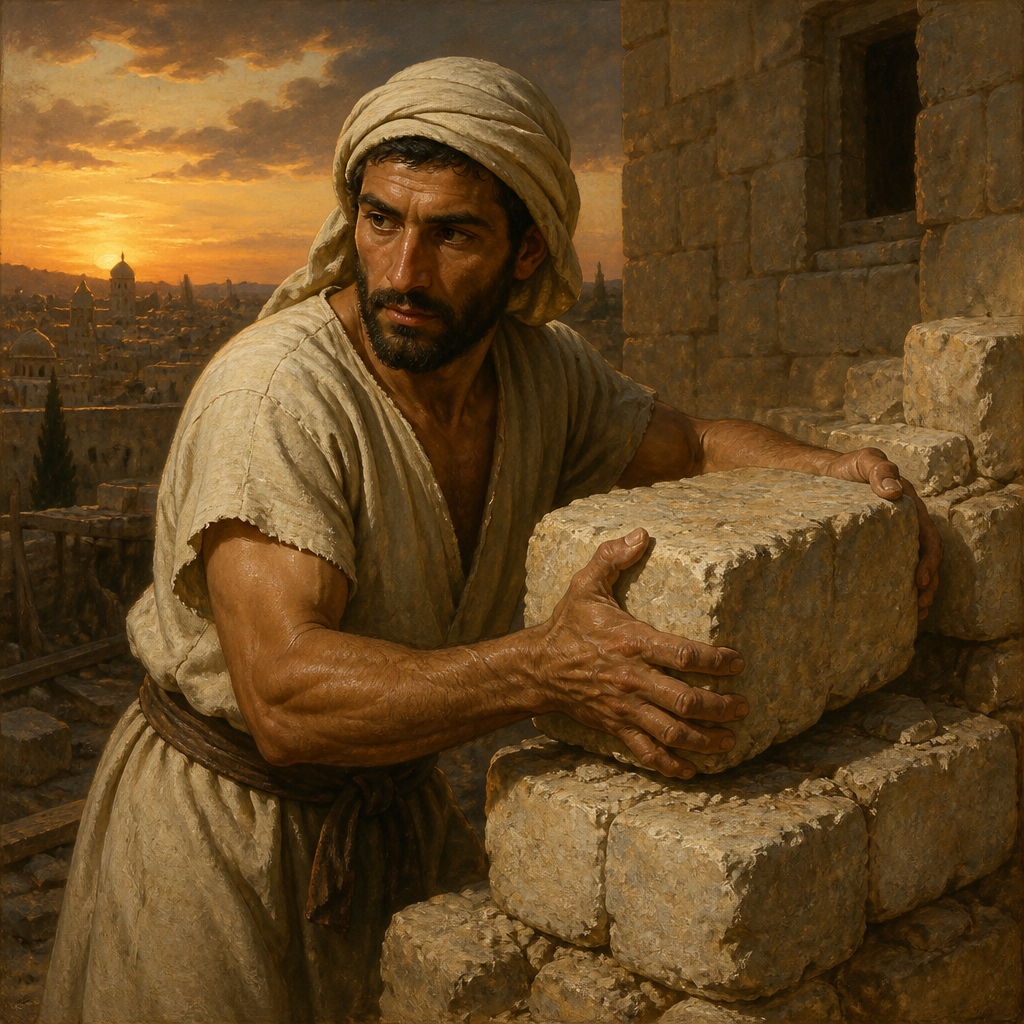
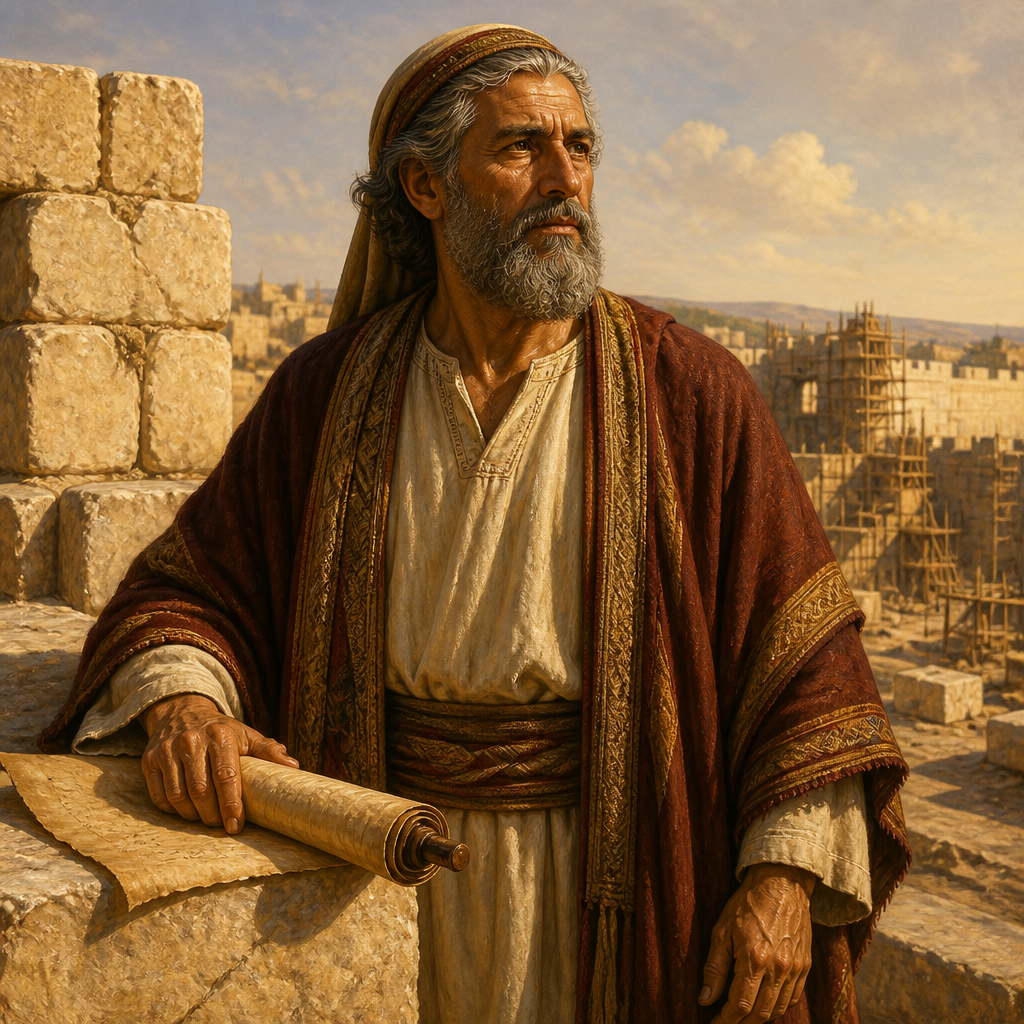
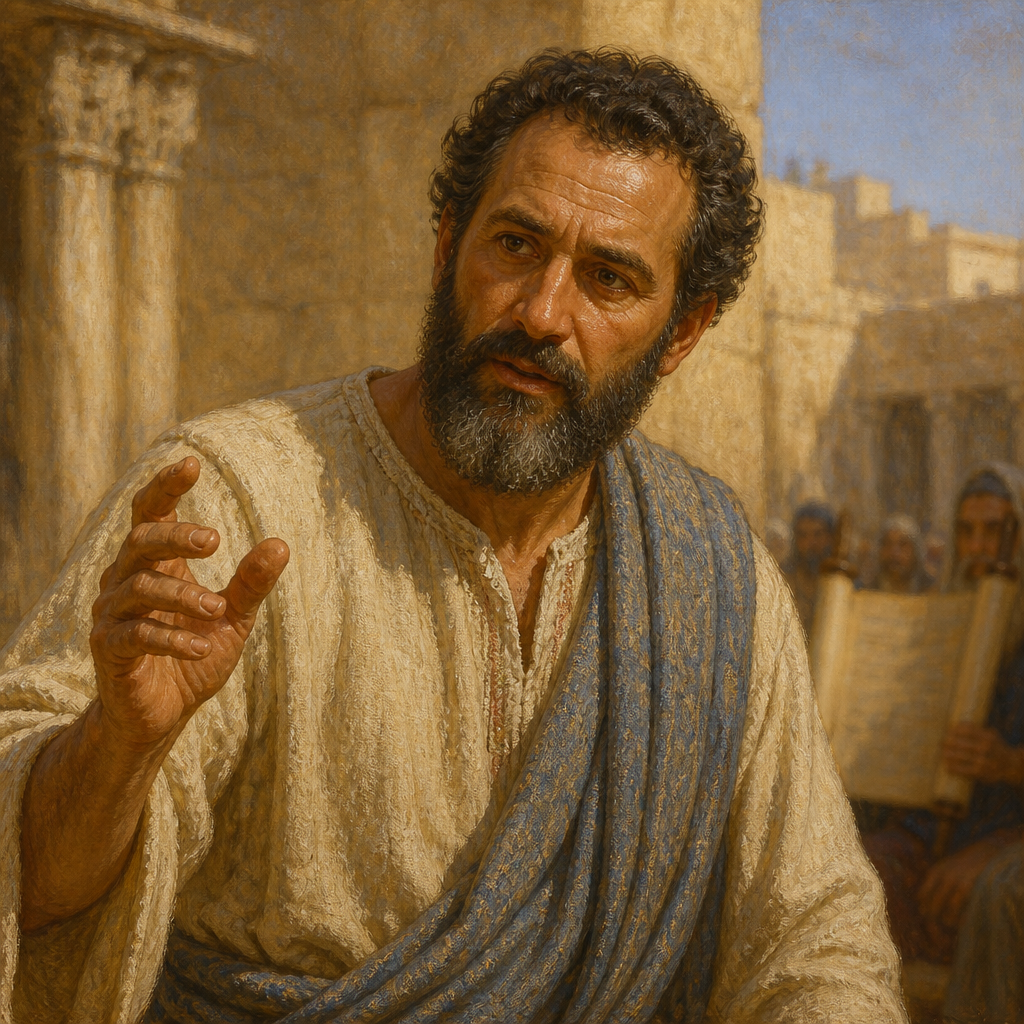
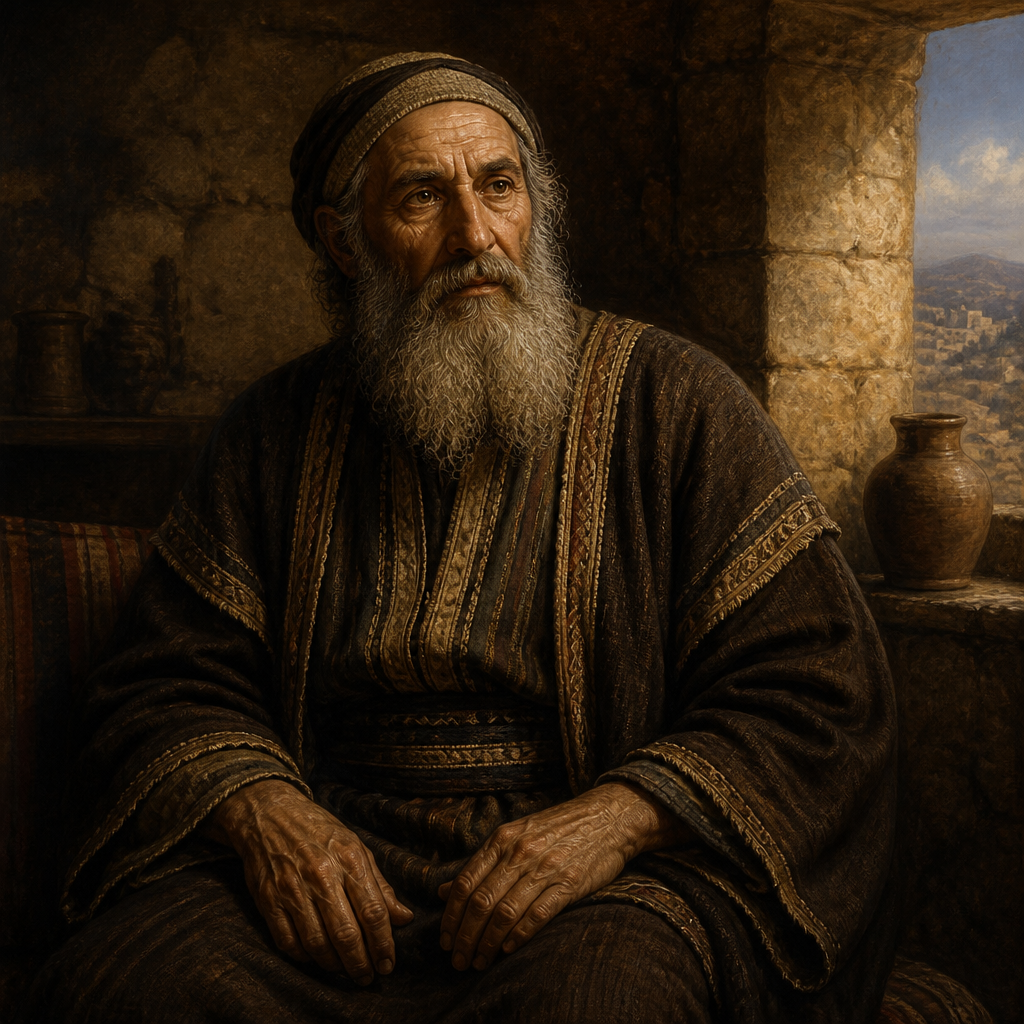
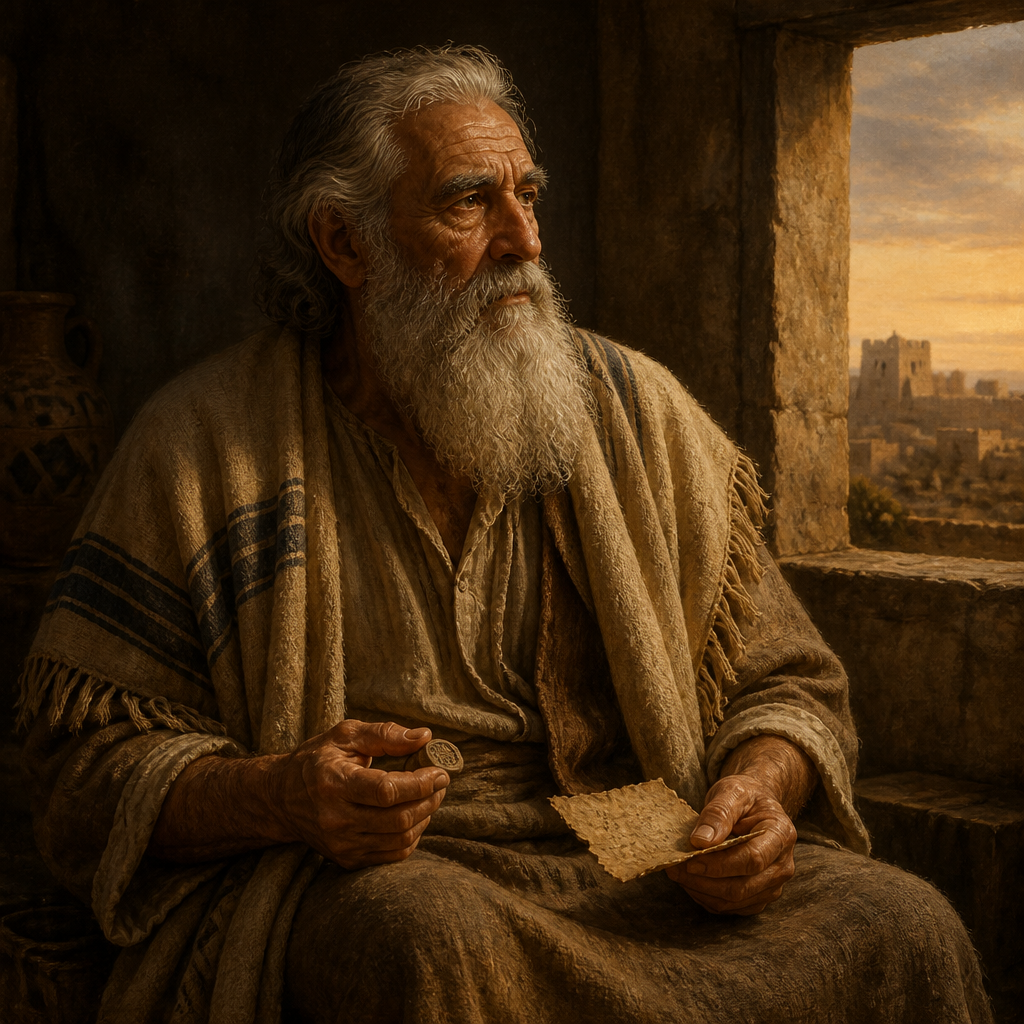
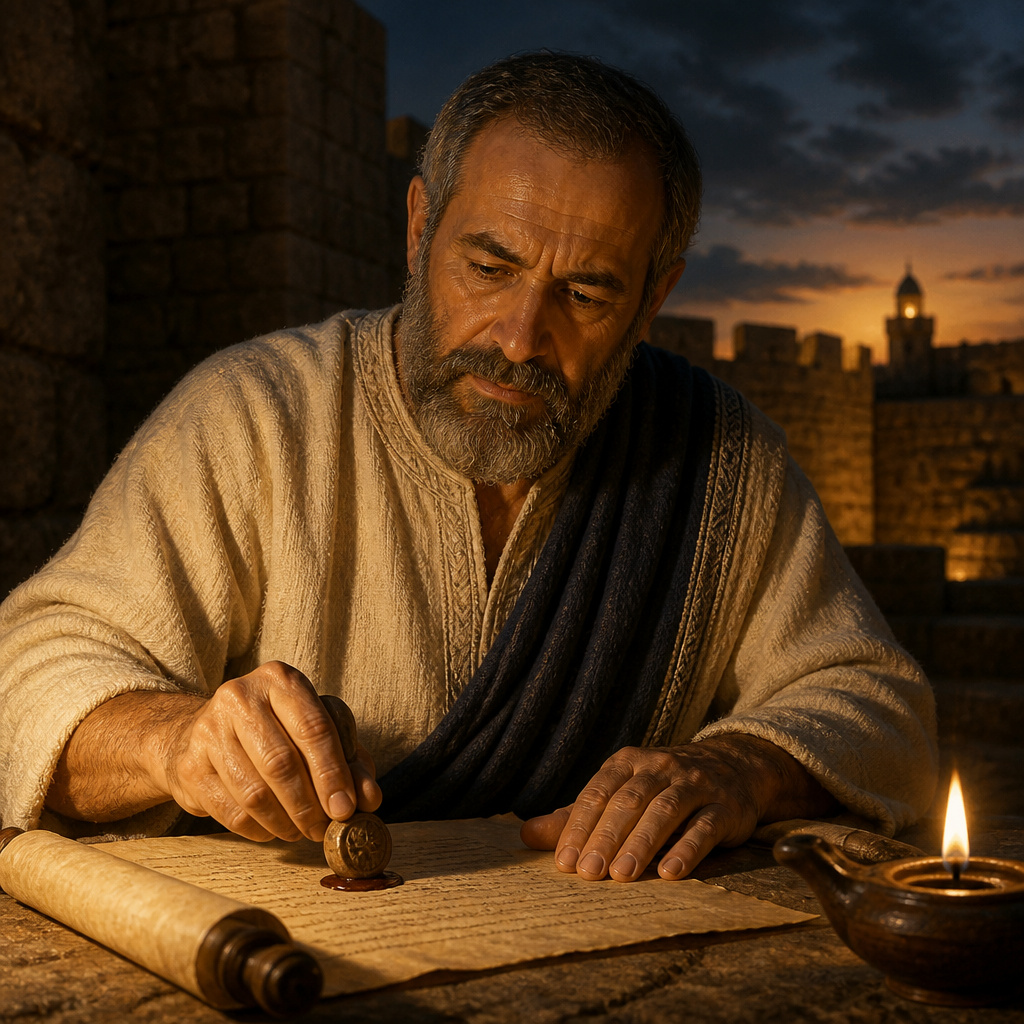
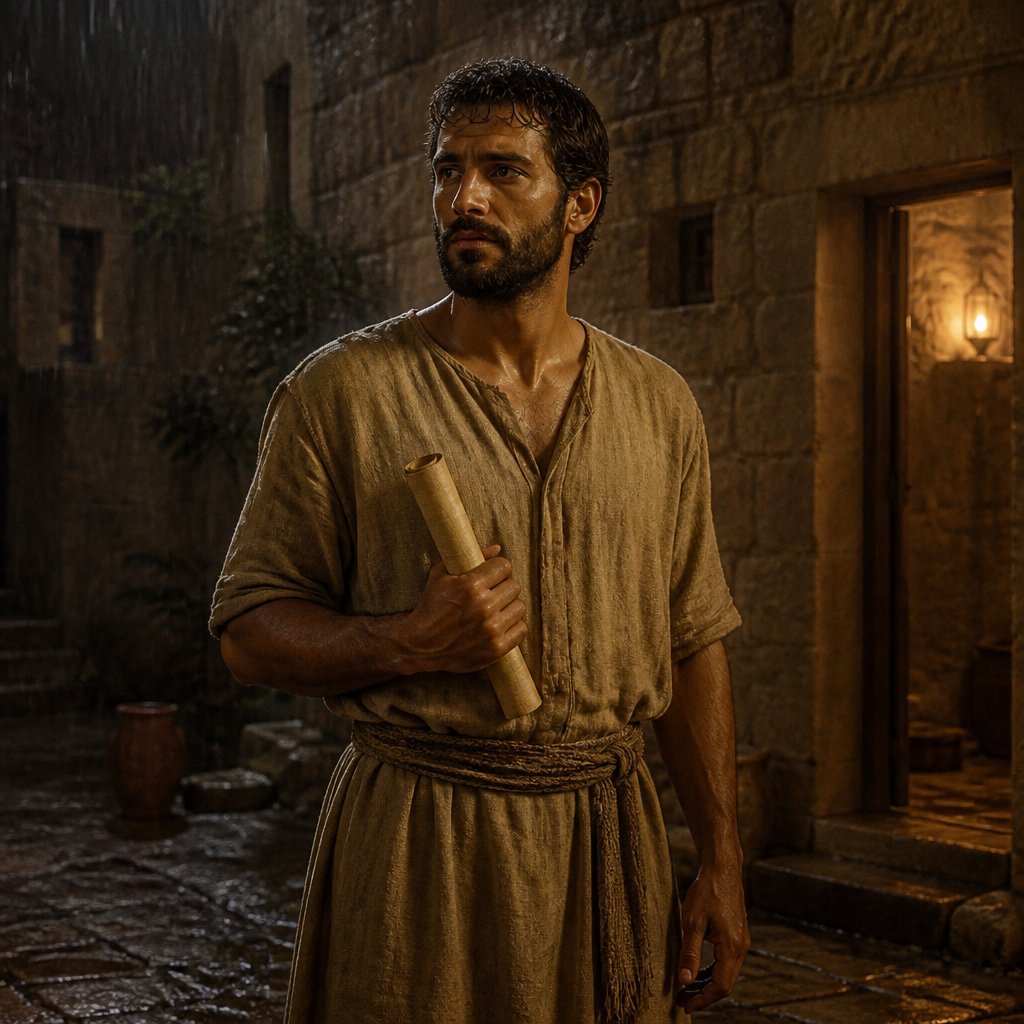
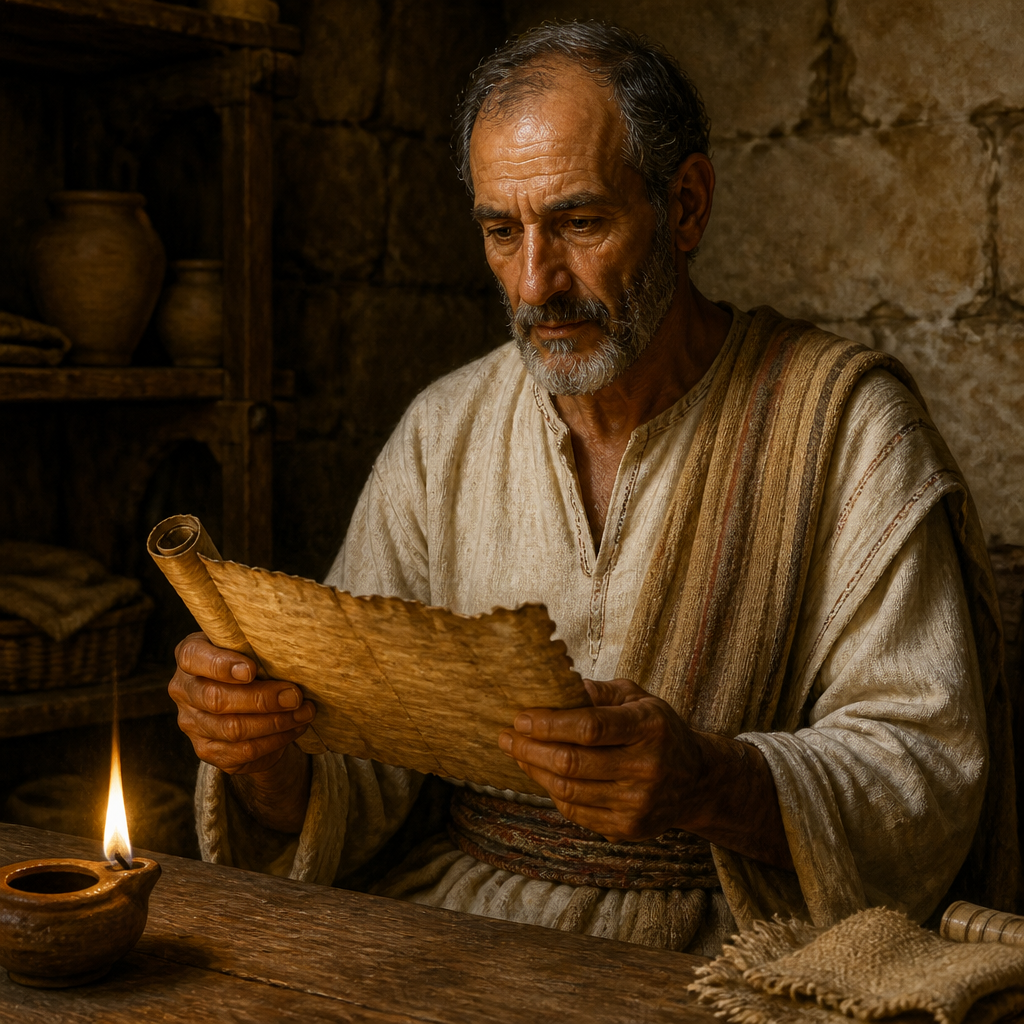
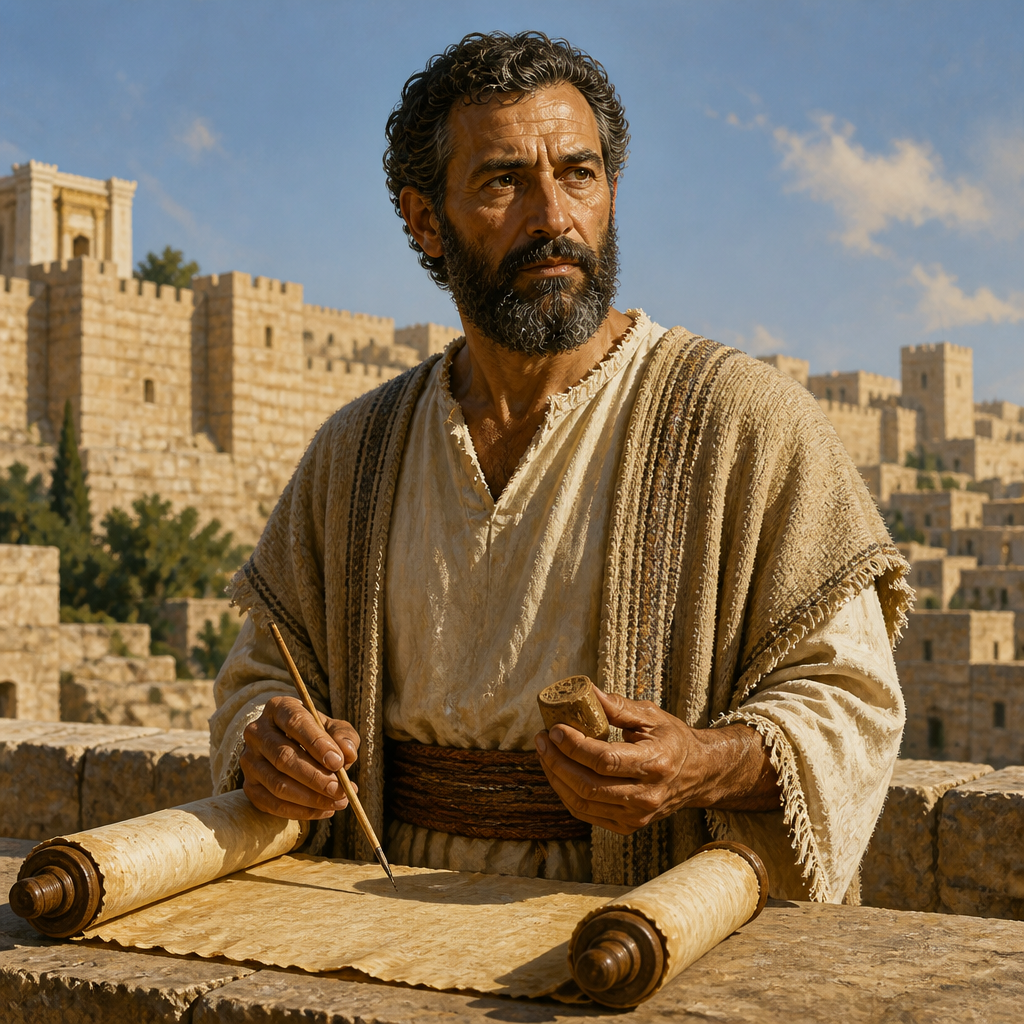
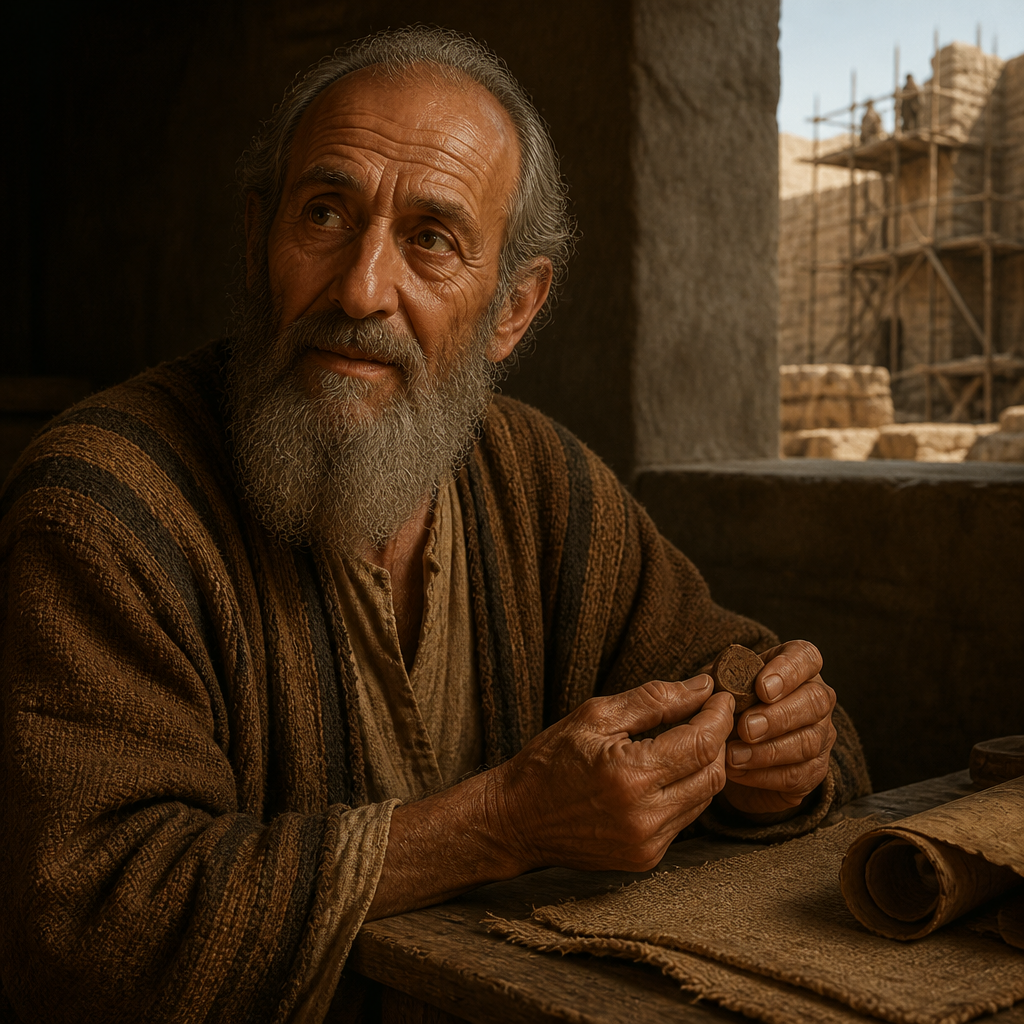
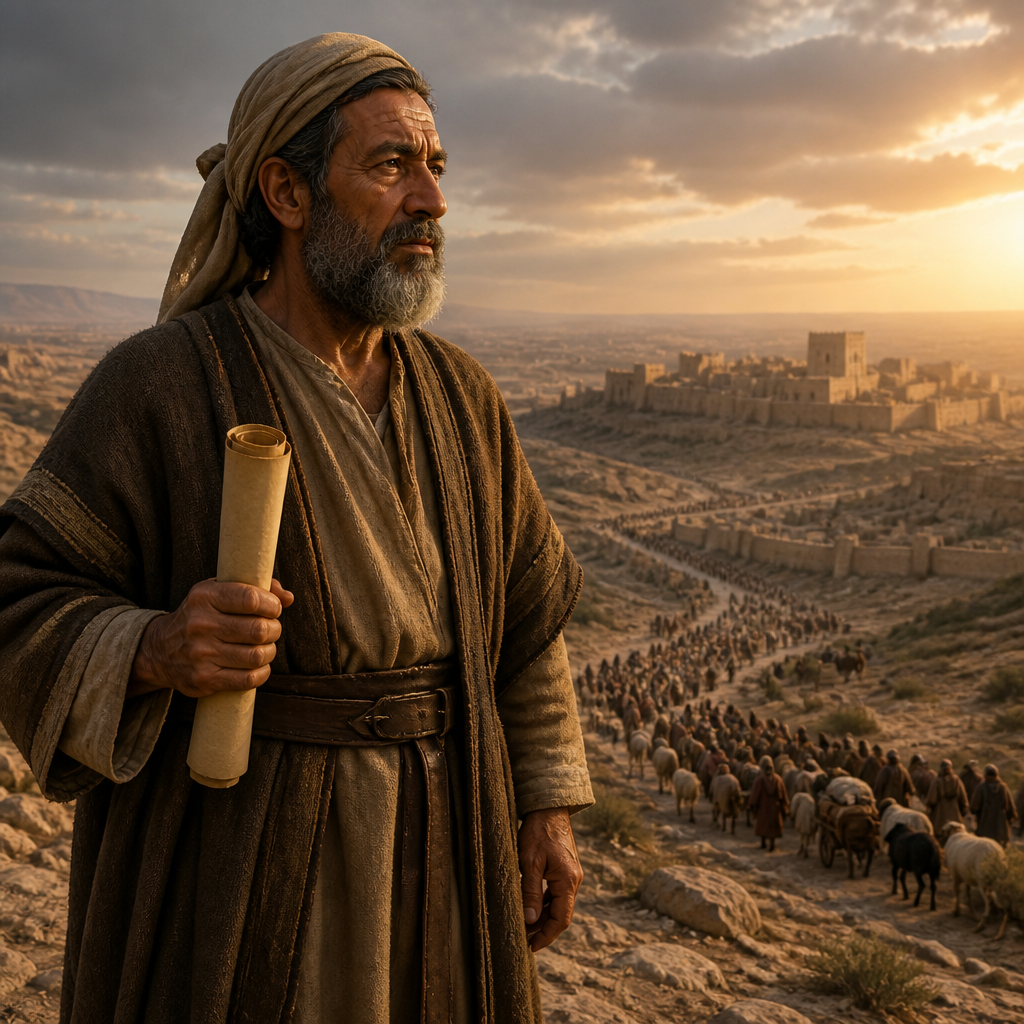
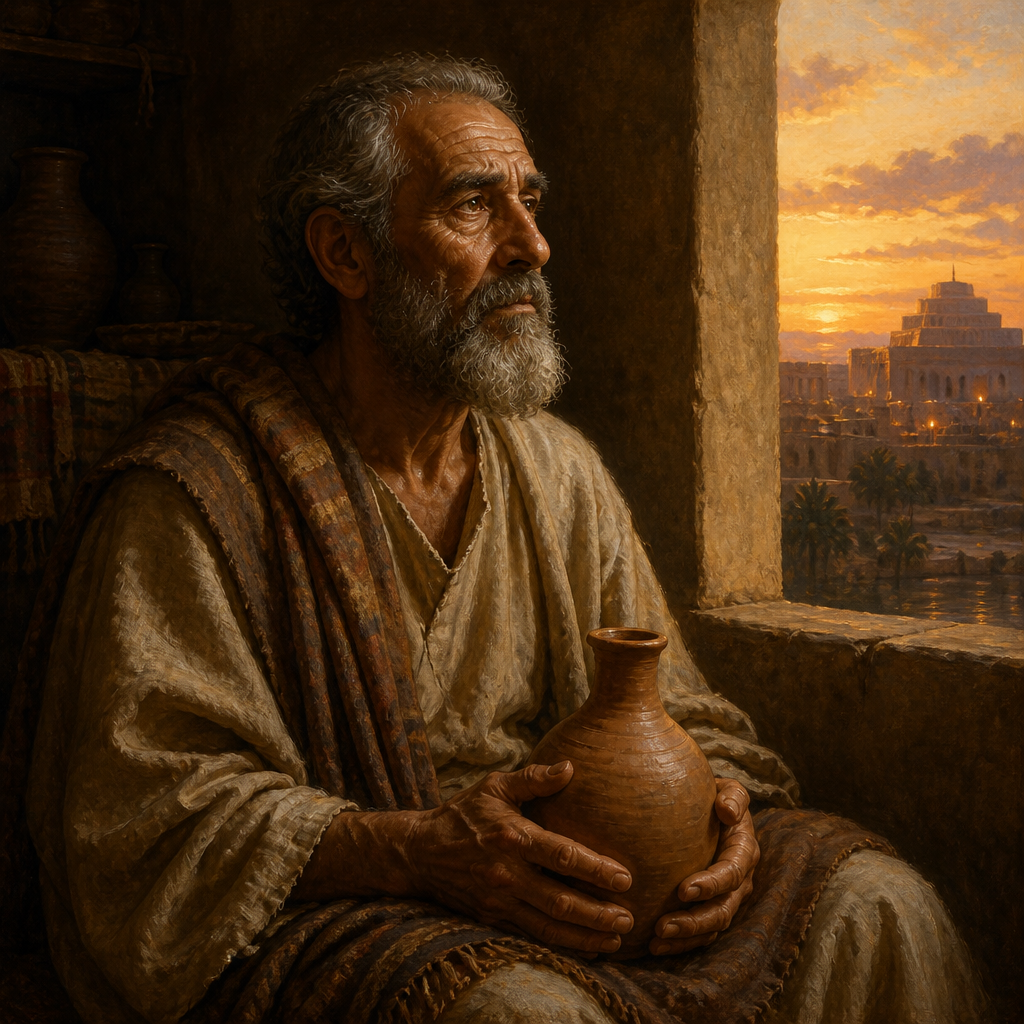
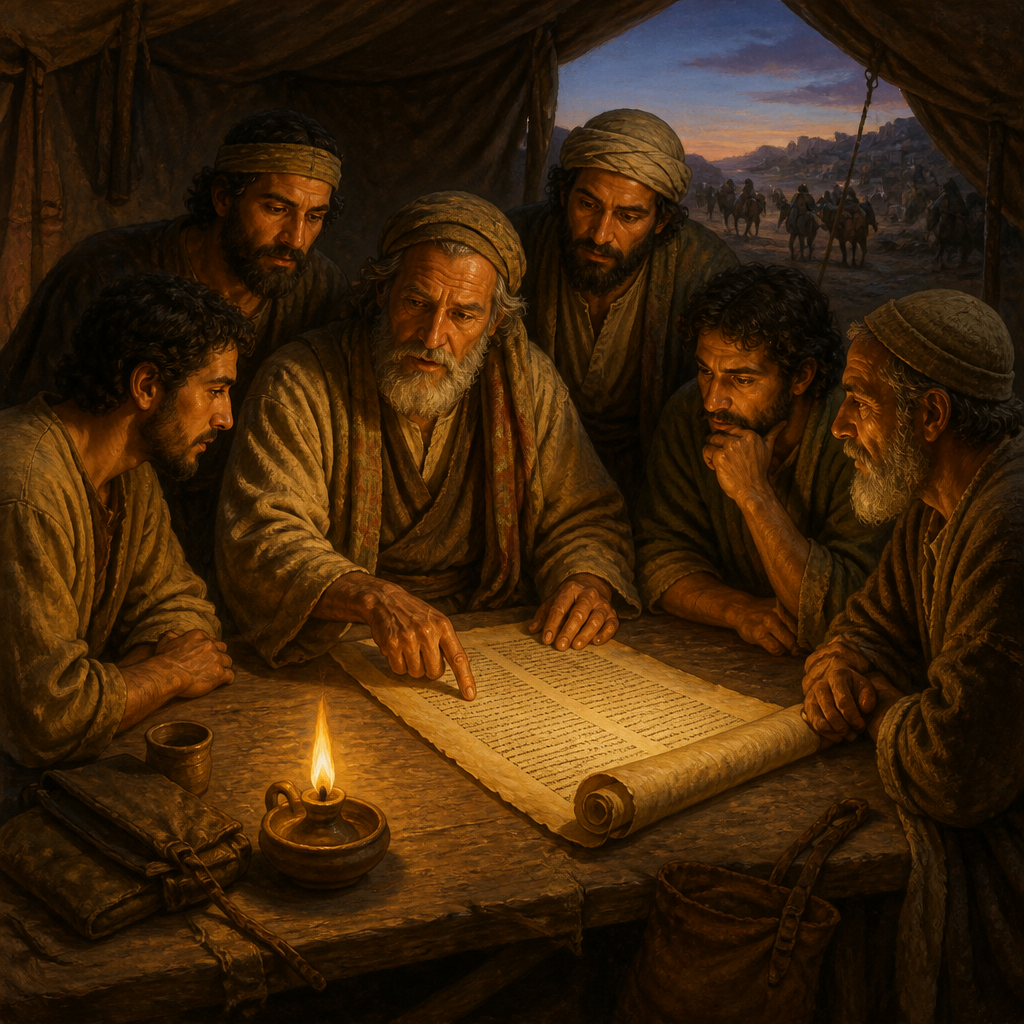
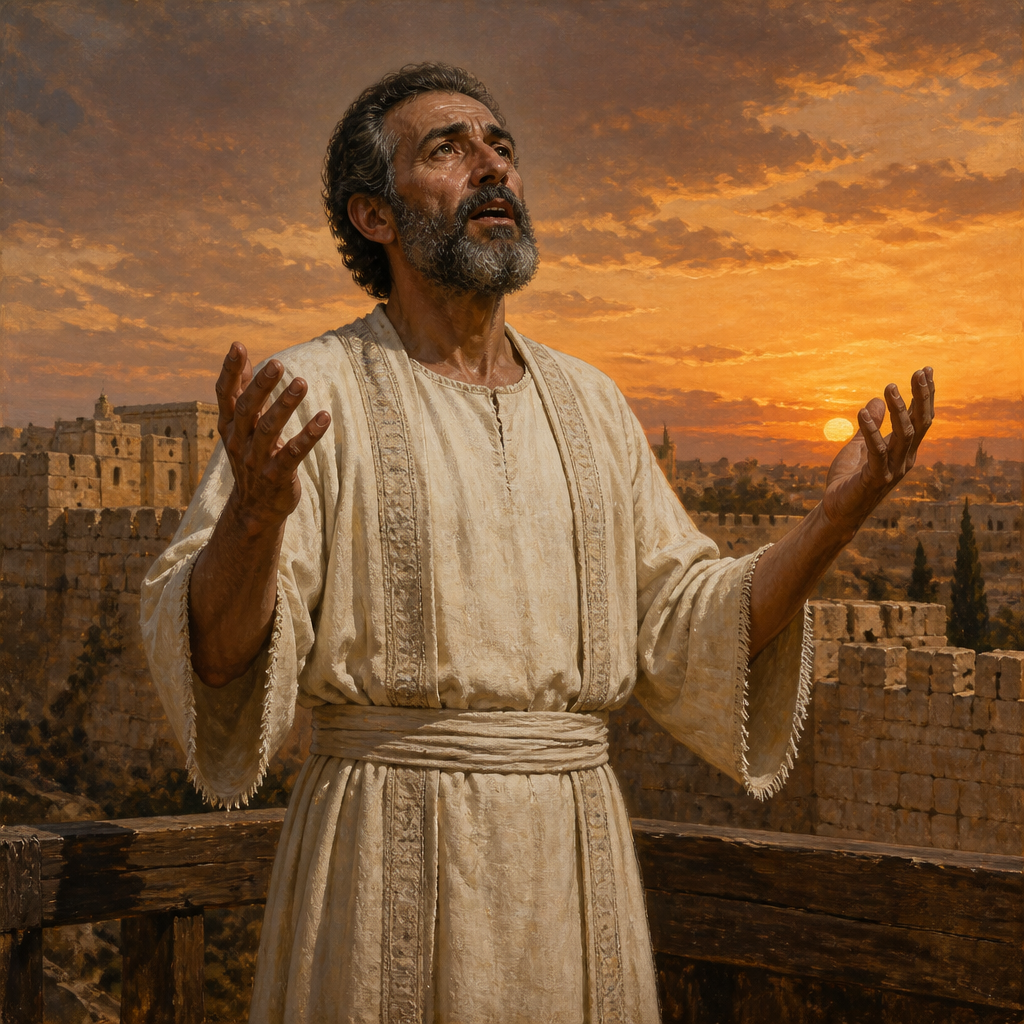
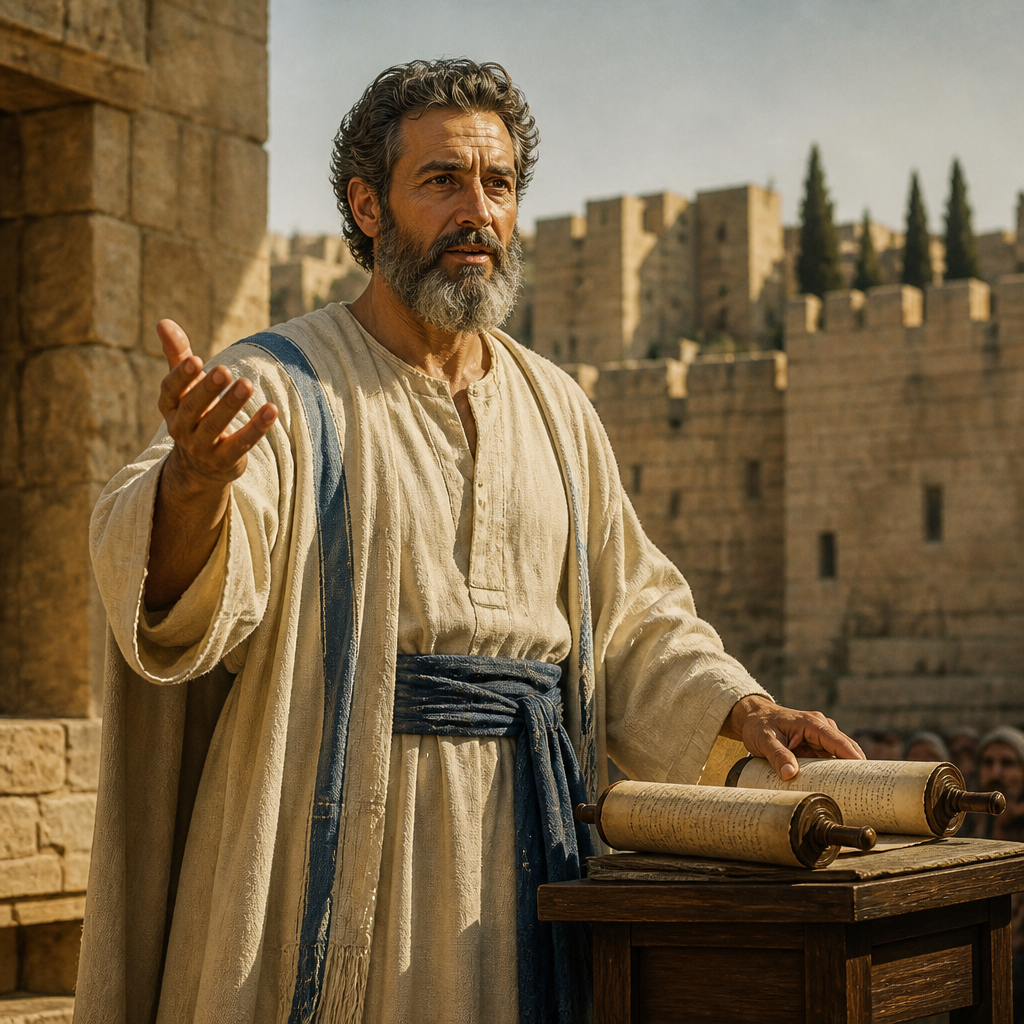
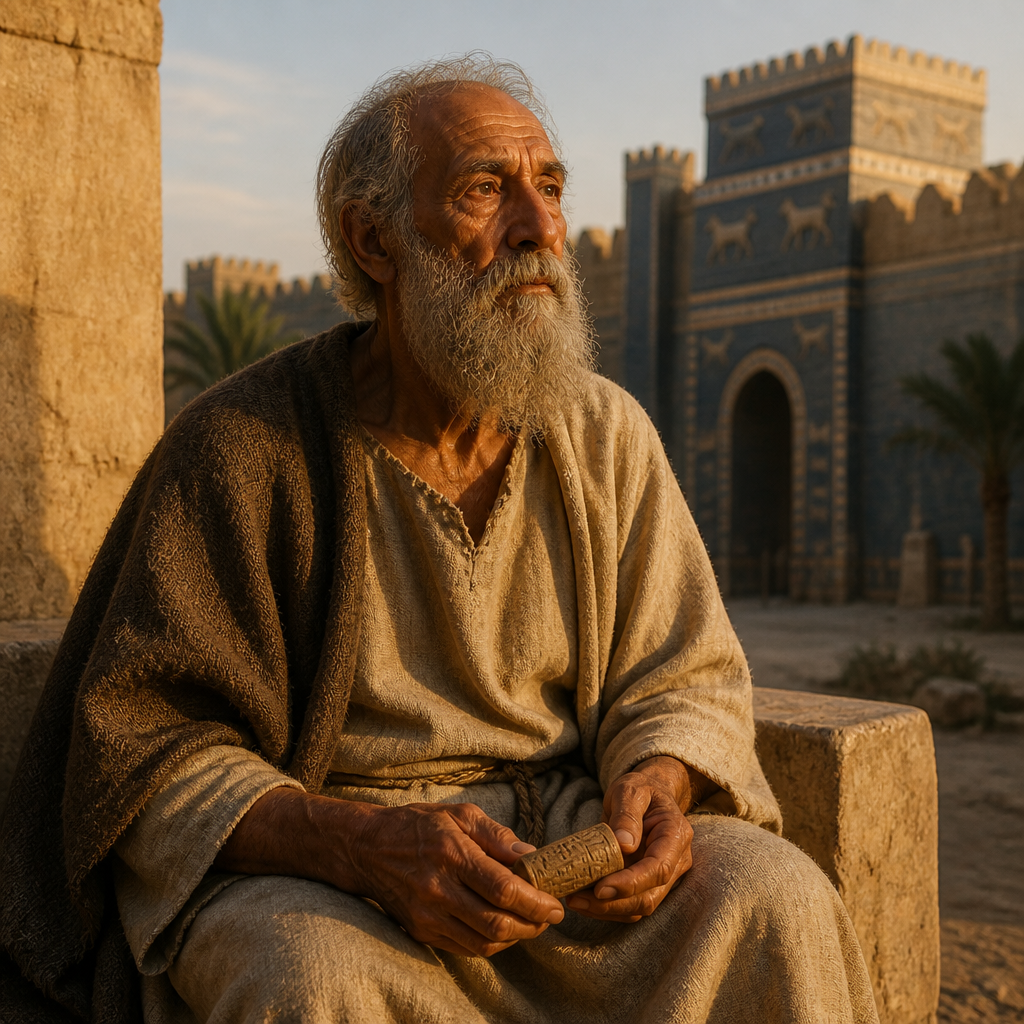
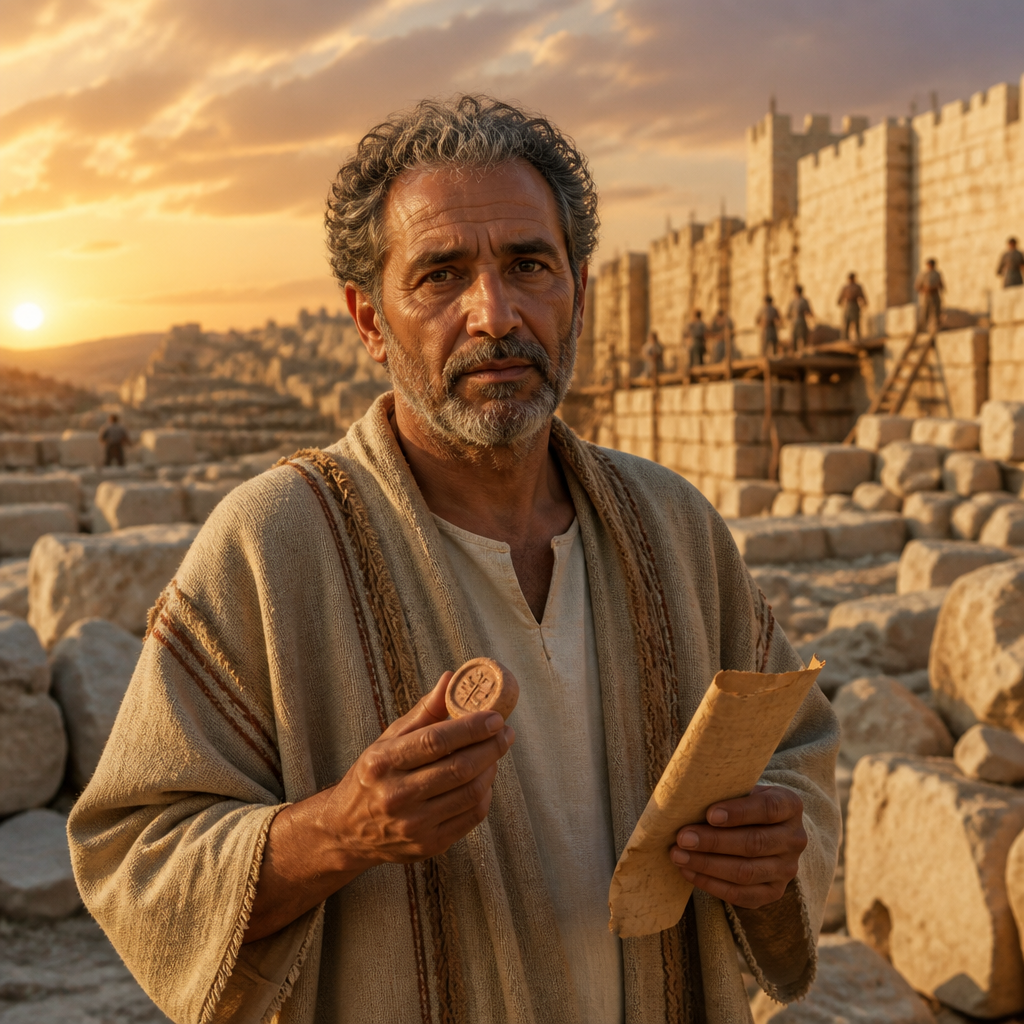
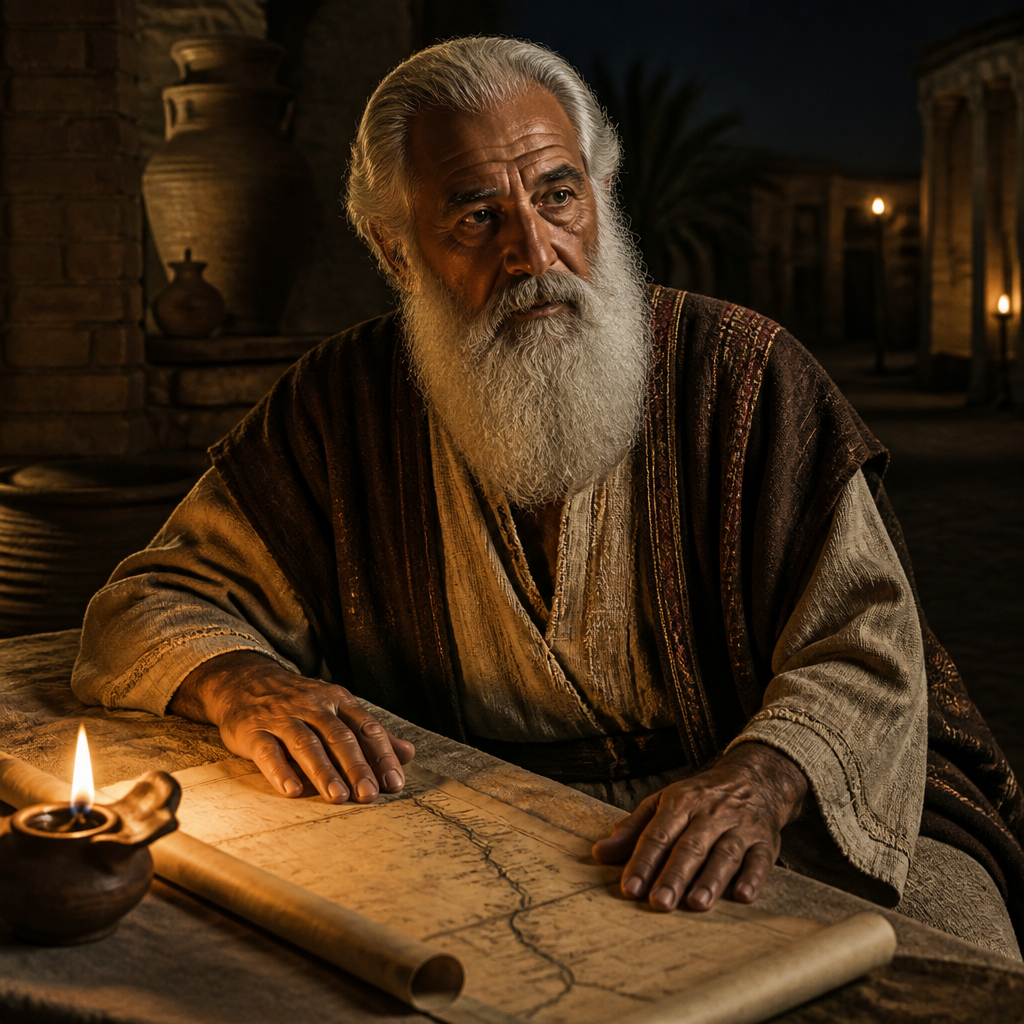
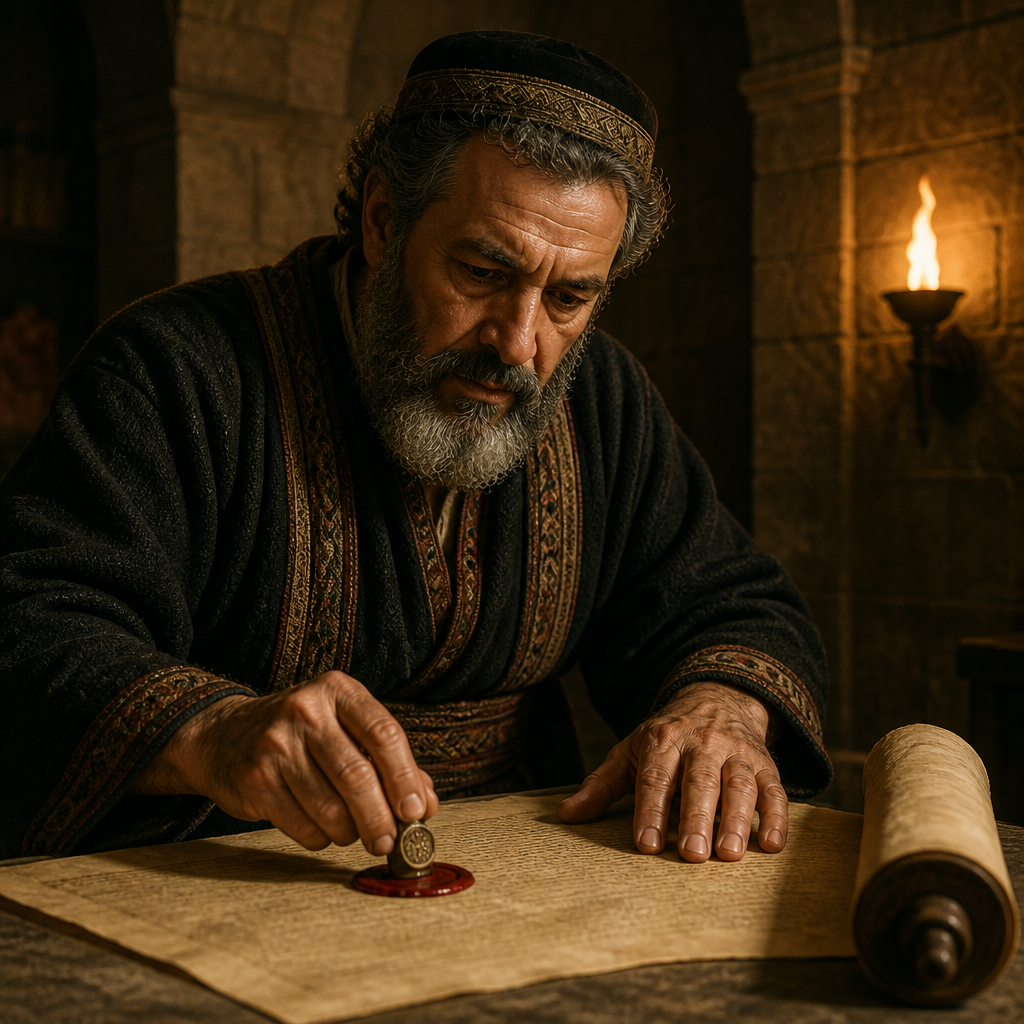
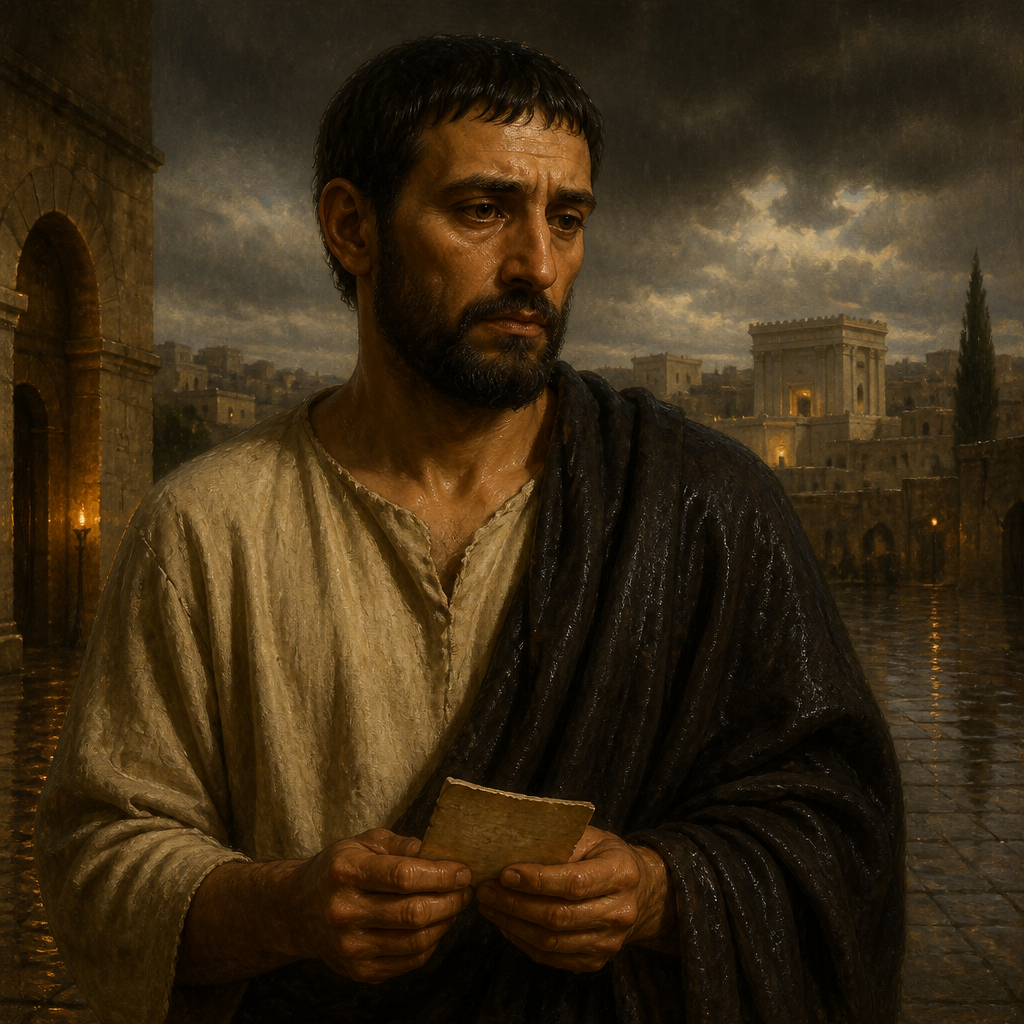
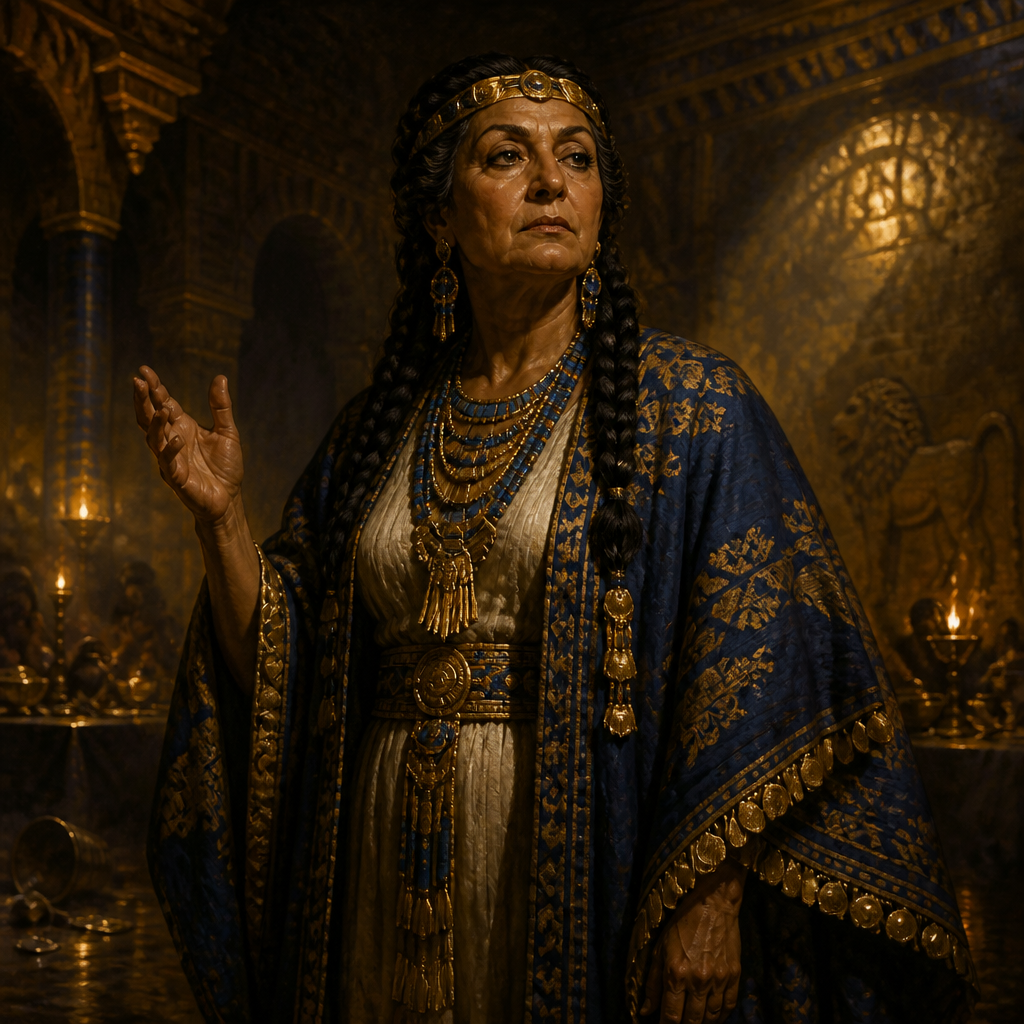
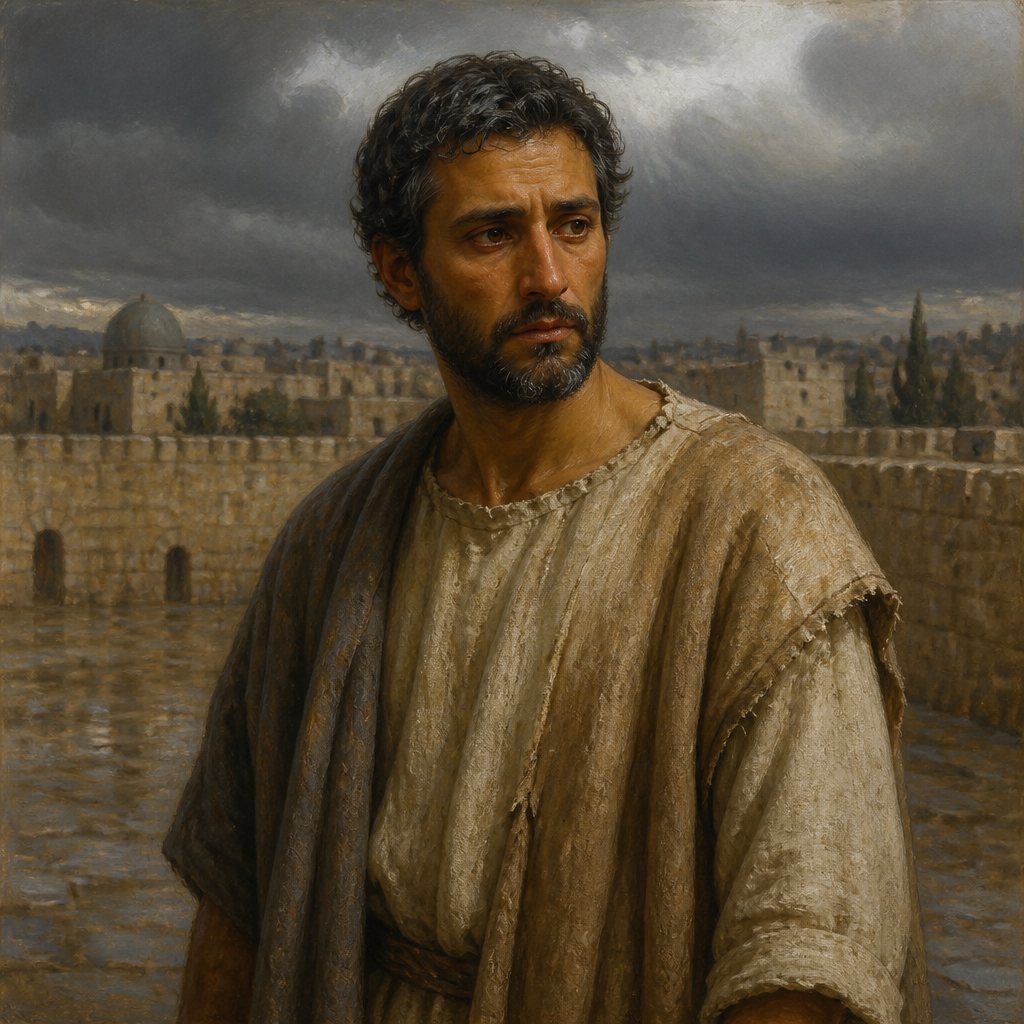
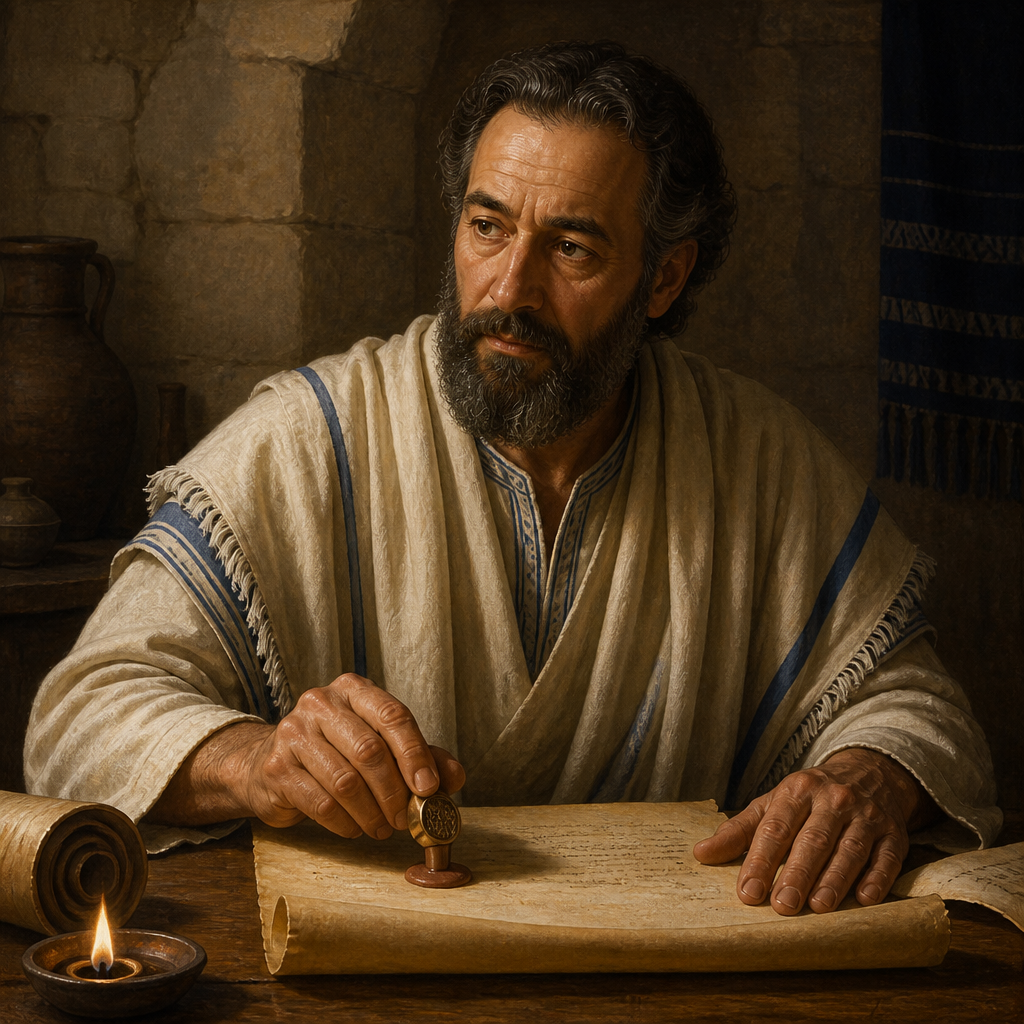
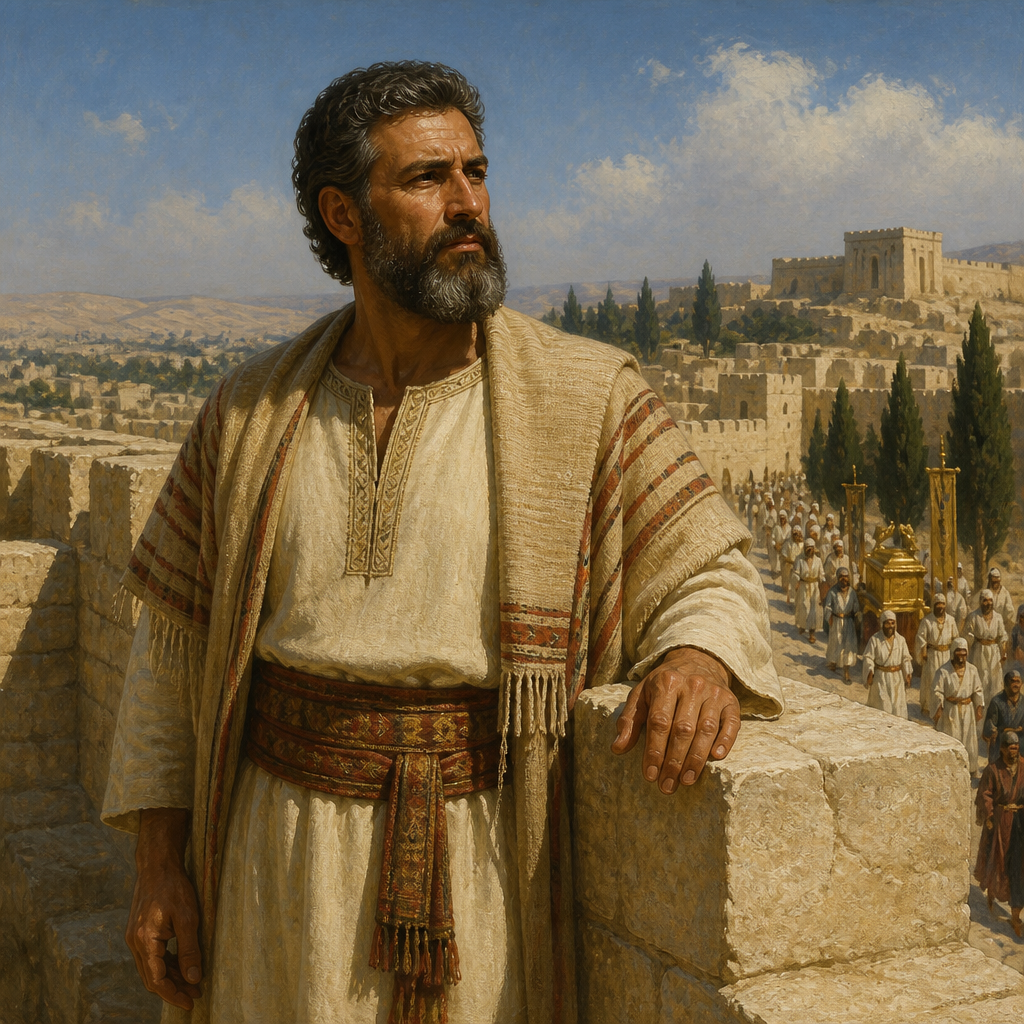
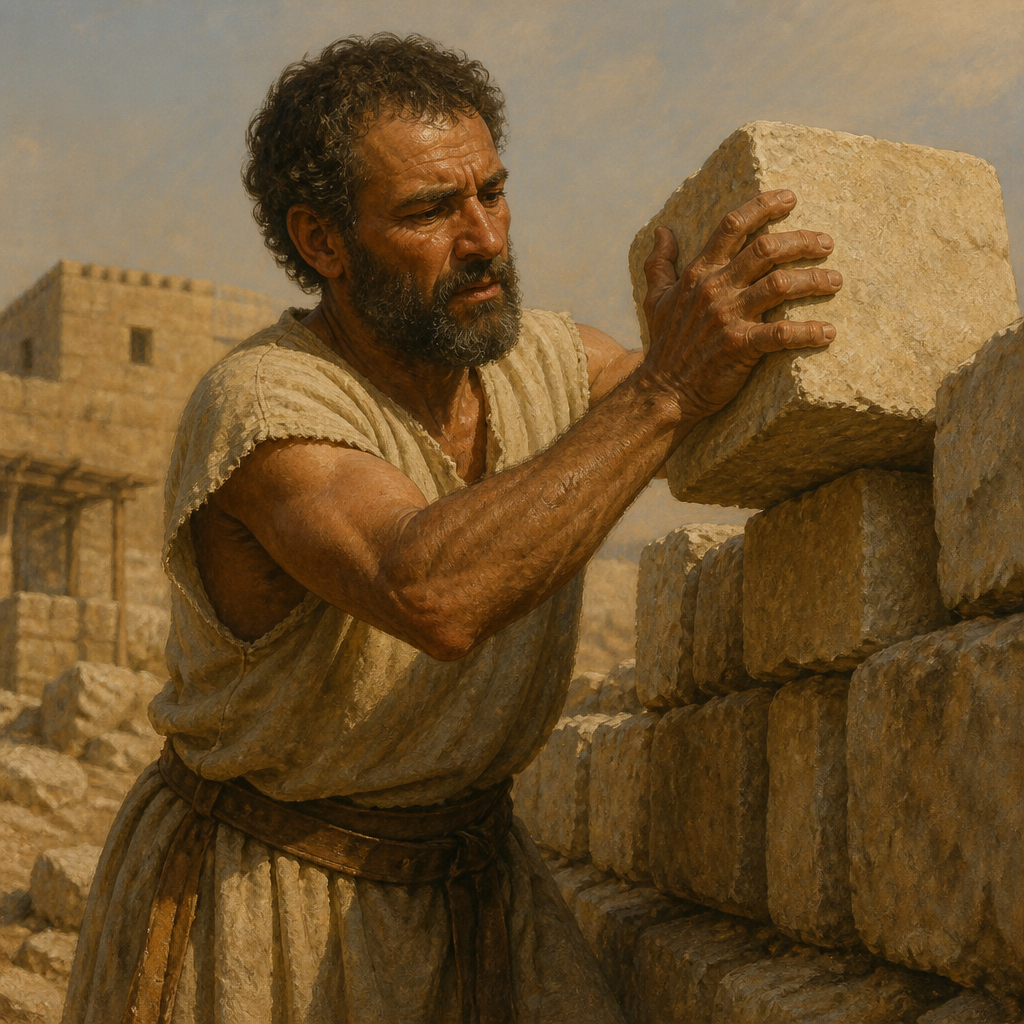
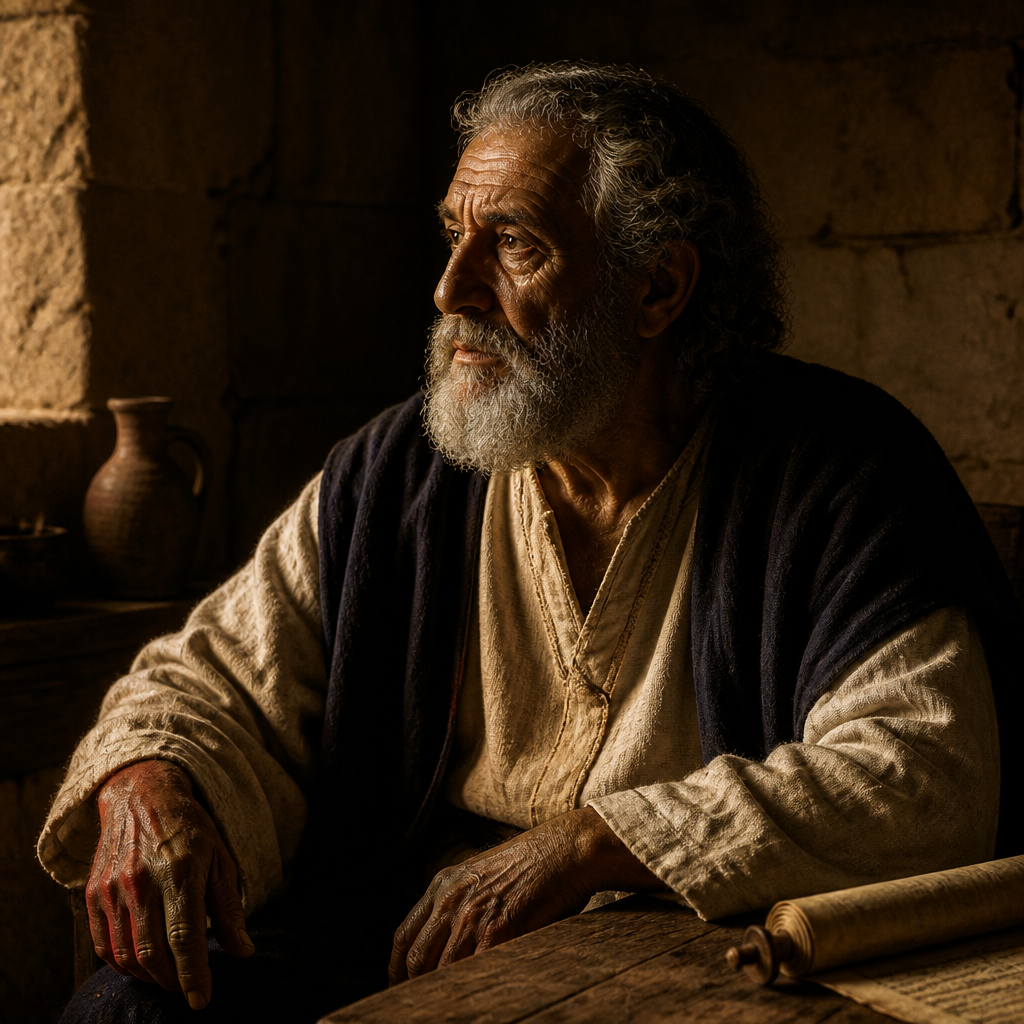
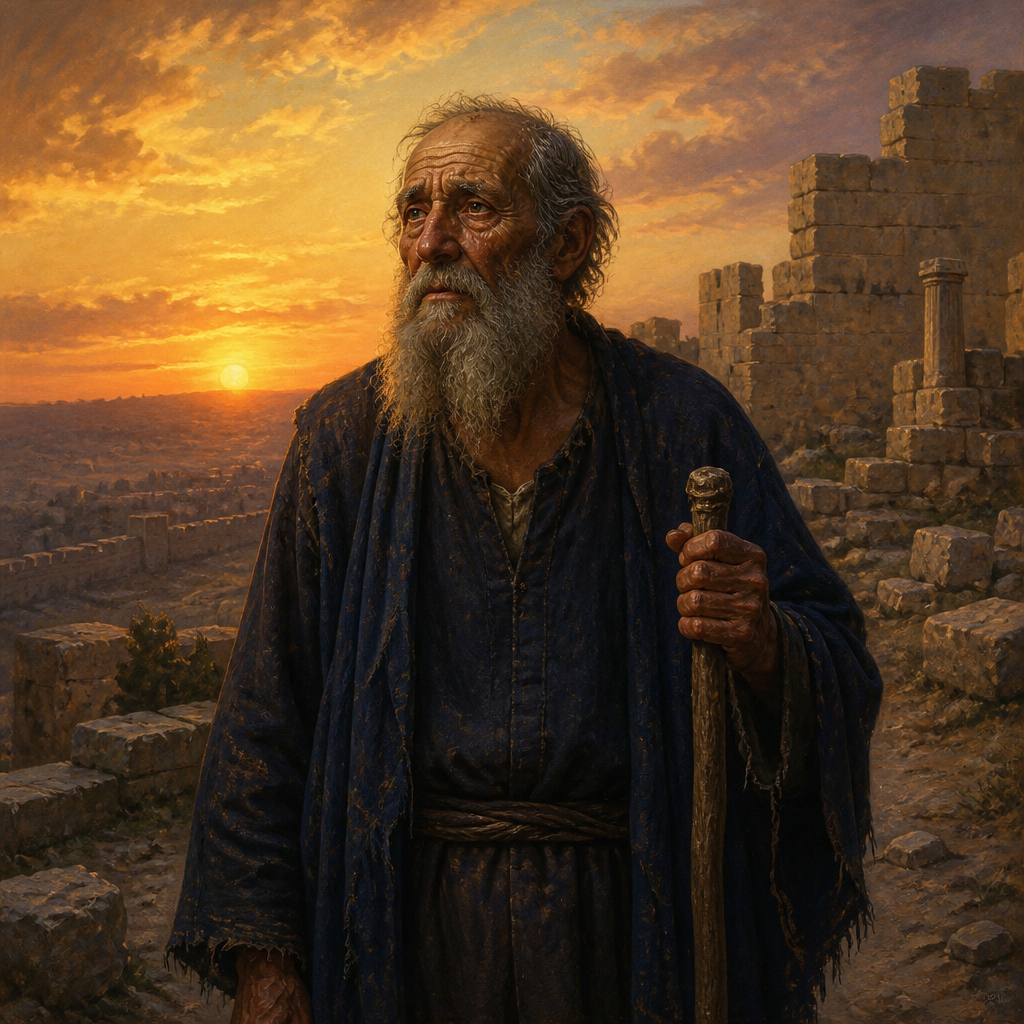
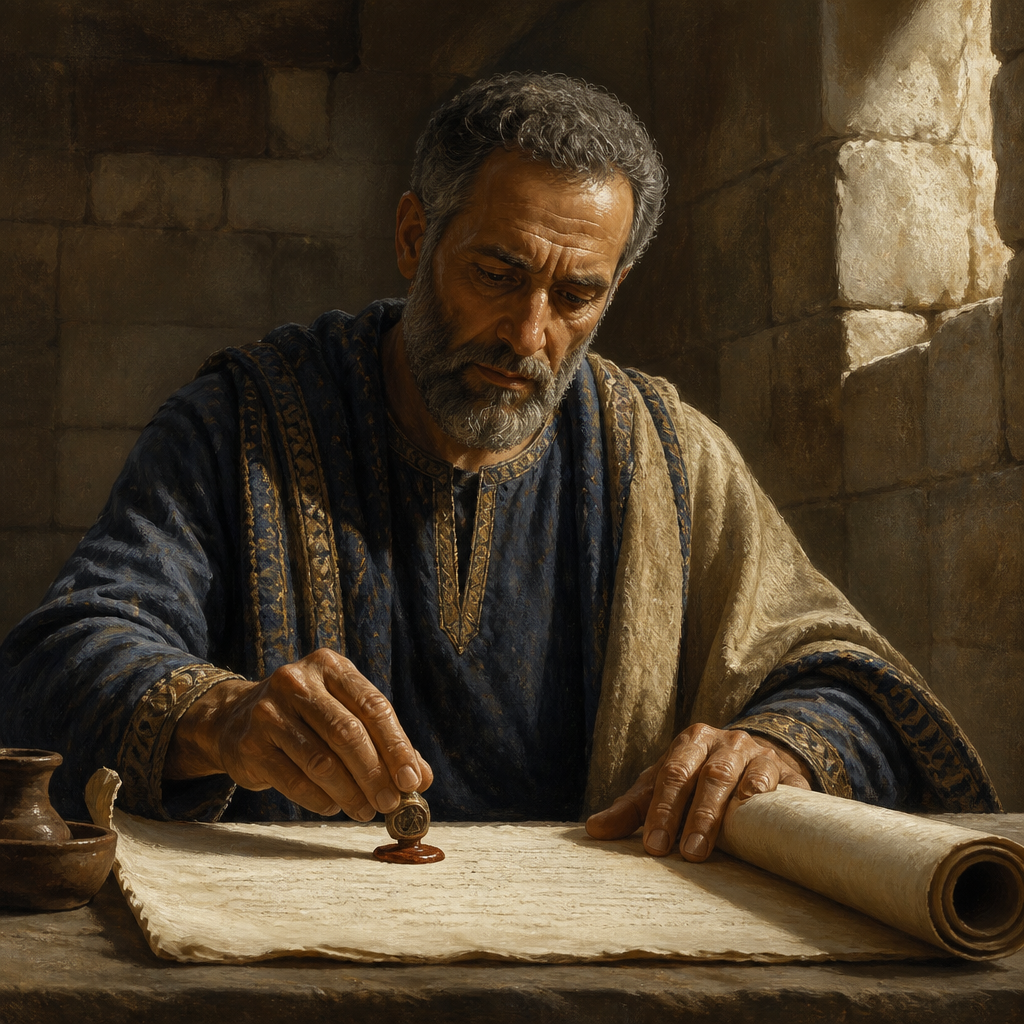
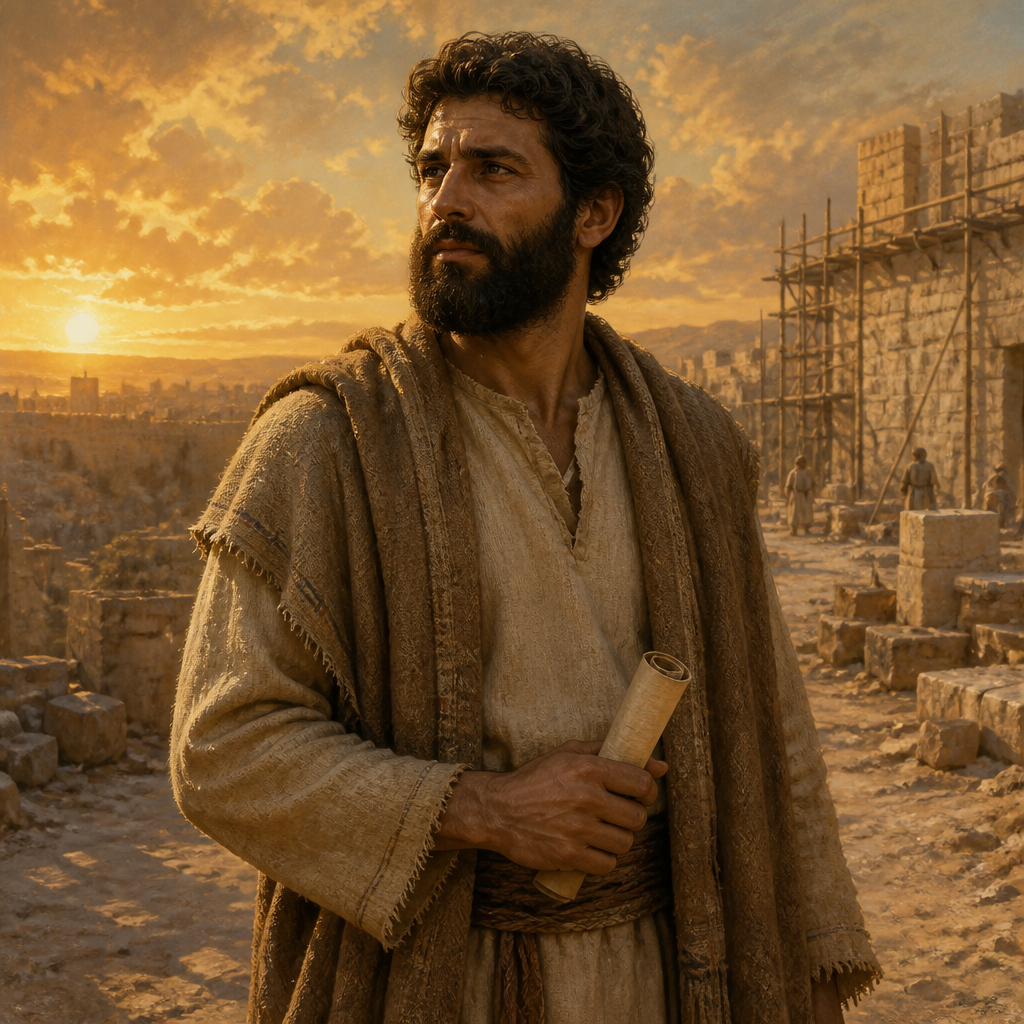
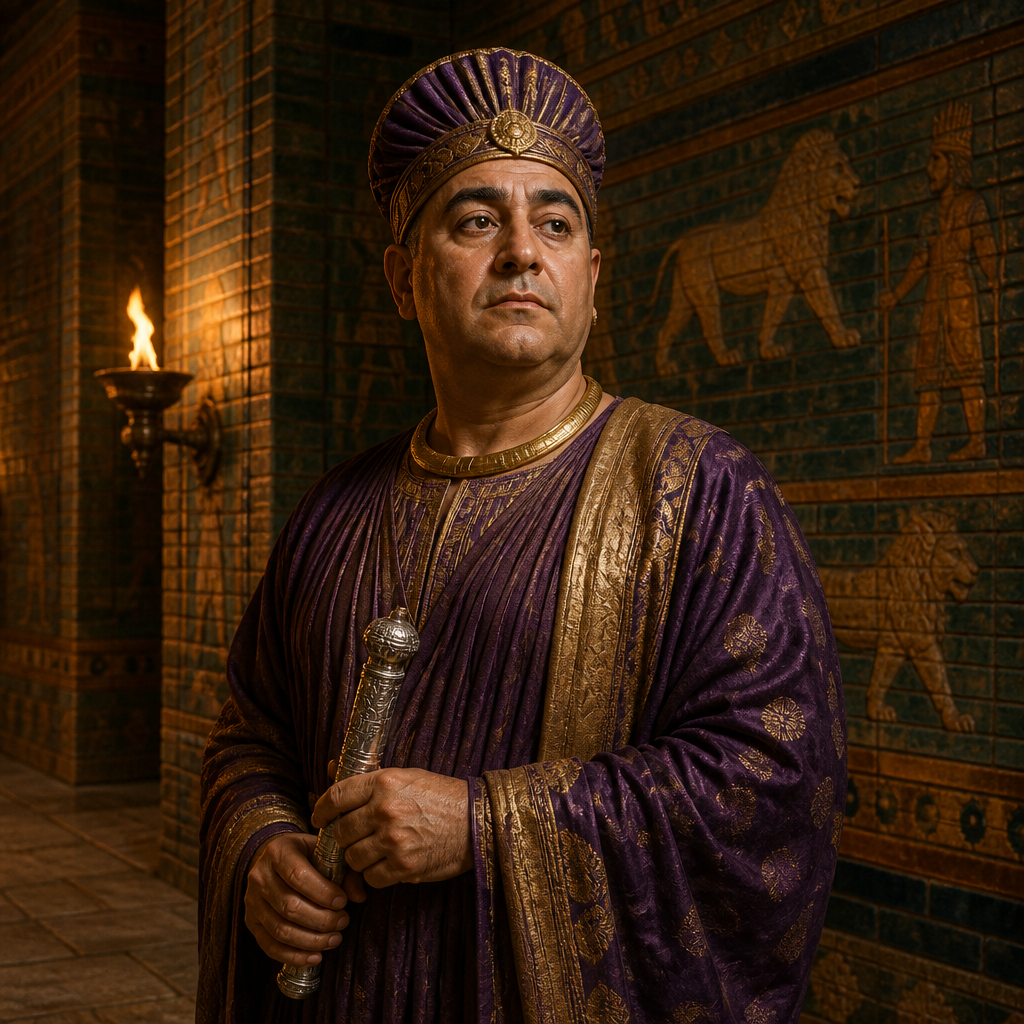
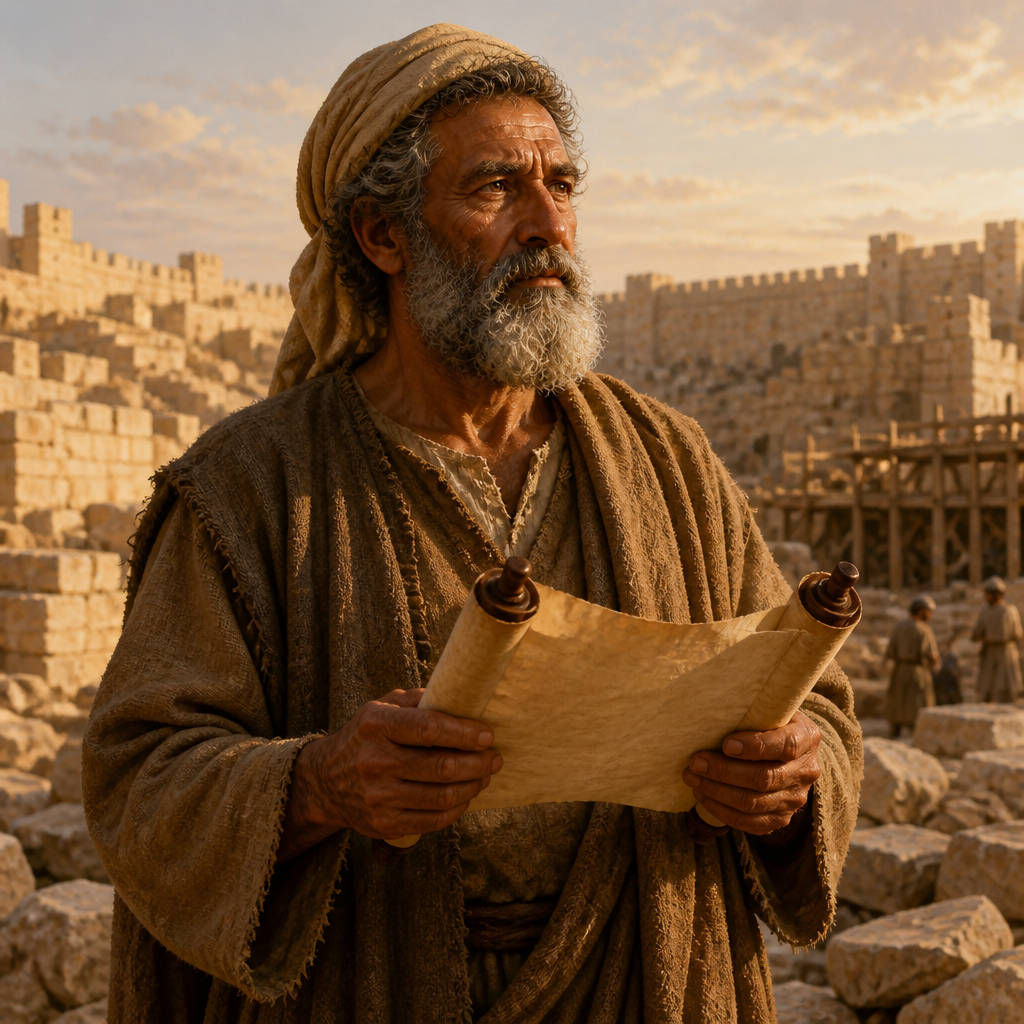
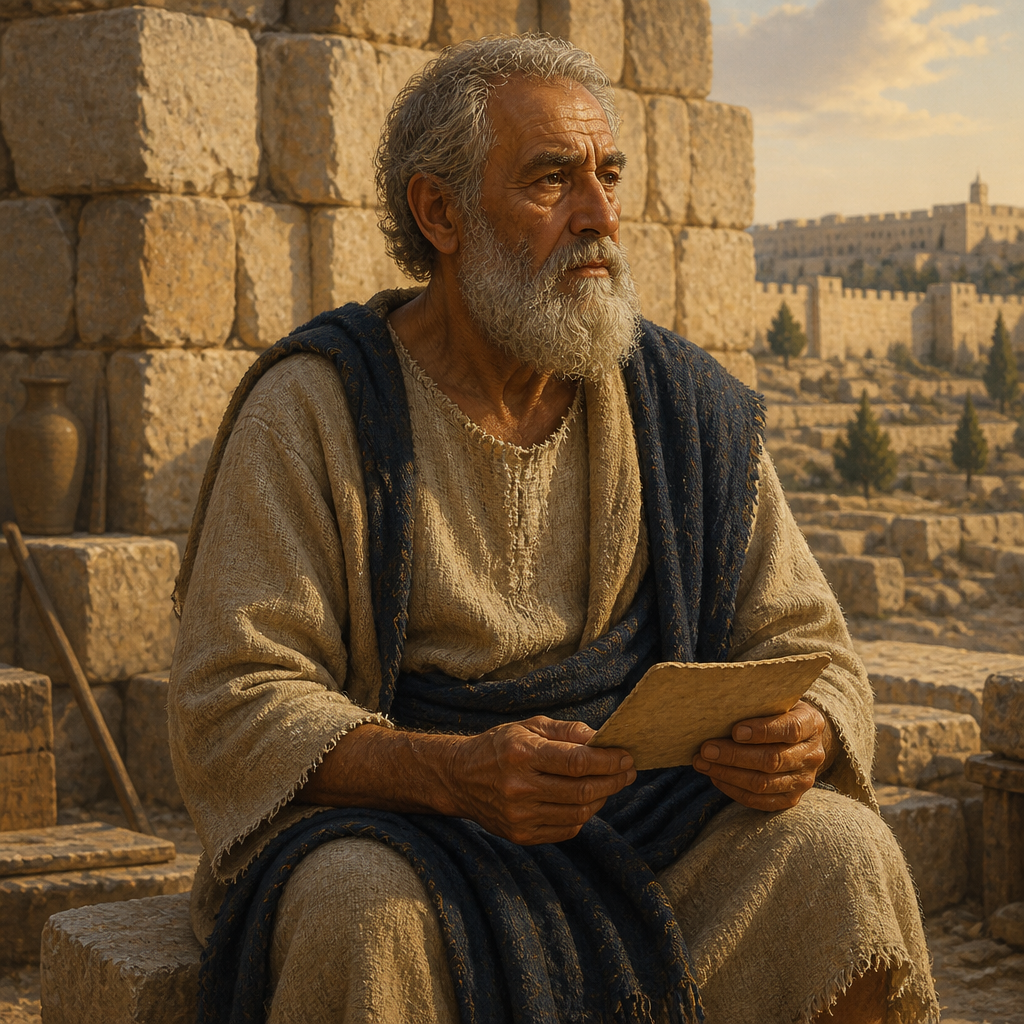
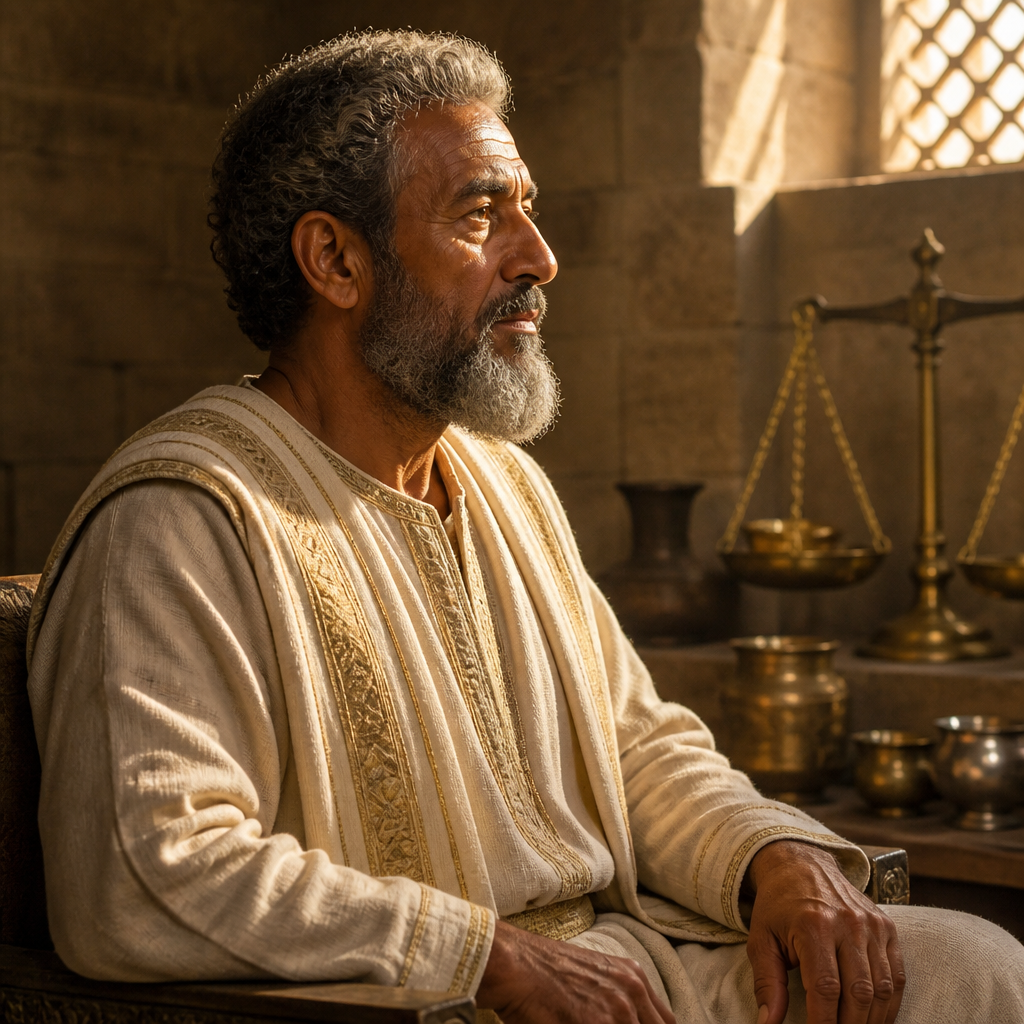
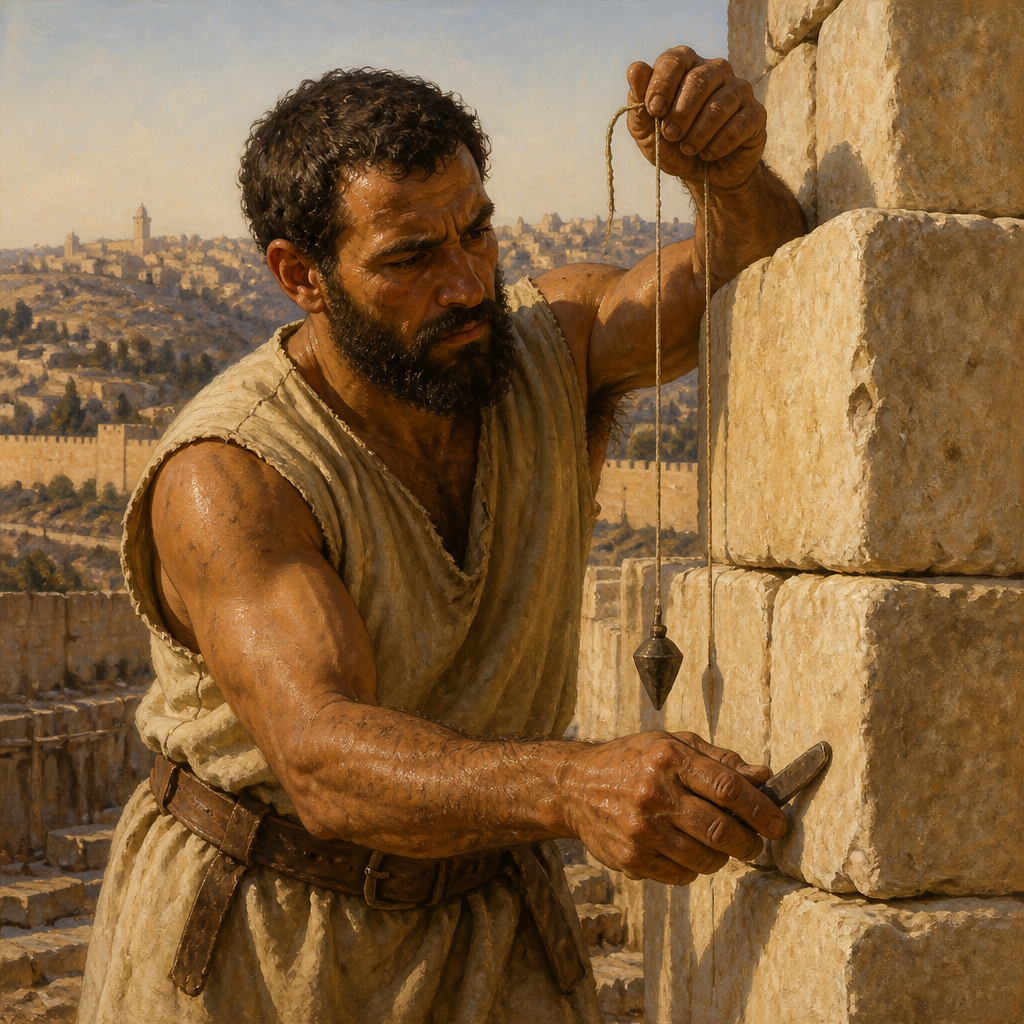
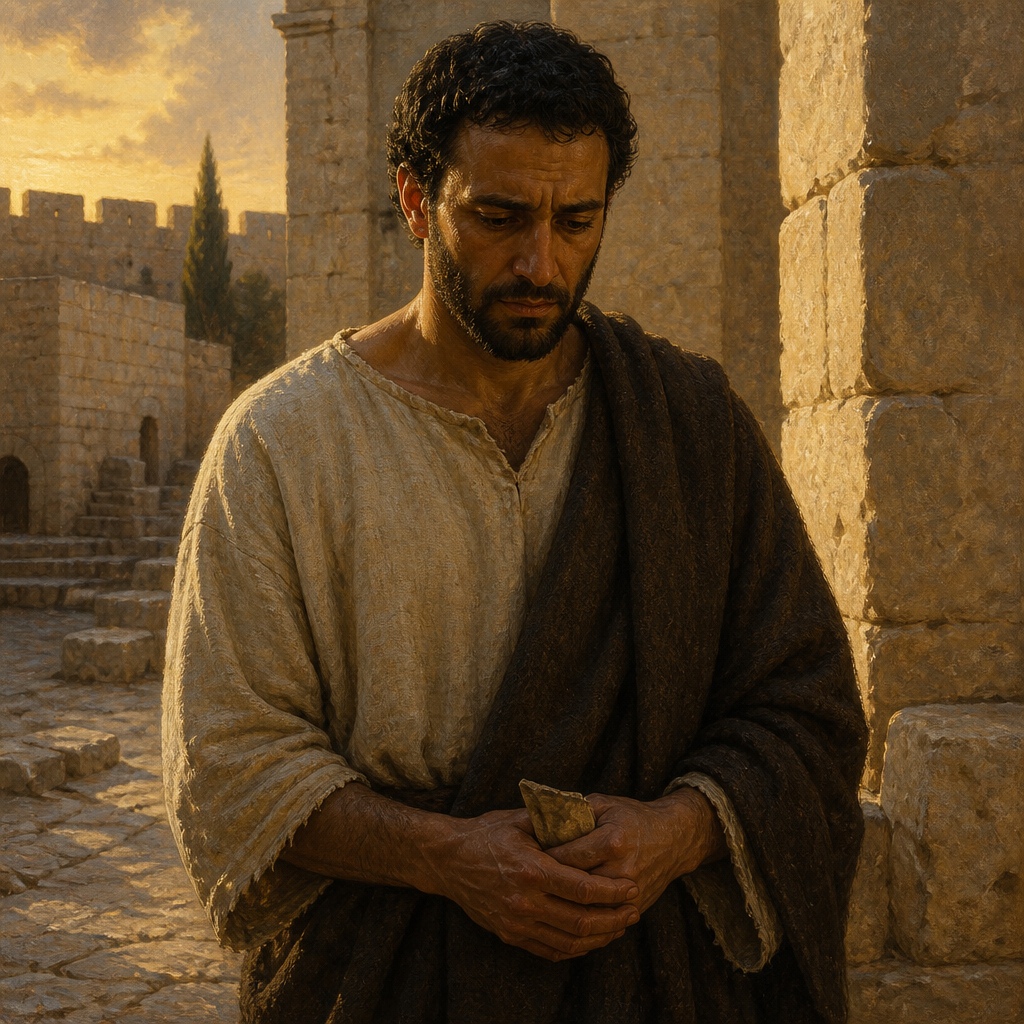
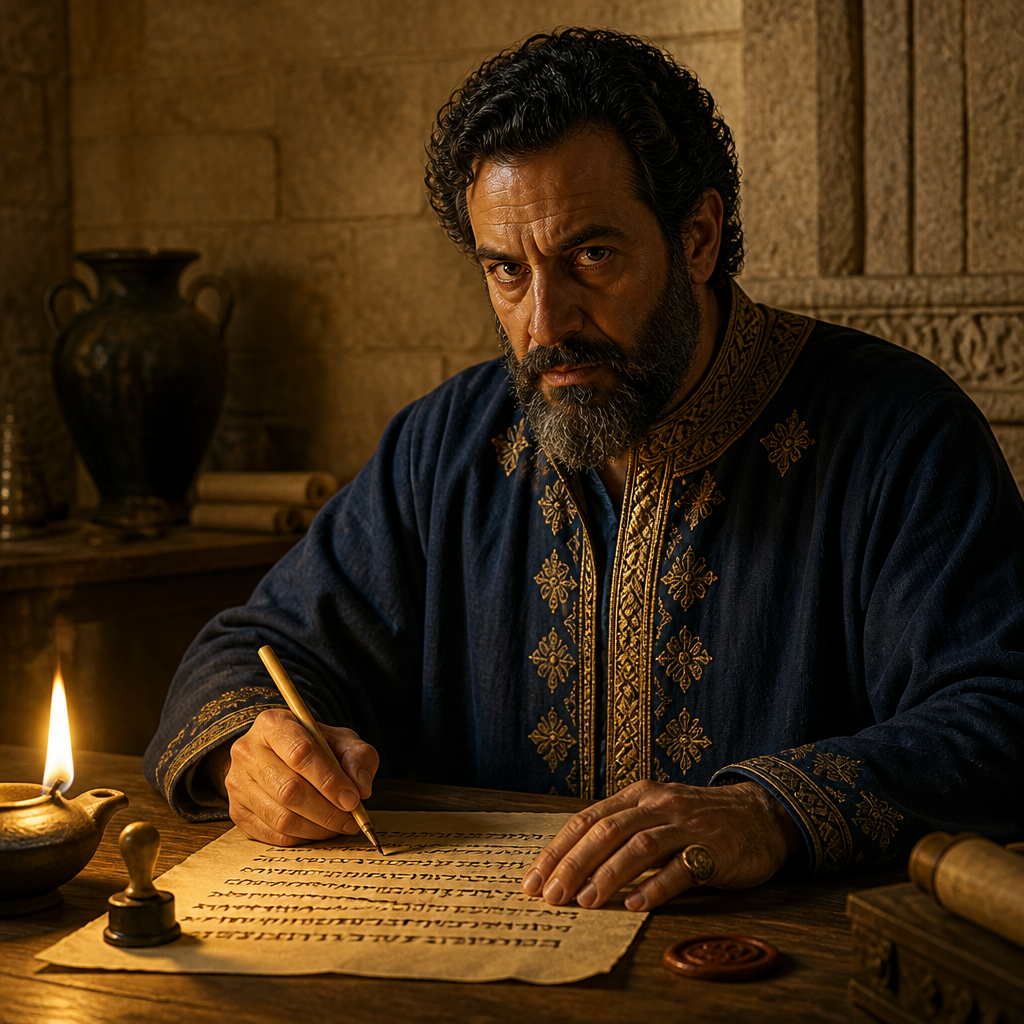
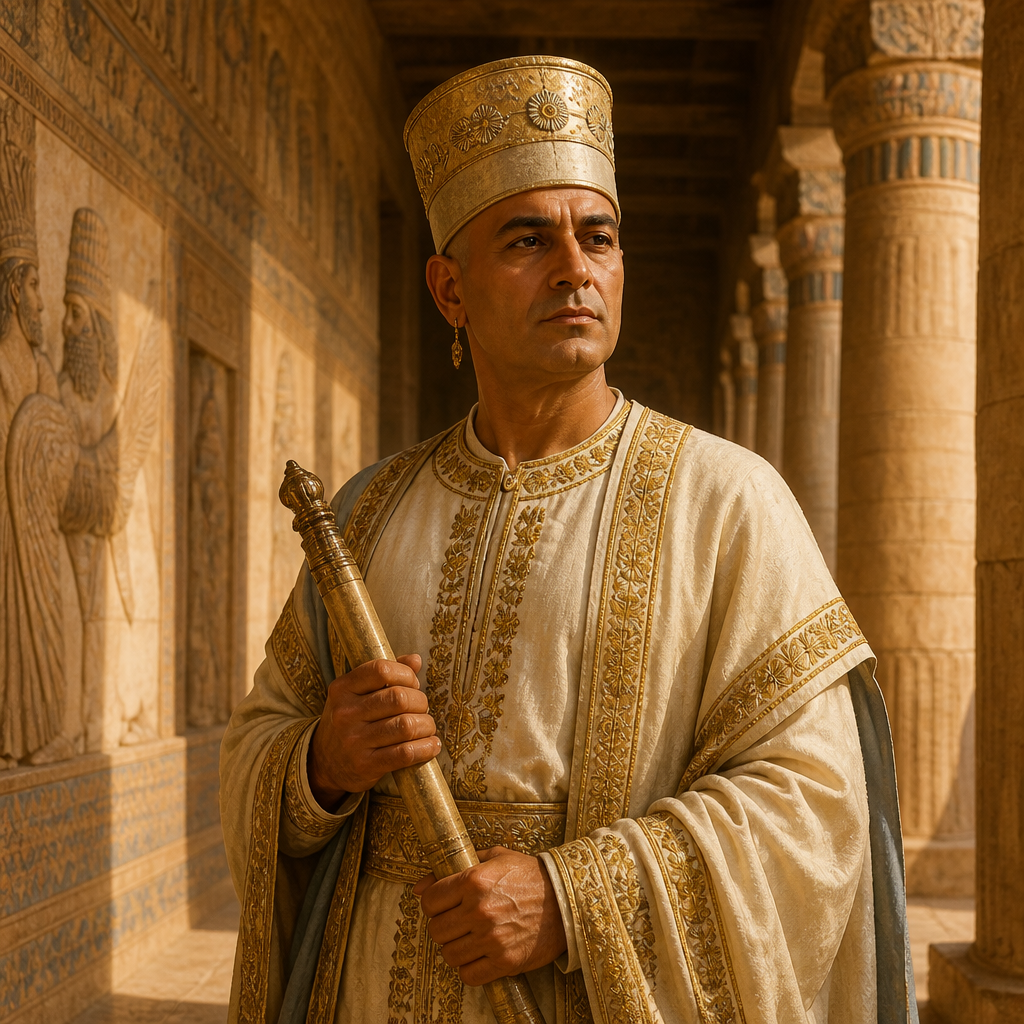
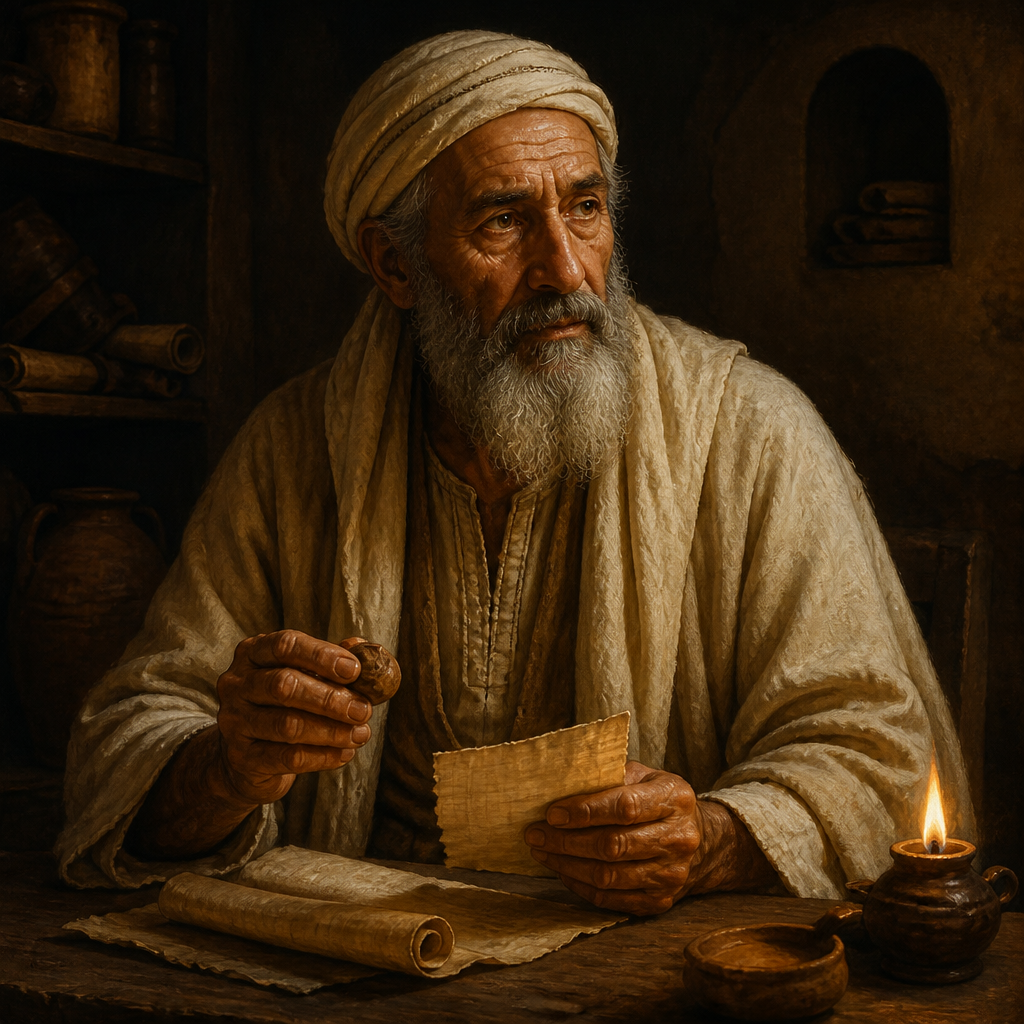
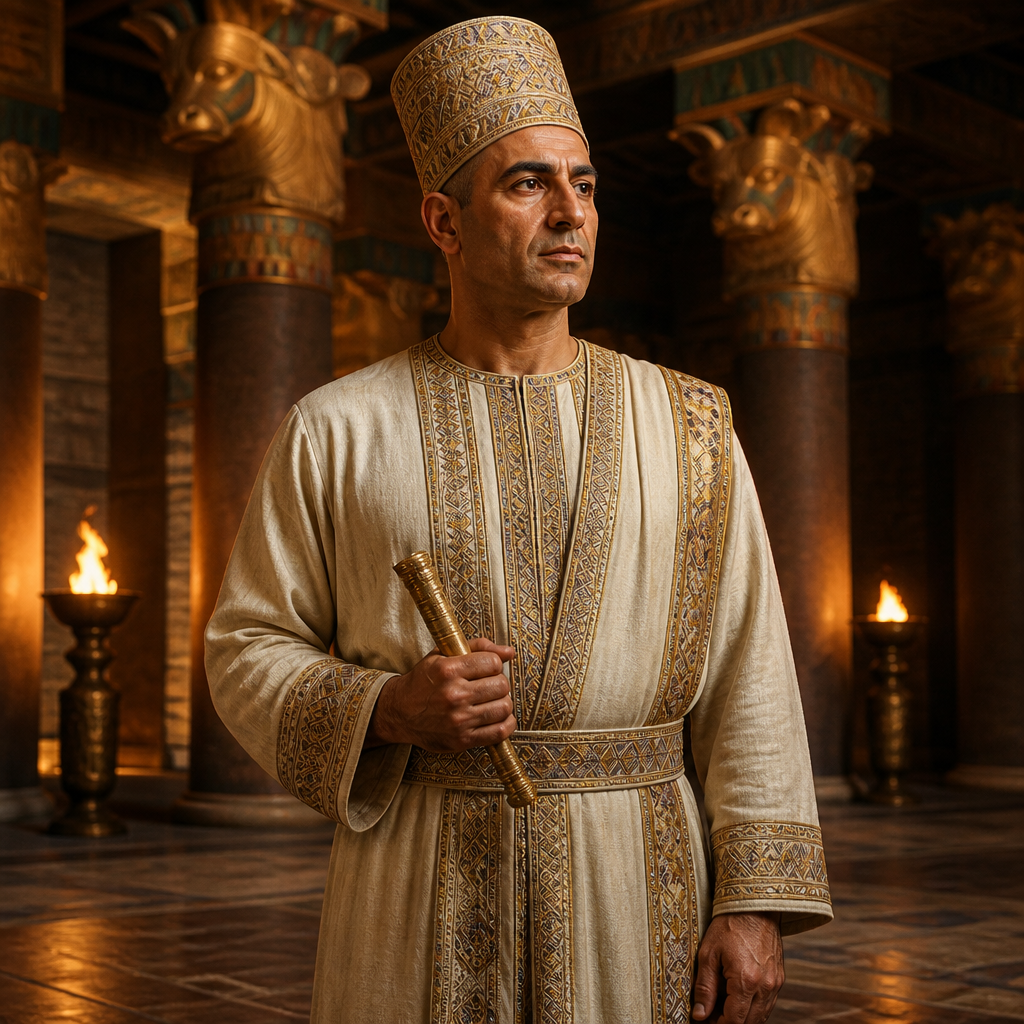
Jewish leaders and Persian royalty gather in a vast stone palace hall during the decree for the return to Jerusalem.

People of the Persian empire, the return from exile, and the rebuilt city (c. 539-332 BC)

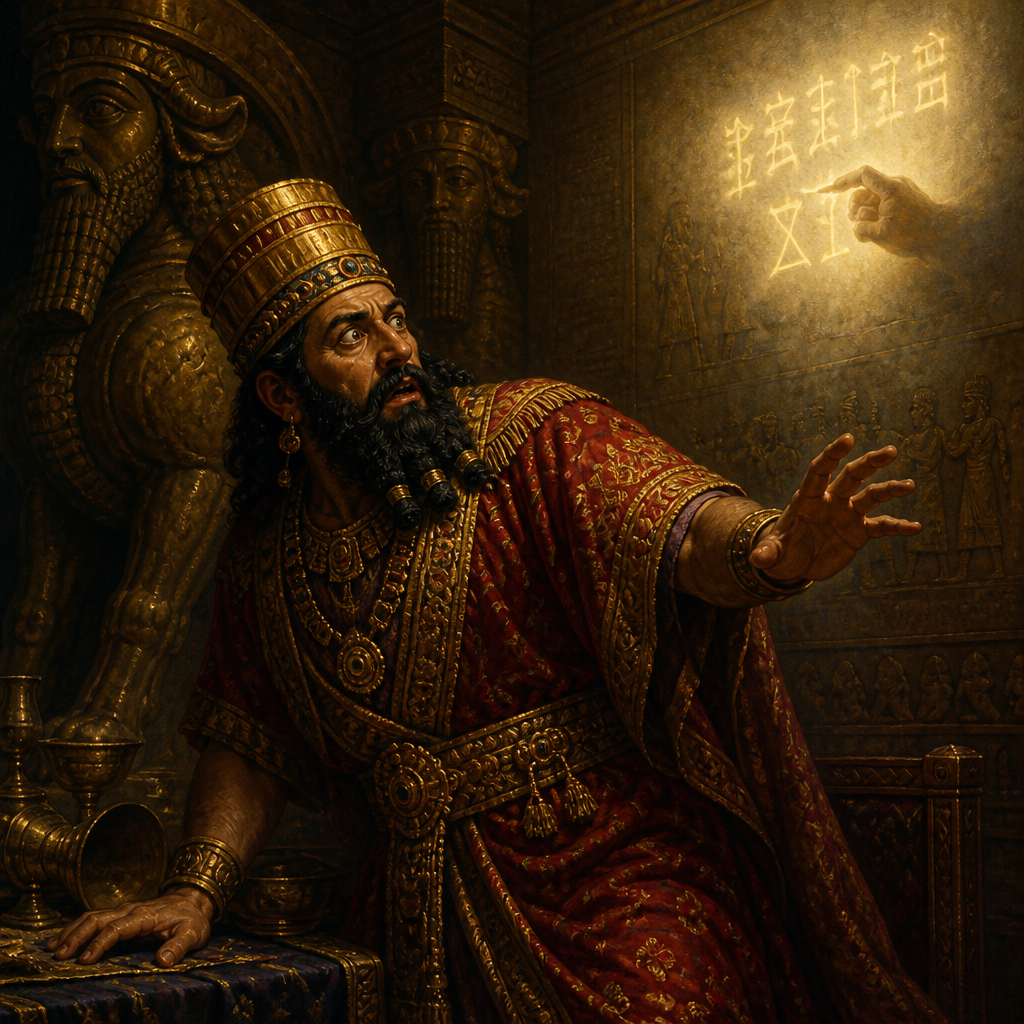
The biblical narrative of the Medo-Persian Period describes the transition of power from the Babylonian empire to the Persians and the subsequent restoration of the Jewish people to their ancestral land. This era begins in the text with the fall of Babylon, an event signaled by the supernatural writing on the wall witnessed by Belshazzar (Daniel 5:1–30). Following this transition, the text records a series of decrees by Persian monarchs that facilitate the return of the exiles and the reconstruction of Jerusalem.

The administration of this period involves both Persian officials and Jewish leaders working within the imperial framework. Cyrus is the king who issues the initial decree allowing the Jews to return and rebuild the Temple (2 Chronicles 36:22–23). During the reign of Darius the Mede, the prophet Daniel continues his service in the royal court despite the opposition of The Satraps Who Accused Daniel (Daniel 6:1–24). Later, Artaxerxes authorizes the missions of both Ezra the Scribe, who restores the Law of Moses, and Nehemiah, who serves as the governor responsible for rebuilding the city walls (Ezra 7:11–13, Nehemiah 2:1–8). Within the Jewish community, Zerubbabel serves as the governor who leads the first group of returnees and lays the Temple foundation (Ezra 3:8). He is supported by Joshua, who oversees the religious restoration and the altar (Ezra 3:2).

Opposition to the restoration is a recurring theme in the biblical accounts of this era. Haman, a high-ranking Persian official, plots a genocide against the Jewish people, but his plan is thwarted by Esther and Mordecai (Esther 3:1–6, 7:1–10). During the rebuilding of the walls, local officials like Sanballat and Tobiah the Ammonite official use mockery and threats to hinder the work (Nehemiah 4:1–3). Even within the Persian administration, Rehum the Commander writes letters to the king to stop the construction in Jerusalem by claiming the city is rebellious (Ezra 4:8–16).

This period is significant in the larger biblical story because it marks the end of the seventy-year Babylonian exile and the re-establishment of the sacrificial system in Jerusalem. The text emphasizes the preservation of the Davidic line through figures like Shealtiel and the spiritual renewal led by Haggai and Zechariah (Ezra 5:1). By the end of this period, the city of Jerusalem is fortified, the Temple is functional, and the community is reorganized around the public reading of the Law.

Everyone in this list
Oil-painting style portrait of Abagtha, Eunuch of King Ahasuerus who was commanded to bring Queen Vashti before the king
Abagtha

Eunuch of King Ahasuerus who was commanded to bring Queen Vashti before the king

Oil-painting style portrait of Abdi, Exile of the Line of Elam, Descendant of Elam listed among those who married foreign wives in the time of Ezra

Abdi, Exile of the Line of Elam

Descendant of Elam listed among those who married foreign wives in the time of Ezra
Oil-painting style portrait of Abihail, Father of Esther, father of Queen Esther who died leaving her in Mordecai's care
Abihail, Father of Esther

father of Queen Esther who died leaving her in Mordecai's care

Oil-painting style portrait of Abijah, Priest of the Restoration, Priest who signed the solemn covenant under Nehemiah following the return from Babylon

Abijah, Priest of the Restoration

Priest who signed the solemn covenant under Nehemiah following the return from Babylon
Oil-painting style portrait of Adaiah, Contemporary of Nathan and Shelemiah, Jewish returnee from Babylon listed among those who married foreign wives in the time of Ezra

Adaiah, Contemporary of Nathan and Shelemiah

Jewish returnee from Babylon listed among those who married foreign wives in the time of Ezra
Oil-painting style portrait of Adaiah, Descendant of Bani, descendant of Bani who married a foreign woman during the time of Ezra

Adaiah, Descendant of Bani

descendant of Bani who married a foreign woman during the time of Ezra
Oil-painting style portrait of Adaiah, Priest of the Post-Exilic Return, Priest who oversaw the work of the temple after the return from the Babylonian Exile

Adaiah, Priest of the Post-Exilic Return

Priest who oversaw the work of the temple after the return from the Babylonian Exile
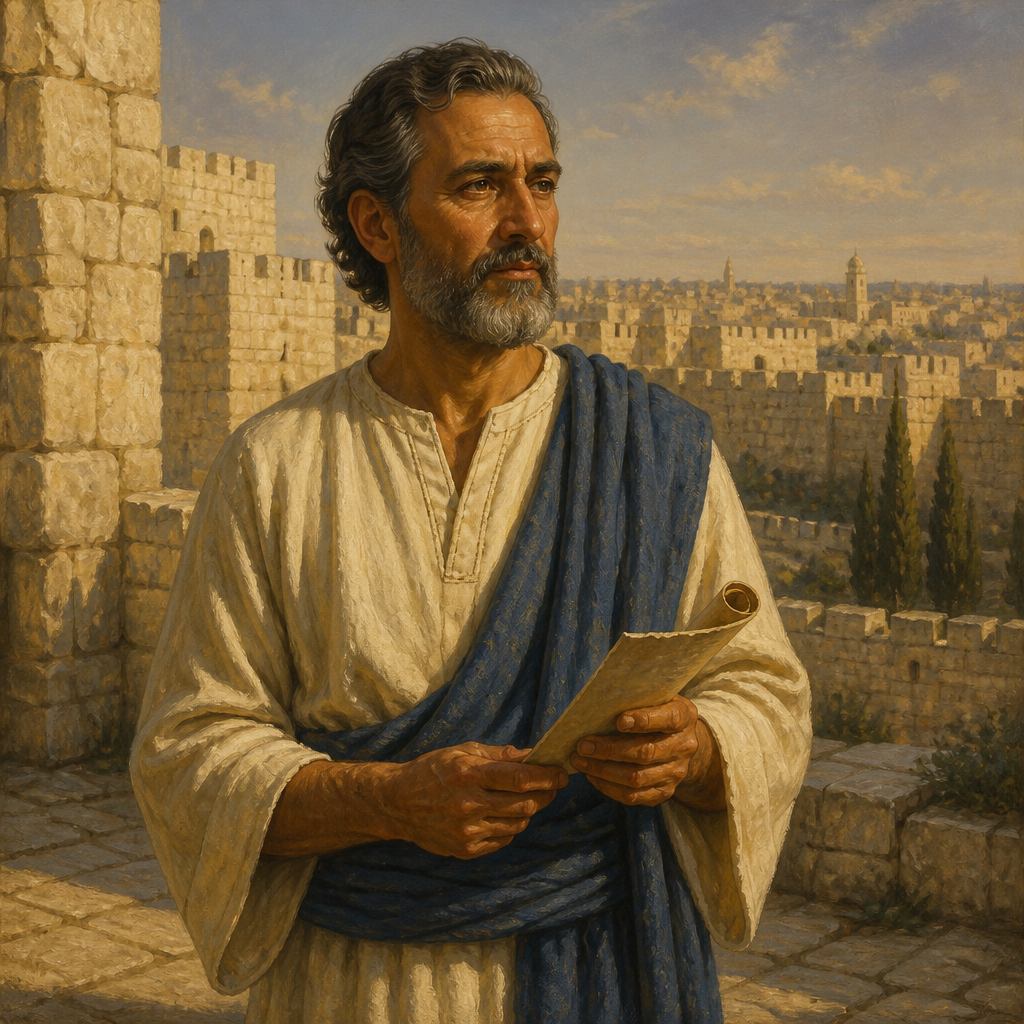
Oil-painting style portrait of Adaiah, son of Joiarib, Judean leader of the Shelanite clan who settled in Jerusalem after the Babylonian exile

Adaiah, son of Joiarib

Judean leader of the Shelanite clan who settled in Jerusalem after the Babylonian exile
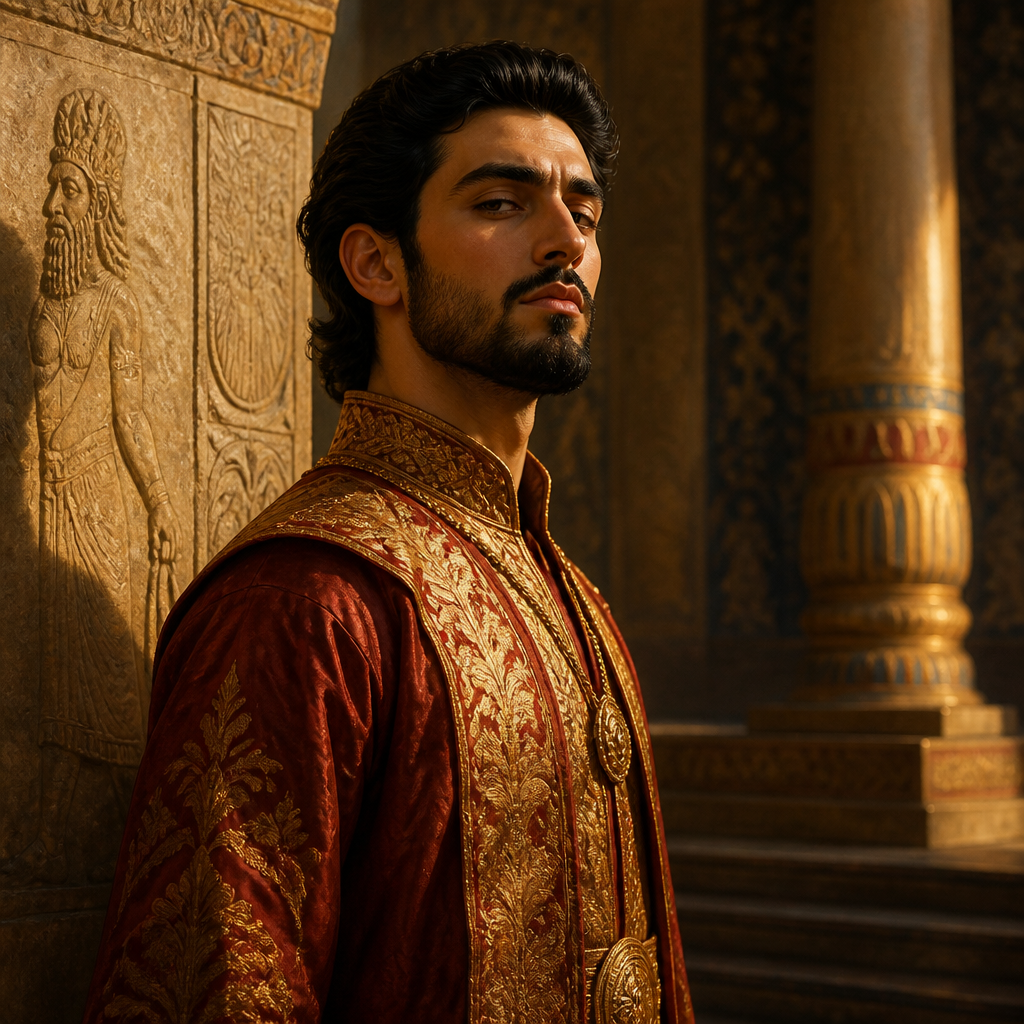
Oil-painting style portrait of Adalia, Son of Haman who was killed and hanged during the Jewish defense in Shushan
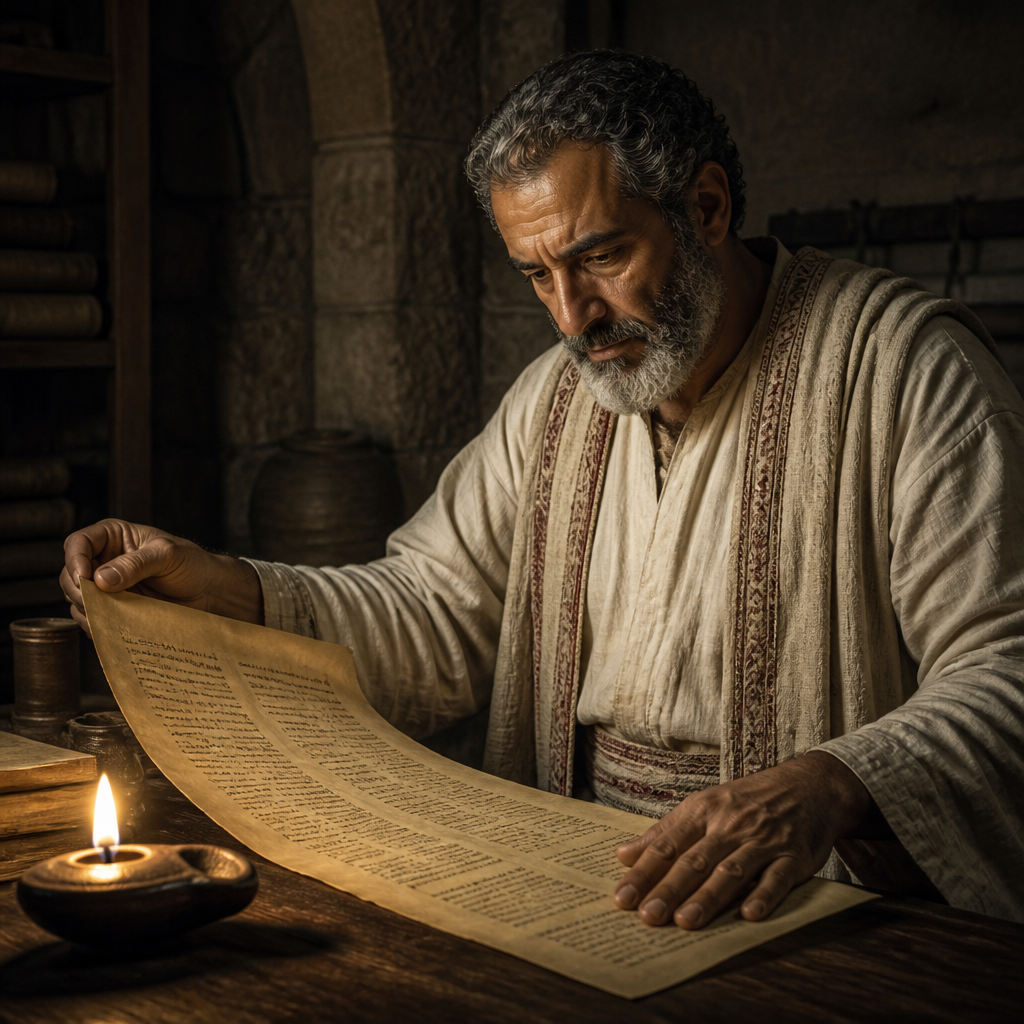
Adalia

Son of Haman who was killed and hanged during the Jewish defense in Shushan

Oil-painting style portrait of Adiel, Priest of the Post-Exilic Period, Priest of the Immer family whose descendants served in the post-exilic Jerusalem temple

Adiel, Priest of the Post-Exilic Period

Priest of the Immer family whose descendants served in the post-exilic Jerusalem temple
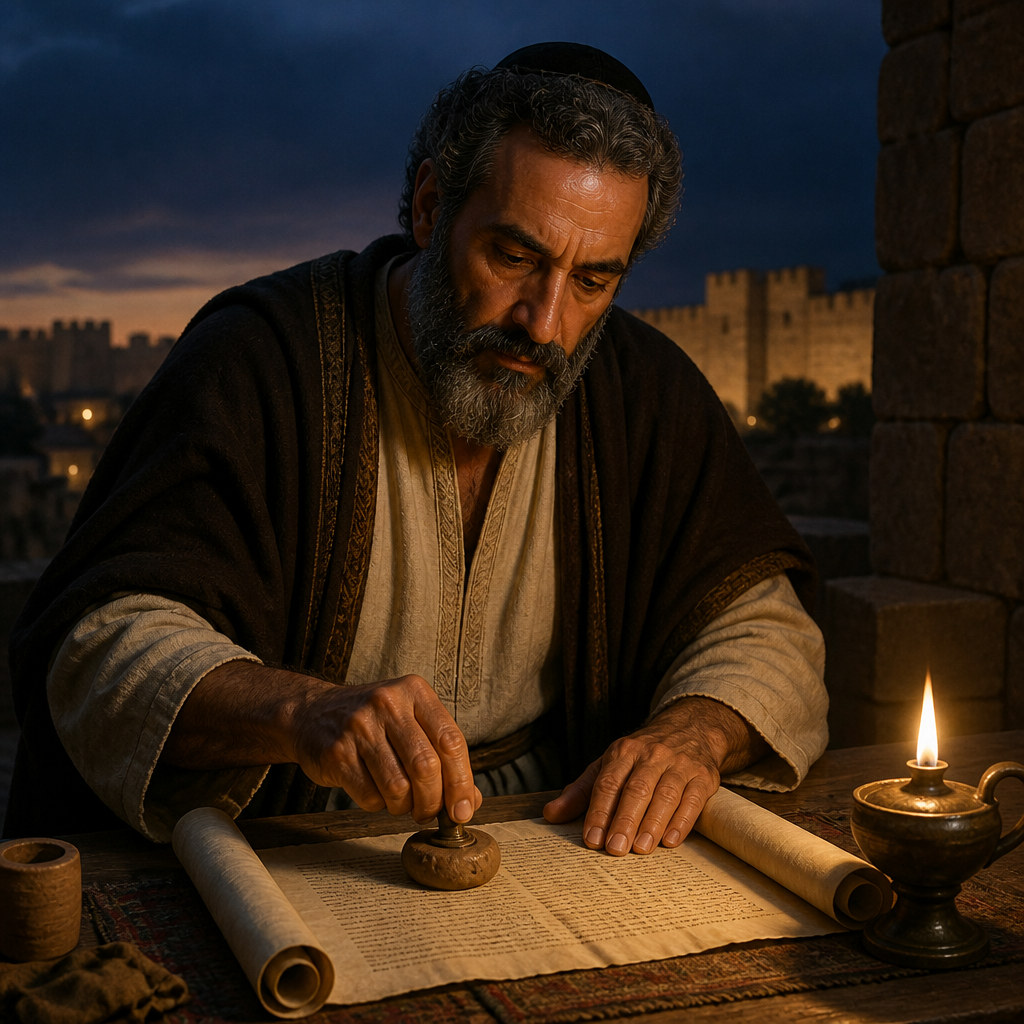
Oil-painting style portrait of Adin, Covenant Signatory of the Post-Exilic Period, Leader who sealed the covenant of faithfulness under Nehemiah

Adin, Covenant Signatory of the Post-Exilic Period

Leader who sealed the covenant of faithfulness under Nehemiah
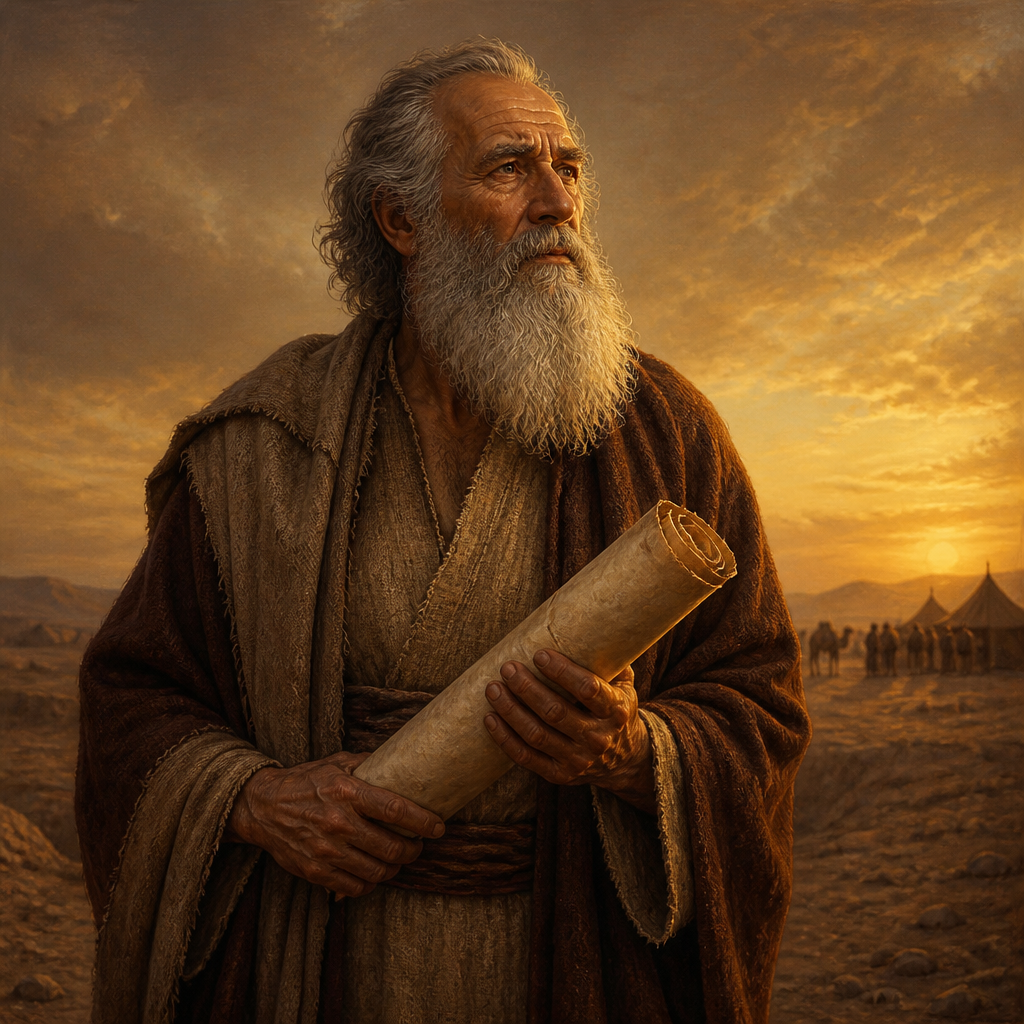
Oil-painting style portrait of Adin, Progenitor of an Exilic Clan, Patriarch whose descendants returned to Jerusalem from the Babylonian Exile

Adin, Progenitor of an Exilic Clan

Patriarch whose descendants returned to Jerusalem from the Babylonian Exile
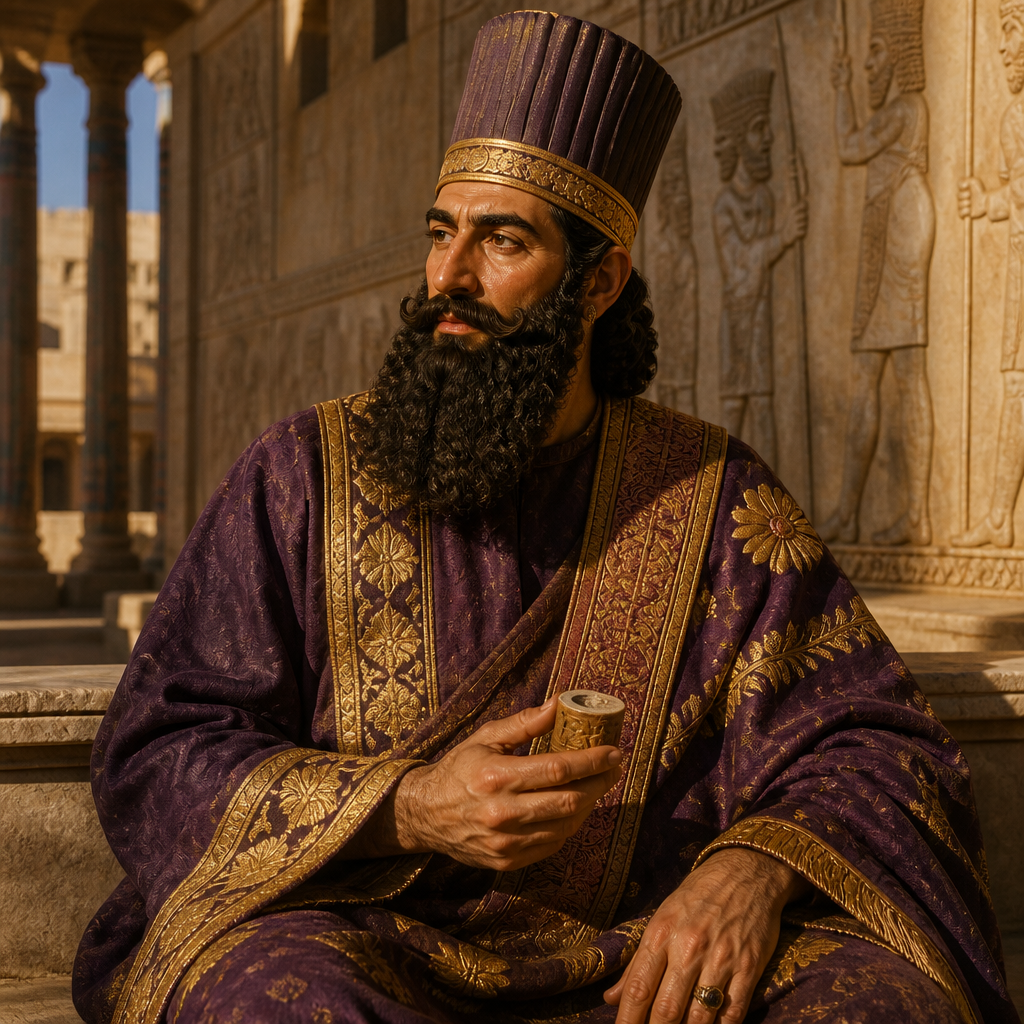
Oil-painting style portrait of Admatha, Prince of Persia who was one of the seven high-ranking advisors to King Ahasuerus
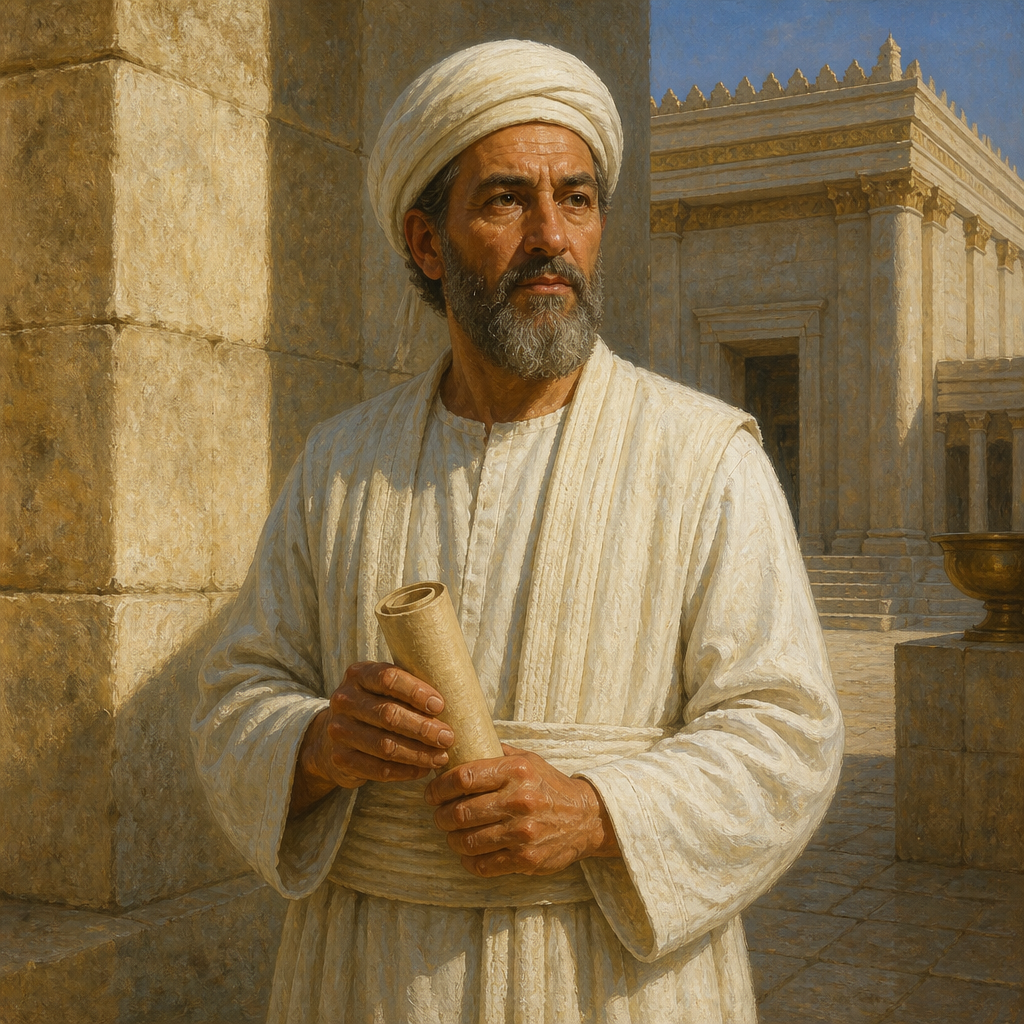
Admatha

Prince of Persia who was one of the seven high-ranking advisors to King Ahasuerus

Oil-painting style portrait of Adna, Priest of the Post-Exilic Period, Priest who served as the head of the house of Harim during the time of Joiakim

Adna, Priest of the Post-Exilic Period

Priest who served as the head of the house of Harim during the time of Joiakim
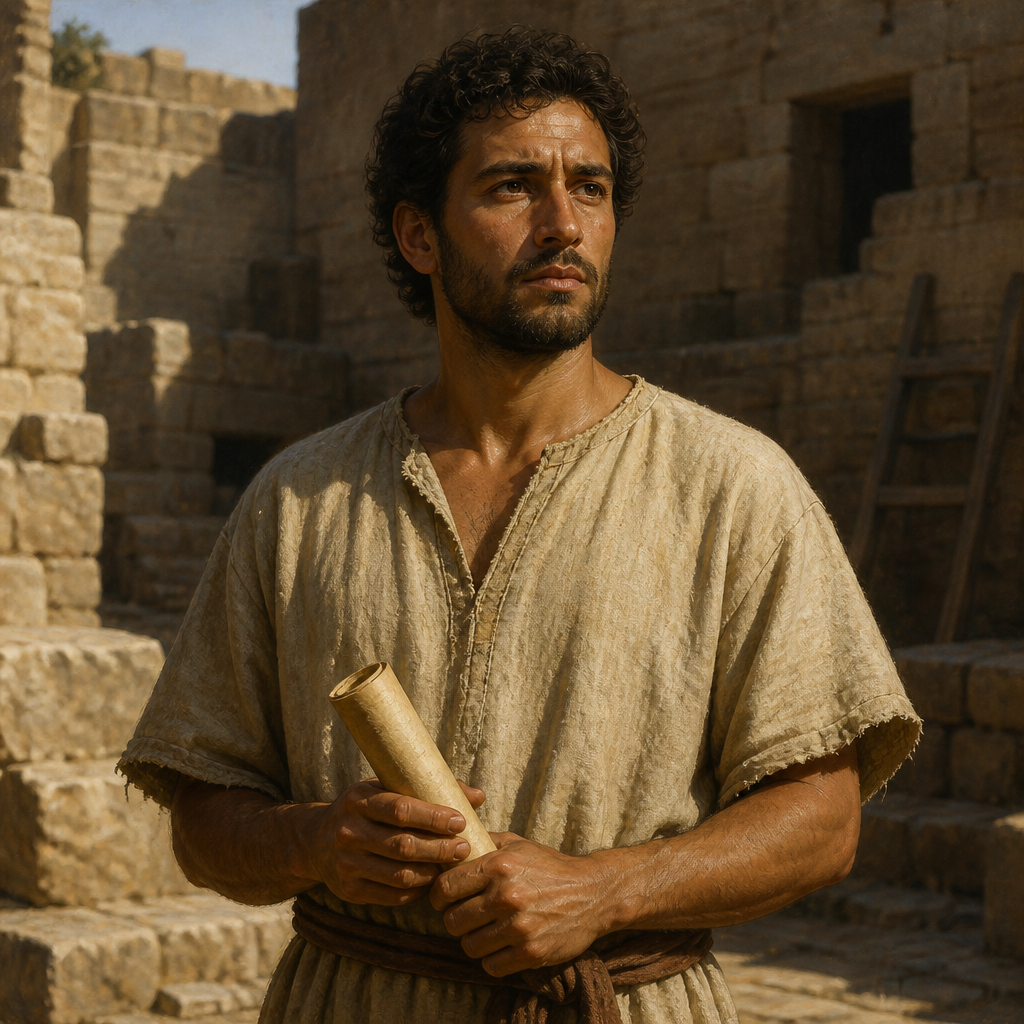
Oil-painting style portrait of Adna, Son of Pahath-moab, Israelite descendant of Pahath-moab who put away his foreign wife in Ezra's reforms

Adna, Son of Pahath-moab

Israelite descendant of Pahath-moab who put away his foreign wife in Ezra's reforms
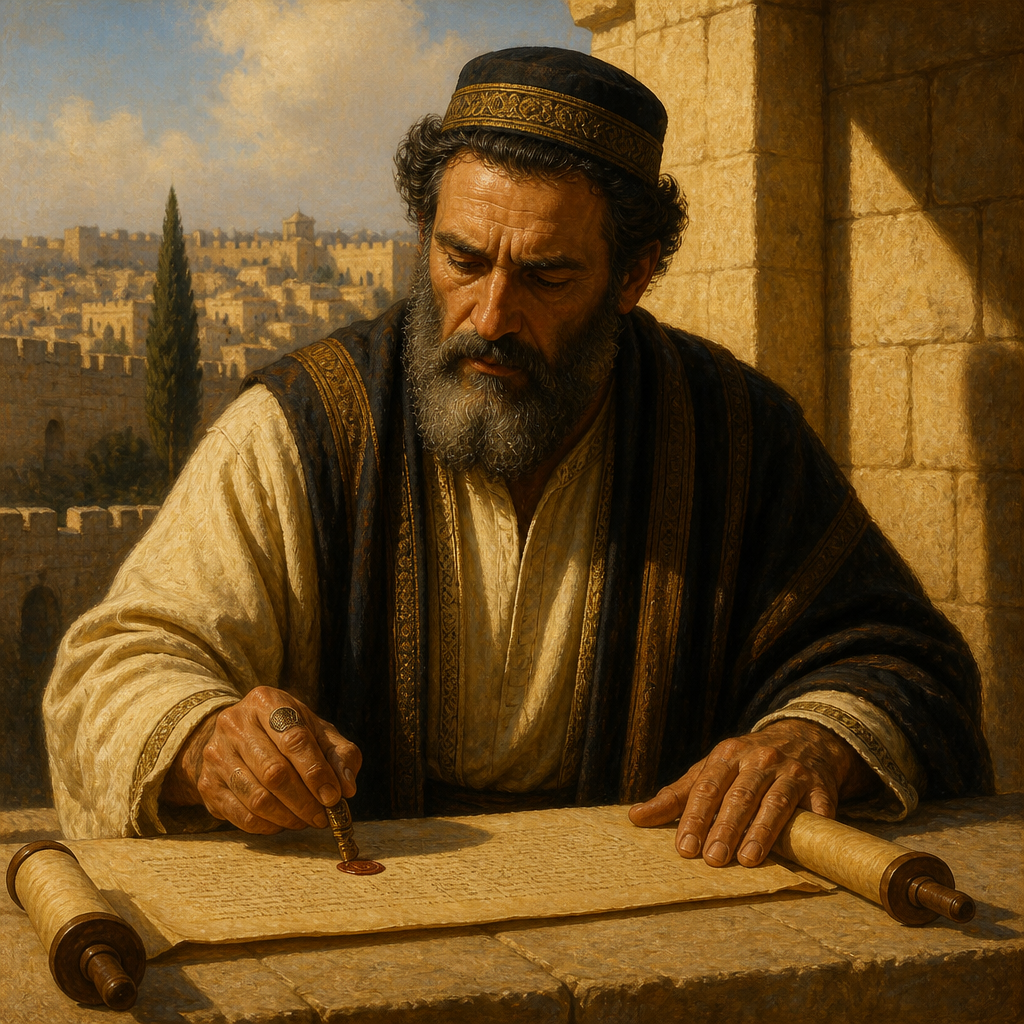
Oil-painting style portrait of Adonijah, Chief of the People, Leader of the people who signed Nehemiah’s covenant of reform
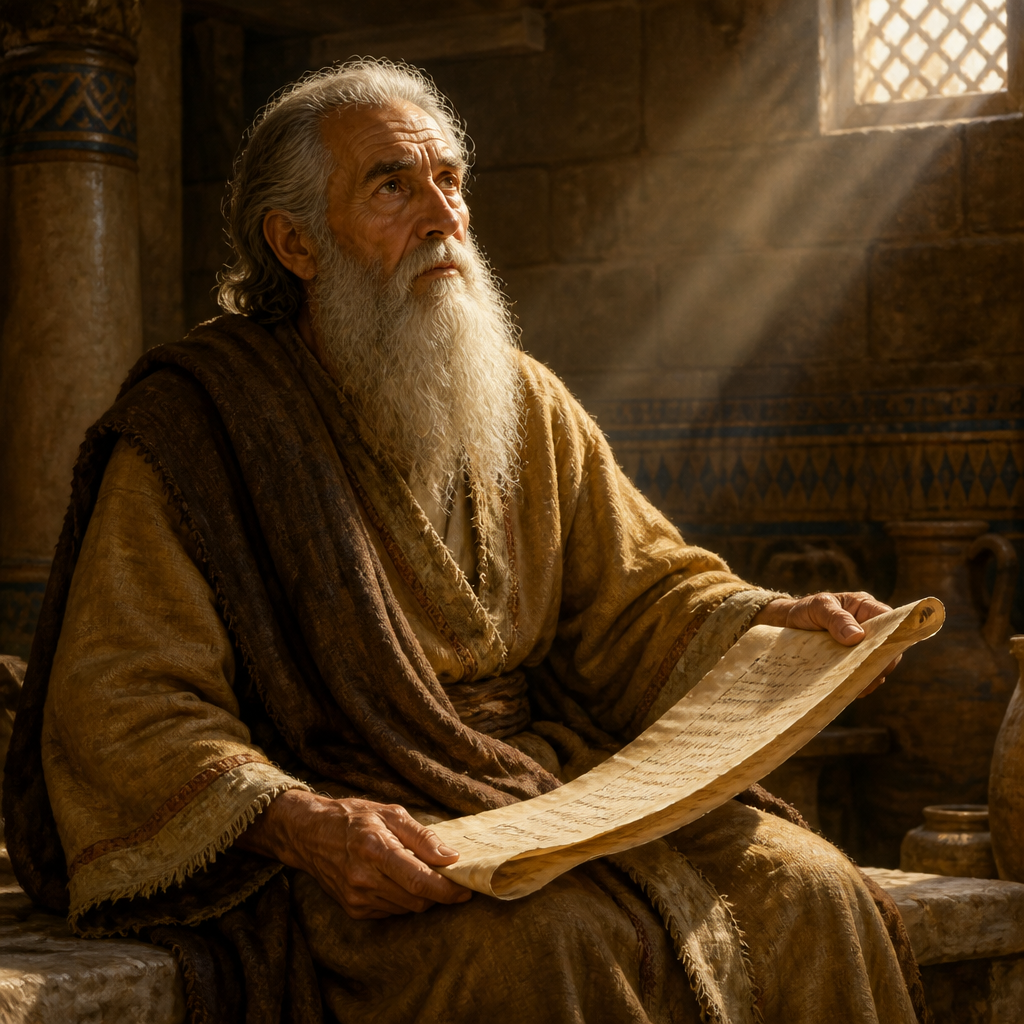
Adonijah, Chief of the People

Leader of the people who signed Nehemiah’s covenant of reform

Oil-painting style portrait of Adonikam, Patriarch whose descendants returned to Jerusalem from the Babylonian Exile
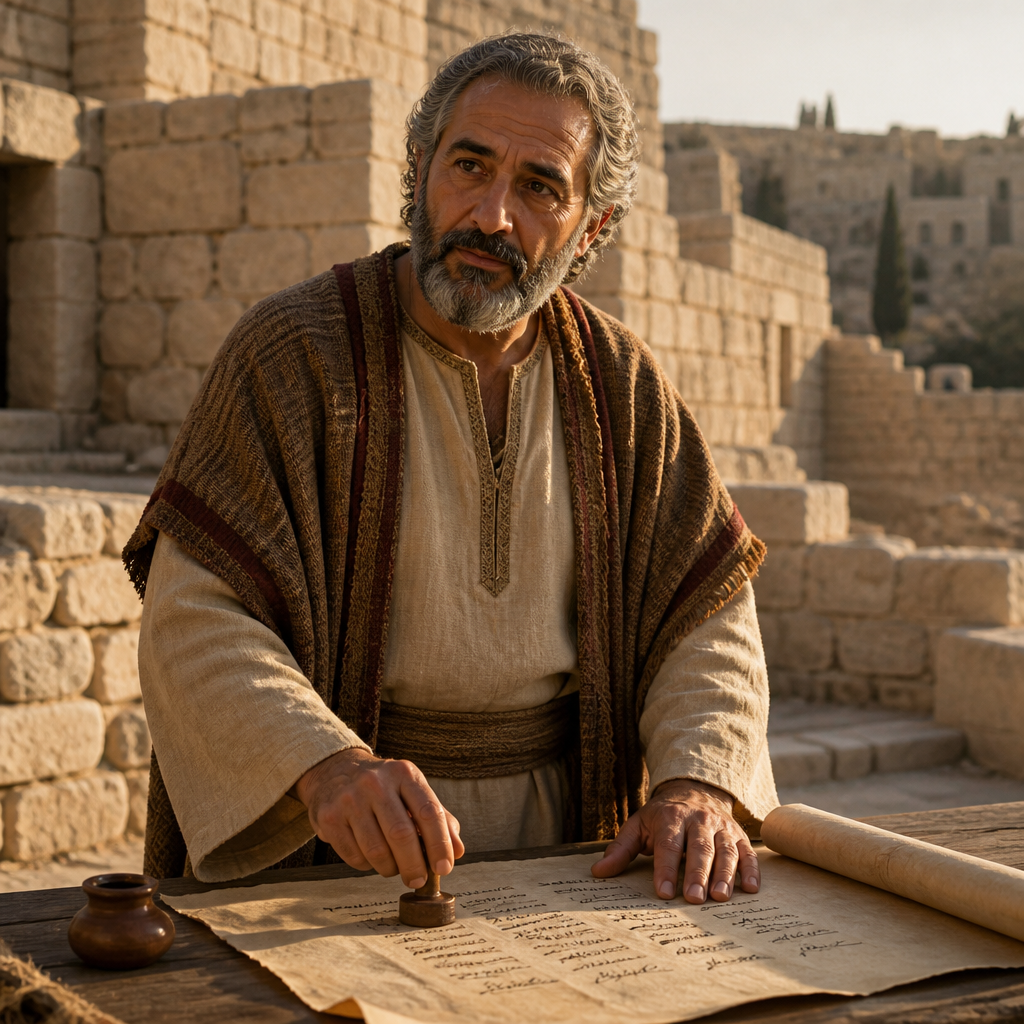
Adonikam

Patriarch whose descendants returned to Jerusalem from the Babylonian Exile

Oil-painting style portrait of Ahasuerus, King of Persia who married Esther and authorized the defense of the Jews against Haman's plot

Ahasuerus

King of Persia who married Esther and authorized the defense of the Jews against Haman's plot

Oil-painting style portrait of Ahiah, Leader who signed the covenant under Nehemiah
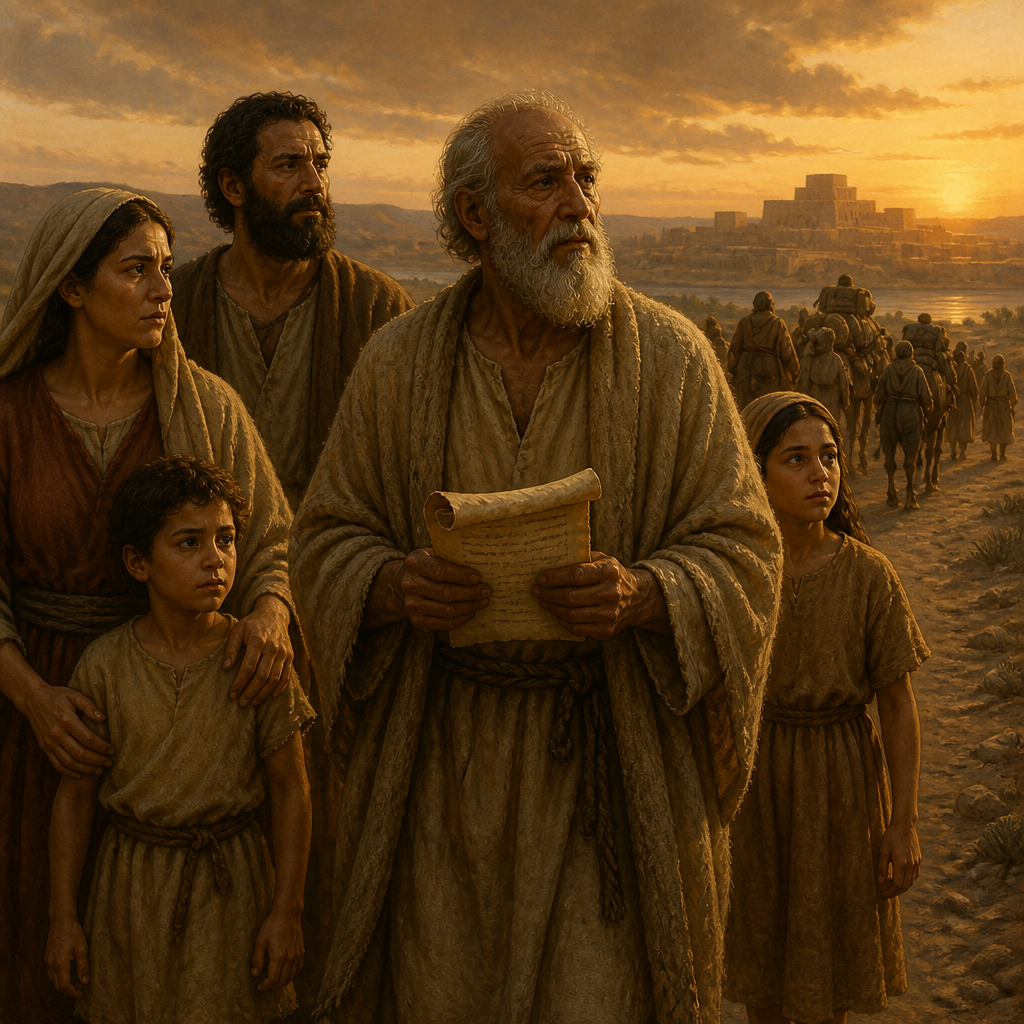
Ahiah

Leader who signed the covenant under Nehemiah

Oil-painting style scene of Akkub, Head of a Family of Temple Servants, figures from the Bible

Akkub, Head of a Family of Temple Servants

Patriarch of a family of Temple servants who returned from Babylon
Oil-painting style portrait of Akkub, Levite Gatekeeper of the Return, Levite gatekeeper who guarded the temple storerooms after the return from Babylon

Akkub, Levite Gatekeeper of the Return

Levite gatekeeper who guarded the temple storerooms after the return from Babylon
Oil-painting style portrait of Akkub, Levite Instructor of the Law, Levite who helped Ezra explain the Law to the people of Jerusalem

Akkub, Levite Instructor of the Law

Levite who helped Ezra explain the Law to the people of Jerusalem
Oil-painting style portrait of Amariah, Ancestor of Athaiah, ancestor of the Judean leaders who resettled Jerusalem after the Babylonian exile

Amariah, Ancestor of Athaiah

ancestor of the Judean leaders who resettled Jerusalem after the Babylonian exile
Oil-painting style portrait of Amariah, Priest of the Post-Exilic Return, Priest who signed Nehemiah's covenant and returned from the Babylonian exile

Amariah, Priest of the Post-Exilic Return

Priest who signed Nehemiah's covenant and returned from the Babylonian exile
Oil-painting style portrait of Amariah, Returnee in Ezra 10, Judean returnee who repented for marrying a foreign wife during Ezra's reforms

Amariah, Returnee in Ezra 10

Judean returnee who repented for marrying a foreign wife during Ezra's reforms
Oil-painting style portrait of Ami, Patriarch of a family of Solomon's servants who returned from the Babylonian exile
Ami

Patriarch of a family of Solomon's servants who returned from the Babylonian exile

Oil-painting style portrait of Amok, Priestly leader who returned from the Babylonian exile with Zerubbabel
Amok

Priestly leader who returned from the Babylonian exile with Zerubbabel

Oil-painting style portrait of Amram, Descendant of Bani, Jewish returnee listed among those who married foreign women in Ezra's time

Amram, Descendant of Bani

Jewish returnee listed among those who married foreign women in Ezra's time
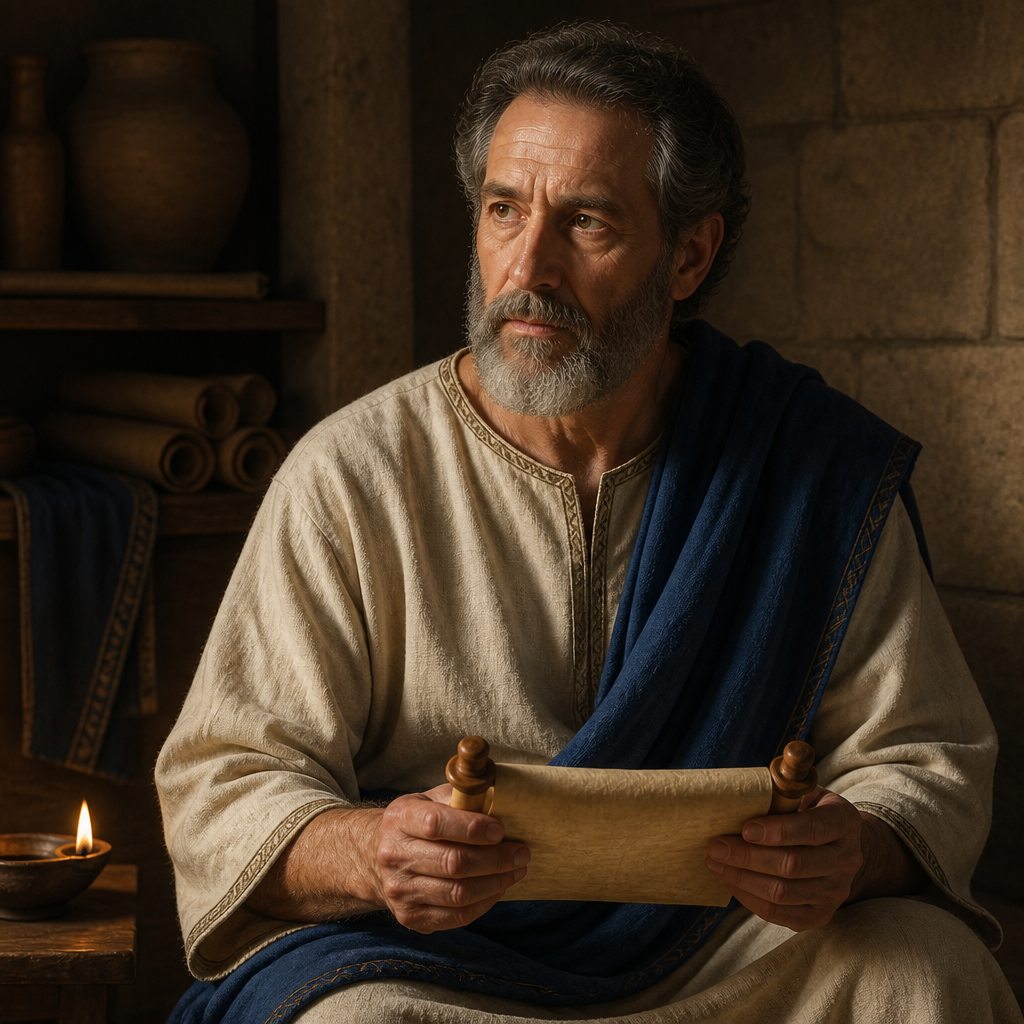
Oil-painting style portrait of Amzi, Levite of the Exile and Return, Levite ancestor whose descendants performed the work of the temple in Jerusalem during the time of Nehemiah
Amzi, Levite of the Exile and Return

Levite ancestor whose descendants performed the work of the temple in Jerusalem during the time of Nehemiah

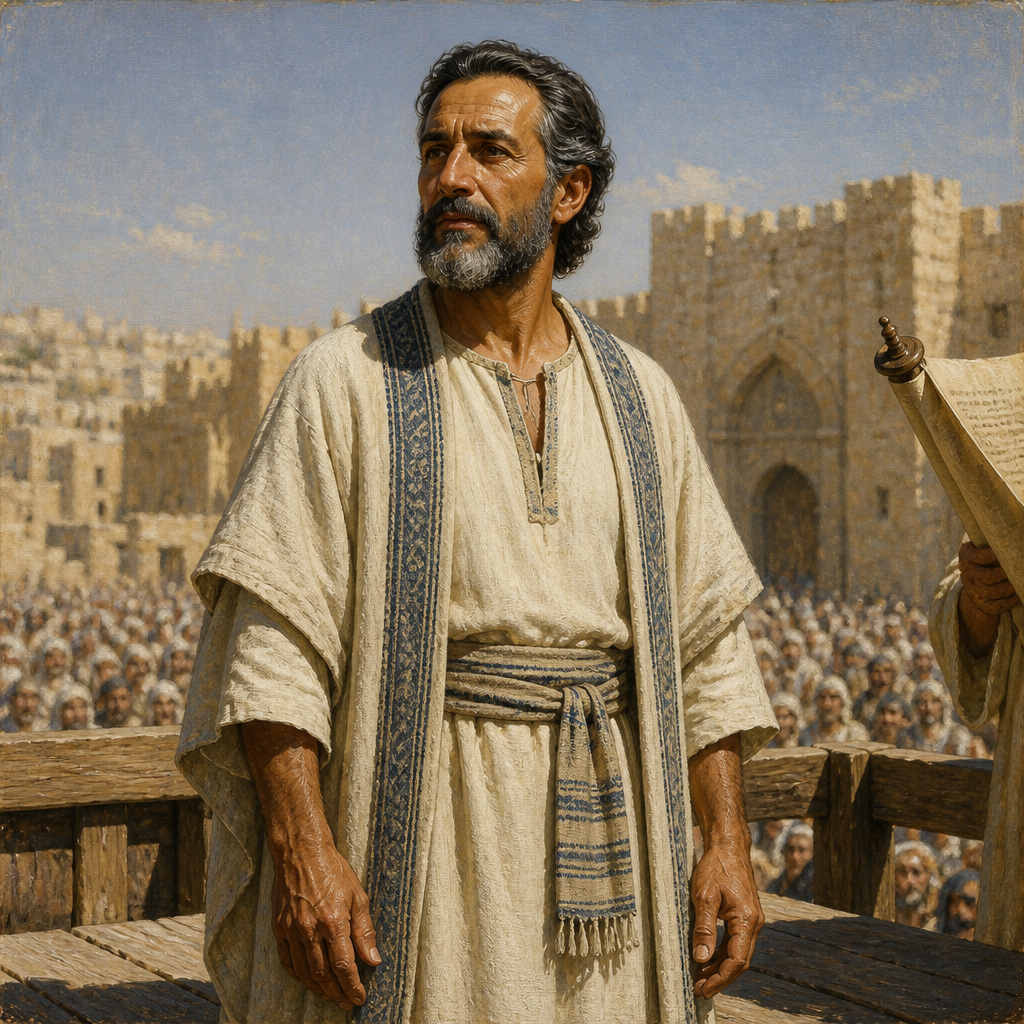
Oil-painting style portrait of Anaiah, Attendant of Ezra, leader who stood at Ezra's right hand during the reading of the Law
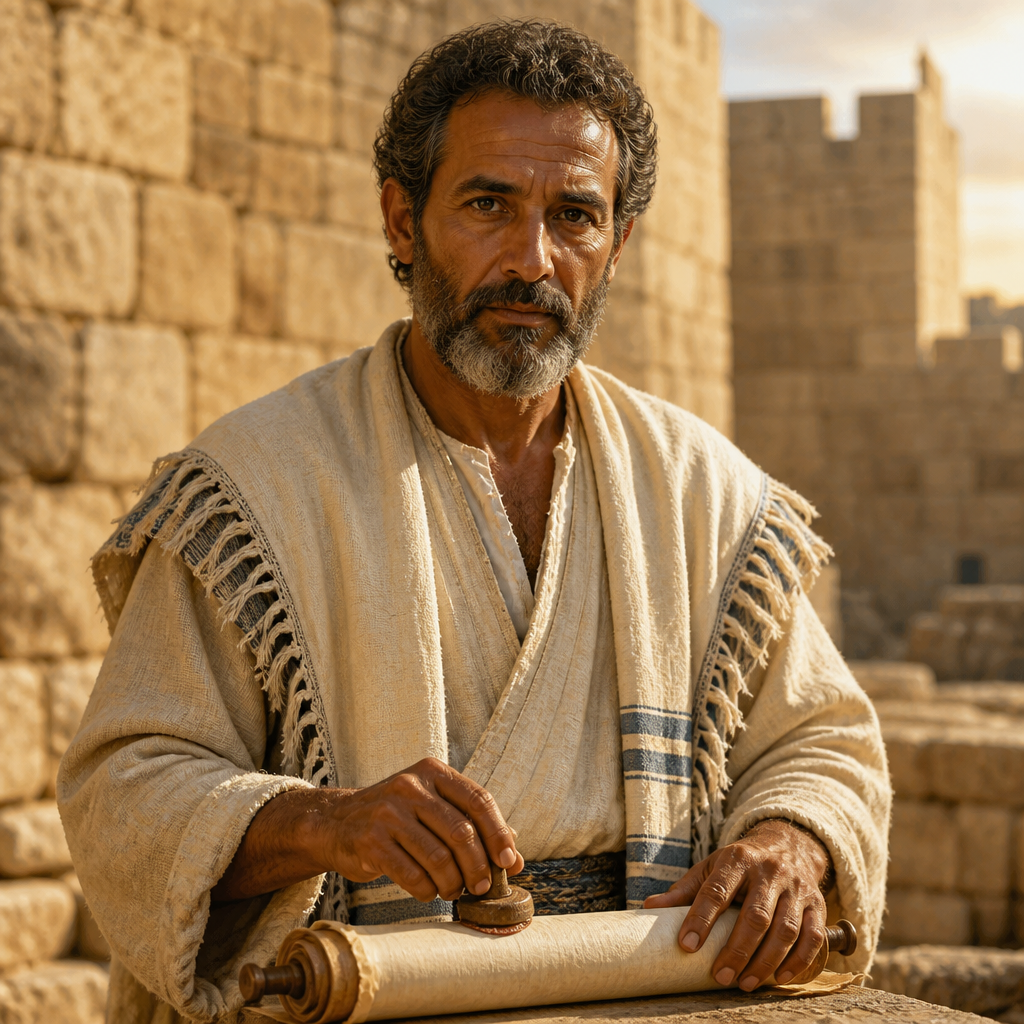
Anaiah, Attendant of Ezra

leader who stood at Ezra's right hand during the reading of the Law

Oil-painting style portrait of Anaiah, Sealer of the Covenant, Leader who sealed the covenant of Nehemiah
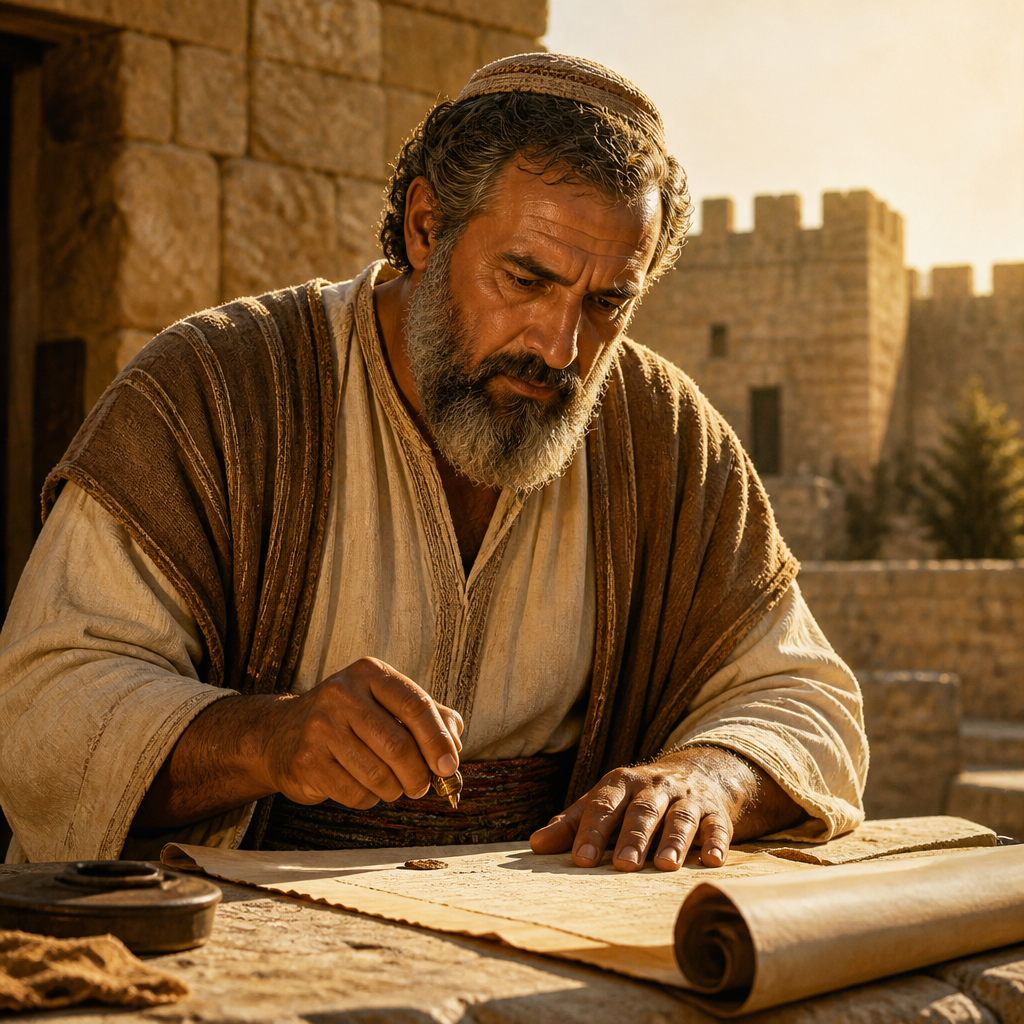
Anaiah, Sealer of the Covenant

Leader who sealed the covenant of Nehemiah
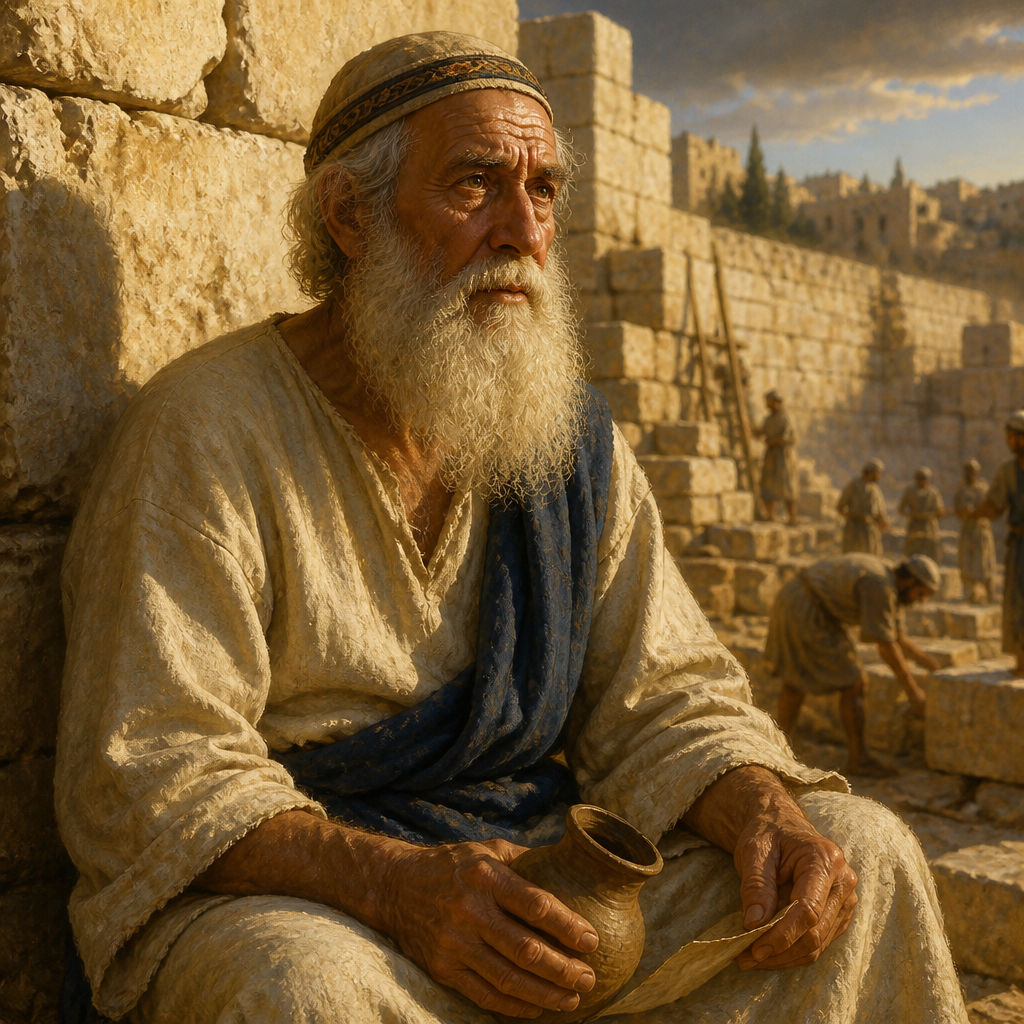
Oil-painting style portrait of Anan, Jewish leader who signed the covenant of Nehemiah

Anan

Jewish leader who signed the covenant of Nehemiah

Oil-painting style portrait of Ananiah, Patriarch whose grandson repaired the wall of Jerusalem

Ananiah

Patriarch whose grandson repaired the wall of Jerusalem

Oil-painting style portrait of Anathoth, Sealer of the Covenant, Jewish leader who signed Nehemiah's covenant to keep the Law of Moses

Anathoth, Sealer of the Covenant

Jewish leader who signed Nehemiah's covenant to keep the Law of Moses
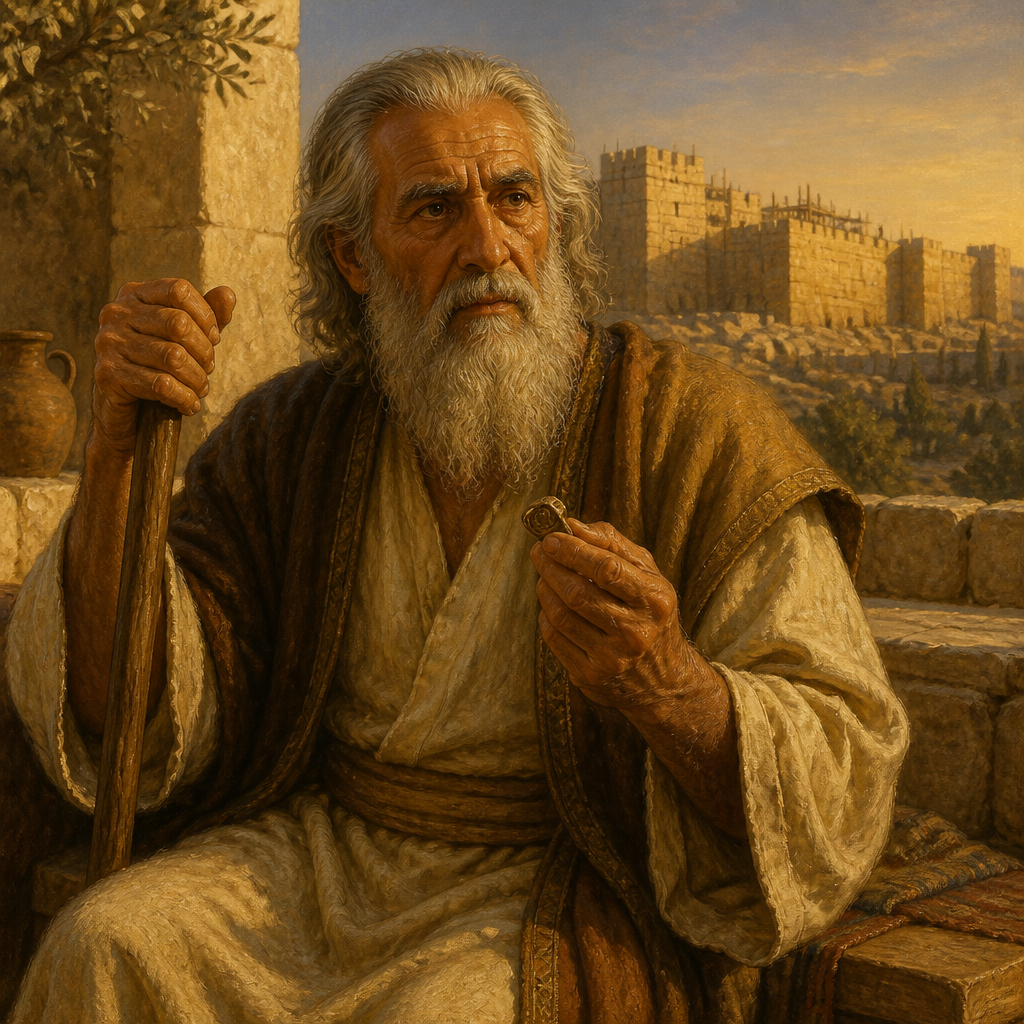
Oil-painting style portrait of Arah, Father of Shecaniah, Patriarch whose descendants married into the family of Tobiah the Ammonite

Arah, Father of Shecaniah

Patriarch whose descendants married into the family of Tobiah the Ammonite
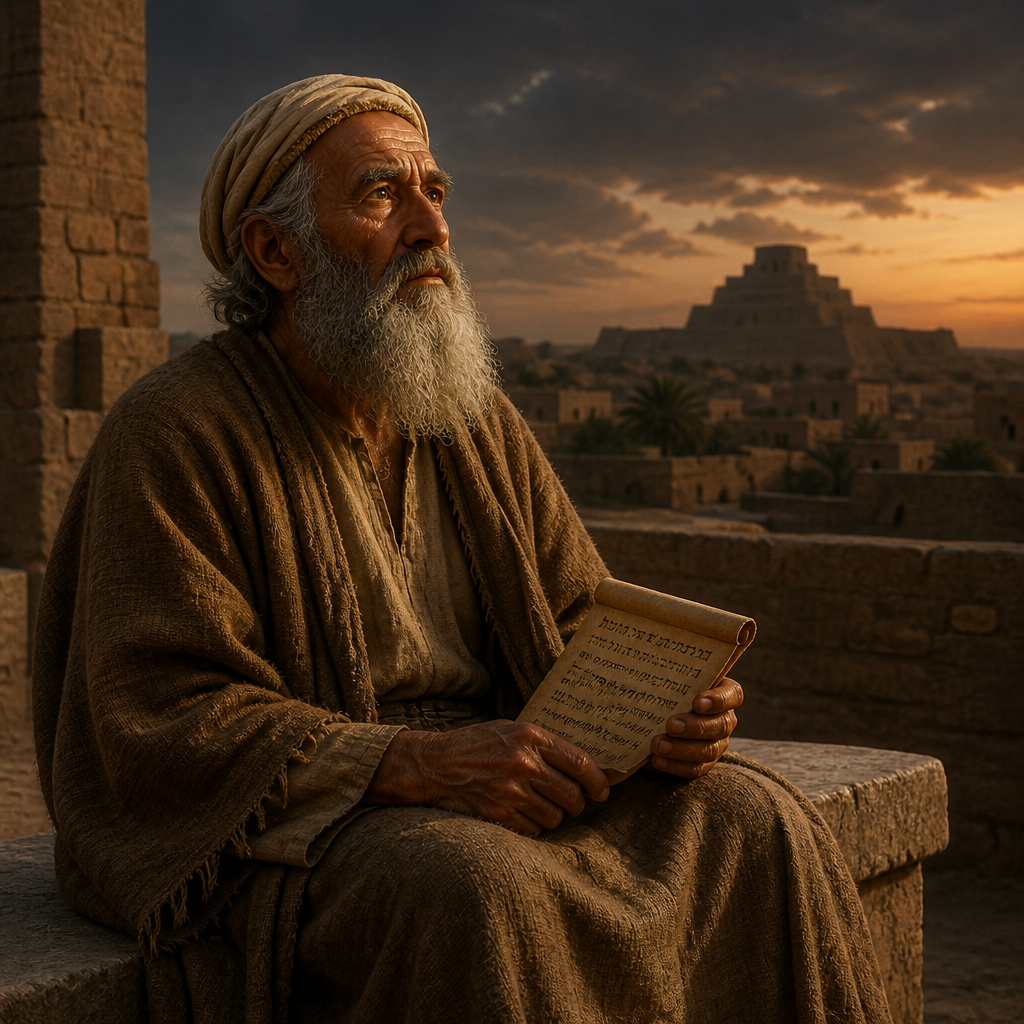
Oil-painting style portrait of Arah, Head of a Post-Exilic Clan, Patriarch of a large family that returned to Jerusalem from the Babylonian exile

Arah, Head of a Post-Exilic Clan

Patriarch of a large family that returned to Jerusalem from the Babylonian exile

Oil-painting style portrait of Aridai, Son of Haman who was killed during the Jewish defense in Susa

Aridai

Son of Haman who was killed during the Jewish defense in Susa

Oil-painting style portrait of Aridatha, Son of Haman who was killed and hanged during the events of Purim

Aridatha

Son of Haman who was killed and hanged during the events of Purim

Oil-painting style portrait of Ariel, Leader of the Post-Exilic Return, Leader among the Jewish exiles who helped Ezra recruit Levites for the temple service

Ariel, Leader of the Post-Exilic Return

Leader among the Jewish exiles who helped Ezra recruit Levites for the temple service

Oil-painting style portrait of Arisai, Son of Haman who was executed and hanged during the Jewish defense in Susa

Arisai

Son of Haman who was executed and hanged during the Jewish defense in Susa

Oil-painting style portrait of Artaxerxes, King of Persia who issued the decree for Ezra’s return and authorized Nehemiah to rebuild Jerusalem’s walls

Artaxerxes

King of Persia who issued the decree for Ezra’s return and authorized Nehemiah to rebuild Jerusalem’s walls

Oil-painting style portrait of Asahel, Father of Jonathan, father of Jonathan, one of the few men who opposed Ezra's plan for addressing foreign marriages

Asahel, Father of Jonathan

father of Jonathan, one of the few men who opposed Ezra's plan for addressing foreign marriages

Oil-painting style portrait of Asaph, Ancestor of Mattaniah, Levite ancestor of the Temple musicians and prayer leaders during the post-exilic restoration

Asaph, Ancestor of Mattaniah

Levite ancestor of the Temple musicians and prayer leaders during the post-exilic restoration

Oil-painting style portrait of Asaph, Keeper of the King’s Forest, Persian official who provided timber for Nehemiah's reconstruction of Jerusalem

Asaph, Keeper of the King’s Forest

Persian official who provided timber for Nehemiah's reconstruction of Jerusalem

Oil-painting style portrait of Asnah, Patriarch whose descendants returned to Jerusalem as temple servants

Asnah

Patriarch whose descendants returned to Jerusalem as temple servants

Oil-painting style portrait of Aspatha, Son of Haman who was executed and hanged on the gallows in Shushan

Aspatha

Son of Haman who was executed and hanged on the gallows in Shushan

Oil-painting style portrait of Ater, Ancestor of Gatekeepers, patriarch of a family of Levitical gatekeepers who returned from Babylon

Ater, Ancestor of Gatekeepers

patriarch of a family of Levitical gatekeepers who returned from Babylon

Oil-painting style portrait of Ater, Patriarch of the House of Hezekiah, Patriarch whose 98 descendants returned from the Babylonian Exile with Zerubbabel

Ater, Patriarch of the House of Hezekiah

Patriarch whose 98 descendants returned from the Babylonian Exile with Zerubbabel

Oil-painting style portrait of Ater, Signer of the Sealed Covenant, Jewish leader who signed Nehemiah's covenant of reform

Ater, Signer of the Sealed Covenant

Jewish leader who signed Nehemiah's covenant of reform

Oil-painting style portrait of Athaiah, Judahite leader who settled in Jerusalem after the Babylonian exile

Athaiah

Judahite leader who settled in Jerusalem after the Babylonian exile

Oil-painting style portrait of Athaliah, Father of Jeshaiah, Patriarch of a family that returned from the Babylonian Exile under the leadership of Ezra

Athaliah, Father of Jeshaiah

Patriarch of a family that returned from the Babylonian Exile under the leadership of Ezra

Oil-painting style portrait of Athlai, Descendant of Bebai who divorced his foreign wife during Ezra's reforms

Athlai

Descendant of Bebai who divorced his foreign wife during Ezra's reforms

Oil-painting style portrait of Azaniah, Levite father of Jeshua who signed Nehemiah's covenant

Azaniah

Levite father of Jeshua who signed Nehemiah's covenant

Oil-painting style portrait of Azarel, Musician of the Post-Exilic Period, Levite musician who performed during the dedication of Jerusalem's wall

Azarel, Musician of the Post-Exilic Period

Levite musician who performed during the dedication of Jerusalem's wall

Oil-painting style portrait of Azarel, Returnee under Ezra, Jewish man listed among those who repented of marrying foreign women during Ezra's reforms

Azarel, Returnee under Ezra

Jewish man listed among those who repented of marrying foreign women during Ezra's reforms

Oil-painting style portrait of Azariah, Builder of Jerusalem's Wall, Jerusalem resident who repaired the city wall next to his own house during the time of Nehemiah

Azariah, Builder of Jerusalem's Wall

Jerusalem resident who repaired the city wall next to his own house during the time of Nehemiah

Oil-painting style portrait of Azariah, Leader of the Return, Leader of the Jewish exiles who returned from Babylon and signed the covenant of Nehemiah

Azariah, Leader of the Return

Leader of the Jewish exiles who returned from Babylon and signed the covenant of Nehemiah

Oil-painting style portrait of Azariah, Teacher of the Law, Levite who helped explain the Law to the people during Ezra's public reading

Azariah, Teacher of the Law

Levite who helped explain the Law to the people during Ezra's public reading

Oil-painting style portrait of Azbuk, father of Nehemiah, the ruler of half the district of Beth-zur

Azbuk

father of Nehemiah, the ruler of half the district of Beth-zur

Oil-painting style portrait of Azgad, Ancestor of Returning Exiles, ancestor of over two thousand exiles returning from Babylon

Azgad, Ancestor of Returning Exiles

ancestor of over two thousand exiles returning from Babylon

Oil-painting style portrait of Azgad, Signer of the Nehemiah Covenant, Jewish leader who signed the solemn covenant under Nehemiah

Azgad, Signer of the Nehemiah Covenant

Jewish leader who signed the solemn covenant under Nehemiah

Oil-painting style portrait of Aziza, Descendant of Zattu who divorced his foreign wife during Ezra's reforms

Aziza

Descendant of Zattu who divorced his foreign wife during Ezra's reforms

Oil-painting style portrait of Azrikam, Levite of the Post-Exilic Period, Levite ancestor whose descendants helped resettle Jerusalem after the Babylonian exile

Azrikam, Levite of the Post-Exilic Period

Levite ancestor whose descendants helped resettle Jerusalem after the Babylonian exile

Oil-painting style portrait of Azzur, Post-Exilic Signatory, leader who signed Nehemiah’s covenant to keep the Law of Moses

Azzur, Post-Exilic Signatory

leader who signed Nehemiah’s covenant to keep the Law of Moses

Oil-painting style portrait of Baana, Father of Zadok, Father of Zadok who helped rebuild the walls of Jerusalem

Baana, Father of Zadok

Father of Zadok who helped rebuild the walls of Jerusalem

Oil-painting style portrait of Baanah, Leader of the Return, Leader who accompanied Zerubbabel in the return from the Babylonian Exile

Baanah, Leader of the Return

Leader who accompanied Zerubbabel in the return from the Babylonian Exile

Oil-painting style portrait of Baanah, Signatory to the Covenant, Jewish leader who signed Nehemiah’s covenant to obey the Law of Moses

Baanah, Signatory to the Covenant

Jewish leader who signed Nehemiah’s covenant to obey the Law of Moses

Oil-painting style portrait of Bakbuk, Ancestor of a family of temple servants who returned from the Babylonian Exile

Bakbuk

Ancestor of a family of temple servants who returned from the Babylonian Exile

Oil-painting style portrait of Bakbukiah, Levite who served as a leader of prayer and a temple gatekeeper after the exile

Bakbukiah

Levite who served as a leader of prayer and a temple gatekeeper after the exile

Oil-painting style portrait of Bani, Ancestor of a Post-Exilic Clan, Patriarch whose hundreds of descendants returned from the Babylonian Exile

Bani, Ancestor of a Post-Exilic Clan

Patriarch whose hundreds of descendants returned from the Babylonian Exile

Oil-painting style portrait of Bani, Ancestor of Men with Foreign Wives, Ancestor of a family whose members married foreign women and later repented under Ezra

Bani, Ancestor of Men with Foreign Wives

Ancestor of a family whose members married foreign women and later repented under Ezra

Oil-painting style portrait of Bani, Descendant of Binnui, descendant of Binnui listed in the post-exilic records of Ezra

Bani, Descendant of Binnui

descendant of Binnui listed in the post-exilic records of Ezra

Oil-painting style portrait of Bani, Leader of the People, Leader of the people who signed Nehemiah's covenant

Bani, Leader of the People

Leader of the people who signed Nehemiah's covenant

Oil-painting style portrait of Bani, Levite and Ancestor of Uzzi, Levite of the post-exilic period whose son Uzzi was the overseer of the Levites in Jerusalem

Bani, Levite and Ancestor of Uzzi

Levite of the post-exilic period whose son Uzzi was the overseer of the Levites in Jerusalem

Oil-painting style portrait of Bani, Levite and Father of Rehum, Levite whose son Rehum rebuilt the wall of Jerusalem

Bani, Levite and Father of Rehum

Levite whose son Rehum rebuilt the wall of Jerusalem

Oil-painting style portrait of Bani, Levite of the Platform, Levite who led the public confession on the raised platform and signed Nehemiah's covenant

Bani, Levite of the Platform

Levite who led the public confession on the raised platform and signed Nehemiah's covenant

Oil-painting style portrait of Bani, Levite of the Return, Levite leader who instructed the people in the Law and led the public confession under Ezra

Bani, Levite of the Return

Levite leader who instructed the people in the Law and led the public confession under Ezra

Oil-painting style portrait of Barkos, Patriarch whose descendants returned from the Babylonian Exile as temple servants

Barkos

Patriarch whose descendants returned from the Babylonian Exile as temple servants

Oil-painting style portrait of Baruch, Ancestor of Maaseiah, father of Maaseiah and descendant of Shelah mentioned in the Nehemiah census

Baruch, Ancestor of Maaseiah

father of Maaseiah and descendant of Shelah mentioned in the Nehemiah census

Oil-painting style portrait of Baruch, Priest under Nehemiah, Priest who sealed the covenant of Nehemiah

Baruch, Priest under Nehemiah

Priest who sealed the covenant of Nehemiah

Oil-painting style portrait of Baruch, Son of Zabbai, Laborer who diligently repaired the section of Jerusalem's wall near the high priest's house

Baruch, Son of Zabbai

Laborer who diligently repaired the section of Jerusalem's wall near the high priest's house

Oil-painting style portrait of Barzillai, Priest of the Exile and Return, Priestly ancestor whose descendants lost their standing due to unverified genealogy during the return from Babylon

Barzillai, Priest of the Exile and Return

Priestly ancestor whose descendants lost their standing due to unverified genealogy during the return from Babylon

Oil-painting style portrait of Bavvai, Levite ruler who helped rebuild the wall of Jerusalem under Nehemiah

Bavvai

Levite ruler who helped rebuild the wall of Jerusalem under Nehemiah

Oil-painting style portrait of Bazluth, Patriarch of a family of Nethinim who returned from the Babylonian Exile

Bazluth

Patriarch of a family of Nethinim who returned from the Babylonian Exile

Oil-painting style portrait of Bebai, Parent of Zechariah, father of Zechariah who returned from the Babylonian exile

Bebai, Parent of Zechariah

father of Zechariah who returned from the Babylonian exile

Oil-painting style portrait of Bebai, Patriarch of an Exilic Clan, Patriarch whose descendants returned to Jerusalem from the Babylonian exile
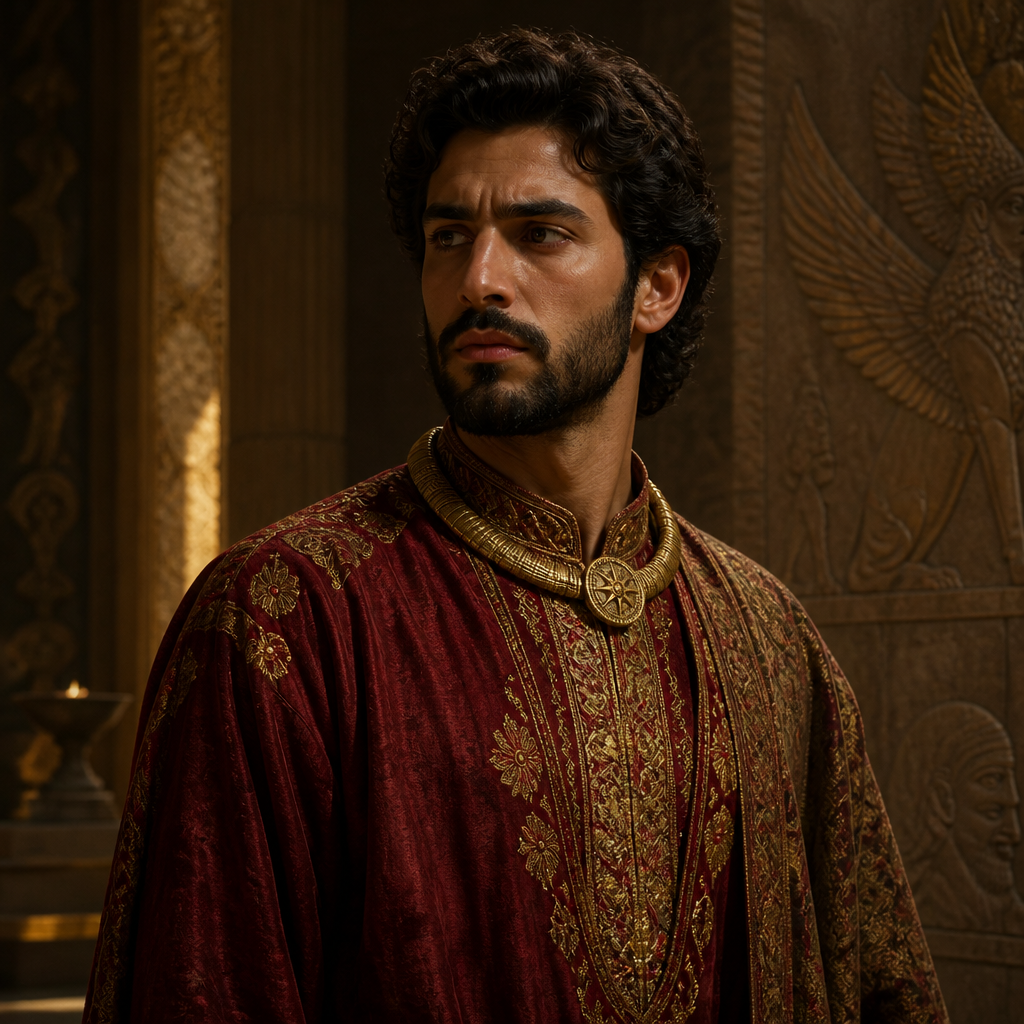
Bebai, Patriarch of an Exilic Clan

Patriarch whose descendants returned to Jerusalem from the Babylonian exile
Oil-painting style portrait of Bebai, Signer of the Covenant, leader who sealed the written covenant under Nehemiah

Bebai, Signer of the Covenant

leader who sealed the written covenant under Nehemiah

Oil-painting style portrait of Bedeiah, Man listed among those who married foreign wives and repented under Ezra

Bedeiah

Man listed among those who married foreign wives and repented under Ezra

Oil-painting style portrait of Belshazzar, King of Babylon who saw the supernatural writing on the wall during a sacrilegious feast

Belshazzar

King of Babylon who saw the supernatural writing on the wall during a sacrilegious feast

Oil-painting style portrait of Belshazzar's Queen, Queen who advised King Belshazzar to summon Daniel to interpret the writing on the wall

Belshazzar's Queen

Queen who advised King Belshazzar to summon Daniel to interpret the writing on the wall

Oil-painting style portrait of Benaiah, Descendant of Bani, Israelite among the sons of Bani who divorced his foreign wife under Ezra's reforms

Benaiah, Descendant of Bani

Israelite among the sons of Bani who divorced his foreign wife under Ezra's reforms

Oil-painting style portrait of Benaiah, Descendant of Nebo, Israelite descendant of Nebo who divorced his foreign wife during Ezra’s reforms

Benaiah, Descendant of Nebo

Israelite descendant of Nebo who divorced his foreign wife during Ezra’s reforms

Oil-painting style portrait of Benaiah, Descendant of Pahath-moab, Descendant of Pahath-moab who divorced his foreign wife during Ezra's reforms
Benaiah, Descendant of Pahath-moab

Descendant of Pahath-moab who divorced his foreign wife during Ezra's reforms
Oil-painting style portrait of Benaiah, Descendant of Parosh, Israelite from the family of Parosh who repented of intermarriage during Ezra's reforms

Benaiah, Descendant of Parosh

Israelite from the family of Parosh who repented of intermarriage during Ezra's reforms

Oil-painting style portrait of Beninu, Levite who signed the covenant under Nehemiah

Beninu

Levite who signed the covenant under Nehemiah

Oil-painting style portrait of Benjamin, Participant in the Wall Dedication, Leader who participated in the dedication of the Jerusalem walls under Nehemiah

Benjamin, Participant in the Wall Dedication

Leader who participated in the dedication of the Jerusalem walls under Nehemiah

Oil-painting style portrait of Benjamin, Rebuilder of the Jerusalem Wall, Rebuilder of the Jerusalem wall who repaired the section in front of his own house

Benjamin, Rebuilder of the Jerusalem Wall

Rebuilder of the Jerusalem wall who repaired the section in front of his own house

Oil-painting style portrait of Benjamin, Son of Harim, Man who married a foreign woman and repented under Ezra's reforms

Benjamin, Son of Harim

Man who married a foreign woman and repented under Ezra's reforms

Oil-painting style portrait of Berechiah, Father of Meshullam, father of Meshullam who helped Nehemiah rebuild Jerusalem's walls

Berechiah, Father of Meshullam

father of Meshullam who helped Nehemiah rebuild Jerusalem's walls

Oil-painting style portrait of Besai, Patriarch whose descendants returned from the Babylonian exile to serve in the Temple

Besai

Patriarch whose descendants returned from the Babylonian exile to serve in the Temple

Oil-painting style portrait of Besodeiah, father of Meshullam who helped repair the Old Gate of Jerusalem

Besodeiah

father of Meshullam who helped repair the Old Gate of Jerusalem

Oil-painting style portrait of Bezai, Ancestor of Returnees, Patriarch whose descendants returned to Judah after the Babylonian captivity

Bezai, Ancestor of Returnees

Patriarch whose descendants returned to Judah after the Babylonian captivity

Oil-painting style portrait of Bezai, Signer of the Covenant, Leader who sealed the written covenant under Nehemiah

Bezai, Signer of the Covenant

Leader who sealed the written covenant under Nehemiah

Oil-painting style portrait of Bezalel, Descendant of Pahath-moab, Israelite man who was listed among those required to divorce their foreign wives by Ezra

Bezalel, Descendant of Pahath-moab

Israelite man who was listed among those required to divorce their foreign wives by Ezra

Oil-painting style portrait of Bigtha, Eunuch of King Ahasuerus who was ordered to bring Queen Vashti to the royal banquet

Bigtha

Eunuch of King Ahasuerus who was ordered to bring Queen Vashti to the royal banquet

Oil-painting style portrait of Bigthan, Palace guard who conspired to assassinate King Xerxes

Bigthan

Palace guard who conspired to assassinate King Xerxes

Oil-painting style portrait of Bigvai, Founder of a Post-Exilic Family, Patriarch whose descendants formed a large contingent of the returning exiles from Babylon

Bigvai, Founder of a Post-Exilic Family

Patriarch whose descendants formed a large contingent of the returning exiles from Babylon

Oil-painting style portrait of Bigvai, Leader of the First Return, Leader who accompanied Zerubbabel in the return from the Babylonian Exile
Bigvai, Leader of the First Return

Leader who accompanied Zerubbabel in the return from the Babylonian Exile

Oil-painting style portrait of Bigvai, Signer of the Sealed Covenant, Leader who sealed the written covenant under Nehemiah

Bigvai, Signer of the Sealed Covenant

Leader who sealed the written covenant under Nehemiah

Oil-painting style portrait of Bilgah, Priest of the Post-Exilic Period, Priest who returned from the Babylonian Exile and sealed the covenant under Nehemiah
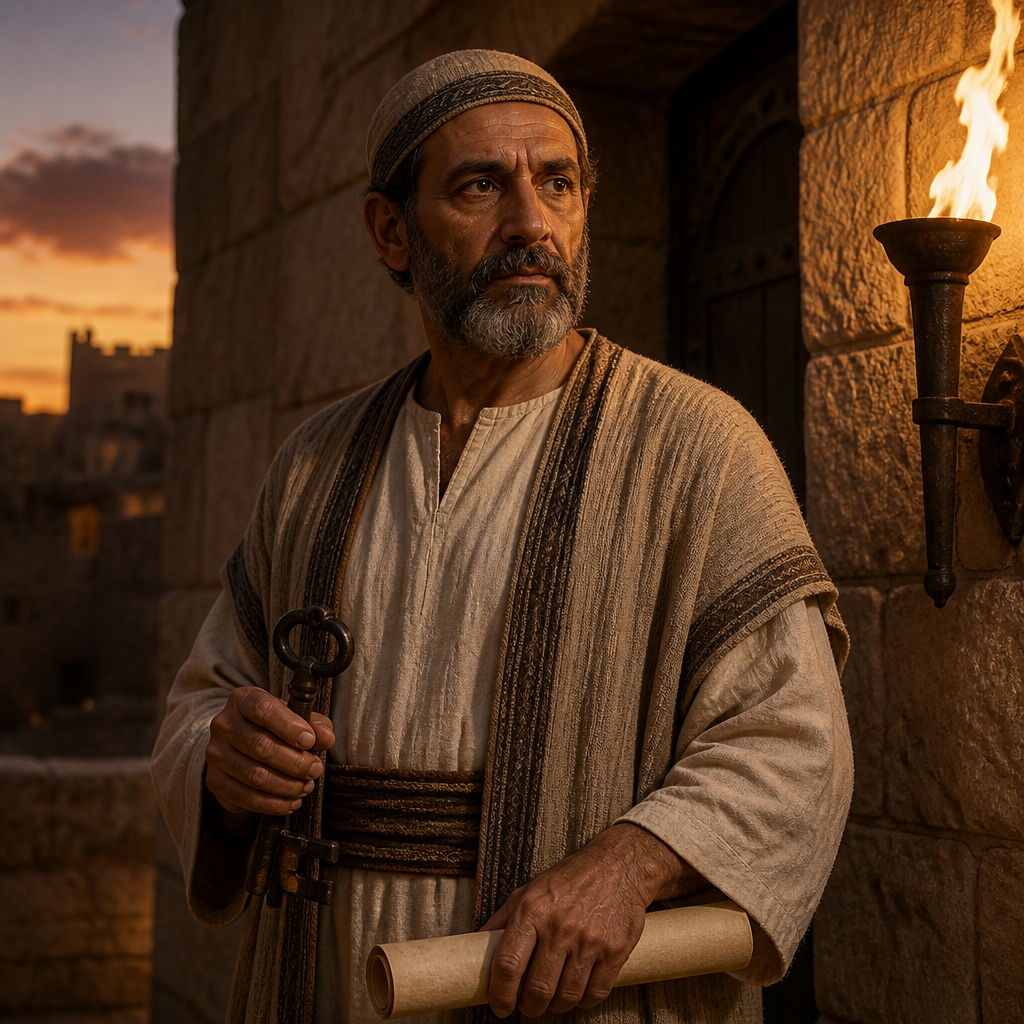
Bilgah, Priest of the Post-Exilic Period

Priest who returned from the Babylonian Exile and sealed the covenant under Nehemiah
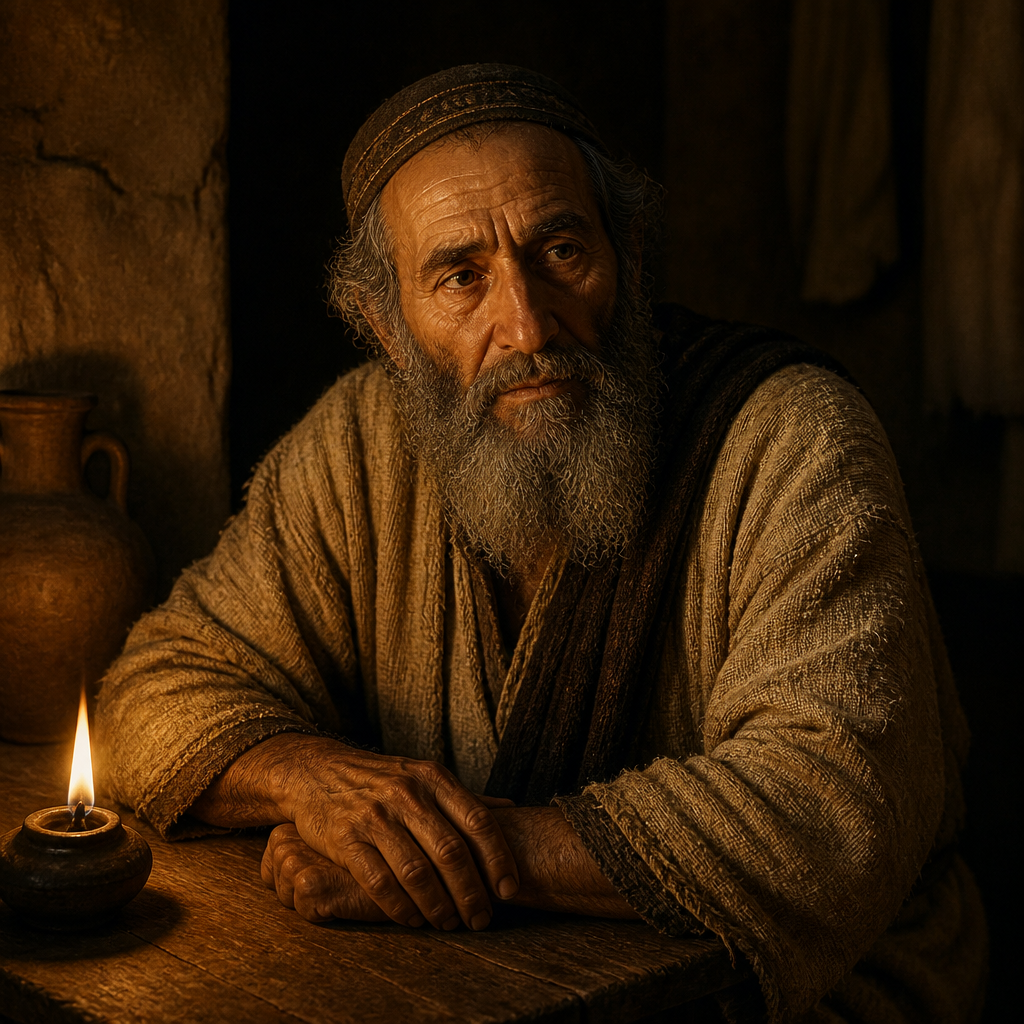
Oil-painting style portrait of Bilshan, Leader of the Jewish exiles who returned from Babylon with Zerubbabel

Bilshan

Leader of the Jewish exiles who returned from Babylon with Zerubbabel

Oil-painting style portrait of Binnui, Ancestor of Shimei, Head of a post-exilic family whose descendant Shimei was listed among those who married foreign women

Binnui, Ancestor of Shimei

Head of a post-exilic family whose descendant Shimei was listed among those who married foreign women

Oil-painting style portrait of Binnui, Father of Noadiah, Levite whose son Noadiah assisted in weighing the temple treasures in the time of Ezra

Binnui, Father of Noadiah

Levite whose son Noadiah assisted in weighing the temple treasures in the time of Ezra

Oil-painting style portrait of Binnui, Son of Henadad, Laborer who repaired the Jerusalem wall from the house of Azariah to the corner

Binnui, Son of Henadad

Laborer who repaired the Jerusalem wall from the house of Azariah to the corner

Oil-painting style portrait of Binnui, Son of Pahath-moab, Descendant of Pahath-moab who repented of intermarrying with foreign nations

Binnui, Son of Pahath-moab

Descendant of Pahath-moab who repented of intermarrying with foreign nations

Oil-painting style portrait of Bishlam, official who co-authored a letter to King Artaxerxes to stop the rebuilding of Jerusalem

Bishlam

official who co-authored a letter to King Artaxerxes to stop the rebuilding of Jerusalem

Oil-painting style portrait of Biztha, Eunuch of King Ahasuerus who was commanded to bring Queen Vashti to the royal banquet
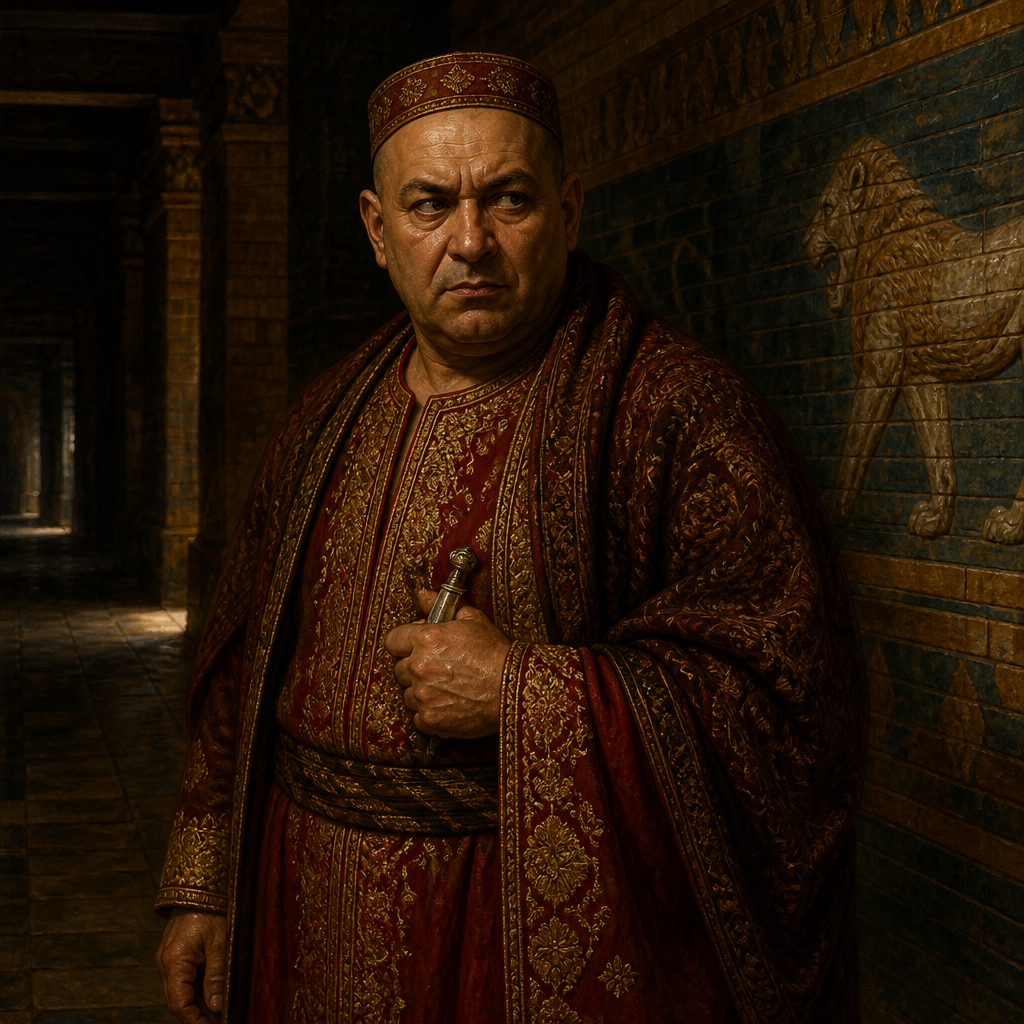
Biztha

Eunuch of King Ahasuerus who was commanded to bring Queen Vashti to the royal banquet
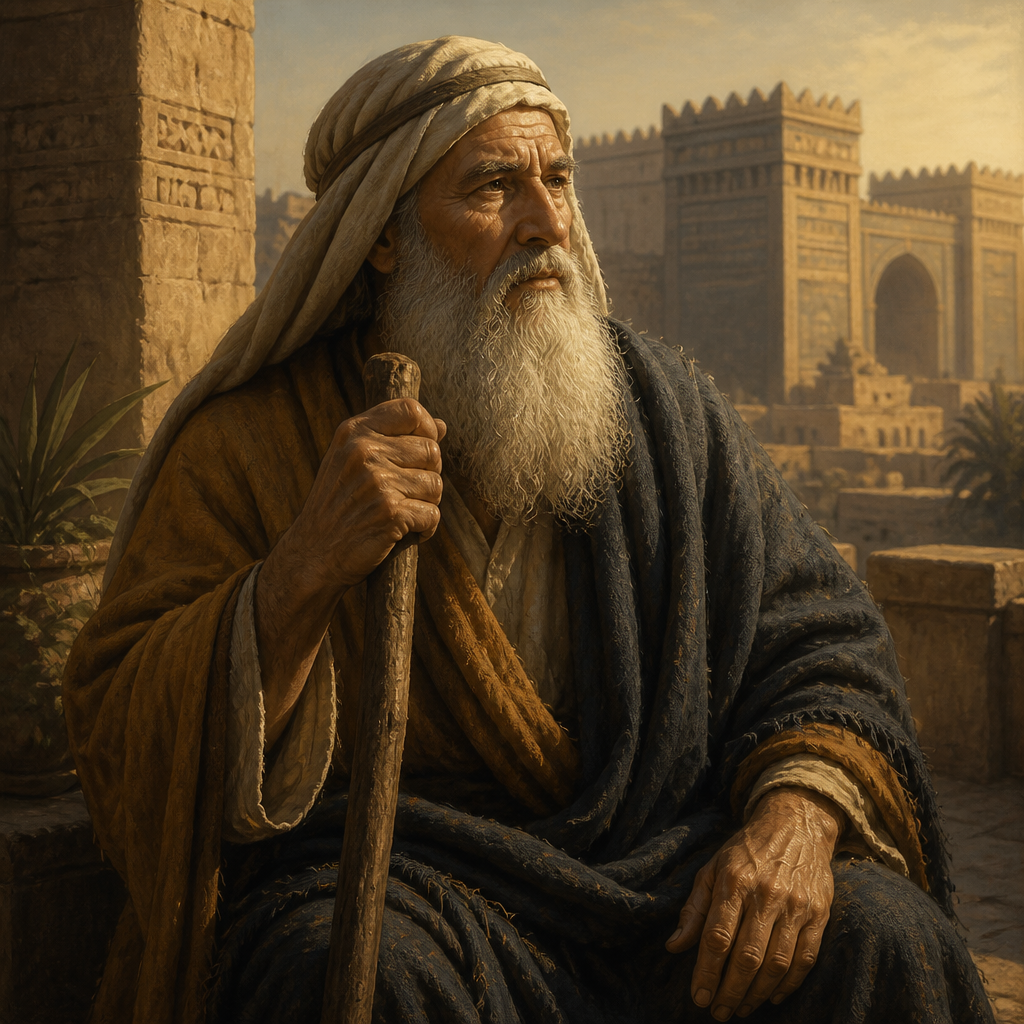
Oil-painting style portrait of Bunni, Ancestor of Shemaiah, Levite ancestor of the Temple official Shemaiah
Bunni, Ancestor of Shemaiah

Levite ancestor of the Temple official Shemaiah

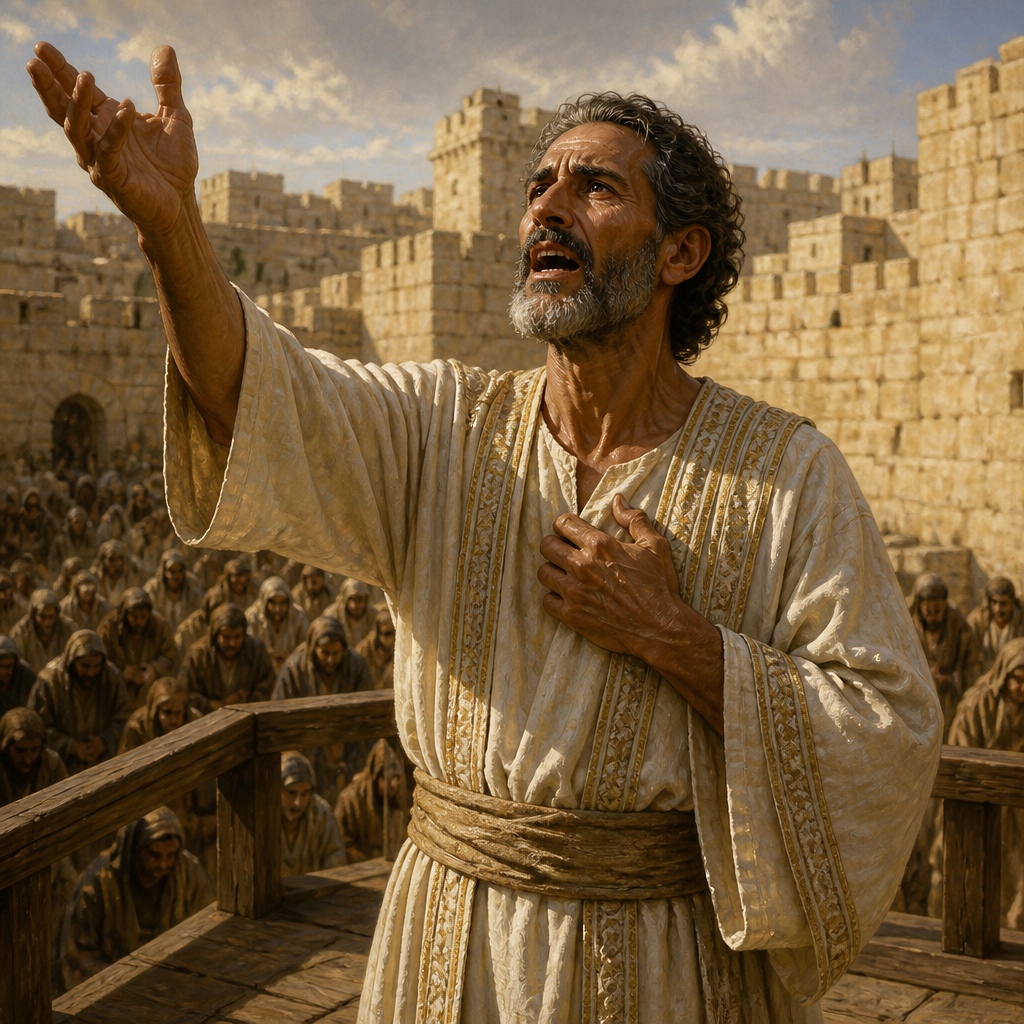
Oil-painting style portrait of Bunni, Levite of the Public Confession, Levite who led the public confession on the raised platform in Nehemiah 9

Bunni, Levite of the Public Confession

Levite who led the public confession on the raised platform in Nehemiah 9
Related lists