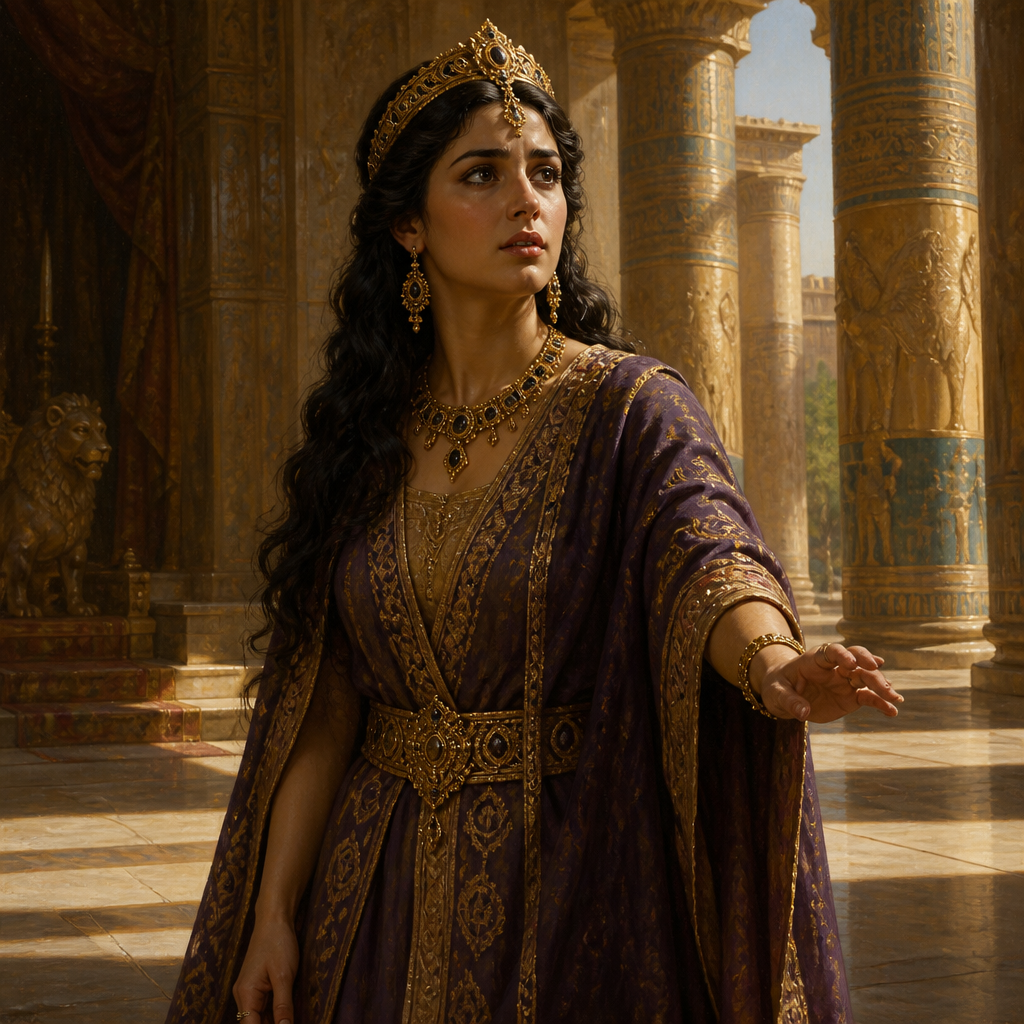
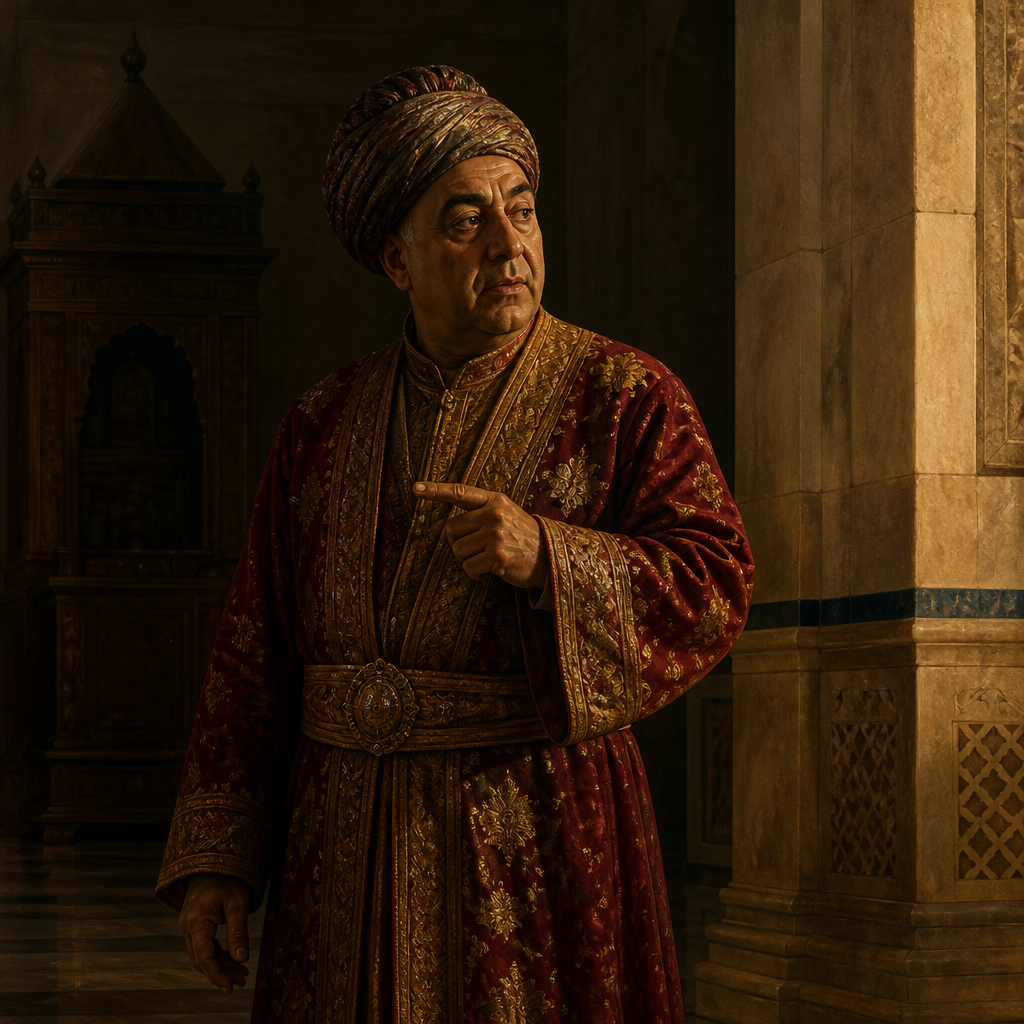
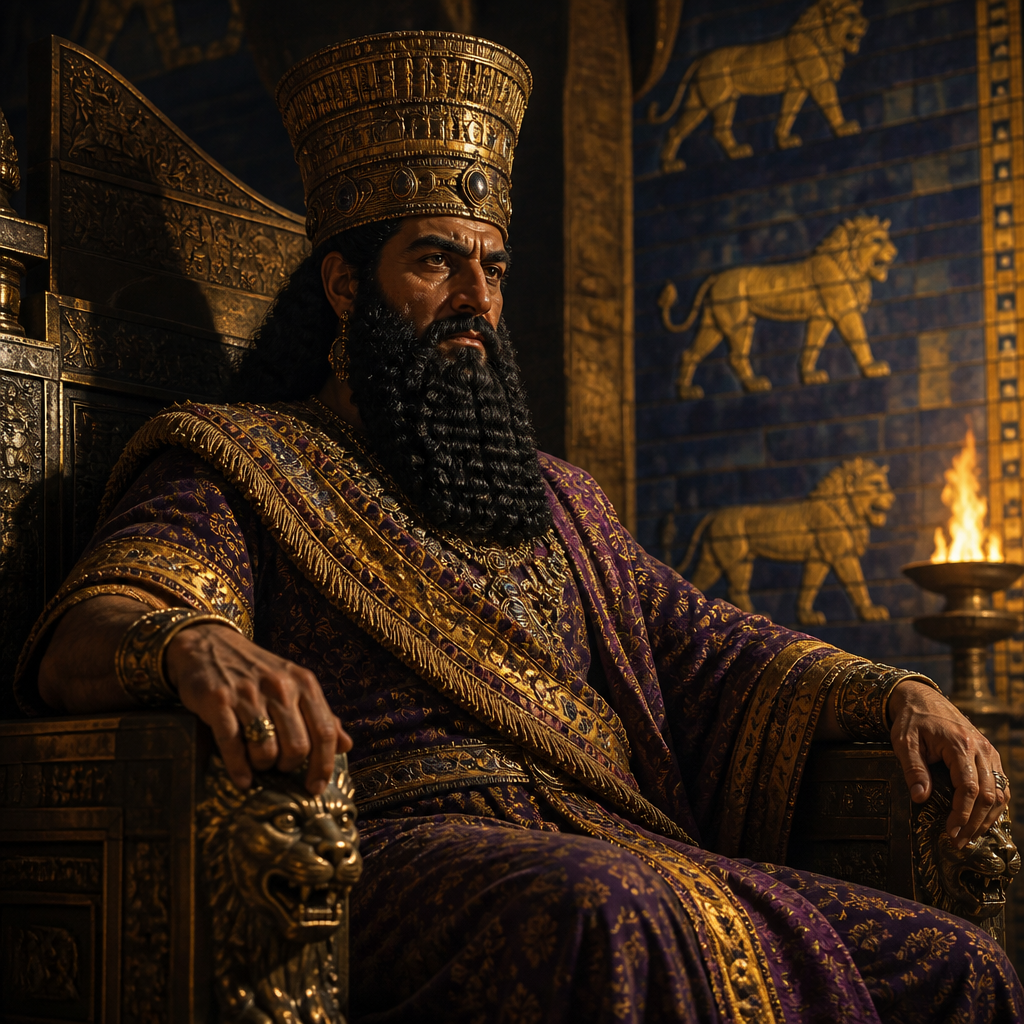
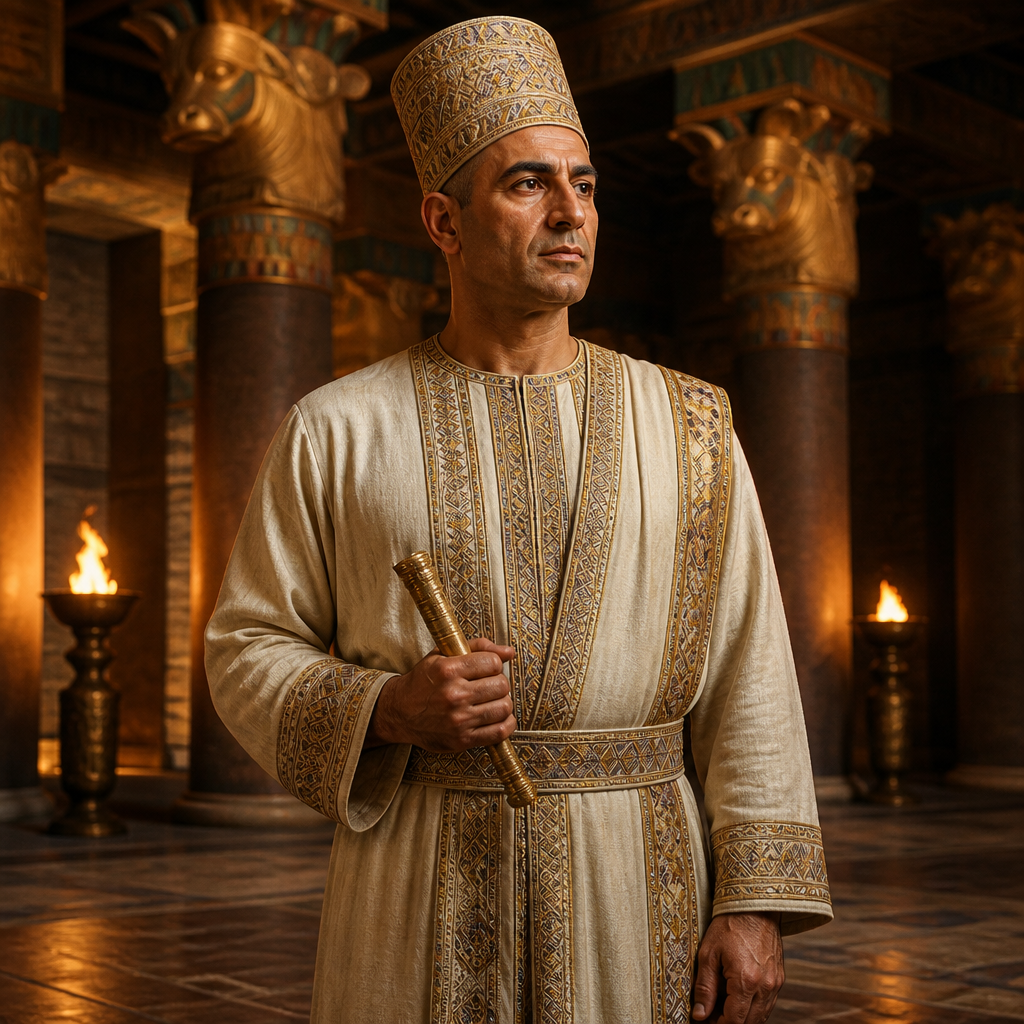
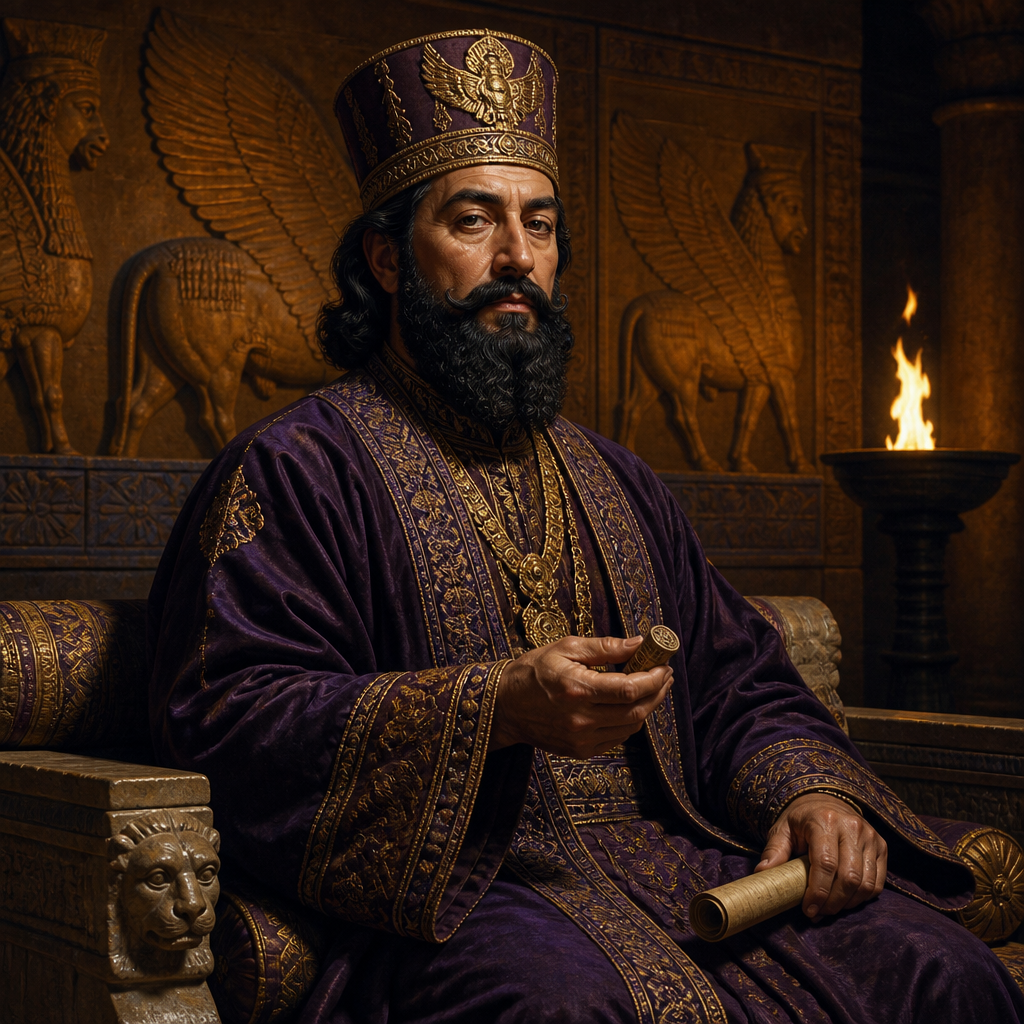
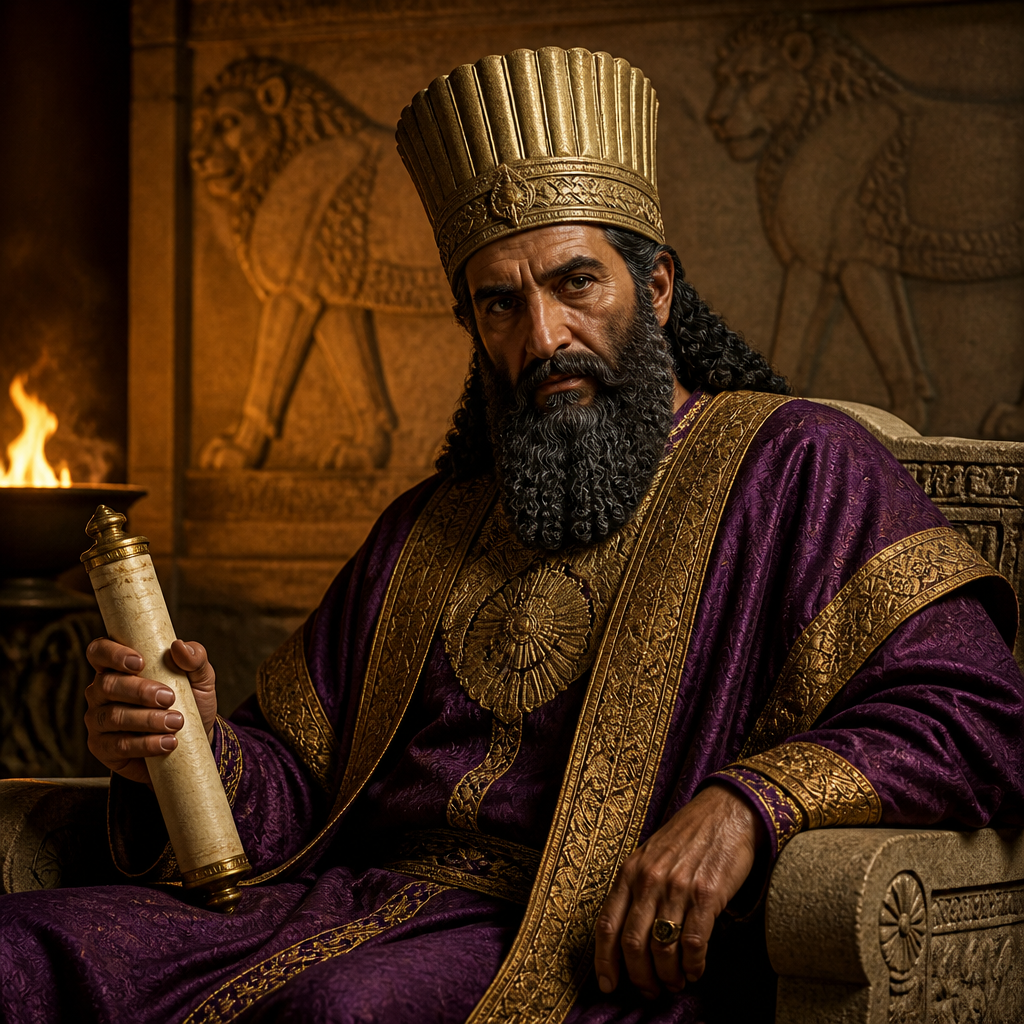
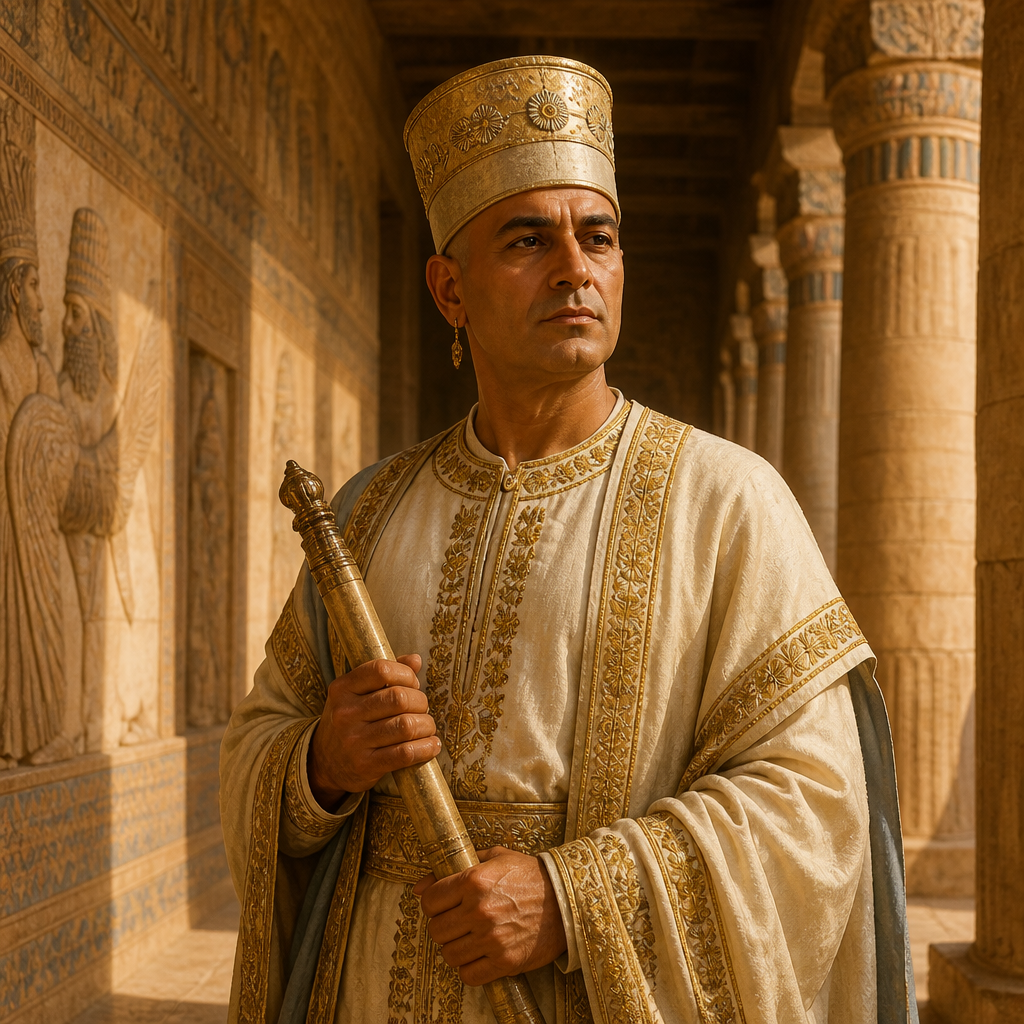
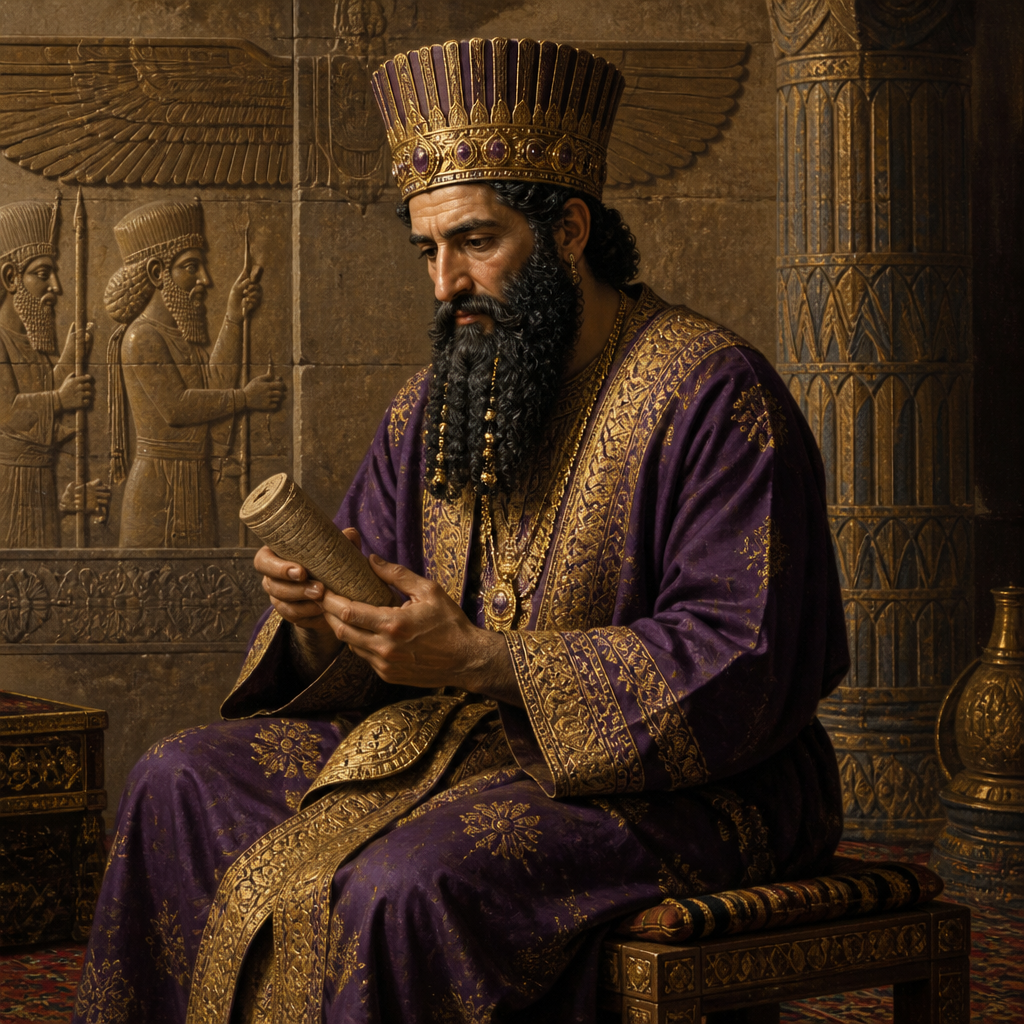
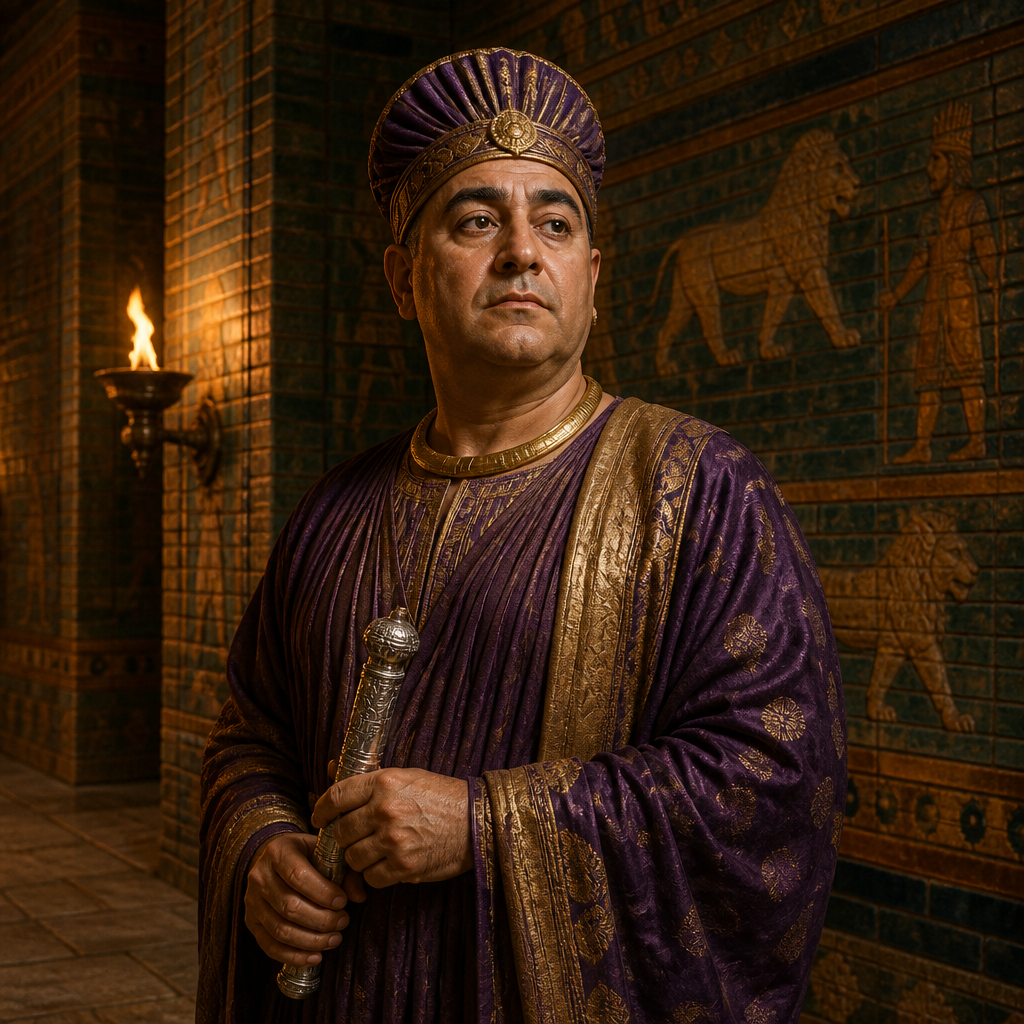
Queen Esther approaches the Persian King in a grand palace courtyard while Mordecai stands nearby and Haman watches from the background.

Every person who appears in the book of Esther, ordered by how often they are mentioned there.

The People of Esther appear in a narrative set in the Persian capital of Susa during the reign of a monarch who ruled over one hundred and twenty-seven provinces (Esther 1:1). The account begins with Ahasuerus, a king who displays his vast wealth through a series of lavish banquets for his nobles and citizens (Esther 1:2–5). During these festivities, Vashti is the queen who loses her royal position after she refuses the king’s command to appear before his guests (Esther 1:12–19). This vacancy leads to a search for a new queen, bringing Esther into the palace, a young Jewish orphan who had been raised by her cousin after the death of her father, Abihail (Esther 2:7–15).

The social and political structure of the Persian court is defined by various officials and advisors who influence the king's decrees. Memucan is the prince who suggests that the queen’s disobedience warrants a permanent banishment to prevent similar behavior among other women in the empire (Esther 1:16–20). Hegai is the royal eunuch in charge of the harem who provides Esther with special food and beauty treatments (Esther 2:8–9). Mordecai is the Jewish official who sits at the king’s gate and discovers a plot by Bigthan and Teresh to assassinate the king (Esther 2:21–22). Later, Hathach serves as the confidential messenger who carries news between the secluded queen and Mordecai regarding a decree of extermination (Esther 4:5–9).

Conflict arises when Haman, a high-ranking official and son of Hammedatha becomes enraged because Mordecai refuses to bow to him (Esther 3:1–5). Haman is encouraged by his wife, Zeresh, to build a massive gallows for Mordecai’s execution (Esther 5:14). However, the plan fails when the king discovers Haman’s intent to destroy the queen’s people, leading Harbona to point out the very gallows Haman had prepared (Esther 7:9). The violence culminates in the deaths of Haman’s ten sons, including Parshandatha, Dalphon, and Aspatha, who are killed and subsequently hanged (Esther 9:7–14).

The story concludes with a shift in power that secures the survival of the Jewish people within the Persian Empire. Mordecai is elevated to a position of high authority, second only to Ahasuerus, and he writes letters to all the provinces to establish the festival of Purim (Esther 9:20–22, 10:3). The text notes that Mordecai is a descendant of Kish and Shimei linking his lineage to the tribe of Benjamin (Esther 2:5). Through these events, the Jewish community transitions from a state of mourning and fear to one of celebration and political influence (Esther 9:22).

Everyone in this list
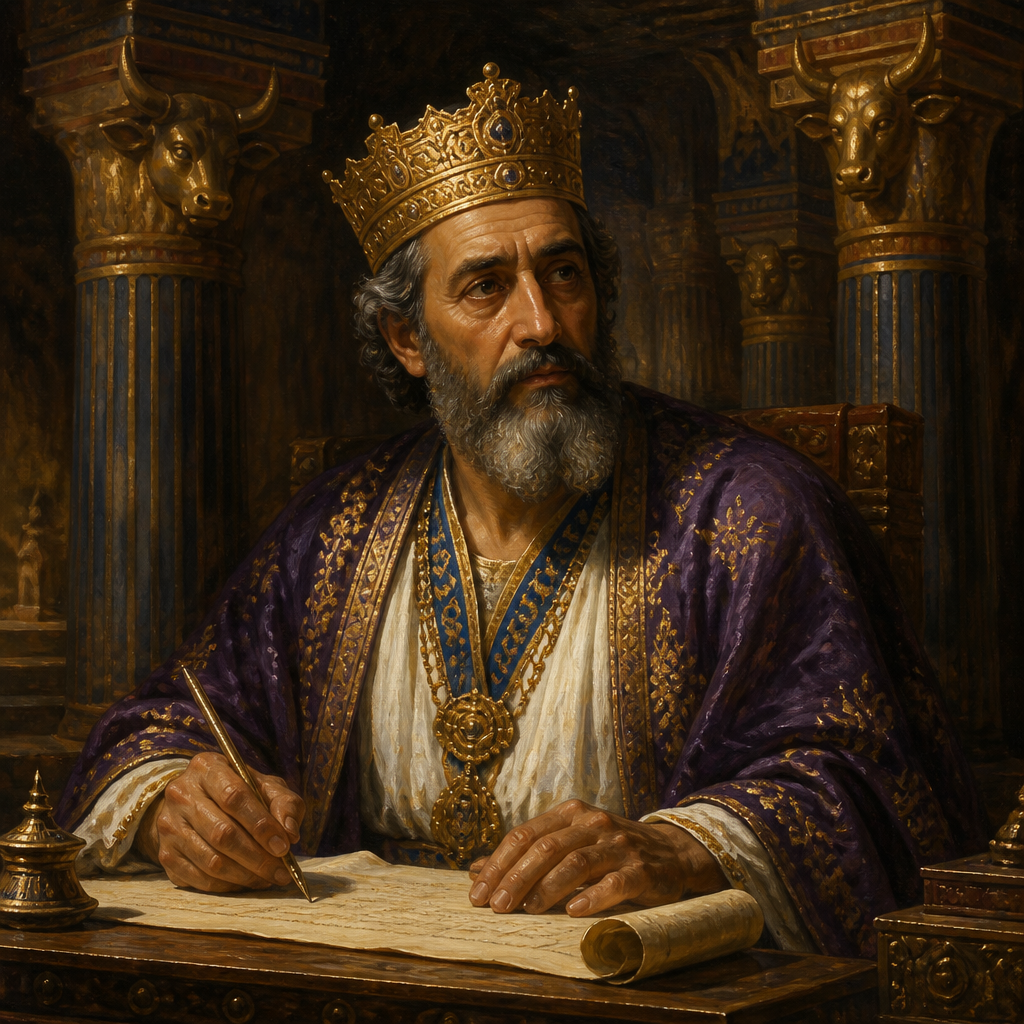
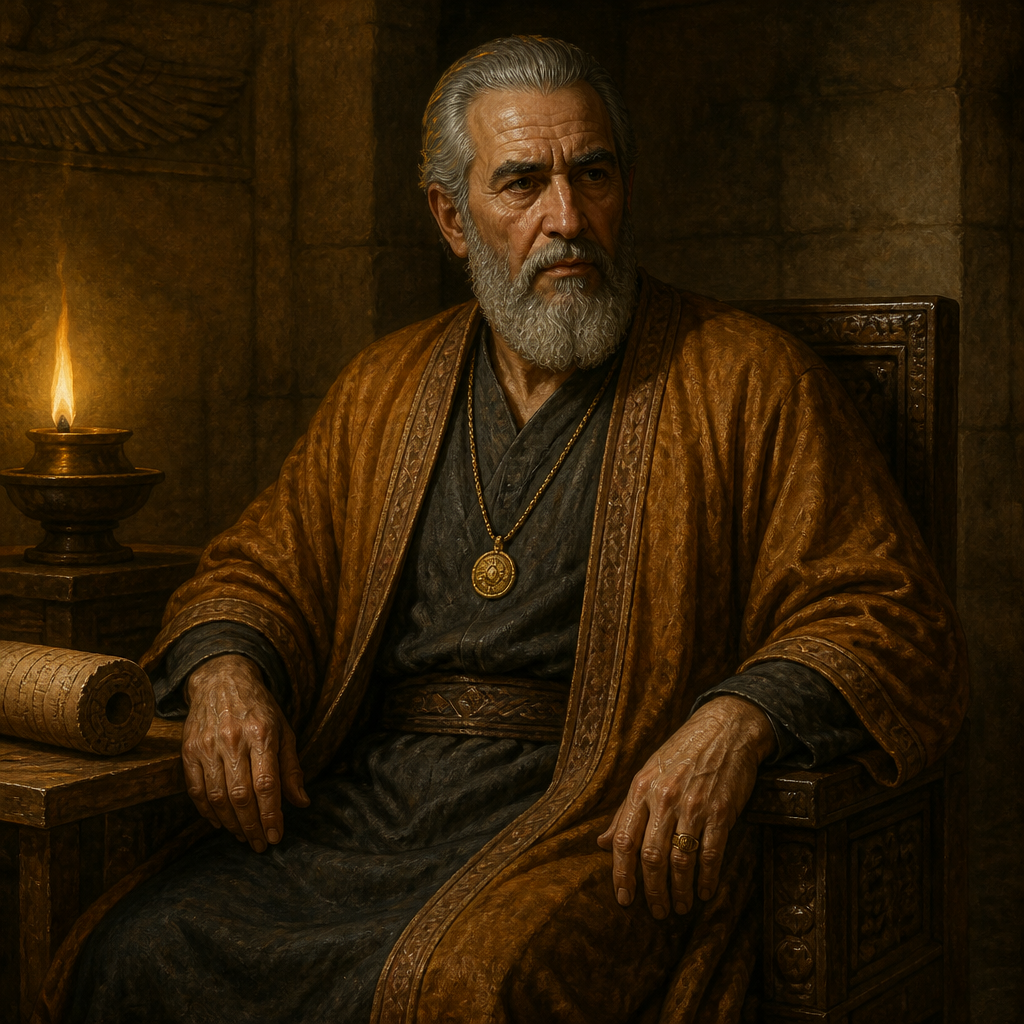
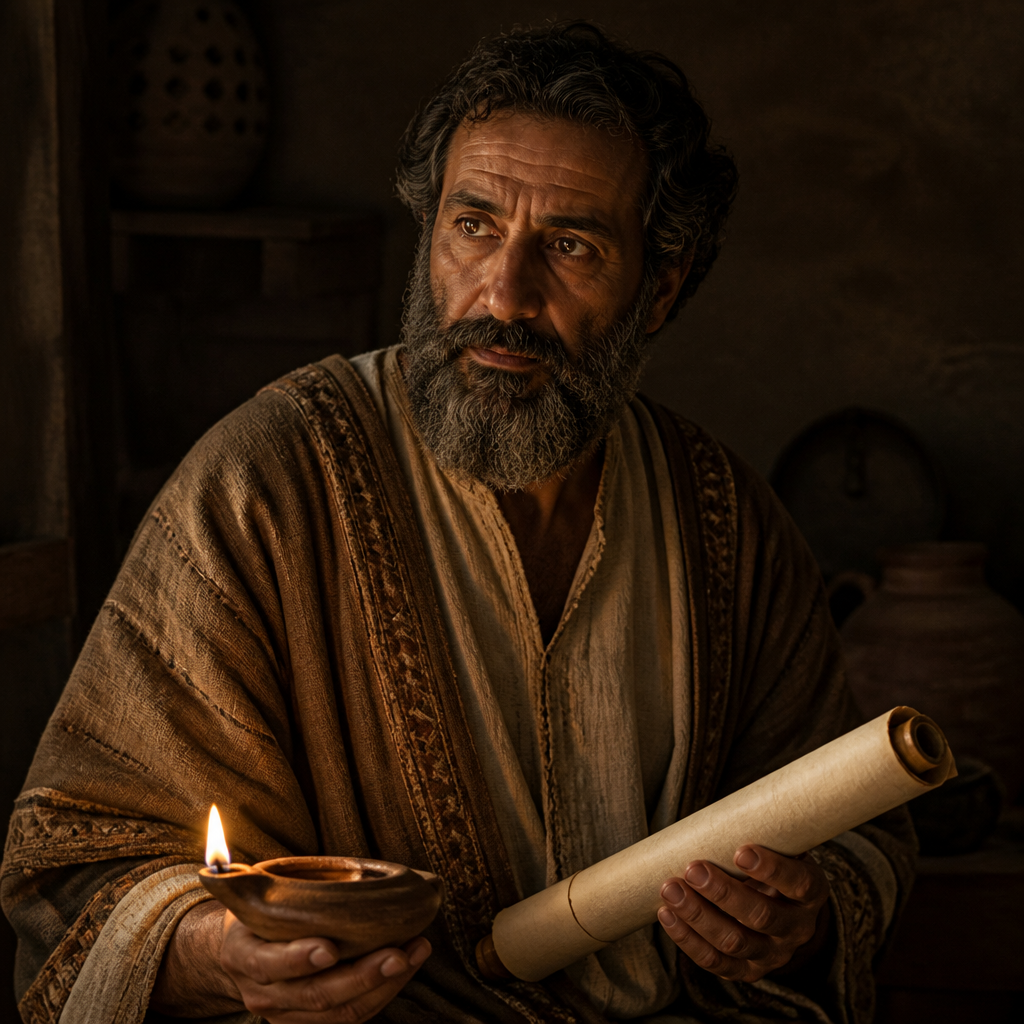
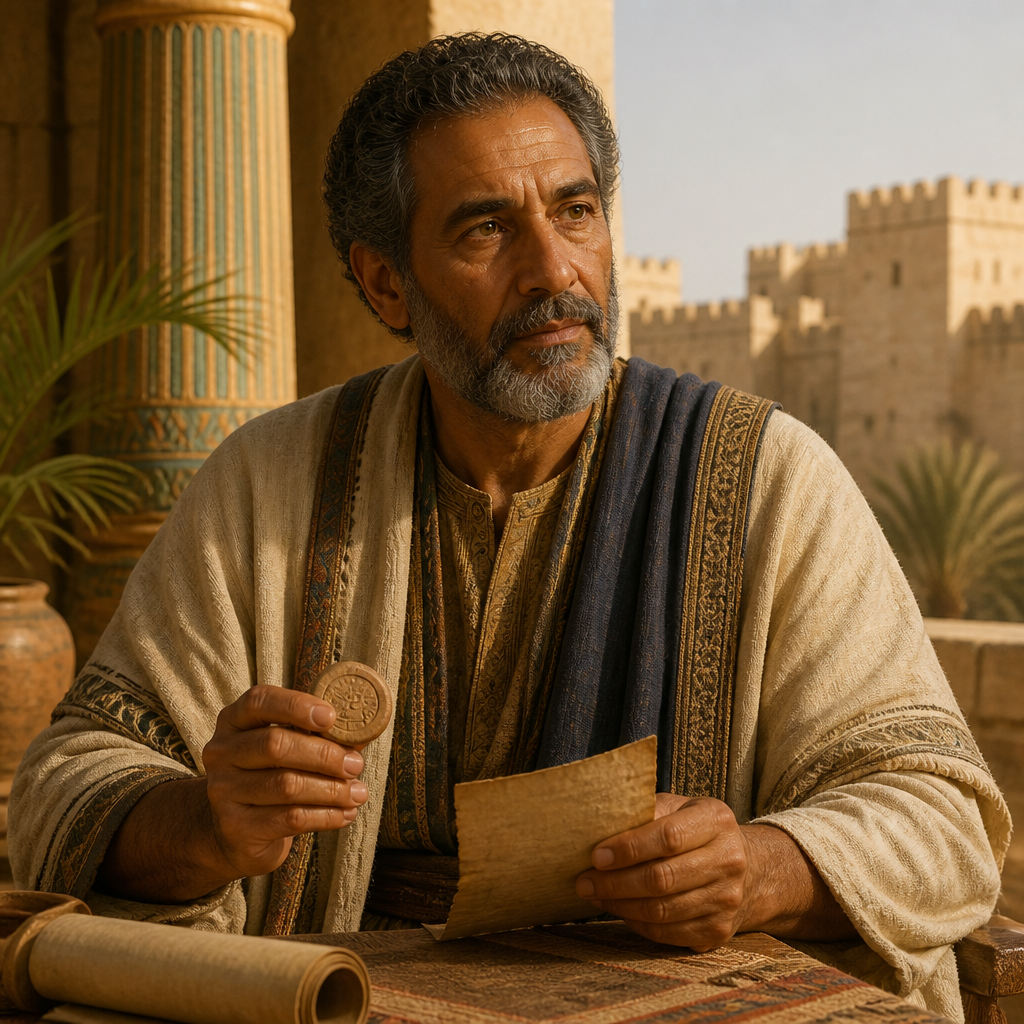
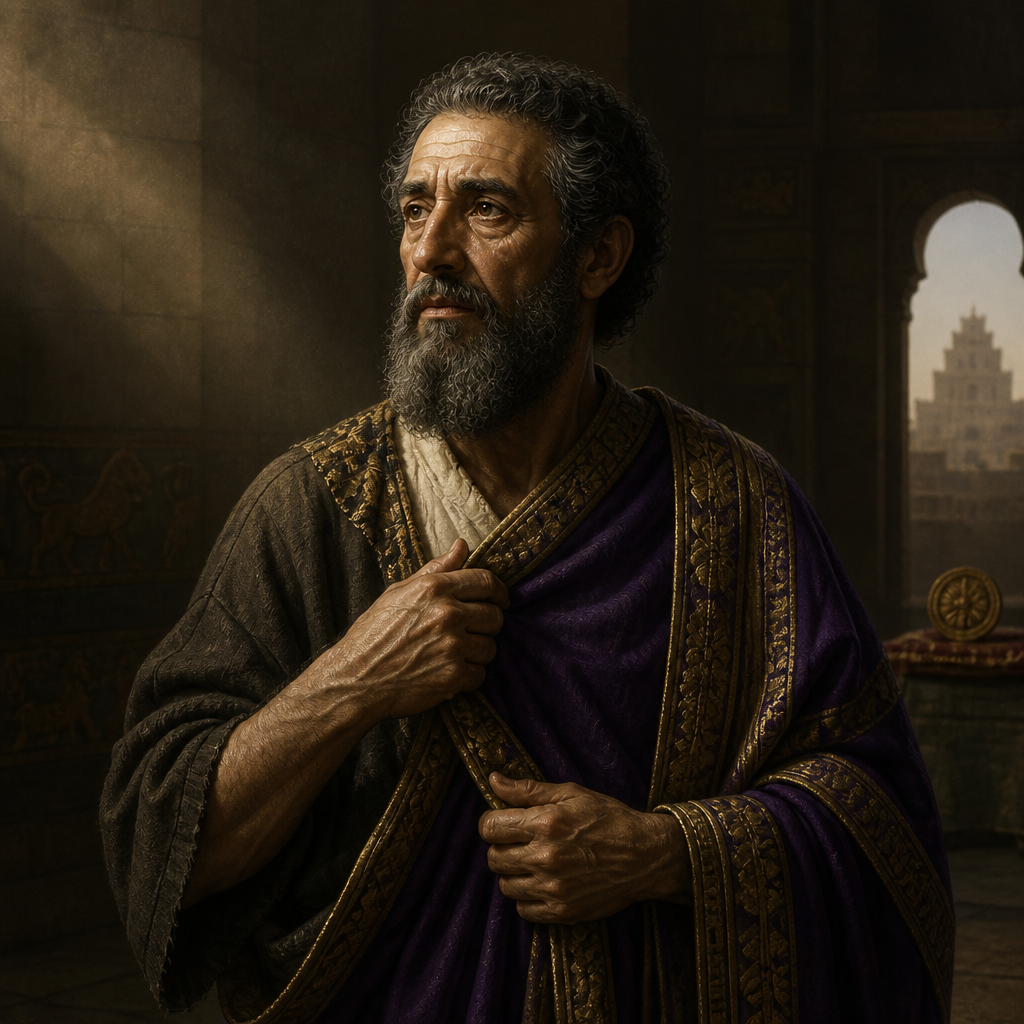
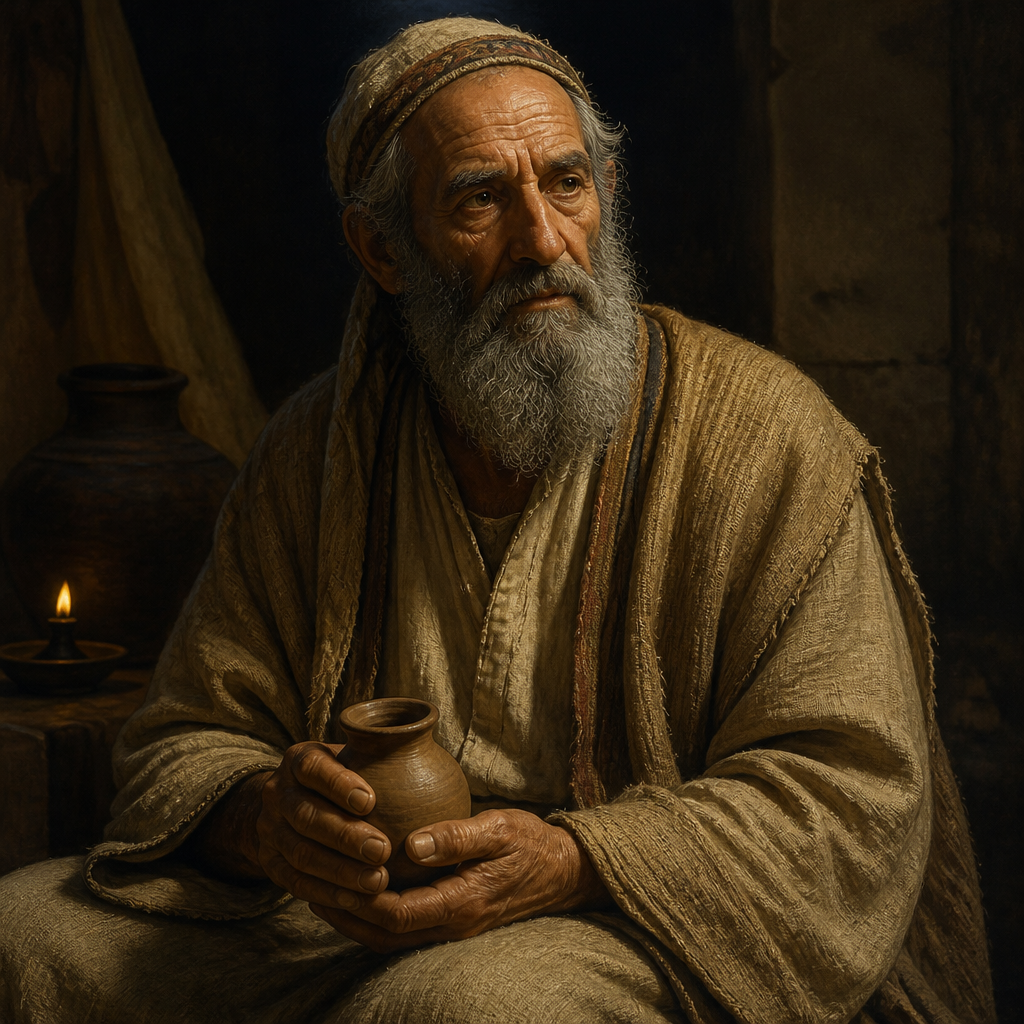
Oil-painting style portrait of Mordecai, Cousin of Queen Esther, Jewish statesman who saved King Xerxes and rescued the Jews from Haman's plot

Mordecai, Cousin of Queen Esther

Jewish statesman who saved King Xerxes and rescued the Jews from Haman's plot
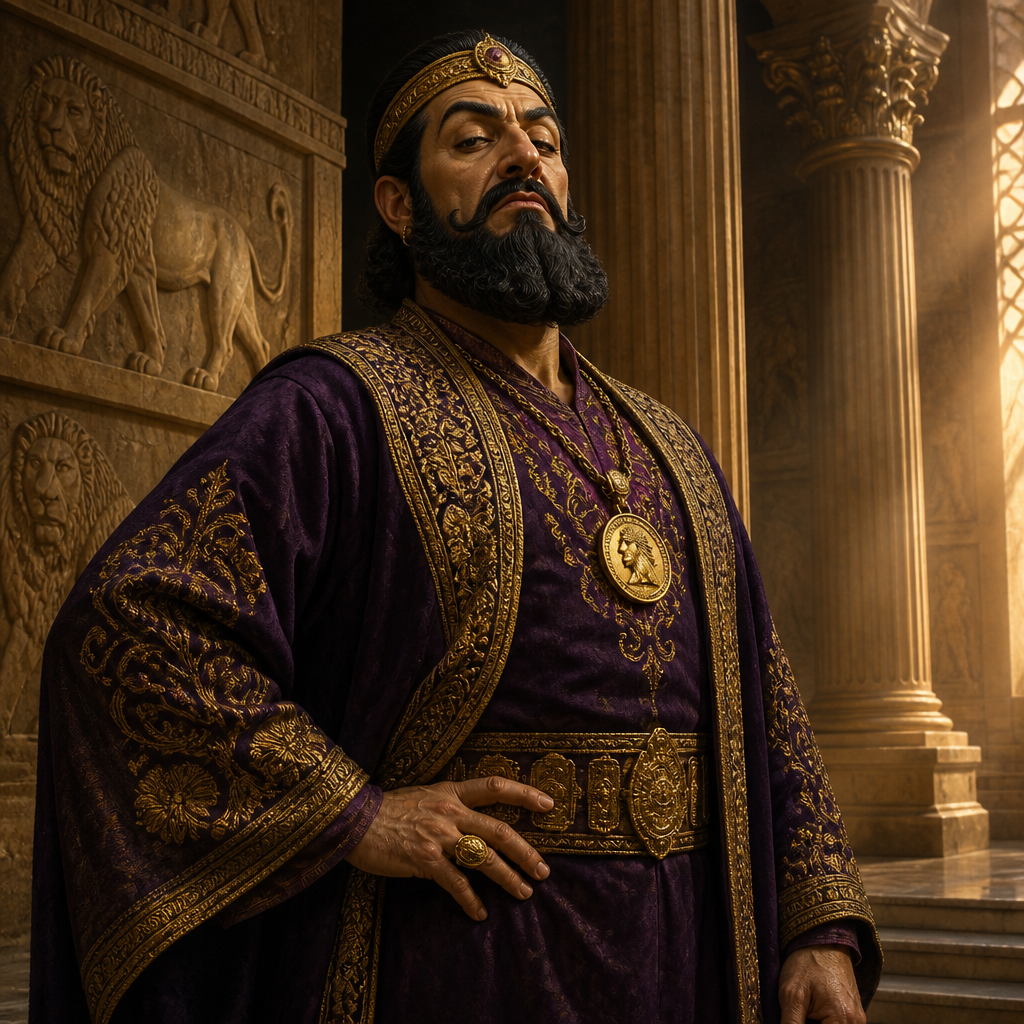
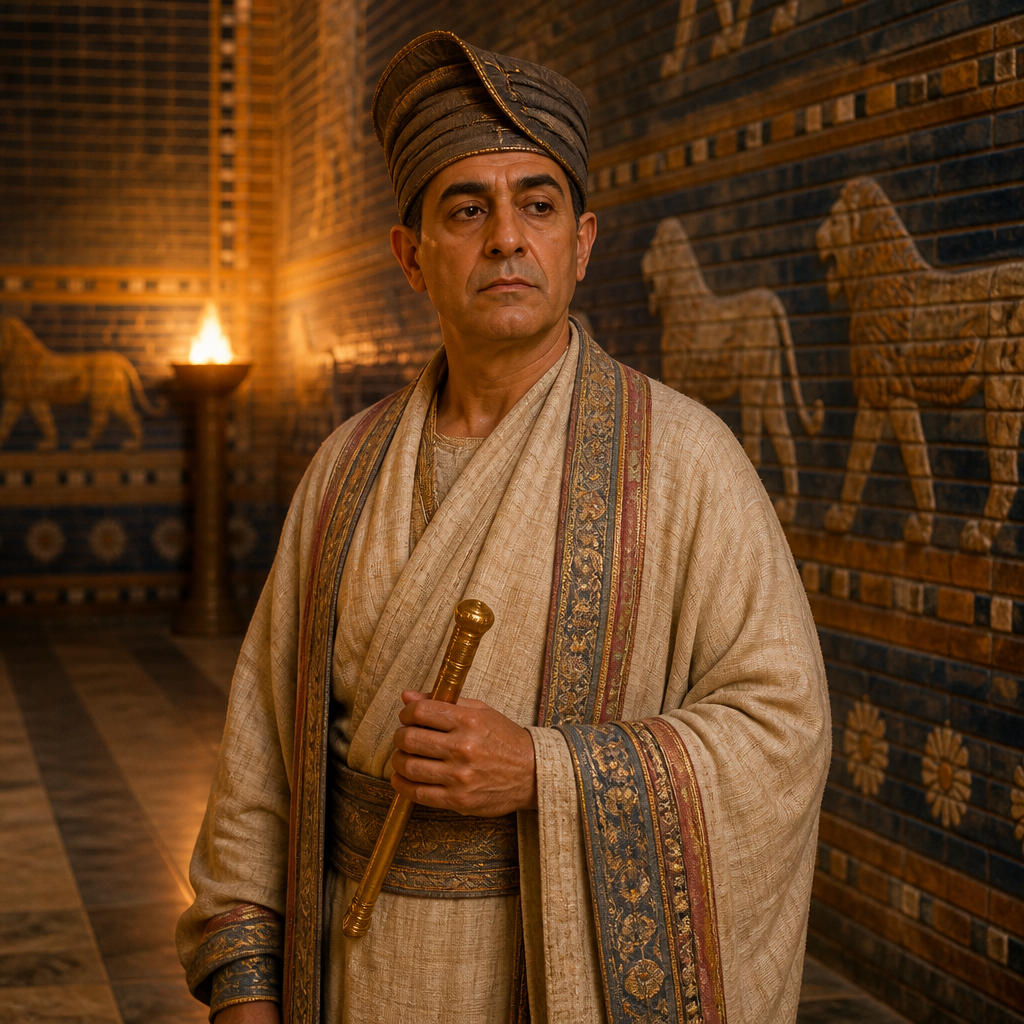
Oil-painting style portrait of Esther, Jewish queen of Persia who saved her people from Haman's genocidal plot
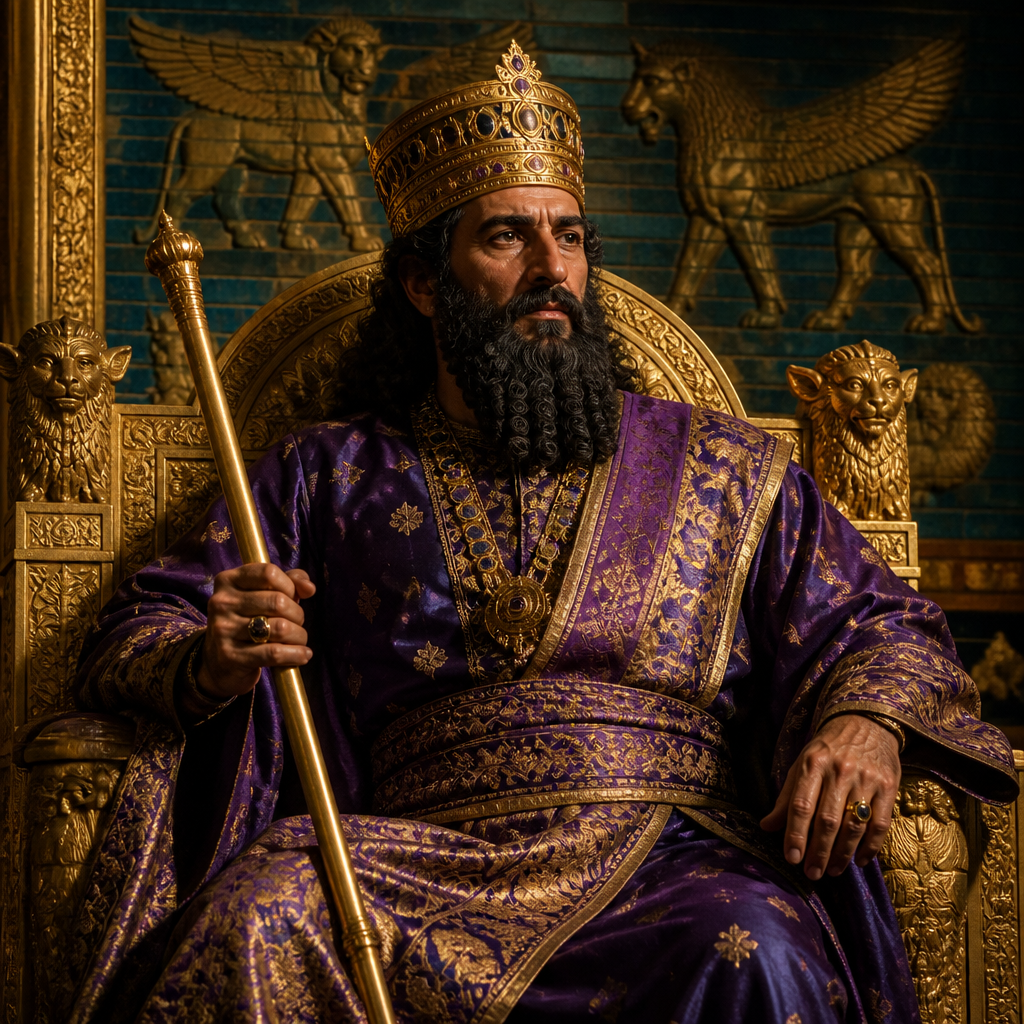
Esther

Jewish queen of Persia who saved her people from Haman's genocidal plot

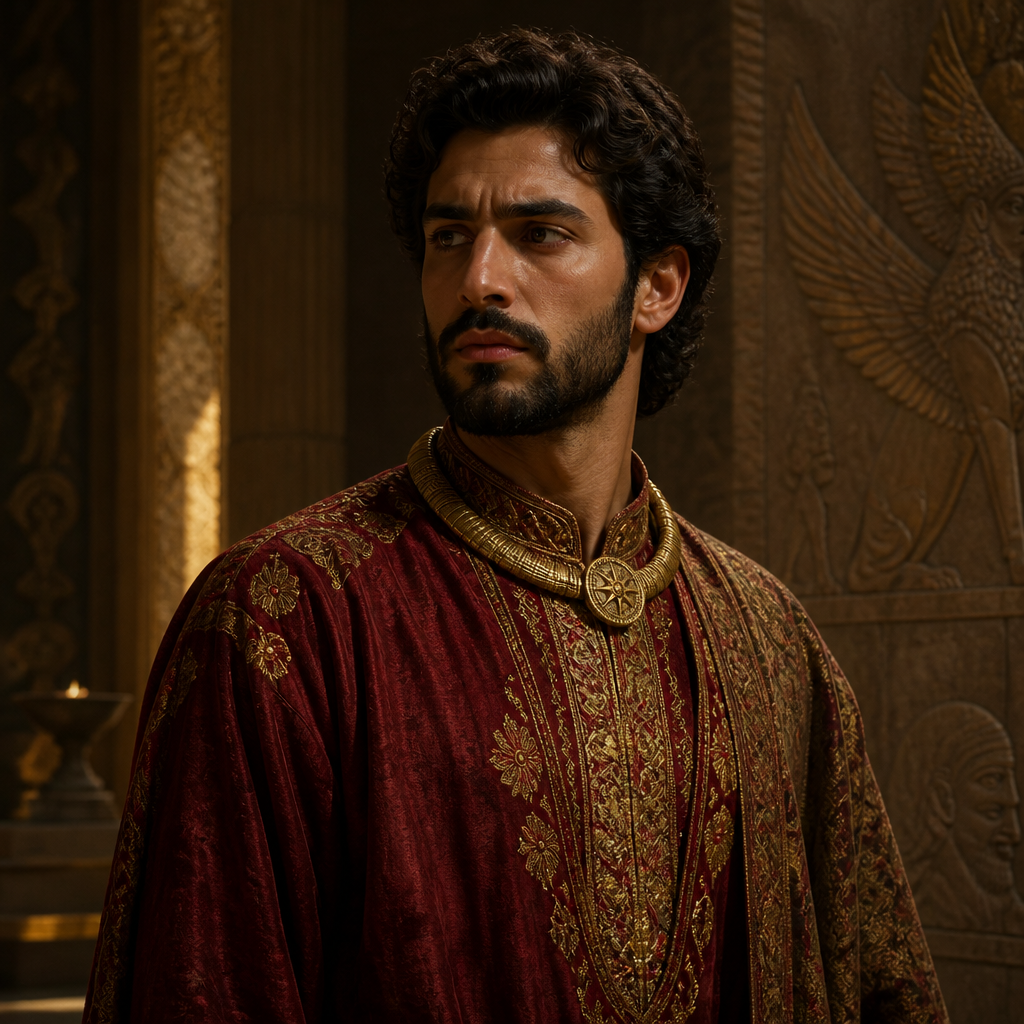
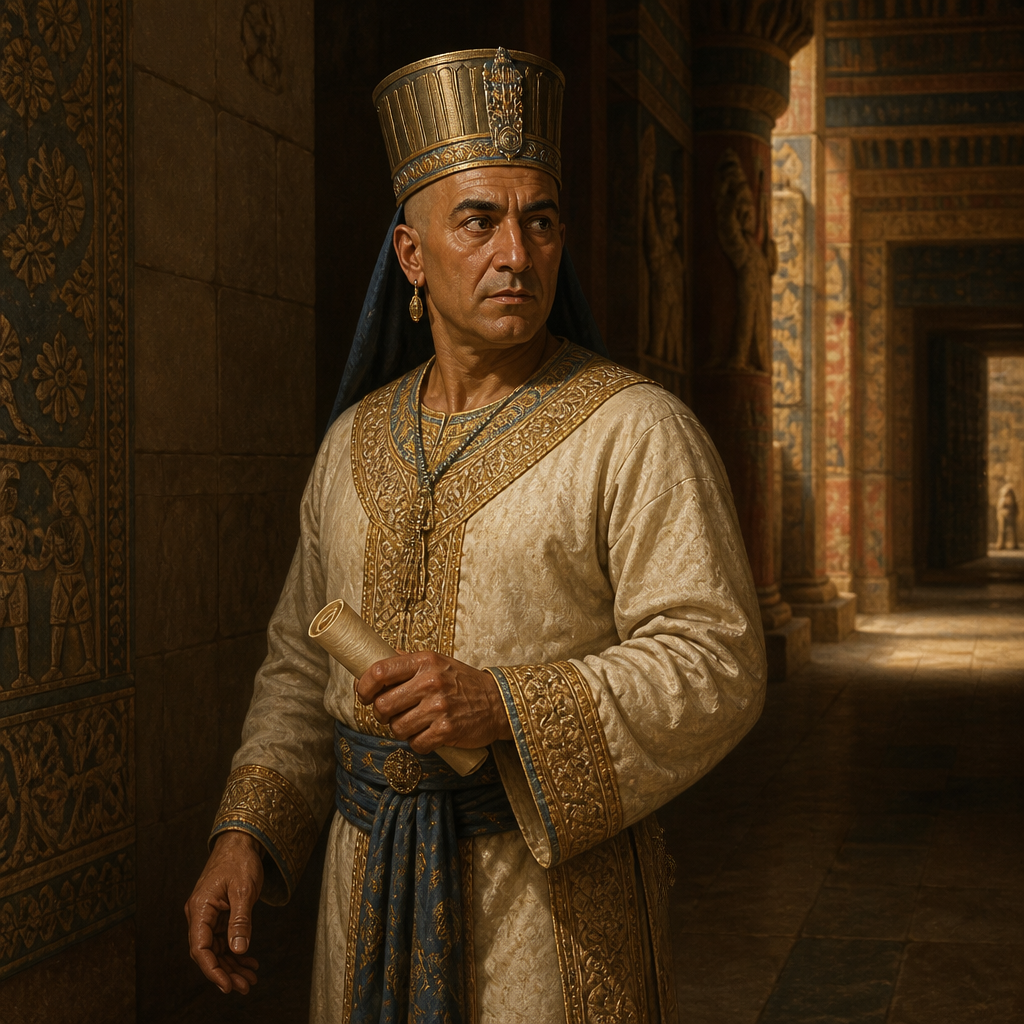
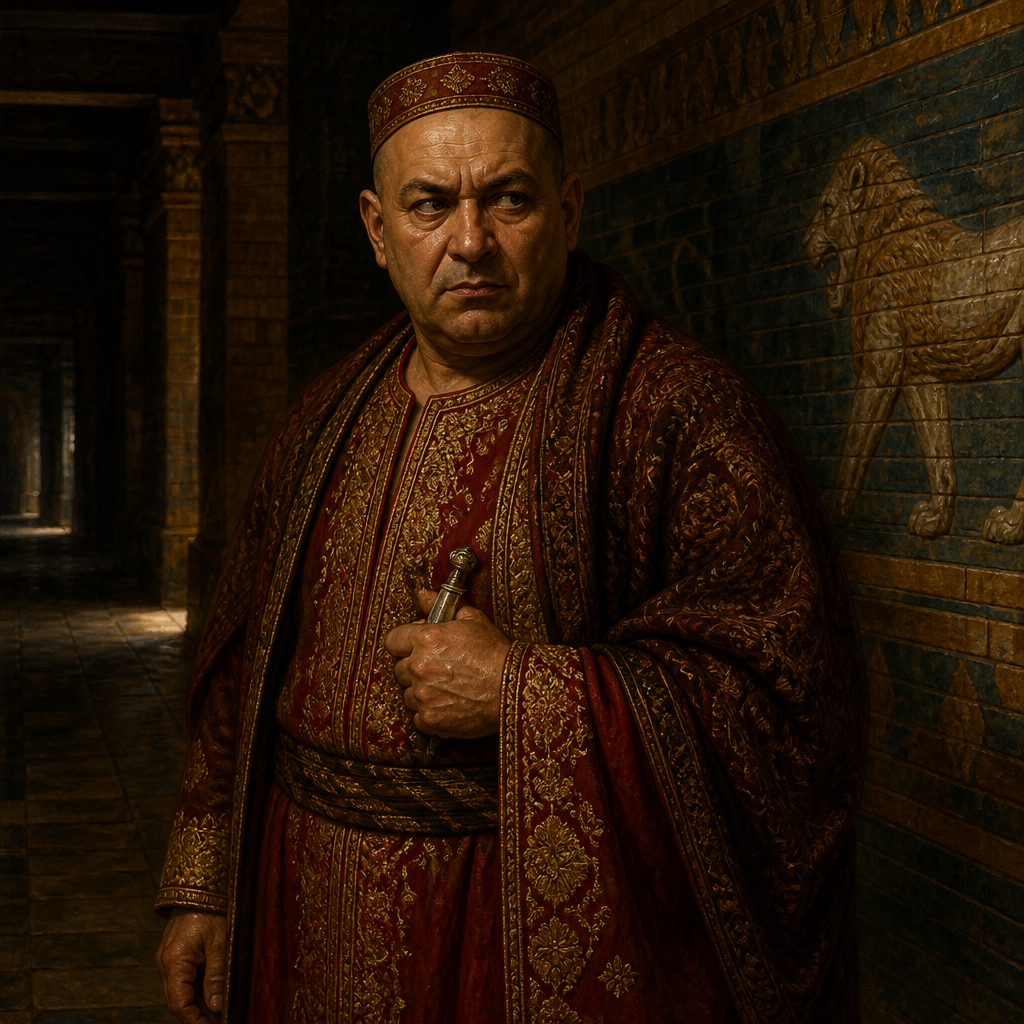
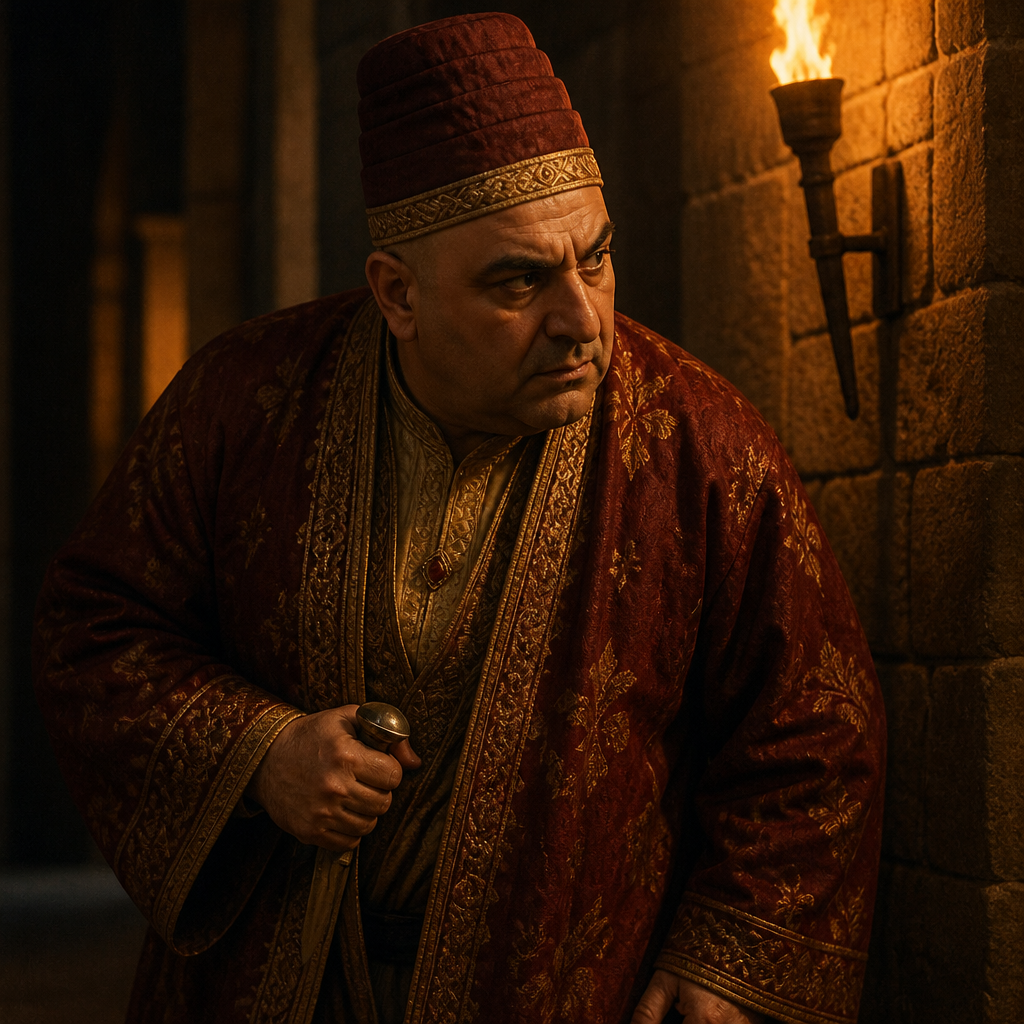
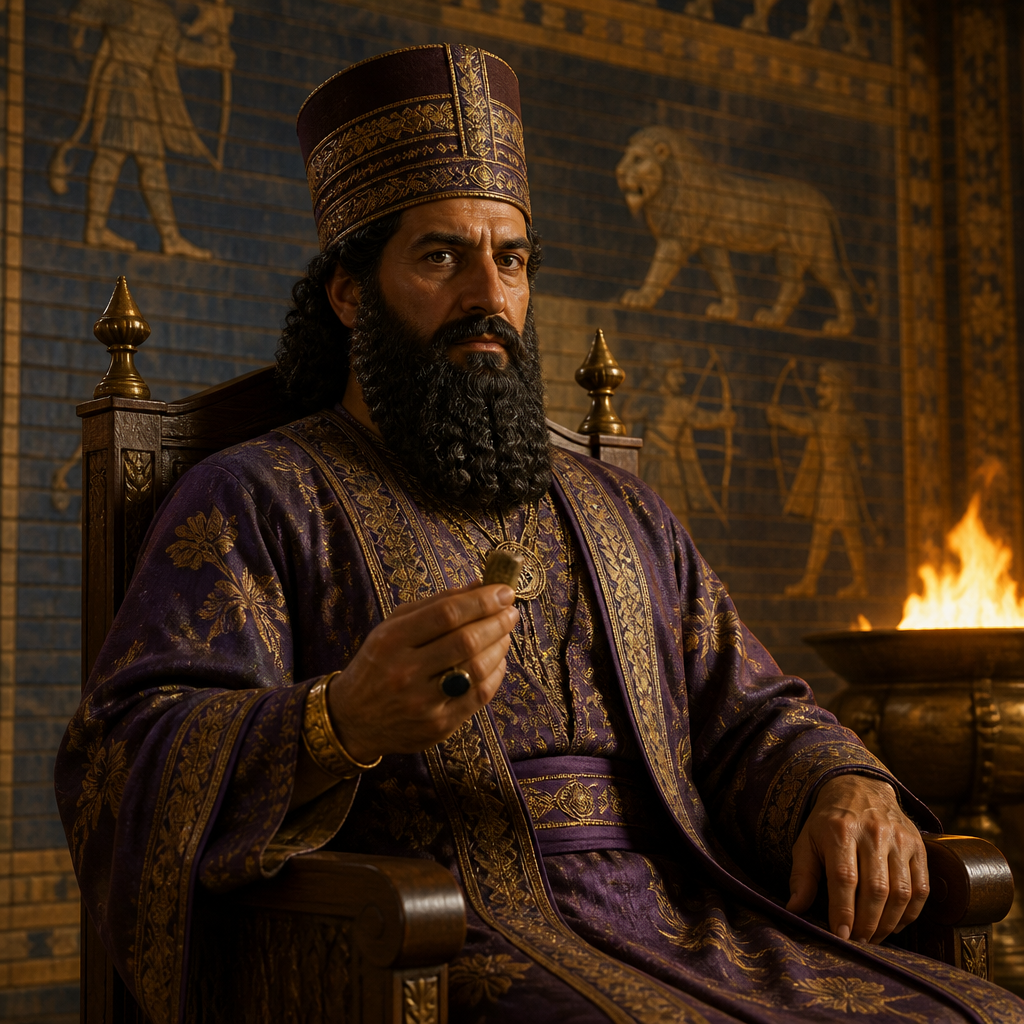
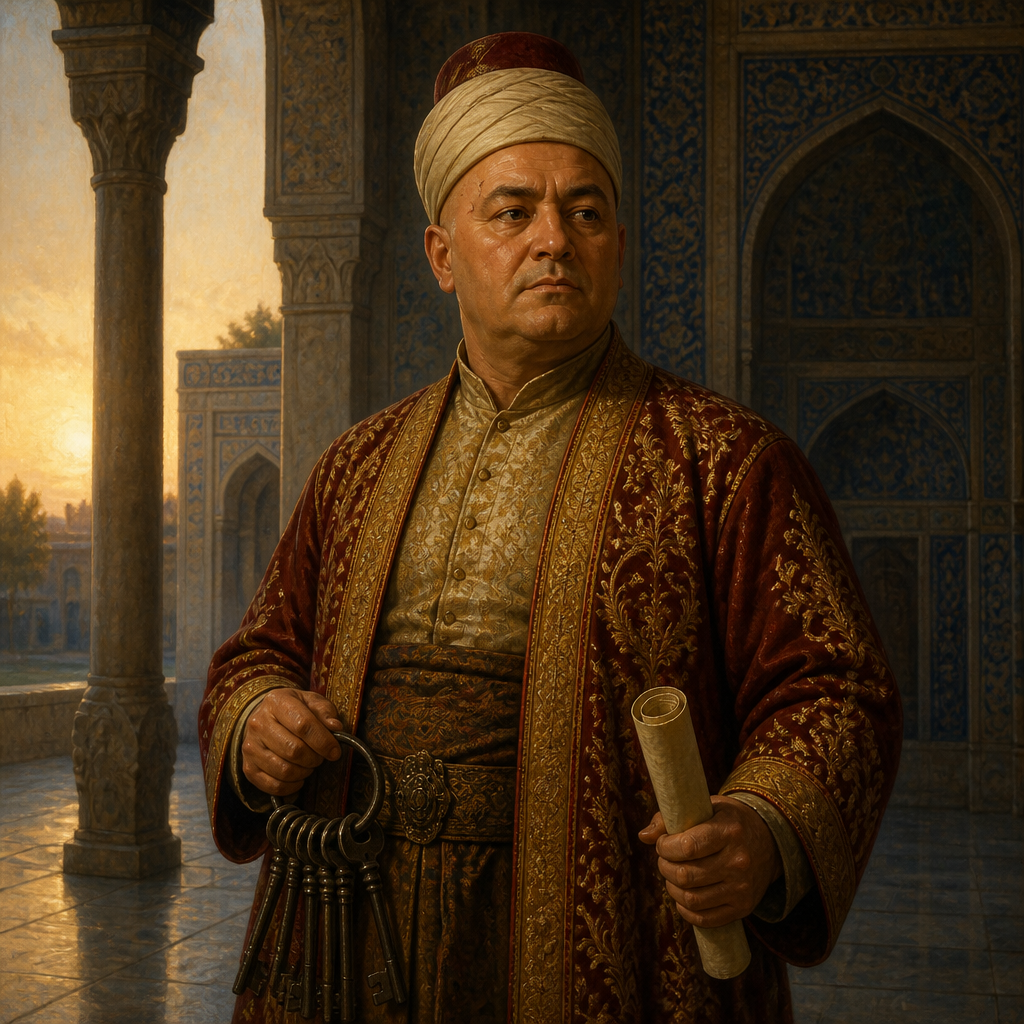
Oil-painting style portrait of Haman, Persian official who plotted the genocide of the Jewish people

Haman

Persian official who plotted the genocide of the Jewish people

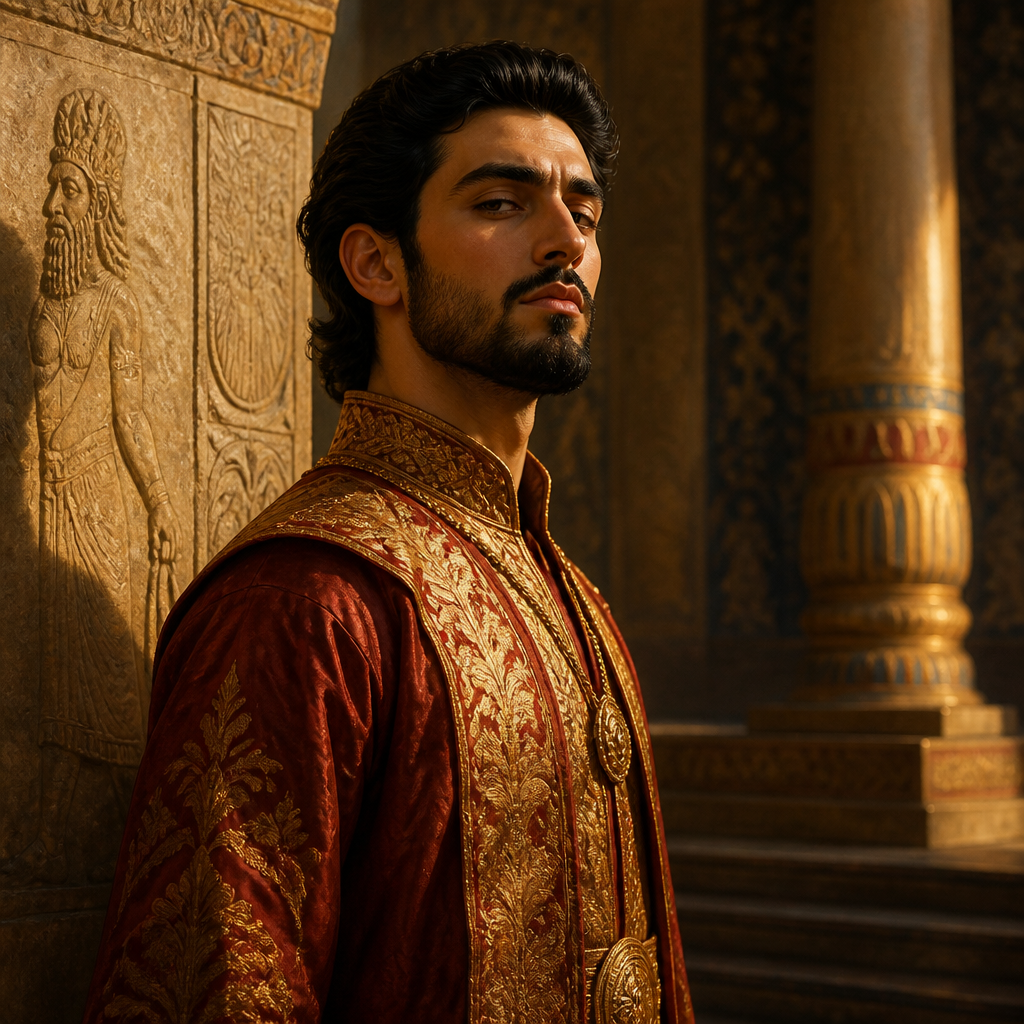
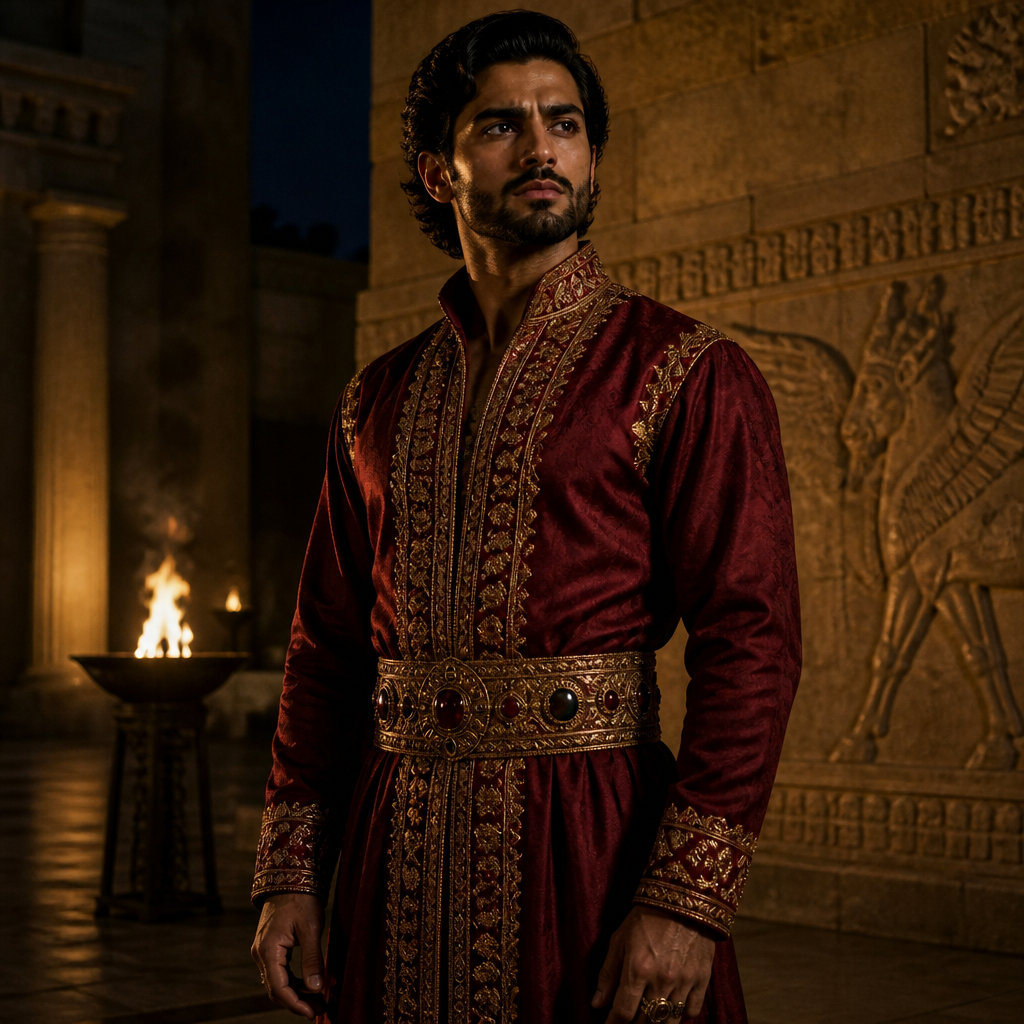
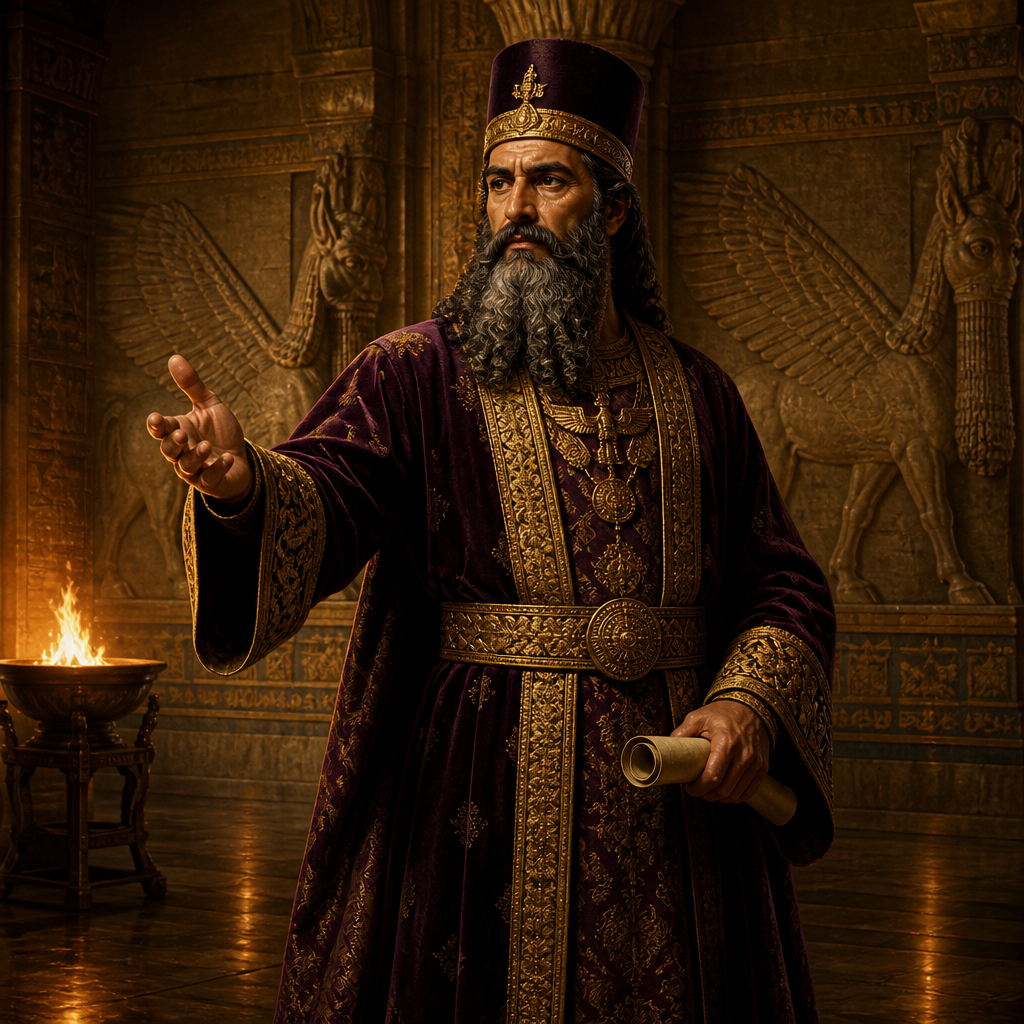
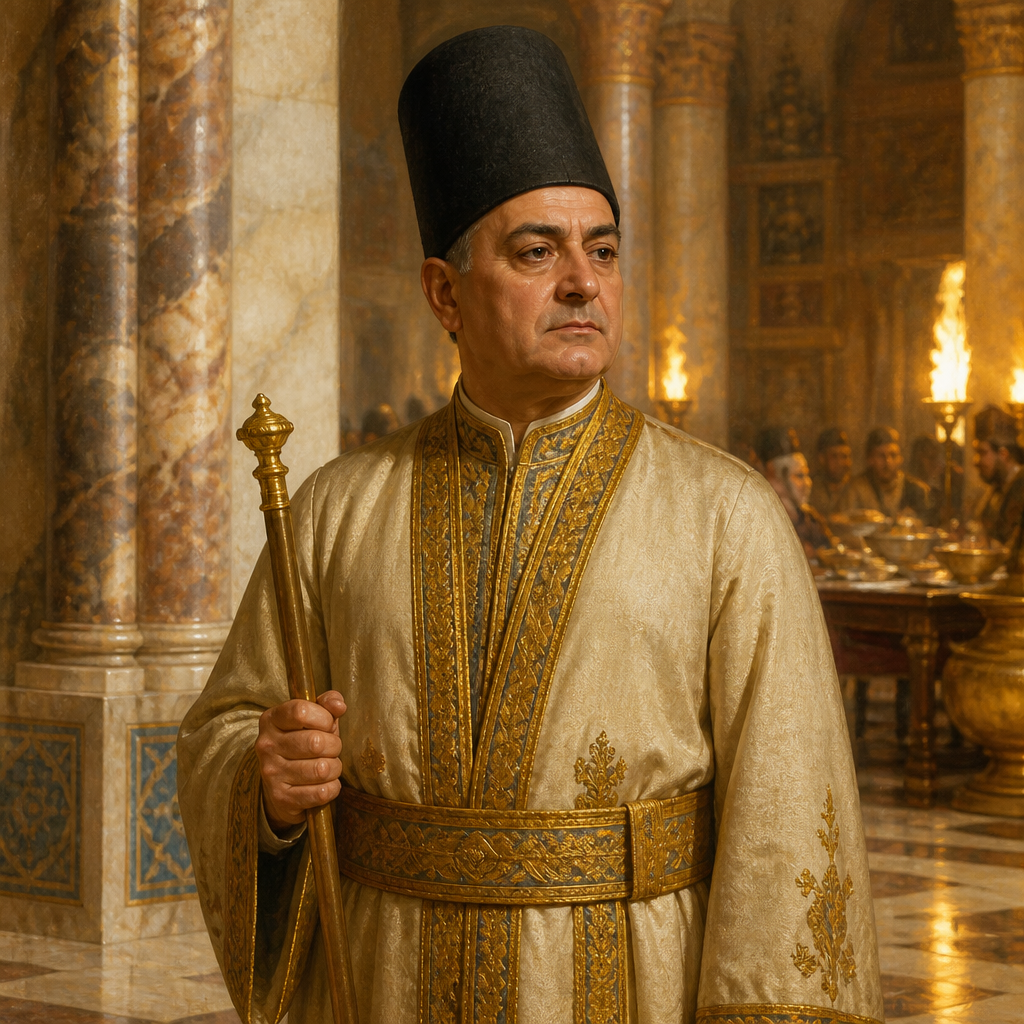
Oil-painting style portrait of Ahasuerus, King of Persia who married Esther and authorized the defense of the Jews against Haman's plot
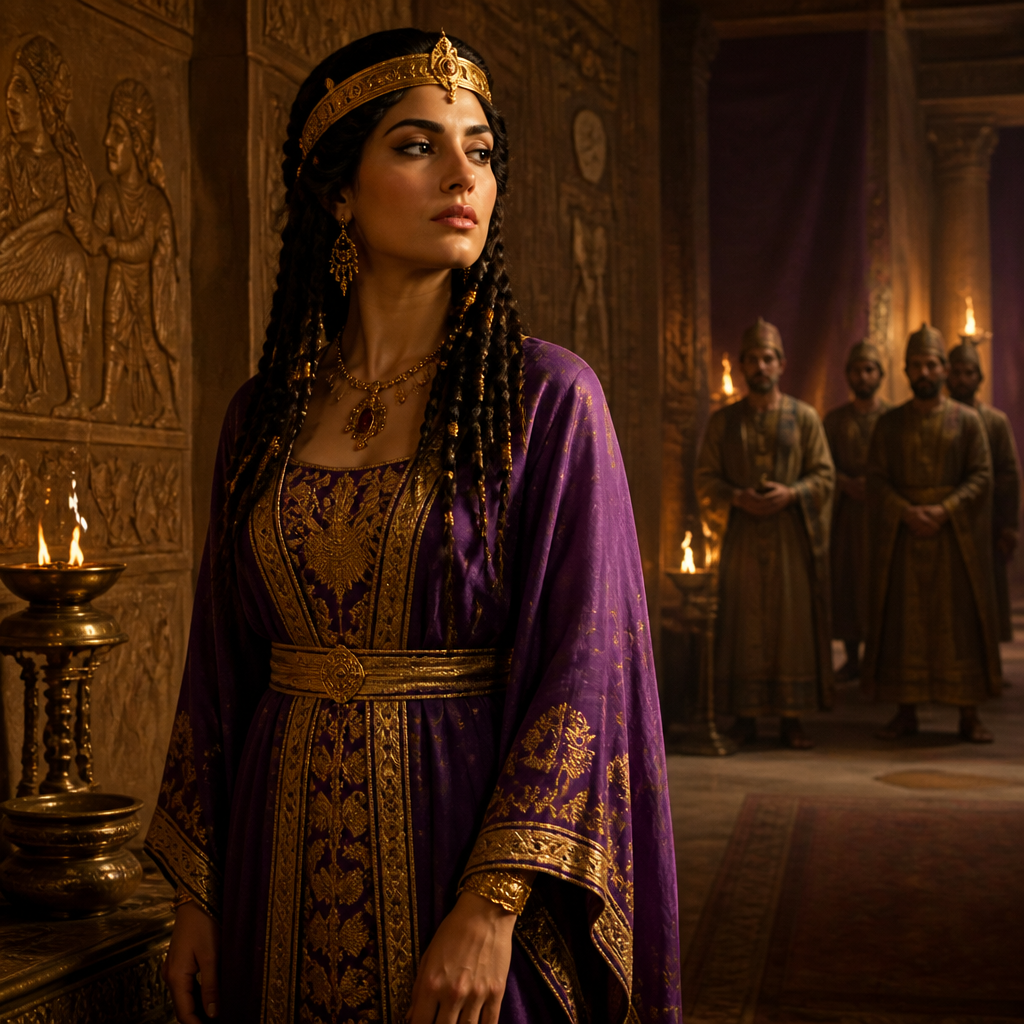
Ahasuerus

King of Persia who married Esther and authorized the defense of the Jews against Haman's plot
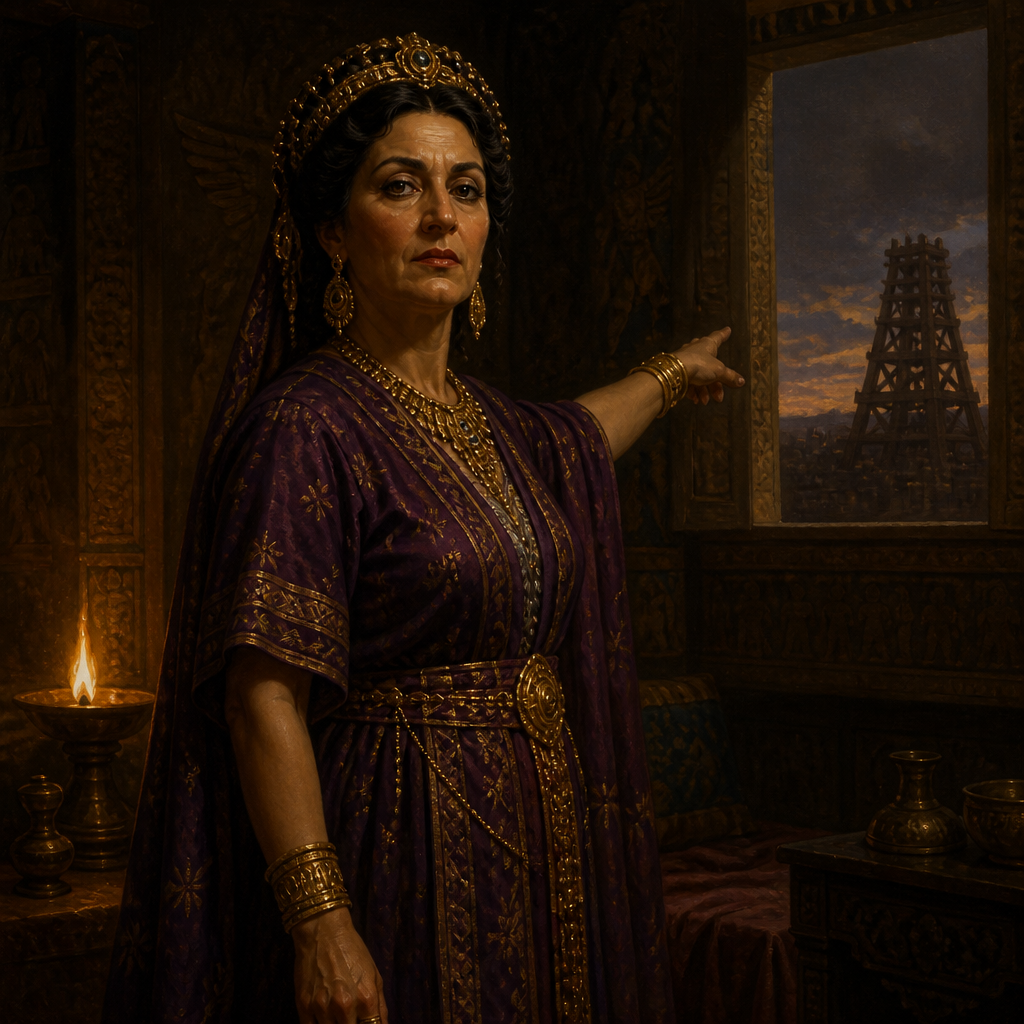
Oil-painting style portrait of Vashti, Queen of Persia who was deposed for refusing to obey King Ahasuerus

Vashti

Queen of Persia who was deposed for refusing to obey King Ahasuerus

Oil-painting style portrait of Agag, King of the Amalekites, King of the Amalekites whose life was spared by Saul but ended by the prophet Samuel

Agag, King of the Amalekites

King of the Amalekites whose life was spared by Saul but ended by the prophet Samuel

Oil-painting style portrait of Hammedatha, Father of Haman the Agagite

Hammedatha

Father of Haman the Agagite

Oil-painting style portrait of Hathach, Royal eunuch who served as the messenger between Esther and Mordecai

Hathach

Royal eunuch who served as the messenger between Esther and Mordecai

Oil-painting style portrait of Hegai, Royal official who showed favor to Esther and prepared her to meet King Ahasuerus

Hegai

Royal official who showed favor to Esther and prepared her to meet King Ahasuerus

Oil-painting style portrait of Zeresh, Wife of Haman who advised building the gallows for Mordecai

Zeresh

Wife of Haman who advised building the gallows for Mordecai

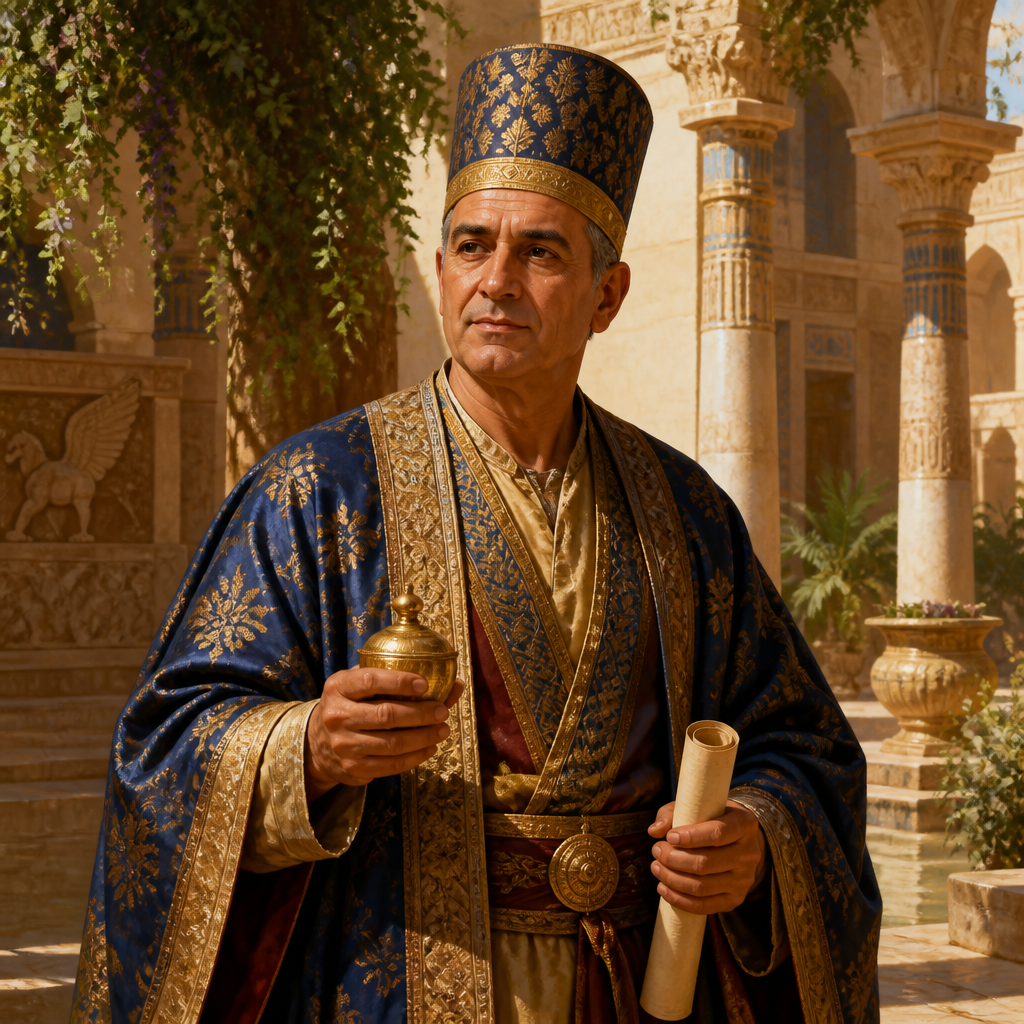
Oil-painting style portrait of Memucan, Prince of Persia whose counsel led to the deposition of Queen Vashti

Memucan

Prince of Persia whose counsel led to the deposition of Queen Vashti

Oil-painting style portrait of Abihail, Father of Esther, father of Queen Esther who died leaving her in Mordecai's care

Abihail, Father of Esther

father of Queen Esther who died leaving her in Mordecai's care

Oil-painting style portrait of Teresh, Palace official who conspired to assassinate King Xerxes

Teresh

Palace official who conspired to assassinate King Xerxes

Oil-painting style portrait of Bigthan, Palace guard who conspired to assassinate King Xerxes

Bigthan

Palace guard who conspired to assassinate King Xerxes

Oil-painting style portrait of Harbona, Eunuch of King Ahasuerus, Eunuch who pointed out Haman's gallows to King Ahasuerus

Harbona, Eunuch of King Ahasuerus

Eunuch who pointed out Haman's gallows to King Ahasuerus

Oil-painting style portrait of Zethar, Eunuch of King Ahasuerus who was commanded to summon Queen Vashti

Zethar

Eunuch of King Ahasuerus who was commanded to summon Queen Vashti

Oil-painting style portrait of Adalia, Son of Haman who was killed and hanged during the Jewish defense in Shushan
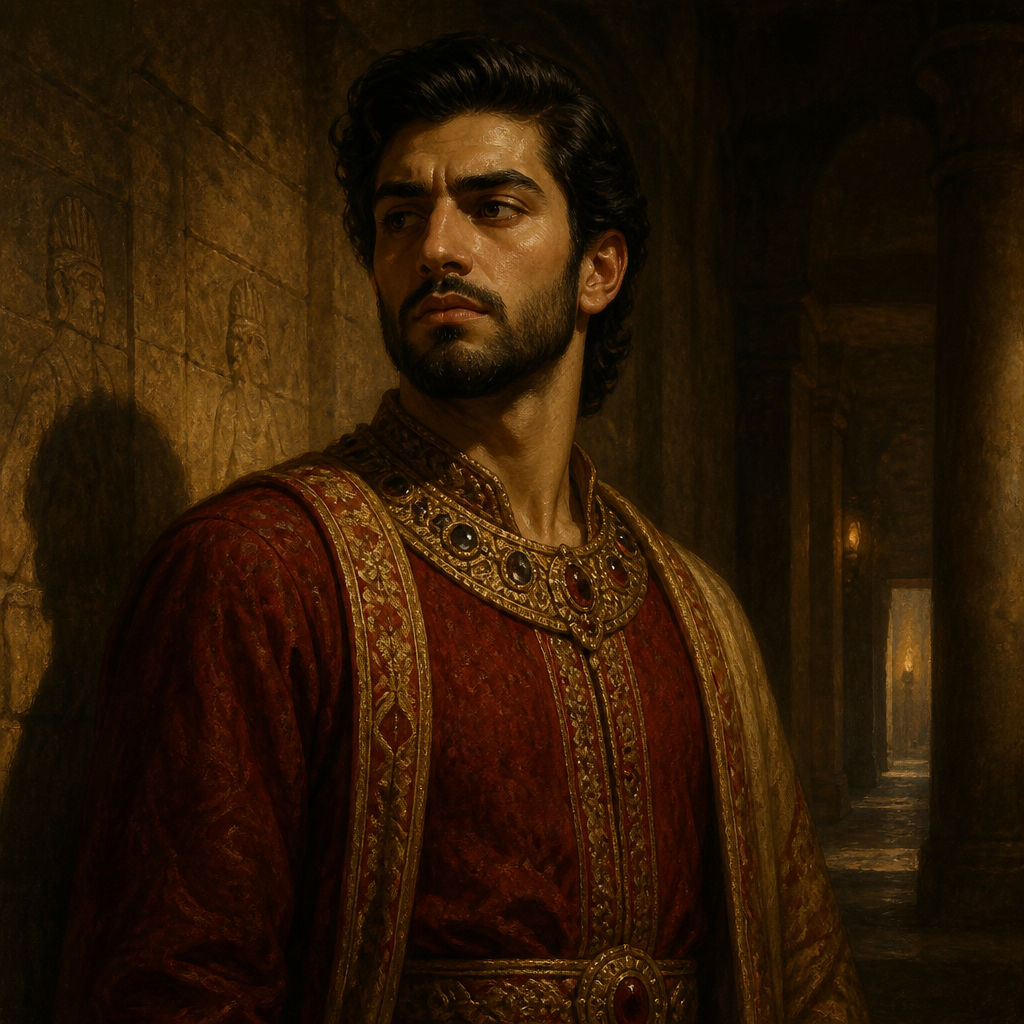
Adalia

Son of Haman who was killed and hanged during the Jewish defense in Shushan
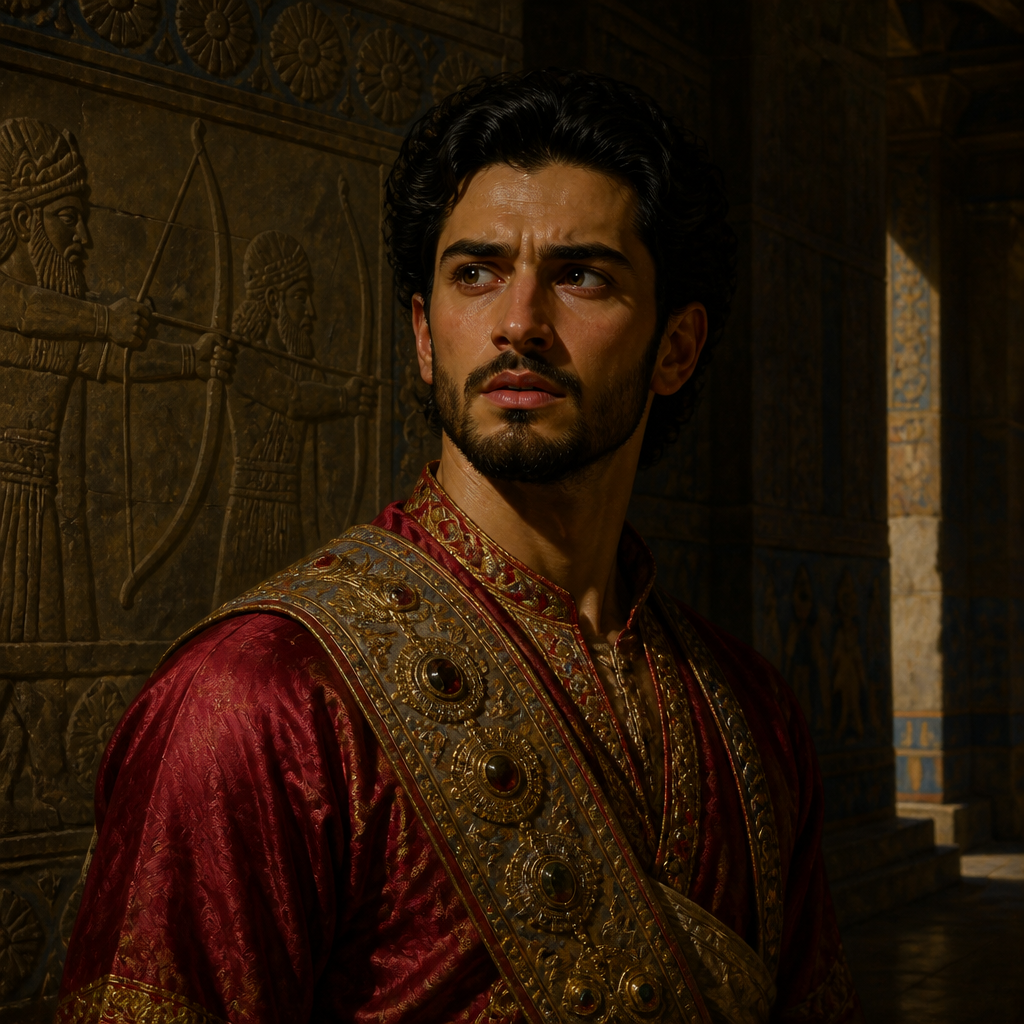
Oil-painting style portrait of Aspatha, Son of Haman who was executed and hanged on the gallows in Shushan

Aspatha

Son of Haman who was executed and hanged on the gallows in Shushan

Oil-painting style portrait of Marsena, Prince of Persia and one of the seven advisors to King Ahasuerus

Marsena

Prince of Persia and one of the seven advisors to King Ahasuerus

Oil-painting style portrait of Admatha, Prince of Persia who was one of the seven high-ranking advisors to King Ahasuerus

Admatha

Prince of Persia who was one of the seven high-ranking advisors to King Ahasuerus

Oil-painting style portrait of Nebuchadnezzar

Nebuchadnezzar

King of Babylon who conquered Jerusalem and was humbled by God

Oil-painting style portrait of Poratha, son of Haman who was killed and hanged during the Jewish defense in Susa
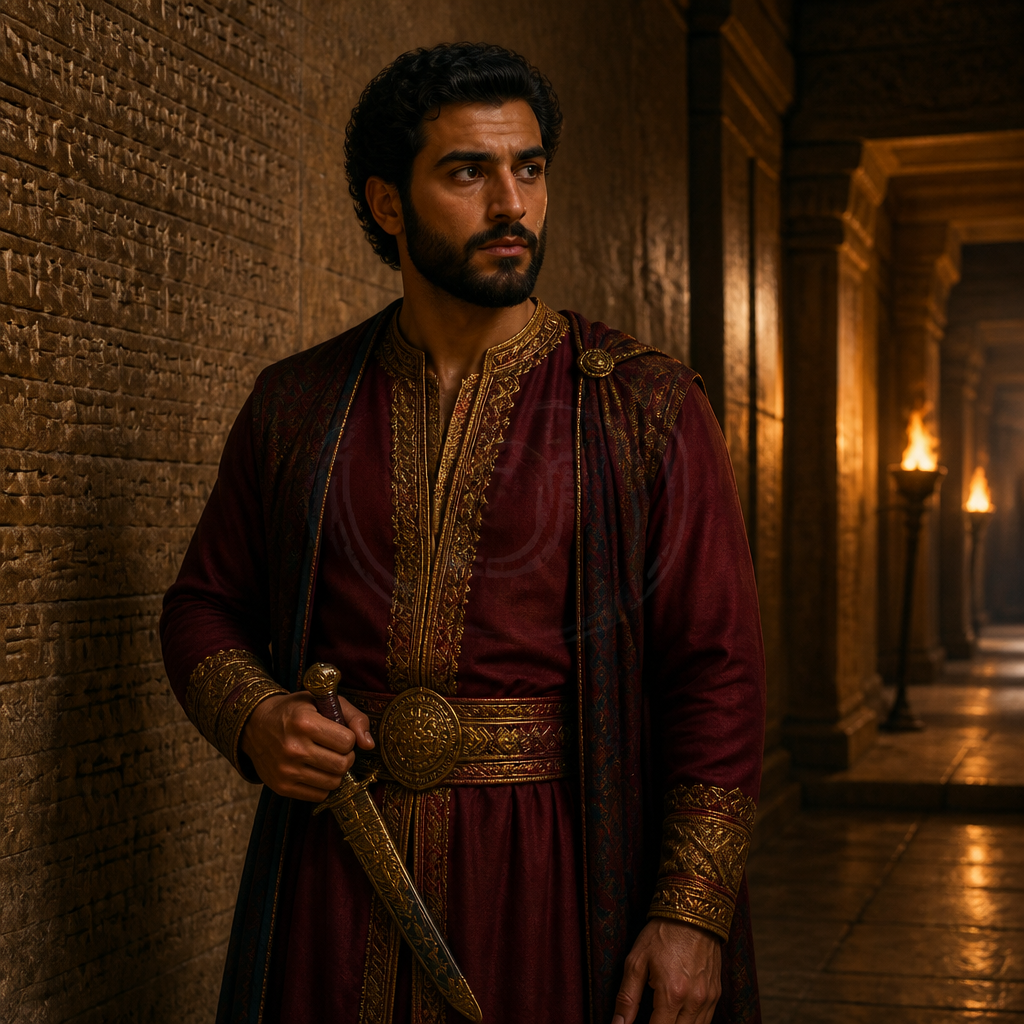
Poratha

son of Haman who was killed and hanged during the Jewish defense in Susa
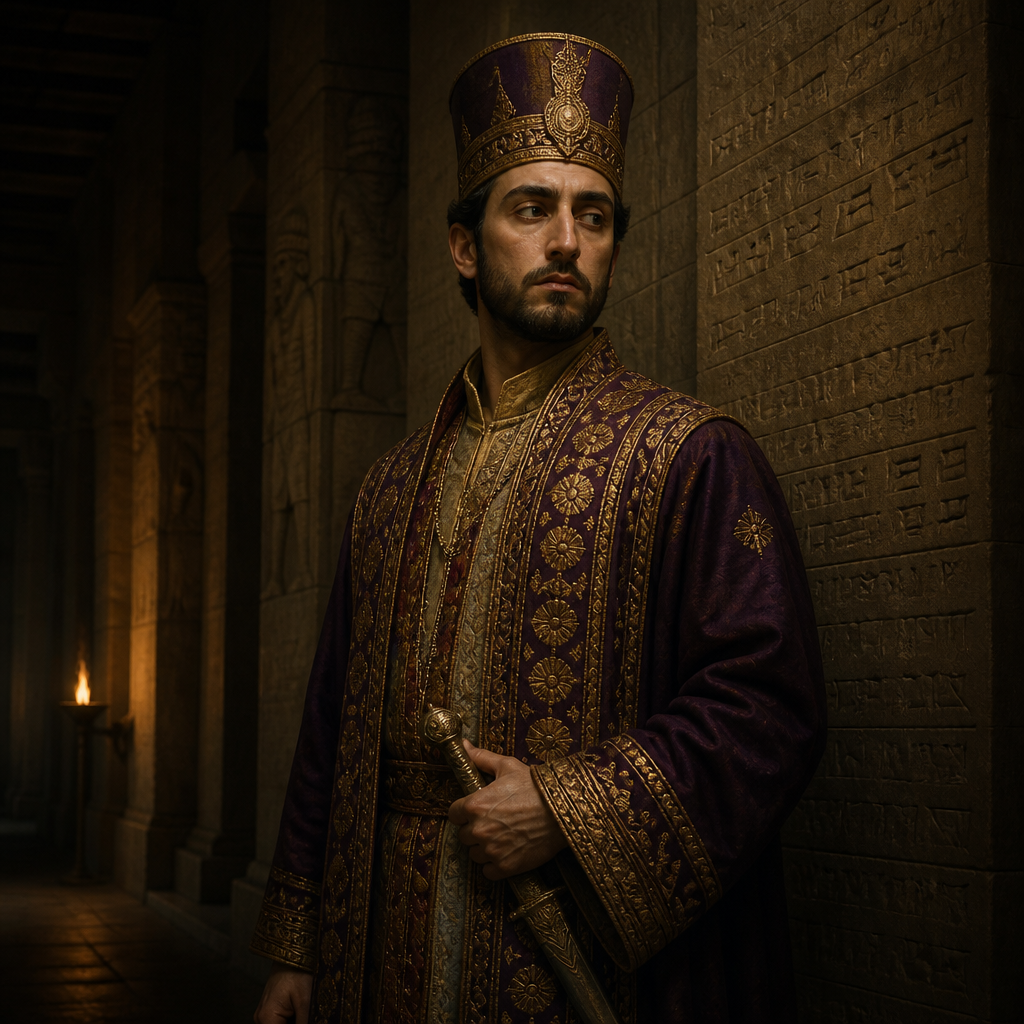
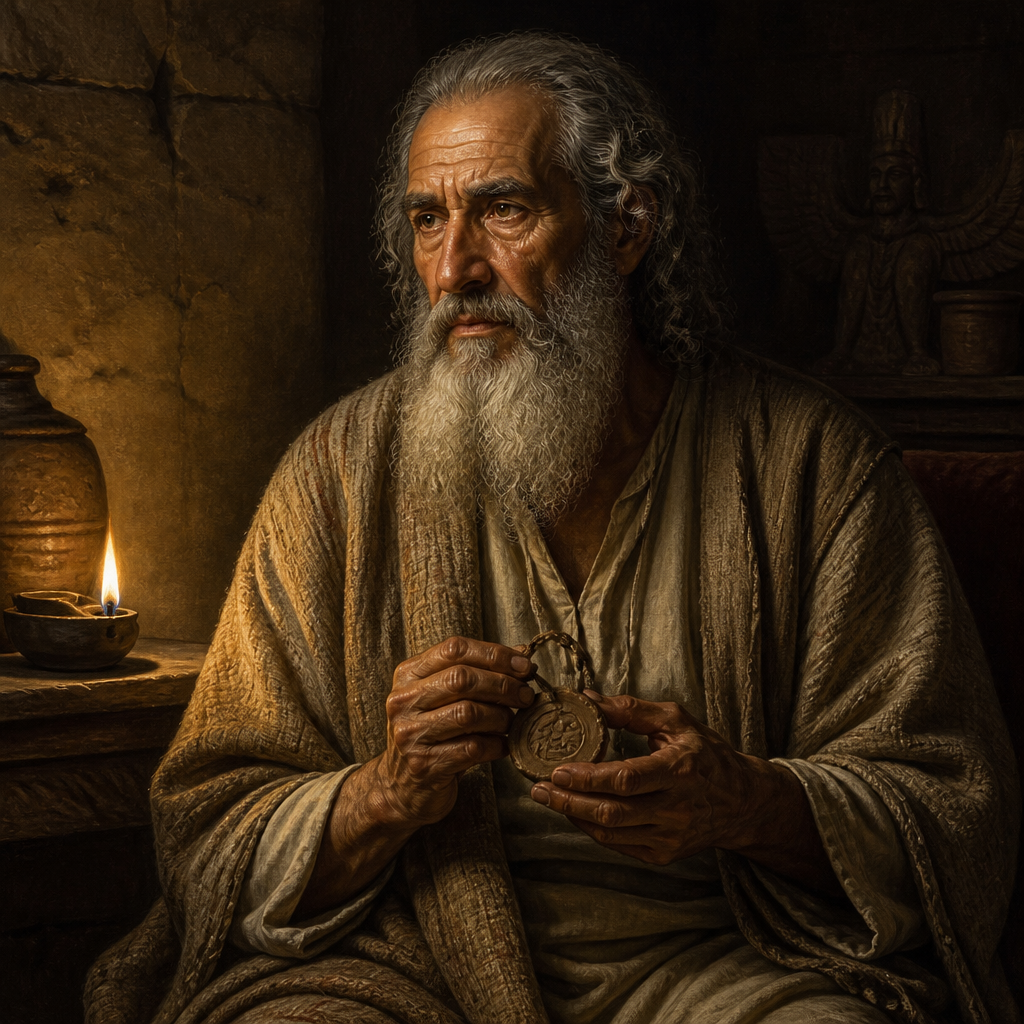
Oil-painting style portrait of Jair, Father of Mordecai, father of Mordecai and ancestor of Queen Esther in the Book of Esther

Jair, Father of Mordecai

father of Mordecai and uncle of Queen Esther in the Book of Esther

Oil-painting style portrait of Dalphon, Son of Haman who was killed during the Jewish defense in Susa

Dalphon

Son of Haman who was killed during the Jewish defense in Susa

Oil-painting style portrait of Parmashta, Son of Haman who was killed and hanged during the Jewish defense in Susa

Parmashta

Son of Haman who was killed and hanged during the Jewish defense in Susa
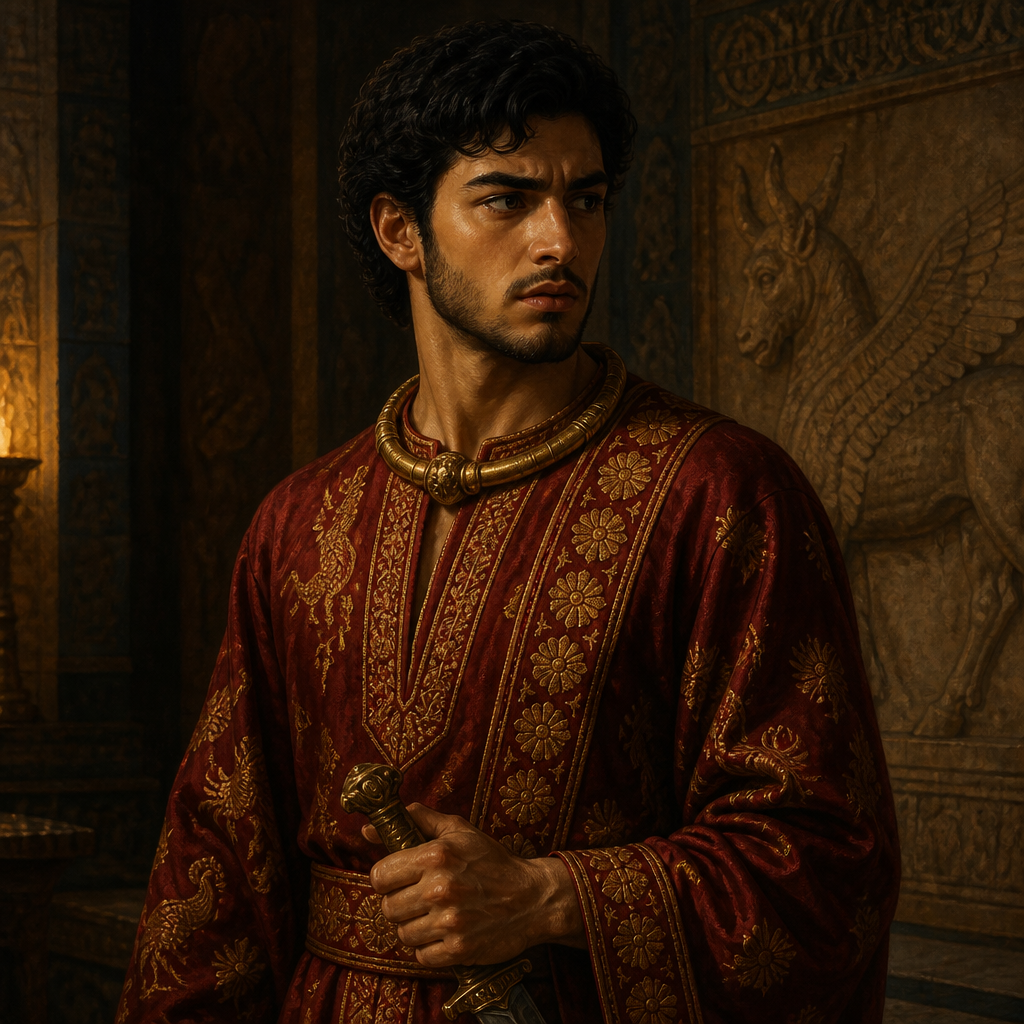
Oil-painting style portrait of Carkas, Eunuch who served King Ahasuerus during the banquet in Susa

Carkas

Eunuch who served King Ahasuerus during the banquet in Susa

Oil-painting style portrait of Aridai, Son of Haman who was killed during the Jewish defense in Susa

Aridai

Son of Haman who was killed during the Jewish defense in Susa

Oil-painting style portrait of Parshandatha, Eldest son of Haman who was executed in Susa

Parshandatha

Eldest son of Haman who was executed in Susa

Oil-painting style portrait of Vaizatha, Son of Haman who was executed and hanged during the events of Purim

Vaizatha

Son of Haman who was executed and hanged during the events of Purim

Oil-painting style portrait of Meres, Prince of Persia who served as one of the seven advisors to King Ahasuerus

Meres

Prince of Persia who served as one of the seven advisors to King Ahasuerus

Oil-painting style portrait of Carshena, Prince of Persia who served as one of the seven closest advisors to King Ahasuerus

Carshena

Prince of Persia who served as one of the seven closest advisors to King Ahasuerus

Oil-painting style portrait of Jehoiachin, King of Judah who was taken captive to Babylon and later released from prison

Jehoiachin

King of Judah who was taken captive to Babylon and later released from prison

Oil-painting style portrait of Abagtha, Eunuch of King Ahasuerus who was commanded to bring Queen Vashti before the king

Abagtha

Eunuch of King Ahasuerus who was commanded to bring Queen Vashti before the king

Oil-painting style portrait of Shethar, Prince of Persia who was one of the seven advisors to King Ahasuerus

Shethar

Prince of Persia who was one of the seven advisors to King Ahasuerus

Oil-painting style portrait of Mehuman, Eunuch of King Ahasuerus who was commanded to bring Queen Vashti to the royal banquet

Mehuman

Eunuch of King Ahasuerus who was commanded to bring Queen Vashti to the royal banquet

Oil-painting style portrait of Biztha, Eunuch of King Ahasuerus who was commanded to bring Queen Vashti to the royal banquet

Biztha

Eunuch of King Ahasuerus who was commanded to bring Queen Vashti to the royal banquet

Oil-painting style portrait of Kish, Great-grandfather of Mordecai, Benjamite ancestor of Mordecai listed in the genealogy of Esther

Kish, Great-grandfather of Mordecai

Benjamite ancestor of Mordecai listed in the genealogy of Esther

Oil-painting style portrait of Shimei, Great-grandfather of Mordecai, Grandfather of Mordecai and son of Kish mentioned in the Book of Esther

Shimei, Great-grandfather of Mordecai

Grandfather of Mordecai and son of Kish mentioned in the Book of Esther

Oil-painting style portrait of Shaashgaz, Persian eunuch who had charge over the second harem in the Book of Esther

Shaashgaz

Persian eunuch who had charge over the second harem in the Book of Esther

Oil-painting style portrait of Aridatha, Son of Haman who was killed and hanged during the events of Purim

Aridatha

Son of Haman who was killed and hanged during the events of Purim

Oil-painting style portrait of Tarshish, Prince of Persia, Prince of Persia who served as one of the seven high advisors to King Ahasuerus

Tarshish, Prince of Persia

Prince of Persia who served as one of the seven high advisors to King Ahasuerus

Oil-painting style portrait of Bigtha, Eunuch of King Ahasuerus who was ordered to bring Queen Vashti to the royal banquet

Bigtha

Eunuch of King Ahasuerus who was ordered to bring Queen Vashti to the royal banquet

Oil-painting style portrait of Arisai, Son of Haman who was executed and hanged during the Jewish defense in Susa
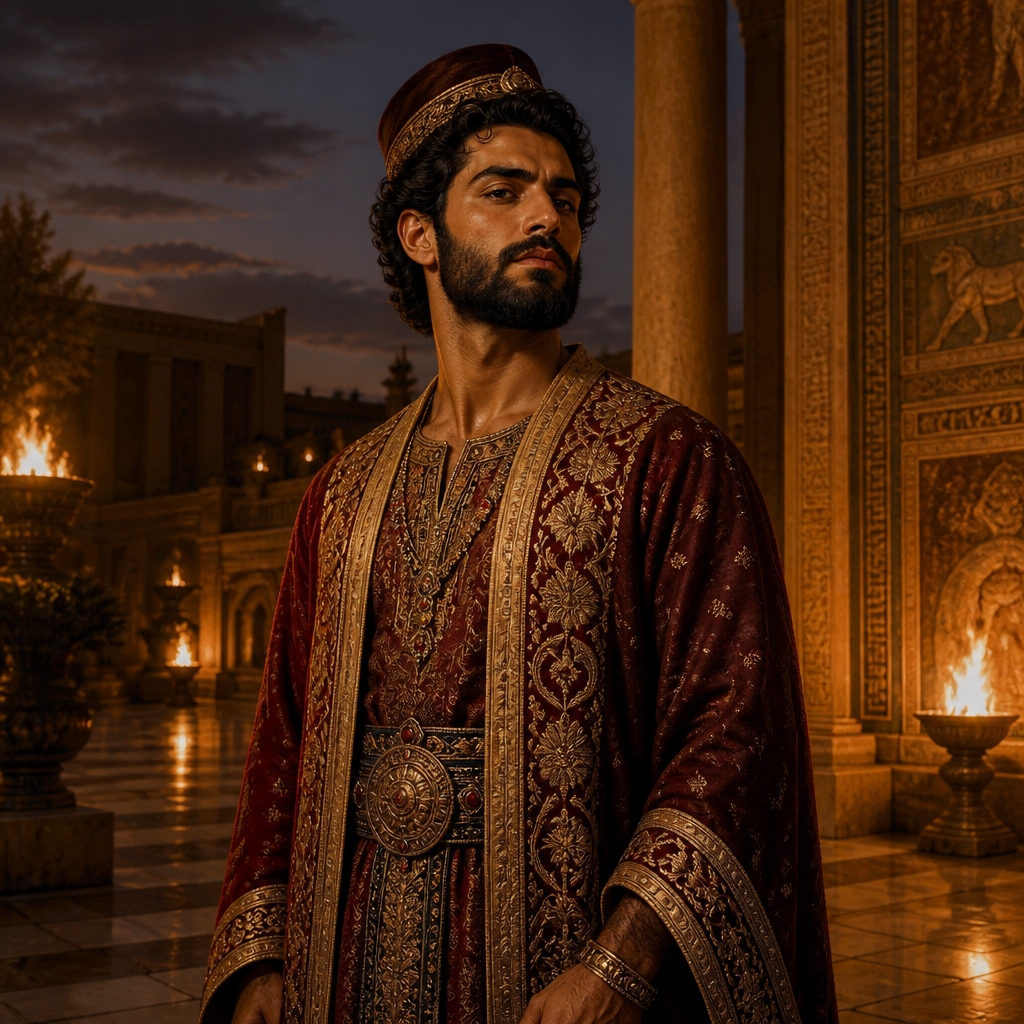
Arisai

Son of Haman who was executed and hanged during the Jewish defense in Susa
Related lists