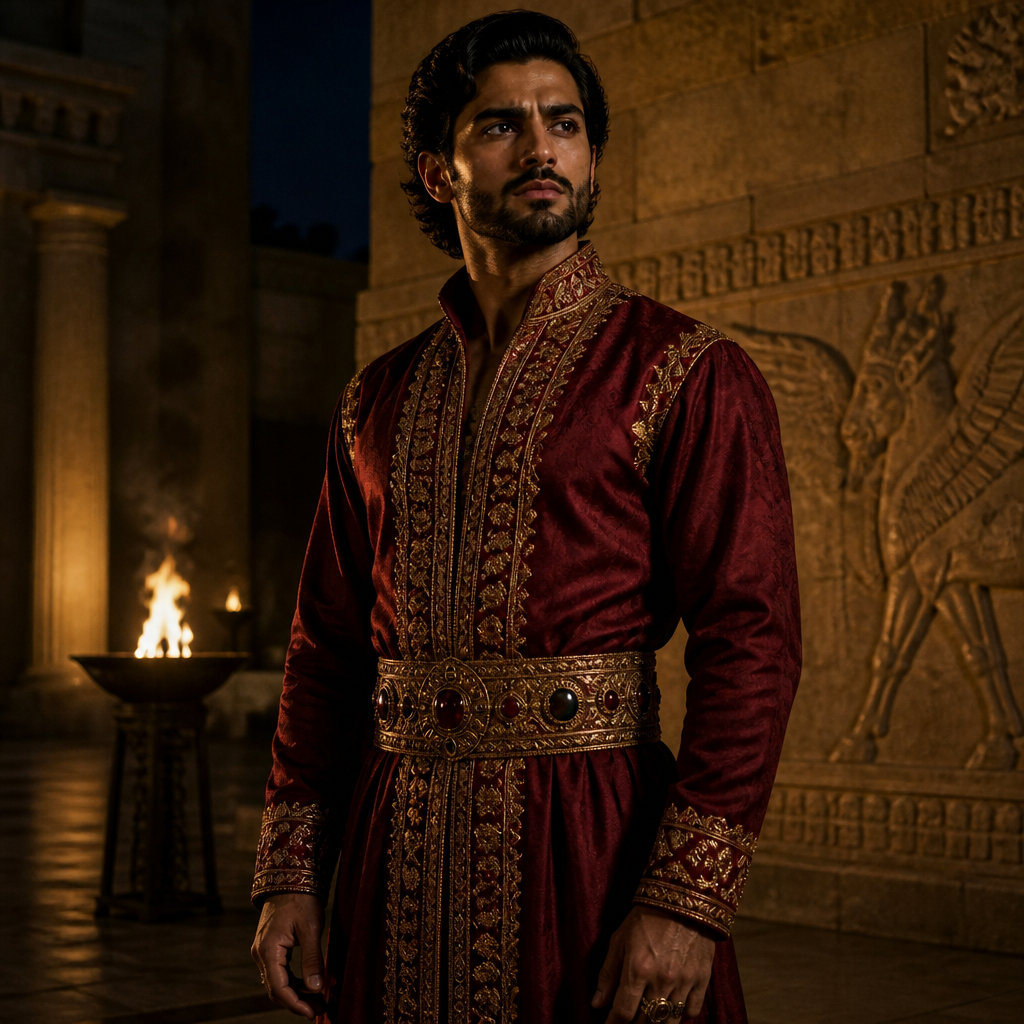
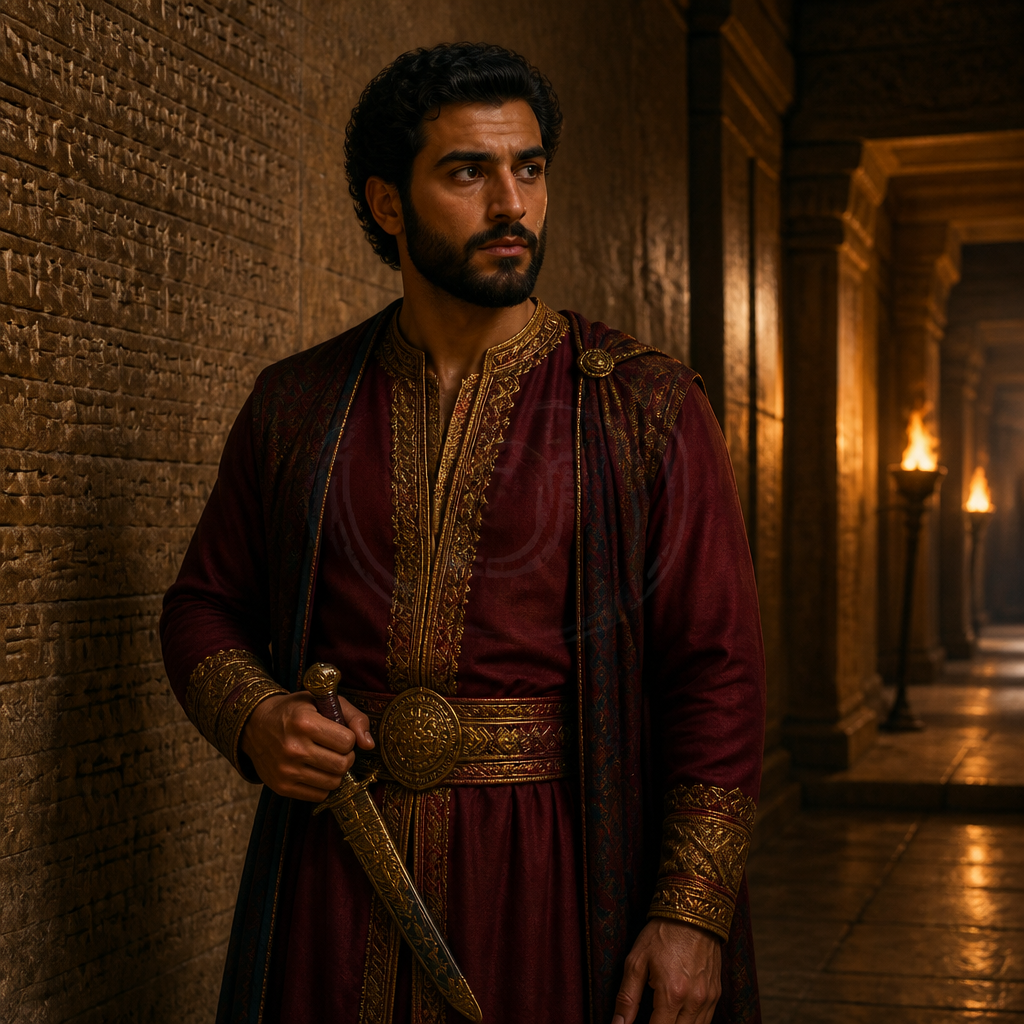
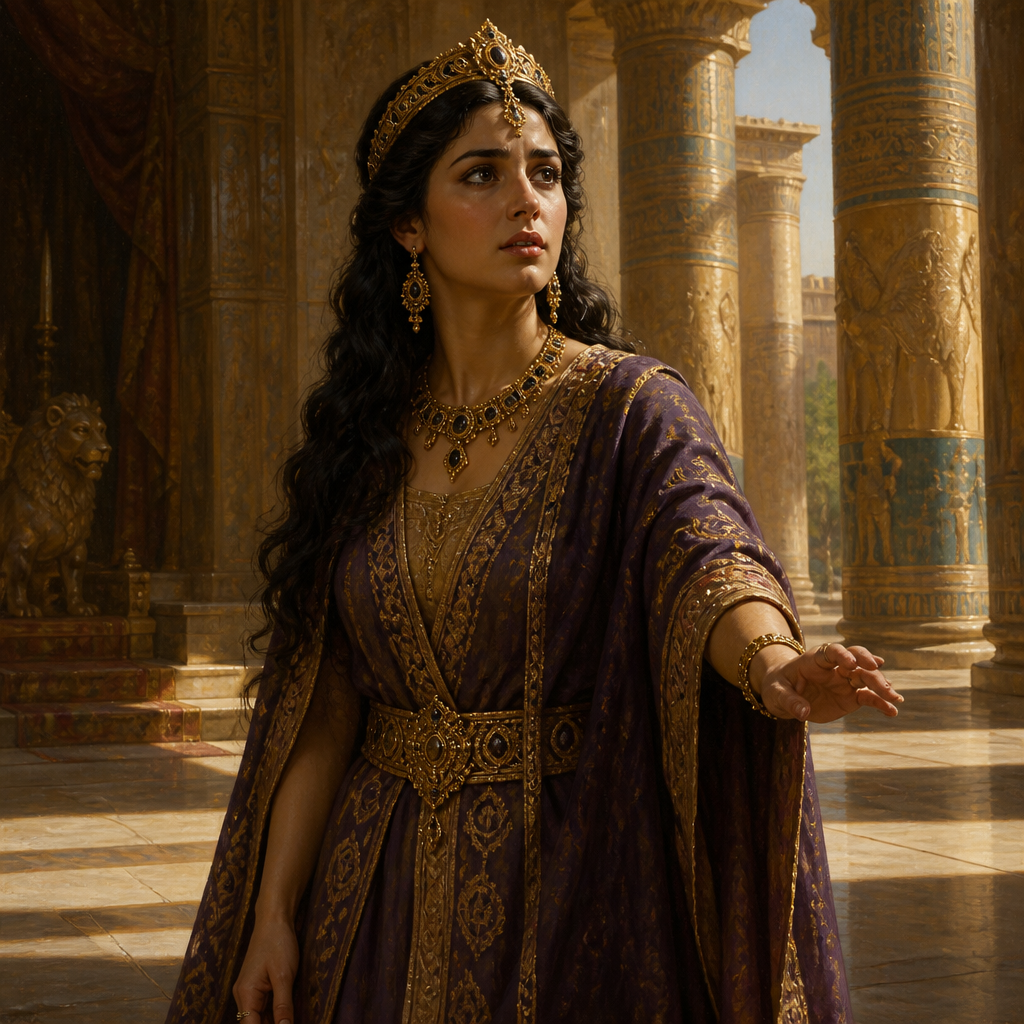
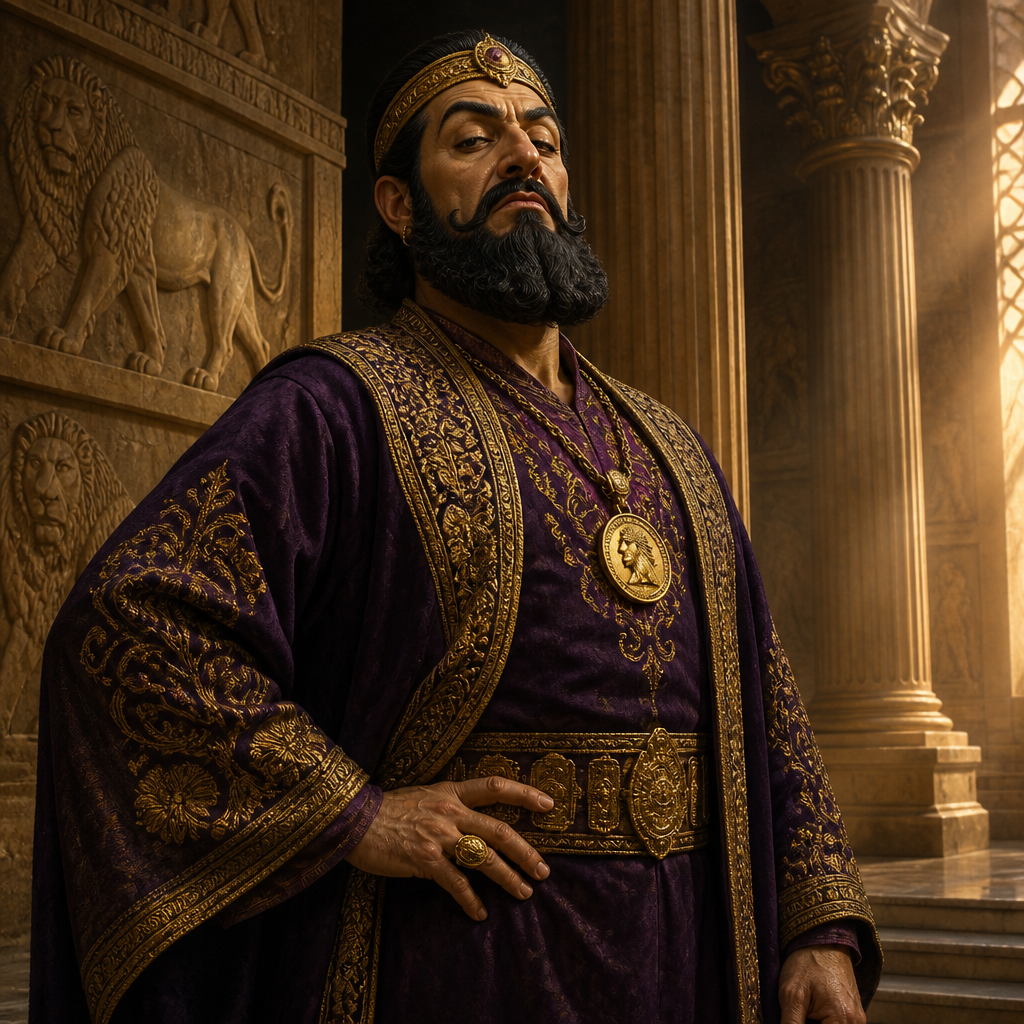
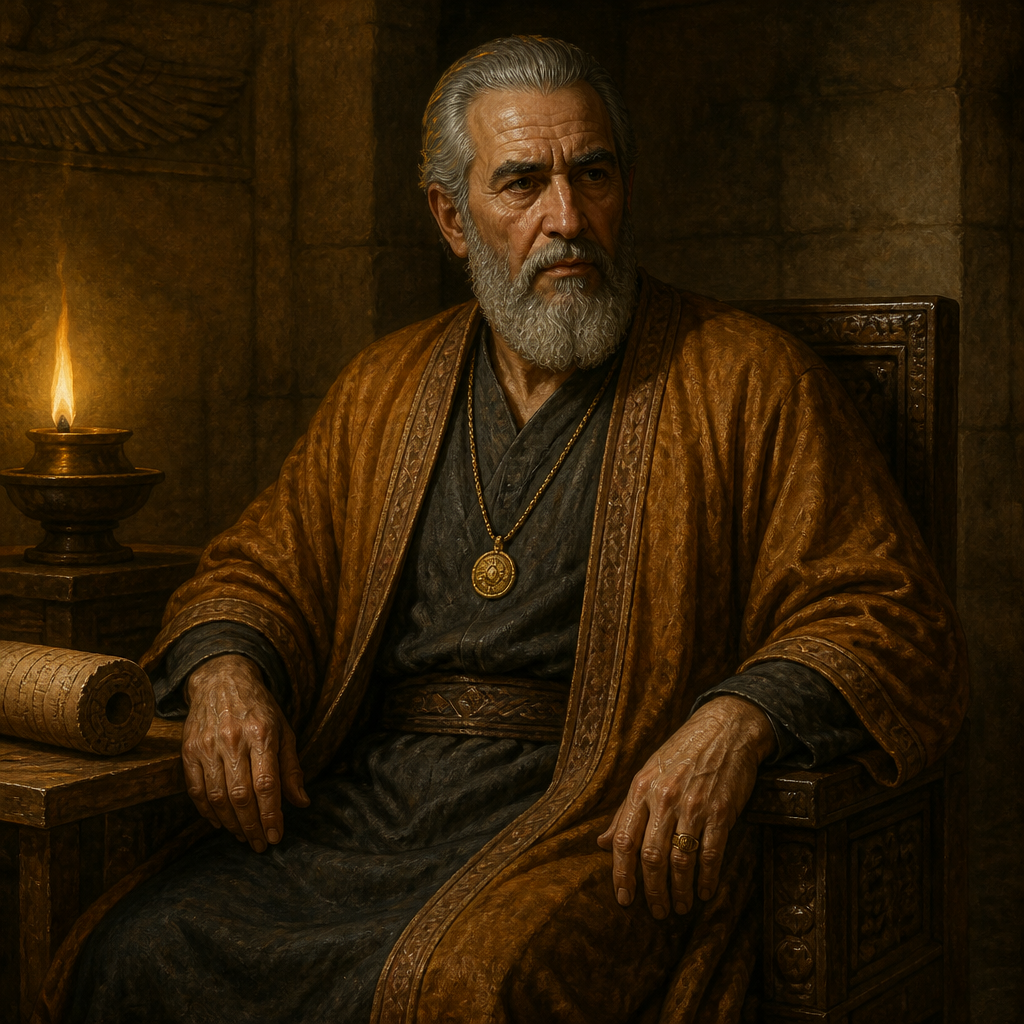
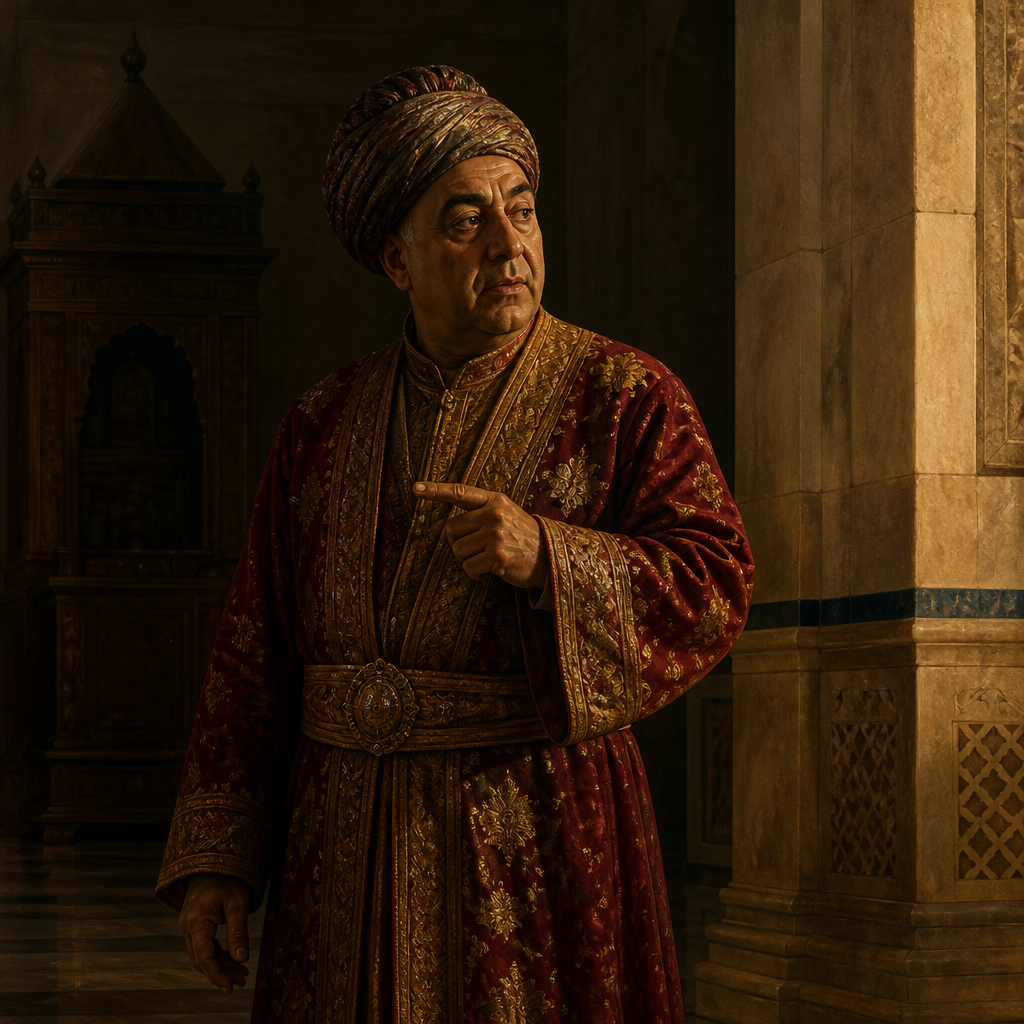
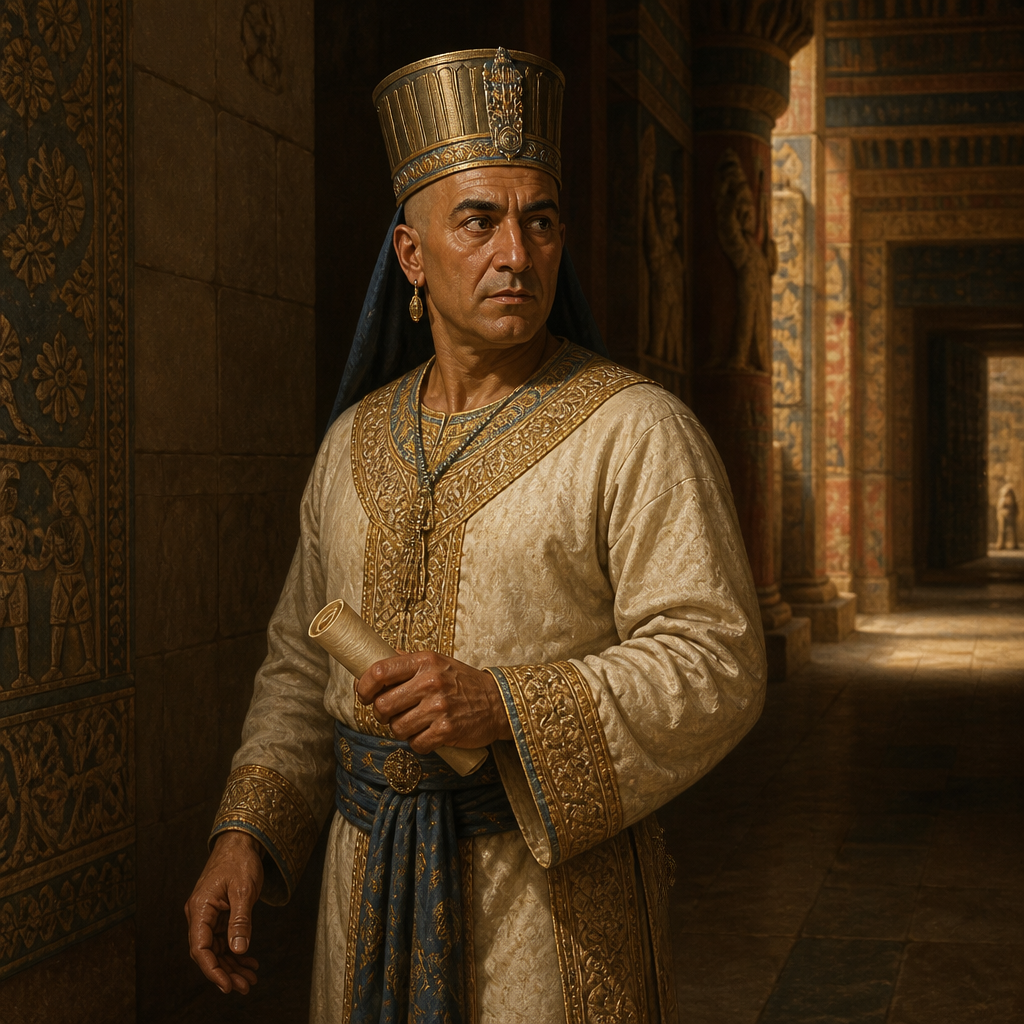
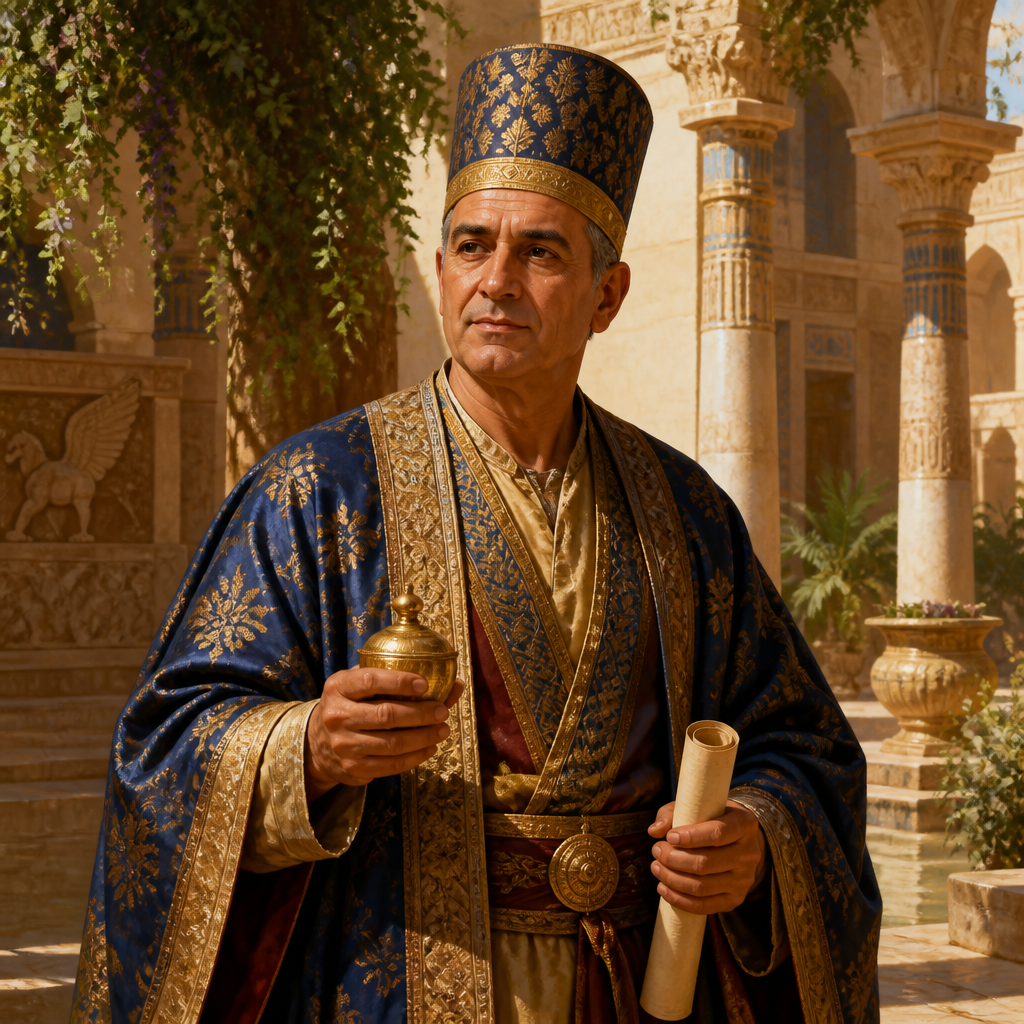
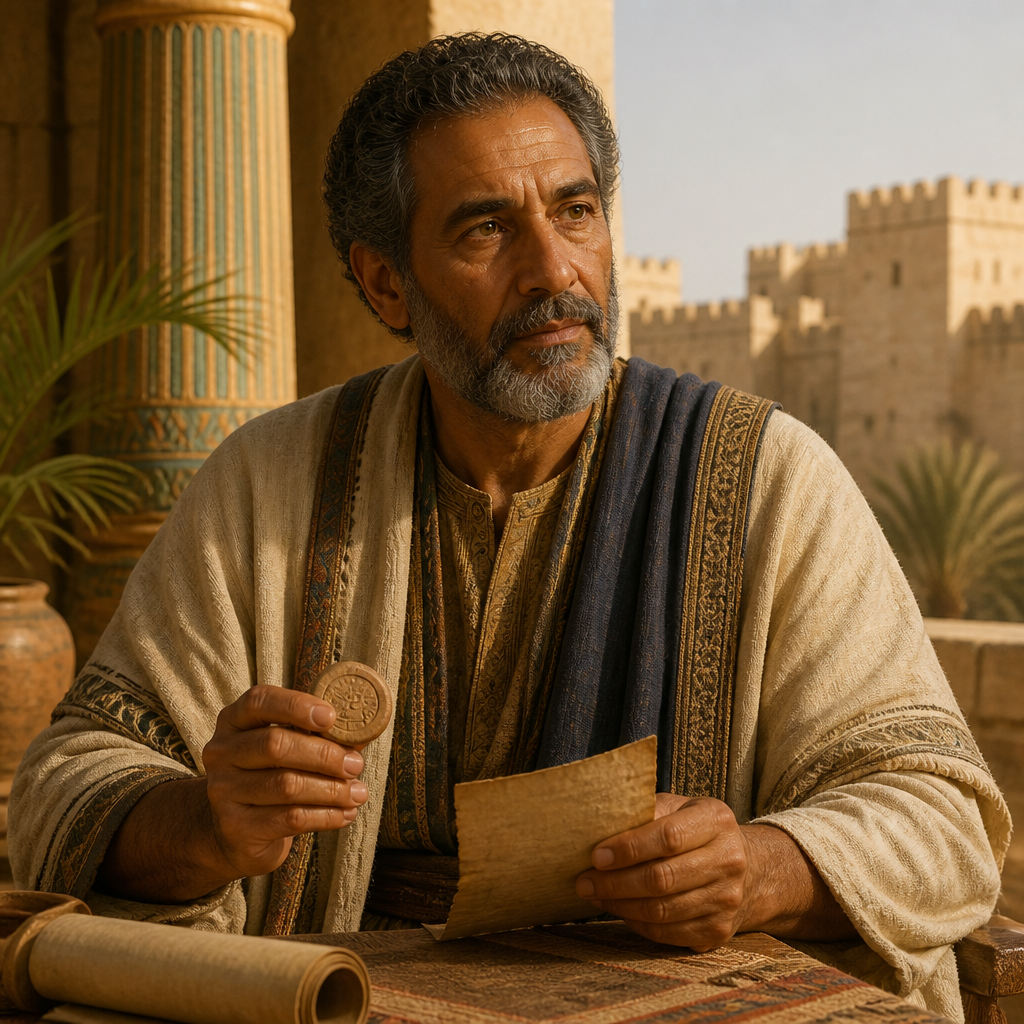
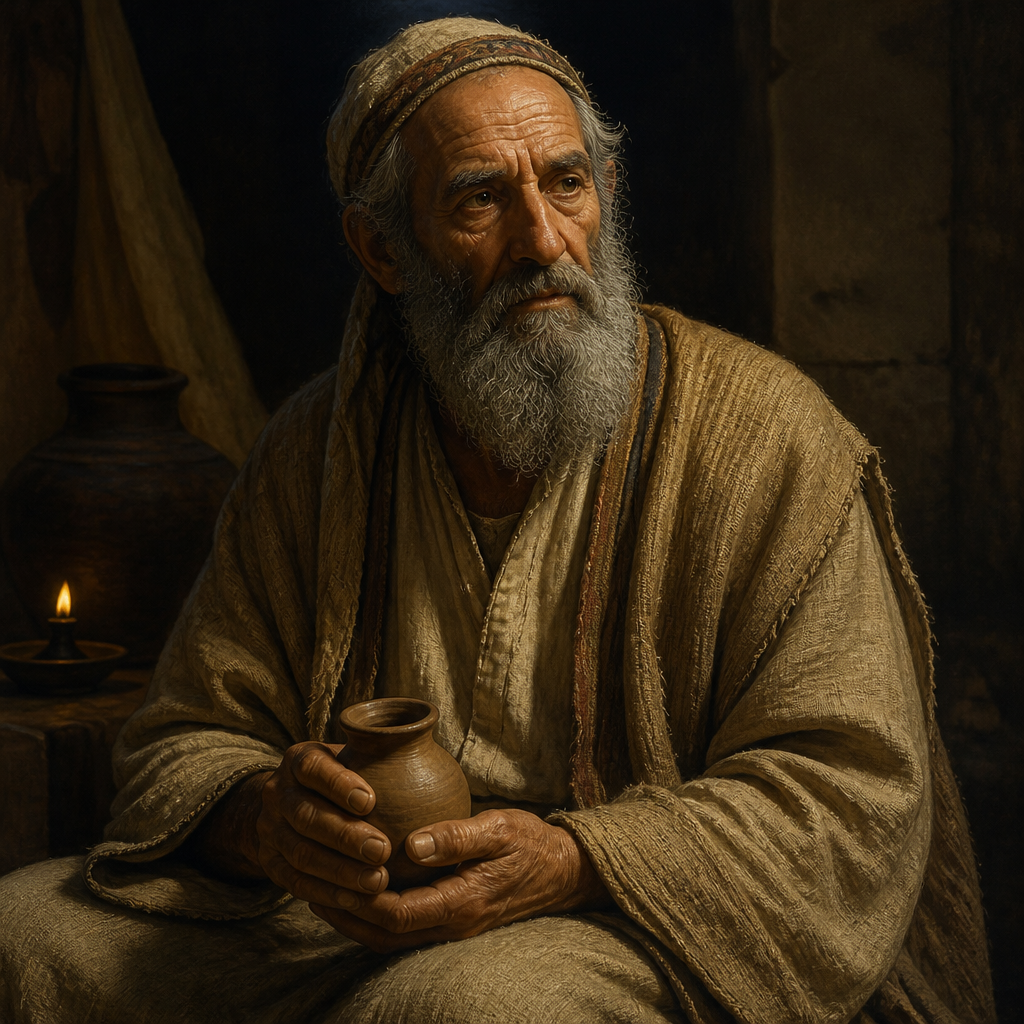
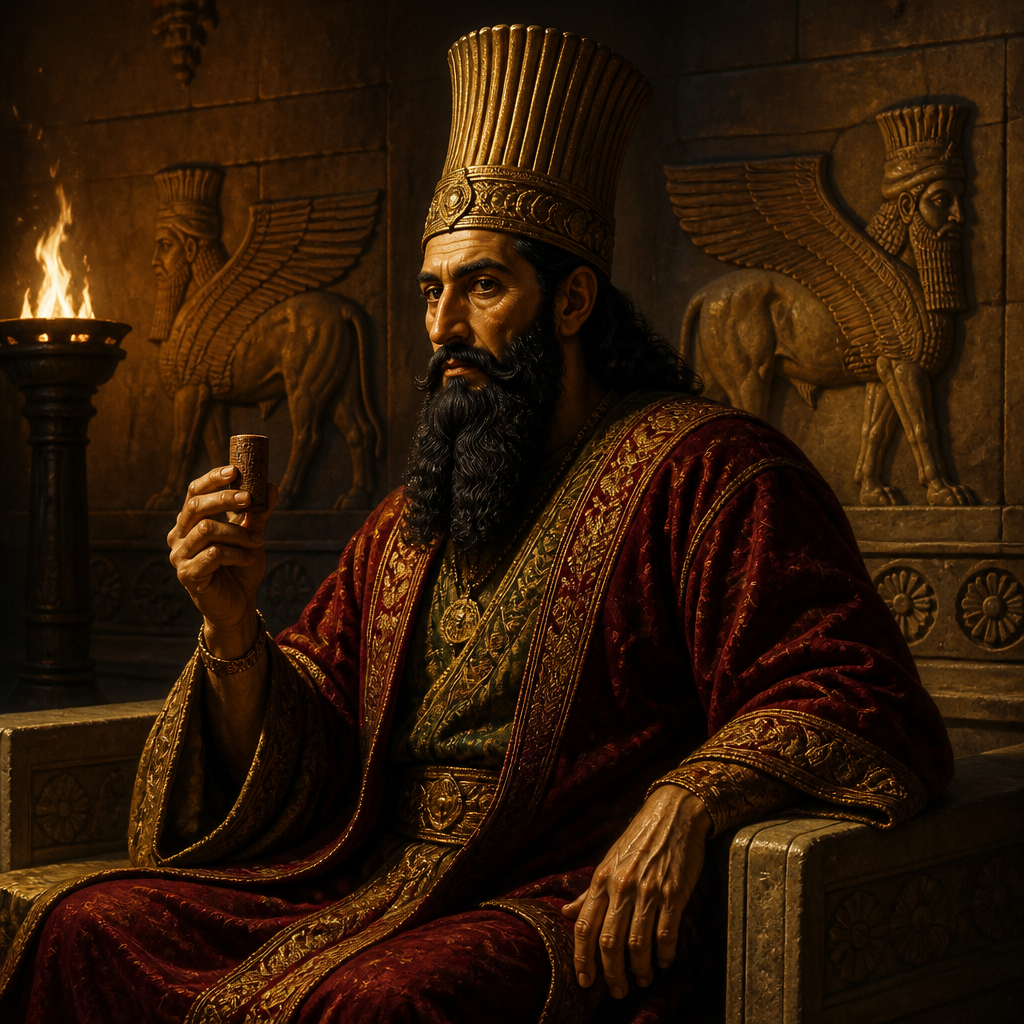
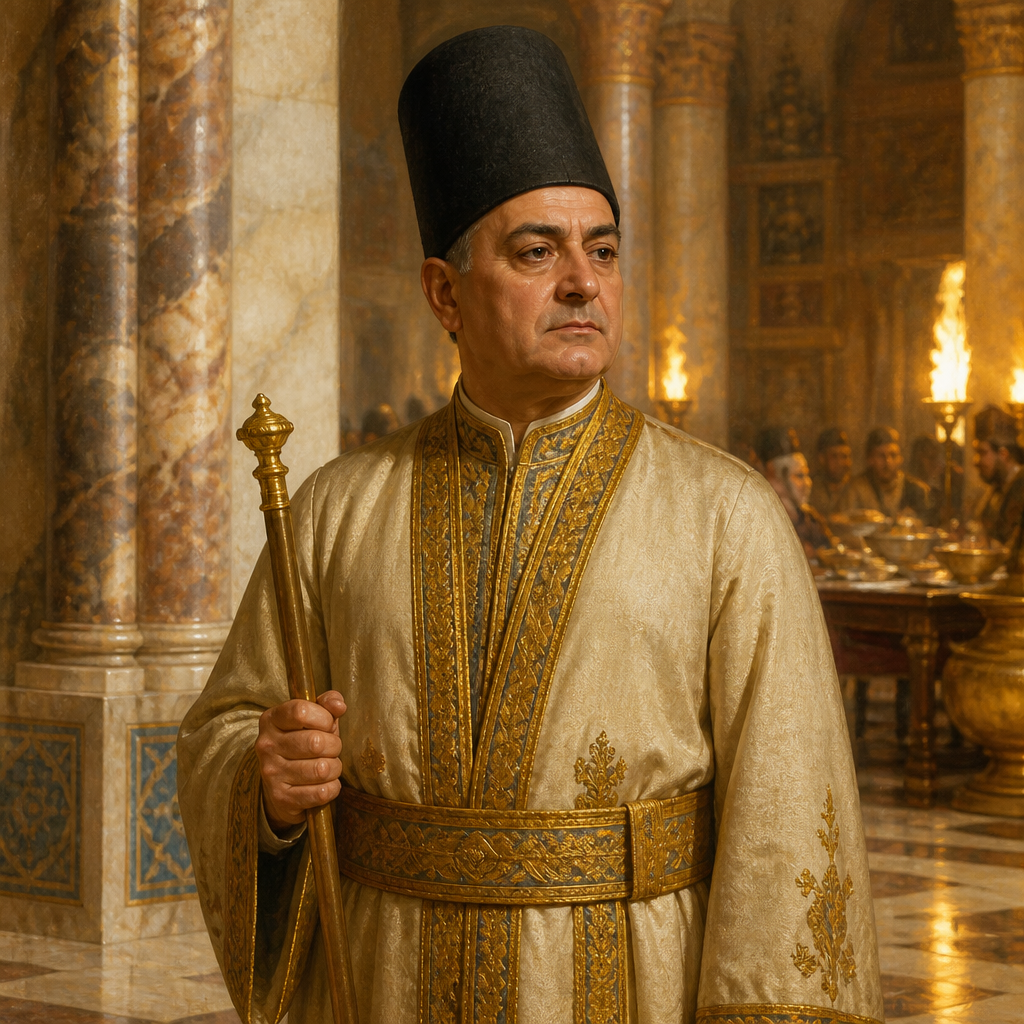
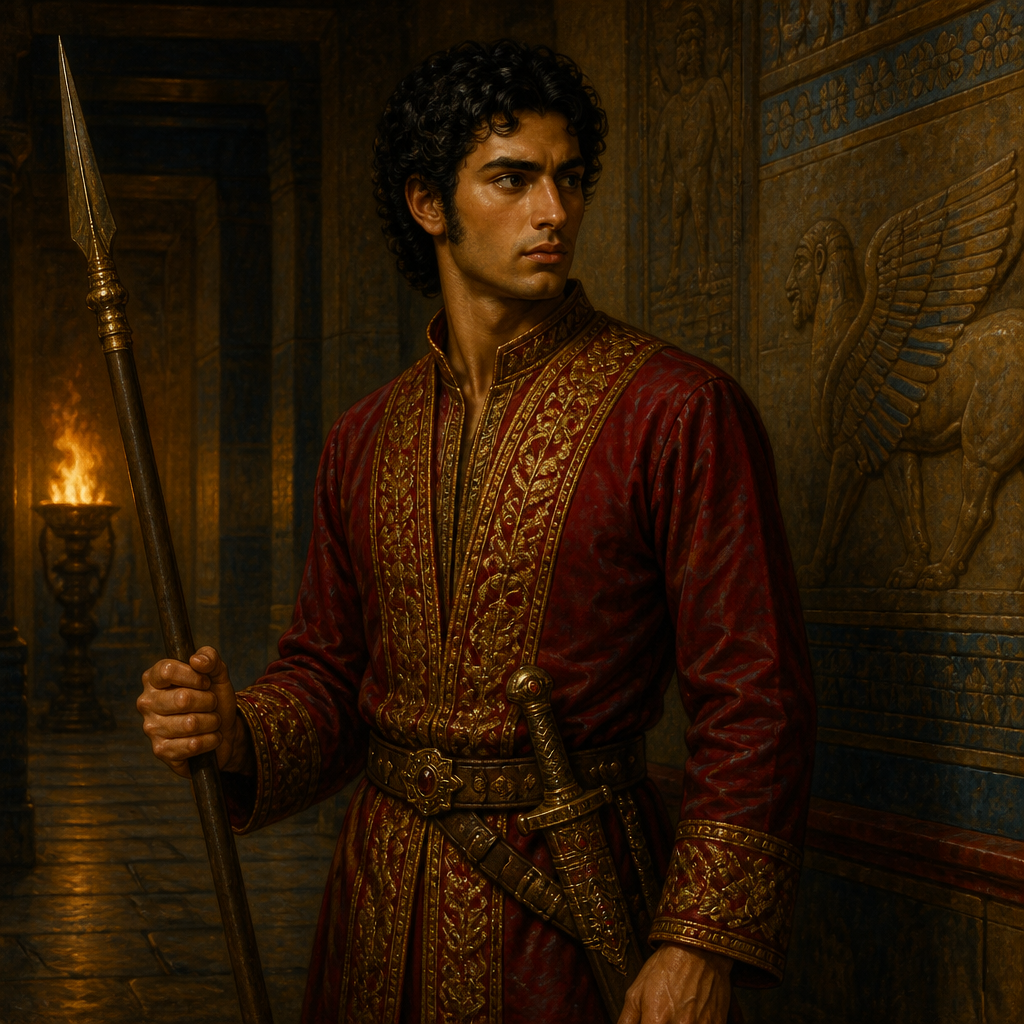
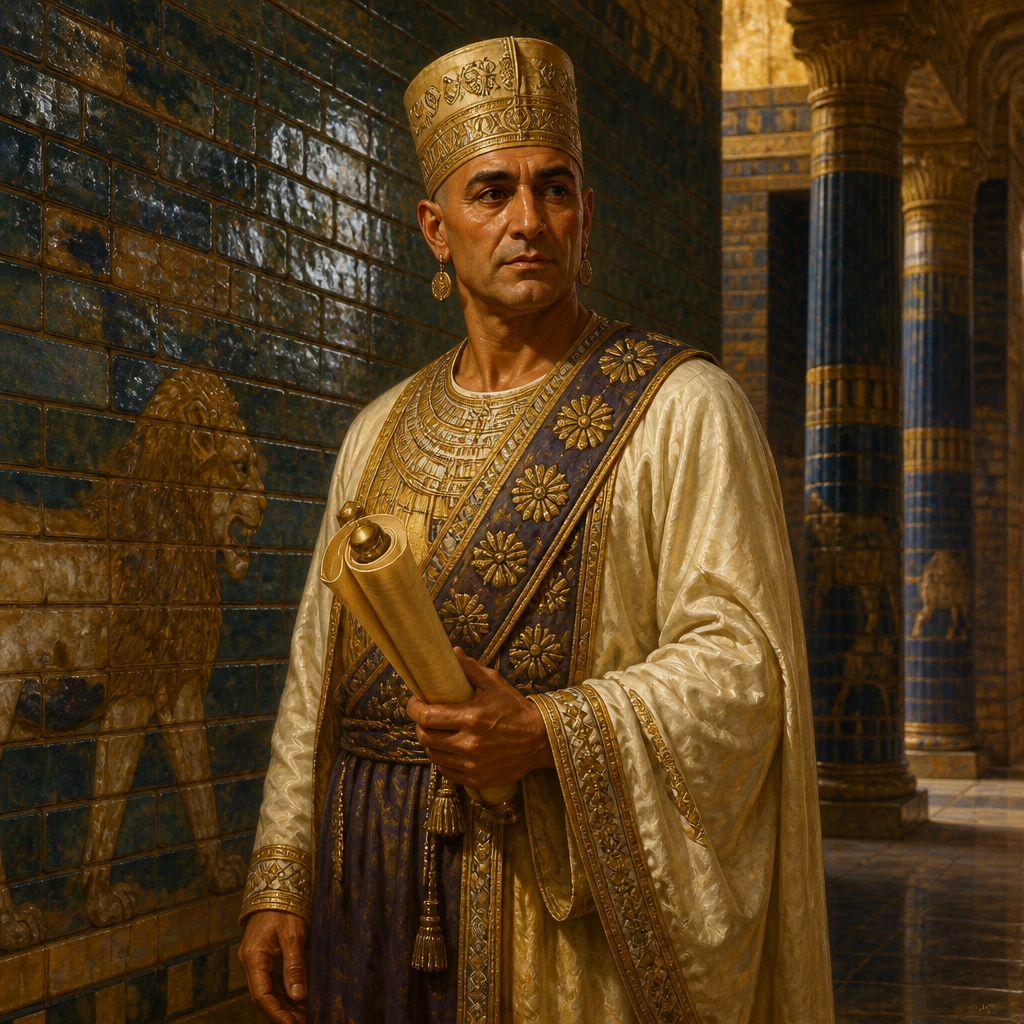
A Jewish statesman stands before a Persian king and queen in a monumental palace hall during the time of the diaspora.

Jews and Persians of the empire outside the land, the world of Esther and the court at Susa.

The Persian Diaspora describes the Jewish and Persian inhabitants of the empire during the reign of King Ahasuerus, primarily centered in the citadel of Susa. The narrative of this kingdom is recorded in the Book of Esther, which details the lives of Jews living in exile and their interactions with the Persian royal court. The text identifies the Jewish community through the lineage of Mordecai, who is the son of Jair, and a descendant of Kish (Esther 2:5). This group exists within a vast imperial structure that spans one hundred and twenty-seven provinces, governed by a complex hierarchy of eunuchs, advisors, and noblemen.

The organization of the Persian court is defined by strict protocols and a clear chain of command. At the highest level of counsel are the seven princes of Persia, including Memucan, who proposed the decree to remove the queen, and others such as Carshena, Admatha, and Tarshish (Esther 1:14). The domestic affairs of the palace are managed by eunuchs like Hegai, who oversaw the women in the harem, and Hathach, who facilitated secret communications between the palace and the city (Esther 2:3, 4:5). The text also identifies those who threatened the throne, such as Bigthan and Teresh two guards who plotted to lay hands on the king (Esther 2:21).

Conflict within the diaspora arises from the rise of Haman, the son of Hammedatha, who sought the destruction of all Jews in the kingdom (Esther 3:1–6). This plot involved his wife Zeresh, who encouraged the execution of his rivals, and his ten sons, including Parshandatha and Dalphon, who were eventually killed when the Jews defended themselves (Esther 5:14, 9:7). The survival of the Jewish people depended on the intervention of Esther, the daughter of Abihail, who hid her identity until the moment of crisis (Esther 2:15, 7:3).

The presence of the Persian Diaspora in the biblical record illustrates the precarious life of the Jewish people outside the land of Israel. While they achieved positions of significant influence, as seen in the promotion of Mordecai to a rank second only to the king, they remained subject to the laws and whims of a foreign power (Esther 10:3). The resolution of the conflict through the Jewish defense and the subsequent hanging of Haman and his sons, such as Aspatha and Vaizatha established the feast of Purim as a lasting commemoration of their deliverance within the empire (Esther 9:9–19).

Everyone in this list
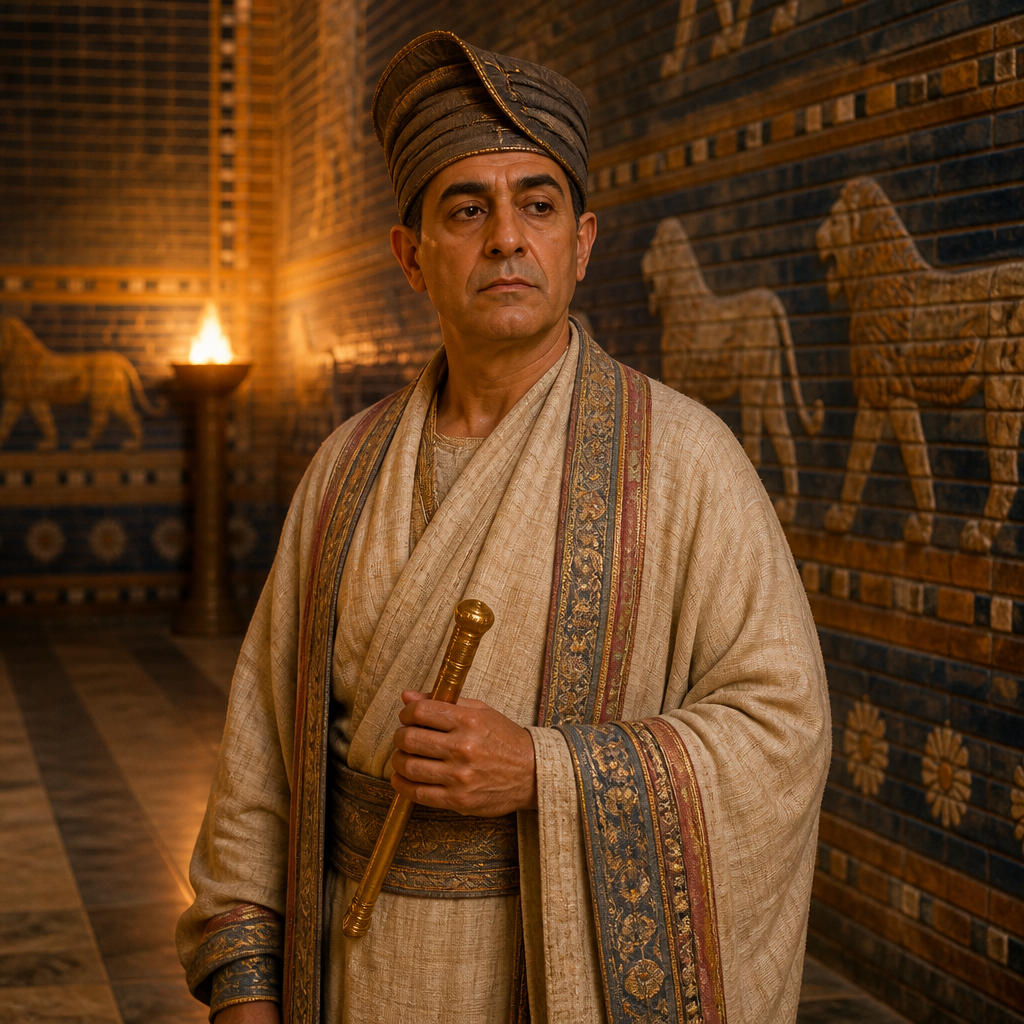
Oil-painting style portrait of Abagtha, Eunuch of King Ahasuerus who was commanded to bring Queen Vashti before the king
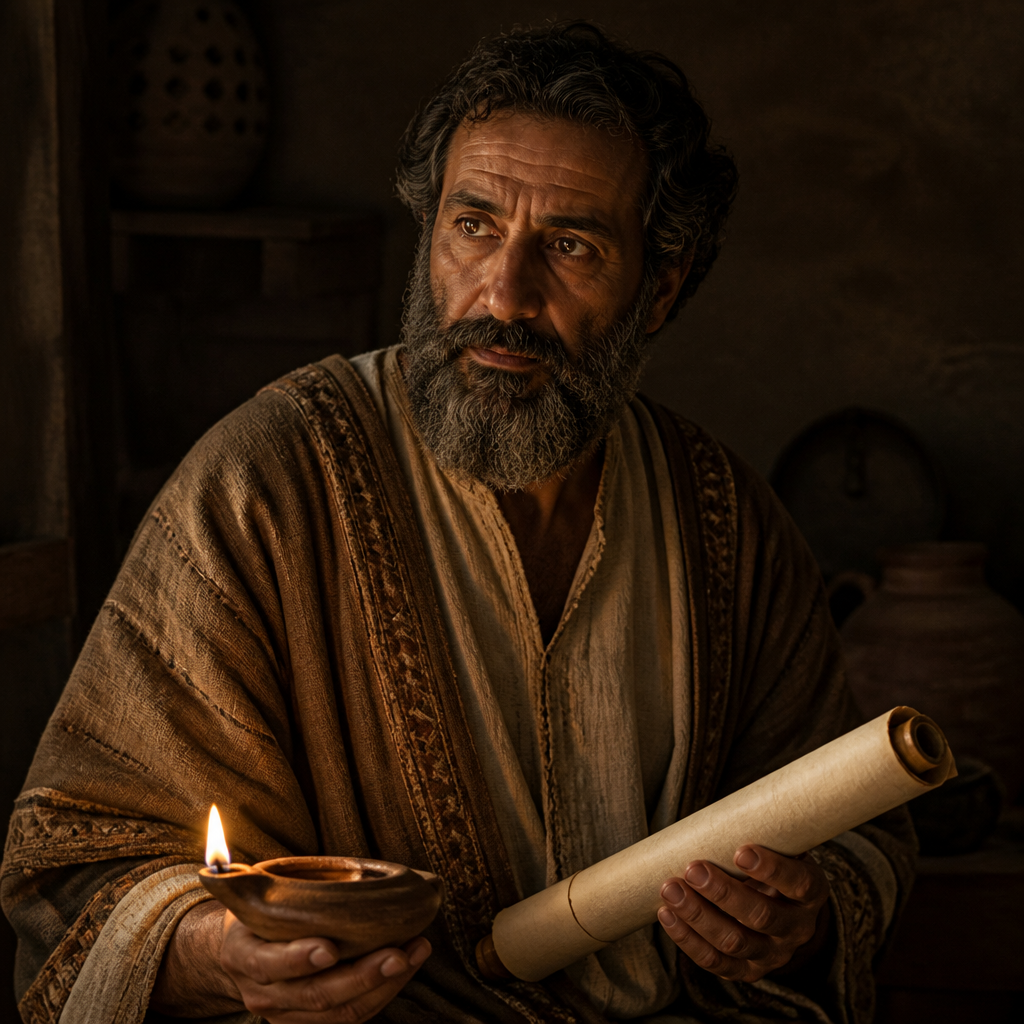
Abagtha

Eunuch of King Ahasuerus who was commanded to bring Queen Vashti before the king

Oil-painting style portrait of Abihail, Father of Esther, father of Queen Esther who died leaving her in Mordecai's care
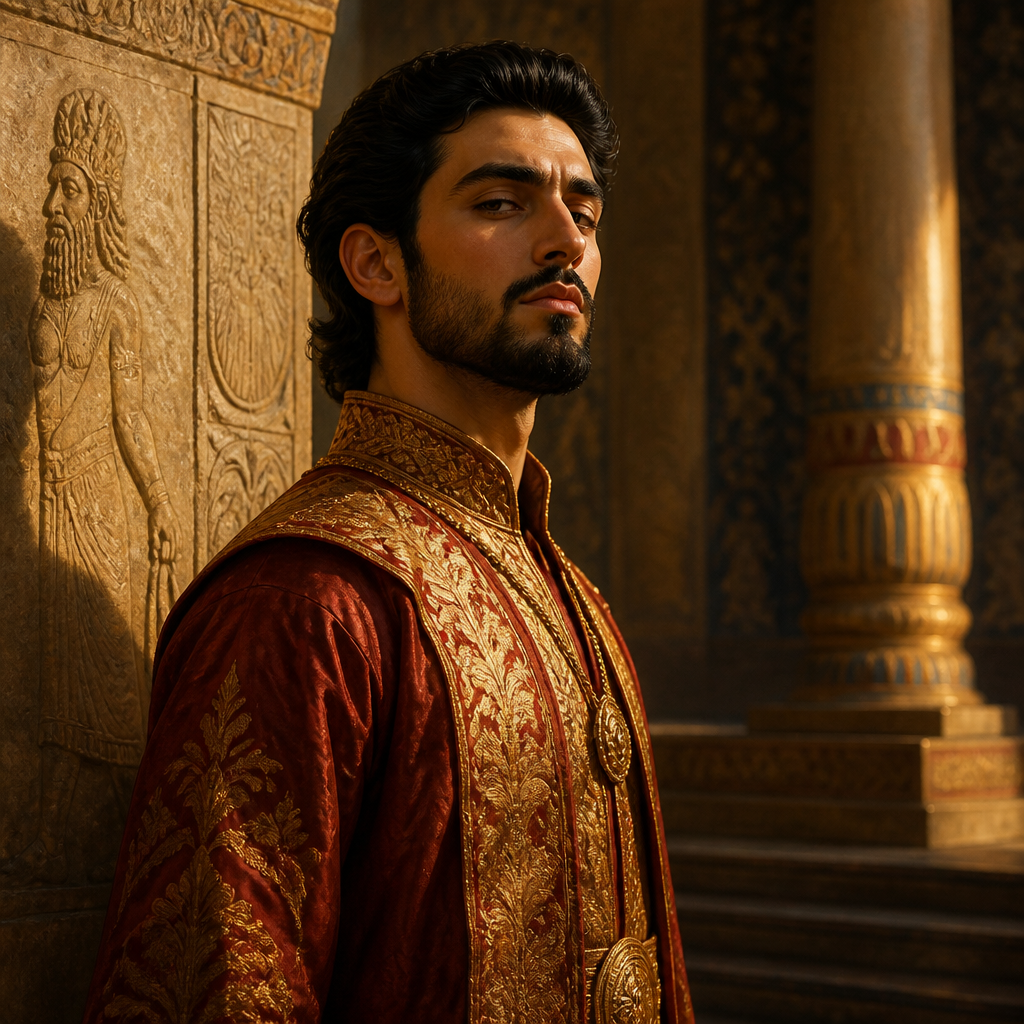
Abihail, Father of Esther

father of Queen Esther who died leaving her in Mordecai's care

Oil-painting style portrait of Adalia, Son of Haman who was killed and hanged during the Jewish defense in Shushan
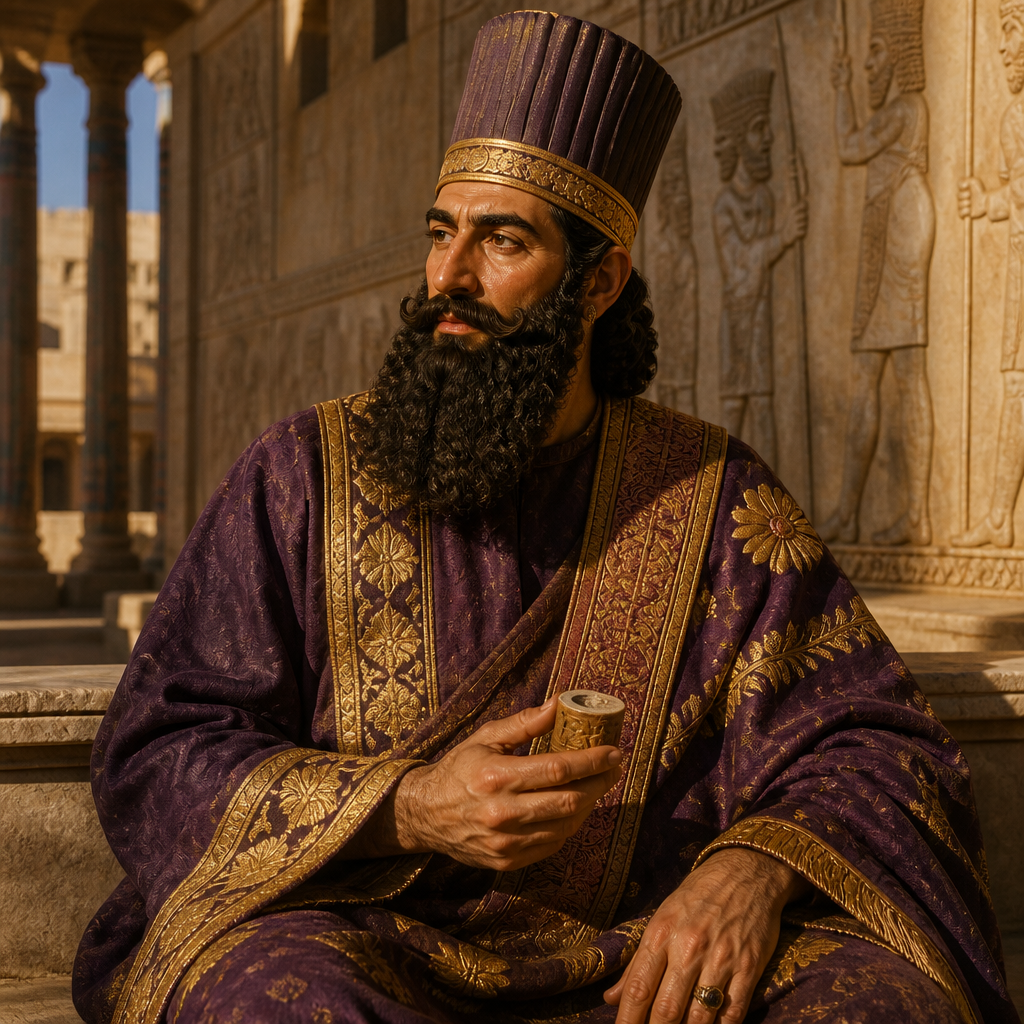
Adalia

Son of Haman who was killed and hanged during the Jewish defense in Shushan

Oil-painting style portrait of Admatha, Prince of Persia who was one of the seven high-ranking advisors to King Ahasuerus
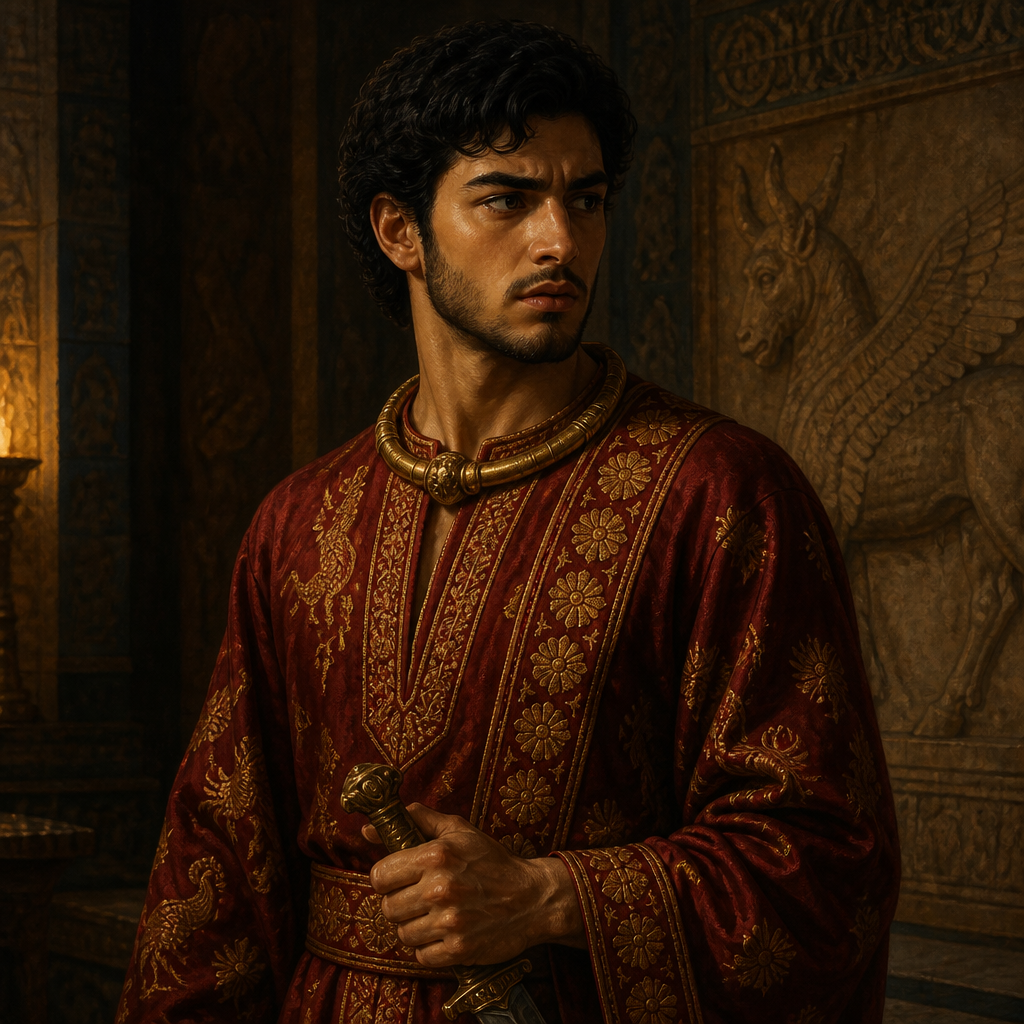
Admatha

Prince of Persia who was one of the seven high-ranking advisors to King Ahasuerus
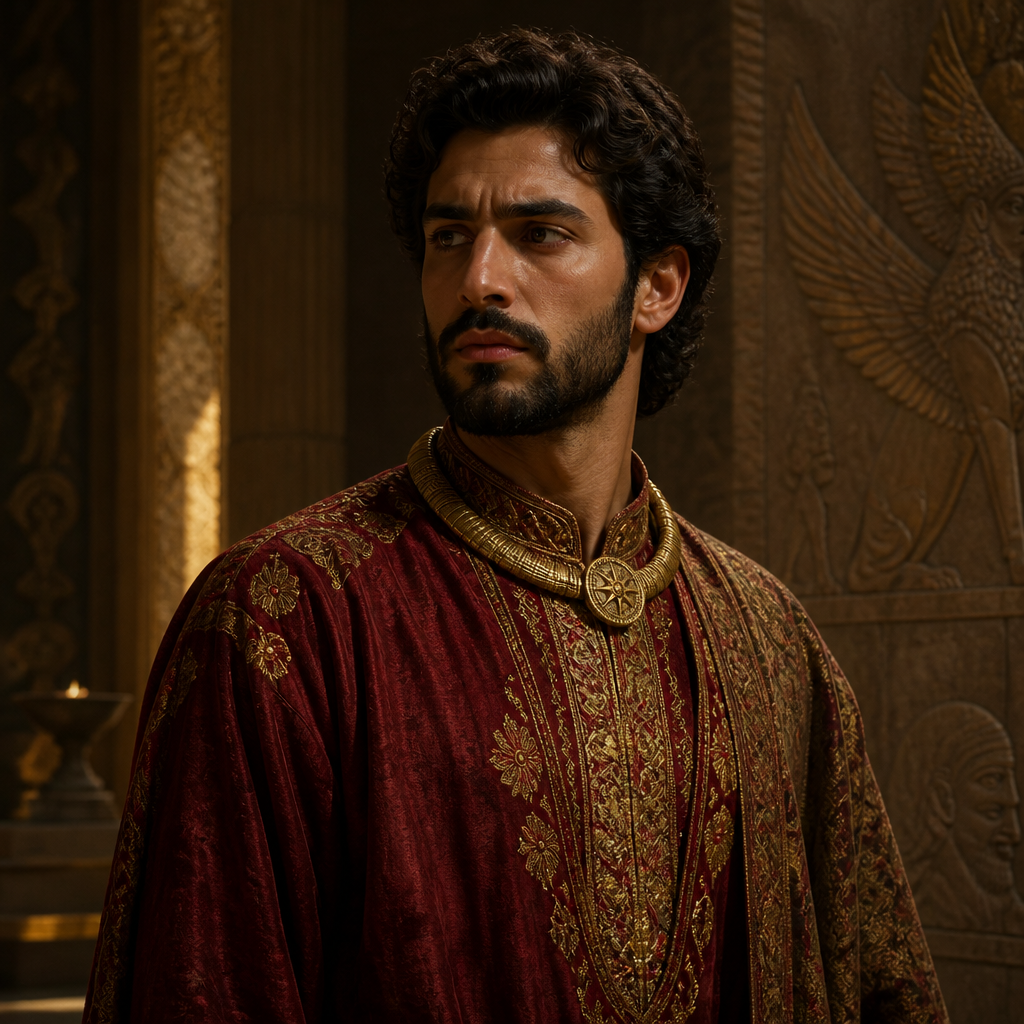
Oil-painting style portrait of Aridai, Son of Haman who was killed during the Jewish defense in Susa

Aridai

Son of Haman who was killed during the Jewish defense in Susa

Oil-painting style portrait of Aridatha, Son of Haman who was killed and hanged during the events of Purim

Aridatha

Son of Haman who was killed and hanged during the events of Purim

Oil-painting style portrait of Arisai, Son of Haman who was executed and hanged during the Jewish defense in Susa
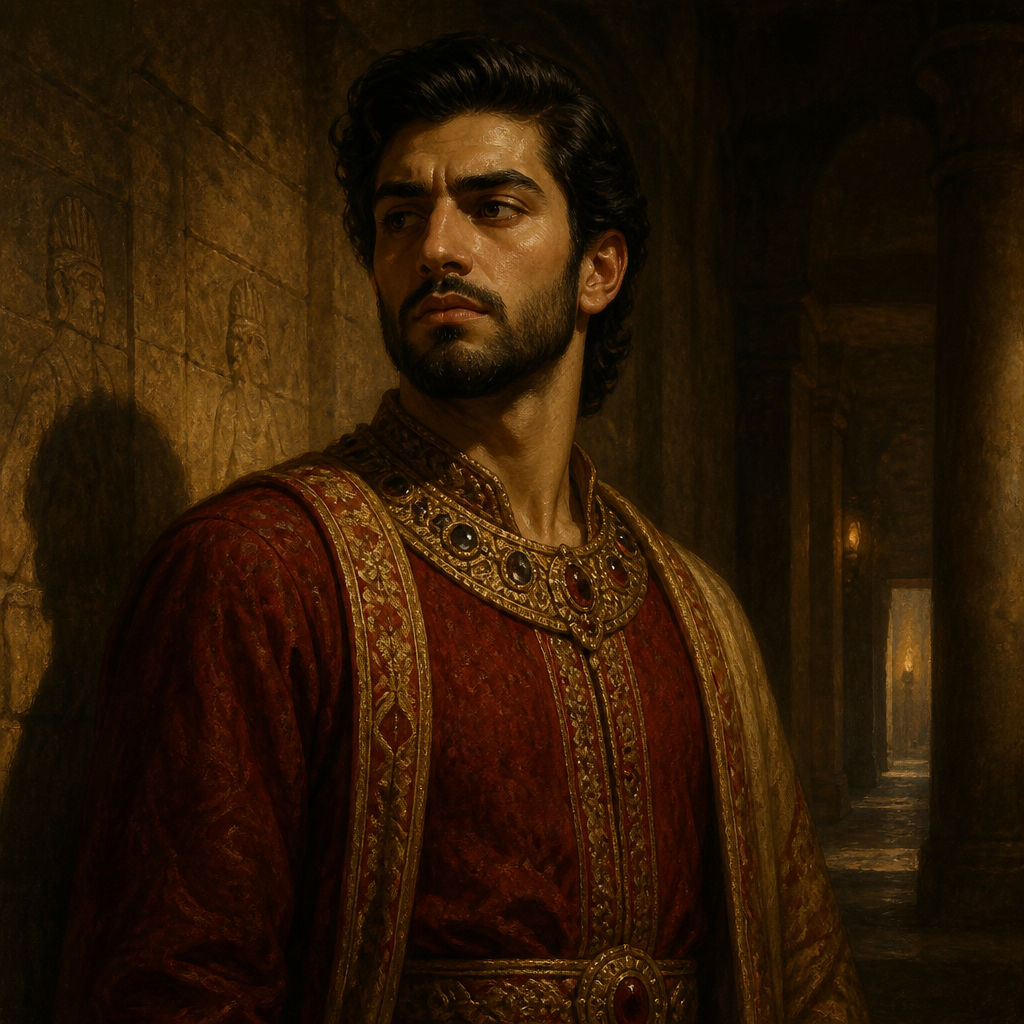
Arisai

Son of Haman who was executed and hanged during the Jewish defense in Susa
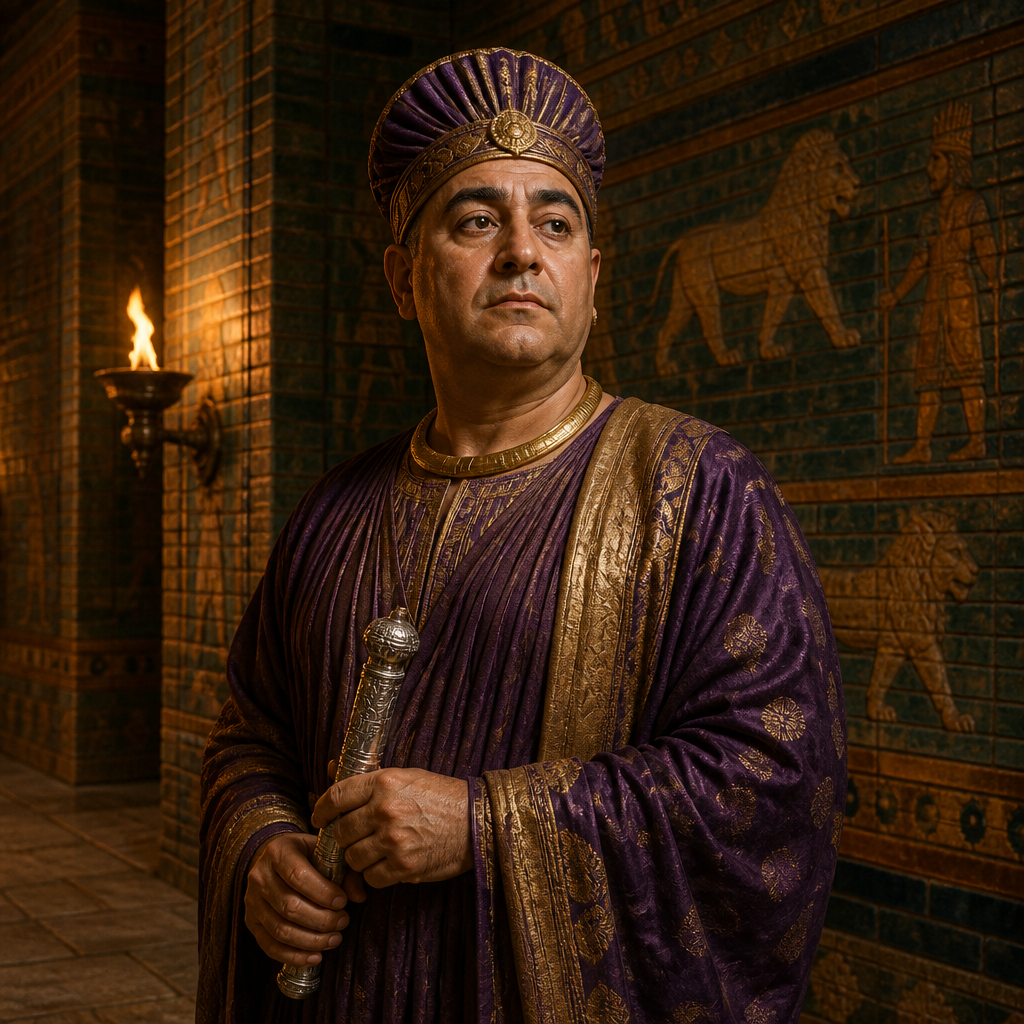
Oil-painting style portrait of Aspatha, Son of Haman who was executed and hanged on the gallows in Shushan

Aspatha

Son of Haman who was executed and hanged on the gallows in Shushan

Oil-painting style portrait of Bigtha, Eunuch of King Ahasuerus who was ordered to bring Queen Vashti to the royal banquet
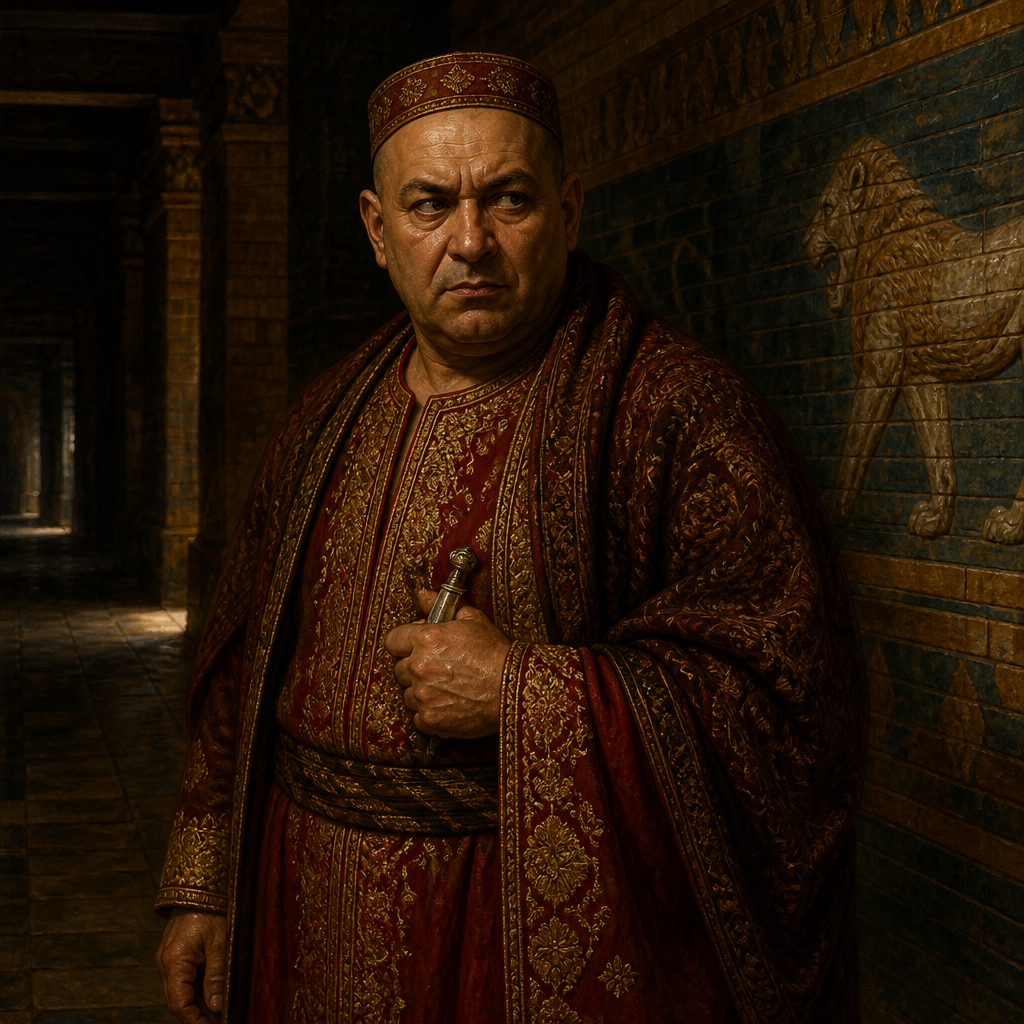
Bigtha

Eunuch of King Ahasuerus who was ordered to bring Queen Vashti to the royal banquet
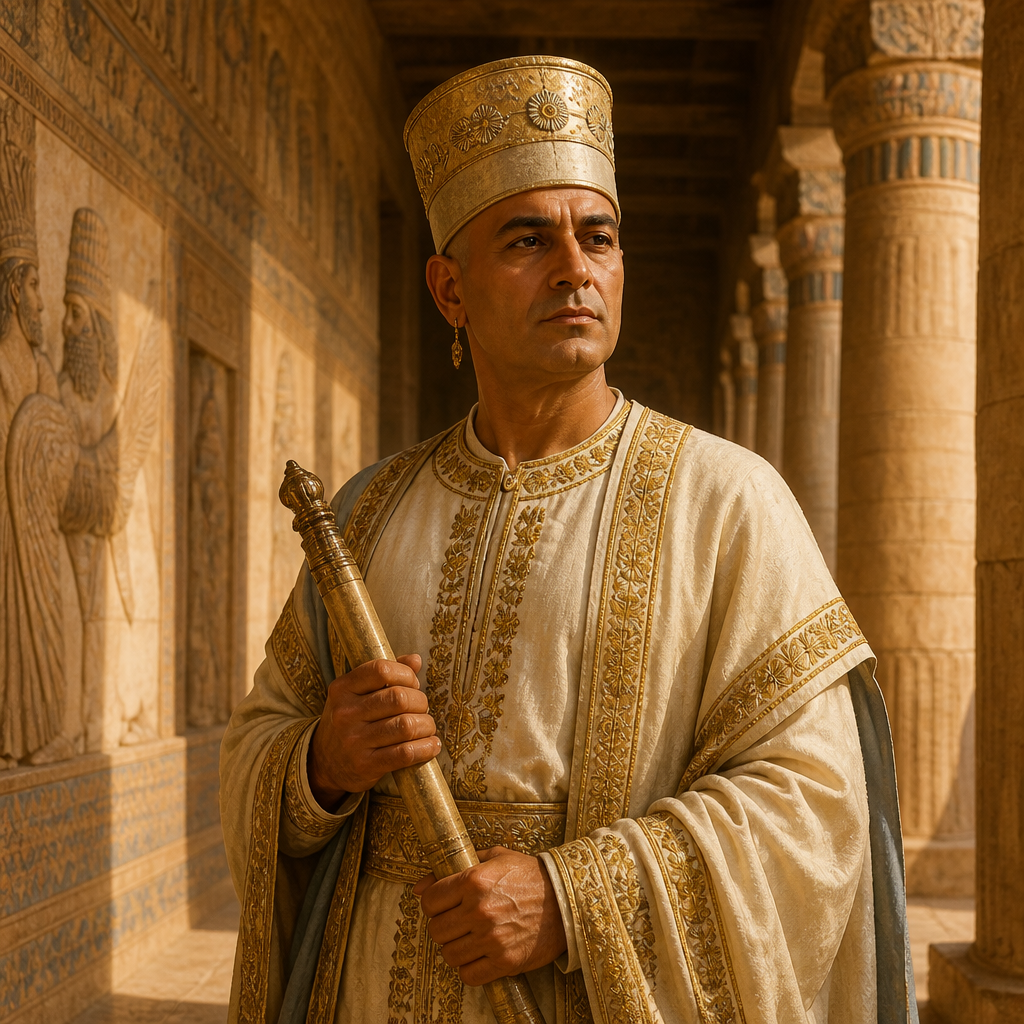
Oil-painting style portrait of Bigthan, Palace guard who conspired to assassinate King Xerxes

Bigthan

Palace guard who conspired to assassinate King Xerxes

Oil-painting style portrait of Biztha, Eunuch of King Ahasuerus who was commanded to bring Queen Vashti to the royal banquet

Biztha

Eunuch of King Ahasuerus who was commanded to bring Queen Vashti to the royal banquet
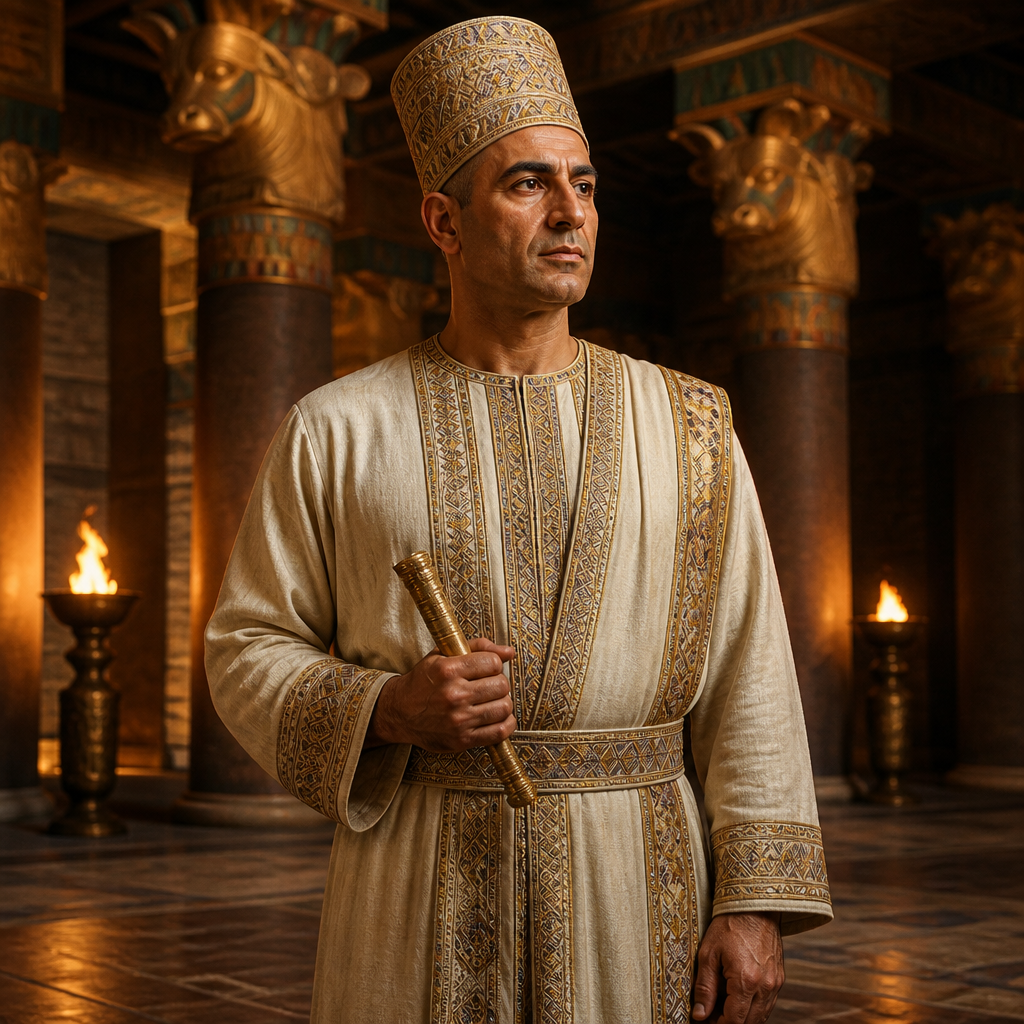
Oil-painting style portrait of Carkas, Eunuch who served King Ahasuerus during the banquet in Susa

Carkas

Eunuch who served King Ahasuerus during the banquet in Susa

Oil-painting style portrait of Carshena, Prince of Persia who served as one of the seven closest advisors to King Ahasuerus

Carshena

Prince of Persia who served as one of the seven closest advisors to King Ahasuerus

Oil-painting style portrait of Dalphon, Son of Haman who was killed during the Jewish defense in Susa

Dalphon

Son of Haman who was killed during the Jewish defense in Susa

Oil-painting style portrait of Esther, Jewish queen of Persia who saved her people from Haman's genocidal plot

Esther

Jewish queen of Persia who saved her people from Haman's genocidal plot

Oil-painting style portrait of Haman, Persian official who plotted the genocide of the Jewish people

Haman

Persian official who plotted the genocide of the Jewish people

Oil-painting style portrait of Hammedatha, Father of Haman the Agagite

Hammedatha

Father of Haman the Agagite

Oil-painting style portrait of Harbona, Eunuch of King Ahasuerus, Eunuch who pointed out Haman's gallows to King Ahasuerus

Harbona, Eunuch of King Ahasuerus

Eunuch who pointed out Haman's gallows to King Ahasuerus

Oil-painting style portrait of Hathach, Royal eunuch who served as the messenger between Esther and Mordecai

Hathach

Royal eunuch who served as the messenger between Esther and Mordecai

Oil-painting style portrait of Hegai, Royal official who showed favor to Esther and prepared her to meet King Ahasuerus

Hegai

Royal official who showed favor to Esther and prepared her to meet King Ahasuerus

Oil-painting style portrait of Jair, Father of Mordecai, father of Mordecai and ancestor of Queen Esther in the Book of Esther

Jair, Father of Mordecai

father of Mordecai and uncle of Queen Esther in the Book of Esther

Oil-painting style portrait of Kish, Great-grandfather of Mordecai, Benjamite ancestor of Mordecai listed in the genealogy of Esther

Kish, Great-grandfather of Mordecai

Benjamite ancestor of Mordecai listed in the genealogy of Esther

Oil-painting style portrait of Marsena, Prince of Persia and one of the seven advisors to King Ahasuerus

Marsena

Prince of Persia and one of the seven advisors to King Ahasuerus

Oil-painting style portrait of Mehuman, Eunuch of King Ahasuerus who was commanded to bring Queen Vashti to the royal banquet
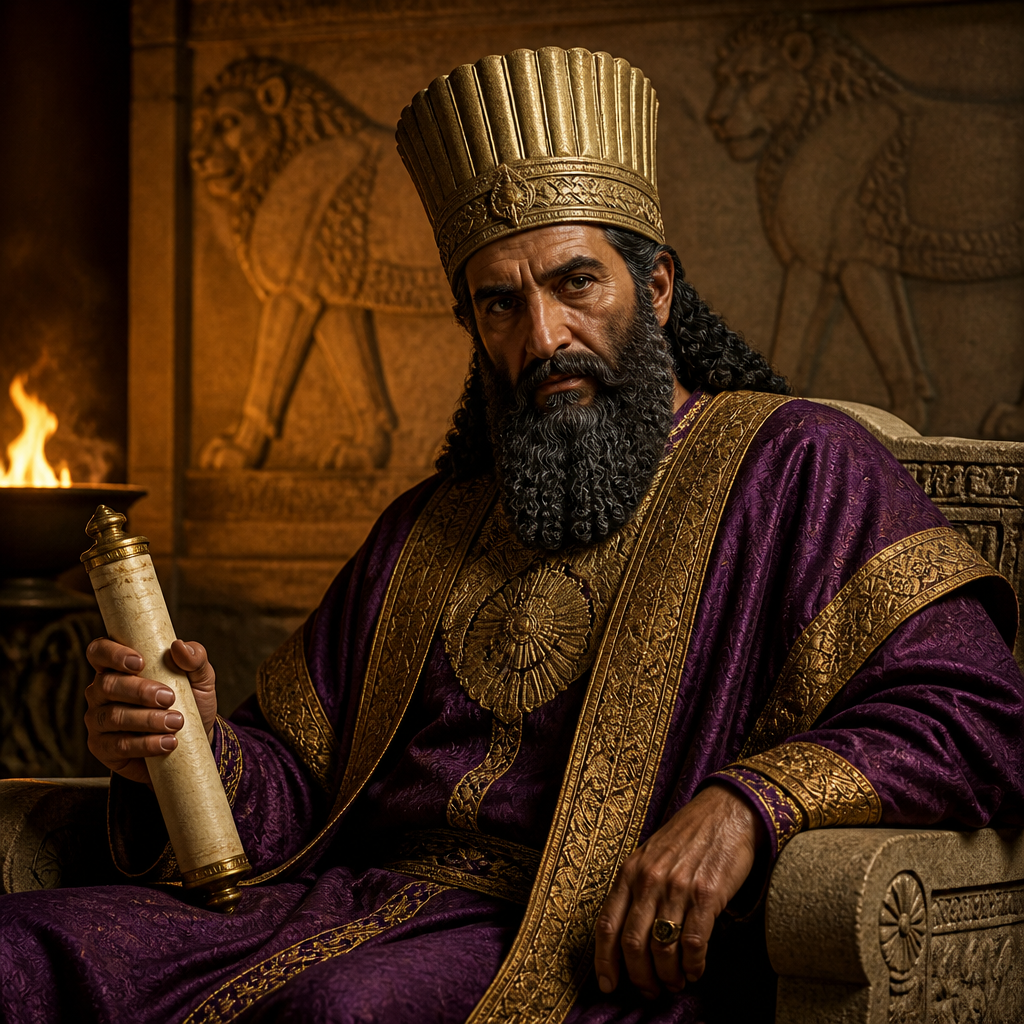
Mehuman

Eunuch of King Ahasuerus who was commanded to bring Queen Vashti to the royal banquet
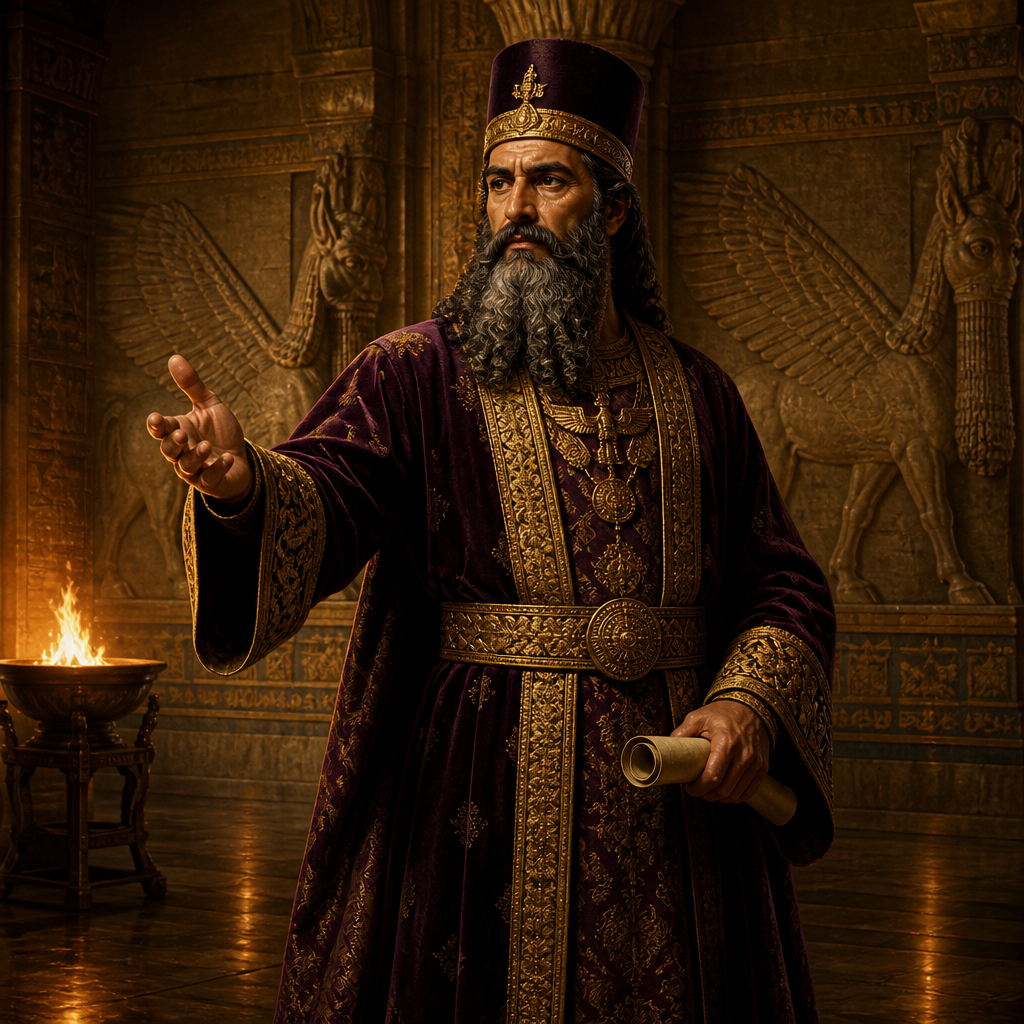
Oil-painting style portrait of Memucan, Prince of Persia whose counsel led to the deposition of Queen Vashti
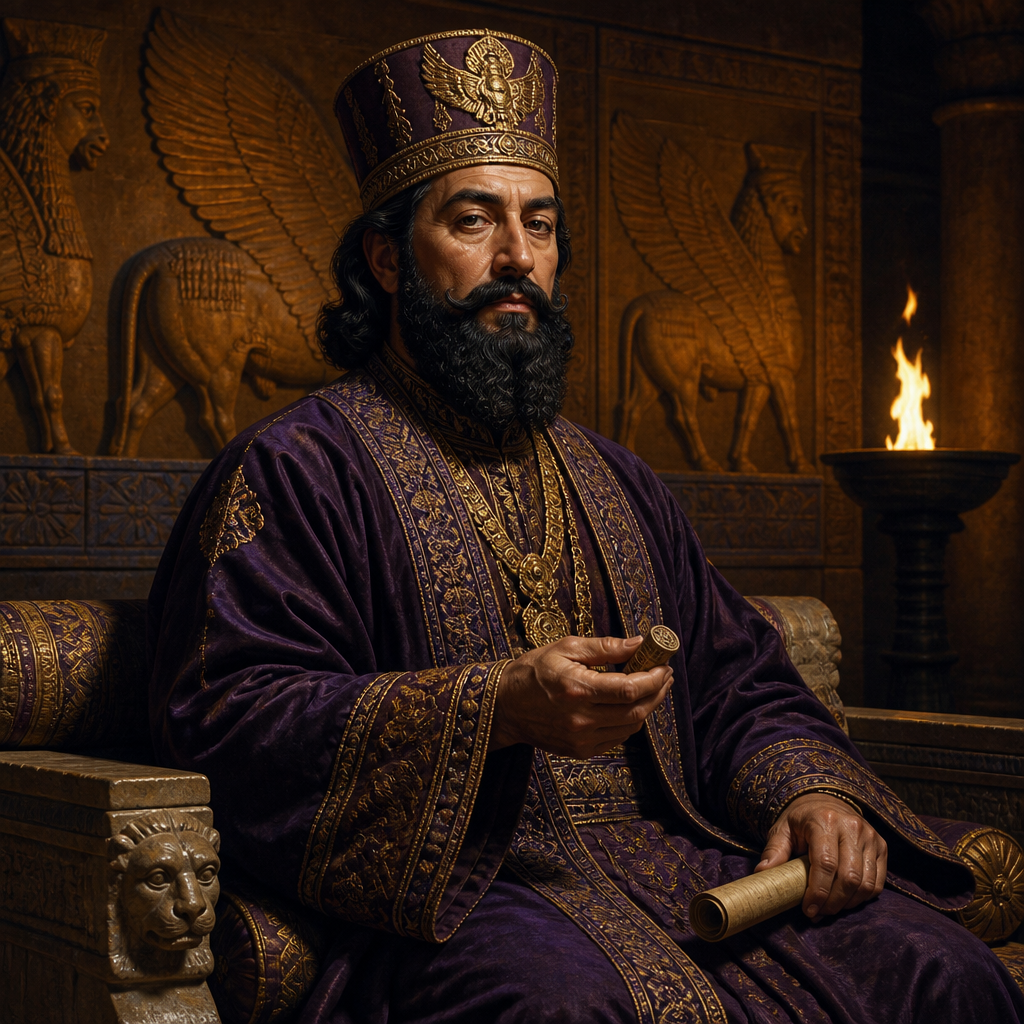
Memucan

Prince of Persia whose counsel led to the deposition of Queen Vashti

Oil-painting style portrait of Meres, Prince of Persia who served as one of the seven advisors to King Ahasuerus
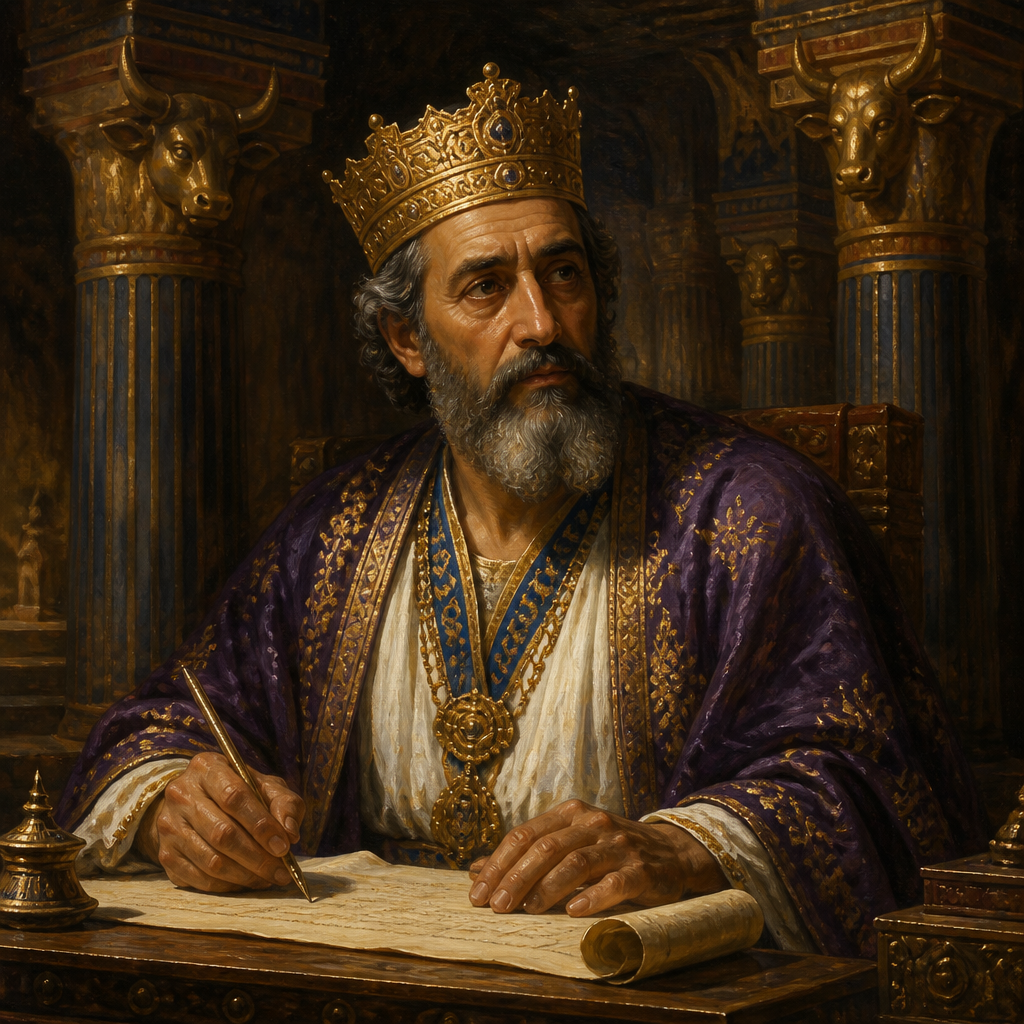
Meres

Prince of Persia who served as one of the seven advisors to King Ahasuerus

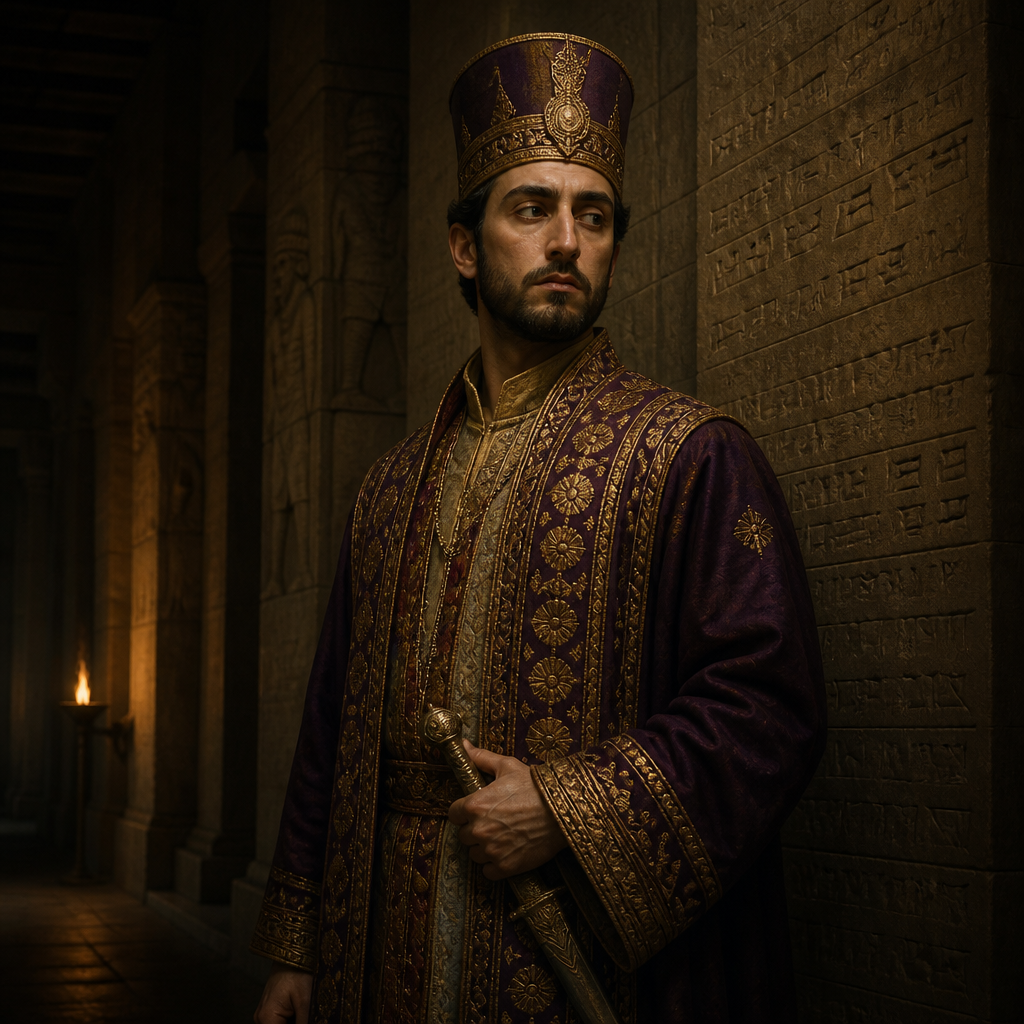
Oil-painting style portrait of Mordecai, Cousin of Queen Esther, Jewish statesman who saved King Xerxes and rescued the Jews from Haman's plot

Mordecai, Cousin of Queen Esther

Jewish statesman who saved King Xerxes and rescued the Jews from Haman's plot
Oil-painting style portrait of Parmashta, Son of Haman who was killed and hanged during the Jewish defense in Susa
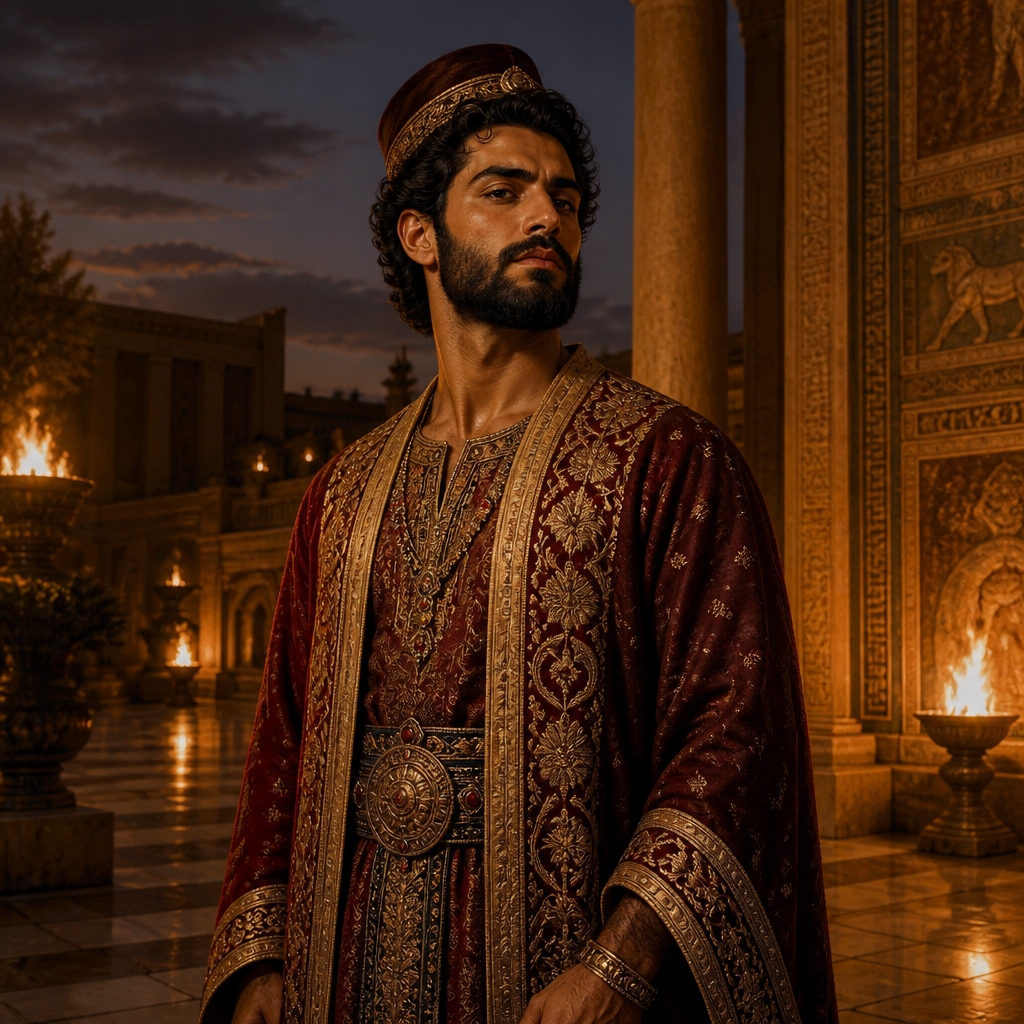
Parmashta

Son of Haman who was killed and hanged during the Jewish defense in Susa
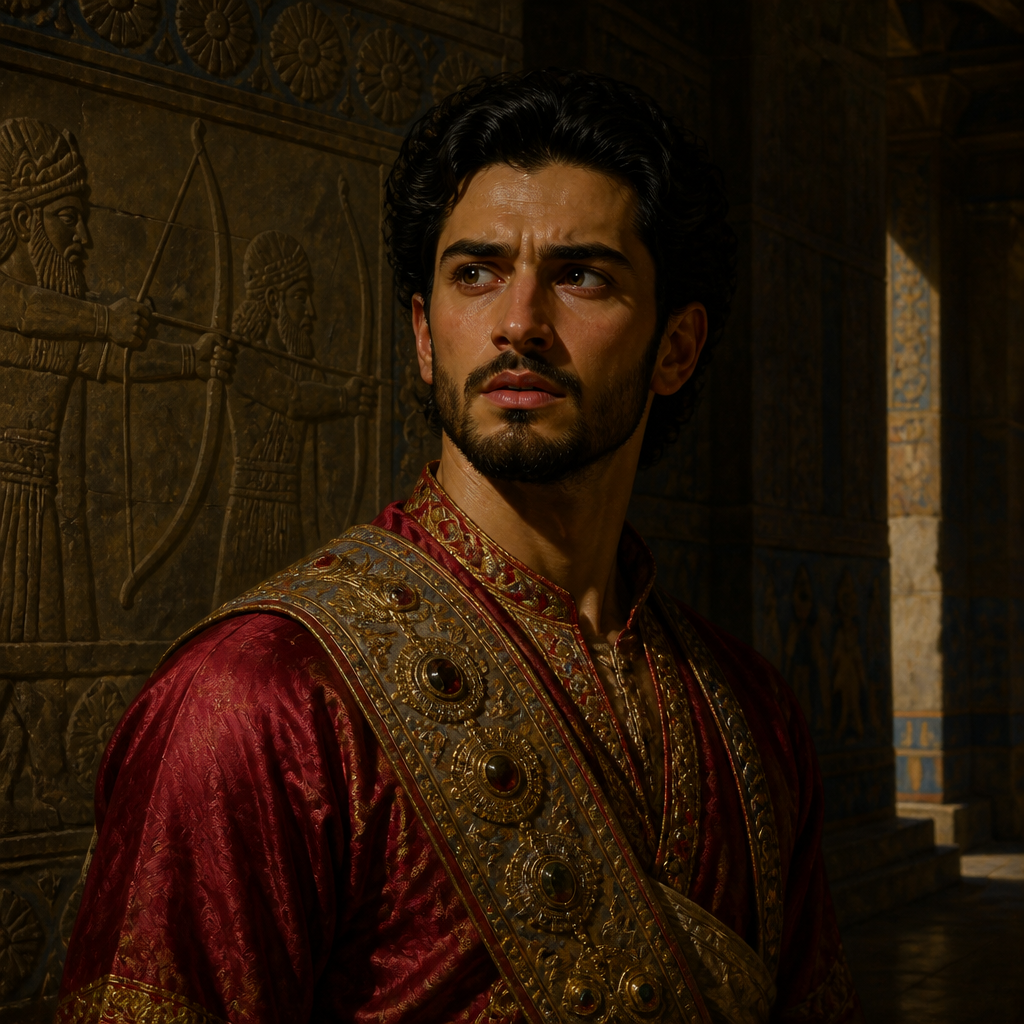
Oil-painting style portrait of Parshandatha, Eldest son of Haman who was executed in Susa

Parshandatha

Eldest son of Haman who was executed in Susa

Oil-painting style portrait of Poratha, son of Haman who was killed and hanged during the Jewish defense in Susa

Poratha

son of Haman who was killed and hanged during the Jewish defense in Susa
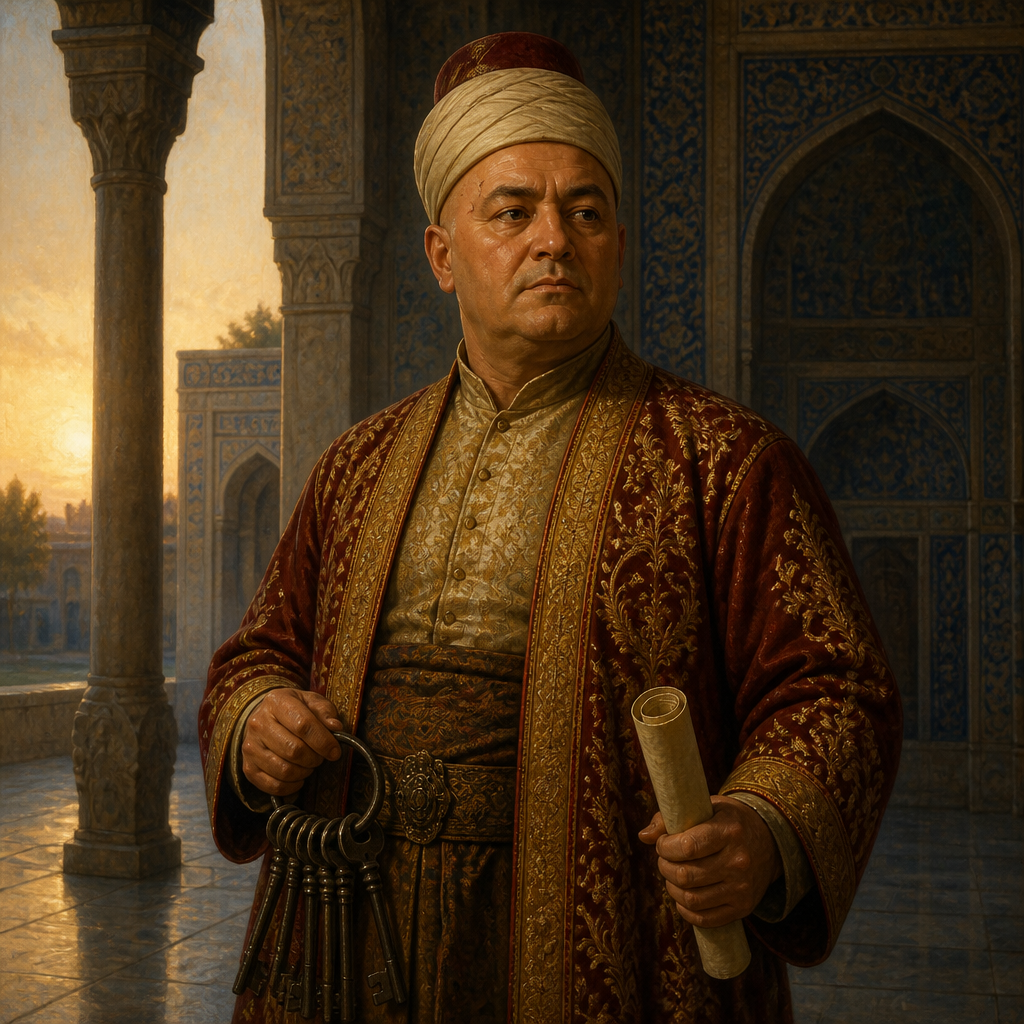
Oil-painting style portrait of Shaashgaz, Persian eunuch who had charge over the second harem in the Book of Esther
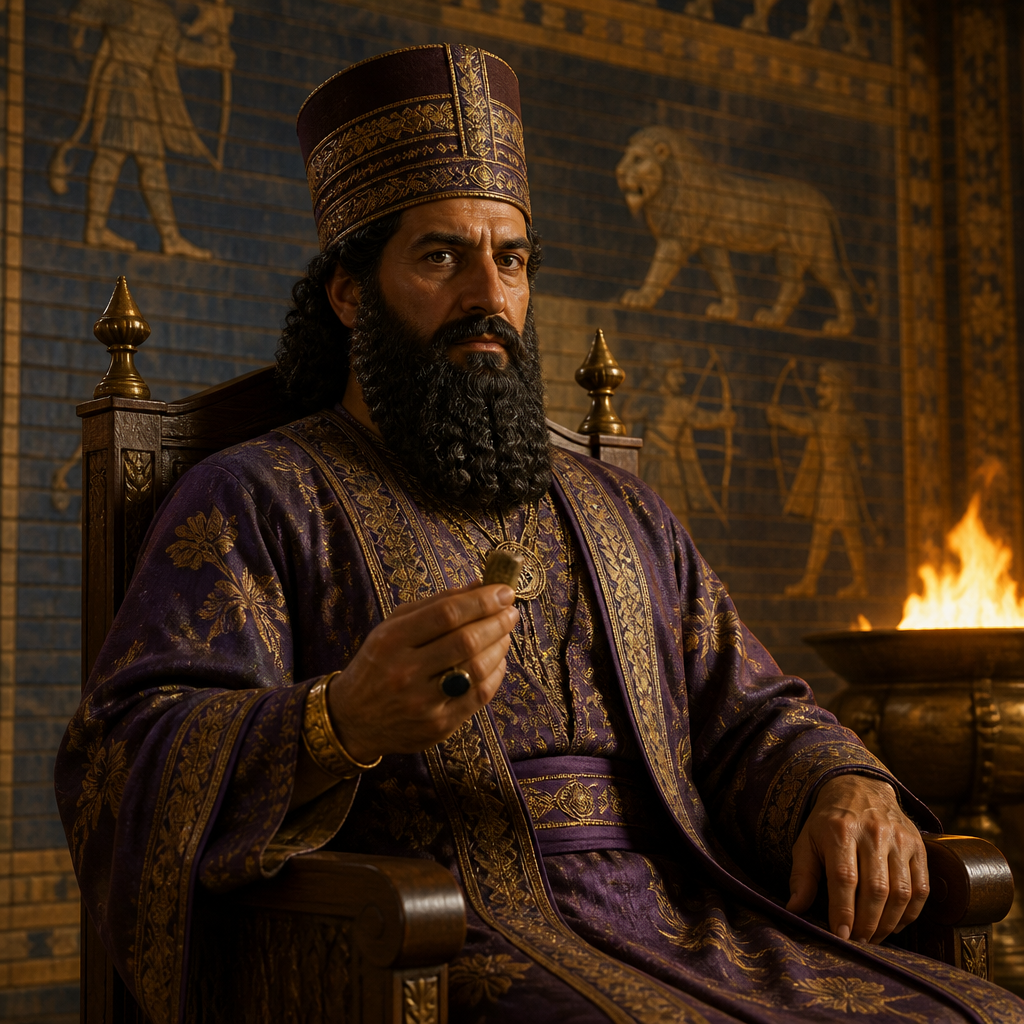
Shaashgaz

Persian eunuch who had charge over the second harem in the Book of Esther

Oil-painting style portrait of Shethar, Prince of Persia who was one of the seven advisors to King Ahasuerus
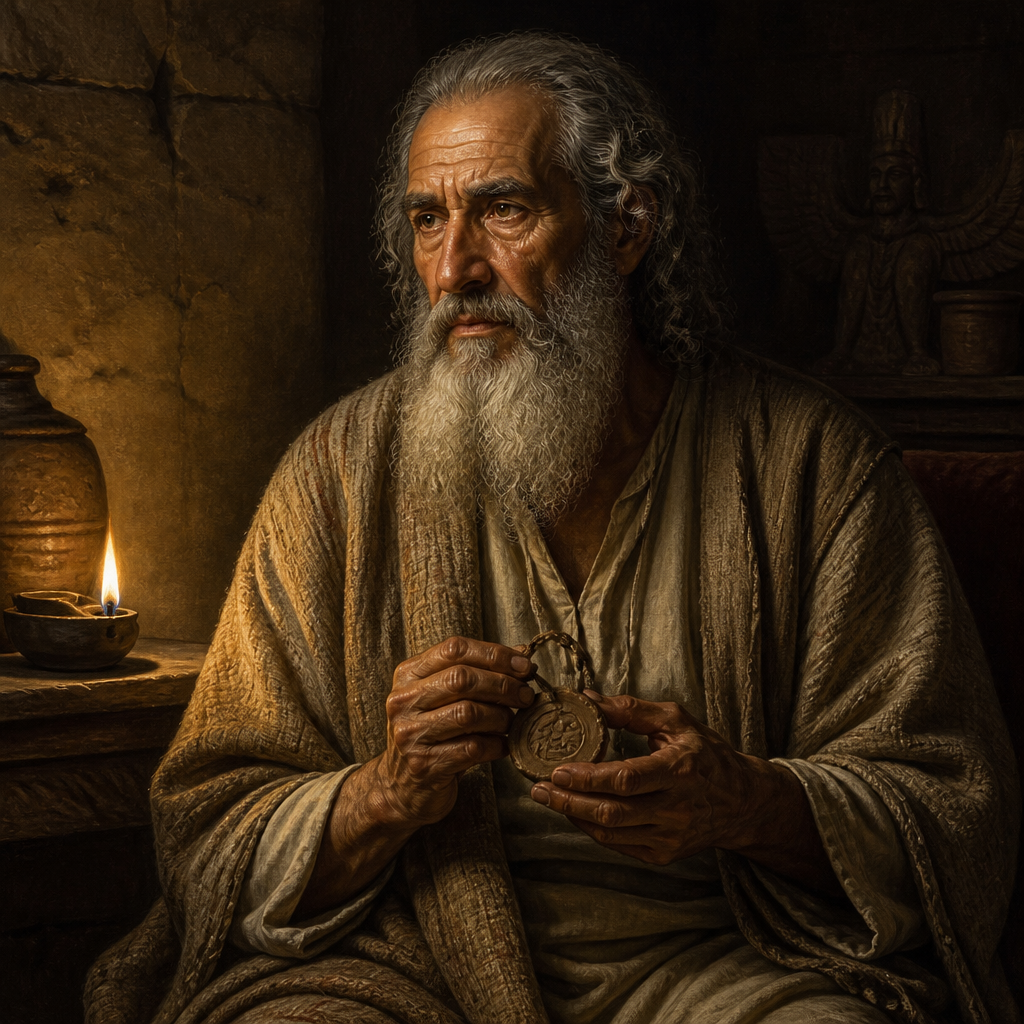
Shethar

Prince of Persia who was one of the seven advisors to King Ahasuerus

Oil-painting style portrait of Shimei, Great-grandfather of Mordecai, Grandfather of Mordecai and son of Kish mentioned in the Book of Esther

Shimei, Great-grandfather of Mordecai

Grandfather of Mordecai and son of Kish mentioned in the Book of Esther
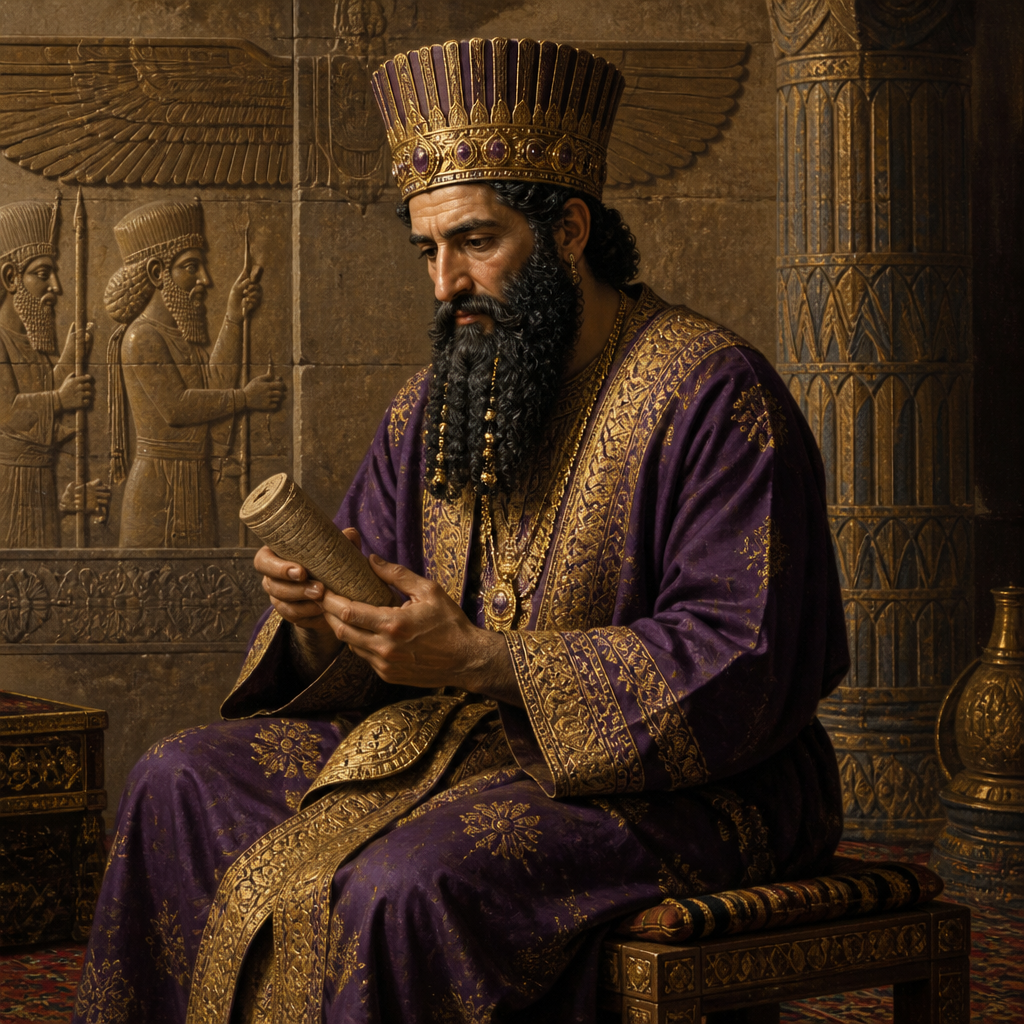
Oil-painting style portrait of Tarshish, Prince of Persia, Prince of Persia who served as one of the seven high advisors to King Ahasuerus

Tarshish, Prince of Persia

Prince of Persia who served as one of the seven high advisors to King Ahasuerus
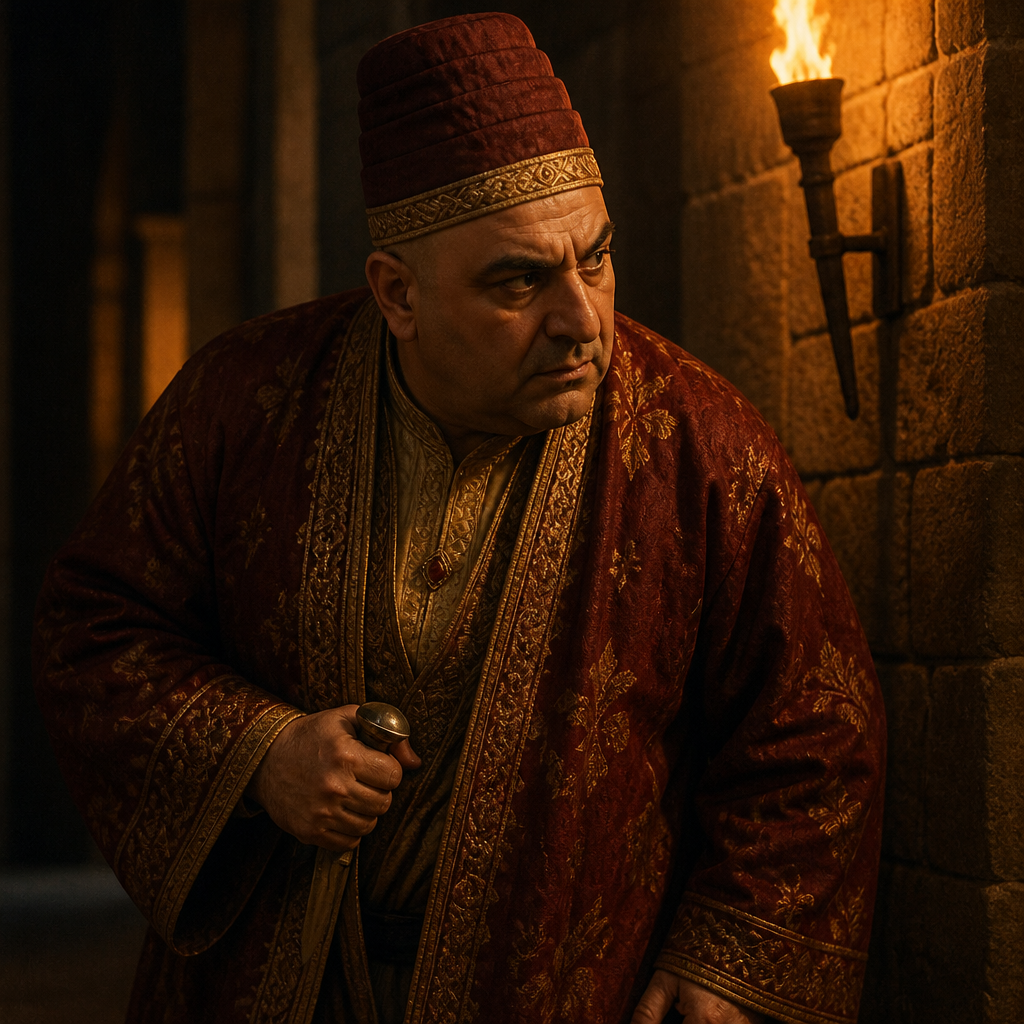
Oil-painting style portrait of Teresh, Palace official who conspired to assassinate King Xerxes

Teresh

Palace official who conspired to assassinate King Xerxes

Oil-painting style portrait of Vaizatha, Son of Haman who was executed and hanged during the events of Purim
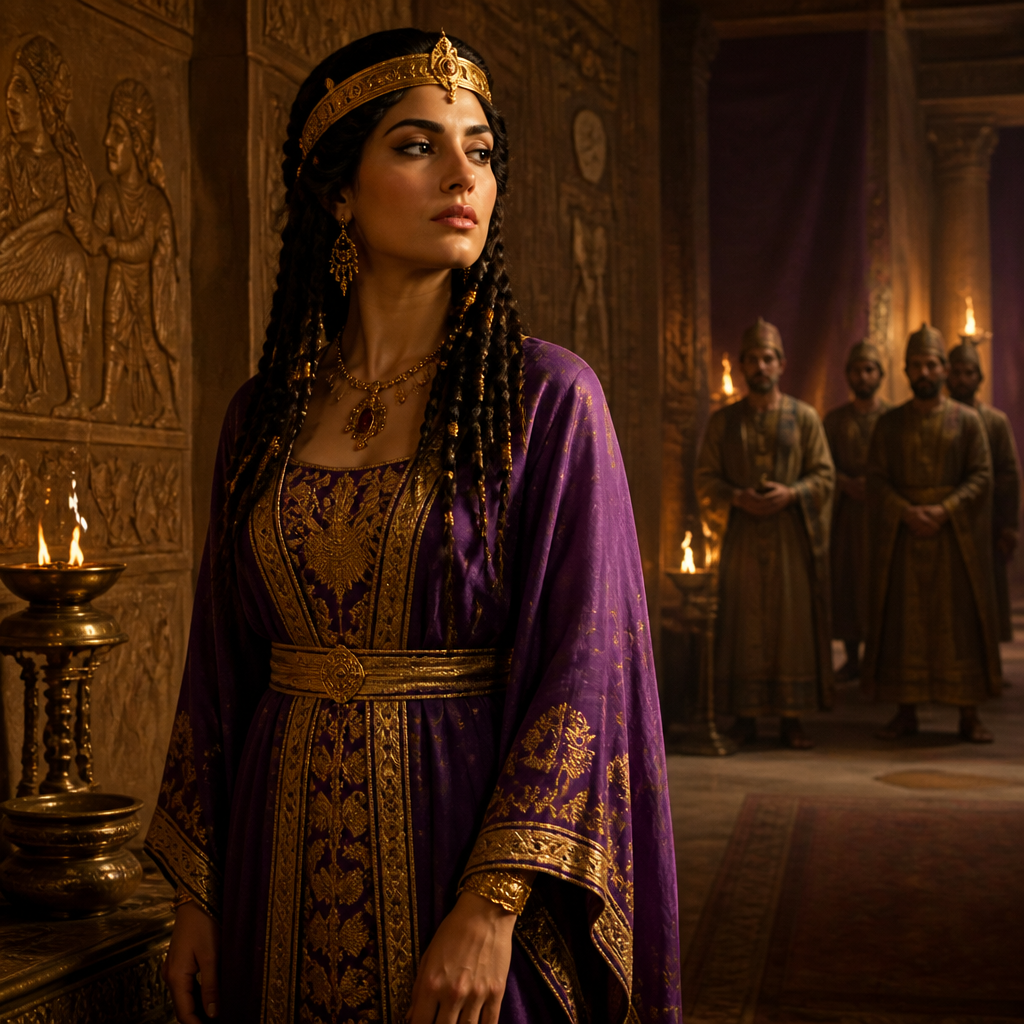
Vaizatha

Son of Haman who was executed and hanged during the events of Purim
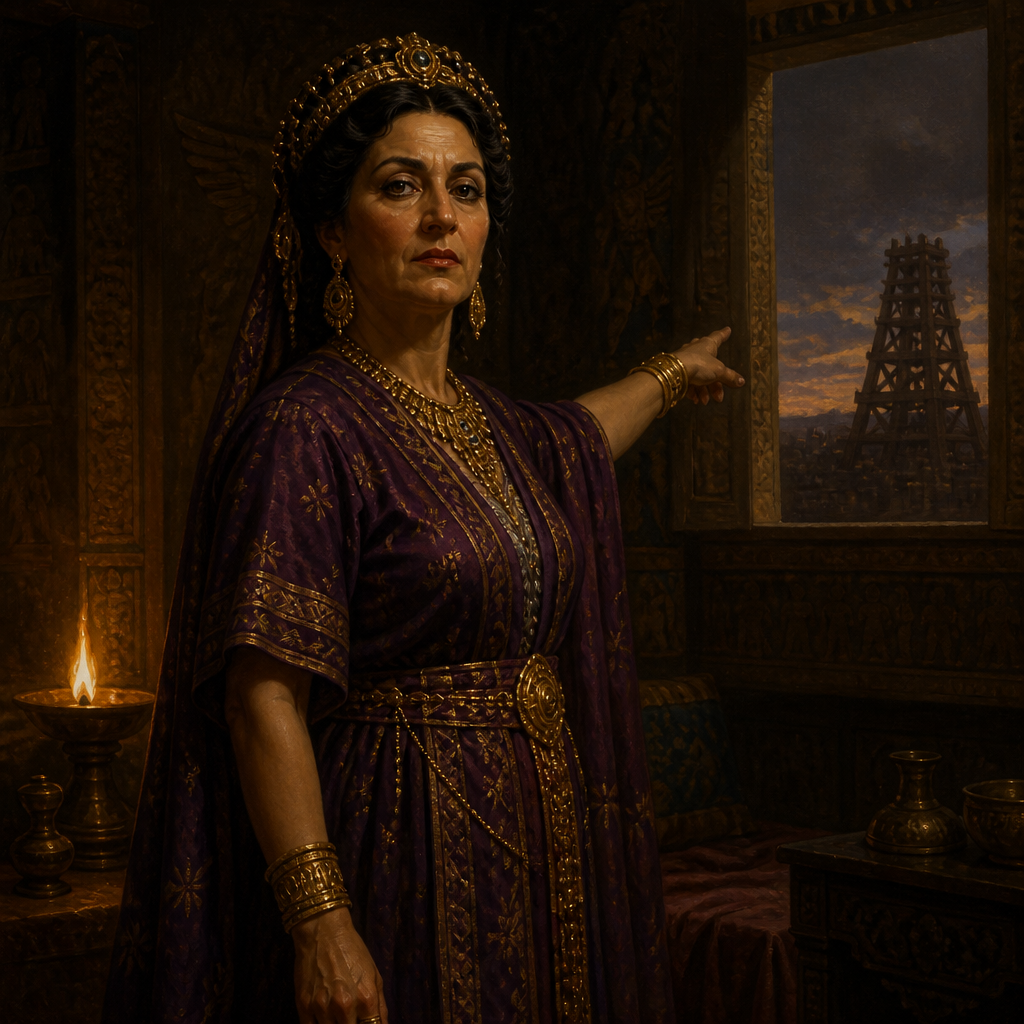
Oil-painting style portrait of Vashti, Queen of Persia who was deposed for refusing to obey King Ahasuerus

Vashti

Queen of Persia who was deposed for refusing to obey King Ahasuerus

Oil-painting style portrait of Zeresh, Wife of Haman who advised building the gallows for Mordecai

Zeresh

Wife of Haman who advised building the gallows for Mordecai

Oil-painting style portrait of Zethar, Eunuch of King Ahasuerus who was commanded to summon Queen Vashti

Zethar

Eunuch of King Ahasuerus who was commanded to summon Queen Vashti

Related lists