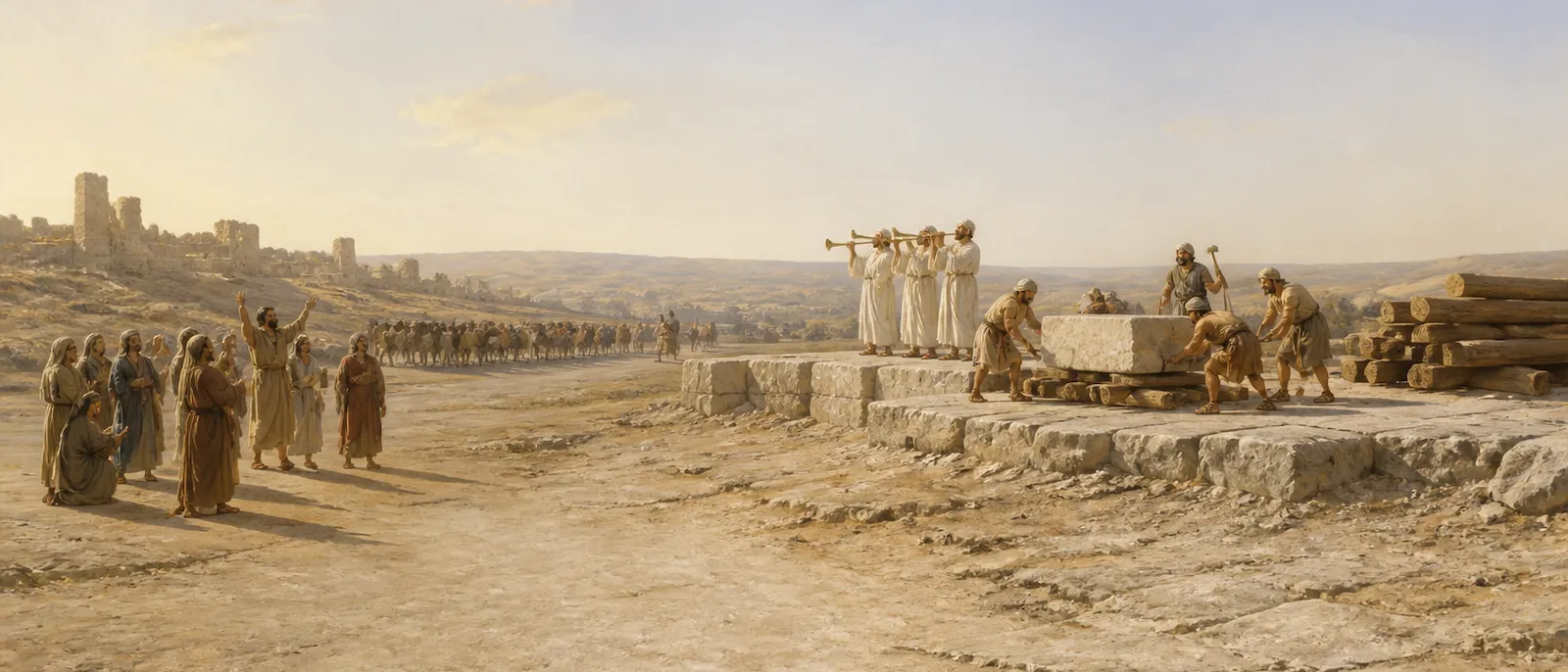
What the passage records
Esther 6-9During a night when King Xerxes could not sleep, he ordered the book of records to be read, which revealed that Mordecai had previously exposed an assassination plot. The text does not say why the king had not rewarded him earlier. When Haman entered the court to request Mordecai’s execution, Xerxes instead commanded Haman to publicly honor Mordecai with a royal robe and horse (Esther 6:10-11). Following this, Esther hosted a second banquet for the king and Haman. At this gathering, she identified Haman as the adversary who sought to destroy her people. Upon hearing this, the king ordered Haman to be hanged on the fifty-cubit gallows Haman had prepared for Mordecai (Esther 7:9-10).
Because the previous decree against the Jews could not be revoked according to the laws of the Persians and Medes, Xerxes granted Esther and Mordecai the authority to issue a new decree in the king's name. This edict permitted the Jews in every city to assemble and defend their lives against any armed force that might attack them. Mordecai departed from the king's presence in royal blue and white apparel with a great crown of gold, and the city of Susa shouted and was glad (Esther 8:15). On the thirteenth day of the month of Adar, the day the initial decree was to take effect, the Jews gathered in their cities throughout the provinces of King Xerxes to lay hands on those who sought their harm.
In Susa, the Jews killed five hundred men, including the ten sons of Haman, though the text states they did not lay hands on the plunder. At Esther’s request, the king allowed the Jews in Susa to continue their defense for a second day. Throughout the provinces, seventy-five thousand of those who hated the Jews were killed (Esther 9:16). The Jews then rested on the fourteenth and fifteenth days of Adar, making them days of feasting and gladness. Mordecai recorded these events and sent letters to all Jews near and far to establish these days as an annual celebration known as Purim, named after 'Pur,' which means the lot (Esther 9:24-26).
Who was there
16 people from Esther 6-9 are listed here.
 EstherQueen of Persia
 MordecaiRoyal official
 HamanGrand Vizier of the Persian Empire
 XerxesKing of Persia
 AdaliaSon of Haman
 AridaiSon of a Persian official
 Aridatha
 ArisaiSon of a Persian official
 AspathaPrince of the Agagites
 DalphonSon of a Persian official
 Harbona, Eunuch of King AhasuerusRoyal Eunuch
 ParmashtaPersian Nobleman
 ParshandathaSon of a High Official
 Poratha
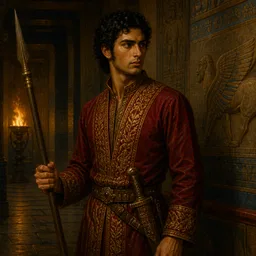 VaizathaPersian Noble
 ZereshNoblewoman