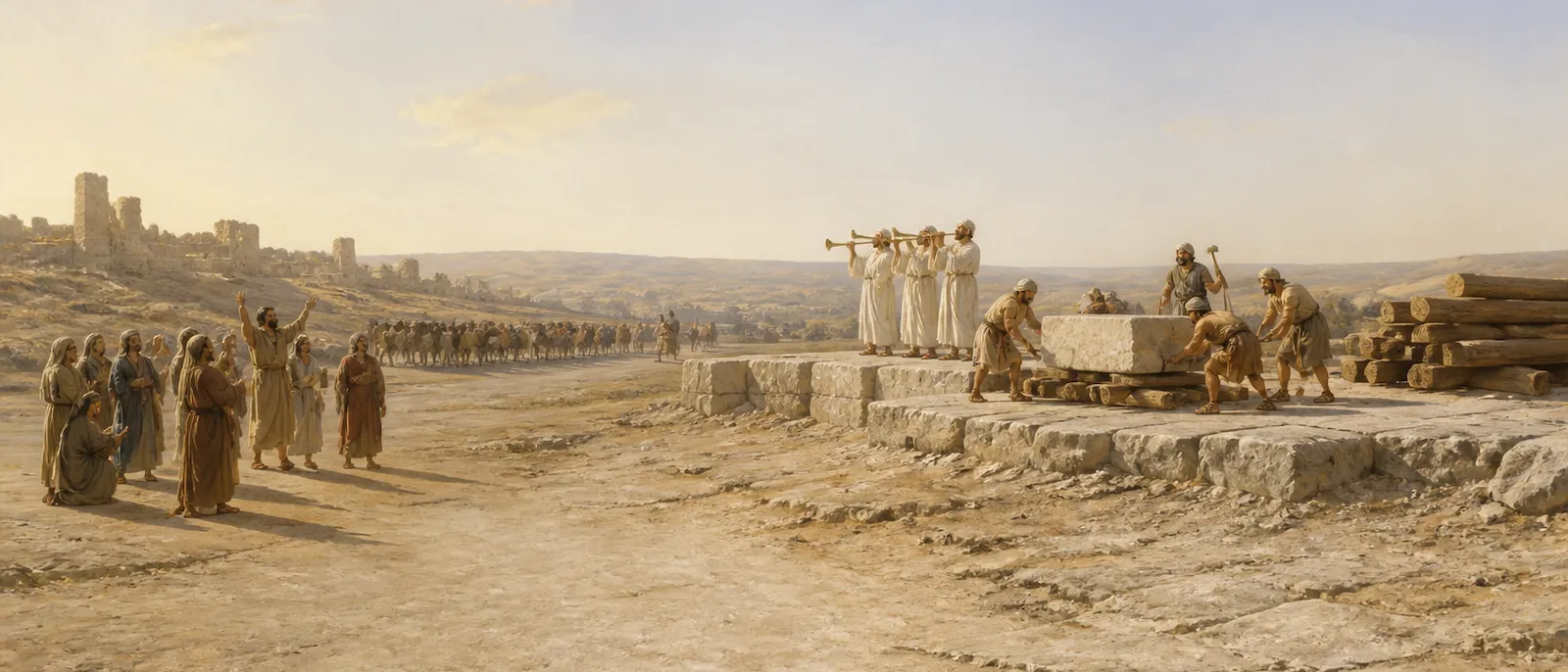
Ezra's Return and Reform
Ezra leads a group of exiles to Jerusalem under royal decree to teach the law and address the issue of intermarriage between the Israelites and the surrounding peoples.
- Ezra 7-10
- Jerusalem
- 157 named participants
What the passage records
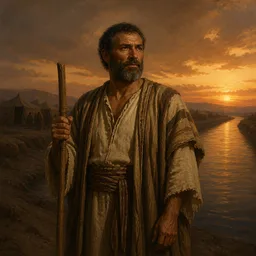
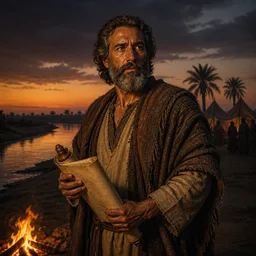
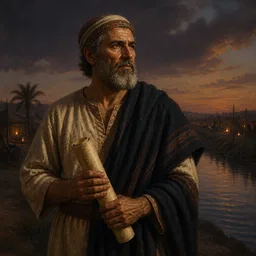
Ezra 7-10Ezra, a scribe skilled in the Law of Moses, traveled from Babylon to Jerusalem during the seventh year of King Artaxerxes. The king issued a decree granting Ezra silver, gold, and vessels for the house of God, as well as the authority to appoint magistrates and judges (Ezra 7:21-25). Ezra gathered the heads of the households at the river that runs to Ahava, where he proclaimed a fast to seek a straight way from God for the journey. The group departed on the twelfth day of the first month and arrived in Jerusalem, where they delivered the king's commissions to the royal satraps and governors (Ezra 8:31-36).
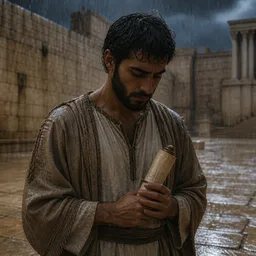
Upon arrival, officials approached Ezra to report that the people of Israel, including priests and Levites, had not separated themselves from the neighboring peoples but had taken their daughters as wives (Ezra 9:1-2). In response, Ezra rent his garment and mantle, pulled hair from his head and beard, and sat appalled until the evening sacrifice. He then fell on his knees and spread out his hands to the Lord, confessing the guilt of the people and their history of trespass (Ezra 9:5-15). While he prayed and wept, a very large assembly of men, women, and children gathered around him.
Shecaniah son of Jehiel addressed Ezra, acknowledging that the people had broken faith with God by marrying foreign women. He proposed that they make a covenant with God to put away all these wives and their children according to the counsel of Ezra and those who trembled at the commandment (Ezra 10:2-3). Ezra then rose and made the leading priests, the Levites, and all Israel take an oath to do as had been said. A proclamation was issued throughout Judah and Jerusalem for all the returned exiles to assemble within three days (Ezra 10:7-8). The text does not say how many children were put away, but it records that a commission was appointed to examine the matter, completing their work by the first day of the first month.
Outcome
The people entered into a covenant to separate from their foreign wives, and a list of those who had married foreign women was compiled (Ezra 10:18-44).
Who was there
157 people from Ezra 7-10 are listed here.
 EzraPriest and Scribe
 ArtaxerxesKing of Persia
 ShecaniahRepresentative
 Abdi, Exile of the Line of Elam
 Adaiah, Contemporary of Nathan and ShelemiahHouseholder
 Adaiah, Descendant of Bani
 Adna, Son of Pahath-moab
 Amariah, Returnee in Ezra 10
 Amram, Descendant of Bani
 Ariel, Leader of the Post-Exilic ReturnJewish Leader
 AthlaiExile returnee
 Azarel, Returnee under Ezra
 AzizaReturning exile
 BedeiahLayperson
 Benaiah, Descendant of BaniReturning Exile
 Benaiah, Descendant of Nebo
 Benaiah, Descendant of Pahath-moab
 Benaiah, Descendant of ParoshIsraelite citizen
 Benjamin, Son of Harim
 Bezalel, Descendant of Pahath-moab
 Binnui, Son of Pahath-moab
 ChelalLayperson among the returnees
 CheluhiReturning exile
 Daniel, Son of IthamarPriest
 Ebed, descendant of AdinHead of a patriarchal house
 Elasah, Descendant of PashhurPriest
 Eleazar, Son of ParoshLayperson of the Return
 Eleazar, Son of PhinehasTemple official
 Eliashib, Descendant of Bani
 Eliashib, Descendant of ZattuLayman among the returning exiles
 Eliashib, the Temple SingerTemple Singer
 Eliehoenai, Son of Zerahiah
 Eliezer, Descendant of HarimLayman
 Eliezer, Leader of the Post-Exilic ReturnJewish leader
 Eliezer, Levite of the Post-Exilic PeriodLevite
 Eliezer, Priest of the Post-Exilic PeriodPriest
 Elijah, Descendant of ElamLayperson among the returning exiles
 Elijah, Descendant of Harim
 Elioenai, Descendant of PashhurPriestly descendant
 Elioenai, Descendant of Zattu
 Eliphelet, Descendant of AdonikamLeader of exiles
 Eliphelet, Descendant of HashumExile Returnee
 Elnathan, First Named in Ezra 8:16Teacher
 Elnathan, Leader of the Return
 Elnathan, Second Named in Ezra 8:16Teacher and man of insight
- Ezra the ScribePriest and Scribe
 Gedaliah, Priest of the ReturnPriest
 Gershom, Returnee from the ExilePriest
 Hanani, Post-Exilic Descendant of ImmerPriest
 Hananiah, Descendant of Bebai
 Hashabiah, Levite Leader under EzraLevite leader and temple administrator
 Hattush, Companion of EzraHead of a Davidic household
 Iddo, Leader at CasiphiaOverseer
 Ishmael, descendant of PashhurPriest
 Isshijah
 IzziahLayman
 JaasuExile returnee
 Jaddai
 JahzeiahDissenting member of the Jerusalem assembly
 Jarib, Leader of the ReturnJewish leader and communal head
 Jarib, Priest of the ReturnPriest
 Jashub, Returnee of the Clan of Bani
 Jehiel, Descendant of Elam
 Jehiel, Descendant of HarimPriest
 Jehohanan, Descendant of Bebai
 Jehohanan, Son of EliashibTemple official
 Jeiel, Descendant of AdonikamFamily representative
 Jeiel, son of Nebo
 Jeremai
 Jeremoth, Descendant of BaniLayperson
 Jeremoth, Descendant of Elam
 Jeremoth, Descendant of ZattuHouseholder
 Jeshaiah, Levite of the ReturnLevite and temple minister
 Jeshaiah, Son of AthaliahFamily Leader
 Joel, Descendant of NeboLayman
 Johanan, son of Hakkatan
 Joiarib, Teacher of the ReturnTeacher and Jewish leader
 Jonathan, Son of AsahelCommunity leader
 Joseph, Son of Bani
 Jozabad, Levite of the Exile and ReturnLevite
 Jozabad, Levite of the ReturnTemple Administrator
 Jozabad, Son of Pashhur
 Judah, Levite of Ezra 10Levite
 KelaiahLevite
 MaadaiReturnee from the Babylonian Exile
 Maaseiah of the Harim Clan
 Maaseiah of the Pahath-moab Clan
 Maaseiah of the Pashhur Clan
 Maaseiah, Priest of the Exile and ReturnPriest
 MachnadebaiReturning exile
 Malchijah, Descendant of Harim
 Malchijah, Son of ParoshLayperson
 Malchijah, Son of Parosh (II)Layman
 Malluch, Descendant of Bani
 Malluch, Descendant of HarimReturning Exile
 Manasseh, Descendant of Hashum
 Manasseh, Descendant of Pahath-moab
 Mattaniah, Descendant of Bani
 Mattaniah, Descendant of Pahath-moab
 Mattaniah, Descendant of Zattu
 Mattaniah, Son of Elam
 Mattattah
 Mattenai, Descendant of Hashum
 Mattenai, Son of Bani
 Mattithiah, Son of Nebo
 Meremoth, Priest of the ReturnPriest
 Meremoth, son of Bani
 Meshullam, Leader of the ReturnLeader
 Meshullam, Son of Bani
 Meshullam, Supporter of Jonathan son of Asahel
 Mijamin, Descendant of ParoshLayman
 Nathan of the Sons of Bani
 Nathan, Leader of the Returndiplomat
 Nethanel, Descendant of PashhurPriest
 Noadiah son of BinnuiLevite and temple administrator
 Obadiah, Son of Jehiel
 Pethahiah, Levite of the ReturnLevite
 Ramiah
 Shabbethai the LeviteLevite
 Shallum of the Sons of BaniReturning Exile
 Shallum, Gatekeeper of the ReturnTemple Gatekeeper
 SharaiReturning Exile
 Shashai
 Sheal
Sheal Shecaniah, son of JahazielLeader of a paternal house
 Shelemiah, son of Bani
 Shelemiah, Son of Binnui
 Shelomith, Son of Josiphiah
 Shemaiah, Descendant of Adonikam
 Shemaiah, Layman of the House of Harim
 Shemaiah, Leader of the ReturnLeader
 Shemaiah, Priest of the House of Harim
 Shemariah, Returnee of the Clan of BaniLayperson
 Shemariah, Returnee of the Clan of HarimLayman
 Sherebiah, Levite of the Return from BabylonLevite leader
 Shimei, Descendant of BinnuiLayperson
 Shimei, Descendant of Hashum
 Shimei, Levite of the ReturnLevite
 Shimeon
 TelemTemple Gatekeeper
 Uel
Uel Uri, Gatekeeper of the ReturnTemple Gatekeeper
 Uthai, of the Line of Bigvai
 Uzziah, Descendant of Harim
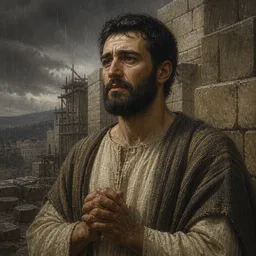 VaniahReturned Exile
 Zabad, Descendant of Hashum
 Zabad, Descendant of Nebo
 Zabad, Descendant of Zattu
 Zabbai, Descendant of Bebai
 Zaccur, descendant of Bigvaileader of returning exiles
 Zebadiah, Son of ImmerPriest
 Zebadiah, Son of Michael
 Zebina
 Zechariah, Descendant of Elam
 Zechariah, Descendant of Parosh
 Zechariah, Leader of the ReturnLeader
 Zechariah, Son of Bebai