Eliehoenai, Son of Zerahiah
Who was Eliehoenai, Son of Zerahiah, in the Bible?
A leader and descendant of Pahath-Moab who returned from the Babylonian exile to Jerusalem under the leadership of Ezra.
This is one of 2 people named Eliehoenai in the Bible. See all 2 →
Eliehoenai, the son of Zerahiah, was a prominent Jewish leader who participated in the second wave of the return from the Babylonian exile. His role is documented in the book of Ezra, specifically during the reign of Artaxerxes I of Persia around 458 BC. He represents the lineage of Pahath-Moab, a family line that played a significant role in the restoration of the Jewish community in Judah.
While his individual biographical details are sparse, Eliehoenai's inclusion in the genealogical record signifies his status as a family head. He was responsible for leading a contingent of two hundred men back to the Promised Land. This migration was not merely a physical journey but a spiritual act of reclaiming the heritage of Israel after decades of captivity in Mesopotamia.
Background and Family
Eliehoenai was the son of Zerahiah and a descendant of the house of Pahath-Moab. The name Pahath-Moab, which translates to "Governor of Moab," suggests a family history involving administrative roles or ancestral connections to the region of Moab, though by the time of the return, they were firmly identified with the community of Judah. The family of Pahath-Moab was one of the largest groups to return from exile, appearing in the census records of both Ezra and Nehemiah.
Eliehoenai’s father, Zerahiah, shares a name with several other figures in the priestly and tribal lineages, though the biblical text does not explicitly link this specific Zerahiah to the high-priestly line. Instead, Eliehoenai is defined by his association with the secular or lay leadership of the returning exiles. As a leader of his paternal house, he held authority over a significant number of followers, indicating a position of social and economic standing within the expatriate community.
Major Life Events
The primary event associated with Eliehoenai is the journey from Babylon to Jerusalem documented in Ezra 8. Following the initial return under Zerubbabel decades earlier, a second group was organized under the priest and scribe Ezra. Eliehoenai is listed among the "heads of their fathers' houses" who registered to depart from the Ahava Canal.
Accompanying Eliehoenai were 200 males. In the context of the ancient Near East, such a count likely referred to heads of households or able-bodied men, suggesting the actual group under his care—including women and children—was substantially larger. This group joined the assembly that fasted and prayed at the river Ahava for a safe journey, as they traveled without a military escort to demonstrate their trust in God's protection.
Relationship to Other Biblical Figures
Eliehoenai served under the direct leadership of Ezra. His participation in the trek identifies him as a contemporary of other family heads like Hattush of the sons of Shecaniah and Zechariah of the sons of Pharosh. As a representative of the sons of Pahath-Moab, he likely interacted with the religious and civil authorities tasked with the reconstruction of Jewish society and the proper observance of the Law in the post-exilic period.
Spiritual Significance
Although Eliehoenai is mentioned in only one verse, his presence in the text serves a crucial theological and historical purpose. The chronicling of names like his emphasizes the continuity of the covenant people. By recording his name, the father's name, and the specific number of people he led, the author of Ezra highlights that the restoration was an organized, voluntary, and divinely sanctioned movement of specific individuals and families.
"from the descendants of Pahath-Moab, Eliehoenai son of Zerahiah, and with him 200 men;" (Ezra 8:4)
His willingness to leave the relative stability of Babylon for the ruins of Jerusalem reflects a commitment to the restoration of the Temple and the preservation of the Jewish identity. In the broader narrative of the Return, Eliehoenai stands as a representative of the faithful remnant who prioritized their spiritual inheritance over their comfort in a foreign land.
Eliehoenai is significant as a representative of the lay leadership during the post-exilic restoration. His inclusion in the list of returnees in Ezra 8 validates the genealogical purity and the organizational structure of the community that returned to rebuild Jerusalem. His leadership of 200 men indicates he was a pivotal figure in the demographic replenishment of Judah, ensuring that the tribal and familial distinctions of Israel were preserved after the Babylonian captivity.
Theologically, figures like Eliehoenai illustrate the concept of the 'remnant.' His name, which can be translated as 'Toward Yahweh are my eyes,' serves as a symbolic reflection of the posture of the returning exiles. They were a people looking away from the pagan environment of Babylon and toward the restoration of the worship of God in His holy city.
Frequently Asked Questions
Who was Eliehoenai's father?
Eliehoenai was the son of Zerahiah.
Which family or clan did Eliehoenai belong to?
He was a descendant of Pahath-Moab.
How many men did Eliehoenai lead back to Jerusalem?
He was accompanied by 200 men during the return from Babylon.
In which book of the Bible is this Eliehoenai mentioned?
He is mentioned in the Book of Ezra, specifically in Ezra 8:4.
During which historical period did Eliehoenai live?
He lived during the Post-Exilic Period, specifically during the return led by Ezra in the 5th century BC.
Family & Relationships
Parents
 Zerahiah, Father of EliehoenaiFatherEzra 8:4Stated
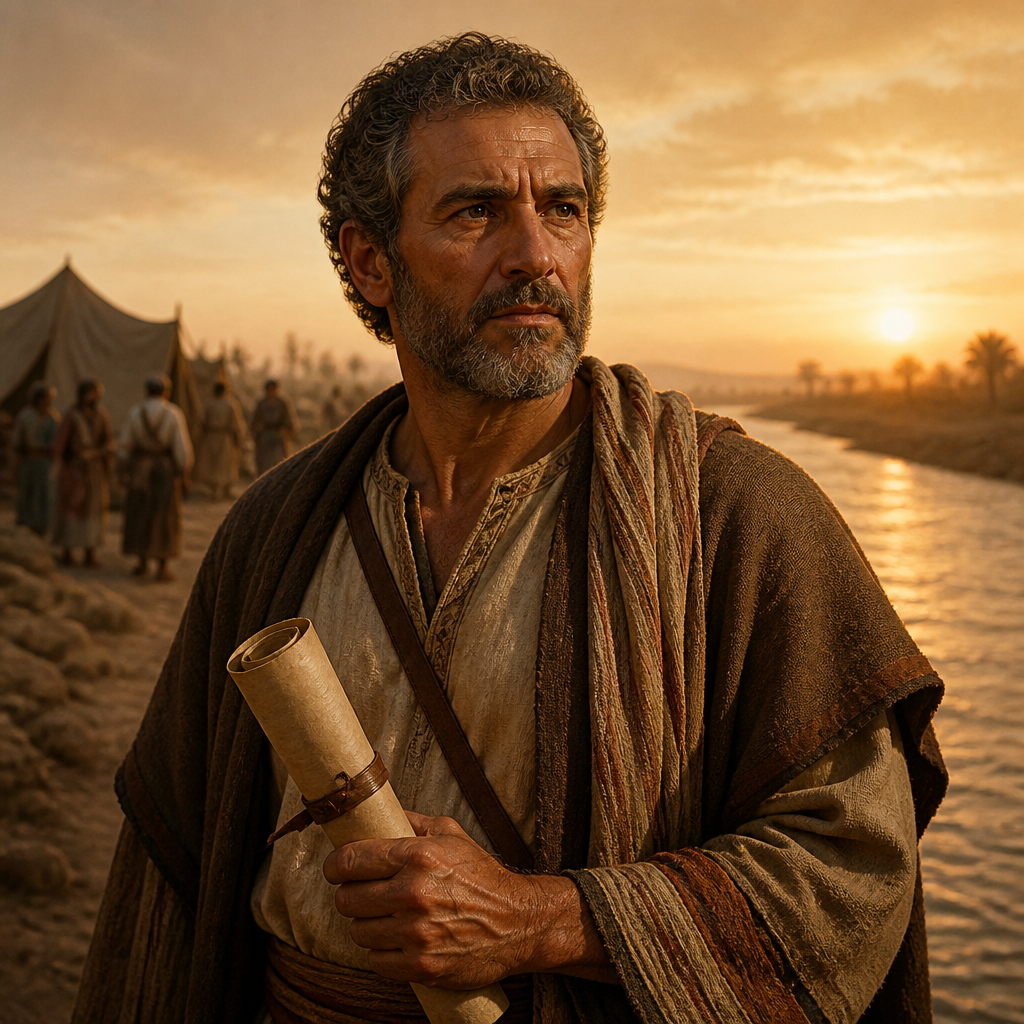 Eliehoenai, Son of ZerahiahThis page
Connected Figures
Family
Father · Ezra 8:4
Zerahiah was a member of the clan of Pahath-moab whose son, Eliehoenai, led a contingent of two hundred men back to Jerusalem during the second wave of the return from exile.
Exile and ReturnFirst: Ezra 8:41 versesPatriarchal head of a household
Categories
Mentions by Book
- Ezra1
Scripture References
All 1 indexed verse, in canonical order, from the Berean Standard Bible.
Ezra · 1
- Ezra 8:4
from the descendants of Pahath-Moab, Eliehoenai son of Zerahiah, and with him 200 men;
Others Named Eliehoenai
Compare all 2 bearers →Eliehoenai, Levite of the United Monarchy1 Chronicles 26:3
A Korahite Levite and the seventh son of Meshelemiah, appointed as a gatekeeper for the tabernacle during the reign of King David.