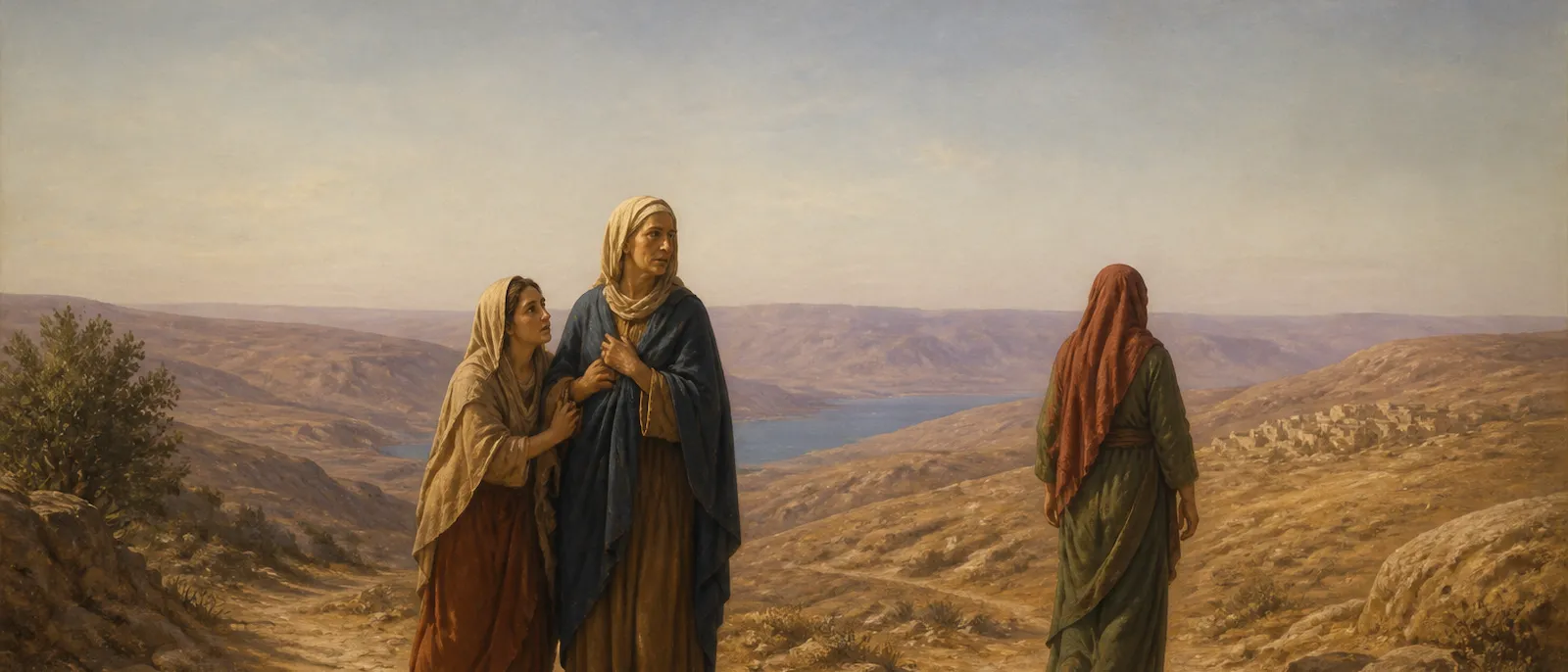
Nation
The Moabites
The nation descended from Moab, son of Lot, east of the Dead Sea.
Scripture traces this people through Moab.
People of Moabites

Balak
King of Moab who hired Balaam to curse the Israelites during their wilderness wanderings
The King of Moab who attempted to protect his kingdom from the advancing Israelites by hiring the prophet Balaam to curse them.
View profile →
Eglon
King of Moab who oppressed Israel for eighteen years
The King of Moab who oppressed Israel for eighteen years during the period of the Judges before being assassinated by Ehud.
View profile →
Ithmah
Moabite warrior who became one of King David's Mighty Men
Ithmah was a Moabite warrior who served as one of King David’s 'Mighty Men' during the United Monarchy.
View profile →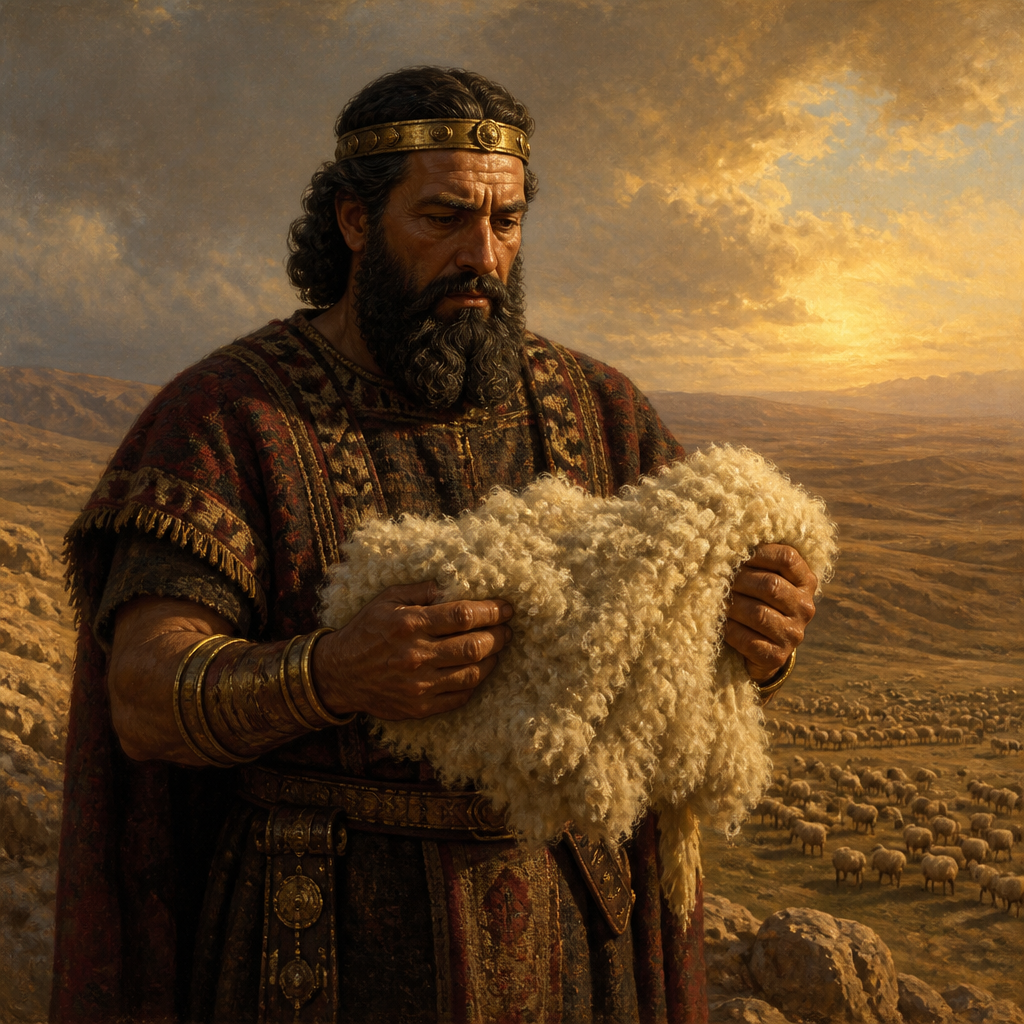
Mesha, King of Moab
King of Moab who paid a massive annual tribute of lambs and wool to Israel
Mesha was a 9th-century BC king of Moab known for his large-scale sheep breeding and for paying heavy annual tribute to the Northern Kingdom of Israel.
View profile →
Moab
Patriarch who founded the Moabite nation
Moab was the firstborn son of Lot by his eldest daughter and the eponymous progenitor of the Moabite nation.
View profile →
Orpah
Moabite daughter-in-law of Naomi who returned to her people
A Moabite woman who married Chilion, the son of Elimelech and Naomi, and later returned to her people after her husband's death.
View profile →
Ruth
Moabite widow who became a matriarch in the lineage of King David and Jesus Christ
A Moabite widow who demonstrated profound loyalty to her mother-in-law Naomi and became the great-grandmother of King David.
View profile →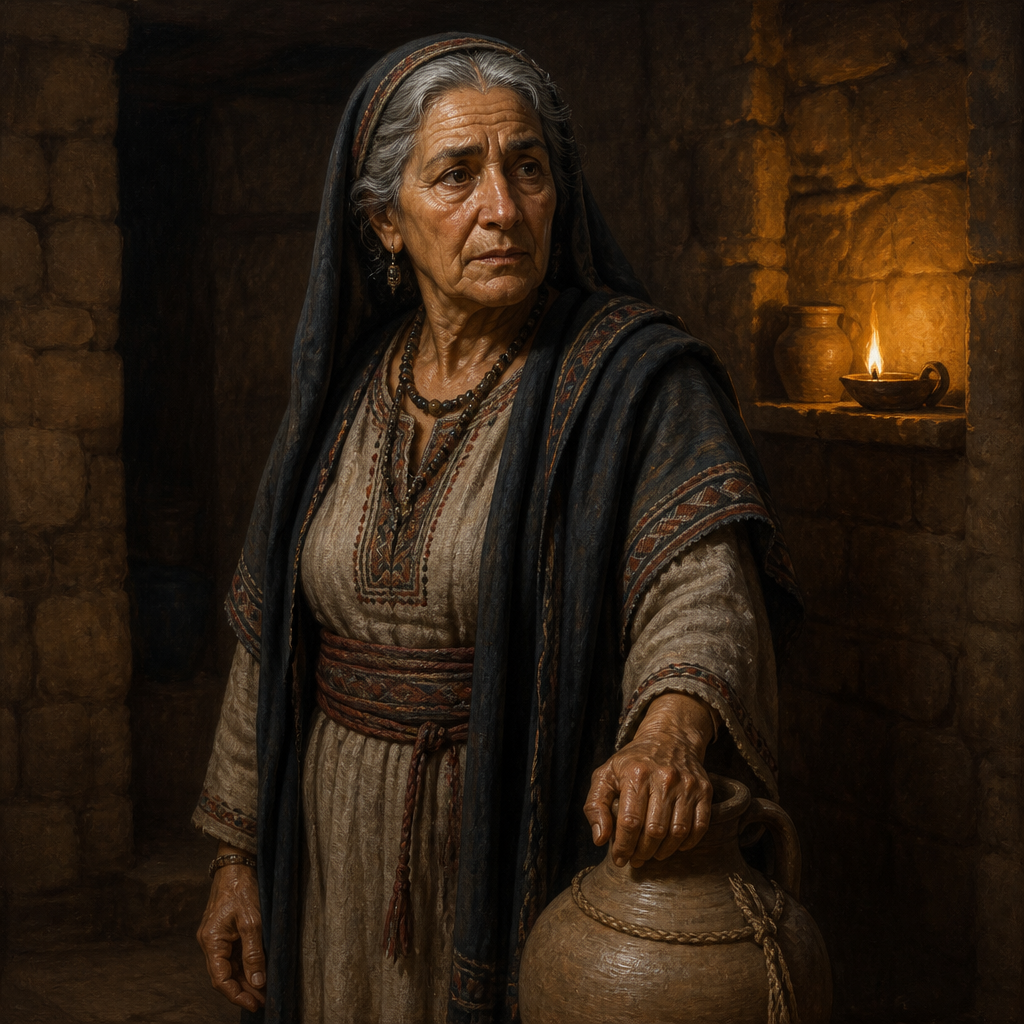
Shomer, Mother of Jehozabad
Moabite mother of Jehozabad who conspired against King Joash
Shomer, also known as Shimrith, was a Moabitess whose son Jehozabad conspired against and assassinated King Joash of Judah during the Divided Monarchy.
View profile →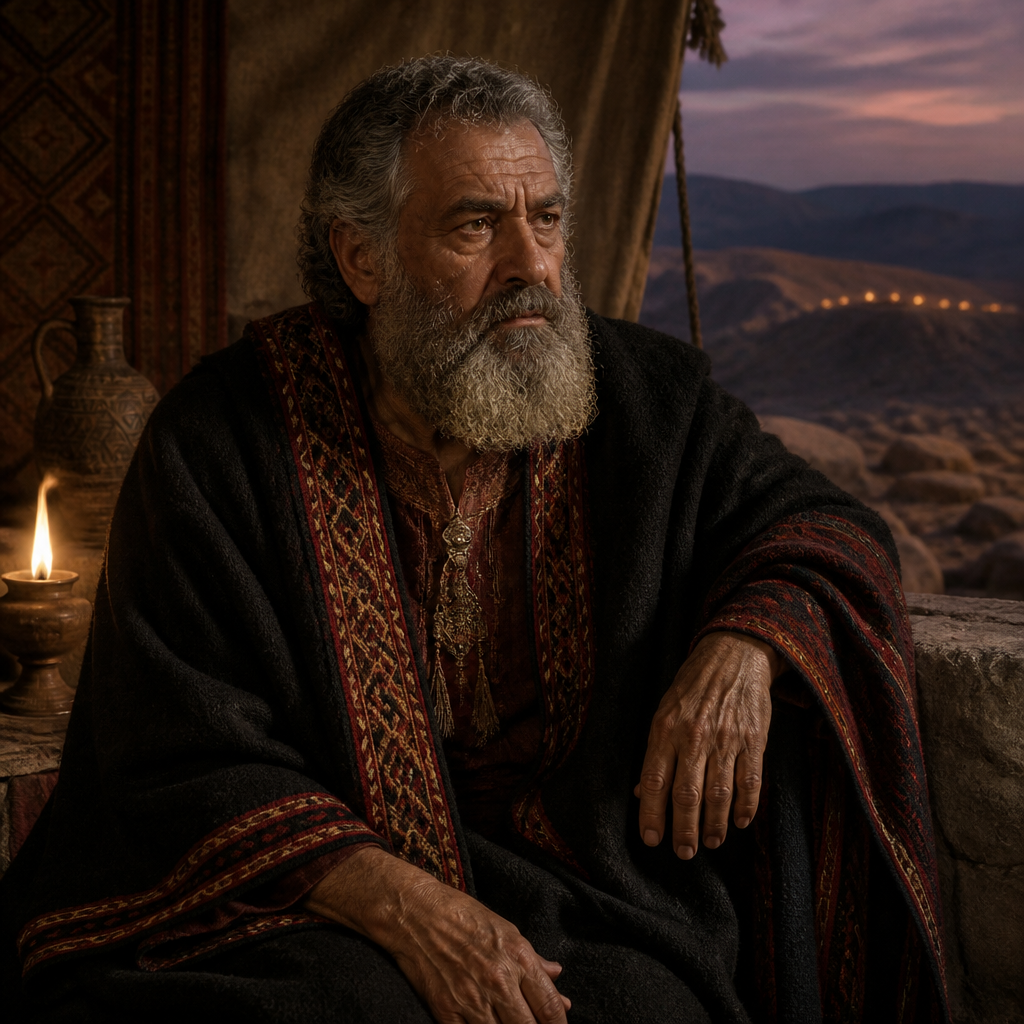
Zippor
Father of King Balak of Moab
A Moabite leader during the Exodus era, primarily known as the father of King Balak, who sought to curse the Israelites.
View profile →