Era 5 of 13
United Monarchy · 1 Samuel 8 – 1 Kings 11; 1 Chronicles
The biblical timeline
- Creation to BabelUndated (before Abraham)
- Patriarchal Periodc. 2100–1800 BC
- Egypt and Wildernessc. 1800–1400 BC
- Conquest and Judgesc. 1400–1050 BC
- United Monarchyc. 1050–930 BC
- Divided Monarchyc. 930–586 BC
- Exile and Returnc. 605–430 BC
- Intertestamental Periodc. 430–5 BC
- The Gospelsc. 6 BC – AD 30
- In Jerusalemc. AD 30–35
- In All Judea and Samariac. AD 35–44
- To the Ends of the Earthc. AD 46–95
- Revelationc. AD 95
The story of the United Monarchy
Israel asks Samuel for "a king to judge us like all the nations" (1 Samuel 8:5), and gets Saul, a head taller than everyone else, anointed in private and chosen by lot in public (1 Samuel 9–10). His reign begins with a rescue at Jabesh-gilead and unravels through impatience at Gilgal and disobedience over Amalek, until Samuel tells him the kingdom has been torn from him (1 Samuel 15:26–28). His son Jonathan, braver than his father and loyal to his rival, is the tragedy inside the tragedy.
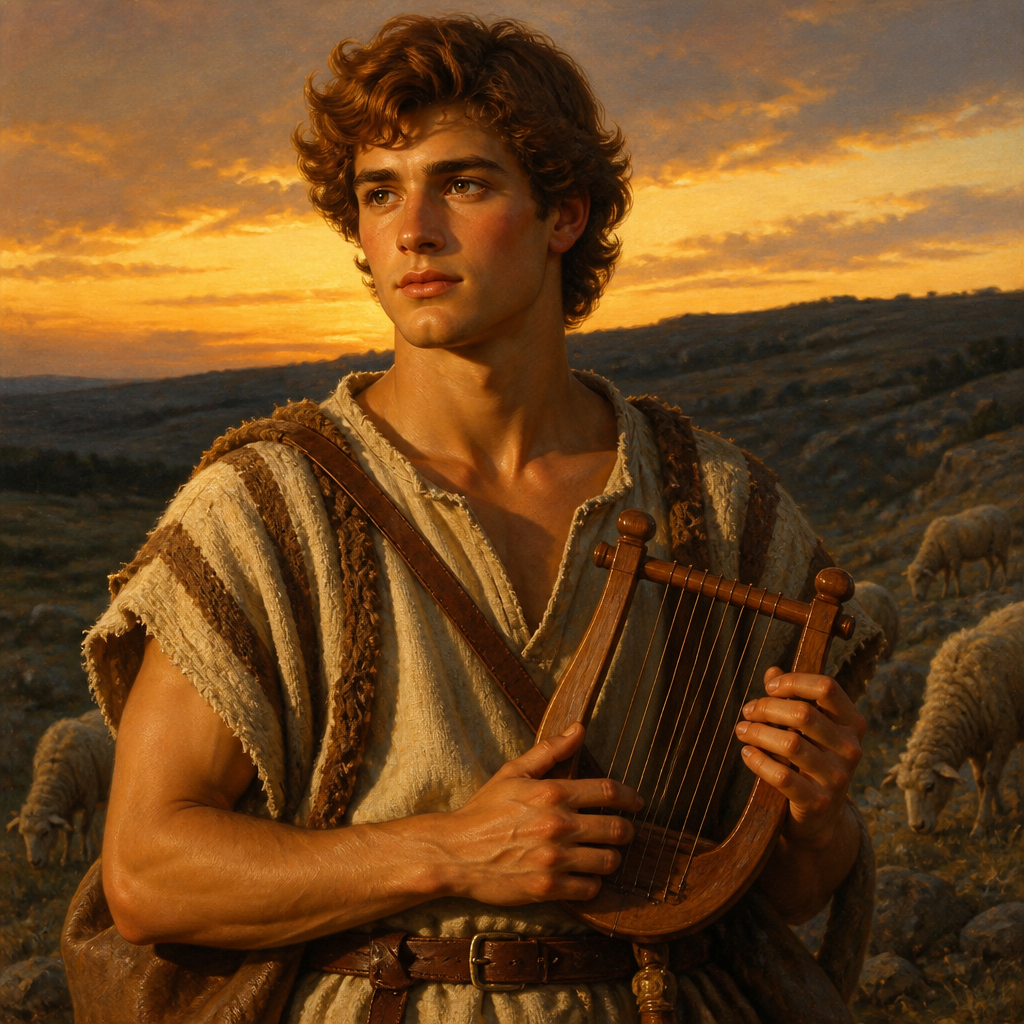
Samuel anoints the youngest son of Jesse in Bethlehem, and David enters the story with a sling, a stone and Goliath (1 Samuel 16–17). Jonathan loves him as his own soul; Saul hunts him through the wilderness of Ziph and En-gedi; Michal lowers him out of a window; Abigail talks him out of bloodshed; Ahimelech gives him bread and dies for it at the hand of Doeg the Edomite (1 Samuel 18–25). Saul and Jonathan fall together on Mount Gilboa (1 Samuel 31), and David sings a lament for both.
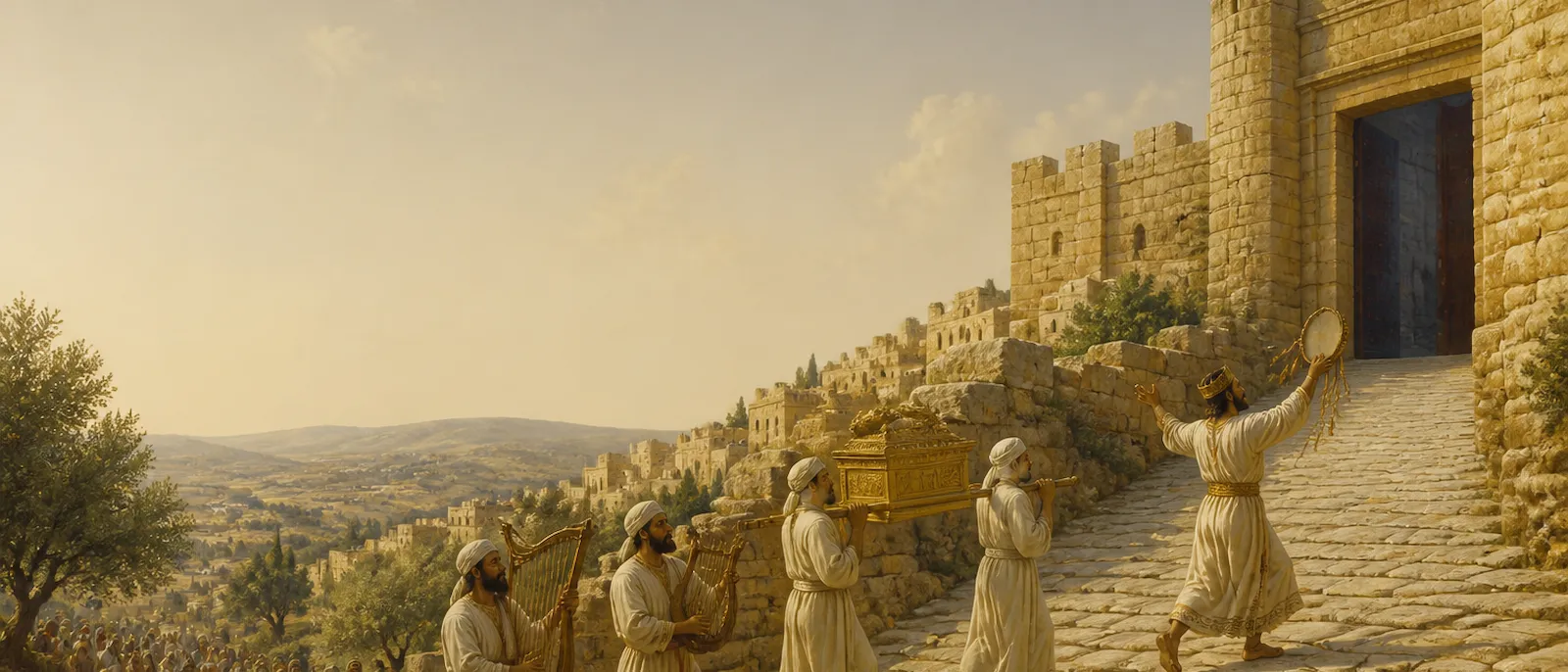
David is made king in Hebron and then over all Israel, takes Jerusalem, and brings the ark into the city dancing (2 Samuel 5–6). The LORD promises him a house that will not end (2 Samuel 7:16). Around him stand Joab, Abishai and Benaiah, the mighty men, the priests Zadok and Abiathar, and the counsellors Ahithophel and Hushai. Then Bathsheba, and Uriah the Hittite dead at the wall, and the prophet Nathan with four words: "You are the man" (2 Samuel 12:7). The sword never leaves his house — Amnon, Tamar, Absalom in the oak, Sheba's revolt, Adonijah's grab for the throne.
Solomon is enthroned by Zadok and Nathan (1 Kings 1) and asks for "an understanding mind to govern your people" (1 Kings 3:9). He builds the temple with cedar from Hiram of Tyre and the craftsmanship of Huram-abi, dedicates it with a prayer of astonishing scope (1 Kings 8), and receives the Queen of Sheba, who finds the half was not told her. But his foreign wives turn his heart, adversaries rise in Hadad and Rezon, and a prophet tells Jeroboam that ten tribes will be his (1 Kings 11). The united kingdom lasts three reigns.
Start here
Key figures of this era
Saul
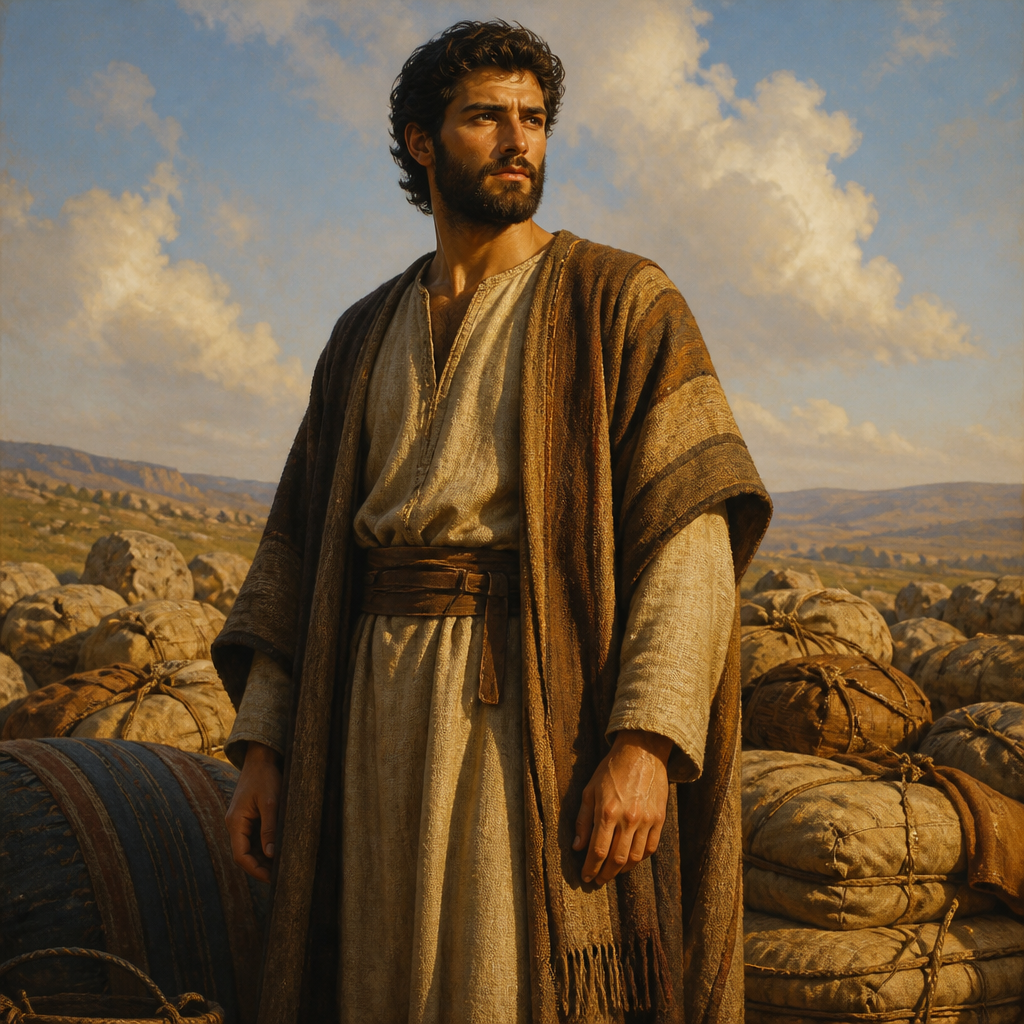
King of Israel who was the first to rule the United Monarchy before being rejected by God
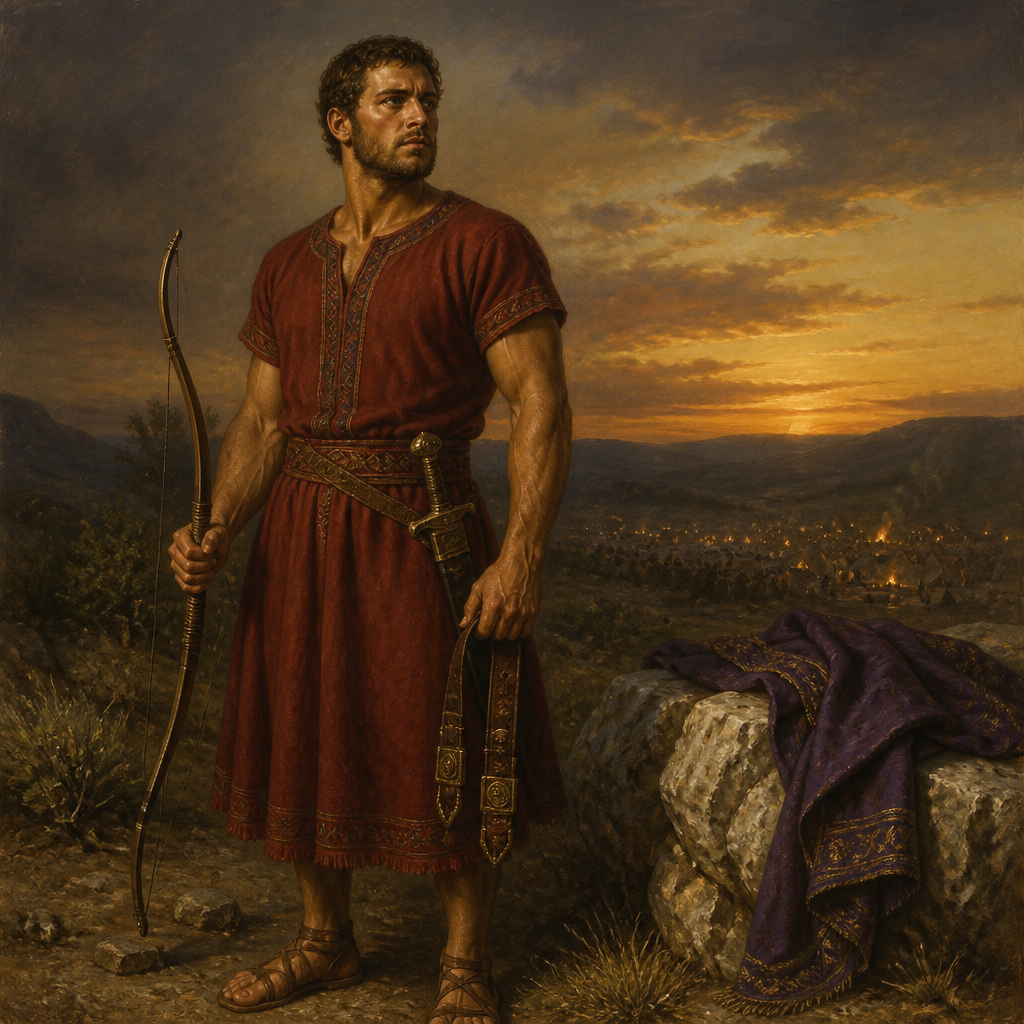
Jonathan, Son of King Saul
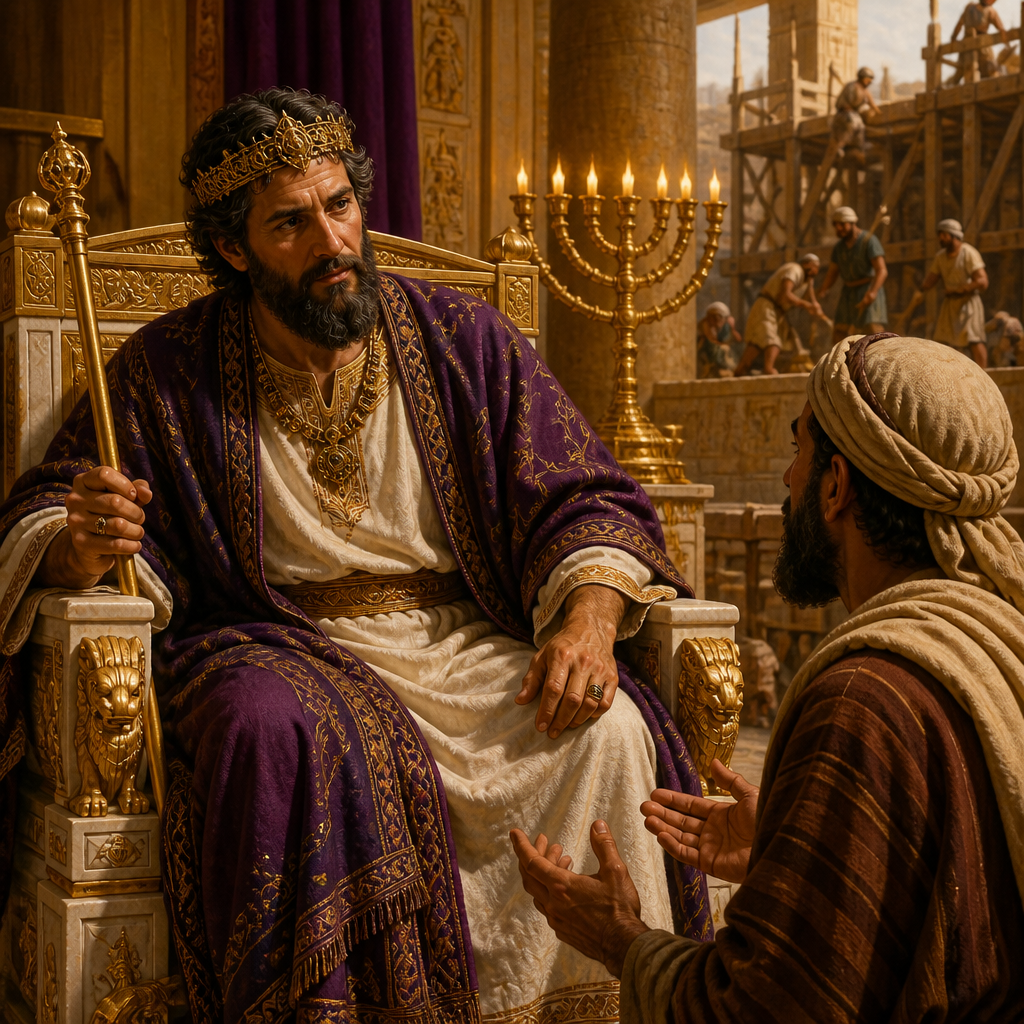
Prince of Israel and loyal friend of David who died at Mount Gilboa
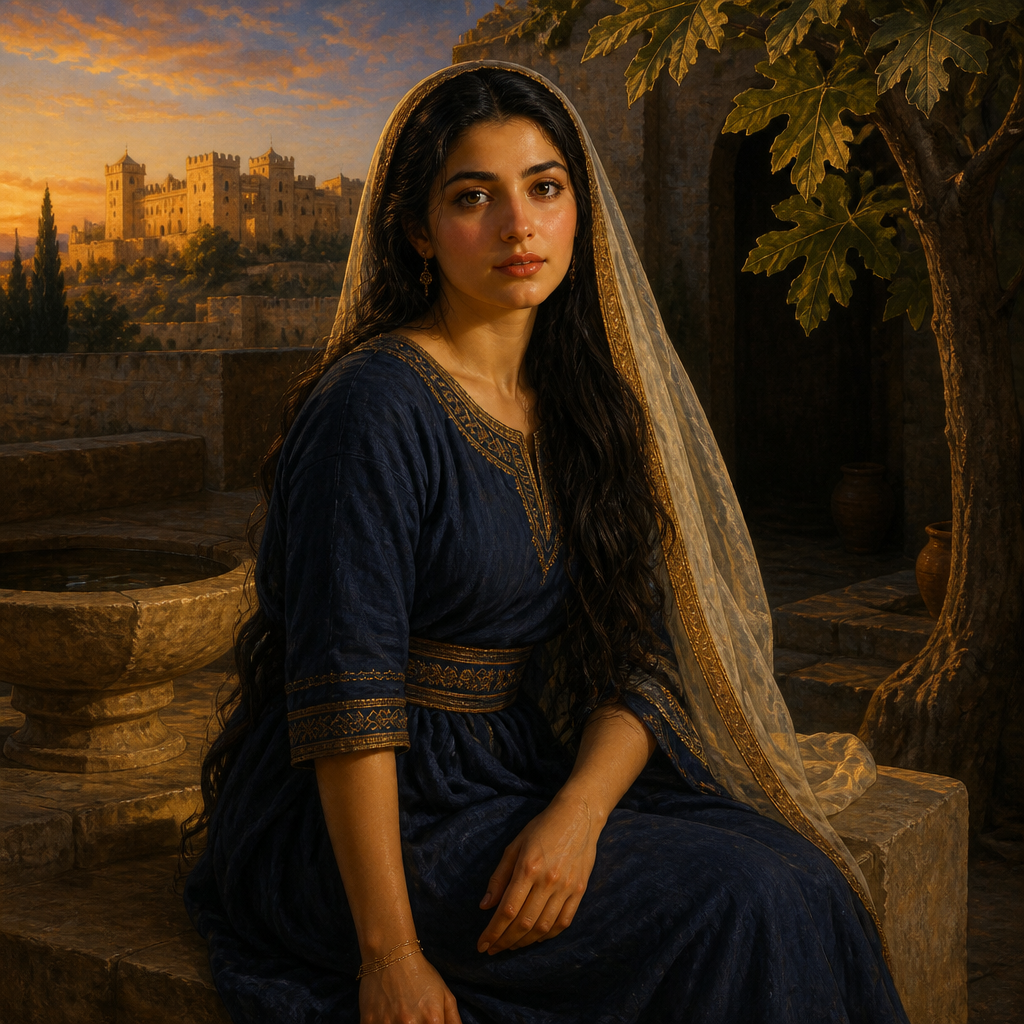
Bathsheba
Queen mother of King Solomon and wife of David who secured the succession for her son
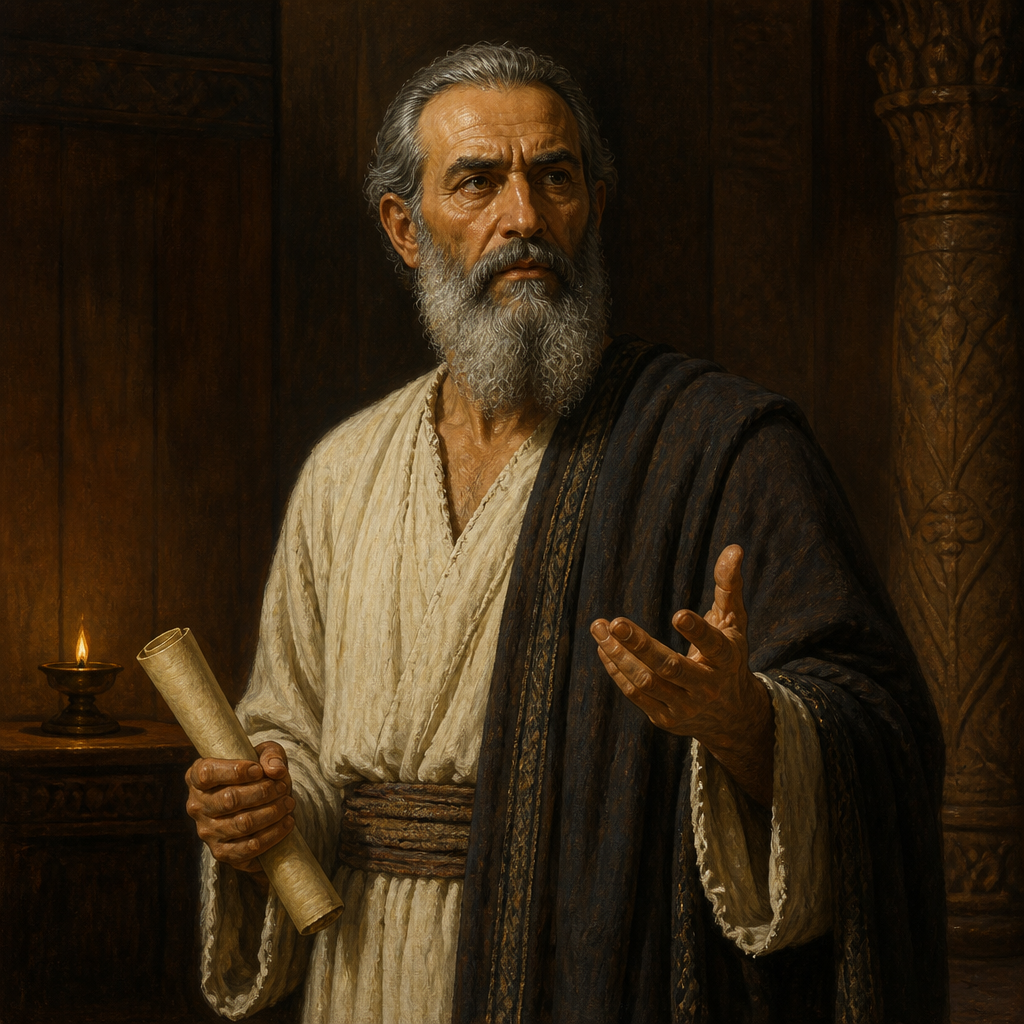
Nathan the Prophet
Prophet who confronted King David about Bathsheba and delivered the Davidic Covenant
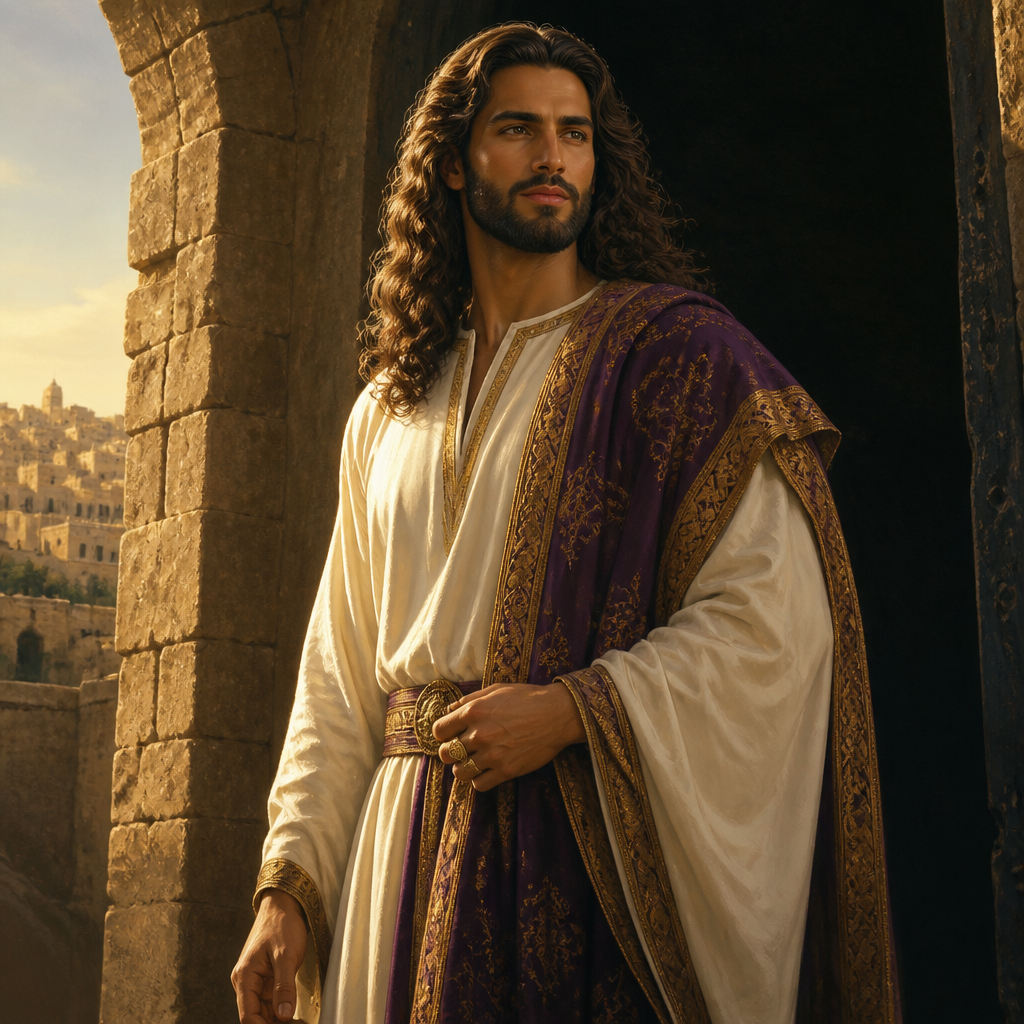

Joab, Commander of the Army
Commander of David's army who captured Jerusalem and killed Absalom
Everyone in this era
Grouped by the book where each person first appears.
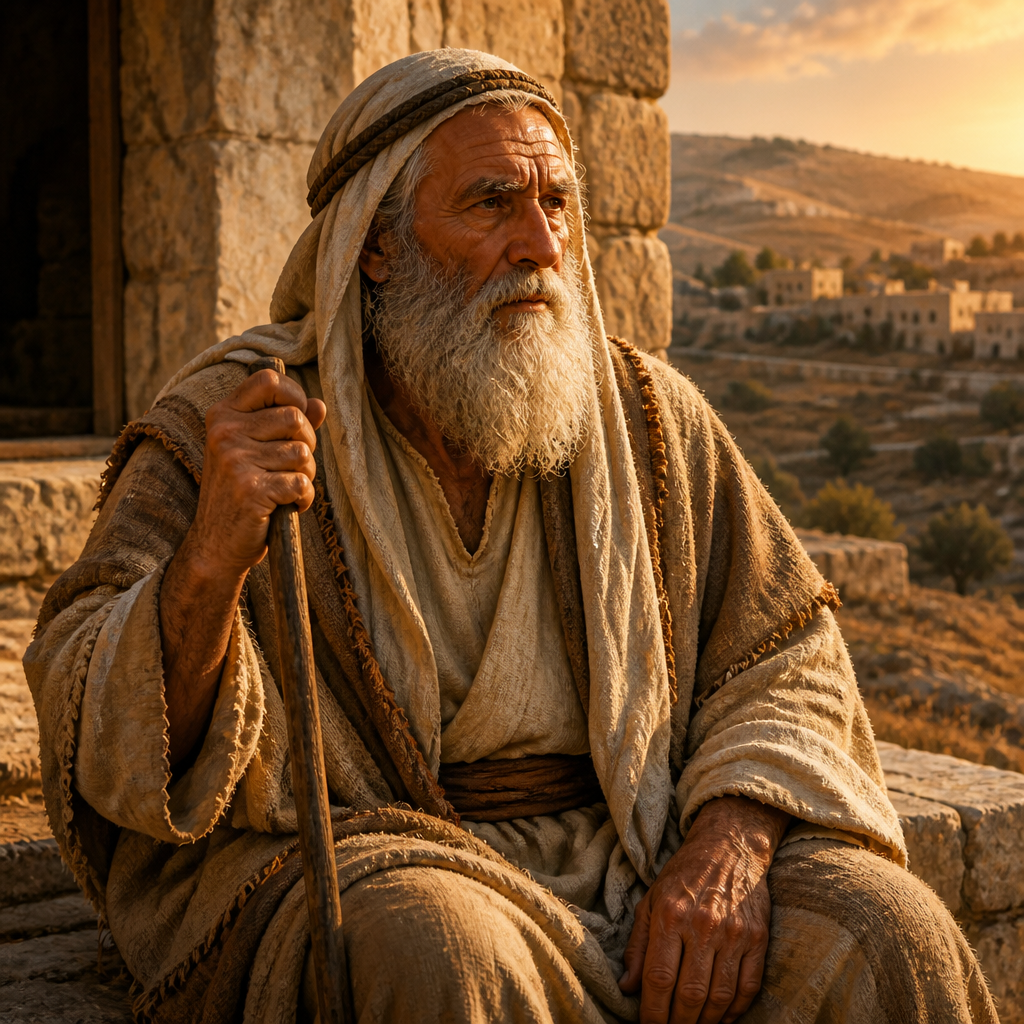
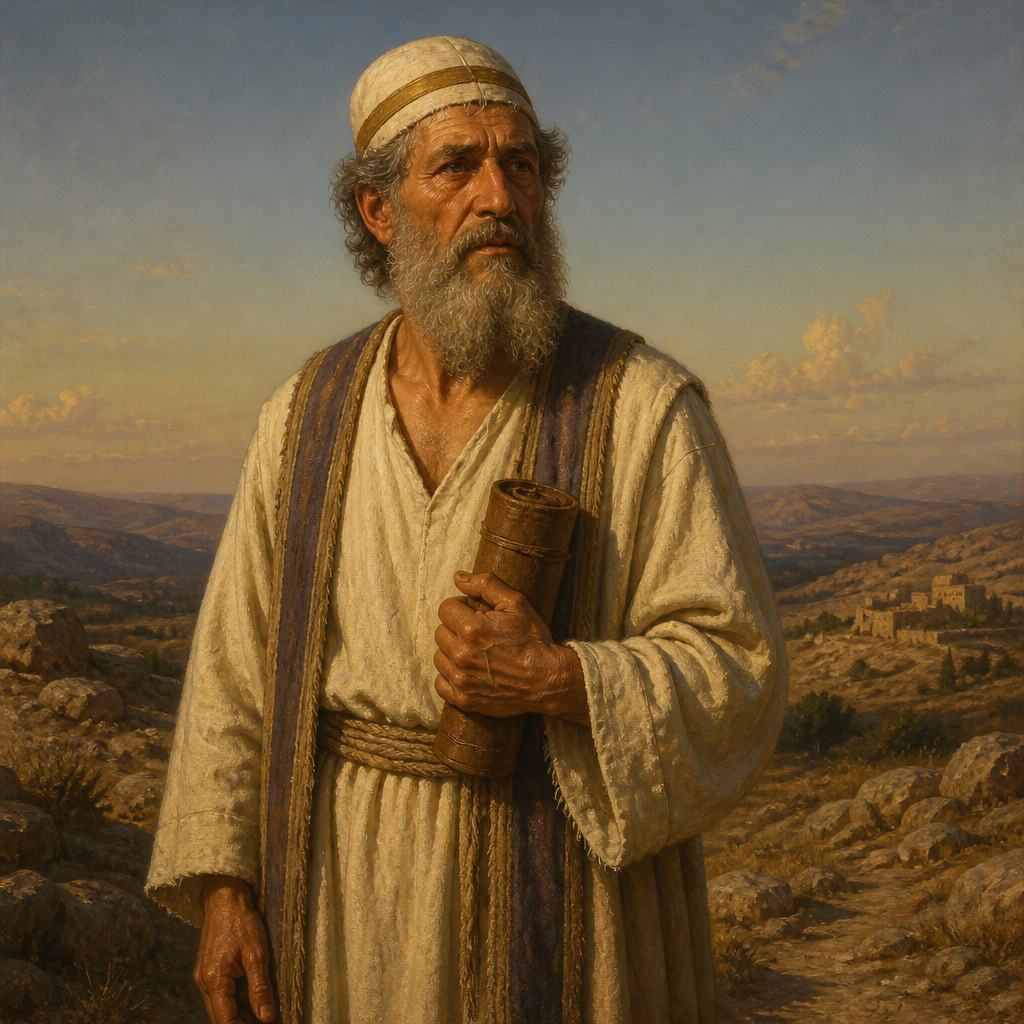
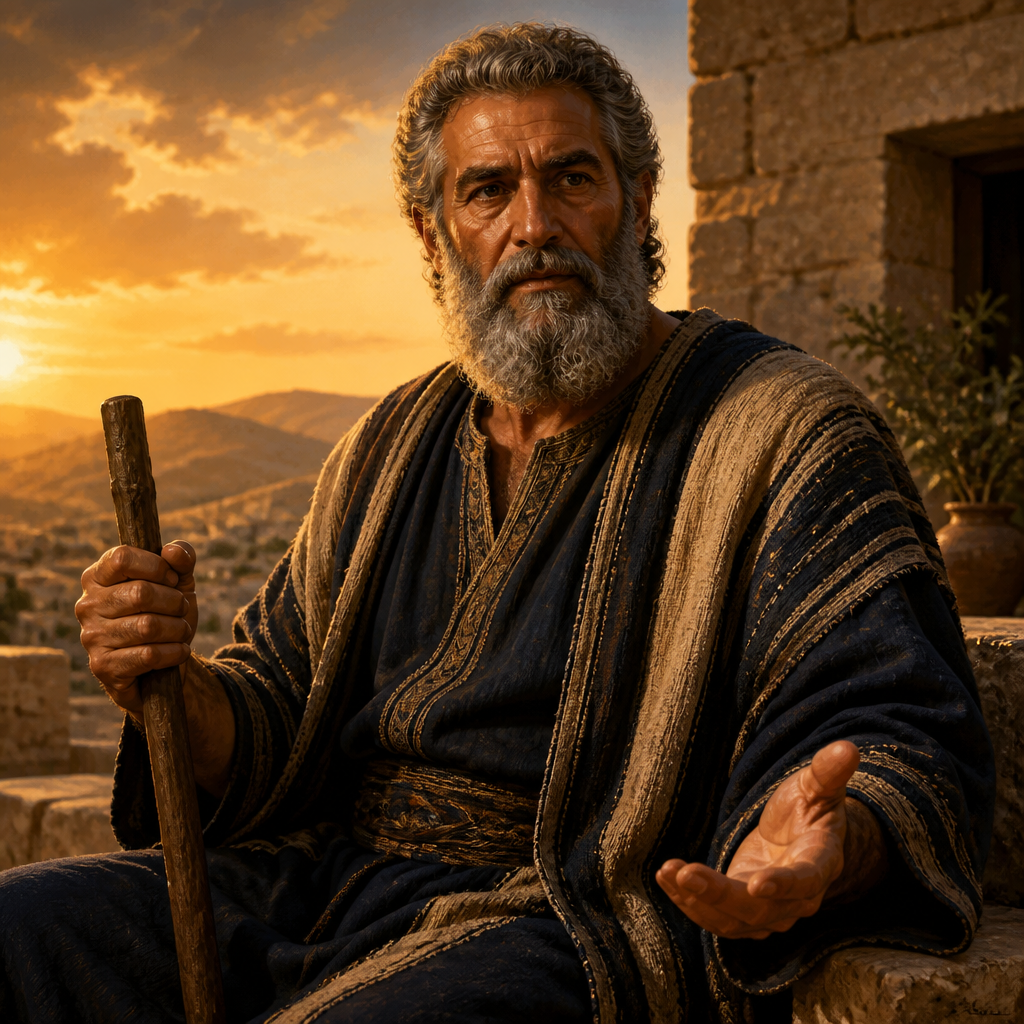
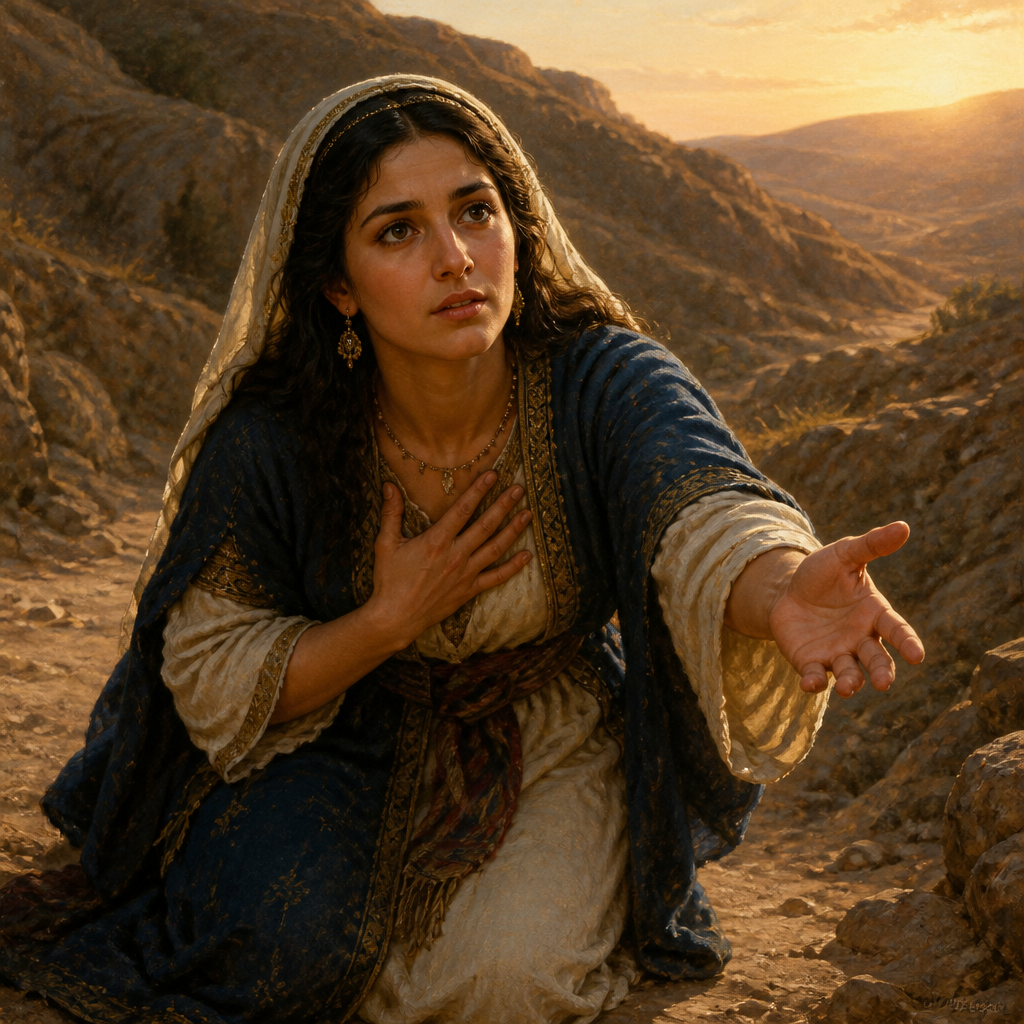
Abigail, Wife of David
Wise and beautiful wife of David who prevented him from slaughtering Nabal's household
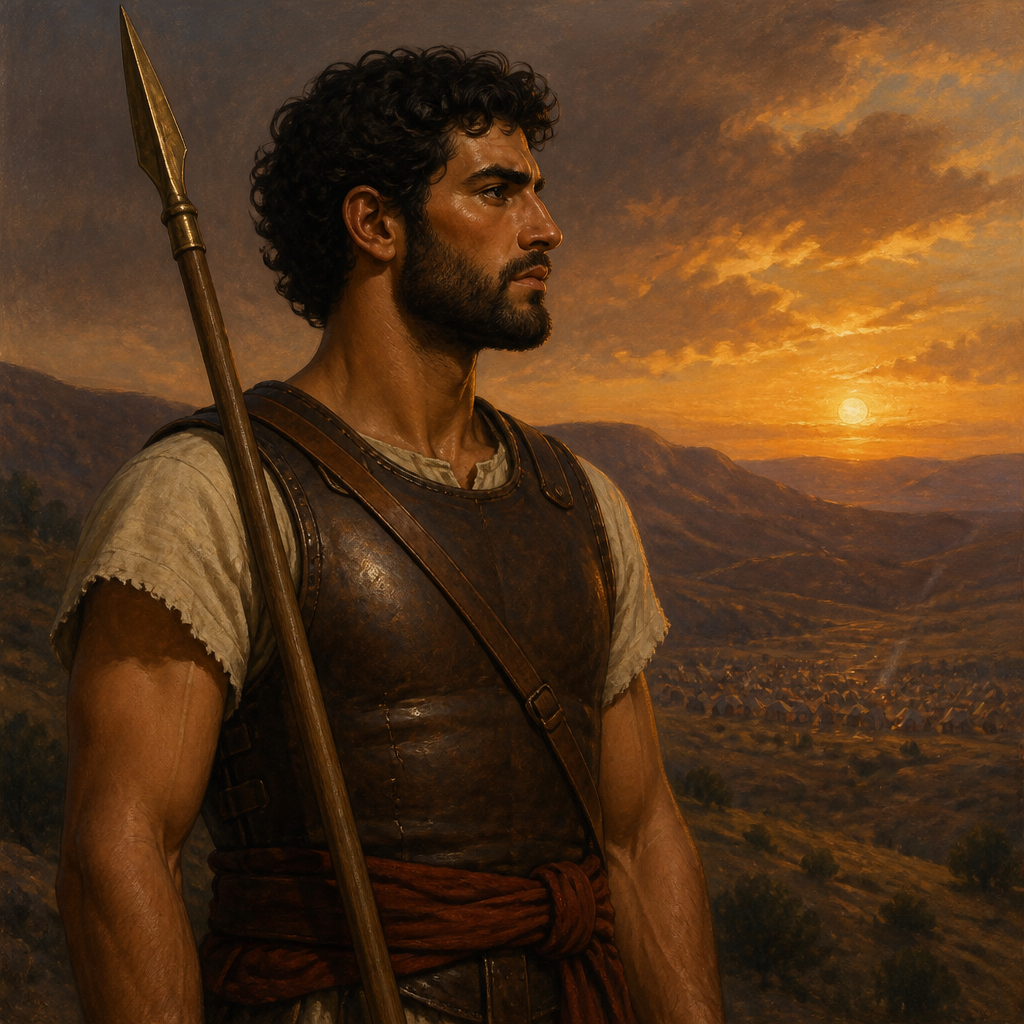
Abinadab, Son of Jesse
second son of Jesse who was passed over for kingship in favor of David
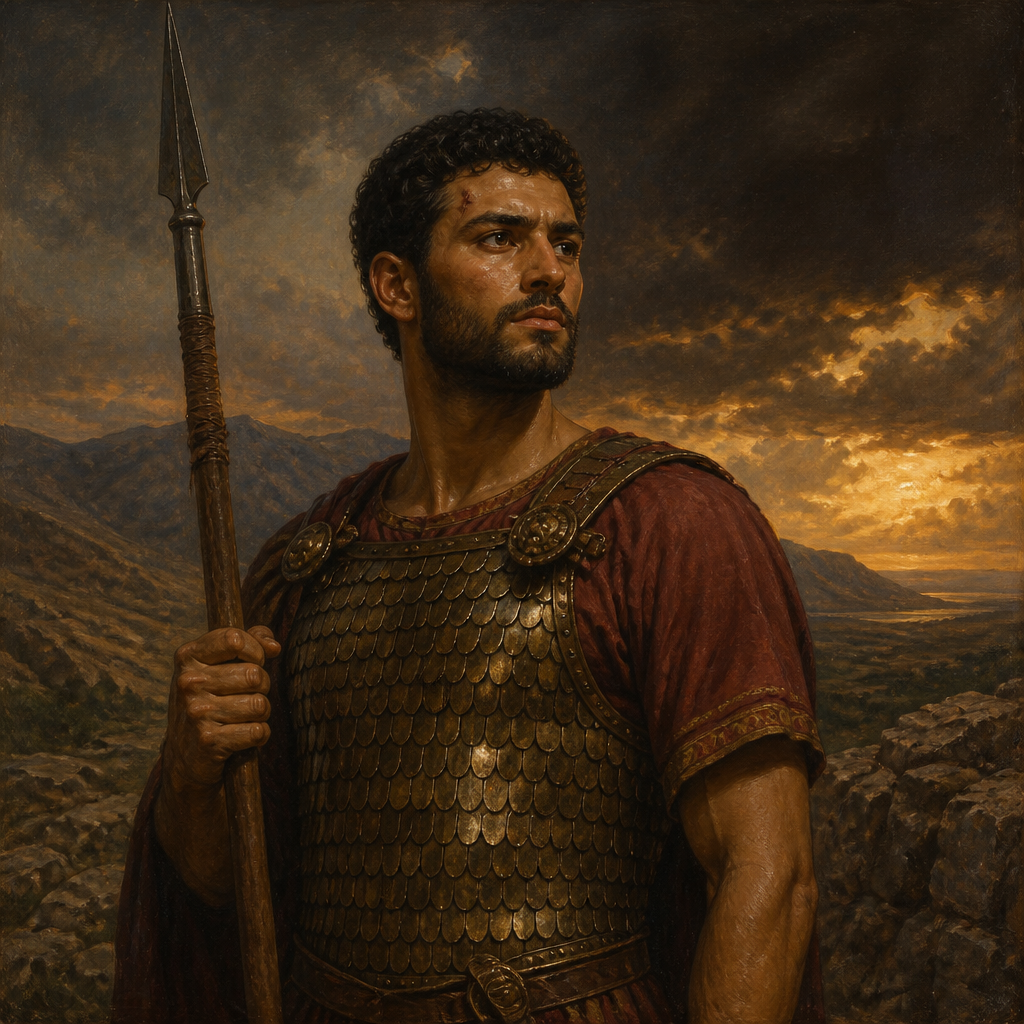
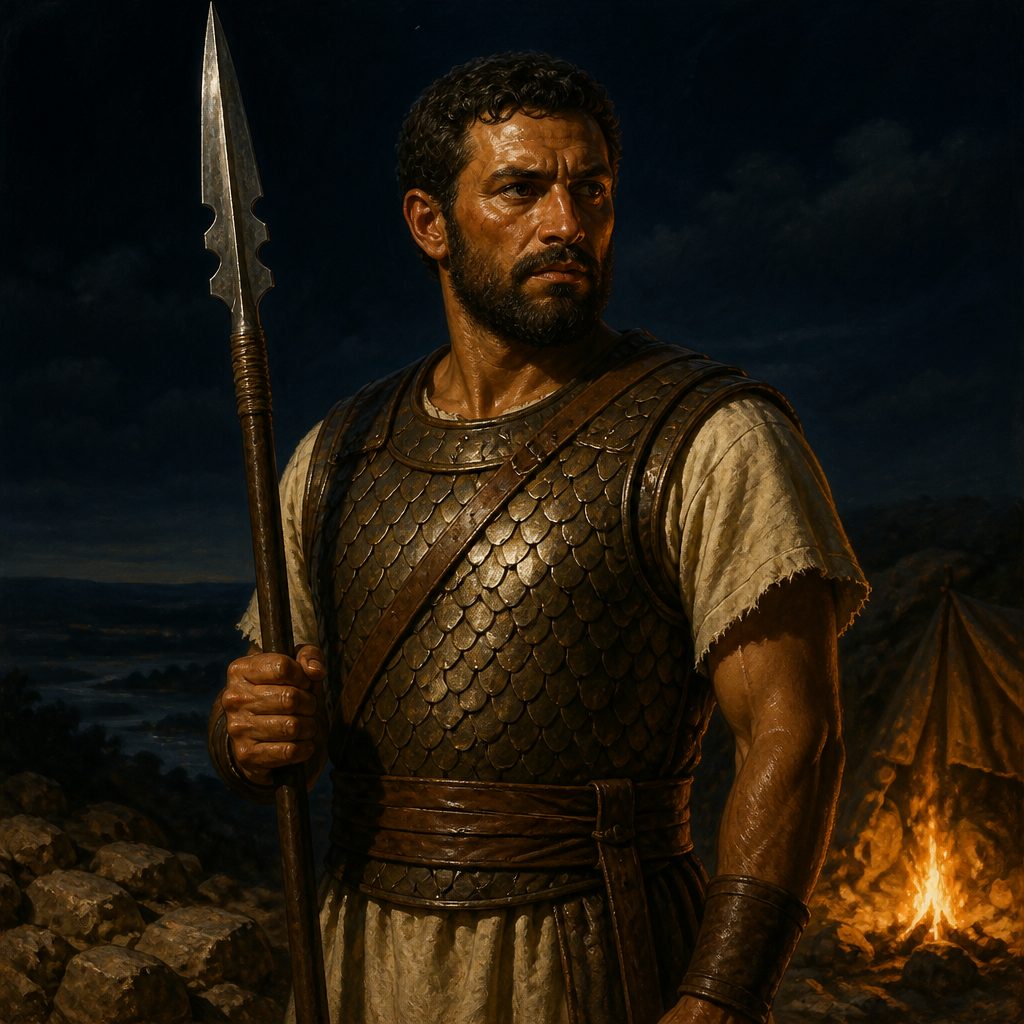
Abishai
Military commander and nephew of David who served as chief of the Three and killed three hundred men in one battle

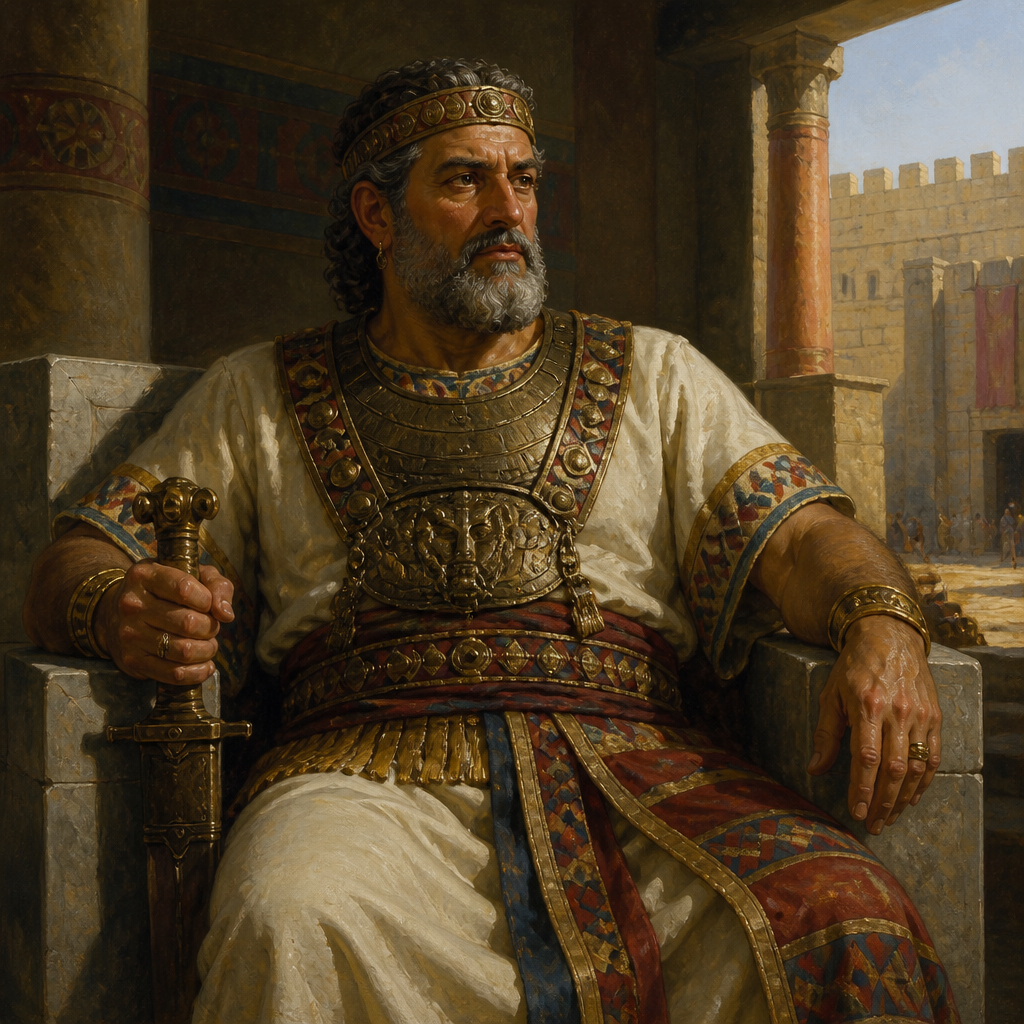
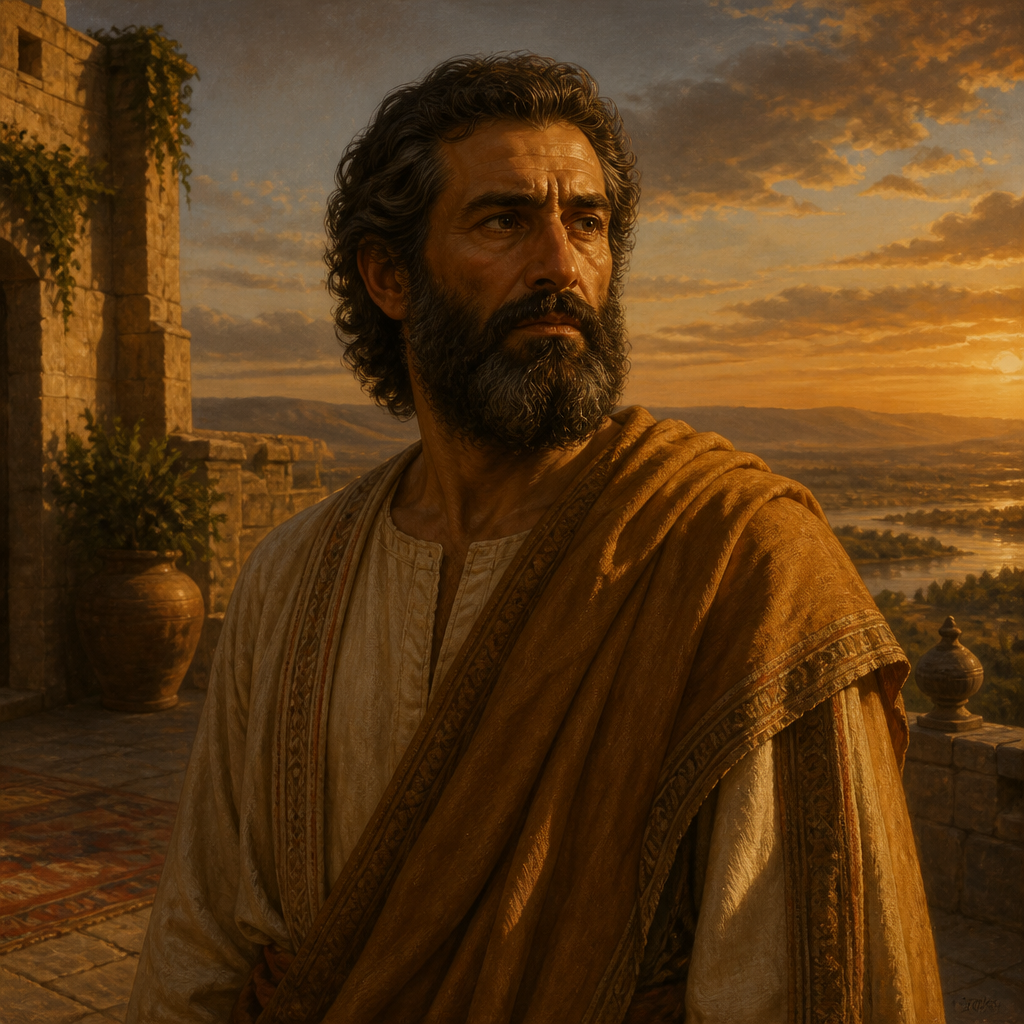
Adriel
Son-in-law of King Saul whose five sons were executed to atone for Saul's crimes. Called a Meholathite, a designation of origin rather than a people group
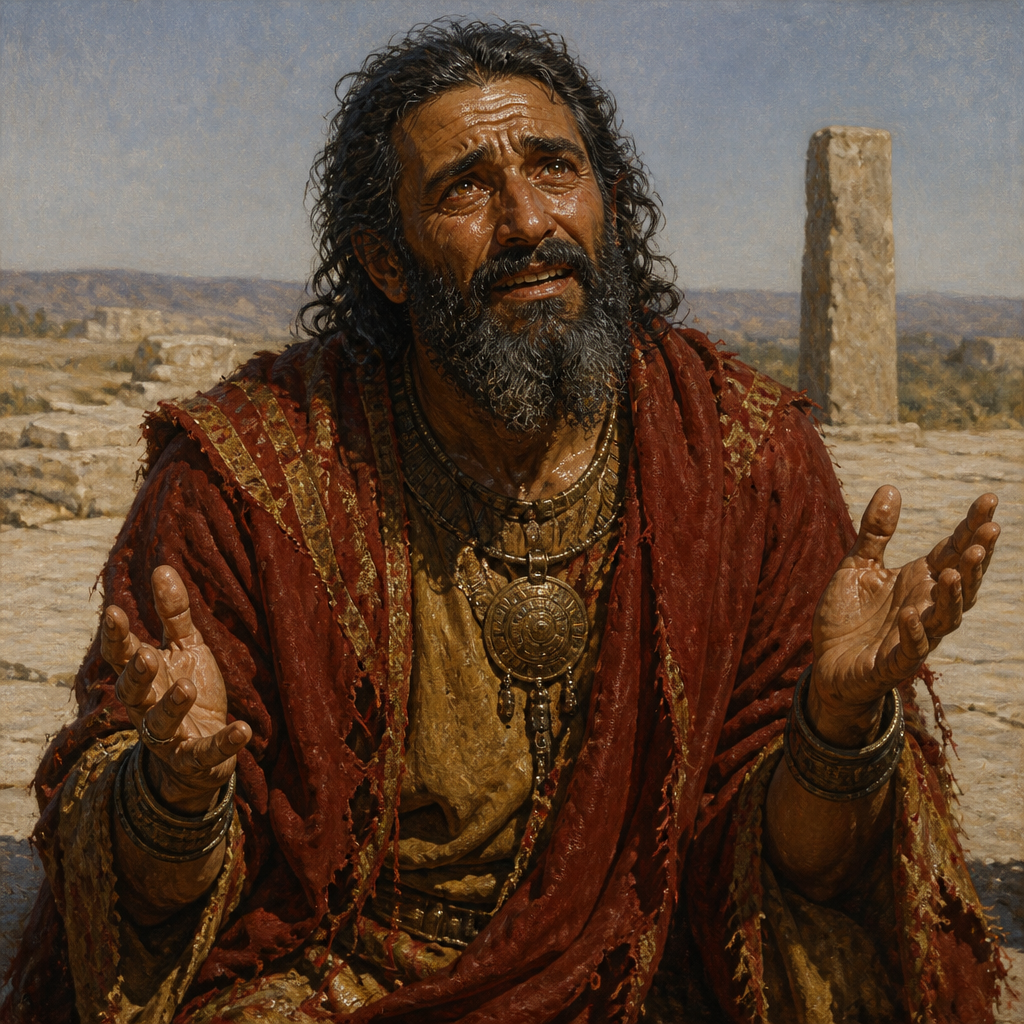
Agag, King of the Amalekites
King of the Amalekites whose life was spared by Saul but ended by the prophet Samuel
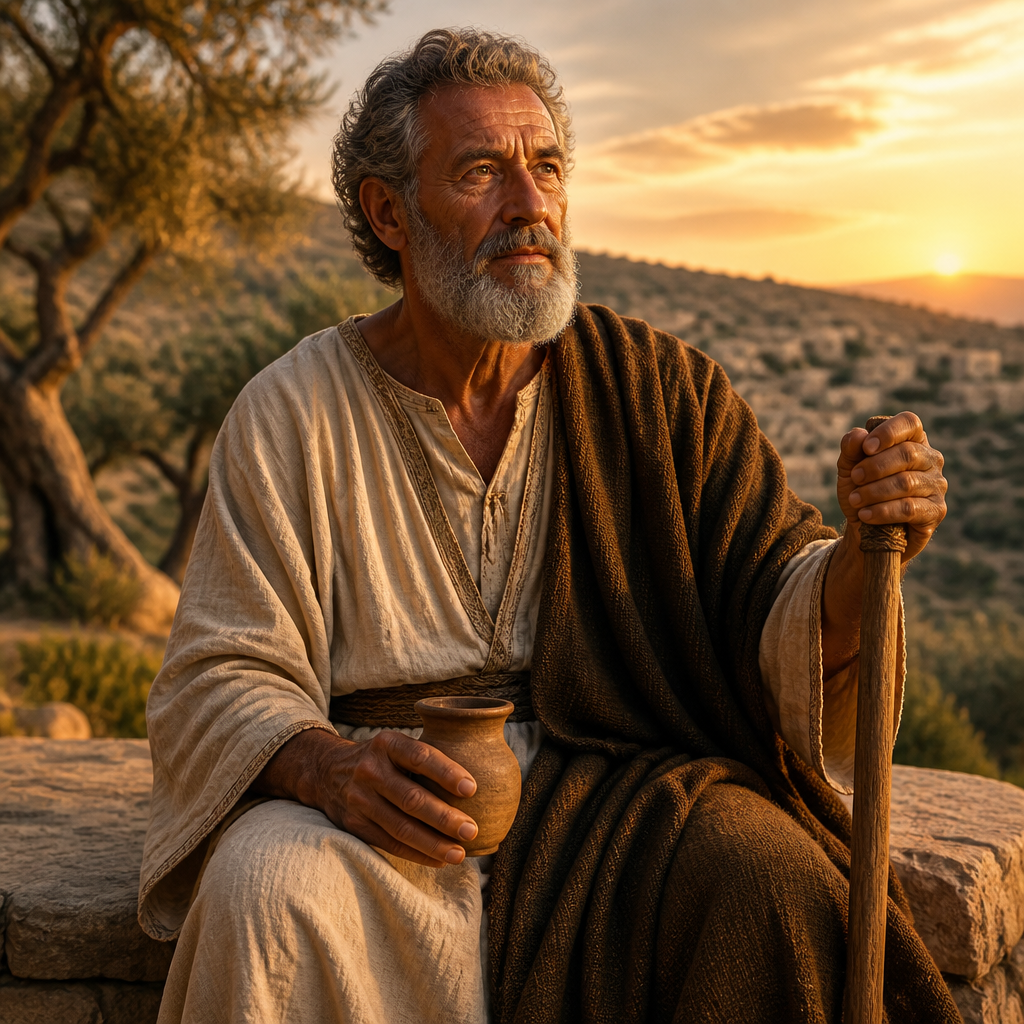

Ahimelech the Hittite
Hittite soldier who served as a companion to David during his exile
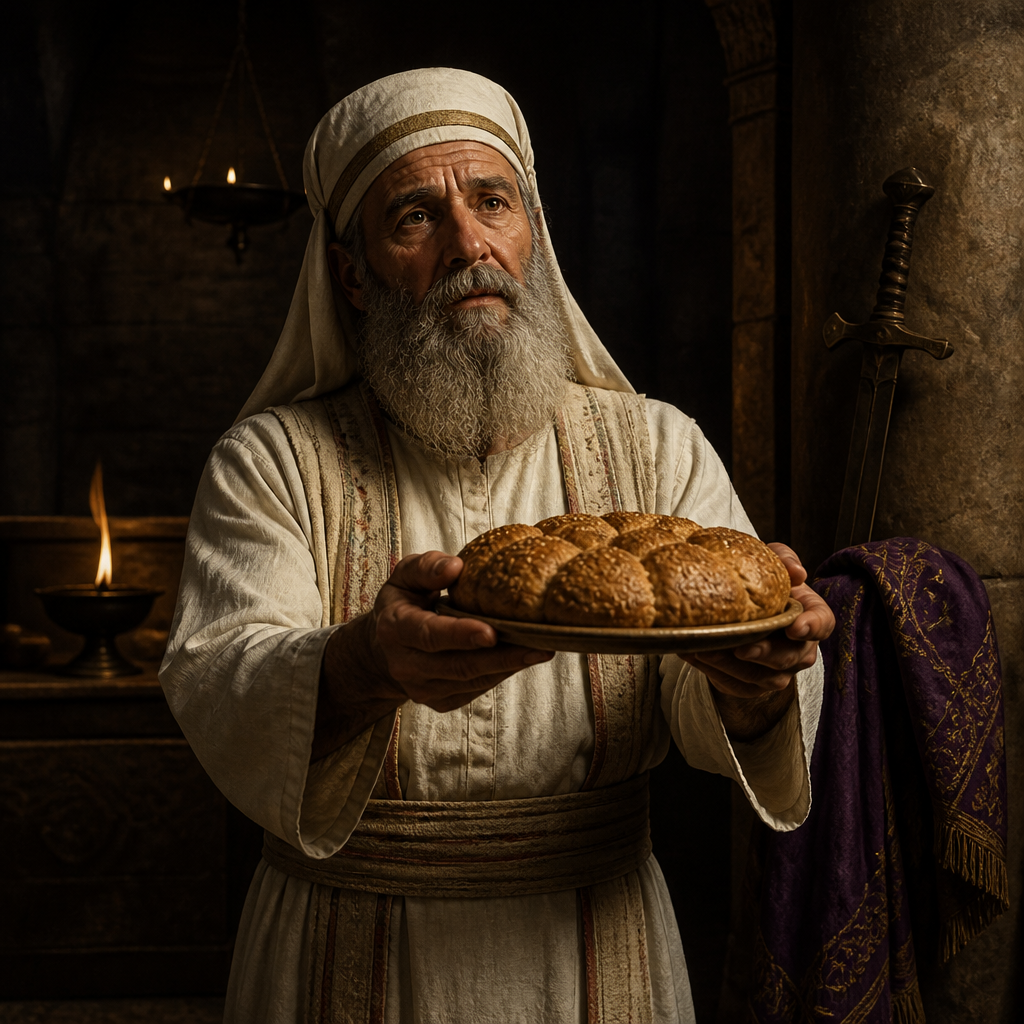
Ahimelech, High Priest of Nob
High Priest who was executed by Saul for assisting David at Nob
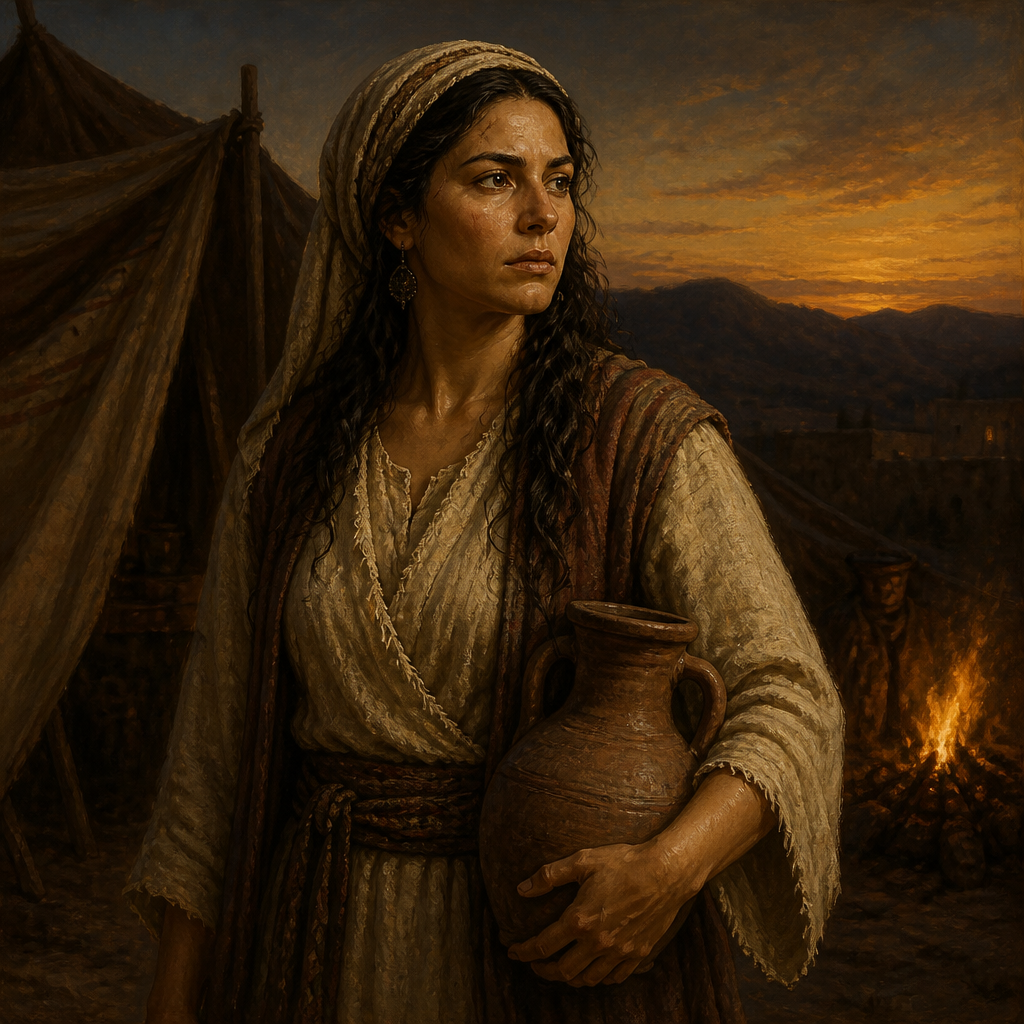
Ahinoam of Jezreel, Wife of David
Wife of King David and mother of his firstborn son Amnon
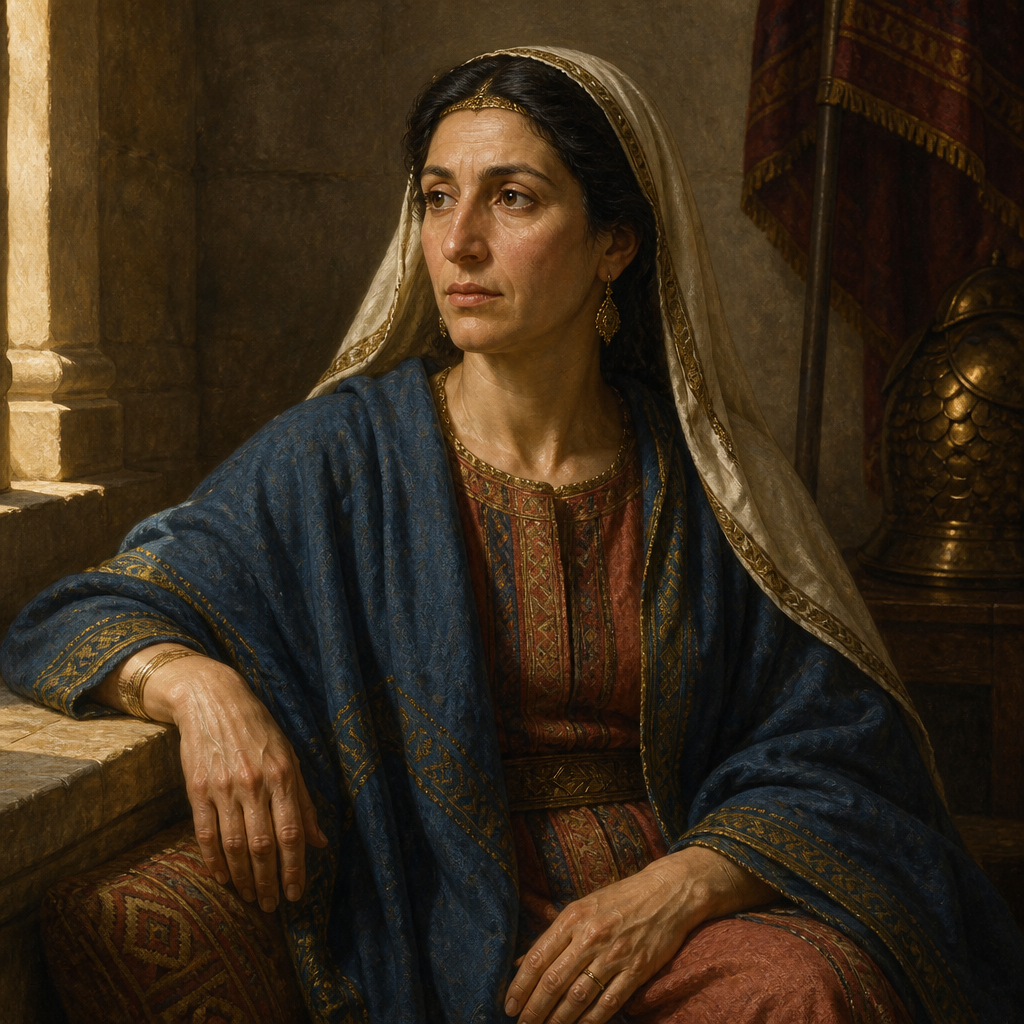
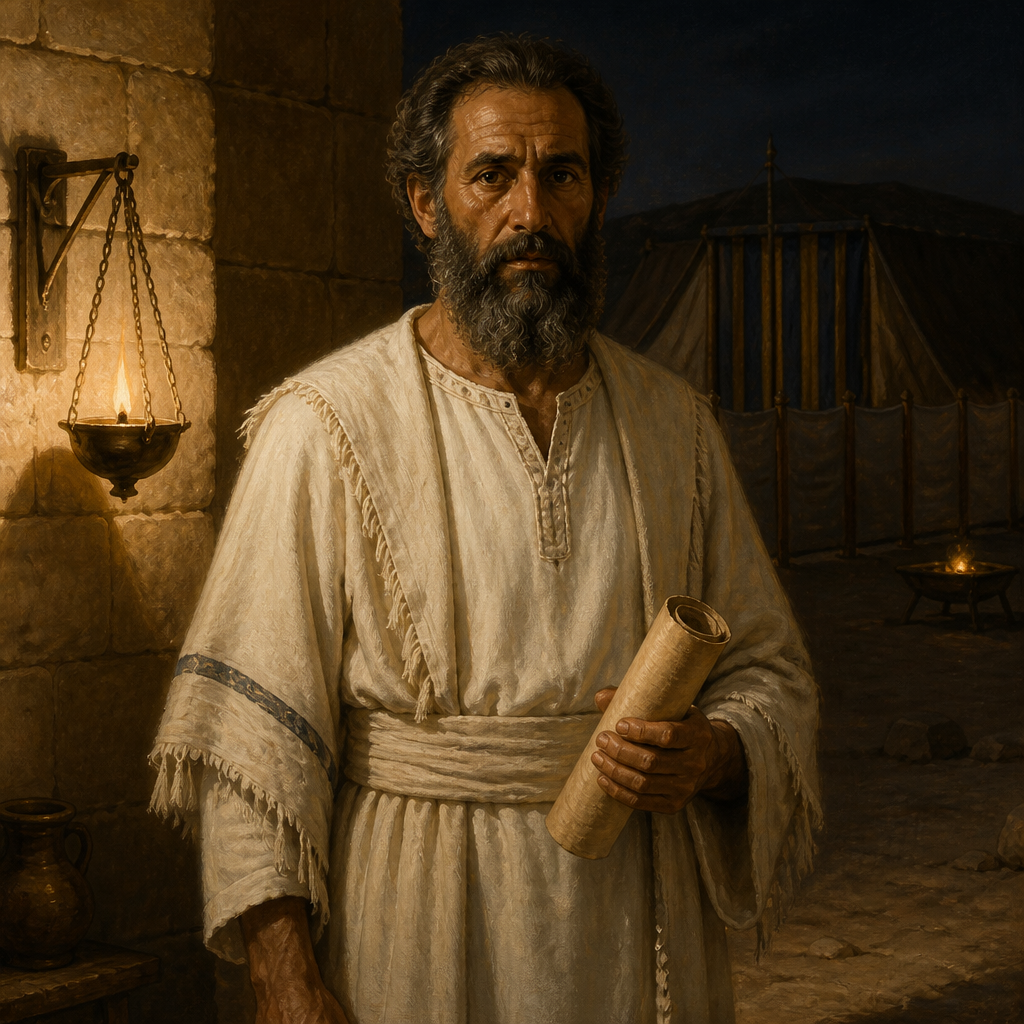
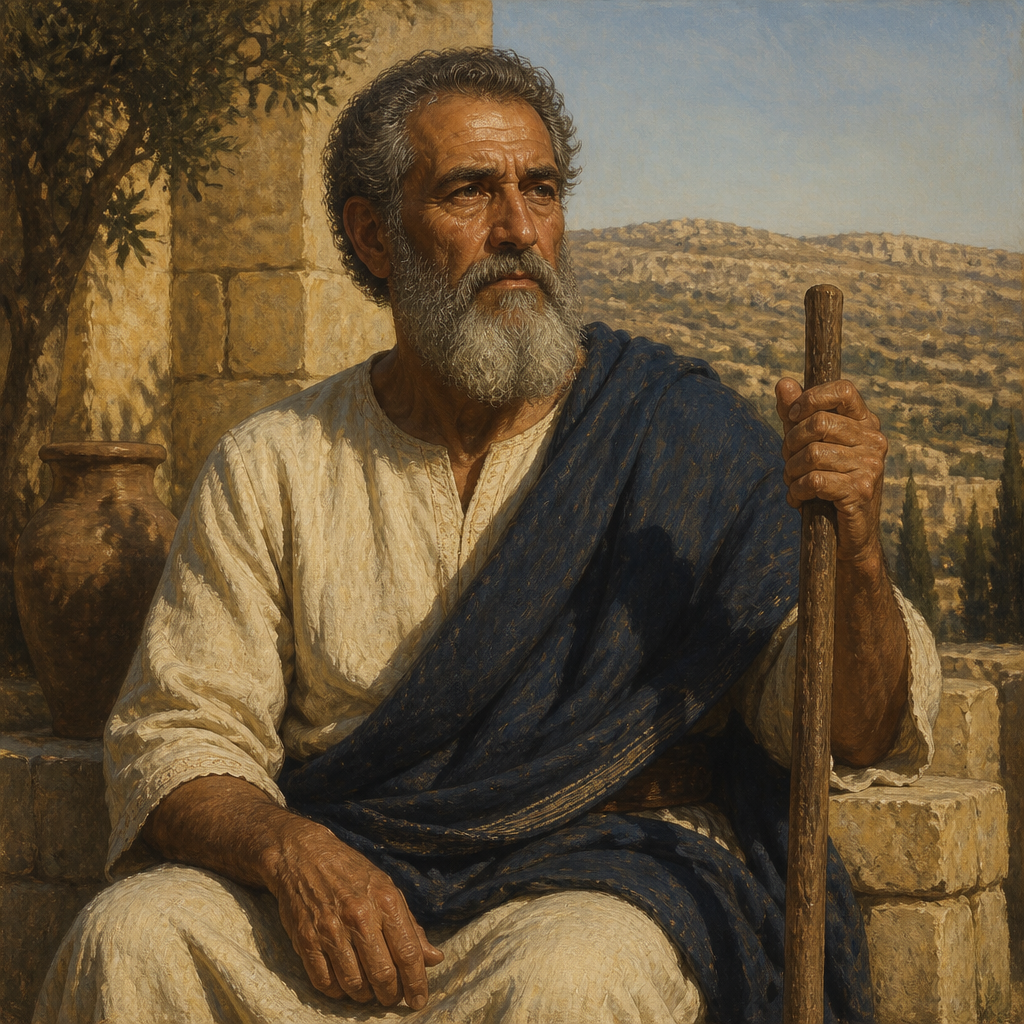
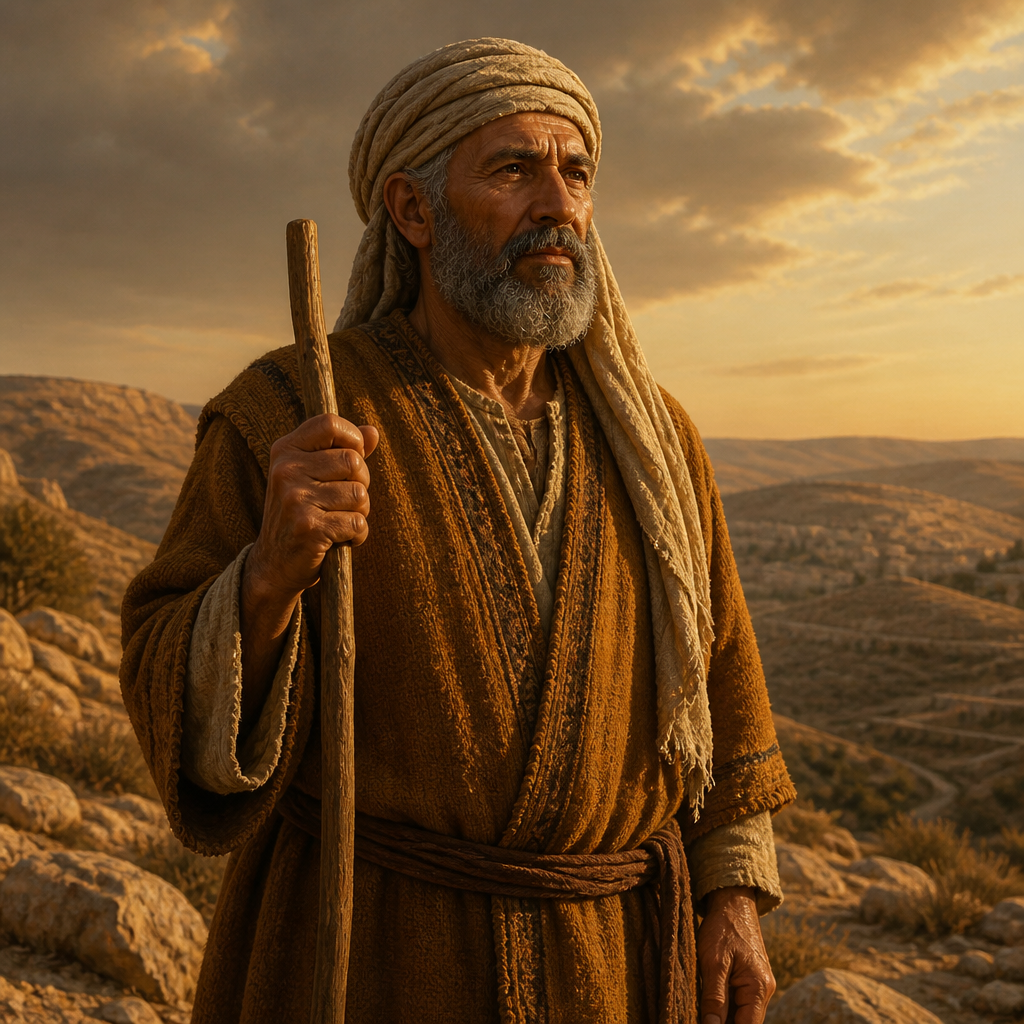
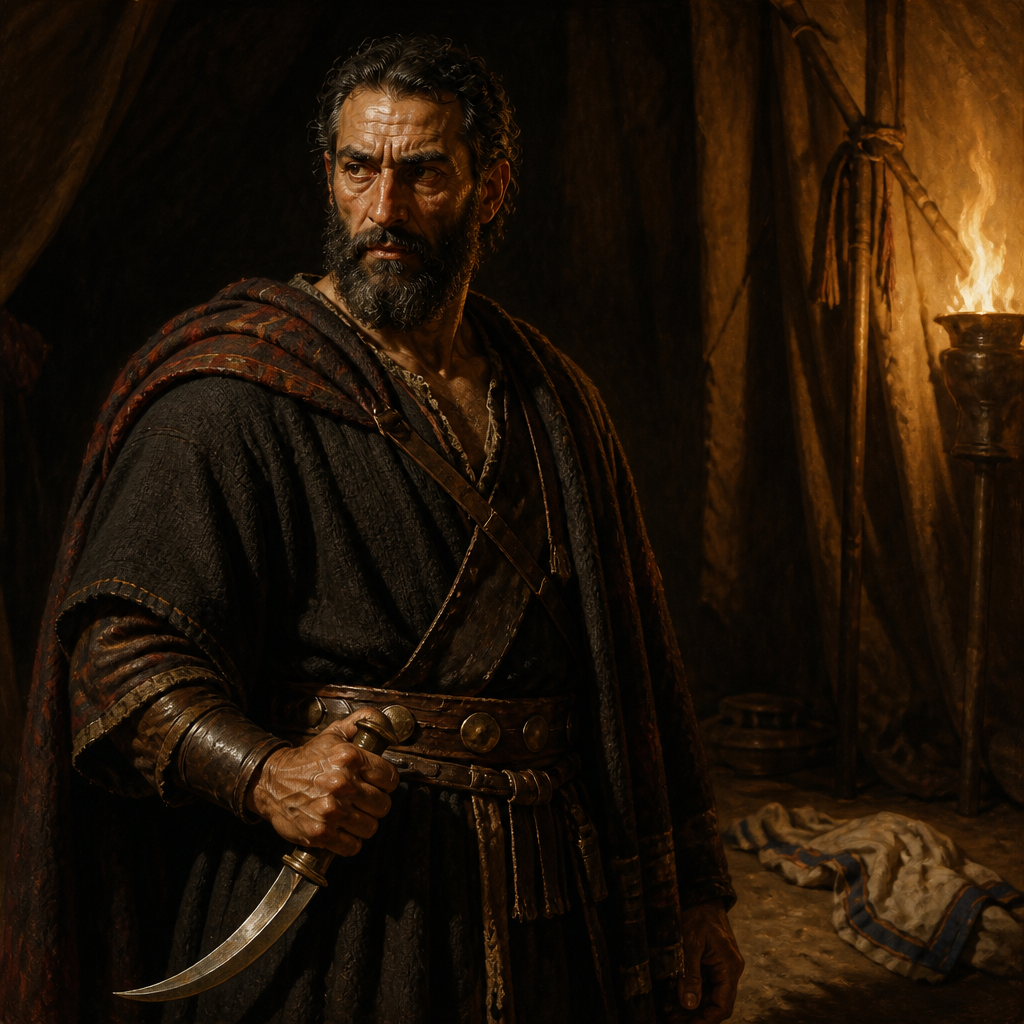
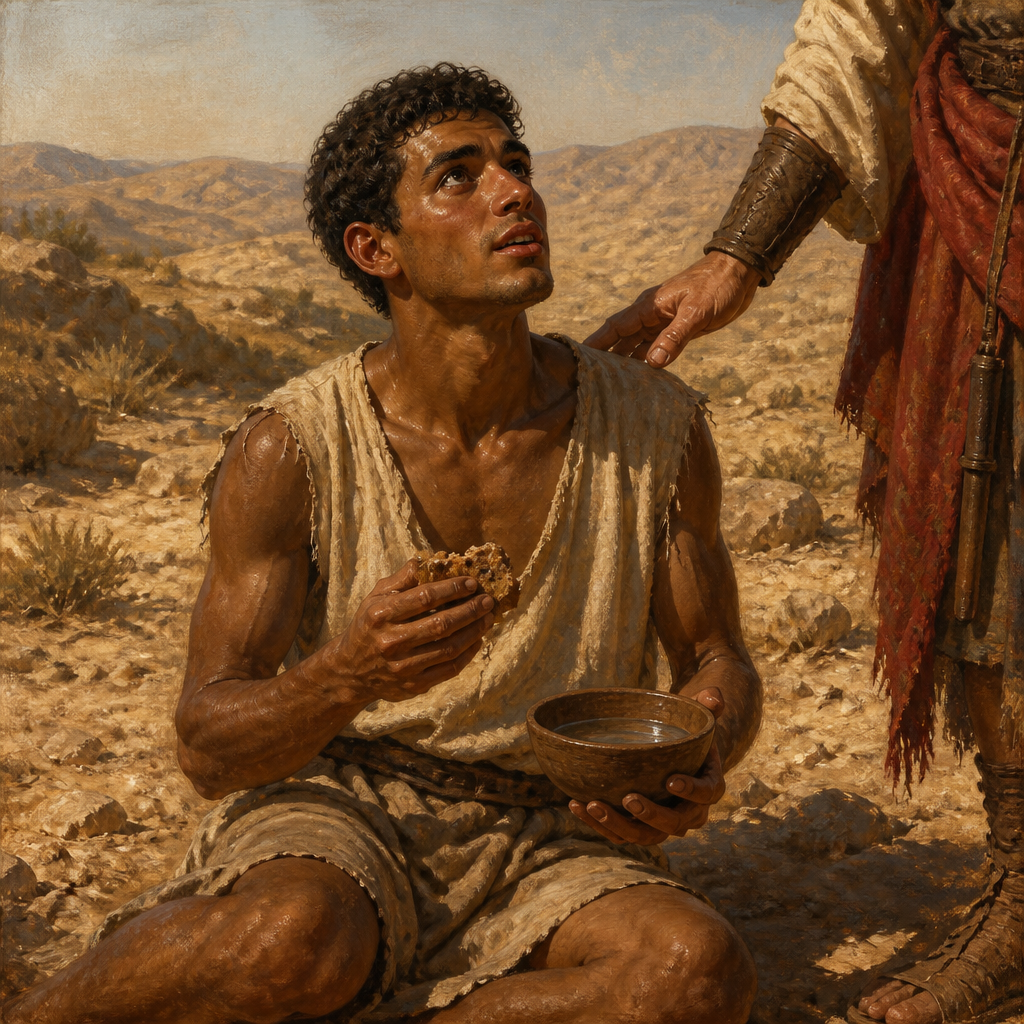
The Egyptian Servant in the Amalekite Camp
Egyptian slave who led David to the Amalekite camp after being abandoned by his master
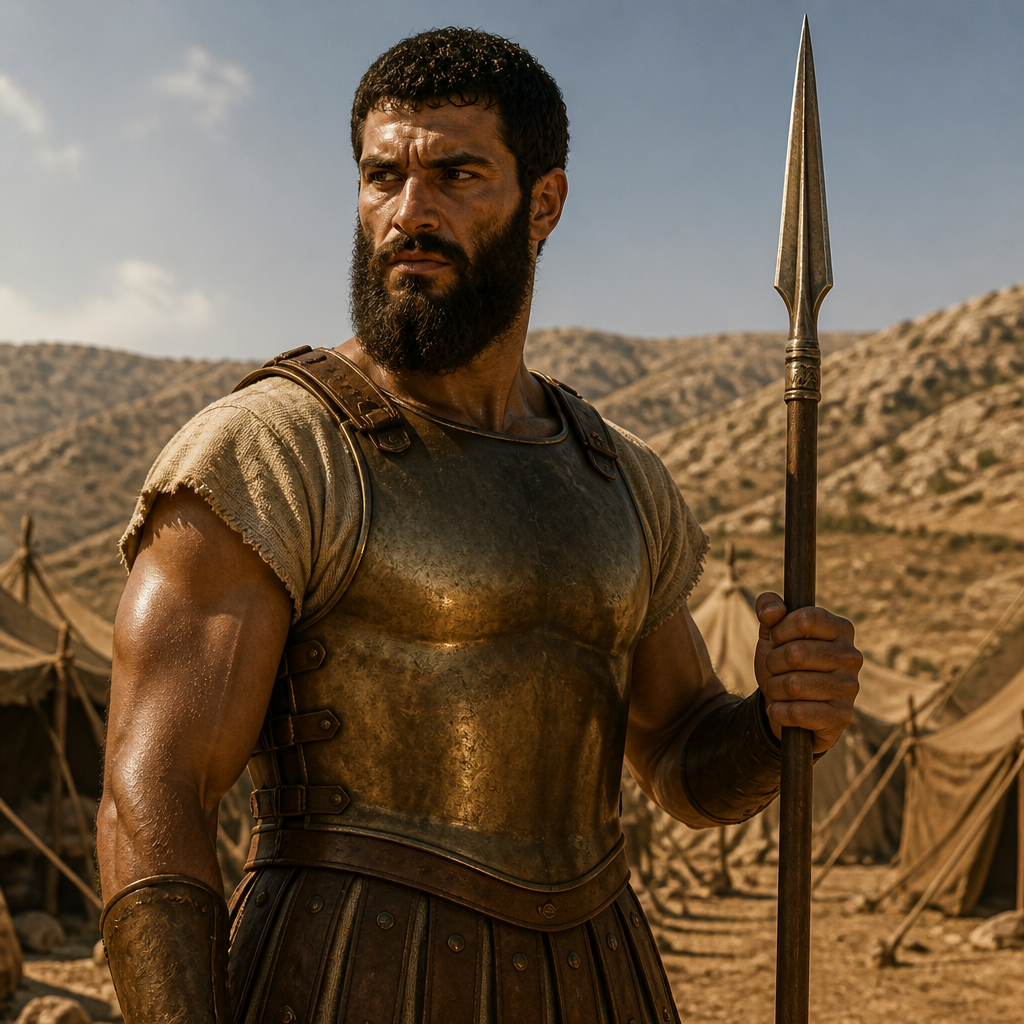
Eliab, Brother of David
Eldest brother of King David who was passed over for the kingship despite his height and appearance
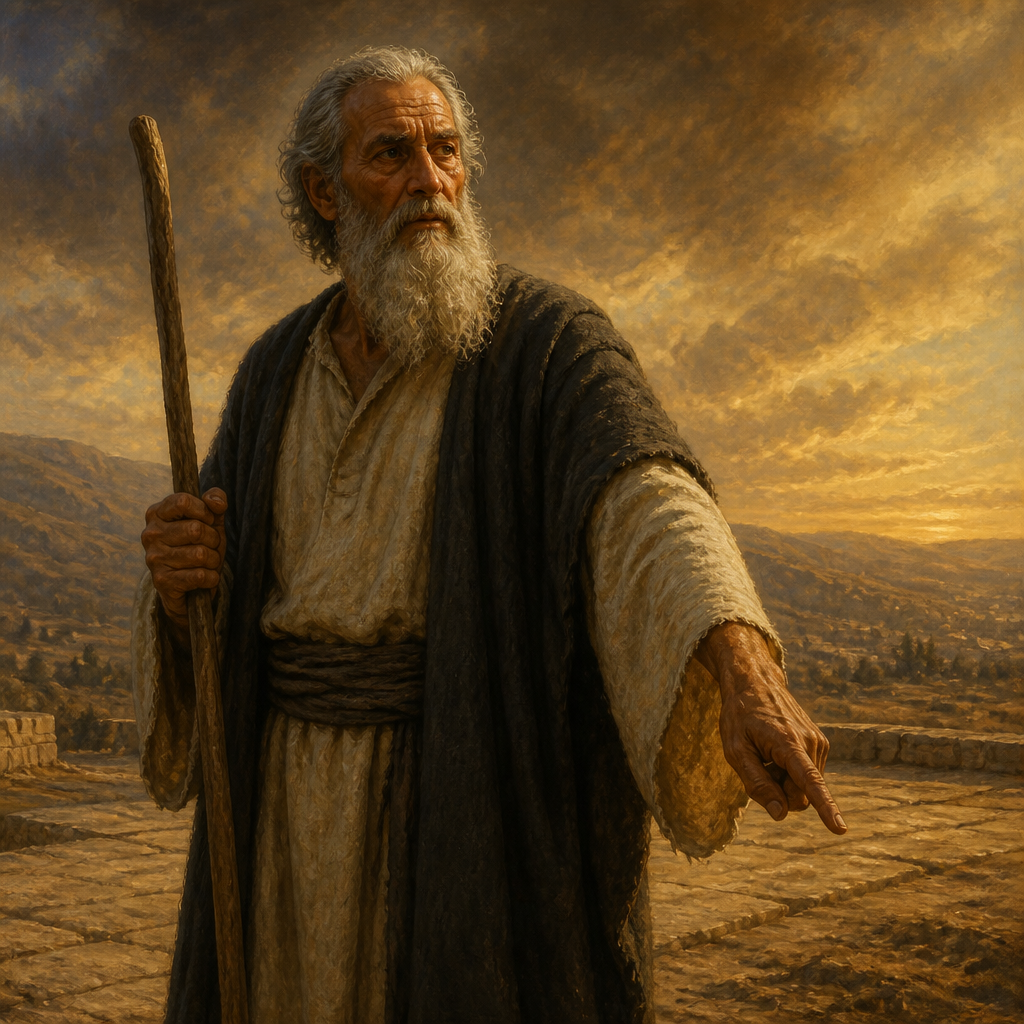
Gad, David's Seer
Prophet and seer who advised King David and designated the site for the Temple
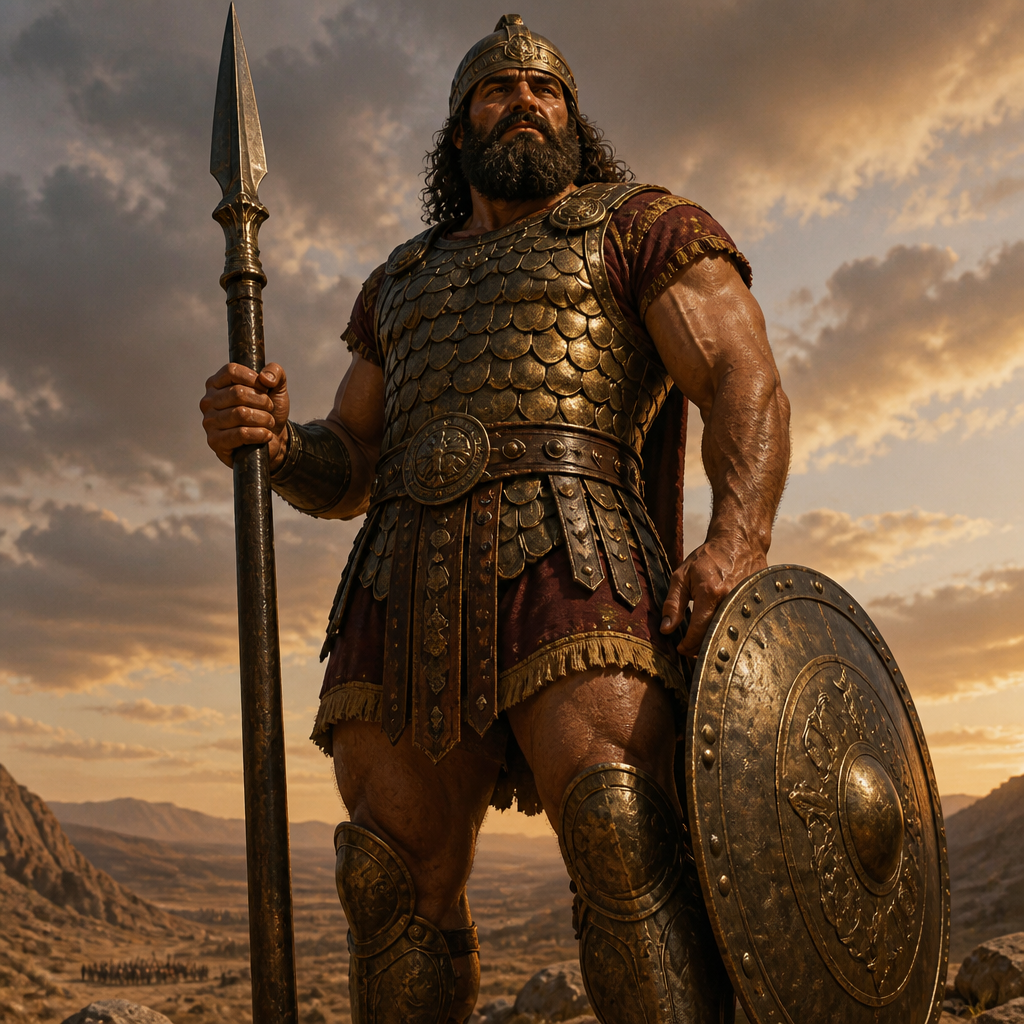
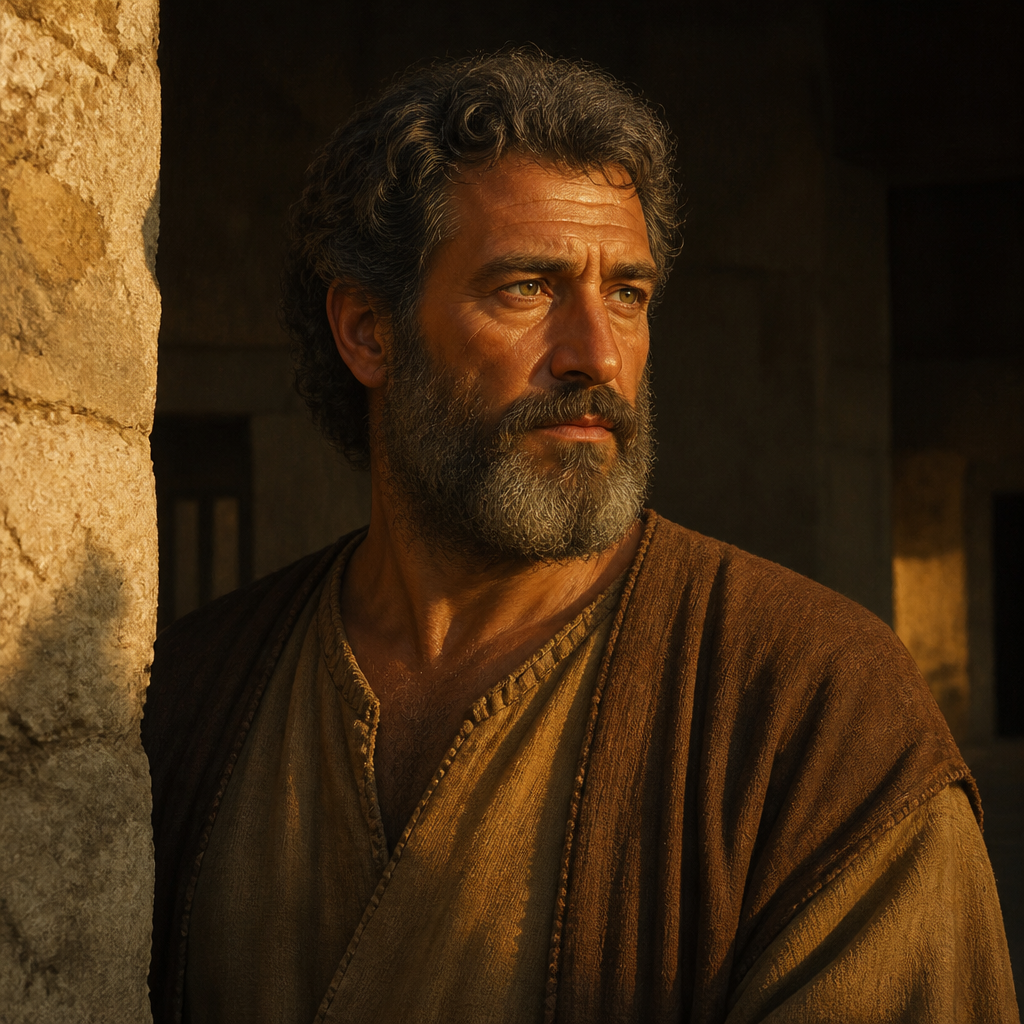
Joab, Commander of the Army
Commander of David's army who captured Jerusalem and killed Absalom
Jonathan, Son of King Saul
Prince of Israel and loyal friend of David who died at Mount Gilboa
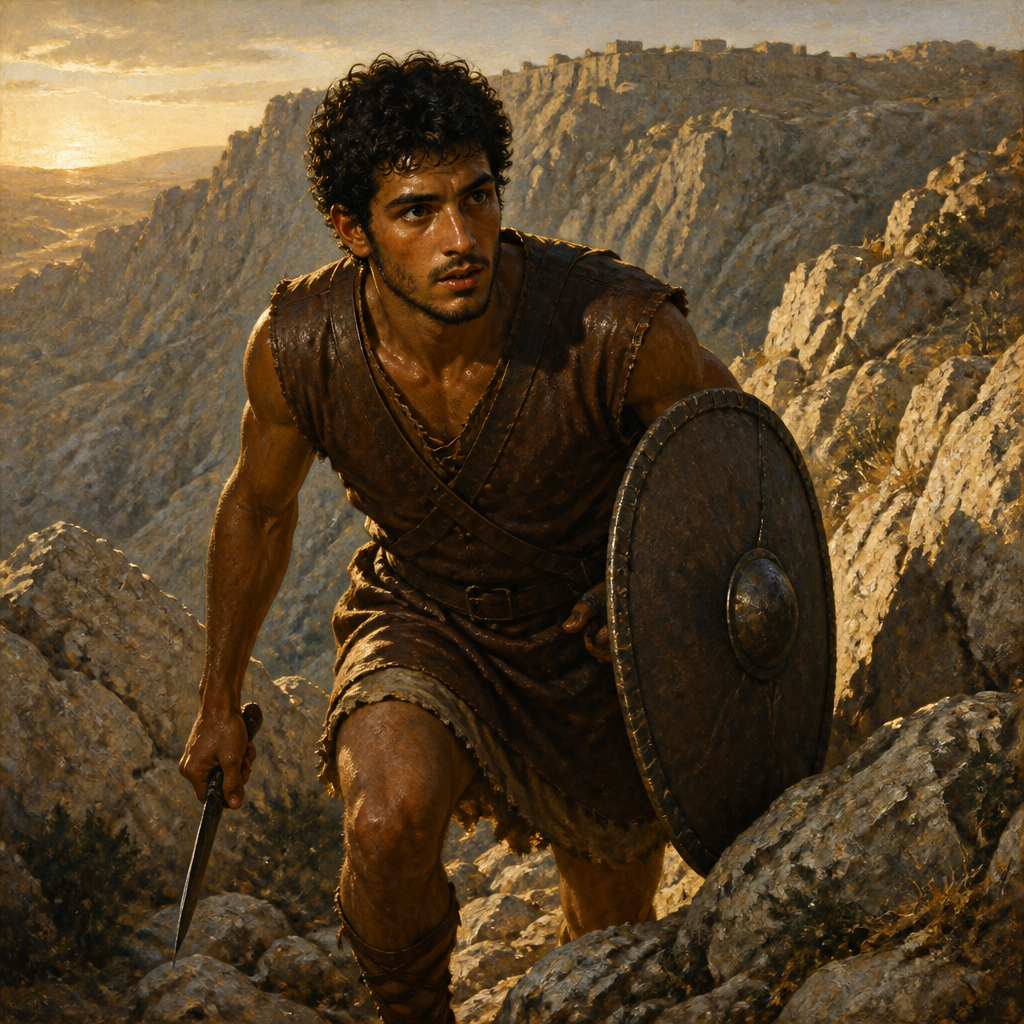
Jonathan's Armor-Bearer
Young warrior who accompanied Jonathan in the daring two-man assault on the Philistine outpost at Michmash
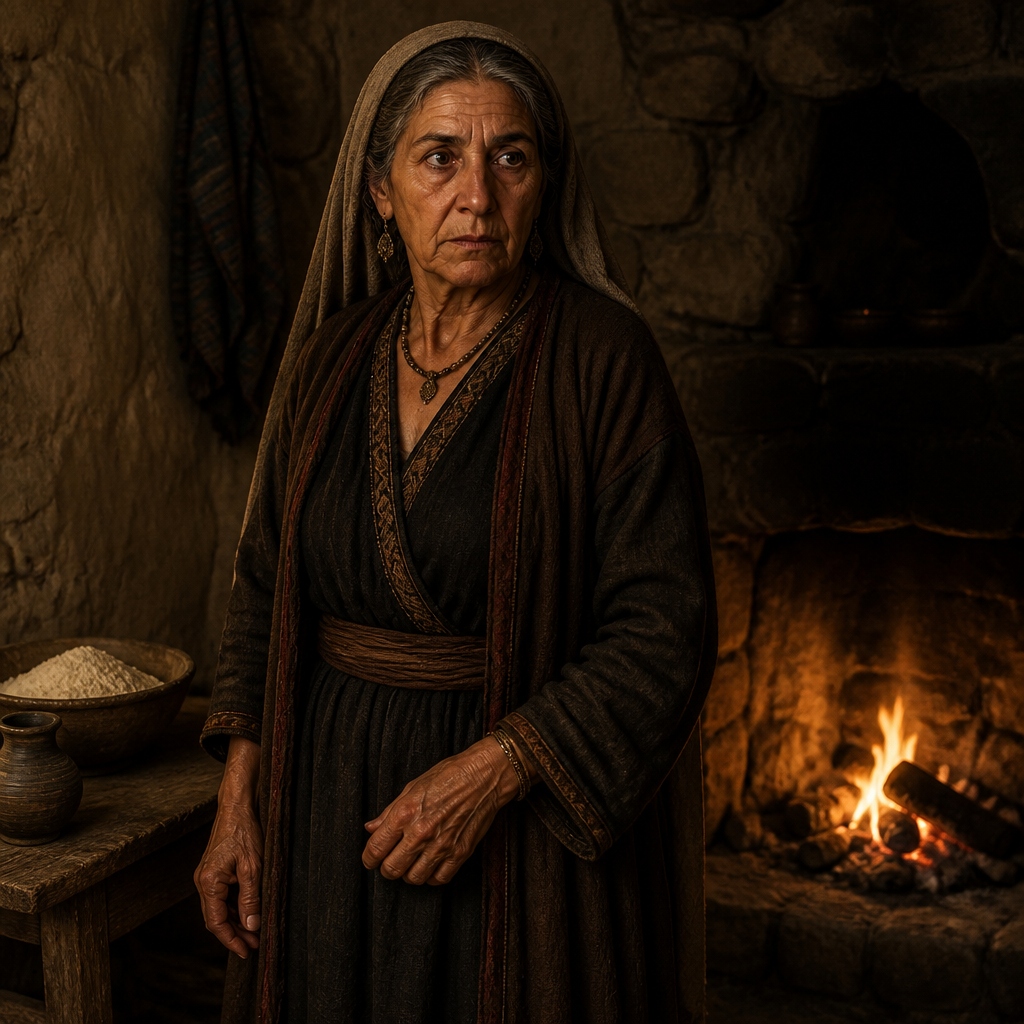
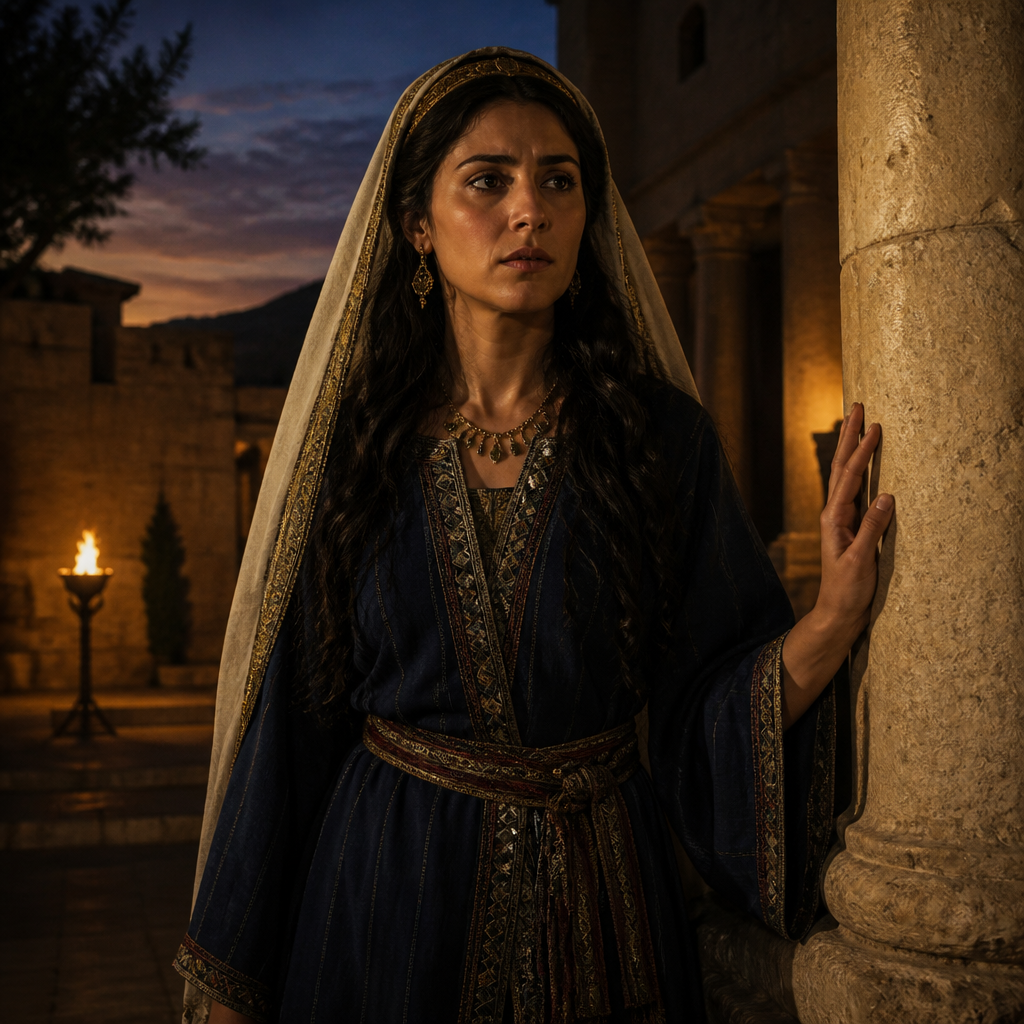
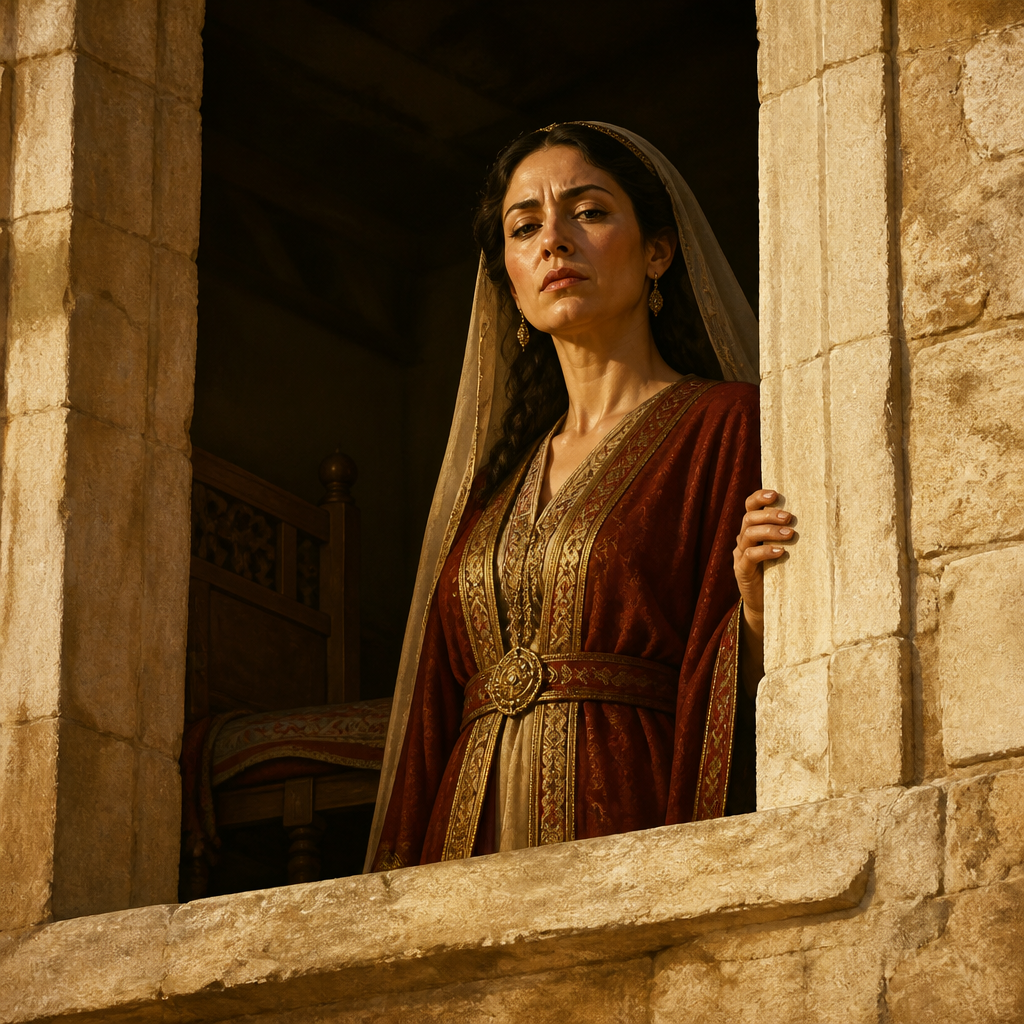
Michal
Daughter of Saul who loved David and saved his life but later despised his worship
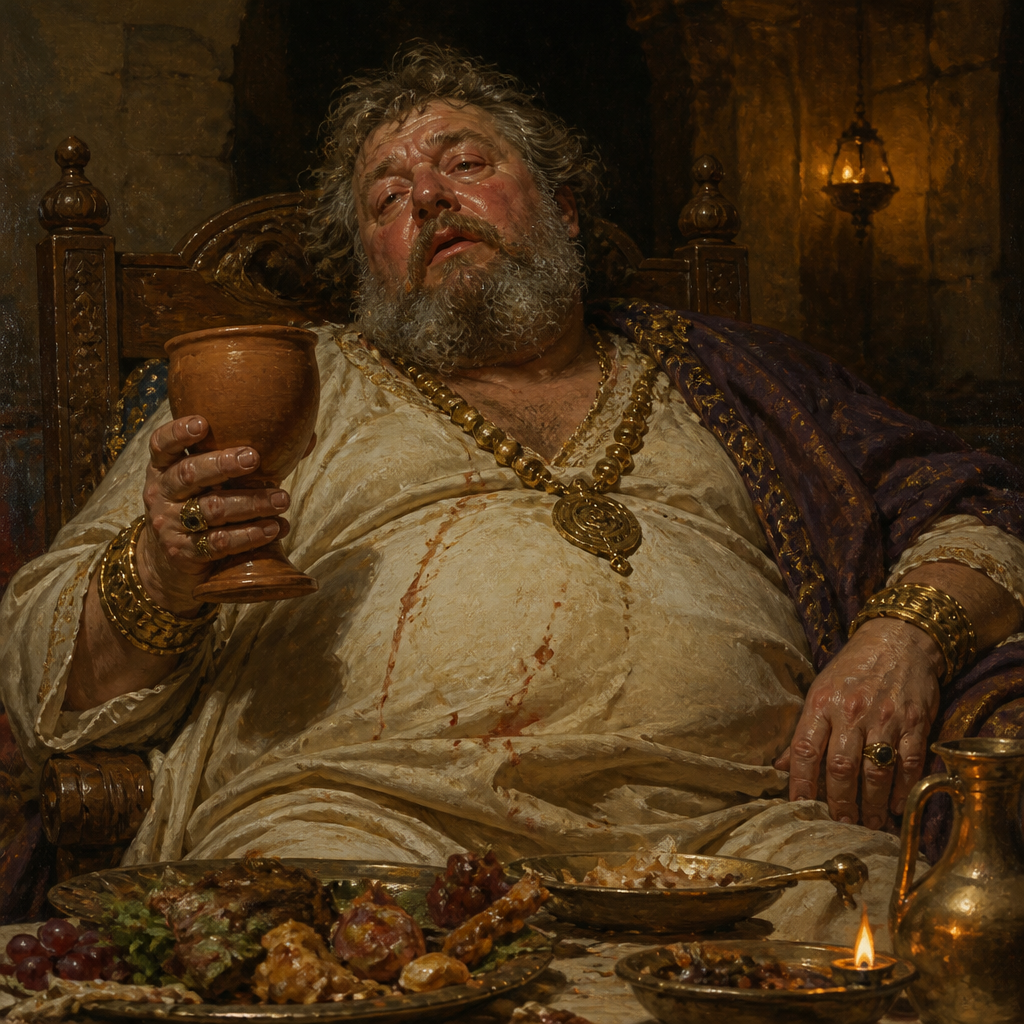
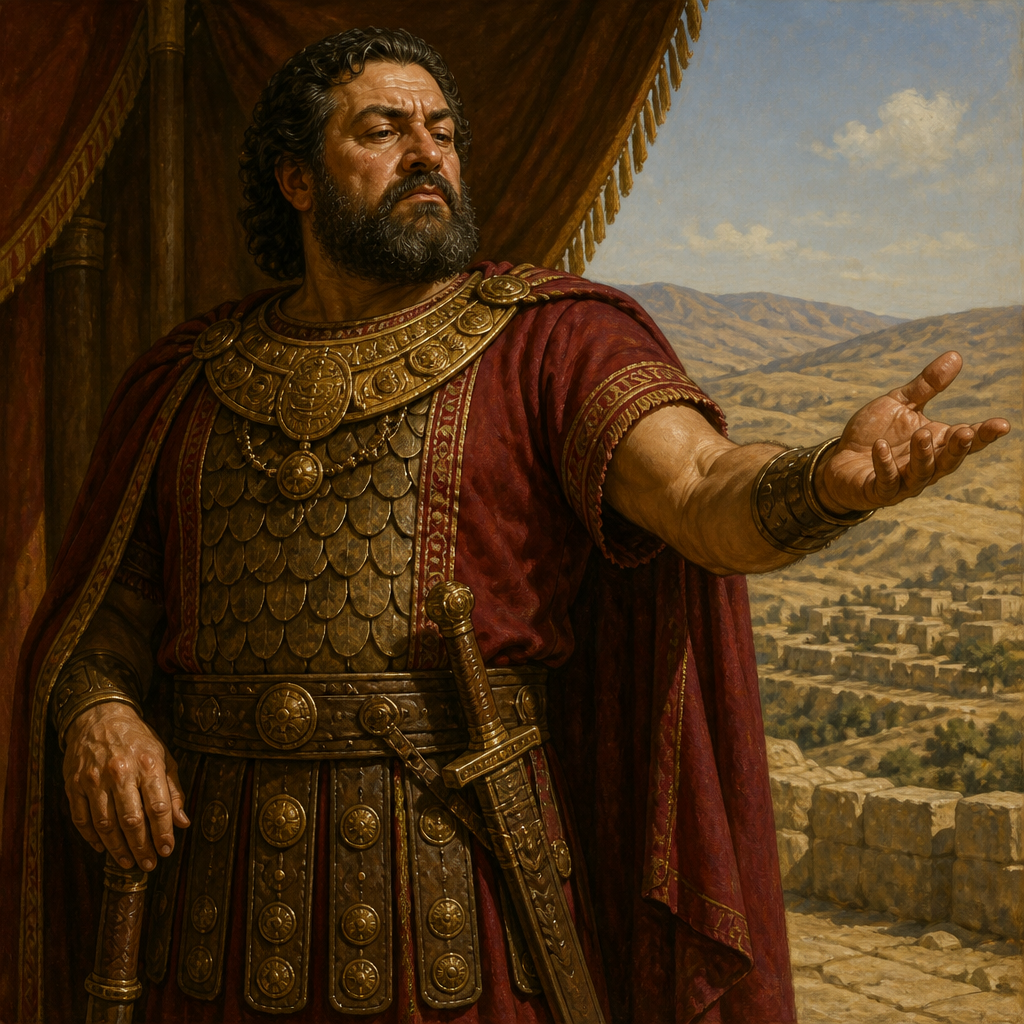
Nahash the Ammonite (1 Samuel 11)
King of the Ammonites who besieged Jabesh-gilead and demanded the right eyes of its inhabitants
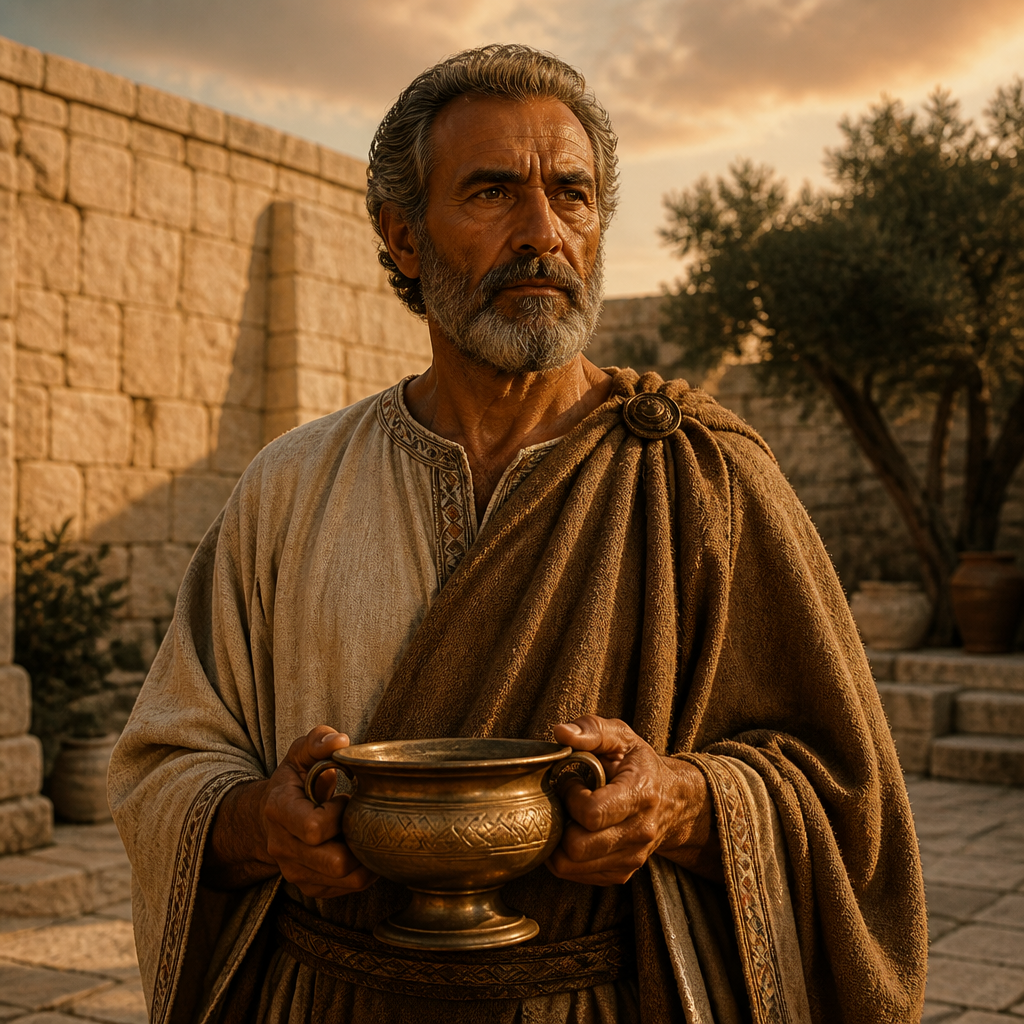
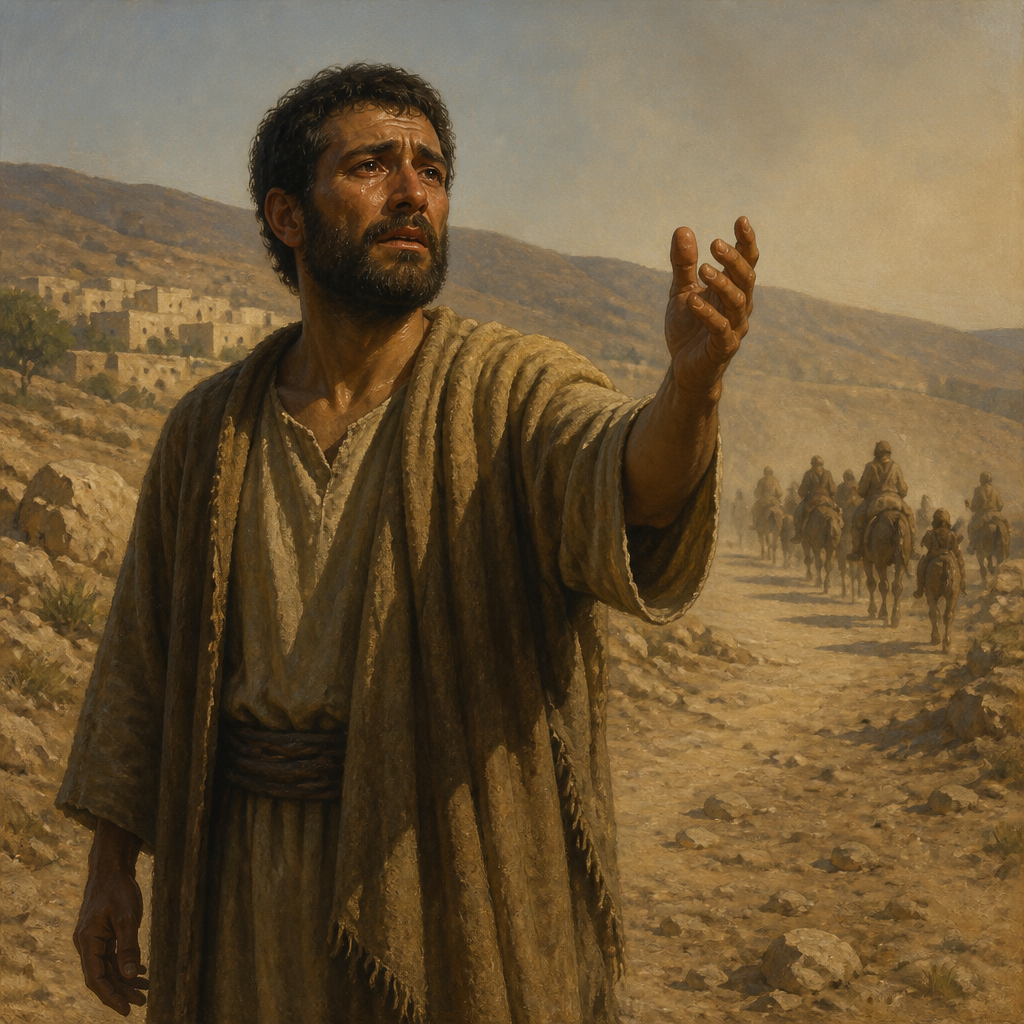
Palti, Husband of Michal
Husband given King Saul's daughter Michal after David fled into exile
Saul
King of Israel who was the first to rule the United Monarchy before being rejected by God
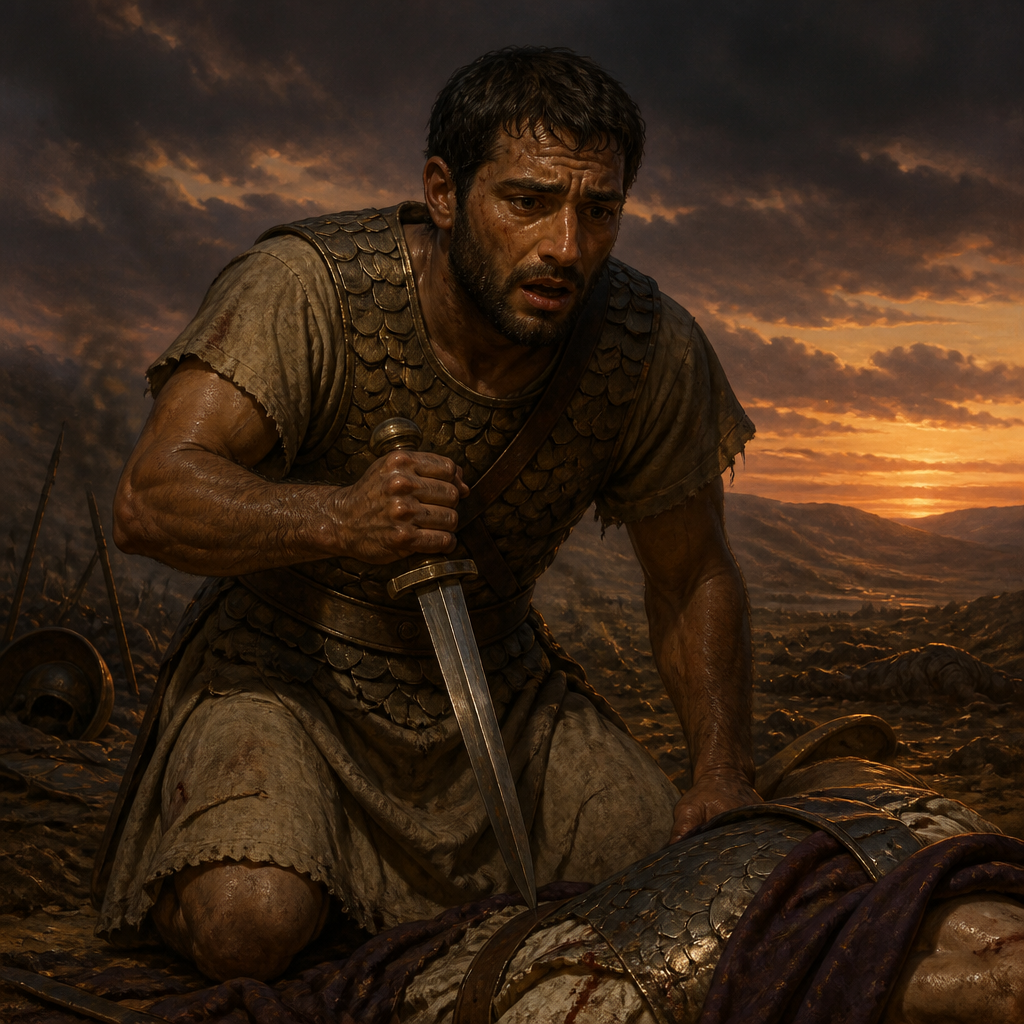
Saul's Armor-Bearer
Official who died by suicide alongside King Saul at the Battle of Mount Gilboa
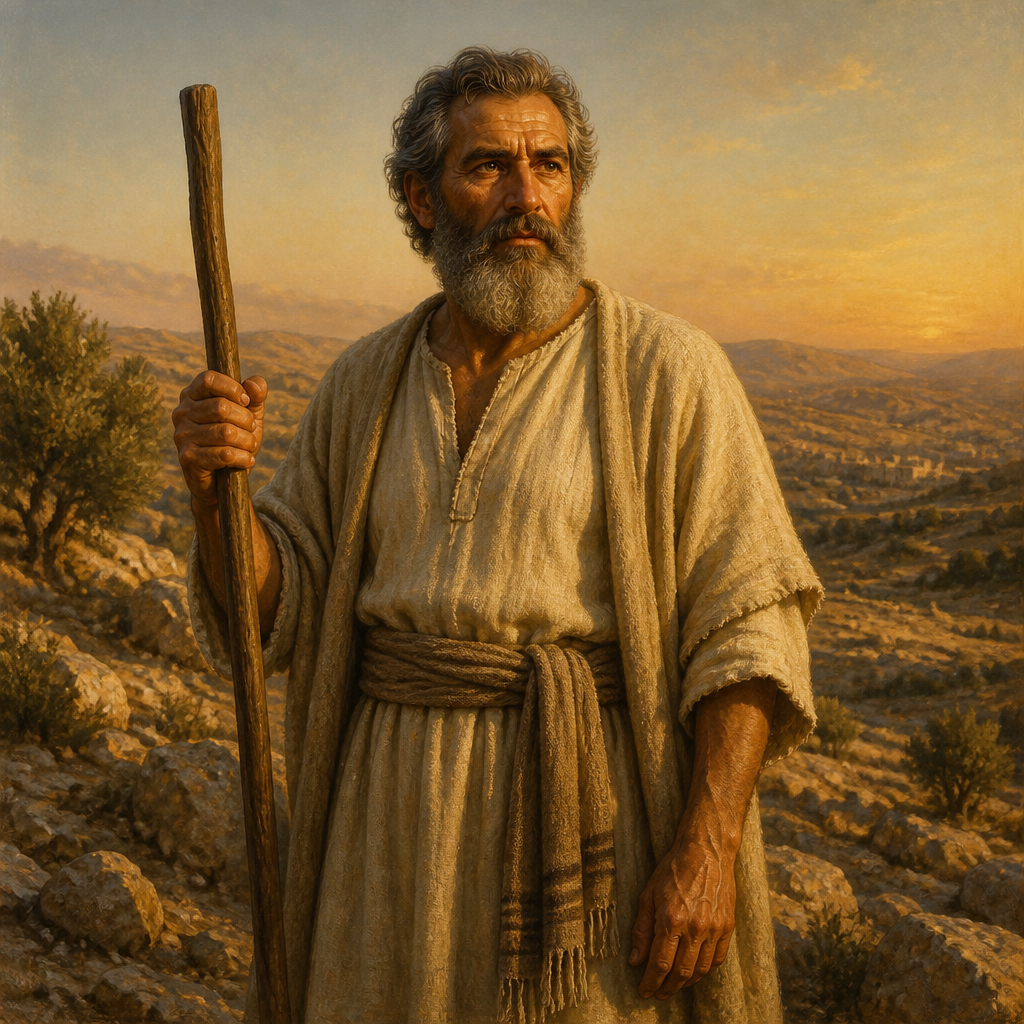
Zeror
Great-grandfather of King Saul who appears in the royal genealogy of the tribe of Benjamin
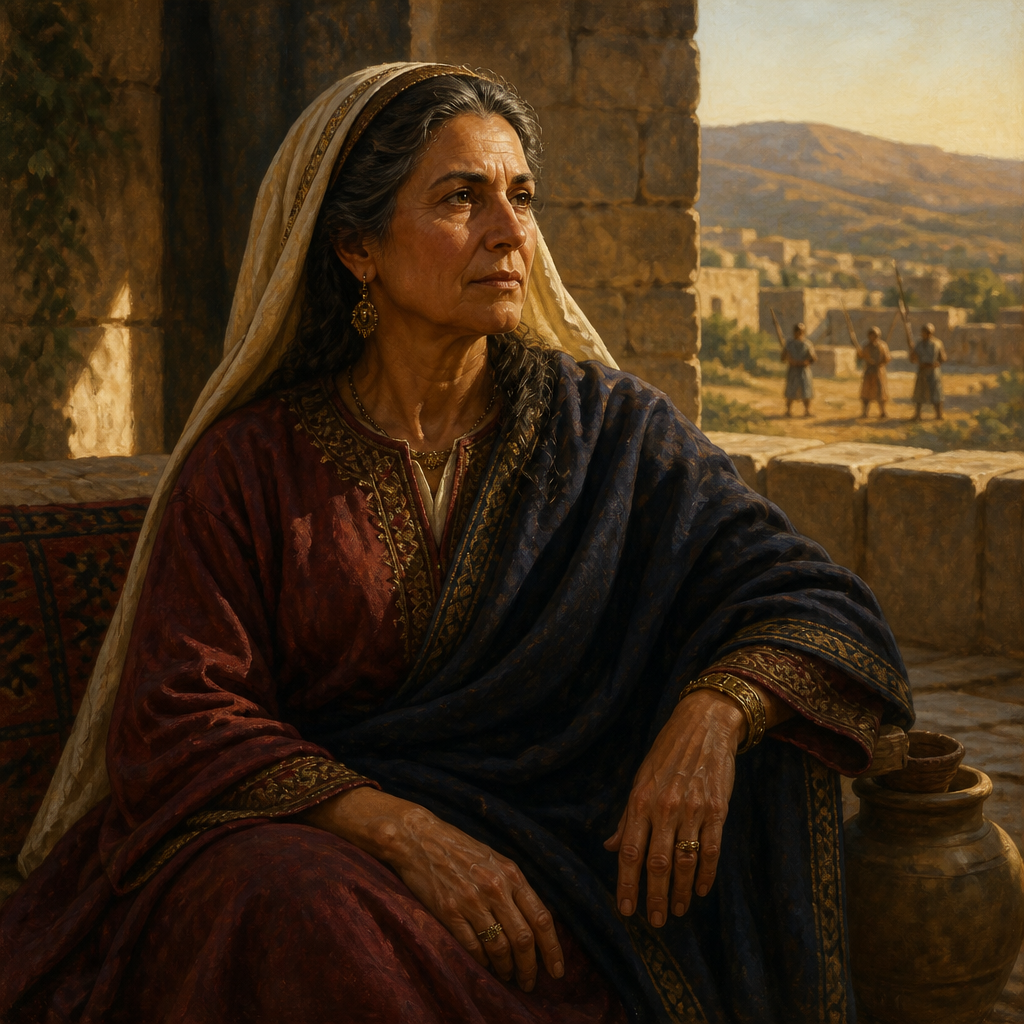
Zeruiah
Mother of Joab and sister of King David whose sons were the primary military leaders of Israel
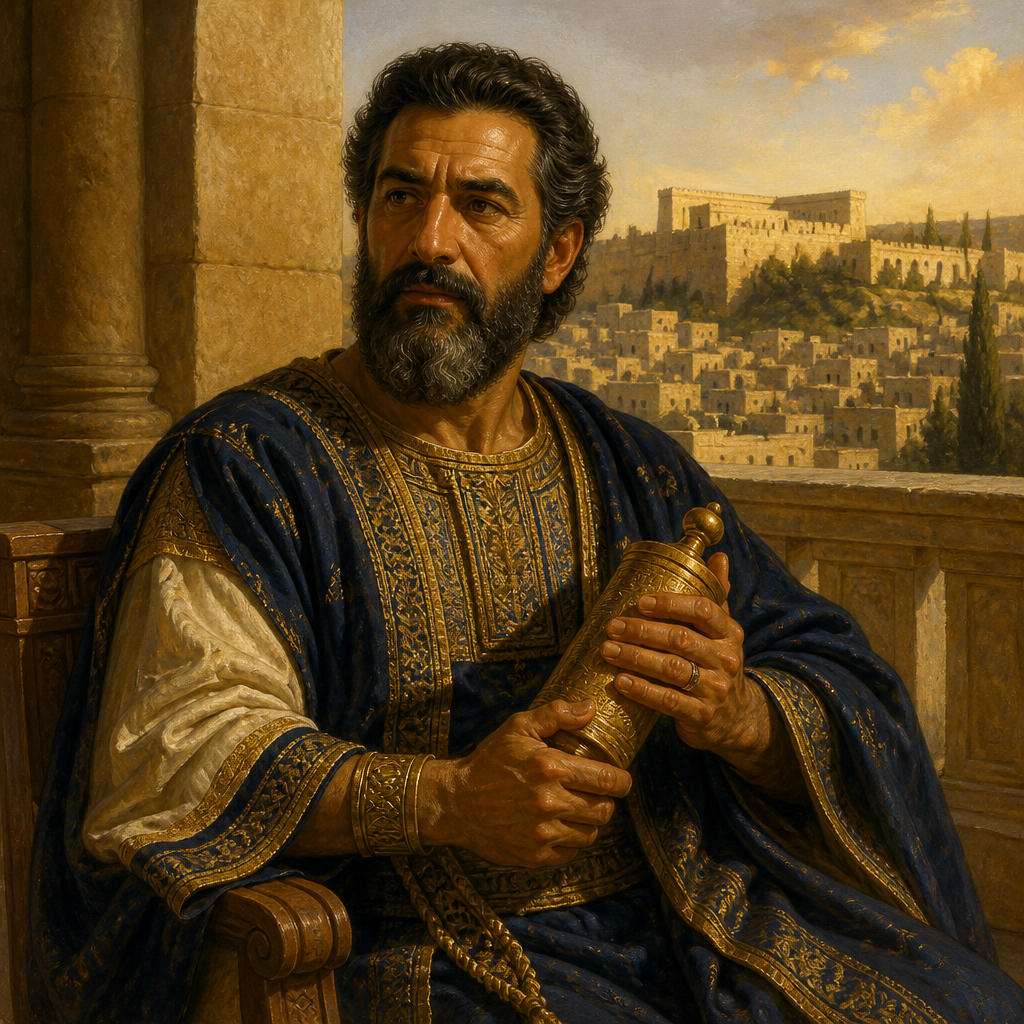
Jerimoth, Son of David
Son of David and father of Mahalath, the wife of King Rehoboam
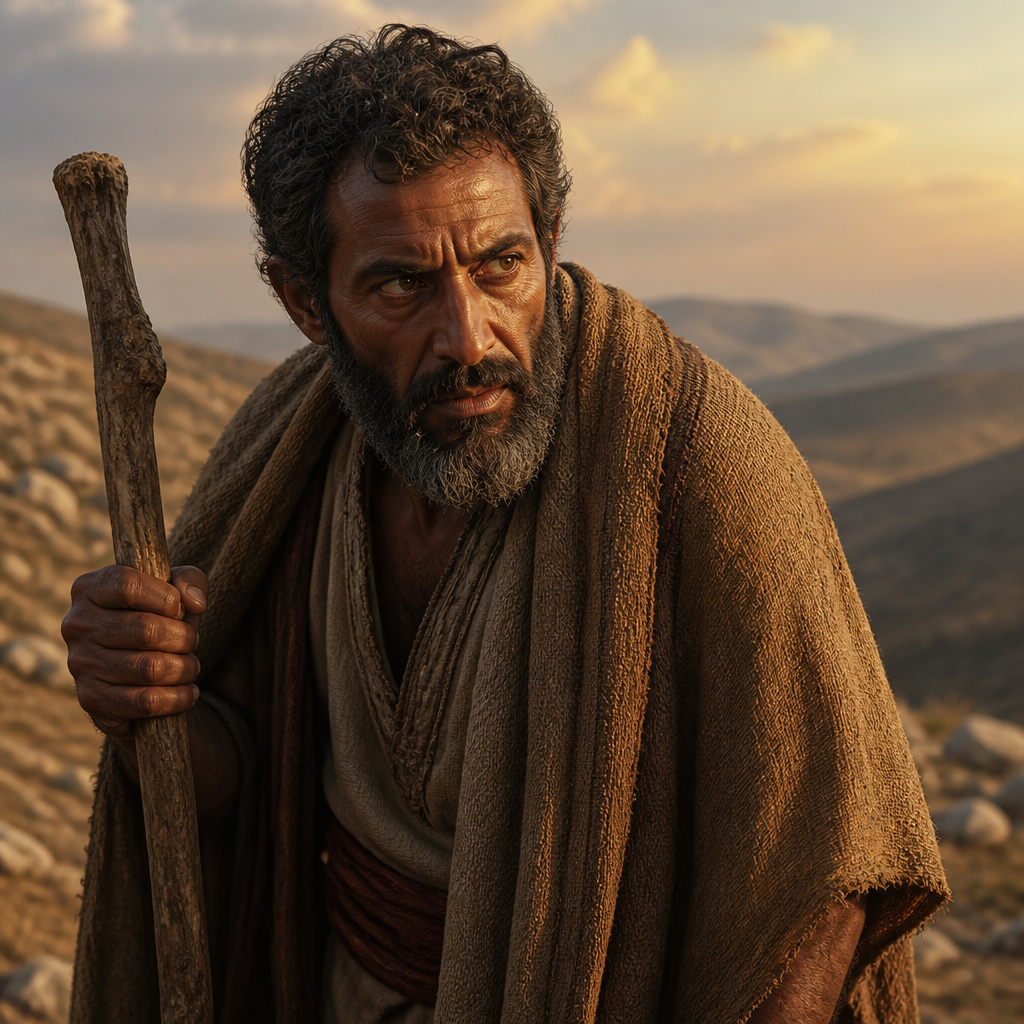
Cush the Benjamite
Benjamite whose words and pursuit of David prompted the writing of Psalm 7
Ithiel, Recipient of Agur's Words
recipient of the wisdom oracle from Agur son of Jakeh in Proverbs 30
Lemuel
King who recorded the moral instructions and warnings against alcohol given to him by his mother

The Shulammite
Female protagonist of the Song of Solomon known for her beauty and devotion
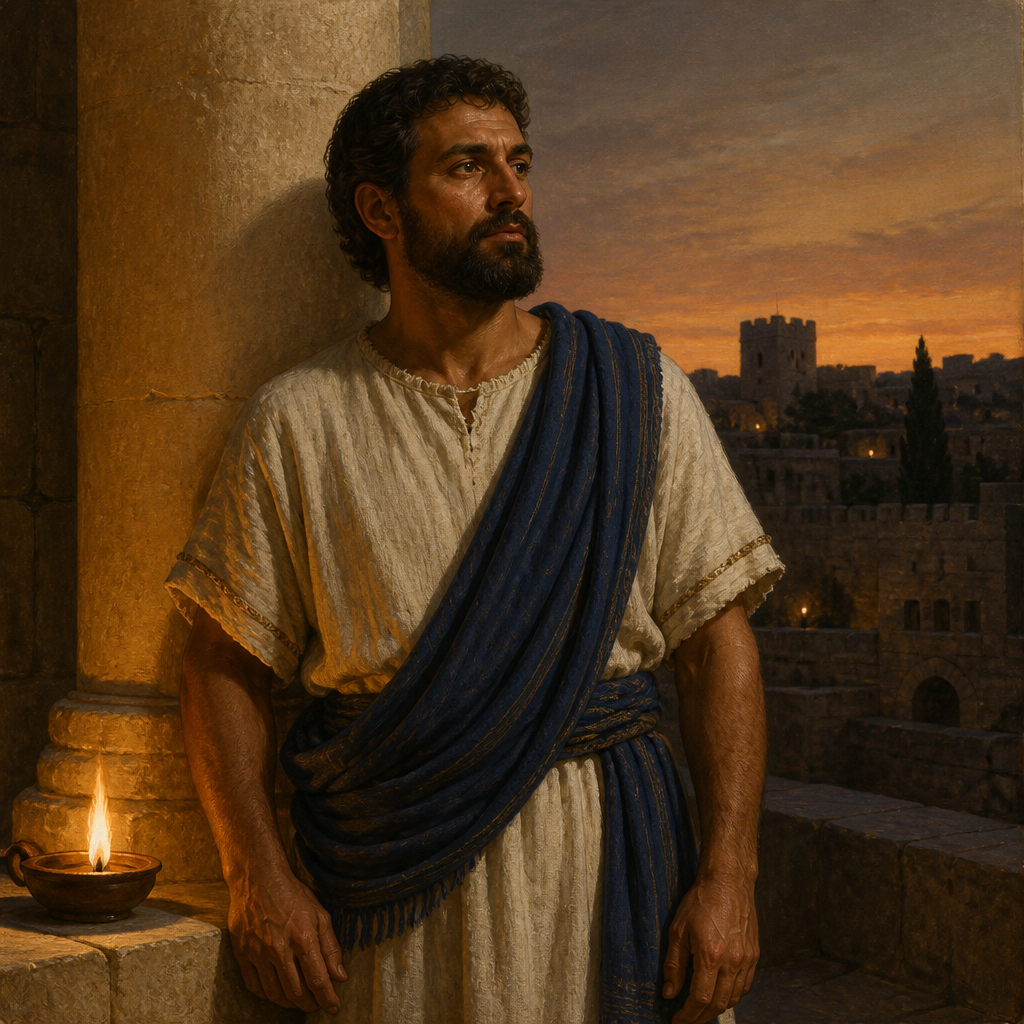
These names come from genealogies and lists that give no anchor in time. They are placed here by genealogical position, not by a dated event, so they are listed apart from the people the text dates directly.