Era 13 of 13
Revelation · Revelation 1 – 22
Figures first seen in the Apocalypse
The biblical timeline
- Creation to BabelUndated (before Abraham)
- Patriarchal Periodc. 2100–1800 BC
- Egypt and Wildernessc. 1800–1400 BC
- Conquest and Judgesc. 1400–1050 BC
- United Monarchyc. 1050–930 BC
- Divided Monarchyc. 930–586 BC
- Exile and Returnc. 605–430 BC
- Intertestamental Periodc. 430–5 BC
- The Gospelsc. 6 BC – AD 30
- In Jerusalemc. AD 30–35
- In All Judea and Samariac. AD 35–44
- To the Ends of the Earthc. AD 46–95
- Revelationc. AD 95
The story of Revelation
"I, John, your brother and partner in the tribulation and the kingdom and the patient endurance that are in Jesus, was on the island called Patmos on account of the word of God and the testimony of Jesus" (Revelation 1:9). The last era of the Bible is a vision, and it begins with letters. Seven churches in Asia are addressed by name, and with them come the people caught up in their disputes: Antipas, "my faithful witness, who was killed among you" at Pergamum (Revelation 2:13); the Nicolaitans, whose works are hated at Ephesus and held by some at Pergamum (Revelation 2:6, 15); those who hold the teaching of Balaam, who taught Balak to put a stumbling block before Israel (Revelation 2:14); and Jezebel of Thyatira, "who calls herself a prophetess and is teaching and seducing my servants" (Revelation 2:20).
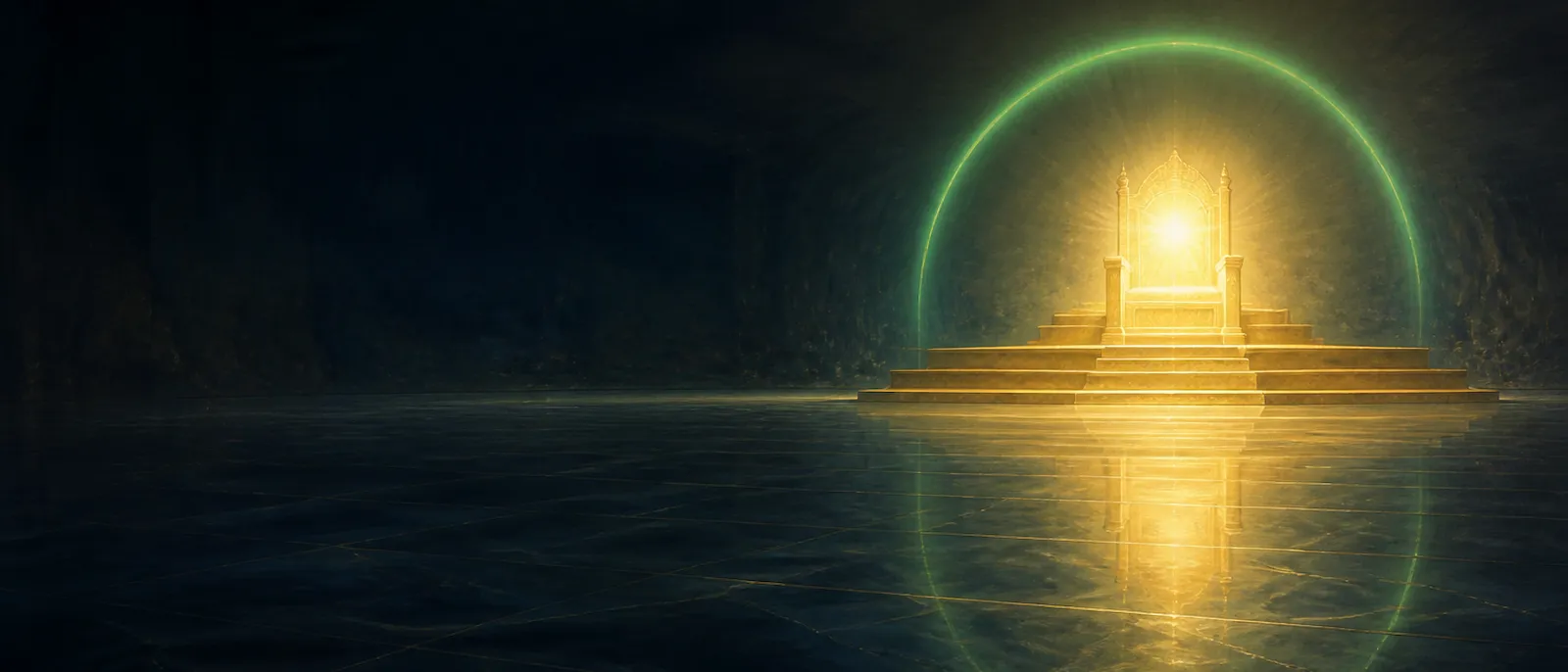
Then a door is opened in heaven. Around the throne sit the twenty-four elders, clothed in white with golden crowns, who fall down before the one seated there (Revelation 4:4, 10), and four living creatures full of eyes never cease their song. A scroll with seven seals is opened by the Lamb "standing, as though it had been slain" (Revelation 5:6), and with the first four seals come the riders: one on a white horse with a bow and a crown, one on a red horse who takes peace from the earth, one on a black horse with scales in his hand, and one on a pale horse "and its rider's name was Death, and Hades followed him" (Revelation 6:2-8).
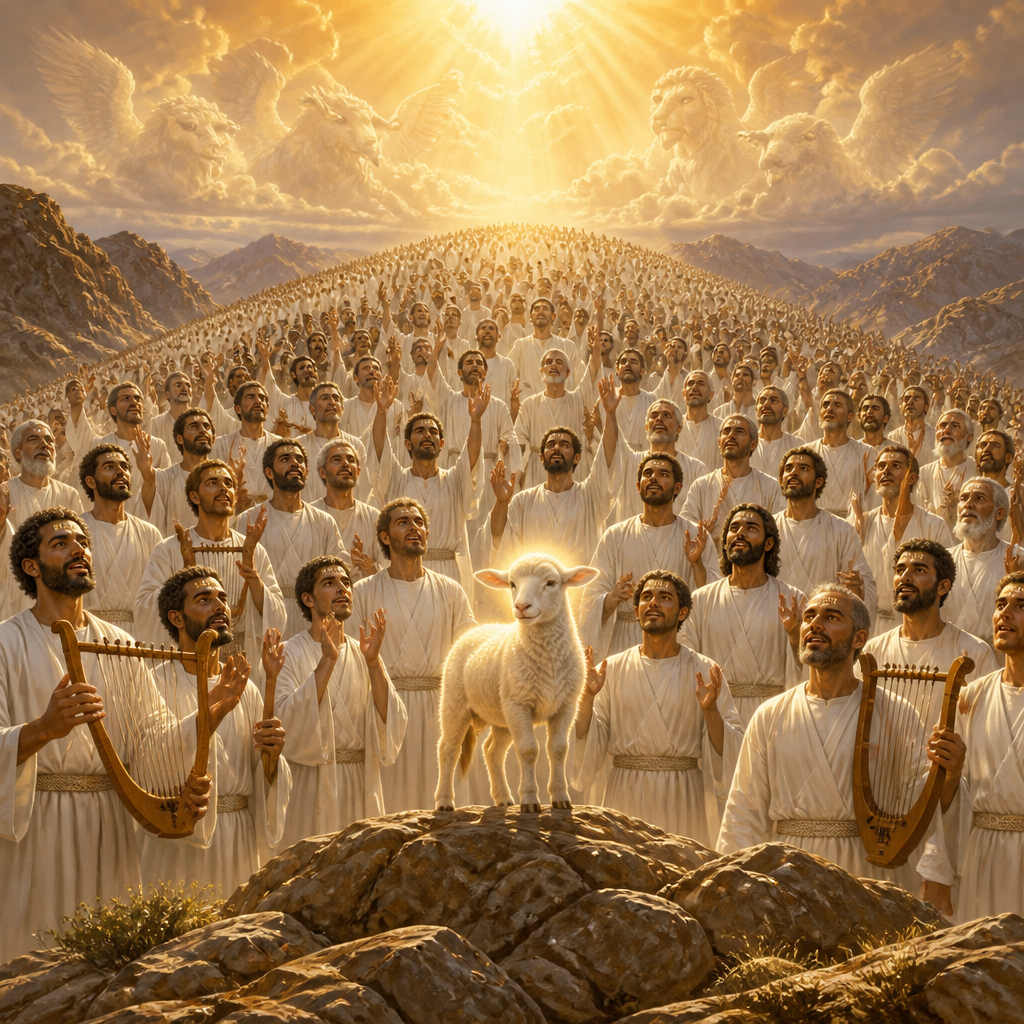
The vision widens into figures the text names but does not explain. A hundred and forty-four thousand are sealed from the tribes of Israel (Revelation 7:4), and a great multitude no one could number stands before the throne (Revelation 7:9). Out of the abyss comes a king whose name in Hebrew is Abaddon and in Greek Apollyon (Revelation 9:11). Two witnesses prophesy in sackcloth for 1,260 days, are killed, and rise (Revelation 11:3-12). A woman clothed with the sun cries out in birth pains before a dragon (Revelation 12:1-6), a beast rises from the sea (Revelation 13:1), and a second beast rises from the earth and makes the earth worship the first (Revelation 13:11-12). What each figure stands for is argued over; the text itself says only what it shows.
The era ends where the story does. A rider called Faithful and True comes out of heaven (Revelation 19:11), the bride is made ready, and a voice from the throne says, "Behold, I am making all things new" (Revelation 21:5). In the city there is no temple, "for its temple is the Lord God the Almighty and the Lamb" (Revelation 21:22), and the servants of God "will see his face, and his name will be on their foreheads" (Revelation 22:4). The people of this final era are the last named in Scripture, and the book closes with an invitation open to anyone: "let the one who is thirsty come" (Revelation 22:17).
Start here
Key figures of this era
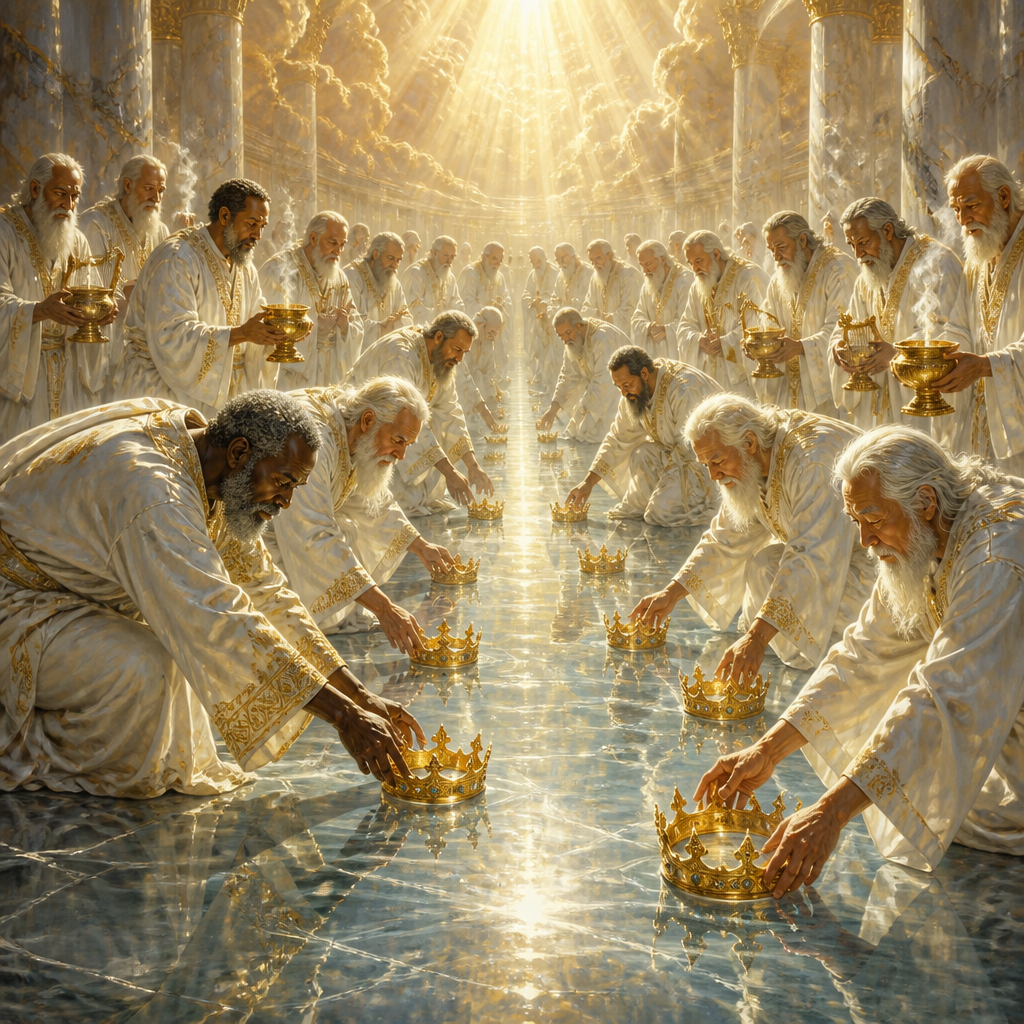
The Twenty-Four Elders
Twenty-four heavenly figures who worship God and hold the prayers of the saints in golden bowls
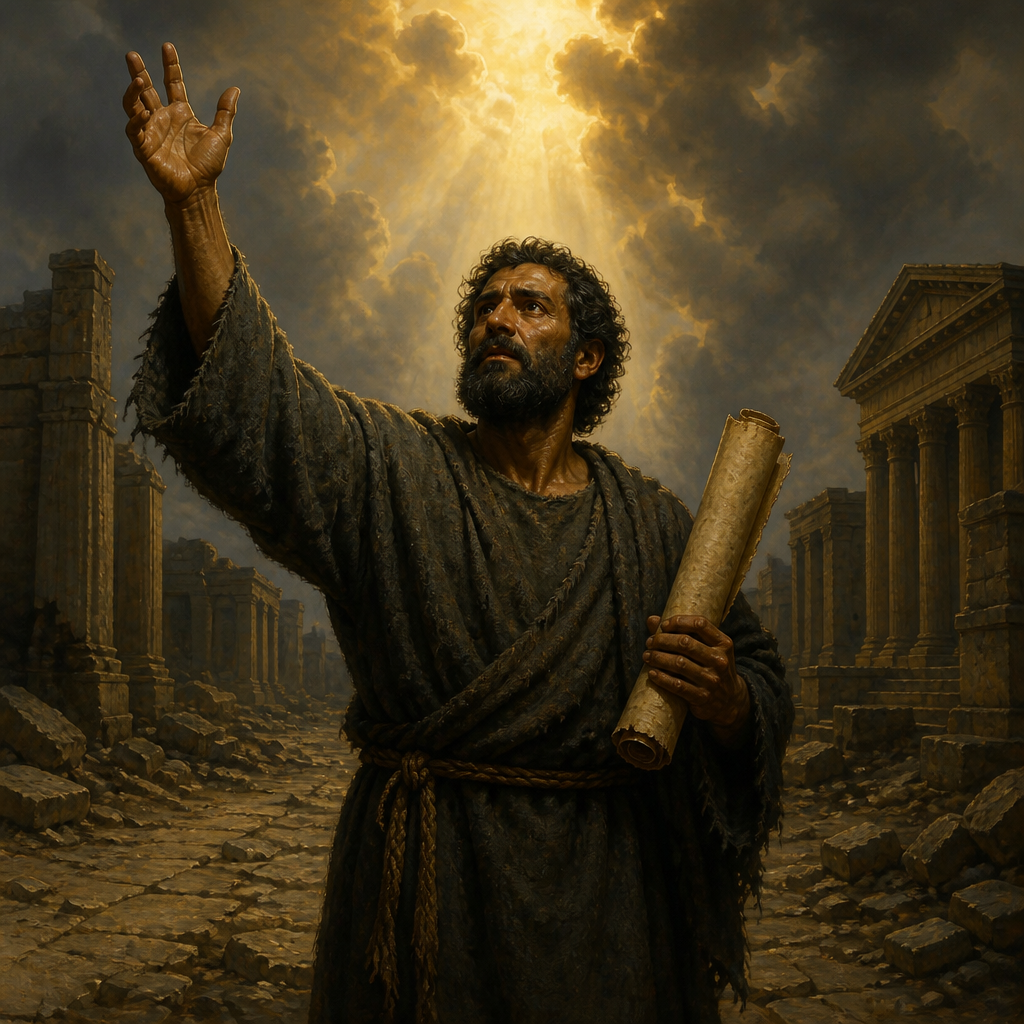
The Two Witnesses
Prophetic ministry in Revelation characterized by miracles, martyrdom, and resurrection
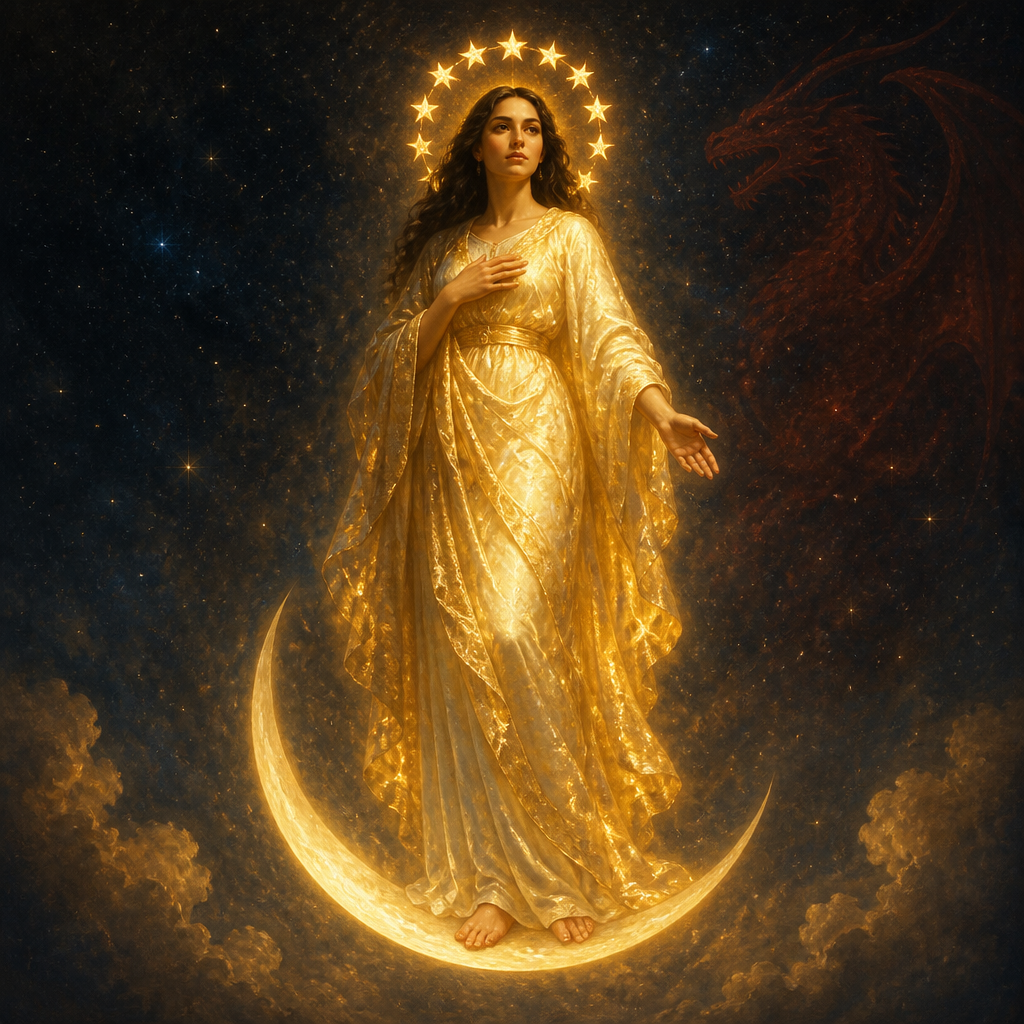
The Woman Clothed with the Sun
Visionary woman in Revelation who gives birth to the Messiah and is protected by God from a dragon
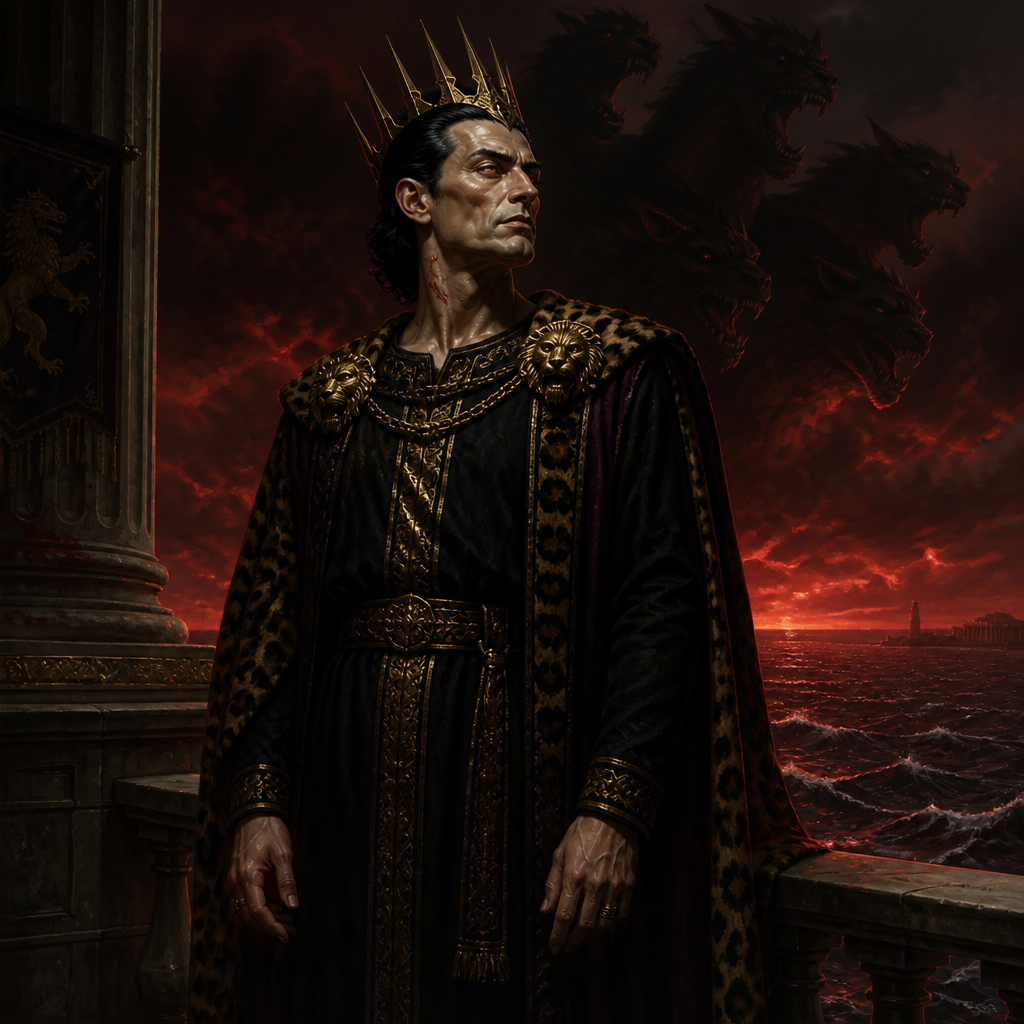
The Beast from the Sea
World leader who receives a mortal wound and demands global worship
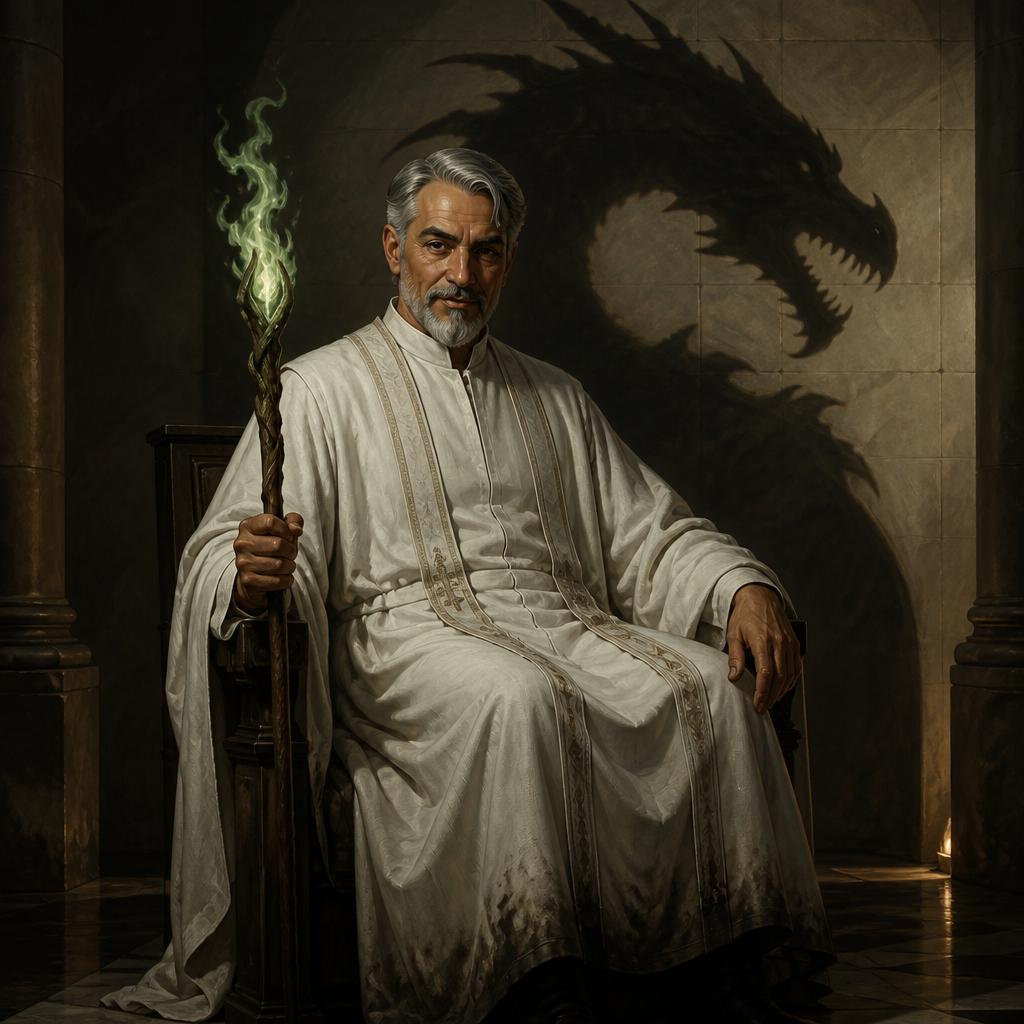
The Beast from the Earth
False prophet who forces the world to worship the Antichrist and receive his mark
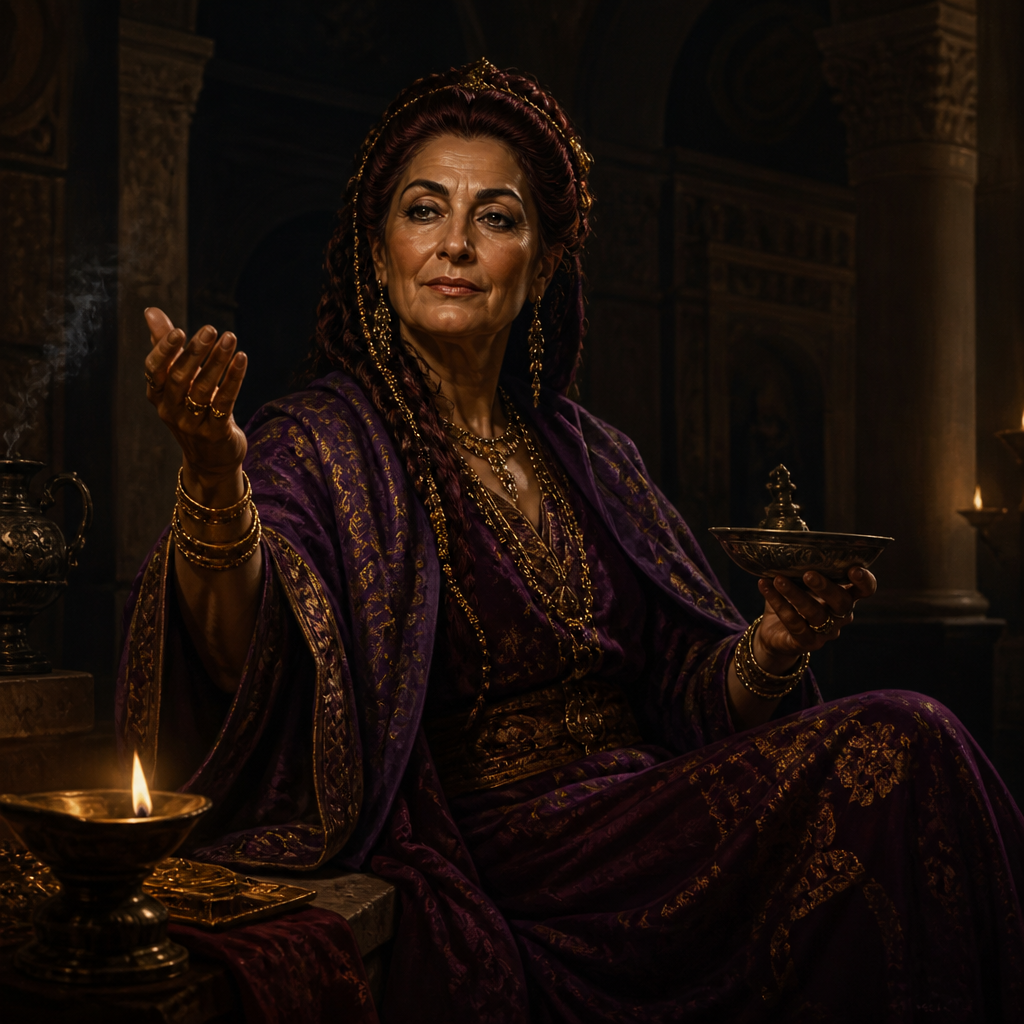
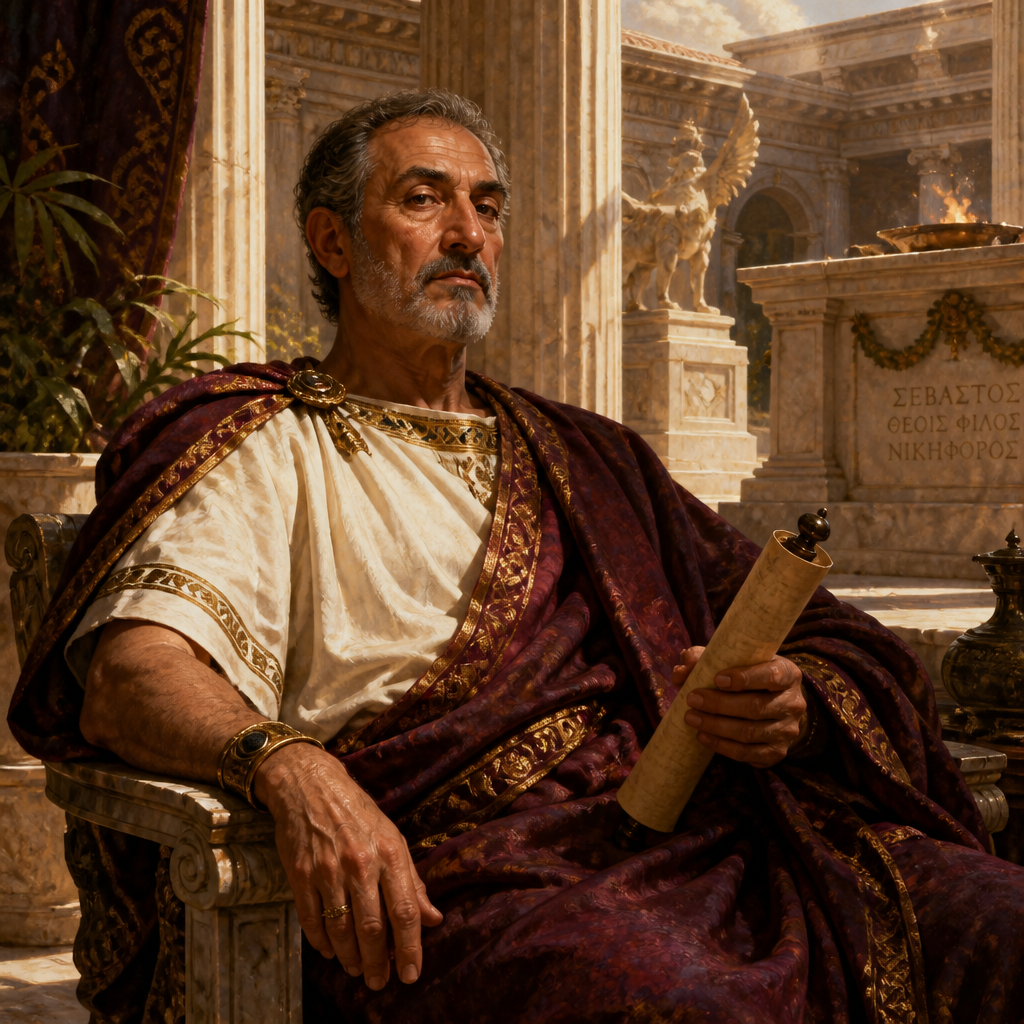
The Nicolaitans
False teachers in the early church who advocated for compromise with pagan idolatry and immoral behavior
Who were the Revelation?
People and figures who first appear in the book of Revelation — the messengers of the seven churches, the witnesses, and the symbolic figures of John's visions, handled as the visionary imagery Scripture presents them to be.
Everyone in this era
Grouped by the book where each person first appears.
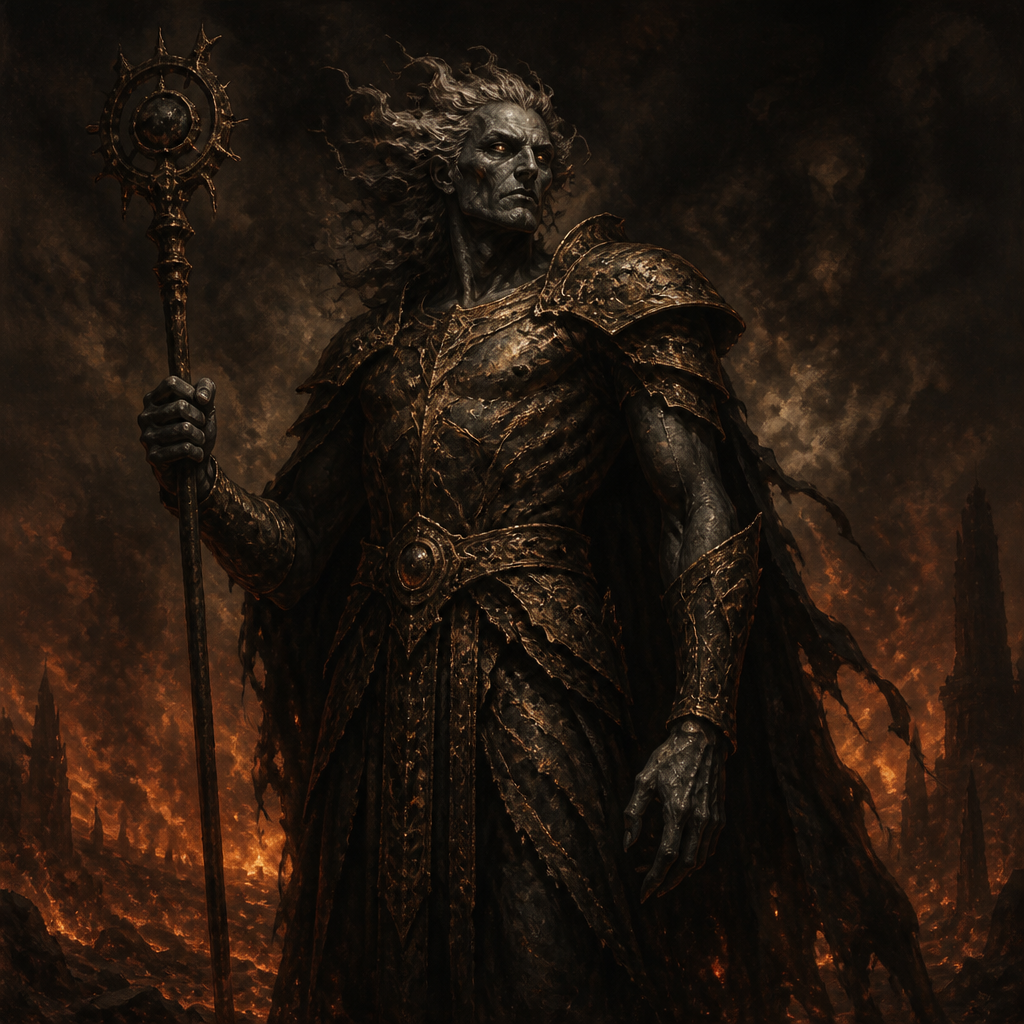
Abaddon
Angel of the bottomless pit who leads an army of supernatural locusts during the end-times tribulation
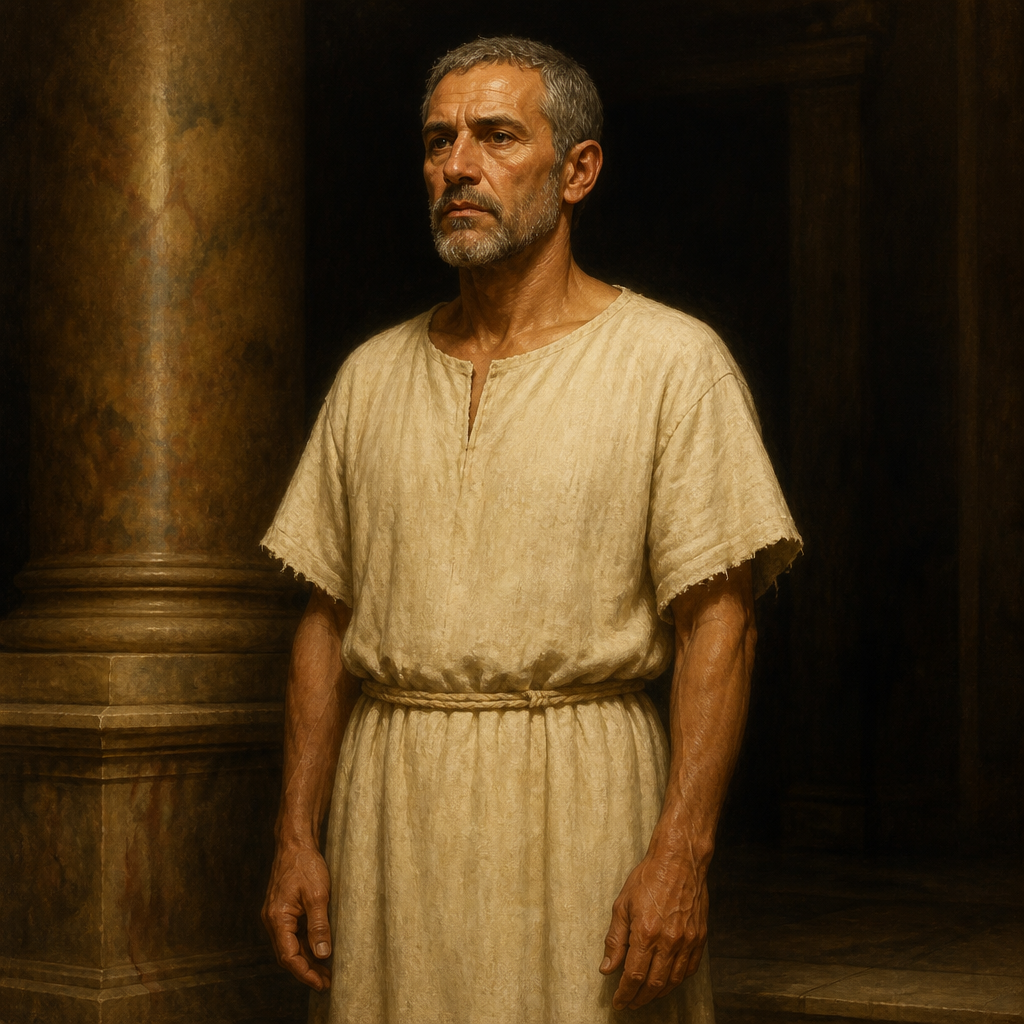
The Beast from the Earth
False prophet who forces the world to worship the Antichrist and receive his mark
The Beast from the Sea
World leader who receives a mortal wound and demands global worship
The Nicolaitans
False teachers in the early church who advocated for compromise with pagan idolatry and immoral behavior
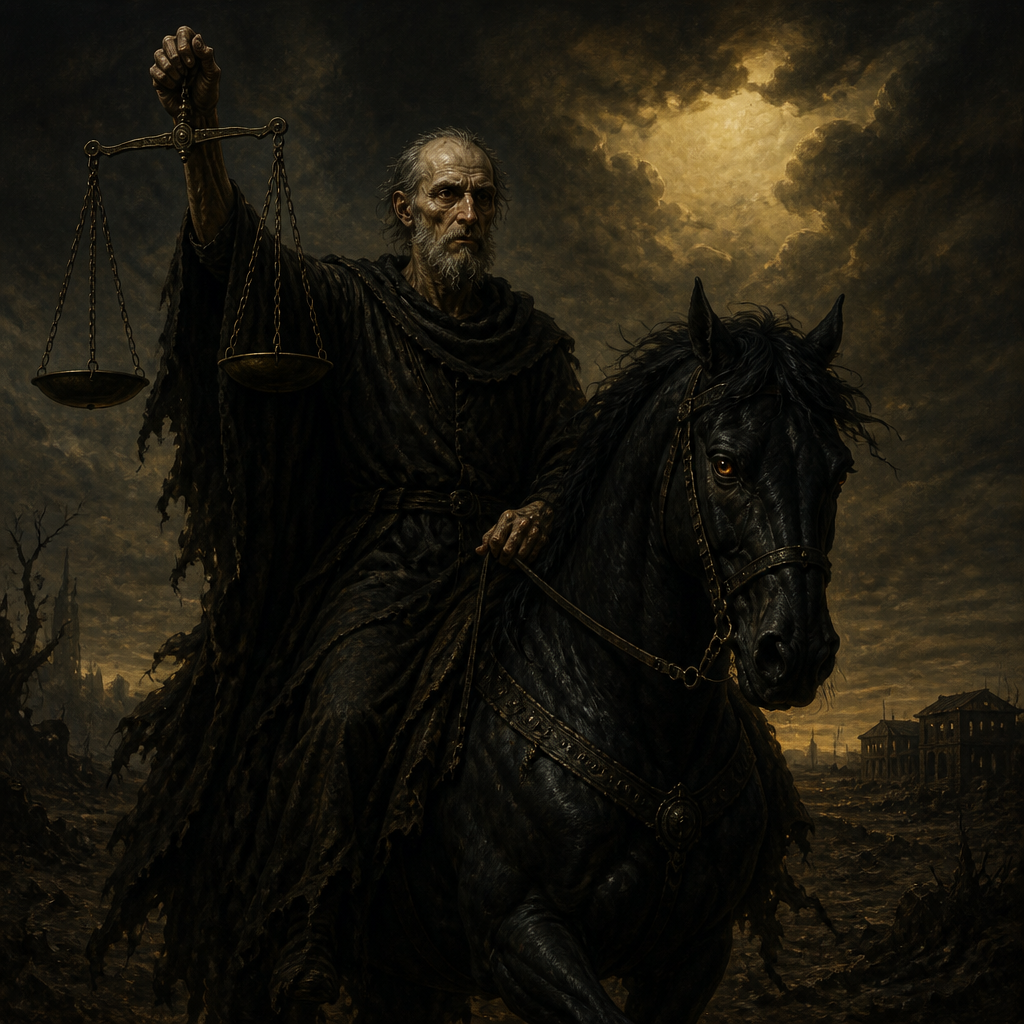
The Rider on the Black Horse
Third Horseman of the Apocalypse who brings economic collapse and food scarcity
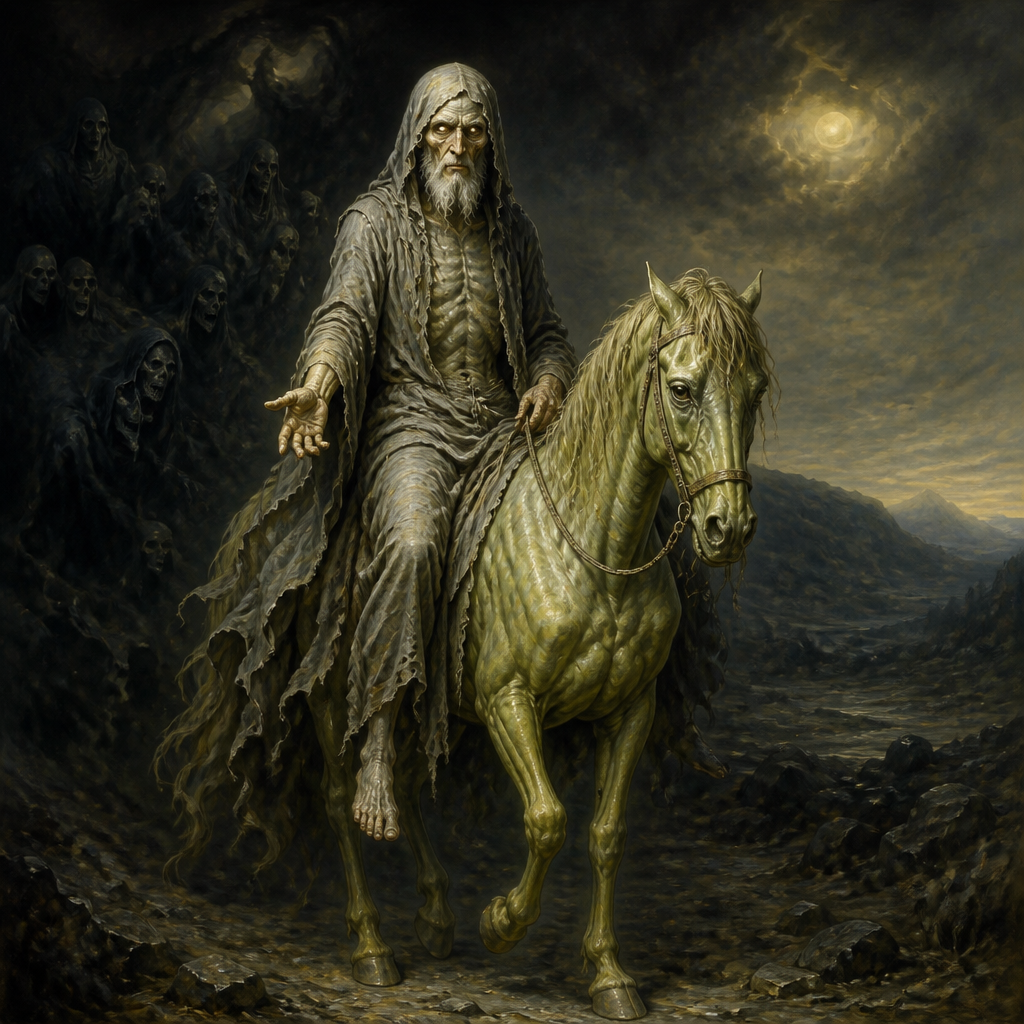
The Rider on the Pale Horse
Fourth horseman of the Apocalypse who personifies Death and brings plague
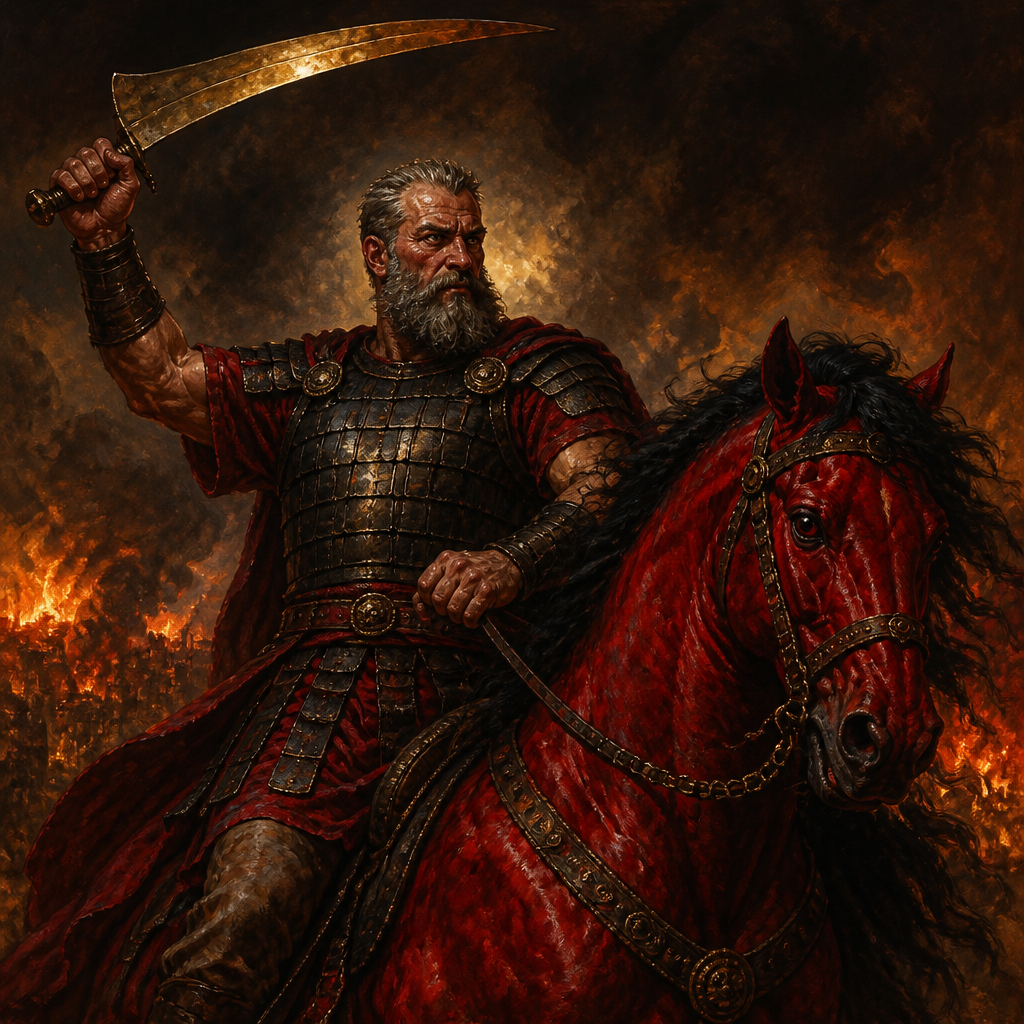
The Rider on the Red Horse
Rider of the apocalypse who takes peace from the earth and wields a great sword
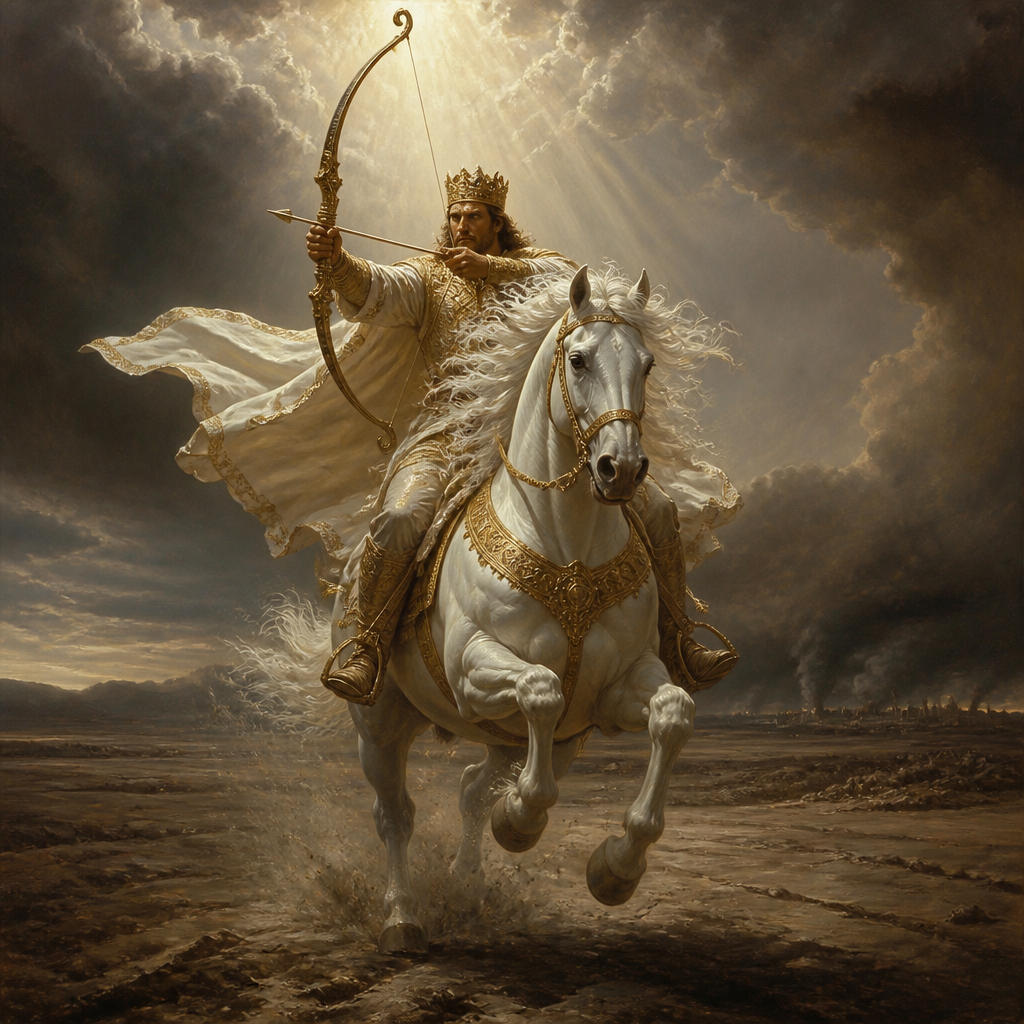
The Rider on the White Horse
First of the Four Horsemen of the Apocalypse who carries a bow and wears a crown
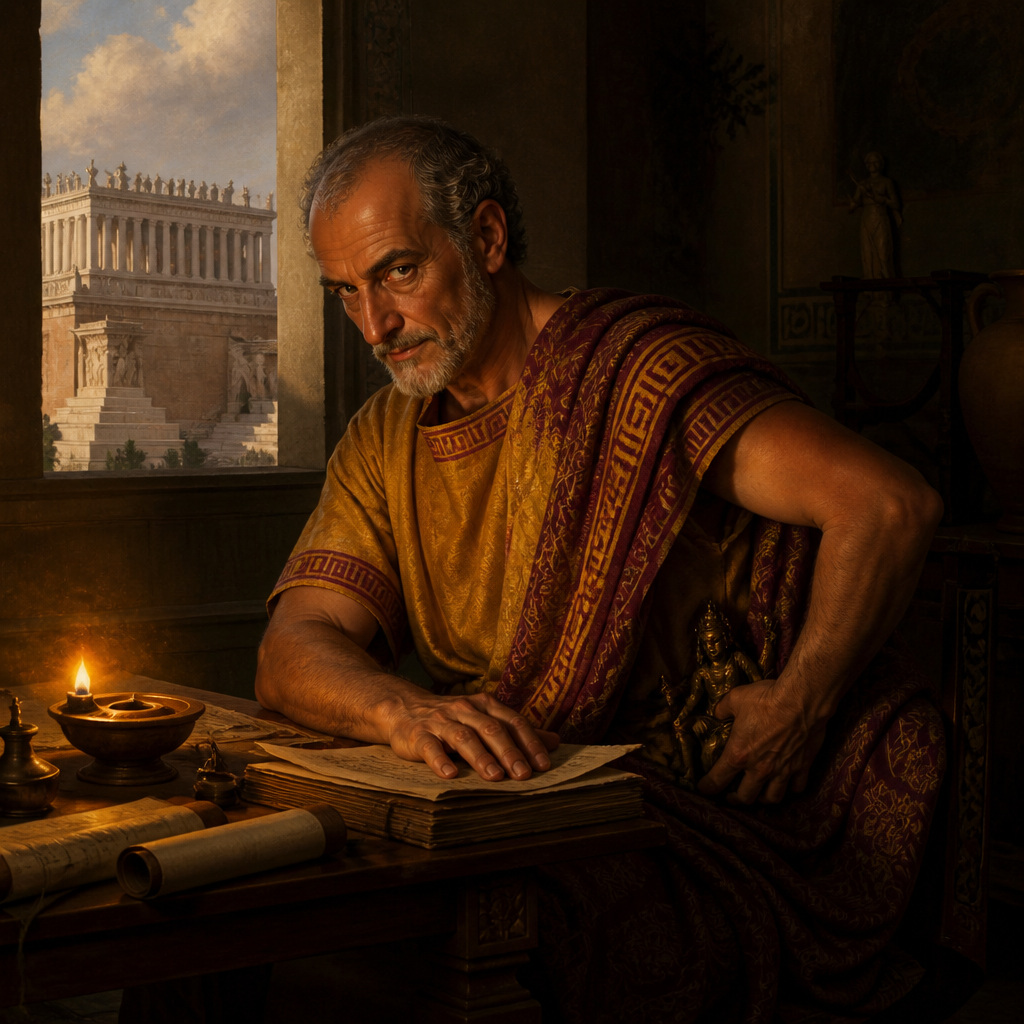
Those Who Hold the Teaching of Balaam
Sect in the church of Pergamum who promoted compromise with pagan idolatry and sexual immorality
The Twenty-Four Elders
Twenty-four heavenly figures who worship God and hold the prayers of the saints in golden bowls
The Two Witnesses
Prophetic ministry in Revelation characterized by miracles, martyrdom, and resurrection
The Woman Clothed with the Sun
Visionary woman in Revelation who gives birth to the Messiah and is protected by God from a dragon