
Gentile Greeks in the New Testament — those Scripture itself calls Greek, not Greek-speaking Jews — John 12:20; Acts 17; Galatians 2:3.
The Greeks appear in the New Testament as a distinct Gentile kingdom and ethnic group whose interactions with Israel signal the expansion of the gospel beyond Jewish boundaries. The text identifies these individuals not as Greek-speaking Jews, but as Gentiles by birth and culture who encountered the teachings of Jesus and the apostles. The Syrophoenician Woman is described as a Greek by race who petitioned Jesus to cast a demon out of her daughter (Mark 7:26). During a festival in Jerusalem, The Greeks Who Wanted to See Jesus approached Philip to request an audience with the Messiah (John 12:20–21). Later, the Father of Timothy is identified specifically as a Greek living in Lystra, distinguishing his heritage from that of Timothy’s Jewish mother (Acts 16:1–3).
The presence of Greeks is particularly prominent during the missionary journeys of Paul, where they appear as both converts and cultural influences. In Athens, Dionysius the Areopagite and a woman named Damaris became believers after hearing Paul’s discourse on the unknown god (Acts 17:34). In the city of Ephesus, Trophimus was a Greek companion of Paul whose presence near the temple led to a riot when observers wrongly assumed he had entered the restricted inner courts (Acts 21:28–29). Titus is described as a Greek whom Paul refused to have circumcised, serving as a test case for the principle that Gentiles did not need to adopt Jewish law to be part of the church (Galatians 2:3).
The biblical text also acknowledges Greek intellectual culture by quoting their literary figures. Paul cites the poet Aratus when speaking to the Athenians, noting that humans are the offspring of the divine (Acts 17:28). He also references Epimenides, whom he calls a prophet of the Cretans, to describe the character of the local population (Titus 1:12). These interactions demonstrate that the Greeks were a significant social and political force within the Roman world, maintaining their own religious traditions and philosophical schools while increasingly coming into contact with the message of the Judean apostles.
In the larger biblical story, the inclusion of the Greeks represents the fulfillment of the promise that all nations would be blessed through the seed of Abraham. The text emphasizes that there is no distinction between Jew and Greek in terms of spiritual standing, as the same Lord is Lord of all (Romans 10:12). By recording the conversion of prominent figures and the integration of uncircumcised men like Titus, the New Testament establishes the Greeks as full participants in the new covenant. Their presence in the narrative serves to transition the focus of the early church from a localized movement in Jerusalem to a global faith spanning the diverse cultures of the Mediterranean world.
Everyone in this list
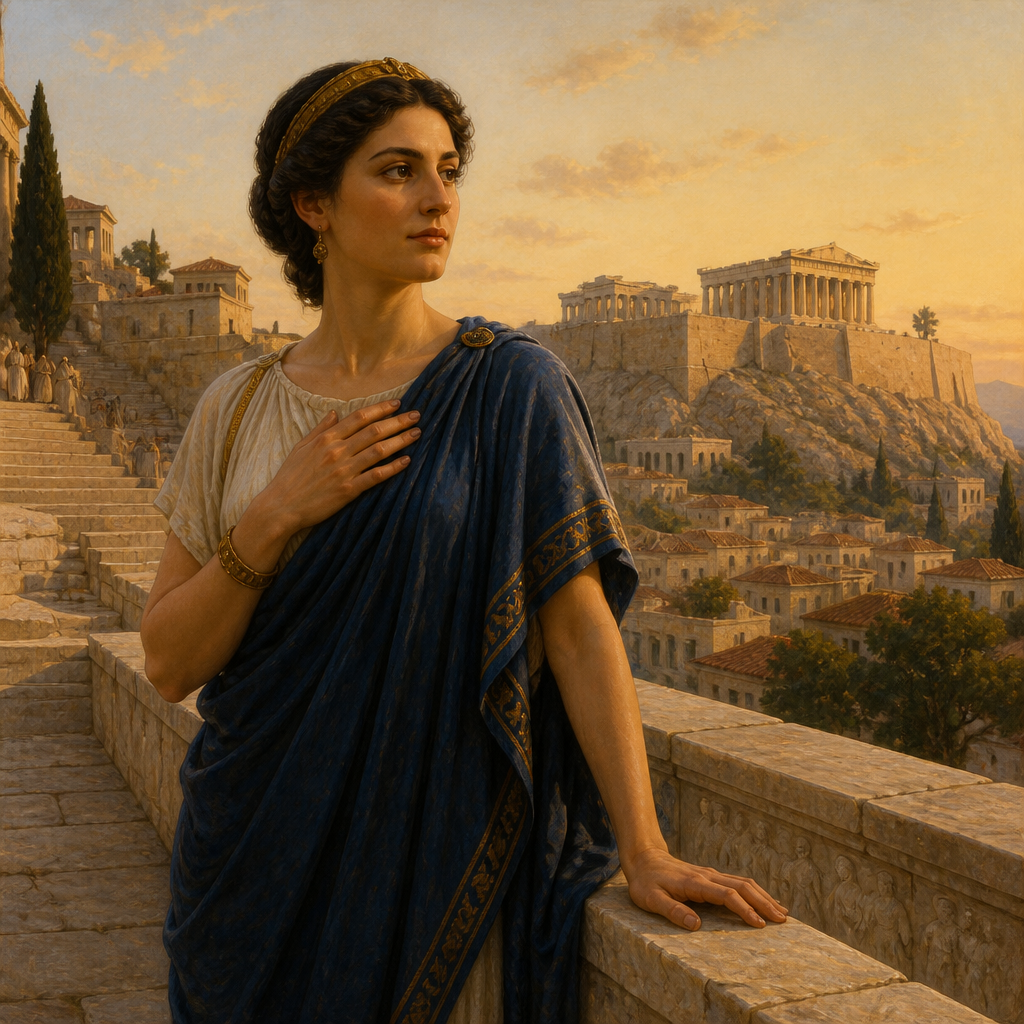
Damaris
Female convert who believed in Jesus after Paul's speech at the Areopagus in Athens
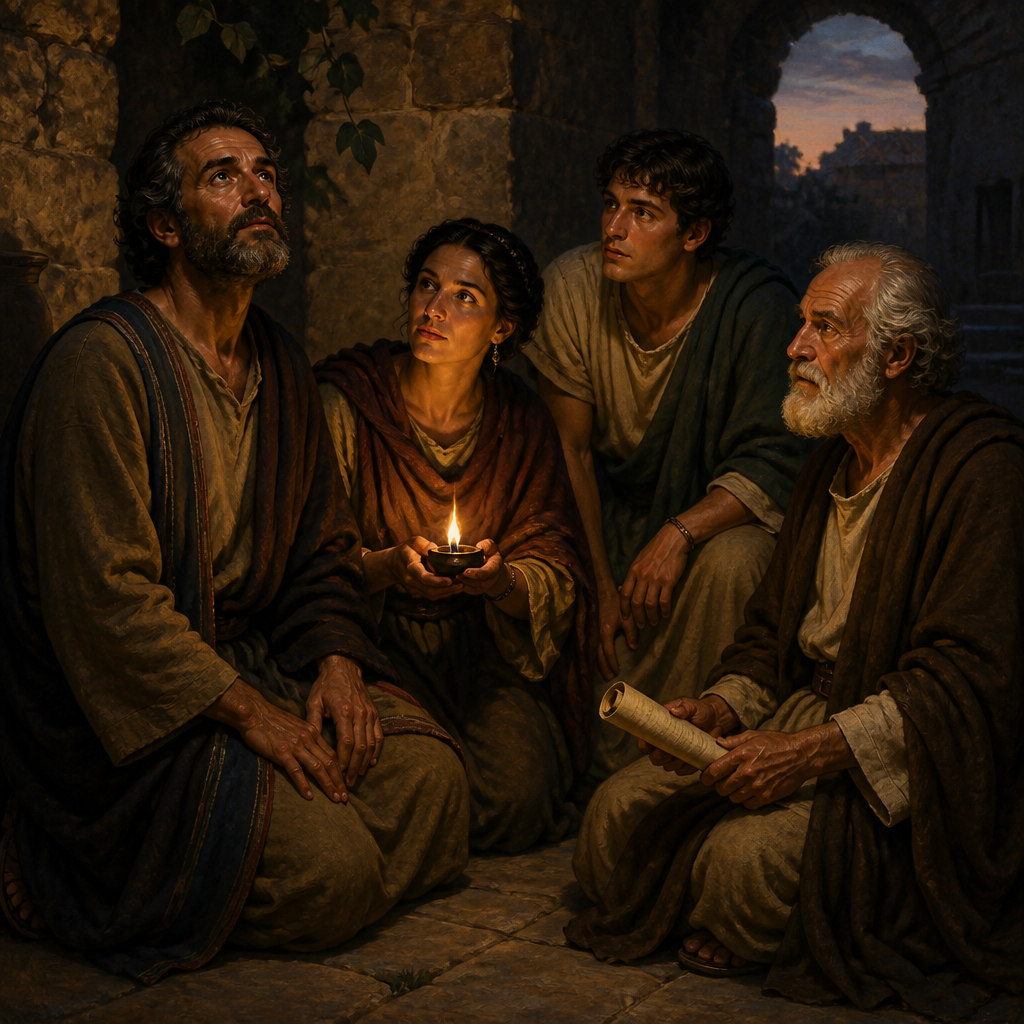
The Devout Thessalonian Greeks
Gentile converts who established a model church despite severe persecution
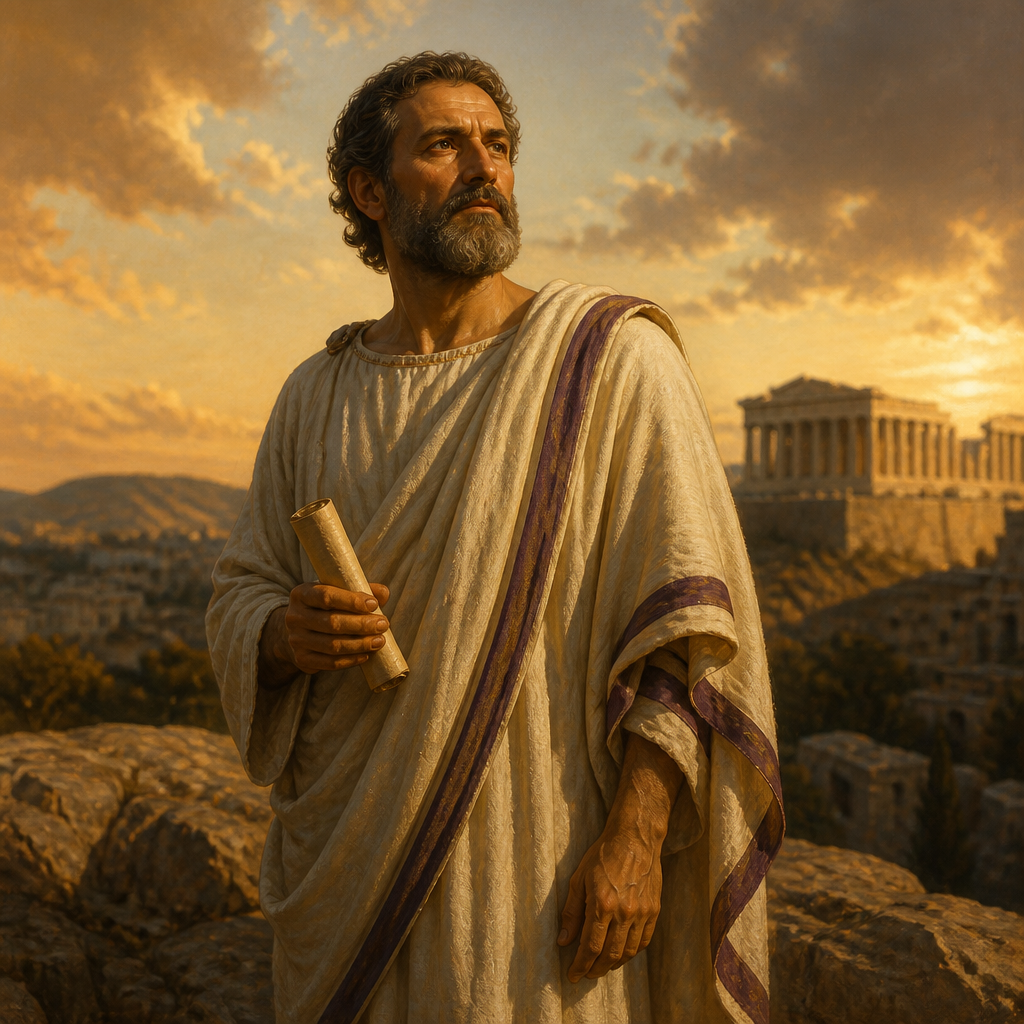
Dionysius
Athenian judge who converted to Christianity after hearing Paul's sermon on Mars Hill
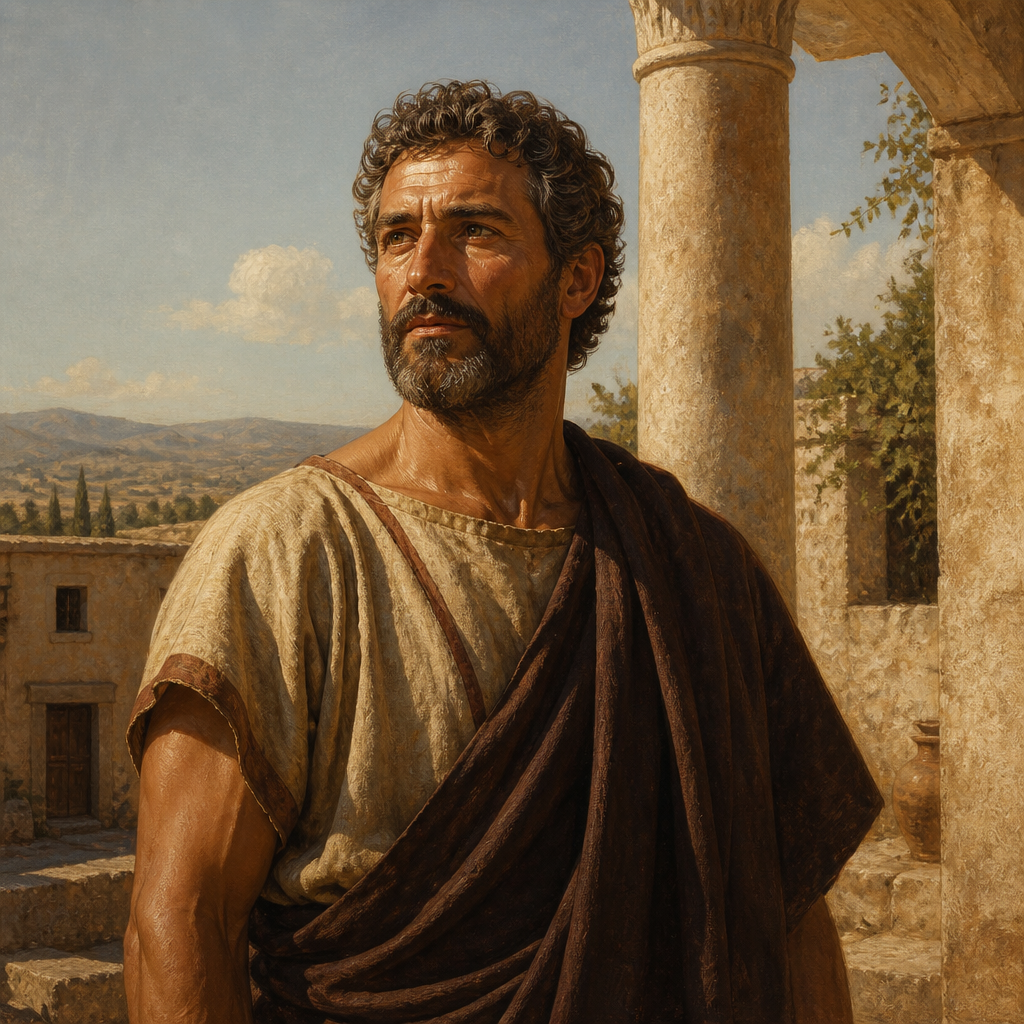
Father of Timothy
Greek man from Lystra who was the father of the evangelist Timothy
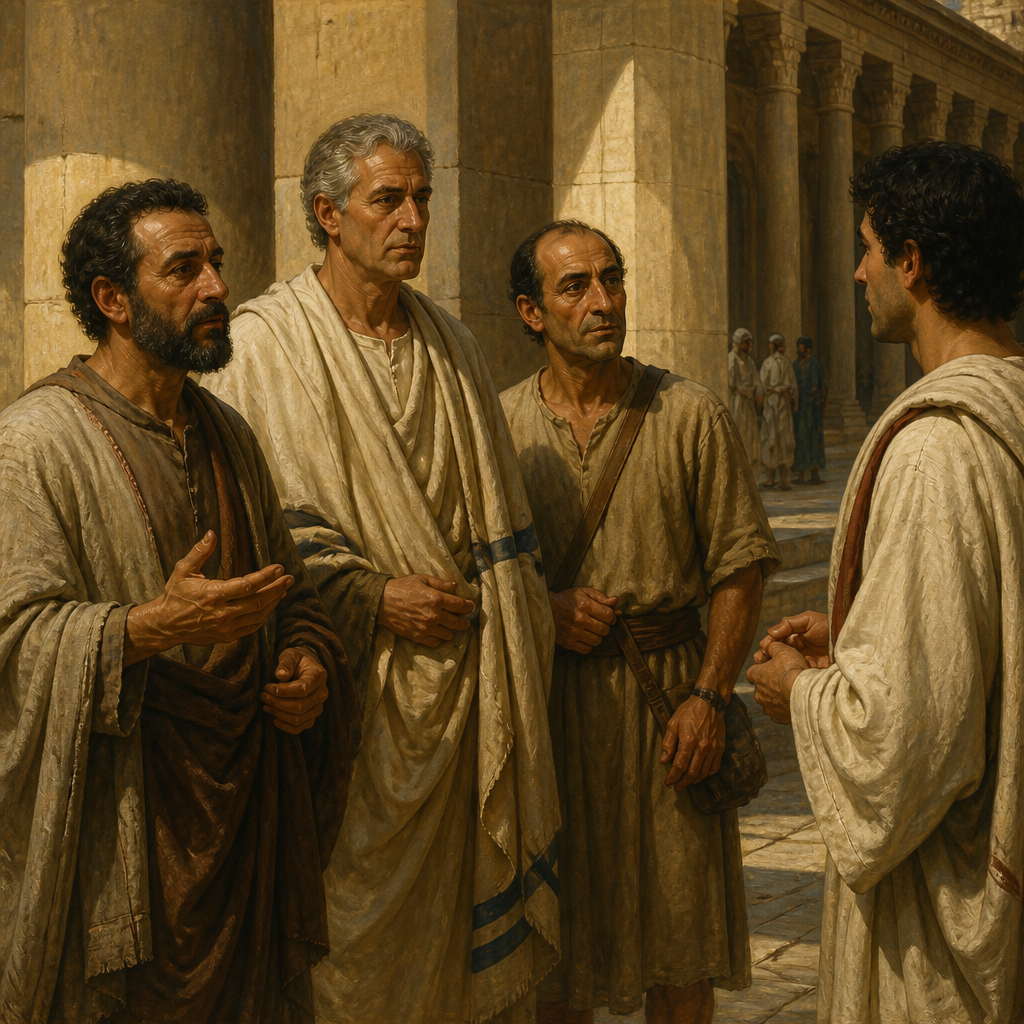
The Greeks Who Wanted to See Jesus
Gentile pilgrims who requested an audience with Jesus during Passover
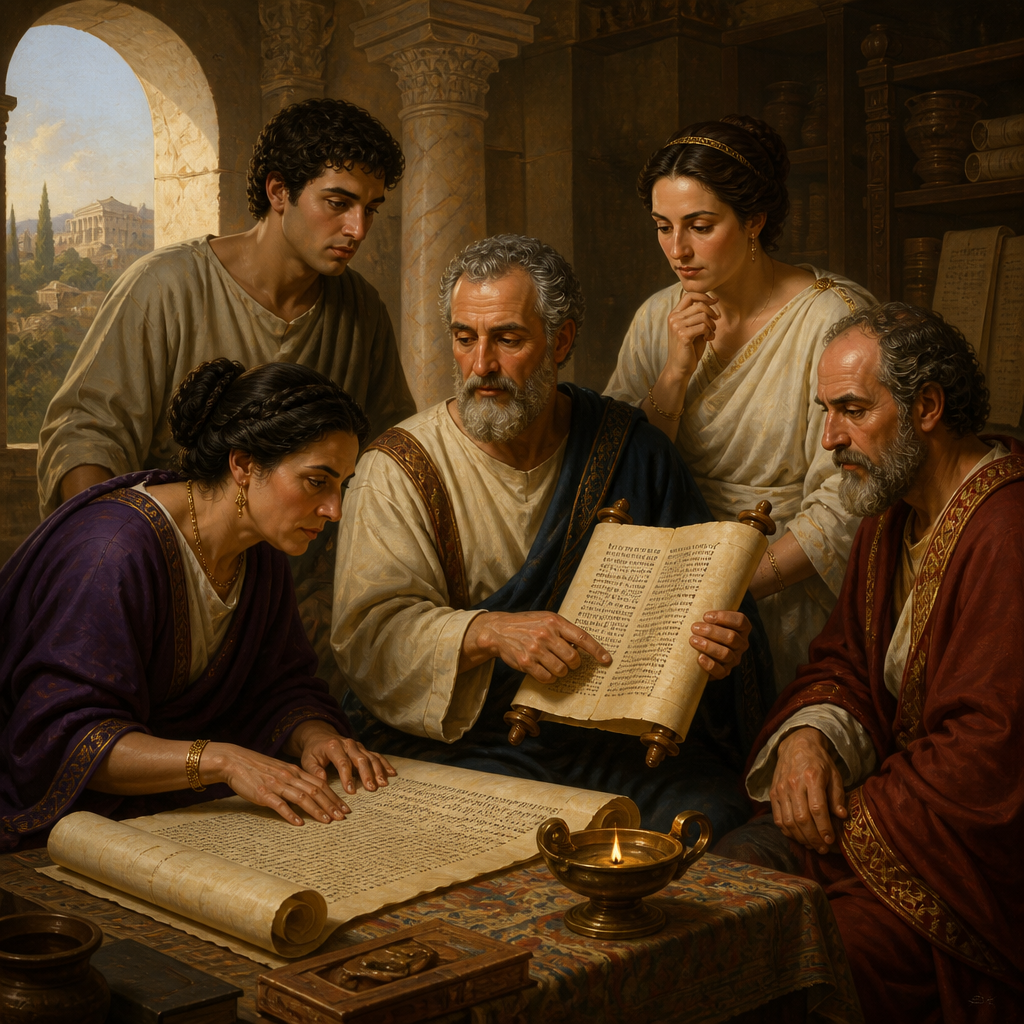
High Standing Greeks of Berea
Greek citizens of high social status who converted after studying the Scriptures daily
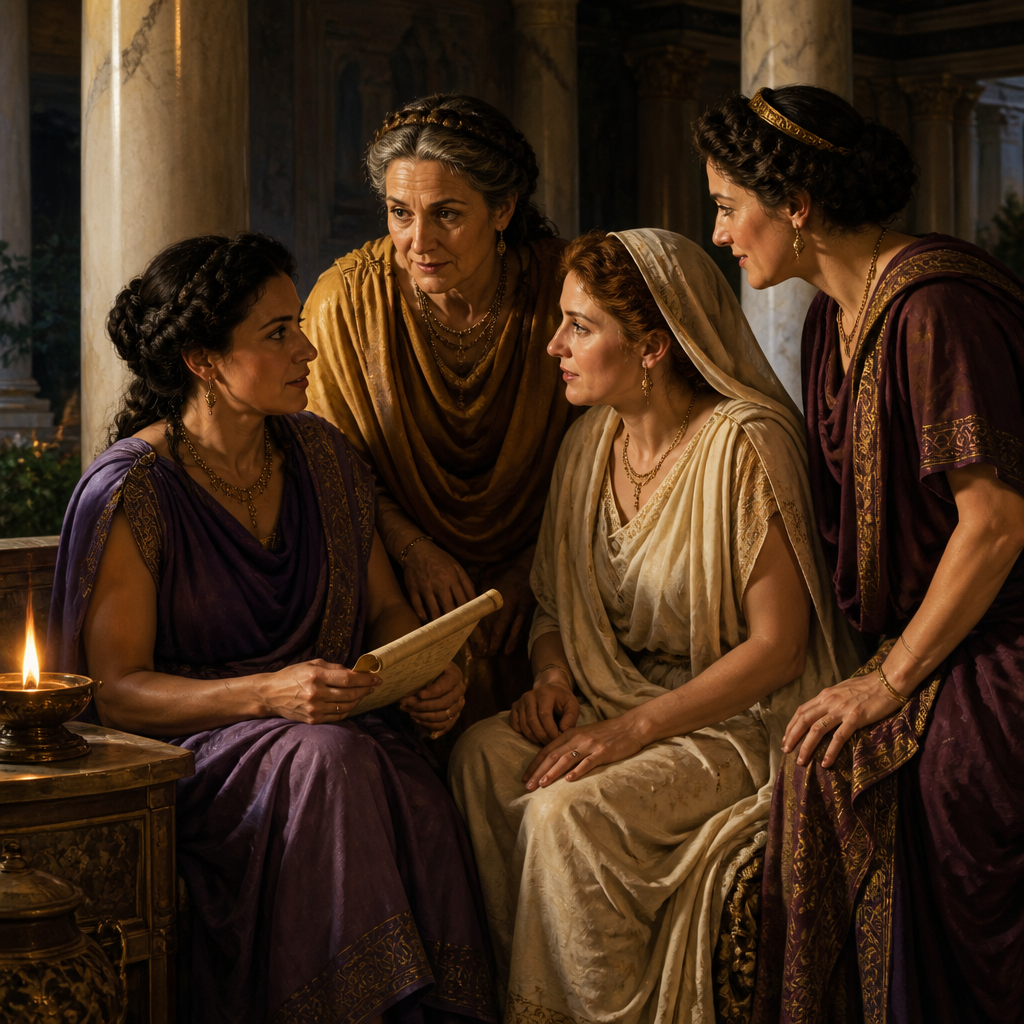
The Leading Thessalonian Women
Prominent noblewomen who converted during Paul’s mission to Thessalonica
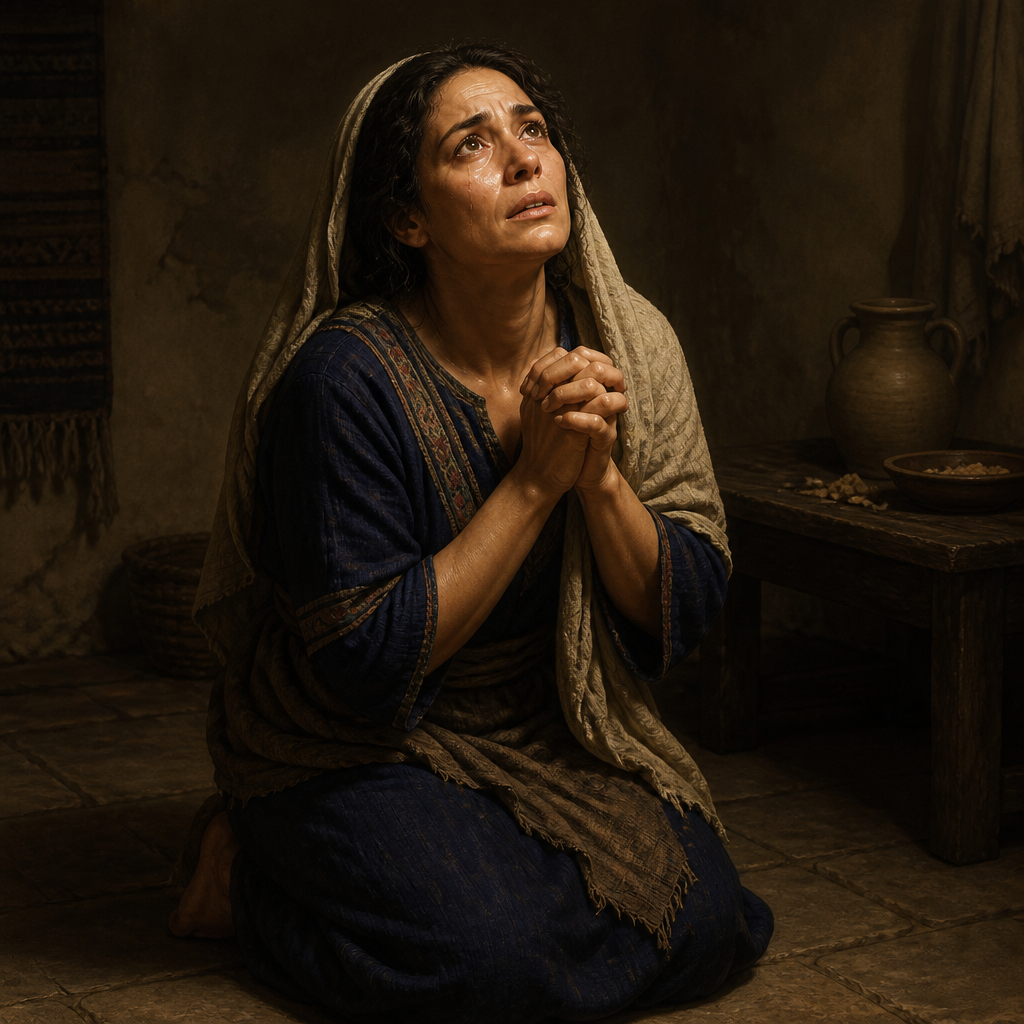
The Syrophoenician Woman
Gentile woman who petitioned Jesus for her daughter's healing
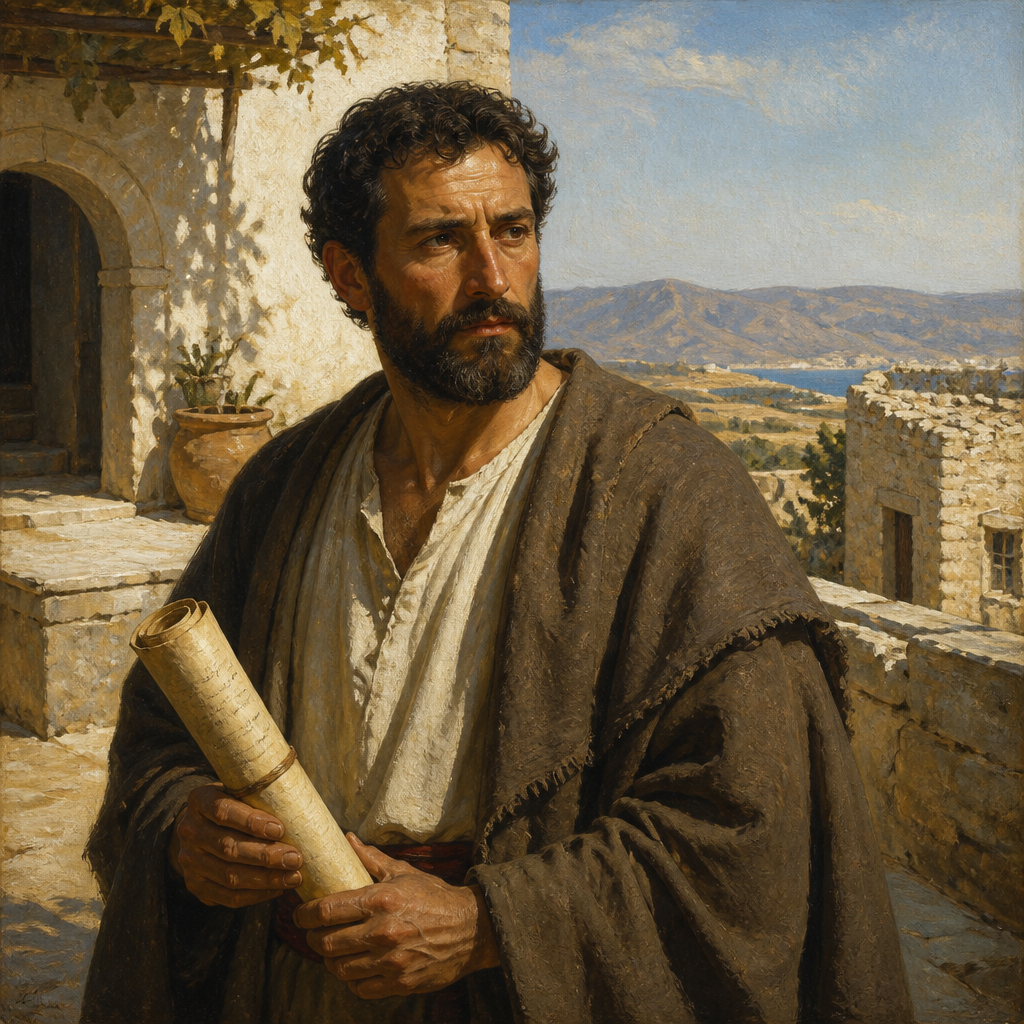
Titus
Greek companion of Paul who organized the church in Crete and mediated the Corinthian crisis
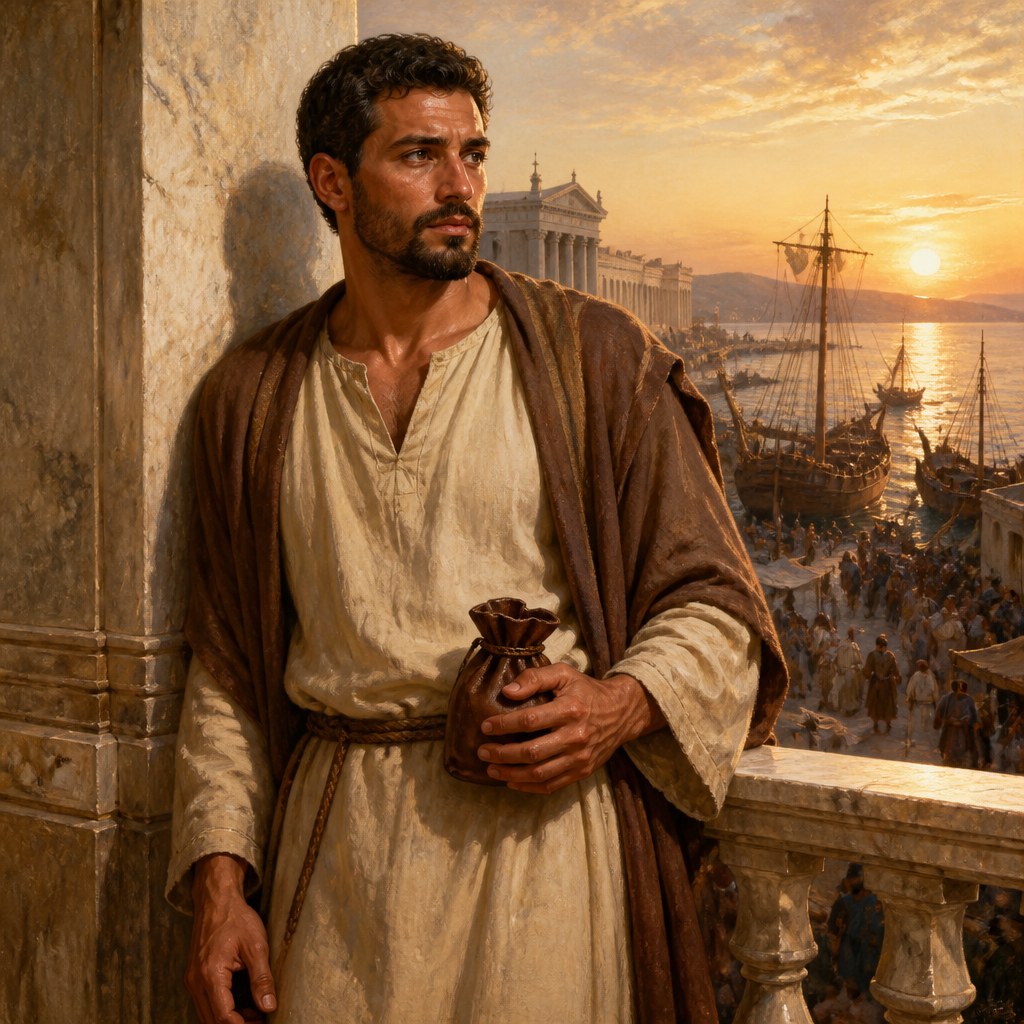
Trophimus
Ephesian companion of Paul whose presence sparked the Jerusalem riot