
People of Galatians
Every person who appears in the book of Galatians, ordered by how often they are mentioned there.
The People of Galatians appear within a letter written by Paul to address the relationship between Jewish law and the gospel of Jesus. Paul begins by defending his authority, stating that he did not receive his message from any human source but through a revelation of Jesus (Galatians 1:11–12). He describes his early travels to Jerusalem to visit Peter, with whom he stayed for fifteen days (Galatians 1:18). During this period, he also encountered James, but he notes he saw no other apostles at that time (Galatians 1:19). Later, Paul traveled with Barnabas and took Titus, a Greek, to Jerusalem to ensure the gospel he preached among the Gentiles was recognized by the church leaders (Galatians 2:1–3).
The text organizes these figures to illustrate a transition from legal requirements to faith. Paul recounts a public confrontation with Peter in Antioch, where he rebuked the apostle for withdrawing from Gentile believers (Galatians 2:11–14). He identifies James, Peter, and John the Apostle as the pillars of the Jerusalem church who gave him the right hand of fellowship (Galatians 2:9). To support his theological arguments, Paul looks back to the patriarch Abraham, who was counted as righteous because of his faith (Galatians 3:6). He also references Isaac as the child of the promise to distinguish between those born of the flesh and those born of the Spirit (Galatians 4:28).
Paul uses historical figures as allegories for two different covenants. He mentions Hagar as representing the covenant from Mount Sinai and the physical city of Jerusalem, which he describes as being in slavery (Galatians 4:24–25). In contrast, he presents Isaac as the free-born heir of the promise made to Abraham (Galatians 4:22–23). Paul argues that those who belong to Jesus are the true offspring of Abraham regardless of their ethnic background (Galatians 3:29). He concludes by offering a blessing of peace upon the Israel of God, a term he uses to describe the community of believers (Galatians 6:16).
The interactions among these people serve to define the boundaries of the early Christian community. By citing his history with Barnabas and Titus, Paul demonstrates that the gospel is not restricted by circumcision or Jewish dietary laws. He argues that the law was a guardian until the arrival of Jesus, but now that faith has come, the distinctions between groups have been superseded (Galatians 3:24–28). The letter emphasizes that the promise given to Abraham is fulfilled not through legal observance, but through the Spirit.
Everyone in this list
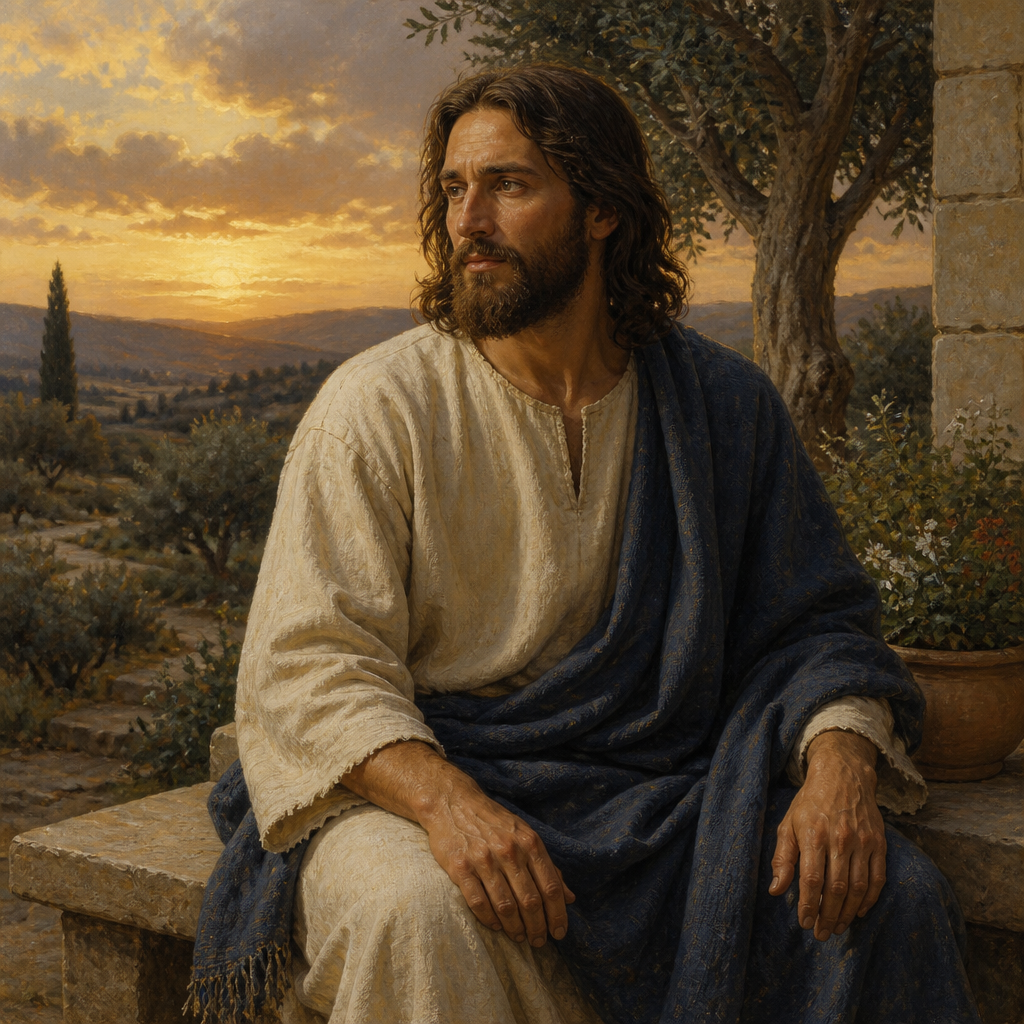
Jesus
Messiah and central figure of the New Testament whose life, death, and resurrection form the basis of the Christian faith

Abraham
Patriarch who is the father of the nation of Israel and an exemplar of faith
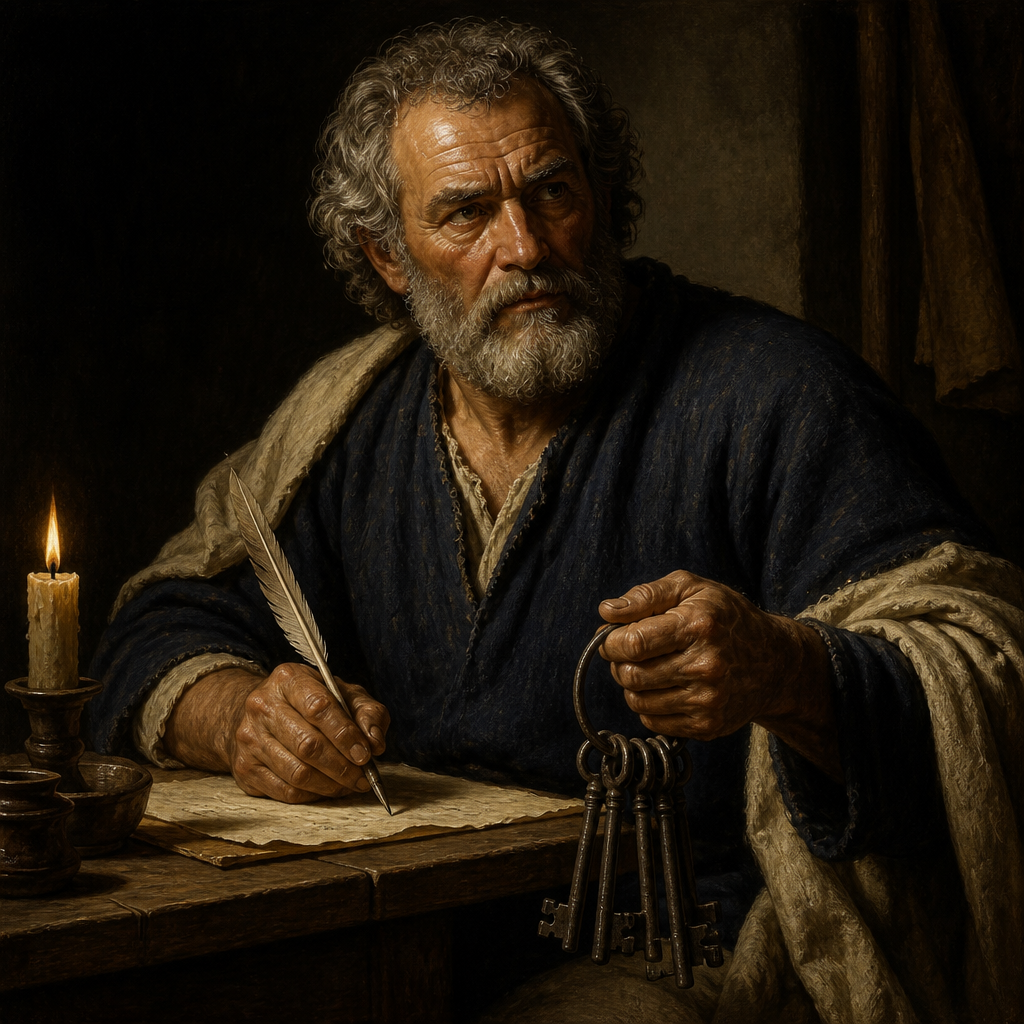
Peter
Apostle who served as the spokesman for the Twelve and the leader of the early Church in Jerusalem
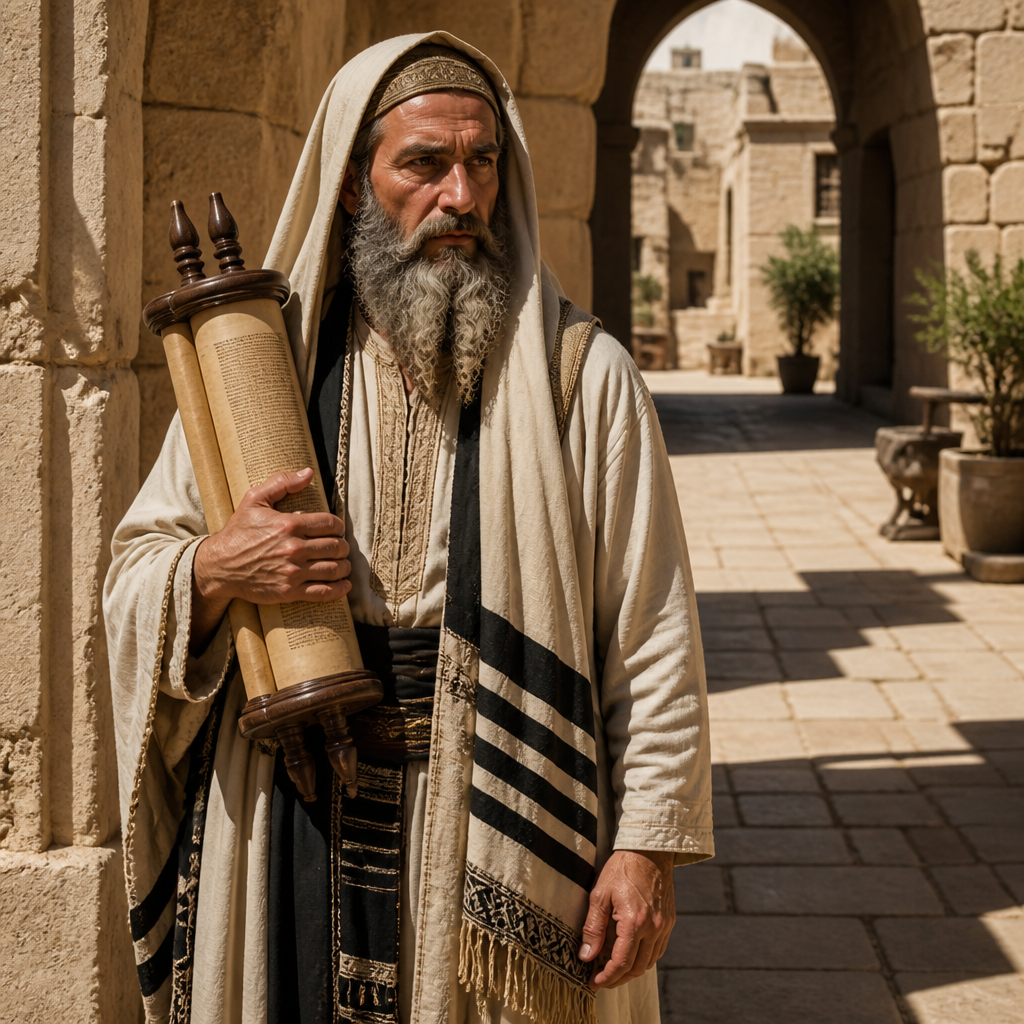
Judaizers
False teachers who insisted circumcision was required for a Gentile to be saved
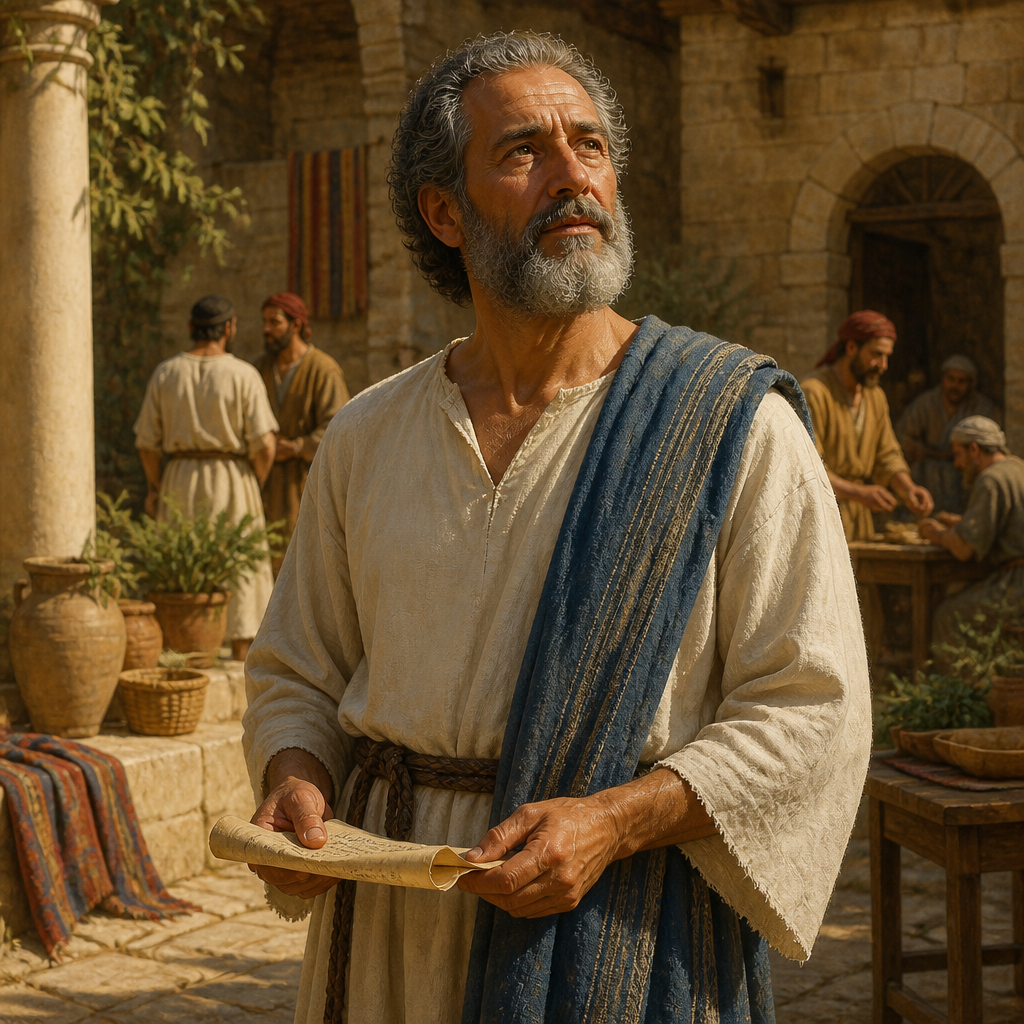
Barnabas
Prophet and leader in the Antioch church who mentored the Apostle Paul
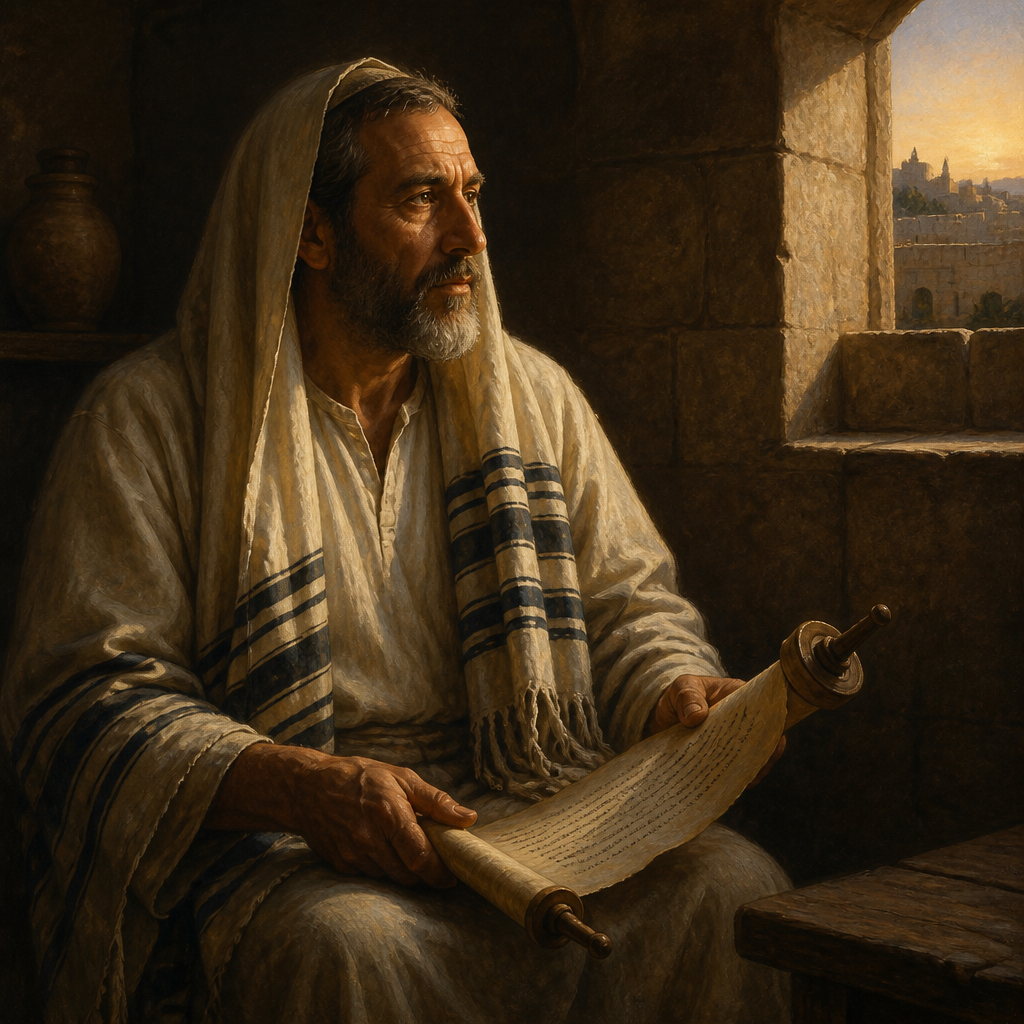
James, Brother of Jesus
Leader of the early Jerusalem church and author of the New Testament Epistle of James
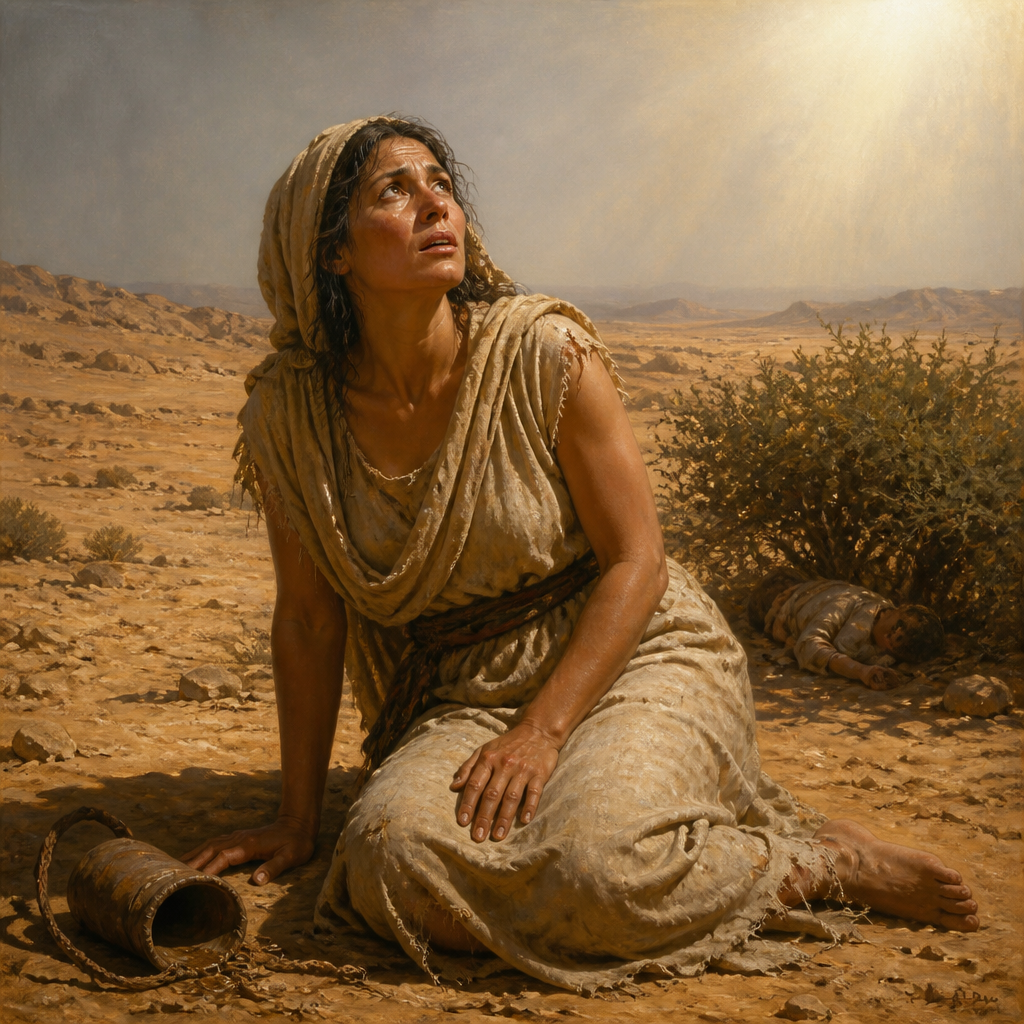
Hagar
Mother of Ishmael and the first woman to receive a divine revelation in the wilderness

The Holy Spirit
The third person of the Trinity — hovering over the waters at creation, empowering judges, prophets and kings, poured out at Pentecost, indwelling believers
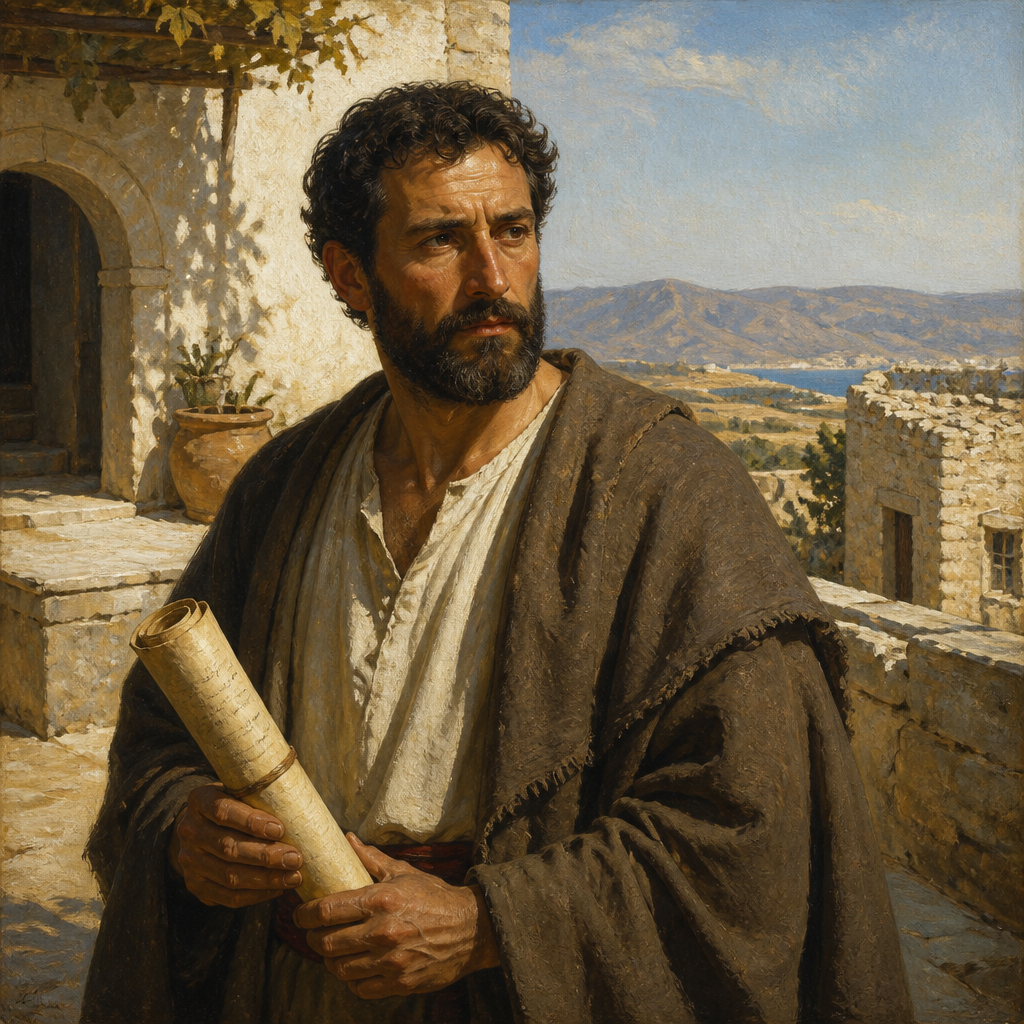
Titus
Greek companion of Paul who organized the church in Crete and mediated the Corinthian crisis
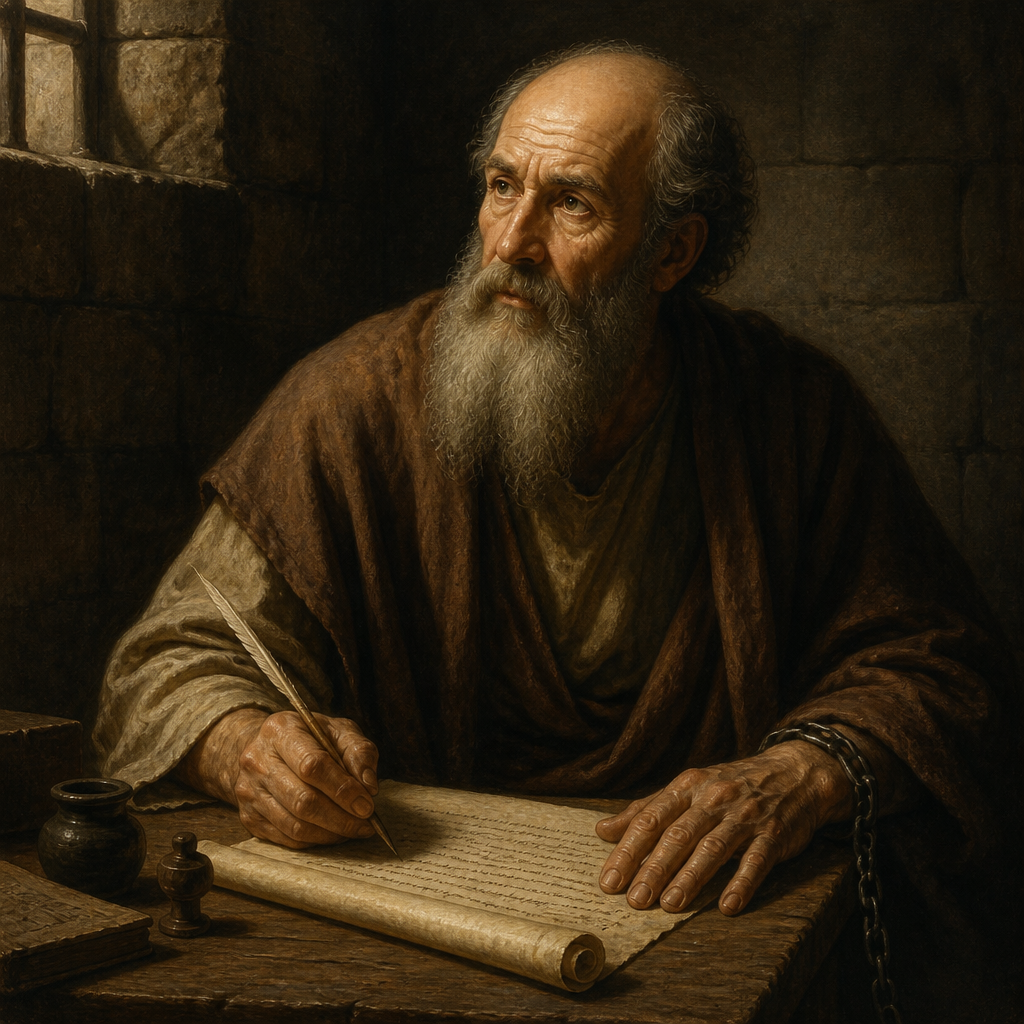
Isaac
Patriarch who was the son of Abraham and the father of Jacob and Esau
John the Apostle
Apostle and brother of James who received the visions of Revelation