
The Pauline Epistles
People who appear in the letters of Paul — including Paul himself, whose correspondence defines the corpus.
Thirteen letters in the New Testament carry Paul's name, and they were written into specific situations rather than composed as essays. Romans was sent ahead of a visit he hoped to make on the way to Spain, and it closes with greetings to a long list of named believers including Priscilla and Aquila, Phoebe, and Andronicus and Junia (Romans 15:23–24; Romans 16:1–16). First Corinthians answers a report from Chloe's people and a letter of questions about divisions, marriage, food offered to idols, the Lord's Supper, spiritual gifts, and the resurrection (1 Corinthians 1:11; 1 Corinthians 7:1). Second Corinthians defends his ministry against those he calls super-apostles, and lists beatings, shipwrecks, and sleepless nights (2 Corinthians 11:5, 23–28).
Galatians is written in alarm that the churches were turning to a different gospel, and recounts how he opposed Peter to his face at Antioch (Galatians 1:6; Galatians 2:11–14). He argues from Abraham, Sarah, and Hagar that the promise came before the law (Galatians 3:6–18; Galatians 4:21–31). Ephesians, Philippians, Colossians, and Philemon are written from imprisonment: he calls himself "a prisoner for Christ Jesus" and sends Tychicus with news, along with Onesimus, the runaway slave he asks Philemon to receive "no longer as a slave but more than a slave, as a beloved brother" (Ephesians 3:1; Colossians 4:7–9; Philemon 1:16).
Philippians thanks a church that sent gifts more than once by the hand of Epaphroditus, who had been ill near to death (Philippians 4:15–18; Philippians 2:25–30). First and Second Thessalonians answer grief and confusion about believers who had died and about the day of the Lord, and tell the idle to work quietly and earn their own living (1 Thessalonians 4:13–18; 2 Thessalonians 3:11–12). Silas and Timothy are named with Paul in the greeting of both (1 Thessalonians 1:1).
The last group is addressed to individuals. Timothy is told to let no one despise him for his youth and to guard the deposit entrusted to him (1 Timothy 4:12; 1 Timothy 6:20). Titus was left in Crete to put what remained into order and appoint elders in every town (Titus 1:5). In the final letter, written when only Luke was with him, Paul asks for the cloak he left at Troas with Carpus, and the books, especially the parchments, and says that at his first defense no one came to stand by him (2 Timothy 4:9–16).
He signed his letters in his own hand as a mark of authenticity (2 Thessalonians 3:17; Galatians 6:11), dictated at least one to a scribe named Tertius (Romans 16:22), and expected them to be read aloud and exchanged between congregations (Colossians 4:16; 1 Thessalonians 5:27). Peter later refers to them as writings containing "some things that are hard to understand," and sets them alongside "the other Scriptures" (2 Peter 3:15–16).
Everyone in this list
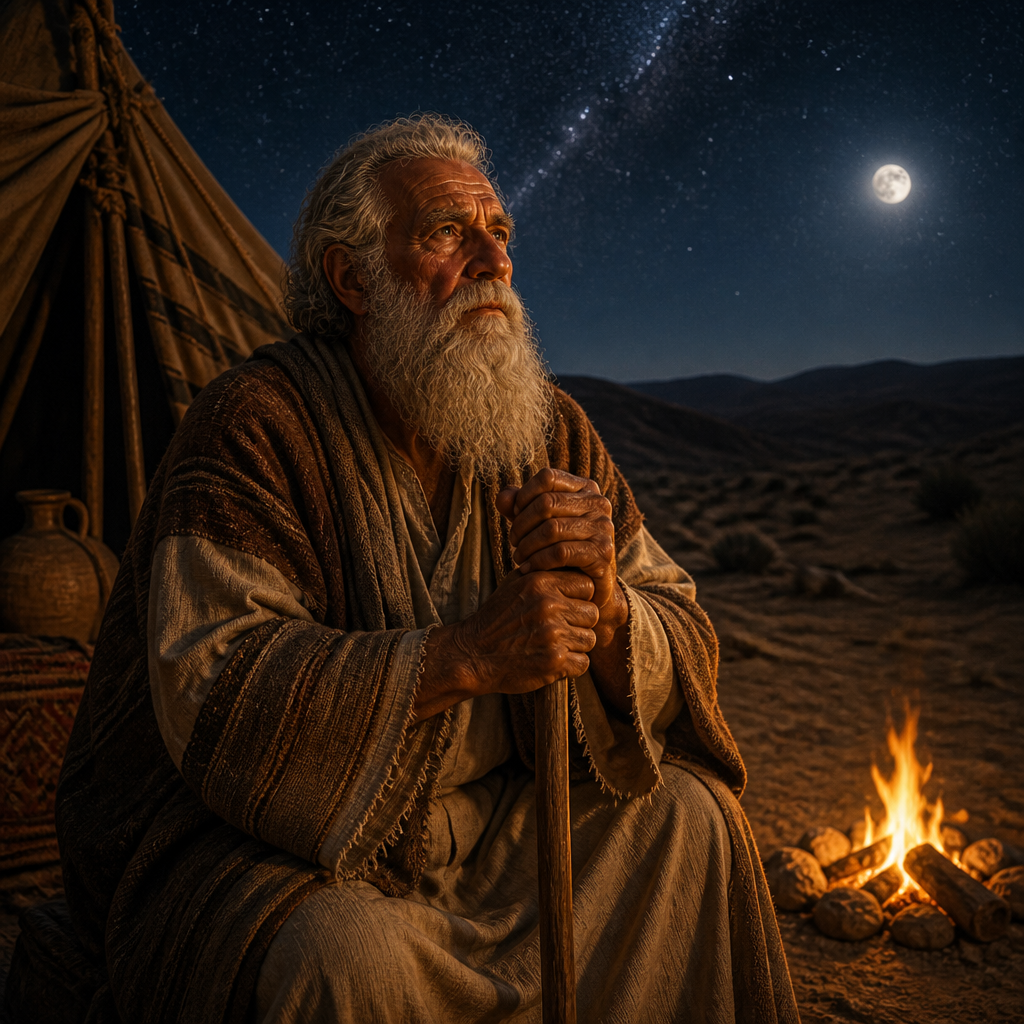
Abraham
Patriarch who is the father of the nation of Israel and an exemplar of faith
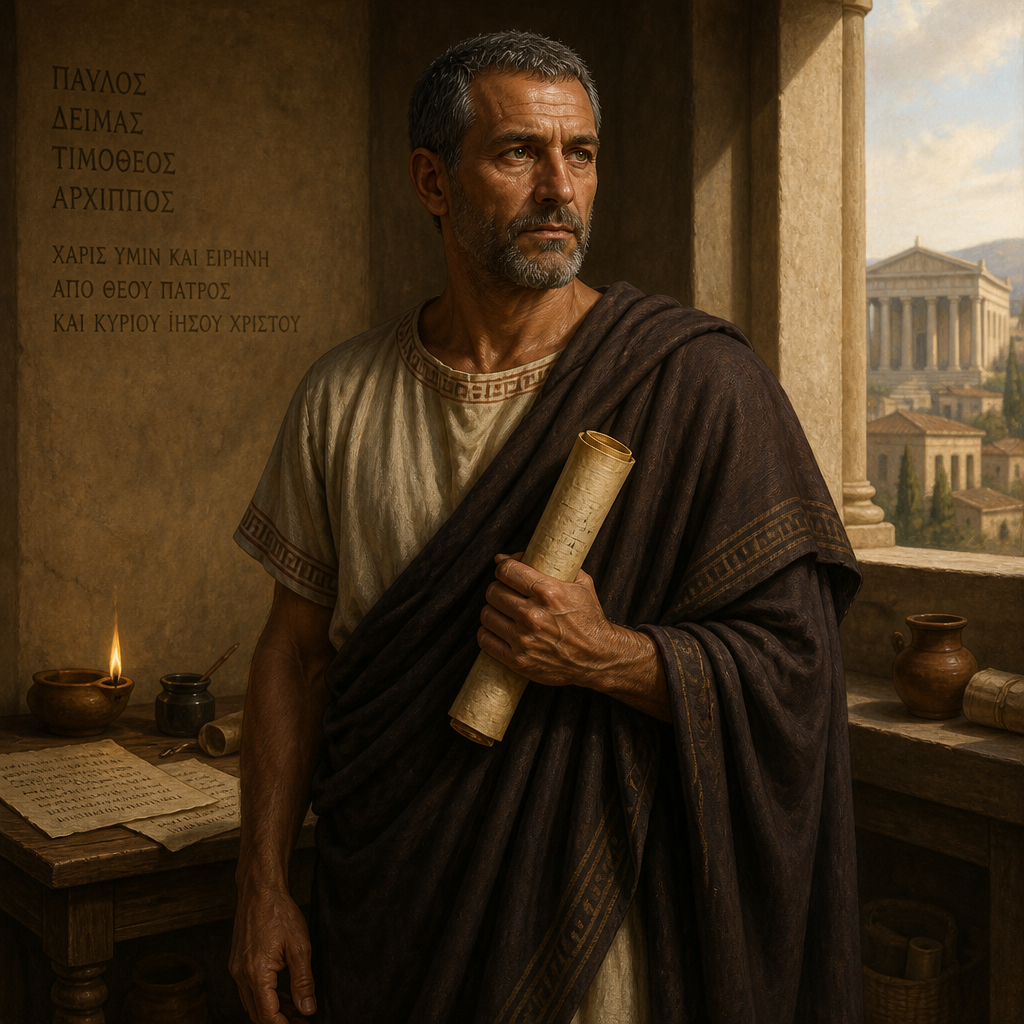
Achaicus
Member of the Corinthian delegation who visited Paul in Ephesus
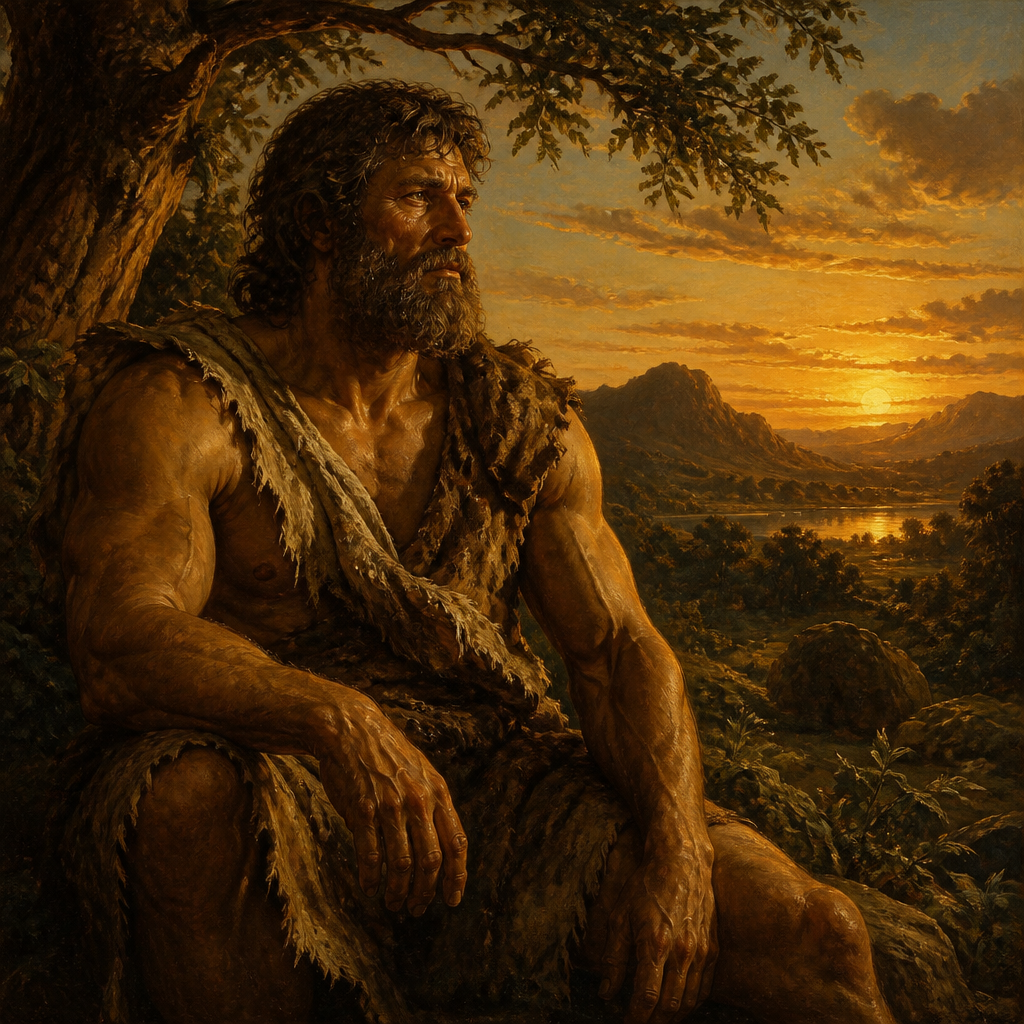
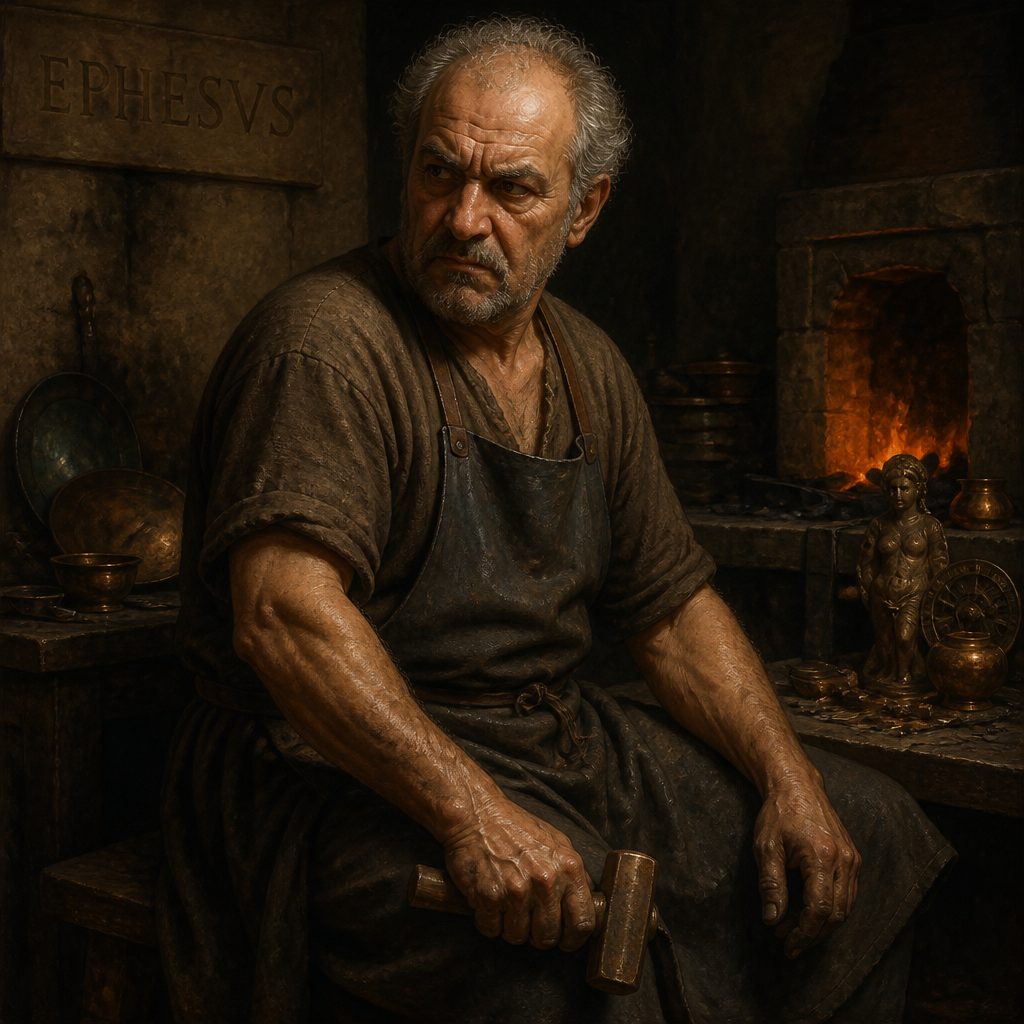
Alexander the Coppersmith
Apostate who caused the Apostle Paul great harm and opposed the gospel
Ampliatus
Roman Christian whom the Apostle Paul greeted as 'my beloved in the Lord'
Andronicus
Jewish Christian in Rome whom Paul calls a fellow prisoner and outstanding among the apostles
Apelles
Christian in Rome described by Paul as 'approved in Christ'
Apollos
Eloquent Alexandrian preacher and colleague of the Apostle Paul
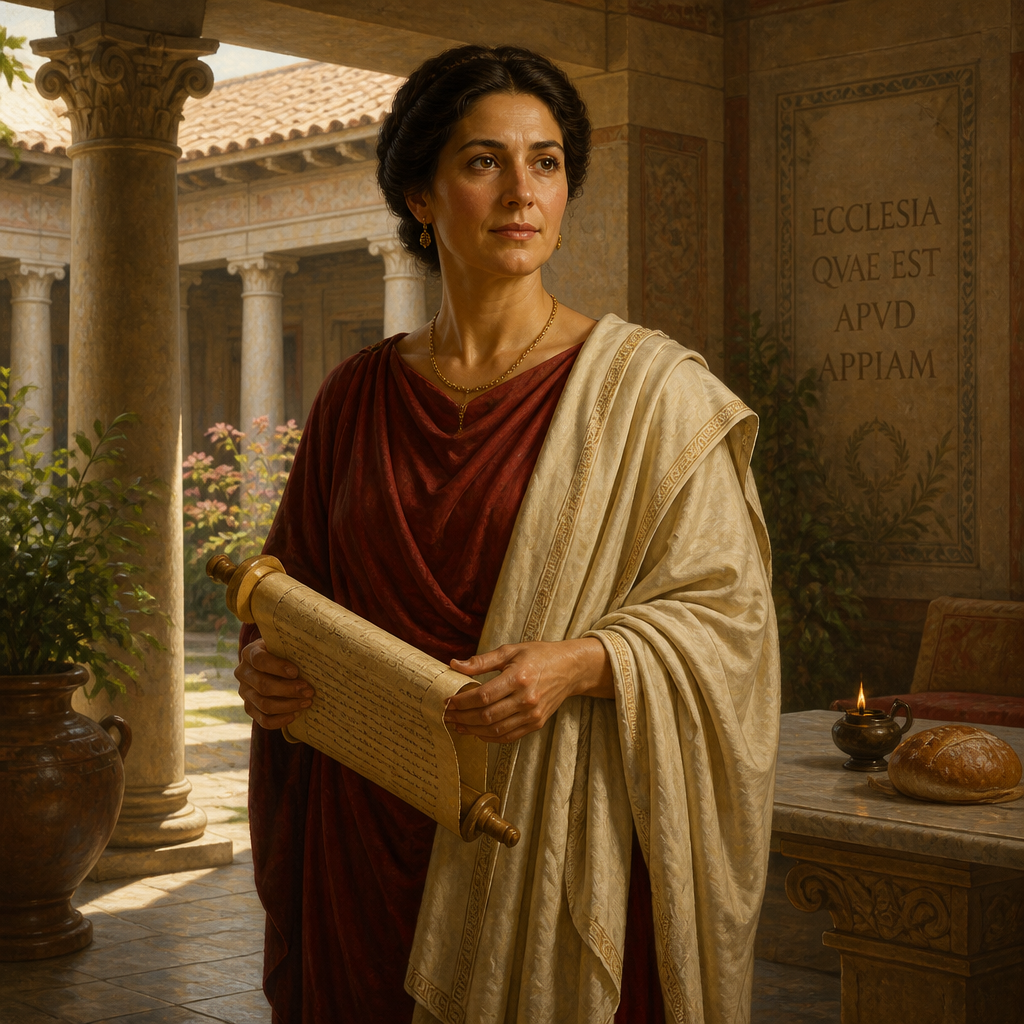
Apphia
Christian woman at Colossae addressed by Paul as 'our sister' in the Letter to Philemon
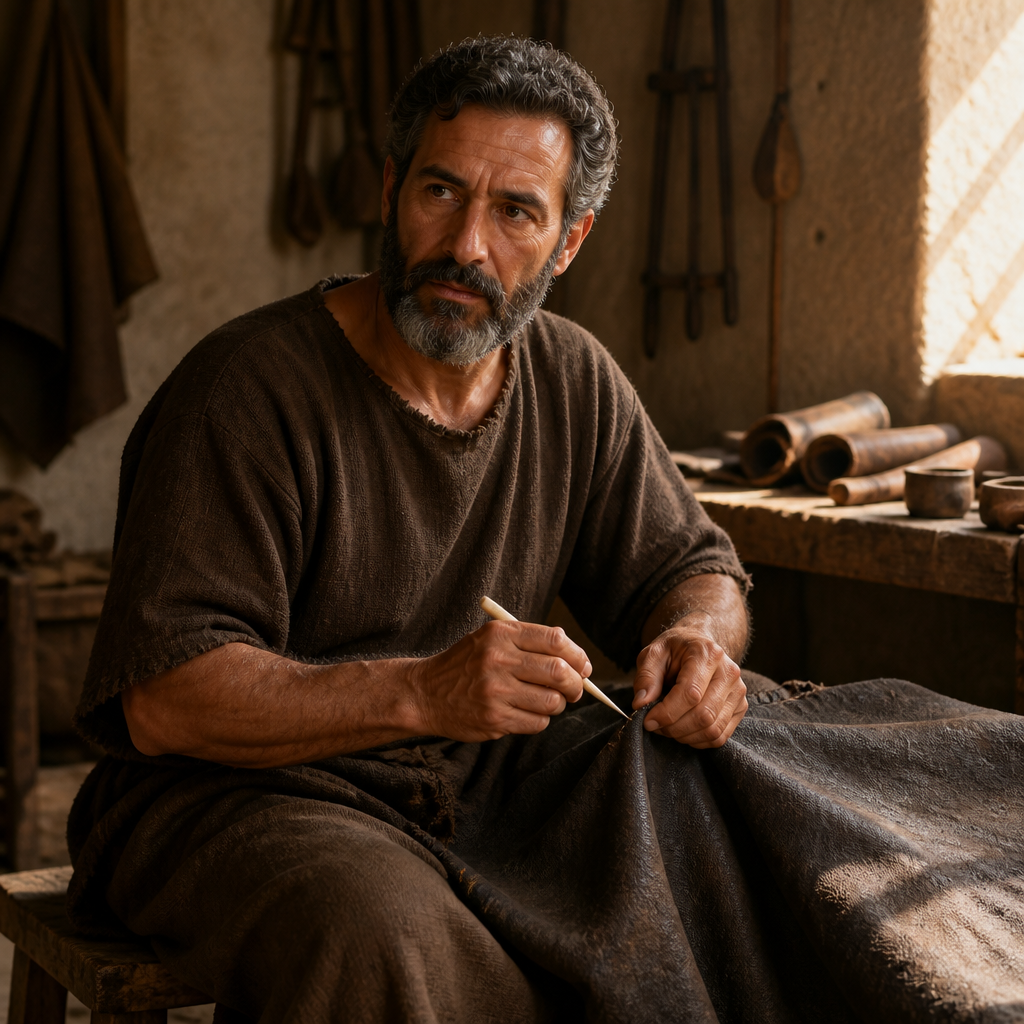
Aquila
Jewish Christian coworker of Paul who hosted house churches and instructed Apollos
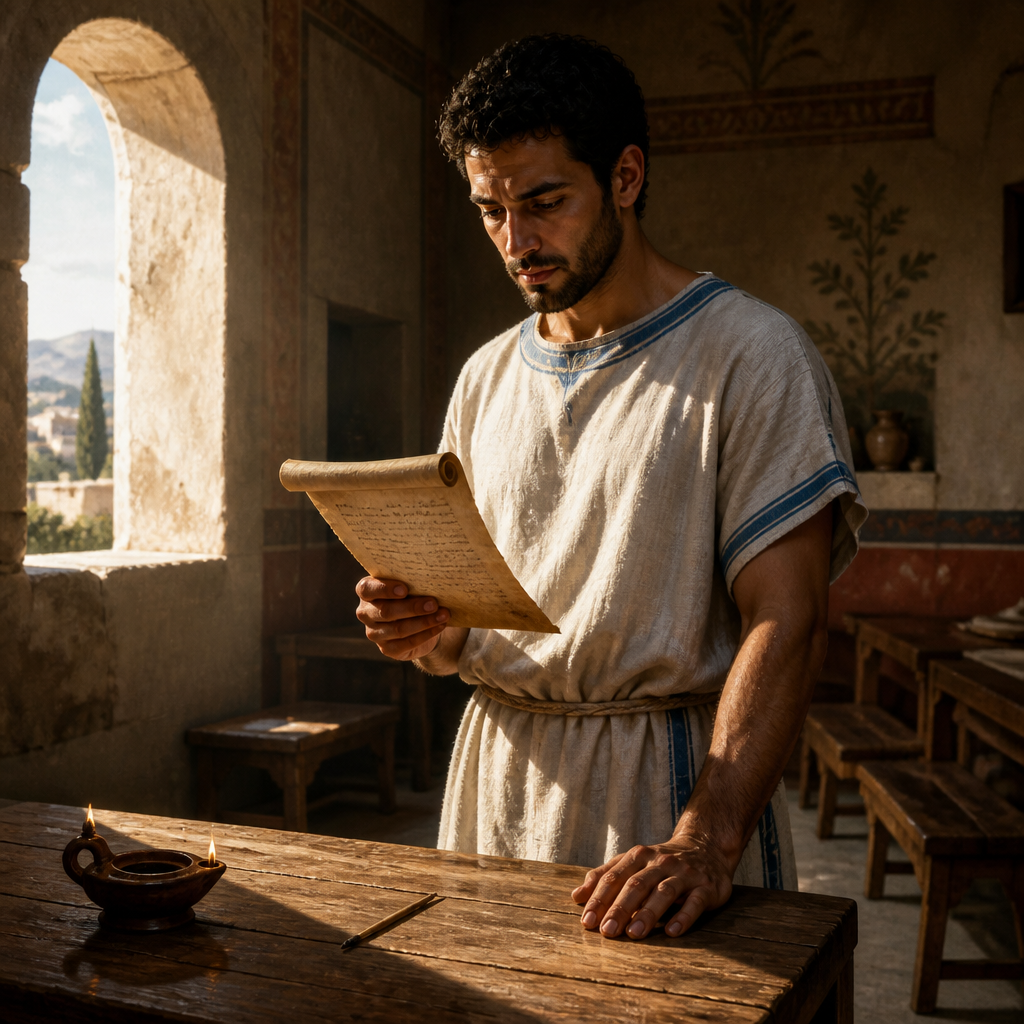
Archippus
Minister in the Colossian church who was exhorted by Paul to fulfill his service
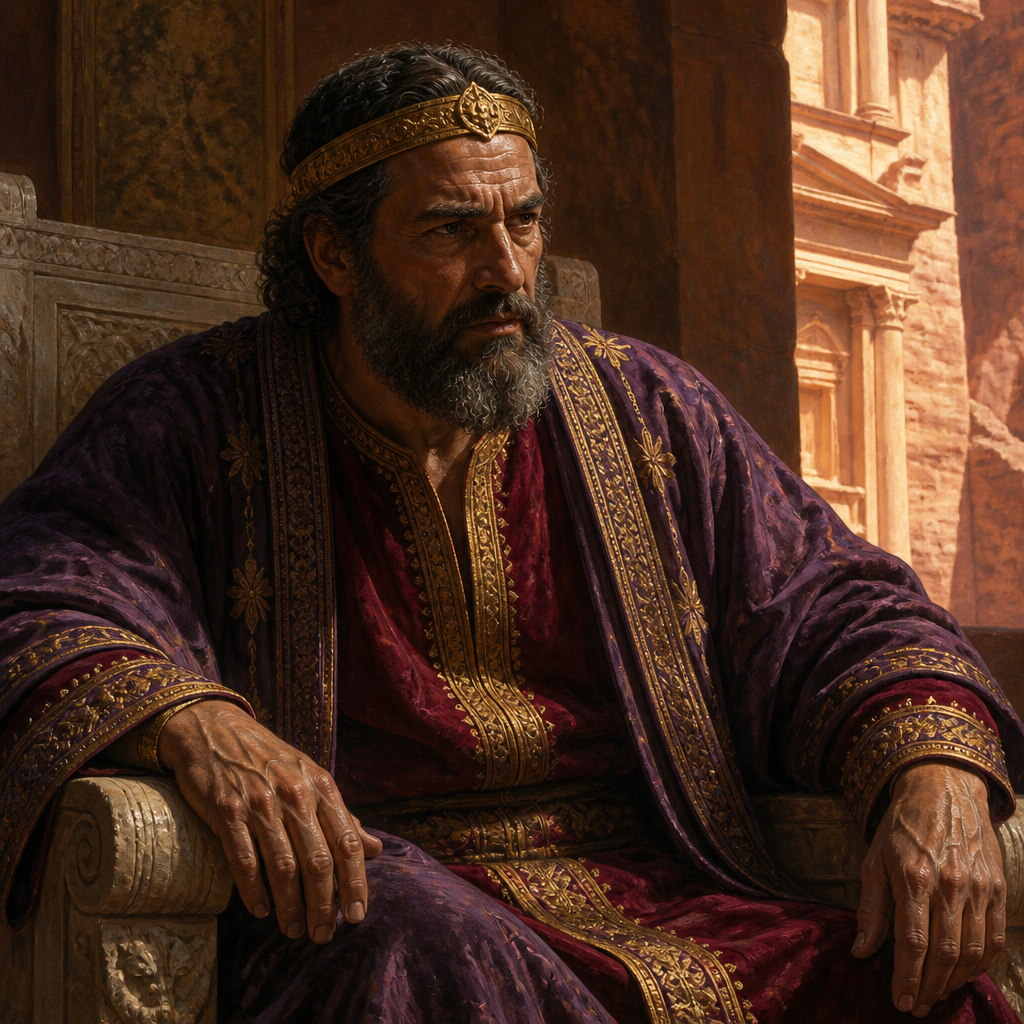
Aretas
King of the Nabataeans whose governor attempted to arrest Paul in Damascus
Aristarchus
Companion of Paul who was seized during the Ephesian riot and later became Paul's fellow prisoner in Rome
Aristobulus
Roman head of a household containing early Christian believers
Artemas
Colleague of the Apostle Paul mentioned in the Epistle to Titus
Asyncritus
Christian in Rome greeted by the Apostle Paul in his letter to the Romans
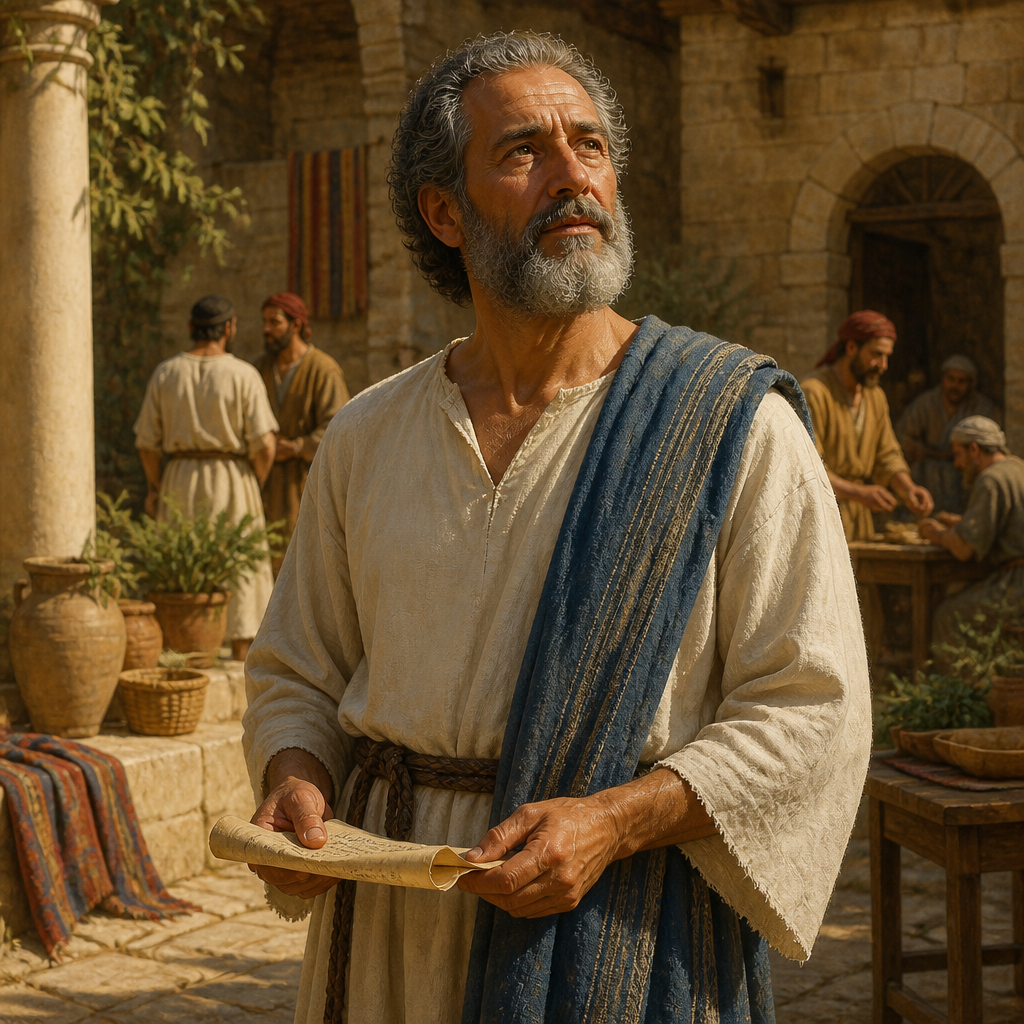
Barnabas
Prophet and leader in the Antioch church who mentored the Apostle Paul
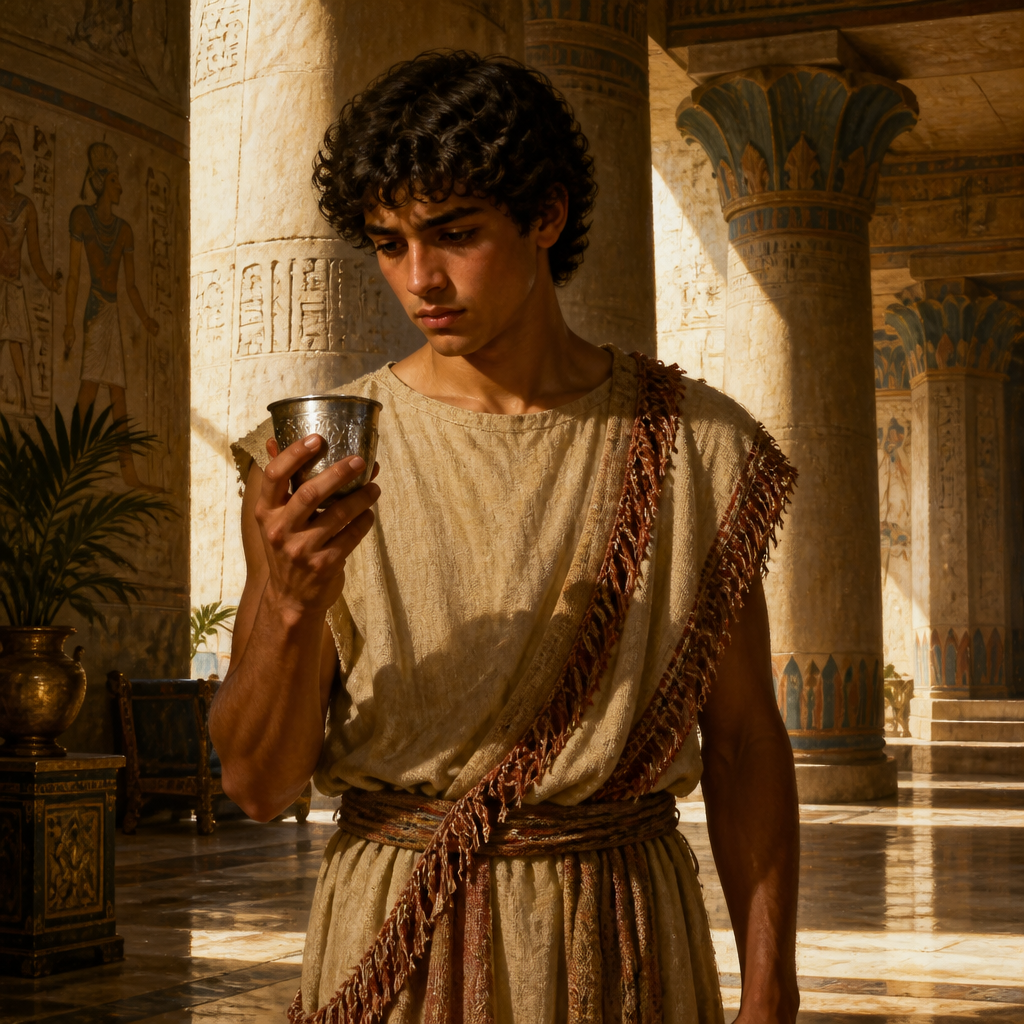
Benjamin, Son of Jacob
Youngest son of Jacob and the full brother of Joseph whose presence in Egypt led to his family's reconciliation
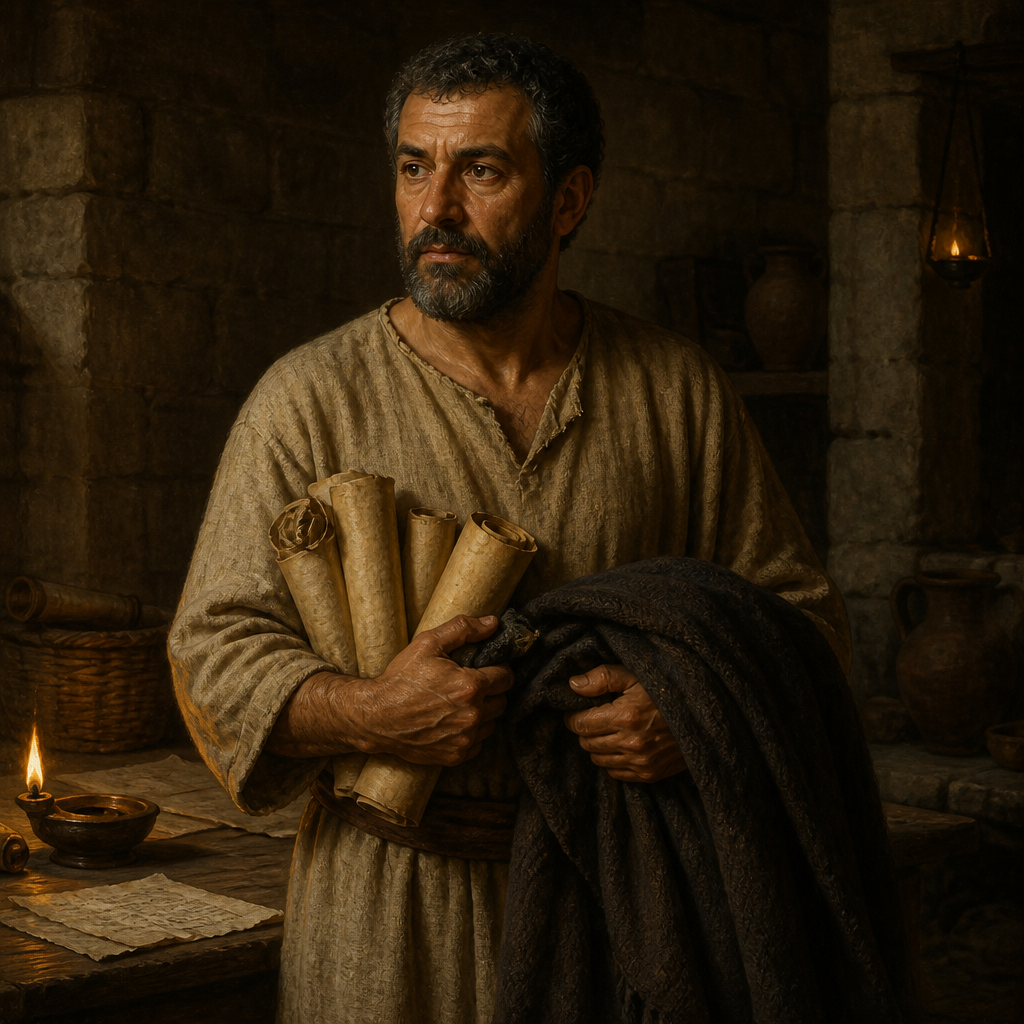
Carpus
Believer in Troas who safeguarded the Apostle Paul's cloak and parchments
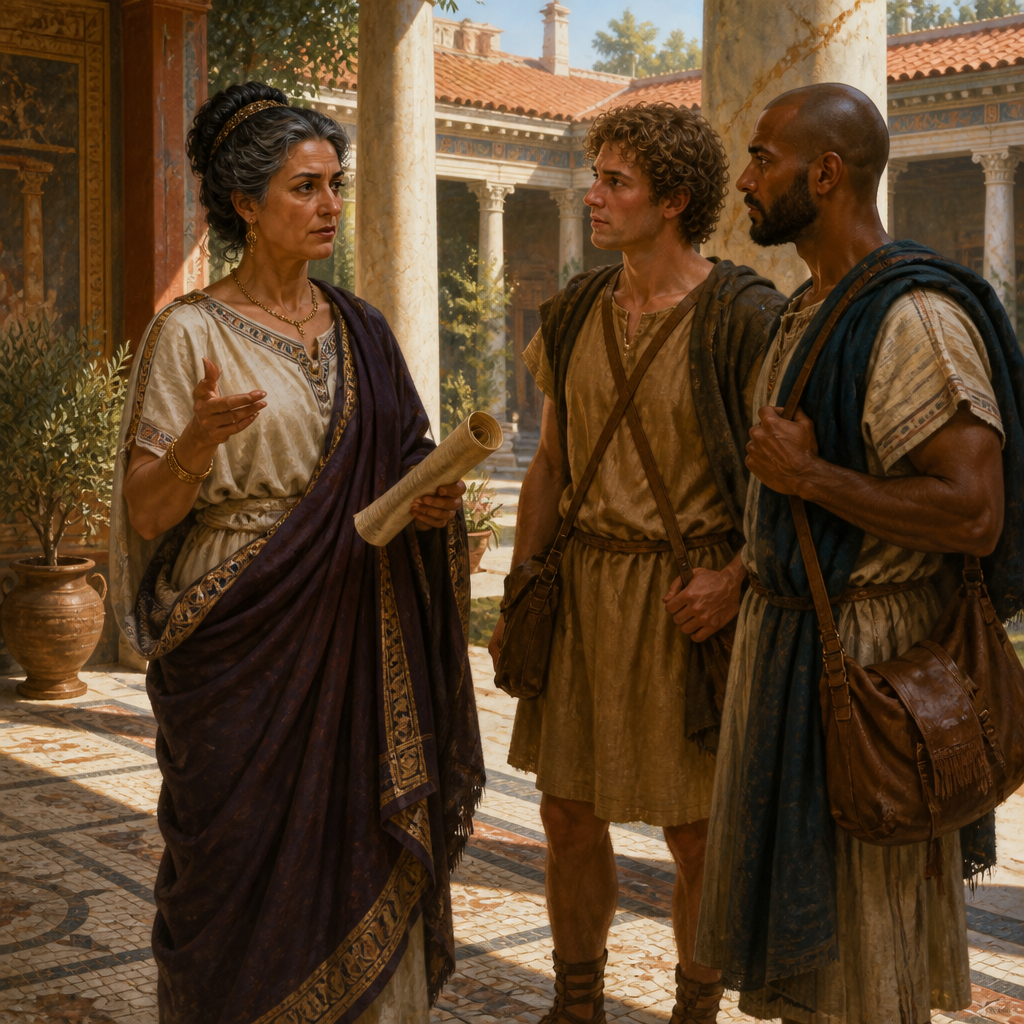
Chloe
Christian woman whose household reported the divisions in the Corinthian church to the Apostle Paul
Claudia
Christian woman in Rome who sent greetings to Timothy in Paul's final letter
Clement
Fellow worker of the Apostle Paul whose name is in the Book of Life
Crescens
Companion of Paul who traveled to Galatia during Paul's final imprisonment
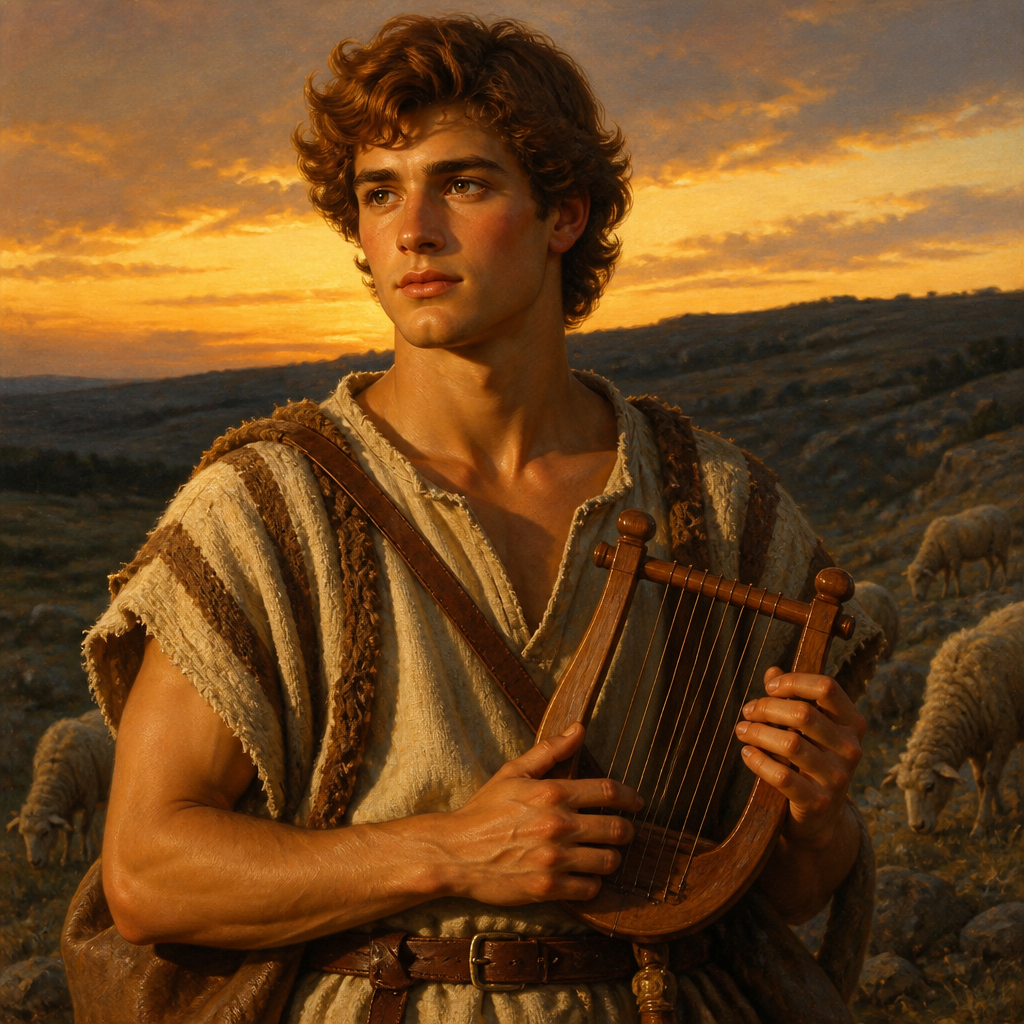
David
King of Israel who defeated Goliath and established the Davidic dynasty
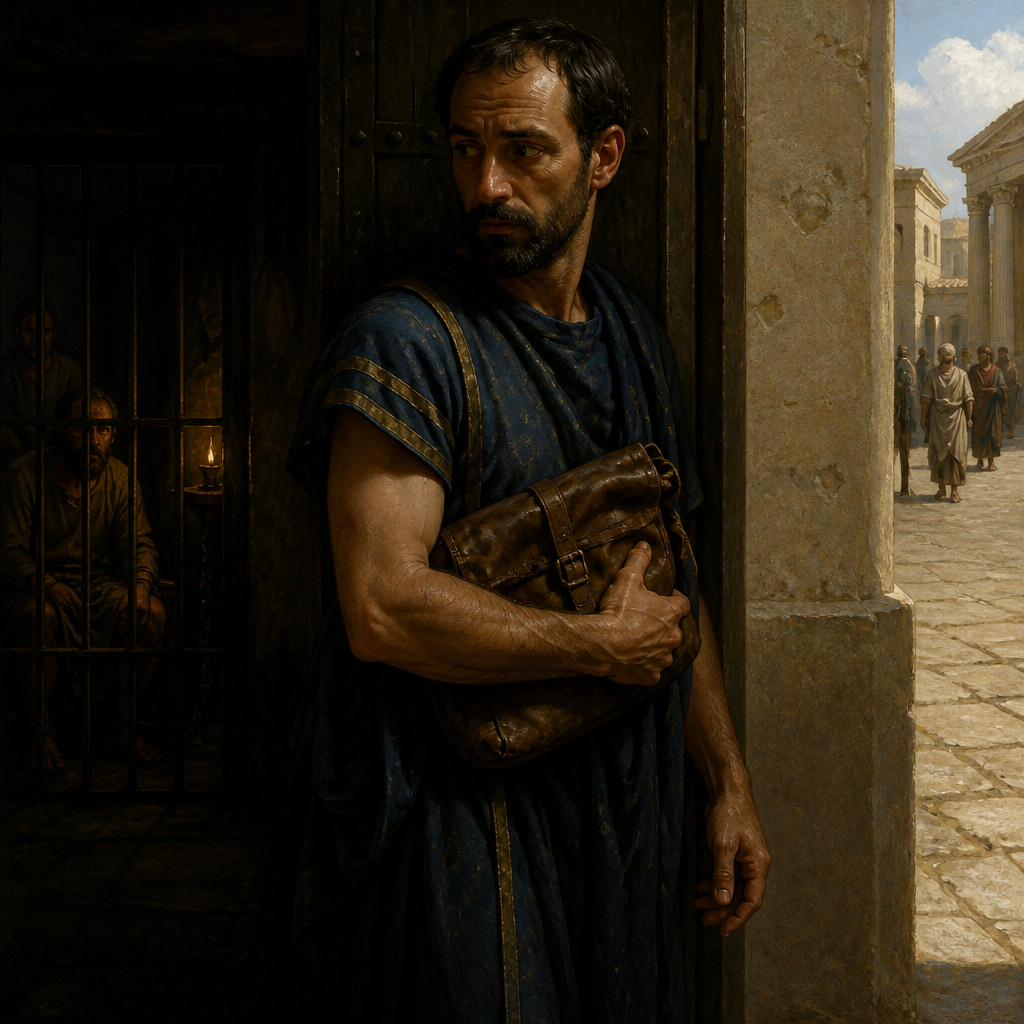
Demas
Companion of Paul who abandoned him for love of the world
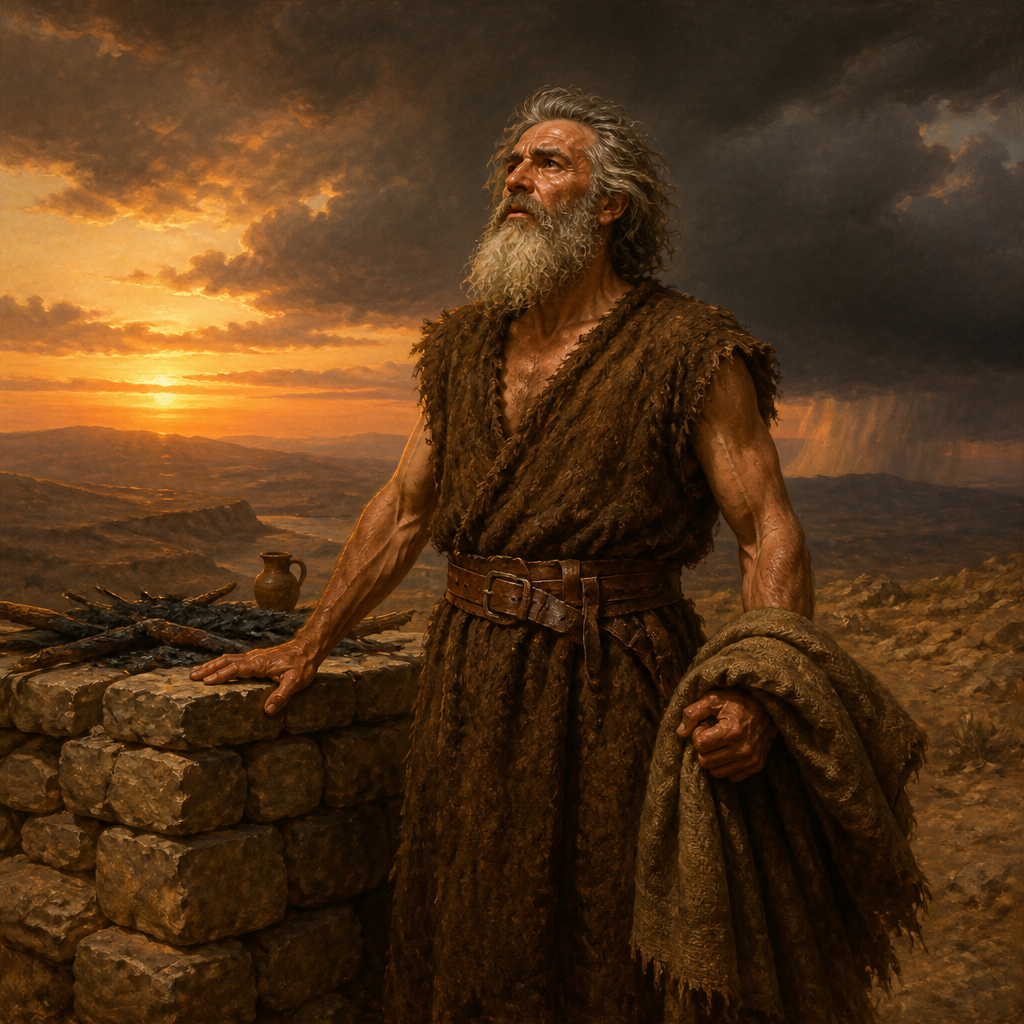
Elijah the Tishbite
Prophet who called down fire from heaven and was taken to heaven in a whirlwind
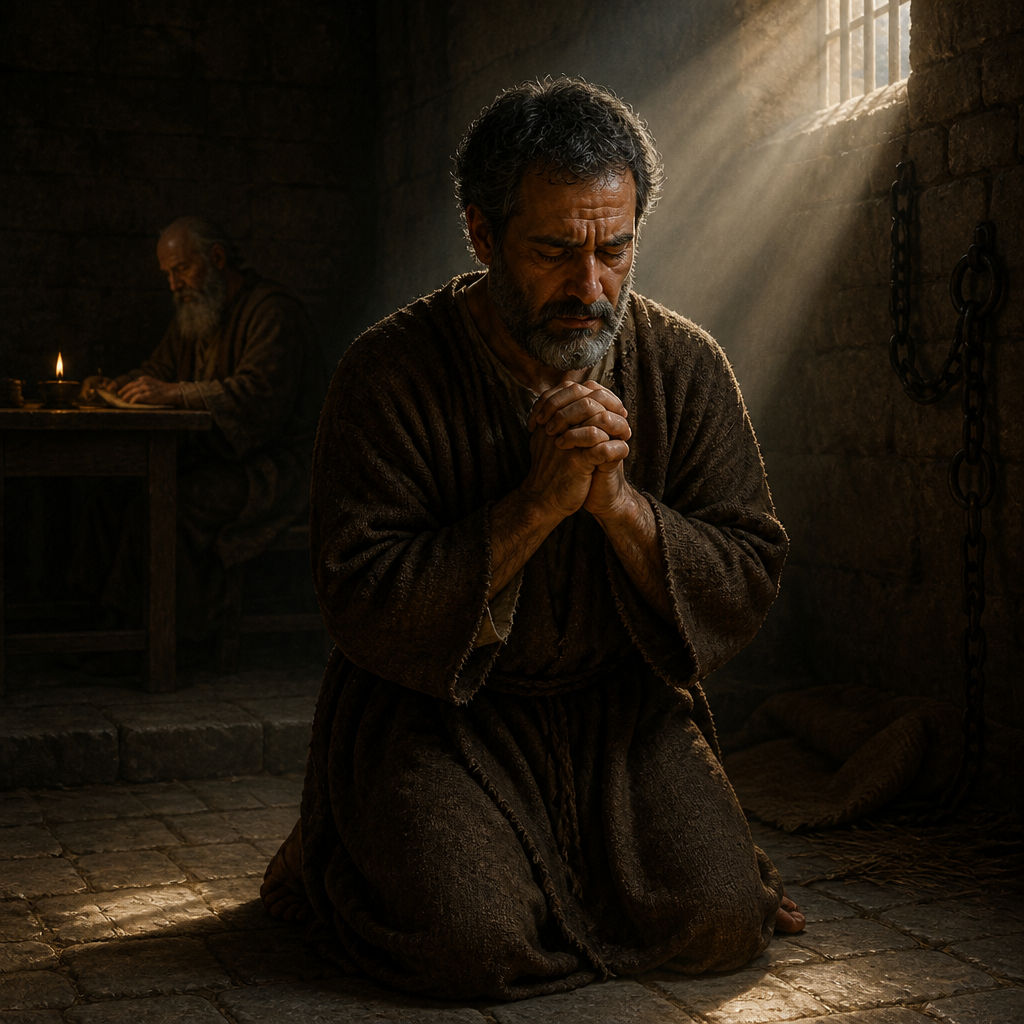
Epaphras
Minister who founded the church at Colossae and served as a fellow prisoner with Paul
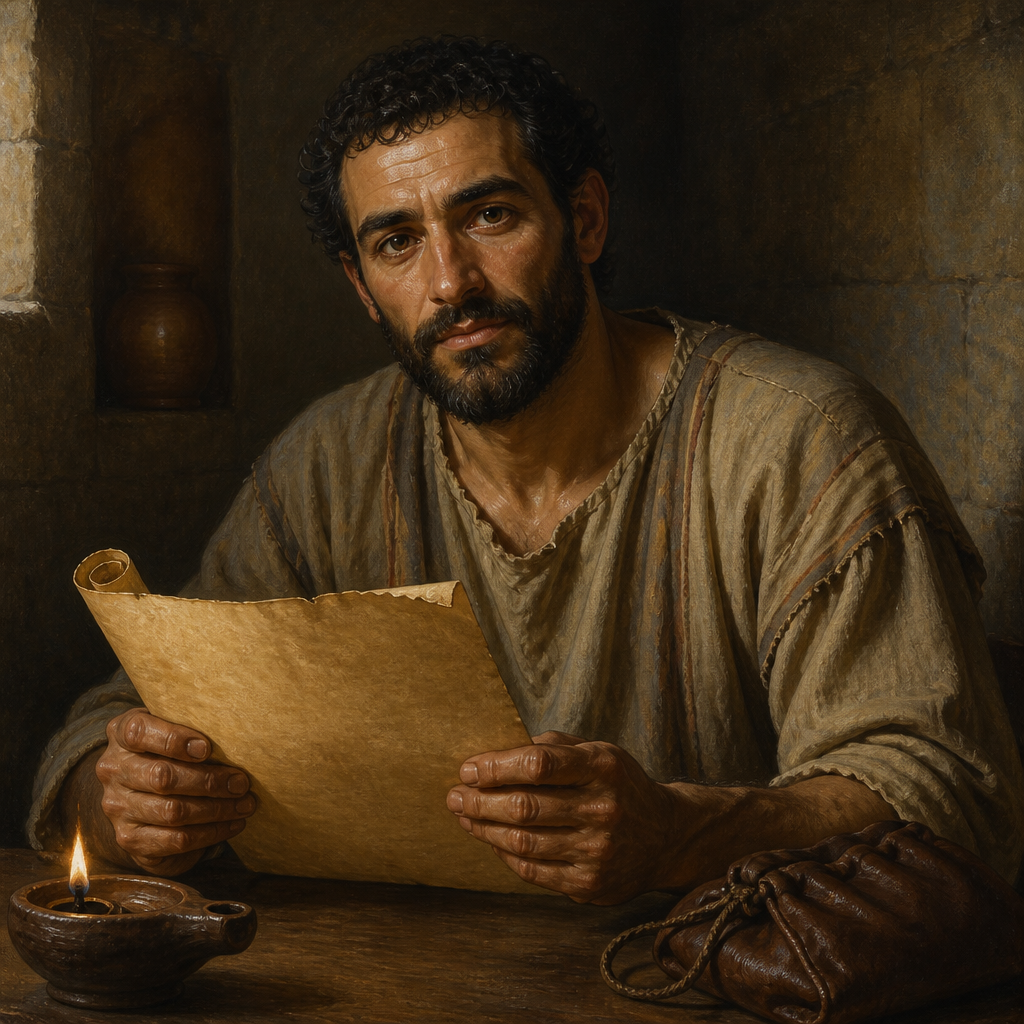
Epaphroditus
Messenger of the Philippian church who nearly died serving the Apostle Paul
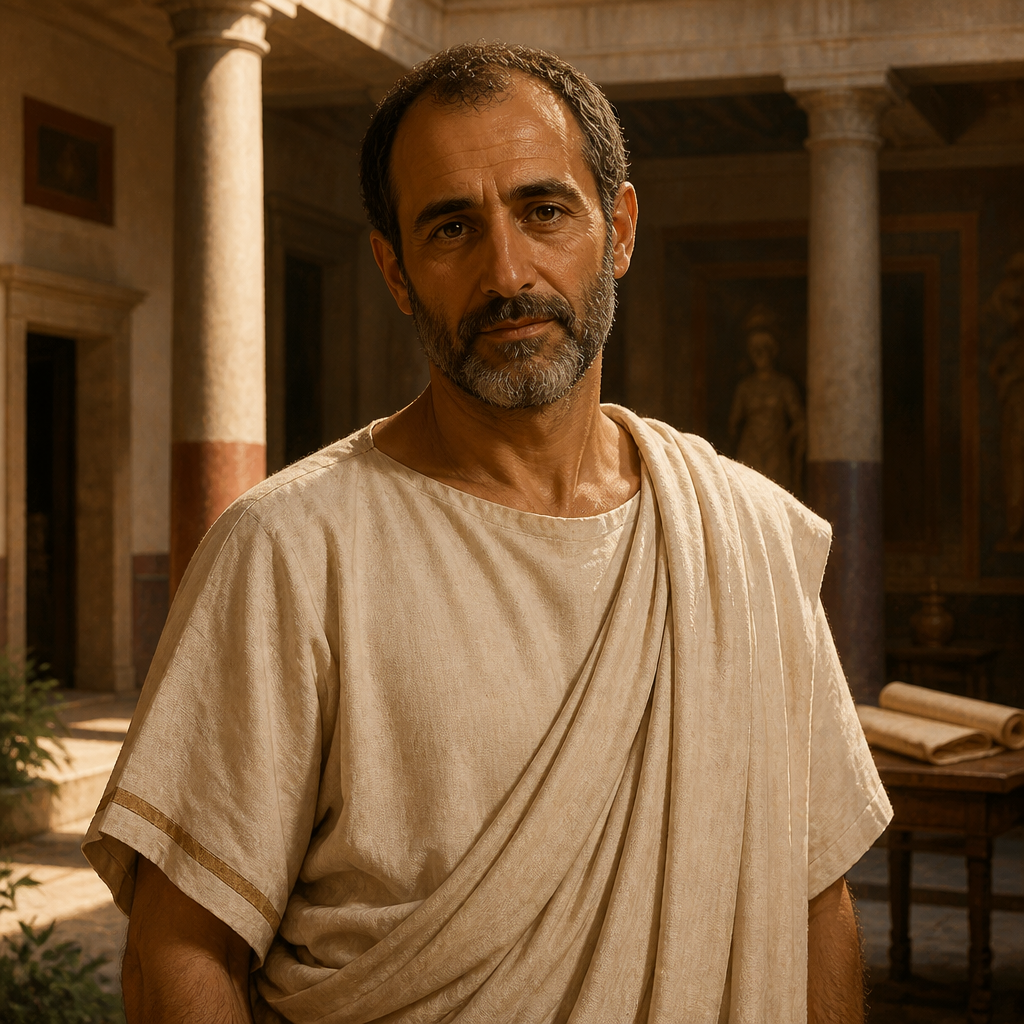

Erastus
City treasurer of Corinth and ministry companion of the Apostle Paul
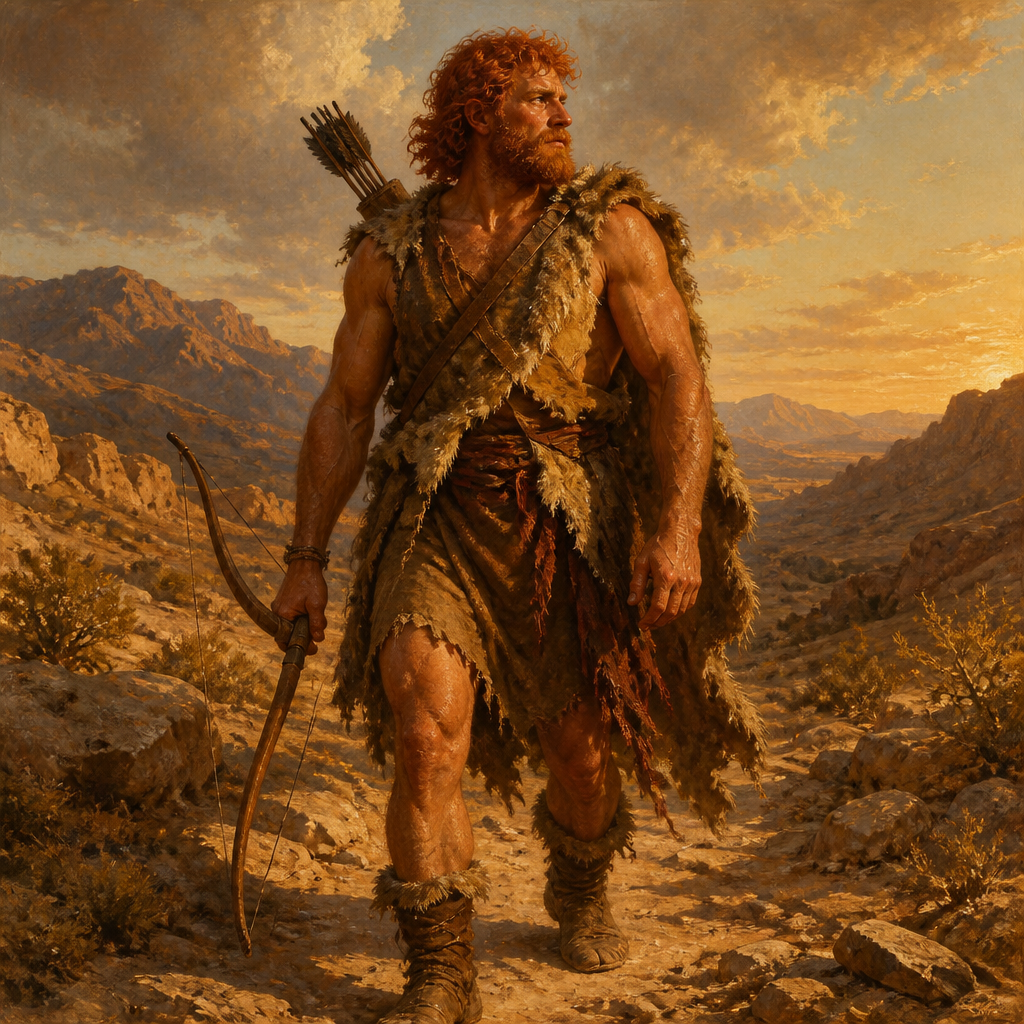
Esau
Patriarch who sold his birthright for lentil stew and founded the nation of Edom
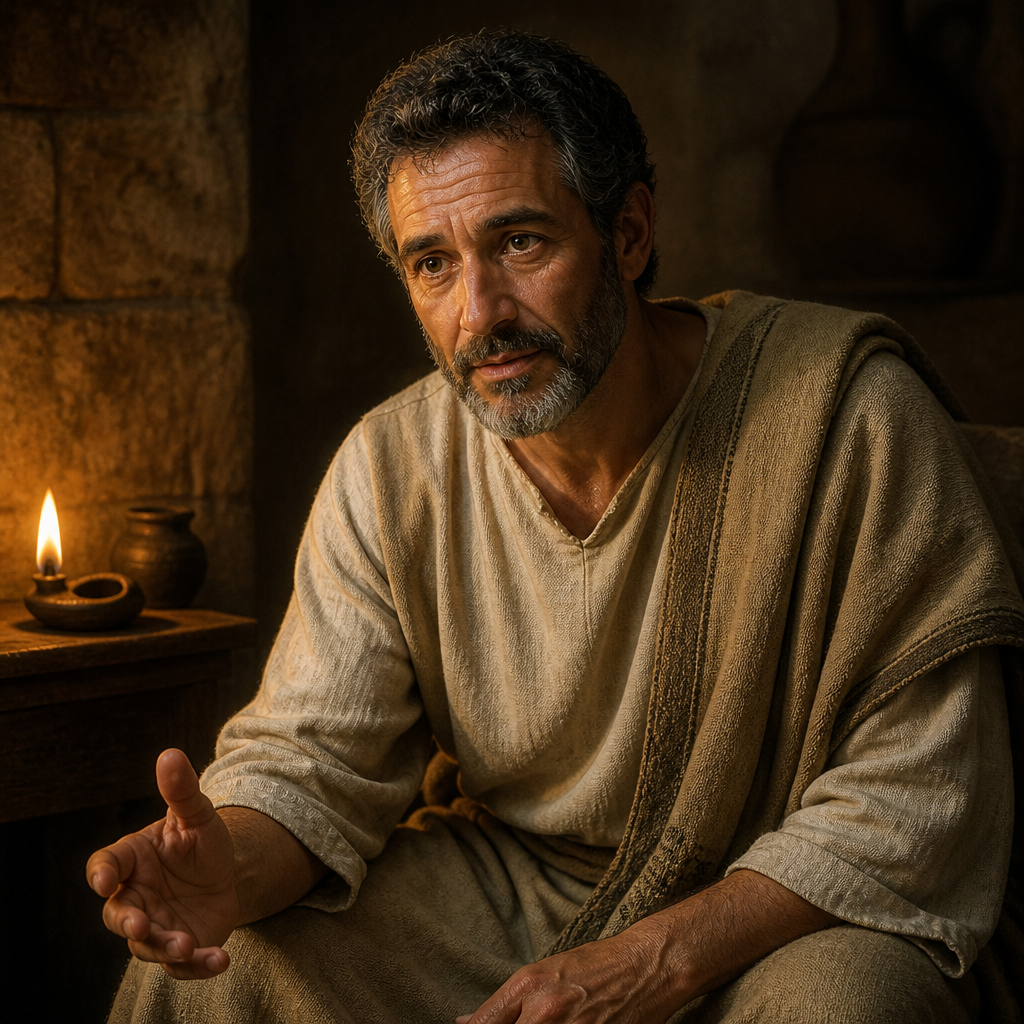
Eubulus
Christian in Rome who sent greetings to Timothy in Paul's final letter
Euodia
Christian woman in Philippi urged by Paul to reconcile with Syntyche
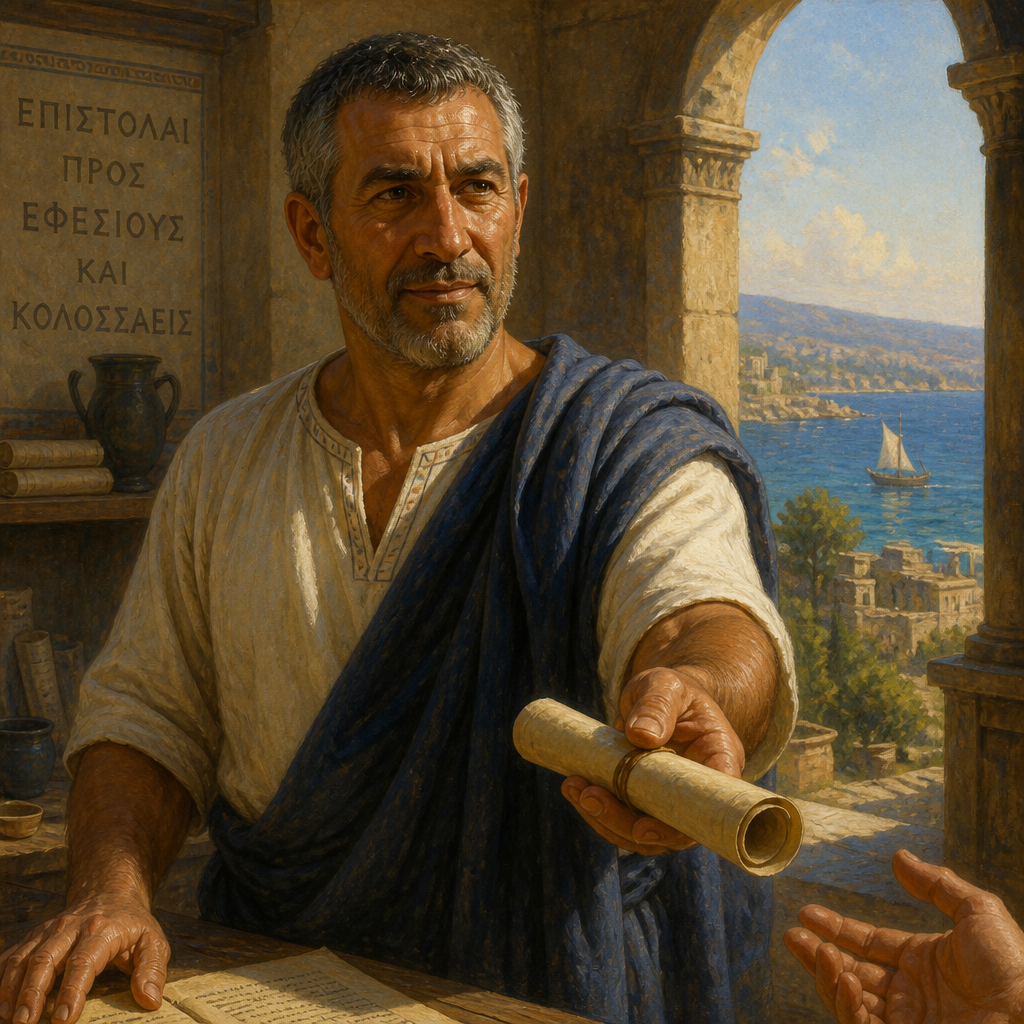
Fortunatus
Member of the Corinthian delegation who visited Paul at Ephesus
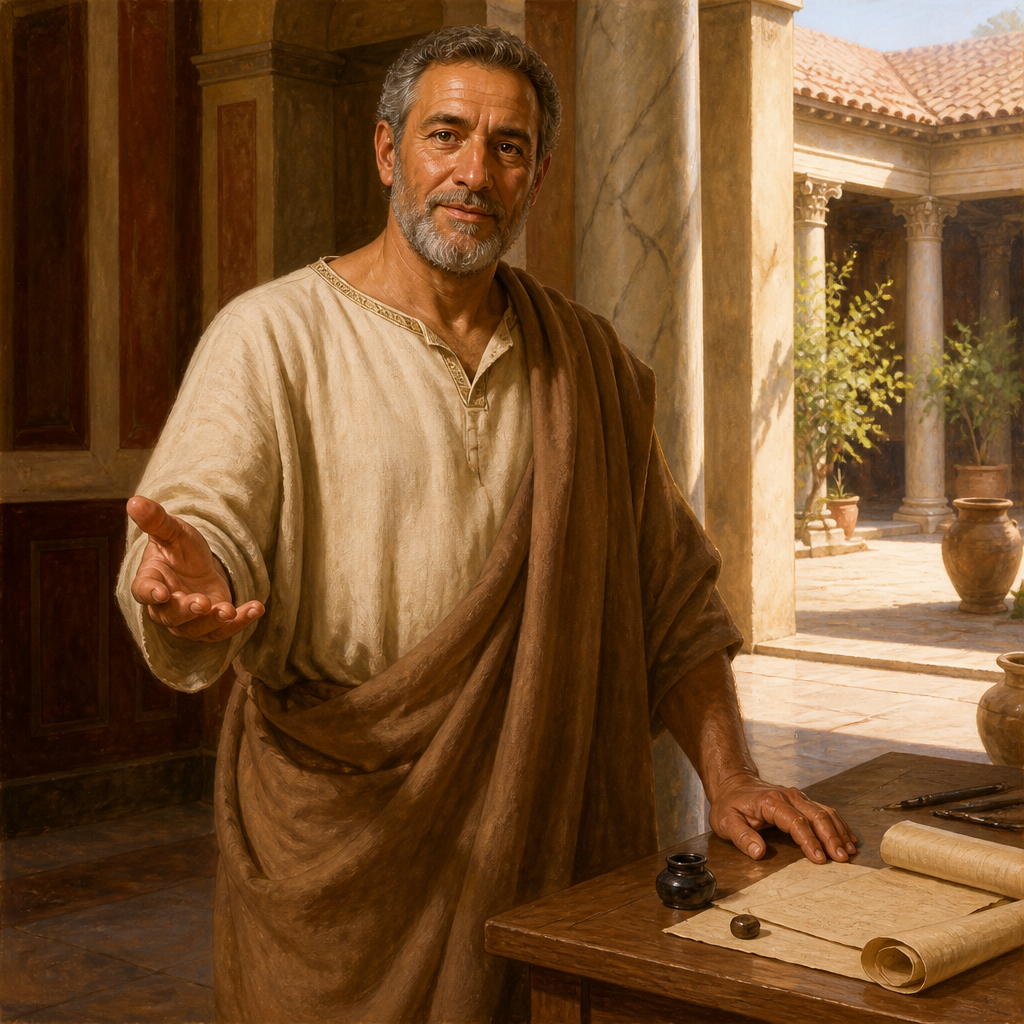
Gaius of Corinth
Host of the Apostle Paul and the entire Corinthian church
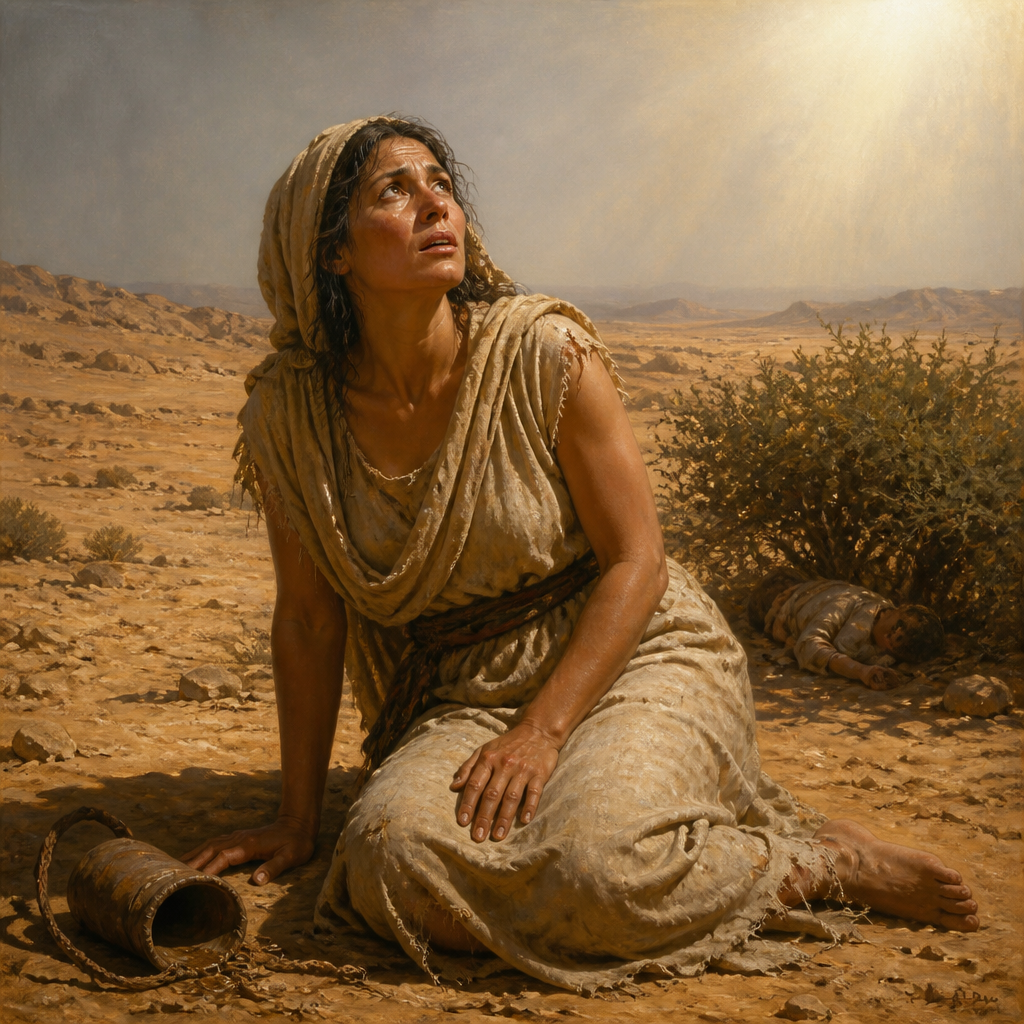
Hagar
Mother of Ishmael and the first woman to receive a divine revelation in the wilderness
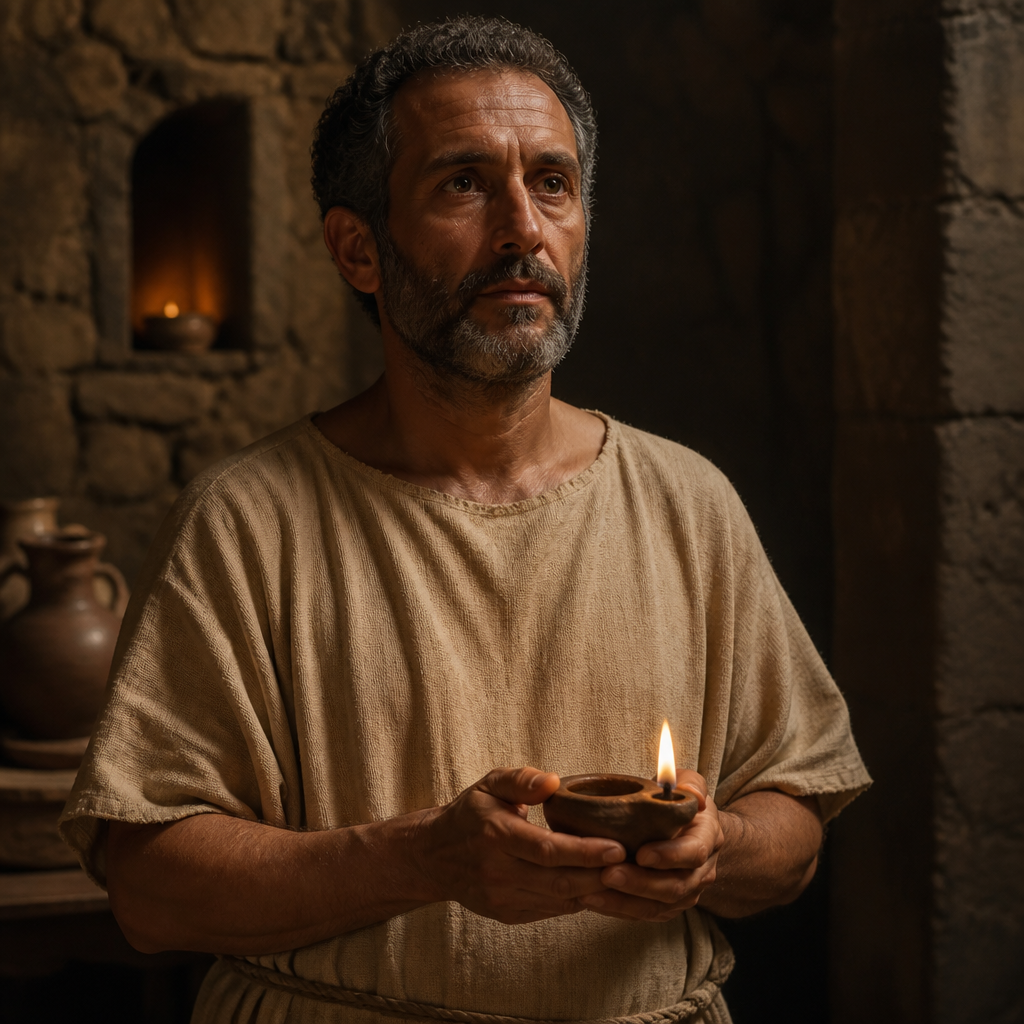
Hermas
Christian believer in Rome greeted by the Apostle Paul in the Epistle to the Romans
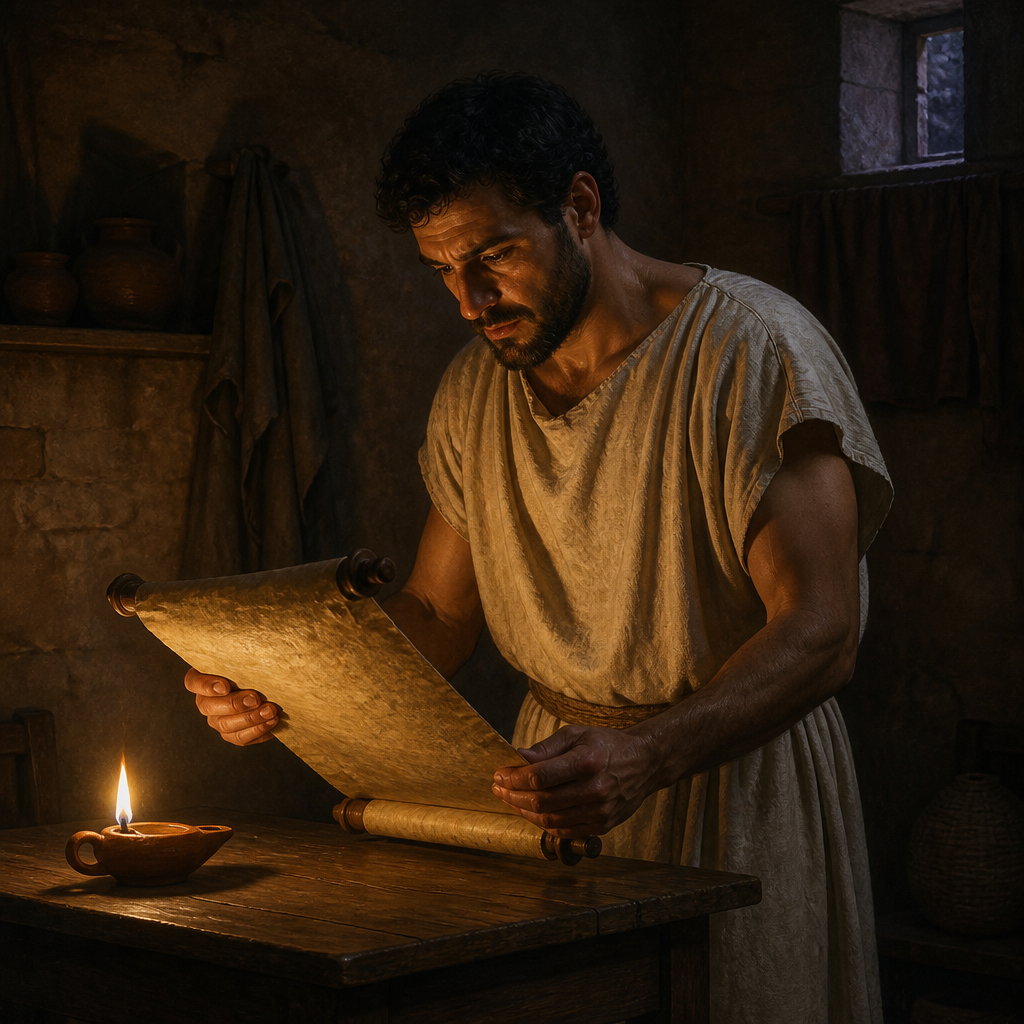
Hermes
Christian believer in Rome greeted by Paul in his letter to the Romans
Herodion
Jewish Christian in Rome greeted by the Apostle Paul in his letter to the Romans
Hosea
Prophet who married an unfaithful woman to symbolize Israel's relationship with God
Hymenaeus
False teacher who claimed the resurrection had already occurred
Isaac
Patriarch who was the son of Abraham and the father of Jacob and Esau
Isaiah
Prophet who advised King Hezekiah and foretold the coming of the Messiah
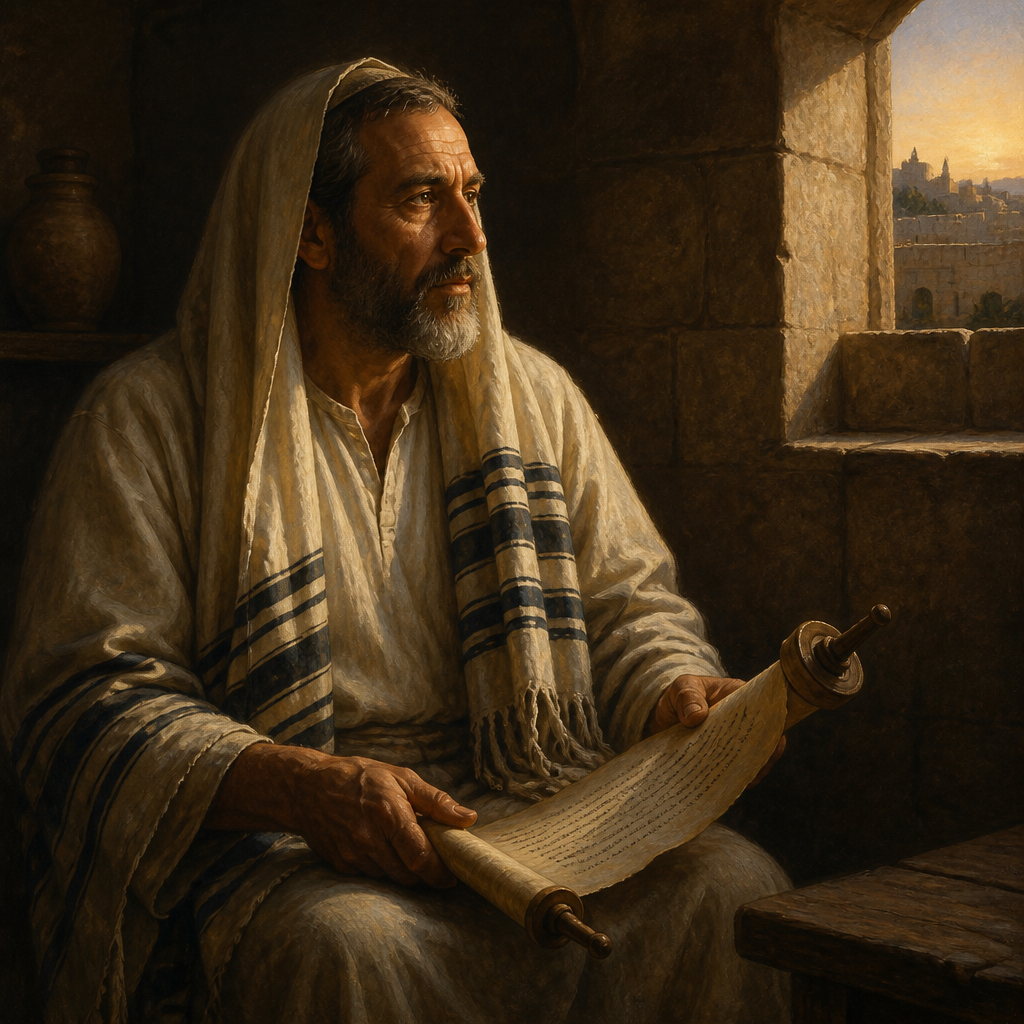
James, Brother of Jesus
Leader of the early Jerusalem church and author of the New Testament Epistle of James
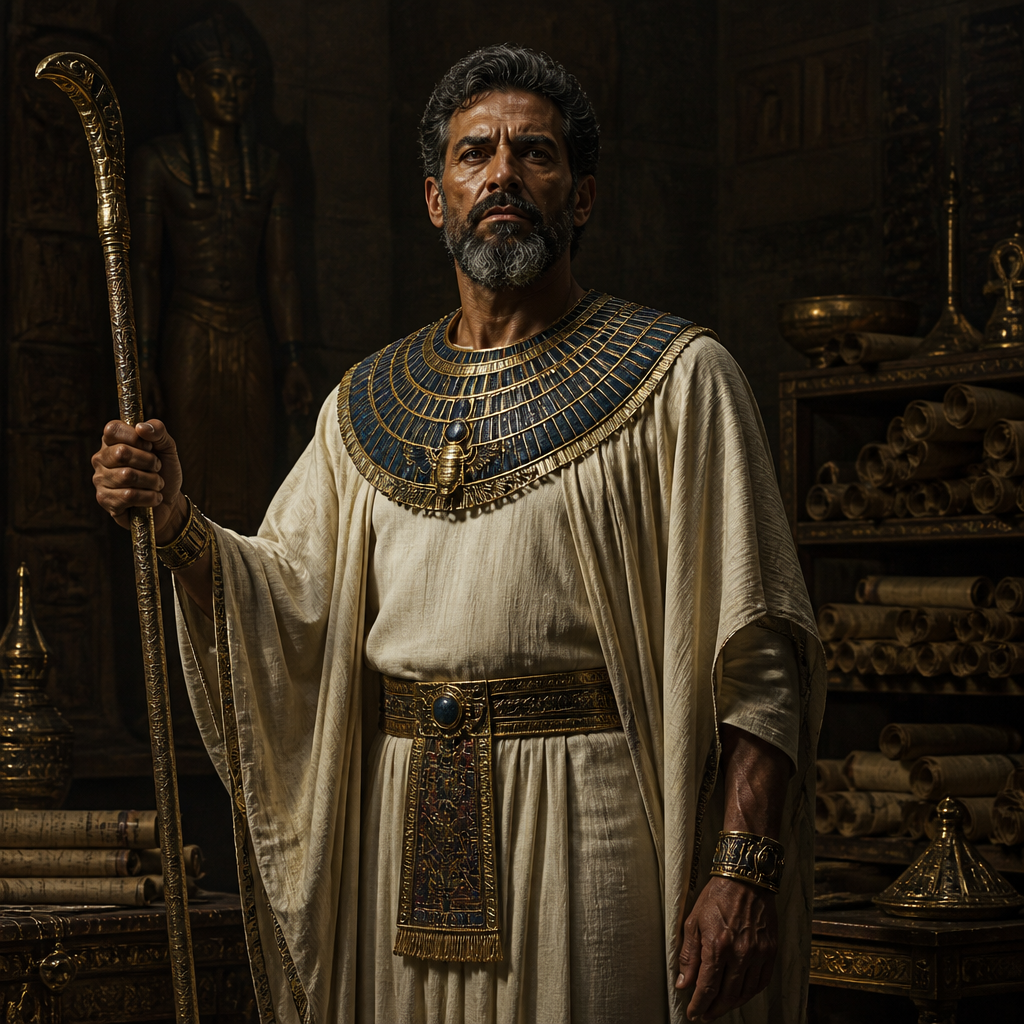
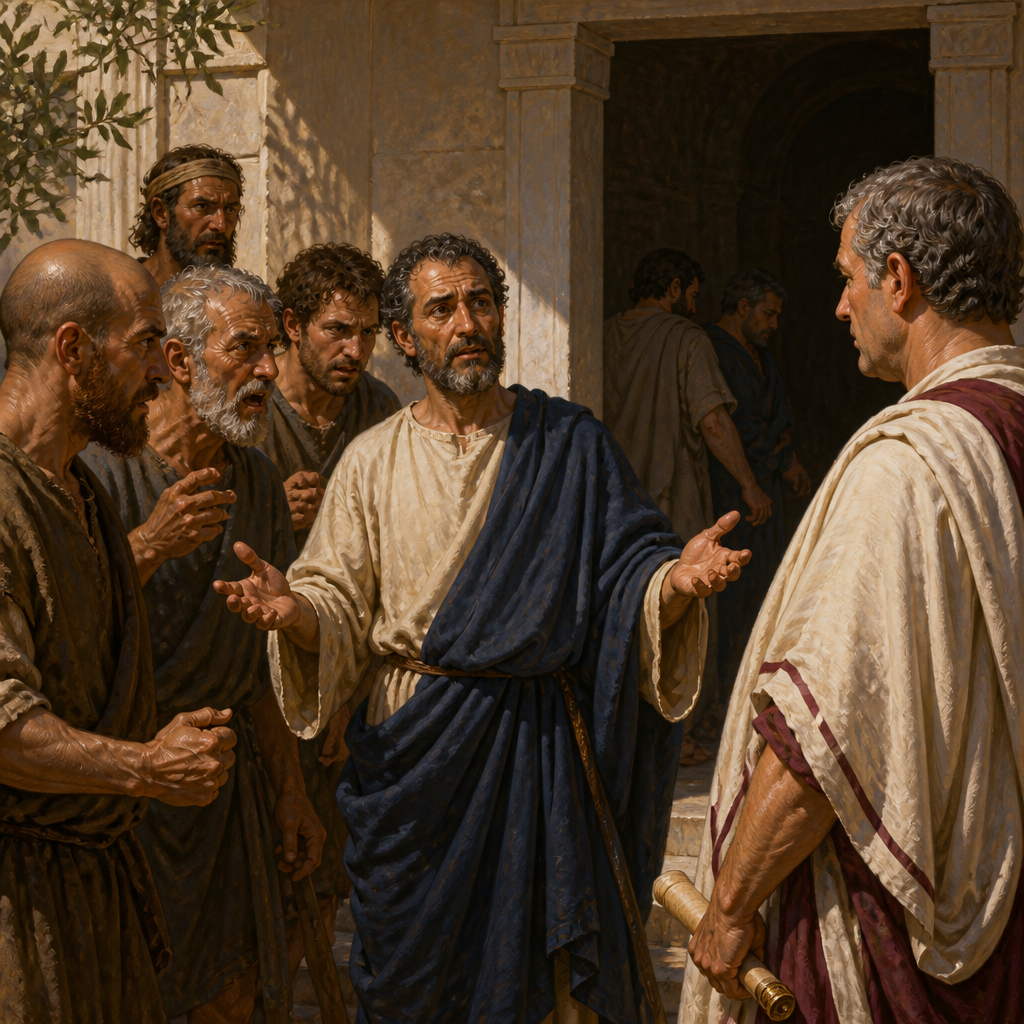
Jason
Host of Paul and Silas in Thessalonica who was dragged before city officials for his hospitality
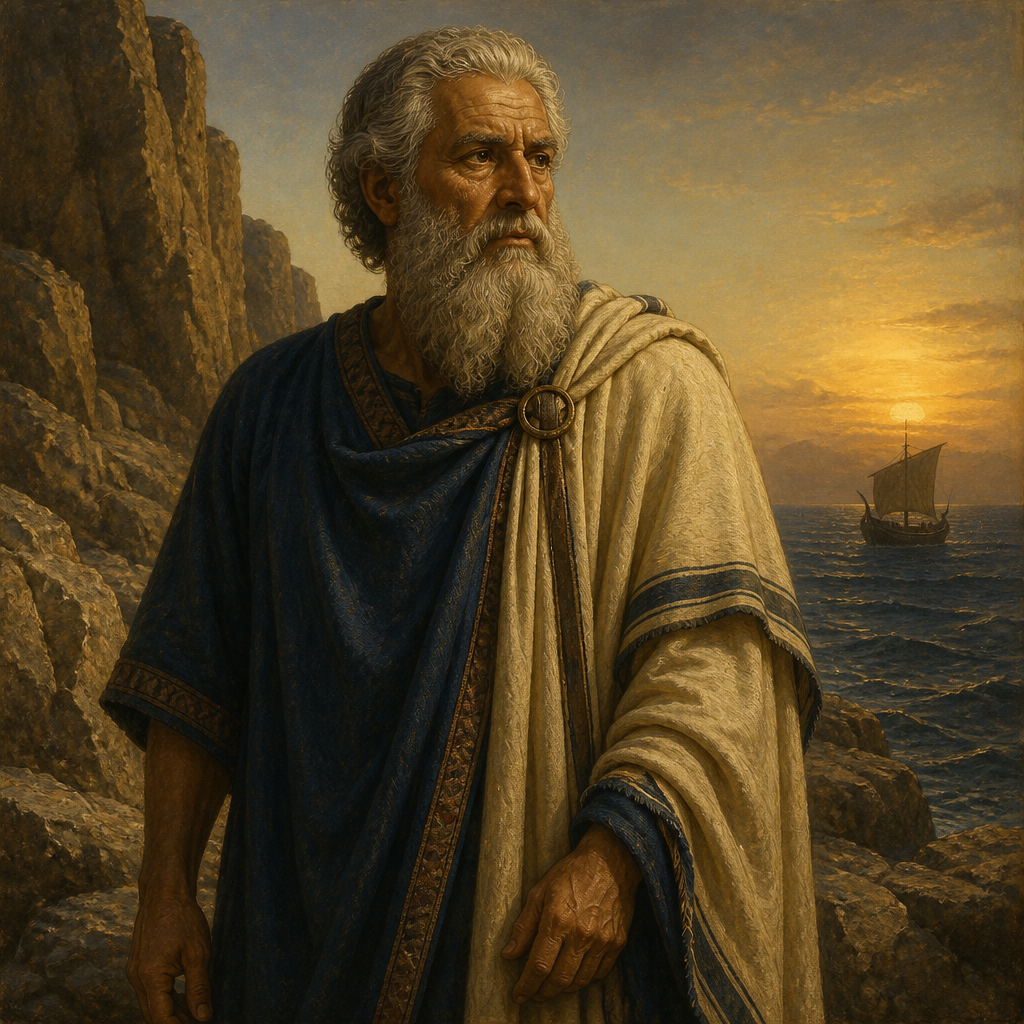
Javan
Patriarchal ancestor of the Greeks and Mediterranean seafaring nations
Jesus
Messiah and central figure of the New Testament whose life, death, and resurrection form the basis of the Christian faith
Jesus, also called Justus
Jewish Christian worker who assisted Paul during his Roman imprisonment
John the Apostle
Apostle and brother of James who received the visions of Revelation
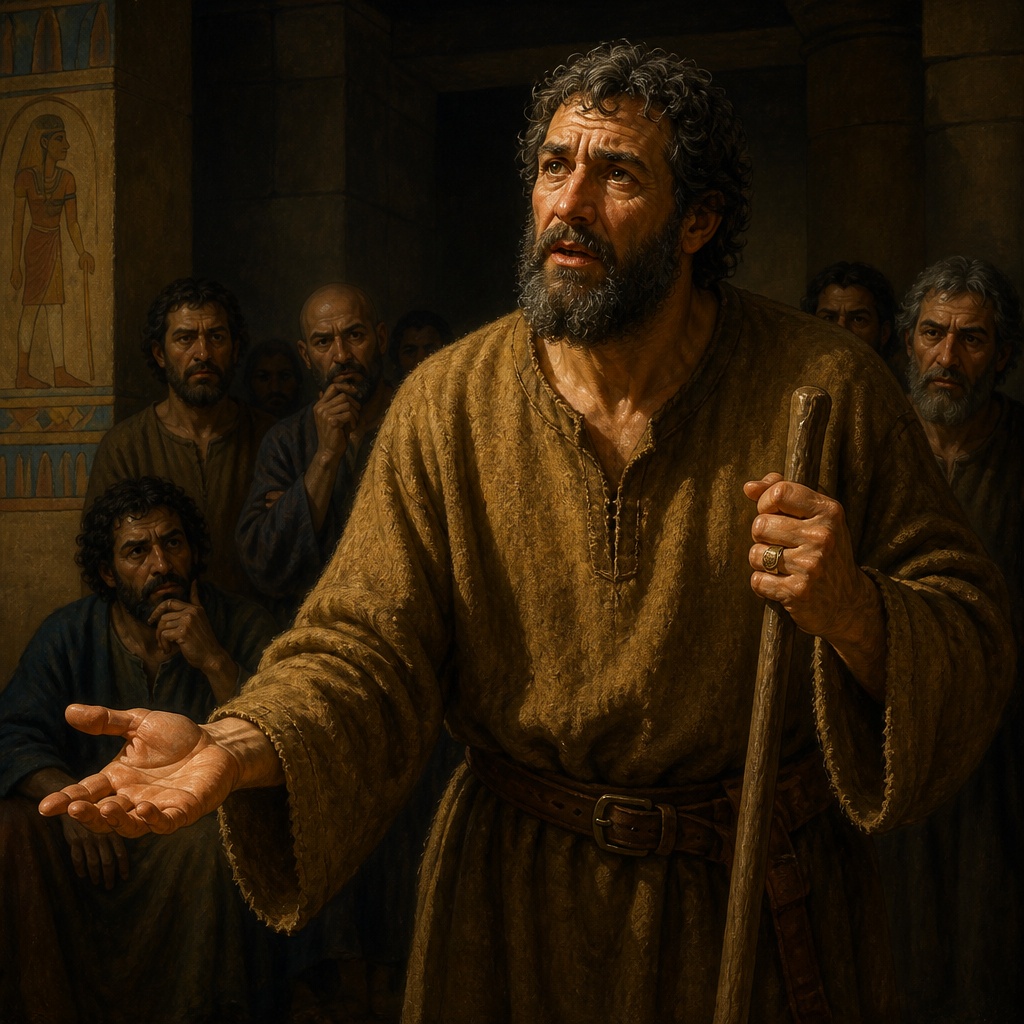
Judah, Son of Jacob
Patriarch who received the blessing of the scepter and whose lineage produced King David and Jesus Christ
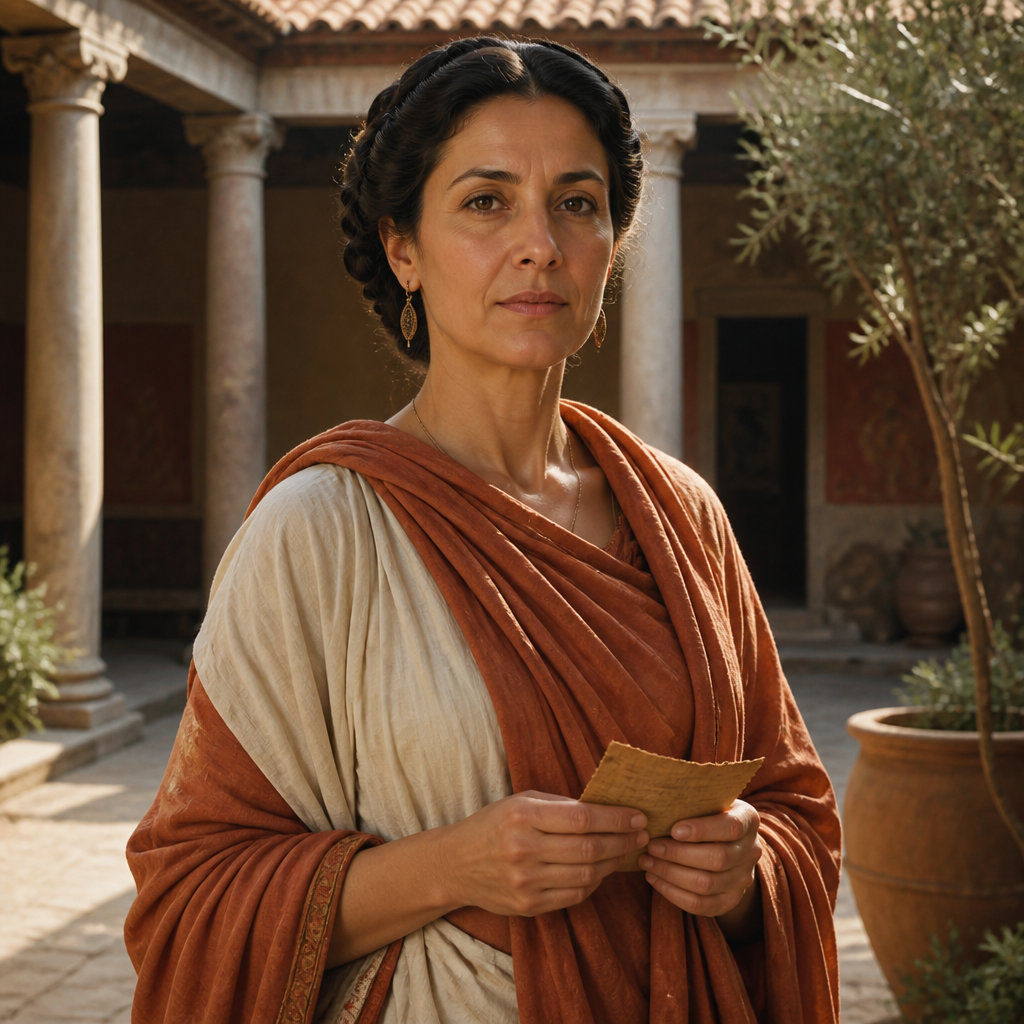
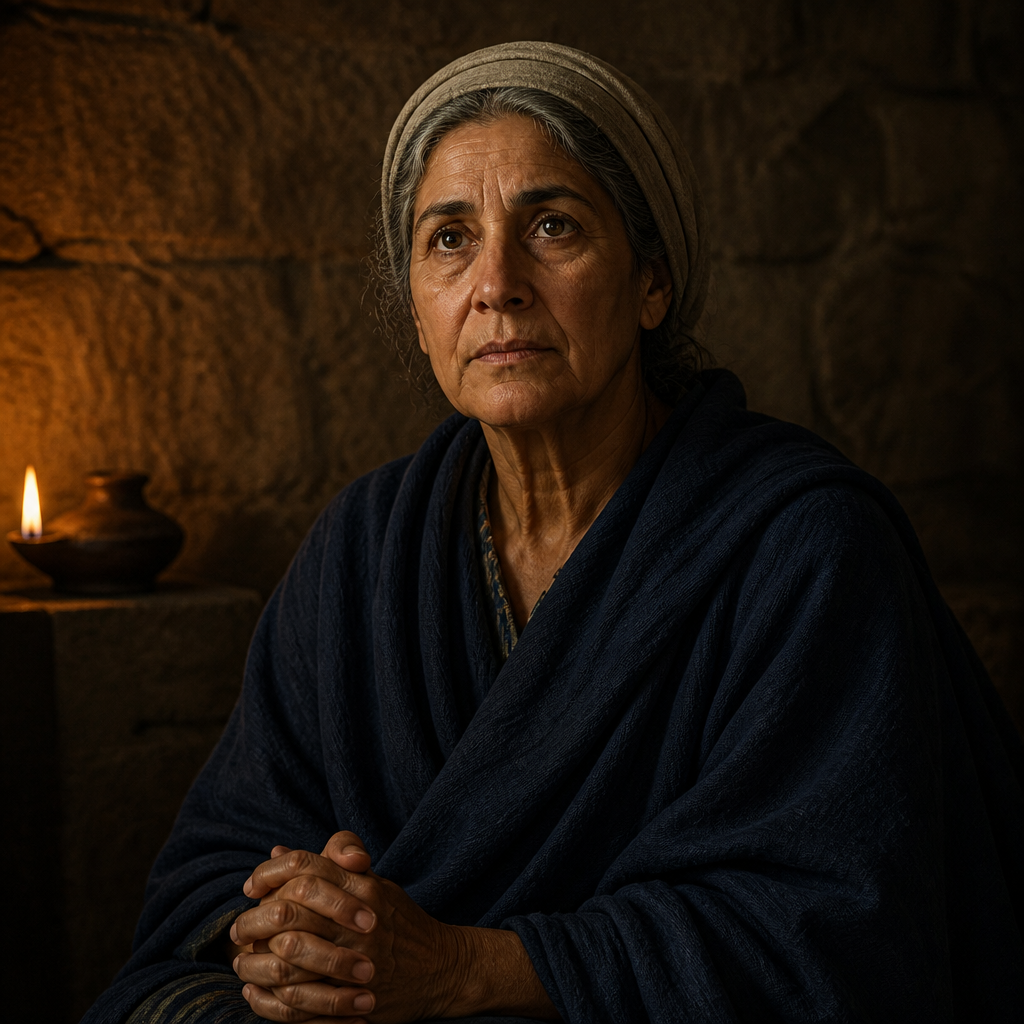
Junia
Jewish Christian woman described as outstanding among the apostles and a fellow prisoner of Paul
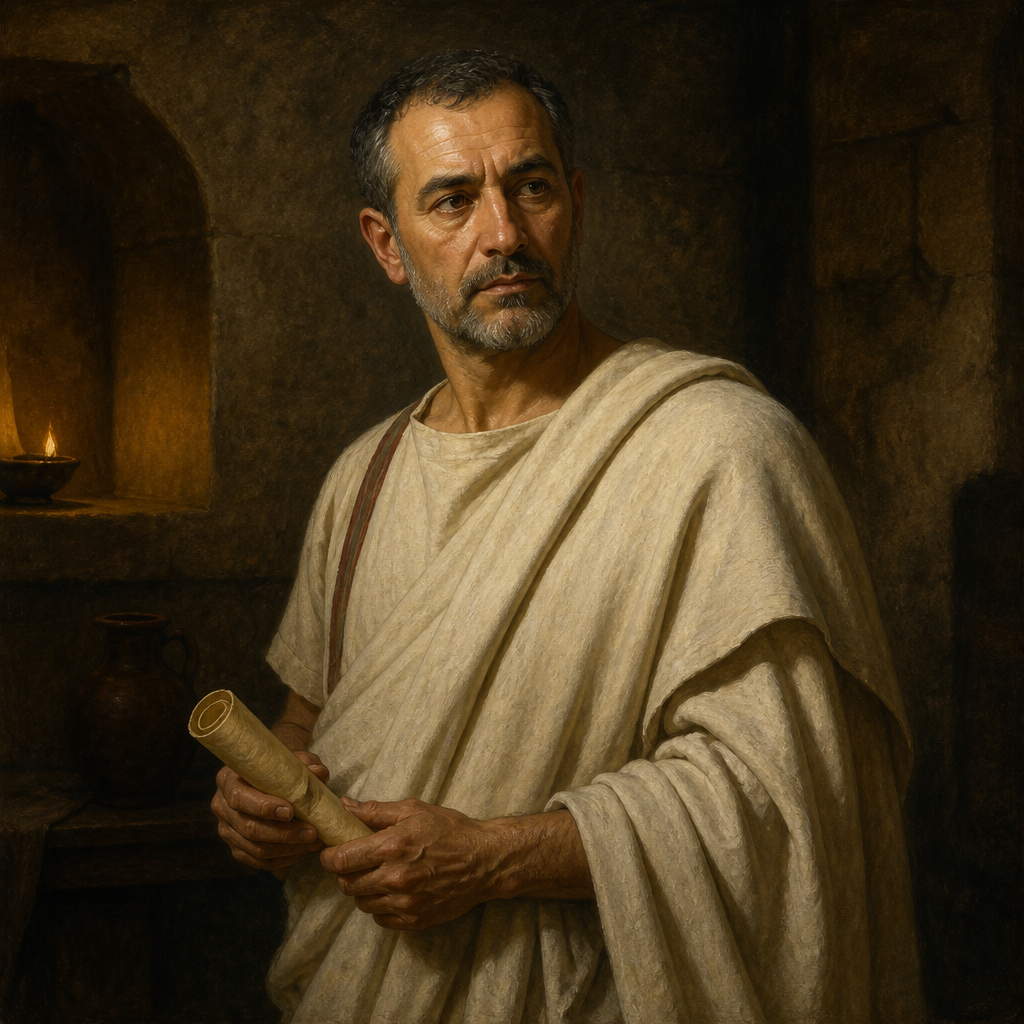
Linus
Christian in Rome who sent greetings to Timothy in Paul's final letter
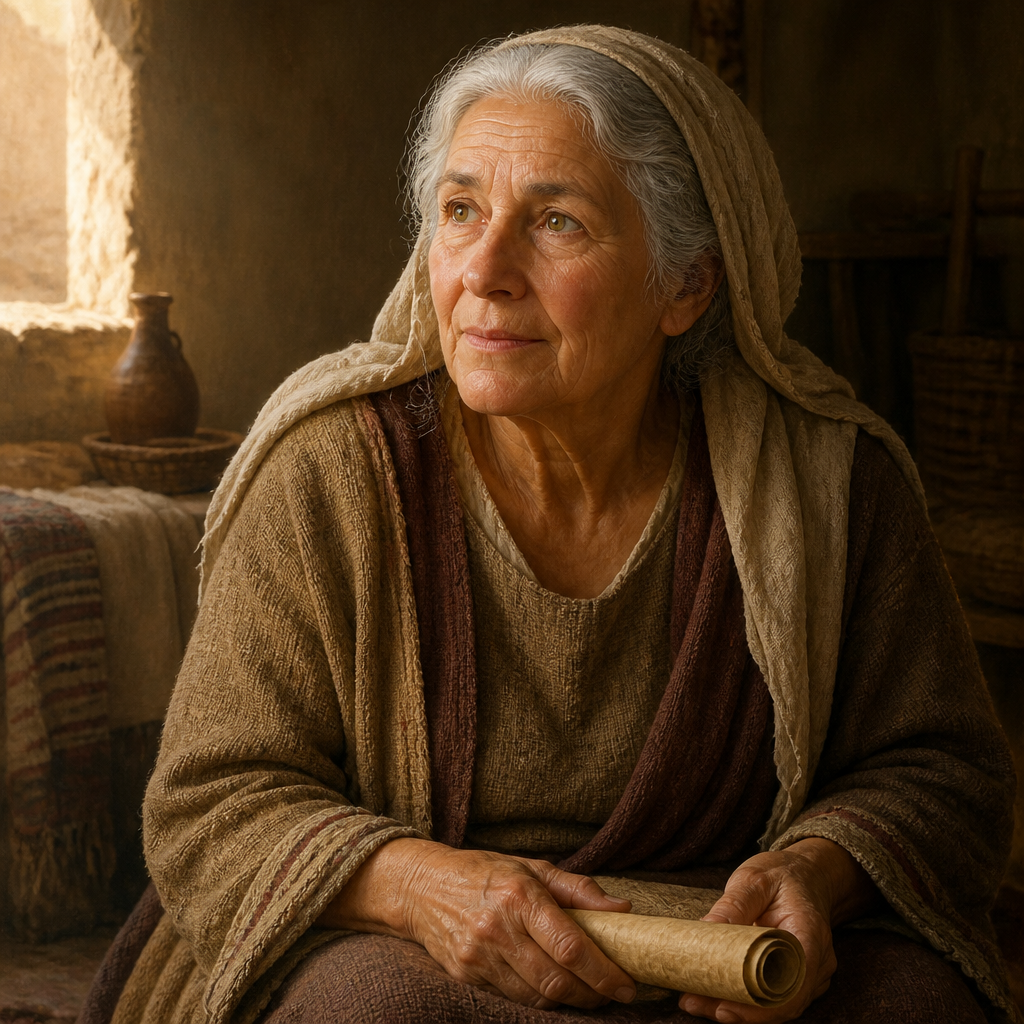
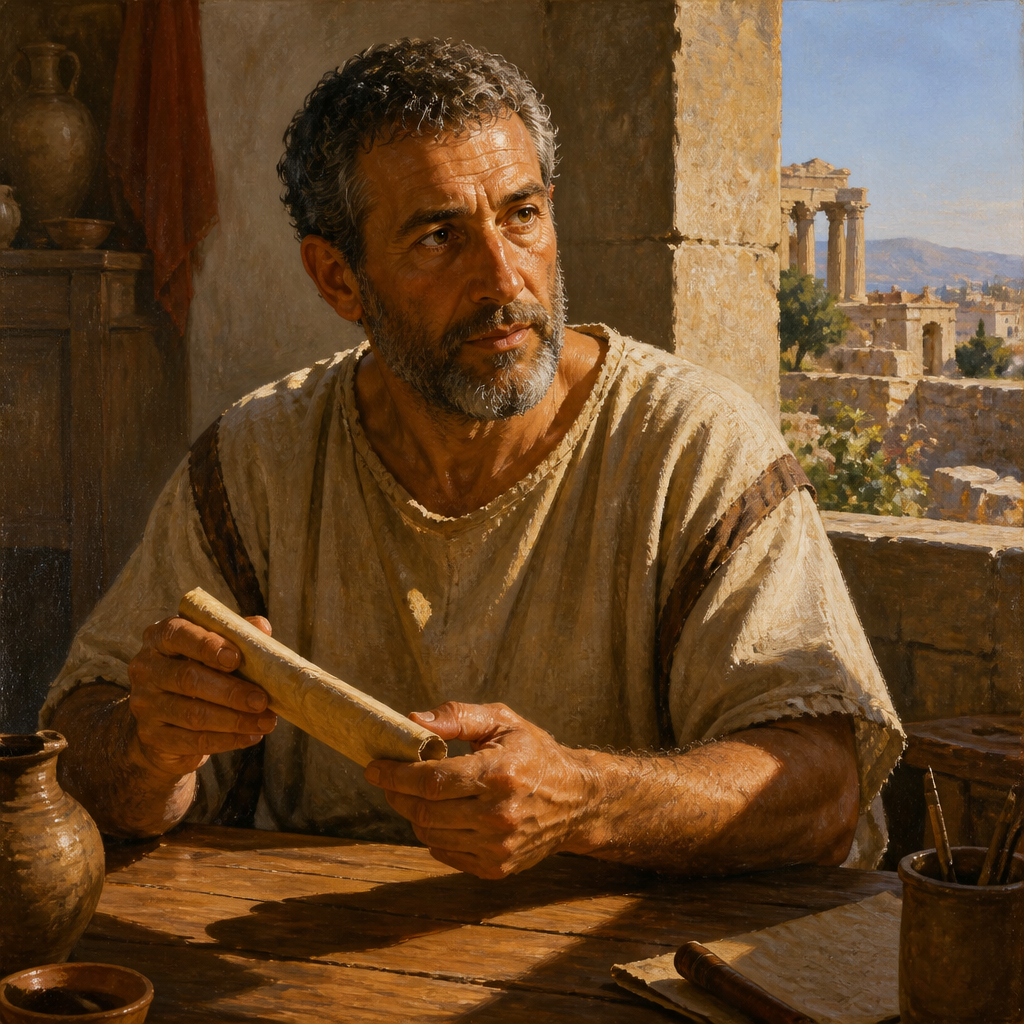
Lucius, Kinsman of Paul
Kinsman of Paul who sent greetings to the church at Rome
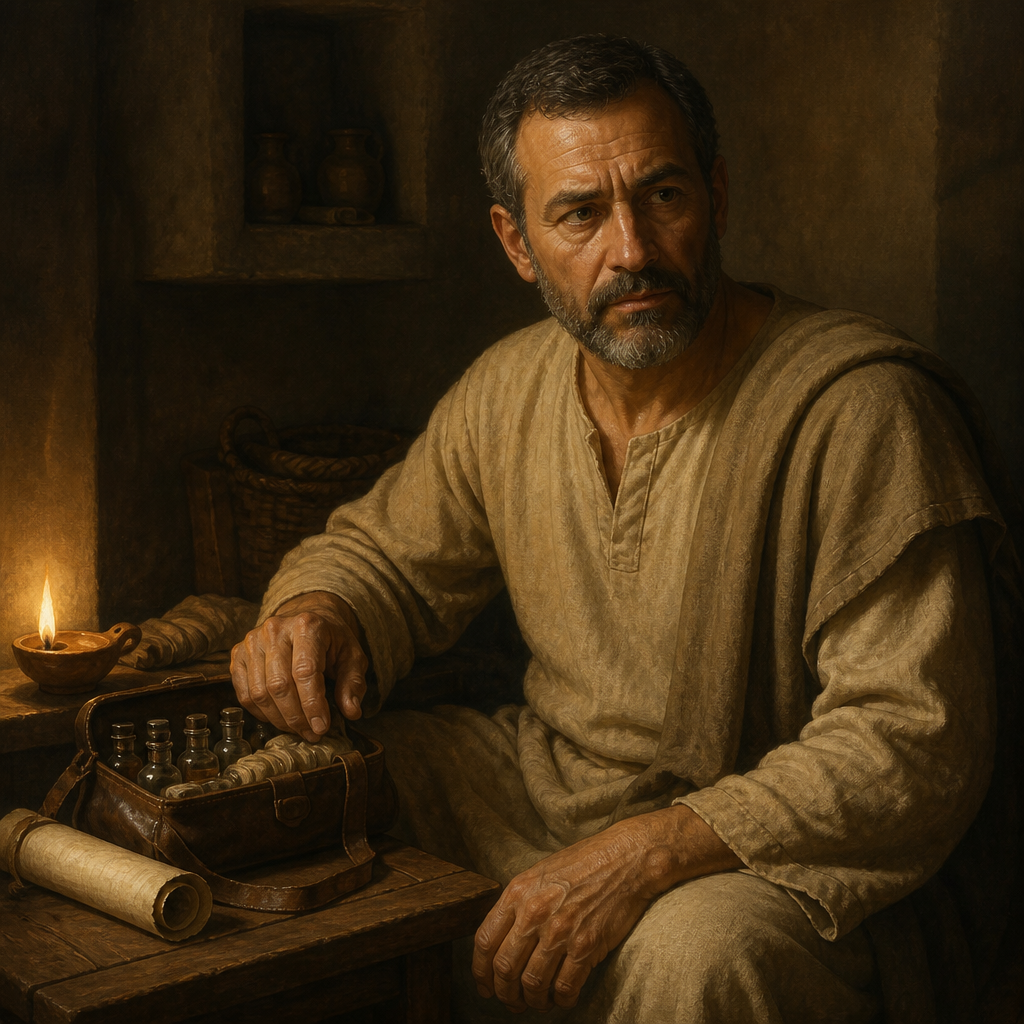
Luke
Physician and loyal companion to the Apostle Paul during his imprisonments
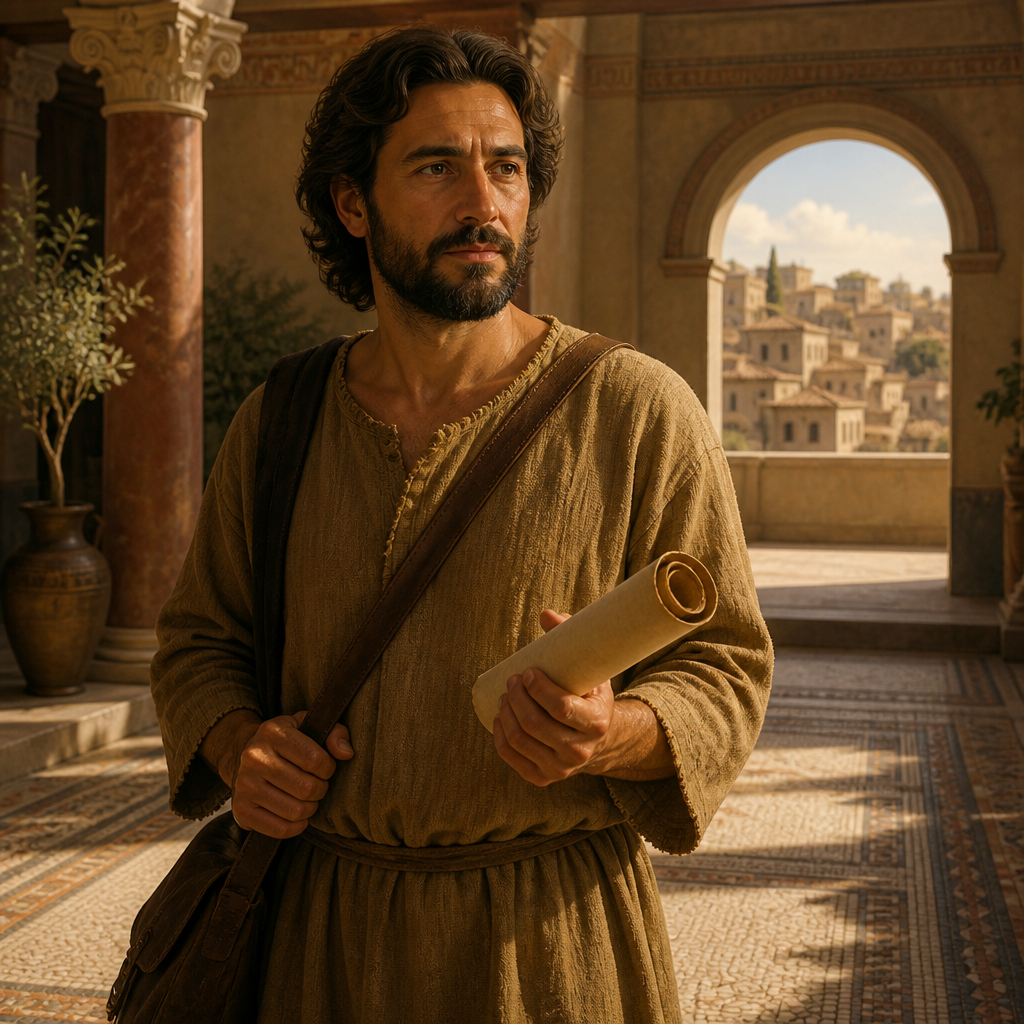
Mark
Missionary companion of Paul and Barnabas whose departure caused a rift between the two leaders
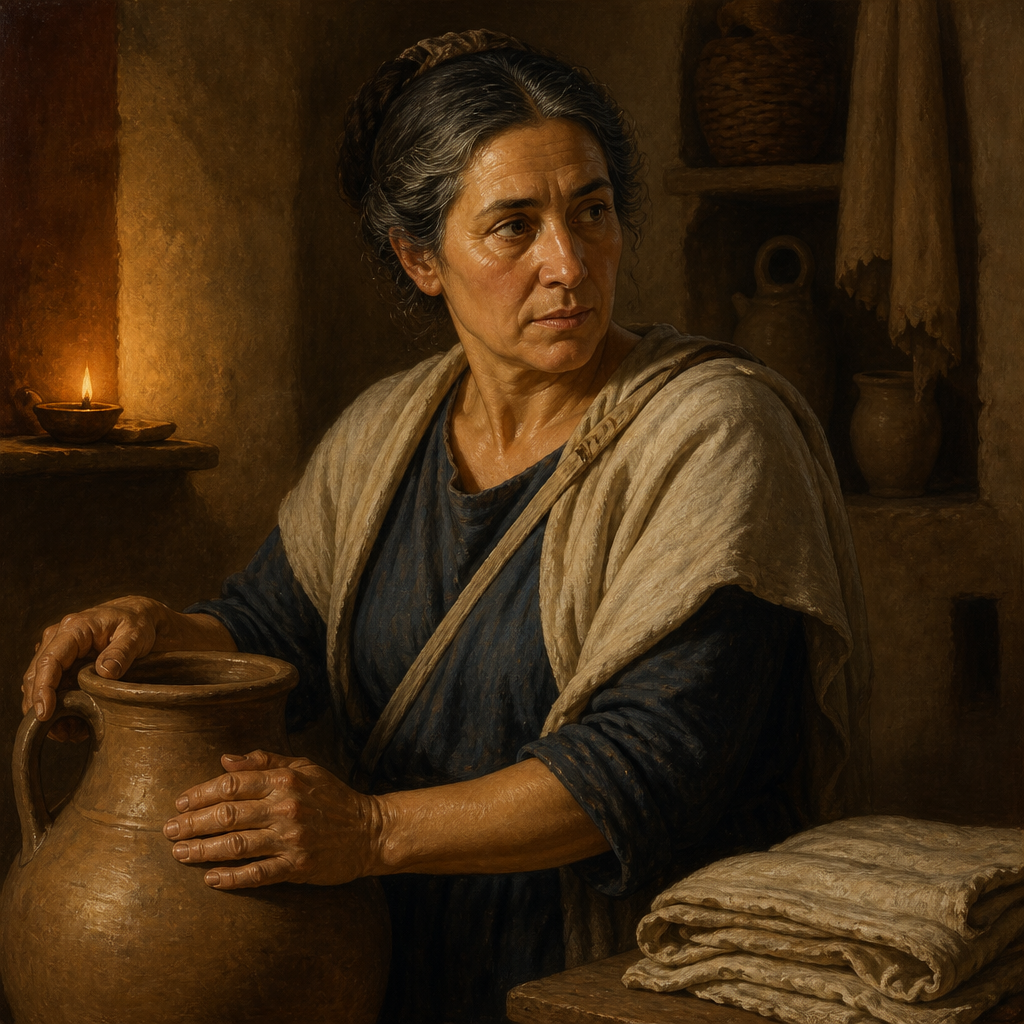
Mary, Hard Worker of Rome
Hard worker in the Roman church who earned a specific commendation from the Apostle Paul
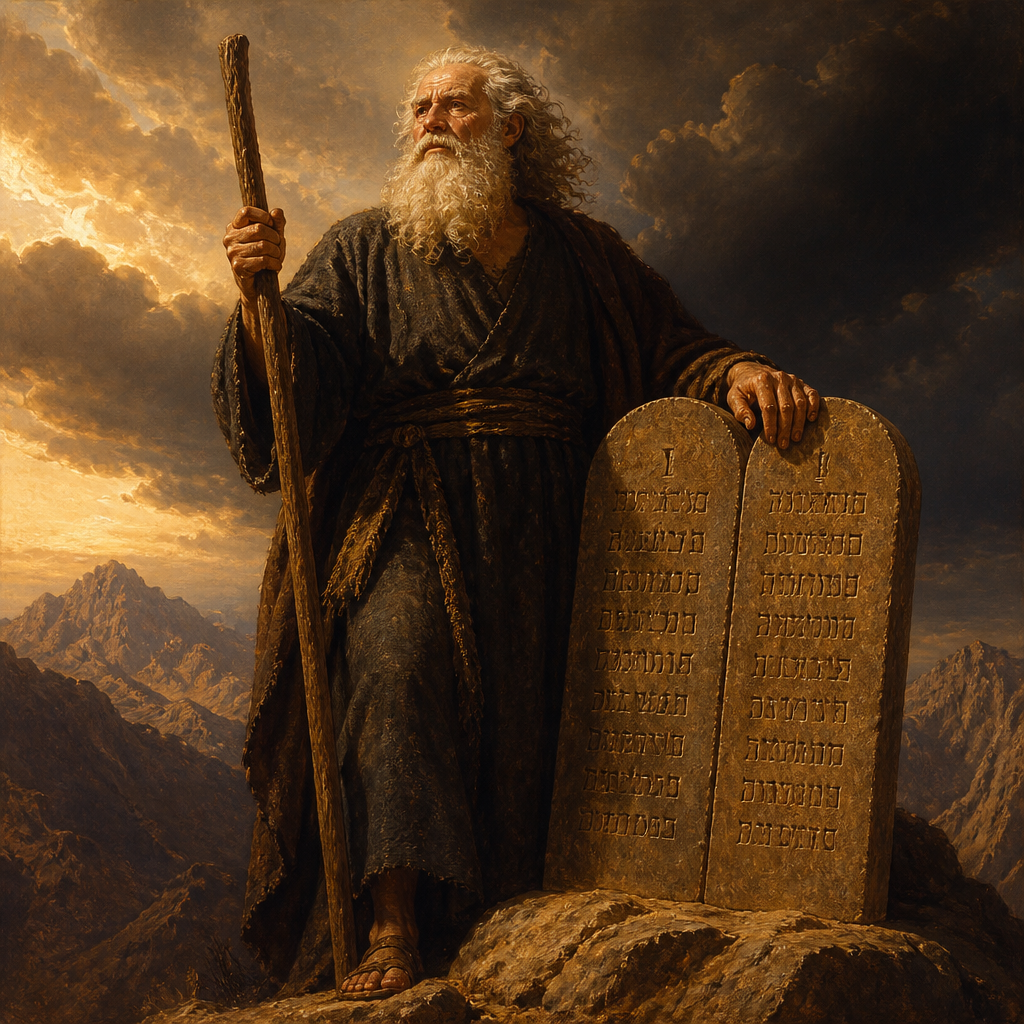
Moses
Prophet who led the Israelites out of Egypt and received the Ten Commandments
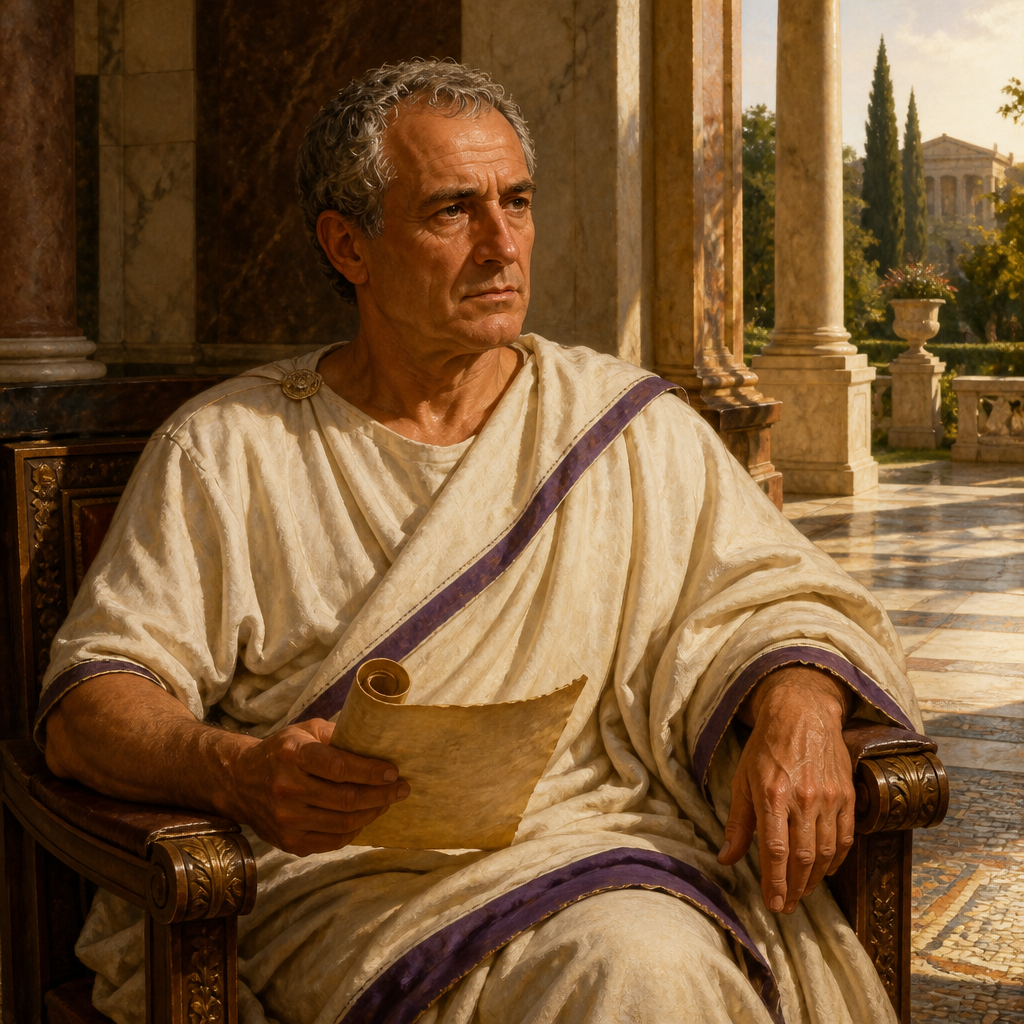
Narcissus
Head of a Roman household containing Christian believers
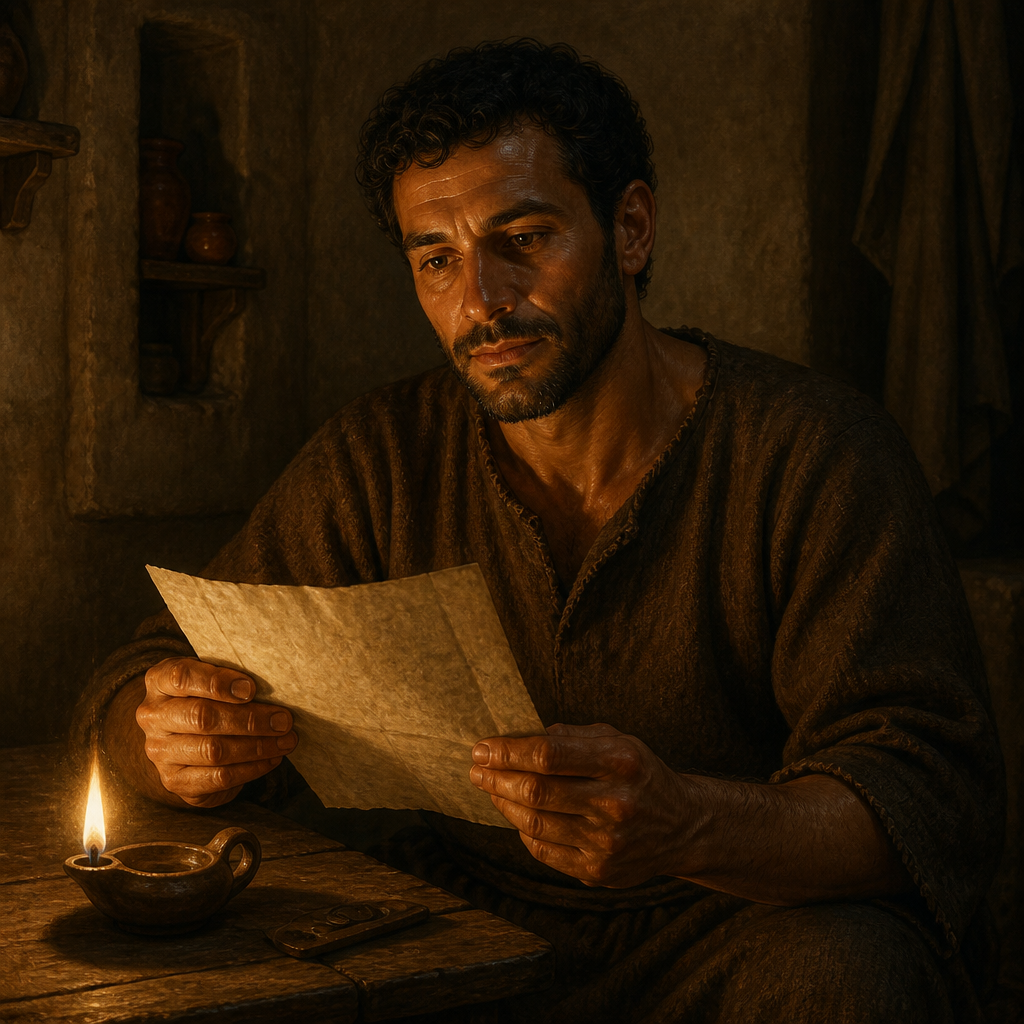
Nereus
Christian in Rome greeted by the Apostle Paul in the Epistle to the Romans
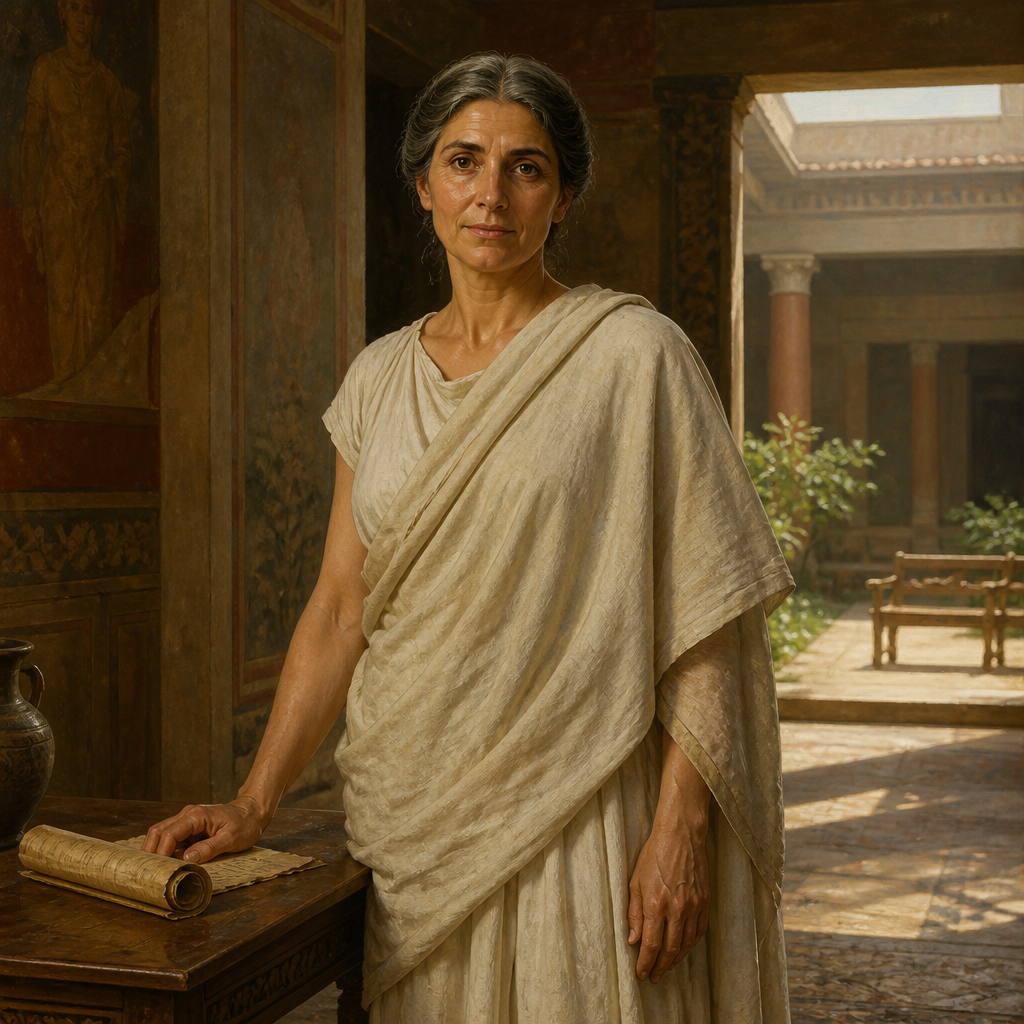
Nympha
Host of a house church in Laodicea mentioned by the Apostle Paul
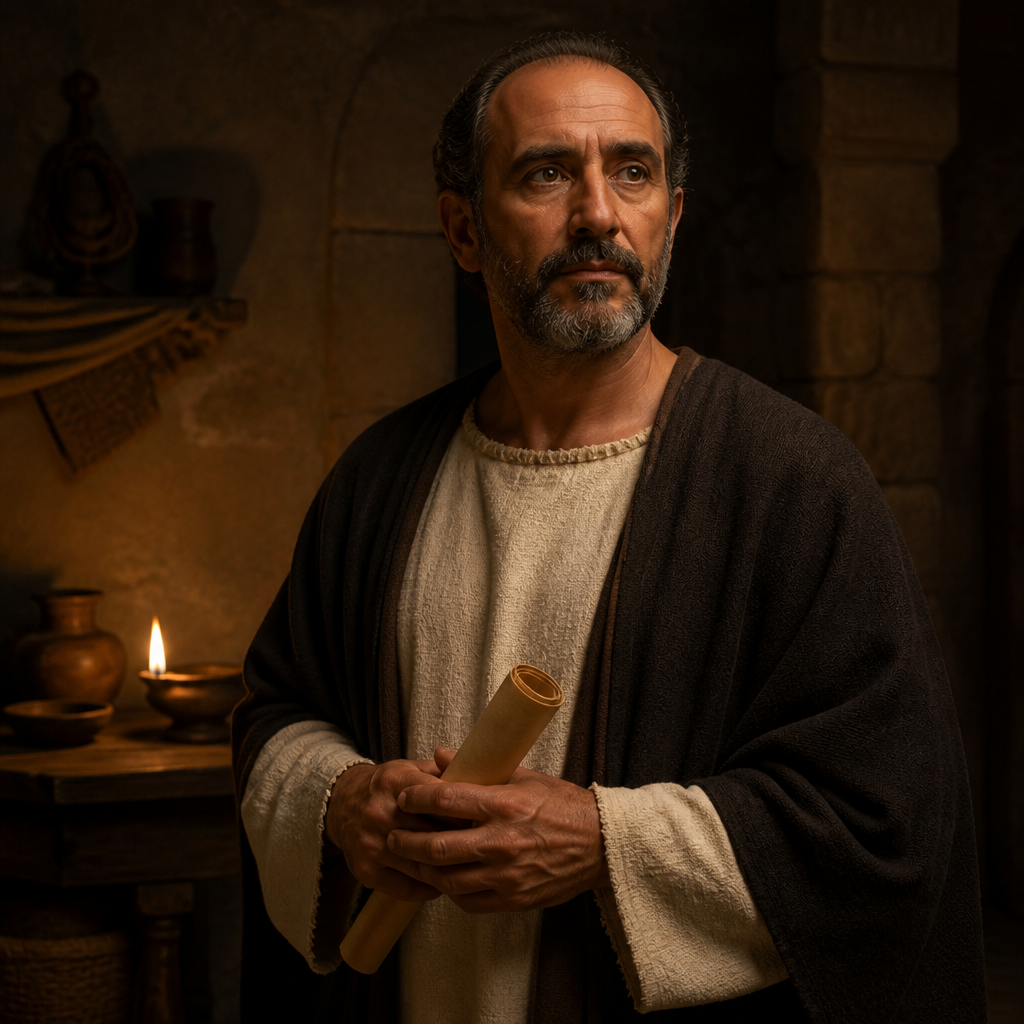
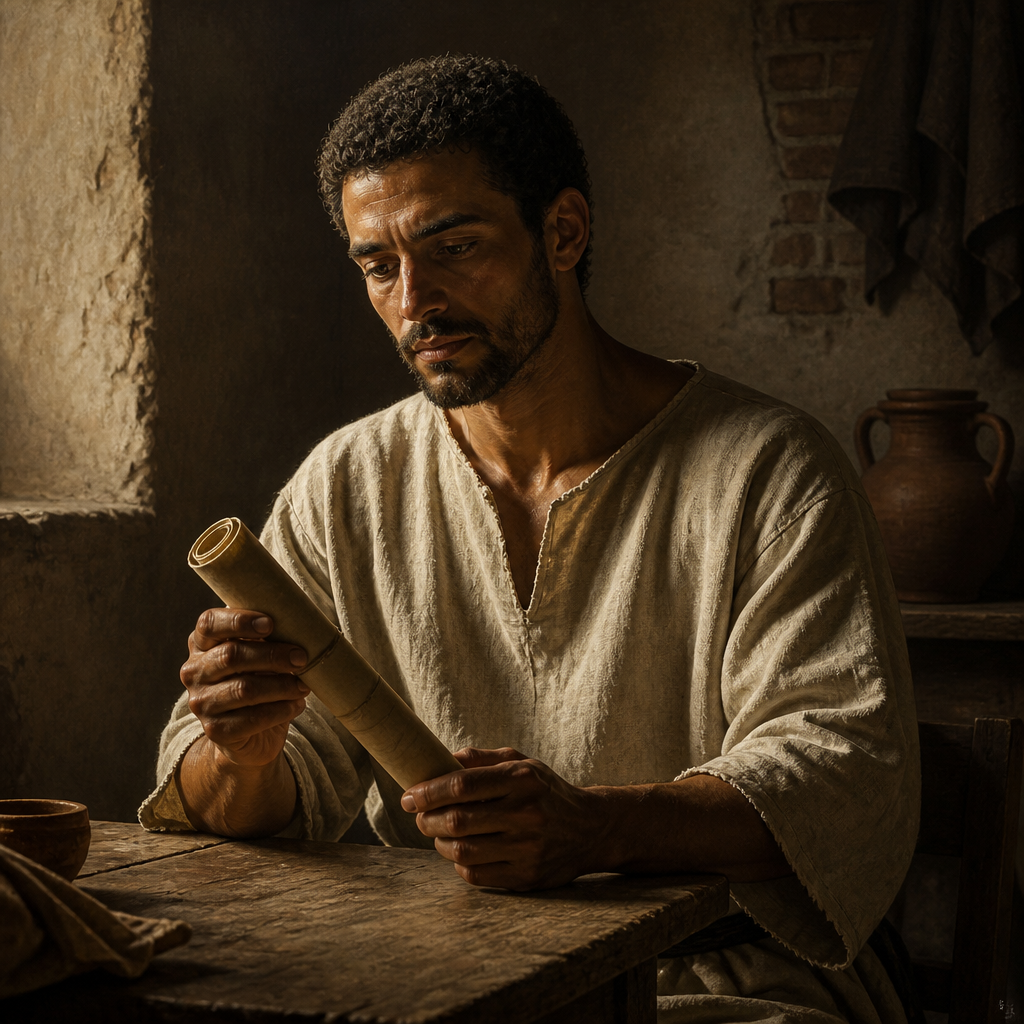
Onesimus
Runaway slave whose reconciliation with his master Philemon is the subject of a New Testament epistle
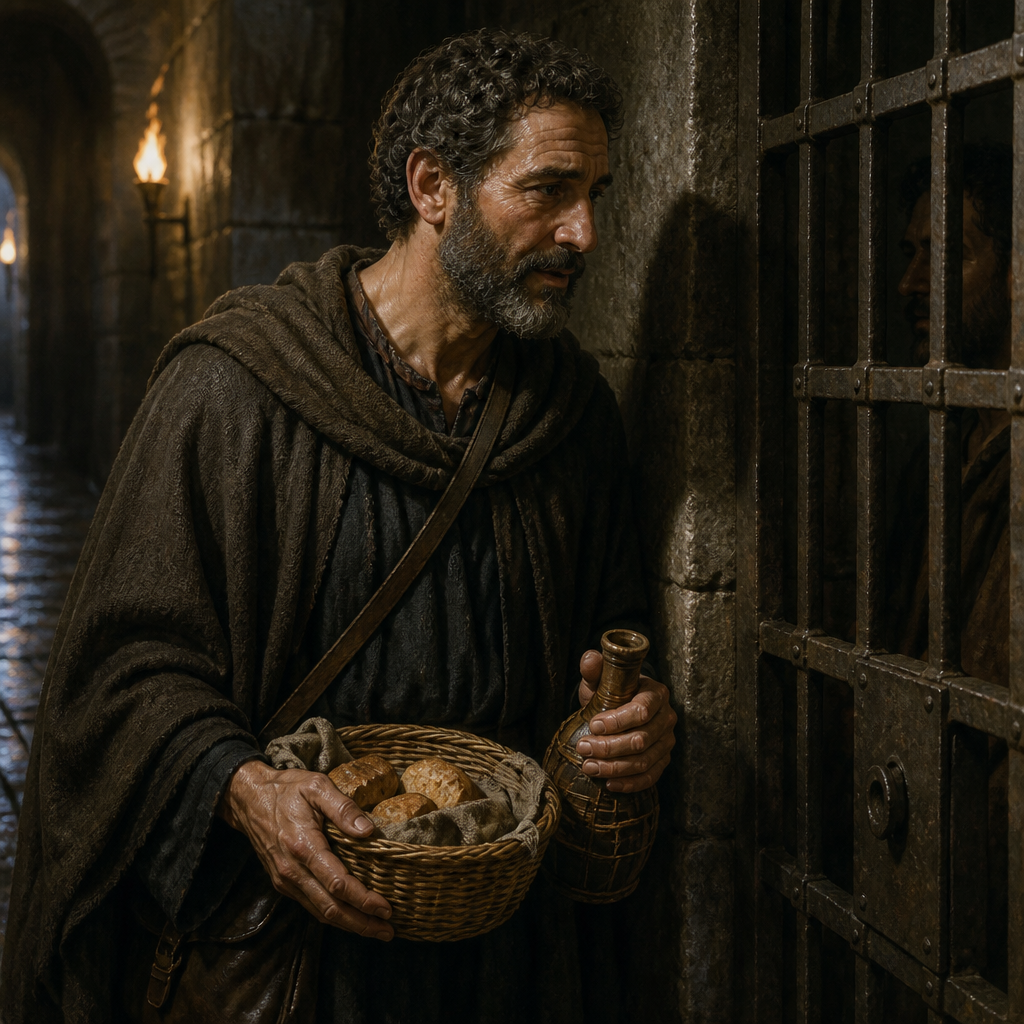
Onesiphorus
Ephesian believer who diligently searched for and refreshed the Apostle Paul during his final Roman imprisonment
Patrobas
Christian in Rome greeted by Paul in the Epistle to the Romans
Persis
Christian woman in Rome commended by Paul for her intense labor for the Gospel
Peter
Apostle who served as the spokesman for the Twelve and the leader of the early Church in Jerusalem
Pharaoh, King of the Exodus
Egyptian king who opposed Moses and was defeated at the Red Sea
Philemon
Host of the Colossian house church and recipient of Paul’s letter regarding Onesimus
Philetus
False teacher who claimed the resurrection had already occurred
Philologus
Christian in Rome greeted by Paul in the Epistle to the Romans
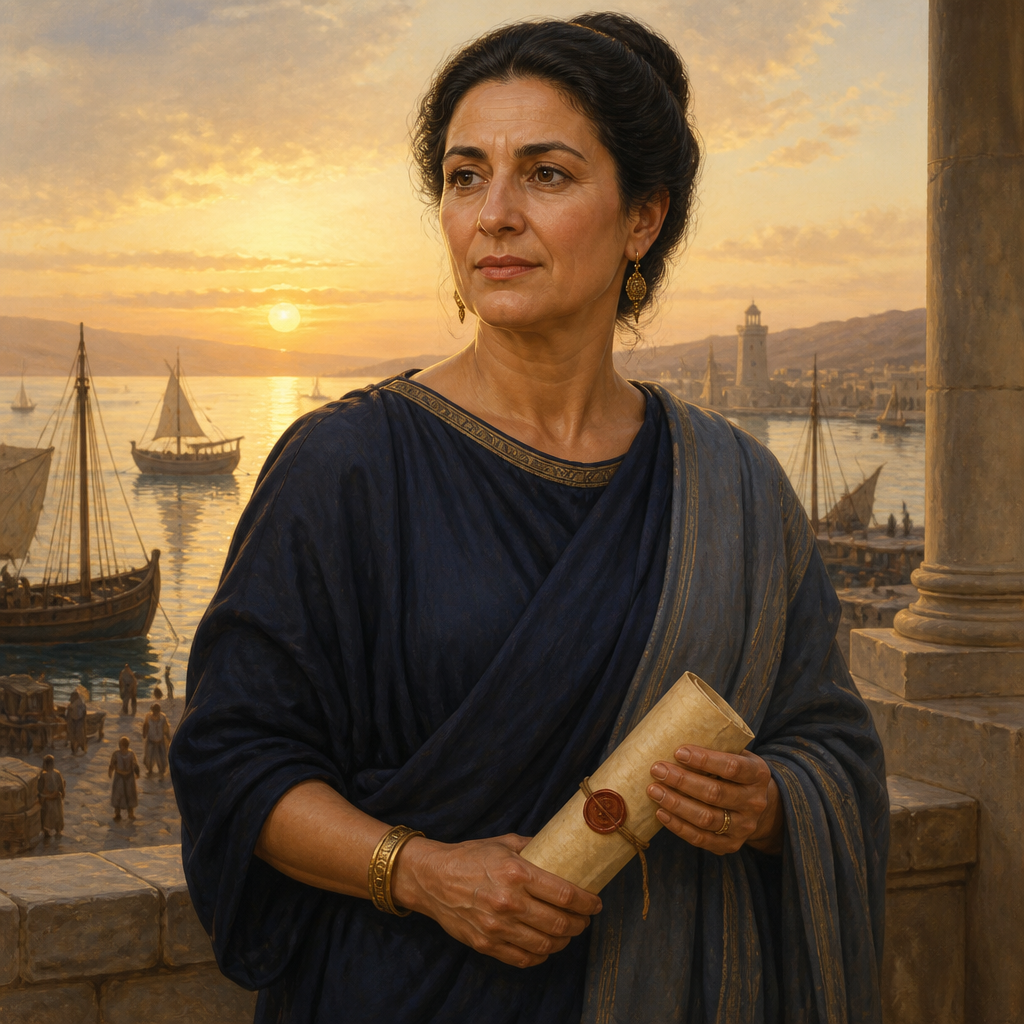
Phoebe
Servant of the church in Cenchrea and patron of the apostle Paul who delivered the Epistle to the Romans
Phygelus
associate of Paul who deserted him during his final Roman imprisonment
Pilate
Roman governor who presided over the trial of Jesus and ordered His crucifixion
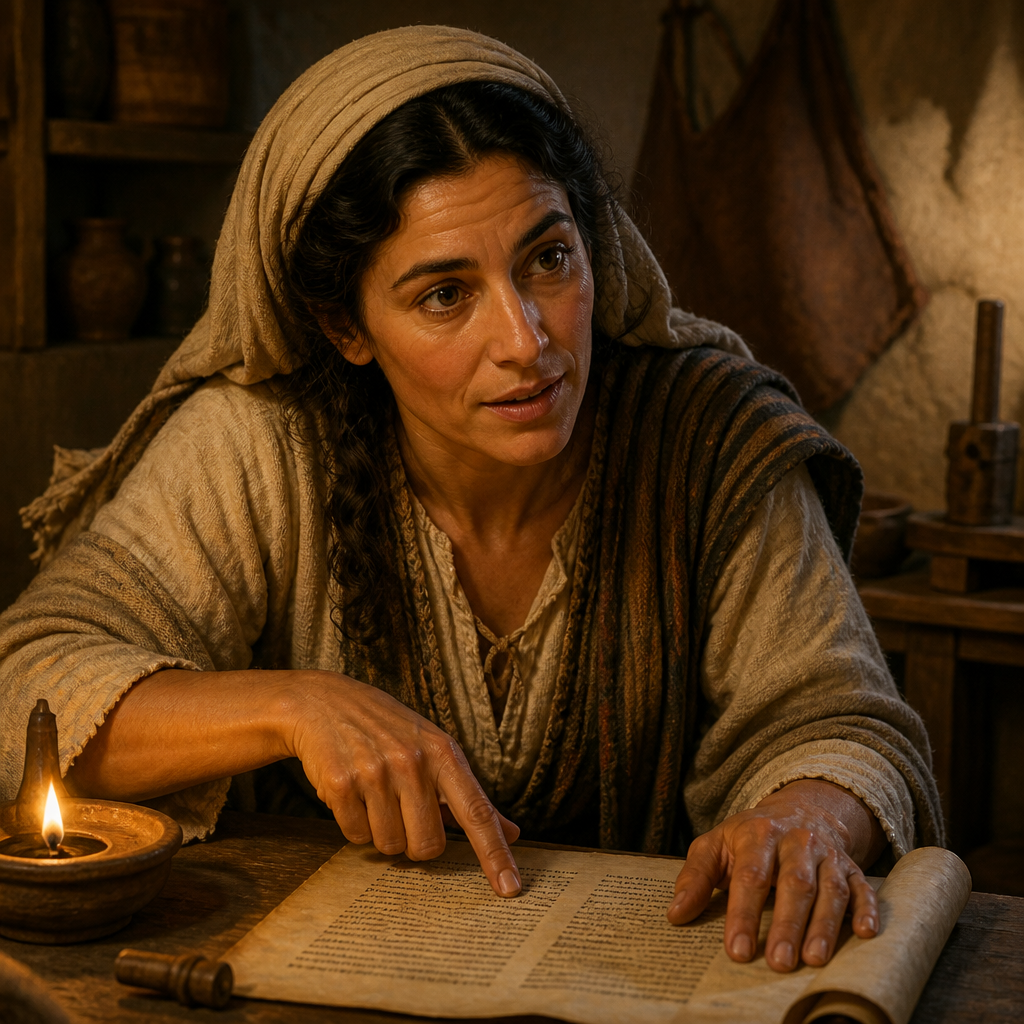
Priscilla
Early church leader and teacher who hosted a house church and mentored Apollos
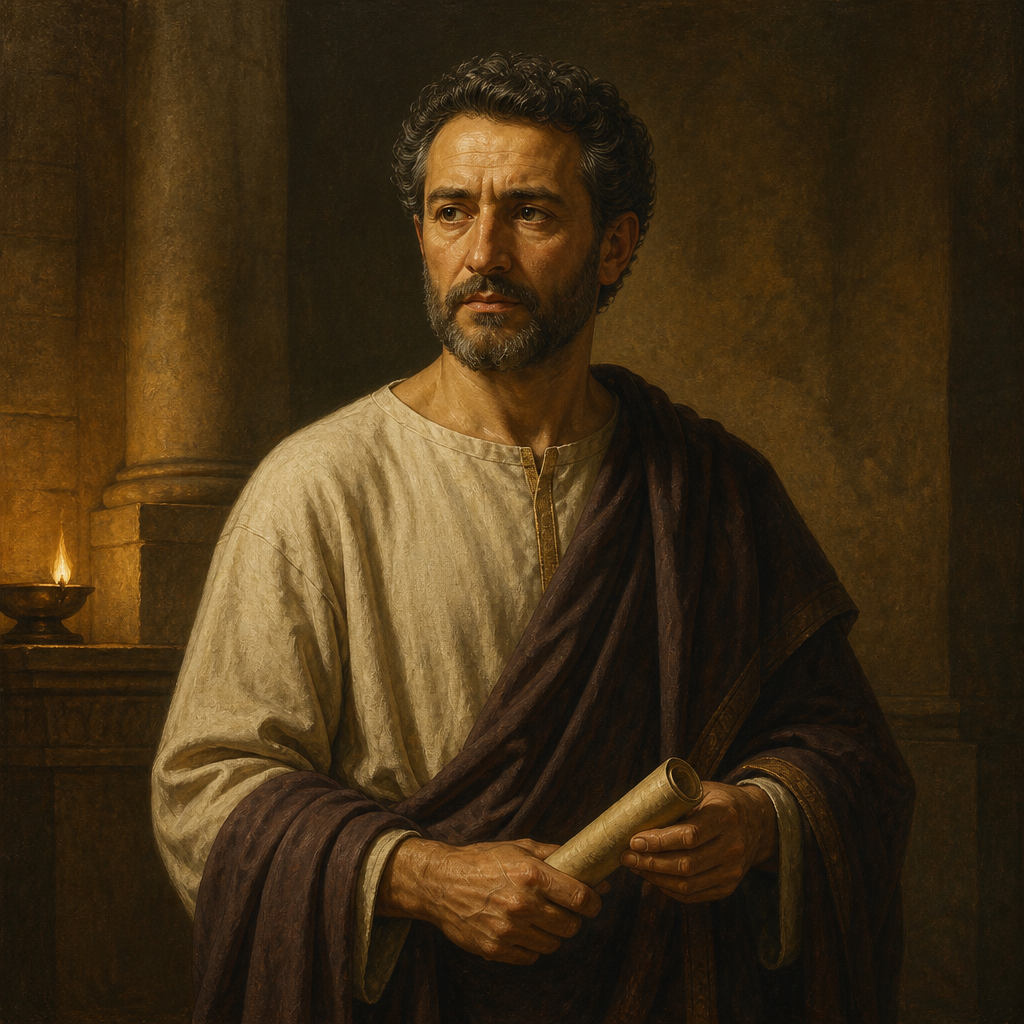
Pudens
Christian in Rome who sent greetings to Timothy in Paul's final letter
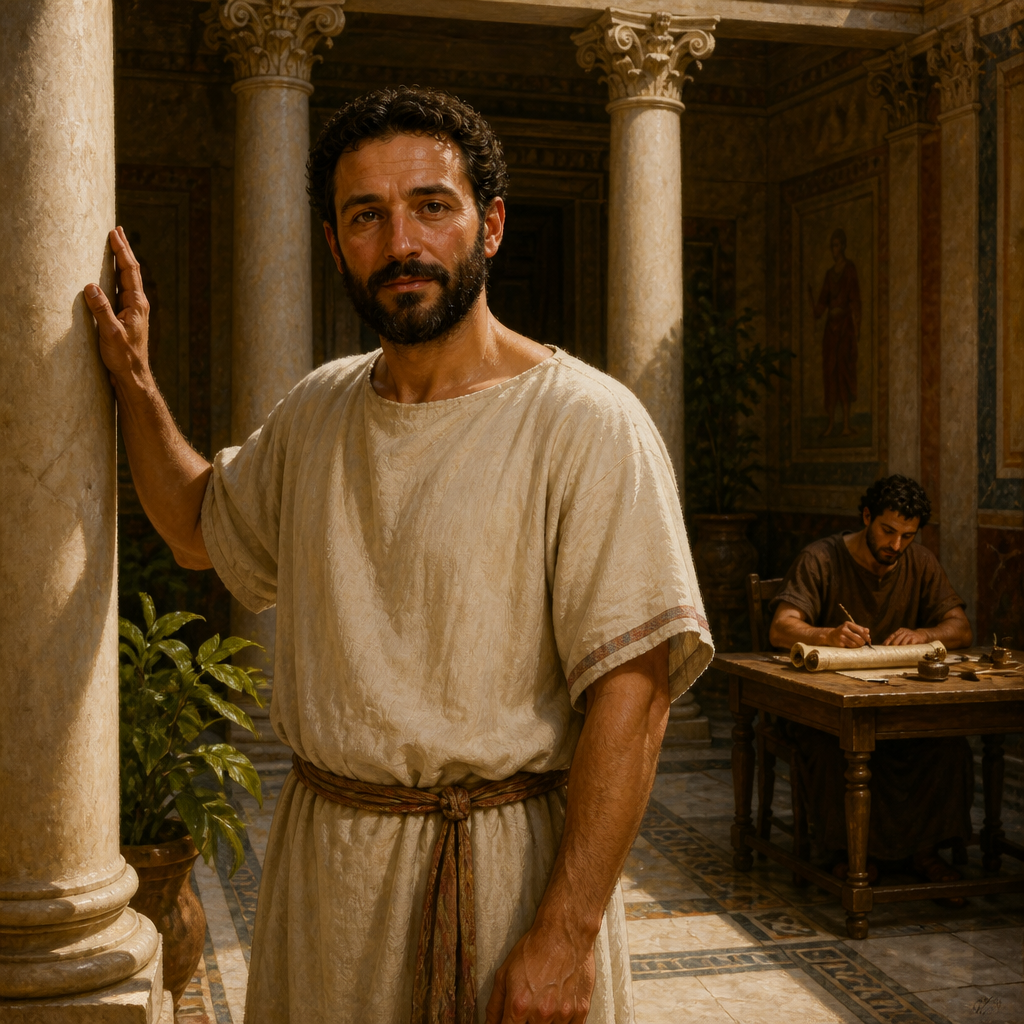
Quartus
Christian brother in Corinth who sent greetings to the Roman church in Paul's epistle
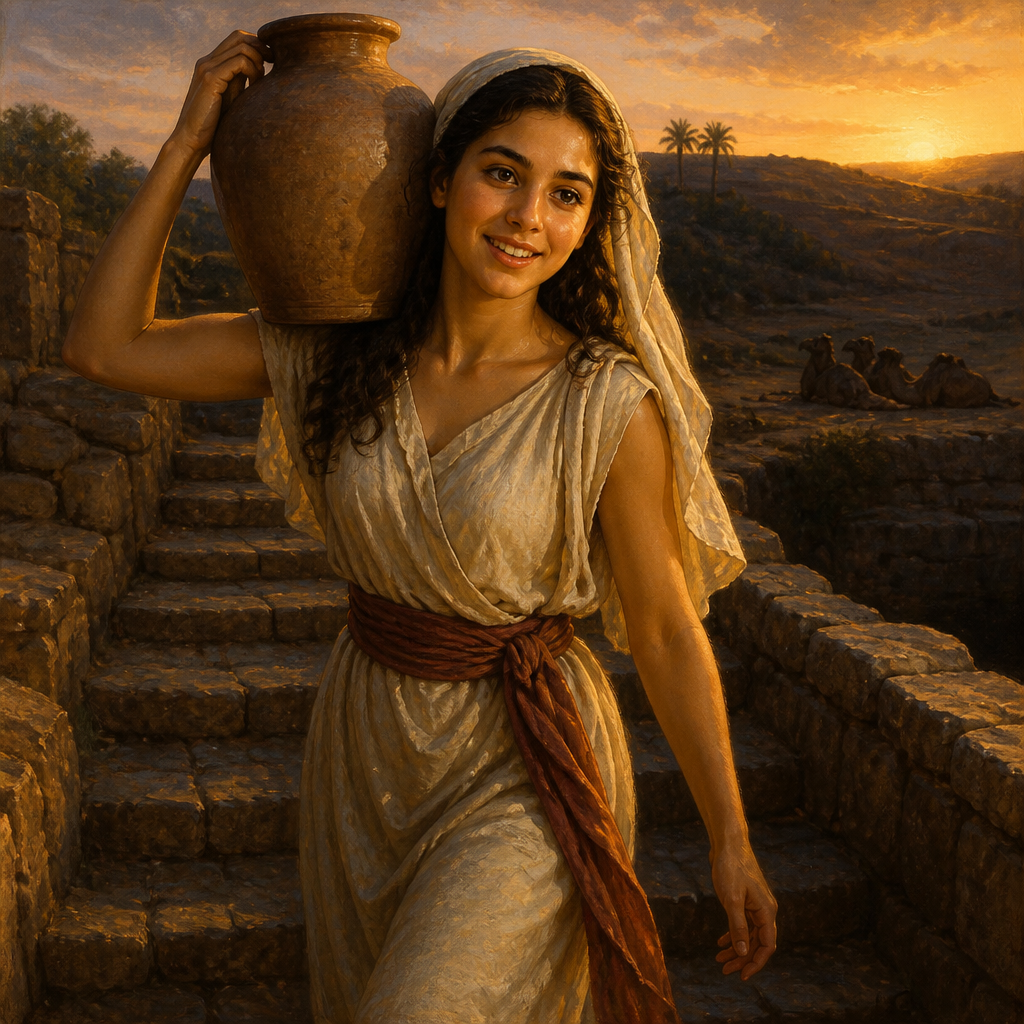
Rebekah
Matriarch of Israel and wife of Isaac who secured the patriarchal blessing for her son Jacob
Rufus, Member of the Roman Church
Christian in Rome described by Paul as chosen in the Lord
Sarah
Matriarch of Israel and mother of Isaac who conceived in her old age
Silas
Prophet and companion of Paul who sang in the Philippian jail
Sopater
Berean Christian who accompanied the Apostle Paul on his third missionary journey
Sosthenes
Synagogue leader in Corinth who was beaten by a crowd and later became Paul's co-author
Stachys
Christian in Rome addressed as 'beloved' by the Apostle Paul
Stephanas
First convert in Achaia who ministered to the Apostle Paul and led the Corinthian church
Syntyche
Christian woman in Philippi exhorted by Paul to reconcile with Euodia
Tertius
Scribe who physically wrote the Epistle to the Romans for Paul
Timothy
Protégé of the Apostle Paul and recipient of the two Pastoral Epistles whom Paul stationed at Ephesus
Titus
Greek companion of Paul who organized the church in Crete and mediated the Corinthian crisis
Trophimus
Ephesian companion of Paul whose presence sparked the Jerusalem riot
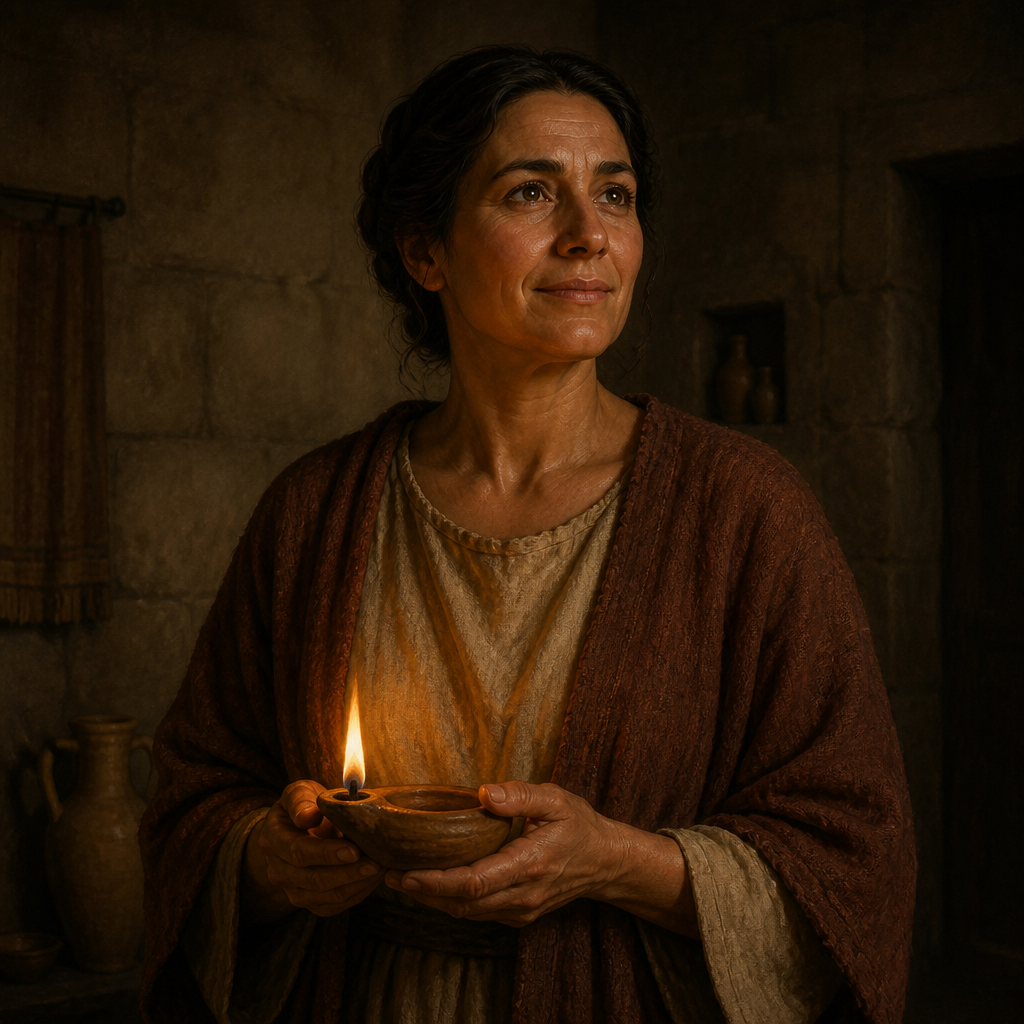
Tryphena
Christian woman in Rome commended by Paul for her hard work
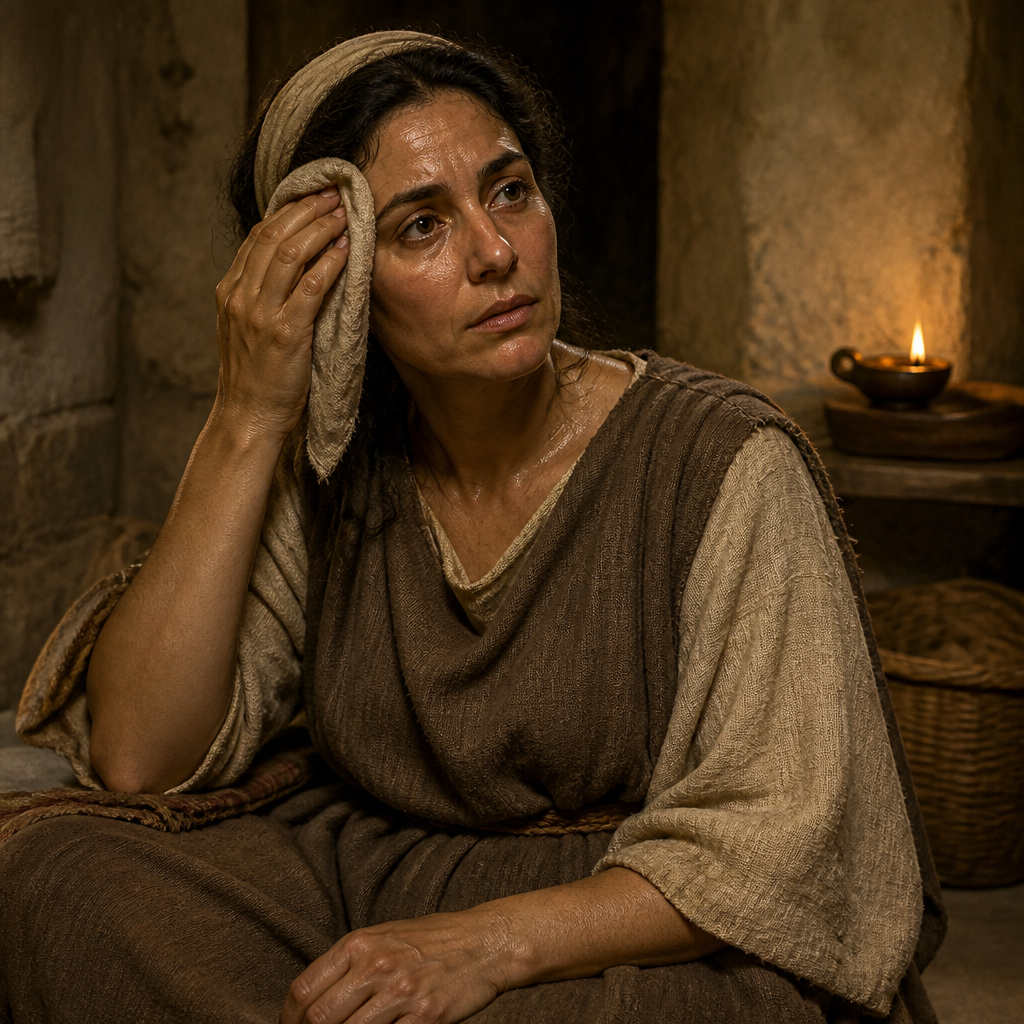
Tryphosa
Christian woman in Rome commended by Paul for her hard work
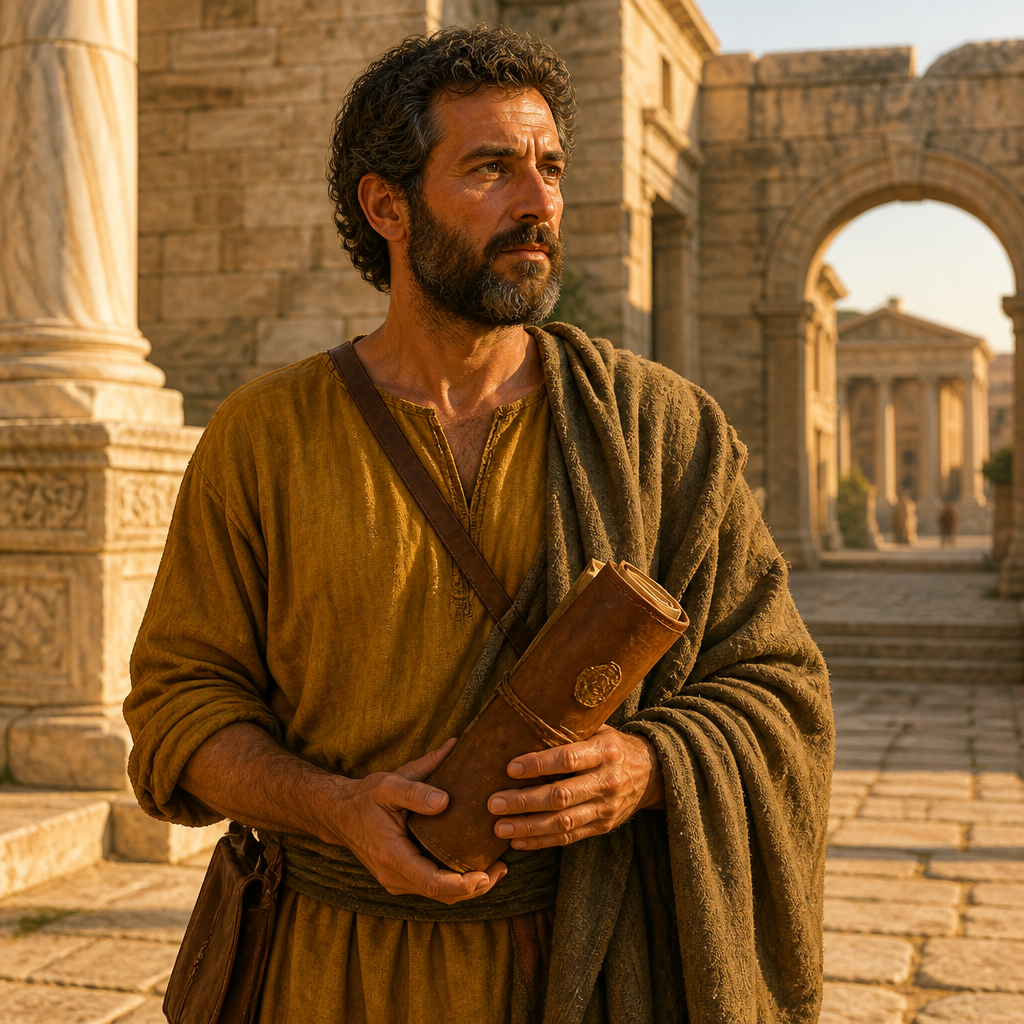
Tychicus
Minister from Asia who delivered Paul's letters to the Ephesians and Colossians
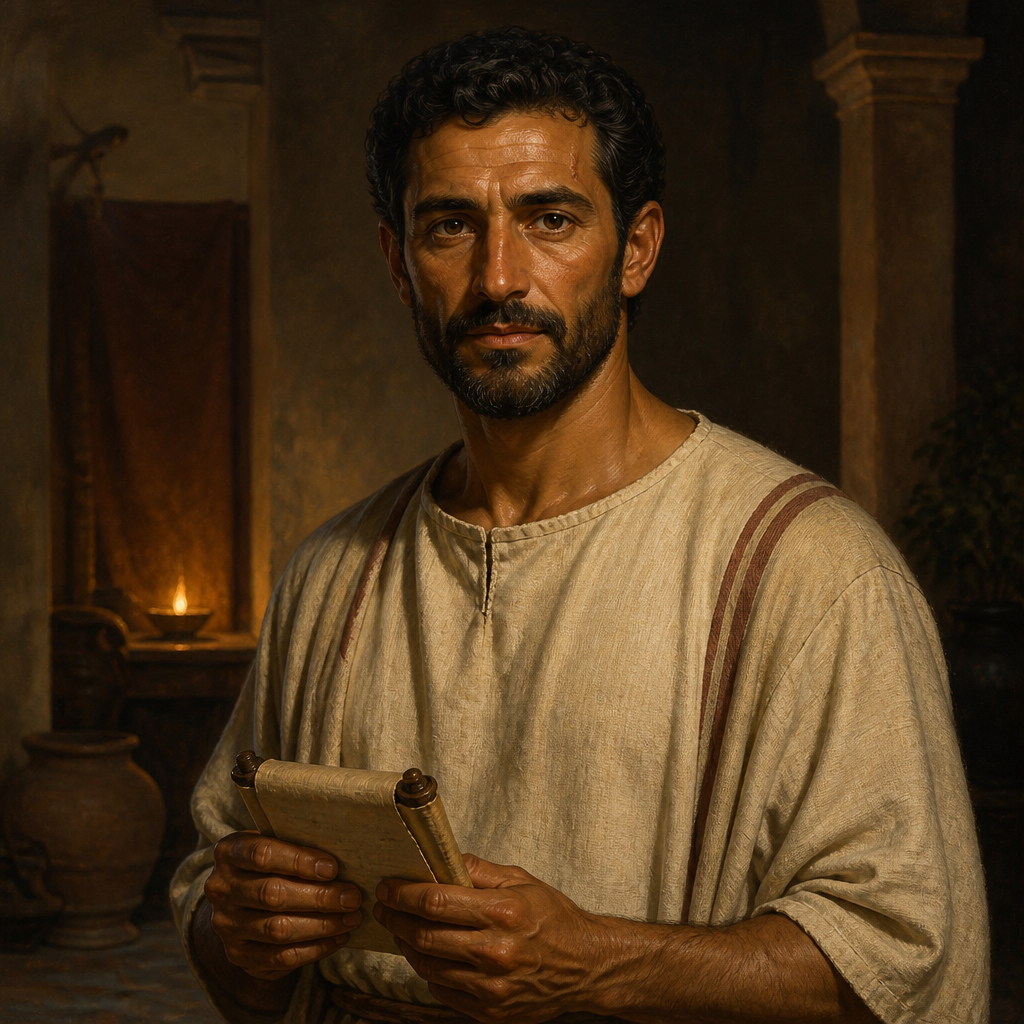
Urbanus
Christian worker in Rome whom Paul calls a 'fellow worker in Christ'
Zenas
Lawyer and companion of Apollos mentioned in the Epistle to Titus