Eunice
Who was Eunice in the Bible?
The mother of Timothy who was commended by the Apostle Paul for her sincere Christian faith and role in her son's spiritual upbringing.
Eunice is a figure appearing in the New Testament, specifically within the Second Epistle to Timothy. She was a Jewish-Christian woman who lived during the 1st century AD. Her inclusion in the biblical record is notable for the impact she had on her son, Timothy, who became a close companion and protégé of the Apostle Paul. While the biblical text provides limited biographical details, she is presented as a primary link in a multi-generational chain of faith.
Eunice’s name is of Greek origin, meaning "good victory." Her identity is intrinsically tied to her lineage and her motherhood. She is explicitly mentioned as the daughter of Lois and the mother of Timothy. The biblical record highlights the authenticity of her belief, which she successfully transmitted to her son, contributing to the development of one of the early church's most significant leaders.
Background and Family
Eunice is identified in the Pauline epistles as a woman of Jewish heritage who converted to Christianity. According to the internal evidence of the New Testament, she was the daughter of a woman named Lois. The family’s background suggests a household that was deeply rooted in the Jewish scriptures. Although Eunice was Jewish, the Book of Acts (16:1) notes that she was married to a Greek man, whose name is not recorded. This interfaith marriage was significant in the context of the 1st century AD, as it placed Eunice and her son Timothy at a cultural crossroads between Jewish tradition and Hellenistic society.
Major Life Events
There are no specific narrative events recorded for Eunice in the biblical text. Her life is summarized by the Apostle Paul through the lens of her spiritual legacy. It is understood that she resided in Lystra, where Paul first encountered Timothy during his missionary journeys. The primary "event" of her life, from a biblical perspective, was the diligent instruction of her son in the Holy Scriptures from his infancy. This education provided the foundation for Timothy’s later conversion and his subsequent service in the early Christian ministry.
Relationship to Other Biblical Figures
Eunice is defined by two primary relationships: her mother, Lois, and her son, Timothy. The Apostle Paul mentions these three individuals together to illustrate the continuity of "sincere faith." By mentioning Lois first, Paul indicates that Eunice likely received her spiritual foundation from her mother before passing it on to Timothy. Additionally, Eunice’s relationship with her unnamed Greek husband is crucial for understanding Timothy’s status as a bridge between the Jewish and Gentile worlds, though the text remains silent on the husband's religious convictions.
Spiritual Significance
In the single verse where she is named (2 Timothy 1:5), Eunice is presented as a model of maternal spiritual influence. Paul uses the Greek term anhypokritos to describe her faith, which translates to "unhypocritical" or "sincere." The spiritual significance of Eunice lies in the private, domestic sphere of ministry. Her life demonstrates that the growth of the early church relied not only on public preaching but also on the quiet, persistent transmission of faith within the home. She is celebrated in Christian tradition as an example of how parental devotion to scripture can prepare the next generation for global leadership and service.
Eunice’s significance is primarily found in the theological concept of heritage. She serves as a biblical witness to the efficacy of the 'sincere faith' dwelling within a family across generations. Her role in teaching Timothy the scriptures (alluded to in 2 Timothy 3:15) demonstrates the importance of the domestic setting in the formation of early Christian identity.
Furthermore, Eunice represents the transition of Jewish believers into the burgeoning Christian movement. By raising a son who was respected by the brothers in Lystra and Iconium, she ensured that the Jewish scriptural tradition was preserved and correctly applied within the New Covenant context, despite the cultural challenges of her marriage to a Greek.
Frequently Asked Questions
What does the name Eunice mean?
The name Eunice is Greek (Eunikē) and means 'good victory' or 'conquering well.'
Who was Eunice’s mother?
Eunice’s mother was a woman named Lois, who is also commended by Paul for her sincere faith.
Was Eunice’s husband a Christian?
The Bible identifies Eunice’s husband only as a Greek. It does not state that he was a believer; in fact, the distinction made in Acts 16:1 suggests he may not have been a Jewish proselyte or a Christian convert.
How many times is Eunice mentioned in the Bible?
Eunice is mentioned by name only once, in 2 Timothy 1:5.
Where did Eunice live?
Based on the account of Timothy's origins in Acts 16, Eunice likely lived in the city of Lystra.
Family & Relationships
Parents
 LoisMother2 Timothy 1:5
Inferred
2 Timothy 1:5 names Eunice and Lois in the same verse but does not state a mother tie between them; the link rests on the surrounding narrative.Evidence: 2 Timothy 1:5
 Father of TimothyHusband2 Timothy 1:5
Inferred
No verse names Father of Timothy and Eunice together; the wife link is carried from the surrounding genealogy and is not stated in Scripture.Evidence: 2 Timothy 1:5
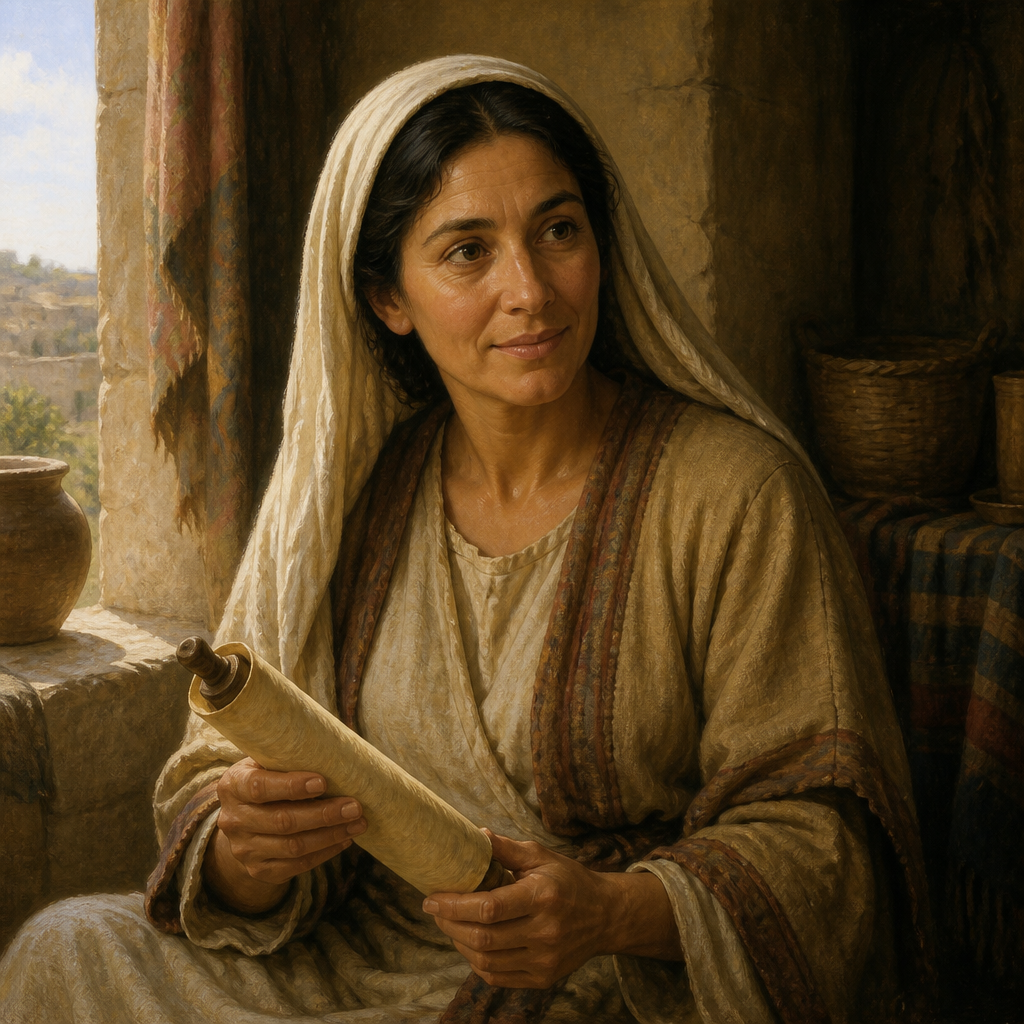 EuniceThis page
Children
 TimothySon2 Timothy 1:5Stated
Connected Figures
Family
Mother · 2 Timothy 1:5
Lois was the grandmother of Timothy, recognized by the Apostle Paul for her sincere faith and her role in the spiritual heritage of her family.
To the Ends of the EarthFirst: 2 Timothy 1:54 versesMatriarch
Husband · 2 Timothy 1:5
The unnamed Greek father of the evangelist Timothy, residing in Lystra during the 1st century AD.
Son · 2 Timothy 1:5
A prominent first-century Christian leader, missionary, and the loyal younger protégé of the Apostle Paul, whom Paul left in Ephesus to stop false teaching (1 Timothy 1:3).
Categories
Mentions by Book
- Acts1
- 2 Timothy1
Scripture References
All 2 indexed verses, in canonical order, from the Berean Standard Bible.
Acts · 1
- Acts 16:1Partial
Paul came to Derbe and then to Lystra, where he found a disciple named Timothy, the son of a believing Jewish woman and a Greek father.
Cited as evidence on a family card; added so References, Key Verses and Mentions by Book share one index.
2 Timothy · 1
- 2 Timothy 1:5
I am reminded of your sincere faith, which first dwelt in your grandmother Lois and your mother Eunice, and I am convinced is in you as well.