
The Farewells of 2 Timothy
Paul's last letter, the loyal and the departed
The final chapter of the second letter to Timothy contains a series of personal updates and greetings known as the Farewells of 2 Timothy. These closing remarks, found in 2 Timothy 4:9–22, provide a detailed account of the movements and statuses of various associates during a period of imprisonment. The text presents these individuals in three distinct categories: those who have departed for ministry or personal reasons, those who have remained loyal, and those who are currently present to send their own greetings.
The narrative of the letter describes a shifting circle of companions as the author prepares for his departure. Demas is noted for having deserted the mission because he loved this present world (2 Timothy 4:10). In contrast, Luke is identified as the only companion remaining with the author at the time of writing (2 Timothy 4:11). Specific instructions are given regarding Mark, who is described as helpful for ministry despite earlier tensions (2 Timothy 4:11). The text also mentions Tychicus, who was sent to Ephesus to continue the work there (2 Timothy 4:12). Mention is made of Carpus, a resident of Troas with whom a cloak and important parchments were left (2 Timothy 4:13). The author also warns against Alexander the Coppersmith, stating that this man did him great harm and strongly opposed the message (2 Timothy 4:14–15).
Further logistical details track the spread of the early church leadership across the Mediterranean region. Titus is recorded as having gone to Dalmatia, while Crescens traveled to Galatia (2 Timothy 4:10). Erastus is noted as having stayed in Corinth, and Trophimus was left ill at Miletus (2 Timothy 4:20). The letter includes specific greetings to the household of Onesiphorus, who is commended for repeatedly refreshing the author and not being ashamed of his chains (2 Timothy 4:19, 1:16). Greetings are also extended to Priscilla and Aquila, the husband-and-wife team who hosted churches in multiple cities (2 Timothy 4:19). Finally, the text lists Eubulus, Pudens, Linus, and Claudia as members of the local community who send their regards (2 Timothy 4:21).
These farewells serve as a primary source for understanding the administrative and personal networks of the first-century church. By naming specific individuals and their locations, the text illustrates the transition of leadership from a single central figure to a broader group of workers. The inclusion of both loyal supporters and those who caused harm provides a concrete look at the internal and external pressures facing the early Christian movement. The passage concludes the letter by emphasizing the necessity of these interpersonal connections for the continuation of the ministry.
Everyone in this list

Alexander the Coppersmith
Apostate who caused the Apostle Paul great harm and opposed the gospel
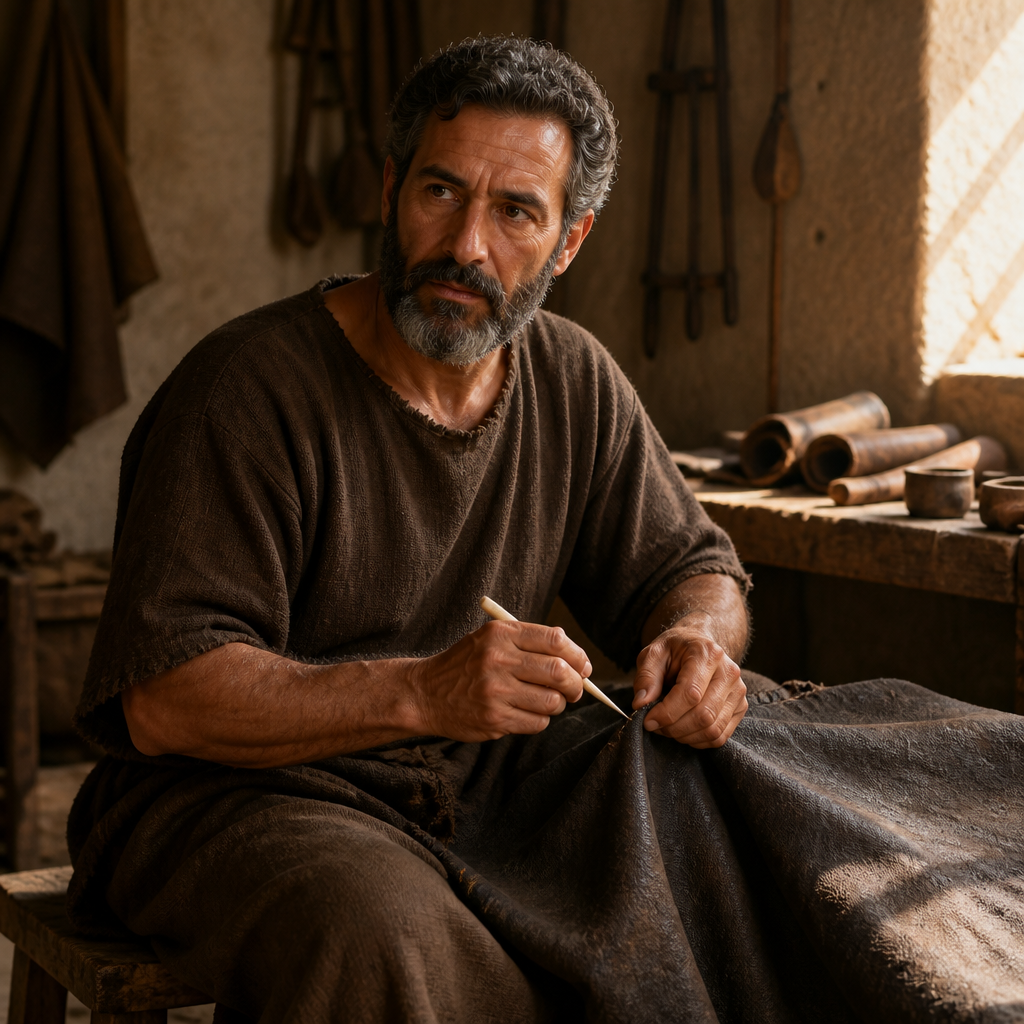
Aquila
Jewish Christian coworker of Paul who hosted house churches and instructed Apollos
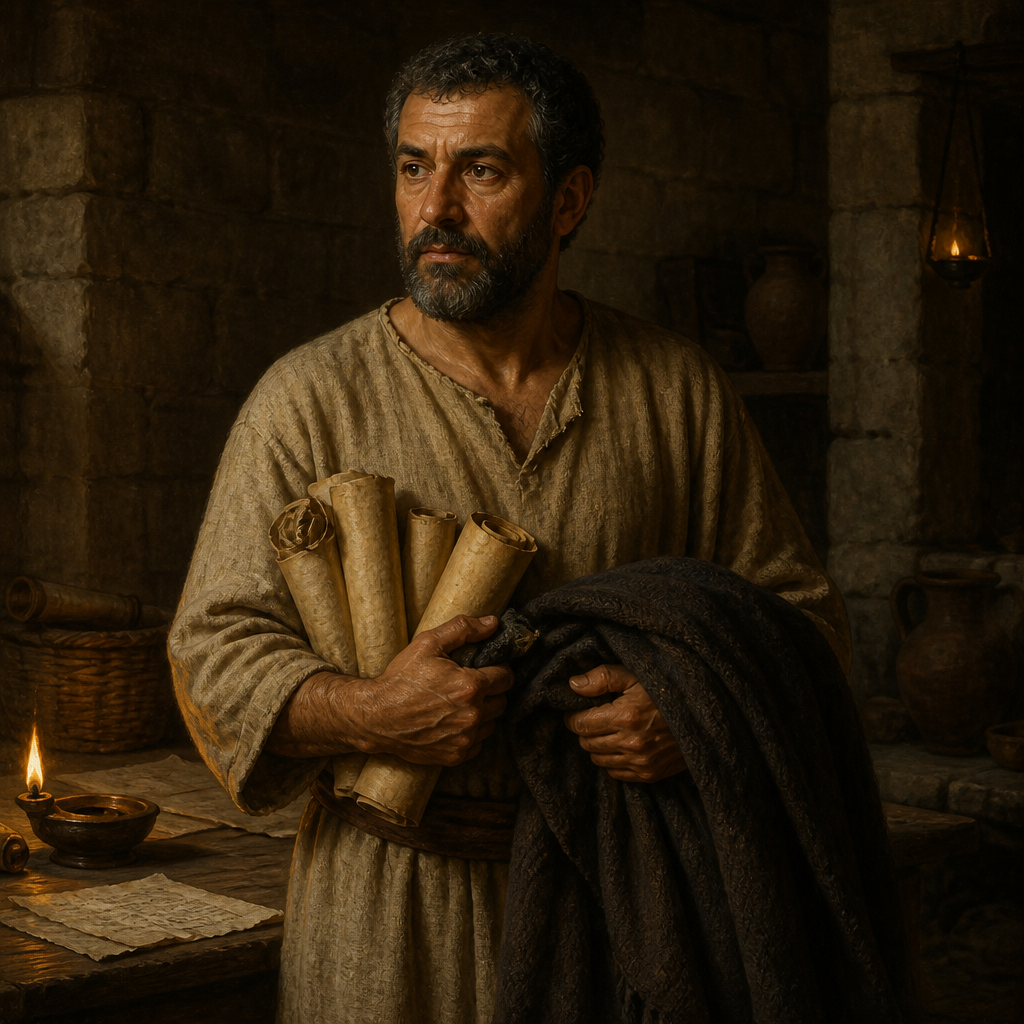
Carpus
Believer in Troas who safeguarded the Apostle Paul's cloak and parchments
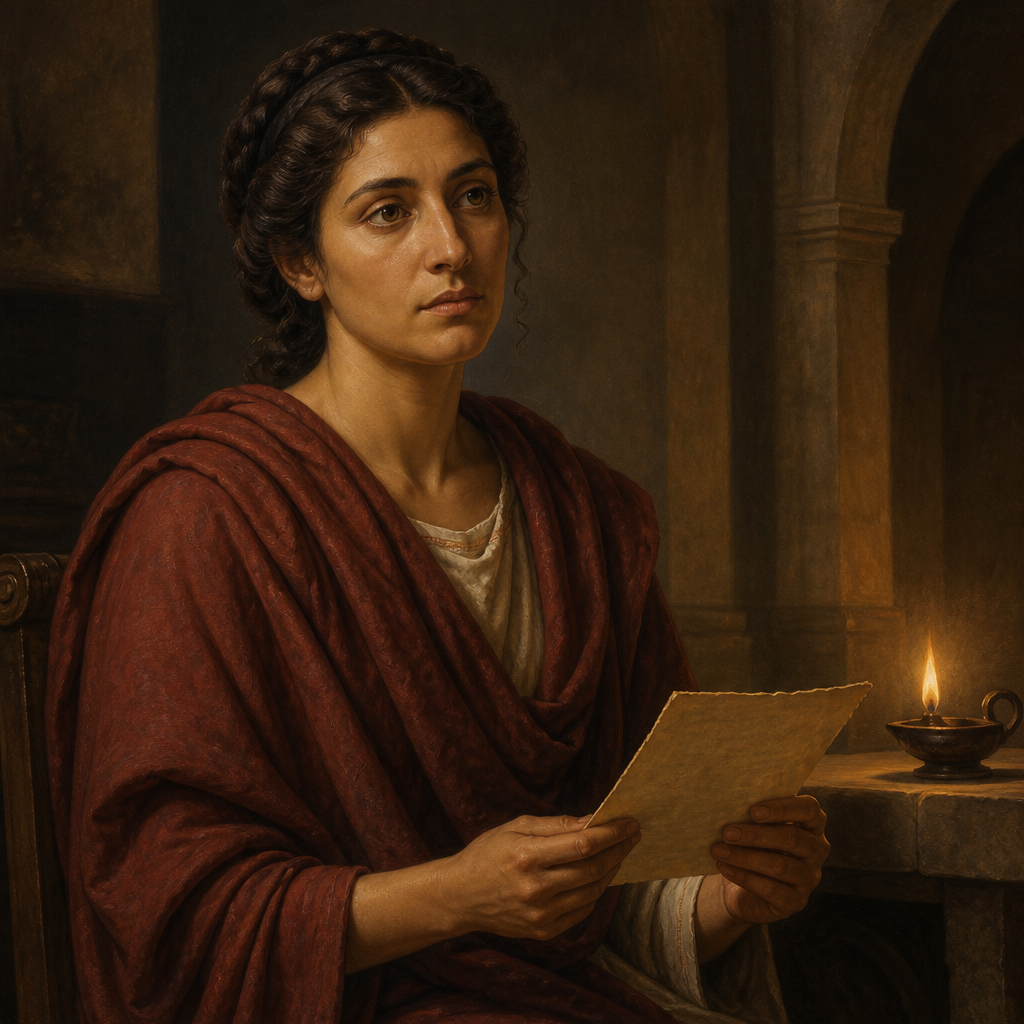
Claudia
Christian woman in Rome who sent greetings to Timothy in Paul's final letter
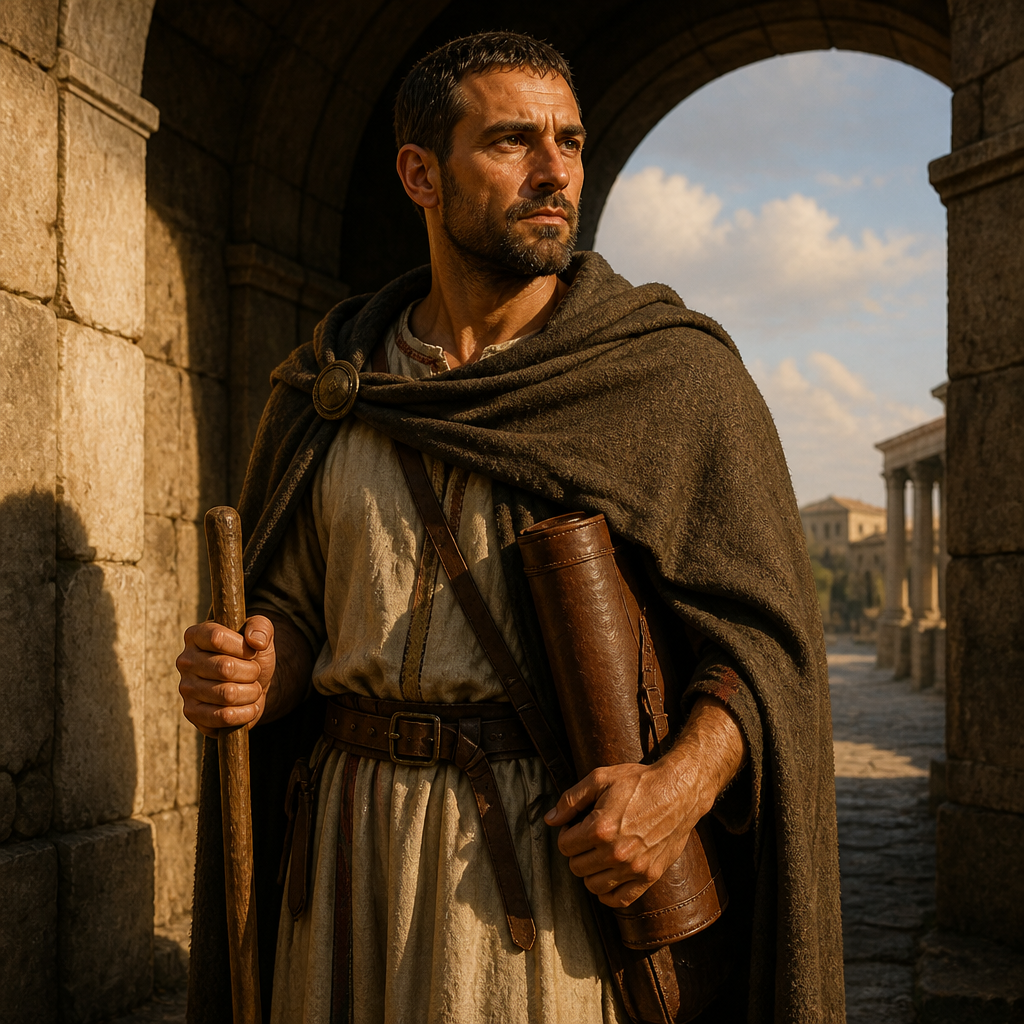
Crescens
Companion of Paul who traveled to Galatia during Paul's final imprisonment
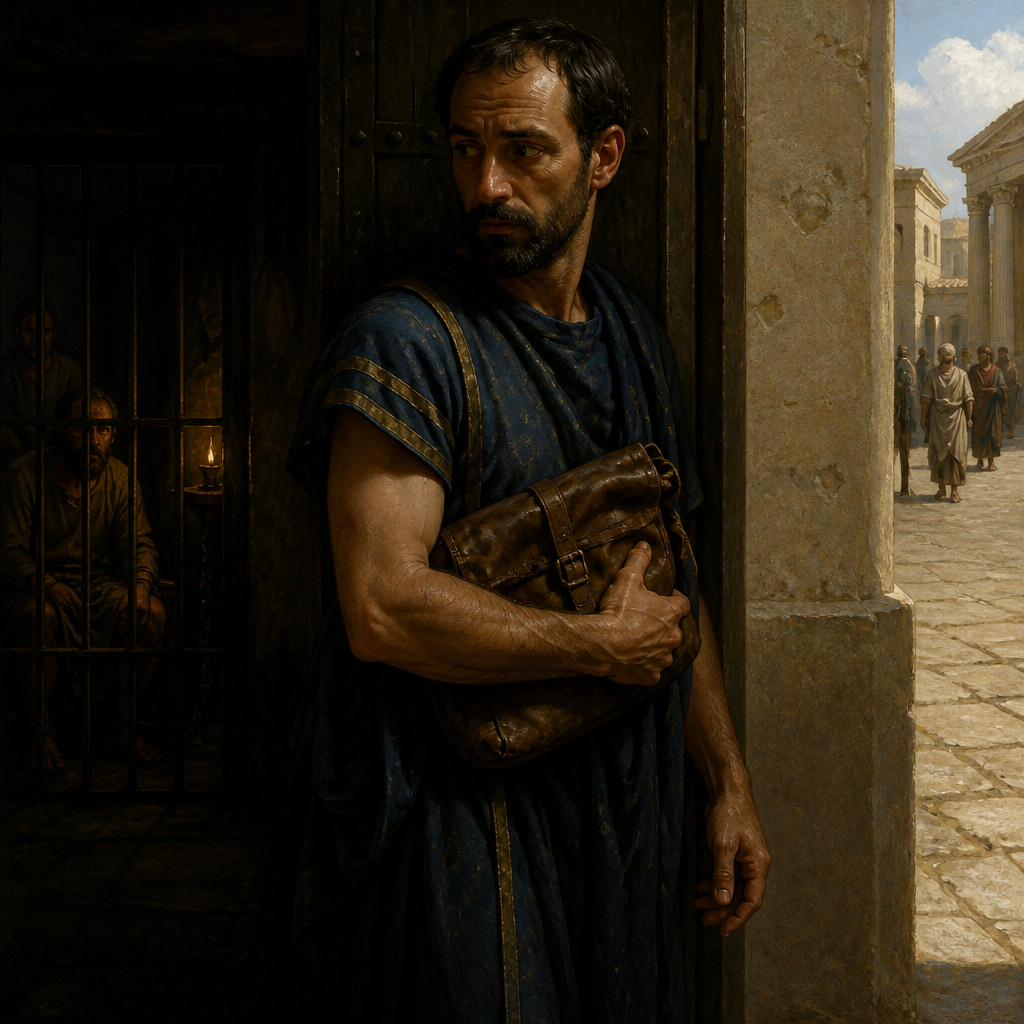
Demas
Companion of Paul who abandoned him for love of the world

Erastus
City treasurer of Corinth and ministry companion of the Apostle Paul
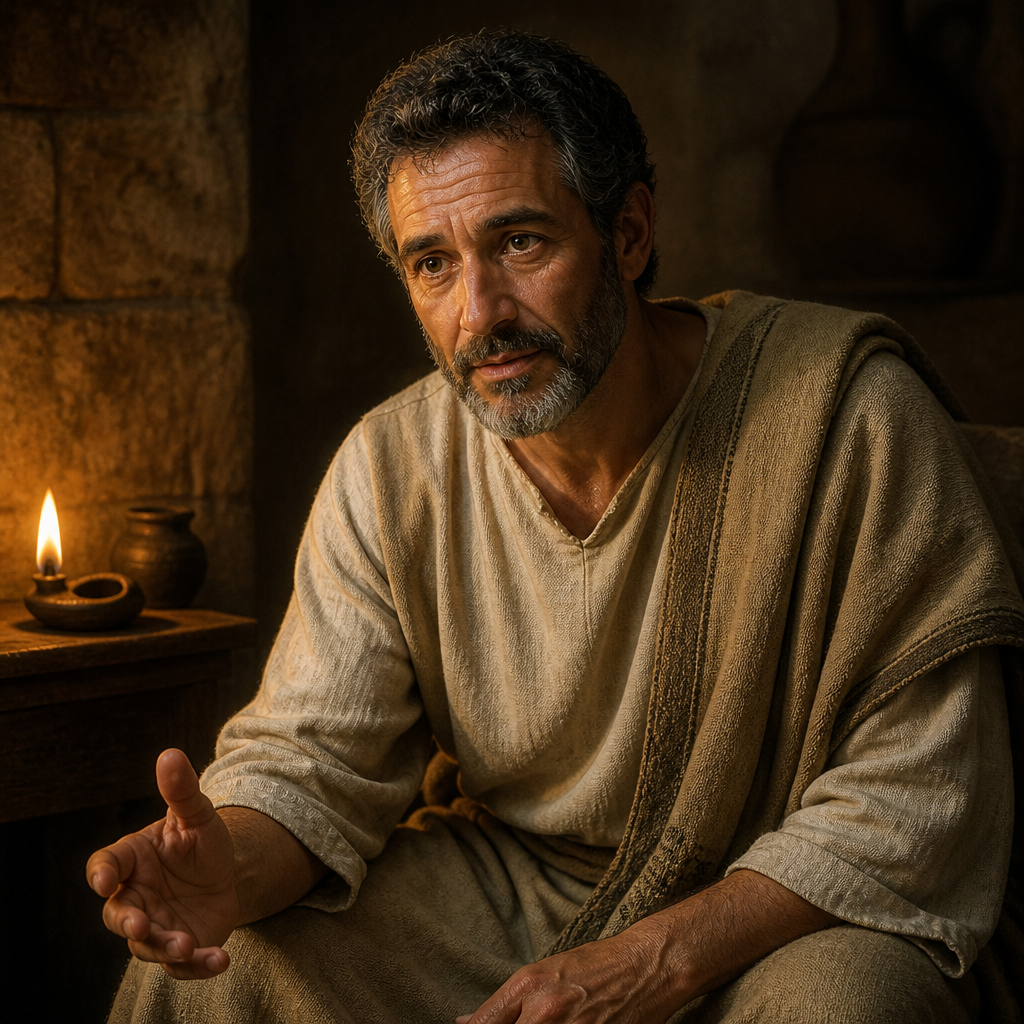
Eubulus
Christian in Rome who sent greetings to Timothy in Paul's final letter
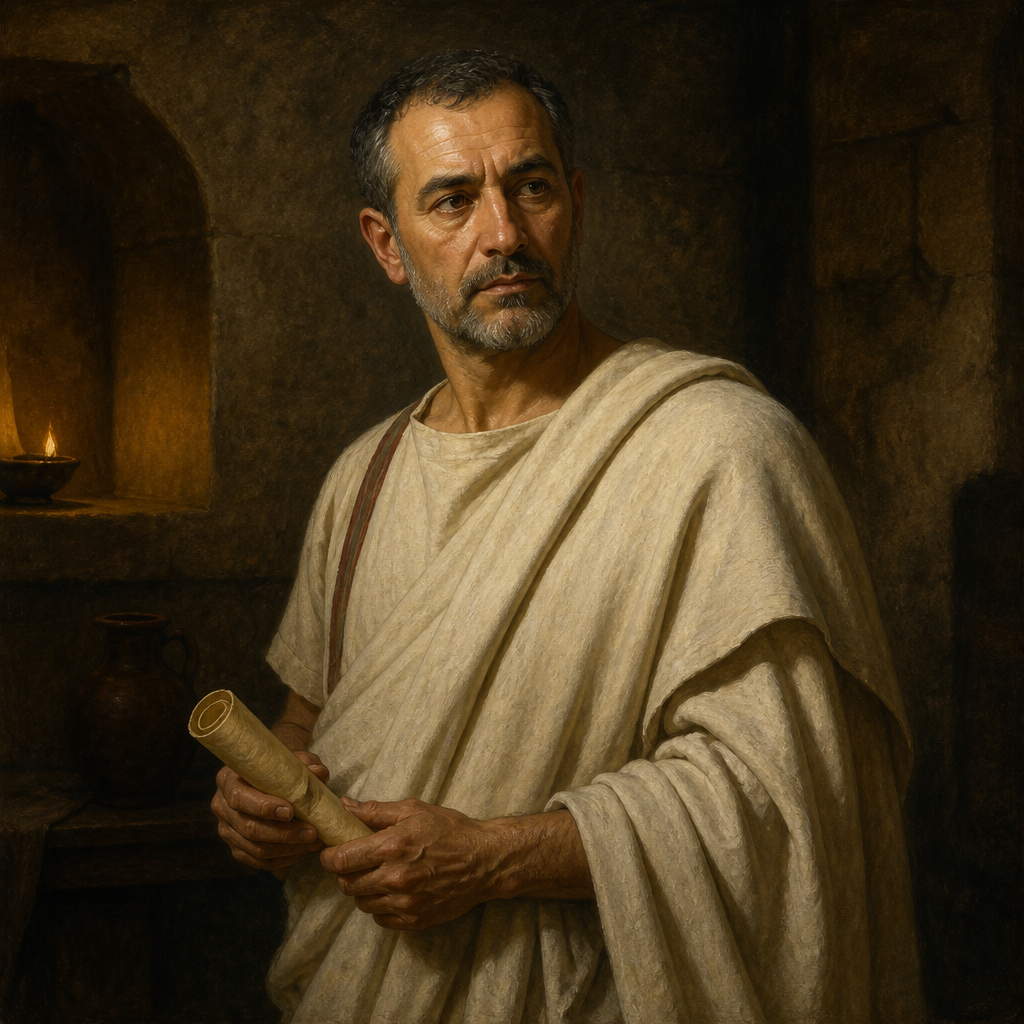
Linus
Christian in Rome who sent greetings to Timothy in Paul's final letter
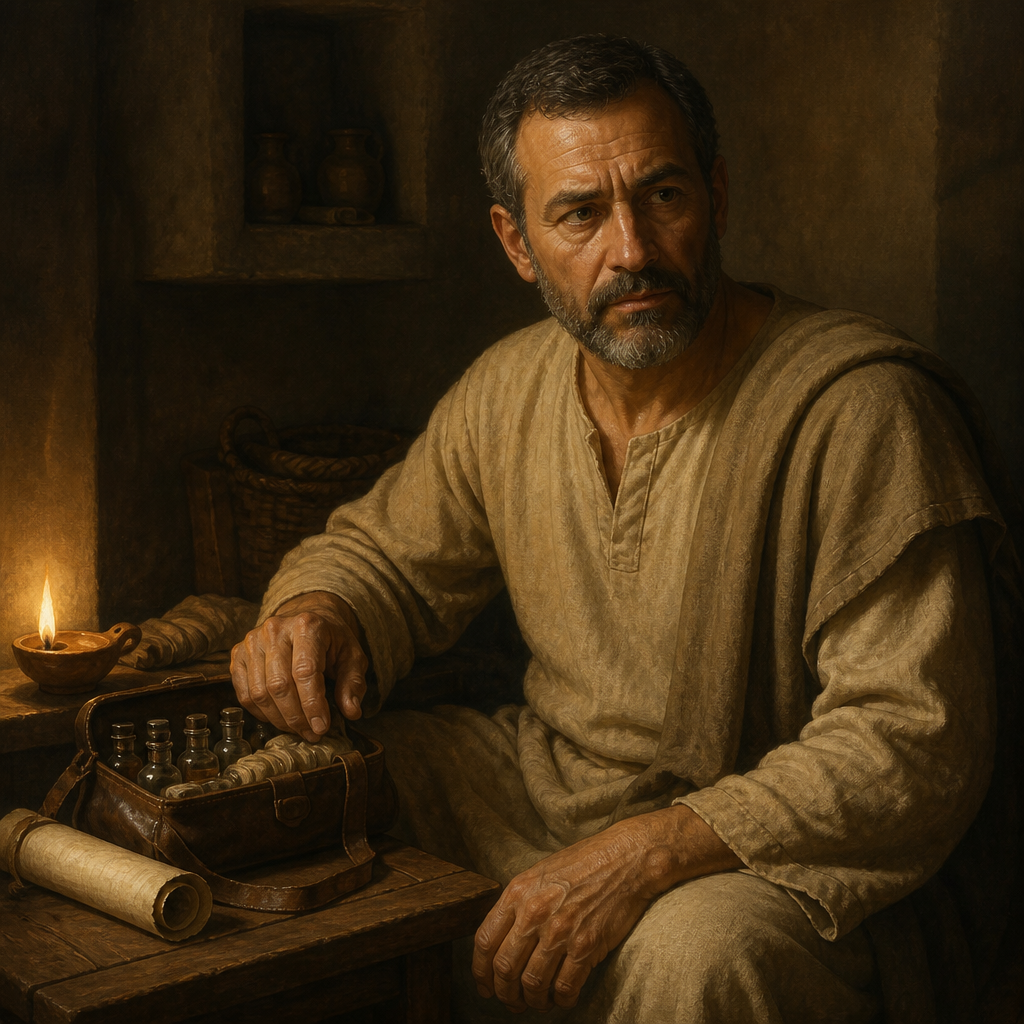
Luke
Physician and loyal companion to the Apostle Paul during his imprisonments
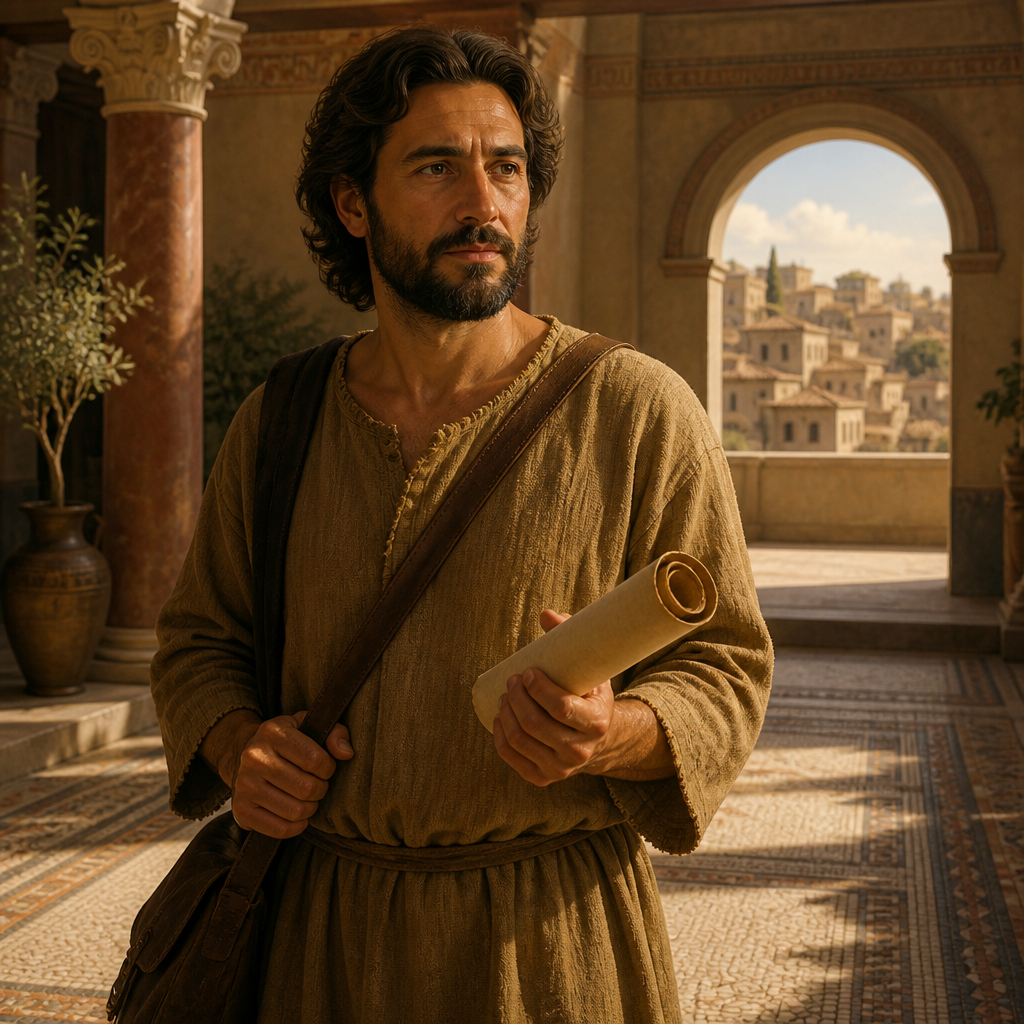
Mark
Missionary companion of Paul and Barnabas whose departure caused a rift between the two leaders
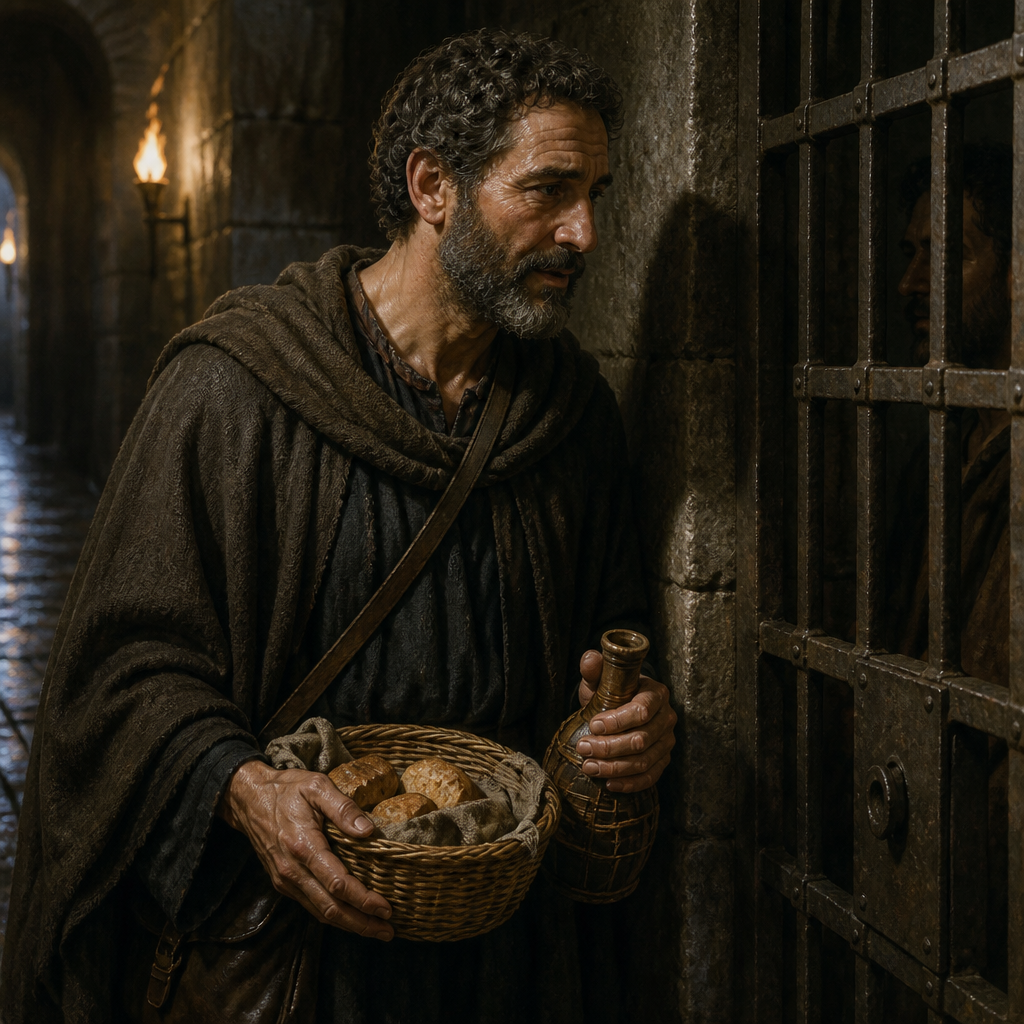
Onesiphorus
Ephesian believer who diligently searched for and refreshed the Apostle Paul during his final Roman imprisonment
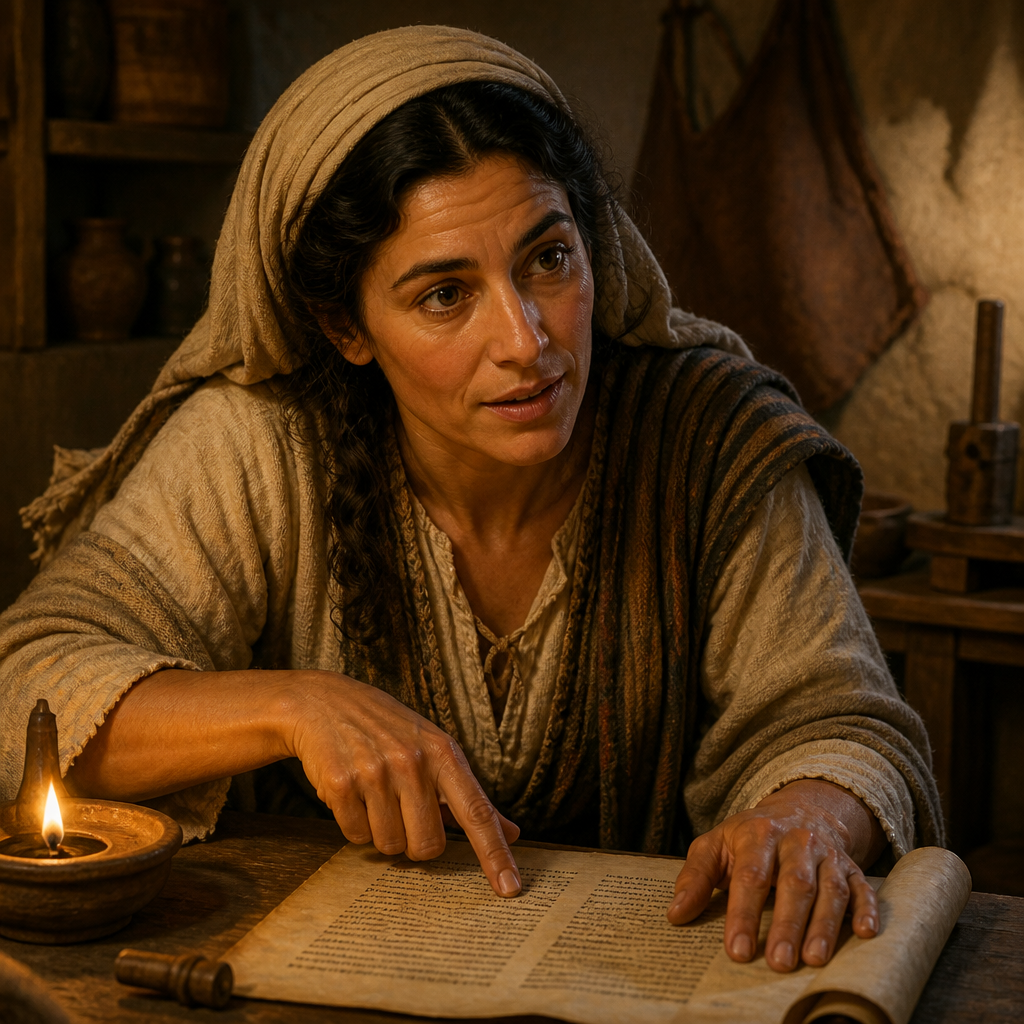
Priscilla
Early church leader and teacher who hosted a house church and mentored Apollos
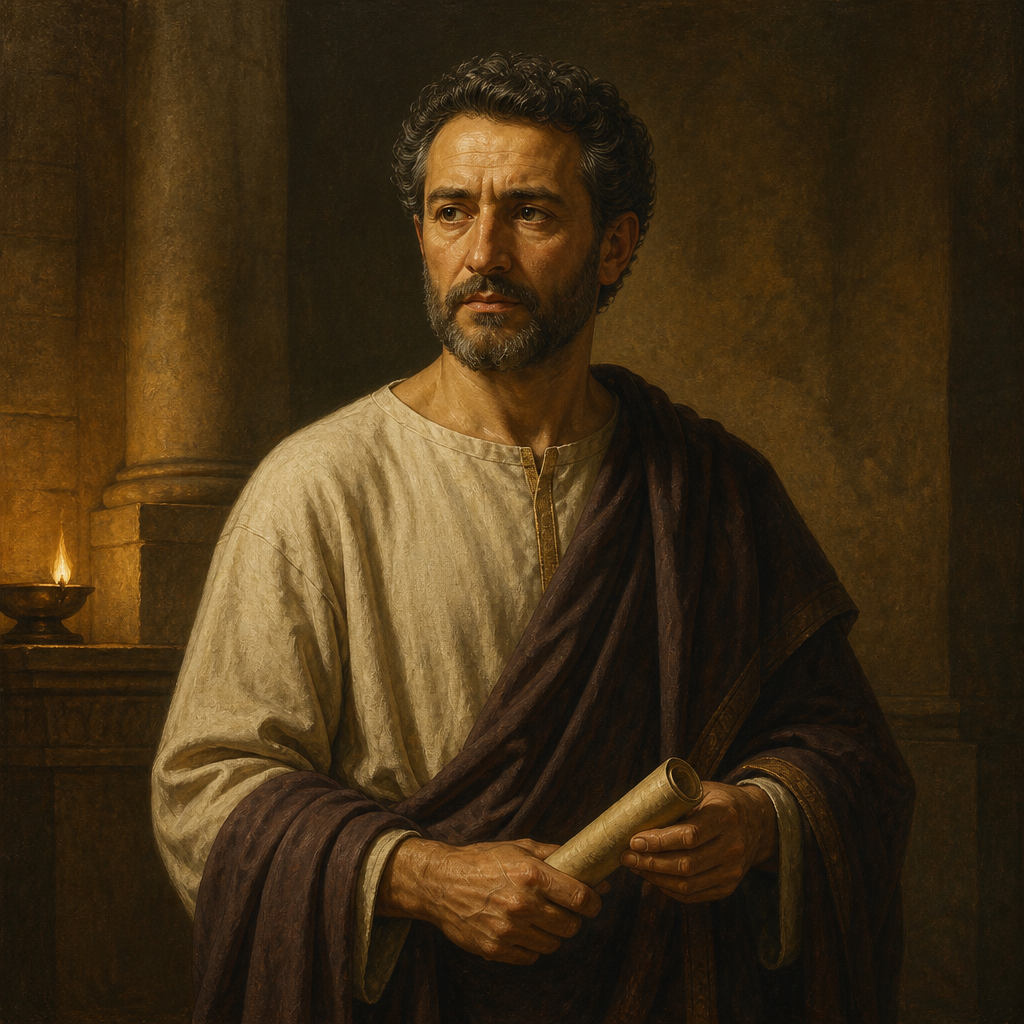
Pudens
Christian in Rome who sent greetings to Timothy in Paul's final letter
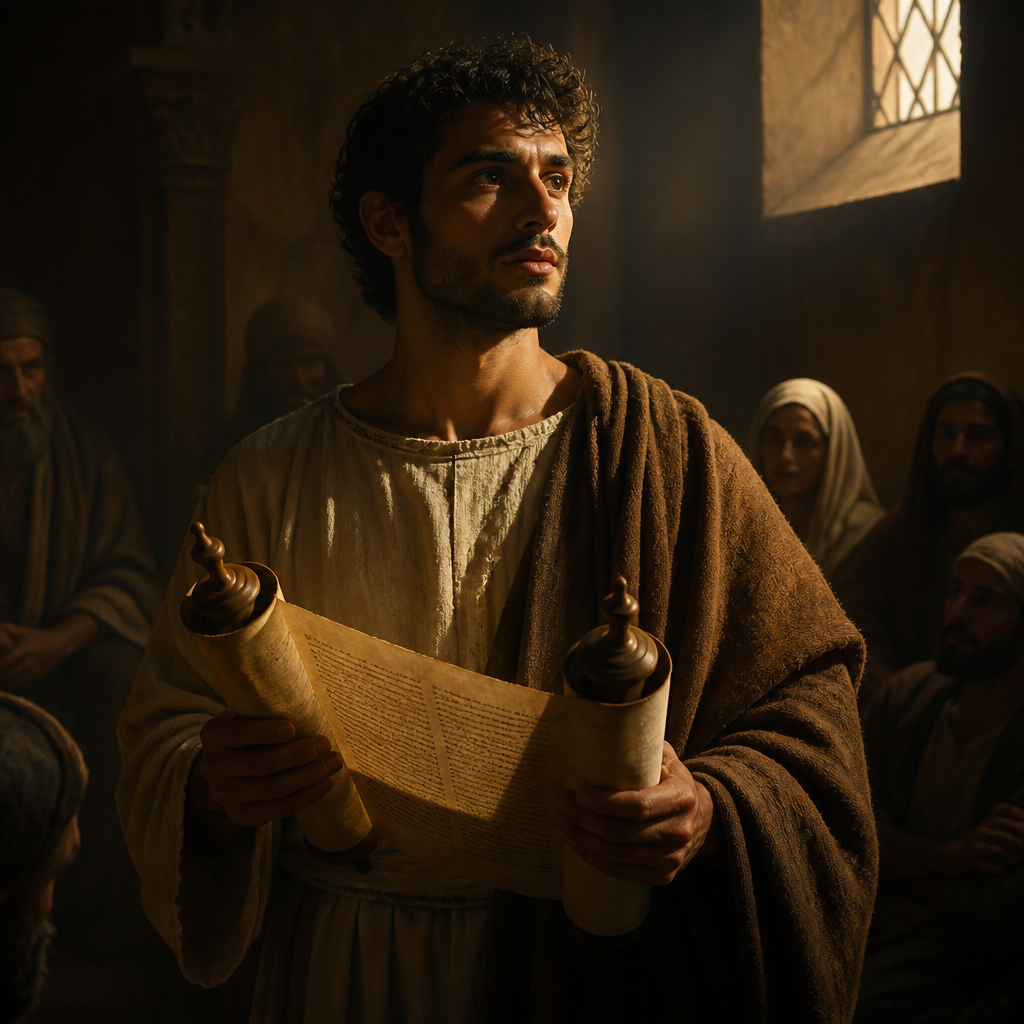
Timothy
Protégé of the Apostle Paul and recipient of the two Pastoral Epistles whom Paul stationed at Ephesus
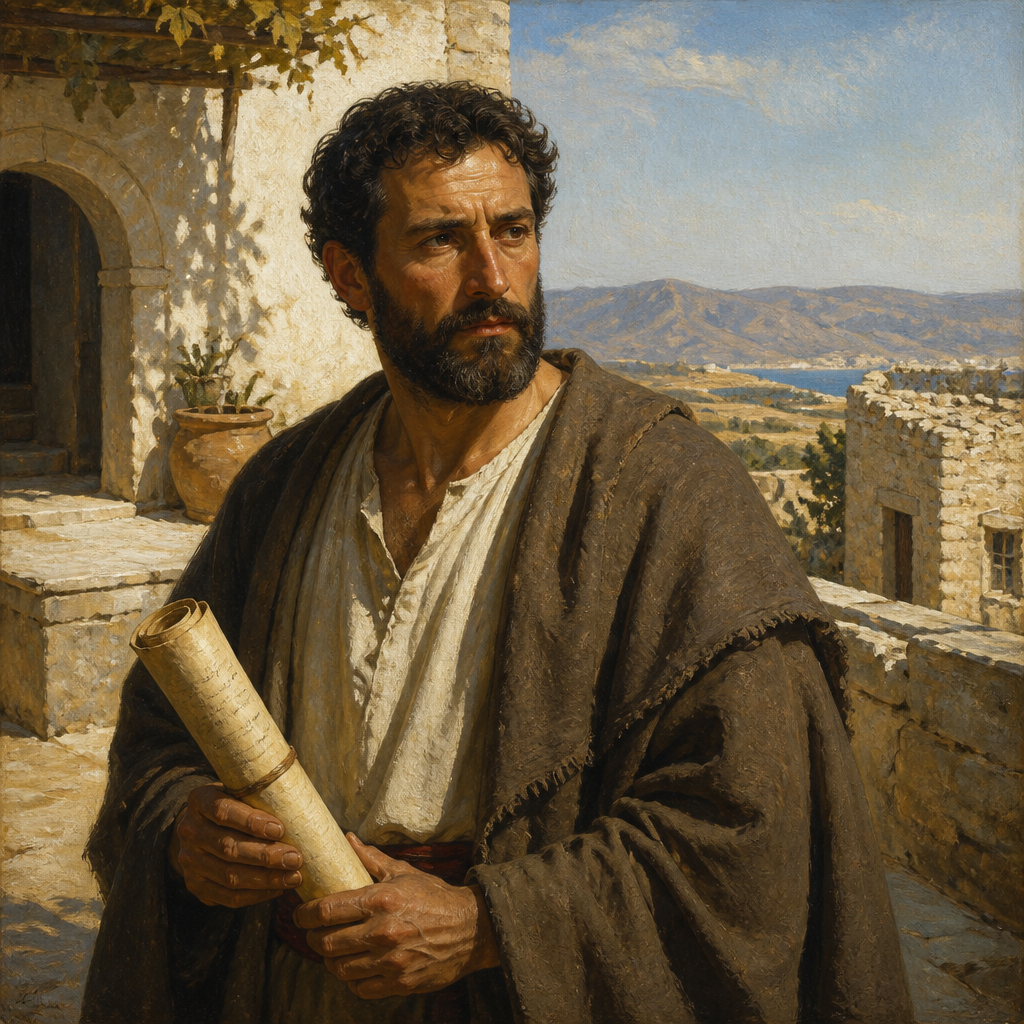
Titus
Greek companion of Paul who organized the church in Crete and mediated the Corinthian crisis
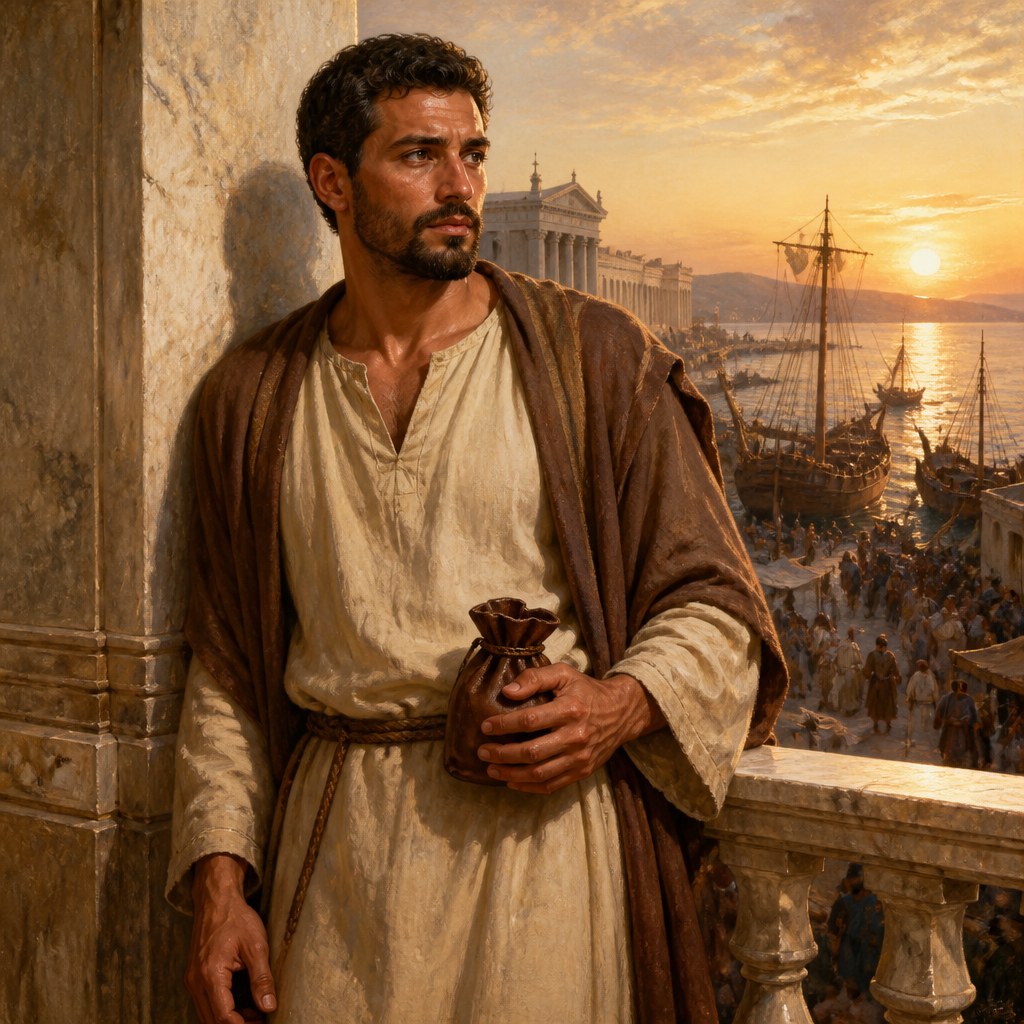
Trophimus
Ephesian companion of Paul whose presence sparked the Jerusalem riot
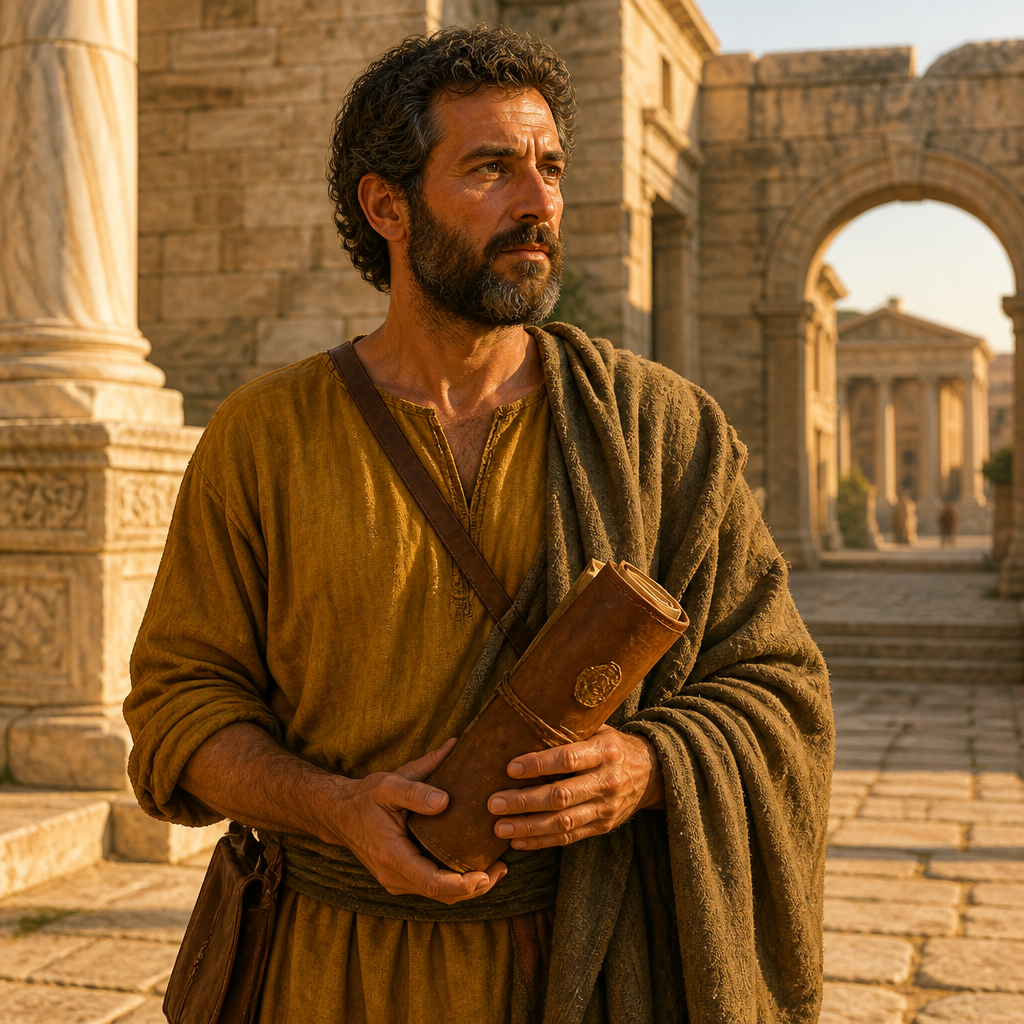
Tychicus
Minister from Asia who delivered Paul's letters to the Ephesians and Colossians