
People of Colossians
Every person who appears in the book of Colossians, ordered by how often they are mentioned there.
The People of Colossians are identified throughout this letter as a network of ministers and believers connected to the ministry of Paul. The text opens with Paul identifying himself as an apostle and including Timothy as a co-sender of the greeting (Colossians 1:1). The letter credits Epaphras as the person who first taught the gospel to the Colossians and describes him as a faithful minister of Jesus (Colossians 1:7). While the letter addresses the theological supremacy of Jesus, who is described as the image of the invisible God and the head of the church (Colossians 1:15–18), the final chapter provides a detailed list of individuals who facilitate the communication between Paul and the local congregations.
The organization of the group in the closing remarks highlights the specific roles of those traveling with the letter. Tychicus is described as a beloved brother and faithful minister who is sent to tell the Colossians about Paul’s circumstances (Colossians 4:7–8). He is accompanied by Onesimus, who is identified as a faithful and beloved brother and one of their own people (Colossians 4:9). Several individuals send greetings from Paul’s side, including Aristarchus, whom Paul calls a fellow prisoner (Colossians 4:10). Mark identified as the cousin of Barnabas is also mentioned as someone the congregation should welcome if he visits (Colossians 4:10). Another associate named Jesus is noted as being among the only fellow workers for the kingdom of God who are of the circumcision (Colossians 4:11). The text also mentions Luke, the beloved physician, and Demas, who send their greetings to the church (Colossians 4:14).
The letter extends its reach to nearby regions by mentioning Nympha and the church that meets in her house (Colossians 4:15). Paul concludes with a specific instruction for Archippus to see that he completes the ministry he has received in the Lord (Colossians 4:17). These individuals represent the practical application of the letter’s themes regarding the unity of the body of Christ. By naming these specific people, the text illustrates the transition of the gospel from its origins in the lineage of Judah, to a diverse international community (Colossians 3:11). The inclusion of these names serves to authenticate the letter and to strengthen the social and ministerial ties between the various house churches in the Lycus Valley and the apostolic leadership.
Everyone in this list
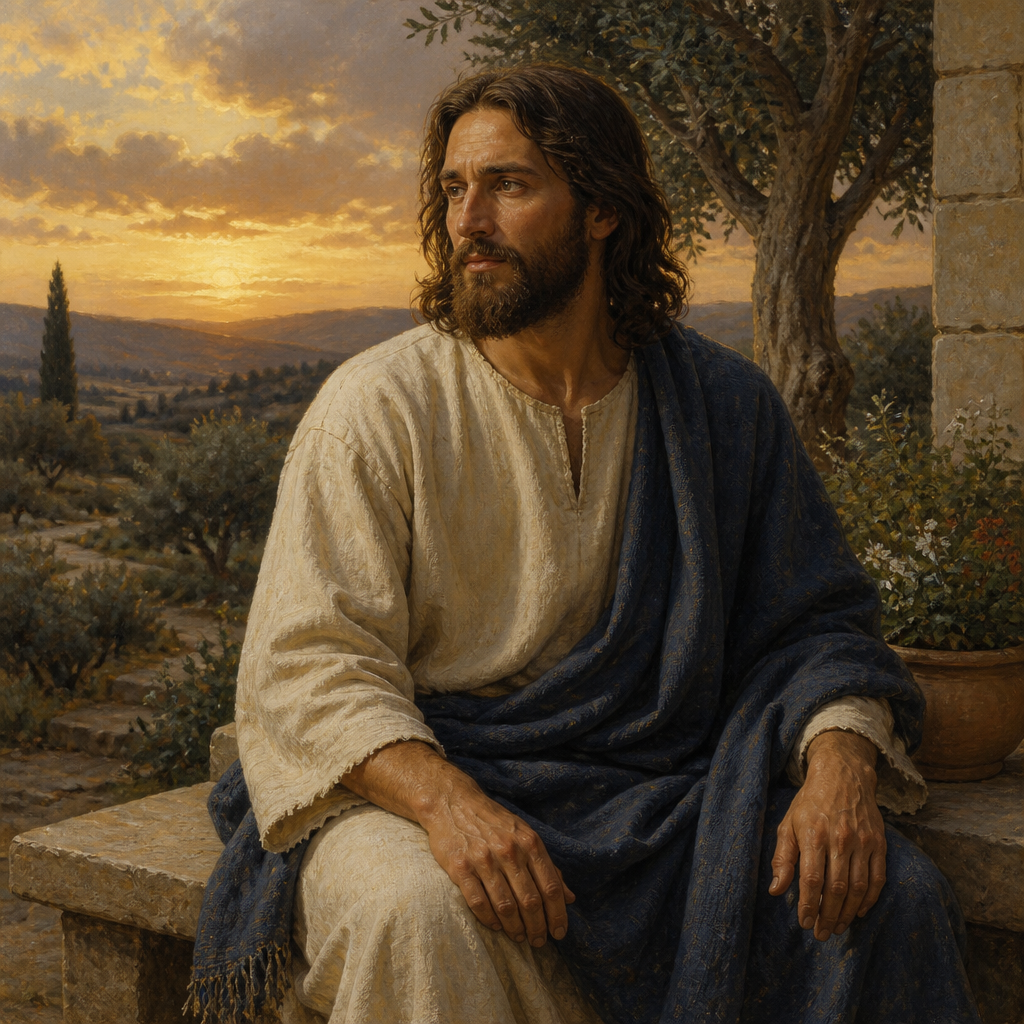
Jesus
Messiah and central figure of the New Testament whose life, death, and resurrection form the basis of the Christian faith
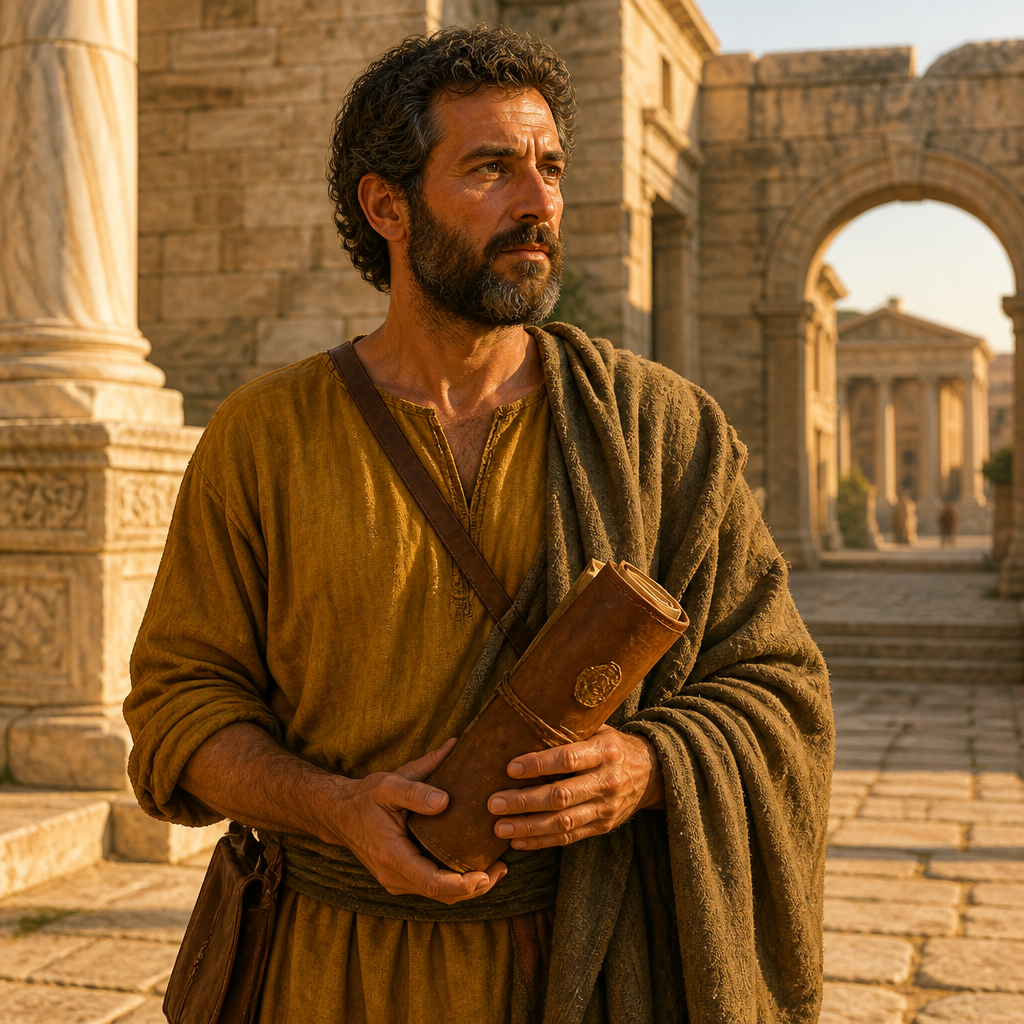
Tychicus
Minister from Asia who delivered Paul's letters to the Ephesians and Colossians
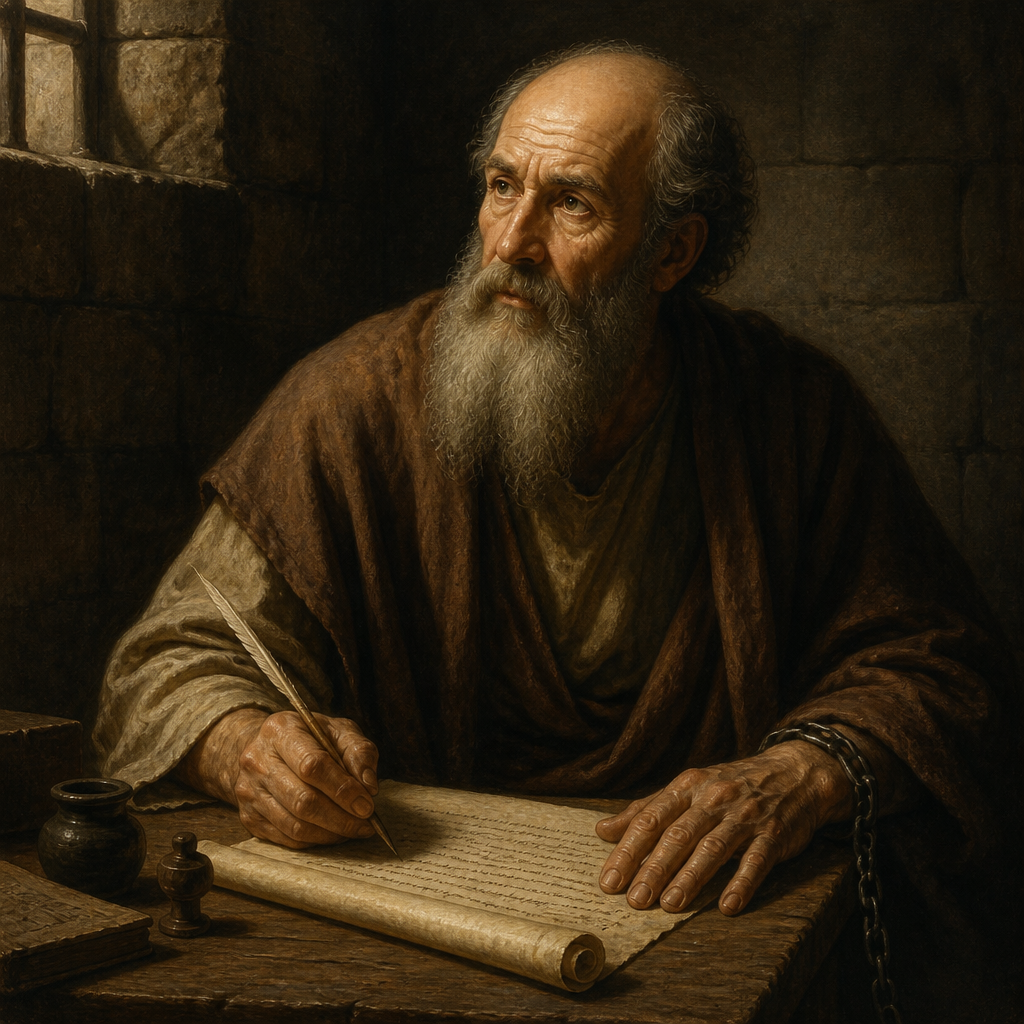
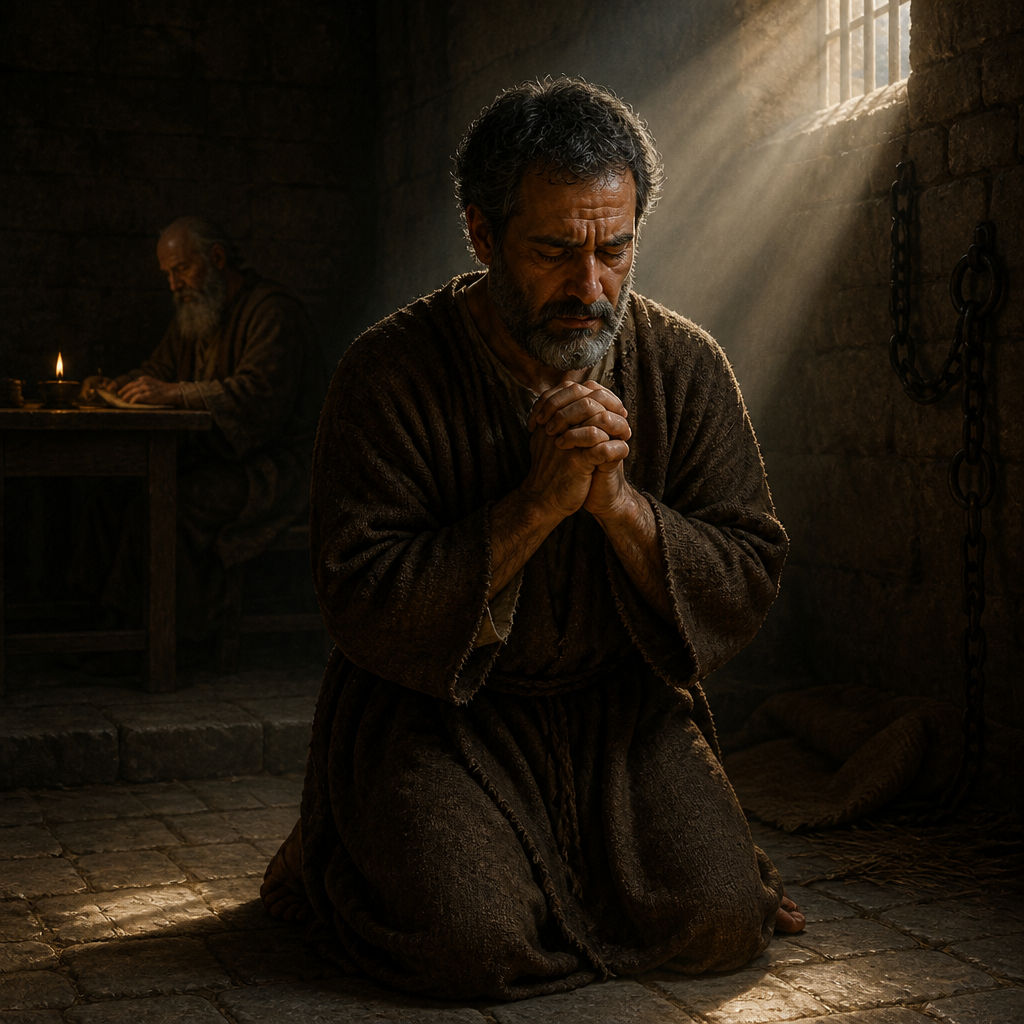
Epaphras
Minister who founded the church at Colossae and served as a fellow prisoner with Paul
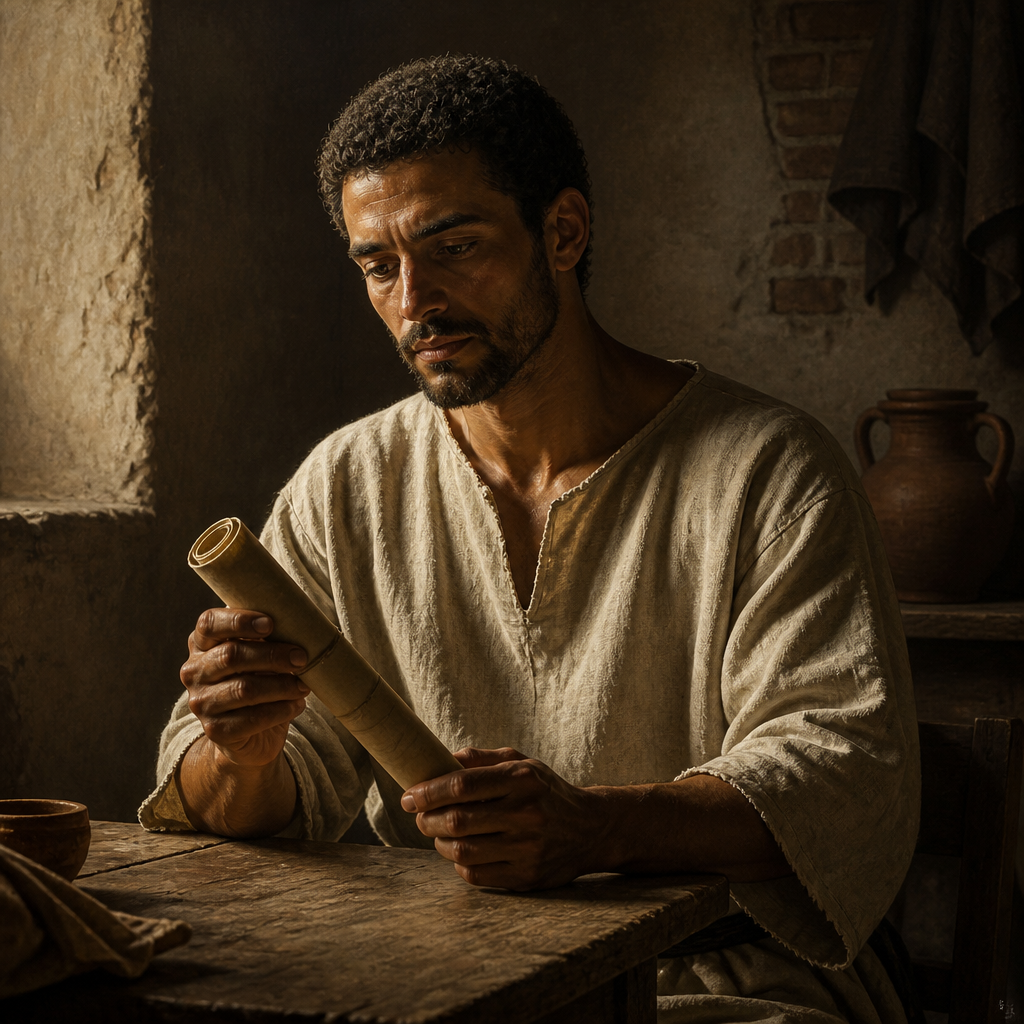
Onesimus
Runaway slave whose reconciliation with his master Philemon is the subject of a New Testament epistle
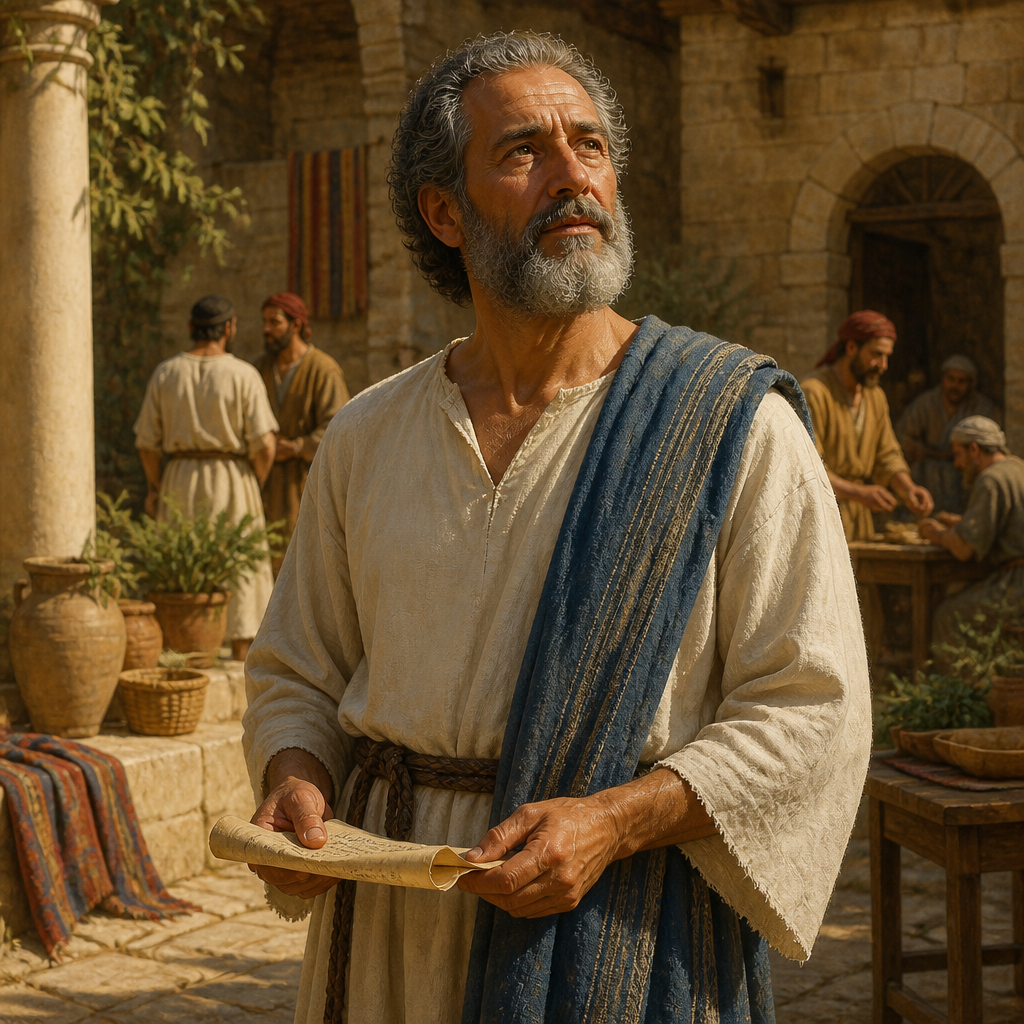
Barnabas
Prophet and leader in the Antioch church who mentored the Apostle Paul
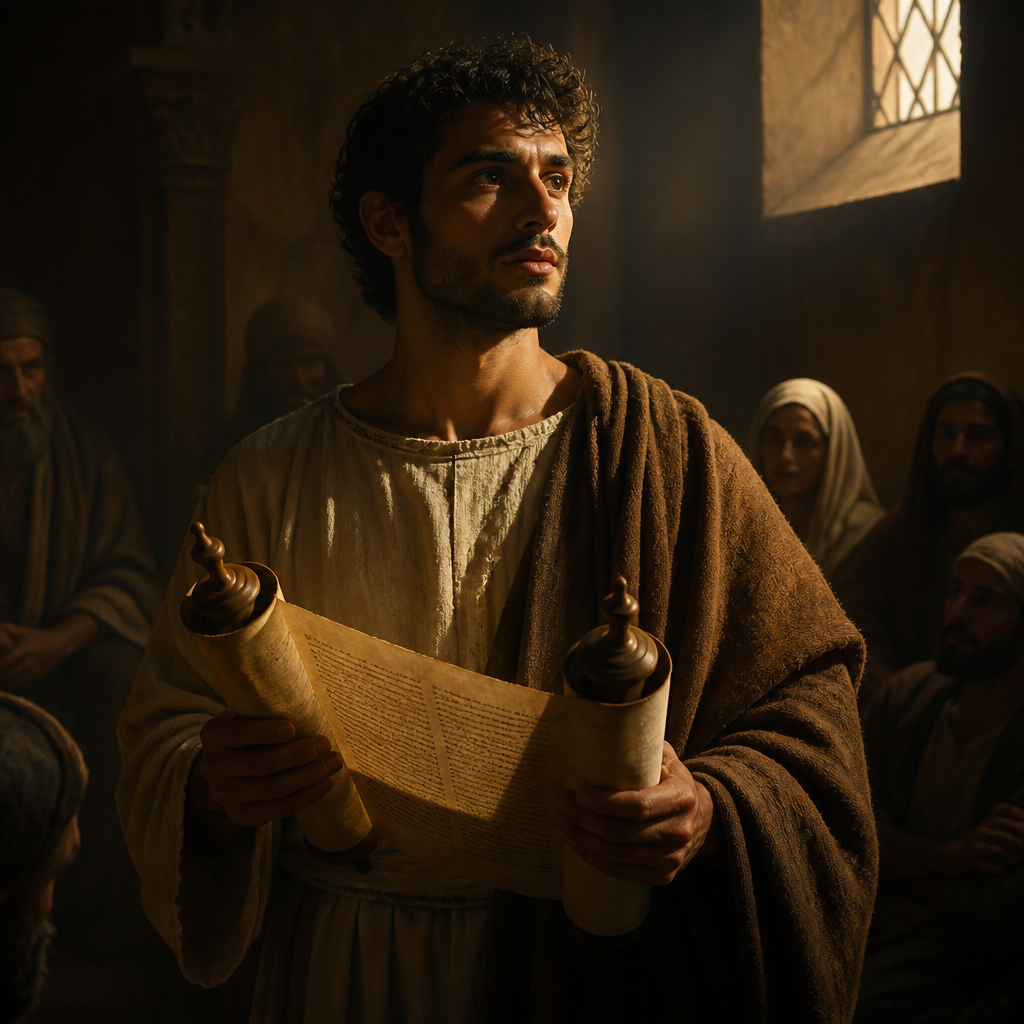
Timothy
Protégé of the Apostle Paul and recipient of the two Pastoral Epistles whom Paul stationed at Ephesus
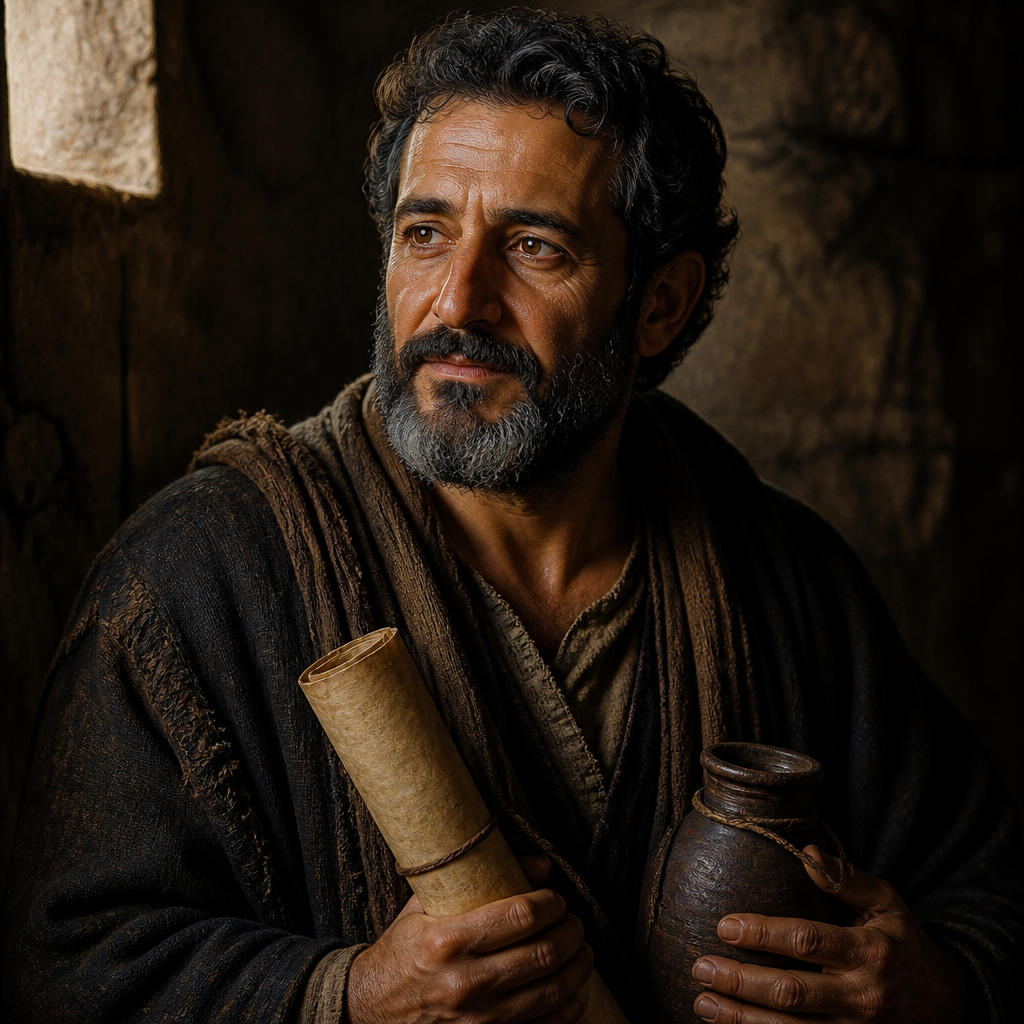
Jesus, also called Justus
Jewish Christian worker who assisted Paul during his Roman imprisonment
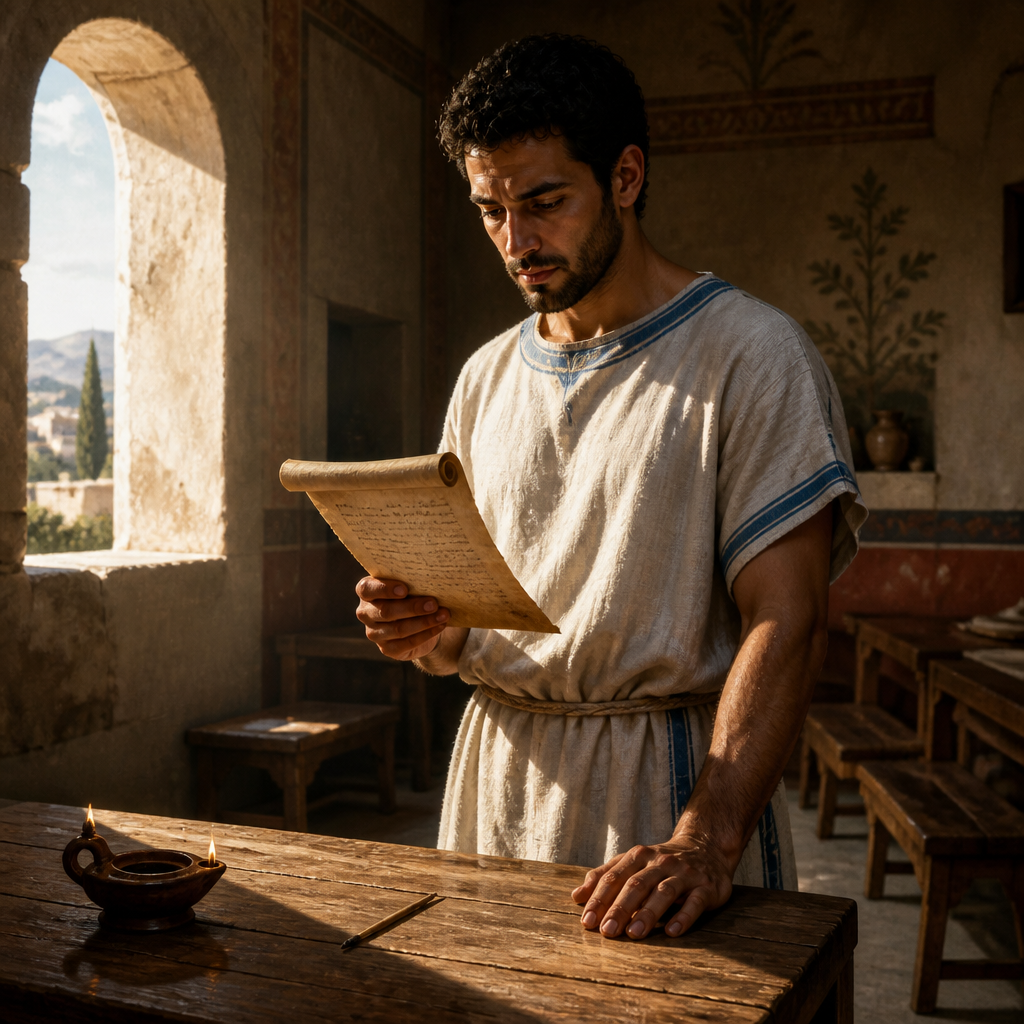
Archippus
Minister in the Colossian church who was exhorted by Paul to fulfill his service
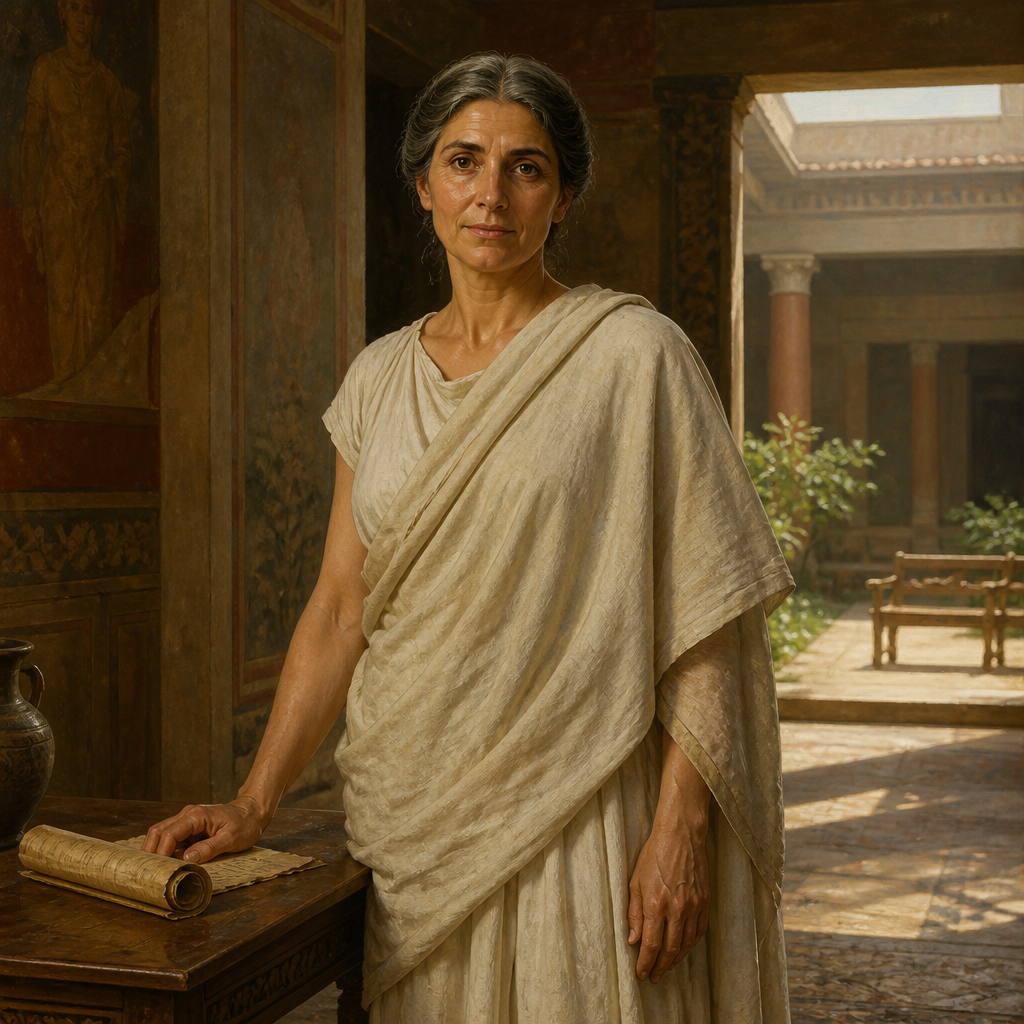
Nympha
Host of a house church in Laodicea mentioned by the Apostle Paul
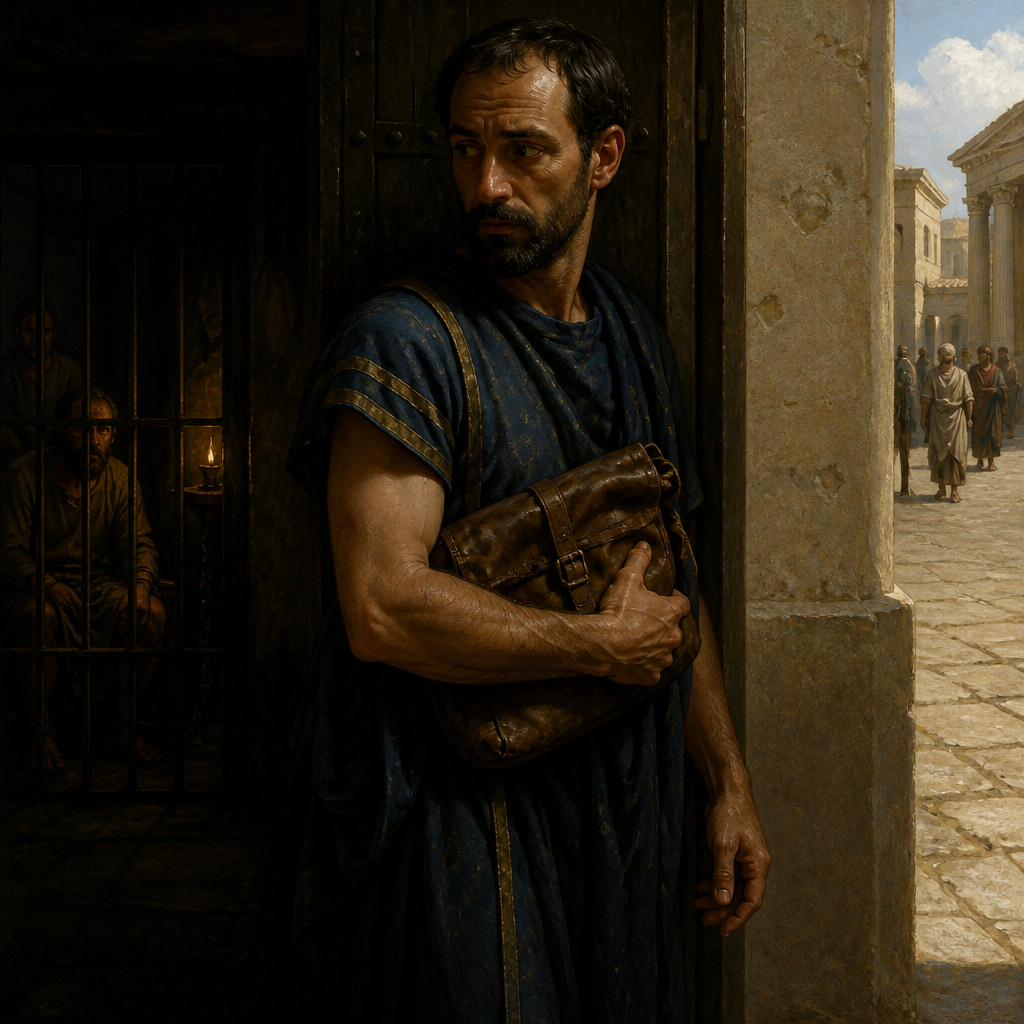
Demas
Companion of Paul who abandoned him for love of the world
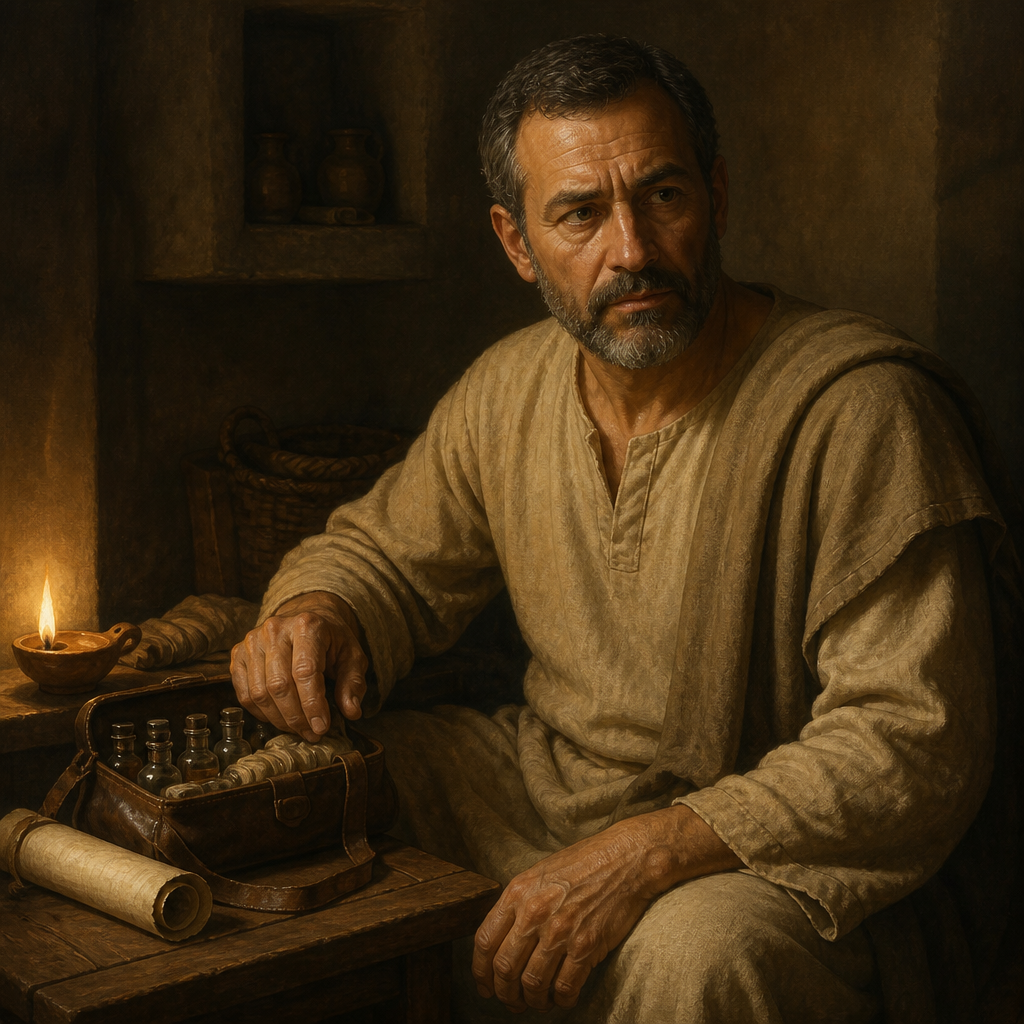
Luke
Physician and loyal companion to the Apostle Paul during his imprisonments
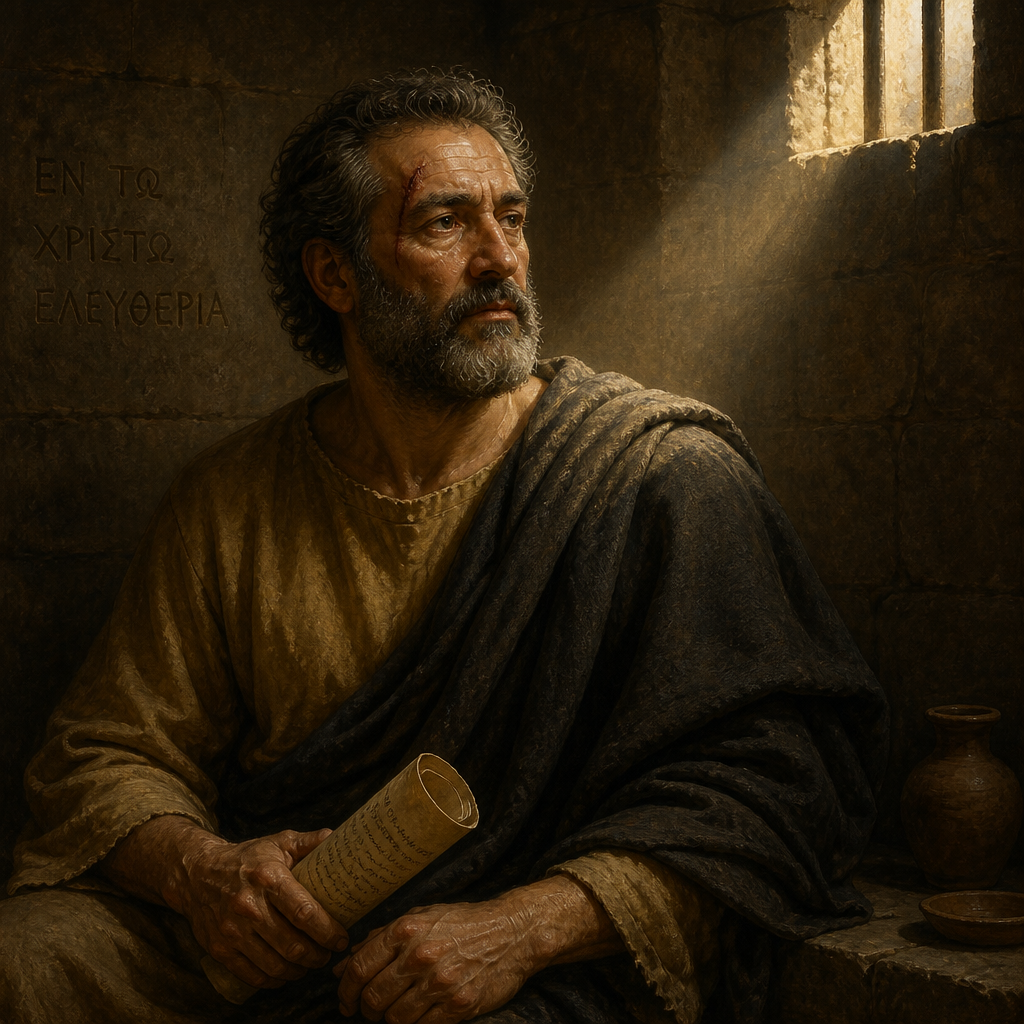
Aristarchus
Companion of Paul who was seized during the Ephesian riot and later became Paul's fellow prisoner in Rome
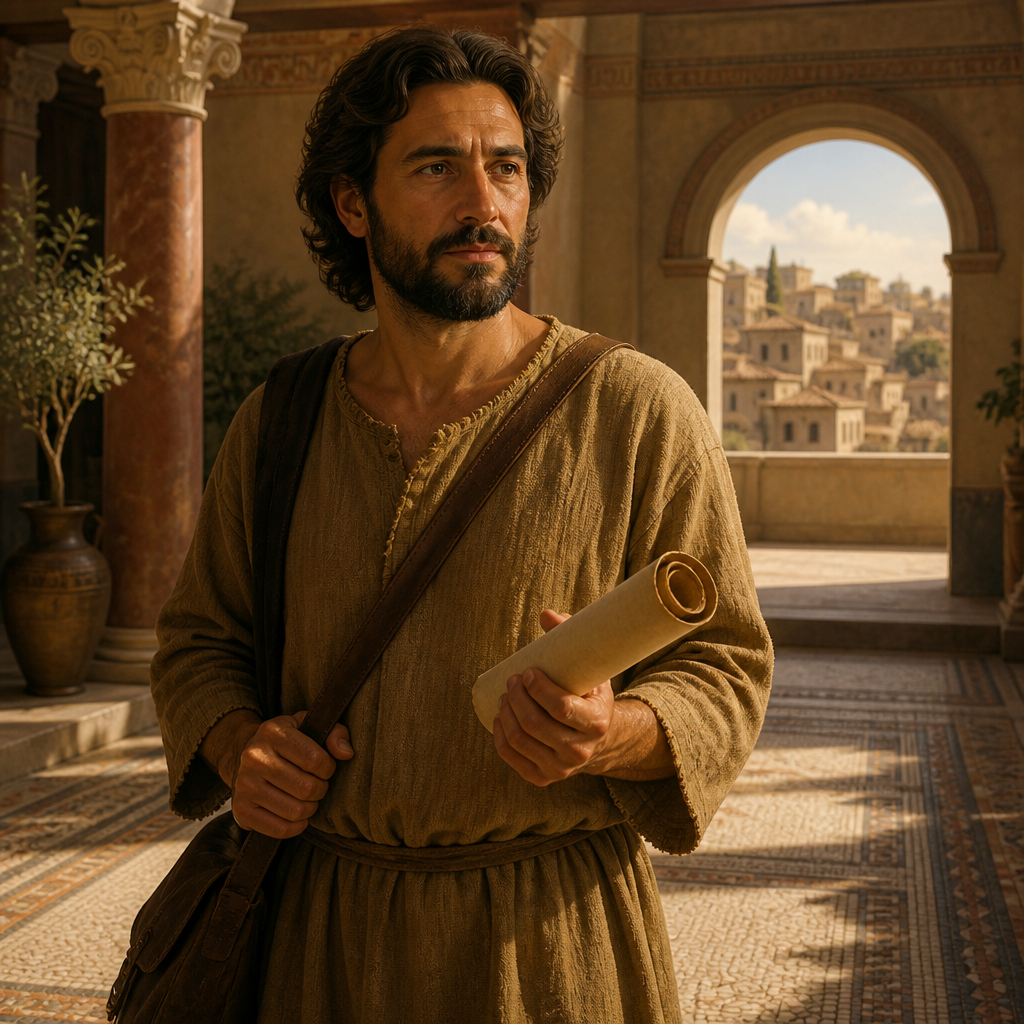
Mark
Missionary companion of Paul and Barnabas whose departure caused a rift between the two leaders