
The Church at Corinth
Everyone of the Corinthian correspondence
The Church at Corinth is a community of early believers whose internal conflicts and leadership are documented primarily in the letters of 1 Corinthians and 2 Corinthians, as well as the historical accounts in Acts. The congregation was established by Paul, who spent eighteen months in the city during the reign of Claudius (Acts 18:1–11). The letters address a diverse group of individuals who hosted the assembly, served as messengers, or represented various factions within the local church.
The text organizes the members of this community through their specific roles in the ministry and their relationships to the apostolic leadership. Paul identifies himself as the founder of the church, while Apollos is described as a teacher who watered the seeds Paul had planted (1 Corinthians 3:6). Priscilla and Aquila are noted as Jewish Christians who worked with Paul in tentmaking and hosted a church in their home (Acts 18:2–3). The household of Chloe is credited with informing Paul about the quarrels and divisions regarding loyalty to different leaders (1 Corinthians 1:11). Stephanas is recognized as the first convert in the region of Achaia, and he traveled with Fortunatus and Achaicus to bring supplies and news to Paul (1 Corinthians 16:15–17).
Other members are identified by their social status or their transition from the local synagogue to the Christian assembly. Crispus was a ruler of the synagogue who believed in Jesus along with his entire household (Acts 18:8). Sosthenes another synagogue leader, was beaten before the tribunal of the proconsul Gallio and later served as a co-sender of Paul’s first letter to the city (Acts 18:17, 1 Corinthians 1:1). The community also included prominent citizens such as Erastus, the city treasurer, and Gaius of Corinth, who acted as a host for the entire church (Romans 16:23). The text also mentions Peter as a figure of authority whom some members of the congregation claimed to follow exclusively (1 Corinthians 1:12).
The Church at Corinth serves as a primary example of the challenges facing early Christian communities as they integrated diverse social classes and theological perspectives. The correspondence reveals how the church struggled with issues of morality, such as the case of The Man Who Had His Father's Wife, and how they managed spiritual gifts and communal worship (1 Corinthians 5:1). By recording the names and actions of these individuals, the New Testament provides a concrete look at the development of church order and the practical difficulties of maintaining unity among the first generation of believers.
Everyone in this list
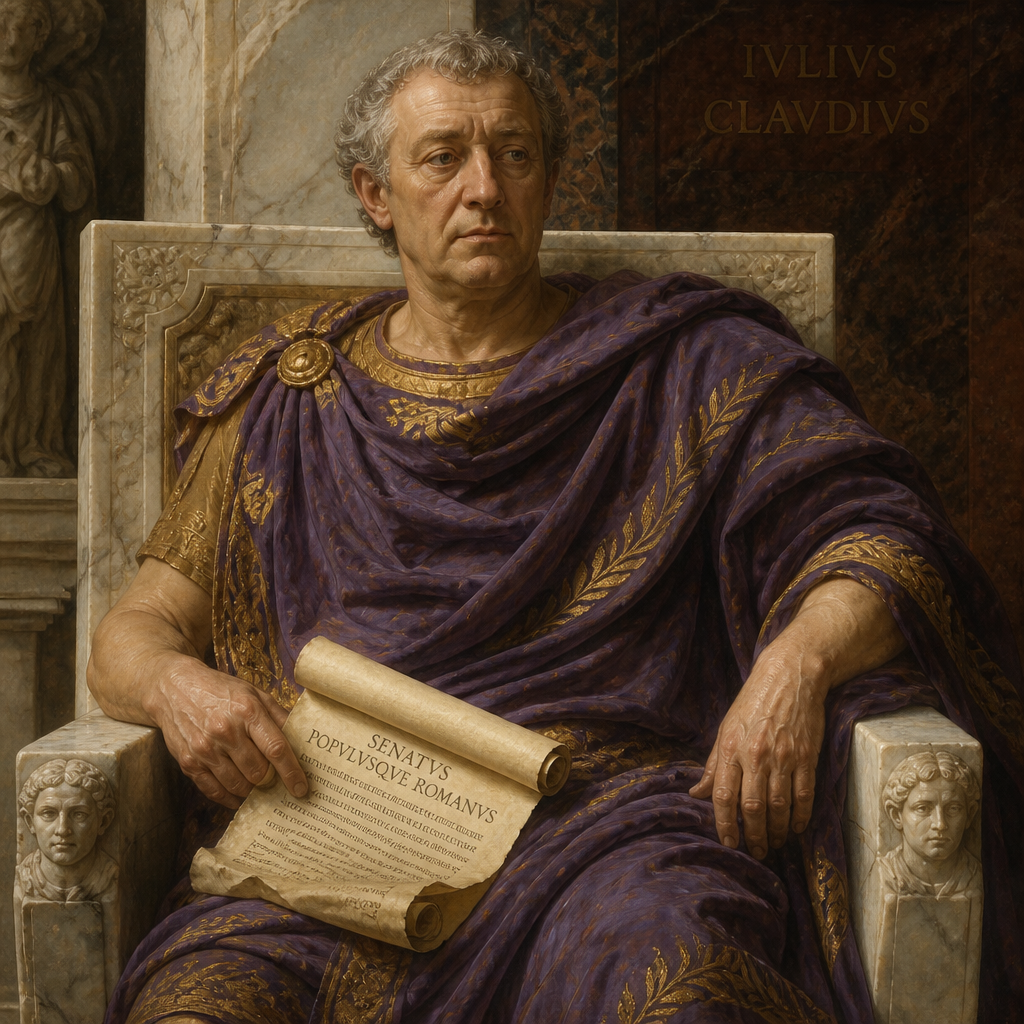
Claudius
Roman emperor who expelled the Jews from Rome and reigned during the early church’s growth
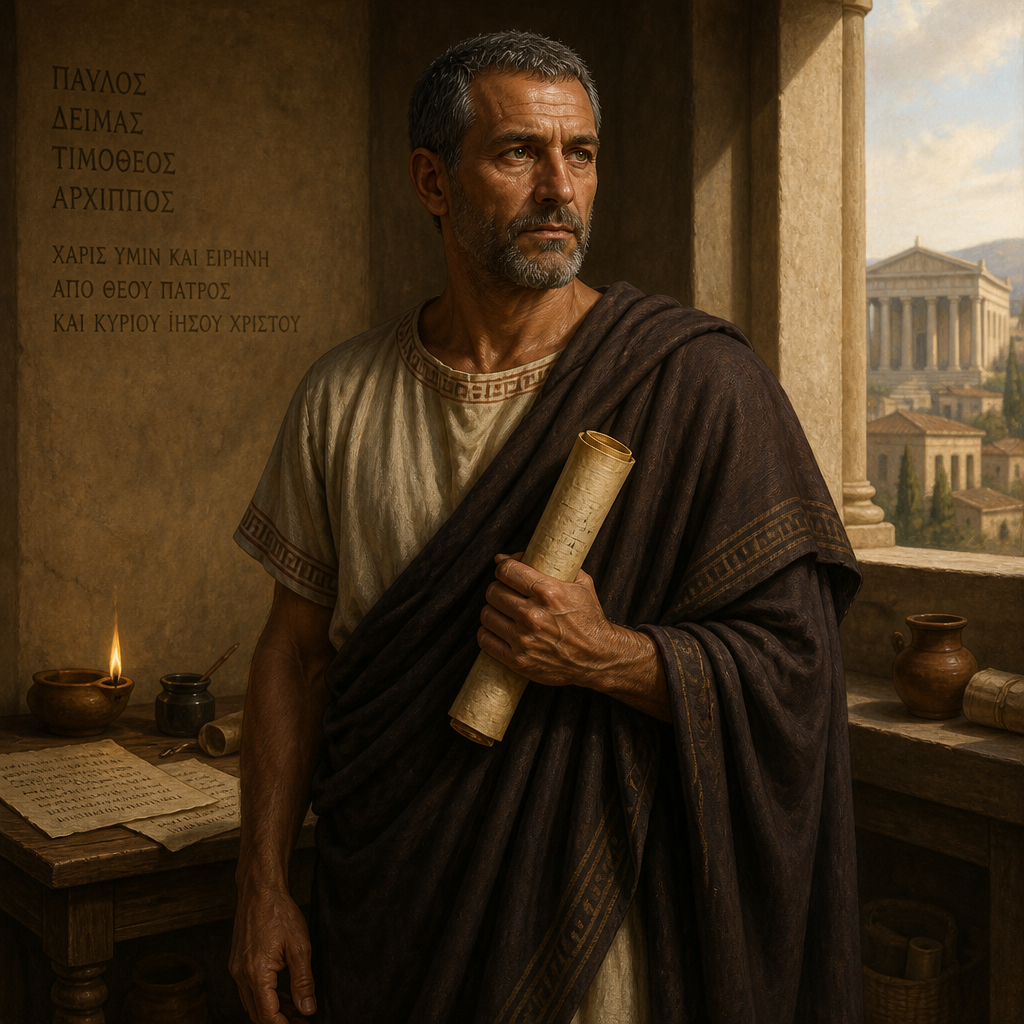
Achaicus
Member of the Corinthian delegation who visited Paul in Ephesus
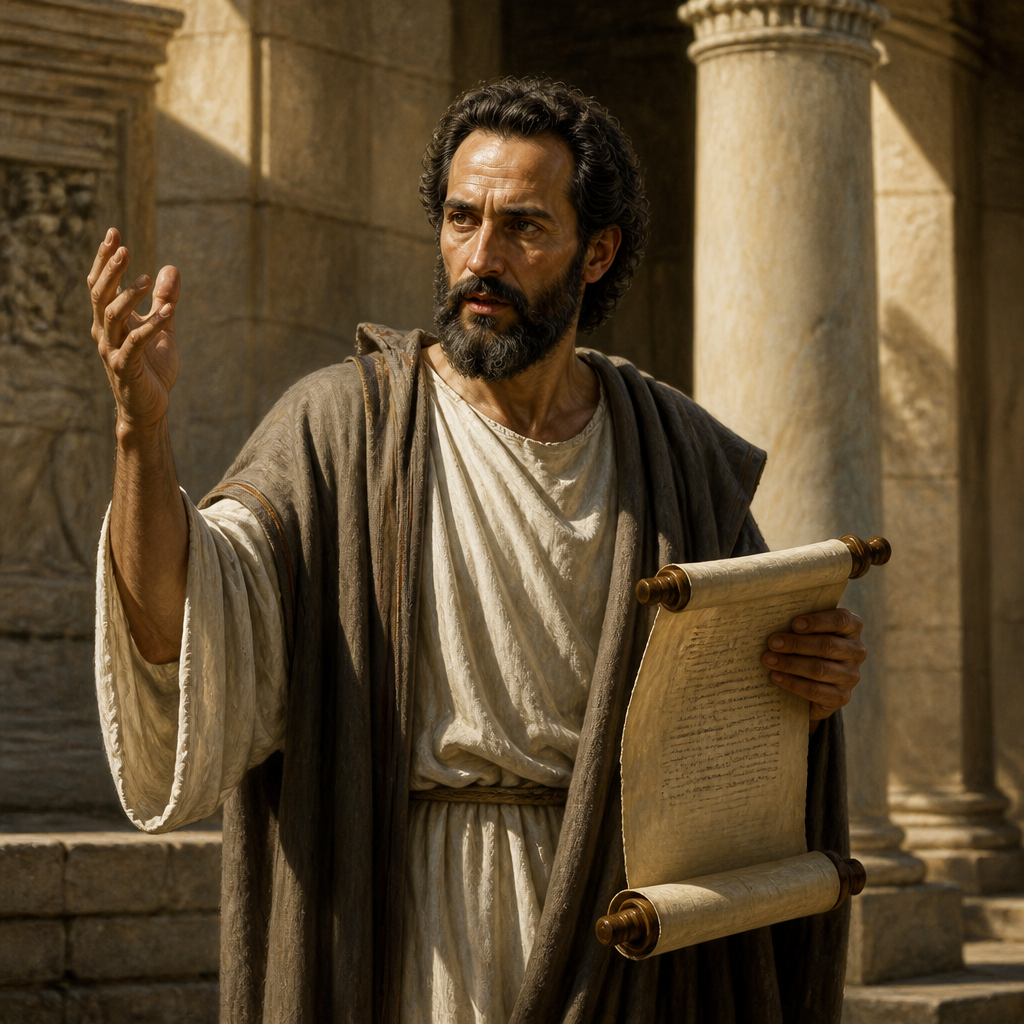
Apollos
Eloquent Alexandrian preacher and colleague of the Apostle Paul
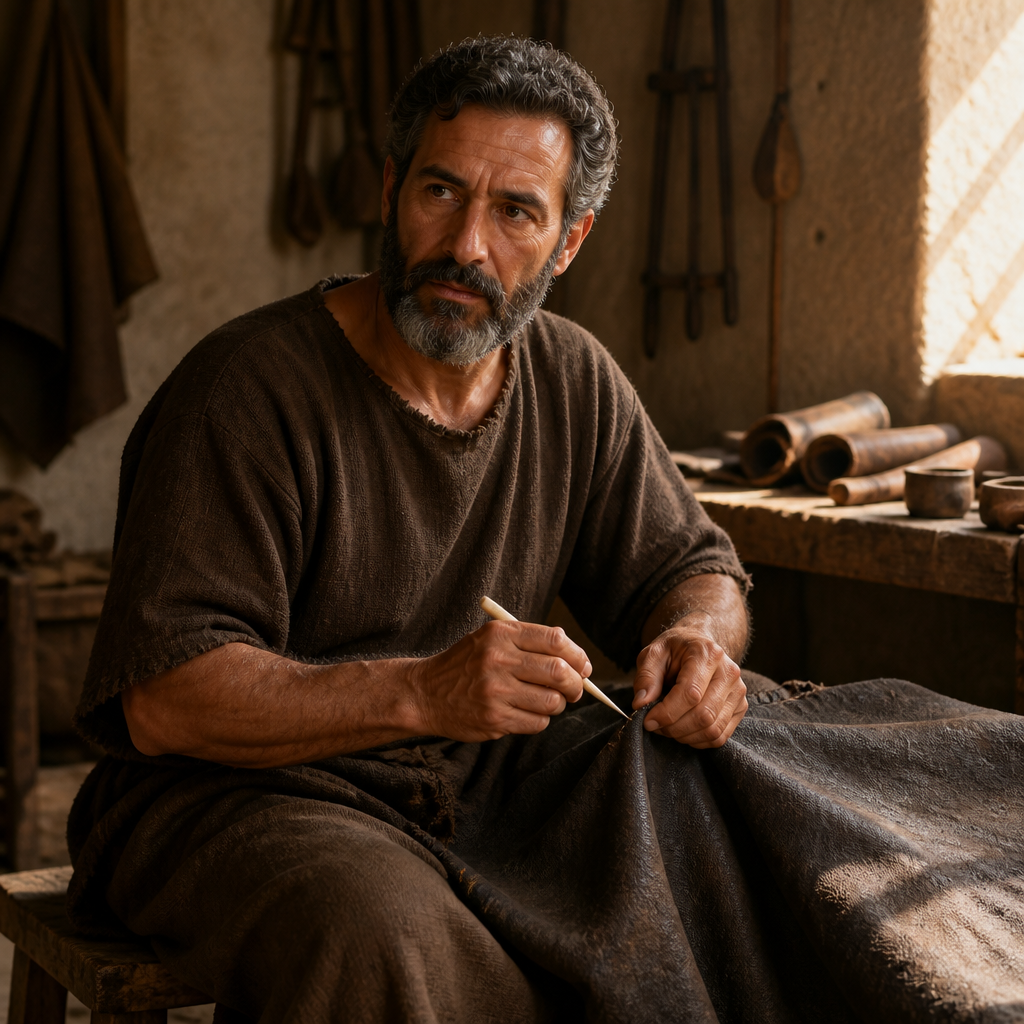
Aquila
Jewish Christian coworker of Paul who hosted house churches and instructed Apollos
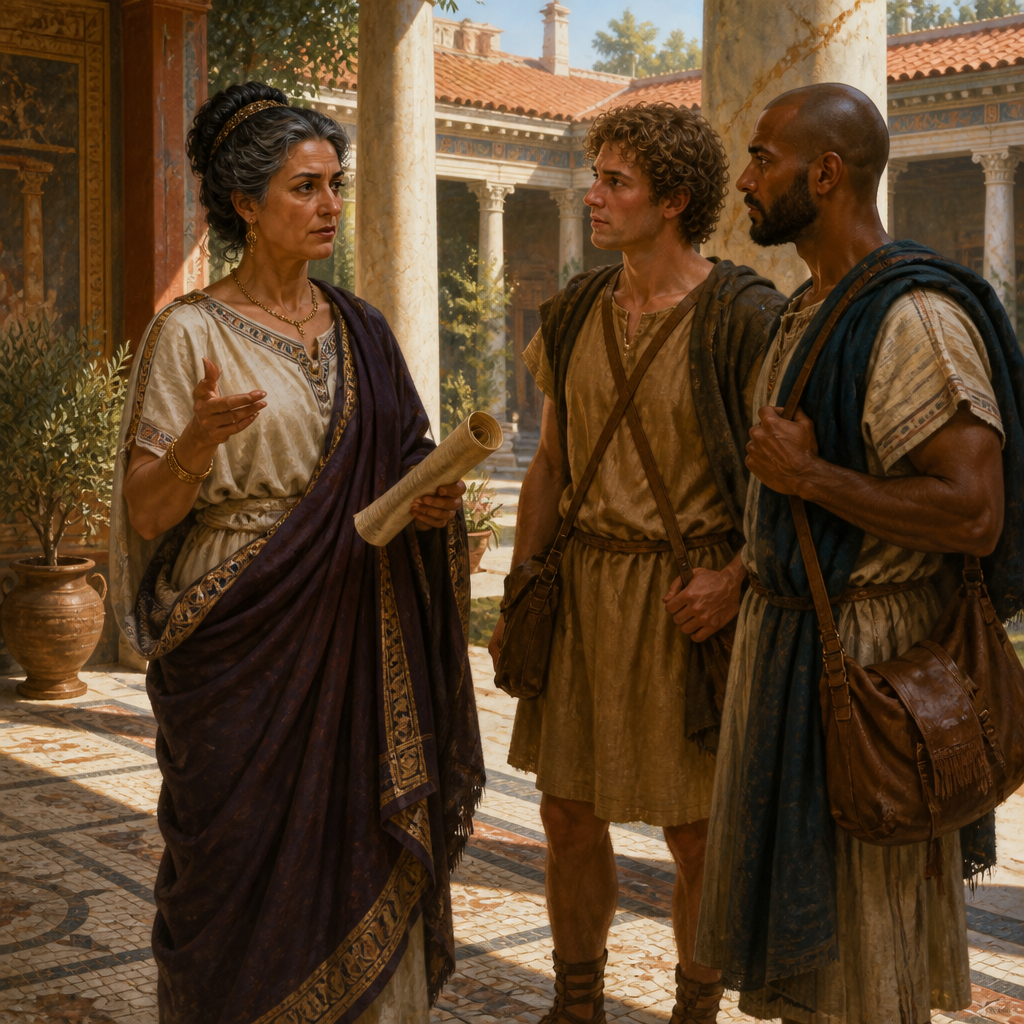
Chloe
Christian woman whose household reported the divisions in the Corinthian church to the Apostle Paul
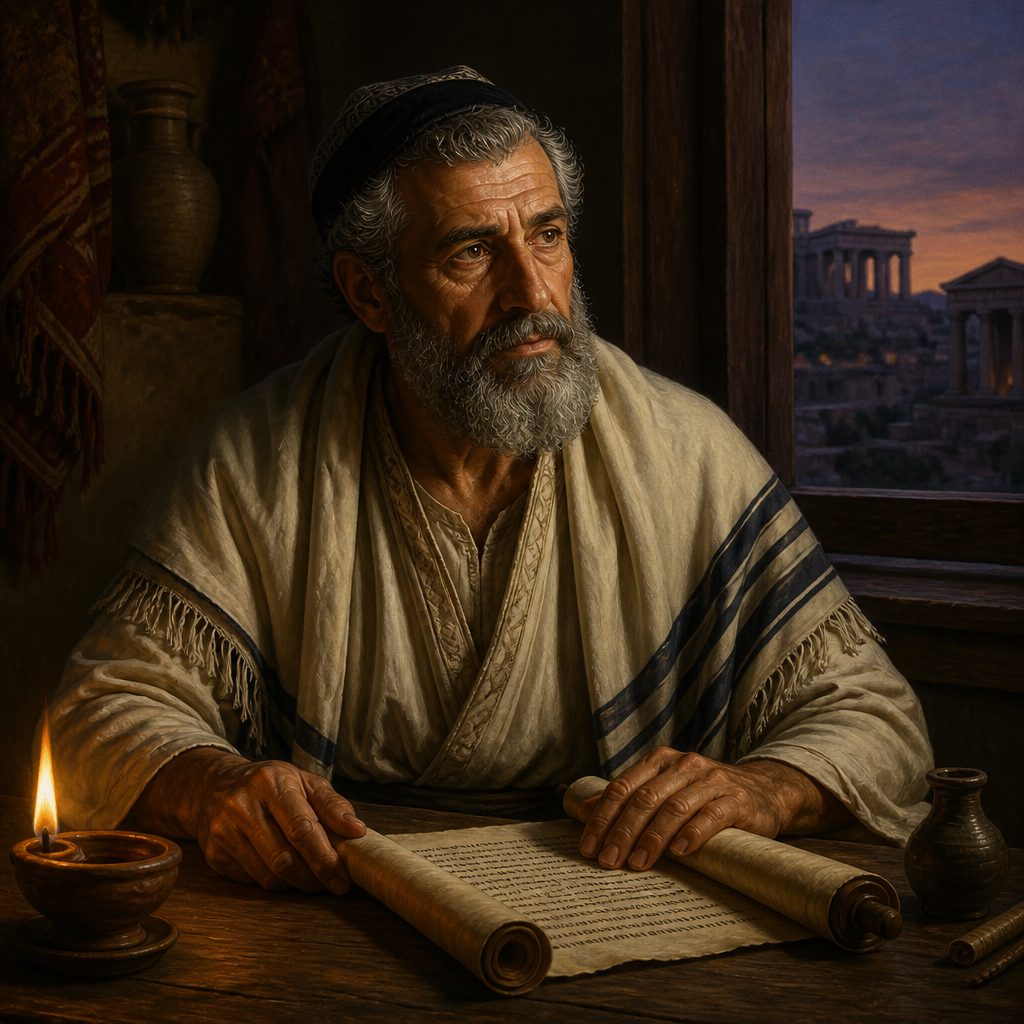

Erastus
City treasurer of Corinth and ministry companion of the Apostle Paul
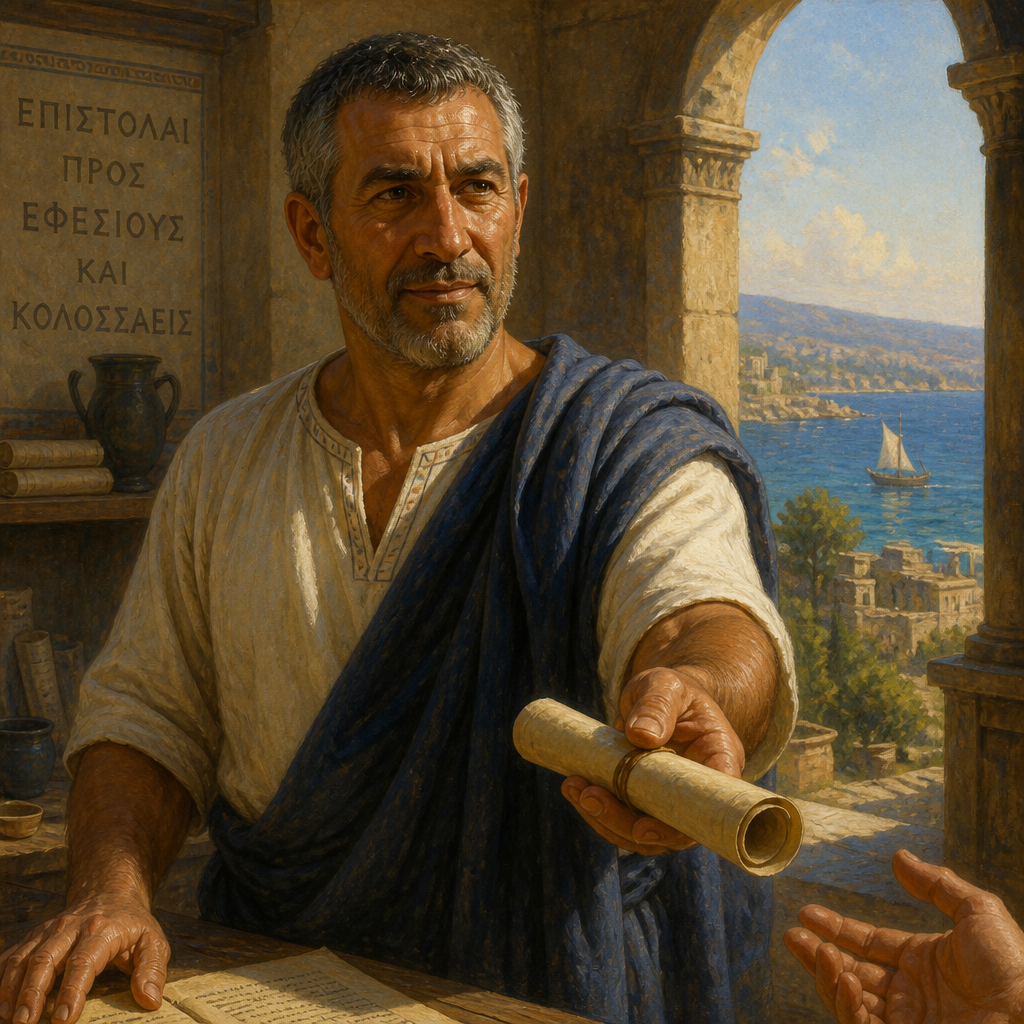
Fortunatus
Member of the Corinthian delegation who visited Paul at Ephesus
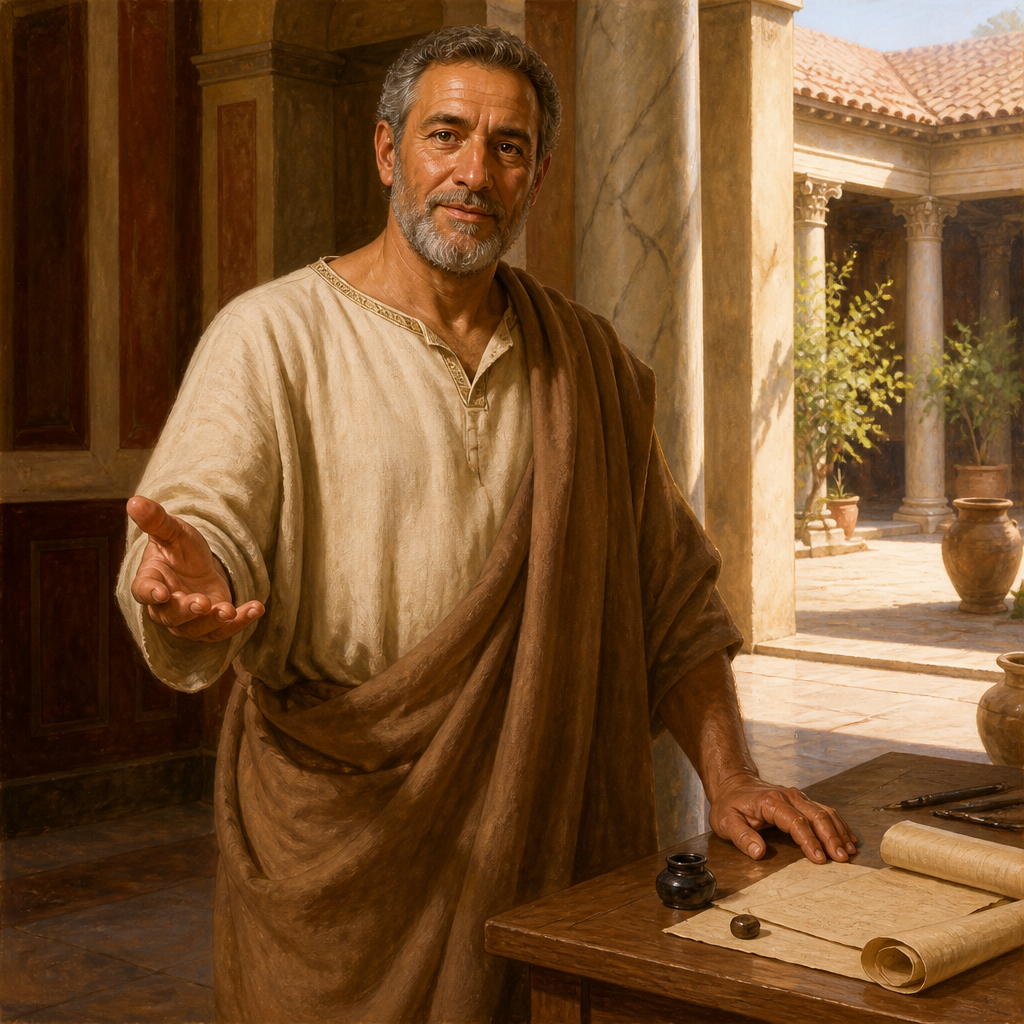
Gaius of Corinth
Host of the Apostle Paul and the entire Corinthian church
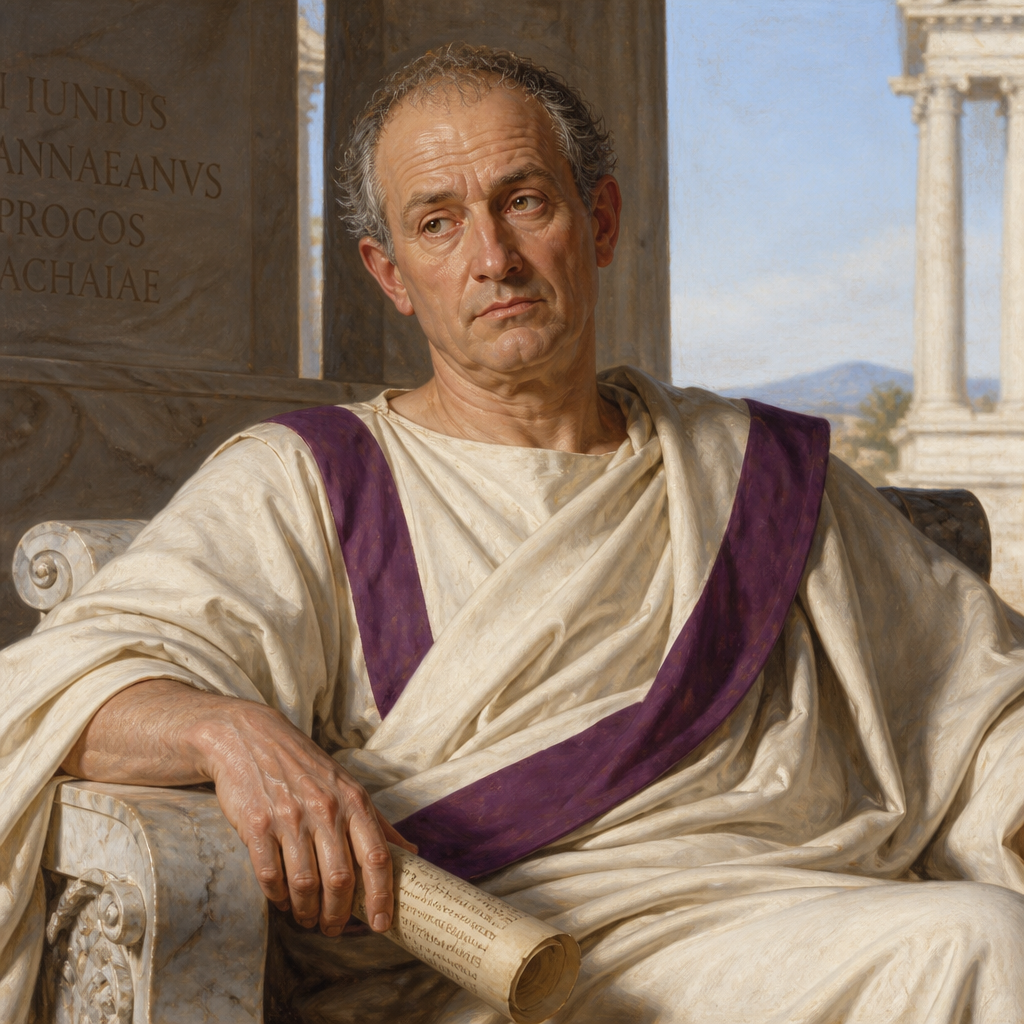
Gallio
Roman official who dismissed the legal charges against the Apostle Paul in Corinth
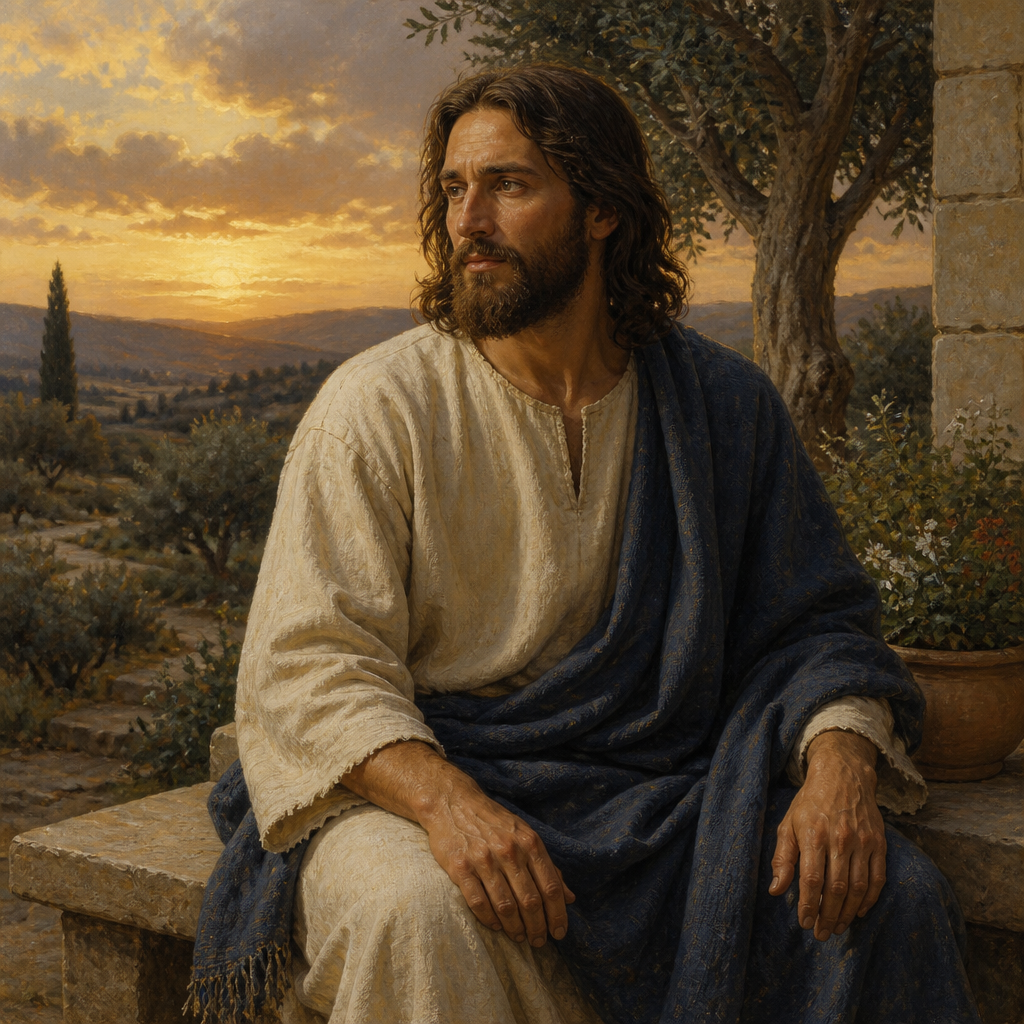
Jesus
Messiah and central figure of the New Testament whose life, death, and resurrection form the basis of the Christian faith

The Man Who Had His Father's Wife
Man mentioned by Paul for an incestuous relationship with his stepmother
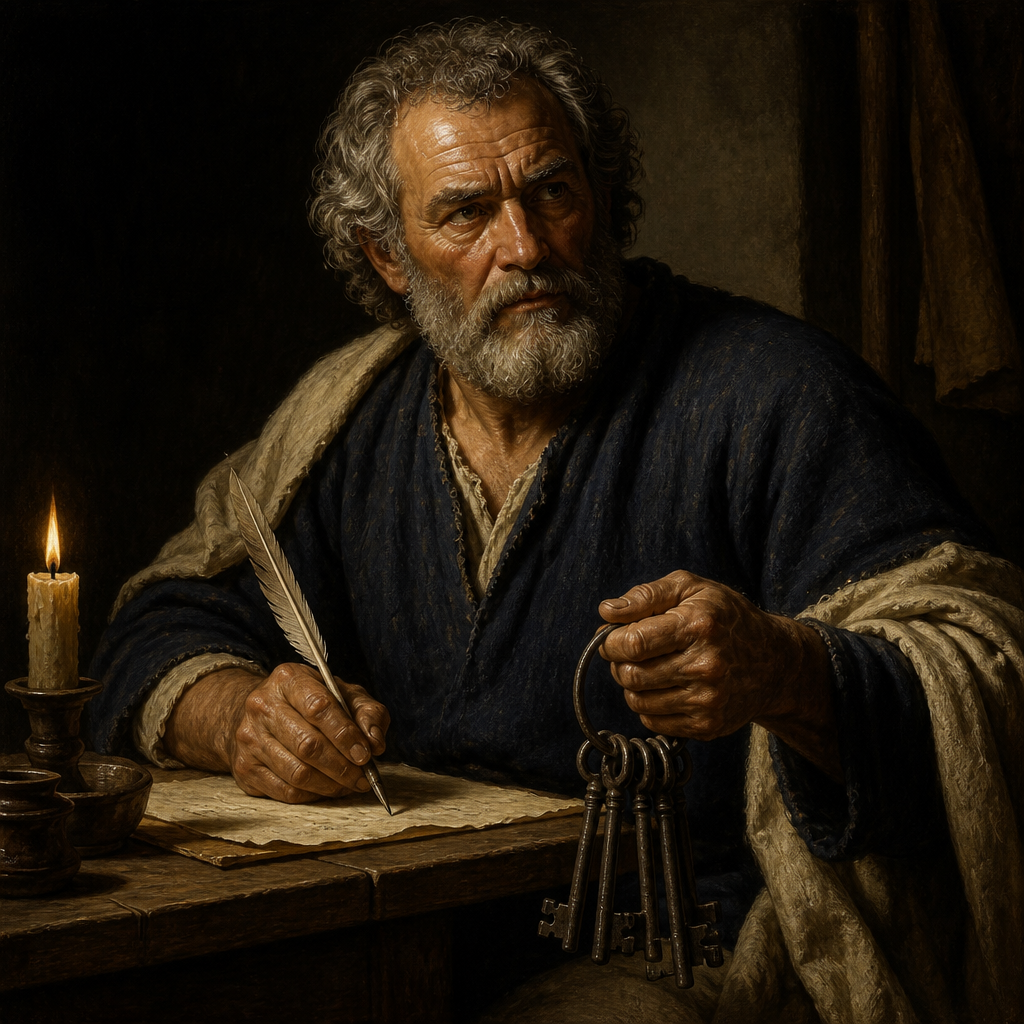
Peter
Apostle who served as the spokesman for the Twelve and the leader of the early Church in Jerusalem
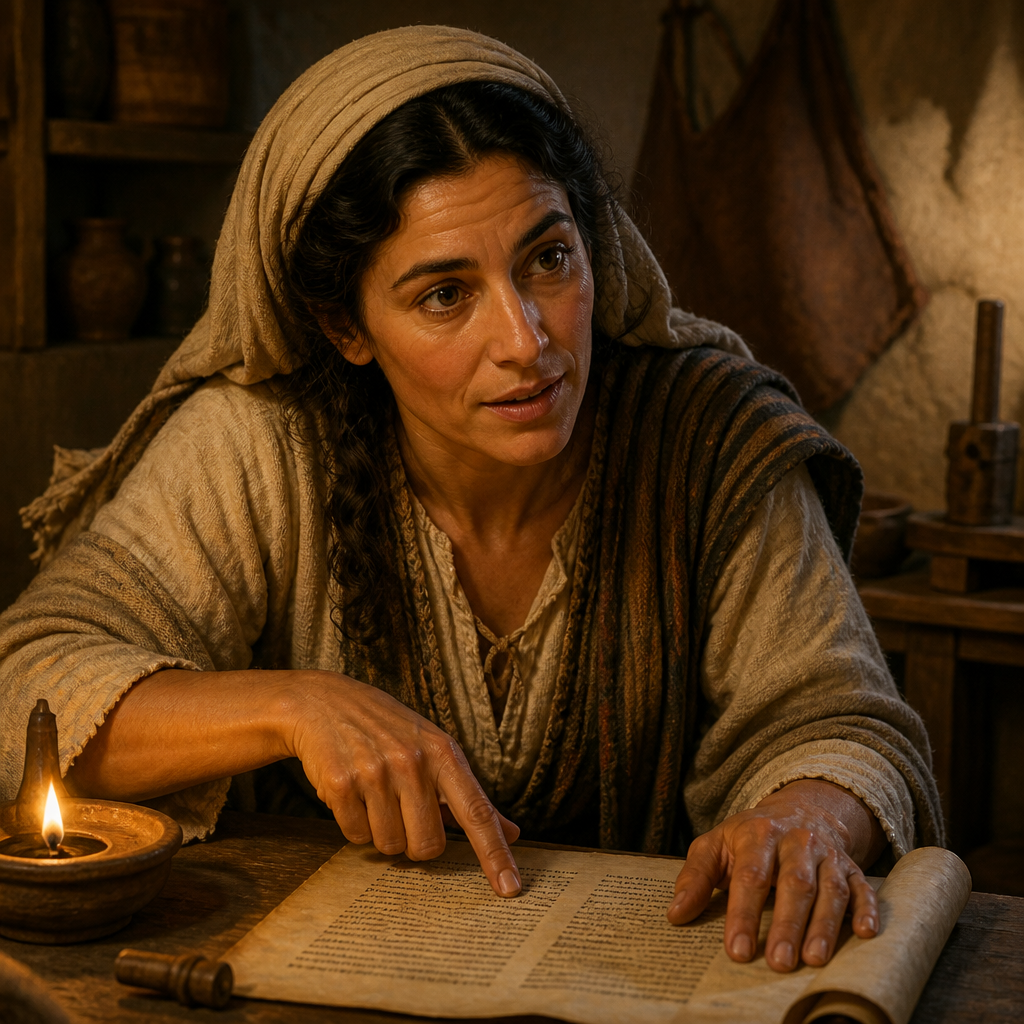
Priscilla
Early church leader and teacher who hosted a house church and mentored Apollos
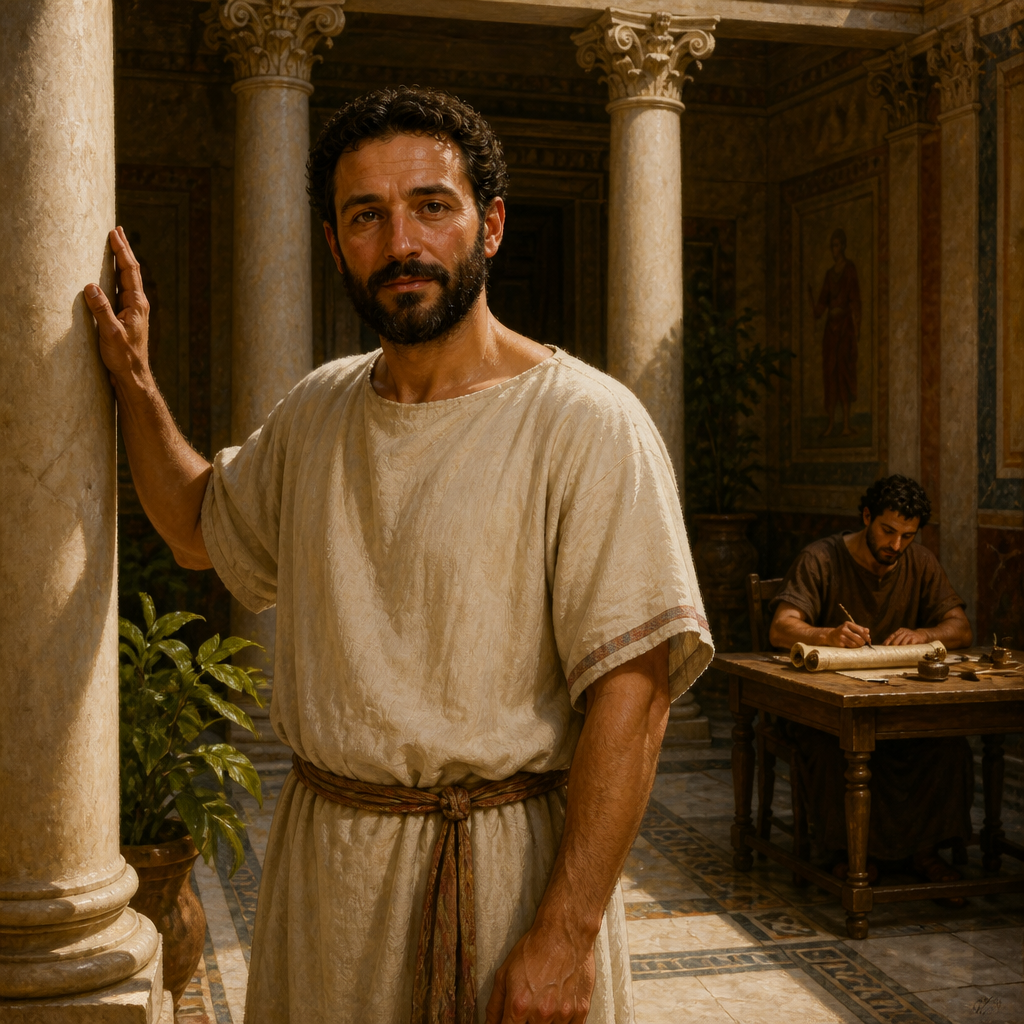
Quartus
Christian brother in Corinth who sent greetings to the Roman church in Paul's epistle
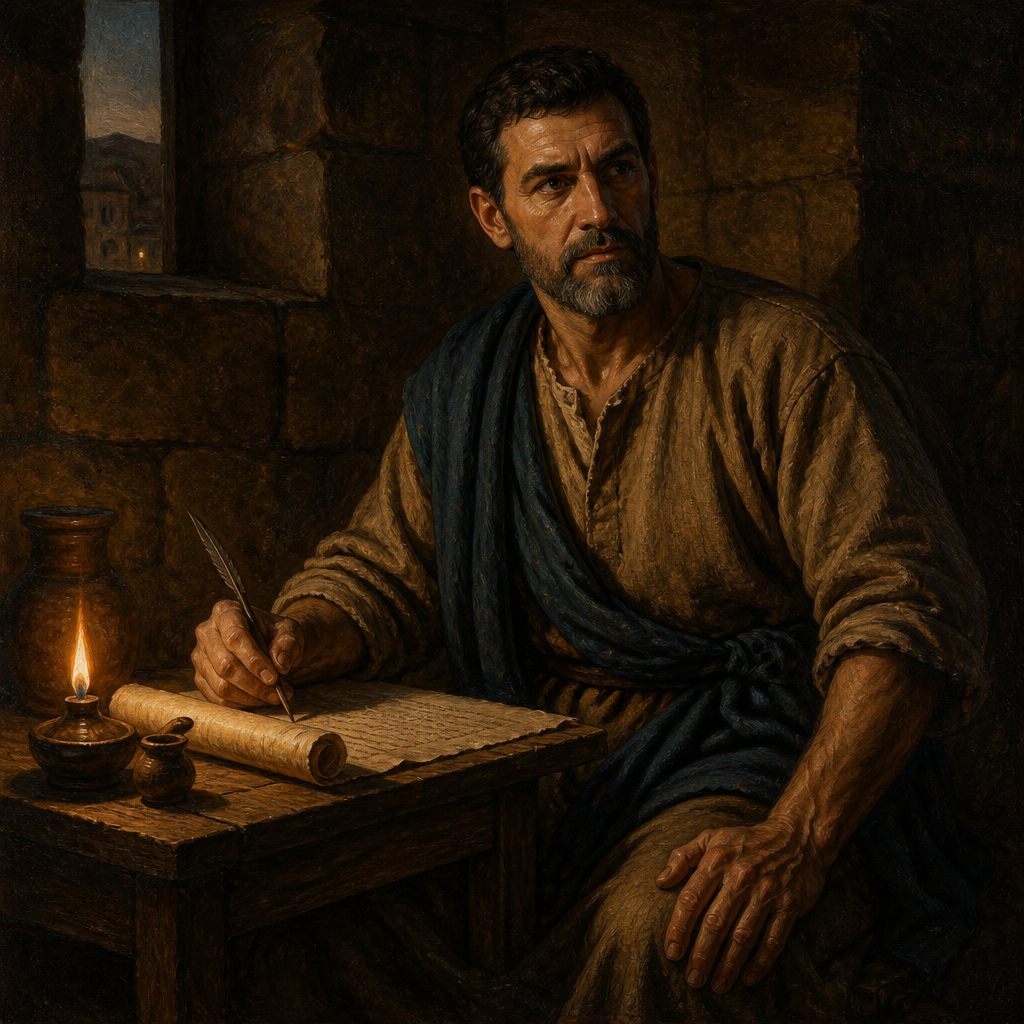
Silas
Prophet and companion of Paul who sang in the Philippian jail
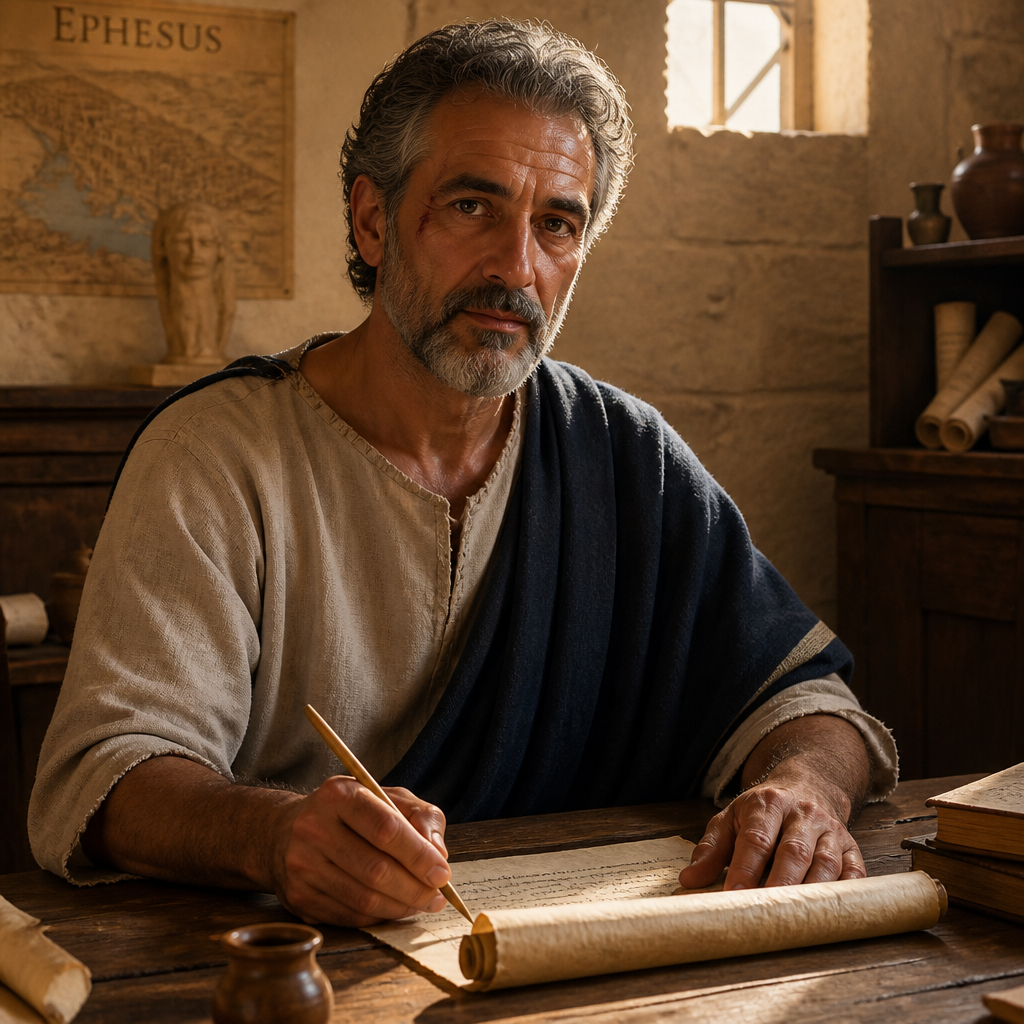
Sosthenes
Synagogue leader in Corinth who was beaten by a crowd and later became Paul's co-author
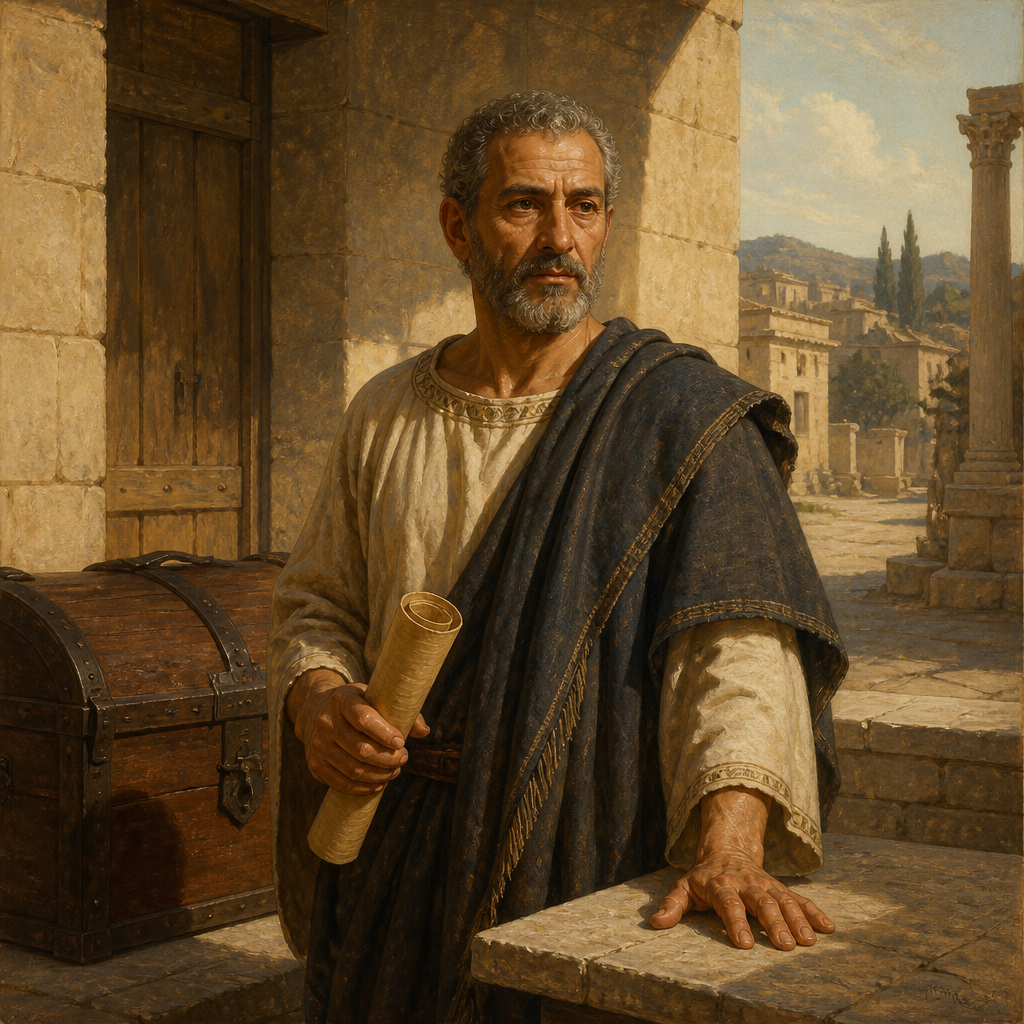
Stephanas
First convert in Achaia who ministered to the Apostle Paul and led the Corinthian church
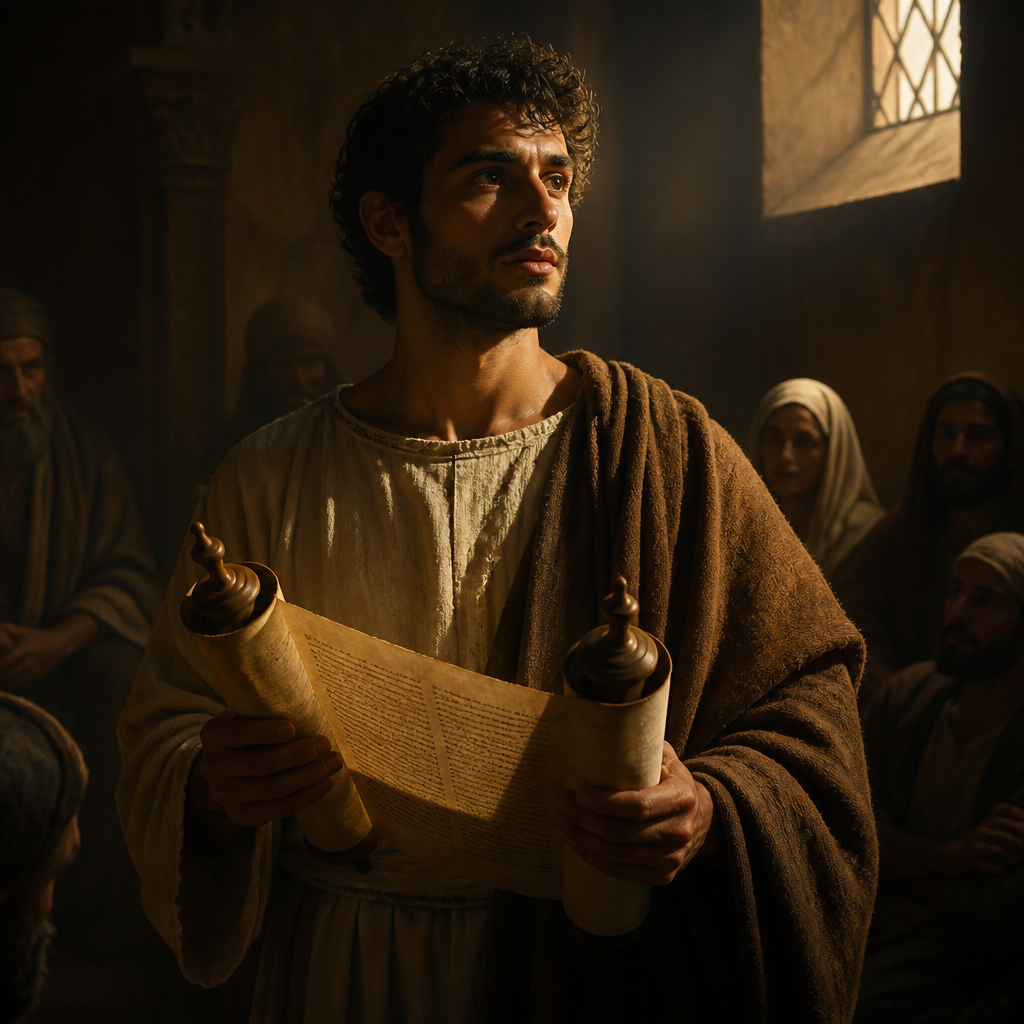
Timothy
Protégé of the Apostle Paul and recipient of the two Pastoral Epistles whom Paul stationed at Ephesus
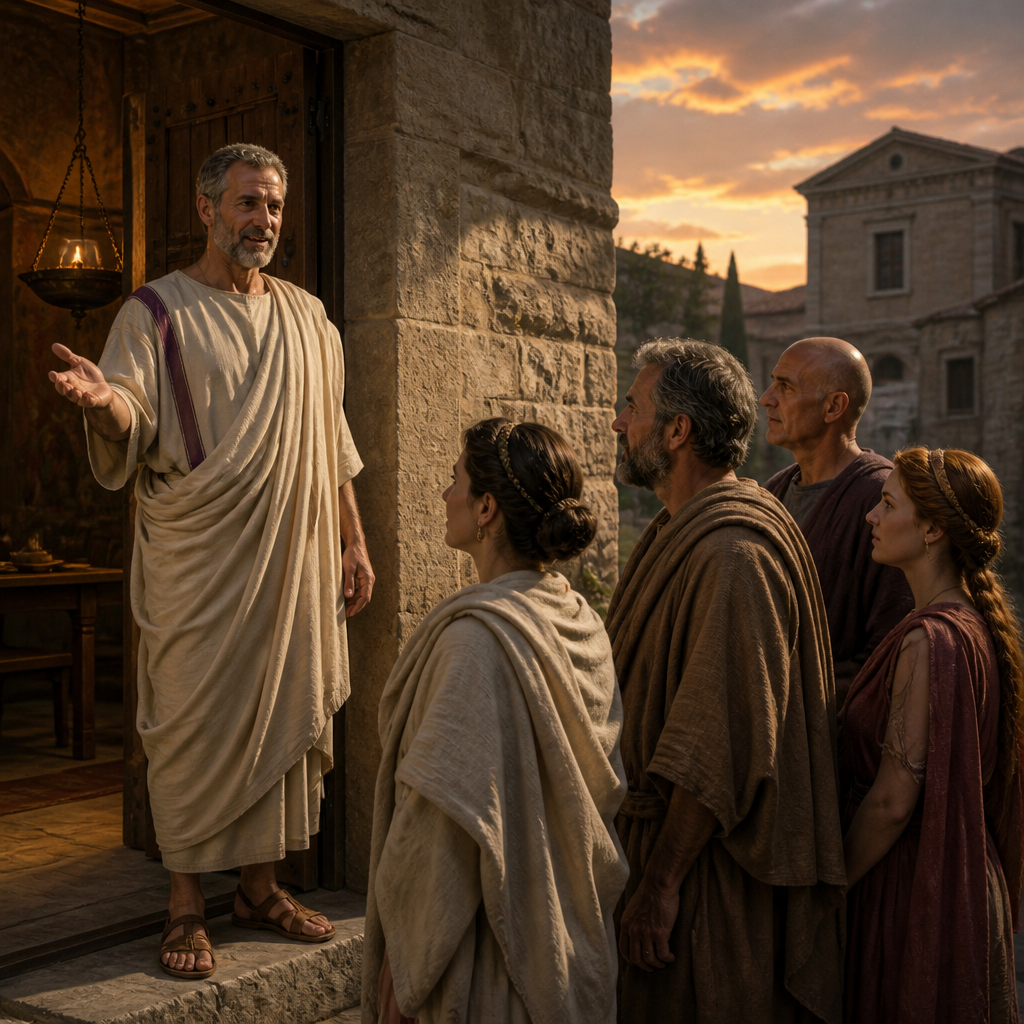
Titius Justus
Roman God-fearer who opened his home to the Apostle Paul in Corinth