People of Romans
Every person who appears in the book of Romans, ordered by how often they are mentioned there.
The People of Romans are identified through a theological argument that spans human history and a concluding list of specific individuals in the first-century church. Paul introduces himself as a servant of Jesus, whom he identifies as a descendant of David according to the flesh (Romans 1:1–3). To explain the nature of sin and grace, the text looks back to Adam through whom death entered the world, contrasting him with the gift of life found in the Messiah (Romans 5:12–17). The narrative then moves to Abraham, who is presented as the father of all who believe because his faith was credited as righteousness before he was circumcised (Romans 4:1–12).
The text uses several figures from the history of Israel to explain God’s sovereignty and the inclusion of the Gentiles. Sarah is mentioned as the one who received the promise of a son despite her old age (Romans 9:9). The text further describes how Rebekah was told that her elder son would serve the younger before they were even born (Romans 9:10–12). To demonstrate God's power, the author cites Pharaoh, as someone raised up specifically so that God’s name might be proclaimed (Romans 9:17). The text also quotes the prophets Hosea and Isaiah to show that God intended to call a people who were not originally his own (Romans 9:25–27).
In the final section of the letter, the focus shifts to a diverse group of contemporary believers. Phoebe is introduced as a deacon of the church in Cenchreae who has been a benefactor to many (Romans 16:1–2). Paul greets Priscilla and Aquila calling them fellow workers who risked their lives for him (Romans 16:3–4). He also identifies Andronicus and Junia as his kinsmen and fellow prisoners who are well known among the apostles (Romans 16:7). The letter concludes with greetings from those present with the author, including Tertius, who notes that he is the one physically writing the letter (Romans 16:22), and Erastus, the city treasurer (Romans 16:23).
These individuals represent the practical application of the letter’s core message regarding the unity of Jews and Greeks. By naming figures like Javan to represent the nations (Romans 11:25) alongside the root of Jesse (Romans 15:12), the text argues that the promise made to the patriarchs has been extended to all people. The inclusion of specific names such as Epaenetus, the first convert in Asia (Romans 16:5), and Urbanus, a fellow worker (Romans 16:9), serves to document the actual growth of the early Christian movement across the Roman Empire.
Everyone in this list
Jesus
Messiah and central figure of the New Testament whose life, death, and resurrection form the basis of the Christian faith
Abraham
Patriarch who is the father of the nation of Israel and an exemplar of faith

The Holy Spirit
The third person of the Trinity — hovering over the waters at creation, empowering judges, prophets and kings, poured out at Pentecost, indwelling believers
Isaiah
Prophet who advised King Hezekiah and foretold the coming of the Messiah
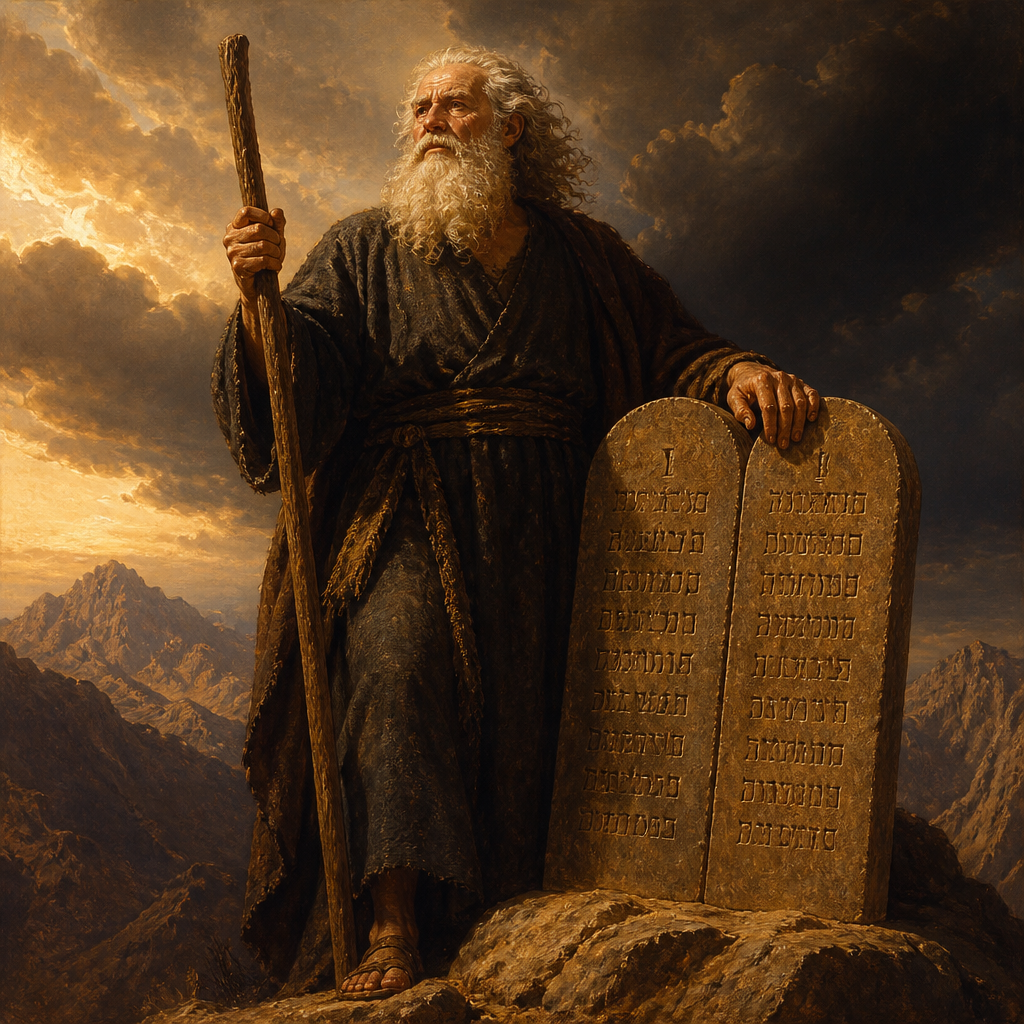
Moses
Prophet who led the Israelites out of Egypt and received the Ten Commandments
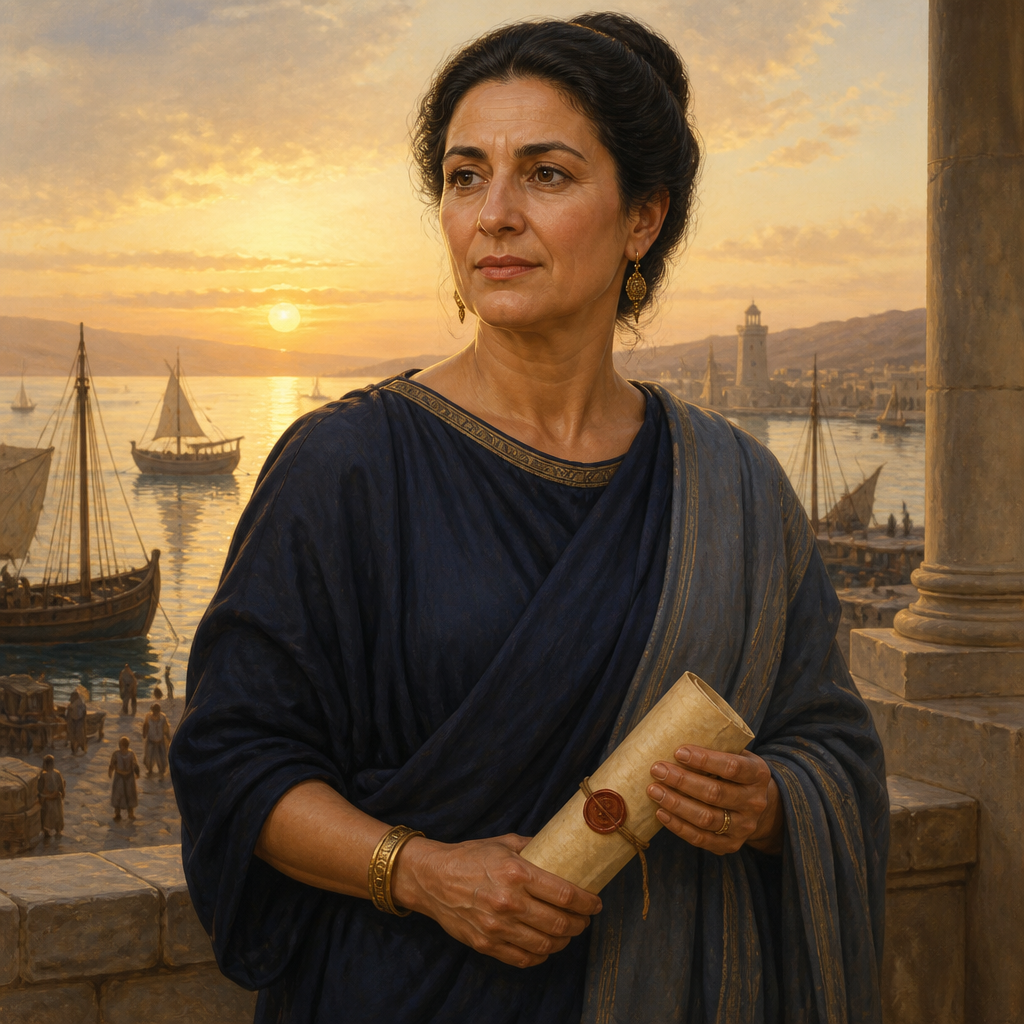
Phoebe
Servant of the church in Cenchrea and patron of the apostle Paul who delivered the Epistle to the Romans
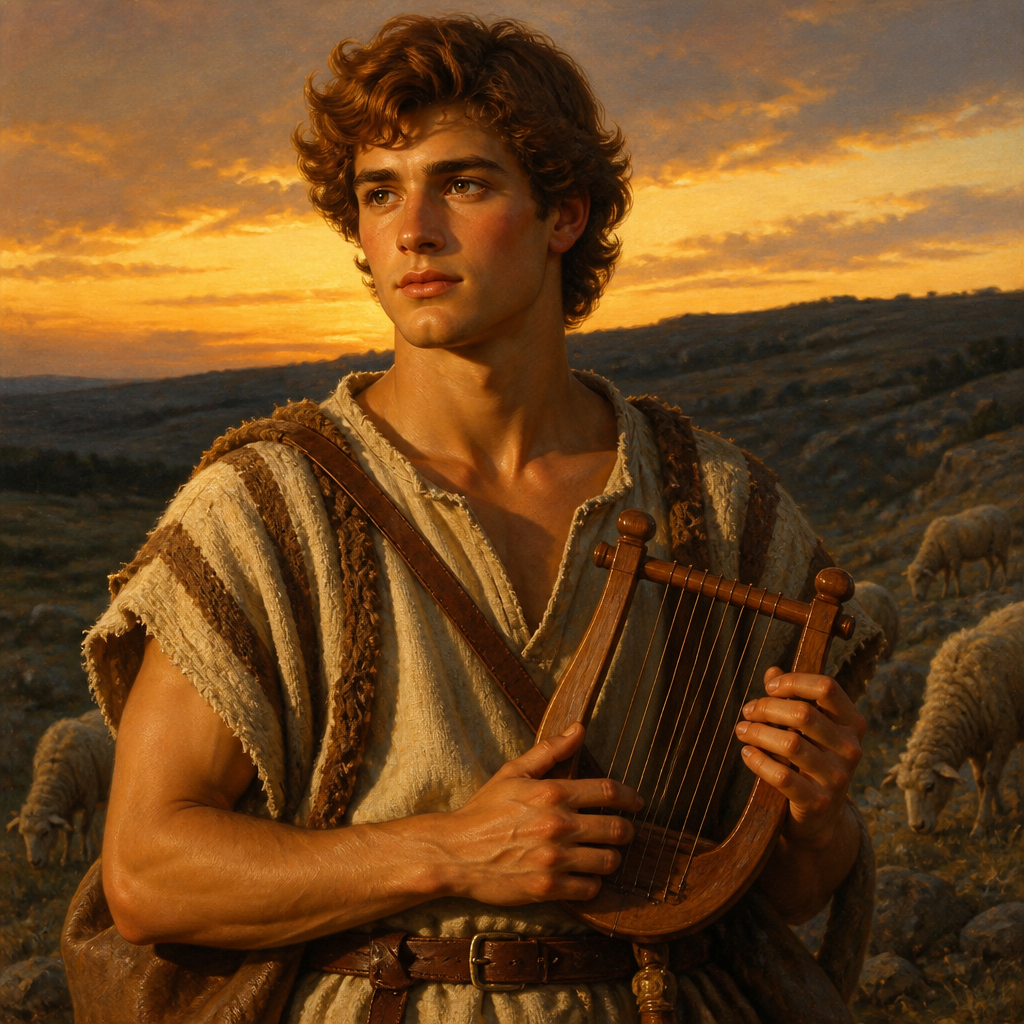
David
King of Israel who defeated Goliath and established the Davidic dynasty
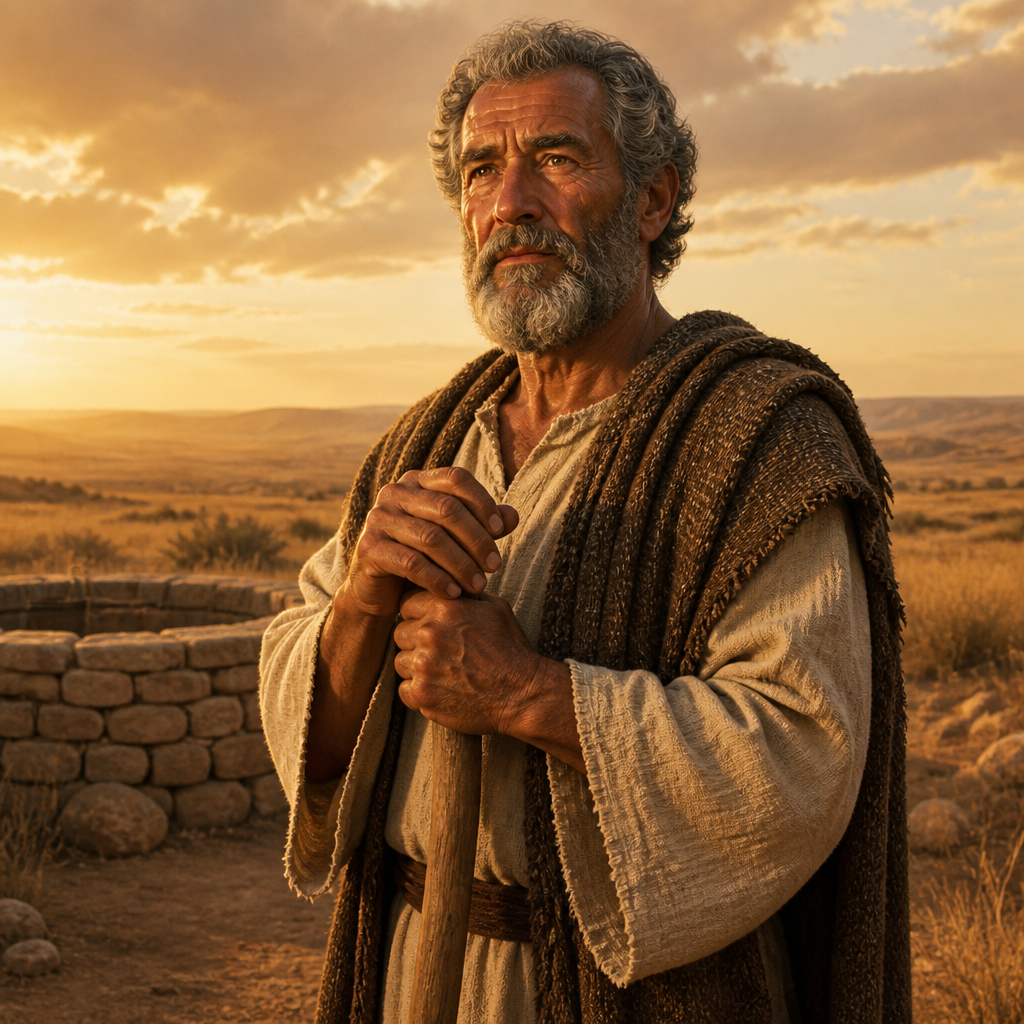
Isaac
Patriarch who was the son of Abraham and the father of Jacob and Esau
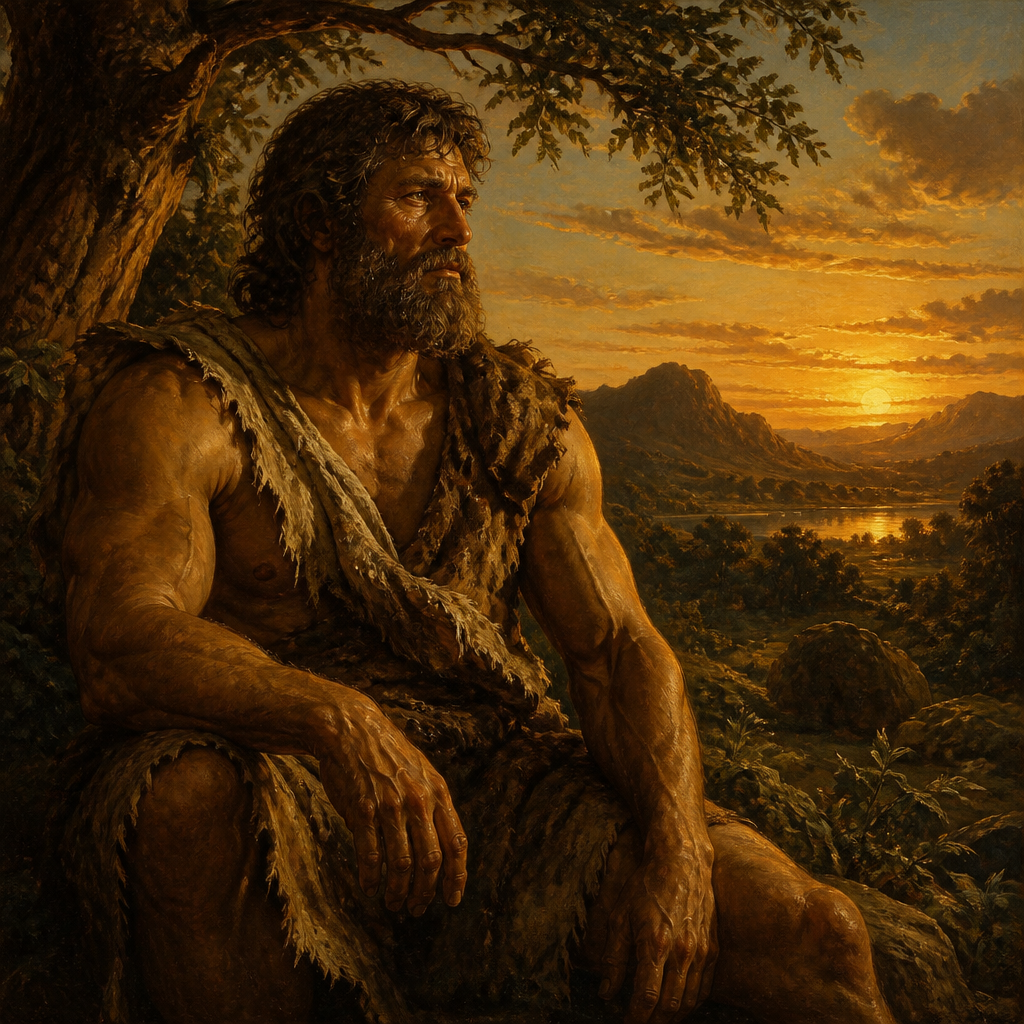
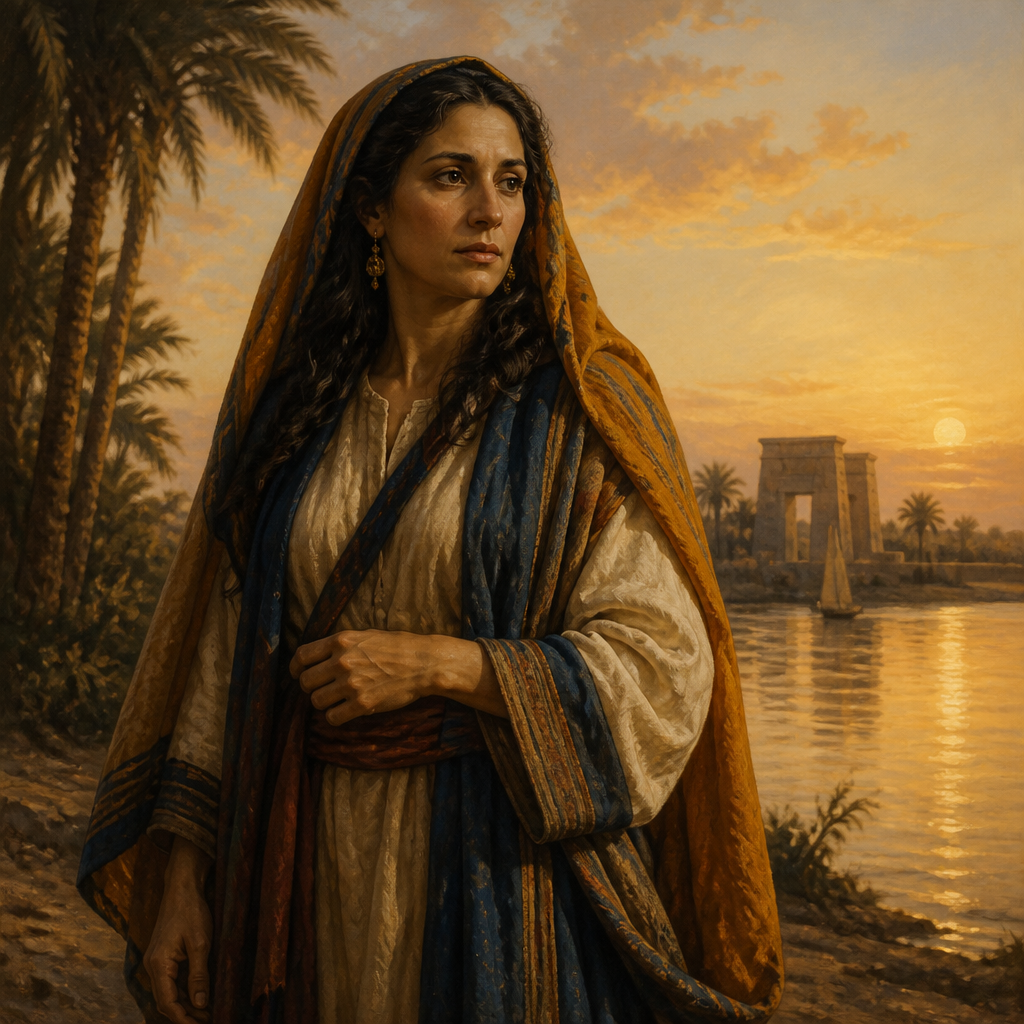
Sarah
Matriarch of Israel and mother of Isaac who conceived in her old age
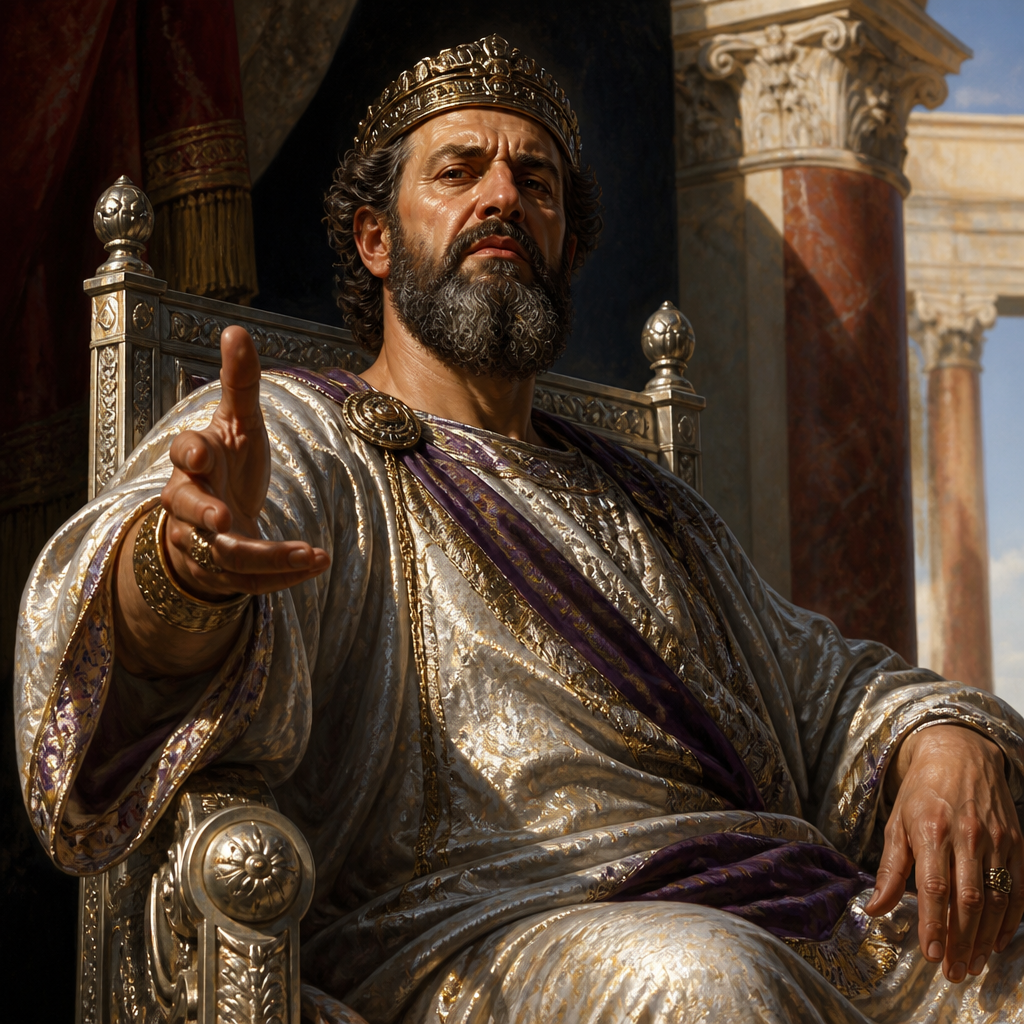
Herod Agrippa I
King who executed the apostle James and was later struck down by an angel for his pride
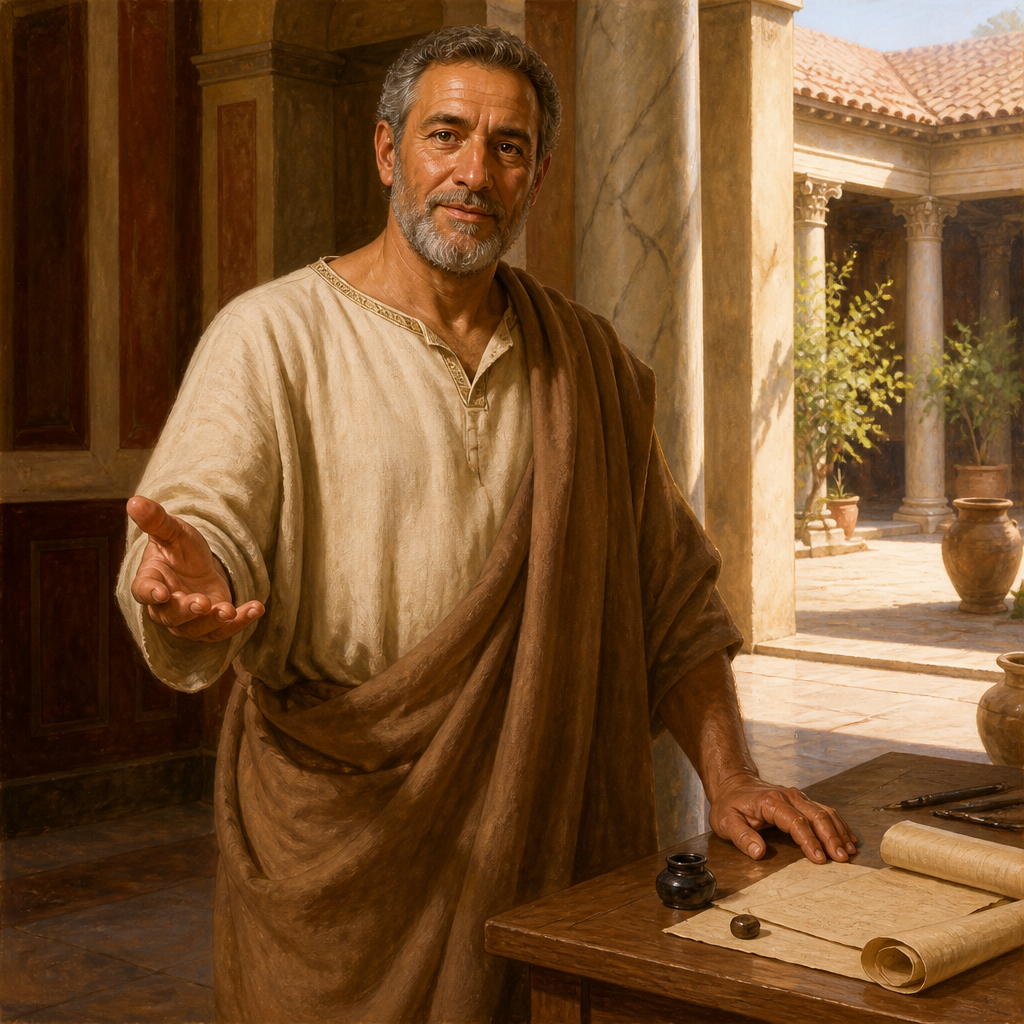
Gaius of Corinth
Host of the Apostle Paul and the entire Corinthian church
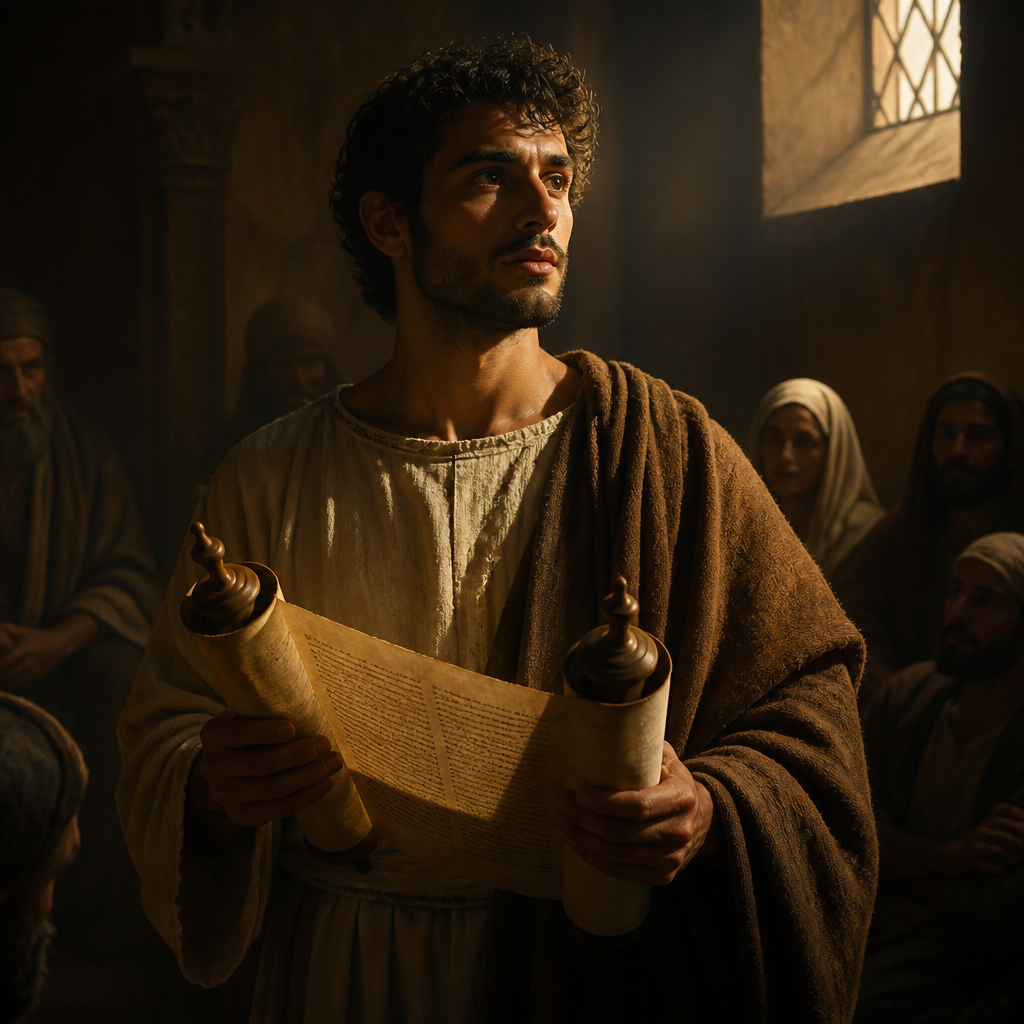
Timothy
Protégé of the Apostle Paul and recipient of the two Pastoral Epistles whom Paul stationed at Ephesus
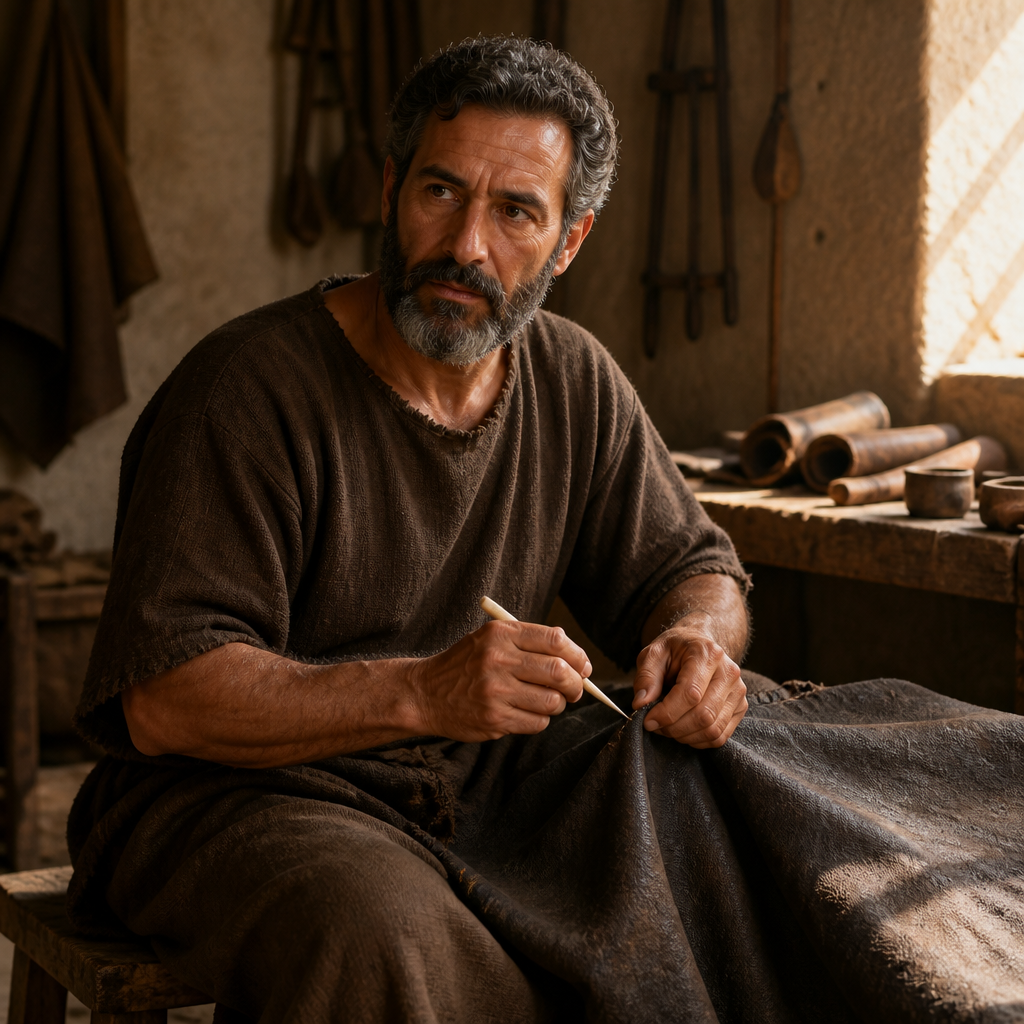
Aquila
Jewish Christian coworker of Paul who hosted house churches and instructed Apollos
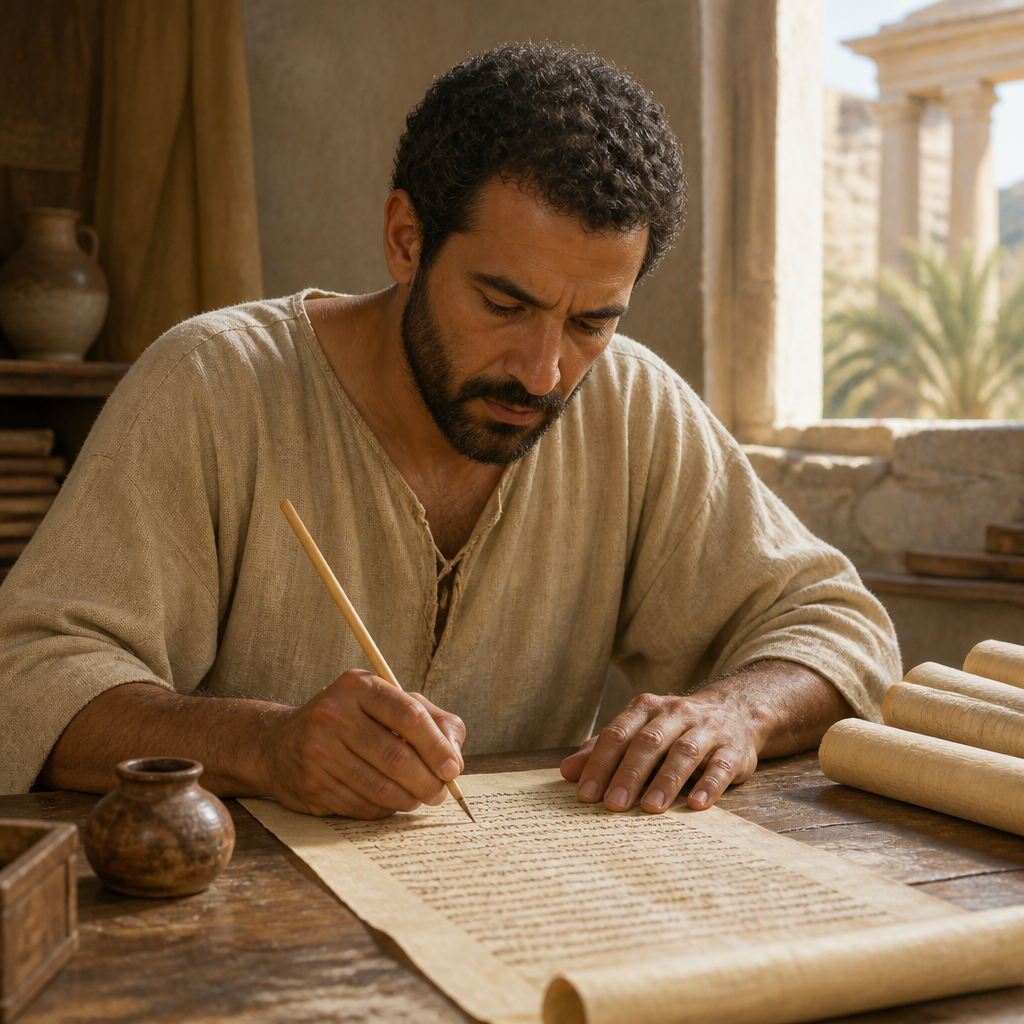
Tertius
Scribe who physically wrote the Epistle to the Romans for Paul
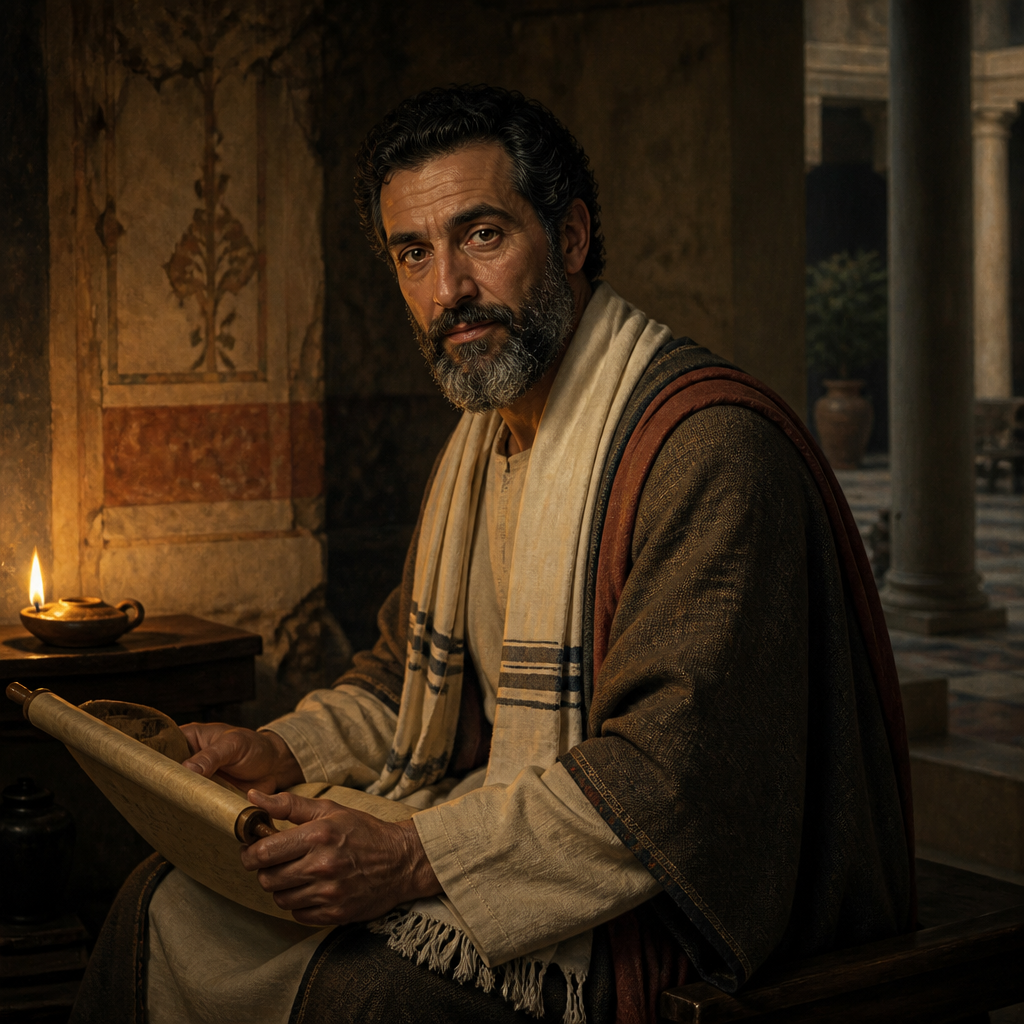
Herodion
Jewish Christian in Rome greeted by the Apostle Paul in his letter to the Romans
Stachys
Christian in Rome addressed as 'beloved' by the Apostle Paul

Erastus
City treasurer of Corinth and ministry companion of the Apostle Paul
Hermes
Christian believer in Rome greeted by Paul in his letter to the Romans
Aristobulus
Roman head of a household containing early Christian believers
Quartus
Christian brother in Corinth who sent greetings to the Roman church in Paul's epistle
Tryphosa
Christian woman in Rome commended by Paul for her hard work
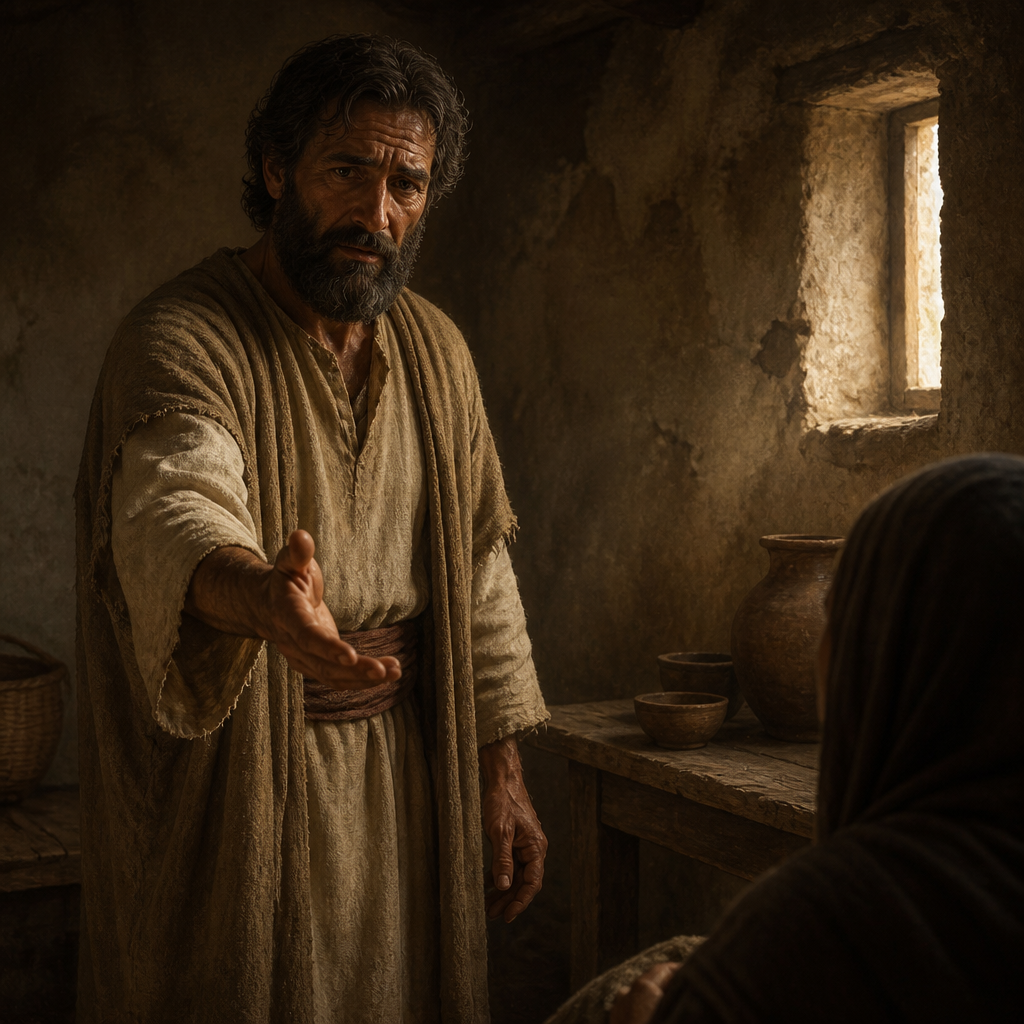
Hosea
Prophet who married an unfaithful woman to symbolize Israel's relationship with God
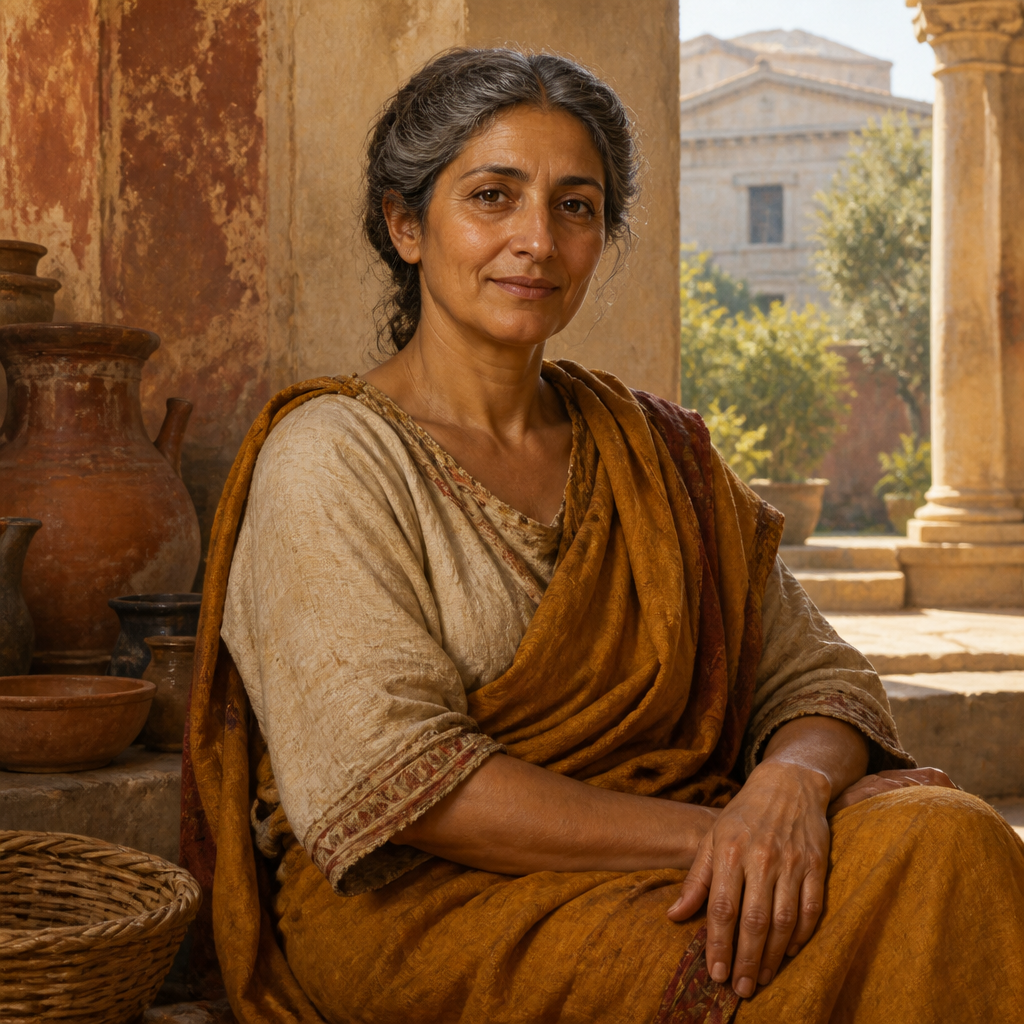
Persis
Christian woman in Rome commended by Paul for her intense labor for the Gospel
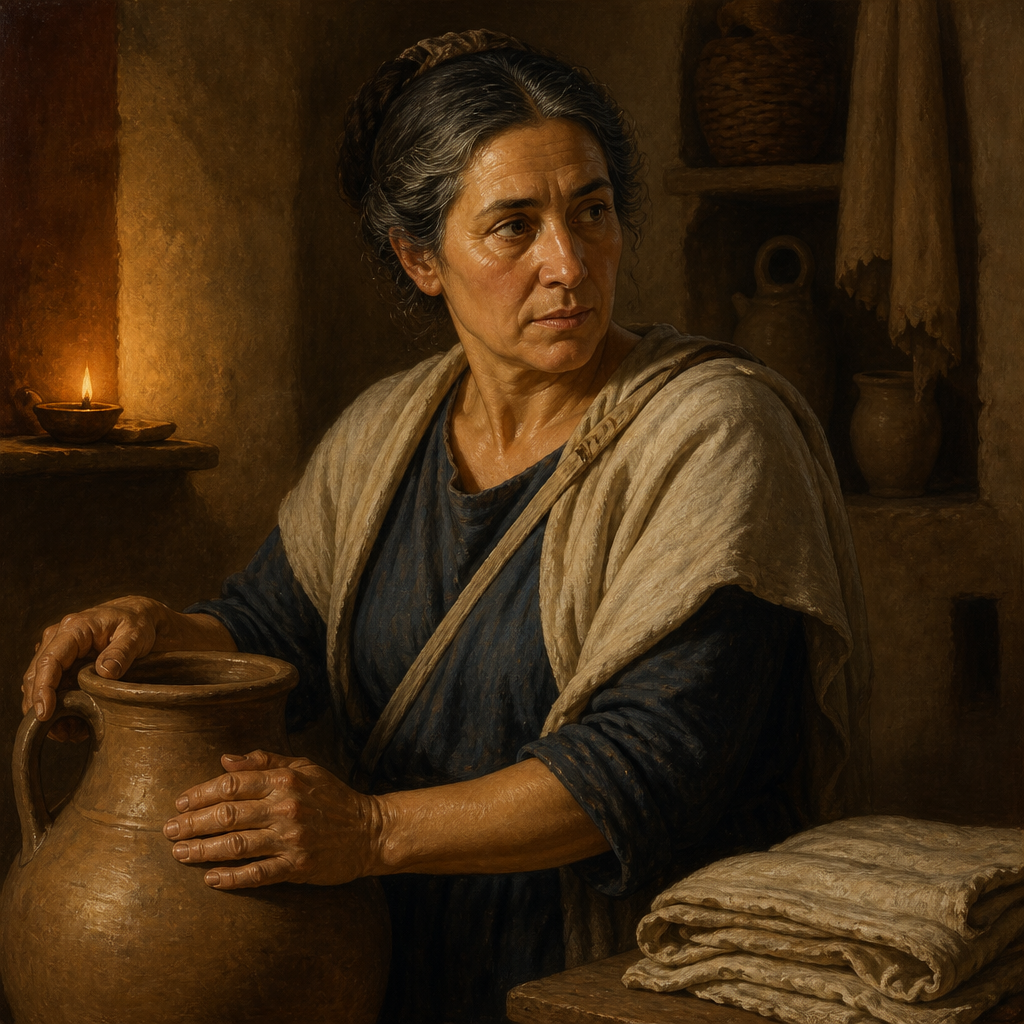
Mary, Hard Worker of Rome
Hard worker in the Roman church who earned a specific commendation from the Apostle Paul
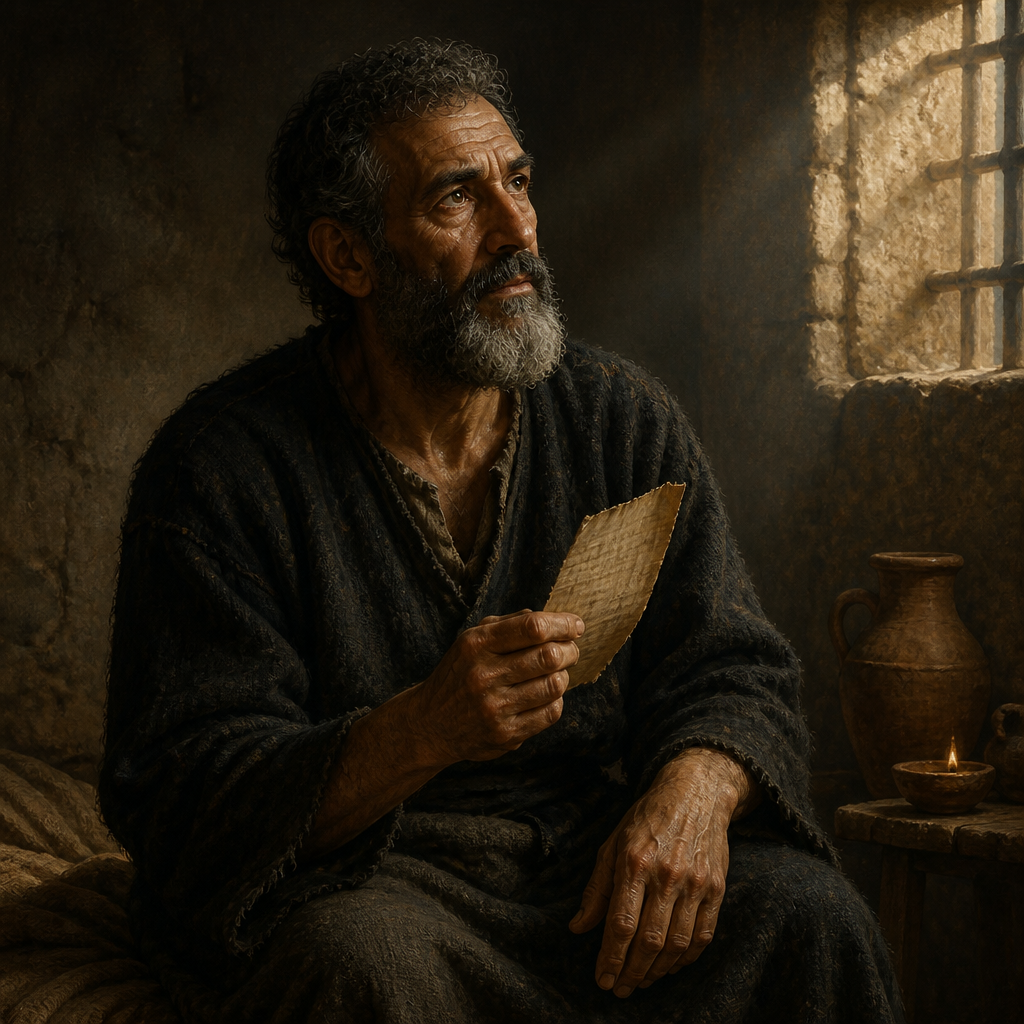
Andronicus
Jewish Christian in Rome whom Paul calls a fellow prisoner and outstanding among the apostles
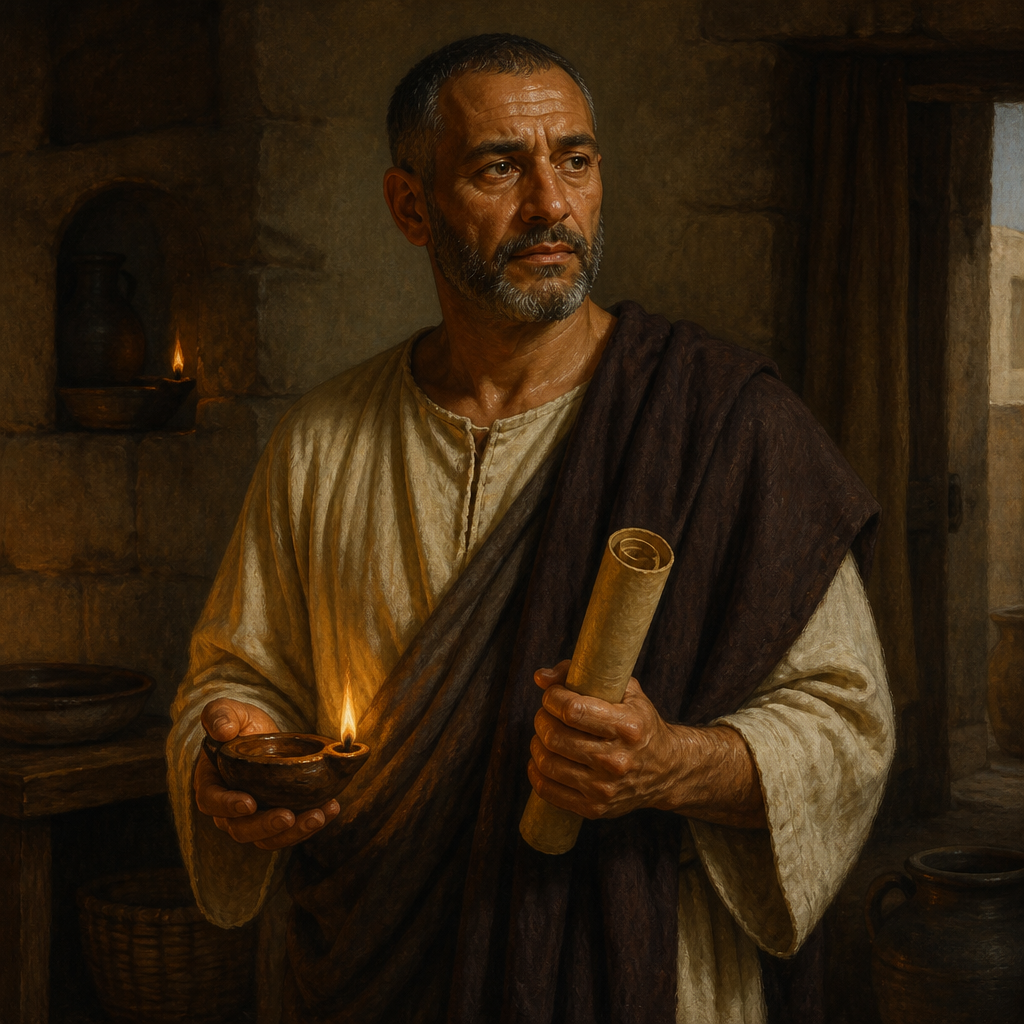
Patrobas
Christian in Rome greeted by Paul in the Epistle to the Romans
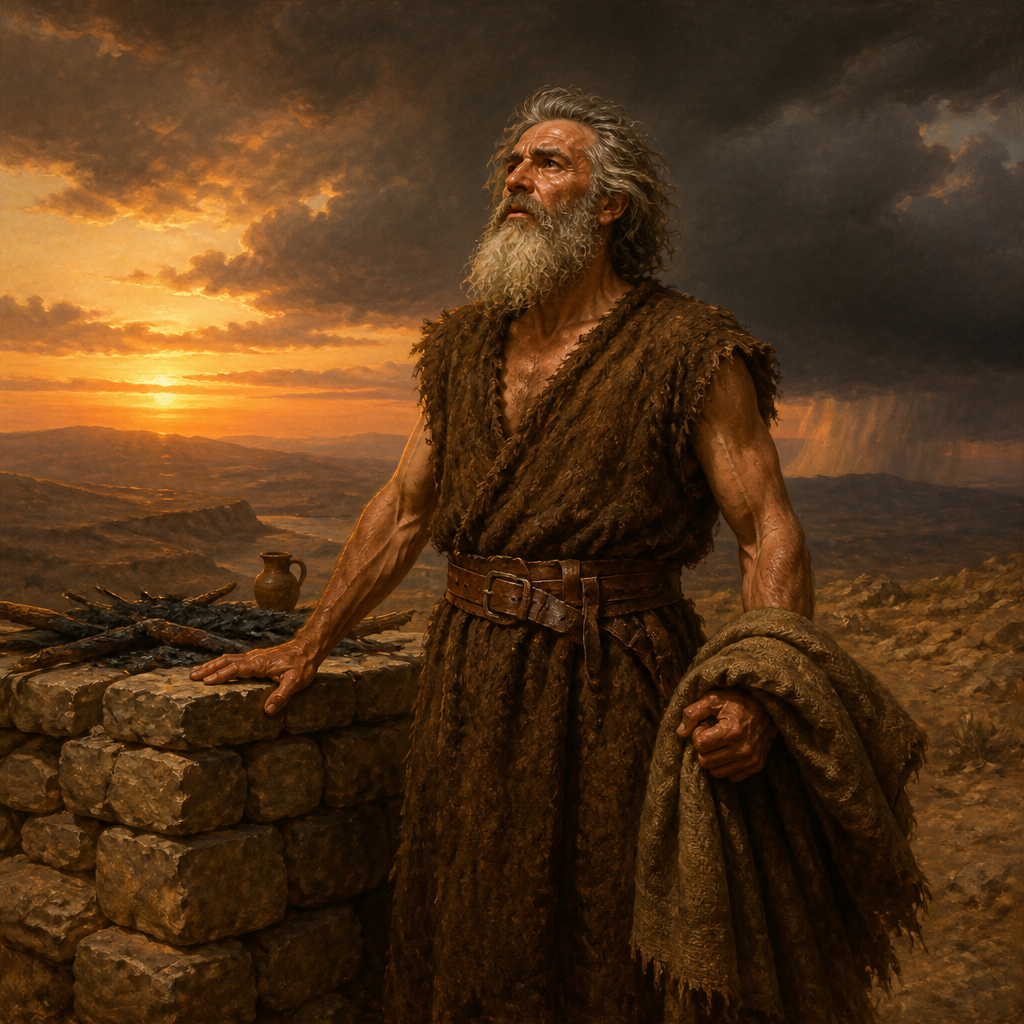
Elijah the Tishbite
Prophet who called down fire from heaven and was taken to heaven in a whirlwind
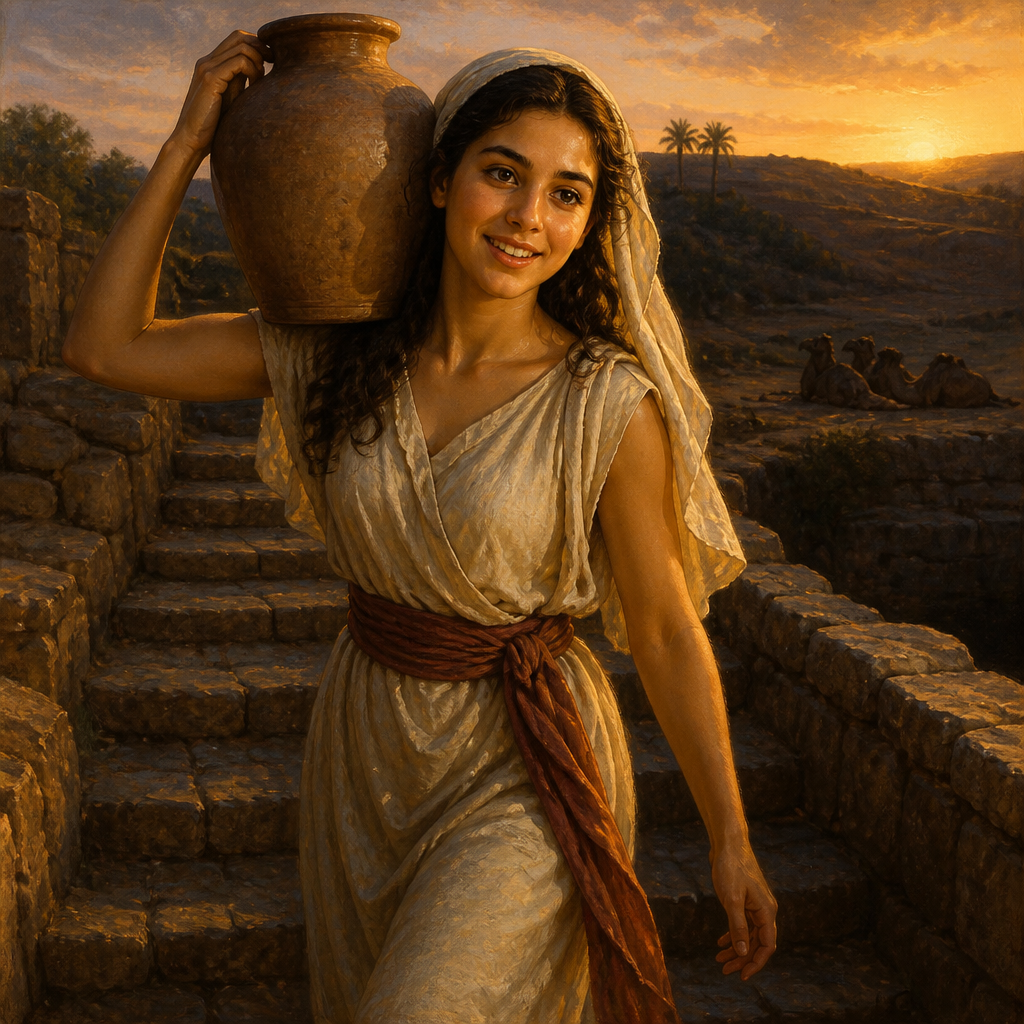
Rebekah
Matriarch of Israel and wife of Isaac who secured the patriarchal blessing for her son Jacob
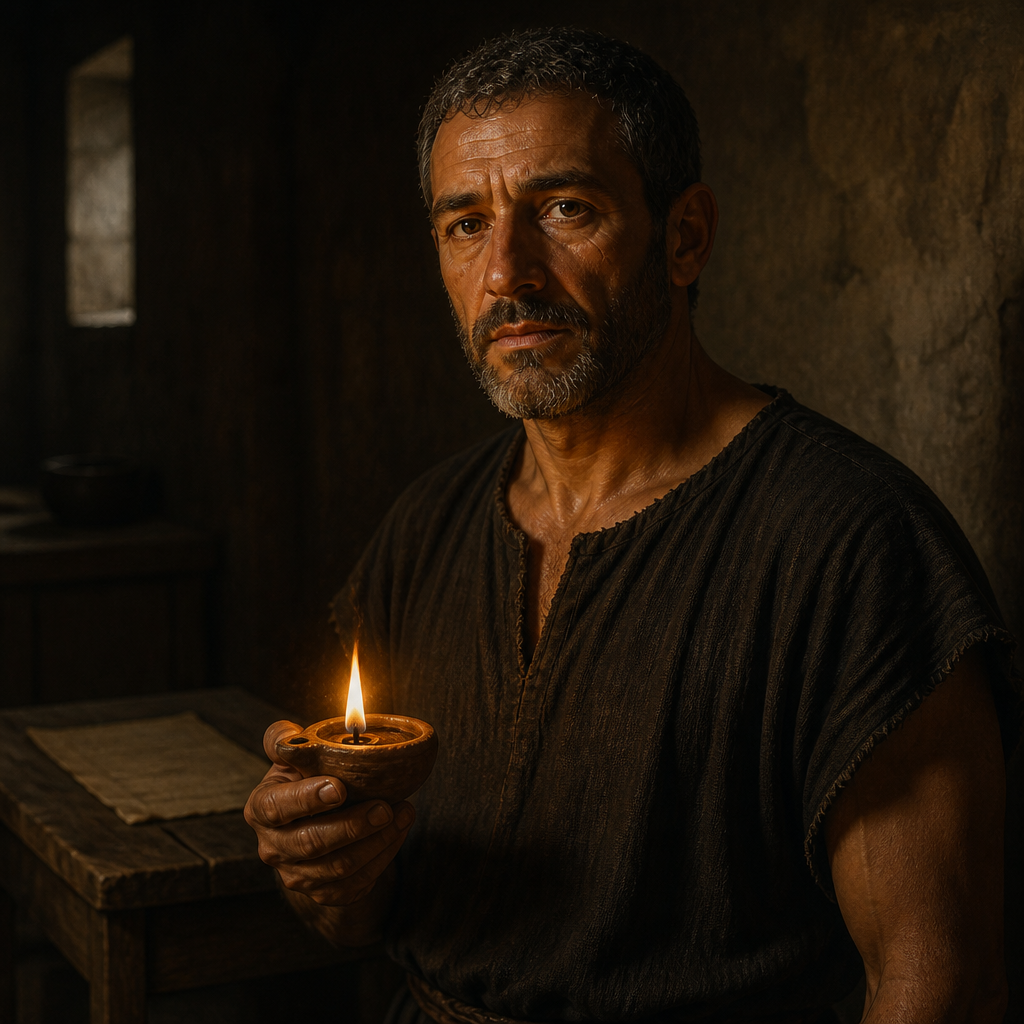
Asyncritus
Christian in Rome greeted by the Apostle Paul in his letter to the Romans
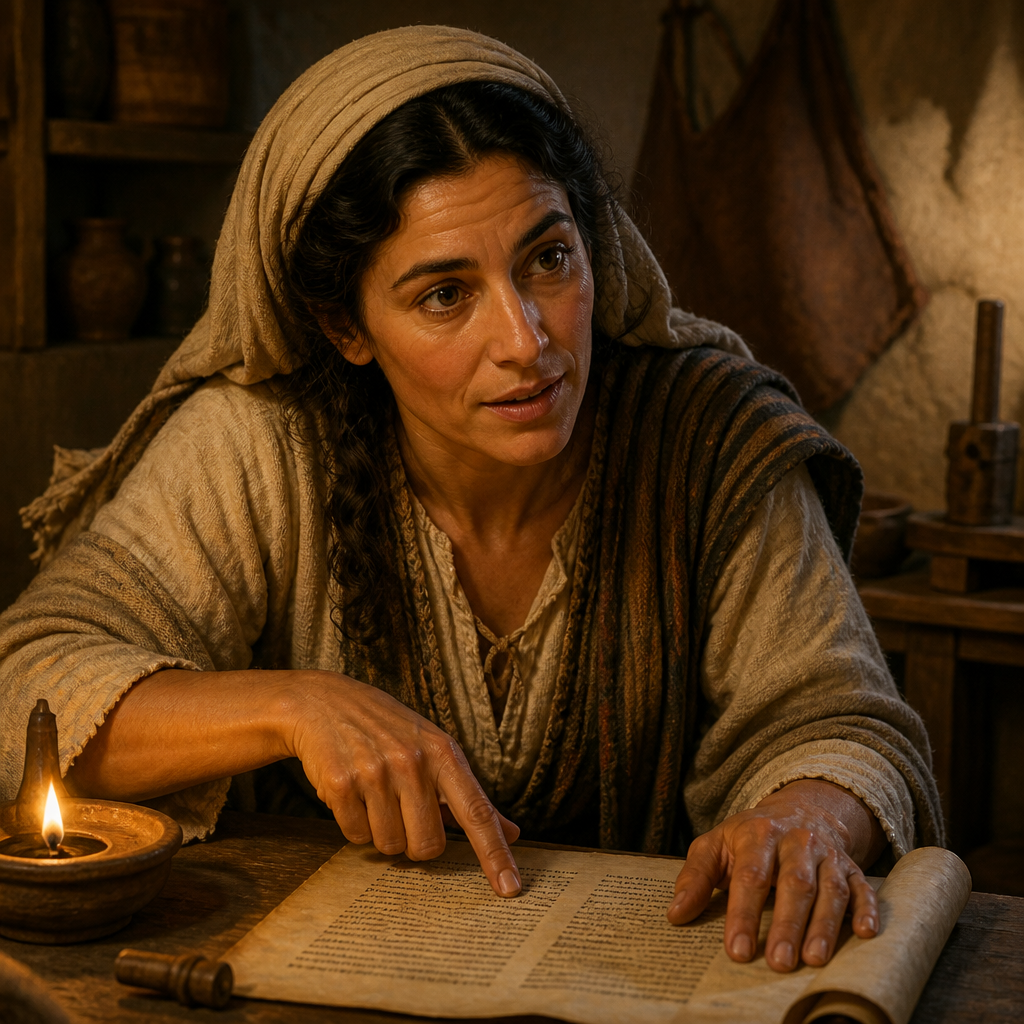
Priscilla
Early church leader and teacher who hosted a house church and mentored Apollos
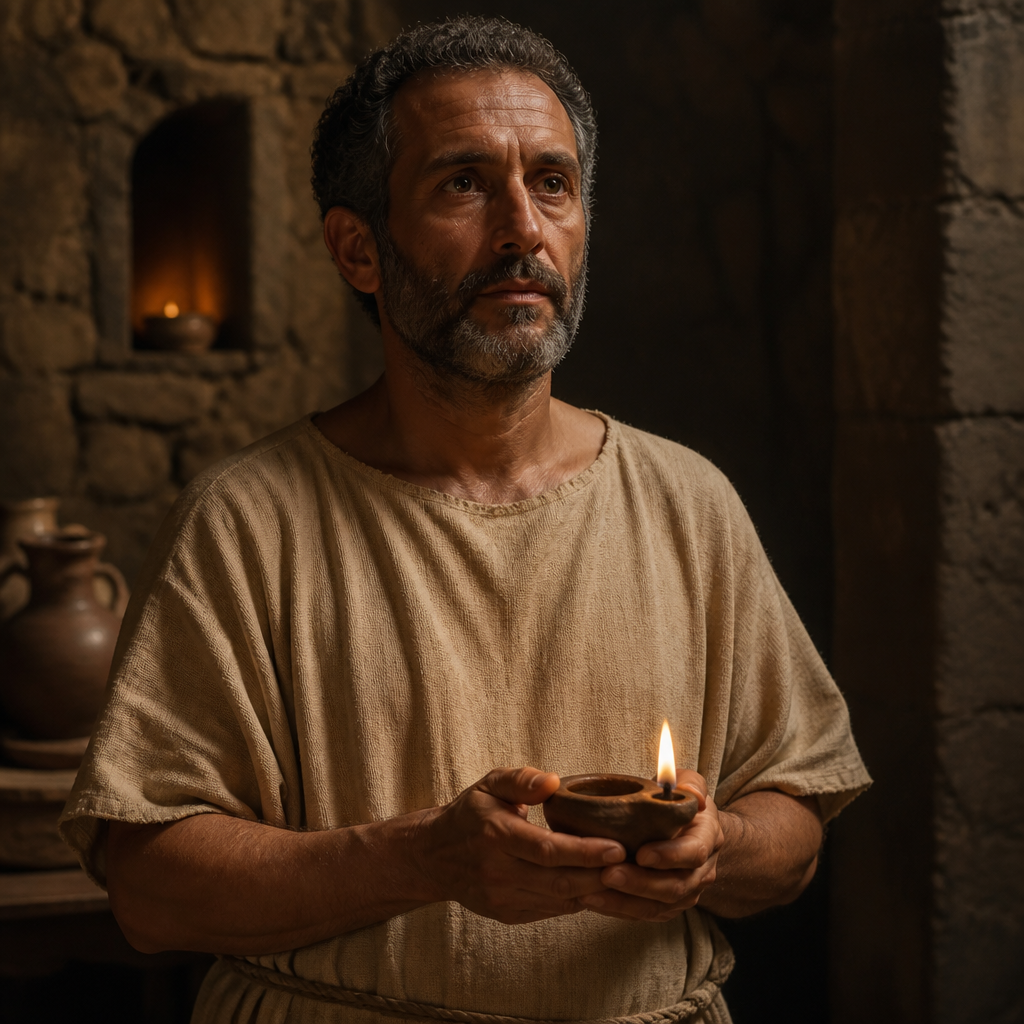
Hermas
Christian believer in Rome greeted by the Apostle Paul in the Epistle to the Romans
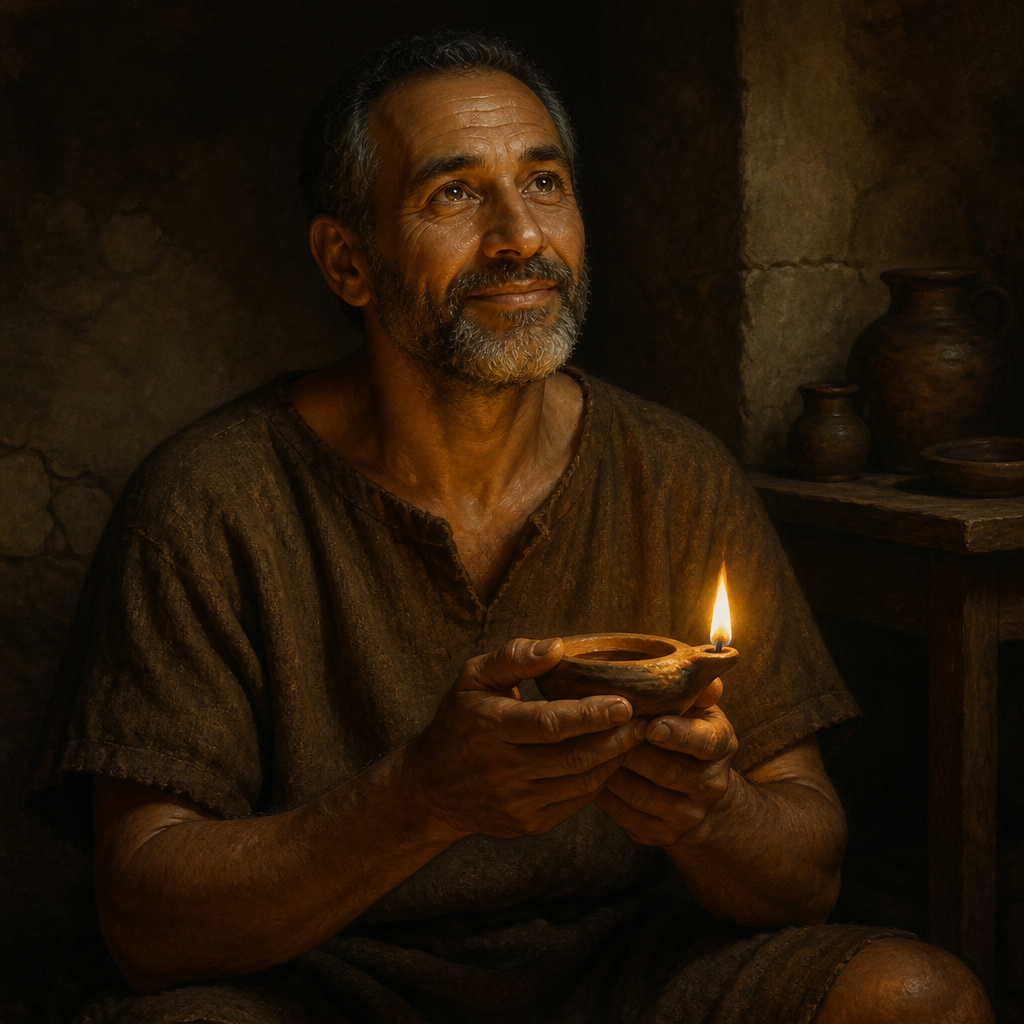
Ampliatus
Roman Christian whom the Apostle Paul greeted as 'my beloved in the Lord'
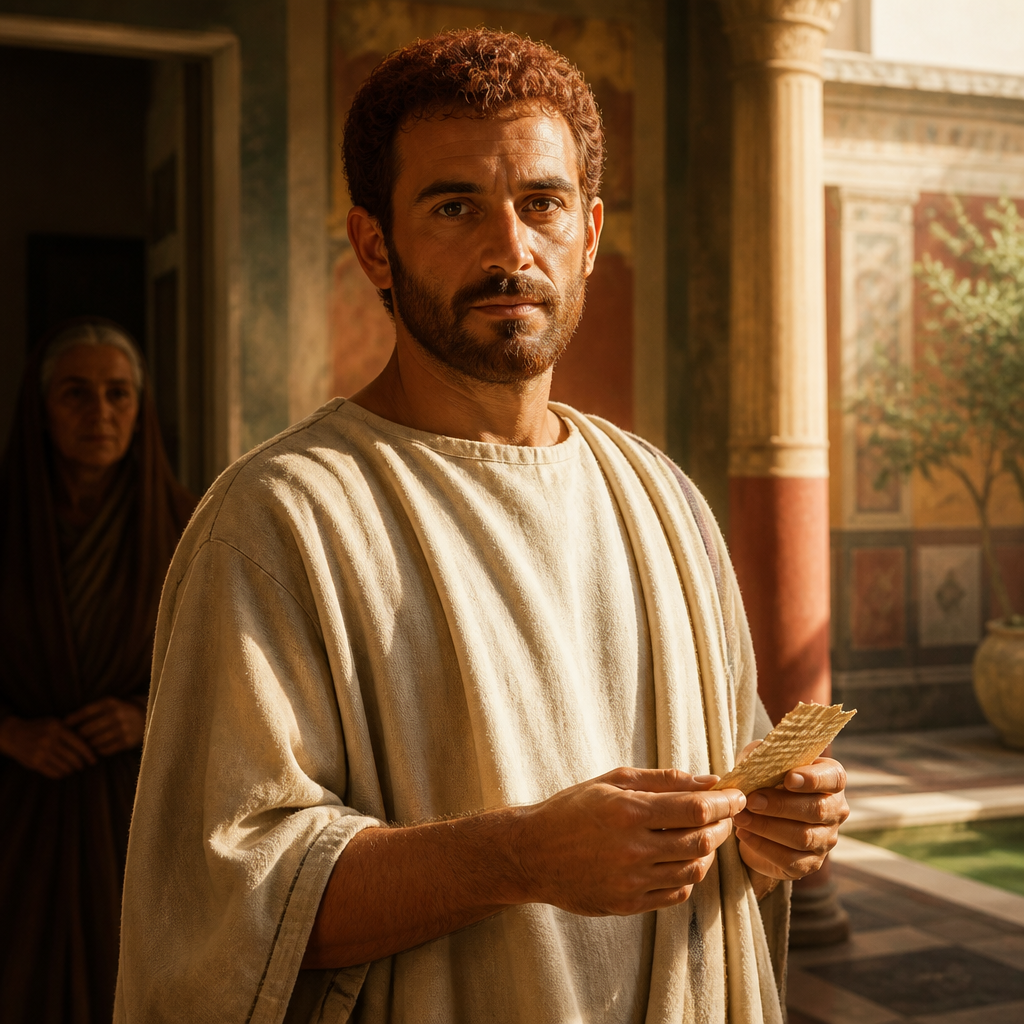
Rufus, Member of the Roman Church
Christian in Rome described by Paul as chosen in the Lord
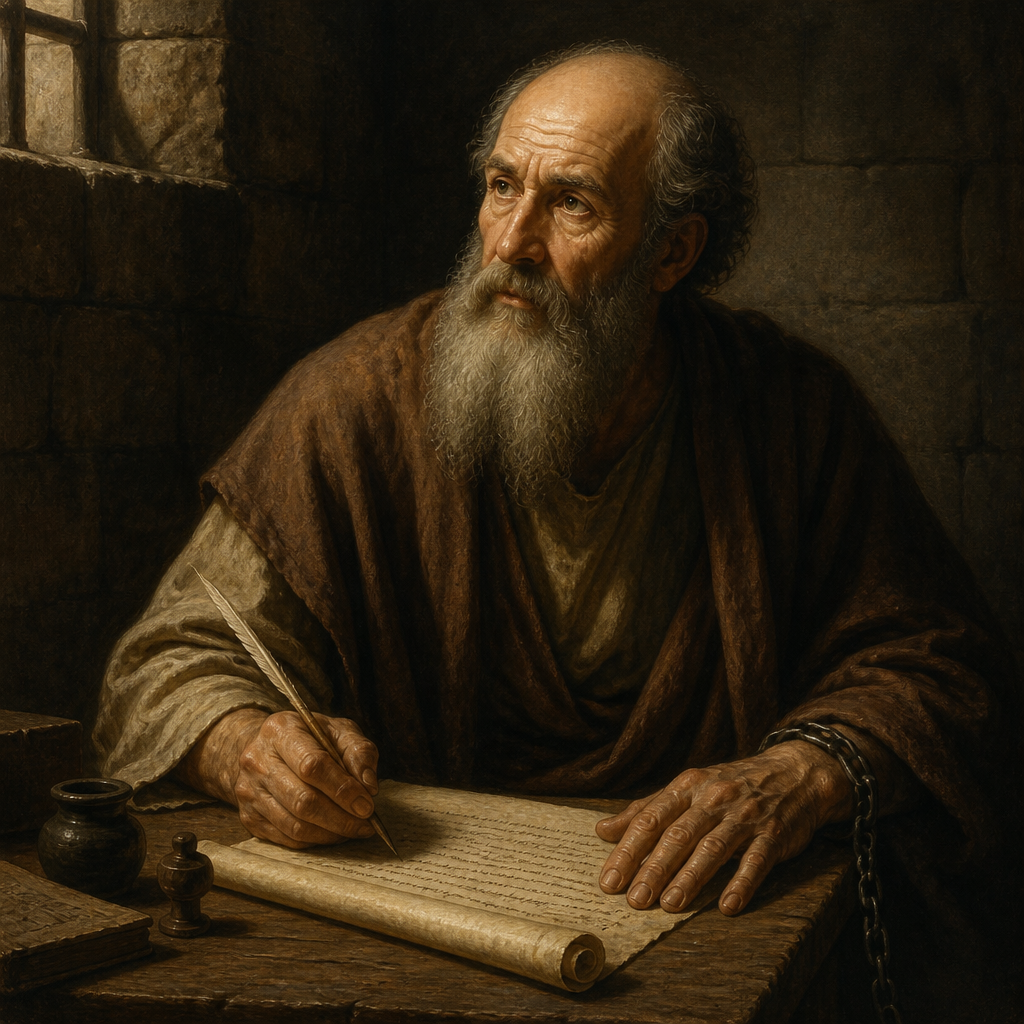

Nereus
Christian in Rome greeted by the Apostle Paul in the Epistle to the Romans
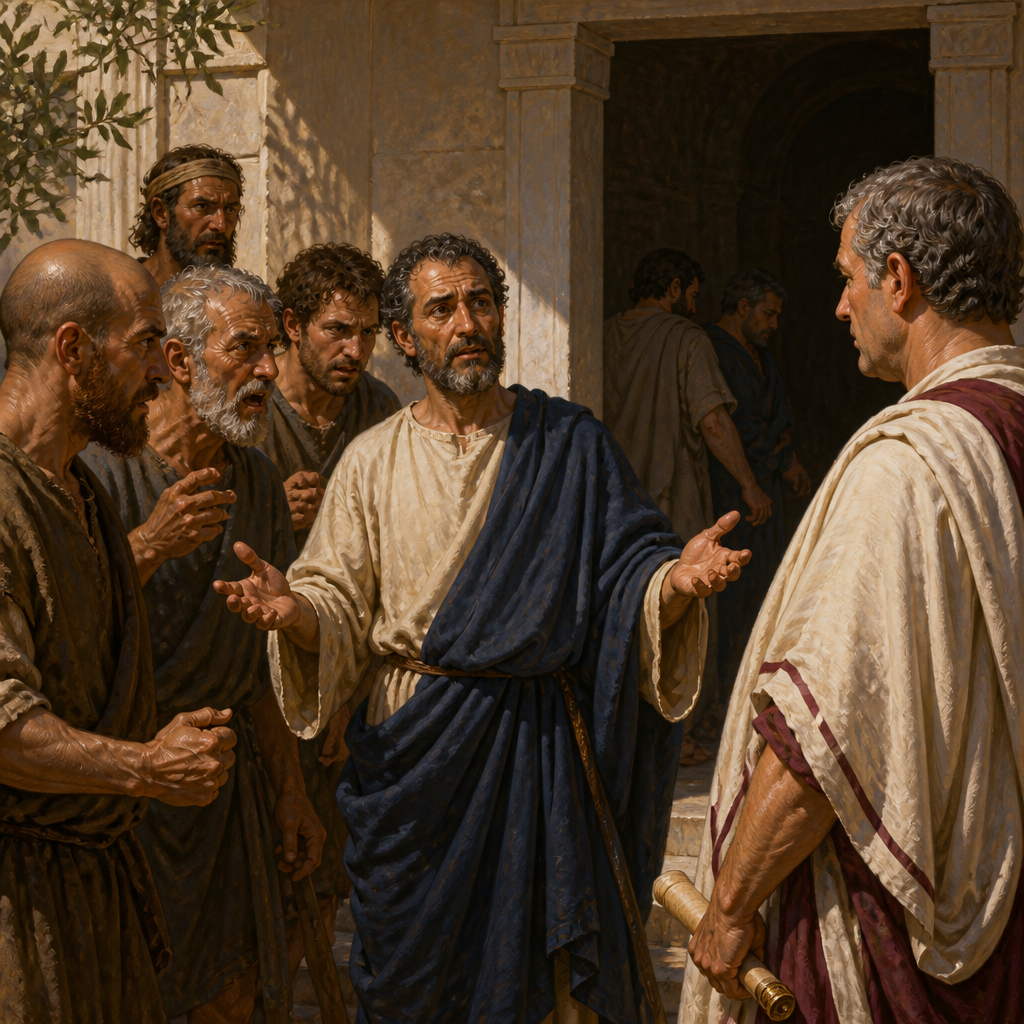
Jason
Host of Paul and Silas in Thessalonica who was dragged before city officials for his hospitality
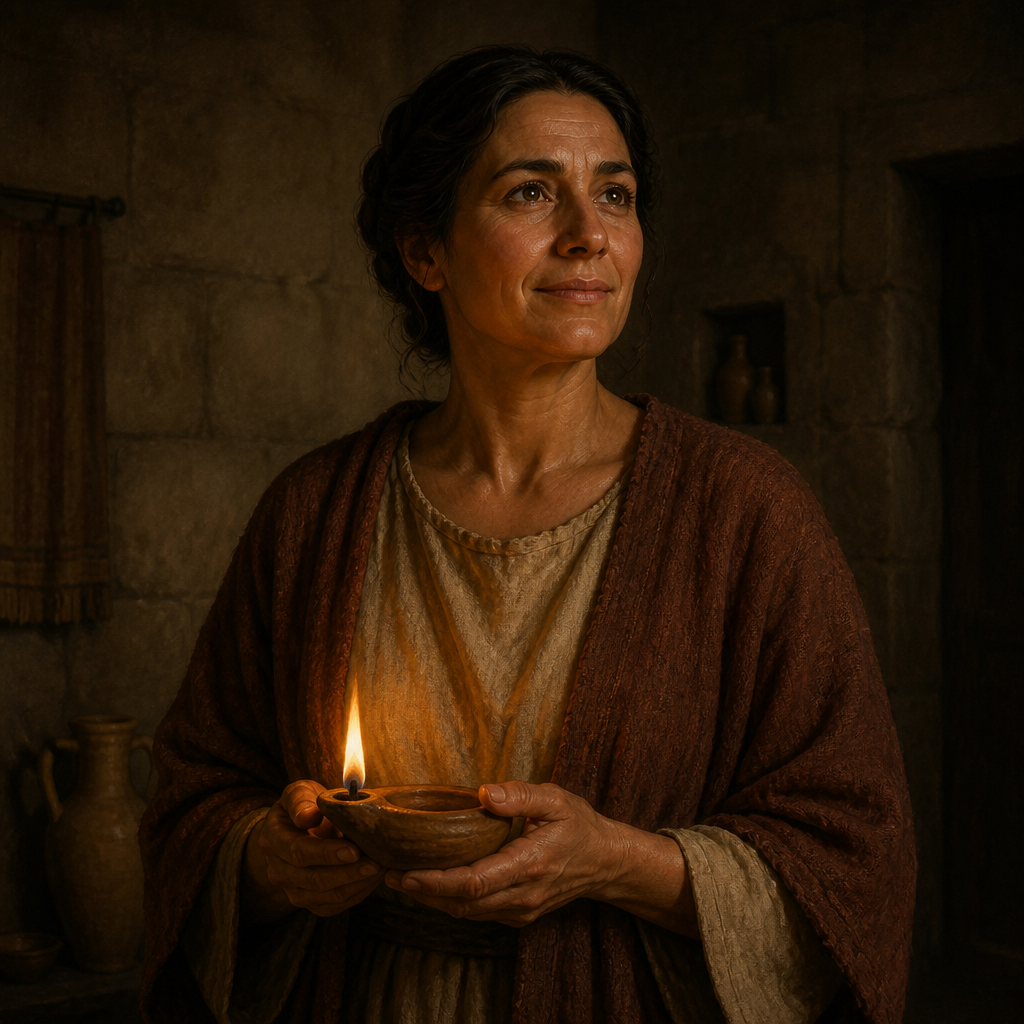
Tryphena
Christian woman in Rome commended by Paul for her hard work
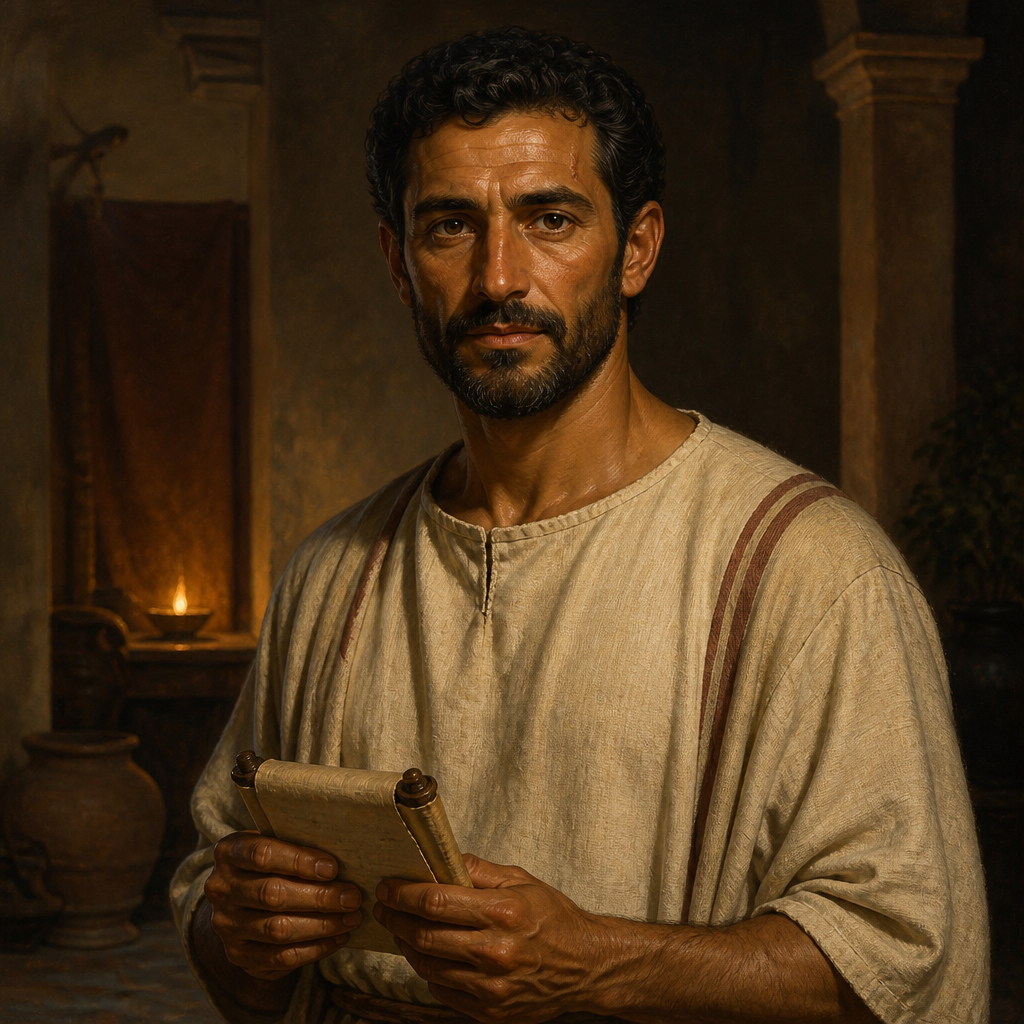
Urbanus
Christian worker in Rome whom Paul calls a 'fellow worker in Christ'
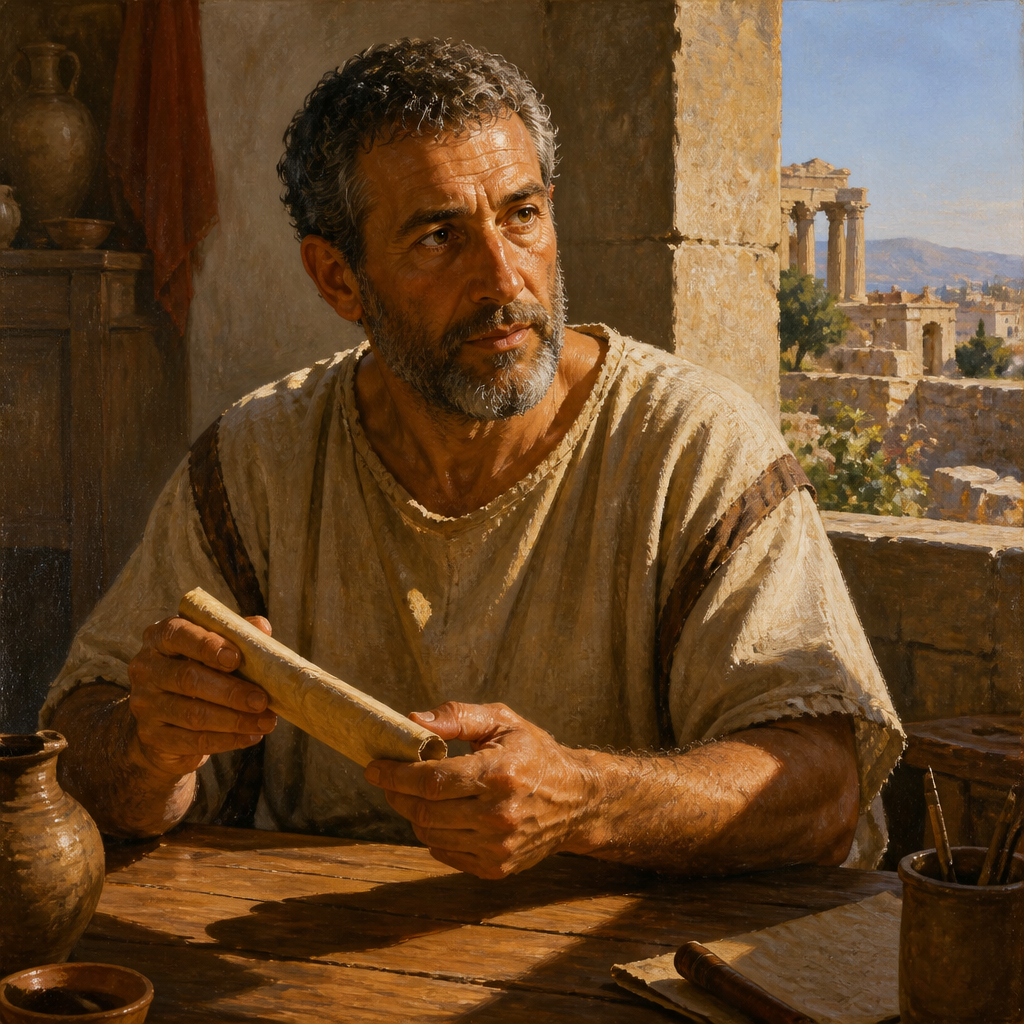
Lucius, Kinsman of Paul
Kinsman of Paul who sent greetings to the church at Rome
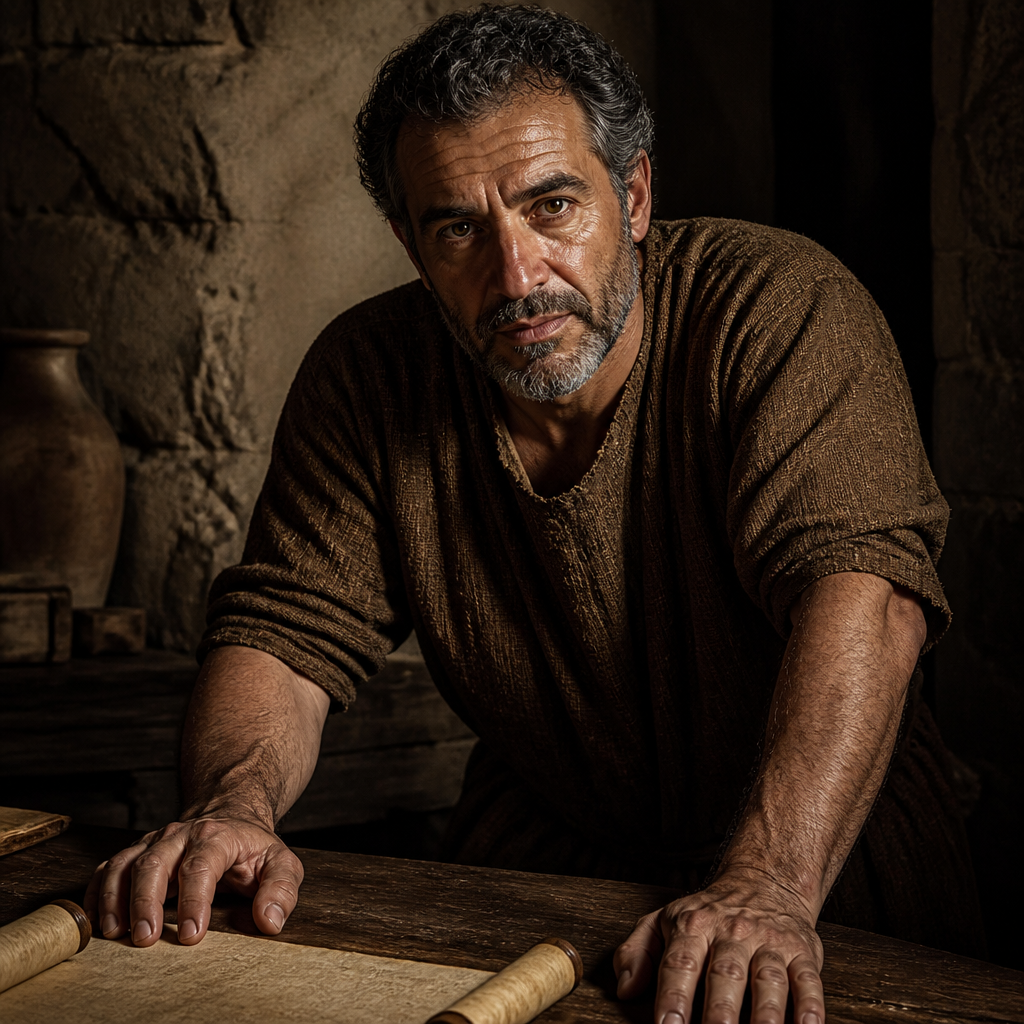
Apelles
Christian in Rome described by Paul as 'approved in Christ'

Esau
Patriarch who sold his birthright for lentil stew and founded the nation of Edom
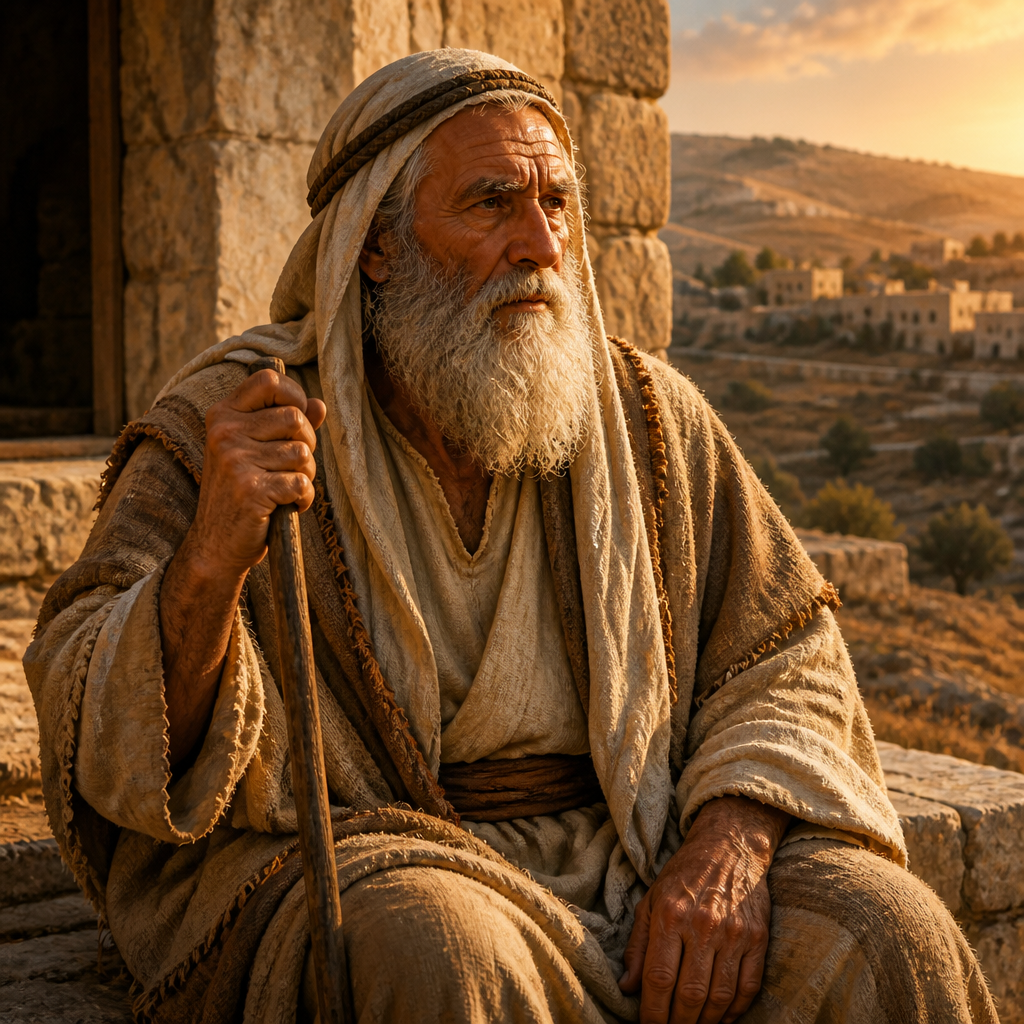
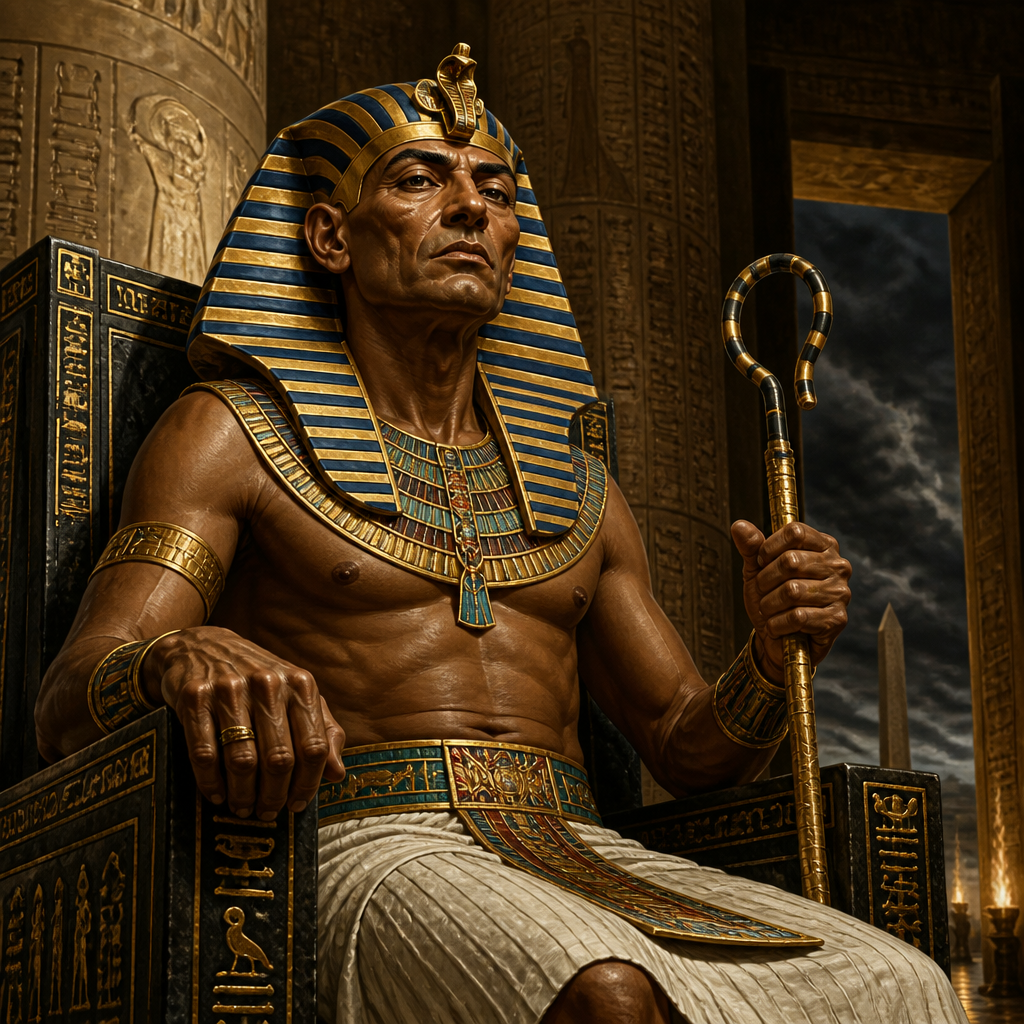
Pharaoh, King of the Exodus
Egyptian king who opposed Moses and was defeated at the Red Sea
Narcissus
Head of a Roman household containing Christian believers
Philologus
Christian in Rome greeted by Paul in the Epistle to the Romans
Junia
Jewish Christian woman described as outstanding among the apostles and a fellow prisoner of Paul