Hosea
Who was Hosea in the Bible?
A prophet in the Northern Kingdom of Israel during the 8th century BC, known for his symbolic marriage to Gomer and his message of God's enduring love for a faithless people.
Hosea, the son of Beeri, was a prophet active during the tumultuous final decades of the Northern Kingdom of Israel. His ministry spanned the reigns of several kings of Judah—Uzziah, Jotham, Ahaz, and Hezekiah—and the reign of Jeroboam II of Israel. This suggests a long period of service, likely from around 750 BC to 722 BC, concluding shortly before or during the Assyrian conquest of Samaria.
Unlike many other prophets who delivered messages through strictly verbal oracles, Hosea's life itself served as a living metaphor. Under divine instruction, he entered into a marriage that mirrored the spiritual condition of Israel. His personal heartbreak and subsequent restoration of his family became a physical representation of the relationship between the LORD and His covenant people, who had turned away from Him to follow idols.
Background and Family
The biblical record identifies Hosea as the son of Beeri. While his specific tribe or hometown is not explicitly named in the text, his focus on the Northern Kingdom (often referred to as Ephraim) suggests he was a native of that region. His ministry began during the prosperous but spiritually decadent reign of Jeroboam II. The introduction to his book (Hosea 1:1) lists his contemporaries in Judah as Uzziah, Jotham, Ahaz, and Hezekiah, placing him in the same historical era as the prophets Isaiah and Micah.
Hosea's family life is central to his prophetic calling. At the beginning of his ministry, the LORD commanded him to take a wife of "whoredom" or prostitution (Hosea 1:2). He married Gomer, a woman whose subsequent unfaithfulness became the primary vehicle for Hosea’s message. Together they had three children, each given a symbolic name by God to signify coming judgment: Jezreel (referring to a valley of slaughter), Lo-ruhamah ("not pitied"), and Lo-ammi ("not my people").
Major Life Events
The defining narrative of Hosea's life is the tension between his domestic tragedy and his prophetic duty. The biblical account describes a cycle of betrayal, where Gomer departs from Hosea to pursue other lovers. This act was not merely a personal crisis but a dramatization of Israel's departure from the LORD to worship Baal and other deities.
In a climactic act of redemption, Hosea is commanded to seek out his wife again, even while she is in the company of another, and to love her as the LORD loves the Israelites. This required Hosea to physically and legally reclaim her, often interpreted as him buying her back from a state of debt or slavery. This event serves as the turning point of his narrative, shifting the tone from one of impending judgment to one of promised restoration and healing for the nation.
Relationship to Other Biblical Figures
Beyond his immediate family—Gomer and his children Jezreel, Lo-ruhamah, and Lo-ammi—Hosea is primarily defined by his relationship with the kings of the Divided Monarchy. He served during the transition from the stability of Jeroboam II to the rapid succession of kings leading to Israel's fall.
In the New Testament, the apostle Paul references Hosea in the book of Romans. Paul cites the prophet to explain God's plan for the Gentiles, quoting the reversal of the children's names: “I will call them ‘My People’ who are not My people” (Romans 9:25). This connects Hosea’s local 8th-century BC message to the broader Christian theology of grace and inclusion.
Spiritual Significance
Hosea is unique among the prophets for his emphasis on the "hesed" (steadfast love or covenant loyalty) of God. While other prophets focused heavily on social justice or legal adherence, Hosea emphasized the emotional and relational aspect of the covenant. He depicted the relationship between God and His people as a marriage, characterizing idolatry not just as a legal breach of the Ten Commandments, but as spiritual adultery that grieves the heart of God.
The spiritual significance of Hosea’s life lies in the reconciliation of judgment and mercy. The names of his children initially declared that Israel was no longer God's people, yet the prophetic word concludes with the promise that they would once again be called "sons of the living God." Hosea thus stands as a witness to the belief that while God must judge sin, His ultimate desire is the restoration and healing of those who have wandered away.
Hosea's theological contribution is centered on the concept of God as a betrayed yet faithful husband. He introduced the marriage metaphor to describe the covenant, a theme that resonates through the rest of the Old Testament and into the New Testament's description of the Church as the Bride of Christ. His life demonstrated that prophecy was not just a vocation of words, but one of embodied experience.
Furthermore, Hosea is significant for his focus on the inward knowledge of God rather than outward ritual. His declaration that God desires 'mercy, not sacrifice' (Hosea 6:6) became a foundational principle in later Jewish and Christian thought. His work provides a bridge between the stern warnings of the early prophets and the hopeful, redemptive promises of the later prophetic tradition.
Frequently Asked Questions
Who was Hosea's father?
Hosea was the son of Beeri, as recorded in Hosea 1:1.
Who was Hosea's wife?
His wife was Gomer, whom the Bible describes as a woman of prostitution or unfaithfulness, symbolizing Israel's relationship with God.
What were the names of Hosea's children?
His children were named Jezreel, Lo-ruhamah ('not pitied'), and Lo-ammi ('not my people').
When did Hosea prophesy?
He prophesied during the 8th century BC, during the reigns of kings Uzziah, Jotham, Ahaz, and Hezekiah of Judah, and Jeroboam II of Israel.
Is Hosea mentioned in the New Testament?
Yes, the apostle Paul quotes Hosea in Romans 9:25 to discuss God's inclusion of the Gentiles.
Family & Relationships
Parents
 Beeri, Father of HoseaFatherHosea 1:1Stated
 Gomer, Daughter of DiblaimWifeHosea 1:3Stated
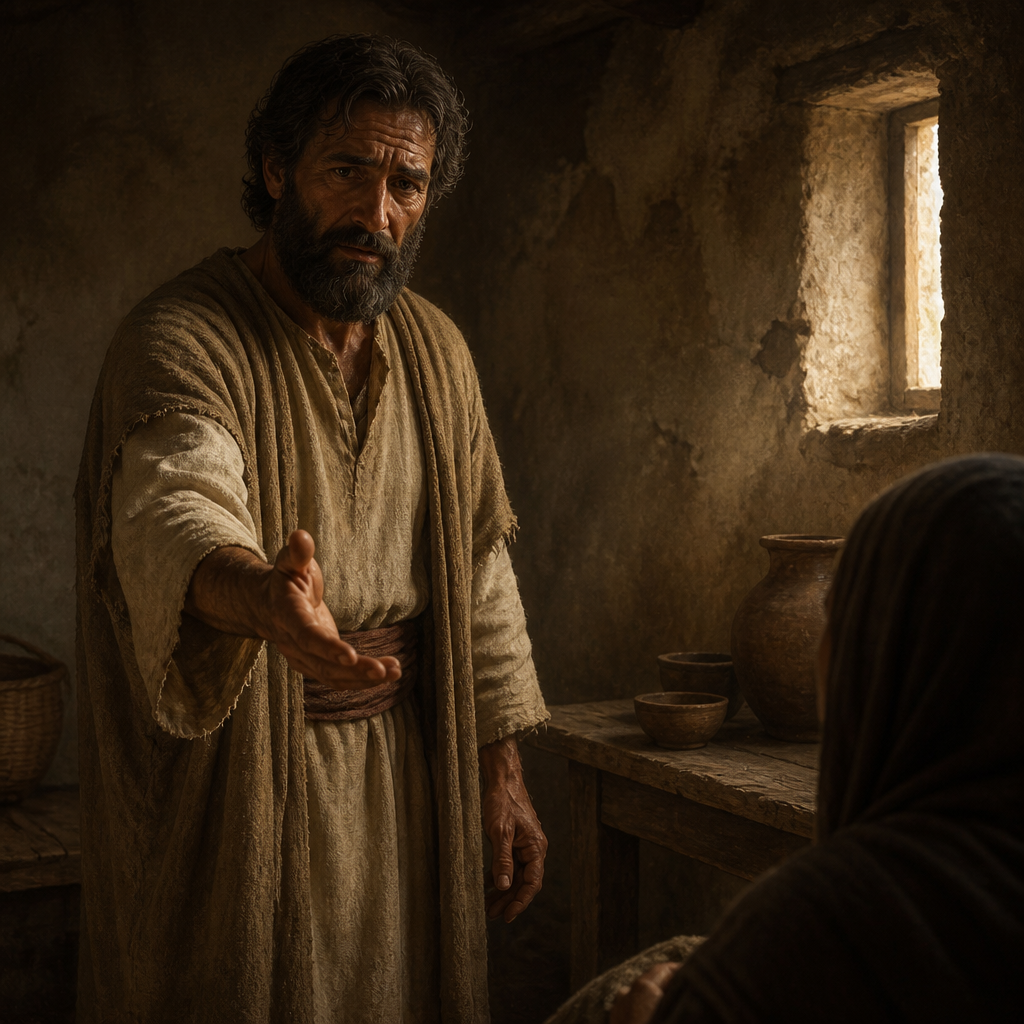 HoseaThis page
Children
 Jezreel, Son of HoseaSonHosea 1:4Stated
 Lo-ammiSonHosea 1:3
Inferred
No verse names Lo-ammi and Hosea together; the father link is carried from the surrounding genealogy and is not stated in Scripture.Evidence: Hosea 1:3; Hosea 1:8; Hosea 1:9
 Lo-ruhamahDaughterHosea 1:3
Inferred
Hosea 1:6 names Hosea and Lo-ruhamah in the same verse but does not state a daughter tie between them; the link rests on the surrounding narrative.Evidence: Hosea 1:3; Hosea 1:6
Extended family
 DiblaimFather-in-lawHosea 1:3
Inferred
Hosea 1:3 names Diblaim and Hosea in the same verse but does not state a son-in-law tie between them; the link rests on the surrounding narrative.Evidence: Hosea 1:3
Connected Figures
Family
Father · Hosea 1:1
Beeri was a man of the tribe of Israel during the 8th century BC, best known for being the father of the prophet Hosea.
Divided MonarchyFirst: Hosea 1:11 versesFather of the prophet Hosea
Wife · Hosea 1:3
The daughter of Diblaim and wife of the prophet Hosea during the Divided Monarchy, whose marriage served as a living metaphor for God's relationship with Israel.
Divided MonarchyFirst: Hosea 1:35 versesWife of the Prophet Hosea
Son · Hosea 1:4
The firstborn son of the prophet Hosea and Gomer, whose name served as a prophetic sign of judgment against the house of Jehu and the kingdom of Israel.
Divided MonarchyFirst: Hosea 1:47 versesProphetic sign/child
Son · Hosea 1:3
The third child of the prophet Hosea and Gomer, whose name symbolizes God's rejection of Israel during the Divided Monarchy.
Divided MonarchyFirst: Hosea 1:97 versesSymbolic prophetic figure
Daughter · Hosea 1:3
The daughter of the prophet Hosea and Gomer, whose name symbolically represented God's withdrawal of compassion from the northern kingdom of Israel.
Divided MonarchyFirst: Hosea 1:67 versesSymbolic prophetic figure
Father-in-law · Hosea 1:3
Diblaim is identified in the Book of Hosea as the father of Gomer, the woman whom the prophet Hosea married by divine command.
Divided MonarchyFirst: Hosea 1:31 versesFamily patriarch
Categories
Mentions by Book
- Hosea10
- Romans1
Scripture References
All 11 indexed verses, in canonical order, from the Berean Standard Bible.
Hosea · 10
- Hosea 1:1
This is the word of the LORD that came to Hosea son of Beeri in the days of Uzziah, Jotham, Ahaz, and Hezekiah, kings of Judah, and of Jeroboam son of Jehoash, king of Israel.
- Hosea 1:2Partial
When the LORD first spoke through Hosea, He told him, “Go, take a prostitute as your wife and have children of adultery, because this land is flagrantly prostituting itself by departing from the LORD.”
- Hosea 1:3
So Hosea went and married Gomer daughter of Diblaim, and she conceived and bore him a son.
Cited as evidence on a family card; added so References, Key Verses and Mentions by Book share one index.
- Hosea 1:4
Then the LORD said to Hosea, “Name him Jezreel, for soon I will bring the bloodshed of Jezreel upon the house of Jehu, and I will put an end to the kingdom of Israel.
Cited as evidence on a family card; added so References, Key Verses and Mentions by Book share one index.
- Hosea 1:5Partial
And on that day I will break the bow of Israel in the Valley of Jezreel.”
Cited as evidence on a family card; added so References, Key Verses and Mentions by Book share one index.
- Hosea 1:6
Gomer again conceived and gave birth to a daughter, and the LORD said to Hosea, “Name her Lo-ruhamah, for I will no longer have compassion on the house of Israel, that I should ever forgive them.
Cited as evidence on a family card; added so References, Key Verses and Mentions by Book share one index.
- Hosea 1:7Partial
Yet I will have compassion on the house of Judah, and I will save them—not by bow or sword or war, not by horses and cavalry, but by the LORD their God.”
Cited as evidence on a family card; added so References, Key Verses and Mentions by Book share one index.
- Hosea 1:8Partial
After she had weaned Lo-ruhamah, Gomer conceived and gave birth to a son.
Cited as evidence on a family card; added so References, Key Verses and Mentions by Book share one index.
- Hosea 1:9Partial
And the LORD said, “Name him Lo-ammi, for you are not My people, and I am not your God.
Cited as evidence on a family card; added so References, Key Verses and Mentions by Book share one index.
- Hosea 3:1Partial
Then the LORD said to me, “Go show love to your wife again, though she is loved by another and is an adulteress. Love her as the LORD loves the Israelites, though they turn to other gods and love to offer raisin cakes to idols.”
Cited as a key verse; added so References, Key Verses and Mentions by Book share one index.
Romans · 1
- Romans 9:25
As He says in Hosea: “I will call them ‘My People’ who are not My people, and I will call her ‘My Beloved’ who is not My beloved,”