
Writing Prophets
The prophets whose oracles became books of Scripture.
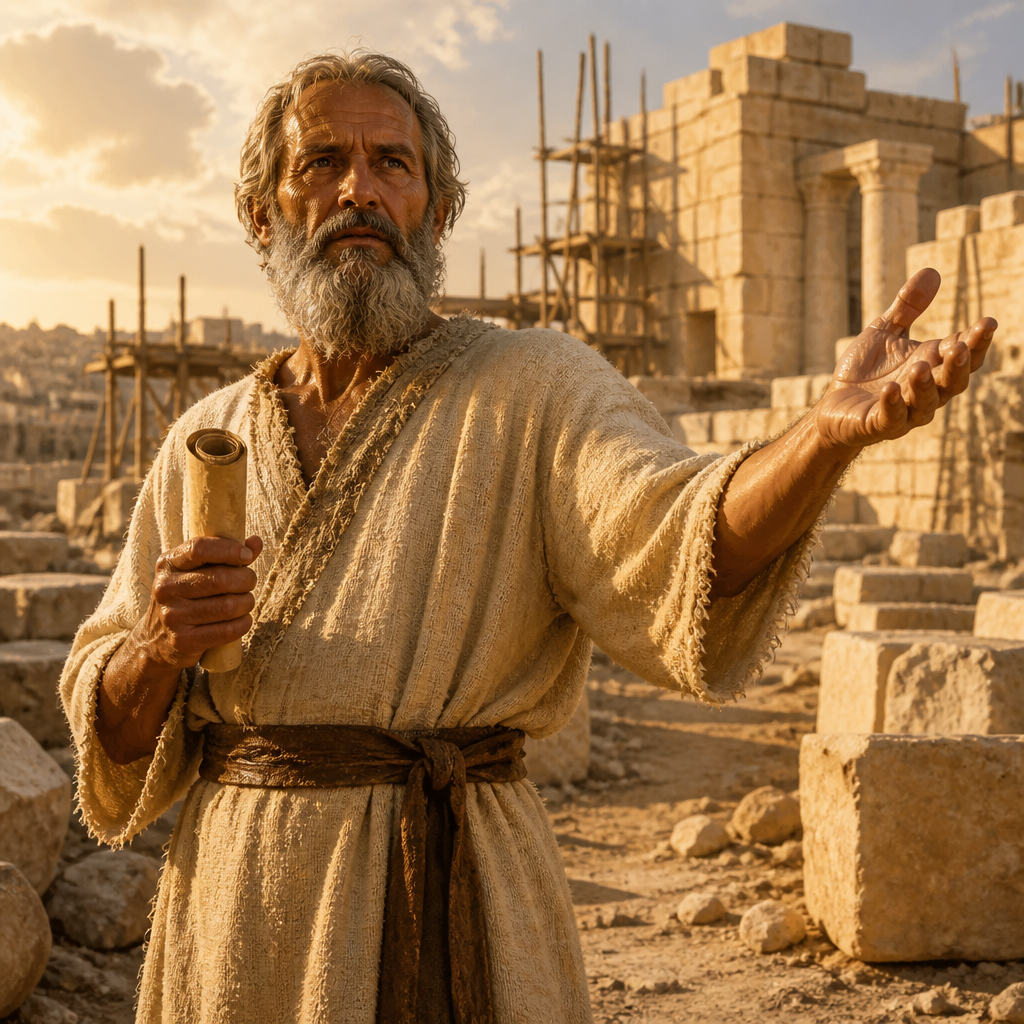
The Writing Prophets are individuals whose oracles and visions were recorded as distinct books within the biblical canon. While many figures in the biblical narrative functioned as prophets, these specific men left a written legacy of divine messages addressed to the kingdoms of Israel and Judah. The office of a prophet required an individual to serve as a messenger, often receiving direct commands to speak or write specific words to kings and commoners. The texts do not provide a single chronological list of these figures, but their roles are defined by their specific commissions to warn of judgment or offer future hope.
The organization of these prophets in the biblical text is often categorized by the length of their writings or the era of their ministry. Isaiah advised King Hezekiah during the Assyrian crisis and foretold the coming of the Messiah (2 Kings 19:2, Isaiah 7:14). Jeremiah predicted the seventy-year Babylonian exile and the establishment of a New Covenant (2 Chronicles 35:25, Jeremiah 31:31). Ezekiel served as a sign to the people during the Babylonian Exile through his symbolic actions (Ezekiel 1:3, Ezekiel 24:24). Daniel interpreted the handwriting on the wall for Babylonian royalty and survived the lions' den (Ezekiel 14:14, Daniel 6:16–22). Hosea married an unfaithful woman to symbolize the relationship between God and Israel (Hosea 1:1–2). Amos championed social justice and warned the Northern Kingdom of judgment (Amos 1:1, Amos 5:24).
Other members focused on specific geopolitical events or the restoration of the religious community. Jonah was swallowed by a great fish after attempting to flee a command to preach to Nineveh (2 Kings 14:25, Jonah 1:17). Micah the Moreshite predicted the destruction of Jerusalem and the Temple during the reign of Hezekiah (Micah 1:1, Micah 3:12). Haggai encouraged the returning exiles to prioritize the rebuilding of the Second Temple (Haggai 1:1). Malachi delivered the final oracles of the Old Testament regarding the messenger who would prepare the way (Malachi 1:1, Malachi 3:1).
The collective work of the Writing Prophets provides the theological framework for understanding the rise and fall of the Hebrew monarchies. Their writings document the transition from the pre-exilic period to the return from Babylon, establishing the expectation for a future restoration. By recording their messages, these prophets ensured that their warnings remained available to later generations. The text does not say how their individual oracles were compiled into the final scrolls, but it presents their words as the authoritative record of the divine perspective on Israel's history.
Everyone in this list
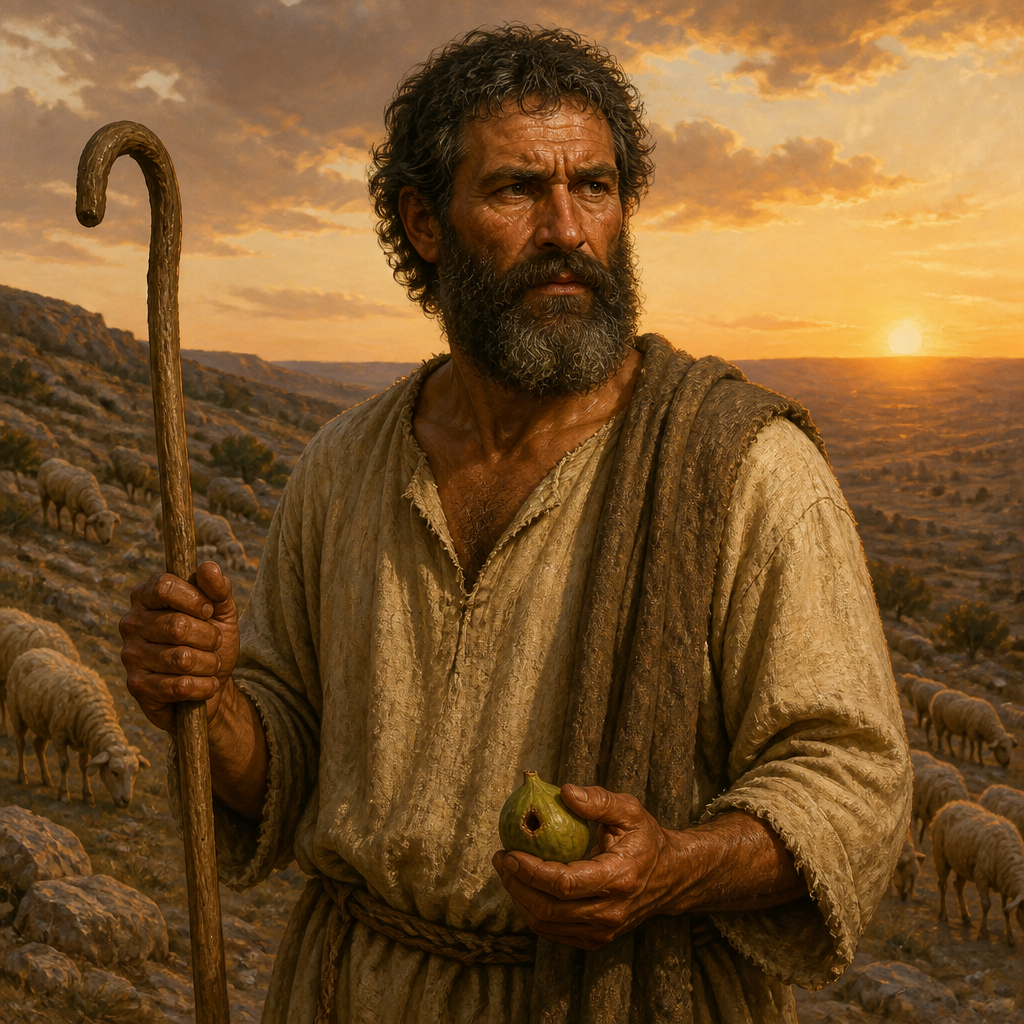
Amos, Prophet of the Divided Monarchy
Prophet who championed social justice and warned the Northern Kingdom of judgment
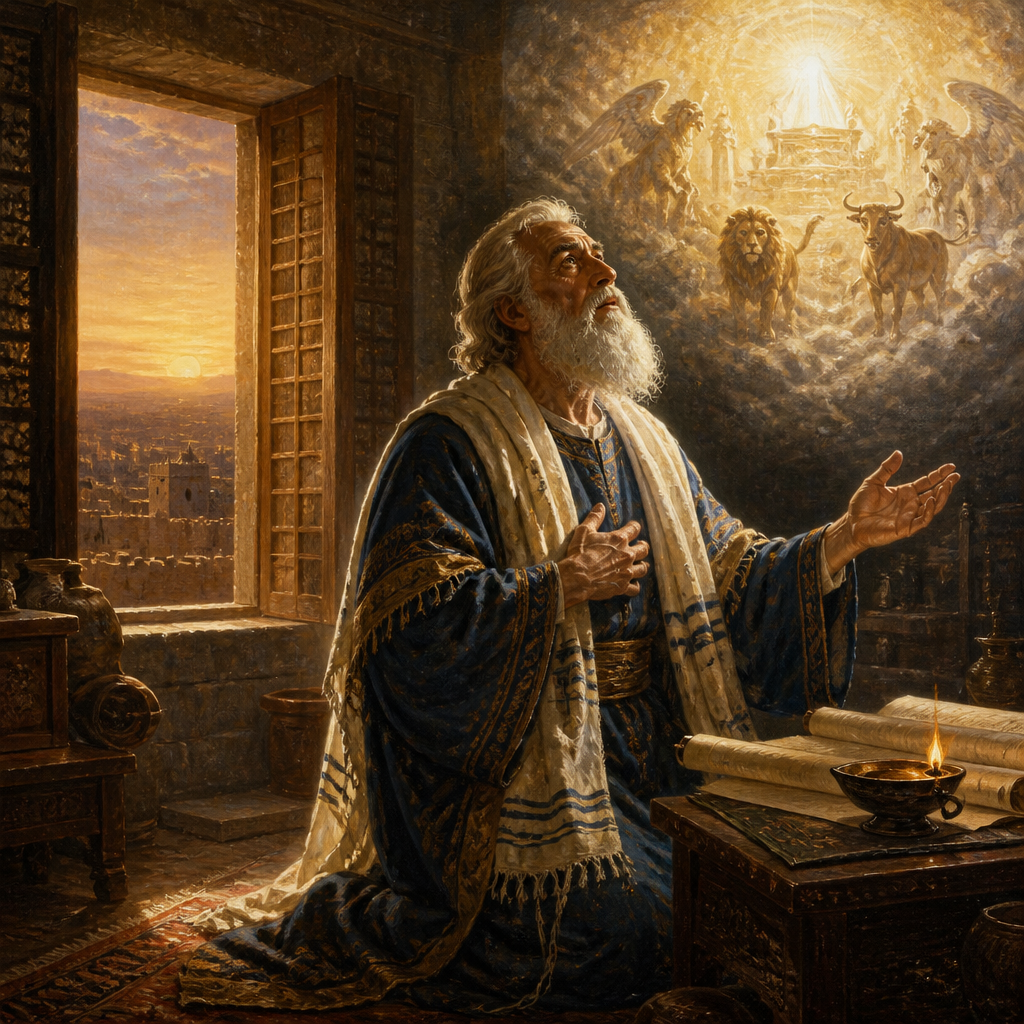
Daniel, Prophet of the Exile
Prophet who survived the lions' den and interpreted the handwriting on the wall
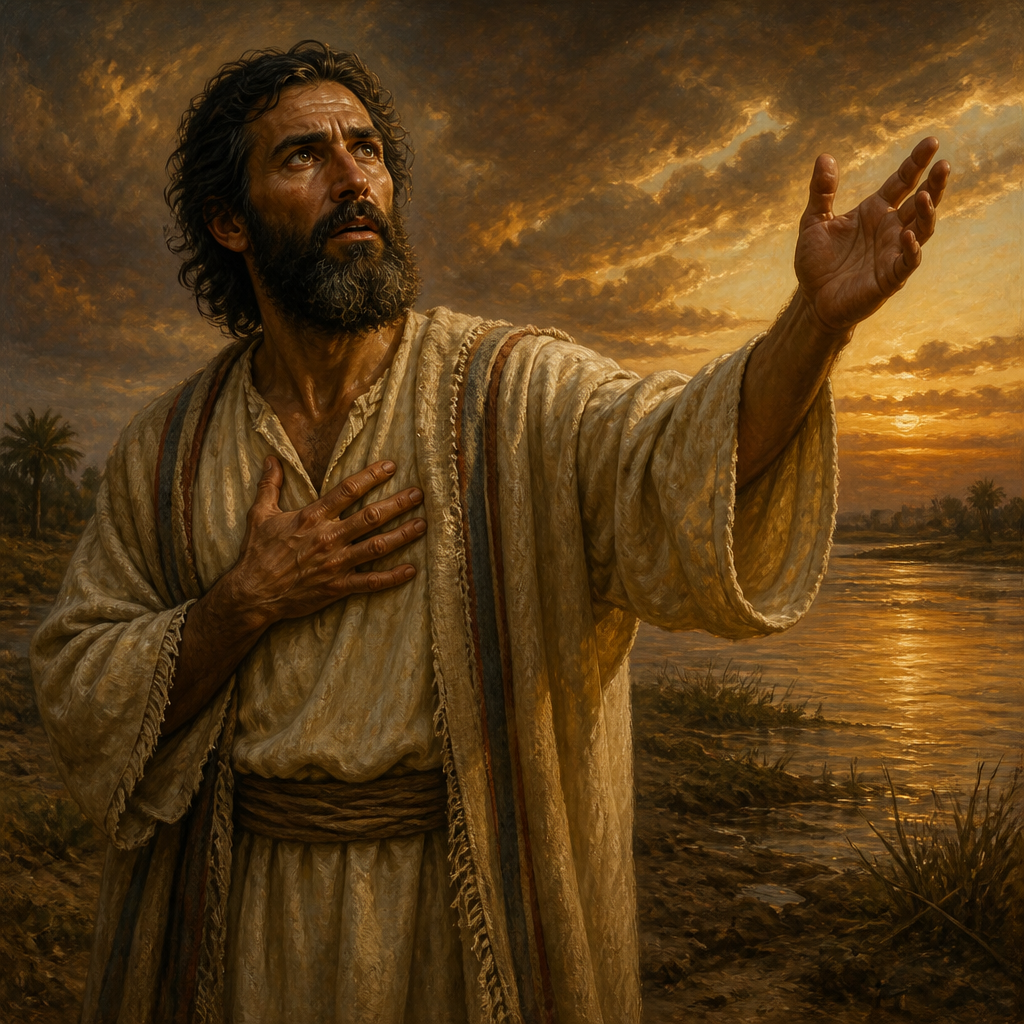
Ezekiel
Prophet who served as a sign to Israel during the Babylonian Exile
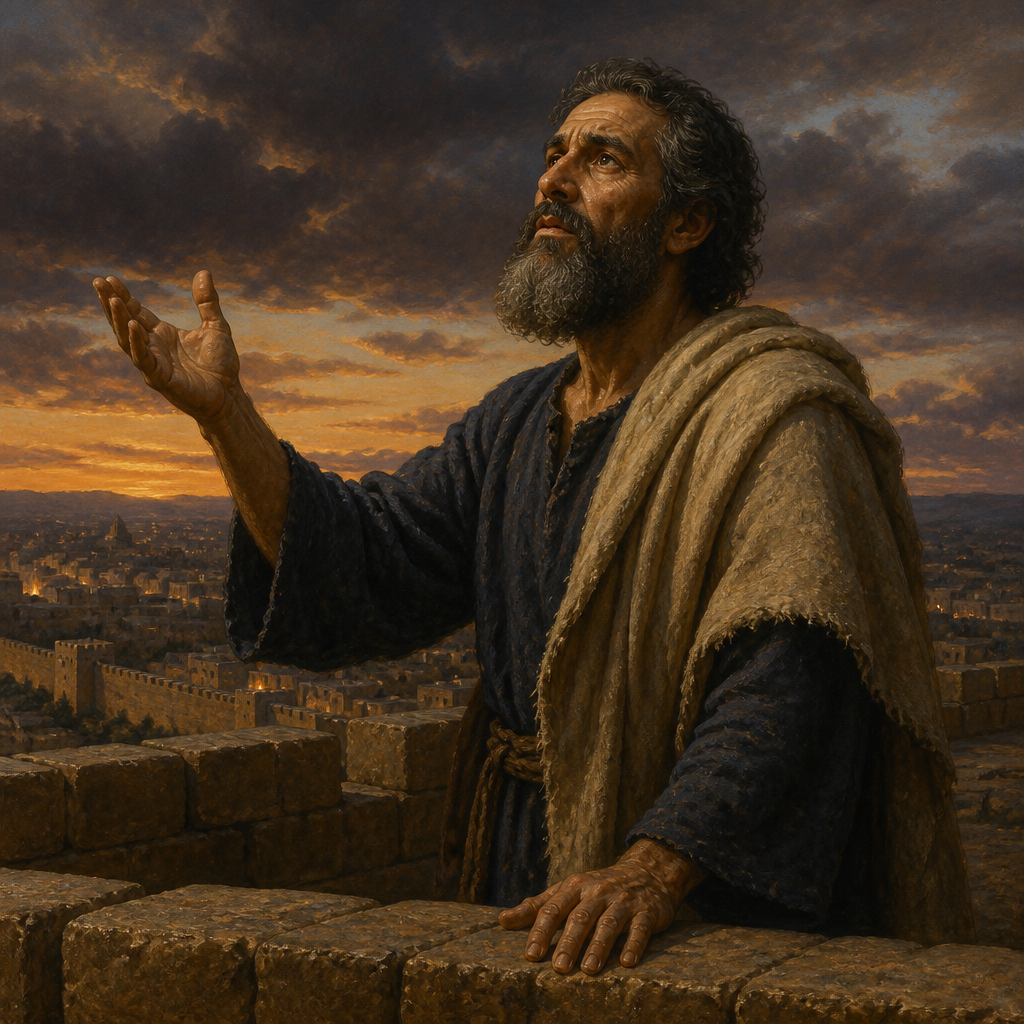
Habakkuk
Prophet who questioned divine justice before the Babylonian exile
Hosea
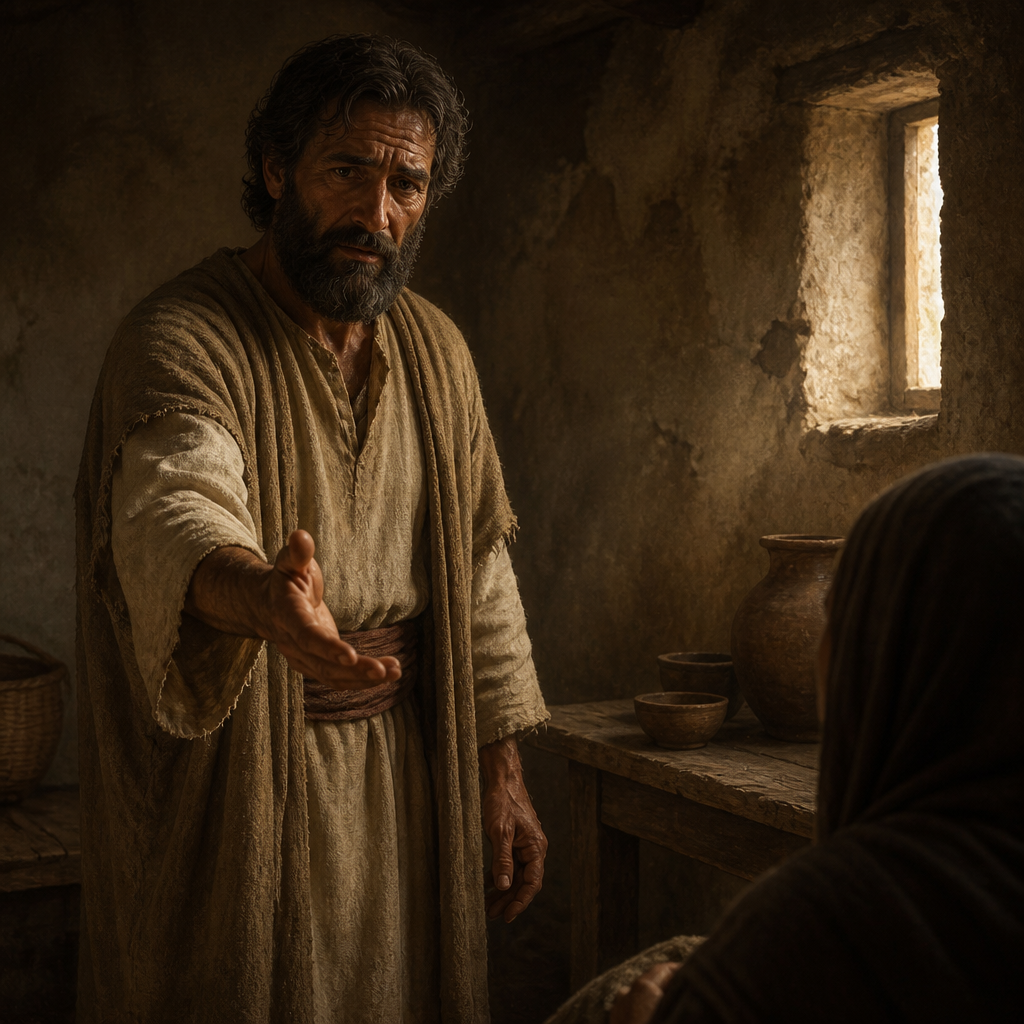
Prophet who married an unfaithful woman to symbolize Israel's relationship with God
Isaiah
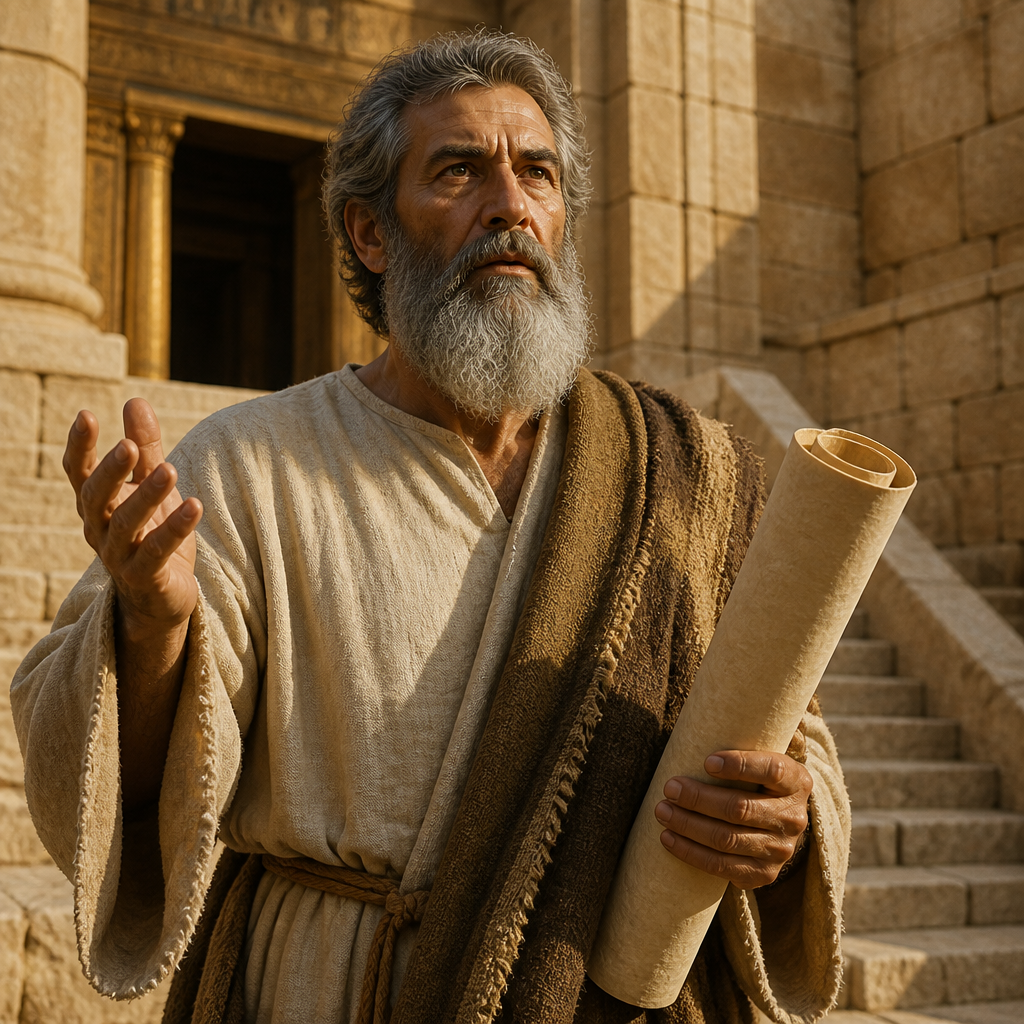
Prophet who advised King Hezekiah and foretold the coming of the Messiah
Jeremiah, Son of Hilkiah
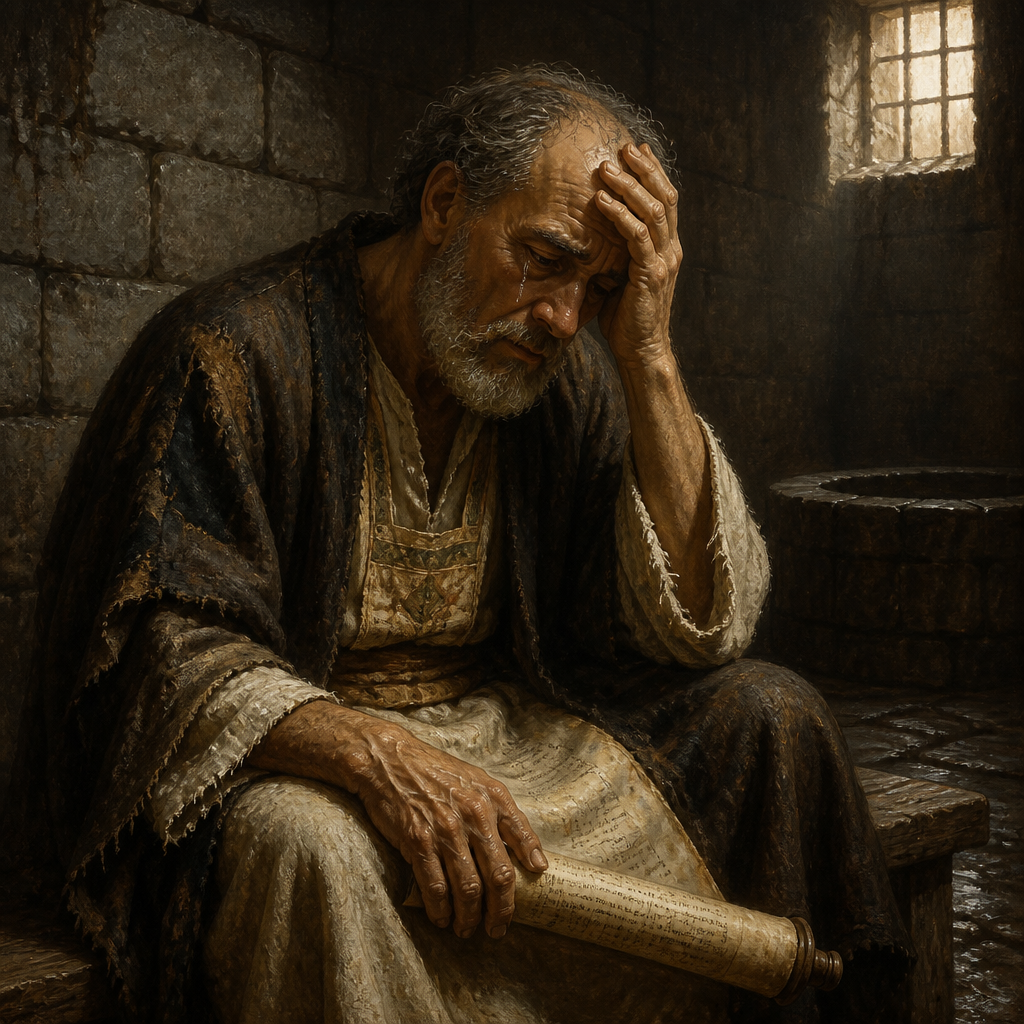
Prophet who predicted the seventy-year Babylonian exile and the New Covenant
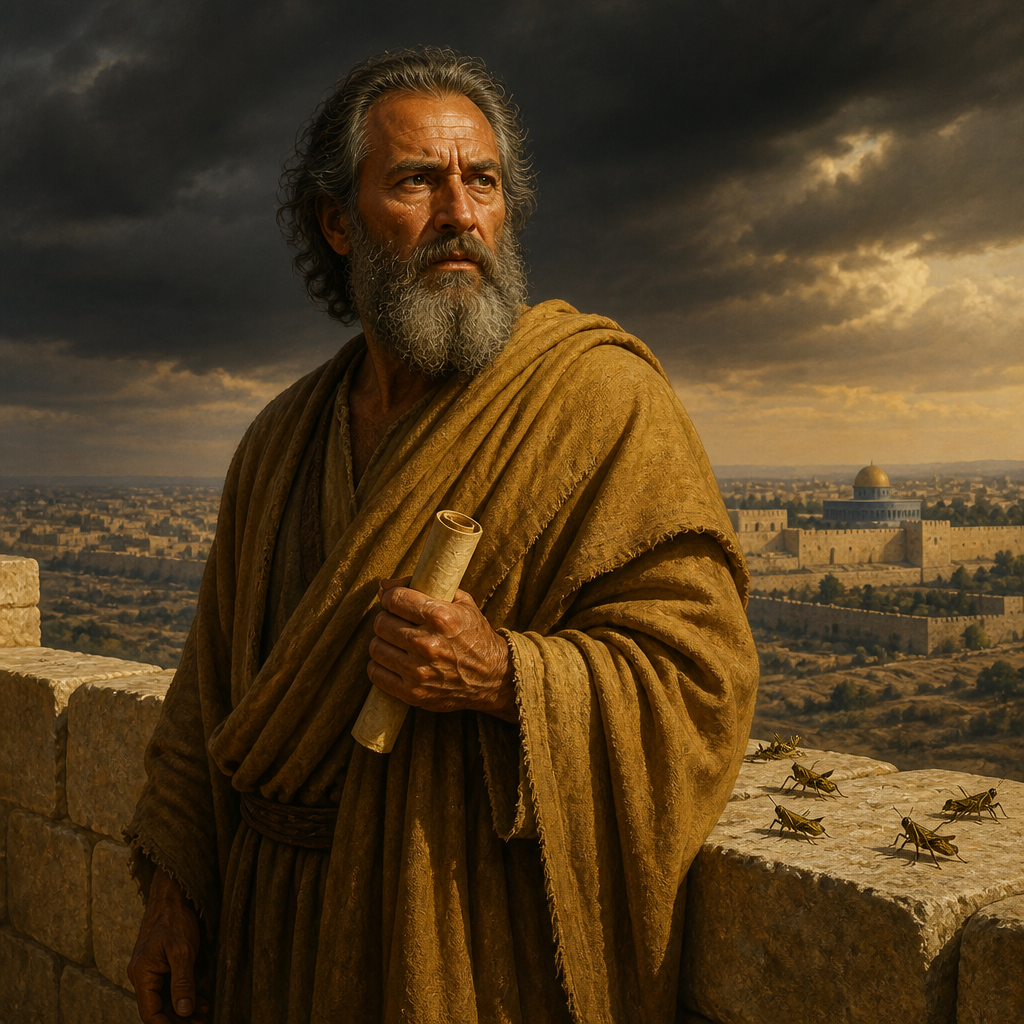
Joel, Son of Pethuel
Prophet who predicted the outpouring of the Holy Spirit and the Day of the LORD
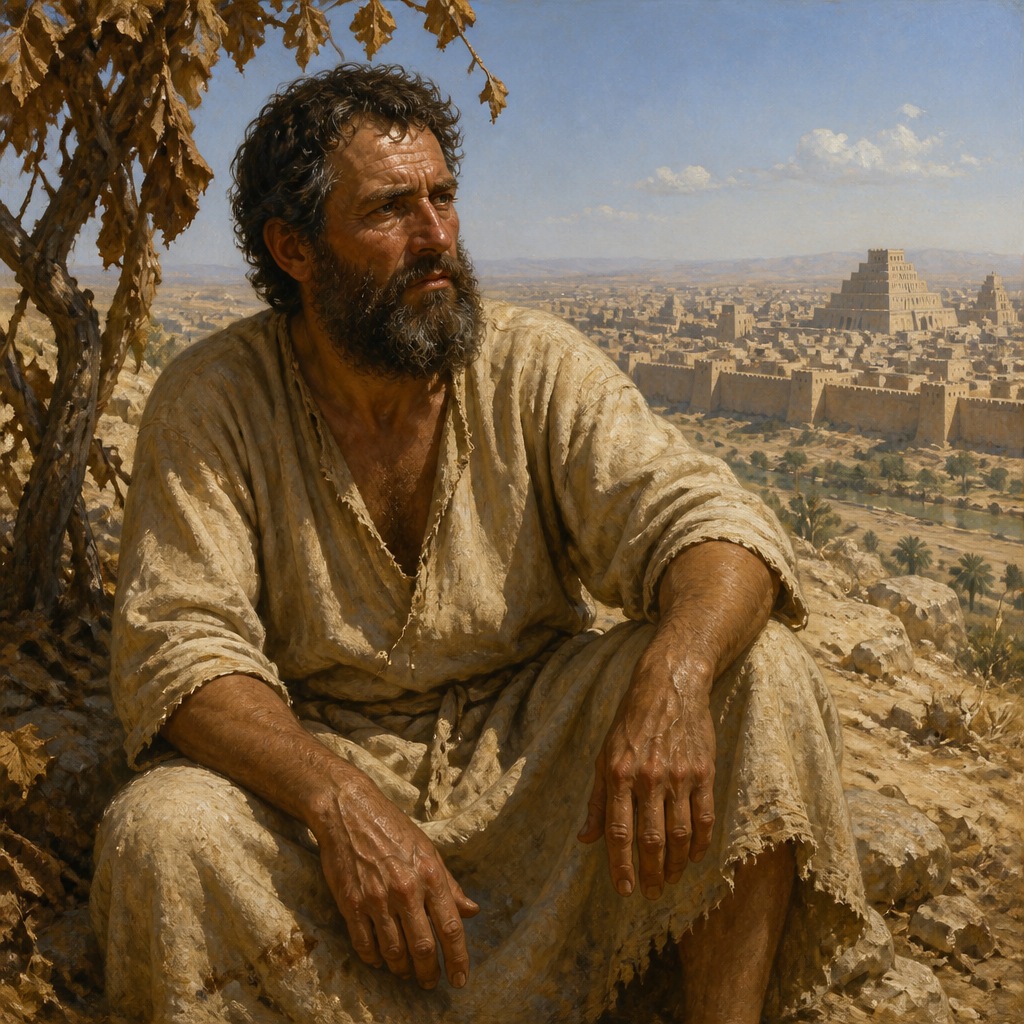
Jonah
Prophet who was swallowed by a great fish after fleeing God's command to preach to Nineveh
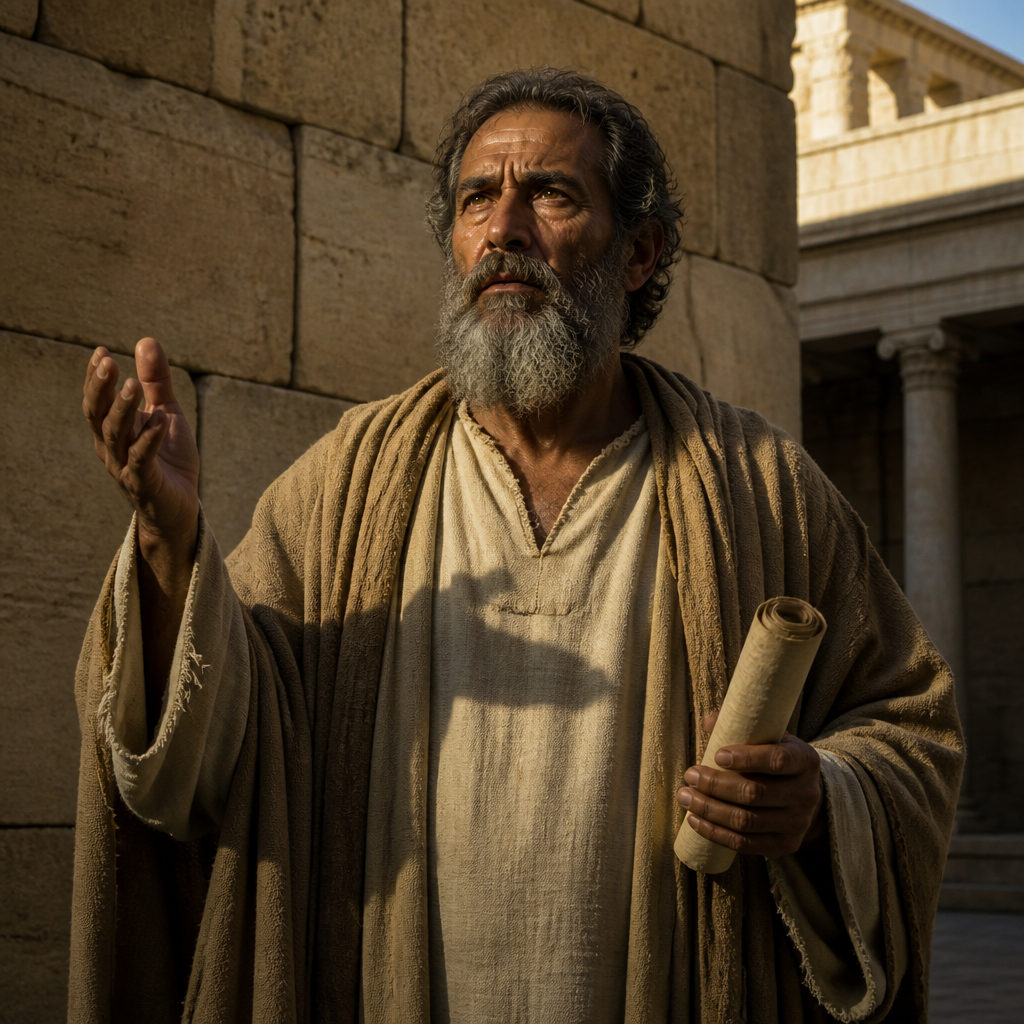
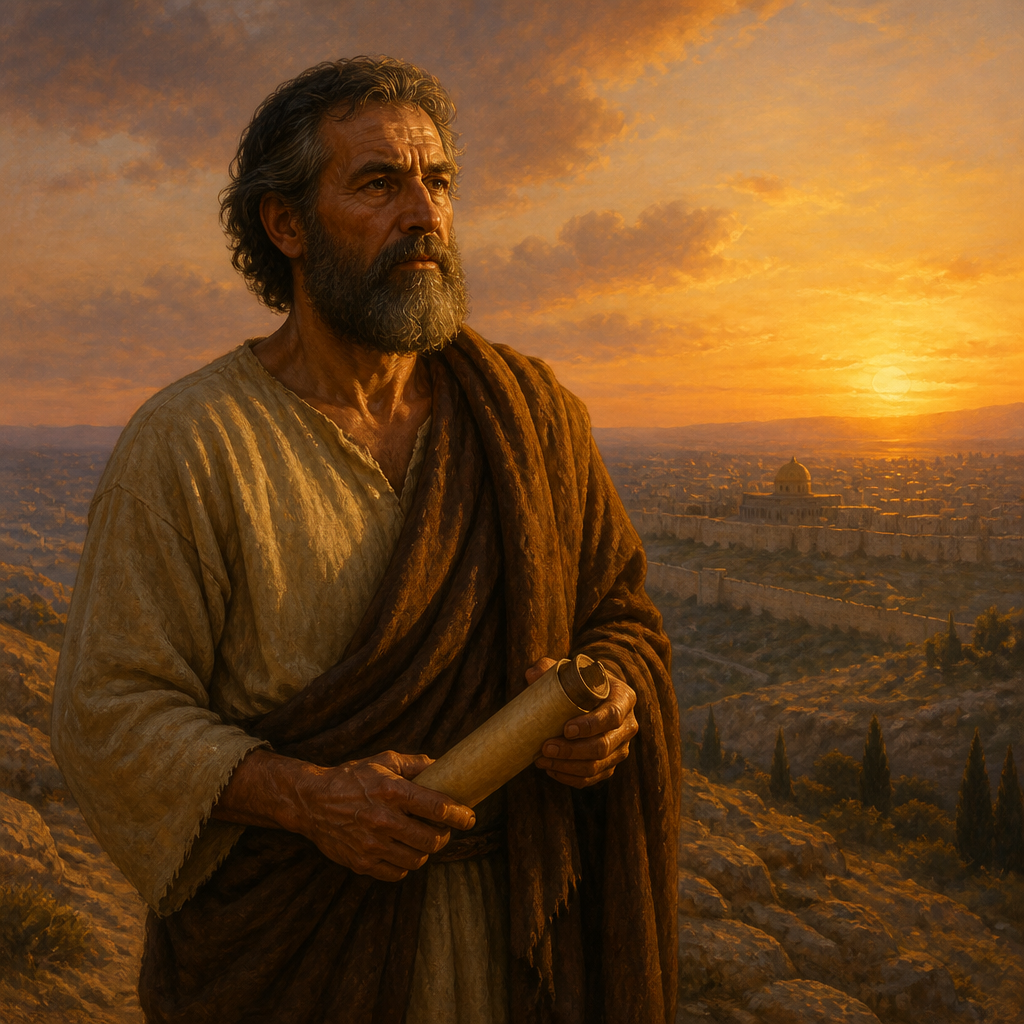
Micah the Moreshite
Prophet who predicted the destruction of Jerusalem and the Temple during the reign of Hezekiah
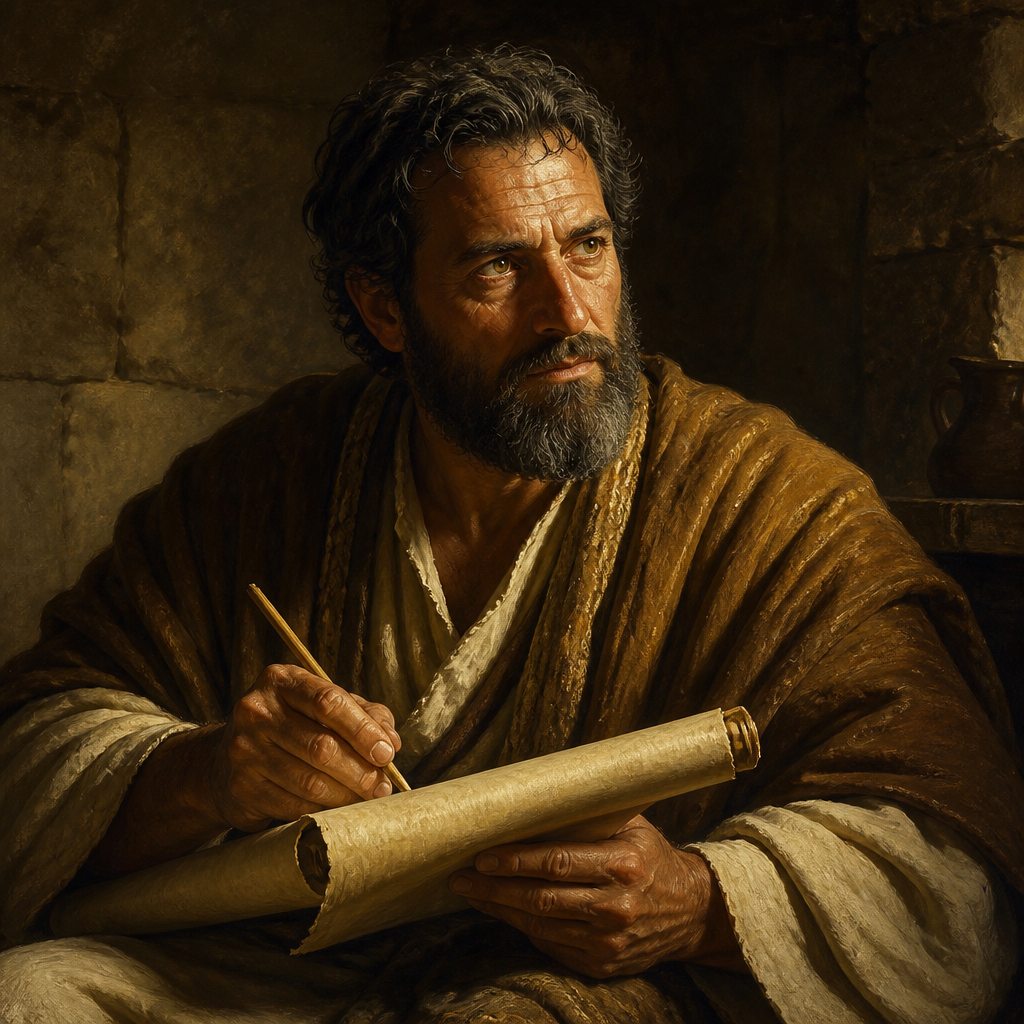
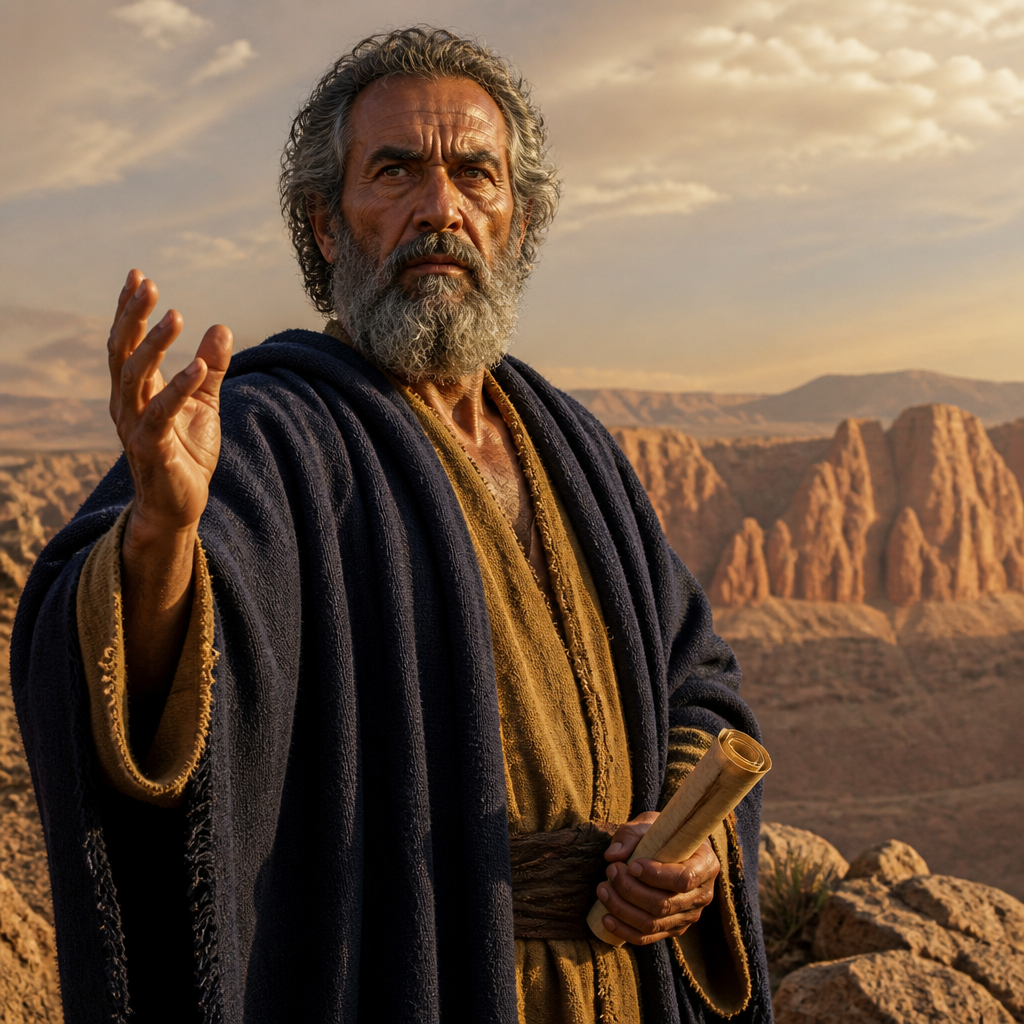
Obadiah the Prophet
Prophet who wrote the shortest book of the Old Testament concerning the judgment of Edom
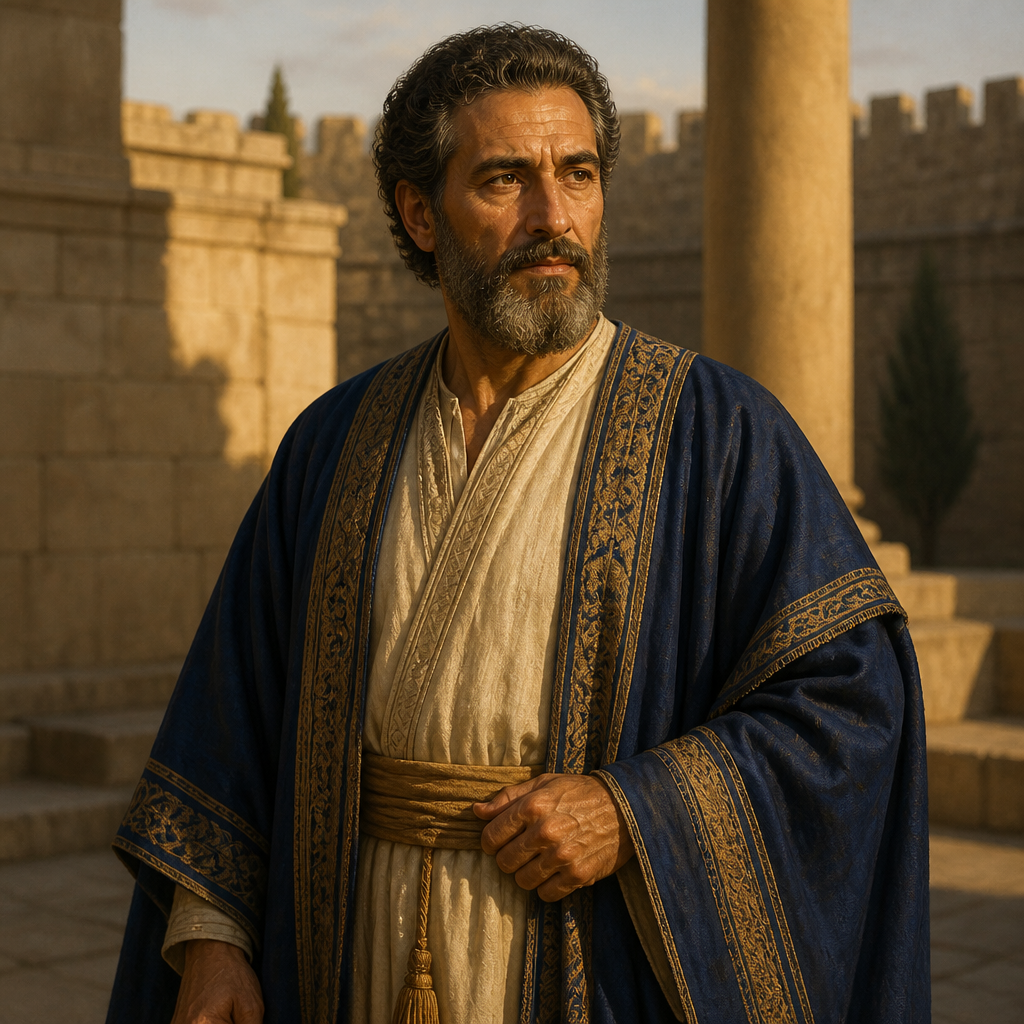
Zephaniah the Prophet
father of the prophet Zephaniah and descendant of King Hezekiah