
The Twelve Minor Prophets
The Book of the Twelve, author by author
The Twelve Minor Prophets comprise a collection of individual prophetic writings often referred to in historical scholarship as the Book of the Twelve. While the Bible does not provide a single consolidated list of these figures in a specific narrative passage, their works appear sequentially in the canon, spanning from the period of the divided monarchy through the return from the Babylonian exile. The text identifies these men by their specific oracles, lineages, and the reigns of the kings under whom they served.
The organization of these figures follows a chronological and thematic progression that addresses the rise and fall of Israel and Judah. Hosea is identified as the son of Beeri who married an unfaithful woman to symbolize the broken covenant between God and Israel (Hosea 1:1–3). Amos is described as a shepherd from Tekoa who spoke against the social injustices of the Northern Kingdom (Amos 1:1). Jonah is the son of Amittai who attempted to flee to Tarshish before being swallowed by a great fish (Jonah 1:1–17). Micah the Moreshite served during the reigns of Jotham, Ahaz, and Hezekiah predicting the eventual destruction of Jerusalem (Micah 1:1). Nahum the Elkoshite focused his entire oracle on the impending ruin of the Assyrian capital, Nineveh (Nahum 1:1). Zephaniah is noted in the genealogy of the prophet Zephaniah to establish a royal lineage back to King Hezekiah (Zephaniah 1:1).
Later members of the group addressed the community after their return to the land. Haggai is recorded as the prophet who directly challenged the people to prioritize the rebuilding of the Second Temple (Haggai 1:1–4). Zechariah worked alongside him to motivate the governors and priests during the second year of King Darius (Zechariah 1:1). Malachi concludes the collection by delivering a series of disputes regarding the corruption of the priesthood and the neglect of tithes (Malachi 1:1, 3:8). Other figures in the group include Joel, who described a plague of locusts (Joel 1:1), Obadiah the Prophet, who spoke against Edom (Obadiah 1:1), and Habakkuk, who engaged in a dialogue regarding divine justice (Habakkuk 1:1).
Scripture preserves these names to document the persistent prophetic witness throughout the various stages of the national history of Israel. These records provide a legal and theological testimony of the warnings given before the exile and the instructions provided for the restoration of the religious community. By maintaining the specific identities and historical contexts of these men, the text anchors their diverse messages—ranging from social ethics to apocalyptic visions—within the concrete timeline of the ancient Near East.
Everyone in this list
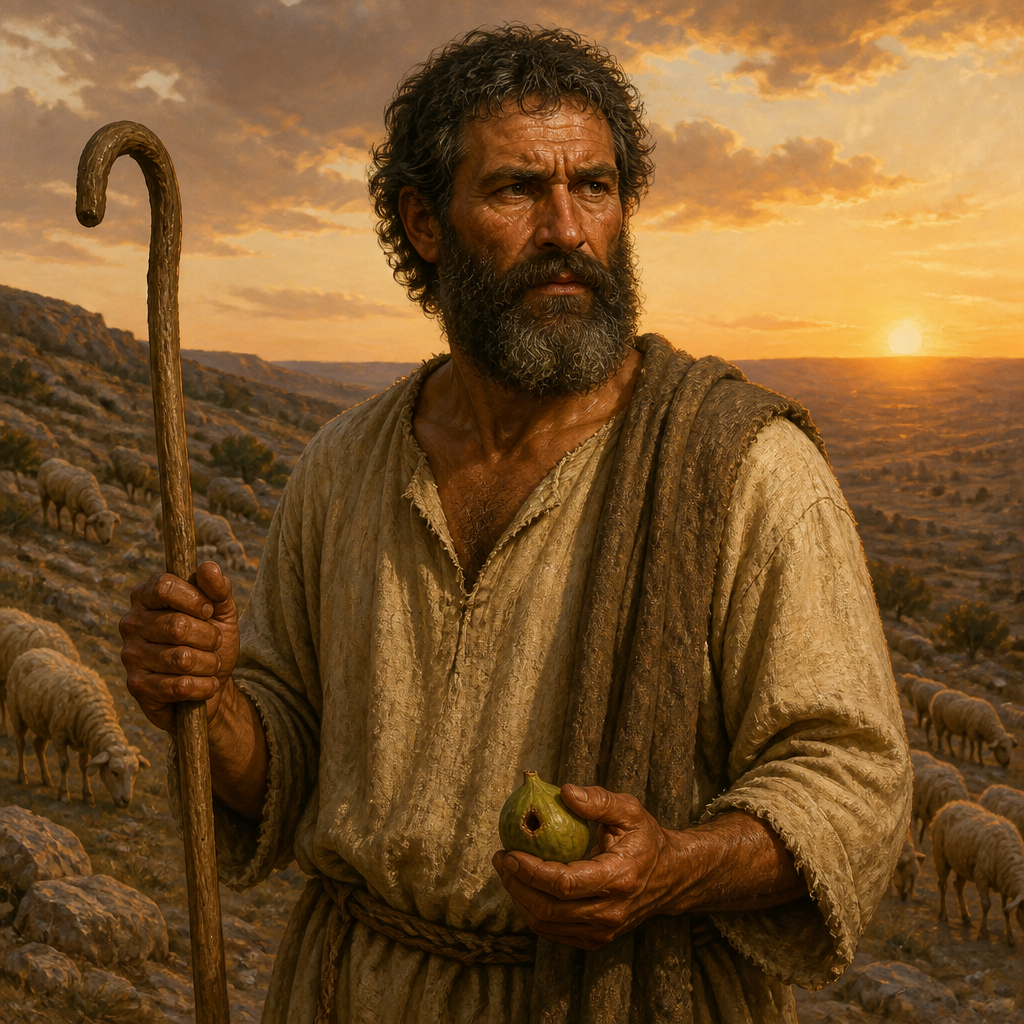
Amos, Prophet of the Divided Monarchy
Prophet who championed social justice and warned the Northern Kingdom of judgment
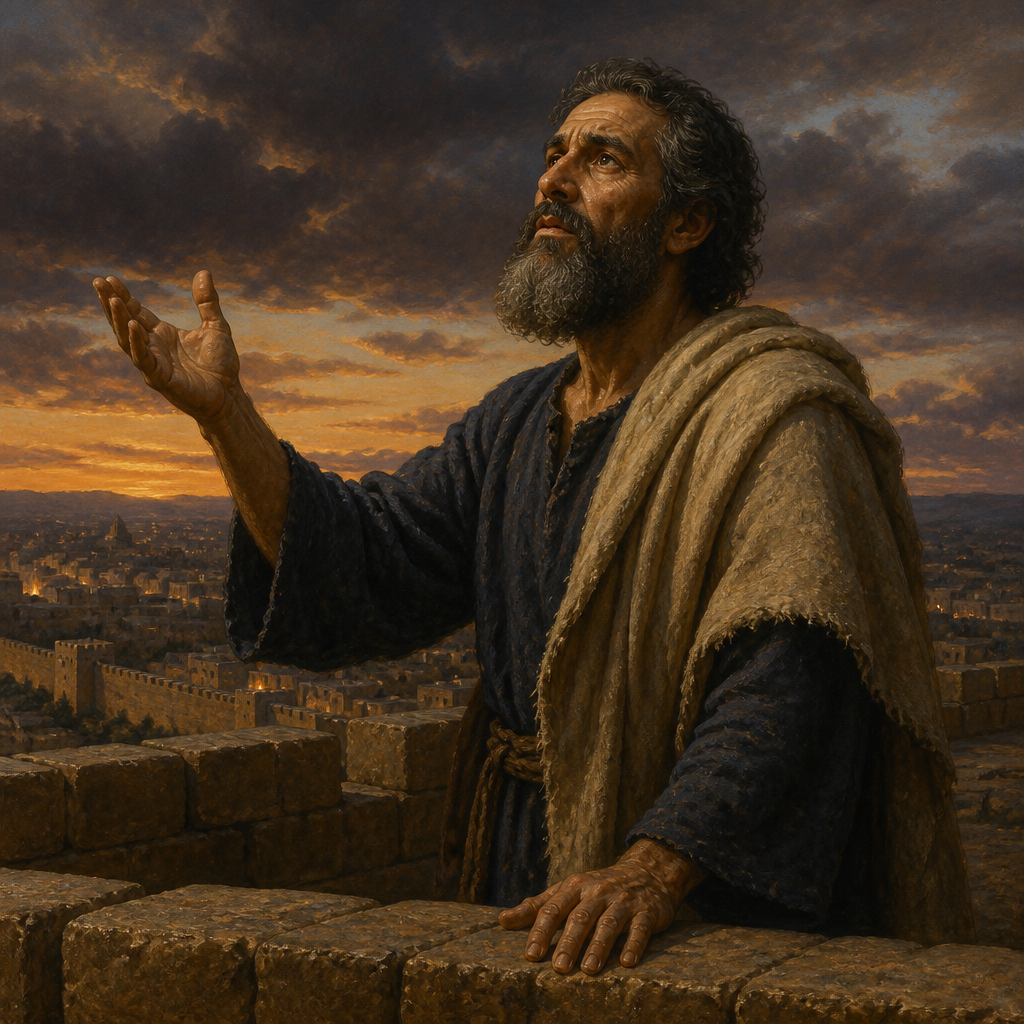
Habakkuk
Prophet who questioned divine justice before the Babylonian exile
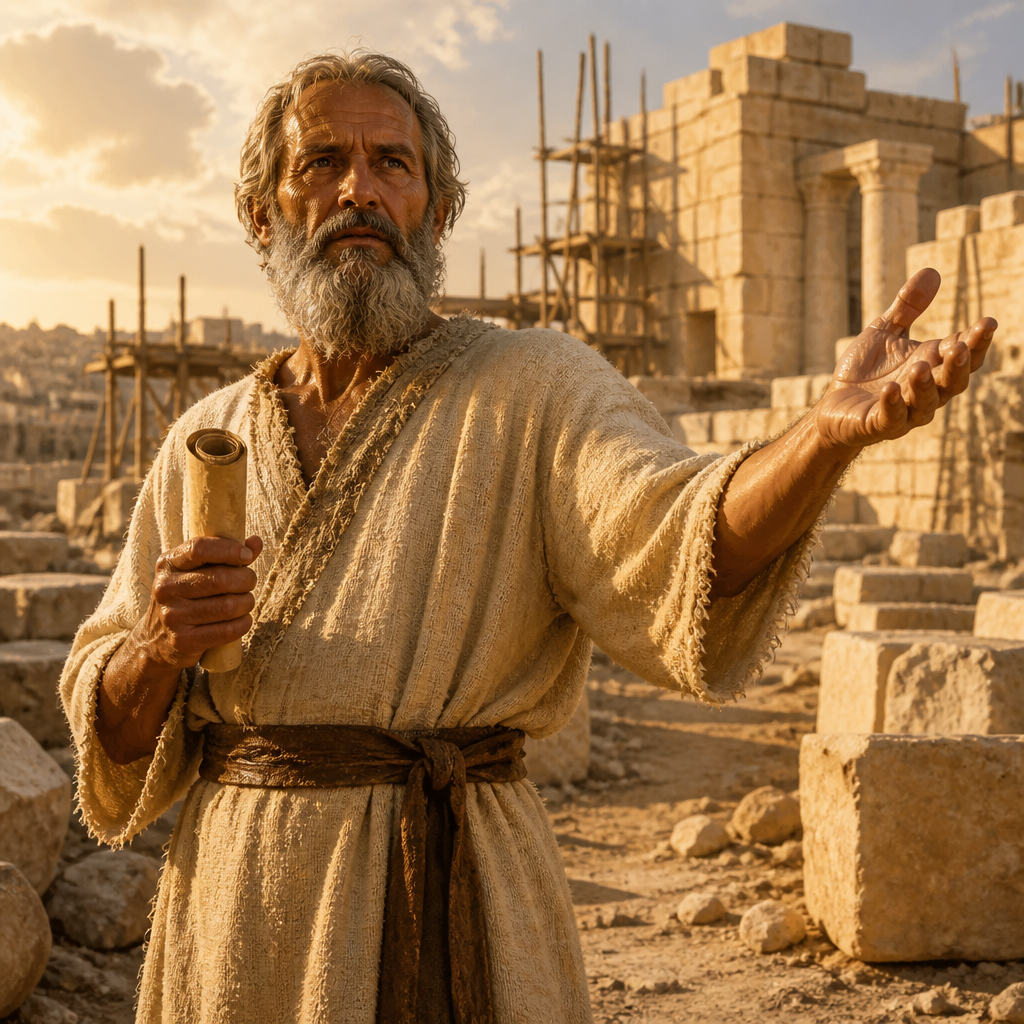
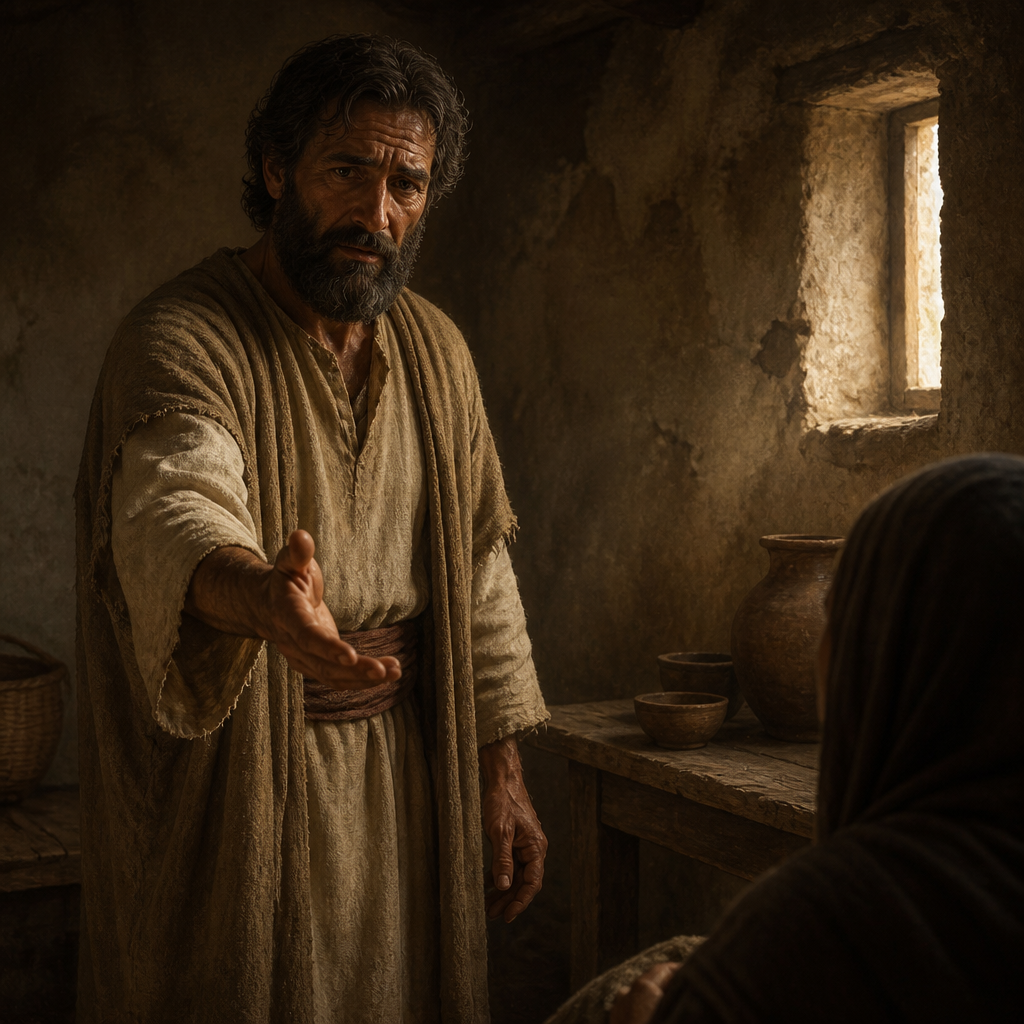
Hosea
Prophet who married an unfaithful woman to symbolize Israel's relationship with God
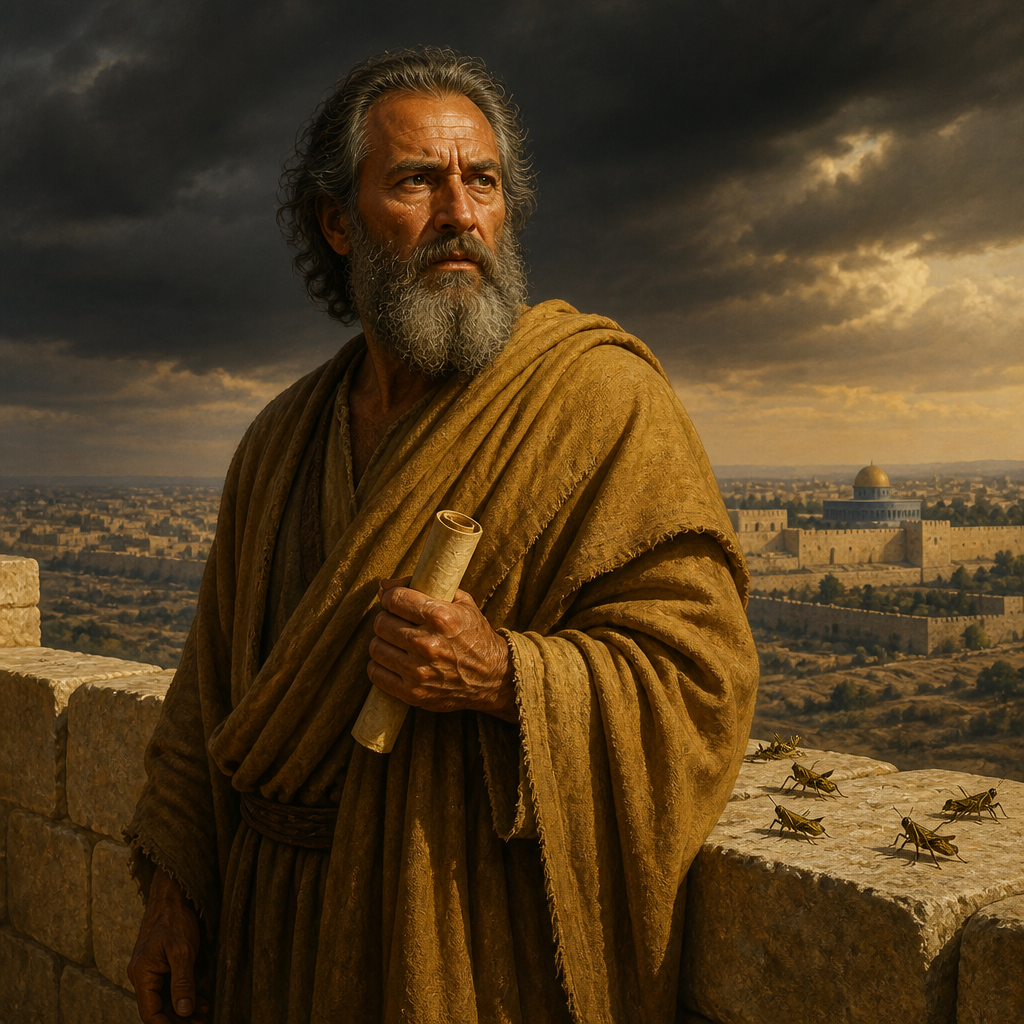
Joel, Son of Pethuel
Prophet who predicted the outpouring of the Holy Spirit and the Day of the LORD
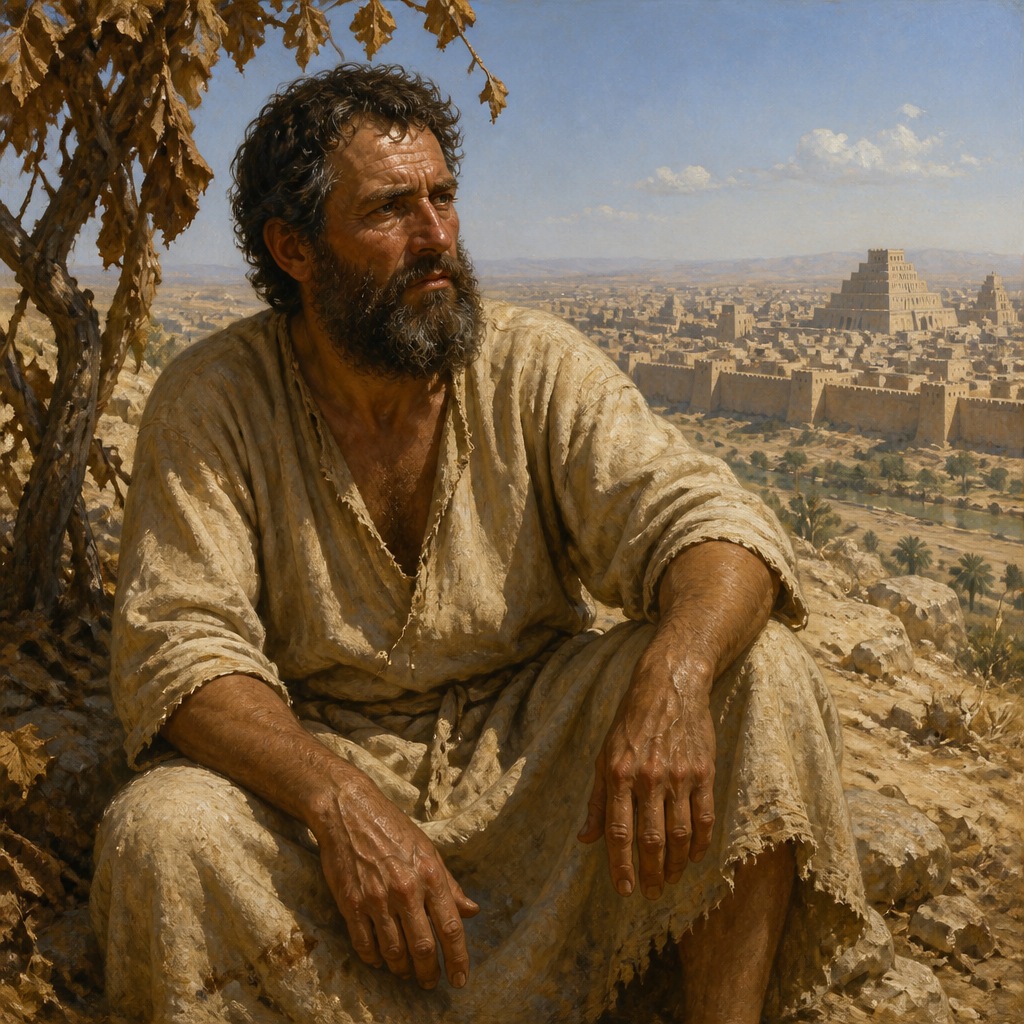
Jonah
Prophet who was swallowed by a great fish after fleeing God's command to preach to Nineveh
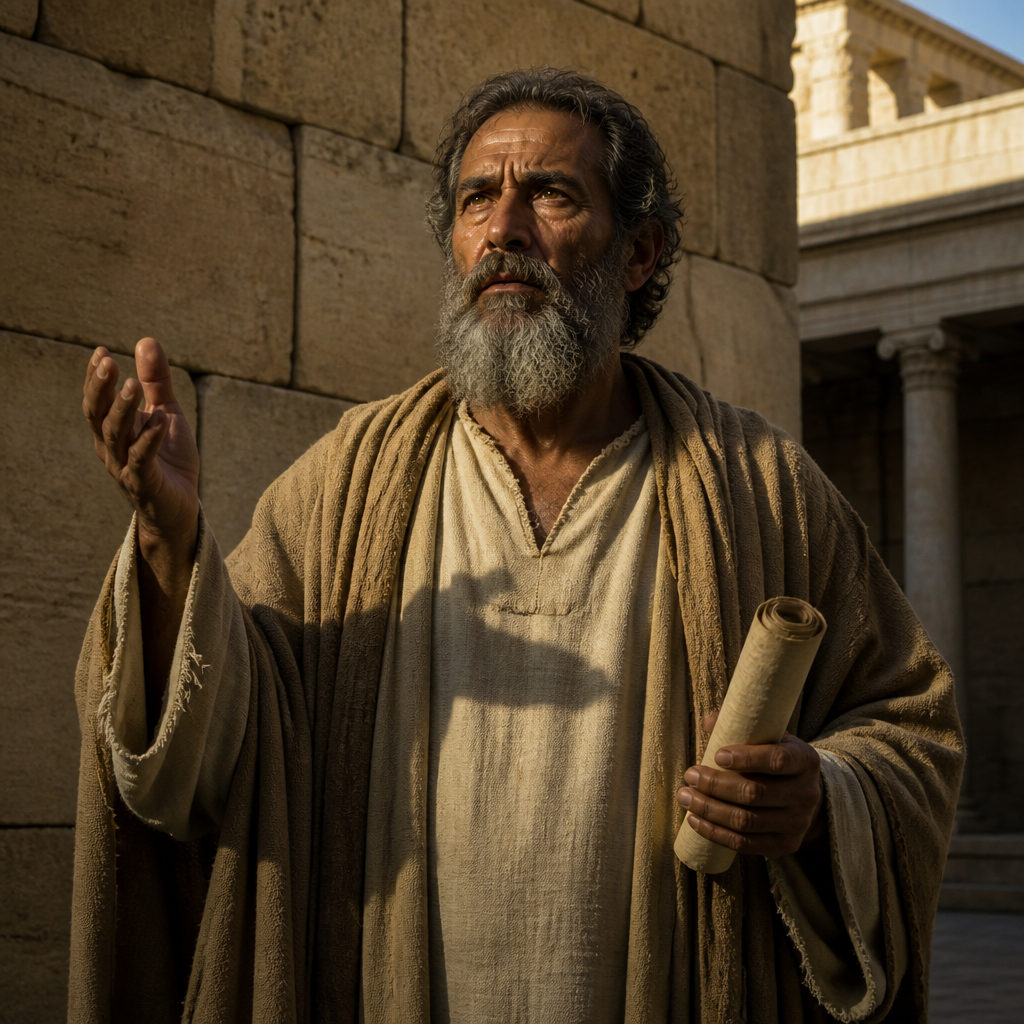
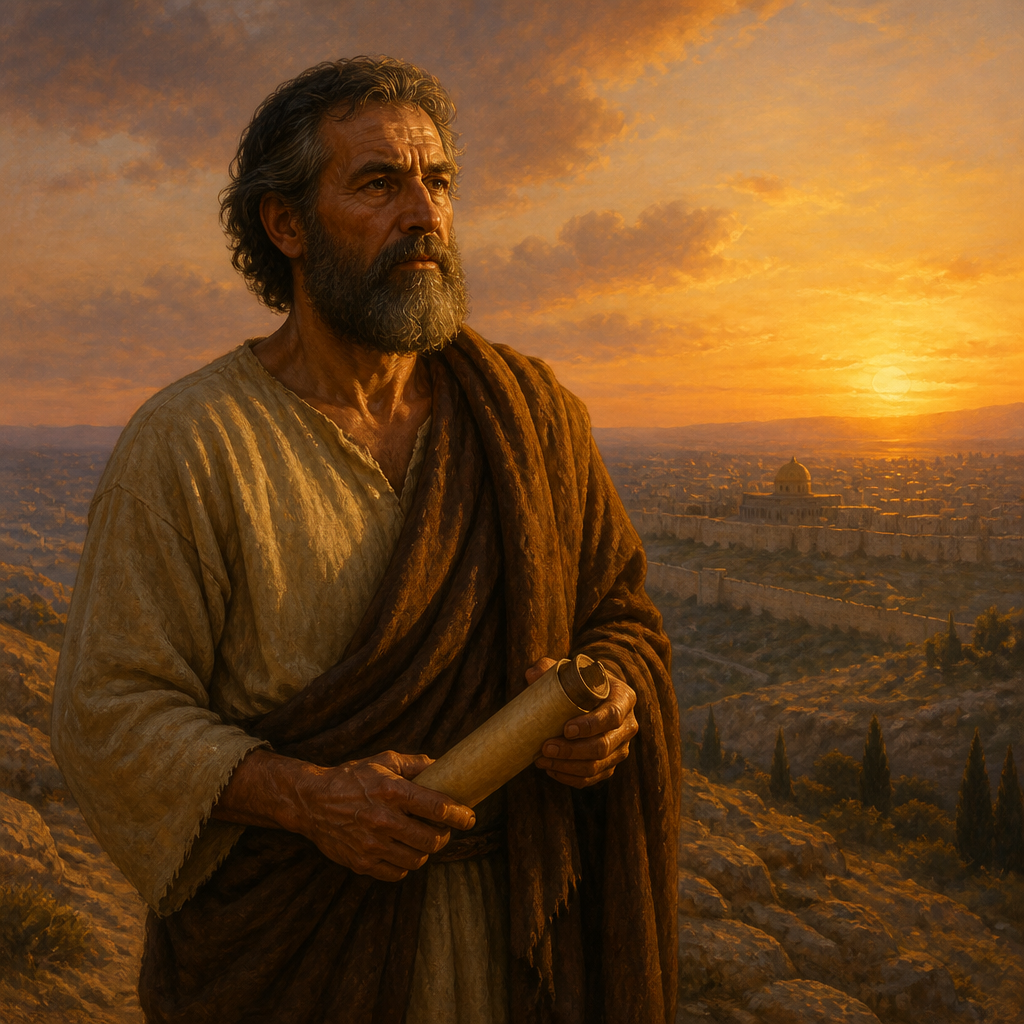
Micah the Moreshite
Prophet who predicted the destruction of Jerusalem and the Temple during the reign of Hezekiah
Obadiah the Prophet
Prophet who wrote the shortest book of the Old Testament concerning the judgment of Edom
Zechariah, Prophet of the Return
Prophet who motivated the rebuilding of the Second Temple during the reign of Darius
Zephaniah the Prophet
father of the prophet Zephaniah and descendant of King Hezekiah