Nation
The Edomites
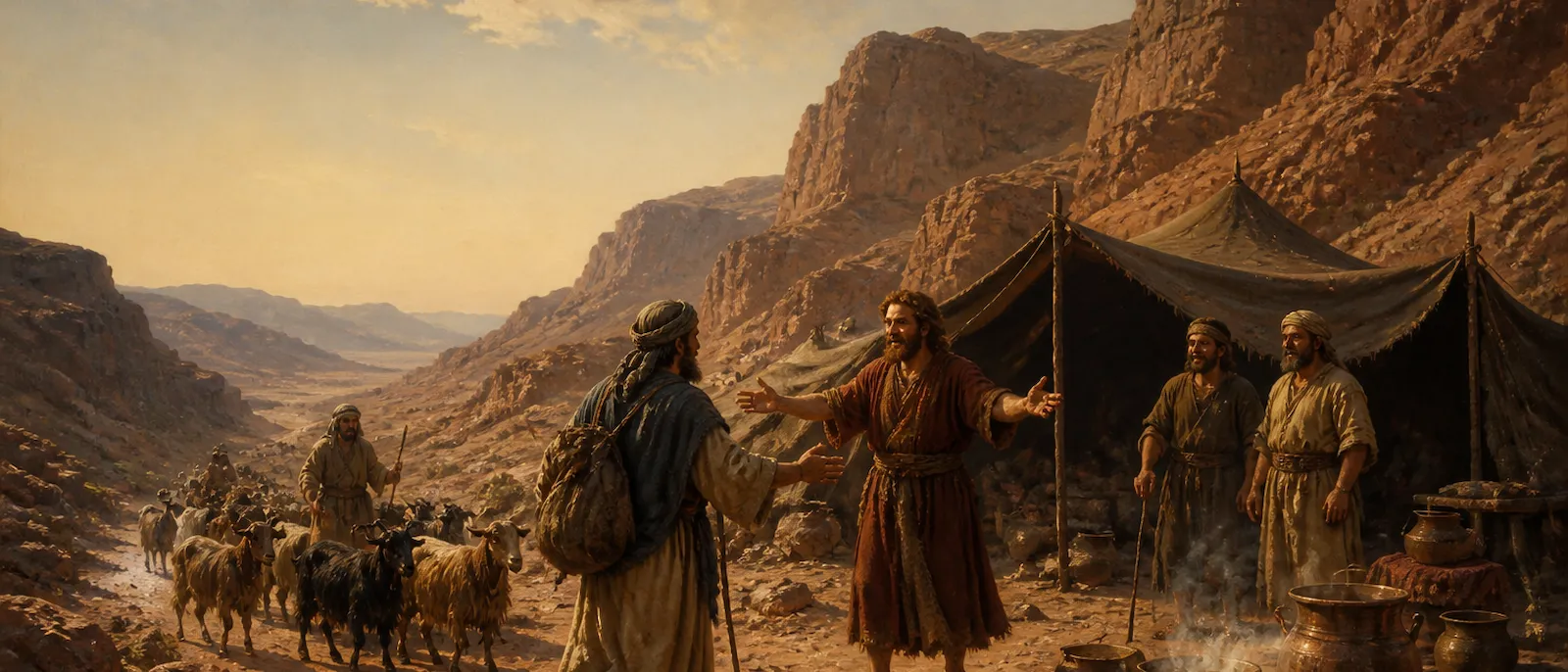
The nation descended from Esau, Jacob's brother, settled in the highlands of Seir.
Scripture traces this people through Esau.
People of Edomites
Achbor, Father of Baal-hanan
Edomite patriarch and father of King Baal-hanan
Achbor was an Edomite patriarch whose son, Baal-hanan, served as the seventh recorded king of Edom during the pre-Israelite monarchical period.
View profile →
Alvah
Chief of Edom mentioned in the genealogies of Genesis and Chronicles
Alvah was a chief of Edom, a descendant of Esau, who established a regional clan and administrative district in the land of Seir during the Patriarchal Period.
View profile →
Amalek
Grandson of Esau and a chief of the Edomites
Amalek was a grandson of Esau and a tribal chief in the land of Edom during the Patriarchs.
View profile →
Baal-hanan, King of Edom
Seventh king of Edom mentioned in the early genealogies of Genesis
The seventh listed king of Edom who reigned before any king ruled over the Israelites.
View profile →
Bedad
Patriarch of Edom and father of King Hadad
Bedad was an Edomite patriarch and the father of King Hadad, a ruler of Edom during the pre-Israelite monarchy.
View profile →
Bela, King of Edom
First king of Edom who reigned in the city of Dinhabah
Bela, son of Beor, was the first recorded king of Edom, reigning from his capital city of Dinhabah prior to the establishment of the Israelite monarchy.
View profile →
Beor, Father of King Bela
Edomite patriarch and father of Bela, the first king of Edom
An early Edomite patriarch recognized as the father of Bela, the first recorded king to rule in the land of Edom.
View profile →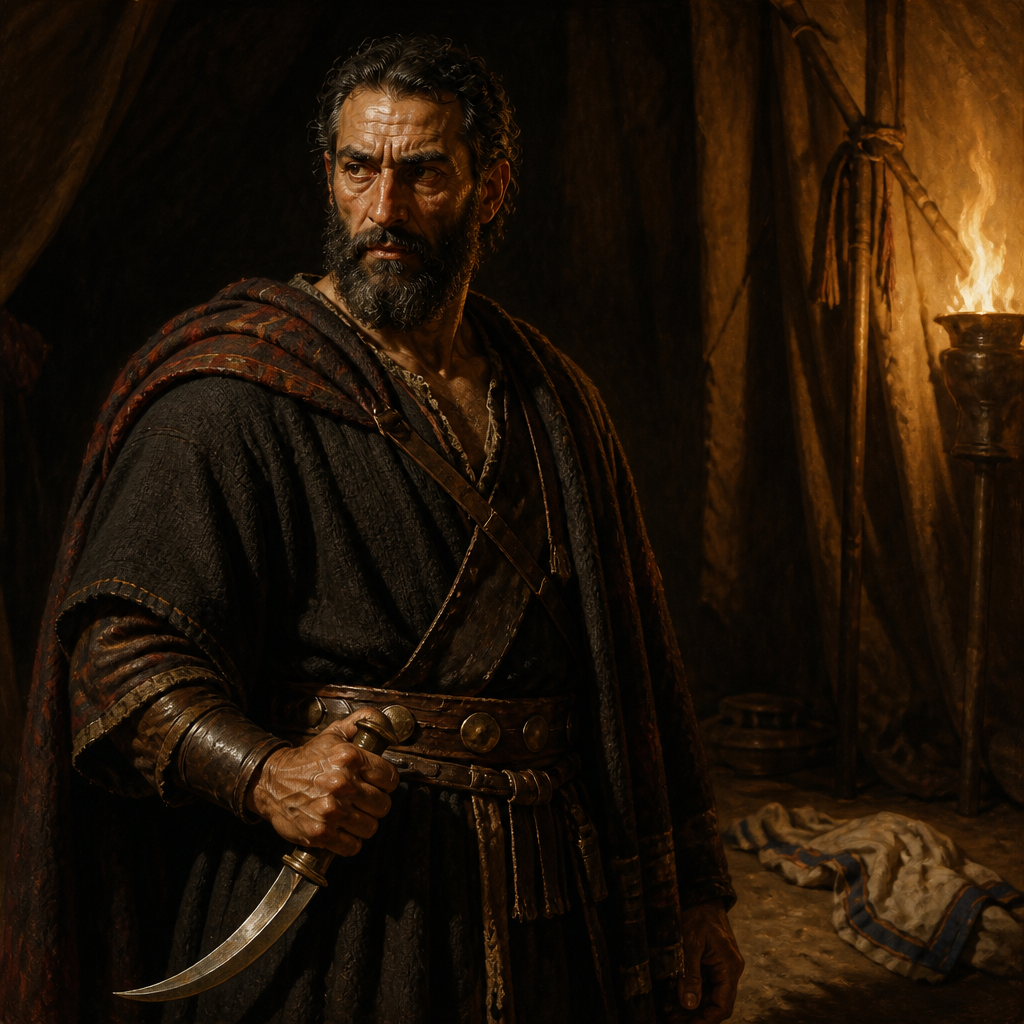
Doeg
Official who murdered the priests of Nob
An Edomite official serving as King Saul’s chief shepherd, notorious for the massacre of eighty-five priests at Nob.
View profile →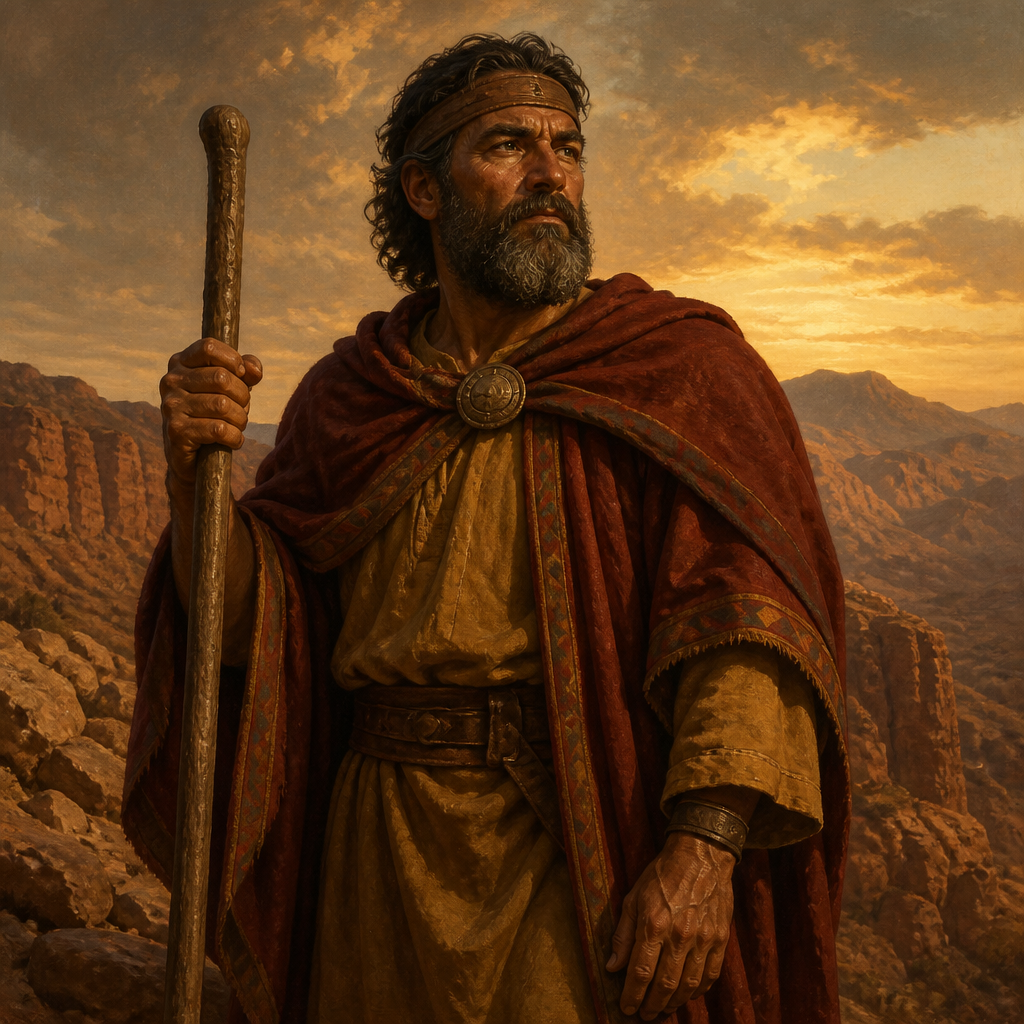
Elah, Chief of Edom
Edomite chief mentioned in the genealogies of Esau
Elah was a clan leader and chief of the Edomites, descended from Esau, who governed a specific territorial region in the land of Seir during the Patriarchal Period.
View profile →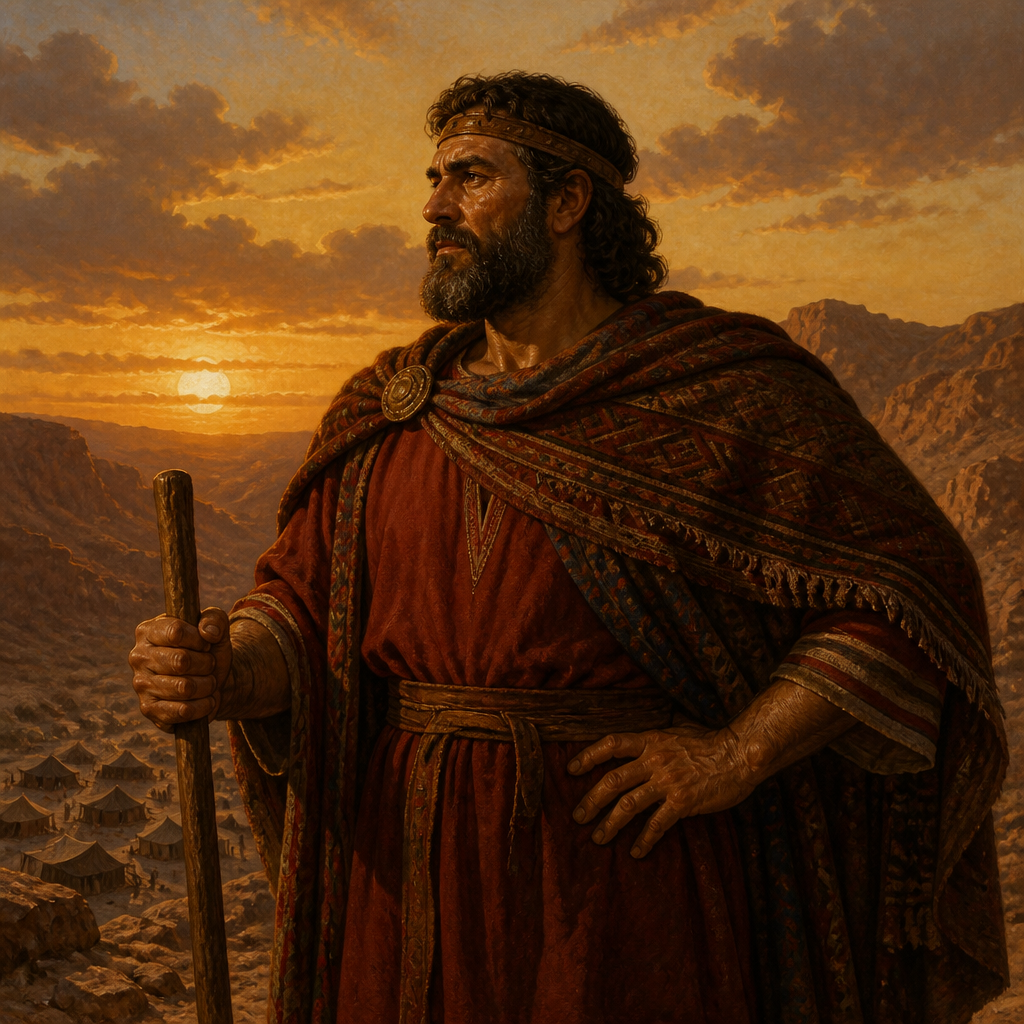
Eliphaz, Son of Esau
Firstborn son of Esau and the father of the chiefs of Edom
Eliphaz was the firstborn son of Esau and Adah, serving as a foundational patriarch and chief within the nation of Edom.
View profile →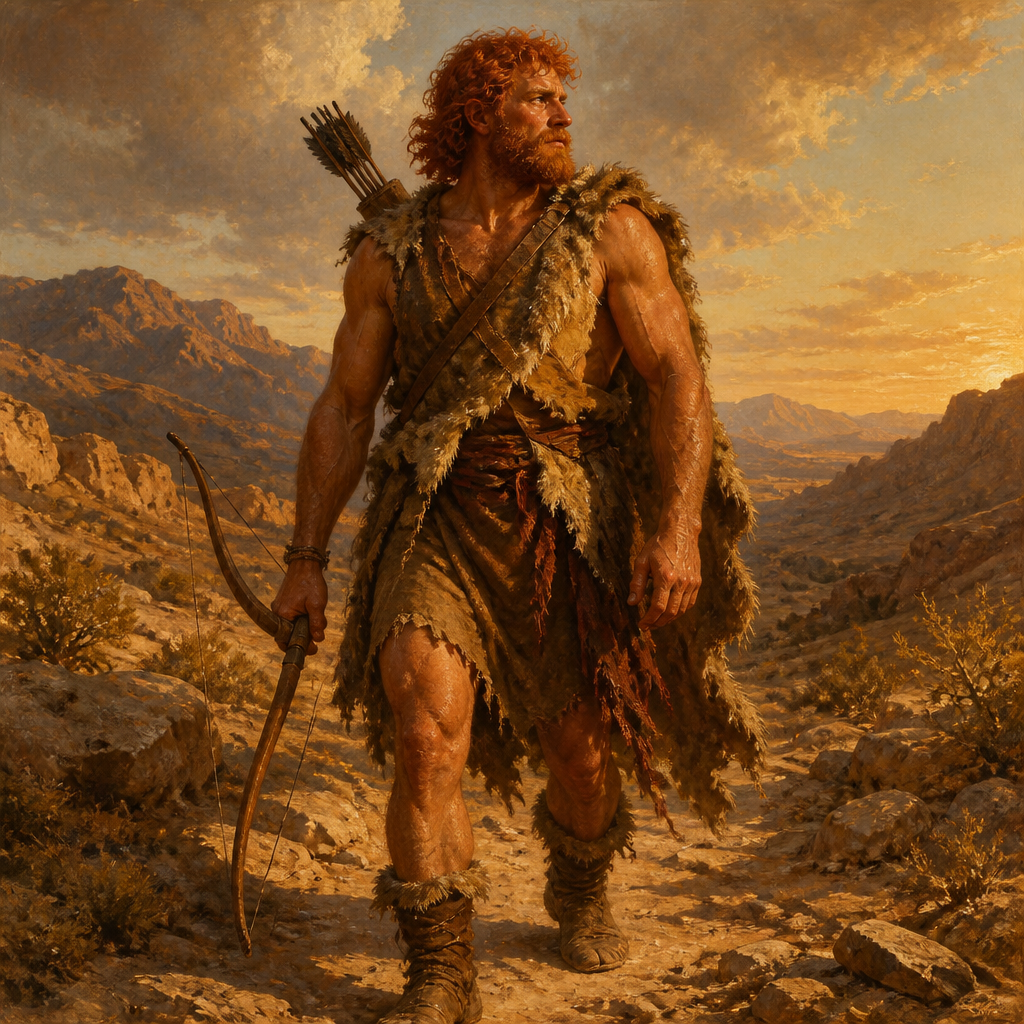
Esau
Patriarch who sold his birthright for lentil stew and founded the nation of Edom
The firstborn son of Isaac and Rebekah, a skillful hunter and the progenitor of the Edomites, known for selling his birthright for a bowl of stew.
View profile →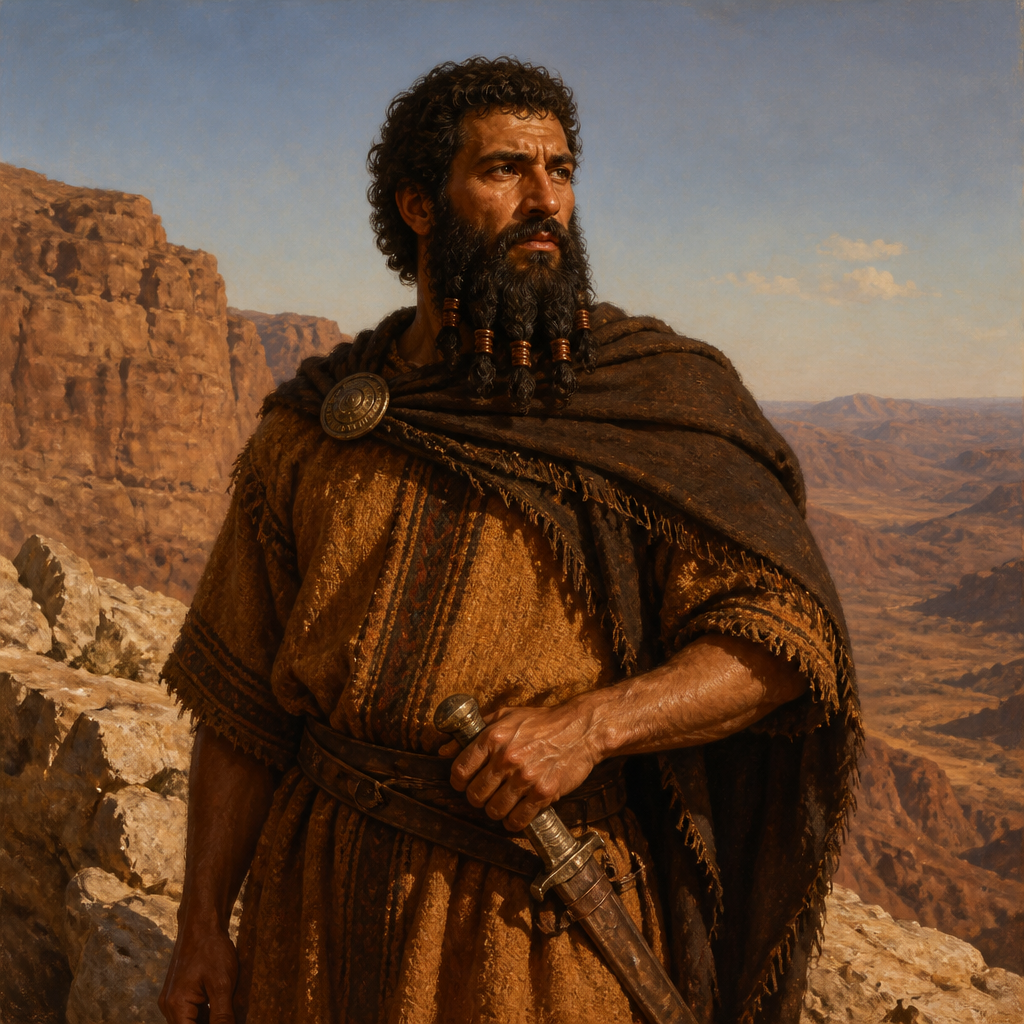
Gatam
Edomite chief and son of Eliphaz who helped establish the nation of Edom
An Edomite patriarch and chieftain, Gatam was the son of Eliphaz and grandson of Esau.
View profile →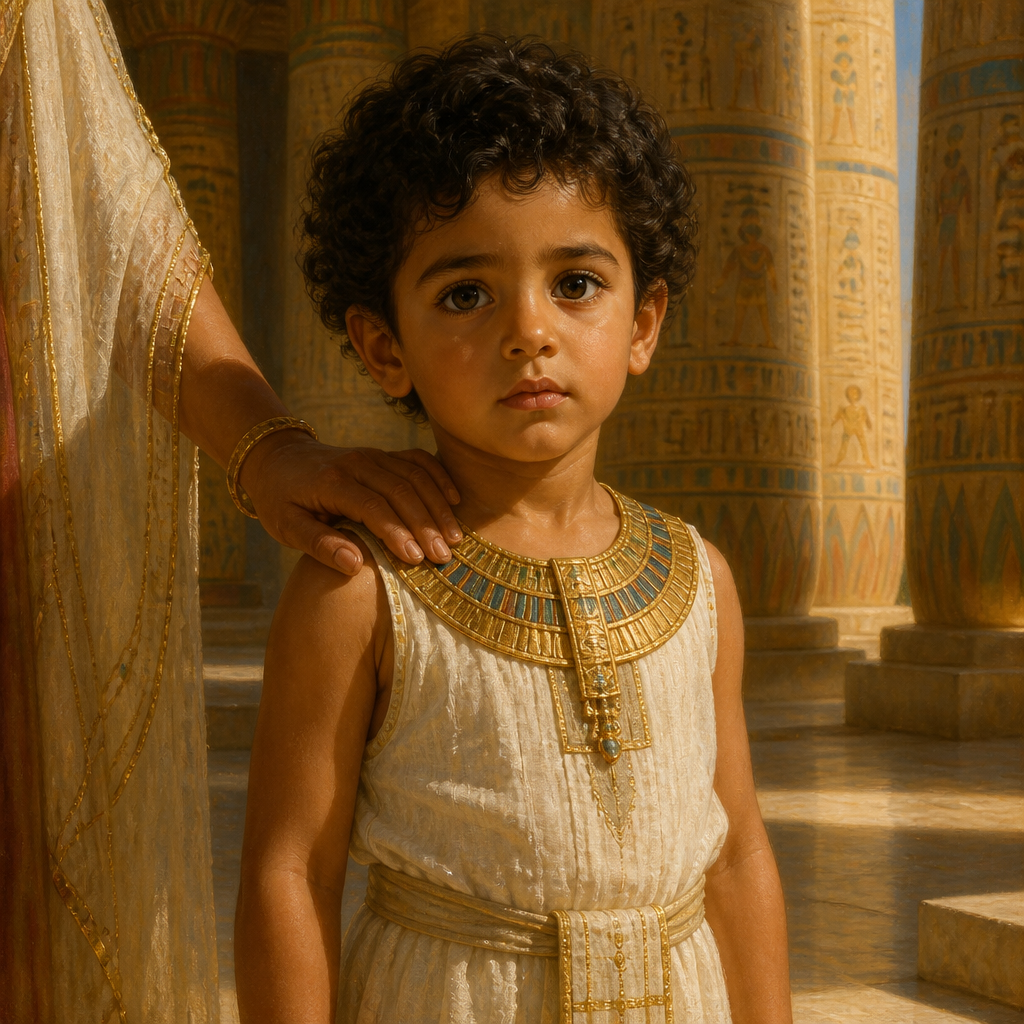
Genubath
Edomite prince raised in the Egyptian palace as a member of Pharaoh's household
Genubath was the son of Hadad the Edomite and an Egyptian princess, raised in the court of Pharaoh during the United Monarchy.
View profile →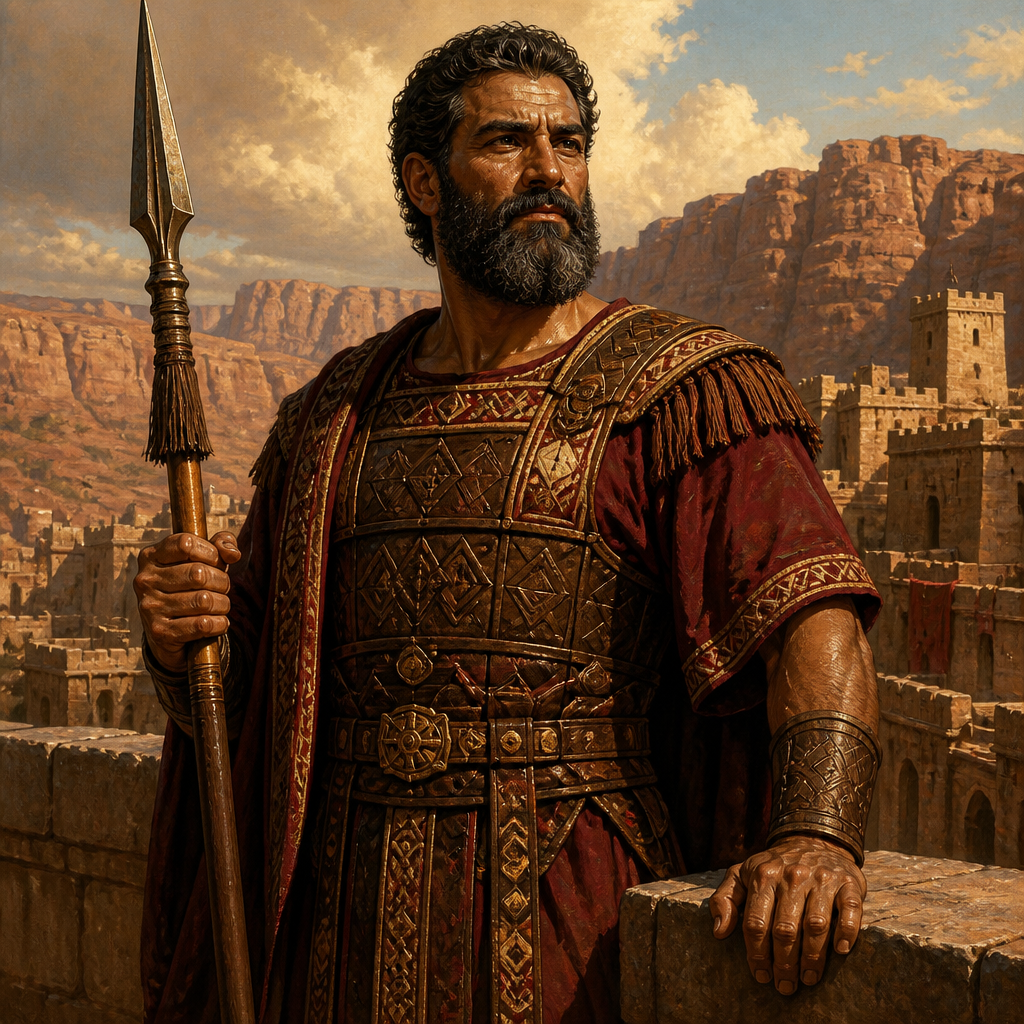
Hadad son of Bedad, King of Edom
King of Edom who defeated the Midianites in the country of Moab
An early Edomite king who gained prominence by defeating the Midianites in the territory of Moab before the establishment of the Israelite monarchy.
View profile →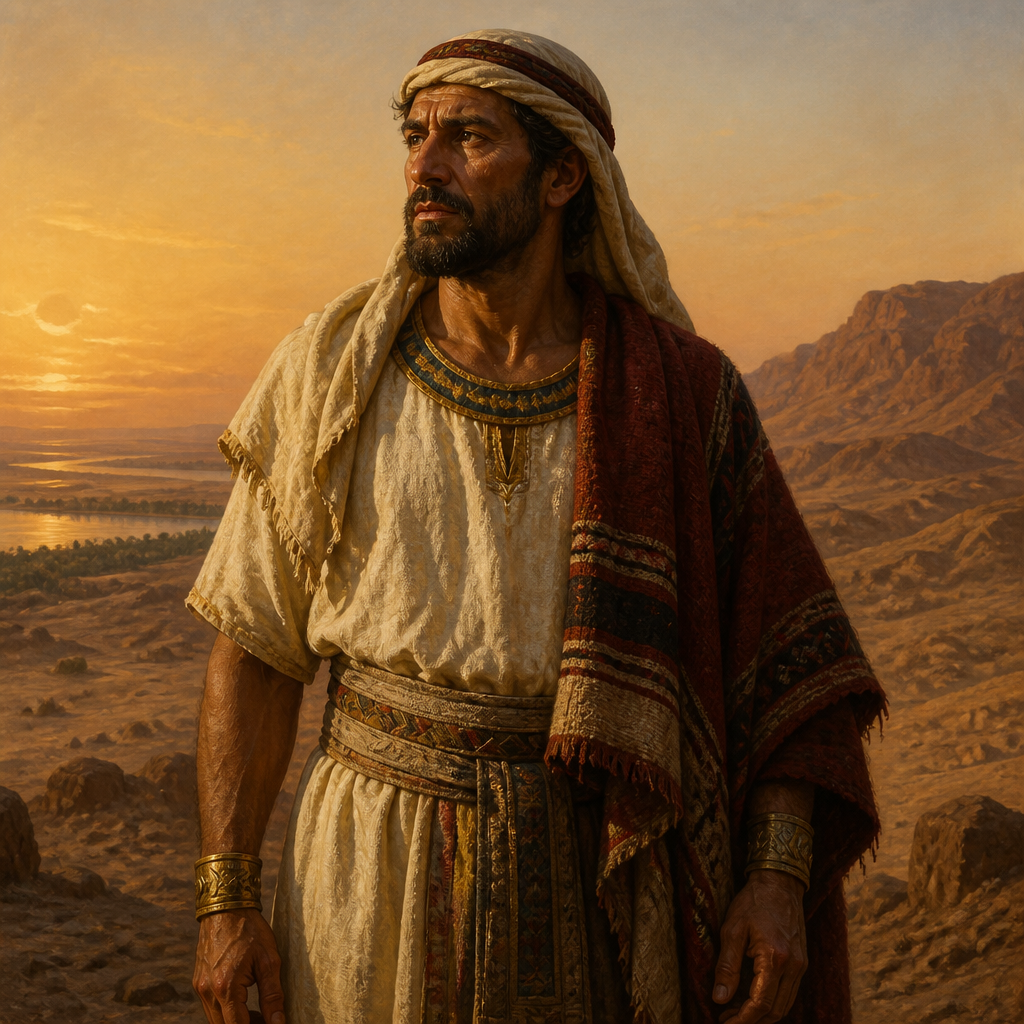
Hadad the Edomite
Edomite prince who survived David's conquest and returned from Egypt to oppose King Solomon
A prince of the royal house of Edom who escaped David’s conquest and returned from Egypt to become a major adversary of King Solomon.
View profile →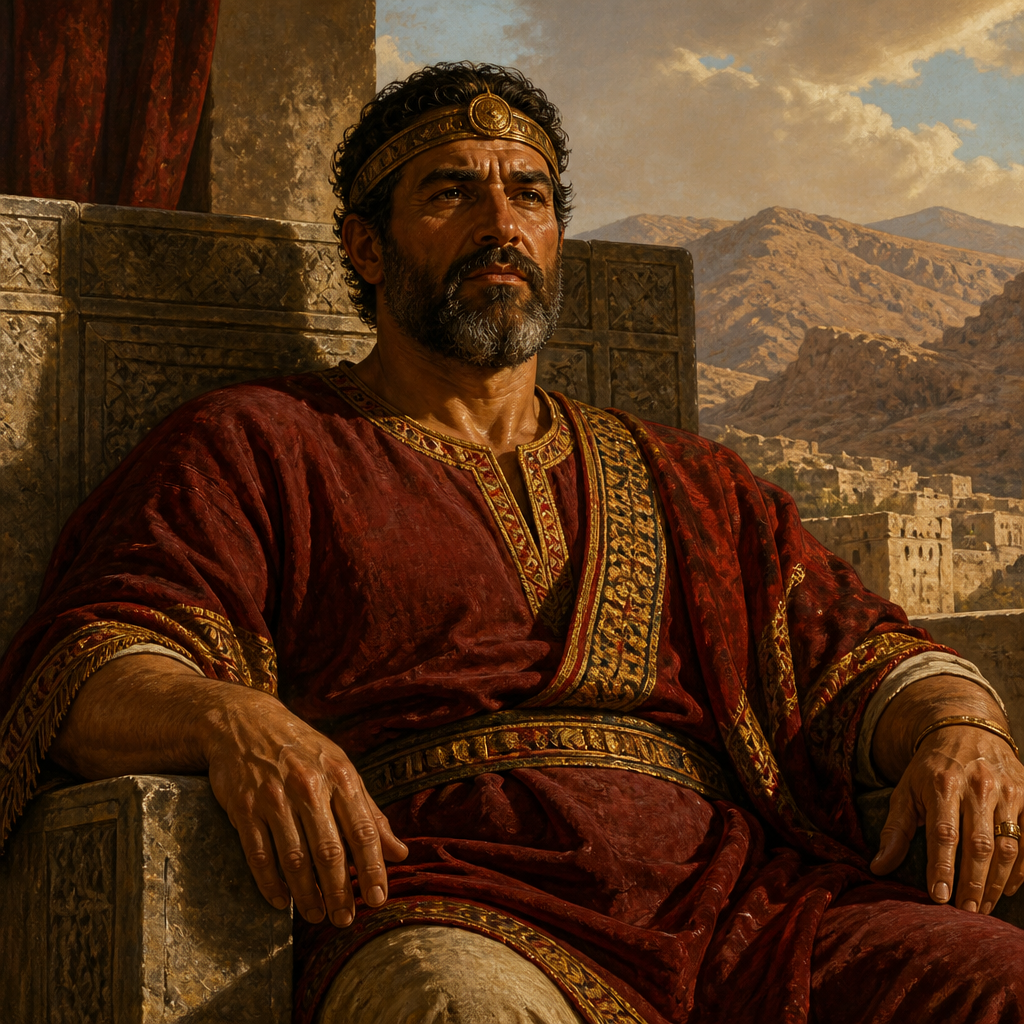
Hadad, Husband of Mehetabel
King of Edom who reigned in the city of Pau and was the husband of Mehetabel
Hadad was the last listed king of Edom prior to the rise of the Israelite monarchy, ruling from the city of Pau with his wife Mehetabel.
View profile →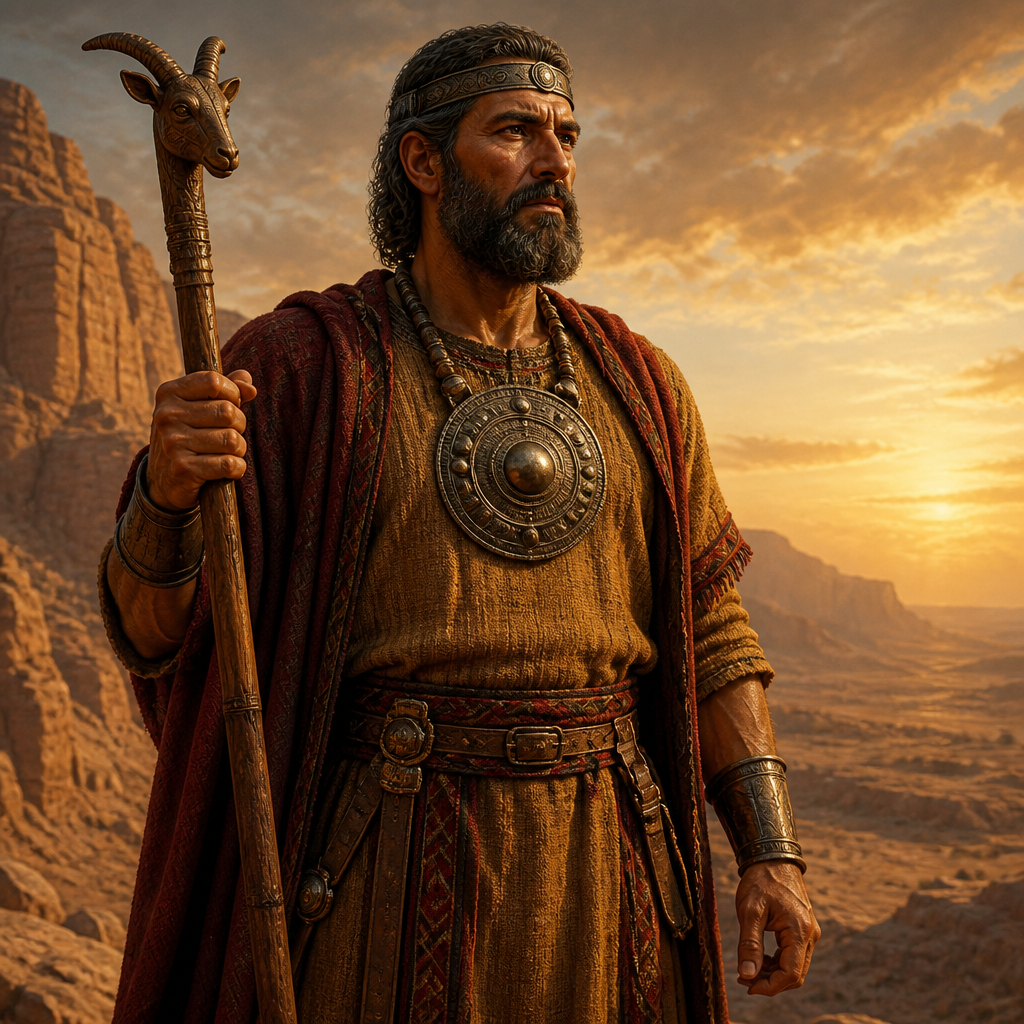
Husham
King of Edom from the land of the Temanites who reigned before the Israelite monarchy
Husham was an early Edomite king from the land of the Temanites who reigned during the patriarchal era before the establishment of the Israelite monarchy.
View profile →
Iram
Chief of Edom listed in the genealogies of Esau
Iram was a prominent Edomite chief (alluph) descended from Esau, identified in the genealogical records of Genesis and 1 Chronicles.
View profile →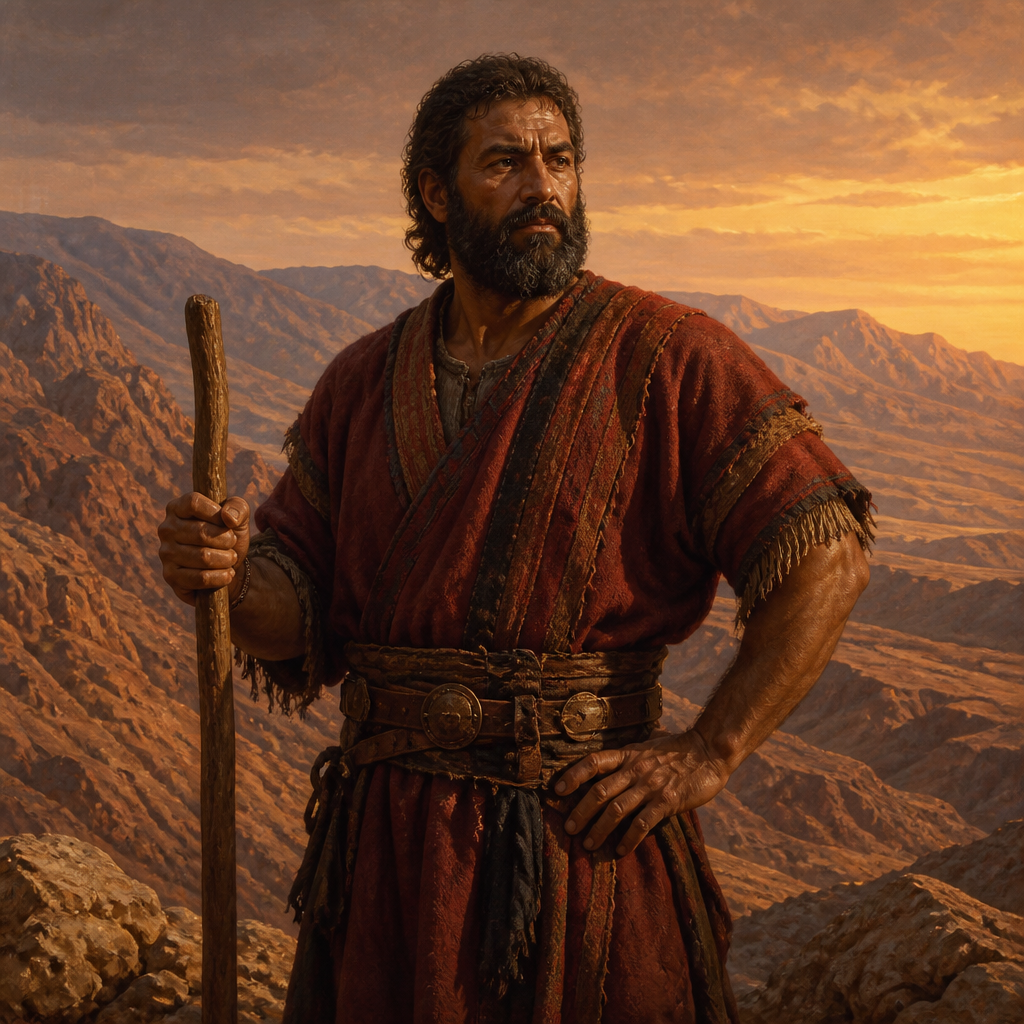
Jalam
Son of Esau and a tribal chief of the Edomites
Jalam was a son of Esau and Oholibamah who became a prominent tribal chief and patriarch in the land of Edom.
View profile →
Jetheth
Chief of Edom mentioned in the genealogies of Esau
Jetheth was an Edomite leader identified as a 'chief' among the descendants of Esau during the patriarchal era.
View profile →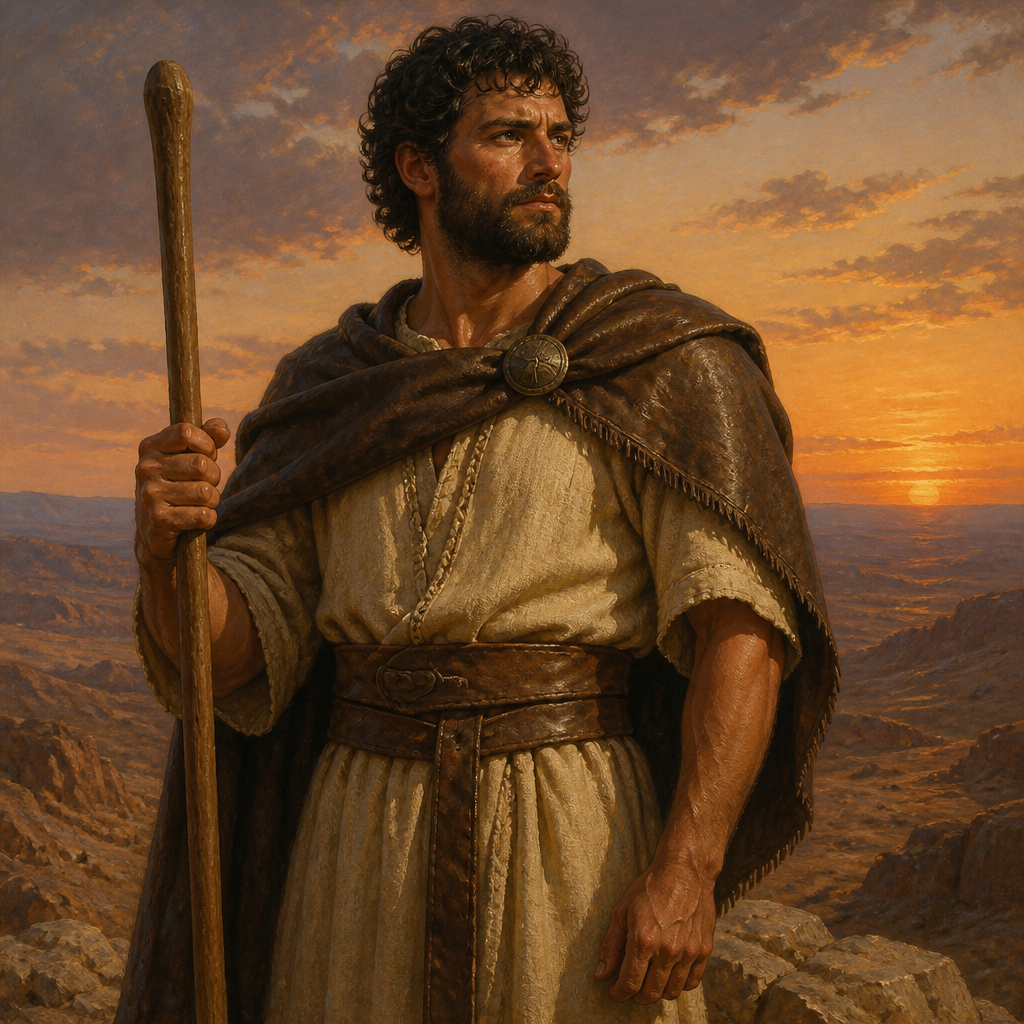
Jeush, Son of Esau
Son of Esau who became a chief of the Edomites
A son of Esau and Oholibamah who became a prominent clan leader and chief among the Edomites in the land of Seir.
View profile →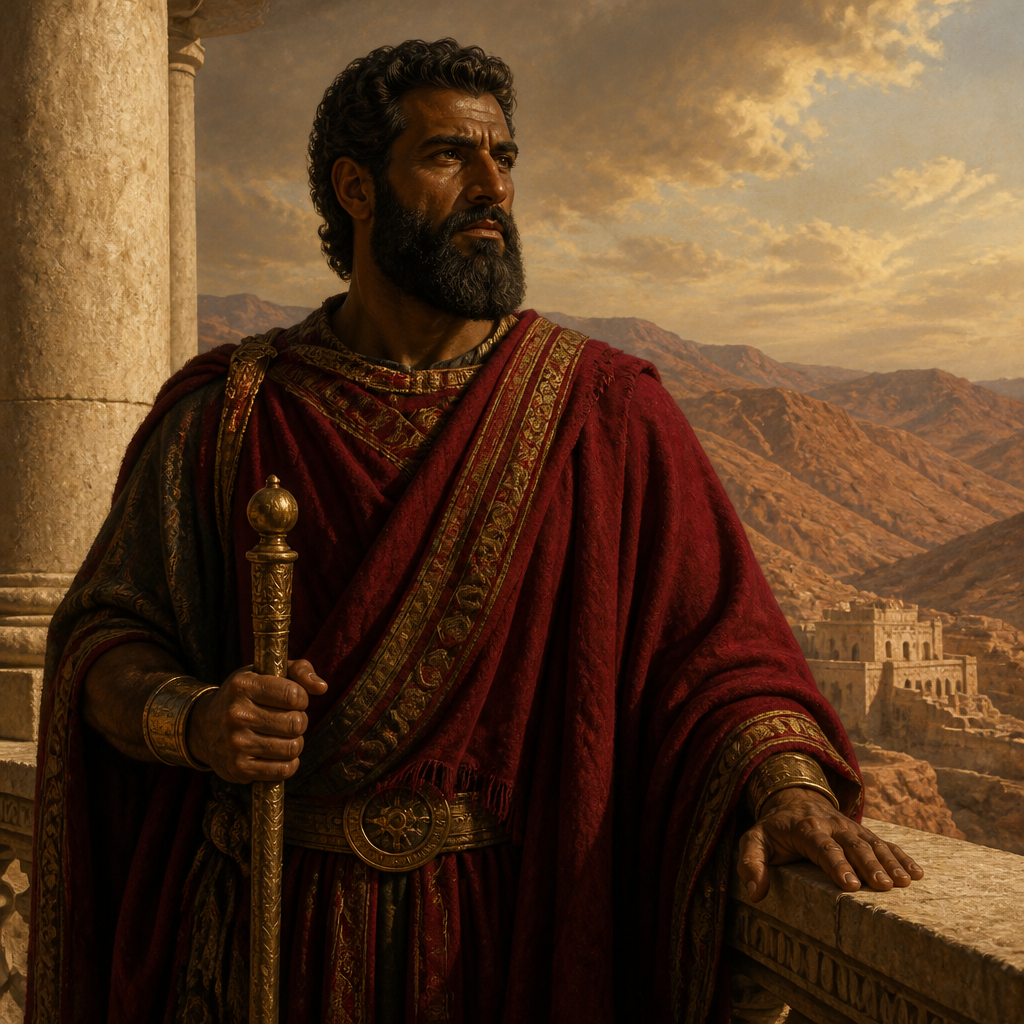
Jobab, King of Edom
King of Edom who reigned in Bozrah before the time of the Israelite monarchy
Jobab was the second recorded king of Edom, reigning in the era before Israelite kings, succeeding Bela son of Beor and preceding Husham of the Temanites.
View profile →
Kenaz, Son of Eliphaz
Edomite chief and son of Eliphaz who established a prominent clan in the lineage of Esau
An Edomite chief and grandson of Esau, Kenaz was a prominent tribal leader within the line of Eliphaz during the Patriarchs.
View profile →
Korah, Grandson of Adah
Edomite chief who was the son of Eliphaz and grandson of Esau
An Edomite chief and son of Eliphaz who served as a tribal leader in the land of Edom during the Patriarchs.
View profile →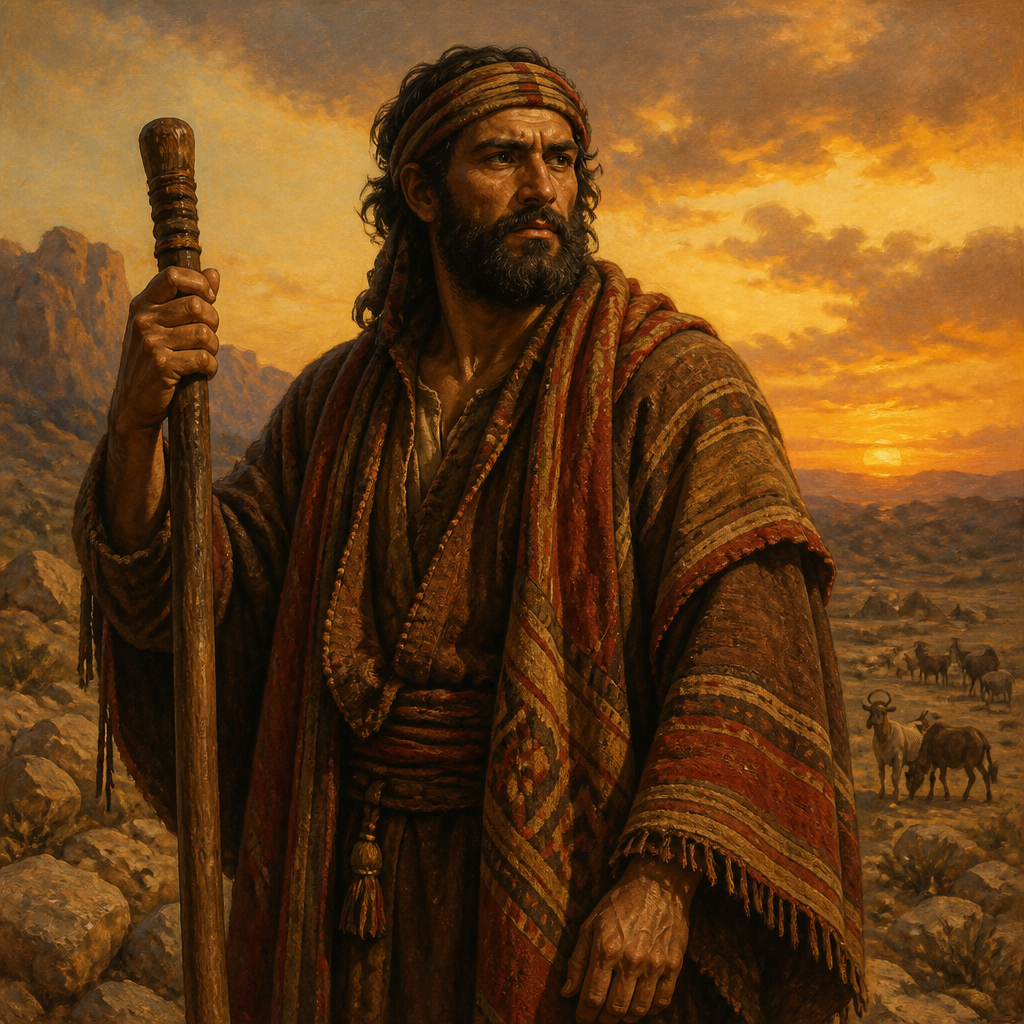
Korah, Son of Esau
Edomite chief and son of Esau who helped establish the tribes of Edom
An Edomite chief and the son of Esau and Oholibamah, recognized as a tribal leader in the land of Canaan during the Patriarchs.
View profile →
Magdiel
Chief of the Edomite clans descended from Esau
Magdiel was a clan leader and chief of the Edomites, descended from Esau, representing a significant tribal settlement in the land of Edom.
View profile →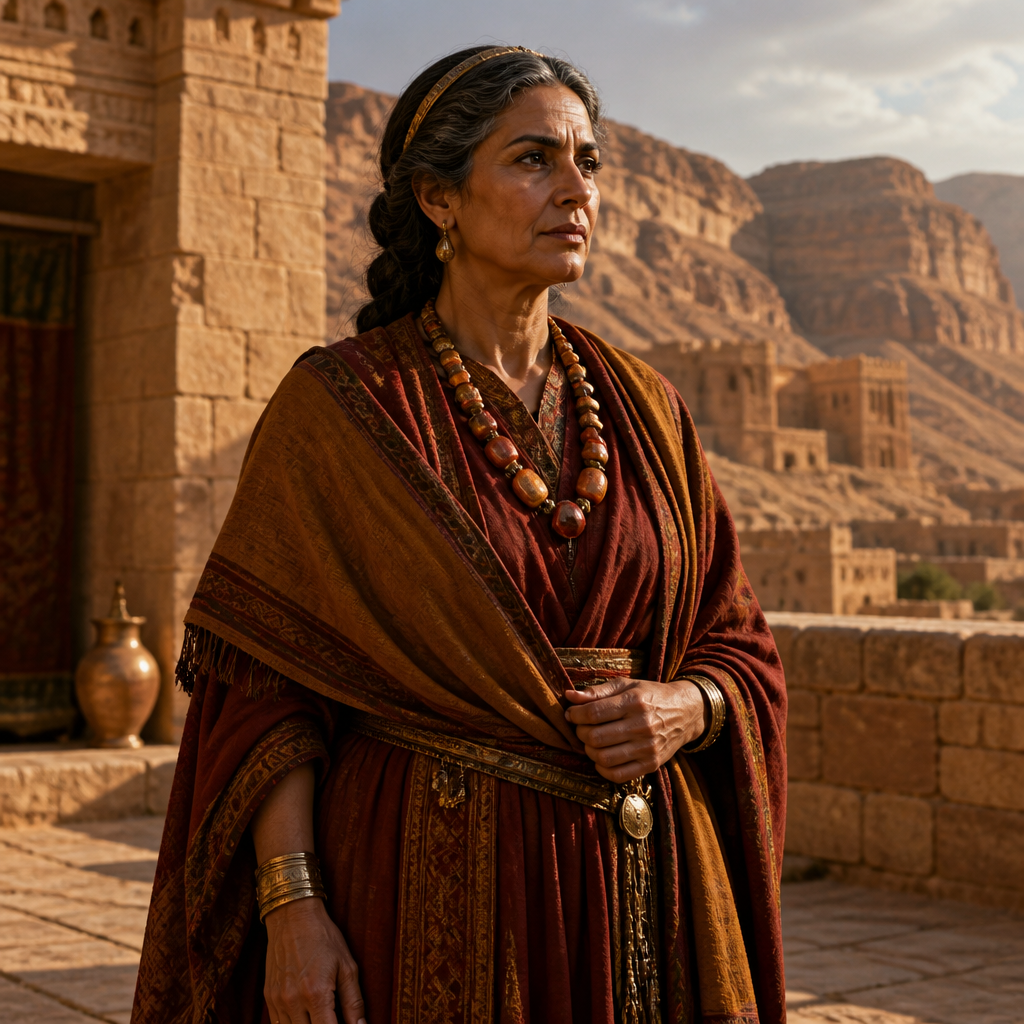
Matred
Mother of Mehetabel and daughter of Me-zahab in the Edomite royal genealogy
A descendant of Me-zahab and the mother of Mehetabel, who was the wife of the Edomite king Hadad.
View profile →
Me-zahab
Edomite patriarch whose name means 'Waters of Gold' and who was the grandfather of Queen Mehetabel
An Edomite patriarch and the grandfather of Mehetabel, wife of King Hadad.
View profile →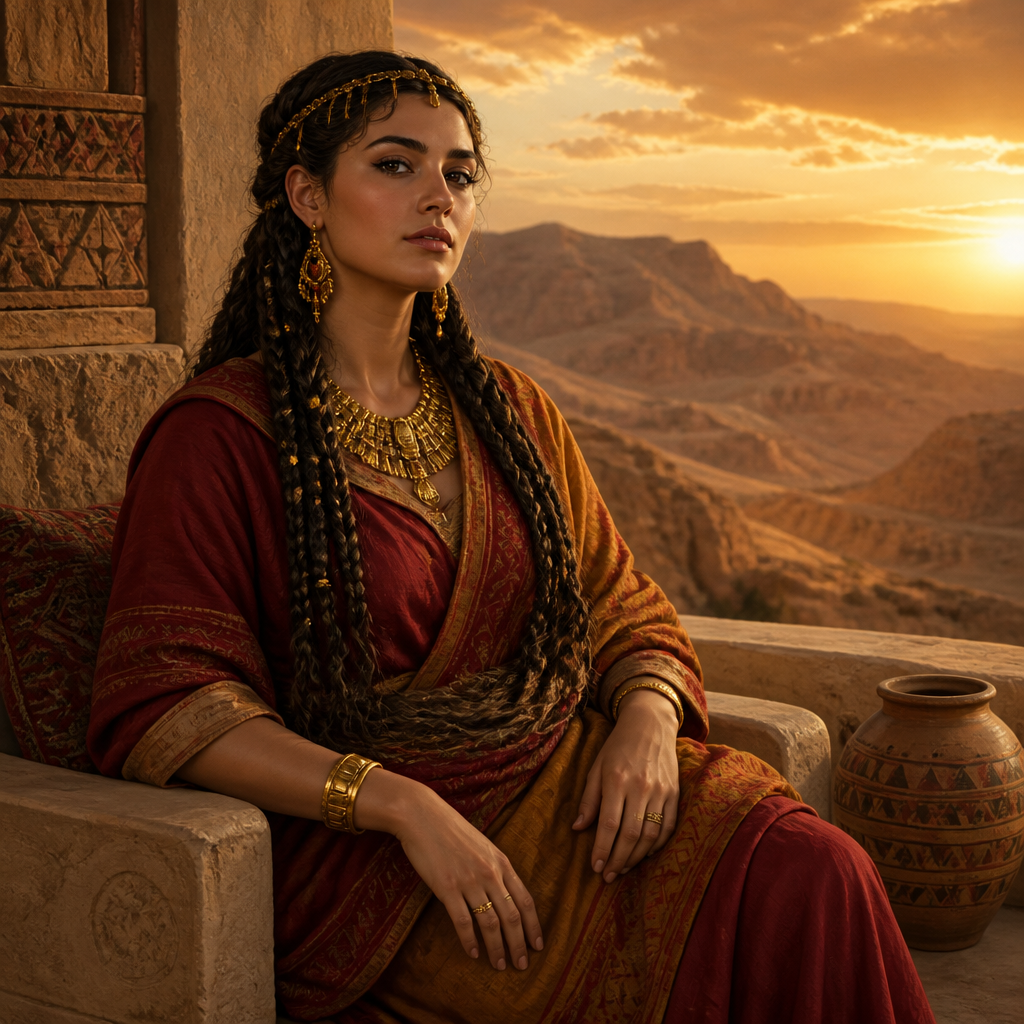
Mehetabel, Queen of Edom
Queen of Edom and wife of King Hadad during the Patriarchal Period
Mehetabel was the wife of Hadad, a king of Edom, and is noted for her high-status lineage as the daughter of Matred and granddaughter of Me-zahab.
View profile →
Mibzar
Chief of Edom descended from Esau
Mibzar was a clan leader and chief of the Edomites, descended from Esau, identified as one of the 'chiefs of Edom' during the Patriarchal Period.
View profile →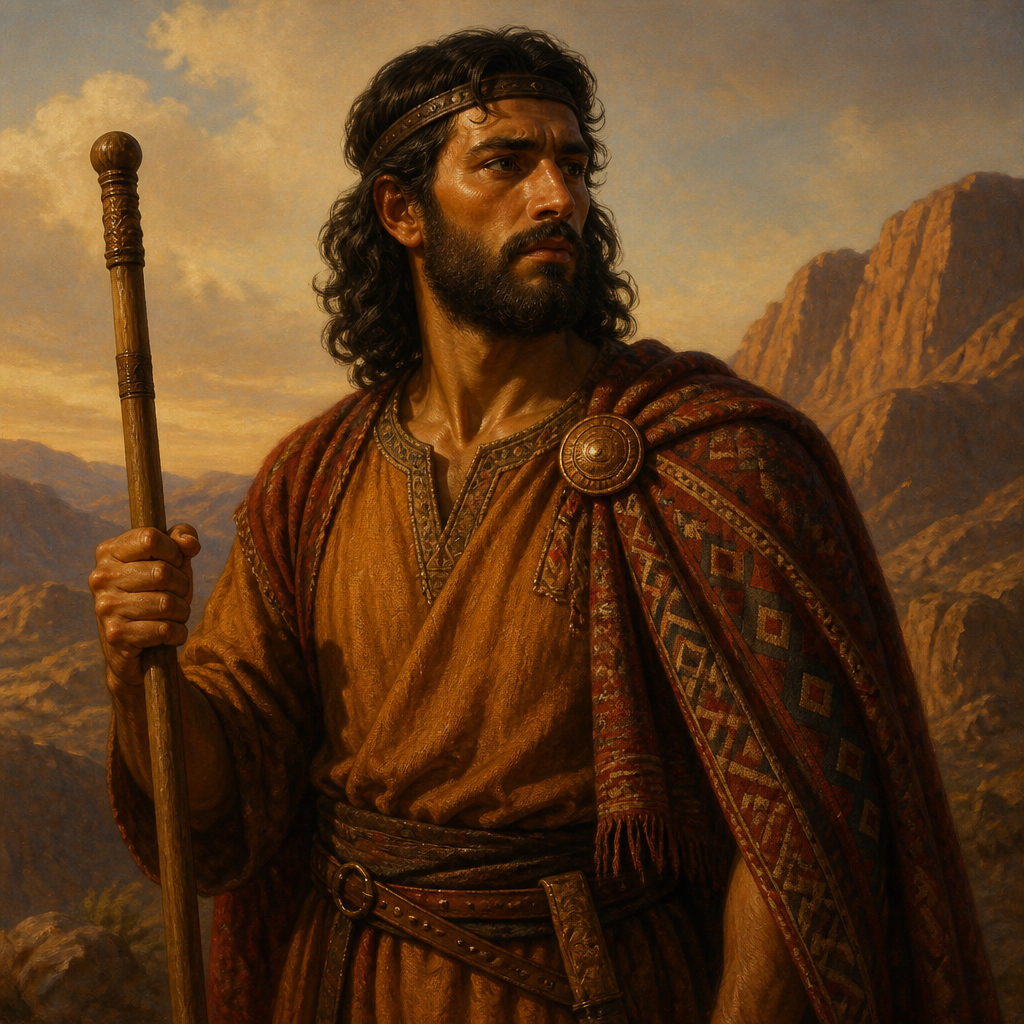
Mizzah
Edomite chief and grandson of Esau through Reuel
An Edomite tribal chief and grandson of Esau who served as a clan leader during the Patriarchs.
View profile →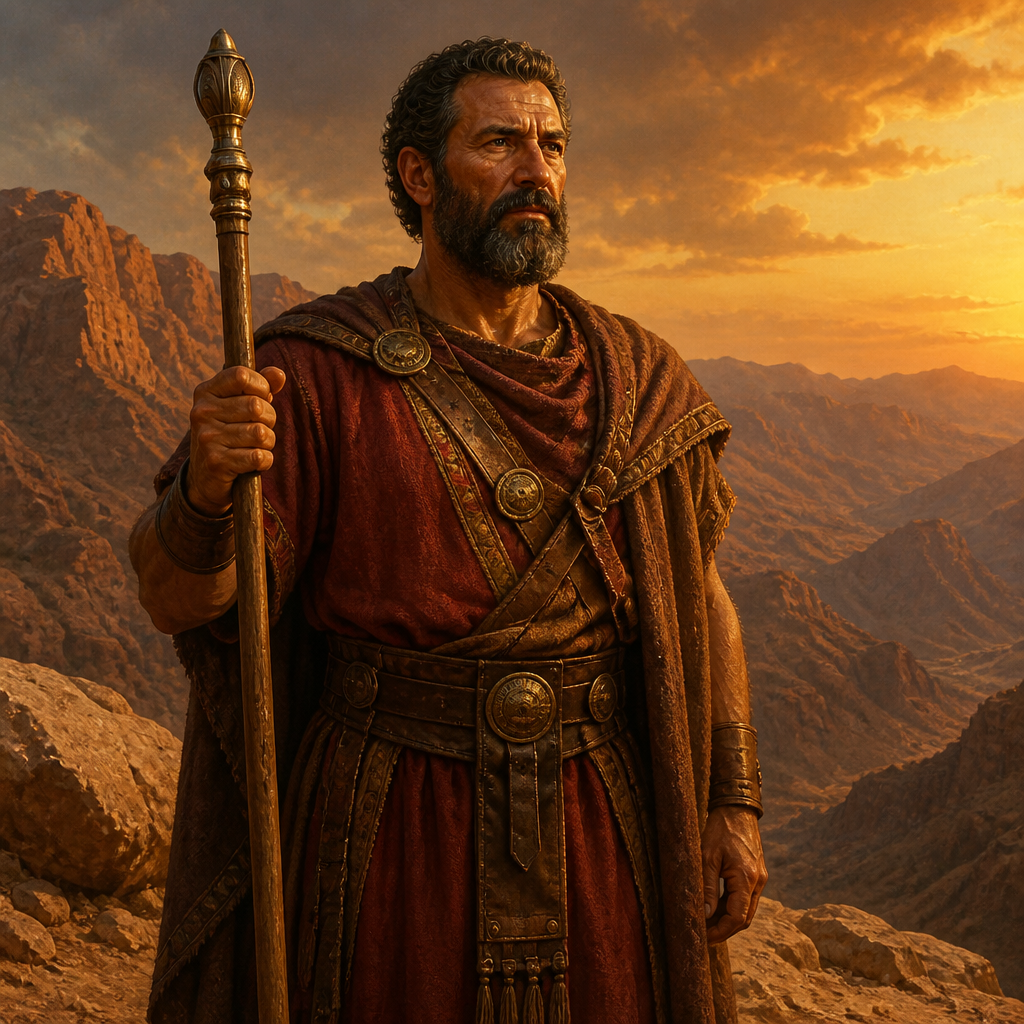
Nahath, Grandson of Esau
Chief of the Edomites and grandson of Esau
Nahath was a clan leader and chief of the Edomites, identified as the son of Reuel and a grandson of Esau and Basemath.
View profile →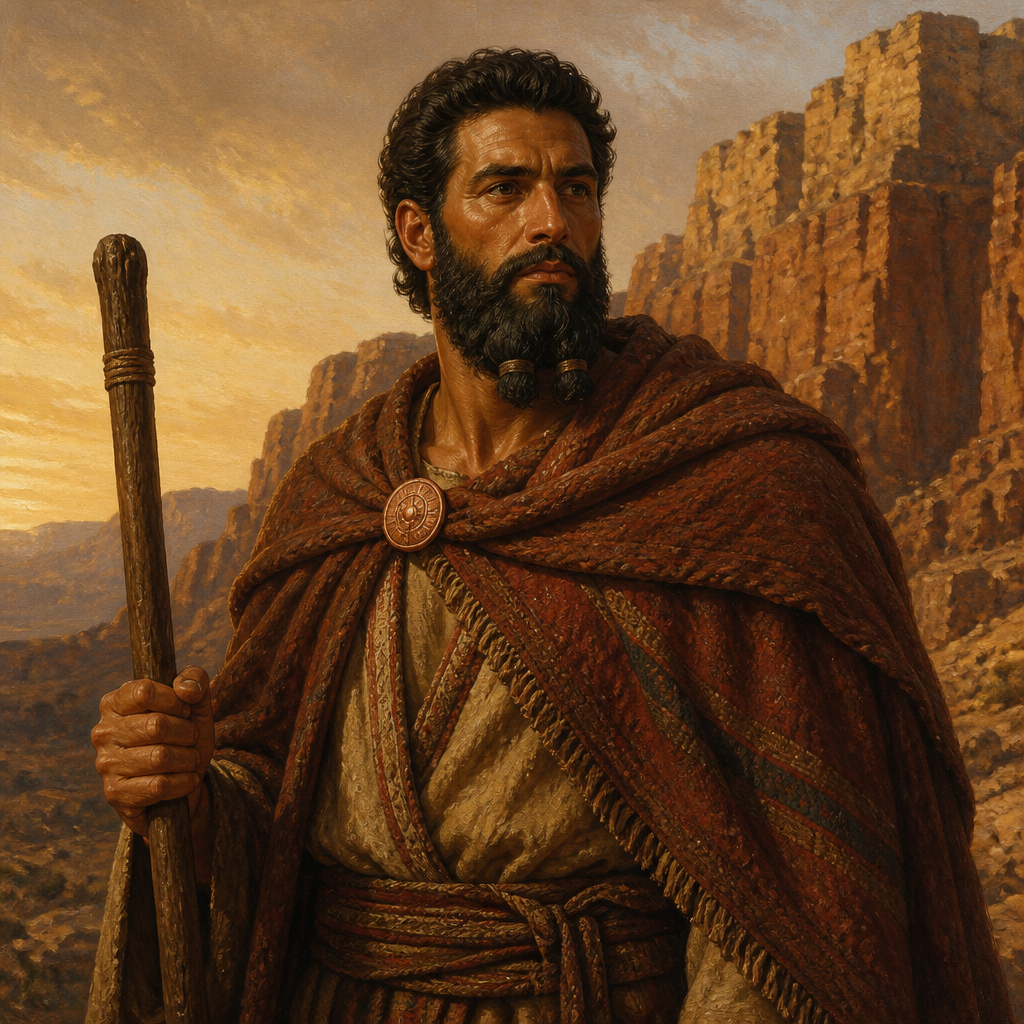
Omar
Grandson of Esau and a chief of the Edomites
Omar was an Edomite chief and a grandson of Esau, identified as a son of Eliphaz in the genealogies of Genesis and 1 Chronicles.
View profile →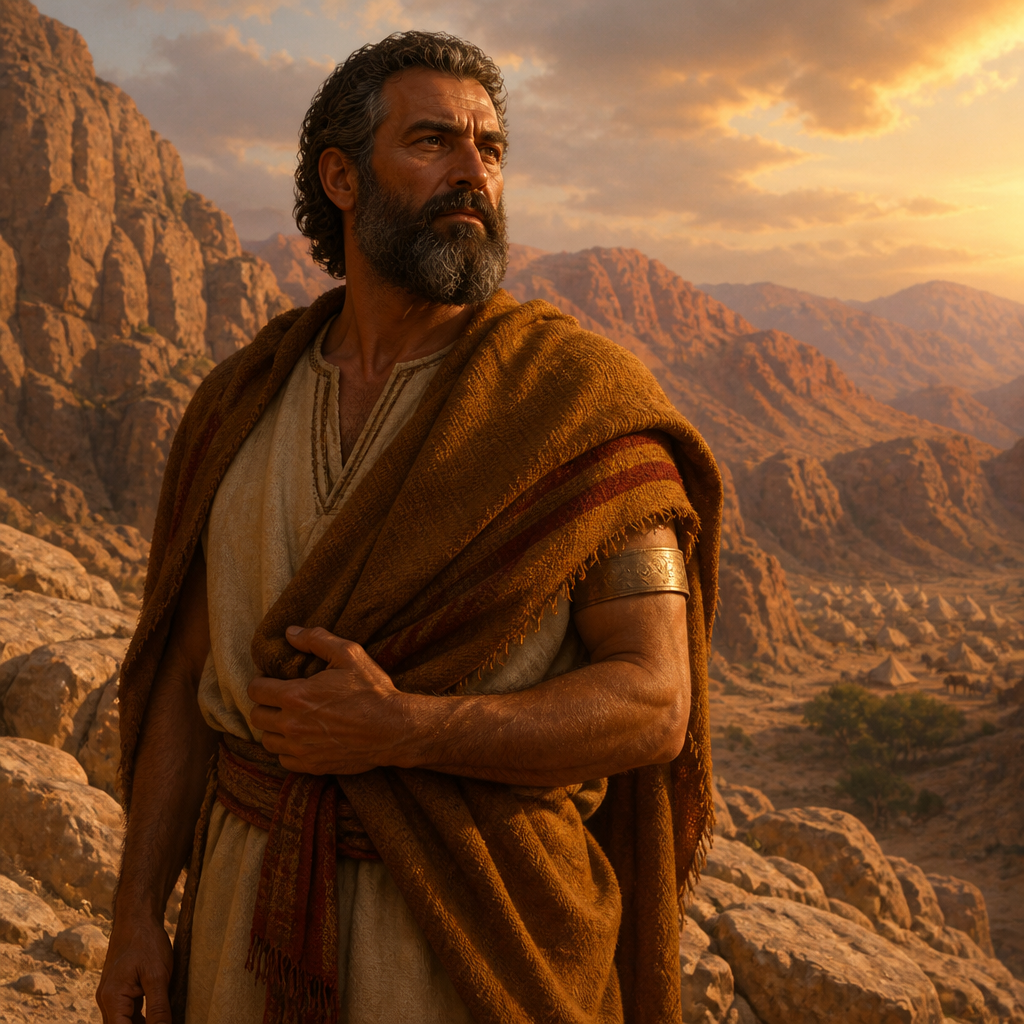
Pinon
Chief of the Edomites during the Patriarchal Period
A tribal chief of Edom during the Patriarchal Period, recognized as a duke or chief descending from Esau.
View profile →
Reuel, Son of Esau
Patriarch of Edom who fathered four tribal chiefs and was the son of Esau and Mahalath
Reuel was a patriarch of the Edomites, the son of Esau and Mahalath, and the progenitor of four major clans in the land of Seir.
View profile →
Samlah
King of Edom who ruled from the city of Masrekah
Samlah of Masrekah was the fifth of eight pre-monarchic kings who ruled over the land of Edom before any king reigned over the Israelites.
View profile →
Shammah, Grandson of Esau
Edomite chief and grandson of Esau who helped establish the tribes of Mount Seir
Shammah was a prominent Edomite chief, the son of Reuel and grandson of Esau and Basemath.
View profile →
Shaul of Rehoboth
King of Edom who reigned before there were kings in Israel
An early Edomite king who hailed from Rehoboth on the Euphrates and governed the territory before the establishment of the Israelite monarchy.
View profile →
Teman
Grandson of Esau and chief of the Edomites whose name became synonymous with a region of wisdom
A grandson of Esau and a chief of Edom, Teman was the eponymous ancestor of a region and people renowned for their wisdom in the ancient Near East.
View profile →
Zepho
Chief of the sons of Eliphaz in the land of Edom
Zepho was an Edomite leader and patriarch, the son of Eliphaz and grandson of Esau, who served as a chief among the descendants of Seir.
View profile →
Zerah, Father of Jobab
Patriarch from Bozrah and father of King Jobab of Edom
Zerah was an Edomite patriarch from Bozrah and the father of Jobab, the second recorded king of Edom.
View profile →
Zerah, Grandson of Esau
Grandson of Esau and a tribal chief of the Edomites
A son of Reuel and grandson of Esau who became a tribal chief in the land of Edom.
View profile →