Nation
The Babylonians
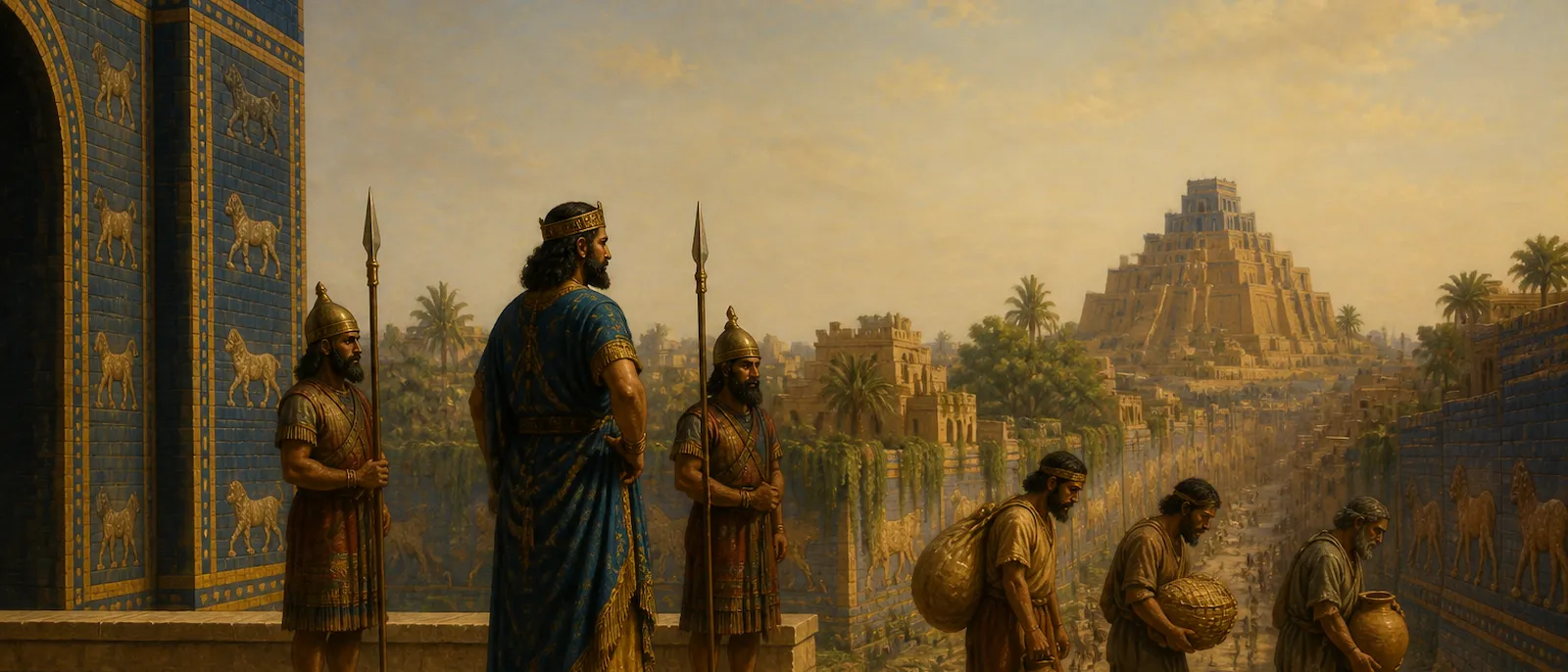
The people of Babylon, whose empire captured Jerusalem and governed the Judean exiles.
The Babylonians besieged Jerusalem, destroyed the temple, deported Judeans, and governed the exiles under kings including Nebuchadnezzar.
The people in Scripture
Babylon moves from diplomatic contact in Hezekiah’s reign to conquest and exile under Nebuchadnezzar. Biblical accounts name Babylonian kings, commanders, and court officials.
Named members
The roster contains people whose existing Nation or gentilic evidence identifies them with Babylon.
People of Babylonians
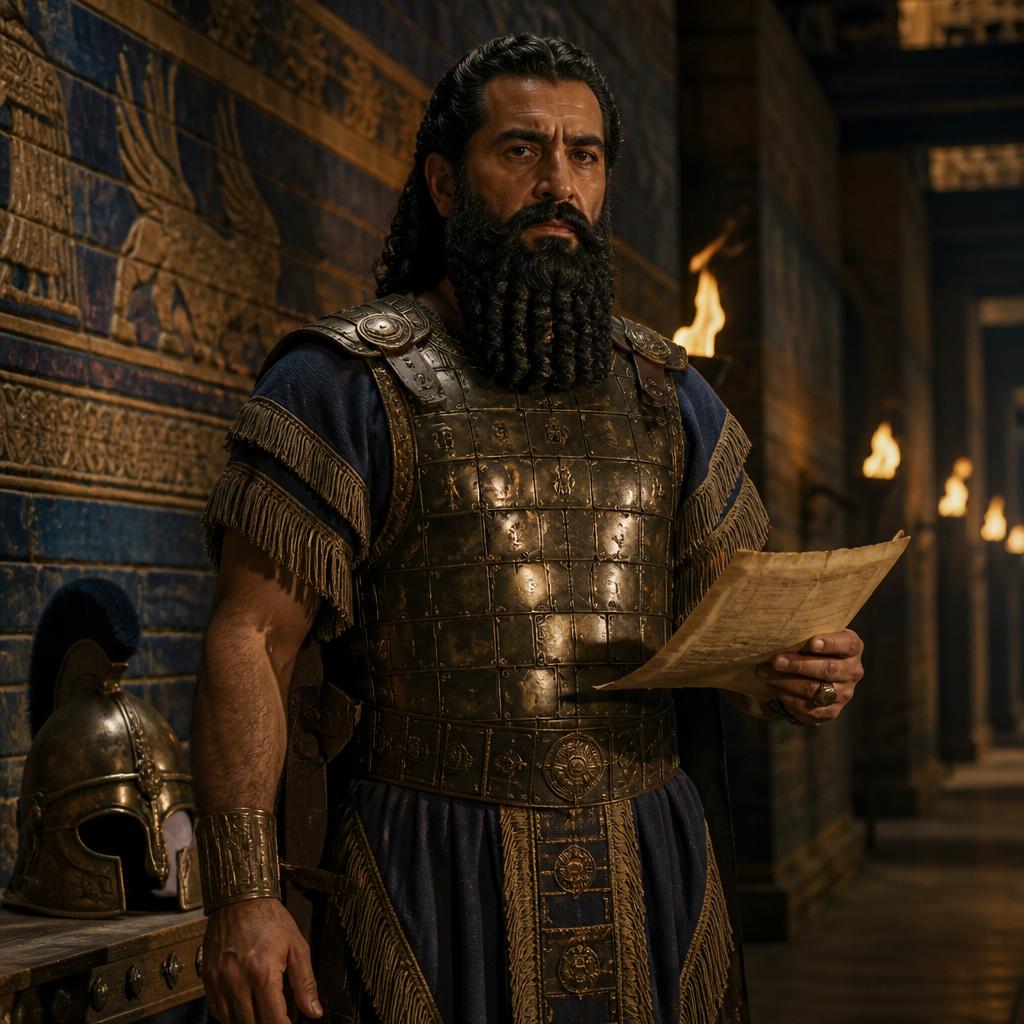
Arioch, Commander of the King’s Guard
Babylonian commander who facilitated Daniel’s interpretation of Nebuchadnezzar’s dream
A high-ranking Babylonian official under Nebuchadnezzar II tasked with executing the royal wise men before Daniel intervened.
View profile →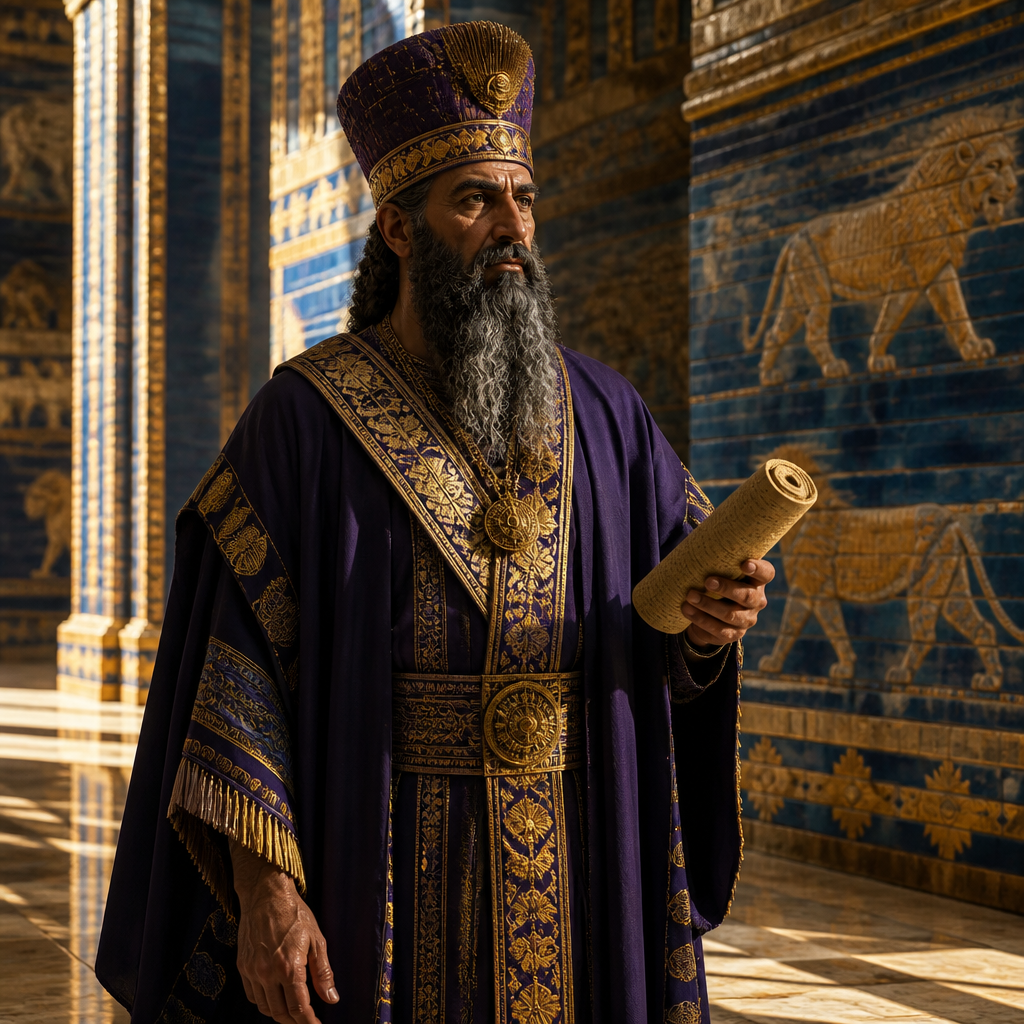
Ashpenaz
Chief court official who selected Daniel and the Hebrew youths for service in Babylon
The chief court official of King Nebuchadnezzar who was tasked with selecting and training elite Israelite youths for service in the Babylonian palace.
View profile →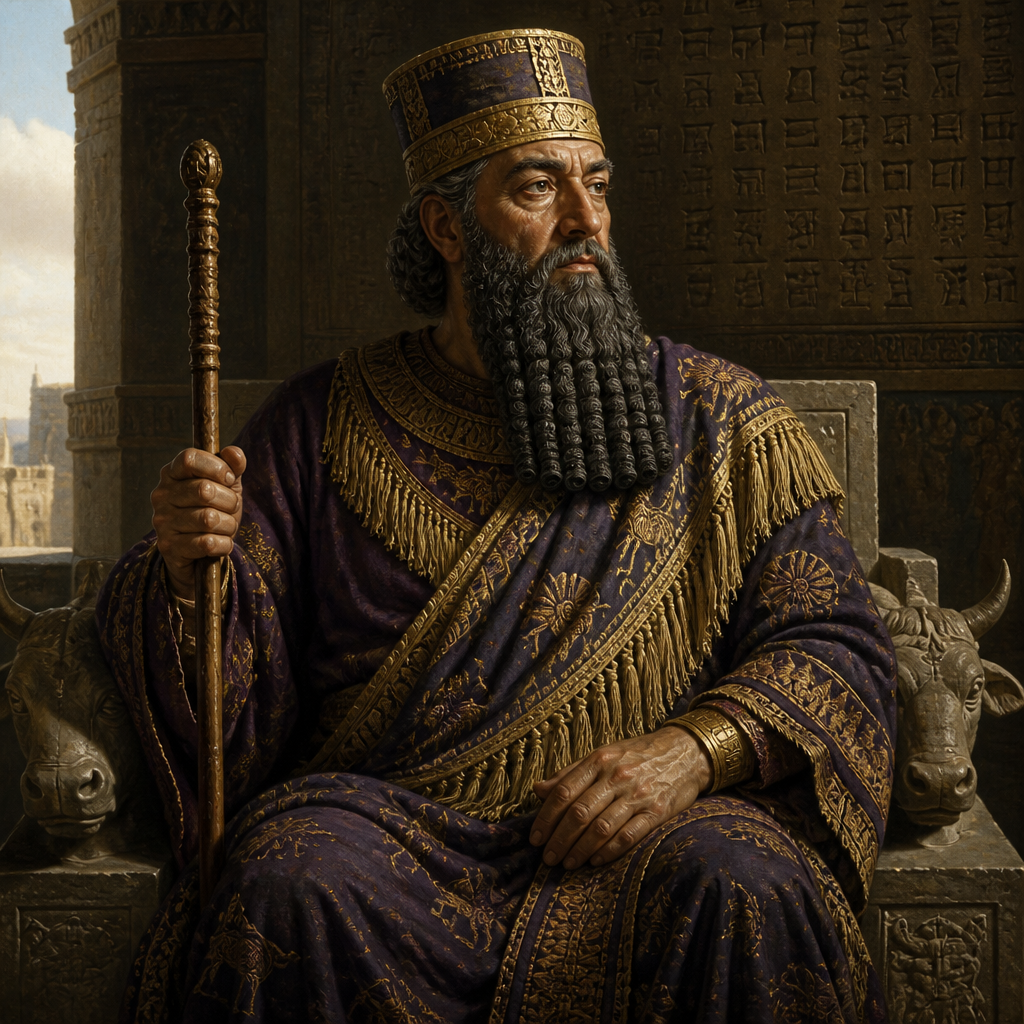
Baladan
Father of King Merodach-baladan of Babylon
Baladan was a Babylonian figure of the 8th century BC, recognized in the biblical record as the father of King Merodach-baladan.
View profile →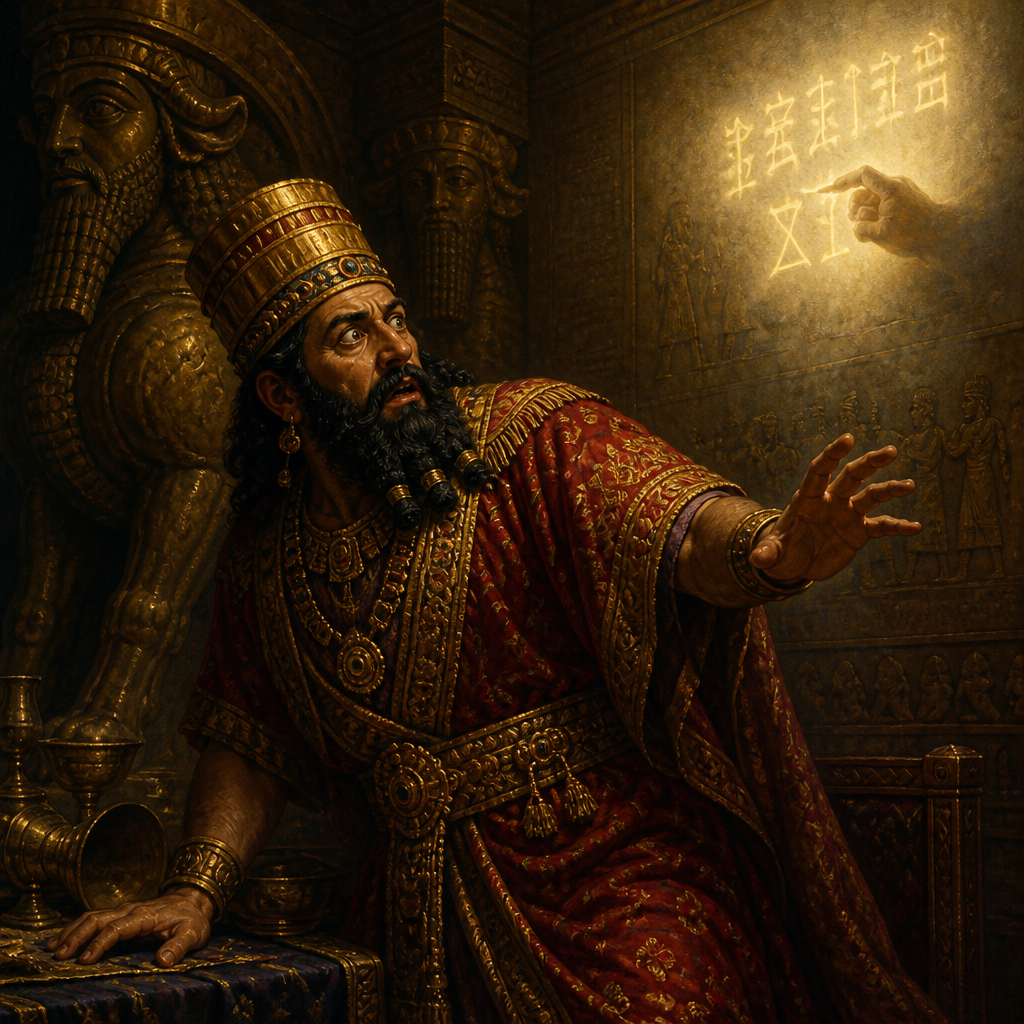
Belshazzar
King of Babylon who saw the supernatural writing on the wall during a sacrilegious feast
The final ruler of the Babylonian Empire mentioned in the book of Daniel, known for the 'writing on the wall' incident during a sacrilegious feast.
View profile →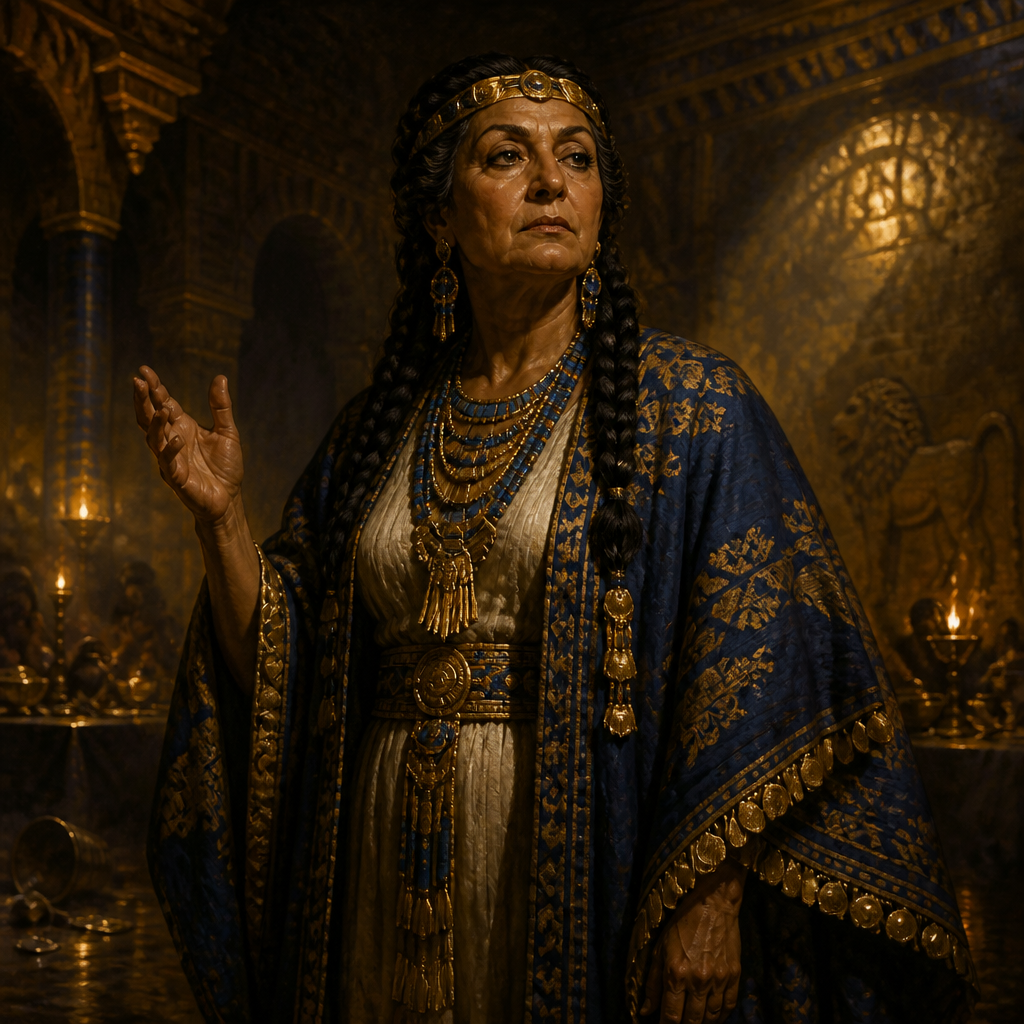
Belshazzar's Queen
Queen who advised King Belshazzar to summon Daniel to interpret the writing on the wall
The queen of Babylon who entered Belshazzar's feast to advise the king to consult Daniel regarding the writing on the wall.
View profile →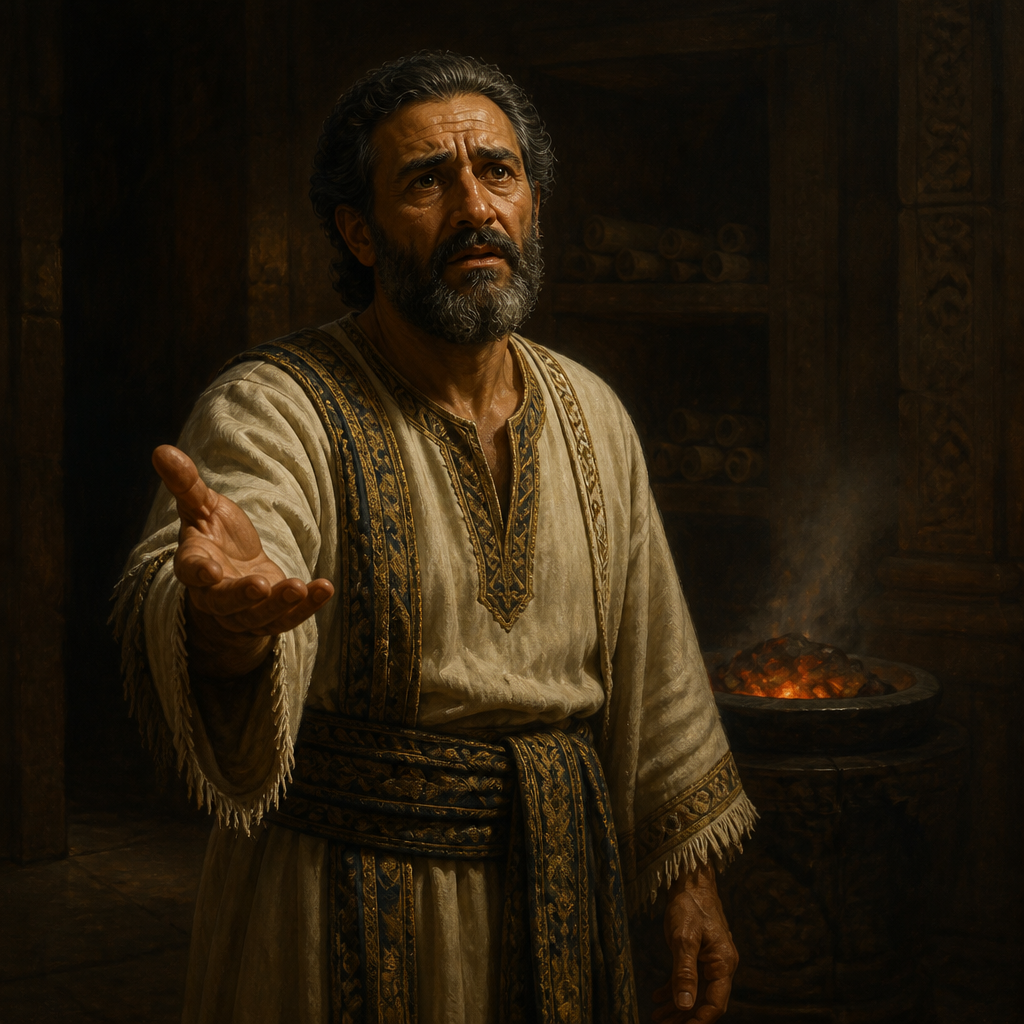
Delaiah, Official of King Jehoiakim
official who pleaded with King Jehoiakim not to burn Jeremiah's scroll
A high-ranking official in the court of King Jehoiakim who pleaded with the king not to burn the prophetic scroll of Jeremiah.
View profile →
Evil-merodach
King of Babylon who released Jehoiachin from prison
The King of Babylon who ascended to the throne during the Divided Monarchy and released King Jehoiachin of Judah from his thirty-seven-year imprisonment.
View profile →
Hananiah, Father of Zedekiah
father of the royal official Zedekiah
Hananiah was a Judean official during the Divided Monarchy, best known as the father of Zedekiah, an official in the court of King Jehoiakim.
View profile →
Merodach-baladan
King of Babylon who sent an embassy to Hezekiah
Merodach-baladan was a King of Babylon during the Divided Monarchy who sent an embassy to King Hezekiah of Judah following the latter's miraculous recovery from illness.
View profile →
Nebuchadnezzar
King of Babylon who conquered Jerusalem and was humbled by God
The powerful king of Babylon who destroyed Jerusalem, deported the Judeans, and eventually acknowledged the sovereignty of the God of Israel.
View profile →
Nebushazban
Babylonian official present at the destruction of Jerusalem in 586 BC
A high-ranking Babylonian official who served as the Rabsaris during the siege and fall of Jerusalem in 586 BC.
View profile →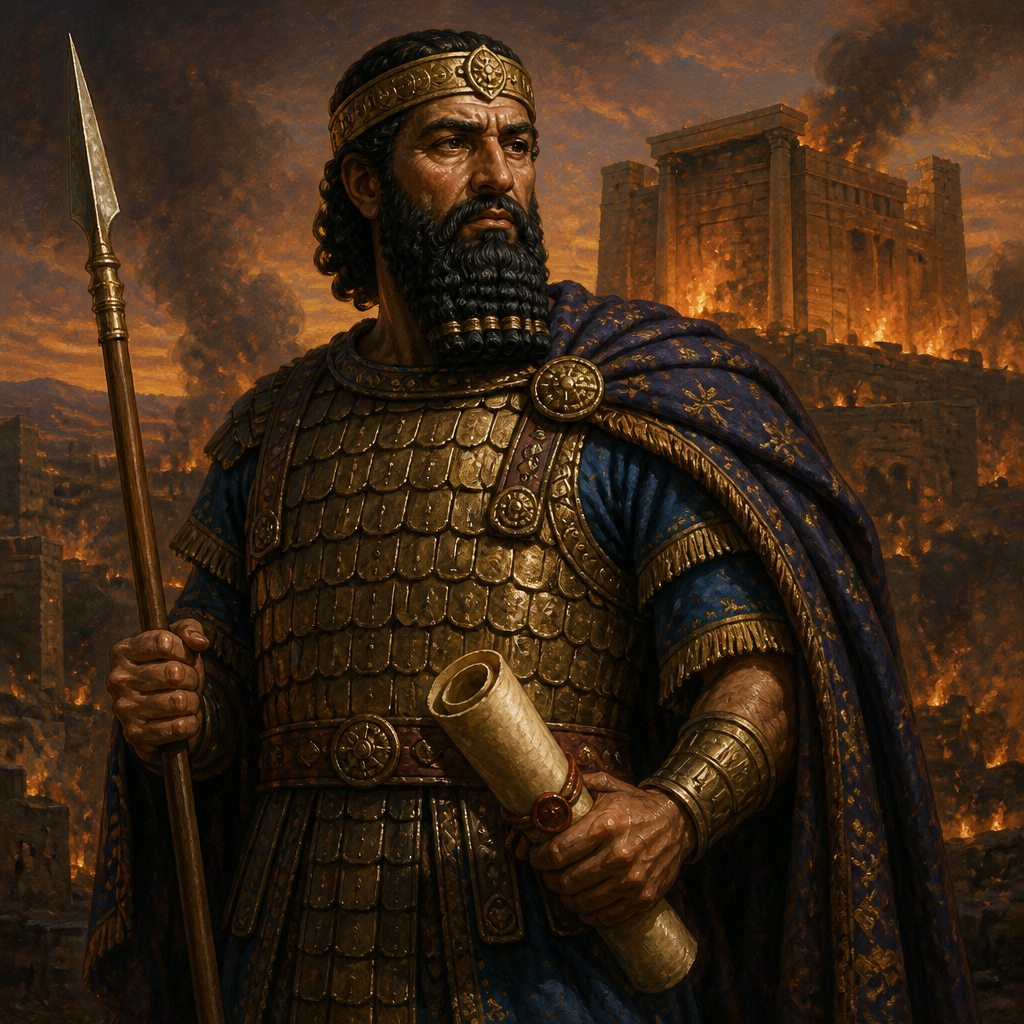
Nebuzaradan
Babylonian commander who oversaw the destruction of Jerusalem and the Temple
The captain of the Babylonian guard under King Nebuchadnezzar who directed the destruction of Jerusalem and managed the deportation of the Jewish people.
View profile →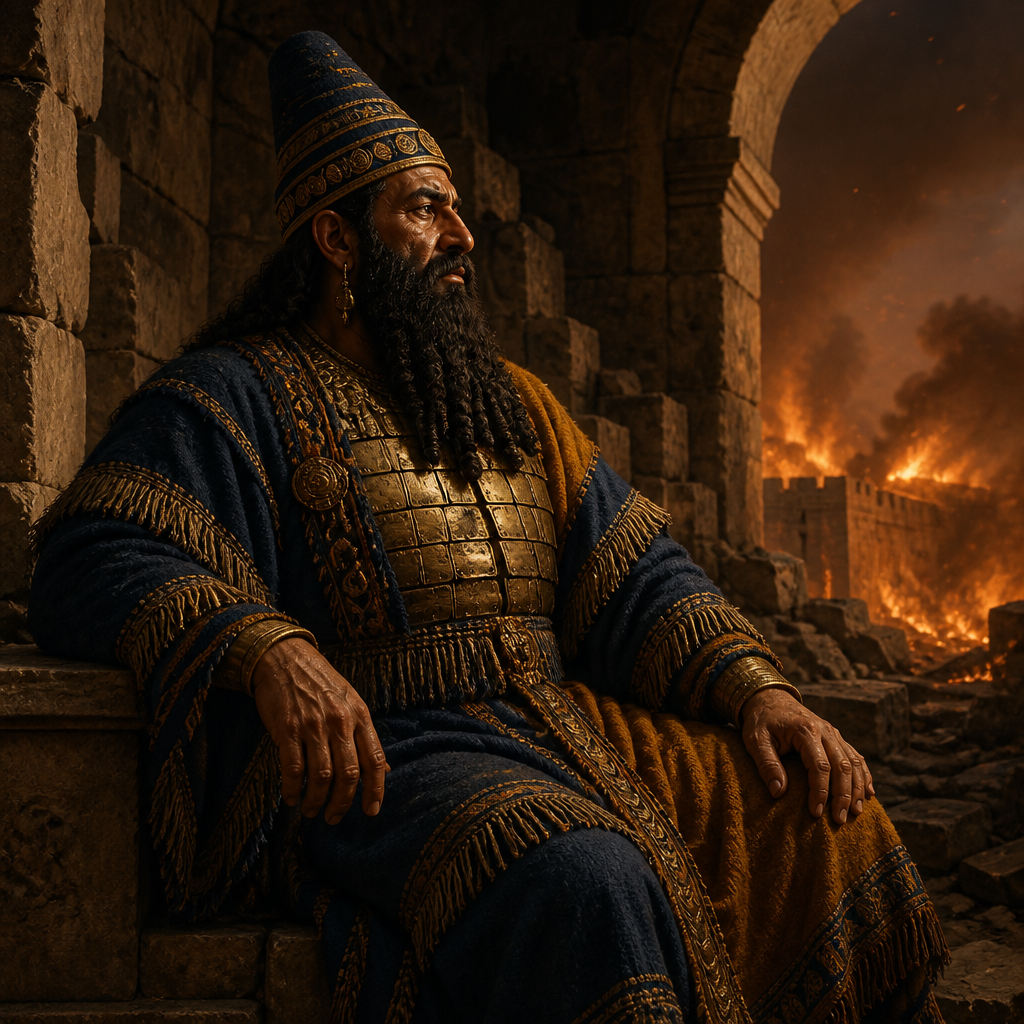
Nergal-sharezer of Samgar
Babylonian official who sat at the Middle Gate during the fall of Jerusalem in 586 BC
A high-ranking Babylonian official present at the Middle Gate during the final conquest of Jerusalem in 586 BC.
View profile →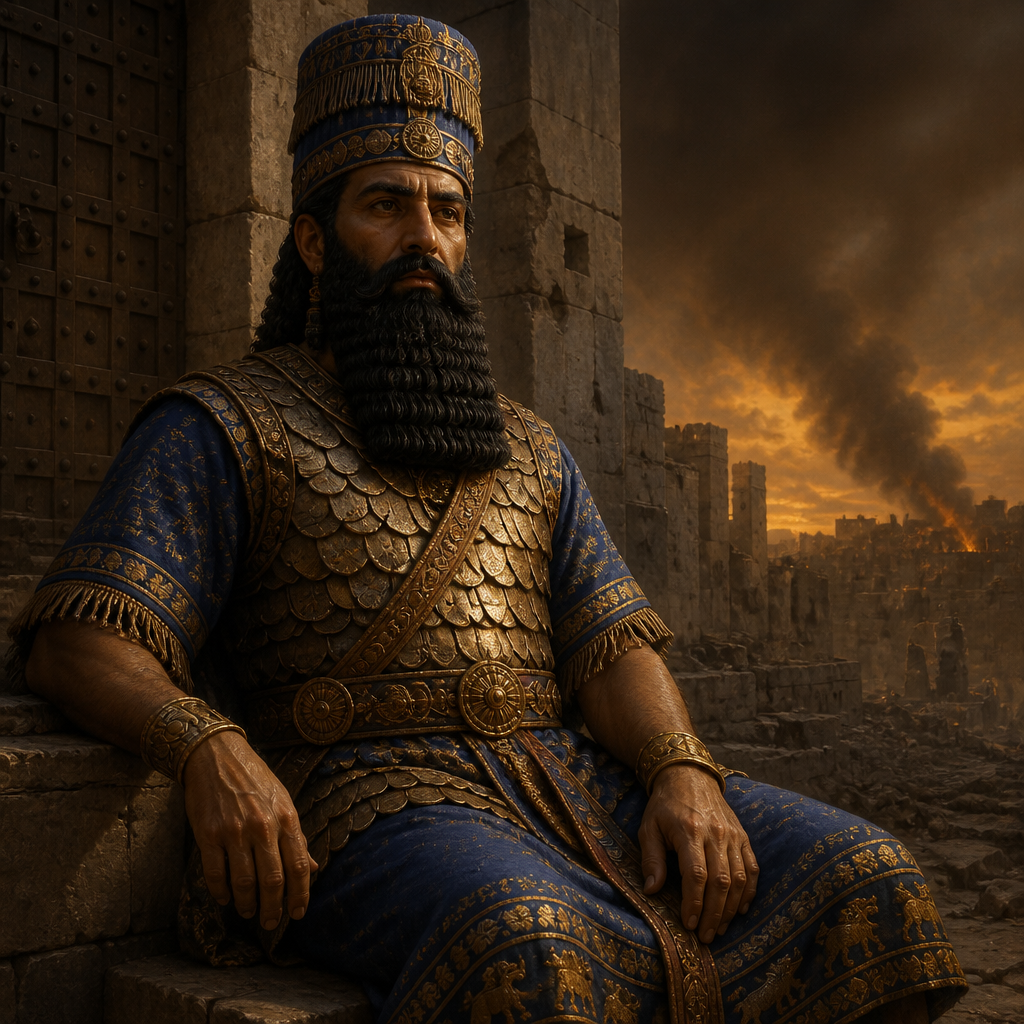
Nergal-sharezer the Rabmag
Babylonian official present at the fall of Jerusalem in 586 BC
A high-ranking Babylonian military official who held the title of Rabmag during the final siege and fall of Jerusalem in 586 BC.
View profile →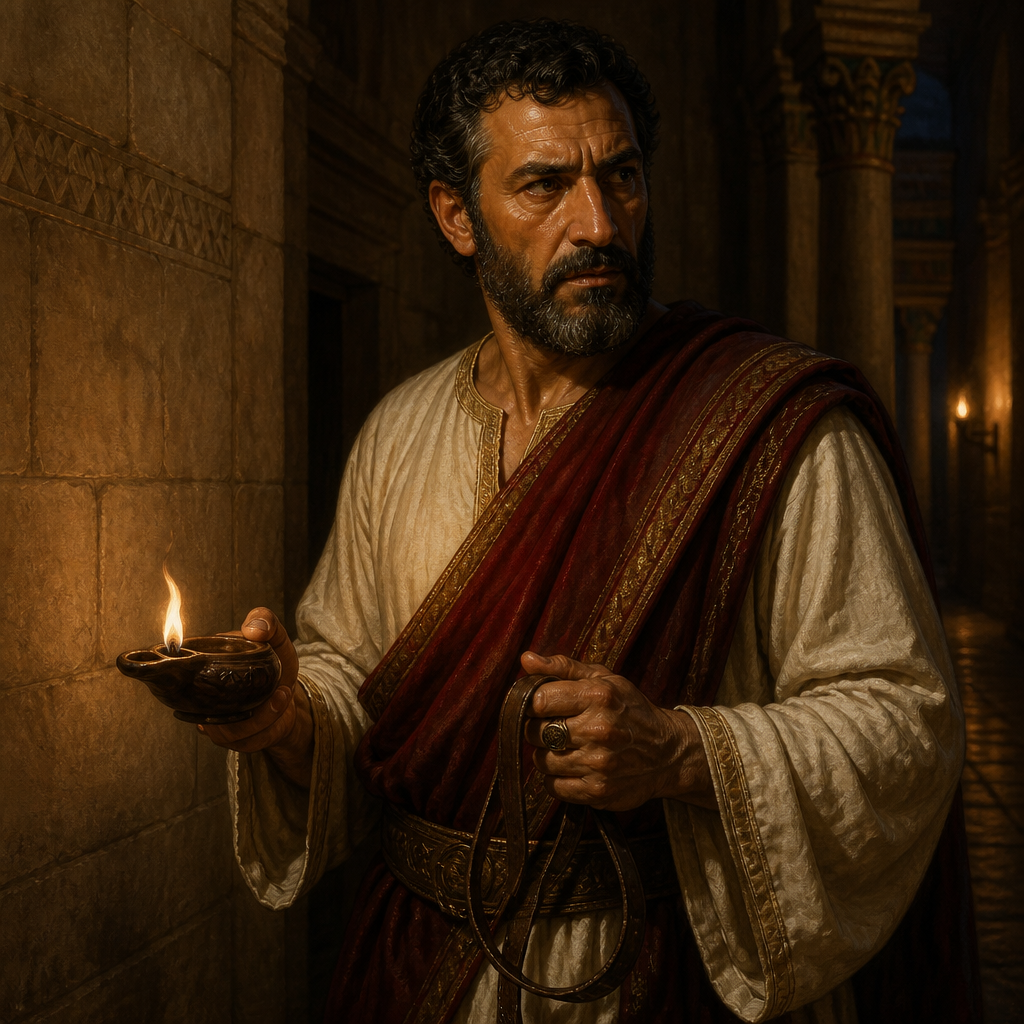
Shelemiah son of Abdeel
Official commissioned by King Jehoiakim to arrest Jeremiah and Baruch
A high-ranking official under King Jehoiakim tasked with the arrest of the prophet Jeremiah and his scribe Baruch.
View profile →
Shelemiah, Ancestor of Jehudi
Grandfather of Jehudi and descendant of Cushi mentioned in the Book of Jeremiah
An ancestor of Jehudi, the court official who read Jeremiah’s prophecy to the officials of King Jehoiakim during the Divided Monarchy.
View profile →