Baladan
Who was Baladan in the Bible?
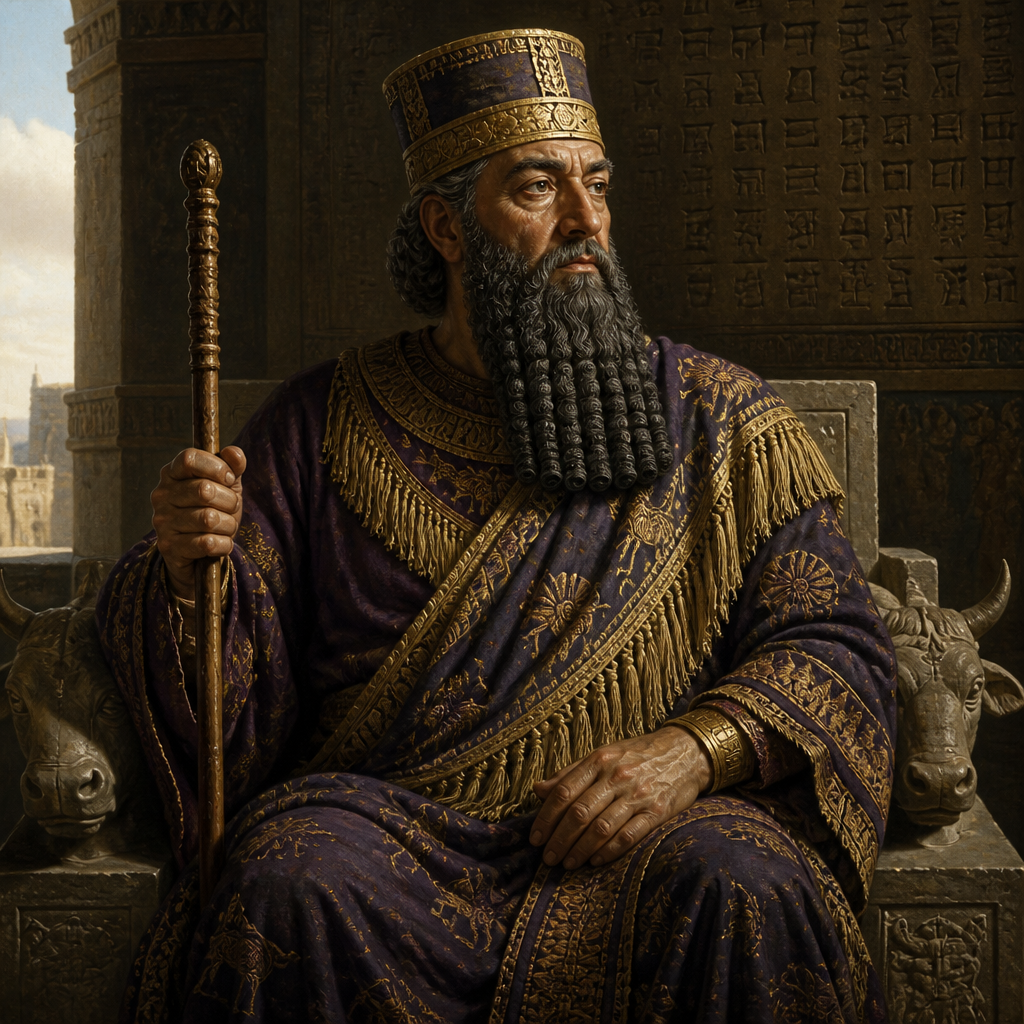
Baladan was a Babylonian figure of the 8th century BC, recognized in the biblical record as the father of King Merodach-baladan.
Baladan is a figure mentioned in the Old Testament during the period of the Divided Monarchy. Though he does not appear as an active protagonist in the narrative, his name serves as a vital genealogical marker for one of the most significant foreign players in the history of the Kingdom of Judah. He is identified exclusively as the father of Merodach-baladan, the king of Babylon who initiated diplomatic contact with King Hezekiah of Judah.
His mention occurs in two parallel passages: 2 Kings 20 and Isaiah 39. These texts describe a pivotal moment when Babylon, then a rising power often in conflict with the Neo-Assyrian Empire, sought an alliance or at least shared intelligence with the Davidic throne in Jerusalem. Baladan’s name is preserved in the formal address of his son, reflecting the ancient Near Eastern custom of identifying rulers by their patronymics.
Background and Family
The biblical record provides very limited direct information regarding Baladan’s personal life, specific tribe, or his own reign. He is introduced solely through his relationship to his son, Merodach-baladan. In the ancient Semitic world, particularly within the political structures of Mesopotamia, the use of a father’s name was essential for establishing legitimacy and dynastic continuity. By identifying Merodach-baladan as the "son of Baladan," the biblical writers (the author of Kings and the prophet Isaiah) provide a formal identification of the Babylonian envoy.
Historically, the name Baladan is a shortened form (hypocoristicon) of a longer Akkadian name, typically meaning "[The god] has given a son." While the Bible does not explicitly title Baladan as a king, the context of his son’s royalty implies that Baladan belonged to a line of Chaldean leadership that held significant influence over the city-state of Babylon during the late 8th century BC.
Major Life Events
Baladan himself performs no recorded actions in the biblical text. His significance is tied entirely to the reign of his son. During the period following King Hezekiah’s miraculous recovery from a life-threatening illness, Merodach-baladan sent letters and a gift to Jerusalem. The stated reason for this mission was the Babylonian king’s interest in Hezekiah’s health and the "wonder that was done in the land."
"At that time Merodach-baladan son of Baladan king of Babylon sent letters and a gift to Hezekiah, for he had heard about Hezekiah’s illness and recovery." (Isaiah 39:1)
This diplomatic gesture served as the catalyst for Hezekiah’s prideful display of the temple treasures and the royal armory. While Baladan is mentioned in the salutation of this event, he is a figure of the past, providing the ancestral credentials for the king who would eventually draw the attention—and the prophetic rebuke—of Isaiah.
Relationship to Other Biblical Figures
Baladan's primary relationship is with his son, Merodach-baladan. Through his son’s actions, Baladan’s name becomes linked to King Hezekiah of Judah and the prophet Isaiah. The mention of Baladan helps the reader distinguish this specific Babylonian ruler from others. In the broader narrative of 2 Kings and Isaiah, the presence of Baladan’s lineage marks the transition of Judah’s primary geopolitical threat from Assyria to Babylon, a theme that dominates the later prophetic warnings of the Babylonian exile.
Spiritual Significance
While Baladan is a minor figure, his inclusion in the text underscores the Bible's commitment to historical accuracy and formal diplomatic detail. The mention of his name anchors the narrative in the specific political realities of the Divided Monarchy. Spiritually, Baladan represents the beginning of the Babylonian connection to Jerusalem—a connection that began with a friendly exchange of letters but would ultimately conclude with the destruction of Solomon's Temple and the deportation of the Jewish people. His name serves as a reminder that the lineages of worldly empires are temporary and are often utilized in the biblical narrative to highlight the enduring nature of God’s covenant with the house of David.
Baladan serves as a genealogical anchor for Merodach-baladan, identifying the Babylonian dynasty that first sought alliance with the Kingdom of Judah. His presence in the text confirms the royal lineage of the Babylonian delegation that visited Hezekiah, providing historical weight to a narrative that transitions Judah's focus from the Assyrian threat to the rising power of Babylon.
Frequently Asked Questions
Was Baladan a king of Babylon?
While the Bible identifies his son, Merodach-baladan, as the king, it does not explicitly title Baladan as 'king.' However, he is the patriarch of the royal line mentioned in the diplomatic correspondence.
Where is Baladan mentioned in the Bible?
He is mentioned twice: once in 2 Kings 20:12 and once in Isaiah 39:1.
What does the name Baladan mean?
The name is of Akkadian origin, meaning '[God] has given a son' or simply 'Bel is his lord.'
Did Baladan ever meet King Hezekiah?
There is no biblical record of Baladan meeting Hezekiah; he is only mentioned as the father of the king who sent messengers to Hezekiah.
What is the relation between Baladan and the Babylonian Exile?
Baladan's son was the first Babylonian ruler to establish contact with Judah, an event that led Isaiah to prophesy the future Babylonian captivity.
Family & Relationships
 BaladanThis page
Children
 Merodach-baladanSon2 Kings 20:12Stated
Connected Figures
Family
Son · 2 Kings 20:12
Merodach-baladan was a King of Babylon during the Divided Monarchy who sent an embassy to King Hezekiah of Judah following the latter's miraculous recovery from illness.
Divided MonarchyFirst: 2 Kings 20:122 versesKing of Babylon
Categories
Mentions by Book
- 2 Kings1
- Isaiah1
Scripture References
All 2 indexed verses, in canonical order, from the Berean Standard Bible.
2 Kings · 1
- 2 Kings 20:12
At that time Merodach-baladan son of Baladan king of Babylon sent letters and a gift to Hezekiah, for he had heard about Hezekiah’s illness.
Isaiah · 1
- Isaiah 39:1
At that time Merodach-baladan son of Baladan king of Babylon sent letters and a gift to Hezekiah, for he had heard about Hezekiah’s illness and recovery.