
People of Isaiah
Every person who appears in the book of Isaiah, ordered by how often they are mentioned there.
The People of Isaiah appear throughout a prophetic narrative that spans the reigns of four Judean monarchs and extends into the future restoration of the nation. The text identifies Isaiah, the son of Amoz, as the central visionary who receives messages concerning Judah and Jerusalem (Isaiah 1:1). The early chapters focus on the political instability during the reigns of Uzziah, and Jotham, while the northern tribes of Ephraim and Manasseh are described as falling into internal strife (Isaiah 9:21).
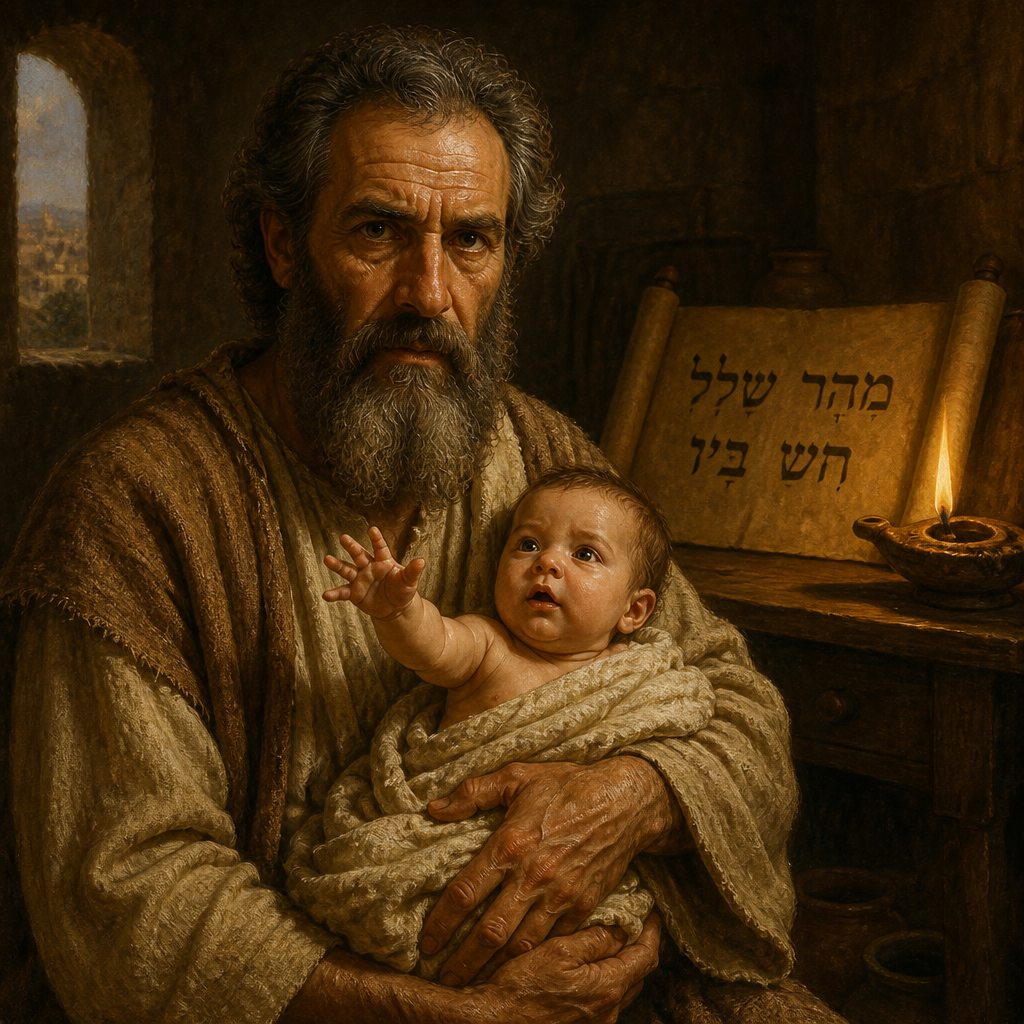
As the narrative progresses, the text highlights specific individuals involved in the Syro-Ephraimite War and the later Assyrian invasion. Ahaz refuses a sign from God, prompting Isaiah to take Zechariah, as a faithful witness to a new prophetic declaration (Isaiah 8:2). During this time, the Prophetess, Wife of Isaiah gives birth to a son named Maher-shalal-hash-baz, whose name serves as a sign of imminent plunder (Isaiah 8:3). The text contrasts these local figures with foreign adversaries like Rezin, and the son of Remaliah, who conspire against Jerusalem (Isaiah 7:1).
The middle section of the book centers on the crisis under Hezekiah, who faces the armies of Sennacherib. The Assyrian king sends The Rabshakeh to deliver a speech intended to demoralize the residents of Jerusalem (Isaiah 36:2). In response, Hezekiah sends Eliakim son of Hilkiah and Shebna to consult the prophet regarding the threat (Isaiah 37:2). Following the miraculous departure of the Assyrians, the text notes that Sennacherib is eventually killed by his own sons, Adrammelech, and Sharezer, while he is worshipping in his temple (Isaiah 37:38).
The latter portion of the book shifts toward themes of comfort and the eventual return from exile. The text identifies Cyrus as a shepherd appointed by God to rebuild the temple and subdue nations (Isaiah 44:28). Throughout these prophecies, the book frequently evokes the names of ancient figures such as Abraham, Moses, and David to remind the audience of their historical covenant (Isaiah 41:8, 63:11, 55:3). By grounding its message in the lineage of Jesse and the legacy of Israel, the book presents a continuous arc from the failures of contemporary kings to the promised arrival of a righteous servant.
Everyone in this list
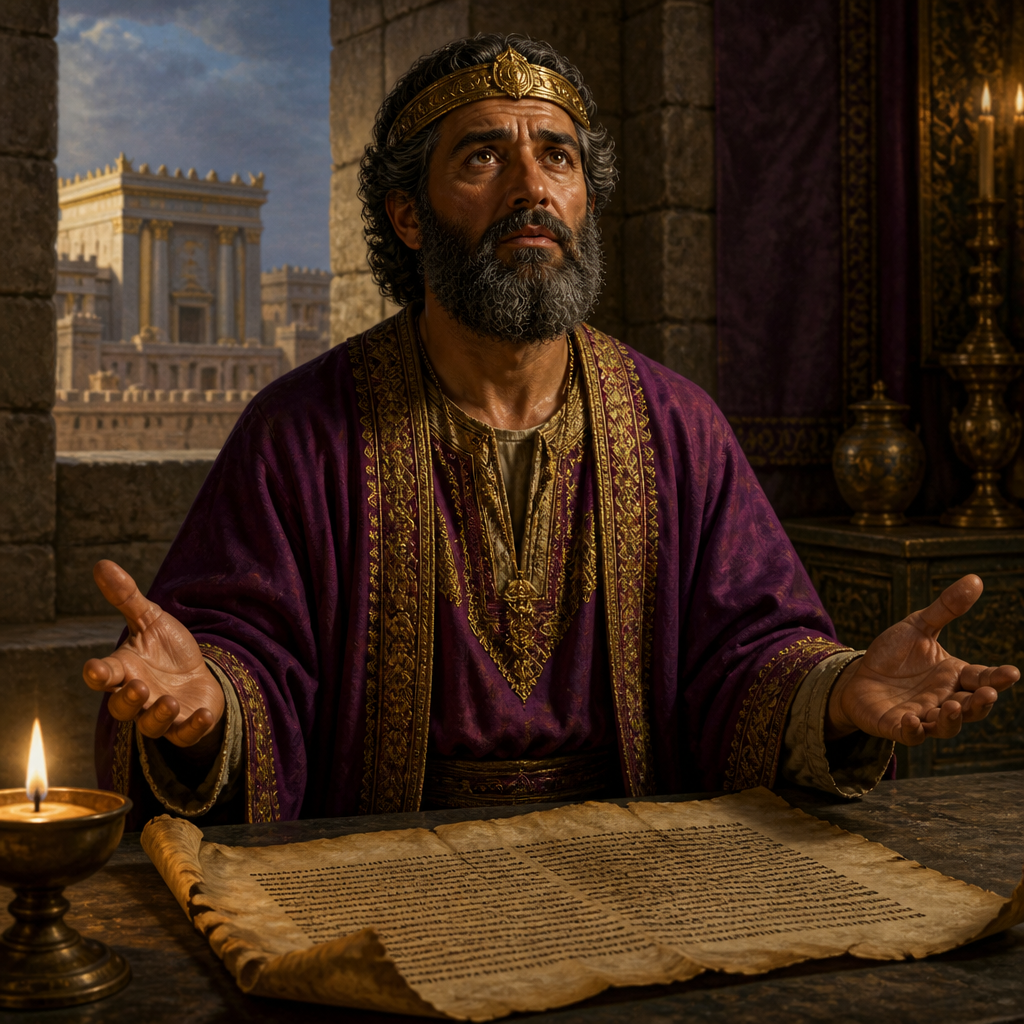
Hezekiah, King of Judah
King of Judah who reformed the Temple and survived the Assyrian siege of Jerusalem
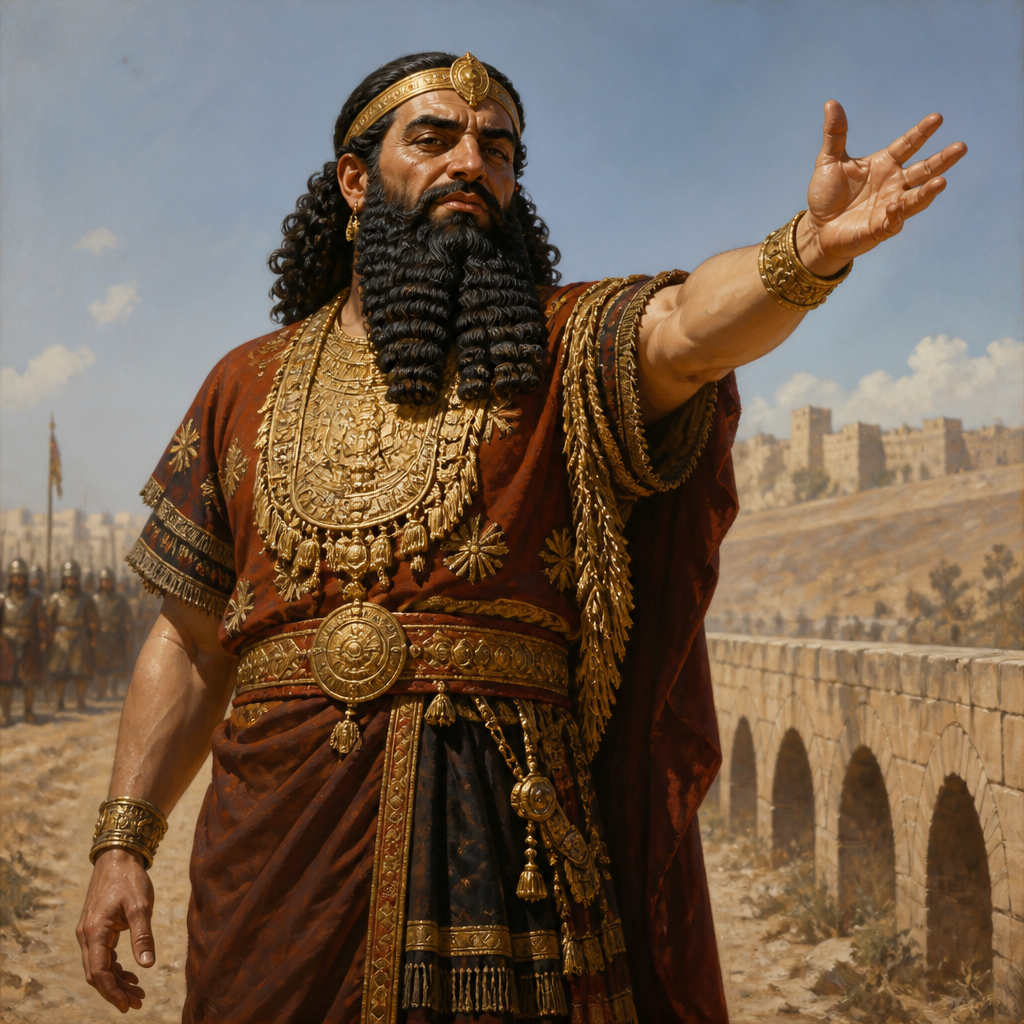
The Rabshakeh
Assyrian official who mocked God and threatened Jerusalem during Hezekiah's reign
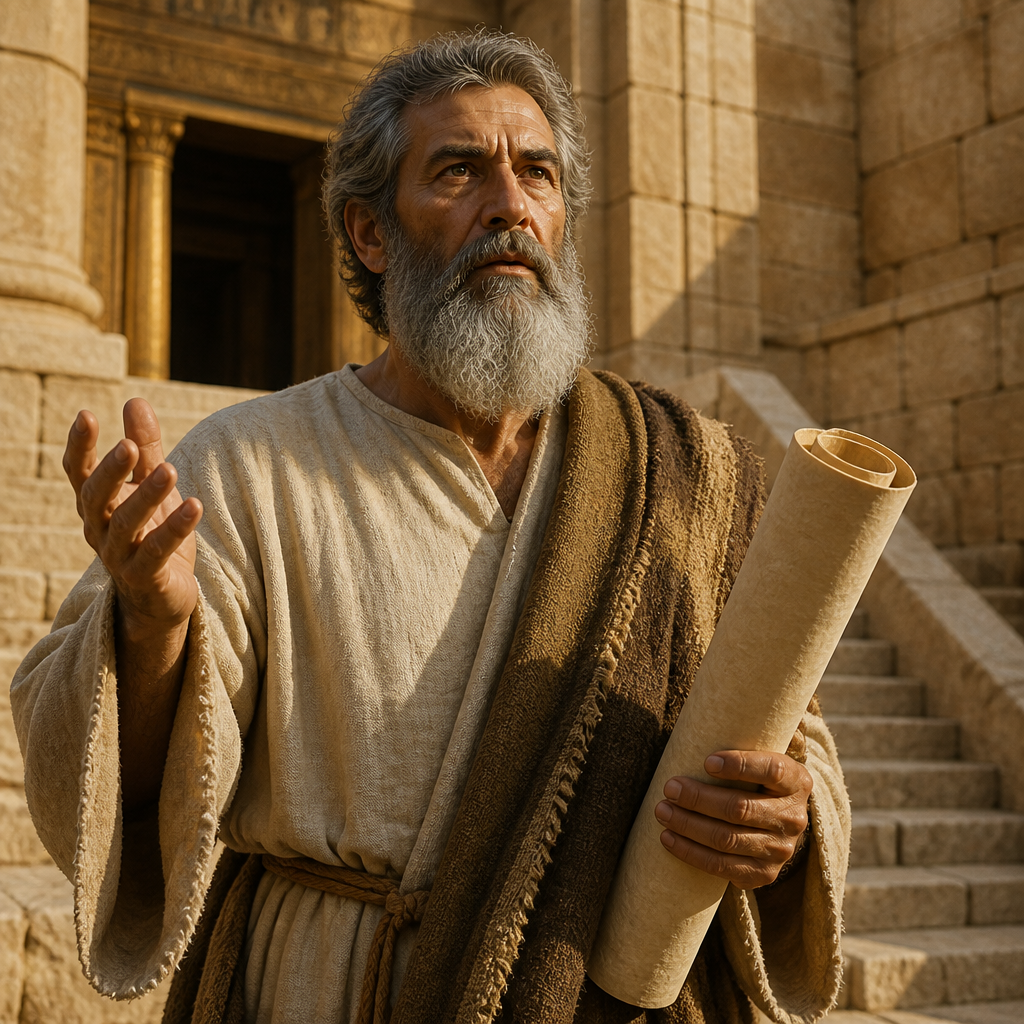
Isaiah
Prophet who advised King Hezekiah and foretold the coming of the Messiah
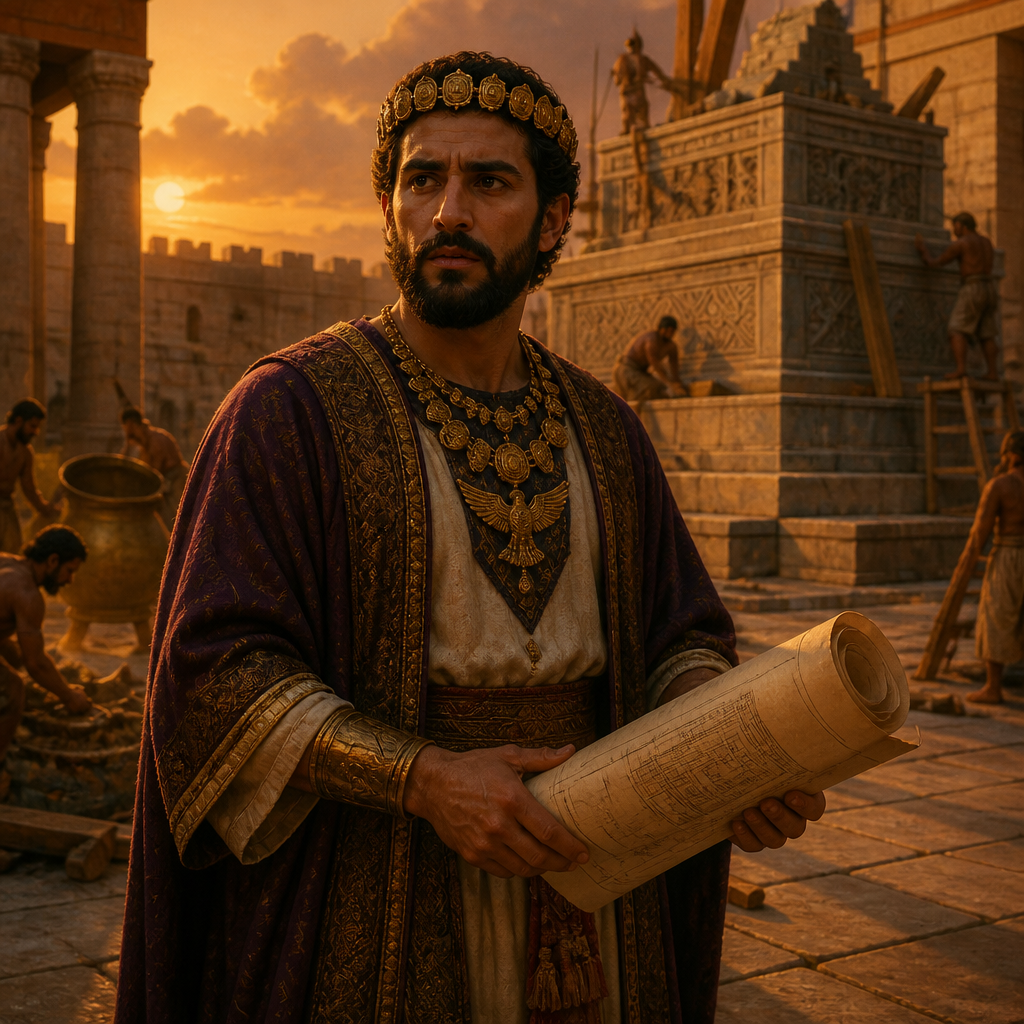
Ahaz, King of Judah
King of Judah who practiced child sacrifice and replaced the Temple altar with a pagan design
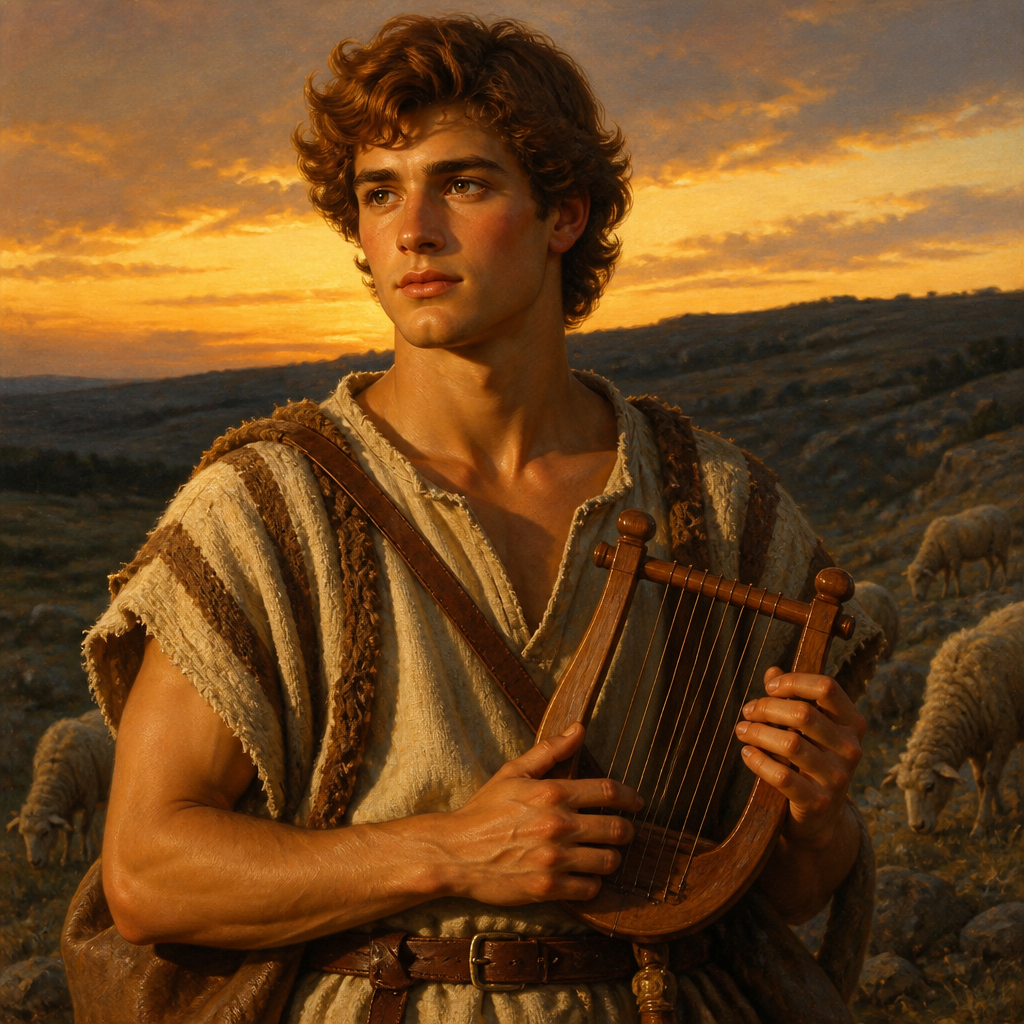
David
King of Israel who defeated Goliath and established the Davidic dynasty
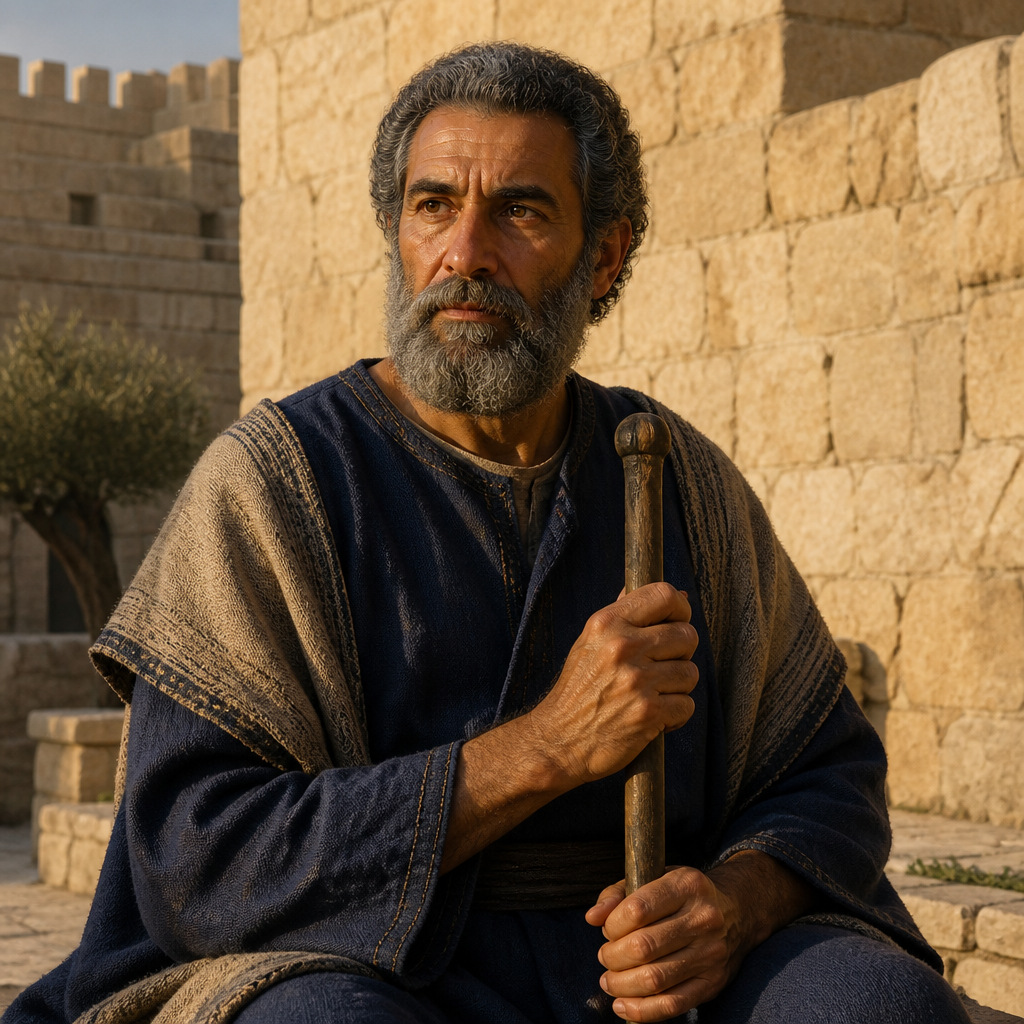
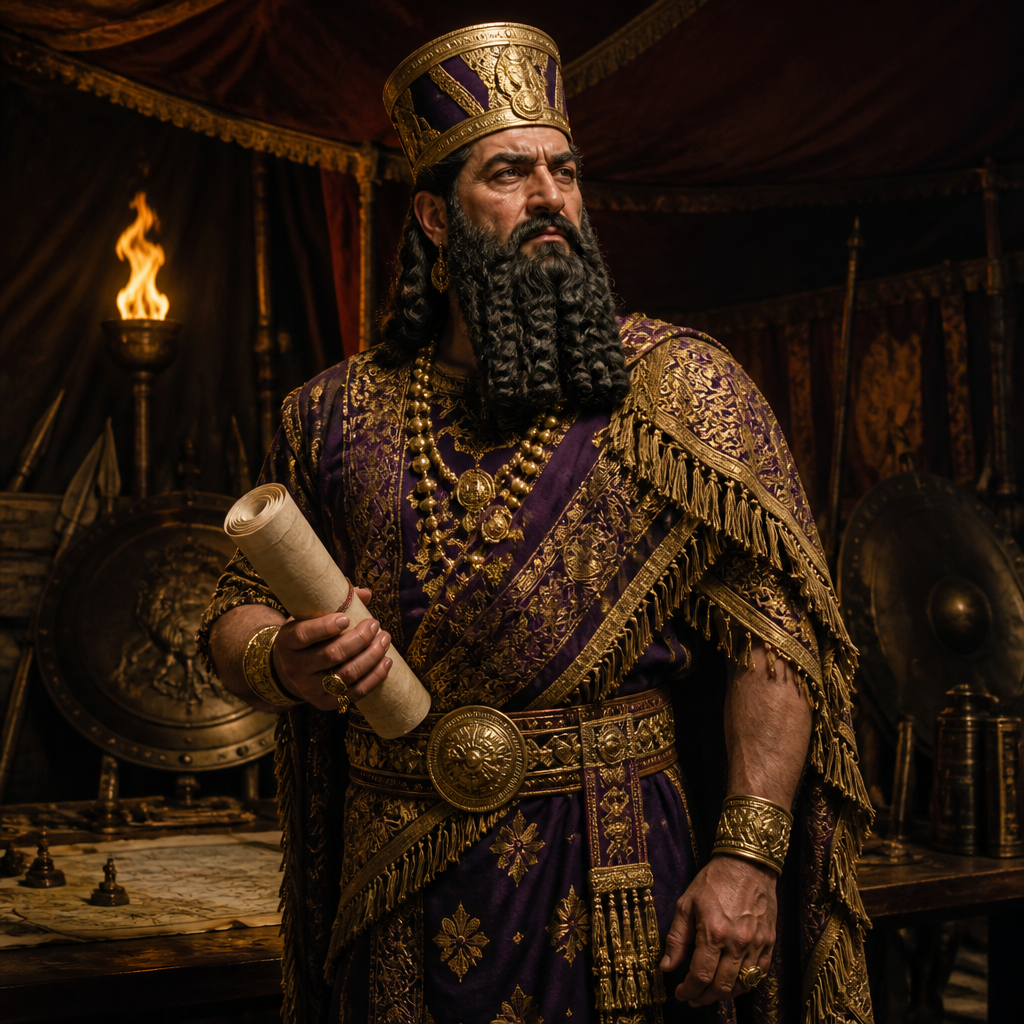
Sennacherib
King of Assyria who invaded Judah and was defeated by divine intervention before Jerusalem
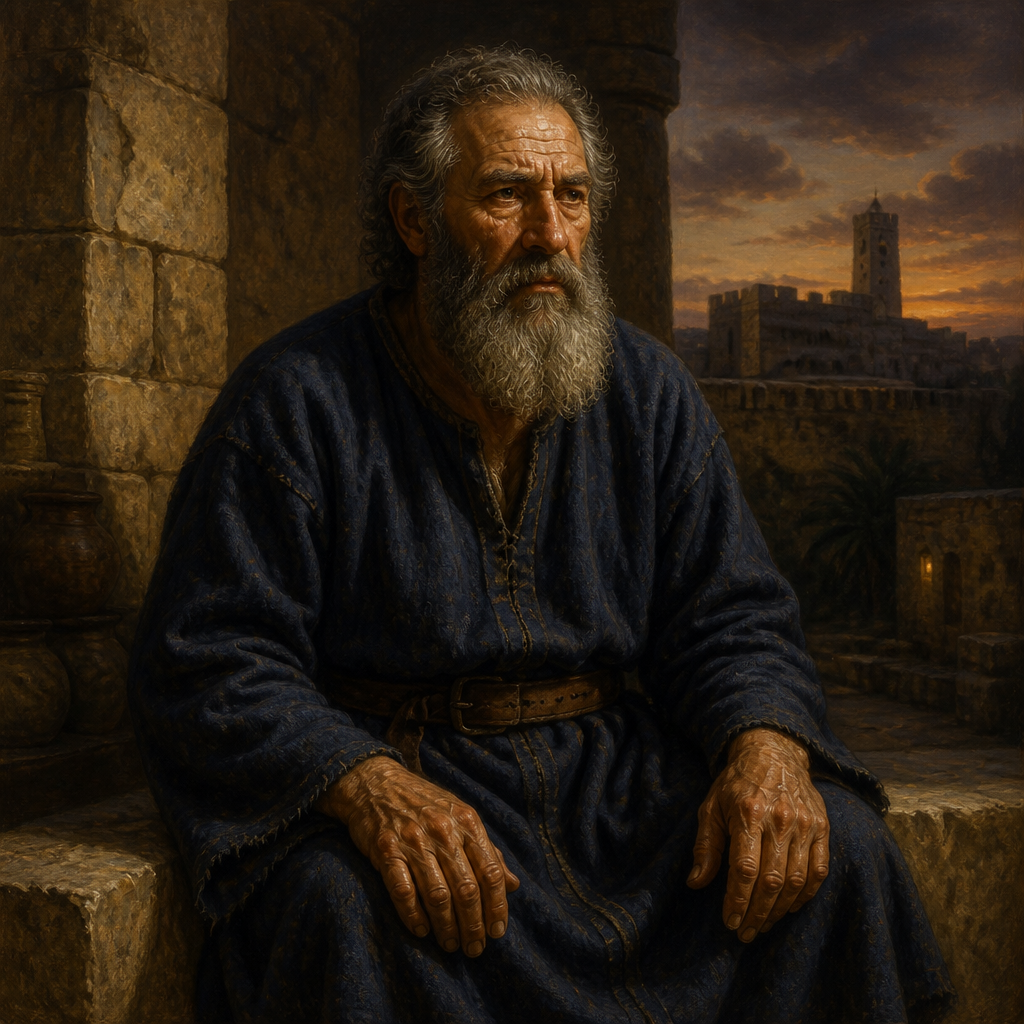
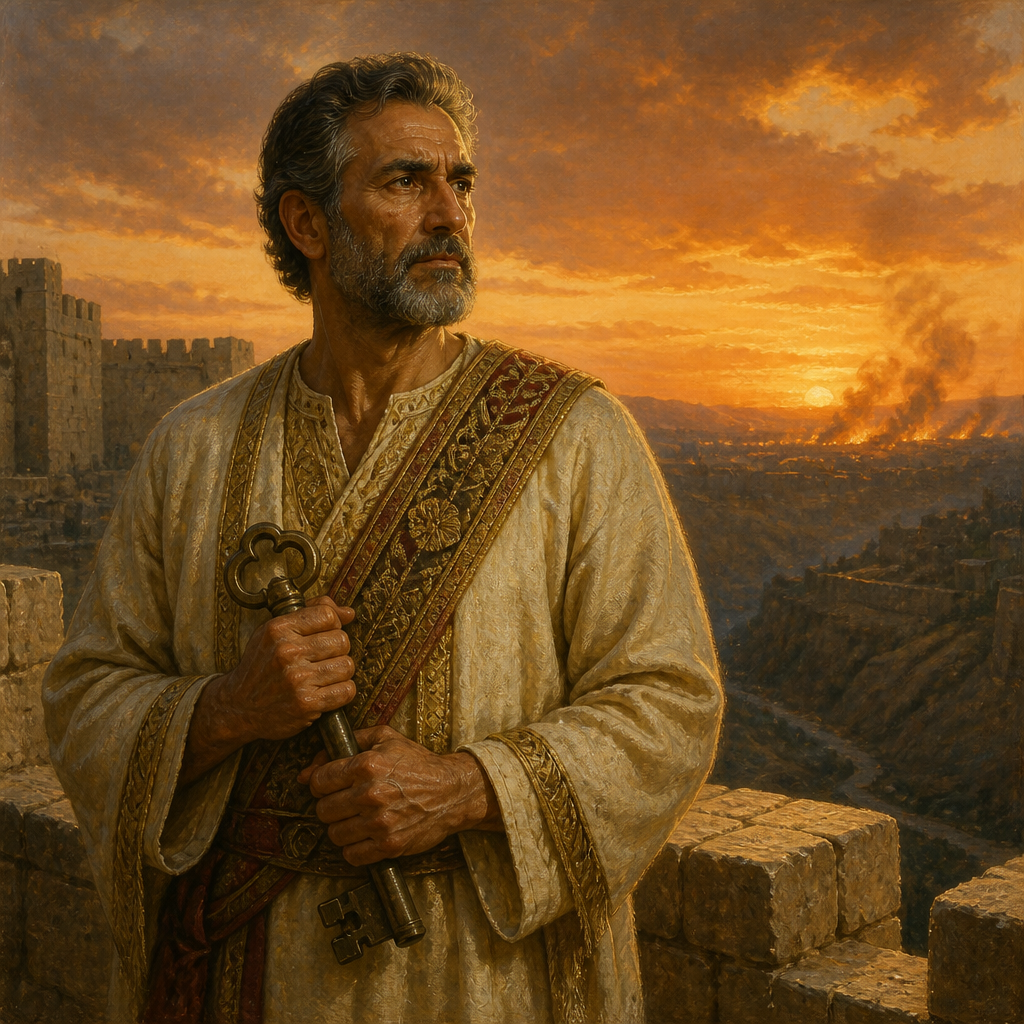
Eliakim son of Hilkiah
Palace administrator for King Hezekiah who represented Judah during the Assyrian siege
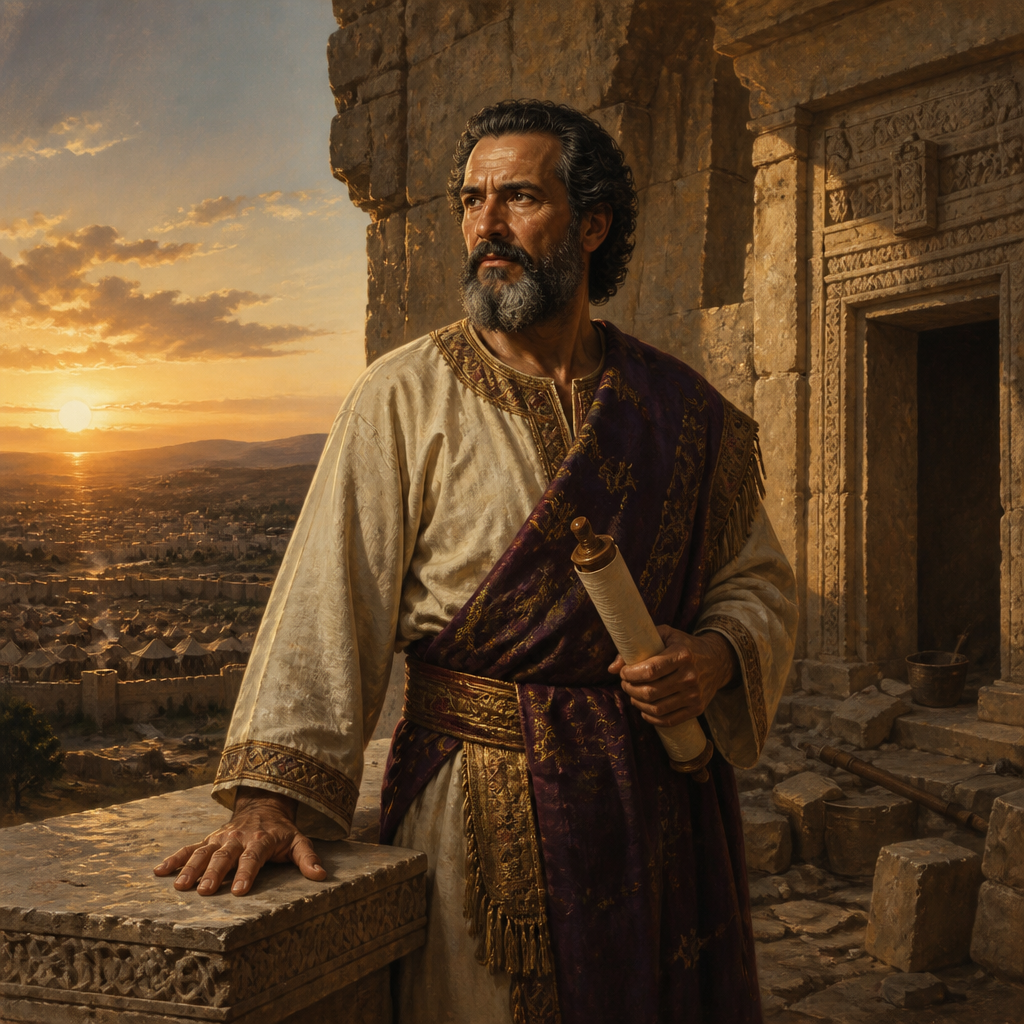
Shebna
Royal official who was rebuked by Isaiah for his pride and served during the Assyrian siege
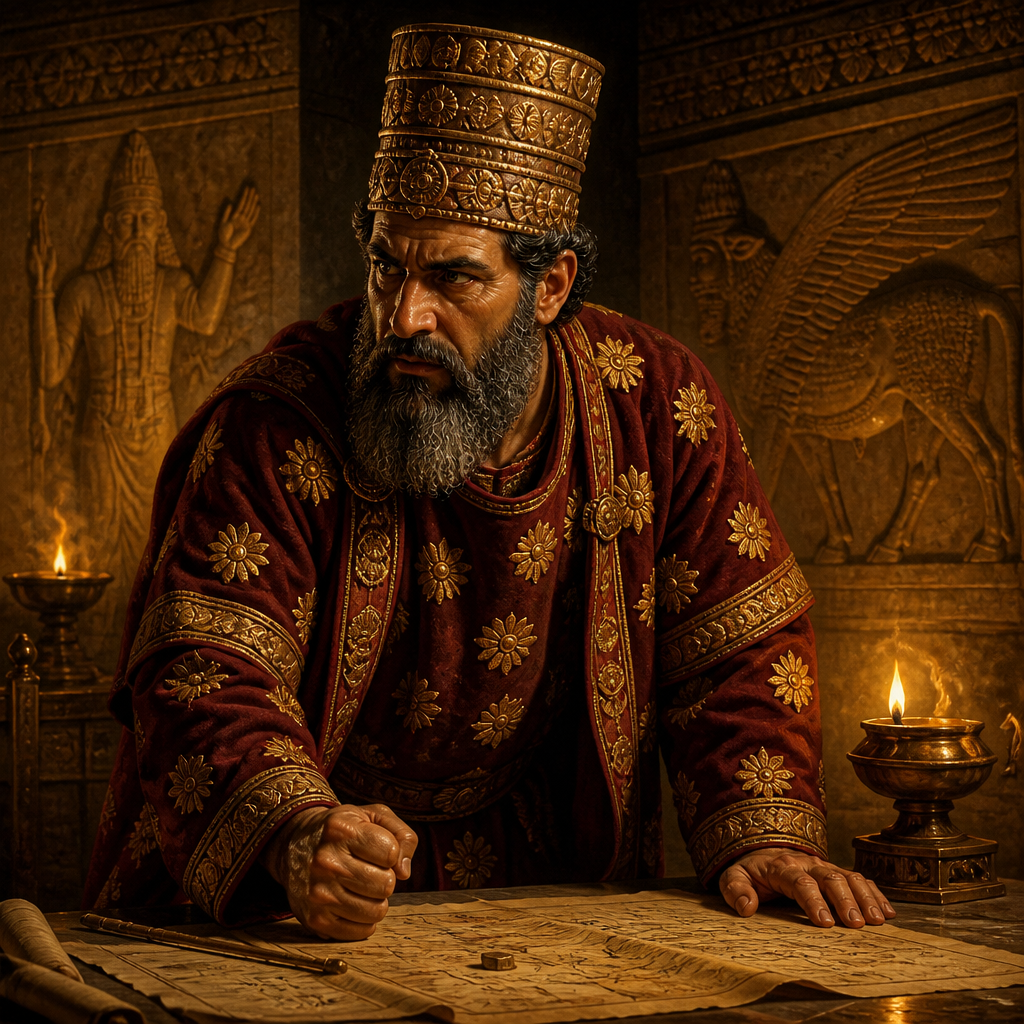
Rezin, King of Aram
King of Aram who besieged Jerusalem and was killed by the Assyrians
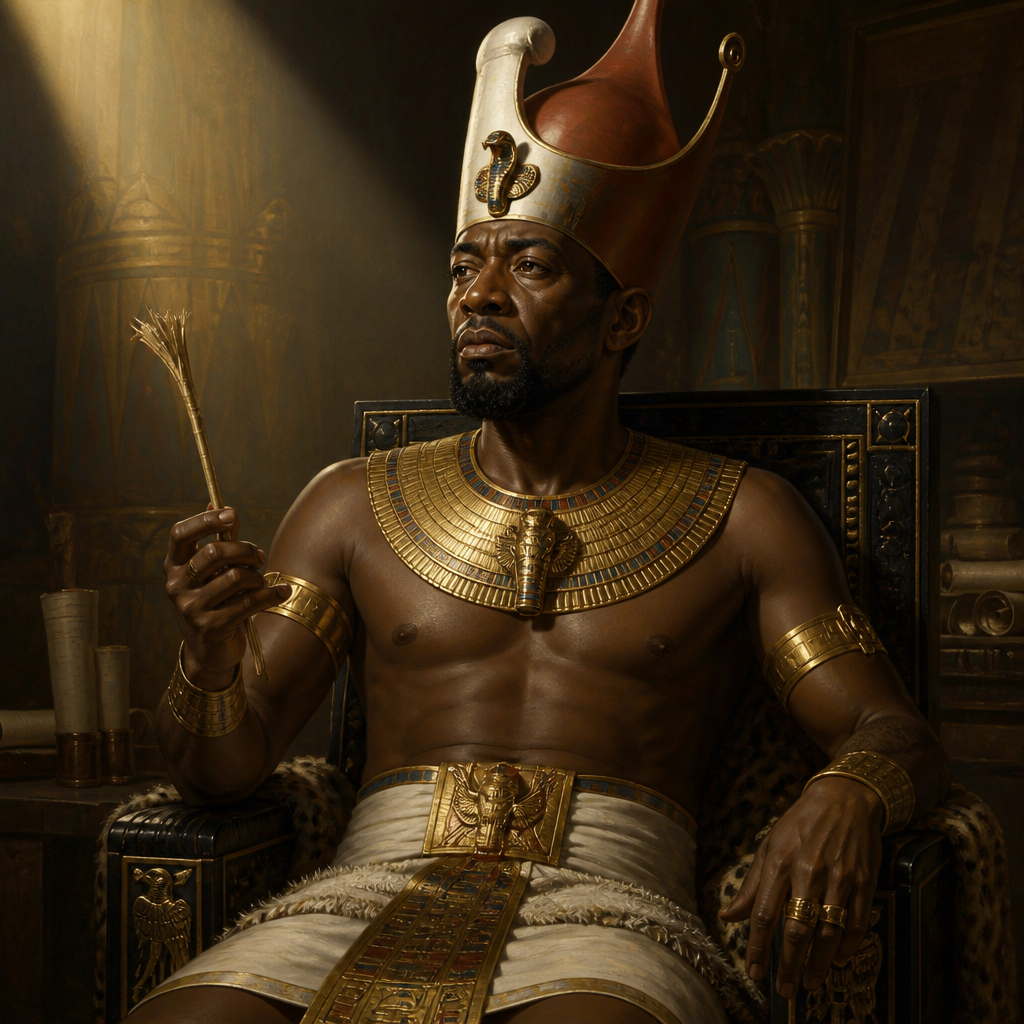
Pharaoh, unreliable ally of Hezekiah
Egyptian monarch whose failed military alliance with King Hezekiah was compared to a splintered reed

Abraham
Patriarch who is the father of the nation of Israel and an exemplar of faith
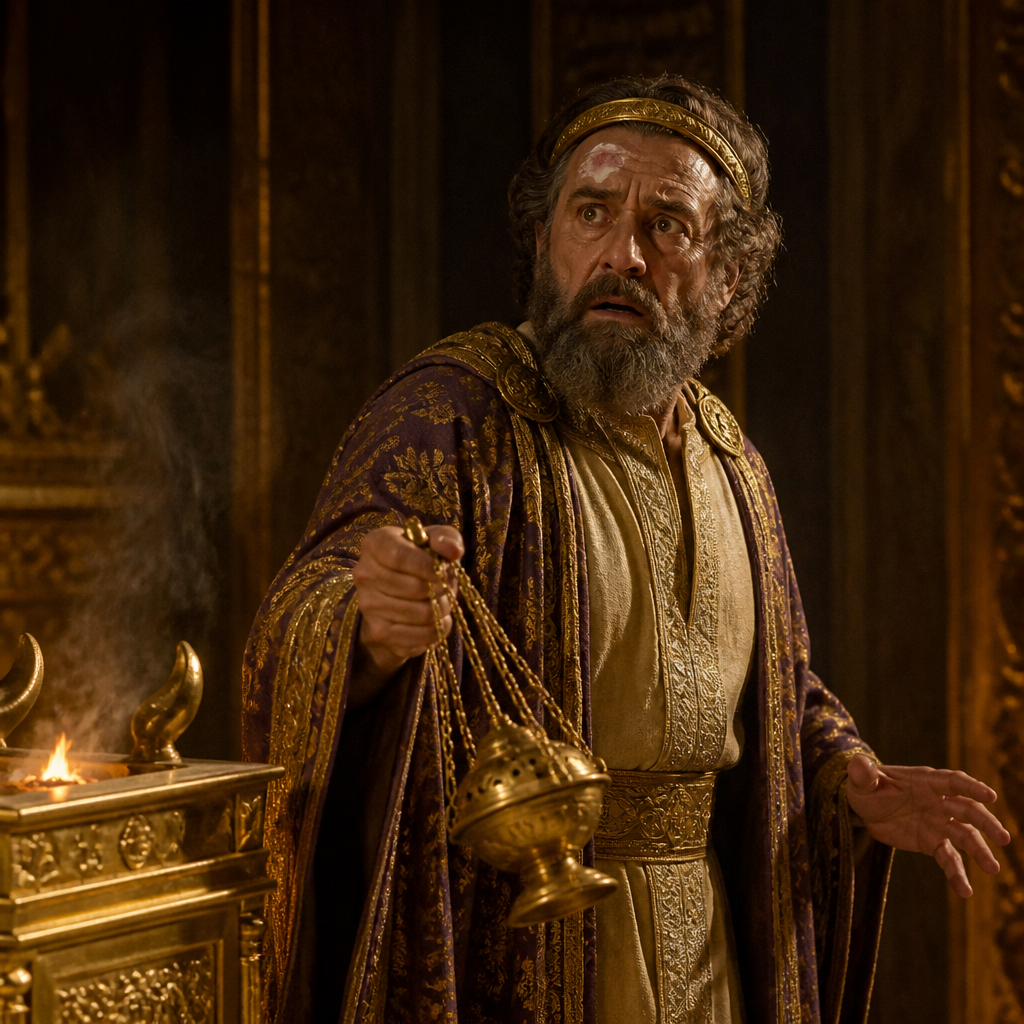
Uzziah, King of Judah
King of Judah struck with leprosy for attempting to burn incense in the Temple
Joah, Recorder to King Hezekiah
Recorder for King Hezekiah who stood against the Rabshakeh during the Assyrian siege of Jerusalem
Jesus
Messiah and central figure of the New Testament whose life, death, and resurrection form the basis of the Christian faith
Asaph, Father of Joah the Recorder
Father of Joah the recorder during the reign of King Hezekiah
Shear-jashub
Son of Isaiah whose name served as a prophetic sign to King Ahaz
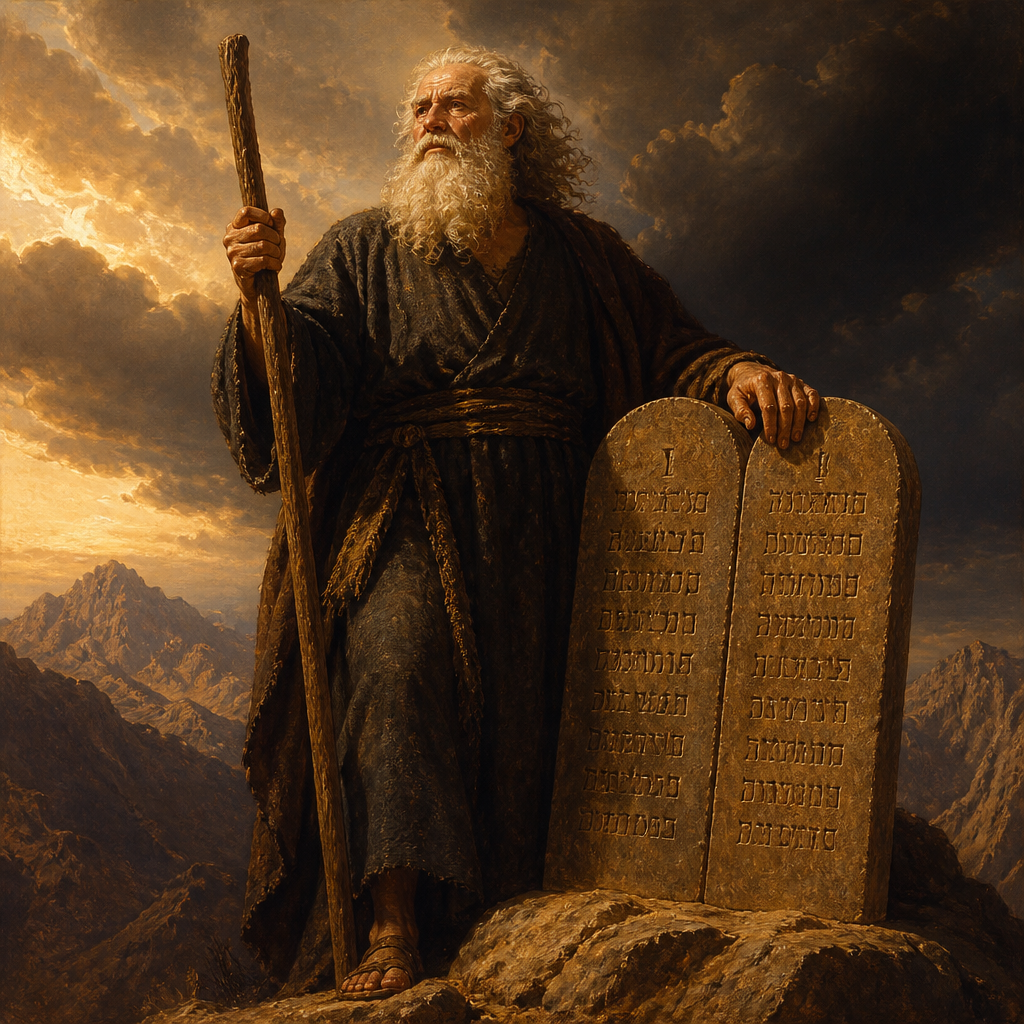
Moses
Prophet who led the Israelites out of Egypt and received the Ten Commandments
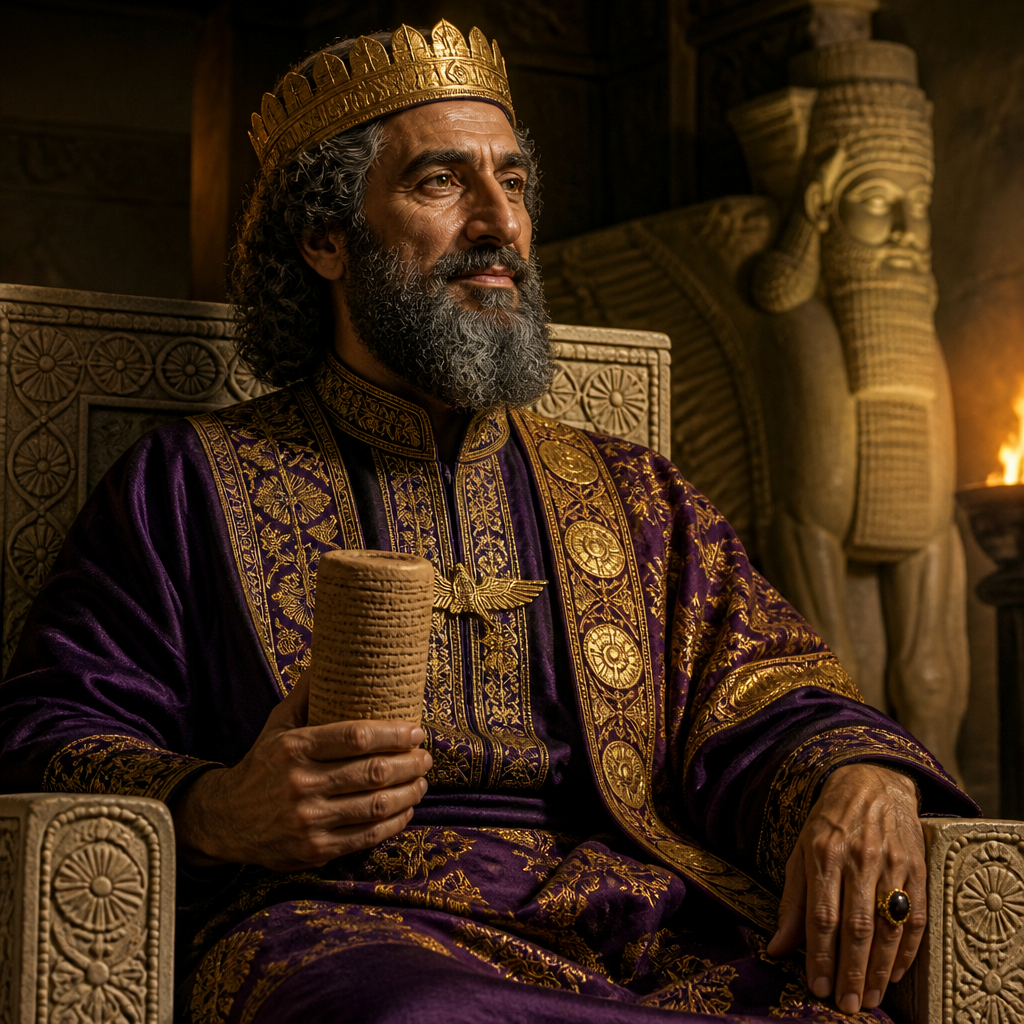
Cyrus
Persian king who issued the decree allowing the Jews to return from exile and rebuild the Temple
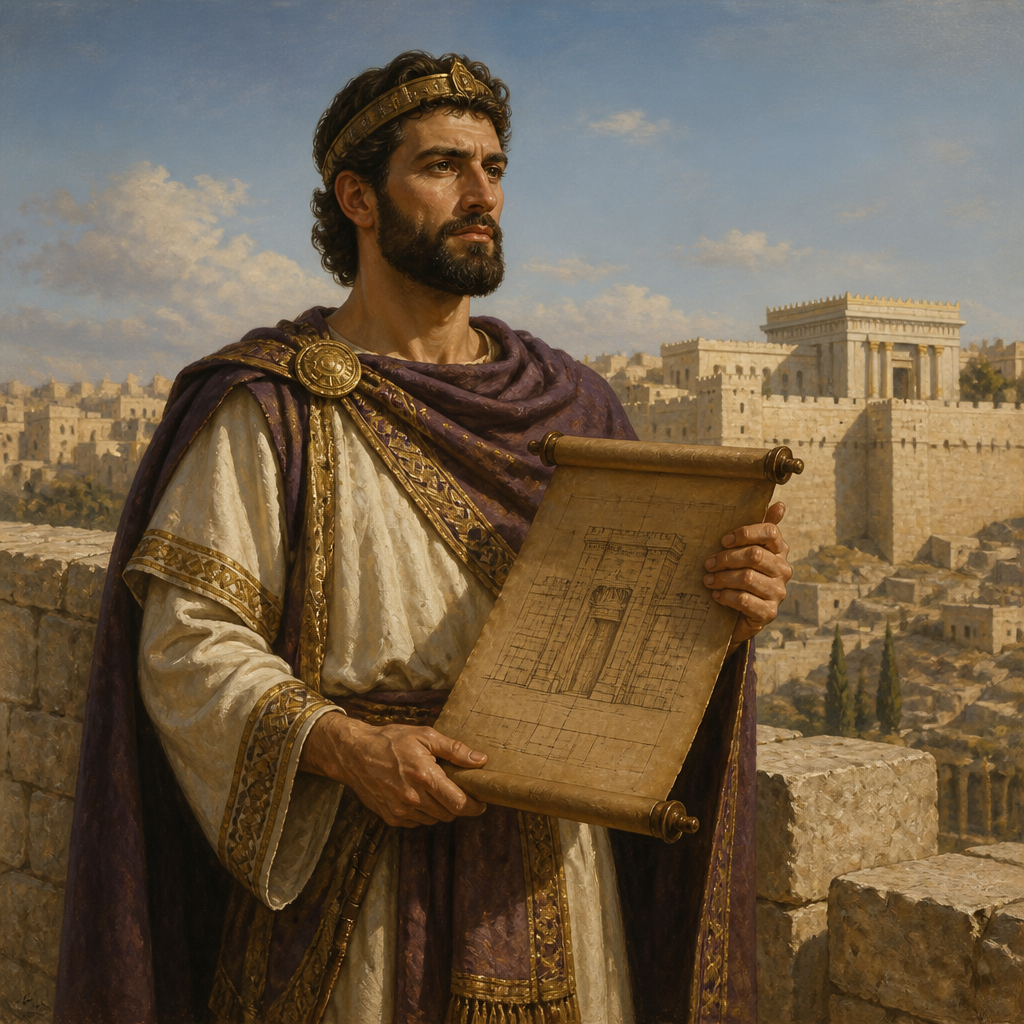
Jotham, King of Judah
King of Judah who grew powerful by ordering his ways before the LORD

God the Father
The first person of the Trinity — creator, the one Jesus addressed as Father, the one who sends the Son and the Spirit
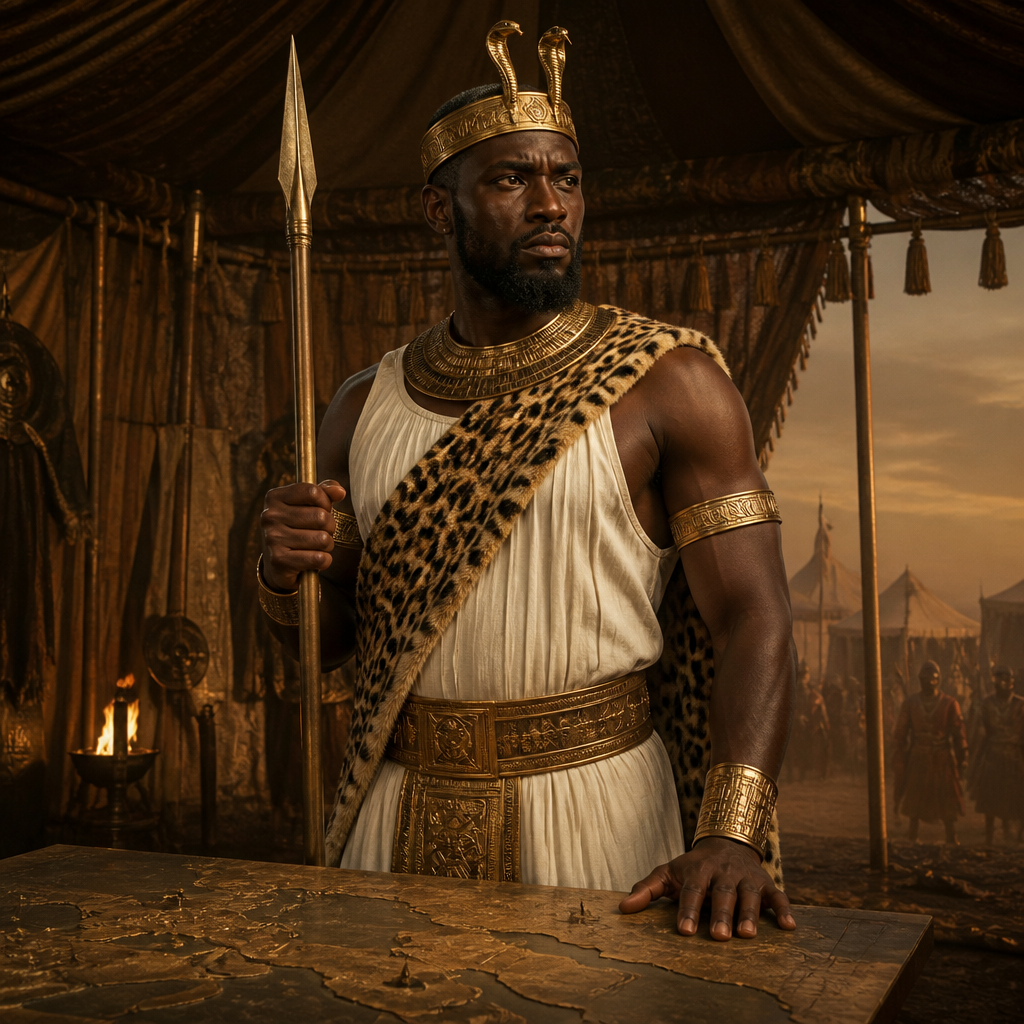
Tirhakah
King of Cush who mobilized against Sennacherib during the siege of Jerusalem
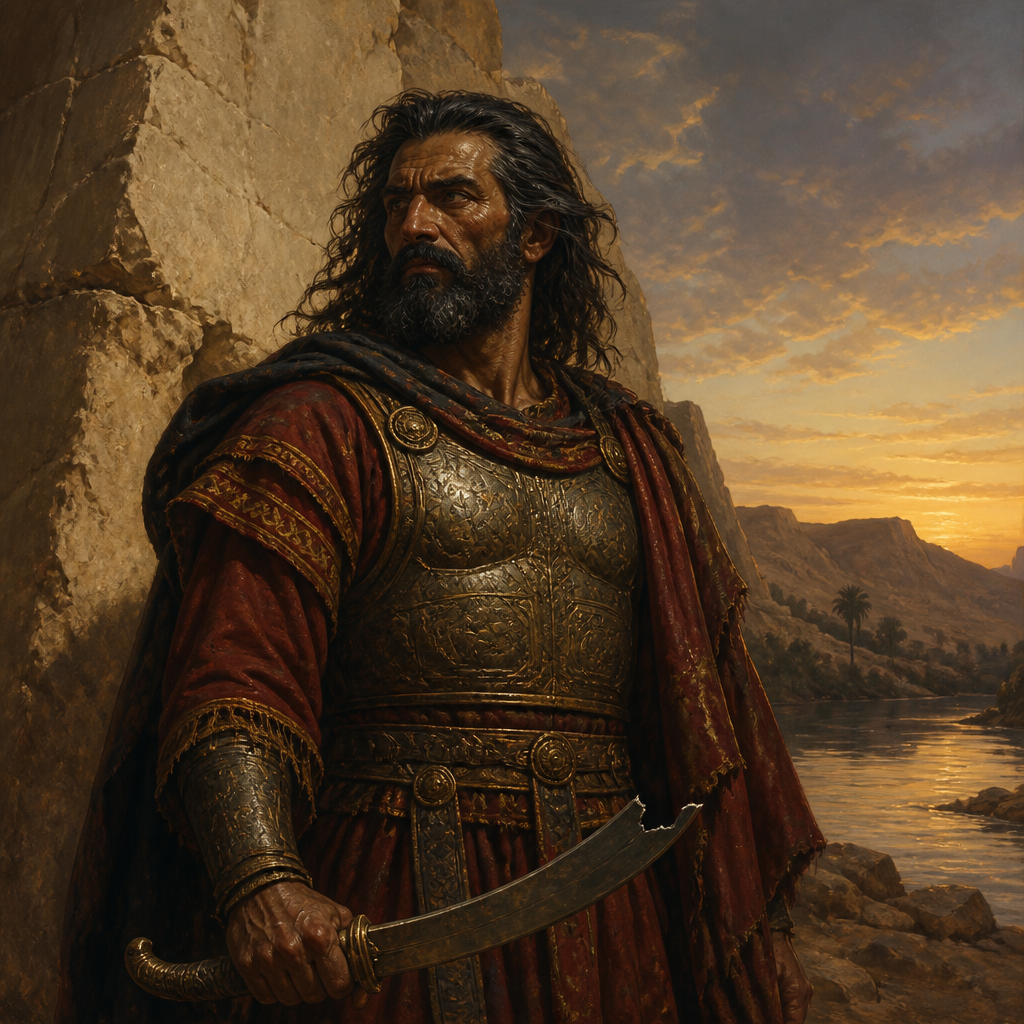
Oreb
Midianite prince captured and executed at a rock that was subsequently named after him
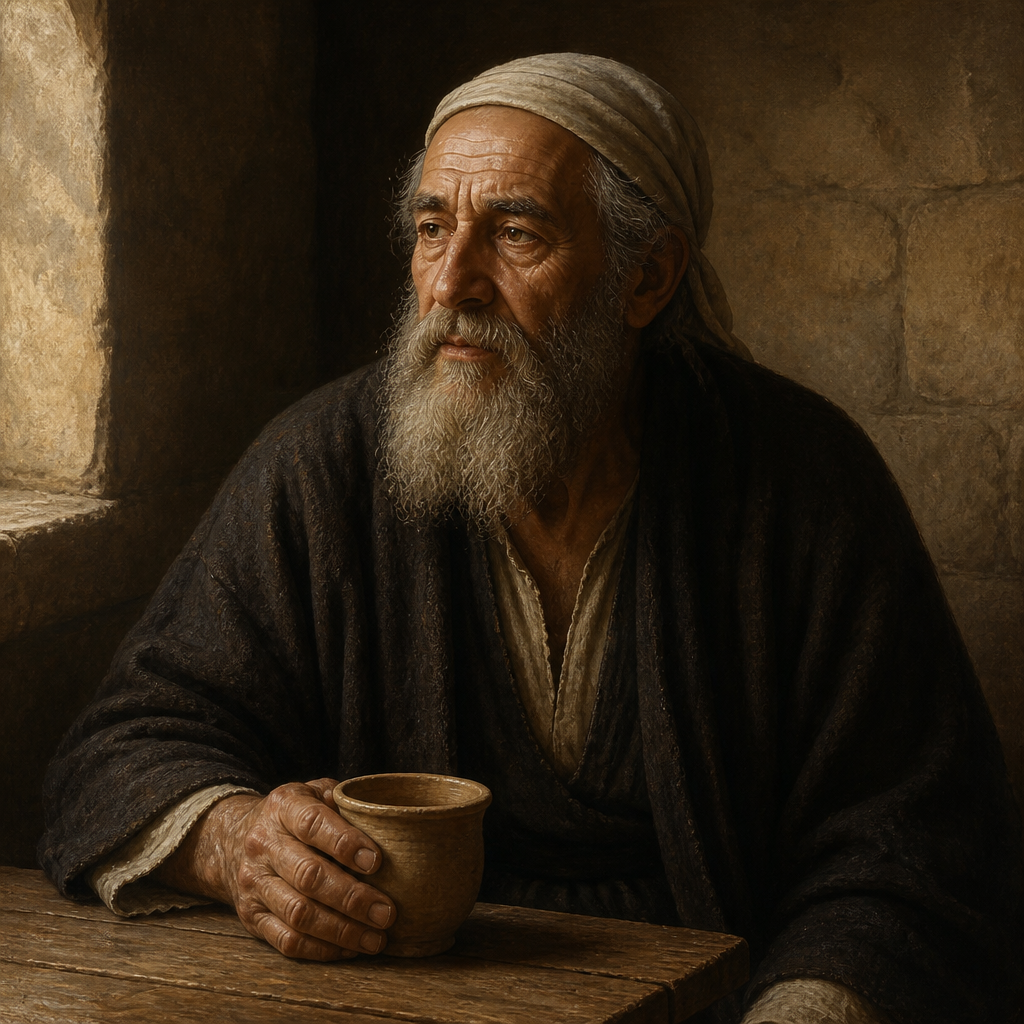
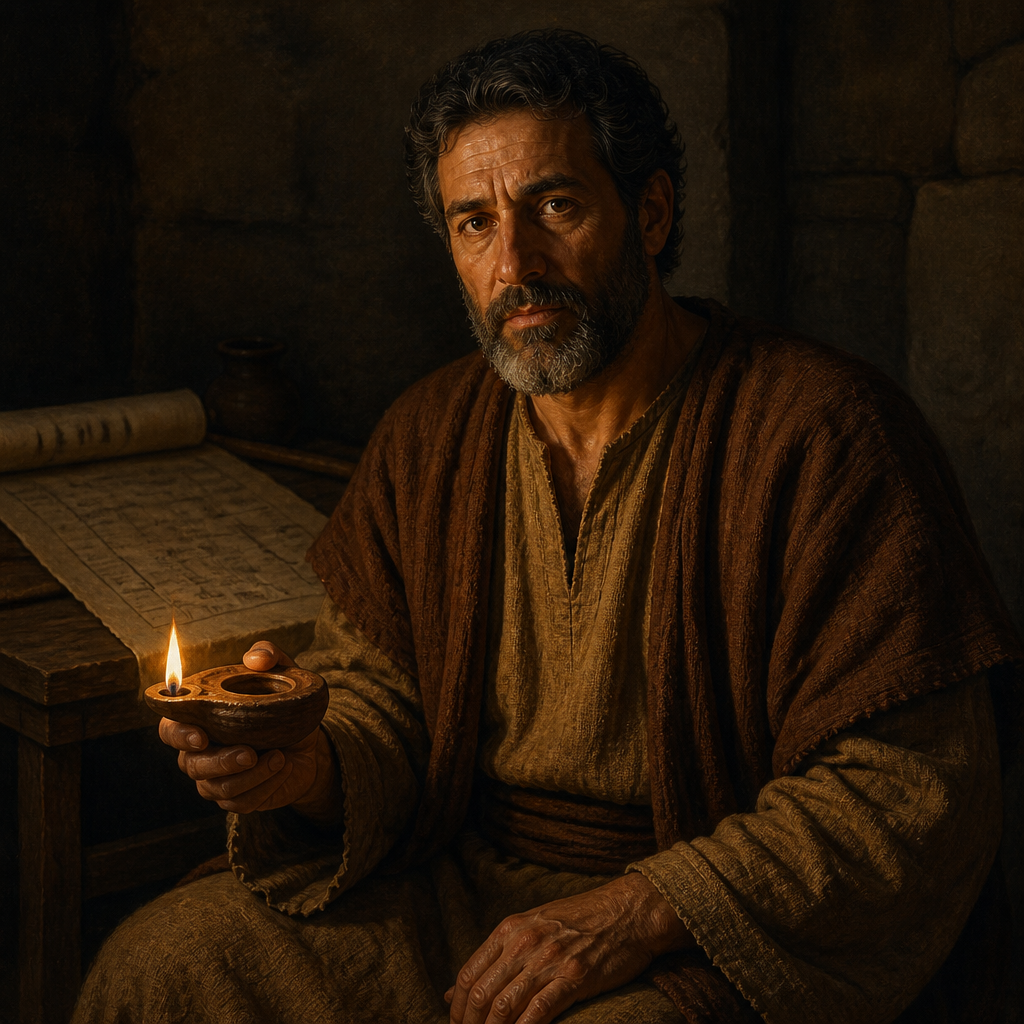
Judah, Son of Joseph
Ancestor of Jesus Christ mentioned in the Gospel of Luke
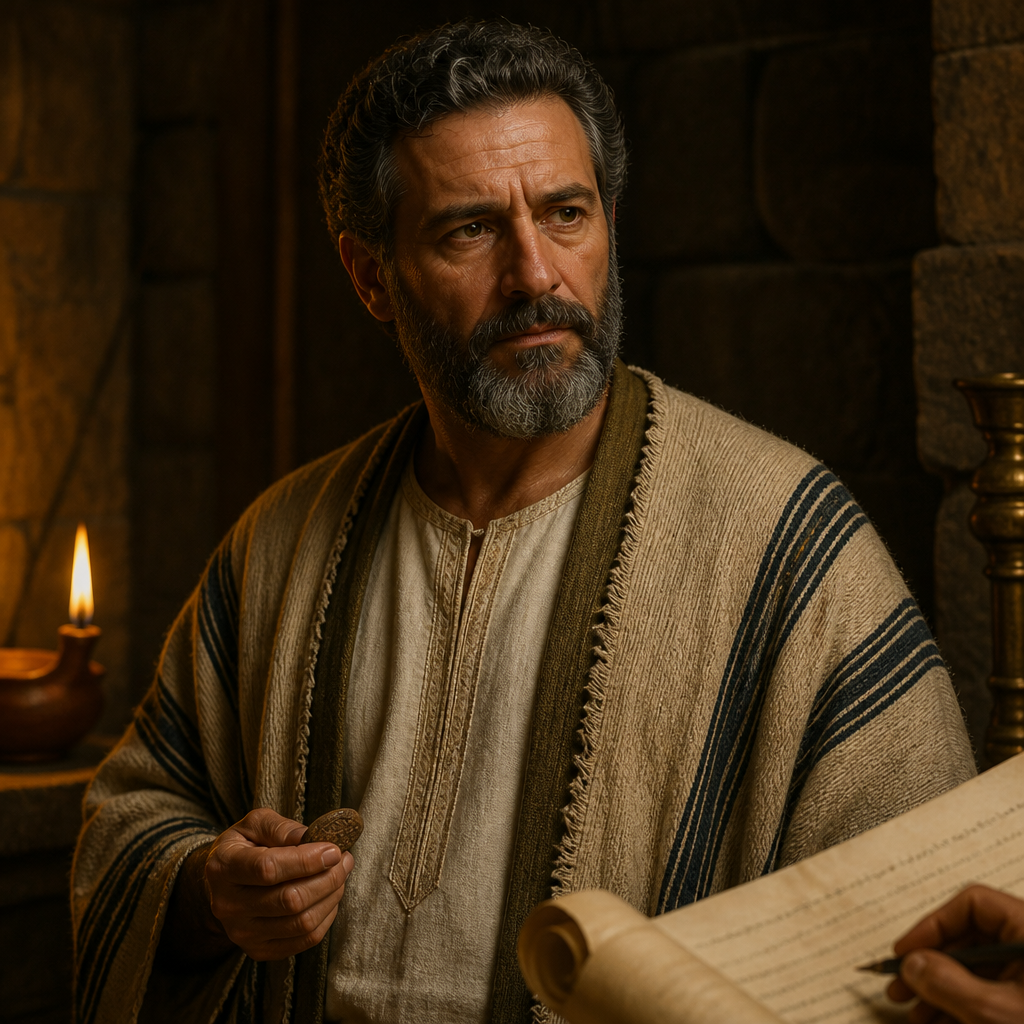
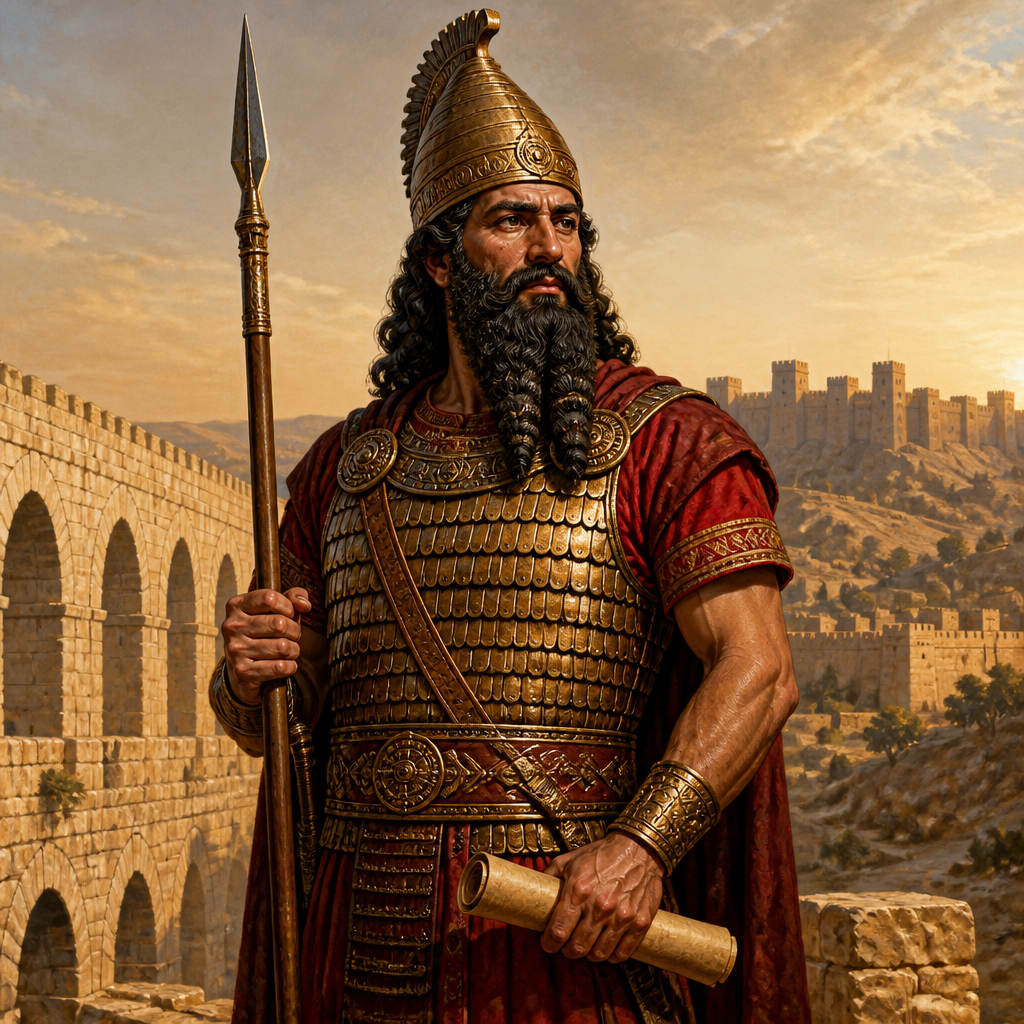
The Tartan, Assyrian Commander-in-Chief
Chief commander of the Assyrian army who led the siege of Ashdod and intimidated Jerusalem during the reign of Hezekiah
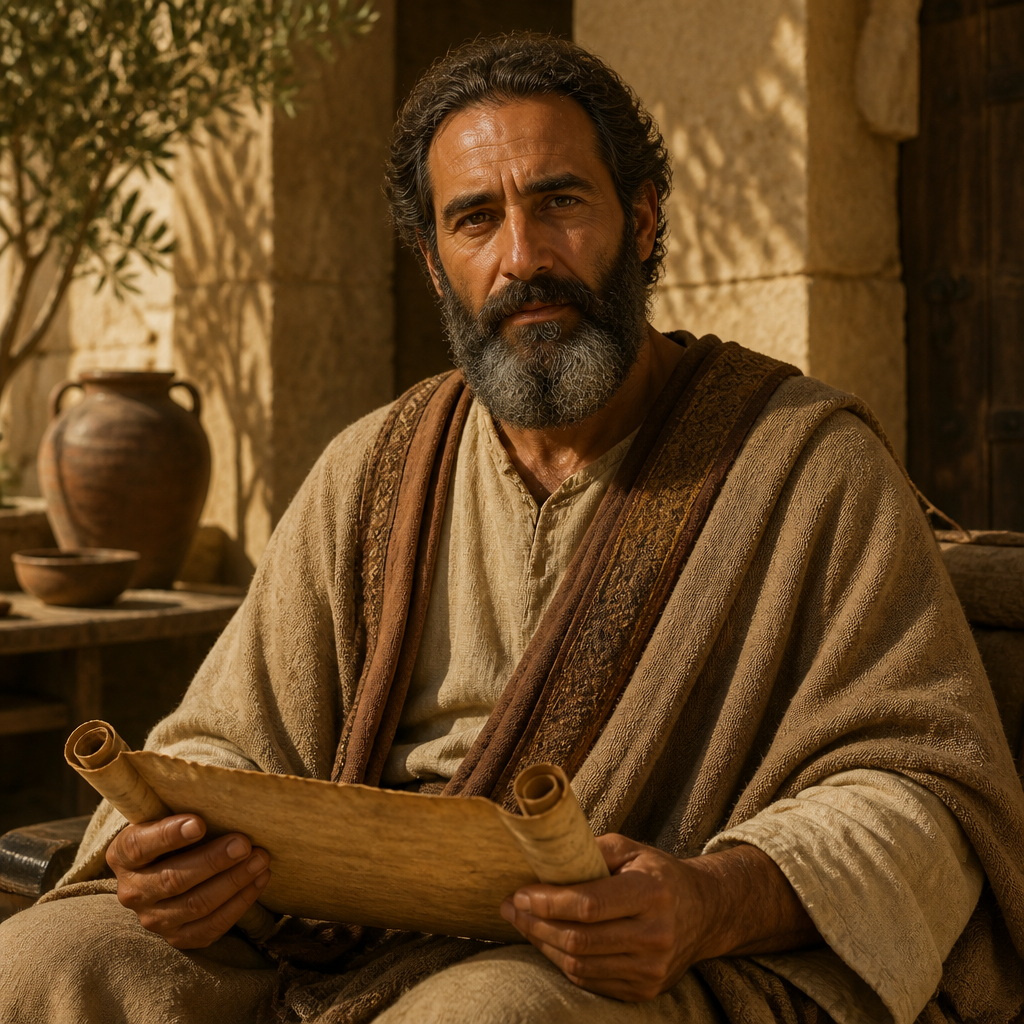
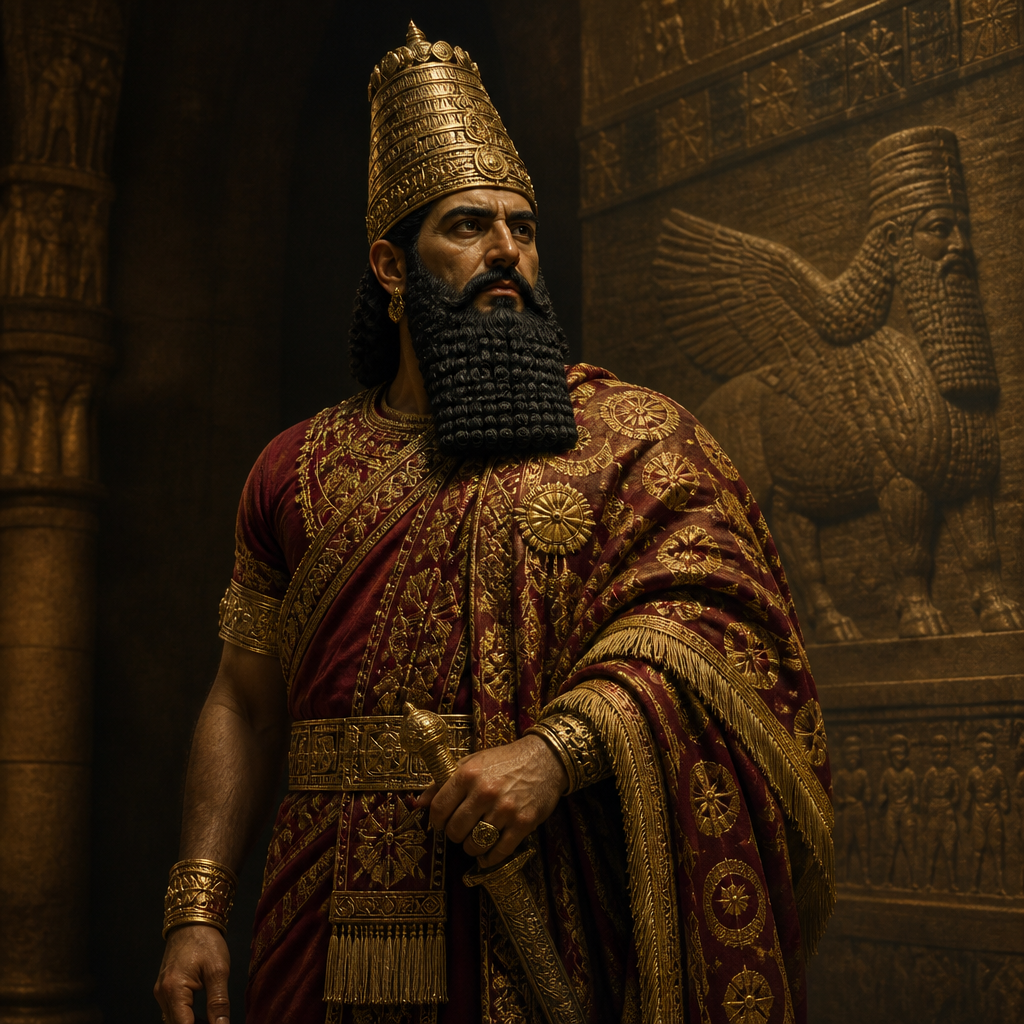
Esar-haddon
King of Assyria who succeeded Sennacherib after his assassination
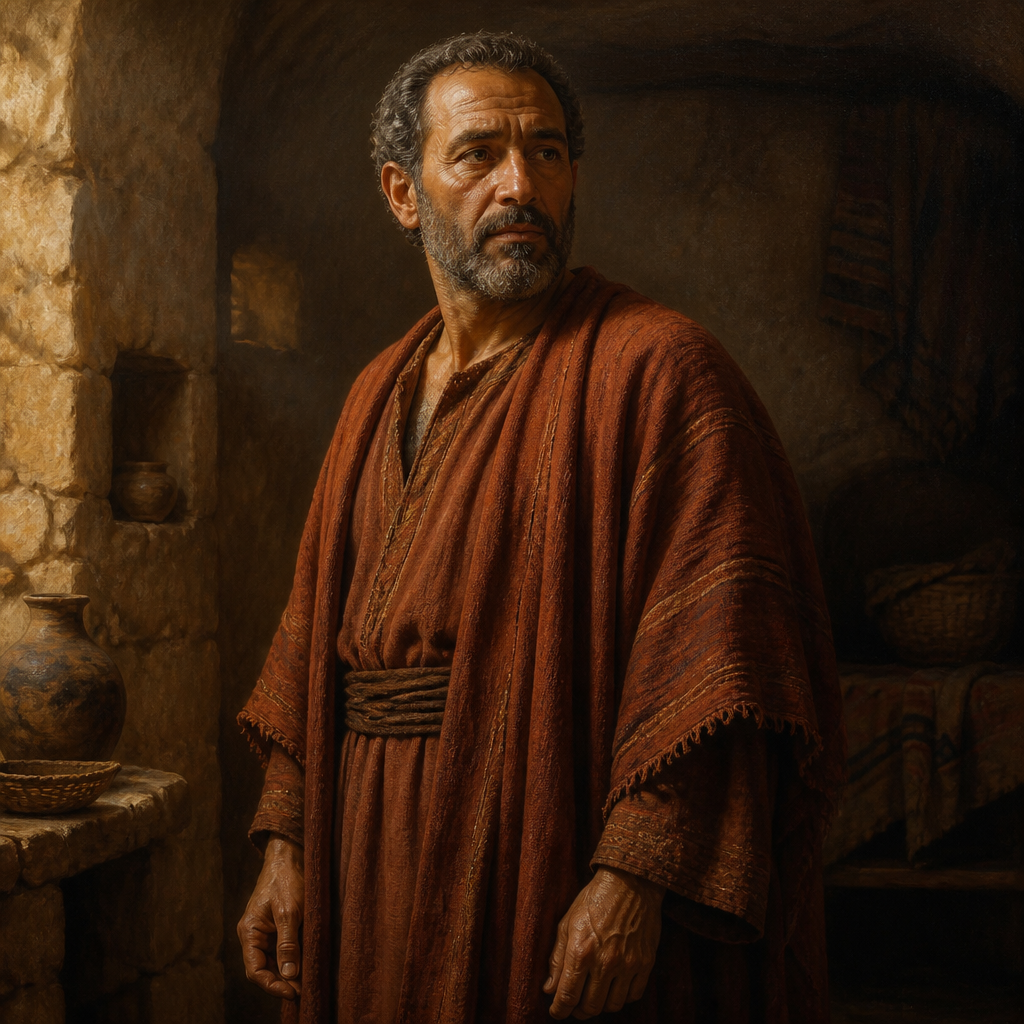
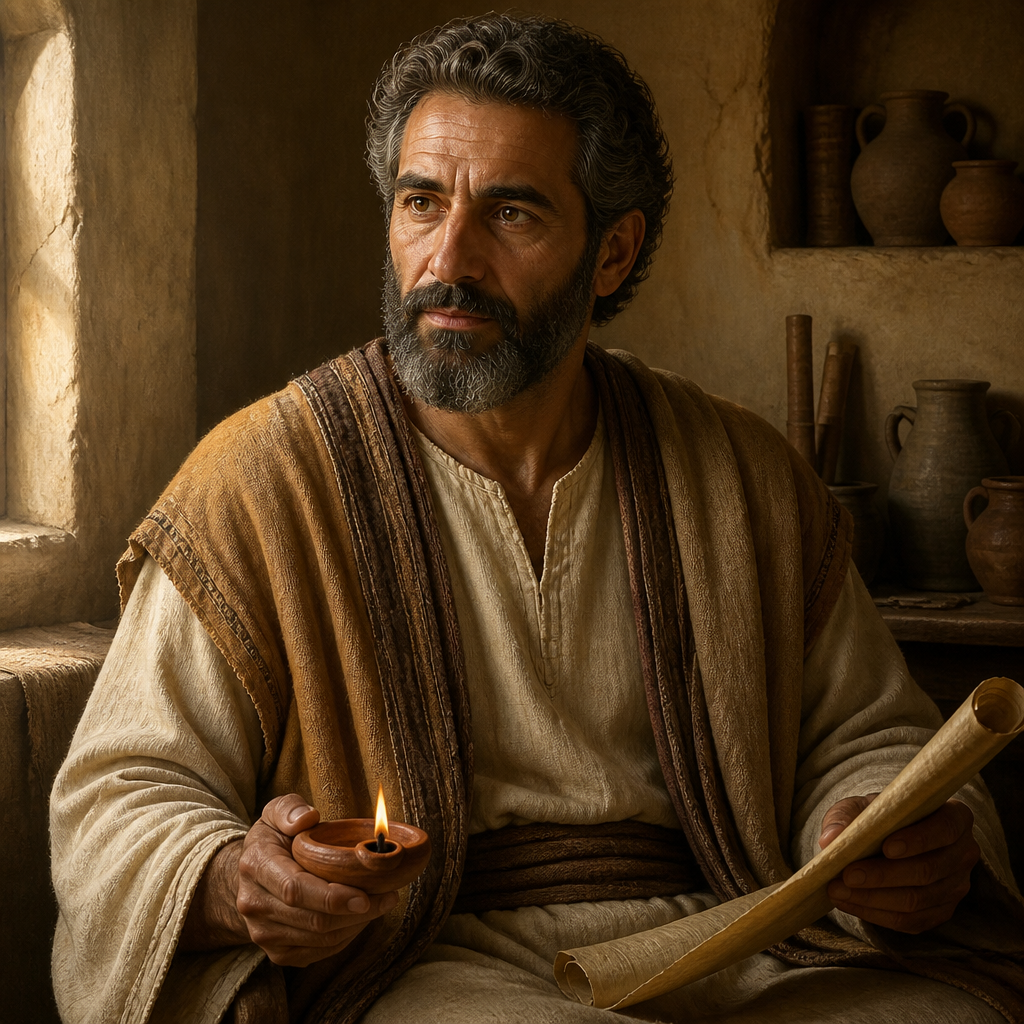

Pekah
King of Israel who allied with Rezin of Aram and lost northern territories to Assyria
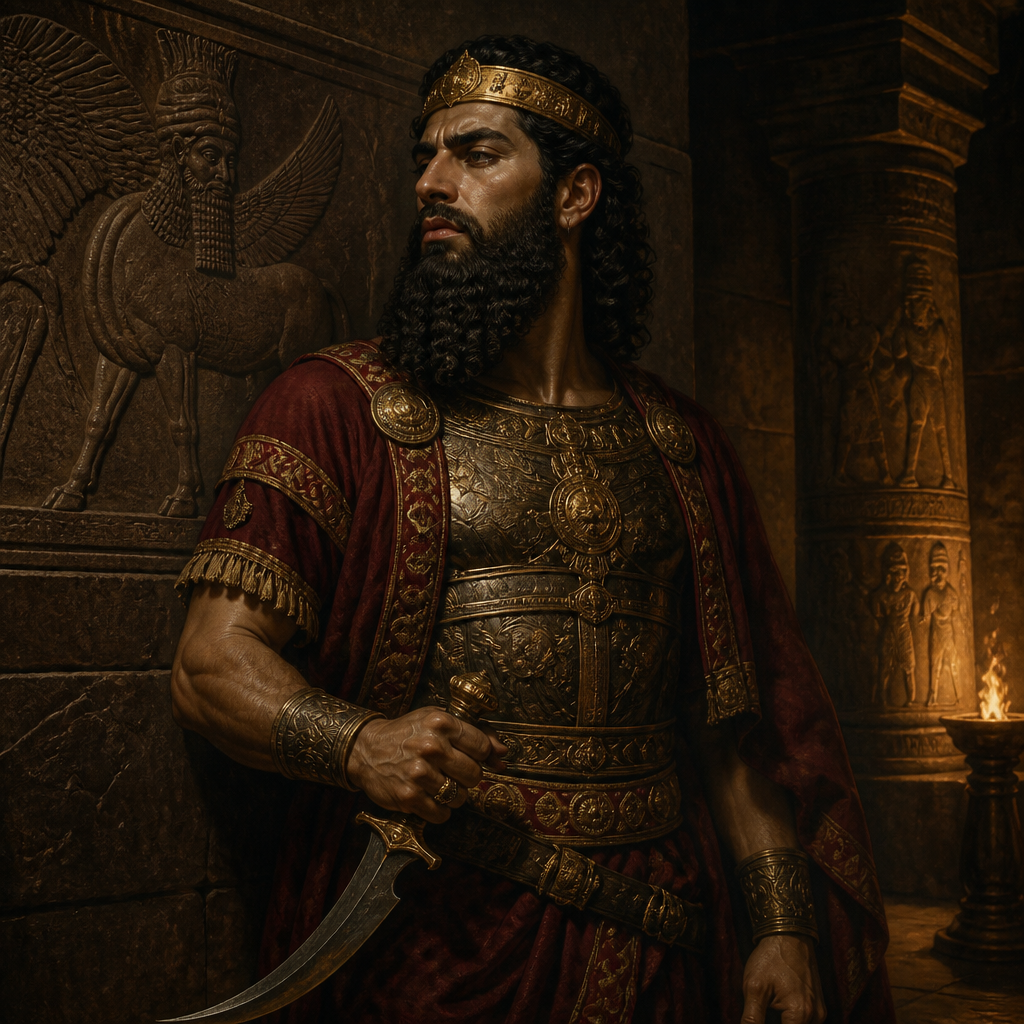
Adrammelech, Son of Sennacherib
Prince who assassinated his father King Sennacherib
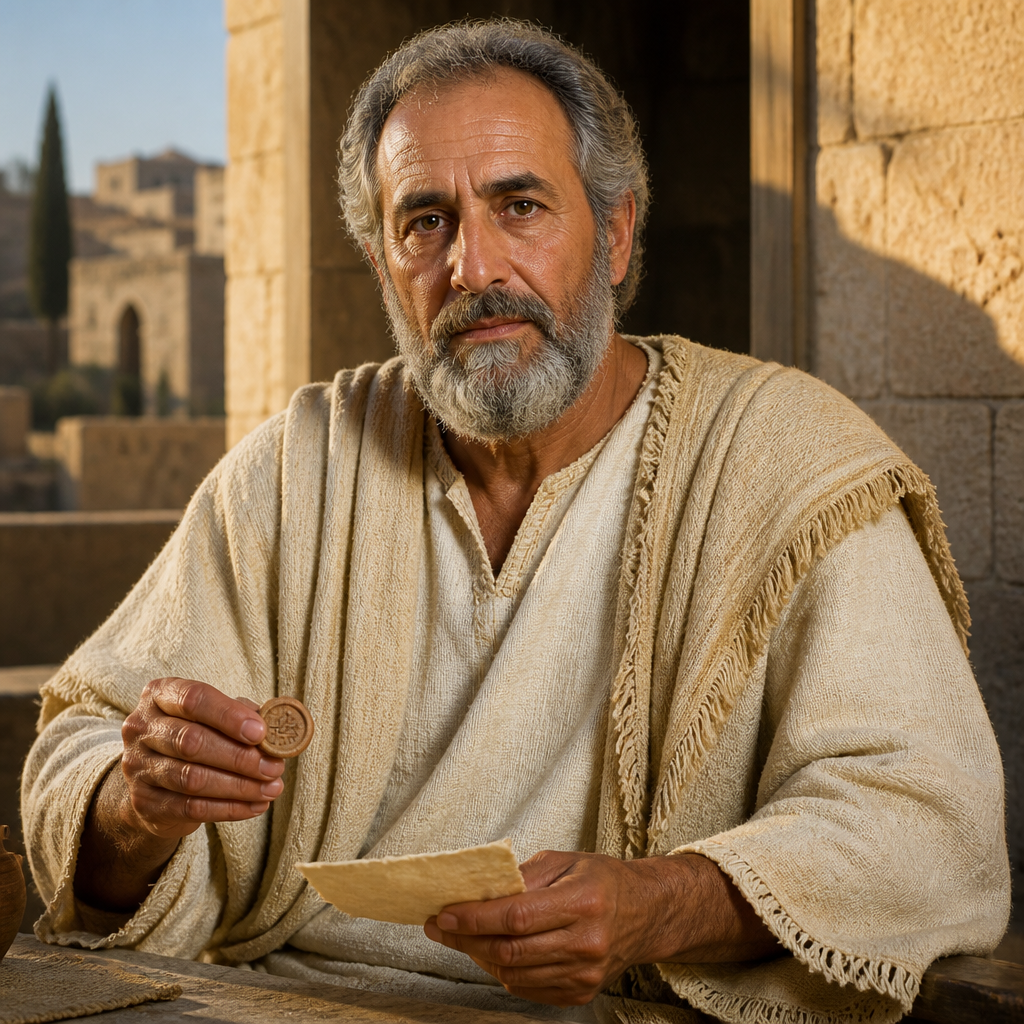
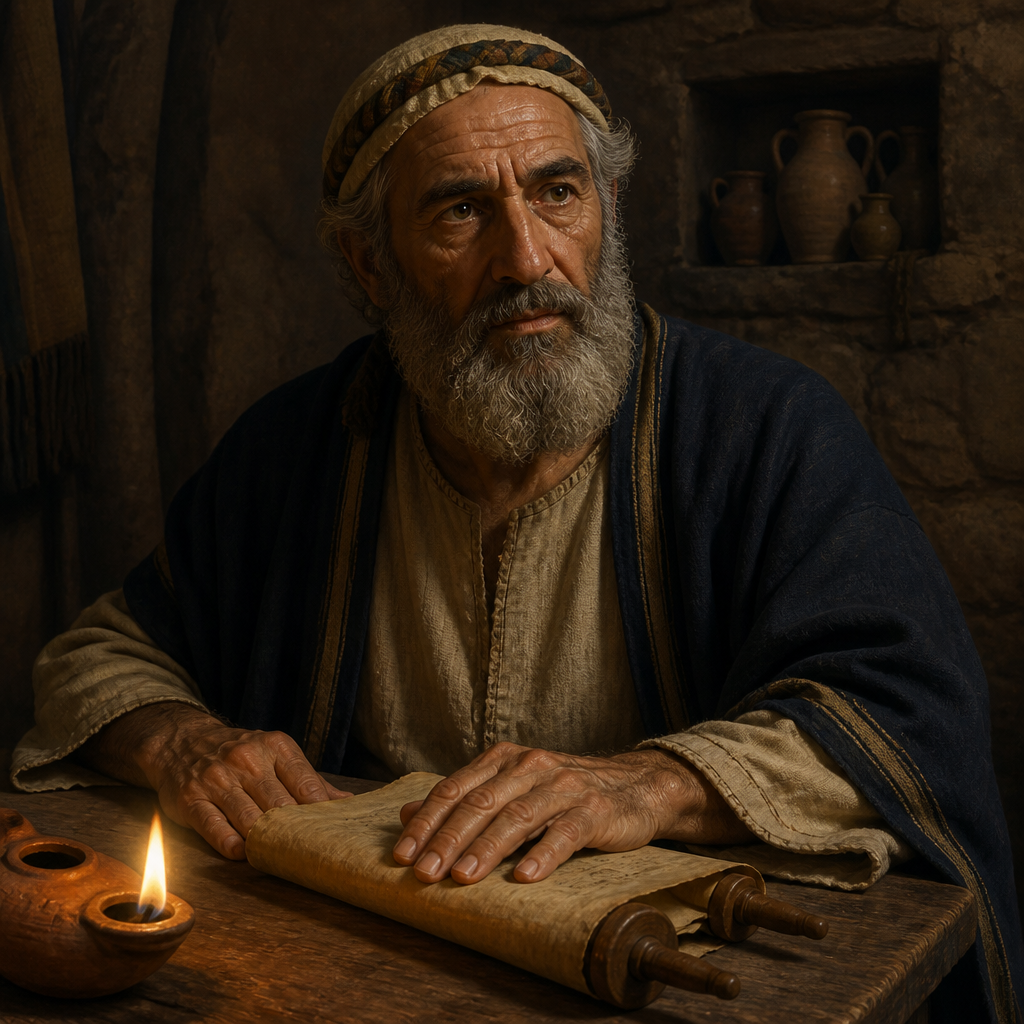
Matthat, Ancestor of Jesus
Ancestor of Jesus Christ mentioned in the Gospel of Luke

The Holy Spirit
The third person of the Trinity — hovering over the waters at creation, empowering judges, prophets and kings, poured out at Pentecost, indwelling believers
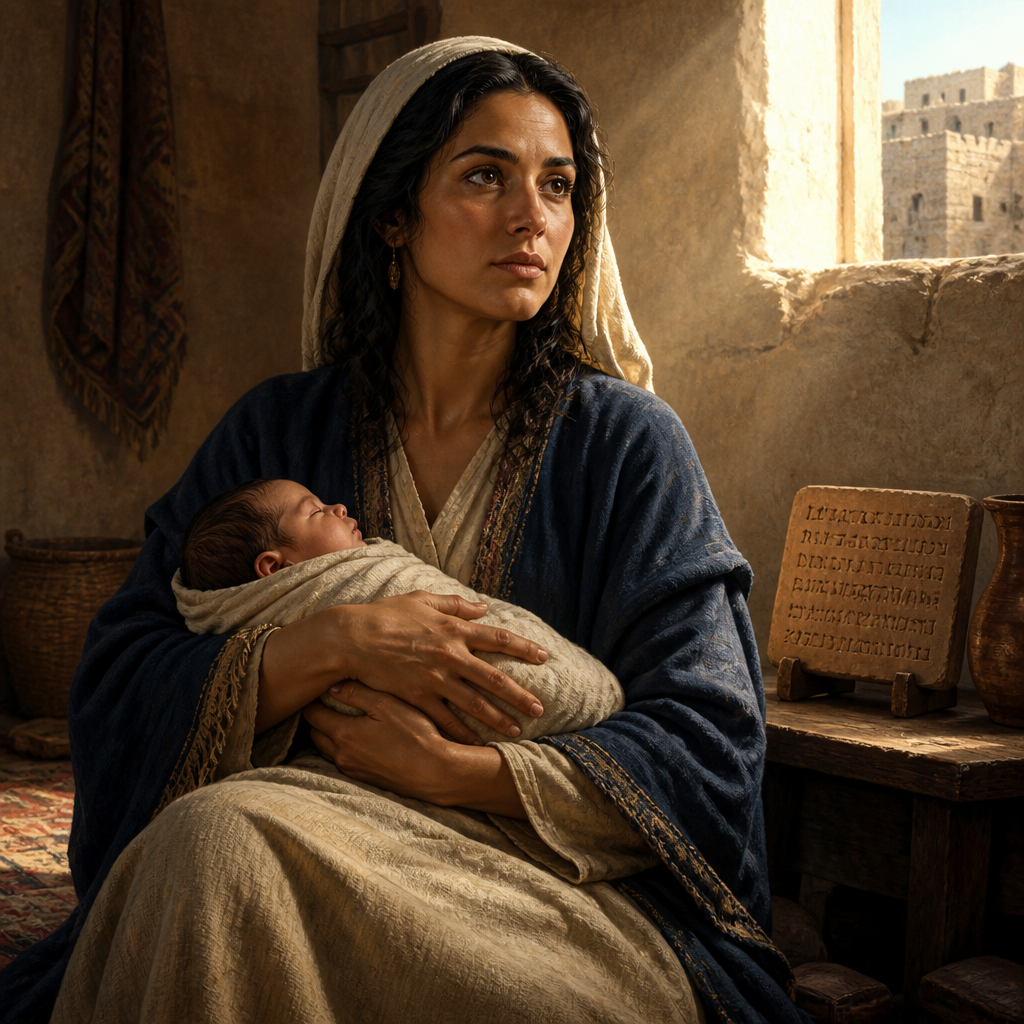
The Prophetess, Wife of Isaiah
Prophetess and wife of Isaiah whose son's birth was a prophetic sign

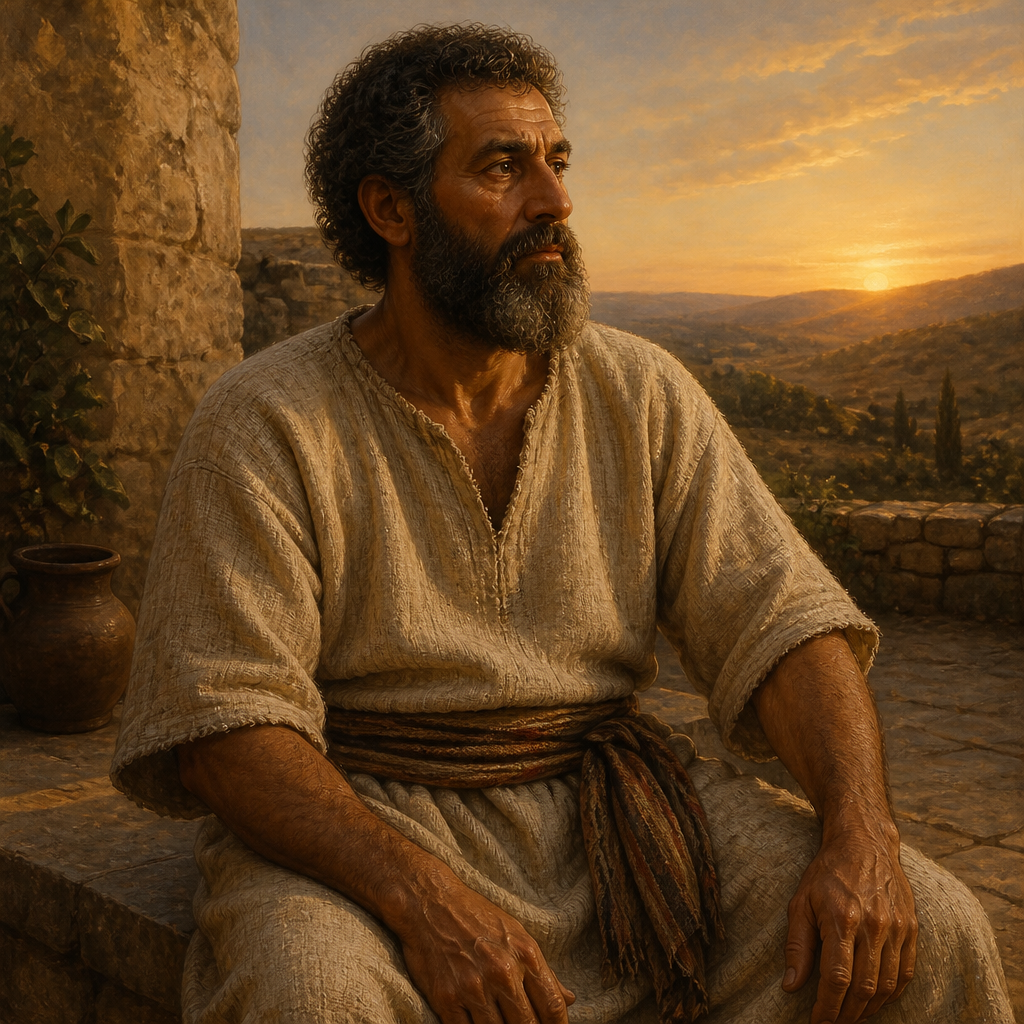
Simeon, Son of Judah in the Genealogy of Jesus
ancestor of Jesus Christ listed in the Gospel of Luke
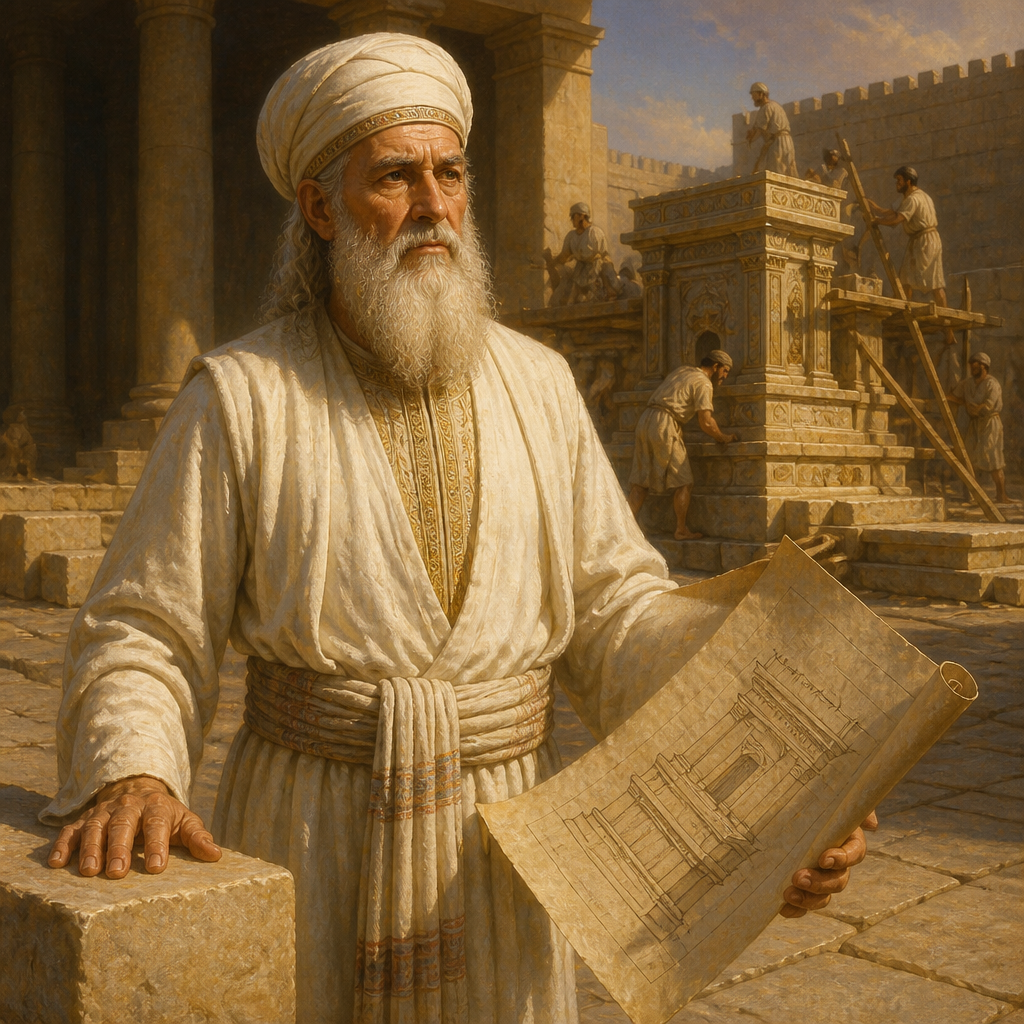
Uriah the Priest
Priest who built a foreign altar in the Temple of Jerusalem at the request of King Ahaz
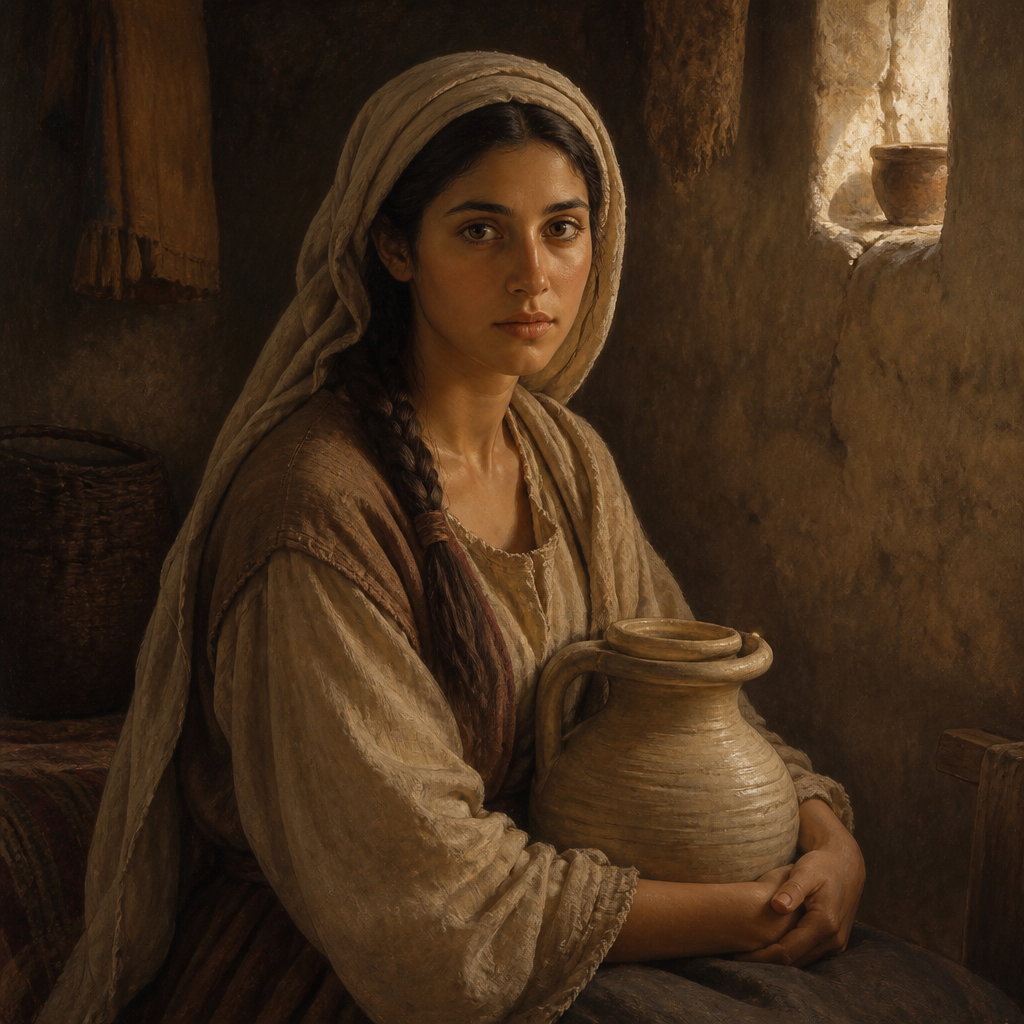
Jesus' Earthly Sisters
members of the biological or legal household of Jesus who lived in Nazareth
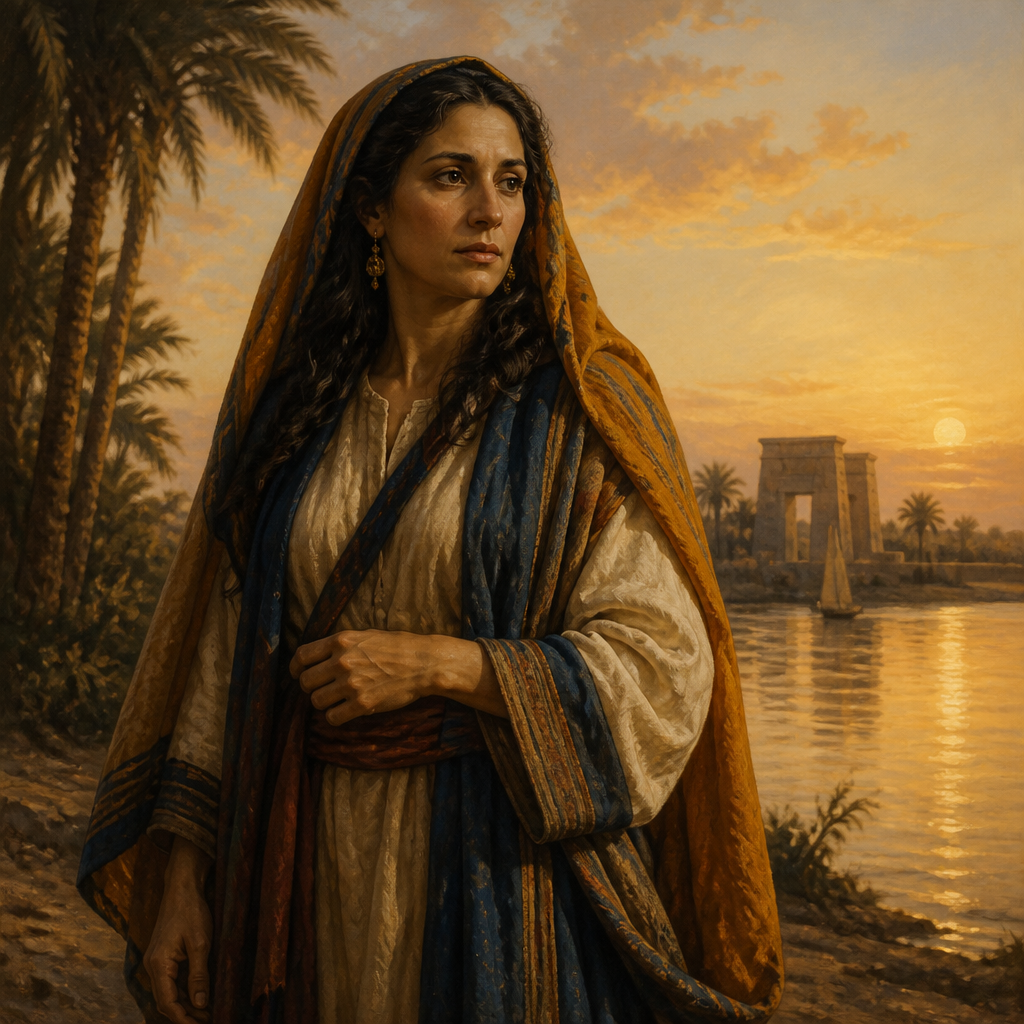
Sarah
Matriarch of Israel and mother of Isaac who conceived in her old age
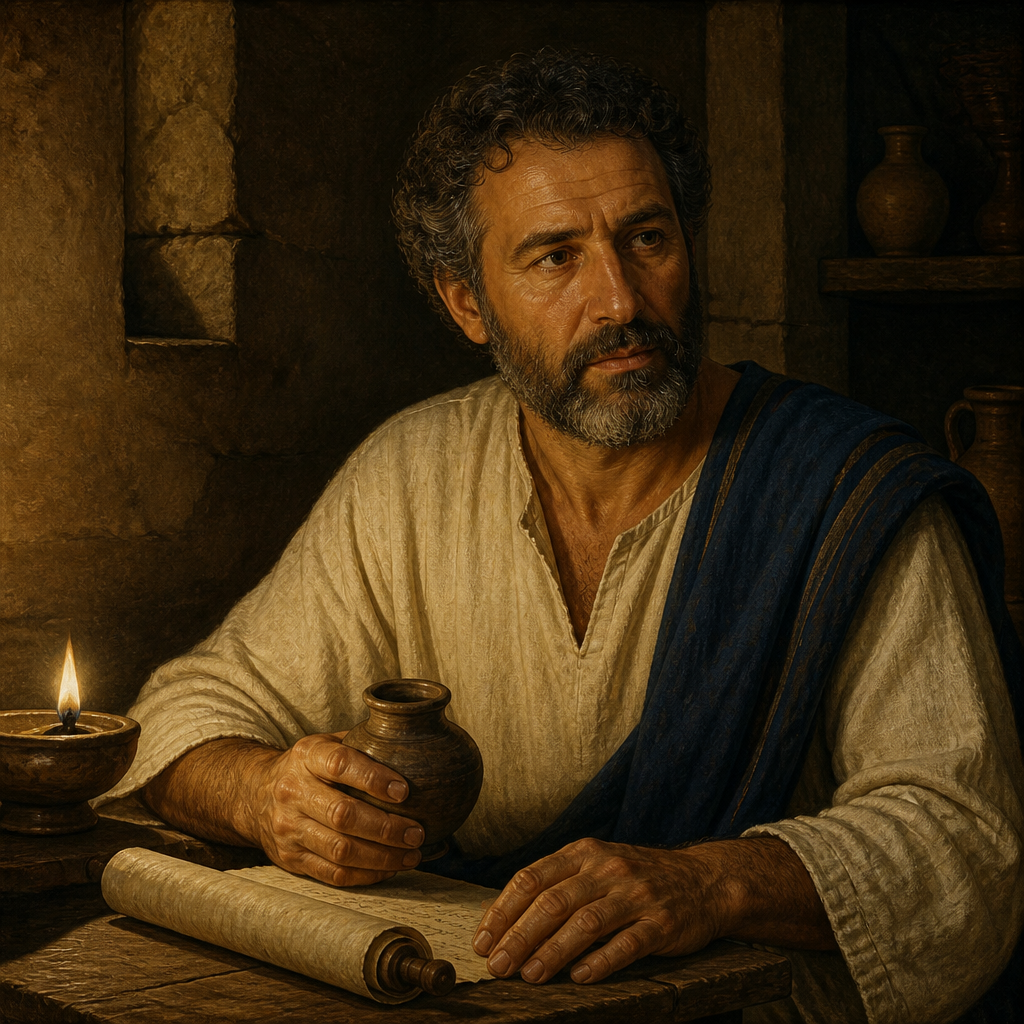
Mattathias, Son of Semein
Ancestor of Jesus Christ mentioned in the Gospel of Luke
Nahum, Ancestor of Jesus
ancestor of Jesus Christ appearing in the Lucan genealogy
Tabeal
Patriarch whose son was the chosen puppet king for the Syro-Ephraimite coalition
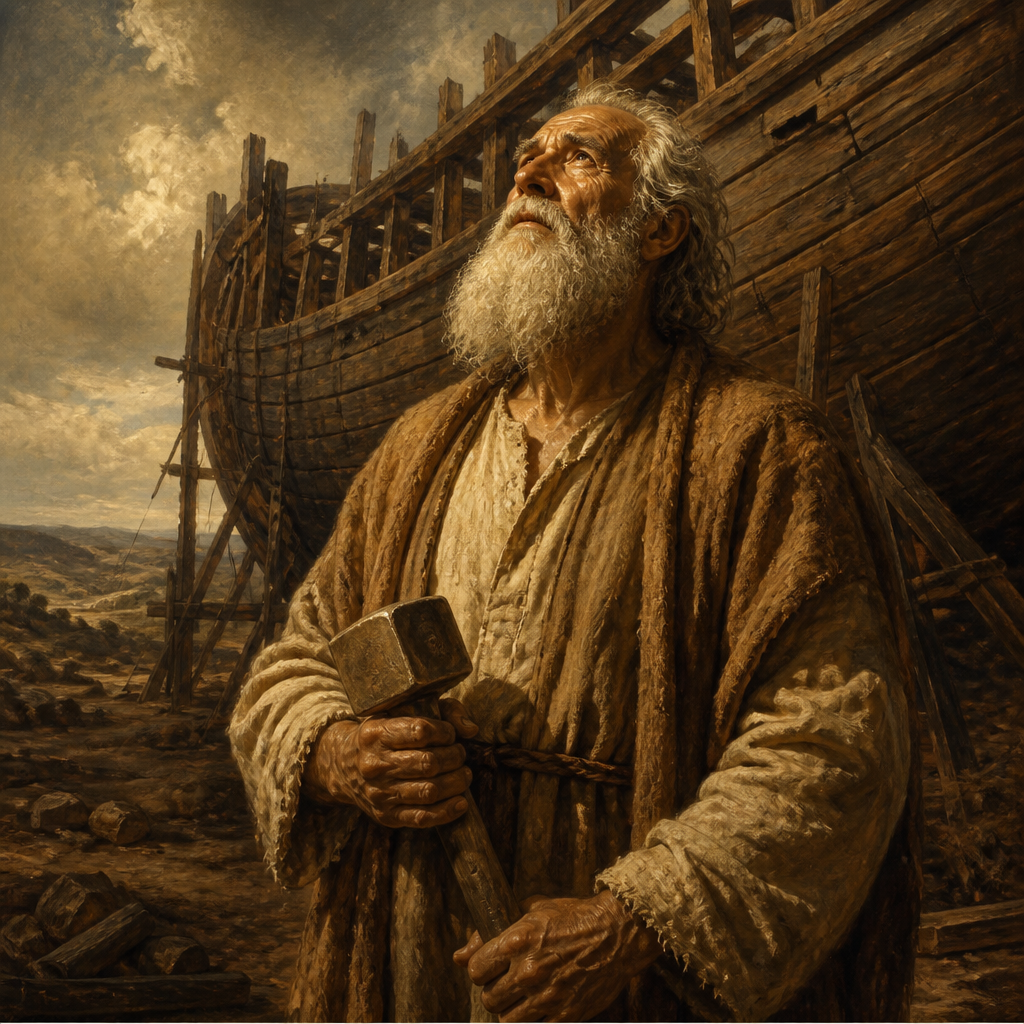
Noah
Patriarch and ark builder who survived the Great Flood and established the rainbow covenant
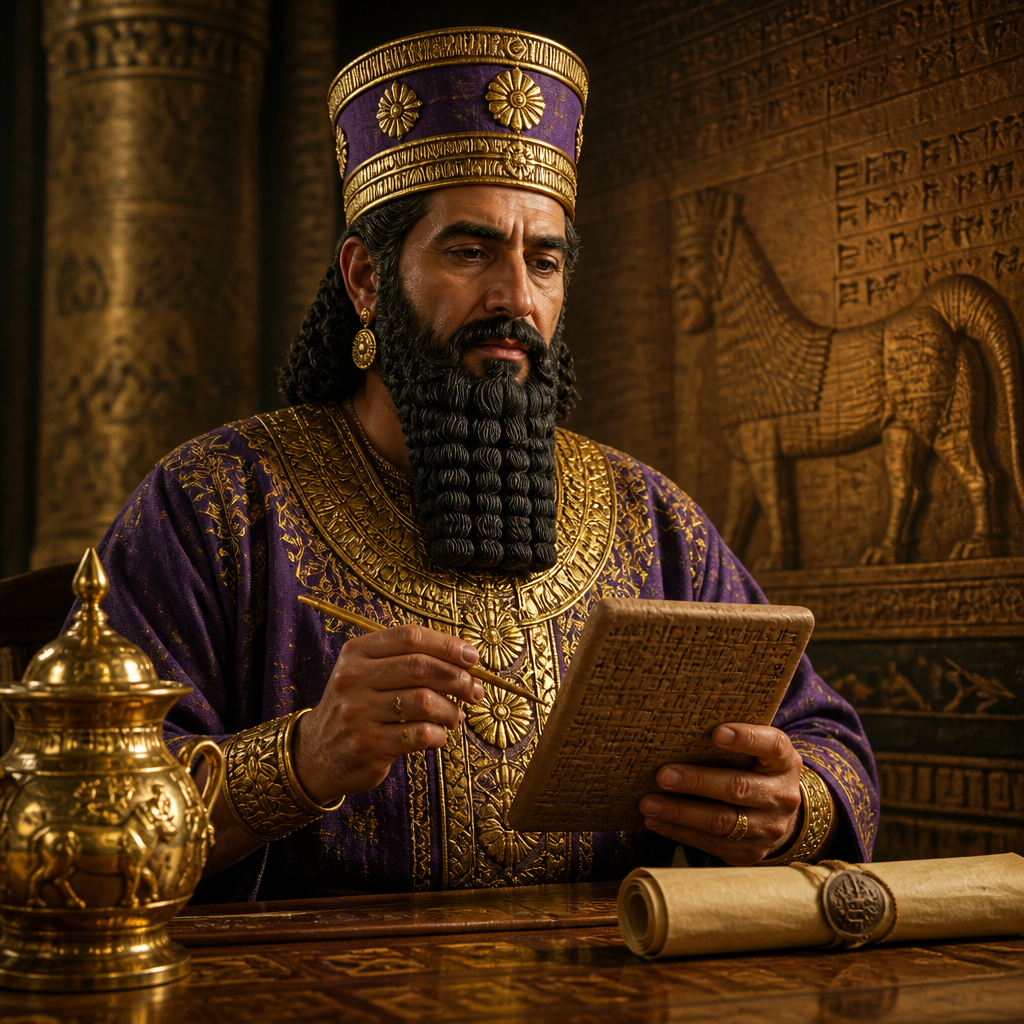
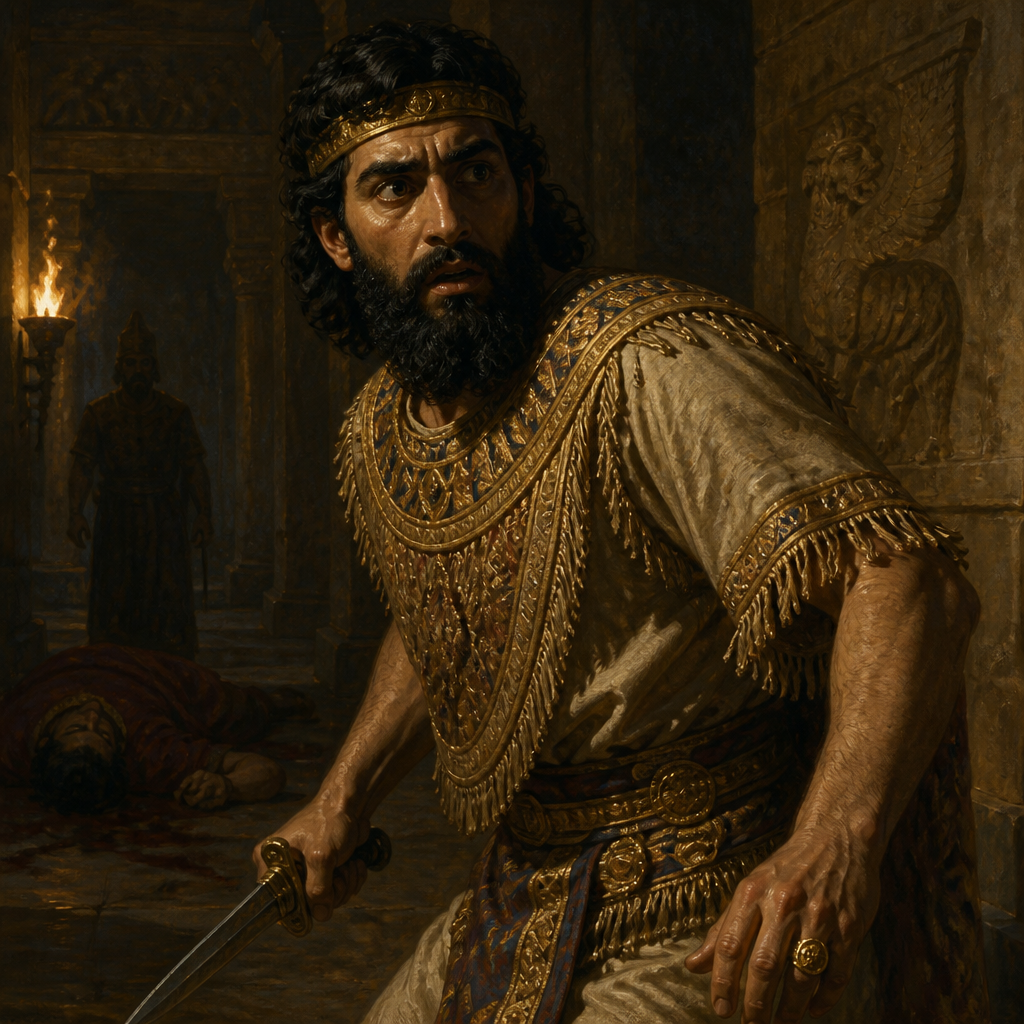
Sharezer, Son of Sennacherib
Assyrian prince who assassinated his father King Sennacherib
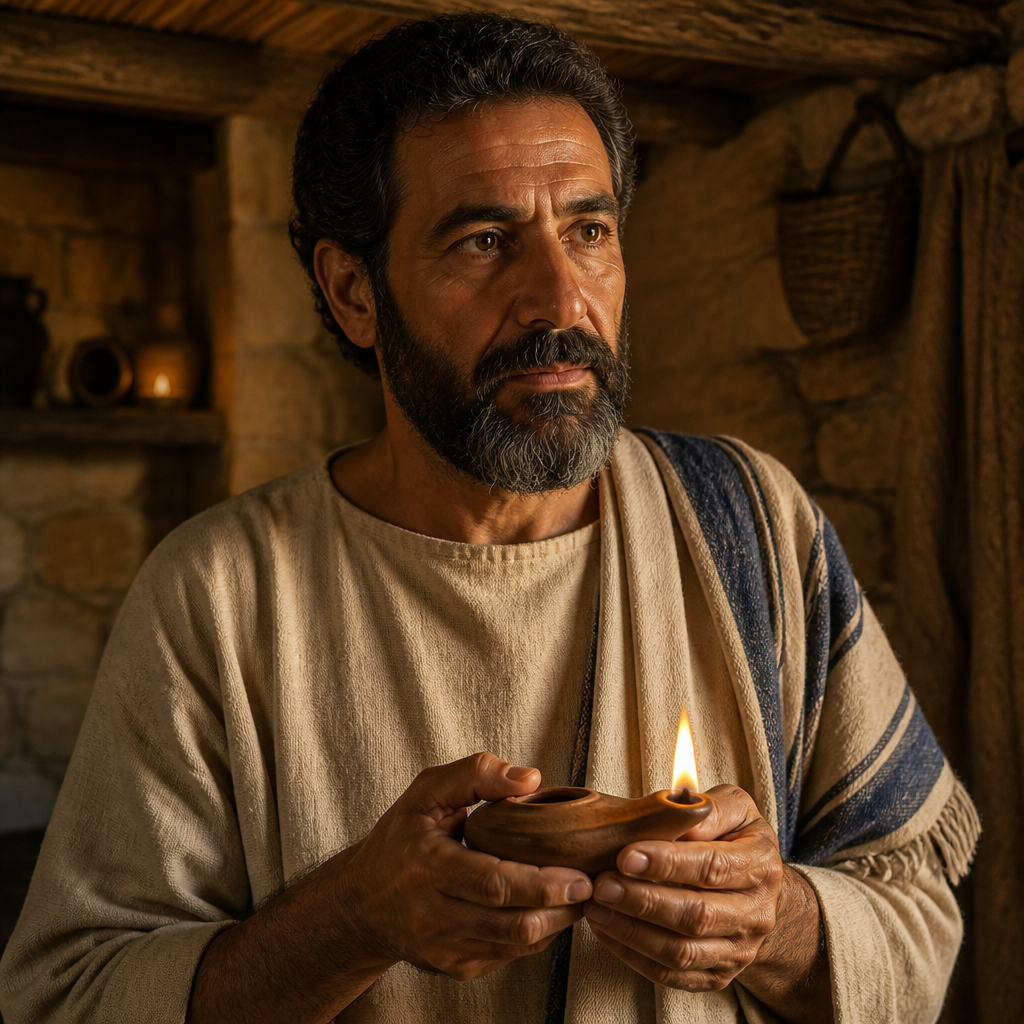
Joshua, Ancestor of Jesus
ancestor of Jesus Christ listed in the Gospel of Luke