People of Judges
Every person who appears in the book of Judges, ordered by how often they are mentioned there.
Everyone in this list
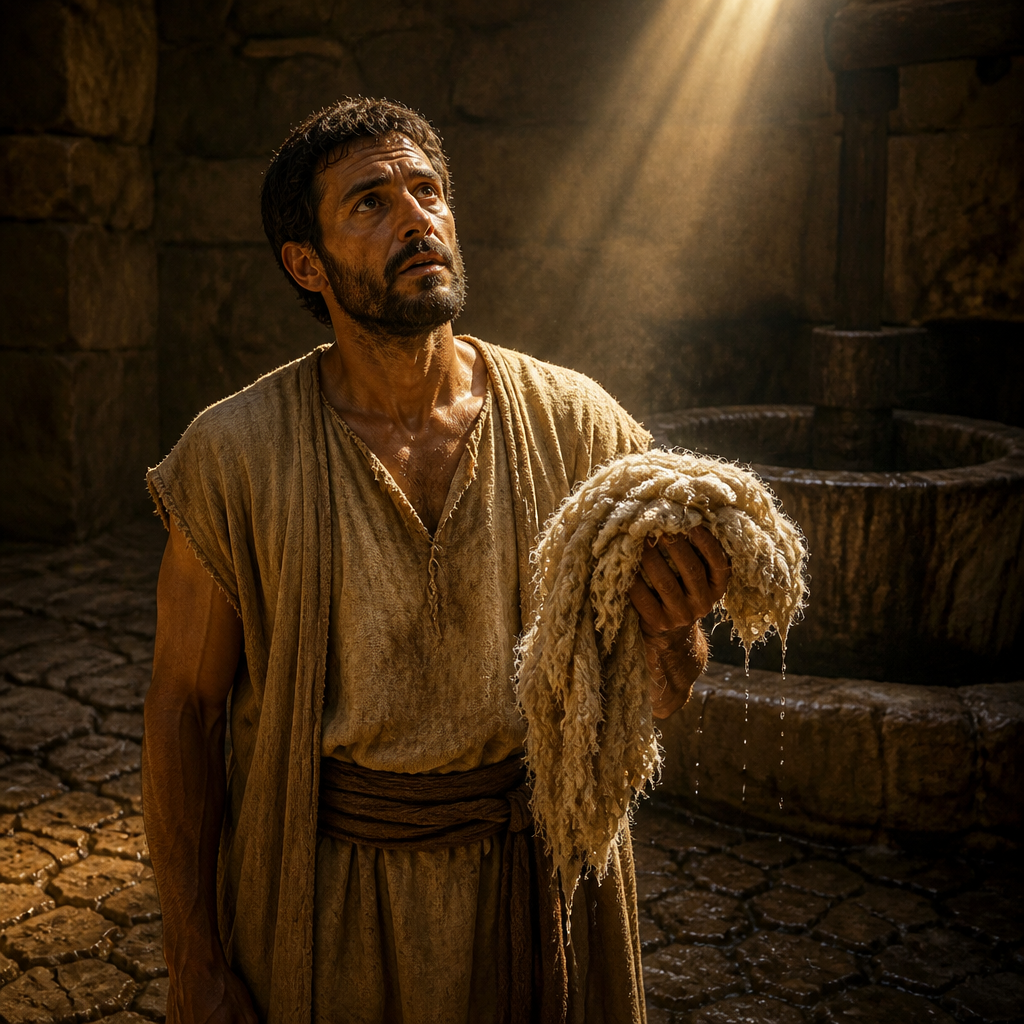
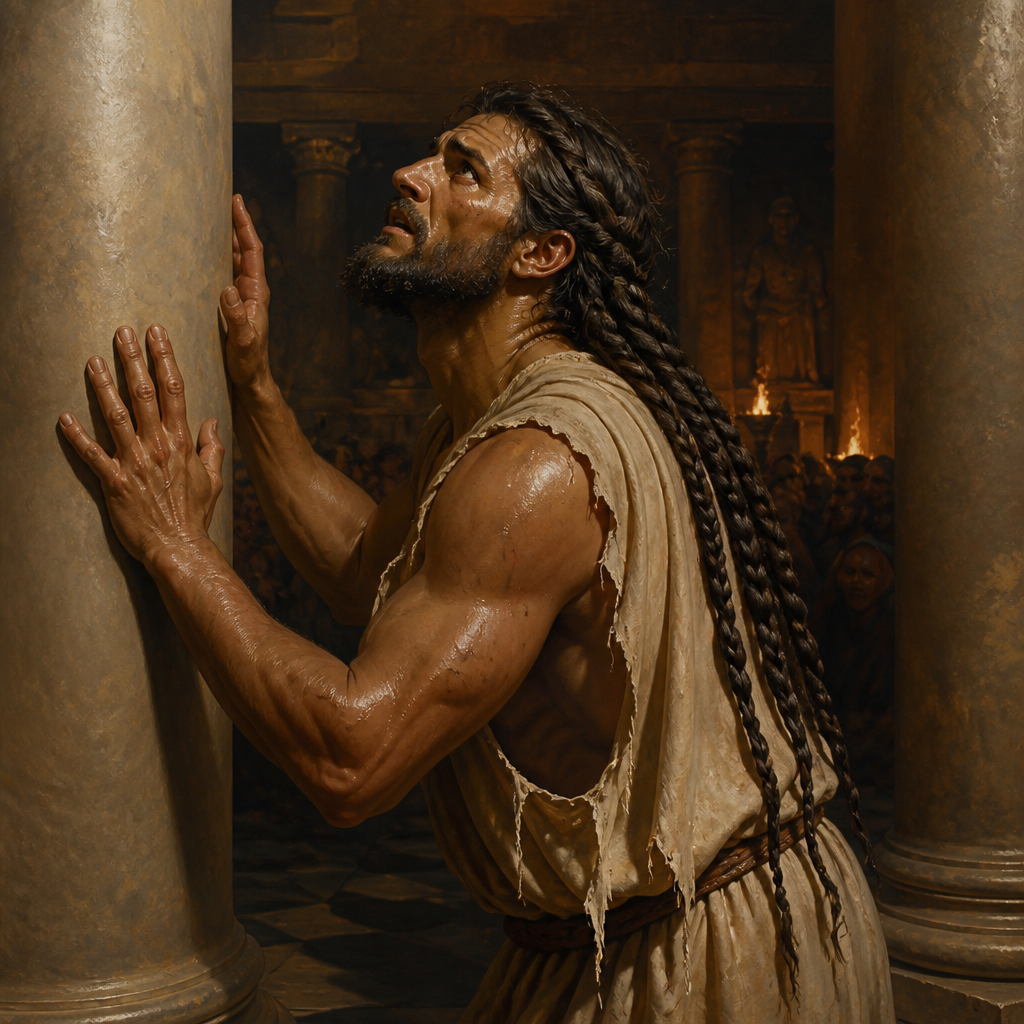
Samson
Judge of Israel who possessed supernatural strength and fought the Philistines
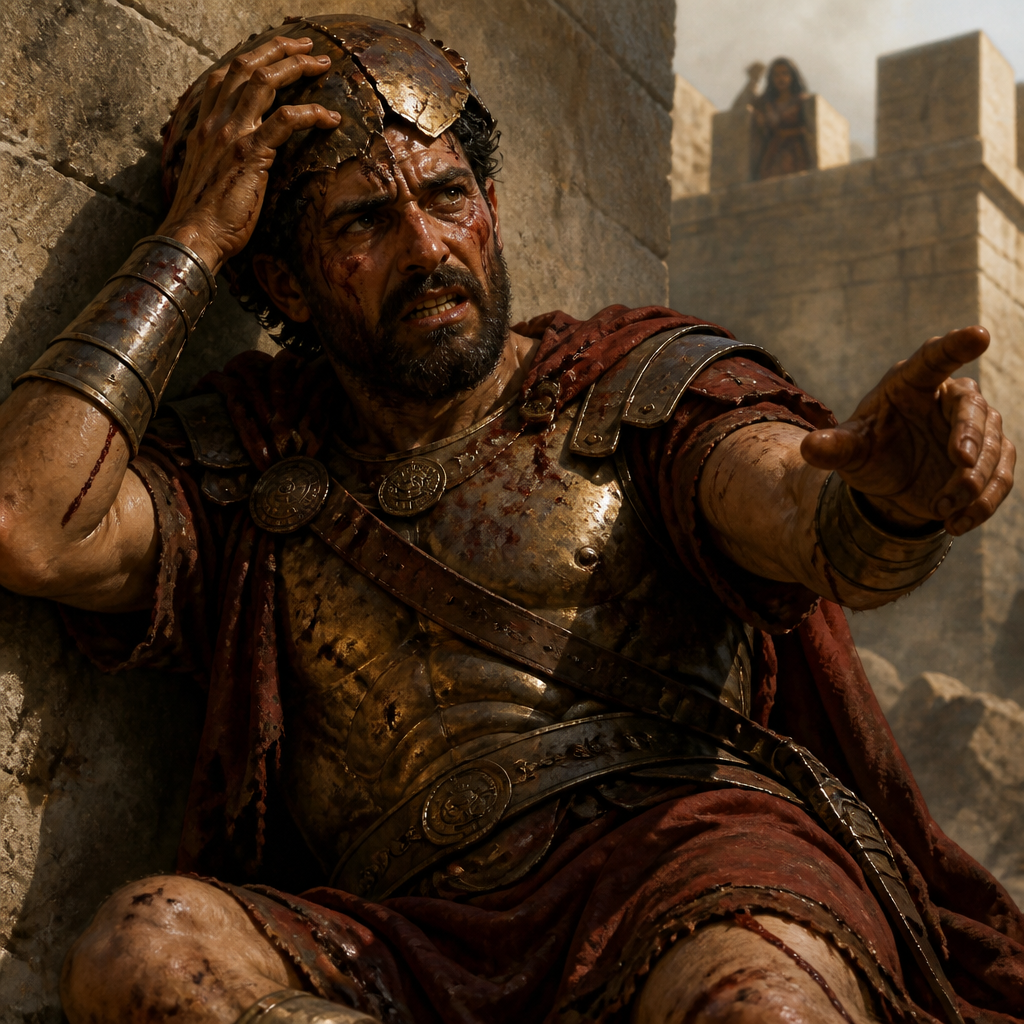
Abimelech, Son of Gideon
Son of Gideon who murdered his seventy brothers to become king
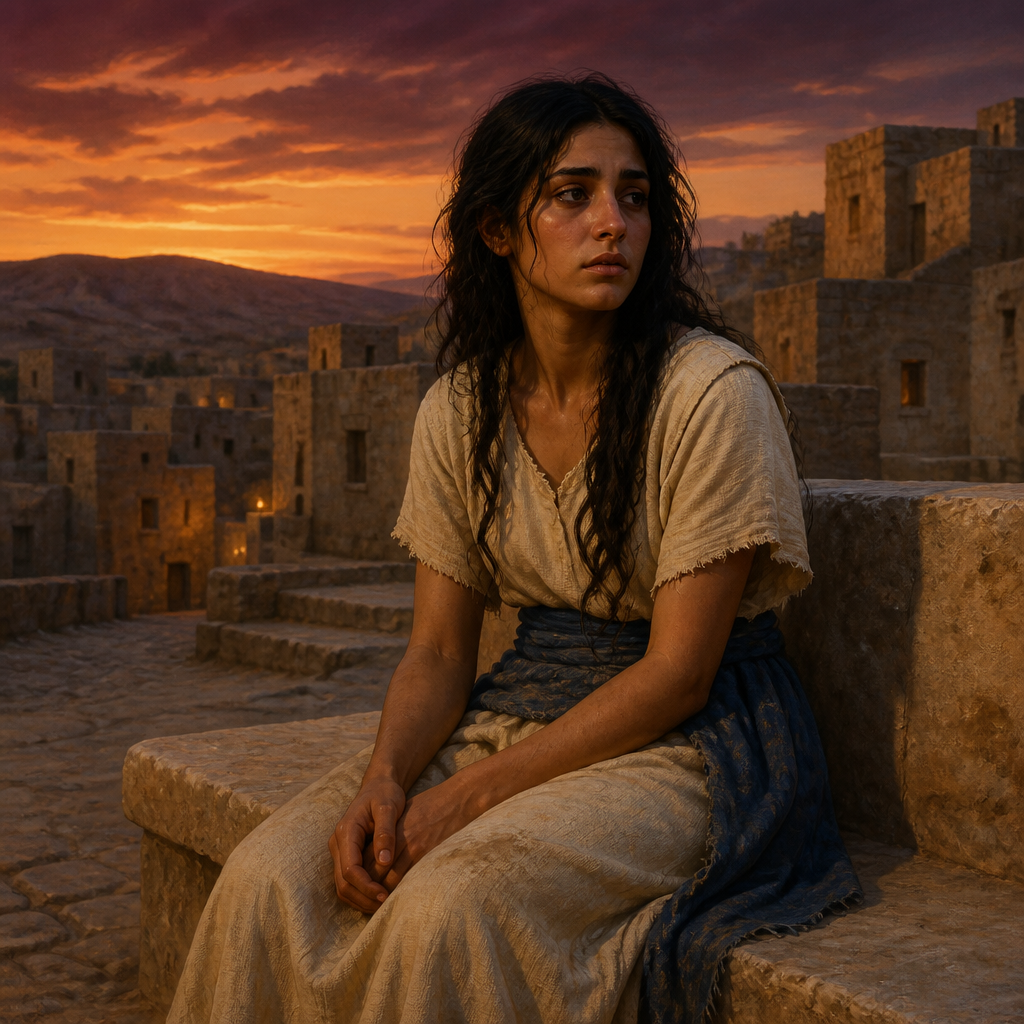
The Levite's Concubine
Woman whose abuse and death in Gibeah led to a civil war among the tribes of Israel
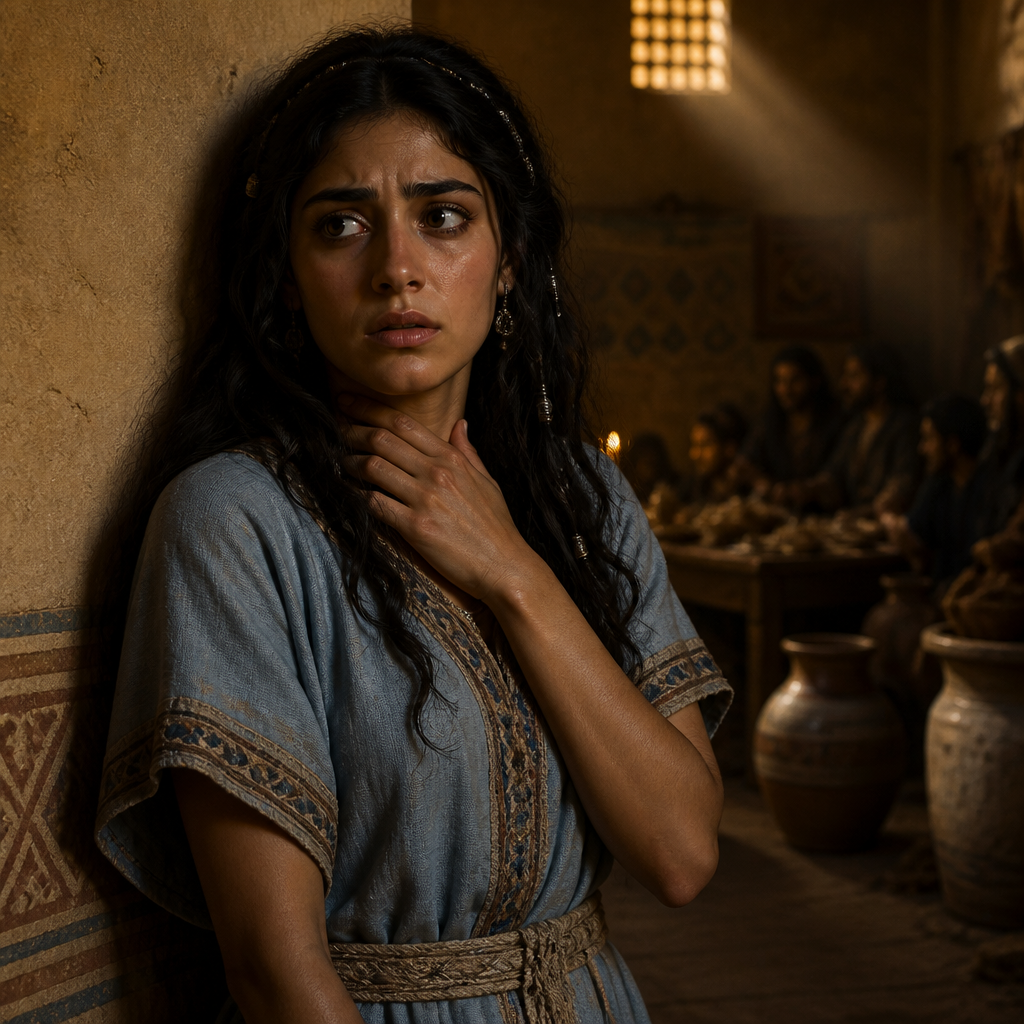
Samson's Timnite Wife
Philistine woman whose marriage to Samson led to his first major conflict with the Philistines
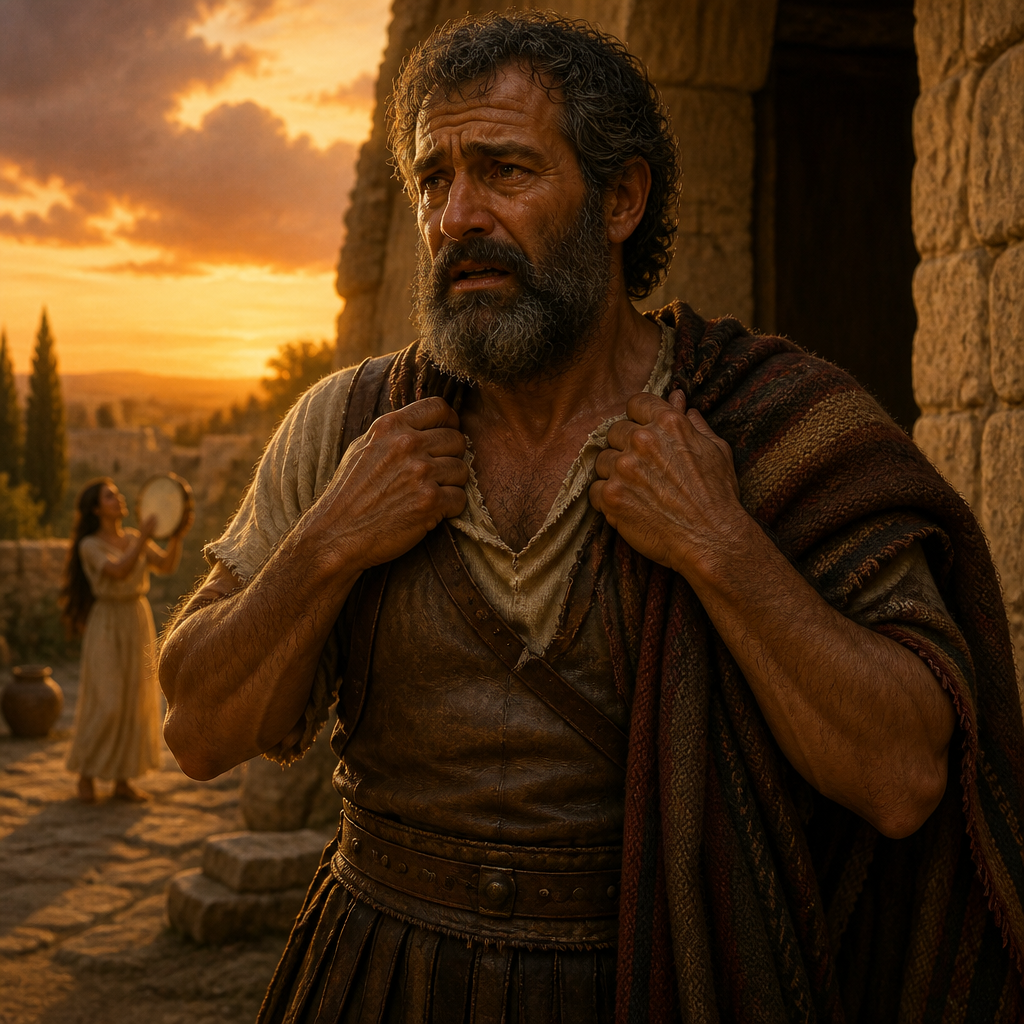
Jephthah
Judge of Israel who defeated the Ammonites and made a tragic vow involving his daughter
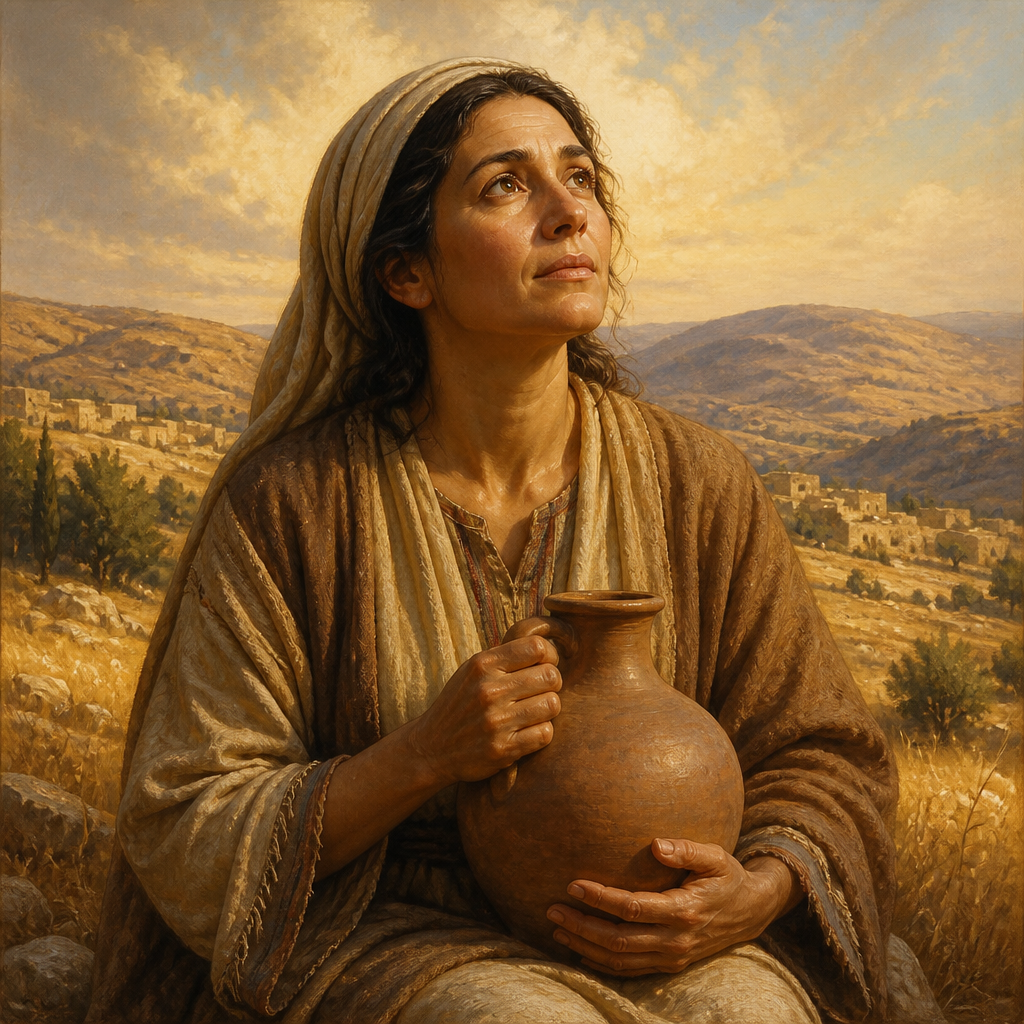
Samson's Mother
Mother of Samson who received the divine promise of his birth and Nazirite calling
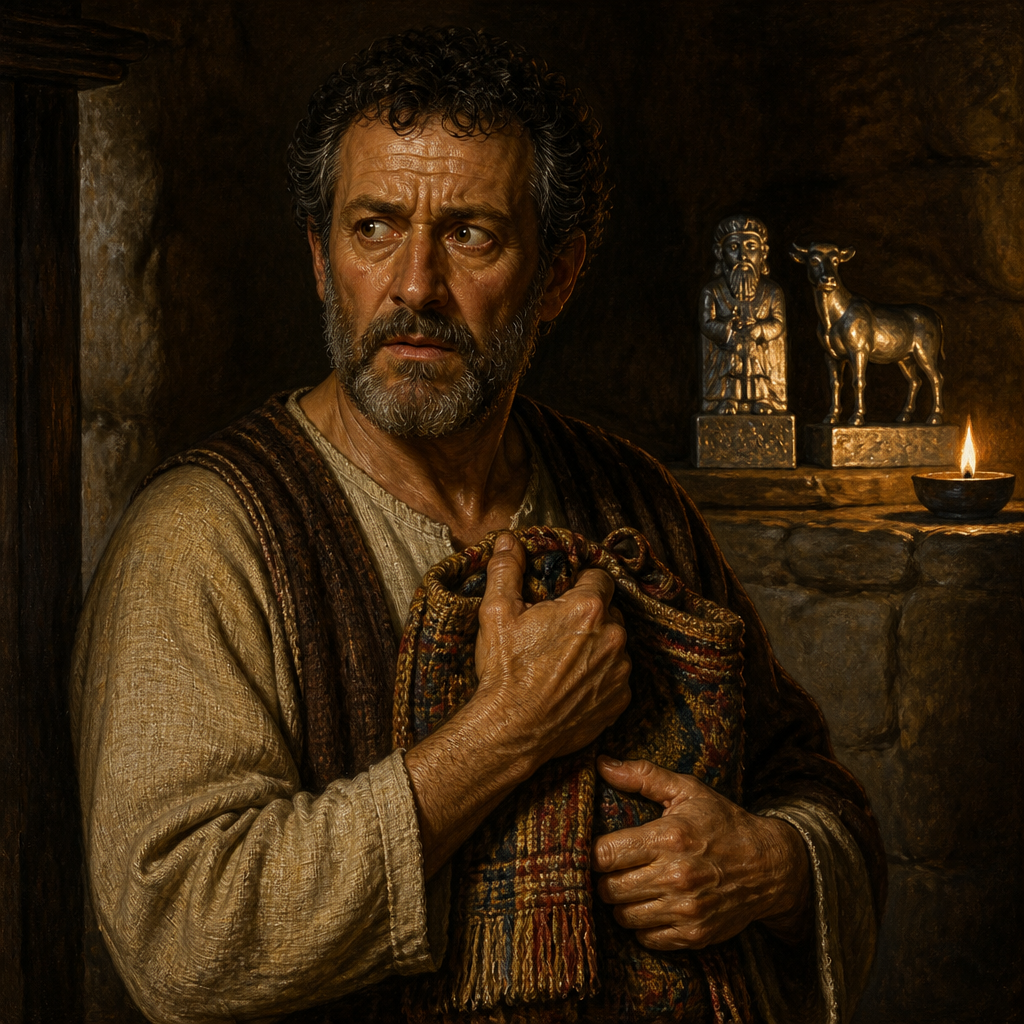
Micah of Ephraim
Man whose private idols and priest were stolen by the tribe of Dan
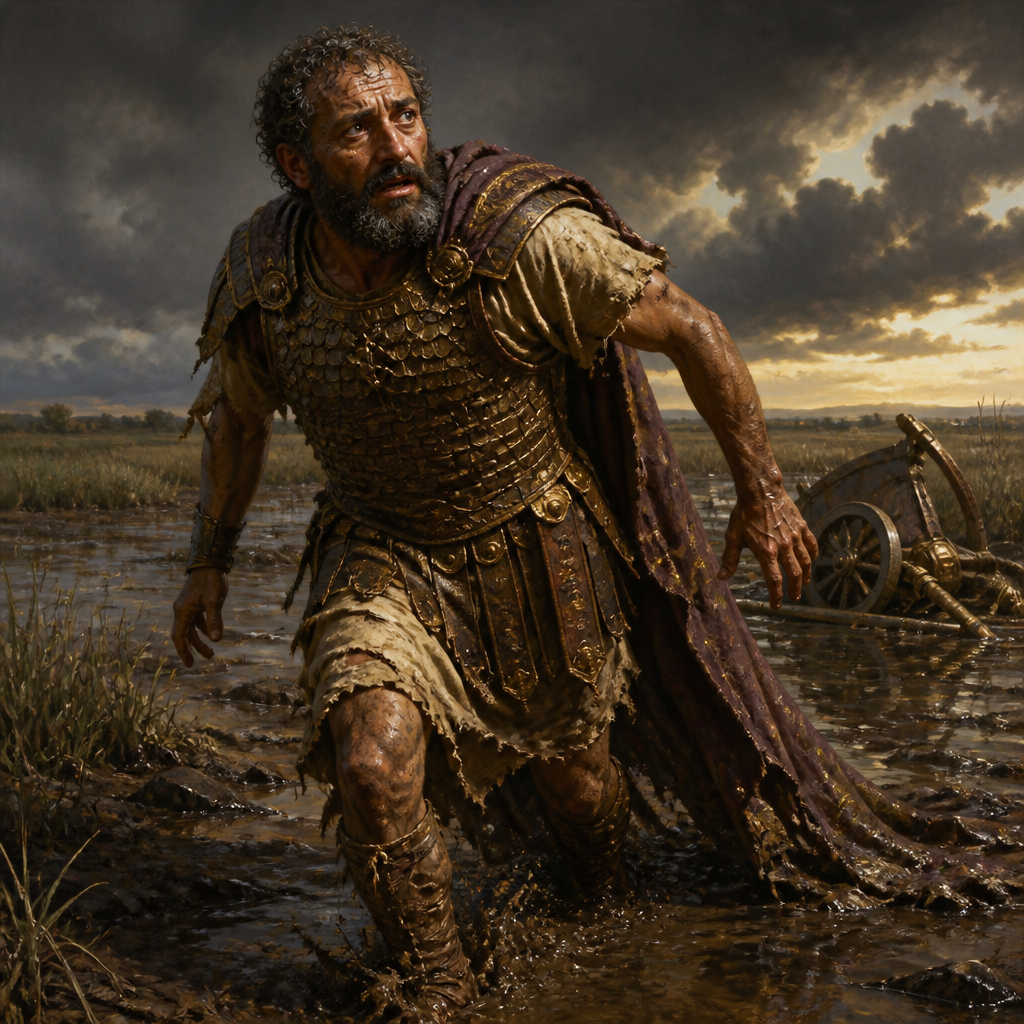
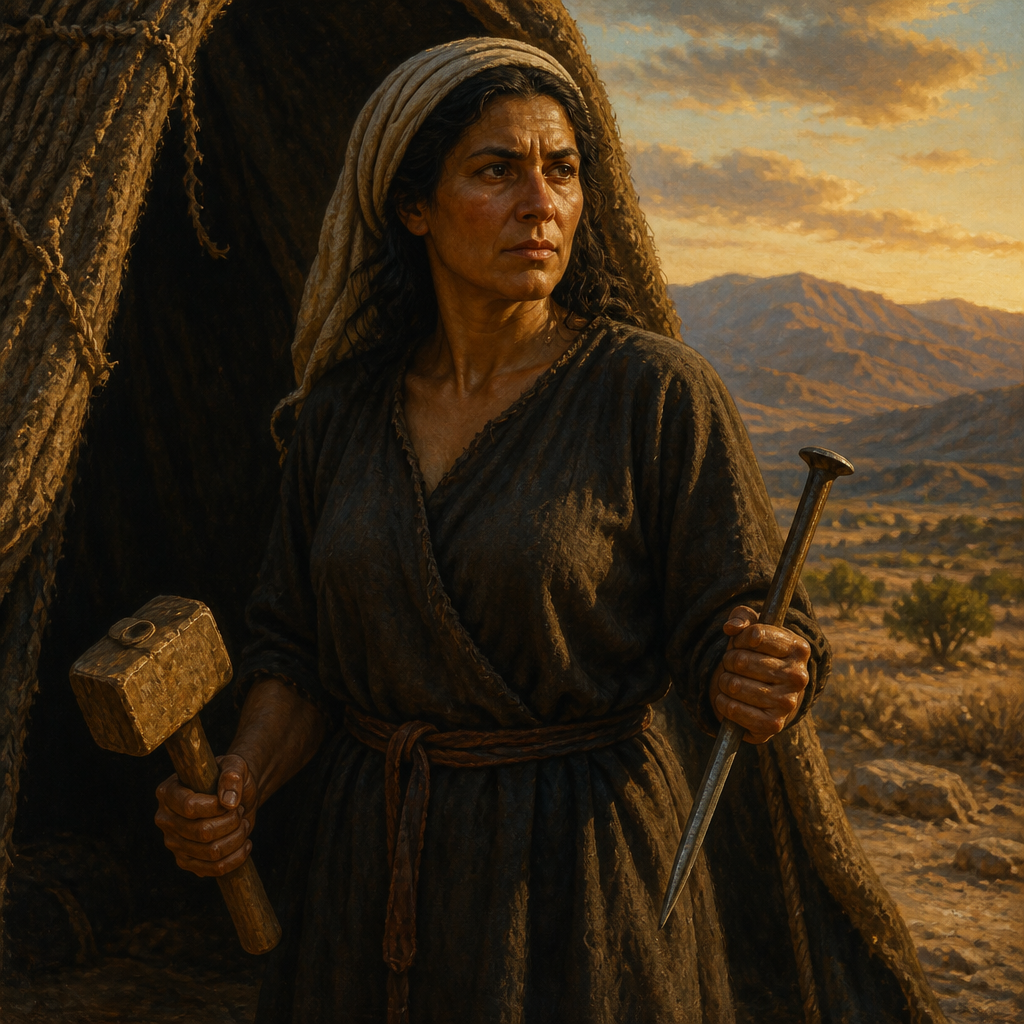
Sisera, Commander of Hazor
Canaanite general defeated by Barak and killed by Jael with a tent peg
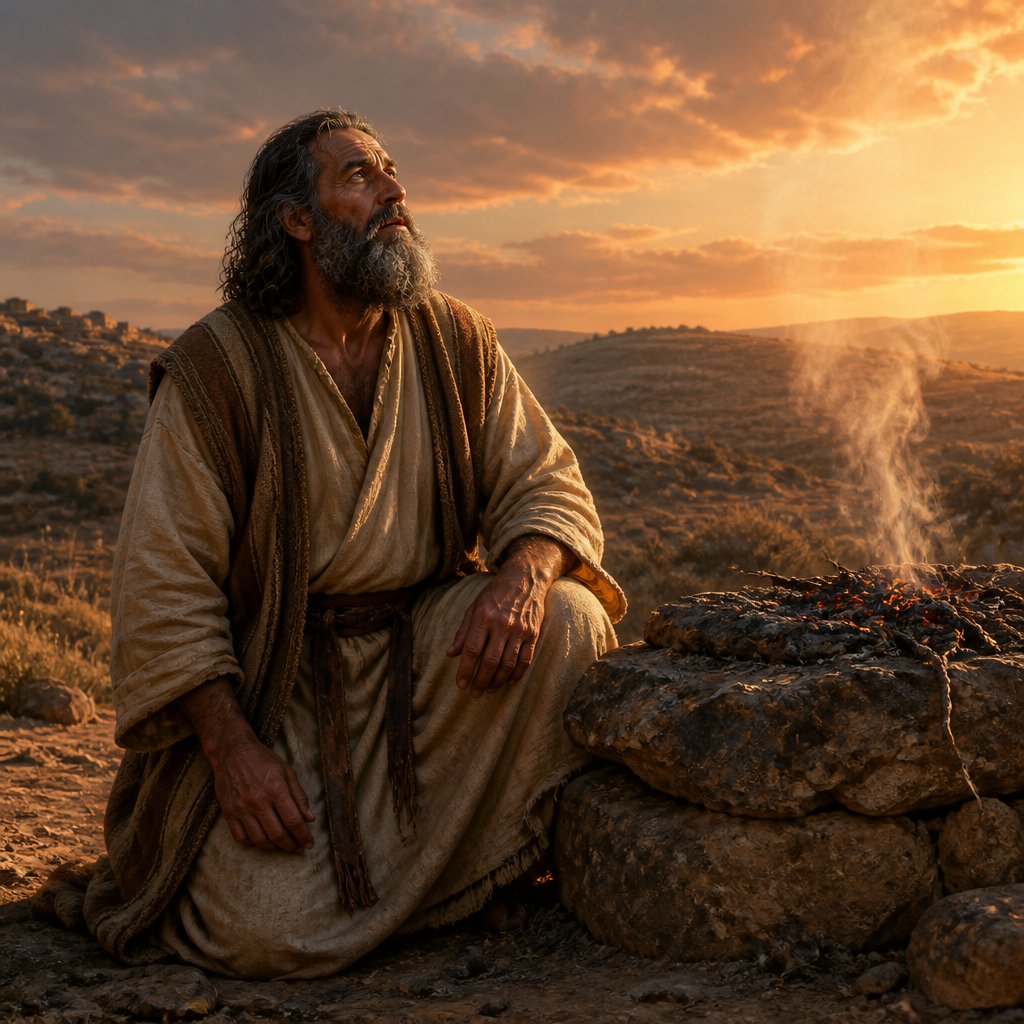
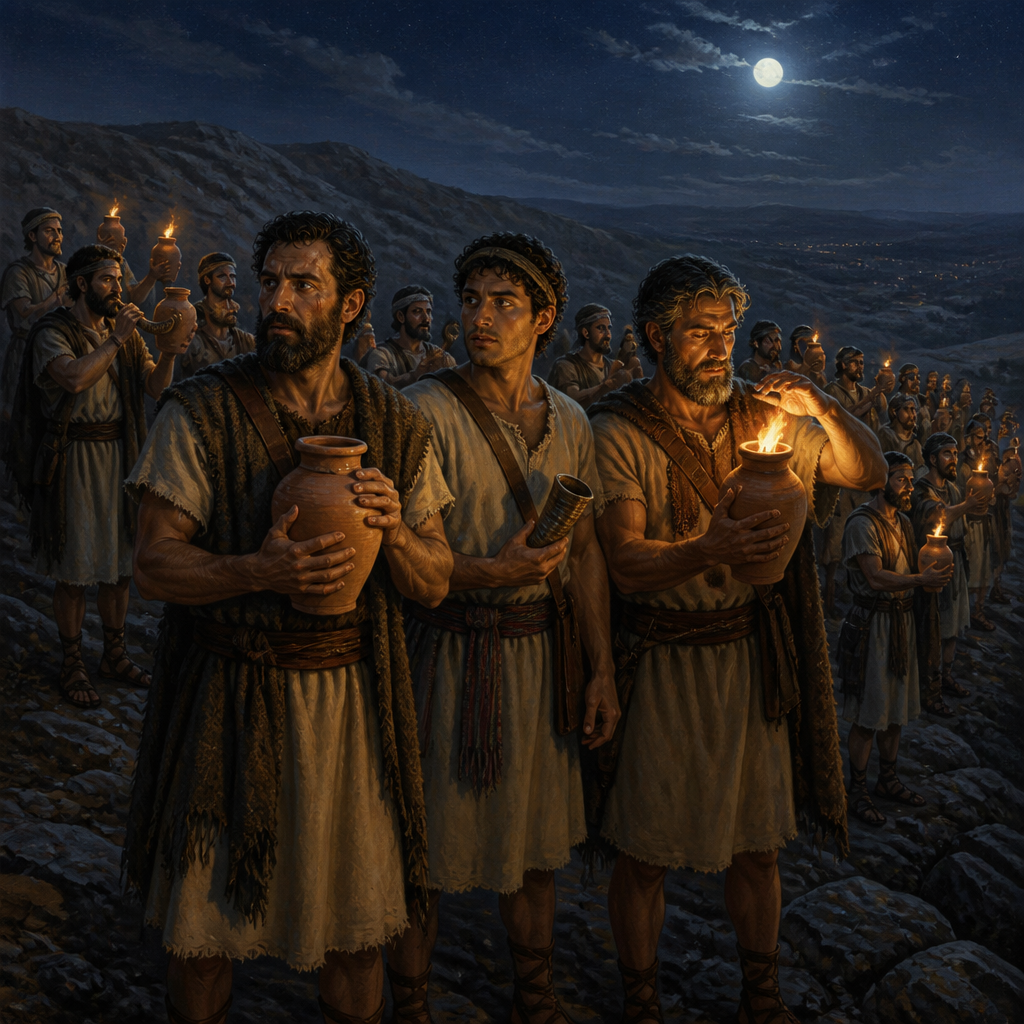
Gideon's Three Hundred
Elite group of warriors who defeated the Midianite army using torches and trumpets

Barak
Commander who led Israel's ten thousand against Sisera and routed him in the Kishon valley (Judges 4:14-15)
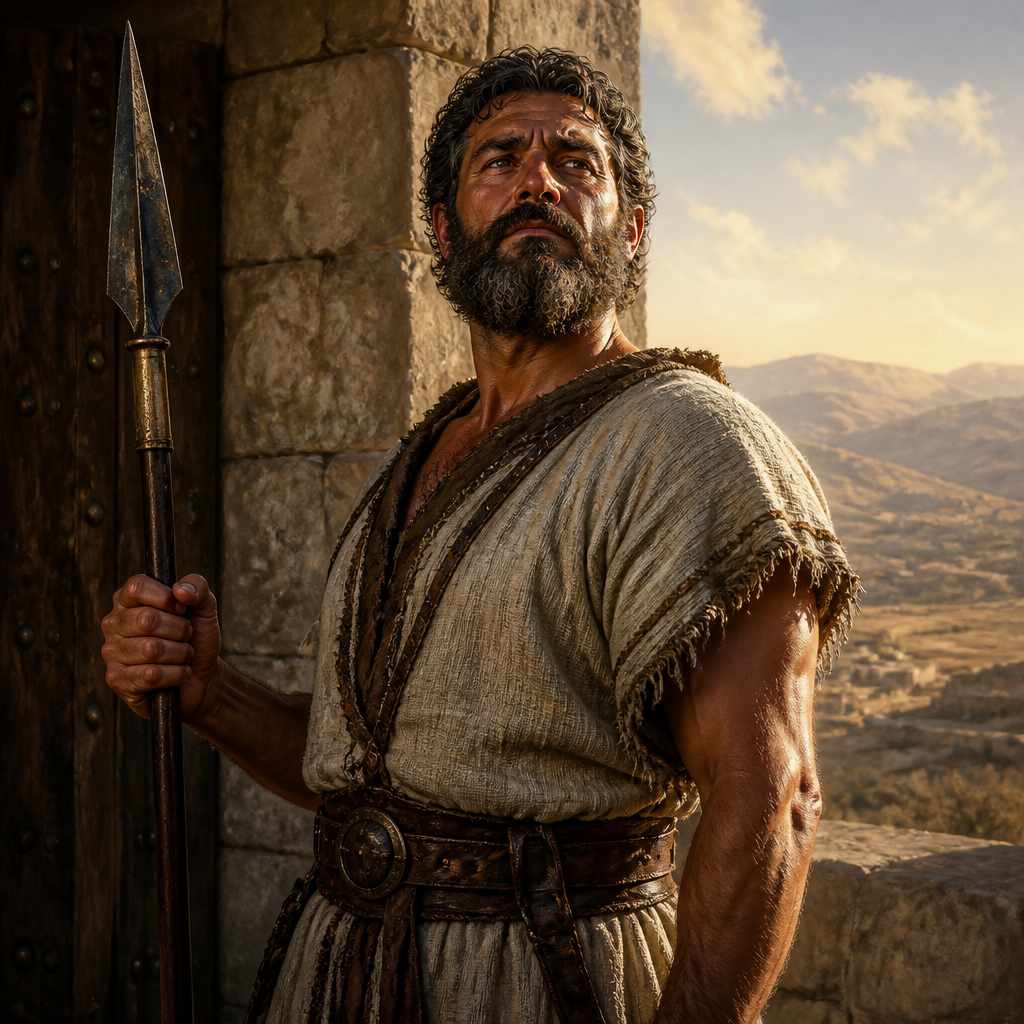
Gaal
Rebel leader who led the men of Shechem in an unsuccessful revolt against Abimelech
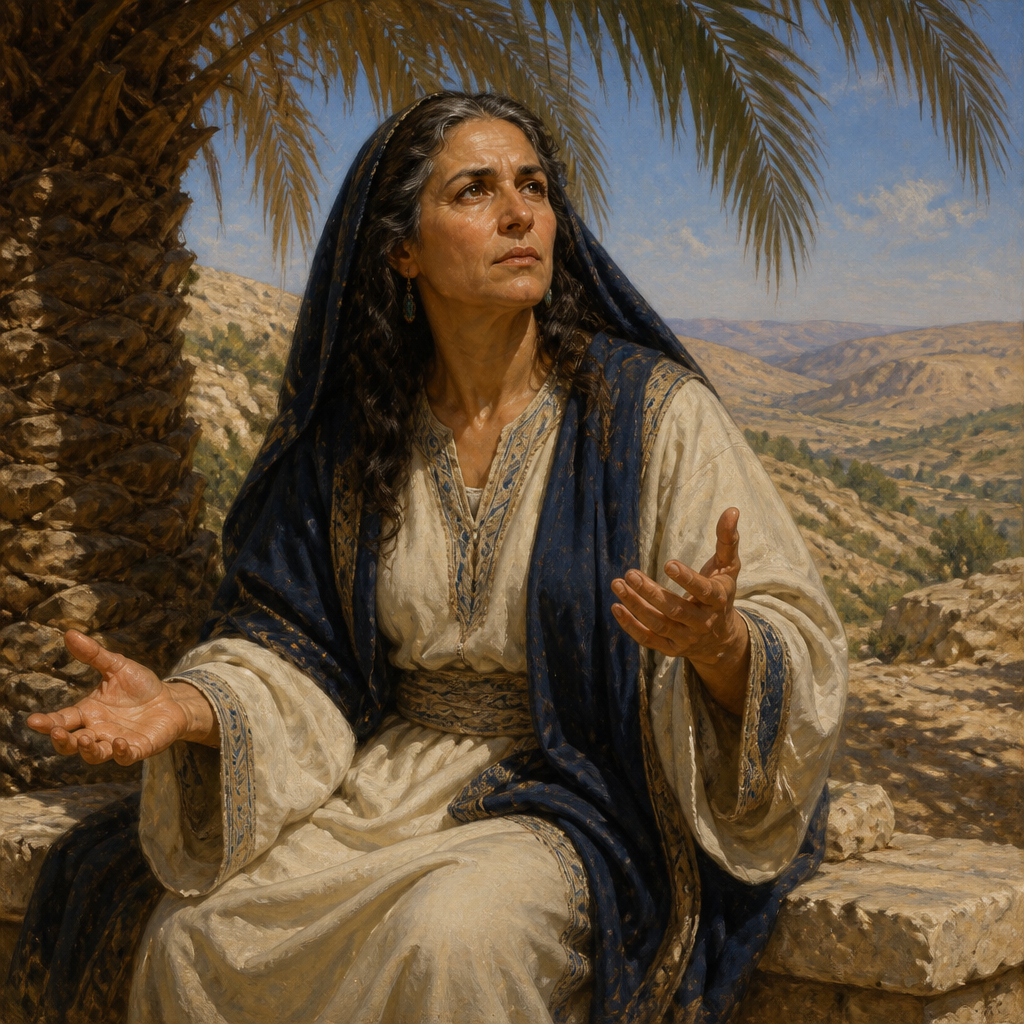
Deborah, Prophetess and Judge of Israel
Prophetess and judge who directed the victory over the Canaanite general Sisera
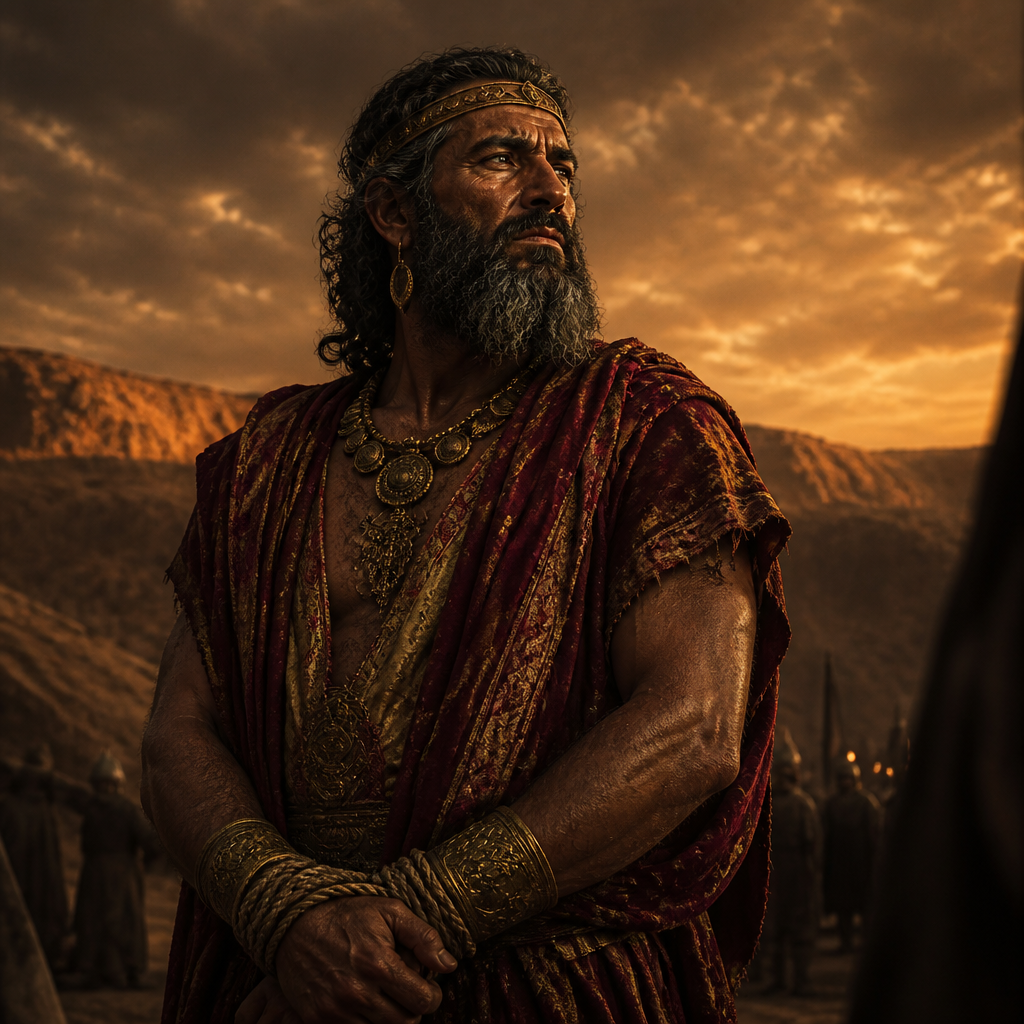
Zebah
King of Midian captured and executed by Gideon after the murder of Gideon's brothers
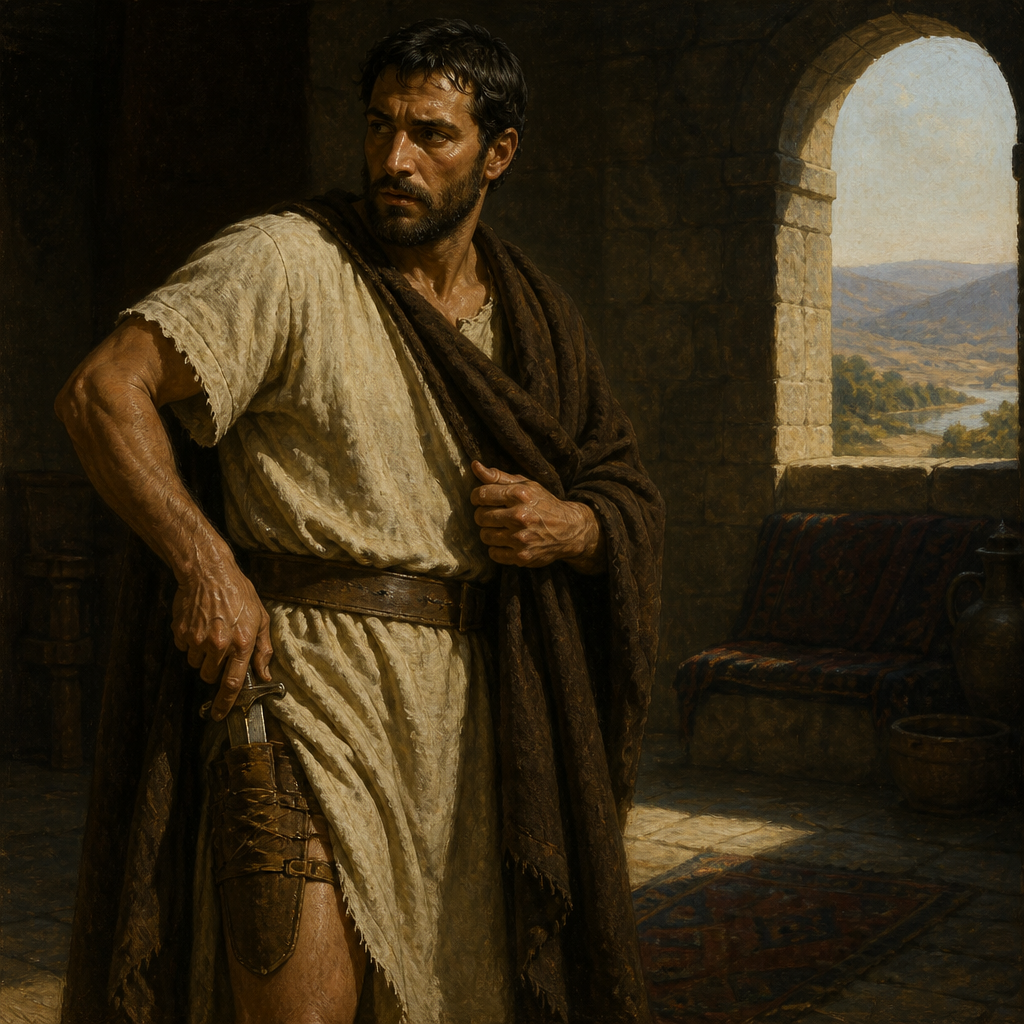
Ehud, Son of Gera
Judge who assassinated King Eglon with a concealed sword to deliver Israel
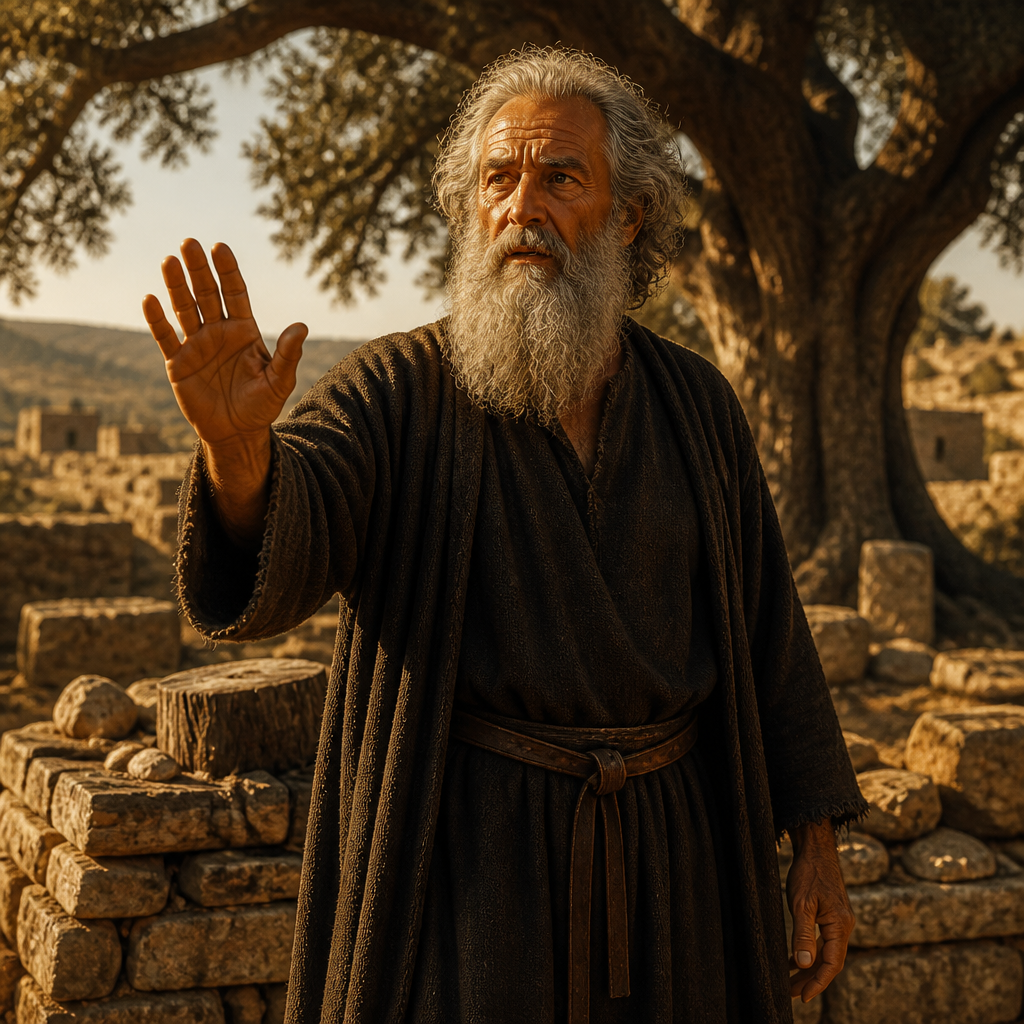
Joash, Father of Gideon
Patriarch who defended his son Gideon against a mob seeking to kill him for destroying an altar of Baal
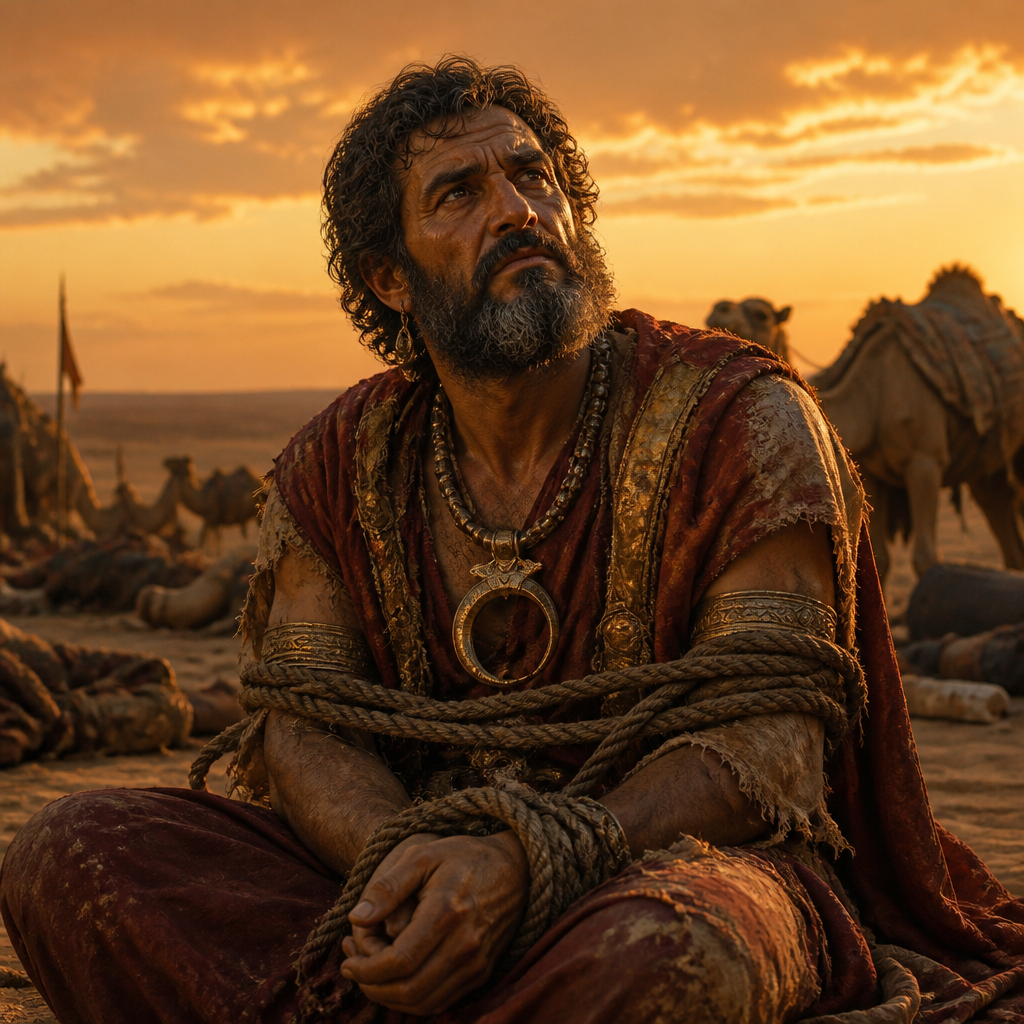
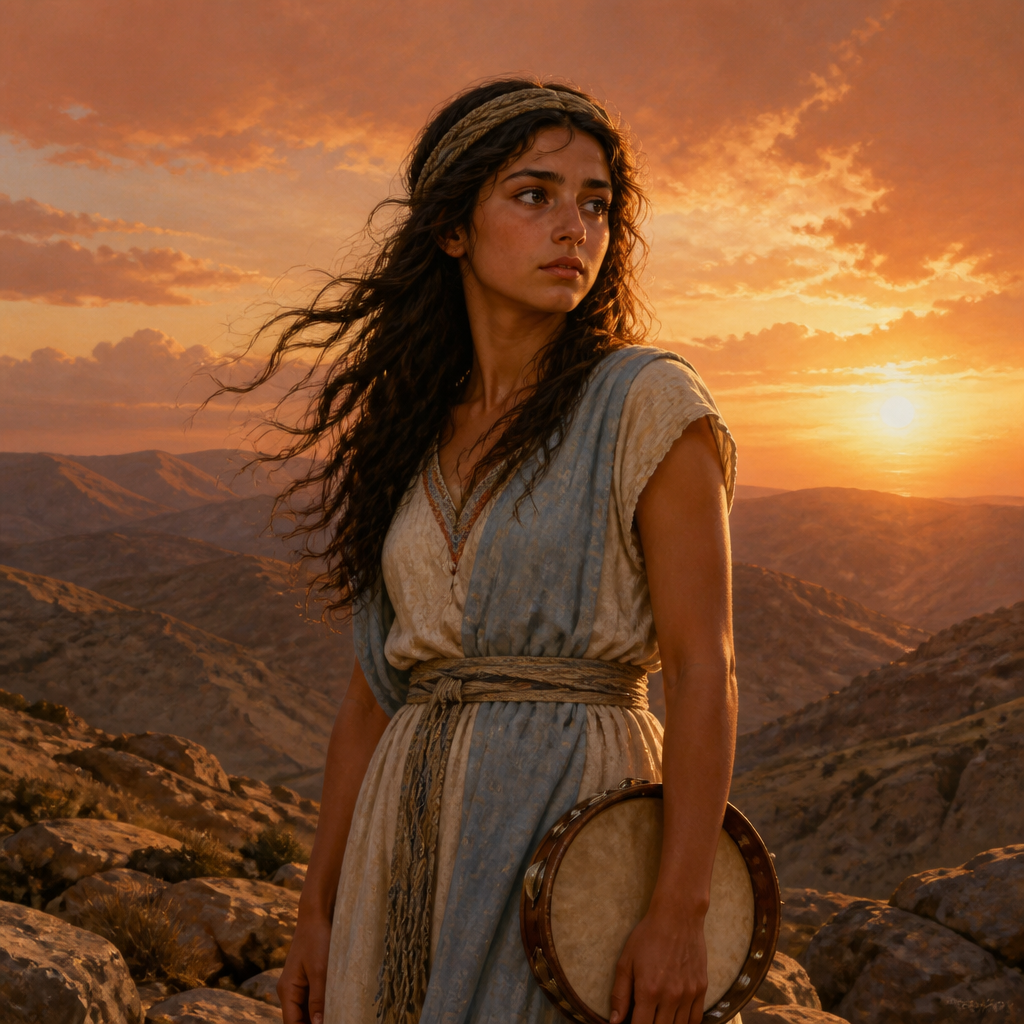
Jephthah's Daughter
Young woman who was the subject of her father's rash vow after the victory over Ammon
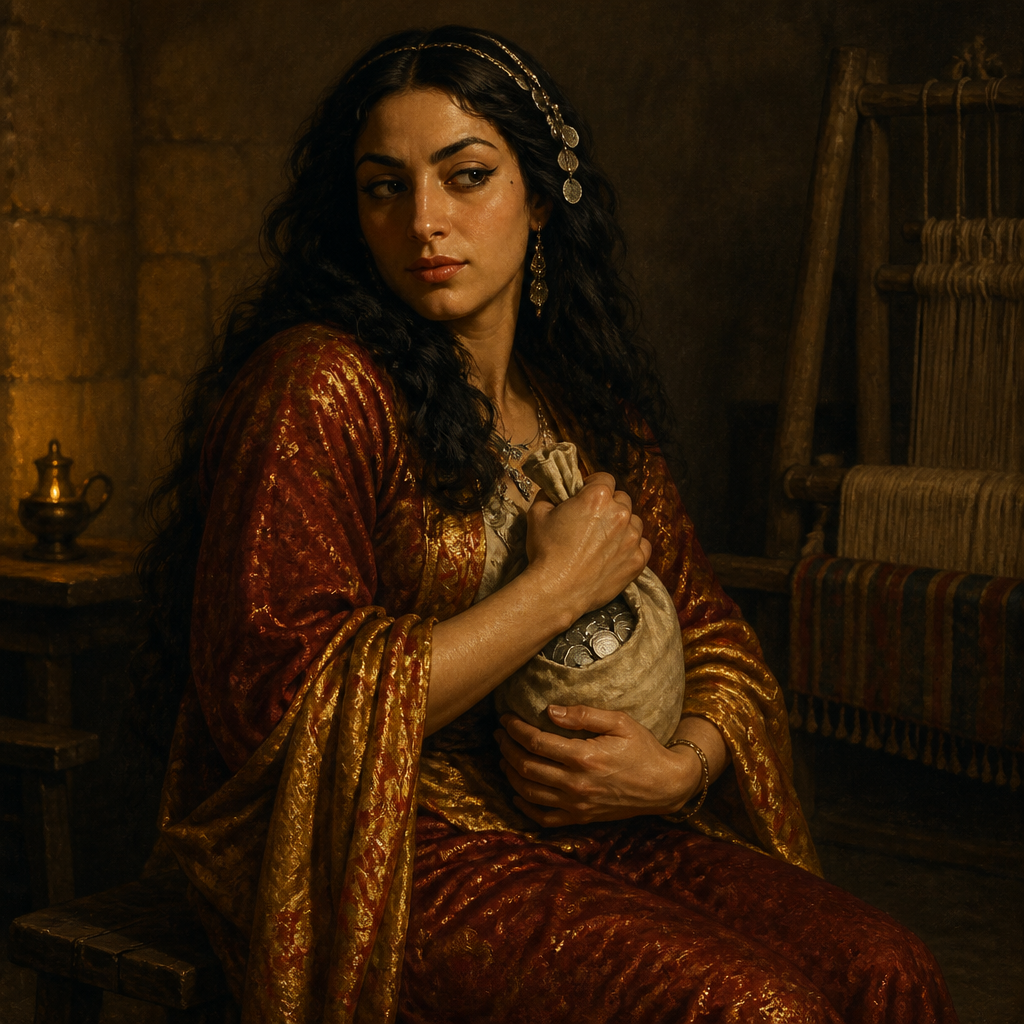
Delilah
Woman in the Valley of Sorek who discovered the secret of Samson's strength
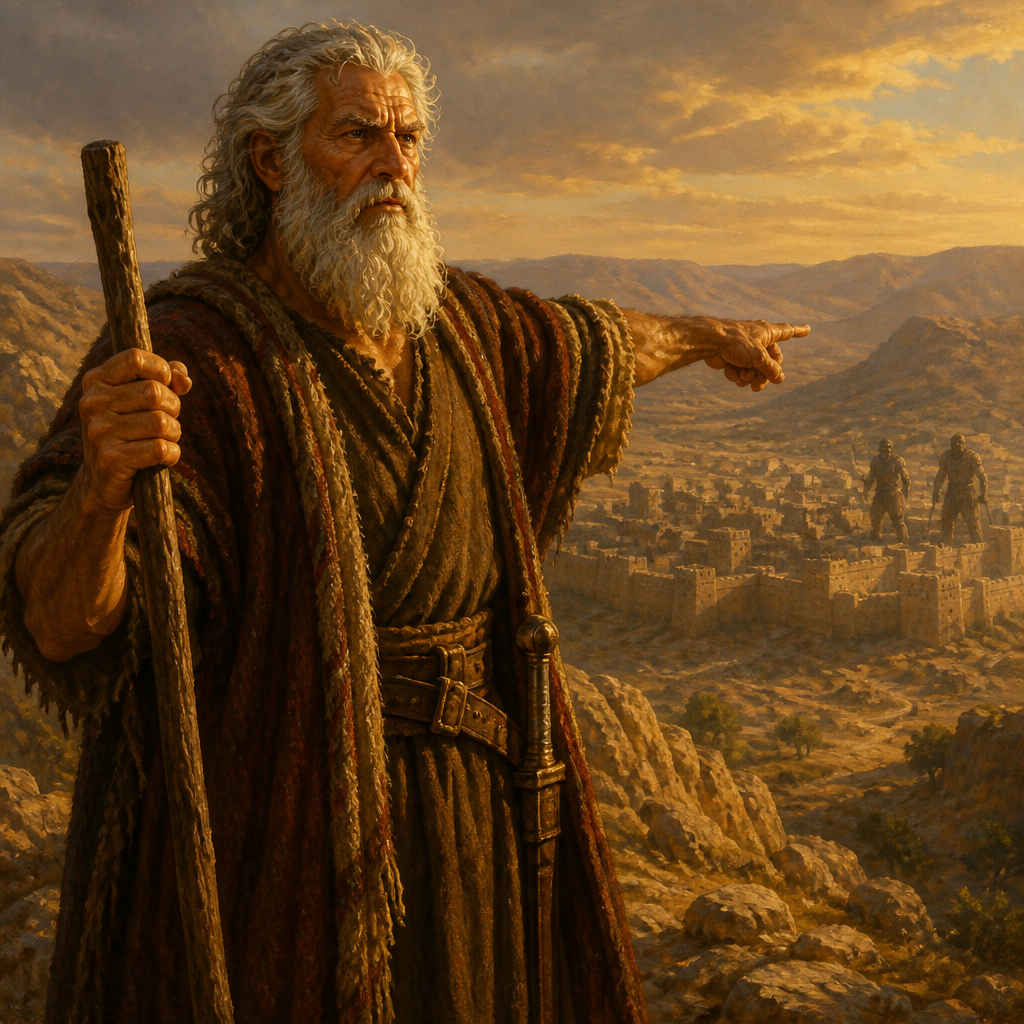
Caleb son of Jephunneh
Spy who gave a faithful report of Canaan and later conquered Hebron
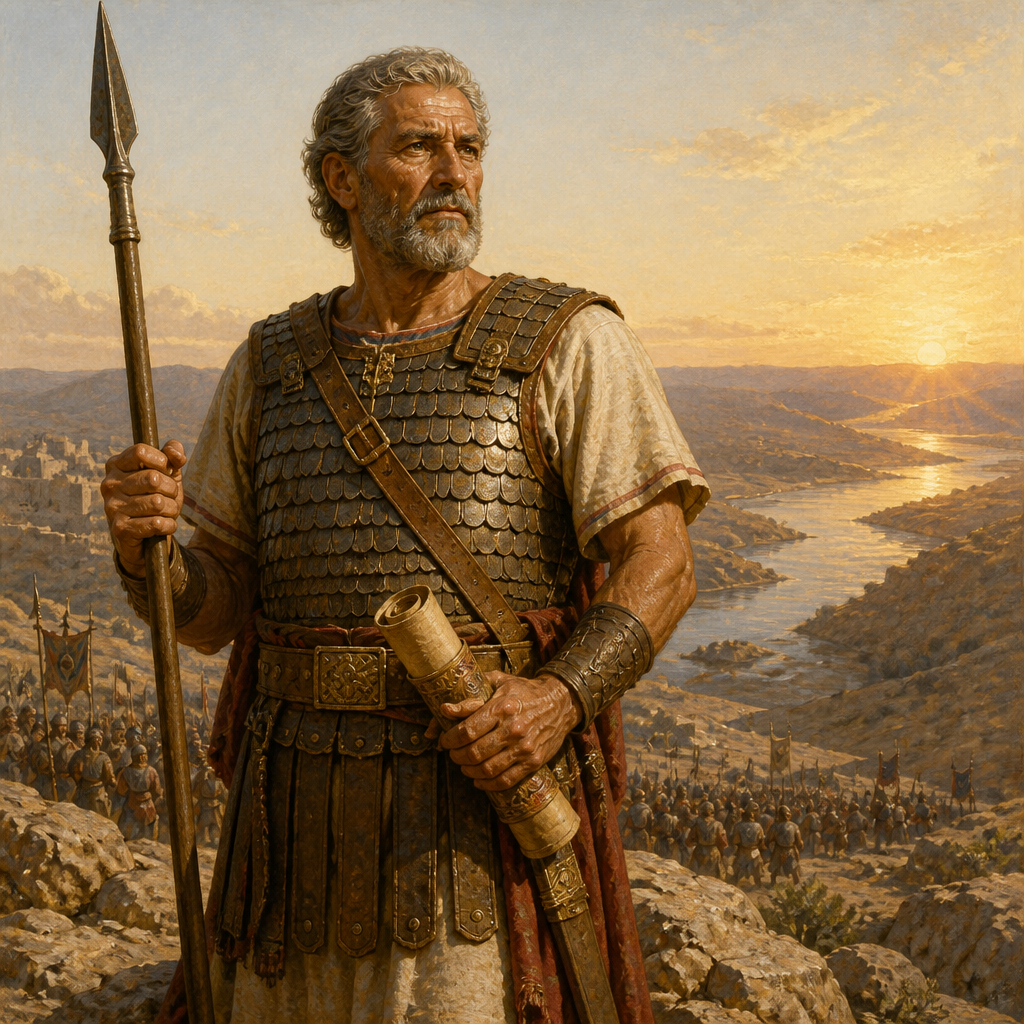
Joshua, Son of Nun
Successor of Moses who led the Israelites in the conquest of Canaan
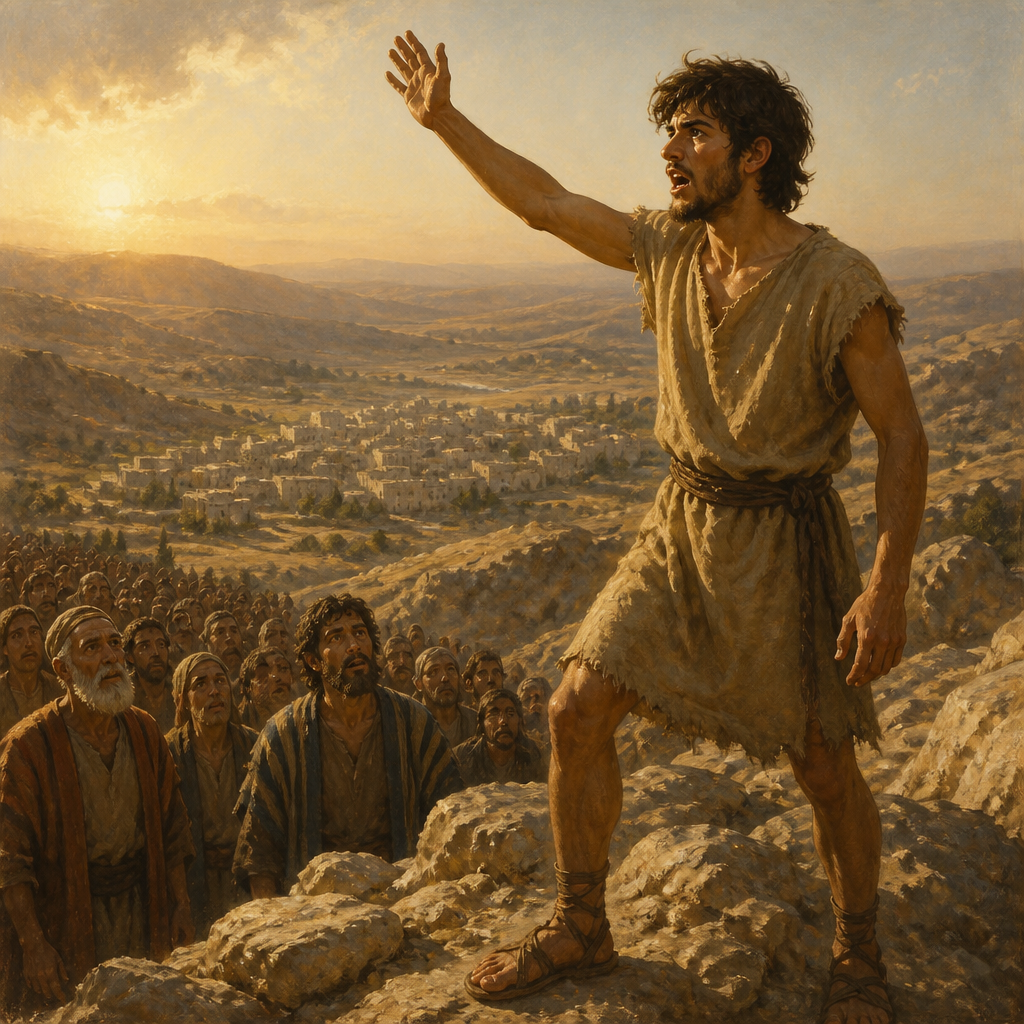
Jotham, Son of Gideon
Youngest son of Gideon who escaped Abimelech's massacre and delivered the Parable of the Bramble from Mount Gerizim
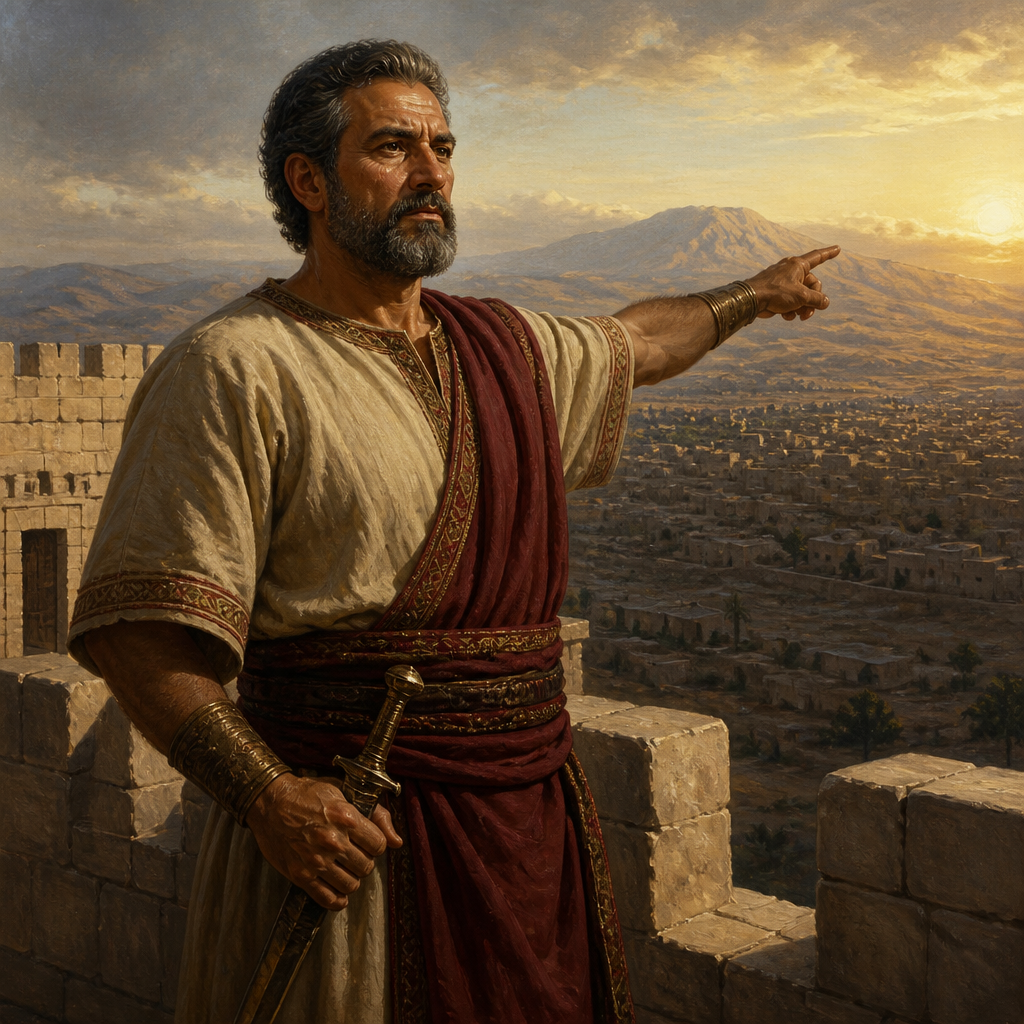
Zebul
Governor of Shechem who remained loyal to Abimelech and outmaneuvered the rebel Gaal
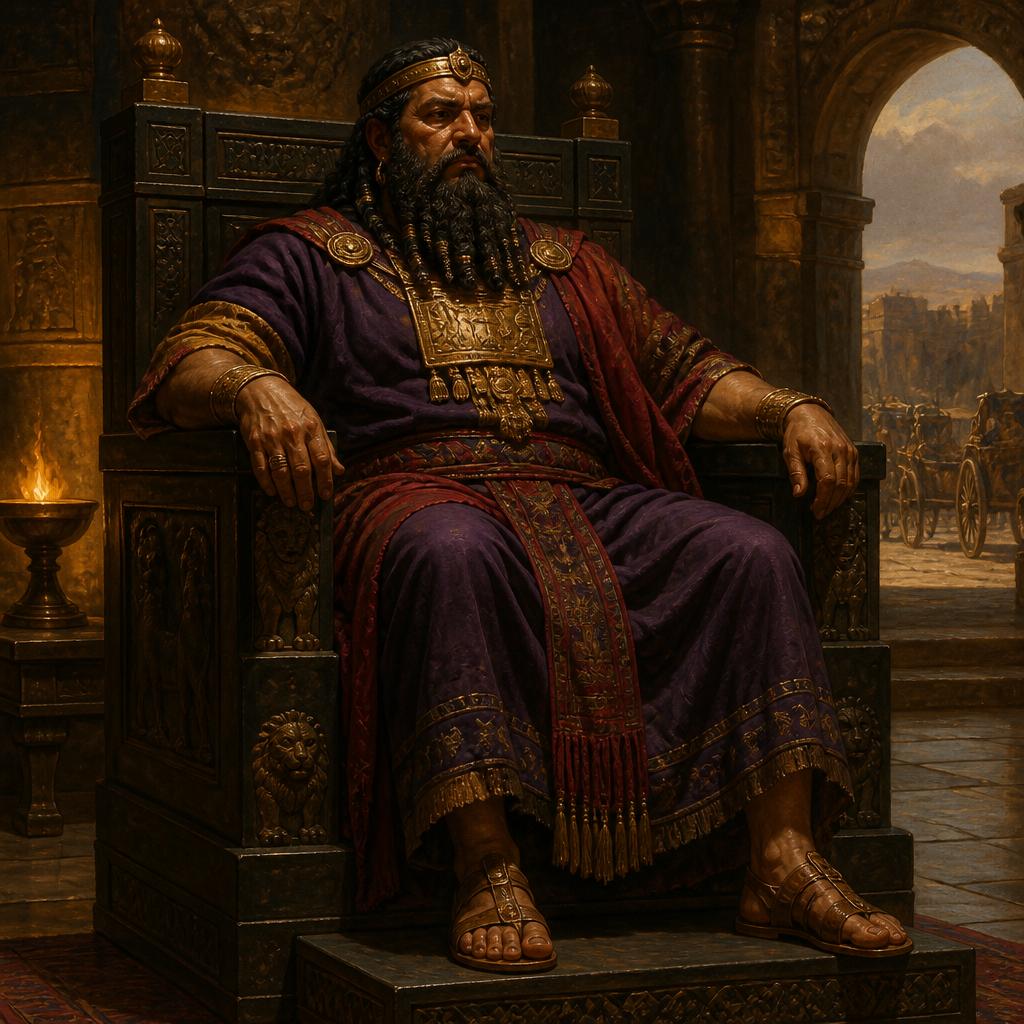
Jabin, King of Canaan
King of Canaan who oppressed Israel with nine hundred iron chariots
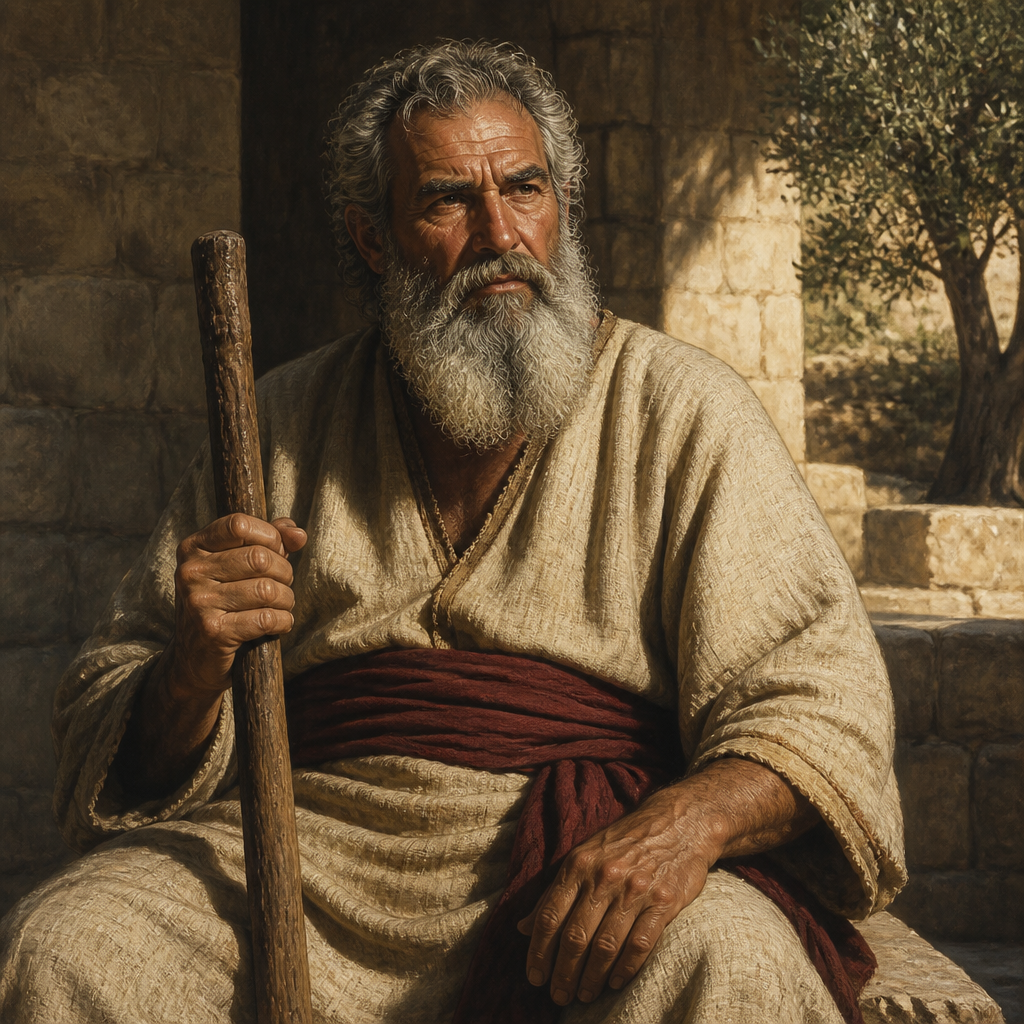
Ebed, Father of Gaal
Patriarch whose son Gaal led a rebellion against Abimelech in Shechem
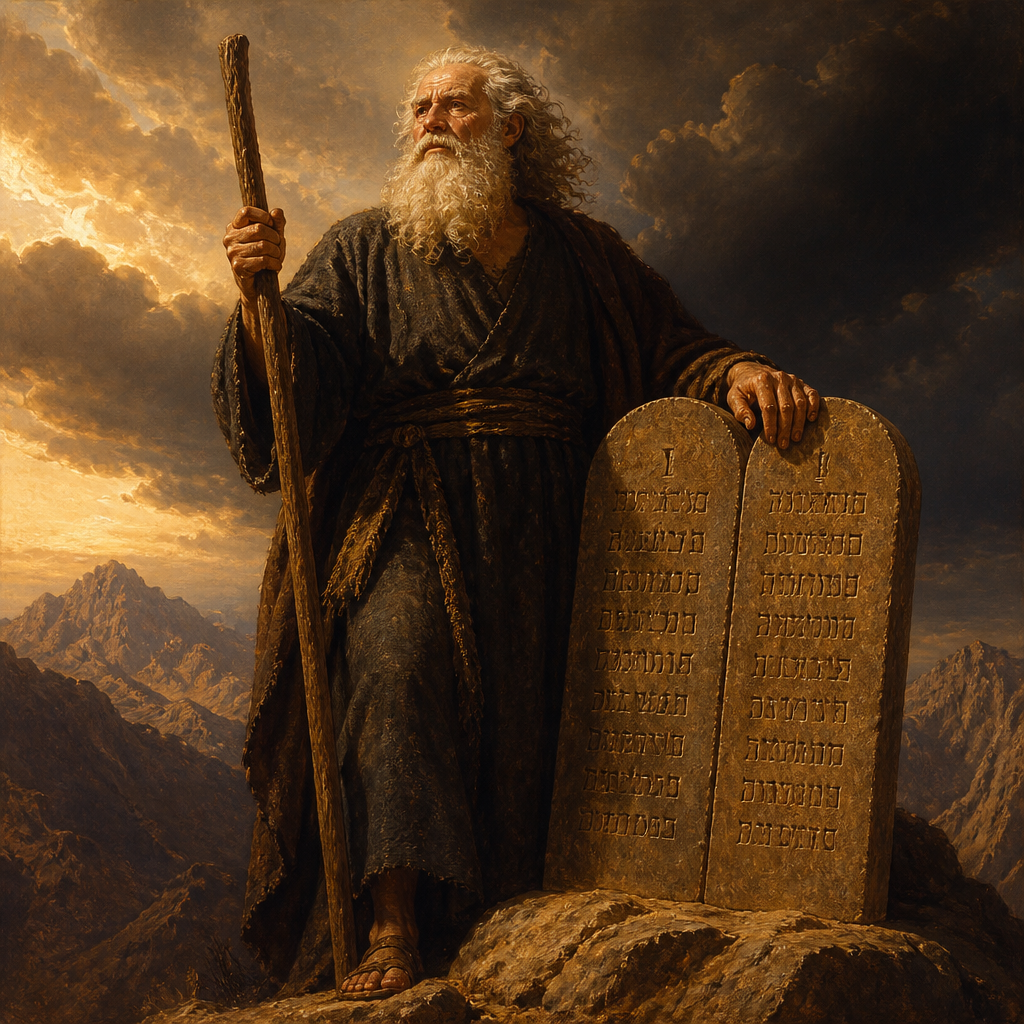
Moses
Prophet who led the Israelites out of Egypt and received the Ten Commandments
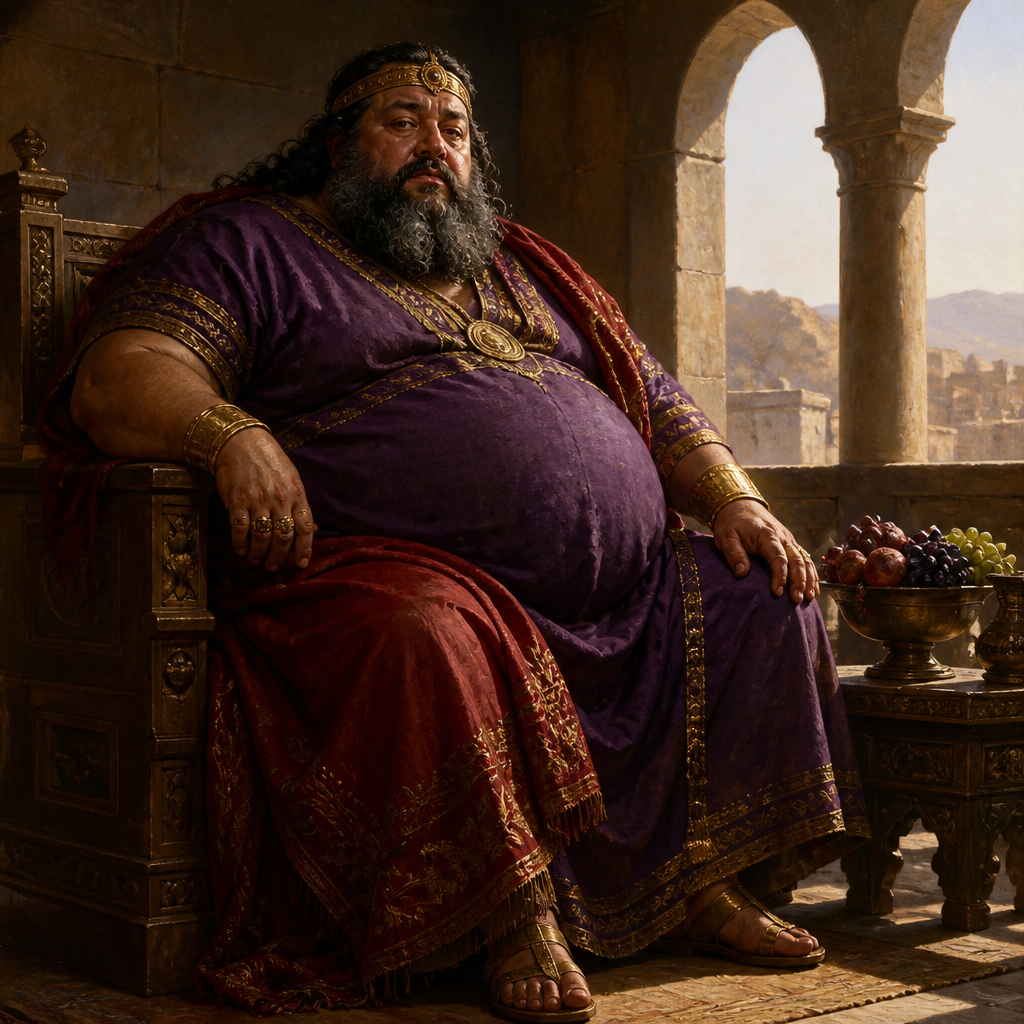
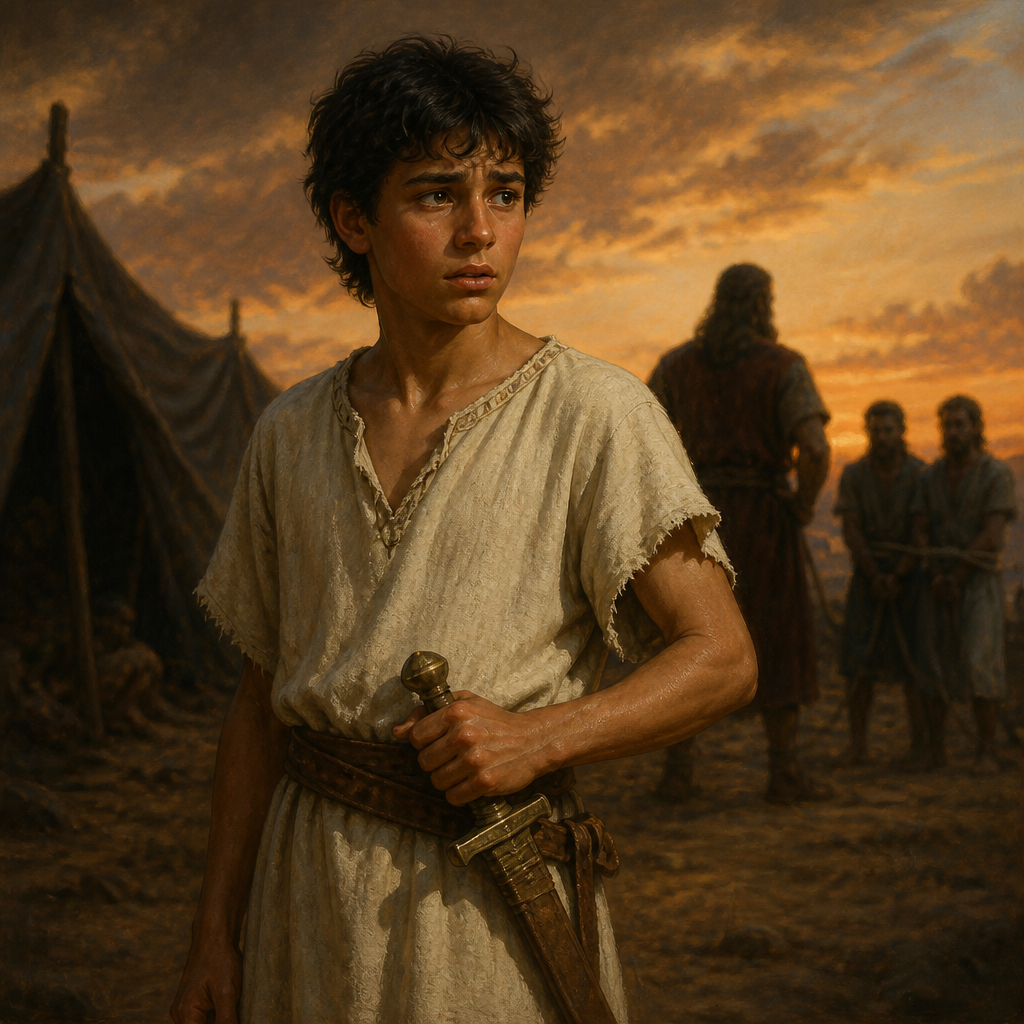
Jether, Son of Gideon
son of Gideon who was too afraid to execute the Midianite kings
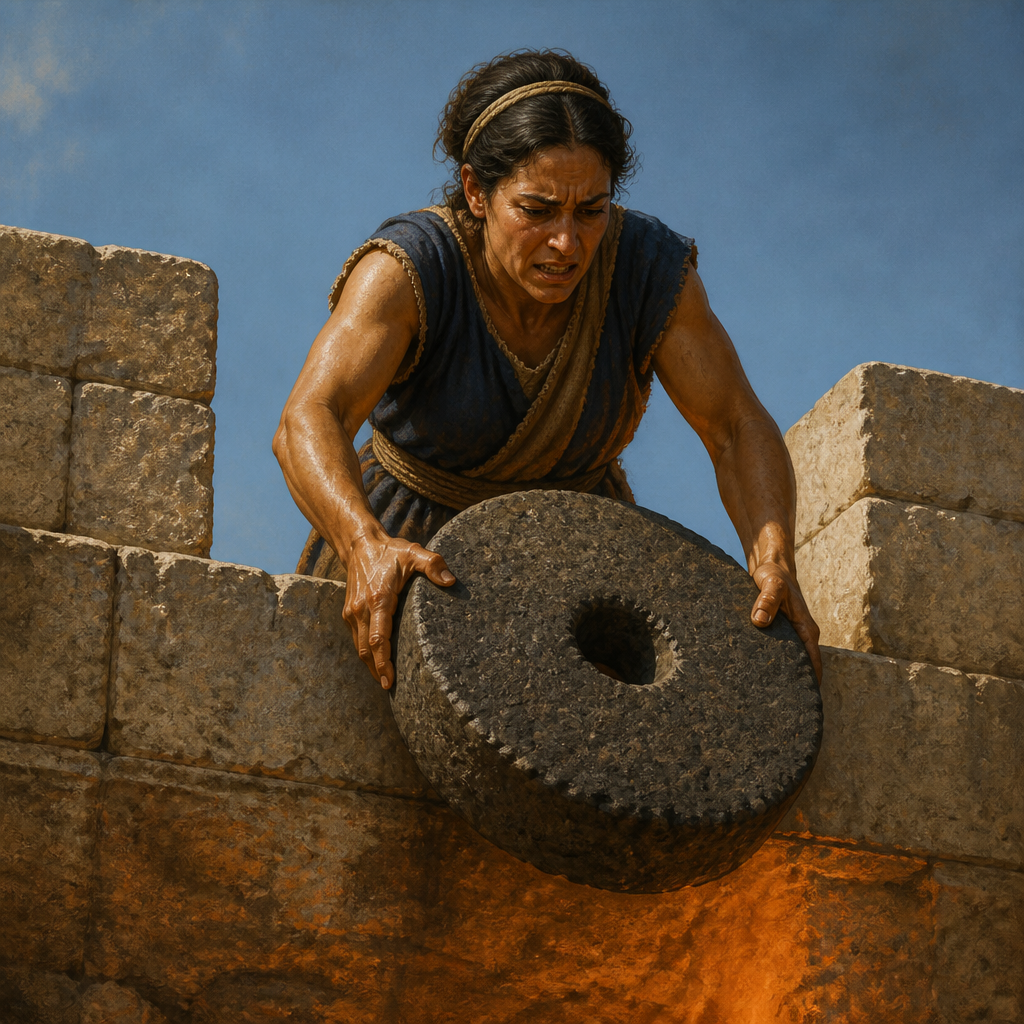
The Woman of Thebez
Heroine who killed the tyrant Abimelech with a millstone
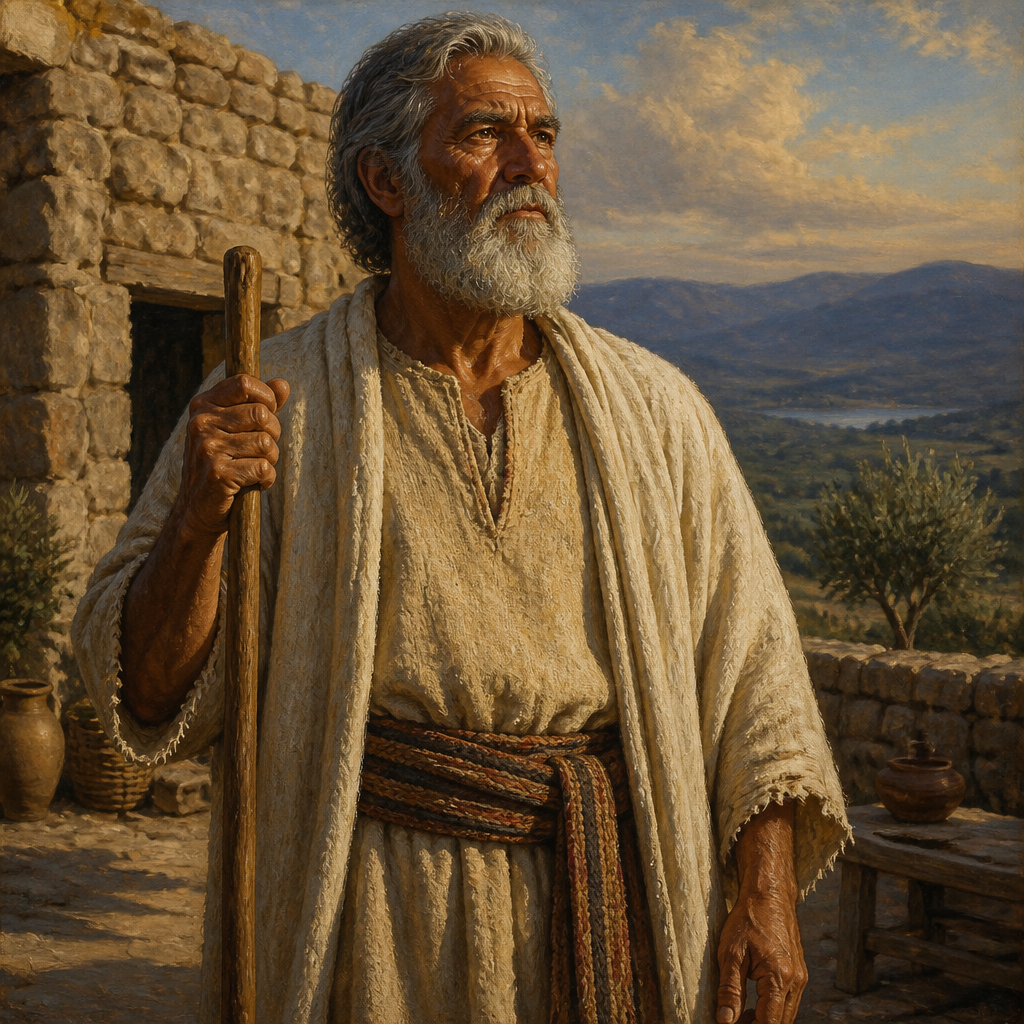
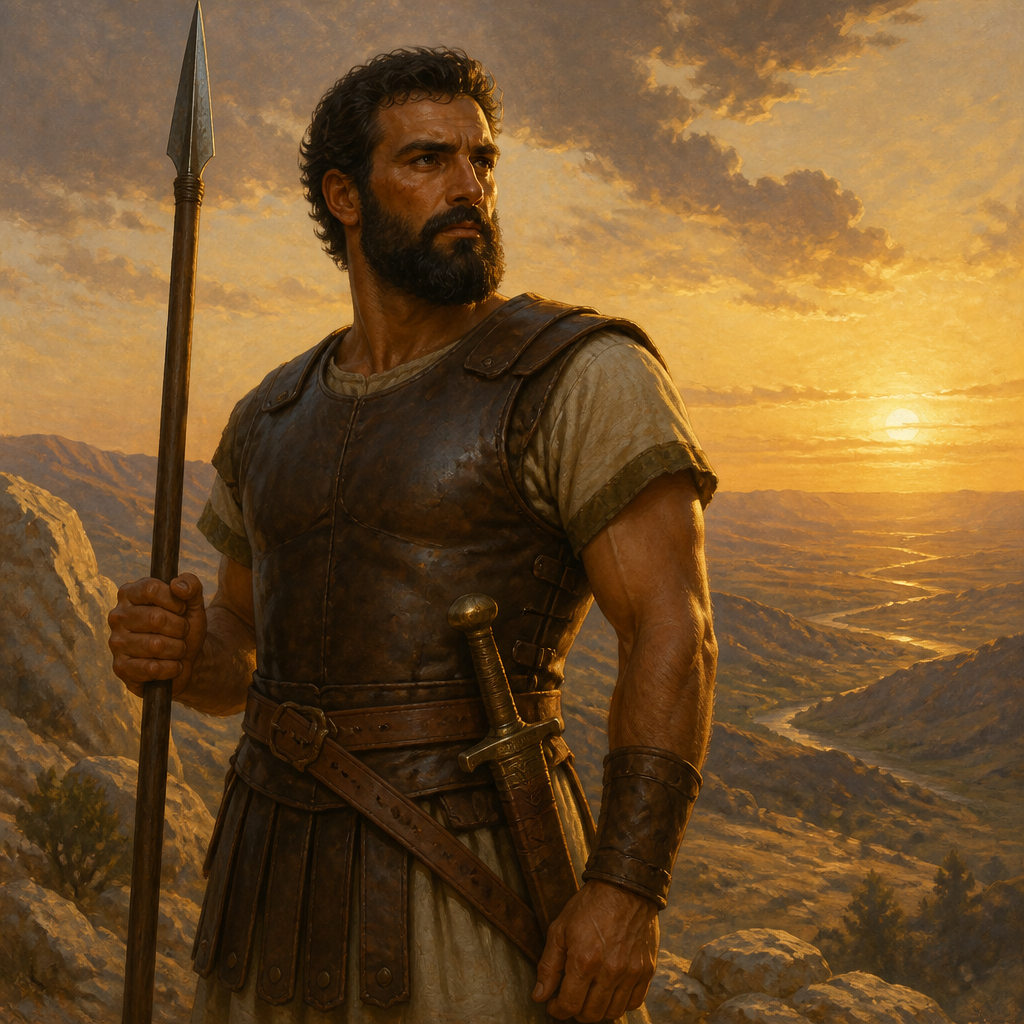
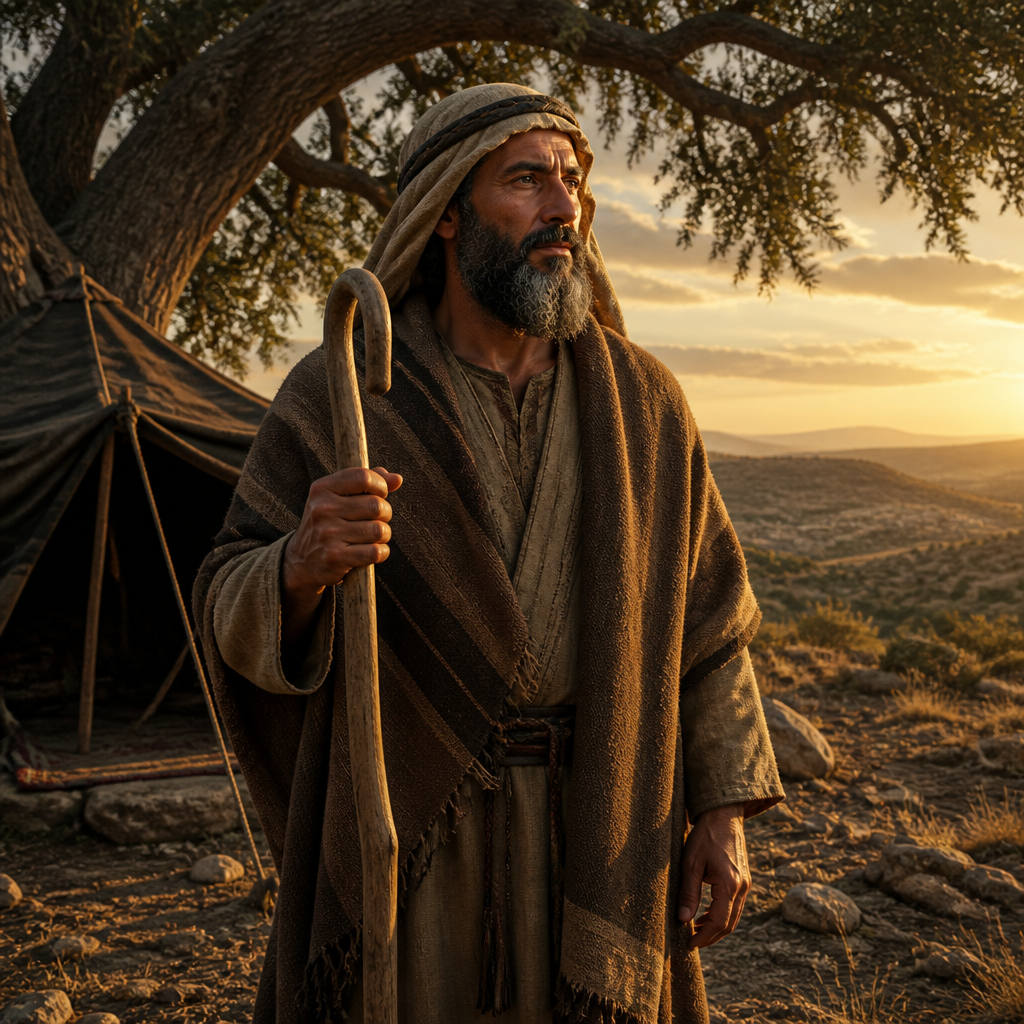
Heber the Kenite
Husband of Jael whose tent became the site of Sisera's death
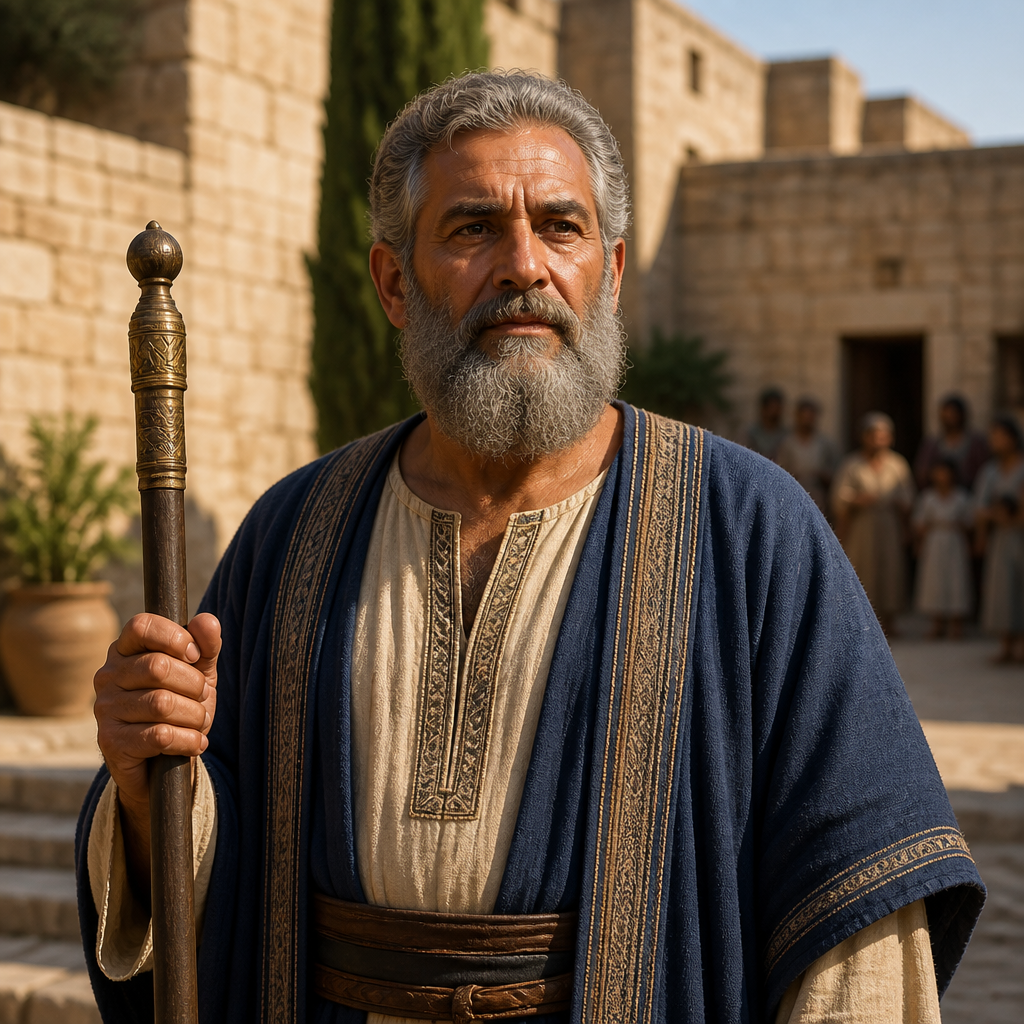
Ibzan
Judge of Israel known for having thirty sons and thirty daughters
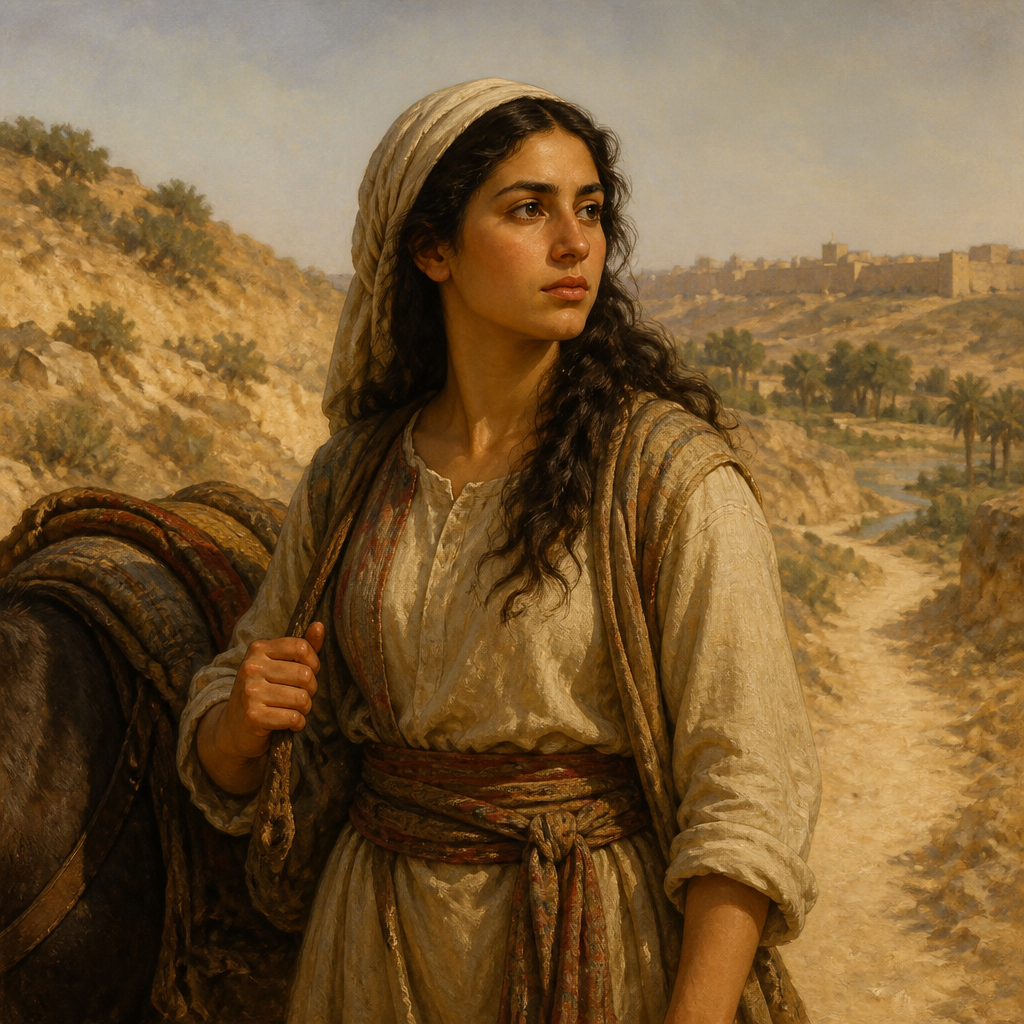
Acsah, Daughter of Caleb
Daughter of Caleb who requested and received springs of water from her father
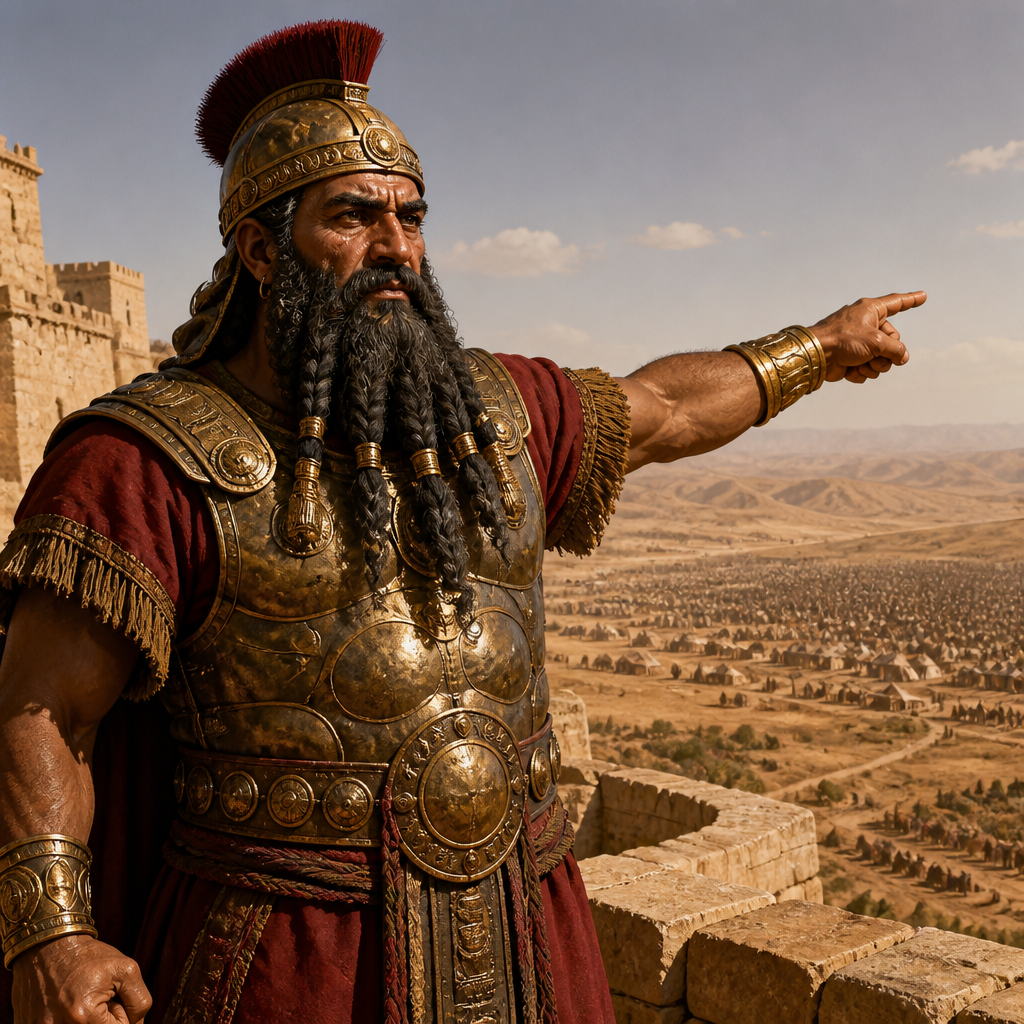
Sihon
King of the Amorites who was defeated by Moses at the Battle of Jahaz
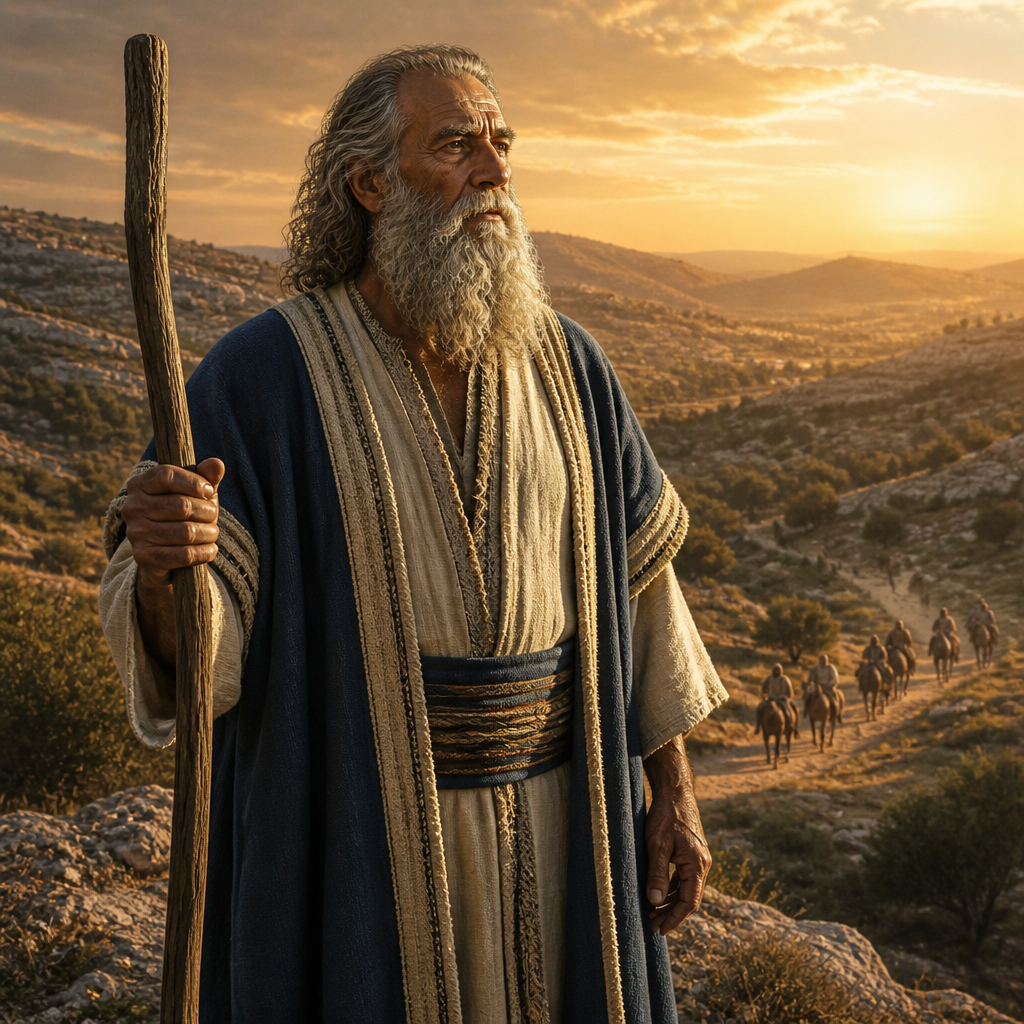
Abdon, Son of Hillel
Judge of Israel from Pirathon who had forty sons and thirty grandsons
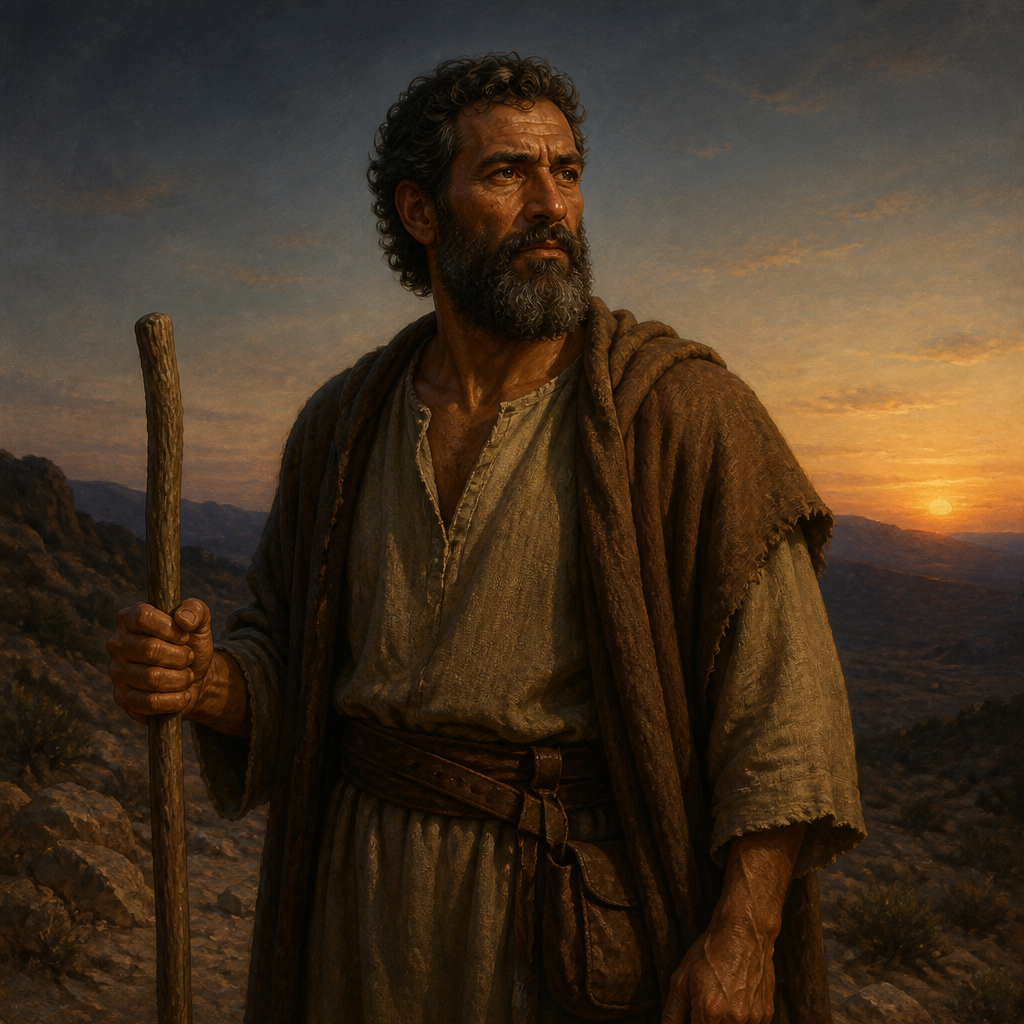
Kenaz, Brother of Caleb
Brother of Caleb and father of Othniel the first judge of Israel
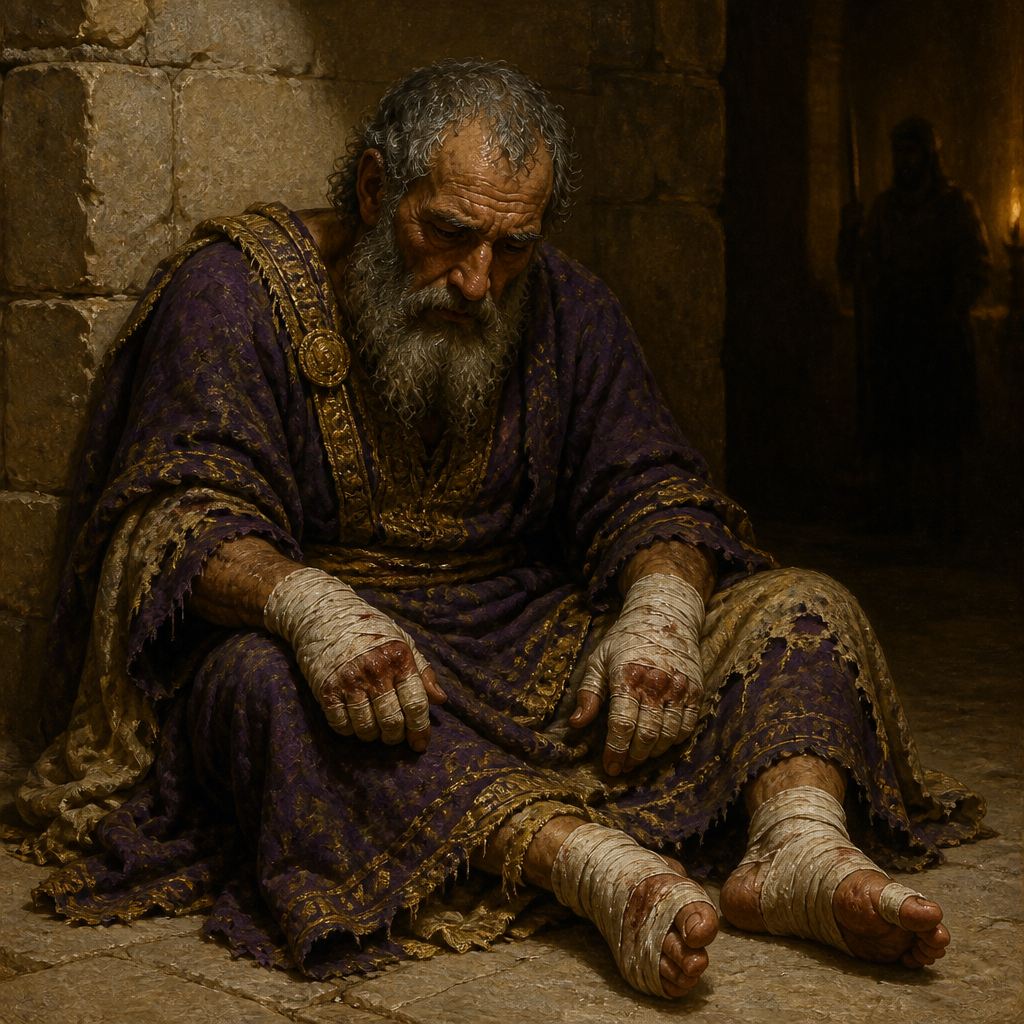
Adoni-bezek
Canaanite king who acknowledged divine justice after being mutilated
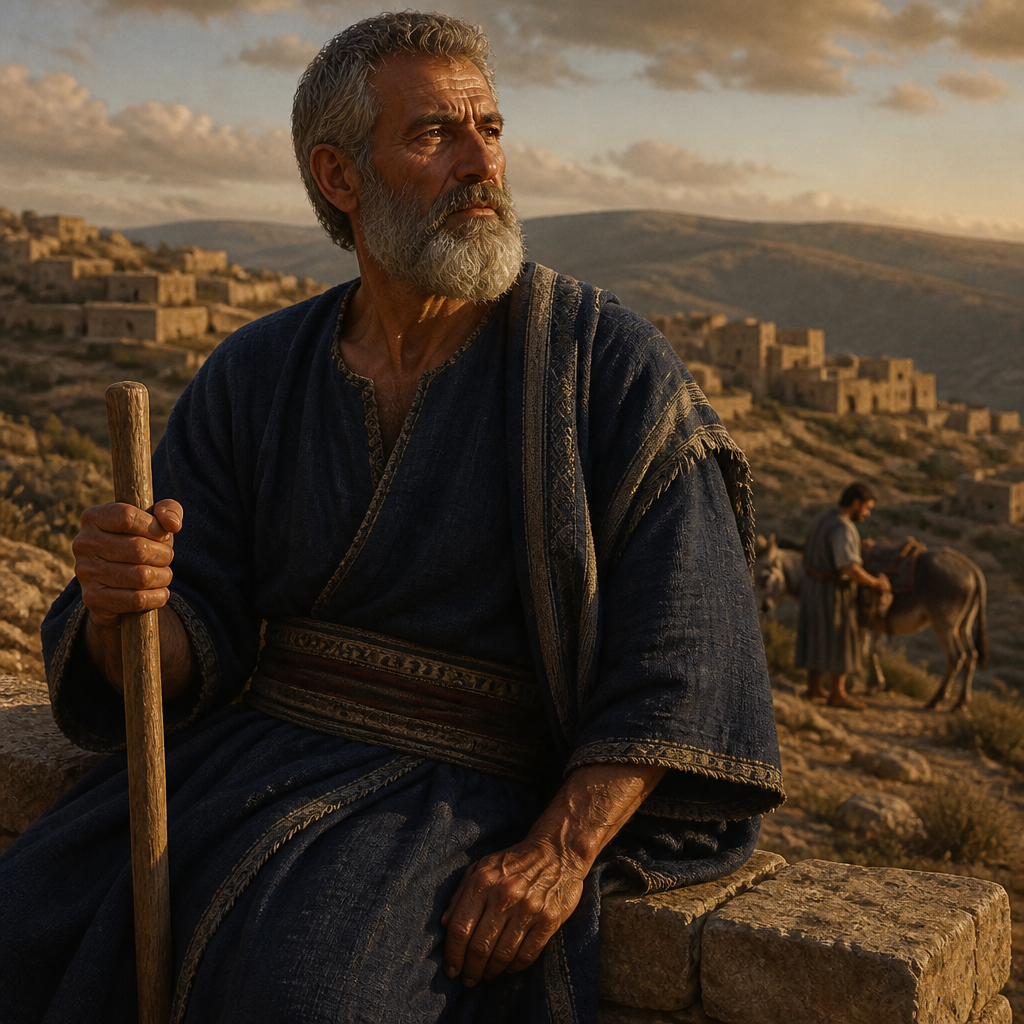
Jair the Gileadite
Judge of Israel who had thirty sons riding thirty donkeys and controlled thirty towns in Gilead
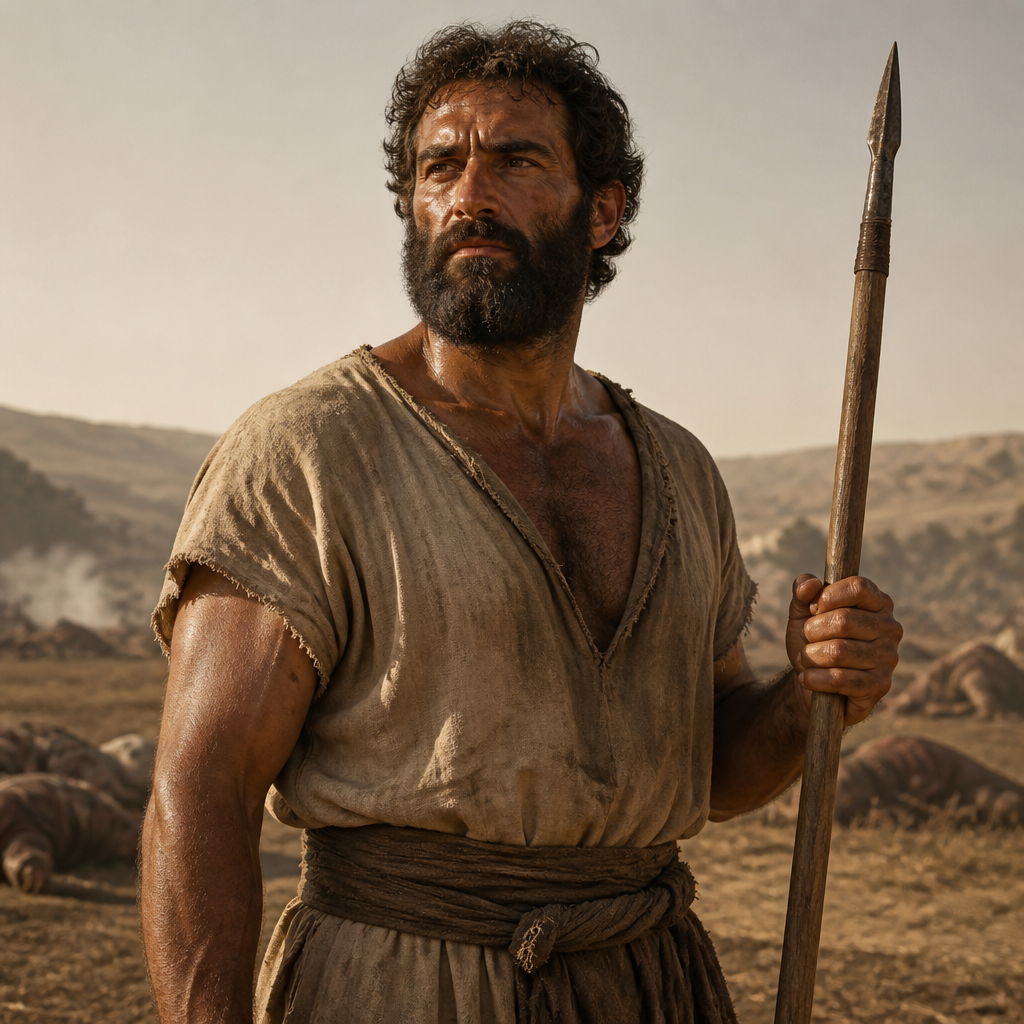
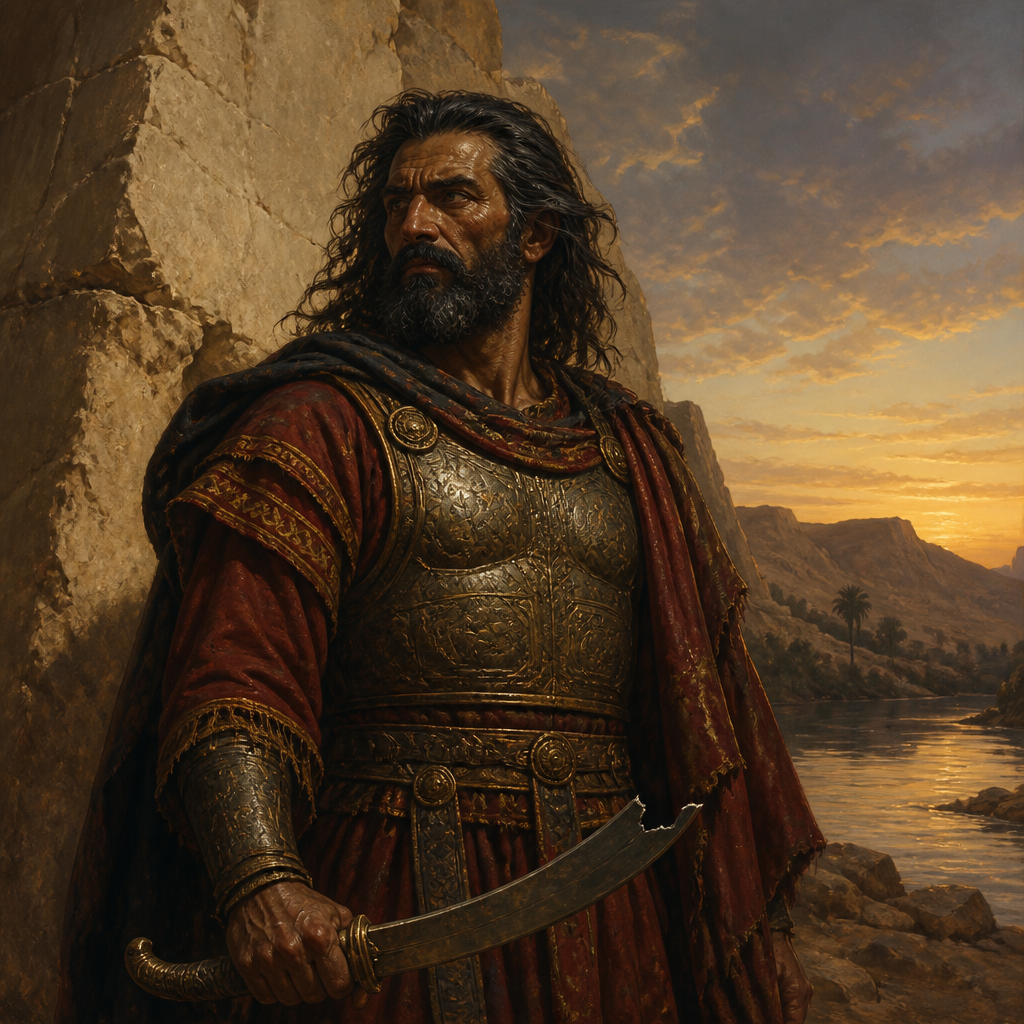
Oreb
Midianite prince captured and executed at a rock that was subsequently named after him
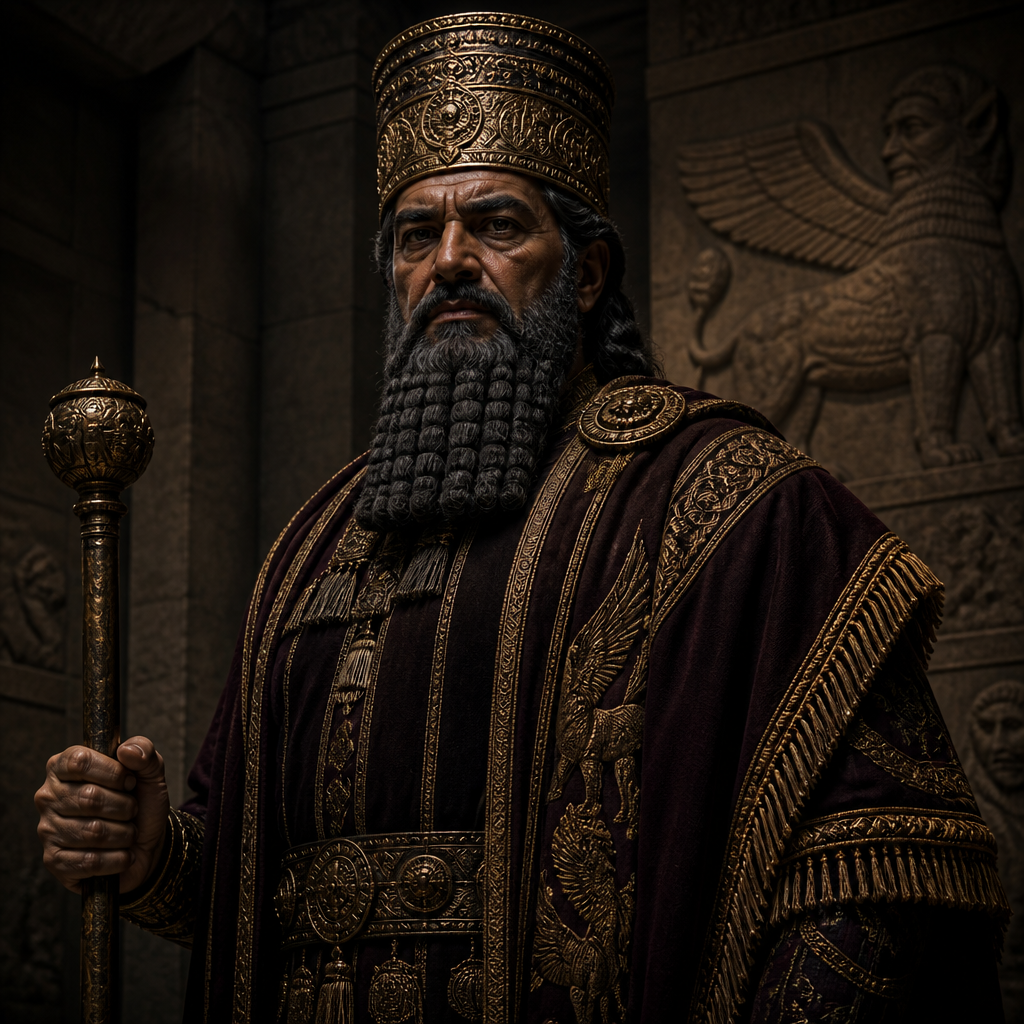
Cushan-rishathaim
King of Aram-naharaim who was the first to oppress Israel in the period of the Judges
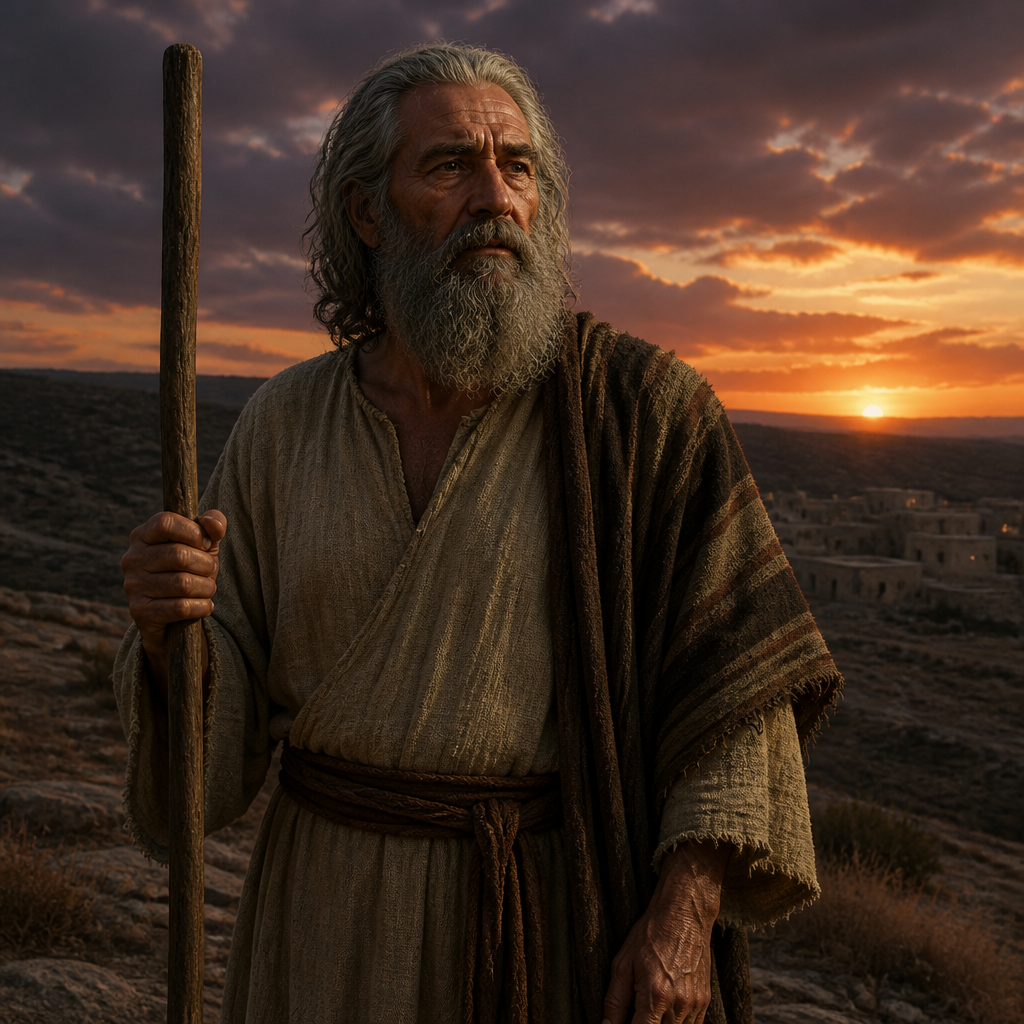
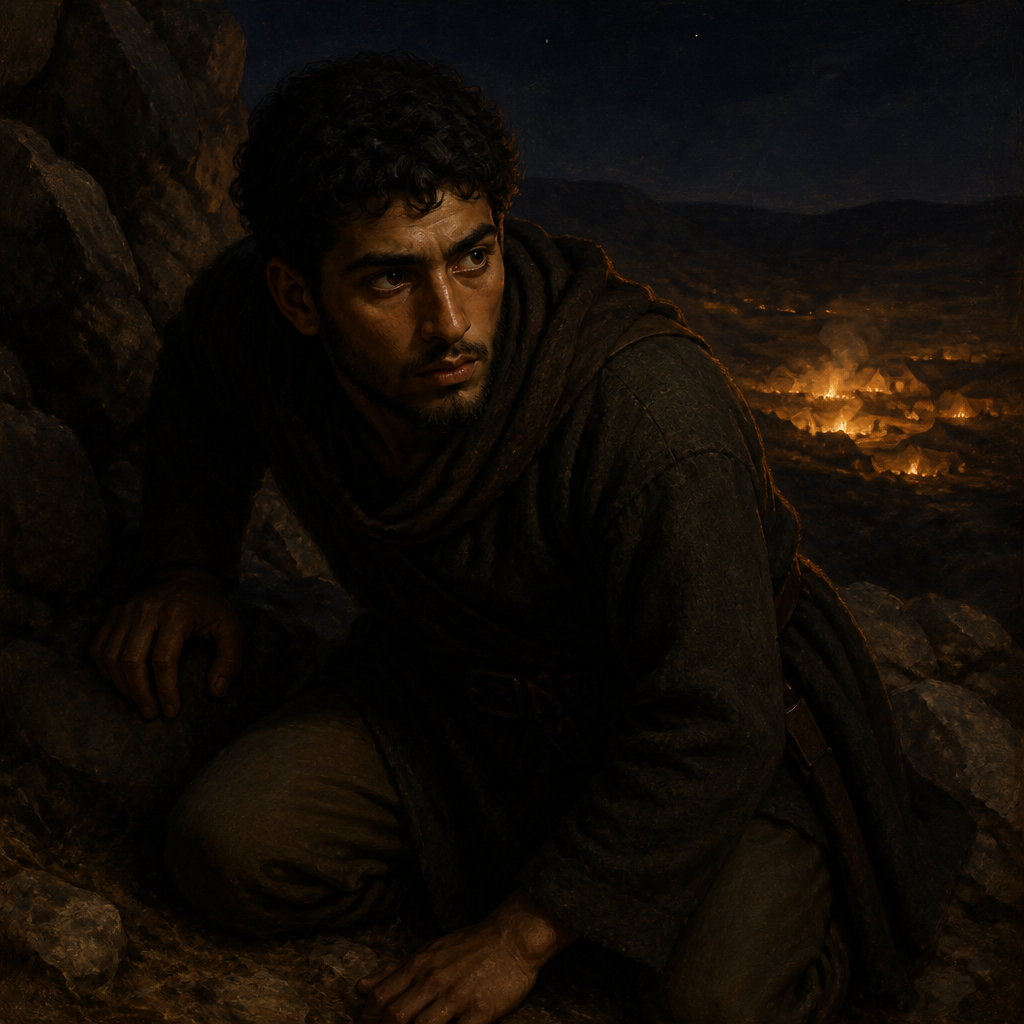
Purah
Servant of Gideon who accompanied him to spy on the Midianite camp
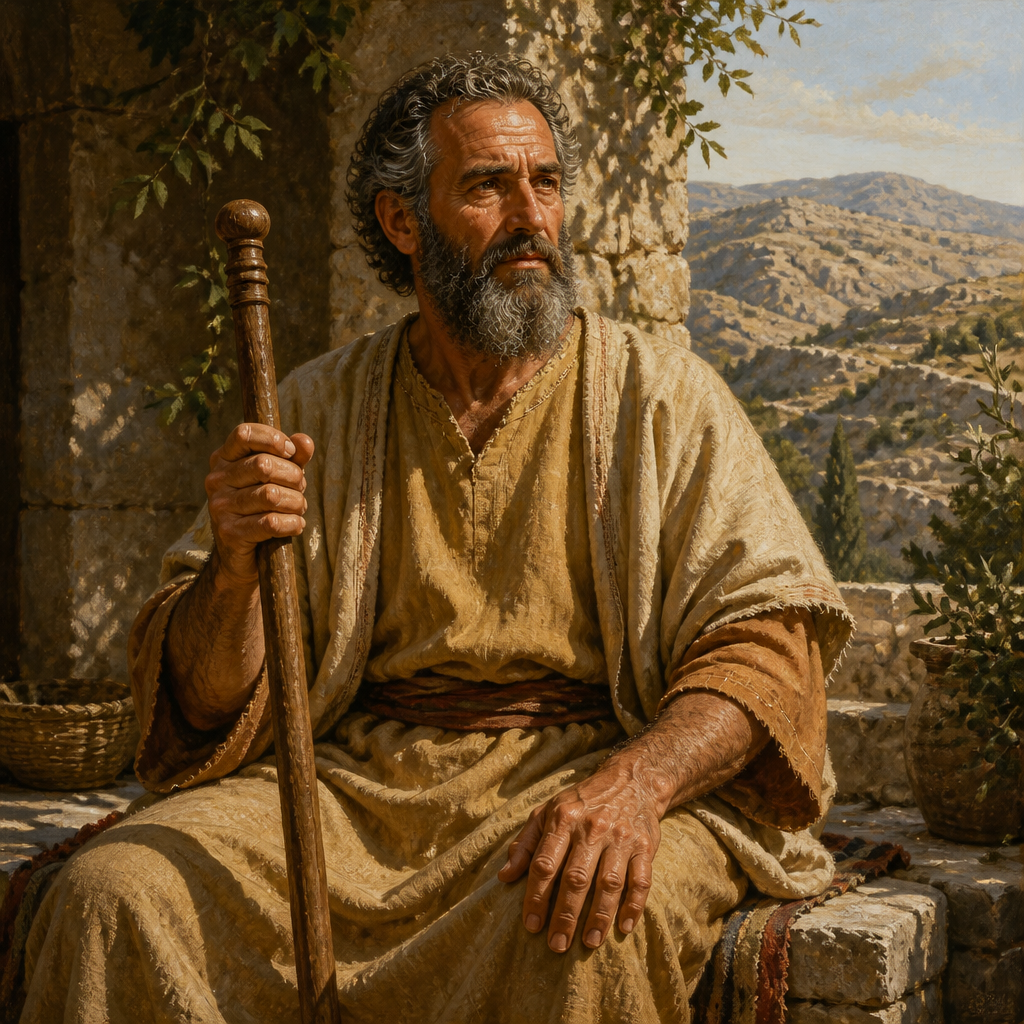
Tola, Judge of Israel
Judge who led Israel for twenty-three years following the death of Abimelech
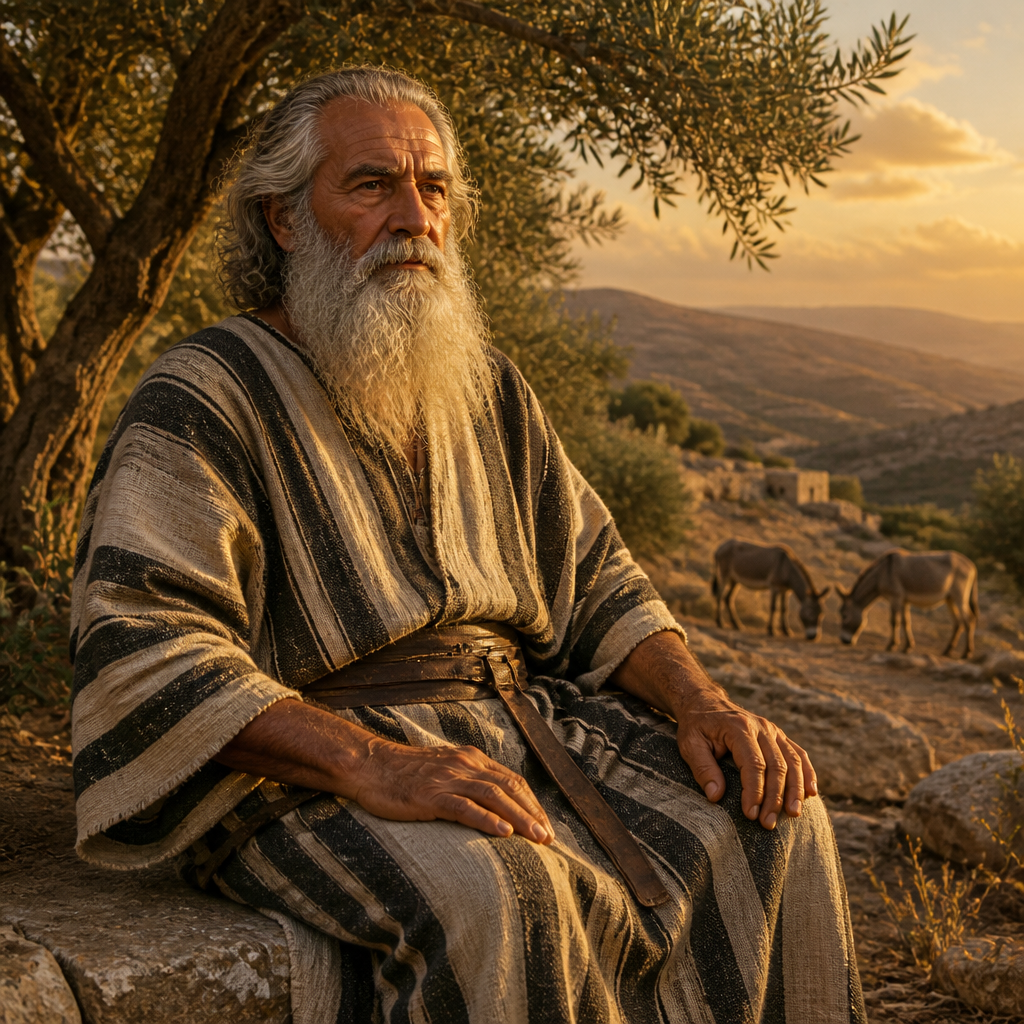
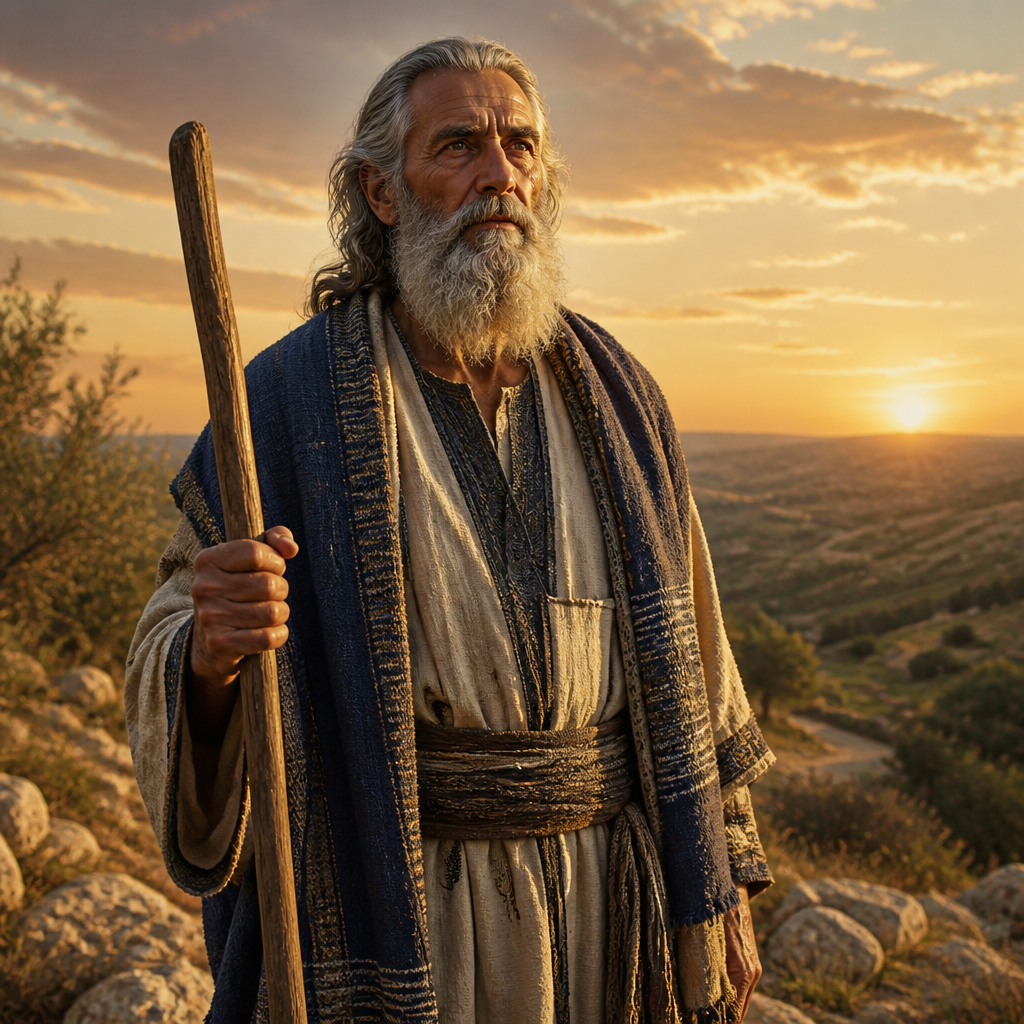
Elon the Zebulunite
Judge from the tribe of Zebulun who led Israel for ten years
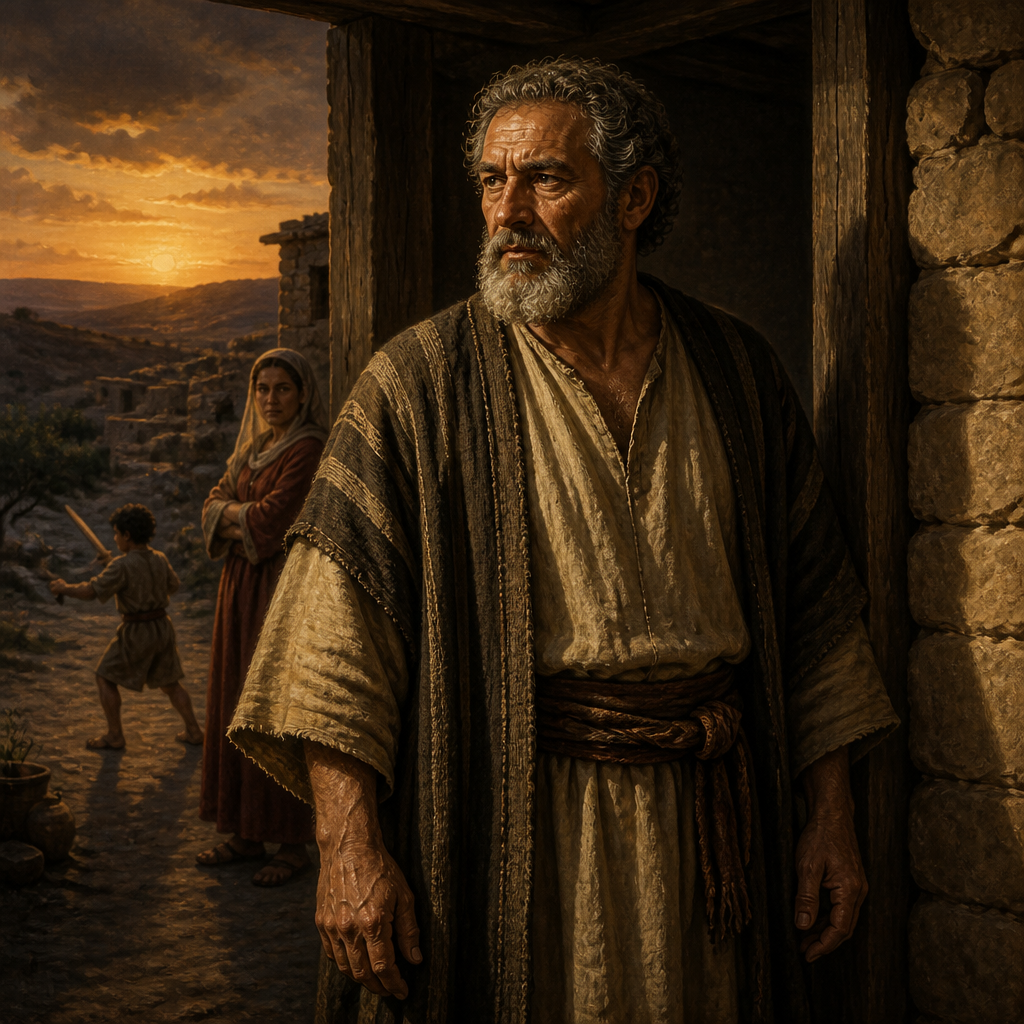
Gilead, Father of Jephthah
father of the judge Jephthah whose legitimate sons expelled their half-brother
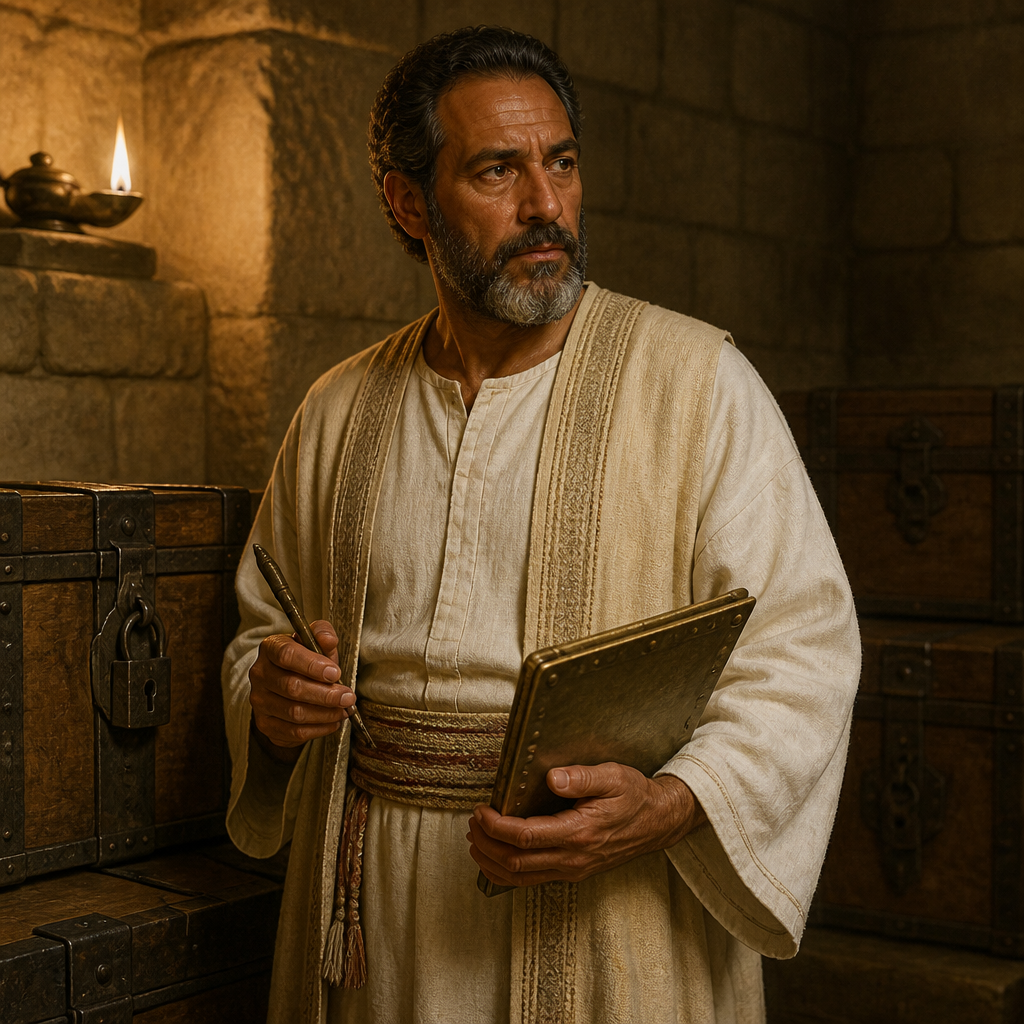
Shebuel, Grandson of Moses
Grandson of Moses who served as the chief officer of the treasuries
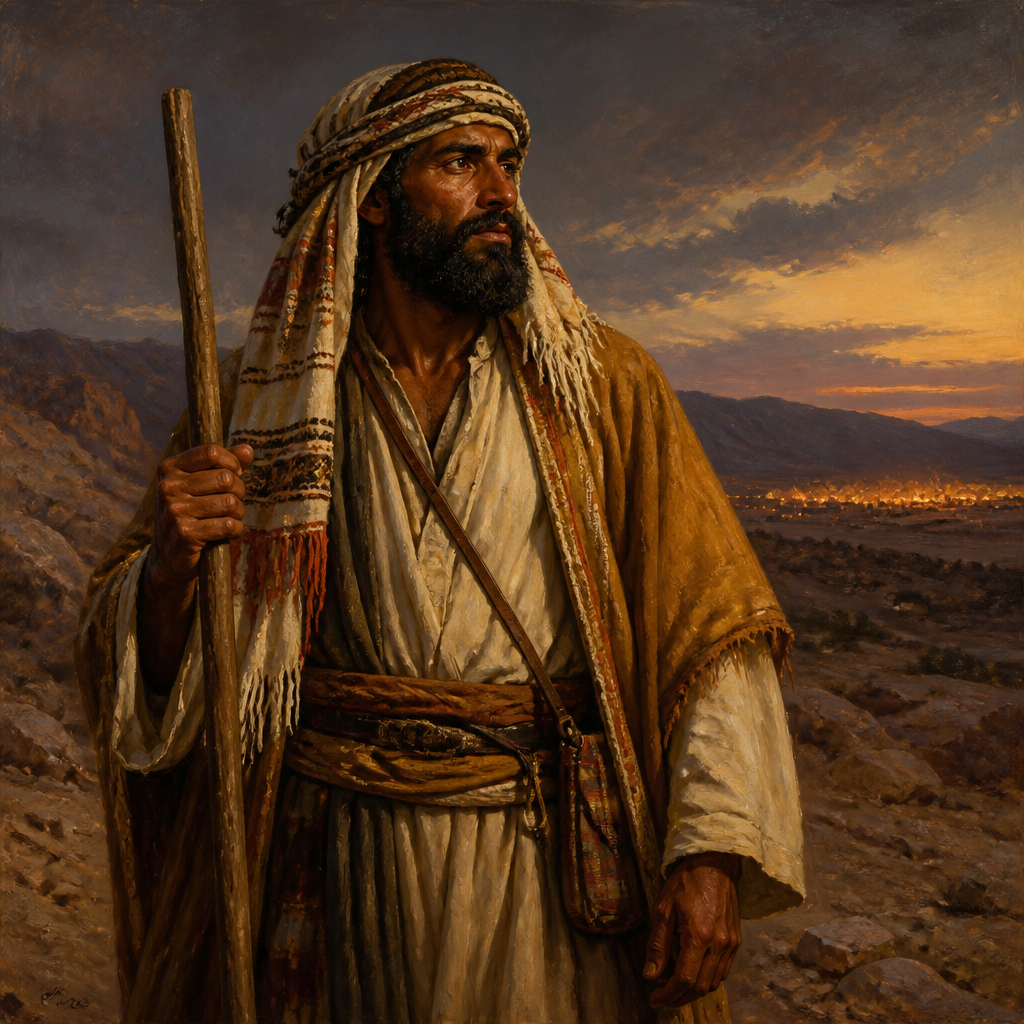
Hobab
Brother-in-law of Moses who served as a wilderness guide for the Israelites
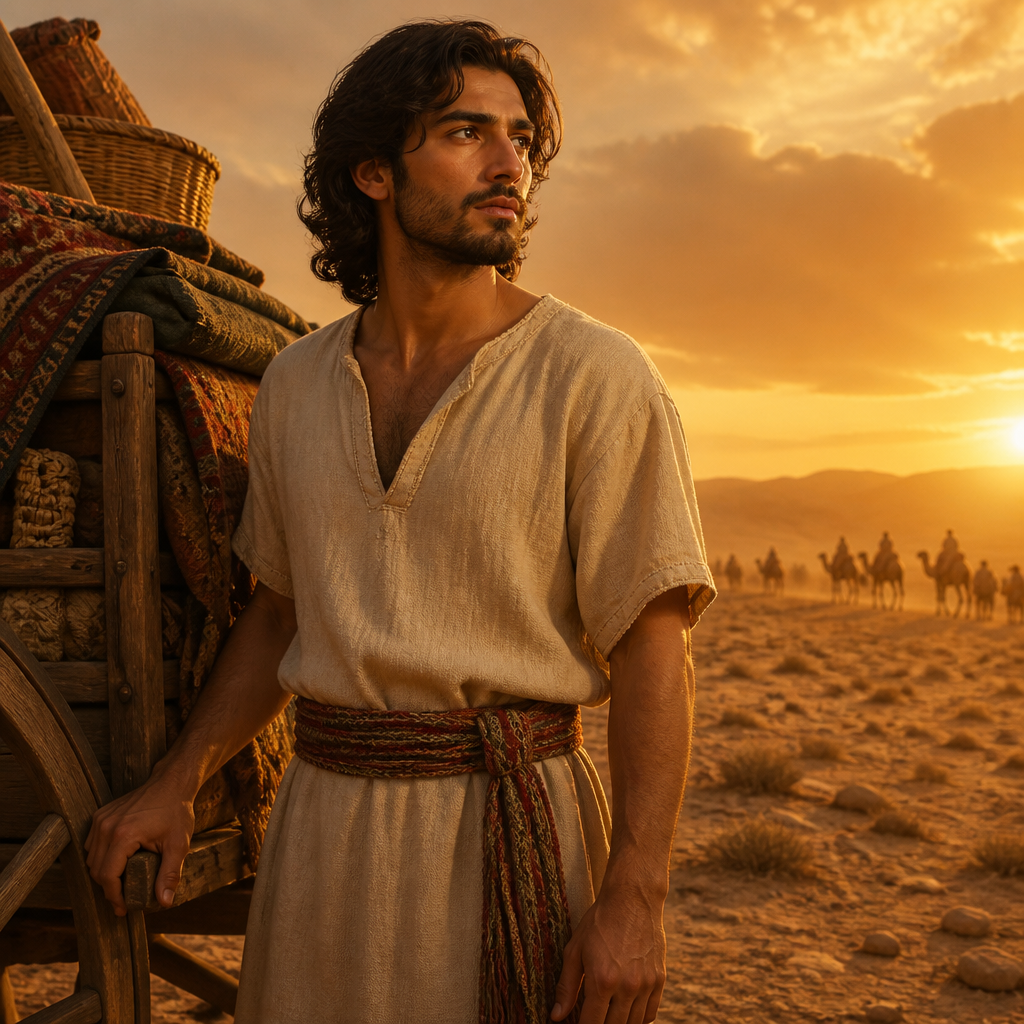
Gera, Son of Benjamin
Son of Benjamin who migrated to Egypt and forefather of the Judge Ehud
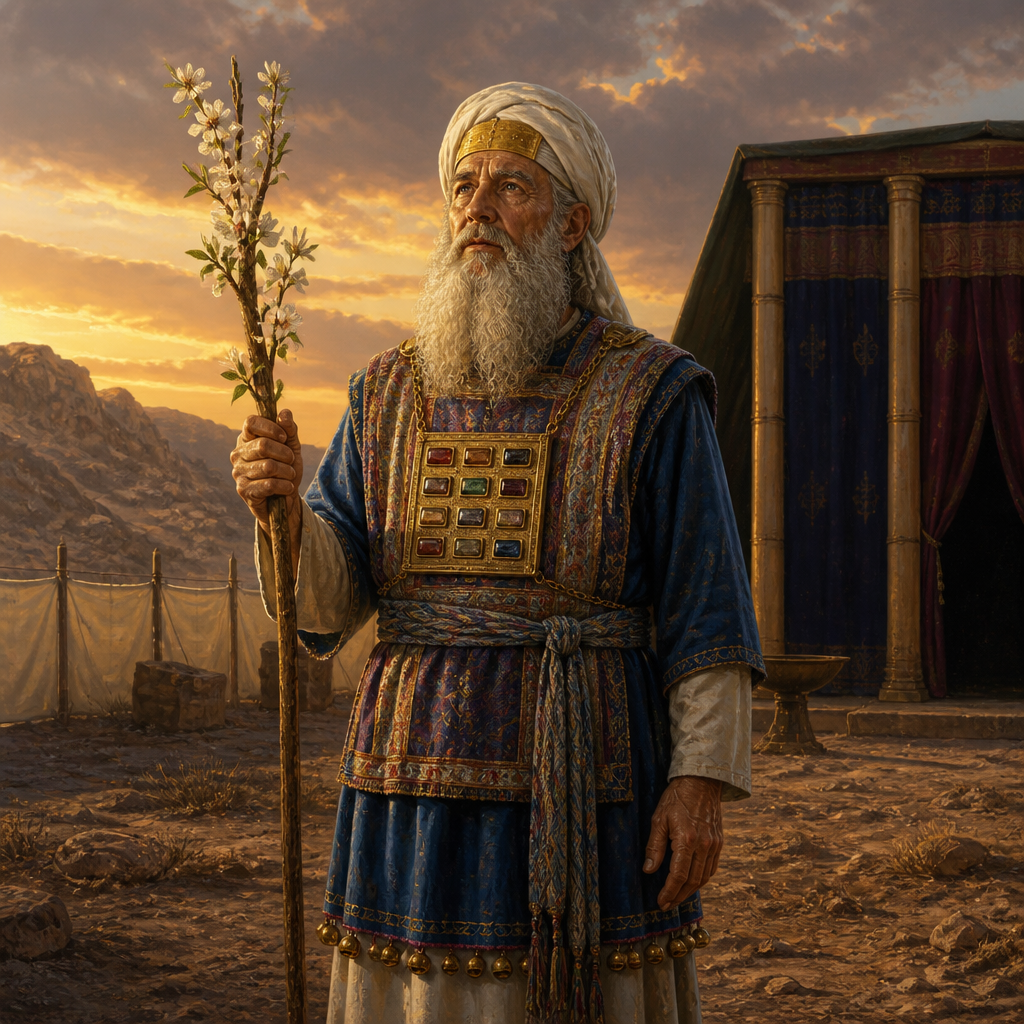
Aaron
First High Priest of Israel who served as the spokesman for Moses during the Exodus
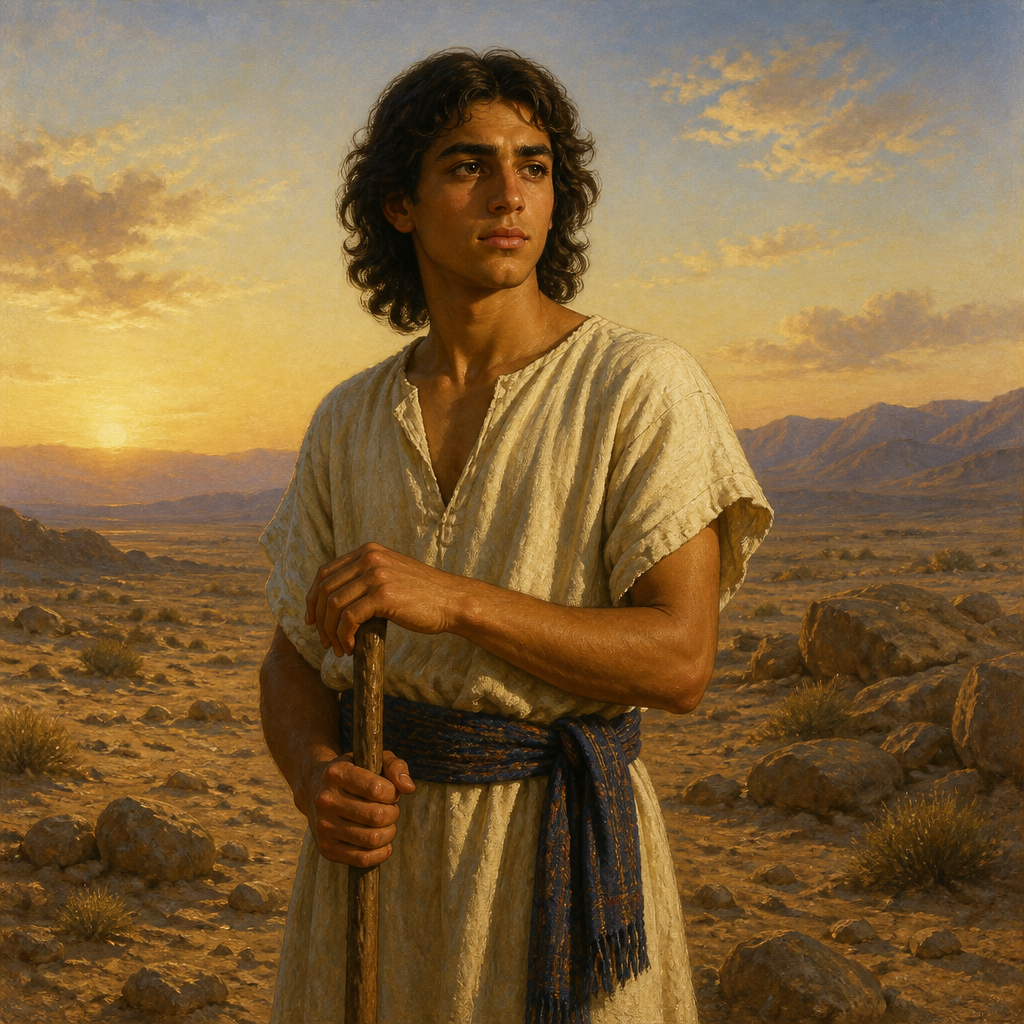
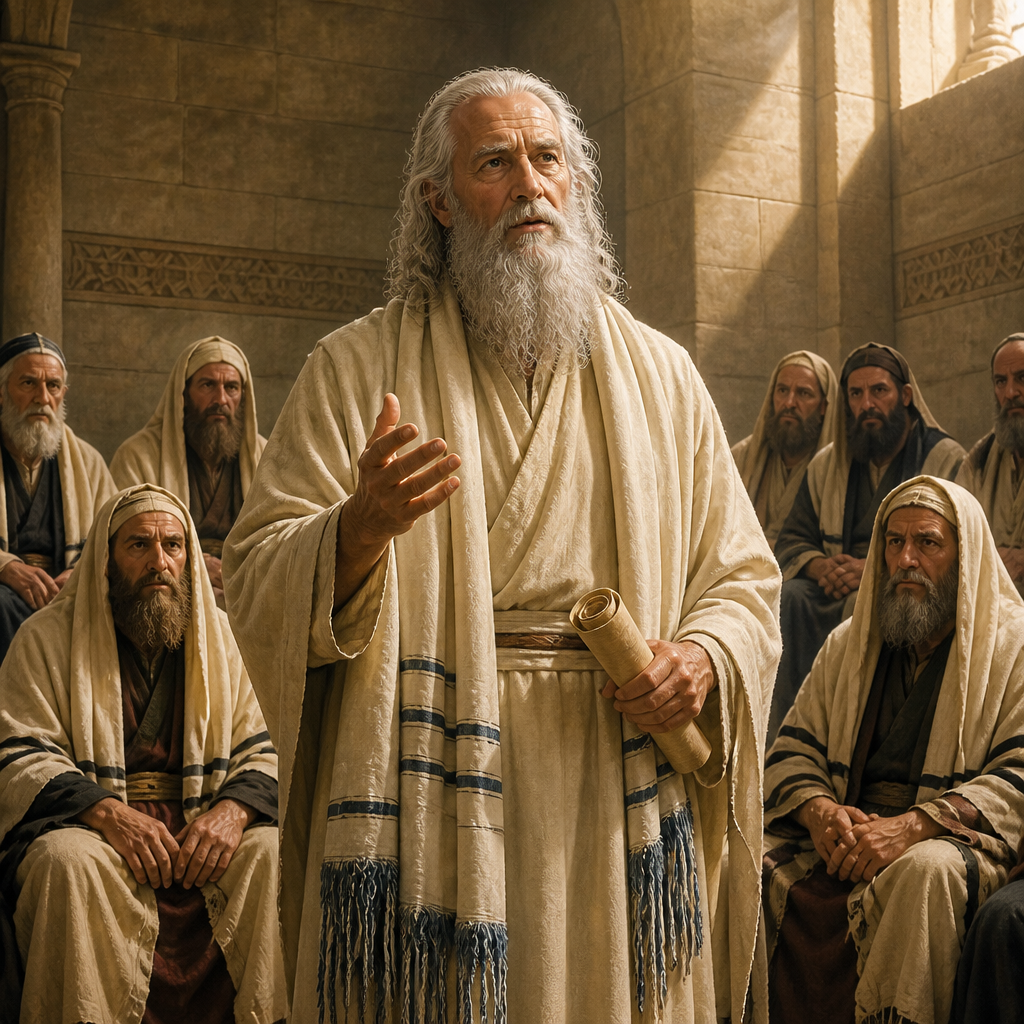
Gamaliel, Teacher of the Law
Pharisee and teacher who defended the apostles before the Sanhedrin and mentored the Apostle Paul
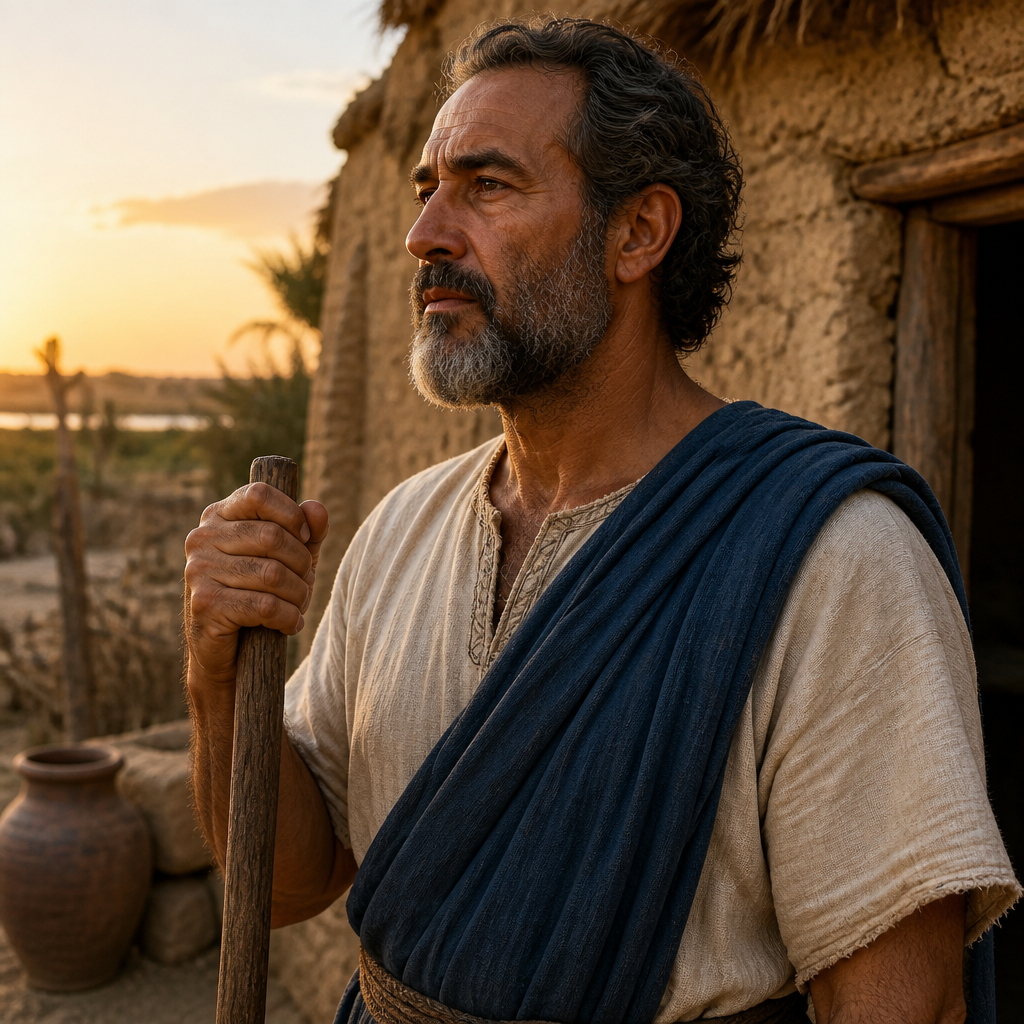
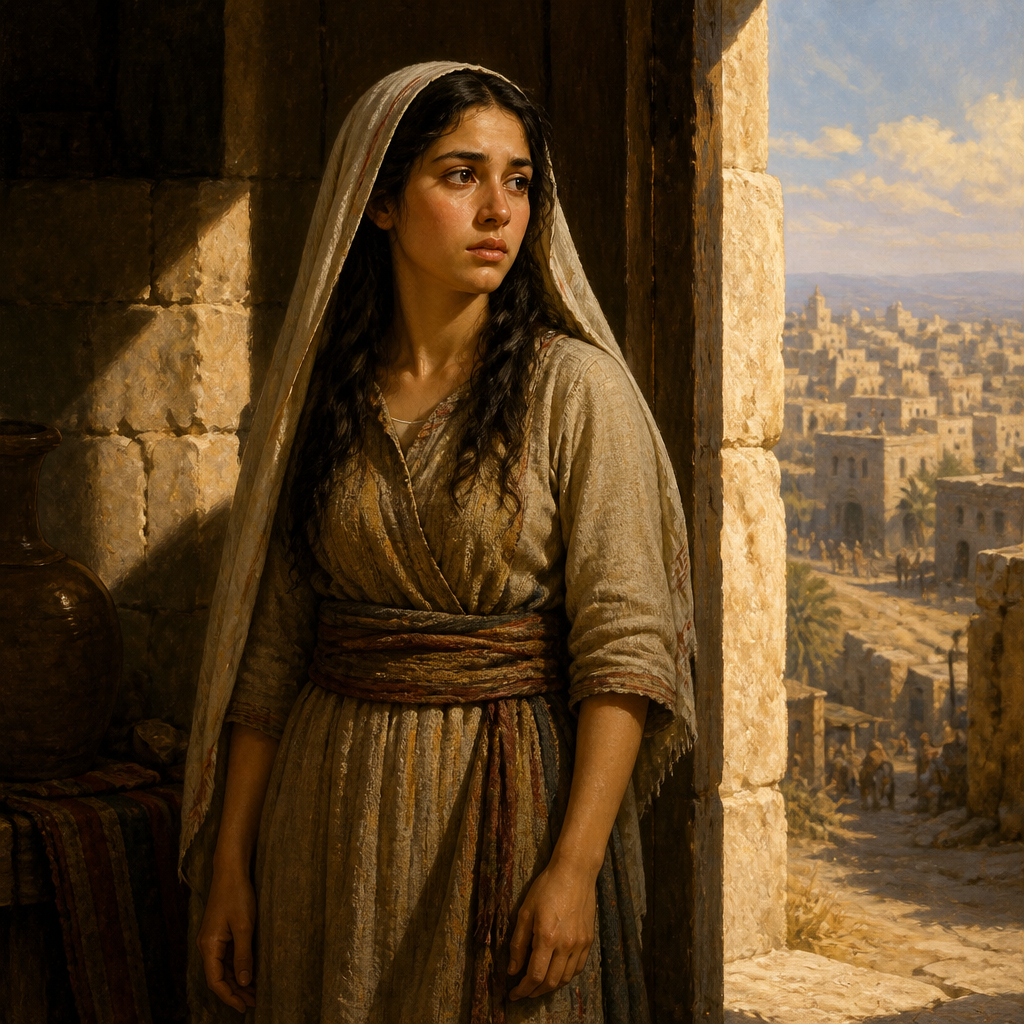
Dinah
Daughter of Jacob whose treatment by Shechem led to a violent conflict
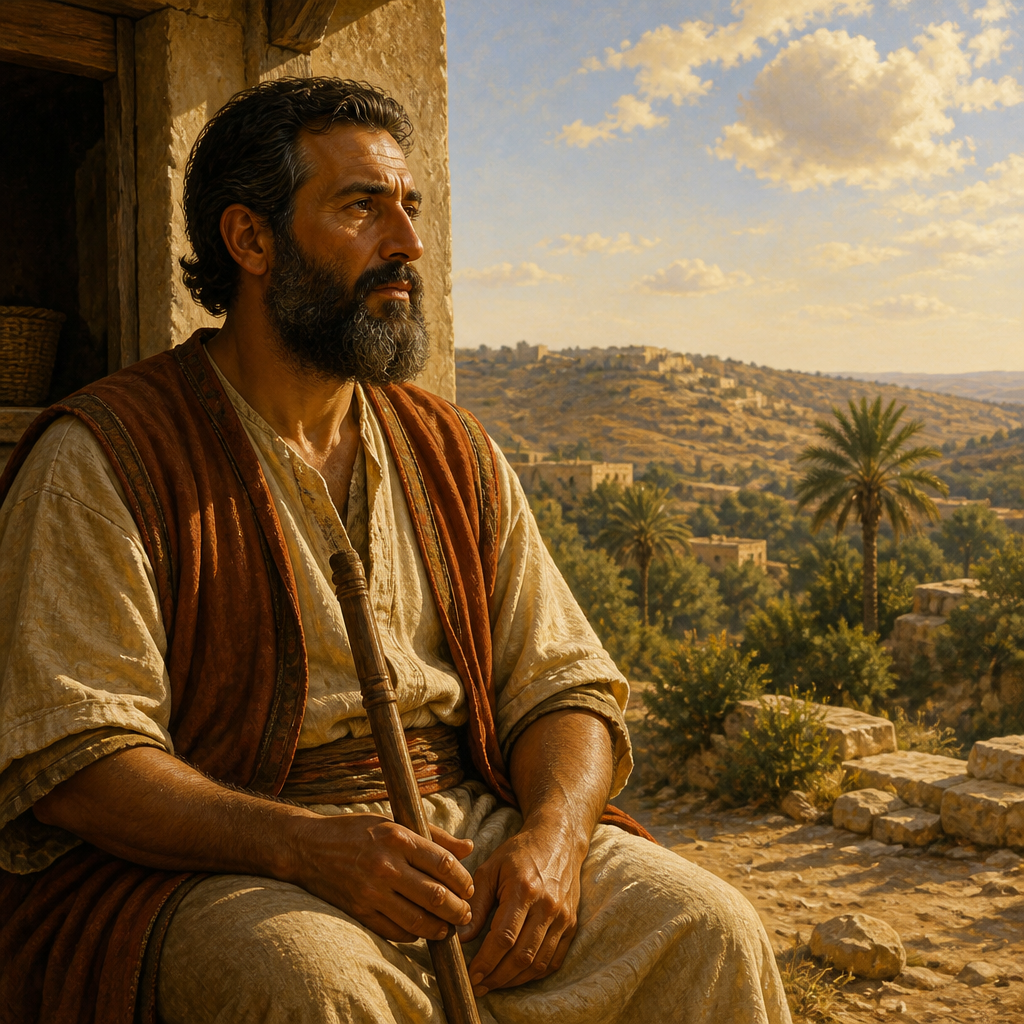
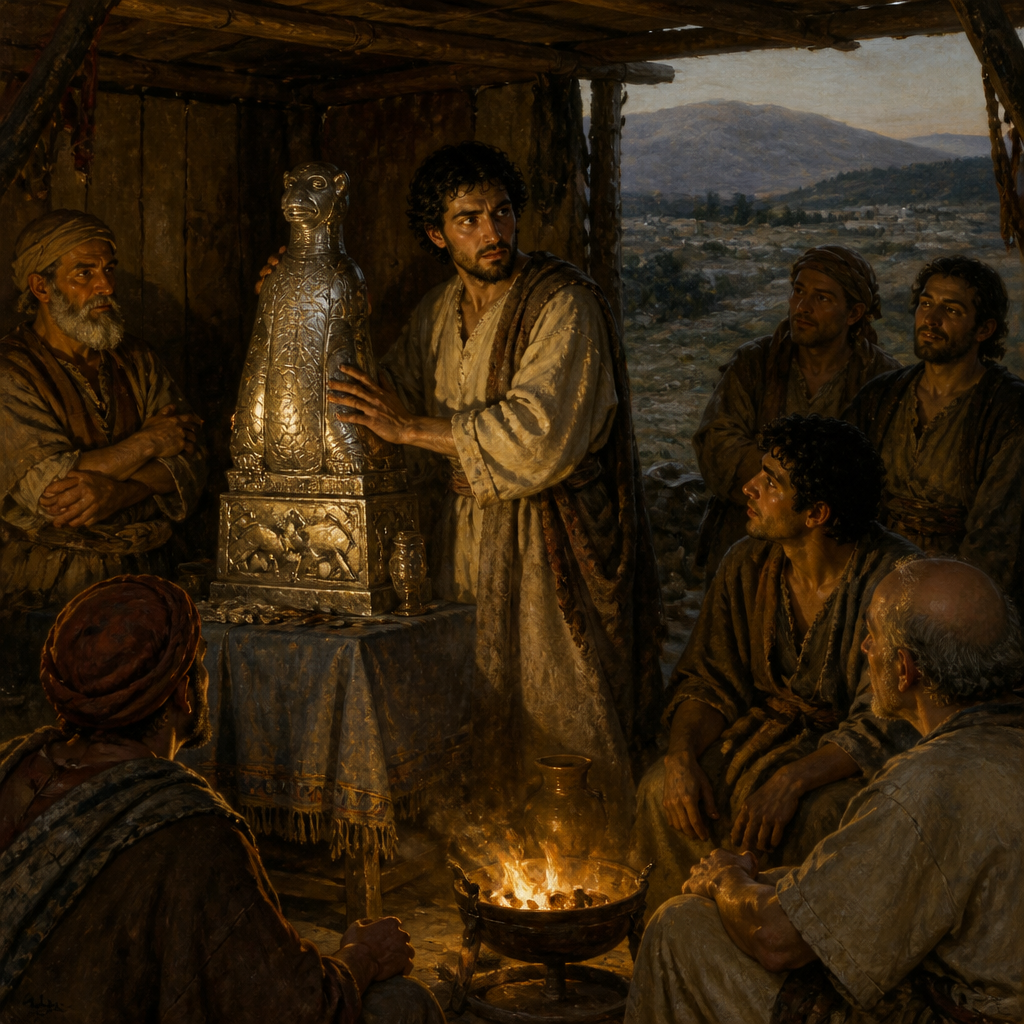
Jonathan, Priest to the Tribe of Dan
Levite priest who established an idolatrous priesthood for the tribe of Dan
Meonothai
Patriarch of the tribe of Judah and the father of Ophrah
Balak
King of Moab who hired Balaam to curse the Israelites during their wilderness wanderings
Dan
Patriarch who was the fifth son of Jacob and father of the Tribe of Dan

The Holy Spirit
The third person of the Trinity — hovering over the waters at creation, empowering judges, prophets and kings, poured out at Pentecost, indwelling believers

Shabbethai the Levite
Levite who supported the opposition to Ezra's plan regarding foreign wives
Talmai, son of Anak
Son of Anak and giant of Hebron who was defeated by Caleb
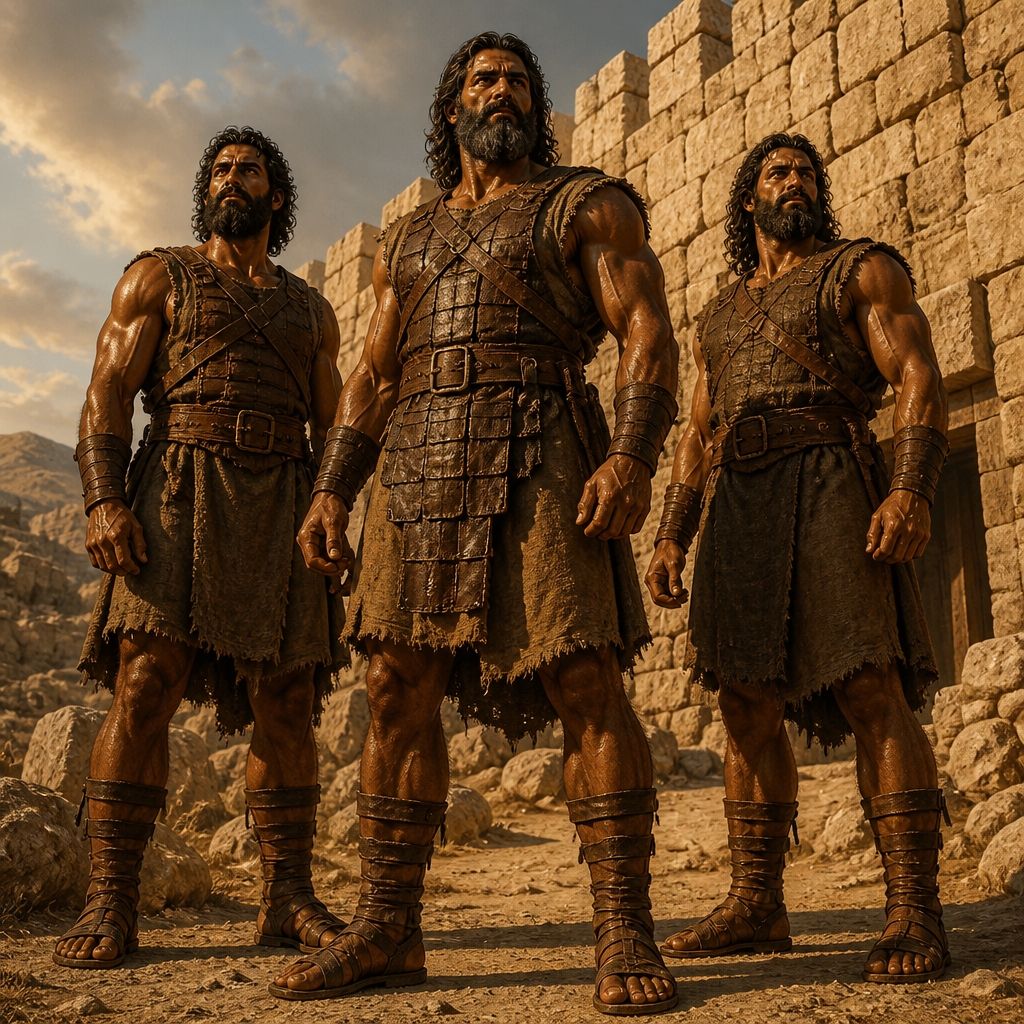
Sheshai
Giant descendant of Anak who inhabited Hebron during the Israelite conquest
Hamor
Hivite prince who sold land to Jacob and was later killed by Simeon and Levi
Hathath
Son of Othniel and grandson of Caleb within the tribe of Judah
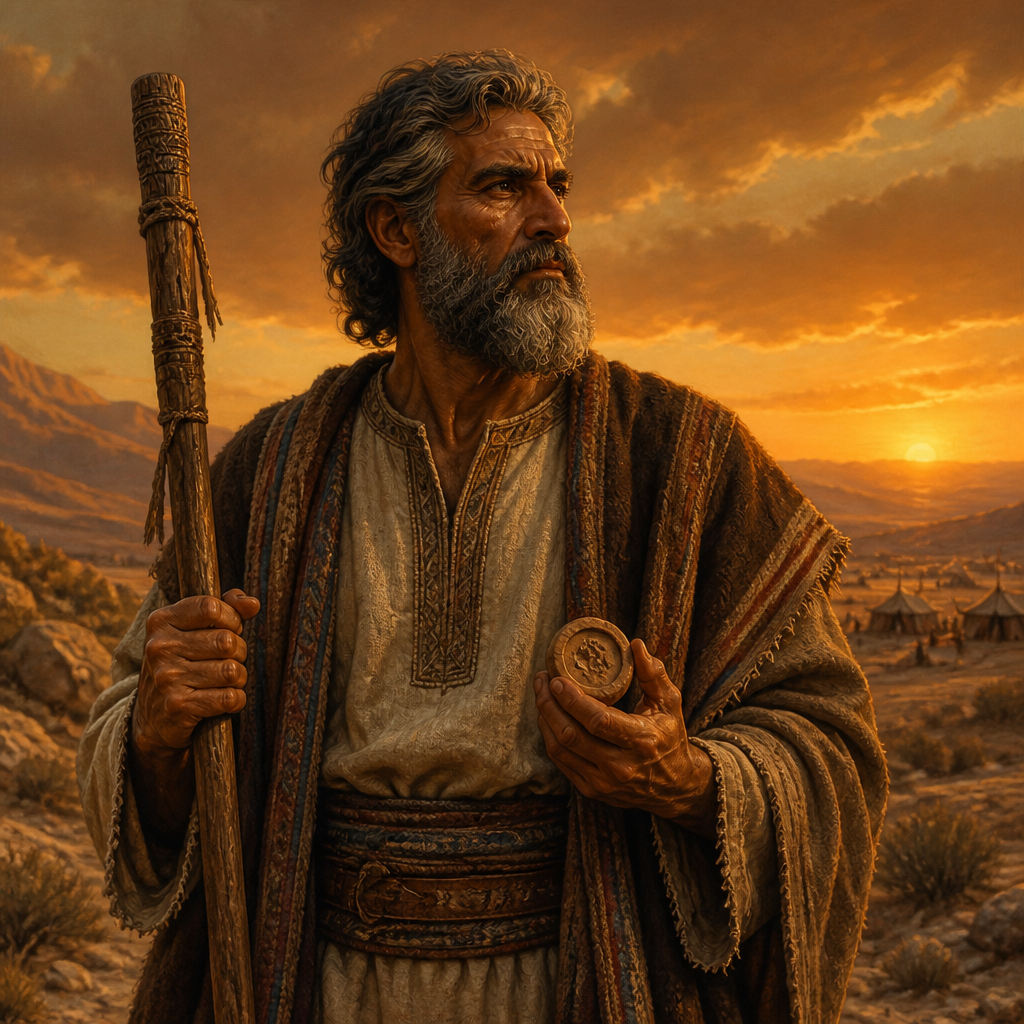
Abiezer, Son of Gilead
Patriarch of the Abiezrite clan and ancestor of the judge Gideon
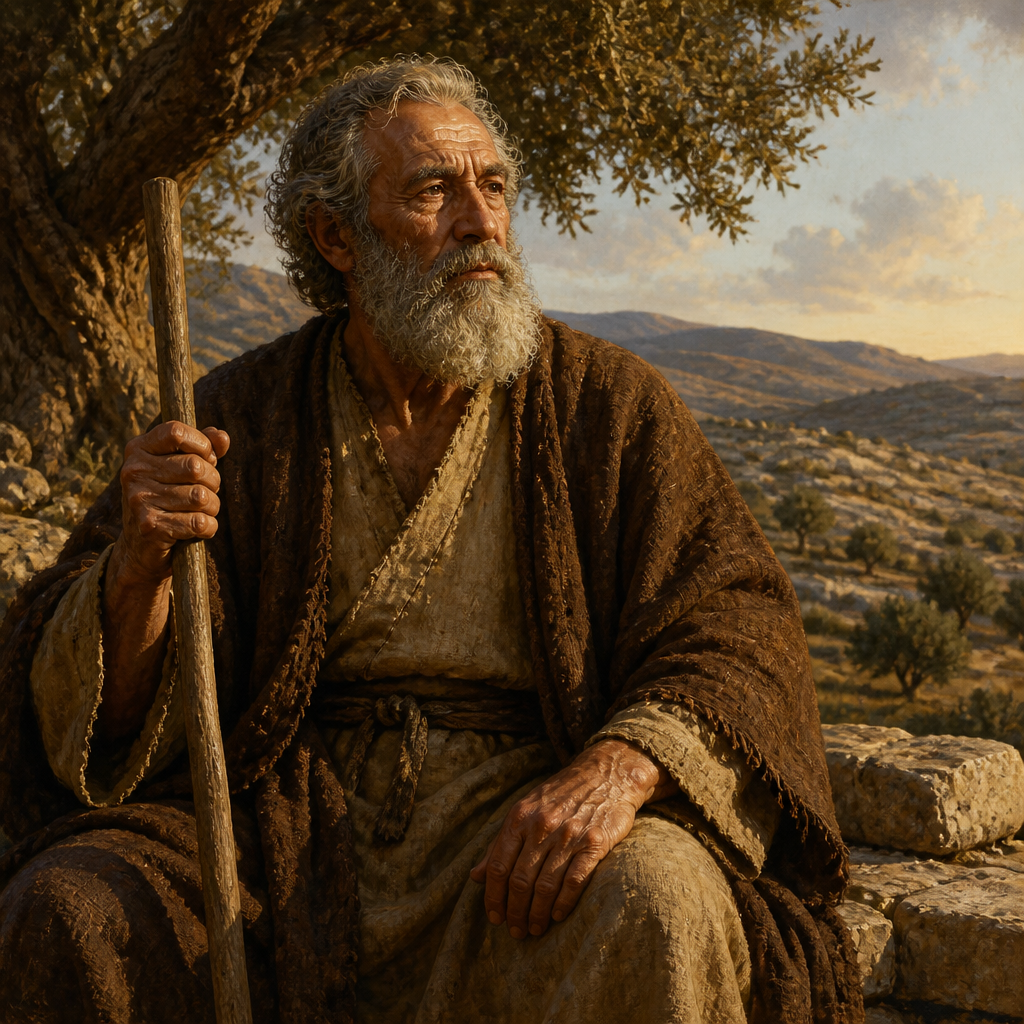
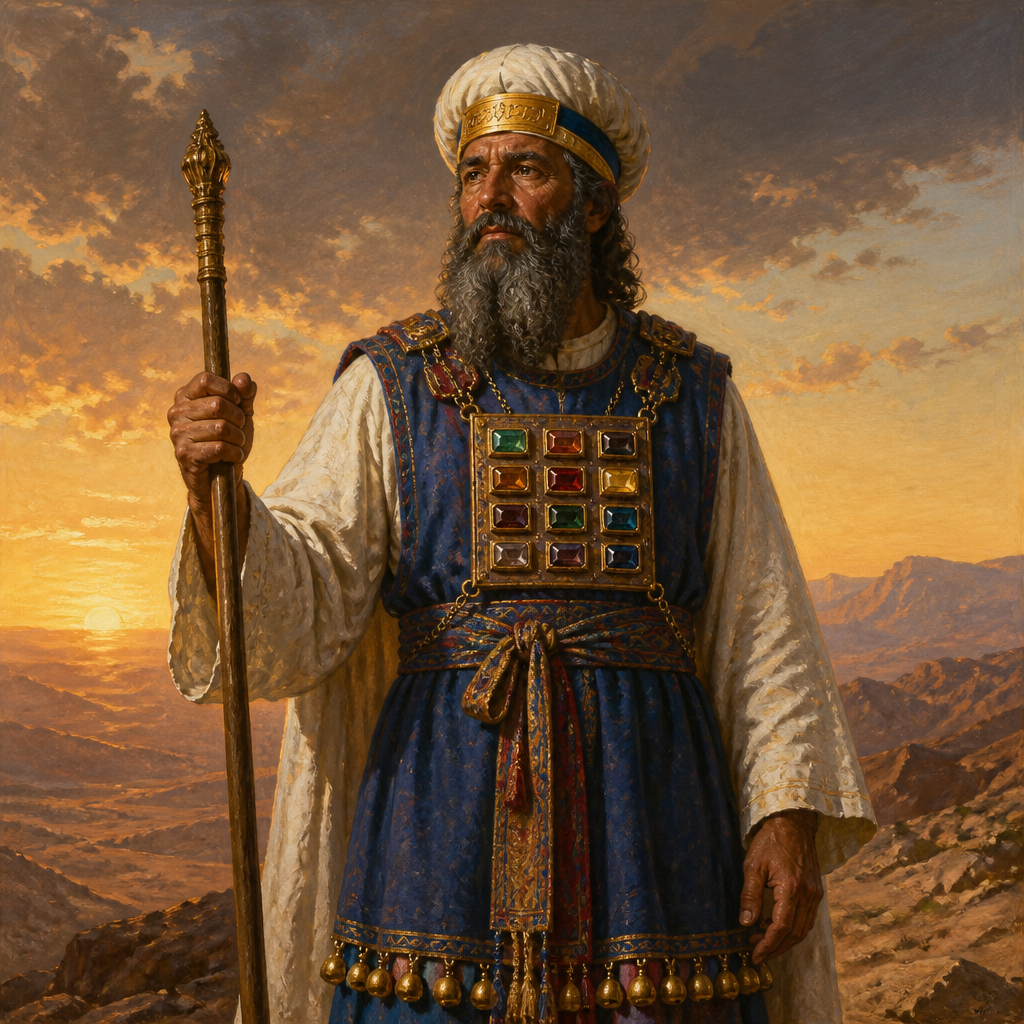
Eleazar, Son of Aaron
High Priest who succeeded Aaron and assisted Joshua in dividing the Promised Land
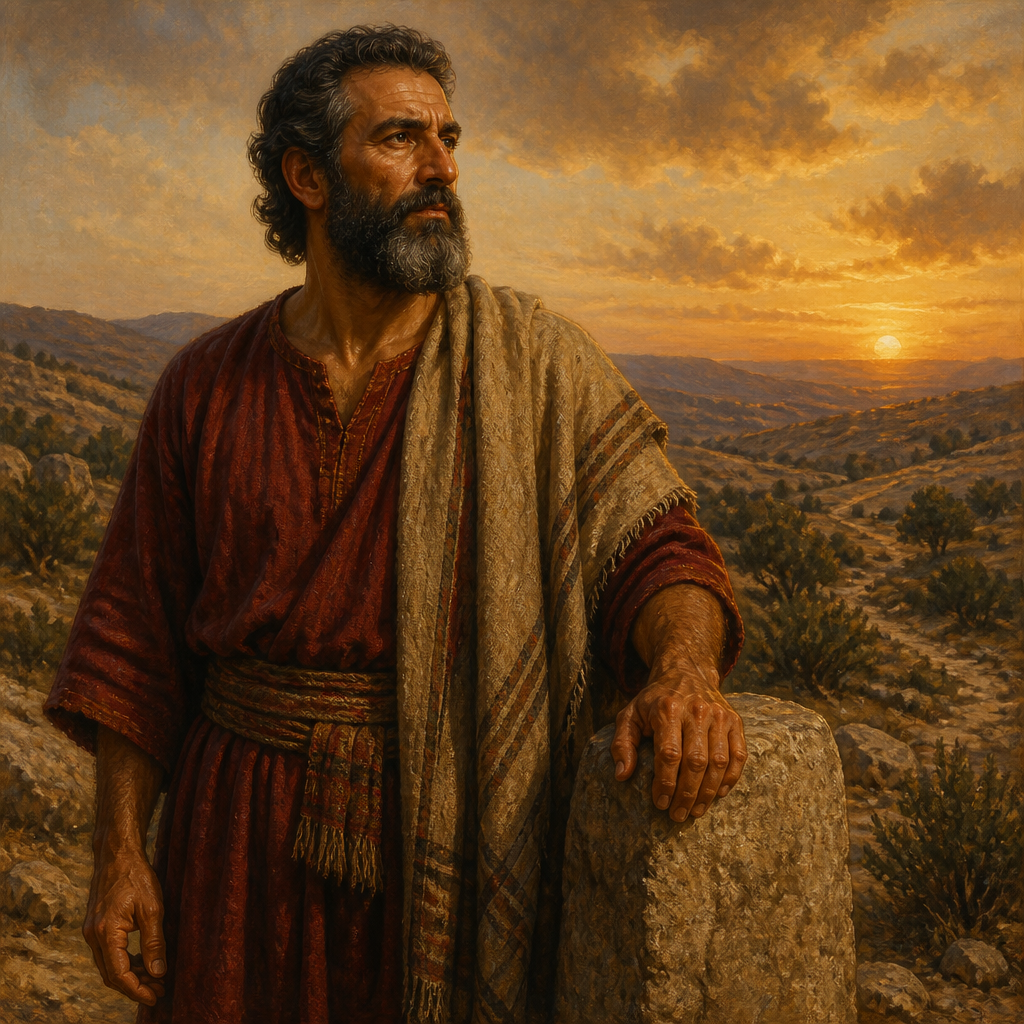
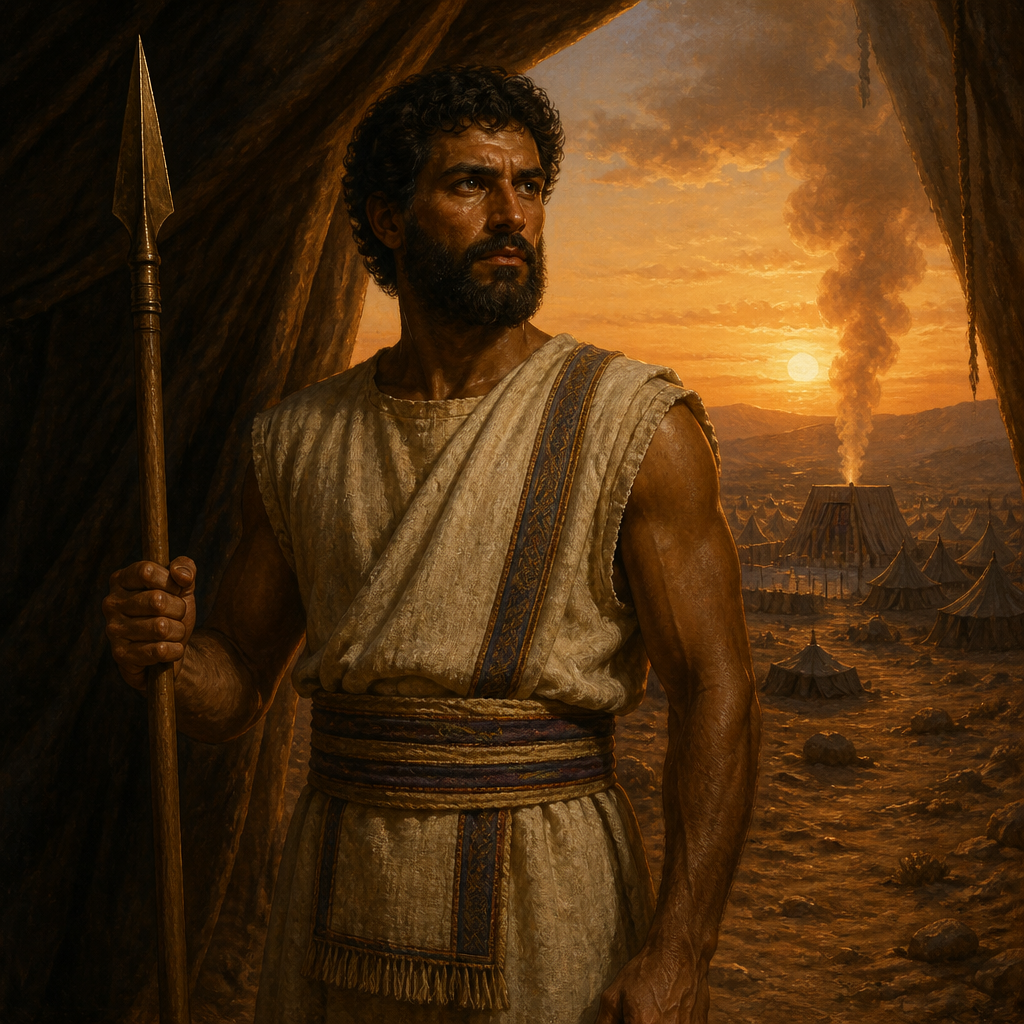
Phinehas, Son of Eleazar
Priest who stayed a plague by executing an idolatrous couple and received a perpetual covenant of priesthood
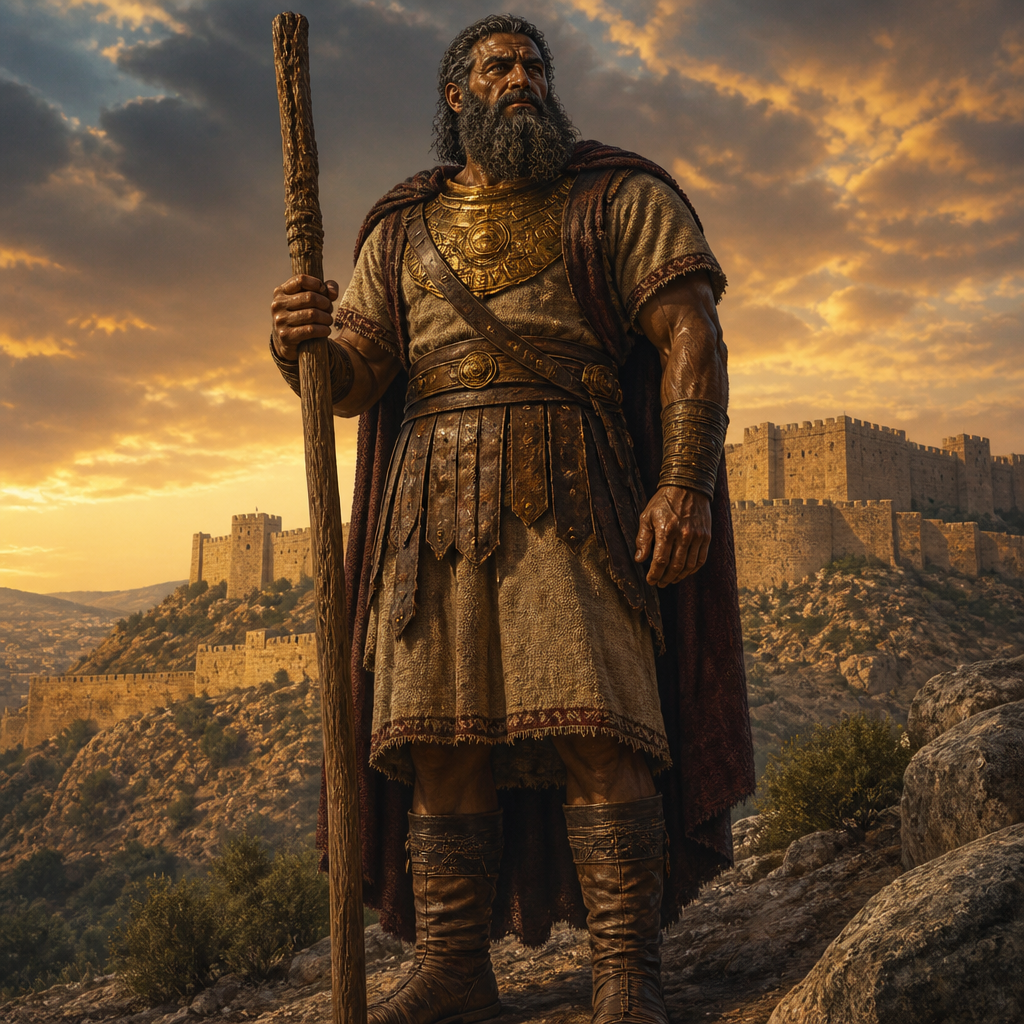
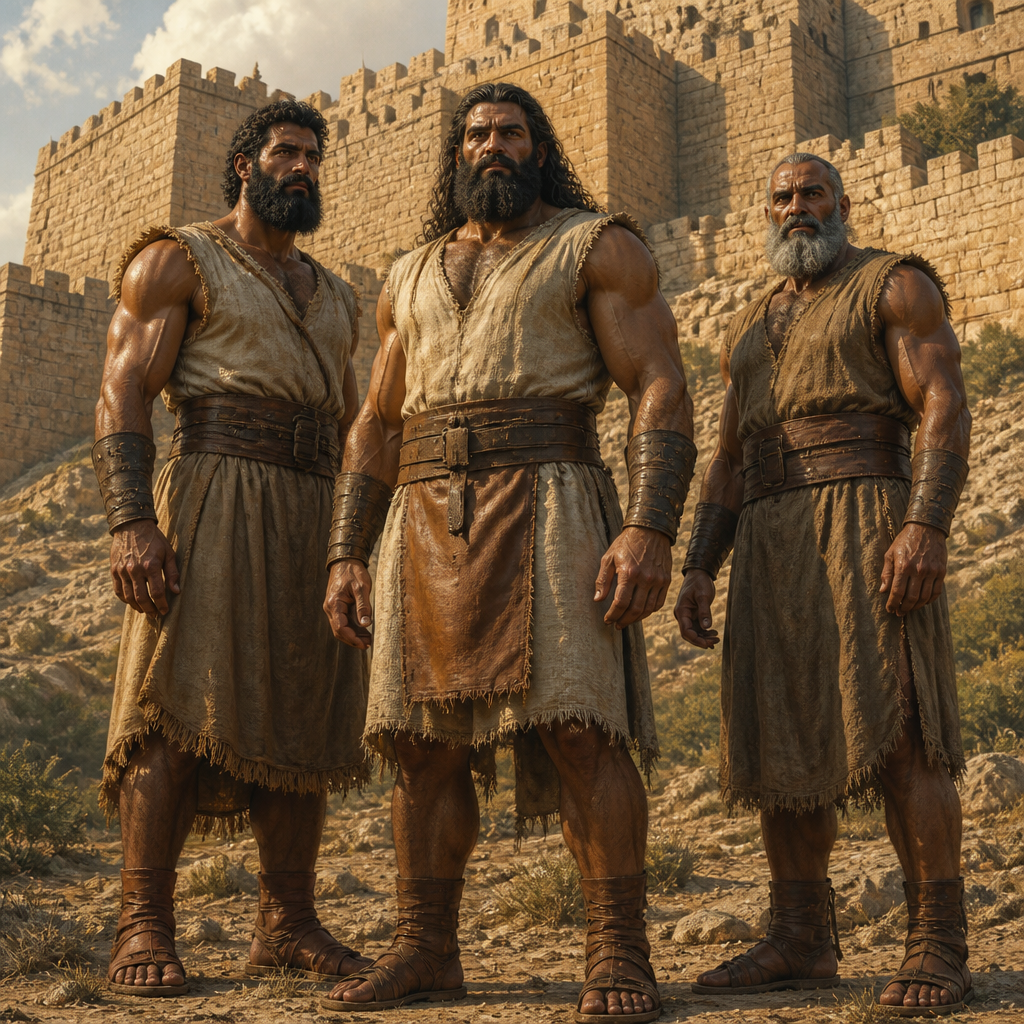
Ahiman, son of Anak
Descendant of Anak who lived in Hebron and was encountered by the twelve spies
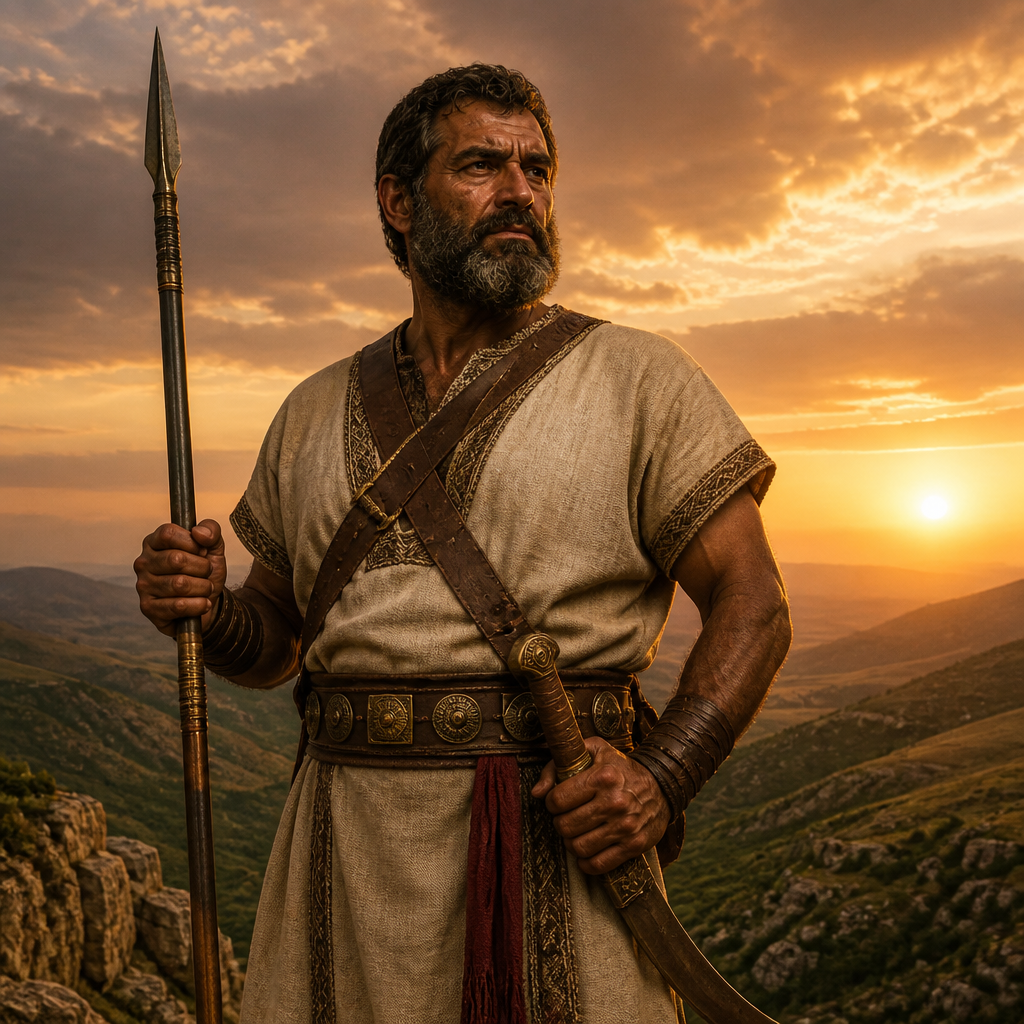
Machir, Son of Manasseh
Patriarch of the Machirite clan who conquered Gilead