Abiezer, Son of Gilead
Who was Abiezer, Son of Gilead, in the Bible?
Abiezer was a descendant of Manasseh and the ancestral founder of the Abiezrite clan, notably producing the judge Gideon during the period of the Judges.
This is one of 3 people named Abiezer in the Bible. See all 3 →
Abiezer (alternatively rendered as Iezer in some translations) was a prominent tribal figure within the lineage of Manasseh. As a son of Gilead and a grandson of Manasseh, he stands as a patriarchal figure whose descendants, the Abiezrites, played a crucial role in the early history of Israel’s settlement in the Promised Land. His importance is rooted primarily in his status as a clan head whose lineage received a specific allotment of territory in the land of Canaan.
While Abiezer himself lived during the period of the Egyptian sojourn and the subsequent wilderness wandering, his name persists throughout the biblical narrative as a geographic and familial marker. The most famous of his descendants was the judge Gideon, whose exploits against the Midianites were executed under the banner of the Abiezrite clan. Consequently, Abiezer serves as the genealogical bridge between the patriarchal era of Joseph and the turbulent era of the Judges.
Background and Family
Abiezer was born into the tribe of Manasseh, the firstborn son of Joseph. According to the genealogical records found in the books of Numbers and Joshua, Abiezer was one of the sons of Gilead, making him a great-grandson of Joseph. The biblical text in Joshua 17:2 identifies him alongside his brothers: Helek, Asriel, Shechem, Hepher, and Shemida. These six individuals represented the primary male lines of the tribe of Manasseh that were granted inheritance west of the Jordan River.
In the census recorded in Numbers 26, the name appears in the shortened or variant form "Iezer" (Numbers 26:30), from which the "Iezerite" clan takes its name. This linguistic variation is common in ancient Hebrew genealogies, where names often underwent contraction or slight orthographic shifts over generations. Despite these variations, the textual consensus identifies this figure as the head of one of the six major patriarchal houses of the Manassite tribe.
Major Life Events
The biblical record does not provide a narrative biography of Abiezer’s personal life or specific actions during the Exodus or the wilderness journey. Instead, his presence in the text is foundational and administrative. He is noted during the census of the Israelites in the plains of Moab near the end of the forty-year wandering (Numbers 26). This census was critical for determining the future distribution of the land of Canaan.
Following the conquest of Canaan under Joshua, the "clans of Abiezer" were formally recognized in the distribution of tribal territories. While the half-tribe of Manasseh received land east of the Jordan, Abiezer’s descendants were part of the group that received an allotment on the western side. This territory became the permanent home of the Abiezrites, centered around locations such as Ophrah.
Relationship to Other Biblical Figures
Abiezer’s primary biblical significance is linked to his most famous descendant, Gideon (also known as Jerubbaal). By the time of the Judges, the Abiezrites had become a distinct and recognized sub-group within the tribe of Manasseh. When the Angel of the LORD appeared to Gideon to commission him for the deliverance of Israel, the text specifies that the encounter took place in "Ophrah that belonged to Joash the Abiezrite" (Judges 6:11).
When Gideon began his revolt against the Midianites and the cult of Baal, his first act of mobilization involved the Abiezrites. Judges 6:34 records that the Spirit of the LORD came upon Gideon, and when he blew the ram’s horn, the Abiezrites were the first to rally behind him. This demonstrates that centuries after the death of the patriarch Abiezer, his name remained the rallying point for his kin. Later, Gideon famously referenced his clan in a display of humility to the Ephraimites, asking, "Are not the gleanings of Ephraim better than the grape harvest of Abiezer?" (Judges 8:2), using his ancestor’s name as a metonym for his entire family line.
Spiritual Significance
Theologically, Abiezer represents the fulfillment of the divine promise regarding the multiplication of Joseph’s descendants. Jacob had prophesied that Manasseh and Ephraim would grow into a multitude in the midst of the earth (Genesis 48:16). Abiezer stands as a literal fulfillment of that growth, evolving from a single son of Gilead into a powerful clan capable of influencing the national defense of Israel.
Furthermore, the persistence of the Abiezrite identity throughout the period of the Judges highlights the importance of ancestral heritage in Israelite spirituality. The burial of Gideon in the "tomb of his father Joash in Ophrah of the Abiezrites" (Judges 8:32) underscores the deep connection between the land, the promise to the patriarchs, and the specific family units tasked with maintaining that legacy. Abiezer, though a silent figure in terms of direct speech, provides the essential framework for the rise of one of Israel's greatest deliverers.
Abiezer’s significance lies in his role as a foundational patriarch of the tribe of Manasseh. His name serves as a vital link in the chain of Israelite genealogy, ensuring that the tribal allotments described in the Book of Joshua were legally and traditionally recognized according to the heads of father’s houses. His existence proves the organized nature of the Israelite tribal system during the transition from wandering to settled life.
In a broader biblical context, Abiezer represents the 'smaller' origins from which God often raises significant leaders. As the ancestor of Gideon, Abiezer’s name is associated with the 'weakest clan in Manasseh' (as Gideon described it), yet it was through this specific lineage that God chose to demonstrate His power over the Midianite oppressors. This underscores a recurring biblical theme where the smallest or least regarded family units become the instruments of divine deliverance.
Frequently Asked Questions
Is Abiezer the same person as Iezer?
Yes. In Numbers 26:30, the name is shortened to Iezer (Hebrew: Iy'ezer), and his descendants are called Iezerites. Biblical scholars and cross-references in Joshua 17:2 confirm these are the same individual and clan within the tribe of Manasseh.
Which tribe did Abiezer belong to?
Abiezer belonged to the tribe of Manasseh. He was the son of Gilead and the grandson of Manasseh, the son of Joseph.
What famous biblical judge was a descendant of Abiezer?
Gideon (also known as Jerubbaal) was a descendant of Abiezer. The Bible frequently refers to Gideon’s family and his father Joash as 'Abiezrites'.
Where was the land of the Abiezrites located?
The Abiezrites were located in the territory of Manasseh, specifically in the region west of the Jordan River. Their most notable city mentioned in the Bible was Ophrah.
How many times is Abiezer mentioned in the Bible?
The name Abiezer (or the clan name Abiezrites/Iezerites) appears 7 times across the books of Numbers, Joshua, and Judges.
Family & Relationships
Parents
 Gilead, Grandson of ManassehFatherNumbers 26:30Stated
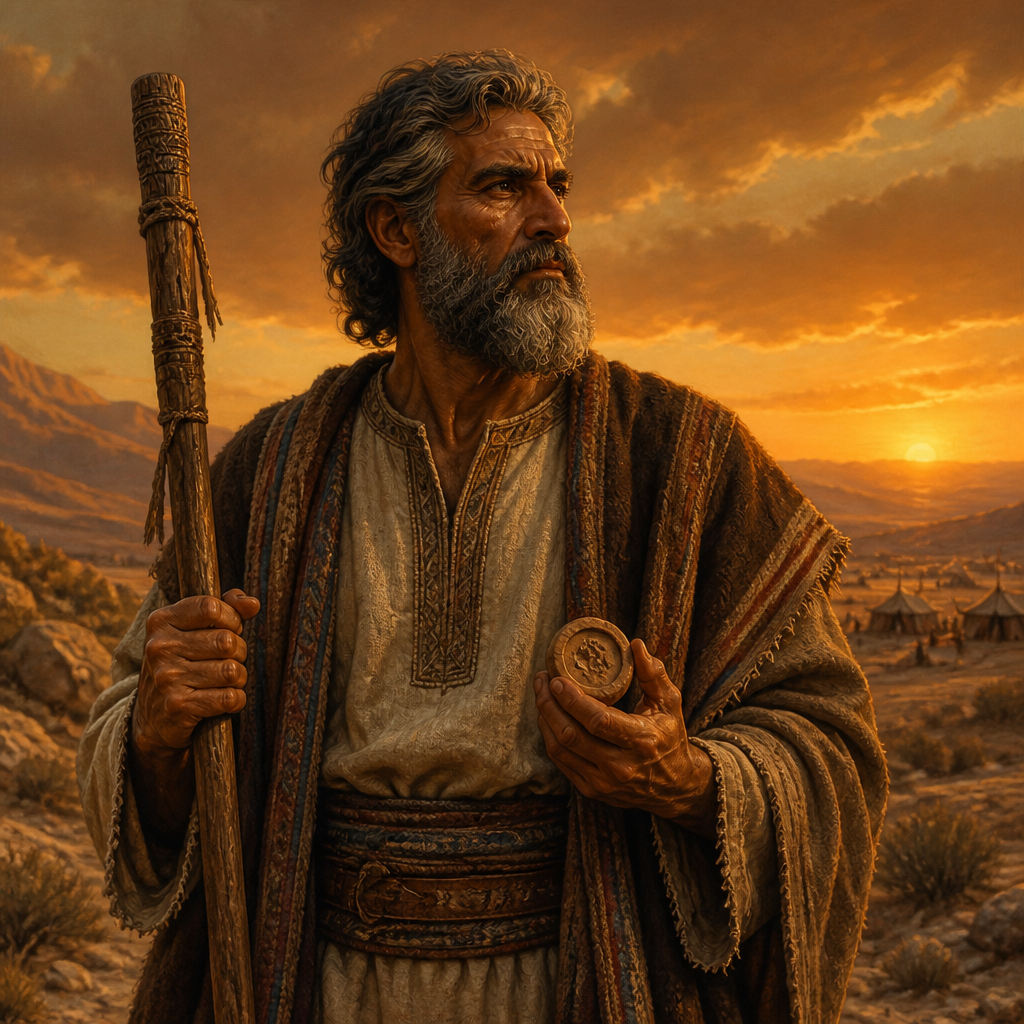 Abiezer, Son of GileadThis page
 Asriel, Son of GileadBrotherJoshua 17:2Stated
 HelekBrotherJoshua 17:2Stated
 Hepher, Clan Head of ManassehBrotherJoshua 17:2Stated
 Shechem, Son of GileadBrotherJoshua 17:2Stated
 ShemidaBrotherJoshua 17:2Stated
Extended family
 GideonDescendantJudges 6:11
Inferred
No verse names Gideon and Abiezer together; the ancestor link is carried from the surrounding genealogy and is not stated in Scripture.Evidence: Judges 6:11
Connected Figures
Family
Father · Numbers 26:30
A prominent tribal leader and grandson of Manasseh whose descendants formed the primary clans of the Machirite line during the Egyptian Sojourn and the Wilderness wanderings.
Egypt and WildernessFirst: Numbers 26:2917 versesClan FounderManasseh
Brother · Joshua 17:2
A prominent clan leader within the tribe of Manasseh during the Exodus and the subsequent settlement of the Promised Land.
Egypt and WildernessFirst: Numbers 26:314 versesPatriarchManasseh
Brother · Joshua 17:2
Helek was a son of Gilead and a clan leader within the tribe of Manasseh during the Exodus and the initial settlement of the Promised Land.
Brother · Joshua 17:2
A grandson of Manasseh and father of Zelophehad whose lineage became a central case study for Israelite inheritance laws.
Brother · Joshua 17:2
A descendant of Manasseh and the eponymous founder of the Shechemite clan during the Egyptian Sojourn and Wilderness era.
Brother · Joshua 17:2
Shemida was a tribal leader within the Tribe of Manasseh during the Egyptian Sojourn and the Exodus, serving as the eponymous ancestor of the Shemidaite clan.
Descendant · Judges 6:11
A reluctant judge and military leader of Israel who defeated the Midianites with a small band of three hundred men after seeking divine signs.
Conquest and JudgesFirst: Judges 6:1152 versesJudge and Military LeaderManasseh
Categories
Mentions by Book
- Numbers1
- Joshua1
- Judges1
Scripture References
All 3 indexed verses, in canonical order, from the Berean Standard Bible.
Numbers · 1
- Numbers 26:30Partial
These were the descendants of Gilead: the Iezerite clan from Iezer, the Helekite clan from Helek,
Cited as evidence on a family card; added so References, Key Verses and Mentions by Book share one index.
Joshua · 1
- Joshua 17:2
So this allotment was for the rest of the descendants of Manasseh—the clans of Abiezer, Helek, Asriel, Shechem, Hepher, and Shemida. These are the other male descendants of the clans of Manasseh son of Joseph.
Judges · 1
- Judges 8:2
But Gideon answered them, “Now what have I accomplished compared to you? Are not the gleanings of Ephraim better than the grape harvest of Abiezer?
Others Named Abiezer
Compare all 3 bearers →Abiezer, Son of Hammolecheth1 Chronicles 7:18
Abiezer was a descendant of Manasseh born during the Egypt and Wilderness era, recorded in the genealogical records of the chronicler as a son of Hammolecheth.
Abiezer the Anathothite2 Samuel 23:27
A Benjamite warrior and military commander who served as one of King David’s 'Mighty Men' and led a division of 24,000 men.