
Nation
The Egyptians
The people of Egypt, present throughout the biblical record from Abraham and Joseph through the Exodus and the monarchies.
Egyptians appear as rulers, officials, servants, soldiers, and ordinary people across Genesis, Exodus, Kings, and the prophets.
The people in Scripture
Egypt receives Abraham and Jacob’s household, enslaves the Israelites before the Exodus, and remains a neighboring power throughout the monarchies. Scripture names Egyptian rulers and individuals in each setting.
Named members
The roster contains people whose existing Nation or gentilic evidence identifies them with Egypt.
People of Egyptians
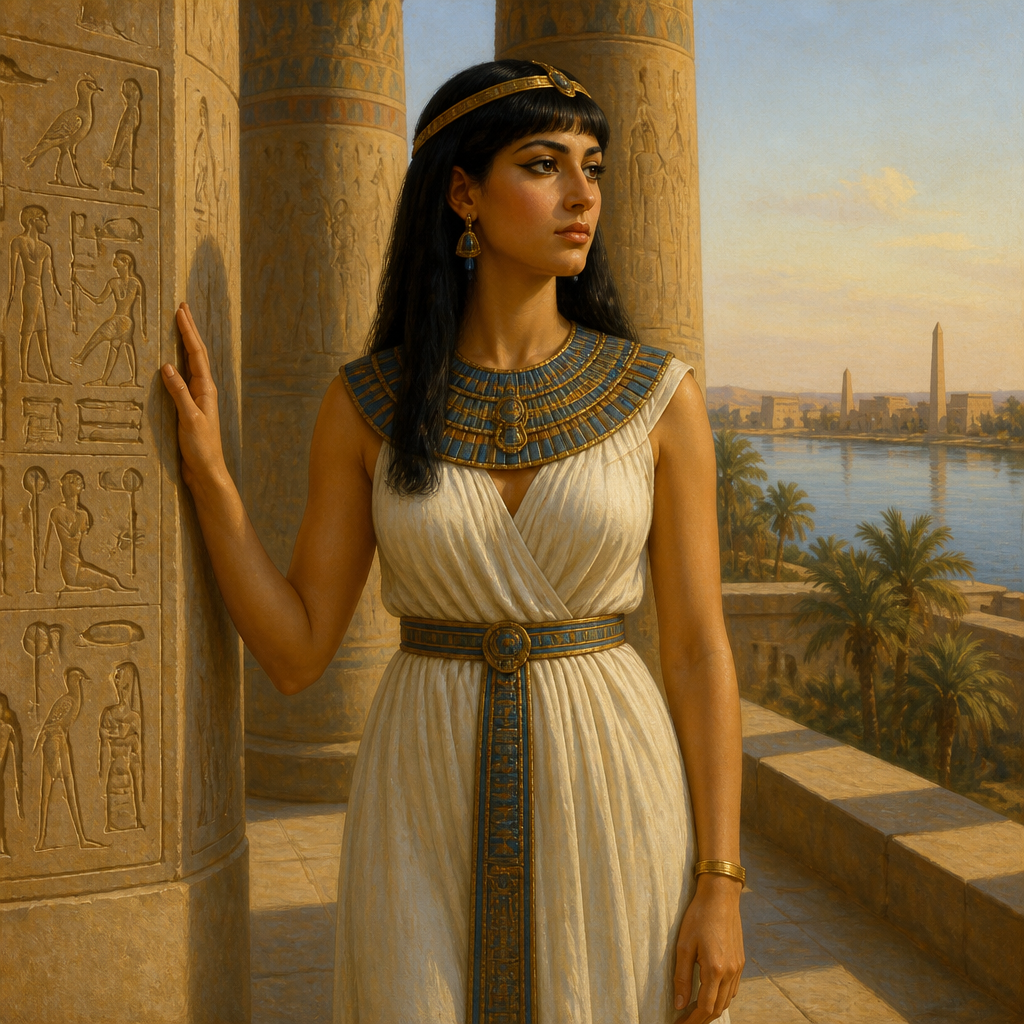
Asenath
Wife of Joseph and mother of Manasseh and Ephraim
An Egyptian noblewoman and the wife of the patriarch Joseph, who bore him the two tribal ancestors, Manasseh and Ephraim.
View profile →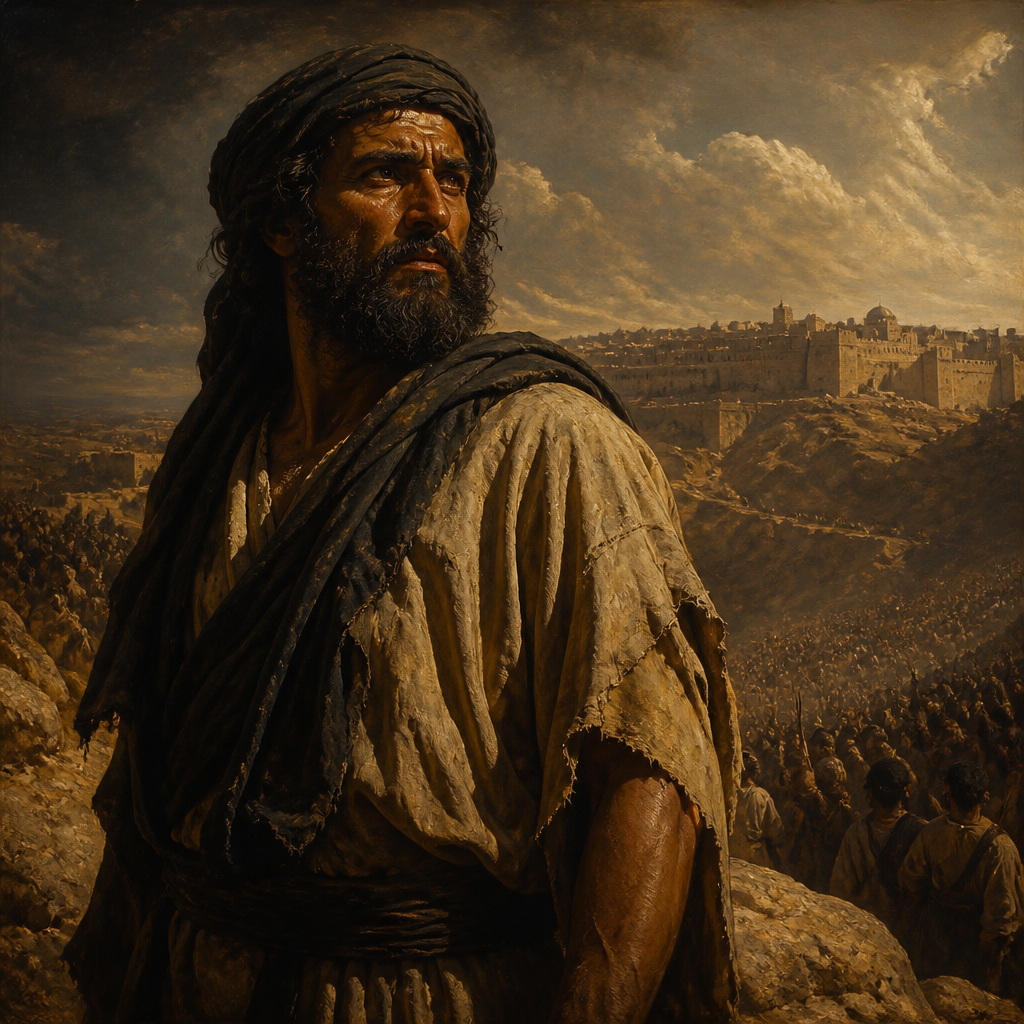
The Egyptian
Insurrectionist who led four thousand assassins into the wilderness to revolt against Rome
A messianic figure and insurrectionist who led a failed revolt against Rome in Judea during the mid-first century AD.
View profile →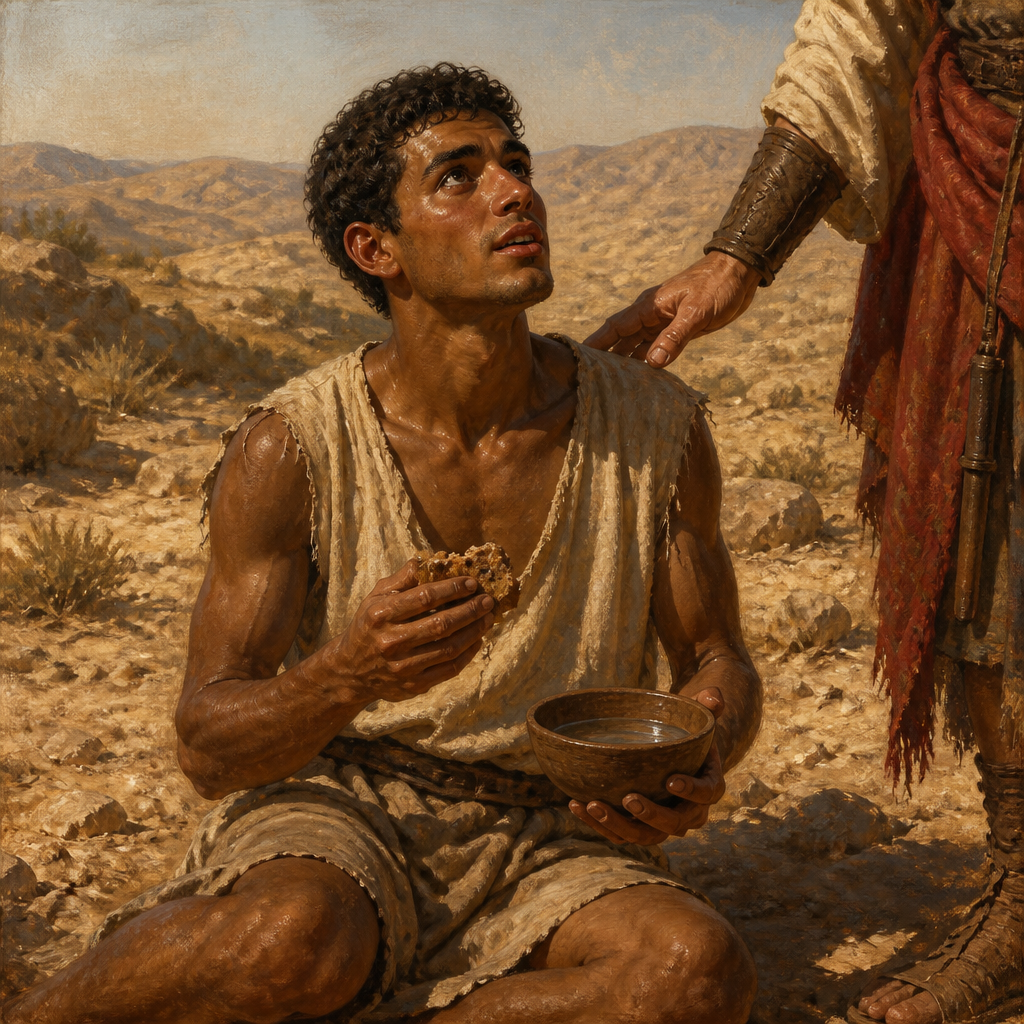
The Egyptian Servant in the Amalekite Camp
Egyptian slave who led David to the Amalekite camp after being abandoned by his master
An abandoned Egyptian slave who, after being rescued by David's men, provided the intelligence necessary for David to recover the captives from the raid on Ziklag.
View profile →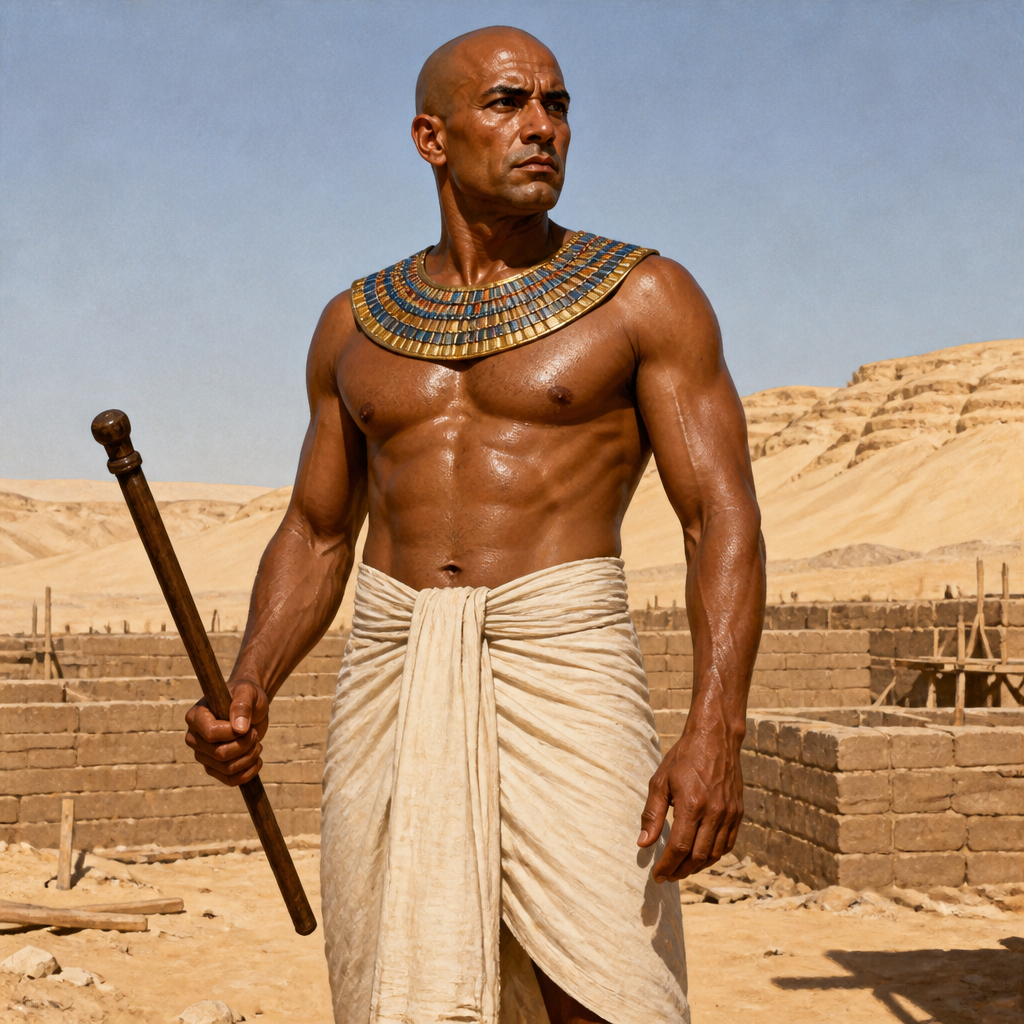
The Egyptian Taskmaster
Egyptian official whose beating of a Hebrew slave led to Moses' first act of intervention
An Egyptian official whose physical abuse of a Hebrew slave prompted the first recorded act of intervention by Moses.
View profile →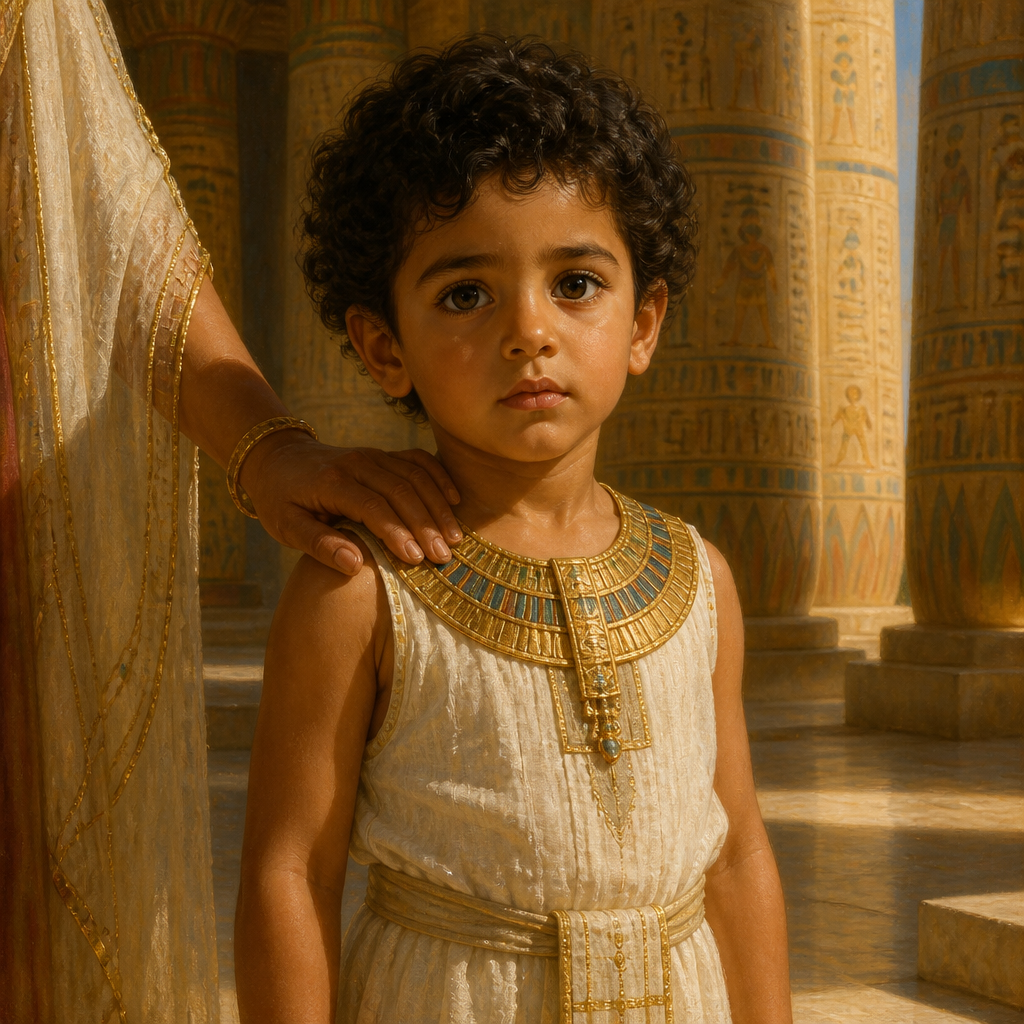
Genubath
Edomite prince raised in the Egyptian palace as a member of Pharaoh's household
Genubath was the son of Hadad the Edomite and an Egyptian princess, raised in the court of Pharaoh during the United Monarchy.
View profile →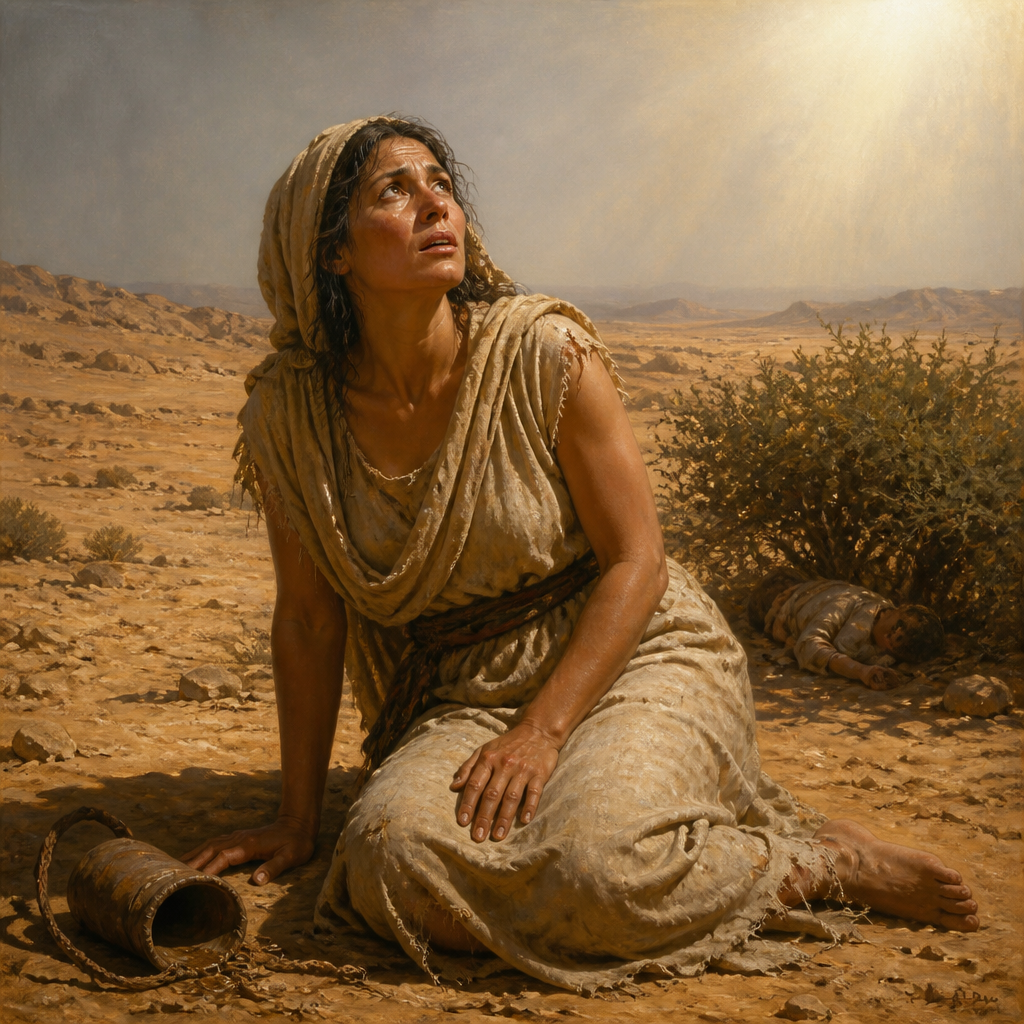
Hagar
Mother of Ishmael and the first woman to receive a divine revelation in the wilderness
An Egyptian woman who served as Sarai’s maidservant and became the mother of Ishmael, Abraham’s firstborn son.
View profile →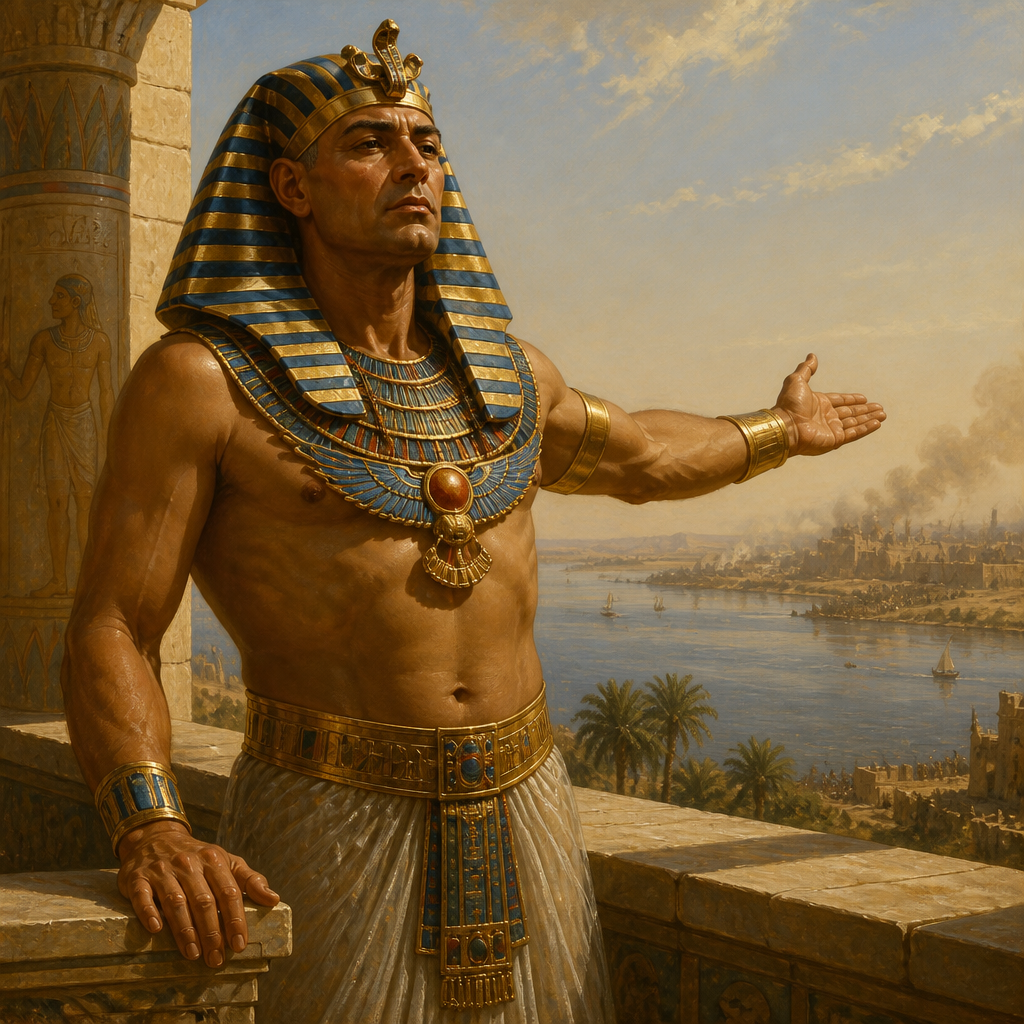
Hophra
Pharaoh who failed to defend Jerusalem against Babylon
Pharaoh Hophra was the Egyptian king during the fall of Jerusalem, known for his failed military intervention against Babylon and his arrogant claim to the Nile.
View profile →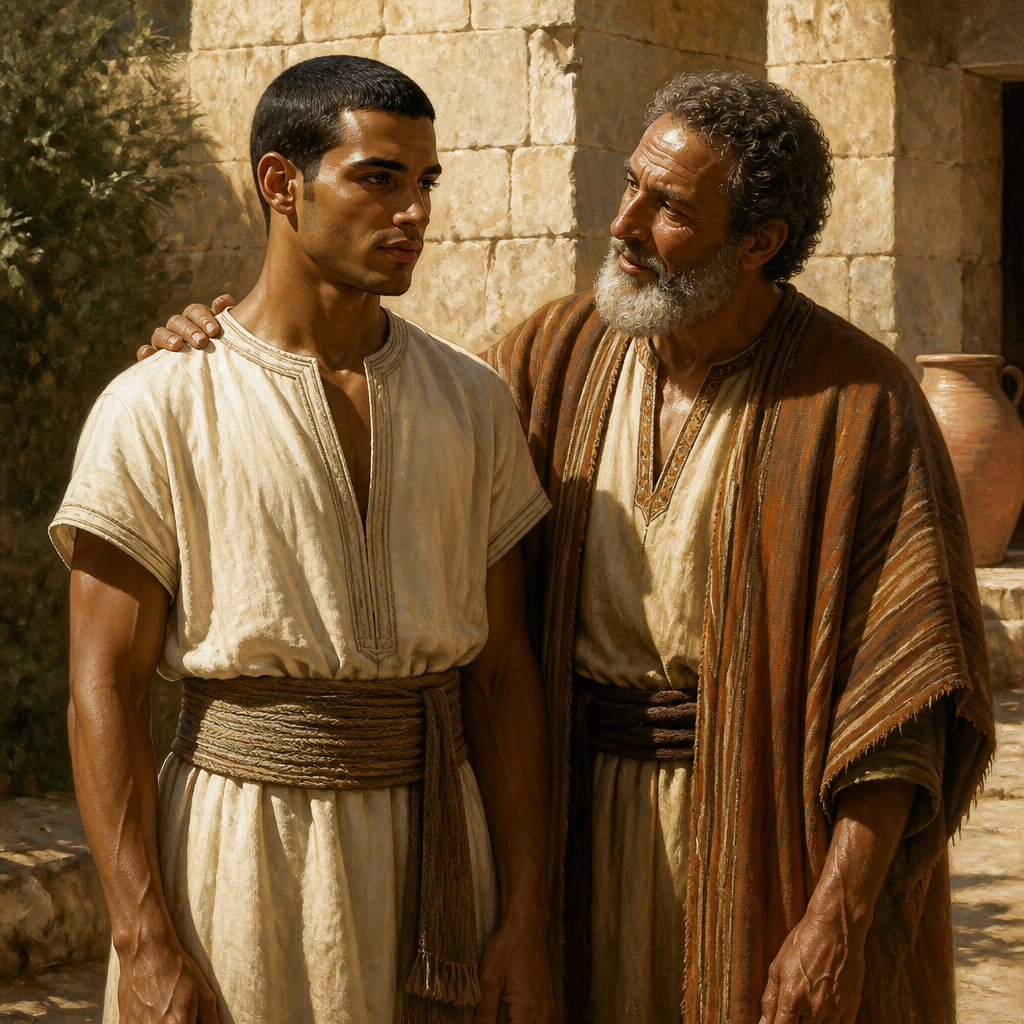
Jarha
Egyptian servant who married his master's daughter to continue the family line
An Egyptian servant who married the daughter of his master, Sheshan, ensuring the continuation of a Judean lineage within the tribe of Judah.
View profile →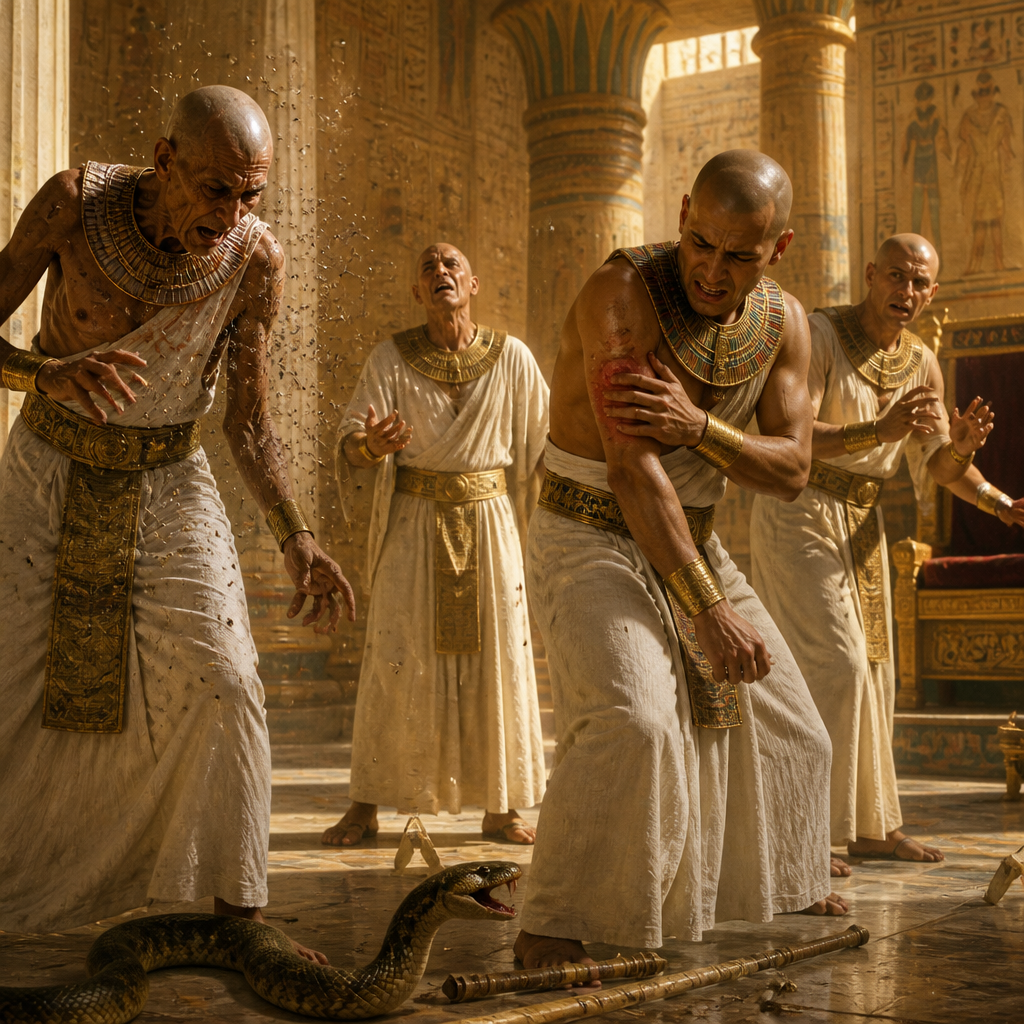
The Magicians of Egypt
Royal sorcerers who unsuccessfully challenged Moses during the Ten Plagues
A group of royal sorcerers and wise men in Pharaoh's court who initially duplicated the miracles of Moses but were eventually overcome by the power of God.
View profile →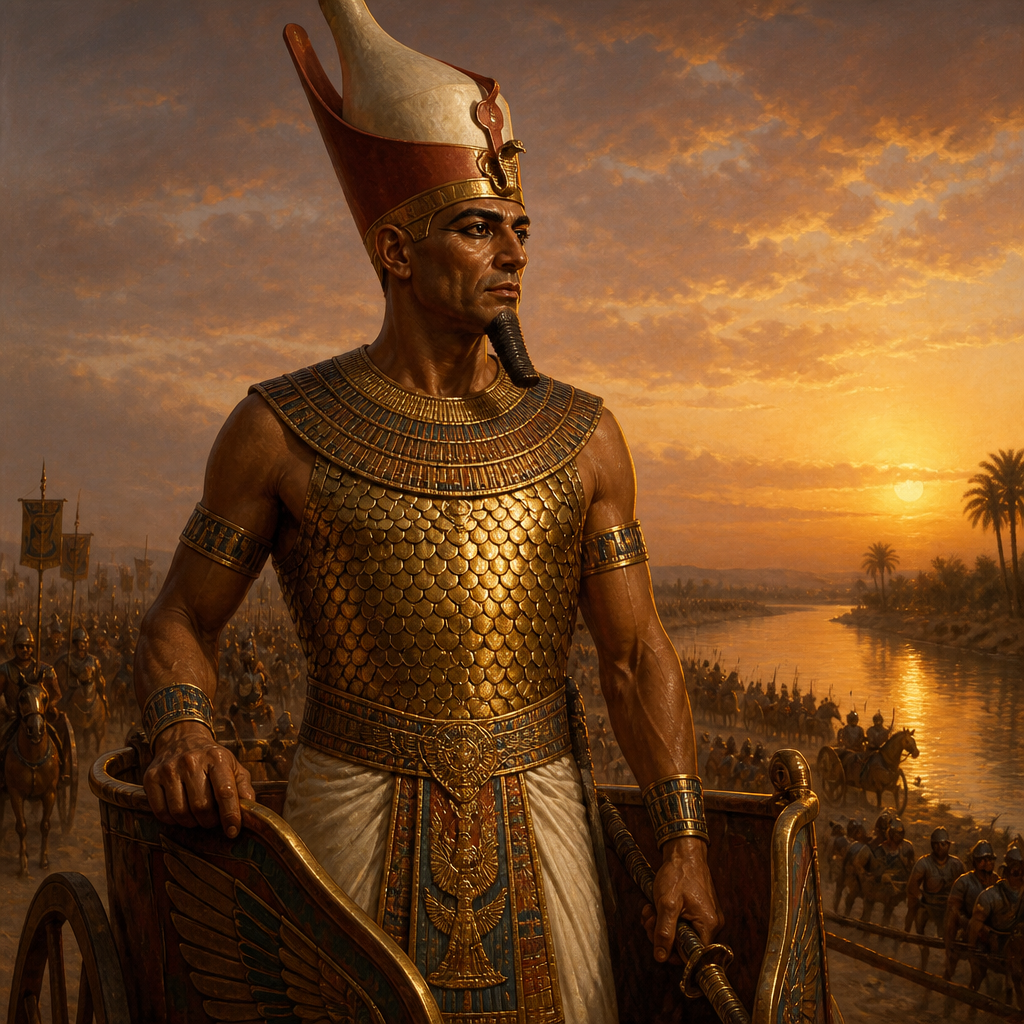
Neco
Pharaoh who killed King Josiah and conquered Judah before being defeated by Babylon
Neco was a powerful Egyptian Pharaoh of the late 7th century BC whose military campaigns to the Euphrates led to the death of King Josiah and the temporary subjugation of the Kingdom of Judah.
View profile →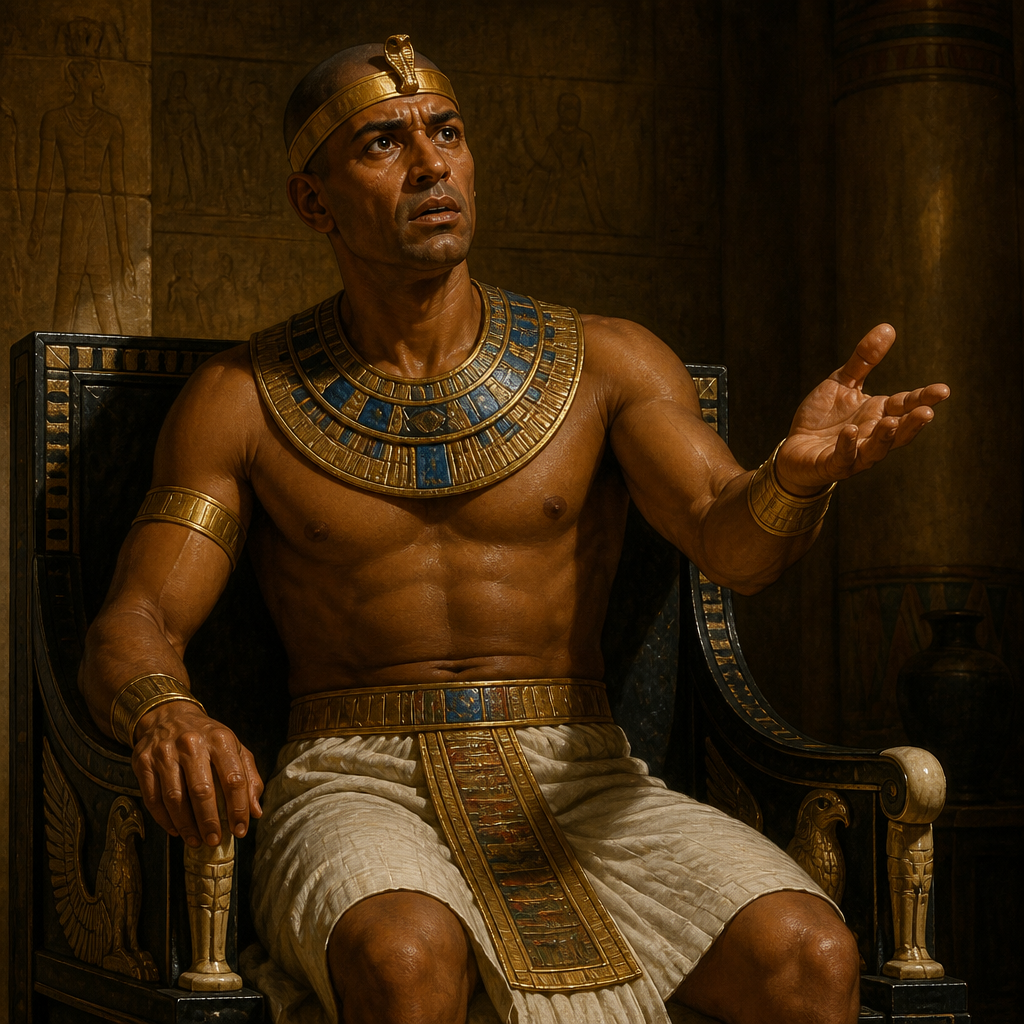
Pharaoh, Contemporary of Abram
Egyptian king who took Sarai into his palace and was subsequently afflicted by divine plagues
An Egyptian monarch during the Patriarchal Period who briefly took Sarai into his palace before being afflicted by divine plagues.
View profile →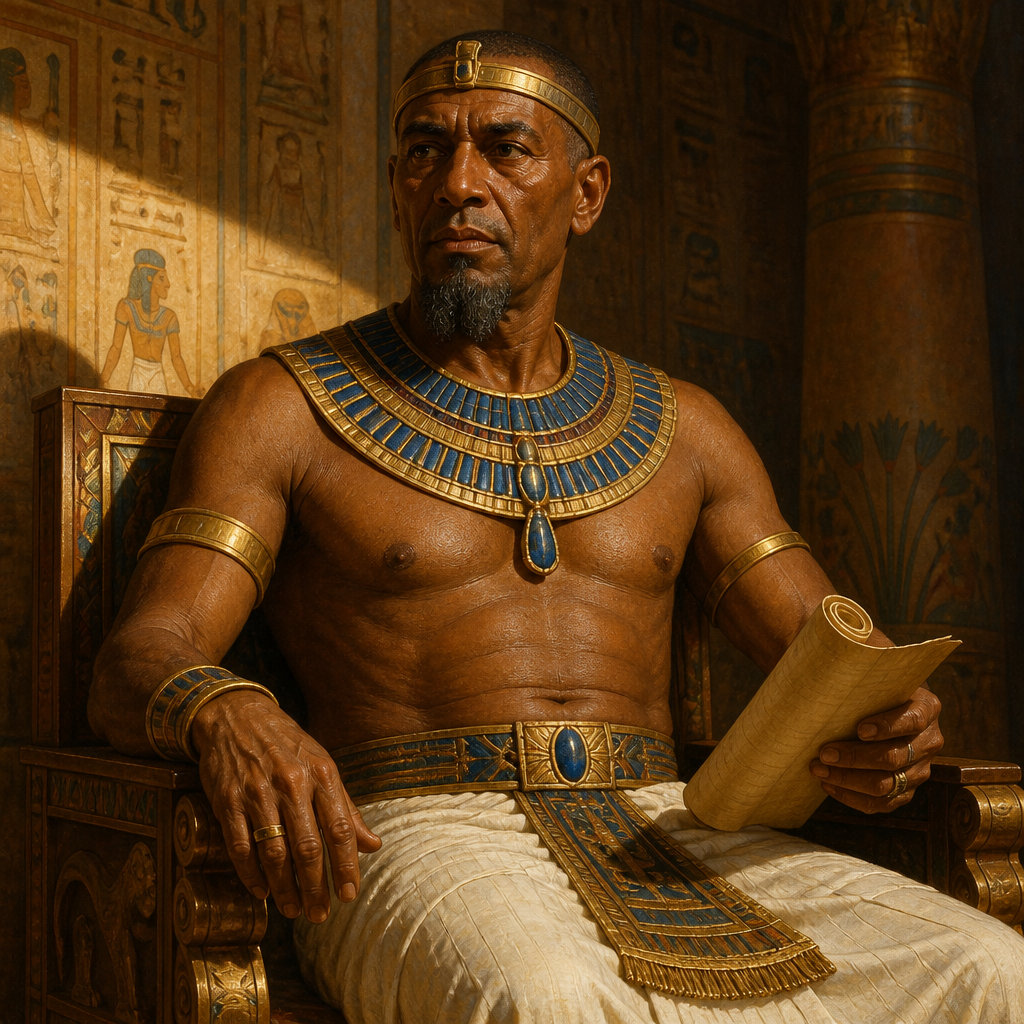
Pharaoh, Father of Bithiah
Egyptian monarch whose daughter Bithiah married into the tribe of Judah
An Egyptian monarch whose daughter, Bithiah, married Mered of the tribe of Judah.
View profile →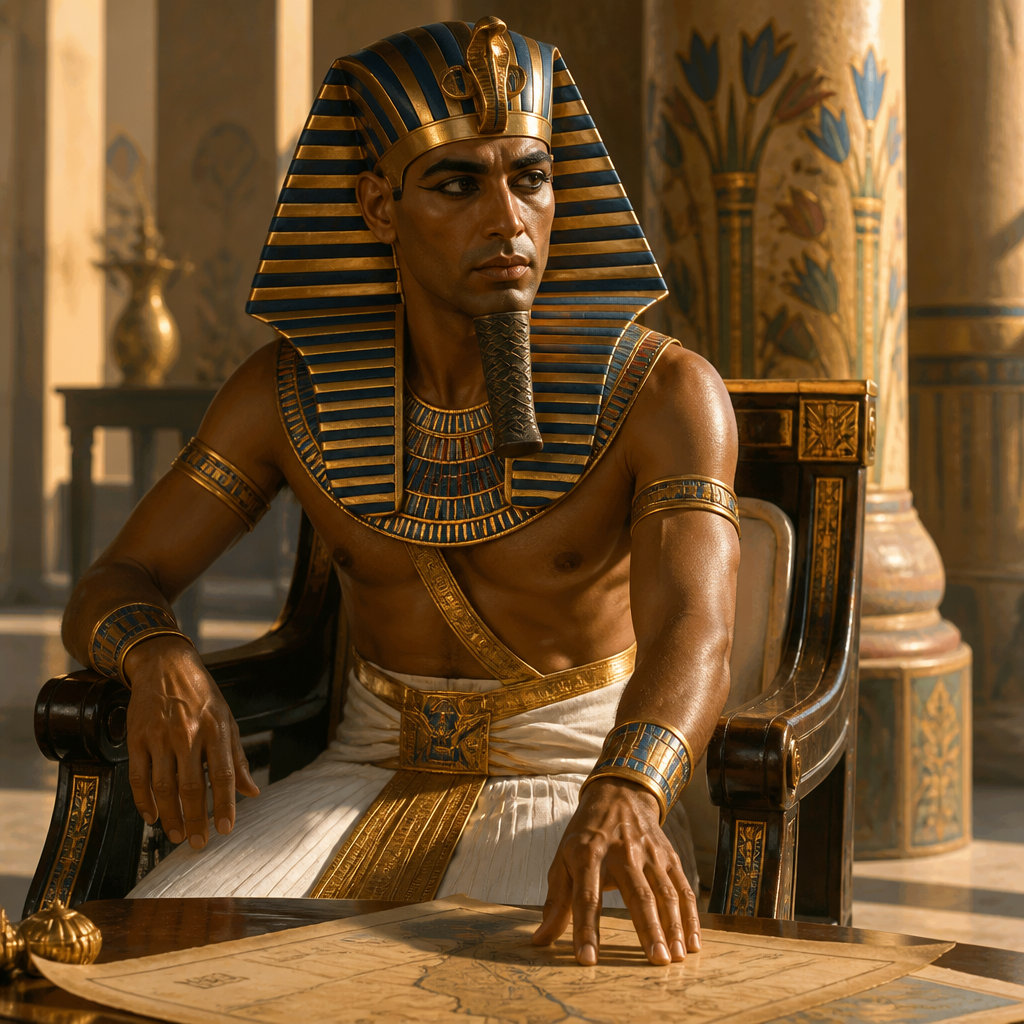
Pharaoh, Father-in-law of Solomon
Egyptian monarch who formed a marriage alliance with Solomon and gifted him the city of Gezer
An Egyptian monarch of the 21st Dynasty who forged a strategic political alliance with King Solomon through marriage and the conquest of Gezer.
View profile →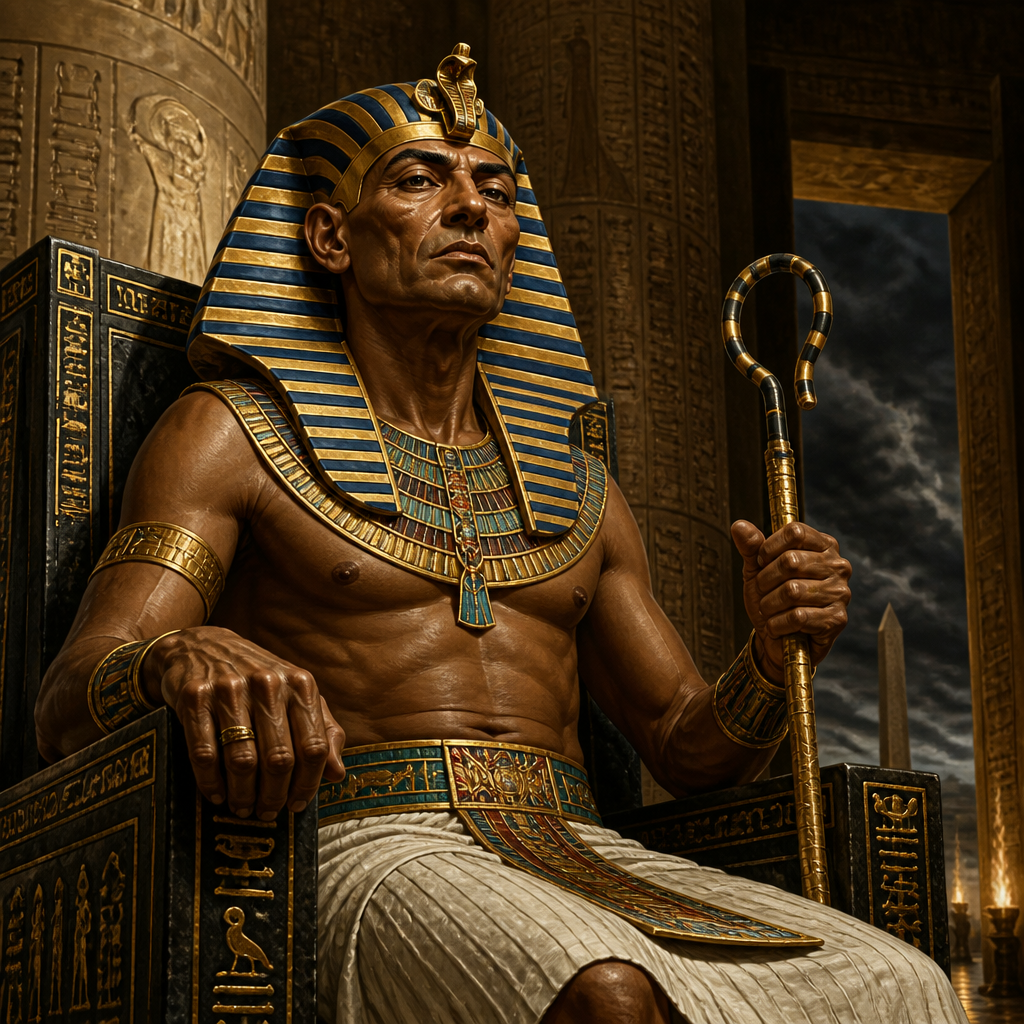
Pharaoh, King of the Exodus
Egyptian king who opposed Moses and was defeated at the Red Sea
The stubborn monarch of Egypt who resisted the divine command to release the Israelites, ultimately succumbing after ten plagues and the destruction of his army.
View profile →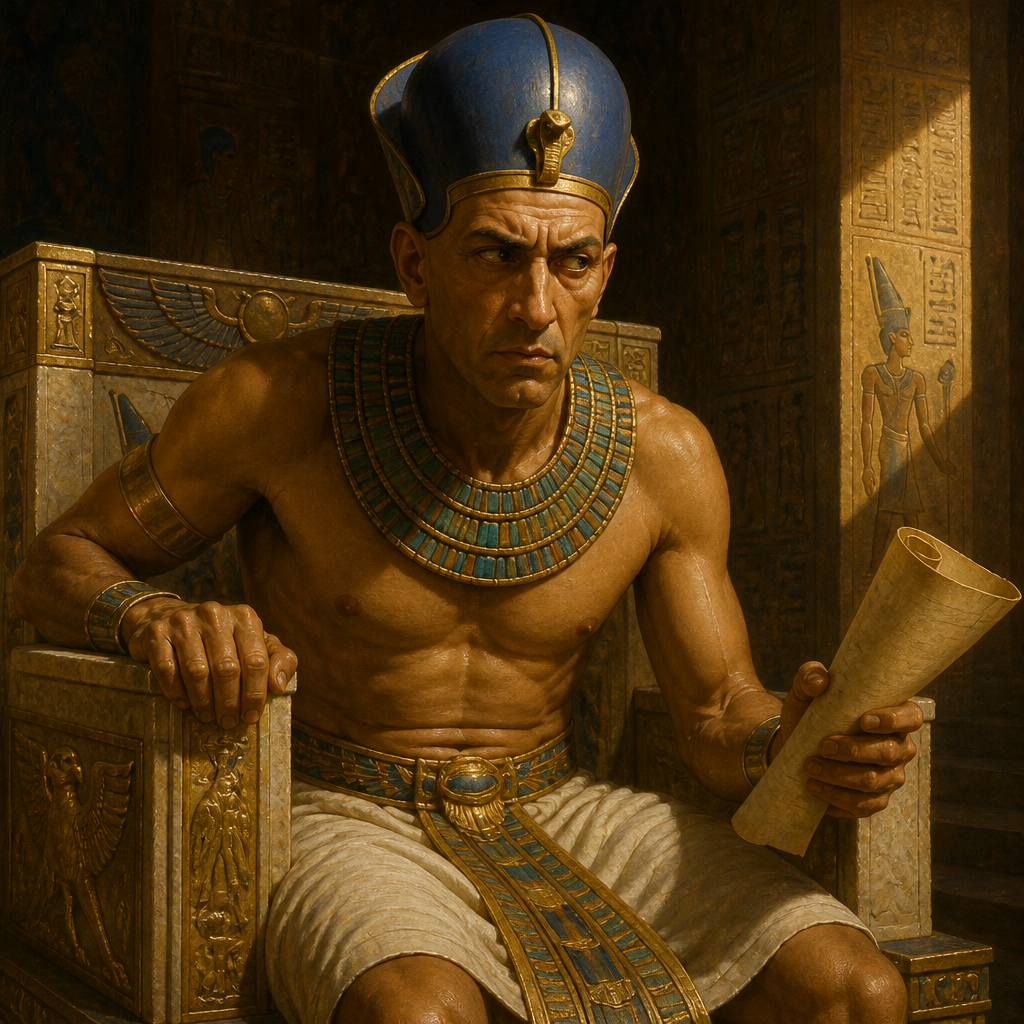
Pharaoh, Oppressor of the Israelites
King of Egypt who enslaved the Israelites and ordered the drowning of Hebrew male infants
The Egyptian monarch who enslaved the Israelites, ordered the infanticide of Hebrew male infants, and unsuccessfully sought to execute Moses.
View profile →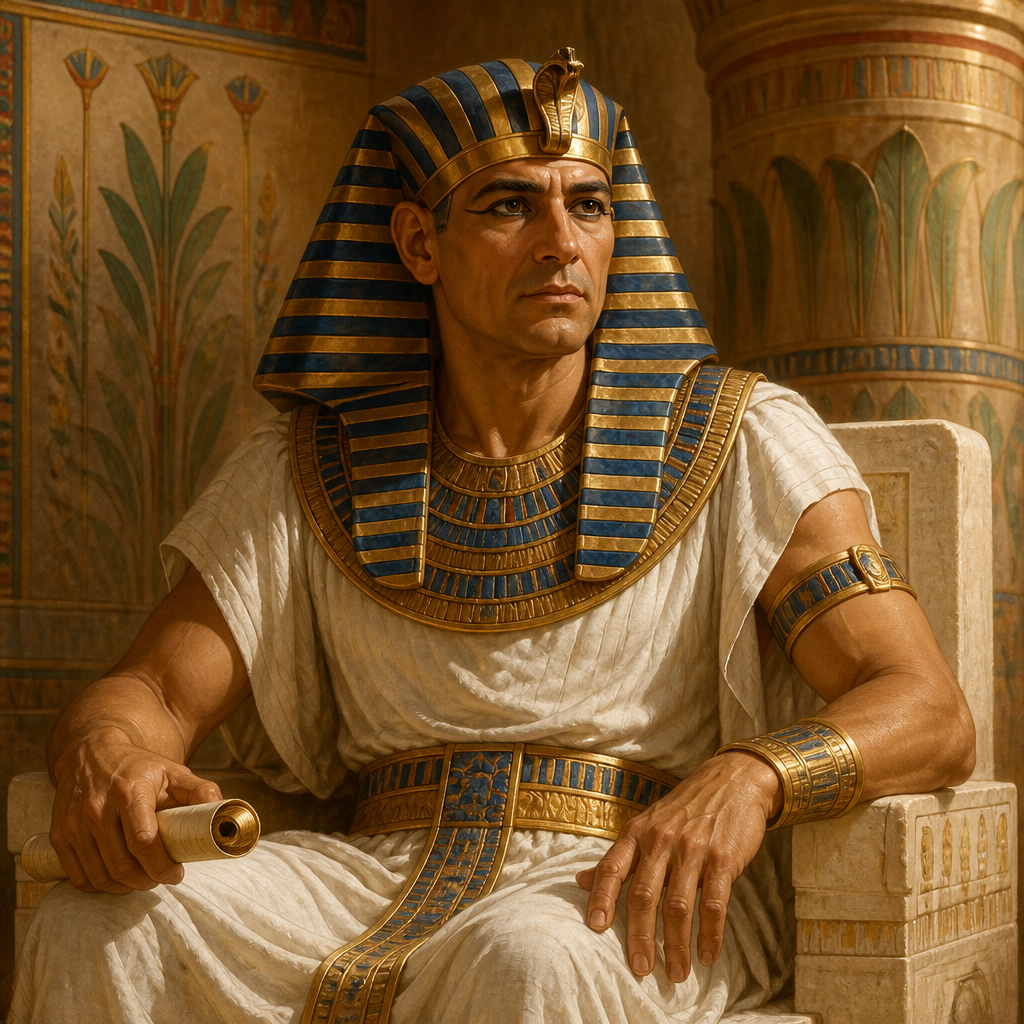
Pharaoh, Patron of Joseph
King of Egypt who promoted Joseph to vizier and invited Jacob's family to settle in Goshen
The Egyptian monarch who elevated Joseph from a dungeon to the second-highest office in the land after receiving divine warnings through dreams of a coming famine.
View profile →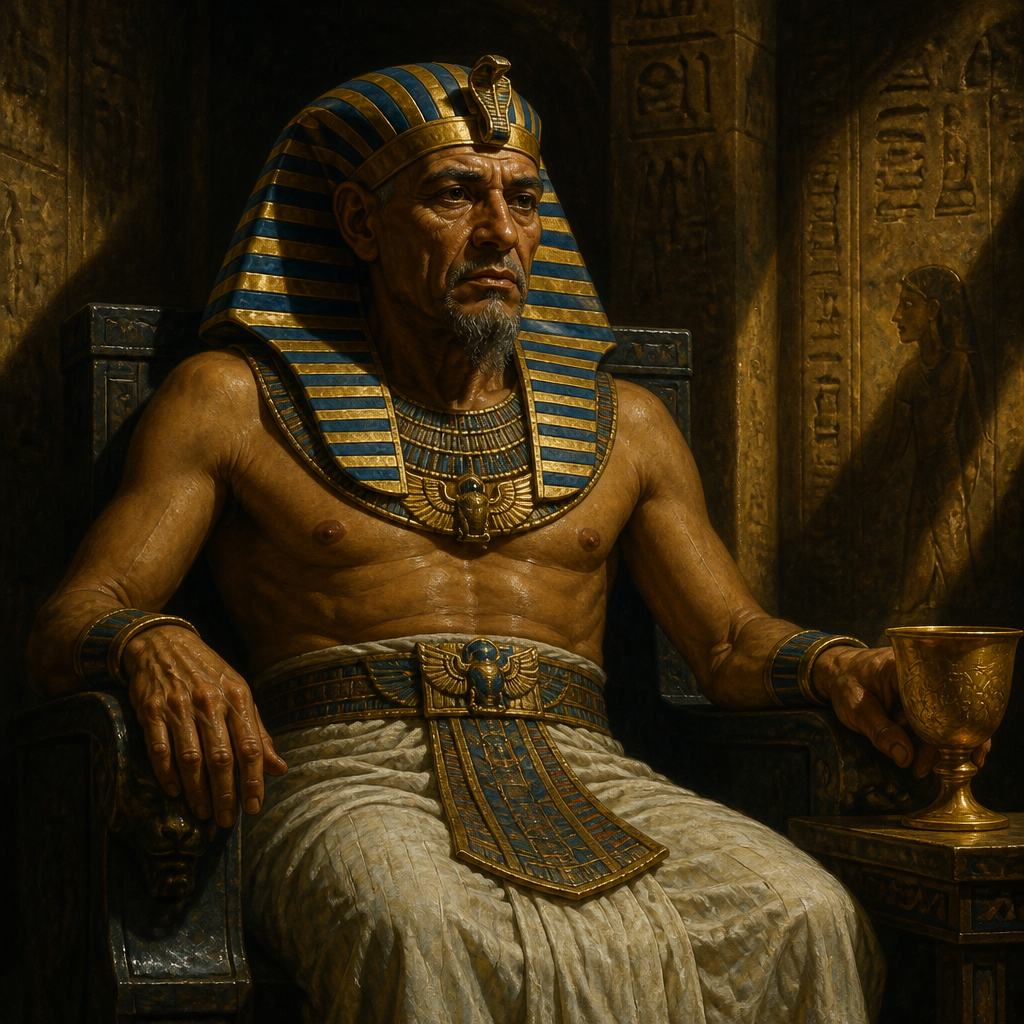
Pharaoh, Subject of Divine Judgment
Egyptian monarch listed among the nations destined to drink the cup of God's wrath in Jeremiah's prophecy
An Egyptian monarch during the Divided Monarchy named by the prophet Jeremiah as a recipient of the cup of God's wrath among the nations.
View profile →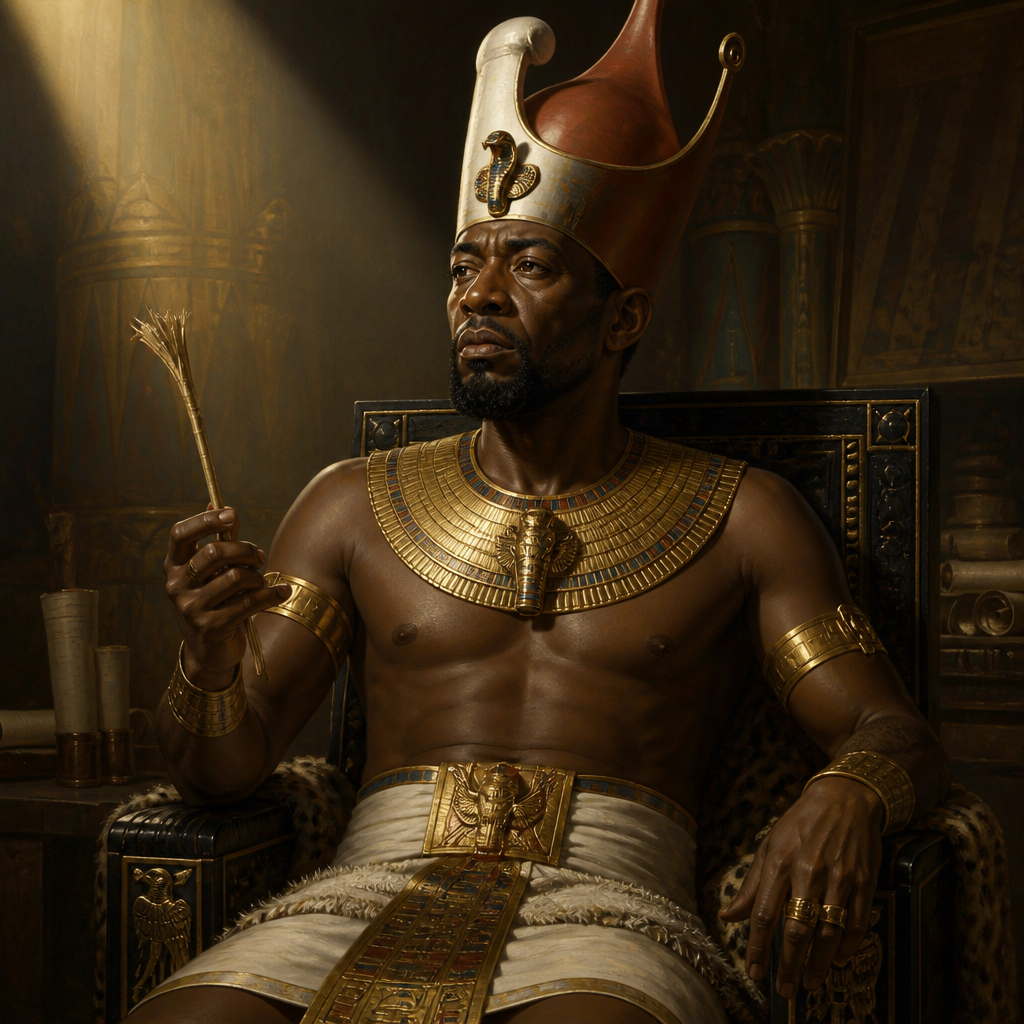
Pharaoh, unreliable ally of Hezekiah
Egyptian monarch whose failed military alliance with King Hezekiah was compared to a splintered reed
An Egyptian monarch during the Divided Monarchy whom Judah mistakenly trusted for military protection against the Assyrian Empire.
View profile →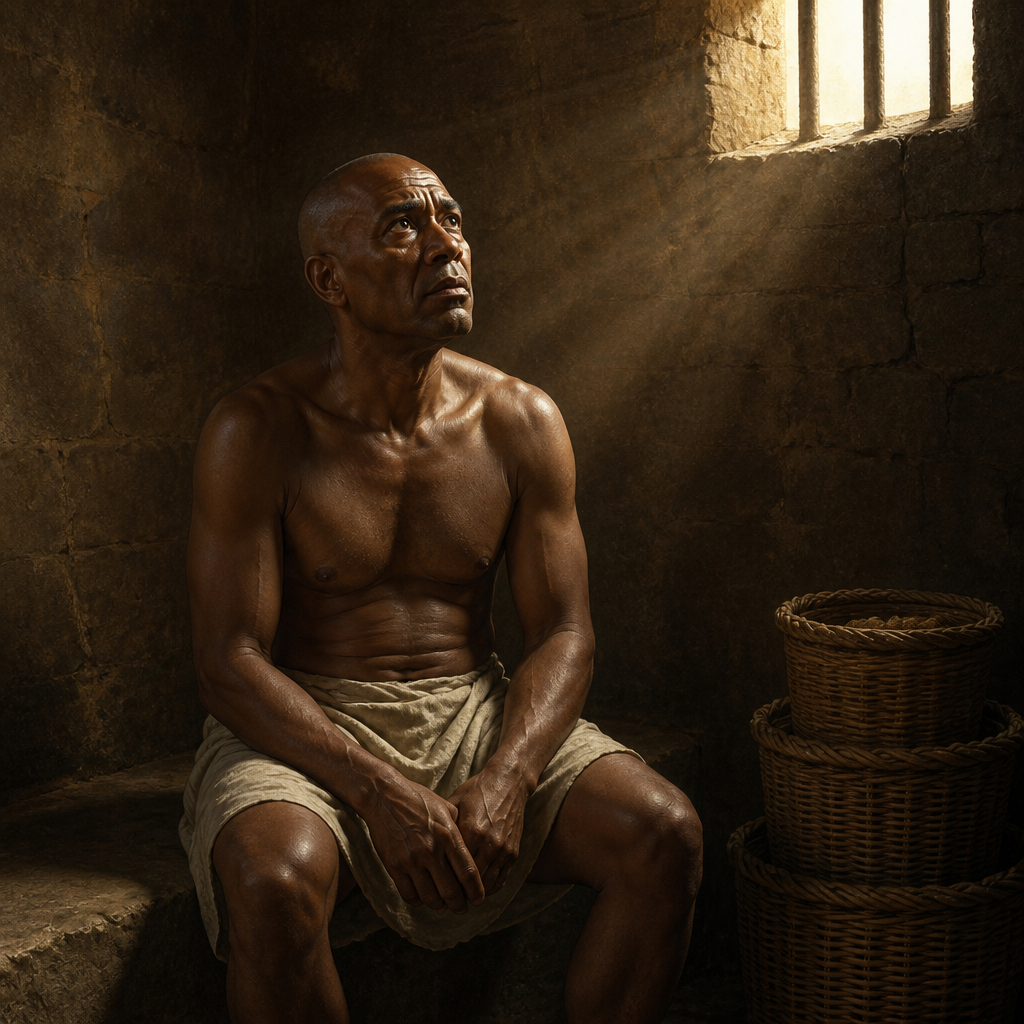
Pharaoh's Chief Baker
Official whose dream was interpreted by Joseph to mean he would be executed by Pharaoh
The high-ranking Egyptian official imprisoned with Joseph whose dream of three baskets of bread foretold his execution by Pharaoh three days later.
View profile →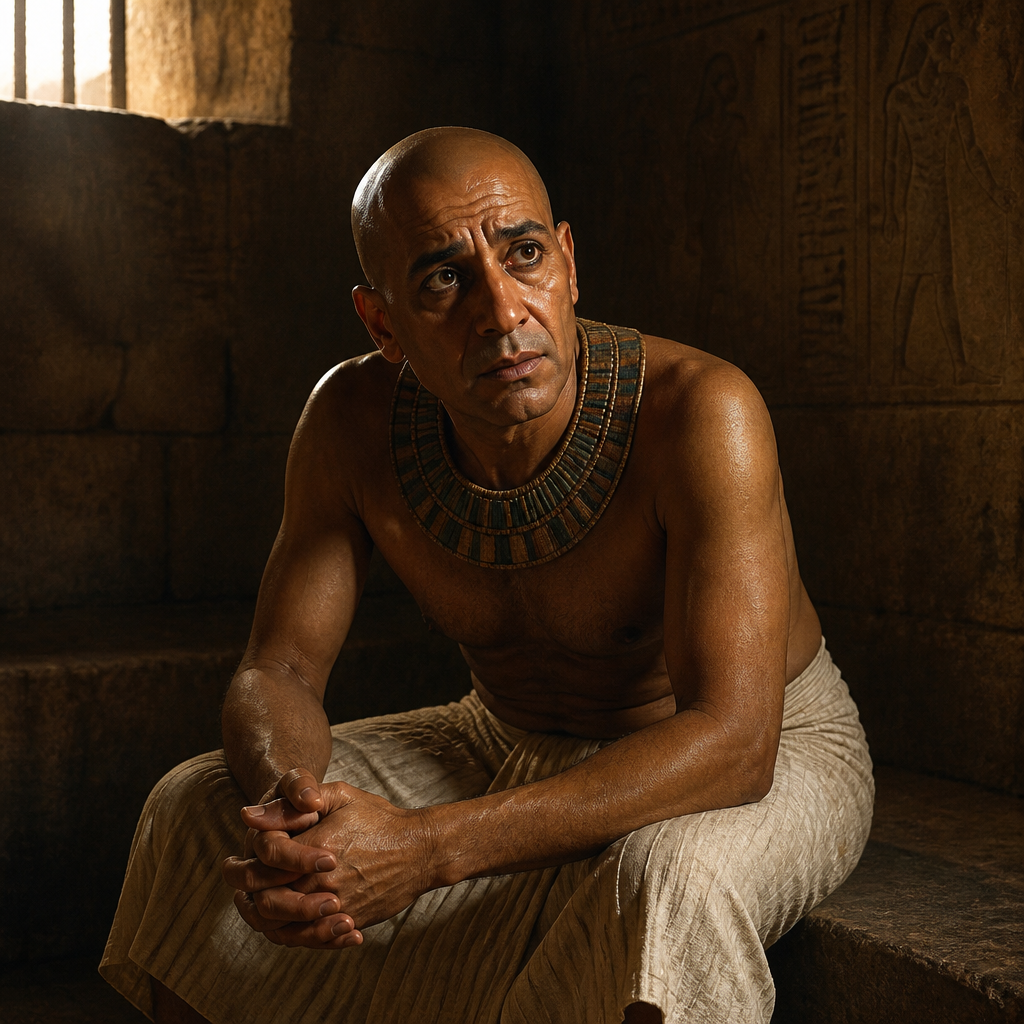
Pharaoh's Chief Cupbearer
Official whose dream Joseph interpreted in prison and who later recommended Joseph to Pharaoh
An Egyptian high official whose dream was interpreted by Joseph while in prison, leading to Joseph's eventual rise to power in Egypt.
View profile →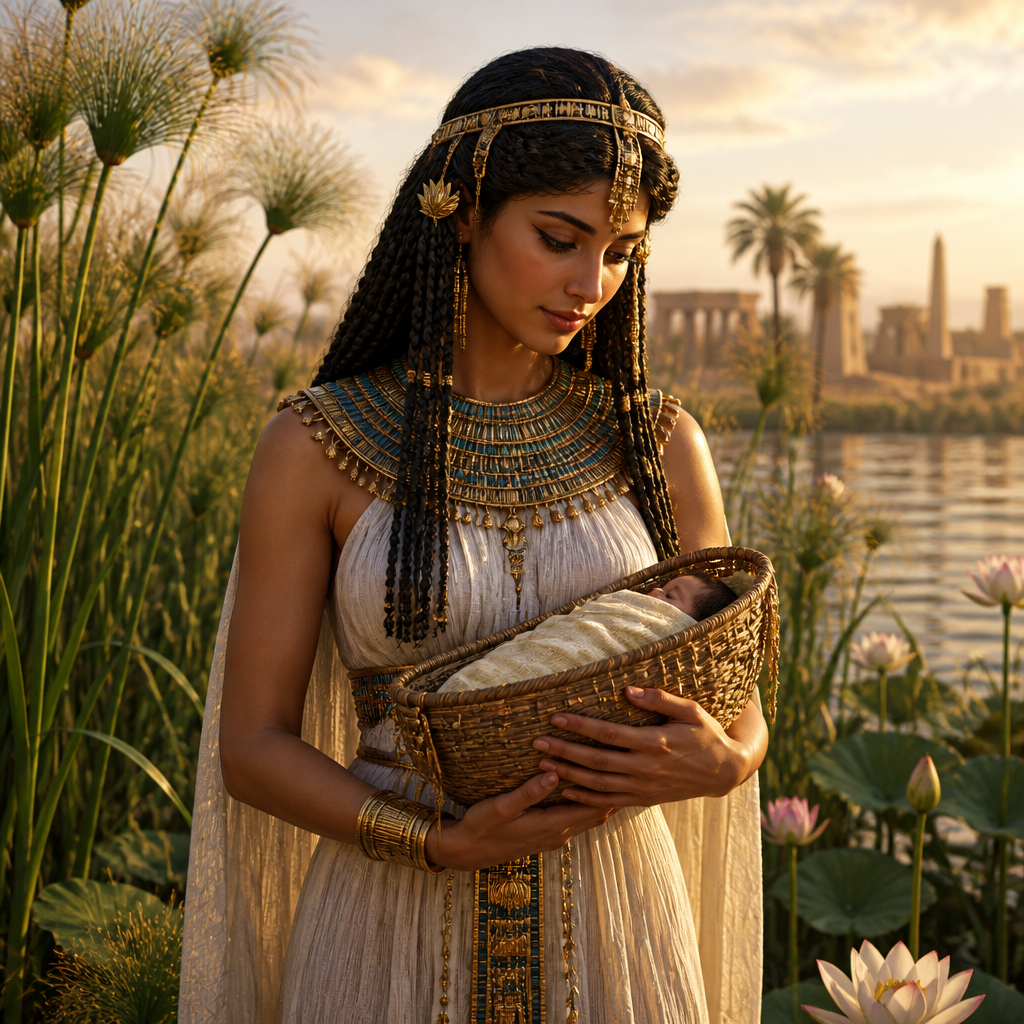
Pharaoh's Daughter Who Rescued Moses
Princess who found Moses in the Nile and raised him as her own son
An Egyptian princess who defied her father's decree by rescuing, adopting, and raising the Hebrew infant Moses.
View profile →
Pharaoh's Daughter, Wife of Solomon
Egyptian princess whose marriage to King Solomon formed a major political alliance
An Egyptian princess who married King Solomon, marking a significant political alliance between the United Monarchy of Israel and Egypt.
View profile →
Potiphar
Egyptian officer who purchased Joseph from the Ishmaelites
An Egyptian officer, captain of Pharaoh's guard, and the first master of Joseph following his sale into slavery.
View profile →
Potiphar's Wife
Egyptian noblewoman who falsely accused Joseph of attempted rape after he refused her advances
An Egyptian noblewoman during the Patriarchal Period who falsely accused the Hebrew servant Joseph of attempted rape after he rejected her persistent sexual advances.
View profile →
Potiphera
Egyptian priest of On and the father of Joseph's wife Asenath
An Egyptian priest of the city of On and the father of Asenath, who became the wife of the patriarch Joseph.
View profile →
Shishak
King of Egypt who plundered the Temple of Jerusalem and gave refuge to Jeroboam
The first Egyptian Pharaoh mentioned by name in the Bible, who provided refuge to Jeroboam and later invaded Jerusalem during the reign of Rehoboam.
View profile →
Sister of Tahpenes
Egyptian noblewoman and wife of Hadad who bore Genubath
An Egyptian noblewoman and sister to Queen Tahpenes who was given in marriage to the Edomite prince Hadad during the United Monarchy.
View profile →
So
Egyptian king who entered into a failed anti-Assyrian conspiracy with King Hoshea
An Egyptian king during the late 8th century BC who entered into a failed diplomatic alliance with Hoshea, the last king of Israel.
View profile →
Tahpenes
Queen of Egypt who weaned the Edomite prince Genubath in the royal palace
Queen of Egypt during the 10th century BC and wife of the Pharaoh who sheltered Hadad the Edomite during the reign of King Solomon.
View profile →