Shechem, Son of Gilead
Who was Shechem, Son of Gilead, in the Bible?
A descendant of Manasseh and the eponymous founder of the Shechemite clan during the Egyptian Sojourn and Wilderness era.
This is one of 3 people named Shechem in the Bible. See all 3 →
Shechem was a prominent figure within the tribal structure of ancient Israel, specifically belonging to the Tribe of Manasseh. As a son of Gilead and a great-grandson of the patriarch Joseph, Shechem represents a key genealogical link in the development of the northern tribes. His name is associated with the formation of the Shechemite clan, one of the primary divisions of Manasseh that survived the Egyptian sojourn and participated in the census taken in the wilderness.
Historically, Shechem’s significance lies in his role as a clan head. While the biblical narrative does not provide details regarding his personal life or individual exploits, he is listed among the leading males of Manasseh whose descendants were granted an inheritance in the Promised Land. His lineage was considered essential enough to be preserved in the official census of the second generation of Israelites to leave Egypt.
Background and Family
Shechem was born into the lineage of Joseph, the son of Jacob who became a high official in Egypt. According to the genealogical records found in the books of Numbers and Joshua, Shechem was the son of Gilead. Through Gilead, he was the grandson of Machir and the great-grandson of Manasseh (Numbers 26:29-31). This lineage placed him in a position of tribal leadership during the period when Israel was transitioning from a large family group into a structured nation of twelve tribes.
He grew up among a large group of brothers who would also become the heads of significant clans: Abiezer, Helek, Asriel, Shemida, and Hepher. Together, these six men formed the core of the Manassite tribal identity outside of the line of Zelophehad. The scriptures emphasize that these were the "male descendants" of Manasseh, underscoring their legal right to land ownership according to the customs of the time.
Major Life Events
Because the biblical text focuses on the collective history of the nation of Israel during the Wilderness period, there are no specific narrative events recorded for Shechem as an individual. His life is defined by two major administrative milestones in the history of Israel:
-
The Second Census: In Numbers 26, as the Israelites were on the plains of Moab by the Jordan across from Jericho, a census was taken of the new generation. Shechem is recorded as the founder of the "Shechemite clan" (Numbers 26:31). This indicates that by the end of the forty-year wilderness wandering, Shechem’s biological family had grown into a distinct, recognized sub-tribe within Manasseh.
-
The Allotment of Land: In Joshua 17, the record details the distribution of the Promised Land under Joshua and Eleazar the priest. Shechem is listed among the clans that received a specific territory west of the Jordan River. This allotment secured the future of his descendants within the geopolitical framework of the land of Canaan.
Relationship to Other Biblical Figures
Shechem’s primary relationships are defined by his siblings and his place within the house of Joseph. He is frequently grouped with his five brothers (Abiezer, Helek, Asriel, Hepher, and Shemida). This group of brothers represented the "rest of the descendants of Manasseh" (Joshua 17:2) as distinct from the daughters of Zelophehad, who famously petitioned for their own inheritance. Shechem’s standing as a son of Gilead linked him directly to the rugged territories of the Transjordan, though his specific clan allotment eventually included land in the central hill country.
Spiritual Significance
Within the biblical framework, Shechem serves as a testament to the fulfillment of the promises made to Joseph. In Genesis 48, Jacob blessed Ephraim and Manasseh, promising they would grow into a multitude. The existence of the Shechemite clan centuries later, documented in the book of Numbers, provides a literal fulfillment of that patriarchal blessing.
Furthermore, the inclusion of Shechem in the tribal allotments reflects the biblical theme of divine providence and the importance of inheritance. Every name listed in these genealogies served to confirm that God kept His covenant with the individual families of Israel, ensuring that even during the difficult years of the Egyptian Sojourn and the subsequent Wilderness wanderings, the specific lineages of the tribes were not lost to history.
Shechem’s theological importance is found in the themes of covenant and continuity. As a named clan leader, he represents the preservation of the Israelite identity through the centuries of Egyptian bondage. His name appearing in the land-allotment records of Joshua signifies the transition from the promise of land to the physical possession of it, highlighting God's faithfulness to the house of Joseph.
Moreover, the Shechemite clan’s inclusion in the census demonstrates the organized nature of the Israelite camp. It shows that God dealt with the people not just as a mass of individuals, but as organized families with specific heritages and responsibilities, a recurring theme in the Pentateuch regarding the structure of the Kingdom of God.
Frequently Asked Questions
Which tribe did Shechem belong to?
Shechem belonged to the Tribe of Manasseh, the son of Joseph.
Who was Shechem's father?
He was the son of Gilead, the grandson of Machir, and the great-grandson of Manasseh.
In which books of the Bible is this Shechem mentioned?
He is mentioned in the books of Numbers (26:31) and Joshua (17:2).
What was the name of the clan Shechem founded?
He founded the Shechemite clan, one of the primary clans of the tribe of Manasseh.
Did Shechem receive land in the Promised Land?
Yes, Joshua 17:2 confirms that an allotment was given to the clans of the male descendants of Manasseh, which included the clan of Shechem.
Family & Relationships
Parents
 Gilead, Grandson of ManassehFatherNumbers 26:30–31Stated
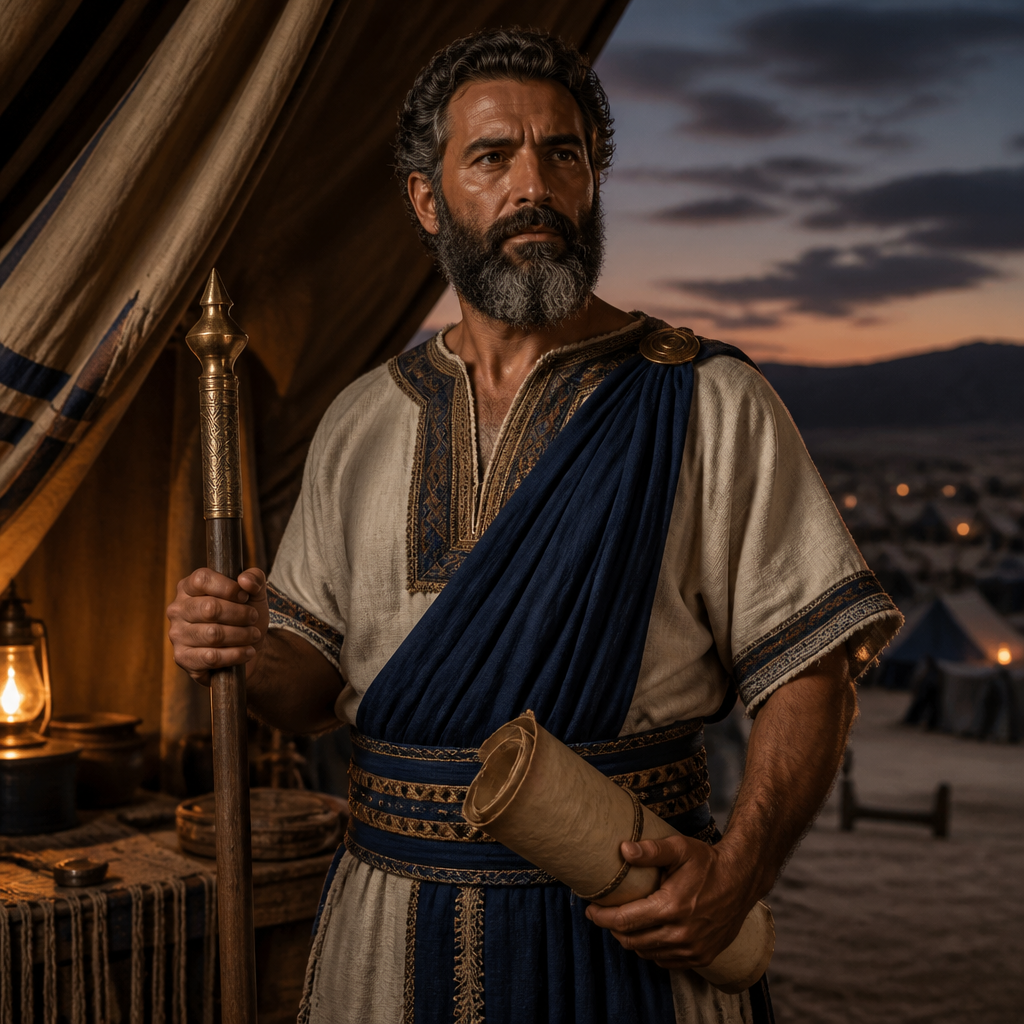 Shechem, Son of GileadThis page
 Asriel, Son of GileadBrotherNumbers 26:31Stated
 HelekBrotherNumbers 26:30–31Stated
 Hepher, Clan Head of ManassehBrotherNumbers 26:31–32Stated
 ShemidaBrotherNumbers 26:31–32Stated
 Abiezer, Son of GileadBrotherJoshua 17:2Stated
Connected Figures
Family
Father · Numbers 26:30–31
A prominent tribal leader and grandson of Manasseh whose descendants formed the primary clans of the Machirite line during the Egyptian Sojourn and the Wilderness wanderings.
Egypt and WildernessFirst: Numbers 26:2917 versesClan FounderManasseh
Brother · Numbers 26:31
A prominent clan leader within the tribe of Manasseh during the Exodus and the subsequent settlement of the Promised Land.
Egypt and WildernessFirst: Numbers 26:314 versesPatriarchManasseh
Brother · Numbers 26:30–31
Helek was a son of Gilead and a clan leader within the tribe of Manasseh during the Exodus and the initial settlement of the Promised Land.
Brother · Numbers 26:31–32
A grandson of Manasseh and father of Zelophehad whose lineage became a central case study for Israelite inheritance laws.
Brother · Numbers 26:31–32
Shemida was a tribal leader within the Tribe of Manasseh during the Egyptian Sojourn and the Exodus, serving as the eponymous ancestor of the Shemidaite clan.
Brother · Joshua 17:2
Abiezer was a descendant of Manasseh and the ancestral founder of the Abiezrite clan, notably producing the judge Gideon during the period of the Judges.
Categories
Mentions by Book
- Numbers3
- Joshua1
Scripture References
All 4 indexed verses, in canonical order, from the Berean Standard Bible.
Numbers · 3
- Numbers 26:30Partial
These were the descendants of Gilead: the Iezerite clan from Iezer, the Helekite clan from Helek,
Cited as evidence on a family card; added so References, Key Verses and Mentions by Book share one index.
- Numbers 26:31
the Asrielite clan from Asriel, the Shechemite clan from Shechem,
- Numbers 26:32Partial
the Shemidaite clan from Shemida, and the Hepherite clan from Hepher.
Cited as evidence on a family card; added so References, Key Verses and Mentions by Book share one index.
Joshua · 1
- Joshua 17:2
So this allotment was for the rest of the descendants of Manasseh—the clans of Abiezer, Helek, Asriel, Shechem, Hepher, and Shemida. These are the other male descendants of the clans of Manasseh son of Joseph.
Others Named Shechem
Compare all 3 bearers →Shechem, Son of HamorGenesis 33:19
A Hivite prince and son of Hamor whose violation of Dinah led to a violent conflict between his city and the sons of Jacob.
Shechem, Son of Shemida1 Chronicles 7:19
Shechem was a descendant of the tribe of Manasseh during the Egyptian Sojourn and Wilderness era, recorded as a son of Shemida.