
People of Joshua
Every person who appears in the book of Joshua, ordered by how often they are mentioned there.
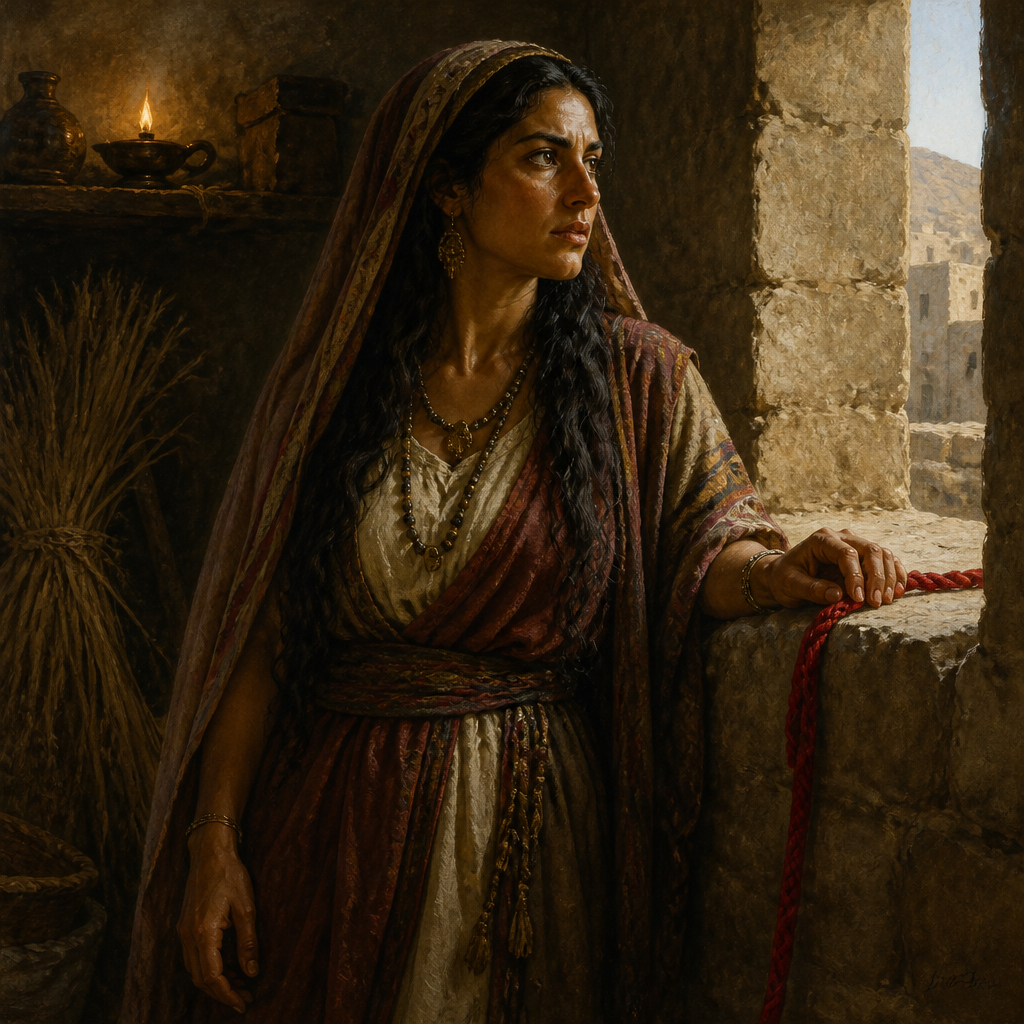
The People of Joshua appear throughout the narrative of the Israelite conquest and settlement of the land of Canaan. The book begins with the transition of leadership following the death of Moses, who is identified as the servant of the Lord (Joshua 1:1). The primary figure is Joshua, who is commanded by God to lead the people across the Jordan River to take possession of the territory promised to their ancestors (Joshua 1:2–6). Early in the campaign, The Two Spies at Jericho are sent to survey the land, where they are hidden by Rahab, a woman who protects them in exchange for the safety of her family (Joshua 2:1–14).
The organization of the people is defined by their tribal identities as the descendants of Israel. Before the crossing, the tribes of Reuben and Gad, along with half the tribe of Manasseh agree to assist their brothers in battle despite having already received land east of the Jordan (Joshua 1:12–15). During the siege of Jericho, the text identifies Achan as the man who violates the ban on taking spoils, an act that leads to a temporary military defeat (Joshua 7:1). Following the conquest of the southern and northern regions, Eleazar works alongside Joshua to distribute the land by lot among the remaining tribes, including Judah, and Ephraim (Joshua 14:1, 15:1, 16:5).
Specific individuals receive distinct inheritances based on their past service or lineage. Caleb son of Jephunneh requests and receives the region of Hebron because he had remained faithful when spying out the land years earlier (Joshua 14:6–14). The text also accounts for the priestly class, noting that the descendants of Levi do not receive a territorial block but are instead granted specific cities, such as those given to the sons of Kohath (Joshua 21:1–4). The narrative also mentions regional adversaries, such as Adoni-zedek, the king of Jerusalem who organizes a coalition to oppose the Israelite advance (Joshua 10:1–5).
The book concludes by emphasizing the fulfillment of the promises made to the patriarchs. The bones of Joseph, which had been brought up from Egypt, are buried at Shechem in land purchased by his ancestors (Joshua 24:32). The final passages record the deaths of the generation that led the conquest, specifically Joshua, and the high priest Eleazar (Joshua 24:29–33). Their passing marks the end of the era of conquest and the establishment of the tribes within their designated borders.
Everyone in this list
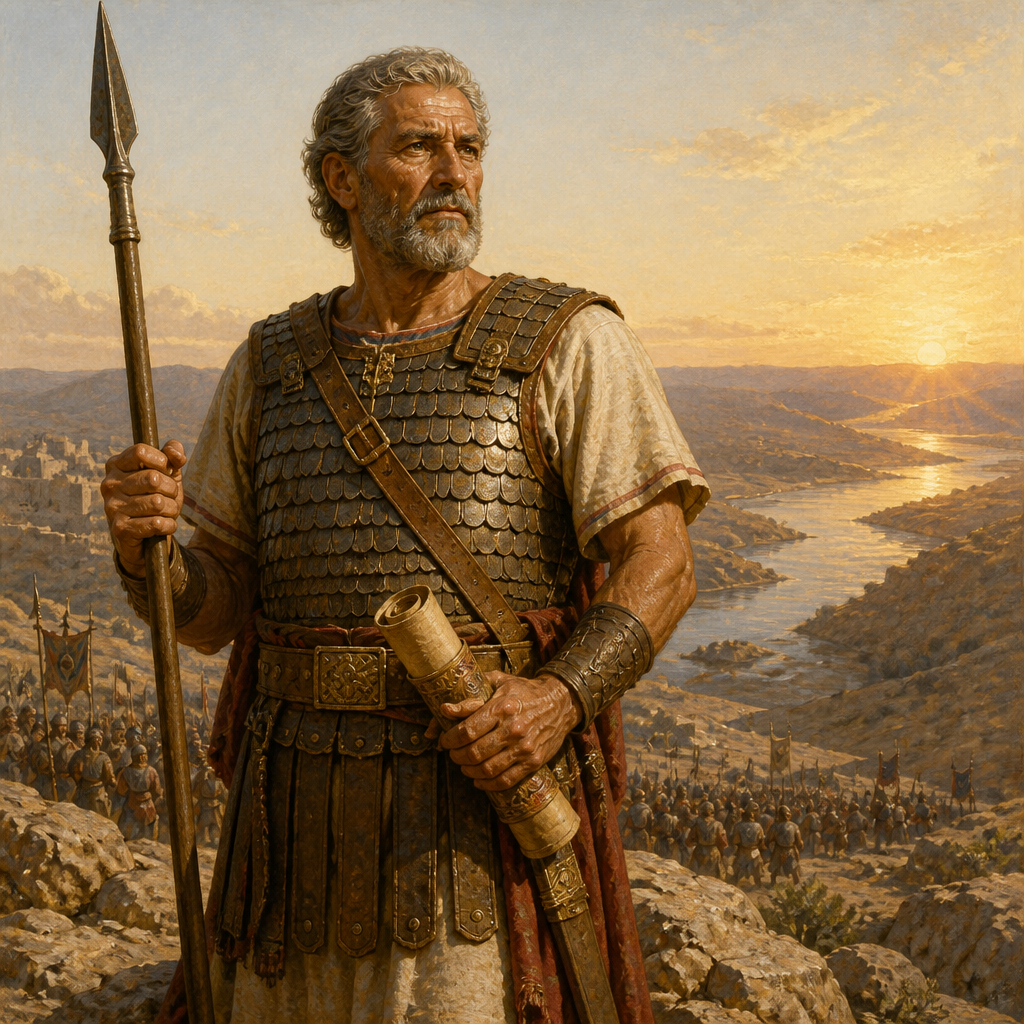
Joshua, Son of Nun
Successor of Moses who led the Israelites in the conquest of Canaan
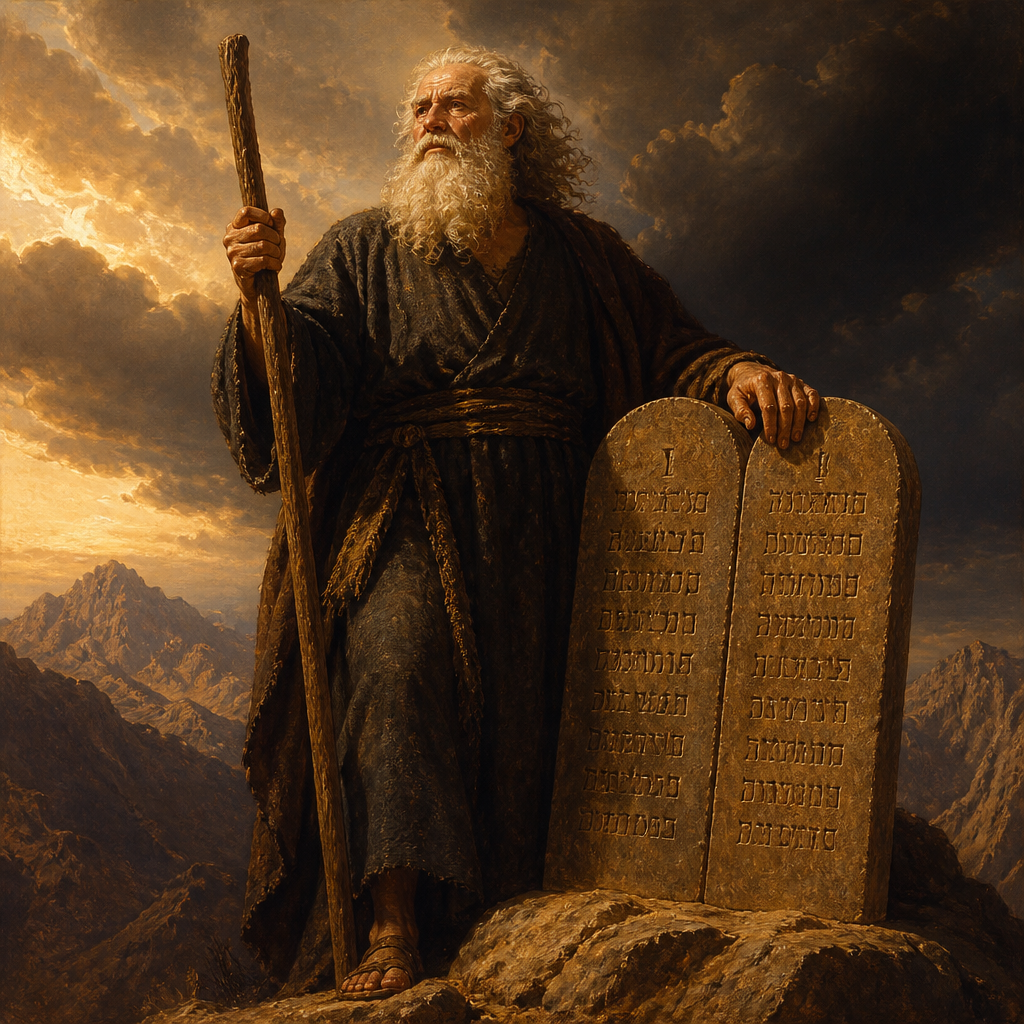
Moses
Prophet who led the Israelites out of Egypt and received the Ten Commandments
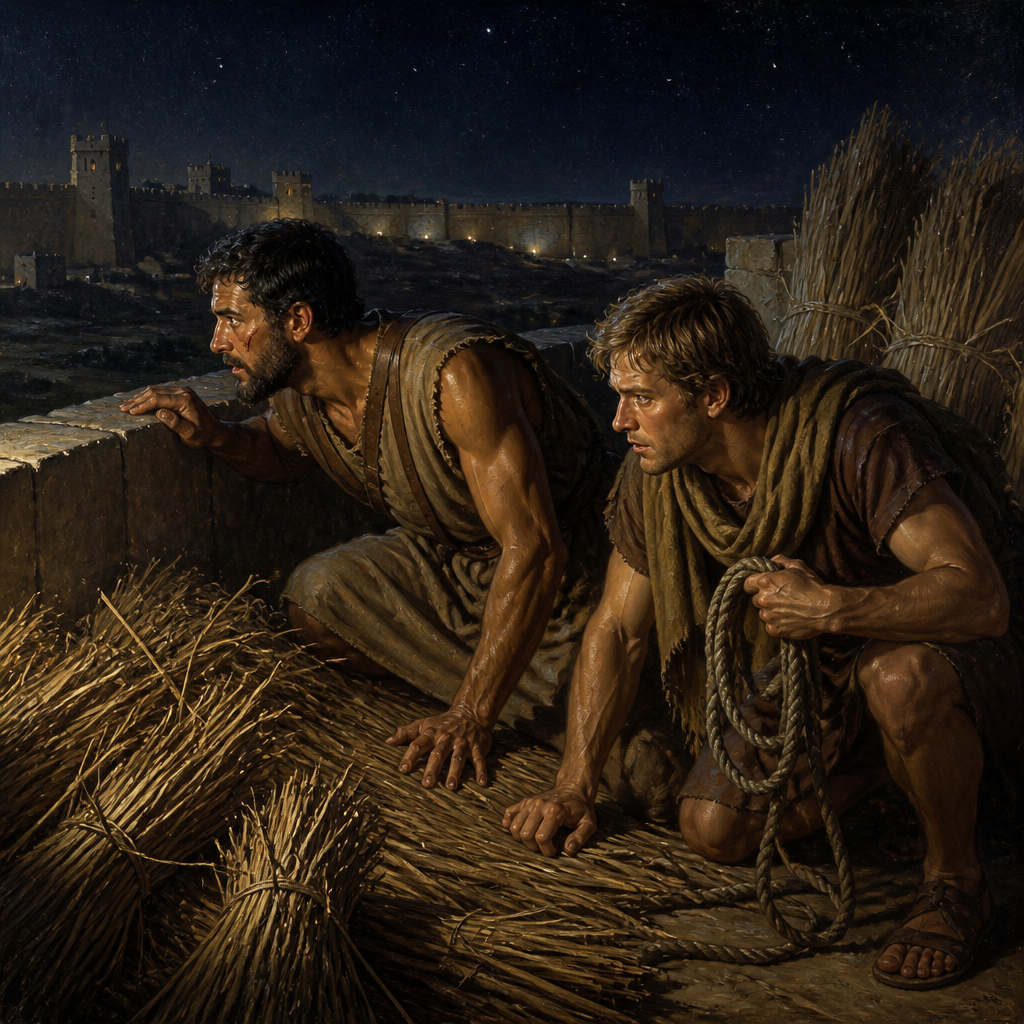
The Two Spies at Jericho
Israelite agents who made a covenant with Rahab before the fall of Jericho
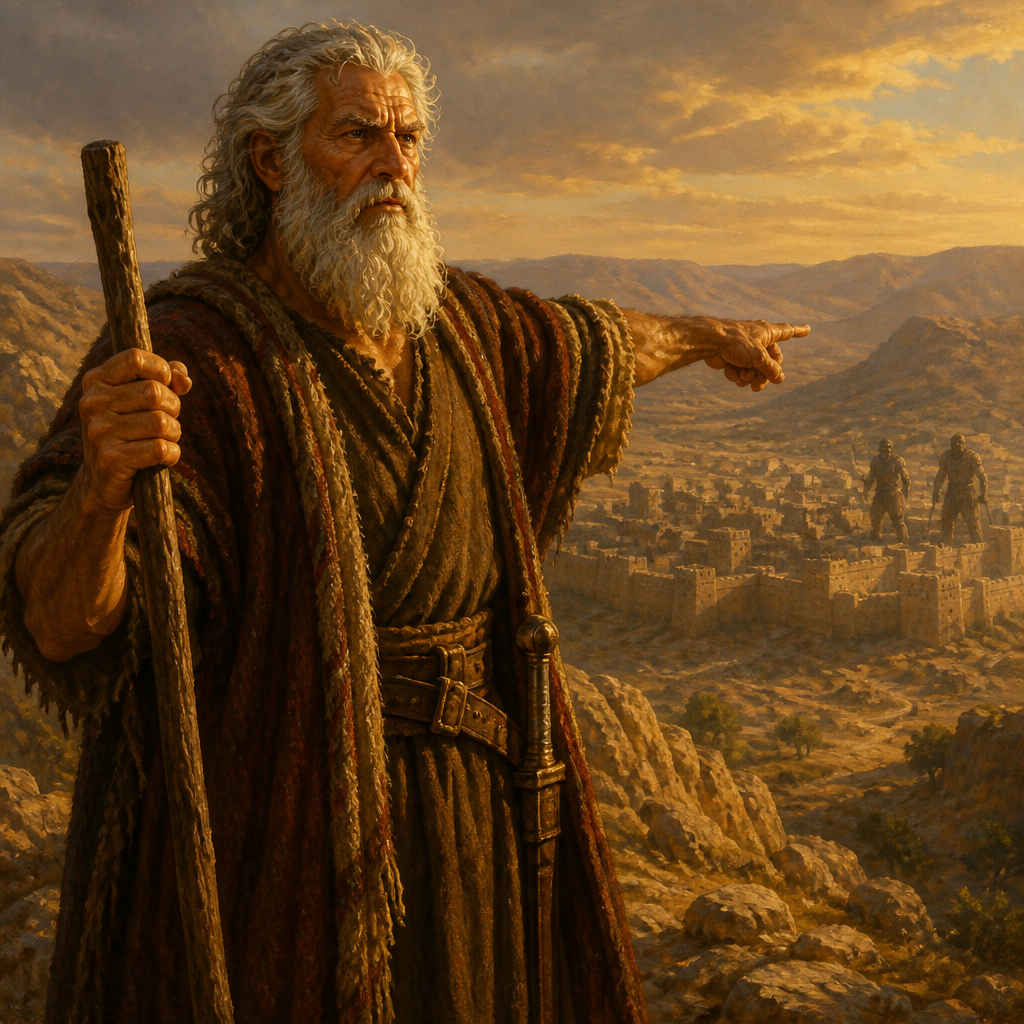
Caleb son of Jephunneh
Spy who gave a faithful report of Canaan and later conquered Hebron
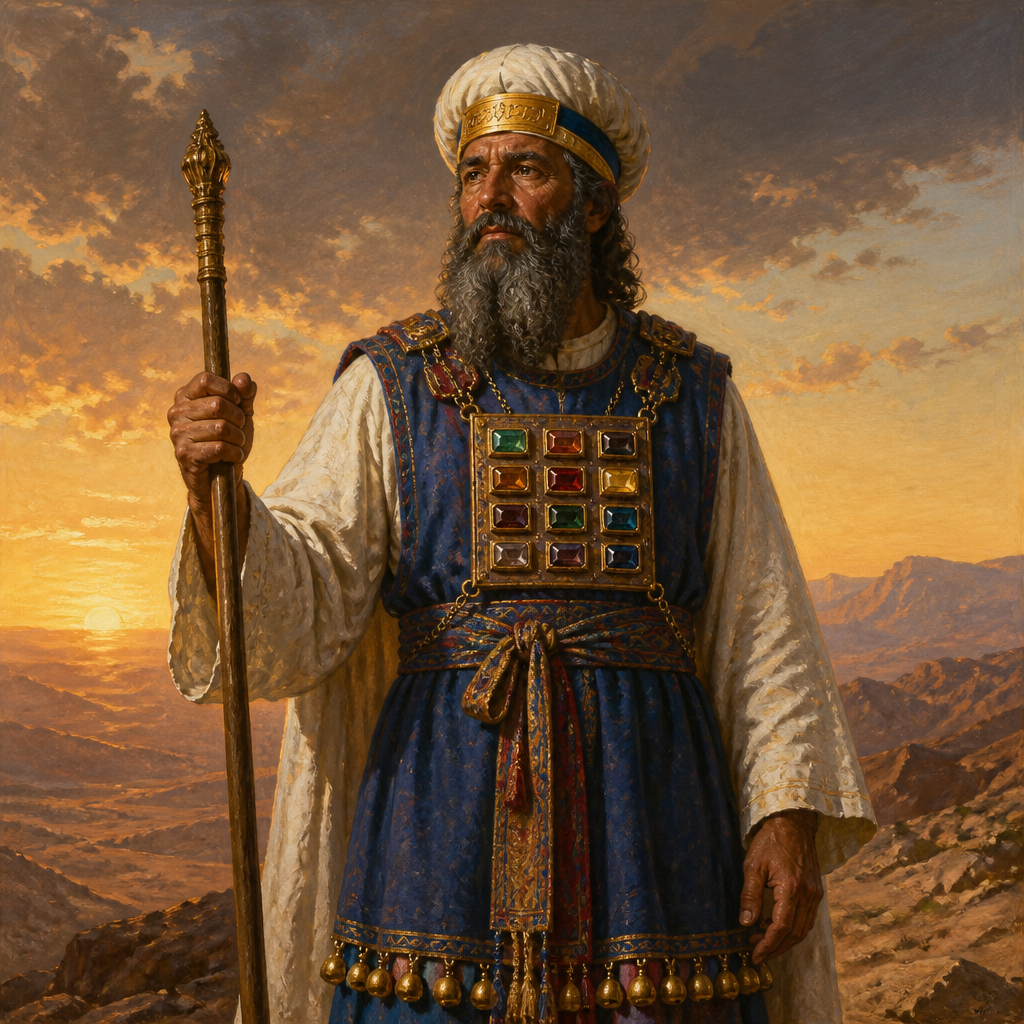
Eleazar, Son of Aaron
High Priest who succeeded Aaron and assisted Joshua in dividing the Promised Land
Sihon
King of the Amorites who was defeated by Moses at the Battle of Jahaz
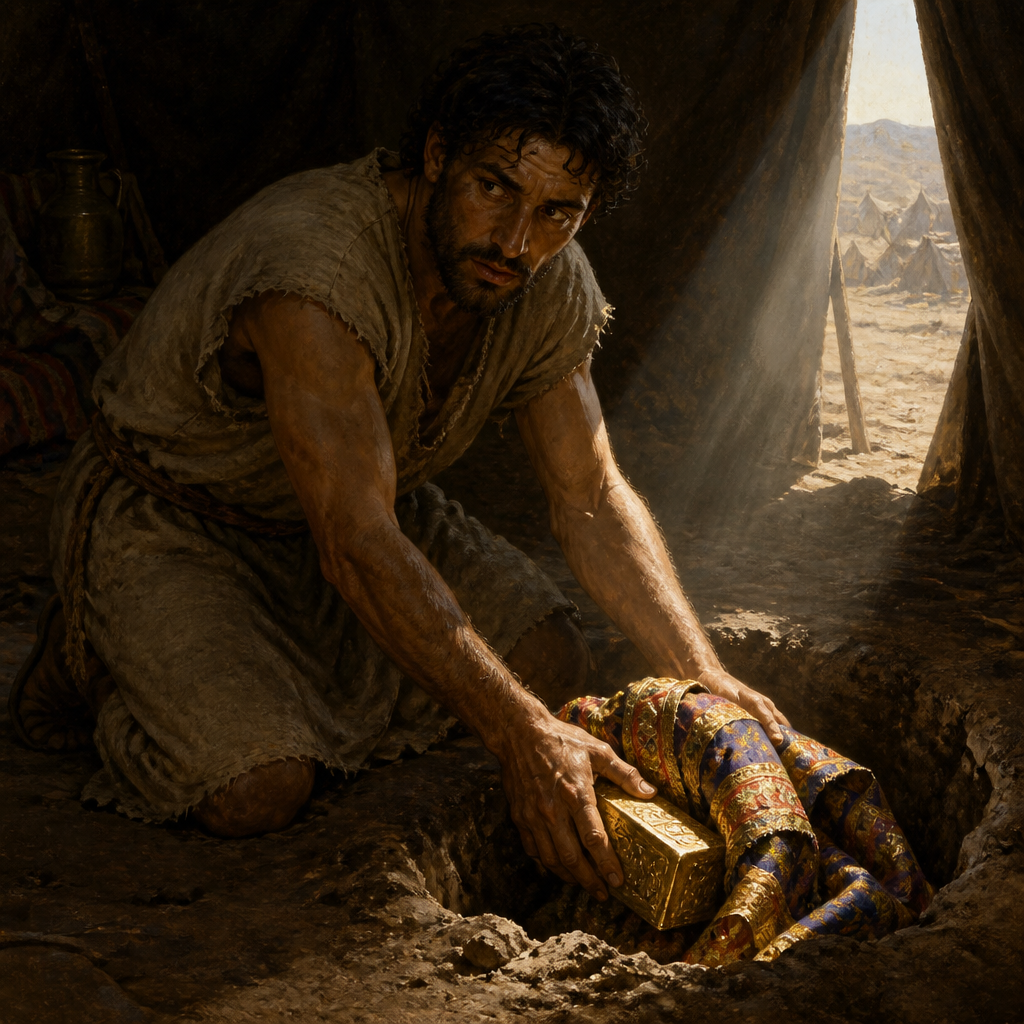
Achan
Patriarch whose theft of Jericho's spoils led to Israel's defeat at Ai
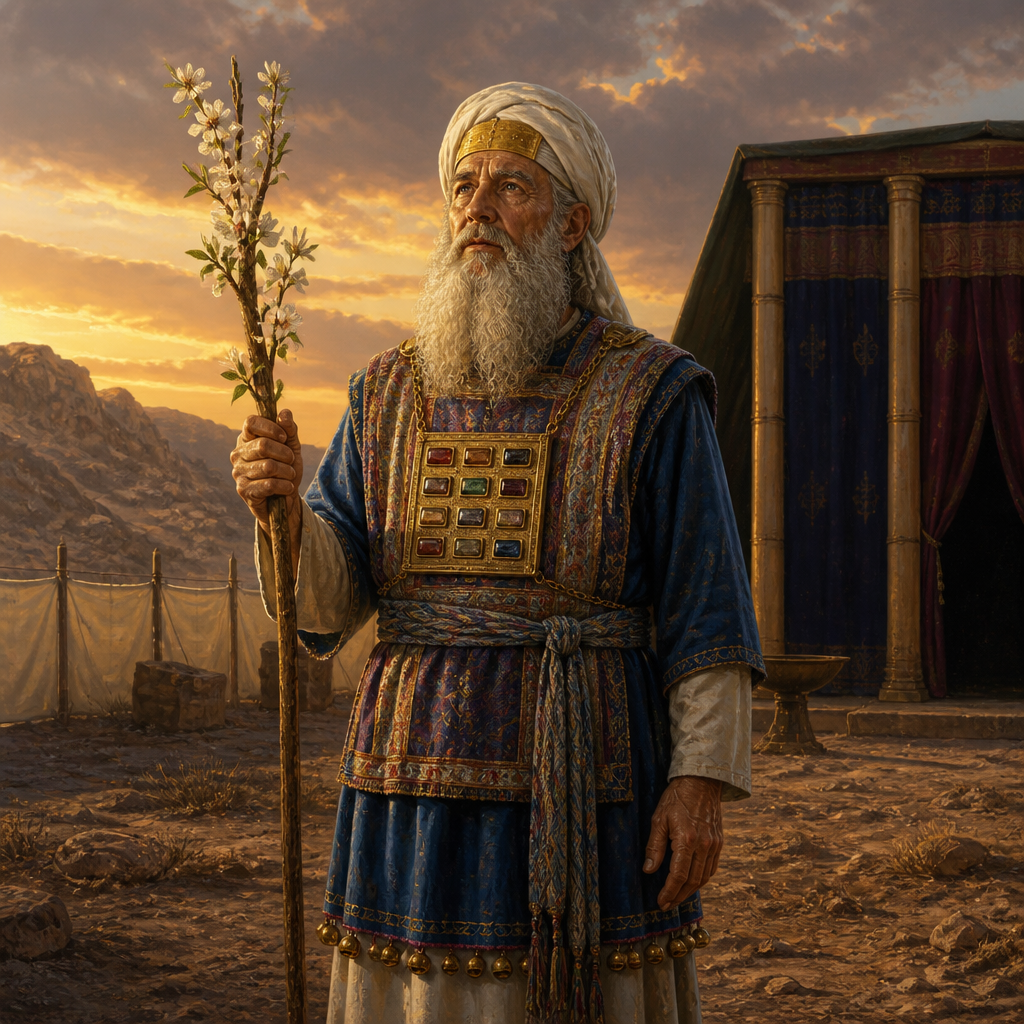
Aaron
First High Priest of Israel who served as the spokesman for Moses during the Exodus
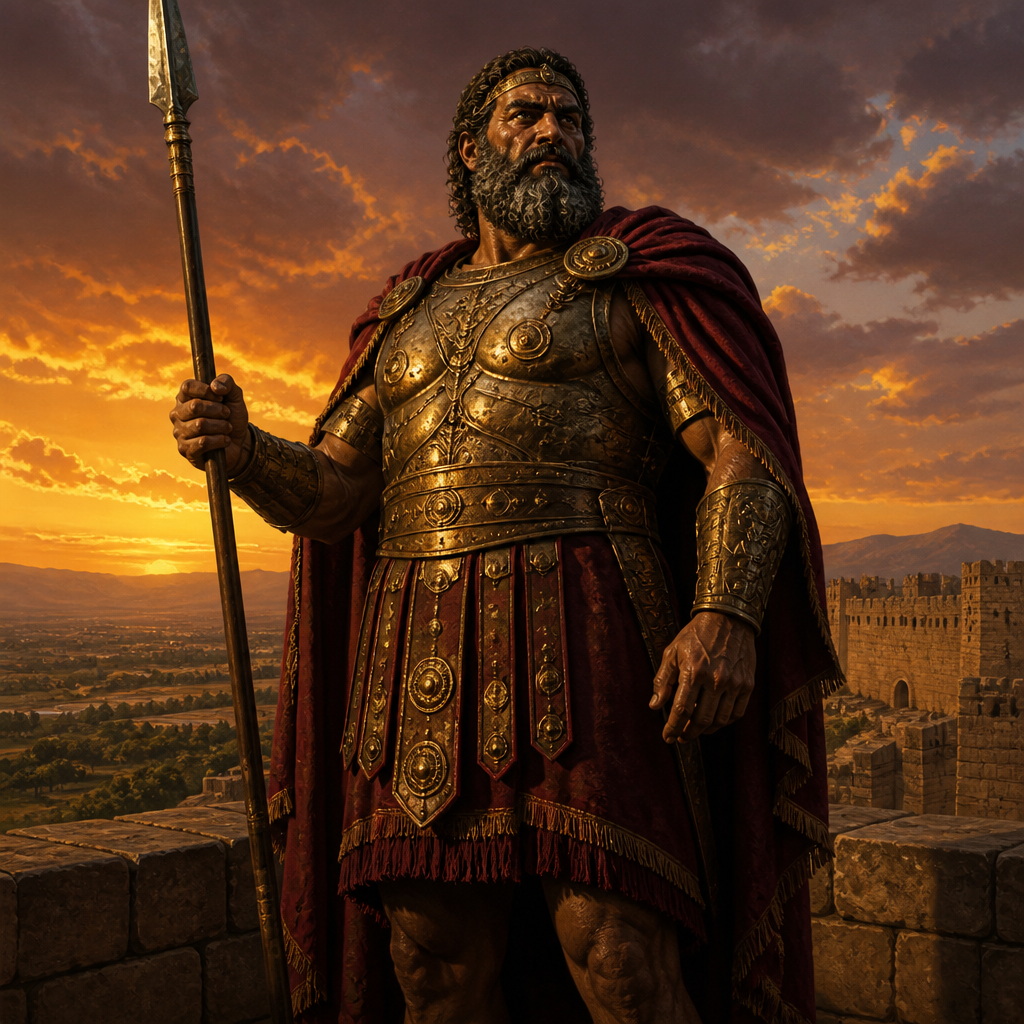
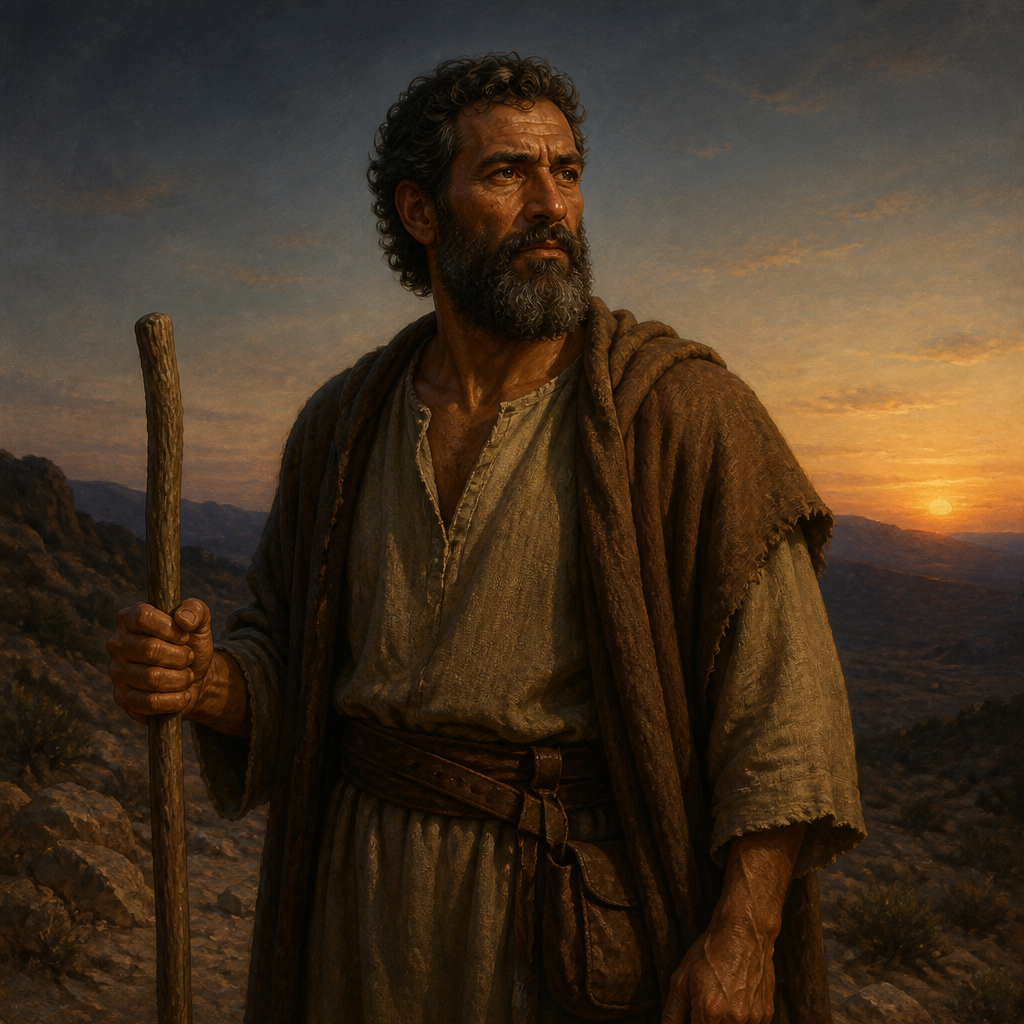
Kenaz, Brother of Caleb
Brother of Caleb and father of Othniel the first judge of Israel
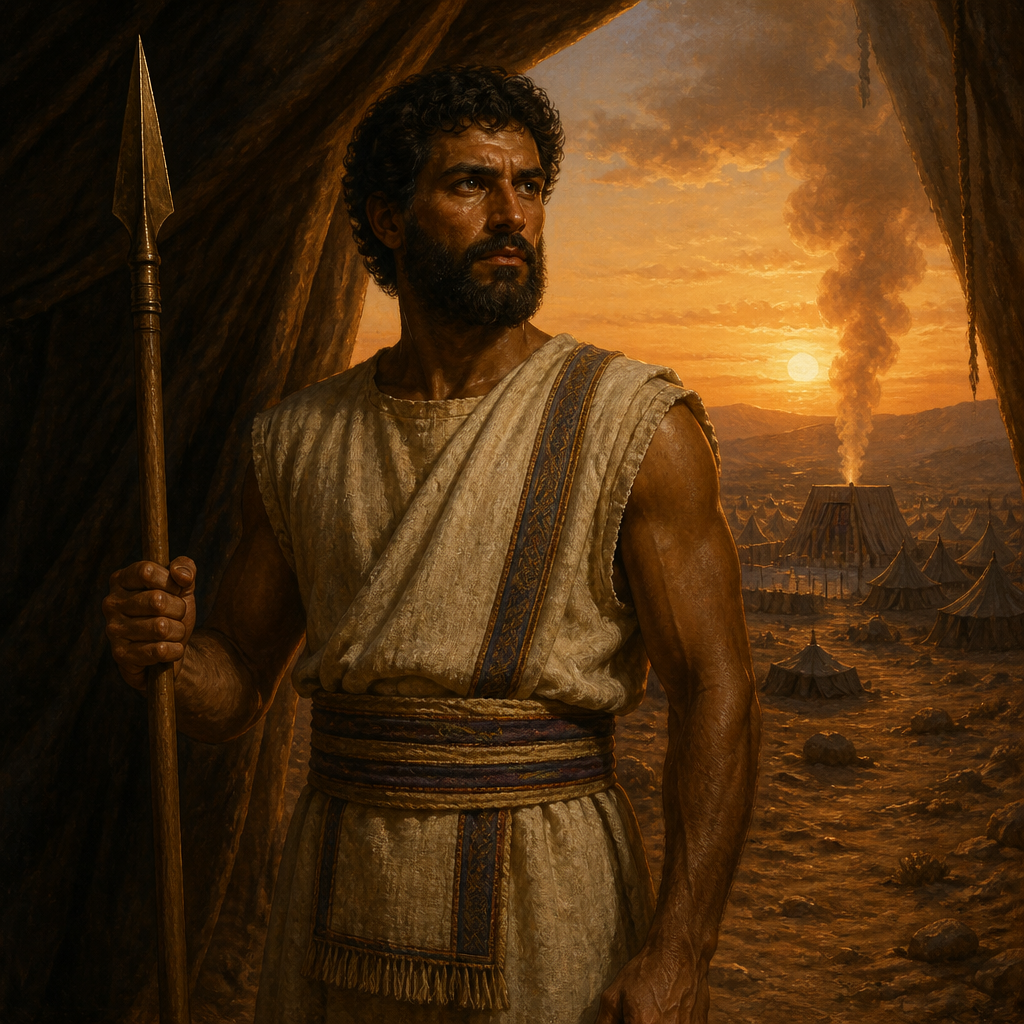
Phinehas, Son of Eleazar
Priest who stayed a plague by executing an idolatrous couple and received a perpetual covenant of priesthood
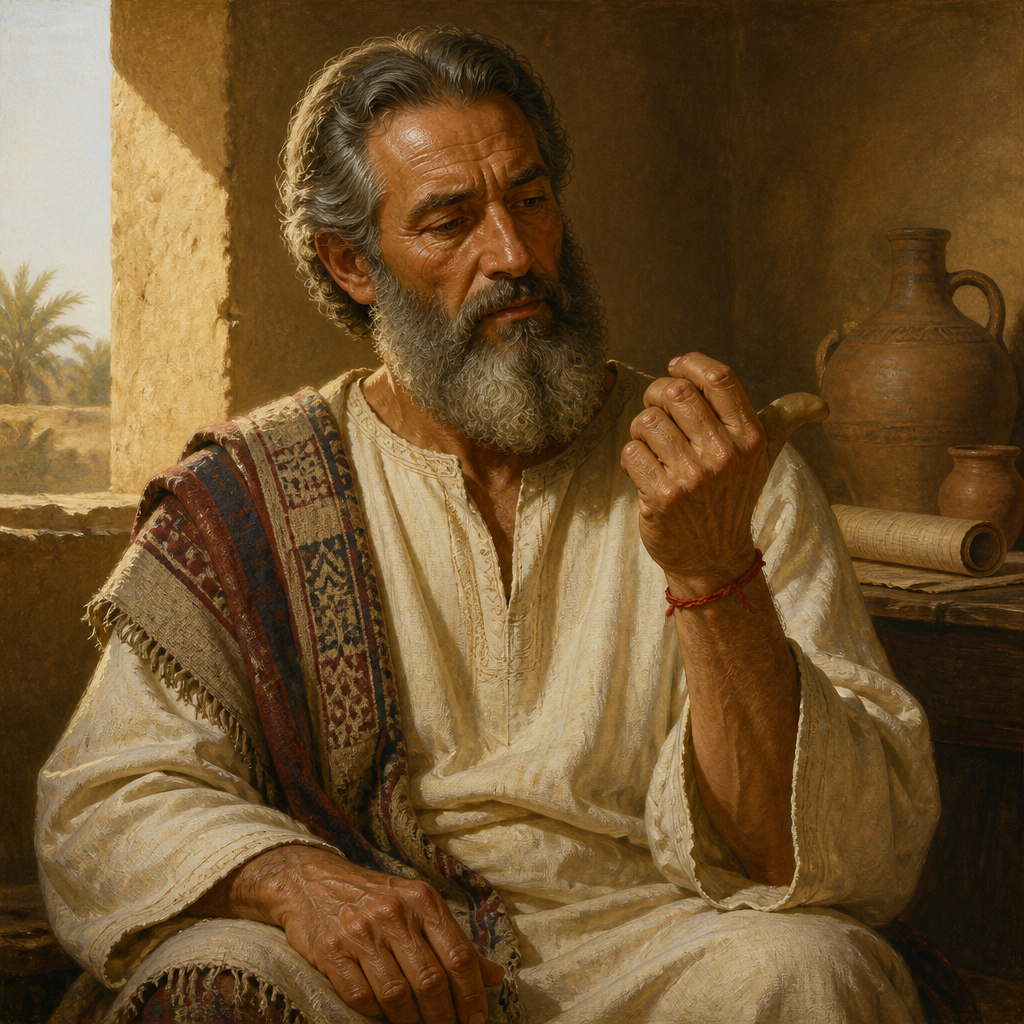
Zerah, Son of Tamar
Son of Judah marked by a scarlet thread at birth who founded the Zerahite clan
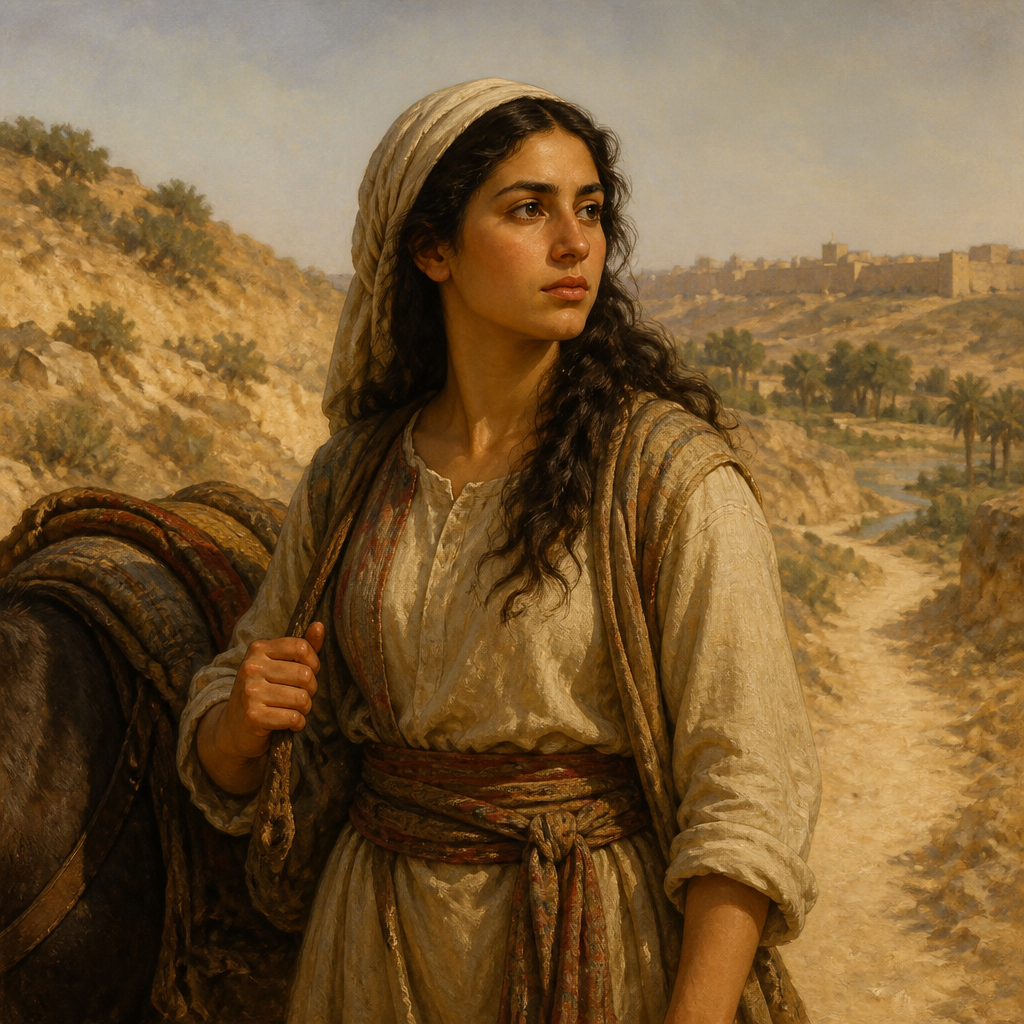
Acsah, Daughter of Caleb
Daughter of Caleb who requested and received springs of water from her father
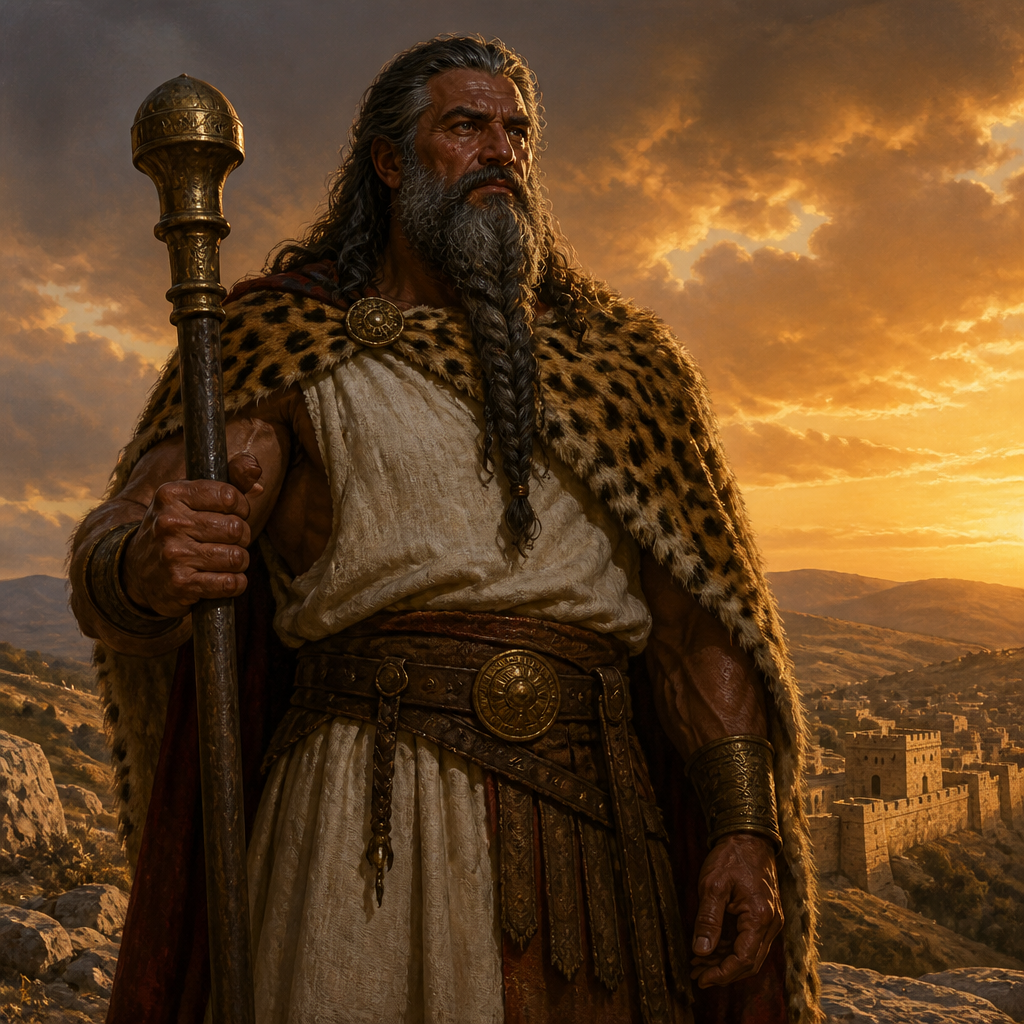
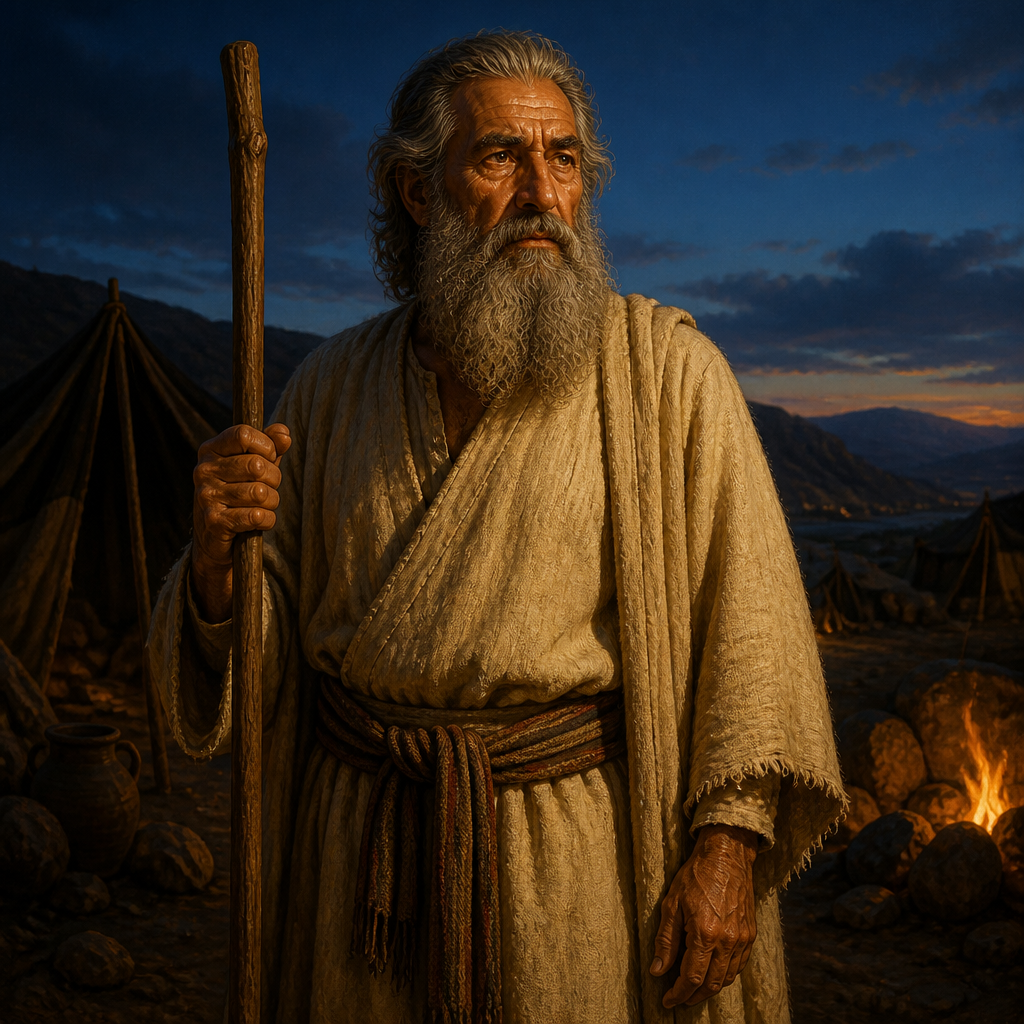
Zabdi, Grandson of Zerah
Patriarch of the tribe of Judah whose family was selected by lot during the investigation of Achan's sin
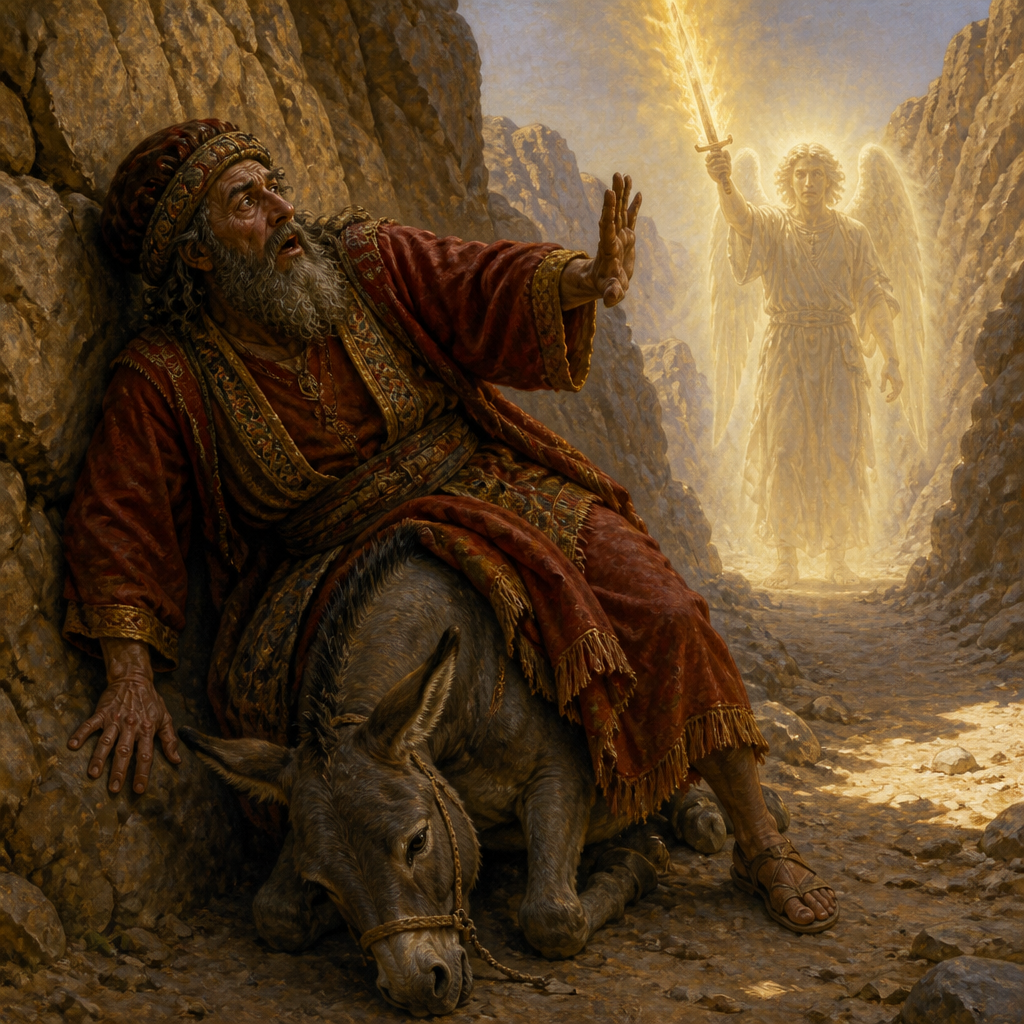
Balaam
Diviner who was hired to curse Israel but blessed them instead
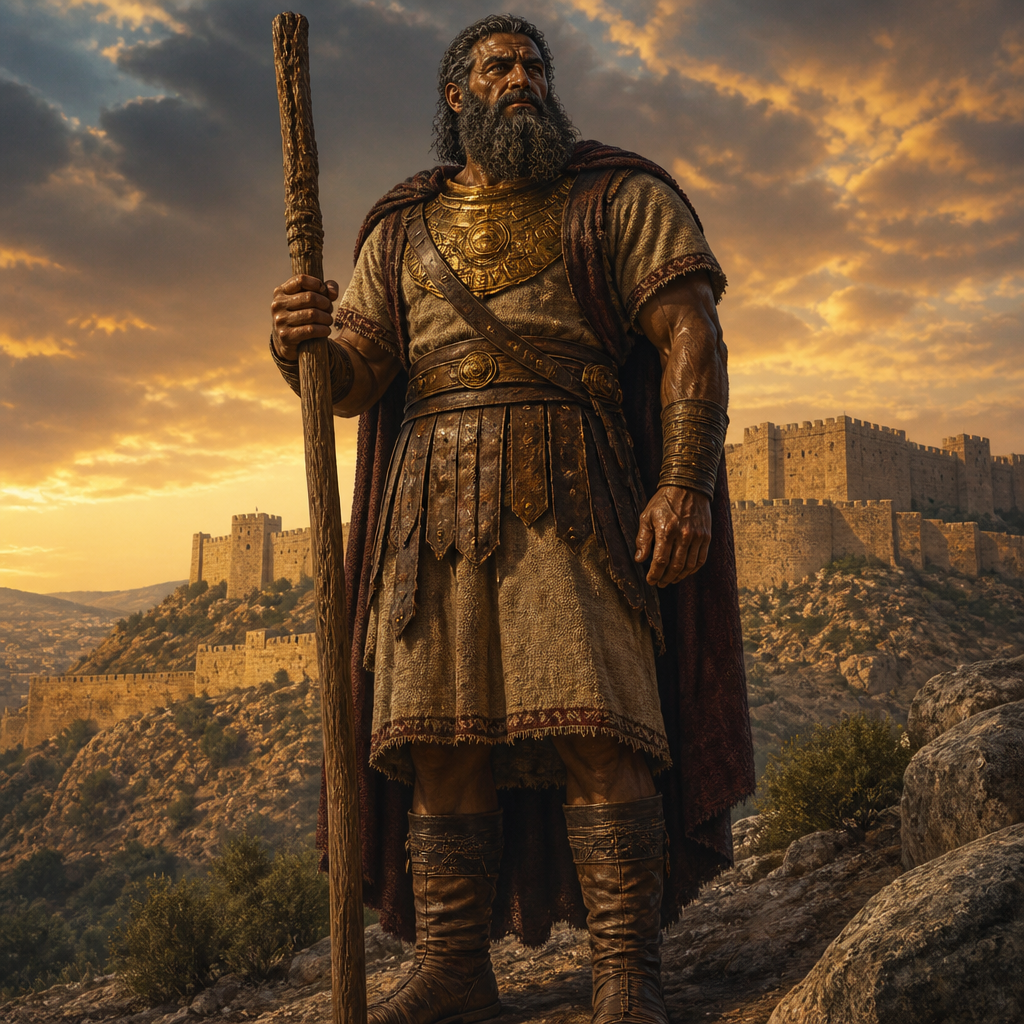
Gilead, Grandson of Manasseh
Grandson of Manasseh and progenitor of the Gileadite clans who settled in the Transjordan
Machir, Son of Manasseh
Patriarch of the Machirite clan who conquered Gilead
Isaac
Patriarch who was the son of Abraham and the father of Jacob and Esau
Beor, Father of Balaam
father of the prophet Balaam during the Israelite wilderness journey
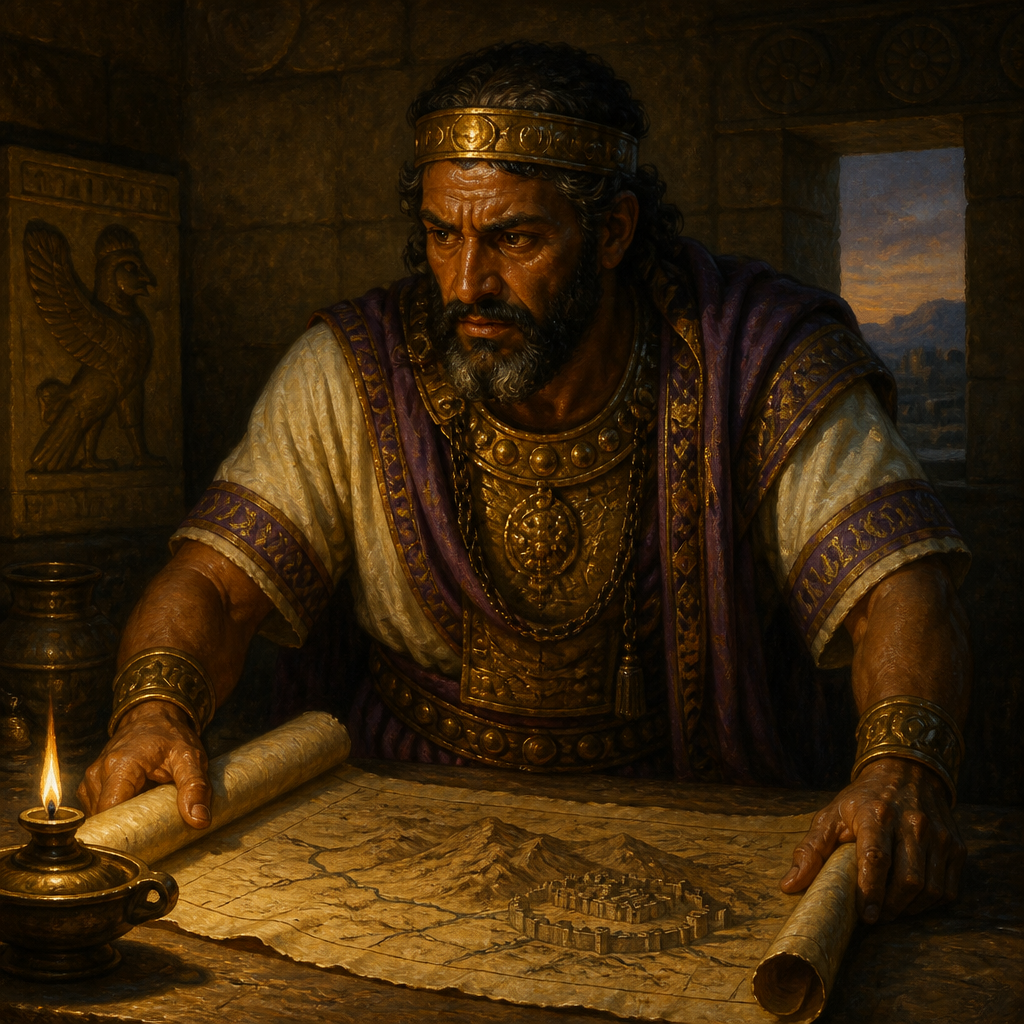
Adoni-zedek
King of Jerusalem who led the five-king Amorite coalition against Joshua
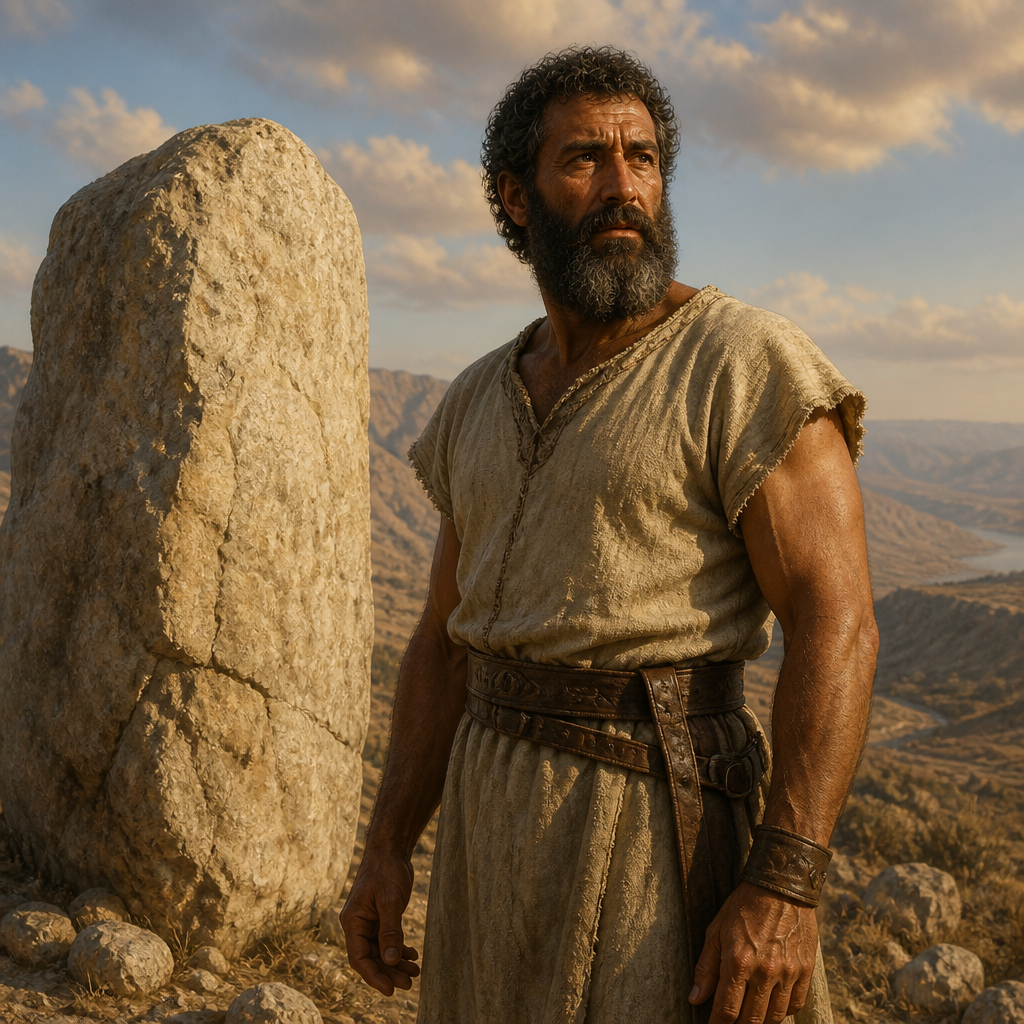
Bohan
Son of Reuben whose namesake stone marked the border between Judah and Benjamin
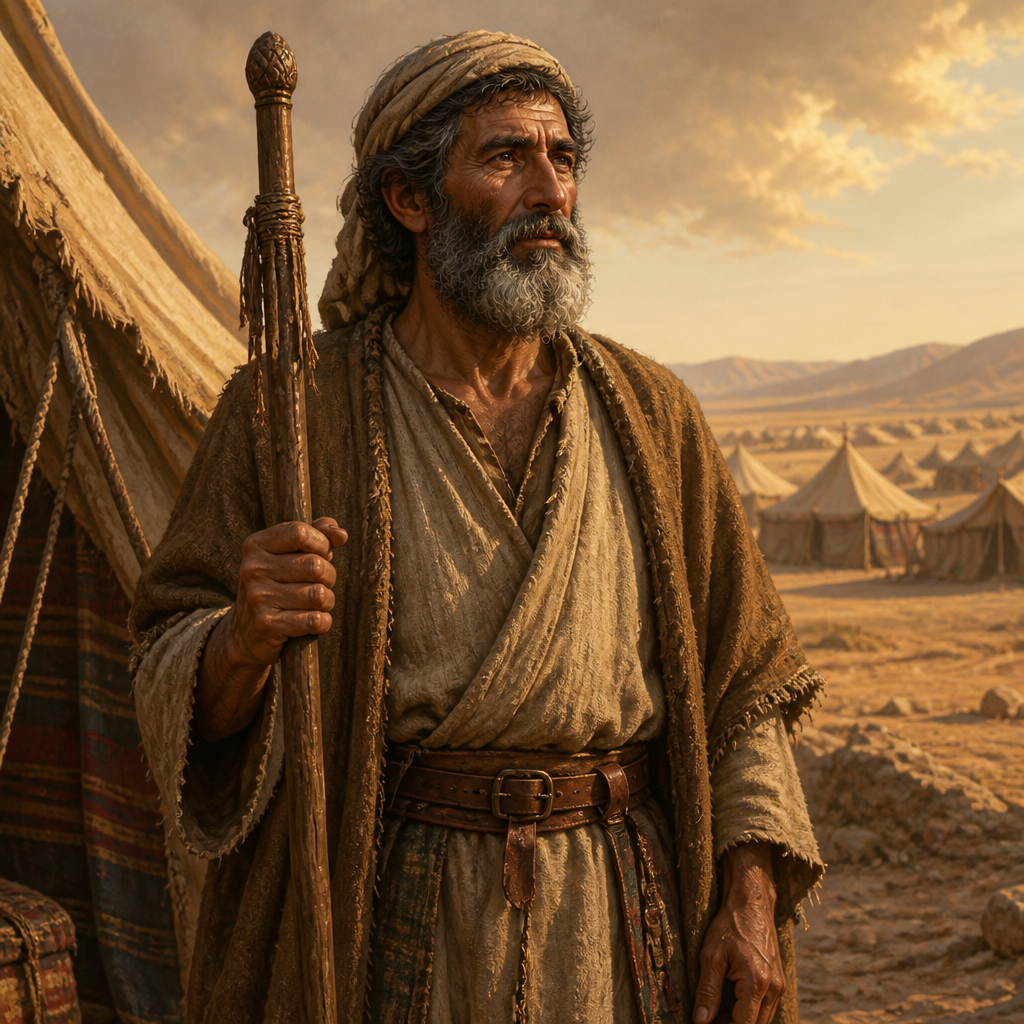
Hepher, Clan Head of Manasseh
Patriarch of the Hepherite clan and father of Zelophehad
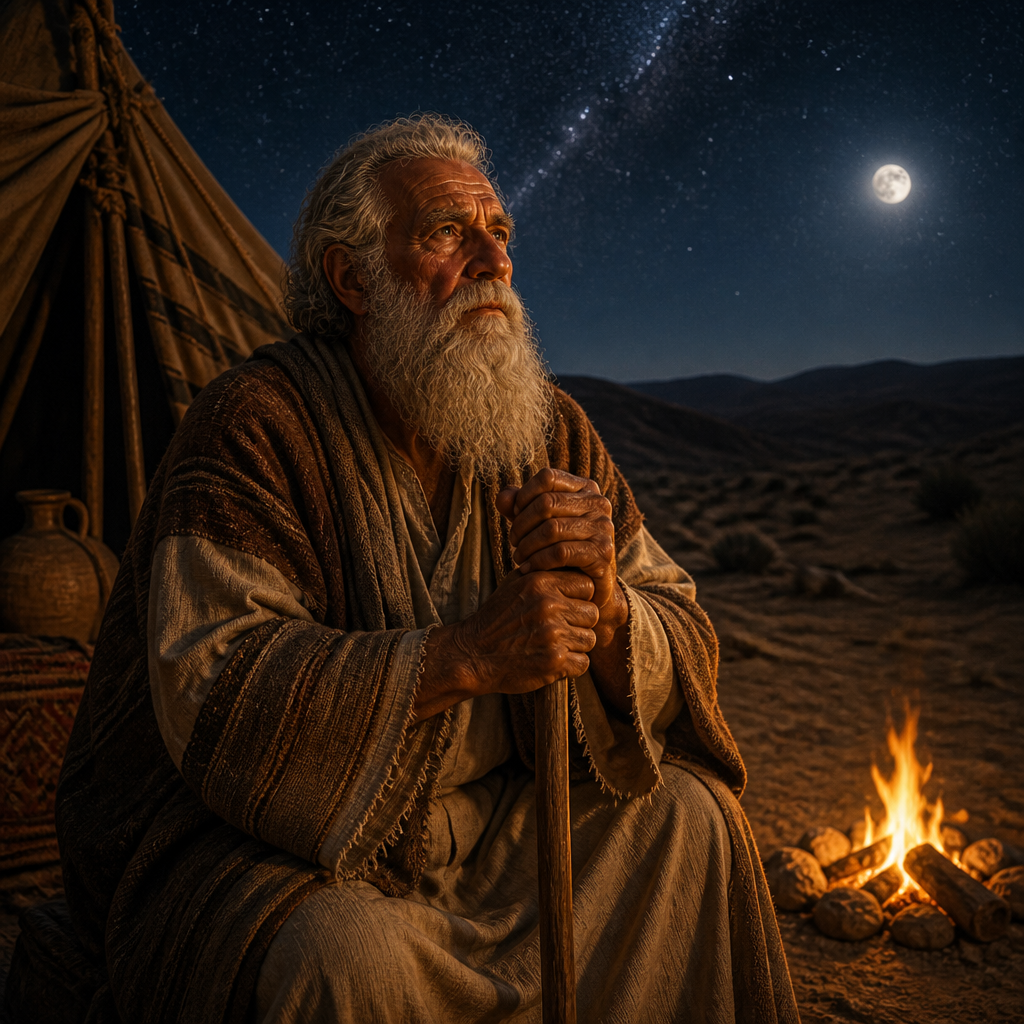
Abraham
Patriarch who is the father of the nation of Israel and an exemplar of faith
Carmi, Father of Achan
father of Achan who was identified during the inquiry regarding the sin at Jericho
Merari
Son of Levi whose descendants were responsible for the structural frames and pillars of the Tabernacle
Joseph, Son of Jacob
Patriarch who was sold into slavery and rose to become the second most powerful man in Egypt
Jabin, King of Hazor during the Conquest
King of Hazor who organized the northern Canaanite coalition against Joshua
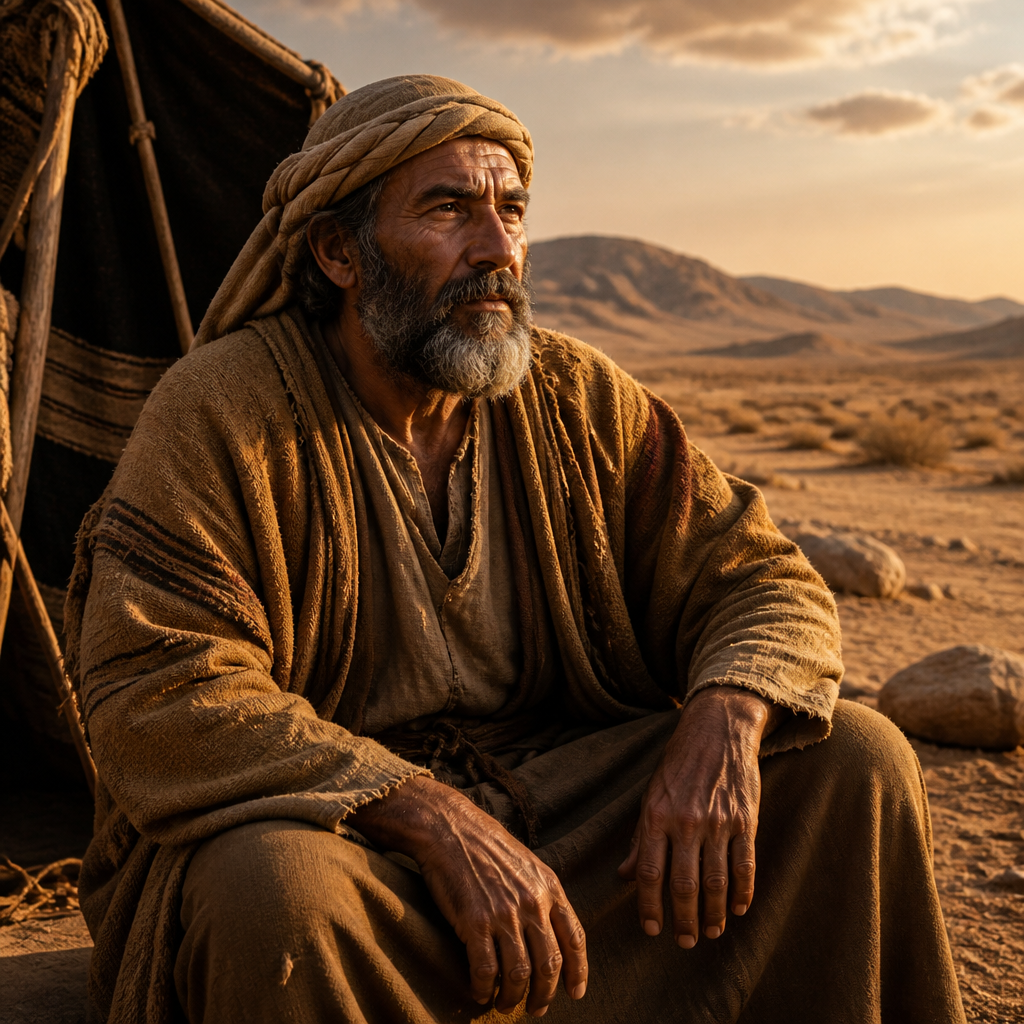
Zelophehad
Member of the tribe of Manasseh whose death without sons led to the establishment of inheritance rights for daughters
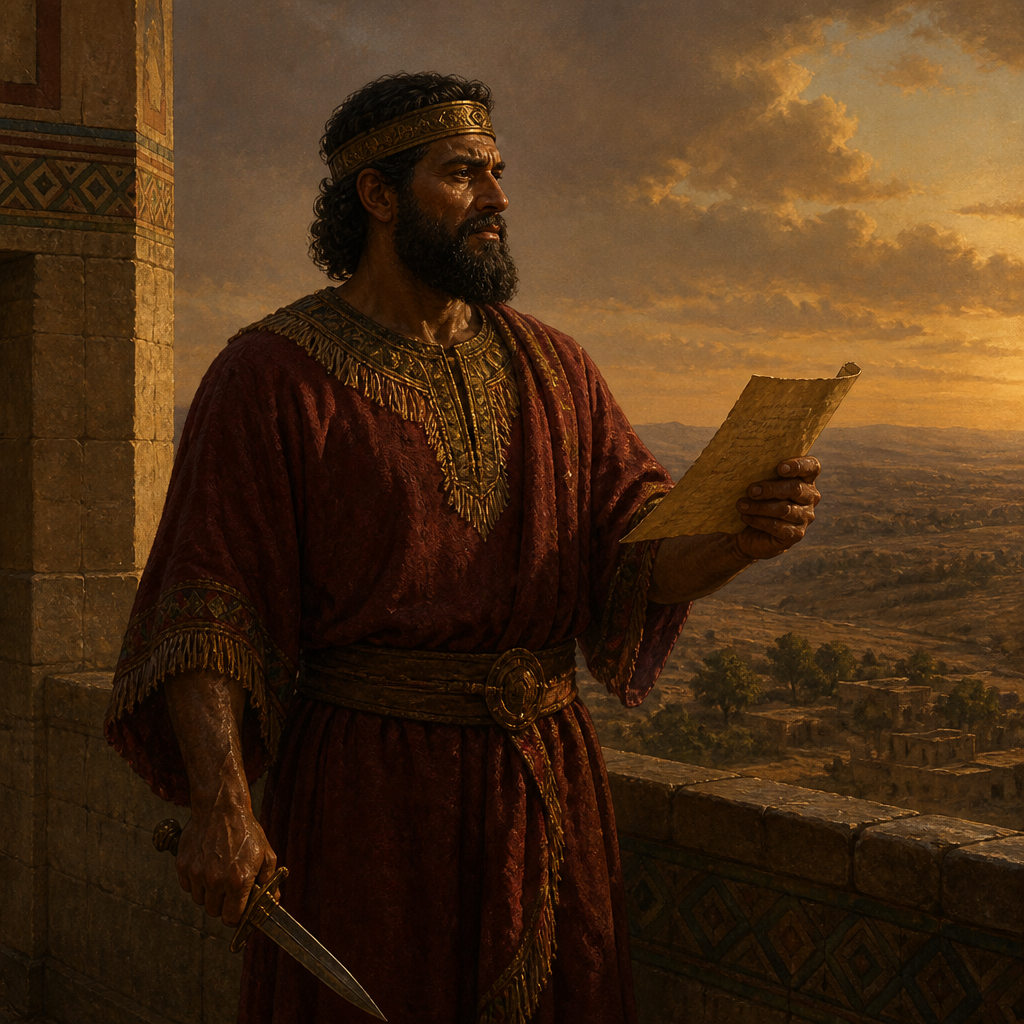
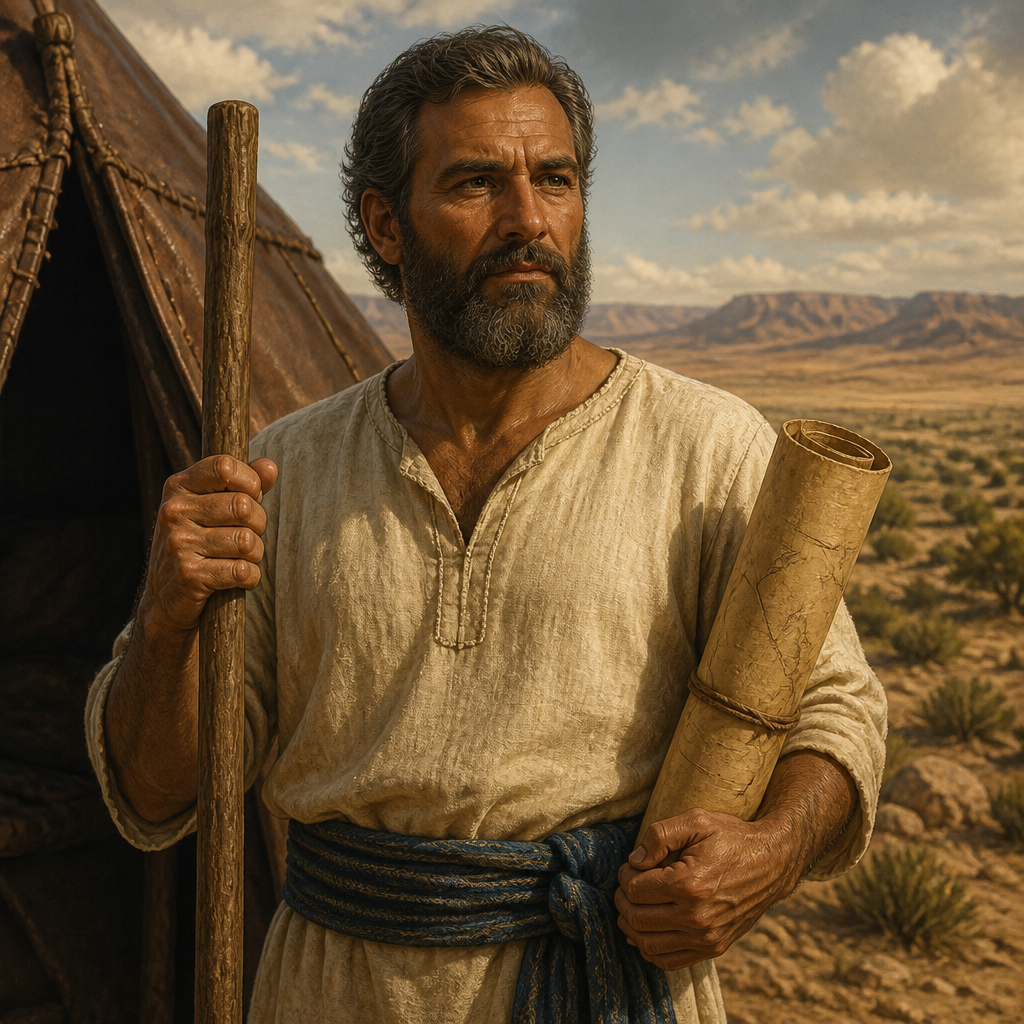
Helek
Son of Gilead and founder of the Helekite clan within the tribe of Manasseh

Ethan, Grandson of Zerah
Son of Zerah and father of Azariah in the tribe of Judah
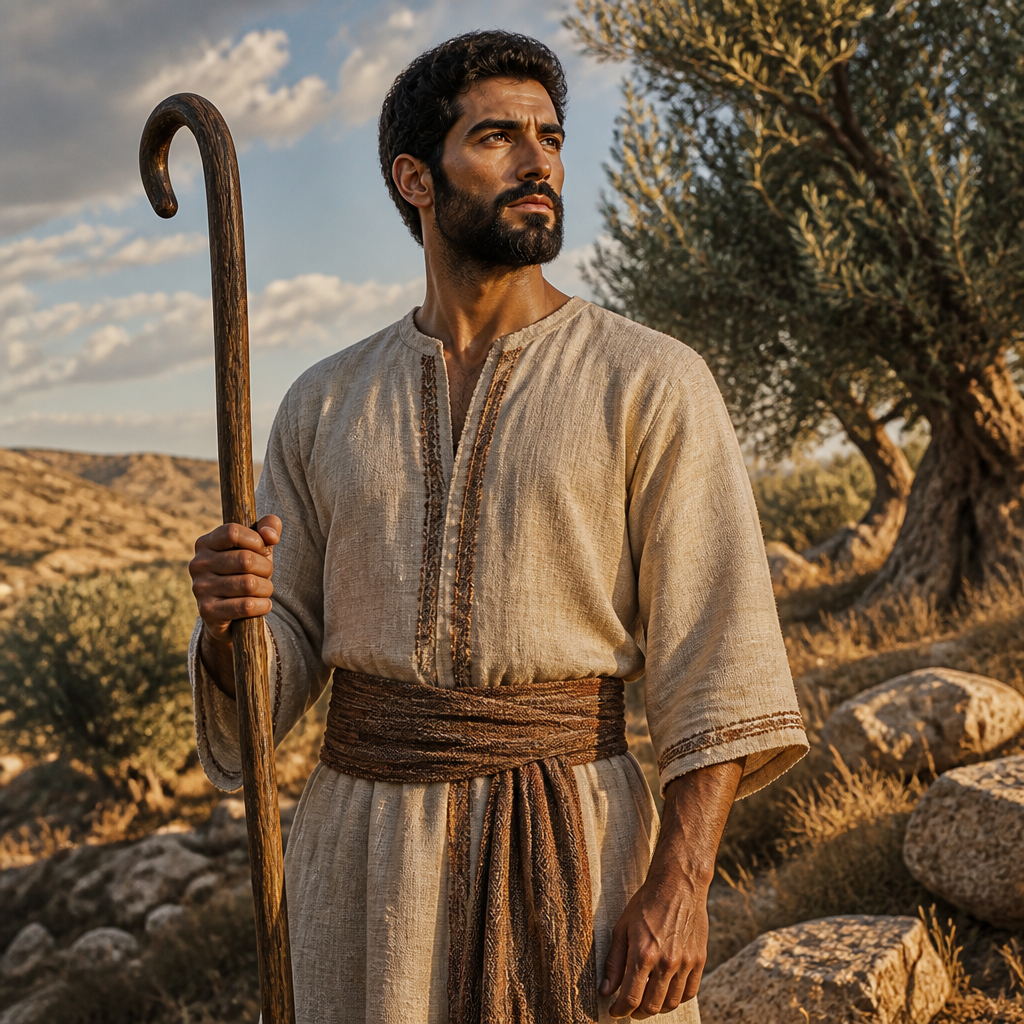
Elah, Son of Caleb
Son of the famous Israelite spy Caleb and father of Kenaz
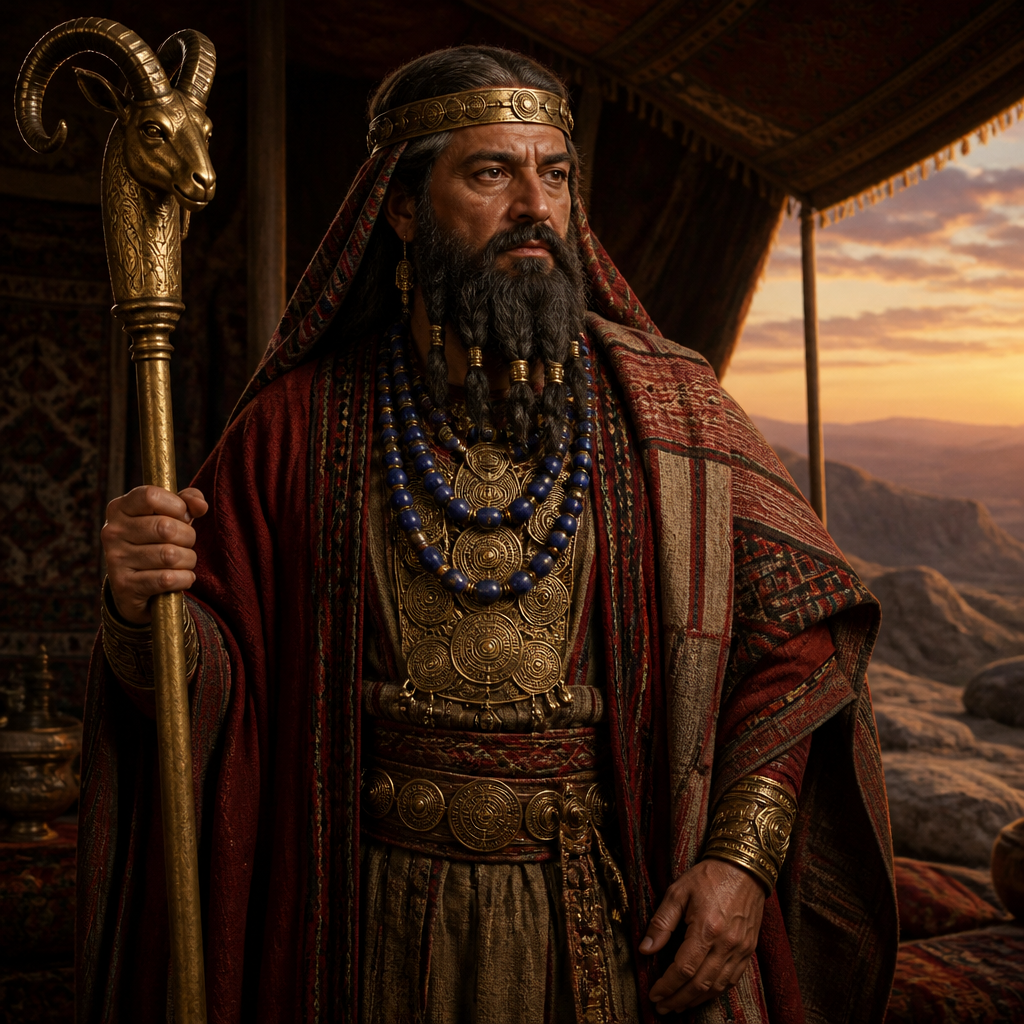
Rekem, King of Midian
King of Midian who was killed by the Israelites during the wilderness wanderings
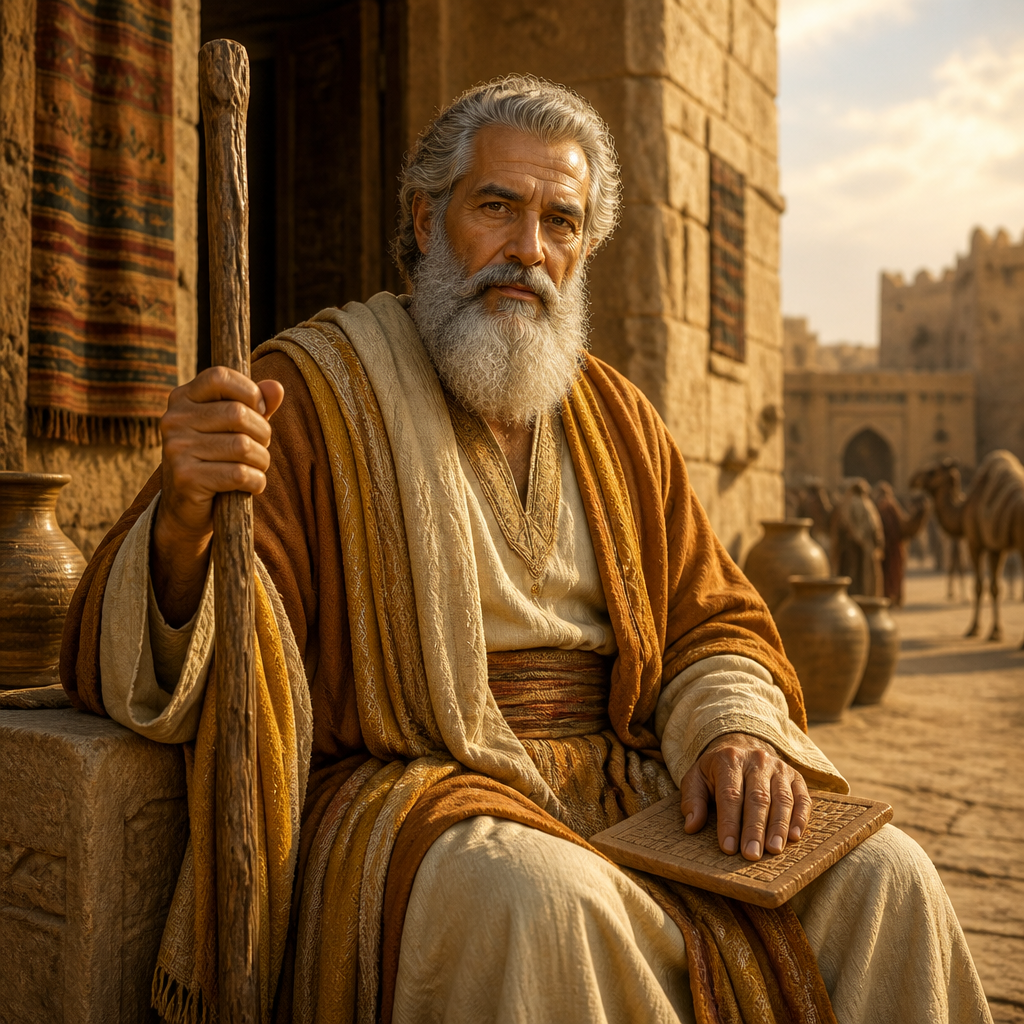
Nahor, Brother of Abraham
Brother of Abraham who stayed in Mesopotamia and fathered twelve sons
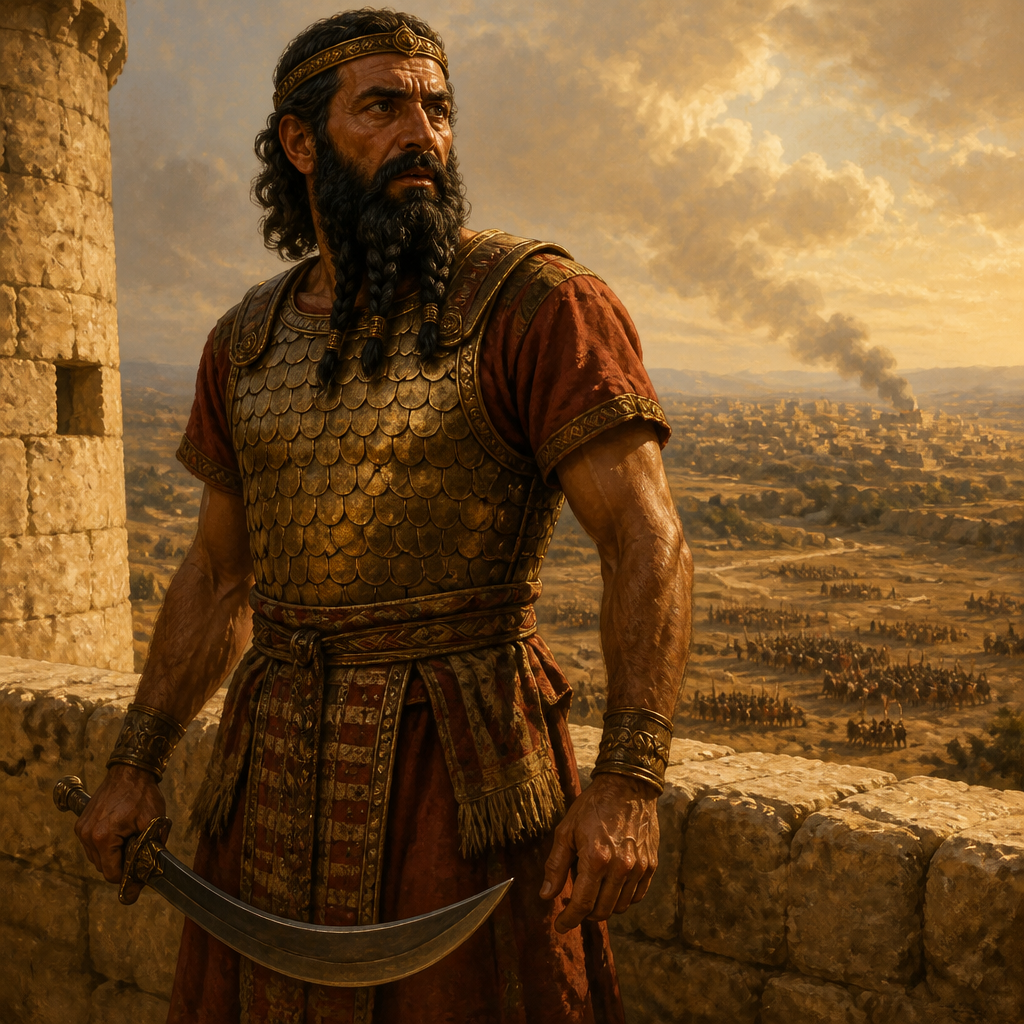
Horam
King of Gezer who was defeated by Joshua while defending Lachish
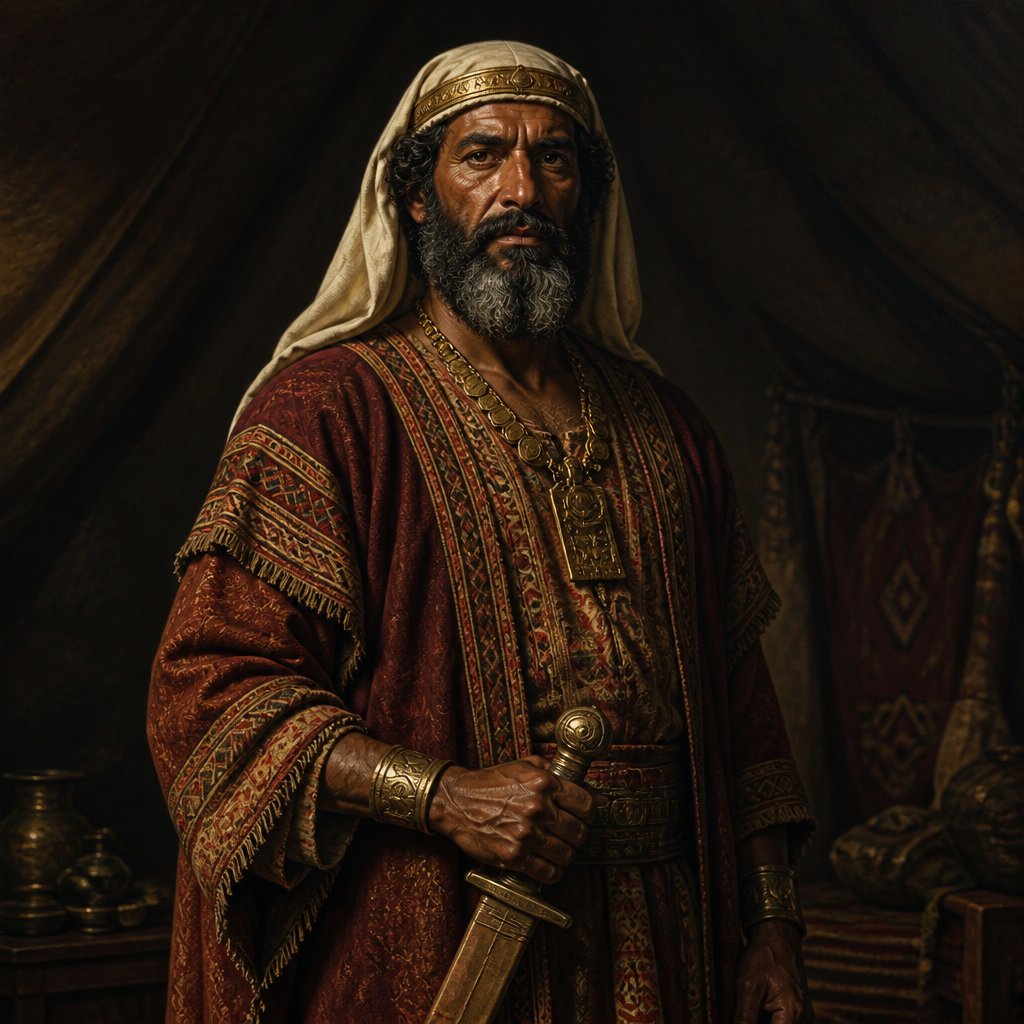
Reba
King of Midian who was slain during the Israelite wilderness campaign
Tirzah
Daughter of Zelophehad who secured legal inheritance rights for women
Hoglah
Daughter of Zelophehad who petitioned for female inheritance rights
Hur, King of Midian
King of Midian who was slain during the Israelite wilderness campaign
Meonothai
Patriarch of the tribe of Judah and the father of Ophrah
Mahlah, Daughter of Zelophehad
Eldest daughter of Zelophehad who petitioned for female inheritance rights
Heman, Grandson of Zerah
Son of Zerah and grandson of Judah mentioned in the tribal genealogies
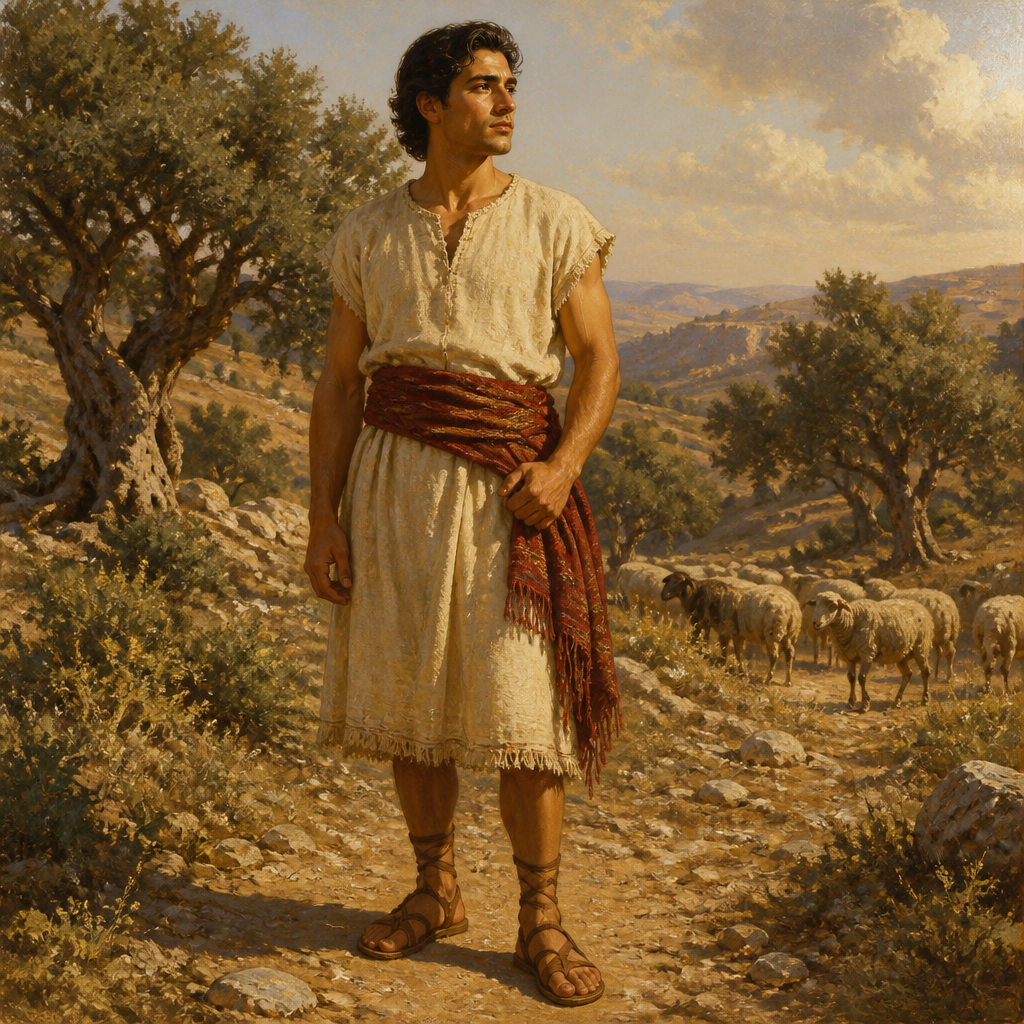
Calcol, Grandson of Zerah
grandson of Judah and one of the five sons of Zerah
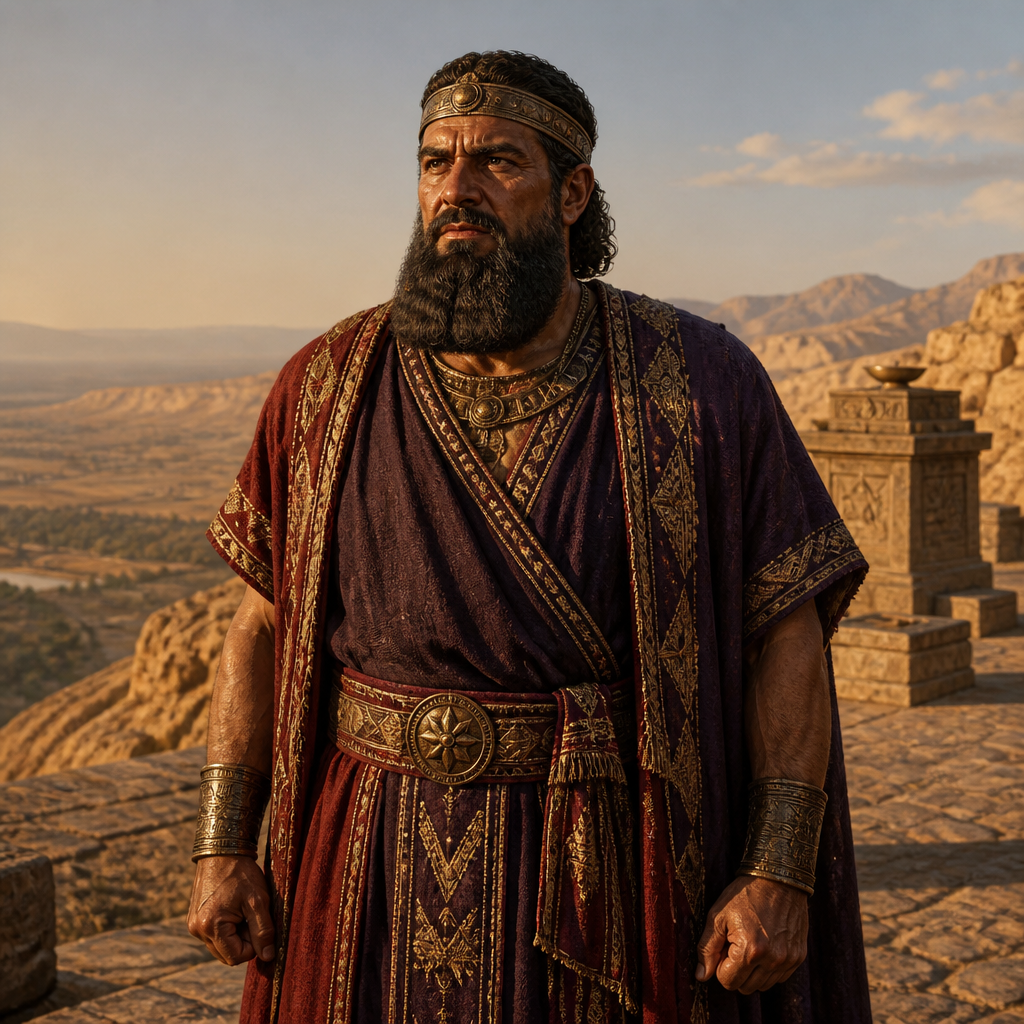
Balak
King of Moab who hired Balaam to curse the Israelites during their wilderness wanderings
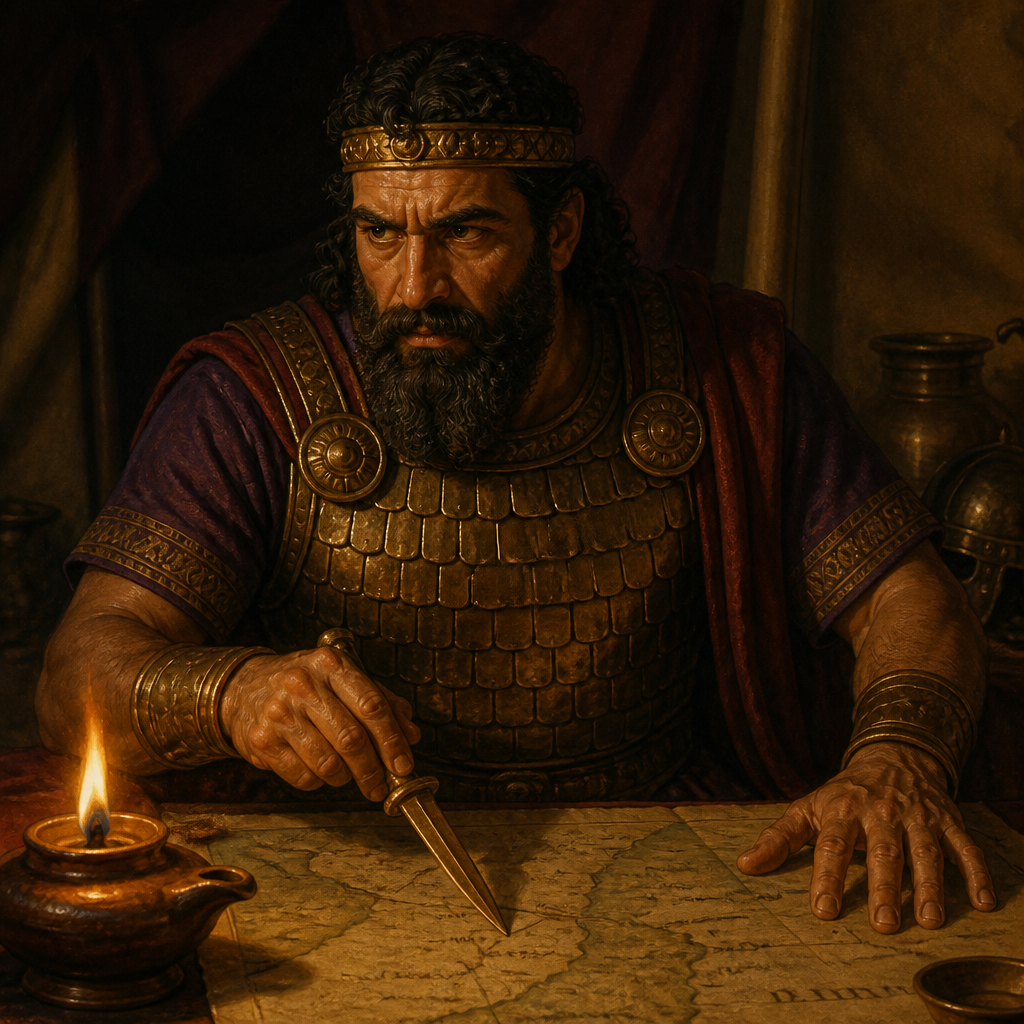
Jobab, King of Madon
Canaanite king of Madon who allied with Jabin of Hazor against Joshua
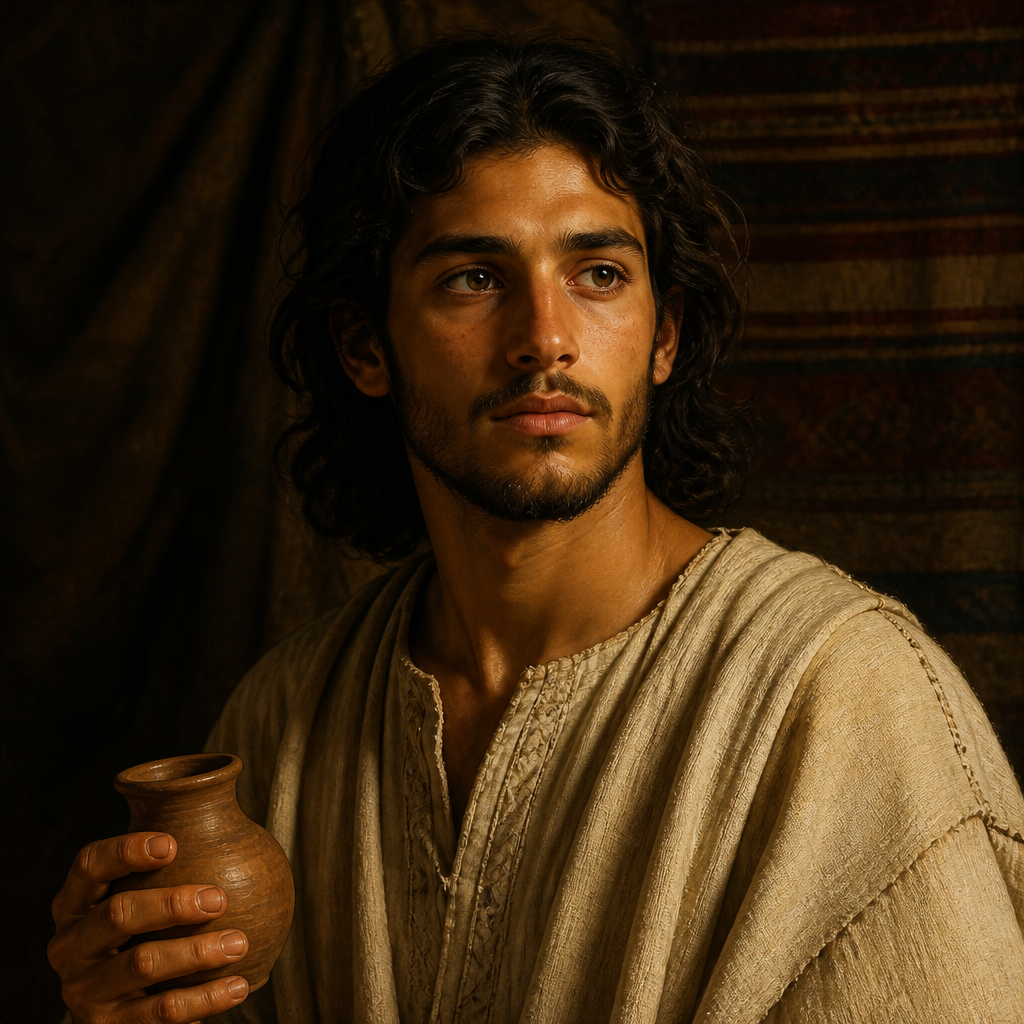
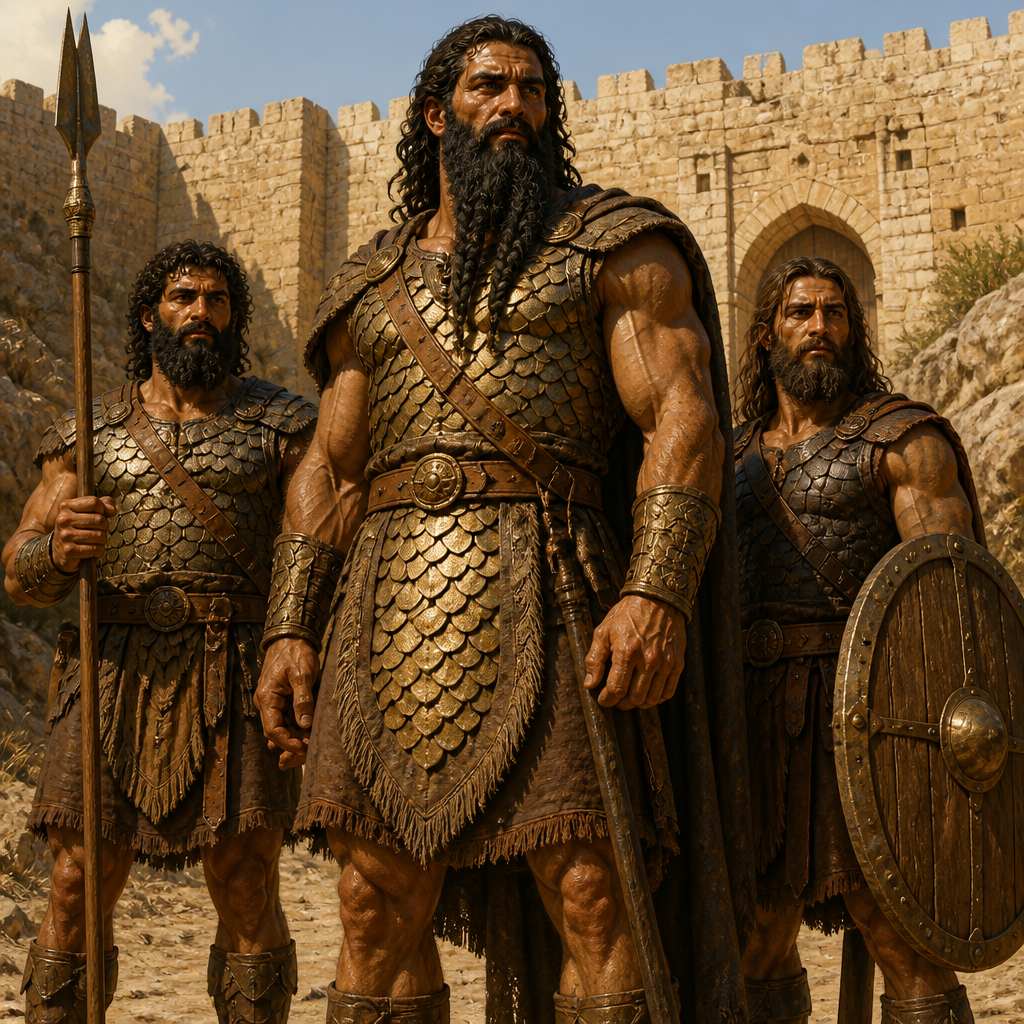
Talmai, son of Anak
Son of Anak and giant of Hebron who was defeated by Caleb
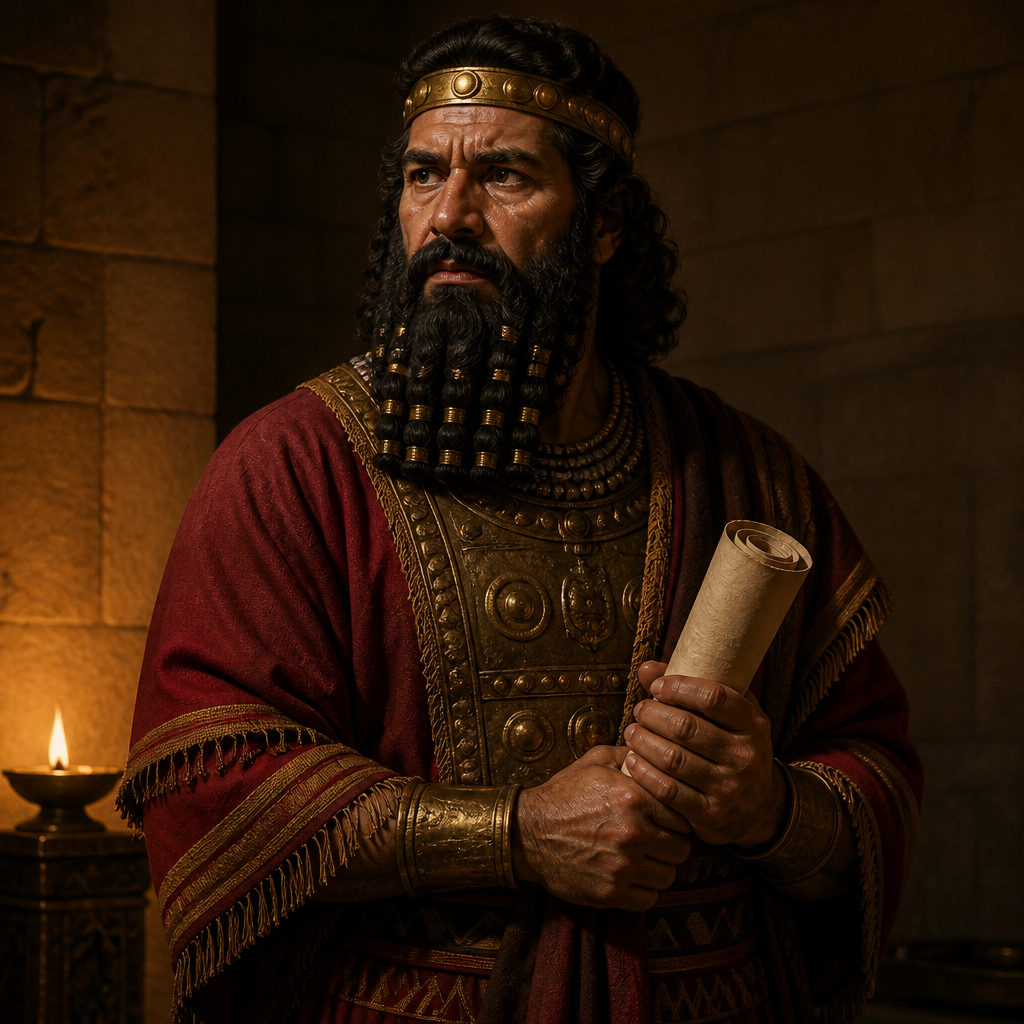
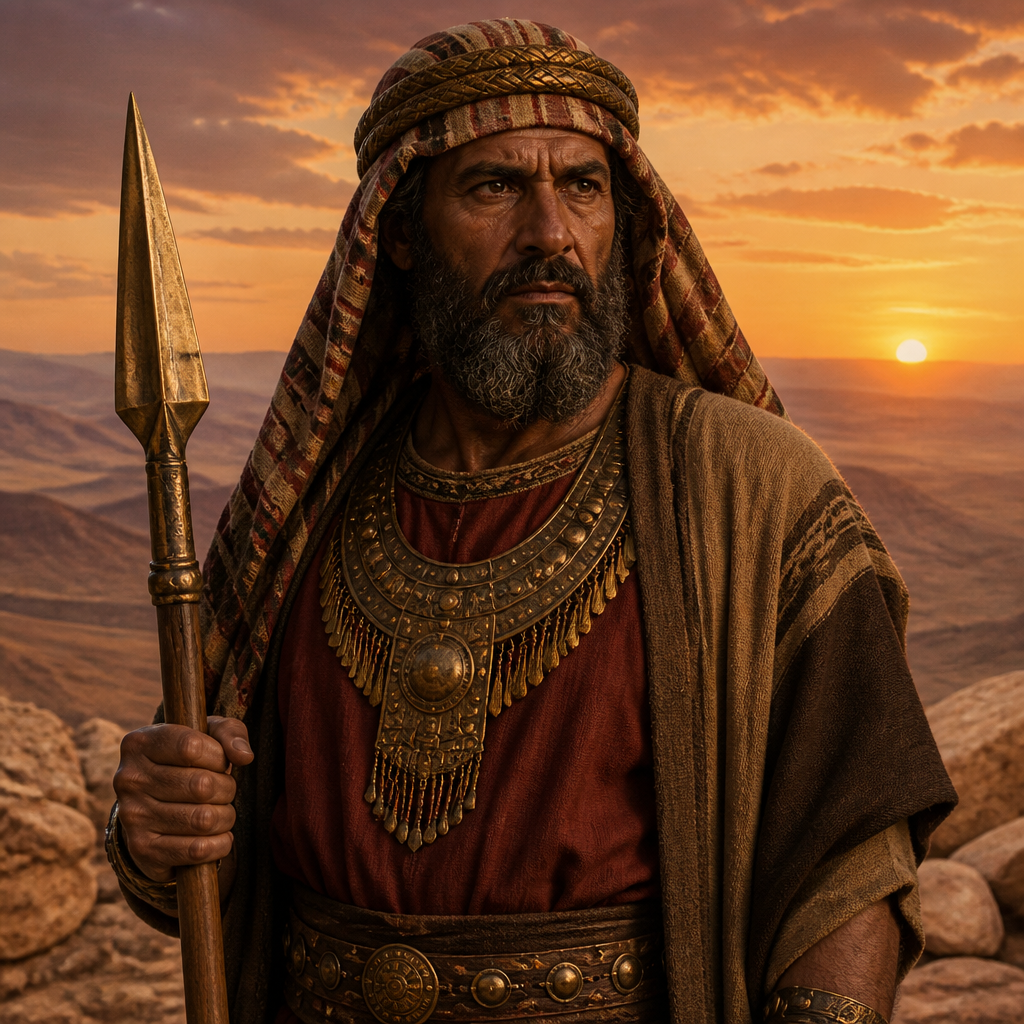
Zur, King of Midian
King of Midian who was slain during the Israelite campaign in the wilderness
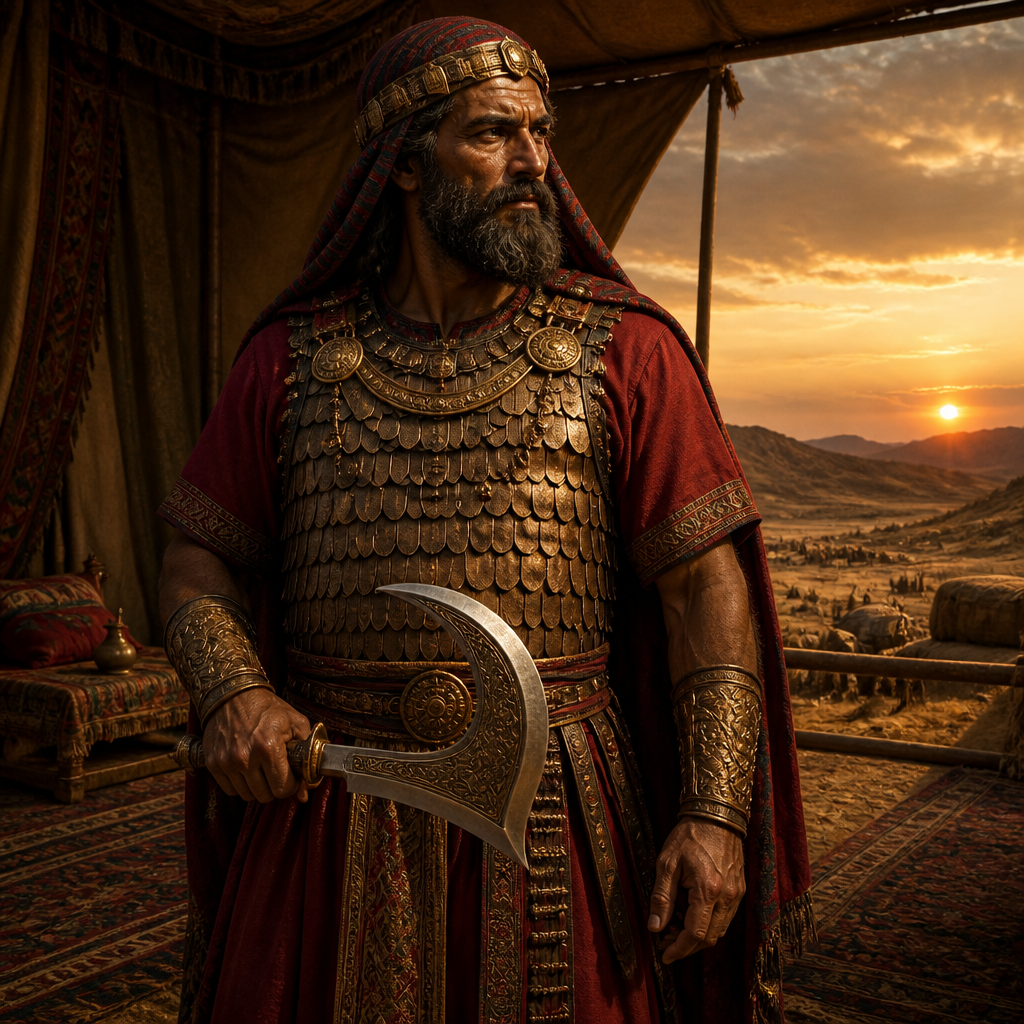
Sheshai
Giant descendant of Anak who inhabited Hebron during the Israelite conquest
Hamor
Hivite prince who sold land to Jacob and was later killed by Simeon and Levi
Shemida
Patriarch of the Shemidaite clan within the Tribe of Manasseh
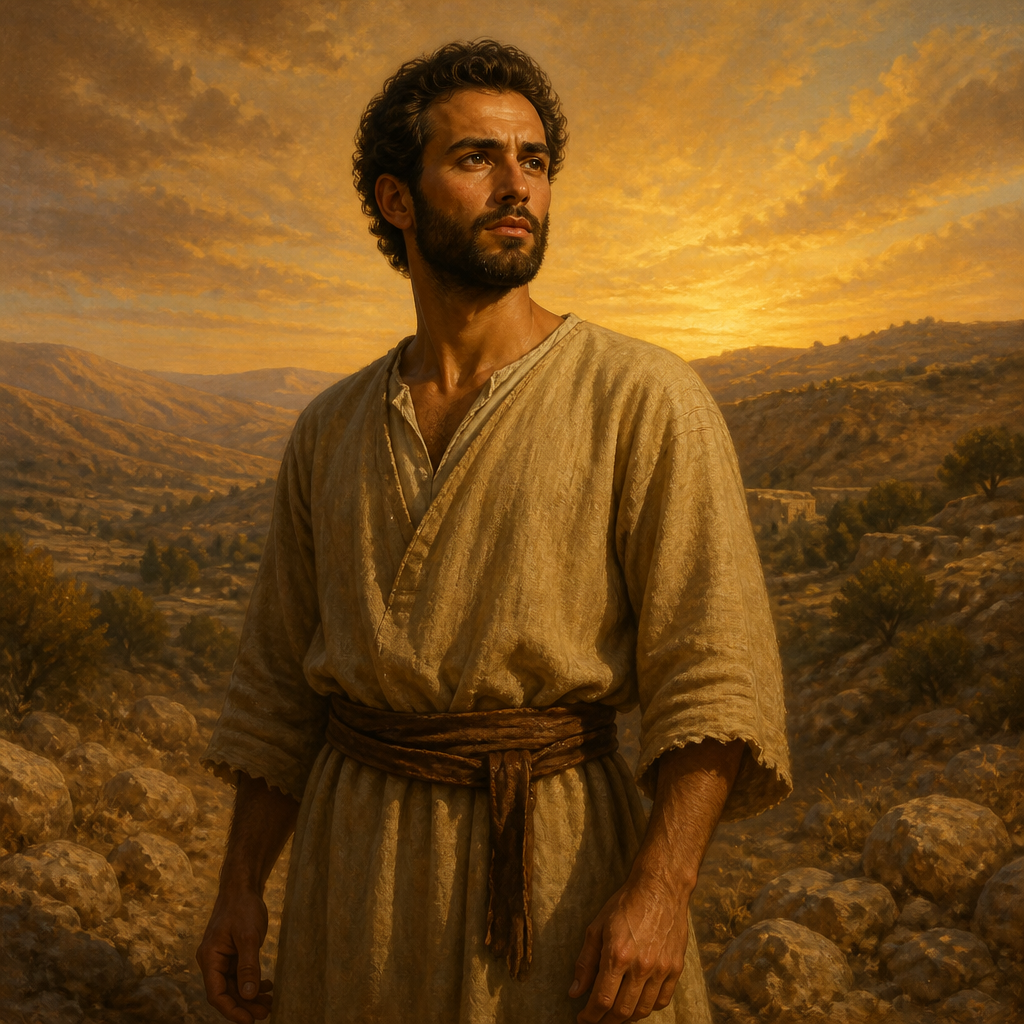
Hathath
Son of Othniel and grandson of Caleb within the tribe of Judah
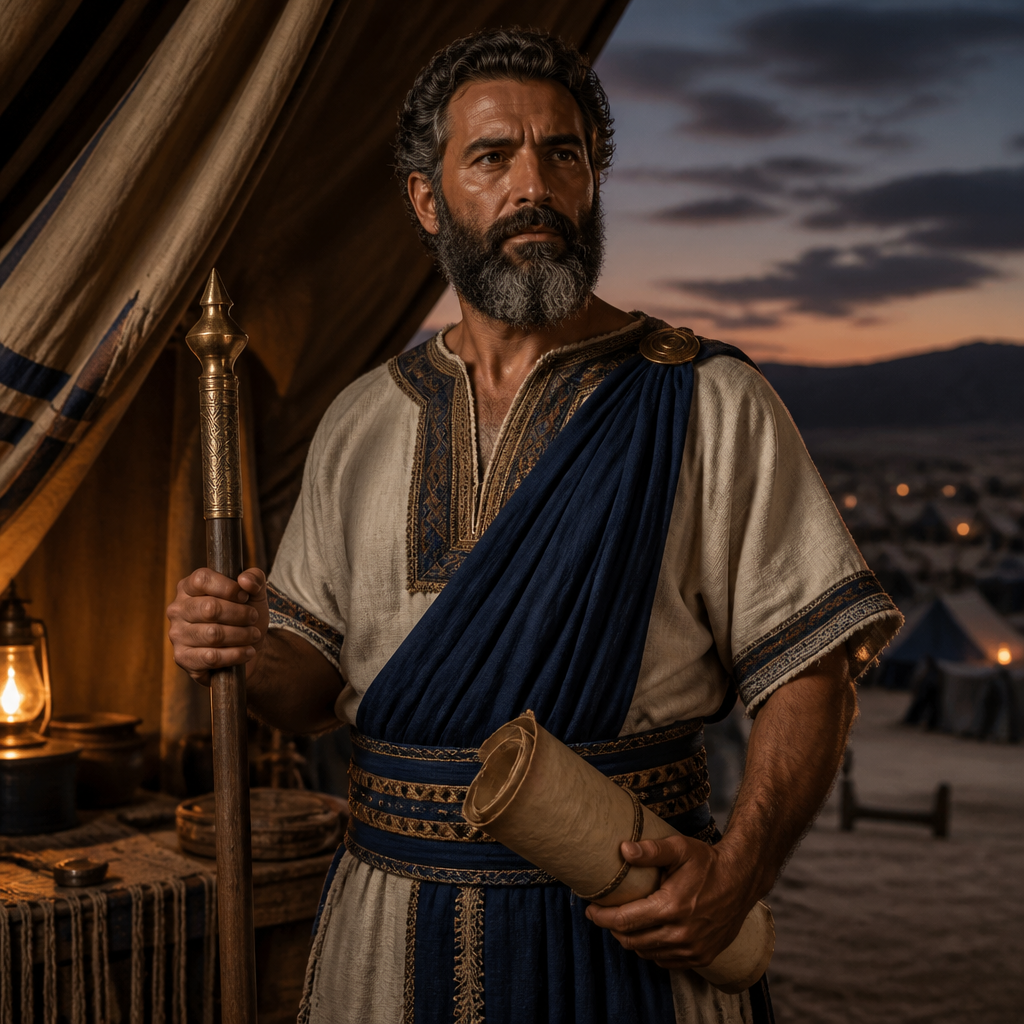
Shechem, Son of Gilead
Clan leader and descendant of Manasseh who founded the Shechemite clan during the Wilderness era
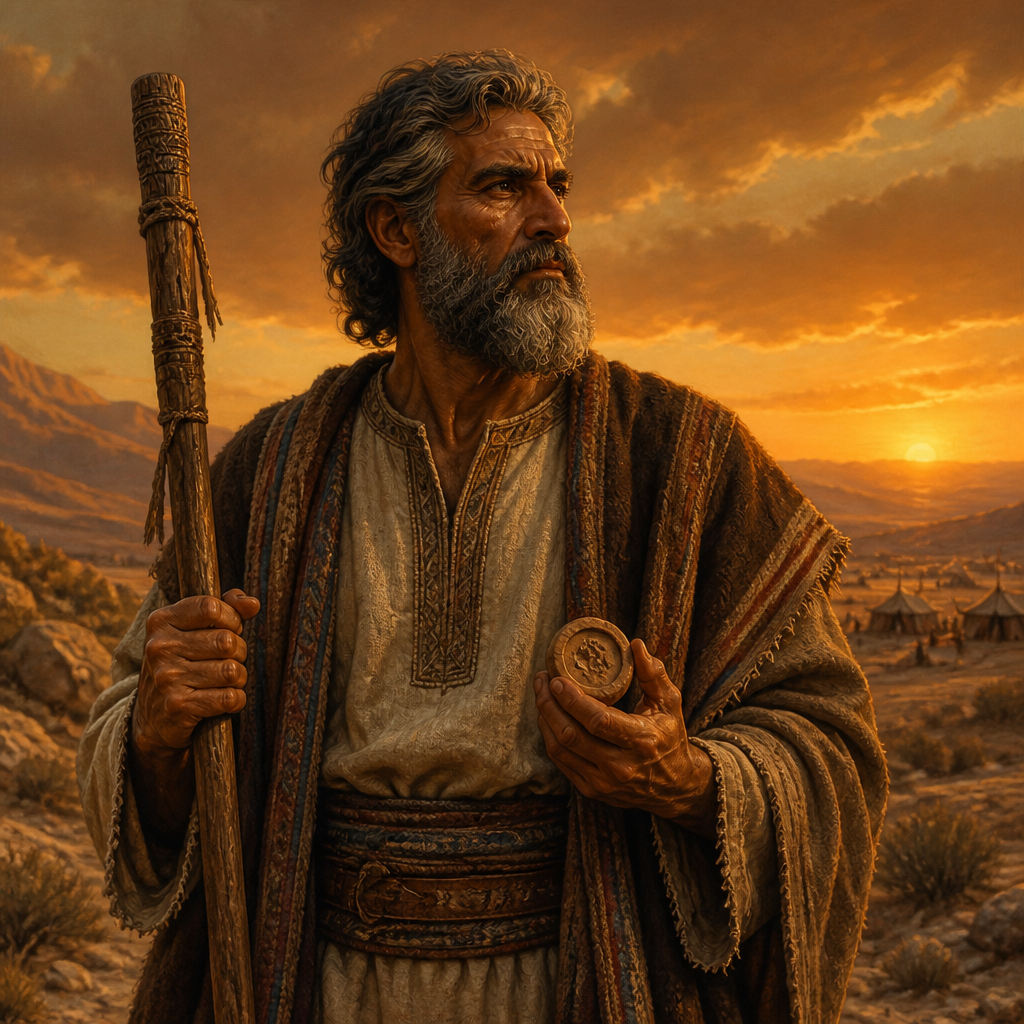
Abiezer, Son of Gilead
Patriarch of the Abiezrite clan and ancestor of the judge Gideon
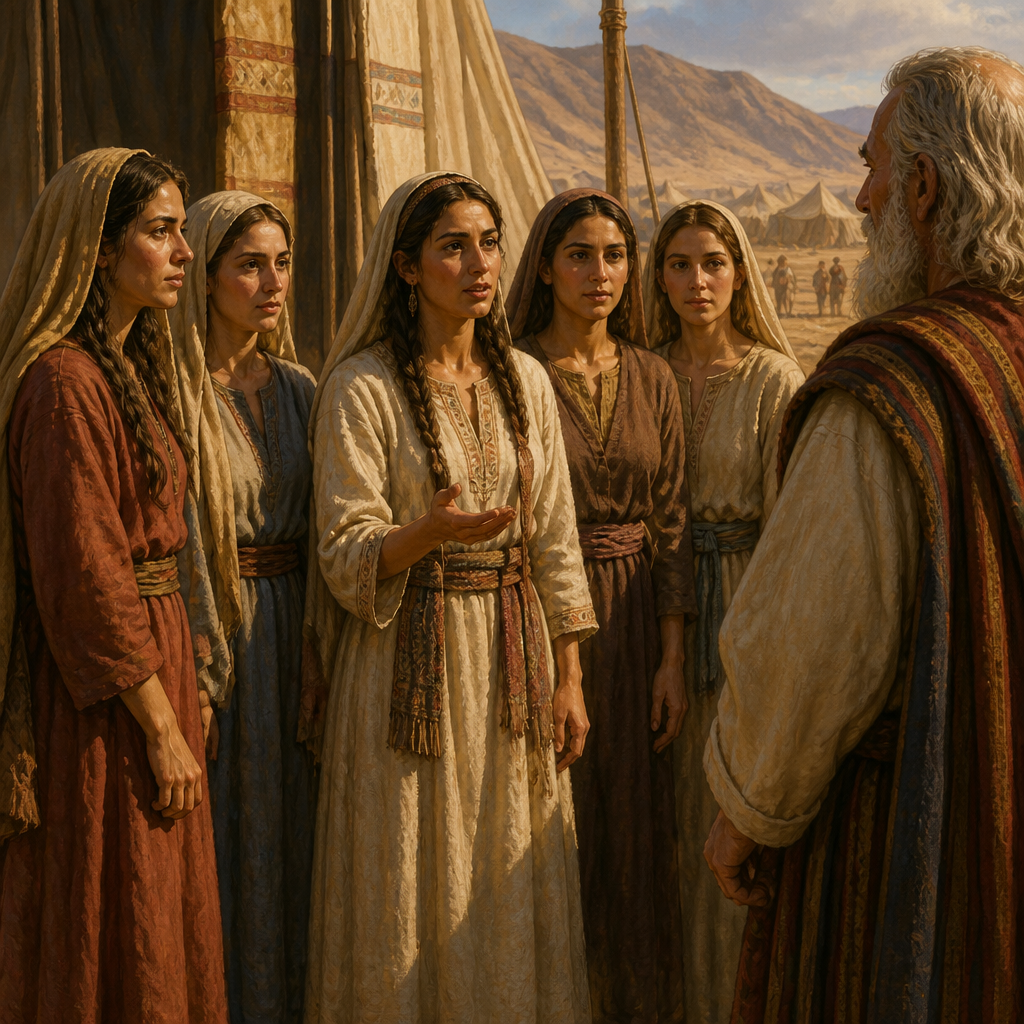
Noah, Daughter of Zelophehad
Daughter of Zelophehad who petitioned Moses for inheritance rights
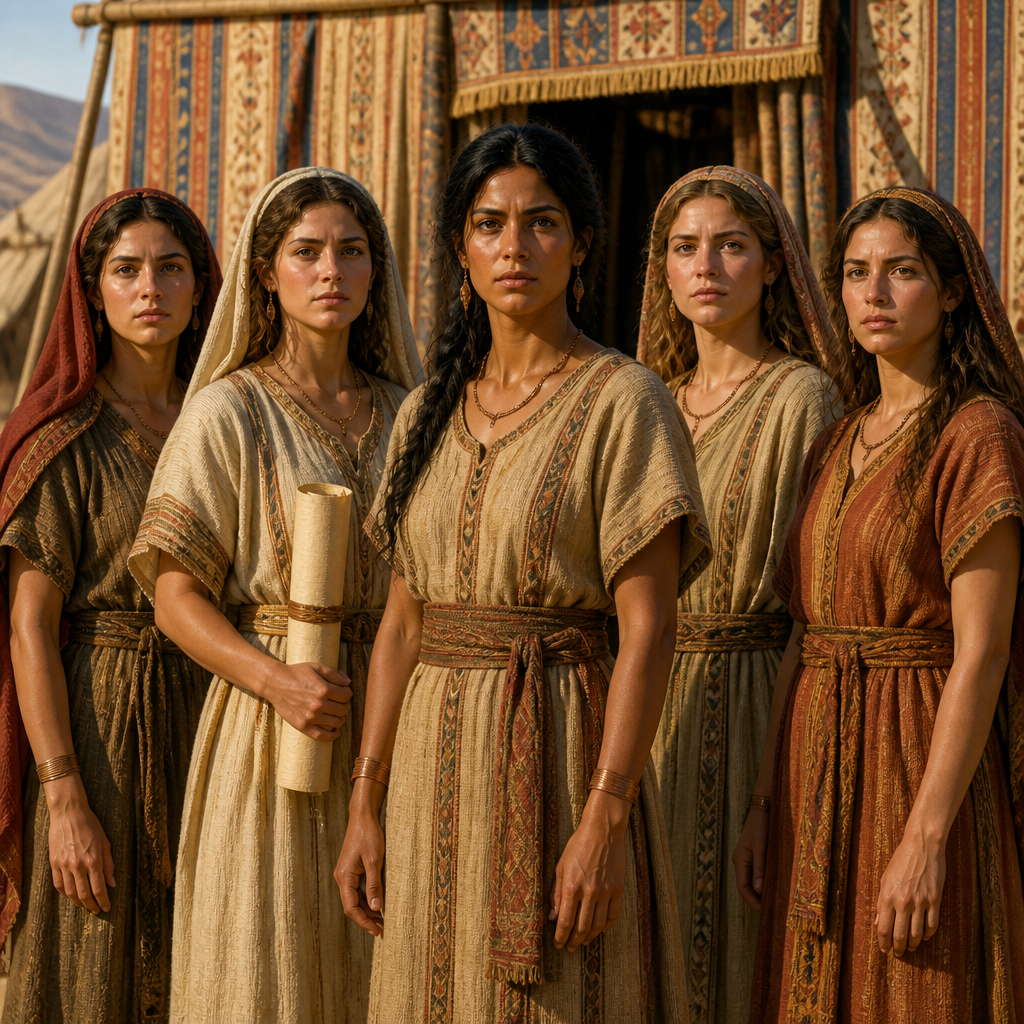
Milcah, Daughter of Zelophehad
Daughter of Zelophehad who helped secure land inheritance rights for women in Israel
Gershon
Eldest son of Levi whose descendants were responsible for transporting the Tabernacle's curtains and coverings
Nahor, Grandfather of Abraham
Grandfather of Abraham who is listed in the genealogy of Jesus Christ
Japhia, King of Lachish
King of Lachish who joined the Amorite coalition against Joshua
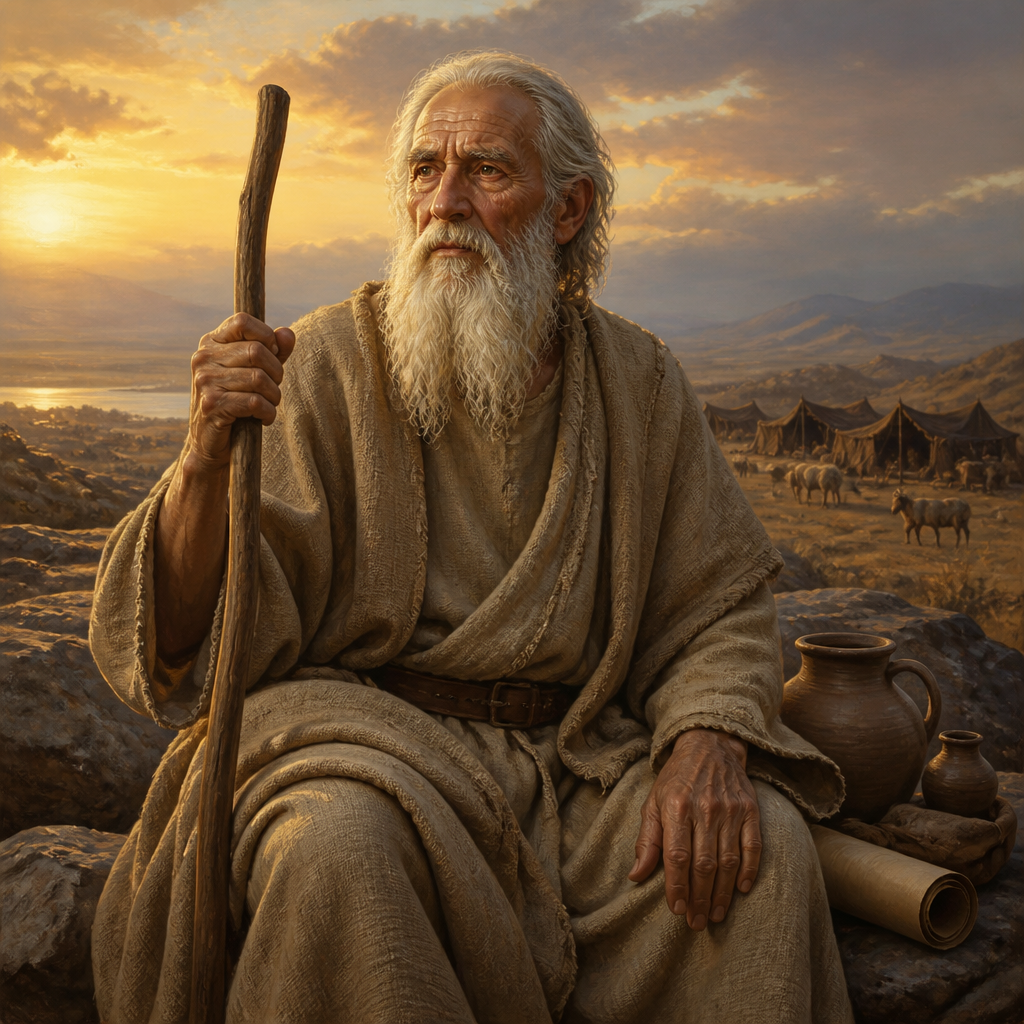
Kohath
Patriarch of the Levite clan responsible for the most holy Tabernacle objects
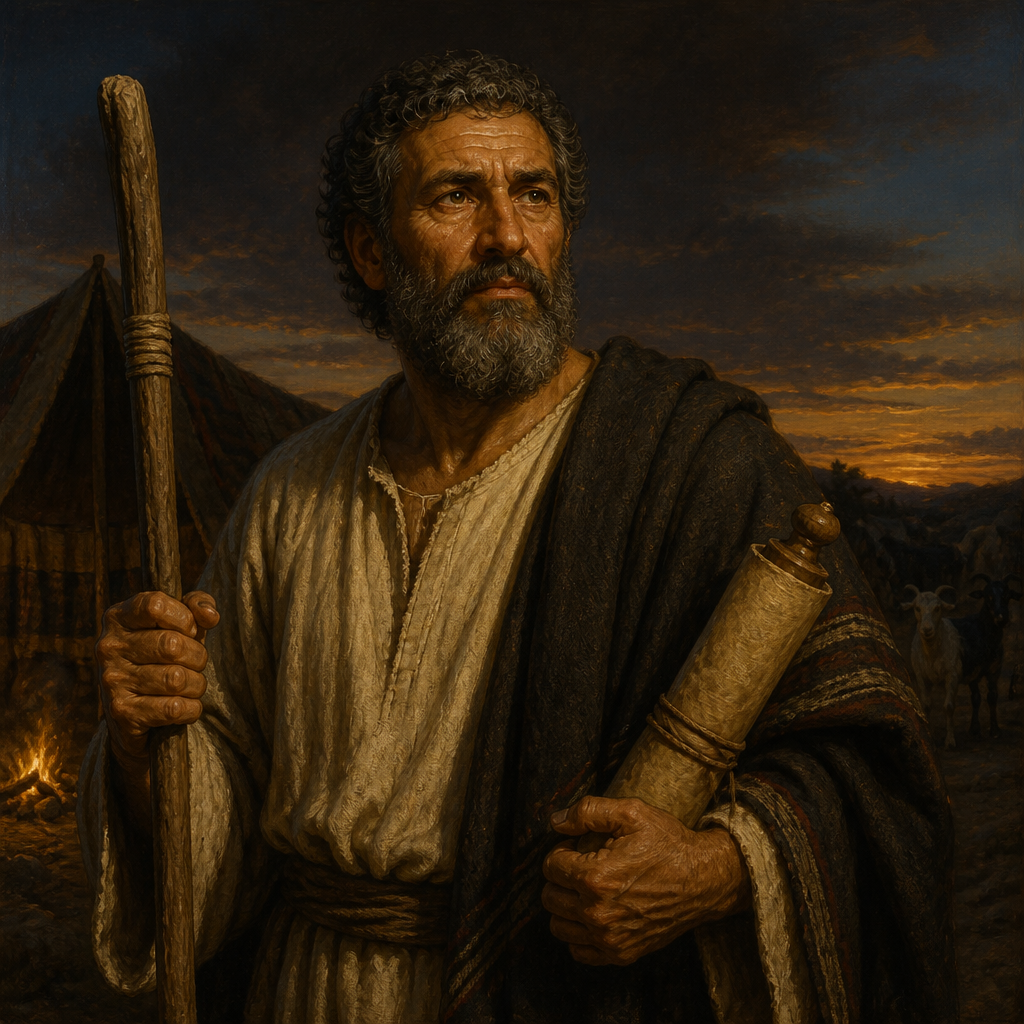
Caleb, Son of Hezron
Tribal patriarch of Judah and son of Hezron whose extensive genealogy is recorded in 1 Chronicles
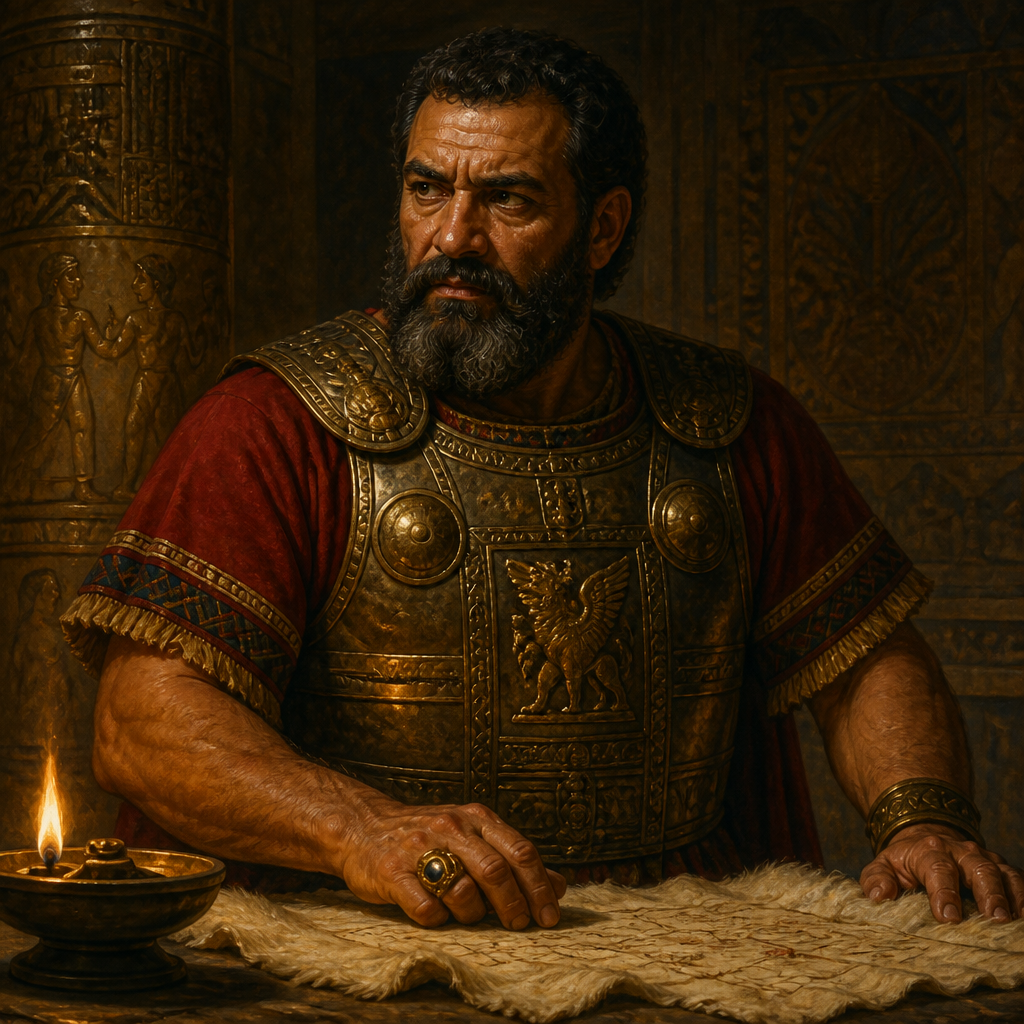
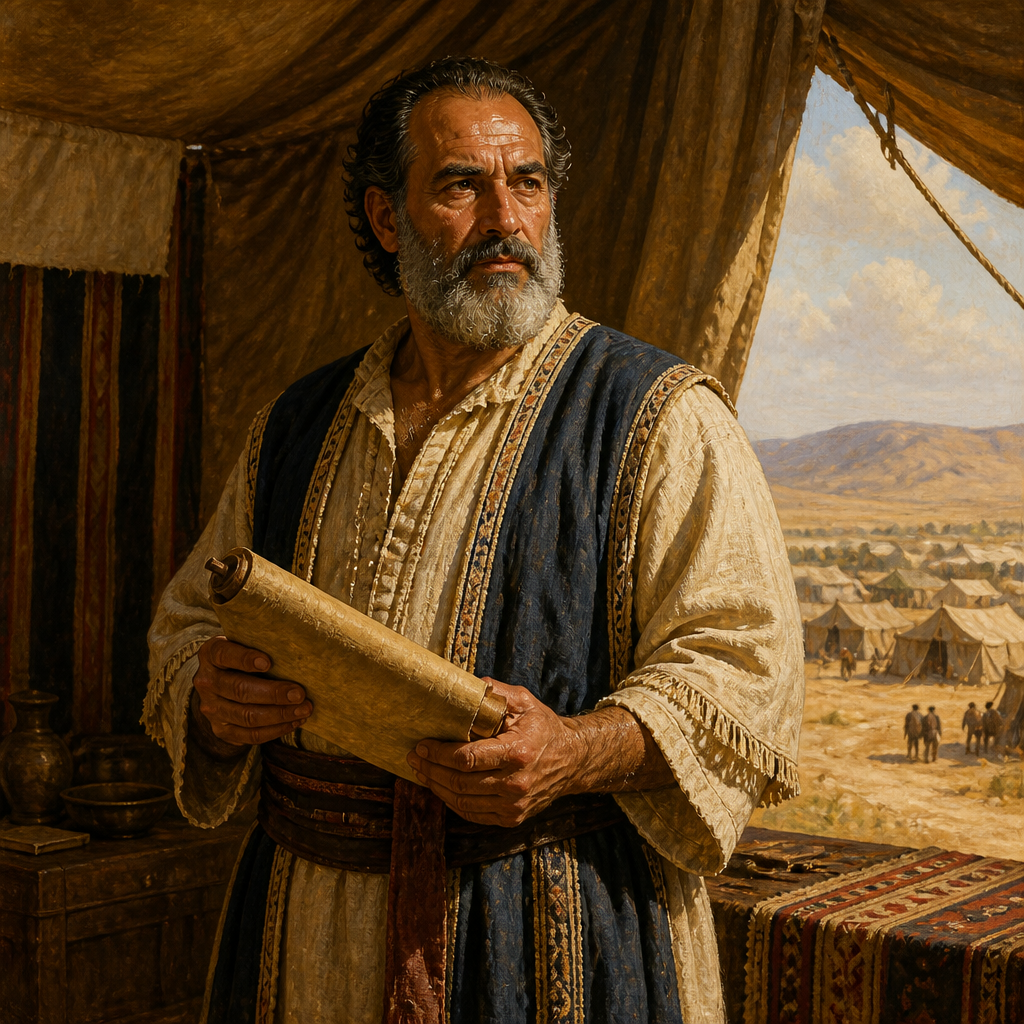
Asriel, Son of Gilead
Clan leader and eponymous ancestor of the Asrielites within the tribe of Manasseh
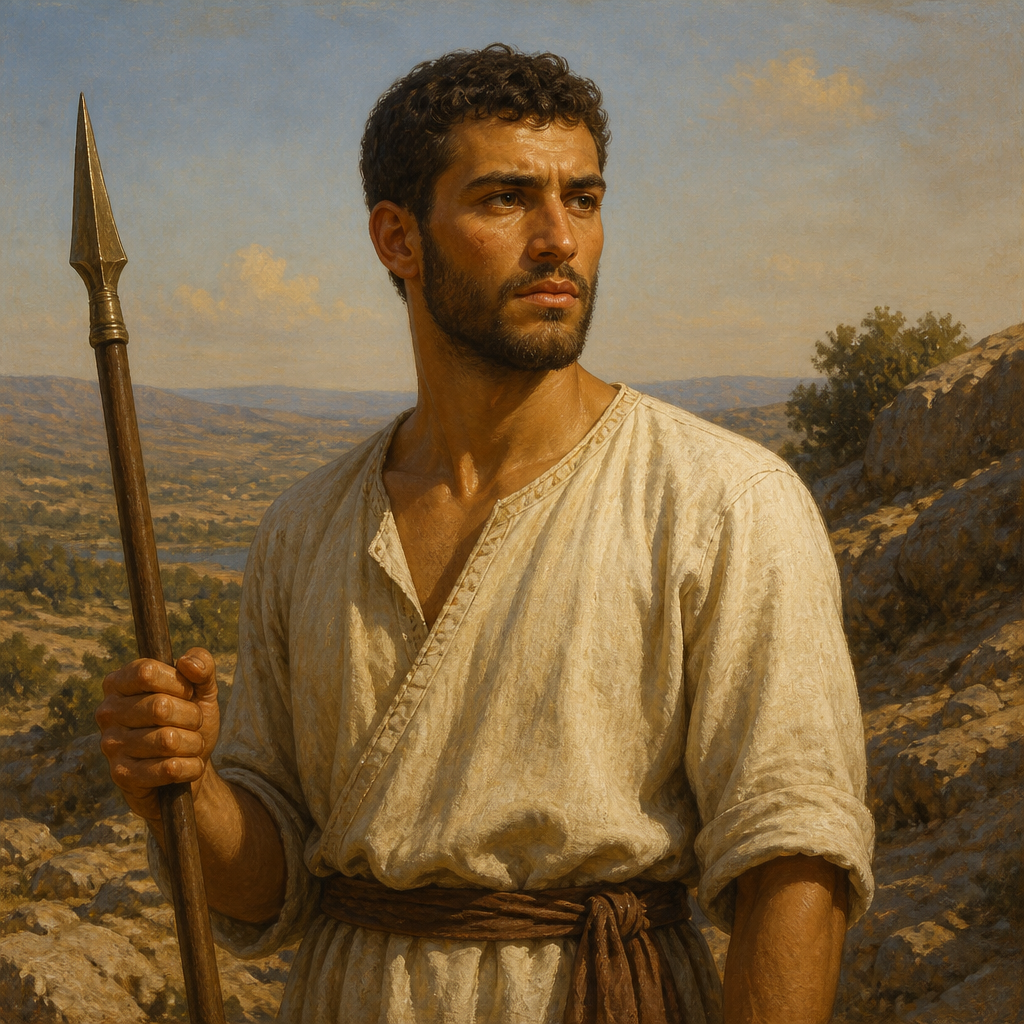
Iru
Son of Caleb son of Jephunneh listed in the genealogy of Judah
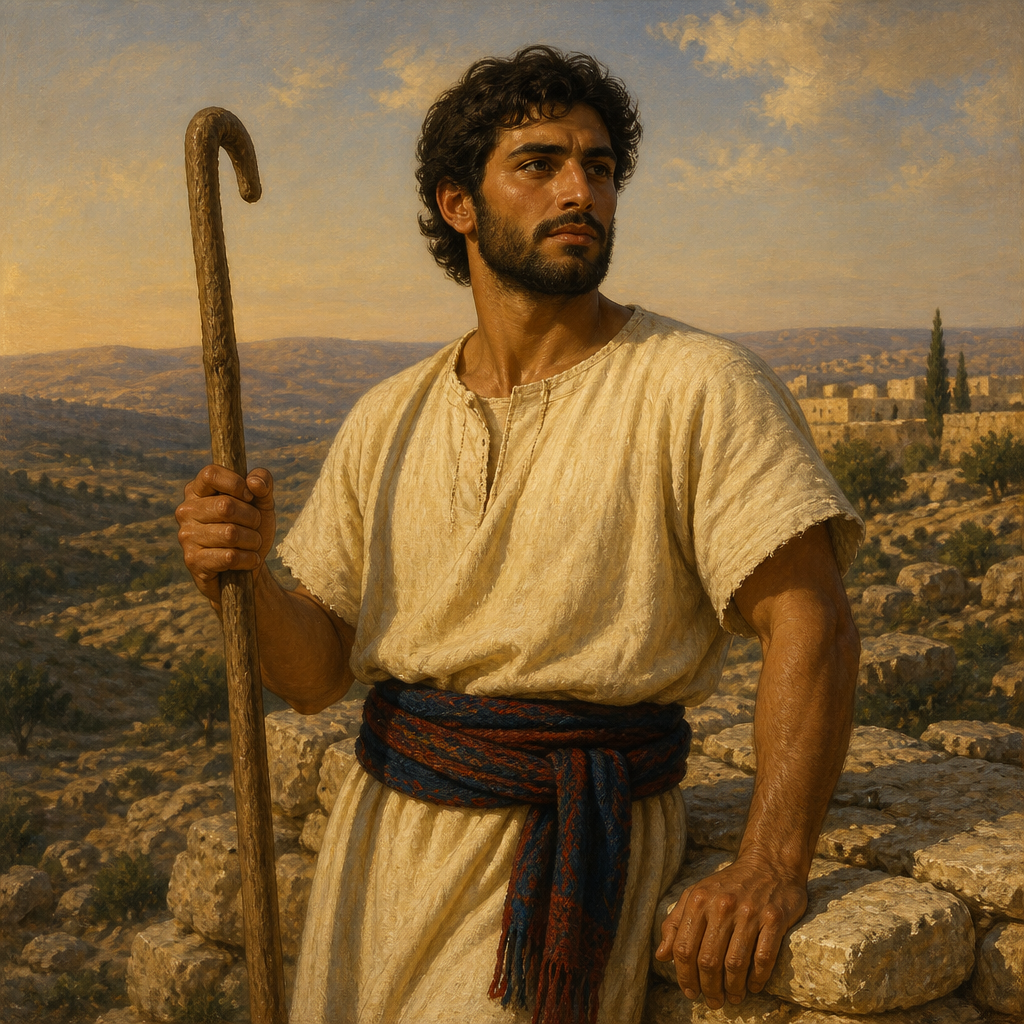
Naam
Son of Caleb son of Jephunneh listed in the genealogies of Judah
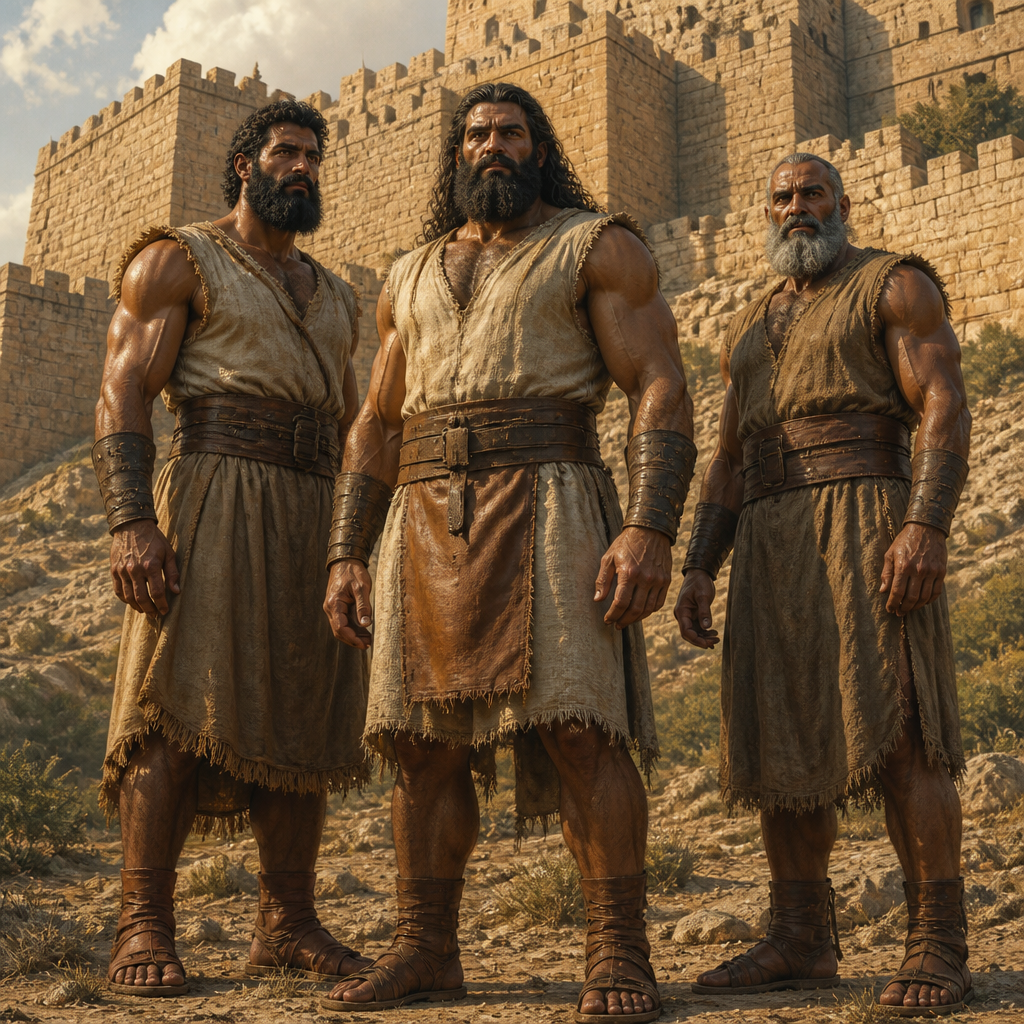
Ahiman, son of Anak
Descendant of Anak who lived in Hebron and was encountered by the twelve spies