Caleb, Son of Hezron
Who was Caleb, Son of Hezron, in the Bible?
A prominent descendant of Judah and son of Hezron, Caleb was a foundational figure in the genealogical expansion of the Tribe of Judah during the Egyptian and wilderness eras.
This is one of 2 people named Caleb in the Bible. See all 2 →
Caleb, the son of Hezron, stands as a critical genealogical link within the Tribe of Judah. As the grandson of Perez and the great-grandson of the patriarch Jacob, Caleb represents the early establishment of the Judean line during the period of the Egyptian sojourn and the subsequent wilderness years. His life is primarily documented through the extensive genealogical records of the Chronicler, which emphasize his role in populating the region of Judah and establishing significant family lines that would define the tribe’s territory for generations.
While often overshadowed in popular memory by other figures bearing the same name, Caleb son of Hezron serves as a vital anchor for the tribal identity of Judah. His marriage alliances and numerous children reflect the rapid growth of the Israelites as they transitioned from a single family to a vast nation. The biblical record focuses heavily on his descendants and the geographic locations associated with his household, underscoring his importance as a patriarch within the Judean aristocracy during the era of the Exodus and the development of the tribal allotments.
Background and Family
Caleb was born into the prestigious line of Judah, the fourth son of Jacob. According to 1 Chronicles 2:9, he was one of the three primary sons of Hezron, along with Jerahmeel and Ram. As part of this lineage, Caleb was situated at the very heart of the tribe that would eventually produce the Davidic monarchy. His immediate family context was one of expansion and settlement. The biblical record identifies his siblings as Jerahmeel, Ram, Segub, and Ashhur, the latter being born after the death of their father Hezron (1 Chronicles 2:24).
Caleb’s domestic life was remarkably complex and prolific. He was married to Azubah and Jerioth (1 Chronicles 2:18). Following the death of Azubah, he married Ephrath (also referred to as Ephrathah), a union that produced Hur, a major figure in Judean history. Beyond these wives, the text identifies several concubines, including Ephah and Maacah, through whom he fathered numerous sons and at least one daughter, Acsah.
Major Life Events
Because the primary record of Caleb son of Hezron is found within the genealogical lists of 1 Chronicles, his "life events" are characterized by the establishment of households and the naming of territories. The text records that with his first wife, Azubah, he fathered Jesher, Shobab, and Ardon. After her passing, his marriage to Ephrathah marked a significant turning point, as their son Hur became the father of those who settled Kiriath-jearim and Bethlehem.
One of the most geographically significant aspects of Caleb’s life involves the naming of the region "Caleb-ephrathah." This location, mentioned in 1 Chronicles 2:24, suggests that Caleb’s influence was so substantial that his name, combined with that of his wife, became a toponym for a specific district in the Judean wilderness or the hill country. His later children with his concubines, such as Haran, Moza, and Gazez, further extended the reach of his family into various settlements. His daughter, Acsah, is also specifically noted, highlighting her unique status within the family record (1 Chronicles 2:49).
Relationship to Other Biblical Figures
Caleb’s primary relationships are defined by his standing within the house of Hezron. His brother Ram is of particular importance to the biblical narrative, as Ram is the ancestor of Boaz, Jesse, and eventually King David. This places Caleb in the immediate family circle of the messianic line. His other brother, Jerahmeel, founded a significant clan known as the Jerahmeelites, who occupied the southern regions of Judah.
Furthermore, Caleb’s son Hur is frequently associated with the leadership of the tribe during the wilderness wanderings. According to the genealogies, the descendants of Caleb through Hur were responsible for the founding of major cities, including Bethlehem, which would later become the birthplace of David and Jesus Christ. Thus, Caleb’s life work was the building of the human infrastructure of the Tribe of Judah.
Spiritual Significance
The spiritual significance of Caleb son of Hezron lies in the theme of divine fulfillment through progeny. The promises made to Abraham, Isaac, and Jacob regarding a vast offspring find their literal, historical realization in the detailed lists of Caleb’s children. Each name recorded in the text of 1 Chronicles serves as a testimony to God’s preservation of the Israelites during their time in Egypt and their survival in the wilderness.
Moreover, the Chronicler uses the figure of Caleb to validate the land claims of the Judean families. By documenting the specific children and concubines of Caleb, the text provides a legal and spiritual charter for the occupation of the land. Caleb represents the internal growth and organizational stability of the people of God, illustrating that the strength of Israel lay not only in its warriors but in the faithful maintenance of its family lines and tribal heritage.
Caleb son of Hezron is theologically significant as a pillar of the Tribe of Judah during the pivotal transition from a family to a nation. His presence in the genealogies of 1 Chronicles 2 ensures the continuity of the covenant line from Judah to the future Davidic kings. By meticulously listing his numerous descendants and their respective cities, the Bible emphasizes that the inheritance of the Promised Land was a multi-generational endeavor rooted in the actual families that endured the wilderness.
His role underscores the biblical importance of 'the house' and 'the father' in maintaining the identity of God's people. The association of his name with the region of Caleb-ephrathah serves as a permanent marker of his family's devotion and God's provision. In the broader narrative of the Old Testament, he serves as a reminder that every individual within the tribal structure played a role in the eventual arrival of the monarchy and the fulfillment of the Abrahamic covenant.
Frequently Asked Questions
Who was Caleb son of Hezron's father?
His father was Hezron, who was a son of Perez and a grandson of Judah.
How many wives did Caleb son of Hezron have?
The text mentions two wives, Azubah and Jerioth, and later Ephrath (Ephrathah) after Azubah died. He also had two named concubines, Ephah and Maacah.
Who was Caleb son of Hezron's daughter?
His daughter was Acsah, as recorded in 1 Chronicles 2:49.
What is 'Caleb-ephrathah'?
It is a geographic location mentioned in 1 Chronicles 2:24, likely named after Caleb and his wife Ephrathah, where his father Hezron died.
Was Caleb son of Hezron related to King David?
Yes, he was the brother of Ram, who was a direct ancestor of King David. Caleb's son Hur was also the grandfather of the founders of Bethlehem.
Family & Relationships
Parents
 Hezron, Son of PerezFather1 Chronicles 2:9Stated
 Azubah, Wife of CalebWife1 Chronicles 2:18Stated
 Ephah, Concubine of CalebConcubine1 Chronicles 2:46Stated
 EphrathahWife1 Chronicles 2:19–24Stated
 JahdaiHusband1 Chronicles 2:46
Inferred
Reconstructed through Shaaph: 1 Chronicles 2:49 ties Caleb to Shaaph; 1 Chronicles 2:47 ties Shaaph to Jahdai. No verse states the husband link between Caleb and Jahdai directly.Evidence: 1 Chronicles 2:46; 1 Chronicles 2:47
 JeriothWife1 Chronicles 2:18Stated
 Maacah, Concubine of CalebConcubine1 Chronicles 2:48Stated
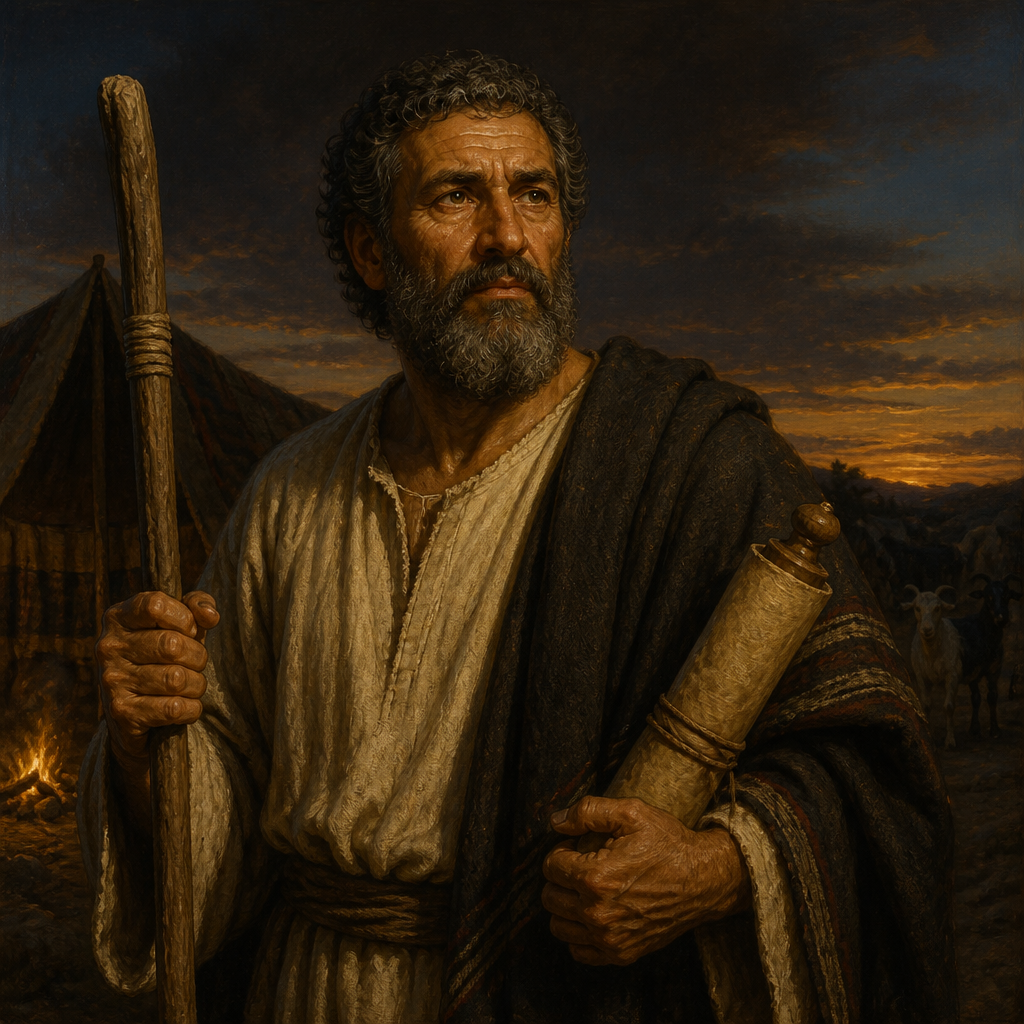 Caleb, Son of HezronThis page
 Ram, Son of HezronBrother1 Chronicles 2:9Stated
 Jerahmeel, Son of HezronBrother1 Chronicles 2:42Stated
 AshhurBrother1 Chronicles 2:24Stated
 Segub, Son of HezronBrother1 Chronicles 2:18–21Stated
Children
 Hur of the Tribe of JudahSon1 Chronicles 2:19Stated
 Acsah, Daughter of Caleb ben HezronDaughter1 Chronicles 2:49Stated
 ArdonSon1 Chronicles 2:18
Inferred
1 Chronicles 2:18 lists Ardon and Caleb among the sons of azubah, but does not say how the two of them are related.Evidence: 1 Chronicles 2:18
 Gazez, Son of CalebSon1 Chronicles 2:46Stated
 Haran, Son of CalebSon1 Chronicles 2:46Stated
 JesherSon1 Chronicles 2:18
Inferred
1 Chronicles 2:18 lists Jesher and Caleb among the sons of azubah, but does not say how the two of them are related.Evidence: 1 Chronicles 2:18
 Mesha, Son of CalebSon1 Chronicles 2:42Stated
 Moza, Son of CalebSon1 Chronicles 2:46Stated
 Shaaph, Son of CalebSon1 Chronicles 2:49–50Stated
 Shaaph, Son of JahdaiSon1 Chronicles 2:47–50Stated
 SheberSon1 Chronicles 2:48Stated
 ShevaSon1 Chronicles 2:49Stated
 Shobab, Son of CalebSon1 Chronicles 2:18
Inferred
1 Chronicles 2:18 lists Caleb and Shobab among the sons of azubah, but does not say how the two of them are related.Evidence: 1 Chronicles 2:18
 TirhanahSon1 Chronicles 2:48Stated
Extended family
 GibeaGrandson1 Chronicles 2:49
Inferred
1 Chronicles 2:49 names Caleb and Gibea in the same verse but does not state a grandson tie between them; the link rests on the surrounding narrative.Evidence: 1 Chronicles 2:49
 Hebron, Son of MareshahGrandson1 Chronicles 2:42
Inferred
1 Chronicles 2:42 lists Hebron and Caleb among the sons of caleb, but does not say how the two of them are related.Evidence: 1 Chronicles 2:42
 MadmannahGrandson1 Chronicles 2:49
Inferred
1 Chronicles 2:49 names Caleb and Madmannah in the same verse but does not state a grandson tie between them; the link rests on the surrounding narrative.Evidence: 1 Chronicles 2:49; 1 Chronicles 2:46; 1 Chronicles 2:47
 Mareshah, Son of MeshaGrandson1 Chronicles 2:42
Inferred
1 Chronicles 2:42 lists Mareshah and Caleb among the sons of caleb, but does not say how the two of them are related.Evidence: 1 Chronicles 2:42
 MeonothaiGrandsonJoshua 15:17
Inferred
Reconstructed through Othniel and Kenaz: 1 Chronicles 4:13 ties Meonothai to Othniel; Judges 3:11 ties Othniel to Kenaz; Joshua 15:17 ties Kenaz to Caleb. No verse states the grandfather link between Meonothai and Caleb directly.Evidence: Joshua 15:17
 Jehallelel, Father of ZiphDescendant1 Chronicles 2:9
Inferred
Reconstructed through Mareshah and Ziph: 1 Chronicles 2:42 ties Caleb to Mareshah (itself an inferred link); 1 Chronicles 2:42 ties Mareshah to Ziph (itself an inferred link); 1 Chronicles 4:16 ties Ziph to Jehallelel. No verse states the descendant link between Caleb and Jehallelel directly.Evidence: 1 Chronicles 2:9
 JorkeamDescendant1 Chronicles 2:44
Inferred
No verse names Jorkeam and Caleb together; the ancestor link is carried from the surrounding genealogy and is not stated in Scripture.Evidence: 1 Chronicles 2:44
 Jotham, Son of JahdaiDescendant1 Chronicles 2:47
Inferred
Reconstructed through Shaaph: 1 Chronicles 2:47 ties Jotham to Shaaph; 1 Chronicles 2:49 ties Shaaph to Caleb. No verse states the ancestor link between Jotham and Caleb directly.Evidence: 1 Chronicles 2:47; 1 Chronicles 2:46
 MachbenahDescendant1 Chronicles 2:49
Inferred
1 Chronicles 2:49 names Machbenah and Caleb in the same verse but does not state an ancestor tie between them; the link rests on the surrounding narrative.Evidence: 1 Chronicles 2:49
 MaonDescendant1 Chronicles 2:9
Inferred
No verse names Caleb and Maon together; the descendant link is carried from the surrounding genealogy and is not stated in Scripture.Evidence: 1 Chronicles 2:9
 Pelet, Son of JahdaiDescendant1 Chronicles 2:47
Inferred
Reconstructed through Shaaph: 1 Chronicles 2:47 ties Pelet to Shaaph; 1 Chronicles 2:49 ties Shaaph to Caleb. No verse states the ancestor link between Pelet and Caleb directly.Evidence: 1 Chronicles 2:47; 1 Chronicles 2:46
 RegemDescendant1 Chronicles 2:47
Inferred
Reconstructed through Shaaph: 1 Chronicles 2:49 ties Caleb to Shaaph; 1 Chronicles 2:47 ties Shaaph to Regem. No verse states the descendant link between Caleb and Regem directly.Evidence: 1 Chronicles 2:47; 1 Chronicles 2:46
 Shammai, Son of RekemDescendant1 Chronicles 2:44
Inferred
Reconstructed through Hebron and Rekem: 1 Chronicles 2:42 ties Caleb to Hebron (itself an inferred link); 1 Chronicles 2:43 ties Hebron to Rekem; 1 Chronicles 2:44 ties Rekem to Shammai. No verse states the descendant link between Caleb and Shammai directly.Evidence: 1 Chronicles 2:44
 Seraiah, Son of KenazNephew1 Chronicles 4:13
Inferred
Reconstructed through Kenaz: 1 Chronicles 4:13 ties Seraiah to Kenaz; Joshua 15:17 ties Kenaz to Caleb. No verse states the uncle link between Seraiah and Caleb directly.Evidence: 1 Chronicles 4:13; Joshua 15:17
 Kenaz, Brother of CalebRelativeJoshua 15:17Stated
 HathathRelativeJoshua 15:17
Inferred
Reconstructed through Kenaz and Othniel: Joshua 15:17 ties Caleb to Kenaz; Judges 3:11 ties Kenaz to Othniel; 1 Chronicles 4:13 ties Othniel to Hathath. No verse states the relative link between Caleb and Hathath directly.Evidence: Joshua 15:17
Connected Figures
Family
Father · 1 Chronicles 2:9
A high-ranking member of the tribe of Judah and a direct ancestor in the Davidic and Messianic lineage.
Egypt and WildernessFirst: Genesis 46:1213 versesClan FounderJudah
Wife · 1 Chronicles 2:18
The first wife of Caleb son of Hezron and the mother of Jesher, Shobab, and Ardon during the Egypt and Wilderness era's ancestral lineage.
Egypt and WildernessFirst: 1 Chronicles 2:182 versesMatriarchJudah
Concubine · 1 Chronicles 2:46
Ephah was a concubine of Caleb within the tribe of Judah who mothered three sons and contributed to the genealogical expansion of the Hezronite line.
Egypt and WildernessFirst: 1 Chronicles 2:461 versesMatriarchal figure within the Calebite clanJudah
Wife · 1 Chronicles 2:19–24
A matriarch of the Tribe of Judah, wife of Caleb and mother of Hur, whose lineage is inextricably linked to the founding of Bethlehem.
Egypt and WildernessFirst: 1 Chronicles 2:1910 versesMatriarchJudah
Husband · 1 Chronicles 2:46
A member of the tribe of Judah mentioned in the genealogies of 1 Chronicles, known as the father of six sons.
Egypt and WildernessFirst: 1 Chronicles 2:472 versespatriarchJudah
Wife · 1 Chronicles 2:18
A woman of the tribe of Judah mentioned as a wife or associate of Caleb son of Hezron in the genealogical records of the Chronicler.
Egypt and WildernessFirst: 1 Chronicles 2:182 versesMatriarchal figureJudah
Concubine · 1 Chronicles 2:48
A woman within the genealogy of Judah who served as a concubine to Caleb, son of Hezron, during the Egypt and Wilderness era.
Egypt and WildernessFirst: 1 Chronicles 2:482 versesMatriarchJudah
Son · 1 Chronicles 2:19
A prominent leader of the tribe of Judah who supported Moses' hands during the battle against Amalek and served as a temporary leader of Israel.
Daughter · 1 Chronicles 2:49
A daughter of Caleb, son of Hezron, belonging to the tribe of Judah during the period of the Egyptian sojourn and the wilderness wanderings.
Son · 1 Chronicles 2:18
A descendant of Judah through the line of Caleb and a member of the generation that experienced the transition from the Egyptian sojourn to the wilderness wanderings.
Son · 1 Chronicles 2:46
Gazez, Son of Caleb, was a member of the tribe of Judah, born to Caleb and his concubine Ephah during the period of the Egyptian sojourn and wilderness.
Son · 1 Chronicles 2:46
A member of the tribe of Judah, Haran was the son of Caleb and Ephah, and the father of Gazez during the period of Israel's growth.
Categories
Mentions by Book
- Joshua1
- 1 Chronicles21
Scripture References
All 22 indexed verses, in canonical order, from the Berean Standard Bible.
Joshua · 1
- Joshua 15:17
So Othniel son of Caleb’s brother Kenaz captured the city, and Caleb gave his daughter Acsah to him in marriage.
Cited as evidence on a family card; added so References, Key Verses and Mentions by Book share one index.
1 Chronicles · 21
- 1 Chronicles 2:9
The sons who were born to Hezron: Jerahmeel, Ram, and Caleb.
- 1 Chronicles 2:18
Caleb son of Hezron had children by his wife Azubah and by Jerioth. These were the sons of Azubah: Jesher, Shobab, and Ardon.
- 1 Chronicles 2:19
When Azubah died, Caleb married Ephrath, who bore to him Hur.
- 1 Chronicles 2:20Partial
Hur was the father of Uri, and Uri was the father of Bezalel.
Cited as evidence on a family card; added so References, Key Verses and Mentions by Book share one index.
- 1 Chronicles 2:21Partial
Later, Hezron slept with the daughter of Machir the father of Gilead. He had married her when he was sixty years old, and she bore to him Segub.
Cited as evidence on a family card; added so References, Key Verses and Mentions by Book share one index.
- 1 Chronicles 2:22Partial
Segub was the father of Jair, who had twenty-three cities in the land of Gilead.
Cited as evidence on a family card; added so References, Key Verses and Mentions by Book share one index.
- 1 Chronicles 2:23Partial
But Geshur and Aram captured Havvoth-jair, along with Kenath and its sixty surrounding villages. All these were descendants of Machir the father of Gilead.
Cited as evidence on a family card; added so References, Key Verses and Mentions by Book share one index.
- 1 Chronicles 2:24
After Hezron died in Caleb-ephrathah, his wife Abijah bore to him Ashhur the father of Tekoa.
- 1 Chronicles 2:42
The sons of Caleb the brother of Jerahmeel: Mesha his firstborn, who was the father of Ziph, and Mareshah his second son, who was the father of Hebron.
- 1 Chronicles 2:44Partial
Shema was the father of Raham the father of Jorkeam, and Rekem was the father of Shammai.
Cited as evidence on a family card; added so References, Key Verses and Mentions by Book share one index.
- 1 Chronicles 2:45Partial
The son of Shammai was Maon, and Maon was the father of Beth-zur.
Cited as evidence on a family card; added so References, Key Verses and Mentions by Book share one index.
- 1 Chronicles 2:46
Caleb’s concubine Ephah was the mother of Haran, Moza, and Gazez. Haran was the father of Gazez.
- 1 Chronicles 2:47Partial
The sons of Jahdai: Regem, Jotham, Geshan, Pelet, Ephah, and Shaaph.
Cited as evidence on a family card; added so References, Key Verses and Mentions by Book share one index.
- 1 Chronicles 2:48
Caleb’s concubine Maacah was the mother of Sheber and Tirhanah.
- 1 Chronicles 2:49
She was also the mother of Shaaph father of Madmannah, and of Sheva father of Machbenah and Gibea. Caleb’s daughter was Acsah.
- 1 Chronicles 2:50
These were the descendants of Caleb. The sons of Hur the firstborn of Ephrathah: Shobal the father of Kiriath-jearim,
- 1 Chronicles 4:1
The descendants of Judah: Perez, Hezron, Carmi, Hur, and Shobal.
- 1 Chronicles 4:13Partial
The sons of Kenaz: Othniel and Seraiah. The sons of Othniel: Hathath and Meonothai.
Cited as evidence on a family card; added so References, Key Verses and Mentions by Book share one index.
- 1 Chronicles 4:14Partial
Meonothai was the father of Ophrah, and Seraiah was the father of Joab, the father of those living in Ge-harashim, which was given this name because its people were craftsmen.
Cited as evidence on a family card; added so References, Key Verses and Mentions by Book share one index.
- 1 Chronicles 4:15
The sons of Caleb son of Jephunneh: Iru, Elah, and Naam. The son of Elah: Kenaz.
Cited as evidence on a family card; added so References, Key Verses and Mentions by Book share one index.
- 1 Chronicles 4:16Partial
The sons of Jehallelel: Ziph, Ziphah, Tiria, and Asarel.
Cited as evidence on a family card; added so References, Key Verses and Mentions by Book share one index.
Others Named Caleb
Compare all 2 bearers →Caleb son of JephunnehNumbers 13:6
One of the twelve spies sent by Moses to Canaan, distinguished by his wholehearted faith and courage in claiming his inheritance at Hebron.