Machbenah
Who was Machbenah in the Bible?
A descendant of the tribe of Judah and a son of Sheva, listed within the genealogical records of the house of Caleb.
Machbenah is a figure belonging to the patriarchal era of the tribe of Judah. He is recorded in the genealogical registers of the Chronicler, specifically within the lineage of Caleb, the son of Hezron. His inclusion in these records serves to preserve the tribal heritage and land allotments associated with the early settlement of the Southern Levant by the Israelites.
As the son of Sheva and the brother of Gibea, Machbenah occupies a specific branch of the Calebite family tree. While his personal narrative is not detailed in the biblical text, his presence in the census serves as a vital link in establishing the historical and familial continuity of the tribe of Judah following the period of the Egypt and Wilderness era.
Background and Family
Machbenah is situated within the complex and expansive genealogy of the tribe of Judah. According to 1 Chronicles 2:49, Machbenah was the son of Sheva. His father, Sheva, is identified as a descendant of Caleb, the famous spy and contemporary of Joshua who was granted Hebron and the surrounding hill country as an inheritance.
Machbenah shared his immediate household with his brother, Gibea. The genealogical structure suggests that these individuals were part of a third or fourth generation of the Calebite clan. Because the names in these lists often correspond to both individuals and the geographical locations they settled, Machbenah represents a foundational patriarch for a specific localized family unit within the Judahite territory.
Major Life Events
The biblical record for Machbenah is limited to his birth and his placement within the tribal records of Judah. He appears in the First Book of Chronicles, a text written to provide the returning Babylonian exiles with a sense of their heritage and rightful claims to the land. As such, the "major event" of Machbenah's documented existence is his registration as a recognized member of the covenant community.
She was also the mother of Shaaph father of Madmannah, and of Sheva father of Machbenah and Gibea. Caleb’s daughter was Acsah. (1 Chronicles 2:49)
There are no recorded wars, speeches, or direct actions attributed to Machbenah. His life was likely characterized by the pastoral and agricultural pursuits typical of the tribe of Judah during the patriarchal transition into the settlement of Canaan.
Relationship to Other Biblical Figures
Machbenah's primary relationships are defined by his immediate kin. He is the son of Sheva and the brother of Gibea. Furthermore, he is a direct descendant of the great Caleb (son of Hezron). This connection links Machbenah to one of the most faithful figures in Israelite history. The mention of Acsah in the same verse—Caleb's daughter who famously requested springs of water from her father (Joshua 15:19)—places Machbenah in the same domestic sphere as the leading families of the Calebite clan.
Spiritual Significance
Though a minor figure in terms of narrative space, Machbenah’s significance lies in the biblical theme of "God’s remembrance." The inclusion of his name in the Chronicler’s list signifies that every individual within the tribal structure of Israel was known and accounted for in the eyes of God. The mention of Machbenah affirmed that the lineage of Judah remained intact and that the promises made to the patriarchs extended to every branch of the family tree, including the house of Sheva. Machbenah stands as a witness to the orderly and providential expansion of the tribe that would eventually produce the Davidic monarchy.
Machbenah’s significance is primarily genealogical and territorial. As a member of the tribe of Judah, his inclusion in the 1 Chronicles lineage ensures the preservation of the legal and spiritual heritage of the house of Caleb. His name contributes to the historical framework that validates the tribal boundaries and the continuity of the Israelite identity across generations.
In a broader theological sense, Machbenah represents the 'hidden' members of the covenant—those who lived quiet lives of faithfulness without the spotlight of leadership, yet were essential to the growth and stability of the nation of Israel. He anchors the tribe's presence in the rugged Judean landscape.
Frequently Asked Questions
Which tribe did Machbenah belong to?
Machbenah belonged to the tribe of Judah, specifically the clan of Caleb.
Who was Machbenah's father?
His father was Sheva, who was a descendant of Caleb.
Does Machbenah have any siblings mentioned in the Bible?
Yes, the Bible identifies Gibea as his brother (or 'sibling').
In which book of the Bible is Machbenah mentioned?
He is mentioned only once, in the book of 1 Chronicles 2:49.
What is the meaning of the name Machbenah?
In Hebrew, the name is associated with the concept of a 'bond' or 'knob,' often interpreted in a geographical context as a place of attachment or a physical landmark.
Family & Relationships
Parents
 ShevaFather1 Chronicles 2:49Stated
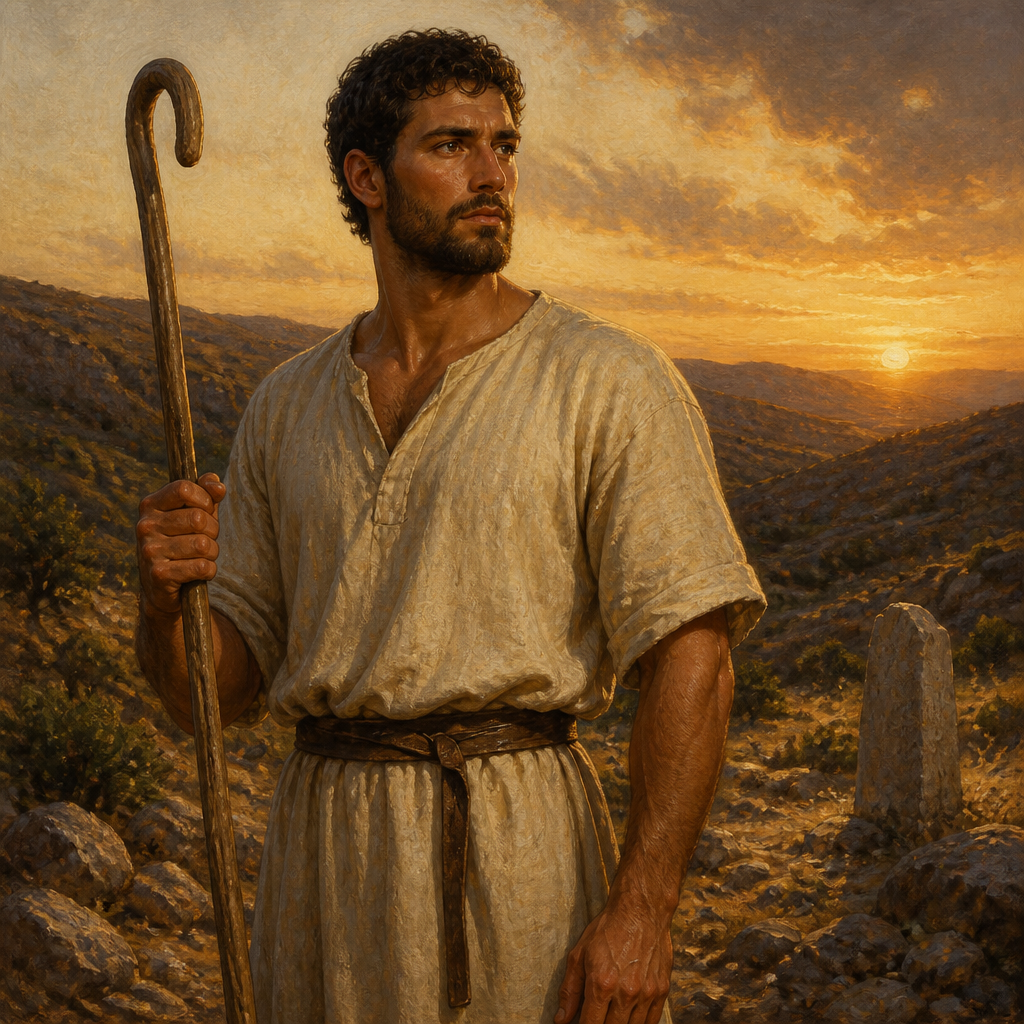 MachbenahThis page
 GibeaBrother1 Chronicles 2:49Stated
Extended family
 Caleb, Son of HezronAncestor1 Chronicles 2:49
Inferred
1 Chronicles 2:49 names Machbenah and Caleb in the same verse but does not state an ancestor tie between them; the link rests on the surrounding narrative.Evidence: 1 Chronicles 2:49
Connected Figures
Family
Father · 1 Chronicles 2:49
A son of Caleb and his concubine Maacah within the tribe of Judah during the Egyptian sojourn and Wilderness era.
Egypt and WildernessFirst: 1 Chronicles 2:497 versesclan founderJudah
Brother · 1 Chronicles 2:49
A descendant of Judah through the line of Caleb, identified as a son of Sheva in the genealogical records of 1 Chronicles.
Egypt and WildernessFirst: 1 Chronicles 2:491 versesPatriarchJudah
Ancestor · 1 Chronicles 2:49
A prominent descendant of Judah and son of Hezron, Caleb was a foundational figure in the genealogical expansion of the Tribe of Judah during the Egyptian and wilderness eras.
Categories
Mentions by Book
- 1 Chronicles1
Scripture References
All 1 indexed verse, in canonical order, from the Berean Standard Bible.
1 Chronicles · 1
- 1 Chronicles 2:49
She was also the mother of Shaaph father of Madmannah, and of Sheva father of Machbenah and Gibea. Caleb’s daughter was Acsah.