Nation
The Canaanites
The peoples of the land descended from Canaan, son of Ham.
Scripture traces this people through Canaan, Son of Ham.
People of Canaanites
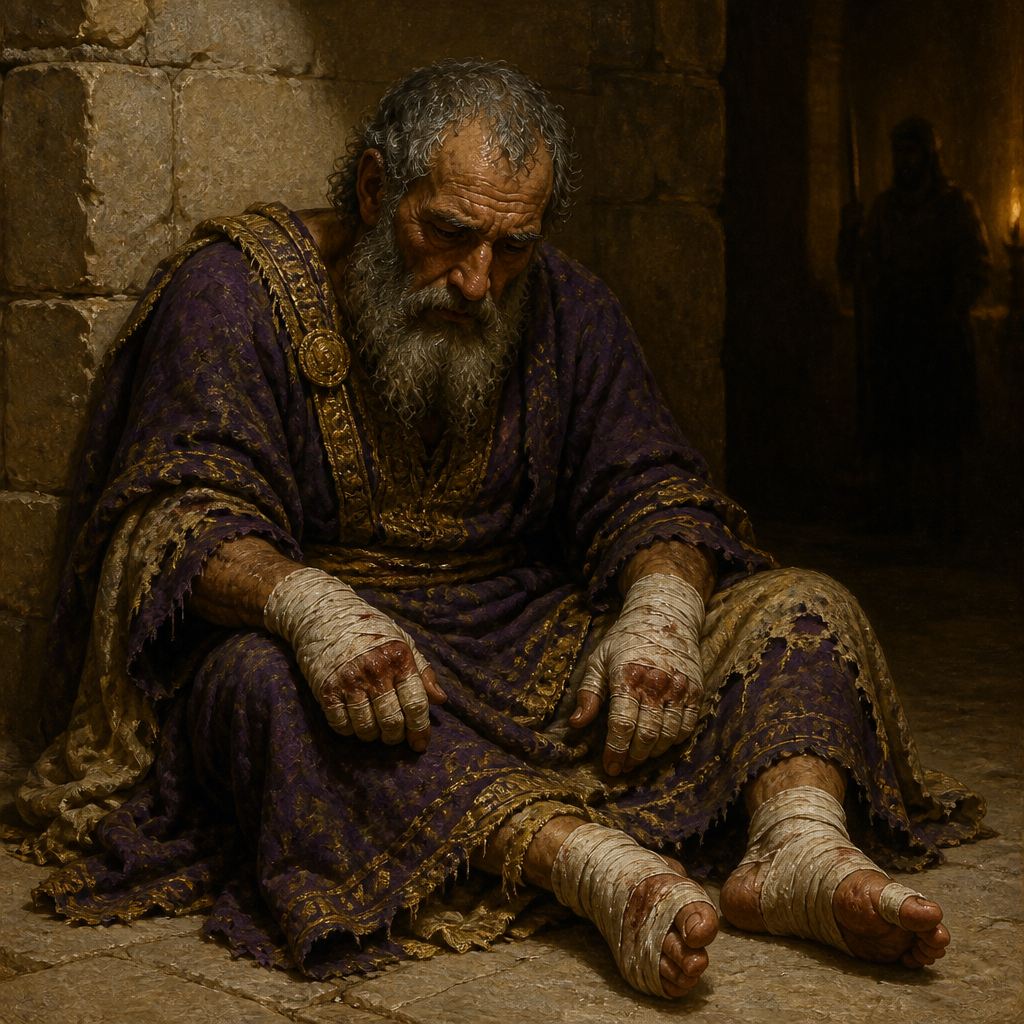
Adoni-bezek
Canaanite king who acknowledged divine justice after being mutilated
A Canaanite king defeated by the tribes of Judah and Simeon who acknowledged divine justice after being mutilated in the same manner he had treated seventy other kings.
View profile →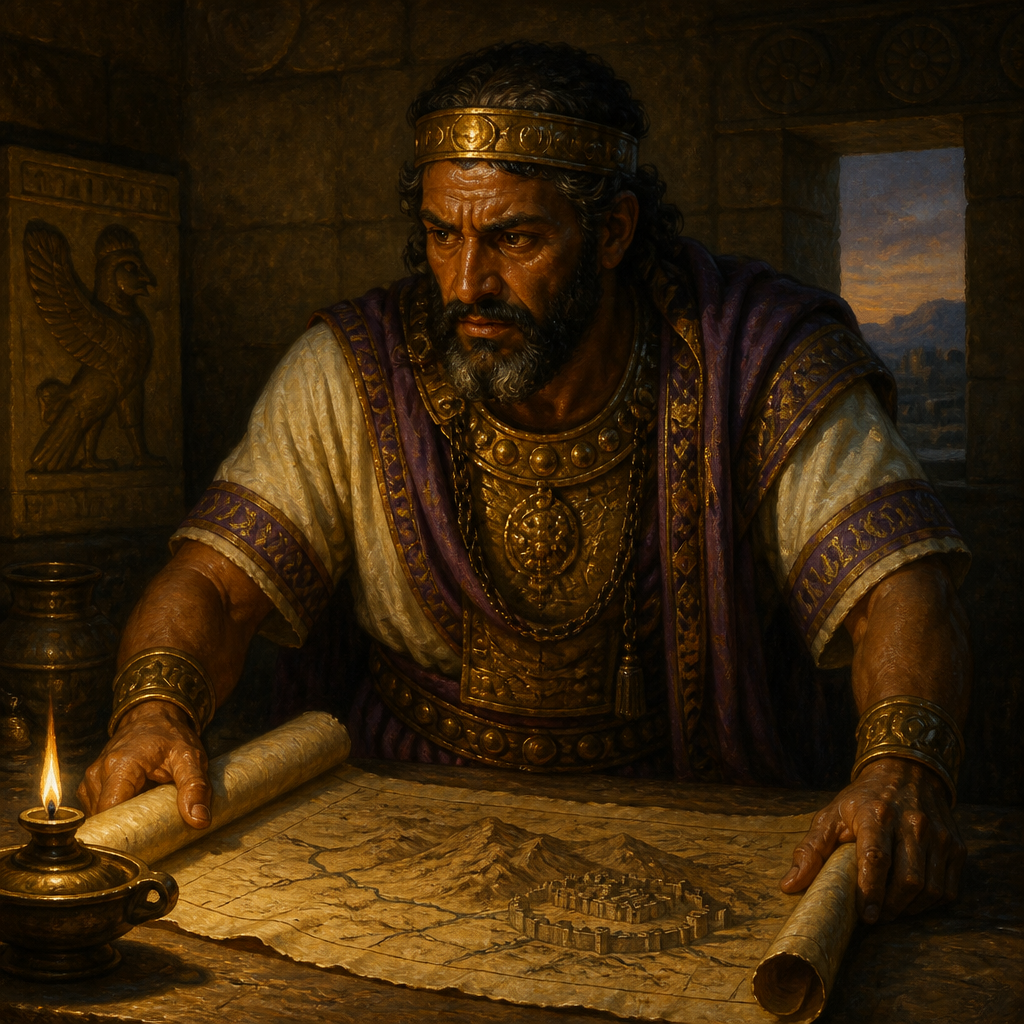
Adoni-zedek
King of Jerusalem who led the five-king Amorite coalition against Joshua
The Canaanite king of Jerusalem who formed a military coalition to oppose Joshua and the Israelites during the conquest of Canaan.
View profile →
Aner
Amorite chieftain who allied with Abraham to rescue Lot
An Amorite ally of the patriarch Abram who participated in the rescue of Lot following the Battle of Siddim.
View profile →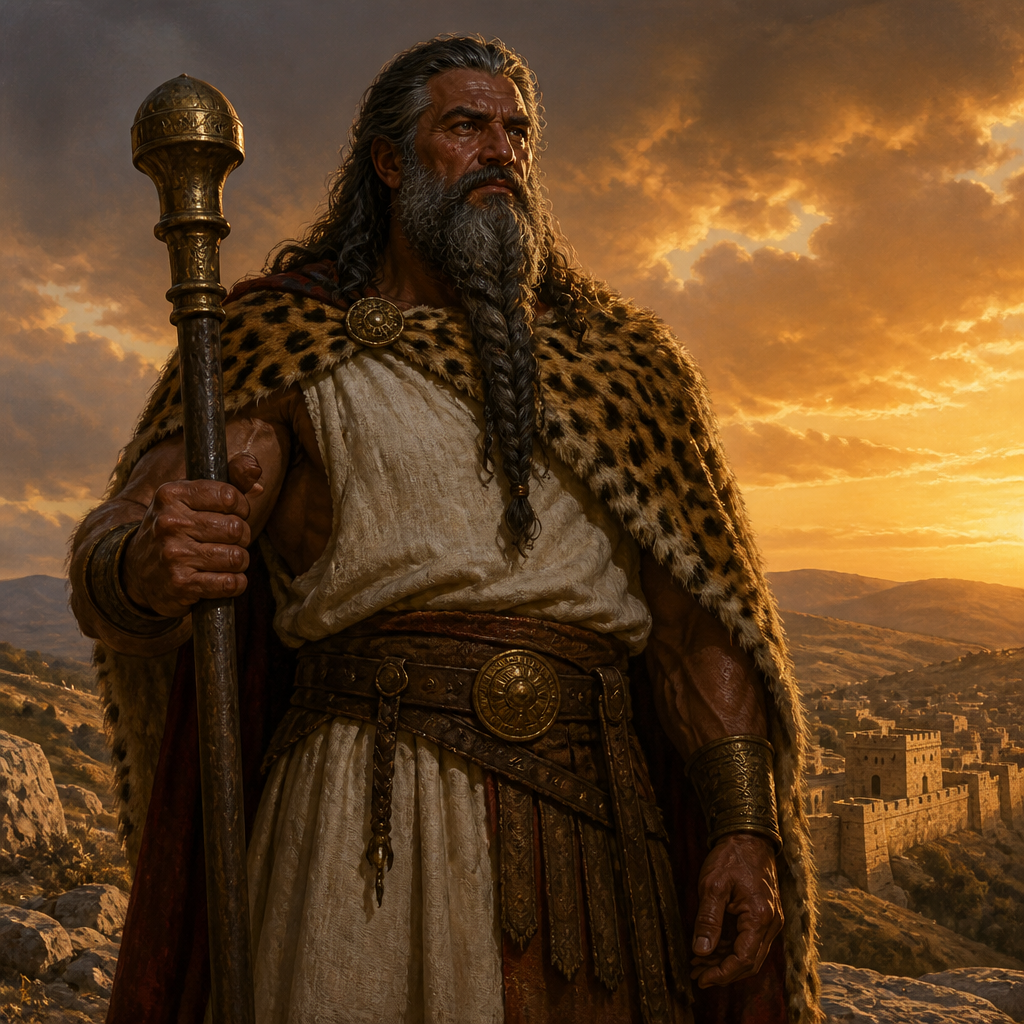
Arba
Patriarch of the Anakim and the namesake of Kiriath-arba
Arba was a renowned patriarch of the Anakim in Canaan, known as the greatest man among his people and the namesake of the city that became Hebron.
View profile →
Bath-shua
Canaanite wife of Judah and mother of Er, Onan, and Shelah
A Canaanite woman who became the wife of the patriarch Judah and the mother of his first three sons: Er, Onan, and Shelah.
View profile →
Bera
King of Sodom who led the rebellion of the five kings against Chedorlaomer
Bera was the King of Sodom during the time of Abraham, known for leading a rebellion against the Elamite King Chedorlaomer and his later interaction with the patriarch.
View profile →
Birsha
A rebel king of Gomorrah who opposed Chedorlaomer
Birsha was the king of Gomorrah and one of the five Canaanite monarchs who rebelled against the eastern Mesopotamian king Chedorlaomer during the time of Abraham.
View profile →
Canaan, Son of Ham
Son of Ham who was cursed by Noah to be a servant to his brothers
Canaan was the son of Ham and the grandson of Noah, known primarily for being the recipient of Noah's curse and the progenitor of several significant ancient Near Eastern tribes.
View profile →
The Canaanite Woman (Wife of Simeon)
Mother of Shaul and partner of Simeon who integrated Canaanite lineage into the tribe of Simeon
A woman from the land of Canaan who married Simeon, son of Jacob, and became the mother of Shaul.
View profile →
Debir
King of Eglon who joined the Amorite coalition against Joshua
Debir was the Amorite king of Eglon who joined a coalition against Joshua and the Israelites during the Canaanite conquest.
View profile →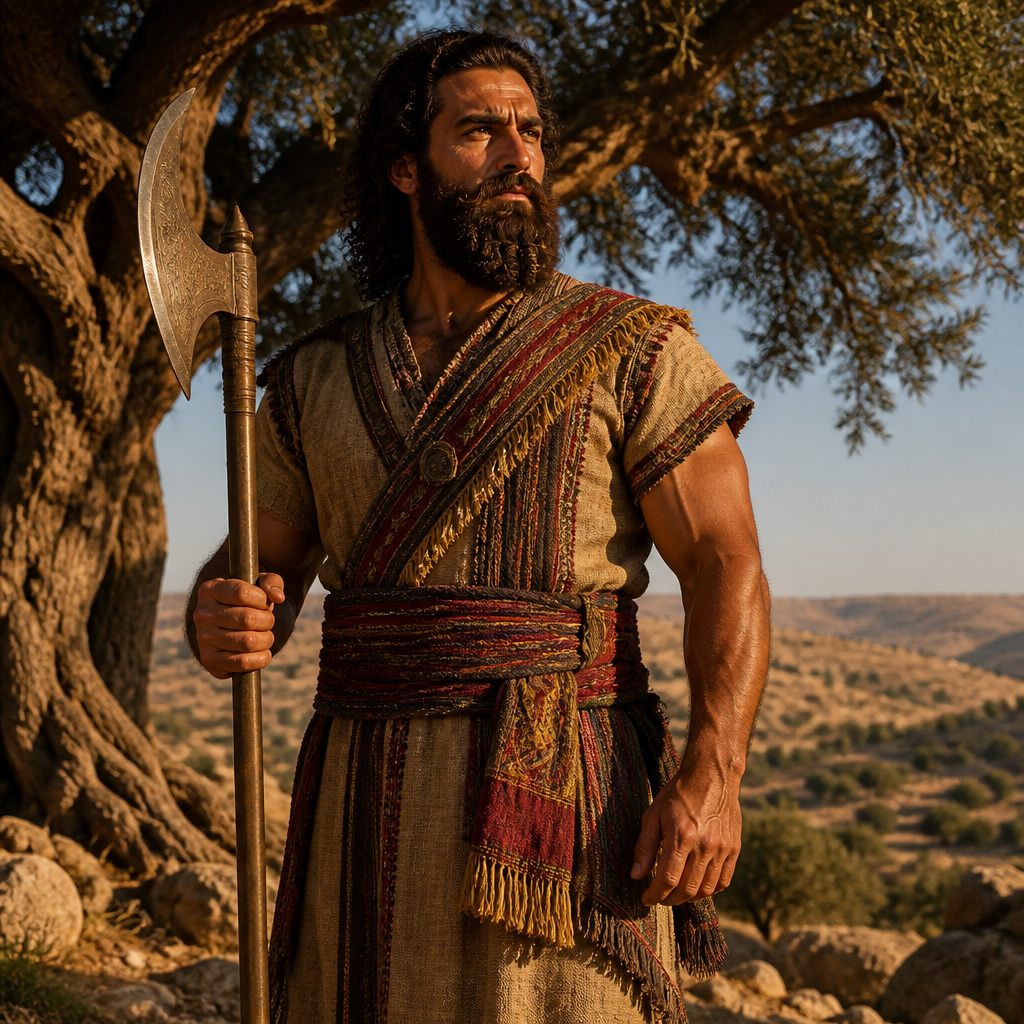
Eshcol
Amorite ally of Abram who helped rescue Lot
An Amorite ally of the patriarch Abram who assisted in the military rescue of Lot.
View profile →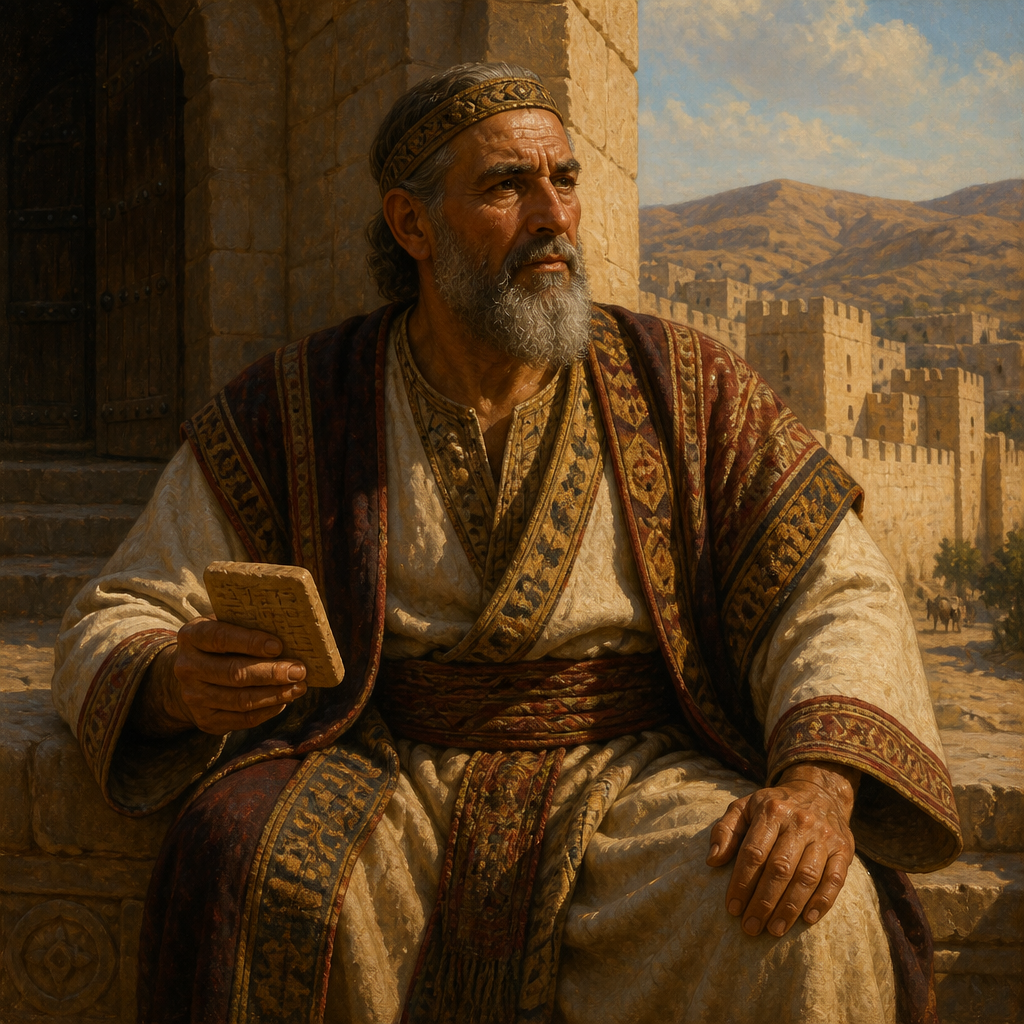
Hamor
Hivite prince who sold land to Jacob and was later killed by Simeon and Levi
A Hivite prince and father of Shechem who negotiated with the patriarch Jacob and was ultimately killed by Jacob's sons.
View profile →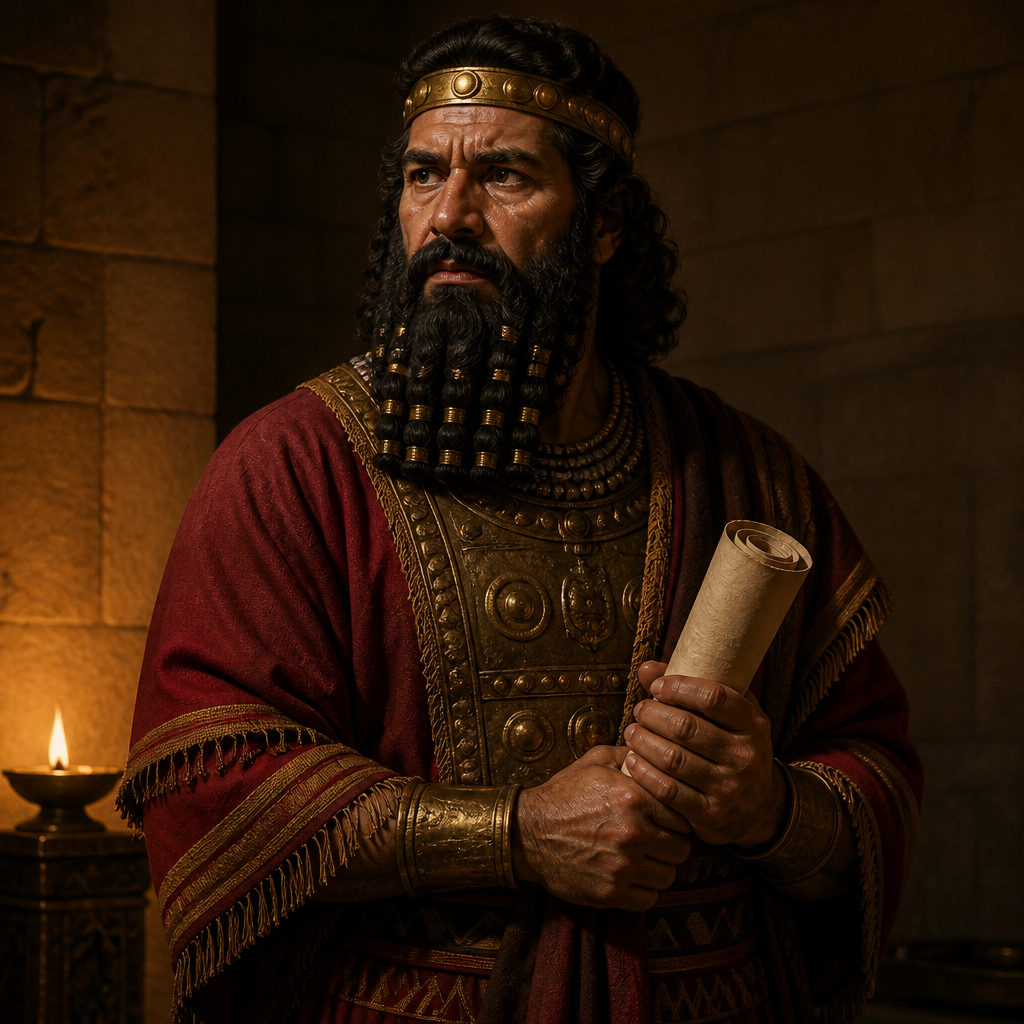
Hoham
King of Hebron who allied with Adoni-zedek against Israel
The Canaanite king of Hebron who joined a military coalition against Joshua and the Israelites during the conquest of the Promised Land.
View profile →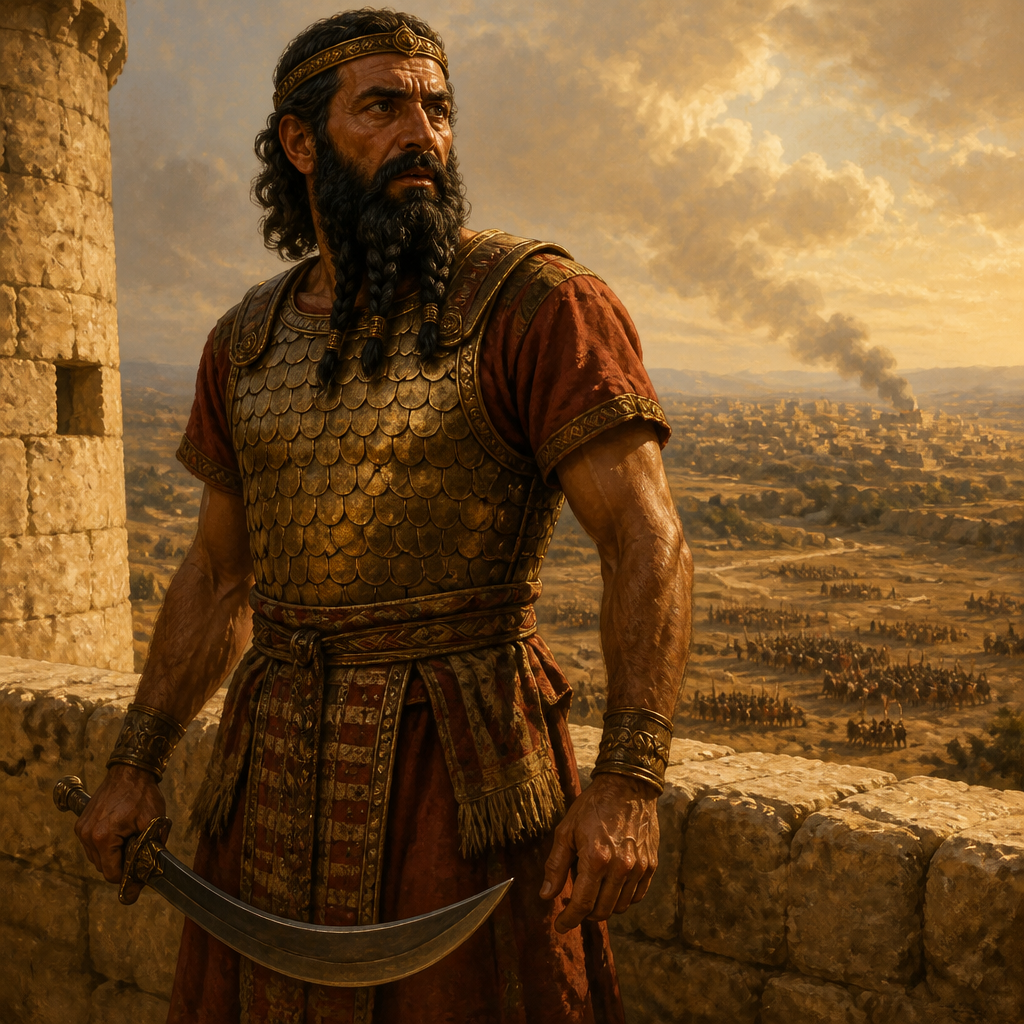
Horam
King of Gezer who was defeated by Joshua while defending Lachish
The Canaanite king of Gezer who was defeated and killed by Joshua while attempting to assist the city of Lachish during the Israelite conquest.
View profile →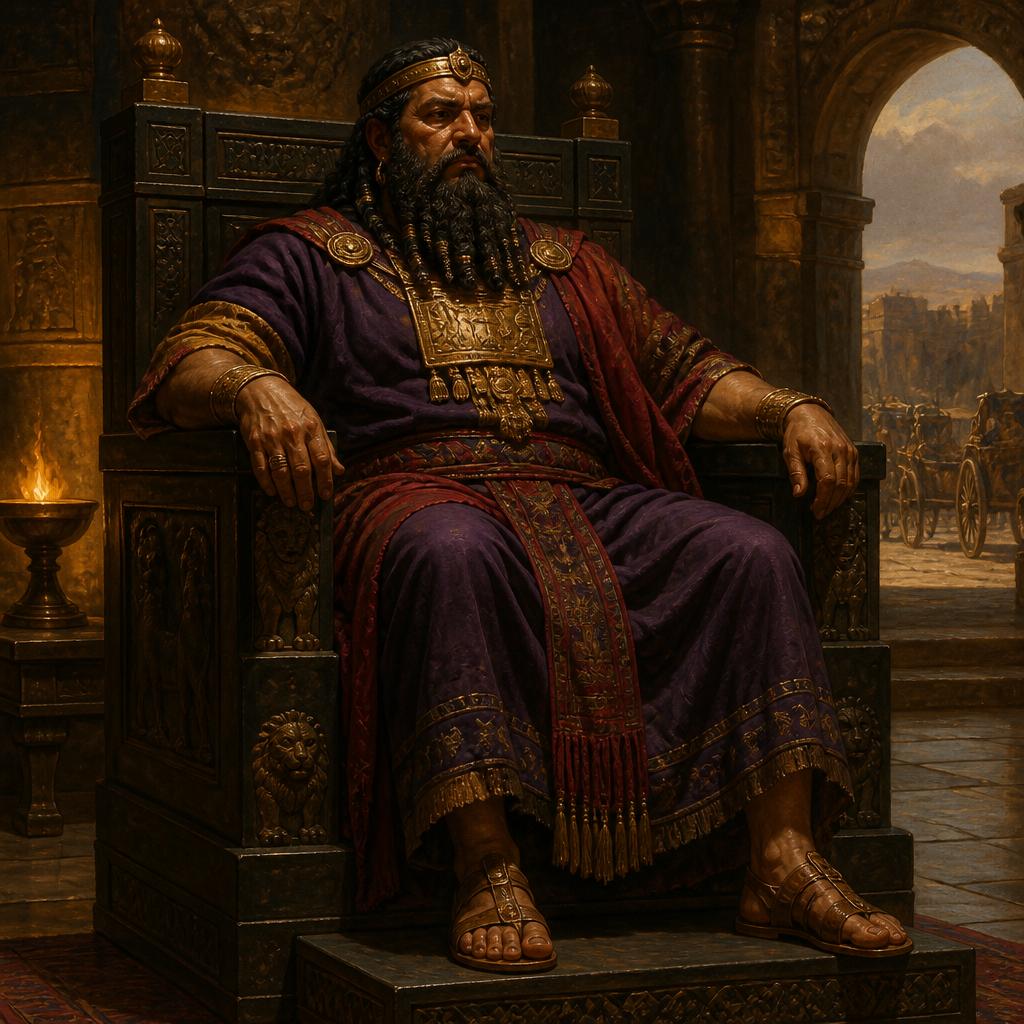
Jabin, King of Canaan
King of Canaan who oppressed Israel with nine hundred iron chariots
Jabin was a powerful Canaanite king who ruled from Hazor and oppressed the Israelites for twenty years before his forces were defeated by Deborah and Barak.
View profile →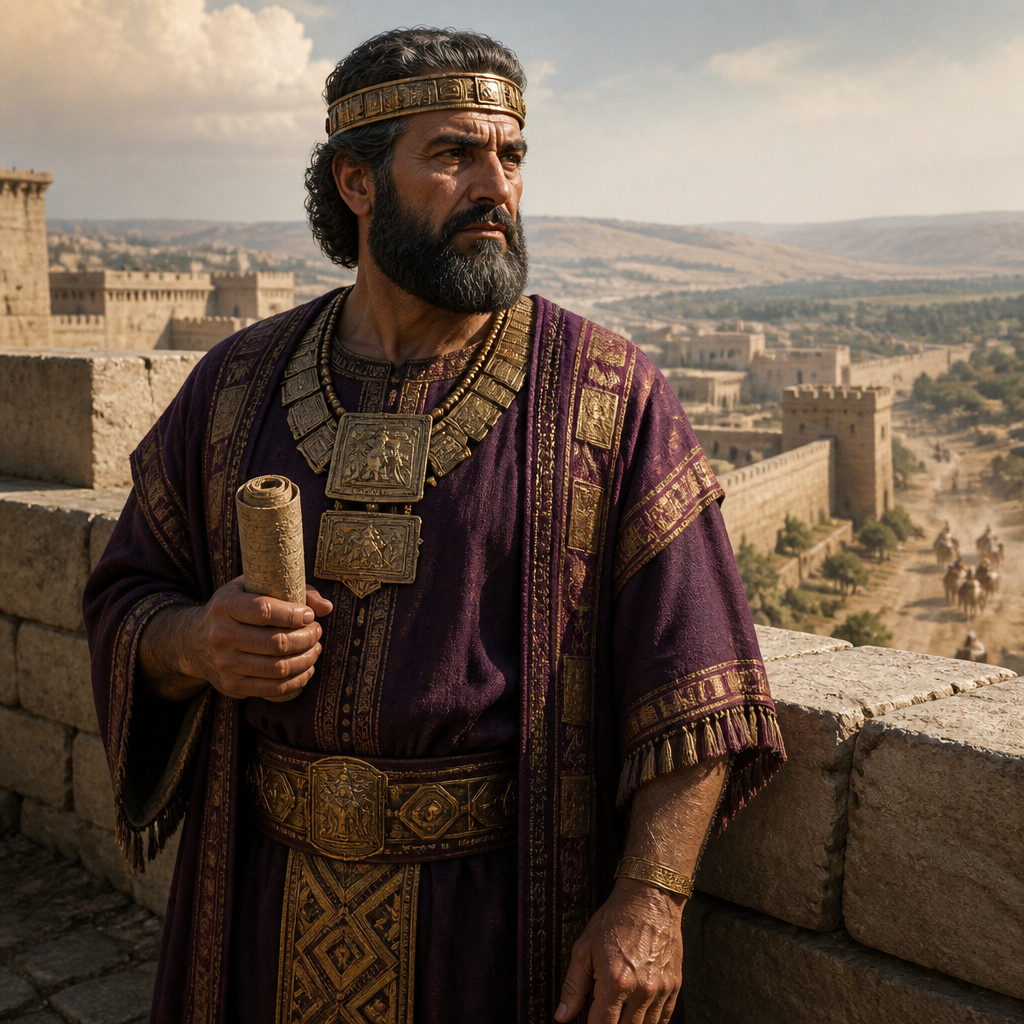
Jabin, King of Hazor during the Conquest
King of Hazor who organized the northern Canaanite coalition against Joshua
The King of Hazor who formed a northern Canaanite coalition to oppose the Israelite invasion under Joshua.
View profile →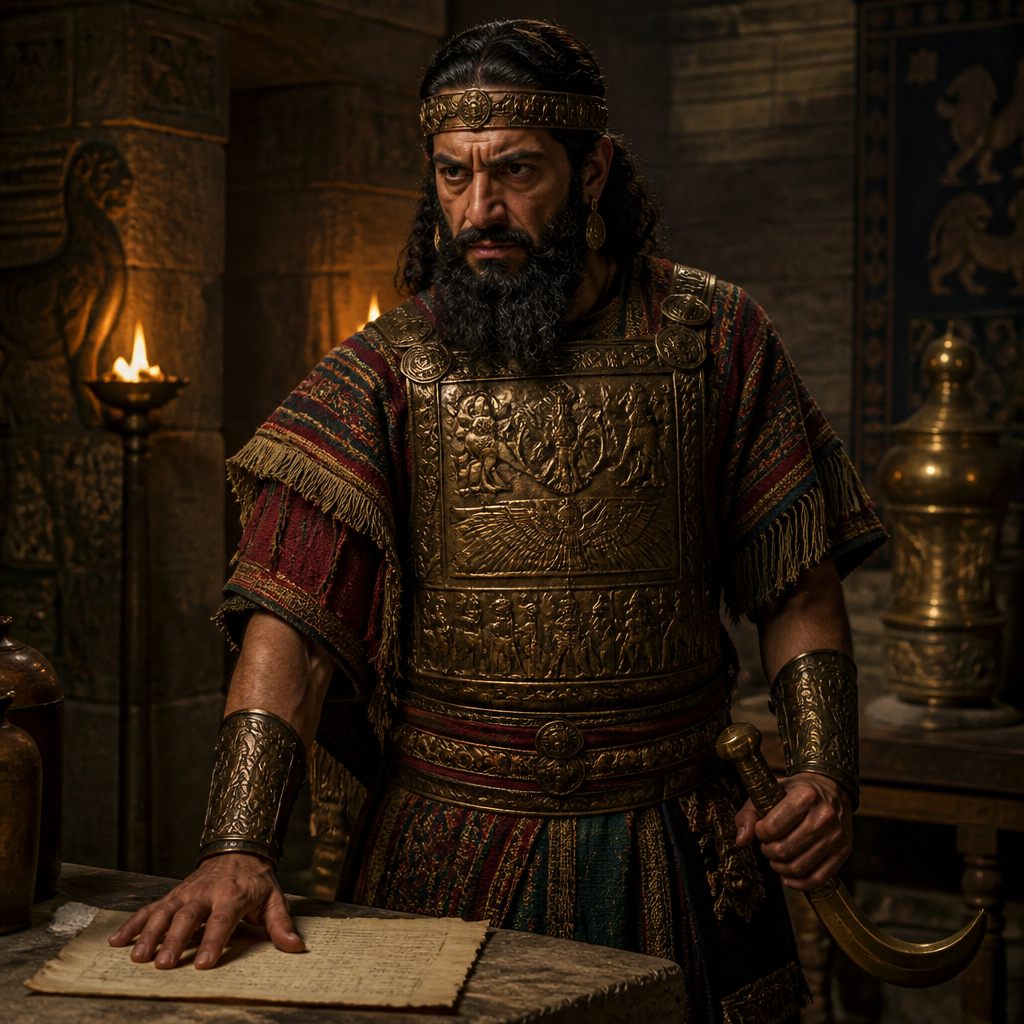
Japhia, King of Lachish
King of Lachish who joined the Amorite coalition against Joshua
Japhia was the Canaanite king of Lachish who joined a five-king coalition to fight against Joshua and the Israelites during the conquest of Canaan.
View profile →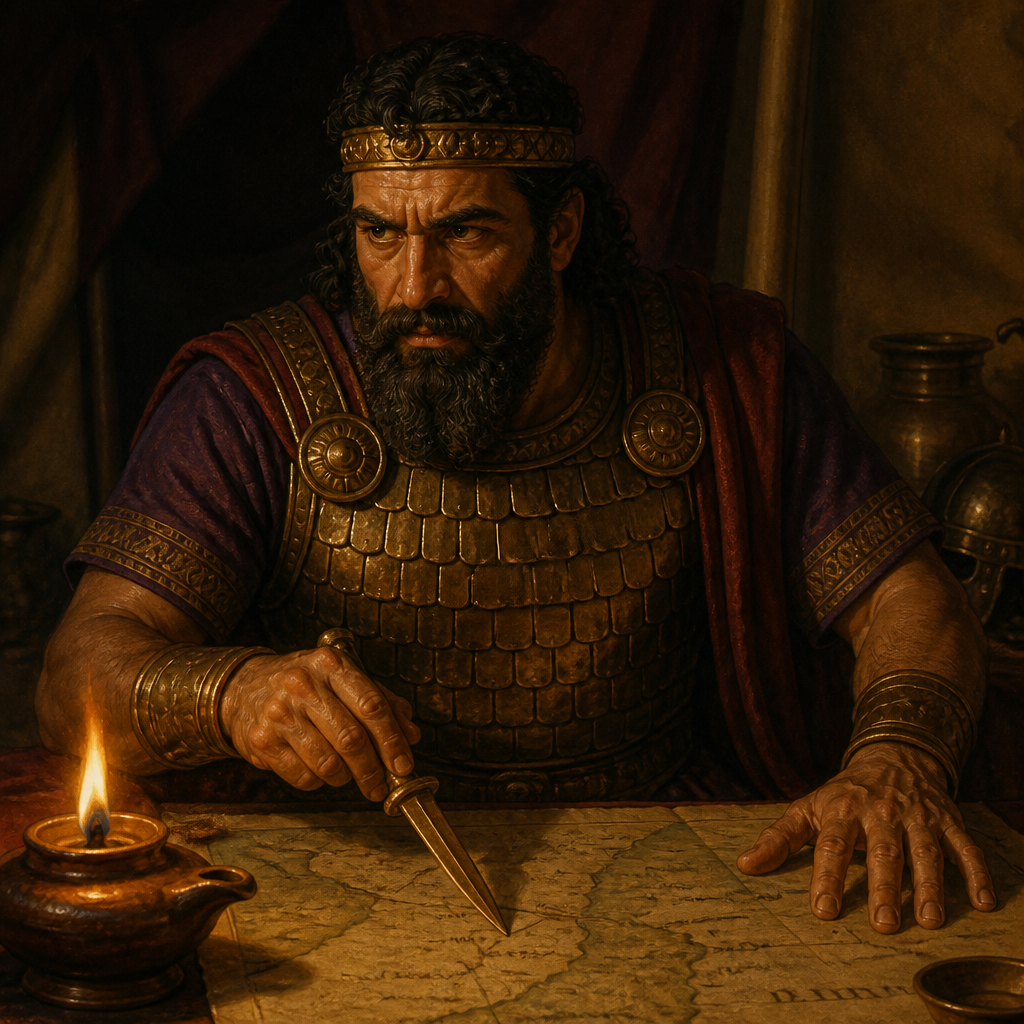
Jobab, King of Madon
Canaanite king of Madon who allied with Jabin of Hazor against Joshua
Jobab was a Canaanite king of Madon who joined the northern coalition led by Jabin of Hazor to oppose the Israelite conquest under Joshua.
View profile →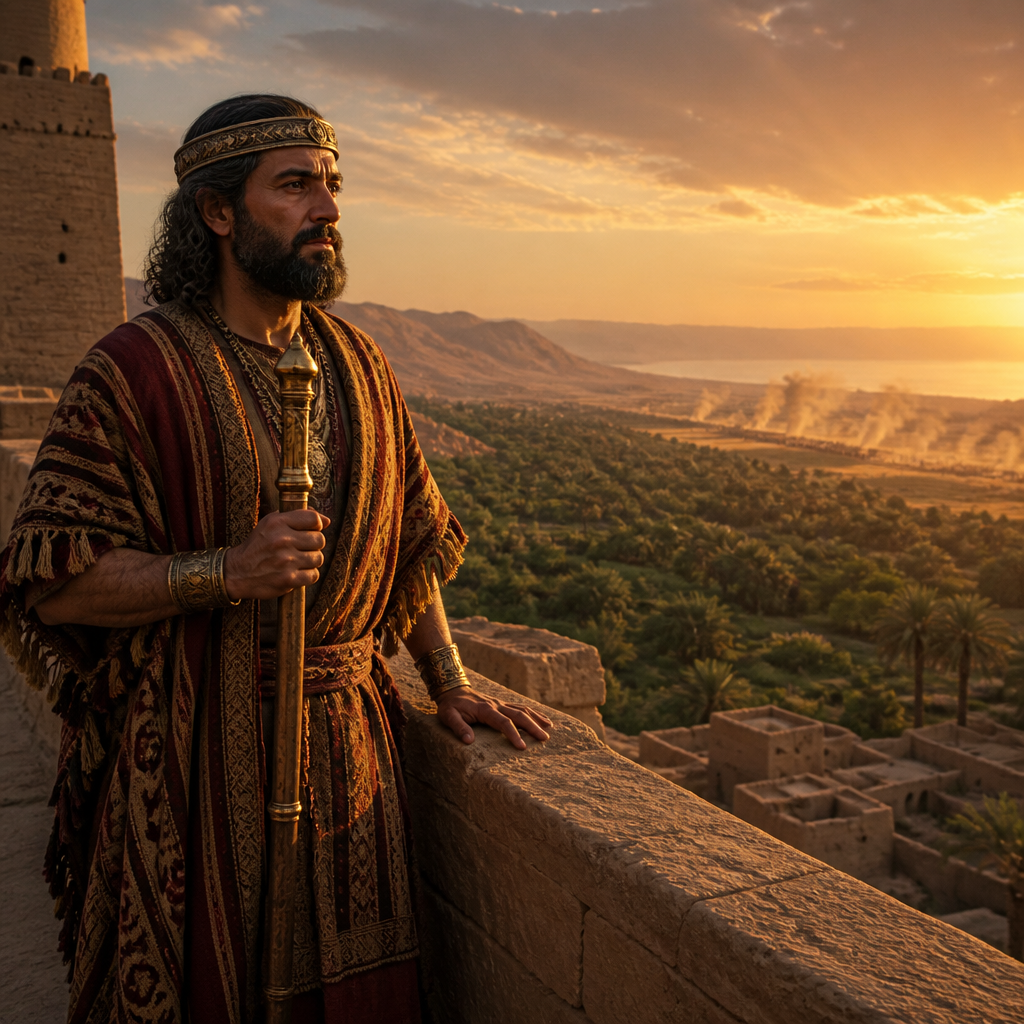
The King of Bela
A member of the five kings who rebelled against Chedorlaomer
The anonymous ruler of Bela (Zoar) who participated in a local rebellion against the Elamite empire during the time of Abraham.
View profile →
Mamre
Amorite ally of Abraham who owned the oaks where the patriarch camped
An Amorite chieftain and brother to Eshcol and Aner who was a strategic ally to the patriarch Abram during the Patriarchal Period.
View profile →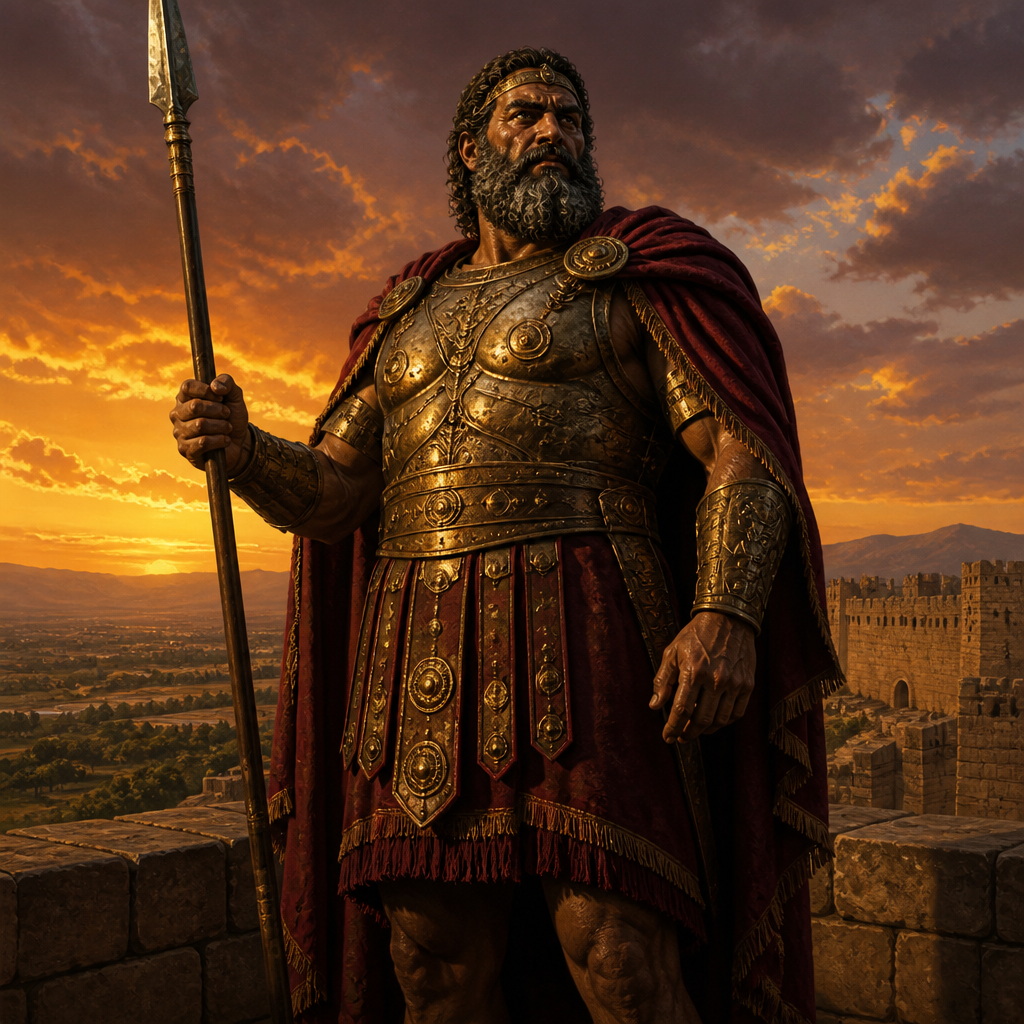
Og
Giant king of Bashan who was defeated by Moses at Edrei
Og was the Amorite king of Bashan and a remnant of the giant Rephaim who was defeated by the Israelites under Moses during their journey to the Promised Land.
View profile →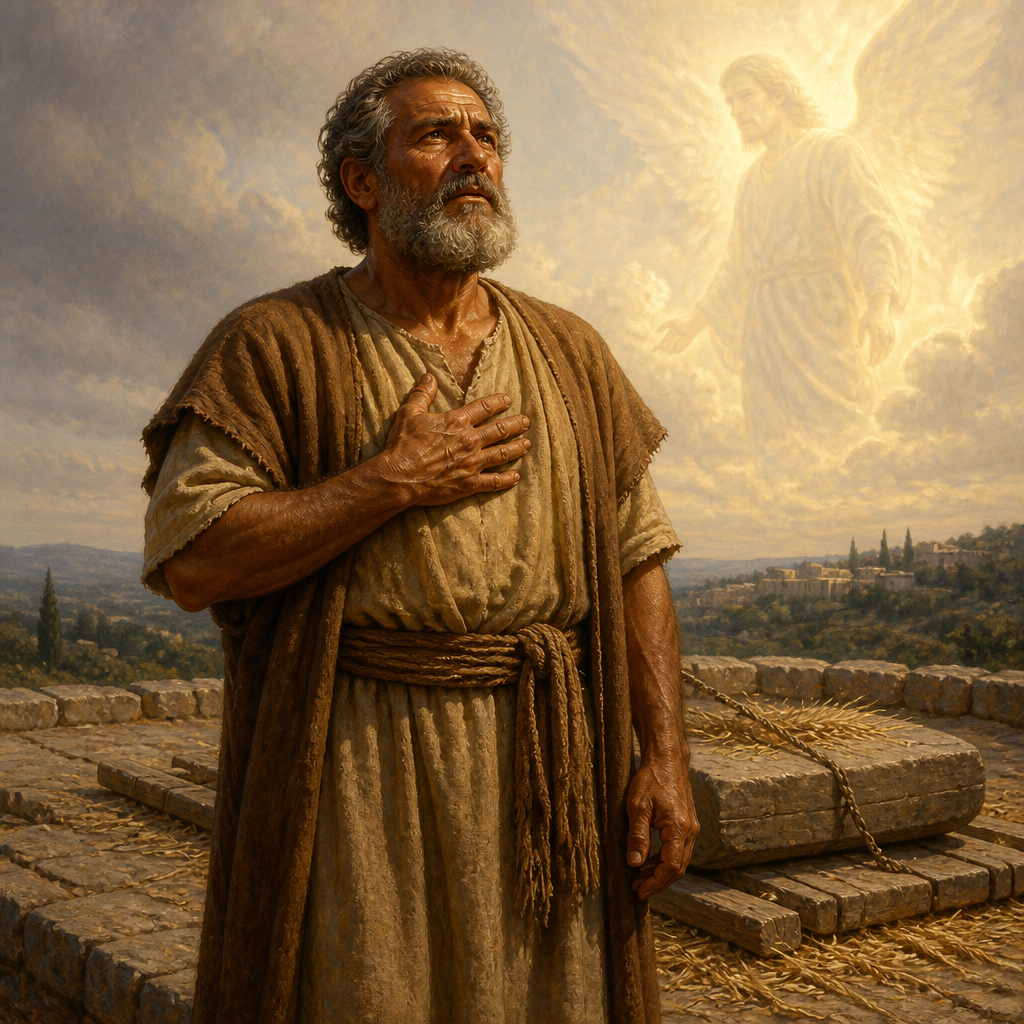
Ornan
Jebusite landowner who sold his threshing floor to King David as the site for the Temple
A Jebusite landowner whose threshing floor became the site of David’s altar and the subsequent location of Solomon’s Temple.
View profile →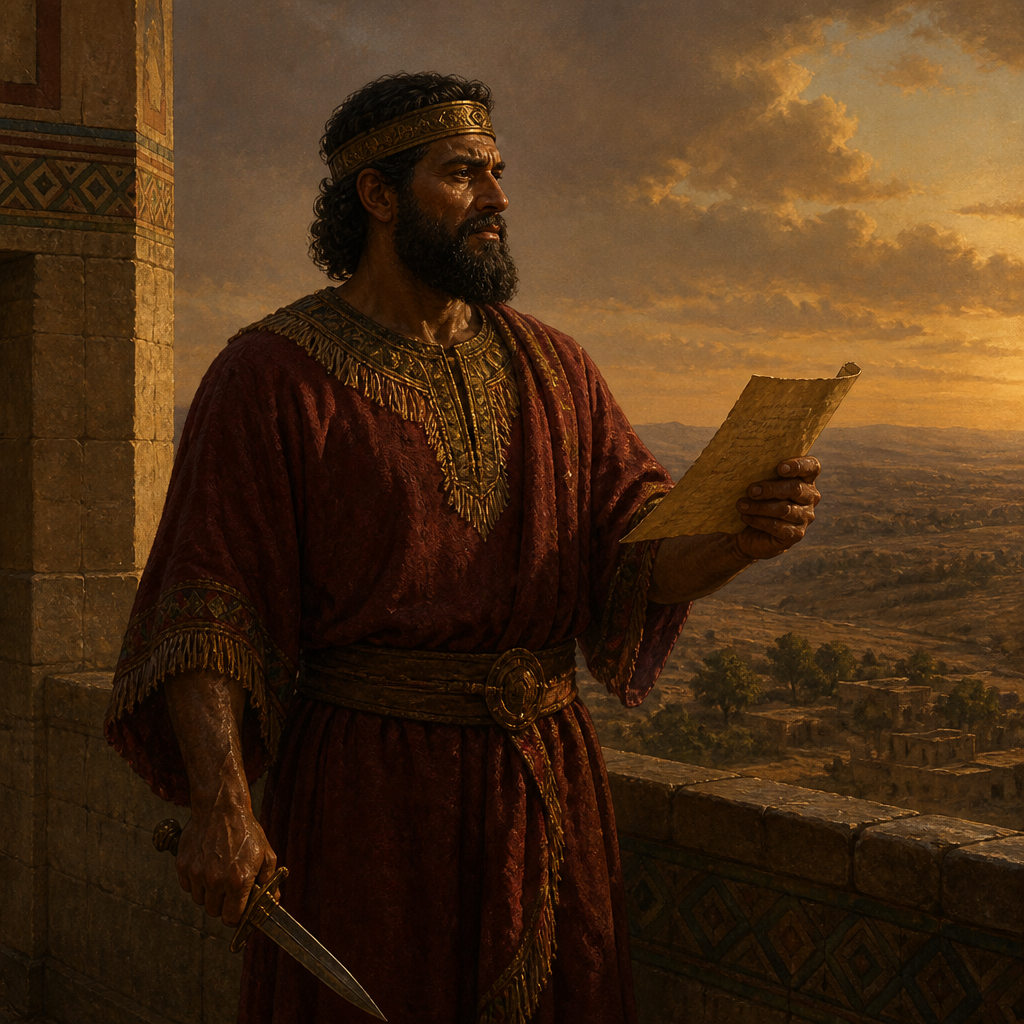
Piram
King of Jarmuth who joined the coalition against Gibeon
Piram was the Canaanite king of Jarmuth who joined a five-king coalition to attack Gibeon during the Israelite conquest of Canaan.
View profile →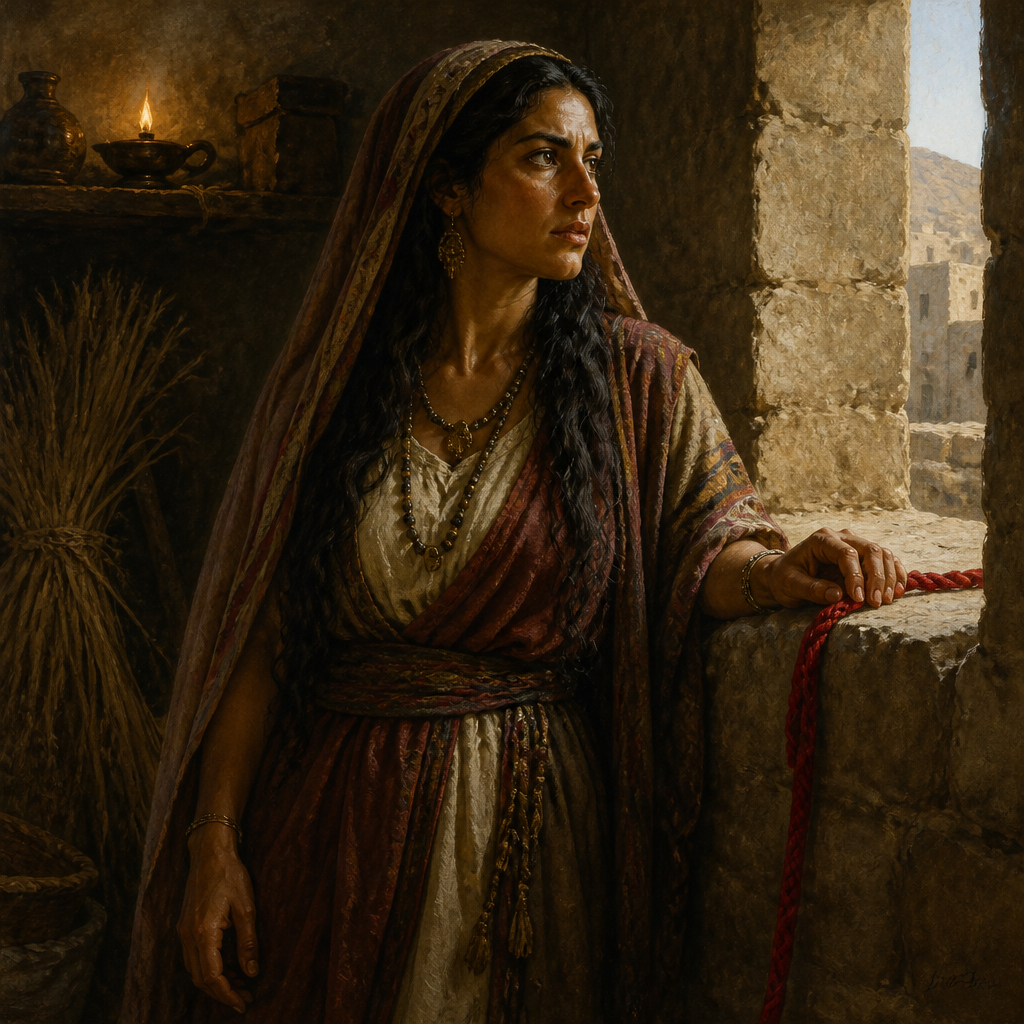
Rahab
Canaanite woman who hid the Israelite spies in Jericho
A resident of Jericho who aided Israelite spies and became an ancestor of King David and Jesus Christ.
View profile →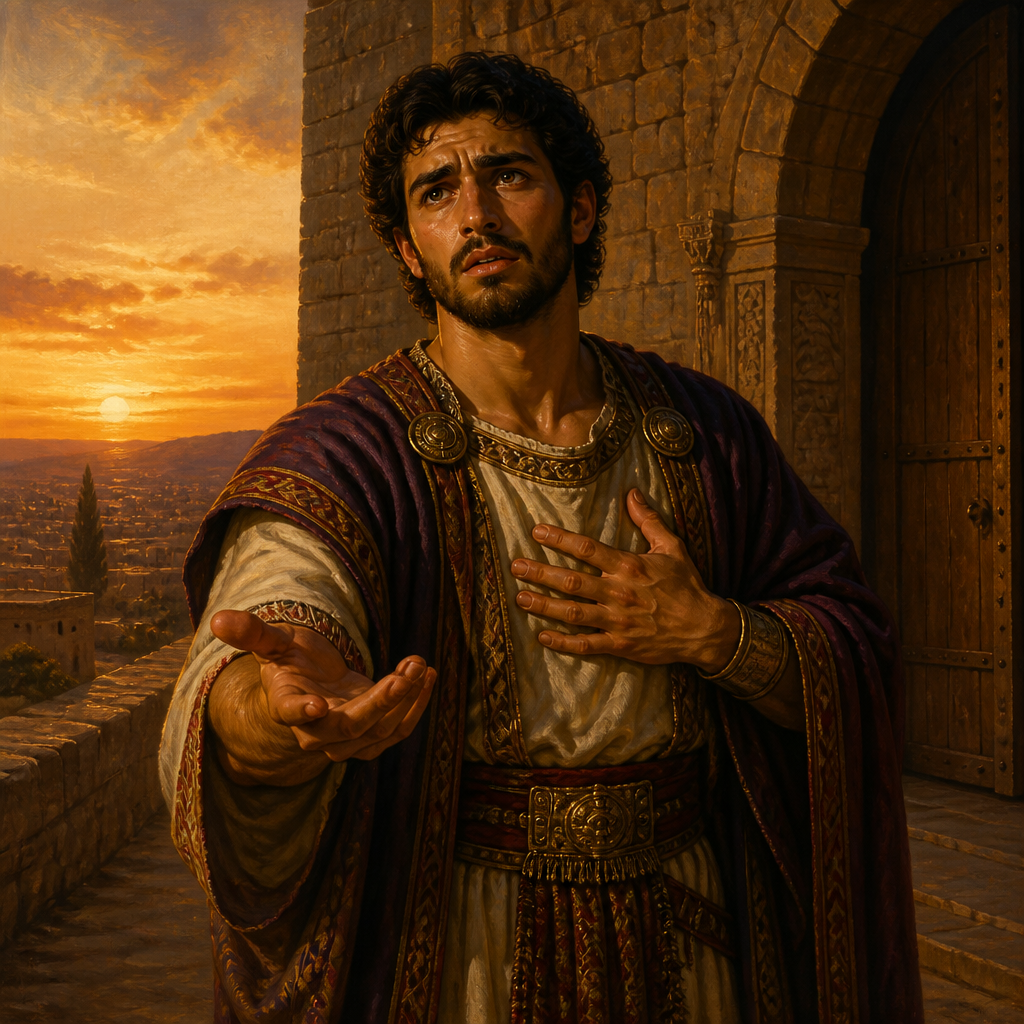
Shechem, Son of Hamor
Hivite prince whose violation of Dinah led to the massacre of his city by Simeon and Levi
A Hivite prince and son of Hamor whose violation of Dinah led to a violent conflict between his city and the sons of Jacob.
View profile →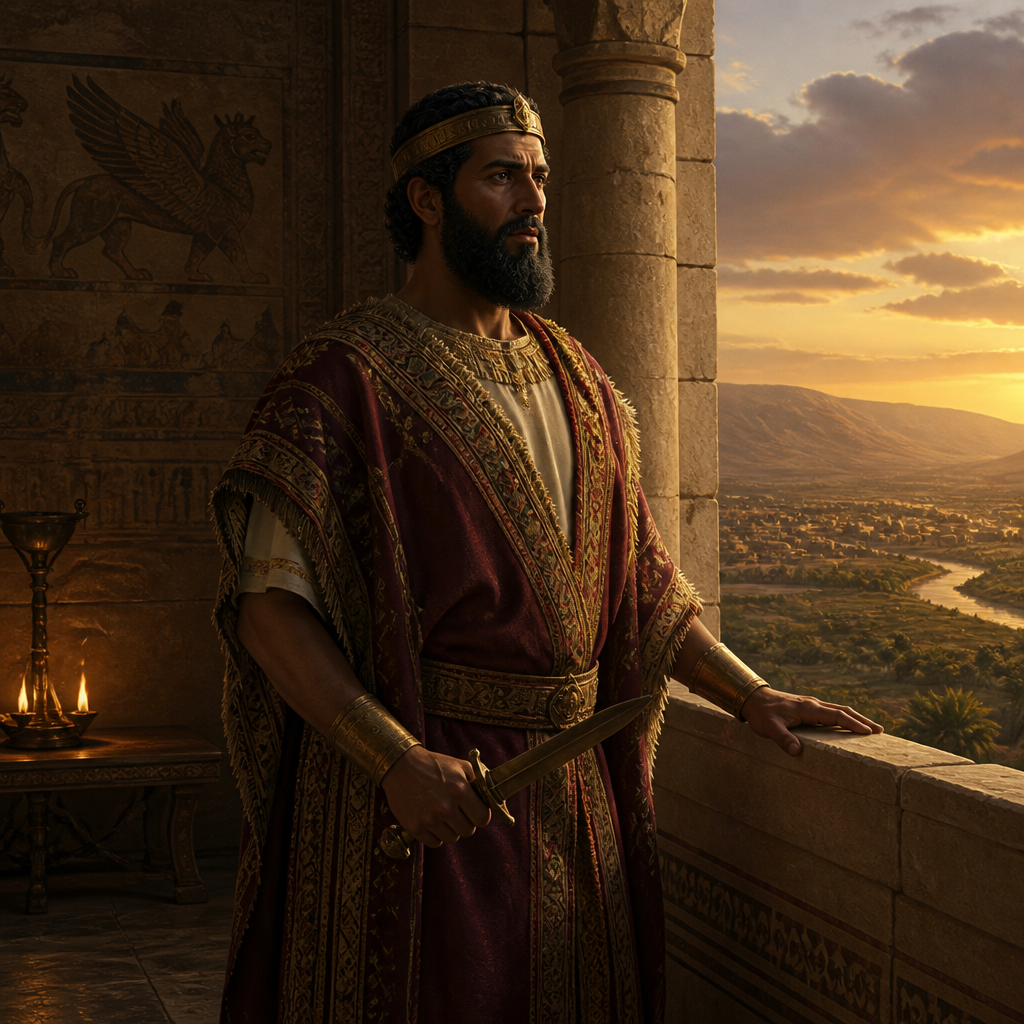
Shemeber
A member of the five kings who rebelled against Chedorlaomer
Shemeber was the king of Zeboiim who participated in the rebellion of the Five Cities of the Plain against the Elamite ruler Chedorlaomer.
View profile →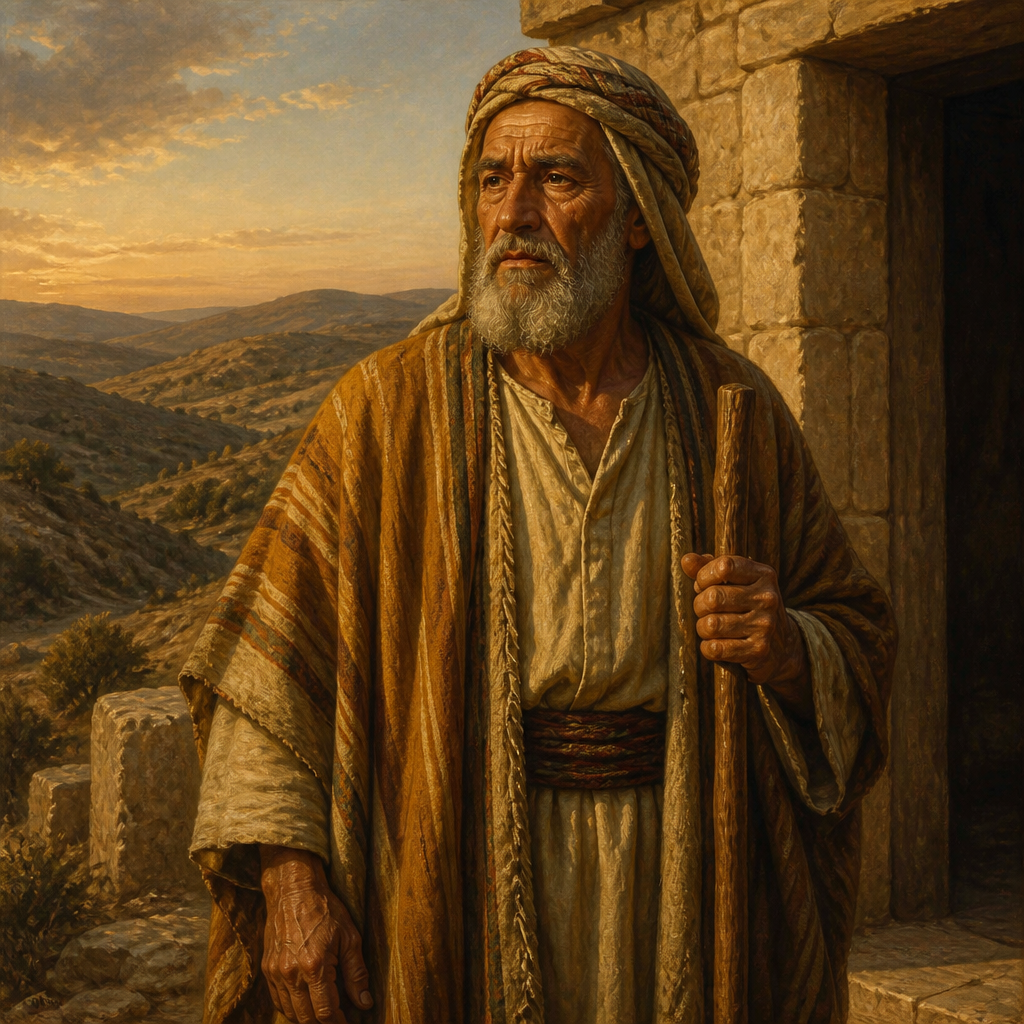
Shua, Father-in-Law of Judah
Canaanite father-in-law of the patriarch Judah
A Canaanite man whose daughter became the first wife of the patriarch Judah, the progenitor of the Tribe of Judah.
View profile →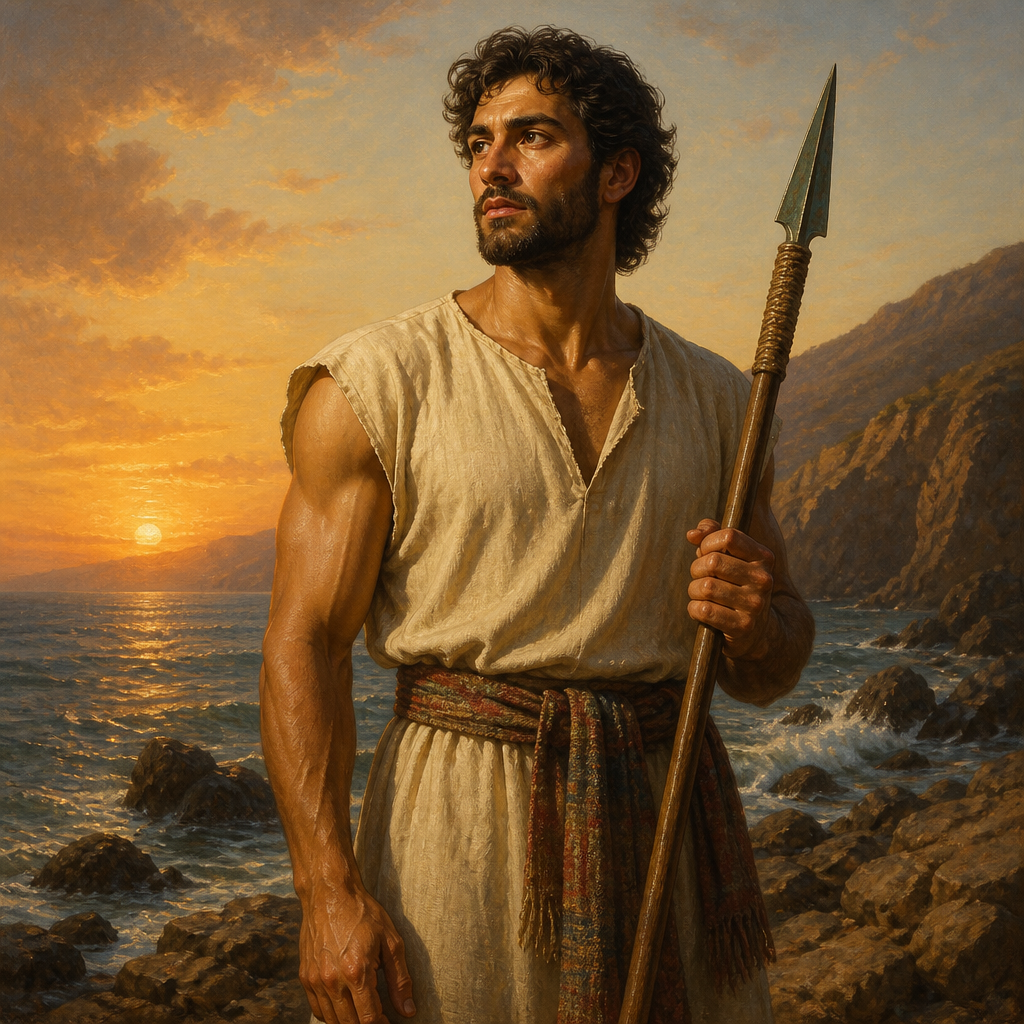
Sidon
Firstborn son of Canaan and a foundational patriarch in the Table of Nations
Sidon was the firstborn son of Canaan and a key figure in the Table of Nations within the Primeval History of Genesis.
View profile →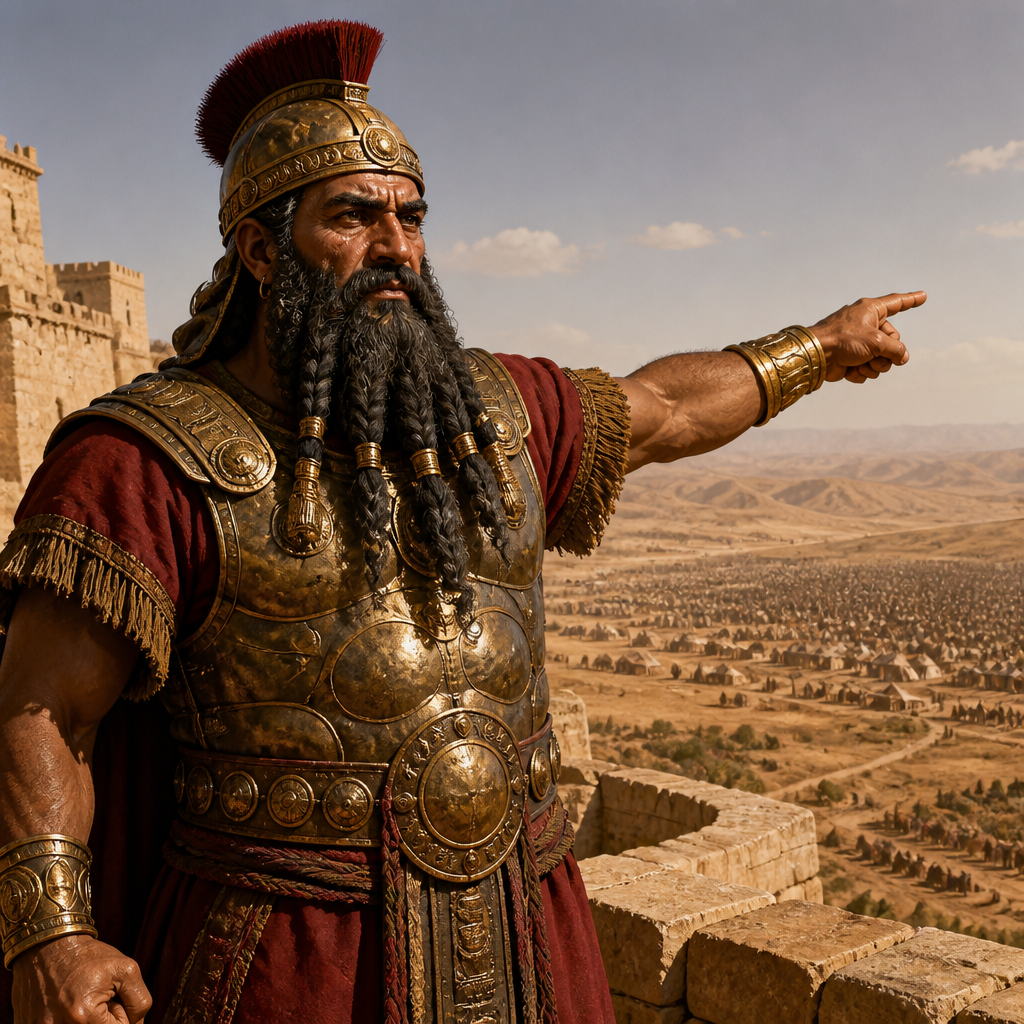
Sihon
King of the Amorites who was defeated by Moses at the Battle of Jahaz
The Amorite king of Heshbon who was defeated by the Israelites after refusing them passage through his territory during the Exodus journey.
View profile →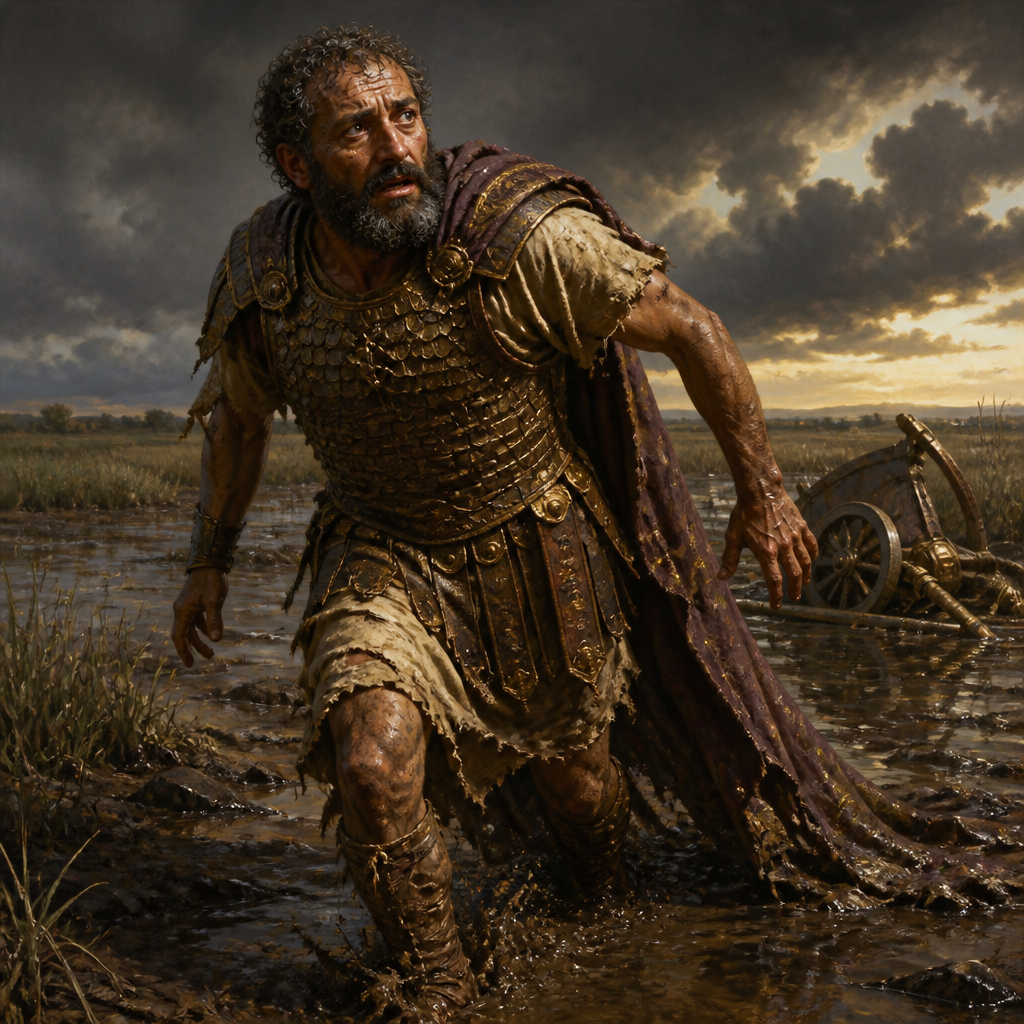
Sisera, Commander of Hazor
Canaanite general defeated by Barak and killed by Jael with a tent peg
The commander of King Jabin's Canaanite army who led nine hundred iron chariots against Israel and was defeated by Barak and Jael.
View profile →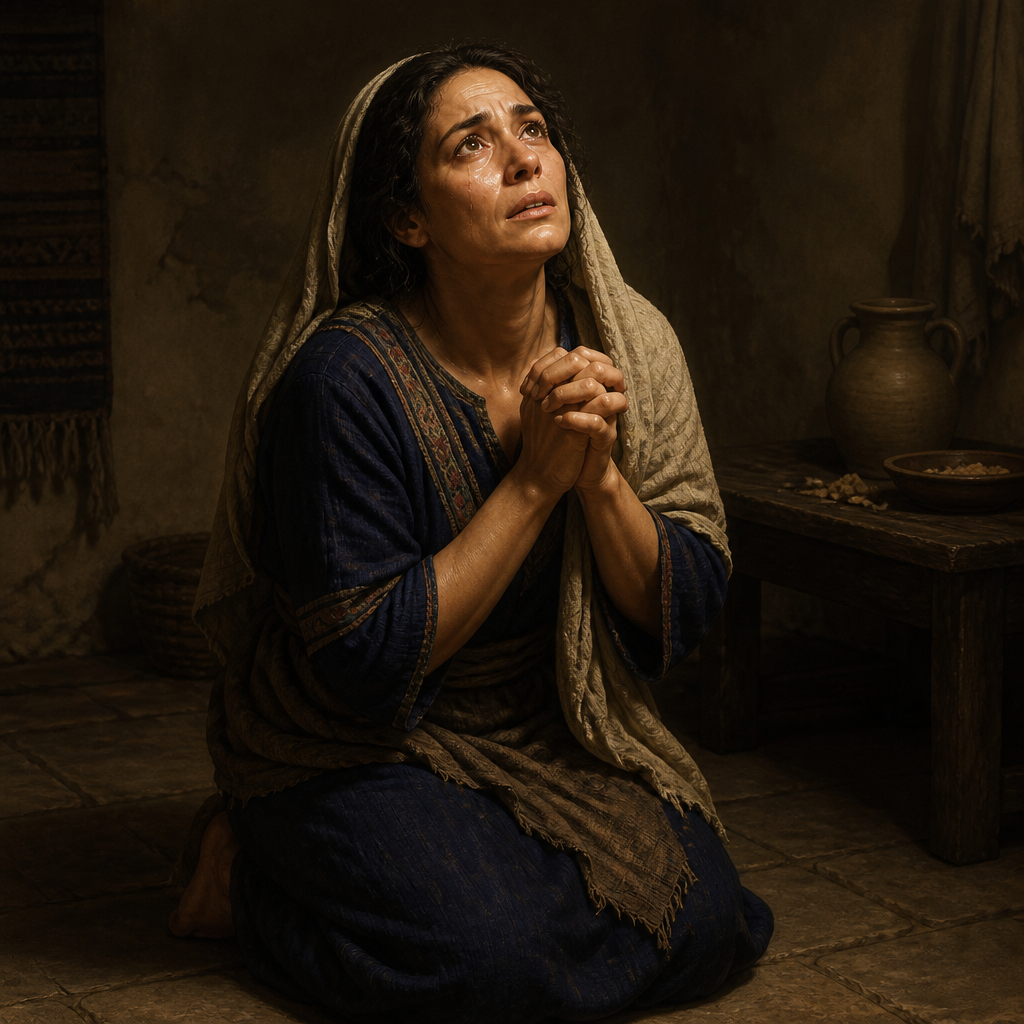
The Syrophoenician Woman
Gentile woman who petitioned Jesus for her daughter's healing
A Gentile woman from the region of Tyre who demonstrated extraordinary faith by petitioning Jesus to heal her demon-possessed daughter.
View profile →