Eshcol
Who was Eshcol in the Bible?
An Amorite ally of the patriarch Abram who assisted in the military rescue of Lot.
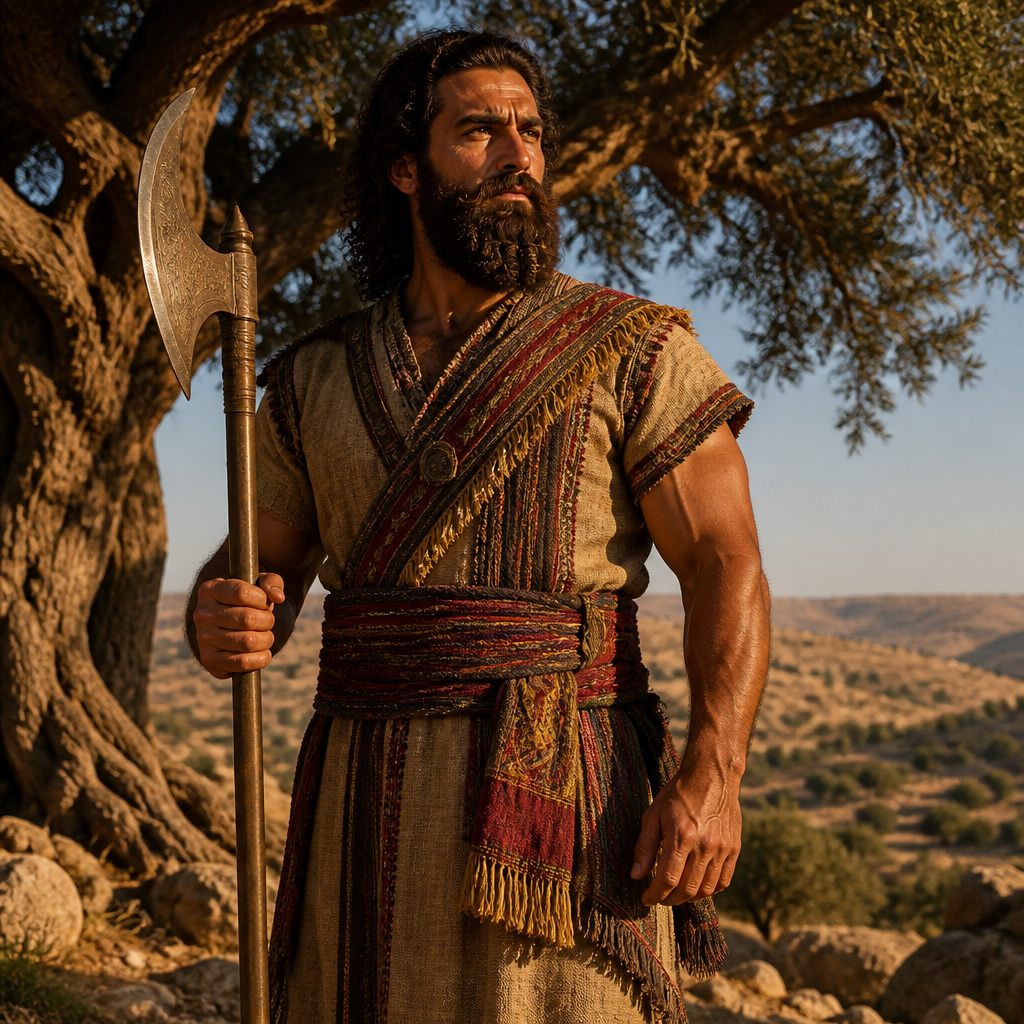
Eshcol was an Amorite leader living in the region of Hebron during the Patriarchal Period, roughly in the 21st or 20th century BC. He is primarily recognized in the biblical narrative as a close ally and treaty partner of Abram (later Abraham). Along with his brothers Mamre and Aner, Eshcol provided essential support to the patriarch during a time of regional instability and warfare.
While the biblical record regarding Eshcol is concise, his presence highlights the complex social and political landscape of Canaan before the establishment of the Israelite nation. He represents the localized chieftain or tribal leader who maintained cooperative relationships with the wandering Hebrew patriarchs, demonstrating that Abram’s early years in the land were marked by strategic alliances with his neighbors.
Background and Family
Eshcol was the son of an unnamed Amorite leader and was part of a prominent family residing in the hill country of Canaan. He is explicitly identified as the brother of two other men: Mamre and Aner. The family belonged to the Amorites, one of the significant ethnic groups inhabiting the Levant during the second millennium BC.
The primary residence of this kinship group was near the "Oaks of Mamre," a location named after Eshcol’s brother. This site, located near Hebron, served as a crucial landmark in the life of Abram. The text indicates that Eshcol and his brothers were not merely neighbors to Abram but were "bound by treaty" (ba’ale berit) to him. This suggest a formal diplomatic and military pact, ensuring mutual defense and cooperation between the Amorite locals and the Hebrew patriarch.
Major Life Events
Eshcol’s role in the biblical narrative is centered on the events following the Battle of Siddim, recorded in Genesis 14. When a coalition of four eastern kings led by Chedorlaomer invaded the region and captured Abram’s nephew, Lot, an escapee reported the news to Abram.
Abram immediately mobilized his household forces, but the scripture notes that he did not act alone. Eshcol and his brothers joined the expedition to recover the captives. Although the text focuses on Abram’s 318 trained men, Genesis 14:24 confirms that Eshcol, Aner, and Mamre led their own contingents in the pursuit of the eastern coalition. The rescue operation was successful, reaching as far north as Dan and Hobah, north of Damascus.
Following the victory, when the King of Sodom offered Abram a share of the spoils, Abram refused for himself but insisted that his allies receive their due. Abram specifically named Eshcol, Mamre, and Aner as those who should take their rightful portion of the recovered goods, acknowledging their vital role in the military success.
Relationship to Other Biblical Figures
Eshcol’s primary relationship was with Abram. As a "confederate" or treaty partner, he provided Abram with a level of security and legitimacy in a land where Abram was essentially a resident alien. The relationship was one of mutual respect; while Abram remained distinct in his religious devotion to the LORD, he worked alongside Eshcol in matters of regional justice and security.
Within his own family, Eshcol appears to have operated in a triad of leadership with Mamre and Aner. The repetition of their names together suggests a unified front among the Amorite brothers in their dealings with both the Hebrew settlers and the surrounding Canaanite city-states.
Spiritual Significance
While Eshcol is not presented as a follower of the God of Israel, his inclusion in the Genesis narrative serves a theological purpose. He illustrates the "common grace" and cooperation possible between the chosen line of Abraham and the surrounding nations. The alliance shows that the patriarchs were not isolated hermits but were active, respected participants in their contemporary society.
Furthermore, the mention of Eshcol in the context of the rescue of Lot emphasizes the theme of justice. Eshcol’s willingness to go to war for a neighbor’s relative demonstrates a standard of conduct that Abram honored. The account concludes by showing Abram’s integrity in ensuring that his Gentile allies were treated fairly and compensated for their labor, setting a precedent for righteous interaction with non-Hebrew neighbors.
Eshcol is significant for being one of the first named non-Hebrew allies of the patriarch Abraham. His presence in the text validates Abraham’s status as a 'mighty prince' among the locals and provides historical context for the military capabilities of the patriarchal household. The fact that Abraham insisted on Eshcol receiving his portion of the spoils reflects the biblical principle of just compensation and the recognition of the contributions of those outside the immediate covenant family.
Frequently Asked Questions
Who was Eshcol in the Bible?
Eshcol was an Amorite leader and brother to Mamre and Aner. He lived near Hebron and was a treaty ally of the patriarch Abram.
What did Eshcol do to help Abram?
Eshcol and his brothers joined Abram in a military campaign to rescue Abram's nephew, Lot, who had been captured by a coalition of four eastern kings.
What does the name Eshcol mean?
In Hebrew, the name Eshcol (אֶשְׁכֹּל) means 'cluster,' often referring to a cluster of grapes.
Was Eshcol an Israelite?
No, Eshcol was an Amorite, a descendant of Canaan. He lived during the time of the patriarchs, long before the nation of Israel was established.
Family & Relationships
 EshcolThis page
 AnerBrotherGenesis 14:13
Inferred
Genesis 14:13 names Eshcol and Aner in the same verse but does not state a brother tie between them; the link rests on the surrounding narrative.Evidence: Genesis 14:13
 MamreBrotherGenesis 14:13
Inferred
Genesis 14:13 names Eshcol and Mamre in the same verse but does not state a brother tie between them; the link rests on the surrounding narrative.Evidence: Genesis 14:13
Connected Figures
Family
Brother · Genesis 14:13
An Amorite ally of the patriarch Abram who participated in the rescue of Lot following the Battle of Siddim.
PatriarchsFirst: Genesis 14:132 versesAmorite chieftain and warrior
Brother · Genesis 14:13
An Amorite chieftain and brother to Eshcol and Aner who was a strategic ally to the patriarch Abram during the Patriarchal Period.
PatriarchsFirst: Genesis 14:131 versesAmorite chieftain
Categories
Mentions by Book
- Genesis2
Scripture References
All 2 indexed verses, in canonical order, from the Berean Standard Bible.
Genesis · 2
- Genesis 14:13
Then an escapee came and reported this to Abram the Hebrew. Now Abram was living near the Oaks of Mamre the Amorite, a brother of Eshcol and Aner, all of whom were bound by treaty to Abram.
- Genesis 14:24
I will accept nothing but what my men have eaten and the share for the men who went with me—Aner, Eshcol, and Mamre. They may take their portion.”