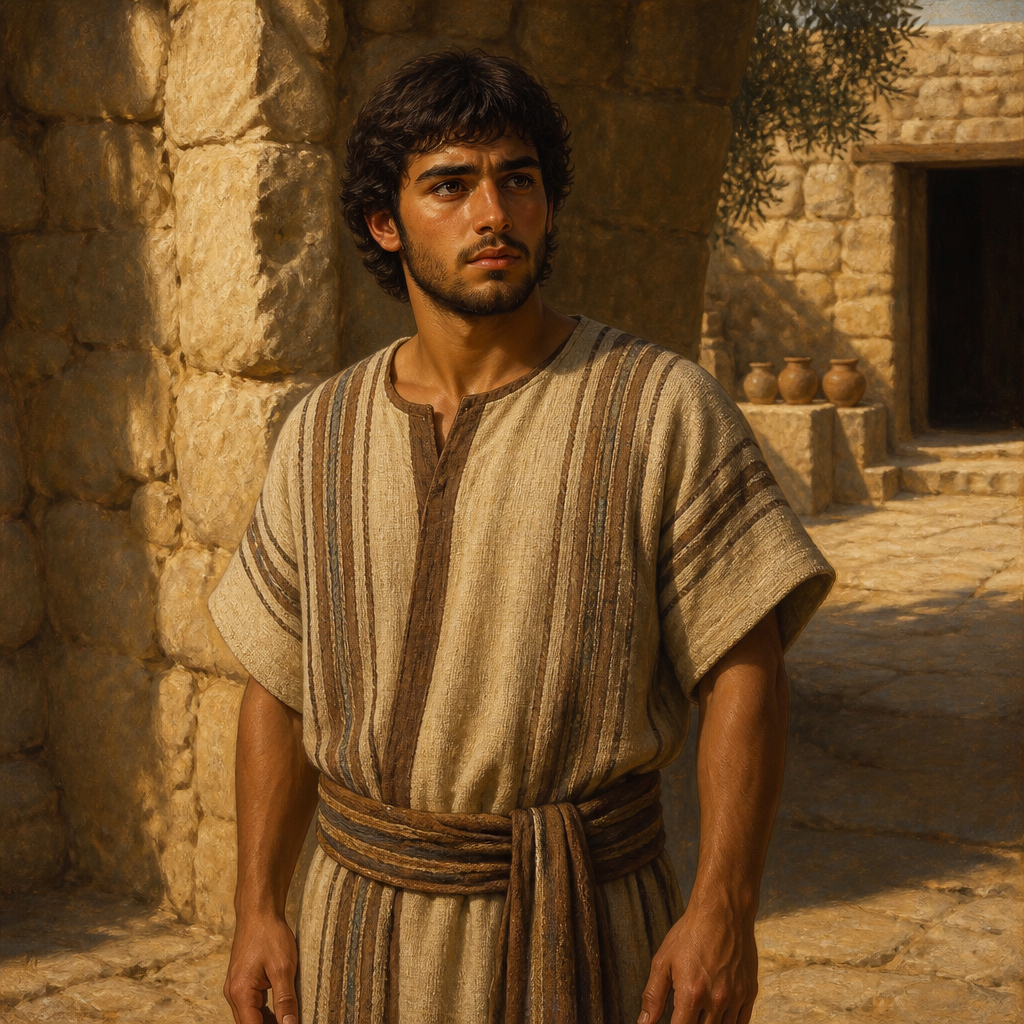
People of Genesis
Every person who appears in the book of Genesis, ordered by how often they are mentioned there.
The People of Genesis appear in a narrative that spans the creation of the world to the settlement of the Hebrews in Egypt. The book begins with Adam, the first human being who is associated with the fall of man (Genesis 2:20). His son Cain becomes history’s first murderer by killing his brother (Genesis 4:1). Following a period of widespread corruption, Noah builds an ark to survive the Great Flood and establishes a rainbow covenant with God (Genesis 5:29). His sons Shem, Ham, and Japheth survive the flood with him to become the ancestors of the various nations of the earth (Genesis 5:32).
The focus then shifts to a single family line beginning with Abraham, the patriarch who is the father of the nation of Israel (Genesis 17:5). His wife Sarah conceives in her old age to bear the promised heir (Genesis 17:15), while Hagar, her servant, becomes the mother of Ishmael (Genesis 16:1, 11). Their son Isaac eventually marries Rebekah, the woman who secures the patriarchal blessing for her younger son (Genesis 22:23). This son, Israel is the patriarch who wrestles with God and fathers the twelve tribes (Genesis 32:28). He marries two sisters, Leah, who mothers six of the tribes (Genesis 29:16), and Rachel, his beloved wife who dies giving birth to his youngest son (Genesis 29:6).
The later chapters follow the sons of Israel as they interact with neighboring peoples and eventually move to Egypt. Joseph is sold into slavery by his brothers but rises to become the second most powerful man in Egypt (Genesis 30:24). While in prison, he encounters Pharaoh's Chief Cupbearer, who later recommends him to the king (Genesis 40:1). Joseph eventually reconciles with his brothers, including Judah, who receives the blessing of the scepter (Genesis 29:35), and Benjamin, whose presence in Egypt is the catalyst for the family's reunion (Genesis 35:18).
This collection of individuals establishes the genealogical and covenantal foundations for the rest of the biblical text. The narrative moves from the universal origins of humanity to the specific election of a family. By the end of the book, the descendants of Abraham have grown into a large clan under the protection of Pharaoh, who invites the family to settle in the land of Goshen (Genesis 37:36). The book concludes with the deaths of Joseph and his father, setting the stage for the transition of the family into a nation.
Everyone in this list
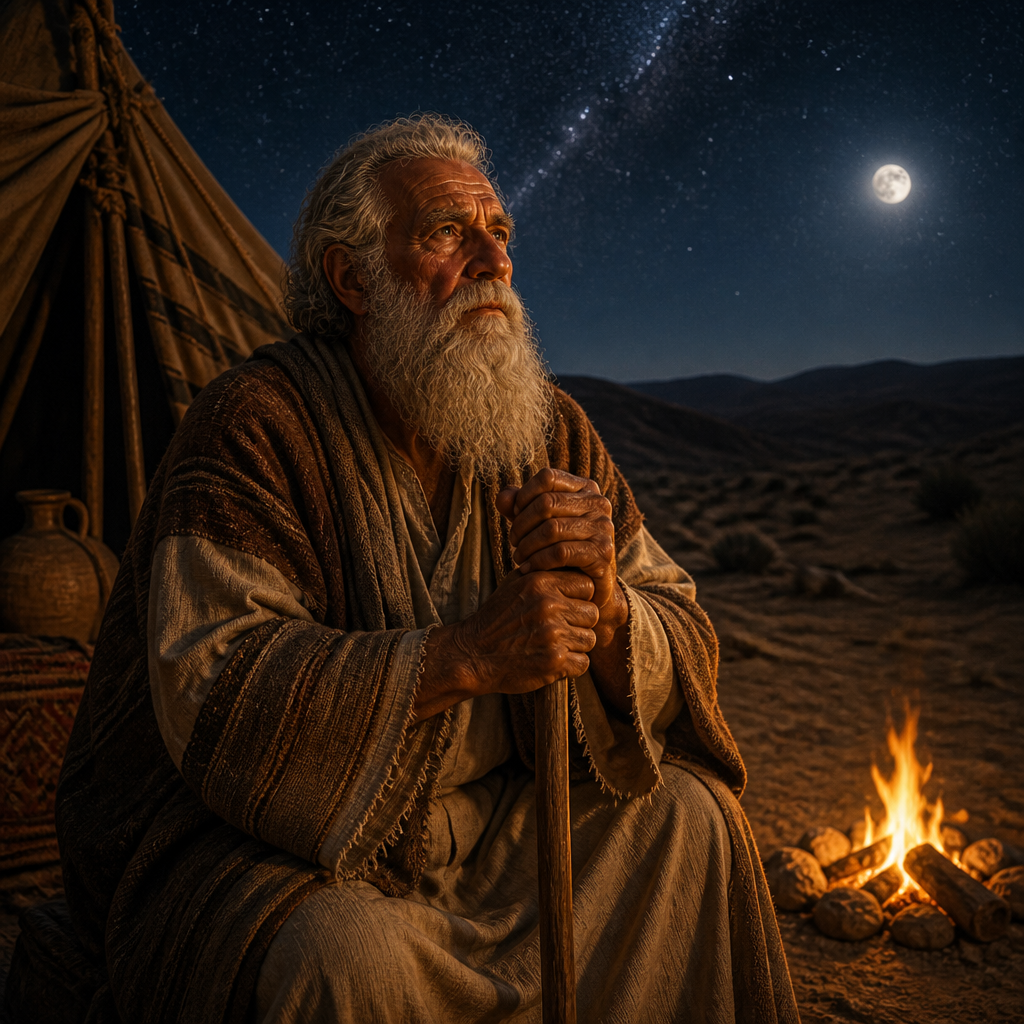
Abraham
Patriarch who is the father of the nation of Israel and an exemplar of faith
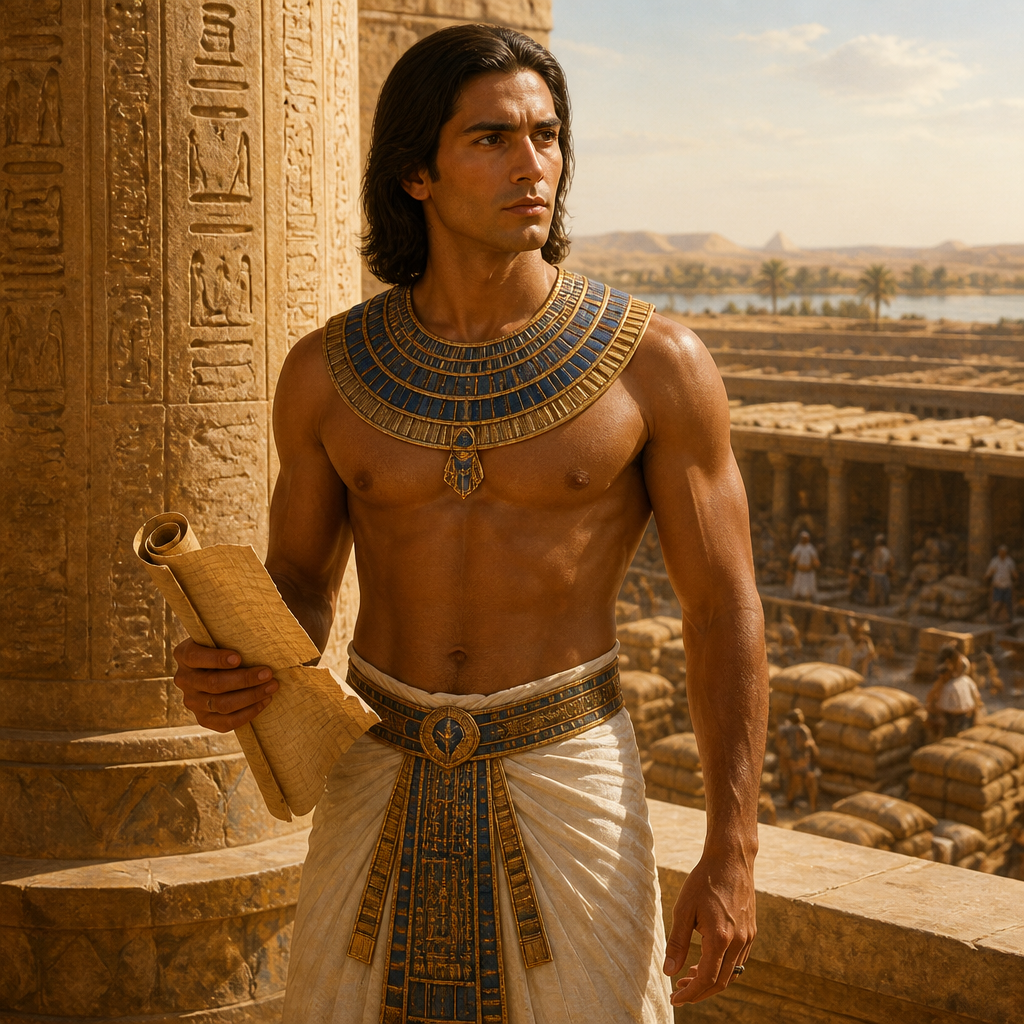
Joseph, Son of Jacob
Patriarch who was sold into slavery and rose to become the second most powerful man in Egypt
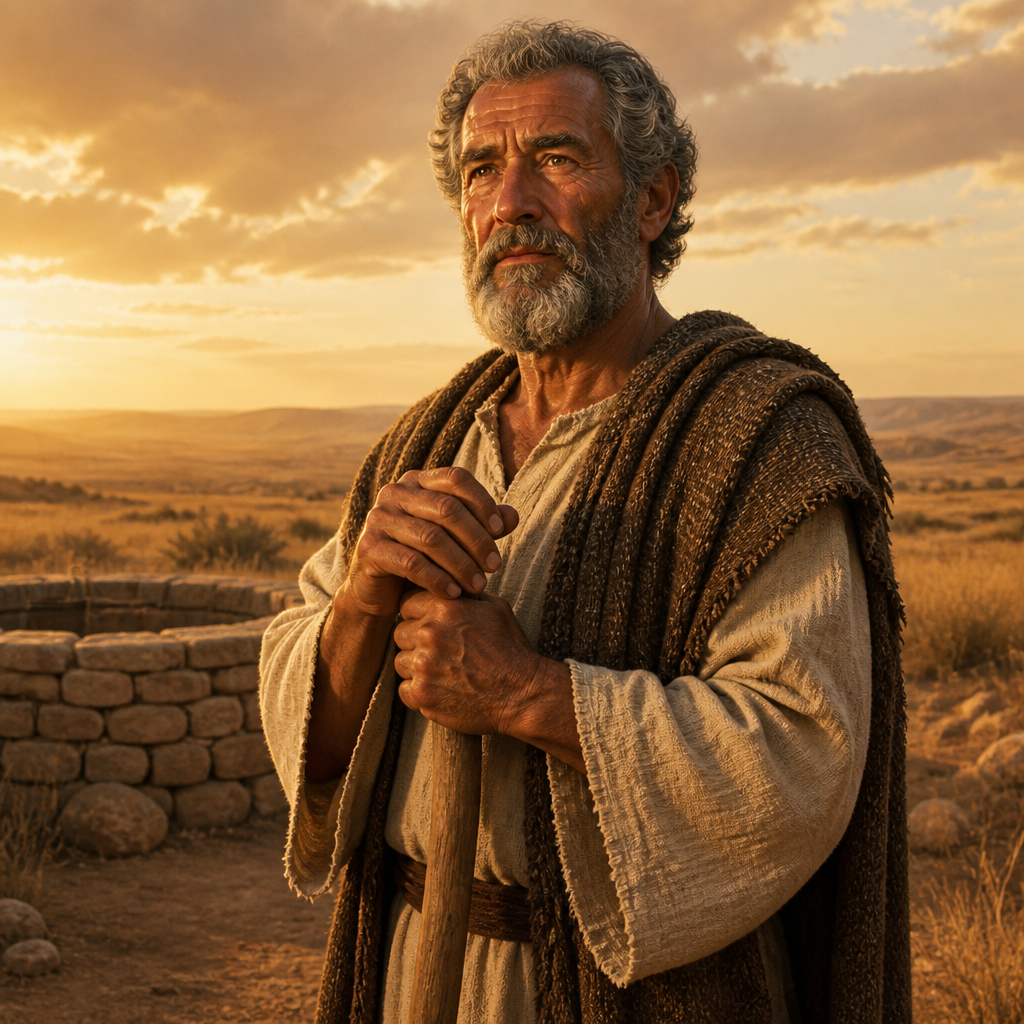
Isaac
Patriarch who was the son of Abraham and the father of Jacob and Esau
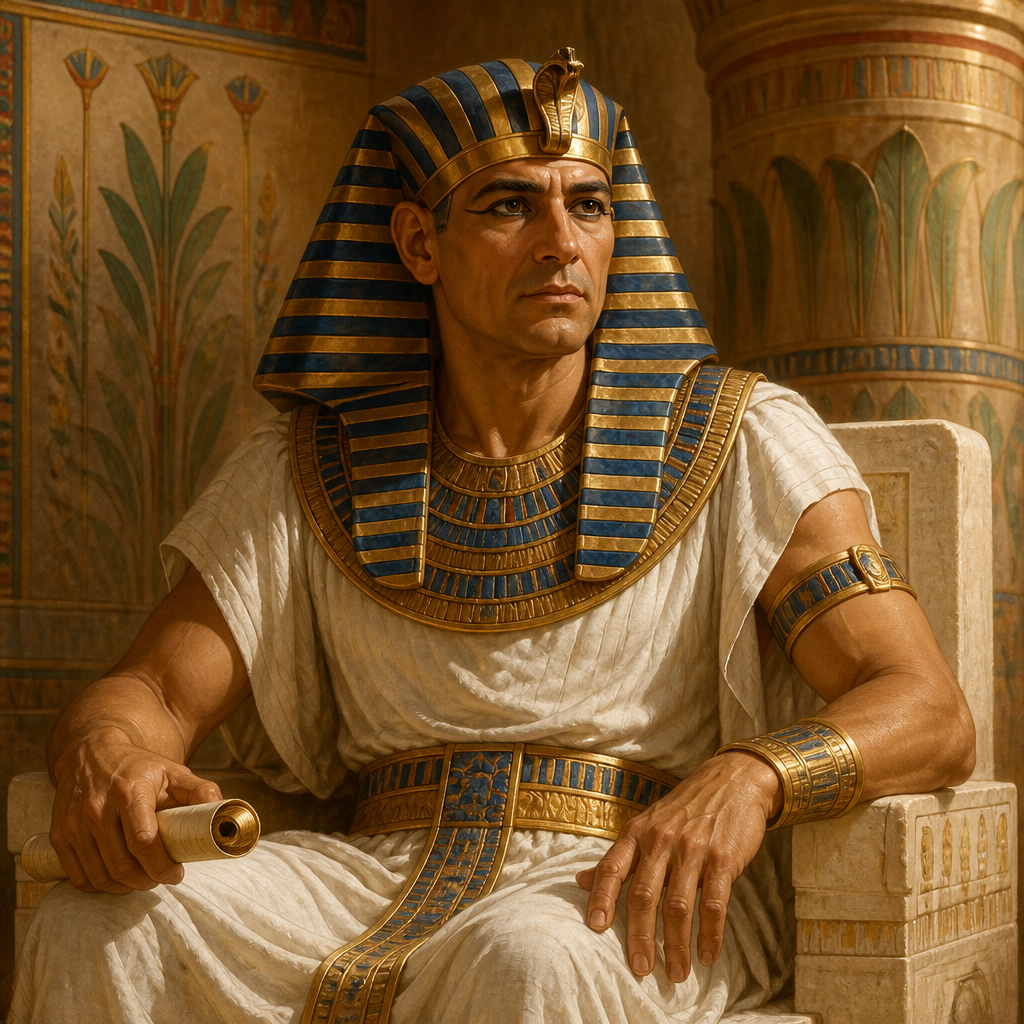
Pharaoh, Patron of Joseph
King of Egypt who promoted Joseph to vizier and invited Jacob's family to settle in Goshen
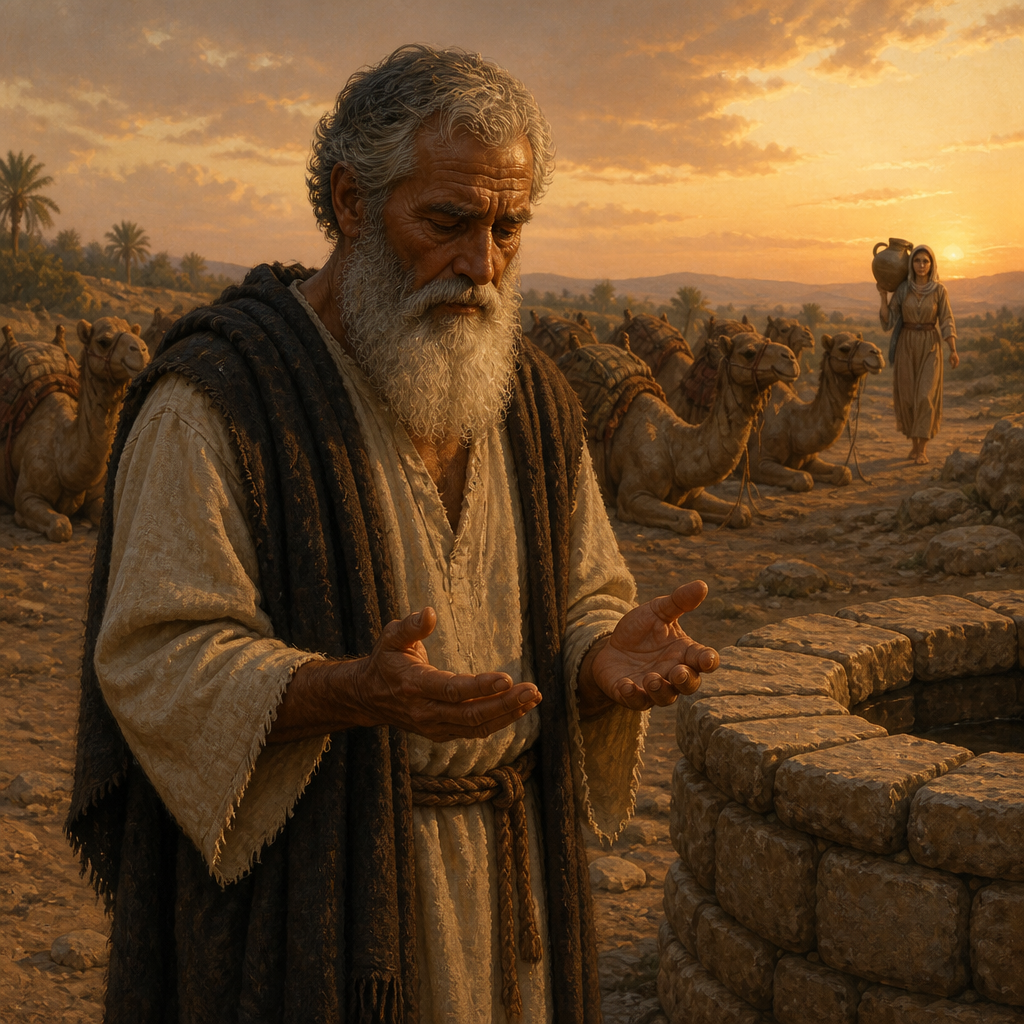
Abraham's Servant Sent for Rebekah
Chief steward who found Rebekah for Isaac
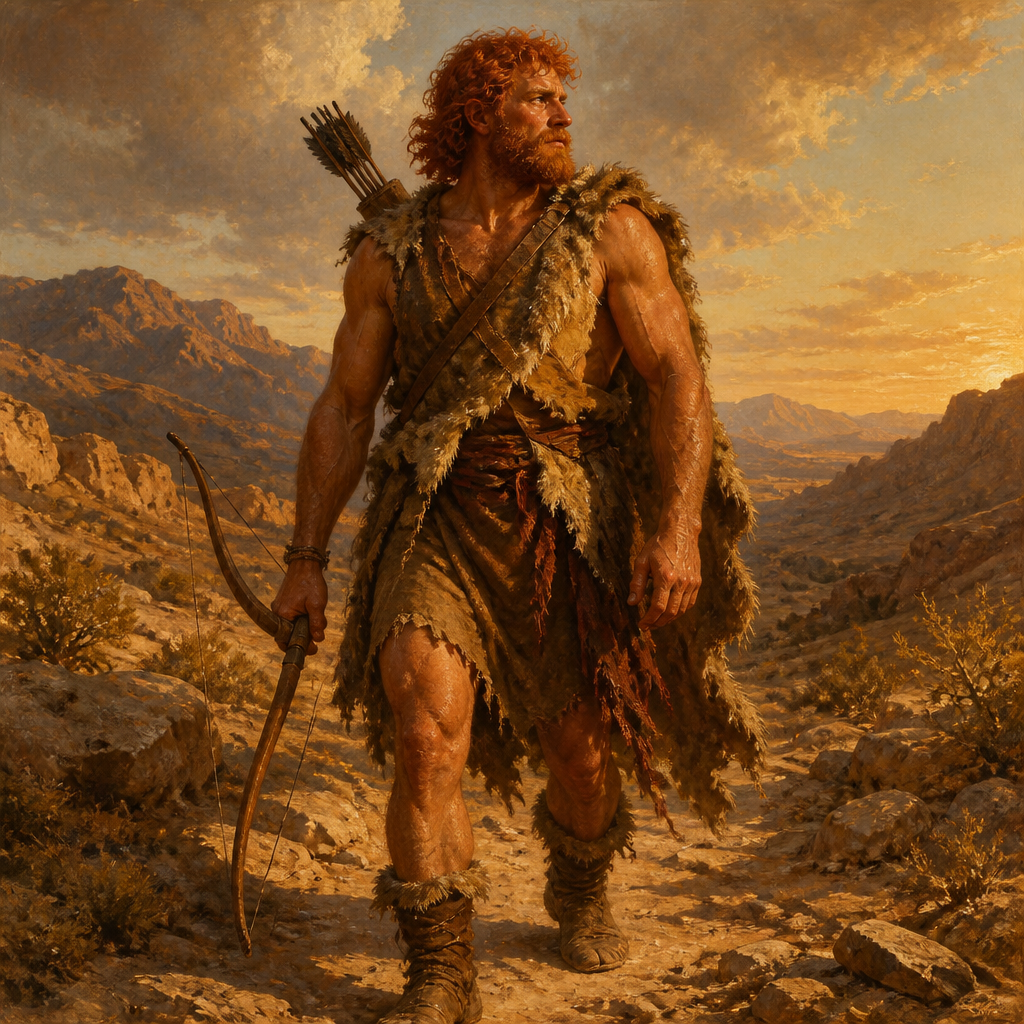
Esau
Patriarch who sold his birthright for lentil stew and founded the nation of Edom
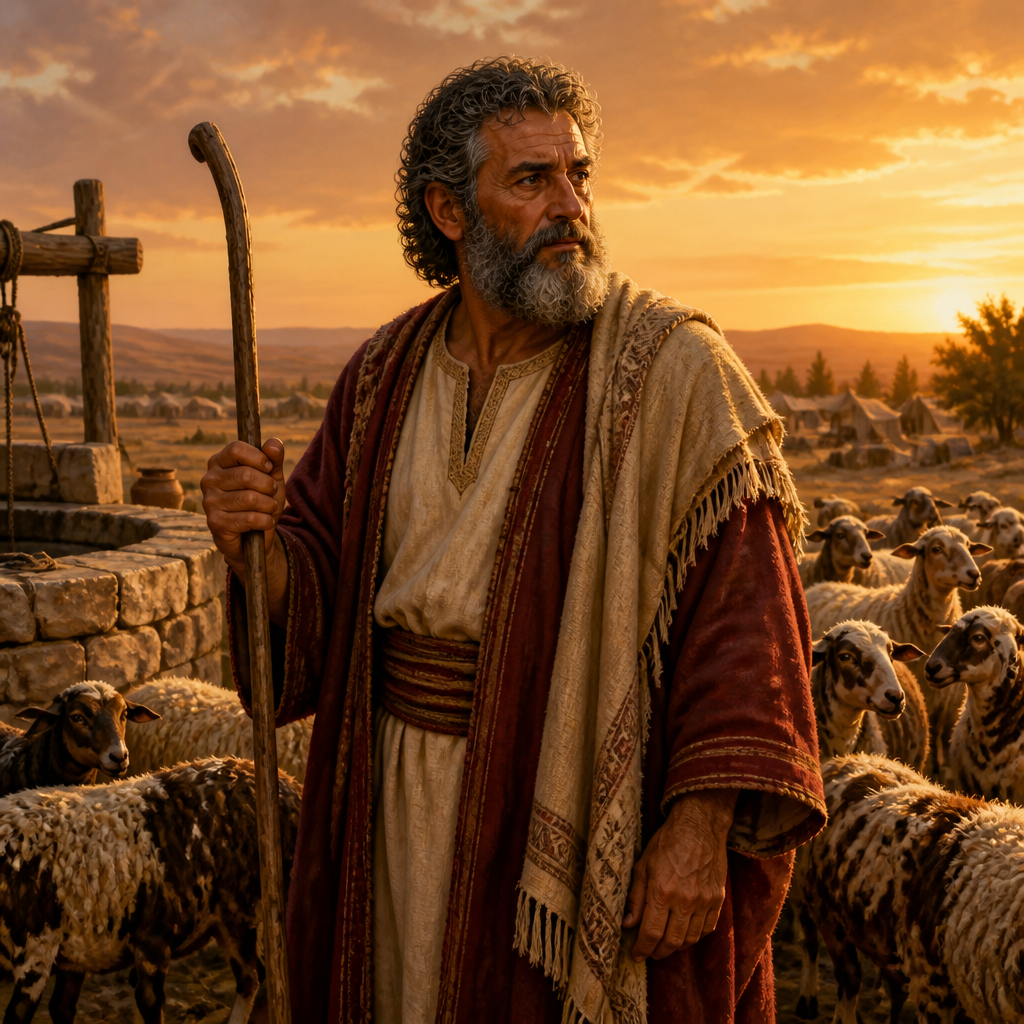
Laban
Uncle and father-in-law of Jacob who famously switched his daughters Leah and Rachel on Jacob's wedding night
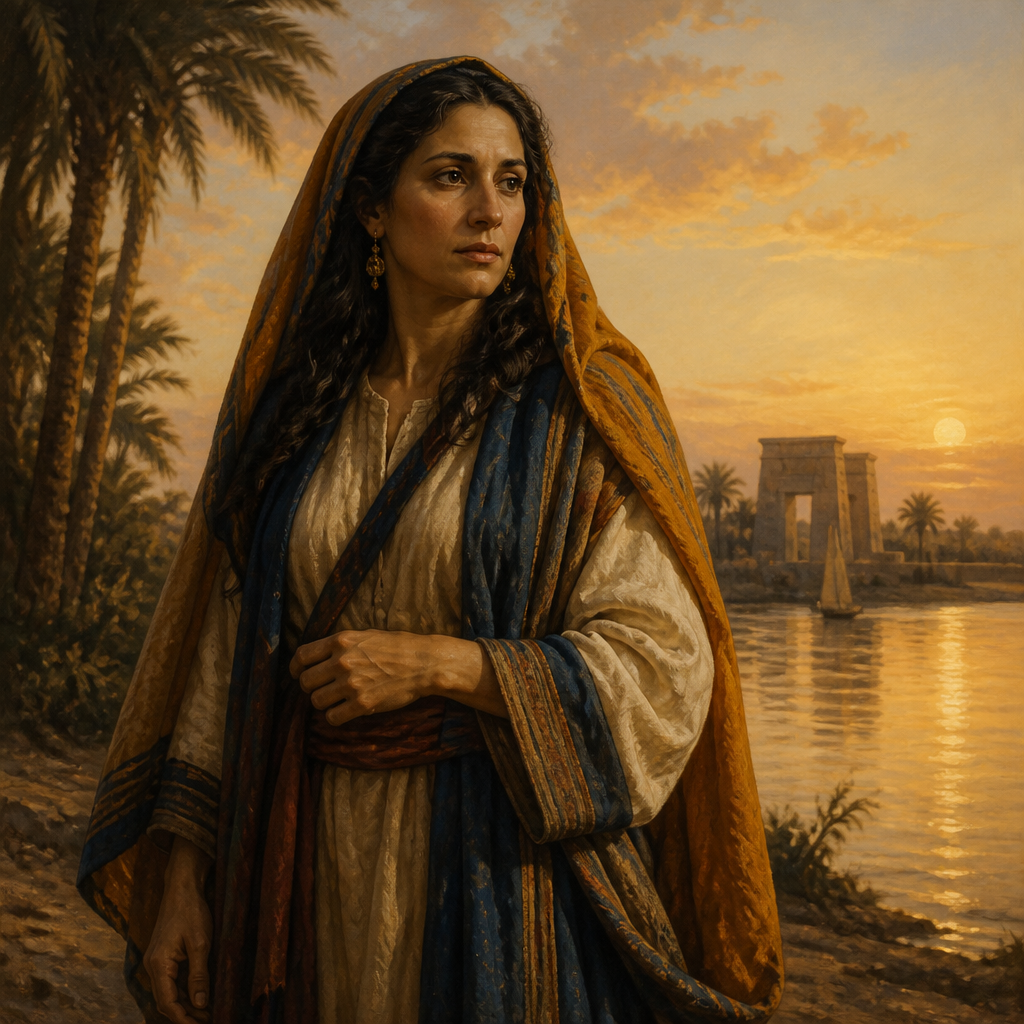
Sarah
Matriarch of Israel and mother of Isaac who conceived in her old age
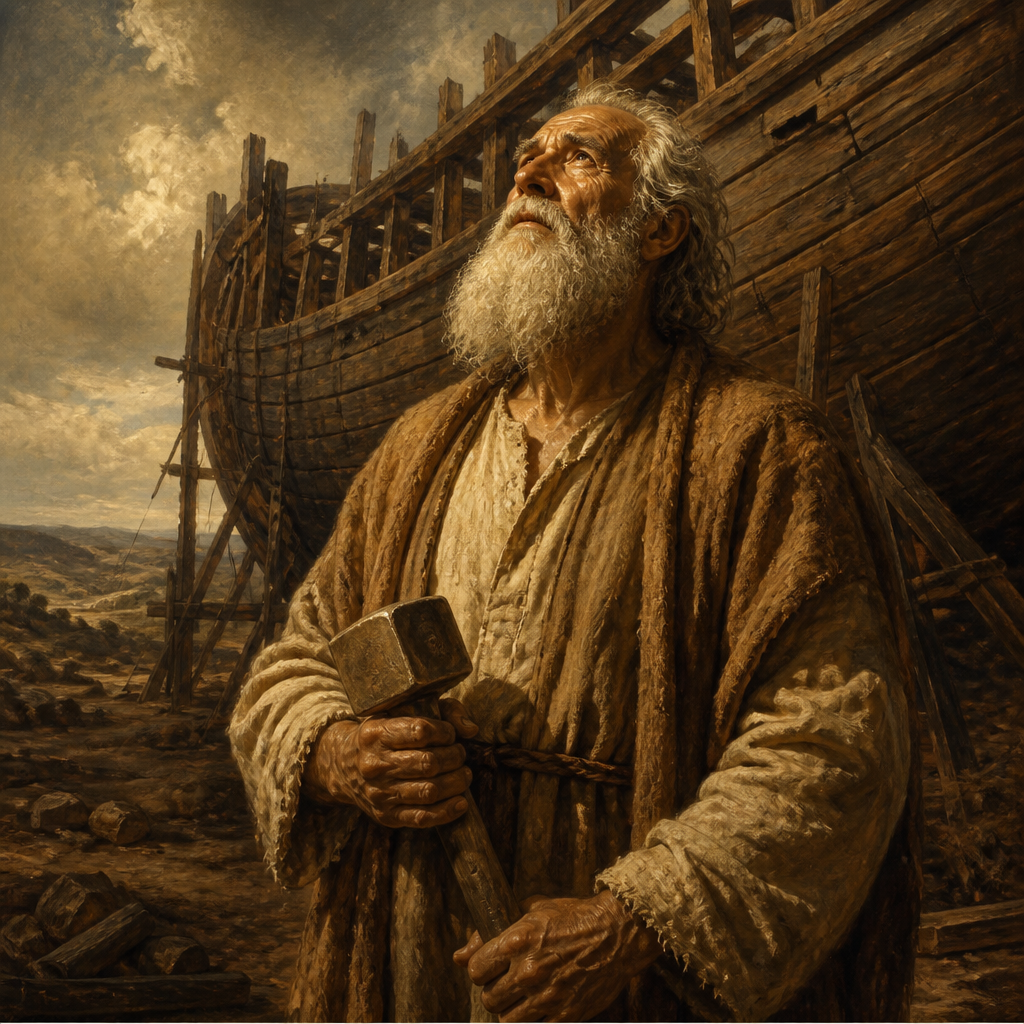
Noah
Patriarch and ark builder who survived the Great Flood and established the rainbow covenant
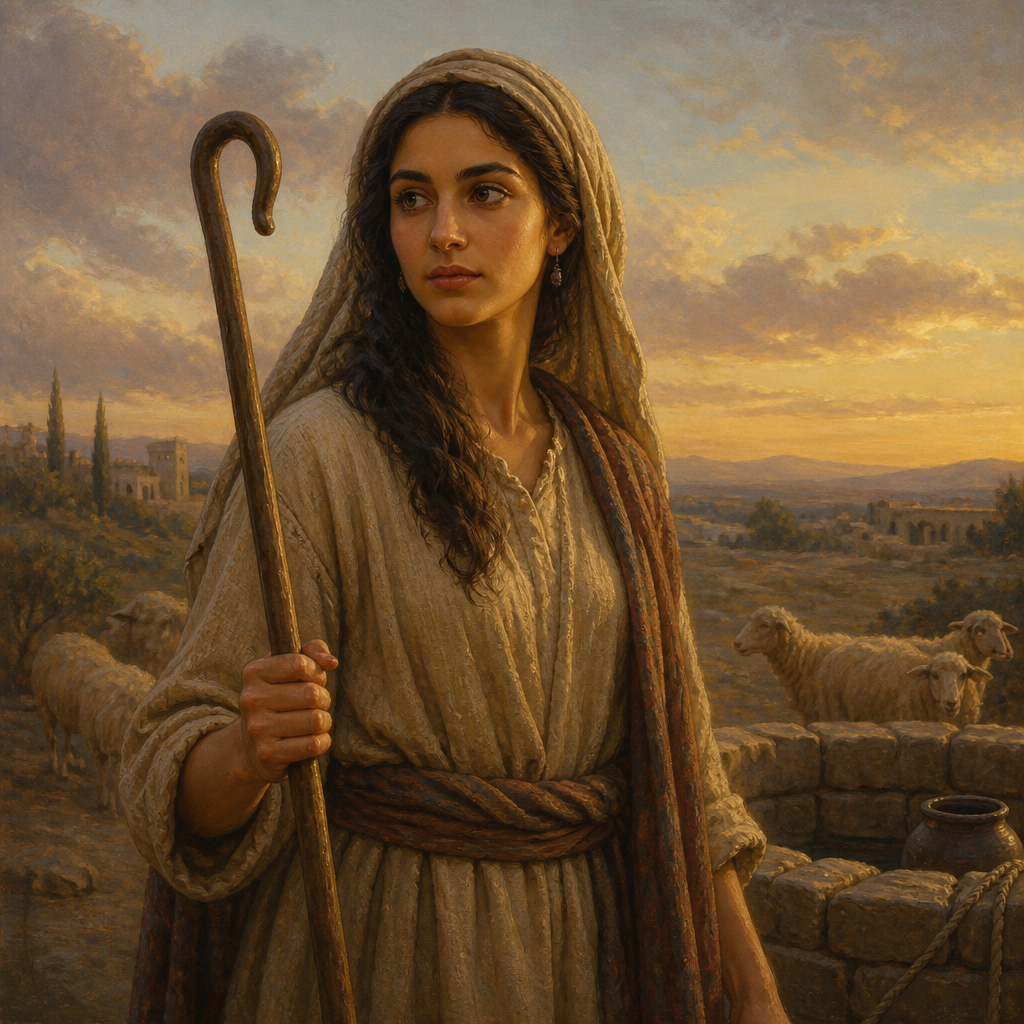
Rachel
Matriarch of Israel and the beloved wife of Jacob who died giving birth to Benjamin
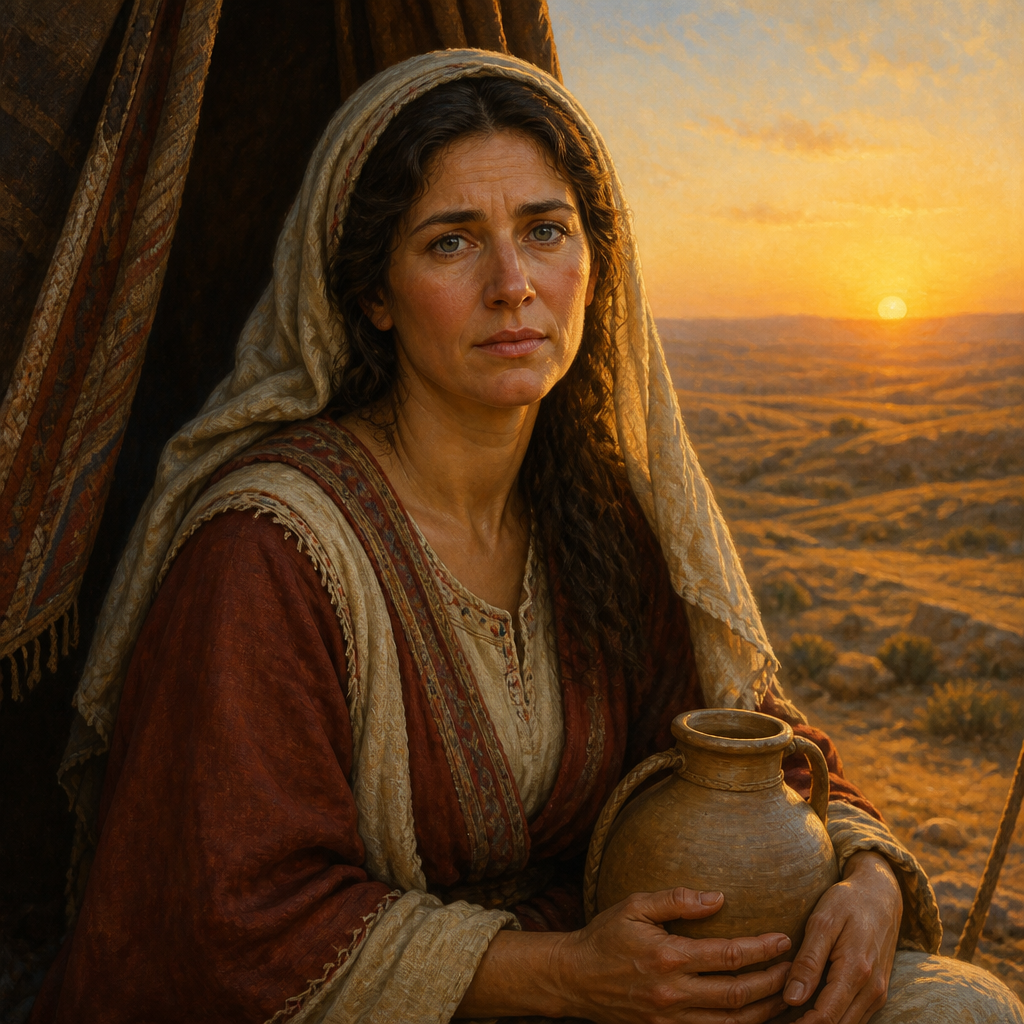
Leah
Matriarch who mothered six of the twelve tribes of Israel including the priestly and royal lines
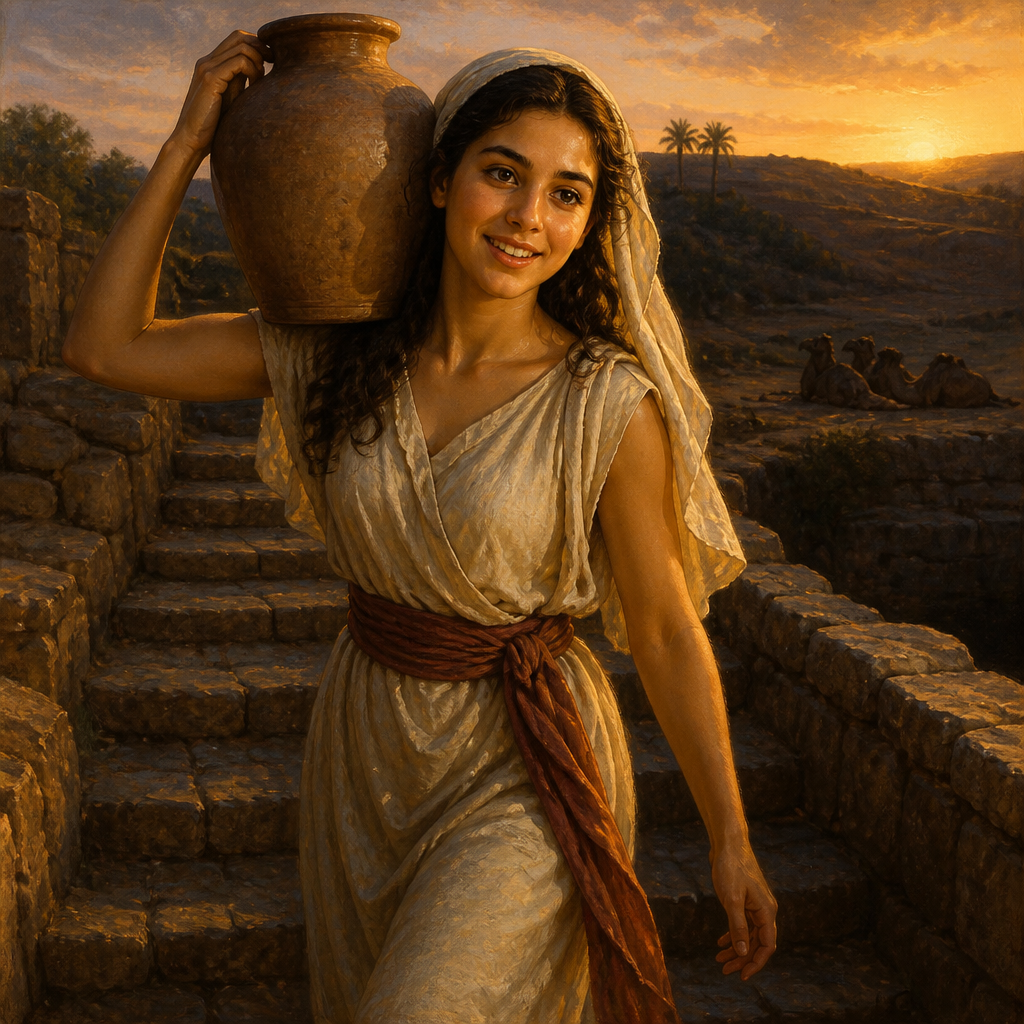
Rebekah
Matriarch of Israel and wife of Isaac who secured the patriarchal blessing for her son Jacob
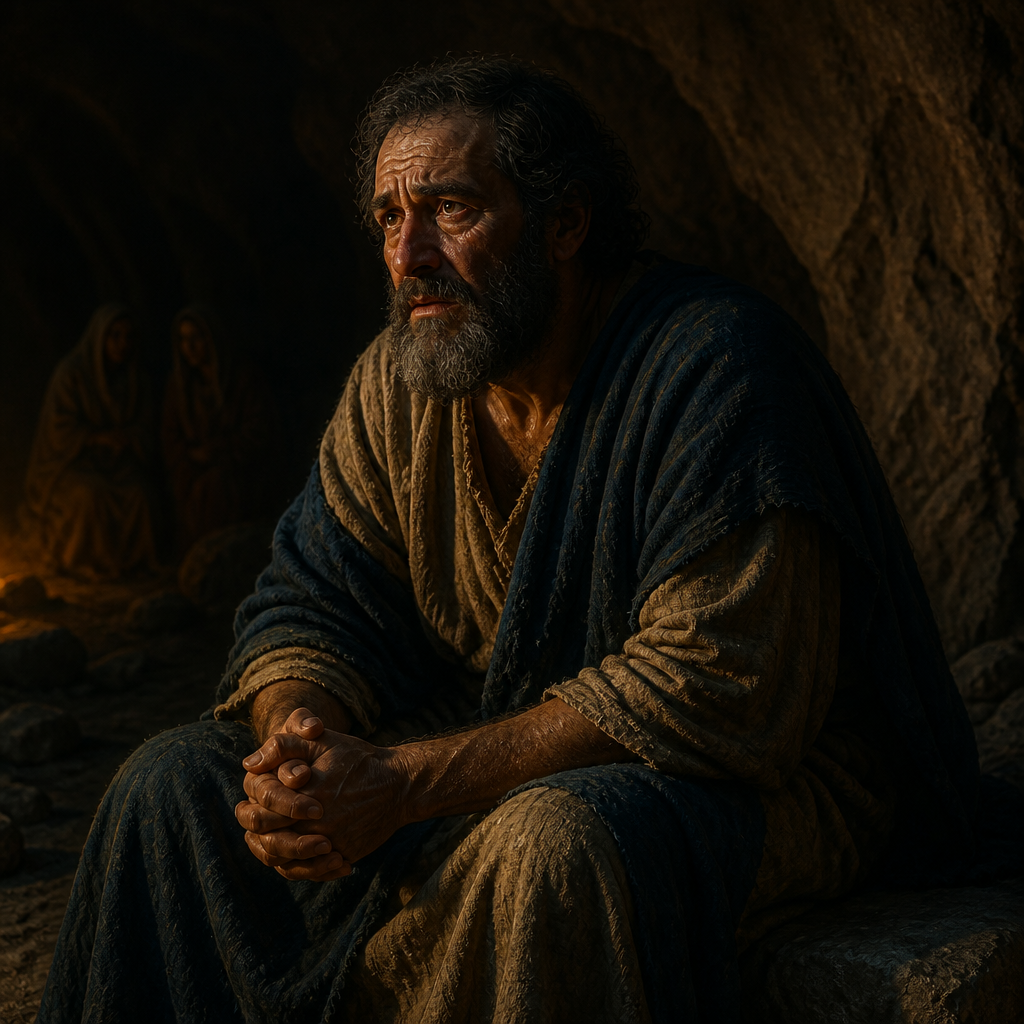
Lot
Nephew of Abraham who escaped the destruction of Sodom and Gomorrah
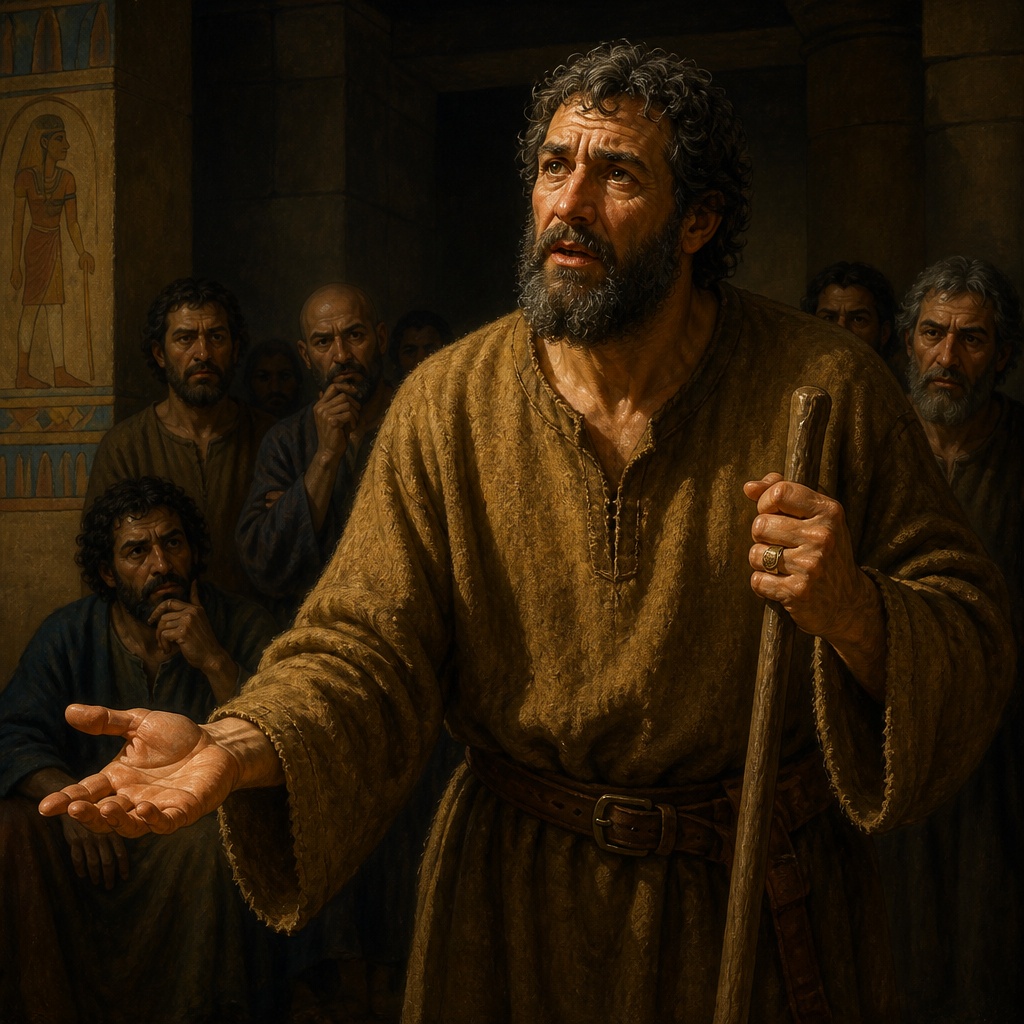
Judah, Son of Jacob
Patriarch who received the blessing of the scepter and whose lineage produced King David and Jesus Christ
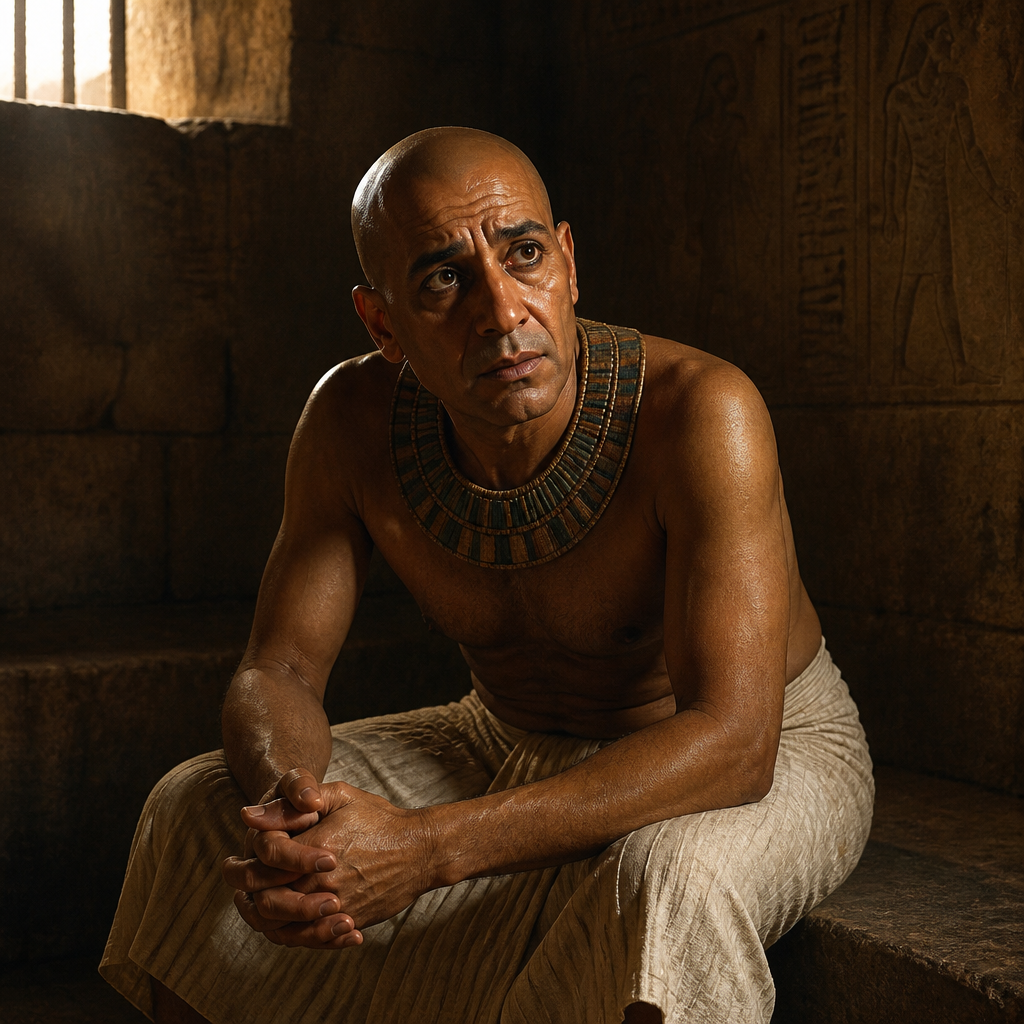
Pharaoh's Chief Cupbearer
Official whose dream Joseph interpreted in prison and who later recommended Joseph to Pharaoh
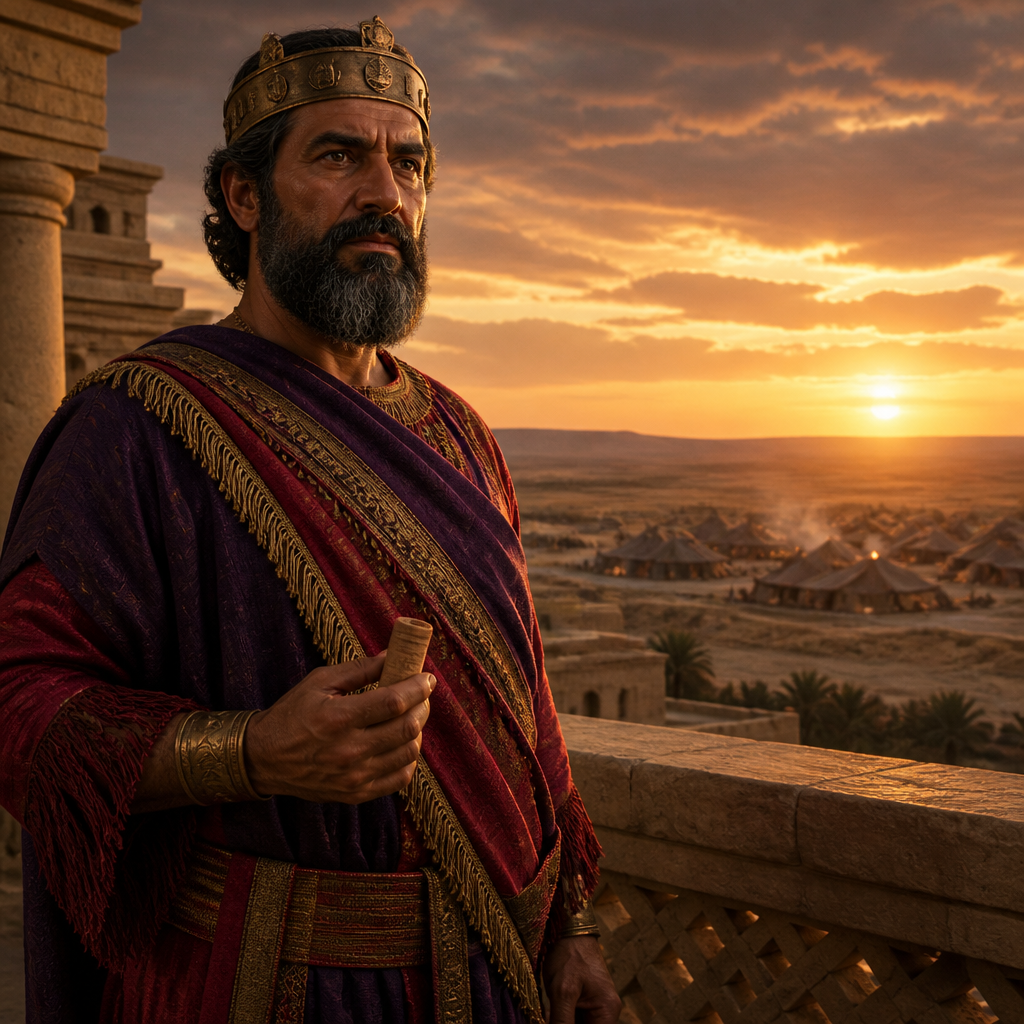
Abimelech, King of Gerar
King of Gerar who made covenants with Abraham and Isaac
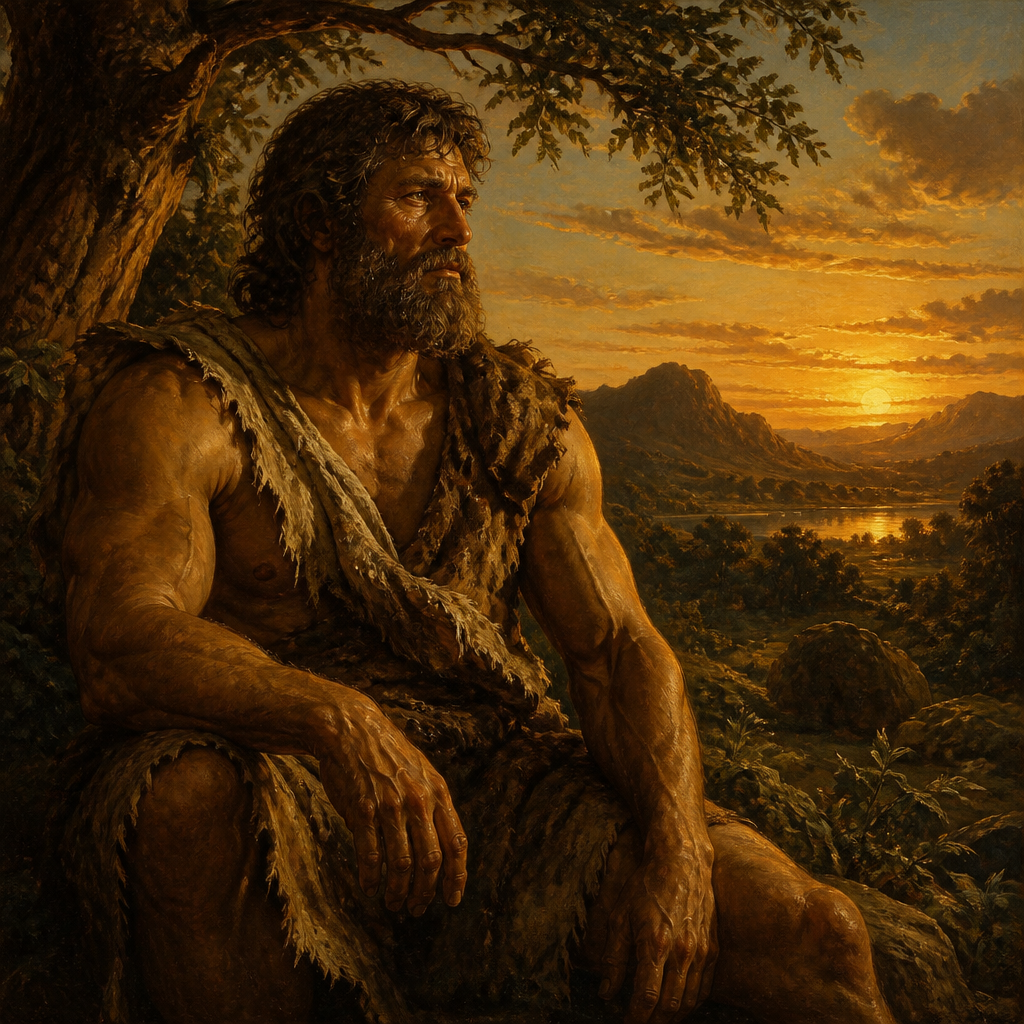
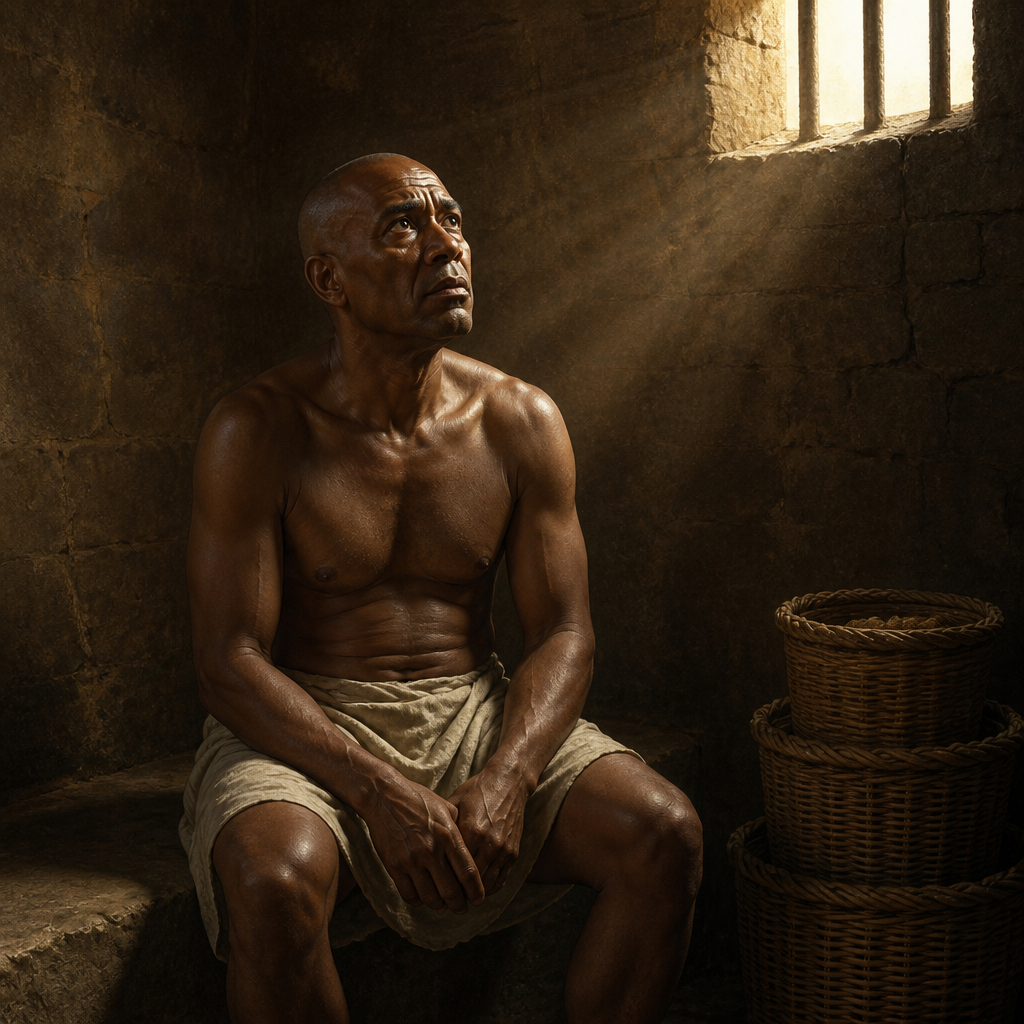
Pharaoh's Chief Baker
Official whose dream was interpreted by Joseph to mean he would be executed by Pharaoh
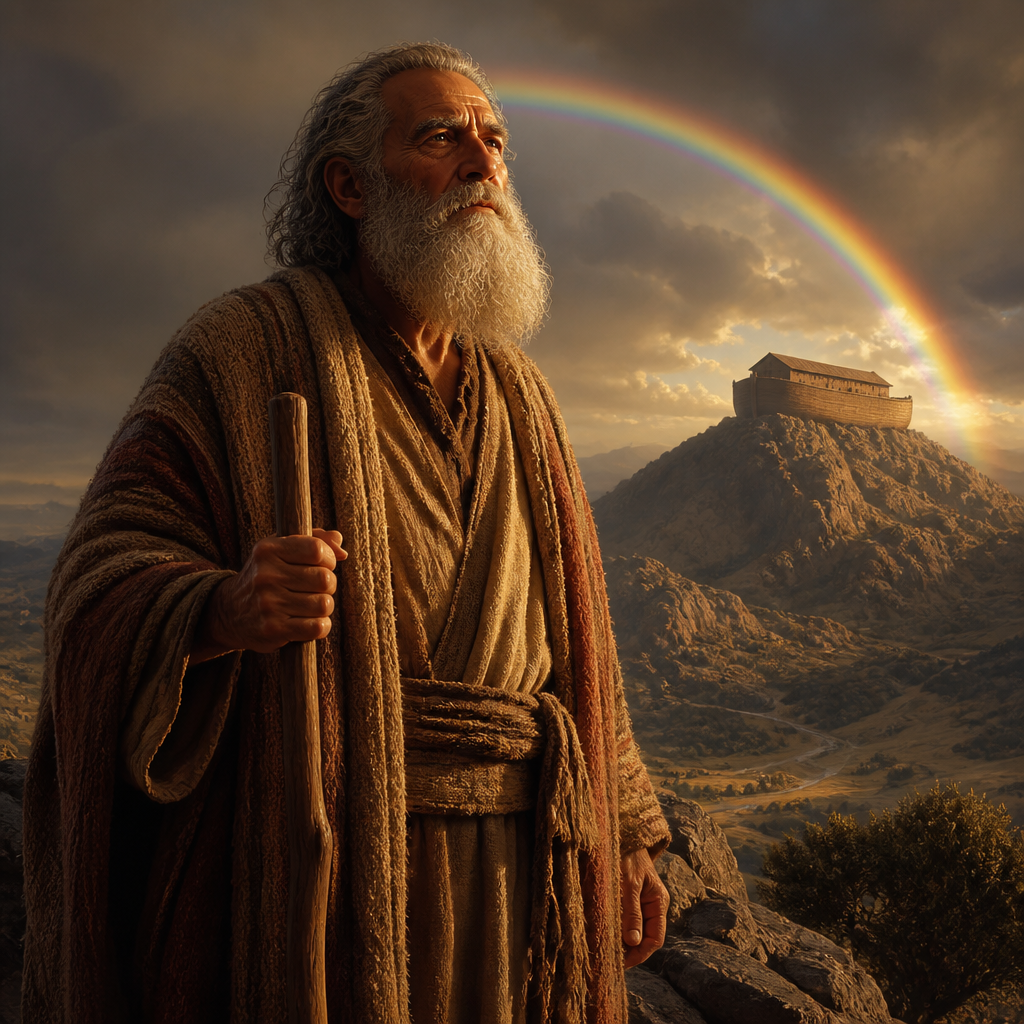
Shem
Son of Noah who survived the Great Flood and became the ancestor of the Semitic nations
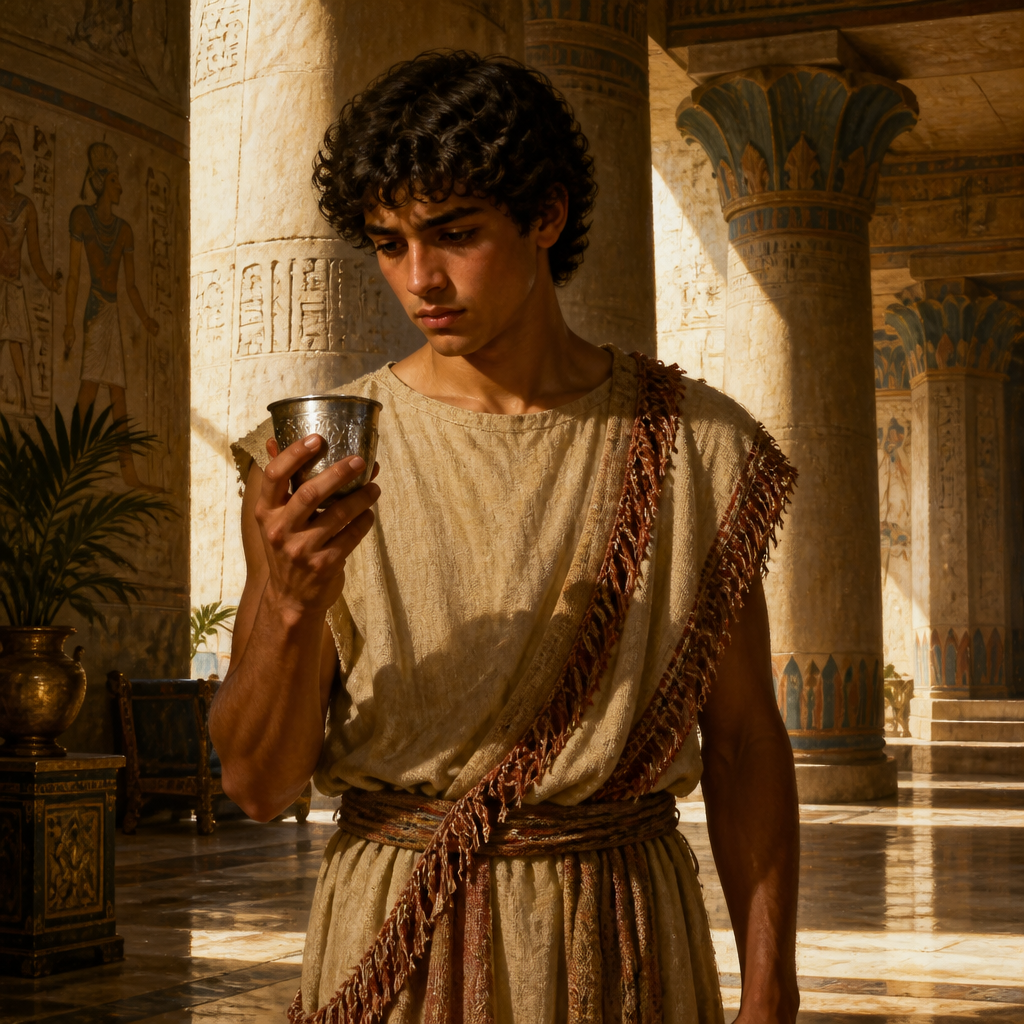
Benjamin, Son of Jacob
Youngest son of Jacob and the full brother of Joseph whose presence in Egypt led to his family's reconciliation
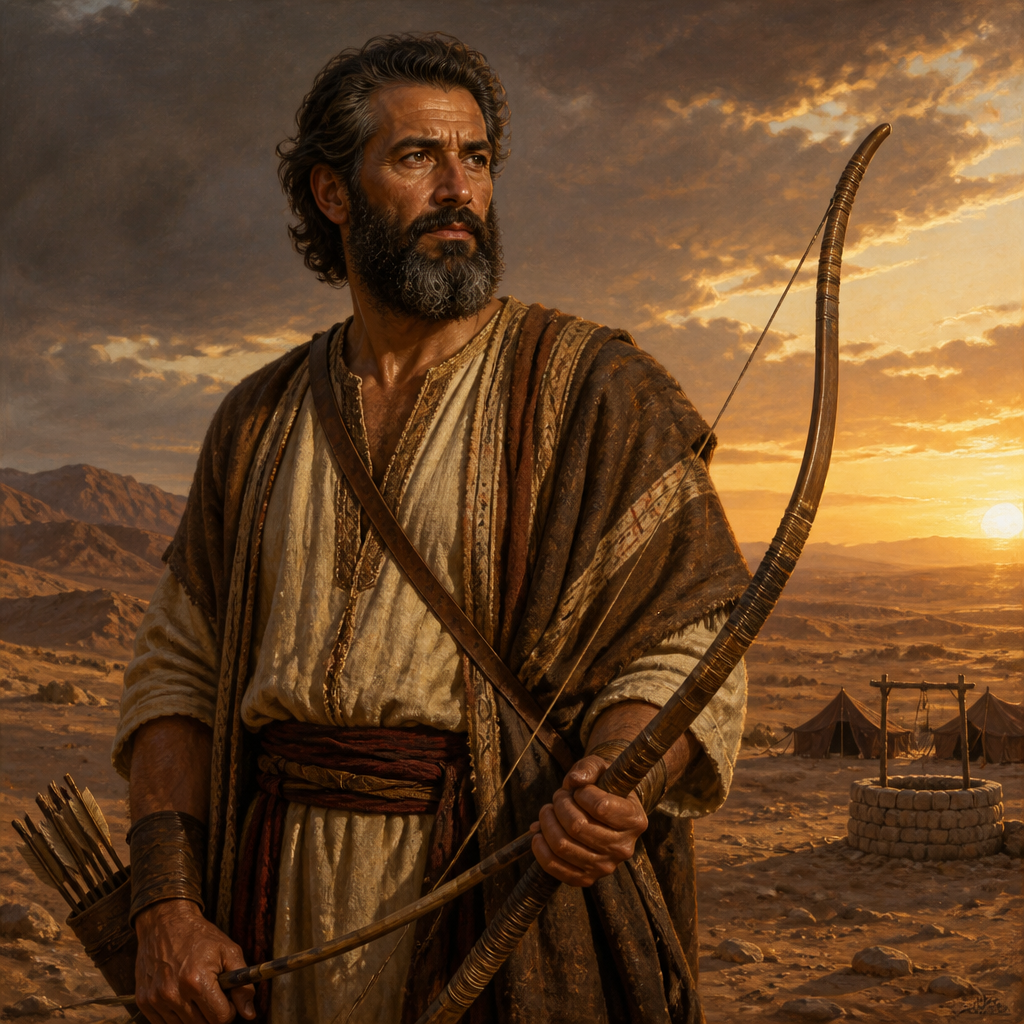
Ishmael, Son of Abraham
Firstborn son of Abraham and the father of twelve princes who became a great nation
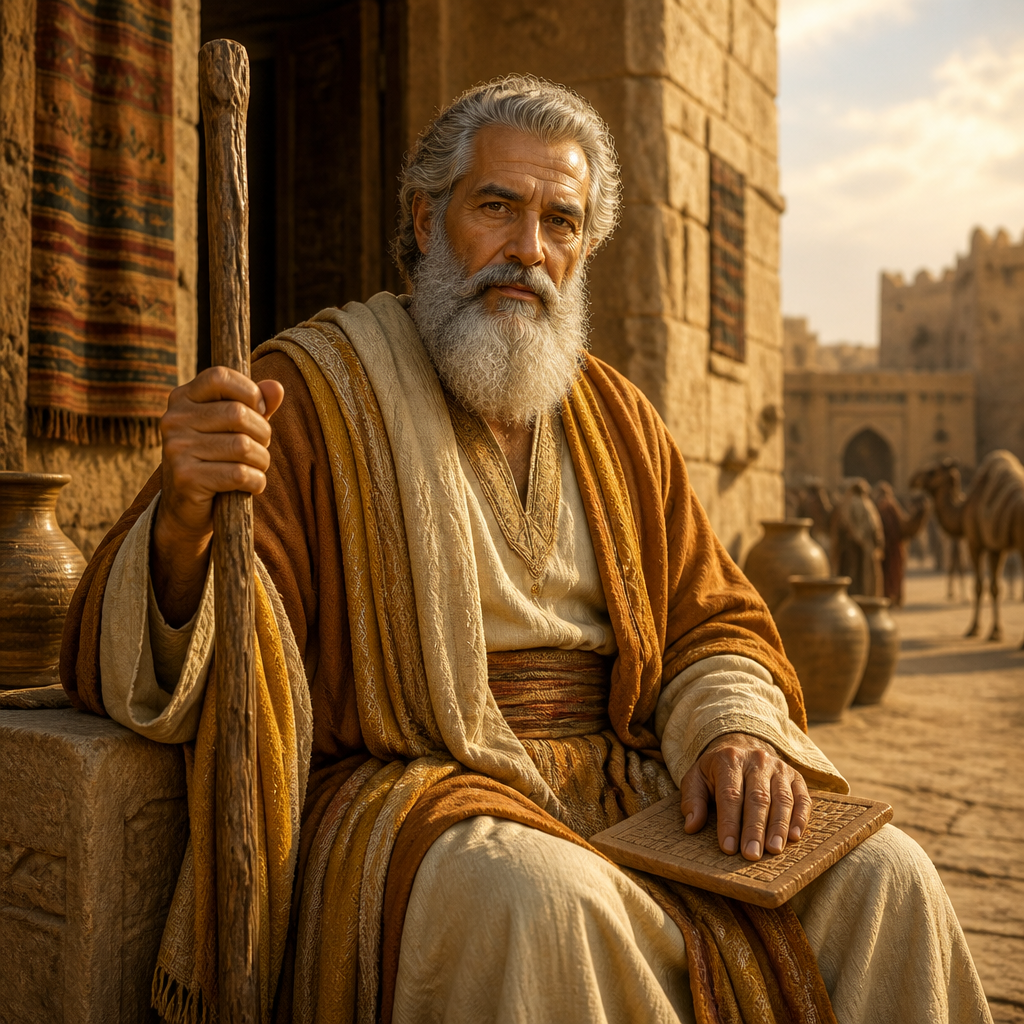
Nahor, Brother of Abraham
Brother of Abraham who stayed in Mesopotamia and fathered twelve sons
Reuben
Firstborn son of Jacob who lost his birthright for defiling his father's bed
Hagar
Mother of Ishmael and the first woman to receive a divine revelation in the wilderness
Dinah
Daughter of Jacob whose treatment by Shechem led to a violent conflict
Ham
Son of Noah who survived the Great Flood and became the progenitor of the southern nations
Simeon, Son of Jacob
Patriarch of Israel known for his role in the massacre at Shechem and being held hostage by Joseph in Egypt
Potiphar's Wife
Egyptian noblewoman who falsely accused Joseph of attempted rape after he refused her advances
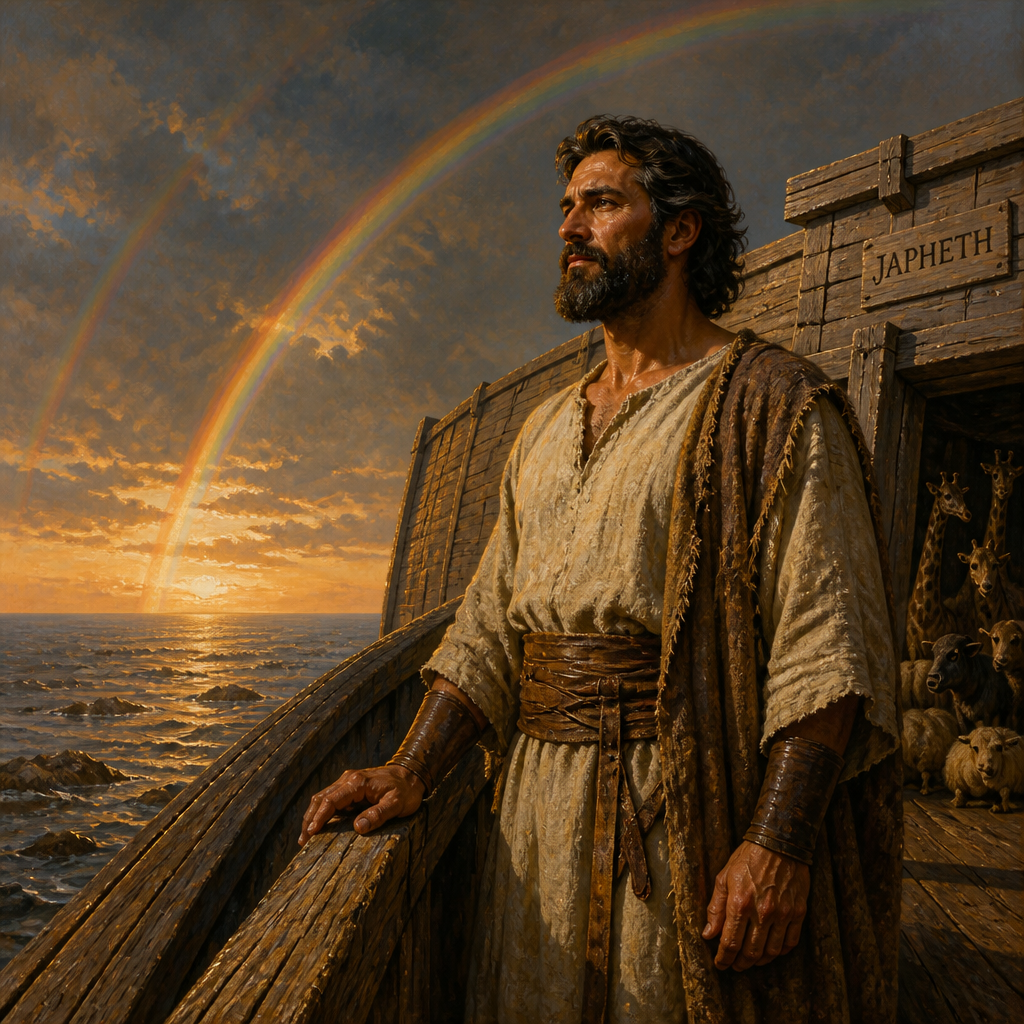
Japheth
Son of Noah who survived the Great Flood and received a blessing for his respect toward his father
Shechem, Son of Hamor
Hivite prince whose violation of Dinah led to the massacre of his city by Simeon and Levi
Milcah, Matriarch of Nahor's Line
Matriarch who was the wife of Nahor and grandmother of Rebekah
Manasseh, Son of Joseph
Firstborn son of Joseph whose grandfather Jacob crossed his hands to give the younger brother the primary blessing
Adah, Wife of Lamech
First woman named after Eve and mother to the founders of nomadism and music
Hamor
Hivite prince who sold land to Jacob and was later killed by Simeon and Levi
Levi, Son of Jacob
Patriarch of the priestly tribe and participant in the massacre at Shechem
Seir
Patriarch of the Horites and the namesake of the region of Mount Seir
Nebaioth
Firstborn son of Ishmael and patriarch of an Arabian tribal nation
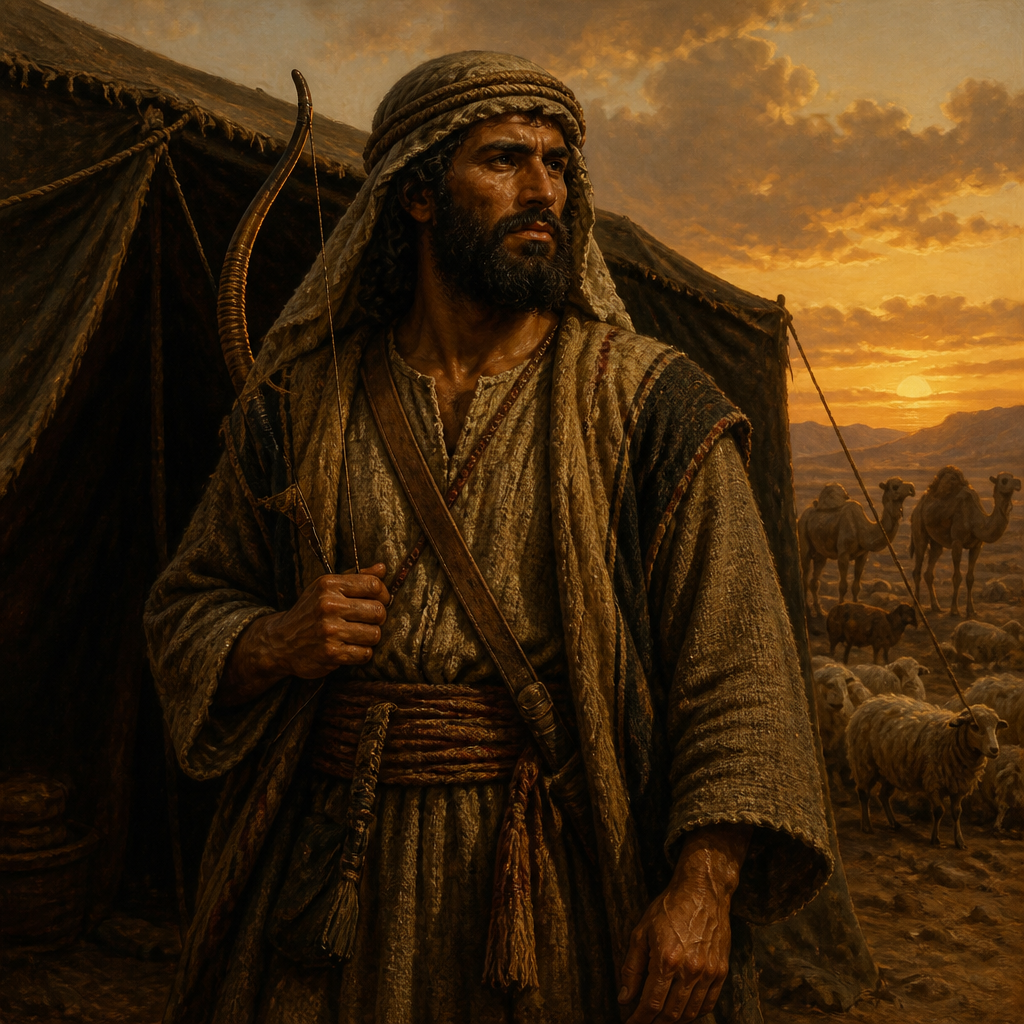
Kedar
Patriarch of a major Arabian nomadic tribe known for their black tents and skilled archers
Dan
Patriarch who was the fifth son of Jacob and father of the Tribe of Dan
Asher
Patriarch who founded one of the twelve tribes of Israel and was noted for the fertility of his land
Eliphaz, Son of Esau
Firstborn son of Esau and the father of the chiefs of Edom
Issachar, Ninth Son of Jacob
Ninth son of Jacob and the progenitor of the Tribe of Issachar
Dumah
Son of Ishmael and one of the twelve princes of the Ishmaelite tribes

Jetur
Son of Ishmael and one of the twelve princes promised by God to Abraham
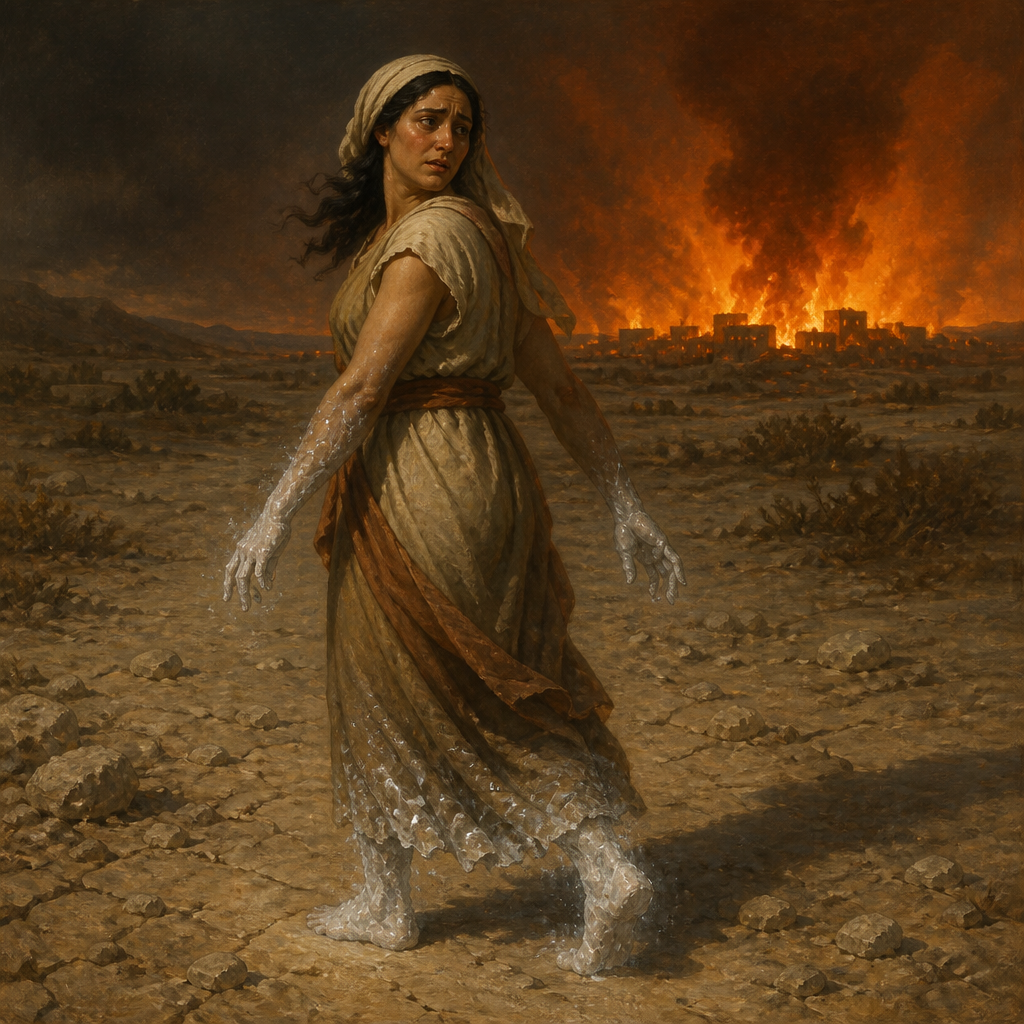
Lot's Wife
Woman who looked back at the destruction of Sodom and became a pillar of salt

Hadad, Son of Ishmael
Son of Ishmael and one of the twelve princes of the Ishmaelite tribes
Canaan, Son of Ham
Son of Ham who was cursed by Noah to be a servant to his brothers

Massa
Seventh son of Ishmael and one of the twelve princes promised by God to Abraham
Tema
Son of Ishmael and one of the twelve princes of the Ishmaelite tribes
Gad, Son of Jacob
Seventh son of Jacob and founder of the warrior tribe of Gad

Mishma, Son of Ishmael
Son of Ishmael and one of the twelve princes of the Ishmaelite tribes
Enosh
The patriarch whose generation first began to call upon the name of the Lord
Naphtali
Patriarch of one of the twelve tribes of Israel and sixth son of Jacob
Lamech, Son of Methushael
The first polygamist and author of the Song of the Sword
Mahalath, Wife of Esau
Daughter of Ishmael and wife of Esau who sought to bridge the families of Isaac and Ishmael
Eber, Son of Shelah
Patriarchal ancestor of the Hebrew people through the line of Shem
Lamech, Father of Noah
Noah’s father who prophesied that his son would bring humanity comfort
Serug
Patriarch who was the great-grandfather of Abraham and an ancestor of Jesus Christ
Zebulun
Tenth son of Jacob and founder of the tribe associated with maritime commerce and the region of Galilee
Aiah, Son of Zibeon
Son of Zibeon and a member of the Horite genealogy in Genesis
Kenaz, Son of Eliphaz
Edomite chief and son of Eliphaz who established a prominent clan in the lineage of Esau
Reuel, Son of Esau
Patriarch of Edom who fathered four tribal chiefs and was the son of Esau and Mahalath
Ham's Wife
one of the eight survivors of the Great Flood and mother of the Hamitic nations
Adah, Wife of Esau
Wife of Esau and mother of his firstborn son Eliphaz


Pildash
Son of Nahor and nephew of Abraham mentioned in the genealogy of Genesis 22
Teman
Grandson of Esau and chief of the Edomites whose name became synonymous with a region of wisdom
Abel
First martyr and offerer of a more excellent sacrifice than his brother Cain
Sidon
Firstborn son of Canaan and a foundational patriarch in the Table of Nations
Elon the Hittite
Hittite patriarch whose daughter married the biblical patriarch Esau
Dishan
Patriarch and chief of the Horites in the land of Seir who was the son of Seir and father of Uz and Aran
Nahor, Grandfather of Abraham
Grandfather of Abraham who is listed in the genealogy of Jesus Christ
Chesed
Son of Nahor and nephew of Abraham listed in the genealogies of Genesis
Dishon, Son of Seir
Chief of the Horites and son of Seir who governed a division of the land of Edom

Tamar, Daughter-in-law of Judah
Matriarch who secured the continuation of Judah's lineage through her sons Perez and Zerah
Haran, Son of Terah
Son of Terah and father of Lot who died in Ur of the Chaldeans

Ithran, Son of Dishon
Horite patriarch and son of Dishon listed in the genealogies of Edom

Mahalalel, Antediluvian Patriarch
Fifth patriarch in the line of Seth known for his 895-year lifespan

Hazo
Son of Nahor and nephew of Abraham mentioned in the genealogy of Genesis 22

Mibsam, Son of Ishmael
Son of Ishmael and one of the twelve princes of the Ishmaelite tribes
Buz, Son of Nahor
Son of Nahor and nephew of Abraham mentioned in the patriarchal genealogies
Joktan
Patriarch who fathered thirteen sons who founded the Arabian tribes
Kedemah
Youngest of the twelve sons of Ishmael who became princes and tribal leaders
Cheran
Son of Dishon and descendant of Seir the Horite listed in the genealogies of Edom

Kemuel, Son of Nahor
Nephew of Abraham and the father of Aram mentioned in the Genesis genealogies
Jokshan
Son of Abraham and Keturah who fathered the tribes of Sheba and Dedan
Chedorlaomer
King of Elam who led the four-king coalition that captured Lot and was defeated by Abraham