Tribe
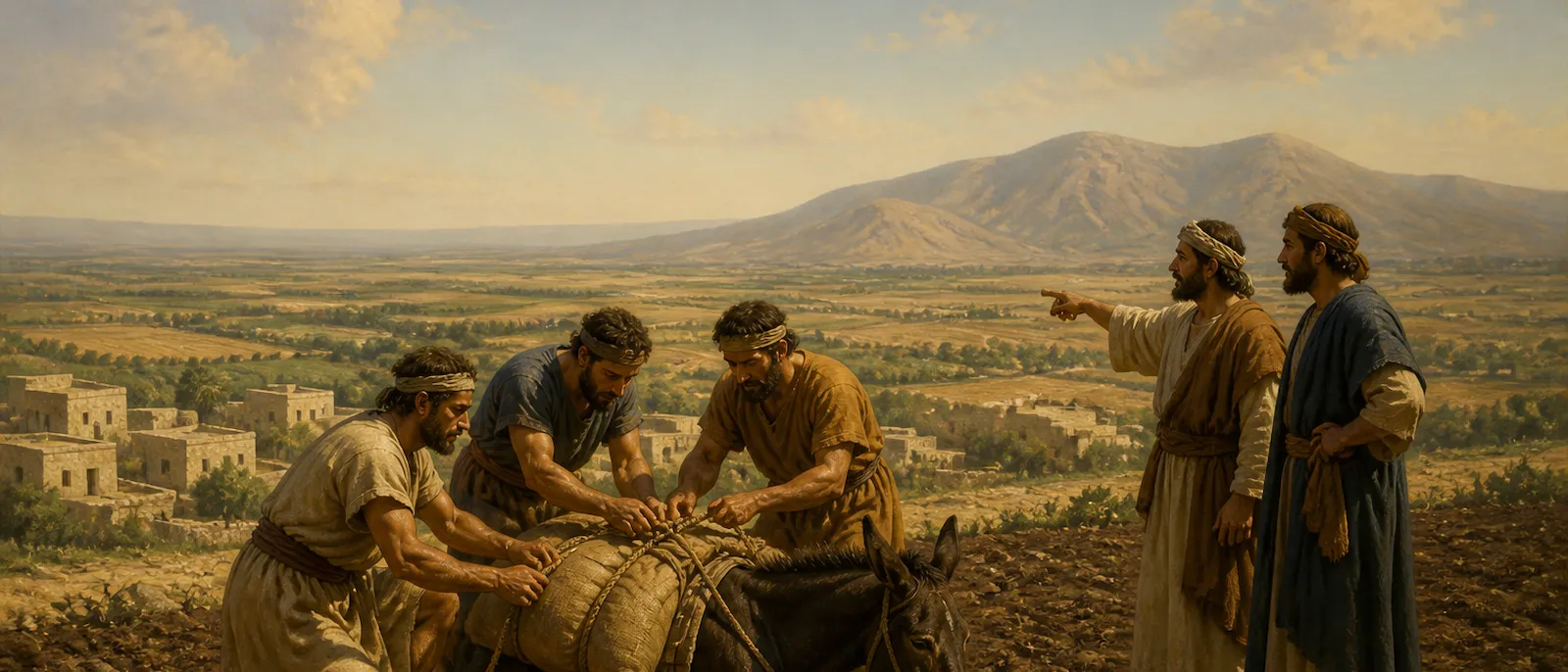
The Tribe of Issachar
The tribe descended from Issachar, settled in the Jezreel valley.
Scripture traces this people through Issachar, Ninth Son of Jacob.
People of Tribe of Issachar
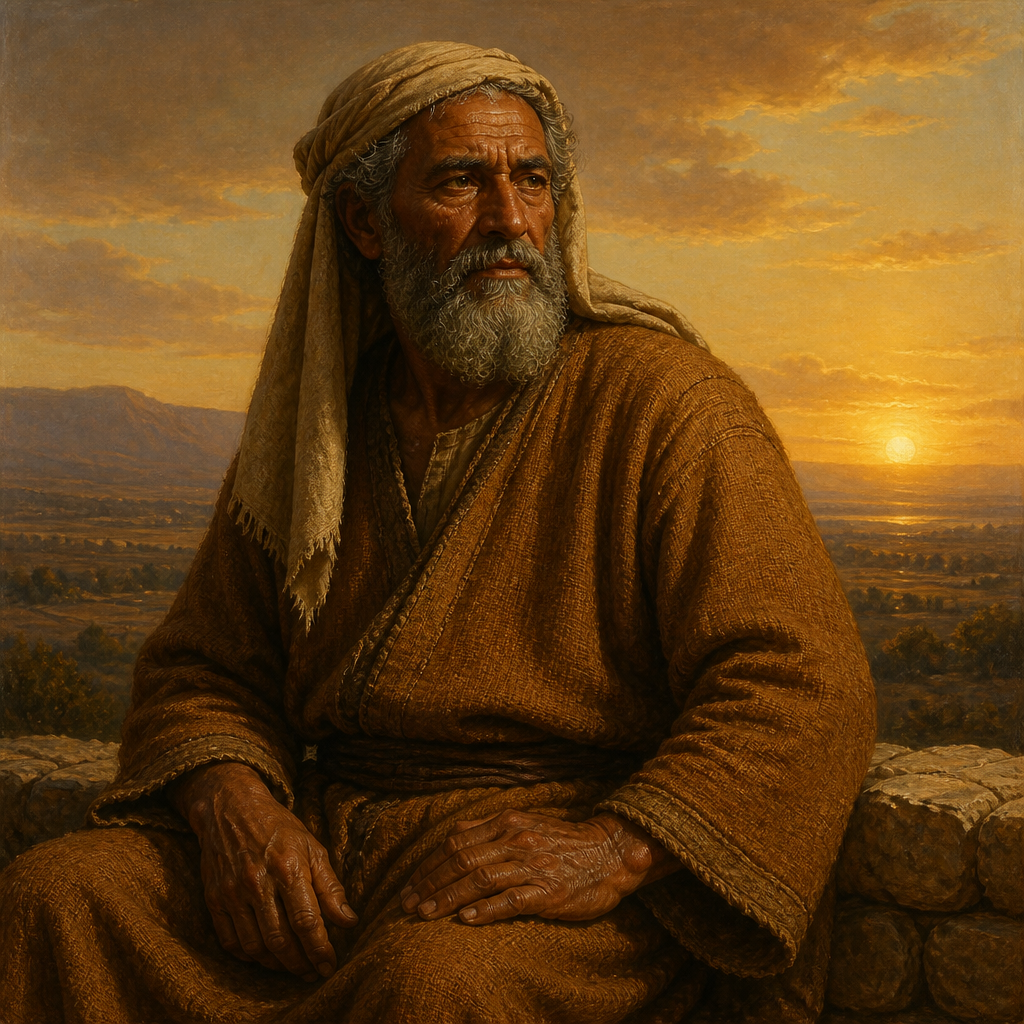
Ahijah, Father of King Baasha
Patriarch whose son Baasha established the second dynasty of the northern Kingdom of Israel
A man of the tribe of Issachar whose son, Baasha, overthrew the dynasty of Jeroboam I to become the third king of the northern Kingdom of Israel.
View profile →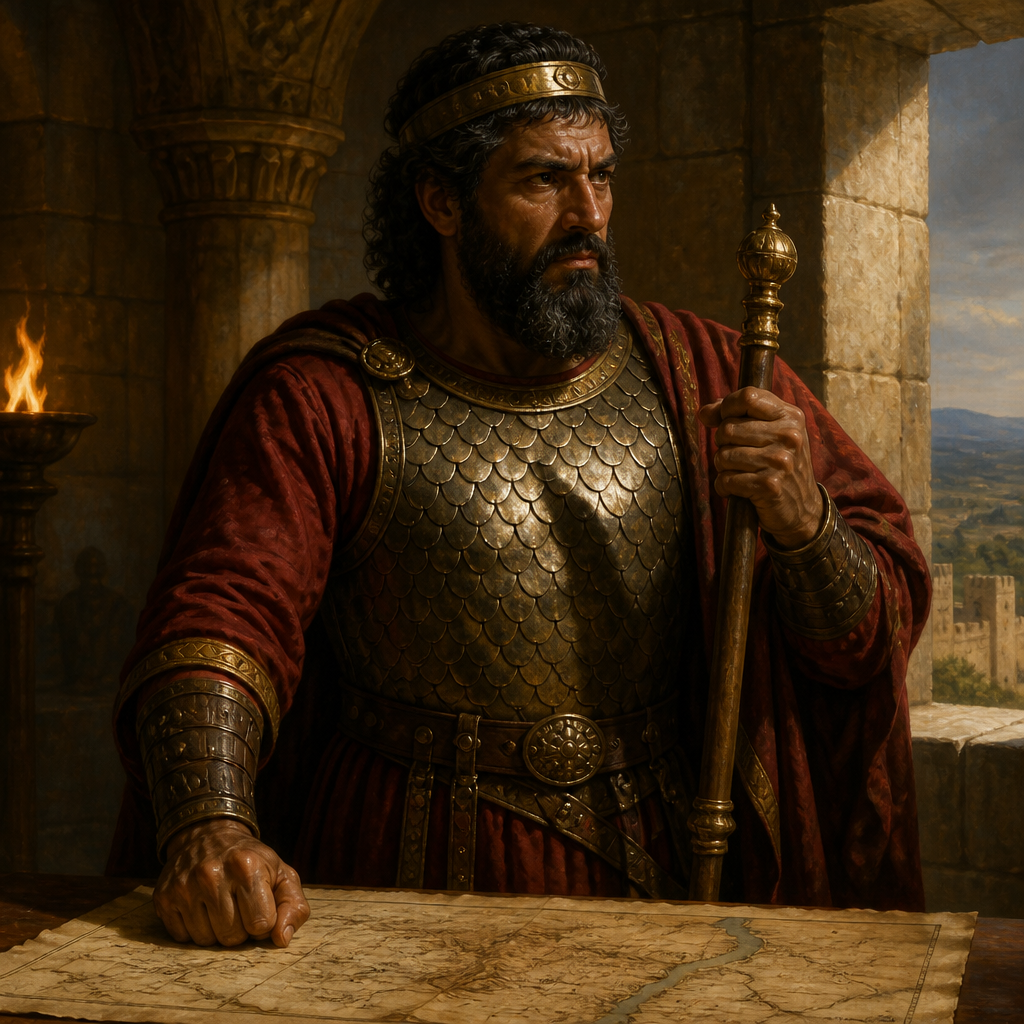
Baasha
King of Israel who seized the throne from the house of Jeroboam
The third king of the northern kingdom of Israel who seized the throne by force and established the short-lived Baasha dynasty during the Divided Monarchy.
View profile →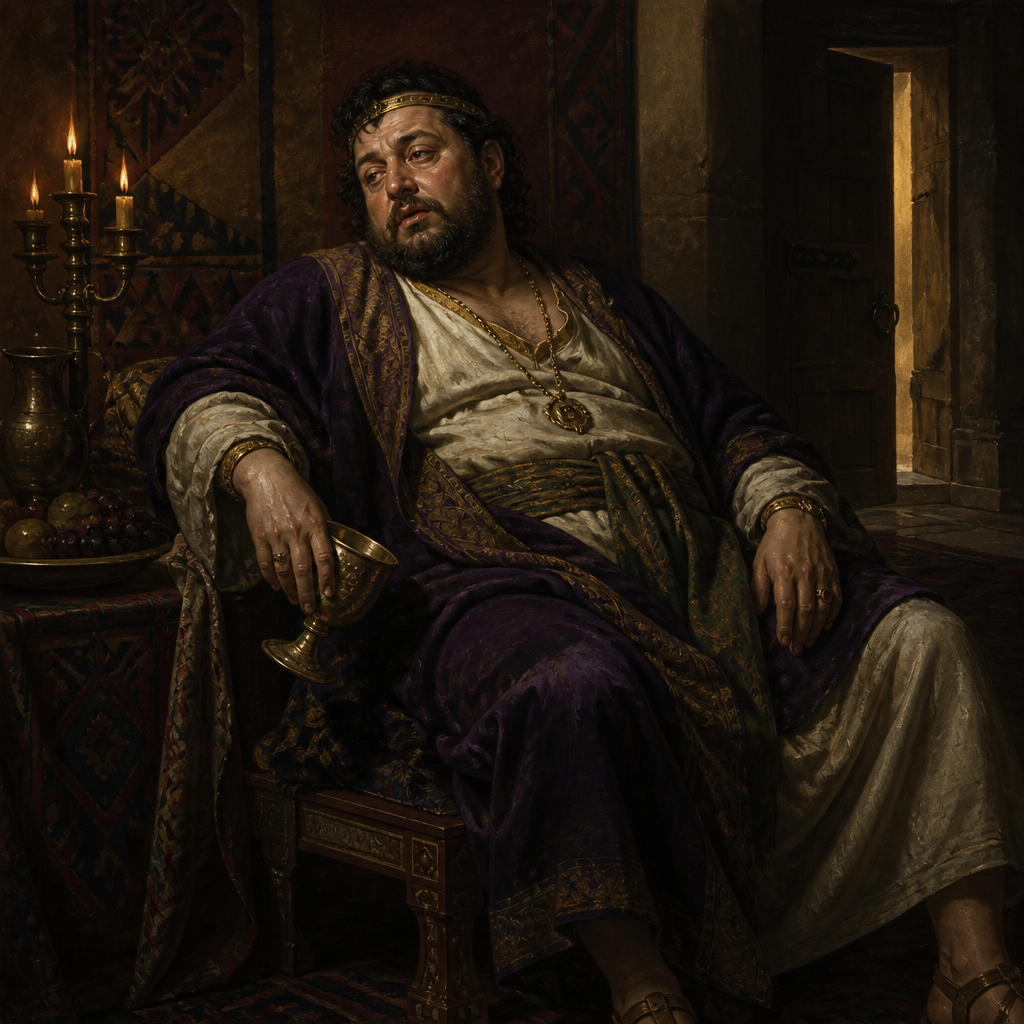
Elah, Son of Baasha
King of Israel who was assassinated by Zimri while drinking at the house of his steward
Elah was the fourth king of the northern kingdom of Israel who reigned for two years before being assassinated by his commander, Zimri, during a drinking bout.
View profile →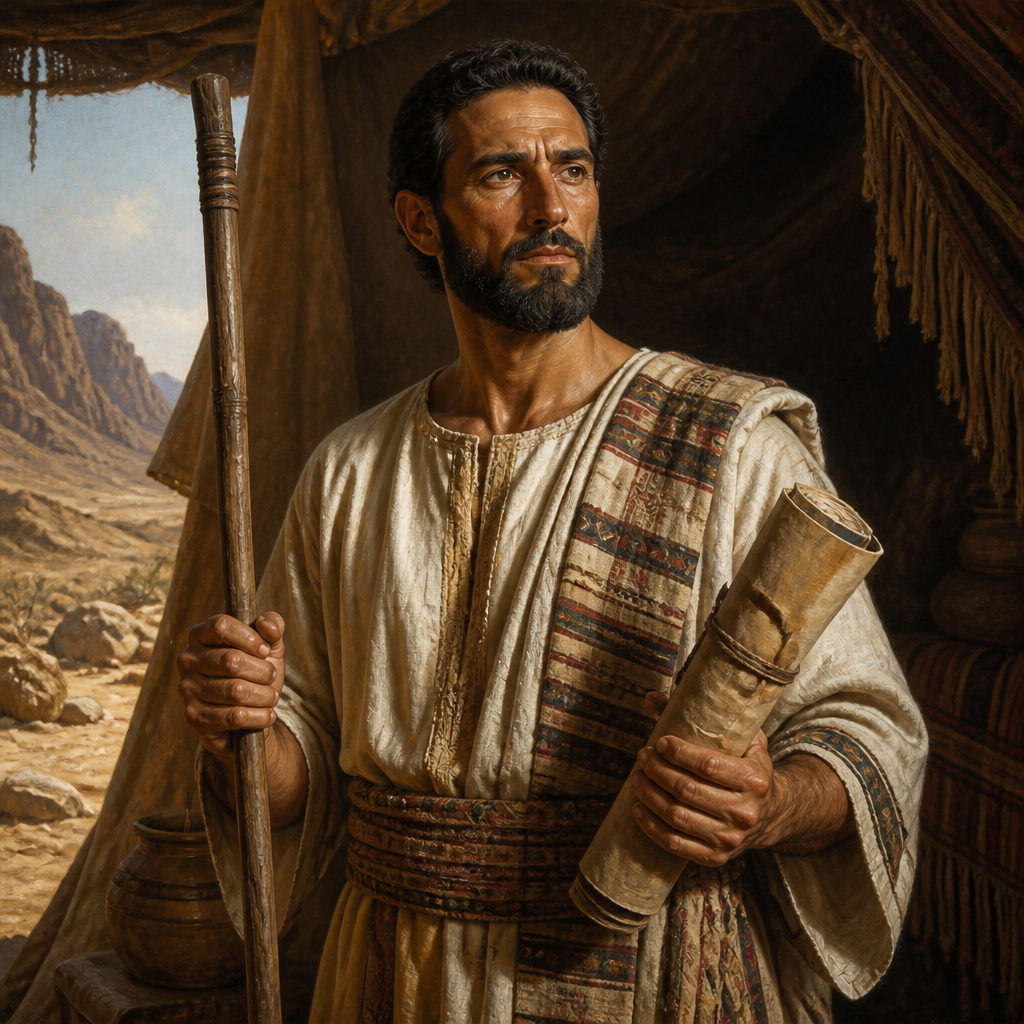
Ibsam
Son of Tola and a head of his family within the tribe of Issachar
Ibsam was a descendant of Issachar and a son of Tola, recognized as a head of a family and a mighty man of valor.
View profile →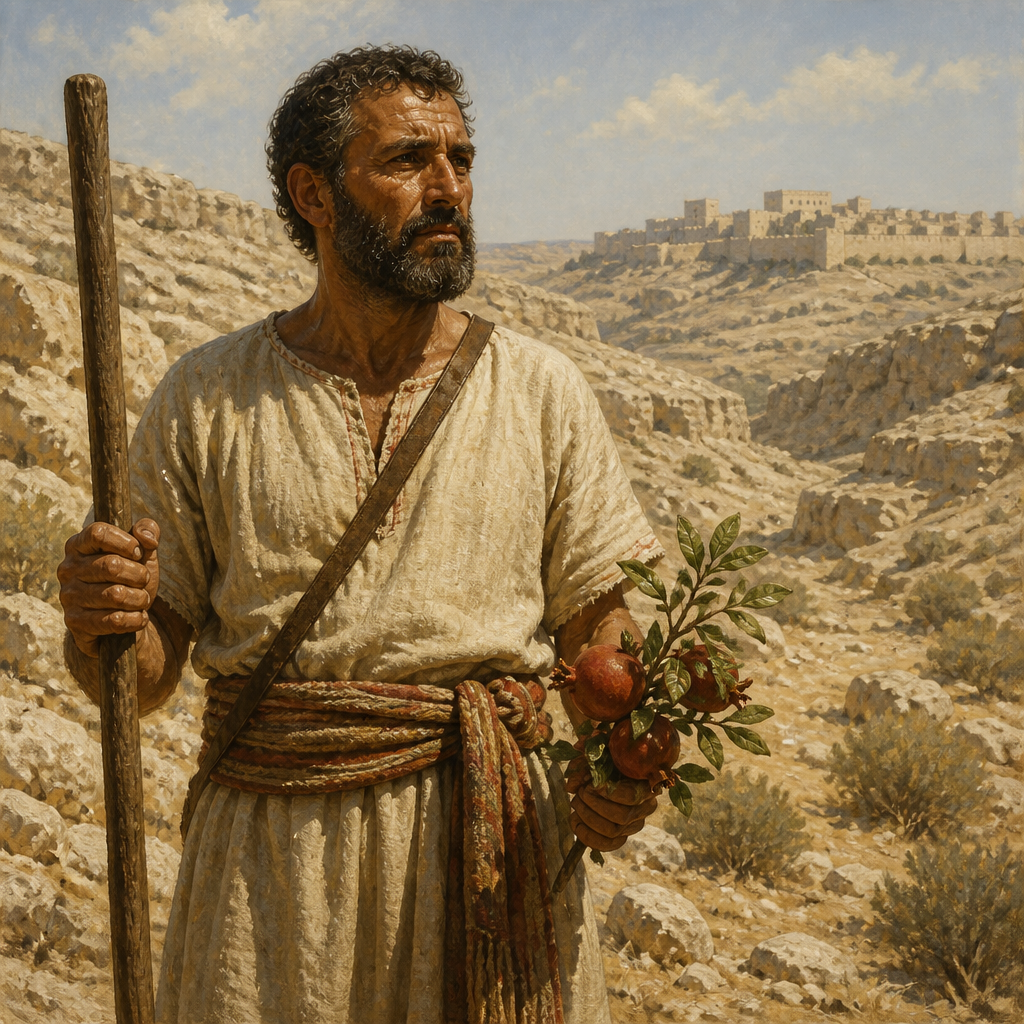
Igal, Spy of the Exodus
Tribal leader of Issachar who served as one of the twelve spies sent into Canaan
A representative of the tribe of Issachar who was selected as one of the twelve scouts sent by Moses to explore the land of Canaan.
View profile →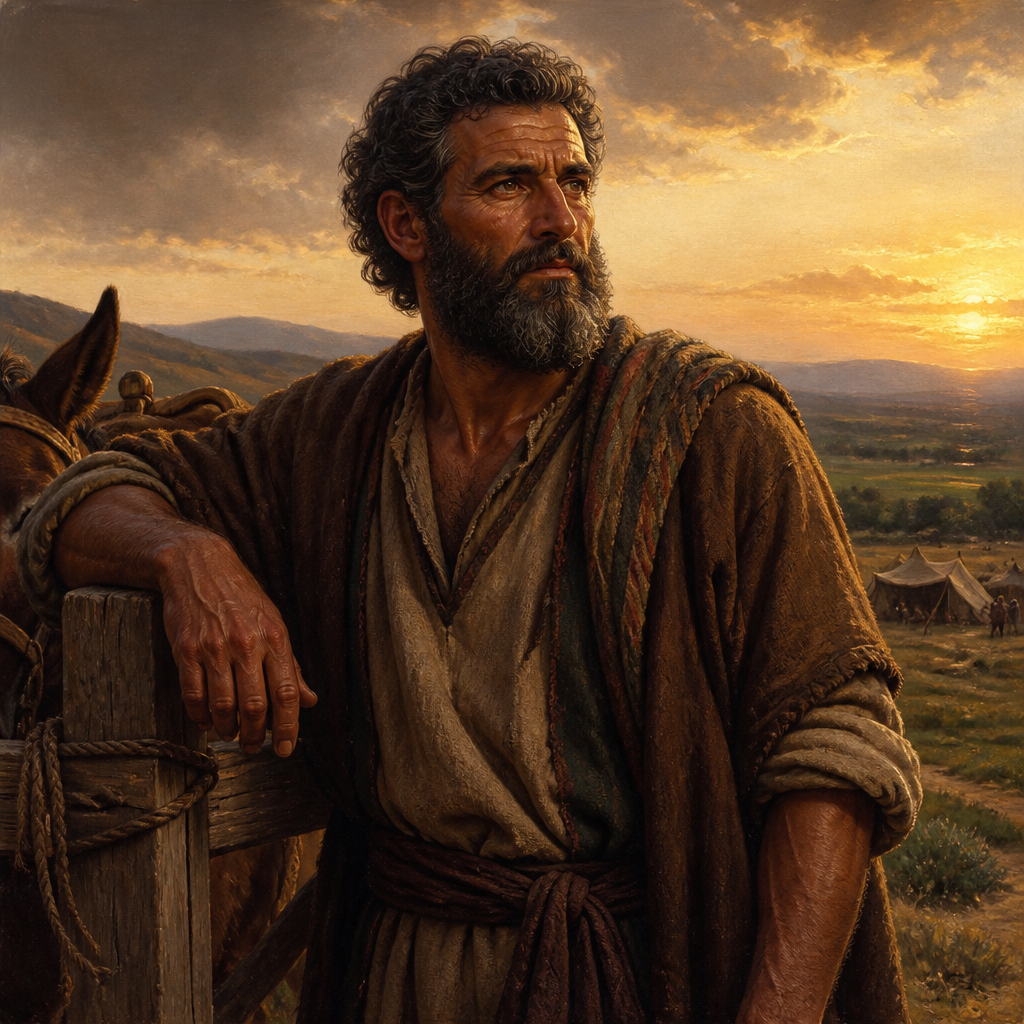
Issachar, Ninth Son of Jacob
Ninth son of Jacob and the progenitor of the Tribe of Issachar
The ninth son of Jacob and the fifth born to Leah, Issachar was a patriarch whose descendants formed one of the prominent twelve tribes of Israel.
View profile →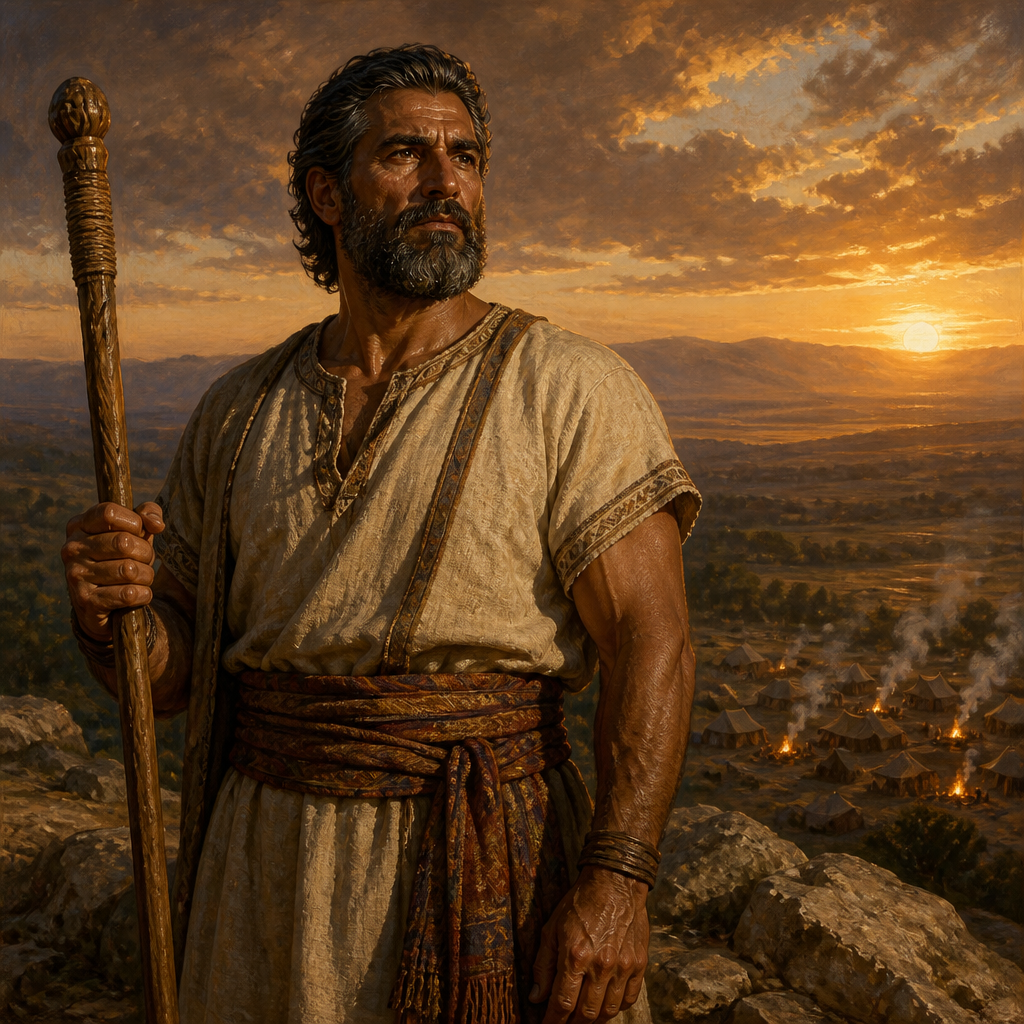
Isshiah, Chief of Issachar
Chief of the Tribe of Issachar who was one of five brothers serving as tribal leaders
A tribal leader and chief within the Tribe of Issachar during the Egypt and Wilderness era, recognized as the son of Izrahiah.
View profile →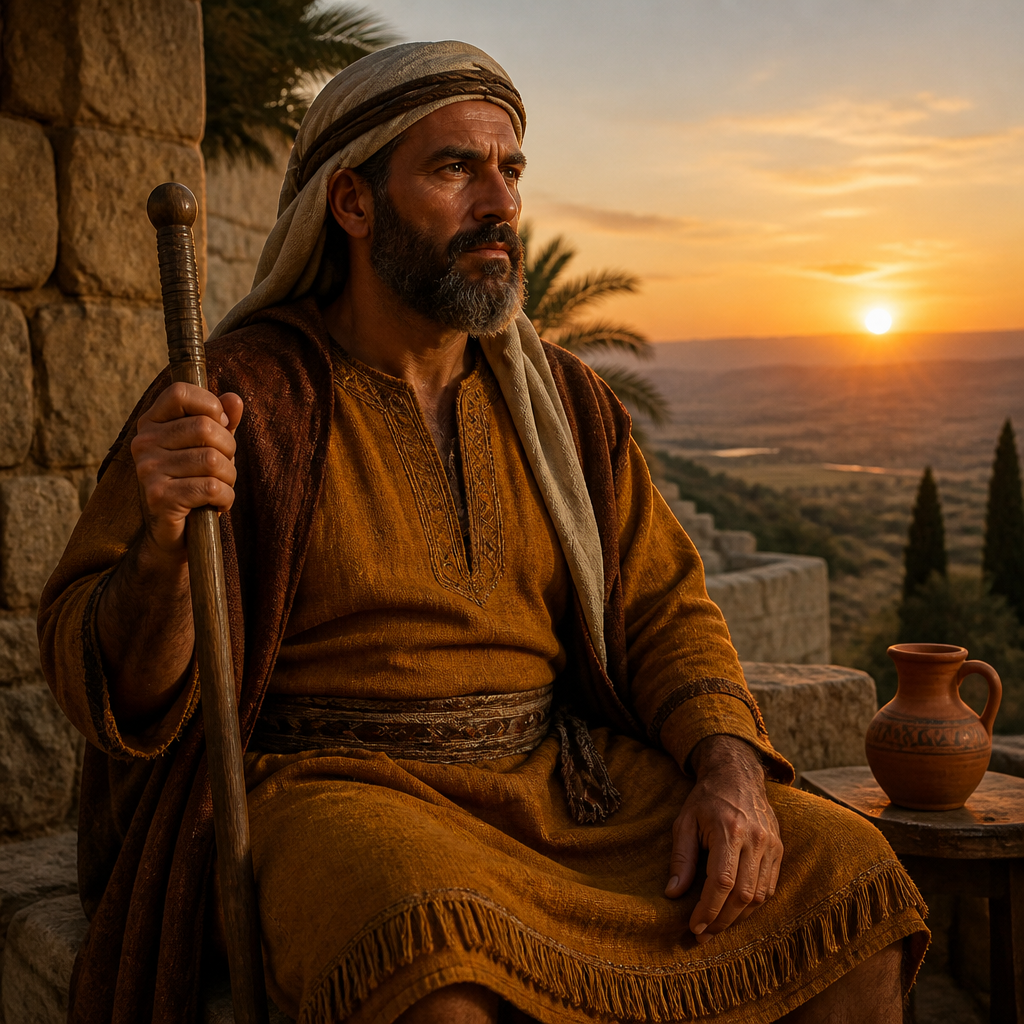
Izrahiah
Chief of the tribe of Issachar and father of four other chiefs
A prominent chief within the Tribe of Issachar during the Egypt and Wilderness era, noted for his leadership and numerous sons.
View profile →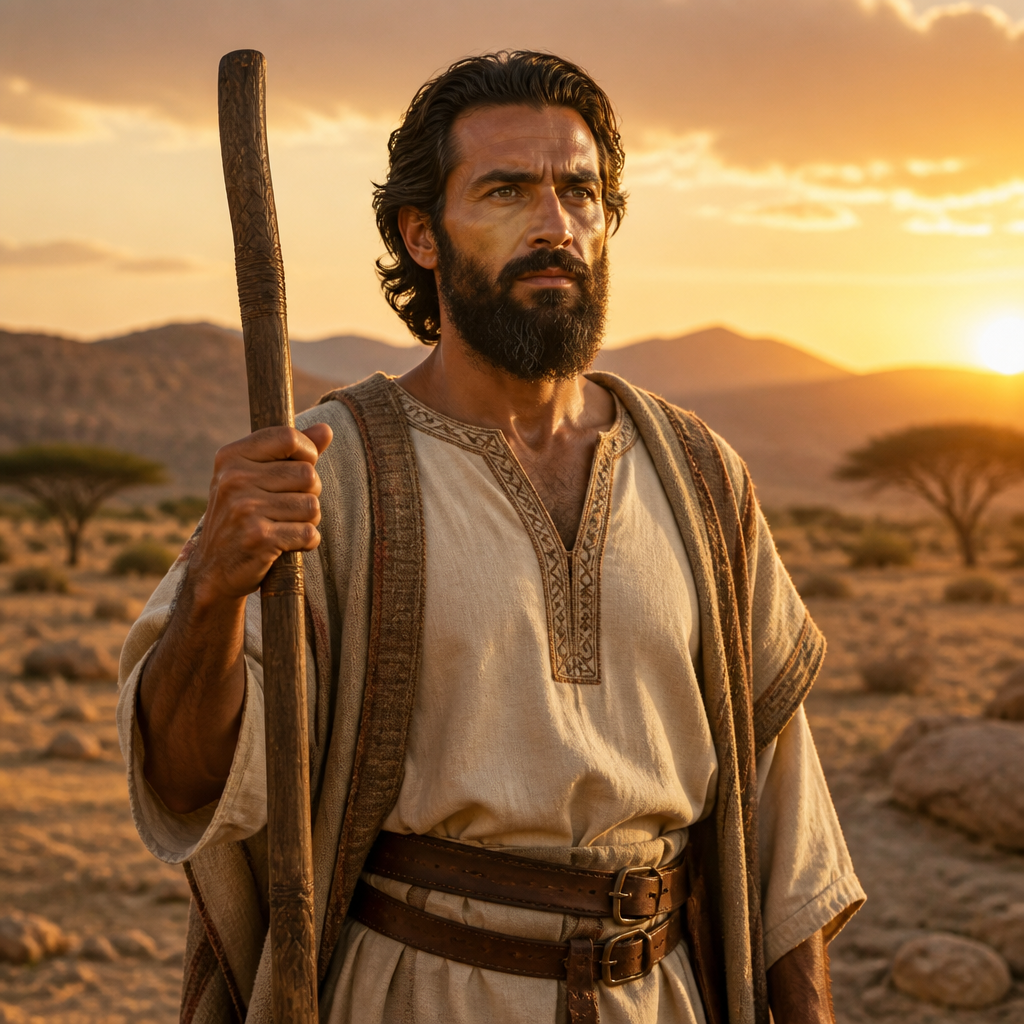
Jahmai
Son of Tola and a leader within the tribe of Issachar
Jahmai was a son of Tola and a grandson of the patriarch Issachar, recognized as a head of his family and a progenitor of mighty men of valor.
View profile →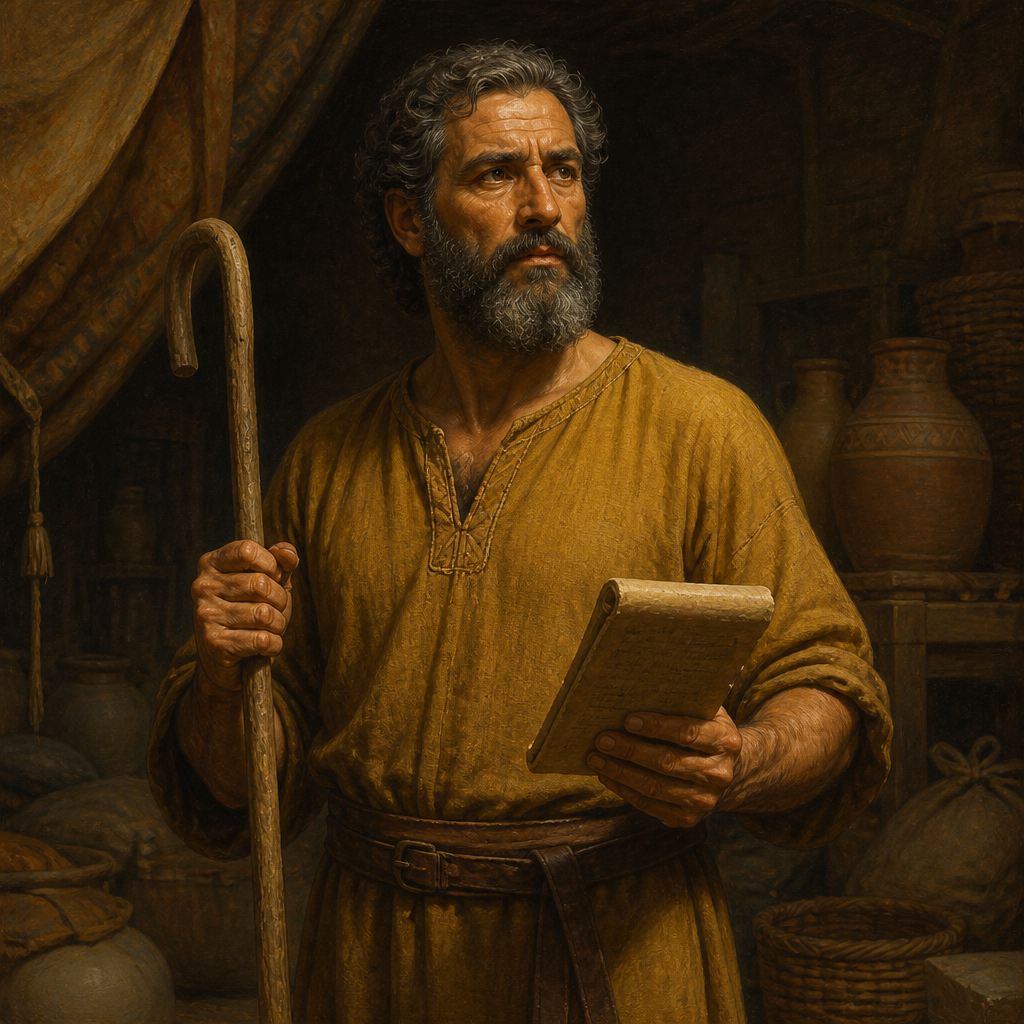
Jashub, Son of Issachar
Son of Issachar and founder of the Jashubite clan
Jashub was the third son of Issachar and the founding patriarch of the Jashubite clan during the Egyptian sojourn and the wilderness wanderings.
View profile →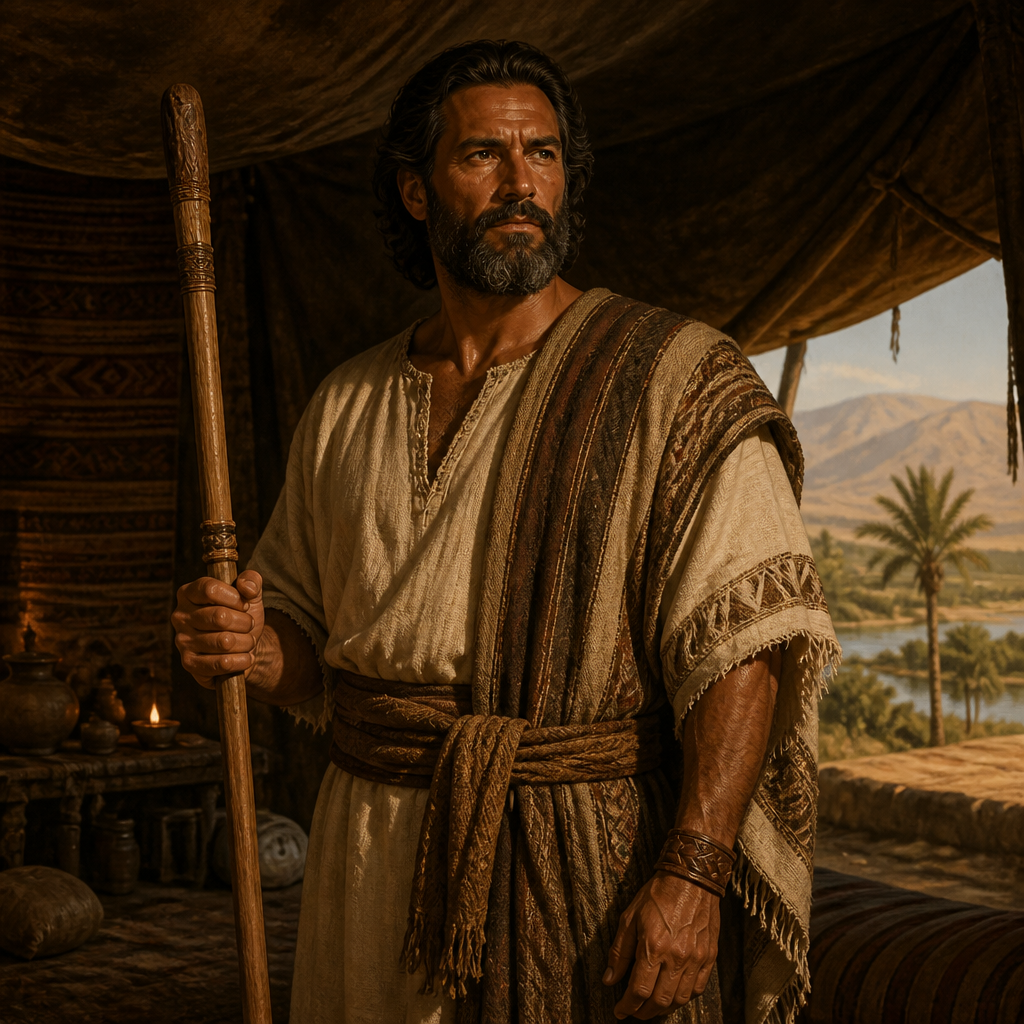
Jeriel
Son of Tola and a leader within the tribe of Issachar
Jeriel was a son of Tola and a grandson of the patriarch Issachar, recognized as a head of a father's house and a mighty man of valor.
View profile →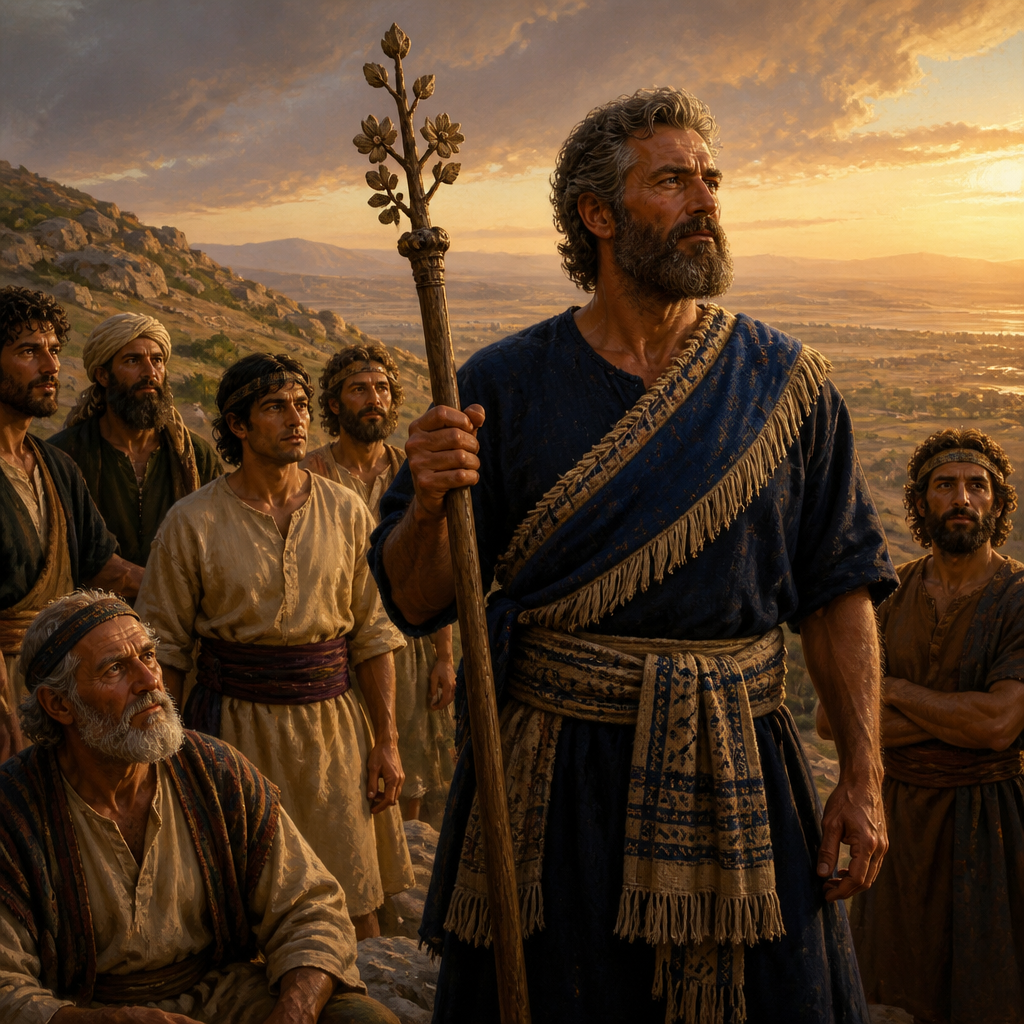
Joel, Chief of the Tribe of Issachar
Tribal chief of Issachar and son of Izrahiah mentioned in the genealogies of Chronicles
A tribal chief and leader within the Tribe of Issachar during the Egypt and Wilderness era, noted for his descent from Izrahiah.
View profile →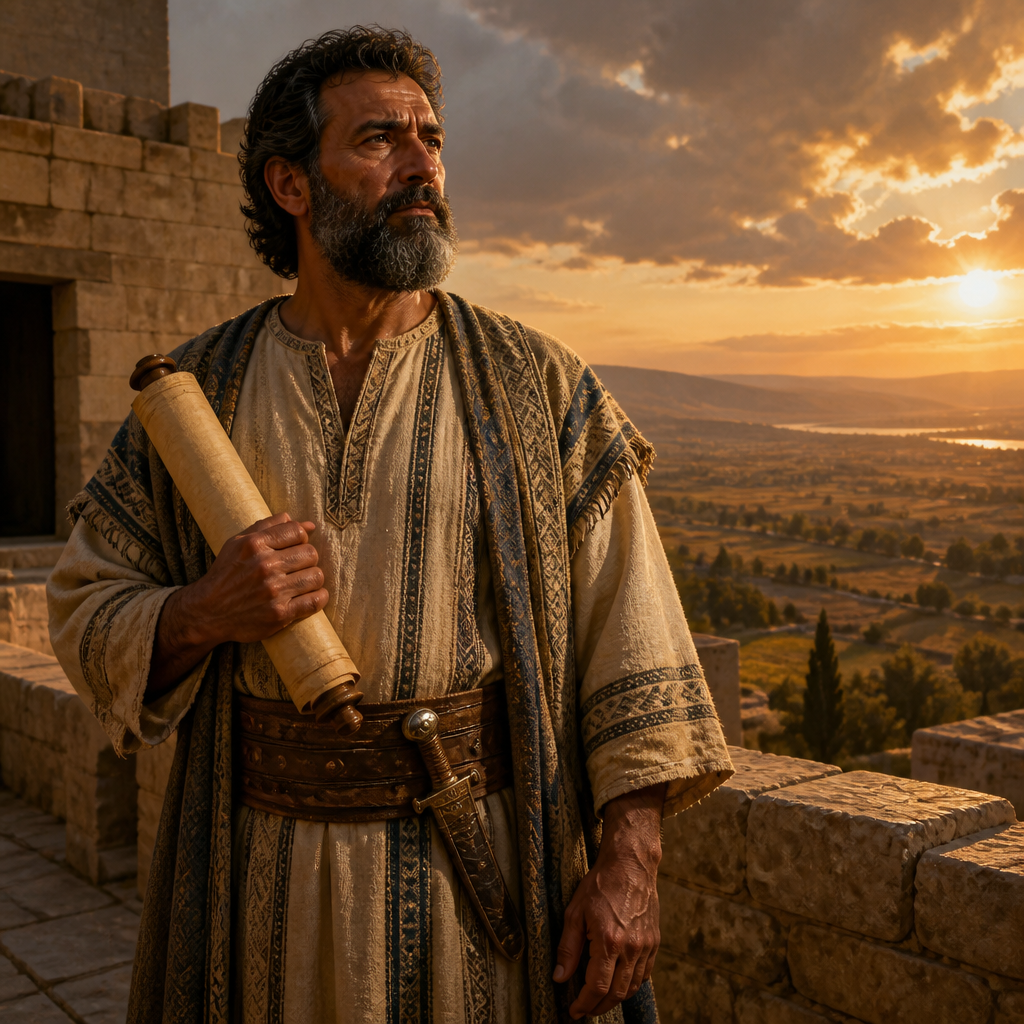
Michael, Son of Izrahiah
tribal chief of Issachar who was one of five brothers serving as heads of their families
A tribal chief of Issachar during the Egypt and Wilderness era, noted for his leadership and membership in a family of five renowned heads of households.
View profile →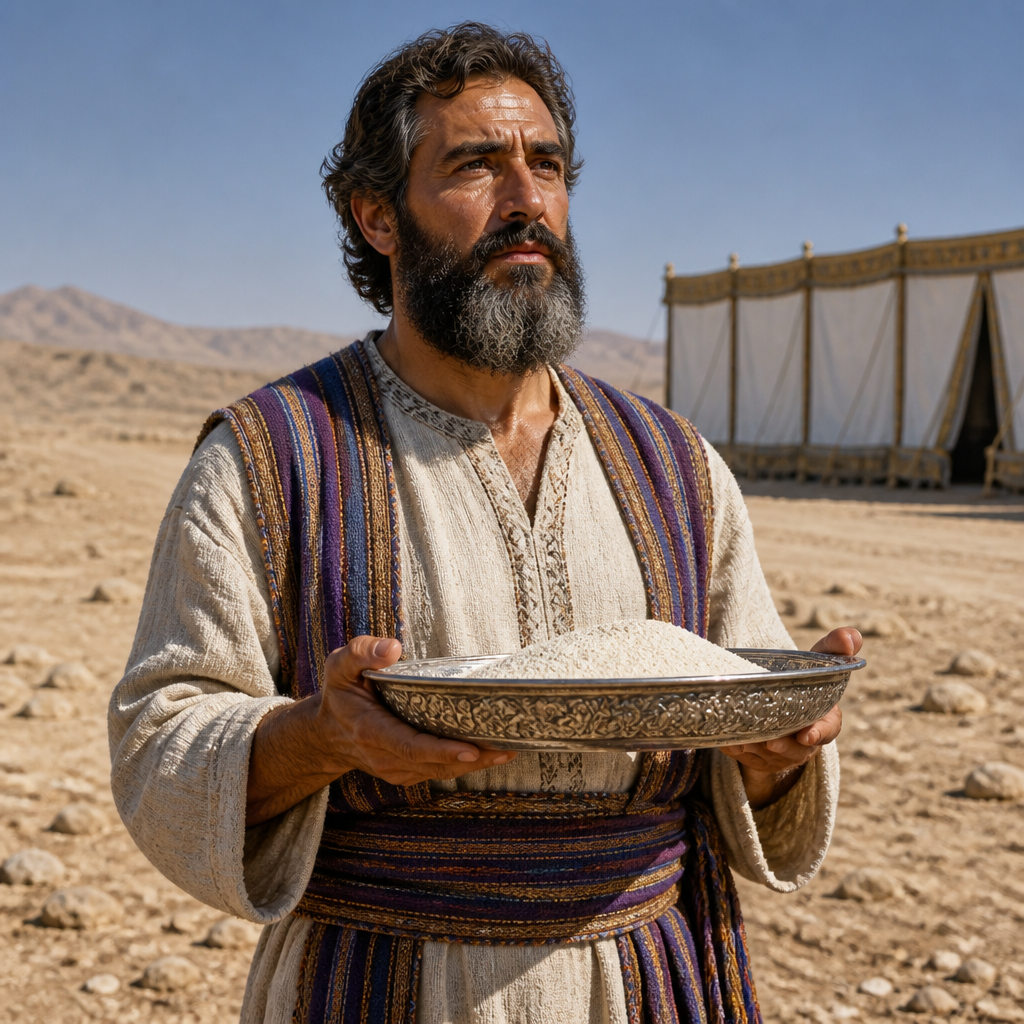
Nethanel, Leader of Issachar
Leader of Issachar who brought his tribe's offering on the second day of the dedication of the altar (Numbers 7:18)
Nethanel son of Zuar was the tribal chief and military leader of Issachar during the Israelites' wilderness wanderings after the Exodus from Egypt.
View profile →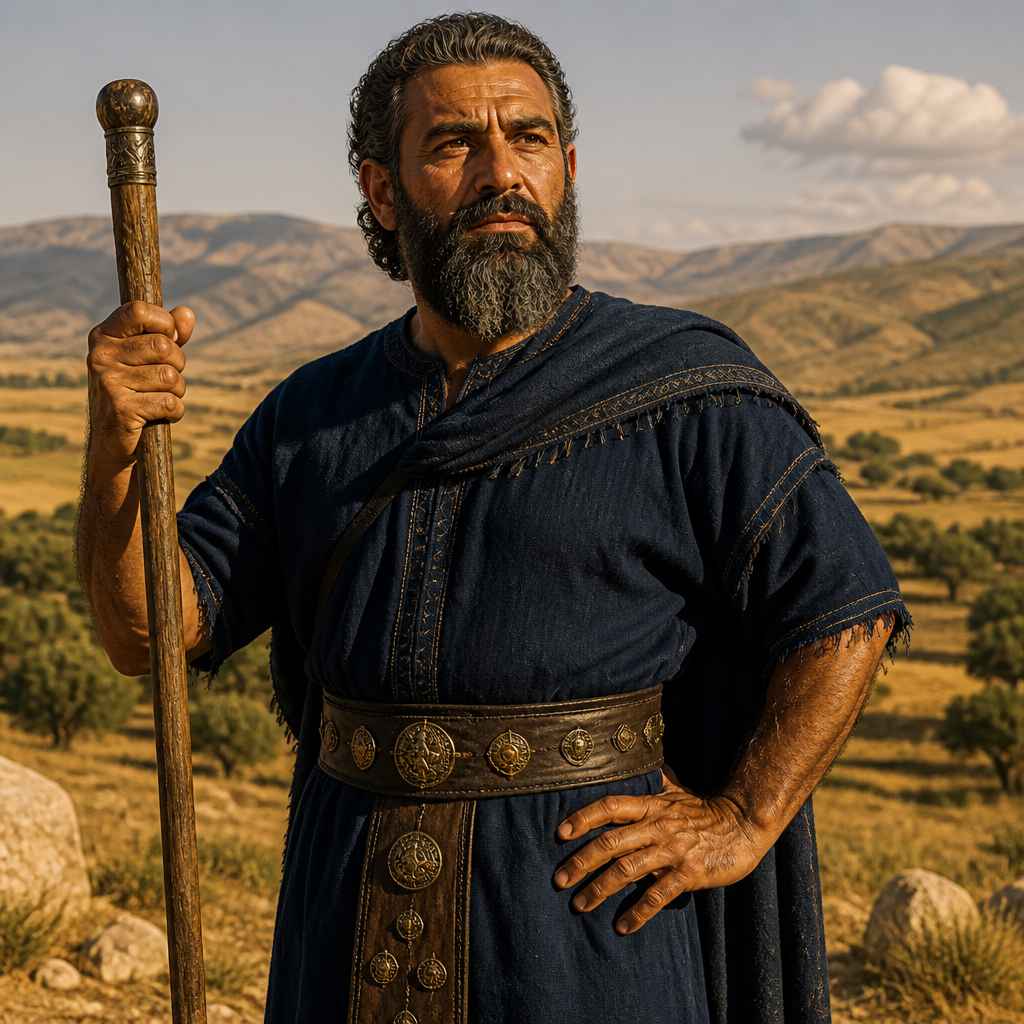
Obadiah, Son of Izrahiah
Chief of the tribe of Issachar and son of Izrahiah
Obadiah was a chief of the tribe of Issachar and a descendant of Tola, recognized for his leadership during the Egypt and Wilderness era.
View profile →
Omri, Leader of Issachar
Tribal leader of Issachar who served as a chief officer during the reign of King David
A tribal official who served as the chief officer over the tribe of Issachar during the reign of King David.
View profile →
Paltiel
Leader of Issachar appointed to divide the Promised Land
A tribal leader and son of Azzan who represented the tribe of Issachar during the division of the Promised Land.
View profile →
Puah, Father of Tola
father of the judge Tola
Puah was a man of the tribe of Issachar and the father of Tola, the judge who rose to save Israel after the reign of Abimelech.
View profile →
Puah, Son of Issachar
Son of Issachar and founder of the Punite clan
Puah was a son of Issachar and a tribal leader whose descendants formed the Punite clan during the Egyptian sojourn and the Exodus.
View profile →
Rephaiah, Son of Tola
Patriarchal head of a family in the tribe of Issachar and son of Tola
A head of a family within the tribe of Issachar and a descendant of Tola, recognized for his lineage of mighty men of valor.
View profile →
Shemuel, Grandson of Issachar
Grandson of Issachar and tribal leader mentioned in the genealogies of 1 Chronicles
A son of Tola and a tribal leader within the Tribe of Issachar, recognized as a mighty man of valor and a head of his father's house.
View profile →
Shimron
Patriarch of the Shimronite clan and fourth son of Issachar
Shimron was the fourth son of Issachar, a grandson of Jacob, and the foundational ancestor of the Shimronite clan within the tribe of Issachar.
View profile →
Tola, Judge of Israel
Judge who led Israel for twenty-three years following the death of Abimelech
A man of Issachar who served as a judge for twenty-three years, arising to save Israel following the tumultuous reign of Abimelech.
View profile →
Tola, Son of Issachar
Firstborn son of Issachar and founder of the Tolaite clan
Tola was the eldest son of Issachar and a tribal patriarch who founded the Tolaite clan during the Egyptian sojourn and the wilderness period.
View profile →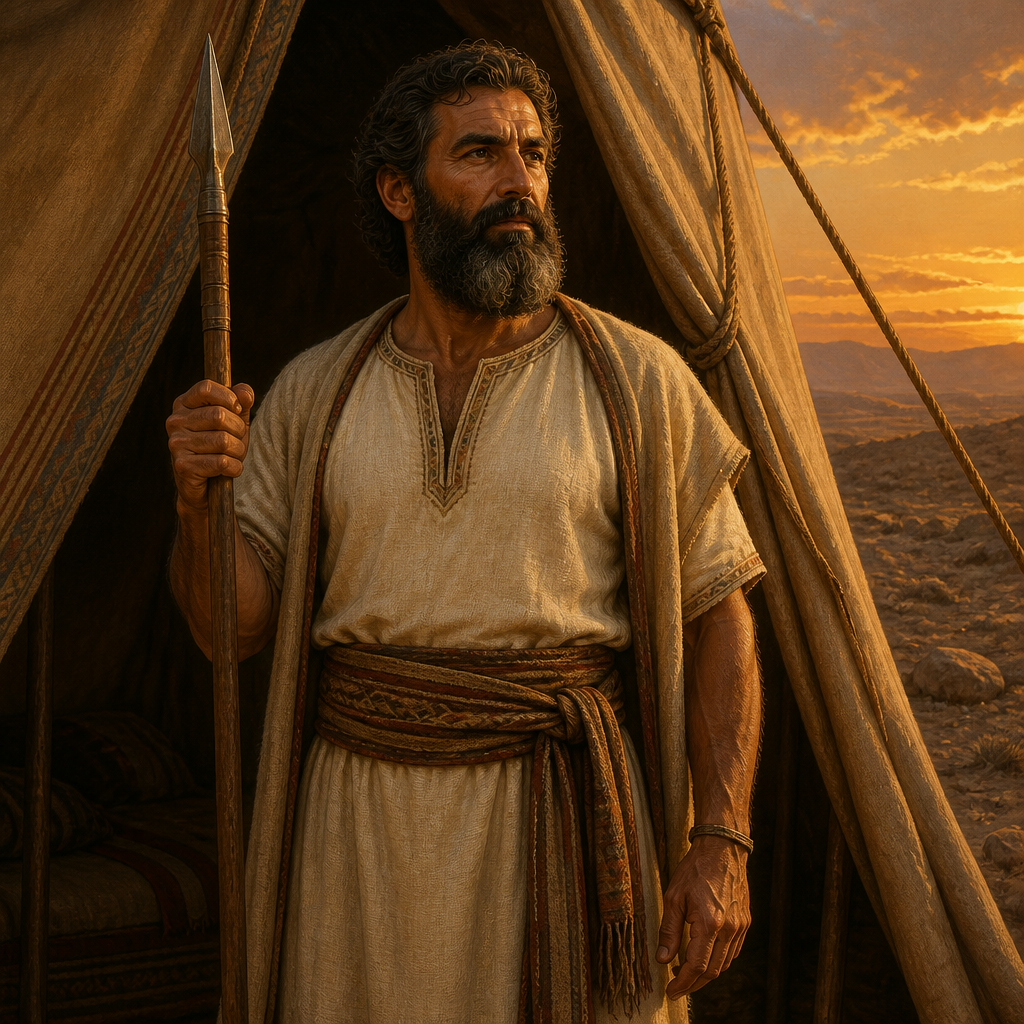
Uzzi, Son of Tola
Patriarch of the tribe of Issachar and father of the chief Izrahiah
Uzzi was the firstborn son of Tola and a prominent ancestral leader within the tribe of Issachar during the Egyptian sojourn and the early formation of the nation of Israel.
View profile →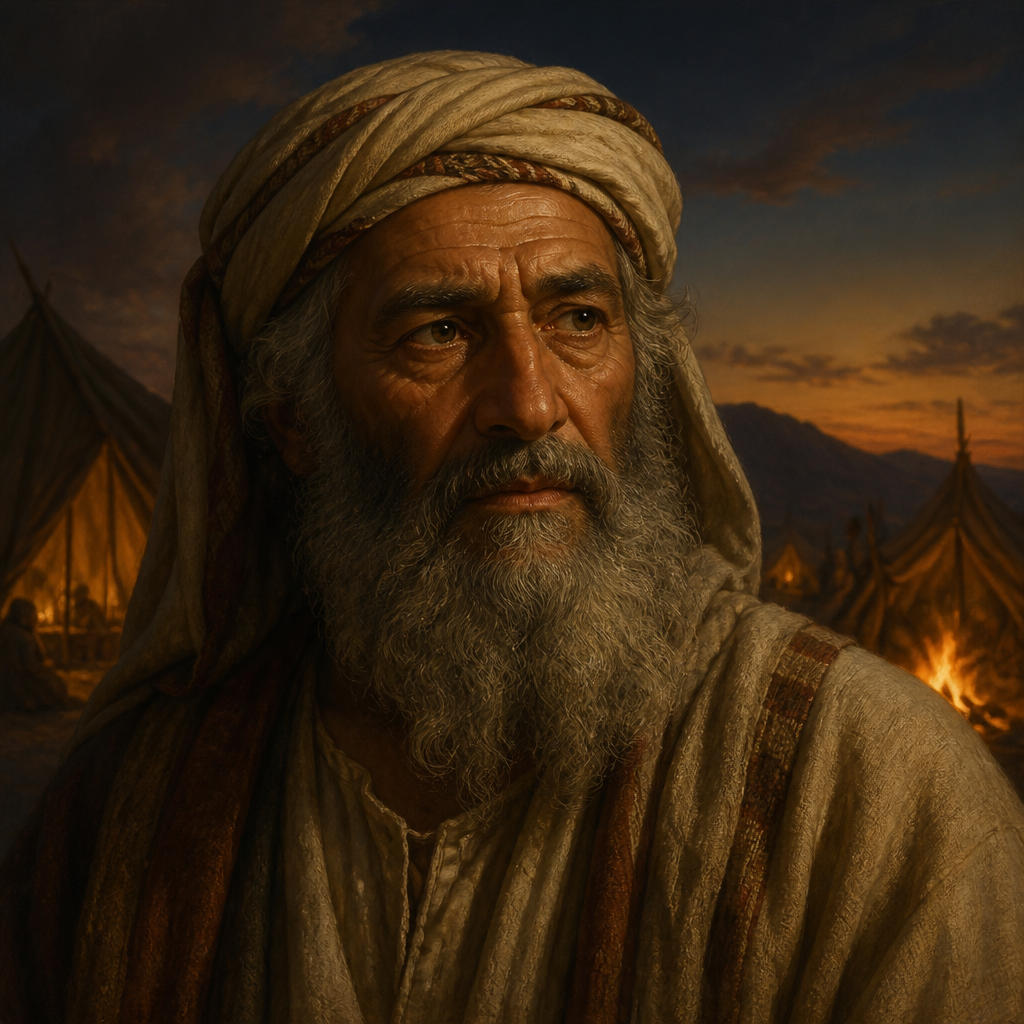
Zuar
Father of Nethanel the leader of the tribe of Issachar
A prominent member of the tribe of Issachar during the Exodus and the father of Nethanel, the leader of the tribe.
View profile →